
Call For Articles

North Carolina Pharmacist (NCP) is now accepting articles for publication consideration. As a peer-reviewed publication, NCP aims to inform, educate, and inspire pharmacists— from students and residents to seasoned practitioners— as well as pharmacy technicians in all areas of practice. We welcome a wide variety of submissions, including original research, quality improvement initiatives, medication safety, case reports or case series, reviews, clinical pearls, unique business models, technology innovations, and opinion pieces. Articles authored by students, residents, and new practitioners are encouraged, and mentors and preceptors are asked to guide their mentees and students in submitting appropriate written work for publication. The Author Instructions have been updated to clarify formatting requirements, improve guidance on referencing, and streamline the submission process. Key changes include a submission disclosure statement and notices regarding the appropriate use of AI. Authors are encouraged to review the complete instructions before submitting to ensure compliance with the new policies. Don’t miss this opportunity to share your knowledge and contribute to the advancement of pharmacy in North Carolina. For details on formatting and article types, click Guidelines for Authors, and for questions, please contact Tina Thornhill, PharmD, FASCP, FNCAP, Editor, at tina.h.thornhill@gmail.com.
Official Journal of the North Carolina Association of Pharmacists
PO Box 58
36 Court Square, SW
Graham, NC 27253
Phone: (984) 439-1646 www.ncpharmacists.org
EDITOR-IN-CHIEF
Tina Thornhill
LAYOUT/DESIGN
Rhonda Horner-Davis
EDITORIAL BOARD MEMBERS
Anna Armstrong
Jamie Brown
Lisa Dinkins
Jean Douglas
Brock Harris
Amy Holmes
John Kessler
Angela Livingood
Bill Taylor
BOARD OF DIRECTORS
EXECUTIVE DIRECTOR
Penny Shelton
PRESIDENT
Leigh Foushee
PRESIDENT-ELECT
Angela Livingood
PAST PRESIDENT
Tom D’Andrea
TREASURER
Ryan Mills
SECRETARY
Macary Marciniak
Talia Carlson, Chair, SPF
Tyler Pasour, Chair, NPF
Christine Heath, Chair, Community
Sacha Pollard Deloney, Chair, Health-System
Tasha Woodall, Chair, Chronic Care
Ben Smith, Chair, Ambulatory
Leslie Barefoot, At-Large
Miranda Hill, At-Large
Trent Beach, At-Large
North Carolina Pharmacist (ISSN 0528-1725) is the official journal of the North Carolina Association of Pharmacists. An electronic version is published quarterly. The journal is provided to NCAP members through allocation of annual dues. Opinions expressed in North Carolina Pharmacist are not necessarily official positions or policies of the Association. Publication of an advertisement does not represent an endorsement. Nothing in this publication may be reproduced in any manner, either whole or in part, without specific written permission of the publisher.
North Carolina Pharmacist





Where to Next?
For many years, the North Carolina Association of Pharmacists has been strategically focused on building value for pharmacy professionals, ensuring a strong voice for the profession, establishing partnerships and stakeholder relationships, and enhancing operational efficiency and effectiveness. Great strides have been made through these strategic initiatives. From this work, we have forged successful cornerstone services, including:
1. Maintaining a strong advocacy agenda focused on legislative, regulatory, and policy-related issues affecting the profession;
2. Developing and offering quality programming, tools, and resources to support members’ professional development needs;
3. Producing communications designed to keep members informed; and
4. Facilitating connections that allow members to engage with one another through huddles, forums, meetings, and service opportunities.
Essential and highly successful work! But, where to next?
Penny S. Shelton, PharmD, FASCP, FNCAP
That has been the question the NCAP Board of Directors and staff have been focused on since late last summer.
The NCAP Board of Directors (BOD), as the governing body of the Association, has among its primary responsibilities setting the direction for the organization. In my December 2025 column, I shared that the NCAP BOD had been engaged in strategic discussions, while exploring a series of forward-thinking questions to help shape the Association’s future direction. As your Executive Director, part of my role was to synthesize the insights from those discussions and organize them into a draft strategic plan.
Late last month, the NCAP BOD approved a new strategic plan for the Association. The plan, which can be found on page 6 of this issue, outlines two overarching goals—referred to as strategic pillars:
1. Advancing practice transformation, and
2. Optimizing member experience and engagement.
While our strategic focus will shift to comprehensively address these two goals, NCAP will continue to deliver our essential cornerstone services. The new strategic pillars will allow us to elevate the role, influence, success, and importance of NCAP in supporting pharmacy professionals and the patients they serve. In addition to these overarching goals, the plan includes a series of key objectives for each strategic pillar.
With the strategic plan now approved, the next step is for NCAP staff to develop an operational plan to guide its implementation. This operational plan will outline specific action items,
along with timelines and metrics to measure progress. The steps we are taking are methodical and deliberate—core elements for sustaining a strong and unified profession.
This work is not without risk. NCAP will need to invest resources and implement significant internal changes in order to continue delivering essential services while also pursuing new initiatives that support our strategic vision.
Even as the operational plan is being finalized, we have already begun work aligned with our two strategic goals. For example, under the goal to optimize member experience and engagement, we have begun branding work for the NCAP North Carolina Society of Health-System Pharmacists and launched a new LinkedIn group for hospital and health-system pharmacy professionals. We have also secured grant funding to support regional programming for independent pharmacy professionals and hosted a six-county gathering on March 16.
On the front of advancing practice transformation, we have restructured job responsibilities among NCAP staff to prepare for new roles. We have also begun planning a pharmacy stakeholder summit designed to rally and unify the profession around standard of care and full practice authority.
As part of developing the operational plan, we will also implement a change roadmap and engage members throughout the process. There are many frameworks for leading and implementing change. The roadmap we will utilize incorporates continuous quality improvement principles, including:
1. Understanding and setting di-
2. Contributing to the design,
3. Preparing for implementation,
4. Implementing action items,
5. Assessing outcomes, and
6. Adjusting for improvement as needed.
Authors Linda Ackerman Anderson and Dean Anderson also emphasize the importance of defining a clear vision and building commitment across an organization as part of their ninephase change leadership roadmap. In keeping with that guidance, NCAP will take several steps to engage members as we move forward.
The first step is this column. Once you have reviewed the strategic plan and read this column (as well as my December 2025 column), you are welcome to email me with any questions or comments about the plan. On Sunday, March 22, at 6:00 p.m., NCAP hosted a webinar providing updates on the Association, including an overview of the new strategic plan. (Recording of webinar available in NCAP’s On-Demand Library.) Additional information will also be shared during the Annual Convention, May 31 to June 2.
Finally, members will have opportunities to provide input on specific questions related to action items as we implement each strategic initiative. Because ultimately, the answer to “Where to next?” is not determined by NCAP leadership alone—it will be shaped by all of us working together to advance the profession.
Pharmacy Proud,
Penny S. Shelton, PharmD, FASCP, FNCAP
NCAP
Executive Director


Strategic Plan 2026 - 2030
Mission Statement
NCAP exists to unite, serve, and advance the profession of pharmacy for the benefit of society.
Core Values
We are a service-oriented, trustworthy, accountable, inclusive, collaborative, forwardthinking, and proactive organization leading with purpose.
Cornerstone Services
Advocacy
We provide a collective voice on legislative, regulatory, and policy related issues
Professional Development
We help meet practice needs through continuing education, tools, and resources
Communication
We keep you informed through news, publications, social media, and updates
Connections
We keep you connected to others through practice settings, forums, and committees.
Strategic Pillars
Over the next five years, NCAP will transition from rebuilding its diverse, efficient , effective, and highly valued cornerstone services to advancing two key strategic initiatives While our focus evolves, we will continue to deliver these essential services, aligned with and strengthened by our new strategic operational pillars
Practice Advancement & Transformation
Lead, design, and implement services that support pharmacists, pharmacy technicians, and student pharmacists with their practice transformation needs
Ensure the association’s advocacy agenda has a strong focus on addressing challenges and barriers impeding advanced practice
Establish and implement services designed to support provider credentialing, contracting, billing, and payment for pharmacistprovided care
Lead engagement with health plans to facilitate enactment of payment for care as well as to partner on programming and resources to support pharmacy professionals
Develop resources and services to support pharmacists and employers to capitalize on digital health, collaborative practice expansion, artificial intelligence, and alternative models of care delivery
Establish processes at the practice setting and forum levels that ensure the association is optimally working to address specific transformation needs for different practice settings
Member Experience & Engagement
Lead and design operational processes to ensure positive member experiences and to enhance member engagement with each other and the association
Develop processes to intermittently solicit member experiences with cornerstone services.
Utilize communication media and technology platforms to better engage with general and targeted audiences among the membership
Embed membership growth and retention success tactics into core operations
Highlight member talents, experiences, and success stories
Establish and implement programming and services designed to produce a pipeline of future leaders for leadership succession
Strengthen the association’s virtual communities’ infrastructure. Utilize regional programming, listening sessions, and member appreciation tactics to build a professional home and sense of community within the association

Hometown: Garner, NC
Residence: Garner, NC & Sugar Mountain, NC
Undergraduate: Barton College, Wilson, NC
PharmD: Campbell University, Buies Creek, NC
Residency: Central Pharmacy & Compounding Center, Durham, NC
Master’s in Population Health
Management: Johns Hopkins University, Baltimore, MD
Spouse: Eugene (married 1999)
Children: Madeline (born 2002) & Meredith (born 2006)
Pets: Asher (corgi) and a herd of deer
Hobbies: snow skiing, listening to audiobooks & podcasts, reading, trying new recipes, anything involving time with my favorite people
Our Story, Our Home
Hi! I’m Leigh, and it is my great honor to serve you as North Carolina Association of Pharmacists (the Association) president this year. First, thank you for trusting me to lead our Association. 2026 is a year to build on our
Leigh L. Foushee, PharmD, MAS, FNCAP
momentum, our relationships, and our vision for pharmacy in North Carolina; I hope you are ready for it. As I enter this role, one thing is clear to me: this presidency is not something I step into alone; it is something we carry together.
In our careers, we are committed to doing what’s best for patients, advancing science, and demonstrating the value of being a core part of the patient care experience. Within NCAP, we are focused on you. This year, we will work to make the legislative wins of 2025 tangible in daily practice, strengthen partnerships that provide practical tools and resources, foster community across pharmacy disciplines, and seek to remove barriers that limit your impact.
What Is My (Our) Story?
My path into pharmacy may look different from yours, but, like many of us, it was shaped by people who invested in, encouraged, and challenged me along the way. In high school, I found pharmacy through volleyball; a teammate’s sister, a pharmacist, took time to show me the ropes. At Barton College, my interest was nurtured and encouraged by the pharmacist I worked with. At Campbell, my pharmacy school friends and faculty members shaped my growth, and mentors ignited passions that would guide my career.
So far, I have held many jobs and explored multiple areas of pharmacy. I gravitate to innovative, cutting-edge, and “choose your own adventure” type roles and like to be constantly challenged as a pioneer and early adopter. Currently, I am a population
health pharmacy manager supporting an incredibly talented group of pharmacists and pharmacy technicians.
Along the way, colleagues, leaders, and friends pushed me, celebrated successes, helped me learn from failures, and guided me through hard decisions. Students and residents, too, have shaped me—teaching me how to be a better pharmacist, educator, and mentor. Leadership within NCAP has been a team experience, supported by decades of remarkable presidents, board directors, members, staff, and executive directors who made this part of my journey meaningful, rewarding, and, honestly, just fun.
What all these people have in common is not a title or a role; it’s that they created space for me to belong, to grow, be authentic and vulnerable, and to find my place in this profession. They have seen me through hard and joyful seasons and changed me in big and small ways – all of which I am deeply thankful. That sense of belonging and home is what turned opportunity into purpose, and it is what I hope NCAP and our profession continue to be for each of us.
I have met so many of you along this journey and hope to meet many more in the year ahead. We all have much to give and share, and your threads are deeply woven into the fabric of who I am, making my time as your NCAP president truly our time.
What’s in It for You (and Me)?
Because I’ve experienced firsthand what community can make possible, our strategic focus this year is grounded in strengthening connec -
tion and belonging within NCAP.
Premembers: Be curious about NCAP. Ask questions. Attend Convention and educational events. Follow your practice group’s social media accounts and explore the Association website. See what NCAP has to offer and imagine how you might find your place here.
Members: Fully embrace your membership. Share your talents in service of the Association. Present a CE, lead within your practice group, advocate for professional advancement, publish in the journal, mentor learners and new practitioners, or help someone make a connection. Recruit premembers by sharing your NCAP story—you are our secret sauce.
Remembers: Life happens. Focus shifts. Memberships lapse. We get it. Make a lunch date with yourself to renew, set up auto-renewal, and jump back in – bring your friends too. If something has been missing within the Association that has held you back from continuing membership, share your ideas with us. Whether you are just discovering NCAP, deeply rooted here, or considering a return, there is room for you in this home.
What’s Next?
My time as your president is our time. Let’s keep telling our story together. I hope you show up this year as your full self—ready to do the hard work, ready to have fun, and ready to keep building an amazing home for pharmacy in North Carolina.
Leigh L. Foushee, PharmD, MAS, FNCAP
NCAP President

Expert coverage for experts like you.
Taking care of others is what you do. But even the best caregivers need looking after, too. That’s where the insurance experts at Pharmacists Mutual come in.
As a pharmacist, you hold an esteemed position in your community. People rely on you for your expert advice, unique knowledge, and experienced opinions. But by the very nature of your profession, you can become a natural target.
That’s why, with more than 110 years of experience, more pharmacists depend on Pharmacists Mutual for the added insurance protection and coverage they need to carry out their critical work.

Honduras, a Central American country with over 10 million residents, faces significant and longstanding challenges in healthcare delivery. Historical economic instability, limited public health funding, and geographic barriers have contributed to disparities in access to medical services, particularly in rural regions. (1-3) As a result, shortages of essential medications, limited resources for chronic disease management, and barriers to follow-up care are common. These realities make short-term medical brigades meaningful, though temporary, support to local healthcare infrastructure and highlight the complexity of delivering care in resource-limited settings. This medical brigade is held three times a year and is organized by the nonprofit organization Shoulder to Shoulder. This opportunity is offered to Wingate University School of Pharmacy students as part of the Advanced Pharmacy Practice Experience. A pharmacy preceptor also accompanies the student. The medical brigades consist of physicians, nurse practitioners, physician assistants, dentists, nurses, pharmacists, residents, students, and other volunteers. At times, Honduran medical professionals also participate.
Our participation in a medical brigade in Guachipilincito (Guachi), Honduras, provided firsthand exposure to these systemic challenges and revealed striking contrasts between pharmacy prac-
Pharmacy Practice Across Resource-Limited Settings: Insights from a Honduras Medical Brigade - Experiences Gained
By: Noredys Casasnovas, PharmD Candidate, Dr. Lisa Jones, Dr. Carrie Griffiths
tice in Honduras and the United States. The experience profoundly shaped further understanding of medication safety, patient communication, and the role of pharmacists in diverse care environments.
Resource Limitations and Workflow Differences
Unlike U.S. pharmacies, which benefit from comprehensive formularies, electronic prescribing, automated verification systems, and multiple layers of safety checks, the brigade pharmacy operated with a condensed formulary built from the World Health Organization Model List of Essential Medications and limited to the most essential and commonly needed medications, and an entirely manual workflow. (4) Paper charts served as the primary record system, requiring meticulous review of chronic conditions, vital signs, blood glucose values, PHQ-2 or -9 scores, and previous treatments. All prescriptions were handwritten, labels were created manually, and communication was heavily dependent on interpreters. Each patient was counseled on each prescription before leaving the clinic.
These constraints meant that pharmacists and student pharmacists served as the primary safeguard against medication errors. Without barcode scanning, electronic decision-support
tools, or automated alerts, medication verification relied on clear communication, visual inspection, and teamwork. These manual processes were further complicated by limited electricity, with frequent power outages reducing lighting and workspace visibility, heightening the need for caution and collaboration. (Photo 1) This paper highlights similarities and differences between the two healthcare systems.

1: Photo of the pharmacy without electricity. Headlamps are being used for the lighting.
Photo
The
Perspective of Returning Brigade
Members
Many brigade members return to Guachi for years after their initial brigade experience. Returning members are familiar with the community’s expectations and the clinic’s workflow, enabling a deeper understanding of the group’s evolving healthcare needs. While core responsibilities remain the same from brigade to brigade, returning volunteers often assume mentorship roles and reinforce the essential practices unique to Guachi and the team. This brigade’s dedication to global healthcare is especially evident on return trips, where the continuity, growth, and collaborative spirit are highlighted.
Chronic Disease Management
In Guachi, the most commonly treated chronic conditions are hypertension, diabetes, and, more recently, depression. Chronic care in this rural area relies solely on paper charts and patient self-report. Without electronic medical records, information is not shared between clinics and across healthcare encounters. One aspect of care that stands out in the community is the organization’s regional Health Promoter, who plays a vital role in following up with high-risk individuals, assessing community needs, and bridging the gap between brigades.
Medication Safety in Resource-Limited Settings
As pharmacists, medication safety is at the forefront of our everyday practice. In Guachi, challenges with medication safety illustrated just how vulnerable our processes can be when the technology-driven safeguards to which we are all accustomed are absent.
One impactful moment occurred while our pharmacy student was providing routine medication counseling to a patient. Although the patient had
completed intake, vitals, and her provider visit, she had not mentioned her chronic antidepressant, and her paper chart contained no record of it. It was only during the pharmacy counseling session that she casually asked for a refill of fluoxetine. In the U.S., electronic medication records, pharmacy databases, and automated medication reconciliation would likely have prevented this type of gap in care. In Guachi, the student pharmacist’s counseling was the final, and only, safety net ensuring her continuity of care.
Recognizing the gap, the pharmacy student accompanied the patient back to the provider and translated the conversation. After clarification, the fluoxetine was resumed. This moment emphasized how easily chronic medications can be omitted when patients are unfamiliar with the interview process or hesitant to speak up. In the U.S., medication reconciliation tools, pharmacy databases, and EHRs often prevent gaps in chronic therapy. In Guachi, however, the pharmacy becomes the final and crucial checkpoint for uncovering missing information. This experience demonstrated how patient counseling can serve as a safety net by promoting safe medication use and ensuring continuity of care.
Another important learning moment arose from a medication administration error involving look-alike labeling, in which calamine lotion was mistakenly administered to a pediatric patient as acetaminophen. The incident occurred during an extended power outage at the end of a busy day in the clinic, due to a combination of vulnerabilities.
Viewing the incident through the commonly known Swiss Cheese Model, multiple latent and active failures can be seen aligning, culminating in an error reaching our patient. (5) Looking back to day one, the power outage and resultant environmental conditions, such as low lighting, coupled with
look-alike labeling, led to a bottle of calamine lotion being wrongly shelved with bottles of liquid acetaminophen. (Photo 2) On the day of the incident, these same conditions were present along with added factors such as excessive heat and crowded workspaces. The final, active failure in the process occurred when, at the end of a stressful day, a hot and fatigued pharmacist, faced with a pediatric patient in pain, quickly reached for a bottle of acetaminophen in a dark pharmacy.
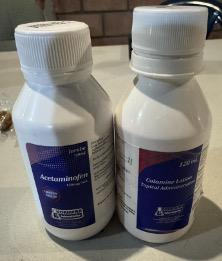
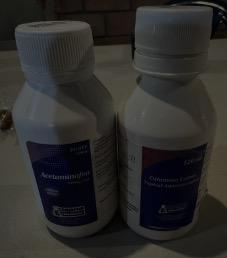
Photo 2: Normal lighting vs. Low lighting: Acetaminophen and calamine lotion with look-alike labeling
In our resource-limited pharmacy, in the absence of our usual safeguards, such as barcode scanning and adequate environmental controls, the
multiple layers of defense designed to ensure patient safety failed. It was not until another pharmacist was assisting with labeling the medication bottles for dispensing that the error was discovered. Although the patient had recently received an incorrect medication dose in the clinic, there was no serious harm from the mix-up. The patient was subsequently administered acetaminophen as originally intended, and the family was informed of the error.
The key takeaway from these experiences for all of us was that, while medication errors can occur anywhere, in resource-poor settings, the margin for error is significantly narrower, and the pharmacist’s role as the final check becomes even more critical.
Clinical Encounters and Public Health Engagement
Beyond the pharmacy, brigade members assisted with vital signs collection, home visits, and school-based health and dental education. Vitals taken during clinic days included blood pressure, heart rate, temperature, and weight. As part of this process, the pharmacy student also assisted in administering and reviewing the PHQ-2 or -9 depression screening with patients to help identify mental health concerns that may not have otherwise been addressed. This experience emphasized the importance of integrating mental health assessment into routine care, particularly in underserved populations. It highlighted the need for sensitive and culturally respectful communication when discussing personal health topics.
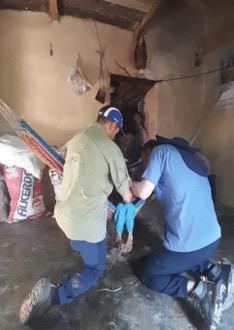
Brigade members participated in home visits in the community, which provided valuable insights into patients’ lives beyond the clinical setting. (Photos 3 & 4) These visits included assessments of medication use, living conditions, access to basic necessities, and barriers to care, such as transportation,
Memorable Encounters and Continuity of Care
Some of the most meaningful and memorable experiences of the brigade came from clinical encounters that demonstrated not only the community’s strength and resilience but also the significance of the mission’s long-term engagement.

financial constraints, and health literacy. Observing patients in their home environments underscored the strong influence of social and environmental factors on health outcomes and highlighted the importance of providing realistic, patient-centered healthcare recommendations tailored to individual circumstances.
Several cases involving patients with special needs stood out as particularly impactful on this brigade. While not a chronic condition that we typically focus on managing due to its complex nature, there were two memorable cases of poorly controlled epilepsy due to inconsistent access to medication, caregivers being forced to ration doses, and the lack of access to specialty neurological care. One of these cases involved a young child who had been on the brigade’s radar the previous year, when several members advocated to help bridge this gap and provide access to antiseizure medications. Through these efforts, the organization has been able to provide the medications consistently for several months, and the number of daily seizures has dramatically decreased.
Additionally, the pharmacy student assisted with school-based health and dental education, providing a meaningful opportunity to engage with the local community. The session began with a brief introduction featuring a puppet named Daniela Dental, played by the pharmacy student, which helped capture students’ attention and foster an engaging learning environment. (Photo 5 ) The children responded with visible excitement as important lessons on oral hygiene and overall health were delivered in an engaging and accessible manner. Following the presentation, fluoride varnish was applied to the children’s teeth (Photo 6), reinforcing preventative dental care while providing a tangible intervention to support long-term oral health. The students’ enthusiasm and gratitude made
Photo 3: Brigade physicians examining a special needs child in her home.
Photo 4: Brigade members speaking with a patient in her home.

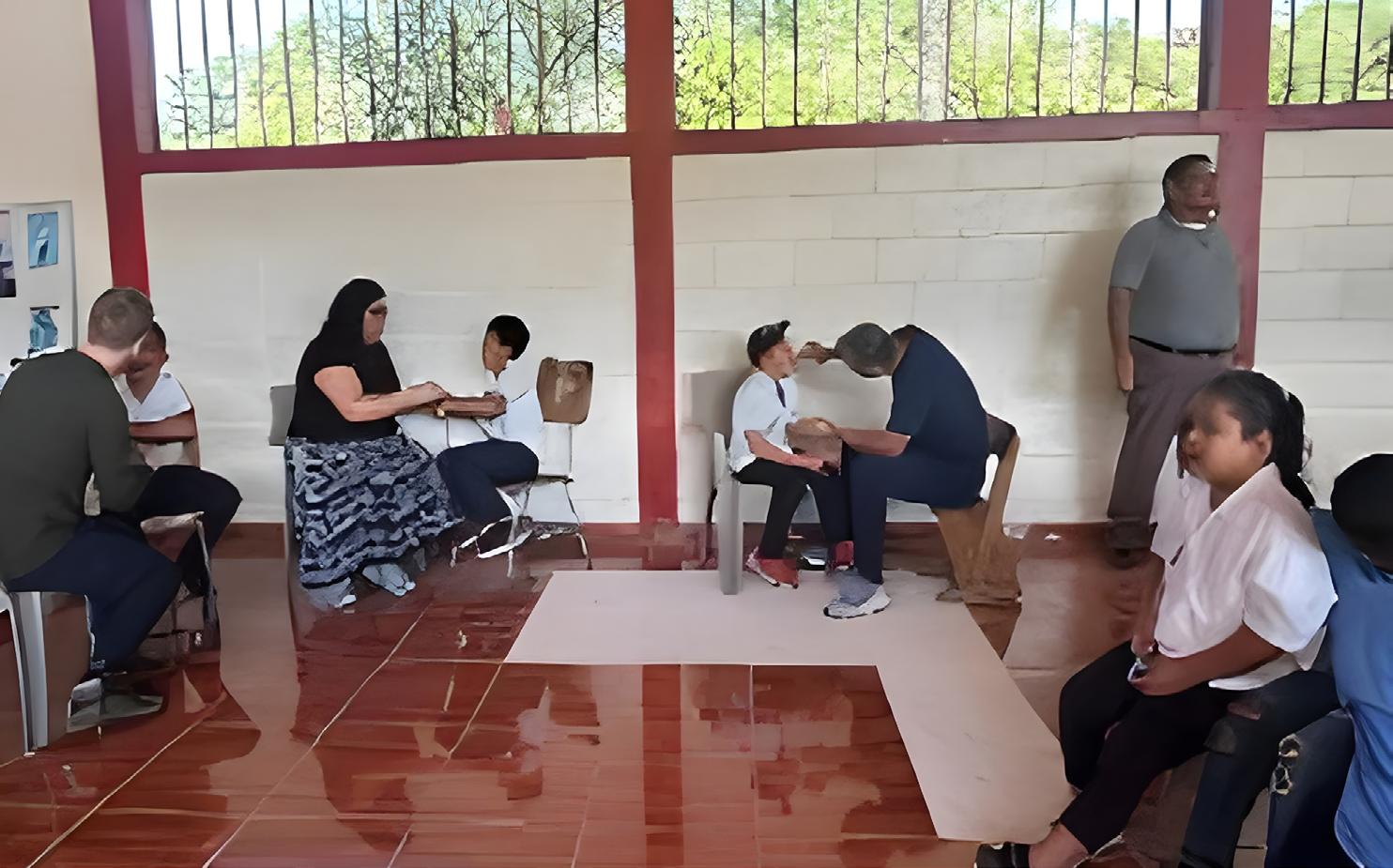
to the children’s teeth.
this experience especially impactful.
Professional Growth and Lasting Lessons
By the end of the week, the contrast between U.S. and Honduran pharmacy practice had reshaped our perspectives. It deepened appreciation for the safety nets built into healthcare and for the resilience and adaptability required when these systems are absent. The people we served were welcoming, patient, and grateful, reminding us that compassion and connection are central to healthcare regardless of setting.
This experience affirmed that pharmacy is more than dispensing; it is advocacy, problem-solving, communication, and a commitment to medication safety even in settings without modern infrastructure. The lessons learned in Guachi about continuity of care, teamwork, humility, and service will remain foundational for all of us.
Authors: Noredys Casasnovas, PharmD Candidate, Class of 2026, Wingate University School of Pharmacy; Lisa Jones, PharmD, Clinical Pharmacist, Atrium Health; Carrie L. Griffiths, PharmD, BCCCP, FCCM – corresponding author, Adjunct Faculty, Wingate
University School of Pharmacy, carrie. griffiths@gmail.com
References
1. Pan American Health Organization. Health in the Americas: Honduras. Washington (DC): PAHO; 2023.
2. World Bank. Honduras – Health Overview. Washington (DC): World Bank; 2022.
3. United Nations Development Programme. Human Development Report:
Honduras. New York: UNDP; 2023.
4. World Health Organization. The selection and use of essential medicines, 2025: WHO Model List of Essential Medicines, 24th list. Geneva: World Health Organization; 2025.
5. Wiegmann DA, Wood LJ, Cohen TN, Shappell SA. Understanding the “Swiss Cheese Model” and Its Application to Patient Safety. J Patient Saf. 2022;18(2):119-123. https://pmc.ncbi. nlm.nih.gov/articles/PMC8514562/

Photo 5: Student Pharmacist Noredys Casasnovas with Daniela Dental.
Photo 6: Brigade members applying fluoride varnish
Impact of a virtual pharmacist-led anticoagulation management program in patients with atrial fibrillation transitioning from warfarin to direct oral anticoagulants
By: Dr. Samantha Rosebraugh, Dr. Micaela Furest-Cataldo, CPP, BCPS, Dr. Jennifer McGuirt, CPP, BCACP

Abstract
Purpose
Direct oral anticoagulants (DOACs) are the preferred anticoagulants for patients with nonvalvular atrial fibrillation (AF); however, many patients are unable to switch from warfarin due to medication access issues. The objective of this study was to evaluate the impact of a virtual pharmacist-led anticoagulation management program focused on improving medication access in patients transitioning from warfarin to a DOAC.
Methodology
A retrospective chart review was conducted on patients with nonvalvular AF whose anticoagulation therapy was managed by a pharmacist and transitioned from warfarin to a DOAC. The primary outcome was the difference in percentage of patients who were considered effectively anticoagulated, defined as a time in therapeutic range (TTR) of ≥70% on warfarin and proportion of days covered (PDC) of ≥80% on a DOAC. Secondary outcomes explored safety and healthcare utilization.
Results
Of the 55 eligible patients, 31 (56%) achieved effective anticoagulation on warfarin, compared to 55 (100%) after switching to a DOAC (P < 0.001). There was no significant difference in the total number of ED visits between warfarin and DOAC (P > 0.05). The total number of anticoagulation encounters was significantly lower when on a DOAC compared to when on
warfarin (P < 0.001). Mean PDC did not differ among patients with TTR >70%, 5070%, or <50% on warfarin (P > 0.05).
Conclusions
Transitioning patients with AF from warfarin to a DOAC through a virtual pharmacist-led program improves the effectiveness of anticoagulation therapy regardless of previous TTR with no significant changes in safety.
Background
Atrial fibrillation (AF) is the most common arrhythmia affecting an estimated five million people in the United States in 2025 (1). Patients with AF have an increased risk of thromboembolism and ischemic stroke. Consequently, the 2023 American College of Cardiology and American Heart Association AF guideline recommends thromboembolic medication therapy for those deemed high risk, with direct oral anticoagulants (DOACs) preferred over warfarin, as they appear to provide a greater net benefit for thromboembolic prophylaxis (2). However, the higher cost of DOACs may hinder some patients from transitioning from warfarin, as elevated out-of-pocket costs have been associated with an increased risk of DOAC discontinuation and increased incidence of stroke or thromboembolism (3,4).
When evaluating the effectiveness of anticoagulation therapy, measures of medication adherence are often used as proxies for therapeutic effectiveness. For warfarin, this is assessed using time in therapeutic range (TTR); for DOACs, it is measured us-
ing the proportion of days covered (PDC) (5). A TTR of at least 70% is the recommended target to maximize benefits while minimizing potential harm to patients (2,6). PDC is a commonly used tool for measuring medication adherence. It is the percentage of time that a patient is covered by their prescription fills. A PDC of at least 80% is widely accepted as a marker of good adherence (7,8).
Following the closure of a large cardiology clinic in North Carolina, warfarin management was transitioned to primary care clinics. Each primary care clinic had access to a clinical pharmacist practitioner (CPP) through a virtual pharmacist-led medication management program. This program utilized CPPs’ ability to manage medications under a collaborative practice agreement and their connection to a home-delivery pharmacy to provide patients with medication access and cost savings. This program uniquely positions CPPs to improve access to DOACs and to transition patients from warfarin to DOACs when appropriate.
The existing literature demonstrates the benefits of transitioning from warfarin to a DOAC and discusses the roles pharmacists can play in this transition (8-10). However, there is currently no available evidence comprehensively evaluating the specific impact of virtual pharmacist-led anticoagulation transition management on effectiveness, safety, and healthcare utilization within a single study.
Purpose
The study aims to evaluate the impact of a virtual pharmacist-led medication man-
agement program on anticoagulation therapy in patients with nonvalvular AF. The primary objective was to assess the effectiveness of anticoagulation therapy managed by a CPP in patients initially on warfarin who later transitioned to DOACs. This was assessed by examining and comparing the TTR for warfarin and the PDC for DOACs. Secondary objectives included analyzing differences in safety outcomes by examining the number of emergency department (ED) visits associated with bleeding or thrombotic events, analyzing healthcare utilization by examining the number of anticoagulation encounters, and assessing the relationship between TTR cutoff points on warfarin and their subsequent mean PDC on a DOAC.
Methodology
Study design. This was a retrospective, observational cohort study analyzing data from patients within a major local institution-associated medical group between December 1, 2020, and December 1, 2024. The primary endpoint was the difference in percentage of patients who were considered effectively anticoagulated, defined as a time in therapeutic range (TTR) of ≥70% on warfarin and proportion of days covered (PDC) of ≥80% on a DOAC. The secondary endpoints were the number of ED visits associated with bleeding or thrombotic events, the number of anticoagulation encounters, and the average PDC on a DOAC based on previous warfarin TTR cutoff points. This study was approved for exemption by the institutional review board.
Virtual pharmacist-led medication management program. Patients who were previously managed by a pharmacist for warfarin therapy at the cardiology clinic were referred to a virtual CPP program by their primary care providers starting in 2022 for anticoagulation management and potential transition to a DOAC. This program provides primary care providers with access to a CPP and a home-delivery pharmacy to improve patient care. CPPs individually assess patient medication regimens to evaluate appropriateness, efficacy, safety, and access. The home delivery pharmacy delivers medications directly to patients’ homes and uses 340B drug pricing to provide cost savings. Additionally, the home delivery pharmacy enrolls patients in automatic refills by default to help ensure medications
are received on time and to minimize gaps in therapy. Patients previously managed at the cardiology clinic did not have access to this pharmacy while on warfarin.
CPP visits were conducted telephonically and documented in the electronic health record (EHR). Initial and follow-up visits were both scheduled for thirty minutes. During the initial visit, the patient’s medical chart and medication list were reviewed to assess the appropriateness of anticoagulation therapy, the need for renal dose adjustments, possible interactions, and opportunities for therapy optimization. Medication adherence, insurance coverage, and health literacy were evaluated to identify potential issues with medication access. Any necessary prescriptions or laboratory tests were then ordered, and the results were subsequently reviewed by the ordering CPP. These laboratory tests were most commonly basic or comprehensive metabolic panels, complete blood counts, and international normalized ratios (INR) to assist in the transition from warfarin to a DOAC. Follow-up visits were scheduled as needed, typically every 6 months, to review any changes in the patient’s medical history or new laboratory test results warranting dose adjustments, evaluate medication adherence and tolerance, and address ongoing medication access concerns. The referring provider would be contacted, if necessary, and the anticoagulation assessment and plan would be documented in the patient’s EHR for reference.
Study population. Patients were eligible for analysis if they were at least 18 years old, had a diagnosis of nonvalvular AF, received anticoagulation management from a CPP for at least 18 months, had been on warfarin for at least 18 months prior to transitioning to a DOAC for a minimum of 18 months, and obtained their DOAC through the institution-associated home delivery pharmacy. The transition to a DOAC must have occurred between June 1, 2022, and June 1, 2023. Patients were excluded if they were pregnant at any time during the study period, had their anticoagulation therapy transitioned to a non-CPP provider, received more than two fills of their DOAC at a different pharmacy other than the institution-associated home delivery pharmacy, switched to a different DOAC during the 18-month DOAC period, or had any other indication for anticoagulation other than nonvalvular AF.
Data collection. A report was generated from the EHR to identify patients with a documented ICD-10 code I48 in their chart indicating an AF diagnosis and who had both a warfarin and a DOAC prescription sent by a CPP. A manual chart review of these patients was then completed to assess eligibility. For eligible patients, study data were collected through additional manual chart review. Baseline characteristics of age, sex, insurance type, DOAC prescribed, length of warfarin therapy, CHA₂DS₂-VASc, and HAS-BLED scores at the time of transition were collected. Furthermore, TTR on warfarin, PDC on DOAC, the number of ED visits for bleeding or thrombotic events, and the number of anticoagulation encounters during the study period were collected for primary and secondary outcome analysis. During data collection, each patient was given a dichotomous categorical variable of either “yes” or “no” based on whether they met the criteria for being considered effectively anticoagulated, which was defined as a TTR of ≥70% on warfarin and a PDC of ≥80% on a DOAC. TTR and PDC were calculated by the EHR. TTR was calculated using the Rosendaal method, which linearly interpolates INR values to estimate time in the therapeutic range (11). PDC was calculated by the total number of days covered by the pharmacy-dispensed medication divided by the total number of days in the time period, multiplied by 100 (12).
Data analysis. Statistical analysis was performed using the chi-squared test for the primary endpoint and paired t-test and ANOVA test for the secondary endpoints. Statistical significance was set at an alpha of less than 0.05. Descriptive statistics were used to characterize the baseline characteristics of the study participants.
Results
The EHR report initially identified 78 patients who were then assessed for eligibility. Of these, 23 patients were excluded: 11 for not being on warfarin or a DOAC for at least 18 months, five died of a non-bleeding or clotting event, three had atrial flutter, three had non-CPP prescribed DOAC, and one never switched to a DOAC.
A total of 55 patients were included in the final analysis. Of these patients, 31 (56.36%) were male; the mean age at the
time of DOAC transition was 75.31 years; and 51 (92.73%) received their insurance coverage through Medicare. Rivaroxaban was the most prescribed DOAC at 48 (87.27%) patients being transitioned to it. The mean length of warfarin therapy prior to transition to DOAC was 6.30 years.
Mean CHA₂DS₂-VASc and HAS-BLED scores
P > 0.05) (Table 3).
Discussion
Table 1. Characteristics of patients at baseline
Rivaroxaban
Apixaban
Dabigatran
Key: DOAC, direct oral anticoagulant
were 3.98 and 1.45, respectively, indicating an appropriate need for anticoagulation with low risk of bleeding (Table 1).
The transition from warfarin to a DOAC increased the number of patients considered effectively anticoagulated: 31 patients (56.36%) achieved effective anticoagulation while on warfarin, compared with all 55 patients (100.00%) achieving effective anticoagulation after the transition to a DOAC (P < 0.001). Safety outcomes were similar on warfarin and on a DOAC. A total of seven ED visits associated with a bleeding or thrombotic event were documented when patients were on warfarin, compared to a total of eight ED visits after the transition to a DOAC (P = 0.371). Of the ED visits, there were two clotting events on warfarin, two clotting events on a DOAC, five bleeding events on warfarin, and six bleeding events on a DOAC. There was a statistically significant difference in healthcare utilization. A total of 1,734 anticoagulation encounters were documented during the study period when patients were on warfarin compared to a total of 255 encounters after the transition to a DOAC (P < 0.001) (Table 2). Mean PDC did not differ significantly for patients with a TTR of >70, 50-70%, or <50% on warfarin (97.58%, 100.00%, 100.00%, respectively;
This virtual pharmacist-led medication management program demonstrated significant clinical benefits in patients with nonvalvular AF who were transitioned from warfarin to a DOAC. The effectiveness of anticoagulation therapy significantly improved after transition to a DOAC, as demonstrated by the high proportion of patients who remained effectively anticoagulated on a DOAC, regardless of pre-switch TTR. In addition, patients had fewer anticoagulation encounters while on a DOAC compared to when on warfarin, with similar rates of ED visits. Although not significantly different, there was a higher number of ED visits associated with a bleeding event in patients on a DOAC. Of the six bleeding events on DOACs, five occurred with rivaroxaban. This is consistent with prior research indicating that ri-
Table 2. Primary and secondary outcomes
body of literature on the impact of pharmacist-led anticoagulation management during the transition from warfarin to DOACs. Prior research has found that pharmacists can successfully manage this transition, achieving high adherence rates, no increase in harm, and comparable adherence regardless of TTR (8-10). This study replicated the positive findings from prior studies and further expanded on them by discussing the use of a 340B pharmacy to improve medication access.
This study does present several limitations. First, TTR and PDC were used as proxies for anticoagulation therapy effectiveness rather than clinical outcomes or laboratory tests. These metrics serve as indirect comparators: TTR is a more clinically oriented measure of compliance, reflecting the proportion of time a patient remains within the therapeutic range, whereas PDC assesses medication adherence solely based on prescription refill data. Currently, no validated clinical measure of DOAC adherence comparable to TTR exists. Second, ED visits were limited to those at internal facilities, and prescriptions were limited to those sent to the internal home-delivery pharmacy. Third, the study period was limited to 36 months due to the switch to a DOAC, which occurred by June 2023. To match time on DOAC, only the last 18 months of warfarin therapy were assessed. Lastly, the generalizability of our findings may be limited to patient
Key: DOAC, direct oral anticoagulant
aEffective anticoagulation was
as a TTR of ≥70% on warfarin and a PDC of ≥80% on a DOAC
varoxaban has a higher bleeding risk than apixaban or warfarin (13). Overall, these findings suggest that switching patients to a DOAC can reduce the need for frequent clinic visits without compromising safety. The results of this study contribute to the
populations with similar access to CPP-led care models, 340B drug pricing, and home delivery pharmacies.
Table 3. Secondary outcome of mean PDC by TTR group
Key: PDC,
The findings of our study provide real-world evidence of the benefits that patients can experience when transitioning from warfarin to DOACs and emphasize the
valuable role pharmacists can have in this transition. These results have important implications for anticoagulation management in clinical practice. Pharmacists have the ability to play a critical role in transitioning patients off warfarin and managing DOAC therapy. While transitioning from warfarin to a DOAC allows for less frequent monitoring, DOACs are not benign and still require scheduled monitoring. Pharmacists also have unique training compared to other healthcare providers, which allows for a greater understanding of medication counseling, adherence, and access, leading to enhanced success in anticoagulation management. Furthermore, the virtual care model expands patient access to healthcare practitioners, while the home delivery pharmacy improves access to DOACs through cost savings, auto-refills, and direct delivery to patients. These improvements in access increase adherence to anticoagulation therapy, thereby reducing the risk of stroke or thromboembolism in patients with nonvalvular AF. Further studies are needed to determine the impact of this virtual pharmacist-led program when prescribing DOACs to traditional retail pharmacies.
Conclusions
This study demonstrates that transitioning patients with nonvalvular AF from warfarin to DOACs in a virtual pharmacist-led medication management program significantly improves the effectiveness of anticoagulation therapy. All patients achieved effective anticoagulation with DOACs, compared with approximately half on warfarin, regardless of their pre-switch TTR. Patients were able to significantly reduce their number of anticoagulation encounters without a significant change in safety outcomes when on DOACs. These findings highlight the positive impacts associated with pharmacist involvement in anticoagulation management through a unique virtual program.
Authors: Samantha Rosebraugh, PharmD, PGY2 Ambulatory Care Pharmacy Resident, Novant Health, Charlotte, NC; srosebraugh@novanthealth.org/samrosebraugh@gmail.com; Micaela Furest-Cataldo, PharmD, CPP, BCPS, Novant Health Salem Family Medicine, Winston-Salem, NC; Jennifer McGuirt, PharmD, CPP, BCACP, Novant Health Maplewood Family Medicine, Winston-Salem, NC.
References
1. American Heart Association. What is Atrial Fibrillation (AFib or AF)? www.heart.org. Published March 23, 2023. https://www. heart.org/en/health-topics/atrial-fibrillation/what-is-atrial-fibrillation-afib-or-af
2. Joglar JA, Chung MK, Armbruster AL, et al. 2023 ACC/AHA/ACCP/HRS guideline for the diagnosis and management of atrial fibrillation: A report of the American College of Cardiology/American Heart Association Joint Committee on clinical practice guidelines. Circulation. 2023;149(1). doi:https:// doi.org/10.1161/CIR.0000000000001193
3. Zhdanava M, Ashton V, Korsiak J, Jiang F, Pilon D, Alberts M. Out-of-pocket costs for direct oral anticoagulants and prescription abandonment among patients with nonvalvular atrial fibrillation or venous thromboembolism. JMCP. 2025;31(4):366376. doi:https://doi.org/10.18553/ jmcp.2025.31.4.366
4. Salam T, Desai U, Lefebvre P, et al. Unintended Consequences of Increased Out-of-Pocket Costs During Medicare Coverage Gap on Anticoagulant Discontinuation and Stroke. Advances in Therapy. 2023;40(10):4523-4544. doi:https://doi. org/10.1007/s12325-023-02620-z
5. Conway SE, Hwang AY, Ponte CD, Gums JG. Laboratory and Clinical Monitoring of Direct Acting Oral Anticoagulants: What Clinicians Need to Know. Pharmacotherapy: The Journal of Human Pharmacology and Drug Therapy. 2017;37(2):236-248. doi:https://doi.org/10.1002/phar.1884
6. Wan Y, Heneghan C, Perera R, et al. Anticoagulation Control and Prediction of Adverse Events in Patients With Atrial Fibrillation. Circulation: Cardiovascular Quality and Outcomes. 2008;1(2):8491. doi:https://doi.org/10.1161/circoutcomes.108.796185
7. Yang Q, Chang A, Ritchey MD, Loustalot F. Antihypertensive Medication Adherence and Risk of Cardiovascular Disease Among Older Adults: A Population-Based Cohort Study. Journal of the American Heart Association. 2017;6(6). doi:https://doi. org/10.1161/jaha.117.006056
8. Pundi KN, Perino AC, Fan J, et al. Direct Oral Anticoagulant Adherence of Patients With Atrial Fibrillation Transitioned from Warfarin. Journal of the American Heart Association: Cardiovascular and Cerebrovascular Disease. 2021;10(23):e020904. doi:https://doi.org/10.1161/ JAHA.121.020904
9. Mews K, Umbreit A, Holm E, et al. Impact of a Pharmacist-Led Warfarin to Direct Oral Anticoagulant Conversion Initiative during the COVID-19 Pandemic. INNOVATIONS in pharmacy. 2022;13(1):14. doi:https://doi. org/10.24926/iip.v13i1.4491
10. Bartholomew RR, Noble BN, Stanislaw JJ, Viehmann M, Herink MC, Furuno JP. Frequency and clinical outcomes of phar-
macist-driven switching from warfarin to direct oral anticoagulants in an underserved patient population: A retrospective cohort study. American Journal of Health-System Pharmacy. 2022;80(Supplement 3):S103-S110. doi:https://doi. org/10.1093/ajhp/zxac375
11. Rosendaal FR, Cannegieter SC, van der Meer FJ, Briët E. A method to determine the optimal intensity of oral anticoagulant therapy. Thrombosis and Haemostasis. 1993;69(3):236-239. https://pubmed. ncbi.nlm.nih.gov/8470047/
12. Do You Know the Difference Between These Adherence Measures? Pharmacy Times. Published July 6, 2015. https:// www.pharmacytimes.com/view/do-youknow-the-difference-between-these-adherence-measures
13. Schaefer JK, Errickson J, Kong X, et al. A Comparison of Outcomes With Apixaban, Rivaroxaban, and Warfarin for Atrial Fibrillation and/or Venous Thromboembolism. JACC: Advances. 2025;4(5):101714. doi:https://doi.org/10.1016/j.jacadv.2025.101714
2530 Professional Road Suite 200
North Chesterfield, Virginia 23235
Toll Free: (866) 365-7472
www.medicationsafety.org


Connecting Top Employers with Premier Professionals.
EMPLOYERS:
Find Your Next Great Hires
• PLACE your job in front of our highly qualified members
• SEARCH our resume database of qualified candidates
• MANAGE jobs and applicant activity right on our site
• LIMIT applicants only to those who are qualified
• FILL your jobs more quickly with great talent
PROFESSIONALS:
• POST a resume or anonymous career profile that leads employers to you
• SEARCH and apply to hundreds of new jobs on the spot by using robust filters
• SET UP efficient job alerts to deliver the latest jobs right to your inbox
• ACCESS career resources, job searching tips and tools NCAP CAREER CENTER
DEA Suffixes: A Quick Reference for Pharmacists
According to 21 CFR 1306.03, a prescriber must be authorized to prescribe controlled substances in the place they are licensed to practice and must either be registered with the DEA or exempted from registration (typically reserved for officials of the U.S. Army, Navy, Marine Corps, Air Force, Space Force, Coast Guard, Public Health Service, or Bureau of Prisons). There is also an exception for prescribers working in a hospital or institutional setting who are allowed to prescribe under the registration of that hospital or institution. The most common exception PAAS National® analysts see is for medical residents in training who work in a hospital setting but do not yet have their own DEA registration. Prescription documentation requirements for these exceptions are different from a prescriber with a DEA registration, so it is important to understand what is necessary to avoid audit troubles when PBMs flag a claim due to an NPI being billed without a known prescribing authority for a controlled substance.
Controlled substance prescriptions must contain the DEA registration number of the prescriber per 21 CFR 1306.05, but what if the prescriber has one of the above exceptions?
As per 21 CFR 1301.22:
(c) An individual practitioner who is an agent or employee of a hospital or other institution may, when acting in the nor-
mal course of business or employment, administer, dispense, or prescribe controlled substances under the registration of the hospital or other institution which is registered in lieu of being registered him/herself, provided that:
1. Such dispensing, administering or prescribing is done in the usual course of his/her professional practice;
2. Such individual practitioner is authorized or permitted to do so by the jurisdiction in which he/she is practicing;
3. The hospital or other institution by whom he/she is employed has verified that the individual practitioner is so permitted to dispense, administer, or prescribe drugs within the jurisdiction;
4. Such individual practitioner is acting only within the scope of his/her employment in the hospital or institution;
5. The hospital or other institution authorizes the individual practitioner to administer, dispense or prescribe under the hospital registration and designates a specific internal code number for each individual practitioner so authorized. The code number shall consist of numbers, letters, or a combination thereof and shall be a suffix to the institution’s DEA registration number, preceded by a hyphen (e.g., APO123456-10 or APO123456-A12); and
6. A current list of internal codes and the corresponding individual practitioners is kept by the hospital or other institution and is made available at all times to other registrants and law enforcement agencies upon request for the purpose of verifying the authority of the prescribing individual practitioner.
In short, a prescriber authorized by a hospital or institution to prescribe controlled substances using the DEA registration of that hospital or institution must add, as a suffix, the internal code assigned to them by the hospital or institution. PBMs may require proof
a prescriber has been authorized to issue controlled substance prescriptions under the DEA registration of the hospital or institution they work for, so being able to obtain their current list of internal codes and corresponding practitioners is key. You may need to cite the law above in order to get the hospital or institution to release those records to you.
Similarly, military and other personnel exempted from DEA registration under 21 CFR 1301.23 shall state their branch of service or agency on the prescription and their service identification number in lieu of the DEA registration number required on prescription forms. Public Health Service employees would use their Social Security number as their service identification number.
PAAS Tips:
• Ensure all elements required for a controlled substance are present on your prescriptions, including the patient’s address, prescriber’s address, and DEA registration number.
• If the prescriber is exempted from registering with the DEA, ensure that the proper documentation exists like the DEA suffix or branch of service and service identification number.
• If there is a question about whether a prescriber has a valid DEA registration, use the DEA’s CSA Registration Validation Tool.
• Be able to cite 21 CFR 1301.22 to get a copy of the hospital’s or institution’s list of current internal codes and corresponding individual practitioners, if needed.
By Trenton Thiede, PharmD, MBA, President at PAAS National®, expert third party audit assistance, FWA/HIPAA and USP 800 compliance.
Copyright © 2025 PAAS National, LLC. Unauthorized use or distribution prohibited. All use subject to terms at https://paasnational.com/terms-of-use/.
Honoring Dr. Ham: A Homecoming to Yanceyville
By: Dr. Ty Chapman
“Community, like family, is sometimes a result of arbitrary grouping” - (Edwidge Danticat, Create Dangerously: The Immigrant Artist at Work, 2010)
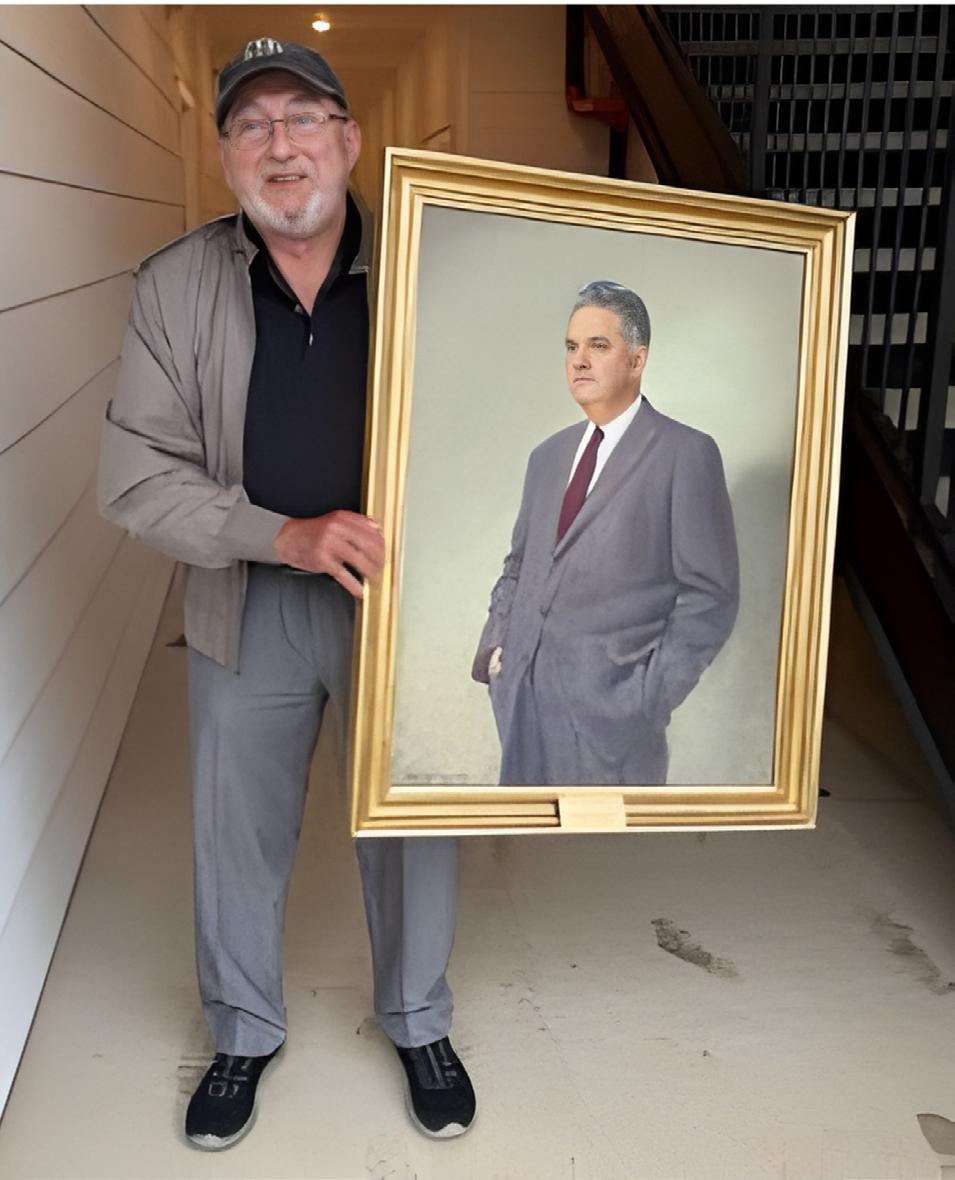
On a cool, gray August morning, Mayor Alvin Foster of Yanceyville, North Carolina, stood proudly with the likeness of a man who was anything but arbitrary to the town’s story: Dr. Thomas J. Ham Jr.
Of course, it was not the beloved “Dr. Ham” himself, but rather a 2x3 foot portrait painted in 1958 by artist Henry Rood Jr. Rood, a New York artist who later made his home in western North Carolina, captured the spirit of a pharmacist whose life and work left a lasting mark on Caswell County. With gratitude, Mayor Foster accepted the portrait, noting how meaningful it was to return this piece of history to the community where
Dr. Ham’s legacy began.
A Legacy in Pharmacy
Dr. Ham’s name is inseparable from the history of the Yanceyville Drug Company, a cornerstone of the town’s economy and community life for much of the 20th century. As detailed in Our State magazine, Yanceyville Drug Co. was more than just a pharmacy; it was a gathering place where townspeople exchanged news, support, and care. Dr. Ham’s presence behind the counter symbolized both professional expertise and neighborly compassion.
Additional accounts from the 1960s describe the pharmacy as one of the small businesses that gave the town its heartbeat. In many ways, it embodied the essential role of the independent pharmacist: providing not only medicine but also trust, familiarity, and a sense of belonging.
The Spirit Lives On
Although Yanceyville Drug Company and its offshoots have since closed, the spirit of independent pharmacy continues in the town. As Mayor Foster shared, his
own son now practices at North Village Pharmacy, an independent pharmacy established in 1976. Its motto—“Where you’re treated like family” echoes the values Dr. Ham lived by and passed down through generations.
Carrying the Torch at NCAP
At NCAP, we believe the profession of pharmacy is also a family, connected across time by shared commitments to care and community. It was our privilege to return Dr. Ham’s portrait to Yanceyville, honoring his legacy and ensuring that his story remains part of the place he served so faithfully.
This homecoming reminds us why we continue to advocate for independent pharmacies and pharmacists throughout North Carolina: because their work sustains both health and community life.
Preserving North Carolina’s Pharmacy History
The portrait of Dr. Ham will be displayed in the Yanceyville Museum of Art and is one of several pieces of pharmacy history that NCAP has helped return to appropriate homes. Recently, we placed:
Dr. Thomas C. Smith (Dr. T.C. Smith Co.) with the NC Board of Pharmacy
Mr. and Mrs. Julius J. Smith and Vivian S. Smith (NCPhA leaders) with the UNC Eshelman School of Pharmacy
We are still seeking a home for a portrait of Al and Betsy Mebane. If you know of living relatives or historical organizations interested in preserving their memory, please contact our office.
Author: Ty Chapman, PharmD, is the Executive Fellow at NCAP. fellow@ncpharmacists.org

Attention Students Graduating in 2026
Beginning April 1, 2026, NC pharmacy school graduates will need to take the UMPJE as part of your licensing process. Don’t worry, NCAP has you covered with the materials you will need to prepare for this exam. The UMPJE will be in place of the NC MPJE. The North Carolina Association of Pharmacists has more information on our website about the exam and how you can now purchase study materials to help you prepare.
Now Accepting FNCAP Applications
Do you feel that you or someone you know has made significant contributions to NCAP and the profession of pharmacy as well? If so, we invite you to learn more about the NCAP Fellow Practitioner Recognition Program. We encourage you to recommend a colleague, or self-nominate for fellow status of NCAP (FNCAP). The deadline to apply for this recognition cycle is May 1, 2026. Newly accepted Fellows will be recognized during a pinning ceremony at our annual convention on June 1st in Cary, NC.
Sunday Evening Webinars
The 2026 Sunday Evening Webinar Series is off to a great start. We are very excited to have a robust selection of topics for 2026. Titles and speakers for many of the topics are still being confirmed; however, please see the dates and topics below and mark your calendars for another year of learning. Webinars are ACPE accredited for 1 hour of live CE for pharmacists and pharmacy technicians. To learn more and register for the April Sunday Evening Webinar, visit our webpage.
• April 26, 2026 – Pharm to Table: Dietary Patterns to Prevent and Treat Disease
• May 17, 2026 – Unlock the Power of Collaborative Practice
• June – No Webinar; Convention Month
• July 19, 2026 – Pharmacy History and What the Passage of Time Teaches Us
• August 16, 2026 – Transformers: Rise of Practice Heroes
and Their Success Stories
• September 20, 2026 – Pharmacy Professionals’ Wellbeing
• October 18, 2026 – Breaking Bad with Street Smarts: Drug Edition
• November 15, 2026 – Keep Your Brain in the Game: Preventing Meningococcal Disease
• December 13, 2026 – Premium Fuel: Harnessing the Power of Nutrition with GLP-1 Therapies
New Practitioner Forum’s Spring 2026 Book Discussion
NCAP’s New Practitioner Forum Leadership Buzz will host a book discussion on May 18th, 6:00 – 7:00 pm. The book is Everything is Tuberculosis by John Green. Read the book and be ready to discuss. For additional details about this event, visit the Leadership Buzz webpage and register to attend. As always, you can connect with the NCAP New Practitioner Forum to ask questions by filling out the Ask the New Practitioner Forum form.
Register to Attend NCAP’s 2026 Annual Convention – Don’t Miss Early Bird Rates
Register to attend the 2026 NCAP Annual Convention, May 31 – June 2, 2026, in Cary, NC at the Embassy Suites Research Triangle. The planning committee has created an engaging agenda centered around this year’s theme, Together in Practice. Together in Transformation. The annual convention is the perfect place to hang out with old friends, make new ones, and cultivate lasting professional connections with NC pharmacy professionals from all areas of practice. This year, Sunday, May 31 our keynote speaker will be Dr. Larry Greenblatt; magician Jack Kelly will perform on Sunday night, May 31. Our keynote speaker on Monday, June 1 is former professional baseball player, Chris Vasami. Visit the convention website to learn more, see the full agenda, and register today!
Health Systems and Hospital Pharmacists Huddle
The NCAP-hosted “Huddle” is a virtual meeting held on the
third Wednesday of every month. The meetings support open dialogue on topics important for health-system and hospital pharmacists and technicians serving in leadership and management roles. The meetings facilitate the sharing of ideas and solutions for common institution- and population- based operational, clinical, and financial challenges. Each meeting the agenda will be determined from the topics submitted by our ‘Huddle’ attendees. To learn more and join the meetings, go to our webpage.
Ambulatory Care Pharmacists Huddle
The NCAP-hosted “Huddle” is a virtual meeting held on the fourth Friday of every month. The meetings support open dialogue on topics important for ambulatory care pharmacy. The meetings facilitate the sharing of ideas and solutions for common ambulatory care matters. Each meeting will be opened by a “pearls” session or clinical case and remainder of the agenda will be determined from the topics submitted by our ‘Huddle’ attendees. To learn more and join the meetings, go to our webpage.
PHAC – 2026 Updates on DOI Reporting Webinar
Pharmacists play a critical role in protecting patient safety and ensuring compliance with state and federal regulations. Join us for an important webinar, Don’t Let It Slide: Spot & Report SCRIPT Act Violations to NCDOI, on March 31, 2026 at 7:00 PM EDT.
This session will provide practical guidance on identifying potential violations of the SCRIPT Act and outline the proper steps for reporting concerns to the North Carolina Department of Insurance (NCDOI). Attendees will gain insights to help safeguard their practice and advocate for ethical standards across the profession. To register Click Here.
NC Medicaid Direct Pharmacy Provider Webinar – A Deeper Dive
Join us Monday, April 20th, 6:00 – 7:30 pm. The NC Association of Pharmacists, in partnership with NC Medicaid and Prime Therapeutics, presents this second webinar; a deeper dive expanding on the March 20th webinar. In this webinar, attendees will learn more about operational workflows and receive guidance to support a smooth transition from NCTracks to Prime Therapeutics. This presentation will share a live demonstration of the new Prime Therapeutics Provider Portal, in addition to covering key information pharmacies and providers will need ahead of the May 2nd launch. To learn more and register for the webinar, visit our webpage The webpage has a link to the recording of the March 20th webinar if you would like to review it before the April 20th webinar.

Beginning on April 1, 2026, North Carolina will become one of five states to adopt the Uniform Multistate Pharmacy Jurisprudence Examination® (UMPJE™) for pharmacy licensure.
NABP developed UMPJE™, an examination that assesses candidates’ knowledge of the concepts and general principles of state law that are universal across jurisdictions. The UMPJE™ aims to provide streamlined pathways to license portability while ensuring candidates’ competency in state and federal law.
While the UMPJE will cover applicable federal law, it should not be considered a federal law exam. Instead, the UMPJE™ is designed to leverage the commonality of state laws and will focus on assessing knowledge of uniform pharmacy laws and regulations that are applicable across most states.
When this new exam option becomes available, boards can begin using the uniform version or continue using the current state-specific version of the MPJE.
According to the NABP, one of the most promising aspects of the UMPJE™ is its potential to further streamline the transfer of licenses and exam scores. “The UMPJE™ will offer flexibility in an increasingly complex regulatory environment, allowing candidates seeking licensure in states that adopt the UMPJE to take only one law exam.”
The four content domains of the UMPJE™ are:
• Pharmacy and pharmacist practice
• Medication use process (prescribing, transcribing and documenting, dispensing, administering, and monitoring)
• Regulatory authority and legal obligations
• Pharmacy operations
For more information, go to: https://nabp.pharmacy/programs/examinations/mpje/uniform-mpje/
Tina H. Thornhill, PharmD, FASCP, FNCAP Editor, NC Pharmacist