
CHILD, YOUTH, AND FAMILY HEALTH
In 2022-2023, the National Collaborating Centre for Indigenous Health (NCCIH) conducted a study on the qualities that First Nations people believe are important for their children in early childhood program settings on reserve. This infographic outlines key findings on these qualities.
What are key indicators of high-quality ELCC programs on reserve?
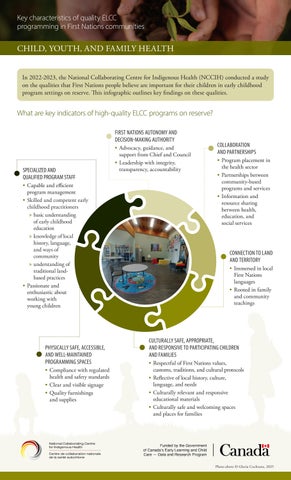
FIRST NATIONS AUTONOMY AND DECISION‑MAKING AUTHORITY
• Advocacy, guidance, and support from Chief and Council
SPECIALIZED AND QUALIFIED PROGRAM STAFF
• Capable and efficient program management
• Skilled and competent early childhood practitioners
» basic understanding of early childhood education
» knowledge of local history, language, and ways of community
» understanding of traditional landbased practices
• Passionate and enthusiastic about working with young children
• Leadership with integrity, transparency, accountability
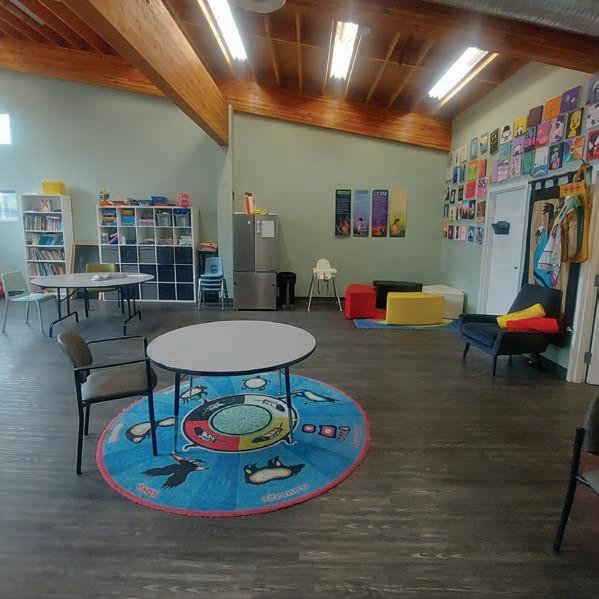
PHYSICALLY SAFE, ACCESSIBLE, AND WELL‑MAINTAINED PROGRAMMING SPACES
• Compliance with regulated health and safety standards
• Clear and visible signage
• Quality furnishings and supplies
COLLABORATION AND PARTNERSHIPS
• Program placement in the health sector
• Partnerships between community-based programs and services
• Information and resource sharing between health, education, and social services
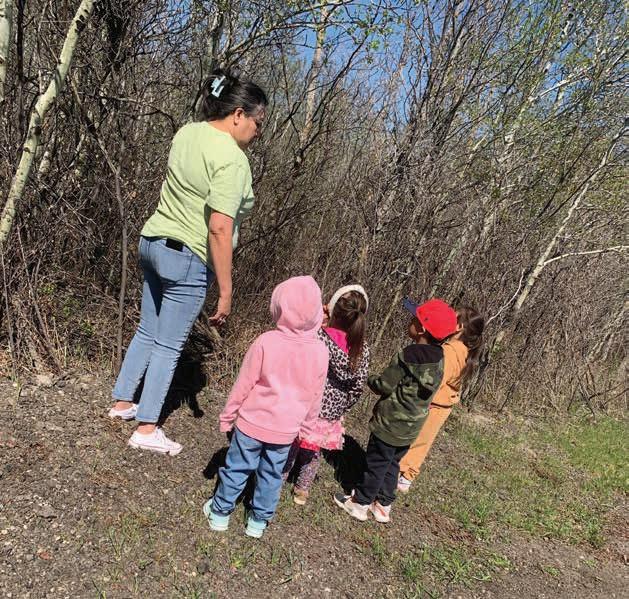
CONNECTION TO LAND AND TERRITORY
• Immersed in local First Nations languages
• Rooted in family and community teachings
CULTURALLY SAFE, APPROPRIATE, AND RESPONSIVE TO PARTICIPATING CHILDREN AND FAMILIES
• Respectful of First Nations values, customs, traditions, and cultural protocols
• Reflective of local history, culture, language, and needs
• Culturally relevant and responsive educational materials
• Culturally safe and welcoming spaces and places for families

CHILD, YOUTH, AND FAMILY HEALTH
What defines quality in ELCC program practices?
• Child-centered and parent/family-oriented — focus is on the whole child, the whole family, and all areas of early childhood development
• Structured and intentional — established schedules and daily routines prepare children for transition to school
• Individualized and flexible — children learn, grow, and develop at their own pace through exploratory early learning experiences and personalized teacher-guided supports
• Inclusive and accommodating — all children and families feel welcomed, understood, respected, and supported
What are quality ELCC program activities designed to do?

experiences, skills, and abilities of both children and parents
What do quality ELCC program curriculum and activities include?
• Child-only, parent-only, and parent-child activities
• Parenting guidance and parent mentoring
• Observation, monitoring, and specialized early intervention
• Outreach activities
• Elder participation and healthy role modeling
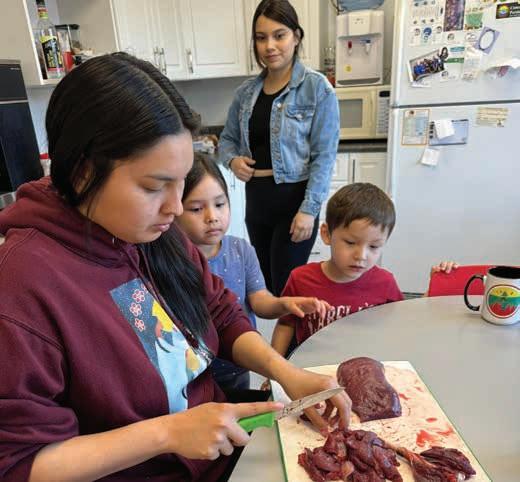
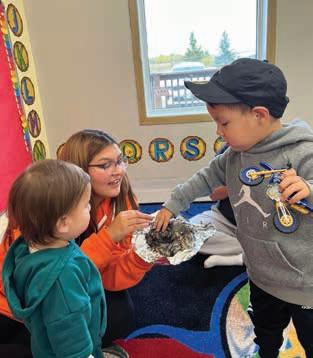
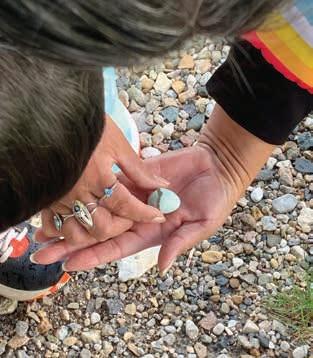
• Language, culture, and landbased learning activities
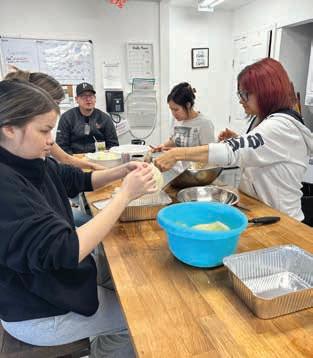
• Food, traditional foods, and feasting
• Supportive workplace activities
a
for lifelong learning, academic success, and social-emotional well-being
To learn more about the findings presented in this infographic, see: nccih.ca/485/NCCIH_in_the_News.nccih?id=562 ISBN (print): 978-1-77368-640-0 / ISBN (online): 978-1-77368-641-7