
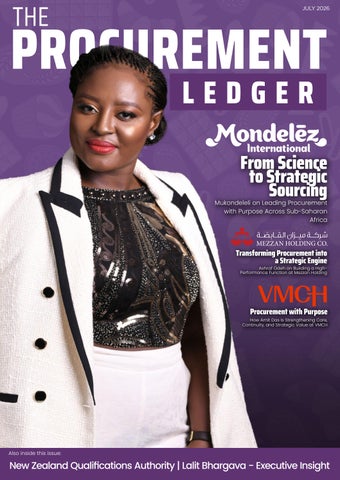
Mukondeleli on Leading Procurement with Purpose Across Sub-Saharan Africa
Transforming Procurement into a Strategic Engine Ashraf Odeh on Building a HighPerformance Function at Mezzan Holding
Procurement with Purpose
How Amit Das Is Strengthening Care, Continuity, and Strategic Value at VMCH



Innovation
Dear Readers,
Welcome to the July 2026 edition of The Procurement Ledger, an issue shaped by leaders who demonstrate how procurement creates value far beyond cost reduction.
Our cover feature introduces Mukondeleli, Procurement Director for Sub-Saharan Africa at Mondelēz International. Her career began in biotechnology before progressing through brewing, logistics, strategic sourcing and senior procurement leadership. In a candid and thoughtful interview, she explores responsible sourcing, supplier development, digital transformation and the realities of leading across diverse African markets. She also shares the experiences behind her commitment to mentoring young women and creating opportunities for the next generation of leaders.
At Mezzan Holding, Ashraf Odeh provides an insight into the transformation of procurement within a diversified organisation spanning food manufacturing, packaging, catering and FMCG distribution. Since joining the group, he has helped establish a centralised procurement function supported by stronger governance, digital systems, category strategies and structured supplier partnerships. His story illustrates what can be achieved when procurement is given the mandate to build capability and support performance across an entire organisation.
Purpose and continuity sit at the centre of our conversation with Amit Das, Senior Procurement Manager at VMCH. In aged care, disability services and community support, procurement decisions have a direct impact on people’s lives. Amit explains how his team balances commercial discipline with service quality, resilience and the organisation’s care mission. His perspective provides an important reminder that successful procurement begins with understanding what the organisation exists to deliver.
We also travel to New Zealand, where Ismail Halim, Senior Procurement Advisor at the New Zealand Qualifications Authority, reflects on an unexpected journey into the profession. His interview explores public value, transparency, sustainability and the importance of trusted supplier relationships. It also shows how procurement supports the education systems and services relied upon by learners, institutions and communities across Aotearoa.
Completing this edition is an executive insight from Lalit Bhargava, whose experience across strategic sourcing, supplier development and precision manufacturing provides a practical view of global supply chain leadership. He examines value engineering, supplier quality, digital integration, inventory planning and risk mitigation, while demonstrating the importance of close collaboration between procurement, engineering, operations and manufacturing partners.
Across each of these stories, a consistent message emerges. Procurement performs at its best when it understands the organisation, remains connected to its suppliers and stakeholders, and takes responsibility for the outcomes its decisions create. Governance, technology and commercial expertise are important, but lasting value is ultimately built through trust, judgement and collaboration.
This edition also showcases the organisations supporting these supply ecosystems, from energy and ingredients to manufacturing, packaging, technology and waste management. Their contributions demonstrate how capable suppliers help organisations maintain continuity, strengthen performance and respond to changing expectations.
Thank you to every leader and partner who contributed to this edition.
Enjoy the read.
No. 159, Field Maple Barns, Weston Green Road, Weston Longville, Norwich, Norfolk, NR9 5LA
If you would like more information about ways in which The Procurement Ledger can promote your business please email | info@theprocurementledger.com
The Procurement Ledger does not accept responsibility for omissions or errors. The points of view expressed in articles by contributing writers and/ or in advertisements included in this magazine do not necessarily represent those of the publisher. Any resemblance to real persons, living or dead is purely coincidental. Whilst every effort is made to ensure the accuracy of the information contained within this magazine, no legal responsibility will be accepted by the publishers for loss arising from use of information published. All rights reserved. No part of this publication may be reproduced or stored in a retrieval system or transmitted in any form or by any means without the prior written consent of the publisher.
© Ledger Series Media Group 2026

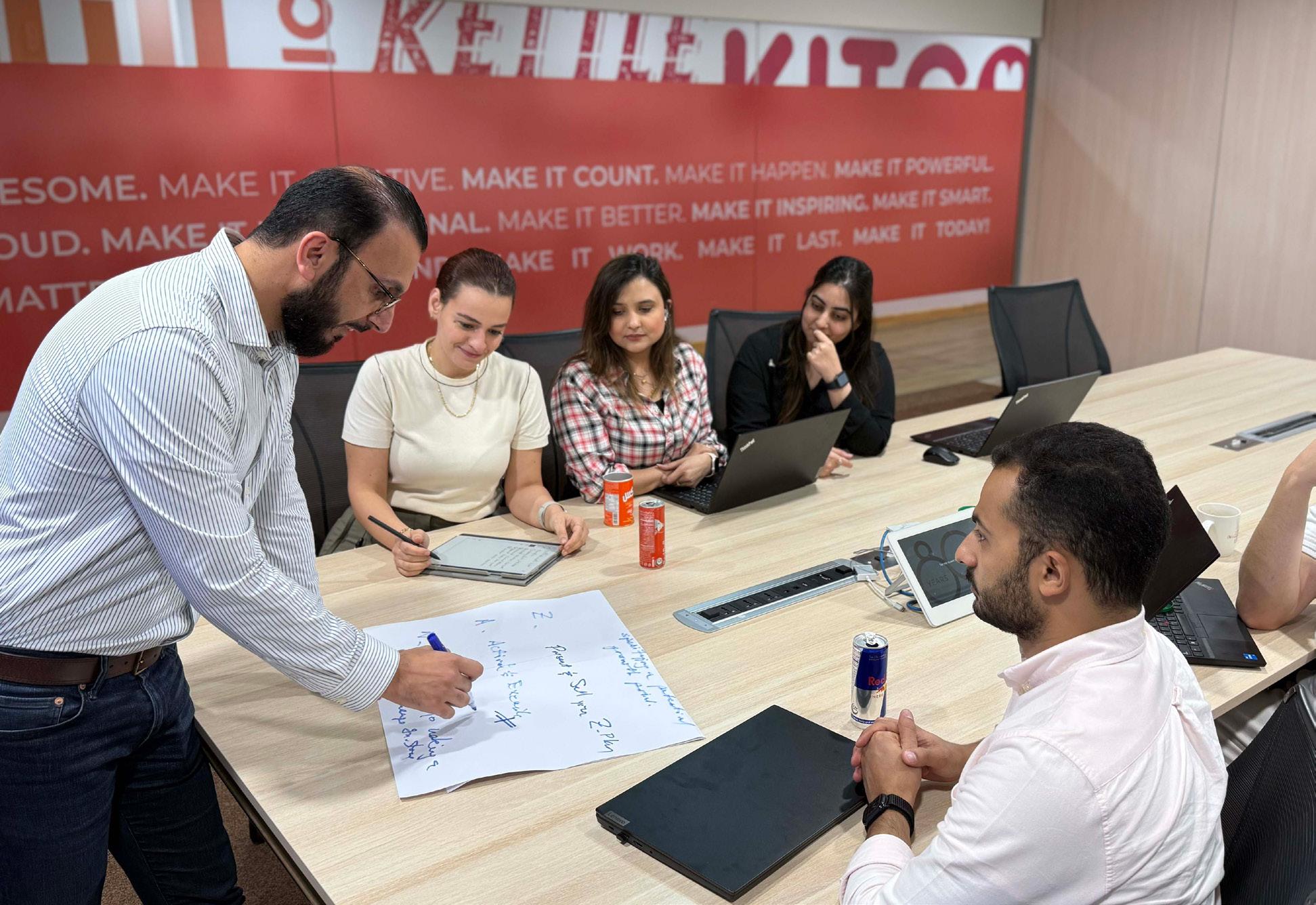






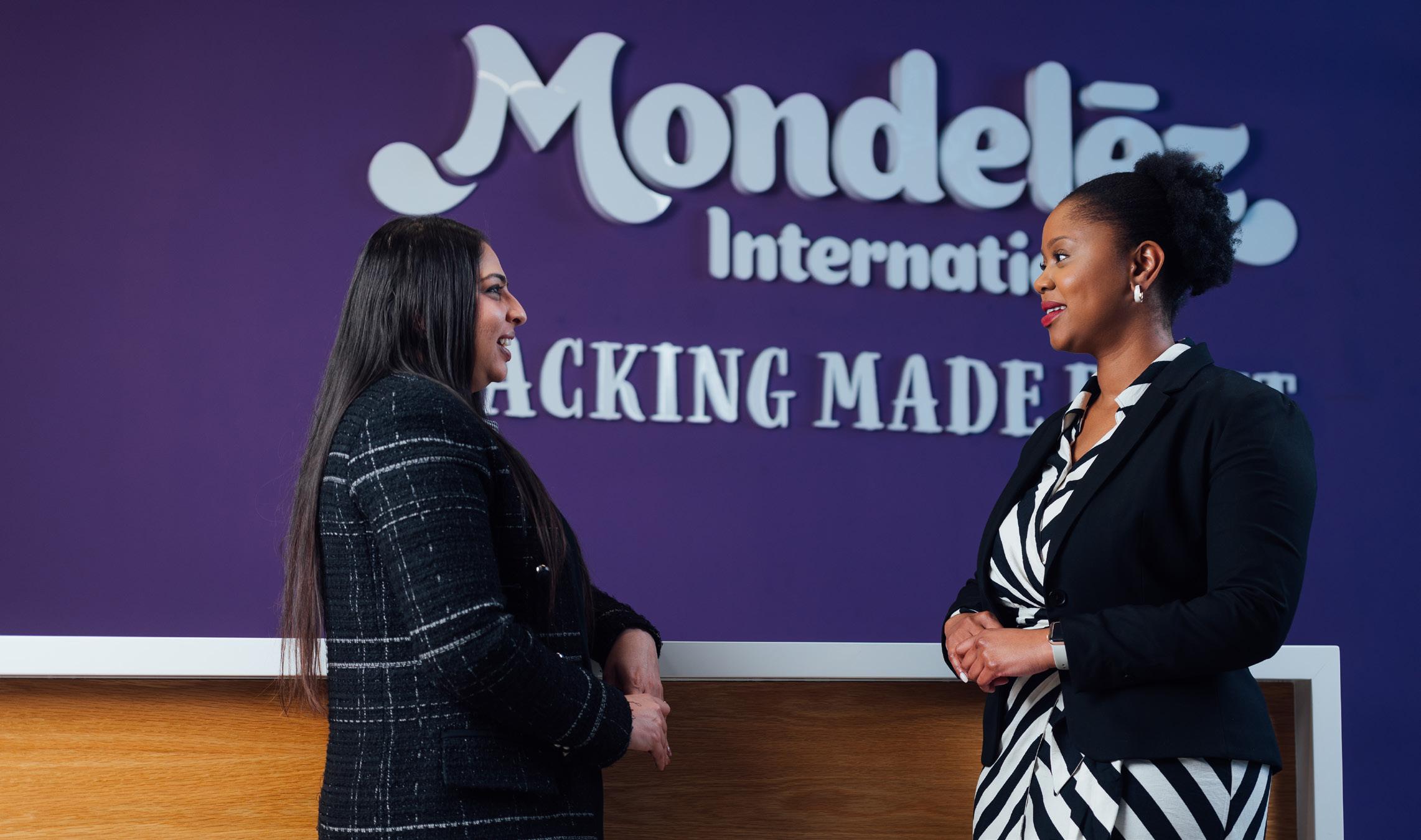
Procurement leadership across Sub-Saharan Africa demands far more than commercial discipline. It requires cultural awareness, resilience, ethical judgement and the ability to build trusted relationships across diverse markets, supply bases and internal teams.
Mukondeleli, SSA BU Procurement Director for Sub-Saharan Africa at Mondelēz International, brings more than two decades of experience spanning science, brewing, logistics, strategic sourcing and procurement leadership. Her career has taken her from the laboratory at SABMiller to senior roles across food, FMCG, tissue manufacturing and, today, one of the world’s leading snacking businesses.
In this interview, she reflects on the experiences that shaped her leadership, the importance of mentoring young women, and the role procurement plays in responsible sourcing, supplier development, digital transformation and supply chain resilience across the region.




Can you share your career journey and what led you to your role as SSA BU Procurement Director at Mondelēz International, and which experiences have most shaped your leadership style in procurement and supply chain?
My career began 23 years ago as a young, qualified biotechnologist, eager to experiment in the laboratory and field and ready to change the world through science. That journey started with SABMiller, now AB InBev, where I joined as a Microbiology Laboratory Technician. Through curiosity and the opportunities the organisation offered, I spent 11 years growing across several functions, including microbiology, technical brewing, logistics, raw material buying, procurement operations and strategic sourcing.
From there, I moved across industries. I joined Famous Brands as Procurement Manager across raw materials and packaging, then SC Johnson as Procurement Operations Manager for Sub-Saharan Africa. I later moved into the tissue industry with Twinsaver as General Manager of Procurement before taking on my current role as Procurement Director for Sub-Saharan Africa at Mondelēz International. Along the way, I completed qualifications in project management, CIPS and CIPP through IPSCMI. Today, I oversee end-to-end procurement across the SSA business unit, managing approximately R8 billion in spend.
Working across diverse and often challenging markets, particularly in West Africa, has shaped my leadership significantly. Navigating regulatory complexity, capability gaps and socio-economic realities has reinforced the importance of agility, strong governance and ethical decision-making.
My leadership approach is grounded in integrity, collaboration and continuous learning. I believe deeply in developing people, creating space for teams to contribute, and building trusted stakeholder and supplier relationships. I remain intentional in my decisions, especially where people are concerned, and I try to approach every situation as though it were my own business. Most importantly, I remain teachable and resilient, because in African markets you must always keep the end goal in sight.
You are passionate about mentoring and aiding young women. What inspired this focus, and how do you practically create opportunities and support networks for young women within Mondelēz and beyond?
When I first stepped into a management role, I had a very memorable interview with the recruiting manager at the time, Pedja Teranjunin, who later became one of my biggest cheerleaders. He saw beyond a young woman with qualifications and experience. As he explained it, he saw that I had fire in me.
From my first day working with him, he showed enormous faith in my ability and allowed me to be myself. Through that experience, I became a strong advocate for women and for the importance of giving them a genuine opportunity to sit at the table and demonstrate what they can do.
I grew up in a rural area in the far north of Limpopo and attended a science and mathematics school that lacked many resources during the 1990s. I only began using a computer during my first year at university, but I refused to allow my circumstances to define me.
My passion for mentoring young women also comes from seeing the futures of girls in my school and community disrupted by teenage pregnancy. For many, there appeared to be no route forward because of their financial circumstances. That stayed with me and became a major reason why I support young women and create opportunities wherever I can. I often use the phrase, “Be the girl you think you are.”
Women today must navigate many different roles, including sister, mother, wife and senior professional. To succeed, we need strong support structures, mentors, sponsors and communities that allow women to grow without feeling that they must carry every challenge alone.

Across all business activities, we aim to impact individuals and industries by increasing gas utilisation towards a better tomorrow.

Imagine
E-mail: enquiries@axxelagroup.com

Axxela Limited is Nigeria’s pioneer private-sector developer of natural gas solutions, with proven expertise in captive power generation and energy infrastructure development. As a designated natural gas shipper on the West African Gas Pipeline (WAGP) and a member of the West African Power Pool (WAPP), the company delivers natural gas to approximately 200 industrial and commercial customers through an extensive infrastructure network that continues to support economic and industrial growth across the region.
With more than 400 kilometres of natural gas pipeline infrastructure developed across Nigeria, Axxela provides integrated energy solutions through its subsidiaries, including Gaslink Nigeria Limited, Gas Network Services Limited, Central Horizon Gas Company Limited, Transit Gas Nigeria Limited and Gasnexus Limited. The company is also part of Transgrid Enerco, the consortium that recently acquired a 60% stake in Eko Electricity Distribution Company (Eko Disco).
Operating across the entire natural gas value chain, Axxela’s activities span gas processing, transmission, distribution and power generation. By combining deep technical expertise with long-term infrastructure investment, the company has developed energy solutions designed to support industrial productivity, operational e�ciency and business continuity for customers operating in some of West Africa’s most demanding sectors.
At the heart of Axxela’s approach is the belief that reliable energy infrastructure is fundamental to industrial success. Manufacturers and large-scale businesses require dependable access to power to maintain production schedules, protect product quality and ensure operational resilience. Through its integrated model, Axxela enables organisations to reduce energy uncertainty while improving e�ciency and strengthening their long-term competitiveness.
A notable example is Axxela’s partnership with Cadbury Nigeria Plc, for which the company developed and operates a dedicated 5.8MW captive power plant. The facility provides reliable, uninterrupted electricity to Cadbury Nigeria’s manufacturing and administrative operations, supporting business continuity while enhancing productivity and operational performance.
The solution combines dependable power generation with secure natural gas supply, allowing Cadbury Nigeria to bene�t from greater energy independence and signi�cant cost savings compared with conventional self-generation alternatives. By integrating gas infrastructure with power generation capability, Axxela has created an energy model that supports operational stability while enabling customers to focus on their core business activities.
Beyond the provision of energy, Axxela works closely with customers to understand their operational requirements and deliver infrastructure tailored to their speci�c needs. This collaborative approach has enabled the company to establish long-term partnerships across a diverse range of industries, helping businesses improve reliability, optimise performance and plan con�dently for future growth.
As demand for cleaner, more e�cient energy solutions continues to grow, Axxela remains committed to expanding access to natural gas and delivering innovative infrastructure that supports sustainable economic development. Through continued investment, technical expertise and an unwavering focus on customer success, the company continues to play a critical role in powering industries and advancing economic progress across Nigeria and the wider West African region.
Procurement is critical to delivering safe, high-quality snacks that reflect Mondelēz International’s “Snacking Made Right” vision. How does your team contribute to ensuring responsible sourcing and consistent product quality across SSA?
Delivering safe, high-quality snacks that reflect Mondelēz International’s “Snacking Made Right” vision requires genuine teamwork.
Procurement sits at the centre of that collaboration, working closely with suppliers, Quality, Food Safety, Manufacturing, Supply Chain, Marketing and Finance. Every function must remain accountable, agile and aligned around the same objective.
Quality and food safety are non-negotiable. We partner with suppliers that have the right capability, meet Mondelēz supply standards and adhere to our policies. This requires rigorous supplier selection, clear expectations and ongoing collaboration to ensure standards remain consistent across markets. Responsible sourcing is also central to the way we work. We actively choose suppliers that align with our sustainability expectations, support capability development within local supply bases and reinforce ethical practices and governance across spend categories.
The role of procurement is therefore much more than securing supply at the right cost. We help create the conditions for quality, safety and reliability across the entire value chain. By working cross-functionally and maintaining strong supplier relationships, we help ensure that products reach consumers with the consistency and integrity expected from Mondelēz International.
Ultimately, “Snacking Made Right” is delivered through shared accountability. Procurement helps connect every part of that process, from supplier selection and responsible sourcing through to manufacturing, quality assurance and the final consumer experience.

Sustainability is a strategic priority for Mondelēz, from ingredients to packaging. How do you integrate sustainability and responsible sourcing into your procurement decisions in the SSA region, and what progress are you most proud of?
Sustainability is central to how we make procurement decisions across Sub-Saharan Africa.
At Mondelēz International, responsible sourcing is embedded into our strategy, from the selection of raw materials through to the way we work with suppliers and farming communities. Globally, we prioritise the sustainable sourcing of key ingredients through signature programmes such as Cocoa Life and other responsible sourcing initiatives that support environmental stewardship and social impact throughout our supply chains.
Within the SSA region, this means actively selecting suppliers that align with our sustainability expectations, supporting capability development within local supply bases and reinforcing ethical practices and strong governance across spend categories.
By integrating sustainability criteria into procurement decision-making, we strengthen resilience, reduce environmental impact and build long-term partnerships that benefit both the business and the communities connected to our supply chain.
I am particularly proud of the progress made in advancing sustainable ingredient sourcing. These efforts support farmer livelihoods, encourage more regenerative practices and help ensure our snacks are not only high quality, but also made in the right way.
For me, responsible sourcing is not a separate activity or a compliance exercise. It is part of how we create long-term value. Procurement has a responsibility to consider the full impact of its decisions, including the effect on communities, suppliers, the environment and the future resilience of the business.

Our support systems that make sense for your business, and our proven product development capability that sets Savannah apart – your perfect partner for ingredient success!
Bakery ingredients: flavour, texture and fortificationBeverage ingredients for innovation
Confectionery: healthier & tastier alternatives to enhance your brand - Culinary solutions for sauces, dressings and prepared meals that will innovate
Dairy & Desserts: texture and functionality - Flavour & fragrance creation - Health & sports nutrition.

In an increasingly complex and fast-moving supply chain environment, collaboration is no longer optional. It is essential. Savannah’s relationship with Mondelēz International is a strong example of how a shared commitment to partnership, transparency and continuous improvement can deliver meaningful results through Vendor Managed Inventory solutions.
From the outset, Savannah approached the relationship not simply as a service provider, but as an extension of the Mondelēz procurement and supply chain teams. By investing time to understand Mondelēz’s operational priorities, demand variability, service expectations and planning requirements, Savannah was able to tailor a VMI solution that supports availability, efficiency and cost control.
The focus has always been on joint problem-solving rather than transactional execution. Through regular engagement, shared data insights and open communication, both teams have worked together to refine forecasting accuracy, optimise inventory positioning and reduce potential supply disruption. This collaborative model has supported faster decisionmaking and created greater resilience across the supply chain, while maintaining the flexibility needed to respond to changing market conditions.
For Mondelēz, supply continuity is critical. In a fast-paced food and snacking environment, even small delays or inconsistencies can have an impact across production, planning and customer delivery. Savannah’s role is to help reduce that pressure by supporting better visibility, stock availability and proactive inventory management. This allows both teams to plan more effectively, respond earlier to potential challenges and maintain a more consistent supply position.
Equally important has been the opportunity for mutual learning. Mondelēz’s high standards and global best practices have challenged Savannah to continuously elevate its own capabilities, while Savannah’s operational insights have supported Mondelēz in driving simplification, consistency and practical improvements across the supply chain.
The partnership reflects the value of trust, accountability and shared ambition. It shows how procurement relationships can move beyond price and supply alone, becoming a platform for resilience, innovation and long-term performance.
As procurement continues to evolve, Savannah is proud of the progress achieved alongside Mondelēz and looks forward to building on this foundation. Through collaboration, transparency and a shared commitment to improvement, the relationship continues to demonstrate how strong supplier partnerships can support meaningful results across complex supply chain environments.
Operating across SSA brings a diverse supplier base and varied market realities. How do you approach developing and partnering with local and regional suppliers while maintaining Mondelēz’s global standards?
Operating across Sub-Saharan Africa requires us to balance local relevance with global standards. My approach to supplier development begins with recognising the value that local and regional suppliers bring, including proximity, agility and local market knowledge. At the same time, Mondelēz’s global standards around quality, food safety, ethics and sustainability remain non-negotiable.
We focus on building long-term partnerships rather than transactional relationships. This includes supplier capability assessments, structured onboarding and targeted development initiatives that help suppliers meet our requirements over time. Collaboration, transparency and clear expectations are essential, particularly in markets where capability levels can vary. We need suppliers to understand not only what the standards are, but also why they matter and how meeting them supports long-term success for both organisations.
By investing in supplier development, strengthening governance and sharing best practices, we enable local suppliers to grow alongside the business. This contributes to a more resilient and competitive supply base while also supporting economic development across the region. The goal is not to lower global standards to accommodate local conditions. It is to help local and regional suppliers build the capability required to meet those standards consistently. When that is achieved, the benefits extend beyond procurement. It creates stronger businesses, more resilient communities and a supply ecosystem capable of delivering long-term value across the region.
Digital tools and data are reshaping how procurement teams operate. How is your team using technology and analytics to improve transparency, efficiency and decision-making in your supply base?
Digital transformation plays an important role in how procurement teams operate and create value. Technology and data enable greater transparency, consistency and speed across sourcing, contracting and supplier management processes. This is particularly valuable in complex, multimarket environments such as Sub-Saharan Africa, where visibility and standardisation can be challenging. Procurement teams are using digital tools to improve spend visibility, strengthen compliance and support more data-driven decision-making. Analytics help us identify risks, efficiency opportunities and performance gaps within the supply base, allowing teams to act proactively rather than reactively.
Digital platforms also support stronger supplier collaboration by standardising processes, improving information flow and strengthening governance. Better access to information allows for clearer performance discussions and more informed decisions across both internal and external relationships. Importantly, technology is not a replacement for relationships. It is an enabler that allows procurement professionals to spend less time on repetitive activity and more time on strategic value creation, supplier development and business partnership. By embedding digital capability into procurement ways of working, teams are better positioned to manage complexity, respond to market volatility and support sustainable, resilient supply chains. The value of technology ultimately lies in how effectively it improves judgement, speed and alignment. The objective is not simply to digitise existing processes, but to create a procurement function that is more transparent, informed and capable of anticipating what the business will need next.

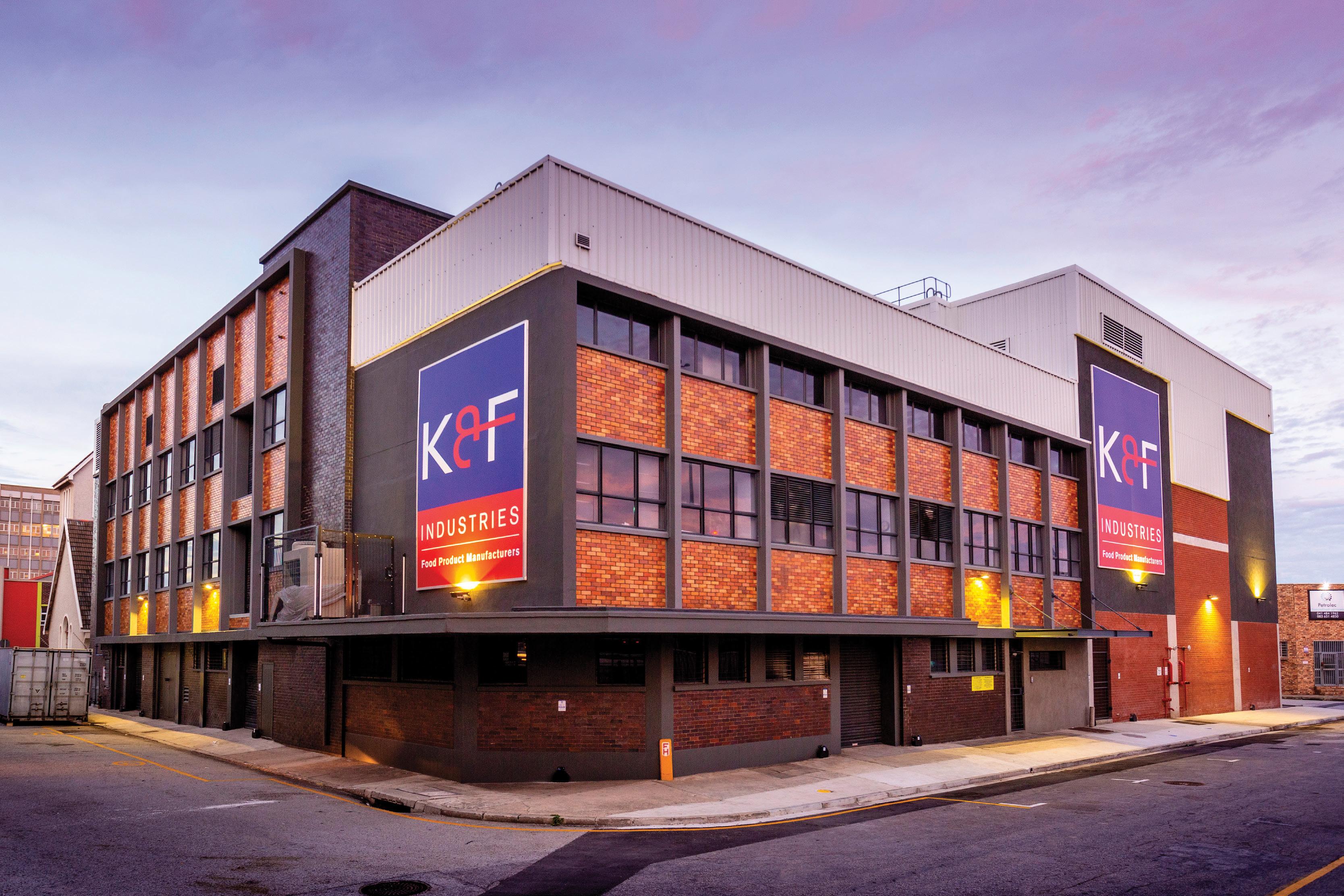
For over 38 years, K&F Industries and Naxos Baking Technologies have built their reputation as trusted South African contract manufacturers, supporting leading food companies with high-quality extruded cereals, biscuits, inclusions, and specialised food products. Since their inception in 1988, they have worked closely with local and international brands to develop flexible, reliable, and scalable manufacturing solutions tailored to individual customer requirements.
Their strength lies in their ability to take an idea and turn it into a market-ready product. From cereal and biscuit products to customised inclusions for chocolates, snack bars, infant cereals, and breakfast cereals, their experienced team has developed a wide range of solutions for use across many di erent food categories. This flexibility allows their customers to realise their most imaginative product ideas while relying on a manufacturing partner with the technical


skill, operational discipline, and quality systems required to deliver consistently.
Our partnership with Mondelēz reflects this approach in action. The relationship began with single-ingredient packing and has grown steadily over time, transitioning into multi-ingredient inclusion manufacturing and full-scale manufacturing of retail-ready products.
Throughout this journey, we have remained committed to supporting business continuity, even assisting with ingredients outside our original scope where required. Quality and food safety remain central to everything we do. By maintaining strict customer requirements, obtaining the necessary certifications, and continually investing in our facilities and people, K&F Industries and Naxos Baking Technologies have developed world-class manufacturing infrastructure, advanced equipment, and specialist skills. A


major milestone in our journey with Mondelēz was successfully passing the external quality audit on the first attempt, demonstrating our commitment to operational excellence and compliance.
We are especially proud to have received a Mondelēz Gold Award for Best Ingredient Supplier in the SSA region for quality and food safety. This recognition reflects not only our manufacturing capability, but also the dedication of our team and the strength of the partnership we have built. At K&F Industries and Naxos Baking Technologies, we continue to invest in innovation, people, and production excellence so that we can support our customers with dependable, high-quality food manufacturing solutions. Whether developing original recipes, producing specialised inclusions, or scaling retail-ready products, our focus remains the same: helping our partners bring great products to market.
We want to express our sincere gratitude to the Mondelez team for their unwavering support and invaluable contributions throughout our
partnership.
We look forward to our continued shared growth and success.
Mondelēz is recognised as a top employer with a strong focus on inclusion. How do you build a highperforming procurement team, and what specific practices help you create an environment where women can thrive and lead?
Building a high-performing procurement team begins with creating a culture of trust, accountability and continuous learning. Clear expectations, strong governance and a shared sense of purpose allow teams to perform consistently, even in challenging environments. People need to understand the direction, what is expected of them and how their contribution supports the organisation’s goals.
Inclusion is a key driver of performance. Diverse teams bring different perspectives, stronger problemsolving and better decision-making. Creating an environment where women can thrive requires intentional action, including equitable access to opportunities, stretch assignments, mentorship, sponsorship and visible role models in leadership.
Psychological safety is equally important. People need to feel able to speak openly, challenge ideas and contribute without fear. Flexible ways of working and honest dialogue help individuals bring their full selves to work and perform at their best. Developing talent, recognising contributions and investing in leadership capability also ensure that performance is sustainable beyond individual roles. A strong leader should not only deliver results, but also create the conditions for others to grow and succeed.
When people feel valued, supported and appropriately challenged, high performance becomes a natural outcome rather than something that must be forced. For women in particular, having access to opportunities, trusted support networks and leaders who advocate for their development can make a defining difference in their progression.










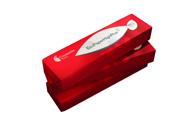

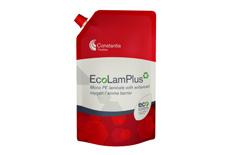





For customers, this means packaging that performs reliably while moving toward simpler, more streamlined designs. Depending on the application, this can involve mono-material structures, reduced material use through downgauging, or formats adapted to existing collection and sorting systems. It can also include optimizing structures to balance product protection with material efficiency. Every solution is developed individually, reflecting the realities of different products, markets, and infrastructures.
Working in close partnership with customers, Constantia Flexibles combines technical expertise with a clear understanding of regulatory and system conditions. The result is packaging designed to meet today’s requirements while supporting measurable, step-by-step progress toward circularity.



Procurement in SSA can involve complex logistics, regulatory differences and geopolitical risks. What are some of the key challenges you encounter, and how do you and your team build resilience into the supply chain?
Procurement in Sub-Saharan Africa presents a distinct set of challenges, including infrastructure constraints, regulatory complexity, geopolitical risk and supply market volatility. Successfully navigating these realities requires a proactive, flexible and locally informed approach to risk management.
We build resilience through diversified sourcing strategies, robust scenario planning and deep engagement with the local supply base. Understanding market dynamics and regulatory environments at country level is essential, as is maintaining close crossfunctional collaboration with internal stakeholders.
Strong governance frameworks, compliance standards and structured risk assessment processes provide consistency across the region. At the same time, local expertise gives teams the agility required to respond quickly when conditions change.
Continuous monitoring and data-driven insight help identify potential disruptions early and shape effective mitigation strategies. However, systems and processes alone are not enough.
As we often say, “Africa is not for sissies.” What truly makes the difference is the strength of the supplier relationships we build. Trust developed over time allows organisations to respond faster, communicate openly and work together through disruption.
By combining global best practice with local insight, procurement teams can manage uncertainty more effectively and maintain continuity of supply in even the most complex environments. At the heart of resilience is the ability to remain prepared, adaptable and connected to the partners who understand the market on the ground.


Looking ahead, what trends do you believe will most influence procurement in the food and snacking industry, particularly in emerging markets like SSA, and how are you preparing your organisation for these changes?
The future of procurement in the food and snacking industry will be shaped by sustainability expectations, digitalisation, supply chain resilience and changing consumer demands. In emerging markets such as Sub-Saharan Africa, these trends are amplified by climate risk, infrastructure constraints and socio-economic considerations. Procurement teams will need to manage these pressures while maintaining quality, continuity and affordability.
Responsible sourcing, transparency and traceability will continue to grow in importance. Consumers, regulators and businesses increasingly expect clearer visibility into where products come from, how suppliers operate and what environmental and social impact exists across the value chain.
Supplier collaboration and innovation will also become more important. Many of the challenges facing food supply chains cannot be solved by procurement teams working alone. Strong partnerships will be essential to improving resilience, developing new solutions and responding to changing market needs.
Digital tools and analytics will further strengthen visibility, efficiency and risk management. Procurement organisations are preparing by investing in capability development, improving data and systems, and embedding sustainability more deeply into decision-making. The ability to remain agile and adaptable will be critical. Future procurement leaders will need strong commercial judgement, digital capability and a clear understanding of local markets. Those organisations that combine these strengths with trusted supplier partnerships will be best positioned to navigate future complexity and create long-term value.
For young women aspiring to build careers in procurement and supply chain, what practical advice would you offer on gaining credibility, finding mentors and navigating their growth into leadership roles?
For young women aspiring to build careers in procurement and supply chain, credibility begins with mastering the fundamentals, understanding the business, developing technical expertise and consistently delivering on commitments.
Confidence grows through preparation, curiosity and a willingness to take on challenges. You do not need to have every answer immediately, but you do need to remain willing to learn, ask questions and take responsibility for your development.
Seeking out mentors and sponsors is essential. Mentors provide guidance, perspective and a safe space to discuss challenges. Sponsors go a step further by actively advocating for opportunities, visibility and progression. Building strong professional networks and learning from different role models can accelerate growth significantly.
It is also important to speak up and trust your voice. Leadership is not about knowing everything. It is about listening, collaborating and making informed decisions with integrity.
Resilience matters because careers are built over time. There will be setbacks, difficult environments and moments when confidence is tested. Remaining grounded in your values while staying adaptable will support long-term growth.
At the heart of it all are ethics and credibility. Procurement and supply chain professionals interact with both suppliers and stakeholders throughout the business, which means we are often seen as representatives of the organisation. The way we act, communicate and make decisions shapes how others view both us and the business we represent.
Mondelēz International is one of the world’s largest snack companies, with iconic brands enjoyed in more than 150 countries. The company is committed to empowering people to snack right through sustainable sourcing, responsible business practices, and continuous investment in innovation across its global operations.

In a diversified organisation spanning food manufacturing, packaging, catering, and FMCG distribution, procurement plays a critical role in ensuring operational stability, cost discipline, and long-term value creation. At Mezzan Holding Co., procurement has evolved from a decentralised transactional activity into a strategic function supporting growth across multiple markets and business units.
Ashraf Odeh, Head of Central Procurement at Mezzan Holding, has been instrumental in driving this transformation. With nearly two decades of experience across sectors including agriculture, cement, dairy, and large-scale food manufacturing, he brings a pragmatic approach to procurement leadership rooted in governance, collaboration, and digital enablement.
Since joining Mezzan in 2021, Odeh has led the creation of a centralised procurement organisation, implementing structured policies, advanced digital tools, and stronger supplier partnerships. In this conversation, he shares insights into building a highperforming procurement function, strengthening supply chain resilience, and embedding sustainability across a complex FMCG and manufacturing ecosystem.

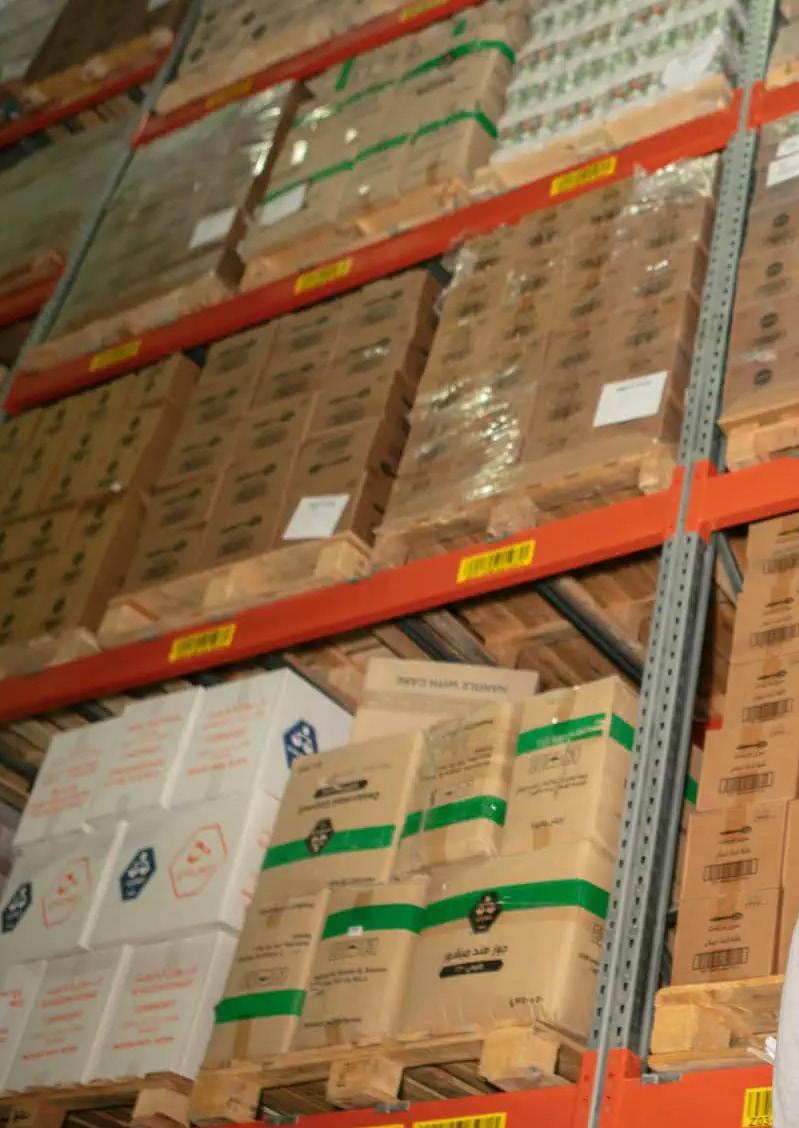

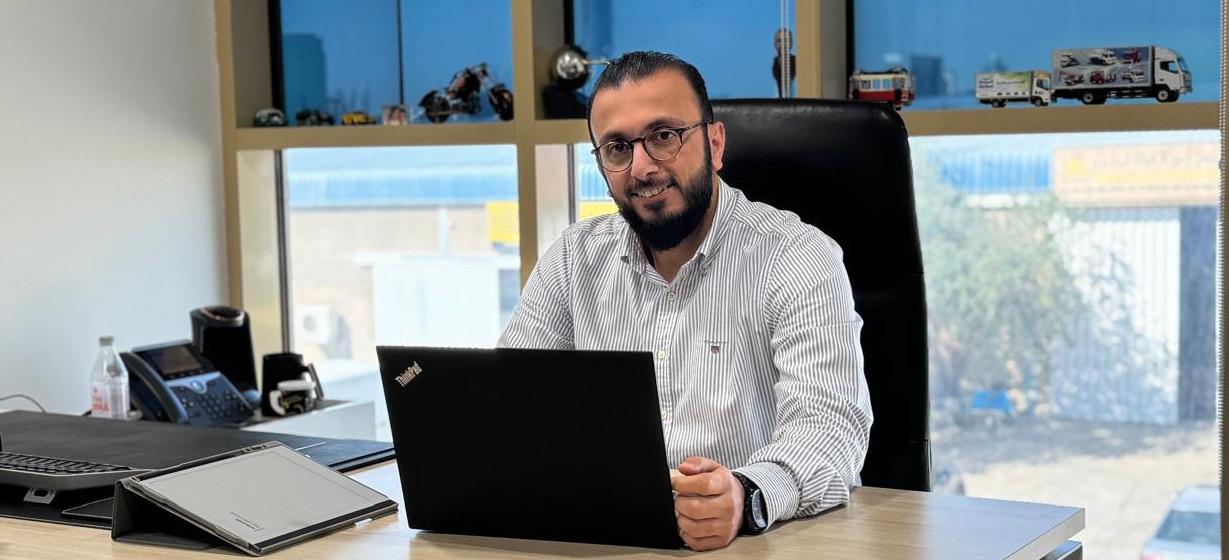
Can you share your career journey and what led you to your role as Head of Central Procurement at Mezzan Holding Co.? What experiences have most influenced your approach to leading procurement within a diversified FMCG and manufacturing group?
I have built a 19-year career across strategic procurement, transformation, and supplier partnership management within FMCG, dairy, poultry, manufacturing, and real estate sectors. I began my career in real estate procurement before moving into industrial sourcing within the cement sector. I later spent nearly a decade at Almarai, where I led procurement for direct materials across farming, feed, and bakery operations.
These diverse environments shaped my ability to manage complex sourcing portfolios, drive crossfunctional transformation, and deliver value through structured governance and category strategies.
At Mezzan Holding, I joined with a clear mandate: to establish and lead a central procurement function from the ground up, unify sourcing across multiple business units and countries, and elevate procurement into a strategic, group-wide enabler of performance. This aligned strongly with my passion for building systems, developing people, and driving operational excellence.
Interestingly, my procurement career began unintentionally. After graduating as an Agricultural Engineer, industry disruptions limited opportunities in animal production. A role in real estate procurement opened the door, and what began as a necessity evolved into a long-term career in supply chain leadership.
Three experiences have particularly shaped my leadership philosophy. First, having end-to-end responsibility where procurement directly impacts product quality, animal welfare, food safety, and cost competitiveness reinforced the importance of disciplined processes and strong supplier collaboration. Second, leading major transformation initiatives involving governance frameworks, policies, KPIs, and digital procurement tools highlighted the value of transparency and data-driven decision-making. Finally, managing multi-sector complexity at Mezzan strengthened my belief in balancing standardisation with the flexibility required to support diverse business models.
Mezzan operates across food manufacturing, catering, packaging, and FMCG distribution. How does your procurement function support operational excellence across these diverse business verticals and ensure consistency in quality, speed, and cost performance?
Our procurement operating model is built on three core pillars.
The first is standardised governance. Policies, SOPs, KPIs, and reporting frameworks create consistency across food manufacturing, packaging, and distribution operations.
The second pillar is category expertise combined with strategic sourcing. We develop category strategies tailored to each vertical, whether commodities, food ingredients, packaging materials, capital expenditure, logistics, or indirect services.
The third pillar is strong collaboration with operations. Procurement works closely with demand planning, manufacturing, quality, research and development, and finance teams to ensure consistent product quality, competitive pricing, reliable lead times, and reduced supply risk.
This structured approach enables us to support operational excellence while addressing the distinct needs of each business model within the group.
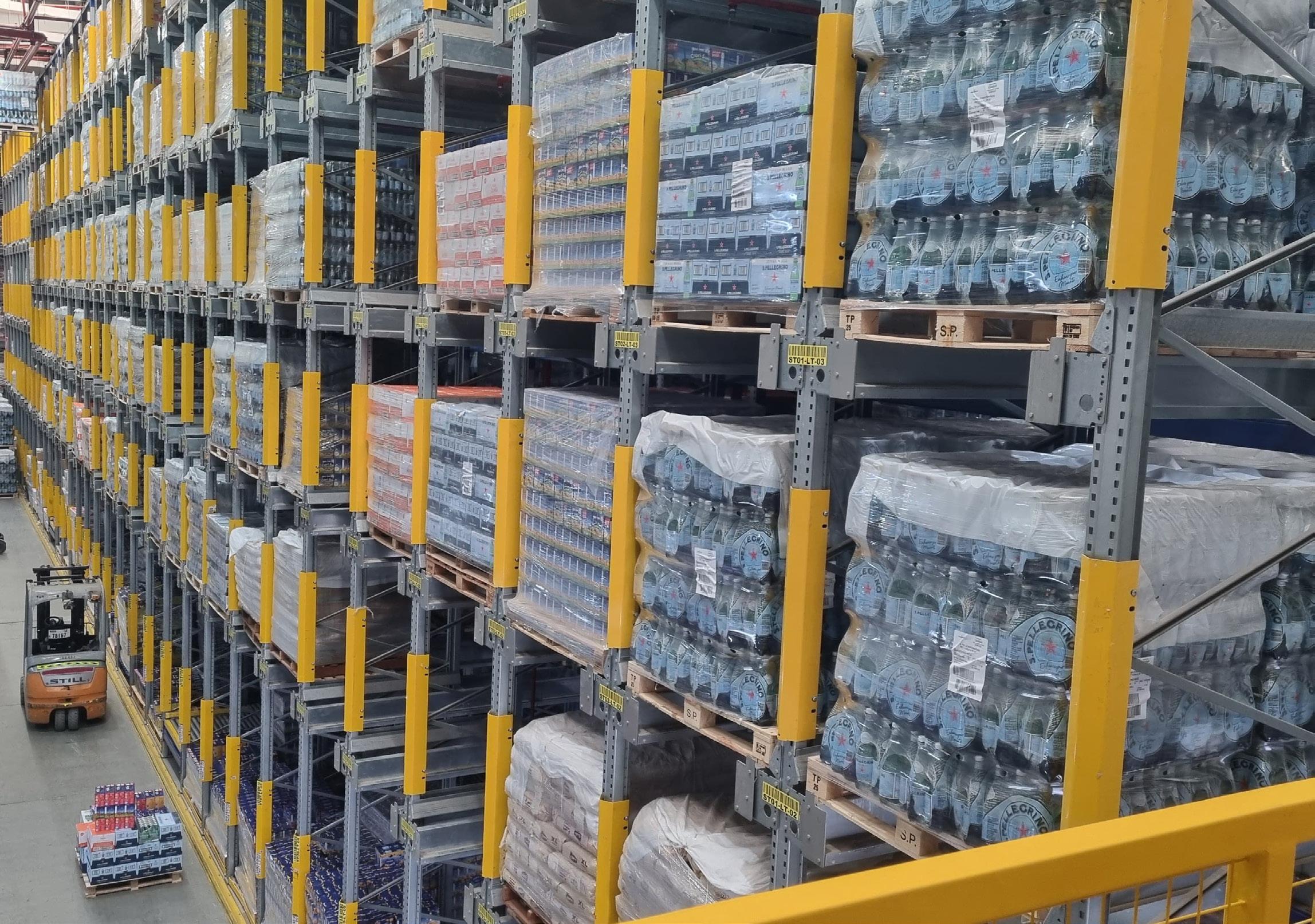
Since joining Mezzan, what have been your key priorities in elevating procurement capability, processes, and governance across the group?
When I joined Mezzan in 2021, procurement was largely decentralised, with inconsistent processes and limited visibility across the organisation. My initial priorities focused on building a central procurement function and establishing strong governance.
We created a central procurement department from the ground up, developing organisational structure, policies, SOPs, KPIs, and executive dashboards to improve spend visibility and decisionmaking.
Stakeholder engagement was also critical. We worked to position procurement as a strategic support function, improving communication with business leaders and strengthening alignment with operational priorities.
Supplier relationship management was another priority. We introduced more structured collaboration with suppliers, ensuring transparency, protecting the interests of both Mezzan and its partners, and encouraging long-term strategic arrangements.
Process standardisation followed, including improvements to the PR to PO cycle, on-time-in-full delivery compliance, cost savings calculations, budget participation, contracting practices, supplier onboarding, and annual business review programmes.
Digital transformation also played a major role. We digitised purchase requests and approvals, implemented Shipsy for shipment visibility, introduced materials categorisation, developed payment request workflows, and aligned procurement processes with SAP S/4HANA.
Finally, we invested heavily in people and capability building through targeted hiring, upskilling programmes, and relocating key talent closer to operational sites. Together, these initiatives transformed procurement into a centralised, strategic, and performance-driven function.
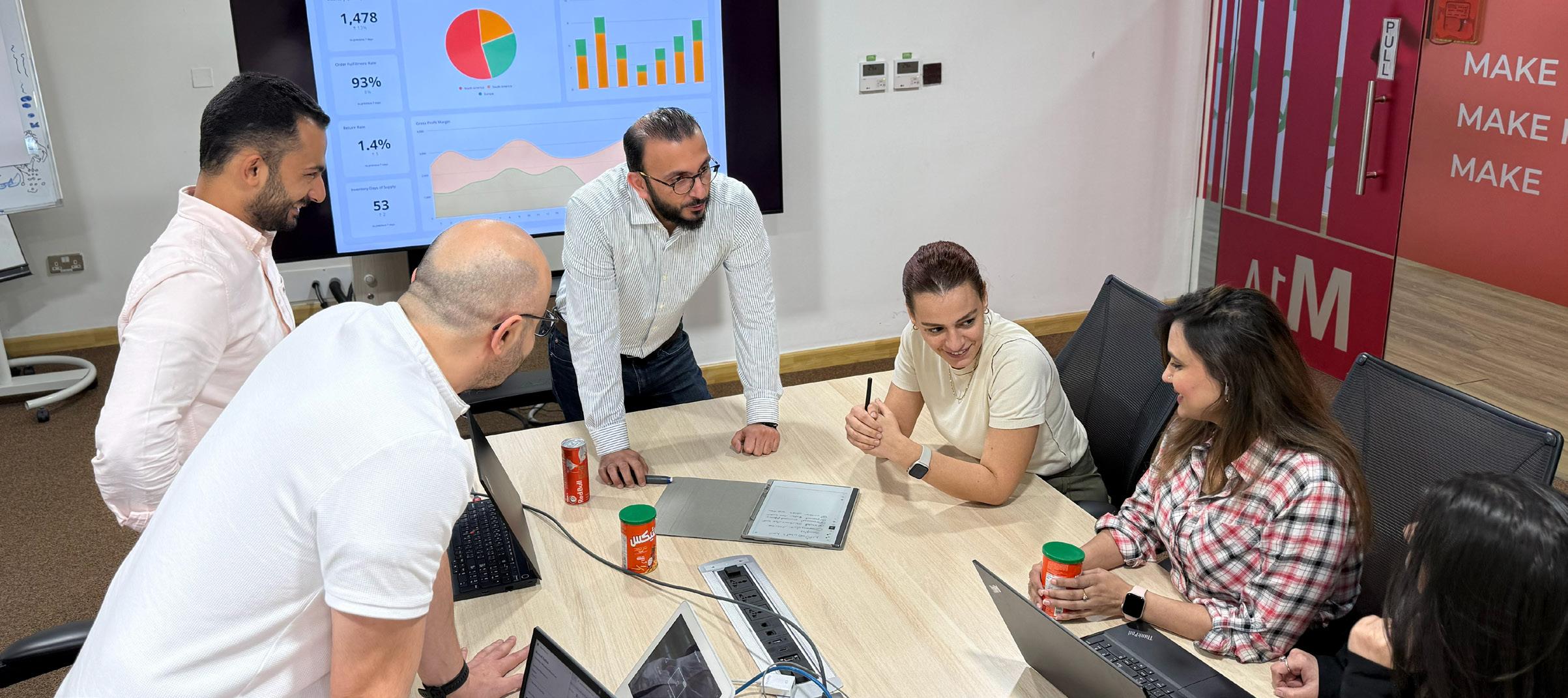

You were recently recognised in Dubai as one of the Top 20 Procurement Visionaries. How did this recognition reflect the evolution of procurement at Mezzan?
This recognition reflects the collective efforts of the entire procurement team rather than my leadership alone.
It represents how far Mezzan’s procurement journey has progressed, moving from a decentralised transactional function to a strategic capability that contributes directly to cost optimisation, supply continuity, and digital transformation.
The award validates several elements of our transformation, including the governance frameworks we established, our sourcing excellence, the progress made in digital procurement tools, and the collaborative partnerships we have built with suppliers.
For me, it represents a milestone in our ongoing transformation journey and a recognition of the team’s commitment to building procurement capabilities that compete at global standards.
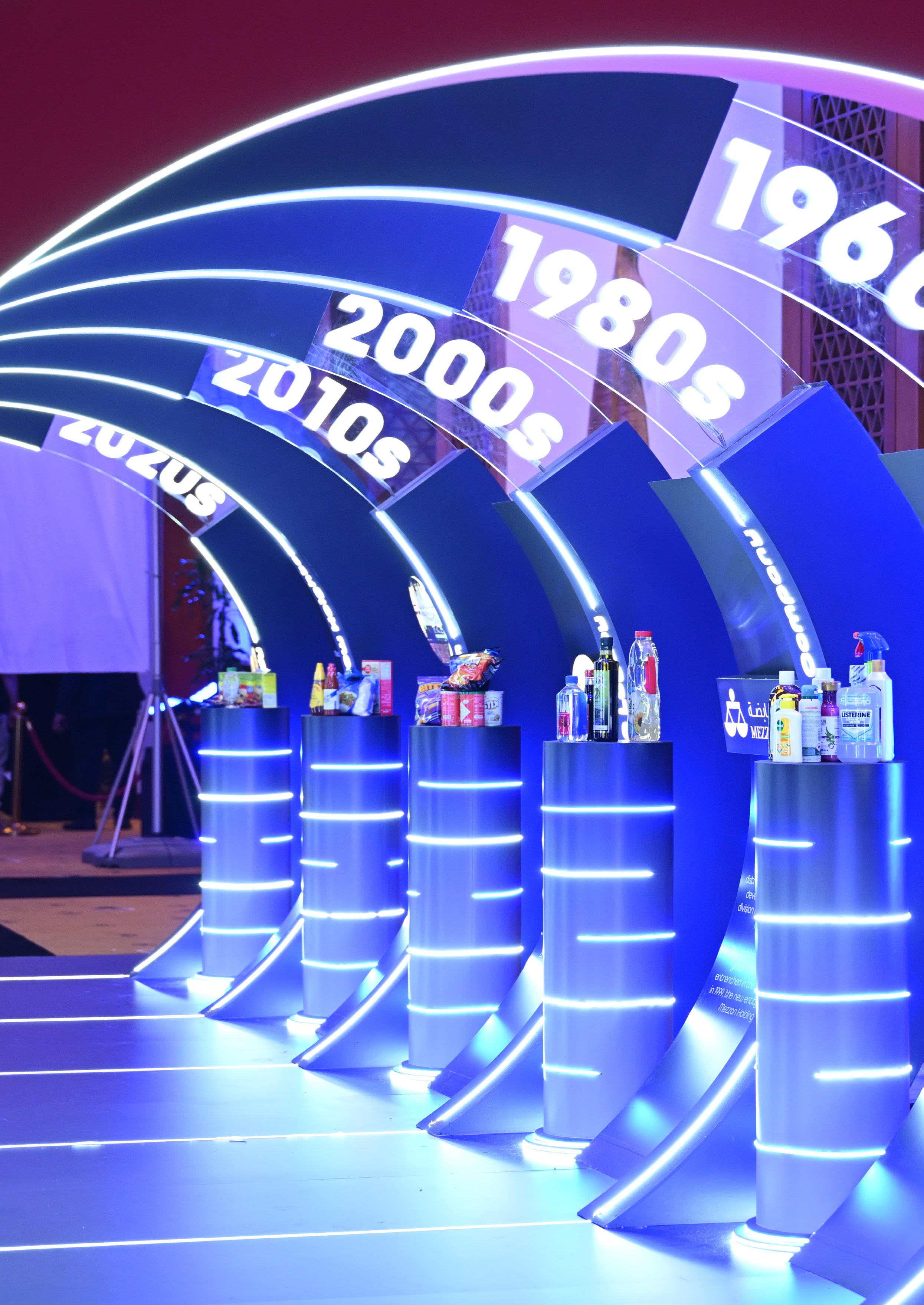
Given Mezzan’s extensive supplier ecosystem across the GCC, what strategies are you using to build deeper partnerships with suppliers?
Our supplier partnership strategy focuses on long-term value creation rather than purely transactional cost reduction.
We conduct annual business reviews with key suppliers to evaluate performance and define joint improvement plans. We also continuously develop alternative sourcing options to mitigate supply risks and support cost optimisation.
Joint initiatives with suppliers often focus on cost reduction, product innovation, and service improvement. In addition, strengthening payment governance has helped build trust and reinforce long-term collaboration.
Supplier segmentation is another important element. We classify suppliers as strategic, preferred, or transactional, allowing us to manage relationships according to their importance to the business.
Transparent communication and sharing of demand forecasts further strengthen collaboration, ensuring suppliers can plan capacity effectively and maintain high service levels.

Professional manufacturer and exporter, engaged with the planting, processing and marketing of the tomato products.
Since 2008, Sino Tomato Products Co., Ltd. has specialised in the planting, processing, and export of high-quality tomato products, serving customers across Southeast Asia, Europe, the Middle East, and Africa. With a strong commitment to quality, consistency, and longterm customer relationships, we have established ourselves as a trusted partner to food manufacturers, distributors, and consumer brands around the world.
Operating from Inner Mongolia, one of China’s leading tomato-growing regions, our business is built upon a stable agricultural supply chain and modern processing facilities. We operate dedicated production lines for bulk tomato paste packed in 220L steel drums as well as canned tomato products, enabling us to meet a wide range of customer requirements with flexibility and efficiency.
Quality and food safety remain at the heart of everything we do. Sino Tomato Products has achieved certification to ISO9001, HACCP, HALAL, BRC, KOSHER, NOP, and SMETA standards, reflecting our commitment to meeting the stringent requirements of global food businesses and international markets.
Today, we export more than 15,000 tonnes of tomato products annually to over 30 countries. Our product portfolio includes tomato paste in multiple brix specifications, pasta sauces, diced tomatoes, and customised solutions designed to support a variety of food manufacturing applications. By maintaining close control over sourcing, production, and quality assurance, we provide customers with reliable products and dependable supply continuity.
How is Mezzan leveraging digital tools, automation, or analytics to elevate procurement performance?
We are currently executing a multi-phase digital procurement strategy aimed at improving visibility, efficiency, and decision-making.
Several initiatives have already been implemented. Shipsy provides end-to-end shipment visibility, while automated email notifications alert suppliers immediately when purchase orders are approved. We have also implemented SAP scheduling agreements and contract management tools, enhanced vendor onboarding workflows, and digitised the letter of credit request and issuance process.
The next phase of our roadmap includes redesigning procurement processes within SAP S/4HANA, introducing AI-enabled sourcing assistants, implementing digital supplier performance scoring, and automating the PR to PO cycle for catalogue items.
We are also developing executive procurement dashboards and automated savings tracking to provide leadership with real-time insights into procurement performance. This digital roadmap will make procurement faster, more transparent, and increasingly predictive.
Over the past decade, Mezzan Holding has undergone a significant transformation, evolving from a multi-business operator into a more integrated, performance-driven group.
This shift has been underpinned by stronger governance, digital enablement, and a deliberate focus on operational excellence across its diverse portfolio. At the heart of this evolution is a clear belief in people as a strategic differentiator.
Mezzan’s HR strategy has been purposefully designed to attract, develop, and retain high-performing talent, positioning Mezzan as a destination employer across the Middle East.
By fostering a culture built on accountability, meritocracy, and continuous development, Mezzan has strengthened its ability to compete, innovate, and scale sustainably in increasingly complex markets.
How does your team manage supply chain risk across such a diverse operating environment?
We manage supply chain risk through an integrated framework designed to maintain resilience across multiple sectors and markets.
One important element is the development of alternative sourcing options across critical categories, supported by dual sourcing strategies for high-risk items. This reduces dependency on single suppliers and strengthens supply continuity.
We also continuously monitor geopolitical developments, freight conditions, and commodity price movements to anticipate potential disruptions.
Supplier risk scoring is another key tool. We evaluate suppliers based on financial stability, operational capability, product quality, and service reliability.
Close collaboration with demand planning and logistics teams ensures early visibility of potential issues and enables proactive mitigation. This structured approach allows us to maintain operational continuity even during global supply shocks.





Premium grade potatoes perfect for crispy fries and crunchy chips. Working with over 700 farmers to deliver consistency, care and commitment.



Established in 2008 in Gujarat, India, Advait Agrotech Private Limited has emerged as a trusted name in the potato industry. Built on quality, reliability, and long-term partnerships, the company specialises in the cultivation, procurement, bulk storage, wholesale supply, and export of premium-grade potatoes widely used in the production of potato chips, French fries, and other processed food products.
For nearly two decades, we have served factories, wholesalers, supermarkets, hotels, caterers, and food processing companies with consistent quality and dependable service. Our commitment to stringent quality standards, modern storage infrastructure, and efficient supply chain management enables us to deliver fresh, high-quality potatoes throughout the year.
Advait Agrotech has established a significant presence in the international potato trade, successfully exporting to 13 countries, including Oman, the United Arab Emirates, Kuwait, Qatar, Malaysia, Indonesia, Vietnam, Saudi Arabia, Mauritius, Seychelles, Hong Kong, Bahrain, and Jordan. Our growing global footprint reflects the confidence customers place in our products and services.
We also take pride in being one of the oldest and most trusted suppliers to Mezzan Holding. Advait Agrotech was the first potato supplier to support the company when it established its processing facility in Qatar. This enduring partnership stands as a testament to our unwavering commitment to quality, integrity, and customer satisfaction.
From Indian farms to global markets, Advait Agrotech
one harvest at a time.
How is Mezzan embedding sustainability into procurement decisions?
Sustainability is integrated into procurement across four primary areas.
First, packaging optimisation initiatives aim to reduce plastic usage, introduce lightweight materials, and redesign packaging where possible.
Second, ethical sourcing standards are reinforced through a supplier code of conduct, compliance verification, and documentation requirements.
Third, suppliers are expected to meet ESG expectations related to quality, safety, and responsible sourcing practices.
Finally, we focus on waste reduction through improved purchasing planning, more accurate demand forecasting, and better inventory turnover.
Suppliers play a critical role in achieving these objectives, as many sustainability improvements depend on collaborative innovation across the supply chain.
What are the biggest procurement challenges in managing sourcing for a diversified organisation like Mezzan?
Managing procurement across a diversified group presents several challenges. One of the most significant is balancing centralisation with business unit autonomy. Different business units often operate at different maturity levels and require varying degrees of procurement support.
Ensuring data integrity and process consistency across the organisation is another challenge, particularly when multiple systems or operating models exist. Procurement must also align its objectives with broader commercial, operational, and financial priorities, which may differ between business units. Additionally, lead times, regulatory requirements, and supply risks vary significantly across categories and markets. The solution lies in establishing a strong governance framework while maintaining flexible processes that can adapt to the unique characteristics of each business unit.
What advice would you give to professionals looking to advance their careers in procurement?
Future procurement leaders should first master the fundamentals, including cost management, supplier performance, and quality control. Equally important is developing a deep understanding of the business beyond procurement itself. Strong collaboration with finance, operations, and suppliers is essential to delivering real value.
Professionals should also invest in digital and analytical skills, as data-driven decision-making is becoming increasingly important in modern procurement. Finally, leaders must focus on developing their teams. Procurement success depends heavily on people, and building capable, motivated teams is one of the most important responsibilities of any leader.
Procurement leadership today is not simply about buying at lower cost. It is about creating value, enabling growth, and building resilient supply chains that support long-term business success.
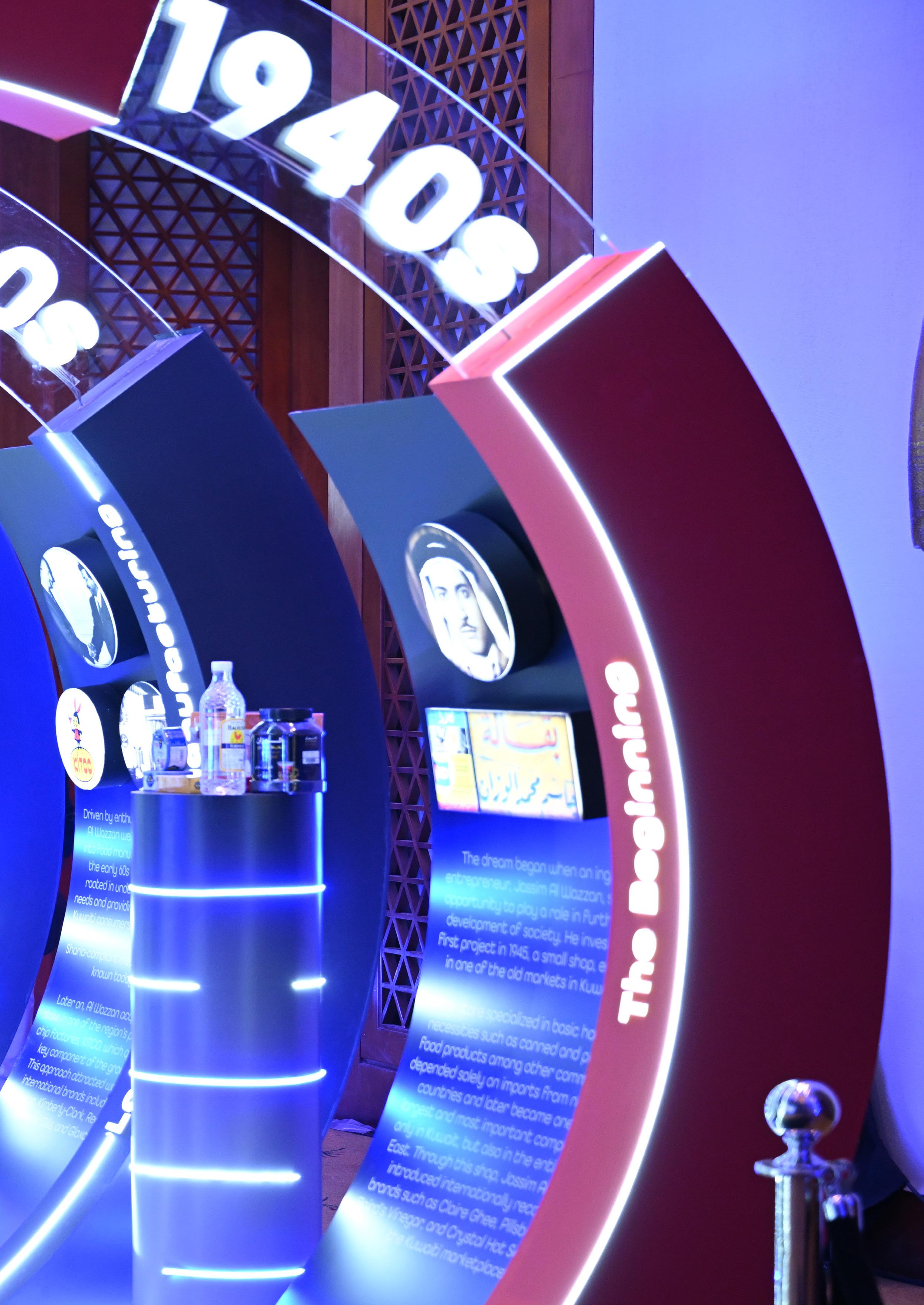
Founded in the 1940s as a humble Kuwaiti retail enterprise, Mezzan Holding Company has evolved into one of the Gulf region’s premier diversified conglomerates with operations spanning multiple countries. Driven by decades of strategic regional expansion, Mezzan maintains a highly dominant presence in the FMCG market across the Middle East, making vital business contributions through two main pillars: its comprehensive food segment, which manufactures and distributes market-leading consumer brands, and its healthcare division, which delivers essential pharmaceutical manufacturing and medical distribution across the Middle East.

Ashraf Odeh Head of Central Procurement

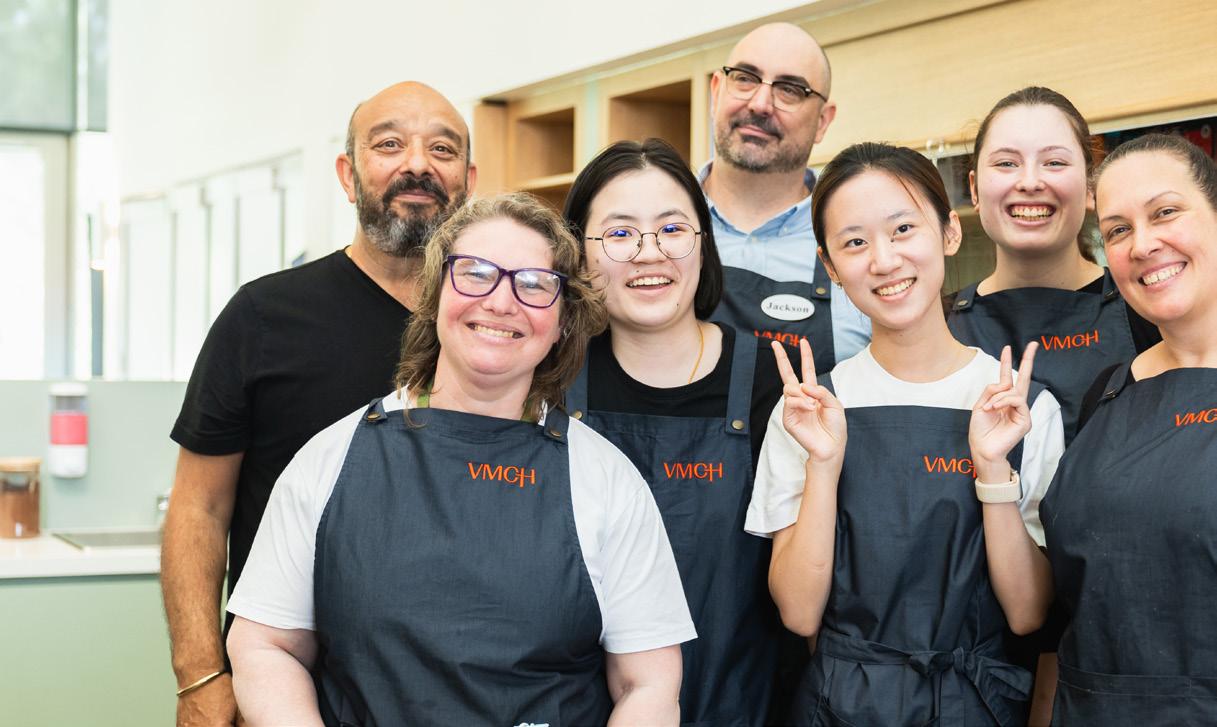
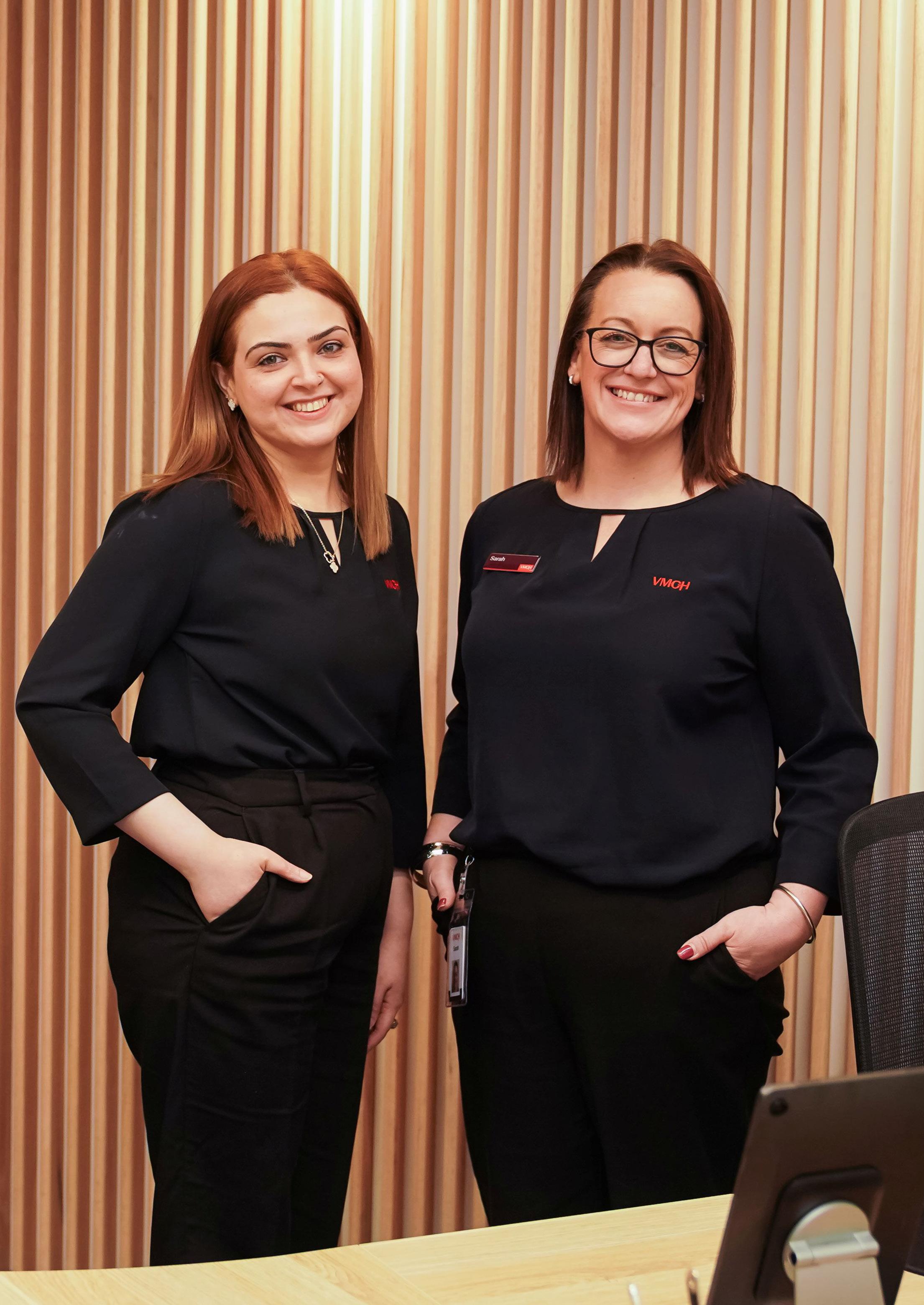
In mission-driven organisations, procurement carries a responsibility that extends well beyond cost and contract management. It must safeguard continuity, support frontline teams, and ensure that every commercial decision contributes to safe, reliable, and compassionate service delivery. At VMCH, where aged care, disability services, and community support sit at the heart of the organisation’s work, procurement plays a vital role in protecting both operational resilience and care outcomes.
Amit Das, Senior Procurement Manager at VMCH, brings a broad background spanning technology, government, and healthcare. That mix of experience has shaped a procurement leadership style grounded in governance, stakeholder engagement, and practical value creation. In this interview, Das reflects on his journey into procurement, the evolution of VMCH’s function, and the strategies required to balance cost, resilience, sustainability, and service quality in one of Australia’s most important and fast-growing sectors.

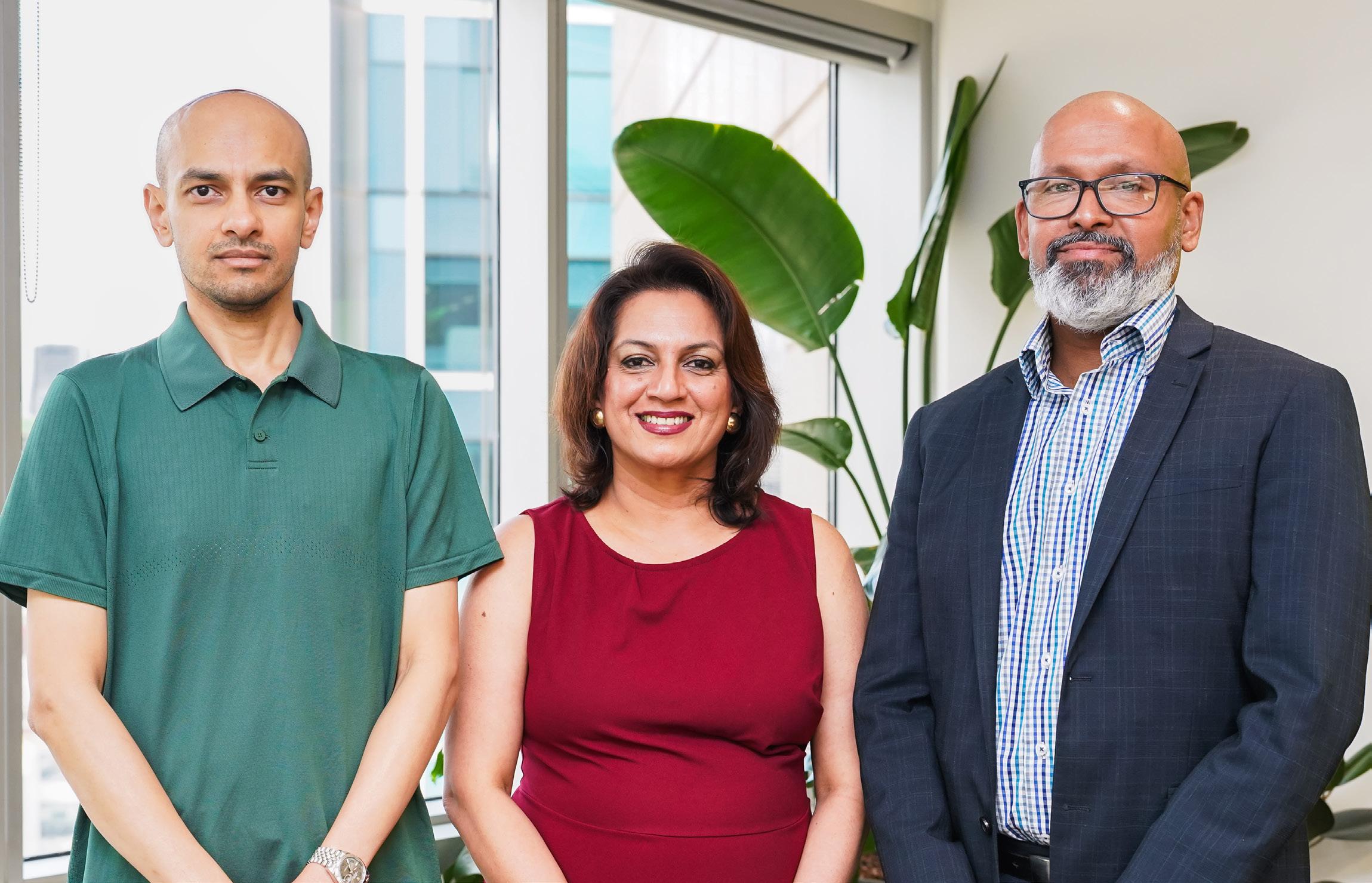
You’ve built your career in procurement across a mix of local government, technology, through to healthcare and aged-care sector. Can you share your career journey and what led you to your current role as Senior Procurement Manager at VMCH? What experiences have most shaped your approach to procurement leadership in a mission-driven organisation?
Like many people in procurement, I did not begin my career intending to enter the profession. I started as a Sales Graduate at IBM after completing a Master of Business Systems at Monash University. It quickly became clear that sales was not the right fit for me, but the experience taught me something that has stayed with me throughout my career: the importance of empathy. Even now, while I cannot respond to every supplier approach, I try to ensure that no supplier is treated without respect because I understand how difficult it can be on the other side of the conversation.
From a professional perspective, IBM gave me the strongest possible foundation in procurement. It is an organisation that does procurement well, and the leaders I worked with there instilled disciplines and principles that still guide me today. Later, my time at the Department of Education reinforced the importance of governance, probity, and a strong procurement framework. I was again fortunate to work under leaders who valued fairness, honesty, and kindness, and who showed me that introversion can be a strength in leadership rather than a weakness.
Today, at VMCH, I draw on all of those experiences in a diverse, mission-focused environment. Working in aged care has broadened my perspective further and reinforced that procurement leadership is not just about commercial outcomes. It is about listening well, understanding context, and supporting services that directly affect people’s lives.
VMCH delivers critical health, aged-care and community services across Australia. How does procurement support VMCH’s commitment to providing high-quality care, safe facilities, and reliable service delivery for residents and patients?
At VMCH, procurement supports quality care by ensuring that the most critical goods and services are managed proactively and reliably. In our environment, continuity of supply is essential. If key products or services are interrupted, the impact is not limited to operations alone, it can directly affect the wellbeing of residents, clients, and the staff who support them every day.
One of our strengths is that the procurement team understands which categories are most critical and where close management is needed. We work proactively with stakeholders to understand what they require and what matters most in practice. This is particularly important in a sector like ours, where staff are genuinely passionate about the people they serve. Whether they are working in aged care, disability services, education, or another part of the organisation, they bring a strong sense of purpose. Through close stakeholder relationships, we make sure those client needs are represented in procurement decisions rather than viewed purely through a corporate or commercial lens.
Our team’s breadth of experience also helps. Collectively, we have worked across multiple industries, countries, and categories, which means there is very little we have not seen before. We use that experience to anticipate issues, add value early, and keep the end goal in focus. Ultimately, procurement’s role is to ensure critical services continue without interruption and that the organisation can deliver the quality of care and support our clients depend on.
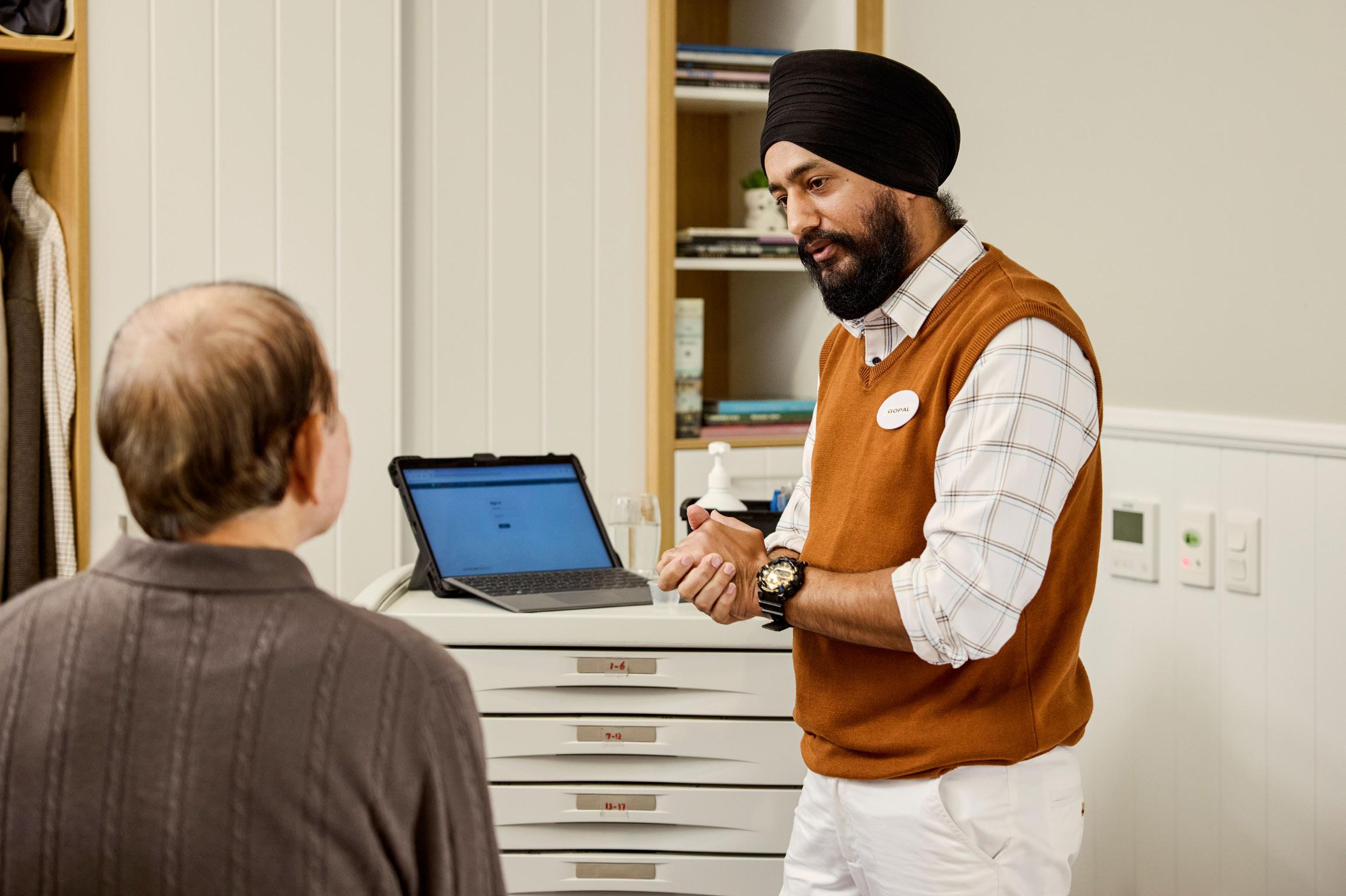
Healthcare and aged-care procurement comes with unique complexity, from clinical supplies to facilities management and services. How have you evolved VMCH’s procurement function to move beyond transactional purchasing toward strategic value creation?
The evolution of procurement at VMCH has been a genuine journey rather than a single transformation event. It has been iterative, practical, and built over time, beginning with one essential factor: trust. Positive stakeholder engagement is not optional in this kind of environment. It is a core success factor. Without it, procurement remains transactional. With it, procurement can become a strategic function that helps shape better outcomes.
As a team, we have worked hard to build strong relationships with key stakeholders so they can see first-hand what good procurement delivers. Once those relationships are in place, it becomes much easier to move conversations beyond ordering and price into value, service quality, risk, and longterm supplier performance. One good example is food supply, which is a critical category because it directly impacts our clients. Through regular engagement with the relevant stakeholders, we have developed a partnership model that focuses on getting the best from suppliers while also holding them to account. That approach has worked well and has resulted in a healthy mix of local and multinational suppliers with whom we now have strong working relationships.
The next step is scaling that model across more categories. In some areas, such as waste and cleaning, we are already well advanced. In others, we are still embedding the same level of maturity. For me, strategic procurement is about replicating what works, strengthening capability over time, and ensuring procurement is seen as a partner in delivering service outcomes, not just a function that processes transactions.


Reliable supplier performance is essential in care environments where disruptions can directly impact patient and resident wellbeing. What strategies do you use to build strong supplier relationships and ensure service continuity across VMCH’s operations?
Our approach begins with recognising that core suppliers in a mission-driven environment cannot be managed at a distance. They need to be managed closely, consistently, and in genuine partnership. We meet regularly with our key partners, stay engaged with their developments, and make a conscious effort to understand where their expertise can help improve outcomes for our clients.
At VMCH, the range of goods and services we procure is extensive, which makes supplier trust particularly important. We aim to work with organisations that can be relied upon to deliver consistently and responsibly. Fortunately, our supplier network is both large and diverse, and to date it has proven to be a strong one. Many of our partners have regularly repaid that trust through dependable service, responsiveness, and a willingness to work with us when challenges arise.
Another important part of our strategy is recognising that suppliers understand their own product or service better than we do. Good supplier relationships therefore are not just about performance monitoring. They are also about learning. We want to understand where suppliers are heading, what innovations they are seeing in the market, and how those ideas might benefit VMCH. That mindset helps turn supplier engagement into a source of value rather than simply a compliance exercise.
Ultimately, service continuity is strongest when procurement builds relationships that are transparent, practical, and grounded in mutual respect. In our environment, that matters because reliable supplier performance is not just a commercial benefit. It directly supports continuity of care.
Digitalisation is reshaping procurement across all sectors. How is VMCH leveraging procurement technology, data, or automation to improve transparency, compliance, and efficiency across sourcing and contract management?
We already have a number of digital tools available to us, particularly on the purchasing side, and these provide a useful foundation. More broadly, procurement technology and digitisation are areas we are actively considering, as I suspect many aged care organisations across Australia are doing. However, our view is that digital transformation has to begin with process clarity rather than technology for its own sake.
We have spent time reviewing our policies and processes to ensure they are fit for purpose. They must meet our probity requirements, support compliance, and still remain agile enough to provide flexibility, which is especially important in an aged care setting. In my view, digital tools and automation should flow from those underlying requirements rather than drive them. If the process is not right, technology will only reinforce the wrong approach faster.
That means our focus is less on adopting a system for the sake of appearing modern and more on ensuring that any future solution genuinely suits VMCH’s structure, operating model, and diverse service environment. We need tools that can support transparency, compliance, and efficiency without creating unnecessary rigidity for a complex organisation.
So while digitisation is absolutely on the agenda, our approach is deliberate. We want any technology investment to strengthen how we work, not distort it. In a mission-driven organisation, that discipline matters because procurement systems must support real service delivery needs, not just administrative neatness.

Sustainability is becoming increasingly important in healthcare and community services. How is VMCH embedding responsible sourcing, environmental considerations, and social value into procurement decisions?
Sustainability and responsible sourcing are both important priorities for VMCH, and that includes areas such as Modern Slavery, environmental responsibility, and wider social value. These are not treated as optional extras. They are embedded into our sourcing processes and reflected as mandatory criteria within our core contracts.
From a supplier perspective, we have deliberately engaged organisations that already demonstrate a credible track record in these areas. With sustainability, one example is our work with a waste management provider that is actively supporting waste diversion strategies to reduce the amount of material going to landfill. In other categories, such as cleaning and office products, our suppliers bring commitments around Indigenous engagement, community participation, and broader responsible sourcing initiatives. Those factors matter because procurement decisions should reflect organisational values as well as commercial requirements.
There is also another dimension to this at VMCH, which is our increasing focus on social enterprise. Although many of our internal stakeholders operate in aged care and health, there is growing attention across the organisation on how procurement can support businesses with a stronger social mission. We have been pleased to engage with some of those organisations and see that as an area we will continue to build on.
For me, responsible sourcing is most effective when it is practical, measurable, and aligned with stakeholder priorities. It should not sit outside normal procurement activity. It should be part of how contracts are designed, suppliers are selected, and value is understood across the organisation.
Recent global disruptions have highlighted vulnerabilities in healthcare supply chains. How does your team manage risk, ensure critical supply availability, and build resilience into VMCH’s procurement strategy?
For us, resilience begins with strong supplier relationships. Many procurement professionals will be familiar with the Kraljic model, including the idea that suppliers segment customers just as customers segment suppliers. It is essential that our most important suppliers see VMCH as a development or core customer rather than as a nuisance or purely exploitable account. We are confident that our strategic suppliers do see us in that way, and that position is critical when markets tighten or disruptions emerge.
The period during and after Covid illustrated this clearly. Although global supply conditions have improved since the height of the disruption, VMCH benefited enormously from the relationships cultivated by previous procurement leaders. Those partnerships helped ensure continuity of supply in particularly sensitive areas such as PPE, sanitiser, and medical waste disposal. Suppliers that valued VMCH as a partner worked with us to put interim measures in place so our facilities could continue operating and serving the community.
We have continued to build on that approach by staying close to our key suppliers in categories such as food, allied health, medical consumables, cleaning, and medical equipment. In practice, risk management is not only about forecasting disruption. It is about maintaining relationships strong enough to withstand it.
That philosophy remains central to our strategy. In healthcare and aged care, resilience is rarely built in isolation. It is built through trust, consistency, and ensuring that your most critical suppliers see long-term value in supporting your organisation.
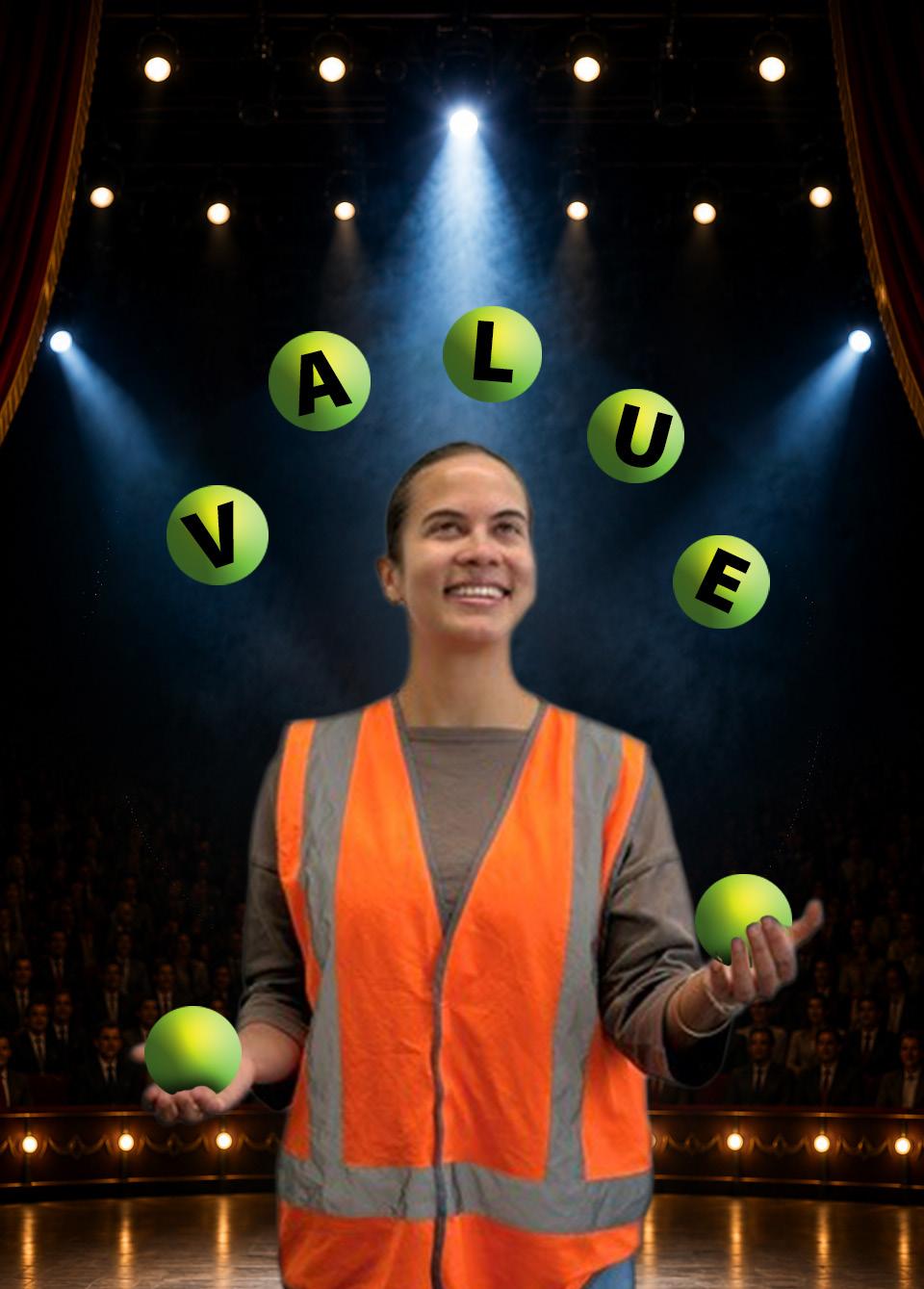
“Waste” a low cost category, but a valuable source of opportunity for the procurement team to create value.
e traditional transactional way doesn’t tap into this opportunity. Done the MG Waste way strategic value is created.

MG Waste Management partners with values aligned customers and subcontractors across Australia and New Zealand.
Our trusted partnerships and central management simplify and optimise the waste system, all the time focussed on the key needs of our clients to deliver their mission.
e MG Waste Way: every customer requires tailored solutions

PRE COMMENCEMENT
Build detailed knowledge of our clients’ styles and operations
IMPLEMENTATION
Execute seamlessly
SERVICE DELIVERY
Disciplined waste management plan execution
ESTABLISH TRUST engagement with ALL stakeholders
FOSTER CONFIDENCE
execute with full knowledge and awareness
DRIVE STRATEGIC VALUE continually focus on improvement
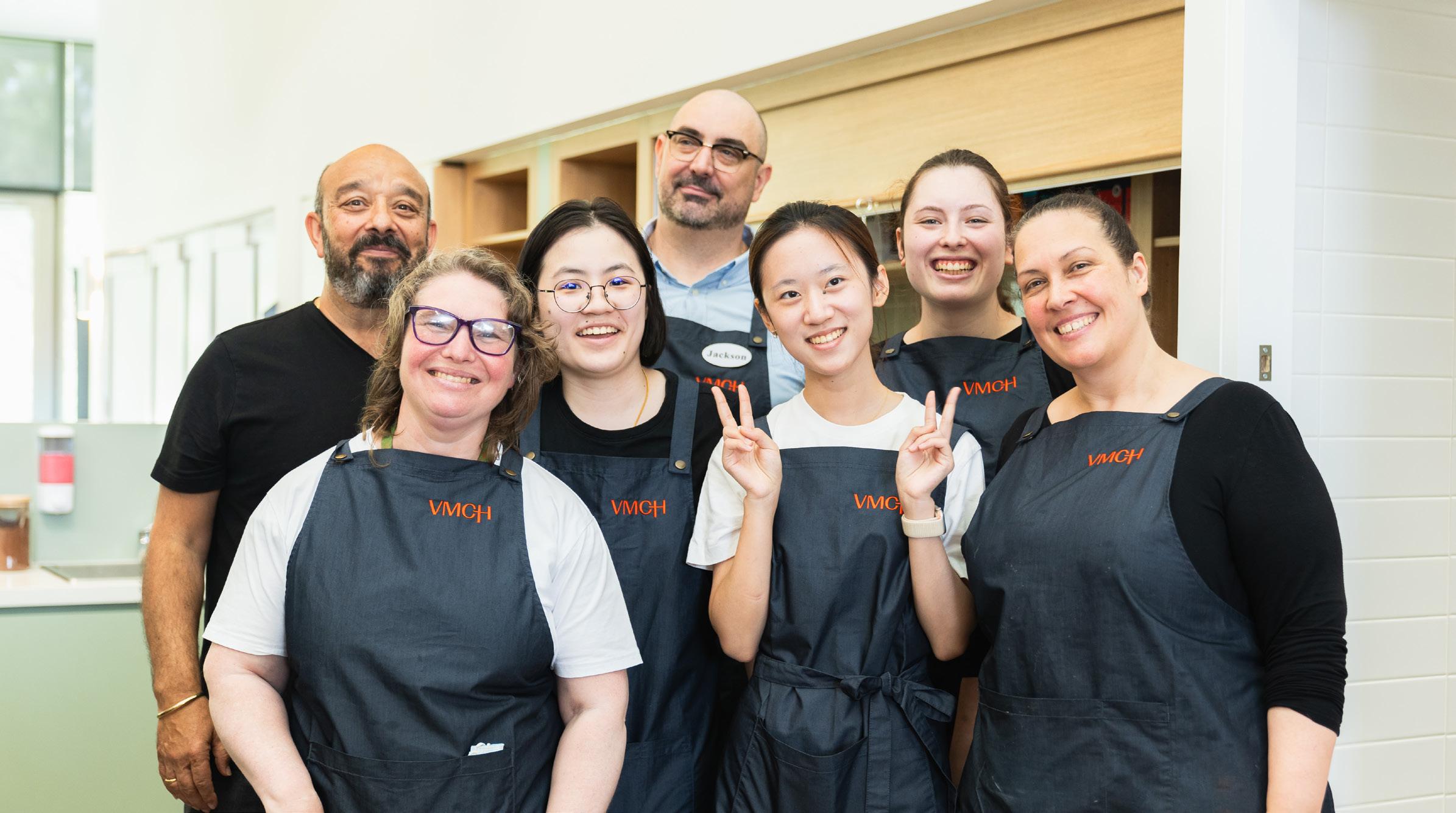
For mission-driven organisations, waste management is far more than an operational requirement. It is part of how an organisation protects safety, maintains compliance, supports frontline teams, and demonstrates responsibility to the wider community. In aged care, disability services, specialist education, and community support environments, these priorities are especially important. Facilities must be clean, safe, reliable, and well supported, while procurement teams must ensure suppliers can deliver consistently across complex service settings.
MG Waste Management operates in this space with a clear understanding that waste services need to support more than simple collection and disposal. For organisations such as VMCH, which provides essential care and community services across Victoria, waste management sits within a much wider responsibility around sustainability, service continuity, and responsible sourcing. e right waste partner helps reduce operational pressure, improve environmental outcomes, and support the day-to-day environments where care is delivered.
e importance of this role is reflected in the way procurement is evolving across the care sector. Procurement teams are increasingly expected to consider not only cost, but also resilience, supplier capability, environmental performance, and long-term value. Waste management is a clear example of where those factors come together. A service that appears routine on the surface can have a significant impact on site operations, staff workload, compliance expectations, and an organisation’s broader sustainability goals.
MG Waste Management’s work is built around helping organisations manage waste in a practical, reliable, and responsible way. is includes supporting effective waste handling, improving segregation practices where possible, helping clients identify opportunities to reduce landfill, and providing service models that reflect the realities of busy operational environments. In care settings, this practical approach matters. Teams need suppliers who understand that services must be dependable, responsive, and easy to work with.
Sustainability is an increasingly important part of this conversation. Across healthcare, aged care, and community services, organisations are placing greater emphasis on environmental responsibility and the role suppliers play in helping them improve. Waste diversion is a key part of that journey. Reducing the amount of material sent to landfill requires more than good intentions. It requires the right systems, supplier knowledge, site-level cooperation, and ongoing communication between the client and the service provider.
is is where MG Waste Management can support organisations by bringing waste expertise into the procurement and facilities conversation. By helping clients understand their waste streams, identify improvement opportunities, and implement practical service arrangements, MG Waste Management contributes to a more informed and responsible approach to waste. e aim is not simply to remove waste from site, but to help clients make better decisions about how waste is managed, measured, and improved over time.
For organisations like VMCH, this aligns closely with a procurement approach that values responsible sourcing and supplier partnership. In Amit Das’s interview, VMCH highlights the importance of working with suppliers that demonstrate credible commitments to environmental responsibility, social value, and practical improvement. Waste management naturally sits within that framework because it has a direct link to landfill reduction, environmental performance, and the everyday running of care facilities.
Reliability is just as important as sustainability. In care environments, disruption to essential services can quickly create pressure for staff and facilities. Waste services need to run consistently, safely, and in a way that supports the rhythm of each site. A dependable supplier helps reduce risk by ensuring collections, communication, and service expectations are managed clearly. is gives internal teams greater confidence and allows them to remain focused on delivering care and support to residents, clients, and communities.
Strong supplier relationships are central to that outcome. e best partnerships are not transactional. ey are built on communication, responsiveness, and a shared understanding of what the organisation is trying to achieve. MG Waste Management’s role is to work with clients in a way that supports both operational needs and longer-term improvement. is includes being available when requirements change, helping solve practical issues, and bringing sector knowledge into conversations about service quality and sustainability.
In an increasingly complex operating environment, organisations need suppliers who can support both today’s requirements and tomorrow’s expectations. Regulation, stakeholder expectations, environmental targets, and community accountability are all placing greater focus on supplier performance. Waste management providers have an important role to play in helping clients respond to these pressures with confidence. For MG Waste Management, the opportunity is to help clients treat waste not as an isolated operational task, but as part of a wider responsible procurement and sustainability strategy. is means supporting cleaner, safer, and more efficient sites, while also helping organisations work towards reduced landfill and improved environmental outcomes.
Within the VMCH feature, MG Waste Management’s role fits naturally alongside themes of sustainability, responsible sourcing, service continuity, and supplier partnership. ese are the same themes shaping procurement across the care sector more broadly. As organisations continue to balance financial stewardship with quality service delivery and environmental responsibility, suppliers that can provide practical value, reliable service, and a clear commitment to improvement will become increasingly important.
MG Waste Management’s contribution sits within that important space. By supporting responsible waste management, landfill reduction, operational reliability, and ongoing collaboration, the company helps organisations strengthen the environments in which care is delivered. In doing so, it demonstrates how the right supplier partnership can support not only procurement objectives, but also the wider mission of safe, sustainable, and communityfocused service delivery.


In a not-for-profit environment, balancing financial stewardship with quality care outcomes is vital. How do you approach cost optimisation while ensuring procurement decisions always support VMCH’s care mission?
In aged care, financial stewardship matters enormously, but it has to be managed in a way that never loses sight of service quality and care outcomes. Because of the nature of the sector, organisations like VMCH rely on a significant number of third-party suppliers, whether because of their specialisation, the complexity of the service, or geographic considerations. That means cost optimisation has to be approached carefully and sustainably.
Negotiation is part of our day-to-day work, and our aim is always to achieve a fair and reasonable price while ensuring that pricing remains sustainable over time. We do not want to secure shortterm gains that later result in service issues or cost blowouts. Where possible, we also run sourcing events that introduce a healthy level of competitive tension so we can test the market properly and make informed choices.
We also work with procurement aggregators, which is an important part of our strategy. These organisations source on behalf of multiple businesses, including VMCH, and that allows us to benefit from economies of scale we could not achieve independently. Their contract management capability also gives us assurance that suppliers are properly vetted and actively managed.
The key is to keep the mission in view. Cost optimisation is important, but it must support, not compromise, the care experience. In our environment, the best procurement outcomes are those that balance commercial discipline with stable, high-quality service delivery.
Looking ahead, what trends do you see shaping procurement in healthcare and aged care over the next few years, and how is VMCH preparing to adapt to these changes?
Digitisation and artificial intelligence are clearly major forces shaping procurement, not only in aged care but across the profession more broadly. I am constantly hearing about new developments in the sector, ranging from improved monitoring and support systems to AI-enabled robotics that can assist aged care residents with diagnosis, day-to-day practical support, and even companionship. For procurement teams, this means digital literacy and awareness will only become more important over time.
At the same time, regulation will be a major driver of change. For organisations in aged care that rely on subcontractors or third-party providers, recent reforms mean providers will be increasingly accountable for the quality of care delivered on their behalf. Under the new Aged Care Act, workers of associated providers may effectively be treated as workers of the organisation they support. That raises the importance of supplier oversight, contract management, and governance significantly. For procurement, this means that supplier management will have to become even more rigorous. Contract management will be more critical, not less, and organisations will need stronger visibility into how services are being delivered across their supplier base.
So while technology will continue to reshape the sector, regulatory accountability may prove just as significant. The organisations that adapt best will be those that strengthen both their digital capability and their contract and supplier governance at the same time.
Based on your experience in healthcare procurement, what advice would you offer to emerging procurement professionals looking to build meaningful careers in mission-driven and service-focused organisations?
My advice to emerging procurement professionals in a mission-driven organisation would be to listen and observe before taking action. Procurement professionals are generally adaptable and capable of working across many sectors, but in a mission-focused environment the drivers are rarely limited to savings or cost reduction. If you do not first understand what the organisation is trying to achieve and what matters most to its stakeholders, it is very easy to pursue the wrong priorities.
That is why I am cautious about the idea of immediately needing to hit the ground running. It sounds appealing, but in practice I think it is far more valuable to first understand the organisation properly before launching ambitious procurement initiatives. Context matters, especially in sectors where service delivery has such a direct human impact.
I would also keep stakeholder engagement front and centre. That means not only engaging leaders, but also spending time with staff in client-facing roles. Those conversations provide an invaluable perspective on what the business actually needs. Some of my most valuable insights have come from visiting VMCH teams on site, whether in aged care facilities or disability accommodation homes. Seeing the environment first-hand provides a level of understanding that cannot be achieved from behind a laptop.
Working in a mission-focused organisation is something I would strongly recommend. It offers exposure to diverse challenges, diverse people, and exceptionally committed teams. Supporting that mission through procurement is both professionally stretching and personally rewarding.
VMCH is a Catholic not-for-profit organisation providing retirement living, residential aged care, disability services, specialist education and community support across Victoria. With a history dating back more than 100 years, VMCH supports people at every stage of life through compassionate, person-centred services designed to help individuals and communities thrive.
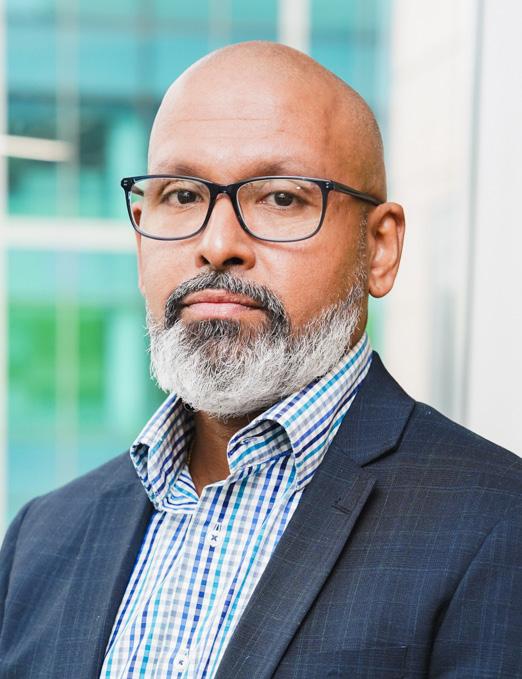
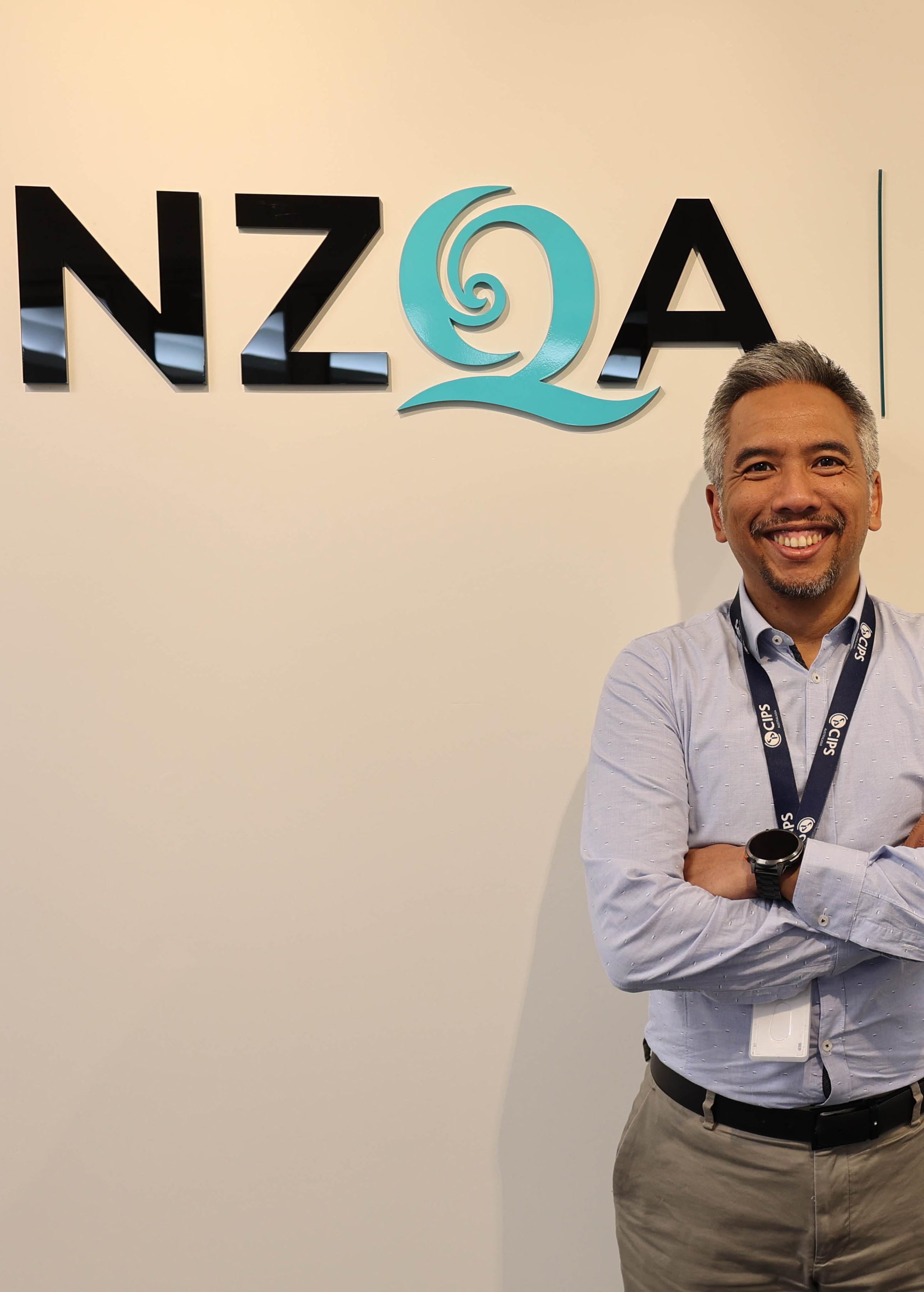
Ismail Halim (FCIPS) on Procurement, Public Value, and Building Trust in New Zealand’s Public Sector
Procurement in the public sector plays a critical yet often understated role in delivering essential services, balancing governance, value, and long-term societal impact. At the New Zealand Qualifications Authority (NZQA), procurement is a key enabler of trusted education outcomes, supporting systems that impact learners, educators, and institutions across Aotearoa.
Ismail Halim (FCIPS), Senior Procurement Advisor at NZQA, brings a diverse background spanning telecommunications, automotive, banking, and power generation, alongside deep professional grounding through the Chartered Institute of Procurement and Supply (CIPS). His journey into procurement was unplanned, but his progression reflects a clear commitment to continuous learning, ethical practice, and building meaningful supplier partnerships.
In this interview, Ismail shares insights on governance, sustainability, supplier collaboration, and the evolving role of procurement within the public sector, offering a grounded perspective on how procurement can deliver both operational excellence and public value.
You’ve built your procurement career within public-sector and advisory environments. How did you know procurement was the path for you, and can you share your career journey and what led you to your role as Senior Procurement Advisor at the New Zealand Qualifications Authority?
I’ll be honest, I had no idea what procurement was when I started out as a call-centre representative. My career only began to take shape after completing a logistics certification in Malaysia, which opened the door to a supply chain role in a small engineering company. Later, while working for a shipping company, an organisational restructure placed me in the procurement team as a junior buyer. That unexpected move, combined with enrolling with the Chartered Institute of Procurement and Supply, set the foundation for my career.
Since then, I’ve worked across telecommunications, automotive, banking, and power generation, each role building my perspective and skill set. Moving to New Zealand in 2019 allowed me to transition into the public sector as a senior procurement specialist. I’ve now been with NZQA for almost 18 months, and I’m still learning every day, which is one of the things I value most about this profession.
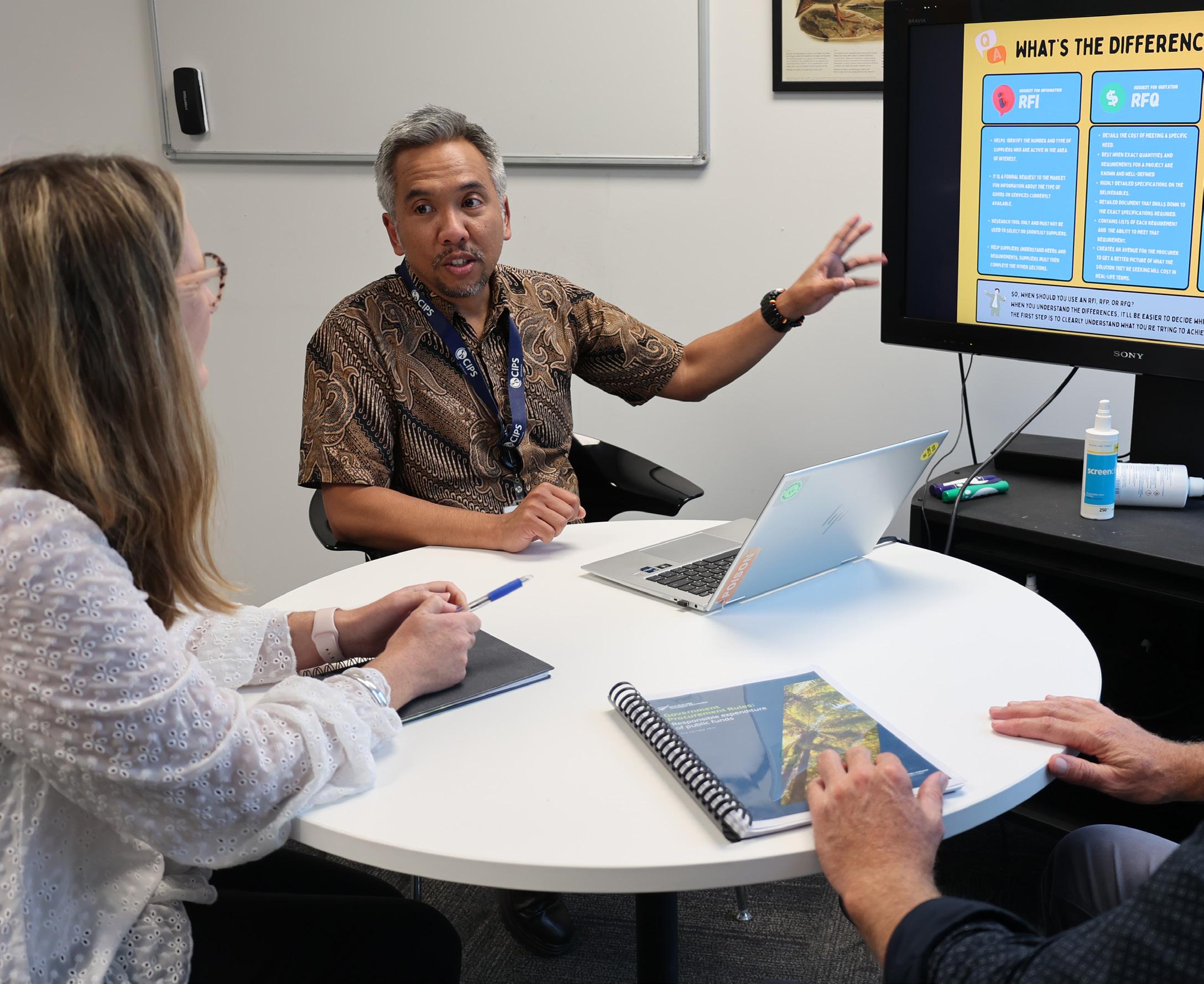
NZQA plays a vital role in maintaining New Zealand’s qualifications framework and education standards. How does your procurement function support NZQA’s mission to deliver reliable, highquality services to learners, educators, and institutions?
Our procurement team plays a quiet but critical role in enabling NZQA to deliver reliable, high-quality services. We focus on building strong, long-term supplier partnerships so we can co-design solutions and maintain consistent service standards.
Through strategic sourcing and coordinated planning, we leverage economies of scale to maximise value for money. This allows NZQA to reinvest savings into priority initiatives that directly support learners and the wider education system.
At the same time, we apply strong quality assurance and risk management practices to ensure every product and service is reliable, secure, and fit for purpose. Ultimately, procurement creates the commercial foundation that allows NZQA to operate with confidence and focus on delivering trusted outcomes for Aotearoa.
Public-sector procurement requires strong governance, transparency, and accountability. How do you balance compliance and policy requirements with achieving value, efficiency, and innovation in procurement activities at NZQA?
Compliance is non-negotiable, but it should not come at the expense of value or innovation. For me, the balance starts with building processes that people trust. That means being transparent with stakeholders about the rules, why they exist, and how we can work within them effectively.
I focus heavily on early engagement with internal teams so we can shape procurement approaches together and avoid delays or surprises later. With suppliers, I set clear guardrails while encouraging them to bring forward new ideas, sustainable solutions, and innovative approaches that still meet governance requirements.
Strong documentation and consistent evaluation ensure compliance, while a pragmatic mindset helps maintain efficiency. Ultimately, the goal is to deliver strong outcomes for NZQA while protecting public value and maintaining accountability.
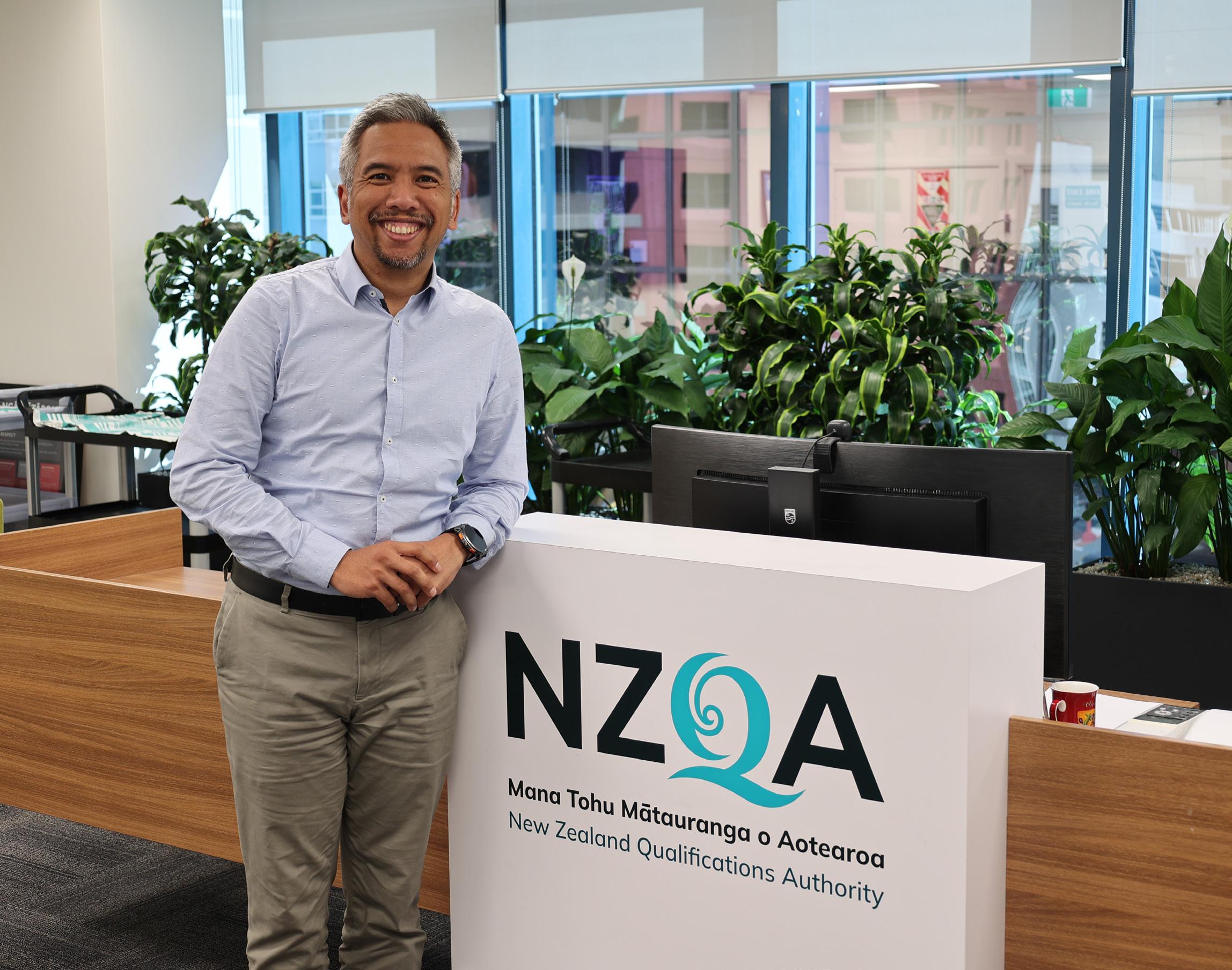
What strategies do you use to build strong, transparent relationships with suppliers, and how do you ensure partners consistently meet NZQA’s service, technology, and performance standards?
Strong supplier relationships are built on clarity, fairness, and consistency. I set expectations early and ensure suppliers understand what good performance looks like from NZQA’s perspective.
My approach is influenced by CIPS principles, particularly around ethical practice, open communication, and structured performance management through KPIs rather than assumptions. I maintain regular engagement with suppliers, not just when issues arise, which helps build trust and transparency.
Quality assurance comes from a combination of formal processes, such as service reviews, performance reporting, and risk checks, alongside maintaining open and respectful relationships. When suppliers feel trusted and valued, they are more committed to delivering against expectations. It becomes a shared responsibility rather than just a contractual obligation.
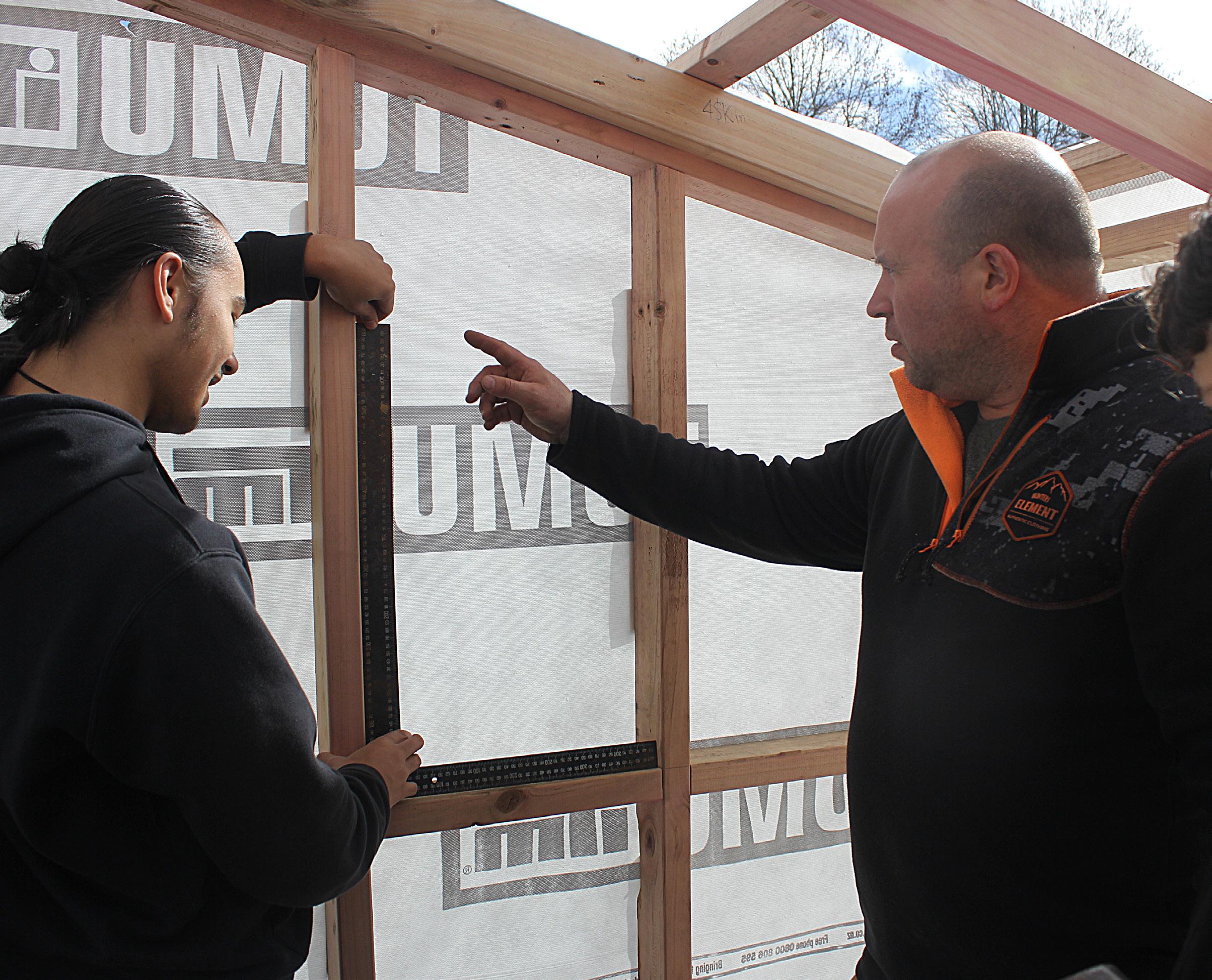
Acumen Consulting helps organisations get more value from their business systems, data, and processes.

Establish an intimate knowledge of your operations.

Introduce our team of New Zealand’s leading software integrators and consultants.
leading partnerships

Add our hand-picked collection of truly exceptional software applications.



Sustainability and social responsibility are increasingly important in government procurement. How is NZQA integrating sustainability, ethical sourcing, and broader social value into procurement strategies?
Sustainability is no longer something we consider at the end of a process. It is built into procurement from the beginning. At NZQA, we are integrating sustainability, ethical sourcing, and social value into everyday decision-making.
This means asking better questions during planning. Can we reduce waste? Are there opportunities to engage local or social enterprises? What are the environmental impacts across the full lifecycle?
I also work closely with internal teams to translate sustainability into practical actions rather than high-level principles. With suppliers, we encourage greater transparency around labour standards, environmental impact, and responsible practices, while recognising that progress is a journey.
It is not about being perfect. It is about making consistent, intentional improvements and ensuring procurement reflects public-sector values.
With evolving demand for qualification services, assessments, and digital tools, how does your team approach procurement planning to ensure continuity, scalability, and cost optimisation?
Demand at NZQA can shift quickly, so forward planning is essential. I stay closely aligned with internal teams to understand upcoming priorities, pressures, and changes over a 6 to 12-month horizon. Using CIPS principles such as category management and risk-based planning, we take a whole-oflife approach when selecting sourcing strategies. This helps determine whether flexible contracts, scalable suppliers, or pre-established panels are required.
We also regularly review contracts to ensure they remain fit for purpose and cost-effective as demand evolves. Value is not just about price. It is about resilience, scalability, and maintaining quality under pressure.
Good procurement planning reduces surprises, ensures continuity, and gives NZQA confidence that critical services will operate smoothly regardless of changing demand.

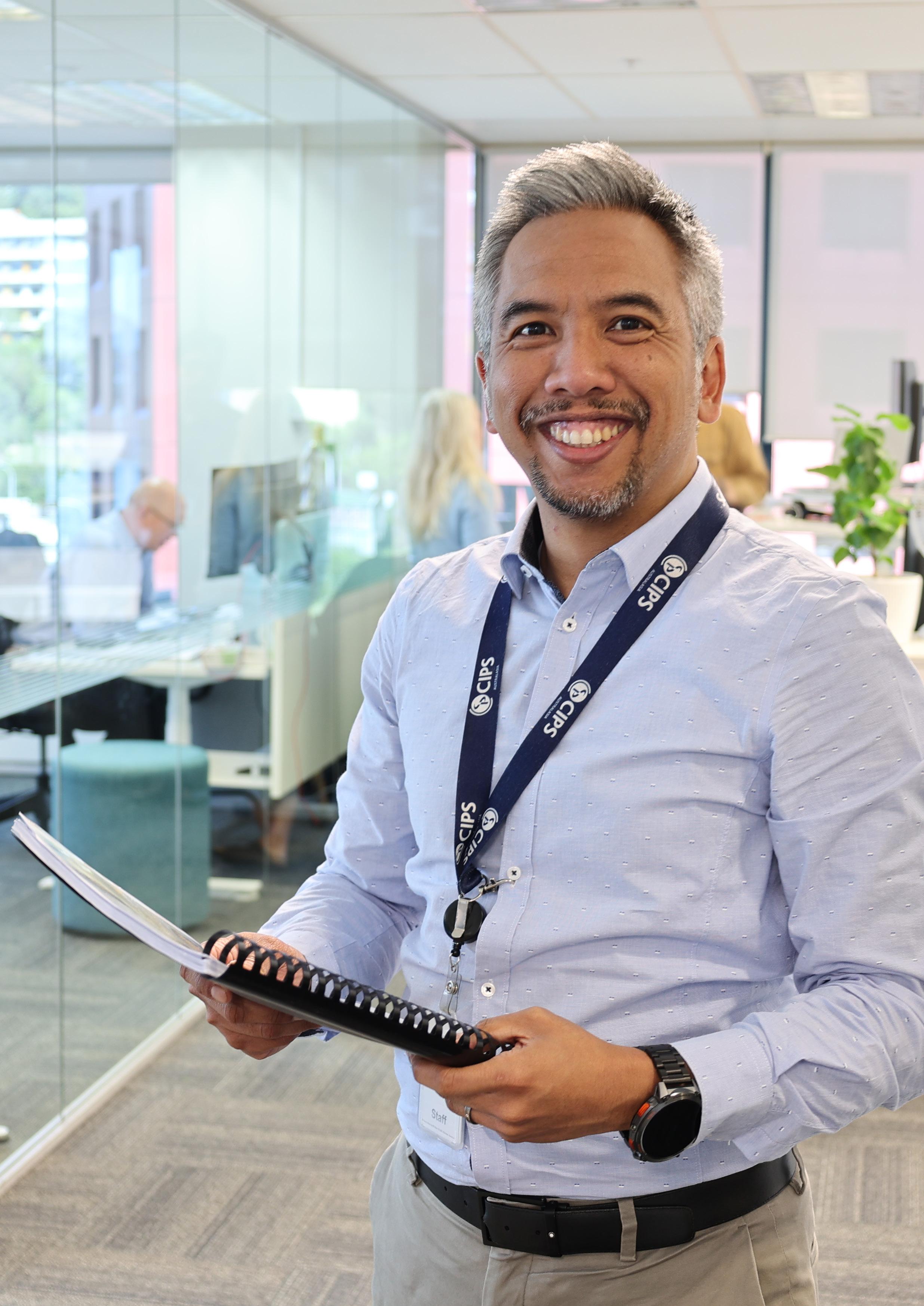
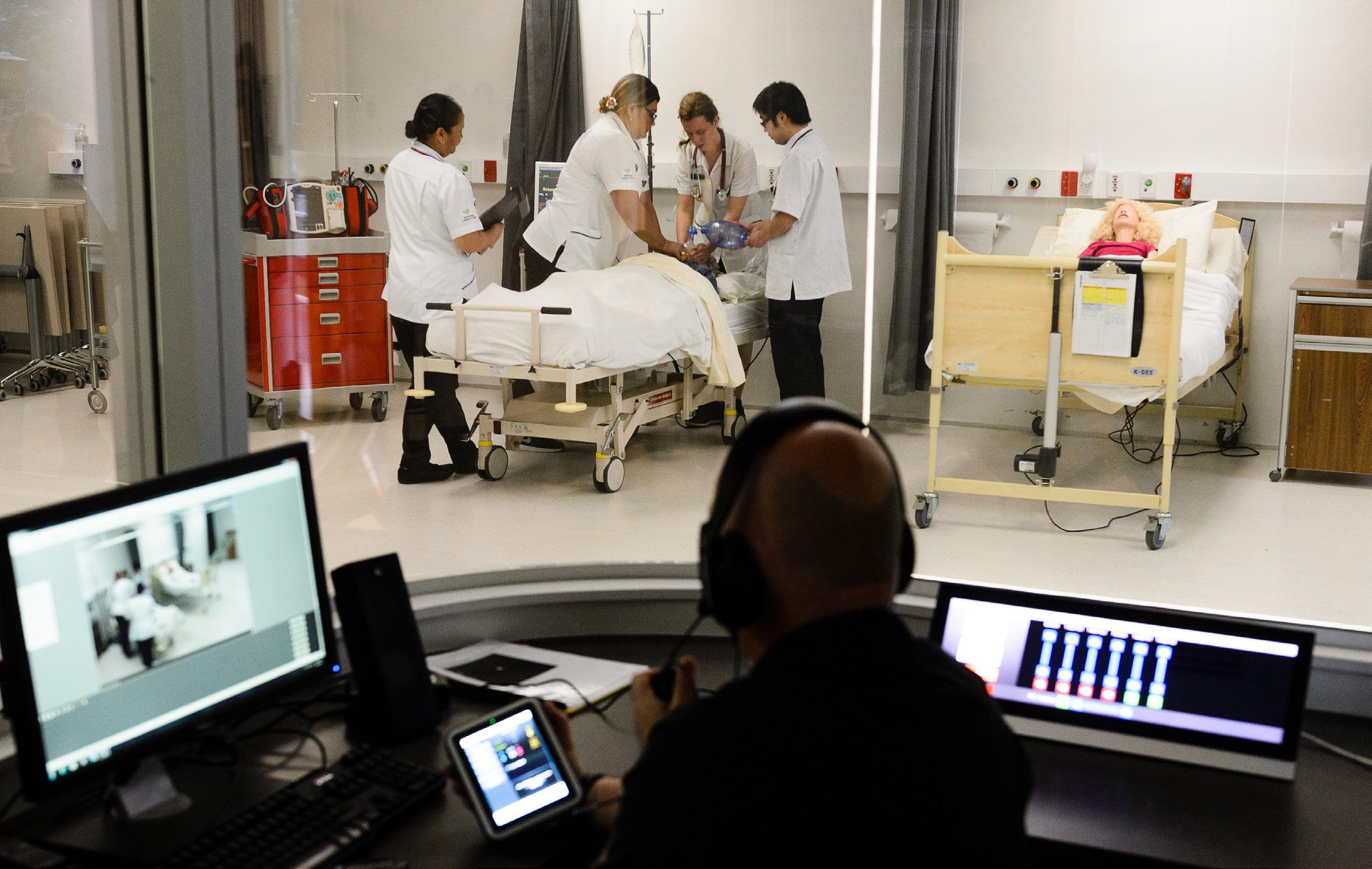
From technology dependencies to supplier risks, what are the key procurement risks NZQA navigates, and how do you manage these to ensure uninterrupted service delivery?
Risk is always present in procurement, whether it relates to technology dependencies, single-source suppliers, or tight delivery timelines. At NZQA, we focus on being proactive rather than reactive.
This starts with understanding critical services and identifying potential points of failure. I work closely with internal teams to map risks early, particularly where suppliers or systems are essential to operations.
With suppliers, we assess capacity, financial stability, security posture, and disaster recovery readiness. Regular performance discussions help identify early warning signs.
We strengthen resilience through supplier diversification where possible, clear service-level expectations, and contracts that support continuity and escalation. While not all risks can be eliminated, transparency, documentation, and strong communication ensure we are prepared.
In your experience, how is procurement maturity evolving across New Zealand’s public-sector agencies, and where do you see the greatest opportunity?
Procurement has evolved significantly across both public and private sectors. Agencies are moving beyond purely transactional or compliance-driven models and placing greater emphasis on commercial thinking, early engagement, sustainability, and long-term value.
One of the most important shifts is the recognition that procurement shapes outcomes, not just transactions. When involved early, procurement can influence design, manage risk proactively, and create pathways for innovation.
There is still opportunity to grow, particularly in capability development and data-driven decisionmaking. However, the overall direction is positive.
The greatest opportunity lies in strengthening partnerships across internal teams, suppliers, and other agencies. When procurement is trusted and well-integrated, it becomes a strategic lever for delivering better outcomes.
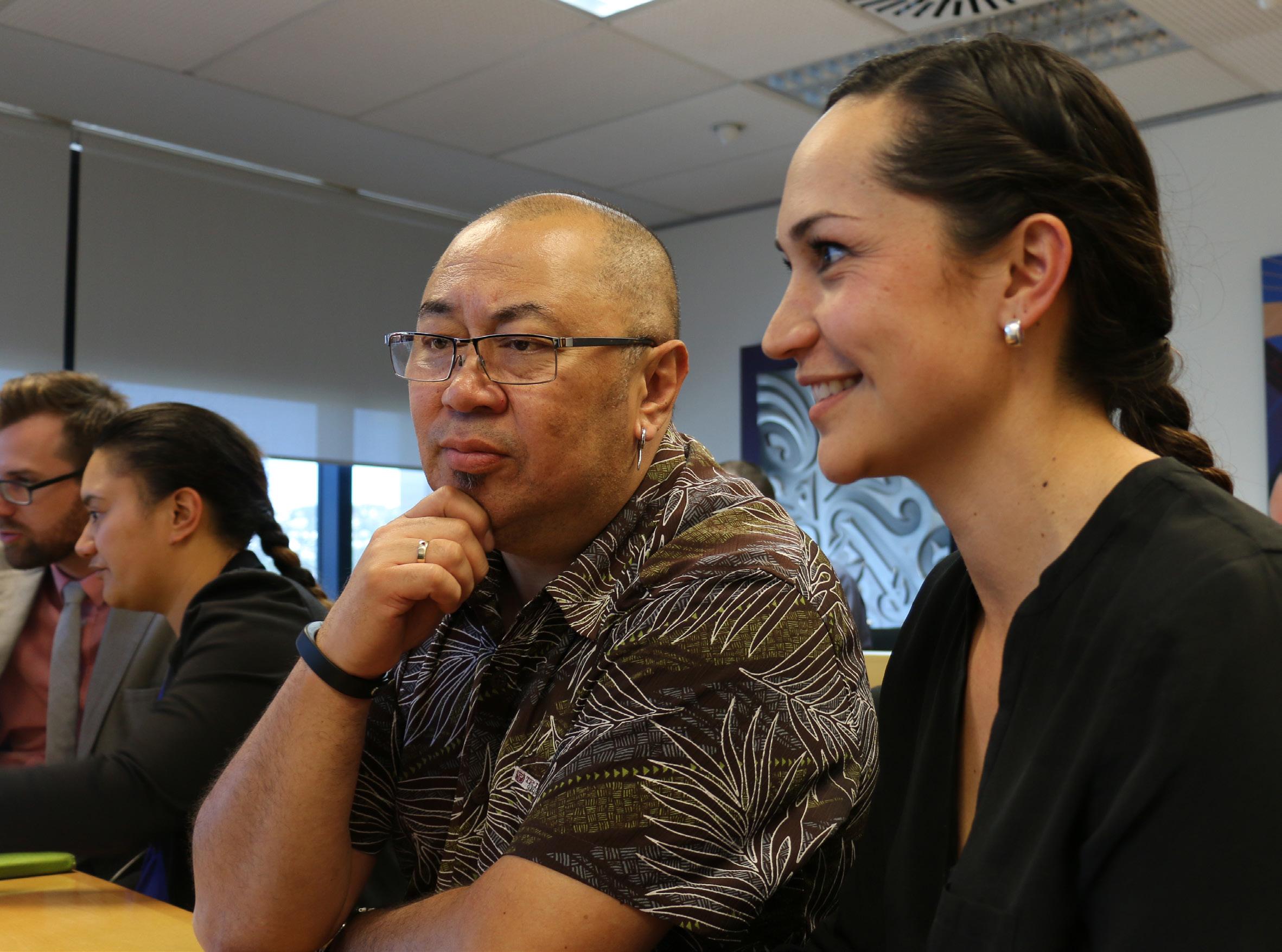
As a procurement advisor within a complex public-sector environment, what advice would you give to professionals looking to build impactful careers in procurement, commercial advisory, and publicsector transformation?
My biggest advice is to stay curious. Procurement is not just about policies and contracts. It is about understanding people, markets, risks, and how organisations operate.
Focus on the fundamentals. Document decisions, communicate clearly, remain transparent, and involve the right stakeholders early. These habits will carry you through any environment. Networking is also critical. Connecting with procurement professionals across industries provides new perspectives, accelerates learning, and builds a support system.
Finally, stay open to unexpected opportunities. Many of us did not plan to enter procurement, but it offers diverse and rewarding career paths. Being adaptable and willing to learn will take you further than any predefined plan.
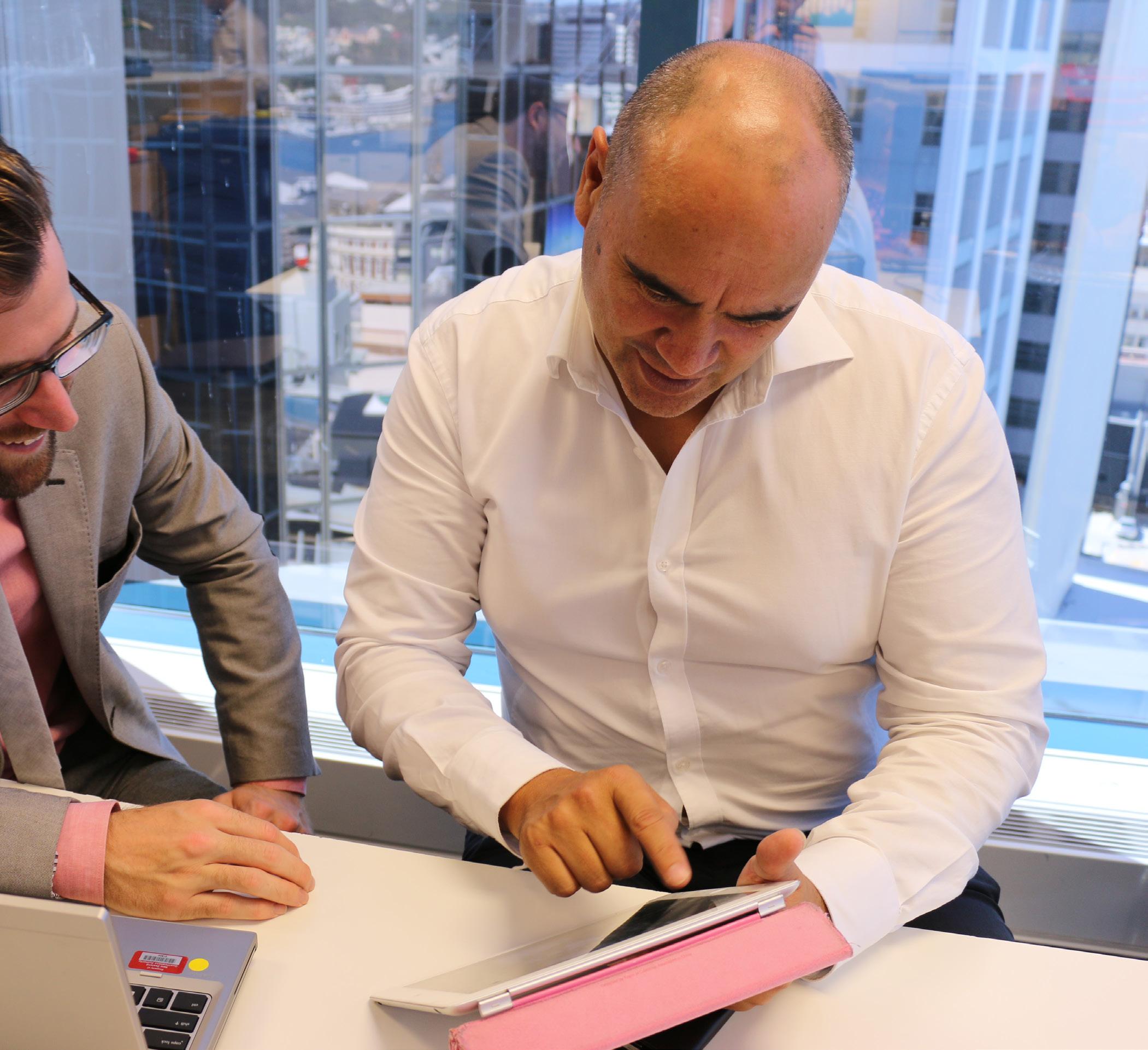

Where do you see the procurement profession heading, and what skills will matter most in the next five years?
Procurement is becoming increasingly strategic and influential. Organisations now recognise it as a function that shapes risk, value, and long-term outcomes rather than simply managing processes. Over the next five years, procurement will become more embedded in decision-making, particularly in areas such as sustainability, market intelligence, and commercial governance.
The most important skills will be commercial acumen, stakeholder influence, and the ability to interpret market dynamics quickly. Strong fundamentals such as ethical practice, category management, and structured analysis remain essential, but what differentiates professionals is the ability to apply these in complex environments.
Adaptability will also be critical. Markets, technologies, and expectations are constantly evolving. Those who remain curious, connected, and grounded in professional standards will lead the next phase of procurement transformation.
NZQA ensures that New Zealand qualifications are credible, trusted and recognised at home and internationally. It manages the New Zealand Qualifications and Credentials Framework, administers assessments for NCEA and New Zealand Scholarship, quality-assures nonuniversity tertiary providers, and evaluates how overseas qualifications and New Zealand qualifications align. In a rapidly changing world, NZQA is focused on ensuring qualifications and credentials continue to meet the needs of learners, communities, and employers.


In precision manufacturing, sourcing is about far more than securing supply. It plays a central role in maintaining quality, enabling operational continuity and supporting long-term business performance. Across complex industrial environments, sourcing leaders are increasingly expected to balance cost, resilience, supplier collaboration and technological change while responding to evolving market conditions.
Lalit Bhargava brings a practical perspective shaped by years of experience working alongside suppliers, manufacturing teams and global operations. Grounded in technical understanding, disciplined execution and strong supplier relationships, his approach focuses on managing risk, driving value engineering and strengthening supply chain performance. In this executive insight, Bhargava shares his views on supplier collaboration, digital transformation, inventory management and the trends shaping the future of sourcing and manufacturing.


You have progressed into a global sourcing leadership role. Can you share how your journey started, what drew you into procurement and sourcing, and the key experiences that have shaped your approach?
My journey into global sourcing started close to operations, working directly with suppliers, plants and logistics teams. Early on, I saw how a single delay or supplier issue could affect production and customer commitments. That experience highlighted that sourcing is not a support function, but a critical part of business performance.
What drew me into sourcing was the combination of problem solving and accountability. Managing suppliers across regions and navigating disruptions reinforced the importance of resilience, preparation and strong relationships. Many of my key learnings came from challenging situations where collaboration and quick decisions mattered more than perfect plans.
Today, in my role as a global sourcing leader, I focus on building stable supplier partnerships, staying close to operational realities and supporting long-term business growth. The goal is to create a sourcing organisation that enables confidence, even in uncertain environments.
Within precision manufacturing environments, how does sourcing support reliability, product quality and operational excellence?
In precision manufacturing, sourcing is fully integrated into the wider operational ecosystem. We support reliability and product excellence by ensuring all components meet strict technical, dimensional and performance requirements, often for highly specialised applications.
This is where capable manufacturing partners become particularly important. Suppliers such as United Composheets bring together stamping, machining, fabrication, tooling and quality assurance within an integrated manufacturing environment, helping support the consistency and technical control required for precision-engineered components.
We work closely with engineering and quality teams during design and new product introduction phases to align supplier capabilities with process requirements such as material traceability, calibration standards and process control. Supplier qualification includes detailed audits, validation processes and ongoing performance monitoring across quality and delivery.
To protect continuity, we apply dual sourcing, capacity validation and lifecycle planning for critical components. This structured approach ensures consistency, repeatability and longterm product performance. Sourcing therefore plays a direct role in maintaining the precision, consistency and performance standards demanded by modern manufacturing.

How do you develop sourcing strategies that balance cost reduction, value engineering and supplier collaboration while supporting operational excellence?
Our sourcing strategies focus on total cost reduction, value engineering and strong supplier collaboration, aligned with lean manufacturing principles.
We engage suppliers early in the product lifecycle to identify opportunities for design simplification, material optimisation and process improvements that reduce cost without compromising quality. Should-cost analysis provides transparency and supports more informed commercial decisions.
Working with suppliers that offer an integrated range of manufacturing capabilities can also create opportunities to simplify the supply chain. A partner such as United Composheets, for example, can support customers across tooling, stamping, fabrication, machining, surface treatment and assembly. That level of integration can improve coordination, reduce unnecessary handovers and support value engineering from development through to production.
We also run value analysis and value engineering initiatives with suppliers to drive continuous cost improvement. Collaboration focuses on improving yield, reducing lead times and enhancing production efficiency.
At the same time, we identify and eliminate non-value-added activities across the supply chain to improve responsiveness and flow. By aligning sourcing decisions with lean principles, we strengthen operational efficiency, improve supply continuity and support long-term competitiveness.


What are your key approaches for building strong supplier relationships, and how do you ensure partners consistently meet quality, delivery and compliance expectations?
Strong supplier relationships are built on transparency, technical alignment and long-term partnership rather than transactional engagement.
We clearly define expectations across quality, delivery and compliance through structured qualification processes, audits and performance scorecards. These frameworks ensure suppliers understand and meet operational expectations consistently.
The capabilities of the supplier must be supported by a strong quality framework. United Composheets, for example, operates to internationally recognised standards including AS9100D, IATF 16949, ISO 9001, ISO 14001 and ISO 45001. Certifications are only one part of the assessment, but they provide an important foundation for quality assurance, traceability and continuous improvement.
Ongoing governance includes regular business reviews, corrective action tracking and continuous improvement initiatives. We also maintain close engagement through site visits and cross-functional collaboration with engineering and quality teams.
This approach creates accountability while strengthening collaboration. Suppliers remain aligned, responsive and committed to performance expectations. Ultimately, consistent communication and structured governance enable us to maintain high standards while building resilient and dependable supplier partnerships.
With global sourcing complexity increasing, how can digital tools, analytics and automation improve responsiveness and decision-making across supply chains?
Digital tools and analytics increasingly improve decision-making, strengthen supply assurance and enhance cost management across global sourcing.
Improved data visibility allows organisations to identify risks earlier, respond faster to disruptions and protect customer commitments. Access to real-time insights enables better planning and more informed sourcing decisions.
Tools such as Power BI and automation solutions support process consistency, improve compliance and increase execution speed across procurement activities. These capabilities reduce manual effort while enhancing accuracy and control.
Digital integration also improves collaboration across functions by providing a shared view of supplier performance, demand signals and operational priorities.
Technology is therefore not just about efficiency. It enables better judgement, faster responses and stronger overall supply chain performance.





For more than 25 years, United Composheets Private Limited (UCPL) has been delivering precision-engineered sheet metal components and manufacturing solutions to customers across the automotive, aerospace, electronics, and medical sectors. Established in 1998, the company has grown from a small manufacturing unit into a trusted engineering partner recognised for quality, reliability, and continuous investment in technology and capability.
Operating from its manufacturing facilities in Ghaziabad, India, UCPL provides a fully integrated solution encompassing stamping, fabrication, machining, tooling, surface treatment, powder coating, assembly, and quality assurance. With a dedicated in-house tool room and advanced manufacturing infrastructure, the company supports customers from initial concept and product development through to full-scale production.
Quality remains central to everything we do. Our commitment to international manufacturing standards is demonstrated through certifications including AS9100D, IATF 16949, ISO 9001, ISO 14001, and ISO 45001. Supported by advanced inspection and measurement systems from globally recognised manufacturers, we maintain the precision, consistency, and traceability required by some of the world’s most demanding industries.
Today, UCPL employs more than 200 skilled professionals and operates a diverse manufacturing platform capable of supporting both high-volume production and complex engineered components. Continual investment in automation, machining technology, and Industry 4.0 initiatives enables us to remain competitive while delivering exceptional value to our customers.
As an Indian supplier operating to global standards, we take pride in building long-term partnerships founded on trust, responsiveness, and manufacturing excellence. Whether supporting established programmes or developing next-generation products, UCPL remains committed to delivering quality, innovation, and dependable service at every stage of the manufacturing journey.

How does global sourcing connect with inventory planning and demand forecasting to ensure material availability and minimise disruption?
Sourcing is closely aligned with demand planning to ensure the right balance between availability and inventory efficiency.
We define safety stock levels, reorder points and lead time buffers based on demand forecasts and supply risk profiles for critical components. This ensures continuity without creating unnecessary excess inventory.
We use structured inventory control methods such as min-max planning and ABC classification to prioritise resources effectively. Dual sourcing strategies further strengthen supply assurance.
Lead time reduction initiatives also play a key role in lowering pipeline inventory and improving responsiveness. In addition, warehouses located near manufacturing sites help shorten replenishment cycles.
This integrated approach ensures material availability, improves agility and supports lean inventory management across the supply chain.
How do you assess and mitigate risks within sourcing to protect continuity and performance?
Managing supply chain risk requires a proactive and structured approach embedded within sourcing strategy.
We continuously assess risks across tariffs, logistics, supplier capacity and regulatory requirements using market intelligence, supplier data and demand signals. This allows early identification of potential disruptions.
Mitigation strategies include dual and multi-sourcing, regional diversification and capacity validation with key suppliers. We also apply country-of-origin strategies and cost modelling to manage geopolitical and tariff risks.
Regional manufacturing partners can play an important role within that strategy. Suppliers such as United Composheets demonstrate how Indian manufacturers can combine local responsiveness with international standards, advanced manufacturing capability and the capacity to support demanding global industries.
Logistics risks are addressed through flexible transport options, aligned inventory buffers and close coordination with planning teams. Supplier performance and compliance risks are managed through audits, scorecards and corrective action processes.
This disciplined approach ensures continuity, maintains performance and supports business stability in a dynamic global environment.

What unique sourcing complexities arise within precision manufacturing, and how can organisations address them to remain competitive?
Sourcing for precision-engineered products involves unique challenges driven by tight tolerances, specialised materials and highly controlled manufacturing processes. Many components are application-specific and require suppliers with strong technical expertise and consistent process control. Maintaining this level of precision while managing global supply constraints adds complexity.
Selecting the right manufacturing partner therefore requires more than comparing price or available capacity. It means assessing tooling capability, process control, inspection systems, technical expertise and the supplier's ability to support both complex components and production scale. United Composheets is a useful example of this type of integrated precision-manufacturing partner.
We address these challenges through early engagement with engineering teams during design and development phases, ensuring supplier capabilities are aligned from the start. Rigorous qualification processes and ongoing performance monitoring help maintain consistency.
To manage continuity risks, we apply dual sourcing, regional diversification and close collaboration with strategic suppliers. At the same time, value engineering and cost analysis initiatives help maintain competitiveness without compromising performance or quality.
What major trends do you anticipate shaping global sourcing and supply chain management over the coming years?
Global sourcing will continue to be shaped by geopolitical uncertainty, regulatory changes and supply constraints, driving increased focus on regional diversification and supply resilience.
Digitalisation will play a larger role, with advanced analytics and automation enabling earlier risk detection, better demand alignment and faster decision-making.
Sustainability and compliance requirements will also become more central, particularly for products with long lifecycles and strict quality standards.
Organisations are preparing by strengthening supplier partnerships, investing in dual sourcing strategies and improving alignment between sourcing, engineering and operations.
They are also leveraging digital tools to enhance visibility and support scenario planning.
By combining technical discipline, data-driven insights and proactive risk management, sourcing teams are positioning themselves to support long-term growth and innovation.
What advice would you share for professionals aiming to build careers in global sourcing, procurement or supply chain?
For professionals aspiring to build careers in sourcing or supply chain, developing a strong understanding of how sourcing decisions impact cost, quality, delivery and customer outcomes is essential.
Technical knowledge of materials, manufacturing processes and supplier capabilities provides a strong foundation. Many successful professionals gain early experience in operational roles, where they develop practical understanding of supply chain dynamics.
A data-driven mindset is equally important. Skills in analytics, cost modelling and digital tools support better decision-making and proactive risk management.
At the same time, communication and stakeholder management are critical, as sourcing operates across multiple functions.
Adaptability and continuous learning are key in a constantly evolving environment. The ability to balance strategic thinking with disciplined execution ultimately defines strong sourcing leaders.
Lalit Bhargava is a sourcing and procurement professional with more than 15 years of techno-commercial experience across strategic sourcing, vendor development, negotiation, cost reduction and supplier management. His expertise includes building cost-effective supplier networks, improving quality and delivery performance, and driving savings through value engineering, localisation and raw-material optimisation. He combines strong analytical and problem-solving skills with commercial judgement, relationship management and a practical understanding of complex manufacturing environments.