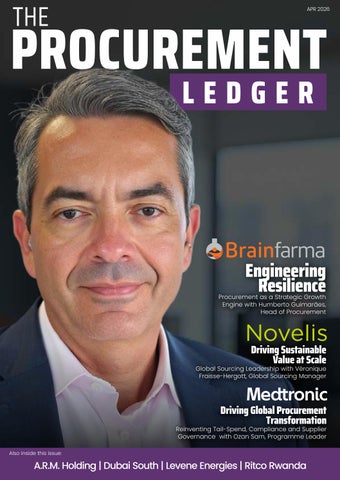
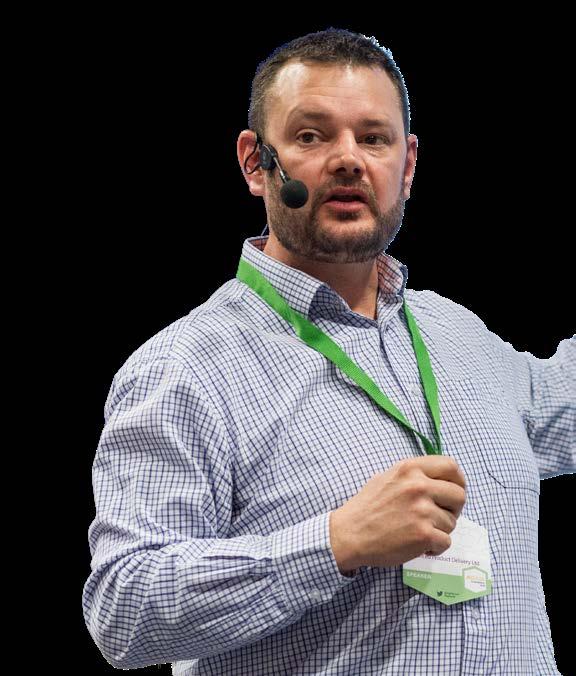
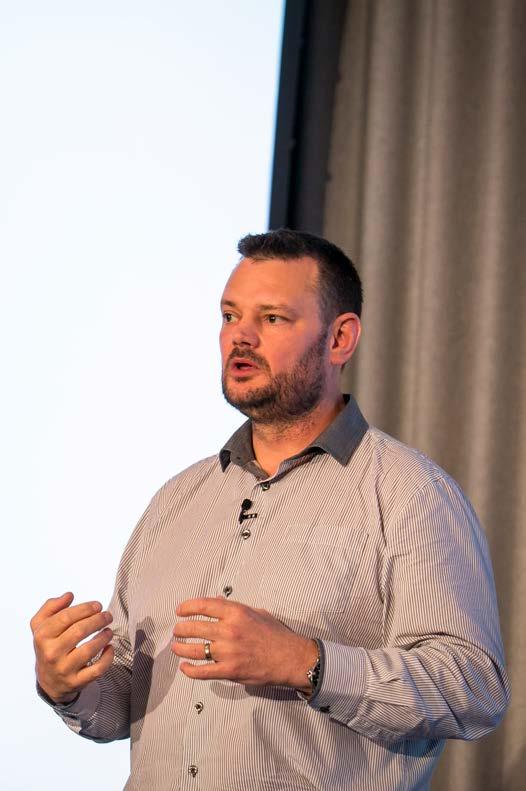
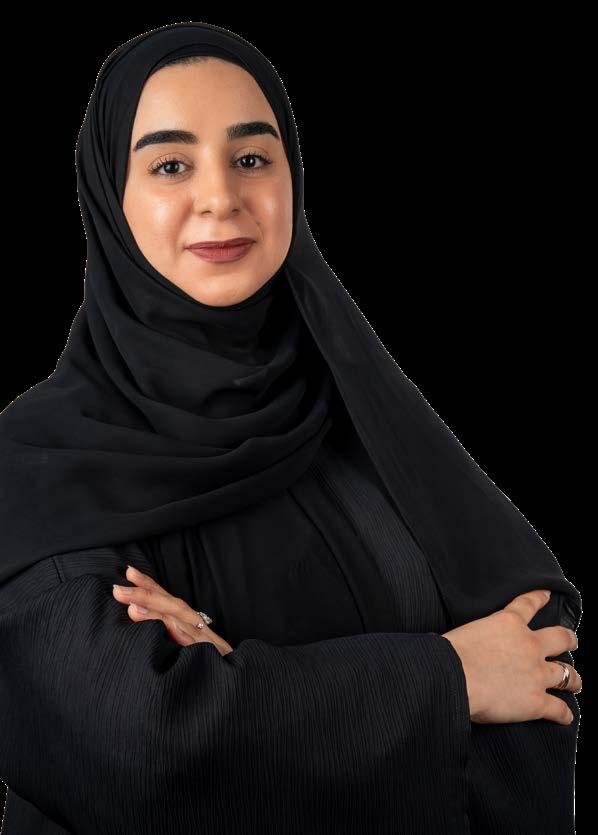
Procurement as a Strategic Growth Engine with Humberto Guimarães, Head of Procurement
Driving Sustainable Value at Scale
Global Sourcing Leadership with Véronique Fraisse-Hergott, Global Sourcing Manager
Driving Global Procurement Transformation
Reinventing Tail-Spend, Compliance and Supplier Governance with Ozan Sam, Programme Leader
Growing Your Online Presence Through Innovative Methods
Innovation
Dear Readers,
Welcome to the latest edition of The Procurement Ledger.
As procurement continues to evolve, one thing becomes increasingly clear: the function is no longer being judged solely on cost control or process efficiency. Today, procurement is expected to influence resilience, enable innovation, strengthen governance, support sustainability goals, and create long-term strategic value across the business. The leaders featured in this edition reflect that shift powerfully.
Our front cover story with Brainfarma sets the tone for the edition. Humberto Guimarães shares how procurement can become a true engine for growth in a highly regulated and globally interconnected pharmaceutical environment, balancing governance, agility, and long-term partnership to support both operational excellence and patient outcomes.
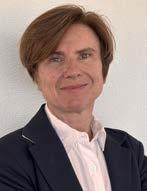
That same sense of strategic progression runs throughout this issue. At Novelis, Véronique Fraisse-Hergott explores the relationship between global sourcing, sustainability, and measurable value creation in a business where circularity and decarbonisation are central to long-term success. At Medtronic, Ozan Sam provides insight into the complexity of transforming tail-spend, compliance, and supplier governance within one of the world’s most highly regulated healthcare ecosystems.
Elsewhere in this edition, we see procurement driving performance across highly dynamic sectors. Olugbenga Odunlami of Levene Energies discusses the importance of resilience, risk management, and supply continuity across a diversified energy portfolio. Margarita Gutiérrez of Pavisa reflects on how procurement can evolve into an integrated operating system for value creation, rooted in structure, collaboration, and strategic alignment. Ahmed Raafat of A.R.M. Holding shows how procurement is increasingly earning its place at the decision table, influencing how value is created and sustained across complex investment environments.
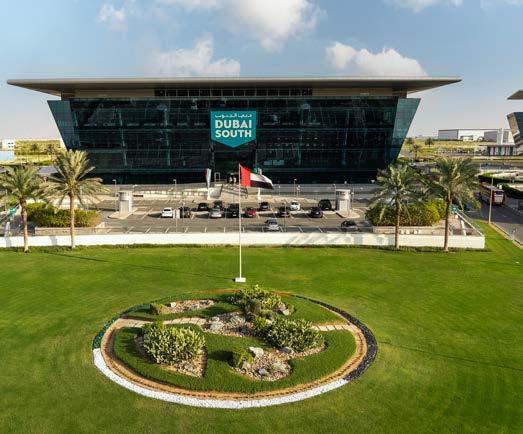
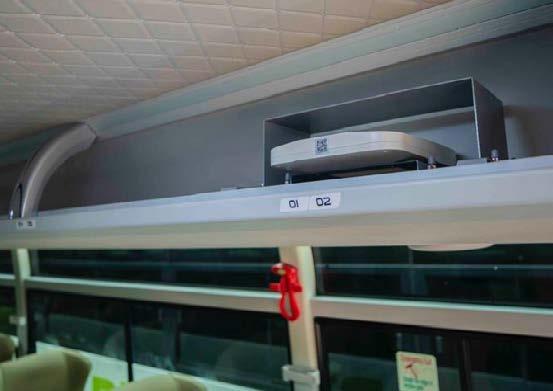
Public value and long-term development are equally strong themes in this issue. Rahmah Aal-Ali of Dubai South highlights the role procurement plays in supporting governance, national priorities, and sustainable development within one of the UAE’s most significant master-planned projects. Concilie Hunde Uwodukunda of RITCO offers a compelling perspective on how disciplined procurement and shared services can support transport resilience, social impact, and service delivery at a national level.
This edition’s Executive Insight from Simon Reindl adds another important dimension, challenging organisations to rethink value delivery, agility, and the leadership behaviours required to reduce complexity and improve flow.
Taken together, these conversations show a profession that is becoming more connected to the wider ambitions of the organisations it serves. Procurement is not standing at the edge of transformation. It is helping to lead it.
We hope this edition offers both insight and inspiration as the function continues to expand its influence across industries and around the world.
Enjoy the read.
No.159, Field Maple Barns, Weston Green Road, Weston Longville, Norwich, Norfolk, NR9 5LA
If you would like more information about ways in which The Procurement Ledger can promote your business please email | info@theprocurementledger.com
The Procurement Ledger does not accept responsibility for omissions or errors. The points of view expressed in articles by attributing writers and/or in advertisements included in this magazine do not necessarily represent those of the publisher. Any resemblance to real persons, living or dead is purely coincidental. Whilst every effort is made to ensure the accuracy of the information contained within this magazine, no legal responsibility will be accepted by the publishers for loss arising from use of information published. All rights reserved. No part of this publication may be reproduced or stored in a retrievable system or transmitted in any form or by any means without the prior written consent of the publisher.
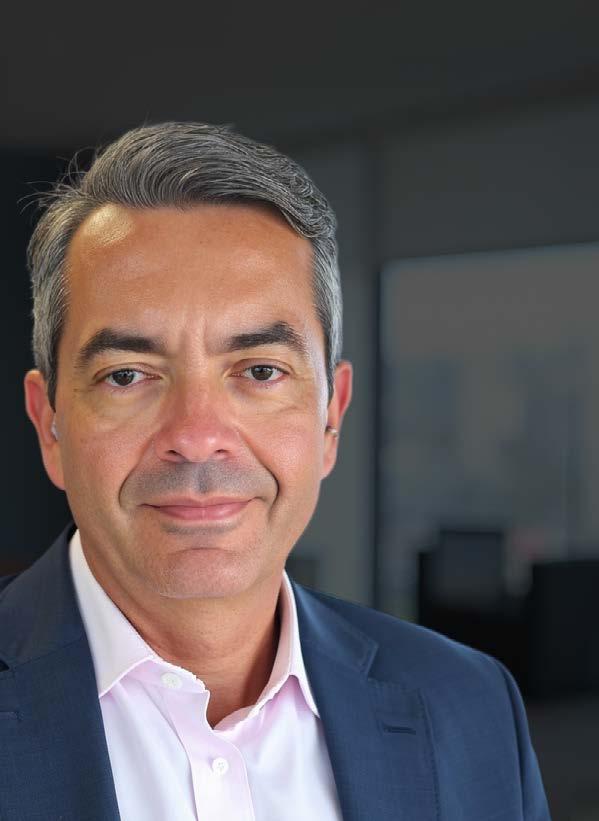
Engineering Resilience: Procurement as a Strategic Growth Engine at Brainfarma with Humberto Guimarães, Head of Procurement at Brainfarma
NOVELIS
Driving Sustainable Value at Scale: Global Sourcing Leadership at Novelis with Véronique Fraisse-Hergott, Global Sourcing Manager at Novelis
MEDTRONIC
Driving Global Procurement Transformation: Reinventing Tail-Spend, Compliance and Supplier Governance with Ozan Sam, Programme Leader
LEVENE ENERGIES LIMITED
Building Procurement Resilience Across the Energy Value Chain: Strategy, Risk, and the Future of Supply with Olugbenga Odunlami Group Head of Procurement and Supply Chain
MARGARITA GUTIÉRREZ
From Structure to Value Creation: Elevating Procurement into a Strategic Operating System with Margarita Gutiérrez, Head of Procurement
EXECUTIVE
Rethinking Value Delivery: Flow, Procurement, and Organisational Agility with Simon Reindl
ARM
From Cost Control to Value Creation: Positioning Procurement at the Decision Table with Ahmed Raafat, Head of Procurement and Supply Chain
Building Value Through Vision: Procurement, Governance, and Sustainable Development with Rahmah Aal-Ali, Director of Procurement and Contracts
RITCO
Driving Public Value Through Discipline: Building a Resilient Transport System in Rwanda with Concilie Hunde Uwodukunda, Chief Shared Services Officer
ENGINEERING RESILIENCE
How Humberto Guimarães Is Positioning Procurement
as a Strategic Growth Engine at Brainfarma
In a highly regulated and globally interconnected pharmaceutical market, procurement is no longer a transactional function. It is a structural pillar of quality, resilience, and competitive advantage.
At Brainfarma, part of the Hypera Pharma Group, Humberto Guimarães has positioned Procurement at the centre of business performance. With more than 15 years of crossindustry sourcing experience and leadership through 23 mergers and acquisitions, he combines governance discipline with strategic foresight. From establishing a procurement office in China to embedding digital transparency through structured platforms, his approach reflects a broader evolution in how procurement supports innovation, protects patient safety, and enables sustainable growth.
In this in-depth conversation, Humberto shares how Brainfarma’s procurement function balances compliance with agility, builds long-term strategic partnerships, and strengthens Brazil’s access to high-quality pharmaceutical products in an increasingly volatile global environment.
Professional Journey
Could you walk us through your career path and highlight key experiences that led to your current role as Head of Procurement at Brainfarma?
I have over 15 years of experience in strategic sourcing across pharmaceuticals, cosmetics, home and personal care, and food. Throughout that journey, I have managed critical categories including APIs, excipients, packaging, engineering projects, indirect spend, and marketing services.
What shaped me most was transformation. I led procurement teams through more than 23 mergers and acquisitions, capturing synergies, consolidating supplier bases, and harmonising processes while maintaining operational continuity. In those environments, procurement cannot disrupt the business. It must stabilise, integrate, and optimise simultaneously.
Digital transformation has also been central to my leadership. I oversaw the implementation of platforms such as Coupa and Ariba, embedding governance discipline, auditability, and performance visibility into daily operations. Those initiatives were not about installing systems. They were about changing behaviour and elevating procurement’s credibility within the organisation.
Today, one of my most strategic initiatives is establishing a procurement office in China. With China and India representing the world’s most critical API hubs, a permanent regional presence strengthens supply security, negotiation agility, and market intelligence. My focus is building a globally integrated procurement organisation that combines strategic foresight with operational discipline.
Procurement’s Strategic Role
How does Procurement support Brainfarma’s mission of delivering high-quality, safe, innovative products while growing sustainably?
At Brainfarma, Procurement is not an operational support area. It is a strategic control point for quality, continuity, and competitiveness. In a highly regulated pharmaceutical environment, every sourcing decision has a direct impact on patient safety, regulatory integrity, and commercial performance.
Quality discipline sits at the centre of our approach. We enforce strict supplier qualification standards aligned with ANVISA and GMP requirements, supported by structured audits and cross-functional governance with Quality and Regulatory teams. Procurement safeguards product integrity before a material ever reaches the production line.
Resilience is equally fundamental. Brazil remains structurally dependent on imported APIs, particularly from China and India. We mitigate that exposure through multi-sourcing strategies, supplier diversification, and structured risk segmentation across critical categories. The establishment of our procurement office in China represents a structural enhancement of this model, strengthening our agility and leverage at the source of global supply.
Beyond continuity, Procurement also enables innovation and sustainable growth. We engage suppliers early in development cycles, support value engineering initiatives, and embed ESG standards into sourcing frameworks. Growth must be resilient, compliant, and responsible. Procurement ensures that it is.
Innovation in Supply Chain
Brainfarma emphasises innovation in R&D. How do you integrate innovative approaches into procurement processes?
Innovation at Brainfarma does not begin and end in the laboratory. Procurement plays a decisive role in translating scientific ambition into scalable, compliant execution.
We structure our sourcing architecture to balance speed with resilience. Dual and multi-sourcing strategies across APIs and excipients reduce dependency risk while allowing R&D the flexibility to accelerate reformulations or adapt to regulatory changes. Our qualification processes are rigorous, but designed to support agility rather than restrict it.
Brainfarma’s state-of-the-art R&D capability in Brazil is strengthened by global partnerships with CMOs and CDMOs that provide specialised technologies and advanced development platforms. Procurement structures these collaborations with clear intellectual property protection, regulatory safeguards, and long-term commercial clarity, ensuring innovation transitions smoothly into production.
We also prioritise early supplier involvement. By aligning technical specifications, documentation, and manufacturing readiness during development phases, we remove bottlenecks before they appear. Innovation succeeds when governance, visibility, and operational alignment operate together.
Partnerships & Collaborations
How does Procurement strengthen Brainfarma’s portfolio and market presence?
Procurement is directly aligned with how Brainfarma competes in the market. Partnerships are structured according to strategic positioning rather than transactional convenience.
In high-growth or differentiated therapeutic areas, we pursue exclusive licensing and codevelopment agreements that enable early market entry. Procurement ensures supply security, regulatory clarity, and scalable commercial frameworks from the outset.
In competitive markets, we focus on differentiation through formulation enhancement, delivery innovation, or cost optimisation enabled by global sourcing partnerships. These collaborations strengthen brand positioning without compromising compliance.
Where exclusivity is possible, we negotiate preferential or exclusive access to niche molecules and unique combinations, creating defensible portfolio assets. In commoditised segments, disciplined global sourcing ensures cost competitiveness and reliability. Procurement shapes portfolio strength by aligning sourcing strategy with commercial ambition.
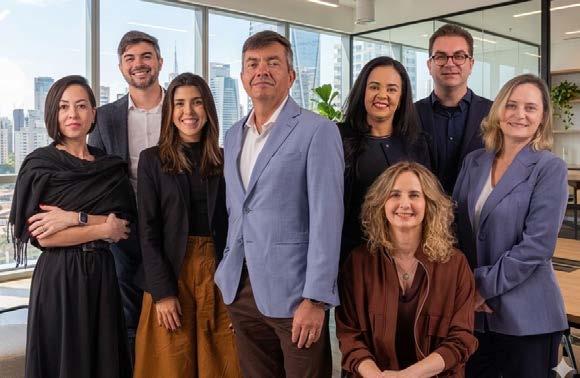
From left to right: Ligia Nascimento MRO Itens and International Logistic Manager, Luiz Gustavo Market Intelligence Manager, Luana Baceti CMO Contracts Manager, Humberto Guimaraes Head of Procurement, Thelma Costa Marketing Procurement Anne Cecille Raw Material(APIs and packaging) Manager, Luis Henrique Sourcing Manager, Claudinete Bonilha Indirect Manager
Building together
A SAFER TOMORROW
Because cybersecurity is not just about protecting systems. It is about protecting what moves people forward.
We believe life is built on connections.
Between people. Between systems. Between trust and technology.
In a world powered by invisible clouds, distributed environments and constant change, security is what allows everything to keep moving forward without interruption.
Behind every secure operation and every resilient system, there are people. Talented. Committed. Always present.
Cybersecurity does not start with code.
It starts with awareness, responsibility and partnership.
That is why our mission goes beyond protecting operations. We work side by side with organizations to protect their businesses, their data and the future they are building.
Together. Always There.
A trusted partner for a safer digital future
For over 18 years, NTSec Group has been helping organizations face today’s cybersecurity challenges with confidence and clarity.
We deliver advanced and integrated solutions across network, infrastructure, cloud and data security, combining technology, strategy and people in a single, consistent approach.
Driven by innovation and an unwavering commitment to cyber resilience, we support organizations operating in complex and critical environments. Our work is grounded in deep technical expertise, structured processes and a clear understanding of operational and regulatory demands.
By focusing on visibility, control, availability and data integrity, we help our clients build security environments that are resilient, transparent and aligned with their business objectives.
So they can focus on what matters most: growing their business with confidence and peace of mind.
Building TOGETHER a safer tomorrow
About NTSec Group
With over 18 years of experience dedicated to excellence in cybersecurity, NTSec Group is recognized for delivering advanced and integrated solutions for network, infrastructure, cloud and data security. With a strong culture of innovation and an unwavering commitment to a secure future, NTSec Group offers a comprehensive portfolio of services designed to stay ahead of technological challenges, enabling more than 200 clients to focus on growing their businesses with confidence and peace of mind.
Supplier Relationship & Quality Assurance
What strategies do you employ to foster strong supplier relationships while maintaining strict standards?
In pharmaceuticals, relationships are sustained through discipline and transparency. Trust is reinforced through verification.
We conduct regular on-site engagement across key sourcing regions, particularly in Asia, to observe production practices and quality systems directly. Physical presence strengthens alignment and enables early identification of risk.
Structured audits aligned with ANVISA and GMP requirements verify documentation discipline, traceability, and operational integrity. Corrective actions are formalised and monitored to ensure continuous improvement rather than episodic compliance.
Recent supplier engagement in India, including multiple site visits and direct collaboration with CDMO partners, reinforced the importance of cultural understanding, local presence, and relationship depth in building resilient and forward-looking partnerships.
In packaging, collaboration with specialised partners strengthens traceability systems and anticounterfeiting safeguards, directly protecting patient safety and brand integrity. Strong relationships are built on accountability, not assumption.
Risk Management & Compliance
How does Procurement proactively identify and mitigate risk?
Risk management is embedded within procurement architecture, not applied reactively.
Supplier onboarding operates through defined qualification gates covering GMP readiness, technical capability, documentation discipline, and ethical compliance. Adherence to our Code of Conduct and Anti-Corruption Policy is contractually enforced and auditable.
The implementation of Coupa strengthened governance across the Source-to-Pay cycle, embedding approval logic, policy enforcement, and full audit trails into daily operations. This ensures decisions are structured, traceable, and repeatable.
Ongoing monitoring assesses supplier financial stability, geopolitical exposure, and operational performance. Digital alerts allow proactive intervention before disruption impacts production.
This layered model protects regulatory standing, operational continuity, and patient safety simultaneously.
Global Affinity in Healthcare
We are a globally established group dedicated to the development, production, and commercialization of pharmaceutical raw materials and finished products. With a strong industrial infrastructure and advanced product development centers across South America, Europe, China, and India, we deliver innovative, high-quality solutions to meet the evolving needs of the global healthcare market.
Chemo is part of Insud Pharma, a global group with more than 45 years of history and a solid presence across the entire chemical-pharmaceutical value chain. We operate in the development, production and commercialization of active pharmaceutical ingredients (APIs) and a broad range of finished dosage forms (FDFs), providing comprehensive solutions for multiple therapeutic areas.
With development centers and a robust industrial network located across South America, Europe and India, we operate with state-of-the-art technology, highly qualified teams and strict international quality standards. These pillars support our delivery capabilities and reinforce our commitment to ensuring safety, efficacy and reliability in every product.
The strength of our model lies in vertical integration: we control the process from end to end, from research and development to manufacturing, packaging, registration, regulatory support, logistics and intellectual property. This enables us to ensure predictability, efficiency and full traceability, positioning us as a strategic partner for more than 1,100 pharmaceutical companies in 96 countries.
Our focus is to build long-term relationships based on service, innovation and credibility. We work closely with our clients to provide high-quality generic medicines, developed and manufactured primarily in advanced facilities, with continuous support throughout the entire product lifecycle.
Guided by the purpose of improving people’s health and well-being, we combine global scale, technical expertise and a strong commitment to quality to deliver real value to our partners and to the pharmaceutical sector as a whole.
Technology as a Strategic Enabler
With digital platforms such as Coupa forming part of your procurement infrastructure, how do you leverage technology to drive transparency, collaboration, and performance improvement?
Technology becomes strategic when it enhances judgement and alignment, not simply when it automates transactions.
When we implemented Coupa, the objective was not only to digitise processes or strengthen controls. It was to create a transparent backbone across the Source-to-Pay cycle that connects Procurement, Finance, Quality, and Operations through shared data and structured workflows.
Governance and auditability are essential in a regulated pharmaceutical environment, but the true advantage lies in visibility. Real-time spend analytics, supplier performance tracking, and structured approval hierarchies enable data-driven dialogue rather than assumption-based negotiation.
This transparency strengthens collaboration. Conversations shift from isolated price discussions to broader evaluation of total cost, service reliability, and risk exposure. Technology therefore becomes a catalyst for discipline, alignment, and sustained performance improvement across the ecosystem.
From Transactional to Strategic Partnerships
How do you ensure relationships evolve into long-term value creation?
Strategic partnerships are built through structure, not sentiment.
The foundation begins with clarity of expectations. We define measurable outcomes around resilience, compliance excellence, operational efficiency, and innovation contribution. A relationship becomes strategic when both sides are aligned on delivering against those objectives.
Digital transformation has enabled this evolution by standardising workflows and increasing performance visibility. As integration deepens, cybersecurity governance also becomes critical, with partners supporting structured IT governance and protecting ecosystem integrity within an increasingly connected environment. When governance is clear and data is transparent, dialogue matures. Suppliers are evaluated on their contribution to resilience, innovation, and long-term competitiveness rather than short-term price variance.
Co-Innovation and Measurable Value Creation
How does Brainfarma work with partners to co-create tangible outcomes?
Co-innovation is structured value creation with measurable impact.
In packaging, collaboration with partners extends beyond supply fulfilment. Early engagement in development phases strengthens traceability, compliance precision, and production efficiency while reducing operational risk. On the API side, partnerships are grounded in technical dialogue and capacity alignment. Through multi-sourcing strategies, structured forecasting, and long-term planning, we mitigate volatility while maintaining cost competitiveness and supply continuity.
Early supplier involvement accelerates regulatory documentation, specification alignment, and sourcing readiness, shortening development cycles and reducing bottlenecks. Disciplined governance frameworks ensure that value creation is continuous rather than episodic.
We are the technology and innovation leader in the label market, with a strong focus on sustainable labeling solutions.
Protecting brands, products and patients, by surpassing industry standards with stringent procedures and control measures.
Tamper evident solutions
Aluminum for blisters
Shrink sleeves
Folding boxes
Autoinjector Flexible
Doypack Smart solutions
Logistics Resilience Amid Disruption
How has Procurement evolved its logistical strategies for greater resilience?
The pandemic reinforced that resilience must be engineered deliberately.
We elevated Supplier Relationship Management into a strategic discipline, maintaining direct engagement with critical suppliers and formalising contingency planning frameworks. Capacity visibility and scenario planning are embedded in our operating model. Logistics strategies were redesigned for agility. Multi-modal transport options and flexible freight agreements reduce dependency on single routes, while real-time visibility enables proactive intervention.
Brazil’s retail landscape adds complexity. Serving more than 100,000 pharmacies requires close coordination across Procurement, Supply Chain, and Commercial teams to maintain service levels consistently. Resilience is now the result of structured planning, disciplined partnerships, and enhanced visibility.
Talent & Capability Development
How does your procurement team remain current and competitive?
Procurement capability is a strategic asset that requires continuous development.
We conduct regular regulatory training aligned with ANVISA and global standards to ensure compliance remains embedded in daily practice. Ethical governance and anti-corruption frameworks are reinforced through structured programmes. Beyond compliance, we invest in strengthening strategic competencies such as negotiation, category management, cost modelling, and digital fluency. Continuous learning platforms support awareness of global sourcing trends and risk evolution.
Cross-functional collaboration ensures sourcing decisions align with innovation priorities and regulatory requirements. A high-performing procurement organisation is built on knowledge, discipline, and alignment.
Social Responsibility & Inclusion
How does Procurement support Brainfarma’s ESG and community initiatives?
Operating within the Cerrado biome reinforces our responsibility to balance economic performance with environmental stewardship.
ESG criteria are embedded directly into supplier qualification processes. Environmental impact, water stewardship, emissions management, and biodiversity awareness are evaluated alongside technical performance and compliance standards. Procurement prioritises sustainable packaging solutions, green chemistry initiatives, and waste reduction programmes that extend Brainfarma’s environmental commitment across the value chain.
We also encourage supplier participation in youth development and apprenticeship initiatives, strengthening local talent pipelines and community inclusion. Sustainable growth requires alignment between operational excellence and social responsibility.
Across distribution, contract manufacturing, and product development, Molkem brings a unified approach to the pharmaceutical value chain, simplifying complexity through a single-window model.
Advancing as a Global Pharmaceutical & R&D Partner
From Indian Roots to a Global Pharma
Footprint
Molkem has evolved into a globally integrated pharmaceutical organization, with a presence across 60+ countries and a customer base of over 300 clients. With subsidiaries in Brazil, Mexico, Dubai, and Vietnam, along with regional offices in Argentina and Colombia, Molkem maintains strong proximity to key markets. Its growing footprint in Brazil reflects a focused commitment to one of the most dynamic pharmaceutical ecosystems globally.
Strengthening Identity as R&D driven organization
Building on this global reach, Molkem is strengthening its foundation in scientific and innovation driven capabilities. Molkem Labs serves as the company’s R&D engine, integrating formulation development, analytical development, and dossier preparation. By combining API intelligence with formulation science, Molkem develops bioequivalent, ready to scale prototypes supported by robust characterization. This approach de-risks development and accelerates commercialization through Tech Transfer, CDMO and out-licensing pathways, enabling faster and more reliable market entry.
Strategic Alliance with Brainfarma
A key growth driver in the Brazilian market has been Molkem’s long-standing and evolving partnership with Brainfarma. What began as a supply relationship has matured into a strategic collaboration encompassing product development, regulatory support, and pipeline expansion. Today, the partnership reflects a shared platform for value creation, innovation, and long-term growth.
Reliability in a Complex Supply Chain
Complementing its scientific capabilities, Molkem anchors reliability through a tightly integrated operating model which combines global sourcing, agile execution, and local market presence. This enables the company to deliver demand driven solutions while remaining responsive during critical moments.
The API+ Advantage
This integrated model is anchored in Molkem’s API+ approach, which bridges API expertise with formulation development. By creating scalable formulations supported by comprehensive documentation and seamless technology transfer, Molkem helps partners reduce development timelines and mitigate technical risk.
Built on Trust, Driven by Execution
At its core, Molkem’s journey is built on trust, transparency, and disciplined execution ensuring sustainable partnerships and long term success across global pharmaceutical markets.
Governance, Performance and Trust
How do you balance governance with flexibility for innovation?
Governance creates the environment in which trust can develop.
Structured workflows, auditability, and policy enforcement provide predictability and transparency. Digital governance ensures procurement decisions are traceable and consistent.
Clear KPIs and structured performance reviews provide discipline without restricting dialogue. When expectations are visible and data-driven, suppliers are more confident proposing innovation within defined boundaries.
Flexibility exists within structure. Strong governance enables responsible innovation rather than limiting it.
Building a Future-Ready Procurement Ecosystem
What defines the ideal strategic partner for Brainfarma?
The ideal strategic partner combines resilience, innovation capability, governance maturity, and ESG alignment.
Future ecosystems must operate with shared data, proactive risk visibility, and continuous improvement discipline. Partners should invest in operational reliability, technological advancement, and sustainable practices.
Digital transparency and performance accountability are fundamental. Collaboration must be supported by measurable outcomes rather than informal alignment. Procurement’s role is to curate a partner network that reinforces competitiveness, compliance, and long-term sustainability.
Strategic Priorities Ahead
What are your top priorities for Procurement over the next five years?
Our priorities remain clear: strengthen resilience, deepen quality discipline, accelerate innovation enablement, and embed sustainability into sourcing decisions. We are advancing structured risk mapping across critical APIs, expanding dual-sourcing frameworks, and reinforcing supplier audit programmes to protect continuity and regulatory integrity.
Exclusive partnerships and early-stage collaboration with innovation partners will continue to support differentiated portfolio growth. Digital analytics and performance monitoring will further enhance decision quality and visibility. Every procurement decision must reinforce Brainfarma’s mission to expand access to safe, high-quality, innovative healthcare while ensuring sustainable and responsible growth.
Operational Excellence, Sustainable Growth and a Vision That Orchestrates the Future
Procurement Garage (PG) is one of the world most important consultancy firms, specialized in procurement, supply chain, operations, logistics and applied technologies operating across Brazil, Mexico, the United States, Europe and Asia.
We combine strategy with hands-on delivery to connect vision and execution. Our approach prioritizes quick wins, clear performance metrics and structured roadmaps.
A Coupa Global Strategic Partner, PG was named Best LATAM Partner (2024, 2025) and has delivered projects in 20+ countries. We have also been recognized by the Procurement Leaders Awards and the Procurement & Supply Chain Awards (2024, 2025).
2ND BEST PROCUREMENT Consultancies
For 2026, PG advances as a true value orchestrator connecting People, Strategy & Planning, Procurement & SRM, Operations & Production, Logistics & Distribution, and Technology to drive measurable performance across the entire value chain.
Backed by a senior expert team and a global partner ecosystem, PG accelerates efficiency,resilience, innovation and sustainable growth from planning to execution.
Mexico, the USA, Europe, and Asia
Geopolitical Risk & Supply Chain Resilience
Geopolitical Risk & Supply Chain Resilience: How does the current conflict in the Middle East impact pharmaceutical supply chains, and what is the role of Procurement in navigating this environment?
The ongoing conflict in the Middle East reinforces a reality that Procurement leaders in pharmaceuticals have been managing for some time: supply chain risk today is systemic, interconnected, and rarely confined to a single geography. A significant portion of pharmaceutical synthesis routes depend on solvents and intermediates derived from petroleum. Disruptions in oil production, refining capacity, maritime routes, or energy pricing have a direct and immediate impact on the availability and cost of critical raw materials. In recent months, several suppliers have already signaled potential shortages or allocation risks for key solvents, highlighting how geopolitical tensions can rapidly translate into operational exposure for the industry.
In this context, the role of Procurement goes far beyond price negotiation. It is fundamentally about resilience engineering. This means anticipating risk across multiple layers—geopolitical, logistical, financial, regulatory, and technical—and building structural responses before disruption materializes.
At Brainfarma, resilience is addressed through diversification of supply sources across Asia and Europe, multi-sourcing strategies for critical APIs and excipients, and deep, transparent collaboration with strategic suppliers. Many of our partners are operating under the same uncertainty, and navigating these moments successfully requires trust, open communication, and joint scenario planning rather than transactional behavior.
Our experience during the pandemic reinforced this mindset. Companies that treated suppliers as interchangeable vendors struggled. Those that acted as partners preserved continuity. The same principle applies today. By maintaining close relationships, early visibility into supplier constraints, and disciplined risk segmentation, we are able to mitigate impacts and protect our operations without compromising quality or patient safety.
Ultimately, geopolitical volatility has elevated Procurement into a core leadership function. Decisions made in sourcing directly influence production continuity, regulatory compliance, and market access. In an environment where many suppliers are concentrated in Asia and Europe and global tensions remain high, Procurement leadership is about ensuring stability, adaptability, and long-term value creation—especially when the external environment is anything but stable.
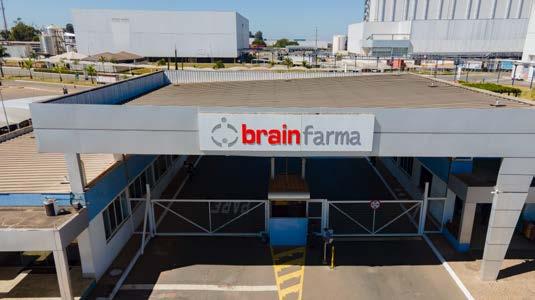
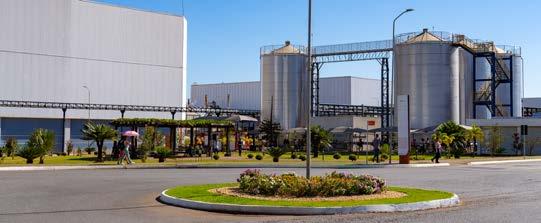
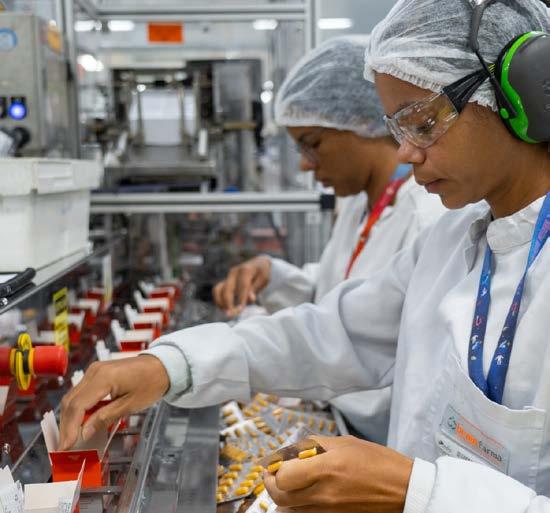
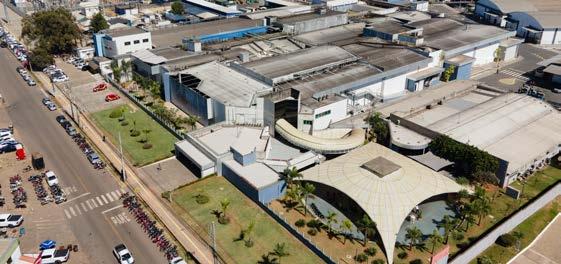
Brainfarma, part of the Hypera Pharma group, is a leading pharmaceutical manufacturer in Brazil, specialising in the production of medicines across multiple therapeutic areas. The company operates one of the largest pharmaceutical manufacturing facilities in Latin America, focusing on innovation, quality and operational excellence to deliver accessible healthcare solutions to patients across the region.
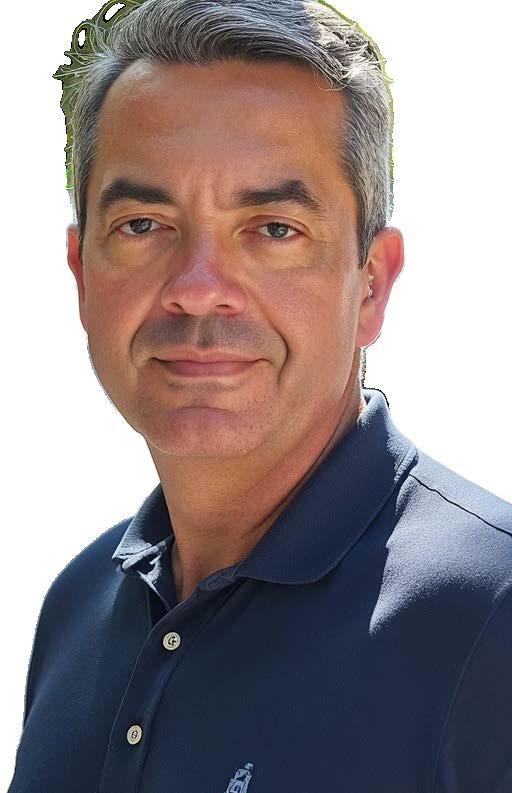
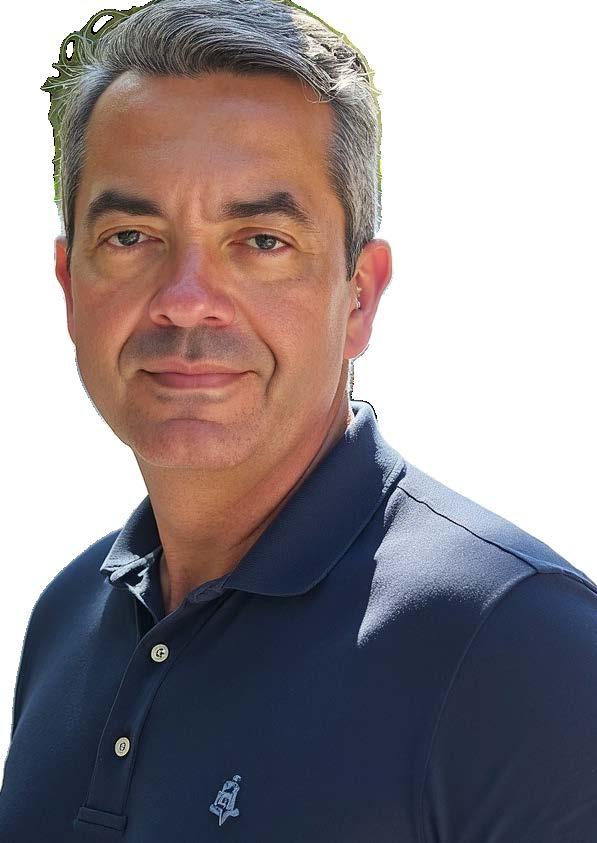
Humberto Guimaraes Head of Procurement
DRIVING SUSTAINABLE VALUE AT SCALE
Global Sourcing Leadership at Novelis
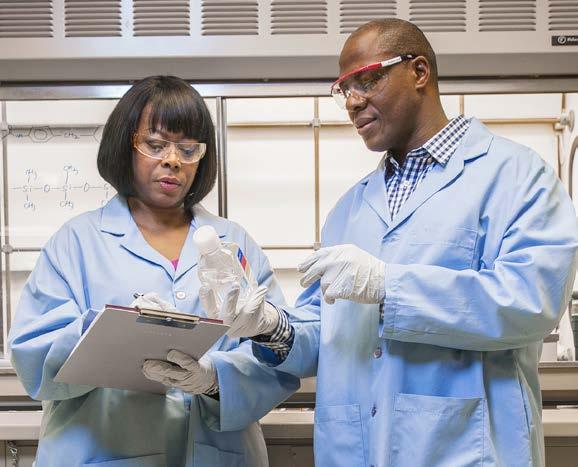
With over two decades of procurement experience across oil and gas, automotive, and advanced manufacturing, Véronique Fraisse-Hergott, Global Sourcing Manager at Novelis, brings both technical expertise and strategic commercial insight to a complex global remit. Managing approximately $100 million in spend across 22 plants worldwide, she leads sourcing for Casthouse & Water Treatment within Novelis’ Global Sourcing & Cost Analytics function. Her role sits at the intersection of operational reliability, supplier innovation, and sustainability performance.
As one of the world’s largest recyclers of aluminium and a global leader in flatrolled products, Novelis operates in an environment where supply chain resilience, decarbonisation, and resource efficiency are not optional, they are strategic imperatives. Under Vision 3x30, procurement is playing an increasingly central role in delivering circularity, reducing emissions, and driving measurable value creation. In this conversation, Véronique shares insights into managing complex global categories, building innovation-led supplier partnerships, leveraging digital transformation, and positioning procurement as a catalyst for long-term, sustainable growth.
Professional Journey
Professional Journey: You’ve spent over 20 years in procurement across multiple industries, from oil and gas to automotive and now aluminium. Can you share your career journey and what led you to your current role as Global Sourcing Manager for Casthouse & Water Treatment at Novelis?
I hold a degree in Chemistry and Chemical Engineering, complemented by a Master’s in Industrial Purchasing from Bordeaux Business School (now Kedge Business School). From the outset of my career, I was interested in the procurement function because it allows me to blend my technical expertise with strong commercial skills. I began my career in the oil and gas sector with TECHNIP, serving as a project buyer on petrochemical projects. I then transitioned to the automotive industry, working for leading first-tier suppliers such as FAURECIA (car interiors) and JTEKT (steering systems). In 2009, I pursued an MBA at HEC Montreal, driven by my desire to study in North America and deepen my expertise in finance and marketing. This experience broadened my business acumen and exposed me to diverse, team-based learning environments. I have always valued international experiences as an important part of my professional growth.
Shortly after returning to France, I joined Novelis Group in Switzerland as Regional Sourcing Lead. Novelis is a global leader in aluminum flat rolled products for the can, automotive, aerospace, and specialty markets, as well as the world’s largest recycler of aluminum. In this role, I managed multiple categories, including alloys (non-ferrous metals), chemicals, and energy, for the European region. Following a company-wide procurement reorganization in 2021, I joined the global sourcing team to manage specialty coatings, including coil and powder coatings. After a year, I was given the opportunity to lead global sourcing for Casthouse & Water Treatment. Today, I oversee this global spend with two direct reports based in the USA. Our team is part of Global Sourcing & Cost Analyticswe have different roles and responsibilities spanning from sourcing, analytics, governance, and cost benchmarking. Alongside Casthouse, we manage other global categories such as can coatings, pretreatment, rolling oils, and chemicals.
From Local to Global Procurement
You previously managed procurement at a regional level before stepping into a global sourcing role. What have been the biggest changes or learning curves in transitioning from local category management to leading a truly global procurement function?
Transitioning from regional to global procurement brought several key challenges and learning opportunities. The complexity increased significantly, especially in achieving accurate spend visibility across regions and plants operating with different ERP systems. I had to quickly gain an understanding of additional plant operations and build a new network of global stakeholders. Maintaining strong relationships with local procurement teams became essential for effective collaboration and execution. Navigating cultural diversity and coordinating across multiple time zones became part of daily operations.
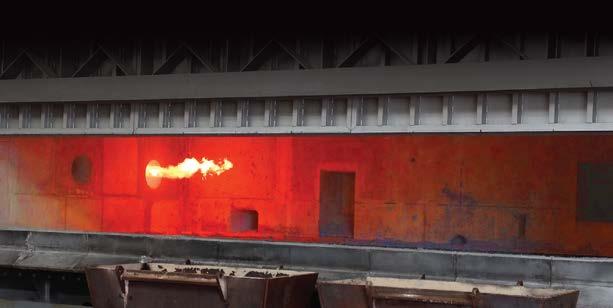
At Wahl Refractory Solutions, a Fosbel Company, we are proud to partner with Novelis, supporting their global operations with advanced refractory solutions that drive performance, efficiency, and sustainability across the casthouse.
Our relationship with Novelis reflects a shared commitment to innovation-led collaboration, where supplier expertise is integrated into long-term operational and strategic objectives. Through this partnership, we are actively contributing to key initiatives such as the “Furnace of the Future”, focused on improving thermal efficiency, reducing energy consumption, and lowering emissions across recycling and remelt operations.
As pioneers of PreCast Refractory Technology, our MegaBRIX system delivers consistent, engineered solutions that enhance reliability and reduce downtime in demanding production environments. By replacing traditional refractory installation methods with precision precast components, we enable improved quality control and more predictable performance, supporting high-output facilities such as those operated by Novelis.
Innovation remains central to how we support our partners. Our εMAXXX™ technology, including high-emissivity refractory solutions, is designed to improve heat transfer efficiency within furnace systems. This directly contributes to reduced gas consumption and improved thermal performance, aligning closely with Novelis’ focus on operational efficiency and decarbonisation.
Beyond innovation, we provide a comprehensive range of refractory products and solutions across the full casthouse. From critical maintenance components such as thermocouple protection tubes and skim blades, through to fully engineered precast refractory linings, we deliver end-to-end support tailored to the needs of each operation.
Our role within Novelis’ ecosystem goes beyond supply. We work as a trusted technical partner, collaborating with plant teams, engineering functions, and procurement to develop solutions that deliver measurable performance improvements while supporting broader sustainability goals. This approach ensures that our contributions extend beyond individual products, adding value across the full operational lifecycle.
As part of the Fosbel group, we combine global expertise with responsive local support, enabling us to deliver consistent results across regions. We remain committed to strengthening our partnership with Novelis and supporting the next generation of aluminium production through innovation, reliability, and continuous improvement.
To learn more about how Wahl Refractory Solutions supports Novelis and other leading producers, we invite you to connect with our team.
Sustainability - Water for Climate
Novelis’ Water for Climate programme has been described as a key sustainability investment for the business. Can you tell us more about this initiative and how procurement contributes to achieving the target of reducing water intensity by 10% by 2026?
Novelis aspires to be the world’s leading provider of low-carbon, sustainable aluminum solutions, driving progress for our business, industry, and society toward the benefits of a circular economy. Delivering this ambitious sustainability agenda requires us to achieve more with fewer resources, so we rely on strong partnerships with like-minded organizations that share our vision and can help us implement strategies effectively. We are taking action to reduce water consumption in our operations by 10% by FY26 from an FY20 baseline. We have already achieved an 8% decrease since FY20, with our European operations leading the way with an 11% decrease between FY20 and FY25. This is particularly important as water scarcity is becoming a pressing challenge in many regions where we operate, aligning closely with the United Nations Sustainable Development Goals. For years, Novelis has partnered globally with Nalco Water on water solutions for our casting cooling processes. Leveraging Nalco’s industry expertise has been a natural step to ensure consistency and high quality while supporting our environmental commitments and advancing our sustainability objectives.
To formalize our commitment to water reduction and overall value creation, Novelis signed a Corporate Partnership Agreement with Nalco. Within the first year, we achieved significant progress and captured measurable savings. We strengthened the collaboration by expanding Nalco’s involvement in key growth projects in North America, ensuring their expertise was integrated from the outset. Additionally, my team focused on wastewater treatment strategies, particularly for our Oswego, NY facility. We conducted a comprehensive benchmarking exercise across Novelis sites and industry peers to define a gold standard for cost-efficient operations and emissions reduction. This work positions us to make informed, sustainable decisions that align with both environmental goals and operational excellence.
Strategic Sourcing and Value Creation
You manage a global spend of around $100 million across 22 plants and multiple categories. How do you approach developing sourcing strategies that balance cost, supply security, innovation, and sustainability across such a diverse portfolio?
The Casthouse category I manage globally is highly diverse and fragmented, so we first divided the $100M spend into four sub-categories to help us manage procurement more effectively: Furnace refractory repairs include refractory materials but also the labour & services for demolition, installation and dry-out. The suppliers are a mix of global and regional refractory producers and local contractors. The Aluminium industry consumes less than 10% of global refractory production as opposed to Iron & Steel, and Aluminium poses specific challenges to refractory resistance and lifetime. Salt & Alumina are commodity driven type of products, depending on global commodity like Potash and Alumina feedstock. Casthouse Consumables covers a wide range of products used at every step of the molten metal process. Finally, Water Treatment covers all the solutions for cooling water and wastewater management
Each has a distinct risk profile and supplier base, requiring tailored strategies rather than a one-sizefits-all approach.
For commoditized products like Salt & Alumina, we leverage global tenders and parametric shouldcost models to create competitive pressure and outperform market benchmarks.
For Furnace Refractory Repairs, where failure can cause major production downtime, cost is secondary to reliability. We partner with trusted suppliers like TAB Refractory (Refractory branch of PYROTEK Group), originally based in UK, they provide unwavering support to our operations in the country, but with their expansion in Europe and USA, they are now a global vendor with close locations to our plants. Each region develops a 5-year repair roadmap of minor and major repairs; we manage pro-actively our tendering schedule to allocate enough time for the contracting process and project preparation. Cross-collaboration with plant refractory and reliability leaders is essential for sharing best practices, failures and lessons learned, results of material and suppliers testing. For this reason, we have regional teams of Furnace Improvement Refractory Experts, including procurement, with an established cadence of communication and annual workshops.
For Water Treatment, we focus on sustainability and innovation, partnering with Nalco to reduce water intensity and improve environmental performance. For Consumables, we standardize specifications where possible and consolidate volumes to optimize cost and quality. Diversification and reducing our dependency of single source are key for cost reduction and supply security
Collaboration is key: We develop specific supplier engagement with our most strategic partners to have stronger and better structured relationships. They are global by nature and deliver multiple regions. This approach ensures we balance cost efficiency, supply security, innovation, and sustainability across a complex global portfolio.
Vesuvius is a global leader in molten metal flow engineering and technology. They are ideally located to deliver all our regions. Aluminium is a strategic focus area for Vesuvius, where they can offer refractory solutions as well as a wide range of consumables. With Vesuvius we have an aligned strategy for growth though the development and the qualification of cost-effective and innovative solutions.
Maurizio Sala President & Founder
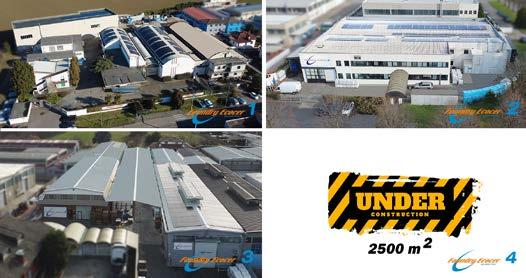
FOUNDRY ECOCER was founded in 2000 and, thanks to its reliability, production continuity and strong customer-oriented approach, has established itself as one of the leading European producers of auxiliaries for non-ferrous foundries, with a primary focus on Aluminium and Copper alloys. The company offers a comprehensive portfolio including Master Alloys, Fluxes, Releasing Agents, Coatings and Preformed Ceramics.
Some of the most critical aspects of foundry practice involve the protection of the molten bath, the improvement of the metallurgical quality of the metal, and the maintenance of process stability while minimising the presence of inclusions as much as possible. FOUNDRY ECOCER’s flux range covers both general drossing applications and more specific uses dedicated to particular alloys or processes, such as refining, modifying and degassing. Thanks to the wide variety of available formulations, it is always possible to achieve the desired level of bath protection or cleaning. While powder products represent the most traditional solution, granulated and rock forms — the latter specifically developed to improve scrap recovery in melting furnaces — allow for a more controlled and progressive reaction, as well as reduced dust accumulation in extraction systems, contributing to a cleaner and more efficient working environment.
Master Alloy tablets and minitablets therefore represent a crucial segment of FOUNDRY ECOCER’s offer. The company supplies tablets and minitablets based on Iron, Copper, Manganese, Chromium, Titanium and Nickel, with a metal content ranging from 75% up to 95%. The composition is highly customizable according to customer requirements in terms of reactivity, purity and metallurgical performance.
Foundry Ecocer complies, where required, with the EU registration procedures under REACH (Registration, Evaluation, Authorisation and Restriction of Chemicals), confirming the Company’s commitment to regulatory compliance and to the protection of health and the environment. The Company has always demonstrated strong attention to sustainability. It has installed five photovoltaic systems across its production sites, significantly reducing energy consumption from fossil sources and the related greenhouse gas emissions. In this context, Foundry Ecocer conducted an Environmental Product Declaration (EPD) study.
Within an EPD study, the Carbon Footprint is a key environmental indicator measuring total greenhouse gas emissions generated directly and indirectly across a product’s life cycle. Expressed in CO2 equivalent (CO2e), it includes carbon dioxide and other gases with global warming potential. This indicator supports sustainability targets, helps identify improvement areas, and reduces regulatory and reputational risks, strengthening competitiveness.
Ceramic components are essential for controlling molten metal flow during casting. Material selection depends on required thermal insulation, mechanical strength, or corrosion resistance. Silica-based preformed ceramics are widely used due to their versatility, customization options, and availability in various sizes. They feature low wettability with liquid aluminium, which can be further improved through boron nitride-based coatings to extend service life.
FOUNDRY ECOCER provides tailored solutions for non-ferrous foundries, manufacturing according to customer specifications and offering innovative products designed to enhance performance and meet specific production needs.
Supplier Collaboration and Innovation
You’ve mentioned working closely with suppliers to implement innovative solutions such as High Emissivity refractory and Water Quality Intelligence. How do you foster supplier partnerships that go beyond cost savings to deliver real innovation and environmental value?
At Novelis, our commitment to innovation and sustainability is anchored in our “Vision 3x30”. The 3 objectives in Vision 3x30 are bold and ambitious and it will take every region, plant, function and employee working in a coordinated fashion to achieve:
Highly Circular: Achieve 75% recycled content by pushing the boundaries of material reuse.
Low Carbon: Become the lowest-emissions provider of flat-rolled aluminium products.
Industry Frontrunner: Drive profitability to fuel continued first-mover investment.
Procurement plays a critical role in delivering this vision. Beyond cost savings, we focus on building strategic partnerships that unlock innovation and environmental value. For example, during my tenure managing Energy procurement for Novelis Europe, greening our energy supply and reducing our energy intensity were already strategic considerations. I co-developed an Energy Management Program with our Energy Leader and Schneider Electric. This initiative revitalized energy efficiency efforts through site diagnostics and intensive workshops across five plants, identifying over 100 projects that significantly reduced energy intensity and supported our sustainability targets.
In my current role, we continue fostering supplier collaboration to develop breakthrough solutions. A key initiative is the “Furnace of the Future”, aimed at reducing gas consumption and emissions at our recycling and remelt centers is tremendous, which currently consume multiple TWh annually. Working with Wahl Refractory, we are evaluating high-emissivity refractory technology (EMaxx roof) in North American facilities to improve thermal efficiency. Additionally, we leverage digital innovation through Water Quality Intelligence (Nalco cloud-based solution), a real-time platform that enhances process control and environmental performance. These examples illustrate how we engage suppliers as innovation partners, aligning their expertise with our sustainability goals to deliver tangible environmental impact and long-term value.
Risk Management in Global Procurement
Given Novelis’ global footprint and exposure to multiple markets, how do you identify and mitigate supplier and commodity risks across regions to ensure business continuity and supply security?
At Novelis, we follow a proactive risk management approach in collaboration with our Supplier Quality Relationship Management (SQRM) team. Each year, we conduct a comprehensive evaluation of our suppliers and assess Novelis’ exposure to various risks. Based on the identified risk level, we implement tailored mitigation measures, which may include:
• Increasing safety stock levels at Novelis and/or supplier sites
• Conducting regular supplier audits, especially for high-risk suppliers or following quality and delivery issues
Despite these measures, not all risks can be fully mitigated. The COVID-19 pandemic highlighted this reality, as we faced unprecedented material shortages and supply disruptions. For example, in my previous role managing procurement for Magnesium and Manganese, commodities primarily sourced from China, Spring 2021 was particularly challenging. The Suez Canal closure, cargo shortages, and port congestion severely impacted supply chains. Many traders had minimal stock, and one magnesium supplier even defaulted on their contract due to sharp price increases in China, where producers opted to sell at spot prices domestically. Fortunately, our long-standing partnership with European suppliers like Foundry Ecocer proved invaluable, providing magnesium and manganese tablets at very short notice, ensuring continuity for Novelis. This experience underscores the importance of strong supplier relationships, local presence, and agility in crisis situations. While we monitor supply chain disruption indices to anticipate potential impacts, predicting the magnitude of such events remains difficult. Ultimately, having reliable, customer-focused partners who go the extra mile is critical to maintaining supply security.
Digitalisation and Data
What role does digital transformation play in your procurement operations - particularly in areas like supplier analytics, performance tracking, and sustainability reporting?
Digital transformation plays a critical role in enhancing procurement efficiency and decision-making at Novelis. One of our main challenges has been consolidating accurate and meaningful data across multiple ERP systems. To address this, we initially developed a digital analytics platform, a data lake integrating various ERPs, accessible through Power BI dashboards and KPIs. This platform has since evolved into Global Procurement Spend Intelligence (GPSI), offering improved functionality such as faster loading times and enhanced visuals for quicker insights.
Data quality, however, remains a key focus area. Issues like incorrect item categorization, excessive use of free-text purchase orders, and language inconsistencies still exist. Our cost analytics team is actively leveraging AI to improve data accuracy and standardization. In parallel, we are implementing a Spend Control Tower to enable proactive, data-driven decisions and advanced analytics across plants, vendors, and categories.
On the sourcing side, we have transitioned most global tenders to Coupa CSO eSourcing, which delivers significant efficiency gains, faster analysis, scenario modeling, and improved savings outcomes. Beyond operational tools, we are exploring AI applications that can elevate procurement decision-making, moving beyond personal productivity enhancements to strategic insights.
Finally, in contract management, we recently deployed Icertis, an enterprise system with embedded AI capabilities. This technology helps summarize contracts, identify high-risk clauses, and even suggests improved wording, significantly strengthening compliance, and risk management.
Team Leadership and Development
You lead a global team with members based in different regions. What’s your approach to building a high-performing, collaborative procurement team that shares common goals while navigating cultural and operational differences?
I lead the global Casthouse procurement team with members based in the United States, both at our Atlanta headquarters and working remotely. With myself located in Switzerland, managing distance and time zone constraints is part of our daily reality. However, we turn this challenge into a strength by establishing clear communication routines and leveraging collaboration tools such as Teams, email, and chat to stay connected and aligned. Zone constraints are part of our daily reality. I engage with my team several times a week, and we hold biweekly team meetings to ensure full alignment on priorities, actions, and strategic direction. These sessions are also essential moments to exchange complex supplier issues, prepare negotiations, discuss claims, or align on stakeholder communications needed to move projects forward. The core strength of our team is trust. I rely on my team fully, and they know they can count on my support. This mutual confidence creates a safe, high performing environment where we can focus on delivering what is best for Novelis and meeting, and often surpassing, our targets. -team collaboration and supplier engagement, is essential to driving year-over-year innovation and savings.
Novelis’ culture plays a key role in how we work. Principles such as “Say Anything,” or “Be Open” are not just values; they are living behaviors. We actively share ideas, give and seek feedback, recognize each other’s efforts, and celebrate achievements. This openness, combined with cross team collaboration and supplier engagement, is essential to driving year over year innovation and savings. Our targets are ambitious and managing them across a global footprint requires a true growth mindset. While we are not yet where we want to be, we have the capabilities, the resources, and, most importantly, the team’s mindset to get there. I am confident in our collective ability to reach the next level.
Future Outlook for Procurement at Novelis
Looking ahead, what are your key priorities for advancing global sourcing at Novelis and what role do you see procurement playing in driving long-term growth and sustainable transformation across the business?
Looking ahead, procurement at Novelis will evolve from a transactional function into a strategic business partner driving growth and sustainability. Several priorities will shape this transformation:
Technology and Automation:
Increased automation and AI will streamline operational tasks and manage tail spend more effectively. This will free up procurement teams to focus on high-value activities such as supplier development, strategic negotiations, and innovation projects.
Shared Services and Efficiency:
Routine and administrative tasks will increasingly be outsourced to shared service centers, enabling cost efficiency and allowing procurement to concentrate on strategic initiatives.
Data and Predictive Analytics:
Continuously strengthening a robust data foundation is critical. Advanced analytics and predictive models help us navigate market volatility and anticipate risks, strengthening our ability to make informed decisions.
Talent and Skills Development:
Procurement professionals must develop broader business acumen, understanding finance, operations, and sustainability challenges. This shift will require continuous upskilling and attracting talent from diverse backgrounds to bring fresh perspectives.
AI as an Enabler, Not a Threat:
While AI will enhance efficiency and insight, it will not replace procurement. Success will depend on motivated teams leveraging technology to deliver strategic value and align closely with business priorities.
Ultimately, procurement’s role will be to drive sustainable transformation, ensuring Novelis remains resilient, competitive, and aligned with our Vision 3x30 goals. By combining technology, talent, and strong supplier partnerships, procurement will be a catalyst for long-term growth.
Novelis is a leading global producer of flat-rolled aluminium products and a major recycler of aluminium, operating facilities across multiple regions. The company partners with customers in industries including automotive, beverage packaging and aerospace, delivering innovative, sustainable solutions. Novelis is committed to advancing circularity and reducing environmental impact through increased recycling and low-carbon production technologies.
Veronique Fraisse-Hergott Global Sourcing Manager
DRIVING GLOBAL PROCUREMENT TRANSFORMATION
Ozan Sam on Reinventing Tail-Spend, Compliance and Supplier Governance at Medtronic
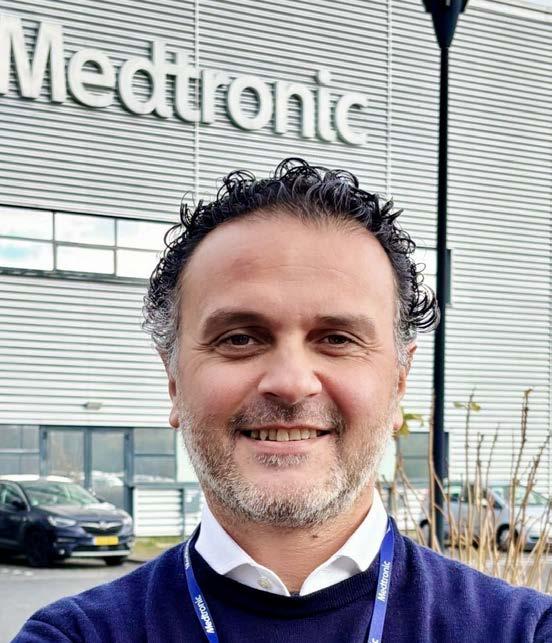
In a company as vast and regulated as Medtronic, even small inefficiencies can ripple across continents. For nearly 20 years, Ozan Sam has navigated the complexities of global sourcing, evolving from a procurement specialist into the programme leader behind one of Medtronic’s most significant sourcing transformations. Today, he oversees a pan-regional initiative focused on reengineering tail-spend, strengthening supplier compliance, enhancing global consistency and embedding responsible sourcing through technology-enabled solutions.
In this Q&A, he shares the strategy, challenges, and lessons behind Medtronic’s sourcing-programme overhaul, the partnership with Candex, and the future of procurement innovation across a global healthcare ecosystem.
Professional Journey and Programme Scope
You’ve spent nearly two decades in sourcing, and more recently stepped into a programme management role at Medtronic. Can you share an overview of the pan Medtronic sourcing programme you lead, and how your experience has shaped the objectives and scope of this initiative?
Sourcing comes with a wide spectrum of complexities, and as you progress in the role you develop the ability to shape the objectives and scope of programmes with greater precision. Medtronic is a very dynamic organisation, and I am responsible for ensuring that global sourcing programmes such as the Candex implementation are executed with a strong focus on compliance, stakeholder engagement, and continuous improvement.
For a programme like Candex, it is essential to anticipate how internal stakeholders will respond and to configure the tool accordingly. What inefficiency are we trying to solve? Is the issue perceived across all functions, or is it primarily a sourcing or finance challenge? In many cases, stakeholders are comfortable with the status quo, even when the process is inefficient for procurement.
This is where experience matters. The more time you spend in the organisation and the more you understand your stakeholders, the better equipped you are to communicate effectively, address concerns, and reduce resistance. My background as a procurement expert has been critical in helping tailor both the programme and the messaging to drive adoption and long-term value.
Identifying Challenges and Transformation Needs
What were the primary challenges or inefficiencies this programme aimed to solve, whether around vendor onboarding, compliance, process consistency, or internal alignment across regions?
We had a very large tail. The first and most significant challenge we faced at Medtronic was the sheer size of our tail supplier pool. This vast number of low spend and infrequently used suppliers created operational complexity and inefficiency across the organisation.
One of the major inefficiencies we aimed to address through this programme was the cumbersome supplier onboarding process. Bringing a new supplier into our system was often a lengthy and resource heavy exercise, and maintaining these suppliers created additional administrative and compliance burdens. Each onboarding required its own set of checks, documentation, and internal approvals, and in many instances the actual spend with these suppliers did not justify the effort or cost of onboarding and ongoing maintenance.
We therefore recognised the need to streamline the process, reduce unnecessary complexity, and align sourcing practices more consistently across regions. By doing so, we aimed to create a more efficient, strategic, and value driven approach to managing our supplier base.
Partnership with Candex and Tail-Spend Impact
Candex plays a central role in managing tail spend and one-off suppliers for Medtronic. How has this partnership helped simplify vendor onboarding, reduce supplier fragmentation, or support compliance across the organisation?
Candex has significantly strengthened Medtronic’s ability to manage tail spend and one-off suppliers by acting as an intermediary and streamlining the entire vendor engagement process. For selected categories, we no longer need to onboard new suppliers directly, which reduces administrative workload, supports compliance, and prevents unnecessary supplier proliferation within our systems.
Additionally, infrequently used suppliers that were onboarded in our ERP system in the past are now being reviewed and deactivated on a quarterly basis, with those needs redirected to the Candex platform. This approach not only simplifies administration but also enhances control, reduces fragmentation, and ensures stronger alignment with regulatory and internal compliance standards.
Strengthening Operational Efficiency
From your perspective, how has introducing a streamlined vendor-management and payment model improved day-to-day sourcing operations, especially in terms of cycle time, administrative workload, or error reduction?
Introducing Candex as a streamlined vendor-management and payment model has delivered transformative benefits across the entire value stream, far beyond sourcing alone. Requestors now have access to an efficient, user-friendly tool that enables them to quickly purchase what they need without unnecessary delays or procedural complexity. This allows the sourcing team to redirect its efforts toward more strategic initiatives rather than being tied down by the administrative workload of onboarding and managing tail suppliers.
For Finance, the shift to a standardised invoice format has significantly reduced invoice errors, enabling more touchless processing and minimising the need for manual intervention. Likewise, the vendor-master team now receives far fewer new-supplier requests, reducing their workload and preventing backlog.
Collectively, these improvements have dramatically shortened cycle times, reduced administrative burden, and lowered error rates across the board, making day-to-day sourcing operations more efficient, agile, and reliable.
THE EASY & COMPLIANT WAY TO MAKE PURCHASES!
Fast and easy-to-use
Automate end-to-end P2P
Reduce vendor master by 80%
Compliant and certified
Eliminate onboarding small vendors Timely and accurate reporting
BOOK
TRANSFORMING SUPPLIER MANAGEMENT: HOW MEDTRONIC AND CANDEX STREAMLINED PROCUREMENT EFFICIENCY AND VISIBILITY
O zan S am S enior S ourcing P rogram M anager, M edtronic shares his insights
A Global Leader Confronts a Universal Challenge
Medtronic, a global leader in medical technology, operates in one of the most competitive and dynamic industries in the world, one where responsiveness and agility are critical. Their procurement processes were built for efficiency, yet external dependencies, particularly supplier responsiveness, sometimes limited the full potential of that design. Each new supplier had to complete several administrative steps for infrequent or small-value transactions. This meant unnecessary delays, additional manual effort, and resource strain; despite an otherwise robust procurement infrastructure.
spend management, often at odds with the business currency of speed and ease to navigate business processes. A solution was needed to help these objectives meet.
Before Candex, suppliers submitted invoices in their own formats. With Medtronic’s strict invoice standards, this diversity often led to inconsistencies, errors, and delays in payment processing. And so, managing invoice quality across thousands of suppliers had become a complex, time-consuming task that impacted both efficiency and accuracy.
Streamlining Supplier Onboarding and Payments
Candex transformed Medtronic’s supplier onboarding by eliminating the need to create vendor accounts for each new or low-spend supplier. Instead, transactions in selected categories are now conducted directly through Candex, which acts as an intermediary. This approach allows Medtronic to engage new suppliers very quickly and efficiently, bypassing traditional onboarding bottlenecks.
“Before integrating Candex, our supplier onboarding and invoice payment processes were already efficient by design. However, the speed of these processes was heavily dependent on how quickly suppliers responded during onboarding.” - Ozan Sam
Scaling Procurement in a FastPaced Industry
With a vast pool of suppliers across the globe, Medtronic faced a significant operational challenge. Every new supplier addition required mandatory controls and administrative steps that could extend onboarding times to two or even to four weeks. In an industry that moves at the pace of medical innovation, these delays often created frustration among internal stakeholders who needed faster onboarding and payment cycles. The currency of procurement has historically been control and detailed
“Each supplier used their own invoice format, which often led to inconsistencies and issues, especially given our strict invoice requirements.” - Ozan Sam
The Search for a Smarter Solution
In 2022, Medtronic launched an internal initiative called “Pin the Tail”, led by its procurement leadership, with the goal of reducing the size and complexity of its tail supplier pool. After evaluating four different industry solutions, Candex stood out as the only platform addressing all of Medtronic’s key pain points.
Following a successful pilot phase, Medtronic rolled Candex out to 28 countries around the globe.
“Candex was addressing all of our pain points; it was flexible, easy to implement, fast, and efficient.” - Ozan Sam
Over half of Medtronic's purchases through Candex go from: the business starting the process to the new supplier being reviewed, onboarded by Candex, and accepting Medtronic's terms, in less than one day. That's fast!
“As a result of Candex, we can activate new suppliers and process purchases much faster, reducing administrative workload and allowing our teams to focus on more strategic procurement activities. This improvement has led to increased agility and a smoother experience for both our internal teams and suppliers.”Ozan Sam
Enhancing Visibility and Control
Another key benefit of the CandexMedtronic partnership is increased visibility into tail spend, a segment previously difficult to monitor. Through structured, periodic reporting generated by Candex, Medtronic’s category leads now hold monthly review calls to simply track and analyze their tail spend activity.
“We now have the tools and processes in place to proactively oversee and control tail spend, which was not possible prior to implementing Candex.” - Ozan Sam
This has introduced a new level of transparency and accountability that supports data-driven decisionmaking. This visibility has empowered procurement leaders to better manage small but collectively significant expenditures, delivering strategic oversight where it once didn’t exist.
Measurable Impact: Simplified Processes, Real Results
Candex’s impact on Medtronic’s procurement operations has been measurable and significant. To demonstrate the platform’s success,
Medtronic compiled key metrics:
z In one region, the number of unique suppliers decreased by 20% after Candex implementation.
cautious and comfortable with their established workflows. Others, however, immediately recognized the value of faster, cleaner processes.
Today, more than a year after launch, Candex has become an integral, trusted tool within Medtronic’s procurement ecosystem. It is regularly used across regions where it has been deployed and is now deeply embedded in daily operations.
A Partnership That Keeps Evolving
The journey ahead looks positive as Medtronic's collaboration with Candex continues to grow. The two organizations are now co-developing enhancements to address evolving business needs, such as supporting down payment requirements and improving catalog functionality.
This would have been nearly impossible to achieve manually across thousands of suppliers, but Candex made it seamless and scalable, delivering tangible improvements to Medtronic’s working capital position.
A Trusted Partnership Built on Collaboration
Candex’s proactive collaboration and adaptability have played a central role in strengthening its relationship with Medtronic.
This ongoing collaboration ensures the platform continues to meet Medtronic’s operational and strategic objectives.
Strengthening Working Capital and Global Consistency
“Candex’s openness to enhancements and willingness to work closely with us has been invaluable.” - Ozan Sam
z In the U.S., a major spend region, the number of suppliers dropped by 7%.
z Globally, across categories in scope, the reduction was 14%.
These numbers represent wins, that are a lot more than efficiency gains.
They reflect meaningful progress toward one of Medtronic’s original goals: simplifying its supplier base while maintaining high standards of quality and compliance.
Driving Adoption and Trust
As with any major process change, the introduction of a new platform required time and adaptation. Initially, some employees were
Candex has also played a pivotal role in advancing Medtronic’s Working Capital initiative. Through integration with the company’s Supply Chain Financing (SCF) program, Candex has enabled the extension and standardization of payment terms for tail suppliers, by up to 30 additional days beyond previous norms.
For Medtronic, the partnership with Candex goes beyond technology, it’s a strategic collaboration rooted in trust, responsiveness, and shared ambition.
“The Candex team genuinely acts as an extension of our own organization. Their responsiveness and collaboration make a real difference in our ability to deliver on procurement objectives.” - Ozan Sam
As Medtronic continues to optimize its global procurement operations, its partnership with Candex exemplifies how innovation, agility, and collaboration can come together to create lasting impact. Medtronic has proven how procurement can deliver solutions to meet the business’s own definition of success. This is a true testament to the power of partnership in transforming procurement for the future.
Change Management & Internal Adoption
With your background in change management, what strategies have proven most effective in gaining buy-in and driving adoption of new processes across multiple teams, functions, and geographies?
Change management was undoubtedly the most critical component of this initiative. From my experience, no programme that introduces significant change can succeed without a clear, wellexecuted communication strategy. For this project, we adopted a two-pronged approach to drive buy-in and encourage adoption across teams, functions, and geographies. First, we implemented a top-down strategy by embedding Candex as a designated buying channel within our global procurement policy. This ensured strong executive sponsorship and immediate alignment from leadership. Second, we applied a bottom-up approach by addressing pushback on a case-by-case basis, taking the time to explain the rationale behind the changes and highlighting the benefits for stakeholders. This personalised engagement proved highly effective, and the number of questions and issues decreased significantly week by week.
To support operational queries, we launched a comprehensive internal page accessible to all requestors, featuring step-by-step training materials, updates, and category information. This empowered users to resolve concerns quickly and independently. As teams became familiar with the streamlined process and saw the practical efficiencies it delivered, resistance faded, and many stakeholders began advocating for further expansion, even suggesting additional categories to include. Ultimately, transparent communication, strong leadership endorsement, and hands-on support were the key strategies that ensured sustained adoption and organisational alignment.
Global Programme Deployment
Medtronic’s footprint spans many regions, each with its own regulatory and operational nuances. What has been key to ensuring this sourcing model scales globally while remaining flexible enough for regional needs?
Medtronic’s extensive global footprint means every region brings its own regulatory requirements, compliance expectations, and operational complexities. One of the biggest enablers of scaling our sourcing model globally, while still allowing for regional flexibility, has been Candex’s unique business structure.
Candex operates through local entities in each geography they support. This means every Candex entity is directly subject to the regulations, tax frameworks, e-invoicing mandates, and documentation standards of that country or region. Their local presence mirrors our own approach to understanding and managing regional nuances, giving us confidence that operational and regulatory requirements are fully met.
For example, several countries require specific e-invoicing formats or impose strict tax and statutory documentation rules. Candex’s ability to address these through local expertise ensures seamless alignment with local laws while maintaining the global consistency we need for programme success.
This combination of global governance with local execution has been instrumental in enabling a sourcing model that is standardised at the top, compliant at every level, and flexible enough to accommodate the unique demands of each market we operate in.
Why Candex? Partner Selection & Fit
When evaluating potential partners for this programme, what criteria mattered most, and what made Candex the right fit to support Medtronic’s supplier-management transformation?
LBack in 2022, our VP (then Senior Director) launched a programme called “Pin the Tail”, aimed at significantly reducing the size and complexity of our tail-supplier pool. As part of this initiative, we evaluated four different industry solutions to determine which partner could best address our operational pain points and support our long-term sourcing strategy.
Candex stood out immediately. It addressed all the critical challenges we were targeting within selected categories, offering a solution that was flexible, easy to implement, fast, and highly efficient. The platform’s ability to simplify vendor onboarding, streamline payments, and reduce supplier fragmentation aligned perfectly with the programme’s objectives.
Following a short but successful pilot phase, Candex demonstrated clear value in resolving the issues we had identified. This gave us the confidence to proceed with a global rollout. Ultimately, Candex proved to be the right strategic fit because it delivered precisely what we needed: a scalable, compliant, and user-friendly model that supports Medtronic’s transformation of supplier management and tail-spend control.
Measurable Value & Early Outcomes
Are there any early metrics, success indicators, or qualitative improvements you can share that demonstrate the impact of this programme so far?
To demonstrate the early impact of Candex in reducing complexity and improving efficiency, we compiled several key metrics for senior leadership. One of the clearest indicators of success has been the reduction in the number of unique suppliers used within the programme’s scope.
In our region, the number of unique suppliers used during the same time period before and after Candex implementation dropped by 20%. In the U.S. which is a significantly larger spend region, we saw a 7% reduction over the same period. Globally, across all categories in scope for Candex, we recorded a 14% decrease in unique suppliers.
These results confirm that we are working with fewer, more strategically managed suppliers, directly supporting one of the core objectives of the programme. Reducing supplier fragmentation not only strengthens compliance and governance but also enhances operational efficiency across sourcing, finance, and vendor management.
Sustainability, Risk & Responsible Sourcing
How does this sourcing model, including external partnerships like Candex, support Medtronic’s goals around ESG, supplier risk mitigation, and responsible sourcing?
At Medtronic, responsible sourcing goes far beyond basic compliance; it is about ensuring verifiable ethics and integrity in every transaction, from raw materials to contracted services. Our Supplier Code of Conduct sets clear expectations around human rights, anti-corruption, environmental responsibility, and supplier diversity, standards that every partner must uphold.
During the Candex implementation, we evaluated their supplier controls in detail to ensure alignment with Medtronic’s ESG and compliance requirements. Candex integrates ESG checks directly into its platform, enabling traceable purchasing that validates supplier labour practices, diversity classifications, and even carbon-footprint indicators before invoices are processed. This built-in transparency strengthens governance and ensures our responsible sourcing standards extend into the long tail of suppliers.
In many ways, partnerships with innovative providers like Candex transform long-standing challenges, such as fragmented spend and supplier proliferation, into opportunities for positive impact. By consolidating low-value transactions, reinforcing ethical practices, and enhancing compliance oversight, we reduce risk while accelerating our progress toward Medtronic’s broader ESG commitments.
As medtech continues to evolve, I am confident that these strategic partnerships will play a pivotal role in sustaining Medtronic’s leadership in responsible sourcing, risk mitigation, and ethical supply chain innovation.
Looking Ahead
What is your long-term vision for this programme? Are there future enhancements, new technologies, or expanded partnerships you see playing a role in how Medtronic manages its global supplier ecosystem?
Medtronic operates in one of the most dynamic and regulated industries in the world, which means our long-term vision for any global programme must be built on adaptability, scalability, and continuous improvement. Candex has proven to be a highly flexible and collaborative partner, making it easier for us to evolve the programme as our requirements expand.
We are currently working with Candex on a customised solution to support procurement requests that require down payments, a key enhancement that will extend the platform’s capability to address more complex operational scenarios. In parallel, we continue to analyse spend patterns and category structures globally to identify new areas where the programme can be expanded. This ensures the model remains tightly aligned with our overarching strategic-sourcing objectives.
Looking ahead, we see tremendous potential in leveraging advanced technologies such as artificial intelligence. AI-driven insights could strengthen compliance monitoring, accelerate decision-making, and unlock deeper efficiencies across our global supplier ecosystem. Exploring these innovations, particularly for the tail-supplier space, will be a joint priority for Medtronic and Candex in the near future.
Ultimately, we view Candex not simply as a tool but as a long-term strategic partner. As our organisation continues to grow and evolve, this partnership will play a crucial role in supporting Medtronic’s mission through scalable, forward-thinking solutions that strengthen how we manage our global supplier landscape.
Medtronic is a global healthcare technology company that develops and manufactures medical devices and therapies to address a wide range of health conditions. Operating in numerous countries, the company focuses on improving patient outcomes through innovation in areas such as cardiovascular, neuroscience, diabetes and surgical technologies, helping healthcare systems deliver better, more efficient care worldwide
Ozan Sam Project Manager
BUILDING PROCUREMENT RESILIENCE ACROSS THE ENERGY VALUE CHAIN
Olugbenga Odunlami
on Strategy, Risk, and the Future of Supply
In a sector defined by volatility, technical complexity, and global supply dependencies, procurement plays a decisive role in ensuring operational continuity and strategic growth. For Levene Energies Limited, a company active across upstream & engineering services, gas & power, trading, and renewable energy, procurement must operate with both discipline and adaptability.
Olugbenga Odunlami, Group Head of Procurement and Supply Chain at Levene Energies Limited, brings extensive experience across oil and gas, power infrastructure, and largescale industrial projects. His career journey spans roles at General Electric and Income Electrix, where he developed deep expertise in supplier capability, contract governance, and complex project delivery. Today, he oversees procurement strategy across a diversified energy portfolio, balancing technical compliance, supplier performance, and long-term supply resilience.
In this conversation, Odunlami discusses how Levene Energies aligns procurement across multiple energy sub sectors, manages supplier risk in global markets, and builds a future ready supply chain that supports both traditional energy operations and the accelerating transition toward renewable energy.
Career Journey
You’ve risen through roles in procurement and supply chain across different energy sub sectors. Can you walk us through your career journey and how your past experiences led you to your current role as Group Head of Procurement at Levene Energy?
My career began at General Electric as a Buyer and Contract Administrator, where I gained a strong foundation in procurement operations and contract governance. I later transitioned into Supplier Development Engineering and became a certified SRG Auditor, which strengthened my technical understanding of supplier capability and quality systems.
GE entrusted me with increasingly complex mandates, including a recall from the GE–Transnet 465 locomotives project in South Africa to lead the one billion dollar GE Multimodal Emerald Project in Calabar, Nigeria. These experiences deepened my exposure to large-scale project procurement and multi stakeholder coordination.
After GE, I joined Income Electrix, a company active across power generation, transmission, and distribution, eventually serving as General Manager, Services. The combination of oil and gas experience from GE and power sector expertise from Income Electrix positioned me well for my current role as Group Head, Procurement and Supply Chain at Levene Energies. Here I oversee procurement across upstream & engineering, gas & power, trading, and renewable energy operations.
Integrated Energy Procurement Strategy
Levene Energy operates across upstream, downstream, midstream, trading, and renewable energy. How do you align procurement strategies across these very different sub-sectors to maintain cost discipline, quality, and compliance?
Aligning procurement across diverse sub-sectors requires a unified framework supported by sector specific flexibility. I begin by establishing group wide policies covering cost control, commercial compliance, supplier prequalification, and HSE standards.
Each sub sector, whether upstream drilling or renewable deployment, then adapts these standards based on its operational realities. We operate a category management model that enables specialised teams to manage technical categories while still aligning with overall corporate strategy.
Centralised visibility through spend analysis, supplier performance reviews, and budget governance ensures consistency across the group. At the same time, technical committees help maintain quality assurance and regulatory alignment across different jurisdictions. This hybrid model allows us to optimise cost, maintain compliance, and protect quality while respecting the specific requirements of each energy segment.
Procurement for OEMs and Specialised Equipment
Given Levene’s procurement solutions arm sources from a global network of OEMs for items like drill bits, blow out preventers, and Christmas tree assemblies, what criteria do you use to select these suppliers, and how do you manage lead times and technical compliance?
When sourcing specialised equipment such as 2,000 – 3000HP 10-15K psi land rig, blow out preventers, drill bits, or subsea assemblies, our first priority is OEM pedigree. We assess proven manufacturing standards, API and ISO certifications, and demonstrable field performance.
Technical compliance is verified through engineering validation, factory audits, and detailed reviews of quality documentation. Lead time management depends heavily on early engagement with drilling teams, realistic schedule planning, and securing production slots with OEM manufacturers.
To manage supply risk, we also apply dual sourcing strategies, framework agreements, and inventory planning for long lead items. Continuous communication with OEMs and logistics partners ensures that critical path components are closely tracked, helping us minimise delays while maintaining strict technical and operational compliance.
Renewable Energy and Local Assembly
Levene is active in renewables in Nigeria, including locally assembled solar panels and solar PV system deployment. How do you approach procurement in renewable projects differently from traditional oil and gas projects?
Procurement in renewable projects places greater emphasis on localisation, cost competitiveness, and long-term maintainability compared with traditional oil and gas procurement.
For solar projects, we prioritise local assembly where feasible, leveraging LPV Technologies’ panel production capacity while ensuring that all components still meet global efficiency and durability standards. Local content compliance is central to this strategy, both to meet regulatory expectations and to reduce foreign exchange exposure.
Renewable procurement also focuses heavily on lifecycle cost, given the importance of warranties, degradation rates, and after sales support. Unlike oil and gas, where specifications are often rigid and OEM driven, renewable projects allow greater sourcing flexibility. This enables us to balance cost, localisation, and technical performance in a more strategic way.
Risk Management and Supply Chain Resilience
With operations spanning Nigeria, London, Mauritius and Ghana, how do you manage risk around supplier reliability, import delays, regulatory changes, or shifts in supply chain costs?
Managing risk across multiple geographies requires strong visibility into supply market conditions and robust contingency planning. We evaluate supplier reliability through historical performance data, financial stability checks, and compliance audits.
To mitigate import delays, we implement early procurement strategies, maintain strong relationships with freight partners, and build realistic timelines that account for customs and regulatory approvals. Diversifying suppliers across different regions also helps us manage geopolitical risk and regulatory changes.
Framework agreements allow us to stabilise pricing and cushion fluctuations in raw material or freight costs. Regular risk reviews covering logistics, foreign exchange exposure, political developments, and commodity pricing ensure that we remain proactive in protecting operational continuity across our global footprint.
Sustainability and ESG in Procurement
How significantly are environmental, social, and governance criteria incorporated into procurement decisions?
ESG considerations are now fully integrated into our supplier evaluation and procurement decision making. We prioritise suppliers that demonstrate strong environmental practices, ethical labour standards, and transparent governance structures.
ESG requirements are embedded within our RFP processes and supplier assessments, covering areas such as energy efficient manufacturing, waste reduction, HSE performance, and community impact.
A recent example involved sourcing solar panel components from suppliers with verified low carbon manufacturing processes. Although these suppliers were not the lowest cost option, their stronger environmental credentials and reduced lifecycle emissions aligned better with our renewable energy objectives and long-term sustainability commitments. This ensured that procurement decisions supported both operational performance and responsible business practices.
Supplier Relationships and Quality Assurance
Long term, high value supplier relationships are critical. What practices do you use to build trust and maintain consistent quality over time?
Strong supplier relationships are built on transparency, shared expectations, and continuous performance management. We implement structured onboarding processes, conduct regular technical audits, and hold quarterly business reviews to maintain alignment on quality, delivery performance, and compliance.
Supplier scorecards help us monitor key indicators such as delivery reliability, documentation accuracy, and HSE compliance. By sharing project forecasts and pipeline visibility with trusted suppliers, we also allow them to plan production capacity and prioritise our requirements.
Equally important is maintaining ethical business practices and clear contractual frameworks. These principles create mutual trust and ensure that suppliers consistently deliver the standards required for critical energy operations.
ENGINEERING THE FUTURE OF RESOURCES.
Integrated
READY TO DELIVER YOUR NEXT PROJECT.
At Alge Global, our leadership team is committed to pioneering safer, more efficient methodologies in oil field services and marine engineering. By integrating local talent with international technical standards, we ensure every project reflects Nigerian excellence on a global stage.
Digital Transformation and Procurement Tools
Are you using digital tools to improve procurement visibility and supplier management?
Digital tools now play a central role in improving procurement efficiency and governance. We rely on ERP systems to manage end-to-end procurement workflows, while spend analytics platforms provide deeper insights into category performance and cost drivers.
Supplier performance dashboards enable data-driven evaluations of delivery reliability, compliance, and service quality. In addition, predictive procurement tools help us anticipate market shifts such as commodity price movements or supply disruptions.
The greatest impact has come from spend analytics and supplier dashboards, which provide real time visibility into procurement activity across the organisation. These capabilities strengthen strategic sourcing, reduce maverick spending, and support more disciplined supplier management.
WE ARE READY TO ASSIST YOU
CORE SERVICES
PROCUREMENT & SUPPLY:
Efficient sourcing and delivery of general merchandise.
LOGISTICS & TRANSPORT:
Professional haulage using our fleet of trucks and pickups.
CIVIL ENGINEERING SUPPORT:
Earthmoving and site preparation via high-performance excavators.
ENERGY DISTRIBUTION:
Reliable fuel supply through our operational filling station.
GENERAL CONTRACTING:
End-to-end management of diverse service and supply projects.
We look forward to the opportunity of partnering with you and contributing to the success of your upcoming projects. At B.M.S Waleed Enterprises, your goals are our priority, and we are committed to delivering excellence every step of the way.
Demand Forecasting and Inventory Strategy
How does your team forecast demand for high-cost equipment and long lead items?
Forecasting demand for high value and long lead equipment requires close collaboration with project teams, drilling engineers, and operational planners. We analyse project timelines, equipment failure rates, and historical consumption patterns to build accurate demand forecasts.
For critical path components, we maintain controlled safety stock levels or establish rapid response agreements with pre-qualified suppliers to minimise operational downtime. At the same time, we avoid excessive inventory by applying just-in-time principles for non critical items.
Framework agreements also allow us to secure supplier capacity without tying up working capital. Ultimately, the balance between availability and capital efficiency is achieved through continuous cross functional planning and data-driven demand visibility.
Advice for Future Procurement Leaders in Energy
What advice would you give to professionals aiming to take on leadership roles in energy procurement?
Future procurement leaders in the energy sector must develop a combination of technical literacy, commercial discipline, and cross sector adaptability. The energy landscape is evolving rapidly, and expertise limited to traditional oil and gas is no longer sufficient.
Professionals should invest in recognised certifications such as CIPS, develop strong data analysis capabilities, and strengthen their negotiation and stakeholder management skills. Equally important is gaining exposure to renewable energy, digital procurement tools, and ESG driven sourcing strategies.
Above all, successful leaders must cultivate resilience, curiosity, and a commitment to continuous improvement. Supply chains are becoming more complex and dynamic, and those who remain adaptable, ethically grounded, and strategically minded will be best positioned to lead procurement in the future energy economy.
Levene Energies Limited is a diversified energy company operating across upstream and engineering services, gas and power, trading, and renewable energy. The company delivers integrated solutions across the energy value chain, combining technical expertise, operational discipline, and strategic sourcing to support reliable, efficient, and future-ready energy infrastructure.
Olugbenga Odunlami Group Head Procurement
FROM STRUCTURE TO VALUE CREATION
Margarita Gutiérrez on Elevating Procurement into a Strategic Operating System
Procurement has evolved from a transactional function into a strategic driver of value, resilience, and innovation. At Pavisa, a leader in glass manufacturing and luxury packaging, this evolution is playing out in real time as the business balances operational excellence with creativity, sustainability, and growth.
Margarita Gutiérrez, Head of Procurement at Pavisa, brings over 30 years of experience across multinational and family-owned environments. Her leadership combines structured procurement discipline with a deep understanding of supplier ecosystems and stakeholder alignment.
In this interview, Gutiérrez shares how procurement is transforming into an integrated operating system for value creation, offering insights into digitalisation, supplier collaboration, sustainability, and the future direction of the function.
Professional Journey
You’re celebrating 30 years in procurement, an incredible milestone. Can you share your professional journey and what inspired you to pursue a career in procurement, leading to your current role as Head of Procurement at Pavisa?
Celebrating 30 years in procurement is less a finish line than a perspective shift: you begin to see procurement as an operating system for value creation. Early in my career, I was drawn to the ‘hidden architecture’ of the function, how demand signals, supplier markets, specifications, and payment terms quietly determine cost, risk, quality, and speed. Over time, that curiosity evolved into a leadership philosophy: procurement must translate market complexity into business outcomes, not just execute purchases.
In multinational settings, I learned the discipline of a center-led operating model, with clear category strategies, governance, and performance management. That experience taught me to build repeatable mechanisms: category management playbooks, RFx and eAuctions for competitive tension, should-cost and TCO lenses to avoid ‘lowest-price’ traps, and contract lifecycle management (CLM) to reduce value leakage. Digital tools changed the game as well, spend visibility, analytics, and supplier performance dashboards made it possible to move from anecdote to fact-based decisions. McKinsey describes this shift as using digital tools both to create value (e.g., spend visibility and automated sourcing insights) and to prevent value leakage through compliance and controls.
A defining multinational example for me was building sustainability into the Source-to-Pay (S2P) continuum—embedding supplier self-assessment questionnaires (SAQs), EcoVadis ratings, contract clauses, and supplier relationship management (SRM) cadences as standard practice, supported by a ‘control tower’ approach that created end-to-end visibility.
Today at Pavisa, I blend that rigor with the agility of a relationship-driven, family-owned culture. What continues to inspire me is that procurement keeps expanding: from savings to resilience, innovation, risk management, and sustainability, always with people and partnerships at the center.
Procurement Evolution Over 30 Years
Procurement has changed dramatically over the past three decades. From your perspective, what have been the biggest shifts in how procurement is perceived and practiced, and how have you personally adapted to these changes?
The biggest shift I have witnessed is that procurement moved from ‘buying’ to ‘designing value.’ Thirty years ago, the function was often reactive—focused on order placement, price negotiation, and basic supplier management. Success was frequently defined by unit-price reduction. Today, procurement is expected to shape enterprise outcomes: resilience, time-to-market, compliance, sustainability, and innovation. McKinsey notes that in the current environment, procurement leaders must create value across the source-to-pay continuum, emphasizing demand, partnership, flexibility, and digital enablement—not only commercial terms.
Digitization has been a major inflection point. Modern procurement relies on spend visibility and analytics—pulling PO and invoice data to build a ‘spend cube’ that reveals where money actually goes, where fragmentation exists, and where compliance leaks occur. McKinsey’s digital procurement work frames digital applications into two families: tools that identify and create value (like spend visibility and sourcing insights) and tools that prevent value leakage (like compliance and contract adherence controls).
On the practice side, I have seen a broad adoption of Source-to-Contract (S2C) and Source-to-Pay (S2P) suites that integrate spend analytics, sourcing, contract management, supplier information and relationship management (SIM/SRM), and procure-to-pay (P2P). Platforms such as GEP SMART describe this as an end-to-end, unified set of capabilities spanning spend analytics, sourcing, contract management, supplier management, and P2P.
Finally, the talent profile evolved. Category managers today must be ‘mini GMs’: data fluent, strong in stakeholder influence, and able to manage risk and supplier ecosystems. The function’s maturity is increasingly about operating model, technology, and capabilities, not just negotiation skill.
Procurement at Pavisa
How has procurement evolved within Pavisa in recent years, particularly as the company continues to innovate in glass manufacturing, decorative solutions, and luxury packaging? What initiatives or strategies have driven this progress?
Procurement at Pavisa has been evolving from a mainly execution-oriented function into a strategic partner that supports innovation in glass manufacturing, decorative solutions, and luxury packaging. In an industry where quality, aesthetics, lead times, and compliance requirements are critical, procurement must balance cost with service, technical capability, and supplier reliability.
The most meaningful progress comes from building an operating model that connects three layers: (1) demand management and specification discipline with internal stakeholders, (2) category strategies and sourcing waves to create competitive advantage, and (3) supplier relationship management to turn suppliers into partners. In practice, that means formal category segmentation (direct materials, MRO, capex, services), clear sourcing strategies per category, and governance mechanisms that keep decisions consistent even when the business moves fast.
Technology is also part of evolution. A modern procurement system is not only an ERP purchase order screen; it is a workflow that runs end-to-end—request intake, RFx, award, CLM, ordering, performance scorecards, and payment. S2P platforms, like those described by GEP, combine upstream and downstream processes, enabling spend visibility and compliance through standardized workflows.
For Pavisa, the strategic initiatives that matter most are those that reinforce innovation and brand: supplier development for specialty materials and decorations, dual-sourcing strategies for resilience, and structured collaboration with design and engineering so procurement is involved early, when value is still ‘designed in.’ As procurement becomes more integrated into innovation cycles, its contribution shifts from savings alone to speed, risk reduction, and differentiation.
Expanded Visibility and Responsibilities
Procurement has gained increased visibility and strategic importance across industries. How has this greater exposure and complexity influenced your team’s role, decision-making, and day-to-day responsibilities at Pavisa?
Greater visibility has changed procurement’s role from a functional gatekeeper to an enterprise integrator. With volatility, regulatory pressure, and customer expectations rising, procurement teams are asked to manage more spend, more risk, and more stakeholder complexity. McKinsey highlights that procurement leaders’ priorities increasingly include talent stress, new capabilities, and acceleration of digital enablement signals that the function is being reimagined rather than simply optimised.
At the team level, this means procurement must run a broader ‘portfolio’ of work: strategic sourcing and cost transformation, supplier risk management, contract governance to prevent value leakage, and supplier collaboration to unlock innovation. Day-to-day responsibilities now include managing a pipeline of initiatives, tracking value realization, and maintaining data integrity, because without clean spend and supplier data, you can’t manage what you can’t see.
In practice, many organizations build a procurement ‘control tower’ mindset: consolidated visibility across the S2P process, supplier scorecards, and KPI dashboards (OTIF, quality, ESG metrics, price indices, and compliance). In my experience, supplier SRM cadences (QBRs/MBRs), structured issue-resolution, and performance-based contracts become essential as the business grows and stakeholder expectations rise.
The upside of visibility is influence. Procurement is invited earlier into decisions, capex, design changes, make-versus-buy, and sustainability commitments. The cost is higher accountability: procurement must show outcomes in the language of the business (margin, service, risk, and growth), not just in ‘savings.’
Transition from Multinationals to Family-Owned Enterprises
You’ve worked in both large multinational organisations and now in a major family-owned company. What have been the biggest cultural and operational shifts you’ve experienced moving from a highly structured corporate environment to Pavisa’s more relationship-driven, family business culture?
The shift from a multinational environment to a family-owned enterprise is often described as moving from ‘process-first’ to ‘relationship-first.’ In multinationals, governance is explicit: policies, approval matrices, standardized sourcing steps, and technology-enabled workflows. Decisions tend to be documented, repeatable, and anchored in global category strategies and compliance requirements.
In a family-owned company, decision-making is frequently more contextual and values-driven. Long-standing partnerships, legacy considerations, and an owner’s long-term horizon can carry legitimate weight alongside financial metrics. The operational reality is also different: fewer layers, faster decisions, and a premium on trust. The opportunity is that procurement can move faster when alignment is strong. The challenge is ensuring decisions remain transparent, fair, and scalable as the organization grows. The way I manage this is by translating ‘structure’ into outcomes that matter to the business: continuity of supply, consistent quality, risk mitigation, and predictable total cost, rather than bureaucracy.
In practical terms, I keep the best of the multinational toolset, category strategies, supplier segmentation, CLM discipline, and performance scorecards, while adapting the “how” to fit culture. The goal is not to import a corporate model, but to build a Pavisa-native procurement system that protects relationships while professionalizing decisions.
Cultural Adaptation and Decision-Making Dynamics
Family companies often have unique decision-making processes, sometimes influenced by legacy and long-term vision. How do you balance maintaining professional procurement structures while respecting the cultural dynamics of a family-led enterprise?
Family-led businesses often have an implicit operating model shaped by legacy and stewardship. The balance is to preserve what makes the culture strong—speed, loyalty, long-term thinking, while building professional procurement foundations that enable scale.
I approach this through ‘lightweight governance’: clear principles, a simple stage-gate for major decisions, and transparency on evaluation criteria, while keeping processes practical. Category strategies provide a shared language, what matters in a category, what risks are non-negotiable, which suppliers are strategic, and how we measure performance. A procurement policy becomes a tool for fairness and risk protection, not a barrier.
Data plays a key role. When decision-making is supported by spend visibility, market intelligence, and supplier performance metrics, the conversation shifts from opinion to evidence. McKinsey’s digital procurement framing is useful here: tools that create value (spend visibility, sourcing insights) and tools that prevent value leakage (compliance and contract adherence) help maintain agility without losing control.
The most important element, however, is trust. Procurement earns trust by making stakeholders’ lives easier—faster cycles, fewer surprises, better suppliers, and clearer trade-offs. When people see procurement consistently delivering outcomes and protecting the organization, governance stops feeling like ‘control’ and starts feeling like ‘enablement.’
Procurement, logistics, and operations leaders are challenged to do more with less while advancing automation, sustainability, and efficiency. Rehrig Pacific acts as a trusted advisor, delivering solutions that optimize the supply chain, reduce costs, and drive long-ter m value
If sustainability is one of your goals, we help you make it happen. Our products are durable, reusable, and built to per for m for years. Once they reach the end of their useful life, we recycle and transfor m them into new products, closing the loop and bringing the circular economy to your supply chain.
u s a b l e , r e t u r n a b l e
p r o d u c t s t h a t a r e 1 0 0 % r e c y c l a b l e a t t h e
e n d o f l i f e
2,500+ Tons of Plastic Recovered Reintroduced into
O u r h i g h l y s k i l l e d S e r v i c e s t e a m s b r i n g i n t h e
f i e l d e x p e r t i s e i n l o g i s t i c s , g o - l i v e t ra i n i n g ,
a n d m a i n t e n a n c e f o r b o t h o u r re t a i l a n d
w a s t e c u s t o m e r s
Partnerships and Collaboration with Core Partners
Collaboration is essential to Pavisa’s success, especially with suppliers and partners supporting areas such as design, technology, and sustainability. How does Pavisa approach strategic partnerships, and what role do they play in creating long-term value beyond cost efficiency?
In high-performance procurement functions, strategic partnerships are where competitive advantage is created. Cost is only one dimension. Long-term value comes from supplier innovation, joint problem-solving, risk sharing, and the ability to scale with business needs.
A practical way to think about partnerships is to segment suppliers by criticality and contribution: ‘strategic partners’ (innovation and differentiation), ‘core suppliers’ (service and continuity), and ‘transactional’ suppliers (efficiency). Each segment requires a different SRM approach, governance, communication cadence, KPIs, and escalation paths.
A real multinational example I have lived is embedding sustainability and risk into partnership governance. In the sustainability pillar work documented in my previous multinational experience, supplier SAQs and third-party ratings were used to increase transparency, integrate sustainability into tendering, add contractual clauses, and run SRM discussions that focused on year-over-year improvement—moving the relationship beyond price conversations. That program emphasized end-to-end visibility across the S2P process and used structured supplier engagement to drive measurable improvements.
For Pavisa, partnerships matter especially in design- and technology-adjacent categories, decorations, specialty materials, tooling, and capex. Procurement’s role is to create the conditions for co-creation: early supplier involvement, clear IP and confidentiality terms, performance metrics that reward innovation, and joint roadmaps that align supplier capabilities with Pavisa’s growth and sustainability ambitions.
Innovation, Sustainability, and Future Focus
Pavisa’s commitment to “innovative, sustainable, and comprehensive glass solutions” is central to its identity. How is your procurement function integrating sustainability, circular economy principles, and new technologies into sourcing and supplier management?
Integrating sustainability into procurement requires moving from principles to mechanisms. The goal is to embed ESG and circularity into sourcing decisions without slowing the business down. In practice, this means defining sustainability requirements by category, measuring suppliers consistently, and building incentives and accountability into contracts and SRM.
In my multinational experience, sustainability was operationalized through supplier self-assessment questionnaires (SAQs), EcoVadis ratings, audit programs, and contract clauses, supported by training and a ‘control tower’ approach across the Source-to-Pay process. The program achieved broad supplier coverage and made sustainability data usable in RFx activities, supplier onboarding, and performance reviews. It also linked sustainability to business outcomes such as cost avoidance and risk reduction.
Technology accelerates this. Digital procurement systems can capture supplier ESG data, track corrective action plans, and integrate sustainability weighting into tenders. Modern S2P platforms describe capabilities spanning supplier management, sourcing, and analytics, making it feasible to measure progress and prevent value leakage through compliance.
For Pavisa, sustainability intersects directly with glass: energy intensity, emissions, packaging circularity, and responsible sourcing. Procurement can drive impact by partnering with suppliers on energy-efficient solutions, recyclable materials, and transparent reporting, while ensuring continuity of supply and protecting product quality. The future focus is not sustainability as a ‘program,’ but sustainability as a standard decision lens alongside cost, quality, and service.
Key Lessons and Mentorship
Across your 30-year career, who have been your most influential mentors or “best coaches”? What personal takeaways or philosophies have guided your approach to leadership and procurement excellence?
Over 30 years, the most valuable mentors I have had were those who taught me how to think, how to frame problems, simplify complexity, and lead with integrity. In procurement, the technical skills are important, but the real differentiator is judgment: knowing when to push for competitive tension and when to invest in partnership; when to standardize and when to allow flexibility; when to escalate and when to coach.
One recurring leadership lesson is that procurement succeeds through influence, not authority. Great mentors model stakeholder empathy and strong communication: they translate procurement language into business language. They also insist on standards, clear decision criteria, transparency, and ethical behavior—because procurement sits at the heart of reputational risk.
Another lesson is to build systems, not heroics. Sustainable performance comes from repeatable processes (category management, sourcing waves, contract governance), clean data, and strong capability development. In multinational environments, I learned the value of structured training and playbooks; in more relationship-driven contexts, I learned the power of trust and coaching.
If I had to summarize my philosophy: elevate the function by elevating people. Invest in talent, create psychological safety for teams to challenge assumptions, and make procurement a place where high standards and human respect coexist.
Looking Ahead – The Future of Procurement
As procurement continues to evolve, what do you foresee as the next major transformation for the function, both within Pavisa and across the broader industry? What’s next for you personally as you look toward the future?
Procurement’s next transformation will be shaped by three forces: volatility, sustainability, and AIenabled operating models. McKinsey has highlighted how macro disruption and new forms of AI are pushing procurement leaders to reimagine the function, with AI agents accelerating automation and shifting effort toward strategic decision-making. In parallel, procurement-led transformations are increasingly seen as foundational to enterprise performance, requiring an integrated view of the cost base and a reimagined operating model across process, technology, governance, and talent.
For procurement leaders, the implication is clear: the future is not a faster version of today, but a different way of working. Spend visibility and market intelligence will become real-time; category teams will rely on digital ‘copilots’ for analytics, risk sensing, and workflow execution; and supplier collaboration will become more structured, with shared roadmaps and performance incentives.
At Pavisa, I see procurement evolving as a strategic integrator of the value chain, connecting innovation, operations, finance, and sustainability. The focus will be on building resilient supplier ecosystems, securing strategic materials and capabilities, and embedding sustainability metrics into standard decision-making.
Personally, the next chapter is about multiplying impact: mentoring future leaders, strengthening procurement capability across the organization, and ensuring that procurement continues to be recognized not just for savings, but for enabling growth, differentiation, and responsible value creation.
Pavisa is a leading manufacturer of glass packaging and decorative solutions, serving global brands across premium and luxury segments. The company combines craftsmanship, innovation, and sustainability to deliver high-quality products, supported by strong supplier partnerships and advanced manufacturing capabilities that ensure reliability, performance, and long-term value.
Margarita Gutiérrez
RETHINKING VALUE DELIVERY
Simon Reindl on Flow, Procurement, and Organisational Agility
As organisations navigate increasing complexity, shifting from traditional project delivery models to more adaptive, value-driven approaches has become a critical challenge for leaders. Simon Reindl brings a clear and pragmatic perspective to this transition, drawing on extensive experience working with senior leaders, product teams, and procurement functions to improve flow, reduce complexity, and align commercial decisions with real outcomes.
In this Executive Insight, Reindl shares his views on the misconceptions that continue to hold organisations back, the evolving role of procurement in enabling agility, and the leadership behaviours required to build sustainable capability in dynamic environments.
Much
of your work focuses on moving organisations away from slow, project-centred delivery models. From your experience, what are the biggest misconceptions leaders still hold about how value is actually delivered in modern organisations?
The most persistent misconception is that this shift is primarily a process change. Leaders often believe that new governance forums, funding mechanisms, or agile practices will automatically improve outcomes. In reality, sustainable change is cultural. It reshapes leadership behaviour, funding logic, and decision authority.
Project-centric models optimise for the predictability of outputs: milestones achieved, scope
delivered, and budgets consumed. Modern markets, however, reward adaptability, speed of learning, and measurable impact. Value emerges when organisations move from funding temporary initiatives to investing in durable product capabilities aligned directly to strategic outcomes. This shift requires leaders to redefine success, from tracking activity to measuring impact, and from oversight to enablement. Stable, cross-functional teams must be empowered within clear strategic intent and well-defined constraints. Decision-making authority moves closer to the work, supported by evidence rather than hierarchy.
True transformation is behavioural, not procedural, and aligning commercial strategy through approaches such as Lean-Agile Procurement ensures that contracts and funding models support, rather than constrain, adaptability.
You often speak about blending agile product thinking with modern procurement practices. Where do you see procurement teams either enabling or unintentionally blocking the shift toward faster, value-driven operating models?
Procurement can act as either a strategic accelerator or a systemic bottleneck. When operating through long lead times, rigid specifications, and risk-transfer contracting, it can unintentionally embed delay and inflexibility into the organisation. This increases the cost of delay and limits responsiveness to market change.
However, when procurement partners early with product, legal, compliance, and delivery teams, it becomes a value enabler. Lean-Agile Procurement shifts the focus from control and transaction to partnership and shared accountability. Instead of locking scope upfront, teams co-create flexible commercial models that enable iterative learning, transparent performance metrics, and adaptive supplier collaboration.
The difference ultimately lies in mindset. Traditional procurement optimises for compliance and cost certainty, while value-driven procurement focuses on outcomes, flow, and long-term capability. By embedding procurement within cross-functional value streams, organisations reduce friction and shorten feedback loops, resulting in stronger alignment between commercial decisions and customer impact.
Across your work with senior leaders, Scrum Masters, and Product Owners, what patterns do you consistently see in organisations that successfully reduce complexity and improve flow, compared to those that struggle to change?
Organisations that improve flow often begin with a counterintuitive realisation: they accept complexity rather than attempting to eliminate it through excessive control. They recognise unpredictability as a feature of modern markets, not a failure of planning.
From this foundation, several consistent patterns emerge. They reduce organisational work in progress, limiting competing priorities and increasing throughput. They align around outcomes that connect directly to strategy, ensuring teams understand their measurable impact. Work is directed to stable, empowered teams rather than constantly reallocating individuals, reducing handoffs and preserving knowledge.
Most importantly, they institutionalise learning. By delivering incrementally, seeking feedback early, and adapting continuously, they create systems that evolve in line with real-world conditions.
Organisations that struggle typically take the opposite approach. They optimise locally rather than systemically, adding layers of control that ultimately increase complexity. Superficial adoption of practices often results in change that appears agile but lacks depth or impact.
Evidence-based decision-making and transparency sit at the heart of your approach. In complex environments, how can leaders create the conditions for better decisions without adding more governance, process, or noise?
Better decisions do not come from more governance; they come from better conditions. Leaders must first create clarity of purpose and define meaningful constraints. When teams understand the strategic intent and the boundaries within which they can operate, decision-making accelerates naturally.
Second, transparency must be non-negotiable. Empiricism, built on transparency, inspection, and adaptation, ensures decisions are grounded in evidence rather than opinion. Data should illuminate outcomes, not simply track activity.
Third, trust is essential. Accountability should focus on outcomes and value delivered, rather than task compliance. Leaders must be uncompromising on value while remaining supportive of their teams, working collaboratively to maximise value delivery. Too often, organisational policies are applied with limited attention to customer value.
Aligning commercial relationships around outcomes rather than rigid compliance further reduces the need for oversight. When purpose, constraints, trust, and evidence operate together, organisations can achieve better decisions without expanding bureaucracy.
Looking ahead, what mindset shifts do you believe organisations must make if they want to build sustainable capability rather than relying on short-term transformation programmes or frameworks that don’t stick?
Sustainable capability begins with leadership behaviour. Transformation cannot be delegated or reduced to a programme with predefined milestones. When executives model outcome orientation, crossfunctional collaboration, and evidence-based learning, change becomes credible throughout the organisation. Organisations must treat capability development as a continuous discipline. Learning cycles, experimentation, and adaptation should be embedded into the operating model rather than positioned as temporary initiatives. This requires sustained investment in feedback mechanisms, transparency, and skill development.
Middle management plays a pivotal role. Often measured on output metrics yet expected to empower teams, they operate at the intersection of strategy and execution. Supporting their evolution from performance supervisors to value enablers is essential for lasting change, and this transition requires deliberate investment, not just expectation.
Finally, organisations must move from silo optimisation to shared accountability for customer outcomes. Strategy, funding, procurement, and delivery must align around measurable value. When commercial thinking and product thinking are structurally integrated, adaptability becomes embedded capability rather than episodic intervention.
The key question is: How is your organisation breaking down silos to focus on the value delivered to customers in an increasingly complex and dynamic marketplace?
FROM COST CONTROL TO VALUE CREATION
How Ahmed Raafat Is Positioning Procurement at the Decision Table
In today’s complex investment landscape, procurement is no longer confined to cost control; it is a strategic lever for growth. It has evolved into a vital function that influences decision-making, strengthens supplier ecosystems, and drives long-term value creation.
At A.R.M. Holding, a diversified investment group operating across real estate, hospitality, and lifestyle sectors, procurement plays a critical role in shaping how projects are delivered and how value is sustained. Ahmed Raafat, Head of Procurement & Supply Chain, brings a unique perspective shaped by his engineering background and experience across large-scale developments in the UAE. In this interview, Raafat shares how procurement is evolving into a strategic enabler, offering insight into governance, digital transformation, supplier collaboration, and the leadership mindset required to deliver sustainable growth.
Career Journey
Can you share your career journey and what led you to your current role as Head of Procurement & Supply Chain at A.R.M. Holding? What experiences have most shaped your philosophy in procurement and supply chain leadership?
My journey into procurement was shaped by my background in civil engineering and early exposure to complex construction and development projects. Working closely with project teams gave me a clear understanding of how commercial decisions influence timelines, cost structures, and overall project outcomes.
Procurement shaped my career, but more importantly, it shaped how I see business through the lens of value, risk, and long-term impact. Over time, I recognised that procurement sits at a unique intersection between strategy, risk management, and operational delivery. It is one of the few functions that directly impacts cost efficiency, supplier innovation, and long-term partnerships.
Throughout my career in the UAE’s real estate and infrastructure sector, I have worked on large-scale developments where procurement decisions carry significant strategic weight. These experiences reinforced my belief that procurement should never be limited to transactional buying.
Today at A.R.M. Holding, I position procurement as a leadership function that supports investment decisions, enables delivery, and builds resilient supplier ecosystems aligned with long-term growth.
Procurement as a Strategic Enabler
A.R.M. Holding is a diversified investment company across real estate, hospitality and more. How do you position procurement not just as a cost centre, but as a strategic enabler of growth and value?
In many organisations, procurement is still viewed primarily as a cost-control function. At A.R.M. Holding, we deliberately position it as a strategic enabler of value.
The biggest shift is simple: procurement is not controlling cost; it is controlling value. Procurement is involved from the earliest stages of project planning, working closely with development, finance, and project teams to provide market intelligence, commercial insights, and risk assessments before sourcing begins. This early engagement allows us to influence key decisions around supplier selection, contract structures, and sourcing strategies. As a diversified investment group, these decisions directly impact project feasibility and long-term asset performance. When procurement is embedded in decision-making, the conversation moves beyond price to focus on value, innovation, and resilience. Procurement is not simply managing spend. It is shaping decisions. That is where its real influence lies.
Transforming Procurement Operations
When you joined, what were the key challenges, and how have you modernised procurement processes within such a dynamic investment group?
When I joined A.R.M. Holding, one of the key priorities was strengthening governance while maintaining the agility required in a dynamic investment environment. The opportunity was to move from fragmented procurement activities towards a more structured and transparent framework. We focused on standardising tendering processes, strengthening supplier prequalification, and introducing clearer evaluation methodologies across major procurement packages.
Equally important was improving cross-functional collaboration. Procurement now works closely with development, project, and finance teams to ensure alignment on commercial strategies and supplier engagement. We focused not just on improving processes, but on elevating the quality of the decisions driving them. Rather than focusing solely on cost savings, we emphasised building disciplined procurement practices that improve visibility, strengthen governance, and reduce risk. Transformation in procurement is not driven by a single initiative. It is achieved through consistency, better decision-making, and positioning procurement as a trusted strategic partner within the organisation.
Digital & Data-Driven Transformation
How has the integration of systems through the Boomi platform impacted procurement and supply chain operations?
Digital transformation has been a key enabler of visibility and decision-making across procurement and supply chain operations. The integration of multiple systems through the Boomi platform has significantly improved how information flows across the organisation. This has created greater transparency around supplier engagement, project commitments, and financial controls. Access to integrated data allows procurement teams to make more informed decisions on supplier performance, timelines, and spend management, while also improving collaboration between procurement, finance, and project delivery teams.
Data does not replace judgement, it strengthens it. More importantly, digital integration shifts procurement from reactive purchasing to proactive planning. With access to accurate, realtime information, teams can anticipate risks, optimise sourcing strategies, and provide stronger commercial insights. Technology does not make procurement smarter on its own. It makes better decisions possible, and that is where its real value sits.
Ethics, Governance & Transparency
How have you built a culture of integrity and transparency, and what does this mean for supplier relationships?
Ethics and transparency are fundamental to building a credible procurement function.
Achieving the CIPS Ethics Kitemark reflects a clear commitment to integrity, accountability, and responsible procurement practices. In an environment where procurement decisions influence major investments, strong governance frameworks are essential. We emphasise structured evaluation processes, clear procurement policies, and transparent supplier engagement. This ensures decisions are consistent, fair, and based on objective criteria.
Governance is not about control. It is about trust. The real value of ethics is not compliance, it is credibility. Equally important is creating a culture where ethical conduct is embedded across the organisation rather than treated as a formal requirement alone.
For suppliers, this builds confidence in the procurement process. For the organisation, it strengthens both commercial performance and long-term reputation. Strong governance ultimately supports trust, consistency, and sustainable partnerships.
Continues on page 100
Sustainability and Responsible Sourcing
How do you embed sustainability into procurement practices?
Sustainability is becoming an integral part of procurement decision-making, particularly in sectors such as real estate and infrastructure where supplier choices directly impact environmental outcomes.
At A.R.M. Holding, we are embedding sustainability into supplier selection and procurement strategies. This includes evaluating suppliers based on environmental standards, encouraging responsible sourcing practices, and promoting innovation in materials and construction methods. Responsible procurement goes beyond compliance. It supports long-term development goals and ensures projects contribute positively to the wider ecosystem.
Sustainability is no longer optional in procurement; it is becoming a commercial decision. The question is no longer whether organisations can afford sustainability, but whether they can afford to ignore it.
As global expectations continue to evolve, procurement plays a critical role in aligning business objectives with environmental responsibility. By partnering with suppliers who share these values, procurement can support projects that are both commercially successful and environmentally responsible.
Supplier Engagement & Partnerships
What is your approach to building strong supplier relationships?
Strong supplier relationships are essential to delivering successful projects within a diversified investment group. Our approach focuses on building partnerships rather than transactional relationships. We prioritise suppliers who demonstrate reliability, innovation, and a clear understanding of our development objectives. Supplier engagement is based on transparency and clear expectations, and we actively collaborate with suppliers to identify opportunities for value engineering, operational improvements, and design optimisation.
The best suppliers do not just deliver scope, they improve outcomes. When suppliers feel like partners, they perform like partners. Many of the most impactful innovations come directly from supplier expertise, so creating an environment where suppliers feel trusted and engaged leads to stronger results for both parties. In the long term, procurement success is measured not only by cost efficiency, but also by the strength of the supplier ecosystem supporting project delivery and business growth.
Managing Risk & Resilience
How do you identify and mitigate procurement risks to ensure business continuity?
Supply chain volatility has reinforced the importance of proactive risk management in procurement. Operating across multiple sectors requires continuous monitoring of supplier markets, material availability, and broader economic or geopolitical developments. Our approach focuses on early risk identification and diversification of supplier options where appropriate.
Maintaining strong supplier networks and market awareness allows procurement teams to respond quickly to potential disruptions. Close coordination with project and development teams ensures procurement strategies align with timelines and operational priorities.
Resilience is not built in crisis. It is built in preparation. Resilient supply chains are created through disciplined planning, strong relationships, and consistent monitoring. Procurement therefore plays a critical role in ensuring continuity and stability across the organisation.
Talent & Capability Building
How do you develop procurement and supply chain talent within your organisation?
Procurement excellence depends on the strength of the people behind it. The future procurement leader is not simply a buyer. It is a strategist who understands business. Our focus is on developing teams that combine commercial awareness, technical understanding, and strong stakeholder engagement capabilities. Modern procurement professionals must navigate complex contracts, supplier negotiations, and cross-functional collaboration.
Continuous learning is essential. We encourage professional development, exposure to complex scenarios, and engagement with industry best practices. Equally important is empowering individuals to think strategically rather than focusing purely on transactional tasks. Skills can be taught. Mindset must be built. When procurement teams understand the broader business context, they are better positioned to contribute meaningful insights and support organisational objectives. Building a strong procurement function is therefore as much about talent development as it is about processes and systems.
Advice for Aspiring Procurement Leaders
What advice would you give to professionals aspiring to lead procurement functions?
The best procurement leaders do not focus on procurement alone. They focus on the business. And when that shift happens, procurement stops being just a function and becomes influence. That is when leaders begin to shape outcomes rather than simply support them.
ARM Holding is a diversified investment company based in the UAE, with interests across sectors including real estate, healthcare, technology and hospitality. The organisation focuses on strategic investments that support sustainable development and economic growth. Through its portfolio, ARM Holding contributes to shaping innovative, community-focused projects aligned with the UAE’s longterm vision.
Ahmed Raafat Head of Procurement & Supply Chain
BUILDING VALUE THROUGH VISION
Rahmah Aal-Ali on Procurement, Governance, and Sustainable Development
Rahmah Aal-Ali’s career is rooted in Dubai’s commitment to nurturing talent and advancing excellence across the public sector. From her early foundation in procurement at Dubai Municipality to her role today as Director of Procurement & Contracts at Dubai World Central Corporation (Dubai South), she has shaped her leadership around innovation, integrity, and long-term value creation. Overseeing procurement for one of the UAE’s largest and most strategically significant master planned developments, she plays a pivotal role in aligning commercial decisions with national priorities, economic diversification, and sustainable growth. In this interview, Rahmah reflects on the role procurement plays in enabling Dubai South’s vision, the strategic importance of supplier ecosystems, and the evolving capabilities required to lead procurement in a future defined by digital transformation, AI adoption, and ESG stewardship, while aligning with international standards.
Career Journey
Can you share your career journey and what led you to your current role at Dubai South? What personal and professional experiences have most influenced your approach to procurement and contracts leadership?
My career has been shaped by the vision and support of the Government of Dubai, particularly its commitment to empowering youth and driving excellence across public sectors. I began my professional journey at Dubai Municipality as a Purchase Officer, where I learned first-hand how strategic procurement and structured excellence programmes can elevate public services, enhanced customer satisfaction, and enable real transformation.
Academically, I have always been curious and multidisciplinary. I studied business management, entrepreneurship and finance, while also exploring fields such as art, horticulture, IT coding, and ethics. These diverse experiences gave me a holistic understanding of how different business functions connect, and how innovation, culture, and people shape outcomes just as much as processes and systems do.
Today, as Director of Procurement & Contracts at Dubai South, I draw on this blend of public sector experience and multidisciplinary learning. My leadership approach is rooted in innovation, integrity, collaboration, and strategic purpose, ensuring that procurement is not just a transactional function, but a strategic enabler supporting Dubai’s broader economic and development vision.
Strategic Role of Procurement & Contracts
Within Dubai South’s scope of operations and master-planned development, how does procurement and contracts function support the organisation’s strategic objectives and infrastructure ambitions?
At Dubai South, procurement and contracts are central to delivering our long-term development vision. The master-planned city spans over 145 square kilometres and integrates logistics, aviation, residential, commercial, and free zone landscapes into a unified economic ecosystem. To sustain this level of scale, procurement must go beyond simply sourcing goods and services, it should deliver added value and play a strategic role in driving growth.
Our function acts as the bridge between Dubai South’s strategic ambitions and their operational execution. We ensure that every procurement and contracting decision reinforces the organisation’s goals to attract global investment, drive sustainability, accelerate infrastructure development, and support Dubai’s broader economic diversification agenda.
Through disciplined governance, transparent processes, and value-driven sourcing, we elevate procurement from a transactional role to a strategic partner. This approach ensures that the pace of development is balanced with efficiency, cost-effectiveness, and long-term value creation, ultimately contributing to a resilient and future-ready urban ecosystem.
Digitalisation & Process Efficiency
What digital initiatives or systems has your team introduced to streamline procurement and contract management processes, and what measurable impact have these delivered?
Digital transformation has been a core focus throughout my leadership journey, beginning in Dubai Municipality and continuing into Dubai South. We have re-engineered procurement and contracts processes to move away from manual workflows and toward integrated, data-driven operations.
This includes the introduction of digital tendering platforms, automated contract lifecycle management systems, and analytics dashboards that provide real-time visibility into spend, performance, and timelines. These tools have enabled faster decision-making, reduced cycle times, increased savings through more structured negotiations, and strengthened governance and compliance.
However, digitalisation is not only about adopting technology, it is about transforming culture. By equipping teams with real-time data and automated insights, procurement has shifted from an administrative function to a strategic partner influencing planning, investment, and value creation across all Dubai South sectors.
Supplier & Partner Ecosystem
With Dubai South operating across logistics, aviation, real estate and free zone development, how do you select and manage suppliers and contract partners to balance cost, risk, innovation and long-term value?
At Dubai South, our supplier and partner ecosystem reflects the ambition and diversity of Dubai’s economic landscape. We work with partners who share our commitment to innovation, sustainability and long-term development across logistics, aviation, real estate and the free zone.
A key priority has been supporting Dubai SME members. We have introduced tailored privileges and streamlined registration processes to help local enterprises establish and grow their presence within Dubai South. This includes enhanced participation opportunities and proactive outreach to ensure they can compete on equal footing.
We focus on building relationships rather than transactional engagements. Supplier selection is guided by a balanced scorecard that evaluates not only cost and risk, but also innovation capability, governance standards, service performance and potential for strategic collaboration. Ethical alignment and the ability to contribute to our long-term vision are equally important.
We maintain ongoing performance management through regular review sessions, capability building workshops and open feedback channels. This reinforces transparency and continuous improvement, ensuring our partners evolve alongside us.
By nurturing trusted, long-term relationships, we are able to foster a supplier community that grows with us, where global investors, local businesses and Dubai South advance together as part of a sustainable and future-focused ecosystem.
Governance, Compliance & Ethical Sourcing
Given the scale and profile of Dubai South’s projects, what frameworks do you have in place to ensure procurement integrity, contract compliance and ethical sourcing across your network?
Integrity and transparency are the foundation of how procurement and contracts are managed at Dubai South. We have established a governance framework aligned with Dubai Government directives and international best practices, ensuring accountability, fairness, and ethical sourcing across every transaction.
Our processes are embedded within digital systems that enforce compliance through automated workflows, audit trails, and clear approval controls. This reduces manual intervention, strengthens procedural discipline, and ensures decisions are based on objective evaluation rather than subjective influence.
We maintain strict supplier due-diligence standards, covering financial stability, legal compliance, sustainability practices, and ethical conduct. Contract management is reinforced through continuous monitoring, structured performance reviews, and clear accountability mechanisms.
For me, governance is not a limitation, it is an enabler of trust. It safeguards public value, ensures transparent use of resources, and strengthens Dubai South’s reputation as a credible, responsible, and forward-looking business environment. This commitment to integrity is central to sustaining long-term partnerships and supporting Dubai’s broader economic vision.
Localisation & Workforce Development
How is Dubai South’s procurement and contracts function aligning with UAE localisation policies and supporting supplier development within the region?
Localisation in procurement is not simply a policy requirement, it is a vehicle for national economic empowerment. At Dubai South, we actively prioritise partnerships with UAE-based suppliers and locally owned businesses to reinforce the national value chain and increase domestic capability.
We place particular emphasis on supporting Emirati-owned SMEs, providing them with streamlined registration pathways, fair competitive opportunities, and access to large-scale development projects across logistics, aviation, and real estate. This not only encourages their growth but also strengthens their long-term sustainability within the market.
Our approach ensures that procurement decisions contribute to the UAE’s strategic goals of economic diversification, innovation, and self-reliance. By cultivating local capabilities and enabling suppliers to scale, we are building a stronger, more resilient ecosystem, one that reflects the vision and ambition of the nation.
Risk & Resilience in Contracts
Large-scale infrastructure and free zone developments come with supply-chain and contract risks. How do you identify and mitigate these risks early, and build resilience into your contracting strategies?
Risk management within Dubai South’s procurement and contracts function begins at the contractual design stage. We ensure that all agreements are structured with clear and comprehensive risk clauses, defining responsibilities, performance expectations, liabilities, and contingency measures for both parties. This provides a strong foundation for accountability and transparency.
We complement this with a structured, organisation-wide risk registry, maintained and updated collaboratively with each business unit. This allows us to continuously identify, evaluate, and monitor risks throughout the full contract lifecycle rather than responding only when issues arise.
Our approach prioritises preventive resilience over reactive problem-solving. By embedding strong governance, ensuring clarity in deliverables and service expectations, and working closely with risk management and operational teams, we create contracts that are not only compliant, but also adaptable, robust, and aligned with our long-term city development objectives.
Sustainability & ESG in Procurement
How is your team integrating sustainability and ESG (Environmental, Social & Governance) criteria into procurement and contracts, especially in a development-focused organisation like Dubai South?
Sustainability has always been a guiding mindset within our procurement and contracts function, even as Dubai South works toward formalising its broader ESG framework as part of our upcoming strategic agenda. We are actively encouraging suppliers to adopt more sustainable practices, from the use of eco-efficient materials to improving energy consumption and reducing environmental impact across their operations.
Our next phase is to embed ESG principles directly into our procurement policies and supplier evaluation processes. This means sustainability and social responsibility will soon be reflected in tendering criteria, contract terms, and performance assessments, not as optional considerations, but as core value drivers.
By aligning procurement with Dubai’s sustainability vision, we are shifting the role of our function from cost optimisation alone to one that also creates environmental and social impact, supports responsible business growth, and reinforces Dubai South’s role as a future-focused, sustainable development hub.
Team Leadership & Future Skills
In managing a high-performing procurement and contracts team, what leadership qualities and capabilities do you prioritise, and how do you develop the next generation of talent in this field?
I believe leadership is not about authority, but about influence, empathy, and empowerment. My focus is on fostering a culture where people feel trusted, respected, and inspired to take ownership. When individuals understand the purpose behind their work and see how it contributes to the organisation’s wider mission, they move from simply executing tasks to leading with intention.
I encourage my team to think strategically, seeing procurement as a driver of transformation and public value, rather than a transactional function. We prioritise open dialogue, shared learning, and recognition of effort and achievements. This builds a sense of pride and responsibility, not obligation.
To develop the next generation of talent, I provide space for experimentation, encourage continuous learning, and ensure each team member is supported in expanding their capabilities. When people feel empowered and valued, they don’t just perform, they excel.
Future Trends & Advice for Professionals
As the landscape of procurement and contracts continues to evolve across infrastructure and urban development, what trends do you believe will shape the next five to ten years, and what advice would you offer to aspiring professionals in this domain?
The future of procurement will be shaped by digital intelligence, sustainability, and strategic foresight. Artificial intelligence, predictive analytics, and automation will transform how we plan, source, and manage contracts, improving speed, transparency, and risk control. However, while technology will accelerate processes, the real differentiator will continue to be human leadership: the ability to combine data with judgment, and technology with purpose.
My advice to future professionals is to stay curious, agile, and values-driven. Procurement is no longer a transactional function, it is a catalyst for organisational transformation and public value creation. Learn the language of business, technology, and strategy, and stay grounded in ethics and integrity. The leaders of tomorrow will be those who can connect innovation with accountability and confidently earn their place at the decision-making table.
Dubai South is a master-planned city built around Al Maktoum International Airport, designed to support aviation, logistics, commercial and residential activities. The development serves as a key economic hub, offering business-friendly infrastructure and integrated solutions for global companies. Dubai South plays a central role in Dubai’s economic diversification and long-term growth strategy, supporting trade and innovation.
Rahmah Aal-Ali Director - Procurement & Contracts
DRIVING PUBLIC VALUE THROUGH DISCIPLINE
Concilie Hunde Uwodukunda on Building a Resilient Transport System in Rwanda
Public transport sits at the centre of economic participation, social inclusion, and national development. In Rwanda, RITCO plays a critical role in connecting communities across both urban and rural routes, balancing commercial sustainability with a clear social mandate. Concilie Hunde Uwodukunda, Chief Shared Services Officer at RITCO, brings a systems-driven leadership approach shaped by experience across procurement, governance, and operational management. Her focus is clear: build disciplined internal structures that translate into reliable, high-quality service on the road. In this interview, she shares how procurement, shared services, and strategic partnerships are enabling RITCO to scale sustainably, strengthen resilience, and prepare for the future of transport in East Africa.
Career Journey
Can you share your professional background and what led you to become Chief Shared Services Officer at RITCO? What past roles or experiences have most shaped your leadership in transport services?
I began my professional journey in 2008, building my career across Rwanda and Uganda at the intersection of procurement, governance, project management, estate and security management, and operational leadership. Before joining RITCO, I led Procurement and Administration functions within the banking sector, managing multimillion-dollar sourcing portfolios, branch expansion programmes, fleet oversight, and business continuity frameworks in highly regulated environments.
These experiences shaped my leadership philosophy. Procurement taught me to see institutions as interconnected systems rather than isolated functions. Every contract structured and supplier framework established ultimately influences how operations perform under pressure. What an institution tolerates in its contracts, it eventually inherits in its operations.
What drew me to RITCO was the opportunity to apply this systems-based thinking in public transport, where operational capability translates directly into public value. Today, I integrate procurement, HR, marketing, sales, and performance management into one cohesive framework, aligning how we source suppliers with how we serve customers.
Beyond passenger transport, RITCO has diversified into courier and luggage services, vehicle valuation, and EV charging infrastructure. These initiatives strengthen revenue resilience while ensuring reliability on the road remains the visible outcome of disciplined systems behind the scenes.
Shared Services Strategy
RITCO operates with both social and economic mandates, covering urban and rural routes. How do Shared Services , e.g. centralised operations, fleet maintenance, procurement, HR , enable you to balance cost efficiency with service quality?
RITCO operates under a dual mandate of commercial sustainability and social inclusion. Serving both urban and rural routes requires disciplined cost management without compromising service quality, and Shared Services is the mechanism that enables that balance.
Through centralised procurement, we structure value before operations begin. Strategic negotiation, lifecycle cost analysis, and performance-based supplier frameworks ensure that every contract delivers not only competitive pricing but long-term reliability and accountability.
HR planning ensures the right talent is deployed efficiently, while marketing and sales align service capacity with customer demand to strengthen route viability. Administration reinforces governance, compliance, and coordination across all functions.
By integrating these elements into a single framework, we align how we source suppliers with how we attract and serve customers. This enables responsible cross-subsidisation while preserving affordability and reliability. At RITCO, cost efficiency and service quality are not competing priorities, they are designed outcomes of disciplined systems working together.
Fleet Expansion & Quality
Since RITCO began in 2016 with a small fleet and now operates 130+ vehicles (including executive coaches), what logistical and operational challenges have you faced in scaling up, and how have you addressed them?
Scaling from a small fleet to over 130 vehicles required more than operational expansion, it demanded financial discipline under pressure. Inflation significantly impacted vehicle acquisition, spare parts, fuel, and service contracts, while fleet growth itself is capital-intensive and requires long-term asset productivity. In this context, procurement strategy became central. We strengthened supplier negotiations, structured framework agreements to manage price volatility, and applied lifecycle cost analysis to ensure decisions were based on long-term value rather than short-term price.
High capital requirements also required phased expansion and disciplined route prioritisation to ensure new assets translated into sustainable revenue. Growth could not simply be measured by fleet size, but by how efficiently assets were financed, governed, and integrated into operations. Fleet expansion at RITCO has therefore been as much about financial architecture and risk management as it has been about increasing vehicles on the road.
Technology & Innovation in Operations
With a growing fleet and varied routes (urban, rural, paved, unpaved), what digital tools and tech innovations has RITCO adopted (or is considering) to improve scheduling, vehicle tracking, maintenance, and customer experience?
As our fleet and route network expand, technology has become central to operational visibility and decision-making. In asset-intensive sectors, scale without data introduces risk. We have implemented digital vehicle scheduling, electronic ticketing, mobile booking platforms, and vehicle tracking systems to improve route monitoring, driver accountability, and fuel efficiency oversight. These tools provide real-time visibility and support data-driven adjustments across diverse operating environments.
Beyond tracking, digital systems support workforce planning, procurement processes, and centralised reporting across Shared Services. The objective is to move from reactive management to predictive oversight. From a customer perspective, enhanced ticketing systems and analytics help align capacity with demand, while digital booking improves accessibility and convenience. Technology at RITCO is embedded within governance structures to strengthen reliability, accountability, and service quality.
Sustainability & Green Transition
The Rwanda transport sector has set goals for greener transport (e.g. electrification). RITCO has already acquired some electric buses. What are your plans and challenges in transitioning parts of the fleet to zero-emission or lower carbon technologies, and what kind of support or partnerships are crucial?
The transition to greener transport represents both an environmental responsibility and a strategic opportunity. The introduction of electric buses signals a broader shift in how public mobility is financed, governed, and sustained.
However, this transition is capital-intensive and system-dependent. Beyond vehicles, it requires charging infrastructure, grid coordination, technical capability, and long-term battery lifecycle planning. Inflation and foreign exchange exposure further increase investment risk. Our approach is structured and procurement-led. We focus on total cost of ownership, performancebased supplier frameworks, and partnerships that include technology transfer and after-sales support. Phased deployment ensures alignment between environmental goals and financial sustainability.
Achieving scale requires collaboration between government, energy providers, financiers, and technology partners. For RITCO, sustainability is not only about reducing emissions but about building a resilient and future-ready transport ecosystem.
Route Coverage & Rural Access
RITCO is mandated to cover all routes in the country but some areas are not covered. What are the key barriers to expanding rural route coverage (infrastructure, funding, regulatory, demand) and how is your shared services function helping to overcome them?
RITCO operates within a competitive transport ecosystem with multiple operators serving different corridors. Expansion is therefore approached strategically rather than purely territorially.
Route decisions are influenced by demand density, infrastructure readiness, asset efficiency, and long-term sustainability. In competitive corridors, disciplined expansion ensures service reliability and financial stability are maintained.
Shared Services supports this through cost modelling, workforce planning, procurement discipline, and revenue analysis to assess route viability before deployment. Marketing and sales further strengthen competitiveness through customer engagement and positioning.
Our objective is not simply coverage, but sustainable presence. Expansion is guided by resilience and value creation, ensuring every route we serve is supported by long-term operational discipline.
Supplier & Vendor Relationships
In growing your fleet and operations, what criteria do you use to select suppliers (vehicle manufacturers, parts, technology, services)? How do you balance cost, quality, long-term reliability, and service after-sales in these partnerships?
Supplier selection is a strategic decision in an asset-intensive sector. Our evaluation goes beyond upfront price to include total cost of ownership, technical capability, long-term performance, and after-sales support.
We assess financial stability, local service presence, spare parts availability, warranty structures, and responsiveness. Reliability is critical, as downtime directly impacts public service delivery.
Performance-based contracts, clear service level agreements, and measurable KPIs ensure accountability throughout the contract lifecycle. Balancing cost and quality requires disciplined negotiation and lifecycle analysis, with a focus on sustainable value rather than lowest price.
At RITCO, supplier relationships are extensions of our governance framework, because operational reliability begins with reliable partnerships.
Shared Services & Customer Experience
How does RITCO ensure that shared service components (such as maintenance, scheduling, customer communication, ticketing) contribute to reliable, on-time service, especially over remote or less accessible routes?
Customer experience in transport is measured in real time, yet reliability is built behind the scenes. At RITCO, Shared Services provides the structure that enables consistent performance. Procurement ensures dependable supplier partnerships, HR positions the right talent, marketing and sales align demand with capacity, and administrative frameworks provide operational visibility.
In remote or less accessible routes, predictability becomes essential. When these functions operate in alignment, service reliability becomes intentional rather than incidental. Shared Services therefore acts as the stabilising force that transforms operational complexity into a dependable customer experience.
Future Trends & Advice
Looking ahead, what do you see as the most important trends for public intercity transport in Rwanda (or East Africa) , such as fleet electrification, digital ticketing, demand responsive transport, or sustainability innovations? And what advice would you give to others leading transport shared services in similar developing market contexts?
Public transport across East Africa is entering a period of transformation. Electrification will accelerate, while digital ticketing, mobile platforms, and integrated data systems will reshape how demand is understood and managed. Future success will depend on demand-responsive deployment, lifecycle asset management, and strong supplier governance. Sustainability will be defined not only by emissions but by financial discipline and operational predictability.
For leaders in developing markets, the priority is clear: build systems before scale. Growth without governance creates fragility. Innovation will shape the future of transport, but it is disciplined execution that converts innovation into lasting public value.
RITCO (Rwanda Interlink Transport Company) is a leading public transport provider in Rwanda, delivering safe, reliable, and accessible mobility across urban and rural routes. The company plays a vital role in supporting economic participation and social inclusion, combining disciplined operations, modern fleet management, and customer-focused service to strengthen national connectivity and long-term transport sustainability.