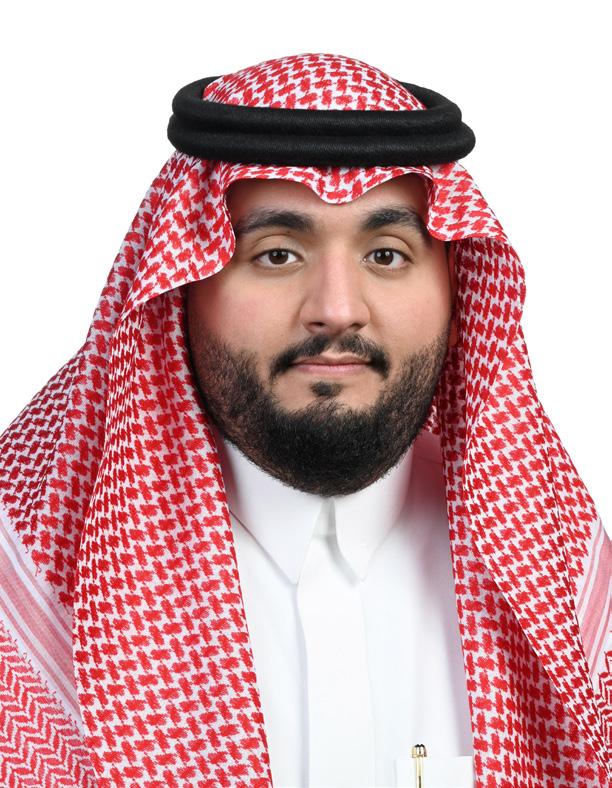
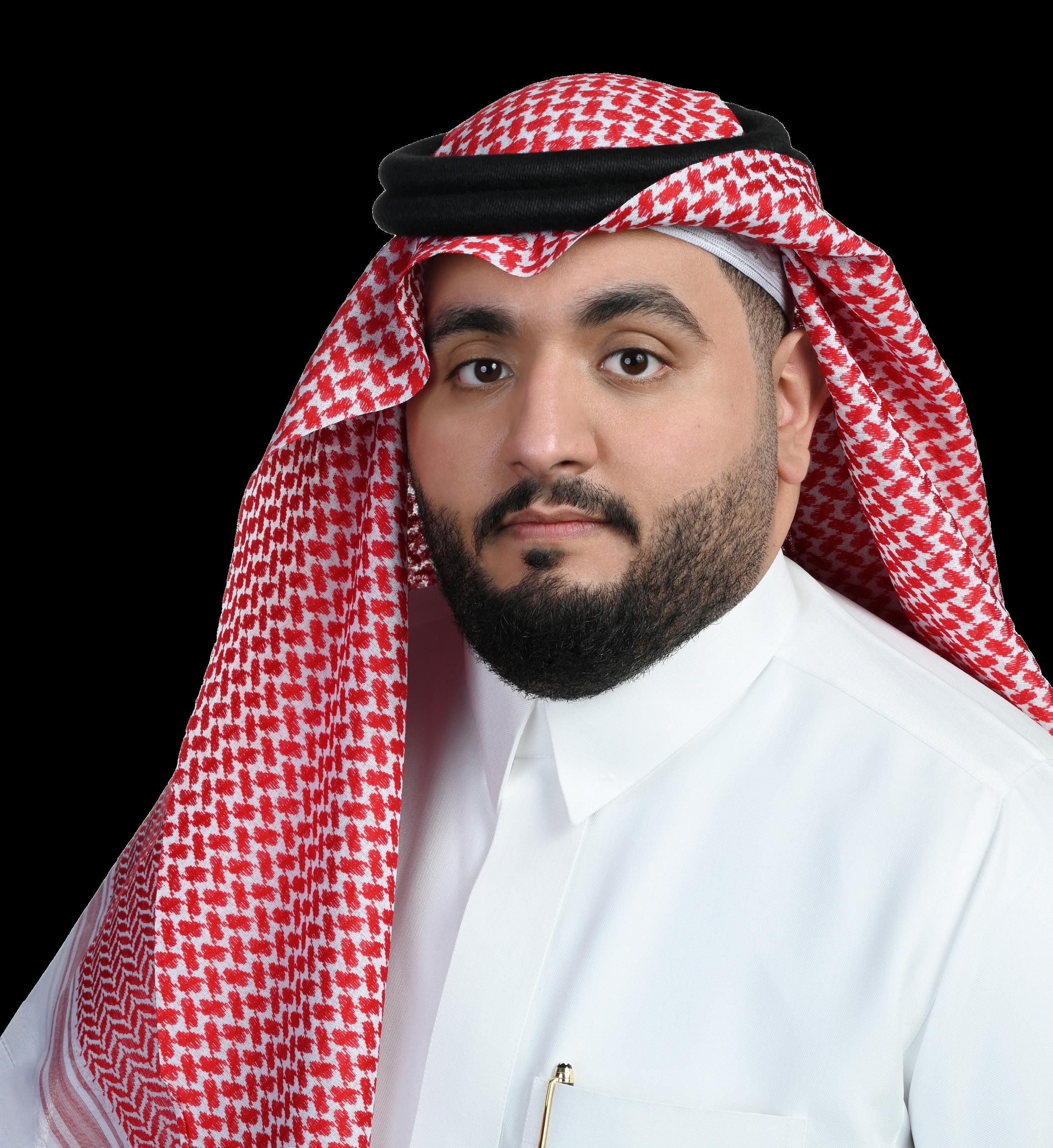
With more than a decade of experience in procurement, contract management and supply chain operations across the industrial and engineering sectors, Abdullah Bin Makhashin has built his leadership on a foundation of operational discipline, supplier partnership and strategic foresight. His journey includes critical roles supporting major oil and gas players, including Saudi Aramco Base Oil Luberef and leading EPC organisations, where he developed a strong focus on safety, compliance and sustainable sourcing.
Today, as Head of Procurement at SANKYU Saudi Arabia, Abdullah leads a procurement function that supports diverse service lines across logistics, plant engineering and operations. His approach centers on aligning sourcing strategy with business continuity, developing longterm supplier relationships and enabling local talent growth in line with national localisation and sustainability objectives.

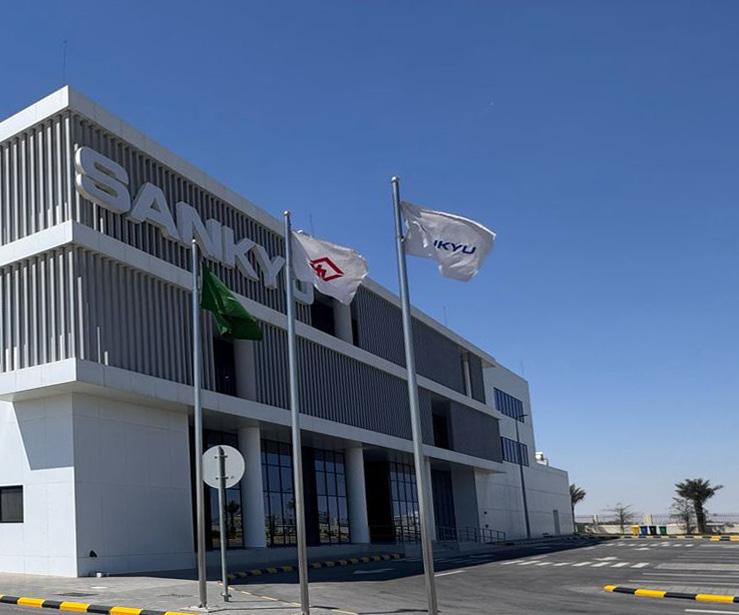
Can you share your path to becoming Head of Procurement at Sankyu Saudi Arabia? What past roles or experiences have influenced how you manage procurement and sourcing for heavy logistics, plant engineering, and operational support?
My journey to becoming Head of Procurement at SANKYU Saudi Arabia has been shaped by over a decade of experience in supply chain and contract management across the industrial and engineering sectors. I began in hands-on procurement roles at project sites and later moved into leading large-scale bidding operations, where I learned how to balance strategic planning with the agility required in fast-moving environments.
Each stage of my career, from coordinating critical logistics to managing multimillion-dollar contracts, reinforced that procurement is not just about purchasing; it is about enabling business continuity. At SANKYU, I apply these lessons every day by driving compliance, building strong and transparent supplier partnerships, and ensuring procurement remains aligned with operational and project objectives.
My experience working alongside Saudi Aramco Base Oil Luberef and major EPC contractors also deeply influenced my approach, shaping my commitment to safety, ethical standards, transparency, and sustainable supplier development across the supply chain.
Sankyu Saudi Arabia operates across business support, plant engineering, and logistics. From your perspective, how do you adapt procurement strategies differently for services vs. heavy equipment vs. maintenance?
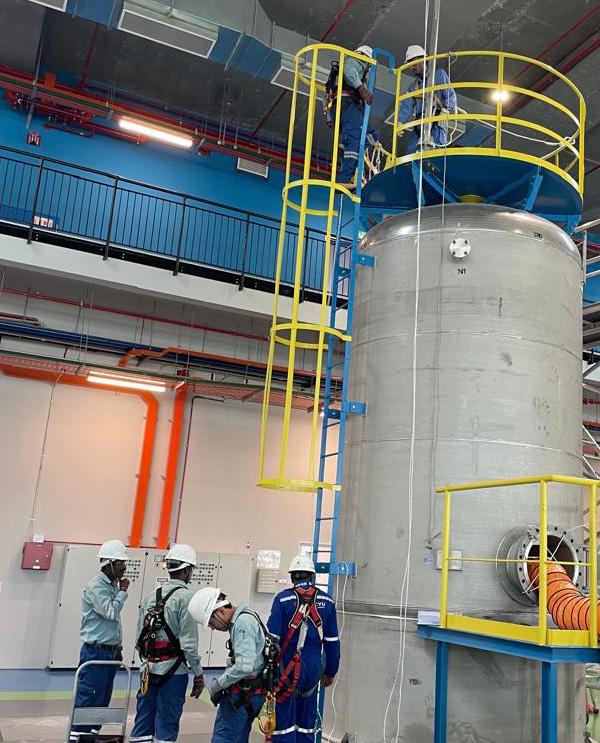
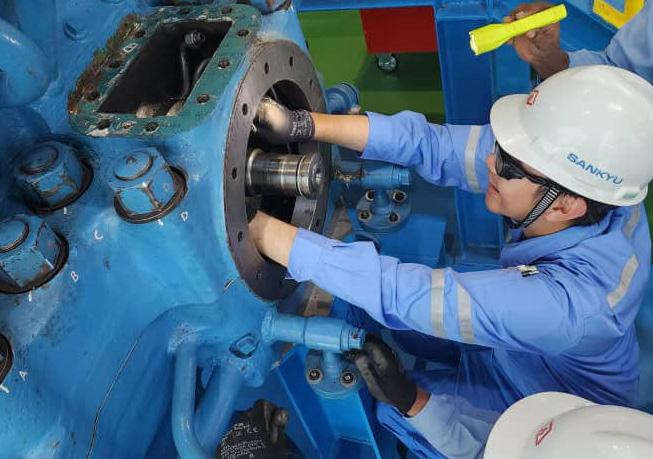
SANKYU operates across several highly specialised service lines, logistics, plant engineering, and operations, each of which requires a distinct procurement approach. In heavy logistics, we prioritise reliability, safety compliance, and alignment with mobility regulations. In plant engineering, the focus is on technical accuracy, specification integrity, and long-lead planning to avoid project delays. For maintenance and operations, the priority shifts toward responsiveness, material availability, and cost control to ensure continuous support.
The key to managing these diverse needs is flexibility with governance. Our procurement team engages early with each division to understand operational requirements, risk exposure, and commercial sensitivities. This allows us to tailor sourcing strategies to the specific service model while maintaining consistent standards for quality, compliance, and value. By adapting where needed and standardising where it counts, we are able to support SANKYU’s business lines effectively and sustainably.
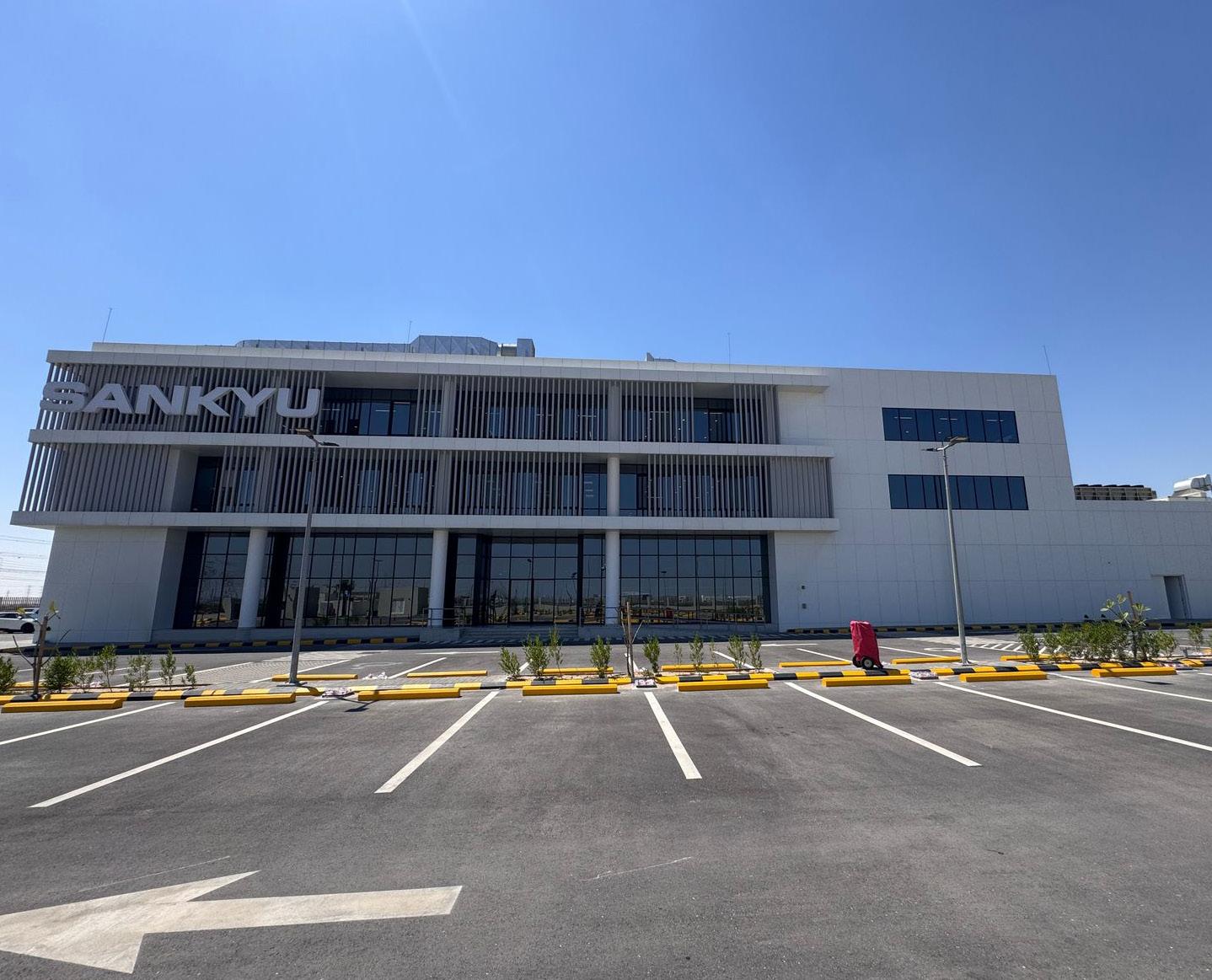
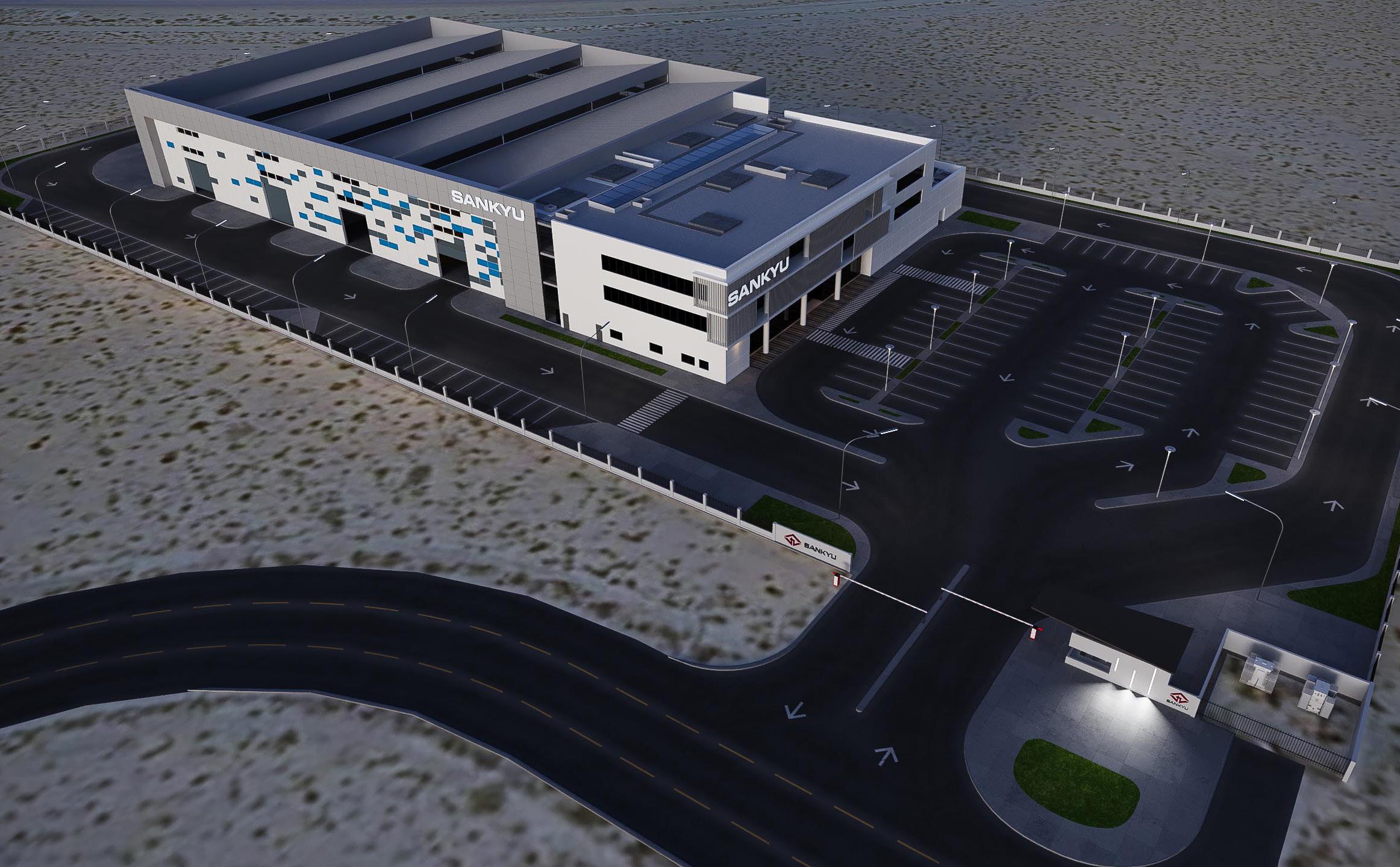
You’ve recently established a Maintenance & Human Resources Development Center in Jubail. What procurement decisions and supplier relationships have been critical in setting up this facility, especially when it comes to sourcing specialist materials, tools, and services?
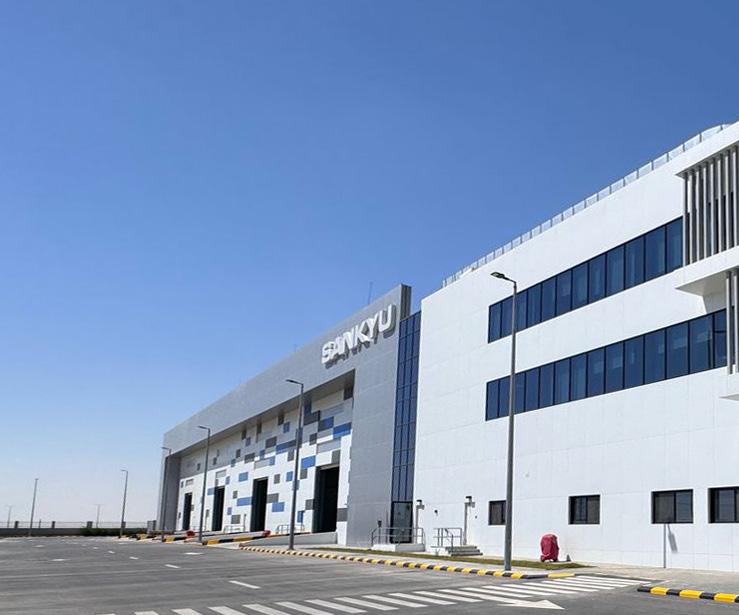
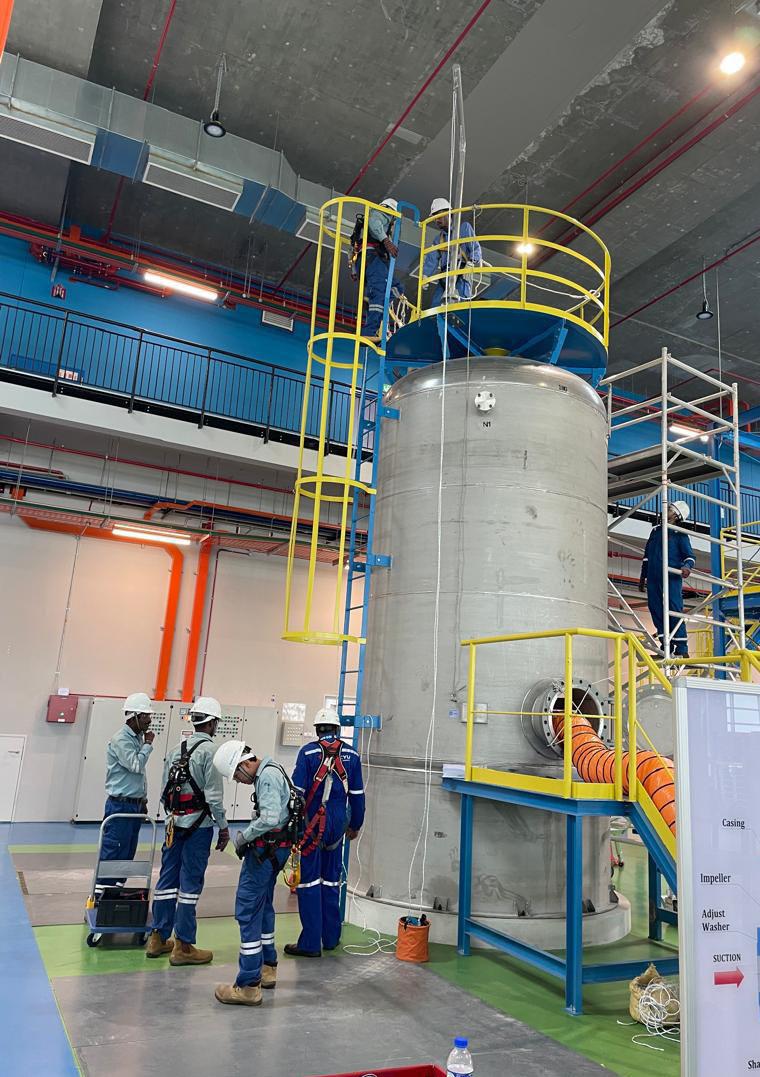
The Jubail Maintenance and Human Resources Development Center was a significant milestone for SANKYU. From a procurement perspective, it required establishing strong partnerships with local manufacturers and service providers, particularly for specialised tools, lifting equipment, and training simulators. We adopted a local-first sourcing approach to ensure alignment with IKTVA and national local content objectives.
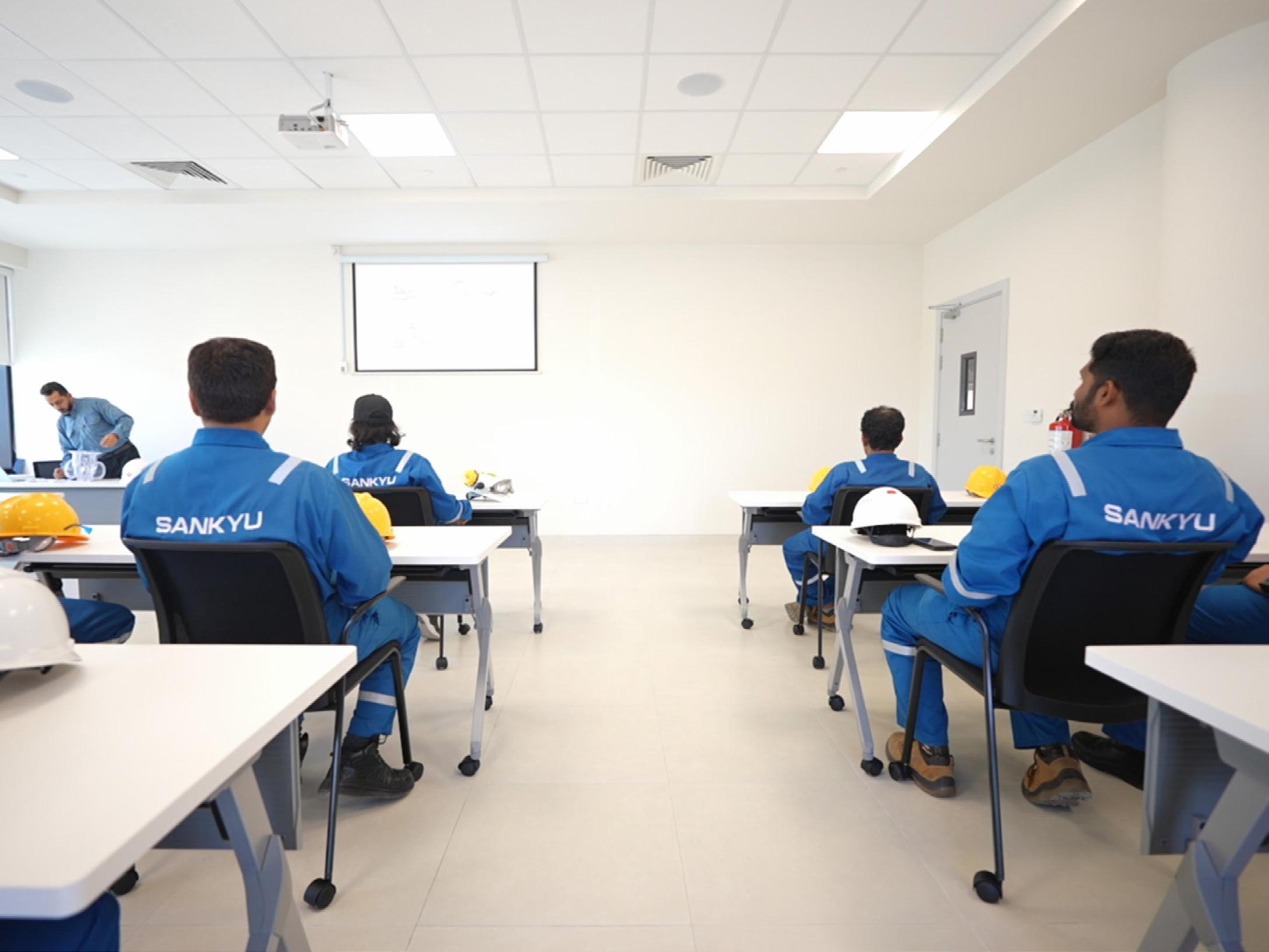
Equally important was selecting partners who shared our commitment to knowledge transfer and workforce upskilling. Many of the suppliers involved in the setup phase have since become longterm collaborators, contributing not only to operational readiness but also to the establishment of technical training programs. These programs are now helping develop the next generation of Saudi talent and form a core foundation for our ongoing workforce development strategy.
On a global level, Sankyu has environmental initiatives, green logistics, eco-warehouses, modal shifts etc. How are you embedding sustainability into procurement at the Saudi level? What supplier or material choices are you making to support greener operations?
Sustainability in procurement begins with awareness and intentional decision-making. At SANKYU Saudi Arabia, we are aligning our operations with the company’s broader commitment to green logistics and environmental stewardship. In practice, this means prioritising energy efficient equipment, reducing packaging waste, and partnering with suppliers who actively demonstrate responsible environmental practices. We also emphasise preventive maintenance and equipment lifecycle optimisation to reduce carbon impact and extend asset value.
For us, sustainability is not a checkbox, it is a mindset. Every sourcing decision has an environmental consequence. Our aim is to ensure that “green” becomes the default choice, delivered in a way that maintains reliability, performance, and long-term value.
Given Sankyu provides support to critical industries (oil & gas, petrochemicals, refineries), what processes do you have in place to manage procurement risks, supplier failure, equipment downtime, supply delays, quality issues?
Operating in critical industrial sectors means procurement must be precise, proactive, and highly controlled. We manage risk through a layered framework that includes supplier prequalification, insurance and compliance checks, structured performance guarantees, and routine audit cycles. For key material and service categories, we also maintain contingency suppliers to ensure continuity under any disruption.
The real focus is on foresight. Using ERP-driven data and close coordination with operations, we monitor capacity, lead times, and supplier performance trends to detect early signs of strain before they impact execution. Equally, strong supplier relationships play an essential role, regular communication enables transparency and fast problem solving when challenges arise.
At SANKYU, we are not only managing procurement risks; we are embedding resilience across the entire supply chain to ensure continuity without compromise.
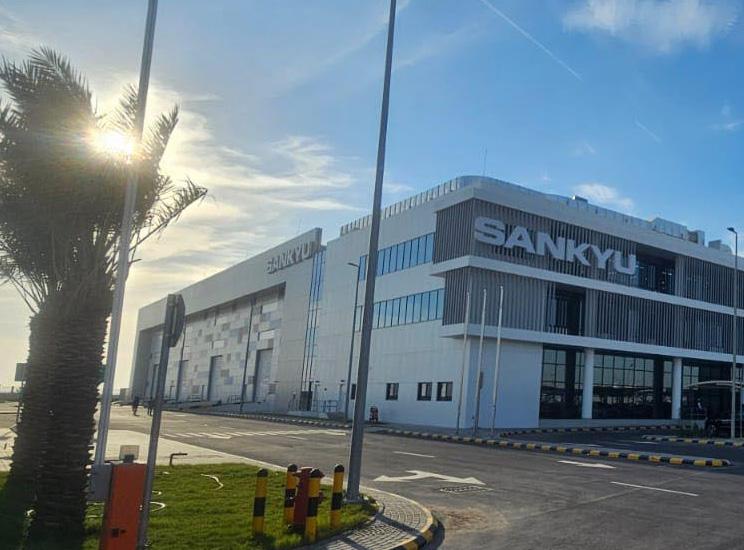
What has been your approach to cultivating strong relationships with vendors / suppliers for heavy machinery, engineering services, and maintenance contractors? How do you ensure quality, safety compliance, and performance over time?
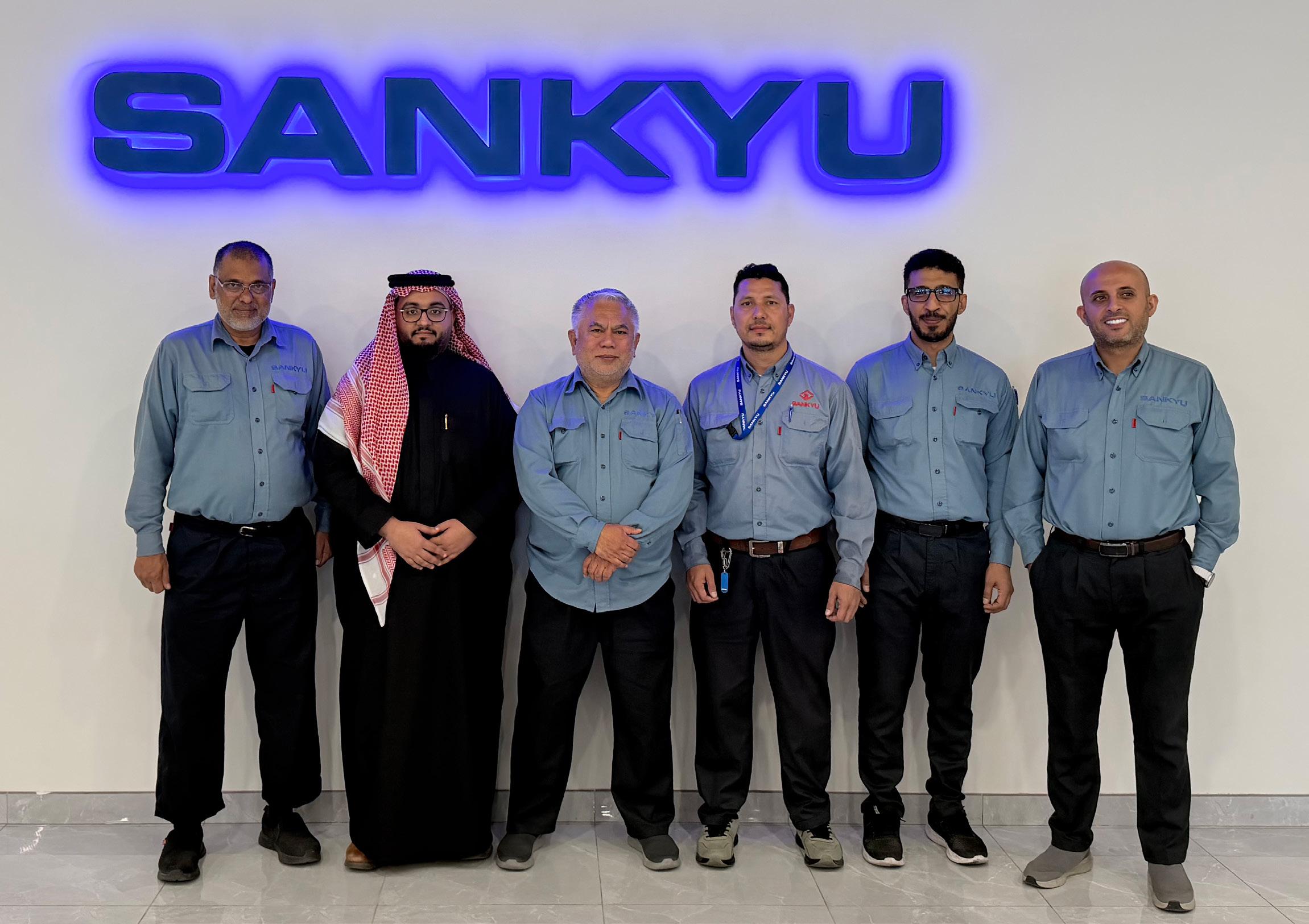
Our supplier relationships are rooted in trust, transparency, and shared growth. We see our vendors as strategic partners rather than transactional providers. In areas like heavy machinery, technical services, and maintenance support, long-term collaboration is essential. That means clear communication, fair evaluation, and continuous improvement built into the relationship from day one.
Quality and safety remain non-negotiable. To uphold these standards, we conduct regular performance reviews and on-site audits, while also using vendor scorecards to measure delivery accuracy, service responsiveness, compliance, and innovation contribution. This structured approach increases accountability and gives suppliers a clear roadmap for how to elevate their performance.
When suppliers feel invested in your mission, they contribute more than products, they contribute reliability, loyalty, and operational resilience. At SANKYU, these partnerships are fundamental to sustaining consistent service and supporting long-term business continuity.
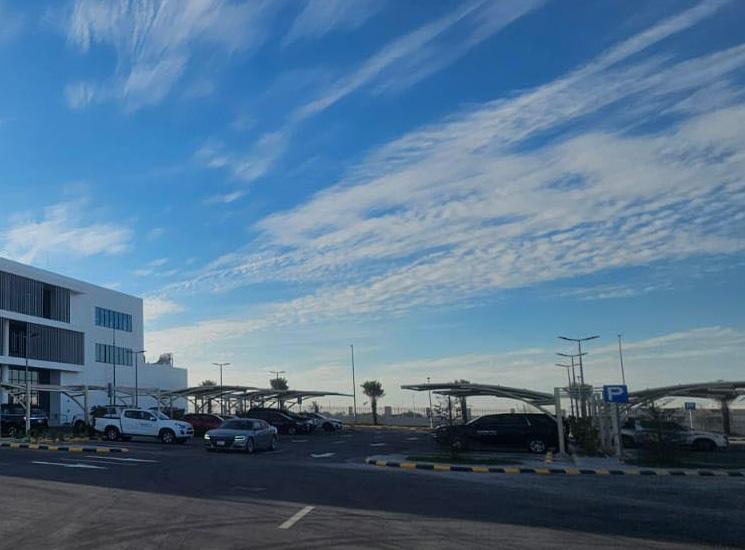
Are you using or planning to use digital procurement tools (e.g., ERP, supplier performance dashboards, predictive analytics) to improve decision making, forecasting, or cost control? If so, can you share examples?
We are advancing procurement digitalisation at SANKYU through the integration of Microsoft Dynamics 365, which now connects purchase requests, purchase orders, and cost centers in real time. This has significantly improved visibility, traceability, and financial control across our operations.
In parallel, we are developing data dashboards to monitor key performance indicators such as RFQ cycle times, vendor performance trends, and cost-saving achievements. The objective is to shift from reactive decision-making to predictive planning, using analytics to anticipate supply delays, forecast demand patterns, and optimise sourcing decisions before challenges arise.
Our next phase includes supplier scorecard analytics and automated approval workflows to further streamline processes. For us, technology does not replace human judgment; it elevates it. By reducing administrative burden and enhancing transparency, digital tools allow the procurement team to focus on strategic value creation rather than transactional tasks.
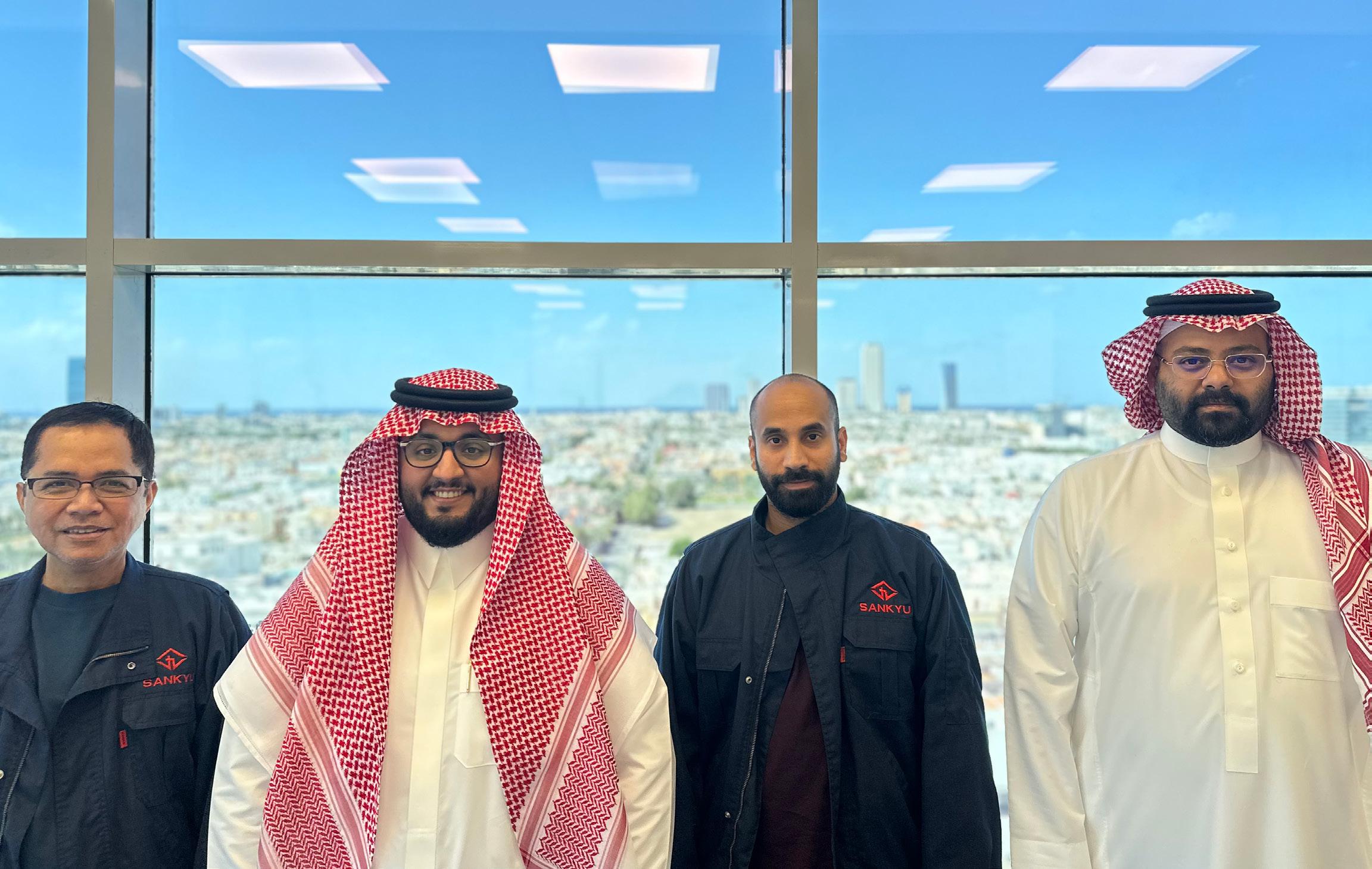
What are some of the biggest procurement challenges you face in the Saudi or broader GCC market (e.g. import/export restrictions, local content requirements, vendor capability, cost of capital)? How do you navigate them?
Procurement in the GCC is both dynamic and complex. We operate in markets where import dependency, fluctuating logistics costs, and evolving local content requirements can significantly impact sourcing strategies. Supplier capabilities vary widely, especially in highly specialised technical segments, which means we must balance speed with rigorous qualification and risk control.
To navigate this landscape, we place strong emphasis on supplier development, early engagement, and continuous market intelligence. We work closely with local vendors to strengthen their technical and operational capacity, supporting the broader national agenda for industrial growth and supply chain resilience.
We are also mindful of the financial pressure smaller suppliers face, from cost of capital to extended payment terms. While commercial discipline is essential, it must be balanced with fairness and partnership to ensure long-term stability in the value chain.
Saudi Arabia’s localisation and sustainability goals present both challenge and opportunity. The future of procurement in the region will be shaped by collaboration, adaptability, and the ability to innovate sourcing models. At SANKYU, we see procurement not only as a function that responds to market conditions, but as one that helps shape a stronger, more resilient local supply ecosystem.
For those looking to grow in procurement, especially in heavy industry, logistics, and plant maintenance, what qualities, skills, or experiences do you believe are most valuable?
Procurement leadership goes far beyond negotiation, it’s about influence, integrity, and strategic alignment. For those who want to build a strong career in this field, my core advice is to understand the business before you focus on buying. Learn how procurement decisions impact operations, finance, timelines, and the people on the ground.
It’s important to develop both analytical and interpersonal skills. Data and systems help inform decisions, but relationships are what enable execution and trust. Stay curious, stay ethical, and stay adaptable, procurement evolves quickly, and so should your mindset. Professional certifications such as CIPS or EIPM provide a helpful foundation, but real growth comes from solving challenges in real environments.
Ultimately, great procurement leaders don’t just reduce cost, they create value, build resilience, and support the organisation’s long-term mission.

SANKYU Saudi Arabia is a leading provider of integrated plant-engineering, operations-support and logistics services, serving major industrial sectors across the Kingdom. Established in 2008 under the global Sankyu Group, the company combines decades of engineering, heavy-lifting and supply-chain expertise with local knowhow to deliver maintenance, installation, transport and support solutions. With strong commitments to safety, reliability and efficiency, SANKYU helps industrial clients meet their operational, logistics and project-execution needs across Saudi Arabia.