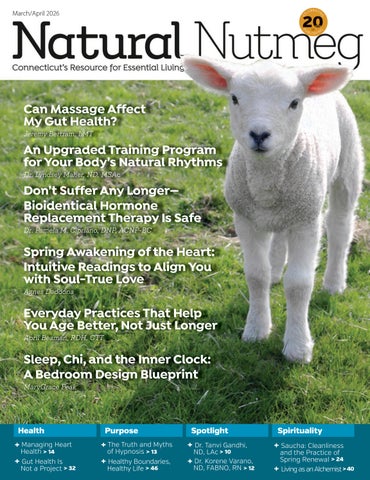
An Upgraded Training Program for Your Body’s Natural Rhythms
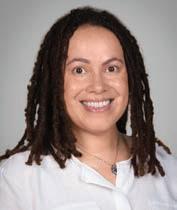
Dr. Lyndsey Maher, ND, MSAc
Don’t Suffer Any Longer—
Bioidentical Hormone
Replacement Therapy Is Safe
Dr. Pamela M. Cipriano, DNP, ACNP-BC
Spring Awakening of the Heart: Intuitive Readings to Align You with Soul-True Love
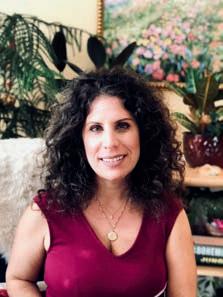
Agnes Daddona
Everyday Practices That Help You Age Better, Not Just Longer
April Beaman, RDH, CTT
Sleep, Chi, and the Inner Clock: A Bedroom Design Blueprint
MaryGrace Peak
Health
+ Managing Heart Health > 14 + Gut Health Is Not a Project > 32
Purpose
+ The Truth and Myths of Hypnosis > 13 + Healthy Boundaries, Healthy Life > 46 Spotlight
+ Dr. Tanvi Gandhi, ND, LAc > 10 + Dr. Korene Varano, ND, FABNO, RN > 12
+ Saucha: Cleanliness and the Practice of Spring Renewal > 24 + Living as an Alchemist > 40
Still Searching for Answers?
Have you exhausted every medical professional seeking help for your
Did you know tick-borne diseases and mold toxicity may be the hidden cause of your chronic urinary tract infections?
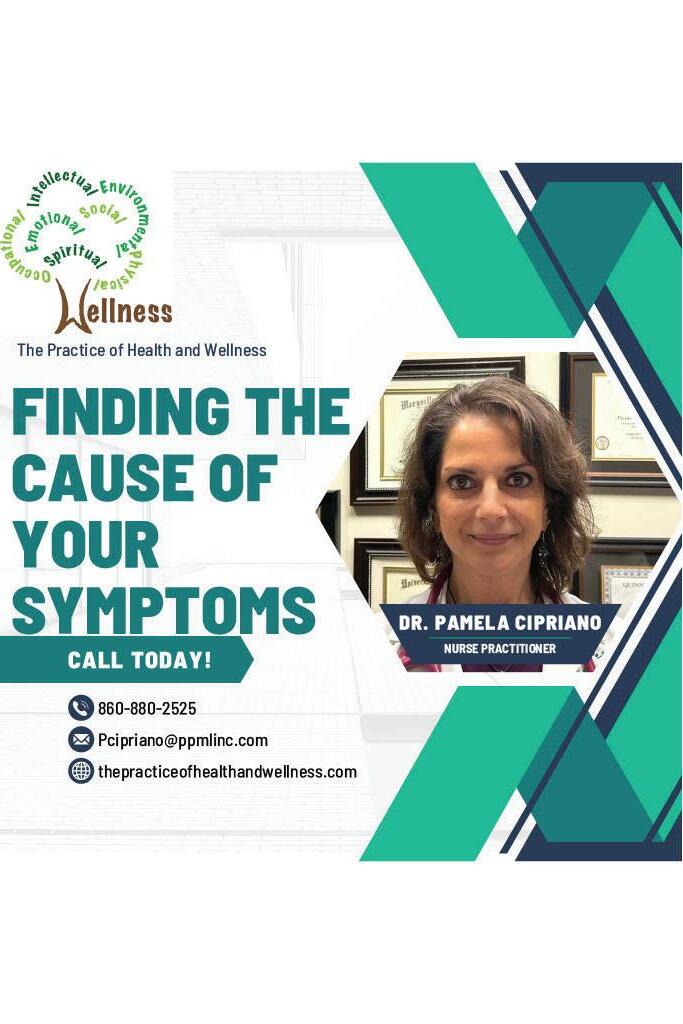
Meet Dr. Pamela Cipriano
A nationally recognized Lyme disease and functional medicine expert, Dr. Cipriano goes beyond symptom management to find and treat the root cause of complex health issues. She is an ILADS member, researcher, and speaker. She is also on the Task Force with the World Health Organization for Research on Long Covid.
Hey, I’m Dr. Diane!
“Many of us also do not get nearly enough natural light from the sun, which we are now discovering can cause chronic disease. We should be outside every day for at least 20 minutes in direct sunlight— preferably in the early morning. ”
—Dr. Diane Hayden, PhD
Spring is just around the corner and for many of us it’s a time to put our attention on spring cleaning—not just for our homes, but for our health. That’s why this issue is focused on brain and gut health, longevity, and the cutting-edge research on circadian rhythms. In fact, I just finished an amazing book, The Circadian Code by Satchin Panda, PhD, an award-winning circadian rhythm and aging researcher. In his book, you’ll discover how to align your lifestyle with your body’s natural clock for better overall health and longevity. In our modern, technology-based society, we’ve gotten so far away from the natural rhythms that keep our body healthy. We’re up way too late at night looking at screens on our phones, computers, or even TVs. This unnatural light sends a message to our brain that we should be awake and turns off melatonin production, which is why we then have trouble falling asleep. This sets off a cascade of biological disturbances in the body from increases in blood sugar and cortisol to decreases in disease fighting cellular activity. Many of us also do not get nearly enough natural light from the sun, which we are now discovering can cause chronic disease. We should be outside every day for at least 20 minutes in direct sunlight—preferably in the early morning.
The book lays out a concrete plan to enhance weight loss, improve sleep, optimize exercise, and manage technology so that it doesn’t interfere with your body’s natural rhythm. Dr. Panda’s lifechanging methods show you the keys to avoiding and alleviating chronic ailments like diabetes, cancer, and dementia, as well as digestive conditions like acid reflux, heartburn, and irritable bowel disease.
I’ve made a conscious effort to apply at least one method each month like adjusting the time I go to bed and wake up, time-restricted eating, what time of day to exercise, getting out in the sunlight in the morning, and when to do most of my work for the day. I’m excited to see how I feel over the next few months. Give it a try—I’d love to hear how it’s working for you!
Wishing you health and happiness,
Dr. Diane Hayden, PhD Publisher & Owner, ELM Publishing
Our mission is to provide valuable insight, information, and resources that will allow our readers to maintain a healthy, active, sustainable lifestyle. Natural Nutmeg contains timely information on natural health, complementary and alternative medicine, nutrition, fitness, personal growth, green living, and the products and services that support a healthy lifestyle.
PUBLISHER/OWNER
Dr. Diane Hayden, PhD Diane@naturalnutmeg.com
DIR. INFORMATION TECHNOLOGY/OWNER
Christopher Urso Curso@naturalnutmeg.com
EDITOR-IN-CHIEF
Lori Hubbard lori@naturalnutmeg.com
DESIGN DIRECTOR Ashley Frament layout@naturalnutmeg.com
MARKETING DIRECTOR
Colleen Lee colleen@naturalnutmeg.com
ADVISORY BOARD
Frank Aieta, ND
Adam Breiner, ND
Mark Breiner, DDS
Deanna M. Cherrone, MD
DISTRIBUTION
Greater Hartford and surrounding counties, please contact Natural Nutmeg. FFC—Tom Cossuto, Man In Motion, LLC
In keeping with our concern for the environment, Essential Naples is proudly printed on recycled paper with soy-based inks.
Natural Nutmeg is a free publication supported solely by our adver tisers and distributed throughout Connecticut. Please call for a location near you. (860) 508-0894 or email to publisher@naturalnutmeg.com.
22 Gut–Brain Axis and the Impact of Functional Nursing
By Melissa Wooldridge Breton, APRN
26 Don't Su er Any Longer— Bioidentical Hormone Replacement Therapy Is Safe
By Dr. Pamela M. Cipriano, DNP, ACNP-BC
30 Psychobiotics, the Vagus Nerve, and the Gut–Brain Connection
By Dr. Dana Lapointe, ND, LMT, CHt, CMWC 32 Gut Health Is Not a Project— It’s a Relationship By Samantha Norman, Director, The Lucky Gut Collective 42 Acupuncture, Frequency, and the Art of Staying Well By Dr. Brian Ruggiero, DC
Rethinking Longevity: Everyday Practices That Help You Age Better, Not Just Longer By April Beaman, RDH, CTT
Sleep, Chi, and the Inner Clock: A Bedroom Design Blueprint for Health and Flow By MaryGrace Peak, Founder, Energy and Grace
38 An Upgraded Training Program for Your Body’s Natural Rhythms
By Dr. Lyndsey Maher, ND, MSAc
Purpose
13
The Truth and Myths of Hypnosis By Kristina Mozzicato, CH, LMT, BCTMB
16 Using Your Relationships as a Reflective Tool for Healing By Katie Cavenagh
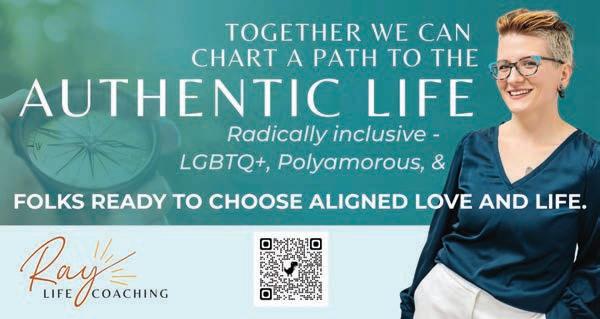
20 When the Gut and Brain Disagree: Intuition, Trauma, and Queer and Polyamorous Survival By Ray Beyor, Confidence Coach
37 Unlock Your Potential with a Cup of Clarity By Susan Cote, CLC
46 Healthy Boundaries, Healthy Life By Sharon Sklar, BFA, LMT, CAR
Spirituality
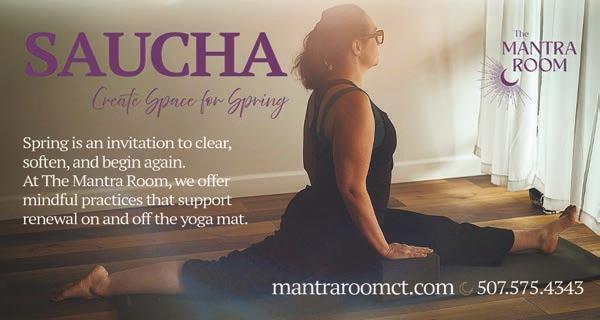
24 Saucha: Cleanliness and the Practice of Spring Renewal By Haley Proto
28
Spring Awakening of the Heart: Intuitive Readings to Align You with Soul-True Love
By Agnes Daddona, Psychic Medium and Angelic Channel
40 Living as an Alchemist: Bringing Inner Work Back into Everyday Life
By Kelly L. McCarthy
Chronic Pain Care Works Best When It’s Coordinated
Chronic pain rarely comes from a single source. Neck pain, back pain, headaches, pelvic pain, and ongoing joint discomfort often develop as the body adapts to stress, injury, repetitive strain, or inefficient movement. When treatment addresses only one component—joints or muscles—relief is often short-lived.
One of the most effective ways to address chronic pain is through coordinated care that targets joint function, muscle health, and movement patterns together. When chiropractic care and massage therapy are delivered by a single provider licensed to perform both, treatment becomes more precise, consistent, and effective.
Chiropractic care restores proper joint motion and improves communication between the nervous system and the body. Restricted joints increase stress on surrounding tissues, alter movement patterns, and contribute to persistent discomfort. Targeted adjustments reduce mechanical stress and improve overall function.
Massage therapy addresses the soft-tissue side of chronic pain. Muscles often tighten, shorten, or develop trigger points in response to joint dysfunction and prolonged stress. Therapeutic massage improves circulation, reduces muscle guarding, and prepares the body to respond better to adjustments.
When both therapies are provided by the same clinician, care is seamlessly integrated. The provider can assess how joint motion and muscle tension interact in real time, tailor treatment immediately, and avoid fragmented or conflicting approaches. This level of coordination is difficult to achieve when care is split across multiple offices.
Exercise and movement retraining further support long-term results by improving stability, strength, and movement efficiency. Together, these approaches help patients build resilience, restore confidence, and reduce reliance on temporary relief.
Chronic pain does not need to be managed indefinitely. With integrated, single-provider care that addresses joints, muscles, and movement together, lasting improvement is possible. This approach prioritizes clarity, consistency, and meaningful results.
Dr. David Bray is a chiropractor and licensed massage therapist specializing in chronic pain and women’s health. He is the founder of Bray Chiropractic & Wellness, LLC in Glastonbury, CT, where he provides integrative, evidencebased care combining chiropractic treatment, pelvic floor therapy, orthopedic massage, and functional medicine. Dr. Bray is committed to helping patients who feel dismissed or overlooked reclaim control and restore function. Call 203.303.4760. See ad on page 21 >
Introducing Howling Flats Farm, Canaan, CT
Good food doesn’t begin in the kitchen. It begins outdoors—on open pasture, in daily routines, and in the care taken by the people who raise it.
At Howling Flats Farm, we raise food simply and thoughtfully. We are a small, familyrun farm, proudly Certified Humane® by A Greener World, and our focus is straightforward: treat animals well, care for the land, and provide food families can trust.
Our Milk & Meadow Rose veal, organic chicken, and pork are raised using regenerative practices that support animal welfare, soil health, and natural growth. Animals live outdoors, move freely, and are handled calmly and patiently. This slower, more intentional approach results in food that is clean, nourishing, and deeply connected to the land it comes from.
Many of our customers come to us looking for more than convenience. They want transparency, ethical farming, and food that supports long-term health and vitality. Whether you are focused on longevity, gentle digestion, or simply feeding your family well, you can feel good knowing where your food comes from—and who raised it. We serve households throughout Connecticut, New York, and Massachusetts, offering local pickup and convenient home delivery. Food should feel grounding, not complicated. At Howling Flats Farm, we’re proud to offer food raised with intention—so every meal feels a little more connected and a little more nourishing.
Farmer Kelley is the owner of Howling Flats Farm in Canaan, CT. Visit howlingflatsfarm.com to learn more. Contact Kelley by phone at 860.379.8961 or by email at kelley@howlingflatsfarm.com.
NaturaBakery, East Hampton, CT
It was about this time last year that I decided to start this journey of opening my bakery. And I was never truly nervous about starting this bakery because I trusted both my product and the need for it.
It has been a wonderful journey, but it is shocking to me how many people still gravitate toward traditional, ultra-processed, sugar-and additive-loaded bakeries, as though they need to be convinced to eat healthier. And this is indeed my goal with NaturaBakery: to educate and guide people to better understand the truth behind the food industry’s practices and to be more aware of what we eat. Because food is indeed medicine. I opt for traditional cooking as much as possible: real food cooked at home from scratch.
And things are indeed shifting, which is a big reason I was confident about my product. Many people have already started changing their habits and turning back to some old ways: shopping local, cooking from scratch, backyard and urban farming, making their own bread, and even making their own cleaning products.
Taking these steps is often neither easy nor inexpensive, so making these changes can take some time. It does seem, though, that little by little we are making great efforts to change the way we do things and to return to healthier, more sustainable practices.
Irene Araque-Aguilar is a life coach and former social worker, working specifically in the field of mental health with a wide spectrum of clients. She owns and manages her business, alogn with her husband’s business, and she runs her own homestead. Instagram.com/naturababybakery 860.906.4650.
The Litchfield Wellness Festival Returns
June 27, 2026!
The Second Annual Litchfield Wellness Festival: A Celebration of Health, Wellness, and Community
Following the incredible success of its debut, the Litchfield Wellness Festival returns on June 27, 2026, bringing together leading wellness businesses and an expected 1,200+ attendees for a full day dedicated to health, vitality, and holistic living.
Hosted in the heart of Litchfield at Community Field, this one-of-a-kind event celebrates wellness in all its forms—from yoga, fitness, and nutrition to natural skincare, alternative therapies, energy healing, and preventive care. The festival’s mission is simple yet powerful: to inspire individuals to live healthier, more balanced, and deeply connected lives while supporting local and regional wellness practitioners, makers, and businesses.
Attendees can enjoy interactive classes, live demonstrations, inspiring talks, artisanal products, and health-conscious foods, while connecting with a vibrant community of wellness enthusiasts and professionals. The event is free to attend and family-, kid-, and pet-friendly.
Vendors—Apply Now for 2026! Vendor registration is officially open! Space is limited, and each wellness category has a capped number of spots to ensure variety and visibility.
We welcome vendors in physical and mental health, emotional wellness, movement and fitness, holistic and alternative wellness, healthy living and lifestyle, spas, restaurants, hotels, local farms, food vendors, beauty products and care, and more.
Take advantage of this opportunity to connect with new clients, showcase your products, and help promote wellness. Together, we’re making Litchfield County a premier destination for a healthy, mindful, and sustainable lifestyle.
Learn more and sign up: LitchfieldWellnessFestival.com • LitchfieldWellness.co
Contrast Showers: A Simple Way to Train Your Vagus Nerve
Alternating hot and cold water is a surprisingly effective way to support vagal tone and improve the nervous system’s ability to adapt to stress. Often referred to as contrast hydrotherapy, this practice acts like interval training for the nervous system—gently teaching the body how to shift more smoothly between “fight-orflight” and “rest-and-digest” states.
Cold exposure in particular has a direct effect on the vagus nerve. Brief exposure to cold—especially around the face, neck, and upper chest—activates the body’s natural “dive reflex.”
This reflex stimulates the vagus nerve, helping to lower heart rate, reduce cortisol, calm inflammation, and increase stress resilience over time.
Alternating hot and cold water also provides a form of “vascular exercise.” Heat dilates blood vessels, while cold constricts them. Moving between the two improves circulation, supports lymphatic flow, and strengthens the nervous system’s capacity to respond to and recover from stress. With regular practice, the body learns how to return to a calm, regulated state more efficiently after a stressor— an important marker of healthy vagal tone.
How to try contrast showers:
•Simple approach: Finish your regular shower with 30–60 seconds of cold water.
•Target areas: Let the cold water run over the neck, upper chest, and face to maximize vagal stimulation. Or sink-side: splash cold water on the face for 1–3 minutes.
• Progress gradually: Start with shorter cold exposures and increase as your comfort improves.
•Alternating method: Switch between hot and cold water (about 5–20 seconds each) for three minutes. Always end in cold and briskly towel dry!
Like many nervous system–supportive practices, consistency matters more than intensity. Even brief, regular contrast showers can help the body feel calmer, more resilient, and better equipped to handle daily stress.
Dr Dana Lapointe specializes in lifestyle medicine for chronic conditions and mental wellness coaching for those seeking alternatives to pharmaceutical mental health interventions. She o ers in-o ce and virtual 1:1 naturopathic medicine, mental wellness coaching, low-cost and premium memberships, and focused programs. Call or text 860.217.1171, or visit SustainableHW.com. See ad on page 27 >
PRACTITIONER PROFILE
Joan Palmer, MS The Institute of Sustainable Nutrition
One of the main tenets of organic/regenerative agriculture is that it is all about the microbes in the soil and how you feed them. One of the main tenets of human health is that it’s about the microbes in the gut and how you feed them. In fact, the microbes that we are cultivating in the soil are the same microbes we want to cultivate in our guts. We find bacteria, viruses, fungi, yeasts, archaea, and more in both the soil and the human microbiome; we are, after all, all connected. The microbes in a healthy microbiome and in healthy soil coexist in a well-orchestrated balance that includes both pathogenic and beneficial ones. There is no such thing as good or bad biology, only balance.
At The Institute of Sustainable Nutrition, we believe that teaching nutrition and its relationship to human health must include how our food is grown, processed, prepared, ingested, and digested. Current conventional agriculture, with its use of “cides” (pesticides, herbicides, fungicides), synthetic fertilizers, and excessive tilling, makes minerals in the soil less available to plants, so we are not getting them when we eat them.
In true regenerative agriculture, it is about adding organic matter back to the soil to create an environment where the microbes flourish. In the human system, it is about promoting gut health and a flourishing microbiome by consuming real food grown in healthy, nutrient-rich soils, primarily through fiber.
Fiber has not been a sexy food topic. Let’s change that.
Fiber is the part of food that does not get digested during the transit time through the small intestines. That is where nutrients are extracted. This undigested part of food moves into the large intestines, known as the colon, where it provides food for the microbes. This is the part of the body that houses the largest microbial population. These microbes ferment/digest this fiber, feeding their populations and keeping us in balance. When we eat highly processed foods, lots of sugar, and live with a lot of stress, this amazing, balanced environment can become imbalanced, allowing more
pathogenic microbes to flourish while reducing populations we want to dominate.
Why do we care about which microbes thrive? There are more microbial cells in and on us than there are human cells. There are 100 times more microbial genes in us than human genes! These beneficial microbes make some of our chemical messengers, especially serotonin and dopamine, to improve mood and sleep. They balance and strengthen our immune system, chelate heavy metals and other toxins, and synthesize undigested food (fiber) into many of our B vitamins, vitamin K2, and short-chain fatty acids.
Imagine what could go wrong if these microbes were not balanced and unable to perform these tasks! Current thinking suggests that many of the maladies we see today are associated with an unhealthy microbiome, including autoimmune issues, anxiety, depression, obesity, cancer, diabetes, Parkinson’s, bowel disorders (colitis, Crohn’s, IBS, SIBO), multiple sclerosis, Alzheimer’s, and autism.
To support a healthy microbiome, your diet should include high-fiber foods such as fruits, vegetables, nuts, seeds, legumes, and mushrooms; animal products that are raised with speciesappropriate feed in a healthy environment; fermented foods; and foods rich in polyphenols. Polyphenols are the higher-order compounds healthy plants, such as herbs, spices, tea, coffee, wine, wild foods, and colorful foods, produce to protect themselves from environmental stressors. These then act as “plant medicine” for us and our microbes. These polyphenols are more abundant in plants grown in healthy soils.
Joan Palmer, MS, is the founder and director of The Institute of Sustainable Nutrition. This hands-on educational certification program in Real Food Matters links the science of nutrition with hands-on components of gardening, culinary skills, kitchen medicine, and sustainable foraging. She teaches Food as Medicine at Quinnipiac University. She is a Family/Community Herbalist. Joan grows food and herbs and keeps bees in the beautiful hills of West Granby, CT. Call 860.764.9070 or visit tiosn.com See ad on page 19 >
“At The Institute of Sustainable Nutrition, we believe that teaching nutrition and its relationship to human health must include how our food is grown, processed, prepared, ingested, and digested.”
—Joan
Palmer, MS
Dr. Tanvi Gandhi, ND, LAc Shiva-Shakti Acupuncture and Ayurveda
My commitment to holistic medicine originates from a deep-seated interest in the interconnectedness of mind, body, and spirit. This curiosity led me to investigate integrative approaches to mental health from an early age. I unite evidence-based medicine with compassionate, individualized care with modalities such as acupuncture, Ayurveda, craniosacral therapy, Maya spiritual healing, sound healing, and mindfulness-based meditation to provide comprehensive mental health support. I am committed to introducing integrative modalities to adolescents and young adults. Through rigorous training in naturopathic medicine, acupuncture, and integrative psychiatry, I have established a robust foundation for delivering a holistic approach to mental health and supporting my clients’ transformation.
A foundational belief in naturopathic medicine is the body’s inherent ability to heal itself. This life energy is recognized across traditions, described as universal Reiki energy, Qi, Ki, Prana, or Chulel in various systems of medicine. These philosophies emphasize that supporting and nurturing this vital force enables true healing and balance in the mind, body, and spirit.
An essential naturopathic principle is understanding that the doctor serves as a teacher, guiding patients toward greater awareness and self-healing. At the heart of this philosophy is a recognition of the profound creative power of speech. It is not only the words that are chosen, but also the intention with which they are communicated, that hold influence. Communication, in this context, is a powerful tool that can profoundly affect the mind, body, and nervous system—even reaching the cellular level to impact overall well-being.
A central element of this approach is the deliberate practice of holding safe and sacred spaces for patients. These environments are intentionally created to support vulnerability, growth, and transformation. They become especially crucial as individuals and communities navigate and heal from collective trauma, offering essential support for both individual and collective healing.
My intensive training in mental health and narrative medicine, along with my experience leading both group and individual practices, sets me apart in the holistic field. I have training in scientific research at UCLA and the National Institutes of Health and I have contributed to the field through published papers, continuing education, and presentations. I am committed to advancing my expertise and am currently developing resources, including a podcast and a virtual course, focused on mindful alchemy.
One cherished aspect of my work is the opportunity to infuse creativity into medicine. I regularly use creativity as a tool in my practice, allowing for dynamic and personalized healing experiences. I am passionate about creating sacred, holistic, and inclusive spaces—both in person and virtually—for oneon-one and group settings, for storytelling and healing journeys.
My work on inclusion and equity in mental health spaces aims to inspire hope and collective healing, making the patients feel part of a larger movement toward coregulation and loving kindness for all beings.
Stamford, New Canaan, and the Greater New York City area 475.282.5817 • drtanvigandhi.com
Dr. Tonya Pasternak, ND Remedy
Naturopathics
My passion for holistic medicine is deeply personal. I specialize in women’s health and Lyme disease, in part because I’ve lived it. I’ve struggled with Lyme disease on and off over the years, and navigating that experience firsthand is what ignited my desire to help others who feel lost, unheard, or dismissed in their healing journey.
Alongside that, I’ve always loved all things hormones. Women’s health is complex, nuanced, and often overlooked, and I find it incredibly rewarding to help women better understand their bodies and feel empowered in their care. Becoming a holistic practitioner—and eventually a business owner— allowed me to practice medicine in a way that aligns with my values: listening deeply, treating the whole person, and creating space for true healing.
I strive to make the healing process feel approachable, accessible, and grounded in real life. Many patients come in feeling overwhelmed by information or unsure where to start, so I place a strong emphasis on creating clear, actionable plans that we can begin implementing right away.
My goal is for patients to leave visits feeling supported, understood, and confident about their next steps—not burdened by complexity or left to figure things out on their own. Care should feel collaborative, practical, and empowering, and that’s the experience I aim to create for every patient.
Some of the most meaningful moments for me happen at the end of a visit, when a patient tells me they already feel better—sometimes not because anything physical has changed yet, but because they finally feel heard.
Knowing that simply being listened to, believed, and guided can bring relief reminds me why I do this work. Helping someone feel less lost and less frustrated as they navigate the medical system is incredibly fulfilling. Those moments—when a patient regains a sense of ease, hope, or direction— are what make this work so special to me.
Dr. Tonya Pasternak, ND
Remedy Naturopathics
Glastonbury, CT, and New Paltz, NY
845.633.8043 • RemedyNaturopathics.com
Dr. Zoe Hickson, ND Natural Life Wellness, LLC
As a naturopath, I am not just a physician; I am also an educator, counselor, and coach. I am most passionate about naturopathic medicine because of what it embodies. I am privileged to treat my patients’ mind, body, and spirit with the tools of nutrition, supplements, herbal and homeopathic remedies, and mind-body medicine. I treat individuals with varied health concerns, from metabolic syndrome, gut health issues, anxiety, weight loss, integrative oncology, fertility, and much more. Being both the owner of my practice and a physician allows me to provide customized, thoughtful care to each patient, grounded in science and results.
My experience and study of spiritual and emotional health, along with my commitment and heart to help in whatever way I am skilled, sets me apart from other practitioners. Our health first starts with what we think and believe. To make progress in our health, our mindset needs to align with our goals. Health also requires commitment, patience, and discipline, which is why a mindset transformation is needed. It may also include a team approach. While my desire and mission are to improve the health of everyone who comes to me, I am humble enough to realize that the best way to have a well-thought-out approach is to collaborate where necessary.
While I have been practicing for 14 years this year, it never gets old to see the progress my patients make. It is a one-of-a-kind experience to see the light shine differently in a patient’s eyes when they have achieved their health goal, are more confident in themselves and their ability to not just advocate, but to do the work necessary to achieve and maintain optimal health. So, when I get a message that a patient has conceived, no longer needs medication, or has normal lab numbers, I am always elated to receive such good news. It doesn’t just convey that the plan was well executed; it also signifies that a person’s life has been changed forever.
There is one patient in particular who I can remember that was diagnosed with diabetes, high cholesterol, obesity, fatigue, and a history of a heart attack. He was slow to start after I gave him his plan, but he started it about three weeks before his labs were due. He was not expecting any changes, but his numbers were significantly better, and the cardiologist was impressed. Fast forward a few years, and the patient decided to implement his full protocol, including dietary changes. Within two weeks, he had lost about 17 pounds, was no longer on diabetic medication, and his daily fasting blood sugar was completely normal. It was so amazing to see the light go off in his head, saying, “Wow, this really works?”
Dr. Zoe Hickson, ND • Certified Acupuncture Practitioner Natural Life Wellness, LLC • Stratford, CT • 475.215.1705 natural-life-wellness-llc.square.site
Dr. Cora Stover, ND Emerald City Health Associates, LLC
Healing isn’t just about addressing symptoms — it’s about understanding the whole person. That belief is at the heart of my work as a holistic practitioner and business owner. My passion for natural medicine comes from a deep respect for the body’s innate ability to heal when it is supported with the right tools, guidance, and care. Over time, I saw how many people were searching for answers but felt unheard or rushed in traditional settings. Holistic care offered a different path— one that focuses on root causes, individualized attention, and long-term wellness rather than temporary fixes.
Creating my own practice gave me the opportunity to build a space where clients feel safe, supported, and truly listened to. I believe healing begins when people feel seen and empowered to take an active role in their health. My goal is to guide clients toward balance by looking at the bigger picture—lifestyle, nutrition, stress, emotional well-being, and the unique experiences that shape their health journey. Every individual is different, and that’s why a personalized approach is central to everything I do.
I bring connection and care to each client relationship, taking the time to understand each person’s story, because no two healing paths are the same. Rather than offering one-size-fits-all solutions, I focus on education and empowerment so clients can understand what is happening in their bodies and feel confident about the steps they’re taking. My practice is built on compassion, collaboration, and a judgment-free environment where people feel comfortable asking questions and exploring natural solutions at their own pace.
One of the most rewarding parts of this work is witnessing real transformation—not just physical, but emotional and mental as well, watching clients go from feeling frustrated or discouraged to feeling hopeful and energized again. Seeing someone regain their confidence, reconnect with their body, and realize that healing is possible is incredibly meaningful. These experiences remind me why I chose this path and why I continue to do this work with dedication and heart.
Being a holistic practitioner and business owner is more than a profession for me—it’s a calling. Each day, I’m honored to support individuals as they move toward greater balance, health, and vitality, and to create a space where healing feels possible, approachable, and empowering.
Dr. Cora Stover, ND • Emerald City Health Associates, LLC Fairfield, CT • 203.693.1932 corastovernd.wixsite.com/emeraldcityhealth/about-us
Dr. Korene
Varano, ND, FABNO, RN
Limbitless Wholistic Health at Roots Medical Center
Attwelve years old, I was given a 50/50 chance of surviving bone cancer. I beat the odds after finding naturopathic medicine and incorporating its therapeutic modalities with my conventional therapies. That is when I knew I wanted to study naturopathic oncology and dedicate my life to researching ways to enhance conventional cancer therapies and target cancer cells with naturopathic modalities. In adulthood, I chose leg amputation after multiple failed attempts at limb salvage surgeries. Being an athlete and living an active lifestyle was not conducive to femur transplants. This was the driving influence in developing Limbitless Wholistic Health, LLC.
I’m Dr. Korene Varano, a licensed naturopathic doctor, Fellow of the American Board of Naturopathic Oncology, and registered nurse in Connecticut. I have worked in oncology healthcare for twenty-two years and it is my goal to build hope, strength, and courage with each patient and family member I encounter. I offer education and research information to help empower my patients to make informed healthcare decisions for their individual health needs. My offerings include:
•Oncology-focused, comprehensive consultations with a therapeutic plan, either in-office or via telemedicine
•Second opinion consultation via telemedicine
• Evidence-based supplement plans and individualized nutrition planning
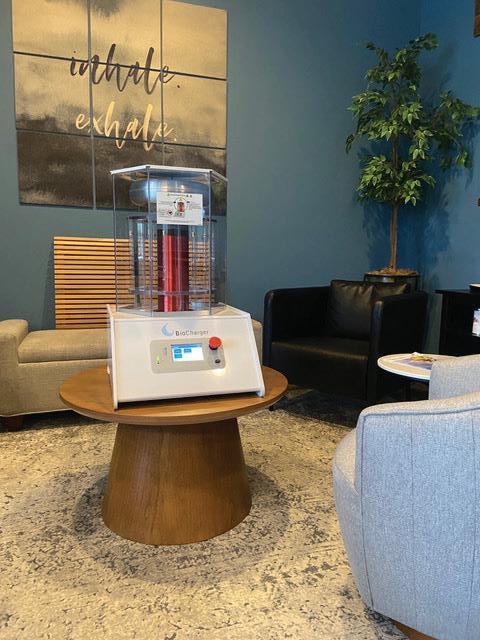
•Research evidence-based therapies including colon hydrotherapy, hyperbaric oxygen therapy, IV nutrient infusion therapy, FANGO detox therapy, and biocharger
• Specialty testing, including RGCC CTC testing and tumor markers
Patients can expect a thorough evaluation of their current health status and an individualized plan that works synergistically with whatever conventional modalities they may be using or plan to use. I have patients who use every plan: chemotherapy, immunotherapy, radiation therapy, or other, and patients who do not want to use any conventional therapies. Naturopathic oncology modalities that work independently as well as synergistically with conventional modalities are available.
I have walked the long path as a cancer patient and now live the long life as a cancer survivor, understanding the experiences my patients go through at all milestones of the journey. Living with cancer is living with a trauma that is only known by those who have experienced it, and that is what sets me apart from other practitioners in the oncology healthcare field.
I plan to continue to incorporate researched targeted nutrients and modalities that kill cancer cells and expand the scope and standard of cancer care. It is my hope that people living with cancer will be treated as thriving individuals with quality of life as they undergo therapies that eliminate cancer cells. I want my practice to be a space of healing, not a place of business. Healing comes in all forms—mind, body, and/or spirit. Watching the healing transformation of patients in my care is my greatest blessing.
Dr. Korene Varano, ND, FABNO, RN
Limbitless Wholistic Health, LLC at Roots Medical Center Columbia, CT • 860.530.7099 • facebook.com/Limbitlessdoc rootsmedicalcenter.com/become-a-patient
Dr. Jeanne Fuqua, ND, LAc
Wellness Point Medicine
Iinitially became interested in and inspired by naturopathic medicine when I had a health problem in my early 20s. I cycled through several doctors and prescriptions and found that I wasn’t being listened to, so they couldn’t understand, let alone treat, what the problem was. I had an interest in holistic medicine and went to a health food store to look for any herbal support. There, someone recommended that I see a naturopathic doctor, and this was my introduction to the field.
My first visit, with a compassionate, thoughtful doctor, was the most thorough visit I had ever had. She said to me, “I don’t know what’s going on, but here’s what we’ll do to find out,” and then outlined the diagnostic tests she would use. I immediately had trust in her and her approach. I decided I wanted to make this medicine available to my community and to all communities. I wanted this beautiful system to come out of the realm of privileged medicine and be available to everyone. So I started my education!
I blend my two fields, acupuncture/east Asian medicine, with naturopathic medicine for an East/ West approach in both my diagnostic lens and my treatments. I use a lot of gentle styles in treatment, starting with a less-is-more approach. And yet I would say they are really profound modalities.
It is always wonderful for people to have magic happen in my clinic—a big shift in pathologies that they were told they would have to live with, and yet we make a change—and it is drastic and stunning. But often true healing happens at a slower pace And that work doesn’t tend to be all at once drastic and stunning. That work is done in partnership with the patient, each of us agreeing to step in and do the work. I am honored to be chosen to help people in their health journey and accompany them take steps toward their best life.
By Kristina Mozzicato, CH, LMT, BCTMB
HThe Truth and Myths of Hypnosis
ypnosis is a highly relaxed state of focused concentration. It is a safe, natural, pleasurable state in which our subconscious mind can receive positive suggestions and, therefore, make positive changes in our day-to-day lives (the subconscious mind is much more powerful than the conscious mind). In 1958, the American Medical Association accepted hypnotherapy as an appropriate therapeutic technique. Many doctors, nurses, and dentists have been trained in hypnosis to help reduce pain in their patients, and in some cases as a substitute for anesthesia. A trained practitioner can easily teach patients to perform self-hypnosis. Everyone experiences at least a light state of hypnosis nearly every day, whether they realize it or not. For example, when you are engrossed in a good book or a movie, you feel the characters’ emotions. You are so focused on it that you forget what is happening around you, or when you are driving your car and arrive at your planned destination but do not remember how you got there.
The Truths
Hypnosis has a high success rate for smoking cessation, reducing stress, and improving sleep, self-confidence, procrastination, and weight loss. Numerous studies demonstrate this, including these results of a 2007 comparative study by American Health magazine:
• Psychoanalysis: 38% success after 600 sessions
• Cognitive behavioral therapy: 72% success after 22 sessions
• Hypnotherapy: 93% success after 6 sessions Hypnosis works for everyday problems, even when everything else has failed. This is because it works with the power of the subconscious mind, where all your memories and emotions are stored. However, there are many misconceptions about hypnosis.
The Myths
Many people believe they are not capable of being hypnotized. However, anyone of standard intelligence who is willing to follow instructions can be hypnotized. A person may not be hypnotized against their will—despite popular opinion, your hypnotist does not have any control over you. Your hypnotist is like a coach who will work with you and your goals,
which are discussed and agreed upon before the session. You are in control of your session the entire time. If you disagreed with any of the suggestions given to you by your hypnotist, you would simply reject those suggestions. So, hypnosis is indeed safe. Another common misconception is that you will get stuck in hypnosis. This is actually not possible. If the hypnotist happened to stop talking or leave the room, after not hearing his or her voice, you would eventually emerge from hypnosis on your own.
The Benefits
Online hypnosis sessions are becoming increasingly popular among clients and are just as effective as in-person sessions, providing many benefits. The sessions take place in the safety and comfort of your own home or office, which can be very beneficial because they naturally help you feel more comfortable, relaxed, open, and receptive. Online sessions are convenient for people with mobility issues, those in remote areas, or anyone with a busy schedule. All that is needed is a quiet area, a laptop computer with a webcam, and a reliable internet connection. Another benefit of online sessions is that they offer a flexible alternative when in-person sessions are not possible—such as during illness, transportation issues, or inclement weather. Hypnosis sessions are a safe way to help you overcome everyday problems. It is important to find a reputable hypnotist who is certified by and affiliated with a well-known hypnosis organization, such as the National Guild of Hypnotists (NGH). It is also essential to work with someone with whom you feel comfortable and with whom you have established rapport. Hypnosis is not magic; it takes a team approach with your hypnotist, and you will be more successful when incorporating self-hypnosis in between sessions.
Kristina Mozzicato is a Certified Hypnosis Professional and is a member of the NGH. She is also certified in 5-PATH® Hypnosis by the International Association of Hypnosis Professionals (IAHP) and is a certified 7th Path Self-Hypnosis® teacher. For more information, please call 860.778.0315 or visit abundanthealthhypnosis.com. See ad on page 25 >
“A person may not be hypnotized against their will— despite popular opinion, your hypnotist does not have any control over you.”
—Kristina Mozzicato, CH, LMT, BCTMB
Managing Heart Health— the Way It Was Meant to Be
“By identifying contributors like untreated sleep apnea or chronic stress early, patients can often reduce medication burden and prevent disease progression.”
—Dr. Tracy Cormier, DNP
By Dr. Tracy Cormier, DNP, APRN, ANP-C, Owner of TLC Healthcare Solutions
Heartdisease remains the leading cause of death in the United States, yet many of the conditions that contribute to it—high blood pressure, coronary artery disease (CAD), and elevated cholesterol—are both preventable and manageable.
Many people are living with high blood pressure, high cholesterol, or heart disease—and most don’t feel sick until something serious happens. These conditions often develop quietly, influenced by stress, sleep, nutrition, and daily habits, making them easy to overlook but incredibly important to manage.
The challenge for many patients isn’t a lack of information, but a lack of time, access, and personalized support within today’s rushed healthcare system.
Understanding the Big Three: Blood Pressure, Cholesterol, and CAD
Hypertension (high blood pressure) often develops silently, damaging blood vessels and increasing the risk of heart attack, stroke, kidney disease, and heart failure. Hyperlipidemia, or high cholesterol, contributes to plaque buildup inside the arteries, narrowing blood flow and fueling inflammation. Coronary artery disease (CAD) occurs when those plaques limit blood supply to the heart itself, leading to chest pain, shortness of breath, and potentially life-threatening events.
While these conditions are common, they are not inevitable—and managing them effectively requires more than a quick annual visit and a prescription refill.
That’s where TLC Healthcare Solutions in South Windsor, CT, offers a different approach—one that puts relationships, education, and prevention at the center of care.
A More Personal Way to Care for the Heart
TLC Healthcare Solutions is a nurse-led Direct Primary Care (DPC) practice, meaning care is not dictated by insurance rules or rushed visit times. Patients become members of the practice, allowing for longer appointments, same-day or next-day access, and direct communication with their provider. This model is especially powerful for people managing chronic cardiovascular conditions.
At TLC, heart health management includes:
• Comprehensive risk assessment, not just isolated numbers
• Medication optimization, with close monitoring and adjustments
• Lifestyle-based interventions that are realistic and sustainable
• Ongoing education, so patients truly understand their condition
When patients understand why their numbers matter, they’re more likely to make lasting changes.
Education Is the Missing Link
Many people are told they have “high blood pressure” or “high cholesterol,” but few are given the time to fully understand what that means for their long-term health.
TLC Healthcare Solutions focuses on patient education, helping individuals learn how stress, sleep, nutrition, and movement affect blood pressure; why cholesterol quality matters—not just total numbers; how untreated sleep apnea can worsen hypertension and heart disease, and what warning signs should never be ignored. This education empowers patients to become active participants in their care, rather than passive recipients of instructions.
Addressing the Root Causes
Heart disease does not exist in isolation. Stress, poor sleep, hormonal changes, weight fluctuations, and metabolic issues often play a role. TLC Healthcare Solutions integrates cardiovascular care with sleep evaluations, lifestyle coaching, and preventive screenings to address the full picture—not just symptoms.
By identifying contributors like untreated sleep apnea or chronic stress early, patients can often reduce medication burden and prevent disease progression.
A Partner in Long-Term Heart Health
Managing hypertension, CAD, and hyperlipidemia isn’t about perfection—it’s about consistency, trust, and support over time. TLC Healthcare Solutions was built on the belief that healthcare works best when patients feel heard, understood, and supported.
For those seeking a more personalized, proactive approach to heart health, TLC Healthcare Solutions offers a path forward—one that helps patients not only manage their conditions but truly thrive.
Because when care feels personal, outcomes improve—and hearts stay healthier.
Dr. Tracy Cormier, DNP, APRN, ANP-BC, is an Adult Nurse Practitioner and founder of TLC Healthcare Solutions in South Windsor, CT. With over 25 years of experience in cardiology and primary care, she delivers accessible, patient-centered care through Direct Primary Care, specialized cardiac services, and convenient home sleep evaluations. A champion for nursing leadership, Dr. Cormier is committed to empowering patients, improving outcomes, and restoring compassion and clarity to modern healthcare. Visit tlchealthcaresolution. com, email tlc.healthcare.solutions.dnp@gmail.com, or call/text 860.424.2174. See ad on page 19 >
Using Your Relationships as a Reflective Tool for Healing
“These cues all point us back to our core wounding, which typically clouds our perception as we move through life.”
—Katie Cavenagh
By Katie Cavenagh, Owner, Sacred Cocoon Healing
Everything in life is a mirror.
What we hold in our inner world is what’s reflected in our outer world. Our beliefs, perceptions, programming, and wounding all help shape our reality, reflecting our experience.
When we look at relationships, people mirror back to us how we see ourselves. Our family, friends, partners, co-workers, and even strangers reflect our current inner state. Knowing this can help lead us to resolve our wounding, change our perception, and transform in that moment.
Be Willing to See the Reflection
Having a growth-focused mindset leaves you open to questioning and transforming who you are. You can only make changes if you truly want to. When we aren’t open to growth, we take things personally, like an attack on who we are, instead of an invitation to get curious about why we are who we are.
While it can be to change a part of you that you’ve identified with for a long time, it’s necessary to ask, “How is this serving me?” If the angry part of you is destroying your life, are you willing to address, explore, and resolve it so you can have a better experience?
When holding onto an emotion (like anger), you put out that energy. You’re met back with the same energy you hold. That’s why you’ll experience encounters with angry people and find yourself in situations that bring out your anger.
Here is where the resolution occurs—in that moment of emotion, are you willing to recognize it’s pointing you inward? Are you open to acknowledging you’re acting from a pain pattern
that’s subconsciously running under the surface?
Can you be willing to notice that this particular moment is not the same moment in time you’re brought back to while experiencing this pattern?
Recognize the Wound
In the moments of reflection, what is it pointing you to?
Do you immediately feel like a child being reprimanded? Are you brought back to a time of embarrassment with your peers? Is something inside you feeling “not good enough”?
These cues all point us back to our core wounding, which typically clouds our perception as we move through life. Often, we live as victims of our circumstances and see life as proof of how we’re “always broke,” “can’t find a good relationship,” “are so dumb,” or whatever our story is.
When our relationships reflect that feeling to us, we react, replaying our old survival patterns to protect us. We go silent, explode, retreat, break down. Flooded with emotion, our body is on autopilot, following the only instructions it knows: wound programming.
The moment we notice we’re in a story or pattern, we interrupt it. This is the conscious choice to be present and willing to feel through what’s happening, acknowledging there’s resolution for you.
The people in our lives are drawn in through our vibration, or the energy we hold. If we think of difficult encounters as opportunities to learn about ourselves, how would life change?
Who would you be if you started responding differently to situations that seem to occur on repeat?
The Resolution Is in the Reflection
The moment you are willing to own your narrative, emotions, and behaviors, you begin to resolve the wounding. Awareness and accountability are the first steps. Being able to do this comes from deep self-reflection. Handling the brutal honesty and ownership of your patterns is no easy task, but it will set you free. It’s meant to teach.
Understanding our inner workings helps us to understand and have compassion for others. We’re all on our own journey of healing and growth. Reflecting helps us become safe in who we are, so others can also feel safe exploring their inner workings.
Looking at relationships through the lens of “what can I learn” helps shape our reality toward love and acceptance. It starts with us looking inward and experiencing the transformation outwardly. This isn’t a switch we flip once; it’s a way of meeting ourselves again and again. Each day offers dozens of small reflections—an impatient tone from a cashier, a friend who forgets to call, a partner who doesn’t understand. These moments are not random inconveniences; they are invitations to notice what stirs inside us. When we pause instead of reacting, we create space to choose a new response.
Rather than asking, “Why is this happening to me?” we can ask, “What is this trying to show me?”
Journaling, meditation, or taking a few conscious breaths can help us listen to the answer. Over time we start to recognize familiar emotional signatures—the tightness in the chest, the racing thoughts, the urge to defend or withdraw. These signals become guides leading us back to the parts of ourselves still asking for care.
As we respond with compassion instead of judgment, the outer world gradually shifts. Conflicts soften, relationships feel safer, and we meet challenges with steadier hearts. The mirror never disappears, but it becomes a trusted teacher rather than an enemy. By choosing awareness in ordinary moments, we participate in our own healing, discovering that the reality we long for is shaped from within.
Katie Cavenagh is a licensed hypnotist, spiritual mentor, and consciousness coach who leads you back to your power. Through various techniques, including NLP, sound healing, and psychic readings, she teaches how to create massive, lasting changes in life. Get right to the root of any challenge and walk away with a clear, actionable path for resolution. Free yourself of stagnant energy, imprints, and conditioning that keep you stuck. Ready to create and live a life you love? Text/call 860.655.5527 or email Katie@FeelYourLight.com to schedule an in-person or online session. More info at sacred-cocoon.com. See ad on page 21 >
ENERGYANDGRACEDESIGNS.COM @energyandgrace_ct
MaryGrace Peak Designer + Energy Healer
Healing the Inner Child: The Power of Gestalt in Accelerated Resolution Therapy
By Michal Klau-Stevens, LCSW, MPH
I“We respond with wisdom and more emotional regulation, and our marriages, family ties, and friendships become more manageable and meaningful.”
—Michal Klau-Stevens, LCSW, MPH
mpactful experiences during our youth set the “programming” for our experiences as adults. From a very young age, we make sense of the world around us through interactions with others and our environment, internalizing messages through a child’s understanding and emotional responses. Those responses become subconscious programming that drives our behaviors throughout adulthood.
What Is Gestalt Psychology?
Gestalt is a form of psychotherapy that allows for the completion of “unfinished business,” and accelerated resolution therapy (ART) incorporates Gestalt to rewrite early programming so it becomes more age-appropriate for our adult needs. By “upgrading our software,” we work at a mature level of emotional regulation, allowing for better relationships, appropriate actions, and improved mental health and well-being.
Most people stop receiving emotional regulation training once they leave high school, and personal introspection and growth may stall unless there’s a spark to change, like after a break-up or a job loss. This means that most of us are dealing with adult challenges in family, marriage, work, and life with the mindset of a teenager or young child, feeling poorly equipped to manage life stressors. The stress often manifests as depression or anxiety. I experienced this myself recently during an ART
session to process my angst around caring for a family member.
I remembered my four-year-old self feeling deeply wounded at being asked to leave the room so my mother could change my younger sibling’s diaper. No one was more shocked than I to learn that my emotional responses were being driven by the hurt feelings of my toddler self, but the emotions and sensations in my body exactly matched how I felt as a child when I accessed that memory. During that session, I brought my wisdom and experience to that younger self and reassured her that she is loved, well cared for, and doing well as an adult. After the session, I was able to respond to caregiving challenges in a calmer, more graceful, and kinder manner.
Gestalt During ART
Accelerated resolution therapy, with the Gestalt intervention, corrects youthful misunderstandings and faulty core beliefs by having adult conversations to reach age-appropriate solutions in the here and now. In addition to speaking with earlier selves, Gestalt during ART enables conversations with others, living or dead, to complete unfinished business from our past by revisiting those experiences through the perspectives of today.
On the rare occasion when a resolution is not found, clients come away with a more mature response and a sense that they have done everything
within their power to address the painful events. More often during these Gestalt moments, the players show up as “best selves,” able to process situations with insight, compassion, and forgiveness. Either way, the result is a shift in beliefs and emotions, with corresponding physical sensations, that rewrites behavioral responses to match adult needs. Remarkably, the Gestalt intervention takes only a few minutes—less time than a typical cellphone upgrade.
We can handle life and relationships as the confident, experienced adults we are when we “upgrade” our beliefs from the past. When we no longer respond as an overwhelmed toddler, an awkward grade-schooler, or a moody teenager, we respond as a true adult. We respond with wisdom and more emotional regulation, and our marriages, family ties, and friendships become more manageable and meaningful. We find better solutions to problems, maintain patience, and work with compassion and understanding towards others and ourselves. We feel more competent and in control, which is key to alleviating depression and anxiety.
Gestalt work within ART also nurtures a deeper sense of self-trust that many people have never experienced. As clients witness their younger parts being heard and comforted, they begin to believe in their own capacity to heal rather than relying solely on external reassurance. This internal shift often carries into everyday life, where decisions are made from clarity instead of fear and reactions are guided by choice rather than old conditioning.
People frequently report feeling “more like themselves” after sessions—lighter, steadier, and more connected to their own inner compass. By completing emotional loops that have quietly shaped behavior for years, Gestalt in ART restores a sense of authorship over one’s life story, reminding us that growth is not about erasing the past but finally putting it in its rightful place.
My clients often say that the most powerful part of an ART session is the Gestalt portion. The swift completion of unfinished business and the repair of youthful misunderstandings lead to the feelings of release and resolution that give this modality its name. Isn’t it time you upgrade your software?
Michal Klau-Stevens, LCSW, MPH, is the owner of Azure Psychotherapy LLC. She specializes in treating trauma, supporting substance use recovery, and working with women before and during pregnancy and during early parenting years. She is a Master Accelerated Resolution Therapy Practitioner and a Certified Psychedelic-Assisted Therapy Provider. Licensed in CT and MA, she offers office sessions, telehealth, and in-home services in select locations. See ad on page 15 >
When the Gut and Brain Disagree:
Intuition, Trauma, and Queer and Polyamorous Survival
By Ray Beyor, Confidence Coach & Creator of RAY Life Coaching
For many queer and polyamorous people, the advice “just trust your gut” can feel frustrating— or even alienating. What if your gut doesn’t feel calm or confident? What if it feels anxious, urgent, or constantly on edge?
For those of us who live outside relationship and identity norms, the gut–brain connection isn’t just about digestion or instinct. It’s about safety, belonging, and survival in a world that hasn’t always made room for us. And right now, that context matters more than ever.
toward survival. Metabolism may slow. The gut sends fewer nuanced signals. The body prioritizes endurance over discernment.
This isn’t a malfunction—it’s protection. The challenge is that the body begins to associate familiar patterns with safety, even when those patterns involve self-silencing, emotional labor, or over-accommodation. This is why stability can feel unfamiliar or dull, emotional intensity can feel like connection, anxiety can be mistaken for intuition, and saying “yes” can feel safer than naming a boundary.
“The
challenge is that the body begins to associate familiar patterns with safety, even when those patterns involve self-silencing, emotional labor, or overaccommodation.”
—Ray Beyor
The Gut Knows Belonging Before the Mind Does
The gut has its own nervous system and constantly communicates with the brain through the vagus nerve, hormones, and neurotransmitters. Much of our serotonin—key to mood and emotional regulation—is produced in the gut.
Together, the gut and brain ask:
• Am I safe here?
• Can I be myself here?
• Will I lose connection if I speak my truth?
For people whose identities or relationships have been questioned, erased, or punished, these questions aren’t theoretical. They are lived and embodied. When the body senses safety, signals feel steady and grounding. Decisions come with clarity rather than pressure. But when the body anticipates rejection, instability, or threat—even subtly—the chemistry shifts.
How Trauma and Minority Stress Change the Signal
Queer and polyamorous people often grow up learning that visibility can increase risk. Honesty about desire, gender, or relational needs may have led to loss of family support, community, housing, or safety.
The nervous system adapts. Under perceived threat, the body releases cortisol and adrenaline, redirecting energy away from digestion and reflection
Survival Bonding in Polyamorous and Queer Lives
In extreme situations, bonding with a source of threat is known as Stockholm syndrome. In everyday queer and polyamorous life, it shows up more quietly—as survival bonding. Examples include staying in relationships that feel misaligned because they offer intermittent safety; over-regulating yourself to remain “easy,” low maintenance, or non-threatening; defending dynamics that repeatedly dysregulate your body because they feel familiar; and confusing endurance with emotional maturity.
The subconscious isn’t asking, “Is this nourishing?” It’s asking, “Will I still belong if I don’t do this?”
When the World Itself Feels Unsafe
In today’s political and social climate, many LGBTQ+ and polyamorous people are not just navigating personal relationships—they’re assessing geographic safety. Some are actively considering, or have already begun, relocating to other states, countries, or continents in search of legal protection, bodily autonomy, and relational freedom.
This constant evaluation of safety keeps the nervous system on high alert. When the environment itself feels unstable, the gut–brain system remains primed for threat, making it even harder to access intuitive clarity.
This is why this work matters now more than ever. Without tools to regulate the nervous system, fear-based urgency can masquerade as intuition— pushing people to make life-altering decisions from a place of exhaustion rather than grounded choice.
Reconditioning the Gut–Brain Conversation
Healing isn’t about forcing bravery or bypassing fear. It’s about reconditioning the nervous system so the body can update what safety feels like now—internally and externally.
This happens through:
• Regulating the body before making relational or life decisions
• Learning to differentiate fear-based urgency from intuitive clarity
• Practicing boundaries without losing connection
• Building lived experiences of mutual, consistent care
Supportive tools grounded in neuroscience, emotional regulation, and consent can help restore clarity when intuition has been clouded by survival chemistry. RAY Life Coaching LLC offers a free Confidence Tool Kit (CTK) designed to help people understand survival patterns, regulate the nervous system, and rebuild trust from the inside out. Learn more at: raylifecoaching.com/resources
For polyamorous folks seeking peer connection alongside personal growth, community support matters too. The NE CT Ethical Non-Monogamous and Polyamorous Group provides a local, consentcentered space for education, discussion, and connection: facebook.com/groups/NECTEthicalNonMonogamousPolyamorous
When Safety Is Felt, Intuition Returns
Your body has always been doing its best to keep you safe—especially in a world that hasn’t always protected your right to exist openly.
Healing doesn’t mean abandoning that wisdom. It means teaching your nervous system that safety can also feel calm, mutual, and sustaining. When the gut and brain realign, intuition stops sounding like urgency and starts feeling like steadiness. Not loud. Not rushed. Just clear.
Ray Beyor (they/them) is the founder of RAY Life Coaching LLC (Remember Authentic You), which supports individuals in rebuilding self-trust, confidence, and belonging through a body-based, consent-centered approach. Their work integrates neuroscience, attachment theory, and emotional regulation, with a focus on supporting LGBTQ+ and polyamorous individuals in navigating identity, relationships, and intuitive clarity. Visit RAYLifeCoaching.com to learn more. See ad on page 17 >
SPECIALTIES:
• Pelvic Floor Therapy (Internal & External)
• Chiropractic Care • Orthopedic Massage
• Nutrition & Functional Medicine
• Chronic Pain & Women’s Health
SCHEDULE A CONSULTATION TODAY! VISIT BRAYCHIRO.COM
Gut–Brain Axis and the Impact of Functional Nursing
“When access, cost, or seasonality limit whole-food intake, strategic supplementation becomes a therapeutic ally, particularly with vitamin D, magnesium, zinc, B vitamins, and antioxidant polyphenols.”
—Melissa Wooldridge Breton, APRN
By Melissa Wooldridge Breton, APRN, FNP-BC, AHN-BC, HWNC-BC
Inholistic and functional nursing, the gut is no longer viewed as a passive digestive tract. The gastrointestinal system is a living biosphere housing trillions of microorganisms that influence immunity, metabolism, neurochemistry, and even gene expression. This intricate ecosystem forms the foundation of the gut–brain axis, a communication network linking the enteric nervous system with the central nervous system through neural, immune, endocrine, and metabolic pathways. Healthy gut flora regulates neurotransmitters, shaping mood, cognition, and stress resilience. When the system is disrupted, the ripple effects are felt far beyond digestion—manifesting as fatigue, pain syndromes, autoimmune activation, mood disorders, and accelerated cellular aging.
The Gut Lining and Cellular Intelligence
The integrity of the intestinal barrier, often referred to as the brush border, is essential for selective absorption and immune tolerance. When this lining becomes compromised (known as leaky gut), microbial metabolites, food antigens, and inflammatory mediators have reduced access to systemic circulation. This activates immune responses that contribute to molecular mimicry, autoimmunity, and chronic allostatic load.
From a functional nursing lens, the patient’s story and lived experiences, health assessment tools, and MATRIX help identify root-cause patterns, genetic predispositions, epigenetic influences, environmental toxins, psychosocial stressors, and dietary exposures that disrupt assimilation, defense, repair, and biotransformation.
Mitochondria: The Energy Powerhouse
At the cellular level, the gut–brain axis converges with mitochondrial health. Mitochondria are the power plants of every cell, converting nutrients and oxygen into ATP, fueling digestion, immune
vigilance, detoxification, and neurocognitive function. Yet energy production also generates free radicals, the metabolic exhaust that, if not neutralized, leads to oxidative stress and cellular damage.
Optimizing mitochondrial function is central to longevity, resilience, and disease prevention. Research increasingly links mitochondrial dysfunction to cardiovascular disease, diabetes, cognitive decline, and neurodegenerative conditions, conditions that often coexist with chronic gut inflammation.
Nutrients That Fuel Cellular Activity
Clinical practice shows that targeted nutritional therapy enhances mitochondrial function and reduces oxidative stress. Key nutrients include carnitine, magnesium, B-complex vitamins, alphalipoic acid, vitamin C, N-acetylcysteine/glutathione, and coenzyme Q10. Together, these nutrients help the cellular “engine” burn cleaner, producing energy with fewer damaging by-products.
Food as Medicine in the Modern World
The resurgence of food as medicine reflects a collective shift beyond symptom suppression toward systems-based healing. A whole-food, plant-forward diet has demonstrated efficacy in reducing cardiometabolic risk, supporting microbiome diversity, and attenuating inflammatory pathways.
Yet modern food environments, ultra-processed, genetically engineered, and chemically preserved, pose new challenges to metabolic and microbial integrity, including food sensitivities and immune triggers, micronutrient sufficiency, fiber intake for microbial fermentation, hydration to regulate cortisol and inflammatory mediators, and movement patterns that enhance mitochondrial biogenesis. When access, cost, or seasonality limit whole-food intake, strategic supplementation becomes a therapeutic ally, particularly with vitamin D, magnesium, zinc, B vitamins, and antioxidant polyphenols.
Psychoneuroimmunology
When inflammation is unresolved, it becomes a chronic signal that rewires pain pathways, immune responses, and neuroendocrine balance. Psychosocial stressors amplify this cascade, elevating cortisol and perpetuating oxidative stress.
Dietary patterns rich in fruits, vegetables, whole grains, legumes, and omega-3 fatty acids reduce inflammatory biomarkers and modulate pain perception. These effects are partially mediated by the microbiome’s production of metabolites that influence neurotransmission and immune tolerance.
The Microbiome as Therapeutic Frontier
Emerging research identifies over 2000 microbial species within the human gut, contributing to digestion, immune regulation, and nervous system balance. This vast microbial community communicates with the brain through chemical messengers, immune mediators, and metabolic by-products, shaping pain perception, mood, and cognition.
Thoughtful use of probiotics, prebiotics, and phytonutrient-rich foods helps restore microbial harmony and reinforce the gut’s natural defense systems. Clinical outcomes consistently affirm the value of microbiome-centered care in chronic inflammation and pain management.
A New Paradigm of Healing
True wellness emerges at the intersection of biology, environment, and meaning. The gut–brain axis reminds us that digestion is not merely mechanical; it is relational, energetic, and deeply intelligent. When we nourish and protect the microbiome, we influence not only cellular longevity but the quality of human experience.
As an advanced nurse practitioner and functional nurse consultant, my role is to guide patients along a timeline of healing, identifying mediators, triggers, and patterns that reveal the deeper story behind symptoms and root cause. Through this wholeperson-centered approach, gut health becomes a portal to resilience, vitality, and conscious wellbecoming, restoring balance from the inside out, heart-mind-body-spirit.
Melissa Wooldridge Breton, APRN, FNP-BC, AHN-BC, HWNC-BC, MSN, RN, is a board-certified family nurse practitioner, advanced holistic nurse, functional medicine nurse consultant, integrative health and wellness nurse coach, yoga instructor, Reiki Master, and sound emissary. Her approach at her practice, ECLIPSE Holistic Living in Glastonbury, models whole-person-centered care, attending to your physical, emotional, mental, and spiritual dimensions of what health, wellness, and healing mean for you. Visit ECLIPSEholisiticliving.com or call 860.614.7588 to learn more. See ad on page 27 >
Reconnect with Nature's Healing Energies
Experience the innovative BioCharger® NG at Imagine Float, your ally in revitalizing your spirit and illuminating your life. Tap into the restorative powers of voltage, PEMF, light, and frequencies and harmonics, all in one session.
interrupt
By Haley Proto
In yoga philosophy, Saucha is the first of the Niyamas—the observances that guide how we care for ourselves and our inner world. Often translated as cleanliness or purity, Saucha invites us to tend not only to our physical environment, but also to our thoughts, habits, and energetic space.
Saucha: Cleanliness and the Practice of Spring Renewal
“Our bodies and nervous systems often mirror this shift—we feel a natural desire to open windows, stretch more, and reset routines.”
—Haley Proto
Spring is a natural time to explore this practice. As the earth begins to thaw and new life emerges, we’re reminded that renewal doesn’t happen through force—it happens through clearing space.
Just as the soil must be softened before seeds can take root, we, too, benefit from gentle cleansing that makes room for growth.
What Saucha Really Means
Saucha isn’t about perfection or rigid rules.
In yoga, cleanliness is not about striving for an ideal state—it’s about creating conditions that support clarity, ease, and well-being. On a physical level, Saucha can look like caring for our bodies and living spaces in ways that feel supportive rather than overwhelming. This might include mindful movement, nourishing foods, hydration, or simply keeping a space where you practice yoga clear and intentional.
On a subtler level, Saucha asks us to notice what we’re carrying internally. What thoughts, patterns, or emotional residues linger long after they’ve stopped serving us? Spring offers a compassionate invitation to release what feels heavy, stale, or misaligned.
Why Spring Is the Season of Cleansing
Nature models Saucha beautifully in spring. Melting snow clears the ground, rains wash away debris, and longer days invite movement and fresh air. Our bodies and nervous systems often mirror this shift—we feel a natural desire to open windows, stretch more, and reset routines.
Unlike winter’s call for rest and introspection, spring encourages lightness and circulation. This doesn’t mean doing more—it means doing things differently. Cleansing in this season is less about subtraction and more about realignment.
A spring cleanse can be as simple as:
• Letting go of habits that feel draining
• Refreshing your daily rhythms
• Clearing clutter from a single drawer or corner
• Creating space in your schedule for breath and movement
These small acts of Saucha help energy move more freely—in the body, the mind, and the heart. Saucha also invites a quality of gentleness in how we approach change. Cleansing becomes meaningful when it grows from curiosity rather than criticism, from care rather than control. Instead of asking what is “wrong” with us, this practice asks what would help us feel more alive and at home in ourselves. In this way, Saucha becomes less a task to complete and more a relationship we cultivate.
Saucha on and off the Mat
In our yoga practice, Saucha shows up as intentional presence. We clean our mat not just for hygiene, but as a ritual—a way of arriving fully. We choose movements and breath patterns that support balance and clarity rather than depletion.
Spring practices often emphasize gentle twists, heart-opening poses, and mindful flows that encourage circulation and release. Restorative moments remain essential, offering integration and nervous system support as we transition into a more outward-facing season.
Saucha reminds us that clarity doesn’t come from pushing—it comes from listening.
Off the mat, Saucha extends into everyday life. Emotional cleanliness might mean setting boundaries, having honest conversations, or limiting inputs that create mental clutter. Energetic cleanliness might involve time in nature, intentional rest, or reconnecting with practices that ground you.
Saucha is not about “fixing” yourself. It’s about honoring what’s ready to be released—and trusting that what remains is enough.
Reflection for the Season
As you move through spring, consider these questions:
•What feels heavy or stagnant in my life right now?
•What small act of cleansing would feel supportive rather than overwhelming?
•Where can I create more space— physically, mentally, or energetically?
•What do I want to invite in once that space is cleared?
At The Mantra Room, we honor Saucha as a practice of care, not control. This spring, we invite you to move gently, clear intentionally, and trust in the wisdom of renewal. When we create space with kindness, growth follows naturally.
Haley Proto is a dedicated and passionate yoga teacher at The Mantra Room. With a profound belief in the harmony between movement and stillness, Haley’s classes seamlessly blend the principles of Yin & Yang yoga, fostering a balance of physical exertion and inner peace. Specializing in Vinyasa, Yin, and Restorative yoga, Haley’s teaching style embodies mindfulness and awareness, guiding students towards holistic wellness. Beyond traditional yoga practices, Haley integrates sound healing, essential oils, and Reiki, creating transformative experiences that nurture the mind, body, and spirit. IG: @ themantraroomct FB: facebook.com/profile. php?id=61576708816546 See ad on page 17 >
Book Your Appointment Online
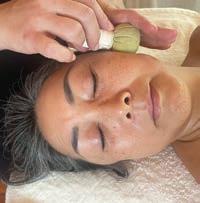
Kristina E. Mozzicato, LMT, BCTMB Therapeutic Massage • Cupping • The Lymphatic Brush Thai Herbal Facial Poultice • Hypnosis VOTED A 10BEST MASSAGE THERAPY PRACTITIONER 2020–2025
abundanthealthct abundanthealthmassagect
CT LICENSE #5956
abundanthealthct.com
Kristina E. Mozzicato, LMT, BCTMB, Certified Cupping & MedicuppingTM Therapist Board Certified, Licensed Massage Therapist and Owner
Join an intimate group of heart-centered, driven female holistic entrepreneurs for a 4-day journey of Health, Wellness & Feminine Leadership Embodiment:
Co-facilitated by: Melissa Wooldridge Breton, APRN and Dr. Diane Hayden Presented in collaboration with 8 elite holistic women entrepreneurs
Business Clarity & Strategic Growth Alignment & Confidence Activation Renewal in Sedona’s Powerful Vortex Energy Learn more: March 17-21, 2026 Sedona, AZ
Book Today! retreatsandmore.com/elevate-fearlessly-sedona-retreat
Don’t Suffer Any LongerBioidentical Hormone Replacement Therapy Is Safe
By Dr. Pamela M. Cipriano, DNP, ACNP-BC
Menopause is not a disease, but the loss of estrogen, progesterone, and testosterone after menopause has real physiological consequences that affect nearly every system in the body. For decades, hormone replacement therapy (HRT) has been misunderstood, underused, or inappropriately feared. When used thoughtfully, postmenopausal hormone replacement therapy can significantly improve quality of life and protect long-term health.
What Happens After Menopause?
“This is not alternative medicine; it is simply molecularly identical hormone therapy.”
—Pamela M. Cipriano, DNP, ACNP-BC
After menopause, ovarian hormone production declines sharply. Estrogen, in particular, plays a critical role in maintaining brain function and mood stability, sleep regulation, bone density, cardiovascular health, urogenital tissue integrity (vaginal and urinary health), skin elasticity, and collagen production.
The sudden or gradual loss of these hormones can lead to symptoms such as hot flashes, night sweats, insomnia, anxiety, depression, vaginal dryness, painful intercourse, recurrent urinary tract symptoms, joint pain, and accelerated bone loss. Over time, hormone deficiency contributes to osteoporosis, fractures, cardiovascular disease, cognitive decline, and overall frailty.
HRT does not “reverse aging,” but it addresses a true hormone deficiency state.
Why Hormone Replacement Is Important After Menopause
For many women, HRT is the most effective treatment for menopausal symptoms and provides benefits that go beyond symptom relief.
1. Bone health and fracture prevention: Estrogen plays a central role in maintaining bone density. After menopause, bone loss accelerates, increasing fracture risk. Hormone therapy has been shown to prevent bone loss and reduce fracture risk, particularly when started near menopause.
2. Brain, mood, and sleep: Estrogen influences neurotransmitters, and many women experience worsening anxiety, depression, or sleep disruption after menopause. Hormone therapy can improve sleep quality and mood, especially when symptoms are hormonally driven.
3. Vaginal and urinary health (GSM): Low estrogen leads to thinning and dryness of vaginal and urinary tissues, causing burning, irritation, painful intercourse, and recurrent urinary symptoms. Hormone therapy— systemic or local—restores tissue health, often dramatically improving quality of life.
4. Cardiovascular protection (when timed appropriately): When started in healthy women near the onset of menopause, estrogen therapy appears to have neutral or beneficial cardiovascular effects. Hormone therapy is not intended to treat established heart disease but may be protective when initiated appropriately.
Understanding the Safety of Bioidentical Hormone Replacement
Bioidentical hormones are chemically identical to hormones produced by the human body, including estradiol, progesterone, and testosterone. This is not alternative medicine; it is molecularly identical hormone therapy.
It is critical to clarify the misconception that bioidentical hormones are not inherently unsafe.
“Bioidentical” does not mean unregulated or experimental—FDA-approved hormone therapies are bioidentical. Compounded bioidentical hormones can also be appropriate when individualization is required.
Much of the fear surrounding HRT stems from outdated interpretations of early studies that used non-bioidentical synthetic hormones at fixed doses in older women. Modern hormone therapy is very different.
• Progesterone and uterine safety: For women with a uterus, progesterone is essential to prevent estrogen-induced endometrial overgrowth. Bioidentical micronized progesterone has been well studied and is effective for endometrial protection when taken correctly (either continuously or cyclically). This is a critical safety component of hormone therapy.
• Testosterone in women: Testosterone is often overlooked, yet women naturally produce it. Low testosterone can contribute to fatigue, low libido, reduced motivation, and decreased muscle mass. When used at physiologic doses, testosterone therapy can be safe and beneficial for some postmenopausal women. Baseline DHEA-S levels should be evaluated before starting testosterone to ensure appropriate individualized hormone replacement.
• Key safety principles: Use the lowest effective dose, opt for transdermal estrogen when possible (lower clot risk than oral estrogen), use adequate progesterone in women with a uterus to protect the endometrium, and individualize therapy based on symptoms, health history, and risk factors. When these principles are followed for appropriate candidates, bioidentical hormone therapy has a strong safety profile.
Individualization Matters
Hormone therapy is not one-size-fits-all. Age, time since menopause, symptom burden, bone health, cardiovascular risk, and personal preferences all matter. The goal is not to “push hormones,” but to restore balance thoughtfully and safely.
Postmenopausal hormone replacement therapy, when appropriately prescribed, is one of the most powerful tools we have to support women’s health, vitality, and longevity. Bioidentical hormones— whether FDA-approved or compounded—can be used safely when guided by clinical judgment, education, and ongoing monitoring.
Menopause is a natural transition, but suffering is not inevitable. For many women, hormone replacement therapy offers not just symptom relief, but the opportunity to age with strength, clarity, and quality of life.
Pamela M. Cipriano, DNP, ACNP-BC, is a nurse practitioner specializing in internal medicine, functional medicine, and complex chronic illnesses, including Lyme disease, mold toxicity, and autoimmune disorders. She is the founder of The Practice of Health and Wellness in Thomaston, Connecticut, an ILADS-trained Lyme specialist, national speaker, and award-winning clinician dedicated to educating patients and providers about the hidden manifestations of tick-borne diseases. See ad on Inside
Spring Awakening of the Heart: Intuitive Readings to Align You with Soul-True Love
By Agnes Daddona, Psychic Medium and Angelic Channel
“Then there are soul-aligned relationships, the ones that feel peaceful, safe, expansive, and emotionally mature. These relationships arise when both hearts are aligned with their truth.”
—Agnes Daddona
Spring has always carried a special energy. It is a season of renewal, softening, and awakening— not just in nature, but within the heart. As the world begins to bloom again, many of us feel a quiet stirring inside: a desire for deeper connection, emotional clarity, and love that feels real, grounded, and true. In my work as a psychic medium, counselor, and healer, I often see that love does not arrive when we chase it. Love awakens when the heart is ready to receive it.
This is what I call waking up to love.
Love as a Soul Awakening
We are taught to search for love—to look outward, to analyze, to try harder. But soul-true love doesn’t come from effort alone. It comes from alignment. When the heart opens through healing, awareness, and intuition, love becomes something we recognize rather than pursue.
Spring mirrors this perfectly. Just as the earth releases what no longer serves it, our hearts are invited to let go of old wounds, outdated beliefs, and emotional armor that once protected us but now keep love at a distance. This awakening can happen whether you are single or in a relationship.
Understanding Soulmate Connections
One of the most common questions I receive in intuitive readings is about soulmates. Many people assume a soulmate is always romantic and easy. In truth, soulmate connections come in different forms. Some relationships are karmic—they teach us lessons, often through challenge or repetition. These connections can feel intense, bringing awareness and closure. Other relationships are soulmates— connections that support growth, understanding, and mutual evolution. These may be romantic, but they can also be deeply healing friendships or partnerships. Then there are soul-aligned relationships, those that feel peaceful, safe, expansive, and
emotionally mature. These relationships arise when both hearts are aligned with their truth.
An intuitive reading clarifies who is in your life, why they are there, and what your soul learns through love.
My Role in Intuitive Love Readings: Clearing, Guiding, and Aligning the Heart
When clients come to me for love-focused intuitive readings, my role is to gain soul perspective and prepare the heart to receive it.
Love manifests most naturally when the inner world is aligned with the outer desire. During our sessions, I act as a guide and mirror, helping you gently uncover what may be blocking love from fully flowing into your life. This often includes clearing emotional and energetic patterns, such as residual pain from past relationships, fear of vulnerability or abandonment, self-doubt or unworthiness, repeating relationship cycles, and energetic ties that keep the heart anchored to the past. Through intuitive insight and angelic guidance, we work together to release what no longer belongs to your present or future. This clearing creates space—emotionally, energetically, and spiritually—for soulmate connections to emerge naturally. But just as importantly, I guide clients in learning how to recognize their own intuitive signals.
Love alignment is about knowing when a connection feels safe, true, and soul-aligned—and when it does not. In this way, intuitive reading becomes empowering. You are not waiting for love to happen to you. You are actively aligning with it.
Manifesting Soulmate Love Through Alignment
Manifesting a soulmate relationship is about becoming energetically available for the kind of love you desire.
When the heart is aligned:
• You stop chasing emotionally unavailable partners
• You feel grounded instead of anxious about love
• Your boundaries become clearer and kinder
•You trust your intuition when it says yes or no to this
For singles, this alignment shifts energy from longing to readiness. For couples, it opens pathways to deeper understanding, healing, and reconnection. Love becomes a shared evolution rather than a struggle.
Signs Your Heart Is Ready for Love
When the heart awakens, subtle signs appear. You may feel calmer about love rather than anxious. Old triggers lose their power. You become clearer about what you want—and what you no longer accept. Love feels less like a question mark and more like a quiet knowing.
The angels often communicate during this time through repeated symbols, gentle nudges, and intuitive feelings that reassure you that you are supported and guided.
Love Within Relationships
For couples, spring can be a powerful time to reawaken the heart of the relationship. Intuitive guidance can help partners understand emotional dynamics, heal unspoken hurts, and reconnect on a soul level. Love deepens when both individuals feel seen, heard, and energetically aligned.
A Gentle Invitation
Waking up to love is not about forcing change; it is about allowing truth. Whether you are calling in a soulmate, healing from the past, or strengthening an existing bond, intuitive guidance can help you align with love that feels authentic, nourishing, and real. If your heart feels ready for its next chapter, I invite you to explore a love-focused intuitive reading with me. Together, we can gently clear what no longer serves you and align your energy with the love your soul is ready to receive.
Agnes Daddona, MA, Intuitive Counseling, is one of the best Psychic/ Mediums and healers in New England. The gift of intuition runs in her family for generations. For more than 20 years, Agnes has worked with thousands of people worldwide through Psychic Readings, Mediumship, Channeling Angels, Counseling, Healing, and Teaching in English and Polish. Agnes has transformed many people’s lives to meet their dreams. She continues to solve the most difficult issues when it seems no one else can help. To book your Intuitive Reading, contact Agnes at www.AgnesDaddona.com, email agnes@ IntuitiveCounselingllc.com, or call 860.941.2667. See ad on page 43 >
ADAM BREINER, ND STEVEN MURPHY, MD DAVID BRADY, ND, CCN
ELENA SOKOLOVA, ND JOHN D'ANGELO, MS, RPT SEAN ALTMAN, PT, DPT, CPT
Psychobiotics, the Vagus Nerve, and the Gut–Brain Connection
“These nonpharmaceutical tools help shift the body out of chronic stress mode and into a state where healing and resilience are possible.”
—Dr. Dana Lapointe, ND
By Dr. Dana Lapointe, ND, LMT, CHt, CMWC
Interest in gut–brain health has surged in recent years, and for good reason. We now understand that digestion, mood, immunity, and even pain perception are all deeply interconnected through a complex communication network known as the gut–brain axis. At the center of this system is the vagus nerve, the primary pathway linking the gut, brain, and heart—and increasingly, research is revealing how specific gut microbes, known as psychobiotics, influence this conversation.
Targeted Microbes and Nervous System Support Shape Mood, Resilience, and Digestion
The vagus nerve is the main driver of the parasympathetic nervous system, often referred to as the body’s “rest-and-digest” mode. When vagal tone is impaired—often due to chronic stress, poor sleep, inflammatory diets, or constant digital stimulation—communication between the gut and brain becomes distorted. The result can be a wide range of symptoms, from digestive distress to anxiety, central weight gain, depressed mood, brain fog, chronic fatigue and pain patterns, and heightened stress sensitivity.
This is where psychobiotics come into play. Psychobiotics are specific probiotic strains shown in research to positively influence mental and emotional health. Unlike general probiotics, which primarily support digestion, psychobiotics interact with the nervous system by supporting neurotransmitter pathways such as GABA and serotonin, modulating stress hormones like cortisol, and sending calming, anti-inflammatory signals to the brain—largely via the vagus nerve. Because roughly 90 percent of serotonin is produced in the gut, the health and diversity of gut bacteria play a central role in emotional regulation and stress resilience. Importantly, not all probiotics have these effects—strain selection matters.
When your gut–brain axis is out of balance, you’ll experience a familiar pattern: bloating or indigestion, alongside anxiety, irritability, feeling down, poor sleep, difficulty concentrating, or feeling “wired but tired.” These symptoms are not “all in your head,” nor are they isolated gut issues. They reflect disrupted signaling between the microbiome, immune, and nervous systems.
Personalization
Restoring that communication requires more than a one-size-fits-all supplement. Psychobiotics work best when supported by the right internal environment. Prebiotics—specific types of fiber and resistant starch—feed beneficial microbes, allowing them to thrive. Their fermentation produces postbiotics, such as short-chain fatty acids, which help calm inflammation and support vagal signaling. For some individuals, however, certain fibers or foods can worsen symptoms if underlying imbalances are present.
This is why personalization is important. Comprehensive gut testing can reveal microbial imbalances, infections, or permeability issues that interfere with gut–brain communication. Food sensitivity testing, when used as a clinical decisionmaking tool (rather than a permanent avoidance list), can help identify immune triggers that are quietly undermining nervous system regulation. Targeted nutrients further support digestion, microbial balance, and stress physiology. Equally important are lifestyle-based interventions that directly strengthen vagal tone. Rhythmic, whole-body practices are especially effective. Here are a few examples:
• Slow, diaphragmatic breathing before meals, mindful eating, practicing gratitude, consistent sleep rhythms, gentle movement, and even humming or chanting practice all activate the vagus nerve.
• Gentle vibration therapy can enhance vagal tone by inducing a parasympathetic state, effectively downregulating the sympathetic “fight-or-flight” response. The rhythmic vibrations stimulate the vagus nerve, helping to lower heart rate, improve heart rate variability (HRV), reduce stress, and promote relaxation.
• Rebounding offers similar benefits through rhythmic regulation. The steady bouncing motion helps regulate the brainstem—the nervous system’s “safety gatekeeper”—shifting the body from a state of vigilance into one of calm, supporting digestion. Rebounding also supports lymphatic drainage, most effective when the body is relaxed and vagally dominant.
Following more intense movement, many people experience post-exercise parasympathetic rebound, releasing dopamine and serotonin as the nervous system returns to balance. These natural tools help shift the body out of chronic stress mode and into a state where healing and resilience are possible.
Rebalancing for Meaningful Change
As the gut–brain axis begins to rebalance, people notice meaningful changes: proper and efficient digestion, better emotional resilience, easier fat loss, clearer thinking, improved energy and sleep, and greater resilience in the face of daily stressors. Progress is typically gradual, but the effects are cumulative—creating an upward spiral toward improved mental, digestive, and overall health.
In my clinical work, I often witness the lasting changes that occur when gut health, nervous system regulation, and lifestyle habits are addressed together. Psychobiotics are powerful tools but are most effective when used as part of a personalized, systems-based approach that restores communication among the gut, brain, and nervous system.
For those seeking a deeper, individualized path to optimize both digestion and mental-emotional well-being, working with a practitioner trained in nervous system-informed, personalized, lifestyle-based care can be transformative.
Dr Dana Lapointe, ND, is a passionate advocate for innovative, noninvasive treatments. She specializes in lifestyle medicine for chronic conditions and mental wellness coaching for those seeking alternatives to pharmaceutical mental health interventions. Practicing in CT since 2010, she’s been at the forefront of bringing StemWave therapy to her local community. She offers in-office and virtual 1:1 naturopathic medicine, mental wellness coaching, low-cost and premium memberships, and focused programs, including Optimal Weight Loss, Seasonal Detox, Age Revitalization, and her newest Brain-Biome Blueprint. Call or text 860.217.1171, or visit SustainableHW.com. See ad on page 27 >
James W. Osborne, MS, LPC Counseling Services
860.384.4971
1265 Berlin Turnpike Unit B Berlin, CT 06037
Discover why South Windsor Smiles is a 2021 & 2022 10BEST Winner for Best Holistic Dentist in CT.
• Dental experts agree that your oral health can a ect your entire body’s health.
• Maintaining excellent oral health is the right thing to do. Be smart!
• Ask about our South Windsor Smiles Plans for the whole Family.
The Colonic Institute is committed to helping spread awareness to the community about the importance of a healthy colon and living a more vibrant, positive and balanced lifestyle. We work in conjunction with Holistic Healers, Naturopathic Doctors, MD’s, and Chiropractors to help our clients achieve optimum health.
Gut Health Is Not a Project— It’s a Relationship
By Samantha Norman, Director
Afew years ago, a friend commented on how hard I was on myself. “Would you speak to a child as harshly as the way you speak to yourself?” she asked. I wouldn’t—and that question gently reshaped how I began to approach my own healing, including my relationship with gut health.
Building a Relationship with Your Gut
Now here’s the challenge: imagine this relationship is with your gut. Maybe your gut doesn’t feel like that sunshine-y person. Maybe it feels frustrating, unpredictable, or easier to ignore altogether. Building the relationship anyway is the work.
“Just as relationships suffer when we’re exhausted, the gut struggles when rest is chronically compromised. Prioritizing enough sleep isn’t a productivity hack—it’s an act of care.”
—Samantha Norman
What if we stop treating gut health like a project and start treating it like a relationship? What would change for you?
Projects vs. Relationships
For many of us, gut health has become another thing to fix, manage, or get “right.” We approach it like a task list—adding collagen to our smoothies, tracking protein intake, sometimes eliminating entire food groups—instead of learning to listen to what our bodies are asking for. When those strategies don’t work as expected, frustration often follows.
When we treat something as a project, there’s a clear start and end point, along with a list of tasks meant to guarantee a result. This mindset can appear disciplined on the surface, but it often creates more tension than it heals. The pressure to “do it right,” the daily supplements, the constant tracking, and the ever-growing list of rules can quietly push the body further out of balance—the opposite of what we’re aiming for.
Now consider what it feels like to build a relationship with another human. You meet someone who feels like sunshine, and you naturally want more of them in your life. You start spending time together, sending random texts or funny memes. You listen with curiosity, knowing trust takes time. You show up regularly, though not always perfectly. You understand that relationships can’t be forced, so you focus on care rather than control and allow things to evolve.
The same rules apply. You listen—to digestion, energy, and mood—to learn what your body is communicating. You stay patient while changes take time. You keep daily habits consistent and return to care instead of control. You use nourishing food as communication: real meals with real ingredients, eaten mindfully and regularly. Add gentle movement, quality sleep, and moments of intentional breathing, and you begin to create the conditions for feeling better—not by force, but through trust.
So, what does it look like to begin building that relationship?
For me, it often starts with the nervous system. A few minutes of simple breath work—something as basic as box breathing paired with gratitude— can shift how the entire body feels. It’s not dramatic, but it’s consistent, and consistency is where trust is built. Sleep plays a similar role. Just as relationships suffer when we’re exhausted, the gut struggles when rest is chronically compromised. Prioritizing enough sleep isn’t a productivity hack—it’s an act of care.
Movement matters too, not as punishment or performance, but as communication. Walking, stretching, dancing, or gentle strength work all send the same message to the body: you’re supported, you’re engaged, you’re safe to function well.
Notice that none of these practices begin with food. That’s intentional. While nourishment is important, gut health doesn’t exist in isolation. The digestive system is deeply intertwined with
the nervous system, sleep, movement, and the environment we move through each day.
Relationships also require honesty about what isn’t working. With gut health, that might mean noticing the subtle ways we override our body’s signals—eating while distracted, pushing through fatigue, or choosing convenience when we truly need nourishment. Instead of judging those moments, we can treat them as information. Every symptom, craving, or reaction is part of an ongoing conversation, not evidence of failure. When we respond with curiosity—“What are you trying to tell me?”—the body often answers more clearly than we expect, and the relationship deepens through that willingness to listen.
In the end, the relationship you’re building with your gut reflects the relationship you have with your body as a whole. And like any meaningful relationship, it isn’t linear or perfect. It ebbs and flows. It allows for mistakes, repair, and forgiveness.
Shift into Positivity
I still think about my friend’s question often, and I now ask those around me to refrain from using negative self-talk in my presence. It’s a small boundary, but a powerful one. More recently, I noticed a co-worker walking past a mirror. As she caught her reflection, she paused, smiled at herself, and gave two enthusiastic thumbs up. It was such a simple moment—and such a beautiful strategy for tending a joyful relationship with herself. I’ve happily adopted it, and I love sharing it with others.
What might shift if we offered that same kindness to our bodies—and to our digestion? If instead of criticism or control, we met ourselves with curiosity, patience, and encouragement?
Gut health isn’t a project to complete. It’s a relationship to tend—one small, supportive moment at a time.
Lori and Michelle —the owners behind The Lucky Gut Collective—have spent the past 25 years devoted to child development, wellness, and entrepreneurship. Michelle is a certified clinical herbalist, and Lori brings her expertise as a health coach. Their experience and passion for healthy living grew naturally into a shared vision for a space that supports whole-body wellness for all ages. Directing the LGC today is Sam, an integrative nutrition health coach. The mission is simple: to bring the kitchen back to the community—offering a place where people can learn, cook, eat, shop, heal naturally, and connect. Call 860.217.1259 or visit luckygut.co to learn more. See ad on page 15 >
Dr. Mark A. Breiner, Featured in the Netflix Documentary "Root Cause" and Best Selling Author of "Whole-Body Dentistry"
Optimize Your Smile and Your Health! Comprehensive traditional and holistic approaches to oral health care. We understand the "mouth-body connection." Come to the source:
Dr. Breiner is a pioneer and recognized authority in the field of biological and holistic dentistry.
Can Massage Affect My Gut Health?
By Jeremy Bertram, LMT
AsI lay my client’s arm on the table, I peered up for any signs of discomfort (this is typically done when readjusting a body part) and noticed that their eyelids had drifted into the twilight between wakefulness and sleep. Their breathing had slowed significantly, and their arm had lost any resistance to me moving it. Out of nowhere, a grumble arose from their stomach, causing my client’s eyes to flash open and their faces to turn deep red with embarrassment. They immediately apologized for the sound coming from their stomach. I smiled and simply said not to worry because they had unknowingly given one of the greatest compliments you could give to a licensed massage therapist.
You see, when we think about gut health, we often picture food, probiotics, and digestion. When we think about brain health, we picture sleep, stress, focus, and mood. What’s exciting— and increasingly more well understood—is that these two systems constantly talk to each other through what’s known as the gut–brain axis: a network linking your nervous system, hormones, immune system, and the trillions of microbes living in your digestive tract.
While nutrition is a cornerstone of gut–brain wellness, it’s not the whole story. Stress, muscle tension, pain, and poor sleep can all influence how you feel mentally and how your body functions internally. That’s where therapeutic services like massage and assisted stretching can play a supportive role—helping shift the body out of “fight-or-flight” and into “rest-and-digest,” the state in which digestion, recovery, and resilience tend to function best.
Why the Nervous System Matters for Gut and Brain Health
A big part of the gut–brain axis is the autonomic nervous system, which has two main modes:
• Sympathetic (fight-or-flight): helpful in emergencies, but when it stays on too long, it can disrupt sleep, increase muscle tension, and influence digestive comfort.
• Parasympathetic (rest-and-digest): supports relaxation, recovery, and normal digestive processes.
Many people today live in a low-grade sympathetic “on” state—tight shoulders, shallow breathing, racing thoughts, and a sensitive stomach.
Massage therapy can help cue the nervous system toward parasympathetic activity by creating a safe, calming environment and using therapeutic touch to reduce tension and promote relaxation. The stomach growling mentioned previously can only occur when the body is in the rest-and-digest portion of the nervous system.
This shift isn’t just about feeling calm in the moment. Over time, a body that spends more time in rest-and-digest may be better positioned to support healthy sleep, balanced stress hormones, and digestive comfort.
How Massage Therapy Can Support Brain Health
1. Stress Reduction and Emotional Resilience Stress is one of the most common triggers that affects both mood and digestion. A consistent massage routine can help reduce perceived stress and encourage a sense of well-being. When your body feels safer and more settled, it’s often easier
to manage day-to-day pressures without feeling constantly wired.
Massage Envy approach: A therapist can tailor pressure and pace—lighter, slower work for calming the system; more targeted work if tension is contributing to headaches or fatigue.
2. Better Sleep Quality
Sleep is foundational to brain health—memory consolidation, emotional regulation, and cognitive performance all depend on it. Massage may support improved sleep by reducing physical discomfort and helping the body downshift at night.
Best fit sessions: Relaxation-focused Swedish-style massage, gentle neck/shoulder work, and sessions that include calming elements like quiet time, slower pacing, and intentional breathing.
3. Head, Neck, and Jaw Relief for “Busy Brain” Symptoms
Tension in the neck, shoulders, and jaw can feed into headaches, mental fatigue, and difficulty focusing—especially for those who sit at a desk, grind teeth, or carry stress in the upper body. Targeted work on these areas can reduce strain and improve comfort, often translating into better concentration and mood.
Ask your therapist about scalp work, suboccipital release (at the base of the skull), TMJ-adjacent jaw-tension techniques (as appropriate), and gentle stretching of the chest and upper back.
How Massage Therapy Can Support Gut Health (Indirectly, But Meaningfully)
It’s important to be clear: massage isn’t a direct treatment for digestive diseases, and it’s not a substitute for medical care. But it can support gut health in ways that matter—especially through stress pathways and whole-body regulation.
1. Supporting Rest-and-Digest
Digestion is heavily influenced by the parasympathetic nervous system. When the body is tense and stressed, some people notice changes like stomach knots, altered appetite, or discomfort. A massage session that encourages relaxation can help some people feel more settled in their midsection—not because the massage fixes digestion, but because the body is no longer bracing.
2. Reducing Inflammation Load Through Stress Management
Chronic stress can influence inflammatory signaling and immune function, both closely linked to the gut environment. While massage isn’t an anti-inflammatory cure, consistent stress management practices can support healthier systemic balance.
3. Improving Movement and Comfort (Which Impacts Digestion, Too)
Posture, breathing, and mobility affect how the diaphragm moves and how the abdomen experiences pressure and tension throughout the day. Tight hip flexors, a rigid mid-back, or shallow breathing can make the whole torso feel constrained. Massage and stretching can help improve comfort and mobility so you breathe more freely and move more naturally—small changes that can have downstream benefits for how you feel overall.
Assisted Stretching: A Missing Link for Gut–Brain Support
Massage Envy’s assisted stretching sessions are often-overlooked tools for gut–brain wellness because they blend physical release with nervous system regulation.
Benefits that connect to gut and brain health:
•Less physical tension = less background stress in the body
•Improved breathing mechanics, especially when the ribcage and mid-back open up
•More comfortable movement, which can support daily walks and exercise, is strongly linked to gut microbiome diversity and brain health
If you feel “stuck” in your body—tight hips, rounded shoulders, stiff mid-back—assisted stretching can be a great complement to massage.
Skincare and the Stress–Inflammation Connection
Healthy skin is often discussed separately from gut and brain health, but they’re intertwined. Stress can manifest on the skin, and caring for the face and scalp can be deeply regulating. Facials can promote relaxation, encourage mindful breathing, and provide a gentle reset for people who carry stress in the forehead, jaw, and neck.
Think of skincare services as part of a broader self-care routine that supports calm, confidence, and recovery—factors that matter for both mental wellness and whole-body balance.
Choosing the Right Service for Your Gut–Brain Goals
Here are a few simple “match your needs to your session” ideas:
If you’re stressed, anxious, or not sleeping well:
• Choose a relaxation-focused massage.
• Request slower pacing and moderate pressure.
• Ask for extra time on neck/shoulders and calming scalp work.
•Consider adding assisted stretching for the chest and hips to improve breathing and posture.
“Over time, a body that spends more time in rest-and-digest may be better positioned to support healthy sleep, balanced stress hormones, and digestive comfort.”
—Jeremy Betram, LMT
If you’re dealing with tension headaches or desk-related fatigue:
•Choose therapeutic massage with focused upper-body work.
•Ask for attention to jaw/neck/upper back (as appropriate).
• Pair with stretching for pecs, hip flexors, and mid-back mobility.
If you feel tight, compressed, or stuck in shallow breathing:
•Combine assisted stretching and massage.
• Prioritize ribcage, diaphragm-adjacent areas, hips, and mid-back.
•Ask your provider to guide simple breathing cues during the session.
Small Habits Between Sessions That Amplify Results
To support gut–brain health beyond the treatment room:
•Take three slow breaths before meals. This simple habit can help cue rest-and-digest.
• Walk for ten minutes daily. Gentle movement supports mood and digestion.
• Hydrate and prioritize sleep after bodywork. Recovery is where benefits deepen.
• Notice your jaw and shoulders. Relax them often; tension here signals the nervous system to stay “on.”
A Supportive Part of Your Wellness Team
Gut and brain health are deeply connected, and supporting one often supports the other. Massage Envy services—therapeutic massage, assisted stretching, and skincare—can be valuable tools for reducing stress, improving sleep, easing tension, and helping the body spend more time in a calm, restorative state.
If you’re navigating ongoing digestive symptoms, anxiety, depression, or chronic pain, it’s always wise to partner with a medical provider. Think of bodywork as a supportive strategy—one that helps your system feel safer, calmer, and better able to do what it’s designed to do: restore, regulate, and thrive.
Jeremy Bertram is a licensed massage therapist at Massage Envy in South Windsor. Visit massageenvy.com to find a location nearest you and book your next massage and skincare treatment online today! Email clinic0659@massageenvy. com or call 860.644.5800 to learn more.
See ad on page 3 >
By Susan Cote, CLC
Have you ever noticed how much energy goes into holding everything together—relationships, work, family—without ever stopping to ask if it’s sustainable?
Many people assume the answer is more effort or better discipline. But what if what’s missing isn’t motivation at all, but clarity about what actually deserves your attention?
Clarity about where to put your attention and the confidence to actually do it.
Awareness Comes Before Change
Meaningful change begins with awareness—by slowing down enough to notice what’s present and what’s become habitual.
This is where coaching comes in.
As a certified co-active coach, educator, and aromatherapist, my work is centered on creating space for thoughtful reflection. Coaching is a conversation that helps you hear yourself more clearly. It is about owning it and changing the dance you have been doing. My coaching practice blends evidence-based coaching with grounded, sensory tools, such as aromatherapy, to support awareness, regulation, and lasting change.
Whether you’re navigating family dynamics, professional changes, or personal growth, coaching offers reflection, accountability, and support.
Some Background
I was 25 years old when my son was born. I did not know much about birth, life, or having a baby. The birth was long and hard. It felt like the hardest thing I had ever done. I had two midwives, a birth doula, and my husband with me for two days while I labored this new person into the world.
Unlock Your Potential with a Cup of Clarity
Soon, I found my way to La Leche meetings. Many of the women in the meetings were pregnant and had a lot of questions. The nervous moms began asking me to attend their birth for support. Before long, I became a certified birth doula. I then worked with the homebirth midwives, Manchester Hospital, and DCF for over 20 years. I have coached over 100 families through the transition into parenthood.
I learned a lot during that time. I learned that we have more intuition than I had ever imagined. I learned that we can do hard things, and that doing so actually makes life richer and more meaningful. I learned that support can come in many forms and should not be overlooked. I learned that comparison does not serve us.
I used to say, “In your pregnancy, I am your party planner, and at your birth, I am your bouncer.”
Many of the skills I used to navigate women through pregnancy, birth, and post-partum are skills that navigate all people through transitions. Change is hard but necessary in this life.
Introducing Cup of Clarity
You can become the hero of your own story and develop the skill set to open the next phase of your life. Now is the perfect time to create new results with deep support and accountability.
Private coaching begins with Cup of Clarity, a 90-minute session designed to help you see yourself and to gain the tools you need to live with intention.
If you’re curious about what clarity might open up for you, I invite you to schedule a Cup of Clarity call. There’s no pressure—just a conversation to explore what’s present and what might be possible. Visit everydayharvest.com to book your initial Cup of Clarity call!
“You can become the hero of your own story and develop the skill set to open the next phase of your life. Now is the perfect time to create new results with deep support and accountability.”
—Susan
Cote, CLC
Susan Cote, owner of Everyday Harvest LLC, is an aromatherapist and certified life coach and was voted one of the Natural Nutmeg 10Best Coaches of 2024. Susan offers group and private coaching, as well as aromatherapy consultations and certification workshops using Wisdom of the Earth medicinal-grade essential oils. Contact Susan at info@everydayharvest.com. See ad on page 23 >
An Upgraded Training Program for Your Body’s Natural Rhythms
By Dr. Lyndsey Maher, ND, MSAc
Are you a cup-half-full or a cup-half-empty kind of person?
I’m the former, so naturally, this is how I feel when I think about sunlight. In the winter, even though there is less daylight compared to summer, once the Winter Solstice arrives, I acknowledge (and celebrate) the fact that our days are gradually getting longer—bringing us closer to those long summer nights for which many of us live.
Sunlight’s significance is quite astounding. Not so coincidentally, it’s one of the reasons I chose the name of my clinic: Soleil, a French word meaning sun. It’s the true ruler of all our biochemical processes, whether we’re actively aware of it or not—and many of us aren’t. We’re busy living our lives: rushing from here to there, playing taxi to our kids’ never-ending sports schedules, and attending a laundry list of obligations.
Regardless of the hustle and bustle, one thing remains constant and governs all our internal systems: the light–dark cycle. This is known as the circadian rhythm.
What Is This Rhythm, Really?
Circadian comes from the Latin circa diem, meaning “about the day.” This refers to the nearly 24-hour cycle to which the body is attuned. This cycle is largely influenced by light and darkness, which helps explain why most of our sleep schedules mirror the natural environment. While we can’t see these biological processes happening in real time, we can certainly feel them: alertness, fatigue, hunger, fullness, weight gain, or weight loss. That’s right—the governors of our daily habits are ruled by the sun.
When we wake in the morning and expose ourselves to sunlight, it signals the rest of the body that we are, in fact, awake. Being awake comes with very different biological demands compared to sleep, so this communication is critical.
We’re familiar, at least somewhat, with the hormone cortisol. Functionally, cortisol begins to rise around 3 a.m., with peak concentrations between 7 and 9 a.m. While this rhythm runs largely on autopilot, sunlight exposure reinforces the process—a synergism not unlike checks and balances.
Just as sunlight reinforces the cortisol rhythm, the prolonged absence of it can entrain a different one. This may look like a shift worker who sleeps during the day or a teenager on summer break who sleeps late into the morning. Despite the human body having its own internal “user manual,” the inputs, patterns, habits, and behaviors we dictate—as the ones in charge—can override these systems, for better or for worse.
What’s remarkable is how quickly the body responds when we begin to respect this rhythm again. Even a single morning spent outside—feeling light on your face instead of the glow of a screen—can shift appetite, mood, and energy by evening. These changes aren’t psychological tricks; they are natural, biological adjustments. The body is constantly waiting for clear signals about when to be awake, when to rest, and when to digest, and sunlight remains the most honest messenger we have.
Plot Twist!
The primary brain structure responsive to sunlight is the suprachiasmatic nucleus, or SCN—our central clock. And as with any central system, there are auxiliaries; these are known as peripheral clocks. While they take their cues from the SCN, they also exert influence within their own regions of the body. Two of the most influential—and most within our control—reside in the liver and the gut. While light is the dominant zeitgeber, or external cue used by the SCN to calibrate time, it isn’t the only one. There are also non–light-related cues: the everyday inputs we provide that either reinforce or challenge our circadian rhythm.
The second most influential of these cues is… eating. This includes what we eat, when we eat, and how often. Many of us—fortunate enough—eat at least once a day, but what happens within that window is crucial to our biology.
To understand just how much daily habits influence physiology, consider your own routine. What do you do most consistently, regardless of work or kids’ schedules? Obligations tend to occur on predictable timelines and are easily reinforced. “Jennifer’s volleyball game on Thursday? 6 p.m. sharp.” It goes on the calendar, and you show up. If external factors can so reliably shape our schedules, why wouldn’t they do the same to our internal biology?
Intentionally choosing not to eat—what a privilege that must be. Dietary fads tend to leave lasting impressions—they cause a stir, fade, but never fully disappear—often resurfacing under a new name.
Fasting is one of those fads. Caloric restriction is another. While each may produce short-term results, in the long term, they often work against our physiology.
To clarify: Hormones are chemical messengers, communicating with one another to orchestrate specific outcomes. This matters because digestion— hunger, fullness, and satiety—is hormonally driven. Ghrelin is the hunger hormone; she lets us know when it’s time to eat (and don’t mess with her—she can get hangry). Leptin is the fullness hormone; it signals when it’s time to stop eating and explains why we can’t indulge indefinitely. Together, these hormones determine whether digestion is functional or dysfunctional based on inputs from the sunlight, but also from our routine and habits.
What Does Dysfunction Look Like?
You wake up around 6:30 a.m.—exhausted—and instead of exposing yourself to the natural sunlight peering through the window (or not so much during these winter months), you grab your smartphone and scroll mindlessly. You soon realize it’s closer to 7:30 a.m. and think, “There’s not enough time in the day.”
Your employer expects your arrival around 8:30 a.m., leaving little time to make breakfast. Instead, you head to the coffee shop drive-through and order an Americano. The coffee curbs your appetite until late morning, when you oblige lunchtime. With no time to prep, you head to the cafeteria and choose the salad bar—it’s the healthy option, right? This carries you until about 2 p.m., when energy dips and you reach for the coffee pot.
Dinner becomes your largest meal of the day. It includes protein, a starchy vegetable, and a leafy green. Afterward, it’s the couch—sports, Real Housewives, or finishing leftover work. Around 9 p.m., the chocolate craving hits. A few hours later, you’re in bed, tossing and turning until about 1 a.m., only to repeat the cycle the next day.
What This Is and Is Not
This is not a smear campaign, nor a critique of how people live their lives. Rather, it’s a mirror reflecting a pattern many Americans find themselves in regularly. These repeated habits gradually lead to physiologic breakdown. So when weight gain seems sudden, or a new diagnosis appears at a routine doctor’s visit, we shouldn’t be surprised.
What to Do Instead
Without knowing an individual’s specific concerns, these recommendations are foundational and often serve as a starting place.
Keep waking and bedtime consistent day to day, with no more than a one- or two-hour deviation (including weekends). Aim for a bedtime well before midnight. For example, 10 p.m. to 6 a.m. is preferred over midnight to 8 a.m., even though both technically provide eight hours.
On rising, make mornings easier—use an alarm clock and keep your phone out of the bedroom. If you need it overnight, place it across the room so you have to get up. Once awake, expose your eyes to natural light first, before grabbing your phone. Eat breakfast. If you’re not hungry, start small and begin the retraining process. Choose savory options (eggs, meat, yogurt) over sweet ones (pancakes, French toast, tropical fruits). Then have your coffee.
Eat lunch. Include carbohydrates here to fuel the rest of the day, paired with protein and fat to avoid a crash. When the 2 o’clock slump hits, eat before reaching for more coffee. Food is fuel—you’re tired because you’re under-fueled, not under-caffeinated. If you must skip a meal, make it dinner. Research shows that front-loading calories earlier in the day—particularly at breakfast—supports greater weight loss compared to heavier dinners.
Understimulate at night. Avoid bright overhead lights, opting for dim lamps or low-light nightlights instead. If devices are necessary, use blue-light blockers or screen filters.
With time, sugar cravings will fade, sleep will improve, energy will increase, and overall mood will feel noticeably brighter.
Dr. Lyndsey Maher, ND, MSAc, is a naturopathic physician and founder of Soleil Acupuncture and Naturopathic Wellness in Hamden, CT. With specialties in acupuncture, hormone health, and holistic aesthetics, she combines evidence-based therapies with individualized care to help patients optimize their health from the inside out. She is passionate about empowering individuals and entire organizations to take an active role in their well-being; blending the best of science and natural medicine to create lasting, meaningful change. Call 203.871.3262. See ad on page 41 >
“If external factors can so reliably shape our schedules, why wouldn’t they do the same to our internal biology?”
—Dr.
Lyndsey
Maher, ND, MSAc
Living as Alchemist:an Bringing Inner Work Back into Everyday Life
“This capacity isn’t reserved for healers or teachers. It’s a human skill. A collective remembering. When we stop resisting our experiences and learn how to work with them, we reclaim our power.”
—Kelly L. McCarthy
By Kelly L. McCarthy
Forthe last several years, I lived very intentionally in what I lovingly called hermit mode. It was a conscious decision to slow my life down enough to truly learn emotional intelligence, not as a concept, but as a lived practice. I created a quieter rhythm with fewer people, deeper listening, and more space to turn inward. That season became a sacred cocoon where I untangled old narratives, softened long-held defenses, and remembered who I truly was beneath expectations, obligations, and constant noise.
When I opened Kelly’s Kitchen Take 2 this year, I wasn’t just reopening a business; I was reopening my world. The five years leading up to that moment were spent in intentional community with people who shared similar values or were consciously doing their own inner work. Stepping back into daily interaction with a wider range of people, each carrying their own experiences, stressors, and levels of awareness, was both exciting and unexpectedly confronting.
Building a Solid Foundation
What surprised me most was noticing old reactionary patterns resurface, not because my inner work had failed, but because being human means being influenced by our environment. At first, that realization felt unsettling. After all, I had spent years developing emotional awareness, learning to regulate my nervous system, and strengthening
boundaries. Then I remembered something I have heard repeatedly from the teachings of Ester Hicks that felt deeply grounding: I am a spiritual being having a human experience. I was never going to get it wrong, and I was never going to get it done.
That reminder shifted everything.
It became clear that those five years weren’t about retreating from life; they were about building a solid internal foundation. I had been cultivating emotional intelligence, self-trust, and healthy boundaries that simply weren’t present the first time around. I still react at times; our brains are wired to protect us, but the difference is awareness. I notice more quickly. I will reflect sooner. I take responsibility without collapsing into defensiveness. And I allow feedback, no longer seen as criticism, with far more openness than I once did. That foundation allowed me to step fully into what I now recognize as my greatest strength: communication as transformation.
I also began to see that emotional intelligence isn’t a destination we arrive at and then possess forever; it’s a practice that matures through life. Silence can teach us to hear ourselves, but relationship teaches us how to respond. Rather than viewing imperfect moments as setbacks, I learned to recognize them as invitations to deepen what I had spent years cultivating in solitude.
The insight came through clearly—live as an alchemist.
Living as an Alchemist
To live as an alchemist isn’t about titles or spiritual identity. It’s about how we work with our experiences. I was never meant to share insight only in quiet, intentional spaces with people who already spoke the language of healing. The real work unfolded in everyday moments, on the floor of the shop, in conversations, in moments of tension, misunderstanding, and connection.
This capacity isn’t reserved for healers or teachers. It’s a human skill. A collective remembering. When we stop resisting our experiences and learn how to work with them, we reclaim our power.
Energy itself is neutral. What feels heavy can become fuel. What feels uncomfortable often brings clarity. What feels chaotic can become momentum when met with awareness instead of resistance.
As I stepped into greater visibility, I was met with more stimulation, more opinions, perspectives, and mirrors. Excitement, support, doubt, curiosity, and growth all arrived at once. The difference this time was that I had the tools to stay grounded within it, rather than being pulled off center by it.
Living as an alchemist meant I stopped trying to protect myself from life and instead learned how to engage with it skillfully. I stopped labeling experiences as good or bad and began to see them as raw material for growth. Emotional intelligence became the bridge between inner work and realworld living.
What I came to honor through opening Kelly’s Kitchen Take 2 was this: stepping back into the world didn’t mean losing what I discovered in stillness. It meant embodying it. It meant living what I learned when I was quiet enough to listen and allowing that awareness to shape how I showed up, connected, and responded.
I now know this was only a glimpse of what’s possible, for each of us, and for the collective, when we commit to cultivating emotional intelligence, honoring our humanity, and choosing to live as conscious participants in our own transformation.
Kelly L. McCarthy, owner of BeyondWordsNWisdom in Winsted, CT, is a Soul Reader, Energy Guide, and Intuitive Graphic Artist. She unlocks stagnant energies, reflecting others’ true selves. Her ancestral wisdom and intuitive skills expand your awareness, opening your heart and mind to life’s possibilities, personally and professionally. Kelly offers in-person and remote opportunities to work together. Visit beyondwordsnwisdom.com, email Kelly at kelly@beyondwordsnwisdom.com, or call/text 860.806.9684. See ad on page 36 >
Acupuncture, Frequency, and the Art of Staying Well
By Dr. Brian Ruggiero, DC
Traditional“When the body’s frequency is elevated, and energy is flowing freely, it becomes far more difficult for illness to gain a foothold.”
—Dr. Brian Ruggiero, DC
Chinese Medicine has long viewed health not simply as the absence of symptoms, but as the free and harmonious flow of Qi—life force energy—through the body. When this flow becomes restricted, stagnation develops. Over time, stagnation creates an internal environment where pain, inflammation, fatigue, emotional imbalance, and disease can emerge. Acupuncture works by gently restoring movement where energy has become blocked, allowing the body to re-establish balance and coherence.
From a modern perspective, this process can also be understood through the lens of frequency. Every cell, tissue, and organ in the body operates at a vibrational level. When the body is under stress—whether physical, emotional, or environmental—its frequency tends to drop. Prolonged stress, unresolved trauma, poor sleep, and chronic inflammation all contribute to this lowered energetic state. Illness, in many ways, thrives in lower frequencies.
From this perspective, symptoms are not enemies to be silenced but messages to be understood. Pain, tension, anxiety, or digestive upset often reflect areas where Qi has slowed or become tangled by stress, lifestyle, or unresolved emotion. Acupuncture meets the body with respect, inviting it to reorganize itself instead of overriding its signals. Healing then becomes a collaborative process, one that honors the body’s innate wisdom and its constant effort to return to balance.
This is why the experience of acupuncture often feels deeply restorative rather than merely
therapeutic. The goal is not to overpower the body with intervention, but to remind it of its own capacity to heal. By creating small, precise shifts in the energetic network, acupuncture helps the entire system remember its natural rhythm—much like tuning an instrument so the whole melody can play in harmony again.
Acupuncture in Chiropractic Care
Acupuncture does more than “fix” a localized problem. By stimulating specific acupuncture points, it sends a signal through the nervous system that encourages regulation, adaptability, and resilience. This signaling helps shift the body out of survival mode and into a state of repair. As regulation improves, circulation increases, inflammation decreases, and the body’s internal communication becomes clearer. In energetic terms, the system begins to vibrate at a higher, healthier frequency.
One of the most powerful—and often overlooked—benefits of acupuncture is its role in prevention. Many patients notice that once they receive consistent care, they get sick less often, recover more quickly when they do, and feel better equipped to handle stress. This is not accidental. When the body’s frequency is elevated, and energy is flowing freely, it becomes far more difficult for illness to gain a foothold.
In my practice, acupuncture is frequently integrated with chiropractic care, exercise rehabilitation, bioenergetic scans and tinctures, hypnotherapy, energy work, and other holistic approaches. This allows us to
address both structural and energetic components of health. A joint can be properly aligned, yet still hold energetic tension related to stress, emotional strain, or past injury. Acupuncture helps resolve these deeper layers, often allowing physical treatments to hold more effectively and results to last longer.
Patients commonly report feeling lighter, clearer, and more centered after a session. Some describe a deep sense of calm or a renewed sense of vitality. Others notice subtle but meaningful changes— improved sleep, better digestion, enhanced focus, or a greater emotional balance. These shifts are signs that the body is no longer stuck in a lowfrequency stress response but is beginning to operate from a place of coherence and ease.
Frequency and Release
True wellness is not just about chasing symptoms after they appear. It is about cultivating an internal environment that supports health before problems arise. Acupuncture offers a gentle yet powerful way to do exactly that—by releasing what no longer serves the body and elevating the energetic state in which healing naturally occurs.
At Ruggiero Family Chiropractic & Rehabilitation Center, LLC, many patients initially seek acupuncture because they are in pain. Neck tension, headaches, low back discomfort, digestive issues, stress, or fatigue often bring people through our doors. Yet what most are surprised to discover is that acupuncture is not only a powerful method for releasing pain or “stuck” energy—it is also a profound way of raising the body’s overall frequency, helping patients rise above the energetic state in which illness can take hold.
When patients increase their frequency, they are not simply recovering from illness; they are stepping into a state where illness is less likely to occur. That, in many ways, is the highest purpose of acupuncture: not only to help people feel better, but to help them stay well.
Dr. Brian Ruggiero, DC, is the owner of Ruggiero Family Chiropractic & Rehabilitation Center located at 935 Main St., Suite b104 in Downtown Manchester. Dr. Ruggiero has been helping patients heal for over twenty years. As a chiropractor, acupuncturist, hypnotherapist, energy worker, and Qest4 bioenergetic practitioner, he takes a holistic approach to uncover and address the root causes of pain and imbalances. If you’re ready to explore personalized, integrative care for body, mind, and spirit, contact Dr. Ruggiero at ruggierofamilychiro.com, drbrianmanchester@gmail.com, or 860.643.2888. See ad on page 23 >
Uses
Listens,
Provides
Voted
Rethinking Longevity: Everyday Practices That Help You Age
Better, Not Just Longer
By April Beaman, RDH, CTT
Longevity is no longer just about living more years; it’s about living those years with clarity, strength, and vitality. As our understanding of aging evolves, so does the realization that the biggest influences on how we age are not found in prescriptions or procedures, but in daily, intentional habits that support the body’s natural intelligence. While foundational advice like eating well, staying active, managing stress, and sleeping enough still matters, a new wave of longevity science is shining light on lesser-known, non-medical tools that help the body stay resilient over time. These approaches don’t replace traditional healthcare; instead, they work alongside it by identifying imbalances early and supporting the body before disease takes hold.
Instead of waiting for breakdowns to dictate action, we are learning to read subtle signals— energy, recovery, sleep quality, mood, and temperature patterns—as guidance. Longevity becomes less about fighting time and more about learning its language, making choices that keep the body adaptable, curious, and capable of renewal year after year.
From advanced thermal imaging to nervous system regulation, metabolic flexibility, and environmental awareness, longevity in 2026 is about becoming proactive, not reactive. Let’s explore some of the most effective and emerging ways to support a longer, healthier life—starting from the inside out.
Thermography:
Seeing Health Before Symptoms Begin
One of the most powerful shifts in longevity care is the move toward early awareness. Thermography is a contact-free, non-invasive imaging technology that detects subtle heat patterns in the body, offering insight into inflammation, circulation, and physiological stress long before symptoms appear.
Unlike traditional imaging, which looks at structure, thermography evaluates function— how the body responds and adapts in real time.
Why thermography supports longevity:
• Early inflammation detection: Chronic inflammation accelerates aging and is linked to nearly every degenerative condition. Identifying it early allows for lifestyle and nutritional changes before damage occurs.
• Circulatory awareness: Vascular health is a cornerstone of longevity. Thermography can reveal areas of restricted blood flow that may benefit from movement, hydration, or targeted support.
• Hormonal pattern recognition: Thermal patterns can reflect thyroid, adrenal, and reproductive stress, helping individuals recognize when their body is out of balance.
• Lymphatic and detox support: Lymphatic congestion slows detoxification. Thermography highlights these areas, guiding gentle detox and drainage strategies.
By offering insight without radiation or contact, thermography empowers individuals to participate actively in their long-term health strategy.
Metabolic Flexibility: Teaching the Body to Adapt
Longevity isn’t just about what you eat; it’s about how efficiently your body uses energy. Metabolic flexibility refers to the body’s ability to switch between fuel sources (such as carbohydrates and fats) depending on availability and demand.
When the body becomes metabolically inflexible, fatigue, inflammation, weight gain, and accelerated aging often follow.
Ways to support metabolic longevity:
• Time-restricted eating to allow metabolic rest
• Avoiding constant snacking to stabilize insulin
• Prioritizing protein for muscle preservation
• Incorporating gentle fasting when appropriate Supporting metabolic health helps preserve muscle mass, stabilize blood sugar, and protect mitochondrial function—all key markers of longevity.
Cold Exposure: Stress That Strengthens
Short, intentional exposure to cold is gaining recognition as a hormetic stressor—meaning it challenges the body just enough to make it stronger.
Cold exposure activates circulation, improves mitochondrial efficiency, and trains the nervous system to adapt rather than panic under stress.
Longevity benefits of cold therapy include reduced systemic inflammation, improved vascular tone and circulation, enhanced mental resilience and mood, and immune response support. Even simple practices like ending a shower with 30–60 seconds of cold water can create meaningful longterm benefits when done consistently.
Nervous System Regulation: The Missing Longevity Link
Chronic stress accelerates aging at a cellular level. A dysregulated nervous system keeps the body in survival mode, increasing cortisol, disrupting digestion, and impairing immune function.
Longevity requires teaching the body how to shift out of fight-or-flight and into rest-and-repair.
Practices that support nervous system health include slow, nasal breathing techniques; gentle vagal nerve stimulation; mindfulness or bodybased meditation; and spending time in nature.
When the nervous system feels safe, the body can focus on healing, regeneration, and long-term resilience.
Gut Health:
Where Aging Accelerates—or Slows
The gut microbiome plays a critical role in inflammation, immunity, mood, and nutrient absorption. As we age, microbial diversity often declines, increasing disease risk.
Supporting the gut is one of the most impactful ways to support longevity. Gut-supportive longevity habits include eating whole, minimally processed foods, including fermented foods regularly, reducing excess sugar and additives, and supporting digestion with mindful eating.
A resilient gut supports better immune response, improved cognition, and lower systemic inflammation over time.
Environmental Longevity:
Reducing Daily Toxic Load
Modern life exposes us to more chemicals, pollutants, and endocrine disruptors than ever before. While the body is designed to detoxify, chronic exposure overwhelms these systems, accelerating aging.
Simple ways to reduce toxic burden include filtering drinking and shower water, choosing cleaner household products, increasing daily
movement to support lymph flow, and using infrared heat or sauna therapy to promote sweating. Reducing toxic load allows the body to redirect energy toward repair and regeneration rather than constant defense.
Brain Longevity:
Training the Mind to Stay Young
Cognitive health is a defining factor in quality of life as we age. Neuroplasticity—the brain’s ability to adapt remains active well into later years when stimulated consistently.
Supporting long-term brain health:
•Learning new skills or hobbies
•Maintaining social connection
•Regular physical movement
•Mindfulness and stress reduction
The brain thrives on challenge, novelty, and connection—three pillars of cognitive longevity.
Equally important is remembering that longevity is shaped by connection and meaning, not only biology. Purpose, creativity, and a sense of belonging influence inflammatory pathways, hormone balance, and even gene expression. The body responds differently when life feels engaging rather than exhausting, supported rather than isolated. In this way, relationships, laughter, and moments of genuine joy become as essential to healthy aging as any supplement or technology.
Longevity Is a Daily Practice
Living longer isn’t about chasing one magic solution; it’s about stacking small, supportive habits that work together over time. When we combine early awareness tools like thermography with nervous system regulation, metabolic support, detoxification, and intentional lifestyle choices, we create a foundation for aging with strength and clarity.
Longevity isn’t about resisting aging; it’s about partnering with your body and giving it what it needs to thrive. The future of longevity is proactive, personalized, and empowering, and it starts with the choices you make today.
April Beaman, RDH, CTT, is a certified medical thermographer with the Professional Academy of Clinical Thermology and a professional member of Breast Thermography International. Beaman has worked in the wellness industry for over 15 years and provides medical thermal imaging for both women and men. She is the founder of CT Thermography, located in Farmington, with satellite offices throughout CT and MA. Connect at 860.415.1150 or CTThermography.com. See ad on page 27 >
“Unlike traditional imaging, which looks at structure, thermography evaluates function—how the body responds and adapts in real time.”
—April Beaman, RDH, CTT
“We
all must learn to live our lives by noticing the world around us, while also feeling that spark of spontaneity that keeps us fresh and open.”
—Sharon Sklar, BFA, LMT, CAR
Healthy Boundaries, Healthy Life
By Sharon Sklar, BFA, LMT, CAR
Boundaries are wonderful guides for our lives.
We have boundaries to protect us from physical harm, and we have boundaries to protect us from emotional harm. We learn them as we test the waters of life and try to live fully, hopefully learning from our mistakes. We become steadier and more resilient when all our learned boundaries work well together.
My personal journey with healthy living started during my college years. Life was moving fast, and I never seemed to experience flow in my days. Also, nothing was subtle in my world. I always felt as though I was being hit by a wooden 2 x 4 right in the forehead to knock some sense into me. I was on a delayed reaction most of the time. If someone made a comment to me that was less than okay, it would take three days for the upset to register. I would have to backtrack to settle the issue that hung there after the fact. Sometimes I just ignored it altogether.
I sped through so many changes, both positive and not so much. I sought and participated in many forms of self-help, self-actualization, and, in some cases, self-sabotage. I put my feet in the fire, was adventurous, and naively knew no fear. Sometimes it worked, sometimes not.
Boundaries are not walls that separate us from life; they are bridges that help us meet life more safely and honestly. Without them, we move too quickly, say yes when we mean no, and lose the quiet signals that guide us toward what is nourishing. With them, we can stay open and engaged while still honoring our limits, discovering that true freedom grows from knowing where we end and where the rest of the world begins.
A Person of Action
I actively sought change and was enrolled in several body/mind schools. I was Rolfed in my early twenties, which was the greatest life-changing experience of my life. I began to understand my “self” and was open to the exploration of movement, grounded experiences, and, most of all, the idea of establishing boundaries. The 2 x 4 school of hard knocks seemed to be becoming less aggressive and less painful. I was still not experiencing subtlety, but the blows of life were becoming easier to bear.
My studies included all the prerequisites for enrolling in the Dr. Ida Rolf Institute® in Boulder, Colorado, to begin my Rolfing® training. I received a certification in therapeutic massage and enrolled in college courses in physiology and more anatomy. I sought different body- and mind-centered experiences and took countless classes that helped me grow and understand myself better.
After I completed my Rolfing® training, since I was young and still somewhat ungrounded, it was suggested that I do EST (Erhard Seminar Training), a transformative, intensive training course over several days. It was also life-changing, just as Rolfing® had been for me. EST later evolved into The Landmark Forum, where I remained active for many years through local seminars, fine-tuning my life, growing to know and trust myself more, and letting go of the victim identity.
My four years of studies with renowned psychologist and author Anne Wilson Schaef, and her Living in Process® training, helped me recognize and respond to immediate reactions that I had previously delayed. My emotional boundaries were
stronger, and I didn’t suffer the highs and lows of life as much. Instead of “to me,” my world became about things happening “through me.” I became a person of action.
Learning from Life
My younger, fearless self had experienced car accidents, bad falls, strains and pains, and all sorts of physical injuries and calamities that befall people who jump in and do before they think. Gradually, my physical reality aligned with my emotions, allowing me to recognize when situations might be harmful and approach them with caution and thought.
We all must learn to live our lives by noticing the world around us, while also feeling that spark of spontaneity that keeps us fresh and open. It’s important to pay attention to that glitchy feeling inside when something doesn’t feel right.
Our bodies and minds should flow with ease and comfort. When pain is present, whether physical or emotional, it is time to pay attention. Sigmund Freud said that pain was the body’s way of saying something needs to change. Learning to listen to that inner knowing is so important.
Besides the physical manipulation of my work as a Rolfer, I teach people about their physical boundaries and proper body usage. My clients learn how to sit, stand, and sleep comfortably and supported. There are ways to do things, and there are more proper ways to do things with some awareness.
In the past, when I had a lapse in my consciousness, I had car accidents, bad falls, horrible spasms, and pain. Throw in some guilt that I could have prevented these things if I had taken a moment to check in, get centered, and not rush.
We all can learn in retrospect. Perhaps we need to travel the high road and trust our boundaries to avoid the pitfalls of an unexamined life. I urge you to slow down, feel, and look at your actions to stay safe, healthy, and in the flow.
Sharon Sklar has been a Certified Advanced Rolfer in private practice for 45 years. For the past seven years, she has been recognized as one of Natural Nutmeg’s 10BEST Bodyworkers and deeply appreciates this ongoing support. Sharon helps her clients achieve greater freedom of movement, improved balance, and relief from chronic pain through direct manipulation of soft tissue and movement re-education in a ten-session program. Her services benefit athletes, children, and adults recovering from stress, injuries, or trauma. Inquiries are welcome! State Licensed. To learn more or to book a consultation, call 860.561.4337. SharonSklarRolfing.com. See ad on page 33 >
Sleep, Chi, and the Inner Clock: A Bedroom Design Blueprint for Health and Flow
By MaryGrace Peak, Founder of Energy and Grace
Your circadian rhythm is your body’s inner clock, an ancient intelligence that runs on a near-24-hour cycle and quietly governs your sleepwake timing, hormones, digestion, temperature regulation, and mood. When it is supported, life feels smoother: you wake with more ease, your energy is steadier, your cravings calm down, and your mind feels clearer. When it is disrupted, you can feel like you are living slightly out of sync with yourself. This can manifest as being wired at night, tired in the morning, and pushing through the day instead of moving with it.
In my practice, I hold two truths: the home is both biology and alchemy. Neuroscience tells us that your nervous system is constantly scanning for cues of safety or threat, rest or vigilance. Feng Shui tells us that your space holds chi, or life force, that either circulates like a nourishing breeze or stagnates into invisible heaviness. The beautiful part is that these languages are describing the same thing from different angles: your environment is not neutral, but a signal.
The whole home is important, but for this article, I would like to focus on how to create a bedroom that supports an optimal circadian rhythm. Sleep is the most significant way to reset your internal clock. It is when your brain consolidates memory, your stress response recalibrates,
and your body rejuvenates. In Feng Shui terms, this is when your energy returns to you. If the bedroom is designed well, sleep becomes less of a struggle and more of a natural return. The room stops asking your nervous system to be “on,” and instead whispers, “You are safe, let go.”
Good Bedding Matters
First, your bed is not just furniture; view it as your personal charging station. If your goal is to support peace and overall alignment, your bed needs to communicate two things every single night: comfort and support. Next, think about what touches your skin for hours: sheets. I always recommend investing in high-quality bedding made from natural fibers, ideally 100% organic cotton, with a thread count of at least 300. I am not kidding when I say sleeping in high-quality sheets is life-changing.
From a scientific perspective, breathable natural fibers help regulate moisture and temperature, which matters because your body temperature naturally drops as you move into sleep. From an energetic perspective, the body relaxes more easily when it feels held—not irritated, overheated, or subtly uncomfortable. Comfort is not indulgence here. Comfort is a message that says, “You can soften now.”
Infusing color in your bedding is also one of the most underrated tools in nervous-system design. In Feng Shui, yellow is traditionally associated with health, stability, and vitality. If health is your primary intention, consider incorporating yellow through sheets, pillowcases, and blankets in an understated pattern. Choose yellow tones that feel nourishing rather than stimulating: sunwashed linen, soft ochre, creamy butter. A bedroom should be yin, evoking calm, quiet, restorative energy. Yellow, done gently, can read like “morning sunlight” without becoming “ neon energy.”
Now, your bedspread. Invest in a quality bedspread with colors and textures that support your true nature. This is where the work becomes deeply personal. Believe it or not, I use the client’s astrology to determine what they need in their environment to thrive. Not because a chart replaces your lived experience, but because it can reveal patterns in temperament and element. I ask questions such as,” Do you regulate through earthiness and structure, through water and softness, or through fire and warmth?” Along with paint color, it helps me choose a palette and texture language that doesn’t just look pretty, it feels like you. The goal is always the same: your bed and linens should feel like permission to rest in your own frequency, not someone else’s aesthetic.
Finally, invest in a high-quality grounding mat for sleeping on. I recommend this because it feels calming and may help reduce inflammation while you sleep. Imagine your system discharging static and stress into the earth, allowing you to soften more quickly into rest. Not all grounding mats are created equal. A grounding product should be designed with safety and real conductivity in mind.
What’s Under the Bed?
Now look beneath you. One of the quickest ways to block rest energetically and psychologically is clutter under the bed. Under-bed storage may be convenient, but it can create stagnation right where your body is trying to release. Even if you do not consciously think about it, your system feels what is beneath you: weight, unfinished business, “stuff.” If you want your body to drop into deeper sleep, give it a clear foundation. If storage is unavoidable, keep it minimal and choose soft, sleep-related items only (extra linens), not paperwork, shoes, or anything that carries active, outward energy.
I also recommend that the bed be slightly lifted off the ground so energy can flow underneath you while you sleep. Life force energy needs space to circulate. A little clearance can feel like breathing room for your entire system. When the
space beneath you is clear, energy can move like a gentle wave of love, comforting, surrounding, and nourishing you. The bed becomes less like a landing pad and more like a cradle. One important tip is: avoid placing a mirror across from your bed while you sleep.
Let There Be Light
Light is also an important component for optimal sleep. In many ways, the circadian rhythm is a light story. Darkness at night and natural light in the morning are two of the most powerful signals you can give your body. At night, aim for true darkness. Substantial drapes that sufficiently darken the room are a game-changer—not only for sleep quality, but for the clarity of your internal clock that lets your brain shift into nighttime mode. This can create a cocooning, protective yin quality, especially if you live in a city or have streetlight spill. The room should feel like a restful refuge.
In the morning, let the sun find you. When you wake, open those drapes and let in about five minutes of natural light (no staring directly at the sun—just being in natural light). This simple practice is one of the most practical ways to help your body “set” its day. Try placing a comfortable chair or bench by your window to do this. Light supports your circadian timing, helps you feel more alert at the right time, and can make it easier to get sleepy at night. This is inviting yang energy in on purpose, so your body knows the day has begun.
When you align your bed, your textiles, your light, and your energetic flow, you create something powerful: a room that consistently tells your body, it is time to restore. Over time, those cues become an anchor. Your sleep deepens. Your internal clock steadies. And you wake up feeling more like yourself. Regulated, replenished, and in flow with the day ahead.
MaryGrace Peak is a certified Feng
Shui Consultant, Interior Stylist, Reiki II practitioner, and Founder of Mary Grace Peak and Co. Her work blends energetic healing with intuitive design, helping clients create aligned, soul-nourishing spaces that support personal evolution. Through private healing and decor consultations, sacred space styling, and a curated wellness shop exclusive to clients, she guides individuals ready to transform not only their environments but also their lives. Learn more at energyandgracedesigns.com. See ad on page 17 >
“A bedroom should be yin, evoking calm, quiet, restorative energy. Yellow, done gently, can read like ‘morning sunlight’ without becoming ‘neon energy.’ ”
—MaryGrace Peak
COMMUNITY RESOURCES
ACUPUNCTURE
Stan Baker Acupuncture
Stan Baker, LAC 35 Nod Rd, Avon, CT 860.836.1068 acupuncturestanbaker.com
CBD STORE
Nature’s Gi s
304 W Main St., Avon, CT • 860.995.4444 naturesgi s-usa.com/
Nature’s Gifts is an independently owned, family run CBD store in Avon, CT. Stress, sleep, and pain solutions available. Our knowledgeable staff will happily guide you through our offerings to find the perfect CBD product for your needs. Don’t pay too much for your CBD—stop in, say hello, and let us help you feel like you again.
Colon hydrotherapy promotes hydration of the colon and loosening of waste matter, assisting elimination by natural peristalsis of the colon. Roots Natural Medical Center is offering colon hydrotherapy on our FDA-approved closed system device. Contact Elizabeth Regal, I-ACT certified colon hydrotherapist for an appointment.
VPG Waves delivers leading-edge therapies—from open-system LIBBE colonics and virtually pain-free shockwave treatments for pain and ED to holistic healing with infrared, grounding, and ionic copper foot baths. We break down scar tissue, restore nerves, and release fascia, ushering in the future of healing.
ENERGY HEALING
Christie Warnk
Great Bear Spirit Guide
203.481.8827
You may have issues in your life that are holding you back from truly experiencing the absolute joy you could feel if only you could be cleansed of what is holding you back. Be cleansed with the power of Unconditionally Loving Light. Hear from Great Bear when you call or text.
Local Experts In and Around Connecticut
Kelly McCarthy Beyond Words N Wisdom
Winsted, CT • 860.806.9684
kelly@beyondwordsnwisdom.com
Kelly McCarthy is a soul reader, energy guide, writer, and intuitive graphic artist. She helps expand awareness and connection, empowering you to embrace life’s possibilities and harness your unique energetic frequency. Kelly offers both in-person and remote sessions to support your journey toward a meaningful legacy.
FUNCTIONAL MEDICINE
Tamara Sachs MD
Functional Medicine & Integrative Care LLC New Milford, CT • 860.354.3304
mai@tsachsmd.com • tsachsmd.com
With over 30 years in the medical field, Dr. Sachs is a pioneer of Functional Medicine and Integrative Care. Her focus is in preventing and treating chronic illnesses by addressing the underlying causes, not just the symptoms. She creates holistic wellness plans, personalized to your specific and unique health goals
Eclipse Holistic Living is a cocreative healing arts studio in Glastonbury. A destination to envision your future self and actualize your potential. With alternative and complementary modalities, Eclipse is the portal for all who enter to embody conscious awareness through intentional holistic living— well-becoming on our healing-growth journey.
HOLISTIC DENTISTRY
Dr. Mark Breiner, DDS, FAGD, FIAOMT Fairfield, CT • 203.371.0300 WholeBodyDentistry.com
A recognized authority in the field of holistic dentistry, Dr. Breiner treats patients for a myriad of dental concerns including sleep breathing disorders, TMD, mercury toxicity, and hidden infections from cavitations and root canals.
“If you have unexplained symptoms that won’t go away, the answer could be in your mouth.”
Live your dreams! Restore your passion, confidence, and motivation; transform habits; and achieve goals. Wake up each day to a life you are eager to live! Online sessions are available.
Kristina Mozzicato is Board Certified in Therapeutic Massage & Bodywork by the NCBTMB and has been practicing massage therapy since 2009. She provides professional, therapeutic, customized sessions, including cupping, Thai Herbal Facial Poultice, and The Lymphatic Brush. Kristina is a professional member of the NGH and offers hypnosis sessions.
METABOLIC PSYCHIATRY
Dr. Lori Calabrese, MD
Innovative Psychiatry South Windsor, CT • 860.648.9755 info@loricalabresemd.com loricalabresemd.com
Metabolic psychiatry is where we use our deep psychiatric expertise, metabolic mastery, and approach to nutritional ketosis to transform your brain energy, lift depression, put bipolar into remission, tamp down anxiety, and produce clear thinking. Let Touchpoints 180TM restore your mitochondrial health to get you back to your best self.
NATUROPATHIC MEDICINE
Dr. Frank Aieta, ND
West Hartford Naturopathic Medicine, INC West Hartford, CT • 860.232.9662 draieta@aol.com • draieta.com
Dr. Aieta is a naturopathic Physician with over 20 years of experience helping patients uncover and treat acute and chronic illness by supporting the body’s inherent ability to heal itself. He works to identify the underlying causes of illness and develops personalized treatment plans to address them.
Dr. Adam Breiner, ND Fairfield, CT • 203.371.8258
WholeBodyMed.com
Focusing on brain health and Lyme disease, Dr. Adam Breiner offers cutting-edge therapies that include hyperbaric oxygen, neurocognitive therapies, including sophisticated brain-imaging equipment to evaluate brain injuries and brainwave patterns associated with metabolic imbalances, infections, and allergies. Conditions treated include concussions, TBI, stroke, PTSD, ADD/ADHD, anxiety, depression, and more.
Dr. Pamela Cipriano, DNP, APRN
The Practice of Health and Wellness
Thomaston, CT • 860.309.0054
130 South Main Street, STE 1C pcipriano@ppmlinc.com
Dr. Pamela Cipriano exemplifies excellence as an Integrative Nurse Practitioner, uniting clinical expertise with holistic healing. Her evidence-based, compassionate approach advances mind-body wellness, empowers patients, and promotes whole-person care. Through leadership, innovation, and advocacy, she inspires transformative nursing practice and elevates integrative healthcare across diverse populations.
Tracy Cormier, DNP, APRN, ANP-BC
TLC Healthcare Solutions
South Windsor, CT • 959.301.9606 tlc.healthcare.solutions.dnp@gmail.com tlchealthcaresolution.com
Direct Primary Care, Cardiology, Sleep Evaluations, Weight loss
Dr. Dana Lapointe, ND, LMT, Esth. Sustainable Health & Wellness Canton, CT and Virtual • 860.217.1171 SustainableHW.com ConnecticutNaturopathic.com
Advocating for innovative, noninvasive treatments since 2010, Dr. Dana has been at the forefront of bringing StemWave to her community. Specializing in lifestyle medicine for chronic conditions (especially gut, skin, weight, and pain syndromes), and mental wellness coaching for those seeking alternatives to pharmaceutical mental health interventions. In-office, telemedicine, and group wellness programs.
Riverstone Naturopathic Health 63 West Street, Suite B1 Litchfield, CT • 860.361.9494
Christina Amicone, ND, is a naturopathic physician seeing patients at Riverstone Naturopathic Health in Litchfield, CT. Her focus is on oncology/cancer (supportive therapies during conventional cancer treatments), naturopathic detoxification, gastrointestinal health (including IBS, IBD, SIBO), women’s health (hormone imbalances, menstrual problems, menopause), autoimmune diseases, and food sensitivities.
Dr. Nicole Klughers, ND, PHARMD, MSAC
Vis Wellness Center
Rocky Hill, CT • 234.222.8362 hello@drnicoleklughers.com drnicoleklughers.com
Dr. Nicole Klughers offers all-natural solutions to restore optimal health and help individuals reclaim a life of energy, balance, and joy. Formerly a pharmacist, Dr. Nicole serves as your “health detective” by listening attentively and utilizing detailed testing to identify and address the root cause of any health concern.
Soleil is a holistic clinic specializing in integrative and functional medicine. We are pleased to offer IV and IM nutrient therapy, craniosacral therapy, and general and facial acupuncture, with our roots in naturopathic medicine. We are passionate about using our tools to get our patients feeling their best!
Agnes Daddona is one of the best Psychic/Mediums in New England. She is also a Counselor, Healer, and Spiritual Teacher. For more than 20 years, Agnes has worked with thousands of people across the world in both English and Polish. Her Holistic Spa in Avon, CT, is a one-stop shop and offers high vibrational healing for the mind, body, and soul.
Focuses on Women’s Pelvic Health. Uses an integrative approach combining evidence based physical therapy with complimentary wellness services to support your mind, body and spirit. Personalized care for improved Pelvic Health for symptoms such as peri/menopausal symptoms, pelvic pain, bladder/bowel concerns, and pregnancy care. Participates with several major insurance plans.
RED LIGHT THERAPY
Stacy Sheehan
Aura Wellness, LLC
Berlin, CT • 860.690.6576
aurawellnessconn@gmail.com aurawellnessct.com
Discover the transformative power of Red Light Therapy at Aura Wellness, LLC. In just 10 minutes, experience full-body photobiomodulation—a non-invasive light therapy designed to boost cellular function, enhance skin health, reduce inflammation, and support muscle recovery. Begin your wellness journey toward renewed vitality and rejuvenation.
Darlene Pierpont is a Reiki Master practitioner who provides gentle, supportive energy healing designed to reduce stress, clear energetic blocks, and promote emotional and physical balance. Her work helps clients reconnect with inner calm, resilience, and overall wellness.
Rolfing®—The Art and Science of Body Change. A dynamic 10-session bodywork series that eases pain, improves movement, and restructures your body when you feel “out of whack.” A hands-on and educational approach that establishes order and balance after life’s injuries, stresses, and accidents. Since 1981.
THERMOGRAPHY
April Beaman, RDH, CTT
CT Thermography
Farmington and Glastonbury, CT 860.415.1150 • ctthermography.com
CT Thermography specializes in medical thermal imaging. Breast thermography is a compression and radiation-free screening tool used to monitor breast health to detect physiological changes that may be early warning signs of a disease process. As a certified thermographic technician, I help empower women to take a proactive approach following their thermography screening for optimal breast health.