Long before “Food as Medicine” became a movement, I was learning—sometimes the hard way—that what we put on our plates directly shapes inflammation, digestion, metabolic health, mental clarity and long-term vitality. I’ve used food to calm immune overactivation, restore gut health, balance hormones and reclaim energy. I have lived the power of nourishment.
And now, the science is affirming what traditional healing systems have known for centuries: Food is foundational medicine.
This month’s feature explores the growing food as medicine movement and how anti-inflammatory protocols, elimination diets and functional nutrition can help identify sensitivities and reverse chronic patterns. This is the future of preventive care.
But here is what we must also acknowledge:
Choosing real food has become harder.
We are navigating a food landscape increasingly filled with bioengineered ingredients, ultra-processed formulations and emerging technologies that distance us further from nature. Ingredient lists are longer. Labels are more confusing. Even the definition of “meat” and “natural” is shifting.
It now requires vigilance to avoid products that were designed in laboratories instead of grown from soil.
Advocating for your health today means reading labels, asking questions, and caring about sourcing.
It means supporting local growers and producers when possible and understanding what you are feeding your children.
When we accept whatever is placed in front of us without awareness, we outsource our health. When we choose consciously, we reclaim it.
To flourish, we must nourish—intentionally.
May this issue inspire you to look at your plate as both nourishment and influence. Your choices matter — not only for your body, but for the kind of food system we collectively support.
Here’s to choosing wisely and nourishing deeply.
Regina
GREATER RICHMOND EDITION
Publisher Regina Hall Rudolph
Editors Tammie Jones
Randy Kambic Martin Miron
Design & Production Patrick Floresca
CONTACT US
14241 Midlothian Turnpike, #138 Midlothian, VA 23113 804-215-6857
Regina@NARichmond.com NARichmond.com
Natural Awakenings Richmond Facebook is a registered trademark of Facebook, Inc.
SUBSCRIPTIONS
Subscriptions are available by sending $12 (for 6 issues) to the above address.
NATIONAL TEAM
CEO Kimberly B. Whittle
COO Michael Bevilacqua
CMO Vee Banionis
Sr. VP Operations Brian Stenzler, DC
National Editor Sandra Yeyati
Editor Brooke Goode
Copy Editor Melanie Rankin
Print Production Specialist Kevin Rankin
Design Director Agnes Mazeikaite Production Flip180
CONTACT US
Natural Awakenings Publishing Corporation 350 Main Street, Suite 9B Bedminster, NJ 07921 Ph: 239-206-2000
Natural Awakenings is printed on partially recycled and fully recyclable newsprint with black soy ink.
Richmond Edition NARichmond.com
Regina Hall Rudolph, Publisher
Complete Biological Dentistry from Dr. Olivia Hart
A Leader in Authentic Holistic Dental Care
Dr. Olivia Hart, Doctor of Dental Surgery and founder of Virginia Biological Dentistry, is a BoardCertified Naturopathic Dentist through the American Naturopathic Medical Certification Board and an Accredited Member of the International Academy of Oral Medicine and Toxicology (AIAOMT). She practices complete biological dentistry— holistic, biocompatible, and root-causeoriented care that looks far beyond symptoms to address the true drivers of oral disease. Her focus is always to restore oral health in ways that actively support systemic wellness.
Dr. Hart is IAOMT SMART-certified for the safe removal of mercury amalgam fillings and has extensive advanced training in ceramic implants, platelet-rich fibrin (PRF) regenerative techniques, airway and sleep dentistry, TMJ therapies, and laser dentistry. She is one of the region’s most experienced clinicians in same-day non-metal ceramic (zirconia) dental implants, placing them with strict biological protocols that honor patient physiology, minimize inflammation, and support long-term whole-body health.
Her approach centers on biocompatible materials, minimally invasive techniques, and a profound respect for the mouth–body connection. Her practice provides fluoride-free biological hygiene, including airflow therapy, laser and ozone-supported periodontal treatments.
Dr. Hart’s Path to Biological Dentistry
After graduating summa cum laude from the Virginia Commonwealth University School of Dentistry, Dr. Hart worked in private practices where she developed a strong foundation in restorative and general dentistry. Her own health challenges deepened her interest in holistic and integrative
medicine and sparked her pursuit of a more biocompatible, whole-body approach to dental care. She immersed herself in thousands of hours of continued education and training in biological, biomimetic, naturopathic, and ceramic implant dentistry—ultimately committing to transforming the way dentistry is practiced.
In 2015, she purchased a semi-biological practice, Richmond Family Dentistry. Over the next several years, she completely reengineered the practice—elevating it into a fully biological, toxin-free, whole-body–oriented dental center. Her vision culminated in building a brand-new, state-ofthe-art office and rebranding the practice as Virginia Biological Dentistry.
Services Rooted in Whole-Body Wellness
Virginia Biological Dentistry offers comprehensive oral–systemic evaluations and diagnostics focused on:
• identifying and addressing root causes of dental imbalances
• understanding the connection between oral health and long-term systemic wellness
Clinical services include:
• SMART-certified safe mercury removal
• Biological alternatives to infected or failed root canals, including atraumatic extractions, laser sanitization, PRFsupported regeneration, and immediate metal-free ceramic implant replacement
• Regenerative procedures using PRF and biologically guided surgical protocols
• Biomimetic adhesive dentistry with conservative, tooth-preserving same-day ceramic inlays, onlays, overlays, and BPAfree non-metal restorations
• Biological hygiene and periodontal therapies
• Airway and sleep dentistry for adults and children
• TMJ and bite therapies including functional clear aligner therapies
• Pediatric biological dental care
Every material, protocol, and clinical choice is selected to minimize toxicity, reduce inflammation, and support systemic healing.
Biological to the Core, with True Patient Autonomy
“Virginia Biological Dentistry is different because we are biological to the core—not biological by label,” says Dr. Hart. “Our philosophy is never partial or selective; it is woven into every material we choose and every protocol we follow.”
Dr. Hart underscores that patient autonomy is essential to the practice’s ethos: “We provide clear, comprehensive information and present both biologically aligned treatments offered in our office and conventional alternatives that patients may pursue elsewhere. Informed choice allows each patient to
Courtesy of VirginiaBiologicalDentistry.com
Dr. Olivia Hart
select the approach that best reflects their values, health goals, and unique biology.”
Aligned With Slow Dentistry— Never Rushed, Always Thorough
Dr. Hart further explains, “We are also part of the Slow Dentistry Network, which means we never rush diagnostics or procedures. Every appointment is intentionally unrushed so we can evaluate inflammation, immune balance, airway function, microbiome integrity, and systemic impact before recommending treatment. This rootcause, whole-body approach prioritizes long-term healing—not temporary symptom management.”
Biological Dentistry Infused With HART
At Virginia Biological Dentistry, patients receive dentistry infused with HART—a concierge level of biological care grounded in whole-body wellness and genuine human connection. Each letter of HART represents a core value that shapes how Dr. Hart and her team heal, restore, and care for every patient.
H – Holistic: whole body-centered
A – Affectionate: compassionate care
R – Regenerative: designed to support the body’s natural healing abilities
T
– Transformative: care that enhances vitality, longevity, and overall quality of life.
In Summary
Virginia Biological Dentistry, led by its accomplished biological dentist, Dr. Hart, is a fully biological, toxin-free, whole-body–focused dental practice where every material, protocol, and clinical decision is intentionally selected to support systemic health, minimize inflammation, and promote true healing. The practice combines advanced biological dentistry, ceramic implant expertise, biomimetic restorative techniques, airway-centered care, and patient-centered compassion—creating a level of dentistry that is not only safer and more biocompatible, but deeply transformative for long-term wellness.
Virginia Biological Dentistry is located at 4932 Dominion Blvd., Ste. C, Glen Allen. For appointments and more information, call 804-381-6238 or visit VirginiaBiologicalDentistry.com.
Habitat Heroes
The Invasive Species Management (ISM) team of the James River Park System is often asked if there are more ways to get involved with invasive plant removal, whether there are volunteer opportunities at various times or if it is permissible to pull up English Ivy when walking in the park.
In response to community interest and the need to relieve the park of these smothering plants, the ISM team, in consultation with multiple other partners, has been developing a specialized volunteer training program called Habitat Heroes that trains, mobilizes and authorizes community members to work voluntarily and independently in the removal of certain invasive plants from designated areas of the James River Park System.
The program welcomes individuals 18 years and older that have participated in multiple public volunteer invasive plant removal events with the James River Park System and demonstrated the potential to continue doing such work with less supervision. They receive several additional hours of more intensive orientation and training, are assessed for their plant identification and field work practices and commit to volunteering a minimum number of hours within a year of service.
For more information, email HabitatHeroes@JamesRiverPark.org or visit JamesRiverPark. org/park-calendar.
Maymont Mansion Reopens
After a two-year preservation project, the 1893 Maymont Mansion will reopen on March 21 with a free open house and garden party from 10 a.m. to 4 p.m. Self-guided and docent-guided tours are available Thursdays through Sundays. The Virginia Wildlife Trail will open on April 18 and an all-day, 100-acre birthday party, Cheers to 100 Years, will be held on June 6.
On the mansion lawn, guests can enjoy live music and Jazz Age dance demonstrations, plus lawn games, crafts and refreshments from local food trucks. Members of the Art Deco Society of Virginia will be on hand dressed in vintage 1920's style, and the Richmond Region Antique Car Club will have vintage cars on display.
A Maymont Mansion Champagne Toast Preview night will take place from 5:30 to 7:30 p.m., March 20. Tickets include a glass of champagne or non-alcoholic beverage to enjoy while exploring the three-story mansion. Curators and volunteers will be on hand to answer questions about the restoration project and history of the home and its collections. All proceeds support the nonprofit Maymont Foundation and care for the historic collections, gardens and animals.
Location: 1700 Hampton St., Richmond. For more information and preview tickets, visit Tinyurl.com/MaymontReopens.
Terroir Tells The Story
The Lewis Ginter Botanical garden will host an event, Vine To Glass: Through The Grapevine, from 6 to 8:30 p.m., March 5. Terroir (natural environment) is more than soil, it is a story. This interactive wine class, dinner and tasting with certified sommelier Justin Ferguson (@theblacksommrva) will compare three iconic grape varietals (Chardonnay, Pinot Noir and Syrah) from contrasting terroirs: Old World versus New World.
With side-by-side comparisons and a sensory element to support tasting notes, the group will explore how climate, soil, elevation and culture shape each glass. The six wines include Pinot Noir: Oregon versus Burgundy—Chardonnay: Burgundy and California—and Syrah: South Australia versus Northern Rhône. The fee includes an elegant, three-course dinner, complimentary wine glass and gratuity.
Cost is $90 for members, $108 for nonmembers. Location: 1800 Lakeside Ave., Richmond. To register (required), call 804-2629887, extension 328 or email Registrar@LewisGinter.org. For more information, visit LewisGinter.org.
Therapy Dogs Reduce Loneliness
Dogs on Call, a therapy dog program offered by the Virginia Commonwealth University (VCU) Center for HumanAnimal Interaction, provides visits from registered therapy dogs to most patients at the VCU Medical Center and some off-campus locations.
Nancy Gee, Ph.D., a professor in the VCU School of Medicine Department of Psychiatry, notes, “To our knowledge, this is the first study of its kind to examine how dogs impact loneliness in people hospitalized for the treatment of acute mental illness.” She is also the director of the VCU Center for Human-Animal Interaction, which operates the Dogs on Call therapy dog program to enhance the well-being of patients, visitors and team members across VCU Health.
“Our findings show that there is something unique about the presence of a therapy dog that provides immediate improvement in loneliness, above and beyond that of human interactions or the standard of care,” says Gee.
The study involved 60 research participants that were receiving treatment for acute mental illness at VCU Health. The results showed participants visited by therapy dogs experienced the biggest reduction in loneliness levels on average.
For more information, visit Tinyurl.com/VCU-Therapy-Dogs.
Jury Is Still Out on Hot Yoga
A 2025 systemic review in Sports Medicine – Open examined the effects of hot yoga on the body and mind. Hot yoga is practiced in warm to hot conditions, typically at temperatures at or above 77° F. The review of 43 studies involving 942 predominantly female participants assessed the immediate and long-term effects of the practice. Many of the studies had small sample sizes or inadequate experimental designs.
The researchers found that body temperature and heart rate rose after a single session of hot yoga, but it did not require greater energy compared to yoga performed at normal temperatures. Longer sessions of hot yoga led to some improvements in flexibility, balance, bone mineral density, body composition and cardiovascular indicators such as blood lipid profiles.
The researchers found encouraging but not definitive evidence that hot yoga may alleviate psychological and affective disorders, as well as improve cognitive function. Noting that there were reports of ill-health following hot yoga practice, the researchers concluded that while hot yoga appears to offer some health and functional benefits, claims that it is superior to other forms of exercise or yoga are not yet backed by strong evidence.
Getting Enough Sleep Is Key to a Longer Life
A new study published in the journal SLEEP Advances used national data from the U.S. Centers for Disease Control and Prevention, covering all counties in the country between 2019 and 2025, to analyze how sleep insufficiency relates to life expectancy. Sleep insufficiency is defined as fewer than seven hours of sleep per night. Using mixed-effects modeling that controlled for other mortality predictors such as smoking, diet, physical inactivity and social isolation, the researchers found a significant association between insufficient sleep and a shorter life expectancy. Only smoking had a stronger relationship with mortality. The study indicated that getting adequate sleep was more important to life expectancy than diet and exercise. The results were consistent across income levels, healthcare access and geographic locations.
Bison Outshines Beef for Cardiovascular Health
Bison poses a lower risk of fatty plaque formation in the arteries than beef, according to a 2013 double-blind clinical trial published in Nutrition Research. The study was small, involving 14 healthy males that consumed equal amounts of both meats. Cardiovascular biomarkers were evaluated before and after a single 12-ounce serving, as well as before and after seven weeks of chronic consumption, defined as 12 ounces per day, six days a week.
A single bison meal caused less elevation in triglycerides, oxidative stress and oxidized low-density lipoprotein (LDL or “bad cholesterol”), as well as better artery dilation, compared to the single beef meal. After the seven-week consumption period, neither meat caused weight gain or changes in cholesterol levels. However, beef led to increases in inflammatory and oxidative stress markers, as well as a decline in blood vessel responsiveness, while the bison did not.
Although all meat cuts used in the study were considered lean, bison has a healthier fatty acid profile with more omega-3s and less saturated fat than beef. While both are red meats, bison appears to place less strain on the cardiovascular system, making it a potentially healthier redmeat option.
Gamjai/Shutterstock
Kristy Georges,
Berto
Using Food To Heal
A Look at Anti-Inflammatory and Elimination Diets
by Hannah Tytus
There is a growing movement to use food as a primary means for preventing and managing disease. Before reaching for pharmaceuticals or even supplements, people are seeking healing on the plate. According to a 2024 academic article in the Nature Partner Journal Science of Food, scientific advances in our understanding of nutrition at the cellular level are driving a food-first strategy. Key micronutrients have been identified to reduce inflammation and promote cellular regeneration and repair, prompting practitioners to champion dietary modifications that soothe chronic symptoms, repair gut integrity, rewire immune signaling and reach metabolic balance.
“Healing the gut is the backbone of my practice,” says Lorraine Maita, M.D., a triple board-certified internal, integrative and functional medicine specialist who helps
patients harmonize their hormones and detoxify their bodies through her Restore & Rejuvenate program at The Feel Good Institute. Whether a patient needs to lose weight, have more energy, regain their focus or sleep better, Maita’s approach centers on eliminating foods that trigger inflammation and replacing them with deeply nourishing ingredients.
Dianne Moore, a functional nutrition coach, restorative health practitioner and founder of MooreBetterFood, asks her clients to keep a food and symptom journal to diagnose the underlying causes of their health challenges. Writing down a detailed description of each meal, as well as the time and how the body responds 30 minutes after eating—including energy levels and any digestion issues or discomfort—helps make patterns more visible without requiring testing.
Anti-Inflammatory Food Protocols
Inflammation is the body’s first line of defense against dangerous pathogens, damaged cells and irritants, as well as a crucial biological process for healing and recovery from injuries and infections. However, problems arise when the immune system remains activated all the time. Chronic inflammation is linked to many health issues, including cancer, cardiovascular disorders and autoimmune conditions, according to a 2024 article in Cells
A 2023 article published by the medical education platform StatPearls notes that an antiinflammatory diet is one of many interventions that help calm an overactive immune response. Two of the most popular such diets are the Mediterranean Diet and the Dietary Approaches to Stop Hypertension (DASH) Diet, which prioritize fruits and vegetables, whole grains, unsaturated fats and proteins sourced from legumes and lean meats. Inflammatory foods including highly processed products, high-fat dairy, refined grains and sugars, artificial sweeteners and industrial seed oils are significantly reduced or eliminated.
Staying well-hydrated and pairing carbohydrates with protein, fiber or fat help keep blood sugar steady—further reducing inflammatory stress, according to the Joslin Diabetes Center. An anti-inflammatory food protocol is best viewed as a long-term foundation, rather than a strict diet.
Elimination Diets
According to Maita, “People that have experienced trauma, infections or general
inflammation may become more sensitive to food. Some individuals may even be sensitive to healthy whole foods. Identifying which foods are contributing to common symptoms can be challenging. This is where elimination diets can be helpful.”
An elimination diet is a short-term process that removes specific foods from the diet and then slowly adds them back in while observing changes in symptoms, according to a 2024 educational article published by StatPearls. These diets are commonly used to identify food intolerances or sensitivities and to manage conditions such as irritable bowel syndrome, migraines, allergic skin reactions and other inflammatory or digestive issues.
Most elimination diets focus on common food allergens including wheat, tree nuts, peanuts, animal milk, eggs, soy, fish and shellfish. “A functional medicine elimination diet may also include eliminating corn, all dairy and any artificial ingredients,” says Maita. The process typically begins with an elimination phase, during which these foods are fully removed. This can range from a few days to several weeks in more structured protocols. Even short eliminations can help people notice connections between what they eat and how they feel.
After the elimination period, foods are reintroduced one at a time. If symptoms return after adding a specific food back in, it may be contributing to the problem. Maita notes that the goal is not long-term
restriction, but awareness—identifying which foods support health and which may need to be limited or avoided.
Elimination diets work best when they are time-limited and intentional. Staying on restrictive diets too long can lead to nutrient gaps or stress around food, which is why reintroduction and practitioner guidance are important. If symptoms do not improve, the information gained can help determine whether further testing is needed. Used thoughtfully, elimination diets are a practical and accessible tool within a food-first framework.
New Africa/Shutterstock
When To Seek Practitioner Support
According to Maita, an elimination diet can be both therapeutic and diagnostic. The response—or lack thereof—to dietary changes can help clarify whether food is playing a meaningful role in a person’s symptoms, while also informing next steps in care. Additional testing may be necessary to provide more individualized guidance. Maita points out that the interpretation of results is most effective when ordered and reviewed by a trained practitioner that can analyze the data within the context of the patient’s symptom history, diet, lifestyle and stress patterns.
Some of her patients experience a Herxheimer reaction involving a flu-like worsening of symptoms, constipation or extreme cravings. These changes are most often temporary and do not pose a serious risk to health, and she has strategies to prevent or eliminate these reactions. It is helpful to have a roadmap, along with tips for getting through the discomfort. When detox reactions hit, Maita recommends that patients slow down, rest, hydrate with lemon water and spend some time at the sauna or in an Epsom salt bath.
Healing Our Relationship to Food
A key goal of food-first approaches is maintaining a healthy relationship with food. Practitioners encourage their patients to celebrate the foods they can add to their diet, rather than mourn what has been taken away. This includes the rainbow of delicious produce options they can have on every plate, a rotating selection of proteins and even new ingredients such as venison or bison.
For some patients, elimination diets can open doors to unexpected favorite foods. Moore shares how one patient that discovered she had a sensitivity to salmon, which she loved, found cod—a new fish to enjoy.
These experiences help broaden perspectives and reduce feelings of deprivation. Keeping food enjoyable means finding creative alternatives. For example, someone that cannot tolerate garlic bulbs may be able to infuse garlic into oil to capture flavor and nutrients without any associated symptoms.
Food is at the center of all sorts of celebrations and rituals, whether shared with friends and family, or enjoyed alone as an act of selfcare. Moore coaches clients that are following an elimination diet to plan ahead for social settings. This may include reviewing a menu online for an upcoming restaurant outing; bringing a diet-compliant dish to a potluck dinner to be enjoyed and shared with others; or politely letting a party host know of any dietary restrictions well in advance of the event. “Most people want to cheer you on if you’re doing something for your health,” she says.
Maita also cautions against setting unrealistic goals. “We are looking for progress, not perfection. You will never reach perfection—relax. Experiment with it,” she says, adding that she has seen patients succumb to orthorexia, a disordered obsession with healthy eating. She also notes that eating the same foods every day can induce or worsen sensitivities. Joyful variety, supportive relationships and flexibility are essential parts of healing.
Food-first approaches are ultimately about discovering what helps the body thrive. Elimination diets and anti-inflammatory protocols offer powerful tools for uncovering sensitivities, reducing inflammation and restoring balance. By focusing on small, sustainable changes, individuals can build a foundation for longterm wellness, vitality and resilience.
Hannah Tytus is an integrative health coach, former writer at the National Institutes of Health and host of the Root Shock podcast, exploring our understanding of health.
Stress-Free Fitness
The Role of the Nervous System in Exercise Recovery
by Marlaina Donato
High-intensity interval training (HIIT) can lower the risk of cardiovascular disease and cancer, stabilize blood sugar levels, improve body composition and combat depression, but, during times of stress, it can become counterproductive. Chronic stress triggers a steady release of hormones such as cortisol and epinephrine, keeping the sympathetic nervous system in overdrive.
Hitting the gym too hard or too often when we have too much on our plate disrupts the vagus nerve’s ability to shift gears and bring the body back into balance. This is when we might notice fat storage (particularly around the belly), an increased
appetite, fatigue, systemic inflammation and lack of muscle gain.
“If you are working out hard and constantly stressed, you are basically fighting against yourself,” says Stephanie Mansour, a Today Show fitness contributor who also provides daily motivation on her fitness app, Step It Up With Steph. “During this time, your cortisol levels spike and make it harder for your body to use insulin properly, which slows down fat burning and even breaks down the muscle that you have been working so hard to gain.”
Feeling wired but tired, experiencing mood swings and getting sick more often are
signs that it might be time to dial things back and focus more on recovery. To initiate a parasympathetic response—the other branch of the autonomic nervous system that helps the body reset—it might be a good time to consider alternative forms of exercise and a diet rich in nourishing foods. Stanford Lifestyle Medicine recommends moderate cardio exercises such as walking, swimming, cycling or light jogging, along with restorative practices like yoga, breathwork, tai chi and Pilates.
Move To Reset and Rest To Recharge
Cindy Brauer, the founder of Mojo Fitness, in Berwyn, Pennsylvania, advocates for a combination of rhythmic flow exercises, followed by intentional cooldowns to activate the parasympathetic system and strengthen vagal integrity.
“Different movement styles speak different languages to the nervous system,” she explains. “Our HIIT-based dance fitness techniques provide a powerful sympathetic challenge. We use creative, ever-changing movement patterns that intentionally elevate heart rate, engage the lungs and stimulate the brain, helping trigger the release of brain-derived neurotrophic factor (BDNF), a crucial protein that supports brain health, learning and adaptability.”
At the end of each class, Brauer leads participants through a series of extensive stretches, balance exercises and breathing techniques. She emphasizes the importance of consistent routines that strike a balance between predictability and flexibility, enabling the nervous system to feel secure while preserving its capacity for movement.
For nervous system regulation, Mansour recommends a combination of HIIT and yoga or stretching, acknowledging that individual needs may vary at different times. “When balanced, both types of modalities can sustain energy levels throughout the day and facilitate relaxation and unwinding at night, creating a workout system that works best for you.”
In addition to switching up routines, complementary strategies include saunas, cold plunges for vagal tone enhancement and somatic therapies such as myofascial release. Resting without external stimuli like smartphone scrolling can have far-reaching benefits, too. “I encourage my clients to prioritize sleep,” says Mansour. She recommends aiming for seven to nine hours of slumber per night. To enhance sleep quality and counteract stress, she suggests incorporating a few minutes of meditation, outdoor walks or five minutes of stretching every day.
Food Factors
A 2024 study published in the journal Nutrients underscores the pivotal role of nutrition in post-exercise recovery. It emphasizes the significance of consuming adequate nutrients to replenish glycogen stores, repair muscle tissue, lower inflammation and bolster the immune system. Supporting a healthy microbiome by eating prebiotic-rich foods like oats, apples and flaxseeds can enhance nutrient absorption and aid recovery, especially after exercise. Anti-inflammatory foods rich in healthy fats, including walnuts, eggs, omega-3-rich fish and avocados, will help balance the nervous system.
Brauer highlights the importance of consuming healthy carbs, which support the production of serotonin, a neurotransmitter and hormone that regulates happiness and calmness. Her other recommendations include staying hydrated, getting enough minerals (particularly magnesium and potassium) and practicing mindfulness. “Slowing down at mealtime, chewing fully and eating without constant distractions sends a powerful signal to the vagus nerve that it’s safe to rest and digest,” she adds.
Mansour’s go-to recovery foods include salmon and colorful fruits and veggies that are naturally packed with vitamins and antioxidants. She also reminds us to maintain stable blood sugar levels by eating protein every few hours to prevent sugar cravings or other uncomfortable symptoms of low or high sugar such as fatigue, dizziness, irritability, headaches and weakness.
Marlaina Donato is an author, artist and musician. Connect at WildflowersAndWoodSmoke.com.
The Hydra tion Habit
Helping Kids Thrive With Every Sip
by Christina Connors
Hydration is one of the most overlooked pillars of children’s health, even though it affects nearly every aspect of how they think, feel and function. Because kids have a higher percentage of total body water, approximately 65 to 80 percent, even slight dehydration can ripple through their day in ways both subtle and significant. The American Academy of Pediatrics recommends four cups of fluids daily for 1-to-3-year-olds, five cups for 4-to-8-year-olds and seven to eight cups for older children. Plain water is the best choice.
Svitlana Hulko/Shutterstock
Hydration Hurdles
Kids face unique physiological challenges when it comes to staying hydrated. A 2025 systematic literature review in Children revealed that youngsters are frequently dehydrated. About 81 percent of the studies reported dehydration among child athletes, while 69 percent of the studies observed dehydration in non-athletic children, as well.
“In adults, a loss of 2 percent body weight in fluids has adverse effects, but in children, those negative effects are thought to occur at only a 1 percent loss,” explains Heather Mangieri, a registered dietitian nutritionist and author of Fueling Young Athletes: Essential Foods and Fluids for Game Day—and Every Day. Kids don’t always recognize when they’re thirsty. The youngest are especially susceptible to dehydration because they cannot independently communicate their thirst to caregivers or access fluids. School restrictions on bathroom breaks, limited water access and distractions all contribute to children falling behind on fluids.
Hidden Impacts on Brain and Body
“Research has shown that dehydration negatively impacts cognitive performance, particularly in the areas of attention, memory and focus,” says Mangieri. “When kids struggle to concentrate and process information, that can lead to learning challenges.”
A 2019 study published in The Journal of Nutrition involving 9-to11-year-old participants demonstrated that four days of increased water intake led to improvements in working memory and cognitive flexibility—the mental ability to shift perspectives, adapt thinking and change strategies in response to new information or changing demands.
Yet signs of dehydration often go unnoticed. “Noticeable thirst is one sign, but other signs are vague and often missed,” explains Mangieri. “Less obvious signs are headache and lightheadedness, irritability, nausea, difficulty paying attention, weakness and fatigue.” She recommends monitoring urine color: pale yellow indicates good hydration, while dark yellow signals dehydration.
Adopting Lasting Practices
Small, consistent strategies can transform a child’s hydration status, and with it, their daily resilience. Start the day with water before breakfast. After hours of sleep, children wake naturally dehydrated. Create “sip-time” moments at predictable transitions, including when they return home from school, before homework and before bed.
“One of the best ways parents can help promote healthy drinking habits from a young age is by modeling the behavior themselves,” Mangieri counsels. “When kids see their parents filling up their water bottle, carrying it around and drinking from it, they are more likely to develop that habit, too.”
She also recommends letting kids choose and decorate their reusable water bottle. Because drinking out of a straw tends to increase the amount of water consumed without even realizing it, choosing a water bottle with a straw can help. Other fun ideas include colorful twisty straws, ice cube trays in fun shapes and adding juice from defrosted frozen berries for natural flavoring.
Hydrating foods are integral to good hydration. This includes fruits and vegetables with high water content such as cucumbers, watermelon, celery and tomatoes. “For kids that don’t care for plain fruit, it can be added to oatmeal or yogurt, or pureed and frozen into popsicles, or blended into a smoothie,” Mangieri suggests. “Soups and stews are also great options for picky eaters.”
Added Needs for Active Kids
With sports drinks marketed aggressively to young athletes, many parents wonder whether electrolytes are truly necessary. Mangieri clarifies, “Children that eat a well-balanced diet and drink adequate fluids can most often get all of the nutrients they need without the use of electrolyte-replacement beverages.”
She notes that children participating in exhaustive exercise for more than an hour, especially in hot, humid weather, may benefit from electrolyte beverages. However, she explains, “Even active kids that sweat a lot can replace their losses without using an electrolyte drink. Since sodium is the main electrolyte lost in sweat, eating sodium-containing foods before and after activity, along with drinking water, can help replace what was lost in sweat.”
The Power of Small Changes
Hydration is foundational self-care supported by simple strategies: a reusable bottle, a morning routine, hydrating foods and consistent encouragement. These tools sharpen focus, stabilize mood, fuel energy and support growing bodies. Start this week with one change: a new, cool-looking water bottle, a morning hydration ritual or cucumber-and-mint-infused water in the fridge. Watch what unfolds when their bodies get what they need, sip by steady sip.
Christina Connors is a writer, keynote singer and workshop facilitator. Learn more at ChristinaConnors.com.
DEBBIE TROXELL
Debbie Troxell, RN, MSNH Thermographer
Data-Driven Wellness
Functional Lab Testing To Personalize a Healthy Lifestyle
by Hannah Tytus
Functional lab testing extends beyond conventional tests to assess body systems such as gut function, hormone balance, nutrient absorption and detoxification. By analyzing a broader range of biomarkers and using wider reference ranges, practitioners can design personalized nutrition, lifestyle and supplement strategies that address the underlying drivers of health.
When applied judiciously, functional testing empowers patients with actionable insights, guiding them toward improved digestion, nutrient utilization, hormonal balance and overall well-being. Dr. Aumatma Simmons, a double board-certified naturopathic doctor and endocrinologist, underscores the importance of collaborating with a professional before undertaking functional lab testing to save time, money and confusion. Not all tests are equally reliable, and an
experienced practitioner can help separate the fluff from the facts.
“I do not like to over-test because of the expense. If an elimination diet brings symptom relief, for example, then less testing and fewer supplements are needed,” states Lorraine Maita, M.D., an internal, integrative and functional medicine specialist at The Feel Good Institute.
Limits of Conventional Lab Work
“Conventional lab testing is designed based on averages, and those averages are not always what’s optimal,” explains Simmons, noting that many conventional reference ranges are broad, encompassing a diverse population without specifying what truly constitutes ideal health. From a functional perspective, she says, lab tests are interpreted
with a focus on optimizing health, rather than merely adhering to the normal range.
According to Maita, another limitation of conventional lab tests is that they solely indicate the presence of nutrients in the bloodstream without providing insight into the body’s actual absorption or utilization of those nutrients. “Just because you’re eating healthy does not mean that food is being digested, absorbed and assimilated. A lot of blocks can happen along the way,” she explains, adding that functional lab testing adds more detail to help clarify what is really going on in the body.
Common Functional Testing
Stool Test for Gut and Immune Function: A stool test examines the presence and absence of microorganisms to gain a better understanding of the gut microbiome within the body. In addition to taking a census of the various beneficial bacteria, this test also assesses the presence or absence of specific digestive enzymes, parasites, worms, yeast or inflammation markers. In Maita’s practice, this test allows her team to provide personalized, precision medical care to address microbiome imbalances and immunological stressors.
Food Sensitivity Testing:
These tests are designed to assess the immune system’s reaction to specific foods or food additives. The Mediator Release Test (MRT), used by Simmons, “looks at all of the specific white blood cells in the body and how they respond to a specific food,” she explains. Unlike allergy tests that detect immediate reactions, the MRT identifies delayed immune responses that may cause bloating, fatigue,
headaches, joint pain, skin issues or other chronic symptoms. According to Simmons, the results guide personalized dietary modifications to reduce inflammation and enhance overall wellness.
Maita notes, “Food sensitivity testing is sometimes helpful for people who can’t tell what their trigger foods are by just doing an elimination diet. I like to use the Vibrant Wellness test. It will show them if they’ve made antibodies to food, which suggests how well they might do when they remove those foods.”
Functional Nutrient Test: While conventional testing measures the presence of nutrients in the bloodstream, an intracellular blood test—also known as micronutrient testing or functional nutrient testing—measures nutrient levels within red and white blood cells, thus determining whether nutrients are being properly absorbed and utilized by the body.
“A lot of people are taking supplements, but their GI [gastrointestinal system] isn’t absorbing any of it,” Simmons points out, highlighting how functional testing can uncover hidden inefficiencies that standard blood tests and supplementation alone might miss. Citing the trending supplement CoQ10 as an example, she notes that a functional nutrient test may suggest that a patient should take a different form of the supplement for better absorption.
Dried Urine Test for Comprehensive Hormones
(DUTCH): This test provides a comprehensive analysis of adrenal and sex hormone function. Unlike conventional cortisol tests, the DUTCH measures levels four times throughout the day and evaluates cortisol metabolites to explain how the body produces, converts and eliminates cortisol each day.
The DUTCH is also invaluable as a way of mapping the body’s ability to process estrogen. “This is critical because symptoms often attributed to estrogen dominance—such as breast tenderness, irritability, premenstrual syndrome and sub-fertility—are frequently caused, not by excess estrogen itself, but by metabolite buildup or impaired clearance pathways, in which case specialized diindolylmethane (DIM) supplements would be prescribed to support estrogen metabolism,” Simmons explains. “This illustrates why the professional interpretation of DUTCH testing is essential: because it shows whether a hormone imbalance is truly about excess, impaired metabolism or faulty elimination, allowing interventions to be tailored accurately, rather than relying on generalized supplement advice.”
Hannah Tytus is an integrative health coach, former writer at the National Institutes of Health and host of the Root Shock podcast, exploring our understanding of health.
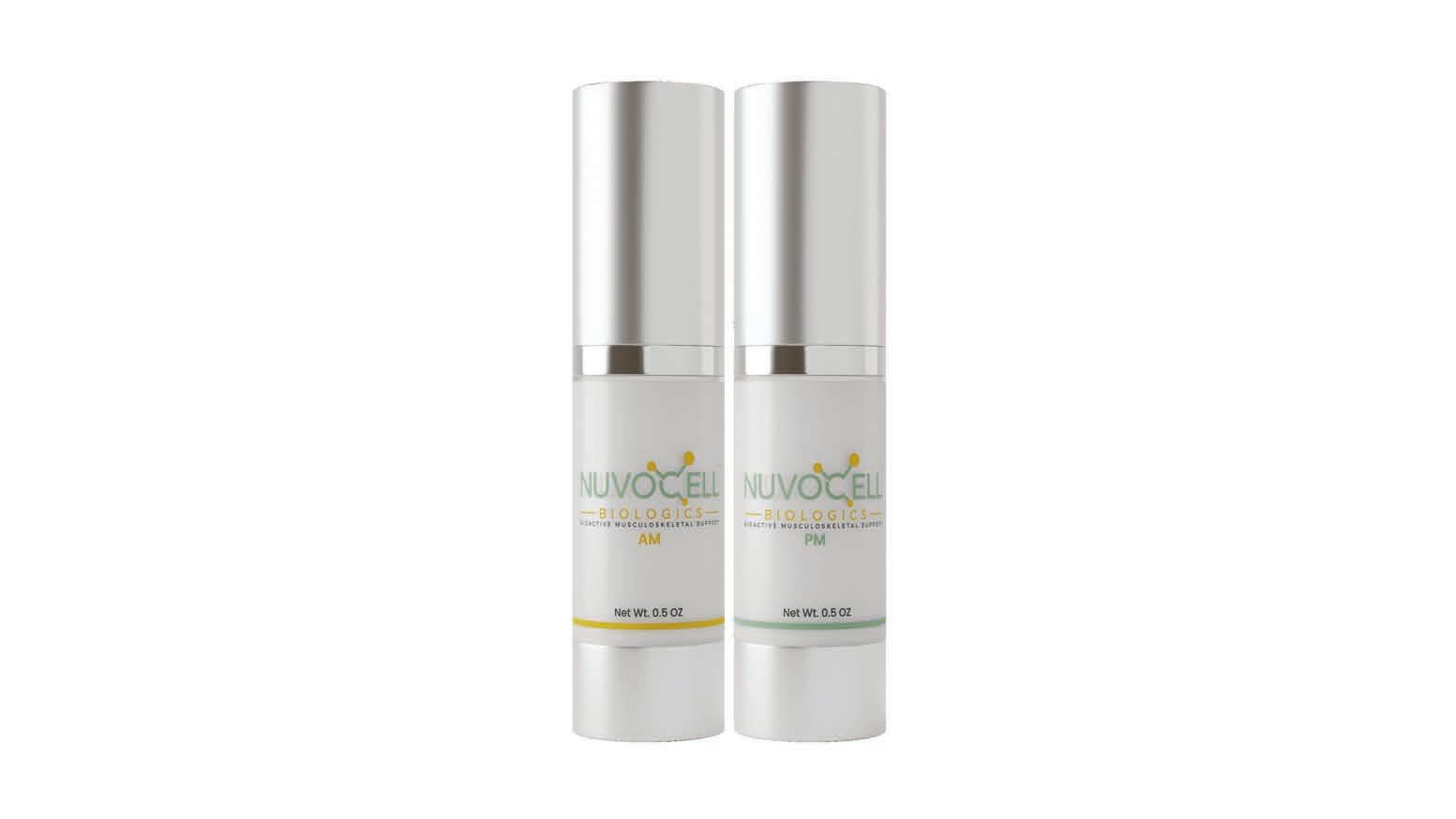
Regenerative Technology without injections
Featuring NuvoCell Biologics
NuvoCell is revolutionizing regenerative medicine by taking the same ingredients currently used in stem cell injections, stabilizing them with lipid nanoparticles, and formulating them into a topical cream with natural transdermal ingredients that act as carriers to deliver powerful regenerative relief to discs, cartilage, muscles, tendons, ligaments, and nerves. All without injections or downtime, and easily applied at home.
51% decrease in pain in just 1 month
In an 80-person pilot study utilizing a transdermal regenerative cream, the average Visual Analog Scale (VAS) pain score among patients diagnosed with chronic low back pain and osteoarthritis decreased by 51%.
TARGET AREAS
Neck
Back
Shoulders
Elbows
Wrists and Hands
Hips
Knees
Ankles
Feet
JoAn was recommended for knee replacement surgery after suffering from debilitating knee pain for years but was determined to find alternative ways to regain her mobility and live pain-free. After just one month of using NuvoCell, she is amazed by the results she has seen in her knee and in her quality of life.
Brian, a 3x world champion rodeo rider, struggled with back pain for years from competing. After trying various treatments, he found real relief with NuvoCell. Hear his story and why he is continuing to use NuvoCell on his back and other areas.
Brad, a retired contractor, lived with severe shoulder pain for over 50 years after a car accident left him with a separated shoulder, broken collarbone, and torn rotator cuff. A recent fall made things worse, forcing him to give up golf and basketball. Recently, his wife introduced him to NuvoCell. After applying it twice daily for two months, his pain dropped by over 90%. Today, Brad is back to playing golf, shooting hoops, and enjoying life again - pain-free.
Ask your local healthcare provider about NuvoCell or scan the QR code to find a provider in your area.
Homemade Natural Cleaners That Work
by Natural Awakenings staff
Spring is a time for sprucing up around the house, and toxic-free cleaners are our best allies. It’s high time to forever banish commercial products laden with bleach, ammonia and other harsh chemicals. Creating our own formulas couldn’t be easier, and best of all, they really work. Save money, reduce plastic waste and get creative with common household ingredients like baking soda, white vinegar and a few sweet-smelling essential oils.
Here are the easiest recipes. Store in clearly labeled glass jars for powders and reusable spray bottles for liquids, away from children and pets. Mix or shake well before using with soft rags or microfiber cloths.
All-purpose spray cleaner combines one part vinegar, one part warm water and 10 drops essential oil of choice. Lavender and peppermint are antimicrobial and deodorizing, while lemon and orange essential oils cut grease and air freshen.
Glass cleaner combines one cup distilled water with one cup rubbing alcohol. For
extra grease cutting, one-half teaspoon liquid castile soap may be added.
Bathroom cleaning paste combines threequarters cup baking soda, two to three tablespoons hydrogen peroxide and two to three tablespoons liquid castile soap. Apply with a rag using circular motions, wait 10 minutes before wiping, then rinse. This works on bathtubs, showers and sinks.
Mold and mildew spray is a one-ingredient solution: distilled white vinegar. Spray onto moldy areas and let it sit for an hour before scrubbing with the bathroom cleaning paste. White vinegar effectively treats more than 80 percent of mold species, including black mold.
Grout cleaner combines baking soda and a small amount of warm water to form a thick paste. Slather onto the grout line, then spray white vinegar on top, allowing the mixture to bubble and sit for about 15 minutes. Scrub with a stiff grout brush or toothbrush and rinse with warm water. Dry the area with a clean cloth.
Oven and glass stovetop cleaner combines three-quarters cup baking soda with a few drops of water or liquid castile soap to form a paste. Initially wipe surfaces with a damp rag or sponge, then spread the paste in an even layer and allow it to sit for about 15 minutes. Gently scrub baked-on areas with a sponge or soft-bristled brush, then wipe with a clean, damp rag.
Stainless steel cleaner combines white vinegar with a few drops of olive oil. Shake well before lightly misting the appliance. Using a microfiber cloth, wipe with the grain of the steel.
Wood furniture polish combines one-half cup olive oil, one-quarter cup white vinegar, 10 drops lemon essential oil and one cup water. Lightly spray onto a soft cloth and wipe down wood surfaces.
Spot cleaner for carpets combines two cups white vinegar with two cups water, plus two tablespoons baking soda gradually stirred in to dissolve. Spray without over-saturating the carpet and use a soft brush or microfiber cloth to gently scrub the carpet fibers clean. Blot the treated area dry.
Sustainable Pantry Solutions
Maximize Space, Minimize Waste
by Zak Logan
Clutter and disorganization can be a source of stress, while a tidy space promotes efficiency and mental well-being. In the kitchen, a well-ordered pantry aids meal planning, but a sustainable one goes even further, safeguarding our health and the planet. Revamping food storage can be as simple as using glass jars for grains or as innovative as adding hanging baskets and shelf risers for more space. Choosing reusable, eco-friendly containers and adopting an efficient system to prevent waste can nourish us in unexpected ways.
“A calm, well-organized pantry reduces decision fatigue and makes home cooking feel manageable rather than overwhelming,” says Nassim Secci, owner of The Happy Space Company, in Hong Kong. “When nutritious ingredients are easy to see and reach, they naturally become the default option.”
Start With the Basics
A busy schedule can make us forget what is at the back of the cupboard. Secci suggests the simplest and most impactful first step is
to take everything out and inventory what is already there. “Most pantries aren’t unsustainable because of what’s in them, but because of what’s forgotten. When items are hidden or duplicated, we overbuy, waste food and lose track of expiration dates.” Secci encourages clients to consider what they truly use and consistently waste before buying new containers or reorganizing.
Keep Items Fresh
Designate specific shelves or areas as “use first” zones to minimize food waste and overbuying, helping to ensure freshness. For Joana Fernandes, founder of Sage Home Harmony, in San Francisco, visibility is key. “Use clear jars with labels. Color coding helps. Keep items you use often on easy-tograb shelves and items you use infrequently on a higher shelf. For example, I had a client who only bakes during the holidays, so baking items were kept higher. When she was ready to bake this year, all items were in one place, and she double-checked her inventory before shopping.”
Fernandes prefers airtight metal or glass containers; for flour, sugar and rice, she uses food-grade stainless steel locking buckets, which are rodent- and pest-resistant. Classic Ball and Bormioli Rocco glass jars add a timeless touch to any pantry shelf, while silicone storage brands like Stasher and ZipTop offer versatility and color options.
Group similar items together at eye level, especially everyday grains, cereals, breakfast
items, flours and sugars. Reserve a special shelf for locally sourced products like honey and specialty items for practicality and a sense of connection.
Optimize Space
For those without a walk-in pantry, use bookcases to create pantry shelves in a dining room, kitchen or even an unused coat closet. A metal over-the-door rack or canvas organizer can hold spices, herbs, condiments, oils and small items, especially in galley kitchens. Other vertical storage ideas include lazy Susan towers, stackable containers and undershelf drawers for canned goods and bulk items. Tiered shelving or risers prevent items from disappearing at the back.
Although storing food in glass and metal containers thwarts ants and mice, cleaning the storage area regularly with a natural solution is advisable. Secci recommends a simple vinegar and water solution for shelf cleaning, baking soda for odors, and essential oils like peppermint or eucalyptus on cotton pads or in sachets to deter pests.
The Bigger Picture
Focus on organic whole foods and fair-trade items, and source ingredients from local businesses and farmers markets. Shifting our mindset adds abundance to our lives when we use leftovers, compost, buy in bulk and support brands with ethical, regenerative practices.
Add a personal touch by hanging dried herbs or flowers or a whimsical kitchen witch over pantry shelves. For convenience, Fernandes suggests keeping a running list of needed items using an app or pen and paper to stay organized before shopping.
Zak Logan is a freelance writer dedicated to healthier living.
Leka Sergeeva/Shutterstock
Fiber’s Fun Side
Delicious Ways To Boost Daily Intake
by Maya Whitman
Studies consistently show that the vast majority of Americans fail to consume enough fiber in their diet, even though it has been shown to significantly reduce the risk of heart disease, diabetes, obesity and colorectal cancer. The Academy of Nutrition and Dietetics recommends that adults aim for 14 grams of fiber per 1,000 calories consumed, which is about 25 grams for women and 38 grams for men daily. Adequate fiber is indispensable for lowering inflammation and maintaining digestive, cardiovascular and metabolic health.
Many of us believe that fiber-rich foods are unappetizing and difficult to digest, when in fact, they can be versatile and enjoyable components of a well-rounded diet. “Across cultures, some of the most comforting and flavorful dishes are naturally high in fiber. These meals rely on legumes, vegetables and whole foods as their foundation, and have done so long before fiber became a nutrition buzzword,” says Registered Dietitian Nutritionist Nichole Dandrea-Russert, author of The Fiber Effect and co-author of Powered by Plants: Nutrient-Loaded 30-Minute Meals to Help You Thrive.
Soluble and Insoluble Fibers
According to the Mayo Clinic, soluble fiber—which dissolves in water and forms a gel-like material in the stomach—slows digestion and increases feelings of fullness, helping us to control our weight and lower cholesterol and blood sugar levels. It is found in beans, oats, apples, bananas, avocados, citrus fruits and carrots. Insoluble fiber, which does not dissolve in water, helps to move material through the digestive system and adds bulk to stool, helping to prevent constipation and promote regularity. It is found in nuts, beans and vegetables such as cauliflower and potatoes. Most plants have a combination of soluble and insoluble fiber.
Boosting Our Daily Intake
Given all the wonderful fruits, vegetables, grains, seeds, nuts, beans and legumes available, adding fiber is easy, as well as an opportunity to play with flavors, colors and textures. For crunch, color and a refreshing taste, nothing beats a good slaw with shredded purple cabbage, carrots, green apples, turnip greens and spicy radishes. Sushi roll-ups served with wild rice, avocado and baked sweet potato is a filling, complete meal. To satisfy our sweet tooth, fiber-rich Medjool dates filled with raw pistachios, creamy nut and seed butters or tangy goat cheese hit the spot.
“Fiber comes in a few different forms, and most plant foods contain a mix of them, so you don’t need to overthink it,” explains Sandra Turnbull, a registered dietician and owner of Midlife Nutrition and Coaching, in British Columbia, Canada. “You don’t need to track fiber types. Eating a variety of plant foods naturally gives you the mix your body needs.”
Turnbull points out the variety of textures associated with fiber, including the crunch of vegetables, the creaminess of beans and the chewiness of whole grains. For fiber-rich snacking, her favorite options include popcorn, edamame pods and yogurt with berries. She also highlights the significance of prebiotic fiber, a dietary ally that nourishes beneficial gut bacteria and is found in onions, garlic, leeks, asparagus, bananas, oats and beans.
Dandrea-Russert recommends adding at least three plant-based colors into each meal, such as blueberries, banana and chia seeds into oatmeal; arugula, tomato and red onion in a sandwich; or sprouts, greens and shredded carrots into a wrap. To start the day, her “avocado toast salad” consists of mashed avocado on whole-grain sourdough, topped with arugula, matchstick radish, red onion, shaved ginger, fresh herbs, sprouts and microgreens, all drizzled with a squeeze of lemon. She favors a handful of nuts or toasted chickpeas as a healthier alternative to chips.
With fruits, Dandrea-Russert stresses the importance of consuming the skins, particularly those of organic apples, kiwis and grapes, as they offer the benefits of insoluble fiber. In general, she prioritizes whole-food, minimally processed sources of fiber-rich foods, noting, “We’re not just consuming fiber in isolation; we’re benefiting
Prapol Srinakara/Shutterstock
from the full spectrum of compounds that work synergistically in the body.”
General Tips
According to Dandrea-Russert, mild bloating or gas is a normal initial response to consuming fiber and often indicates that beneficial gut bacteria are waking up and thriving. With consistency and patience, digestion typically becomes more comfortable and resilient.
Turnbull advocates for a gradual approach to increasing fiber intake, emphasizing the importance of chewing foods thoroughly and introducing one higher-fiber food at a time
to allow the gut to adjust. “Fiber and fluids work best as a team,” she adds. “When people increase fiber without drinking enough, they’re more likely to run into trouble with bloating or constipation. Sip water regularly throughout the day, rather than chugging it all at once.” Incorporating foods with natural fluid content like soups, stews, smoothies or juicy fruits can also help.
Soaking dried beans for 12 to 24 hours and discarding the soaking water before cooking in fresh water can enhance digestibility. Adding a piece of kombu seaweed or spices like ginger, cumin, fennel, coriander seeds or bay leaf to the beans’ cooking water can
CREAMY AND COZY VEGGIE RAMEN
This creamy, comforting, savory and satisfying coconut-based broth is a feast for the eyes. It also feeds the mind, body and soul.
¼ cup chopped cilantro Sriracha or hot sauce of choice to taste (optional)
To a large stockpot over medium-high heat, add the mushrooms, onion and red bell pepper. Stir occasionally until the onions are translucent, about 2 to 3 minutes.
help reduce gas-producing compounds while subtly enhancing the flavor. Drinking peppermint tea or chewing fresh rosemary leaves after meals can relax digestive muscles and alleviate discomfort.
Adding fiber to our diet is an opportunity to discover new culinary experiences and marvel at the amazing variety of nourishing options. Dandrea-Russert says, “Pausing to feel gratitude for the thousands of edible plants available to us with fiber as their foundation can shift how we relate to food.”
Maya Whitman is a frequent writer for Natural Awakenings.
Stir in the garlic, ginger and lemongrass. Cook for another minute.
Add the vegetable broth and 2 cups of water. Bring the mixture to a boil and then add the noodles. Cook for 10 minutes or until the noodles are tender.
In a medium bowl, whisk together the miso, coconut milk, coconut aminos and gochujang until the miso is completely dissolved.
Once the noodles are tender, turn off the heat and stir in the coconut milk mixture.
Add the bok choy and edamame, stirring until the bok choy is slightly wilted. Add the lime juice.
Divide the ramen among four bowls and garnish with a generous amount of green onion, cilantro and sriracha.
Store leftovers in an airtight container in the refrigerator for up to 5 days. The noodles will continue to absorb the broth and may get a bit soggy.
Note: The coconut miso mixture can be prepared ahead of time and stored in an airtight container in the refrigerator for up to 48 hours.
Substitutions: Button mushrooms can be replaced with shiitake, cremini or any other mushroom. Substitute red onion or shallots for the white or yellow onion. Green, yellow or orange bell pepper can replace the red bell pepper. Instead of bok choy, use spinach or kale. Add chickpeas in place of edamame.
Recipe from the cookbook Powered by Plants: Nutrient-Loaded 30-Minute Meals to Help You Thrive by Food Revolution Network CEO Ocean Robbins and Nichole Dandrea-Russert, MS, RD, published by Hay House.
Angela MacNeil Photography
Conscious Eating
NOURISH AND THRIVE IMMUNE SUPPORT SOUP
Loaded with fiber, protein, iron, selenium and magnesium, this soup harnesses the natural power of plants in a deliciously wholesome way to help support the immune system through seasonal transitions. Fiber supports the health of the gut, where 70 to 80 percent of immune cells live; selenium has been shown to lower the risk of infections; and phytonutrient-rich veggies and spices fight inflammation.
YIELD: 4 SERVINGS
¾ cup thinly sliced leeks (white and light green parts only)
2 tsp mustard seeds
2 cloves garlic, minced
1-inch piece of ginger, peeled and minced
1 small head cauliflower, leaves removed, cut into 1-inch florets
2 tsp ground turmeric
1 Tbsp ground cumin
½ tsp salt (optional)
Ground black pepper to taste (optional)
3 cups low-sodium vegetable broth
1 cup canned light coconut milk
1½ cups home-cooked or 1 15-oz can chickpeas, drained
2 cups destemmed and chopped kale
¼ cup chopped cilantro (optional)
1-2 dashes cayenne pepper (optional)
1-2 dashes smoked paprika (optional)
In a large stockpot over high heat, add the leeks and mustard seeds. Stir for 2 to 3 minutes, until the leeks are translucent.
Reduce the heat to medium and add the garlic, ginger, cauliflower, turmeric, cumin, salt and pepper. Sauté for 1 to 2 minutes, or until the spices are lightly toasted. Deglaze the pan with 2 to 3 tablespoons of water or vegetable broth as needed.
Add the 3 cups of vegetable broth. Raise the heat to bring the soup to a boil, then reduce the heat to a simmer. Cook until the cauliflower is tender, about 10 minutes.
Stir in the coconut milk, chickpeas and kale. Heat through until the kale is slightly wilted.
Add more salt and pepper to taste.
Divide among four bowls and serve with the cilantro, cayenne pepper and smoked paprika.
This soup can be stored in an airtight container in the refrigerator for up to five days or kept in the freezer for up to one month.
Substitutions: In place of leek, use onion or shallot. Use white beans or another legume of choice instead of chickpeas. Use a favorite leafy green in place of kale, such as spinach, mustard greens or bok choy. Instead of cilantro, use parsley or chives.
Recipe from the cookbook Powered by Plants: Nutrient-Loaded 30-Minute Meals to Help You Thrive by Food Revolution Network CEO Ocean Robbins and Nichole Dandrea-Russert, MS, RD, published by Hay House.
Angela MacNeil Photography
CREAMY SWEET POTATO AND BEAN SOUP WITH KALE
YIELD: 4 SERVINGS
FOR THE SOUP:
1 Tbsp olive oil
1 medium sweet potato, diced
1 medium yellow onion, diced
1 medium bell pepper, diced
2 celery stalks, diced
3 cloves garlic, minced
1 small hot pepper, seeded and diced (optional)
2 bay leaves
2 tsp dried oregano
2 Tbsp red wine vinegar
3 15.5 oz cans of beans, drained (adzuki, black beans or cannellini)
1 14.5 oz can of diced tomatoes
4 cups vegetable broth
½ tsp salt
3 cups chopped kale leaves
FOR THE CASHEW
CREAM:
1 cup raw cashews, soaked in hot water for 15 minutes and drained
½ cup water
1 Tbsp lemon juice
1 tsp apple cider vinegar
¼ tsp salt
Heat the olive oil in a large soup pot over medium heat. Add the sweet potato, onion, bell pepper and celery. Sauté for about 5 minutes, stirring often, until the vegetables begin to soften.
Stir in the garlic, hot pepper (if using), bay leaves and oregano. Cook for 1 minute, until fragrant.
Add the red wine vinegar and stir to deglaze the pot. Add the beans, tomatoes, vegetable broth and salt. Bring to a simmer, reduce heat to low and cook uncovered for 20 minutes or until the sweet potatoes are tender.
While the soup simmers, make the cashew cream by blending the soaked cashews, water, lemon juice, apple cider vinegar and salt in a high-speed blender until silky and smooth.
Remove the bay leaves from the soup. Stir in the chopped kale and the cashew cream. Simmer for 1 to 2 minutes, until the kale softens and the soup becomes creamy.
Taste and adjust seasoning with salt, pepper or a splash of vinegar. Serve warm.
Recipe and photo courtesy of Nichole Dandrea-Russert of PurelyPlanted.com.
Editorial Calendar Three-Month Planner
Vitality Her Way May
Sustainable Together April
Men Built to Thrive June
Courtesy of Nichole Dandrea-Russert
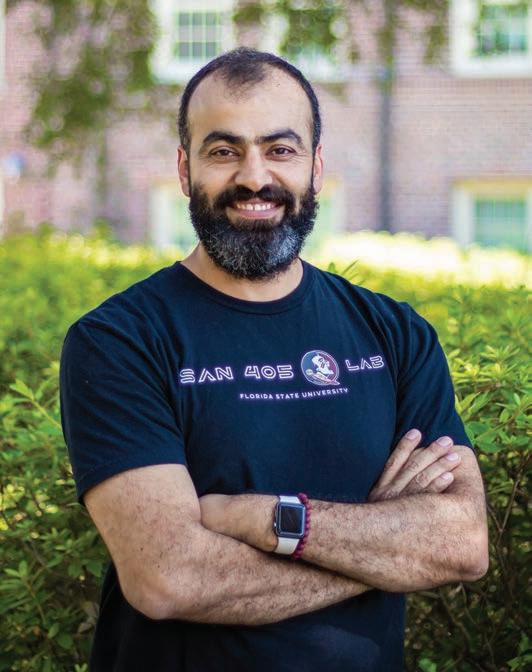
Insights From The Gut Biome Lab
A Conversation With Ravinder Nagpal
by Sandra Yeyati
Ravinder Nagpal, MSc, Ph.D., an associate professor specializing in nutrition and the microbiome at Florida State University (FSU), helms The Gut Biome Lab, a research team that studies the role of nutrition in maintaining gut health and preventing or treating chronic disease. He serves on the editorial teams of several peer-reviewed medical journals, most notably as editor-inchief of Gut Microbiome and Health and associate editor of Frontiers in Microbiomes and Frontiers in Nutrition.
Nagpal’s research is supported by numerous governmental agencies, commodity boards and industry associations, including the U.S.
Department of Agriculture, Florida Department of Health, Infectious Diseases Society of America, U.S. Environmental Protection Agency, National Institutes of Health, The Institute for Successful Longevity at FSU, Academy of Nutrition and Dietetics, The Almond Board of California and The Peanut Institute.
How do you define the gut micro-biome, and why is it important?
The gut microbiome is a very dense, complex community of various bacteria, fungi and protozoa that live in our gut during our entire life span. We are born with a very simple microbiome. As we age, environmental exposures come into play. By the time we are 2 or 3 years of age, our microbiome starts becoming very rich, with over 1,000 species of bacteria and fungi that impact our overall health by helping us to digest food, maintain good metabolism and regulate our intercellular immune system.
How can we determine if we have a healthy microbiome?
The microbiome is very personalized. It varies from person to person, and within a person, the microbiome varies during the life span, depending on the diet, lifestyle habits, travel, medications, etc. There is no gold standard, universal definition of a healthy microbiome. It is the one you carry when you are feeling healthy and fine. However, there are a few specific bacterial species that are known to be beneficial for everyone and some species that are known to be pathogenic for most or all.
When we do our research studies, we collect fecal samples from each subject and scan their entire microbial community. We identify the ratio of beneficial bacteria over opportunistic or pathogenic bacteria, noting any toxigenic or potentially pathogenic bacteria that are out of proportion, which would indicate a bad or unhealthy, misbalanced microbiome known as dysbiosis.
How can we maintain a healthy gut microbiome?
Many factors contribute to a good microbiome, including exercise,
Courtesy of Ravinder Nagpal
good sleep habits and a stress-free routine, but the most important factor is the food that we eat. We have thousands of species of bacteria, and each of those species has their own food preferences. The majority of the diet should be plant-based, including a diversity of fruits, vegetables, salads, minimally processed grains, legumes, nuts and seeds.
Avoid overeating and stay away from ultra-processed foods. Prioritize a nutrient-rich rather than calorie-rich diet. Make sure to consume an organic diet that is free from chemicals, additives, emulsifiers, pesticides and antibiotics. Variety is super important. Eat different foods from all the food groups daily. Different types of fiber support different types of beneficial bacteria, so we need to make sure that our diet is diverse.
Do you recommend taking probiotic or prebiotic supplements?
As long as someone is healthy, they don’t really need probiotic supplements. You already carry your own beneficial probiotics; just nurture them by eating a healthy diet. Probiotics in the U.S. are sold as food supplements, which means that they are not required to be clinically tested and validated, so we may not know if they are actually going to be really effective. Prebiotics, defined as food components like fiber and resistant starches, as well as fermented foods and vegetables, are more effective than commercial probiotic supplements because they feed the indigenous population of beneficial and commensal [neither harmful nor beneficial] bacteria.
What discoveries have you recently made in The Gut Biome Lab?
For decades, Alzheimer’s disease and related dementias were believed to originate exclusively within the brain, driven by the impaired functioning of neurons and proteins, as well as plaque buildup. However, our recent research has revealed that older adults with mild cognitive impairment who are at risk for Alzheimer’s harbor a distinct gut microbiome compared to healthy individuals, indicating that gut health could be both a marker and a modifiable risk factor
in disease progression. This discovery may facilitate novel avenues for prevention and management, including dietary and lifestyle changes to restore microbiome homeostasis to support neurocognitive health.
Our research has also discovered that obesity can heighten a predisposition to cognitive decline via alterations in gut-microbiome-brain signaling, a mechanism that has been largely under-explored in aging populations. This
highlights the gut-muscle-brain axis as a modifiable target to enhance cognitive health in aging populations.
Sandra Yeyati is national editor of Natural Awakenings.
To read a longer version of this conversation, visit TinyURL.com/NagpalWW or scan the QR code.
Gardening Our Dreams
by Marlaina Donato
Like spring seeds carried by the wind, we sometimes find ourselves in unfamiliar circumstances, unsure of how we arrived there. Whether we believe it to be chance or choice, it is up to us to seize opportunities for growth. When confronted with the unknown, uncertainty can yield to a sense of empowerment if we recall that each day presents a banquet of choices, and the small decisions we make daily are acts of self-nourishment.
Spring can be a clean slate—a fresh, thawed soil in which to sow something courageous and new. With the wisdom gained from our winters, we can travel forward, even if we don’t have a map to guide the way. In the beginning, all we need is a spark, and it is okay if no one else sees its potential to ignite.
The renowned artist and sculptor Michelangelo believed that every block of stone contains a masterpiece waiting to be discovered
and set free. Seasoned gardeners meticulously plan their harvests long before the first warm days appear, stockpiling seed catalogs and mapping out goals. Inspired chefs court flavor pairings, and expectant mothers design nurseries. Perhaps we need to remember that we are all creators in our own right and capable of trusting our own vision.
Many of our aspirations are thwarted by decision paralysis because we overanalyze and ignore intuition. A more promising path may be to combine passion with patience, allowing each small step to organically lead into another. Maintaining our focus in the present moment and keeping our eye on the path—rather than the destination—leaves room for an outcome more fruitful than we might have imagined.
This month’s to-do list:
• Trust inspiration.
• Start a journal to record ideas and build upon them.
• Cheer for someone else’s goals.
Marlaina Donato is an author, artist and composer. Connect at WildflowersAndWood Smoke.com.
Cristian Zamfir/Shutterstock
Calendar of Events
Thursday, March 5
Vine to Glass: Through the Grapevine –6-8:30pm. In this interactive wine class, dinner and tasting with certified sommelier Justin Ferguson, you will compare three iconic grape varietals (Chardonnay, Pinot Noir and Syrah) from contrasting terroirs: Old World vs. New World. With side-by-side comparisons and a sensory element to support tasting notes, explore how climate, soil, elevation and culture shape each glass. All-inclusive fee covers tasting of six wines, a threecourse dinner, complimentary wine glass and gratuity. Participants 21 and older only. Preregistration is required. Lewis Ginter Botanical Gardens, 1800 Lakeside Ave., Richmond, VA. LewisGinter.org. $108.
Saturday, March 7 to
Sunday, March 8
Richmond Coffee Festival – 8:30am-4pm. This two-day festival features live music, coffee competitions with cash prizes and expanded vendors from across the United States and around the world, alongside local community concepts. Greater Richmond Convention Center, 403 N. 3rd St., Richmond, VA. RichmondCoffeeFestival.com. $25
DAYLIGHT SAVING TIME
SUNDAY, MARCH 8
SPRING FORWARD
Saturday, March 14
Travel to the Sanctuary of Your Nature – 6-7:30pm. Enter a radiant inner temple where the mind softens, the body rests and awareness gently expands. Guided by Yoga Nidra and carried on waves of healing sound, this experience invites you into deep rest and restoration. Crystal tones and resonant bowls support the nervous system as clarity and calm emerge. All levels welcome. Yoga mat recommended; bring anything to support comfortable rest. Tea will be served after. Coconut Elephant Yoga, 825 Grove Rd., Midlothian, VA. CoconutElephantYoga. punchpass.com. $27.
Sunday, March 15
Leprechaun Goat Yoga – 11am-12:30pm. Celebrate St. Patrick’s Day with yoga alongside goats dressed in festive green attire. Sessions include 30 minutes of guided yoga and 30 minutes of goat playtime (ages 10+). Cuddle tickets are available for goat playtime only. Family activities include face painting, balloon art, photo opportunities and specialty treats from local vendors. Stony Point Fashion Park, 9200 Stony Point Pkwy., Richmond, VA. Eventbrite.com. $17-$35.
St Patty's Day Artisan Market –1-5pm. Stroll a free indoor and outdoor market featuring local artists and makers offering handmade home décor, art, jewelry, apparel and one-ofa-kind finds. Mainline Brewery, 1603 Ownby Ln., Richmond, VA. Free.
Saturday, March 21
Upcycle Boho Bizarre – 12-5pm. This free market features local artisans and small businesses offering upcycled goods, handmade home décor, art, jewelry, apparel, wellness finds and unique treasures. Strangeways Brewing, 3110 W. Leigh St., Richmond, VA. Free.
Sugar and Spice Benefit – 6:30-11pm. Richmond Animal League’s annual benefit and silent auction supports lifesaving care for pets in need. The evening includes music, food, an open bar, silent and live auctions, including Small Art with Big Heart. Science Museum of Virginia, 2500 W. Broad St., Richmond, VA. RAL.org/sugarandspice. $125.
Ongoing Events
Sunday
Carytown Farmers Market – 9am-1pm. Richmond’s premier Sunday market, created to provide local farmers, makers and consumers the opportunity to deal directly with each other. City Stadium. 3201 Maplewood Ave. Richmond, VA. CarytownMarket.com. Free.
South of the James Farmers Market – 10am1pm. Shop local produce, handmade goods, and more every Sunday year round. Forest Hill Park. 4021 Forest Hill Ave. Richmond, VA. GrowRVA.com. Free.
Goat Yoga Brunch & Bubbly – 11:30am1:30pm. Pactamere Farm and Goat Yoga RVA are hosting morning goat yoga followed by a delicious brunch with unlimited mimosas. During the 45-minute class, your certified instructor will guide you into a series of poses with the assistance of our 26 Nigerian dwarf goat yogis. Pactamere Farm, 15577 Stone Horse Creek Rd. Glen Allen, VA. Tickets available at PactamereFarm.com. $65.
The Bench – Community Sit (every 4th Sunday) – 4-5pm. Step away from the noise and into stillness. The Bench is a simple gathering for shared silence, open to everyone regardless of experience or background. There
is no agenda, no particular style, no instruction, and no expectations. It’s an invitation to simply come as you are, sit in silence, and be. 804-359-0384. Register at InnerworkCenter. org. Innerwork Center, 213 Roseneath Rd. Richmond, VA. Free.
Sunday Sound Healing (every 3rd Sunday) –6:30-7:30pm. Experience the profound effects of sound vibrations as you journey inward on a wave of relaxation and healing. $5-$25 sliding scale. LivingWaterrva.com. 1000 Westover Hills Blvd. Richmond, VA.
Monday
Level 2 Flow Yoga – 9-10:15am. Start your week right with a yoga class that is beyond a beginner’s level. Participants will incorporate new poses and increasingly challenging options. $70/4 classes/mo, $20/drop-in.Glenmore Yoga & Wellness Center, 10442 Ridgefield Pkwy. 804741-5267. GlenmoreYoga.com.
Ageless Yoga – 10:30-11:45am. A balanced practice that incorporates basic yoga postures, breath awareness and relaxation. Poses are modified to meet individual needs. Students transfer to and from the floor and the class generally includes a Vinyasa flow of standing poses, guided by breath for a portion of class time to increase stamina and strength. Students continue to develop body awareness to keep the joins safe, increasing range of motion and improving balance. Glenmore Yoga & Wellness Center, 10442 Ridgefield Pkwy. 804741-5267. GlenmoreYoga.com.
Beginner Qigong with Jonah Marsh – 5:306:45pm. Qigong is an ancient practice which combines graceful movements with abdominal breathing and mindfulness, allowing us to connect with nature and balance the body’s circadian rhythms. Jonah has been studying Chinese internal martial arts and qigong since 2011. $5-$25 sliding scale. LivingWaterrva.com. 1000 Westover Hills Blvd. Richmond, VA.
Tuesday
Beginner-Level Yoga – 9-10:15am. Balanced practice that incorporates basic yoga postures, breath awareness & relaxation. Postures modified to meet individual needs. Online & in-person. $70/4 classes/mo, $20/drop-in. Glenmore Yoga & Wellness Center, 10442 Ridgefield Pkwy. 804-741-5267. GlenmoreYoga.com.
Yoga for Bone Health – 9:45-11am. Increase bone & muscle through the use of yoga with a combination of dynamic & static yoga poses. Chris Riely. $70/4 classes/mo, $20/drop-in. Glenmore Yoga & Wellness Center, 10442 Ridgefield Pkwy. Registration required: 804741-5267 or GlenmoreYoga.com.
Fundamentals Pilates Mat Class (Online) – 10:45am-12pm. This Pilates Mat Class with Dianne Powers will include the basic exercises emphasizing alignment, elongation of the spine and healthy posture. It will focus on the execution of efficient movement achieving improved core strength and endurance. $70/4 classes/mo, $20/drop-in. Glenmore Yoga & Wellness Center, 10442 Ridgefield Pkwy. 804741-5267. GlenmoreYoga.com.
Ongoing Events
Slow and Gentle Yoga – 11:30am-12:45pm. An instudio or online class with a yoga therapist. $70 for 4 classes in a month; $20 drop-in. Glenmore Yoga & Wellness Center, 10442 Ridgefield Pkwy. 804-741-5267. GlenmoreYoga.com.
Men’s Grief Discussion (1st & 3rd Tuesday) – 1:30-3pm. This group is peer led, free and a place to listen or share grief experiences with others with similar grief experiences. Open to anyone that has lost a significant other or spouse. Bliley’s Funeral Home, 3801 Augusta Ave. Richmond, VA. 804-355-3800.
Mixed-Level 1 & 2 Yoga – 5-6:15pm. This MixedLevel 1 & 2 yoga class is both in-studio and online. End your work day with this yoga class that will move through all the muscles and joints, transitioning from beginner yoga poses into more challenging poses. If joining online, please register in advance to get the Zoom link. $70/4 classes/mo, $20/drop-in. Glenmore Yoga & Wellness Center, 10442 Ridgefield Pkwy. 804741-5267. GlenmoreYoga.com.
Guided Meditation & Mindfulness – 7-8pm. Guided meditation followed by time for reflection with instructor Josh. Suitable for any level, sliding-scale. Leave feeling relaxed, restored & rejuvenated. Like all Living Water classes, this one is sliding scale, $5-$25. Living Water Community Center. 1000 Westover Hills Blvd. LivingWaterrva.com/events.
Wednesday
Yin Yoga (In Studio & Online) – 9-10:30am. This quiet practice with Erin Forsyth, ERYT 500, focuses on the deep connective tissue in the lower back, hips and pelvis. Poses are generally limited to seated or reclined. The poses apply passive pressure to the joints, ligaments and tendons and are held for 3 to 5 minutes. While holding, students practice staying mentally attentive by focusing on the breath and to what their body feels in the pose. For the online class, please register in advance to get the Zoom link. Glenmore Yoga & Wellness Center, 10442 Ridgefield Pkwy. 804-741-5267. GlenmoreYoga.com. $20.
Intermediate Flow Pilates Mat Class – 9:1510:30am. A Pilates mat class with a focus on intermediate mat exercises. $70/4 classes/ mo, $20/drop-in. Glenmore Yoga & Wellness Center, 10442 Ridgefield Pkwy. 804-741-5267. GlenmoreYoga.com.
Ageless Yoga – 10:45am-12pm. A balanced practice that incorporates basic yoga postures, breath awareness and relaxation. Poses are modified to meet individual needs. Students transfer to and from the floor and the class generally includes a Vinyasa flow of standing poses, guided by breath for a portion of class time to increase stamina and strength. Students continue to develop body awareness to keep the joins safe, increasing range of motion and improving balance. $70/4 classes/ mo, $20/drop-in. Glenmore Yoga & Wellness Center, 10442 Ridgefield Pkwy. 804-741-5267. GlenmoreYoga.com.
Gentle Yoga – 11am-12:15pm. This class features gentle yoga stretches, postures, breath awareness and relaxation to improve flexibility, strength, range of motion, balance and energy.
PLANS CHANGE
Please call ahead to confirm date and times
Designed for those recovering from injuries, illness, inactivity or other health considerations. $70/4 classes/mo, $20/drop-in. Glenmore Yoga & Wellness Center, 10442 Ridgefield Pkwy. 804741-5267. GlenmoreYoga.com.
Widow’s Tea Talk (Every 4th Wednesday) - 1:30-3pm. This group is peer led, free and a place to listen or share grief experiences with others with similar grief experiences. Open to anyone that has lost a significant other or spouse. Bliley’s Funeral Home, 3801 Augusta Ave. Richmond, VA. 804-355-3800.
Thursday
Vinyasa Flow – 9-10:15am. Join Glenmore Yoga’s Randi Weiss, E-RYT 500, for an inperson or online Vinyasa Flow class that incorporates all aspects of a traditional hatha yoga class - postures, breath & meditation while challenging your coordination through flow. Please register in advance. $70/4 classes/ mo, $20/drop-in. Glenmore Yoga & Wellness Center, 10442 Ridgefield Pkwy. 804-741-5267. GlenmoreYoga.com.
Chair Yoga (Online) – 10:30-11:45am. This online Chair Yoga class via Zoom for older adults offers a balanced yoga practice which incorporates basic yoga postures, breath awareness and relaxation. Students continue to develop body awareness to keep the joints safe, increase range of motion and improve balance. Please register in advance to get the Zoom link. $70/4 classes/mo, $20/drop-in. Glenmore Yoga & Wellness Center, 10442 Ridgefield Pkwy. 804741-5267. GlenmoreYoga.com.
Fundamentals Pilates Mat Class – 10:45am12pm. This Pilates Mat Class with Dianne Powers will include the basic exercises emphasizing alignment, elongation of the spine and healthy posture. It will focus on the execution of efficient movement achieving improved core strength and endurance. $70/4 classes/mo, $20/drop-in. Glenmore Yoga & Wellness Center, 10442 Ridgefield Pkwy. 804-741-5267. GlenmoreYoga.com.
YOGAbility – 11am-12:15pm. This in-studio therapeutic yoga class is designed to educate, assess and help you progress in everyday life skills including functional abilities of work, rest and play. Highlighted are abilities of aligned posture, dynamic balance and increased mobility. Glenmore Yoga & Wellness Center, 10442 Ridgefield Pkwy. 804-741-5267. GlenmoreYoga.com. $20.
Online Beginner Yoga – 6-7:15pm. A balanced practice that incorporates basic yoga postures, breath awareness and relaxation. Postures are modified to meet individual needs. Please register in advance to get the Zoom link for this online class. Glenmore Yoga & Wellness Center, 10442 Ridgefield Pkwy. 804-741-5267. GlenmoreYoga.com.
Friday
Yin Yoga – 9-10:15am. This 75-minute in-studio Yin Yoga class is a great way to end the week. The quiet practice focuses on the deep connective tissue in the lower back, hips and pelvis. Poses are generally limited to seated or reclined. The poses apply passive pressure (muscularly soft) to the joints, ligaments and tendons and are held for 3-5 minutes. Glenmore Yoga & Wellness Center, 10442 Ridgefield Pkwy. 804-741-5267. GlenmoreYoga.com. $20.
Tibetan Rites (Online) – 10:30am-11:45pm. The Five Tibetan Rites is a system of exercises reported to be more than 2,500 years old. The Rites are said to be a form of Tibetan yoga similar to the yoga series that originated in India. The Five Tibetan Rites enhance mental clarity and memory, balance the hormones, improve health and support emotional well-being. This is an online-only class; please register in advance to get the Zoom link. Glenmore Yoga & Wellness Center, 10442 Ridgefield Pkwy. 804741-5267. GlenmoreYoga.com.
Level 1 & 2 Yoga – 10:45am-12pm. This instudio traditional yoga class takes students beyond the beginner level. The class will flow through poses and include more challenging options, ending with a relaxation session. $70/4 classes/mo, $20/drop-in. Glenmore Yoga & Wellness Center, 10442 Ridgefield Pkwy. 804-741-5267. GlenmoreYoga.com.
Sacred Candlelit Fridays – 6-7pm. Our Friday nights are thoughtfully designed to help you release the weight of the week and ease into the weekend within the warmth of a supportive, sober community. Registration is required. Portal Therapy, 3536 Grove Ave. Suite B, Richmond, VA, 804-822-1719. PortalTherapy.com. $30.
Saturday
Mixed-Level Yoga – 9-10:15am. Start the weekend off right w/ a yoga class appropriate for all levels. Guidance is given throughout practice, offering individual students a number of appropriate options. In-person & online. $70/4 classes/mo, $20/drop-in. Zoom. Register, Glenmore Yoga, 804-741-5267 or GlenmoreYoga.com.
Aerial Yoga – 10:45am-12pm. This beginnerfriendly class for adults of all ages combines traditional yoga with the support of a suspended silk hammock. You will be guided through a series of poses and flows designed to strengthen, lengthen and open the body, leaving you feeling confident, connected and relaxed. $20. Host of Sparrows Aerial Circus, 97 Manchester Road, Richmond, VA. 804-6150309. HostOfSparrows.com.
Community Resource Guide
Connecting you to the leaders in natural health care and green living in our community. To find out how you can be included in the Community Resource Guide, email Regina@NARichmond.com to request our media kit.
Concierge Medicine
WELLCOMEMD
2500 Gaskins Rd, Ste A 866-942-4522 · WellcomeMD.com infoRichmond@WellcomeMD.com
Experience concierge medicine with a functional medicine approach. Comprehensive and proactive, limited number of patients, unhurried 30-minute consultations for a personal and effective relationship with your physician. Schedule a discovery call today.
Dentistry (Biological/Holistic)
NEIGHBORS AND HEROD FAMILY DENTISTRY
Dr. Brian Herod 1009 Crowder Dr., Midlothian, VA 23113 804-794-8745 • MidloDental.com
Dr. Brian Herod centers his holistic dentistry practice on the connection between oral and systemic health. He is a member of the IAOMT, providing an integrative approach to dental care. Safe amalgam removal, metal and BPA-free fillings, ceramic implants, biocompatibility testing, fluoridefree, 3-D cone beam.
VIRGINIA BIOLOGICAL DENTISTRY
Dr. Olivia Hart, DDS, NMD, Founder and Lead Biological Dentist 4932 Dominion Blvd, Suite C Glen Allen, VA 23060 VirginiaBiologicalDentisry.com 804-381-6238
Virginia Biological Dentistry offers a truly biological approach to dental care, grounded in the understanding that oral health plays a vital role in whole-body wellness. Founded and led by Dr. Olivia Hart, the practice is built on authentic biological principles. All care is delivered using biocompatible, non-metal materials, with a strict commitment to metalfree dentistry, SMART-certified removal of leaky amalgam fillings, ceramic (zirconia) implants only, and biological protocols that support cleaner healing and enhanced oral health, including advanced biological hygiene cleanings. We serve patients seeking a higher standard of care—one that integrates advanced science, biological integrity, and compassionate attention to the whole person. Visit the website to learn more.
Doctors
NANCY A. POWELL, M.D.
River’s Way Healthcare of Virginia 5500 Monument Ave, Ste T 804-379-4560
RiversWayHealthcareVA.com
RiversWayVA@gmail.com
Offering expanded healing services. Providing traditional primary care and alternative approaches to support the body’s ability to heal itself. Extensive study in the mind-body connection to achieve optimal health. Certified by the Board of Family Medicine and by the American Board of Scientific Medical Intuition.
Doula and Birth Coaching
VERONICA JONES, LMT
LAMHA CUMASACH
3224A West Cary St, Richmond, VA 23221
Info@LamhaCumasach.com
804-551-9858 · LamhaCumasach.com
Offering on-demand doula and massage therapy services designed to nurture, educate, and empower families through every stage of the birthing journey. From prenatal coaching and hands-on labor support to postpartum healing and holistic recovery rituals, we offer customizable packages that meet every need. Discover birth as it was meant to be: calm, informed, and beautifully empowering. See ad, page 32.
Naomi is a Licensed Clinical Psychologist, Board-Certified in Neurofeedback, and a Registered Yoga Teacher who helps adults break free from cycles of chronic stress, anxiety, inattention, depression and exhaustion. Through her unique method, Embodied NeurofeedbackTM, she addresses struggles at their root—the brain, body, and nervous system—so change is fast, lasting, and medication-free. If you feel overwhelmed, disconnected, or trapped, her neuroscience- and research-backed approach offers a path to reclaim your calm, energy and joy.
30 Greater Richmond Edition NARichmond.com
Energy Medicine
HEIDI WINTON-STAHLE, EEM-CLP
Elemental Healing, LLC
804-921-9235
ElementalHealing@winton-stahle.com
ElementalHealingRVA.com
Energy medicine naturally increases vitality, lightness, and has global health benefits. Energy medicine treats the person on all levels. Using intention to create the inner environment for change, the energetic communications and processes that support the person on all levels is enhanced. This is a powerful medicine with no adverse side effects. Using concepts from multiple disciplines, energy medicine can be both a calming, soothing, complementary practice and a health support system in its own right. Book a free consultation today!
Farm/CSA
FARM TO FAMILY MARKET & CSA
Mark Lilly 2817 Mechanicsville Tpke Richmond, VA 23223
TheFarmBus.com 804-397-7337
FarmShares@TheFarmBus.com
Farm to Family and The Farmbus provide Richmond families with direct access to naturally grown vegetables, seasonal fruits, humanely raised meats, local dairy and artisan breads—all sourced from trusted Virginia farms. Join our spring/ summer CSA program and take control of what goes into your body. Natural Awakenings readers save 5% with code NA2026. Sign up today, spots are filling up fast.See ad, page 9.
Functional Medicine
ROOT & RITUAL FUNCTIONAL MEDICINE
Rachel Martin
RootAndRitualFXMed.com
Hello@RootAndRitualFXMed.com
At Root and Ritual Functional Medicine, we believe healing isn’t a quick fix — it’s a rhythm. Our care model blends functional medicine with time-tested herbal wisdom, seasonal living, and family-friendly strategies. We help you reconnect with what’s essential: nourishment, nature, rest, and a body that feels like home. Start with a complimentary 15-minute Meet & Greet call to explore what’s going on and what healing could look like for you.
PCM Insurance is your premier destination for Medicare enrollment services. With decades of experience in the industry, our dedicated team of experts is committed to helping individuals navigate the complexities of Medicare with ease. See ad, page 15.
Integrative Medicine
REALIGN YOUR MIND COUNSELING SERVICES, LLC
6372 Mechanicsville Turnpike, Unit 111 Mechanicsville, VA 23111 804-592-6620
RealignYourMindCounseling.com
We are a licensed mental health private practice based in Virginia, offering professional therapy services provided by experienced clinicians. In addition to traditional therapy, we offer a variety of integrative wellness services—including sound healing, Reiki, hypnotherapy, and Bio-Well energy scans. As proud brand partners with LifeWave, we also incorporate their innovative wellness patches into our holistic care approach.
Massage Therapy
ATTEVLÉ MASSAGE THERAPY
2505 Pocoshock Place, Suite 203 Richmond, VA 23235
804-518-8450 • Attevle.com
Massage@Attevle.com
Because you deserve more than just a massage—you deserve a moment of peace.
Attevlé Massage Therapy is a welcoming, inclusive wellness studio located in North Chesterfield, Virginia. Dedicated to enhancing your well-being, Attevlé offers a tranquil space where clients can unwind, heal, and reconnect with themselves. Whether you're seeking relief from chronic pain, stress reduction, or simply a moment of self-care, Attevlé provides personalized massage experiences that leave you feeling your very best.
VERONICA JONES, LMT
LAMHA CUMASACH
3224A West Cary St, Richmond, VA 23221 Info@LamhaCumasach.com 804-551-9858 · LamhaCumasach.com
Nurturing the Body, Restoring the Mind, Elevating Your Wellbeing. Discover restorative massage therapy designed for total well-being. From deep pain relief and stress reduction to prenatal and postpartum care, each session is personalized to your body’s unique needs. Choose from indulgent experiences like the Serene Indulgence Intro Massage, Bespoke Wellness Massage, or Lymphatic Detox Massage—all crafted to relieve tension, promote healing, and leave you feeling refreshed and rebalanced. Because you can’t pour from an empty cup — it’s time to prioritize you. See ad, page 32.
Natural Medicine
RISE AND ROOT APOTHECARY
804-495-0325
RiseAndRootApothecary.com
We offer handcrafted herbal teas, botanical infused oils, and soulful wellness tools designed to help you breathe deeper, restore balance, heal your body and support longevity. Blending Ayurveda, herbalism and intentional ritual, our remedies support your daily alignment and elevate your self-care practice.
Naturopathic Doctor
DR. MICAH ALLEN, ND, LAC, FABORM Essential Natural Health 804-464-3315
DrMicahAllen.com
Dedicated to providing personalized holistic healthcare solutions in Richmond, Virginia. Our practice focuses on integrating time-tested acupuncture techniques with innovative medical solutions to achieve significant and enduring results for our patients. Specializing in challenging chronic conditions such as peripheral neuropathy, infertility and pain, we strive to help individuals live fulfilling lives. At Essential Natural Health, we prioritize understanding each patient as a whole person. We develop customized preventive and natural medicine health plans for all ages, from pediatrics to geriatrics. Our approach is grounded in harnessing the body’s inherent healing abilities through tailored treatment plans designed to address individual needs effectively.
Pharmacy
RX3 COMPOUNDING PHARMACY
12230 Ironbridge Rd, Ste C, Chester 11934 W Broad St, Henrico Ph: 804-717-5000, Fax: 804-717-8300
Rx3Pharmacy.com
RX3, Virginia’s First Nationally Accredited Compounding Pharmacy, has been an industry leader for 23+ years. Specialists in customized compounding, bioidentical hormones, veterinary/equine compounding, traditional pharmacy, palliative care, professional quality supplements, CBD experts, Food Inflammation Testing, and more. See ad, page 17.
Thermography
DEBBIE TROXELL, RN, MSNH Thermographer
The Wellness Village 1404 Starling Dr, Richmond 804-683-7774
RVAThermography.com
Safe, non-invasive, radiationfree imaging. Preserve your breasts, heart health and much more. Live happier and healthier longer! Interpreted by Matthew Lee, MD, RPh. See ad, page 13.