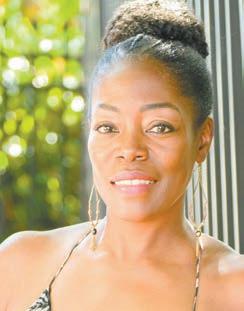
Not in a surface-level way—not just love as a concept or a holiday—but love as a daily practice. Love as devotion. Love as the steady, intentional way we care for ourselves, our families, and the lives we’re building.
This month, our issue is centered on nurturing the heart, and I’ve found myself reflecting deeply on what this truly means—not just for our wellness, but for our purpose.
Recently, I’ve been working on creating a mission statement for my life. Something that captures the things I hold closest: my family, my business, my spiritual calling, and my desire to educate and uplift my community through holistic and conscious living. And as I’ve been thinking about the impact I want to have on the world, I realized something important…
A life mission cannot be rooted only in giving to others. It has to include how we treat ourselves while we serve.
In this issue, we share a powerful conversation with Shauna Shapiro, a world-renowned mindfulness expert, and her definition of self-compassion stopped me in my tracks:
“Self-compassion involves treating ourselves with the same kindness, understanding and support we would offer a dear friend.”
So many of us are compassionate to everyone else… but surprisingly harsh with ourselves. We push through exhaustion. We ignore our own needs. We carry old expectations, old guilt, old pressure—believing we must earn rest, earn ease, earn love.
But the heart doesn’t thrive under pressure. The heart thrives under tenderness.
Self-compassion is not weakness. It’s wisdom. It’s strength. It’s the foundation that allows our intentions to be sustainable and our love to be real.
So as you move through this month, I invite you to nurture your heart in a way that’s personal and honest. Ask yourself:
What would it look like to support myself the way I support others?
What would change if I softened my inner voice?
What if the love I give started with me?
Because when we lead with self-compassion, we don’t just create healthier lives—we create healthier families, healthier communities and a healthier world.
May this issue remind you that your heart deserves care, too.
Regina
GREATER RICHMOND EDITION
Publisher Regina Hall Rudolph
Editors Tammie Jones Randy Kambic Martin Miron
Design & Production Patrick Floresca
CONTACT US
14241 Midlothian Turnpike, #138 Midlothian, VA 23113 804-215-6857
Regina@NARichmond.com NARichmond.com
Natural Awakenings Richmond
Facebook is a registered trademark of Facebook, Inc.
SUBSCRIPTIONS
Subscriptions are available by sending $12 (for 6 issues) to the above address.
NATIONAL TEAM
CEO Kimberly B. Whittle
COO Michael Bevilacqua
CMO Vee Banionis
Sr. VP Operations Brian Stenzler, DC
National Editor Sandra Yeyati
Editor Brooke Goode
Copy Editor Melanie Rankin
Print Production Specialist Kevin Rankin
Design Director Agnes Mazeikaite Production Flip180
CONTACT US
Natural Awakenings Publishing Corporation 350 Main Street, Suite 9B Bedminster, NJ 07921 Ph: 239-206-2000
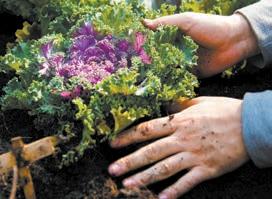
The VSU College of Agriculture Small Farm Outreach Program will present Basic Organic Urban Gardening & Composting from 5 to 7 p.m., February 11, at Randolph Farm Pavilion.
Urban gardening is the practice of growing plants, fruits and vegetables in urban environments using spaces such as balconies, rooftops, community plots and vacant lots. It encompasses a wide range of activities from small-scale container gardening to large urban farms, and offers benefits including improved access to fresh food and environmental sustainability.
The Small Farm Outreach Program New and Beginning Farmer & Rancher training is designed especially for new and beginning farmers that want the opportunity to learn how to start and maintain a successful farm business. The holistic approach includes education, outreach, hands-on experiential learning, training and technical assistance, as well as farmer-mentor support for those that participate.
Admission is free. Location: 4415 River Rd., Petersburg. Register at ext.vsu.edu/calendar. For more information, call James Gibson at 804-720-6826 or email JEGibson@vsu.edu.
CPR Training at Virginia Commonwealth University
Botanical Garden Access for LowIncome Families
Lewis Ginter Botanical Garden has joined Museums for All, a signature access program of the Institute of Museum and Library Services (IMLS), administered by the Association of Children’s Museums (ACM), to increase the accessibility of high-quality garden experiences and educational resources for people of all backgrounds by visiting gardens and museums regularly and building lifelong habits of visitation and participation.
The program supports those receiving food assistance (SNAP) benefits visiting Lewis Ginter Botanical Garden for a fee of $1 per person for two adults 18 or older and free admission for up to six children with the presentation of a SNAP Electronic Benefits Transfer (EBT) card.
Free and reduced admission is also available at more than 250 museums across the country, including the Science Museum of Virginia. Museums for All helps expand access to museums and raise public awareness about how they are reaching their entire communities.
Hours are 9 a.m. to 5 p.m. at 1800 Lakeside Ave., in Richmond. For more information, call 804-262-9887 or visit LewisGinter.org.
Environmental Film Festival
The American Heart Association has moved the state’s first mobile CPR training kiosk to Virginia Commonwealth University (VCU). The life-saving skills gained by hands-only education available at the kiosk will help users understand how they can immediately help a person that experiences a cardiac arrest outside of a hospital. Sponsored by Genworth and its subsidiary CareScout, it will be located in the VCU student commons.
The kiosk features a touch screen with a video program that provides a brief introduction and overview of hands-only CPR, followed by a practice session and a 30-second test session. With the help of a practice mannequin or a rubber torso, the kiosk gives feedback about the depth and rate of compressions and proper hand placement, all factors that influence the effectiveness of CPR. The entire training takes five minutes or less.
Aaron J. Hart, Ed.D., vice president of student affairs at VCU, says, “We look forward to creating a campus of lifesavers like Nyla Harris, a VCU pre-med student who saved a life in a Midlothian restaurant earlier this year.”
For more information, visit Heart.org/nation.
The RVA Environmental Film Festival (RVA EFF) showcases films that bring awareness of the issues facing our city, region and planet. The committee has curated a wonderful selection of recent films that focus awareness on critical environmental issues and inspire action. They will be screened at Studio Two Three and partnering locations.
Promotions Committee Chair Pamela Taylor says, “Our mission is that we remain a community-supported festival.” A number of filmmakers will discuss their films, and there will be time scheduled for connecting with fellow attendees.
February 1: Notification of the winner of the Virginia Environmental Film Contest (VEFC). February 21 through March 7: RVA Environmental Film Festival at Studio Two Three and other locations. A schedule and information is posted on the website.
Admission is free. Studio Two Three is located at 109 W. 15th St., in Richmond. For more information, visit rvaenvfilmfest@gmail.com.
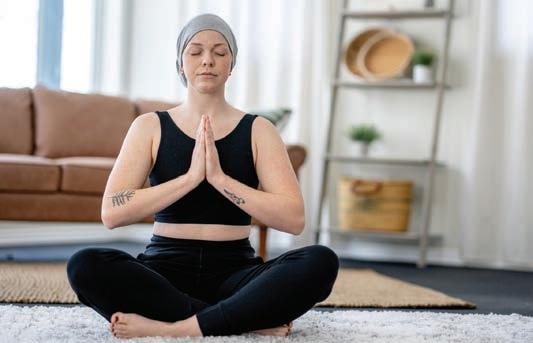
Mind-Body Practices for Cancer Survivors
A multisite study published in the Journal of Clinical Oncology involving 587 cancer survivors compared two mind-body programs: Mindfulness-Based Cancer Recovery (MBCR), which incorporates meditation and awareness practices, and Tai Chi/Qigong (TCQ), which uses gentle, slow movements to promote relaxation and balance. The participants—mostly women around age 61—selected their preferred program or were randomly assigned if they had no preference. The most prevalent cancer types among them were breast, prostate and gastrointestinal.
Both MBCR and TCQ demonstrated a positive impact on mood scores, surpassing those observed in the control group. Notably, TCQ produced the most relief from anger and depression, as well as an increase in energy levels. MBCR proved particularly effective in reducing tension and anxiety, although it did not significantly affect depression. Neither program exhibited any effect on confusion or fatigue, and the selection of a preferred program did not influence the outcomes.
Body-Centered Therapy for Trauma
A 2021 review of 16 studies published in the European Journal of Psychotraumatology found that somatic experiencing, a body-centered therapy for trauma, helped reduce symptoms of post-traumatic stress disorder and also improved emotional and physical well-being. The studies demonstrated notable improvements in anxiety, mood and physical symptoms such as muscle tightness and pain. Benefits were observed in individuals with traumatic histories, as well as those without trauma, suggesting that somatic experiencing may support overall nervous system regulation.
Conceived by Dr. Peter A. Levine, the therapy seeks to address the accumulation of stress, shock and trauma in the body and nervous system. It empowers people to cultivate increasing tolerance for
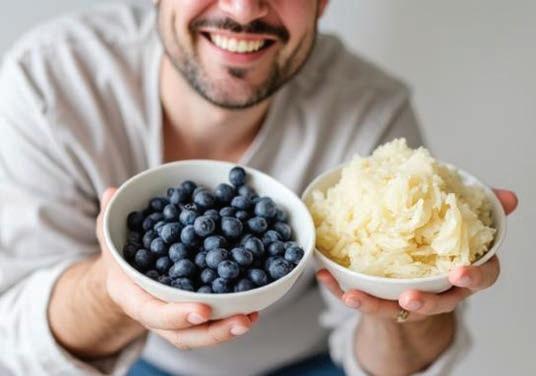
Microbiome Therapies for Depression
A 2025 systemic review published in BMC Psychiatry involving 34 clinical trials and more than 3,300 people found that depression symptoms could be effectively treated by targeting gut bacteria with the use of probiotics (beneficial bacteria), prebiotics (nutrients that feed good bacteria) and synbiotics (a combination of both). The therapies were shown to reduce depression scores, increase levels of BDNF (an important protein for brain health) and mitigate systemic inflammation.
Notably, synbiotics exhibited the most pronounced effectiveness, followed by prebiotics and probiotics. Treatment for longer than 12 weeks was not considered helpful. Those without other medical conditions fared better, while individuals with digestive disorders and pregnant women did not experience the benefits. These findings suggest that enhancing gut health may be a useful complementary tool for depression management.
difficult bodily sensations and suppressed emotions by paying close attention to internal sensations, including body tension, breathing patterns and even their heartbeat.
FatCamera from Getty Images Signature/CanvaPro
Cultivating a Positive Body Image
Fitness inspiration, or “fitspiration”, is a social mediarelated term that describes the prevalence of photos depicting people with slender, idealized figures. Although these beautiful images may be intended to inspire fitness, past research has demonstrated that viewing such photographs can lead to body dissatisfaction and negative mood among women.
A 2023 study published in Body Image involving 238 college females investigated whether a values affirmation intervention could reduce the detrimental effects of viewing fitspiration. The participants— divided into three groups—were asked to view idealized pictures of women on Instagram after either completing a simple writing task, looking at travel images or reflecting on their most important personal values.
The study demonstrated that contemplating personal values helped protect college women from the negative body image effects of fitspiration. The affirmation group experienced a stable mood and body image compared to the control group, where negativity rose significantly. This suggests that affirming personal values outside of appearance can act as a buffer against social media comparison, potentially offering a simple self-help strategy.
Eye Yoga for Glaucoma
A 2024 randomized, controlled study published in EPMA Journal explored whether a structured “eye yoga” routine could help people with primary, open-angle glaucoma—the most common form of glaucoma that often damages the optic nerve due to increased eye pressure and reduced blood flow. Researchers measured the effects of eye-focused relaxation on eye pressure, vessel function and vision.
Twenty-seven adults were randomly assigned to either a one-hour daily reading of a relaxing book or an eye yoga program that included guided eye movements, gentle massage around the eyeball, hand-covering for relaxation and slow-breathing meditation. After one month, the eye yoga group experienced a 6 percent reduction in intraocular pressure. They also improved visual-field measurements and displayed less retinal vessel constriction. Retinal arteries showed mild widening, suggesting improved blood flow, with no adverse events reported. These effects were not observed in the control group. Researchers concluded that this type of eye yoga could be a safe, homebased complement to standard care.
stockfour from Getty Images/CanvaPro
Aja Koska from Getty Images Signature/CanvaPro
A Whole-Hearted Life
The Daily Choices That Help Our Hearts Thrive
by Hannah Tytus
Ahealthy heart is built from the inside out. Each day presents opportunities to nurture vitality through dietary choices, physical activity, restful periods, social connections and personal fulfillment. These ordinary decisions profoundly impact the long-term trajectory of cardiovascular well-being.
According to the World Health Organization, cardiovascular disease is the leading cause of death worldwide, accounting for 32 percent of global fatalities and affecting families across diverse communities. The U.S. Centers for Disease Control estimates that one in three deaths in the United States can be attributed to this devastating disease. Behind these sobering statistics lies the reassuring fact that small, daily choices can help protect the heart.
Heart-Healthy Foods
Among the most studied heart-supportive eating strategies are the Mediterranean Diet and the Dietary Approaches to Stop Hypertension (DASH) Diet, which help regulate cholesterol levels and reduce inflammation. Both emphasize the consumption of vegetables, fruits, whole grains and nuts, while limiting saturated fat and processed meats. Additionally, eating fatty fish provides wholefood omega-3 fatty acids, which have been shown to be more effective than comparable supplements in supporting heart health, according to a 2018 study published in JAMA Cardiology.
Dr. Regina Druz, based on Long Island, New York, is the founder of Holistic Heart Centers of America and a board-certified specialist in cardiology and functional medicine. Her
expertise lies in heart disease prevention through holistic, lifestyle-driven care. She is the author of a forthcoming book, Longevity Code: How to Age-Proof Yourself for Optimal Health.
A proponent of the Mediterranean Diet, Druz encourages patients to build a way of eating that feels natural, flavorful and balanced. She emphasizes the significance of meal timing and its alignment with a person’s circadian rhythm. She also often recommends moderate intermittent fasting, as long as it is done safely, sustainably and personalized to the individual.
According to Druz, dietary changes are most powerful when they are part of a larger, threepillared foundation that includes exercise, nutrition and sleep. She discourages people from searching for a single magic bullet and instead invites them to build a way of eating that feels natural, flavorful and balanced.
Mindfulness and Mood
The intricate connection between the mind and heart is often underestimated. Chronic stress can elevate blood pressure and induce inflammation, placing a burden on the cardiovascular system. Stress reduction does not have to be complicated. Even a few minutes of mindful breathing or meditation can shift the body into a more relaxed state, offering the heart a small but meaningful reprieve.
Mindful awareness practices appear to have favorable effects on blood pressure, cortisol levels and inflammatory markers, suggesting that everyday mind-body tools can provide meaningful support. A 2007 report published by the Agency for Healthcare Research and
Quality found that Transcendental Meditation (TM), qigong and Zen Buddhist meditation yielded modest reductions in high blood pressure. A 2019 meta-analysis of TM for heart disease demonstrated improvements in blood pressure levels.
Biofeedback involves measuring bodily functions, particularly heart rate variability, to enable individuals to consciously alter these functions. It can track how slow breathing techniques help the heart relax. Notably, biofeedback has been shown to be effective in lowering blood pressure levels, according to a 2024 meta-analysis study published in Nature
Healing Power of Slumber
Sleep is integral to heart health. A 2017 study published in Chest reports an association between insomnia and cardiovascular disease, including high blood pressure and heart failure. Furthermore, a 2011 study in Circulation demonstrated a link between insomnia and a moderately increased risk for a heart attack.
Druz collaborates with sleep specialists that use wearable technology, such as the SleepImage device, to assess sleep quality in real time. She has observed that even modest adjustments to sleep habits can yield significant improvements—from changing sleep positions and recalibrating room humidity to optimizing sleep times and reorienting bed pillows. By tracking sleep patterns over time, individuals can identify subtle shifts that contribute to a quantifiably better night’s rest.
Benefits of Consistent Exercise
Regular physical activity remains a cornerstone in reducing cardiovascular risk. The 2004 INTERHEART study, involving nearly 30,000 participants from 52 countries, revealed that moderately intense exercise for four or more hours per week reduced the risk of heart attack by 12.2 percent.
A 2011 cohort study published in Lancet involving more than 400,000 participants showed that engaging in as little as 15 minutes of daily physical activity can reduce the risk of mortality by 14 percent and extend life expectancy by an average of three
years. Each additional 15-minute interval can further decrease mortality across all age groups, including individuals with preexisting cardiovascular disease.
High-intensity interval training (HIIT) has emerged as an effective regimen for promoting cardiovascular fitness. According to Druz, HIIT maximizes VO2 max (the maximum volume of oxygen a body can use during intense exercise), a key indicator of cardiovascular health and strong predictor of longevity. However, she acknowledges that HIIT may not be accessible to everyone because it alternates short periods of intense, explosive exercise with brief recovery periods to the point of exhaustion.
In such cases, she recommends incorporating “exercise snacks” into daily routines, which involve brief bursts of movement throughout the day. Walking the dog, carrying groceries, completing household chores or simply standing more frequently can contribute to a less sedentary lifestyle. These accessible steps make it easier to integrate movement into daily living.
Nature’s Rewards
Spending time outdoors provides more than aesthetic appeal and access to fresh air. Liv ing closer to nature has been linked to lower incidences of cardiovascular disease, stress, diabetes and stroke. Exposure to green space
is associated with lower blood pressure, improved heart rate variability and reduced cardiovascular mortality. A 2016 study in Nutrition, Metabolism and Cardiovascular Diseases involving nearly 12,000 participants observed that the more recreation time someone spends outdoors, the less likely they are to die of cardiovascular disease.
The Transformative Energy of Optimism
Outlook influences physiology. Positive emotions, optimism and life satisfaction are associated with lower rates of cardiovascular disease and reduced mortality. The American Heart Association (AHA) notes that compared to pessimistic individuals, optimistic people have better vascular health, fewer heart attacks and lower cardiovascular mortality. Among individuals with established disease, those that are optimistic about their treatment and recovery often experience better rates of long-term survival and enhanced function.
Optimism is a skill, not a fixed trait. The AHA identifies Type D (or “distressed”) personality traits, characterized by negative emotions and increased self-criticism, as being linkedagingly, Type D individuals often respond favorably to cardiac rehabilitation programs
9460 Amberdale Dr. Suite-D, 23236
Office: 804.728.2278
Web:www.bodyjourneybymc.com
Volunteer work also contributes to well-being. A 2017 study in BMC Public Health determined that regular volunteering is associated with enhanced self-rated health and reduced mortality. Older adults that engaged in volunteer work at least 200 hours per year experienced a 40 percent reduction in hypertension over a four-year period.
These findings underscore the significance of joy and purpose in human life. They are integral to the biology of the heart. When individuals cultivate a more compassionate perspective toward themselves and others, their hearts experience a measurable positive impact.
The Strength of Connection
Relationships exert a powerful influence on health. In a 2016 metaanalysis study published in Heart, researchers determined that poor social relationships were associated with a 29 percent increased risk of cardiovascular disease and a 32 percent increased risk of stroke. Humans are inherently wired for connection, and extended loneliness can have measurable physiological consequences.
“We need each other,” Druz emphasizes. “We are living in a sea of loneliness, and loneliness can be a hugely impactful factor on health.” Making time for family, friendships, community groups or new social circles fosters both emotional well-being and heart resilience.
Loving Our Heart Back
Cardiovascular health encompasses not only disease prevention, but also the cultivation of a lifestyle that enhances vitality, connection, rest and overall well-being. These choices do not need to be drastic. Incorporating more green vegetables, spending more time in the sun, taking a moment to breathe mindfully, taking a short walk outside, getting a good night’s sleep and reaching out to loved ones can collectively contribute to a foundation that can extend life expectancy and enhance the quality of life.
Hannah Tytus is an integrative health coach, researcher and content creator at KnoWEwell, P.B.C., and former writer at the National Institutes of Health.
Comfort in Motion
Holistic Joint Support for Dogs and Cats
by Ruth Roberts, DVM, CVA, CVH, CVFT, NAN
As dogs and cats age, their joints can gradually degenerate, causing stiffness and pain. Instead of vocalizing their discomfort, animals tend to alter their movement patterns and behaviors. Signs may include hesitation on stairs, stiffness after rest, or reluctance to jump or remain active. While conventional medications such as non-steroidal anti-inflammatory drugs are commonly prescribed, they are not the sole best, long-term solution. Natural and integrative therapies can complement standard veterinary care, assisting pets in maintaining comfort and mobility in everyday life.
Effects of Osteoarthritis
The most common cause of joint stiffness in older pets is osteoarthritis, a form of cartilage degeneration that can arise from aging, past injuries, excessive body weight, prolonged overuse or poor joint structure, such as hip or elbow dysplasia, where the joint surfaces do not fit properly. As the cartilage thins, the joint becomes inflamed and painful, leading to decreased movement, muscle loss and further stiffness.
In the 2017 review article “Physical Rehabilitation for the Management of Canine Hip Dysplasia” published in Veterinary Clinics: Small Animal Practice, orthopedic surgeon David Dycus and
LittleBee80 from Getty Images/CanvaPro
colleagues highlight the significant impact of osteoarthritis on mobility, particularly in large-breed dogs. They stress the importance of using appropriate support strategies to preserve comfort and mobility. A comprehensive treatment plan may combine medication, weight management, supervised exercise, rehabilitation and complementary therapies such as ice and heat application, massage, acupuncture and other physical modalities.
Integrative Therapies
These restorative therapies work best when veterinarians coordinate their administration within a comprehensive and individualized treatment plan.
Acupuncture has been shown to help alleviate pain and inflammation in pets affected by chronic or mobility-related conditions. This traditional Eastern medicine practice involves inserting needles into specific acupoints to influence nerve pathways, circulation and pain processing. A 2017 prospective study published in The Canadian Veterinary Journal examined 181 dogs with neurological or musculoskeletal disease. Dogs receiving acupuncture exhibited a reduction in chronic pain. A 2023 meta-analysis of 21 animal studies in Frontiers revealed that acupuncture treatment for arthritis increased tolerance to pain and reduced joint swelling.
Underwater treadmill therapy is especially useful for dogs with hip dysplasia. The buoyancy provided by the water supports much of the dog’s weight, resulting in less painful movement, while simultaneously strengthening muscles. Dycus notes that when the water is elevated to hip level, dogs can bear approximately 38 percent of their body weight on their limbs, enabling them to engage in range of motion and endurance exercises without straining their affected joints.
Massage therapy was found to be effective in lowering pain scores and boosting the frequency of positive quality-of-life ratings in 527 dogs with chronic pain, according to a 2021 cross-sectional study published in Veterinary Record
Therapeutic, or cold, laser therapy uses specific light wavelengths to reduce pain, support tissue repair and minimize inflammation.
Clinicians apply the laser to designated regions during brief, generally well-tolerated sessions. Over a series of treatments, some pets exhibit a smoother gait and greater willingness to move. Owners see these effects most frequently when they simultaneously optimize weight management, environmental conditions and daily activity levels.
Nutrition and Supplementation
“Keeping joints healthy involves making sure we are providing the causes of health in the foods and treats we feed each patient,” says Dr. Barbara Royal, founder of The Royal Treatment Veterinary Center, in Chicago. She advocates for species-appropriate, nutrient-dense diets made from well-sourced ingredients, while limiting excessive carbohydrate consumption, highly processed additives and environmental exposures that can promote inflammation and compromise joint function. She also emphasizes an individualized approach to joint supplementation, recognizing that no single product meets the needs of every pet.
Royal supports targeted combinations of nutrients that include omega-3 fatty acids from small fish sources like sardines or anchovies to help modulate inflammation, along with turmeric for its antioxidant and anti-inflammatory effects. A 2025 review article, “Nutritional Strategies for Managing Joint Health in Companion Animals”, published in Animal Advances, supports this strategy, highlighting omega-3 fatty acids and antioxidant-rich compounds like curcumin in modulating inflammation and slowing joint disease progression.
Additionally, Royal incorporates cartilage-supporting nutrients such as glucosamine and botanicals like boswellia to promote joint comfort and alleviate the effects of osteoarthritis. Given the influence of gut health on systemic inflammation, Royal frequently recommends probiotics and, in select cases, periodic vitamin B12 supplementation to maintain nerve, gut and joint function as part of a comprehensive care plan.
Ruth Roberts, an integrative veterinarian and holistic health coach for pets, is the creator of The Original CrockPet Diet. Learn more at DrRuthRoberts.com.
DEBBIE TROXELL
Nature’s Cardiologist
Herbs and Nutrients That Heal the Heart
by Hannah Tytus
Because heart disease is the leading cause of death in the United States, management of its risk factors, including high blood pressure and high cholesterol, is paramount. “It is easier and more meaningful to prevent disease than to try to reverse the damages,” says holistic cardiologist Joel Kahn, M.D., founder of the Kahn Center for Cardiac Longevity, in Michigan and Florida, as well as a clinical professor of medicine at the Wayne State University School of Medicine, in Detroit, and author of several books, including The Whole Heart Solution and The Plant-Based Solution.
An integrative approach that combines nutrition, exercise, stress reduction and proper sleep is advised. Additionally, certain herbs and nutritional supplements may serve to prevent disease, as well as enhance medical care. From ancient botanicals to targeted nutrients, these natural allies offer powerful benefits by lowering blood pressure and cholesterol, improving circulation and reducing inflammation.
Plant-Centric Nourishment
The Mediterranean Diet and Dietary Approaches to Stop Hypertension (DASH) Diet are the most researched for cardiovascular health. The Mediterranean Diet emphasizes locally sourced vegetables, fruits, whole grains, legumes, olive oil, nuts and seafood, with moderate consumption of meat and dairy. The DASH Diet, designed by researchers at the National Institutes of Health, prioritizes fruits, vegetables, whole grains, lean proteins and low-fat dairy, while limiting sodium, sugar and saturated fat intake. Both diets are well-supported by scientific evidence to improve heart health and reduce cardiovascular disease risk.
Key Supplements
When supplements are warranted, Kahn starts with the basics. “CoQ10 and omega3s are two very important supplements that work well together,” he asserts. “Most patients on statins [to lower cholesterol] become severely CoQ10 deficient.” CoQ10, a naturally occurring coenzyme, aids in cellular energy production. A 2017 study showed that combining CoQ10 and omega-3s with statins reduced the drug’s negative effects while still lowering blood pressure and cholesterol.
Claudia Joy Wingo, a registered nurse, clinical herbalist and public health educator with more than 45 years of experience, stresses the importance of a nutrient-rich diet over supplements. She prefers whole foods to fish oil supplements. While supplementation can be beneficial, it should ideally accompany whole foods. CoQ10 and omega-3 fatty acids can be found in fatty fish, olive oil and a variety of nuts and seeds.
from Getty Images/CanvaPro
Herbs for Cardiovascular Health
Emphasizing the importance of addressing underlying vascular issues, Wingo explains, “High blood pressure damages epithelial tissue in your arteries, and your body patches things up by laying down cholesterol and plaques.” Ruptured plaques can block blood flow, causing heart attacks. According to Wingo, the best strategies integrate biomedicine with nutritional and herbal support. Medications control blood pressure, while herbs nourish the surrounding tissue. Many herbs contain antioxidants that fight oxidative stress and anti-inflammatory compounds that may prevent artery damage and atherosclerosis.
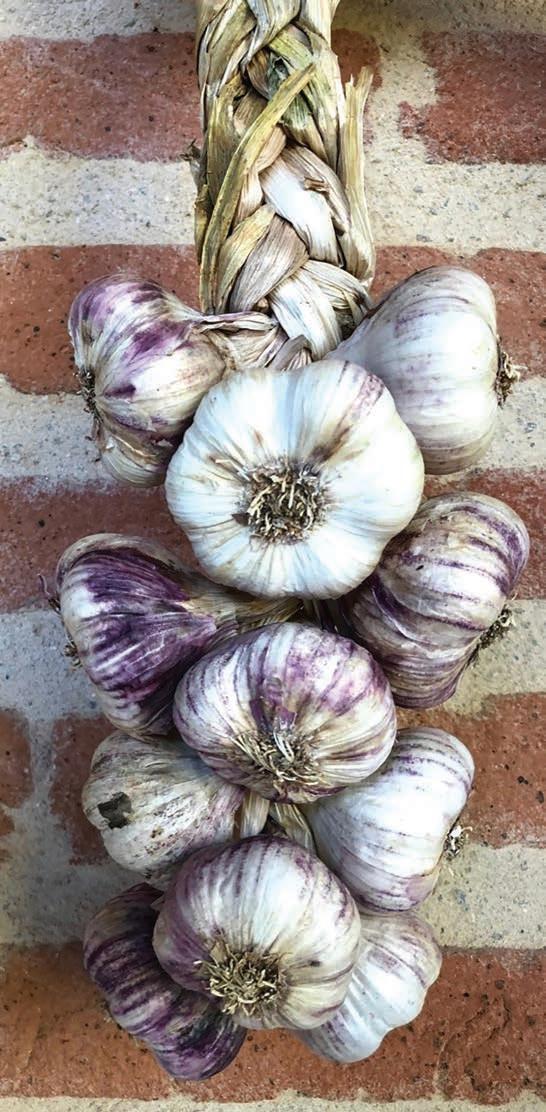
Aged Garlic: Although garlic has been used for centuries, modern research has focused on aged extracts specifically for cardiovascular support, which “lower cholesterol, blood pressure, homocysteine and plaque in heart arteries,” according to Kahn.
Pycnogenol (French maritime pine bark extract) and Gotu Kola (Centella asiatica): Kahn recommends combining these two botanical supplements, noting that clinical studies show this pairing can reduce vascular calcifications by approximately 10 percent. Wingo uses gotu kola daily as a tonic herb, adding it to teas for its nervous systemsupportive properties that promote mental calmness, improve blood circulation and strengthen blood vessel walls.
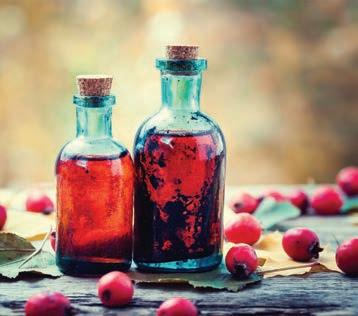
Hawthorn: A member of the rose family, hawthorn is Wingo’s most trusted plant for cardiovascular health. Historically used as a heart tonic, it benefits the heart and blood vessels by reducing inflammation
viperagp
and oxidative stress, supporting healthy cholesterol levels and protecting the lining of blood vessels. A 2023 review published in Food & Function suggests it may improve circulation, relax blood vessels and prevent the clumping of blood platelets that can lead to clots. Consult with a healthcare provider before starting hawthorn supplements, as it can interact with certain heart medications.
L-Carnitine : To treat people recovering from a cardiac event or those with an
arrhythmia or irregular heartbeat, Wingo often turns to L-carnitine, which, she asserts, supports the heart’s mitochondria, thus improving their ability to produce energy.
Ginkgo Biloba: To promote circulation and reduce the risk of plaque-related complications, Wingo occasionally turns to ginkgo biloba to enhance blood flow and help stabilize arterial plaque, lowering the likelihood of rupture.
Polyphenol-Rich Plants: Wingo recommends plants rich in polyphenols for their ability to reduce oxidative stress, including blueberries, cranberries and green tea. For “nervous heart” symptoms, she suggests linden tea, which is used in Europe as a calming agent.
Personalized Treatment and Safety
Both experts stress the importance of personalized, guided care. Instead of following online supplement trends, work with a
trained professional to create a targeted plan. Kahn points out that many popular supplements lack significant research and advises choosing reputable, third-party-tested brands. Wingo shares similar concerns about self-medicating with multiple herbs that do not suit the patient’s condition. She emphasizes that herbs should complement, not replace, conventional medicine, and they are most effective when used with prescribed treatments.
Their advice is clear: Research thoroughly and seek the advice of an experienced clinician, such as a naturopath or an herbalist registered with the American Herbalists Guild. It is also important to consult the patient’s treating cardiologist when considering an herb or supplement, as they may interfere with heart medications or cause unintended side effects that are counterproductive.
Hannah Tytus is an integrative health coach, researcher and content creator at KnoWEwell, P.B.C., and former writer at the National Institutes of Health.
chamillewhite/CanvaPro
Hawthorn berry tincture
From Negativity to Self-Compassion
A Conversation With Shauna Shapiro
by Sandra Yeyati
Shauna Shapiro, Ph.D., is a clinical psychologist and professor at the Santa Clara University School of Education and Counseling Psychology, in California. An internationally recognized expert in mindfulness and compassion, she has authored more than 150 peer-reviewed papers and three critically acclaimed books that have been translated into 19 languages. Her TEDx talk, The Power of Mindfulness, has garnered more than 3.5 million views.
A sought-after keynote speaker, Shapiro has presented her research at esteemed academic institutions such as the Stanford School of Medicine, Harvard Law School and Oxford University, as well as global forums, including the World Council for Psychotherapy and the World Happiness Summit. She has delivered evidence-based mindfulness training to Fortune 500 companies like Google, Cisco Systems and LinkedIn, and her work has been featured in media outlets, such as The Wall Street Journal, Harvard Business Review and Forbes. Shapiro has even been invited to share her expertise with His Holiness the Dalai Lama, the King of Thailand and the Danish government.
This conversation features topics explored in her national bestseller Good Morning, I Love You: Mindfulness and Self-Compassion Practices to Rewire the Brain for Calm, Clarity and Joy.
How do you define self-compassion?
Self-compassion involves treating ourselves with the same kindness, understanding and support we would offer a dear friend, even when we’ve made a mistake. Most of us are overly critical and judgmental of ourselves. The idea is that we are worthy and deserving of love and acceptance, no matter what. We don’t have to prove ourselves or achieve certain goals to earn love.
Scientific research has demonstrated that when we shame and judge ourselves, it shuts down the learning centers of the brain. Self-compassion leads to the release of oxytocin, the hormone of safety and soothing, as well as dopamine, which turns on the learning centers of the brain. This neurochemical soup of safety and kindness ultimately enhances our ability to learn and improve.
How can we cultivate self-compassion?
Neuroplasticity is the most hopeful message we’ve had in brain science in the last 400 years because it shows that the brain is always changing and that it’s never too late to change. Self-compassion isn’t something that just happens overnight. It’s something that we have to practice.
Courtesy Shauna Shapir
I have a three-step mindfulness approach. The first step is acknowledging and identifying the source of pain, such as fear, frustration or sadness. The second step is to bring kindness to yourself like you would offer a distressed friend.
The third step, called common humanity, is a little complex. Typically, when we experience pain, we tend to isolate, thinking, “I’m the only one going through a divorce” or “I’m the only one who’s lonely.” But that’s not true. The third step of self-compassion practice is to recognize that you are not the only one having this experience. By extending compassion to those suffering in similar ways, you can then internalize and assimilate that compassion for yourself.
Can you explain your “Good Morning, I Love You” practice?
During my divorce with a 3-year-old son, I grappled with significant shame and negativity. My teacher said, “What you focus on grows stronger. You’re practicing a lot of anger, self-judgment and doubt. It would be helpful to practice some compassion.” She suggested I start saying, “I love you, Shauna” every day. But I felt it was contrived and inauthentic, so she proposed simply saying “Good morning” upon waking.
The following day, I took a deep breath, put my hand on my heart, and said, “Good morning.” It was kind of nice. Instead of the shame, fear and judgment, I felt this flash of kindness, so I continued to practice it.
That year, I found myself alone on my birthday for the first time in my life. My son was with his father, and I was at the Esalen Institute in Big Sur, California. As I awoke, I remembered my recently deceased grandmother, who had always been an embodiment of unconditional love. Before I knew it, I said, “Good morning, I love you. Happy birthday!” I felt my grandmother’s love, followed by this flood of self-love and compassion for the first time in my adult life.
I’ve been practicing this ever since. Every morning when I wake up, I say, “Good morning, I love you.” Sometimes I feel it. Sometimes I don’t. The point is just to keep planting the seeds—to practice—and what you practice grows stronger. Self-compassion is like a muscle that you’re strengthening. It’s not something that comes easy. You’ll still feel self-judgment and self-doubt at times, but you’re making a commitment to continue to grow toward self-compassion. Practice is what transforms us.
Sandra Yeyati is national editor of Natural Awakenings.
To read a longer version of this conversation, visit TinyURL.com/ShapiroWW or scan the QR code.
Business Spotlight
February is American Heart Month
At Lifestyle Designs and Eleete Physicians, owner and Director Debbie Troxell, RN, MSNH, BA, underscores the credibility of their service with images read and interpreted by Matthew Lee, M.D., RPH, MS. She says, “Empower yourself with the knowledge to safeguard your health.” Heart disease is the leading cause of mortality in the country for both men and women, and February is national American Heart Month.
Thermography, an advanced screening method, serves as a pivotal tool in detecting inflammation, a precursor to many diseases. Both safe and non-invasive, this radiation-free technique uses an infrared digital camera to map the body’s temperature changes, providing unparalleled insights into health conditions.
The versatility of thermography extends beyond cardiac concerns to encompass vital areas including breast health, thyroid function and even dental issues, and also proves invaluable in identifying inflammation or injuries in tissues. Lifestyle Designs and Eleete Physicians provides thermography services, a breakthrough in preventive health care, at exclusive prices throughout February.
In addition to thermography, the practice offers IonCleanse detox foot bath, Compass Assessment, metabolic type nutritional counseling, pH testing, stress management consultations, brain health/pastoral consultations, bioidentical hormone replacement therapy assessment, iodine assessment, weight-loss analysis and nutritional/glycemic index counseling.
Troxell has been licensed as a registered nurse in Virginia for more than 20 years. She earned a Master of Science in Natural Health degree and began an integrative practice in which she educates and guides clients along a path of making healthy lifestyle choices and promoting optimal wellness.
Recognizing each person’s uniqueness, the body’s amazing capacity to achieve wellness when given what it needs and empowering the individual to take responsibility for their own health, she incorporates a bachelor’s degree in psychology and parish nurse training to provide a holistic, compassionate and effective approach to promoting wellness for her clients.
Location: 1404 Starling Dr., Ste. B, Henrico. For more information or to make an appointment, call 804-683-7774 or visit LifestyleDesignsWellness.com. See ad on page xx.
Foot Fitness for Longevity
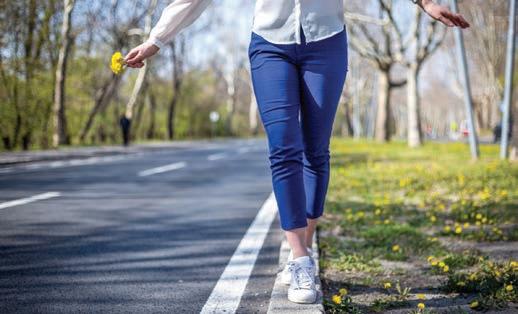
The Path to Better Balance and Blood Flow
by Maya Whitman
Often overlooked in fitness routines, the feet and ankles are essential to whole-body function, especially as we age. They support balance, proper posture, mobility and even circulatory and lymphatic flow. “The venous system does not have any capability to pump blood from the lower extremities to the heart and relies on our movements to assist the return of blood,” explains Kim Henderson, a chiropractic physician and the founder of Health Clarified, in Northbrook, Illinois. When we walk or exercise, our leg muscles—especially in the calves—contract and compress the deep veins, acting like a pump to force blood upward.
For older adults, runners or anyone focused on holistic health, strengthening and mobilizing the toes, feet and ankles can enhance cardiovascular support, reduce fall risk and restore lower body mechanics. Every year, more than 2 million people suffer from plantar fasciitis-related heel pain, one in four adults over 65 experience falls, and more than 2 million visit emergency rooms for sprained ankles. Simple, consistent exercises can enhance quality of life and prevent injuries at any age. Strong calves, flexible ankles and healthy fascia (connective tissue) make every step more stable.
Causes of Foot Instability
Overpronation is when the foot rolls excessively inward while walking or running, causing the arch to flatten and the ankle to angle inward, leading to potential pain in the feet, ankles, knees, hips,
back and beyond. “We have seen chronic neck and shoulder pain be reduced, even eliminated, by supporting the arch,” notes Henderson, whose patients complete a series of exercises to strengthen the affected muscles.
According to Chicago-based fitness expert Stephanie Mansour, host of the PBS show Step It Up With Steph and a fitness contributor to The Today Show, foot instability and discomfort can have multiple causes, such as wearing ill-fitting shoes, overdoing activities without proper warm-up, ignoring pain, excessive barefoot walking, being overweight and medical conditions like diabetes. Listening to the body, rather than pushing through pain, and promptly addressing minor discomforts are paramount.
“Independence depends on functioning feet. That limp will lead to imbalances up into the knees, hips, spine and even shoulders,” underscores orthopedic and corrective exercise specialist Matt Hsu, founder of Upright Health, in California. The most common issue, he says, is a lack of dorsiflexion—the ability to pull the toes and forefoot toward the knee. “This throws off our gait and sets us up for Achilles tendon injuries, especially.” Hsu adds that bunions can also affect our ease of movement and suggests wearing shoes with wider toe boxes to prevent the condition.
Essential Exercises
To cultivate good balance, the National Institute on Aging recommends engaging in three sessions of balance exercises per week, including tai chi, yoga or standing on one foot for five to 10 repetitions per leg, holding each for 10 to 30 seconds. To loosen the arch and increase range of motion, the American Association of Retired Persons suggests rolling a small ball for one minute under each foot daily.
“Regular exercise can improve circulation, reduce stiffness and enhance proprioception, which is your body’s awareness of its position in space. This contributes to better overall mobility,” says Mansour, who recommends that the following four exercises be done three or
four times a week. Aim for two to three sets of 10 to 15 repetitions for each foot.
Calf Raises: Using a wall or chair for support, slowly rise onto the balls of the feet, lifting the heels off the ground. Hold for a moment, then slowly lower back down. This strengthens calf muscles and the Achilles tendon.
Toe Curls With a Towel: Sit in a chair and place a flat towel under the feet. Keeping heels on the floor, curl the toes to grab the towel and raise it toward the body. Relax and repeat. This strengthens feet muscles and helps with arch support.
Ankle Circles: In a seated position, move each foot in circles, first clockwise and then counterclockwise. This improves flexibility, balance and range of motion, while also preventing stiffness and injury.
Toe Spread: While sitting or standing, try to spread all the toes apart as wide as possible. Hold for a few seconds, then relax and repeat. This creates a wider base for better balance during movement, strengthens foot muscles and combats bunions, hammertoes and plantar fasciitis.
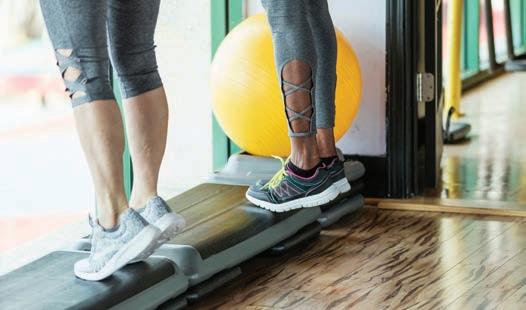
Henderson recommends Heel Raises on Stairs: Stand on a step with both heels hanging over the edge. Slowly lift the heels, keeping the legs straight, while standing on the balls of the feet. Now lower the heels down past the level of the step as far as comfortable before repeating the upward movement again. Aim for two sets of 15 to 20 repetitions, four to five times per week.
Hsu suggests incorporating Tibial Raises: Lean back against a wall with feet 12 to 20 inches apart. Keeping heels down, gently lift the toes toward the shins, then lower them slowly. Repeat until reaching medium fatigue in the shin muscles. Do two sets. This strengthens shins and improves balance, knee support and ankle stability.
Before starting any routine, consult a health professional. Strive for consistency over intensity. Exercise should be a challenge, not cause pain.
Maya Whitman is a frequent writer for Natural Awakenings
Garlic Therapy
Eating Our Way to a Healthier Heart
by Marlaina Donato
Fresh garlic is a pungent delight that can jazz up any meal, from hearty winter stews to sautéed vegetables on a bed of healthy grains. Allicin, the compound that gives crushed garlic its distinctive smell, protects the plant from pests and offers humans many health benefits, acting as an antioxidant, antimicrobial and anti-inflammatory agent; improving gut balance; and supporting cardiovascular and immune health.
Research published last year in Nutrition Reviews indicates that consumption of garlic significantly improves key cardiovascular risk markers, including cholesterol and blood sugar levels, blood pressure, oxidative stress and inflammatory biomarkers. In a 2022 article, the Cleveland Clinic suggests that red blood cells respond to the sulfur in garlic by creating nitric oxide and hydrogen sulfide gases, which relax and expand blood vessels. A 2019 meta-analysis of clinical trials published in Experimental and Therapeutic Medicine concludes that supplementation with an aged garlic extract offers similar results to blood pressure-lowering medications. While more research is needed to understand the full-spectrum potential of this kitchen staple, regularly spicing up meals with a clove or two can foster better health.
Maximizing Benefits and Flavor
Mincing, grating or pressing garlic intensifies its pungency, waking up ordinary steamed vegetables when tossed with olive oil or spicing up homemade hummus. Whether regular grocery store-bought, traditional heirloom or locally grown, garlic offers benefits, but following a few easy tips ensures that its nutritious perks remain intact.
According to Natalie Ledesma, a board-certified oncology dietitian and the founder of Natalie Ledesma Integrative & Functional Nutrition Consulting, in San Francisco, it is best to allow chopped or crushed garlic to sit for about 10 minutes before consuming it, cooking with it or adding it to vinaigrettes or other salad dressings. This waiting period maximizes the formation of allicin. Notably, the acidic nature of vinegar or lemon juice compromises allicin’s stability.
“If you compare raw garlic to garlic that has been cooked by various methods, you can see dramatic drops in allicin, one of the purported active ingredients,” advises Dr. Michael Greger, founding member of
the American College of Lifestyle Medicine and author of several national bestsellers, including How Not to Die, The How Not to Die Cookbook and How Not to Age
If garlic must be cooked, he suggests roasting to retain vital qualities that are quickly lost through simmering, high-heat stir-frying and boiling. “It is simple to prepare and can be used to add flavor to almost any dish,” he explains. “After roasting the garlic, you can also puree it in a blender or food processor until smooth, then portion and freeze it for future use.” A head of roasted garlic yields about one-and-a-half to two tablespoons of a delicious paste, which can be slathered on warm bread or sandwiches, whipped into zesty dips, and stirred into creamy mashed potatoes or a bowl of pasta.
“There are other beneficial compounds in garlic that are not deactivated by heat. They include ajoene, diallyl disulfide, diallyl trisulfide and S-allyl cysteine, which have anti-inflammatory and anti-clotting benefits,” advises Dr. Joel Fuhrman, a board-certified family physician, president of the Nutritional Research Foundation and author of several bestsellers, including his Eat to Live Cookbook.
Hacks for Sensitive Bellies and General Tips
Garlic should be avoided by anyone on pharmaceutical or herbal blood thinners. For those that experience stomach or intestinal upset, Ledesma suggests removing the green sprout inside the garlic clove, a prime culprit for indigestion, or eating only the garlic scapes (the curly green flower stalks that grow on the garlic plant), which are generally well-tolerated.
For less discomfort and added convenience, Fuhrman endorses dehydrated raw garlic granules, noting that they will soften, expand and partially cook when sprinkled over veggies as they are steamed in a pot, enhancing its digestibility.
When purchasing garlic, choose intact heads that are firm to the touch, have plump cloves and do not have a strong odor of garlic— an indication of damage and loss of vital benefits. After chopping or peeling, rubbing cutting boards and hands with fresh lemon juice will remove the pungent garlic aroma.
Marlaina Donato is an author, painter and composer. Connect at WildflowersAndWoodSmoke.com.
ROASTED GARLIC
YIELD: 1½ TO 2 TBSP OF GARLIC PASTE
1 whole head of garlic or more
Preheat the oven to 400° F.
Use a sharp knife to cut about ⅓ inch off the top of the whole head of garlic to expose the tops of the garlic cloves. Place the bulb inside a terracotta garlic baker or wrap it securely in parchment paper.
Bake in the oven, cut side up, for 30 to 40 minutes or until the garlic cloves are soft. Remove from the oven and open the garlic baker or parchment paper to let the garlic cool.
Remove one garlic clove and squeeze it over a small bowl, allowing the soft, roasted garlic to slip out of the papery skin. If it is not soft and golden brown, return the rest of the bulb to the garlic baker or rewrap it in parchment paper and bake for a few more minutes.
When the garlic is soft inside and cool enough to handle, squeeze out each roasted garlic clove into the bowl. It is now ready to enjoy. To give it a uniform texture, mash it with a fork or puree it in a food processor.
Tip: Roasted garlic can be stored in the refrigerator in a jar or other container with a tight-fitting lid for up to 5 days or portioned and frozen for up to a month.
Recipe courtesy of Dr. Michael Greger.
Photosiber from Getty Images/CanvaPro
4kodiak from Getty Images Signature/CanvaPro
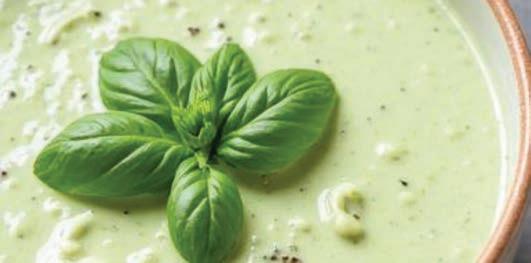
CREAMY TOFU BASIL SAUCE
YIELD: 6 SERVINGS, ½ CUP EACH
1 12.3-oz package of silken
tofu
½ cup water
¾ cup fresh basil, chopped
4 Tbsp nutritional yeast
3 Tbsp gluten-free tamari
1 Tbsp lemon juice
2 cloves garlic, minced
¾ tsp black pepper
Blend all ingredients together in a blender or food processor.
Serve over pasta, vegetables or a baked potato.
Recipe courtesy of Natalie Ledesma.
ZINGY BALSAMIC-LIME VINAIGRETTE
YIELD: 1¼ CUPS FOR APPROXIMATELY 8 SERVINGS
½ cup balsamic vinegar
Juice of 1 freshly squeezed lime
½ cup extra virgin olive oil
1 Tbsp maple syrup or honey
1 fresh garlic clove, minced or grated
½ tsp sea salt or smoked salt
¼ tsp freshly ground black or white peppercorns
Combine all ingredients and hand-whisk until well blended. Drizzle vinaigrette over green salads, potato salad, cold green beans, or grilled tofu or shrimp. Store remainder in the refrigerator for up to 1 week.
Recipe courtesy of Marlaina Donato.
BLACK BEAN STEW WITH PURPLE SWEET POTATOES
YIELD: 4 SERVINGS
Mango adds color and a touch of sweetness to this luscious stew. Make it as spicy as desired, adding more or less jalapeño to taste. If purple sweet potatoes are unavailable, any sweet potato varietal will do. Substitute thawed, frozen mango for fresh if the fruit is not in season.
1 large red onion, chopped
2 fresh garlic cloves, minced
2 large purple sweet potatoes, peeled and diced into ½-inch cubes
1 medium red bell pepper, cored, seeded and diced
1 small jalapeño, seeded and minced (optional)
2 cups vegetable broth or water
2 tsp white miso paste
¼ cup hot water
3 cups salt-free black beans, home-cooked or from BPA-free cans, drained and rinsed
1 14.5-oz BPA-free can of salt-free, diced tomatoes, undrained
1 ripe mango, peeled, pitted and diced
½ cup fresh cilantro, chopped
In a large pot, heat a few tablespoons of water over medium heat. Add the red onion, then cover and cook until softened, stirring occasionally, about 7 minutes. Stir in the garlic and cook another 2 minutes. Add a little more water, if needed, to prevent the onion and garlic from sticking to the bottom of the pot.
Add the sweet potato, bell pepper, jalapeño (if using) and vegetable broth. Bring to a boil. Lower the heat to medium-low, cover and simmer until the sweet potatoes are tender but still firm, about 25 minutes.
Blend together the white miso paste and ¼ cup of hot water.
Stir in the beans, tomatoes in their juice and miso mixture, then simmer gently, uncovered, until heated through, about 5 minutes. Add the mango and cook for 1 more minute, then stir in the cilantro and serve hot.
Recipe courtesy of Dr. Michael Greger.
GenAI/CanvaPro
Small Acts, Clear Skies
Daily Changes That Lighten Our Pollution Load
by Zak Logan
According to the World Health Organization, the combined effects of household and ambient air pollution from particulate matter, ozone, carbon monoxide and burning fuels are associated with 6.7 million premature deaths annually. Air pollution can trigger or worsen asthma, chronic obstructive pulmonary disease, lung infections, cardiovascular disease, cognitive issues and reproductive problems like low birth weight and birth defects.
“While most people think of highways and factories, many of the biggest contributors to everyday air pollution start at home. Gas stoves, wood-burning fireplaces, scented candles and household cleaning sprays can all release harmful pollutants into the air, even when used in moderation,” states David Lu, co-founder and CEO of Clarity Movement Co., an environmental technology company based in Berkeley, California.
Lu notes, “The decisions people make every day—what they drive, how they cook, the products they use in their homes—shape the quality of the air they and their neighbors breathe.” Although the development of cleaner technologies and fuels is paramount, each individual can also be a catalyst for positive change.
Air-Quality Culprits
Indoor air quality has significantly deteriorated in recent decades due to synthetic building materials, chemical-laden personal care products and toxic household cleaners, compounded by energy-saving construction practices that can actually compromise air-exchange systems and lead to the accumulation of particulate matter (PM). PM, or soot,
is a complex mixture of tiny particles and liquid droplets that can penetrate the lungs and bloodstream, causing inflammation and oxidative stress, adversely affecting vital organs.
According to the U.S. Environmental Protection Agency (EPA), PM can enter indoor spaces through ventilation, open windows and small cracks in the building envelope. “Particle pollution is made up of several components, including nitrate, ammonium and sulfate compounds, organic compounds, metals, and soil or dust particles,” explains EPA Press Secretary Carolyn Holran. “It can be directly emitted or can form when gases emitted from power plants, industrial sources, automobiles and other sources react in the air. The reverse—indoor air sources contributing to outdoor air pollution—can also be significant, particularly in densely populated areas.”
Brian Christman, M.D., professor of medicine at Vanderbilt University and national spokesperson for the American Lung Association, highlights radon as the most overlooked indoor pollutant and second-leading cause of lung cancer after smoking. This radioactive, odorless gas can accumulate indoors. The EPA recommends radon testing, followed by professional mitigation for high levels.
Christman suggests avoiding volatile organic compounds (VOCs) from household items like furniture; wood- and coalburning stoves, fireplaces and heaters; engineered wood and synthetic flooring; and new carpeting. Other sources of VOCs include tobacco smoke, interior paints, nail
Egoitz
Bengoetxea Iguaran from Getty Images/CanvaPro
polish remover, chemical air fresheners, scented candles, cleaning sprays, perfumes and dry-cleaned clothing.
Holran warns of the short- and long-term adverse health effects from VOCs, particularly for children, the elderly and individuals with preexisting respiratory issues. “These pollutants can linger indoors long after the activity is complete, especially in poorly ventilated areas,” she explains.
Lessening Our Impact
Lu underscores the toxic impact of idling cars and gas-powered lawn equipment such as mowers and leaf blowers. “These sources may feel small in isolation but collectively have a measurable impact,” he laments. Idling vehicles release toxins linked to serious health effects. According to the EPA, monitoring at schools has revealed high levels of benzene, formaldehyde and acetaldehyde during school pickups. Turning off engines when idling more than 10 to 30 seconds helps. The agency also offers an Idle-Free Schools Toolkit for schools to follow.
An affordable air pollution monitor can assess home air quality, detecting pollutants like PM and carbon monoxide. Holran recommends heat recovery ventilators and energy recovery ventilators to exchange indoor pollutants with fresh air while saving energy.
Christman suggests using heating, ventilation and air conditioning (HVAC) systems on the recycle or recirculation setting to minimize the entry of poor outdoor air; scheduling annual HVAC maintenance; and keeping basements and bathrooms dry to prevent mold. He also advocates for eco-friendly cleaners and plain soap and water.
Ultimately, small changes can yield significant results. “Start by identifying habits that don’t actually serve you,” says Lu. “Do you need to idle the car while waiting? Could an air purifier replace a scented air freshener? Is that gas-powered leaf blower really essential? The cleanest choice often isn’t harder—it’s just different.”
Zak Logan is a freelance writer dedicated to healthier living.
Gentle Relief for Growing Pains
Natural Strategies To Ease Body Aches in Children
by Christina Connors
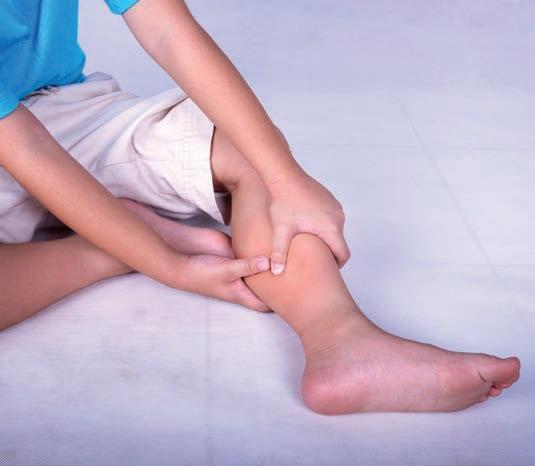
After a day of fun at the park or swimming at a neighbor’s house, children may complain of a little soreness, primarily in the legs. By morning, the discomfort will have disappeared, and the kids will resume their active lifestyles. This phenomenon is commonly referred to as growing pains, although there is limited evidence to suggest a direct correlation with bone growth. The aches are most likely a result of muscle fatigue.
Growing pains are a common occurrence, although their exact cause remains elusive. According to Nina Gold, a board-certified pediatrician at the Paterson Community Health Center, in New Jersey, with 25 years of experience in pediatric emergency care, “The definition, diagnosis and cause of growing pains remains unclear. Despite the name, there may not even be any connection to growing. Most agree it consists of episodic pain, usually in the lower extremities, mostly in the evening or nighttime.”
Typically characterized as aching, cramping or throbbing sensations, they often strike at night or after an active day, leading some researchers to surmise that the pain stems from tired or overworked muscles. A 2025 study published in Nutrients involving 916 young athletes found that 78.5 percent of the children (ages 8 to 12) and 93.5 percent of the adolescents (ages 13 to 17) self-reported growing pains. The researchers noted that this musculoskeletal pain was notably higher among kids engaged in regular sports practice, as only 11 to 15 percent of children and 33 to 44 percent of adolescents in the general pediatric population self-report pain.
Numerous studies have linked vitamin D deficiency to growing pains in children, and supplementation has been shown to reduce it. A 2015 study published in Medical Principles and Practice involving 120 children with growing pains reported that 86.6 percent were deficient in vitamin D, and oral supplementation resulted in a significant reduction in pain intensity.
Common growing pains usually involve both legs, occur at night and do not cause redness, swelling or daytime limitations. “Parents should be concerned if there is pain on only one side, morning stiffness, joint swelling, redness, persistent or severe pain, or other symptoms such as fever, weight loss or malaise,” cautions Gold. “Children with typical growing pains remain active during the day, so a sudden
decrease in daytime activity also warrants evaluation.”
Once more serious conditions are ruled out, gentle, home-based strategies can effectively alleviate discomfort and promote relaxation. “Reassurance can go a long way for parents and then, by extension, the child,” Gold says. “Knowing that this is benign and self-limiting, and knowing what to watch for should take the worry out of it.”
Strategies To Soothe and Support
Gentle Massage and Warmth: Light massage to the calves, thighs or feet helps reduce muscle tension and calm the nervous system. A warm bath can also provide soothing relief.
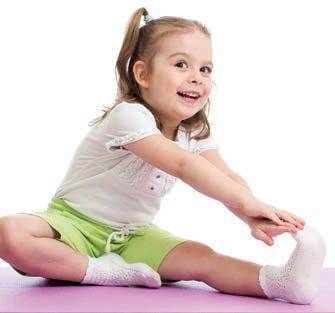
Stretching and Gentle Movement: Stretching exercises maintain flexibility and may reduce nighttime cramping. Gold recommends stretching the calf by flexing the foot, stretching the thigh by flexing the knee and stretching the hamstring by extending the leg. Short evening walks or gentle bedtime stretches can help kids unwind after busy days.
Balanced Nutrition and Hydration: “Eating a well-rounded diet is always ideal and should be encouraged to facilitate good muscle, bone and joint health,” says Gold. Check vitamin D levels and then supplement if a deficiency is found. Magnesiumrich foods like bananas, green vegetables
and nuts may help with muscle relaxation. Gold recommends a multivitamin and stresses the importance of proper hydration. The American Academy of Pediatrics recommends four cups of fluids daily for 1-to-3-year-olds, five cups for 4-to-8-yearolds and seven to eight cups for older children. Plain water is the best choice.
Mind-Body and Sensory Techniques: Simple relaxation strategies can reduce nighttime discomfort. “During the day, kids tend to be busy, and then at night there is more focus on the pain,” explains Gold. “Sometimes children like a different sensation, such as gentle tickling of the extremity followed by a light massage and warm compress, to replace the pain sensation with a more pleasant feeling.” Breathing exercises, guided imagery or calming bedtime routines can also ease stress around recurring discomfort.
Occasional Medication: Growing pains are noninflammatory and self-limiting, so medication is not usually necessary. Still, Gold reassures parents that an occasional dose of acetaminophen or ibuprofen for pain relief is also an option.
Prevention Strategies: For active kids, “Taking rest breaks during an intense exercise day and participating in a variety of sports or activities so that several muscle groups are used might help prevent or lessen the pain,” says Gold.
A Gentle Journey Through the Growing Years
Growing pains can be frustrating, especially when they interrupt sleep or cause worry. Most children outgrow them by late childhood. With gentle, supportive strategies families can help children move through these phases more comfortably.
Christina Connors is a writer, keynote singer and workshop facilitator. Learn more at ChristinaConnors.com.
Weaving Gold Into Life’s Story
by Marlaina Donato
In the depths of winter, our sorrow, dis appointment and old longings can feel heavier, making us question if sunlight will ever return to our hearts. Like a bare February landscape, pain strips us to the honest bone.
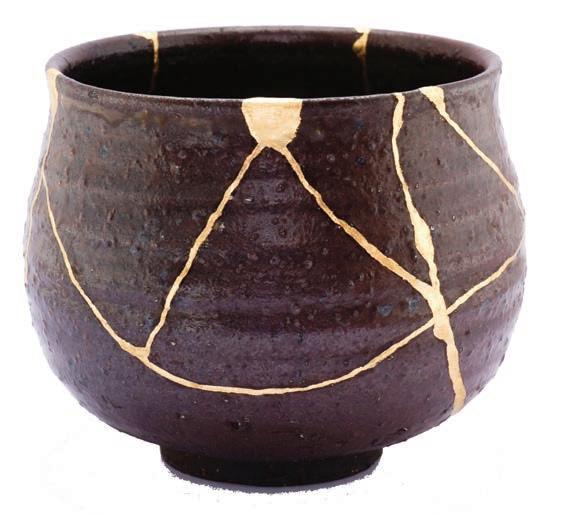
Kintsugi, the Japanese art of mending broken pottery with precious metals like gold, serves as an inspiration for life. When our joy or stability shatters, we can transform the remaining pieces into something beautiful. Our hard-earned wisdom, self-compassion and unwavering faith act like precious metals, softening the edges and filling the deep cracks of our brokenness.
Witnessing a loved one fall apart is challenging, but sometimes our greatest act of support is allowing them the space to unearth the metaphorical gold needed for their own repair. Healing is a private and unique journey into the deep self, enabling the art of being fully human.
“In three words I can sum up everything I’ve learned about life: It goes on,” said poet Robert Frost, who endured the unspeakable loss of both parents at a young age, as well as the deaths of his wife and
four of their six children. Like Frost, who turned tragedy into an artistic legacy, we can cultivate new life from our barren seasons and ruined harvests. We can take our darkest hours in hand to become mended vessels capable of holding future joy.
To embody the ancient metaphorical art of Kintsugi, consider these inspirations:
Handwrite your losses on one piece of paper and the things that remain on another. Frame the latter and place it somewhere as a daily reminder.
• Tear heavy craft paper into large pieces; write a loss on each one, then reassemble the pieces. Pour metallic paint between the seams, let it dry and frame under glass as an art piece.
• Visualize being a tree with deep roots reaching into an underground river of gold, drawing up nourishment.
Marlaina Donato is an author, artist and composer. Connect at WildflowersAndWoodSmoke.com.
Calendar of Events
Tuesday, February 3 (daily t hru March 29)
Love Our Staff Art Show – 9am-5pm. Love Our Staff Art Show celebrates the creativity and passion of the people who help make Lewis Ginter Botanical Garden thrive. This annual exhibition invites you to experience artwork created by our talented staff, showcasing a wide range of unique mediums, styles, and creative visions. Join us in the Community Art Gallery to connect with the individuals behind the scenes and discover the art they create –work shaped by their passions, inspirations, and personal stories. LewisGinter.org. Lewis Ginter Botanical Gardens, 1800 Lakeside Avenue, Richmond, VA. 804-262-9887 Free with museum admission.
Saturday, February 7
GardenInk – 5-9pm. Join us for an evening celebrating tattoo art inspired by the natural world with local artists and vendors. Hear from renowned artists Faith Anne Butler, Max Murphy, Alex Adam and Nathan Tersteeg as they share insights into their work and creative process. Explore stunning artwork, meet artists, and discover unique items while enjoying drinks, small bites and music throughout the evening. Whether you’re a tattoo enthusiast or simply curious about the world of tattooing, this event has something for you. This is a ticketed event; visit LewisGinter.org. Lewis Ginter Botanical Gardens, 1800 Lakeside Avenue, Richmond, VA. 804-262-9887. $15+.
Sunday, February 8
Lakeside Love Fest – 11am-3pm. Twisted Carrot Farm presents a Local Collaborative Market event, full of goodies crafted by over 50 local makers. This is a community focused event, and ALL are welcome (no pets, please)! Enjoy food and drinks, a craft workshop, and music while you shop. TwistedCarrotFarm. com. Lakeside Farmers Market, 6106 Lakeside Avenue; Richmond, VA. 757-819-3650 Free.
All We Need Is Love Market – 1-5pm. Amazing local artists and makers selling handmade home décor, art, jewelry, apparel, and more! Family friendly, dogs welcome, outdoor games and an overall great atmosphere to spend your Sunday Funday! ArtisanMakers. org. Mainline Brewery, 1603 Ownby Lane, Richmond, VA. Free.
Saturday, February 14
Valentine’s Day Silent Retreat – 10am5:30pm. Step into a day of quiet, presence and renewal during this short silent retreat at Living Water Community Center. Through meditation, gentle movement and shared silence, participants are invited to slow down, listen deeply, and reconnect with what matters most. This retreat is designed to be accessible and supportive. Silence is held collectively, offering space for reflection, clarity and rest from daily distractions. All are welcome— no prior meditation experience is required.
Register at LivingWaterrva.com. Living Water Community Center 1000 Westover Hills Blvd. Richmond, VA. Free.
Sunday, February 15
Galentine's Day Market – 12-5pm. Join us for the 5th Annual Galentine's Day Market at Hardywood Richmond! Come celebrate Women Owned Businesses and pick up something local for your loved ones this Valentine's Day. Amazing local artists and makers selling handmade home décor, art, jewelry, apparel, and more! Indoor Event, located in Hardywood's Barrel Room. ArtisanMakers.org. Hardywood Richmond, 2410 Ownby Lane, Richmond, VA. Free.
Wednesday, February 28
World Wildlife Day at Maymont – 10am-4pm. In celebration of World Wildlife Day, join us for activities at the Robins Nature Center and on the Maymont Grounds to showcase our wildlife, animal care, and learn about the Adopt An Animal program ahead of the grand reopening of our Virginia Wildlife Trail! At the Robins Nature Center, we will have kids activities, games, crafts and animal encounters. In the afternoon, you won't want to miss our film screening of Teach me to be Wild in connection with the RVA Environmental Film Festival. Visit Maymont.org for more information. Maymont Park, 1500 Hampton St, Richmond, VA . $8+
Ongoing Events
Sunday
Carytown Farmers Market – 9am-1pm. Richmond’s premier Sunday market, created to provide local farmers, makers and consumers the opportunity to deal directly with each other. City Stadium. 3201 Maplewood Ave. Richmond, VA. CarytownMarket.com. Free.
South of the James Farmers Market – 10am1pm. Shop local produce, handmade goods, and more every Sunday year round. Forest Hill Park. 4021 Forest Hill Ave. Richmond, VA. GrowRVA.com. Free.
Goat Yoga Brunch & Bubbly – 11:30am1:30pm. Pactamere Farm and Goat Yoga RVA are hosting morning goat yoga followed by a delicious brunch with unlimited mimosas. During the 45-minute class, your certified instructor will guide you into a series of poses with the assistance of our 26 Nigerian dwarf goat yogis. Pactamere Farm, 15577 Stone Horse Creek Rd. Glen Allen, VA. Tickets available at PactamereFarm.com. $65.
The Bench – Community Sit (every 4th Sunday) – 4-5pm. Step away from the noise and into stillness. The Bench is a simple gathering for shared silence, open to everyone regardless of experience or background. There
is no agenda, no particular style, no instruction, and no expectations. It’s an invitation to simply come as you are, sit in silence, and be. 804-359-0384. Register at InnerworkCenter. org. Innerwork Center, 213 Roseneath Rd. Richmond, VA. Free.
Sunday Sound Healing (every 3rd Sunday) –6:30-7:30pm. Experience the profound effects of sound vibrations as you journey inward on a wave of relaxation and healing. $5-$25 sliding scale. LivingWaterrva.com. 1000 Westover Hills Blvd. Richmond, VA.
Monday
Level 2 Flow Yoga – 9-10:15am. Start your week right with a yoga class that is beyond a beginner’s level. Participants will incorporate new poses and increasingly challenging options. $70/4 classes/mo, $20/drop-in.Glenmore Yoga & Wellness Center, 10442 Ridgefield Pkwy. 804741-5267. GlenmoreYoga.com.
Ageless Yoga – 10:30-11:45am. A balanced practice that incorporates basic yoga postures, breath awareness and relaxation. Poses are modified to meet individual needs. Students transfer to and from the floor and the class generally includes a Vinyasa flow of standing poses, guided by breath for a portion of class time to increase stamina and strength. Students continue to develop body awareness to keep the joins safe, increasing range of motion and improving balance. Glenmore Yoga & Wellness Center, 10442 Ridgefield Pkwy. 804741-5267. GlenmoreYoga.com.
Beginner Qigong with Jonah Marsh – 5:306:45pm. Qigong is an ancient practice which combines graceful movements with abdominal breathing and mindfulness, allowing us to connect with nature and balance the body’s circadian rhythms. Jonah has been studying Chinese internal martial arts and qigong since 2011. $5-$25 sliding scale. LivingWaterrva.com. 1000 Westover Hills Blvd. Richmond, VA.
Tuesday
Beginner-Level Yoga – 9-10:15am. Balanced practice that incorporates basic yoga postures, breath awareness & relaxation. Postures modified to meet individual needs. Online & in-person. $70/4 classes/mo, $20/drop-in. Glenmore Yoga & Wellness Center, 10442 Ridgefield Pkwy. 804-741-5267. GlenmoreYoga.com.
Yoga for Bone Health – 9:45-11am. Increase bone & muscle through the use of yoga with a combination of dynamic & static yoga poses. Chris Riely. $70/4 classes/mo, $20/drop-in. Glenmore Yoga & Wellness Center, 10442 Ridgefield Pkwy. Registration required: 804741-5267 or GlenmoreYoga.com.
Fundamentals Pilates Mat Class (Online) – 10:45am-12pm. This Pilates Mat Class with Dianne Powers will include the basic exercises emphasizing alignment, elongation of the spine and healthy posture. It will focus on the execution of efficient movement achieving improved core strength and endurance. $70/4 classes/mo, $20/drop-in. Glenmore Yoga & Wellness Center, 10442 Ridgefield Pkwy. 804741-5267. GlenmoreYoga.com.
Ongoing Events
Slow and Gentle Yoga – 11:30am-12:45pm. An instudio or online class with a yoga therapist. $70 for 4 classes in a month; $20 drop-in. Glenmore Yoga & Wellness Center, 10442 Ridgefield Pkwy. 804-741-5267. GlenmoreYoga.com.
Men’s Grief Discussion (1st & 3rd Tuesday) – 1:30-3pm. This group is peer led, free and a place to listen or share grief experiences with others with similar grief experiences. Open to anyone that has lost a significant other or spouse. Bliley’s Funeral Home, 3801 Augusta Ave. Richmond, VA. 804-355-3800.
Mixed-Level 1 & 2 Yoga – 5-6:15pm. This MixedLevel 1 & 2 yoga class is both in-studio and online. End your work day with this yoga class that will move through all the muscles and joints, transitioning from beginner yoga poses into more challenging poses. If joining online, please register in advance to get the Zoom link. $70/4 classes/mo, $20/drop-in. Glenmore Yoga & Wellness Center, 10442 Ridgefield Pkwy. 804741-5267. GlenmoreYoga.com.
Guided Meditation & Mindfulness – 7-8pm. Guided meditation followed by time for reflection with instructor Josh . Suitable for any level, sliding-scale. Leave feeling relaxed, restored & rejuvenated. Like all Living Water classes, this one is sliding scale, $5-$25. Living Water Community Center. 1000 Westover Hills Blvd. LivingWaterrva.com/events.
Wednesday
Yin Yoga (In Studio & Online) – 9-10:30am. This quiet practice with Erin Forsyth, ERYT 500, focuses on the deep connective tissue in the lower back, hips and pelvis. Poses are generally limited to seated or reclined. The poses apply passive pressure to the joints, ligaments and tendons and are held for 3 to 5 minutes. While holding, students practice staying mentally attentive by focusing on the breath and to what their body feels in the pose. For the online class, please register in advance to get the Zoom link. Glenmore Yoga & Wellness Center, 10442 Ridgefield Pkwy. 804-741-5267. GlenmoreYoga.com. $20.
Intermediate Flow Pilates Mat Class – 9:1510:30am. A Pilates mat class with a focus on intermediate mat exercises. $70/4 classes/ mo, $20/drop-in. Glenmore Yoga & Wellness Center, 10442 Ridgefield Pkwy. 804-741-5267. GlenmoreYoga.com.
Ageless Yoga – 10:45am-12pm. A balanced practice that incorporates basic yoga postures, breath awareness and relaxation. Poses are modified to meet individual needs. Students transfer to and from the floor and the class generally includes a Vinyasa flow of standing poses, guided by breath for a portion of class time to increase stamina and strength. Students continue to develop body awareness to keep the joins safe, increasing range of motion and improving balance. $70/4 classes/ mo, $20/drop-in. Glenmore Yoga & Wellness Center, 10442 Ridgefield Pkwy. 804-741-5267. GlenmoreYoga.com.
Gentle Yoga – 11am-12:15pm. This class features gentle yoga stretches, postures, breath awareness and relaxation to improve flexibility, strength, range of motion, balance and energy.
PLANS CHANGE
Please call ahead to confirm date and times
Designed for those recovering from injuries, illness, inactivity or other health considerations. $70/4 classes/mo, $20/drop-in. Glenmore Yoga & Wellness Center, 10442 Ridgefield Pkwy. 804741-5267. GlenmoreYoga.com.
Widow’s Tea Talk (Every 4th Wednesday) - 1:30-3pm. This group is peer led, free and a place to listen or share grief experiences with others with similar grief experiences. Open to anyone that has lost a significant other or spouse. Bliley’s Funeral Home, 3801 Augusta Ave. Richmond, VA. 804-355-3800.
Thursday
Vinyasa Flow – 9-10:15am. Join Glenmore Yoga’s Randi Weiss, E-RYT 500, for an inperson or online Vinyasa Flow class that incorporates all aspects of a traditional hatha yoga class - postures, breath & meditation while challenging your coordination through flow. Please register in advance. $70/4 classes/ mo, $20/drop-in. Glenmore Yoga & Wellness Center, 10442 Ridgefield Pkwy. 804-741-5267. GlenmoreYoga.com.
Chair Yoga (Online) – 10:30-11:45am. This online Chair Yoga class via Zoom for older adults offers a balanced yoga practice which incorporates basic yoga postures, breath awareness and relaxation. Students continue to develop body awareness to keep the joints safe, increase range of motion and improve balance. Please register in advance to get the Zoom link. $70/4 classes/mo, $20/drop-in. Glenmore Yoga & Wellness Center, 10442 Ridgefield Pkwy. 804741-5267. GlenmoreYoga.com.
Fundamentals Pilates Mat Class – 10:45am12pm. This Pilates Mat Class with Dianne Powers will include the basic exercises emphasizing alignment, elongation of the spine and healthy posture. It will focus on the execution of efficient movement achieving improved core strength and endurance. $70/4 classes/mo, $20/drop-in. Glenmore Yoga & Wellness Center, 10442 Ridgefield Pkwy. 804-741-5267. GlenmoreYoga.com.
YOGAbility – 11am-12:15pm. This in-studio therapeutic yoga class is designed to educate, assess and help you progress in everyday life skills including functional abilities of work, rest and play. Highlighted are abilities of aligned posture, dynamic balance and increased mobility. Glenmore Yoga & Wellness Center, 10442 Ridgefield Pkwy. 804-741-5267. GlenmoreYoga.com. $20.
Online Beginner Yoga – 6-7:15pm. A balanced practice that incorporates basic yoga postures, breath awareness and relaxation. Postures are modified to meet individual needs. Please register in advance to get the Zoom link for this online class. Glenmore Yoga & Wellness Center, 10442 Ridgefield Pkwy. 804-741-5267. GlenmoreYoga.com.
Friday
Yin Yoga – 9-10:15am. This 75-minute in-studio Yin Yoga class is a great way to end the week. The quiet practice focuses on the deep connective tissue in the lower back, hips and pelvis. Poses are generally limited to seated or reclined. The poses apply passive pressure (muscularly soft) to the joints, ligaments and tendons and are held for 3-5 minutes. Glenmore Yoga & Wellness Center, 10442 Ridgefield Pkwy. 804-741-5267. GlenmoreYoga.com. $20.
Tibetan Rites (Online) – 10:30am-11:45pm. The Five Tibetan Rites is a system of exercises reported to be more than 2,500 years old. The Rites are said to be a form of Tibetan yoga similar to the yoga series that originated in India. The Five Tibetan Rites enhance mental clarity and memory, balance the hormones, improve health and support emotional well-being. This is an online-only class; please register in advance to get the Zoom link. Glenmore Yoga & Wellness Center, 10442 Ridgefield Pkwy. 804741-5267. GlenmoreYoga.com.
Level 1 & 2 Yoga – 10:45am-12pm. This instudio traditional yoga class takes students beyond the beginner level. The class will flow through poses and include more challenging options, ending with a relaxation session. $70/4 classes/mo, $20/drop-in. Glenmore Yoga & Wellness Center, 10442 Ridgefield Pkwy. 804-741-5267. GlenmoreYoga.com.
Sacred Candlelit Fridays – 6-7pm. Our Friday nights are thoughtfully designed to help you release the weight of the week and ease into the weekend within the warmth of a supportive, sober community. Registration is required. Portal Therapy, 3536 Grove Ave. Suite B, Richmond, VA, 804-822-1719. PortalTherapy.com. $30.
Saturday
Mixed-Level Yoga – 9-10:15am. Start the weekend off right w/ a yoga class appropriate for all levels. Guidance is given throughout practice, offering individual students a number of appropriate options. In-person & online. $70/4 classes/mo, $20/drop-in. Zoom. Register, Glenmore Yoga, 804-741-5267 or GlenmoreYoga.com.
Aerial Yoga – 10:45am-12pm. This beginnerfriendly class for adults of all ages combines traditional yoga with the support of a suspended silk hammock. You will be guided through a series of poses and flows designed to strengthen, lengthen and open the body, leaving you feeling confident, connected and relaxed. $20. Host of Sparrows Aerial Circus, 97 Manchester Road, Richmond, VA. 804-6150309. HostOfSparrows.com.
Community Resource Guide
Connecting you to the leaders in natural health care and green living in our community. To find out how you can be included in the Community Resource Guide, email Regina@NARichmond.com to request our media kit.
Concierge Medicine
WELLCOMEMD
2500 Gaskins Rd, Ste A 866-942-4522 · WellcomeMD.com infoRichmond@WellcomeMD.com
Experience concierge medicine with a functional medicine approach. Comprehensive and proactive, limited number of patients, unhurried 30-minute consultations for a personal and effective relationship with your physician. Schedule a discovery call today.
Dentistry (Biological/Holistic)
NEIGHBORS AND HEROD FAMILY DENTISTRY
Dr. Brian Herod 1009 Crowder Dr., Midlothian, VA 23113 804-794-8745 • MidloDental.com
Dr. Brian Herod centers his holistic dentistry practice on the connection between oral and systemic health. He is a member of the IAOMT, providing an integrative approach to dental care. Safe amalgam removal, metal and BPA-free fillings, ceramic implants, biocompatibility testing, fluoridefree, 3-D cone beam.
VIRGINIA BIOLOGICAL DENTISTRY
Dr. Olivia Hart, DDS, NMD, Founder and Lead Biological Dentist 4932 Dominion Blvd, Suite C Glen Allen, VA 23060 virginiabiologicaldentistry.com 804-381-6238
Virginia Biological Dentistry offers a truly biological approach to dental care, grounded in the understanding that oral health plays a vital role in whole-body wellness. Founded and led by Dr. Olivia Hart, the practice is built on authentic biological principles. All care is delivered using biocompatible, non-metal materials, with a strict commitment to metalfree dentistry, SMART-certified removal of leaky amalgam fillings, ceramic (zirconia) implants only, and biological protocols that support cleaner healing and enhanced oral health, including advanced biological hygiene cleanings. We serve patients seeking a higher standard of care—one that integrates advanced science, biological integrity, and compassionate attention to the whole person. Visit the website to learn more.
Doctors
NANCY A. POWELL, M.D.
River’s Way Healthcare of Virginia 5500 Monument Ave, Ste T 804-379-4560
RiversWayHealthcareVA.com
RiversWayVA@gmail.com
Offering expanded healing services. Providing traditional primary care and alternative approaches to support the body’s ability to heal itself. Extensive study in the mind-body connection to achieve optimal health. Certified by the Board of Family Medicine and by the American Board of Scientific Medical Intuition.
Doula and Birth Coaching
VERONICA JONES, LMT LAMHA CUMASACH
3224A West Cary St, Richmond, VA 23221 Info@LamhaCumasach.com 804-551-9858 · LamhaCumasach.com
Offering on-demand doula and massage therapy services designed to nurture, educate, and empower families through every stage of the birthing journey. From prenatal coaching and hands-on labor support to postpartum healing and holistic recovery rituals, we offer customizable packages that meet every need. Discover birth as it was meant to be: calm, informed, and beautifully empowering. See ad, page 16.
Embodied NeurofeedbackTM/Nervous System
NAOMI IGUCHI, PHD, LCP, BCN, RYT
NeuroFlow Wellness
804-349-3033
Naomi@NeuroFlowWellness.com
NeuroFlowWellness.com
Naomi is a Licensed Clinical Psychologist, Board-Certified in Neurofeedback, and a Registered Yoga Teacher who helps adults break free from cycles of chronic stress, anxiety, inattention, depression and exhaustion. Through her unique method, Embodied NeurofeedbackTM, she addresses struggles at their root—the brain, body, and nervous system—so change is fast, lasting, and medication-free. If you feel overwhelmed, disconnected, or trapped, her neuroscience- and research-backed approach offers a path to reclaim your calm, energy and joy.
Energy medicine naturally increases vitality, lightness, and has global health benefits. Energy medicine treats the person on all levels. Using intention to create the inner environment for change, the energetic communications and processes that support the person on all levels is enhanced. This is a powerful medicine with no adverse side effects. Using concepts from multiple disciplines, energy medicine can be both a calming, soothing, complementary practice and a health support system in its own right. Book a free consultation today!
Functional Medicine
ROOT & RITUAL FUNCTIONAL MEDICINE
Rachel Martin RootAndRitualFXMed.com Hello@Rootandritualfxmed.com
At Root and Ritual Functional Medicine, we believe healing isn’t a quick fix — it’s a rhythm. Our care model blends functional medicine with time-tested herbal wisdom, seasonal living, and family-friendly strategies. We help you reconnect with what’s essential: nourishment, nature, rest, and a body that feels like home. Start with a complimentary 15-minute Meet & Greet call to explore what’s going on and what healing could look like for you.
Insurance
PCM INSURANCE AGENCY
Patricia Mayfield
PCMInsurance19@gmail.com 1-800-674-6771
PCM Insurance is your premier destination for Medicare enrollment services. With decades of experience in the industry, our dedicated team of experts is committed to helping individuals navigate the complexities of Medicare with ease. See ad, page 7.
Community Resource Guide
Integrative Medicine
REALIGN YOUR MIND COUNSELING SERVICES, LLC
6372 Mechanicsville Turnpike, Unit 111 Mechanicsville, VA 23111
804-592-6620
RealignYourMindCounseling.com
We are a licensed mental health private practice based in Virginia, offering professional therapy services provided by experienced clinicians. In addition to traditional therapy, we offer a variety of integrative wellness services—including sound healing, Reiki, hypnotherapy, and Bio-Well energy scans. As proud brand partners with LifeWave, we also incorporate their innovative wellness patches into our holistic care approach.
Massage Therapy
ATTEVLÉ MASSAGE THERAPY
2505 Pocoshock Place, Suite 203 Richmond, VA 23235
804-518-8450 • Attevle.com
Massage@Attevle.com
Because you deserve more than just a massage—you deserve a moment of peace.
Attevlé Massage Therapy is a welcoming, inclusive wellness studio located in North Chesterfield, Virginia. Dedicated to enhancing your well-being, Attevlé offers a tranquil space where clients can unwind, heal, and reconnect with themselves. Whether you're seeking relief from chronic pain, stress reduction, or simply a moment of self-care, Attevlé provides personalized massage experiences that leave you feeling your very best.
VERONICA JONES, LMT
LAMHA CUMASACH
3224A West Cary St, Richmond, VA 23221
Info@LamhaCumasach.com
804-551-9858 · LamhaCumasach.com
Nurturing the Body, Restoring the Mind, Elevating Your Wellbeing. Discover restorative massage therapy designed for total wellbeing. From deep pain relief and stress reduction to prenatal and postpartum care, each session is personalized to your body’s unique needs. Choose from indulgent experiences like the Serene Indulgence Intro Massage, Bespoke Wellness Massage, or Lymphatic Detox Massage—all crafted to relieve tension, promote healing, and leave you feeling refreshed and rebalanced. Because you can’t pour from an empty cup — it’s time to prioritize you. See ad, page 16.
Medical Spa & Integra tive Wellness
BODY JOURNEY
9460 Amberdale Dr, Suite D North Chesterfield, VA 23236
Info@BodyJourneyByMC.com
804-728-2278 • BodyJourneyByMC.com
Step into a space where self-care and science unite. At Body Journey, wellness goes beyond the scale—it’s a personalized path toward balance, confidence, and renewal. Through customized nutritional guidance, holistic wellness support, and noninvasive body contouring, each plan is tailored to your unique goals. Complement your journey with expert skincare, Botox, and cosmetic treatments designed to enhance your natural radiance inside and out.
Mental Health Services
INSPIRE FAMILY SERVICES, LLC
9510 Iron Bridge Rd, Ste 215 Chester, VA 23832
Info@InspireMHS.com
804-829-7575 • InspireMHS.com
Our mission is to empower individuals with mental health challenges and intellectual disabilities to lead fulfilling, independent lives. Through compassionate and dedicated mental health services, we provide personalized support, innovative care, and a nurturing environment. Our commitment is to promote dignity, foster resilience, and inspire growth in every individual we serve, ensuring they achieve their highest potential and thrive within their communities.
Natural Medicine
RISE AND ROOT APOTHECARY
804-495-0325
RiseAndRootApothecary.com
We offer handcrafted herbal teas, botanical infused oils, and soulful wellness tools designed to help you breathe deeper, restore balance, heal your body and support longevity. Blending Ayurveda, herbalism and intentional ritual, our remedies support your daily alignment and elevate your self-care practice.
Naturopathic Doctor
DR. MICAH ALLEN, ND, LAC, FABORM Essential Natural Health
804-464-3315
DrMicahAllen.com
Dedicated to providing personalized holistic healthcare solutions in Richmond, Virginia. Our practice focuses on integrating time-tested acupuncture techniques with innovative medical solutions to achieve significant and enduring results for our patients. Specializing in challenging chronic conditions such as peripheral neuropathy, infertility and pain, we strive to help individuals live fulfilling lives. At Essential Natural Health, we prioritize understanding each patient as a whole person. We develop customized preventive and natural medicine health plans for all ages, from pediatrics to geriatrics. Our approach is grounded in harnessing the body ’s inherent healing abilities through tailored treatment plans designed to address individual needs effectively.
Pharmacy
RX3 COMPOUNDING PHARMACY
12230 Ironbridge Rd, Ste C, Chester 11934 W Broad St, Henrico Ph: 804-717-5000, Fax: 804-717-8300
Rx3Pharmacy.com
RX3, Virginia’s First Nationally Accredited Compounding Pharmacy, has been an industry leader for 23+ years. Specialists in customized compounding, bioidentical hormones, veterinary/equine compounding, traditional pharmacy, palliative care, professional quality supplements, CBD experts, Food Inflammation Testing, and more. See ad, page 17.
Thermography
DEBBIE TROXELL, RN, MSNH Thermographer
The Wellness Village 1404 Starling Dr, Richmond 804-683-7774
RVAThermography.com
Safe, non-invasive, radiationfree imaging. Preserve your breasts, heart health and much more. Live happier and healthier longer! Interpreted by Matthew Lee, MD, RPh. See ad, page 11.