Design, Production & Digital Marketing Kristina Parella
Contributing Writers Michaela Leung Tiana Tarver
Distribution Manager Larry Gunter
Ad Design Lauren Arabis
Website Matthew Davis
CONTACT US
Email
MsTracy@MidlandsNA.com
Tracy Jacox-Gunter Ph: 839-228-1158
Website
ColumbiaNaturalAwakenings.com
Dear Natural Awakenings family,
As summer begins its gentle transition toward autumn, I have found myself slowing down just enough to notice the trivial things.
Perhaps it’s a sign of becoming more seasoned, but lately I’ve been drawn to places and moments that whisper stories from another time. An old family photograph. The weathered front porch of a farmhouse. A handwritten recipe tucked inside a cookbook. A vintage storefront that has stood faithfully for decades. Even the laughter of my grandchildren somehow reminds me how quickly life moves—and how precious each season truly is. There is something deeply comforting about remembering where we’ve been.
In a world that constantly encourages us to chase what’s next, we sometimes overlook the beauty of what has already shaped us. We replace instead of restore. We renovate instead of preserve. We hurry past the very places and people that helped make us who we are.
DIGITAL SUBSCRIPTIONS
Media & Marketing Intern Himi Save a Tree Scan Me
NATIONAL TEAM
CEO Kimberly B. Whittle
National Editor Sandra Yeyati
Editor Brooke Goode
Copy Editor/Proofing Melanie Rankin
Layout Flip180 Media
CONTACT US
Natural Awakenings
Publishing Corporation
350 Main Street, Suite 9B
Bedminster, NJ 07921
Ph: 239-206-2000
NaturalAwakenings@KnoWEwell.com
Cover image by Ruya
Natural Awakenings is printed on partially recycled and fully recyclable newsprint with black soy ink.
Yet I’ve come to believe that wellness isn’t only about caring for our physical health. It’s also about honoring our history, our community and the memories that continue to nourish our hearts. That is why I’m especially excited to introduce a new department in Natural Awakenings Columbia: Walking Through Yesterday.
This feature will celebrate the people, places, traditions and treasures that connect us to our past. We’ll explore historic landmarks, family-owned businesses, local legends, forgotten stories, cherished heirlooms and the timeless lessons they still have to offer. Sometimes looking back reminds us of exactly what we need to carry forward. One of the greatest lessons nostalgia has taught me is that age does not diminish value.
An antique table may bear scratches from generations gathered around it. A weathered church may have peeling paint but still stand as a beacon of hope. An old quilt may show signs of wear while continuing to offer warmth. Their imperfections aren’t flaws—they’re evidence of a life well lived. Perhaps the same is true for us.
The experiences that have stretched us, the disappointments we’ve overcome, the seasons that have changed us—none of these lessen our worth. If anything, they deepen it. They become part of the beautiful story we’re still writing.
As I spend more time with family, especially my grandchildren, I’m becoming increasingly aware that today’s ordinary moments will become tomorrow’s treasured memories. The conversations around the dinner table, Sunday afternoons together, family vacations and even quiet evenings on the deck are creating a legacy that no photograph could fully capture.
So, this month, I invite you to slow down. Visit a place you’ve always meant to explore. Ask a parent or grandparent to tell a story you’ve never heard. Dust off an old photo album. Walk through your hometown with fresh eyes. You may discover that what once seemed forgotten is waiting to be remembered.
Thank you for allowing us to be part of your wellness journey and your story. My desire is that Walking Through Yesterday becomes a place where we celebrate not only where we’ve been, but also the wisdom, resilience and beauty that continue to guide us forward.
Here’s to honoring yesterday while embracing today.
With honor and gratitude,
ColumbiaNaturalAwakenings.com
Turn Up the Fun With Music Bingo Nights
Music lovers can test their song knowledge and compete for prizes during Music Bingo at Savage Craft every Wednesday through September 16 from 6:30 to 9:30 p.m. Hosted by DJ Alexis, the free event replaces traditional bingo numbers with popular songs, challenging participants to identify tunes, sing along and mark their cards for a chance to win prizes.
Designed for both devoted music fans and casual listeners, Music Bingo offers an interactive evening of entertainment with a mix of friendly competition and familiar hits. The event is suitable for groups of friends, date nights or those looking for a midweek outing.
Location: 430 Center St., West Columbia. For more information, call 803-673-2569 or visit SavageCraft.com/upcoming-events.
Check Your Child’s Car Seat for Safety
Prisma Health Richland Children’s Hospital offers free weekly car seat and booster seat safety inspections by appointment on Tuesdays and Thursdays. Appointments will include car and booster seat installation and education for caregivers by a certified Child Passenger Safety Technician.
Car seats and boosters provide protection for infants and children in a crash, yet car crashes are a leading cause of death for children ages 1 to 13. Choosing and using the right car seat correctly every time a child is in the car is essential for safety.
Location: 7 Medical Park Dr., Columbia. For more information or to schedule an appointment, visit Eventbrite.com/e/child-passenger-safety-inspections-prisma-health-childrens-hospital-tickets-358584555057?aff=ebdssbdestsearch.
Roll and Connect With Other Parents at Finlay Park
Parents and caregivers are invited to join the Mommy n Me/Stroller Roll Group from 9:30 to 10:30 a.m. Friday, August 7, at Finlay Park. The free gathering offers an opportunity for participants to enjoy a stroller roll with their little ones while connecting with other parents and caregivers. Skate rentals will be available for those that need them.
Location: 930 Laurel St., Columbia. For more information or to register, visit Eventbrite. com/e/mommy-n-mestroller-roll-group-tickets-1991295495431?aff=ebdssbdestsearch.
Discover Fresh Finds Every Tuesday
The Community Artisans and Farmers Market will take place Tuesdays between 2 and 6 p.m., from August 4 through October 27 in Columbia.
The weekly market will feature fresh fruits and vegetables, baked goods, dog treats, boiled peanuts, pork skins, lemonade and specialty “dirty” drinks. Shoppers can also browse handcrafted skin care products designed for all skin types.
In addition to local food and artisan offerings, the market aims to provide a family-friendly gathering place where community members can connect and support local vendors.
Admission is free. Location: 1320 Clemson Rd., Columbia. For more information, call 803807-3238 or visit Communityafm.org.
Get a First Look at a New Musical Drama
On Saturday, August 8, at 5 p.m., the Inclusive Theatre Company of South Carolina will present a staged reading of the world premiere of a new play with music, Struggle Bus. For adult audiences, the play, based on the book Dream Changer, by Jamila Phillips, is the story about the challenges and joys of special-needs parenting laced with honesty, humor and inspiration.
The staged reading is a strippeddown version of the full production, which will be produced in summer 2027. Audience members will be invited to participate in a post-show discussion and provide feedback on the production. Onsite childcare will be available for families with special-needs youth, with supervised activities offered in an adjacent space during the performance.
Cost: $10. Location: 1401 Washington St., Columbia. For more information or to purchase tickets, call 803-354-3883 or visit InclusiveTheatreCoSC.com. Those planning to use the childcare services are asked to notify organizers at LarryHembree1@gmail.com.
Prepare for Your Breastfeeding Journey
Prisma Health will sponsor an in-person breastfeeding class from 6 to 8 p.m. Tuesday, August 18.
Designed for expectant mothers and their support person, the interactive session will provide information on what to expect throughout the breastfeeding experience.
Participants will learn about the benefits of breastfeeding, preparing to breastfeed, latch and positioning techniques, and how to recognize if an infant is feeding well. The class will also cover common breastfeeding challenges, choosing the right breast pump and returning to work.
Registration is recommended during the first trimester, with attendance suggested during the third trimester.
Cost: $25. Location: 400 Palmetto Health Pkwy., first-floor Birch/ Cedar Classroom, Columbia. For more information or to purchase tickets, visit Eventbrite.com/e/breastfeeding-basics-midlands-tickets-1993615390299?aff=ebdssbdestsearch.
Explore Art Through a Guided Museum Tour
The Columbia Museum of Art (CMA) will offer a free guided public tour of the CMA Collection Thursday, August 6, from 5 to 6 p.m. Held as part of the museum’s Free First Thursday program, participants will explore artwork from different periods and perspectives while learning how artists and makers draw inspiration from the past, interpret the present and imagine the future.
Location: 1515 Main St., Columbia. For more information, visit ColumbiaMuseum.org/events/public-tour-collection-1.
Explore Native American Art at CMA
The Columbia Museum of Art (CMA) will host the South Carolina Native American Art Market from 9 a.m. to 1 p.m. Saturday, August 15, on Boyd Plaza. Held for the third consecutive year in collaboration with the S.C. Commission for Community Advancement and Engagement, the free event will feature Native American artists sharing their work and stories during Soda City Market.
Visitors can shop handmade works including woodworking, jewelry, pottery, Indigenous foods and more. The event will also include live demonstrations, performances by fancy dancers, jingle dancers, grass dancers, and men’s and women’s traditional dancers, as well as music from the Catawba Nation’s Women of the River Drum Group and the Iron Arrow Singers.
In the event of rain, the market will be moved indoors.
Location: 1515 Main St., Columbia. For more information, visit ColumbiaMuseum.org/events/south-carolina-native-american-art-market.
Make sure to let our advertisers know you found them in
Help Support Families During Diaper Giveaway Event
Palmetto Goodwill, in Sumter County, will host a stop on the Diaper Day Giveaway Tour from 10 a.m. to noon Wednesday, August 26. The free event will provide an opportunity to support families in need and celebrate community spirit.
The giveaway is part of a special tour focused on assisting families and strengthening community connections.
Location: 1028 Broad St., Sumter. For more information or to register, visit Eventbrite.com/e/diaper-day-giveaway-tour-stop-at-the-palmetto-goodwill-sumtercounty-tickets-1993872567523?aff=ebdssbdestsearch.
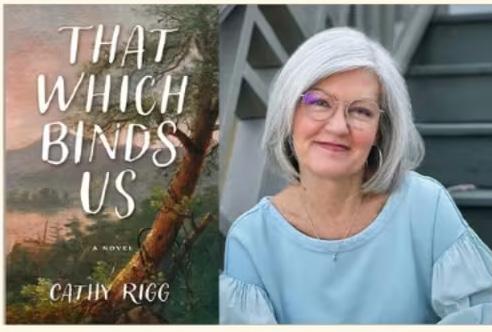
Meet Author Cathy Rigg at Columbia Museum of Art
The Columbia Museum of Art will host a literary program featuring Columbia author Cathy Rigg on Thursday, August 6, from 6 to 7 p.m. The free event, part of the museum’s Free First Thursday program, will spotlight Rigg’s debut novel, That Which Binds Us, a finalist for the 2025 Forward Indies Book of the Year in historical fiction.
Attendees can purchase a copy of the book, have it signed by Rigg, enjoy a beverage from the First Thursday on Main bar and join Rigg and Deputy Director Joelle Ryan-Cook for a reading and conversation. The evening will also include mountain music from special guests.
Born and raised in the Appalachian Mountains of southwest Virginia, Rigg is the founder of Columbia-based brand marketing firm Riggs Partners. Her fiction and poetry have appeared in numerous literary journals and anthologies.
Location: 1515 Main St., Columbia. For more information, visit ColumbiaMuseum.org/events/ which-binds-us-book-talk-and-signing.
A Sanctuary for the Feminine Soul
Peaceful Pause is a Holistic Healing Space Where Every Woman Can Heal, Grow and Thrive
Write Your Way Toward New Possibilities
Peaceful Pause Healing and author Ella Shawn, founder of SOMO Creative Writing Workshops and a certified Amherst Writers & Artists facilitator, will host Write Yourself Forward: A Somatic Writing Workshop from 1 to 3:30 p.m. Sunday, August 16. The 2.5-hour guided writing experience will combine somatic reflection and creative writing to help participants reconnect with their voice, reclaim parts of themselves and imagine new possibilities for what comes next.
Participants will receive a journal and handmade ergonomic pen as part of their registration.
Cost: $95. Location: 7825 Broad River Rd., Ste. 300, Irmo. For more information or to purchase tickets, visit PeacefulPauseHealing. com/learn.
Shop Local at the Forest Acres Farmers Market
The Forest Acres Farmers Market, presented by Lexington Health, will take place every Wednesday from 2 to 6 p.m. beginning August 5. The free-to-attend market, with complimentary parking, will feature local vendors offering fresh produce, crafts, handmade goods, sourdough and more. Visitors can also enjoy rotating food and ice cream trucks, as well as splash pads for children.
Location: 24 Forest Lake Pl., Columbia. For more information, visit Eventbrite. com/e/forest-acres-farmers-market-presented-by-lexington-health-tickets-1985870522190?aff=ebdssbdestsearch.
Explore Columbia’s Café Scene at Cola Cafe Fest
The Columbia Metropolitan Convention Center will host the Cola Cafe Fest from 9 a.m. to 5 p.m. Sunday, September 27. The daylong event is a curated celebration of Columbia’s café scene, bringing together local makers, roasters and bakers to highlight quality, creativity and small businesses.
Attendees can explore offerings from local vendors and connect with members of the community while celebrating the people and businesses that contribute to Columbia’s café culture.
Location: 1101 Lincoln St., Columbia. For more information, including cost and vendor opportunities, visit ColaCafeFest.com.
Celebrate Pop Culture at Soda City Comic Con
The Soda City Comic Con will return to the Columbia Metropolitan Convention Center from 10 a.m. to 5 p.m. Saturday, August 22, and Sunday, August 23. Celebrating its 11th year, the two-day event will feature comics, toys, cosplay, gaming, artists and more for pop culture fans throughout the Midlands.
Location: 1101 Lincoln St., Columbia. For more information, including cost, or to purchase tickets, visit Eventbrite.com/e/soda-city-comic-convention-2026-tickets-1986010838881?aff=e bdssbdestsearch#location.
Socioeconomic Impacts on Children’s Brains
A study published in the journal Science found that a child’s socioeconomic environment exerts the strongest influence on brain development, surpassing factors like IQ, parenting style or health history. The researchers analyzed brain scans from nearly 12,000 9- to 10-year-olds, mapping 649 variables across 12 categories. When compared, socioeconomic factors, including family income, home ownership, local poverty rates and access to transportation, accounted for approximately 16 percent of the variability in children’s brain function. Of the top 40 variables linked to brain function, 37 were socioeconomic in nature.
The brain regions most affected by socioeconomic disadvantage were the same areas most susceptible to sleep deprivation and stress, indicating that the brains of children from lower-income households do not reflect diminished cognitive capacity, but rather the consequences of chronic stress and inadequate sleep.
The study also challenges longstanding assumptions regarding IQ and brain structure. When researchers adjusted for socioeconomic status, approximately 70 percent of previously identified brain-IQ associations lost statistical significance, suggesting that earlier studies may have been measuring the impact of circumstance rather than innate intelligence.
Understanding and Reversing Alcohol’s Damage
Possible Causes of Early-Onset Colon Cancer
According to the American Cancer Society, colon cancer emerged as the leading cause of cancer-related fatalities among adults under the age of 50 in 2026. Recent findings presented at the 2026 American Society of Clinical Oncology conference suggest that young-onset colorectal cancer may be a biologically unique disease, influenced by modern dietary and environmental factors.
Research conducted by Dr. Ning Jin at The Ohio State University identified 11 cancer-driving gene mutations that are more prevalent in early-onset cancer patients under 50. Her work indicates that ultra-processed diets rich in omega-6 pro-inflammatory fats fuel these genetic changes, making certain cancers much more aggressive. By contrast, omega-3 fatty acids, found in fatty fish, nuts and seeds, are believed to possess protective properties.
A second emerging factor is the diversity of the gut microbiome. Cancer geneticist Dr. Rachel Purcell, from the University of Otago, in New Zealand, identified a toxic strain of Escherichia coli (E. coli) that appears more frequently in young colon cancer tumors. She posits that declining microbial diversity, partially attributed to cleaner modern living and antibiotic overuse, may be weakening the immune system’s ability to combat cancer cells.
Recent research published in the journal Addiction revealed that 62 diseases are entirely attributable to alcohol consumption, including mental and behavioral disorders, liver and gastrointestinal diseases, neurological and cardiovascular ailments, maternal and fetal conditions, and intentional and unintentional injuries. The researchers also discovered that alcoholic drinks increase the risk of infectious diseases such as pneumonia and sexually transmitted diseases, injuries from traffic and other accidents, and non-infectious diseases like Type-2 diabetes, pancreatitis and certain cancers.
Although alcohol consumption is strongly associated with numerous health conditions, reducing or abstaining from drinking can successfully reverse many of its negative effects. As people decrease or eliminate alcoholic beverages, they can lower the risk of injuries and improve blood pressure, immune function and brain health within a short time. Early-stage liver changes can often be reversed. While chronic, alcohol-related conditions such as cirrhosis, heart disease and brain damage cannot be reversed, cutting back or cutting out drinking altogether can slow their progression and improve overall health.
The researchers analyzed 56 meta-analysis studies and 21 systemic reviews on alcohol consumption and ischemic heart disease to identify relationships between the volume of alcohol consumption and the risk of health outcomes.
With an annual loss of 264 gigatons, melting ice from the Greenland Ice Sheet has become the primary source of sea level rise, and the rate of melting has been increasing since the 1980s. A study published this year in Communications Earth & Environment reported that ice-marginal lakes (IMLs) are a critical factor accelerating the melting of Greenland’s glaciers.
IMLs are meltwater lakes that form in the hollows left by retreating glaciers. When a glacier flows into one of these lakes, the water lifts the ice’s edge, reducing friction and increasing the likelihood of large ice slabs to break away. Using satellite data, researchers have discovered that glaciers terminating in IMLs move three times faster than those ending on land. This rapid flow delivers more ice to lower, warmer elevations, accelerating the melting process. By incorporating the effects of IMLs into future climate models, scientists can enhance their ability to predict sea-level changes.
Female Chickadees Seek Superior Memory in Mates
A recent study in eLife sheds light on the survival strategies employed by mountain chickadees during the harsh winter months of the Sierra Nevada. These diminutive birds rely heavily on their spatial memory to locate thousands of meticulously hidden seeds, enabling them to endure periods of food scarcity. The researchers found that this cognitive ability not only helps the birds live longer but also influences their mating preferences.
Using smart feeders, scientists observed that female chickadees frequently seek out additional mates with superior spatial memory. Genetic analysis shows that roughly 70 percent of nests contained at least one chick fathered by an outside male. Females demonstrating weaker memory skills were more likely to seek out more intelligent partners. By doing so, they compensated for their own cognitive shortcomings, ensuring that their offspring inherit the
NASA’s Bold Mission To Map the Milky Way
The National Aeronautics and Space Administration (NASA) is planning to launch the Nancy Grace Roman Space Telescope into space in August 2026. Named after NASA’s first chief of astronomy, the telescope is set to explore largely uncharted regions of the Milky Way. With a field of view 100 times larger than the Hubble telescope, this new optical instrument might identify about 100,000 previously unknown planets orbiting distant stars. To date, fewer than 6,300 exoplanets have been discovered.
The Roman telescope will use two complementary detection methods: planetary transits, which look for planets by measuring dips in starlight; and microlensing, which uses the pull of gravity to spot planets that are otherwise extremely difficult to find, including Earth-sized ones with inhabitable zones.
Research suggests that a star’s chemical composition influences the types of planets that form around it, and Roman’s sweeping survey of hundreds of millions of stars could determine how common our type of solar system is in the universe. The novel telescope will also gather atmospheric data on thousands of planets, which has never been done before. All of this information will be shared publicly, enabling researchers and citizen scientists worldwide to maximize the scientific discoveries.
robust spatial memory needed to thrive in a challenging environment. Males with the most advanced memories fathered the highest number of outside chicks, and their attentive care for their own nest remained unaffected.
Charles Bergman/shutterstock
muratart/shutterstock
Rendered model of the Nancy Grace Roman Space Telescope
Natural Awakenings Launches New Homeopathy Department With Support From Grato Health Welcome Grato Health
Natural Awakenings is expanding its commitment to natural wellness with the launch of a new Homeopathy department—a dedicated editorial section designed to educate readers about one of the world’s most established approaches to health and healing.
The new department will feature practical, evidence-informed articles explaining homeopathy, how it works, when it may be appropriate and the role it can play alongside a healthy lifestyle. Readers can expect insights from experienced practitioners and trusted resources to help them make informed decisions.
This new addition to the magazine’s editorial lineup is underwritten by Grato Health, an employee-owned company that has been manufacturing and advancing homeopathic and natural wellness products for nearly four decades.
“Homeopathy has helped millions of people around the world, yet many still don’t fully understand what it is or how it is used,” says Mike Evans, CEO of Grato Health. “We saw an opportunity to help change that by supporting education that is balanced, accessible and rooted in experience.”
According to Evans, the company’s efforts extend well beyond their own family of brands. “For years, we have believed that strengthening the homeopathic community benefits everyone,” he explains. “We have invested in education, practitioner resources, manufacturing excellence, advocacy and organizations that help preserve and advance
homeopathy. Our goal has never been simply to grow our brands. It has been to help grow confidence in homeopathy itself. Partnering with Natural Awakenings and its parent company, KnoWEwell, was a natural fit because both organizations share a commitment to empowering people with credible wellness information.”
Kimberly B. Whittle, CEO of KnoWEwell, P.B.C. and Natural Awakenings Publishing Corporation, states, “We are deeply grateful to the entire Grato Health team for their longstanding commitment to the advancement of homeopathy and for recognizing the vital role of trusted health journalism in educating and empowering individuals.”
In celebrating Grato Health’s commitment to KnoWEwell, Whittle notes, “We are honored that this industry leader has chosen to become a KnoWEwell Lifetime Founding Patron Partner and will be launching and cultivating their own communities in our Regenerative Whole Health Hub (the Hub), reflecting a shared commitment to advancing homeopathy and the collaborative movement for WELLthier Living. I am certain that our partnership with Grato Health will demonstrate what is possible when mission-driven organizations collaborate to strengthen an entire field.”
Be sure to visit the new Homeopathy department in this month’s Natural Awakenings on page . To learn more, scan the QR Code for an online introduction to homeopathy. Readers are invited to join the Hub for free, save articles for future reference, engage in communities and make meaningful connections with members of like interest and vetted practitioners, organizations and brands.
We extend our thanks to Grato Health and their family of products:
32
Beat the Burnout Before Fall
Simple Strategies to Recharge Before the Busy Season Begins
by Michaela Leung
By August, life often begins to accelerate. Summer vacations wind down, children prepare to return to school, work projects ramp up and holiday planning quietly sneaks onto the calendar. While many people wait until January to reset their routines, August is the perfect opportunity to build healthy habits before the busiest season of the year arrives.
Burnout rarely happens all at once. It develops gradually through chronic stress, lack of rest and constantly operating in survival mode. A few intentional changes now can help increase resilience and prevent stress from snowballing in the months ahead.
Prioritize Sleep
Quality sleep is one of the most effective tools for preventing burnout. It supports the immune system, improves focus and helps regulate mood. As schedules begin to shift, gradually adjusting bedtime and wake-up times can make the transition into fall much smoother.
Creating a consistent evening routine, limiting screen time before bed and keeping the bedroom cool and dark are simple ways to improve sleep quality. Rather than viewing sleep as a reward after everything is finished, think of it as preparation for the day ahead.
Regulate the Nervous System
Many people spend much of the day in a heightened state of stress without realizing it. Taking just five to 10 minutes to practice deep breathing, meditation, gentle stretching or simply spending time outdoors can help the body shift from “fight or flight” into a more balanced state.
Consistency is more important than duration. Small moments of recovery each day can have a lasting impact on both physical and emotional well-being.
Simplify Nutrition
As life gets busier, healthy eating often becomes more difficult. Preparing a few meals or
ingredients each week can reduce decision fatigue and make nourishing choices more accessible.
Stock the refrigerator with washed produce, cooked proteins and healthy snacks, and aim to build meals with protein, fiber and healthy fats to support steady energy throughout the day.
Move for Energy
Exercise doesn’t have to be intense to be beneficial. Whether it’s a Pilates class, strength-training session, yoga practice or a brisk neighborhood walk, regular movement helps reduce stress hormones while improving mood and mental clarity.
Instead of focusing on perfection, aim for consistency. Even short bouts of movement can improve energy and help the body better manage stress.
Protect Your Time
One of the simplest ways to reduce burnout is by creating routines that minimize unnecessary decisions. Preparing lunches the night before, setting designated grocery days or blocking time on the calendar for rest can help conserve mental energy.
As invitations and obligations increase this fall, remember that it’s okay to leave margin in the schedule. Protecting time for rest isn’t selfish—it’s an investment in long-term health and resilience.
Rather than waiting for a New Year’s resolution, consider August your opportunity to reset. Choosing just one or two habits to practice consistently can help create a calmer, healthier foundation before the demands of fall begin. Sometimes the best way to prepare for a busy season isn’t by doing more— it’s by making space to recover before burnout has the chance to take hold.
Michaela Leung is a multimedia storyteller, wellness writer and Pilates instructor based in Columbia. She is passionate about making holistic wellness more accessible—through movement, mindful living or sharing stories that inspire. Leung is the founder of All is Well, a wellness platform and newsletter, and a former Columbia ambassador who is still dedicated to supporting local businesses and healthy living. To connect with her, email MichaelaAngeliqueLeung@gmail.com or follow @michaelaleung__ on Instagram.
Where Community Begins
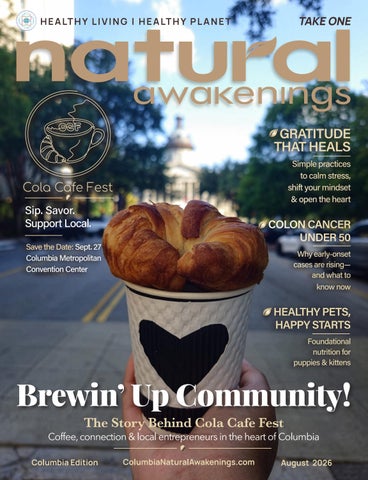
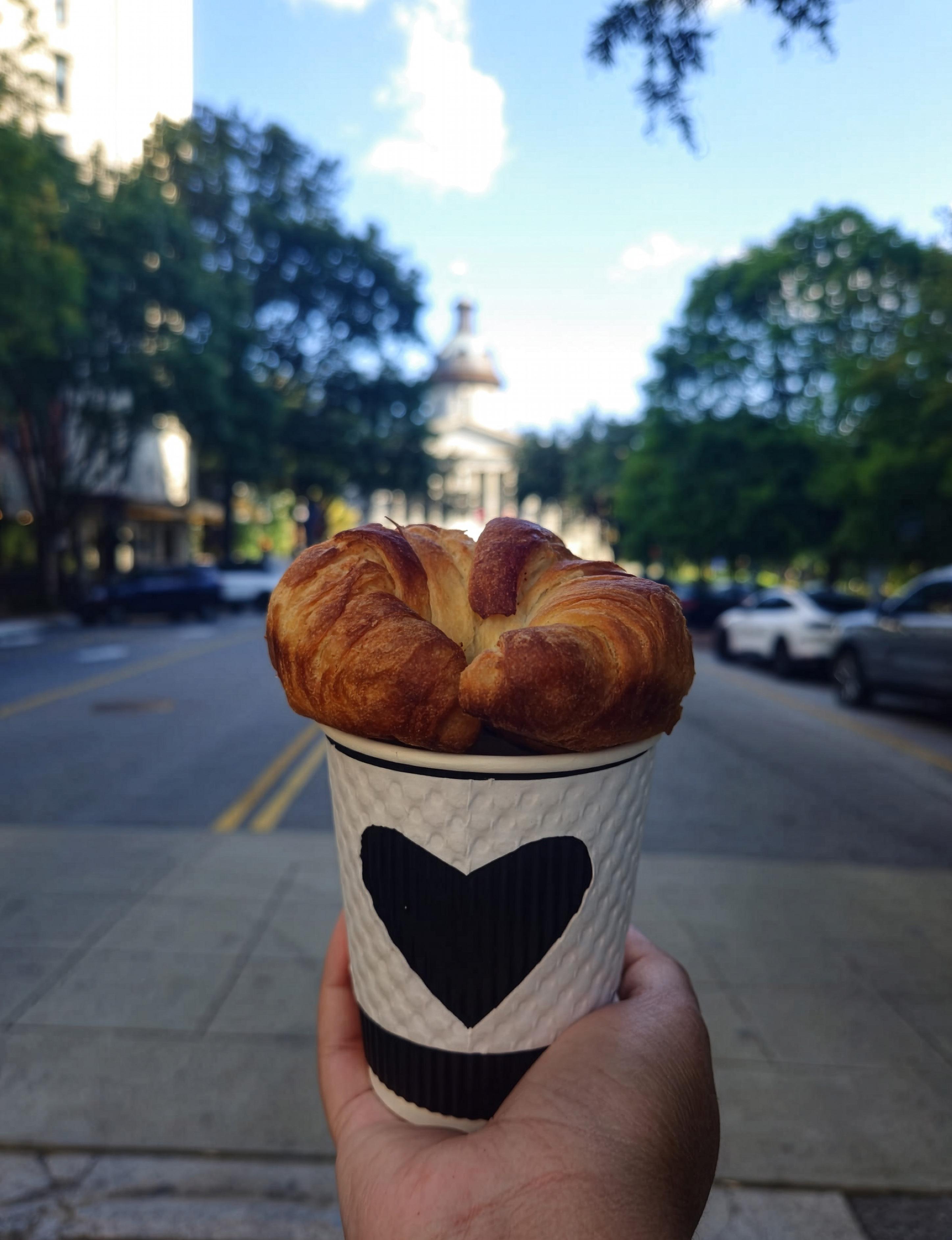
The Story Behind Cola Cafe Fest
Inspired by cafés around the world, D.S. is bringing Columbia together to celebrate coffee, connection and local entrepreneurs.
by Tiana Tarver
Some of life’s most meaningful connections begin over a simple cup of coffee.
For D.S., those connections were discovered while traveling the world. No matter where her travels took her, one destination remained constant: a neighborhood café. Whether in a bustling city or a quiet town, cafés became places of comfort, conversation and belonging.
“Coffee became a universal language,” D.S. says. “Even when I didn’t speak the local language or know anyone, I could always walk into a café and instantly feel a sense of familiarity and belonging.”
That realization became the inspiration behind Cola Cafe Fest, a celebration of Columbia’s growing café culture and the local entrepreneurs helping shape it.
During her travels, D.S. came to appreciate that cafés are about much more than coffee. They are gathering places where ideas are exchanged, friendships are formed, milestones are celebrated and communities are strengthened. Whether people stop in to work remotely, study, meet friends or simply enjoy a quiet moment, cafés offer something increasingly valuable in today’s fast-paced world: a place to connect.
AT A GLANCE
The Cola Cafe Fest will be held at the Columbia Metropolitan Convention Center, located at 1101 Lincoln St., in Columbia, from 9 a.m. to 5 p.m. Sunday, September 27. For more information, including cost and vendor opportunities, email Info@ColaCafeFest.com or visit ColaCafeFest.com.
When D.S. returned to Columbia after several years away, she was inspired by how much the local café scene had evolved. Independent coffee shops, tea houses, artisan bakeries and specialty roasters had created welcoming spaces throughout the city, each contributing its own personality to Columbia’s vibrant small business community.
Wanting to celebrate those businesses while introducing them to an even wider audience, she envisioned Cola Cafe Fest as more than another community event. She saw an opportunity to create a festival dedicated entirely to the people and businesses that make café culture so inviting.
Coming in September
Unlike a traditional food festival, Cola Cafe Fest is designed to immerse visitors in the complete café experience. Guests will sample specialty coffees, teas, pastries, desserts and café-inspired offerings while exploring a marketplace featuring independent cafés, artisan bakers, specialty roasters, tea companies and complementary vendors. Live demonstrations, educational presentations and the signature Latte Art Throwdown will showcase the talent and craftsmanship behind every carefully prepared cup.
Supporting local entrepreneurs remains one of the festival’s central missions. The exhibitor lineup reflects every stage of today’s coffee and tea industry—from established cafés and specialty roasters to home-based bakers, cottage food businesses and emerging entrepreneurs— giving each an opportunity to introduce their products to new customers while strengthening Columbia’s café community.
Education is also woven throughout the festival. Attendees can learn about specialty coffees, loose-leaf teas, herbal wellness blends, organic products, mold-free coffees and other health-conscious beverages. Conversations with roasters and tea specialists will explore coffee origins, brewing methods, ethical sourcing and the craftsmanship behind exceptional beverages.
Sustainability is another important part of today’s coffee culture. Presenting sponsor Tierra Farm demonstrates that commitment through organic products, Fair Trade sourcing and compostable packaging, proving that quality and environmental responsibility can go hand in hand.
While coffee may be the centerpiece, the festival’s true purpose is community. D.S. hopes Cola Cafe Fest becomes one of Columbia’s signature annual events, attracting visitors from across South Carolina while creating lasting opportunities for local cafés, artisans and small businesses to thrive.
“If someone discovers a new favorite café, meets the owner behind a local business or simply walks away feeling the same sense of comfort and connection that cafés have always given me,” D.S. says, “then Cola Cafe Fest has accomplished exactly what I hoped it would.”
For visitors, Cola Cafe Fest offers more than exceptional coffee and tea. It is an invitation to slow down, dis cover local businesses, build new relationships and experience the welcoming spirit that has made cafés gathering places around the world for generations.
Tapas With a Twist
Small Plates With Big Health Benefits
by Maya Whitman
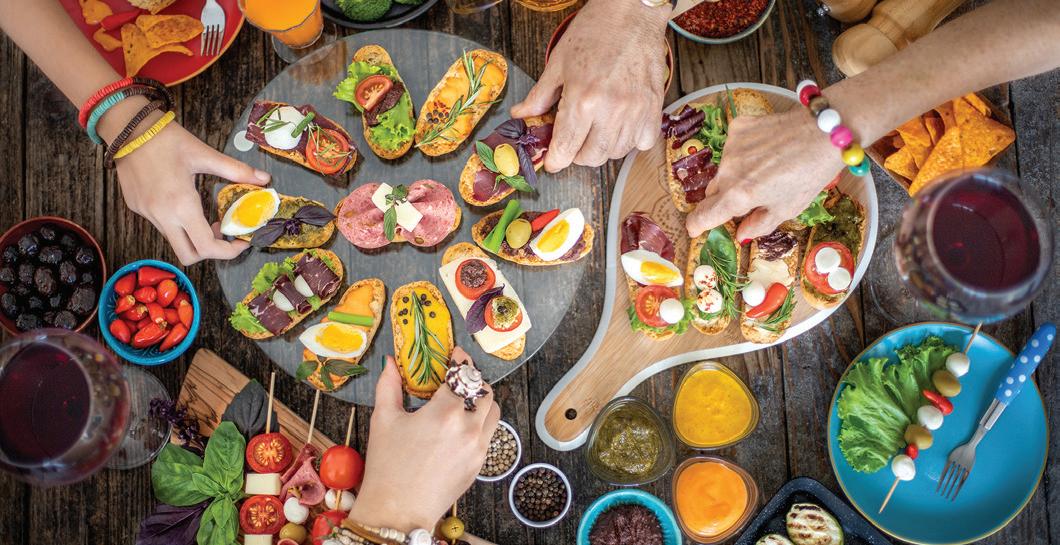
Tapas—small-portion, sharable dishes—are a staple of Spanish culture that can be served hot or cold, vary by region and are the perfect culinary backdrop to spending unhurried, quality time with family and friends. Beyond their culinary appeal, these bite-sized offerings can also support a strong foundation for health. By focusing on whole ingredients, balanced flavors and nutrient-dense combinations, small plates can shift from an occasional indulgence to a mindful, everyday approach to eating.
you can take your guests on a trip around the world without ever leaving the table. Nobody feels like they’re eating health food; they just feel like they’re eating really well,” says Julia Chebotar, an award-winning private chef and certified health coach in New York City.
Ideally, small plates can showcase bounty from farmers markets and home gardens. Whether methodically assembled at the table from themed central platters, plated from backyard grills or served up impromptu with basics foraged from the fridge, tapas build healthy foundations, nourish social connection and inspire us to eat lighter while feeling satiated.
Passionate Simplicity
Small feasts are best comprised of three or four small dishes served in sequence. Rounds of inspired, mindful eating allow guests plenty of time to enjoy good company. “With so much variety, there’s genuinely something for everyone,” explains Chebotar. “Everything stays on the table; people graze at their own pace; the conversation flows; and nobody is stuck waiting for the next course.”
A collection of small dishes can become a meal itself, offering flavor explosions for memo rable entertaining, encouraging guests to sample ethnic inspirations like crispy Indian tofu with tamarind chutney or sautéed Asian shrimp and snow peas. “The beauty of tapas is that
Her peak-season favorites are grilled corn cut off the cob with lime, cotija and chili; roasted eggplant finished with pomegranate molasses and fresh mint; and ribbons of raw zucchini tossed with lemon and parmesan. Her breakfast tapas come together in minutes and kick off the day with quality protein such as soft-boiled eggs with olive oil and za’atar, a traditional Middle Eastern herb and spice blend; a small plate of whole-grain toast with almond butter and sliced strawberries; and little bowls of Greek yogurt topped with crunchy walnuts and a drizzle of honey.
Fresh Joy
Cathy Vogt, a board-certified health counselor and professional whole foods chef in the New York Hudson Valley is a proponent of robust flavors and seasonally available
Evgeny Karandaev/shutterstock
Gulcin Ragiboglu/shutterstock
ingredients such as late summer corn incorporated into a tangy relish or juicy tomatoes in a luscious salad. The author of Cultivating Joy in the Kitchen: Plant Forward Recipes & Soulful Nourishment also delights in roasted garden eggplant with olive oil and fresh garden herbs; grilled summer peaches or sweet melon paired with thinly sliced cured ham; and a bowl of briny olives, marinated artichoke hearts, fresh figs stuffed with blue cheese and colorful roasted peppers.
Her most delicious, small plates include smoked salmon salad served over tart endive leaves and a tangy spread made with roasted beet, walnuts and balsamic vinegar that pairs beautifully with a seedy, crusty bread or sliced sweet peppers and cucumbers.
Vogt recommends locally sourced eggs that can be hardboiled or whisked into a simple Spanish tortilla paired with fresh herbs, diced tomato or garden greens. She also champions the endless variety of lentils and legumes, such as her savory spread made with cannellini beans, sundried tomato and an herb-based pesto.
Everyday Surprises
Chebotar points out that tapas can make meal prep for the week easy and enjoyable. She recommends roasting some vegetables, cooking a grain, making a dip and preparing a protein on Sunday, allowing members of the household to build their own small plates throughout the week. “Healthy eating starts to feel spontaneous and fun, even on a Wednesday night,” she explains, adding that small plate meals are also a great way to get kids excited about healthy eating. “Getting them involved in assembling their own tapas—picking the dip, choosing the veggie, adding the protein— builds curiosity and ownership over what they’re eating.”
Vogt suggests diving deeper for an inspired experience. “If you are interested in exploring traditional tapas, visit a restaurant or tavern that serves traditional tapas. Be curious about experimenting and trying new foods and flavors.”
Maya Whitman is a frequent writer for Natural Awakenings.
ROASTED RED PEPPER HUMMUS WITH CRACKERS
YIELD: 6 SERVINGS
3 red bell peppers, quartered
5 garlic cloves, skin left on Avocado oil spray
Sea salt and black pepper to taste
2 cups canned or home-cooked chickpeas
3 Tbsp lemon juice
1 tsp smoked paprika
Seeded crackers
Preheat the oven to 400° F.
Place the red bell peppers and garlic on a baking sheet and spray with the avocado oil. Season with salt and pepper to taste and bake for 30 minutes.
Remove the baking sheet from the oven and let it cool for a few minutes. Once it is cool enough to handle, remove the garlic cloves from their peel. Place them in a food processor, along with the roasted red peppers, cooked chickpeas, lemon juice and smoked paprika. Process until the mixture is smooth and creamy.
Transfer the hummus to a bowl and serve with crackers.
Recipe courtesy of Julia Chebotar.
AVOCADO TUNA SALAD
YIELD: 2 SERVINGS
1 can of tuna, drained
1 medium-sized ripe avocado
1 celery stalk, chopped
1 small apple, chopped
1 Tbsp lemon juice
½ tsp sea salt
Optional: chopped raw red onion or shallot to top tuna salad
Place the tuna into a medium-sized bowl. Add the avocado and mash well with a fork to combine. Add the rest of the ingredients and stir. Top with onion or shallot, if desired.
Serve with crackers.
Recipe courtesy of Julia Chebotar.
LENTIL AND FETA TABBOULEH
YIELD: 4 SERVINGS
2 cups cooked lentils*
2 medium-sized tomatoes, diced
⅔ cup crumbled feta cheese
4 cups chopped parsley
½ cup red onion, finely diced
¼ cup extra virgin olive oil
Juice of half a lemon
2 tsp ground cinnamon
Sea salt and black pepper to taste
Toss all ingredients in a large bowl until evenly combined. Add sea salt and black pepper to taste.
*To cook lentils use a ratio of 1 cup of dry lentils to 3 cups of water or broth. Bring to a boil in a medium-large pot then reduce heat, cover and simmer for 20 to 25 minutes or until tender. Canned lentils are also an option.
Recipe courtesy of Julia Chebotar.
CLASS DETAILS • 6-week course
Wednesdays • 4:00 PM – 5:30 PM EST
• Live on Zoom
$40 per class or $220 for all 6 classes
No refunds for missed classes.
OLIVE OIL EXPERIENCES
Enjoy two guided olive oil tasting experiences in the Columbia, SC area as part of our course enrichment activities.
Raising Healthy Humans
A Holistic Approach to Pediatric Care
by Marlaina Donato
A2025 comprehensive analysis of U.S. pediatric data published in JAMA reveals that the health of U.S. children worsened over a 17-year period. From 2011 to 2023, the prevalence of chronic health conditions among U.S. children aged 3 to 17 rose from nearly 40 percent to almost 46 percent. Rates of obesity, sleeping difficulties, limitations in activity, physical complaints, depressive symptoms and loneliness all increased during this study period.
The rise of holistic pediatric health care reflects a shift from solely treating symptoms to a more comprehensive approach
that focuses on treating the “whole child” and building foundational wellness with evidence-based lifestyle choices. Approximately 122.3 million adults and 17.7 percent of children use some form of alternative medicine, including whole-foods nutritional counseling, mindfulness practices, therapeutic bodywork, chiropractic, yoga, acupuncture, homeopathy, supplements and energy modalities. Apps such as Holistic Parenting Hub and Healthy Kids Happy Kids offer clickable resources and community support, enabling parents and caregivers to actively participate in their children’s health journey.
Core
Nutrition and
Digestive Health
Madiha Saeed, a board-certified integrative family physician in Naperville, Illinois, understands that a child’s potential starts with what is on the plate. “Diet is always first and foremost. In our house, real food is fun food. You name it—everything from chips, cookies, ice cream, donuts, pizza or cereal—we have a healthier option for it,” says Saeed, the author of several books, including The Holistic Rx for Kids: Parenting Healthy Children to Save Our Future.
To prevent health issues like stunted growth, delayed puberty and menstrual irregularities, which can also impact mood, energy and performance, she stresses the importance of calories from nutrient-dense foods, plus extra fortification with supplements. Offering an attractive “rainbow platter” of fresh vegetables and fruits for kids to snack on after school is a great start. These fiber-rich treats promote healthy gut flora, optimizing childhood biological functions.
Saeed considers fiber one of the most important dietary allies for digestive balance,
recommending 25 to 30 grams per day for teen girls and 30 to 38 grams for teen boys. She also champions prebiotic fiber powders for smoothies, lentil pasta, creamy chia pudding with berries, fresh guacamole, nuts and seeds.
Saeed explains that bone broth—ideally one cup daily—provides bioavailable minerals and amino acids like L-glutamine, which supports the gut’s mucosal lining, a key factor in reducing systemic inflammation. Healthy fats such as avocados; lean proteins like lean beef, poultry, eggs, sardines in olive oil and canned tuna in water; and nuts like cashews and almonds are essential for growth. Like adults, children’s cellular health requires adequate hydration. Everything in the body— from blood to bones to the brain—is partially made from water, and Saeed notes that adequate hydration can reduce a child's risk of becoming overweight.
As a busy physician managing work and family, she finds balance by prepping for the week ahead. “On the weekend, plan your meals for the upcoming week so that you can go shopping and have everything you need,” she explains. “I spend one day a
week cooking all my veggies, proteins and healthy carbohydrates.”
Whole-Child Dentistry
Teaching young children about good oral hygiene at an early age is essential, but for Claire Stagg, a holistic dentist in Indian Harbour Beach, Florida, understanding the whole picture can affect a child’s foundational well-being. “A holistic pediatric
dental physician can contribute a wider lens,” says the author of Smile, It’s All Connected! “We still care deeply about clean teeth, healthy gums, cavities, infections, trauma and all the basics, but the holistic approach asks more questions.”
Stagg believes in the value of early assessment to identify airway patterns that may cause future issues. She states, “Structurally, the mouth can give us important clues. A narrow jaw, crowded teeth, chronic mouth breathing, snoring, restless sleep, dark circles under the eyes, teeth grinding, bedwetting, poor focus or constant fatigue are not little, isolated quirks. They are signs that the child’s body may be working too hard to do something that should be beautifully automatic: breathe.”
She asserts that some seemingly hyperactive children may actually be exhausted due to structural issues, leading to behaviors like fidgeting, meltdowns, loss of focus or being “difficult”. Collaborative care from pediatricians; bodyworkers; ear, nose and throat specialists; and other professionals can sometimes address all factors.
Stagg stresses the importance of real food, hydration and being cautious about “healthy-looking” snacks that may be sticky,
liloon/shutterstock
acidic or high in sugar. Ultimately, health transcends appearances. “Straight teeth are lovely, but the bigger question is whether the bite, jaws, airway, tongue position, joints, muscles and posture are working together,” she notes.
Neurologically Focused Chiropractic Care
Approximately 35 million Americans use chiropractic care each year, but the field has evolved to encompass much more than typical adjustments for pain management. “Modern chiropractic care isn’t really about the spine in the way most people picture it. It’s about the nervous system,” states pediatric chiropractor Tony Ebel, in Crystal Lake, Illinois.
The lead writer and educational guide for PX Docs, Ebel specializes in pediatric care aimed at correcting imbalances in the autonomic nervous system, which affects sleep, digestion, immune response, mood, focus and the ability to calm down. He emphasizes, “In childhood, this matters enormously because these are the years when the nervous system is developing fastest. What matters most in a growing child isn’t whether their spine looks perfectly straight
on an X-ray, but how well their spine and nervous system are communicating.”
Ebel notes that pediatricians, therapists and specialists are vital, and chiropractors do not replace them, but instead assist in identifying patterns early and gently guiding the nervous system back to calm, balance and healthy development without drugs. He explains that chiropractic’s traditional concept of subluxation, now understood as neurospinal dysfunction, involves “a pattern of tension, restriction and altered neurosensory input into the brainstem, often concentrated in the upper neck and transitional support regions that keeps the body locked in that stressed state.” The goal at every stage is a nervous system that can adapt, regulate and grow, providing the child with the healthiest foundation for life’s demands.
Ebel assures that pediatric adjustments are gentle, specific and light. “With infants, we’re often using no more pressure than you’d use to test the ripeness of an avocado— a soft, sustained touch. There’s no twisting, no popping, no force. Babies frequently relax, settle or even fall asleep on the table. Toddlers come running in for their turn. Older kids look forward to it.”
Coping Skills for the Storms of Life
With 2.4 million American youth diagnosed with depression and 11 to 16 percent struggling with anxiety disorders, young people need reliable tools to thrive. Mindfulness, breathwork, yoga, expressive art therapies and other holistic tools offer valuable self-care strategies for kids to self-regulate emotions when they are feeling overwhelmed.
“Adverse childhood experiences and significant life stressors have many long-term effects on the body, especially for children, but
creative expression and meaningful connection can have a lasting impact on a child’s developing nervous system,” says Claire
Little, a master-level art therapist and licensed associate professional counselor at Northern Light Counseling, in Honesdale, Pennsylvania.
Simple mindfulness practices can be introduced at different ages and incorporated into daily routines. Grounding activities like the “5, 4, 3, 2, 1 technique—naming five things you see, four things you feel, three things you hear, two things you smell and one thing you taste—can be great and practiced almost anywhere,” says Little. Families can also model mindfulness at the dinner table by encouraging kids to think about what their food tastes, smells or feels like, with everyone taking turns sharing their thoughts.
Engaging in creative activities and play helps to unlock the unconscious, and Little attests to the power of art to help kids process life
and manage stress. Creating a mindfulness box is a fun way to engage a child’s senses and regulate neural pathways. “Have your child decorate a box large enough to fit several small items—interesting things found around the house or the yard such as flowers, leaves and rocks,” she counsels. “Encourage them to identify what their objects feel like such as weight and texture.”
It is vital to provide children with structure and boundaries without added pressure. “Meet them where they’re at,” Little says, “If a child is expressing an emotion, hear them out. Validate their feelings by listening and demonstrating how you cope with a similar struggle or feeling.”
Marlaina Donato is the author of several books, as well as a painter and composer. Connect at WildflowersAndWoodSmoke.com.
Introducing Walking Through Yesterday
A New Local Department
by Anna Garrison
Every old home has a story—etched into its walls, woven into its architecture and whispered quietly through time. To find those stories, however, requires a willingness to slow down, look past the peeling paint and take a physical step backward into the past.
Walking Through Yesterday is a journey to explore the rich, lived-in history of local structures, one threshold at a time. From grand, historic estates to weathered farmhouses, forgotten storefronts and quiet country churches, every building is treated not just as a physical structure but as a vessel of human experience.
History is rarely perfect, polished or confined to textbooks. It lives in the cracked foundations, faded paint and overgrown paths of former schools and empty barns. Rather than mere signs of decay, these weathered features are the physical evidence of lives lived, hard work accomplished and communities that evolved around them. A neglected barn or a shuttered country store can reveal just as much about a town’s character as its most celebrated landmarks.
Each exploration is marked by a familiar visual anchor: a photograph of footwear resting directly on a historic threshold. This signature “shoe shot” is more than a creative perspective; it is a grounding reminder that history is an active, physical pursuit. It is a visual step across the boundary of time.
Ultimately, the journey of Walking Through Yesterday demonstrates that history is layered, weathered and continually evolving. It offers a constant invitation to pause, look beyond the surface of old buildings and recognize the enduring human stories waiting to be told.
Not every old building is beautiful. Not every story has a happy ending. But every place has the potential to reveal something about the people that came before and the communities they helped shape.
But capturing these spaces is about more than just striking photography. It is about sharing the history and the deeply human stories embedded within them. This narrative exploration takes two distinct paths to bring the past to life. Where archival records exist, verifiable facts, local lore and property histories are laid bare. But when the paper trail runs cold, the storytelling shifts into grounded, period-accurate fiction—weaving narratives based on real architectural clues to recreate the quiet daily moments of the people that once walked these floors.
Anna Garrison is a heritage photographer, author and storyteller based in Columbia. She is passionate about keeping history and human experiences alive through documenting the quiet details of historic structures, preserving forgotten architecture or sharing stories that connect us. Garrison is the founder of Her Story, Her Voice, a literary showcase that connects local women authors with the community to share their writing and their creative journeys, and is deeply committed to celebrating both the physical and human history around us. To connect with her, email Anna@AnnaGarrison.com or follow @walking_through_yesterday and @herstory_hervoicesc on Instagram.
Clean Water, Clear Decisions
Finding the Right Fit for Home Filtration
by Maya Whitman
Filling a glass for a cold drink of water or taking a refreshing shower at the end of the day is routine for most of us, but being savvy about what’s coming out of the faucet is vital for health. From private wells to municipal tap, water quality can vary widely and often contain heavy metals, chlorine byproducts, bacteria and PFAS—per- and polyfluoroalkyl substances, commonly known as “forever chemicals”.
“Clean water is one of the most important foundations of health. The key is not simply purchasing a filter, but selecting a treatment system that is matched to the unique characteristics of your water supply,” says Level 5 Water Quality Specialist Roy M. Speiser, vice president of Clean Water Revival, Inc., in Stuart, Florida. With numerous options on the market, choosing a water filtration system can feel a little daunting, but the next step to cleaner water can be much easier with some understanding of what is in the well.
Key Considerations
Experts recommend beginning with a certified lab test or an annual Water Quality Report (also known as a Consumer Confidence Report or CCR) from the local water supplier for
details on levels of contaminants and treatments. Compromised water quality is not usually noticed until an unpleasant taste, odor or discoloration alerts us to problems, but many contaminants are invisible and cannot be detected by sight, smell or taste alone.
After reviewing hundreds of municipal Water Quality Reports, Speiser has identified more than 40 contaminants that are commonly detected in U.S. water supplies. Aside from PFAS, heavy metals and chlorine, he lists the disturbing presence of arsenic, uranium and radioactive elements, pharmaceuticals, microplastics, chemical fluoride and disinfection byproducts. He notes, “While many are present at levels that meet current regulatory standards, questions remain regarding long-term exposure from drinking, cooking, bathing and showering.”
One of the most common misconceptions is that a single filter can remove everything. Sometimes combining multiple filtration systems is recommended. According to Brian Campbell, founder of Water Filter Guru and certified water specialist in Denver, Colorado, “There is no such thing as a one-size-fits-all solution to water treatment. Different water issues require different treatment processes. Buying water treatment equipment without lab data is like shooting in the dark, and you may end up with equipment you don’t need or not get the right equipment for the job.”
Davizro Photography/shutterstock
Filtration Systems at a Glance
Gravity-fed systems include countertop and portable models with charcoal filters that work by positioning the source water higher than the destination, creating the necessary pressure to push the liquid through the filters. These systems do not require a plumbing connection. While effective at improving taste and removing dissolved, organic contaminants, they are less effective at removing inorganic contaminants like lead, fluoride, arsenic and nitrates. Many brands lack third-party certification and fail to meet National Sanitation Foundation/American National Standards Institute (NSF/ ANSI) standards. Some people use this type of system as one stage in a multistage water treatment system.
Reverse-osmosis (RO) systems force pressurized tap water through a semi-permeable membrane that removes up to 99 percent of dissolved solids. They are recommended for the removal of contaminants such as chromium-6, perchlorate, uranium and certain PFAS compounds. These systems are considered one of the most highly effective methods of water purification. Countertop models provide broad contaminant reduction without the need for permanent installation.
One disadvantage is that hard water needs to be pre-treated, especially with countertop units, as filtering hard water will cause scale to form on the internal components, pump and membrane, leading to premature failure. Look for systems that meet NSF/ ANSI standards for specific contaminants that need to be reduced. Not all RO systems perform equally; membrane quality and pre-filtration stages are critical. Systems designed to address chloramine, PFAS and heavy metals provide more comprehensive treatment than entry-level units.
Ultraviolet (UV) disinfection systems are commonly recommended for private well water or water from an untreated spring, which do not typically receive chemical disinfection. These systems provide an additional layer of protection against bacteria, viruses and certain microorganisms. While UV treatment is generally not necessary for most municipally treated water supplies, it may be beneficial for individuals with compromised immune systems or for homes drawing water from higher-risk surface water sources that may contain parasites. UV works only with water that is clear. Because UV light travels in a straight line, any suspended debris, cloudiness or discoloration can physically scatter the rays, allowing microorganisms to pass through unharmed. Using upstream filtration to address turbidity is vital to improve effectiveness.
Maya Whitman is a frequent writer for Natural Awakenings.
The Power of Gratitude
Changing Brain Chemistry and Opening the Heart
by Brendan Cournane
We often hear that maintaining an attitude of gratitude will lessen our stress and make us happier. For many people, this kind of advice lands differently in the middle of hardship. Divorce, career upheaval, grief and the fog of early recovery, for example, are moments when gratitude can feel not just difficult, but impossible. Yet it is precisely in those moments that the practice matters most.
Gratitude is not merely a pleasant sentiment. It is a physiological event. When a person moves beyond mouthing the words and actually feels grateful, the brain responds in measurable ways. Research shows that genuine gratitude activates the brain region associated with dopamine, the neurotransmitter linked to reward and motivation. It also prompts the release of serotonin, which supports emotional stability, and oxytocin, often called the “love hormone”, which deepens social connection.
Perhaps more importantly, gratitude works against cortisol, which is the body’s primary stress hormone. Cortisol triggers the fight-or-flight response, elevating heart rate and blood pressure and keeping the nervous system in a state of alertness. Consistent, intentional gratitude practice dials that response down, creating space for calm, clarity and resilience.
Psychologists Michael McCullough and Robert Emmons, whose research helped establish gratitude as a serious field of study, have found that grateful people show increased prosocial motivation, demonstrate a greater desire to connect and contribute, and experience lower rates of depression, anxiety and envy. Gratitude also engages the principle of reciprocal inhibition, meaning the brain cannot hold two opposing emotional states at once. When
gratitude is genuinely present, resentment and fear are crowded out.
A Practice Rooted in Wisdom Traditions
Gratitude has been woven into the spiritual and philosophical frameworks of cultures across millennia, including Jewish, Christian, Muslim, Buddhist, Hindu, Greek and Roman traditions. That such diverse worldviews have independently arrived at the same practice speaks to something fundamental about human nature: the recognition that what we have, and what we have been given, deserves acknowledgment.
Simple to understand does not mean easy to practice. Like any meaningful discipline, gratitude deepens with intention and repetition. Approaching it as three distinct but connected principles can help.
Gratitude for What Is Present
The first and most intuitive dimension of gratitude is appreciation for what we currently have, such as our relationships, health, shelter and opportunity. Research by psychologists Giacomo Bono, Robert Emmons and Michael McCullough adds nuance to this: Gratitude runs deeper when a gift comes through a personal relationship and when it involves genuine sacrifice on the part of the giver. A friend that shares a meal when they themselves have very little creates a different kind of gratitude than a routine workplace bonus.
Unexpected generosity also amplifies the effect. When a stranger anonymously pays for someone’s coffee and slips away before being identified, the dopamine response is heightened. It’s a small but real neurological reward for having been seen and cared for without expectation.
Gratitude for What Has Been and What Is Yet To Come
The second dimension asks people to hold gratitude for what they once had but no longer do, and for what they hope to receive but
TeodorLazarev/shutterstock
have not yet. This may feel counterintuitive, yet memory is a powerful resource. Revisiting positive experiences—whether people, places or seasons of life—activates the hippocampus and amygdala, brain regions that
promotion that required time away from family, the award won at the expense of other pursuits, the relationship that ended to make room for something new. Acknowledging that cost, and allowing oneself to grieve it, is not the opposite of gratitude. It is part of it.
When something is lost, grief and gratitude can coexist. The sorrow of losing a person or a chapter of life is balanced by appreciation for the joy, effort and connection that were present. Grief, when honored rather than suppressed, creates the conditions for
looking, practiced consistently, changes the brain’s chemistry, softens the nervous system and opens the heart. The science and the wisdom traditions agree that genuine gratitude, felt rather than performed, is among the most powerful tools available for navigating a human life.
Brendan Cournane is a Chicago-based meditation coach and author of Seeking Serenity: Finding Happiness by Embracing Your Present Attitude. Learn more at CoachBrendan.com.
Taras Grebinets/shutterstock
Foundational Health for Pets
Treating Puppies and Kittens Right From the Start
by Ruth Roberts, DVM, CVA, CVH, CVFT, NAN
The first year of a puppy or kitten’s life is usually a whirlwind of attention for good reasons. Vaccinations, socialization, training and finding the right food are all important, but what is often overlooked is how much groundwork is laid during this time. This is when the gut microbiome begins to form, the brain gets its first influx of dietary fats, and the bones and joints develop rapidly in response to the pet’s nutrition and movement. These early months could be the most influential for lifelong health.
Gut Flora Development
The gut bacteria in puppies and kittens start growing from the moment they are born. They receive their first boost from the mother’s vaginal and skin microbiome, and then they really take off with colostrum and milk, which provide antibodies and prebiotic sugars that help beneficial microbes
get settled in. In the first couple of months, the microbiome is super delicate and can be easily affected by a pet’s diet, stress, environment, medications and parasites, so it is really important to take care of them gently early on.
A 2022 study in Frontiers in Veterinary Science found that a dog’s gut microbiome is most sensitive to changes during its growing phase, and that any imbalances created during this time could have long-term consequences. A 2025 study in Animal Microbiome showed that kittens are equally vulnerable, with weaning triggering noticeable drops in immune markers and changes in gut microbes.
Whole-Food Nutrition
As a young pet starts eating solid food, nutrition becomes key to their well-being. A diet rich in whole foods—focusing on high-
quality animal protein, a bit of fiber from vegetables and ingredients that have not been heavily processed—can help a pet’s tummy adjust more easily. Plus, these foods can help make short-chain fatty acids, which are great for keeping the gut barrier intact, helping the immune system work well and supporting good intestinal development.
According to Jamie Christman, a certified holistic pet health coach, professional dog trainer and veterinary technician, feeding a species-appropriate, minimally processed, whole-food diet can have a big effect on how a pet will grow, behave and bounce back. She recommends giving a puppy raw goat’s milk or kefir for microbial support, soft-boiled eggs for protein that is easy for them to use, gently cooked vegetables for fiber, low-sodium bone broth to keep them hydrated and support their gut, sardines in water for omega-3 fatty acids and small servings of fresh or frozen blueberries for antioxidants.
Nourishing the Developing Brain
Docosahexaenoic acid (DHA), a long-chain omega-3 fatty acid, is a key nutrient for early development. It settles into brain and retinal tissue during fetal growth and keeps accumulating through the first year of life. According to Today’s Veterinary Practice, DHA is essential for healthy neurological and visual development. A 2012 study in the
Journal of the American Veterinary Medical Association found that puppies learned, remembered and coordinated better, plus their immune systems responded stronger to vaccines, when they got DHA along with vitamin E, choline, taurine and L-carnitine.
In cats, DHA is even more important because they cannot easily turn plant-based omega-3s into something their bodies can use, so eating marine sources is a must. Taurine is also very important because a deficiency has been shown to cause retinal and neurological damage in kittens. These nutrients occur naturally in whole foods like small oily fish, organ meats and eggs, which also have other antioxidants that help keep those omega-3 fats safe.
Muscle, Movement and Joint Health
Muscle, movement and joint health are as important as nutrition in early development. In puppies, especially large and giant breeds,
the cartilages near the ends of bones stay soft until about 12 to 18 months, making them more likely to get hurt if they jump around too much or gain too much weight, which can lead to hip and elbow problems called dysplasia. Even giving them too much calcium can disrupt how their bones develop.
Kittens need lots of playtime to build muscle tone, coordination and confidence. If they don't get enough exercise, they might not be as resilient when they are older. For both puppies and kittens, healthy musculoskeletal development and long-term joint stability depend upon age-appropriate activity, lean protein for muscle support, omega-3 fatty acids to keep inflammation at bay, and the right balance of calcium and phosphorus.
Christman warns against overstimulation and high-impact activities during puppyhood, including extended periods of running, repetitive jumping and weight-bearing activities on hard surfaces, noting that getting enough rest is as important to physical development as movement itself. She suggests adding omega-3 fatty acids with DHA and EPA from ethically sourced fish or algal oil. These fatty acids support immune response, joint integrity, skin and coat health, and cognitive development simultaneously.
A strong immune system is central to helping a young animal grow up healthy and strong, says Christman. This requires a thoughtful focus on the whole picture, which includes brain-supporting nutrition, gut care, stress reduction, age-appropriate movement and a reduction of chemical and environmental exposures. A simple, individualized approach that considers breed, size, temperament and early health signals is a puppy’s or kitten’s best chance for lifelong well-being.
Ruth Roberts, an integrative veterinarian and holistic health coach for pets, is the creator of The Original CrockPet Diet. Learn more at DrRuthRoberts.com.
What Our Stress Is Saying
Homeopathy’s Individualized Approach to Burnout
by Laurell Matthews, ND
Burnout has become so common that it is often dismissed as a normal part of modern life, yet chronic stress can affect nearly every system in the body, contributing to fatigue, poor concentration, digestive complaints and emotional exhaustion. According to a 2021 article published in the Annual Review of Psychology, chronic stress has been associated with increased risks of anxiety, depression and cardiovascular disease. Sleep is often disrupted as well, further reducing the body’s ability to recover and restore balance.
Unlike conventional approaches that often focus on a diagnosis, homeopathy looks at how stress uniquely affects an individual. Rather than offering one remedy for burnout, homeopaths select remedies based on a distinctive pattern of physical, mental and emotional symptoms.
“I can’t shut my brain off.” For the person that pushes through long workdays fueled by coffee, becomes irritable and impatient, and lies
awake replaying tomorrow’s to-do list, Nux vomica is a frequently considered remedy.
“Even small tasks feel overwhelming.” When mental fatigue outweighs physical exhaustion and concentration becomes difficult, Kali phosphoricum is often used to support those experiencing nervous exhaustion after prolonged stress.
“I have nothing left to give.” When someone has spent months or years caring for others until emotional reserves are depleted, “Sepia is one of the best remedies for burnout, especially in women with a lot of caretaking responsibilities,” says naturopathic physician and homeopath Dr. Ian Spohn. “I recall treating a woman with five children who wanted to sleep most of the day. Within a month of adding Sepia to her regimen, she had signed up for a gym membership.”
A Targeted, Holistic Strategy
Because homeopathy is individualized, the best remedy depends on the whole person, not simply the label of “burnout”. A 2025 observational study in the Sao Paulo Medical Journal reports that patients receiving homeopathic care found improvements in sleep quality, along with reductions in stress, anxiety and depression over six months.
Burnout affects both mind and body, and recovery rarely happens overnight. By listening to what stress is saying and recognizing the unique response to it, homeopathy offers a personalized approach that can complement restorative sleep, nourishing food, movement and healthy boundaries, helping individuals move beyond simply getting through the day and toward feeling like themselves again.
Underwritten by Grato Health, in operation since 1987, dedicated to advancing health and wellness through natural, holistic solutions that support the body’s ability to heal.
Vera Prokhorova/shutterstock
WORD SEARCH
REVITALIZE MINDFULNESS HOLISTIC
WOMEN’S RETREAT
ENERGY MEDITATION HYDRATION DETOXIFICATION NUTRITION BALANCE STRATEGY
ORIGINAL ORIGINS
V D B X Q E R W Y U H T R C Z E C
W U E L H M E D I T A T I O N N S
R V L T D N U T R I T I O N T O N
W E R M O U P F R U D U A Z G I I
Y T C I J X Y T F J V Z G W T T G
U R B N N E I V G W F C X A M A I
V P G D A J B F U F C O E L Y R R
Q C W F X L Q W I G O R V J E D O
Q A H U C F A J O C T N C V R Y L
K T O L F M U B J E A Y I S S H A U C L N F M Z O R S G T Y W B J N
O R I E Q G H S E E A C I K D E I
V S S S O L N J T L J X M O N H G
W E T S F E D A I F D Y C E N G I
R V I S M X R Z N H W R R Y P V R
E X C O B T E Q L Q G G W S V Y O
E K W C S G L R E X Y C G L C Z J
Connecting you to the leaders in natural health care and green living in our community. To find out how you can be included in the Community Resource Guide, call 839-228-1158 or email MsTracy@MidlandsNA.com.
With compassion and a deep clinical understanding of Traditional Chinese Medicine (TCM), this practice collaborates with clients to address common concerns such as chronic discomfort, muscular tension, digestive irregularities, and stress-related cranial pressure. Care is grounded in the principles of Chinese Medicine and designed to support the body’s innate self-regulating mechanisms. Rather than focusing solely on isolated symptoms, attention is given to identifying underlying patterns of imbalance—allowing for a more comprehensive approach to restoring harmony, promoting vitality, and optimizing overall function. Through a personalized and holistic framework, clients are supported in achieving balance, resilience and longterm well-being using natural, time-honored methods of care.
CHIROPRACTIC
DOWDY RUDOLPH CHIROPRACTIC LLC
Dr. Dowdy Rudolph, DC 1444 Barnwell St, Columbia 803-376-6293 • DowdyRudolphChiro.com
Dr. Gerald Rudolph, DC, focuses on finding the root cause of your problems and not just treating your pain. He utilizes digital X-rays to help diagnose problems, spinal adjustments to stimulate proper movement of spinal and extremity joints, active therapeutic movement exercises to correct movement disorders, and spinal decompression to help relieve numbness and tingling down your arms and legs. Dowdy Rudolph Chiropractic also offers a state-of-the-art full-body lounge hydromassage table that can help you feel more rejuvenated and relaxed. See ad, page 6.
Learn to relax. Your body is precious, as it houses your mind and spirit. Inner peace begins with a relaxed body.
—Norman Vincent Peale
COLON HEALTH
SPRING RAIN HYDROTHERAPY
Linda Salyer
120 Kaminer Way Pkwy, Ste H, Columbia 803-361-2620 • LSalyer@ymail.com
All disease begins in the colon. Constipation; slow, sluggish bowel; gas and bloating? A colonic will help to rid you of these problems. Colonics promote good digestion, help speed metabolism, help lower cholesterol, and help relieve joint pain. Linda Salyer is IACN certified and a retired nurse. Saturday appointments available with an additional small convenience fee. See ad, page 31.
Dr. Malai Roper is a metaphysician and feminine wellness guide offering therapies that nourish the body, mind and spirit. She creates a women-only sanctuary for rest, clarity and deep renewal. Her work blends energy healing, sound medicine, therapeutic bodywork and ancestral wisdom, drawing from Eastern healing traditions that support the nervous system and restore the body’s natural rhythm. Each session is personalized to help women release stress, reclaim vitality and reconnect with their inner wisdom. Dr. Malai also hosts wellness retreats and offers certification trainings in Reiki and Sound Healing for those called to deepen their practice or guide others through healing work. See ad, page 8.
FOOT WELLNESS
FOOT SAVI
7001 St Andrews Rd, Ste A Certified Board Pedorthist and Brace Specialist 803-781-1230 • FootSavi.com
With more than 30-plus years in the footcare/footwear industry, Sion Owen helps with a variety of issues, including gait analysis, foot assessments, custom orthotics, bracing and compression therapy, plantar fascia pain, neuropathy and fitting for therapeutic shoes for patients with diabetes, arthritis, painful bunions, callouses and hammer toes. Call to schedule an appointment! See ad, page 21.
GRIEF AND BEREAVEMENT RESOURCE CENTER INC
Sylvia Grant, MSW, BSW, GC-C 140 Stoneridge Dr, Ste 430, Columbia 803-606-3032 (text) or 803-386-9069 (call) Info@GriefAndBereavementrc.org GriefAndBereavementrc.org
The Grief and Bereavement Resource Center, founded by Army veteran Sylvia Grant, MSW, provides compassionate support, counseling and educational resources to help individuals and families navigate loss. Rooted in community care, the center empowers people to process grief, find healing, and thrive through shared support and professional guidance. It’s time to stop hurting and start healing. You don’t have to do it alone. Call to make an appointment today.
UNITY IN HEALING
Leah Saliter, Yoga Teacher, Death Doula UnityInHealingllc@gmail.com UnityInHealingllc.com
Embark on a journey of gentle healing and soulful restoration. Unity in Healing offers compassionate, body-centered practices that support you through grief, stress, transition and growth. Through yoga, breathwork, meditation, spiritual care and grief support, we create space for you to soften, listen inward and reconnect with what brings you steadiness and peace. Our offerings are designed to meet you exactly where you are, honoring your story, your body and your pace. Whether you are navigating loss, seeking grounding in a busy world, or longing for a deeper sense of meaning and connection, Unity in Healing provides a nurturing space where rest becomes medicine, presence becomes healing and community becomes a source of strength.
HEALTH & WELLNESS
ORIGINAL ORIGINS HEALTH AND WELLNESS
Tracy R. Jacox
MsTracy@originaloriginshealth.com
OriginalOriginshw.com
Ms. Tracy has over 30 years of experience in the medical field. Original Origins can assist you with maximizing your health and wellness holistically! Our wide range of services include health coach partnering, comprehensive health evaluations, comprehensive cooking experiences, and a comprehensive kitchen evaluation. Your health is your wealth! See ad, back page.
POSITIVE PROJECTIONS LLC
Donna Mack
803-622-4923
PositiveProjectionsllc@gmail.com
PositiveProjectionsllc.com
Donna Mack and her team bring over 30 years of combined experience in offering health and wellness classes. Our courses are designed to empower participants to live their healthiest and happiest lives as they age. We’ve seen firsthand how gaining greater understanding of health impacts and making simple changes in lifestyles can lead to real healing. We offer a signature Healthy Body Health class to provide you with an “owner’s manual” for your body, offering practical tools and a personalized plan to help you take charge of maintaining your health for a lifetime. Call to make an appointment today.
HERBS & DETOX
SPHINX PAW
3400 Two Notch Rd, Columbia 803-754-3922
SphinxPaw.com
Discover a haven for holistic well-being at Sphinx Paw. Sphinx Paw has been at the forefront of healing in the Columbia area since 2007. We offer a diverse selection of herbs, books, candles and incense to support natural detoxification, personal healing and spiritual growth. Embrace your wellness journey with our thoughtfully chosen products and expert guidance. Our distinctive resources promote holistic self-care, natural detoxification, weight loss, personal healing, and spiritual growth throughout all phases of life. Sphinx Paw has everything you need to support you in a life of health excellence and well-being.
INTEGRATIVE & HOLISTIC MEDICINE
EXPECT WELLNESS
Dr. Rachel Hall
130 Suber Rd, Columbia 803-796-1702 • DrRachelHall.com reception@drrachelhall.com
Find us on Facebook for great health tips. Integrative/Holistic medicine consults for anyone wanting to approach their health more naturally. Dr. Rachel Hall is board certified in both family medicine and integrative holistic medicine. Together we will focus on finding the root of the problem, not just treating symptoms. Call today for a consult if you are looking to achieve balance. In-house diagnostic labs and therapies. See ad, page 29.
MASSAGE THERAPY
JAN SHAW PERSONAL TRAINING & MASSAGE (MAS1935)
806 12th St, West Columbia 803-360-7895 • JanShawHealth.com
Jan Shaw has many years of experience in exercise physiology and massage. She specializes in the John F. Barnes method of Myofascial Release Therapy; holds an M.S. in Exercise Science; has worked in rehab medicine for 10 years re-training patients with a myriad of physical injuries; and is skilled in MFR 1, 2, Unwinding, SES and Cervicothoracic. Whatever your needs, Shaw has the education and experience to help you.
MENTAL WELLNESS
BRIGHT SIDE COUNSELING
2277 Sunset Blvd, W Columbia 888-796-1117
Admin@BrightSideCenter.com BrightSideCenter.com
Real People, Real Hope, Real Change. Our therapy practice offers compassionate, personalized care for individuals, couples and families. We have a diverse group of licensed clinicians who specialize in anxiety, autism, depression, substance use, grief, LGBTQ+, trauma and more. We offer in-person and virtual appointments, flexible scheduling, and accept all major insurance plans, including Medicaid and Medicare. Give us a call, and our referral specialist will help you find a therapist who’s the best fit for you—even if it’s not at our practice!
SKIN THERAPY
LUVEVA AESTHETICS SPA
Eva Rigney, RN
Certified Esthetician 630-17 Promenade Pl, Ste 401, Columbia LuvevaSpa.GlossGenius.com
Eva Rigney is an Aesthetic Nurse and an Army Veteran. She has been in the medical field for more than 20 years and focuses on her lifelong passion of skin care. She incorporates updated and newest innovations in esthetics, such as permanent makeup (PMU), including 3D areola, Botox and more. She enjoys providing facial and body treatments, along with advanced techniques. She shares her knowledge on skin care, and assists with recommendations of the Luveva skin care line. “My goal is to help everyone achieve revitalized healthy skin,” she says.
THERAPEUTIC
SEWING
SEW AND HEAL
Jacquelyn Odom
7825 Broad River Rd, Ste 200, Irmo 828-590-1228 • SewAndHeal@gmail.com
SewAndHeal.My.Canva.Site
Sew and Heal is a nonprofit organization founded by Jaqueline, inspired by her journey of using sewing as an outlet to overcome the challenges of PTSD, anxiety and depression stemming from her military trauma. The organization empowers women and children to find healing and creativity through the art of sewing, turning pain into purpose. Sew and Heal provides a safe and supportive space for healing through sewing. Their mission is to foster emotional well-being, creativity and connection.
THERMOGRAPHY
DEVINE CHIROPRACTIC AND THERMOGRAPHY
Dr. Tracy Schoonover Young 2908 Devine St, Columbia 803-497-3860 • DevineChiroSC.com
Dr. Tracy Schoonover Young has served Columbia since 1993, offering chiropractic care and advanced, noninvasive thermography. A certified thermologist, she uses this radiation-free technology to aid in screening for concerns involving breast health, the thyroid, vascular and nervous systems, muscular issues and lymphatic congestion. Thermography is a noninvasive scan that maps heat and circulation patterns, often showing change before symptoms. Your body has a unique thermal pattern, and shifts over time can suggest imbalances. Devine Chiropractic and Thermography provides breast, torso and full-body screenings, each followed by a personalized consultation to guide next steps.
YOGA AND MEDITATION
SANTOSHA MINDFULNESS
Kimberly Pavlik, PhD Owner and Ayurveda Specialist
954-257-8729
SantoshaMediaSC@gmail.com
SantoshaMindfulness.com
Santosha Mindfulness offers wellness workshops, yoga for adults and children, mindfulness and meditation classes, sound baths and retreat hosting. A member of the Labyrinth Society, Yoga Alliance and World Yoga Federation, Santosha inspires intentional living through practices that nurture balance, well-being and personal growth. Live with Intention. Thrive with Santosha.