As we welcome the warmth, sunshine and energy of summer, this season naturally invites us outdoors—to pools, lakes, beaches, family cookouts, vacations and moments that create lasting memories. Summer often represents freedom, joy and connection. Yet, what has been especially on my heart lately is the importance of summer safety and how preparation can truly save lives.
Media & Marketing Intern Deston Cedillo Kylie Balish Save a Tree Scan Me �� Follow Our New Facebook Page!
One of the greatest gifts we can give ourselves and our families is the confidence and skill of knowing how to swim. Swimming is not only a wonderful form of exercise and recreation but also an essential life skill. Water can bring healing, laughter and togetherness, but it also deserves our respect and awareness. I encourage every family this summer to consider swim lessons for children and adults alike, because it is never too early—or too late—to learn.
Equally important is learning CPR. In moments of crisis, ordinary people often become everyday heroes. A parent, grandparent, coach, teacher, friend or even a stranger with CPR knowledge can make the difference between life and loss while waiting for emergency responders to arrive. Taking a CPR class may seem like a small investment of time, but it carries the potential to impact generations.
At Natural Awakenings Columbia, we believe wellness is not just about eating healthy foods or exercising regularly. Wellness is also about protecting our communities, educating ourselves, and creating environments where families can thrive safely and confidently. Summer safety is a form of love in action.
As we celebrate this beautiful season, I also want to take a moment to honor all fathers and father figures. Fatherhood comes in many forms, and this month we celebrate the men that guide, protect, encourage, teach, coach, mentor and support others with strength and compassion. Whether you are a father, grandfather, stepfather, uncle, coach, pastor, teacher or simply someone that consistently shows up for others—you matter, and your presence leaves a lasting impact.
To every man serving as a steady hand and supportive voice in someone’s life, we wish you a joyful and meaningful Father’s Day season filled with love, appreciation and peace.
As always, thank you for allowing us to be part of your wellness journey and for supporting the incredible businesses, practitioners and community leaders that make our publication possible each month. We are honored to grow, learn and serve alongside you.
Wishing you a safe, healthy and joy-filled summer.
With gratitude and love,
ColumbiaNaturalAwakenings.com
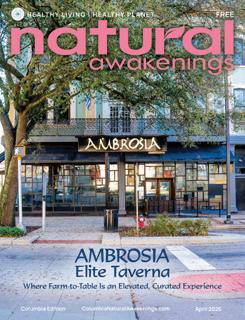
The Creative Eye Behind This Month’s Cover
Jason Fields is a Georgia-born commercial and wedding photographer and filmmaker now based in Columbia, known for creating bold, cinematic imagery that helps individuals and brands stand out with intention and authenticity. Originally building his career throughout Georgia’s Golden Isles region, Fields developed a reputation for blending artistry, storytelling, and strategic branding and marketing through photography and film. Fields’ childhood fascination with 35mm film cameras evolved into a full-time creative career rooted in music, visual storytelling and entrepreneurship. His early work in self-portraiture, album artwork and promotional media helped shape the distinctive style that now attracts clients across weddings, commercial content creation, editorial projects and personal branding.
Today, Fields continues expanding creative partnerships and client relationships throughout Columbia and abroad, delivering personalized, high-end visual experiences designed to leave a profitable and lasting impact.
To connect with him, call 912-266-1746 or visit JasonFieldsPhotography.com. Also follow him on Instagram @jasonfieldsphotography or @ jasonfeelz.
Camp Cinema Brings Family Favorites to The Nick This Summer
The Nickelodeon Theatre (The Nick) will host its third annual Kids Summer Movie Series from Wednesday, June 3, through Saturday, July 25, with screenings at 10 a.m. every Wednesday and Saturday. The family-friendly summer program will feature classic animated and live-action films, including Matilda, Paddington, Ernest & Celestine and The Muppet Movie.
The series offers two movie options each screening day, giving family a variety of choices throughout June and July. Organizers say the program is designed to provide a fun indoor activity where children and parents can enjoy favorite films together during the summer months.
The Nick is also partnering with Curing Kids Cancer for a summer toy drive. Attendees are encouraged to bring new, unwrapped toys or stuffed animals to donate in the theater lobby.
Cost: Tickets are $7. A concessions add-on featuring a small popcorn, candy and small drink is available for $8. Location: 1607 Main St., Columbia. For more information, visit Nickelodeon. org/series/kids-summer-movies/?view=list.
Murder, Mystery and Comedy Take the Stage With Clue
The Koger Center for the Arts will present Clue Live on Stage at 7:30 p.m. Saturday, June 6, and Sunday, June 7. Based on the 1985 Clue film and inspired by the classic Hasbro board game, the production brings the popular murder mystery to life with comedy, suspense and unexpected twists.
The story follows six mysterious guests gathered at Boddy Manor for an evening of murder, blackmail and intrigue. Audience members will recognize familiar characters including Mrs. Peacock and Colonel Mustard as the mystery unfolds.
Organizers describe the production as a fast-paced whodunit filled with humor and surprises designed to keep audiences guessing until the final scene.
Location: 1051 Greene St., Columbia. For more information, including cost, or to purchase tickets, visit ExperienceColumbiaSC.com/event/clue-live-on-stage/73149.
State Museum Offers $1 First Sunday Admission
The South Carolina State Museum will continue with its first Sunday initiative from noon to 5 p.m. Sunday, June 7, offering $1 general admission through sponsorship support from BlueCross BlueShield of South Carolina.
Visitors can explore four floors of exhibits featuring South Carolina art, cultural history, natural history, and science and technology. General admission also includes access to the Boeing Observatory and the Robert B. Arial Collection of Historical Astronomy on the museum’s fourth floor.
For an additional cost, guests can also enjoy a planetarium show and/or a 4D theater movie.
Cost: $1. Location: 301 Gervais St., Columbia. For more information, visit SCMuseum.org/ events/first-sunday.
Sacred Service to Be Featured at Muzika! Festival
The Muzika! Festival by Varna International will present Sacred Service at 7:30 p.m. Thursday, June 11, featuring Ernest Bloch’s landmark 1933 choral-orchestral work.
The composition blends traditional Hebrew Sabbath morning prayers with Western symphonic form, creating a fusion of spiritual and musical traditions. Organizers describe the piece as a work of profound depth and symphonic power that helped revolutionize Jewish liturgical music.
Location: 1225 Laurel St., Ste. 428, Columbia. For more information, including cost, or to purchase tickets, visit VarnaInternational. com/sc2026tickets.
Carmen Comes to Muzika! Festival
The Muzika! Festival by Varna International will present performances of Carmen at 1 and 7 p.m. Saturday, June 27, and 3 p.m. Sunday, June 28, as part of its summer celebration of orchestral music, opera, Broadway and choral performances.
Known as one of opera’s most celebrated works, Bizet’s Carmen combines dramatic storytelling with unforgettable melodies and Spanish-inspired flair. The production explores themes of passion, freedom and fate through powerful music and emotional performances.
Festival organizers say the event highlights internationally recognized artists and a variety of live performances designed to appeal to music lovers of all kinds.
Location: 1225 Laurel St., Ste. 428, Columbia. For more information, including cost, or to purchase tickets, visit VarnaInternational. com/sc2026tickets.
Little Women Joins
Varna International Muzika! Festival
The Muzika! Festival by Varna International will present Little Women: The Musical at 7 p.m. Saturday, June 20, and 3 p.m. Sunday, June 21. Based on Louisa May Alcott’s classic novel, Little Women: The Musical follows the March sisters as they navigate love, ambition and resilience, bringing the story’s themes of family and coming of age to the stage.
Location: 1225 Laurel St., Ste. 428, Columbia. For more information, including cost, or to purchase tickets, visit VarnaInternational. com/sc2026tickets.
Palladium Tour Showcases Life on Main Street
Historic Columbia will present the Palladium Tour: Life on Main Street from noon to 3:30 p.m. Sunday, June 7, along the 1500 block of Main Street in Columbia, offering guests an inside look at urban living, design and the ongoing reinvention of downtown spaces.
The tour, based at the AIA South Carolina Center for Architecture, highlights a mix of private residences, short-term rentals and commercial spaces that reflect the character and energy of Main Street’s evolving urban core.
Due to the nature of the featured spaces, tour times will be staggered. Guests will select a preferred tour start time when purchasing tickets and should plan to spend two to three hours on the tour. Refreshments will be available before, during and after the tour, and the route and site list will be released to attendees 48 hours in advance.
Cost: $40 for Palladium members, $50 for Historic Columbia members, and $60 for nonmembers and day-of admission. Location: 1500 block of Main St., Columbia. For more information, or to purchase tickets, visit HistoricColumbia.org/events/2026/2026-06/ palladium-tour-life-main-street.
From Stage to Screen Returns to Muzika! Festival
The Muzika! Festival by Varna International will present From Stage to Screen at 7:30 p.m. Friday, June 12, featuring a choral-orchestral program celebrating 80 years of Broadway favorites and classic Hollywood film music.
Back by popular demand with a new program, the performance brings together iconic soundtracks from stage and screen, showcasing familiar themes reimagined through live orchestral and choral arrangements.
Location: 1225 Laurel St., Ste. 428, Columbia. For more information, including cost, or to purchase tickets, visit VarnaInternational.com/sc2026tickets.
Arsenal Hill Walking Tour Explores Columbia’s Historic Neighborhood
Historic Columbia will present the Arsenal Hill Walking Tour from 1 to 2:30 p.m. Sunday, June 14, beginning and ending at the Arsenal Hill Community Center. The guided tour will explore the Arsenal Hill neighborhood, located at the highest elevation within downtown.
Named for the military academy established in 1842, Arsenal Hill became a desirable residential area for white elites during the antebellum era and then for middle- and working-class Black residents during the later 19th and 20th centuries. Participants will learn how these residences, combined with spiritual, educational and governmental institutions, resulted in an eclectic mix of architecture as well as dynamic community histories.
The tour will last approximately 75 minutes and includes standing and walking approximately 1 mile on neighborhood sidewalks.
Cost: Tickets are $5 for Historic Columbia members, $10 for nonmembers and free for youth under 17. Location: 800 Lincoln St., Columbia. For more information or to purchase tickets, visit HistoricColumbia.org/events/2026/2026-06/arsenal-hill-walking-tour.
Morning Blend Brings Jazz, Soul, Coffee to Boyd Plaza
The Columbia Museum of Art will present Morning Blend: A Jazz, Soul and Coffee Series from 7:30 to 10:30 a.m. Wednesdays in June at Boyd Plaza. Admission to the weekly series is free, with food and beverages available for purchase.
The series, in partnership with Curiosity Coffee Bar, features jazz from bandleader Nicholas Vlandis along with rotating musicians and weekly DJs. The opening session on Wednesday, June 3, will include music from DJ Preach Jacobs. Guests can purchase Curiosity’s coffee, tea and vegan breakfast items, along with offerings from Drake’s Duck-In popup, including chicken biscuits.
The program is supported by a grant from the Knight Foundation Fund at the Central Carolina Community Foundation.
Location: 1515 Main St. Columbia. For more information, visit ColumbiaMuseum.org/ events/morning-blend-jazz-soul-and-coffeeseries-11.
South Carolina Caribbean Carnival Celebrates Culture and Community
The South Carolina Caribbean Carnival will take place from Thursday, June 11, through Sunday, June 14, at the South Carolina State Fairgrounds, bringing music, food, art and storytelling together in a multi-day celebration of Caribbean culture.
Organizers say the festival was created to introduce, celebrate and elevate Caribbean culture in South Carolina through immersive, authentic experiences rooted in history and driven by creativity. The event is designed to bring communities together through shared cultural expression and celebration.
Location: 1200 Rosewood Dr., Columbia. For more information , including event start times and cost, visit ExperienceColumbiaSC.com/event/ south-carolina-caribbean-carnival/73667.
Kids Markets Event Lets Young Entrepreneurs Take the Lead
The Kids’ Market at the Forest Acres Farmers Market will take place from 2 to 6 p.m. Wednesday, June 10, giving children the opportunity to run their own small businesses, sell their products and keep their profits.
The event, hosted by Kids Markets in partnership with the established farmers market, is designed to help children build real-world business skills while showcasing their creativity. Organizers note the family-friendly setting will also include a splash pad and playground.
Cost: Booth space is $25, while admission for attendees is free. Location: 24 Forest Lake Pl., Columbia. For more information, visit KidsMarkets.com/markets/columbia-8.
Children’s Entrepreneur Market Comes to NW YMCA Family Fun Day
The Kids’ Entrepreneur Market will take place from 10 a.m. to 2 p.m. Wednesday, June 17, during Family Fun Day at the Northwest Family YMCA, giving young entrepreneurs a chance to sell their creations and gain real-world business experience.
The event, presented by Kids Markets, is part of a broader Family Fun Day program featuring games, inflatables, a splash pad and creative activities celebrating youth, family and community connection in the Irmo area.
Cost: $25 for a booth. Location: 1501 Kennerly Rd., Irmo. For more information, visit KidsMarkets.com/markets/irmo.
Columbia Conversations Explores South Carolina’s Backcountry
Role in Revolution
Historic Columbia will present Columbia Conversations: The South Carolina Backcountry and the Winning of Independence from 6 to 7:30 p.m. Thursday, June 11, at the Robert Mills Carriage House, featuring a free talk and book signing by Carl Borick.
His new book, Backcountry Resistance: South Carolina’s Militia and the Fight for American Independence, explores the critical role that those living in the less-settled South Carolina interior, including the area which is now Richland County, played in resisting the British after the fall of Charleston in May 1780. It also examines how men were raised, armed and provisioned and what motivated them to fight in South Carolina’s critical contribution to the winning of independence. In addition, Borick covers the impact of the Revolutionary War on those that remained at home with a key focus on women and the enslaved.
Books are available for preorder with registration and will be for sale onsite before the event. Note that Historic Columbia members receive a 30 percent discount on all USC Press books.
Location: 1616 Blanding St., Columbia. For more information, visit HistoricColumbia.org/ events/2026/2026-06/columbia-conversations-south-carolina-backcountry-and-winning-independence.
Columbia Shrimp & Grits Fest Returns for 11th Year
The Columbia Shrimp & Grits Fest will be held from 6 to 9 p.m. Saturday, June 20, at Seawell’s, bringing together area restaurants to compete for the title of Columbia’s best shrimp and grits.
Now in its 11th year, the event invites participating restaurants to serve up their signature versions of the Southern staple, with winners chosen by a panel of judges. There will also be a People’s Choice winner. Organizers say the festival highlights the variety and creativity behind one of the region’s most popular dishes.
Tickets include unlimited shrimp and grits samples, live music by local band Prettier Than Matt and door prizes.
Cost: $50. Location: 1125 Rosewood Dr., Columbia. For more information or to purchase tickets, visit ColumbiaShrimpAndGrits.com.
Brain-Cleaning Mechanism Discovered
A recent study from the Medical University of South Carolina, published in iScience, reveals that the middle meningeal artery doesn’t just supply blood to the brain—it might also play a role in keeping it clean. By using enhanced magnetic resonance imaging and high-resolution spatial mapping on five heathy adults, the researchers discovered a previously unknown, slow and steady outflow of brain fluids into the lymphatic system, which is responsible for waste removal. The findings align with similar results from studies on rodents.
This study helps scientists gain a deeper understanding of how a healthy human brain functions normally. The next step is to compare these results to those of individuals with brain disorders to see if a malfunctioning drainage system and waste accumulation could be damaging to brain cells and contributing to memory loss, Alzheimer’s disease and brain injuries.
Curcumin’s Potential to Clear Cataracts
A 2025 systematic review in the European Journal for Integrative Medicine explored whether curcumin, a natural antioxidant and the main compound in turmeric, could help prevent or treat cataracts. A leading cause of blindness, cataracts occur when the eye’s lens becomes cloudy, often because of damage from oxidative stress.
The researchers evaluated the results of 17 studies conducted on animals (in vivo), lab-grown cells (in vitro), or both. All the studies showed that curcumin helped prevent cataracts from forming or slowed their progress by reducing damage to fats in cells and by boosting antioxidant enzymes that protect the eye.
While curcumin seems promising, no human clinical trials have been conducted yet because it does not dissolve well in water, making it difficult for the body to absorb efficiently through the digestive system. The scientists believe that making curcumin easier to absorb will be the key to determining if it can be used to treat cataracts.
Phthalates Linked to Premature Births
A 2026 study in eClinicalMedicine suggests that two chemicals used to make plastics softer and more durable may be linked to nearly 2 million premature births and about 74,000 newborn deaths worldwide in 2018. Di(2-ethylhexyl)phthalate (DEHP) and diisononyl phthalate (DINP) are commonly found in food packaging, vinyl flooring, toys, medical equipment and personal care products like shampoos, lotions and fragrances. There is concern that phthalates, including the two in this study, could interfere with the hormones that regulate growth and development, and that even small hormonal disruptions during pregnancy might have long-term effects.
The researchers investigated the connection between DEHP and DINP and premature births in 200 countries and territories. They found that Africa, the Middle East and South Asia had high rates of premature births, rapidly expanding plastics industries and high levels of global plastic waste. While the study did not prove DEHP and DINP directly or alone cause preterm birth, nor did it examine other types of phthalates, it adds to the growing evidence that phthalate exposure can lead to negative pregnancy outcomes.
Premature birth is when a baby is born before 37 weeks of pregnancy. Infants born too early are more likely to have serious health problems such as breathing and feeding issues, developmental delays, cerebral palsy and trouble with how they sense things. In the United States, about one in 10 babies were born prematurely in 2024.
Natalia Deriabina/Shutterstock
New Africa/Shutterstock
Earth’s Spin Is Slowing
In a study published in the Journal of Geophysical Research: Solid Earth, researchers explain how the warming planet is slowing Earth’s rotation and lengthening the day at a rate not seen for the last 3.6 million years. The length of a day changes over time due to the gravitational effect of the moon, shifting tectonic plates and other geophysical processes on the planet’s surface and in the atmosphere.
Scientists in the study developed a methodology to model changes in the Earth’s rotation over millions of years that included the repeated growth and melting of continental ice sheets from the ice ages. Using their technique, they estimate that our day increased the equivalent of 1.33 milliseconds per century from just 2000 to 2020 due to the redistribution of water from melting polar ice sheets and glaciers.
The researchers expect the Earth’s rotation rate to continue to decline through the end of the century. While a millisecond is very short, they point out that precise space navigation relies upon accurate information about the Earth’s rotation.
Capturing an Earthquake
On March 28, 2025, a powerful 7.7 earthquake struck central Myanmar, near Mandalay. It was the second-deadliest earthquake in the country’s modern history. Geologists determined it was a strike-slip fault quake, where two large sections of the Earth’s crust move horizontally past each other along a vertical fracture, resulting in a split of the ground along a clear line.
What made this event unique is that it was caught on a closed-circuit television camera. A research team from Kyoto University examined the video frame by frame and found the fault moved on a slight curve more than eight feet in 1.3 seconds. The video can be viewed at TinyURL.com/Myanmar-Quake
Origins of American Gambling
A new study in American Antiquity suggests that Native Americans played games of chance using dice made with carved bone more than 12,000 years ago. These findings are more than 6,000 years older than the oldest known dice from the Bronze Age.
The objects, called binary lots, were different from the six-sided dice we know today. They were flat and slightly rounded, oval or rectangular, with two unique sides like the front and back of a coin. Players would toss them together and count how many pieces were facing up.
To determine if the ancient objects were binary lots, the researchers compared them to 293 sets of Native American dice recorded in a 1907 study of games played by North American Indigenous peoples.
The eco-conscious gentleman seeks to conserve resources, reduce waste and break free from consumerism. When building his wardrobe, he favors quality over quantity, rejecting fast fashion in favor of well-made garments, sustainable fabrics and timeless designs.
Eco-Friendly Fabrics
Synthetic materials like polyester, nylon and acrylic are derived from fossil fuels, take centuries to biodegrade and release harmful microplastics during washing. They have no place in an evolved wardrobe. Better fabrics come from renewable sources grown without chemicals or pesticides, such as organic cotton, linen, hemp, bamboo and responsibly sourced merino wool.
Look for the Global Organic Textile Standard (GOTS) certification, which ensures environmentally and socially responsible manufacturing, including crop rotation for
soil health, a prioritization of rainwater over irrigation and fair wages for workers. This certification applies to all textiles made from at least 70 percent non-GMO certified organic natural fibers.
To replace leather—one of the least sustainable materials—innovative plant-based alternatives are emerging, such as Piñatex from pineapple leaves and wood pulp or mycelium-based fabrics made from mushrooms. Recycled polyester (rPET) from melted plastic bottles spun into yarn helps reduce landfill waste. Approximately nine bottles are needed to make one T-shirt.
TENCEL Lyocell, made with wood from responsibly managed forests, is produced with 50 percent lower carbon emissions and water consumption than similar fabrics. This soft, breathable, moisture-wicking and durable material is used in T-shirts, activewear, eco-friendly denim, tailored trousers and underwear.
Examples of Mindful Clothing Brands
Knowledge Cotton Apparel (KnowledgeCottonApparel.com) offers basic wardrobe pieces made with organic cotton, linen, TENCEL, wool, denim and corduroy.
Toad&Co (ToadAndCo.com) uses thirdparty-certified sustainable fabrics, aims to eliminate all plastic-based packaging by 2026 and purchases carbon offsets supporting global environmental projects.
MUD Jeans (MudJeans.com) rescues old jeans headed for the landfill and shreds, cleans and weaves new yarn for a fresh pair. Their methods save water and energy, avoid harsh chemicals and reduce CO2 emissions. Consumers can send old jeans for discounts on future purchases.
Tentree (TenTree.com) makes its products out of TENCEL Lyocell, organic cotton or recycled polyester, focusing on reducing wastewater and emissions. They also plant 10 trees for every item purchased.
How to Curate a Sustainable Wardrobe
Prioritize durable construction. Choose robust, tightly woven materials like denim and canvas for longevity. Look for metal zippers and secured buttons.
Maintain clothes for longevity. Air-dry to prevent heat damage and tumbling wear. Wash less frequently to preserve fabric integrity. Repair small holes or loose threads promptly. Avoid harsh detergents or fabric softener.
Choose core essentials. Concentrate on 15 to 20 high-quality, versatile items in neutral tones (navy, grey, beige, white, black) that can be mixed and matched for various occasions. Include a tailored blazer, dark jeans, solid-colored T-shirts, buttoned shirts, one or two knitwear pieces, neutral chinos, tailored trousers, white sneakers, loafers and a pair of boots.
Redefining Men’s Health Beyond the Gym
A Broader Look at How Wellness Priorities Are Changing for Men
by Michaela Leung
For years, men’s health has often been associated with physical strength: lifting weights, building muscle and staying active. While movement and exercise remain important, the definition of wellness for many men is beginning to expand far beyond the gym.
Today’s conversations around men’s health are shifting toward a more complete picture of well-being, one that includes sleep quality, stress management, mental health, gut health and emotional wellness. Rather than focusing solely on appearance or performance, many men are beginning to prioritize how they actually feel day to day.
One of the biggest areas gaining attention is sleep. For years, exhaustion and overworking were often normalized or even celebrated. But research continues to show that sleep impacts nearly every aspect of health, including hormone regulation, mood, metabolism, recovery and heart health. More men are recognizing that rest is not a luxury, but a foundational part of wellness.
Mental health is also becoming a more open conversation. Many men are working to break generational patterns that discouraged emotional vulnerability or asking for help. Therapy, mindfulness practices, journaling, and honest conversations around stress and burnout are becoming more common and accepted. This shift not only supports emotional well-being but also helps reduce the stigma surrounding men’s mental health.
Stress regulation has become another important focus. Chronic stress affects the body in ways that extend far beyond mood, influencing inflammation, digestion, energy levels and
long-term disease risk. Rather than approaching health through intensity alone, many men are incorporating slower, restorative practices into their routines. Walking outdoors, Pilates, breathwork, meditation, stretching and reducing screen time are increasingly viewed as valuable tools for overall health.
Nutrition is evolving as well. Instead of focusing only on protein intake or calorie tracking, more men are paying attention to gut health and how food impacts energy, digestion, sleep and mental clarity. Fiber-rich foods, hydration, probiotics and reducing ultra-processed foods are becoming part of a more sustainable approach to wellness.
There is also growing awareness around emotional health and connection. Many men are beginning to redefine strength itself, viewing self-awareness, communication, boundaries and emotional presence as equally important aspects of well-being. Wellness is becoming less about pushing through exhaustion and more about creating balance and sustainability.
This broader definition of men’s health reflects an important cultural shift. Strength is no longer measured only by endurance or toughness. Increasingly, it includes recovery, self-awareness, emotional resilience and the willingness to prioritize both physical and mental well-being.
The future of men’s health may still include workouts and annual checkups, but it also makes room for deeper conversations around stress, relationships, sleep and sustainable habits. Wellness is no longer just about looking healthy; it’s about building a life that genuinely feels healthy, too.
Michaela Leung is a multimedia storyteller, wellness writer and Pilates instructor based in Columbia. She is passionate about making holistic wellness more accessible—through movement, mindful living or sharing stories that inspire. Leung is the founder of All is Well, a wellness platform and newsletter, and a former Columbia ambassador who is still dedicated to supporting local businesses and healthy living. To connect with her, email MichaelaAngeliqueLeung@gmail.com or follow @michaelaleung__ on Instagram.
Summer Safety Starts With Water Awareness
by Tiana Tarver
As summer arrives and families head to pools, lakes, beaches and backyard water fun, one message becomes more important than ever: water safety saves lives. At Goldfish Swim School, creating confident, safer swimmers is about much more than learning strokes—it’s about protecting children and empowering families with lifesaving skills.
“Many parents underestimate how quickly a water emergency can happen,” says Mindy Owens, manager of Goldfish Swim School. “Drowning is often silent, and it can happen in seconds—even in shallow water.”
According to the Centers for Disease Control and Prevention, drowning remains one of the leading causes of accidental death for children ages 1 to 4. What surprises many parents most is that danger is not limited to pools or deep water. Bathtubs, kiddie pools, buckets and even a few inches of standing water can pose a serious threat to infants and toddlers.
One of the most important lessons Goldfish Swim School emphasizes is active adult supervision at all times. While older siblings may mean well and genuinely want to help watch younger brothers or sisters, they should never be considered a substitute for adult supervision around water.
“Children simply do not yet have the mental or emotional maturity to recognize a real emergency or know how to respond appropriately,” Owens explains. “Even if an older sibling is in the same bathtub or pool area, an adult must always be present and attentive.”
Another powerful recommendation for summer gatherings is to create a designated “water watcher” rotation among trusted adults. During pool parties, cookouts or family celebrations, it can be easy for everyone to assume someone else is watching the children. In reality, many drowning incidents happen during moments of distraction, conversation and fellowship when adults unintentionally lose track of where a child is.
Goldfish Swim School encourages families to assign one responsible adult at a time to actively supervise children in or around the water for 30-minute shifts. That designated adult should avoid distractions like phones, socializing or multitasking and focus solely on watching the water. After 30 minutes, another adult can take over the responsibility so everyone has an opportunity to enjoy the gathering while maintaining a safe environment for children.
“Water safety requires intentional attention,” says Owens. “A simple rotation system can truly save lives because it removes assumptions and creates clear responsibility.”
Experts also recommend that parents remain within arm’s reach of young children anytime they are near water. Drowning is often quiet, without splashing or cries for help, making vigilance essential.
At Goldfish Swim School, the focus is on building water confidence in a safe, encouraging environment. Through age-appropriate instruction, children learn critical swim skills while also gaining respect for water safety. Lessons are designed to help children become more comfortable in the water while teaching foundational survival techniques that may one day save a life.
In addition to swim lessons, Goldfish Swim School encourages families to consider CPR training as another layer of preparedness. In an emergency, knowing how to respond before first responders arrive can make a tremendous difference.
“Learning to swim is one of the greatest gifts a parent can give a child,” says Owens. “It’s not just about recreation—it’s about safety, confidence and peace of mind.”
As families make summer memories this season, Goldfish Swim School hopes parents will remember that water safety begins long before a day at the pool or beach. Constant supervision, swim education and preparedness all work together to help keep children safe—because when it comes to water safety, every second matters.
Goldfish Swim School is located at 932 N. Lake Dr., in Lexington. For more information, call 803-784-2014 or visit GoldFishSwimSchool.com/lexington.
Smarter Summer Grilling
Making Barbecue More Flavorful and Healthy
by Maya Whitman
Summer would not be the same without dinner on the grill. For many Americans, backyard barbecuing is revered as an art form. In recent years, the classic menu of sizzling meats and charred corn on the cob has expanded to include healthier options such as plant-forward burgers, gut-friendly marinades and anti-inflammatory approaches that lower smoke points and use antioxidant-rich herbs and spices to reduce the formation of cancer-causing compounds.
Despite some evidence of an increased risk for colorectal, prostate and pancreatic cancer from high consumption of barbecued, well-done and fried foods, research published in the Journal of Agricultural and Food Chemistry in 2018 highlights an increase of good gut bacteria from grilling (and roasting) compared to less heat-intense forms of cooking. Swapping out bottled sauces with questionable ingredients for healthy homemade marinades, avoiding blackened meats and embracing a broader food spectrum will lower health risks while satisfying every palate.
Mouthwatering Enhancements
“Rather than only sticking with the typical hot dogs or burgers at your next barbecue, try introducing some creativity into the mix,” recommends Anne Mauney, a registered dietitian in Washington, D.C., and founder of the FannetasticFood.com recipe blog.
“One of my favorite grilled meals is shrimp skewers with chimichurri [made with finely chopped parsley, minced garlic, oregano, olive oil, red wine vinegar and a sprinkle of red pepper flakes]. The chimichurri does double duty as a marinade and sauce, and it’s incredibly fresh and delicious.”
One of her favorite things to do is to serve proteins on ample salads, such as her Summer Grilled Corn and Peach Salad With Chicken on a bed of spring mix lettuce. The corn, peaches and chicken are all grilled, and the lightly sweet dressing (and marinade) is made with honey, lime and fresh cilantro.
For traditionalists that love grilled burgers, Mauney suggests adding chopped red bell peppers or shallots to healthier, leaner meats like grass-fed ground beef, turkey or chicken. She also likes introducing finely diced mushrooms into a beef burger patty to increase nutrient density (fiber plus vitamins) while making it more tender and juicy.
Meatless Options
Plant-based chef Julia Dunaway, in Azle, Texas, is influenced by her mother’s Japanese heritage and cooking style, which included grilled ingredients and an unforgettable homemade teriyaki sauce. Dunaway’s
black bean burger cooked on the grill, griddle or grill pan, is topped with cashew cheese sauce and the usual burger toppings on a whole-grain bun. “This burger, served with grilled vegetables and even grilled potato slices, is better than any meat-heavy cookout,” she asserts.
Other grilled favorites include Tex-Mex vegetable fajitas, large marinated mushrooms, zucchini and corn on the cob. Grilling eggplant sprinkled with cumin, asparagus with fresh garlic and stone fruits like peaches, plums and nectarines with cinnamon or ground cloves are delicious ways to pile anti-inflammatory goodness onto summer plates.
Healthy, Flavor-Boosting Hacks
According to Oncology Nursing News, grilling meat at high temperatures or over an open flame can produce cancer-causing substances called heterocyclic amines (HCAs) and polycyclic aromatic hydrocarbons (PAHs). To reduce the risk of carcinogen formation, cooking over indirect heat is recommended. Eating charred meat should be avoided. Marinating meat for 20 to 30 minutes before cooking can also keep the surface of the meat from getting too hot. Adding antioxidant- and polyphenol-rich herbs like basil, rosemary and mint along with citrus juices or vinegar will provide great flavor, as well as disease-fighting nutrients.
When brushing ingredients with oil, avocado oil is recommended for its health benefits and high smoke point. Olive oil is also nutrient-dense, flavorful and anti-inflammatory. Dunaway’s favorite marinade replaces oil with tahini, a sesame-seed paste, and incorporates plenty of herbs and spices with vegetable broth to keeps vegetables moist throughout grilling.
“I use a gas grill with a large grilling surface, making sure it is very clean. Heating the grill on high for several minutes and cleaning the grates is essential. The mari nated vegetables and tofu won’t stick on a clean grill,” Dunaway explains. “Once clean, reduce the heat to medium to avoid
charring, while still getting a light grill mark. Just plan to cook the vegetables on a lower heat for a longer time so they are tender and cooked throughout.”
Jazzing things up with probiotic-rich sides, including colorful slaws and fermented kimchi or kraut adds another healthy, tasty dimension. Swap everyday potatoes for sweet potatoes and drizzle with a tangerine vinaigrette for a different twist on potato salad or toss chickpeas with kalamata olives and feta. Creative pairings are the heart of a good grill, and the sky’s the limit.
Maya Whitman is a frequent writer for Natural Awakenings.
THE BEST BLACK BEAN BURGERS
YIELD: 8 BURGERS
1 cup oats
1 cup walnut pieces
1 cup red onion, finely chopped
⅔ cup cremini
mushrooms, chopped
½ cup red bell pepper, chopped
½ cup carrots, diced
2 Tbsp jalapeño peppers, chopped
3 cups home-cooked black beans (or 2 cans, rinsed and drained)
2 Tbsp ground flaxseeds
2 Tbsp nutritional yeast
1 tsp onion powder
1 tsp garlic powder
1 tsp paprika
2 tsp seasoning blend (such as Kirkland Signature No Salt Seasoning)
2 tsp low sodium soy sauce
1 tsp kosher salt
1 cup cooked brown rice
Pulse the oats and walnuts in a food processor until finely ground. Set aside.
In a large skillet, over medium-high heat, sauté the onion, mushrooms, bell peppers, carrots and jalapeño peppers until lightly browned. Add a little water. Cover and cook for 5 minutes.
Add the beans to the walnut and oat mixture in the food processor along with the ground flaxseeds, nutritional yeast, onion powder, garlic powder, paprika, seasoning blend, soy sauce and salt. Pulse a few times. Use a silicone spatula to distribute the ingredients and pulse again once or twice. Keep some of the beans chunky.
Remove the mixture from the food processor, add the cooked brown rice and mix well with the spatula. Divide into 8 patties using a ½ cup measuring cup. Place the patties on a cleaned grill, on indirect heat (medium), and cook for 10 minutes on each side.
Serve on whole-grain buns with any desired toppings such as lettuce, sliced tomatoes, pickles, onions, avocado and condiments like ketchup or mustard.
Recipe courtesy of Chef Julia Dunaway.
COLD SWEET POTATO
SALAD WITH ARUGULA
YIELD: 4 TO 6 SERVINGS
5 medium-sized sweet potatoes
2 cups arugula, finely chopped
2 tangerines, peeled and segmented
1 tangerine for its juice
1 tsp sea salt
1 tsp apple cider vinegar
1 sprig of fresh mint, chopped
1 Tbsp extra virgin olive oil
Peel and chop raw sweet potatoes into 1-inch pieces, then boil or steam until tender. Once cooked, drain and place them in a large bowl and refrigerate until cold.
Take chilled sweet potatoes out of the fridge and squeeze one tangerine over the pieces before adding vinegar, olive oil, sea salt, mint and the tangerine segments. Gently combine before folding in the arugula. Serve cold.
Recipe courtesy of Marlaina Donato.
Julia Dunaway
Rui Elena/Shutterstock
GRILLED FAJITA VEGETABLES AND TOFU WITH MARINADE
YIELD: 2 TO 3 SERVINGS
MARINADE
2 cloves garlic, minced
1 tsp cumin
1 tsp Mexican oregano
1 tsp red chili powder
VEGETABLES
2 portobello mushrooms, stems removed, sliced into strips
1-2 bell peppers, sliced into large pieces
2 cups zucchini or summer squash, sliced
1 sweet onion, sliced
1 Tbsp tahini
2 Tbsp lime juice
1 Tbsp low sodium soy sauce
1 cup low sodium vegetable broth
1 white or sweet potato, baked or steamed ahead and cooled, sliced
Jalapeño peppers to taste
Other in-season vegetables, especially eggplant and okra
1 16-oz block of super-firm tofu
Mix the marinade ingredients and place in a large measuring cup.
Place the vegetables (except the baked potatoes) in a shallow baking dish or gallon-sized plastic bag and add about half of the marinade. Allow the vegetables to marinate in the refrigerator for 30 minutes to 2 hours.
Cover the block of tofu with the remaining marinade, reserving a quarter cup to be used later. Place the marinating tofu in the refrigerator for at least 30 minutes, then cut it into 8 slices.
Heat a gas or charcoal grill to medium heat (high heat will burn the vegetables). Grill the tofu 3 to 4 minutes on each side. Grill the vegetables on one side for 3 to 4 minutes or until grill marks appear, then turn them over and reduce the heat to low.
Brush the vegetables with the reserved marinade and close the grill or cover the vegetables with a dome lid or foil tent. Continue grilling the vegetables until they are tender but not burned, basting them a couple more times with the remaining marinade.
Serve the grilled tofu and vegetables on a large platter with flour tortillas, guacamole, salsa and beans on the side.
Recipe courtesy of Chef Julia Dunaway.
ALL-PURPOSE FRESH GINGER, CILANTRO AND CHILE PEPPER MARINADE
This marinade is ideal for use with vegetables and meats either on the grill or in the oven.
YIELD: ⅓ TO ½ CUP
¼ cup balsamic vinegar
2 limes, juiced
2 Tbsp liquid aminos or tamari
2 Tbsp maple syrup
¼ tsp smoked salt
1 dried whole chili pepper, halved
1 large raw garlic clove, crushed
2 raw shallots, quartered or chopped
1 Tbsp fresh cilantro, chopped
1 Tbsp extra virgin olive oil
Combine all ingredients in a glass measuring cup or small bowl and stir well. Marinate meats for up to 24 hours or vegetables for half an hour. Grill as usual.
Recipe courtesy of Marlaina Donato.
COLUMBIA Tracy Jacox-Gunter, Publisher
The Facts About Low Testosterone
What Every Man Should Know
by Marlaina Donato
Testosterone replacement therapy (TRT), available as injections, patches, gels, pills and implant pellets, was a global market worth nearly $2 billion in 2022, and is projected to reach nearly $3 billion by 2032, according to Allied Market Research. Yet TRT is often misused for symptoms like fatigue or for athletic enhancement, when it is actually meant to treat clinically diagnosed low testosterone.
While this pivotal sex hormone is responsible for male puberty, sperm production and healthy libido, it also acts as a critical metabolic regulator and driving force behind physical energy, healthy muscle mass, bone density, red blood cell production and mood regulation. When men experience a decline in performance—whether at work, in the gym or in the bedroom—it may be easy to assume that low testosterone levels are to blame, but the misuse or overuse of TRT places users at risk for undesirable side effects.
According to the Mayo Clinic, the potential risks of TRT include: worsening sleep apnea; skin reactions, including acne; noncancerous growth of the prostate and growth of an existing prostate cancer; enlargement of the breasts; a reduction of sperm production; and overproduction of red blood cells, which could lead to a life-threatening pulmonary embolism. In addition, according to a 2018 study in the World Journal of Men’s Health, TRT can cause infertility.
Reaching the Correct Diagnosis
The American Urological Association defines low testosterone as a total blood serum level below 300 nanograms per deciliter (ng/ dL) on at least two separate early morning tests, accompanied by symptoms like low sex drive and performance, fatigue, loss of muscle mass, increased body fat and depression.
“Many men are seeking TRT to treat nonspecific symptoms like general fatigue, weight gain or a slight dip in motivation—issues that are often the result of lifestyle factors, rather than low testosterone,” says Dr. Joel Fuhrman, president of the Nutritional Research Foundation and the author of several books, including Eat for Life and Eat to Live Cookbook. In light of the trend of TRT over-prescription and the considerable risks, Fuhrman stresses the importance of considering effective natural methods to restore hormonal balance.
Men can experience a decline in their testosterone levels for reasons beyond testosterone deficiency. “Thyroid problems, vitamin D deficiency, high prolactin [hormone], chronic stress, certain medications, opioids and antidepressants all suppress testosterone or mimic its symptoms. Run a full panel before assuming it’s your testosterone. You might be chasing the wrong problem,” advises Nelson Vergel, a hormone therapy researcher, men’s health educator and creator of ExcelMale.com, an online men’s health and TRT forum.
Vergel highlights the devastating effects of chronic unresolved stress, which “tells the brain to dial back testosterone production. It’s a survival mechanism; your body prioritizes threat-response over
reproduction. It makes sense in the short term, but it’s devastating long-term.”
Raymond Wohl, the medical director of Chicago Male Clinic in Chicago, Illinois, says, “A
decline in performance, libido or confidence is often an early warning sign of underlying issues such as elevated stress, reduced blood flow, hormonal imbalance or metabolic dysfunction.” Men are often surprised to
discover that improvements in energy, sleep, weight management and mood frequently accompany enhanced sexual performance. Wohl emphasizes, “Sexual health is not separate—it’s a powerful indicator of total wellness. We recommend TRT only after a thorough evaluation, including lab work, symptom analysis and lifestyle review.”
Functional medicine specialist and men’s health coach Dr. Andreas Boettcher, in Lakewood Ranch, Florida, also recommends a comprehensive approach. “You need to look at the full hormonal picture, including cortisol patterns across the day; levels of DHEA-sulfate, pregnenolone, estradiol and prolactin; thyroid function, including free T3 conversion; and insulin markers,” he explains, naming multiple hormones besides testosterone.
Addressing the gut-hormone axis—the network involving the gastrointestinal tract, gut
microbiome and endocrine system—is also high on Boettcher’s radar. “Hormone metabolism, balance and excretion are deeply dependent on your gut,” he points out. “The gut microbiome influences the signaling of virtually every hormone in the body, but the gut-hormone axis is a two-way communication highway, and when it breaks down—through gut permeability, dysbiosis [imbalance of gut flora] or chronic inflammation, hormone balance becomes nearly impossible to achieve, regardless of what else you do.”
Boettcher attests that approximately 80 percent of men receiving hormonal support no longer need TRT once the underlying factors are adequately addressed. Given the right environment, he explains, the endocrine system begins production at levels that restore vitality, energy, lean muscle mass and libido. During his mid-to-late 40s, Boettcher quadrupled his testosterone levels without resorting to TRT or shortcuts. Now approaching 60, he maintains a single-digit body fat percentage, which he attributes to consistent daily choices. He asserts that men are biologically designed to be lean, strong and metabolically healthy well into the latter half of life.
Testosterone Disruptors and Supporters
Vergel reports that a significant portion of his patients that were convinced they had low testosterone turned out to have undiagnosed sleep apnea. “Just one week of sleeping only five hours a night drops testosterone by 10 to 15 percent in otherwise healthy men,” he says. “That’s not trivial.
Everything else you’re doing—diet, training or supplements—gets undermined if you’re chronically sleep-deprived. Fix the sleep, and testosterone often comes back on its own.”
Psychological factors should also be considered. “Men who have carried unaddressed trauma for years often look hormonally like someone 15 to 20 years older with lower testosterone, lower DHEA [a testosterone precursor], disrupted sleep and blunted growth hormone,” says Vergel. “No dose of TRT fully compensates for an unresolved psychological load. You have to work both sides.”
Boettcher emphasizes the role of alcohol as an underestimated and significant contributor to hormonal anomalies. “Even moderate, consistent alcohol consumption impairs liver function, and your liver is the primary site of estrogen clearance,” he explains. “Disrupt that clearance and estrogen accumulates, testosterone declines and the hormonal balance tips in exactly the wrong direction.”
Boettcher also highlights the potential damage caused by Ibuprofen, a common over-the-counter medication. Over time, chronic use can damage the gut lining, impair nutrient absorption and disrupt the raw materials the body needs to produce hormones.
Before making a lifelong commitment to hormone therapy, Fuhrman believes that most men can significantly improve their
bioavailable testosterone levels by reducing body fat. “Adipose tissue contains high levels of the enzyme aromatase, which converts your existing testosterone into estrogen. Losing weight keeps your natural testosterone in circulation.”
He recommends resistance training, specifically compound movements such as squats, deadlifts, bench presses and curls to trigger a metabolic and hormonal signaling environment. He also suggests a diet rich in green salads and vegetables, including broccoli, kale and arugula; polyphenol-rich foods such as beans to promote a healthy gut microbiome; and omega-3-rich nuts and seeds (walnuts, chia, flax and sesame seeds) to reduce the risk of cardiovascular disease and cognitive decline.
Vergel cautions against ultra-processed food and excessive sugar consumption, which contribute to abdominal fat accumulation. He emphasizes the importance of clean protein and healthy dietary fats. “Don’t fear fat,” he remarks. “Testosterone is synthesized from cholesterol, so olive oil, eggs, avocados and quality meat protein aren’t your enemies.”
Vitality at Any Age
Ultimately, feeling well enough to live life to the fullest is not exclusive to a fortunate few. Vergel asserts, “The men I’ve seen most vital in their 60s and 70s are the ones who didn’t accept decline as inevitable. They asked questions, found good doctors and stayed in the game.”
Wohl offers hope and inspiration, saying, “Aging is inevitable, but decline is not. Sexual health does not have an expiration date. With the right interventions, men can maintain, and often regain, high levels of vitality well into later decades. Our oldest patient is 84 and still thriving.”
Marlaina Donato is an author, painter and composer. Connect at WildflowersAndWoodsmoke.com.
Kostiantyn Voitenko/Shutterstock
ALPA PROD/Shutterstock
Less Impact, Deeper Purpose
Tips for Leaving a Lighter Footprint
by Zak Logan
Men are increasingly aware of the importance of leaving a lighter environmental footprint and contributing to the protection of Earth’s precious resources. Simple choices during the warmer months, such as opting for eco-friendly grilling, using cooling fans instead of excessive air conditioning and employing natural lawn maintenance techniques, make a significant difference. Everyday decisions like repairing items before replacing them and curbing the desire for “bigger and better” products not only saves money but also can provide a fulfilling sense of purpose.
“A ‘less is more’ mindset isn’t necessarily about aesthetics or minimalism. I think it has more to do with recovering your deeper values and purpose,” asserts Jeffrey Siegel, a men’s health coach in Boston, Massachusetts, and author of Eating 2.0: How to Eat Confidently in an Ultraprocessed World.
Sustainability Mindset
This summer, reducing our environmental impact can begin by transitioning from fossil fuel-dependent barbecues to more sustainable alternatives such as eco-friendly, carbon-neutral pellet grills or electric models. James Farrell, a life coach and environmentalist in Brighton, England, advises, “Try not to waste food, reduce meat consumption and look for food produced using sustainable farming and fishing methods. About 25 to 30 percent of all food produced in the world is wasted—that is a billion meals a day.”
Farrell also recommends opting for local vacations instead of air travel and choosing fuel-efficient vehicles. Staying in eco-lodges or engaging in nature-focused activities can provide memorable getaways without contributing to environmental degradation.
Maintaining a natural, low-impact lawn without synthetic fertilizers and pesticides or planting native species can further enhance environmental sustainability. Native grasses, white clover or wildflower meadows mitigate environmental strain by supporting pollinators and sequestering carbon. To reduce noise pollution and emissions, manual tools or battery-operated trimmers, edgers and blowers are all good options.
Farrell also advocates a “circular economy” mentality—repairing or replacing the batteries of common devices like computers, phones and electric toothbrushes. “Personally, I try to make fewer, higher-quality purchases, knowing that they will last a long time.”
Jerry Reganess, a retired white-collar professional turned photographer in Milford, Pennsylvania, affirms that living a simpler “less is more” lifestyle frees up time for more meaningful pursuits, including cultivating rewarding relationships with family and friends that foster a positive state of mind. He shares this advice: “Lend and borrow. Consider donating before discarding. Trade
and barter for goods. Purchase secondhand or thrift. Use unwanted items in art creations, and question and think before you make a new purchase.”
Paying It Forward
Walking lighter also means fostering emotional awareness. From personal experience, Siegel believes that a man that does fewer things with more intention feels more competent, not less. “The overdrive mindset keeps men in constant ‘doing’, while who they are ‘being’—their emotional availability, their warm presence, the quality of their attention—gets left behind,” he explains.
“Don’t wait to feel good before you act. Take action. Be generous, give something back. Be kind to yourself and others,” says Siegel, who believes that feeling good about oneself without excessive material possession will naturally follow. Living a gentler lifestyle by example is important. He notes, “I think one of the most valuable things you can give your children is a model of a man who knows who he is, acts from his own values, speaks from kindness, shows up with care and doesn’t need others’ approval to feel whole.”
Reganess, a father, underscores the significance of walking the talk without preaching to positively influence younger generations. “Teach by consistent stewardship behavior, suggest alternative ideas and share your reasons for these practices.”
Farrell recommends small efforts and contributing to nature, whether it involves planting a window box, installing a bird feeder or volunteering for a local community gardening program. “We all like to be comfortable,” he says. “There’s nothing wrong with that, but relying on stuff for our sense of inner well-being is a trap. Believing in ourselves, valuing ourselves and knowing how we contribute to our communities is a path to finding a better balance in life.”
Zak Logan is a freelance writer dedicated to holistic health and getting back to basics.
Good Vibes, Great Outdoors
Coming in July
SeventyFour/Shutterstock
Sleep Health for Men
Foundational Habits for a Better Life
by Hannah Tytus
"Wherever you want to make improvements in your life, whether it is with your health, your job performance or your relationships—sleep can be part of that,” says Catherine Darley, ND, an integrative sleep specialist and founder of SkilledSleeper.com.
Better sleep enhances nearly every aspect of life, yet many men ignore the subject entirely. “There’s a lack of information about sleep health in men’s spaces,” Darley laments. “Subjectively, men have fewer complaints than women do about their sleep, but on some objective measures, men sleep worse.” Most people need between seven and nine hours of shuteye nightly, but the U.S. Centers for Disease Control and Prevention reports that 37 percent of men fall short.
Effects of Poor Sleep
Precipitous Aging: “Midlife men have higher rates of obstructive sleep apnea, which negatively affects heart health and significantly increases the risk of stroke and heart attack,” says Darley. “Alzheimer’s risk, arthritis and many physical and digestive complaints are worse when sleep is disordered. During sleep, the brain undergoes vital nightly maintenance, clearing beta amyloid plaques associated with Alzheimer’s. A way to hedge against dementia is to get good sleep now.”
Hormonal Issues: Hormones are linked to sleep quality. “During stage 3 sleep (also known as deep sleep) 75 to 80 percent of our
growth hormone is secreted, which supports muscle repair and recovery. Exercise improves your deep sleep, helping keep your muscle mass,” Darley explains. “Disrupted sleep from apnea, insomnia or irregular schedules can lower testosterone, causing issues like erectile dysfunction.” A 2020 study in Translational Andrology and Urology reported that older men with sleep disorders exhibited a higher risk of erectile dysfunction.
Mental Health Strain: Poor sleep often leads to mental health issues. “Anxiety, loneliness, depression and suicidality are worse when a person isn’t sleeping well,” Darley asserts. Research supports this: a 2021 meta-analysis published in Sleep Medicine Reviews found that enhancing sleep quality significantly improved mental health indicators such as depression, anxiety and rumination.
Relationship Difficulties: “Emotional intelligence is partly based on how well you’re sleeping,” says Darley, noting that a person that hasn’t slept well will struggle to identify a partner’s subtle facial expressions, making it hard to determine if they are happy or angry. “Sleep-deprived people are also much more self-centered in their moral reasoning, causing them to become less flexible, more rulebased and pedantic,” she adds. When these patterns become habitual, they can harm important relationships.
Driving Accidents: “Sleep affects your balance, coordination and reaction time,” Darley says. A sleep deficit can be particularly unsafe if someone is behind the wheel. “If you are chronically sleep-restricted, you’re driving impaired. Compared to drunk driving, drowsy driving is much more likely to be fatal.” According to the National Highway Traffic Safety Administration, crashes caused by drowsy driving often involve a single driver running off the road at a high rate of speed with no evidence of braking.
Diminished Mental Acuity: Cognitive performance suffers when sleep is compromised, affecting everything from basic memory recall to complex problem-solving. According to Darley, even verbal fluency is affected, making simple conversations difficult and important dates easy to forget. Making matters worse, “We become unaware of how impaired we actually are,” she points out. “After several nights of poor sleep, we say, ‘I think I’m getting used to this,’ even though we are still impaired.”
Resetting Our Internal Clock
Most people adapt to sleep deprivation and
variability relates to mortality.” Aim for consistent sleep with no more than a 30-minute variation in bedtime and wake time, and no more than a one-hour difference in total sleep duration throughout the week.
Our circadian rhythm is the body’s internal 24-hour clock that regulates sleepiness and alertness. It is primarily influenced by light exposure. Morning sunlight suppresses melatonin—the hormone that induces sleep—while darkness triggers its release. According to Darley, we suffer from what she calls a “darkness deficiency” that con
very dark, for which Darley offers a simple test. “If you can hold your hand out at arm’s length and see your fingers wiggling, that’s enough light to suppress your melatonin, keeping you awake,” she says.
Other habits support a healthy sleep rhythm. Exercise earlier in the day helps regulate the body clock. Sleep masks and blackout curtains can reduce light pollution in urban areas. Limiting alcohol and avoiding caffeine in the evening prevents disruptions. A cooler bedroom also promotes better sleep. There are about 60 sleep disorders, say Darley. If sleep does not improve after a month of these lifestyle adjustments, she recommends seeing a professional. Sleep is not a luxury—it’s essential.
Hannah Tytus is an integrative health coach, former writer at the National Institutes of Health and host of the Root Shock podcast, exploring the cultural underpinnings of health.
Developing Minds in a Digital World
Helping Boys Navigate What They Are Not Ready to See
by Christina Connors
The internet was not designed for children. And yet, for many boys today, it is where they are forming their earliest ideas about identity, relationships and what it means to be a man, often without a trusted adult anywhere nearby. According to the American College of Pediatricians, a 2022 survey of teens found that 54 percent had seen pornography by the time they were 13, and 15 percent had been exposed to it prior to age 11.
Unlike the previous generation, this is not simply curiosity at play. The content itself has changed dramatically, and boys are not just stumbling upon things. Young people
are being pulled in by algorithms designed to keep them watching.
Effects on the Brain
Dr. Yasmine Saad, a psychologist and founder of Madison Park Psychological Services, in New York City, wants parents to understand that the real issue is not just what a boy sees, but also what happens inside him in response. “His nervous system is activated,” she explains. “The emotional centers of the brain light up quickly. But the part of the brain responsible for making sense of what he’s seeing, regulating impulses and contextualizing the experience is still developing. So what happens is not just exposure.
It’s an unprocessed emotional imprint.” He may feel curiosity, excitement, confusion and shame simultaneously, without internal tools to decode any of it.
According to Tara Beall-Gomes, a psychotherapist, certified school counselor and founder of Grit and Grace Recovery, who specializes in treating sex addiction and betrayal trauma, “The adolescent brain is wired for reward, not regulation. What may begin as curiosity can evolve into compulsive patterns as the brain starts to associate arousal with artificial stimulation, rather than connection.” A 2025 study published in Frontiers in Child and Adolescent Psychiatry underscores this, finding that the consequences of underage pornography exposure may parallel post-traumatic symptoms, affecting the developing sense of self and how boys understand bonding and connection.
Why Boys Are Especially Vulnerable
Saad points to something deeper than brain chemistry: “Boys, especially during development, are navigating identity through action, performance and exploration. They are naturally drawn to novelty and experiences that help them answer, ‘Who am I?’ Digital environments capitalize on this. They amplify intensity, dominance and performance-based versions of masculinity, while stripping away emotional context entirely.”
Beall-Gomes adds a clinical dimension: “Pornography teaches connection—false,
of course—without connection. Youth are learning about intimacy from a screen that removes emotion, consent and mutual respect. Whether the behavior is occasional or more compulsive, the relational impact can be significant and long-lasting.”
Responding Without Shame
Boys often encounter this content not at home, but on a friend’s phone, in a gaming chat or through a social media link. While parents cannot control every environment, they can control what happens next. Saad cautions, “If the response a child receives is panic, punishment or shame, he learns ‘this part of my experience is not safe to share.’ Instead, guide him toward understanding what happened together.” She suggests starting the discussion with comments like, “Sometimes we come across things we’re not ready for. What did you notice or feel when you saw it?”
Beall-Gomes says, “You do not need the perfect script. You just need to stay calm and stay curious. Let him know he is not in trouble. When kids feel safe, they talk.” Her suggested openers include, “Have you ever come across anything online that felt confusing or uncomfortable? What do you think healthy relationships are supposed to look like? What questions do you have about what you’ve seen or heard?”
Building Discernment
“What we want to build is inner clarity,” Saad asserts. “Discernment is the ability to ask, ‘What am I seeing? What is this making me feel? Does this align with who I am?’ This is a skill that develops through relationships. When children feel safe to share, they learn to trust their internal signals instead of suppressing them.”
Schools can create language and awareness. Mentors and father figures can model emotionally grounded masculinity. But Saad suggests, “Boys are not just learning from what they are told. They are learning from what they see embodied. The experience is not the problem. What remains unprocessed becomes the problem.”
For those already concerned about a child’s exposure or patterns, Beall-Gomes offers, “You have not missed your opportunity to help. With the right guidance, youth can build healthy relationships, restore emotional connection and develop a more grounded sense of self.”
Christina Connors is a burnout prevention specialist, keynote singer and author. Learn more at ChristinaConnors.com.
When Dogs Forget
A Holistic Guide to Canine Cognitive Health
by Ruth Roberts, DVM, CVA, CVH, CVFT, NAN
As dogs age, changes in their behavior can be confusing and unexpected. These early shifts are frequently ignored, even though they may signal the onset of canine cognitive dysfunction (CCD), a progressive condition similar to Alzheimer’s disease in humans. Recognizing the signs and supporting cognitive health holistically can significantly improve a dog’s quality of life.
Common Symptoms
CCD is a neurodegenerative disorder that causes the gradual deterioration of the brain’s structure and function. Abnormal protein deposits known as beta-amyloid plaques accumulate in the brain, disrupting neural communication and causing
cognitive and behavioral changes. The condition typically occurs after age 11, but large breeds may exhibit symptoms sooner.
In a study published in the Journal of the American Veterinary Medical Association, researchers evaluated 180 senior dogs. Among the 15-to-16-year-olds, approximately 68 percent exhibited impairment in at least one behavioral category, and 35 percent demonstrated impairments in two or more categories.
Veterinarians use the acronym DISHAA to outline the most common signs. These include: disorientation (getting lost or stuck in corners, staring into space or wandering aimlessly); interaction changes (becoming more withdrawn, clingy or fearful of
familiar people or pets); sleep-wake cycle changes (restlessness at night and increased daytime sleep); house soiling (forgetting previously learned habits); activity-level changes (reduced interest in play); and anxiety (increased fear or restlessness).
Disease Origins
CCD is linked to brain inflammation, oxidative stress, and age-related changes in circulation within the brain. Beta-amyloid plaques similar to those seen in Alzheimer’s disease can interfere with communication between nerve cells, while reduced blood flow in the brain may contribute to problems with memory, learning and spatial awareness.
Metabolic changes may contribute to cognitive decline in aging dogs. Clinicians at the Massachusetts Society for the Prevention of Cruelty to Animals–Angell Animal Medical Center note that impaired neuronal glucose metabolism is one of several processes associated with cognitive impairment in dogs with CCD. This means brain cells may become less efficient at using glucose for energy, which can affect memory and orientation. Researchers have long explored the relationship between brain function and metabolism. In 1855, Claude Bernard demonstrated the link between brain function and glucose regulation in dogs. In human medicine, Professor Suzanne de la Monte, M.D., of Brown University, coined the term “Type 3 diabetes” to describe how disrupted insulin signaling in the brain may contribute to neurodegeneration similar to Alzheimer’s.
Environmental toxins increase stress. Holistic pet health coach and biotechnologist Karin Druckenmiller notes that lawn chemicals, household cleaners and water pollutants accelerate oxidative damage (leading to inflammation), disrupt mitochondrial function (affecting nerve cell energy) and interfere with neurotransmitter signaling (impairing nerve cell communications). These toxins are absorbed through dogs’ paws, skin and respiratory systems, leading
Milton Buzon/Shutterstock
to a chronic increase in the brain’s inflammatory load.
Nutrition Therapy
Diet is a powerful tool for supporting cognitive health, and many nutrients have been shown to slow the decline. For dogs with CCD, the goal is to reduce brain and gut inflammation, stabilize blood sugar and nourish the microbiome without excessive starch. High-carbohydrate, ultra-processed diets pose a risk because chronic insulin spikes increase the metabolic burden on an already struggling brain.
A well-balanced, home-cooked diet is essential because it is complete, easily digested and allows pet owners to rotate proteins to minimize food sensitivities that can trigger neuroinflammation. Druckenmiller emphasizes that supporting a senior dog’s brain doesn’t need a dramatic overhaul; small, consistent improvements are most effective.
To start, she recommends adding fresh, antioxidant-rich foods like blueberries, leafy greens or omega-3 sources. A 2025 systematic review published in Geroscience concluded that omega-3 fatty acids have shown significant cognitive benefits in aging dogs. Switching to filtered water is another small but impactful way to reduce
unnecessary contaminants and enhance overall brain health.
Many dogs benefit from a small amount of medium-chain triglyceride oil (MCT oil), which can offer an alternative energy source for the aging brain. A study in Epilepsy & Behavior found that this supplement, derived from coconut oil, supported brain function and improved cognitive abilities in dogs with epilepsy.
Lifestyle Improvements
Dynamic daily routines and mental engagement can also help support cognitive health. The Dog Aging Project, which tracked more than 10,000 dogs, found that regular exercise was associated with fewer age-related behavior changes and a lower likelihood of cognitive dysfunction.
Scent-based activities are especially effective due to the strong link between smell and brain processing. Foraging toys like the snuffle mat, as well as scent trails or “find the treat” games, provide meaningful stimulation without physical strain.
Druckenmiller notes that predictable routines, gentle enrichment, soft evening lighting and clear pathways through the home significantly benefit dogs experiencing cognitive decline. Adding traction with rugs, yoga mats or non-slip runners enhances their stability and reduces anxiety from slipping.
Early Action
CCD is a progressive condition, but significant improvements are achievable, including fewer episodes of nighttime restlessness, calmer days and renewed interest in play. Monitoring changes with quality-of-life checklists and regular veterinary visits will guide care as a dog’s needs evolve. The strongest message from current research is to start early. Brain-supportive diets, consistent exercise, daily enrichment and routine wellness exams establish a strong foundation long before cognitive changes occur. With early, multi-modal support, dogs can remain engaged, comfortable and connected with their loving families as they age.
Ruth Roberts, an integrative veterinarian and a holistic health coach for pets, is the creator of The Original CrockPet Diet. Learn more at DrRuthRoberts.com.
Studio13lights/Shutterstock
T.K.Studio/Shutterstock
Connecting you to the leaders in natural health care and green living in our community. To find out how you can be included in the Community Resource Guide, call 839-228-1158 or email MsTracy@MidlandsNA.com.
With compassion and a deep clinical understanding of Traditional Chinese Medicine (TCM), this practice collaborates with clients to address common concerns such as chronic discomfort, muscular tension, digestive irregularities, and stress-related cranial pressure. Care is grounded in the principles of Chinese Medicine and designed to support the body’s innate self-regulating mechanisms. Rather than focusing solely on isolated symptoms, attention is given to identifying underlying patterns of imbalance—allowing for a more comprehensive approach to restoring harmony, promoting vitality, and optimizing overall function. Through a personalized and holistic framework, clients are supported in achieving balance, resilience and longterm well-being using natural, time-honored methods of care.
CHIROPRACTIC
DOWDY RUDOLPH CHIROPRACTIC LLC
Dr. Dowdy Rudolph, DC 1444 Barnwell St, Columbia 803-376-6293 • DowdyRudolphChiro.com
Dr. Gerald Rudolph, DC, focuses on finding the root cause of your problems and not just treating your pain. He utilizes digital X-rays to help diagnose problems, spinal adjustments to stimulate proper movement of spinal and extremity joints, active therapeutic movement exercises to correct movement disorders, and spinal decompression to help relieve numbness and tingling down your arms and legs. Dowdy Rudolph Chiropractic also offers a state-of-the-art full-body lounge hydromassage table that can help you feel more rejuvenated and relaxed. See ad, page 9.
The more you know yourself, the more patience you have for what you see in others.
—Erik Erikson
COLON HEALTH
SPRING RAIN HYDROTHERAPY
Linda Salyer
120 Kaminer Way Pkwy, Ste H, Columbia 803-361-2620 • LSalyer@ymail.com
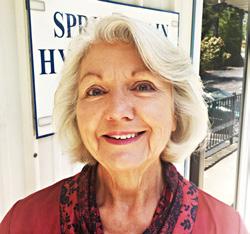
All disease begins in the colon. Constipation; slow, sluggish bowel; gas and bloating? A colonic will help to rid you of these problems. Colonics promote good digestion, help speed metabolism, help lower cholesterol, and help relieve joint pain. Linda Salyer is IACN certified and a retired nurse. Saturday appointments available with an additional small convenience fee. See ad, page 35.
Dr. Malai Roper is a metaphysician and feminine wellness guide offering therapies that nourish the body, mind and spirit. She creates a women-only sanctuary for rest, clarity and deep renewal. Her work blends energy healing, sound medicine, therapeutic bodywork and ancestral wisdom, drawing from Eastern healing traditions that support the nervous system and restore the body’s natural rhythm. Each session is personalized to help women release stress, reclaim vitality and reconnect with their inner wisdom. Dr. Malai also hosts wellness retreats and offers certification trainings in Reiki and Sound Healing for those called to deepen their practice or guide others through healing work. See ad, page 7.
FOOT WELLNESS
FOOT SAVI
7001 St Andrews Rd, Ste A Certified Board Pedorthist and Brace Specialist 803-781-1230 • FootSavi.com
With more than 30-plus years in the footcare/footwear industry, Sion Owen helps with a variety of issues, including gait analysis, foot assessments, custom orthotics, bracing and compression therapy, plantar fascia pain, neuropathy and fitting for therapeutic shoes for patients with diabetes, arthritis, painful bunions, callouses and hammer toes. Call to schedule an appointment! See ad, page 7.
GRIEF AND BEREAVEMENT RESOURCE CENTER INC
Sylvia Grant, MSW, BSW, GC-C 140 Stoneridge Dr, Ste 430, Columbia 803-606-3032 (text) or 803-386-9069 (call) Info@GriefAndBereavementrc.org GriefAndBereavementrc.org
The Grief and Bereavement Resource Center, founded by Army veteran Sylvia Grant, MSW, provides compassionate support, counseling and educational resources to help individuals and families navigate loss. Rooted in community care, the center empowers people to process grief, find healing, and thrive through shared support and professional guidance. It’s time to stop hurting and start healing. You don’t have to do it alone. Call to make an appointment today.
UNITY IN HEALING
Leah Saliter, Yoga Teacher, Death Doula UnityInHealingllc@gmail.com UnityInHealingllc.com
Embark on a journey of gentle healing and soulful restoration. Unity in Healing offers compassionate, body-centered practices that support you through grief, stress, transition and growth. Through yoga, breathwork, meditation, spiritual care and grief support, we create space for you to soften, listen inward and reconnect with what brings you steadiness and peace. Our offerings are designed to meet you exactly where you are, honoring your story, your body and your pace. Whether you are navigating loss, seeking grounding in a busy world, or longing for a deeper sense of meaning and connection, Unity in Healing provides a nurturing space where rest becomes medicine, presence becomes healing and community becomes a source of strength.
HEALTH & WELLNESS
ORIGINAL ORIGINS HEALTH AND WELLNESS
Tracy R. Jacox
MsTracy@originaloriginshealth.com
OriginalOriginshw.com
Ms. Tracy has over 30 years of experience in the medical field. Original Origins can assist you with maximizing your health and wellness holistically! Our wide range of services include health coach partnering, comprehensive health evaluations, comprehensive cooking experiences, and a comprehensive kitchen evaluation. Your health is your wealth! See ad, page 3.
POSITIVE PROJECTIONS LLC
Donna Mack
803-766-4913
PositiveProjectionsllc@gmail.com
PositiveProjectionsllc.com
Donna Mack and her team bring over 30 years of combined experience in offering health and wellness classes. Our courses are designed to empower participants to live their healthiest and happiest lives as they age. We’ve seen firsthand how gaining greater understanding of health impacts and making simple changes in lifestyles can lead to real healing. We offer a signature Healthy Body Health class to provide you with an “owner’s manual” for your body, offering practical tools and a personalized plan to help you take charge of maintaining your health for a lifetime. Call to make an appointment today.
HERBS & DETOX
SPHINX PAW
3400 Two Notch Rd, Columbia 803-754-3922
SphinxPaw.com
Discover a haven for holistic well-being at Sphinx Paw. Sphinx Paw has been at the forefront of healing in the Columbia area since 2007. We offer a diverse selection of herbs, books, candles and incense to support natural detoxification, personal healing and spiritual growth. Embrace your wellness journey with our thoughtfully chosen products and expert guidance. Our distinctive resources promote holistic self-care, natural detoxification, weight loss, personal healing, and spiritual growth throughout all phases of life. Sphinx Paw has everything you need to support you in a life of health excellence and well-being.
INTEGRATIVE & HOLISTIC MEDICINE
EXPECT WELLNESS
Dr. Rachel Hall
130 Suber Rd, Columbia 803-796-1702 • DrRachelHall.com reception@drrachelhall.com
Find us on Facebook for great health tips. Integrative/Holistic medicine consults for anyone wanting to approach their health more naturally. Dr. Rachel Hall is board certified in both family medicine and integrative holistic medicine. Together we will focus on finding the root of the problem, not just treating symptoms. Call today for a consult if you are looking to achieve balance. In-house diagnostic labs and therapies. See ad, page 27.
MASSAGE THERAPY
JAN SHAW PERSONAL TRAINING & MASSAGE (MAS1935)
806 12th St, West Columbia 803-360-7895 • JanShawHealth.com
Jan Shaw has many years of experience in exercise physiology and massage. She specializes in the John F. Barnes method of Myofascial Release Therapy; holds an M.S. in Exercise Science; has worked in rehab medicine for 10 years re-training patients with a myriad of physical injuries; and is skilled in MFR 1, 2, Unwinding, SES and Cervicothoracic. Whatever your needs, Shaw has the education and experience to help you.
SKIN THERAPY
LUVEVA AESTHETICS SPA
Eva Rigney, RN
Certified Esthetician 630-17 Promenade Pl, Ste 401, Columbia LuvevaSpa.GlossGenius.com
Eva Rigney is an Aesthetic Nurse and an Army Veteran. She has been in the medical field for more than 20 years and focuses on her lifelong passion of skin care. She incorporates updated and newest innovations in esthetics, such as permanent makeup (PMU), including 3D areola, Botox and more. She enjoys providing facial and body treatments, along with advanced techniques. She shares her knowledge on skin care, and assists with recommendations of the Luveva skin care line. “My goal is to help everyone achieve revitalized healthy skin,” she says.
The Celtic Wisdom Center is an eco-spiritual nonprofit community that embraces Celtic worship, contemplative practices, and spiritual direction. Through unique offerings like wander walks and contemplative nature experiences, we invite individuals to connect with the divine through nature and engage in Earth-centered practices that foster spiritual community. At the Celtic Wisdom Center, the timeless wisdom of the Celtic spiritual heritage helps transform the ordinary into the sacred. This is a holy and safe space to explore your spiritual path, deepen your connection with the divine, care for the Earth, and find a supportive community dedicated to holistic living. All are welcome.
Make sure to let our advertisers know you found them in
THERAPEUTIC
SEW AND HEAL
Jacquelyn Odom
7825 Broad River Rd, Ste 200, Irmo 828-590-1228 • SewAndHeal@gmail.com
SewAndHeal.My.Canva.Site
Sew and Heal is a nonprofit organization founded by Jaqueline, inspired by her journey of using sewing as an outlet to overcome the challenges of PTSD, anxiety and depression stemming from her military trauma. The organization empowers women and children to find healing and creativity through the art of sewing, turning pain into purpose. Sew and Heal provides a safe and supportive space for healing through sewing. Their mission is to foster emotional well-being, creativity and connection.
THERMOGRAPHY
DEVINE CHIROPRACTIC AND THERMOGRAPHY
Dr. Tracy Schoonover Young 2908 Devine St, Columbia 803-497-3860 • DevineChiroSC.com
Dr. Tracy Schoonover Young has served Columbia since 1993, offering chiropractic care and advanced, noninvasive thermography. A certified thermologist, she uses this radiation-free technology to aid in screening for concerns involving breast health, the thyroid, vascular and nervous systems, muscular issues and lymphatic congestion. Thermography is a noninvasive scan that maps heat and circulation patterns, often showing change before symptoms. Your body has a unique thermal pattern, and shifts over time can suggest imbalances. Devine Chiropractic and Thermography provides breast, torso and full-body screenings, each followed by a personalized consultation to guide next steps.