Design, Production & Digital Marketing Kristina Parella
Contributing Writers Michaela Leung
Tiana Tarver
Distribution Manager Larry Gunter
Ad Design Lauren Arabis
Website Matthew Davis
Media & Marketing Intern Deston Cedillo
CONTACT US
Email
MsTracy@MidlandsNA.com
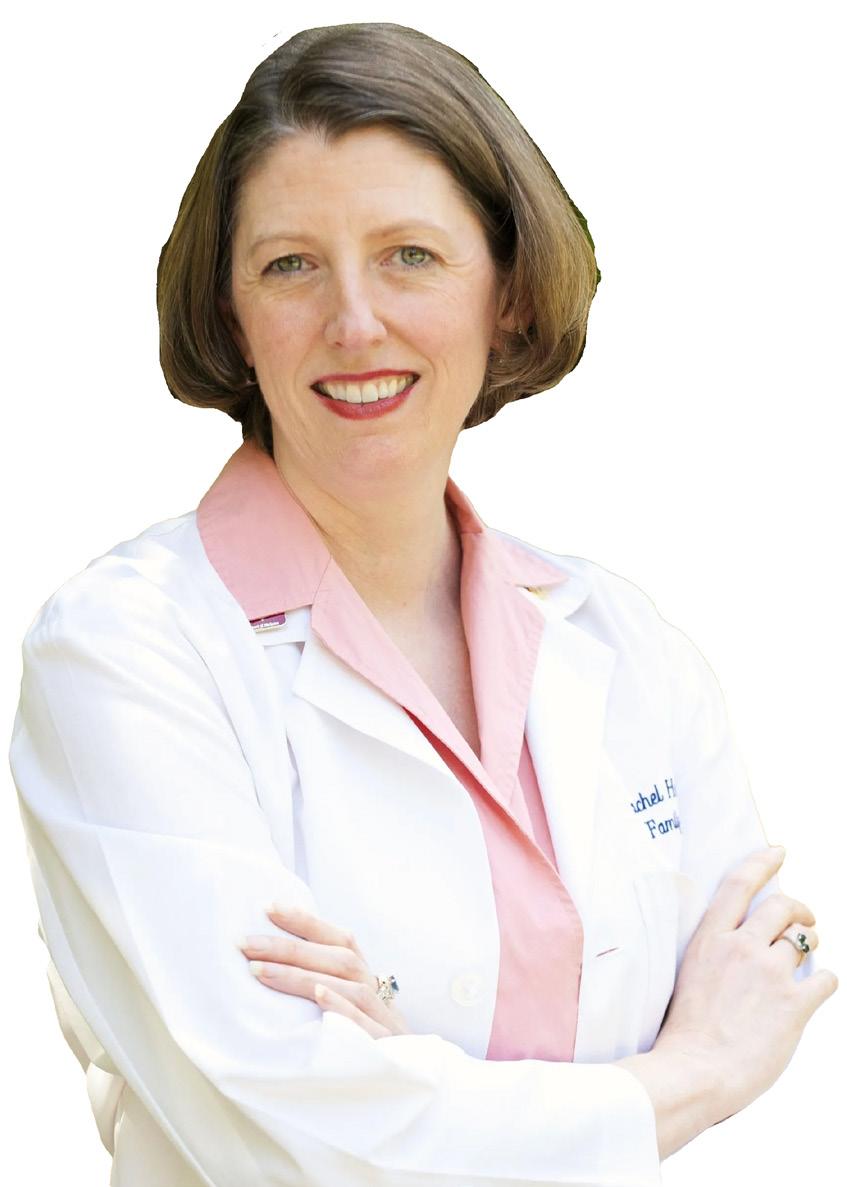
Dear Natural Awakenings family,
February invites us to turn our attention to the heart—often symbolized by love, yet deeply connected to our overall health and well-being. While Heart Health Month typically focuses on cholesterol numbers, blood pressure and exercise, I invite us to go a bit deeper—to the heart issues that do not always show up on a scan.
Our hearts carry more than blood; they carry the weight of our experiences, unforgiveness, chronic stress, unresolved grief and emotional wounds we have learned to live around instead of through. Over time, these unseen burdens can quietly take a toll, contributing to inflammation, fatigue and heart disease.
DIGITAL SUBSCRIPTIONS
Tracy Jacox-Gunter Ph: 839-228-1158 Website
ColumbiaNaturalAwakenings.com
Save a Tree Scan Me
NATIONAL TEAM
CEO Kimberly B. Whittle
National Editor Sandra Yeyati
Editor Brooke Goode
Copy Editor/Proofing Melanie Rankin
Layout Flip180 Media
CONTACT US
Natural Awakenings
Publishing Corporation
350 Main Street, Suite 9B
Bedminster, NJ 07921
Ph: 239-206-2000
NaturalAwakenings@KnoWEwell.com
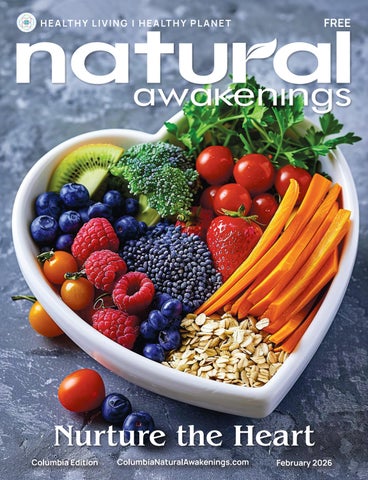
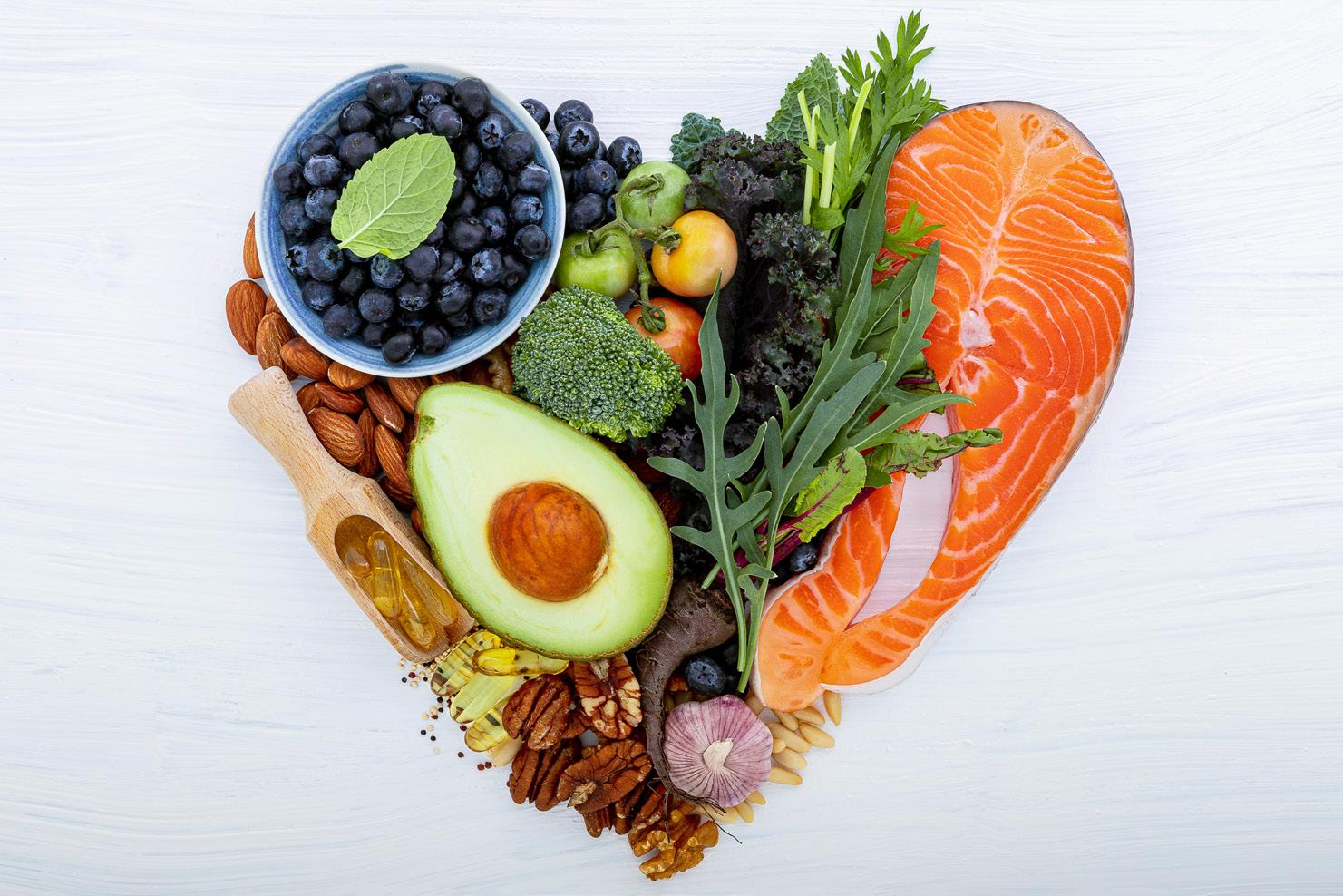
Cover image by Adobe Stock #778100497
Heart shaped bowl by Pairat
Natural Awakenings is printed on partially recycled and fully recyclable newsprint with black soy ink.
But here is the hopeful truth: healing is possible. Sometimes what we truly need is not just a lifestyle adjustment but a spiritual heart transplant—a willingness to release what has hardened our hearts and replace it with compassion, peace and restoration. When we choose forgiveness, we lighten the load. When we honor our grief instead of suppressing it, we make room for healing. And when we slow down to tend to our emotional and spiritual health, our physical heart responds in kind.
This month, I encourage you to ask yourself: What am I holding in my heart that no longer serves my highest good? Where do I need to soften, surrender or seek healing? How can I better care for my heart—emotionally, spiritually and physically?
Loving your heart is not selfish; it is essential. And when your heart is healthy, whole and aligned, you are better equipped to live your best life—one rooted in purpose, peace and vitality. Here’s to lighter hearts, deeper healing and the courage to choose wholeness.
With heart-centered gratitude,
�� Follow Our New Facebook Page!
ColumbiaNaturalAwakenings.com
AI JetPack Masterclass: Build Your Own Talking AI Avatar
A free, online AI JetPack Masterclass on Saturday, February 7, at noon will introduce kids to the basics of artificial intelligence (AI) through a creative, hands-on experience. During the interactive session, participants will build their own personal talking AI avatar—no coding required.
For more information, visit Eventbrite.com/e/ai-jetpack-masterclass-buildyour-own-talking-ai-avatar-tickets-1980764590210?aff=ebdssbdestsearch&ke ep_tld=1.
Experience a Witty WWII-Era Comedy
From Friday, February 6, through Saturday, February 21, Chapin Theatre will present How to Supervise Women, a poignant and humorous new play by Lou Clyde. Set in 1942, the comedy explores what happens when women step into factory jobs while men are away at war—and whether their male supervisors are prepared for the change.
Cost: $20-$25. Location: 830 Columbia Ave., Chapin. For more information, including start time and to purchase tickets, visit Simpletix.com/e/ how-to-supervise-women-tickets-249189#smtx-click.
Explore Biomedical Research at SC Science Symposium
A free, daylong science symposium on Saturday, February 21, from 8:30 a.m. to 4 p.m., will take place at the Russell House University Union on the University of South Carolina’s main campus in Columbia as part of the 17th annual South Carolina IDeA Networks of Biomedical Research Excellence (SC INBRE) Science Symposium.
The event will feature podium and poster presentations highlighting research conducted by SC INBRE-funded faculty and students, along with opportunities for learning, networking and professional connection.
Location: 1400 Greene St., Columbia. For more information or to register, visit Eventbrite. com/e/17th-annual-sc-inbre-sciencesymposium-tickets-1976497639646?aff=ebds sbdestsearch#location.
Mt. Horeb Church will welcome 10-time Dove Award winners Karen Peck and New River for a southern cospel concert on Friday, February 6, at 7 p.m. The performance promises the group’s signature harmonies and uplifting music.
Cost: $20. Location: 1205 Old Cherokee Rd., Lexington. For more information or to purchase tickets, visit MtHorebChurch.org/ concerts.
Explore the State Museum for $1 on First Sunday
The South Carolina State Museum is offering $1 general admission from noon to 5 p.m. on the first Sunday of every month through sponsorship by BlueCross BlueShield of South Carolina. Visitors can explore four floors of art, cultural history, natural history and science/technology, including the Boeing Observatory and the Robert B. Arial Collection of Historical Astronomy on the fourth floor.
For an additional fee, guests can enjoy a planetarium show or a 4D theater movie. The offer is not valid with other discounts or Museums for All.
Location: 301 Gervais St., Columbia. For more information, visit SCMuseum.org/ events/first-sunday.
Let Your Child Shine at Sensory Sunday
Surge Adventure Park, in Columbia, invites children with special needs to enjoy a calmer, more inclusive experience during Sensory Sunday, held on the first and third Sunday of every month from 10 a.m. to noon. During this special time, the park is closed to the general public and offers a quieter environment without loud music or flashing lights—allowing kids to play and explore at their own pace.
Cost: $7.99 per person, per hour. Location: 230 Business Park Blvd., Columbia. For more information or to purchase tickets, visit SurgeFun.com/locations/columbia/specials.
Discover Nature in a New Light With LEGO Sculptures
Riverbanks Zoo and Garden is offering guests a oneof-a-kind experience in the Botanical Garden with the award-winning, record-breaking exhibition Sean Kenney’s Nature Connects Made With LEGO Bricks. This acclaimed traveling exhibition features awe-inspiring, larger-thanlife sculptures crafted from millions of toy blocks, inviting guests to explore themes such as animal endangerment, the balance of ecosystems, and humanity’s relationship with the natural world.
From now until Friday, February 20, guests will have an opportunity to immerse themselves in the beauty of nature and the artistry of the sculptures, sparking inspiration to create their own masterpieces at home. The exhibition, produced by Imagine, has visited nearly 100 cities worldwide and is celebrated for its ability to surprise and delight guests of all ages.
Nature Connects reflects important topics that Amsterdam-based artist Kenney holds dear, from protecting animal habitats and planting gardens to choosing sustainable transportation. The exhibition highlights how everything in nature is interconnected in a delicate balance.
Cost: Included with admission or membership. Location: 500 Wildlife Pkwy., Columbia. For more information, visit Riverbanks.org/botanical-garden/downloads/nature-connects.pdf.
Meet Your Next Employer at Columbia Career Fair
A free Columbia Career Fair on Tuesday, February 24, from 9:30 a.m. to 12:30 p.m., offers job seekers a chance to connect live with local employers across a wide range of industries. The in-person event is designed to help participants move beyond browsing listings and engage directly with potential employers.
Representatives from government, sales, retail, education, information technology, engineering, health care, financial services, management, manufacturing, customer service and other fields will be available to discuss opportunities and recruitment needs. Professional dress and an updated resume are strongly recommended.
Location: 819 Gervais St., Columbia. For more information or to register, visit CareerFairConnection.com/event/columbia-career-fair.
Enjoy R&B With B2K and Bow Wow
B2K and Bow Wow will perform at 8 p.m. Thursday, February 12, at Colonial Life Arena as part of the Boys 4 Life Tour. The tour marks B2K’s 25th anniversary and more than 20 years since the group and Bow Wow first shared the stage during 2002’s Scream Tour II.
Additional performances by Jeremih, Waka Flocka, Amerie, Yung Joc, Crime Mob, Franchize Boyz and special guests Pretty Ricky promise a night of music, nostalgia and celebration for fans of classic R&B.
Location: 801 Lincoln St., Columbia. For more information, including cost, or to purchase tickets, visit ColonialLifeArena.com/events/detail/boys4life.
Support Children Through the Healing Hearts Grief Program
Prisma Health Children’s Hospital–Midlands will host a free session of its Healing Hearts Grief Program on Thursday, February 26, at 5:30 p.m. The program helps children ages 5 to 18 process the loss of a loved one through peer connection and therapeutic activities. Dinner will be provided.
Participants enroll in four sessions covering emotions, memories, coping skills and changes, each building on the last to provide a comprehensive framework for grief processing. A parallel program for parents and caregivers mirrors the children’s sessions, encouraging family communication and understanding throughout the grief journey.
Location: 7 Richland Medical Park Dr., Columbia. For more information or to register, contact Christy Fink at 803-434-5658 or Christine.Fink@Prismahealth.org, or visit Eventbrite.com/e/ healing-hearts-grief-program-tickets-504874331717?aff=ebdssbdestsearch.
A Sanctuary for the Feminine Soul
Peaceful
Join the Fun at Mardi Gras Columbia Parade and Festival
Columbia will host the 16th annual Mardi Gras Parade and Festival on Saturday, February 14, from noon to 7 p.m. at City Roots Urban Farm. The grassroots celebration features live music, Cajun food, a parade and family-friendly activities.
Cost: $10/free for kids. Location: 1005 Airport Blvd., Columbia. For more information or to purchase tickets, visit Eventbrite. com/e/16th-annual-mardi-gras-columbia-festival-tickets-1636949432819.
Take a Free Mindfulness-History Walk in Cayce
Midlands Technical College Psychology and History will host a free Mindfulness-History Walk on Friday, February 20, from 10 a.m. to noon. Participants will explore the Timmerman Trail while learning about mindfulness, the mental health benefits of nature and the park’s 12,000-year history, including the Civil War Battle of Congaree Creek.
The event combines outdoor activity with educational insights, offering a chance to connect with both nature and local history.
Location: 1120 Fort Congaree Trail, Cayce. For more information, visit Eventbrite.com/e/ mindfulness-history-walk-at-the-12000year-history-parktimmerman-trail-tickets1980683195757?aff=ebdssbdestsearch.
See Cody Johnson Live in Columbia
Colonial Life Arena will host Cody Johnson on Saturday, February 28, at 7:30 p.m. The platinum recording artist is known for his electrifying stage presence and loyal fan base, regularly selling out shows nationwide.
Johnson has released three celebrated albums—Human: The Double Album, A Cody Johnson Christmas and Cody Johnson & The Rockin’ CJB Live—and was featured in the award-winning documentary Dear Rodeo: The Cody Johnson Story. He holds 17 career RIAA certifications, a Pandora Billionaire Award and nearly 5 billion global streams.
Location: 801 Lincoln St., Columbia. For more information or to purchase tickets, visit ColonialLifeArena.com/events/detail/cojo0228.
Recharge Your Spirit at Midnight Cry Prayer Service
Lively Stone Apostolic will host a free Midnight Cry Prayer Service from 11:45 p.m. Friday, February 6, to 3 a.m. Saturday, February 7, offering participants a chance to come together in prayer, reflection and spiritual connection. The in-person service invites attendees to lift their voices, share prayer requests, and find peace and strength.
Location: 51 Berkshire Dr., Columbia. For more information or to register, visit Eventbrite. com/e/midnight-cry-prayer-service-tickets-1979500494265?aff=ebdssbdestsearch.
Celebrate 30 Years of Riverdance in Columbia Riverdance will perform at 4 p.m. Sunday, February 8, at Koger Center for the Arts, marking its 30th anniversary with a special tour performance. The show features the Grammy Award-winning music, mesmerizing choreography and breathtaking performances that have made Riverdance a global cultural sensation.
This production rejuvenates the original show with new choreography; updated costumes; and state-of-the-art lighting, projection and motion graphics. For the first time, it also welcomes “The New Generation” of performers, all born after the show first debuted 30 years ago.
Location: 1051 Greene St., Columbia. For more information, including cost, or to purchase tickets, visit KogerCenterForTheArts.com/event/riverdance-the-new-generation.
Microbiome Therapies for Depression
A 2025 systemic review published in BMC Psychiatry involving 34 clinical trials and more than 3,300 people found that depression symptoms could be effectively treated by targeting gut bacteria with the use of probiotics (beneficial bacteria), prebiotics (nutrients that feed good bacteria) and synbiotics (a combination of both). The therapies were shown to reduce depression scores, increase levels of BDNF (an important protein for brain health) and mitigate systemic inflammation.
Notably, synbiotics exhibited the most pronounced effectiveness, followed by prebiotics and probiotics. Treatment for longer than 12 weeks was not considered helpful. Those without other medical conditions fared better, while individuals with digestive disorders and pregnant women did not experience the benefits. These findings suggest that enhancing gut health may be a useful complementary tool for depression management.
Cultivating a Positive Body Image
Mind-Body Practices for Cancer Survivors
A multisite study published in the Journal of Clinical Oncology involving 587 cancer survivors compared two mind-body programs: Mindfulness-Based Cancer Recovery (MBCR), which incorporates meditation and awareness practices, and Tai Chi/Qigong (TCQ), which uses gentle, slow movements to promote relaxation and balance. The participants—mostly women around age 61—selected their preferred program or were randomly assigned if they had no preference. The most prevalent cancer types among them were breast, prostate and gastrointestinal.
Both MBCR and TCQ demonstrated a positive impact on mood scores, surpassing those observed in the control group. Notably, TCQ produced the most relief from anger and depression, as well as an increase in energy levels. MBCR proved particularly effective in reducing tension and anxiety, although it did not significantly affect depression. Neither program exhibited any effect on confusion or fatigue, and the selection of a preferred program did not influence the outcomes.
Fitness inspiration, or “fitspiration”, is a social media-related term that describes the prevalence of photos depicting people with slender, idealized figures. Although these beautiful images may be intended to inspire fitness, past research has demonstrated that viewing such photographs can lead to body dissatisfaction and negative mood among women.
A 2023 study published in Body Image involving 238 college females investigated whether a values affirmation intervention could reduce the detrimental effects of viewing fitspiration. The participants—divided into three groups—were asked to view idealized pictures of women on Instagram after either completing a simple writing task, looking at travel images or reflecting on their most important personal values.
The study demonstrated that contemplating personal values helped protect college women from the negative body image effects of fitspiration. The affirmation group experienced a stable mood and body image compared to the control group, where negativity rose significantly. This suggests that affirming personal values outside of appearance can act as a buffer against social media comparison, potentially offering a simple self-help strategy.
Aja
Koska from Getty
FatCamera from Getty
GenAI/CanvaPro
A Turtle’s Resilience and the Power of Proper Care
Rockalina, an eastern box turtle, was rescued in early 2025 by Garden State Tortoise (GST), a New Jersey reptile rehabilitation center, after spending nearly 50 years living in captivity on a kitchen floor, eating only cat food, which left her with discolored skin, deformed claws and blindness. Showing remarkable resilience, she has recovered and thrived after a treatment of warm baths, proper food and days spent in a forest-like setting with natural light and plenty of space for burrowing, hiding, exploring and even hunting and eating live earthworms.
Rockalina’s inspiring journey gained global fame through GST videos and photos, showing her enjoying a strawberry, displaying curiosity and natural instincts, walking tall and recently meeting a baby turtle companion. Rockalina’s recovery demonstrates the ability of animals to bounce back from severe neglect and underscores the importance of proper care for reptiles and all creatures.
According to the National Wildlife Federation, eastern box turtles are five to six inches long, and they inhabit ponds, fields, meadows and woodlands throughout the eastern United States. Their diet includes berries, insects, roots, flowers, eggs and amphibians. When threatened, they retract their limbs and close their shells. While they are very popular pets, many people release them into the wild when they no longer wish to care for them. This practice can be detrimental to domesticated turtles that struggle to adapt to a vastly different environment. It is best to drop them off at a local animal shelter or veterinarian.
Innovative Utah Freeway for Cyclists and Pedestrians
Imagine being able to bike or walk on a paved path that connects to towns, state parks and mountain trails without ever having to fight cars or worry about road crossings. This ambitious project is underway in Utah, setting a precedent for other states to emulate.
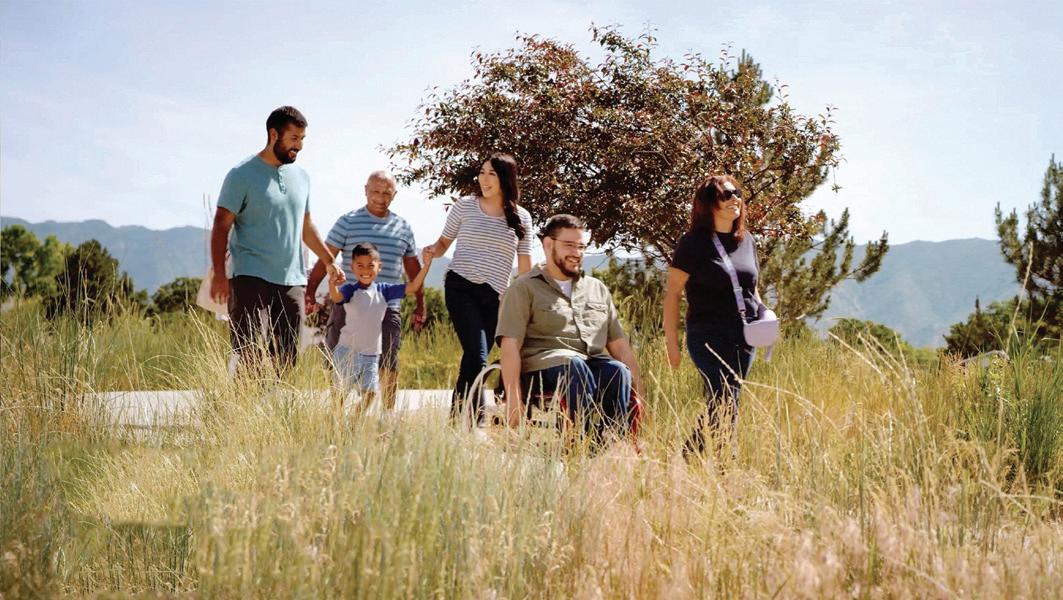
Construction has begun on the Utah Trail Network, a 3,100-mile system of paved, unmotorized trails that will connect people of all ages and abilities to their destinations and communities. This interstate network will be entirely separate from vehicle traffic, ensuring comfort and accessibility for walking, biking or “rolling”. Approximately 500 miles are already in place.
The mission is to enhance recreation, boost tourism and provide safer commuting by linking cities, schools, workplaces and trailheads. Upon completion, 95 percent of Utah residents will live within a mile of the network. The state legislature has committed $45 million in ongoing funding and an additional $45 million one-time funding to the Utah Department of Transportation to plan, build and operate this regional trail network.
Bacteria Engineered To Tackle Microplastics
Researchers at Duke University are investigating whether certain bacteria can degrade microplastics, the tiny plastic particles polluting oceans, soil and the food chain. The team is assessing the ability of Pseudomonas stutzeri to digest polyethylene terephthalate (PET), a strong, transparent and lightweight plastic used in beverage containers and food packaging. Thermus thermophilus is being evaluated for its potential to degrade plastic more efficiently in warm environments.
A component of their research involves bioengineering techniques designed to help the bacteria work faster. Additionally, the group is developing a solar-powered device to house the bacteria as they process plastic in polluted areas. The long-term goal is to transform degraded plastic into new, reusable materials, thus promoting recycling over accumulation in nature.
Utah Trail Network/UDOT
The Collaborative Magic of Repair Fairs
by Natural Awakenings staff
Repair fairs are free community events where volunteers with various skills guide people in fixing their broken household items like electronics, bikes and toys. Often accompanied by a clothing and housewares swap, these fun community events promote skill-sharing, waste reduction and sustainability; boost DIY self-confidence; and encourage friendly conversation over a cup of coffee.
Originating in the Netherlands in 2009 to combat the throwaway culture, repair fairs have become a global movement supported by the nonprofit Repair Café Foundation, which organizes pop-up events worldwide. By mending, recycling and reusing items, participants safeguard the planet and save money, too.
Finding or Starting a Repair Fair
• RepairCafe.org and TheRestartProject.org list thousands of repair events worldwide and also help individuals start their own local groups.
• Search “repair fair near me” or “repair café near me” on the internet to find nearby events.
• Facebook search for “repair fair”.
• Local newspapers list these events in their calendars and can also help promote a new repair fair.
Common Fair Items
• Clothing that needs to be mended, patched, hemmed or altered, as well as garments with missing buttons, broken fasteners or stuck zippers
• Bicycles that need to be tuned up or that require repairs to brakes, gears, chains and tires
• Small appliances, including toasters, blenders, coffee makers, mixers and food processors
• Wooden furniture with loose joints or wobbly legs, or that need surfaces restored
• Lamps that need to be rewired
• Toys with broken pieces or mechanisms
• Antiques, books, documents and old photographs that need to be preserved or restored
• Jewelry with broken clasps or that need to be resized or polished
• Miscellaneous items like umbrellas or tools in need of repair
Typical Skills Needed
• Electricians to repair small appliances, lamps and other powered items
• General maintenance and repair workers that can fix a variety of mechanical equipment and everyday items
• Carpenters that can fix furniture or other structural items
• Textile and sewing specialists to mend clothing, upholstery or other fabric goods
• Bicycle mechanics for basic tune-ups and repairs
• Jewelry repairers for treasured items
• Electronics technicians for diagnosing and repairing household electronics such as radios or computers
Helpful Tips
• Bring items in a clean and ready state.
• Prepare a clear explanation of the problem that needs fixing.
• Arrive early, or be prepared to wait.
• Ask questions and bring a notebook and pen to take notes.
• Have fun and engage in conversations.
Heart-Loving Foods That Are Actually Simple
Everyday Ingredients That Support Cardiovascular Health Without Complicated Diets or Extreme Rules
by Michaela Leung
February often brings a renewed focus on heart health, along with advice that can feel restrictive or overwhelming. Nutrition experts generally agree, however, that simple, consistent food choices may play a role in supporting cardiovascular wellness. Rather than extreme diets, small, sustainable shifts are often associated with benefits such as improved circulation, reduced inflammation, and support for healthy blood pressure and cholesterol levels.
Omega-3s: Small Fats, Big Impact
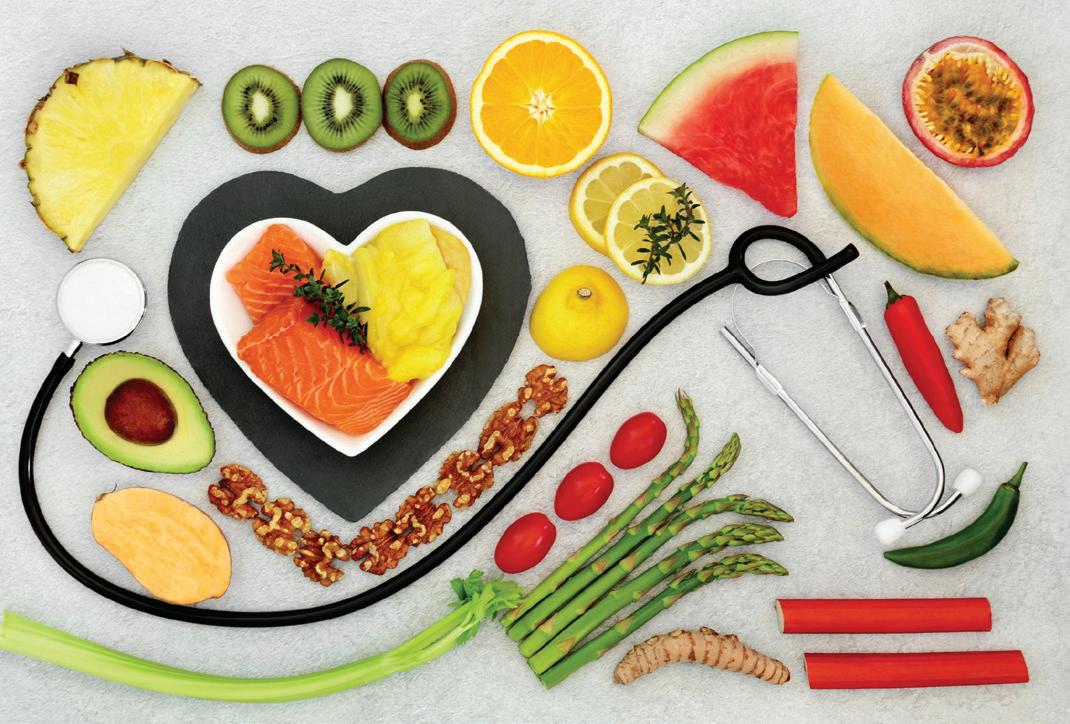
Omega-3 fatty acids are commonly associated with heart health and are known for their role in managing inflammation and supporting normal heart function. They are found in fatty fish like salmon and sardines, as well as plant-based sources such as flaxseed, chia seeds and walnuts. Easy ways to incorporate them in daily meals include adding ground flaxseed to oatmeal, mixing chia seeds in yogurt or choosing walnuts for a snack.
Magnesium: The Under-Recognized Mineral
Magnesium plays a role in muscle function, including the heart, and is involved in processes that help regulate blood pressure. Foods rich in magnesium include leafy greens, pumpkin seeds, almonds and black beans. Meals built around greens, with the addition of seeds or legumes, can help support magnesium intake without requiring complex meal planning.
Antioxidants for Cellular Protection
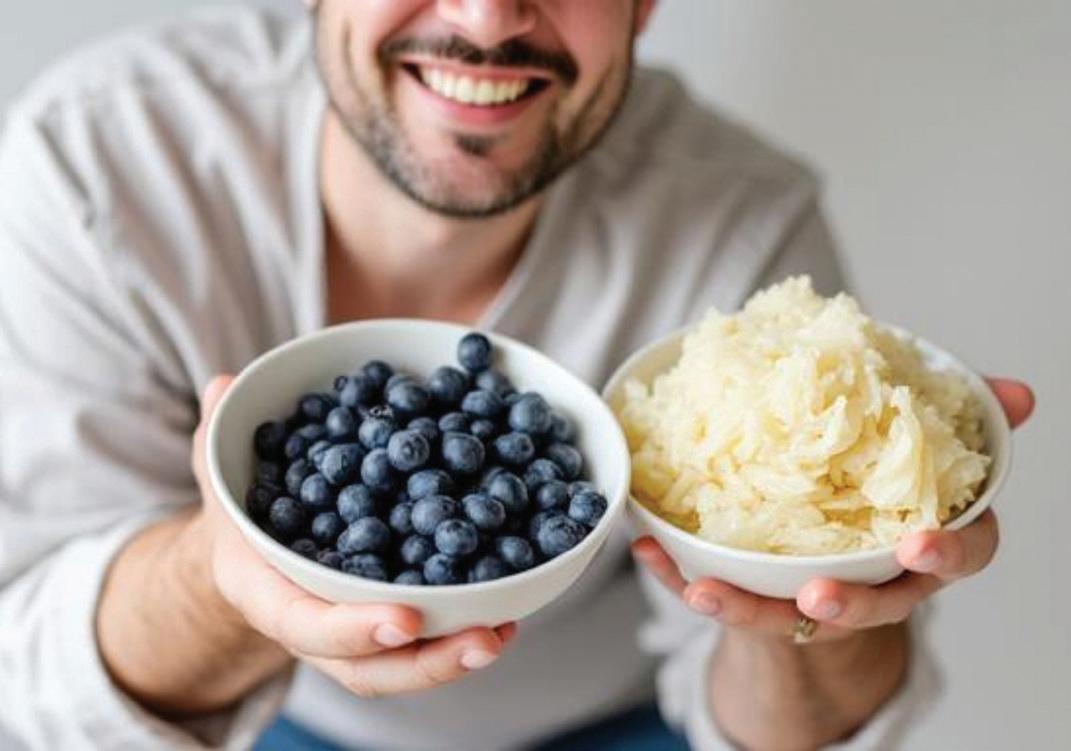
Oxidative stress is widely studied for its potential connection to heart disease, and antioxidants are known to help counter its effects. Berries such as blueberries, strawberries and raspberries contain polyphenols that have been linked in research to cholesterol support and reduced markers of inflammation. Frozen berries can offer a convenient and affordable option that retains much of their nutritional value throughout the year.
Olive Oil and Healthy Fats
Extra-virgin olive oil is a staple of many heart-conscious eating patterns and is valued for its unsaturated fats and naturally occurring compounds. It is often associated with cholesterol
support when used in place of more highly processed fats. Olive oil can be incorporated easily into salad dressings, drizzled over roasted vegetables or used as a finishing touch for soups.
Nuts, Seeds and Leafy Greens
Nuts and seeds provide fiber, healthy fats and minerals often linked to cardiovascular wellness. Leafy greens offer nutrients such as potassium and folate and contain naturally occurring nitrates that may support circulation. Simple meals, like grain bowls with greens, vegetables, olive oil and nuts, bring these ingredients together for easy, everyday nourishment.
Everyday Staples for a Healthy Heart
Supporting heart health doesn’t require specialty products or hard-to-find ingredients. Most grocery stores, co-ops and farmers markets carry basic staples, and many small brands offer minimally processed snacks, seed crackers or nut-based spreads. By focusing on simple, accessible foods, individuals may support cardiovascular wellness while enjoying satisfying, sustainable meals.
Ultimately, heart health is shaped by daily patterns rather than quick fixes. Simple, nourishing foods—such as omega-3s, magnesium-rich ingredients, antioxidants, leafy greens, olive oil, nuts and seeds—may help maintain heart function, support healthy inflammation levels and contribute to overall well-being, making Heart Health Month a reminder to care for both heart and body.
Resources: American Heart Association dietary guidelines; National Institutes of Health research on magnesium and cardiovascular health; studies on antioxidant-rich berries and heart disease risk.
Michaela Leung is a multimedia storyteller, wellness writer and Pilates instructor based in Columbia. She is passionate about making holistic wellness more accessible—through movement, mindful living or sharing stories that inspire. Leung is the founder of All is Well, a wellness platform and newsletter, and she is a 2025 Columbia ambassador dedicated to supporting local businesses and healthy living. To connect with her, email MichaelaAngeliqueLeung@gmail.com or follow @michaelaleung__ on Instagram.
Garlic Therapy
Eating Our Way to a Healthier Heart
by Marlaina Donato
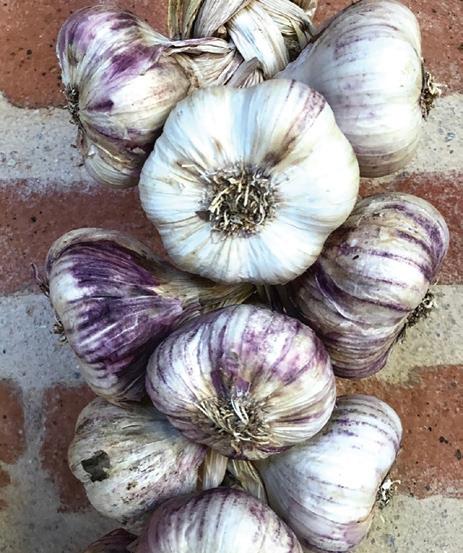
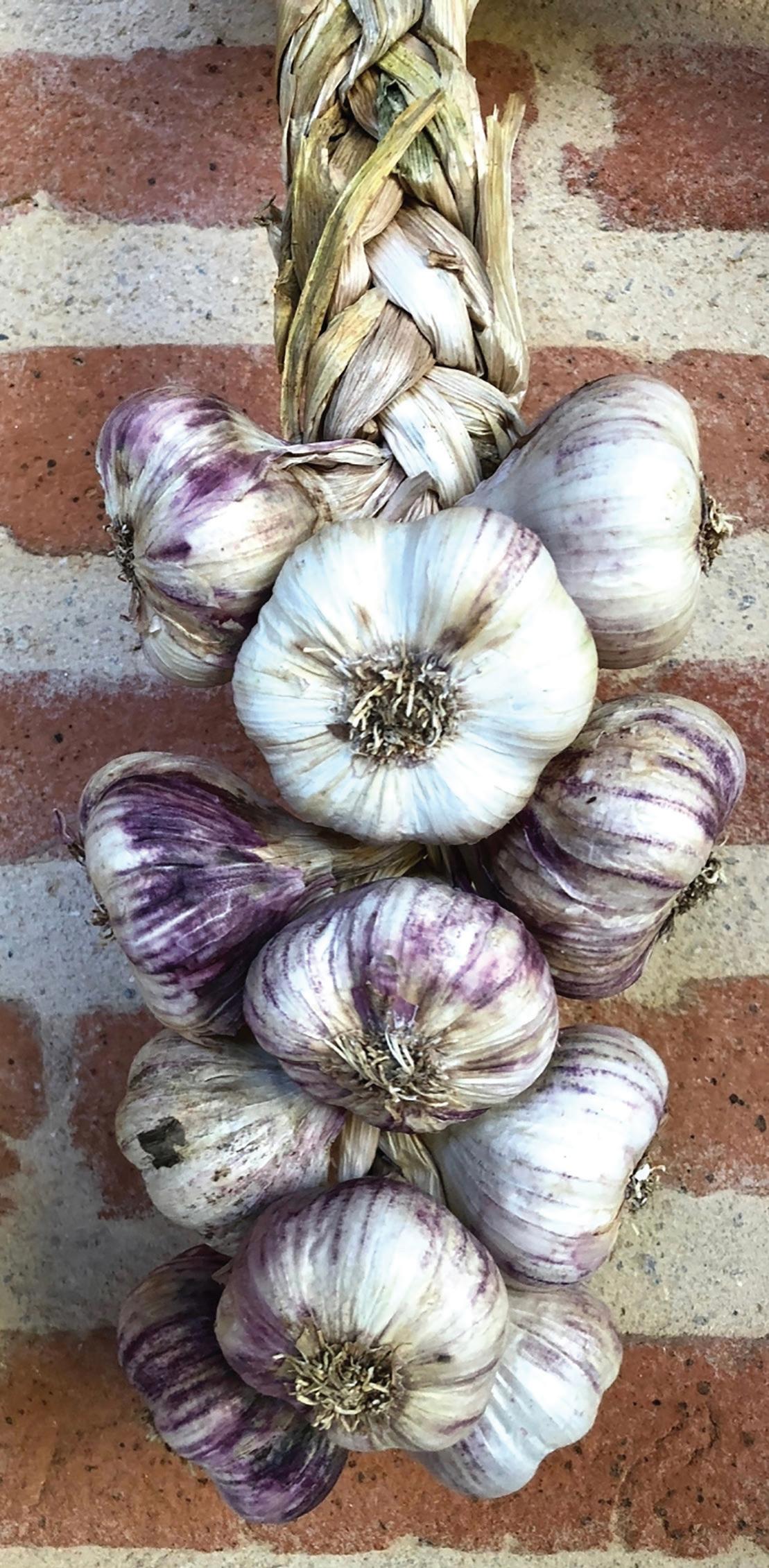
Fresh garlic is a pungent delight that can jazz up any meal, from hearty winter stews to sautéed vegetables on a bed of healthy grains. Allicin, the compound that gives crushed garlic its distinctive smell, protects the plant from pests and offers humans many health benefits, acting as an antioxidant, antimicrobial and anti-inflammatory agent; improving gut balance; and supporting cardiovascular and immune health.
Research published last year in Nutrition Reviews indicates that consumption of garlic significantly improves key cardiovascular risk markers, including cholesterol and blood sugar levels, blood pressure, oxidative stress and inflammatory biomarkers. In a 2022 article, the Cleveland Clinic suggests that red blood cells respond to the sulfur in garlic by creating nitric oxide and hydrogen sulfide gases, which relax and expand blood vessels. A 2019 meta-analysis of clinical trials published in Experimental and Therapeutic Medicine concludes that supplementation with an aged garlic extract offers similar results to blood pressure-lowering medications. While more research is needed to understand the full-spectrum potential of this kitchen staple, regularly spicing up meals with a clove or two can foster better health.
Maximizing Benefits and Flavor
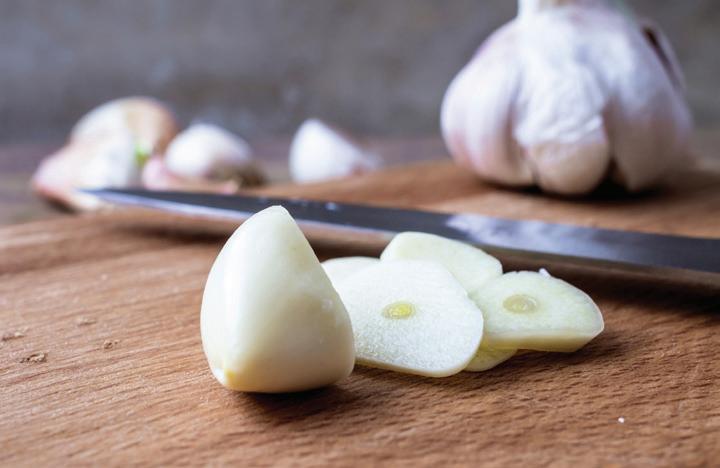
Mincing, grating or pressing garlic intensifies its pungency, waking up ordinary steamed vegetables when tossed with olive oil or spicing up homemade hummus. Whether regular grocery store-bought, traditional heirloom or locally grown, garlic offers benefits, but following a few easy tips ensures that its nutritious perks remain intact.
According to Natalie Ledesma, a board-certified oncology dietitian and the founder of Natalie Ledesma Integrative & Functional Nutrition Consulting, in San Francisco, it is best to allow chopped or crushed garlic to sit for about 10 minutes before consuming it, cooking with it or adding it to vinaigrettes or other salad dressings. This waiting period maximizes the formation of allicin. Notably, the acidic nature of vinegar or lemon juice compromises allicin’s stability.
“If you compare raw garlic to garlic that has been cooked by various methods, you can see dramatic drops in allicin, one of the purported active ingredients,” advises Dr. Michael Greger, founding member of the American College of Lifestyle Medicine and author of several
national bestsellers, including How Not to Die, The How Not to Die Cookbook and How Not to Age
If garlic must be cooked, he suggests roasting to retain vital qualities that are quickly lost through simmering, high-heat stir-frying and boiling. “It is simple to prepare and can be used to add flavor to almost any dish,” he explains. “After roasting the garlic, you can also puree it in a blender or food processor until smooth, then portion and freeze it for future use.” A head of roasted garlic yields about one-and-a-half to two tablespoons of a delicious paste, which can be slathered on warm bread or sandwiches, whipped into zesty dips, and stirred into creamy mashed potatoes or a bowl of pasta.
“There are other beneficial compounds in garlic that are not deactivated by heat. They include ajoene, diallyl disulfide, diallyl trisulfide and S-allyl cysteine, which have anti-inflammatory and anti-clotting benefits,” advises Dr. Joel Fuhrman, a board-certified family physician, president of the Nutritional Research Foundation and author of several bestsellers, including his Eat to Live Cookbook.
Hacks for Sensitive Bellies and General Tips
Garlic should be avoided by anyone on pharmaceutical or herbal blood thinners. For those that experience stomach or intestinal upset, Ledesma suggests removing the green sprout inside the garlic clove, a prime culprit for indigestion, or eating only the garlic scapes (the curly green flower stalks that grow on the garlic plant), which are generally well-tolerated.
For less discomfort and added convenience, Fuhrman endorses dehydrated raw garlic granules, noting that they will soften, expand and partially cook when sprinkled over veggies as they are steamed in a pot, enhancing its digestibility.
When purchasing garlic, choose intact heads that are firm to the touch, have plump cloves and do not have a strong odor of garlic—an indication of damage and loss of vital benefits. After chopping or peeling, rubbing cutting boards and hands with fresh lemon juice will remove the pungent garlic aroma.
Marlaina Donato is an author, painter and composer. Connect at WildflowersAndWood Smoke.com.
Wellness Circle Wellness Circle Sunday, 15 February 3-6PM JC Legacy Event Center 7713 St. Andrews Rd, Irmo Investment: $35 Info: MsTracy@OriginalOriginsHealth.com
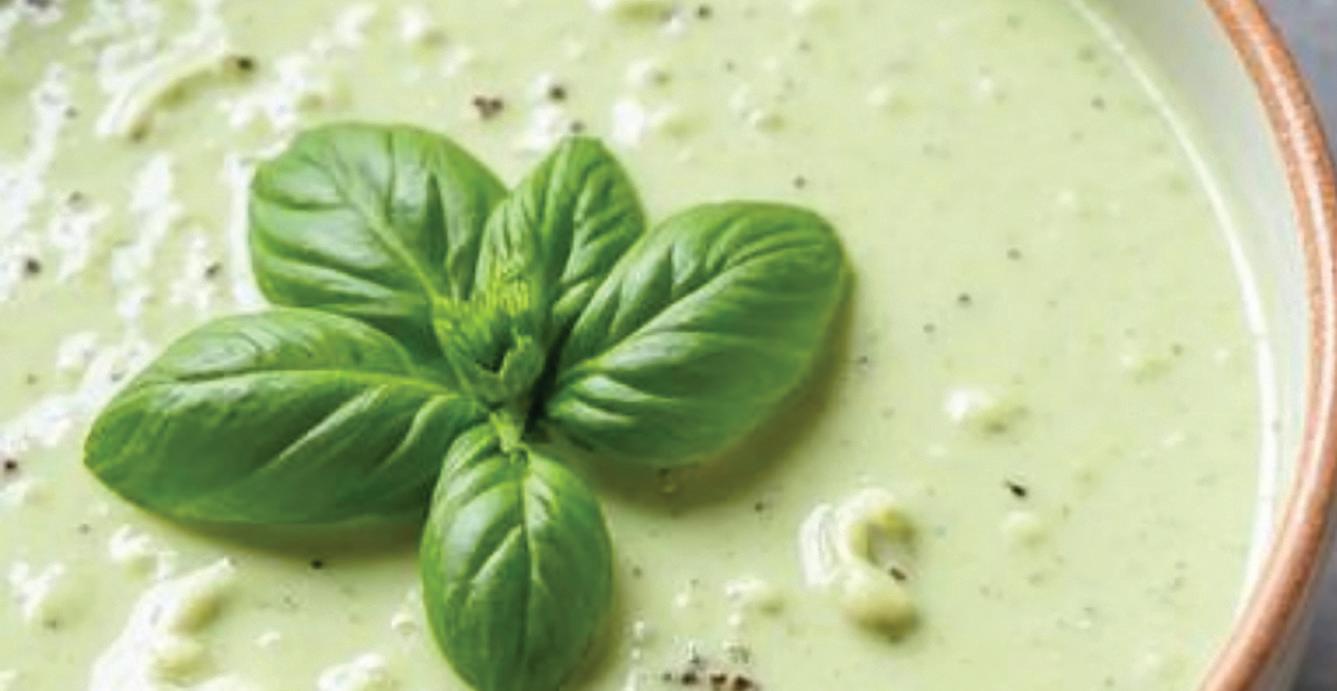
CREAMY TOFU BASIL SAUCE
YIELD: 6 SERVINGS, ½ CUP EACH
1 12.3-oz package of silken
tofu
½ cup water
¾ cup fresh basil, chopped
4 Tbsp nutritional yeast
3 Tbsp gluten-free tamari
1 Tbsp lemon juice
2 cloves garlic, minced
¾ tsp black pepper
Blend all ingredients together in a blender or food processor. Serve over pasta, vegetables or a baked potato.
Recipe courtesy of Natalie Ledesma.
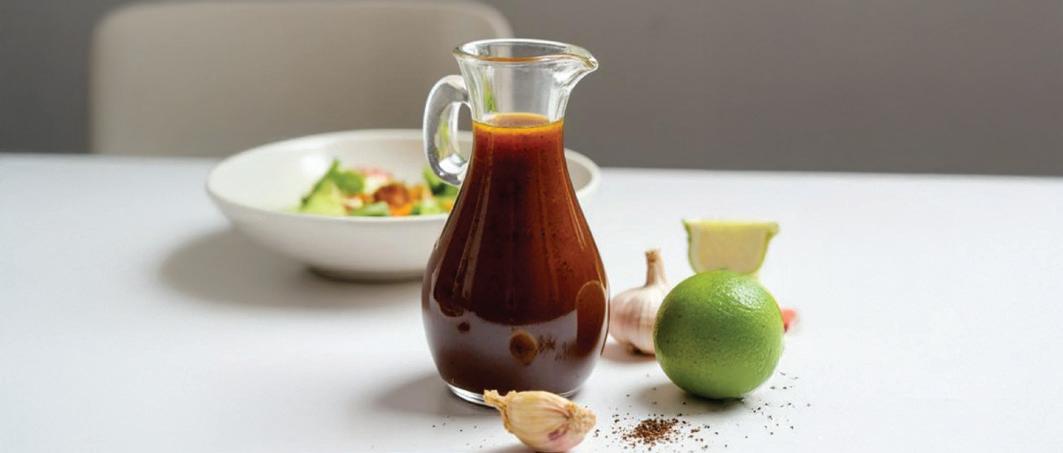
ZINGY BALSAMIC-LIME VINAIGRETTE
YIELD: 1¼ CUPS FOR APPROXIMATELY 8 SERVINGS
½ cup balsamic vinegar
Juice of 1 freshly squeezed lime
½ cup extra virgin olive oil
1 Tbsp maple syrup or honey
1 fresh garlic clove, minced or grated
½ tsp sea salt or smoked salt
¼ tsp freshly ground black or white peppercorns
Combine all ingredients and hand-whisk until well blended. Drizzle vinaigrette over green salads, potato salad, cold green beans, or grilled tofu or shrimp. Store remainder in the refrigerator for up to 1 week.
Recipe courtesy of Marlaina Donato.
ROASTED GARLIC
YIELD: 1½ TO 2 TBSP OF GARLIC PASTE
1 whole head of garlic or more
Preheat the oven to 400° F.
Use a sharp knife to cut about ⅓ inch off the top of the whole head of garlic to expose the tops of the garlic cloves. Place the bulb inside a terracotta garlic baker or wrap it securely in parchment paper.
Bake in the oven, cut side up, for 30 to 40 minutes or until the garlic cloves are soft. Remove from the oven and open the garlic baker or parchment paper to let the garlic cool.
Remove one garlic clove and squeeze it over a small bowl, allowing the soft, roasted garlic to slip out of the papery skin. If it is not soft and golden brown, return the rest of the bulb to the garlic baker or rewrap it in parchment paper and bake for a few more minutes.
When the garlic is soft inside and cool enough to handle, squeeze out each roasted garlic clove into the bowl. It is now ready to enjoy. To give it a uniform texture, mash it with a fork or puree it in a food processor.
Tip: Roasted garlic can be stored in the refrigerator in a jar or other container with a tight-fitting lid for up to 5 days or portioned and frozen for up to a month.
Recipe courtesy of Dr. Michael Greger.
BLACK BEAN STEW WITH PURPLE SWEET POTATOES
YIELD: 4 SERVINGS
Mango adds color and a touch of sweetness to this luscious stew. Make it as spicy as desired, adding more or less jalapeño to taste. If purple sweet potatoes are unavailable, any sweet potato varietal will do. Substitute thawed, frozen mango for fresh if the fruit is not in season.
1 large red onion, chopped
2 fresh garlic cloves, minced
2 large purple sweet potatoes, peeled and diced into ½-inch cubes
1 medium red bell pepper, cored, seeded and diced
1 small jalapeño, seeded and minced (optional)
2 cups vegetable broth or water
2 tsp white miso paste
¼ cup hot water
3 cups salt-free black beans, home-cooked or from BPA-free cans, drained and rinsed
1 14.5-oz BPA-free can of salt-free, diced tomatoes, undrained
1 ripe mango, peeled, pitted and diced
½ cup fresh cilantro, chopped
In a large pot, heat a few tablespoons of water over medium heat. Add the red onion, then cover and cook until softened, stirring occasionally, about 7 minutes. Stir in the garlic and cook another 2 minutes. Add a little more water, if needed, to prevent the onion and garlic from sticking to the bottom of the pot.
Add the sweet potato, bell pepper, jalapeño (if using) and vegetable broth. Bring to a boil. Lower the heat to medium-low, cover and simmer until the sweet potatoes are tender but still firm, about 25 minutes.
Blend together the white miso paste and ¼ cup of hot water.
Stir in the beans, tomatoes in their juice and miso mixture, then simmer gently, uncovered, until heated through, about 5 minutes. Add the mango and cook for 1 more minute, then stir in the cilantro and serve hot.
Recipe courtesy of Dr. Michael Greger.
A Whole-Hearted Life
The Daily Choices That Help Our Hearts Thrive
by Hannah Tytus
Ahealthy heart is built from the inside out. Each day presents opportunities to nurture vitality through dietary choices, physical activity, restful periods, social connections and personal fulfillment. These ordinary decisions profoundly impact the long-term trajectory of cardiovascular well-being.
According to the World Health Organization, cardiovascular disease is the leading cause of death worldwide, accounting for 32 percent of global fatalities and affecting families across diverse communities. The U.S. Centers for Disease Control estimates that one in three deaths in the United States can be attributed to this devastating disease.
Behind these sobering statistics lies the reassuring fact that small, daily choices can help protect the heart.
Heart-Healthy Foods
Among the most studied heart-supportive eating strategies are the Mediterranean Diet and the Dietary Approaches to Stop Hypertension (DASH) Diet, which help regulate cholesterol levels and reduce inflammation. Both emphasize the consumption of vegetables, fruits, whole grains and nuts, while limiting saturated fat and processed meats. Additionally, eating fatty fish provides whole-food omega-3 fatty acids, which have been shown to be more effective than comparable supplements in supporting heart
health, according to a 2018 study published in JAMA Cardiology.
Dr. Regina Druz, based on Long Island, New York, is the founder of Holistic Heart Centers of America and a board-certified specialist in cardiology and functional medicine. Her expertise lies in heart disease prevention through holistic, lifestyle-driven care. She is the author of a forthcoming book, Longevity Code: How to Age-Proof Yourself for Optimal Health
A proponent of the Mediterranean Diet, Druz encourages patients to build a way of eating that feels natural, flavorful and balanced. She emphasizes the significance of meal timing and its alignment with a person’s circadian rhythm. She also often recommends moderate intermittent fasting, as long as it is done safely, sustainably and personalized to the individual.
According to Druz, dietary changes are most powerful when they are part of a larger, three-pillared foundation that includes exercise, nutrition and sleep. She discourages people from searching for a single magic bullet and instead invites them to build a way of eating that feels natural, flavorful and balanced.
Mindfulness and Mood
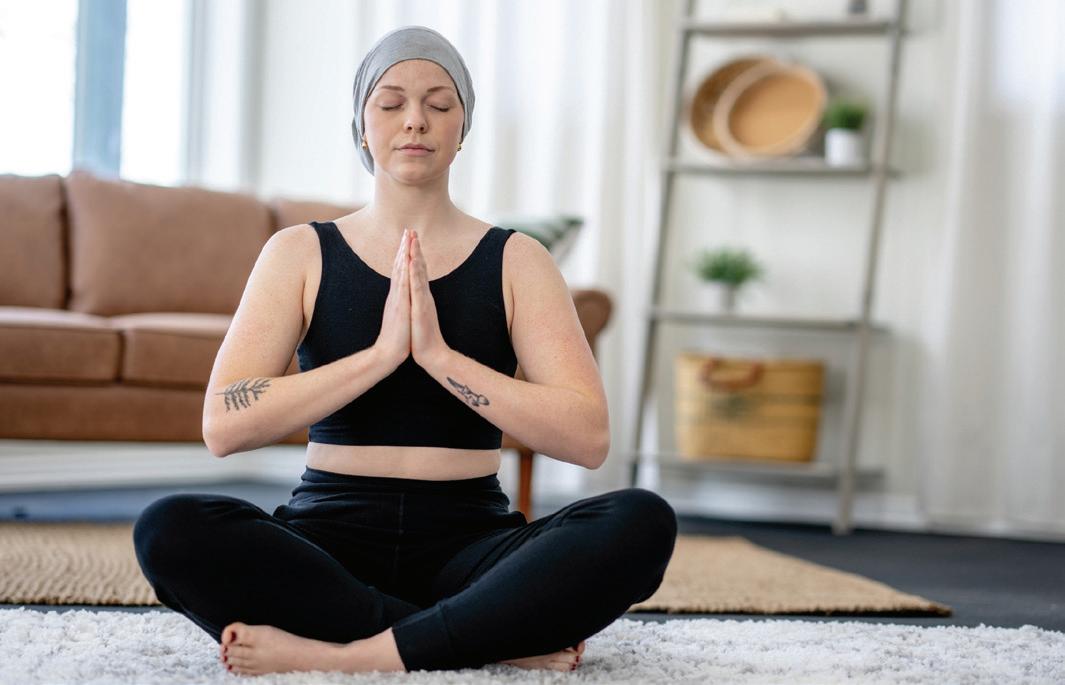
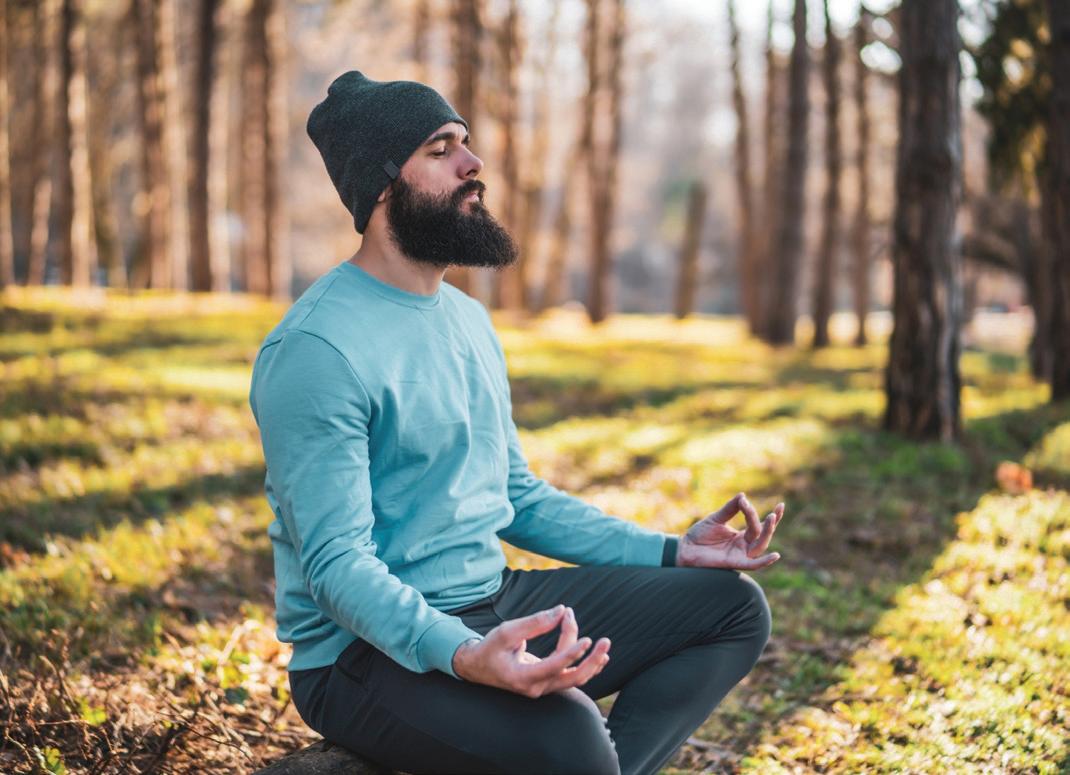
The intricate connection between the mind and heart is often underestimated. Chronic stress can elevate blood pressure and induce inflammation, placing a burden on the cardiovascular system. Stress reduction does not have to be complicated. Even a few minutes of mindful breathing or meditation can shift the body into a more relaxed state, offering the heart a small but meaningful reprieve.
Kiattisak Lamchan from kiattisaklamchan/CanvaPro
Mindful awareness practices appear to have favorable effects on blood pressure, cortisol levels and inflammatory markers, suggesting that everyday mind-body tools can provide meaningful support. A 2007 report published by the Agency for Healthcare Research and Quality found that Transcendental Meditation (TM), qigong and Zen Buddhist meditation yielded modest reductions in high blood pressure. A 2019 meta-analysis of TM for heart disease demonstrated improvements in blood pressure levels.
Biofeedback involves measuring bodily functions, particularly heart rate variability, to enable individuals to consciously alter these functions. It can track how slow breathing techniques help the heart relax. Notably, biofeedback has been shown to be effective in lowering blood pressure levels, according to a 2024 meta-analysis study published in Nature
Healing Power of Slumber
Sleep is integral to heart health. A 2017 study published in Chest reports an association between insomnia and cardiovascular disease, including high blood pressure and heart failure. Furthermore, a 2011 study in Circulation demonstrates a link between insomnia and a moderately increased risk for a heart attack.
Druz collaborates with sleep specialists that use wearable technology, such as the SleepImage device, to assess sleep quality in real time. She has observed that even modest adjustments to sleep habits can yield significant improvements—from changing sleep positions and recalibrating room humidity to optimizing sleep times and reorienting bed pillows. By tracking sleep patterns over time, individuals can identify subtle shifts that contribute to a quantifiably better night’s rest.
Benefits of Consistent Exercise
Regular physical activity remains a cornerstone in reducing cardiovascular risk. The 2004 INTERHEART study, involving nearly
30,000 participants from 52 countries, revealed that moderately intense exercise for four or more hours per week reduced the risk of a heart attack by 12.2 percent.
A 2011 cohort study published in Lancet involving more than 400,000 participants showed that engaging in as little as 15 minutes of daily physical activity can reduce the risk of mortality by 14 percent and extend life expectancy by an average of three years. Each additional 15-minute interval can further decrease mortality across all age groups, including individuals with preexisting cardiovascular disease.
High-intensity interval training (HIIT) has emerged as an effective regimen for promoting cardiovascular fitness. According to Druz, HIIT maximizes VO2 max (the maximum volume of oxygen a body can use during intense exercise), a key indicator of cardiovascular health and strong predictor of longevity. However, she acknowledges that HIIT may not be accessible to everyone because it alternates short periods of intense, explosive exercise with brief recovery periods to the point of exhaustion.
In such cases, she recommends incorporating “exercise snacks” into daily routines, which involve brief bursts of movement throughout the day. Walking the dog, carrying groceries, completing household chores or simply standing more frequently can contribute to a less sedentary lifestyle. These accessible steps make it easier to integrate movement into daily living.
Nature’s Rewards
Spending time outdoors provides more than aesthetic appeal and access to fresh air. Living closer to nature has been linked to lower incidences of cardiovascular disease, stress, diabetes and stroke. Exposure to green space is associated with lower blood pressure, improved heart rate variability and reduced cardiovascular mortality. A 2016 study in Nutrition, Metabolism and Cardiovascular Diseases
marilyna from Getty Images/CanvaPro
involving nearly 12,000 participants observed that the more recreation time someone spends outdoors, the less likely they are to die of cardiovascular disease.
The Transformative Energy of Optimism
Outlook influences physiology. Positive emotions, optimism and life satisfaction are associated with lower rates of cardiovascular disease and reduced mortality. The American Heart Association (AHA) notes that compared to pessimistic individuals, optimistic people have better vascular health, fewer heart attacks and lower cardiovascular mortality. Among individuals with established disease, those that are optimistic about their treatment and recovery often experience better rates of long-term survival and enhanced function.
Optimism is a skill, not a fixed trait. The AHA identifies Type D (or “distressed”) personality traits, characterized by negative emotions and increased self-criticism, as being linked to poorer cardiovascular outcomes. Encouragingly, Type D individuals often respond favorably to cardiac rehabilitation programs that combine physical activity with counseling and psychological support.
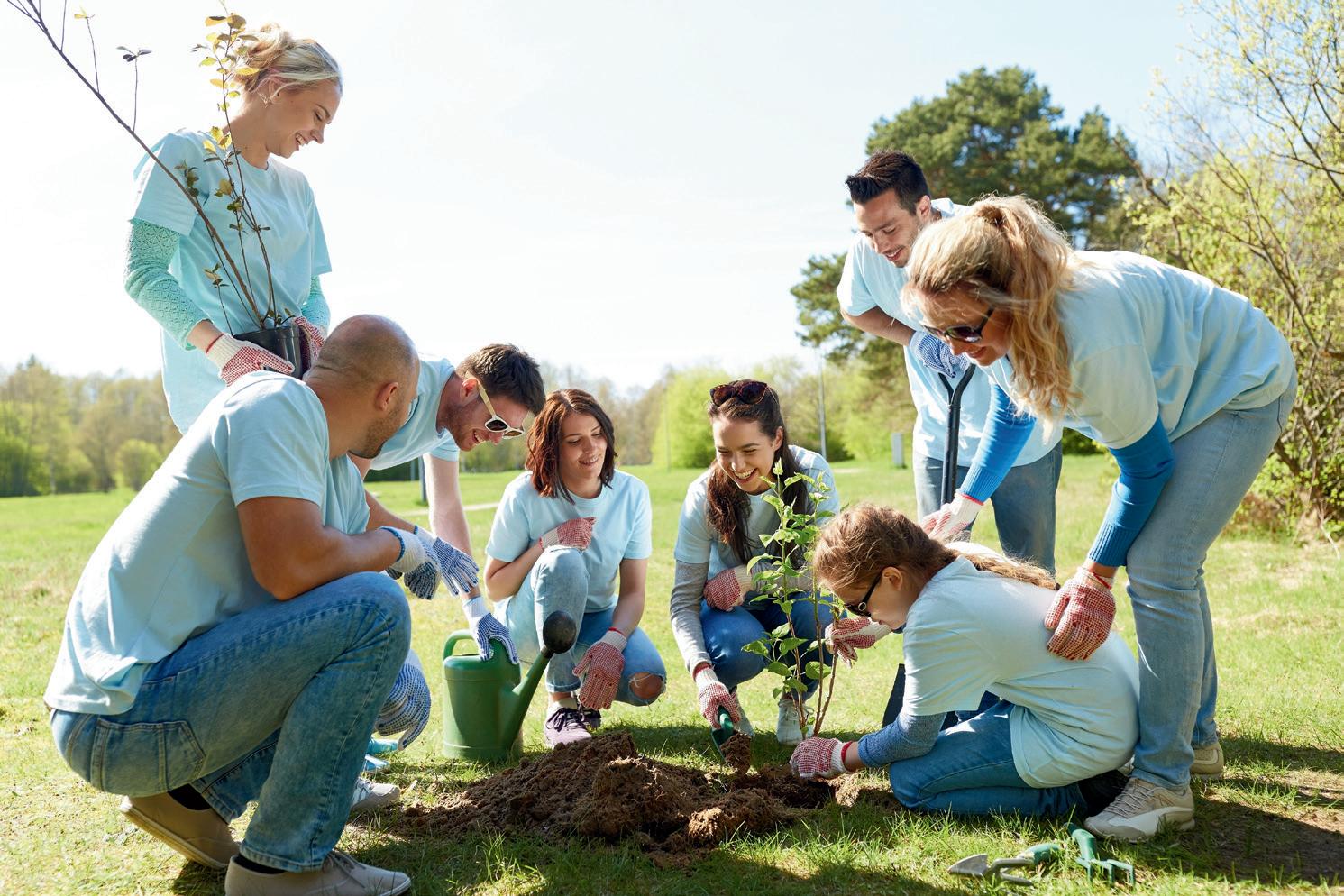
Volunteer work also contributes to well-being. A 2017 study in BMC Public Health determined that regular volunteering is associated with enhanced self-rated health and reduced mortality. Older
adults that engaged in volunteer work at least 200 hours per year experienced a 40 percent reduction in hypertension over a fouryear period.
These findings underscore the significance of joy and purpose in human life. They are integral to the biology of the heart. When individuals cultivate a more compassionate perspective toward themselves and others, their hearts experience a measurable positive impact.
The Strength of Connection
Relationships exert a powerful influence on health. In a 2016 meta-analysis study published in Heart, researchers determined that poor social relationships were associated with a 29 percent increased risk of cardiovascular disease and a 32 percent increased risk of stroke. Humans are inherently wired for connection, and extended loneliness can have measurable physiological consequences.
“We need each other,” Druz emphasizes. “We are living in a sea of loneliness, and loneliness can be a hugely impactful factor on health.” Making time for family, friendships, community groups or new social circles fosters both emotional well-being and heart resilience.
Loving Our Heart Back
Cardiovascular health encompasses not only disease prevention, but also the cultivation of a lifestyle that enhances vitality, connection, rest and overall well-being. These choices do not need to be drastic. Incorporating more green vegetables, spending more time in the sun, taking a moment to breathe mindfully, taking a short walk outside, getting a good night’s sleep and reaching out to loved ones can collectively contribute to a foundation that can extend life expectancy and enhance the quality of life.
Hannah Tytus is an integrative health coach, researcher and content creator at KnoWEwell, P.B.C., and former writer at the National Institutes of Health.
Jose Luis Pelaez Inc from Getty Images/CanvaPro
Small Acts, Clear Skies
Daily Changes That Lighten Our Pollution Load
by Zak Logan
According to the World Health Organization, the combined effects of household and ambient air pollution from particulate matter, ozone, carbon monoxide and burning fuels are associated with 6.7 million premature deaths annually. Air pollution can trigger or worsen asthma, chronic obstructive pulmonary disease, lung infections, cardiovascular disease, cognitive issues and reproductive problems like low birth weight and birth defects.
“While most people think of highways and factories, many of the biggest contributors to everyday air pollution start at home. Gas stoves, wood-burning fireplaces, scented candles and household cleaning sprays can all release harmful pollutants into the air, even when used in moderation,” states David Lu, co-founder and CEO of Clarity Movement Co., an environmental technology company based in Berkeley, California.
Lu notes, “The decisions people make every day—what they drive, how they cook, the products they use in their homes—shape the quality of the air they and their neighbors breathe.” Although the development of cleaner technologies and fuels is paramount, each individual can also be a catalyst for positive change.
Air-Quality Culprits
Indoor air quality has significantly deteriorated in recent decades due to synthetic building materials, chemical-laden personal care products and toxic household cleaners, compounded by energy-saving construction practices that can actually compromise air-exchange systems and lead to the accumulation of particulate matter (PM). PM, or soot, is a complex
mixture of tiny particles and liquid droplets that can penetrate the lungs and bloodstream, causing inflammation and oxidative stress, adversely affecting vital organs.
According to the U.S. Environmental Protection Agency (EPA), PM can enter indoor spaces through ventilation, open windows and small cracks in the building envelope. “Particle pollution is made up of several components, including nitrate, ammonium and sulfate compounds, organic compounds, metals, and soil or dust particles,” explains EPA Press Secretary Carolyn Holran. “It can be directly emitted or can form when gases emitted from power plants, industrial sources, automobiles and other sources react in the air. The reverse—indoor air sources contributing to outdoor air pollution—can also be significant, particularly in densely populated areas.”
Brian Christman, M.D., professor of medicine at Vanderbilt University and national spokesperson for the American Lung Association, highlights radon as the most overlooked indoor pollutant and second-leading cause of lung cancer after smoking. This radioactive, odorless gas can accumulate indoors. The EPA recommends radon testing, followed by professional mitigation for high levels.
Christman suggests avoiding volatile organic compounds (VOCs) from household items like furniture; wood- and coal-burning stoves, fireplaces and heaters; engineered wood and synthetic flooring; and new carpeting. Other sources of VOCs include tobacco smoke, interior paints, nail polish remover, chemical air fresheners, scented candles, cleaning sprays, perfumes and dry-cleaned clothing.
Holran warns of the short- and long-term adverse health effects from VOCs, particularly for children, the elderly and individuals with preexisting respiratory issues. “These pollutants can linger indoors long after the activity is complete, especially in poorly ventilated areas,” she explains.
Lessening Our Impact
Lu underscores the toxic impact of idling
cars and gas-powered lawn equipment such as mowers and leaf blowers. “These sources may feel small in isolation but collectively have a measurable impact,” he laments. Idling vehicles release toxins linked to serious health effects. According to the EPA, monitoring at schools has revealed high levels of benzene, formaldehyde and acetaldehyde during school pickups. Turning off engines when idling more than 10 to 30 seconds helps. The agency also offers an Idle-Free Schools Toolkit for schools to follow.
An affordable air pollution monitor can assess home air quality, detecting pollutants like PM and carbon monoxide. Holran recommends heat recovery ventilators and energy recovery ventilators to exchange indoor pollutants with fresh air while saving energy.
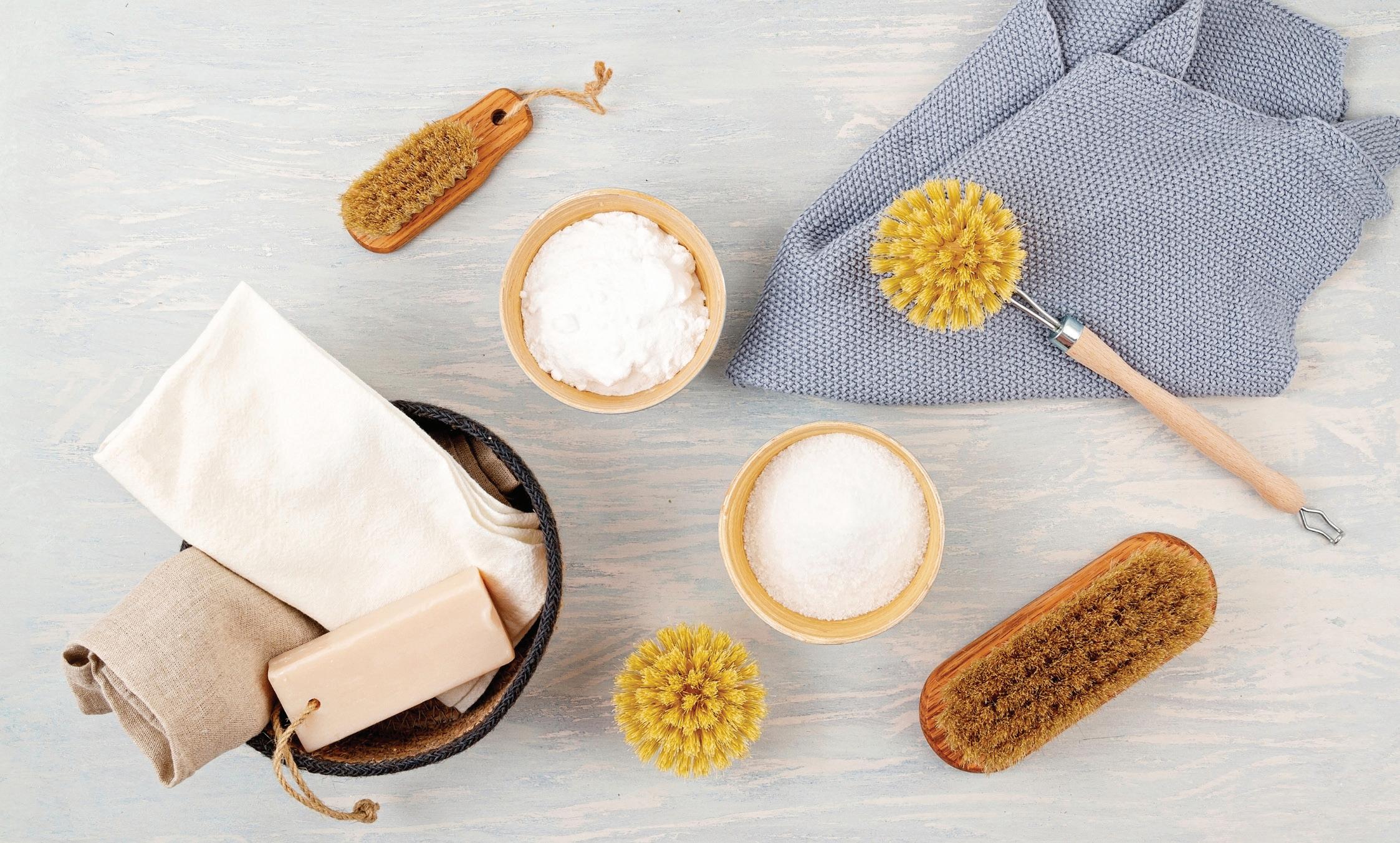
Christman suggests using heating, ventilation and air conditioning (HVAC) systems on the recycle or recirculation setting to minimize the entry of poor outdoor air; scheduling annual HVAC maintenance; and keeping basements and bathrooms dry to prevent mold. He also advocates for eco-friendly cleaners and plain soap and water.
Ultimately, small changes can yield significant results. “Start by identifying habits that don’t actually serve you,” says Lu. “Do you need to idle the car while waiting? Could an air purifier replace a scented air freshener? Is that gas-powered leaf blower really essential? The cleanest choice often isn’t harder—it’s just different.”
Zak Logan is a freelance writer dedicated to healthier living.
Weaving Gold Into Life’s Story
by Marlaina Donato
In the depths of winter, our sorrow, disappoint ment and old longings can feel heavier, mak ing us question if sunlight will ever return to our hearts. Like a bare February landscape, pain strips us to the honest bone.
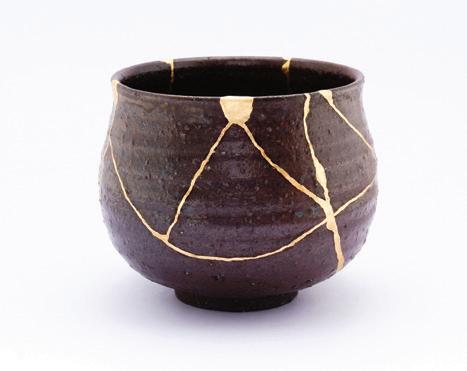
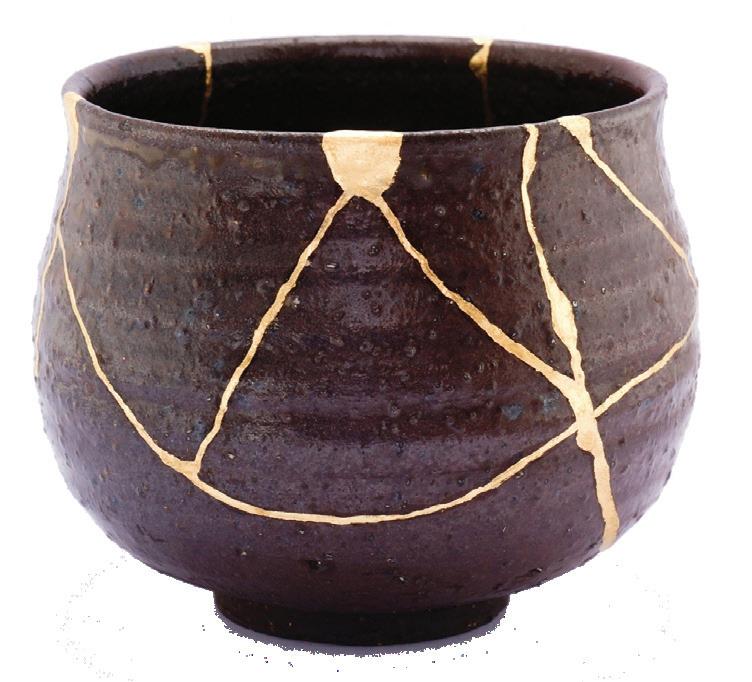
Kintsugi, the Japanese art of mending broken pottery with precious metals like gold, serves as an inspiration for life. When our joy or stability shatters, we can transform the remaining pieces into something beautiful. Our hard-earned wisdom, self-compassion and unwavering faith act like precious met als, softening the edges and filling the deep cracks of our brokenness.
Witnessing a loved one fall apart is challenging, but sometimes our greatest act of support is allowing them the space to unearth the metaphorical gold needed for their own repair. Healing is a private and unique journey into the deep self, enabling the art of being fully human.
“In three words I can sum up everything I’ve learned about life: It goes on,” said poet Robert Frost, who endured the unspeakable loss of both parents at a young age, as well as the deaths of his wife and
four of their six children. Like Frost, who turned tragedy into an artistic legacy, we can cultivate new life from our barren seasons and ruined harvests. We can take our darkest hours in hand to become mended vessels capable of holding future joy.
To embody the ancient metaphorical art of Kintsugi, consider these inspirations:
Handwrite your losses on one piece of paper and the things that remain on another. Frame the latter and place it somewhere as a daily reminder.
• Tear heavy craft paper into large pieces; write a loss on each one, then reassemble the pieces. Pour metallic paint between the seams, let it dry and frame under glass as an art piece.
• Visualize being a tree with deep roots reaching into an underground river of gold, drawing up nourishment.
Marlaina Donato is an author, artist and composer. Connect at WildflowersAndWoodSmoke.com.
MarcoMontaltifrom Getty
Foot Fitness for Longevity
The Path to Better Balance and Blood Flow
by Maya Whitman
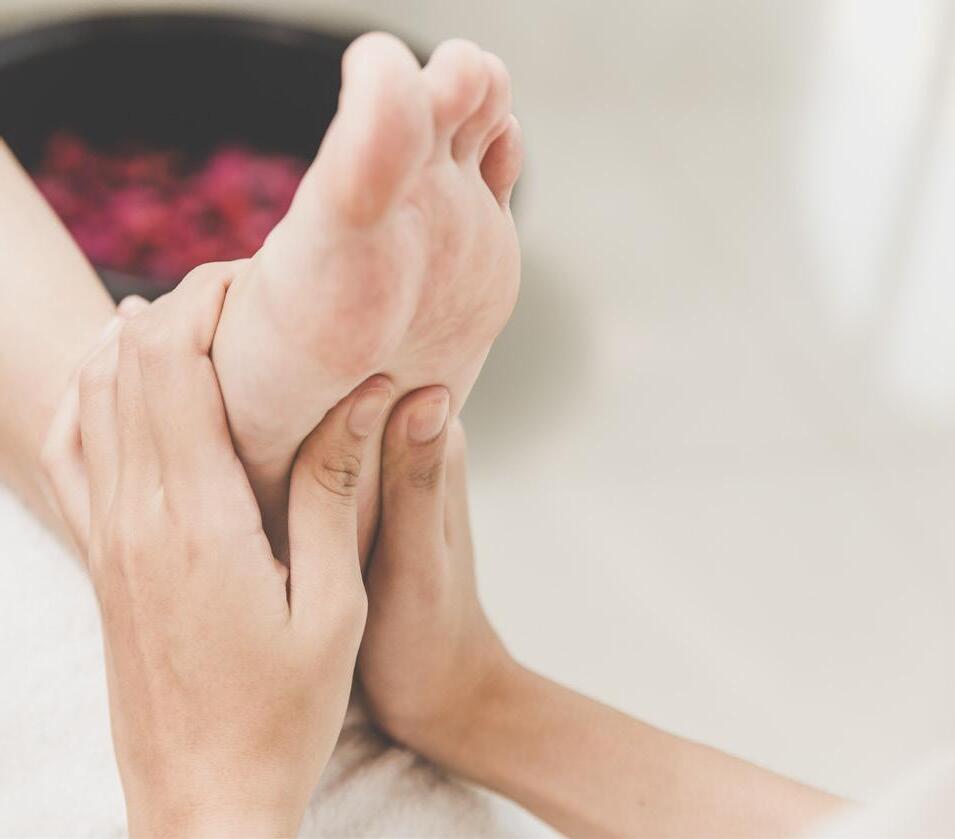
Often overlooked in fitness routines, the feet and ankles are essential to whole-body function, especially as we age. They support balance, proper posture, mobility and even circulatory and lymphatic flow. “The venous system does not have any capability to pump blood from the lower extremities to the heart and relies on our movements to assist the return of blood,” explains Kim Henderson, a chiropractic physician and the founder of Health Clarified, in Northbrook, Illinois. When we walk or exercise, our leg muscles—especially in the calves—contract and compress the deep veins, acting like a pump to force blood upward.
For older adults, runners or anyone focused on holistic health, strengthening and mobilizing the toes, feet and ankles can enhance cardiovascular support, reduce fall risk and restore lower body mechanics. Every year, more than 2 million people suffer from plantar fasciitis-related heel pain, one in four adults over 65 experience falls, and more than 2 million visit emergency rooms for sprained ankles. Simple, consistent exercises can enhance quality of life and prevent injuries at any age. Strong calves, flexible ankles and healthy fascia (connective tissue) make every step more stable.
Causes of Foot Instability
Overpronation is when the foot rolls excessively inward while walking or running, causing the arch to flatten and the ankle to angle inward, leading to potential pain
in the feet, ankles, knees, hips, back and beyond. “We have seen chronic neck and shoulder pain be reduced, even eliminated, by supporting the arch,” notes Henderson, whose patients complete a series of exercises to strengthen the affected muscles.
According to Chicago-based fitness expert Stephanie Mansour, host of the PBS show Step It Up With Steph and a fitness contributor to The Today Show, foot instability and discomfort can have multiple causes, such as wearing ill-fitting shoes, overdoing activities without proper warm-up, ignoring pain, excessive barefoot walking, being overweight and medical conditions like diabetes. Listening to the body, rather than pushing through
pain, and promptly addressing minor discomfort are paramount.
“Independence depends on functioning feet. That limp will lead to imbalances up into the knees, hips, spine and even shoulders,” underscores orthopedic and corrective exercise specialist Matt Hsu, founder of Upright Health, in California. The most common issue, he says, is a lack of dorsiflexion—the ability to pull the toes and forefoot toward the knee. “This throws off our gait and sets us up for Achilles tendon injuries, especially.” Hsu adds that bunions can also affect our ease of movement and suggests wearing shoes with wider toe boxes to prevent the condition.
Essential Exercises
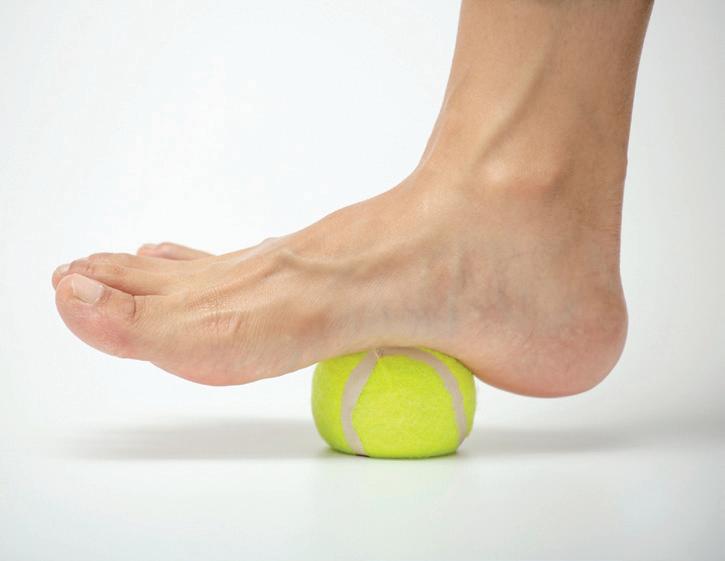
To cultivate good balance, the National Institute on Aging recommends engaging in three sessions of balance exercises per week, including tai chi, yoga or standing on one foot for five to 10 repetitions per leg, holding each for 10 to 30 seconds. To loosen the arch and increase range of motion, the American Association of Retired Persons suggests rolling a small ball for one minute under each foot daily.
“Regular exercise can improve circulation, reduce stiffness and enhance proprioception, which is your body’s awareness of its position in space. This contributes to better overall mobility,” says Mansour, who recommends that the following four exercises be done three or four times a week. Aim for two to three sets of 10 to 15 repetitions for each foot.
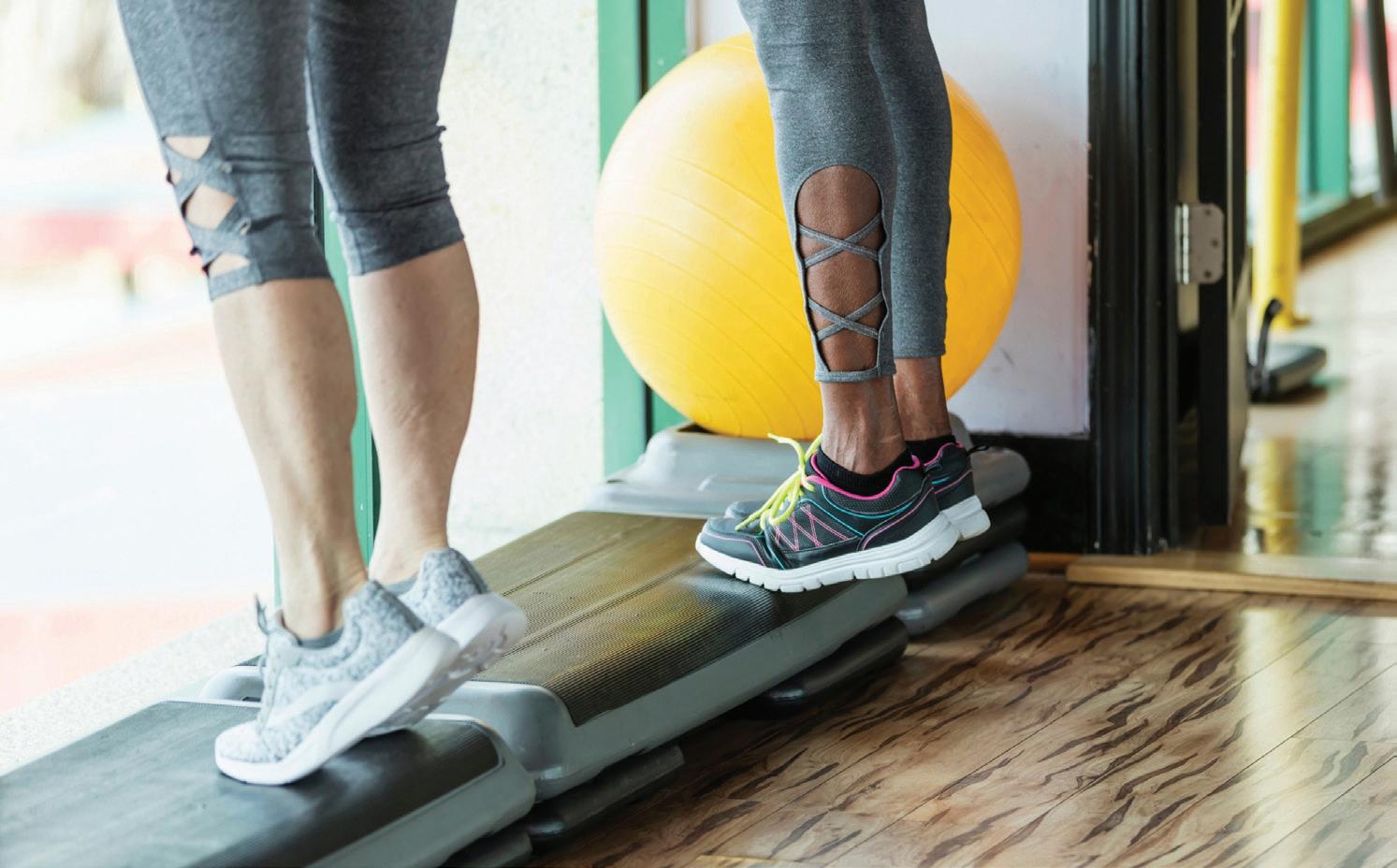
Calf Raises: Using a wall or chair for support, slowly rise onto the balls of the feet, lifting the heels off the ground. Hold for a moment, then slowly lower back down. This strengthens calf muscles and the Achilles tendon.
Toe Curls With a Towel: Sit in a chair and place a flat towel under the feet. Keeping heels on the floor, curl the toes to grab the towel and raise it toward the body. Relax and repeat. This strengthens feet muscles and helps with arch support.
Ankle Circles: In a seated position, move each foot in circles, first clockwise and then counterclockwise. This improves flexibility, balance and range of motion, while also preventing stiffness and injury.
Toe Spread: While sitting or standing, try to spread all the toes apart as wide as possible. Hold for a few seconds, then relax and repeat. This creates a wider base for better balance during movement, strengthens foot muscles and combats bunions, hammertoes and plantar fasciitis.
Henderson recommends Heel Raises on Stairs: Stand on a step with both heels
hanging over the edge. Slowly lift the heels, keeping the legs straight, while standing on the balls of the feet. Now lower the heels down past the level of the step as far as comfortable before repeating the upward movement again. Aim for two sets of 15 to 20 repetitions, four to five times per week.
Hsu suggests incorporating Tibial Raises: Lean back against a wall with feet 12 to 20 inches apart. Keeping heels down, gently lift the toes toward the shins, then lower them slowly. Repeat until reaching medium fatigue in the shin muscles. Do two sets. This strengthens shins and improves balance, knee support and ankle stability.
Before starting any routine, consult a health professional. Strive for consistency over intensity. Exercise should be a challenge, not cause pain.
Maya Whitman is a frequent writer for Natural Awakenings.
Nature’s Cardiologist
Herbs and Nutrients That Heal the Heart
by Hannah Tytus
Because heart disease is the leading cause of death in the United States, management of its risk factors, including high blood pressure and high cholesterol, is paramount. “It is easier and more meaningful to prevent disease than to try to reverse the damages,” says holistic cardiologist Joel Kahn, M.D., founder of the Kahn Center for Cardiac Longevity, in Michigan and Florida, as well as a clinical professor of medicine at the Wayne State University School of Medicine, in Detroit, and author of several books, including The Whole Heart Solution and The Plant-Based Solution
An integrative approach that combines nutrition, exercise, stress reduction and proper sleep is advised. Additionally, certain herbs and nutritional supplements may serve to prevent disease, as well as enhance medical care. From ancient botanicals to targeted nutrients, these natural allies offer powerful benefits by lowering blood pressure and cholesterol, improving circulation and reducing inflammation.
Plant-Centric Nourishment
The Mediterranean Diet and the Dietary Approaches to Stop Hypertension (DASH) Diet are the most researched for cardiovascular health. The Mediterranean Diet emphasizes locally sourced vegetables, fruits, whole grains, legumes, olive oil, nuts and seafood, with moderate consumption of meat and dairy. The DASH Diet, designed by researchers at the National Institutes of Health, prioritizes fruits, vegetables, whole grains, lean proteins and low-fat dairy, while limiting sodium, sugar and saturated fat intake. Both diets are well-supported by scientific evidence to improve heart health and reduce cardiovascular disease risk.
Key Supplements
When supplements are warranted, Kahn starts with the basics. “CoQ10 and omega-3s are two very important supplements that work well together,” he asserts. “Most patients on statins [to lower cholesterol] become severely CoQ10 deficient.” CoQ10, a naturally occurring coenzyme, aids in cellular energy production. A 2017 study showed that combining CoQ10 and omega-3s with statins reduced the drug’s negative effects while still lowering blood pressure and cholesterol.
Claudia Joy Wingo, a registered nurse, clinical herbalist and public health educator with more than 45 years of experience, stresses the importance of a nutrient-rich diet over supplements. She prefers whole foods to fish oil supplements. While supplementation can be beneficial, it should ideally accompany whole foods. CoQ10 and omega-3 fatty acids can be found in fatty fish, olive oil and a variety of nuts and seeds.
Herbs for Cardiovascular Health
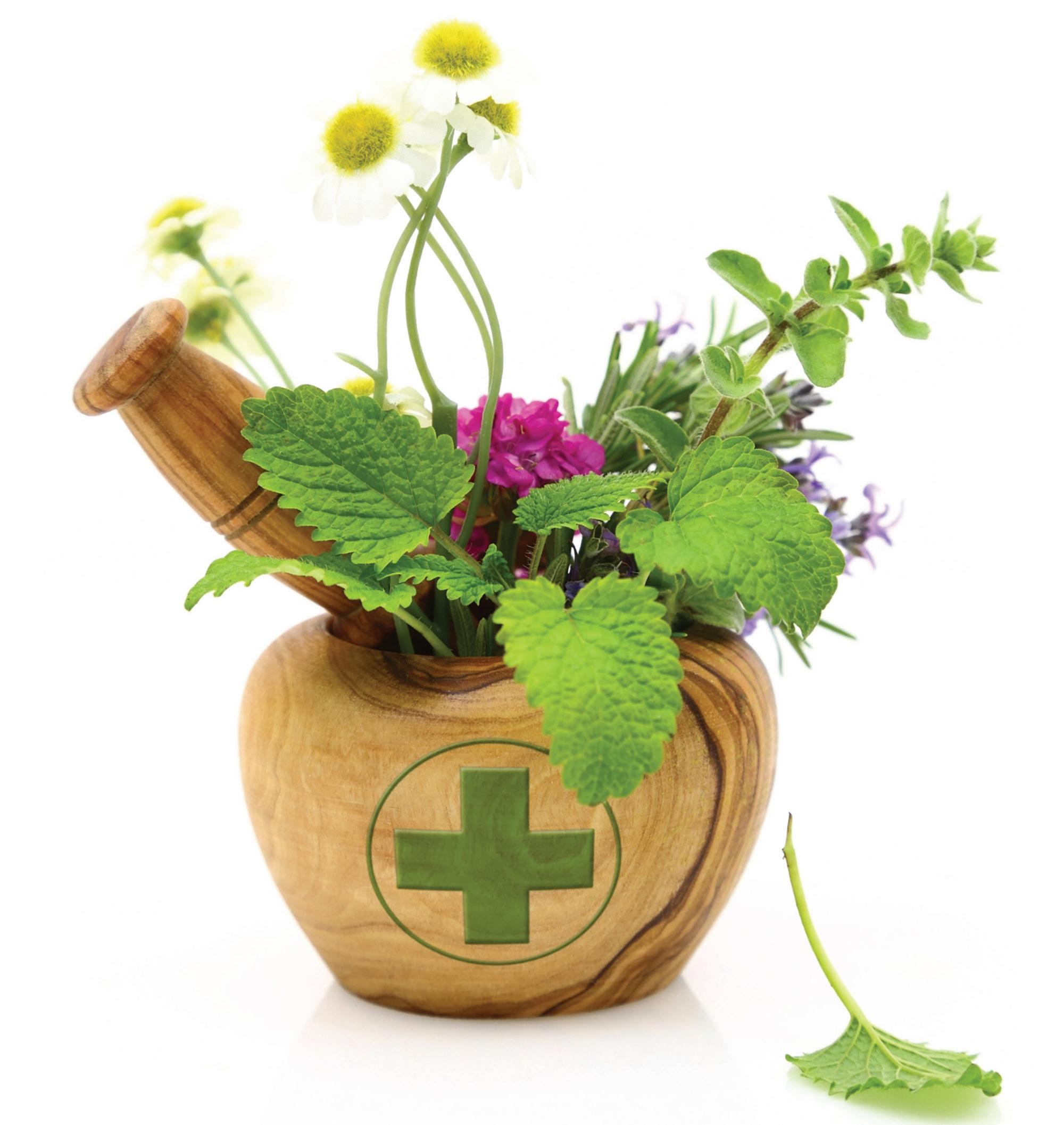
Emphasizing the importance of addressing underlying vascular issues, Wingo explains, “High blood pressure damages epithelial tissue in your arteries, and your body patches things up by laying down cholesterol and plaques.” Ruptured plaques can block blood flow, causing heart attacks. According to Wingo, the best strategies integrate biomedicine with nutritional and herbal support. Medications control blood pressure, while herbs nourish the surrounding tissue. Many herbs contain antioxidants that fight oxidative stress and anti-inflammatory compounds that may prevent artery damage and atherosclerosis.
Aged Garlic: Although garlic has been used for centuries, modern research has focused on aged extracts specifically for cardiovascular support, which “lower cholesterol, blood pressure, homocysteine and plaque in heart arteries,” according to Kahn.
Pycnogenol (French maritime pine bark extract) and Gotu Kola (Centella asiatica): Kahn recommends combining these two botanical supplements, noting that clinical studies show this pairing can reduce vascular calcifications by approximately 10 percent. Wingo uses gotu kola daily as a tonic herb, adding it to teas for its nervous system-supportive properties that promote mental calmness, improve blood circulation and strengthen blood vessel walls.
Hawthorn: A member of the rose family, hawthorn is Wingo’s most trusted plant for cardiovascular health. Historically used as a
heart tonic, it benefits the heart and blood vessels by reducing inflammation and oxidative stress, supporting healthy cholesterol levels and protecting the lining of blood vessels. A 2023 review published in Food & Function suggests it may improve circulation, relax blood vessels and prevent the clumping of blood platelets that can lead to clots. Consult with a healthcare provider before starting hawthorn supplements, as it can interact with certain heart medications.
L-Carnitine: To treat people recovering from a cardiac event or those with an arrhythmia or irregular heartbeat, Wingo often turns to L-carnitine, which, she asserts, supports the heart’s mitochondria, thus improving their ability to produce energy.
Ginkgo Biloba: To promote circulation and reduce the risk of plaque-related complications, Wingo occasionally turns to ginkgo biloba to enhance blood flow and help stabilize arterial plaque, lowering the likelihood of rupture.
Polyphenol-Rich Plants: Wingo recommends plants rich in polyphenols for their ability to reduce oxidative stress, including blueberries, cranberries and green tea. For “nervous heart” symptoms, she suggests linden tea, which is used in Europe as a calming agent.
Personalized Treatment and Safety
Both experts stress the importance of personalized, guided care. Instead of following online supplement trends, work with a trained professional to create a targeted plan. Kahn points out that many popular supplements lack significant research and advises choosing reputable, third-party-tested brands. Wingo shares similar concerns about self-medicating with multiple herbs that do not suit the patient’s condition. She emphasizes that herbs should complement, not replace, conventional medicine, and they are most effective when used with prescribed treatments.
Their advice is clear: Research thoroughly and seek the advice of an experienced clinician, such as a naturopath or an herbalist registered with the American Herbalists Guild. It is also important to consult the patient’s treating cardiologist when considering an herb or supplement, as they may interfere with heart medications or cause unintended side effects that are counterproductive.
Hannah Tytus is an integrative health coach, researcher and content creator at KnoWEwell, P.B.C., and former writer at the National Institutes of Health.
Hawthorn berry tincture
Comfort in Motion
Holistic Joint Support for Dogs and Cats
by Ruth Roberts, DVM, CVA, CVH, CVFT, NAN
As dogs and cats age, their joints can gradually degenerate, causing stiffness and pain. Instead of vocalizing their discomfort, animals tend to alter their movement patterns and behaviors. Signs may include hesitation on stairs, stiffness after rest, or reluctance to jump or remain active. While conventional medications such as non-steroidal anti-inflammatory drugs are commonly prescribed, they are not the sole best, long-term solution. Natural and integrative therapies can complement standard veterinary care, assisting pets in maintaining comfort and mobility in everyday life.
Effects of Osteoarthritis
The most common cause of joint stiffness in older pets is osteoarthritis, a form of cartilage degeneration that can arise from aging, past injuries, excessive body weight, prolonged overuse or poor joint structure, such as hip or elbow dysplasia, where the joint surfaces do not fit properly. As the cartilage thins, the joint becomes inflamed and painful, leading to decreased movement, muscle loss and further stiffness.
In the 2017 review article “Physical Rehabilitation for the Management of Canine Hip Dysplasia” published in Veterinary Clinics: Small Animal Practice, orthopedic surgeon David Dycus and colleagues highlight the significant impact of osteoarthritis on mobility, particularly in large-breed dogs. They stress the importance of using appropriate support strategies to preserve comfort and mobility. A comprehensive treatment plan may combine medication,
weight management, supervised exercise, rehabilitation and complementary therapies such as ice and heat application, massage, acupuncture and other physical modalities.
Integrative Therapies
These restorative therapies work best when veterinarians coordinate their administration within a comprehensive and individualized treatment plan.
Acupuncture has been shown to help alleviate pain and inflammation in pets affected by chronic or mobility-related conditions. This traditional Eastern medicine practice involves inserting needles into specific acupoints to influence nerve pathways, circulation and pain processing. A 2017 prospective study published in The Canadian Veterinary Journal examined 181 dogs with neurological or musculoskeletal disease. Dogs receiving acupuncture exhibited a reduction in chronic pain. A 2023 meta-analysis of 21 animal studies in Frontiers revealed that acupuncture treatment for arthritis increased tolerance to pain and reduced joint swelling.
Underwater treadmill therapy is especially useful for dogs with hip dysplasia. The buoyancy provided by the water supports much of the dog’s weight, resulting in less painful movement, while simultaneously strengthening muscles. Dycus notes that when the water is elevated to hip level, dogs can bear approximately 38 percent of their body weight on their limbs, enabling them to engage in range of motion and endurance exercises without straining their affected joints.
Massage therapy was found to be effective in lowering pain scores and boosting the frequency of positive quality-of-life ratings in 527 dogs with chronic pain, according to a 2021 cross-sectional study published in Veterinary Record.
Therapeutic, or cold, laser therapy uses specific light wavelengths to reduce pain, support tissue repair and minimize inflammation. Clinicians apply the laser to designated regions during brief, generally
VYCHEGZHANINA from Getty Images/CanvaPro
well-tolerated sessions. Over a series of treatments, some pets exhibit a smoother gait and greater willingness to move. Owners see these effects most frequently when they simultaneously optimize weight management, environmental conditions and daily activity levels.
Nutrition and Supplementation
“Keeping joints healthy involves making sure we are providing the causes of health in the foods and treats we feed each patient,” says Dr. Barbara Royal, founder of The Royal Treatment Veterinary Center, in Chicago. She advocates for species-appropriate, nutrient-dense diets made from well-sourced ingredients, while limiting excessive carbohydrate consumption, highly processed additives and environmental exposures that can promote inflammation and compromise joint function. She also emphasizes an individualized approach to joint supplementation, recognizing that no single product meets the needs of every pet.
Royal supports targeted combinations of nutrients that include omega-3 fatty acids from small fish sources like sardines or anchovies to help modulate inflammation, along with turmeric for its antioxidant and anti-inflammatory effects. A 2025 review article, “Nutritional Strategies for Managing Joint Health in Companion Animals”, published in Animal Advances, supports this strategy, highlighting omega-3 fatty acids and antioxidant-rich compounds like curcumin in modulating inflammation and slowing joint disease progression.
Additionally, Royal incorporates cartilage-supporting nutrients such as glucosamine and botanicals like boswellia to promote joint comfort and alleviate the effects of osteoarthritis. Given the influence of gut health on systemic inflammation, Royal frequently recommends probiotics and, in select cases, periodic vitamin B12 supplementation to maintain nerve, gut and joint function as part of a comprehensive care plan.
Ruth Roberts, an integrative veterinarian and holistic health coach for pets, is the creator of The Original CrockPet Diet. Learn more at DrRuthRoberts.com.
Piotr Wójcik from Getty Images/CanvaPro
Calendar of Events
To place a calendar/ongoing/classified event, email content to MsTracy@MidlandsNA.com. Entries must adhere to our guidelines and be submitted by February 10 (for March issue). Call ahead before attending events to avoid any cancellations or changes.
MONDAY, FEBRUARY 2 –
SATURDAY, FEBRUARY 28
Anniversary Sale–10am-5pm. Foot Savi is celebrating its anniversary all February long. All shoes will be on sale at different times throughout the month. Swing by and snag the bargains as they pop up. We are more than a shoe store; we are a medical boutique that meets all of your sole’s needs. 7001 St Andrews Rd, Columbia. Info: 803-781-1230.
THURSDAY, FEBRUARY 5
Senior Valentine’s Luncheon–Noon3pm. Join Bebop’s Celebrations for a Senior Valentine’s Buffet Luncheon filled with delicious food, fun games, lively music and door prizes. Dress in your best snazzy-jazzy Valentine’s style and enjoy an afternoon of fellowship, laughter and celebration. Cost: $25. The Palace Restaurant, 200 Graces Way, Columbia. Info/register: Call Betty at 803-4099475 or Sandra at 803-622-5137.
Healing Prayer–7:30pm. Celtic Wisdom Center invites you to a contemplative gathering to offer prayers for individuals and community to support healing in the world. Donations appreciated. Info/register/Zoom link: Edwina@CelticWisdomCenter.com.
FRIDAY, FEBRUARY 6 –
SATURDAY, FEBRUARY 7
Enneagram Retreat–5:30-8:30pm, Friday and 8:30am-4:30pm, Saturday. The Enneagram Encounter Retreat returns to St. Martin’s-in-the-Fields. Explore your personality type, understand your patterns and gain insight that support healthier relationships and personal growth. Cost: $140. Registration closes February 2. 5220 Clemson Rd, Columbia. Info/register: EnneagramEncounterSC.com.
SATURDAY, FEBRUARY 7
Dream Group–10am-noon. Celtic Wisdom Center invites you to join their in-person dream group. Explore your dream world and the hidden messages in dreams. Cost: $15. Irmo. Info/register/location: Edwina@ CelticWisdomCenter.com.
SUNDAY, FEBRUARY 8
Personal Care Aide Class–8:30am-4:30pm. Being a caregiver for someone you love is a big responsibility. This class teaches the basics of personal care, safety and support so you can feel prepared, capable and confident at home. Cost: $279. Level Up Healthcare Academy, 1100 12th St, Cayce. Info/register: Contact Dr. Collette at 803-814-0033 or LevelUpHCA.com.
THURSDAY, FEBRUARY 12
BLS/CPR Class–9am-1pm. This class teaches the critical skills needed to respond to breathing and cardiac emergencies. Perfect for healthcare workers, caregivers and anyone wanting to be prepared. Level Up Healthcare Academy, 1100 12th St, Cayce. Info/ cost/register: Contact Dr. Collette at 803-8140033 or LevelUpHCA.com.
In-Person Celtic Service–7pm. Celtic Wisdom Center invites you to join their In-Person Celtic Service at Unitarian Universalist Church. Donations appreciated. 2701 Heywood St, Columbia. Info: Edwina@ CelticWisdomCenter.com.
SUNDAY, FEBRUARY 15
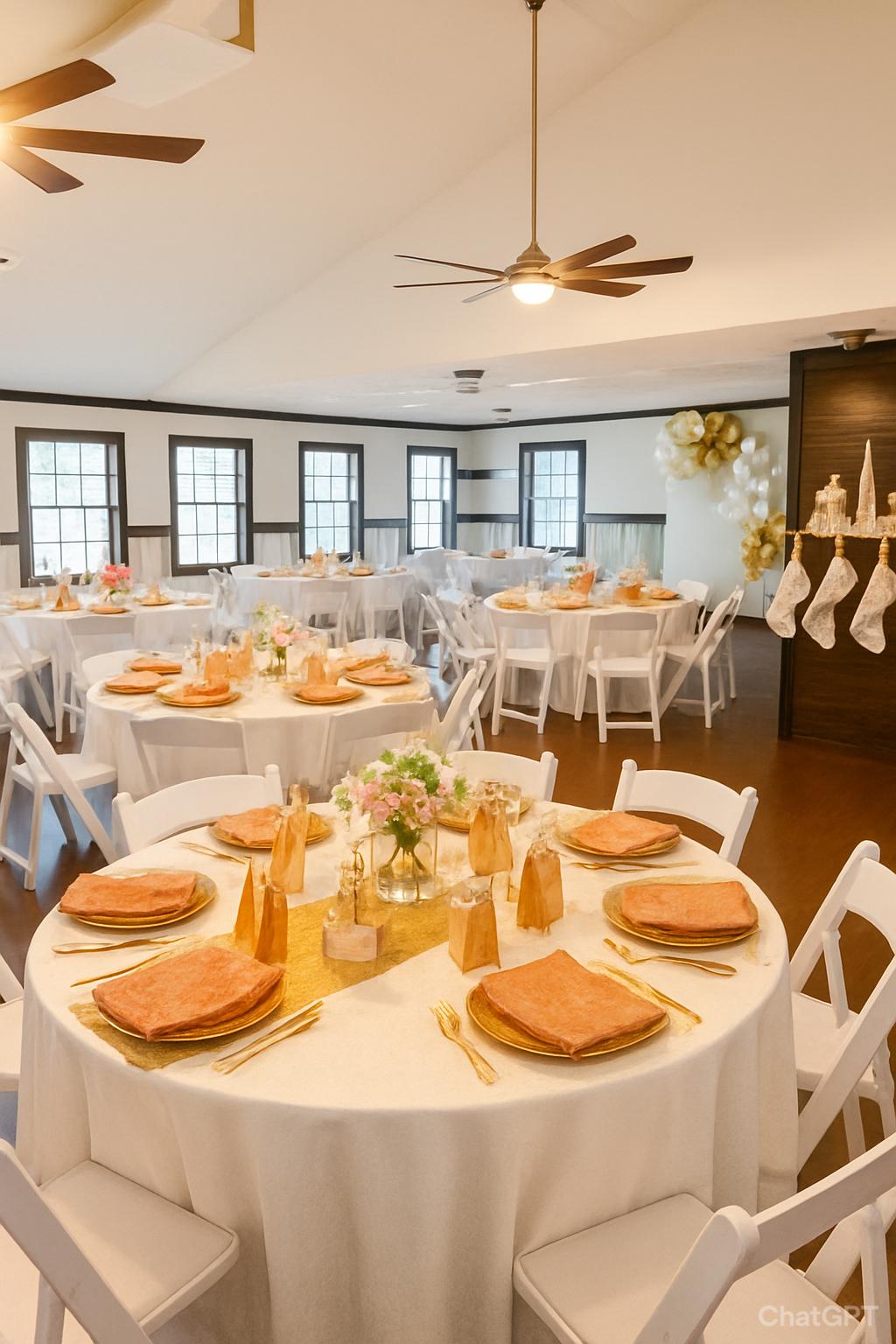
Wellness Circle–3-6pm. Original Origins’ wellness circle is a supportive and safe space for reflection, connection and growth. Each gathering nurtures mind, body and spirit through intentional practices that inspire balance, vitality and holistic well-being. Meals and materials provided. Cost: $35. Must register in advance. JC Legacy Event Center, 7713 St Andrews Rd, Irmo. Info/register: MsTracy@OriginalOriginsHealth.com.
FRIDAY, FEBRUARY 20
Drew Book Club–5:30pm. Join us every third Friday of the month for our wellness book club at Drew Wellness Center meeting room. Please bring a whole-food, plant-derived dish to share (optional). Free. Register at the front desk. 2101 Walker Solomon Way, Columbia. Info: 803-545-3200.
SATURDAY, FEBRUARY 21
Creating Your Garden Ecosystem–9amnoon. The GROW Farm invites you to join them for their Suburban Homesteading Series. Learn about your microclimate; soil health and composting; small-space gardening; and seed starting. 216 Singleton Dr, Columbia, or 3201 Broad River Rd, Columbia, depending on the session. Info/ register/cost: JoyfulSoulsNursery.com.
SUNDAY, FEBRUARY 22
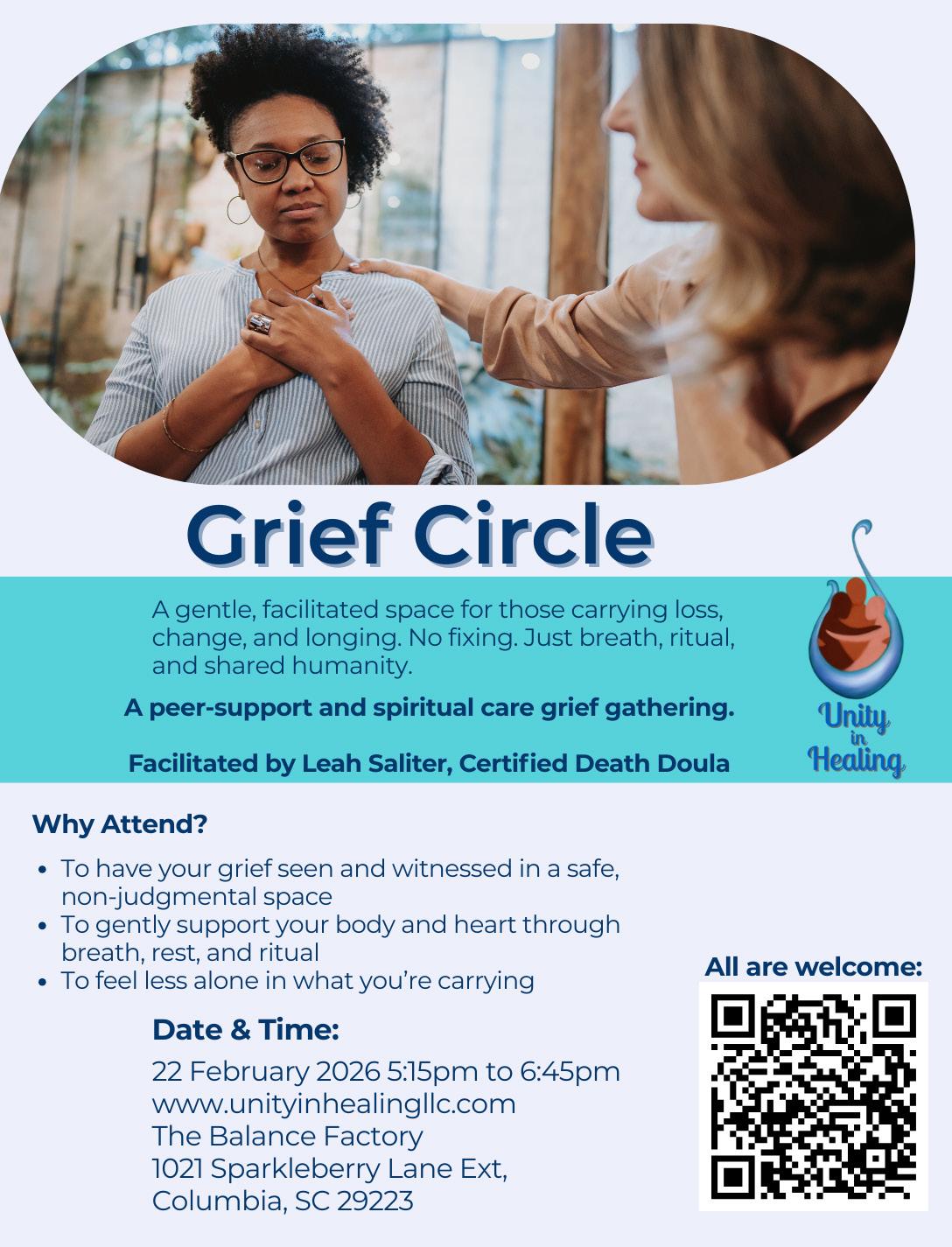
Grief Circle–5:15-6:45pm. This is a gentle, facilitated space for those carrying loss, change and longing. Join us for a peersupport and spiritual care grief gathering. Have your grief seen and witnessed in a safe, nonjudgmental space. The Balance Factory, 1021 Sparkleberry Ln Ext, Columbia. Info/cost/ register: UnityInHealingllc.com.
MONDAY, FEBRUARY 23
Virtual Garden Club–6:30pm. Joyful Souls Nursery invites you to join their Seed to Supper virtual garden club. Learn how to grow sustainably in your own space. Cost: $10. Info/register: JoyfulSoulsNursery.com.
Ongoing Events
Sunday
Virtual Healthy Living Support Group –7pm. Every third Sunday. Virtual support group via Zoom. Uplift, support and encourage one another while making necessary changes for better health and wellness. Info/register: Contact Ms. Tracy at 833-678-7229 or MsTracy@originaloriginshealth.com
Monday
Grief Support Group –1-2pm. Every second and fourth Monday. Connect with others that have experienced loss and the challenges that living with grief brings. Free. Leeza’s Care Connection, 201 St Andrews Rd, Columbia. Info: 803-888-7525, LeezasCareConnection.org.
Tuesday
Survivors of Suicide Loss (SOS) –7-8:30pm. Every first Tuesday of the month. This is a peer-led group, not a place for someone that is in crisis of suicide. If you are in crisis, call or text 988 or text TALK to 741741. Westminster Presbyterian Church, 1715 Broad River Rd, Columbia. Info: 803-622-1512, SOSColumbiaSC@gmail.com.
Thursday
Early-Stage Dementia Support Group–12pm. Every third Thursday. In-person and virtual. This group is for caregivers and families adjusting to a new diagnosis of some form of dementia. Free. Leeza’s Care Connection, 201 St Andrews Rd, Columbia. Info: 803-888-7525, LeezasCareConnection.org.
Art W/ Coping of Loss–6:30-8pm. Every fourth Thursday. Dr. Delores Gulledge teaches to use art as medicine when dealing with loss and grief. No experience required. Free. Leeza’s Care Connection, 201 St Andrews Rd, Columbia. Info: 803-888-7525, LeezasCareConnection.org.
Palmetto Trivia–7-9pm. Every Thursday. Teams compete for prizes awarded to the top three finishers. Trivia takes place outside in pleasant weather and moves indoors to the Bierkeller hall during inclement conditions. Free parking is available in the deck on Canalside Street. The Bierkeller, 600 Canalside St, Ste 1009, Columbia. Info/cost: BierkellerColumbia.com.
Thursday Night Jazz Party–8-11pm. Every Thursday. The Aristocrat hosts a Thursday Night Jazz Party featuring various artists and musicians. Guest musicians welcome to join in. Free admission. The Aristocrat, 1001 Washington St, Columbia. Info: ExperienceColumbiaSC.com/event/jazzparty-at-the-aristocrat/68104.
Saturday
B.I.O.M.G.–10-10:40am. Every Saturday. Join The Village parent support group virtually. This support group is for all parents. Being a parent can be challenging. You have a village to help you maneuver through tough times. Free. Info: Contact Rashika “Ro” Davis at 803550-9837 or BlackIceomg@gmail.com.
Community Resource Guide
Connecting you to the leaders in natural health care and green living in our community. To find out how you can be included in the Community Resource Guide, call 839-228-1158 or email MsTracy@MidlandsNA.com.
With compassion and a deep clinical understanding of Traditional Chinese Medicine (TCM), this practice collaborates with clients to address common concerns such as chronic discomfort, muscular tension, digestive irregularities, and stress-related cranial pressure. Care is grounded in the principles of Chinese Medicine and designed to support the body’s innate self-regulating mechanisms. Rather than focusing solely on isolated symptoms, attention is given to identifying underlying patterns of imbalance—allowing for a more comprehensive approach to restoring harmony, promoting vitality, and optimizing overall function. Through a personalized and holistic framework, clients are supported in achieving balance, resilience and longterm well-being using natural, time-honored methods of care.
CHIROPRACTIC
DOWDY RUDOLPH CHIROPRACTIC LLC
Dr. Dowdy Rudolph, DC 1444 Barnwell St, Columbia 803-376-6293 • DowdyRudolphChiro.com
Dr. Gerald Rudolph, DC, focuses on finding the root cause of your problems and not just treating your pain. He utilizes digital X-rays to help diagnose problems, spinal adjustments to stimulate proper movement of spinal and extremity joints, active therapeutic movement exercises to correct movement disorders, and spinal decompression to help relieve numbness and tingling down your arms and legs. Dowdy Rudolph Chiropractic also offers a state-of-the-art full-body lounge hydromassage table that can help you feel more rejuvenated and relaxed. See ad, page 15.
COLON HEALTH
SPRING RAIN HYDROTHERAPY
Linda Salyer
120 Kaminer Way Pkwy, Ste H, Columbia 803-361-2620 • LSalyer@ymail.com
All disease begins in the colon. Constipation; slow, sluggish bowel; gas and bloating? A colonic will help to rid you of these problems. Colonics promote good digestion, help speed metabolism, help lower cholesterol, and help relieve joint pain. Linda Salyer is IACN certified and a retired nurse. Saturday appointments available with an additional small convenience fee. See ad, page 34.
Dr. Malai Roper is a metaphysician and holistic wellness guide offering therapies that honor the body, mind and spirit. She blends indigenous traditions and metaphysical guidance into personalized experiences for women seeking balance and renewal. Her work creates a safe space for feminine healing, supporting rest, release and reconnection with inner wisdom. Through energy healing, sound medicine and soul work, Dr. Malai helps women reclaim their vitality and align with their true essence. She hosts wellness retreats and offers in-person and online certification trainings in Reiki and Sound Healing. See ad, page 8.
FOOT WELLNESS
FOOT SAVI
7001 St Andrews Rd, Ste A Certified Board Pedorthist and Brace Specialist 803-781-1230 • FootSavi.com
With more than 30-plus years in the footcare/footwear industry, Sion Owen helps with a variety of issues, including gait analysis, foot assessments, custom orthotics, bracing and compression therapy, plantar fascia pain, neuropathy and fitting for therapeutic shoes for patients with diabetes, arthritis, painful bunions, callouses and hammer toes. Call to schedule an appointment! See ad, page 27.
GRIEF AND BEREAVEMENT RESOURCE CENTER INC
Sylvia Grant, MSW, BSW, GC-C 140 Stoneridge Dr, Ste 430, Columbia 803-606-3032 (text) or 803-386-9069 (call) Info@GriefAndBereavementrc.org GriefAndBereavementrc.org
The Grief and Bereavement Resource Center, founded by Army veteran Sylvia Grant, MSW, provides compassionate support, counseling and educational resources to help individuals and families navigate loss. Rooted in community care, the center empowers people to process grief, find healing, and thrive through shared support and professional guidance. It’s time to stop hurting and start healing. You don’t have to do it alone. Call to make an appointment today.
UNITY IN HEALING
Leah Saliter, Yoga Teacher, Death Doula UnityInHealingllc@gmail.com UnityInHealingllc.com
Embark on a journey of gentle healing and soulful restoration. Unity in Healing offers compassionate, body-centered practices that support you through grief, stress, transition and growth. Through yoga, breathwork, meditation, spiritual care and grief support, we create space for you to soften, listen inward and reconnect with what brings you steadiness and peace. Our offerings are designed to meet you exactly where you are, honoring your story, your body and your pace. Whether you are navigating loss, seeking grounding in a busy world, or longing for a deeper sense of meaning and connection, Unity in Healing provides a nurturing space where rest becomes medicine, presence becomes healing and community becomes a source of strength.
Ms. Tracy has over 30 years of experience in the medical field. Original Origins can assist you with maximizing your health and wellness holistically! Our wide range of services include health coach partnering, comprehensive health evaluations, comprehensive cooking experiences, and a comprehensive kitchen evaluation. Your health is your wealth! See ad, page 3.
We accept the love we think we deserve. —Stephen Chbosky
POSITIVE PROJECTIONS LLC
Donna Mack
803-766-4913
PositiveProjectionsllc@gmail.com
PositiveProjectionsllc.com
Donna Mack and her team bring over 30 years of combined experience in offering health and wellness classes. Our courses are designed to empower participants to live their healthiest and happiest lives as they age. We’ve seen firsthand how gaining greater understanding of health impacts and making simple changes in lifestyles can lead to real healing. We offer a signature Healthy Body Health class to provide you with an “owner’s manual” for your body, offering practical tools and a personalized plan to help you take charge of maintaining your health for a lifetime. Call to make an appointment today.
THE HAPPINESS–HEALTH CONNECTION
Monica Vidal
386-333-2871
MonicaVidal@
TheHappinessHealthConnection.com
TheHappinessHealthConnection.com
Embark on a journey of creative wellness and discover the art of thriving. The Happiness–Health Connection offers coping tools that empower you to cultivate positive, lasting habits—releasing the happiness already within you. Positive emotions nurture the body and soul, promoting a healthier, more fulfilling life. Whether you seek solace through grief, empowerment for your mind, or the deep bond of self-discovery, our exercises are designed to meet you where you are. Join a community of kindred spirits where emotions inspire creativity, connections flourish, and shared experiences lead to greater joy and wholeness.
Home is not a place, it’s a feeling.
—Cecelia Ahern
HERBS & DETOX
SPHINX
PAW
3400 Two Notch Rd, Columbia 803-754-3922
SphinxPaw.com
Discover a haven for holistic well-being at Sphinx Paw. Sphinx Paw has been at the forefront of healing in the Columbia area since 2007. We offer a diverse selection of herbs, books, candles and incense to support natural detoxification, personal healing and spiritual growth. Embrace your wellness journey with our thoughtfully chosen products and expert guidance. Our distinctive resources promote holistic self-care, natural detoxification, weight loss, personal healing, and spiritual growth throughout all phases of life. Sphinx Paw has everything you need to support you in a life of health excellence and well-being.
INTEGRATIVE & HOLISTIC MEDICINE
EXPECT WELLNESS
Dr. Rachel Hall
130 Suber Rd, Columbia 803-796-1702 • DrRachelHall.com reception@drrachelhall.com
Find us on Facebook for great health tips. Integrative/Holistic medicine consults for anyone wanting to approach their health more naturally. Dr. Rachel Hall is board certified in both family medicine and integrative holistic medicine. Together we will focus on finding the root of the problem, not just treating symptoms. Call today for a consult if you are looking to achieve balance. In-house diagnostic labs and therapies. See ad, page 21.
LOCAL RETREAT
JOY LEE CONNOR
Healing Minster at Springhill AtONEment Center 803-447-6499
Joy has more than 30 years of experience in energy and bodywork. She teaches Reiki, Touch for Health, Meditation, Yoga, Ayurveda and A Course in Miracles. Joy welcomes and sees clients who are ready to shed guilt and limitations in favor of forgiveness and freedom. One hundred acres of trees surround this pristine location for healing at Springhill AtONEment Center. Nature walks and fireside gatherings available. Contact Joy at 803-447-6499.
MASSAGE THERAPY
JAN SHAW PERSONAL TRAINING & MASSAGE (MAS1935)
806 12th St, West Columbia 803-360-7895 • JanShawHealth.com
Jan Shaw has many years of experience in exercise physiology and massage. She specializes in the John F. Barnes method of Myofascial Release Therapy; holds an M.S. in Exercise Science; has worked in rehab medicine for 10 years re-training patients with a myriad of physical injuries; and is skilled in MFR 1, 2, Unwinding, SES and Cervicothoracic. Whatever your needs, Shaw has the education and experience to help you.
NATURAL HEALTH STORE
GARNER’S NATURAL LIFE
4840 Forest Dr, Ste 15-A, Columbia 803-454-7700
5166 Sunset Blvd, Ste C, Lexington 803-973-3001
GarnersNaturalLife.com
Garners Natural Life is a locally and family-owned natural health store that has been a staple in the community for decades. Improve your health with the purest, most innovative high-quality natural products, including vitamins, herbal supplements and aromatherapy. Their newest product, GLP1 Pro, is a probiotic blend that supports healthy weight management and helps curb food cravings. They also offer a full line of chemical-free shampoos, conditioners and natural soaps. Take your health somewhere it’s never been—visit one of their local locations today.
PELVIC HEALTH
PROSPER AND THRIVE PELVIC HEALTH AND WELLNESS
Dr. Kelsey Stegall 120 Sparkleberry Crossing Rd, Columbia 803-250-1836
Kelsey@ProsperAndThrive.co ProsperAndThrive.co
Dr. Kelsey Stegall is a Board-Certified Clinical Specialist in Women’s Health Physical Therapy. Pelvic floor therapy strengthens muscles supporting the bladder, bowels and reproductive organs in men and women. Dr. Kelsey assists men and women in improving bladder and bowel control, as well as enhancing sexual function. Her therapy techniques help women improve recovery after childbirth and gynecological procedures, and she also assists men in improving recovery after prostate surgery and men with pelvic pain and dysfunction.
SKIN THERAPY
LUVEVA AESTHETICS SPA
Eva Rigney, RN
Certified Esthetician 630-17 Promenade Pl, Ste 401, Columbia LuvevaSpa.GlossGenius.com
Eva Rigney is an Aesthetic Nurse and an Army Veteran. She has been in the medical field for more than 20 years and focuses on her lifelong passion of skin care. She incorporates updated and newest innovations in esthetics, such as permanent makeup (PMU), including 3D areola, Botox and more. She enjoys providing facial and body treatments, along with advanced techniques. She shares her knowledge on skin care, and assists with recommendations of the Luveva skin care line. “My goal is to help everyone achieve revitalized healthy skin,” she says. See ad, page 21.
The Celtic Wisdom Center is an eco-spiritual nonprofit community that embraces Celtic worship, contemplative practices, and spiritual direction. Through unique offerings like wander walks and contemplative nature experiences, we invite individuals to connect with the divine through nature and engage in Earth-centered practices that foster spiritual community. At the Celtic Wisdom Center, the timeless wisdom of the Celtic spiritual heritage helps transform the ordinary into the sacred. This is a holy and safe space to explore your spiritual path, deepen your connection with the divine, care for the Earth, and find a supportive community dedicated to holistic living. All are welcome.
THERAPEUTIC SEWING
SEW AND HEAL
Jacquelyn Odom
7825 Broad River Rd, Ste 200, Irmo 828-590-1228
SewAndHeal@gmail.com
SewAndHeal.My.Canva.Site
Sew and Heal is a nonprofit organization founded by Jaqueline, inspired by her journey of using sewing as an outlet to overcome the challenges of PTSD, anxiety and depression stemming from her military trauma. The organization empowers women and children to find healing and creativity through the art of sewing, turning pain into purpose. Sew and Heal provides a safe and supportive space for healing through sewing. Their mission is to foster emotional well-being, creativity and connection.
THERMOGRAPHY
ABOUT YOUR HEALTH INC
120 Kaminer Way Pkwy, Ste J, Columbia 803-798-8687 • AboutYourHealthSC.com
For 20-plus years, we’ve helped people find answers and direction with health education and natural wellness services. Thermography (offered since 2009) is a comfortable, no-radiation, noninvasive scan that maps heat and circulation patterns, often showing change before symptoms. Because your body has a unique thermal pattern, shifts over time can suggest imbalances. It’s widely used to monitor breast health and for whole-body screening. We also provide personalized support through Consults, Live/Dry Blood Cell Observation, Mild Hyperbaric sessions, Ozone Therapies, Aqua-Chi Foot Baths, Far Infrared Sauna and more. If you’ve been feeling stuck, overwhelmed or unsure where to begin, call us. We’ll help you take the next step. See ad, page 6.