July invites us outside. It calls us to backyard cookouts, family reunions, pool days, lake escapes, road trips, fireworks, fresh fruit, long walks, late sunsets, and moments that remind us to slow down and enjoy the beauty of summer. It is a month filled with celebration, connection and movement. But as we embrace all that summer has to offer, it is also a meaningful time to pause and remember that wellness includes safety.
At Natural Awakenings Columbia, we often talk about living well from the inside out. We talk about food, movement, mindfulness, prevention, community and conscious living. Summer safety belongs in that same conversation. A healthy summer is not only about what we eat or how active we are; it is also about how we protect ourselves, our children, our elders, our pets and our peace.
In our June issue, we touched on water safety, and that message remains important. Whether we are near a pool, lake, river or ocean—or simply bathing young children at home—we must stay alert. Children should always be supervised around water, even if they know how to swim. Adults should avoid distractions, rotate “water watchers” when needed and remember that safety does not take a holiday.
July also brings backyard grills, picnic tables and coolers packed for the day. Food safety may not sound exciting, but it can make the difference between a beautiful summer memory and an uncomfortable lesson. Keeping cold foods cold, hot foods hot, washing hands, properly storing leftovers and being mindful of how long food sits outside are simple steps that protect the health of everyone gathered around the table. Love may be the main ingredient, but safe handling keeps the celebration going.
And of course, July would not be July without fireworks. They are beautiful, festive and symbolic, but they also require respect. Fireworks should be handled with caution, kept away from children and used only in safe, appropriate areas. For many veterans, pets and individuals with sensory sensitivities, fireworks can also be overwhelming. A little extra awareness, communication and compassion can help make celebrations safer and more considerate for all.
Summer heat is another quiet risk. Staying hydrated, wearing breathable clothing, using sunscreen, taking breaks in the shade, and checking on older neighbors or loved ones can prevent heat-related illness. We do not have to wait until we feel exhausted to honor our bodies. Prevention is wisdom in motion.
This July, my invitation is simple: Enjoy the season fully, but do so with intention. Let us gather, laugh, travel, swim, grill, dance, celebrate and rest. Let us make room for joy without forgetting responsibility. Let us model safety for our children and compassion for our community.
May this summer bring you sunshine, nourishment, laughter, protection and beautiful memories that linger long after the season has passed.
With gratitude and care,
ColumbiaNaturalAwakenings.com
�� Follow Our New Facebook Page!
Camp Cinema Brings Family Favorites to The Nick This Summer
The Nickelodeon Theatre (The Nick) is hosting its third annual Kids Summer Movie Series through Saturday, July 25, with screenings at 10 a.m. every Wednesday and Saturday. The family-friendly summer program, which began June 3, features classic animated and live-action films, including Matilda, Paddington, Ernest & Celestine and The Muppet Movie
The series offers two movie options each screening day, giving families a variety of choices. Organizers say the program is designed to provide a fun indoor activity where children and parents can enjoy favorite films together during the summer months.
The Nick is also partnering with Curing Kids Cancer for a summer toy drive. Attendees are encouraged to bring new, unwrapped toys or stuffed animals to donate in the theater lobby.
Cost: Tickets are $7. A concessions add-on featuring a small popcorn, candy and small drink is available for $8. Location: 1607 Main St., Columbia. For more information, visit Nickelodeon. org/series/kids-summer-movies/?view=list.
State Museum Offers $1 First Sunday Admission
The South Carolina State Museum will continue with its first Sunday initiative from noon to 5 p.m. Sunday, July 5, offering $1 general admission through sponsorship support from BlueCross BlueShield of South Carolina.
Visitors can explore four floors of exhibits featuring South Carolina art, cultural history, natural history, and science and technology. General admission also includes access to the Boeing Observatory and the Robert B. Arial Collection of Historical Astronomy on the museum’s fourth floor.
For an additional cost, guests can also enjoy a planetarium show and/or a 4D theater movie.
Cost: $1. Location: 301 Gervais St., Columbia. For more information, visit SCMuseum.org/ events/first-sunday.
Discover Fresh Finds Every Tuesday
The Community Artisans and Farmers Market will take place Tuesdays between 2 and 6 p.m. from July 7 through October 27 in Columbia.
The weekly market will feature fresh fruits and vegetables, baked goods, dog treats, boiled peanuts, pork skins, lemonade and specialty “dirty” drinks. Shoppers can also browse handcrafted skin care products designed for all skin types.
In addition to local food and artisan offerings, the market aims to provide a family-friendly gathering place where community members can connect and support local vendors.
Admission is free. Location: 1320 Clemson Rd., Columbia. For more information, call 803-807-3238 or visit Communityafm.org.
Discover Your Future Path at EYP College and Career Event
The 2026 Envisioning Your Purpose (EYP) College and Career Event will take place Saturday, July 18, from 9 a.m. to noon in Columbia. The free event will offer students an opportunity to explore college and career options through activities designed to help guide their decisions after high school.
Location: 2440 Atlas Rd., Columbia. For more information or to register, visit eypsc.org.
Support Young Filmmakers at Special Columbia Premiere
H.E.R. (Helping Everyone Rise) Production Academy will host its Freshman Film Premiere on Thursday, July 9, from 7 to 9 p.m. at the Nickelodeon Theatre.
The event will showcase an original film created by local girls ages 12 to 14 that have spent the past year learning filmmaking through hands-on training in screenwriting, directing, cinematography, editing, interviewing and acting. The premiere highlights the students’ creativity, leadership and storytelling skills.
In addition to the film screening, the evening will include student recognition awards and an opportunity to meet the young filmmakers during a post-show photo and autograph session.
This family-friendly event celebrates youth achievement, arts education and the next generation of storytellers in the Midlands.
Cost: $15. Location: 1607 Main St., Columbia. For more information or to purchase tickets, visit Eventbrite.com/e/her-production-academy-presents-the-freshman-film-premiere-registration-1988661434885?aff=oddtdtcreator.
Explore Resilience and Nature in Action at BullStreet District
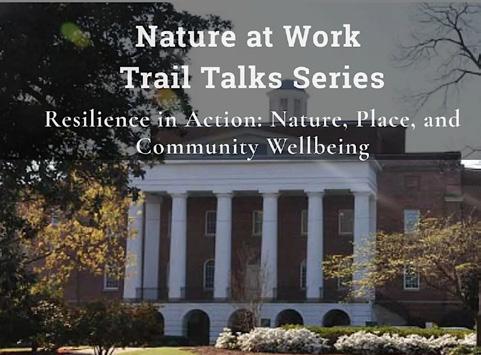
The South Carolina Office of Resilience, Nature at Work, the South Carolina Healthy Business Coalition and SC7 will host Nature at Work Trail Talks: Resilience in Action on Monday, July 13, from 4 to 6 p.m. in Columbia’s BullStreet District.
The free program will begin at the South Carolina Office of Resilience in the historic Mills Building with an overview of Nature at Work, a Resilience 101 session and a discussion on the role of nature in building healthier communities.
Participants will then move to nearby Page Ellington Park for a guided outdoor experience highlighting green infrastructure and nature-based resilience strategies in practice.
The Trail Talks experience will bring together SC7 participants, community leaders, planners and others interested in the connection between nature, resilience, health and place.
Following the program, attendees are invited to continue the conversation informally at Gather Cola or elsewhere in the BullStreet District.
Location: 2100 Bull St., Columbia. For more information or to register, visit Eventbrite.com/e/sc7-nature-at-work-trail-talks-resilience-in-action-tickets-1990138407550?aff=ebdssbdestsearch.
Make
Catch American Idol Finalist Slater Nalley Live
Steel Hands Brewing, in Cayce, will present Nashville Nights featuring American Idol finalist Slater Nalley on Friday, July 10, at 6 p.m.
Nalley, an Atlanta native and Top 5 finalist on season 23 of American Idol, began developing his musical talents at a young age, teaching himself guitar through online tutorials and playing piano by ear. Known for his soulful, gravel-tinged sound, he draws inspiration from artists including Jason Isbell, Tyler Childers, Sturgill Simpson and John Prine.
His original songwriting gained national attention through social media, including the song Traces of You, written after a personal tragedy within his community and later performed during his American Idol audition.
Backed by multi-platinum songwriter Dallas Davidson’s Play It Again Music and recently signed to Warner Records/Warner Music Nashville, Slater is primed to introduce more of his original music to the world soon.
In the event of inclement weather, the show will be moved indoors to the Steel Shed Building.
Admission is free. Location: 2350 Foreman St., Cayce. For more information, visit ExperienceColumbiasc.com/event/ steel-hands-brewing-nashville-nights!/73723.
Experience an Intimate Evening of Jazz With
Keith Davis
The ColaJazz Foundation will present Keys & Conversations: Keith Davis on Sunday, July 5, from 6 to 7:30 p.m. in Columbia. The event is part of the foundation’s Alone Together: Keys & Conversations series, which pairs worldclass solo jazz piano, candid storytelling and complimentary light refreshments and beverages in a space that feels like a private club.
Organizers say attendees can expect an unforgettable night—warm, soulful, inspiring, intimate and deeply personal. Seating is limited.
Cost: $25. Location: 2123 College St., Columbia. For more information or to purchase tickets, visit Events.Humanitix.com/keys-and-conversations-keith-davis.
Step Into the Magic of Mary Poppins
The Chapin Theatre Company, in Irmo, will present Mary Poppins at 7:30 p.m. on Thursdays July 16 and 23 and Fridays July 17 and 24.
The musical follows the Banks family in Edwardian London, where Jane and Michael Banks have driven away their previous nanny. Their new nanny, the magical Mary Poppins, arrives by umbrella and takes the children on a series of adventures with her friend Bert. Along the way, Mary Poppins helps the children and their parents, George and Winifred Banks, recognize the importance of family, joy and finding wonder in everyday life. The story also features the return of George Banks’ harsh childhood nanny, Miss Andrew, whose efforts to take control are ultimately overcome as Mary Poppins helps the family reconnect.
Cost: $20 to $30. Discounts are available for seniors, military and children. Location: 7300 College St., Irmo. For more information or to purchase tickets, visit Simpletix.com/e/ mary-poppins-tickets-249214.
Connect and Grow at NE Columbia Women’s Networking Event
The NE Columbia Women’s Networking Event, designed for women in business and leadership to connect, share ideas and grow professionally, will be held at 6 p.m. Monday, July 20, at Beef ‘O’ Brady’s, in Columbia.
The free event will bring together women from the Northeast Columbia area for an evening of networking, collaboration and inspiration. Attendees will have the opportunity to meet peers, exchange ideas and build relationships within the local business community.
Organizers say the gathering is open to both established professionals and those beginning their careers.
Location: 4561 Hard Scrabble Rd., Columbia. For more information or to register, visit Eventbrite. com/e/ne-columbia-womens-business-networking-tickets-1605993141719?aff=ebdssbdestsearch.
Celebrate Books and Community at S.C. Book Lovers Expo
The South Carolina Book Lovers Expo 2026 will take place Saturday, July 25, from 11 a.m. to 3 p.m. at the Phillips Market Center, in West Columbia.
The free, family-friendly event will feature a marketplace showcasing regional authors, local businesses and community partners. Organizers describe it as a celebration of books, creativity and connection for readers of all ages.
Location: 117 Ballard Ct., W. Columbia. For more information or to register, visit Eventbrite.com/e/south-carolina-book-loversexpo-2026-tickets-1977276518293?aff=ebdssb destsearch.
Explore
Plant-Based Living at Columbia VegFest
Columbia VegFest will return to Segra Park from noon to 5 p.m. Sunday, July 19. This year’s event is a collaboration with the Vegan Squad Community and John “The Bodybuilding Vegan” Thomas.
The event will bring together fitness, food and fun in one place. It will feature live exercise and fitness classes, from energizing workouts to calming yoga sessions. A live DJ will provide music while attendees explore a marketplace of wellness products, activewear and local vendors.
Guests can also enjoy plant-based foods, desserts and samples, along with live cooking demonstrations highlighting healthy eating.
Organizers say the event is designed for fitness enthusiasts, those curious about plant-based living and families looking for a fun day out.
Cost: $10 for adults. Admission is free for children younger than 12. Military personnel, first responders and students with identification will receive discounted admission of $5. Location: 1640 Freed Dr., Columbia. For more information or to purchase tickets, visit VegFestExpos.com.
Join a Domestic Violence Awareness Program in Cayce
Emmanuel Outreach Ministries will host its annual Domestic Violence Awareness Program, Hope & Healing, on Sunday, July 12, from 3 to 5 p.m. at Unity Deliverance Church, in Cayce.
The free program will focus on domestic violence awareness and support, offering a community gathering centered on healing and encouragement. Organizers share the message, “You are safe, you are seen and you are loved.”
Location: 2860 Tree St., Cayce. For more information or to register, visit Eventbrite.com/e/ hope-healing-domestic-violence-awareness-program-tickets-1989725704143?aff=ebdssbdestsearch.
Take a First Look at ALA Blythewood
American Leadership Academy (ALA) Blythewood will host a ribbon-cutting event on Saturday, July 11, from 10 a.m. to 2 p.m.
The celebration will bring together campus team members, prospective families and supporters. Guests can enjoy complimentary refreshments from local food trucks, tour the new campus and learn more about the school’s curriculum and values.
Attendees will also have the opportunity to purchase school apparel, receive ALA swag and meet members of the campus team. Guests are encouraged to register in advance for the free event.
Location: 10301 Wilson Blvd., Blythewood. For more information or to register, visit Eventbrite. com/e/ala-blythewood-ribbon-cutting-event-tickets-1991592496770?aff=ebdssbdestsearch.
Make sure to let our advertisers know you found them in
Connect With Local Leaders at Christian Professionals Networking Event
VIBEZ.Coffee, in Columbia, will host an evening of connection, collaboration and community with local business leaders Wednesday, July 15, at 5 p.m.
Organizers say the free Christian Professionals Networking Event is designed to help attendees expand their professional networks, exchange ideas and resources, and build relationships that support both career goals and personal calling.
The event is open to those looking to grow their business, explore new opportunities or connect with like-minded professionals.
Location: 622 Canalside St., Columbia. For more information or to register, visit Eventbrite. com/e/christian-professionals-networking-event-tickets-1986081106052?aff=ebdssbdestsearch#organizer-card.
All truly great thoughts are conceived while walking.
—Friedrich Nietzsche
Lead Exposure and Cardiovascular Disease
Lead exposure is a major environmental cause of cardiovascular disease, responsible for nearly 6 percent of global deaths. A 2026 study in the Journal of the American Medical Association links long-term lead exposure to an increased risk of dying from cardiovascular disease. Exposure is measured by how much lead accumulates in the body over time. Using decades of data from more than 42,000 U.S. adults, along with international studies, researchers found that even low levels of exposure increase the risk of heart disease and stroke, and the risk steadily rises as lead accumulates in the body.
Although exposure to lead has decreased worldwide, it remains a major, preventable contributor to global cardiovascular disease. The study’s authors emphasize the need for surveillance, regulation and remediation to reduce exposure.
Air Pollution Threatens Childhood Health
The American Lung Association’s (ALA) 27th annual State of the Air report grades counties for unhealthy levels of ground-level ozone and particle pollution. It found that 33.5 million, or 46 percent, of children are exposed to unhealthy air pollution levels. Because their lungs are still developing, kids breathe more air relative to their size than adults. Long-term pollution exposure in youngsters can lead to reduced lung growth, asthma, respiratory diseases, impaired cognitive functioning, heart attacks and cancer.
While the U.S. had made progress in reducing air pollution, the ALA warns that these advances are threatened by extreme heat, wildfires and the rollback of air pollution standards by the U.S. Environmental Protection Agency.
Kimchi May Help Excrete Nanoplastics
An estimated 10 to 40 million metric tons of microplastics and nanoplastics are released into the environment every year. These particles have been found in nearly every major human organ, and they are linked to chronic health conditions, including reproductive issues, cancer and heart disease. Because avoiding all plastic particles may be impossible, scientists are exploring ways to remove them from the body.
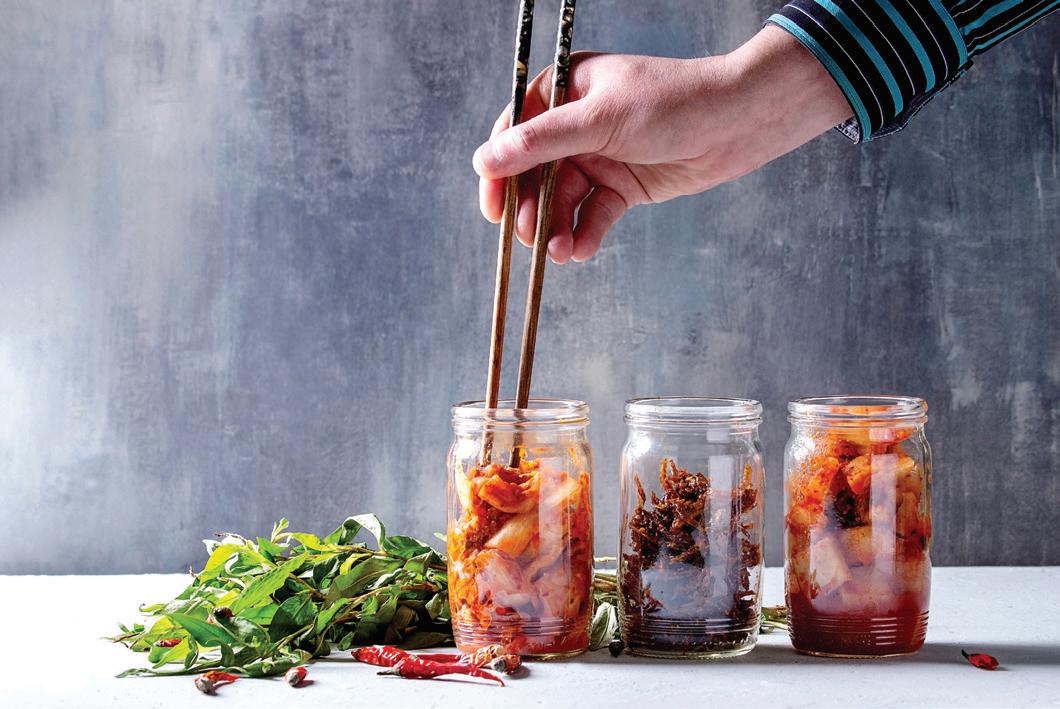
Scientists at the World Institute of Kimchi discovered that a specific probiotic bacterium (Leuconostoc mesenteroides) found in fermented kimchi can bind to polystyrene nanoplastics in the gut and help flush them out. In a study published in Bioresource Technology, the research team fed nanoplastics, along with the bacterium, to mice that were subjected to the highly acidic and turbulent intestinal conditions of humans. About 57 percent of the bacterium absorbed nanoplastics. The mice given the probiotic excreted more
than double the amount of nanoplastics in their feces compared to the control group. Researchers recommended further studies with the human gut.
Yuriy K/shutterstock
Emperor Penguins on the Brink
In April, the International Union for Conservation of Nature and Natural Resources (IUCN) classified the emperor penguin as endangered due to Antarctica’s warming since 2016, which has led to record-low sea ice levels. Emperor penguins need about nine months of stable sea ice for mating, raising chicks and molting. Without it, chicks risk freezing or drowning before developing waterproof feathers. The adults face similar dangers during their annual molting season when they regrow swimming feathers.
When sea ice breaks up prematurely, entire colonies can fail. In 2022, a significant loss of chicks occurred when four of five breeding grounds in the Bellingshausen Sea collapsed. The IUCN predicts that the emperor penguin population will be only half its current size by the 2080s.
Clean Energy From Coal Mines
The University of Victoria, in British Columbia, Canada, is helping a town covert its old coal mines into a clean energy source. After 80 years, the coal mines near Cumberland, British Columbia, closed, and the abandoned shafts and tunnels have filled with water. This water remains warmer than the outside air in winter and cooler in the summer. Using the mine water as a giant heat exchanger eliminates the need for expensive, deep geothermal drilling.
The university is offering the engineering expertise to leverage the temperature differences to efficiently heat and cool a new community center, municipal buildings, affordable housing and an industrial center at a relatively low cost. Members of the town hope to attract businesses that require controlled temperatures, such as greenhouses and food processing businesses.
Glacier Retreat Triggers Tsunami
On August 10, 2025, a massive landslide struck Tracy Arm fjord, in Alaska, displacing water and generating a giant wave that crashed onto the opposite slope at more than 150 miles per hour. Within minutes, the landslide caused seismic effects equivalent to a magnitude 5.4 earthquake, and the resulting tsunami is believed to be among the tallest ever recorded, at approximately 1,600 feet.
Vegetation was stripped along the shoreline, but there were no fatalities. At a different time, the Tracy Arm would have been crowded with cruise ships and smaller sightseeing boats, potentially resulting in catastrophic loss of life and property. The landslide was preceded by the rapid retreat of a glacier, which may have lubricated the slope.
In a study published in Science, researchers examined the Tracy Arm event to determine if it could have been predicted. Although optical and radar remote sensors, along with high-resolution images from the days and weeks before the event, showed no signs of the rock face being at risk of collapse, there was an increase in micro-seismic activity at least 24 hours before the landslide, intensifying in the hours leading up to the event.
Considering the magnitude and far-reaching risks of a similar landslide-tsunami in heavily trafficked areas, the researchers recommended systematic monitoring of unstable slopes, realistic tsunami scenarios and protective measures for local communities, tourists and critical infrastructure.
Michel VIARD from Getty Images/CanvaPro
jmoor17 from Getty Images
MarcoPace68/shutterstock
Joys of Loose Leaf Tea
by Natural Awakenings staff
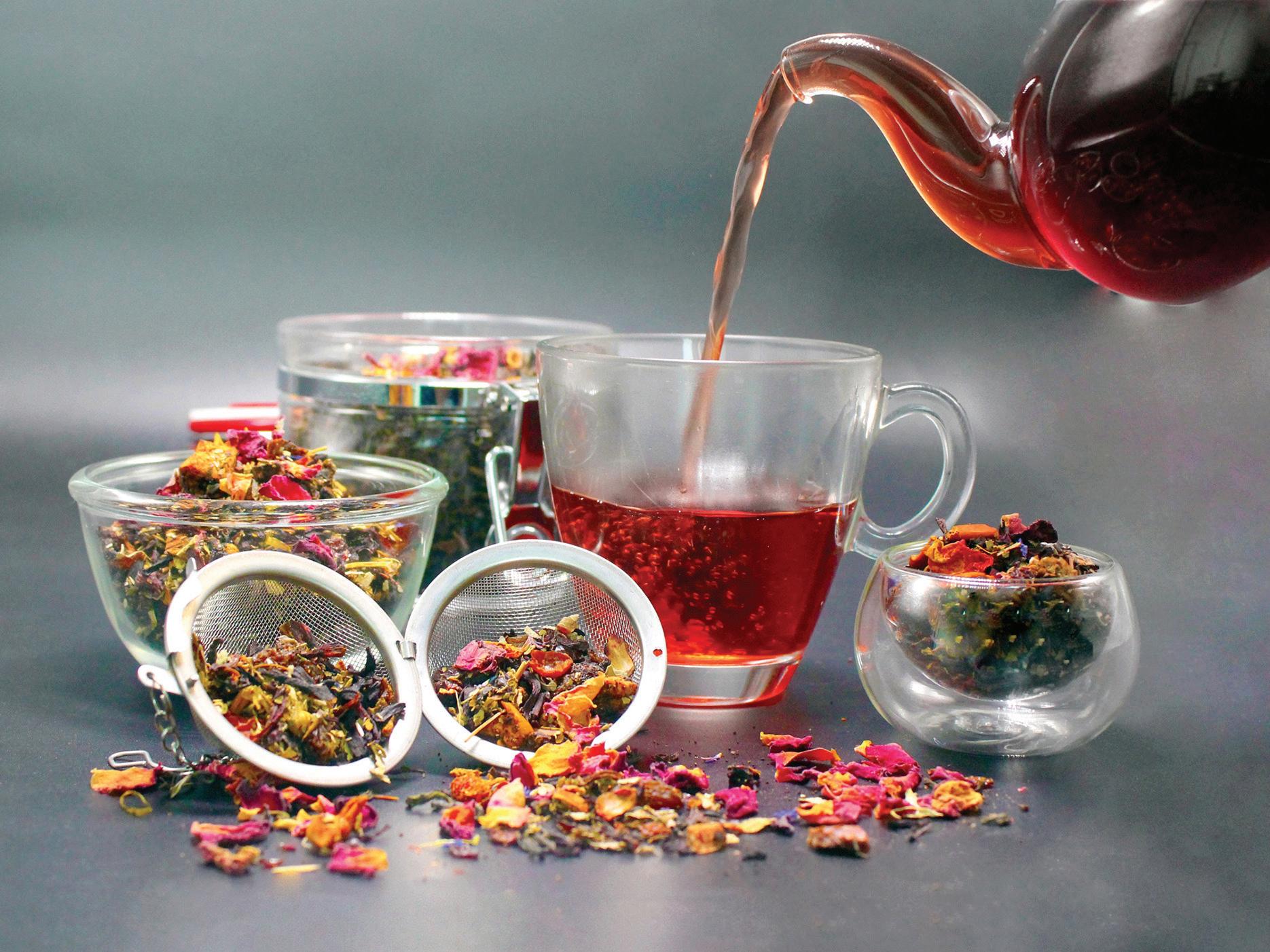
For many, brewing tea begins with a small paper sachet in a mug. While convenient, these single-use tea bags often contain plastic fibers, pesticide residues and excessive packaging. Filled with “dust and fannings”—tiny leaf bits—they steep quickly, but can lack freshness and depth of flavor.
Sustainable loose leaf tea offers a healthier, more enjoyable alternative, allowing drinkers to experience the full flavor and beauty of whole or large, broken leaves and flowers that expand as they steep. Advocates treasure tea time as a daily ritual that brings together flavor, creativity, calm and a deeper love for plants, with bonus ecological points for buying loose tea in bulk.
Tea Types
Black, green, oolong and white tea come from the same plant, Camellia sinensis. White is the least processed, picked when the leaves are young and have the least caffeine. Green tea leaves are dried briefly, preserving the plant’s color, nutrients and low caffeine. Black is fully oxidized, producing dark, bold brews that pair well with milk. Oolong is oxidized halfway between green and black, offering freshness and complexity.
Herbal and floral teas provide a caffeine-free escape with various health benefits and delightful tastes. Chamomile and lavender are popular for easing stress and improving sleep. Hibiscus, enjoyed hot or cold, boasts a vibrant red hue, tangy taste and high levels of vitamin C, supporting heart health, weight management and reduced inflammation. Peppermint tea offers a refreshing
flavor and digestive benefits. Ginger tea, with its spicy kick, is a potent antioxidant to soothe nausea, aid digestion, control blood sugar, support weight management and reduce inflammation.
Sustainable Brands
Prioritize organic and/or regenerative brands without synthetic pesticides, fertilizers or insecticides. Great options include Frontier Co-op, Full Leaf Tea Company, Arbor Teas, Rishi Tea & Botanicals, Numi, Equal Exchange, Art of Tea and Firebelly Tea. Compostable, eco-friendly packaging is also a plus. Check for certifications like USDA Organic Certified, Rainforest Alliance Certified, B-Corporation or Certified Fair Trade.
Brewing Tips
Heat water to about 200° F. Measure one to two teaspoons of loose tea per eight ounces. Pour hot water over leaves and steep for three to seven minutes, then strain the leaves. Over-extraction leads to a bitter result. Sweeten with stevia, monk fruit or honey.
Great choices for loose leaf tea strainers include large stainless steel basket infusers with room for optimal leaf expansion and compact mesh balls for single cups. A French press or teapot with built-in infuser are excellent choices for a full pot of tea. Remember to compost used tea leaves.
Drying and Storage
For homegrown teas, harvest leaves in the morning after the dew has dried and brush off any dirt. Skip washing with water to prevent mold. Gather small bunches and hang them upside-down in a dry, cool space away from sunlight. Alternatively, spread individual leaves on a drying screen that allows airflow. Drying can take a week or more. Store in an airtight tin or dark glass container away from direct sunlight and heat.
Beyond Water
Electrolytes, Minerals and Cellular Wellness
by Michaela Leung
Hydration has become one of wellness culture’s hottest topics, but staying truly hydrated involves more than simply drinking enough water. While water is essential, proper hydration happens at the cellular level and depends on a delicate balance of electrolytes, minerals and fluid movement throughout the body.
For years, the common advice was to drink eight glasses of water a day. That guidance may be helpful, but it does not tell the whole story. Water plays a role in nearly every bodily function, including temperature regulation, digestion, nutrient transport and waste elimination. The body also needs support to move that water into the cells where it can be used.
That is where electrolytes come in. Electrolytes are minerals that carry an electrical charge and help regulate fluid balance, muscle contractions, nerve signaling and energy production. Without enough electrolytes, the body may struggle to use water efficiently, even when fluid intake appears adequate.
Key electrolytes include sodium, potassium, magnesium and calcium. Sodium helps maintain fluid balance and supports water absorption into cells. Potassium works with sodium to regulate fluid levels, support muscle function and maintain healthy blood pressure. Magnesium is involved in hundreds of biochemical processes, including energy production, muscle recovery and nervous system function. Calcium supports muscle contractions, nerve signaling and cellular communication.
Even mild imbalances may contribute to fatigue, headaches, brain fog, muscle cramps or a lingering feeling of dehydration.
As awareness grows, functional hydration products have become increasingly popular. Hydration packets, electrolyte powders and mineral-enhanced beverages are now found in gym bags, offices and kitchen cabinets. Unlike many traditional sports drinks, newer products
often emphasize lower sugar content, cleaner ingredient lists and targeted mineral support. Some also include vitamin C, B vitamins, amino acids or adaptogens.
These products are no longer used only by athletes. Busy professionals, travelers, parents and wellness-minded individuals are turning to functional hydration to help support energy, focus and recovery.
Trace minerals are also gaining attention. Minerals such as zinc, selenium, copper and manganese are needed in smaller amounts but support immune function, metabolism and cellular health. A diverse intake of mineral-rich foods may help support hydration and overall vitality.
Signs that the body may need more than water can include persistent thirst, frequent headaches, muscle cramps, fatigue, brain fog, dizziness after sweating or exercise, and dry skin. Because these symptoms may have many causes, ongoing concerns should be discussed with a qualified health professional.
A hydration-friendly lifestyle does not have to rely on supplements alone. Leafy greens, avocados, bananas, citrus fruits, coconut water, yogurt, nuts, seeds and mineral-rich broths can all help support electrolyte balance.
The takeaway is simple: Hydration is about more than a water bottle. By paying attention to electrolytes, minerals and cellular wellness, individuals can take a more complete approach to feeling energized, focused and well every day.
Michaela Leung is a multimedia storyteller, wellness writer and Pilates instructor based in Columbia. She is passionate about making holistic wellness more accessible—through movement, mindful living or sharing stories that inspire. Leung is the founder of All is Well, a wellness platform and newsletter, and a former Columbia ambassador who is still dedicated to supporting local businesses and healthy living. To connect with her, email MichaelaAngeliqueLeung@gmail.com or follow @michaelaleung__ on Instagram.
68 ACRES OF HOPE
PTSD Veterans Village Calls the Community to Adopt a Tiny Home for an Unsheltered Woman Veteran
by Tiana Tarver
On 68 acres in Bishopville, South Carolina, PTSD Veterans Village is working to create a path of safety, healing and long-term stability for women veterans and their children. Founded by Laurie A. Strange, an Afghanistan combat war veteran, the nonprofit was born out of a need to serve unhoused and unsheltered veterans in South Carolina. Over time, the organization recognized a population too often unseen: women veterans experiencing homelessness, housing instability and invisible wounds after service.
Many of these women are considered the “silent homeless.” Their hardship may not always be visible to the public, but the need is real. PTSD Veterans Village has listened to stories of women veterans and their children sleeping in tents, cars, vans and uninhabitable buildings. Some are navigating post-traumatic stress disorder, military sexual trauma, domestic violence, unemployment, single parenting, substance use challenges, a lack of affordable housing or the lasting effects of combat.
For Strange and the PTSD Veterans Village team, this work is deeply personal. What began as a mission has grown into a calling and a passion to provide a housing program where unsettled sisters-in-arms can move from homelessness to homeownership.
“Our ultimate vision is to take them from homelessness to homeownership,” says Strange. “Together, we can and we will make this a reality for our women veterans and their children.”
The organization believes that all wounds are not visible. Many women veterans return home carrying anxiety, depression, hopelessness and the scars of war while continuing to wear a mask of strength. Pride, service and patriotism often remain central to their identity even when they are unsheltered, unhoused or without necessities.
“Pride is in our DNA,” says Strange. “It is in our bones and marrow. Homeless, but proud. Unsheltered, but proud. Unhoused, but proud.”
PTSD Veterans Village is designed to be more than a transitional housing facility. The vision is to build a supportive housing community where women veterans can rebuild their lives, restore their confidence and rediscover their purpose. The work is rooted in dignity, safety,
healing and hope, with a focus on helping women rebound from the traumas of the past while preparing for a more stable future.
The tiny home model is central to that vision. Each home is intended to provide a private, safe space where a woman veteran can begin her healing process with dignity, peace and stability. For a woman reclaiming her life, liberty and pursuit of happiness, a tiny home can become more than a structure. It can become a turning point.
“As our country prepares to celebrate its 250th anniversary on July 4, we will celebrate along with our nation,” says Strange. “Join us as we build a Village of Hope and declare Independence Day for women veterans.”
Strange says the Adopt a Tiny Home for Unsheltered Women Veterans campaign is a powerful invitation for the community to act.
“The campaign is more than a fundraising initiative; it is an opportunity to create a legacy for women who sacrificed in service to our country,” she explains. “Churches, corporations, civic groups, veterans’ organizations, families and individual sponsors can all play a meaningful role in the healing journey of a woman veteran by helping sponsor a tiny home.”
According to Strange, phase one of the program is especially important because it focuses on getting women veterans off the streets and back on their feet. Support may help provide the home itself, furnishings, household essentials, utilities, transportation aid, supportive services or other resources needed to stabilize residents as they rebuild their lives.
“For PTSD Veterans Village, the best way to thank a veteran for her service is to help a veteran,” says Strange. “Every sponsored home, every donated item and every community partnership become part of a larger promise: No woman veteran should feel forgotten after her time in service.”
Together, PTSD Veterans Village and its supporters are rebuilding hearts and tiny homes one day at a time. The organization carries a simple message for every woman veteran it seeks to serve: “Her story is our story.”
For more information, to donate or to support the Adopt a Tiny Home for Unsheltered Women Veterans campaign, call PTSD Veterans Village at 803-440-0048 or visit PTSDVeteransVillage.org.
Summer in Every Bite
Vibrant, Versatile Salads
by Maya Whitman
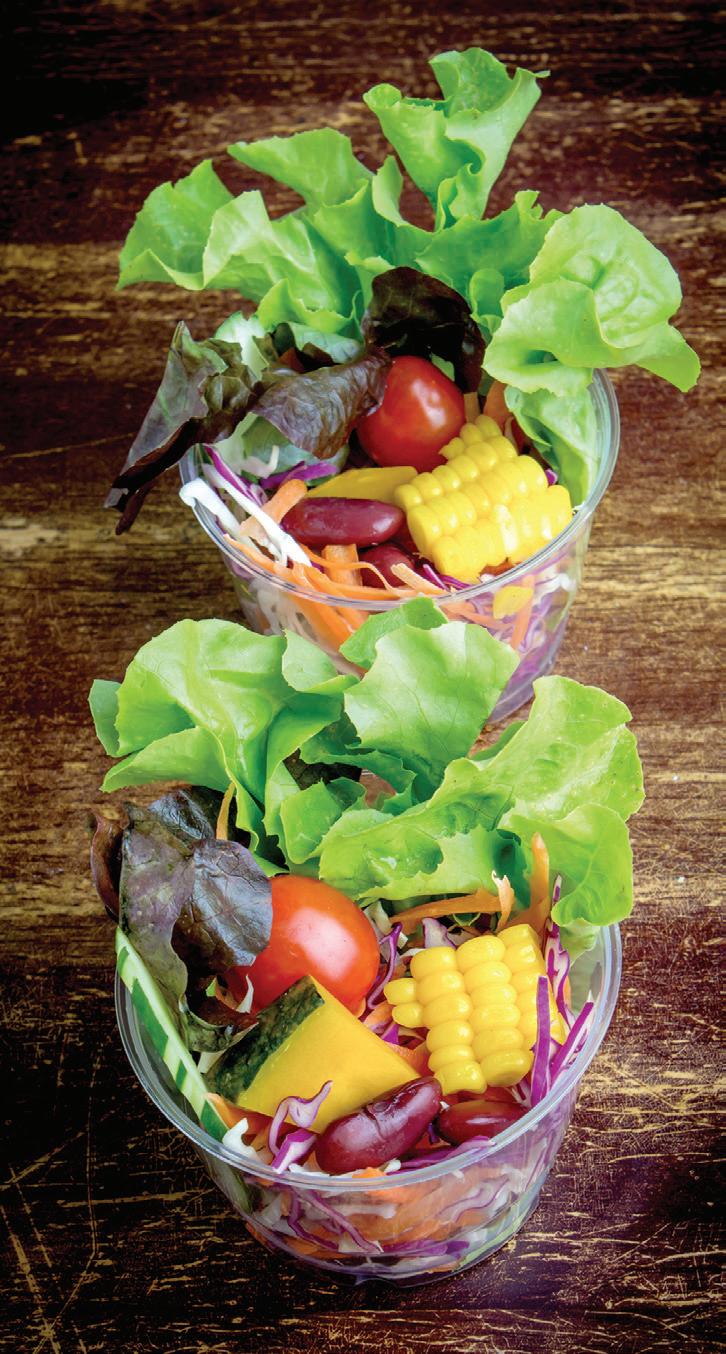
Whether we picnic in the park, meet friends for a hike or attend a community event, staying hydrated is crucial while enjoying the outdoors. Besides refilling water bottles, creating a vibrant, hydrating salad—like sweet melon, fiery radishes and arugula with a basil-lime vinaigrette—is a delightful way to enjoy the summer. Seasonal ingredients such as refreshing cucumbers, heirloom tomatoes, leafy greens and blushing fruits have a high-water content, along with vitamins, minerals and antioxidants that boost energy and overall well-being.
Beyond the usual lettuce bowl, summer salads can combine locally sourced produce, whole grains, healthy fats and fresh herbs to satisfy any palate. Versatile and delicious, they travel well and elevate backyard dining. Adding the final pop, a flavorful dressing pulls it all together.
Great Foundations
Sourcing ingredients from our own backyards, local farmers or a communitysupported garden offers a world of choices. “Most produce at farmers markets has been picked or harvested at the peak of ripeness
within the last 24 to 48 hours. The initial flavor and juiciness are robust and different from produce that is picked and shipped,” says Jane Maxwell, former executive director of the Illinois Farmers Market Association, in Naperville, Illinois. She emphasizes that farmers provide diversity rarely seen on supermarket shelves. “Instead of a few types of tomatoes, you may find a vendor with six to 10 different varieties of tomatoes, each with a unique flavor and purpose. The flavor of a yellow citrine tomato is very different from a Cherokee purple, and with the variety of flavors, you also get a wide range of micronutrients.”
Maxwell recommends shopping according to personal needs and relying on the senses. “Are you using it today, or do you want it to last the week? Fresh produce will have a sweet aroma. Look for bright colors and items without bruising or shriveling,” she advises. “Don’t be put off by unusually shaped produce. It still has all the amazing qualities you are looking for.”
Sometimes the best salad fixings can be found right in our own neighborhood. Hidden gems include honor-system produce setups at the end of driveways and passionate backyard gardeners that share their surplus.
Bountiful Pairings
Nutritious combos can be artful or simple with an element of spontaneity, depending on what is available. Uncommon additions like sweet, ruby-fleshed plums; crisp, thinly sliced, raw fennel; spicy-sweet, shredded, raw turnips; or pitted black cherries can make mellow produce like Boston lettuce sing.
Cynthia Sass, a registered dietitian and plant-based nutritionist in Los Angeles, offers high-performance nutritional advice to celebrities and professional sports figures. In her practice, satisfying the taste buds is just as important as optimizing nourishment. Her favorite side salads are sliced cucumbers
and cherry tomatoes marinated in lemon vinaigrette and basil, as well as shredded carrot salad with pineapple, fresh ginger and raisins. For a hearty dinner salad, Sass combines greens, lean or plant-based protein and a complex carb like cooked and chilled quinoa, sweet potato or wild rice. She also likes combining warm and cold elements, beginning with a base of crisp lettuce and adding tempeh, veggie kabobs or skewered baby potatoes fresh from the grill.
“Healthy salads are the most delicious and rewarding. Food is medicine,” says Devon Quinn, the executive chef and co-owner of Eden, a contemporary restaurant in Chicago. He likes to incorporate “legumes of any kind and in any form” in his salads, valuing their added high protein and fiber content. For an innovative texture, he suggests, “cooking beans or lentils, patting them dry and then pan-frying them in olive oil until crispy. When bubbles mostly subside, remove them from the oil and wick away excess fat by laying them out on a paper
towel, then season them with kosher salt while hot.”
Delectable Dressings
Healthy sources of fat like avocado and olive oil in zesty dressings can enhance the absorption of carotenoids and other nutrients found in plants, and Sass notes that vinegar can support blood sugar regulation. For creamy dressings, she opts for a base of tahini, a paste made from ground sesame seeds, with fresh herbs and lemon.
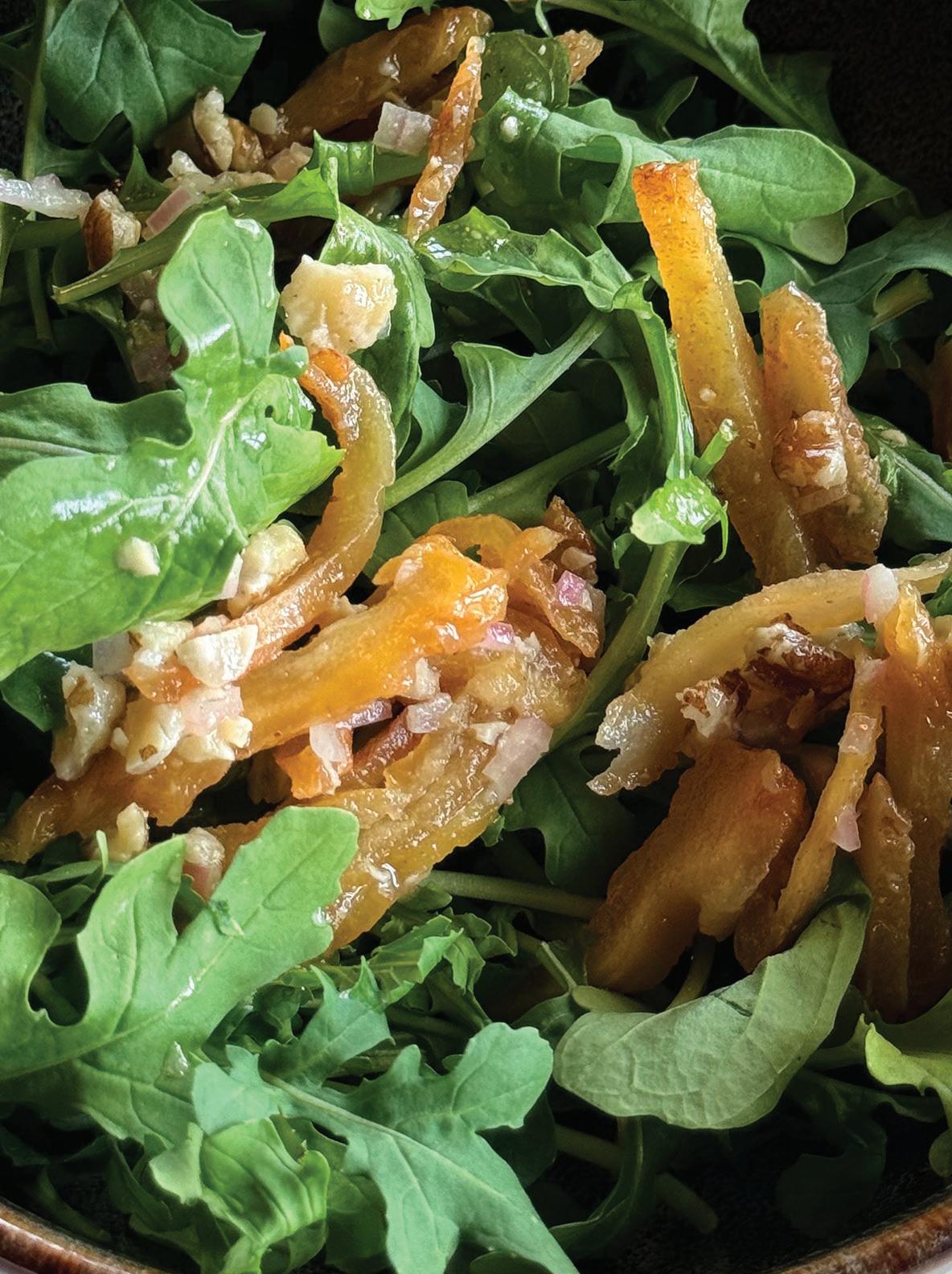
Quinn brings out nuances in fruit salads with bright citrus dressings and the addition of piquant herbs like lovage and anise hyssop. For green salads, he adds diced shallots to a vinaigrette made the day before to allow for “pickling” overnight. For a gourmet cheese-like effect without the use of cheese, Quinn pulses in “toasted black walnuts to vinaigrettes with the use of high-quality olive oil.”
Maya Whitman is a frequent writer for Natural Awakenings.
BLACK WALNUT VINAIGRETTE
YIELD: 1 QUART
½ cup black walnuts, toasted
½ cup shallot, diced
1 Tbsp raw honey
1 Tbsp Dijon mustard
2 cups extra virgin olive oil
1 cup apple cider vinegar
Kosher salt to taste
Freshly ground black pepper to taste
To toast the walnuts, place a dry skillet (no oil) over medium heat. Add the walnuts in a single, even layer. Let them toast for approximately 6 minutes, stirring frequently until they appear toasted and have a toasted aroma. Immediately transfer to a plate to prevent burning.
To make the dressing, add everything but the shallots to a food processor and pulse a few times to incorporate the walnuts. Stir in the diced shallot and refrigerate overnight to allow the shallots to pickle. In the morning, the vinaigrette is ready to drizzle over summer vegetables.
Recipe courtesy of Chef Devon Quinn.
COLD HONEYDEW-BLUEBERRY SALAD WITH MEYER LEMON HONEY DRIZZLE
YIELD: 6 TO 8 SERVINGS
1 large honeydew melon (ripe and fragrant)
2 pints fresh blueberries
1 large Meyer lemon, juiced
1 Tbsp local honey
1 small handful fresh herbs (preferably pineapple sage or spearmint), chopped
1 pinch fleur de sel salt
Scoop out the melon with a melon baller and gently mix in all the other ingredients in a large bowl. Chill in the refrigerator for 2 to 3 hours before serving. For an extra frosty effect, place the already-chilled melon salad in the freezer for ½ hour before serving. Serve in a decorative, colorful bowl with a few fresh herbs sprinkled on top.
Recipe courtesy of Marlaina Donato.
Courtesy of Devon Quinn
SUMMER BOUNTY GARDEN TOSS WITH JALAPEÑO-LIME DRESSING
YIELD:
6 TO 8 SERVINGS
1 large head of Romaine lettuce, washed and chopped
1 large yellow bell pepper, thinly sliced
1 large red bell pepper, thinly sliced
1 small red or sweet onion, chopped or sliced as thin rings
1 small to medium zucchini or yellow squash, shredded
1 handful fresh mint, chopped
1 handful fresh basil, chopped
2 cups heirloom tomatoes, quartered
DRESSING
½ cup extra virgin olive oil
Juice of 8 limes
1 Tbsp balsamic vinegar
3 Tbsp maple syrup
1 small jalapeño pepper, minced or finely chopped (remove ribs and seeds if less heat is preferred)
¼ tsp applewood smoked salt
In a large serving bowl, toss together the lettuce, red and yellow bell peppers, onion, and zucchini or yellow squash. Sprinkle chopped mint and basil evenly on top and add the heirloom tomatoes. Place the salad in the refrigerator to chill for half an hour to 1 hour before serving.
For the dressing, add olive oil, lime juice, balsamic vinegar, maple syrup, jalapeño pepper and applewood smoked salt in a medium size bowl and whisk until well-blended. Spoon the dressing over individual salad servings.
Recipe courtesy of Marlaina Donato.
HEARTY DINNER SALAD WITH CREAMY SALSA VERDE DRESSING
YIELD: 2 SERVINGS
1 large head of Boston lettuce or 2 small heads of red oakleaf lettuce, chopped
2 generous handfuls of arugula, chopped
1 large ripe avocado, evenly sliced
2 hard-boiled eggs, halved
1 large handful dark raisins
½ cup blue cheese, crumbled
1-1½ cups cooked white quinoa, chilled
DRESSING
2 Tbsp vegan mayonnaise
3 Tbsp unflavored, unsweetened plant-based yogurt
4 Tbsp jarred salsa verde
2 tsp maple syrup
Cook the quinoa according to box instructions and chill for a few hours before making salad.
For the dressing, combine the mayonnaise, yogurt, salsa verde and maple syrup in a bowl and stir well. Chill in the refrigerator until serving.
On two separate plates, add an even amount of lettuce and then layer one handful of arugula per plate. Add the avocado slices and egg around the edges of each plate. Sprinkle dark raisins and blue cheese on top, and drizzle a generous amount of dressing over each plate. Finish by adding half a cup or more of chilled quinoa in the middle of each salad. Serve immediately.
Recipe courtesy of Marlaina Donato.
Wellness Without Walls
Outdoor Connections for Body and Spirit
by Marlaina Donato
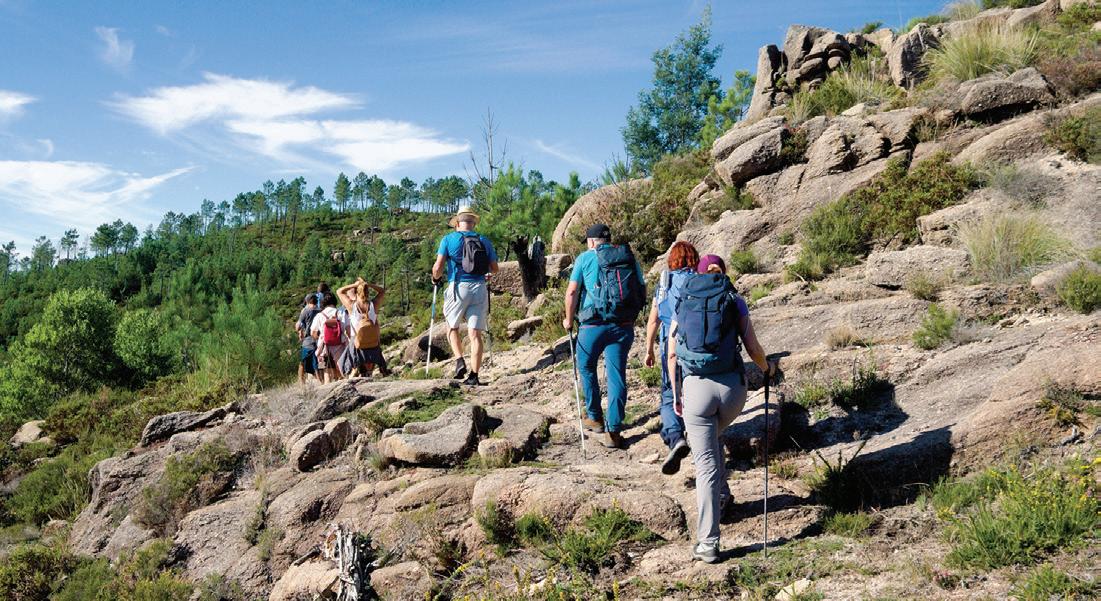
Our daily lives can feel like a series of predictable routines often confined to the indoors, but a growing outdoor wellness movement is opening up new possibilities by weaving nature into holistic health practices and social gatherings. Whether paddleboarding along a tropical waterway, working out in the park or volunteering at a horse sanctuary, stepping outside brings a wealth of benefits.
The American Psychological Association suggests that spending at least two hours a week in nature can nourish our physical and mental well-being, helping to reduce the risk of depression, cognitive decline and high blood pressure. Plus, engaging in an outdoor activity imparts a natural boost of vitamin D and strengthens our immune system. Research gathered by Colorado State University Sustainability Leadership Fellow Kaiya Tamlyn indicates that spending time outside also encourages greater generosity and a deeper appreciation for the natural world.
With so many activities available in both city and rural settings, it is easy to discover something new while making social connections along the way. Finding balance in a busy world is essential, and combining outdoor time, mindfulness and fun can be incredibly beneficial. There are many options to explore, from meditative mountain
retreats to beachside drumming circles under the stars or forest bathing in lush green spaces. In a world where 62 percent of adults admit to being constantly online, swapping screens for something more real can recharge our spirits.
Mindful Resets
When Jennifer Stas-Eliades took up yoga, she bloomed, and from that place of transformation, she felt called to help others do the same. In 2014, she founded Wildflower Yoga Collective, in Flemington, New Jersey. “Yoga is not about being flexible, experienced or a certain age,” she asserts. “It isn’t about doing a headstand or touching your toes. It’s about showing up for yourself, exactly as you are.”
In partnership with local businesses, Stas-Eliades pairs yoga classes with fun, social activities in interesting outdoors settings. Yoga at the Vineyard, for example, is held during sunset and includes a wine tasting. Yoga and Horseback Riding begins with a guided ride through breathtaking scenery, followed by stretches and yoga positions that help open the hips. Lavender Yoga takes place in the midst of a blooming field where students are encouraged to breathe in the calming lavender aroma. Afterward, they pick their own bouquet to take home.
“It’s the greatest kind of office—being outside, surrounded by it all. I always arrive early, giving myself time to take it in, decompress, root into the ground, pet the horses or walk through the lavender,” says Stas-Eliades. “People often come to yoga class carrying the weight of their day—work, school pickups, the constant motion. But then they step onto the grass, onto their mat; the sun hits their skin; the breeze moves around them; and something softens. You’re really rooting into the ground in a way that isn’t just metaphorical like it can be in the studio. You’re smelling the flowers and hearing everything around you.”
Exploring Waterways
Nicole Killian, owner of SUP Englewood at the Don Pedro Island State Park, in Cape Haze, Florida, provides groups the opportunity to enjoy nature on kayaks or stand-up paddleboards. “Once on the water, we guide participants through mangrove tunnels, coastal waterways or open areas, depending on conditions,” says the 20-year
Zoran Zeremski/AdobeStock
people leave with confidence,” she explains. “Families connect, kids get curious and there are also quiet moments on the water that allow people to slow down and really take in their surroundings. Those moments tend to have the biggest impact.”
Ultimately, the SUP Englewood team of certified instructors and Florida Master Naturalists aims to inspire an understanding and compassion for the marine ecosystem. “I find that in order for someone to want to conserve the waterways, they have to fall in love with them,” says Killian. “We create
Images of Sergey Domashenko/CanvaPro
take her workouts outdoors and explore the Sierra Nevada terrain. “The natural environment challenged my body in new ways and re-engaged my mind,” she recalls. “I quickly saw improvements in performance, along with unexpected benefits like greater focus, calm and a renewed sense of joy.”
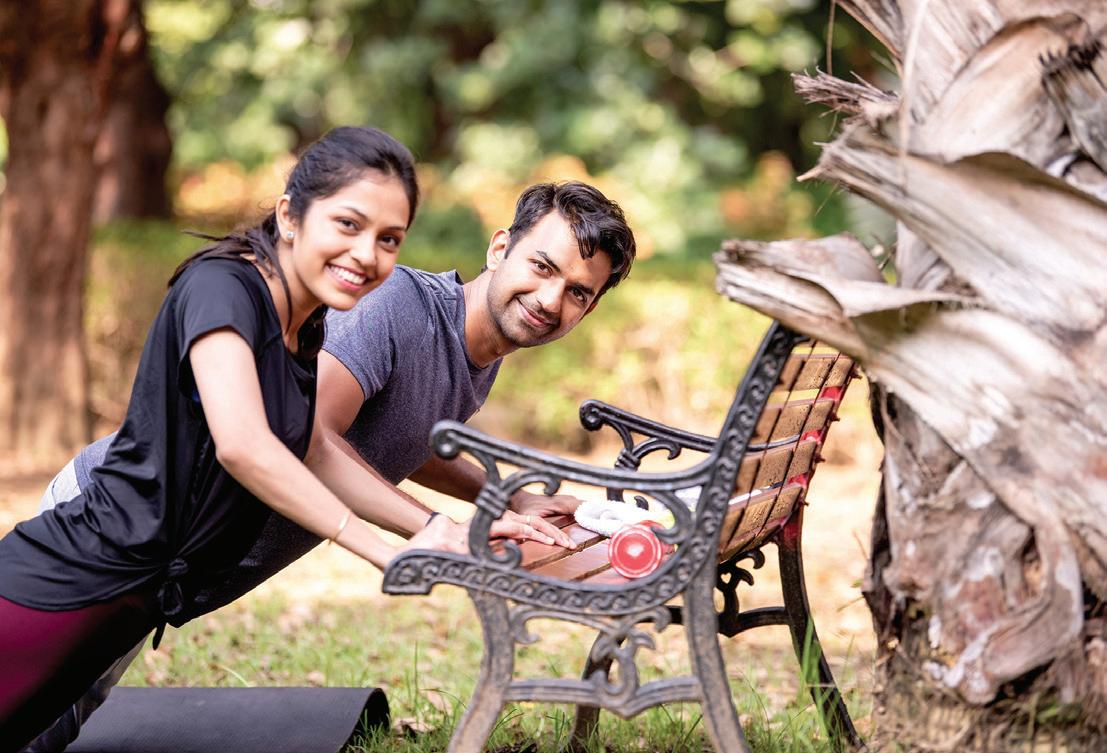
Inspired by her experience, Vindum founded The Outdoor Fitness Institute, a science-based approach to exercise that leverages the natural environment. She uses elements like hills, trails, grass, trees, rocks, benches and open space to create more dynamic, functional movement. “Nature becomes your gym, and your body responds in ways machines simply can’t replicate,” she explains. “For most people, it can be as simple as walking or hiking on uneven ground, adding hill intervals or incorporating strength exercises like squats, lunges or push-ups in a park.”
Vindum believes that moving in open spaces helps people shift from feeling separate from nature to feeling part of it. “Nature brings me a sense of calm, clarity and perspective,” she says. “It reconnects me to something deeper—a feeling of freedom, joy and aliveness that goes beyond fitness. It’s also how I connect with others.”
A 2024 study published by Frontiers in Aging Neuroscience backs up Vindum’s assertions, finding a significant uptick in prefrontal
cortical activation with increasing terrain unevenness during walking. The positive effects of sunlight on mood and mental health have also been researched and confirmed by numerous studies.
Wild Wanderings
Since 1976, Lanny Kaufer has been a firsthand witness to the rejuvenating power of outdoor hikes and finding hidden gems in nature. His Herb Walks in Southern California invite participants to get active while learning about the healing world of edible and medicinal plants. A typical excursion can last two to three hours of easy walking that is accessible for most people.
“After acknowledging the local Indigenous people of whatever location we’re in and thanking the plants, we explore the trailside vegetation as we walk, stopping from time to time to point out what’s catching my attention, sharing stories about the plants and animals, responding to participants’ curiosity, discussing sustainable foraging and learning to identify helpful plants,” he explains.
The author of Medicinal Herbs of California: A Field Guide to Common Healing Plants says that his journey began with a spiritual awakening in the mountains of the Los Padres National Forest outside his home in Ojai. “I felt the plants speak to me,” Kaufer remembers, and that is when he felt called to help protect not only plants but also the rest of nature for future generations.
Over time, he realized that people need to be inspired to protect nature, mostly by understanding why it matters. At nearly 80 years old, his passion is still as strong as it was in the 1970s. “Whether it’s a plant that can wash your hair, a seed that plants itself or a leaf that creates its own sunscreen, I am helping people find that value,” he says.
Seasonal Stewardship
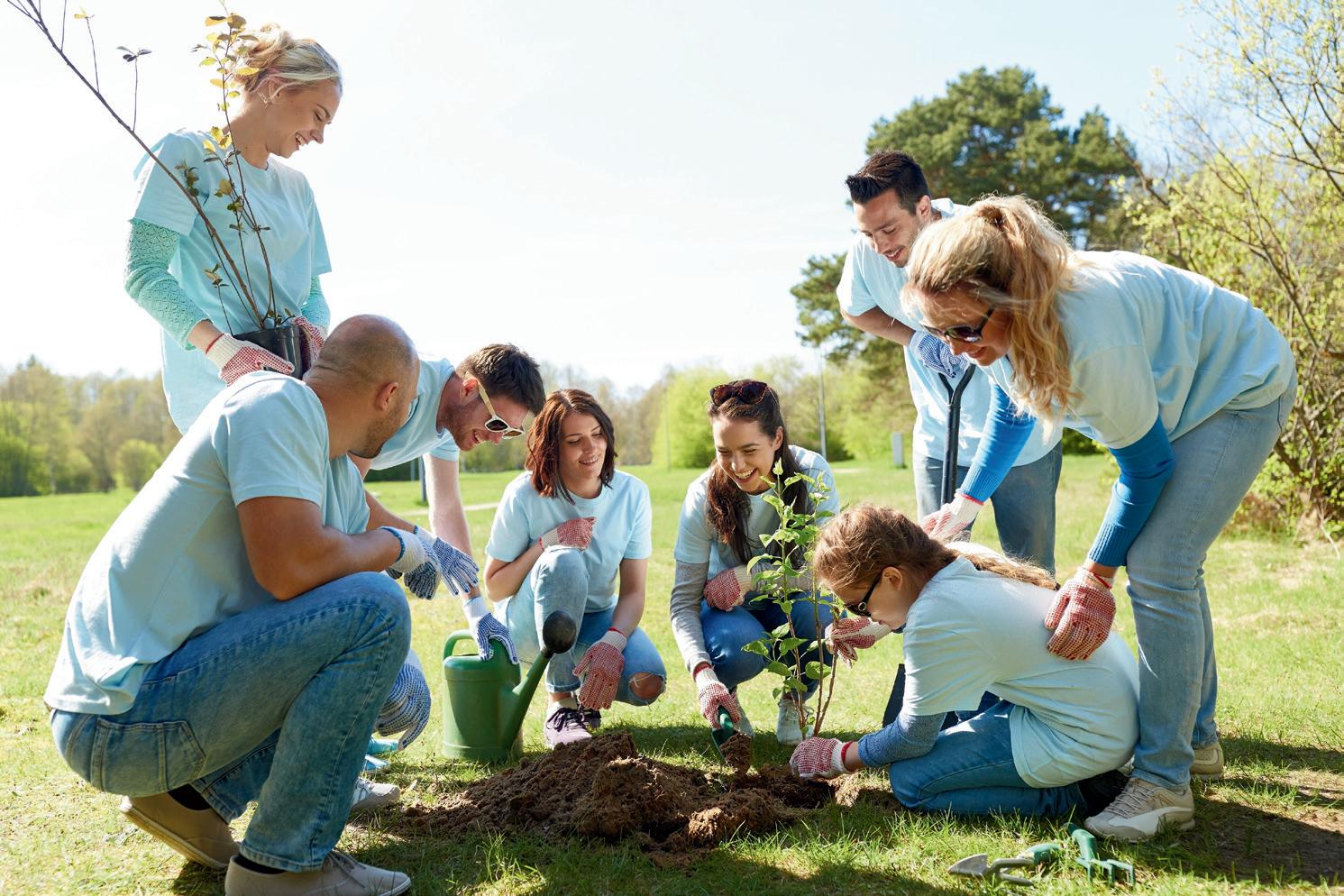
Volunteering outdoors is a rewarding way to broaden our horizons. Whether we are helping with trail maintenance at a nature sanctuary or organizing campground activities, our efforts can make a positive impact. For five years, Stacy Turner has volunteered at the Winthrop National Fish Hatchery, in
Make
Washington state, greeting visitors, conducting hatchery tours and supporting events and field trips. Her enthusiasm for the hatchery’s mission is joyful and infectious, inspiring others to join the cause.
“I wanted people to not just look at fish but also learn about the hatchery and all that they do to bring back the success of fish that are native to our area,” she explains, adding that visitors of all ages have expressed interest in pursuing a similar path of stewardship. “In a world that is plugged into the internet, it is always hard to remember that you can get way more out of life by stepping outside and exploring what is in your own backyard, and you are never too old to enjoy life.”
Marlaina Donato is an author, painter and composer. Connect at WildflowersAndWoodSmoke.com.
Sustainable Water Features
Bringing Home Gardens to Life
by Maya Whitman
Home gardens provide a peaceful retreat in a noisy world, and water features can transform any outdoor space into an eco-friendly sanctuary. A tranquil pond, recirculating solar fountain, charming birdbath or waterfall made from recycled material can create a haven for pollinators, birds and amphibians. These aesthetically pleasing features also serve as natural coolants and air purifiers. When excess water droplets in the air release negative ions, they capture dust, allergens and pollutants as they evaporate.
“A water feature doesn’t have to be large to make an impact. In a small backyard, a wall fountain, solar fountain or simple tiered fountain can add soothing sound without taking up much space, especially when placed near a patio, path or seating area,” says Kristin Broadwell, owner of Fountains USA, in Raleigh, North Carolina.
Enhancing an urban, suburban or rural backyard with a water feature can be a luxurious endeavor or a budget-friendly project. Having an informed plan in advance can prevent unforeseen complications.
Eco-Friendly Fountains and Birdbaths
Choosing a recirculating fountain with a closed-loop system not only provides the soothing ambiance of flowing water, but, when properly maintained, can be an effective solution for water conservation. Broadwell explains, “Eco-friendly fountains save water by reusing it in a loop and using smaller, more efficient pumps. Solar fountains are popular, too, because they can help save energy and lower power use. They are also easy to place in sunny spots and work well for small gardens and patios.”
She also recommends fountains that use collected rainwater to alleviate the burden on local water systems and prevent stormwater runoff. Other sustainable and low-maintenance options are fountains made out of bamboo fashioned after traditional Japanese designs, as well as ceramic pot fountains crafted from carbon-free clay, which emit a distinctive and pleasing sound while adding artistic appeal.
A birdbath can serve as a captivating focal point and provide our feathered friends with clean water for drinking and bathing during hot weather. Broadwell suggests using a shallow bath, ensuring the water depth does not exceed two inches, and incorporating a few flat rocks to provide safe landing spots for birds and bees. She also recommends placing it in a location where birds can be aware of potential threats while still having nearby shrubs or small trees for cover. A spot that offers both sun and shade is ideal, and frequent water changes are essential to maintain cleanliness.
To create a mesmerizing evening vibe, submersible lights can illuminate a fountain or birdbath with a magical glow. Broadwell
Bonnie Taylor Barry/shutterstock
suggests adding soft solar lights along a pathway leading to a fountain or strategically placing accent lights around the base of a tree. Incorporating natural elements can enhance the ambiance further. Live plants can make a fountain appear like a natural, integral part of the garden rather than a standalone object.
Broadwell emphasizes the importance of selecting materials judiciously, acknowledging concrete and terra-cotta for their strength, and rough surfaces that provide secure grip for birds. Metal is also a good choice due to its low-maintenance longevity.
Pond Strategies
A pond can be a stunning addition to a backyard, elevating its beauty and fostering a healthy ecosystem through natural filtration. “When we create beauty in our outdoor spaces, we are also making great contributions to the environment,” says Ed Buck, president of the Midwest Pond and Koi Society, in Lisle, Illinois. Healthy ponds rely on a balance of beneficial bacteria, plants and aquatic life to keep the ecosystem thriving. “‘Good’ bacteria consume the ‘bad’ bacteria, and by stocking fish, frogs and plants in our ponds, we create an ecosystem that provides for itself,” he explains.
Aquatic and semi-aquatic plants such as arrowhead, pickerelweed, water lily and lotus offer a wide range of possibilities for adding exotic beauty. “There are many different colors and varieties of each that are both hardy and tropical,” says Buck, adding that algae is a natural occurrence that undergoes cycles and can be managed through natural means. For mosquito concerns, the insects are “generally not an issue because water is always moving, and fish naturally consume the larvae.”
Maya Whitman is a frequent writer for Natural Awakenings.
Buck recommends exploring options that satisfy both functional and aesthetic outcomes. Illustrating the needed thinking process, he says, “Do you want a water garden, fishpond or both? What size? How deep? Ground ponds should be a minimum of three to three-and-a-half feet deep, and it is best to have depth from the edges to deter fish-eating predators.” If plans include digging a pond or having one installed, Buck suggests planning it “a little bigger than you imagine, so you’re not wishing it was bigger when the project is completed. Start small if you’re on a budget.”
Angela Royle/shutterstock
eeenevski/CanvaPro
Rhythm and Renewal
The Transformative Power of Group Drumming
by Hannah Tytus
Across cultures and throughout history, rhythm has been used to support healing, celebration and connection. From traditional ceremonies to modern wellness gatherings, drumming communities create a space where people can share rhythm together, often without the need for extensive musical training or performance. Participants simply follow the beat, listen and contribute their own sound, creating a collective experience that can feel both grounding and energizing.
Spiritual Renewal
“Drumming is not just something I play—it is a call to the strength of my ancestors,” says Francis Agyakwa, an educator and social worker reflecting on his Ghanaian heritage. “When we play the drum, we are giving back our tears, our toils and our stress to Mother Earth.”
For him, the West African djembe—played with bare hands—offers a way to process emotion and transform tension. He leads group drumming sessions to help build resilience through self-expression, and in 2022, he presented a TEDx talk on how this traditional practice can help heal trauma.
When mentoring youth, Agyakwa has seen firsthand the benefits of drumming as a discipline and an intervention. “Their minds stop wandering,” he explains. “They are finally present. For that moment, all they have to do is sit, focus and experience the drum.”
Unity and Empowerment
Kristen Arant is a performing artist, songwriter and educator in the Washington, D.C., area. Affectionately known as “The Drumlady”, she leads the Bele Bele Rhythm Collective, a diverse, intergenerational
group of women and non-binary folks that celebrate unity and spread the joy and power of West African drumming.
“Drumming together in a group creates a bridge between people that is stronger than the pull of their differences,” says Arant. “People become entrained. Entrainment is the process where two interacting, oscillating systems synchronize to the same rhythm. Our heartbeats and brainwaves become synchronized when we drum together.”
Arant founded and ran the Young Women’s Drumming Empowerment Project from 2005 to 2015 to help teenage girls use drumming as a tool for building self-esteem, personal growth and healing. As the young women learned to play the djembe, they were able to release buried emotion, amplify their voices and express their most authentic selves through rhythm.
Andreas Matejcek/Shutterstock/edited
“When you sit down in a drumming circle, you’re harnessing the power of ancient technology, and the healing process begins as soon as you put your hands on a drum and begin to play,” Arant explains, adding that playing with bare hands allows the player to channel and express feelings of love, freedom and empowerment.
Addiction Recovery and Brain Health
Daniel Dickerson, an associate research psychiatrist at the University of California, Los Angeles, Integrated Substance Use and Addiction Programs, studies the effectiveness of Native American drumming as a treatment for substance use disorders. “Drumming has been a core aspect of the identity of Native Americans,” he says. “It is a very sacred, spiritual practice that is culturally and community-rooted. With cultural-based interventions, we believe there is an opportunity to heal from historical trauma and to restore the balance.”
A 2021 clinical trial of Drum-Assisted Recovery Therapy for Native Americans, developed by Dickerson, showed that drumming reduced drug and alcohol use, decreased cognitive impairment and lowered physical ailment complains among American Indian/Alaska Native participants. “Substance use is a disease of isolation,” he explains. “With drumming, you get plucked out of your own self and your isolated state, and you are thrown into a supportive Native American community.”
Dickerson also points out that earlier research has shown that “drumming helps to enhance healthy brainwave activity, very
similar to what you would see in meditation.” With this increased connectivity between different brain regions, “you have a better ability to handle your feelings and make better decisions.” Nevertheless, healing and recovery require long-term commitments. “You need consistency to sustain any healthy practice,” he observes.
Skills and Practice
“There is so much more to drumming than just sitting there and banging on the head of the djembe. There is a structure to it, such as making different shapes with your hands and bouncing them off a surface in different ways,” says Agyakwa, adding that once students learn the basic techniques, they can flow into creative expressions with more ease.
“Each person brings a unique sound to the ensemble,” he remarks. “When we sit in a circle, there’s no hierarchy—only connection. You are going to get out of it as much as you give. Always remember to honor the people that brought this incredible ritual to you. The energy, the joy, the connection—we generate that together.”
Hannah Tytus is an integrative health coach, former writer at the National Institutes of Health and host of the Root Shock podcast, exploring the cultural dimensions of health.
A Sanctuary for the Feminine Soul
Peaceful Pause is a Holistic Healing Space Where Every Woman Can Heal, Grow and Thrive
Beyond Swim Lessons
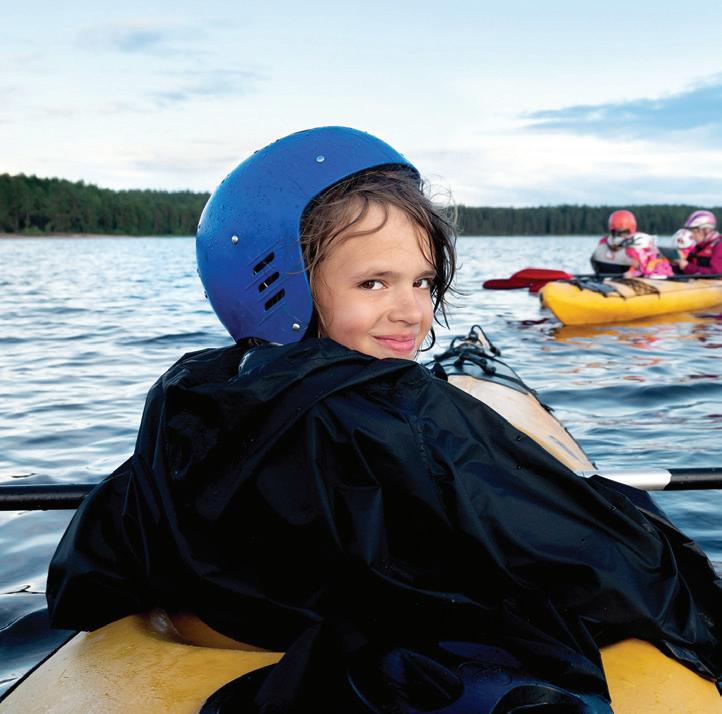
Teaching Kids To Love and Respect Natural Aquatic Settings
by Christina Connors
For many families, summer memories include long days at the lake, wading along a shoreline or learning to paddle across quiet coves. In the past, children often developed comfort around natural water environments by repeated exposure during family outings, but today, many begin their aquatic journey with structured swim lessons in the pool, where they learn critical safety measures and basic swimming skills.
After the controlled environment of a pool, natural settings like lakes, rivers and beaches present unique and unpredictable
challenges, as well as opportunities. Murky water, hidden drop-offs, shifting currents and unexpected temperatures demand a new level of awareness. But when a carp leaps out of the water, giggles are sure to follow. With gradual exposure, positive encouragement and smart safety habits, families can help children bridge the gap between swim lessons and outdoor water adventures, raising kids with a lifelong love for the water.
Swimming Is a Life Skill
“Drowning is the leading cause of unintentional death in children 1 to 4 years old,” says Nicole Ragone, a professional swim
instructor at LaFleur’s Little Flippers Swim School, in Tampa, Florida. “Not only does learning how to swim teach children survival skills, it increases their confidence, coordination and multitasking abilities. Kids that learn how to swim are also learning how to deal with and overcome anxiety and high-stress situations.”
The benefits of swim lessons extend far beyond the water. Practicing breath control in the water provides children with a calming tool they can use anywhere, and the process of learning to do something difficult or scary builds a belief in their own capabilities.
Beyond the Pool
Research published in 2025 in the journal Physical Education and Sport Pedagogy supports what many instructors intuitively know: The skills children build in pool settings do not automatically carry over to open water. The study, which assessed 9- to 10-year-olds in both controlled pool conditions and dynamic open-water environments, found meaningful differences in how children performed between the two settings, underscoring why supported exposure to natural water is an important part of a child’s aquatic education.
A pool is predictable: The bottom is visible; the depth is clearly marked; and there are walls to grab. Natural water offers none of those reassurances, and this difference is
Juliya
Shangarey/shutterstock
significant. “Families should be aware that swimming in natural bodies of water comes with higher risk than pool swimming,” Ragone explains. “Natural bodies of water have more hazards, such as murky water, which can result in children getting caught or scared. Rocks are slippery; currents can be strong; and there are often drop-offs without a good place for a child to grab if they get nervous.”
For younger, less experienced swimmers, she recommends keeping life jackets on children in lakes and rivers until they are extremely competent swimmers. At beaches, watch for rip currents, waves and changing tides. In rivers, even a gentle-looking current can surprise a small child. The aim is awareness, not fear.
Building Confidence
“Safe ways to introduce a child to any water are slowly and confidently. It’s important for them to learn one thing at a time and to feel confident in it before moving forward,” Ragone says. “We encourage kids to say things like, ‘I did it!’ and you can see their faces light up. It allows them to recognize something they did right, which builds confidence.”
This approach is equally effective at the beach or lake. Start at the shoreline, allowing children to splash and explore before wading in. Wade before swimming. Swim in calm, shallow water before going further. Keep early sessions short and end them on a high note. A child that leaves the water smiling will want to return.
Ragone is firm about what to avoid: “I would not make it seem too scary or tell horror stories, as this could deter a child from wanting to even try.” Honest, age-appropriate conversations about water hazards are important, framed around caution and respect, not fear.
Safety Habits
“Children need to feel confident but cautious around natural bodies of water,” Ragone advises. “Constant supervision should be exercised until they are competent swimmers.”
Among the core habits she recommends are always asking permission before going in the water, never swimming alone, following boundaries set by parents and lifeguards, and walking rather than running on slippery surfaces near water. Adult modeling of safe behavior is crucial. When caregivers wear life jackets on the boat, respect swim flags at the beach and model careful entry into unknown water, children absorb those habits as normal.
Loving the Water
Summer days near the water are among the most vivid memories many adults carry: the smell of sunscreen, the shock of a cold lake, the triumph of swimming out to the dock for the very first time. Children that grow up comfortable in and around water carry other gifts, too: a love of movement, a connection to the natural world and the quiet confidence of knowing they belong there. Start with swim lessons. Move to the shoreline. Wade in together. Celebrate every splash. The water is waiting.
Christina Connors is a burnout prevention specialist, keynote singer and author. Learn more at ChristinaConnors.com.
Make sure to let our advertisers know you found them in
Juliya Shangarey/shutterstock
Cool Canines
Holistic Summer Tips To Keep Dogs Happy, Active and Itch-Free
by Ruth Roberts, DVM, CVA, CVH, CVFT, NAN
As the weather warms up, dogs often find themselves dealing with overheating and seasonal pests, as well as the physical toll of longer walks and increased outdoor activities. Addressing these seasonal challenges proactively can help our furry friends stay comfortable, active and resilient all summer long.
Hydration, Shade and Smart Timing
Dogs generate body heat quickly, and their cooling systems are less efficient than ours. Shifting activity to early morning or evening can significantly reduce thermal stress. Pavement can reach temperatures that damage paw pads even before it feels uncomfortable, so it is a good idea to choose grass or shaded trails whenever possible.
Carrying more water than seems necessary is usually the right call. Water breaks every
15 to 20 minutes on active outings and adding warm broth or gently cooked food to the bowl at home will help keep them hydrated. If a dog is panting heavily after a mild exertion or cannot settle down indoors, it is time to take a break and cool down to prevent further complications.
Parasite Support
Peak flea and tick season calls for a comprehensive, layered approach. Daily combing after outdoor playtime, frequent baths after trail runs, hot-water washing of bedding and consistent vacuuming collectively address the environmental lifecycle that on-pet products alone cannot effectively manage.
A rinse for external use made with two ounces of apple cider vinegar and a gallon of water can also help reduce the overall flea problem when used regularly with other measures. Use a sponge or hands to apply
the diluted vinegar to the coat, especially under the tummy and along the inside of the legs where itching and fleas tend to be more noticeable. Avoid the eyes, ears and any open or irritated skin.
If parasitic activity is especially high in a specific area, or local disease cases are increasing, it might be appropriate to use a conventional preventive for a short while. Avoiding tick-borne illness and flea anemia should be the priority. A well-nourished dog with a robust immune system is better equipped to respond to environmental challenges, which is why nutrition and parasite management work together, rather than in isolation.
Movement and Recovery
Certified holistic pet health coach, canine rehabilitation practitioner and canine fitness trainer Jennifer Holmes brings a grounded, practical lens to summer conditioning, working with dogs across a wide range of fitness levels and health histories.
“Summer movement should support the body, rather than overload it,” she says. “I encourage shorter outings in the cooler parts of the day, joint-friendly surfaces like grass or dirt trails and plenty of recovery between adventures.”
Overweight dogs need not be excluded from summer activities. Research published in Veterinary Research Communications shows that even a small amount of weight loss can improve lameness in obese dogs with
osteoarthritis, with improvements seen once weight loss reaches 6.1 percent. An overview published by the Canadian Academy of Veterinary Nutrition explains that body fat not only adds extra pressure to joints, but also releases inflammatory compounds like leptin, which can increase inflammation within the joints and throughout the body.
For senior dogs or those with joint concerns, Holmes suggests focusing on small, consistent investments, rather than larger, infrequent efforts. She explains, “A smart summer day may include a short morning walk; a few, gentle strength exercises; rest during the heat; and another easy movement session later. Simple exercises like slow walking, sitting on a hill, backing up, stepping over low objects and weight shifts can support strength, balance and confidence.”
When it comes to hands-on recovery at home, Holmes advises pet parents to start with calm observation. “Run your hands lightly over the body and notice heat, tension, sensitivity or swelling. Then, use slow, gentle strokes over the shoulders, back, hips and legs,” she counsels. “Light massage, gentle muscle compression, slow paw holds and quiet rest can help the nervous system settle.” The key rhythm she describes is simple: “Dogs build strength through movement, and they recover during rest.”
Nutrition as Foundation
Beyond exercise and weight management, Holmes notes that nutrition is also crucial for mobility. Quality protein, healthy fats, hydration and colorful, dog-safe vegetables can all contribute to joint health and movement. Supplements such as omega-3s, greenlipped mussel, collagen, glucosamine chondroitin, turmeric and herbs that support a healthy inflammatory response may also aid in joint comfort and mobility. It is best to use these supplements under the guidance of a veterinarian or certified pet health coach.
For dogs with sensitive digestion or those traveling frequently, a spore-based probiotic that survives heat can help maintain resilient gut function on the road. Consistent dietary choices impact coat condition, joint resilience, inflammatory tone and a dog’s ability
to handle the environmental exposures summer brings. Moisture-rich, gently cooked meals tend to support digestion and hydration more effectively than dry, ultra-processed kibble, particularly during warmer months.
Consistency Is Key
Holistic summer wellness does not require perfection or a complete departure from conventional tools. It is built upon small, repeatable habits: keeping the bowl moisture-rich and nutritionally sound; moving with intention and allowing appropriate recovery time; layering parasitic protection proportionately; and knowing a dog’s baseline well enough to notice early changes. As Holmes puts it, “Activity today should support tomorrow’s movement.” Done consistently, these daily choices help protect comfort now, while supporting resilience and mobility in the future.
Ruth Roberts, an integrative veterinarian and a holistic health coach for pets, is the creator of The Original CrockPet Diet. Learn more at DrRuthRoberts.com.
WORD SEARCH
UASC INTERNATIONAL
CASSAVA CARROT
FARM-TO-TABLE
PERMACULTURE
FAMILY FRIENDLY
WATERMELON
GREENHOUSE
EQUESTRIAN
GRAINN CULINARY
ORGANIC SEEDS
COLLARD GREEN
UHURU FARMS
MYCOLOGY
FREEDOM FESTIVAL
2026
FREEDOM FESTIVAL FUNDRAISER
SAT. JULY 25TH @ 3-8 PM | UHURU FARMS - HOPKINS, SC UASCINTERNATIONAL.ORG
Connecting you to the leaders in natural health care and green living in our community. To find out how you can be included in the Community Resource Guide, call 839-228-1158 or email MsTracy@MidlandsNA.com.
With compassion and a deep clinical understanding of Traditional Chinese Medicine (TCM), this practice collaborates with clients to address common concerns such as chronic discomfort, muscular tension, digestive irregularities, and stress-related cranial pressure. Care is grounded in the principles of Chinese Medicine and designed to support the body’s innate self-regulating mechanisms. Rather than focusing solely on isolated symptoms, attention is given to identifying underlying patterns of imbalance—allowing for a more comprehensive approach to restoring harmony, promoting vitality, and optimizing overall function. Through a personalized and holistic framework, clients are supported in achieving balance, resilience and longterm well-being using natural, time-honored methods of care.
CHIROPRACTIC
DOWDY RUDOLPH CHIROPRACTIC LLC
Dr. Dowdy Rudolph, DC 1444 Barnwell St, Columbia 803-376-6293 • DowdyRudolphChiro.com
Dr. Gerald Rudolph, DC, focuses on finding the root cause of your problems and not just treating your pain. He utilizes digital X-rays to help diagnose problems, spinal adjustments to stimulate proper movement of spinal and extremity joints, active therapeutic movement exercises to correct movement disorders, and spinal decompression to help relieve numbness and tingling down your arms and legs. Dowdy Rudolph Chiropractic also offers a state-of-the-art full-body lounge hydromassage table that can help you feel more rejuvenated and relaxed. See ad, page 31.
To forget how to dig the earth and to tend the soil is to forget ourselves.
—Mahatma Gandhi
COLON HEALTH
SPRING RAIN HYDROTHERAPY
Linda Salyer
120 Kaminer Way Pkwy, Ste H, Columbia 803-361-2620 • LSalyer@ymail.com
All disease begins in the colon. Constipation; slow, sluggish bowel; gas and bloating? A colonic will help to rid you of these problems. Colonics promote good digestion, help speed metabolism, help lower cholesterol, and help relieve joint pain. Linda Salyer is IACN certified and a retired nurse. Saturday appointments available with an additional small convenience fee. See ad, page 9.
Dr. Malai Roper is a metaphysician and feminine wellness guide offering therapies that nourish the body, mind and spirit. She creates a women-only sanctuary for rest, clarity and deep renewal. Her work blends energy healing, sound medicine, therapeutic bodywork and ancestral wisdom, drawing from Eastern healing traditions that support the nervous system and restore the body’s natural rhythm. Each session is personalized to help women release stress, reclaim vitality and reconnect with their inner wisdom. Dr. Malai also hosts wellness retreats and offers certification trainings in Reiki and Sound Healing for those called to deepen their practice or guide others through healing work. See ad, page 27.
FOOT WELLNESS
FOOT SAVI
7001 St Andrews Rd, Ste A Certified Board Pedorthist and Brace Specialist 803-781-1230 • FootSavi.com
With more than 30-plus years in the footcare/footwear industry, Sion Owen helps with a variety of issues, including gait analysis, foot assessments, custom orthotics, bracing and compression therapy, plantar fascia pain, neuropathy and fitting for therapeutic shoes for patients with diabetes, arthritis, painful bunions, callouses and hammer toes. Call to schedule an appointment! See ad, page 27.
GRIEF AND BEREAVEMENT RESOURCE CENTER INC
Sylvia Grant, MSW, BSW, GC-C 140 Stoneridge Dr, Ste 430, Columbia 803-606-3032 (text) or 803-386-9069 (call) Info@GriefAndBereavementrc.org GriefAndBereavementrc.org
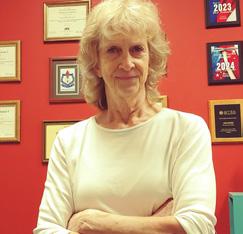
The Grief and Bereavement Resource Center, founded by Army veteran Sylvia Grant, MSW, provides compassionate support, counseling and educational resources to help individuals and families navigate loss. Rooted in community care, the center empowers people to process grief, find healing, and thrive through shared support and professional guidance. It’s time to stop hurting and start healing. You don’t have to do it alone. Call to make an appointment today.
UNITY IN HEALING
Leah Saliter, Yoga Teacher, Death Doula UnityInHealingllc@gmail.com UnityInHealingllc.com
Embark on a journey of gentle healing and soulful restoration. Unity in Healing offers compassionate, body-centered practices that support you through grief, stress, transition and growth. Through yoga, breathwork, meditation, spiritual care and grief support, we create space for you to soften, listen inward and reconnect with what brings you steadiness and peace. Our offerings are designed to meet you exactly where you are, honoring your story, your body and your pace. Whether you are navigating loss, seeking grounding in a busy world, or longing for a deeper sense of meaning and connection, Unity in Healing provides a nurturing space where rest becomes medicine, presence becomes healing and community becomes a source of strength.
HEALTH & WELLNESS
ORIGINAL ORIGINS HEALTH AND WELLNESS
Tracy R. Jacox
MsTracy@originaloriginshealth.com
OriginalOriginshw.com
Ms. Tracy has over 30 years of experience in the medical field. Original Origins can assist you with maximizing your health and wellness holistically! Our wide range of services include health coach partnering, comprehensive health evaluations, comprehensive cooking experiences, and a comprehensive kitchen evaluation. Your health is your wealth! See ad, page 2.
POSITIVE PROJECTIONS LLC
Donna Mack
803-766-4913
PositiveProjectionsllc@gmail.com
PositiveProjectionsllc.com
Donna Mack and her team bring over 30 years of combined experience in offering health and wellness classes. Our courses are designed to empower participants to live their healthiest and happiest lives as they age. We’ve seen firsthand how gaining greater understanding of health impacts and making simple changes in lifestyles can lead to real healing. We offer a signature Healthy Body Health class to provide you with an “owner’s manual” for your body, offering practical tools and a personalized plan to help you take charge of maintaining your health for a lifetime. Call to make an appointment today.
HERBS & DETOX
SPHINX PAW
3400 Two Notch Rd, Columbia 803-754-3922
SphinxPaw.com
Discover a haven for holistic well-being at Sphinx Paw. Sphinx Paw has been at the forefront of healing in the Columbia area since 2007. We offer a diverse selection of herbs, books, candles and incense to support natural detoxification, personal healing and spiritual growth. Embrace your wellness journey with our thoughtfully chosen products and expert guidance. Our distinctive resources promote holistic self-care, natural detoxification, weight loss, personal healing, and spiritual growth throughout all phases of life. Sphinx Paw has everything you need to support you in a life of health excellence and well-being.
INTEGRATIVE & HOLISTIC MEDICINE
EXPECT WELLNESS
Dr. Rachel Hall
130 Suber Rd, Columbia 803-796-1702 • DrRachelHall.com reception@drrachelhall.com
Find us on Facebook for great health tips. Integrative/Holistic medicine consults for anyone wanting to approach their health more naturally. Dr. Rachel Hall is board certified in both family medicine and integrative holistic medicine. Together we will focus on finding the root of the problem, not just treating symptoms. Call today for a consult if you are looking to achieve balance. In-house diagnostic labs and therapies. See ad, page 21.
MASSAGE THERAPY
JAN SHAW PERSONAL TRAINING & MASSAGE (MAS1935)
806 12th St, West Columbia 803-360-7895 • JanShawHealth.com
Jan Shaw has many years of experience in exercise physiology and massage. She specializes in the John F. Barnes method of Myofascial Release Therapy; holds an M.S. in Exercise Science; has worked in rehab medicine for 10 years re-training patients with a myriad of physical injuries; and is skilled in MFR 1, 2, Unwinding, SES and Cervicothoracic. Whatever your needs, Shaw has the education and experience to help you.
MENTAL WELLNESS
BRIGHT SIDE COUNSELING
2277 Sunset Blvd, W Columbia 888-796-1117
Admin@BrightSideCenter.com BrightSideCenter.com
Real People, Real Hope, Real Change. Our therapy practice offers compassionate, personalized care for individuals, couples and families. We have a diverse group of licensed clinicians who specialize in anxiety, autism, depression, substance use, grief, LGBTQ+, trauma and more. We offer in-person and virtual appointments, flexible scheduling, and accept all major insurance plans, including Medicaid and Medicare. Give us a call, and our referral specialist will help you find a therapist who’s the best fit for you—even if it’s not at our practice!
SKIN THERAPY
LUVEVA AESTHETICS SPA
Eva Rigney, RN
Certified Esthetician 630-17 Promenade Pl, Ste 401, Columbia LuvevaSpa.GlossGenius.com
Eva Rigney is an Aesthetic Nurse and an Army Veteran. She has been in the medical field for more than 20 years and focuses on her lifelong passion of skin care. She incorporates updated and newest innovations in esthetics, such as permanent makeup (PMU), including 3D areola, Botox and more. She enjoys providing facial and body treatments, along with advanced techniques. She shares her knowledge on skin care, and assists with recommendations of the Luveva skin care line. “My goal is to help everyone achieve revitalized healthy skin,” she says.
SPIRITUAL CENTER
CELTIC WISDOM CENTER
Edwina@CelticWisdomCenter.com
CelticWisdomCenter.com
The Celtic Wisdom Center is an eco-spiritual nonprofit community that embraces Celtic worship, contemplative practices, and spiritual direction. Through unique offerings like wander walks and contemplative nature experiences, we invite individuals to connect with the divine through nature and engage in Earth-centered practices that foster spiritual community. At the Celtic Wisdom Center, the timeless wisdom of the Celtic spiritual heritage helps transform the ordinary into the sacred. This is a holy and safe space to explore your spiritual path, deepen your connection with the divine, care for the Earth, and find a supportive community dedicated to holistic living. All are welcome.
THERAPEUTIC SEWING
SEW AND
HEAL
Jacquelyn Odom
7825 Broad River Rd, Ste 200, Irmo 828-590-1228 • SewAndHeal@gmail.com
SewAndHeal.My.Canva.Site
Sew and Heal is a nonprofit organization founded by Jaqueline, inspired by her journey of using sewing as an outlet to overcome the challenges of PTSD, anxiety and depression stemming from her military trauma. The organization empowers women and children to find healing and creativity through the art of sewing, turning pain into purpose. Sew and Heal provides a safe and supportive space for healing through sewing. Their mission is to foster emotional well-being, creativity and connection.
THERMOGRAPHY
DEVINE CHIROPRACTIC AND THERMOGRAPHY
Dr. Tracy Schoonover Young 2908 Devine St, Columbia 803-497-3860 • DevineChiroSC.com
Dr. Tracy Schoonover Young has served Columbia since 1993, offering chiropractic care and advanced, noninvasive thermography. A certified thermologist, she uses this radiation-free technology to aid in screening for concerns involving breast health, the thyroid, vascular and nervous systems, muscular issues and lymphatic congestion. Thermography is a noninvasive scan that maps heat and circulation patterns, often showing change before symptoms. Your body has a unique thermal pattern, and shifts over time can suggest imbalances. Devine Chiropractic and Thermography provides breast, torso and full-body screenings, each followed by a personalized consultation to guide next steps.