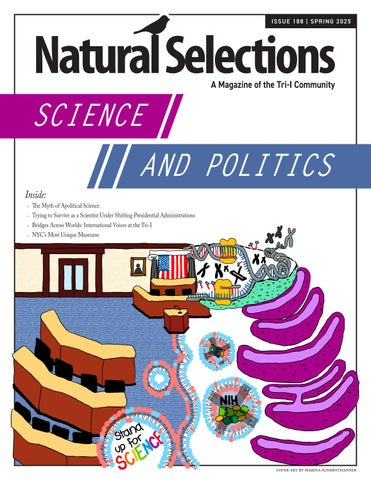
SCIENCE AND POLITICS
Inside:
› The Myth of Apolitical Science
› Trying to Survive as a Scientist Under Shifting Presidential Administrations
› Bridges Across Worlds: International Voices at the Tri-I
› NYC’s Most Unique Museums
LETTER FROM THE EDITOR
Caution or Complicity?
On February 24, I received an email from someone in Rockefeller’s Human Resources (HR) department requesting that I remove an article from our website archives. The article in question, published in February 2007, was titled “The Minority Report” and catalogued contemporary trends in the participation of underrepresented groups in science, as well as some of Rockefeller’s efforts to recruit more diverse PhD cohorts. No explanation was provided for the removal request, but I assumed it was part of the university’s effort to scrub DEI-related content from its websites in anticipation of punitive action by the Trump administration. Rockefeller’s main DEI page has changed substantially in the past few months—for example, all mentions of race, gender, and sexual orientation have been deleted. (The student guide, reassuringly, still lists “race, … gender, gender identity, gender expression, … [and] sexual orientation” as protected characteristics.)
I was disappointed, if not particularly surprised, that Rockefeller seemed so willing to capitulate to Trump’s executive orders— after all, universities across the country are doing the same thing—but the targeting of an article from nearly two decades ago in a student-run newsletter that explicitly does not represent the university’s official views or policies disturbed me. If this was within the scope of Rockefeller’s DEI crackdown, what else might be? Would student groups like the Rockefeller Inclusive Science Initiative or programs funded by DEI microgrants be targeted next?
I wrote back to ask for more information—namely, why the article needed to be removed—and to point out the disclaimer that appears at the end of every Natural Selections issue (“Natural Selections is not an official publication of The Rockefeller University...”). This was enough to
mollify HR, if only temporarily: I was informed that the article could remain up “until we receive further guidance.”
What this episode highlighted for me is that what we write carries real weight, even in a small, informal publication. Student journalism has always been important, but it’s especially vital in a moment when universities are rewriting their values and norms to conform to an authoritarian vision of higher education. Natural Selections exists not just as a creative outlet for the Tri-I, but as a venue to speak candidly about what’s happening on our campuses and, in doing so, to challenge our institutions and their official narratives. As scientists take to the streets to protest the Trump administration’s attacks on research funding and free speech, we should also use the platforms available to us internally to hold our university administrations accountable for their inaction.
Inaction seems to form the basis of Rockefeller’s official narrative. At a student reception last month, President Lifton told us that “the only way they win is if we get distracted and lose focus on our science.” I’m no university president, but it seems to me like “they” win if our institutions surrender to Trump’s demands, or cap graduate admissions (as Rockefeller and many others have done), or cite federal funding cuts as an excuse to walk back union contract provisions (as Weill Cornell is doing). They win when active grants are terminated and researchers lose their jobs. They win when ICE abducts students off the street in broad daylight for expressing political opinions. Our choosing not to “get distracted” only allows them to win more decisively. When the stakes are this high, inaction bleeds into complicity.
I understand that universities see silence as a means of self-preservation. When
I asked Dean Stearns why Rockefeller’s response to the dismantling of academic science has been so muted, he suggested that speaking out carries “the very real risk of causing the university to become the target of punitive action by the [Trump] administration.” Maybe university leaders believe that making minor, mostly symbolic concessions now—changing the DEI web page, renaming “Diversity Week” to “Celebrating Belonging”—will protect them from being asked to make materially harmful concessions later. It’s not clear, however, that acquiescing will win favor with an administration that’s openly hostile toward both science and higher education. It’s also not clear that resisting will invite federal targeting, especially of a small, graduate-only institution with little name recognition outside of the biomedical sciences. But even if our administration is right that compliance is the only way to retain federal support, is holding onto these funds really worth sacrificing academic freedom, an inclusive campus, or international workers’ safety?
We all came here to do science. One of the things Rockefeller promises its students is the luxury of single-minded focus on our research, thanks to flexible coursework, minimal administrative clutter, and generous compensation. But neither the university’s gates nor its ban on political events can keep the outside world from encroaching on what happens inside our labs. Many of us are doing what we can: attending and organizing protests, lobbying our elected representatives to support public research funding and oppose human rights abuses, fighting to win strong protections for academic workers in union contracts. Many others, however, feel unable to speak up for fear of expulsion, arrest, or deportation
If Rockefeller wants us not to “lose focus on our science,” it has a responsibility to
address these fears by doing more to support its researchers. Fight anti-science policies in the courts, as Cornell and others are doing. Commit to regular, transparent communication; hold town halls with open Q&A. Offer legal support to the many international students, postdocs, and staff already grappling with uncertainty about their visa status and ability to travel. Allow political expression on campus (rather than, for example, blocking students’ emails about an upcoming rally in support of federal research funding). Follow the example set by the Rutgers University Senate and pledge to share legal and financial resources with peer institutions facing political attacks. Establish a system for providing bridge funding to anyone at risk of losing their job due to grant terminations. (To preempt the administration’s objections: all but two of these actions could, in principle, be implemented completely internally and would thus involve very little political risk for the university.)
Though Rockefeller would prefer that we keep our heads down and our research untainted by political concerns, our contributors argue in the following pages that science is both shaped by politics (p. 4) and inherently political (p. 8). The pieces in this issue assert that we are here not just as researchers, but as people who interact with each other (pp. 14, 20), with art (pp. 12, 22), with nature (pp. 32, 36)—and, yes, with political forces. University leaders’ willingness to let the Trump administration ghostwrite their narratives about this moment makes it especially critical that we create an honest record of what it’s like to be on the ground as students, postdocs, and staff. This publication comprises part of that record; I hope our institutions have the moral fortitude not to erase it.
– Mia Haraguchi Editor-in-Chief
Valerie
Trying to Survive as a Scientist Under Shifting Presidential Administrations
By Valerie Gallegos
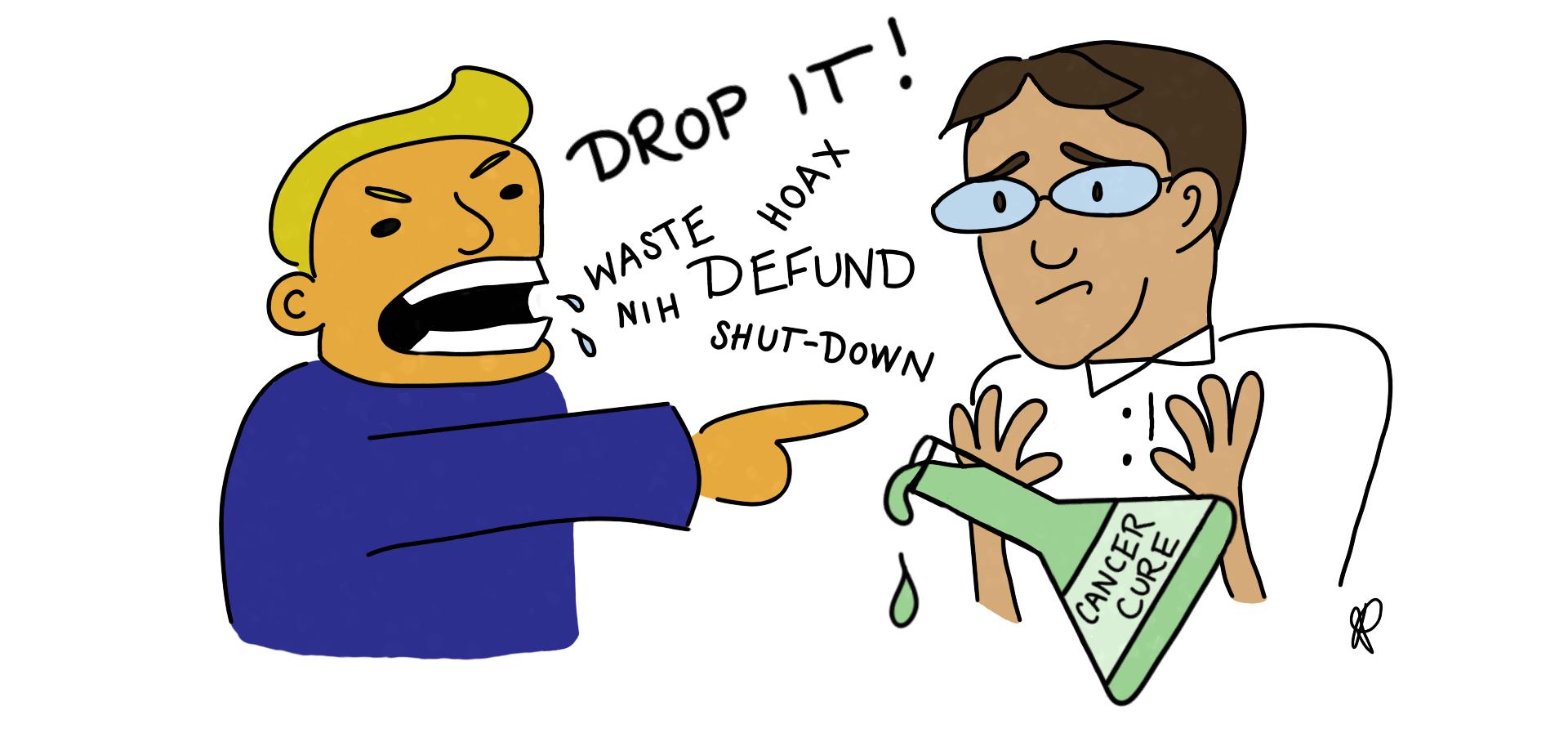
The contentious 2024 U.S. presidential election has had a resounding impact on the social state of the U.S. and broader communities. In a country that seems to be more divided every day, fueled by rhetoric from both sides of the aisle, it is difficult not to question what effect the political environment will have on my career as an emerging scientist. Once the election was called in Trump’s favor, the main question that kept popping into my mind was, “How will this affect the science community on top of other aspects of American life?”
To understand how recent political trends have impacted scientific research, I met with Andy Koff, PhD, a senior faculty member at Memorial Sloan Kettering Cancer Center who has been working at the institution for over thirty years. When asked how he has seen science change
over his career due to politics, Koff responded, “Science used to be supported by both sides of the aisle. However, during the most recent Republican administrations, science has lost respect and support.” When I took a deeper look at the swinging pendulum of support for science between the more recent U.S. presidential administrations, this clear and pointed statement proved to be unmistakably true.
Looking Back
Although there was an increase in funding for biomedical research and development (R&D) during the Bush administration, there is a plethora of press releases, articles, and publications detailing President George W. Bush’s scrutiny and control of feder-
ally funded scientists and fields of study during his two terms. For example, federal funding for stem cell research was substantially restricted in 2001, when Bush announced that the National Institutes of Health (NIH) would only fund projects using existing stem cell lines. Additionally, the Bush administration was known for blocking federal scientists from attending international meetings, including World Health Organization meetings, through changes in Notice of Foreign Travel filings. Bush also stacked scientific advisory councils with “individuals with the right religious or philosophical pedigrees,” according to Dr. Torsten Wiesel, former president of Rockefeller University.
When President Obama took office in 2009, he adopted a starkly different approach to scientific research. Early into his first term, the White House released the
“Strategy for American Innovation,” which created a policy architecture for translating R&D results into long-term national prosperity. This involved increasing access to STEM education and promoting collaboration between private and academic research sectors, which ultimately led to increased economic growth and innovation. The Obama administration also oversaw the development of scientific integrity policies across government departments
“Science
used to be supported by both sides of the aisle. During the most recent Republican administrations, it has lost respect and support.”
and agencies to allow for transparency and improve the availability of data produced by federal institutions. Obama continued to push for increased federal spending on R&D throughout his two terms and signed the 21st Century Cures Act at the very end of his presidency in 2016 to provide biomedical R&D with billions of dollars in new funding. Surprisingly, though, the National Science Foundation reported that the amount of federal funding for university research clined by almost 13% between 2011 and 2015 (adjusted for inflation).
Following the Obama adminis tration, we witnessed a decrease in federal funding for science and technology research during President Trump’s first term. For example, in his first budget submitted to Congress in June 2017, Trump
called for an 18% and 17% reduction of funding to the NIH and CDC, respectively. He also proposed a 31% decrease in federal funding for the Environmental Protection Agency. When asked to explain the steep cuts, Mick Mulvaney, the head of the Office of Management and Budget, quickly replied, “We’re not spending money on that anymore.” Although these massive cuts were not fully implemented in the 2018 budget approved by Congress, the negative rhetoric against leading federal science agencies persisted throughout Trump’s first term.
A key element that made Trump’s dismissal of scientific advice different from Bush’s actions was the use of social media. In the early 2000s, the U.S. public had to wait for press releases or official orders from Bush to gain insight into his views on scientific research. But in the digital age, President Trump was able to quickly broadcast his often misinformed views to his millions of followers on Twitter (now X). This further eroded
public confidence in the scientific community during the COVID-19 pandemic.
In addition to making optimistic, unfounded claims about COVID-19 spread and control, the Trump administration took multiple actions to limit any CDC messaging about COVID-19 that contradicted President Trump’s public statements. These actions included reviewing CDC weekly pandemic updates before public release, adding caveats to CDC reports, and reprimanding federal scientists for speaking without approval.
In contrast to Trump’s restriction on CDC communication, Biden, his presidential successor, promised to “choose science over fiction.” During the Biden administration, Dr. Anthony Fauci, the former Director of the National Institute of Allergy & Infectious Diseases, openly spoke out against censorship by the previous administration and described working with Biden as “a refreshing experience.” During Fauci’s thirty-eight years of service, he had
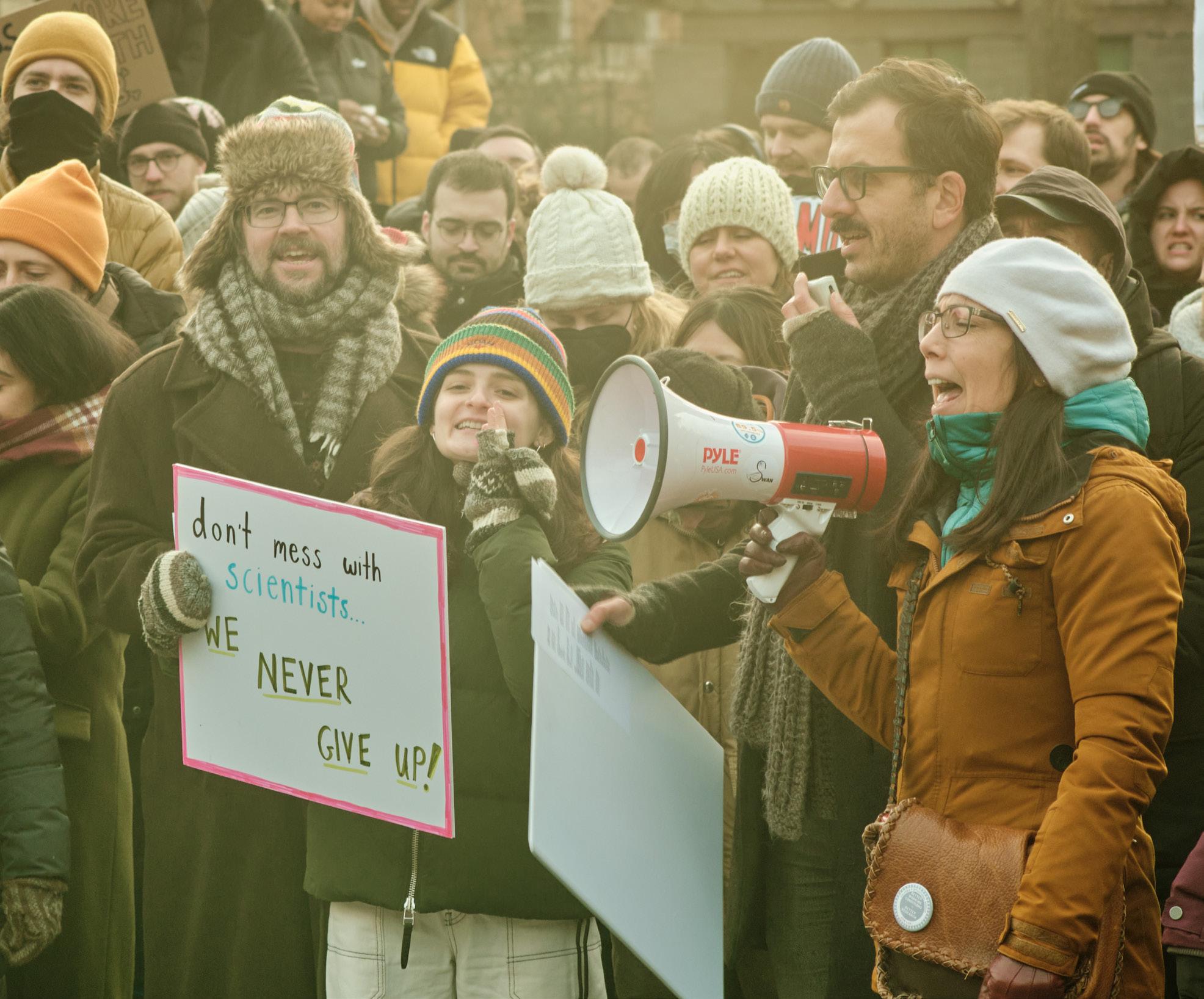
Academic workers rallied in support of public research funding on February 19 in Washington Square Park.
never before experienced anything like Trump’s dismissal of scientific advice in favor of quick promises to political supporters. This common sentiment has been expressed by individuals from all parts of the government and is concerning as we brace for the next four years under Trump.
Science Under the Second Trump Administration
The speed and force with which the new administration under Trump is moving to control federally funded scientists is something we have not witnessed before. The feeling of uncertainty I experienced in November was amplified during President Trump’s first 100 hours in office as he froze the disbursement of federal grants, halted NIH and other science agencies’ communications, and struck down federally funded DEI initiatives.
Several federal judges and state attorneys general throughout the country are fighting against most of the administration’s executive orders, including the proposed limit on indirect costs for NIH-funded grants. To taxpayers unfamiliar with NIH funding, limiting “indirect costs” might sound like a viable option to reduce government spending. However, indirect funding provides much-needed support for equipment and facility maintenance, without which research cannot happen.
The ripple effects of writing off different aspects of research as a waste of mon-

ey will dismantle the American scientific community, which, as a whole, has already experienced a decrease in federal funding (compared to GDP) since the 1980s. The collaboration between government, academic, and private research labs made America great and drove scientists from other countries to come to the United States. Technology has changed society as we know it—for example, computers grew out of government-funded academic labs, and private companies later brought that technology to the public. As federal funding for research decreased, entities from the private sector, such as pharmaceutical companies, filled in the gap. This shift from federal to private funding arguably created a foundation for private corporations to take a key role in research by deciding which projects were deserving of funding. The Koff paradox, outlined by Yuri Lazebnik in 2018, reveals how this shift to a more profit-driven research mentality can lead to less innovation.
“How can a market exist for that which is yet to be discovered? How can a market signal a need for something that is unknown to exist and impossible to foresee? It cannot. That is the very problem with the majority of science today… it lacks creativity, but rather fills in details that have market value.”
Koff paradox
As an example, mRNA vaccine development, which was essential during the COVID-19 pandemic, was one of the many projects that initially fell by the wayside due to a lack of commercial interest. Drs. Katalin Karikó and Drew Weissman’s work developing mRNA vaccine technology showed promise as early as 2005. Due to the lack of a functional product at the time, however, there was little private interest in continuing mRNA vaccine research. The race to develop safe and effective vaccines against COVID-19 rekindled interest in mRNA vaccine research, with Pfizer’s mRNA COVID vaccine becoming the first to receive FDA approval. Now, researchers are applying mRNA vaccine technology to other diseases, such as HIV. We will probably never truly understand
the breadth of loss in innovation due to the lack of federal support for basic research and the commercialization of science.
Reactions in the Tri-I
To gauge how the results of the 2024 U.S. election are affecting scientists in the Tri-I community, including technicians, graduate students, and faculty, I created a four-question poll that was live during February 2025. Out of forty-seven Tri-I members who answered the poll, thirty respondents said that the
Have the results of the 2024 U.S. presidential election affected your career goals?
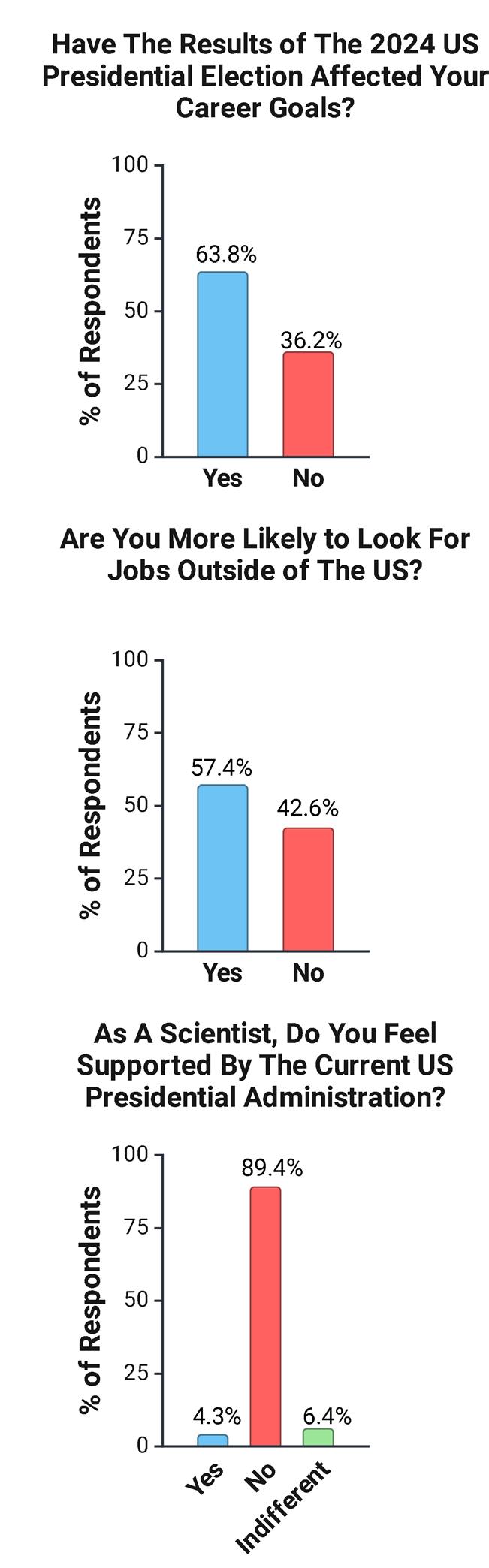
Are you more likely to look for jobs outside of the U.S.?
As a scientist, do you feel supported by the current U.S. presidential administration?
results of the 2024 U.S. presidential election affected their career goals. When further asked how their career goals had changed, respondents highlighted the lack of support for academic research and a decrease in safety for minorities. Several responses indicated that the uncertainty surrounding government funding for postdoctoral positions and academic research is pushing them to consider careers in the private sector or other countries. One of the respondents remarked that the social and political state of the U.S. has made the research job market precarious. They noted that the current administration’s targeting of minorities has made them think twice about living in the U.S. and speculated that cuts to federal research funding might produce an oversaturation of applicants for private-sector research jobs, which have already seen major layoffs in the past couple of years. “If the democratic backsliding of the U.S. continues, should I even try to start my career here?”
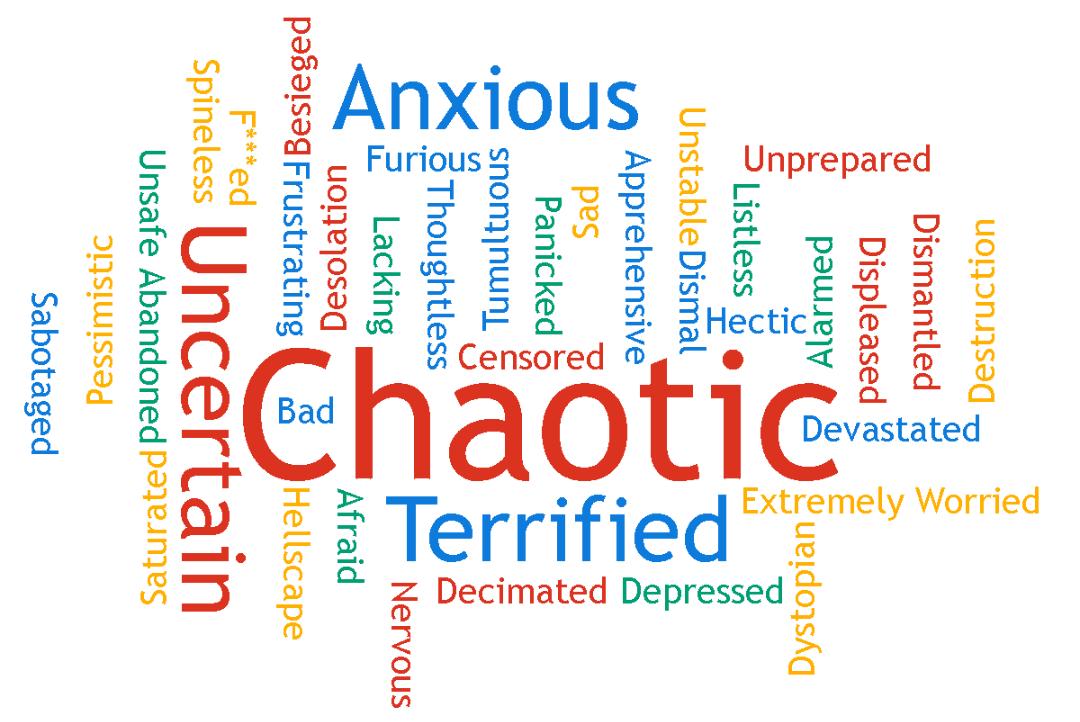
57.4% of respondents said that they are considering looking for jobs outside of the U.S. due to the current presidential administration. Almost 90% of respondents indicated that they do not feel supported by the Trump administration. When asked to describe the state of the U.S. science community in one word, most words used were negative, from frustrated to dystopian, while the most repeated word was chaotic
I sat down with a third-year PhD candidate from Weill Cornell, who wished to remain
anonymous, to further discuss how the current U.S. presidential administration is affecting their life. “After experiencing the start of a Trump term [in 2017],” they said, “I felt that I was going to be prepared… as a more aware adult, it is still shocking.” They noted that the constant bombardment of negative headlines can overwhelm people and discourage them from participating in political discussions. They also highlighted the many “smaller changes… being made,” such as the potential privatization of the U.S. Postal Service and dismantling of other federal agencies, “that will have a greater impact on our lives.”
The student indicated that although they already knew they didn’t want a career in academia, they have noticed increased stress
“I fear I will need to drastically change careers, as academic science may be a thing of the past.”
Anonymous survey response
on their friends and peers who are pursuing careers in academia. “With all the uncertainty in funding, people that were passionate about being principal investigators (PIs) lost some of that fire,” they observed. Freezes and drastic funding cuts can impair an individual’s ability to obtain grants that are essential to their career progression if they hope to land a PI position. “I can see how frustrated people are because
of all these things that are completely out of their control,” the student stated. They noted that meetings to discuss many grant applications have been canceled due to Trump’s executive orders, which has added a new level of difficulty to the process of obtaining a grant. Although the current state of the American science community seems bleak, it is important to take action and bring attention to the devastating long-term effects of these cuts and freezes.
Where Do We Go From Here?
One way the graduate student I interviewed is trying to combat the changes implemented by the Trump administration is by becoming more involved on the local level. Because local politicians represent fewer people, they are motivated to put more energy towards the issues that matter to their constituents to get reelected.
Other members of the Tri-I community have taken action by attending protests, including the local Stand Up for Science protest that took place on March 7. Stand Up for Science was organized by many scientists across the U.S. to urge President Trump to expand funding for scientific research, put a stop to the freezing of federal research grants, and reinstate federal scientists. Many scientists and medical professionals have taken to social media to combat misinformation and censorship from the Trump administration— for example, by sharing public health information while federal science agencies were under communication freezes.
Persistence, overcoming challenges, and finding new approaches are at the core of scientific life. While I am staunchly against the current U.S. presidential administration’s targeted attack on science, I am hopeful that we will overcome this chapter in American history. As these next four years unfold, how will you fight for the science community? ■
Word cloud showing how Tri-I respondents describe the state of the U.S. science community.
The Myth of Apolitical Science
By Nicholas A. Ruiz-Huidobro Magdits
The Rockefeller University has a singular mission: to “do good science.” This statement, given by President Richard Lifton at an annual meeting with the Student Representatives Committee (SRC) on May 8, 2024, seems, at first glance, to be an innocuous paraphrase of the Rockefeller University mission statement. If you parse it further, however, it reveals a shallow understanding of the context in which science is done and the role of scientists therein.
Prior to this meeting, the SRC had received multiple requests to ask the Office of the President why the University has prevented students from hosting political and religious events on campus, such as a vigil for victims of the Israel-Hamas war and a Palestine Benefit Iftar during Ramadan. According to minutes distributed by
the SRC, Lifton replied that, while “undergraduate universities are broad and have many missions, including being a place for people to debate a wide range of topics,” Rockefeller’s sole mission is to “do good science.” It is not the University’s responsibility to be a “forum for political debate,” he added, citing that there are “plenty of opportunities to do that elsewhere.” One such place might be just across the street, as Cornell University recently announced a Task Force on Institutional Voice to discuss how to address matters of politics, ideology, current affairs, and world events.
Executive Vice President Timothy O’Connor, also present at the meeting, then ended the discussion by offering to send SRC members the University’s Code of Conduct and its Policy on Use of University Facilities, which “prohibits the use of Uni-
versity Facilities for events with a partisan political, religious or fundraising purpose.” (In a town hall on January 28, 2025, Dean of Graduate and Postgraduate Studies Tim Stearns clarified that the Faculty and Students Club and the Scholars Residence Solarium can be used for any kind of event, including political and religious ones.)
President Lifton’s comments make up part of the longstanding debate about whether science is political. He argues that The Rockefeller University, as an institution where scientists do science, is an inappropriate venue for political expression and debate. Before addressing Lifton’s claim, it will be helpful to establish working definitions for both “science” and “politics.” Drawing from the proverbial high school science textbook, science can be defined as the process of acquiring
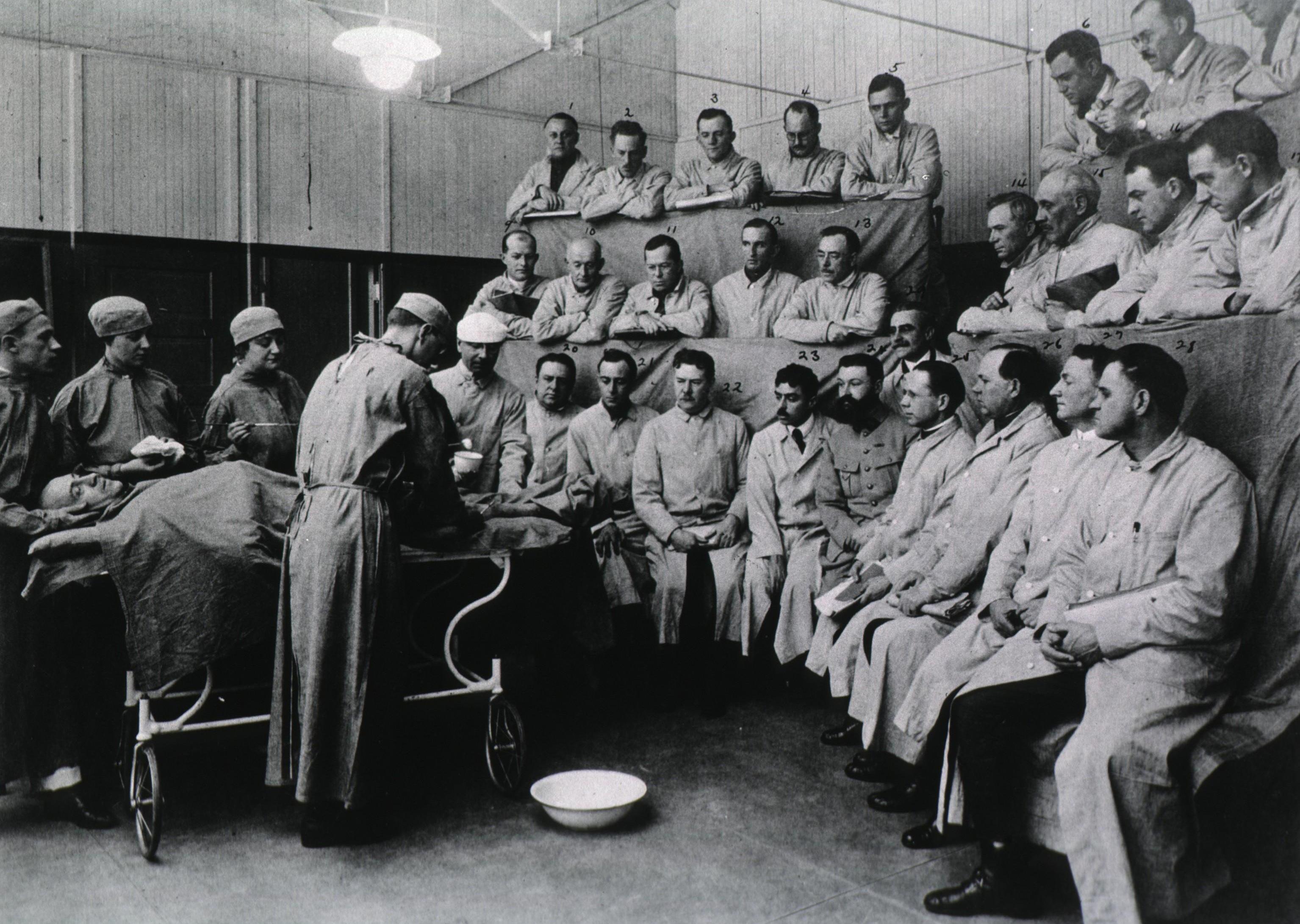
Dr. Alexis Carrel demonstrates a surgery for students at The Rockefeller Institute for Medical Research (RIMR) in 1918. After his retirement in 1939 and return to his native France, Carrel would become a Nazi sympathizer and collaborator, publicizing his fascist views on Jews, race, women, and eugenics.
FEATURE
knowledge through the scientific method, namely, the cyclical process of devising questions, forming hypotheses, conducting experiments, and analyzing results.
While the “political debate” Lifton mentions evokes the frustration of presidential debates and the tohu-bohu of congressional hearings, electoral politics and government functions constitute a rather narrow definition for something as complex as politics. More broadly, politics can be understood as the decision-making processes within a group of people and the power relations that affect those processes. That both political and religious events are prohibited on campus raises an interesting comparison between the two. Just as the Fifth Amendment to the United States Constitution legally mandates the separation of Church and State but has failed to prevent politicians from imposing their religious beliefs on the general populace, the claims of people like Lifton that science and politics should be separate do little to realize this division. Regardless of its basis in reality, the idea of science as apolitical has carried significant weight among scientists for some time.
When Did Science Become Apolitical?
The same proverbial science textbook that teaches the scientific method also traces the roots of modern science to Western Europe, sometime between the 16th and 18th centuries. The protagonists of the scientific revolution—characters like Galileo Galilei, Robert Boyle, and Isaac Newton—are often seen as the drivers of an intellectual shift away from religious or classical philosophical notions of the world and towards an enlightened understanding of nature. This, as historian of science and technology James Poskett argues in his book Horizons: A Global History of Science, is a “convenient fiction” that erases global contributions to science across a larger time frame. In fact, as Poskett explains, many of the advancements of the scientific revolution drew from Arabic and Persian mathematical texts, Chinese and Indian astronomical observations, and Islamic and Jewish

A 1968 Soviet postage stamp depicts agricultural workers. Trofim Lysenko’s theories, which were no longer sacrosanct by the early 1950s, were based on his research on crops like wheat.
science developed centuries earlier. Even today, it is the global cultural exchange that makes scientific innovation possible. Poskett writes that this fiction began to be propagated during the Cold War by U.S. and British historians. However, it was not a product of ignorance, but rather a calculated attempt to deify a handful of European geniuses and frame their compatriots as the “bearers of scientific and technological progress,” in contrast to their ideological adversaries in the East and Global South.
The Cold War saw not only a revision of the history of science but also the ideological purification of science as a discipline. In 1928, the Soviet agronomist Trofim Lysenko began to argue in favor of Lamarckian inheritance and against Mendelian genetics and natural selection, since the former
This apolitical science, the bedrock of most scientific research institutions in the U.S. today, “had to be constructed and maintained through a series of political choices.”
squared better with the political ideology espoused by the Soviet Union. His flawed theories were adopted as the official Soviet understanding of biology, and detractors were fired, imprisoned, or executed. In her 2020 book Freedom’s Laboratory: The Cold War Struggle for the Soul of Science, historian and sociologist of science Audra J. Wolfe
chronicles the U.S. response to this politicization of science. While communist science was said to mandate adherence to party dogma and reward political loyalty and nationalism, U.S. propagandists used the political rhetoric of freedom to “create a vision of science in the United States that highlighted empiricism, objectivity, a commitment to pure research, and internationalism.” Allegedly free from government control, science was now apolitical.
Ironically, this perceived autonomy and credo of scientific freedom limited scientists’ ability to realize that their work was serving projects they neither controlled nor comprehended. The Central Intelligence Agency poured millions of dollars into various cover organizations that promoted U.S. scientific and cultural work by subsidizing scholarly publications, funding conferences, and translating biology textbooks. Scientists believed they were free to pursue their work without political interference, even as scientific research funding made up a greater portion of U.S. federal spending during the Cold War than in any other peacetime federal budget. This apolitical science, the bedrock of most scientific research institutions in the U.S. today, “had to be constructed and maintained through a series of political choices.” Its apoliticism is, consequently, yet another “convenient fiction.”
Not only has the fiction of apoliticism had considerable staying power, but it has also bolstered the myth—which existed long before the Cold War—of the scientist as a sort of intellectual ascetic who,
unbound from the social and political drives of nonscientists, dedicates themself to the pursuit of knowledge. The apolitical scientist, however, is a character people are less likely to believe in than the concept of apolitical science. While some certainly see scientists as able to eschew bias, recent polemics—such as those on the use of hydroxychloroquine as a treatment for SARS-CoV-2 or the Centers for Disease Control and Prevention’s planned investigation into the debunked link between vaccines and autism—highlight a growing mistrust in scientists’ ability to remove themselves from politics.
Political Scientists, Apolitical Science
Perhaps, one might concede, scientists are biased and political creatures; science, however, is not. Though scientists are not some unbiased
subspecies of human, they are still able to arrive at some sort of scientific truth through an iterative process of consensus-building and political and social interaction. As bioethicist Gregory E. Kaebnick and philosopher Bruno Latour separately explain, the scientific method essentially corrects for the biases of humans through its systems of peer review, reproducibility, and replicability. However, these are still human-mediated processes that continue to create room for error, rendering science less than the ideal of absolute truth. The collaborative, consensual decision-making inherent to science makes it, by definition, political. Science is not done by scientists in a vacuum, but rather in the institutions where they work. It is also beholden to various sources of funding, which are all governed through politics. Insisting that science is apolitical because of its protections against human bias does not make it less political; rather, it precludes a “better understanding [of] the political conditions that make science possible, the po-
litical choices involved in organizing and administering it, [and] the political ideologies and structures that threaten it.”
Beyond the Iron Gates
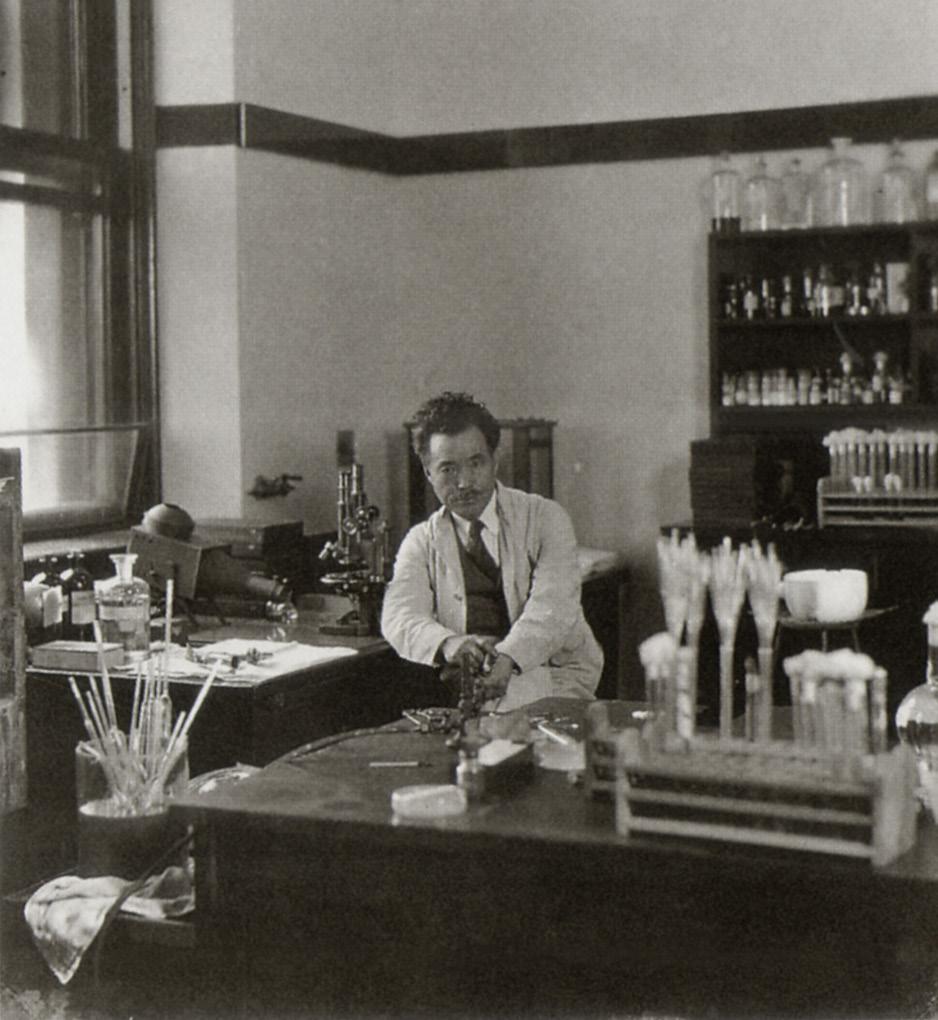
The sources of scientific funding can complicate notions of political influence in scientific research. This is no less true for The Rockefeller University. Dan Kiley, the landscape architect hired to design the campus in 1958, sought to “reinforce the idea of an urban oasis, [...] as in ancient walled gardens founded upon the notion of paradise on earth.” Despite the architectural segregation of this “scientific village” from the “noisy and turbulent city,” as its Digital Commons describes it, The Rockefeller University has always been involved with the politics of the outside world. An unwitting example of this is the work of Japanese bacteriologist Hideyo Noguchi.
Although separate institutions, The Rockefeller Foundation, a private philanthropic organization founded in 1913 by Standard Oil magnate John D. Rockefeller, Sr., was (and likely continues to be) closely linked to The Rockefeller University, founded in 1901 by the same Rockefeller. From its inception as The Rockefeller Institute for Medical Research (RIMR) until the late 1970s, all of the directors of the University simultaneously held positions on The Rockefeller Foundation’s board of trustees, as reported by Darwin Stapleton, Executive Director Emeritus of the Rockefeller Archive Center. In 1918, the Foundation recruited Noguchi, who directed a laboratory at the RIMR, to spearhead a series of expeditions in Ecuador, Mexico, Peru, Brazil, and West Africa to investigate the microbial cause of yellow fever. In 1929, the year after Noguchi’s death, the Foundation established a virus research laboratory at the RIMR to continue the research on diseases like yellow fever.
Although marketed as a humanitarian or scientifically motivated effort, Foundation-funded research into contagious pathogens was undergirded by capitalist interests. As physician and public health specialist Saúl Franco Agudelo relates, The
Dr. Hideyo Noguchi, a RIMR scientist who studied the causes of infectious diseases like yellow fever, is photographed in his laboratory by Suzuki Rakan Seisaku in 1927.
Rockefeller Foundation invested its epidemiological research in areas of economic interest like the rice regions of south-central Mexico and the oil-rich regions of Venezuela and Bolivia. In their book Social Medicine and the Coming Transformation, Howard Waitzkin and co-authors explain that infectious diseases “reduced workers’ energy and, therefore, their productivity,” making the regions where the diseases were spreading “unattractive for investors and managerial personnel” and increasing the cost of labor due to medical treatment. Much in the same way that medical treatment for African slaves in the antebellum South was viewed as an investment in human capital, Frederick T. Gates, an important advisor to the senior Rockefeller, encouraged his investment in preventive medical research “because health is found in a variety of ways to be profitable” (quoted in E. Richard Brown’s book Rockefeller Medicine Men).
There is little doubt about the dedication of researchers like Noguchi to their work in investigating the cause of yellow fever and other diseases. A 1928 obituary in The Lancet described him as someone who “loved science for its own sake.” However, even if researchers are not directly compelled to carry out their investigations for a particular reason, the underlying intentions of those who financially or politically support research call into question whether it can truly be science for its own sake.
The Role of Scientists
That science is political by nature is not a good or bad thing; the issues arise when science is viewed as an objective, detached source of knowledge immune to society’s imperfections. Contrary to what President Lifton argues, it is necessary for places where science is done to be “forum[s] for political debate.” The insistence that these institutions refrain from political engagement is rooted in the antiquated notion of science as a “pursuit of pure knowledge for its own sake.” Science is no longer the amateur pursuit of those with means; it is a professional career that people pursue, at least partly, because
they need to earn money in order to live. Despite the cloudiness of titles like “fellow” or “associate,” graduate students and postdoctoral researchers at institutions like Rockefeller are workers who are there to produce value for their employers, whether it be the social capital of adding another name to the Prize Wall outside Caspary Auditorium or the financial capital of earning grants for further research. Scientist and historian John Desmond Bernal argues that these institutional interests exert a latent control, “if not in detail, then in the general direction of research.”
In this day and age, scientific research is a business investment. As the ecologist Richard Levins and the biologist Richard Lewontin note, “research expenditures are the first to be cut back when a corporation suffers economic reverses, presumably because technical innovation has no immediate payoff, while increased advertising, labor costs, and material costs can be immediately reflected in profit.” This emphasis on profit hampers the very creativity and
The underlying intentions of those who financially or politically support research call into question whether it can truly be science for its own sake.
innovation in scientific research that has made it such a valuable field. Scientists, like all workers, are not exempt from capitalism’s individualizing drive towards competition rather than supportive collaboration.
This profit-driven mentality affects not only individual scientists but also scientific institutions as a whole. When publicly funded scientific research breakthroughs are consistently licensed out to the private sector, where they are subsequently developed into exorbitantly priced commodities, scientific agencies like the National Institutes of Health are seen by hostile government officials and advisors as abstract, inefficient bureaucracies undeserving of significant investment. Claiming that science is apolitical as the effects of its current politicization in Washington become increasingly tangible is an exercise in self-delusion. To ensure the longevity of the scientific enterprise, awareness is not enough—scientists
have a responsibility to engage in political action and debate. The recent trend of unionization efforts among postdoctoral researchers and graduate students in U.S. research institutions, including the success of United Postdoctoral Researchers of Rockefeller-UAW and Weill Cornell Medicine Postdocs United-UAW, marks a renewed effort towards the self-determination of scientific workers and a political and grounded commitment to science.
John D. Rockefeller, Jr., claimed in 1919 that the Institute’s research was “free of dogma, free of values. It represents not ‘preconceived notions’ about the world but only ‘ascertained facts.’” Following in this tradition, Lifton asserts that Rockefeller’s mission is to do “good science” as opposed to engaging in “political debate.” Just the same, describing science with a vague modifier like “good” is a political statement in itself, albeit one that is left unexplained. (What is “good” science? Who decides what that means? Donors? Graduate students?) Rather than paraphrasing it, the University’s mission statement should be quoted in full: scientia pro bono humani generis—science for the benefit of humanity. This kind of science necessitates political consciousness and engagement with the world. If the science is in service of capital or if scientists’ timidity and reluctance to debate politics enables the dismantling of scientific research infrastructure, can Rockefeller really claim to be doing science for the benefit of humanity? ■
CULTURE
Between Nostalgia and Dreams, an Exhibition by Yusuf Ahmed
By Lola Neal
“What is the object you’ve held onto the longest?”
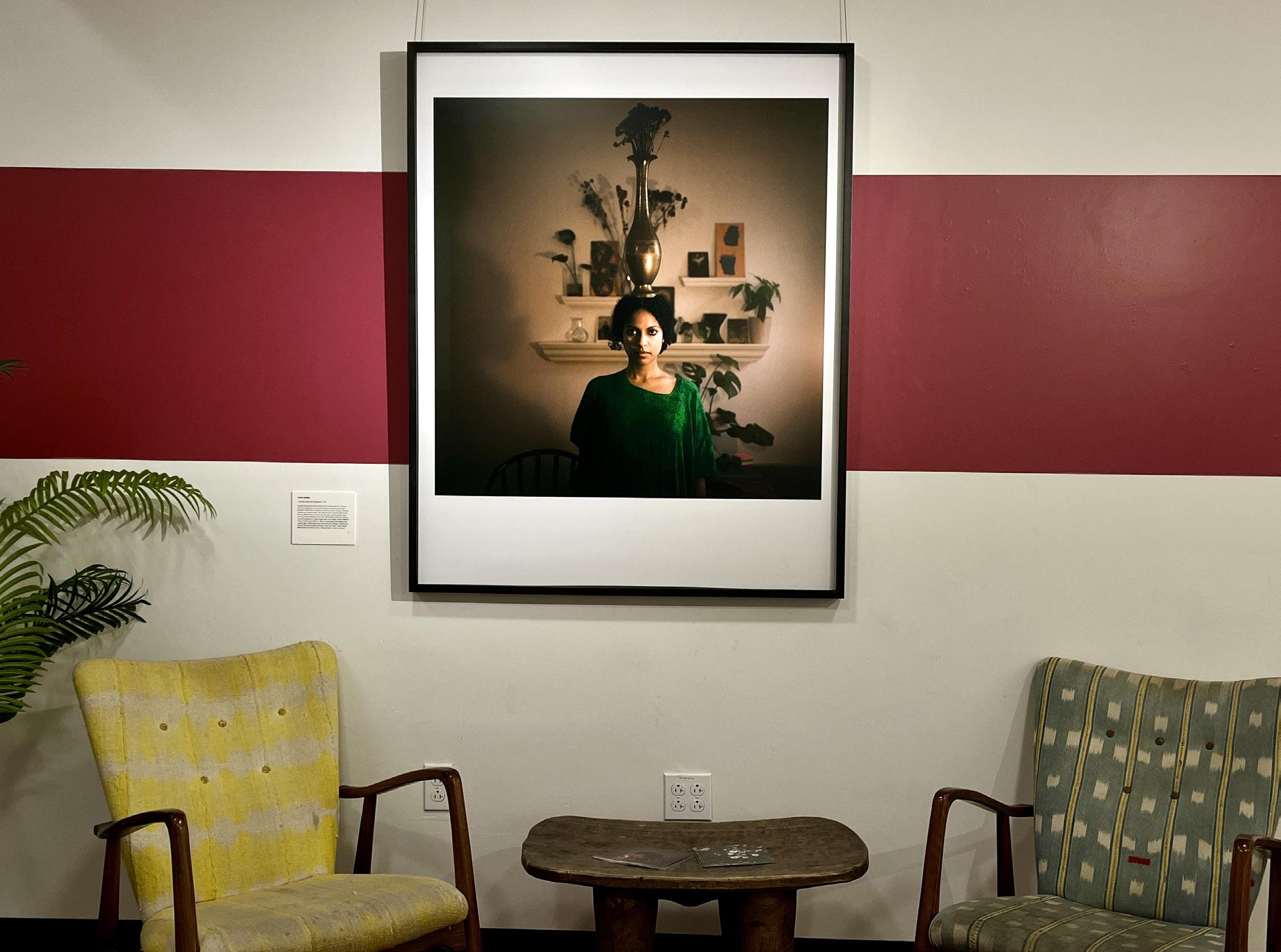
In Early February, Ethiopian-American photographer Yusuf Ahmed’s exhibition Between Nostalgia and Dreams opened at The Africa Center. Ahmed’s work centers on the experiences of African and Middle Eastern people and their diasporic communities. Previous work includes the short film The Fly Collectors, which highlighted local volunteers in Senegal who are involved in the control and eradication of river blindness. Using film and photography as mediums for storytelling, Yusuf Ahmed captures the impact of our increasingly global world, tackling topics like migration, identity, memory, conservation, and health.
photos by lola neal layout design by merima šabanović
In Ahmed’s most recent contribution to the art world, he explores the sentimentality of objects and motivations for staying connected to memories and history. Ahmed highlights the stories of Black, brown, and queer individuals with immigrant identities; this choice offers a complex perspective on how memories can serve as both a comfortable connection to the past and a representation of more painful moments. Memories of home, belonging, community, insecurity, familial tension, and isolation co-exist in these sentimental objects, with each owner sharing how these objects represent who they were and who they are becoming.
Items like blankets, journals, stuffed animals, rocks, scissors, photos, and more are given life through the stories they represent and the story of the person who continues to carry each item through their life. This exhibition invites you to grow alongside each photo’s narrator and challenge your own notion of what objects can be important and why objects of sentimentality are an integral part of the human experience. And, as a treat, if you attend, you may see some familiar Tri-I faces among those who vulnerably shared their stories for this impactful collection. ■
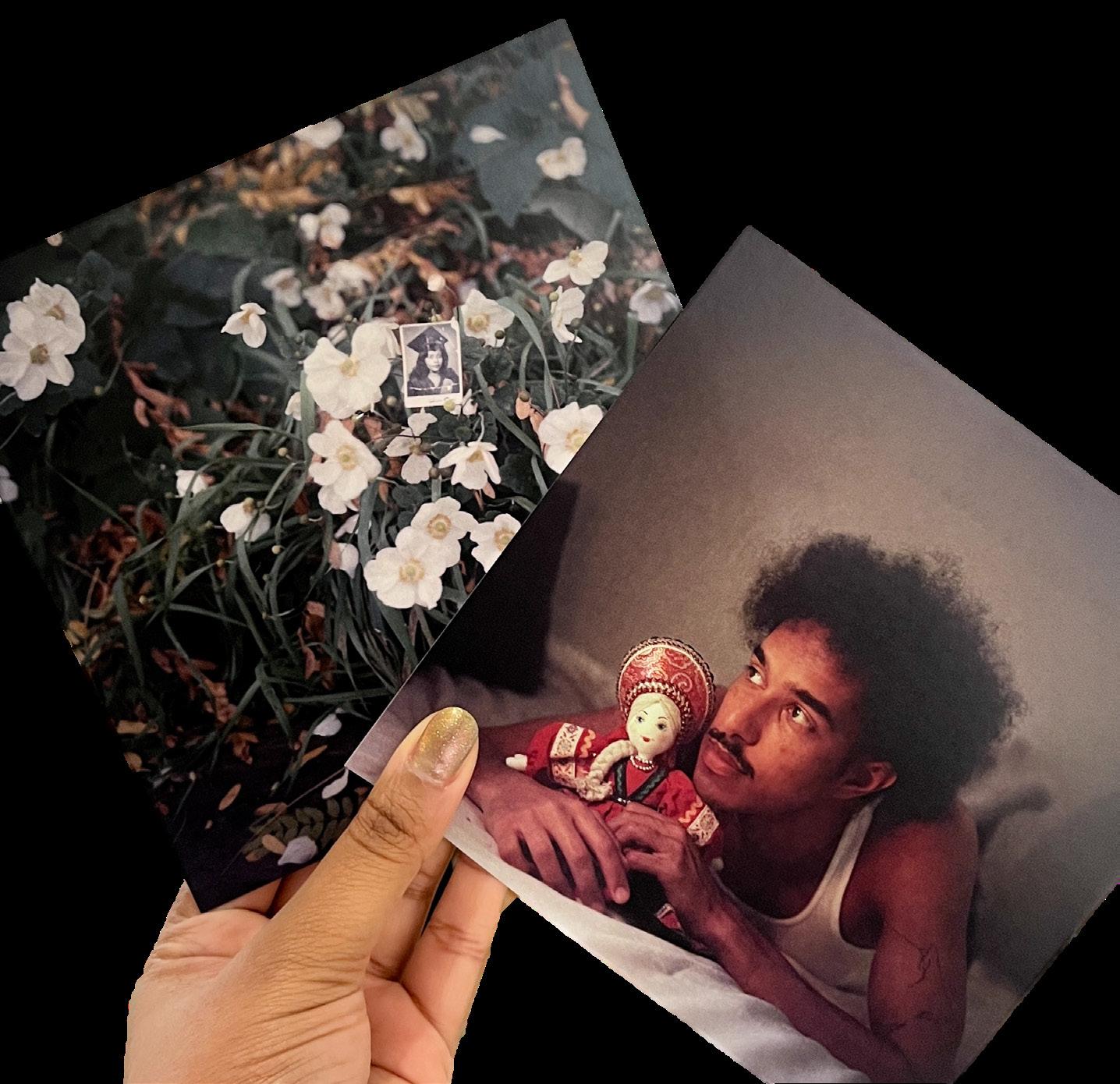
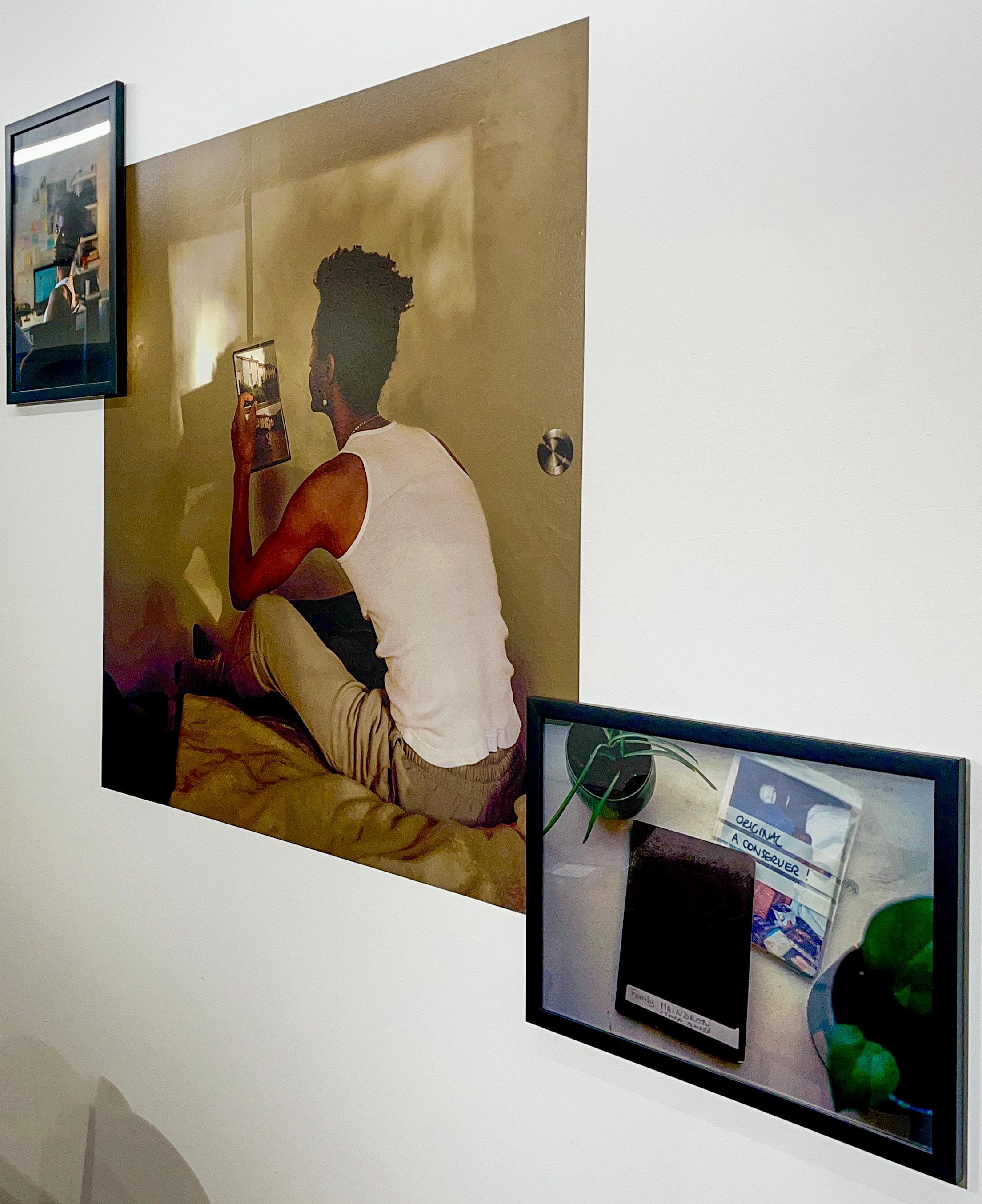
exhibition is free and open to the public at The Africa Center (1280 Fifth Avenue) until April 27, 2025.
The

FEATURE
Bridges Across Worlds: International Voices at the Tri-I
By Jing Xu
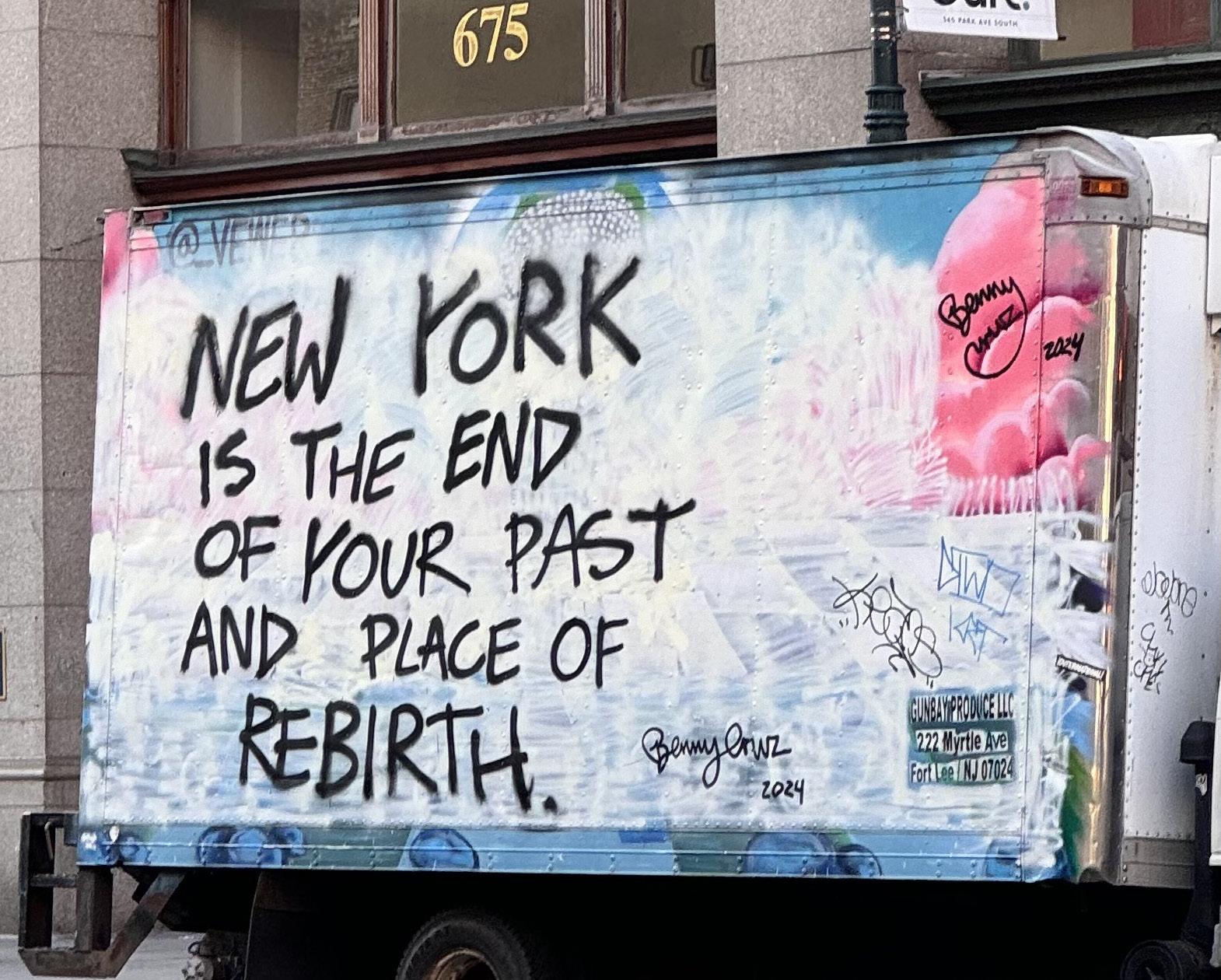
New York City has long been a beacon for those seeking education, opportunities, and new horizons. As artist Benny Cruz poetically declares, “New York is the end of your past and place of rebirth,” a sentiment that resonates deeply with the countless newcomers who arrive in this city seeking not merely an address change but a realm of transformative opportunities. In the Tri-Institutional (Tri-I) community, international scholars bring diverse perspectives that enrich both research and campus life. Yet beneath the lab coats and academic achievements lie personal journeys of cultural adaptation rarely spoken about.
What does it mean to build a life between worlds? Two Tri-I internationals share
their stories, revealing common threads in the tapestry of global belonging. Through their experiences, we glimpse the challenges and unexpected gifts of crossing borders in pursuit of knowledge and gain insight into the lived realities of colleagues whose journeys began thousands of miles away.
Xinyu Shen: A Temporary New Yorker
Xinyu Shen, a master’s student in Health Policy and Economics at Weill Cornell Medicine, views his time in New York as a valuable but temporary chapter before returning to China. Born in Suzhou, China, Xinyu’s interna-
tional journey began during his undergraduate years in Queensland, Australia, though the pandemic eventually forced him to return to China to complete his studies. New York represents his second significant experience living abroad, with about five months in the city so far.
A World in Miniature
“New York feels like a miniature version of the world,” Xinyu observes, noting the diverse cultural communities that coexist within the city’s boundaries. From Little Italy to various African neighborhoods to Manhattan’s Chinatown, he appreciates how the city offers a global tour within the five boroughs. He was particularly struck by the city’s density

Xinyu's hometown at sunset.
and the resulting social dynamics, noting the closer physical proximity and higher frequency of casual interactions compared to his experiences in Australia.
“In New York, there are more opportunities to talk with strangers,” he says. “Social interactions happen more naturally and frequently than in Australia.”
Cultural Puzzles and Adjustments
Adapting to New York’s distinctive culture has presented Xinyu with both delights and challenges. He observes that New Yorkers maintain a curious balance, working intensely during the week while firmly protecting their vacation time. Some aspects of local life continue to perplex him. “I’m shocked when I see New Yorkers running outdoors in freezing, windy winter weather,” he admits with a laugh. “Their resilience to cold is impressive.”
However, not all cultural differences are easy to embrace. “The tipping culture and hidden sales taxes reduce my desire to dine out,” Xinyu confesses. “It makes budgeting more complicated.” He also observes that “the high cost of living in New York doesn’t necessarily translate to a high quality of life, particularly regarding accommodation,” noting the stark contrast between housing standards and prices compared to what he experienced in China.
Language, Loneliness, and Finding Community
Despite his strong English skills, Xinyu acknowledges that language subtleties still affect his confidence in social settings. “In networking situations espe-
cially, I sometimes hold back because I worry about miscommunication,” he explains.
This linguistic hesitation, combined with cultural differences, has gradually changed his social patterns. “I’ve become less social and more inclined toward solitude since moving here,” Xinyu reflects. “It wasn’t a conscious choice, but a gradual adjustment.”
He finds himself gravitating toward others with shared cultural backgrounds. “These connections provide a sense of security when everything else feels unfamiliar.”
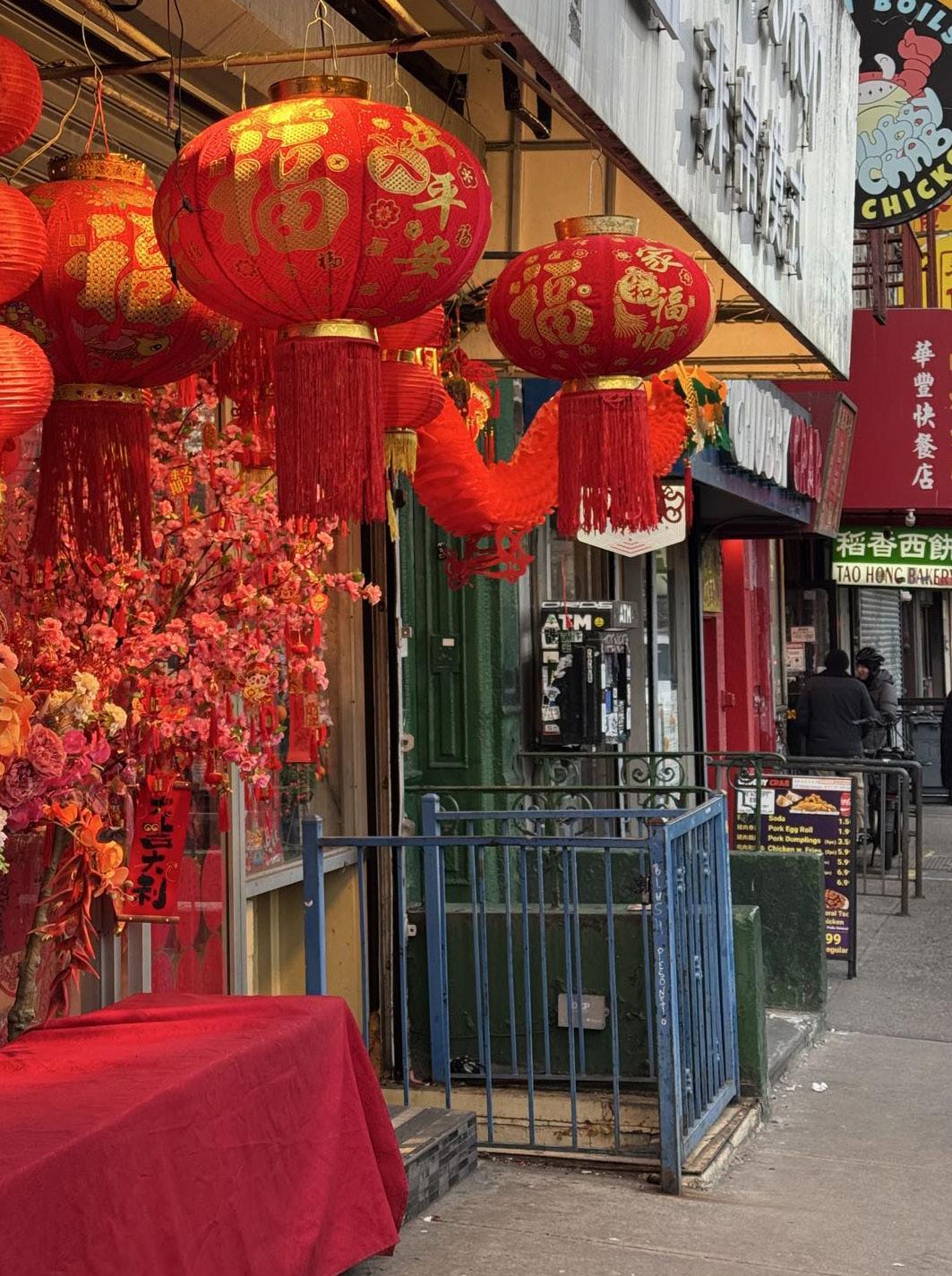
Like many international students, Xinyu experiences periods of homesickness. Regular video calls with his parents and partner provide essential emotional anchoring. Traditional Chinese holidays like Spring Festival and Mid-Autumn Festival, typically celebrated with large family gatherings, become moments that highlight his distance from home.
“During these holidays, I treat myself to a good meal,” he says. “Sometimes I cook at home, or I’ll explore Chinatown for food that reminds me of home. It’s important to maintain these rituals, even if they’re not the same as being with family.”
Reflections on the New York Experience
Xinyu values the personal growth his time in New York has fostered. “Living abroad forces you to become more self-reliant, to think independently, and to adapt quick-
ly,” he explains. Still, he clarifies that New York doesn’t feel like a permanent home. He plans to bring his experiences here back to China and is particularly hoping to maintain a more balanced approach to work and life. “The way Americans separate work from leisure is something worth adopting,” he suggests.
His views on the United States have become more nuanced during his stay. “I see beyond New York’s glamorous image now,” he says thoughtfully. “Everyday life is similar across the world in many ways: people work, eat, sleep, and seek happiness.”
Xinyu’s story illustrates the often-overlooked perspective of those who come not to stay permanently, but to gain knowledge and experiences they can bring back to enrich their home coun-

Photo by Jing Xu
Chinatown in New York City.
Chinese art at the Met.
tries. While New York offers valuable career growth, his heart remains in China, where he sees his future unfolding. “This chapter in New York is important,” Xinyu concludes, “but it’s just one chapter in a longer story that leads back home.”
Alejandra Urquieta: Finding Home in the Melting Pot
Alejandra Urquieta, a neuroscience research assistant in the Rajasethupathy Lab at Rockefeller University, arrived from South America seeking educational opportunities that would eventually allow her to give back to her native Bolivia.
The Journey to New York
Born in Bolivia, Alejandra first experienced cultural displacement at the age of eight when her family relocated to Brazil, a move that would shape her understanding of identity and belonging for years to come.
“In Brazil, I was the only foreign child in my middle school,” Alejandra recalls. “The other children made it clear I was different, and not always in a kind way. There was this constant feeling of being an outsider.”
This early experience of cultural isolation planted seeds of confusion about her identity. “I didn’t know if I was Bolivian or Brazilian,” she explains. “When you’re young and trying to fit in, these labels become incredibly important. I found myself distancing [myself] from my Bolivian roots just to feel accepted.”
A City of Outsiders
Years later, her decision to pursue neuroscience brought her to New York for college. Alejandra reflects on how the city’s distinct character has helped her reconcile her complex cultural identity. “The beautiful thing about New York is that almost everyone is from somewhere else,” Alejandra says, gesturing toward the window, where the city’s iconic skyline stretches into the distance. “Here, being different isn’t something that sets you apart; it’s the one thing we all have in common.”
This realization marked a turning point in Alejandra’s relationship with her multicultural background. The city’s celebrated diversity created space for her to embrace both her Bolivian heritage and her Brazilian upbringing without having to choose between them.
“In New York, I finally understood that cultural identity isn’t an either-or proposition,” she reflects. “I could be Bolivian and Brazilian and a New Yorker all at once. That permission to contain multitudes is something special about this city.”
This acceptance has allowed Alejandra to reclaim parts of her heritage she once pushed away. “I’ve found myself seeking out Bolivian community events, music, and food—things I used to avoid because they made me feel too different in Brazil,” she says. “There’s this healing that happens when you don’t have to hide who you are.”
Redefining Home
For someone whose life has spanned three countries, the concept of “home” becomes necessarily fluid. When asked where she considers home, Alejandra pauses thoughtfully before answering. “Home isn’t a place on a map for me anymore,” she explains. “It’s more of an emotional geography centered around people I love.”
Despite the physical distance from her family, with her parents and brothers still living in Brazil, technology helps maintain these vital bonds. “During my first year here, I was on video calls with my family constantly,” she laughs. “We even had this Friday night ritual—playing games or watching the same movie together despite being thousands of miles apart. It was our way of shrinking the distance.”
As time passed, Alejandra began establishing new roots in New York, creating friendships that have become another kind of family. “My friends here understand parts of my experience that
“Home isn’t a place on a map for me anymore. It’s more of an emotional geography centered around people I love.”
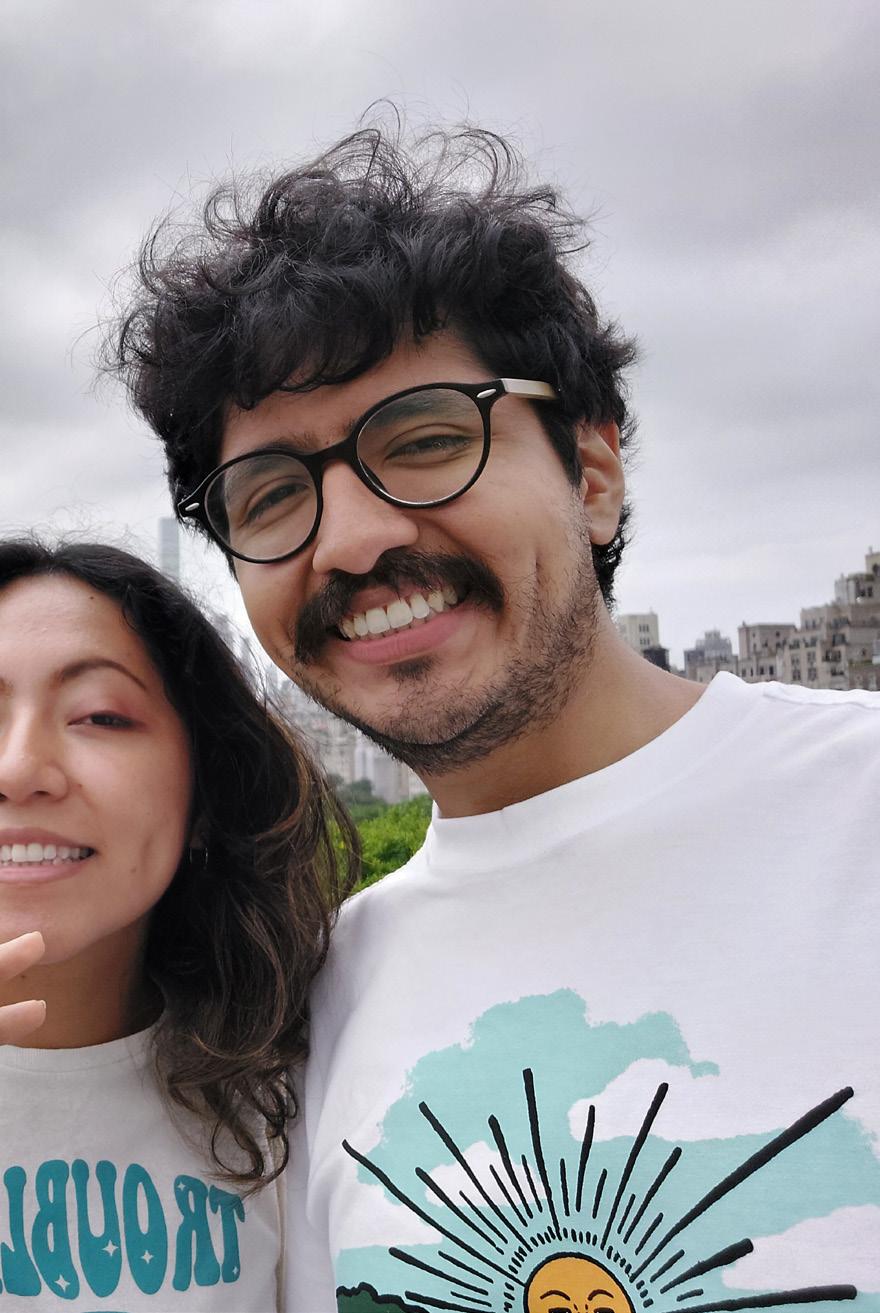

even my family can’t fully relate to,” she explains. “They know what it’s like to build a life in this particular city, with all its wonderful chaos and challenges. They’ve become another kind of home.”
Yet Alejandra maintains strong connections to friends in Brazil as well, refusing to let geographical distance erode these important relationships. “We still share so many common interests: the same humor, the same cultural references,” she says. “These friendships give me a sense of grounding, a reminder of who I am beyond my work and daily life here.” This balance of old and new connections has become crucial to her sense of well-being, creating a support system that spans continents and cultures.
Science Without Borders
As a research assistant preparing to apply for PhD programs, Alejandra spends her days investigating the neurobiological foundations of memory. Her work, however, hasn’t disconnected her from her cultural roots.
“Being a scientist hasn’t alienated me from my family or cultural background at all,” she emphasizes. “If anything, it’s created new connections. My family is genuinely interested in my research, even if they don’t understand all the technical details.”
This integration of scientific and cultural identities extends to matters of faith as well. Despite her family’s Catholic traditions, Alejandra has found no fundamental conflict between religious heritage and scientific inquiry.
“Faith and science answer different kinds of questions,” she explains thoughtfully. “One explores meaning and purpose; the other investigates mechanisms and processes. There’s room for both in a well-rounded worldview.”
Looking Forward, Looking Back
As Alejandra contemplates where to build a career, she considers return-
ing to South America, but she recognizes the practical advantages of continuing her work in the United States. “The U.S. simply has more resources for neuroscience research,” she acknowledges. “The funding, facilities, and collaborative opportunities here would be difficult to match in Bolivia or even Brazil.”
Yet Alejandra’s connection to her roots remains strong, shaping her longterm aspirations in meaningful ways.
“My dream is to somehow help improve the educational systems in Bolivia and Brazil, especially in the sciences,” she says. “I believe that staying in the U.S. now will allow me to develop the knowledge, connections, and resources that will eventually make that possible.”
“New York taught me that cultural difference isn’t something to overcome; it’s something to embrace,” Alejandra reflects. “The ability to see from multiple perspectives is actually a strength, both personally and scientifically.”
This vision represents a full-circle journey, from a child who once felt rejected for being different to a scientist using her multicultural perspective as a bridge between worlds. As Alejandra concludes, “Home isn’t where you’re from—it’s where you’re understood. I’ve been fortunate enough to find understanding in multiple places across the globe.”
Building Bridges Through Shared Experience
These contrasting stories remind us that there is no single “international experience,” but rather a spectrum of relationships with place, identity, and belonging that illustrate the transformative impact of living between cultures. Both Xinyu and Alejandra speak of expanded worldviews, greater adaptability, and a deeper appreciation for both their home cultures and the unique rhythms of New York life. Both have found ways to maintain connections across oceans while building meaningful relationships here. And both bring their multicultural perspectives to scientific questions, enriching research through diversity of thought.
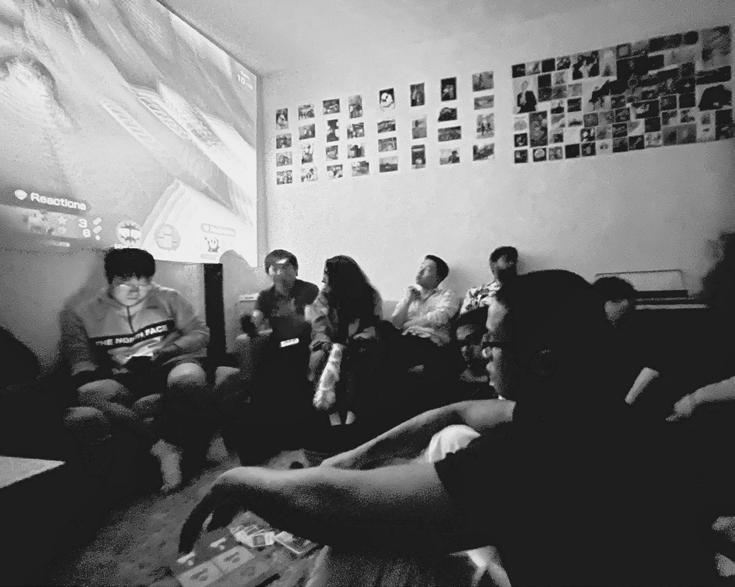
Top: A board game night with friends at Alejandra’s studio.
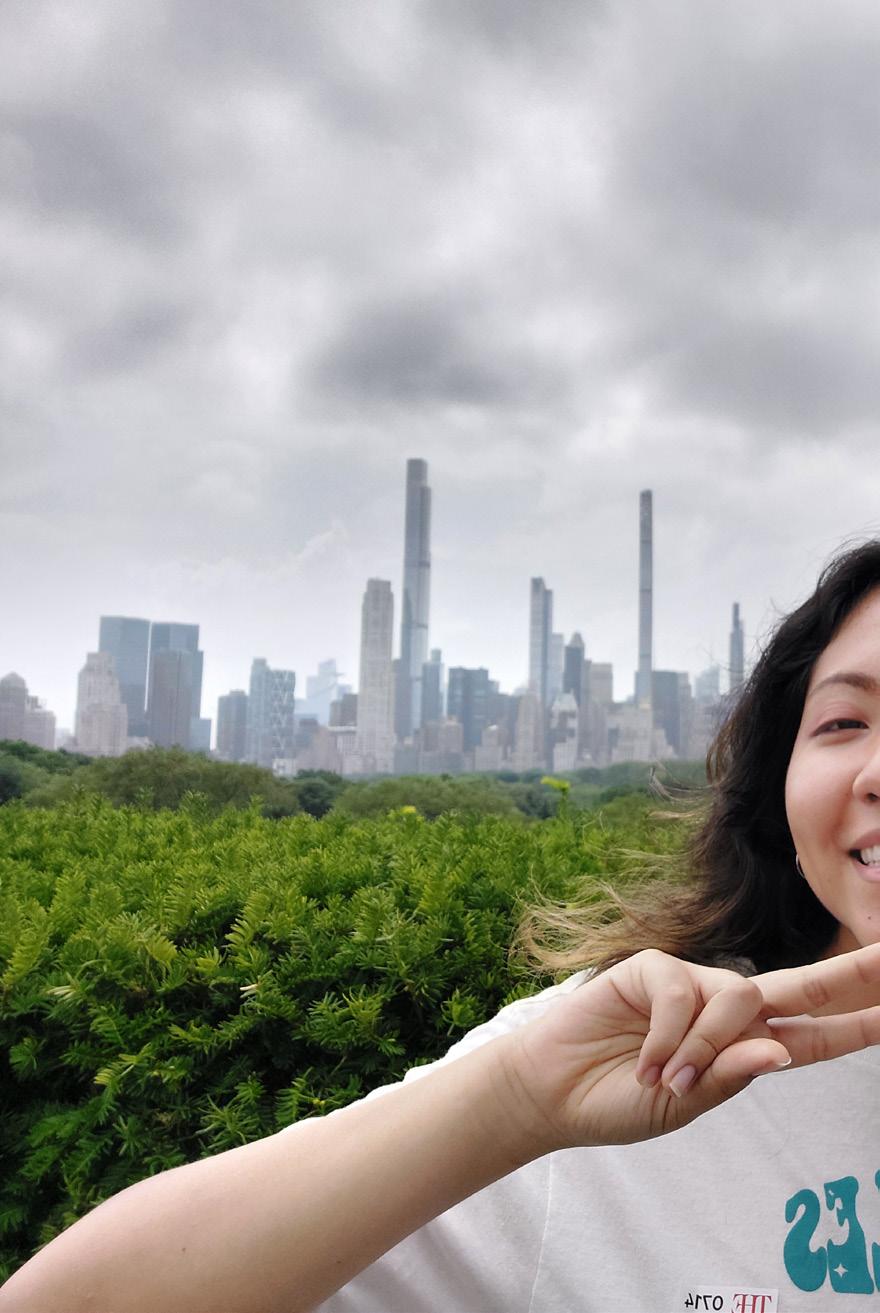
Middle: Alejandra and her brother on the Met rooftop.
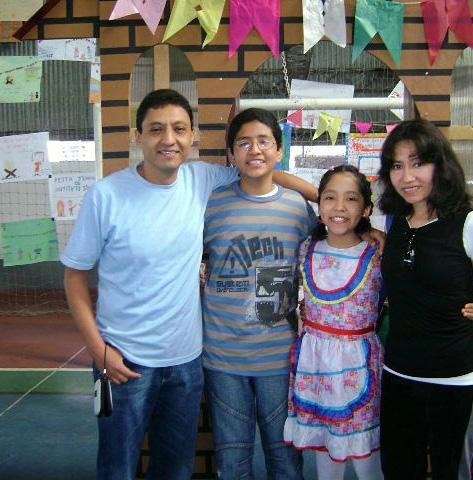
Bottom: Alejandra and her family at a cultural school event, from the year they moved to Brazil.
NIH Training Grant and Funding Updates: Implications for Tri-I Scientists
By Citlalli Tomas Baltazar
Overview of NIH funding changes
In February 2025, the National Institutes of Health (NIH) announced a significant policy change, capping indirect cost reimbursements at 15% for all new and existing grants. This represents a substantial reduction from previously negotiated rates, which averaged between 27% and 28%, with some institutions receiving rates exceeding 50%. Indirect costs, also known as facilities and administrative (F&A) costs, cover essential expenses such as laboratory maintenance, utilities, and administrative support necessary for conducting research.
By capping indirect cost rates at 15%, the NIH is aligning its approach with that of private foundations like the Bill and Melinda Gates Foundation, which has a maximum indirect cost rate of 10% for U.S. universities. However, research institutions warn that this shift may create financial shortfalls, jeopardizing both ongoing and future projects.
Impact on Tri-Institutional scientists
The Tri-Institutional (Tri-I) collaboration—comprising Weill Cornell Medicine (WCM), Rockefeller University, and Memorial Sloan Kettering Cancer Center (MSKCC)—relies heavily on NIH funding to support a wide array of research initiatives. All three institutions’ indirect cost rates were close to 70% before the NIH policy change. The new indirect cost rate cap poses several challenges.
For principal investigators and faculty:
• Reduced research budgets. With NIH limiting reimbursement for indirect costs, labs may struggle to cover expenses such as lab maintenance, core facility fees, and administrative support.
• Heightened grant competition. With fewer available funds, researchers may need to devote additional time and effort to securing competitive grants, potentially diverting focus from their scientific work.
For graduate students and postdocs:
• Funding instability. Training grants and fellowships that support early-career researchers could face budget constraints, affecting stipends, research opportunities, and overall training experiences.
• Impact on international trainees. With potential shifts in funding priorities, international students who rely on external grants may face additional challenges, according to an email sent by Cornell’s interim president on February 21, 2025.
For research staff and core facilities:
• Potential hiring freezes and budget cuts. Reduced NIH reimbursements may limit the hiring of research assistants and administrative personnel who support scientific operations.
• Operational challenges. Core facilities that provide essential services, like imaging and sequencing, may experience budget cuts, leading to reduced access or increased costs for researchers.
Reactions from the Tri-I
In response to the NIH’s policy change, several institutions have taken legal action. Cornell University, along with eleven other universities and three higher education groups, filed a lawsuit against the NIH and the Department of Health and Human Services (HHS), challenging the 15% cap on indirect cost reimbursements. The lawsuit alleges that the proposed cuts violate federal grant regulations and administrative law and would harm medical research, the training of future scientists, and the U.S.’s leadership in biomedical innovation.
A federal judge issued a temporary restraining order, pausing the implementation of the NIH’s new policy while litigation continues. This development reflects the broader concern among researchers about the detrimental effects of the funding cuts.
In response to these developments, WCM’s leadership has emphasized the institution’s commitment to supporting its researchers. Dean Robert A. Harrington recently addressed the Weill Cornell Medicine community via email, noting that leadership is actively monitoring federal policy changes and participating in discussions at the national level.
Implications for graduate students
Graduate students and postdocs, particularly international trainees, may face new

hurdles in securing funding. While U.S. citizens and permanent residents have access to NIH training grants such as the F31 and T32, international students often depend on institutional or private fellowships. Any reductions in training grant funding could disproportionately affect international researchers by limiting available institutional resources
Faculty members have raised concerns that financial uncertainty could discourage prospective PhD students and postdocs from pursuing academic careers. To address this, institutional leaders are advocating for stable funding streams and exploring alternative financial support mechanisms.
Legal and institutional responses
Twenty-two state attorneys general have also sued to block NIH funding cuts on the basis that such cuts violate congressional restrictions. These legal challenges have led to a temporary block against the policy, allowing institutions to continue operations under the previous funding structure while litigation is ongoing.
In response, WCM has initiated discussions with academic leadership to assess the impact of these funding changes on ongoing projects and institutional budgets. Nationally, faculty and administrators are working with policymakers to emphasize the necessity of stable NIH funding for continued scientific progress.
Actionable steps for the Tri-I community
To navigate these funding changes, scientists and trainees in the Tri-I can take proactive steps.
Stay informed: Regularly check institutional announcements and federal policy updates through WCM Central (or your institution’s equivalent) and NIH notices.
Diversify funding sources: Apply for private and non-federal fellowships to supplement NIH support.
Engage in advocacy: Join professional organizations that advocate for research funding, such as the National Postdoctoral
Association and the American Association for the Advancement of Science (AAAS).
Provide feedback: Participate in surveys and discussions led by WCM, Rockefeller, and MSKCC leadership to share concerns about funding impacts. If your institution is not offering venues for discussion, pressure the administration to engage in regular, transparent communication with researchers.
Conclusion
As NIH funding policies shift, universities across the U.S. face new challenges. However, institutional leaders are proactively working to minimize disruptions and safeguard research progress. By staying informed and engaged, scientists at all levels can contribute to ongoing efforts to secure stable research funding. As legal and policy discussions unfold, Tri-I researchers will need to remain adaptable while advocating for the resources necessary to sustain world-class scientific discovery. ■
The NIH’s drastic cuts to indirect research funding will strain the ability of the Tri-I to cover critical expenses like facilities, utilities, and financial administration.
A Lab’s Legacy: How Mentorship Shapes the Future of Science
By Michelle Yu
Good mentorship is a cornerstone of good science. Though vital at all career stages, mentorship holds particular value for the most junior scientists, like research technicians, whose work is a vital yet overlooked part of research output. Without extensive formal classroom instruction on laboratory techniques and scientific thinking, younger students and technicians must rely on senior lab members for mentoring, a task that is not often relished. The value of these junior lab members’ contributions is rarely acknowledged in the greater scientific community: “technical” work has historically been undervalued and used to exclude researchers from authorship because their contributions were not “intellectual” in nature.
Many of these potential scientists are forming their initial impressions of academia in a field that already seems daunting and demanding. A lack of effective mentorship can discourage them from pursuing a career in research and increase the likelihood of dropping out of training. Yet despite its importance in creating the next generation of researchers, there is no formal accountability of mentorship in labs where worth is instead quantified in grants won and papers published.
I spoke to Francesca Jereis, a research technician working in the Nowak Lab at Weill Cornell. Though she has always had
an unwavering dedication to a career as a physician, the guidance of her mentors sparked an interest in research, transforming it from an obligation to fulfill for medical school applications to a critical part of her future work. Her journey is a testament to the impact that mentorship has on those in the early stages of their training.
Francesca grew up in Westchester County, just north of the Bronx, and developed an interest in healthcare after dealing with a personal health issue. “It was interesting to see science manifested in myself,” she says. Her experiences left her interested in clinical work rather than research. She attended Hunter College and pursued a philosophy major while completing her prerequisites for medical school. “I knew that I wanted to go to medical school, so I knew that it was going to be the last time I could study something other than medicine,” she explains. She applied to volunteer at the Nowak Lab in her junior year when her advisor suggested using research to strengthen her application for medical school.
The Nowak Lab traces migration patterns of metastatic prostate cancer using CRISPR/Cas9 barcoding technology. Currently, their focus is on optimizing this technique for single-cell RNA sequencing. Coming from a less rigorous science background, Francesca was initially faced with the challenge of training to become a molec-


ular biologist from scratch. She had never worked in a research lab or even taken a molecular biology course. She credits her current skill set and knowledge to the guidance of the postdocs and graduate students of the lab. “They definitely had to teach me a lot—things that would have been preschool level to someone that has worked in the lab,” she says. She also initially harbored concerns about toxic work culture, a reality too often seen in academia. But those fears were quickly dispelled by the collaborative and supportive environment in the lab, something that Francesca believes “comes down from the PI.” This environment fostered her interest in research over time, and when she graduated, she decided to spend her gap year in the lab as a research technician.
Work-life balance is one of the main struggles of a career in science. Aside from the main project of the lab, Francesca works on an independent project and fills in for others’ experiments where needed. She wakes up at 4 a.m., a habit preserved from studying for the MCAT years ago, before heading into the lab for ten or eleven hours. As a technician without the benefit of housing, commuting from Yonkers takes her an additional hour each way. Nevertheless, she finds time in the mornings and on weekends for hobbies, and these long workdays don’t faze her. “When things need to get done, you don’t really notice the time,” she says. More importantly, it’s a feature of the mutual respect between her and Dr. Nowak, who in turn offers her
flexibility for medical school interviews when needed. The give-and-take of their relationship ensures that she has enough time outside of work for her personal goals.
Though a full member of the lab only as of last August, Francesca already has plans to move on to the next chapter of her life. With acceptances to several medical schools, the only decision now is where to go. She isn’t exactly sure what specialty she wants to pursue, though she now knows that oncology isn’t for her, but she is confident that research will be a part of her clinical practice. In the type of competitive specialties that she is considering, staying up to date with the latest medical advancements through research is a necessary part of the job—and one that she is now well-prepared to undertake.
Francesca’s experience highlights how transformative effective mentorship can be; thanks to the guidance of her mentors, she developed a genuine interest in research that will continue to shape her path in medicine. Research is a field that is already characterized by long hours, job insecurity, and the constant pressure to publish and secure funding. With recent cuts to federal grants further clouding the future of science, it is more important than ever to foster a supportive and collaborative environment, especially for scientists early in their training. Effective mentorship is an investment not only in the individual trainee but also in the future of science and innovation at large. ■

CULTURE
Hidden Gems: Exploring Six of NYC’s Most Unique Museums
By Cecilia Cuddy
New York City is an epicenter of art and culture, housing some of the most prestigious museums in the world. Institutions like the Met, MoMA, American Museum of Natural History, and Guggenheim are globally recognized icons that draw throngs of visitors, locals and tourists alike. However, their popularity often leads to overwhelming crowds and long wait times.
If you are seeking a fresh perspective on what New York City has to offer, I want to highlight some unique, lesser-known museums worth visiting!
Noguchi Museum
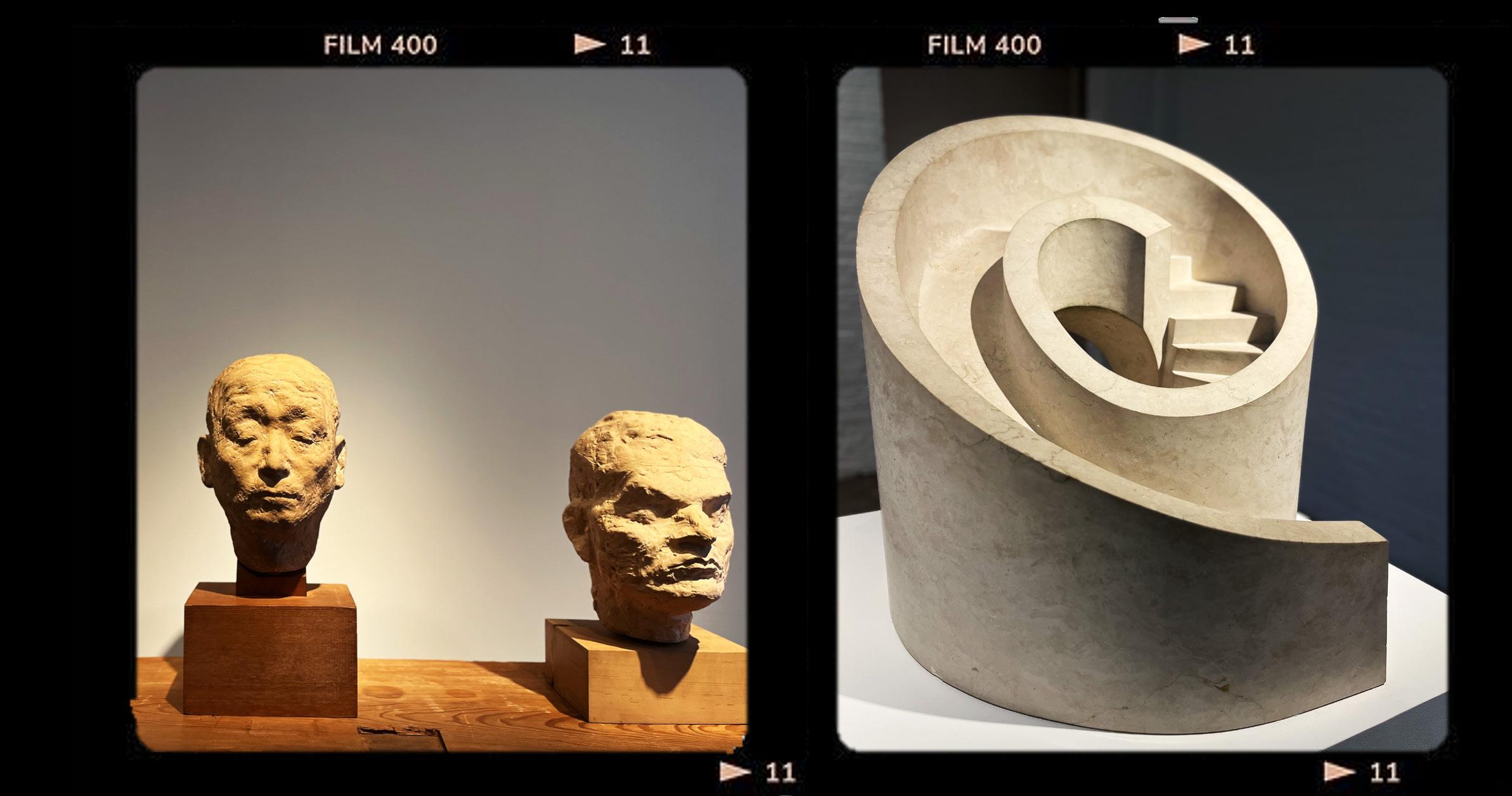
The Isamu Noguchi Garden Museum is an excellent museum to explore, especially in the spring. Founded in 1985 by Isamu Noguchi, it was the first museum in the United States to be established, designed, and installed by a living artist to showcase their work. The museum holds the largest collection of Noguchi’s works in the world, featuring indoor galleries that segue into a serene outdoor sculpture garden. Consistent with Noguchi’s belief that art should be experiential, his works are displayed without barriers, encouraging visitors to engage with them and form personal connections. His recent exhibition, Against
Time, features sculptures that Noguchi considered significant breakthroughs in his artistic career, creating a lasting legacy after his death. His stage designs for the Martha Graham Dance Theater and The Sacred Rocks of Kukaniloko are particularly noteworthy, displaying intricate details and thoughtful craftsmanship. While most of the exhibits are indoors, the outdoor sculpture garden epitomizes tranquility and is especially beautiful in the spring and summer.
Open Wed–Sun 11am–6pm. Tickets: adults $16, students $6, free on First Fridays.
photos by cecilia cuddy layout design by merima šabanović
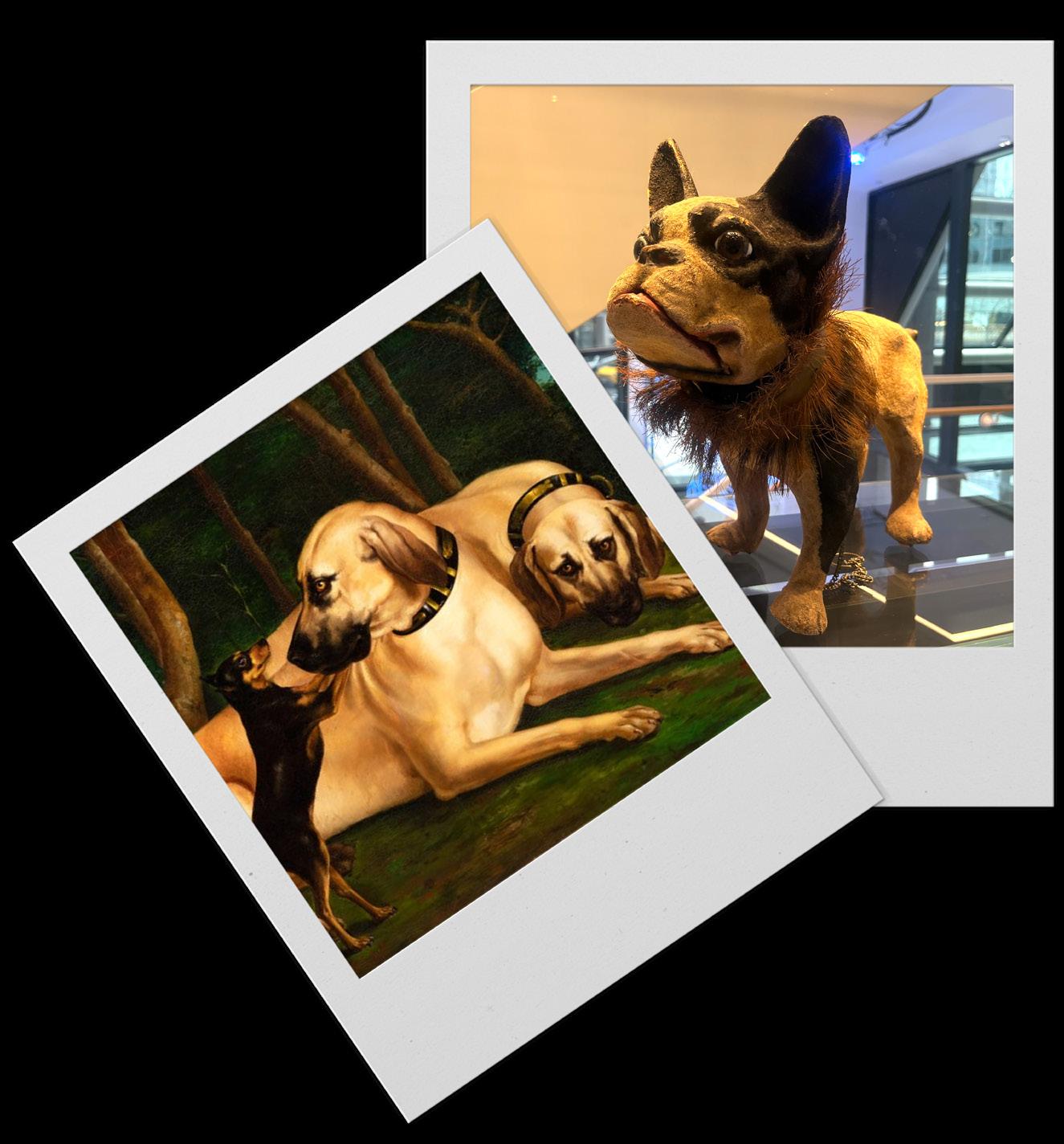
AKC Museum of the Dog
If you’re as obsessed with dogs as I am, the AKC Museum of the Dog is a must-visit! Located next to Grand Central Station, this museum preserves and celebrates the role of dogs in our society through various art collections that explore the bond between humans and canines. Founded in 1982, the AKC Museum of the Dog combines fine art with high-tech displays in a rotating selection of exhibits created from its impressive 1,700-piece collection and 4,000-volume library. Its permanent collection includes a mix of traditional paintings, photographs, and ceramic and bronze sculptures, making it a personal highlight. The museum also hosts many events, such as competitions where you can vote for your favorite art piece and scavenger hunts for kids. While dogs aren’t allowed on most days, there are two Fridays each month when you can bring your furry friend (during limited time windows), so be sure to look out for those dates! I’ve done this with my dog, and it is an incredible experience you won’t find at any other museum!
Open Wed–Sun 11am–6pm.
Tickets: adults $15, students $10 ( free for members & children 2 and under). If you bring your dog on “furry days,” their ticket is $5.
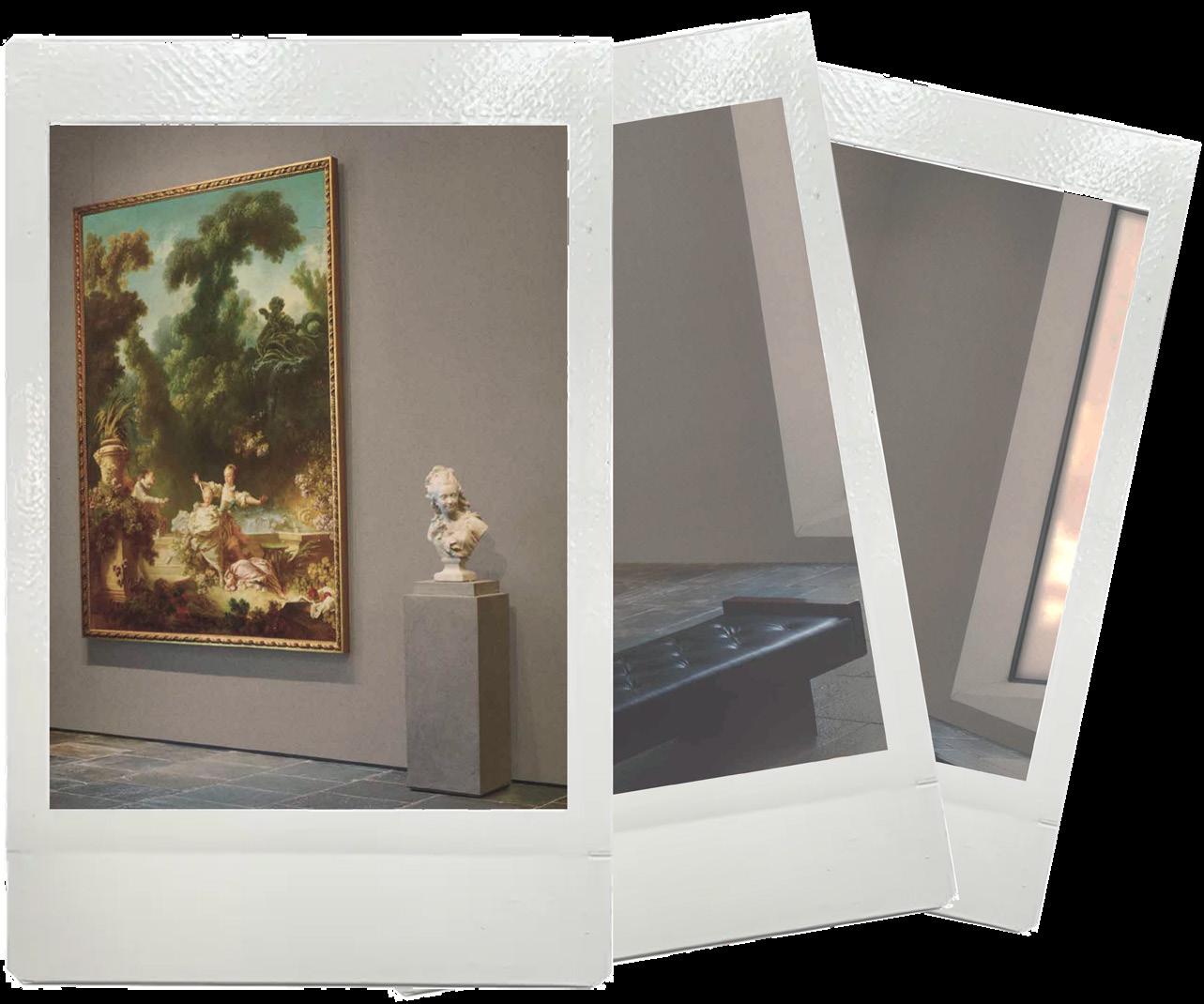
Often overshadowed by larger institutions, The Frick Collection is a true hidden gem located in Manhattan’s Upper East Side. Housed in the former residence of industrialist Henry Clay Frick, the museum is home to his personal art collection, which spans from the Renaissance to the nineteenth century. The Frick Collection is particularly renowned for its remarkable array of European paintings, including masterpieces by artists such as Giovanni Bellini, Francisco Goya, and Jean-Auguste-Dominique Ingres. In addition to paintings, the museum also features an impressive selection of decorative arts and period furniture that reflect the opulence of the era, offering a glimpse into the artistry of craftsmanship from centuries past. I highly recommend reserving tickets in advance to ensure entry and using the audio guide for insightful commentary as you explore the collection’s treasures. Some specific pieces from the permanent collection that are worth exploring include Girl Interrupted at Her Music, Hercules and the Hydra, Adam and Eve, and Pair of Lions. The museum will reopen on April 17, so it’s the perfect opportunity to discover or revisit this cultural landmark!
Reopens April 17.
Open Wed–Sun 11am–6pm, with extended Friday hours until 9pm. Tickets: adults $30, students $17, free for members and ages 10–18.
MOAT
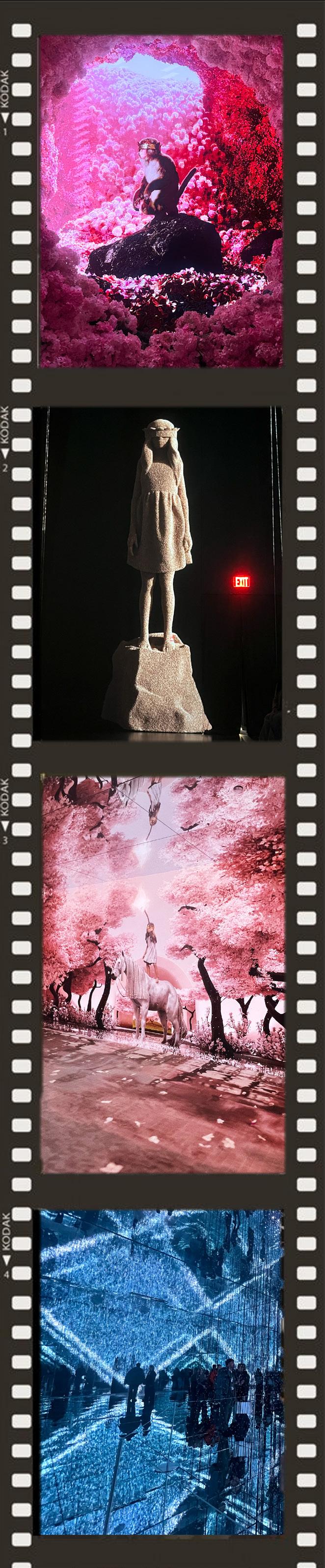
The Museum of Art and Technology (MOAT) at Mercer Labs truly pushes the boundaries of what a museum experience can be. Located in the financial district and led by artist Roy Nachum, MOAT’s exhibitions offer interactive experiences, listening encounters, and immersive installations that blend art with cutting-edge technology to transform our relationship and engagement with both. There are two permanent exhibitions: Limitless and After Dark Limitless includes fifteen visual and interactive spaces combining technology, nature, and memories to evoke feelings of wonder and exploration. After Dark guides visitors through a large warehouse space involving a darker, more introspective journey that explores perception, subconsciousness, uncertainty, and the unknown. This museum is great to visit with a large group of friends to take advantage of discounts!
Open Mon–Wed 11am–8pm, Thu–Fri 11am–12am, & Sat–Sun 10am–12am.
Tickets: adults $52, students $46, groups of 4 get a 10% discount, & groups of 10 get a 20% discount.
Tenement Museum
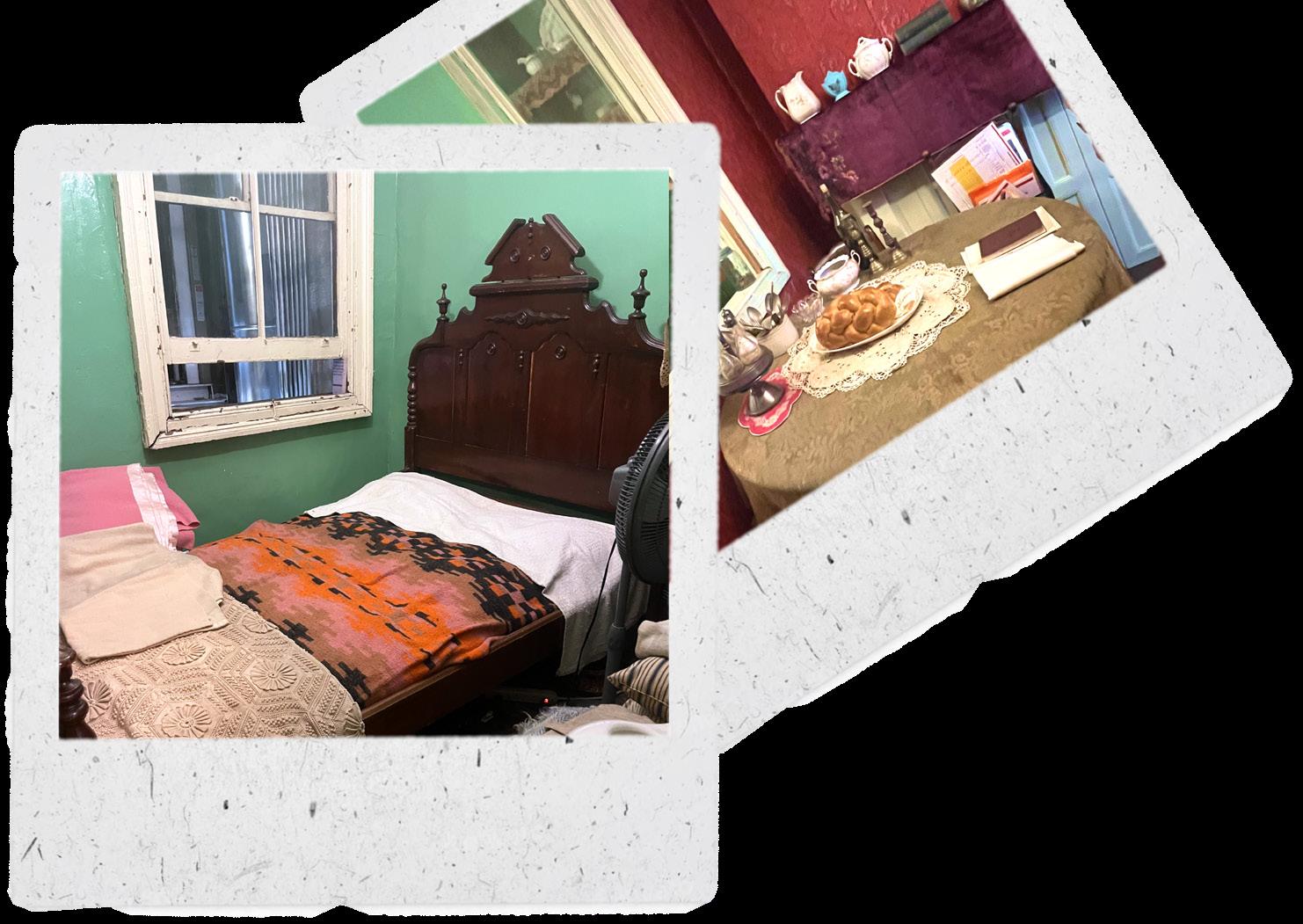
The Tenement Museum tells the stories of immigrant, migrant, and refugee families who lived in the Lower East Side between the 1860s and 1930s, revealing how they shaped our city and history. Located on Orchard Street, the museum opened in 1988 and explores the uniquely American story of immigration through tours of two tenement apartments that were shut down and abandoned fifty years before the museum’s opening. Apartment tours, which usually take sixty to seventy-five minutes, allow visitors to go with a tour guide through recreated apartments that follow the story of one or multiple families as they make their way through turbulent times in the U.S. and seek to build a good life for themselves. The museum also offers Walking Tours, where you can walk through neighborhoods on the Lower East Side to learn about forgotten spaces, and Food Experiences, where you can explore over 150 years of history through the stories of the food that immigrant and migrant communities brought with them. The Tenement Museum is a hidden gem, and I highly recommend visiting multiple times to experience all the tours they offer!
Open every day 10am–6pm. Tickets: $30 for Apartment and Walking Tours (free for members) & $55 for Food Experiences (50% off for members).
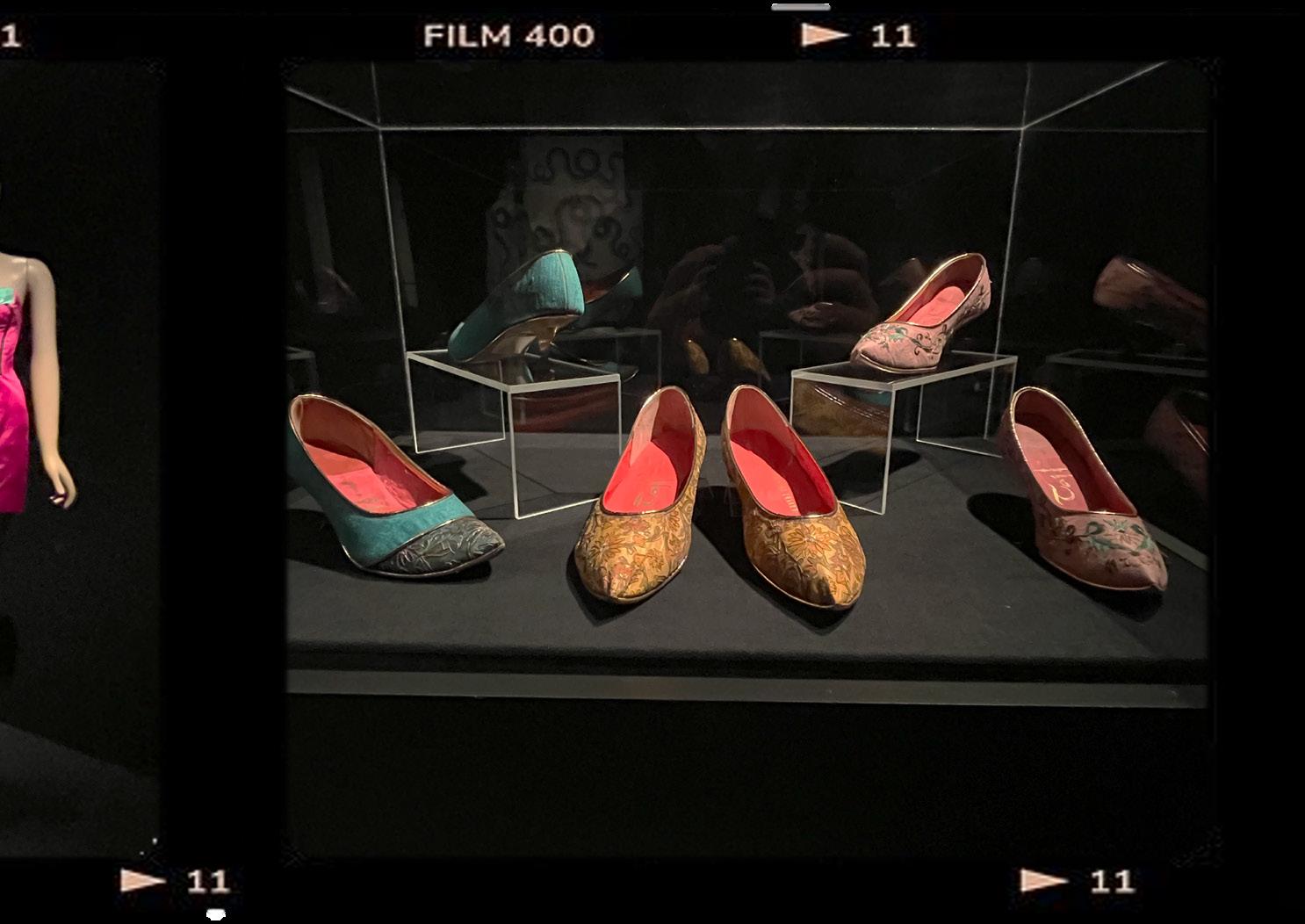
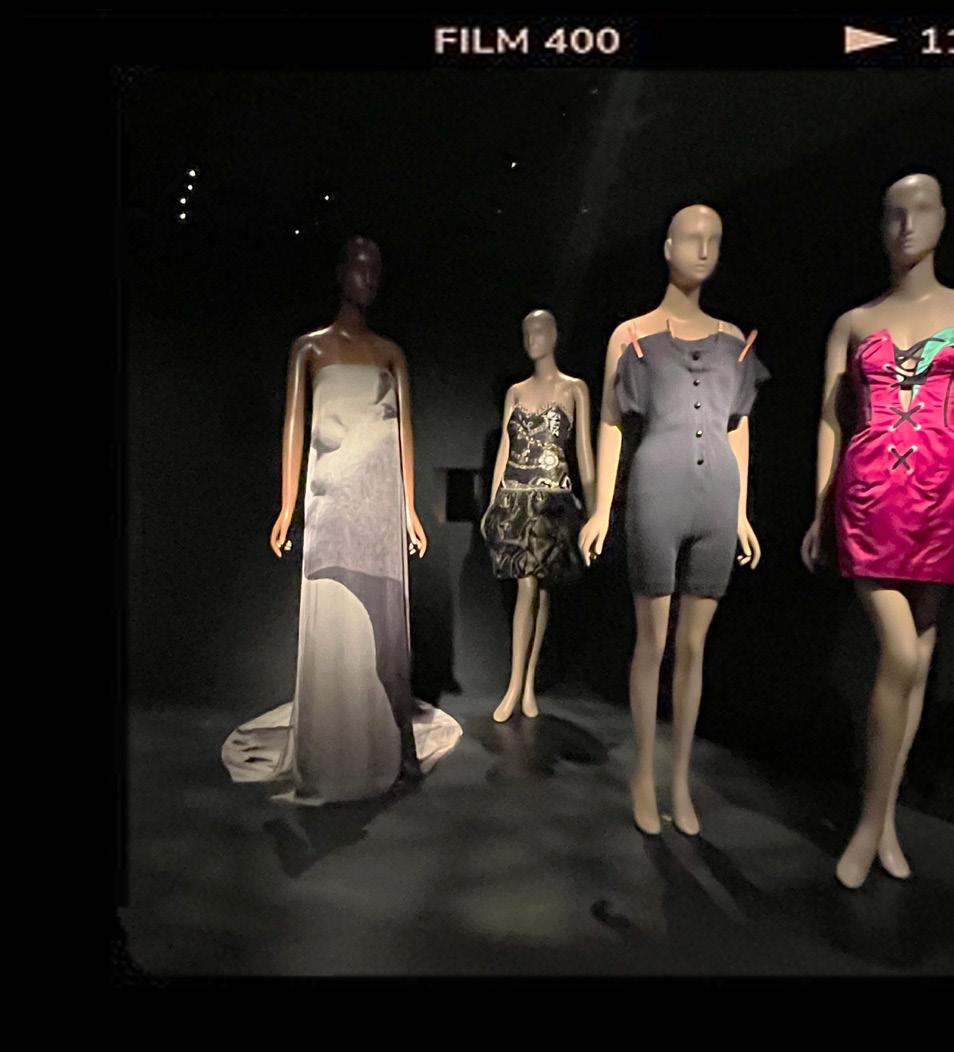
If you are a fashion lover, you must visit the Museum at the Fashion Institute of Technology (FIT), located on the Lower West Side. The museum hosts exhibitions, programs, and publications aimed at educating visitors and highlighting the cultural significance of dress and fashion throughout history. Founded in 1969, the Museum at the FIT has an impressive permanent collection of over 50,000 garments and accessories, dating from the eighteenth century to the present. This collection features remarkable designs from renowned fashion houses such as Balenciaga, Chanel, and Dior. Something unique about the museum is its showcase of works by upand-coming designers—namely, the students at FIT. Be sure to check out the lower level during your visit, as it features rotating exhibitions that change every six months. The current exhibit, Fashioning Wonder: A Cabinet of Curiosities (open until April 20), provides a unique perspective on the connection between cabinets of curiosities and fashion. It is also worth visiting the Fashion and Textile History Gallery on the main floor. This gallery offers historical context on a rotating selection of approximately 200 historically and artistically significant objects from the museum’s permanent collection. This museum, entirely dedicated to fashion, is truly one-of-a-kind and worth a visit!
Open Wed–Fri 12pm–8pm & Sat–Sun 10am–5pm. Admission is free for everyone.
The Role of Pedagogy in STEM Education
By Cecilia Cuddy & Ariel Pan
Pedagogy, the science of teaching and learning, explores the principles, practices, and methods that shape how knowledge is transmitted and retained. Over time, pedagogy underwent a fundamental shift from a traditional, teacher-centered methodology based on rote memorization to a more collaborative, student-centered approach that encourages exploration and questions. The ongoing evolution of pedagogy continues to drive scientific education, especially as new technologies create opportunities for personalized learning. Exploring innovative teaching strategies allows for the cultivation of critical thinking, creativity, and adaptability—skills that are vital in an environment where research and knowledge continually evolve. Inte-
gration of effective pedagogy in the Tri-I is key to fostering an academic community that thrives on discovery, collaboration, and the advancement of knowledge.
History of Pedagogy
The first pedagogical traditions evolved in ancient civilizations like Egypt, China, and India. Considered one of the earliest formal education systems in the world, scribe schools in Egypt taught students mathematics, writing, and religious texts to raise the next generation of government officials. In India, Vedic education was focused on sharing knowledge through oral tradition.
Similar to Europe, education in India was based on the social caste of a student. In ancient China, where Confucius heavily influenced education, the emphasis was placed on moral development, piety, and classical texts. This model was replicated across East Asia in Korea and Japan. The roots of Western pedagogy trace back to Ancient Greece in the fifth century B.C., where slaves acted as educators for noble children and education was mostly informal, relying on oral traditions and apprenticeships. During the Middle Ages in Europe, education became more organized through the Catholic Church and was largely accessible only to the wealthy. The Church established schools to train clergy, focusing on classical studies and religious instruction, with limited
depth for arithmetic and grammar beyond practical use and strong restrictions for women and girls. By the late nineteenth century, pedagogy was recognized as an applied science, evolving alongside societal and technological changes. Today, pedagogy is regarded as a discipline aimed at guiding effective teaching and learning processes. In STEM education, pedagogy refers to the diverse methods and approaches educators use to teach science, technology, engineering, and mathematics. Effective STEM pedagogy focuses on inquiry-based exploration and real-world problem-solving, which are designed to foster critical thinking and collaboration. By teaching STEM knowledge within practical frameworks, educators can implement projects that align with learning outcomes and enhance the development of essential scientific skills, preparing students for real-world challenges.
Pedagogy and STEM Education
Pedagogy plays a crucial role in engaging students with STEM subjects. Science is inherently creative, and scientists must be able to think critically about data—how it is collected and presented—to propose new ideas. Graduate classes are designed to foster these critical thinking skills through journal clubs or writing mock grant proposals. In recent years, pedagogical trends in STEM have shifted away from traditional, lecture-based classes towards active and inquiry-based learning. Active learning in STEM classes promotes deeper conceptual understanding, increases student engagement, develops critical thinking skills, and improves problem-solving abilities—all of which are crucial for success in STEM fields. A study by Dr. Stieha and her colleagues investigated the benefits of active learning in undergraduate STEM classes and found a strong association between active learning and increased confidence, self-efficacy, and motivation, all of which positively impact persistence in STEM. With inquiry-based learning—a type of active learning—students are given space to propose questions and become invested in completing an experiment, from collecting data to interpreting the results. Active
and inquiry-based learning can also improve the accessibility of STEM subjects. In undergraduate STEM courses, these methods significantly narrow the performance gaps between overrepresented and underrepresented students, with minorities and students with disabilities often experiencing the most significant gains
Dr. Tim Stearns, Dean of Graduate and Postgraduate Studies at Rockefeller University, has experience developing innovation-based coursework. While at Stanford, he created a pre-graduate program called Course-based Undergraduate Research Experience (CURE) for students interested in research. A key part of the program was an introductory research lab course, where students could gain valuable research skills by planning their experiments instead of having to follow a lab manual. “The standard biology lab course was a cookbook variety… and there typically [are] a variety of experiments you do over the semester with different organisms. … That’s not science, it’s demonstration science,” he said. “Science is about having a question that’s addressable, thinking about an experiment to address it, looking at your results, and then considering what to do next.” Another unusual aspect of the program was that students had twenty-four-hour access to the lab. He remembers, “I had a complaint one time from a faculty member from the adjoining lab saying ‘the students in your teaching lab are there at 2am playing music’…[but they’re] doing real experiments where students own a question and doing experiments with real data where the answer is not known in advance.” The program was highly successful at Stanford, and
Pedagogical trends in STEM have shifted away from traditional, lecture-based classes towards active and inquiry-based learning.
dents from memorizing basic facts, which in turn could make them less efficient at solving more complex problems. As Khan Academy founder Sal Khan explained in an interview with The 74 about the decline of math performance post-COVID: “Say you’re a little shaky on what seven plus seven is, and you have to count on your fingers. Then you move on to multiplication, which is repeated addition: seven plus seven plus seven. If you have to compute those things and don’t know off the bat that seven plus seven equals fourteen, you’re not going to get multiplication fluency either. All of a sudden, you start doing word problems or exponents, and you’re going to be in a lot of trouble.”
Pedagogy in the Tri-I
When Dr. Stearns first started as an Assistant Professor at Stanford, he had the idea of creating a course on the biophysics of macromolecules in the context of the cell cycle but realized that he knew little about teaching undergraduates. “I had very positive and negative experiences in the classroom along my way as a student, and I had thought I developed a sense of what seemed to work well in the classroom and what didn’t, although I hadn’t really thought deeply about it and certainly had not engaged with any science education literature. Most research professors have no idea that this literature even exists,” he admitted.
in January 2024, Rockefeller implemented a CURE course for Hunter undergraduate students in collaboration with RockEDU, the university’s science outreach program. Several critics have argued that inquiry-based learning can discourage stu-
There are a variety of ways for students in the Tri-I to gain teaching experience, with various levels of commitment. One of the more involved programs is Rockefeller’s Summer Science Research Program (SSRP), a full-time research experience for high schoolers. Graduate students and postdocs can sign up to lead various research tracks or serve as support scientists. They receive training on how to teach, design a realistic course framework, plan a budget, and obtain course supplies. Other related programs within the Tri-I include RockEDU’s Jumpstart program and the High School Catalyst Program
The Center for Teaching Innovation (CTI) at Cornell University is another resource
Dr. Tim Stearns, Dean of Graduate and Postgraduate Studies at Rockefeller University, has experience developing innovation-based coursework. He recently redesigned the first-year graduate curriculum.
that supports instructors through individualized services, programs, institutes, and campus-wide initiatives. Senior instructional designer Rachel Gunderson often starts consultations with instructors by creating three to five clear learning goals for the course and determining how they will be assessed, before going into more detail about class structure, learning activities, and syllabus development. Her goal is to foster critical thinking skills and a growth mindset while streamlining the learning experience for students. “We want to keep in mind…what is it like to be the student and how can we design [a course] to be received the best by the student?” she said.
As classes often contain many different types of learners, Gunderson is interested in implementing Universal Design for
Teachers can develop their teacher presence by checking in often with students, acknowledging difficulties of the course, and being vulnerable.
Learning (UDL), a framework that aims to eliminate barriers in learning experiences. UDL could look like giving students multiple formats for content delivery—for
example, making notes or class recordings available alongside live teaching. It could also look like making different assessment types available, so students can choose the option that works best for their learning style. One example of a different assessment type is the use of social annotation, through which students can make asynchronous comments and notes on a shared online document, mimicking a live seminar discussion. This kind of assessment can help give neurodivergent people or those with severe anxiety a chance to participate in class discussions. “I just heard a teacher speak at Cornell who said that they were just blown away with the brilliance of the students in those experiences because those were some of the students that were not saying anything during the live seminar,” Gunderson said. “They were able to draw from different students in a very different way and just hear that they’re actually quite thoughtful and very critically thinking, very intelligent.” CTI can also help with improving teaching presence and building community within the classroom. Some ways teachers can develop their teacher presence is to check in often with students, acknowledge difficulties of the course, and be vulnerable. “It really goes a long way for a teacher to talk about times in their life when they needed to get help in a class,” Gunderson notes. “It makes it more likely for students to be able
to want to go and access extra support and resources when needed.” Third-year Tri-I student Anoosha Banerjee, who co-led a 2024 SSRP track called “Protein Pioneers into the Vireon,” suggests using tools like Kahoot that can anonymize assessment while still gauging understanding, in order to create an environment that encourages students to ask questions. “Setting a vibe for the class that there are no wrong questions is obviously very important, like being very kind and forgiving when people ask questions and making it interactive but not a stressful interaction,” she said.
Advice for New Instructors
Similar to Dr. Stearns’s experience, many college- and graduate school-level instructors begin teaching without much experience or knowledge about effective educational practices. Gunderson noticed that a common mistake new instructors make is trying to include too much content in the course. “Try to keep things really simple with your courses; don’t try to do too much,” she said. “[New instructors] often will put too many goals in their course, like too many learning outcomes, and they have to assess each one of those, and it can just be very
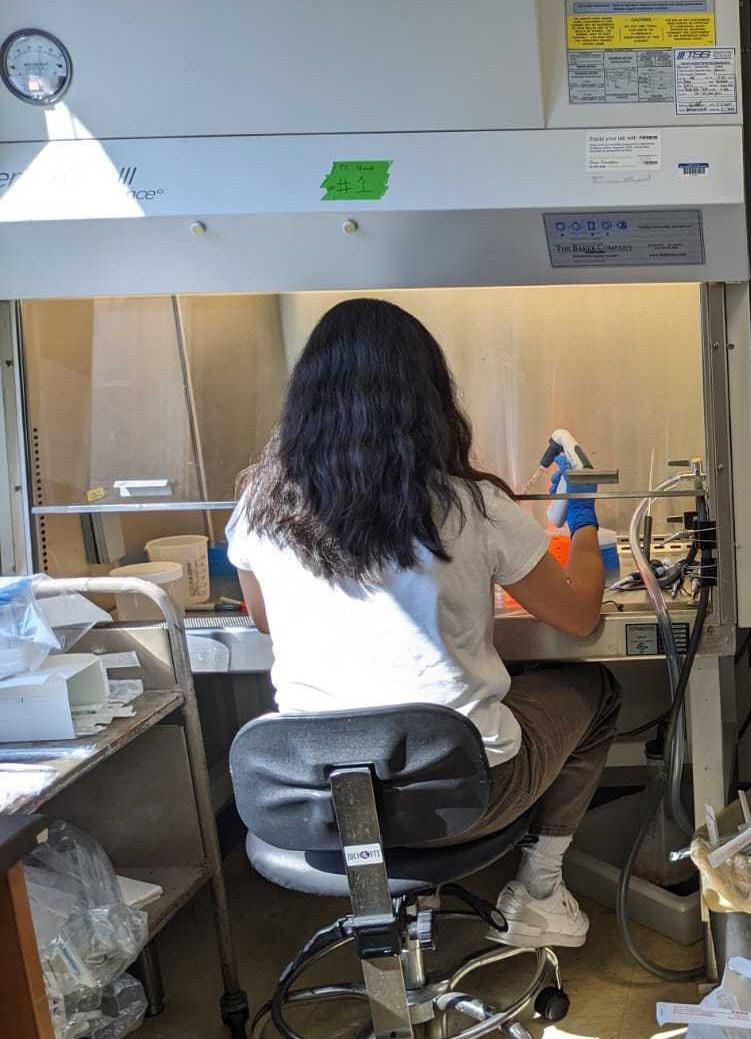
“Most people don’t understand the ratio of time spent preparing and time in the classroom… maybe ten hours to one
hour.”
overwhelming and an overload for the students.” She also recommends giving students multiple assignments so they have the chance to make mistakes without feeling stressed. “I think a lot of people learn through failure. So you need to give students an opportunity to have trial and error and work through really hard content and still be able to be successful in the course,” she said.
Banerjee remembers feeling surprised and nervous at how uninterested her students seemed during their first meeting. She did not take it too personally, however. “We think that our teaching needs to be superb and excellent, but it’s really not about us. It’s about the students and what they learn. I think that we need to be less inward-thinking about teaching and mentoring in general in science. It’s not about you and your leg-
acy or what you think you know, it’s about the people who are learning,” she said.
From his own experience, Dr. Stearns recommends that new instructors give themselves enough time to create their lectures. “Most people don’t understand the ratio of time spent preparing and time in the classroom… maybe ten hours to one hour,” he said. Co-teaching a course can also make the experience less daunting, in addition to giving instructors the opportunity to learn
from each other. “You both are responsible for the course and have some notion about how to teach, but you have to have a discussion together about how to teach, how to evaluate the students, do we go to each other’s lectures… I found that to be the most interesting part of being a professor, and I highly recommend it,” he said.
Gunderson had a final piece of advice for new teachers: don’t be afraid to change things about the course. “Even when you think you have your class perfectly developed, there’s always going to be issues that come in. So that’s normal and common with every teacher. And you kind of just learn as you’re doing and you can adapt things on the fly. So even if you had a plan going in and it’s already not working with the students, you can still change things. … You can salvage things even if they’re going wrong.”
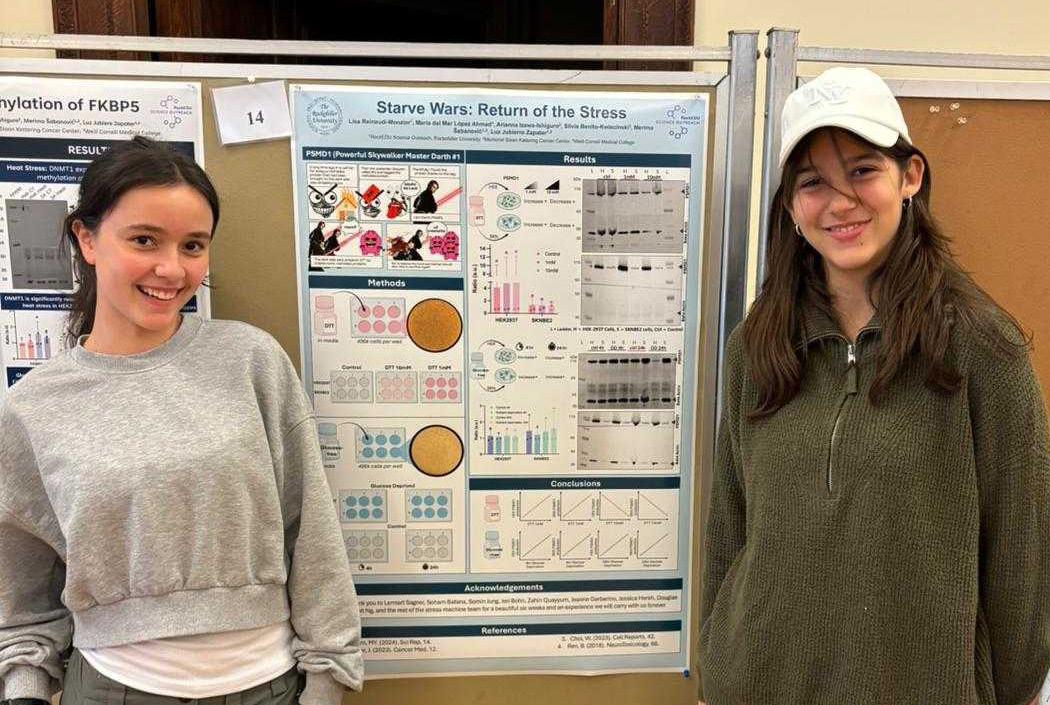
Early hands-on lab experiences in programs such as RockEDU’s Summer Science Research Program spark curiosity and build future scientists.
Meeting Our Mascot: An Afternoon with Archibald Feathersby
By Libby Tseng
This spring, I had the pleasure of interviewing Rockefeller’s self-proclaimed mascot: Archibald Feathersby. Mr. Feathersby is an intelligent, refined, and charismatic mallard duck who has called the pond on Rockefeller’s campus his home for the last eight years. During that time, he discovered a passion for splashing in puddles in front of the Faculty Club, jumping into the water in the fountain, and representing his professional and personal home: the Tri-I. As he reflects on his job as mascot, he imagines the future of the ducks on campus.
Libby Tseng: Hello, Mr. Feathersby. I appreciate you making time in your busy schedule to meet with me.
Mr. Feathersby: No trouble at all; I treasure the opportunity to meet more folks in the Rockefeller family. I see this pond as the heart of our campus, and I strive to spread joy as much as possible. My feathers may not be as full as they were when I was a duckling, but I still give as many
energetic ‘quacks’ as I can to anyone who passes by!
LT: I would love to hear more about your role on campus. I have heard that you are our campus mascot. Do you agree with that term?
MF: Call me your mascot, call me your friend. It’s truly all the same. I see my role as representing our university. Most guests that visit campus will pass by my pond. I always call out a greeting and point my bill in the direction of Founders Hall or whichever building I believe they are seeking. When dealing with internal folks, I tend to be much less formal; I like to ask them about their day or their experiments. I even tell jokes.
LT: Jokes? Please, tell me one!
MF: What do you call a duck if he works in the Tavazoie lab? A cancer bill-ologist!
LT: It is a great pun. You have told me a little about what you do in a day, but what does a year in the life look like? I noticed that the pond has been empty for months.
MF: Yes, it is quite a shame. As much as I love New York City, the cold does bother me! Every year, we leave during the coldest months, but we return in the spring to splash, greet, and guide guests. In terms of annual rhythms, I have seen this campus change time and time again. It was qui-
On a sunny day, the next generation of ducks fall asleep in a beam of sunlight on their way into the pond.
et in 2020 due to the pandemic, but some volume has returned. Take for example the tennis court. Since the pickleball craze swept Rockefeller, the court was remodeled to support more play. Now, I often go to sleep to the sound of vigorous rallies, and on occasion, a stray ball from an overzealous player wakes me up! This is all to say that the things happening on our campus change, but that community spirit never fades.
LT: On the topic of never fading, I want to learn more about how you envision your role in the future.
MF: An excellent question. I take my work seriously. It is my life’s purpose. I know I am getting old, which is why I am training the next generation of mascots. I have plans to expand the number of working mascots to two ducks per shift rather than just one. Imagine how much more helpful we can be!
LT: What can be done to support the ducks on our campus?
MF: I believe that dignity is due for us ducks. For generations, we have worked tirelessly, but we need more institutional inclusion and support. For example, imagine if there were regular pondside journal clubs in the summer or official ponds at other institutions in the Tri-I. To voice these concerns, I am forming a group for duck equity and inclusion.
LT: I have one final question: what is something you wish more people on campus kept in mind?
MF: Remember that the people make Rockefeller special. Sure, your data and results are important, but don’t let that pressure cause you to isolate. Our campus’s strength is its close community. If you ever forget that, stop by my pond, and I’ll remind you. ■
On the side of the fountain, Mr. Feathersby trains a young duck to prepare her for mascot duties.
OUTDOORS Spring Blooms
By Rebecca Su

Wheretoseeearlybloomingplantsin CentralPark
DeneSlope
• Location:EastSideof CentralParkbetween65th &67thSt
• Someflowersthatwillbe inbloomthisspringare commonyarrowandthe black-eyedSusan.This meadowalsohasmany nativeplantsthatbloomin fallforyear-roundvariety.
PilgrimHill
• Location:EastSideof CentralParkat73rdSt
• PilgrimHillisagreatplace toseeYoshino
trees inbloomthisspring.

EarlybloomingplantstoseeatRockefeller
StarMagnolias Magnoliastellata
• Location:Cornerof68thSt &YorkAve
• Thesearesmalltreeswith whiteflowersnativeto Japan.

SaucerMagnolias Magnolia×soulangeana
• Location:68thStbetween thePresident’sHouseand SmithHall,acrossthestreet fromNewYorkPresbyterian
• Theseareacultivarofthe starmagnolias,whichcan befoundgrowingonthe eastandwestcoastsof theUnitedStates.Theyare knownfortheirrosepink andsometimespurplestreakedflowers.
FloweringDogwoods Cornusflorida
• Location:AlongYorkAvenue nexttoSophieFrickHall
• Thefloweringdogwoodcan berecognizedbyitsunusual barkandfour-petaledwhite flowers.Thesetreesare nativetotheareaeastof theMississippiRiverand northernMexico.
cherry
Breaking News: Government Defunds Ducklings
Sparking controversy nationwide, the Department of Government Efficiency (DOGE) announced this week on X that it will further restrict the terms of federal research funding, prohibiting the purchase of “mental wellness animals” using NIH and NSF funds.
This announcement has been widely seen as a response from the Trump administration to a report written by Robert F. Kennedy Jr., which claimed that several universities utilize government funds to purchase so-called “mental wellness animals”—pets meant to help graduate students and postdocs deal with stress and anxiety. RFK Jr. provided the example of Rockefeller University in New York, where he claims these funds have been directed towards the annual procurement of three families of ducks (including ducklings) each spring from an organic farm in the Mid-Hudson Valley. The ducklings grow up on the campus pond and are reportedly beloved members of the community.
Elon Musk tweeted, “Guaranteed housing, free meals and childcare, these Up-
per East Side ducklings are treated better than most Americans, wasting thousands of taxpayer dollars annually.” So far, there have been no attempts by federal judges to reverse this decision.
Just this morning, Rockefeller administrators issued a statement addressing the claims that the ducks in the university pond were acquired with grant money. In the statement, they clarified that the ducks are endowed in perpetuity by a gift from the billionaire Scrooge McDuck. Mr. McDuck was uninterested in answering our questions, angrily replying to our inquiry: “It’s not worth my ducking time.” It remains to be seen whether the darling ducklings return to campus this spring, or whether the university community will instead resort to feeding the pigeons that loiter in the parking lot. ■

Source: Anonymous Fact checking: Giacomo Glotzer
The Quest to Un-Muddy the Waters of Scientific Publishing
By Sofia Avritzer
In most academic environments, retractions are a taboo topic. They are only mentioned as break room gossip or in cautionary tales meant to scare early-career scientists away from research misconduct. Ivan Oransky is determined to change that.
Oransky is a professor of medical journalism at New York University and editor-in-chief of The Transmitter—the editorially independent neuroscience blog funded by the Simons Foundation. He is also the co-founder of Retraction Watch (along with fellow journalist Adam Marcus), a blog entirely dedicated to reporting on retracted papers and the often bewildering stories behind them.
“Back in 2010, we thought we’d start this thing, there would be a couple of retractions a month, and only our mothers would read it,” said Oransky. He and Marcus were surprised to find that retractions were rampant—just that year, there were over 400 retraction notices in scientific journals— and, maybe even more surprisingly, people actually wanted to read about them. Since 2010, they have reported on thousands of retracted papers, with their retraction database containing over 50,000 entries.
Oransky recently gave a talk at Rockefeller for the R3 lecture series. The lectures are part of a broader effort by the Center for Clinical and Translational Science and the Markus Library to assist researchers in enhancing scientific rigor, reproducibility, and reporting (the three titular R’s) in their work. Natural Selections sat down with Oransky after his talk to chat about his views on the current landscape of paper retractions and the
Ivan Oransky, co-founder of Retraction Watch.
role they play in science. Our conversation has been edited for length and clarity.
Natural Selections: So I guess the first question we have for you is what would you qualify as a retraction?
Ivan Oransky: A retraction just means that a journal publisher says a paper is unreliable for some reason and what they’re supposed to do is mark it as retracted. There are actually best practices [for doing this] … from the National Information Standards Association. One of the things they recommend is putting “retracted” in front of the title and also having a notice that says why it was retracted. Most of the time, the PDF [of the paper] will also have a big red watermark over it. The journals are not supposed to remove it from the world. There’s some very rare cases where they do that, but those have to do with privacy. Let’s say that you published a case report, or some kind of clinical data where someone could identify themselves. In those cases, the studies actually
get removed from journals, but in general they are supposed to remain available for people, but with a big warning about the reliability of the information in them.
NS: What role do you think retractions play in science?
IO: I think that retractions, when they work properly, are a way of cleaning up the literature. I liken it sometimes to sewage treatment plants. There are papers in the literature that people should know have problems, and they should know what the problem is. They may still want to read them, but they will read knowing the information there is not completely reliable. I think that the purpose of retractions in general is to make sure that there’s a higher likelihood that something you’re reading that isn’t retracted is reliable.
NS: How do you think reporting on retractions affects the general public’s trust in science?
IO: [At Retraction Watch], we try to put context into everything that we write about. We put caveats like, “Listen, we think that peer review in its current form is pretty problematic, and we think the system’s overwhelmed.” But I think we have to be honest about that, so that we can actually make it better. Richard Nixon taught us that the cover-up can be worse than the crime. So whatever happened at Watergate wasn’t good, but pretending it didn’t happen and then trying to distance yourself, that’s where trust was really lost. Our main thesis for fifteen years has been that talking about the problems in peer review is the only way forward. The same
way it is in science, you have to be honest about what’s happening and work together to try and fix it, as opposed to pretending it isn’t happening. Unfortunately, most human endeavors, and most human institutions, take the latter approach.
NS: Within science, do you think there’s some things that we could do to reduce the stigma around retracting papers?
IO: That’s why I spent several slides in my talk highlighting cases where people had done the right thing. I think if you increase the number of retractions that are for what we colloquially think of as “honest error,” you actually end up eventually overcoming the stigma. Because instead of it being that two-thirds are due to misconduct, maybe only one-third is due to misconduct, and the other two-thirds are just like, “Hey, I made a mistake.” We actually have a list on our site of Nobel Prize winners who have retracted papers. If you look among that list, you will see Frances Arnold. Not only did she not hide her retraction, she publicly announced the retraction before it even appeared in Science. Things like that are a great way to normalize retractions.
NS: In your lecture, you used the metaphor of cancer screening to talk about retractions. Do you think journals need to adopt some kind of screening mechanisms for research misconduct or data manipulation when reviewing papers?
IO: I do think so. In fact, what’s happening now is this whole industry, mostly for profit, of companies creating screening tests for papers, using our database as well as others. What they’re doing is looking for signals that predict papers that might get retracted. Some examples are if the author of a paper has retracted a paper in the past, or if the paper cites a lot of retracted papers, or if there were multiple changes in authorship throughout the submission process. They’re all good screening tests, but you know, back to the metaphor, just like when you have a screening test for cancer, a human has to interpret those signals. Because you can get both false positives as well as false negatives. One of the things that authors have started to do is try to evade these systems. With plagiarism,
for example, what overlap softwares do is give a percentage of how much overlap a certain paper has with something else. So people do a little rewrite and shave a little bit off until it’s 29% instead of 30% overlap. I worry that any system, no matter how sophisticated, can eventually be overcome, because it becomes an arms race.
NS: You kind of posed this question in your talk, but do you think there are more papers being published that need to be retracted, or are we just better at catching them?
IO: I don’t think those two are mutually exclusive. It can be a wave and a particle, you know? It’s very clear that we’re catching more of it. On the other hand, it’s starting to feel like there’s more of it, but it’s clustered and less serious. In other words, a lot of retracted papers are coming from so-called “paper mills”—companies that are hired to produce research papers, often through plagiarism or data fabrication—and are just complete junk anyway.
NS: Do you think there’s a difference between a paper getting something wrong and a paper that needs to be retracted?
IO: I always go back to the Committee on Publication Ethics Guidelines, and they’re pretty clear. They focus a lot on misconduct and fraud. Even if you come to the right answer, which has happened because people speculated, but they didn’t actually have the data to come to that conclusion, that paper should still be retracted. If there’s a significant error, you know, like you ordered the wrong mice, you made
Our main thesis for fifteen years has been that talking about the problems in peer review is the only way forward.
the wrong calculation, and it affects the conclusion, then you should be retracted. But getting it wrong, if you didn’t intentionally do it, then that paper shouldn’t be retracted. The data is still there, and people should trust it, even if you’re interpreting something wrong. Somebody should do another paper and follow up
on it and link to it clearly and cite it. The problem is a lot of journals really discourage the kind of give and take. People will say, “Well, if something’s wrong, just write a letter to the editor.” Sure, but a lot of places won’t publish those letters. They’ll find reasons not to. They’ll say it has to be 600 words, when the original paper was 12,000 words. They’ll say you’ve missed the three-month deadline to comment on a paper, or they will send your letter to be reviewed by the original authors. I don’t think that really helps anybody.
NS: Out of everything you’ve covered, is there one story that’s stuck with you the most?
IO: One narrative that’s stuck with us is this story of what happened at Duke around 2013, involving what turned out to be likely falsified data. When we first saw the retractions in 2013, we learned that one of the authors had been charged with embezzlement at Duke. She was using a lab card to purchase supplies at places like Staples and Target. She would then go return the items she bought, but instead of having the money return to the lab card, she asked for it back as cash. She did this a bunch of times, and ended up being caught.
Now, this had nothing to do with fraud, but it made people sort of think, “If she’s embezzling money, maybe we should take a look around and see what else she’s doing.” So when [the university] went to the lab, they saw huge stacks of pipette tip boxes. So then they said, “Wait a second, if you did all the experiments that you claim to have done, you would not have so many pipette tips.”
Duke actually tried to cover up the whole case. Unfortunately for Duke, there was another lab tech in the same lab whose brother was a whistleblower attorney, and they sued the university under the False Claims Act [a law that allows members of the public to sue people or institutions that are attempting to defraud the U.S. government]. Eventually, Duke settled that case for $112.5 million. The judge was so impressed with the whistleblower in this case that he awarded $33.75 million of the settlement money to him personally. ■
OUTDOORS
How to Make the Most of Spring Migration in New York City
By Lola Neal
If you asked anyone to name the first thing that came to mind when you said “New York City,” very rarely would you hear words like nature or birds. Contrary to popular assumptions, however, New York City serves a crucial role in the migration of birds during the spring and winter.
is a Flyway
Many of us have heard the phrase “flying south for the winter,” describing the phenomenon in which flocks of birds that reside in the Northern Hemisphere leave for warmer, more resource-rich Southern Hemispheric areas, where they nest and breed. After a long winter, these birds will follow the same paths to take advantage of the food sources and springtime warmth that have emerged in the north.
The routes taken by these birds are known as flyways. New York City happens to sit in one of the four major flyways that span the Americas, the Atlantic Flyway. This flyway stretches all the way from Greenland and Northeast Canada to the Caribbean islands of the Atlantic Ocean. Many of the birds that use this flyway travel at night, using topographical cues like mountains, rivers, and coastlines to navigate. During the day, these birds rest and hang out in different green spaces along the route.
Maybe you’re already hearing more birds chirping as we prepare for spring, so take some time to ad-
mire the city’s most consistent tourists as they make their way back home.
Where Can We See Birds During the Spring Migration in NYC?
During the spring migration, which peaks in April/May in NYC, over 300 bird species can be observed stopping in some of our favorite green spaces in the city. In our Tri-I neighborhood, Rockefeller is a great spot to see birds year-round and during their migratory journeys. Outside of our daily stomping grounds, major New York City parks can be found in all five boroughs, providing many opportunities to see these birds in action—see the opposite page for more!
How Can You Become a Birdwatcher?
If you are interested in birdwatching but have never tried it, know that it is as simple as getting up and going. All you need is yourself, some good walking shoes, and, hopefully, some binoculars. For your first walk, I recommend some more affordable binoculars to get you started, as prices can get steep as the products become more advanced (some parks offer binoculars; just ask!). The recommended locations given above are by no means an exhaustive list. Each borough has many notable birding spots, and each comes with its own perks.
As conservation efforts and record-keeping for species in our area increase, opportunities to participate in bird-related citizen science have become available. Before you head out for your first bird walk, download the Cornell Lab of Ornithology’s Merlin App for help with identifying the birds you encounter. As you venture through your location of choice, you can either enter physical features of the bird or record the calls you hear, and the app will tell you what you are observing. Working in tandem with Merlin is the eBird app, where each bird sighting gets logged and can be shared with others. This information is crucial to conservationists working to track our flying friends in the city. These apps also add a new level of fun to the already engaging practice of birdwatching—think Pokemon Go! in real life.
According to the Survey of Fishing, Hunting, and Wildlife-Associated Recreation, ninety-six million Americans participated in bird-related activities in 2022, including birdwatching, avian photography, or maintaining natural spaces to preserve birds. This is almost double the reported number in 2016, when the survey was last administered. Now is the perfect time to pick up this new hobby. Observing the natural world is ingrained into us as members of the Tri-I, and more information is coming out about the benefits of birdwatching for our mental and physical health. Birdwatching allows you to be quiet, yet engaged, gain new respect for the natural world we inhabit, and see some fascinating creatures. This spring, plan a bird walk in one of the city’s many green spaces or join any of the city’s inclusive bird groups—you won’t regret it. ■
Central Park (Manhattan)
Ol’ Reliable
For many, Manhattan’s Central Park is the first thought when it comes to a notable green space in NYC. Boasting over 843 acres with 200 acres of dedicated woodlands, Central Park is easily accessible, large, and a hot spot for many migratory and permanent birds. The North Woods and the Ramble are two of the largest wooded areas in the park, offering gorgeous views of the flora and an opportunity to catch flecks of colors in the greenery as birds dart from tree to tree.


Jamaica Bay Wildlife Refuge (Queens/Brooklyn)
Hidden in Plain Sight
If you’re landing at JFK during the day, look outside your window to observe the vast wetlands that surround the area. As part of the Gateway National Park, Jamaica Bay Wildlife Refuge is known for being an urban birdwatcher’s paradise. The 1.5-hour journey out to the refuge from Manhattan is always worth the trek, as the quiet natural landscape provides a peaceful contrast to the rest of the city’s hustle and bustle. The salt marshes throughout the park offer stunning observations of migratory shorebirds and waterfowl, while the skies and trees hold soaring birds of prey or small, trilling groups of songbirds.
Pelham Bay Park (Bronx)
The Melting Pot of the Bird World
If you are looking for another 1.5hour trek, this time towards the northeast from Manhattan, Pelham Bay Park is the spot for you. In addition to being the city’s largest park, Pelham Bay Park houses beaches, miles of shoreline, and seemingly endless hiking trails. And the cherry on top is that some of the most sought-after birds can be found here—think owls, hawks, and the elusive American Woodcock. Pelham Bay is known for its notable bird residents year-round, but the spring migration is especially productive for birdwatching. Approximately eighty species use this area for breeding during the Spring, and over 200 other species are passersby that can be seen in the park’s multiple ecosystems.
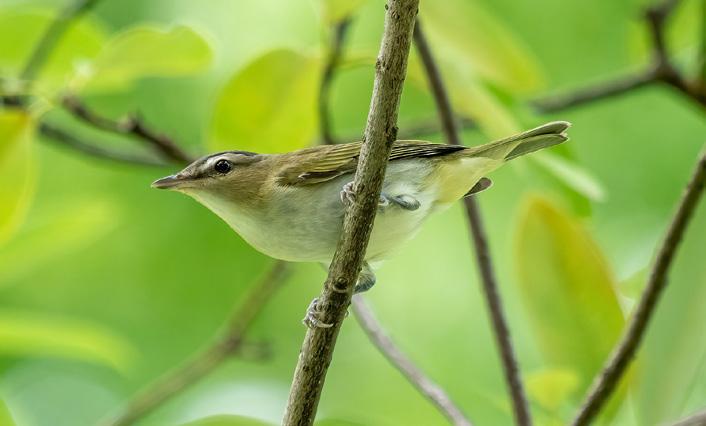
American Kestrel (Falco sparverius)
American Woodcock (Scolopax minor)
Red-eyed Vireo (Vireo olivaceus)
Osprey (Pandion haliaetus)
American Oystercatcher (Haematopus palliates)
Broad-winged Hawk (Buteo platypterus)
Scarlet Tanager (Piranga olivacea)
Red-winged Blackbird (Agelaius phoeniceus)
Hooded Warbler (Setophaga citrina)
1670
Antonie van Leeuwenhoek developed the first microscope. Microscopes would gain much popularity among academics, as they justified the statement: “This thing is so obvious, can’t you see?”
1859
After an expedition on the HMS Beagle, Charles Darwin proposed his evolutionary theory. Reviewers at the time were not pleased with the lack of control experiments or a t-test. This criticism happened even though the t-test had not yet been invented.
1865
Through cross-breeding peas found around his monastery, Gregor Mendel discovered the laws of heredity. The institutional review board was not pleased with the non-random selection of peas, or the lack of written consent from the peas. To keep Mendel busy with paperwork and prevent him from making further discoveries, the monastery assigned Mendel to be their dean.
1887
The Pasteur Institute was founded in Paris as an institute dedicated solely to biomedical research. Louis Pasteur greatly hailed the novelty of this institution.
HUMOR

1901
The Rockefeller University was founded in New York as an institute dedicated solely to biomedical research. The Rockefeller Foundation greatly hailed the novelty of this institution.
1930
The United States Congress officially established the National Institutes of Health (NIH). To this day, the NIH remains the top national safety agency, keeping rogue graduate students out of gangs and terrorist organizations. p
A Mostly Incorrect History of Biology and Medicine
Tribute to James Iry
Source: Anonymous
1950s
Fritz Albert Lipmann and Hans Adolf Krebs discovered the mitochondria. When people complained about the complexity of its name, Lipmann would appease the hecklers by explaining, “The mitochondria is the powerhouse of the cell, what’s the problem?”
1954
James Watson, Francis Crick, Maurice Wilkins, and Rosalind Franklin discovered the double helix structure of DNA. Due to a post-war depletion of reviewers and papers, the resulting publication by Watson and Crick was not peer reviewed and consisted of only one page.
1957
Heinrich Schnitger invented a bed that flips itself over every two hours. Unsatisfied with the amount of sleep-deprived nights it created, he invented the micropipette.

1985
Kary Mullis invented polymerase chain reaction, or PCR. Later historians would suspect that “9560-65” were merely lottery ticket numbers shouted out by Mullis in a frenzy and misinterpreted as temperatures to the reaction by his assistant. ■
RESEARCH NEWS
Not With a Cherry on Top!
By Nisa Keshwani
Those cherries on top of Grandma’s holiday treat may have been poisoned. Yes, those syrupy, gooey bursts of flavor are, in fact, toxic. The culprit is... red food dye. On January 15, 2025, the U.S. Food and Drug Administration (FDA) released a statement prohibiting the use of Red No. 3 in food and ingested drugs. This sudden change was in line with the Delaney Clause, a provision of the Color Additives Amendment to the Federal Food, Drug, and Cosmetic Act. This clause was added over sixty years ago, but the FDA is only now adjusting its policies to comply with the regulations.
Alas, the FDA has acknowledged the harmful reality of Red 3. It is not just a pop of color; it is a carcinogen and toxin. High doses of Red 3 were shown to be linked to thyroid tumors in murine models. Millions of consumers have fallen victim to purchasing these toxic products. From Brach’s candy corn to Nesquik strawberry milk and the infamous Maraschino cherries, numerous products have had Red 3 on their list of ingredients. These products are now switching to alternative ingredients such as natural colorings and other FDA-approved synthetic dyes.
After interviewing community members, we found that most were unaware of this new ban. Mariana, a high school

student, said, “I had no idea this food dye is so poisonous. I add [Maraschino] cherries to all my pastries! That’s scary.” Another person questioned, “Why wasn’t this information made publicly available on food labels to warn us?”
Unlike the United States, the European Union has banned Red 3 in food products since 1994. Although the FDA has been aware of the potential risks of ingesting Red 3 since the nineties, the organization has only implemented the ban now. But why? The agency faced pressure from the food industry to permit the use of the dye. Companies, like those that sell Maraschino cherries, lobbied against bans, ultimately postponing the removal of Red 3 from food products.
In the past few years, new policies were put into place regarding food oversight. Specifically, the Food Safety Modernization Act of 2024 is rebuilding the food safety system by “shifting the focus from responding to foodborne illness to preventing it.” The primary focus of this law is to address the root causes of infections for both human and animal food. So, the next time Grandma bakes a tray of pastries, remind her to throw away the threeyear-old jar of signature Maraschino cherries sitting at the back of the pantry. Here’s to protecting the future from Red 3! ■
CULTURE
Breaking the Cycle
By Cecilia Cuddy
When we think of the New Year, it often serves as a time for reflection and renewal—a moment to pause and consider the significance of new beginnings. It is common for people to hit a proverbial “reset button” and establish New Year’s resolutions that reflect the physical, emotional, mental, or social changes they wish to make in their lives. For many, setting resolutions represents a personal commitment to growth and change, acting as a powerful motivator to pursue one’s aspirations. However, many people struggle to follow through on these commitments. This often stems from unrealistic expectations, a lack of planning and accountability, and failure to form lasting habits. But is there science behind this?
History of New Year’s Resolutions
The concept of New Year’s resolutions can be traced back to the Babylonians. In 2000 B.C., they hosted some of the first recorded New Year’s celebrations, which occurred in March to coincide with the planting of new crops. During a twelve-day holiday called Akitu, the Babylonians made promises to the gods to pay their debts. The most popular resolution was to return borrowed farm equipment, since Babylonian society was agricultural.
The Babylonian New Year and the tradition of resolutions were later adopted by the ancient Romans. The festival’s timing shifted in 46 B.C., when the Julian calendar designated the start of the year as January 1. The Romans would offer sacrifices to Janus, the two-faced god who represented looking into the past and future
simultaneously, as they made promises of good behavior and conduct for the coming year. Recent evidence has shown that New Year’s resolutions were also made during the Middle Ages. Christians took part in Watch Night services at their churches to reflect on the past year and pledge to lead a more virtuous life, while knights renewed their vows of chivalry and loyalty.
By the nineteenth century, New Year’s resolutions had become so common that people found humor in making and breaking their pledges. An 1802 article from Walker’s Hibernian Magazine listed several comical resolutions, such as “statesmen have resolved to have no other object in view than the good of their country” and “the physicians have determined to follow nature in her operations and to prescribe no more than is necessary, and to be very moderate in their fees.”
The term New Year’s resolution was coined in a Boston newspaper from January 1, 1813. The article noted, “And yet, I believe there are multitudes of people, accustomed to receiving injunctions of New Year resolutions, who will sin all the month of December, with a serious determination of beginning the new year with new resolutions and new behavior, and with the full belief that they shall thus expiate and wipe away all their former faults.” Evidently, the tendency to break our resolutions has existed for just as long as the practice of making them.
Research on Resolutions
By the mid-twentieth century, resolutions had become focused on self-improvement, such as getting
more sleep or pursuing a new skill. Medical sociologist Natalie Boero of San Jose State University suggests that these kinds of resolutions reflect societal values like status, responsibility, and self-discipline.
Recent research by Forbes Health shed light on the most common New Year’s resolutions. They found that fitness was the most popular resolution topic, followed by mental health. A smaller proportion of resolutions focused on learning a new skill, making more time for hobbies, and traveling more.
To explore New Year’s resolutions in the Tri-I, we surveyed our very own Natural Selections team about their resolutions and the plans they had for achieving them. All eight respondents had resolutions focused on self-improvement—for example, spending more time with relatives, learning a new language, and practicing forgiveness and gratitude. Participants had distinct strategies for achieving their resolutions. One respondent planned to improve their Spanish by listening to podcasts, reading, and completing online language lessons. In order to “stop leaving the lab at 9pm,” another participant laid out a strategy of establishing a consistent schedule to prevent their work and bedtime hours from being pushed back later and later.
When we followed up with our survey respondents three months into the year, 60% of them said they had achieved their first resolution, while 40% stated they had not. Success rate appeared to decline with each additional resolution reported. For the two respondents with a second resolution, one was able to achieve it, and the one participant who had a third resolution was also unable to achieve it.
Our respondents mentioned similar reasons as to why they could not maintain their resolutions. A respondent who resolved to go to the gym more found that their work made it challenging to stay consistent. The respondent who had set out to leave lab at a more reasonable time failed, stating, “My lab schedule is still all over the place… [it’s] difficult to keep regular hours.”
“I totally fell off the bandwagon,” admitted the participant who had resolved
to improve their Spanish. “I was really good about practicing my Spanish for the first week of the year, when I was still on break, but then I let things slide as soon as lab work picked back up again.”
The Psychology of Goal-Setting
Psychologists have long studied goal-setting and the factors that contribute to completing our resolutions. A common motivation for setting new goals is the fresh start effect, which encourages individuals to pursue aspirational goals immediately after significant milestones. Events like the beginning of a new year are seen as natural opportunities for change, and aligning goals to a specific timeframe can enhance a person’s commitment to them.
Another common motivation is the sense of purpose goals can provide. This intrinsic motivation aligns with psychological theories that emphasize our natural drive for fulfillment and self-actualization. Setting goals releases dopamine, the key neurotransmitter in the brain’s reward centers. Neuroscientists have found that pursuing goals activates these reward centers, regardless of whether we achieve our resolutions or not; the process of pursuing a goal can be as impactful as attaining it.
Why Do Resolutions Fail?
The intent to keep one’s resolution statistically lasts two to four months. In general, there are three major reasons why people fail to achieve their resolutions: (a) they lack clear, specific goals; (b) they fail to monitor their progress toward the goal; and (c) they cannot maintain their goals in the face of obstacles and distractions. Researchers have theorized that self-control is a limited psychological resource that can be quickly exhausted. This makes altering habitual behaviors an uphill battle, especially when goals are disrupted by life’s other demands.
Conflicts between automated behaviors and long-term goals are a common rea-

son why many people struggle to complete their resolutions. False hope syndrome can produce frustration with one’s inability to commit to unrealistic goals, leading to abandonment of resolutions. Behavioral scientist Ayelet Fishbach speaks about another phenomenon, the middle problem. People are often highly motivated when they set their goals, but their motivation tends to decline over time. With goals that have a clear endpoint (for example, reading twelve books by the end of the year), motivation may increase again as a person approaches that endpoint. The challenge in this case lies in the middle phase.
Strategies for Success
While keeping to our resolutions can feel like an insurmountable challenge, there are some strategies to increase success. First, make your resolution specific and detailed. Fishbach has compared setting goals to following a baking recipe: “You need to list the exact quantities.” For example, defining your goal as “walk 10,000 steps per day” instead of just “walk more” provides a clear, achievable target.
People are also more likely to remain motivated to accomplish goals that reflect their values and interests. One of our survey respondents successfully completed their resolution of dedicating more time to crocheting projects, finishing two before the follow-up survey. The participant
explained that they were “working a lot in January and needed time to decompress… a lot of my experiments are long term, so it was good to feel some sort of accomplishment once I completed a crochet project.”
Another strategy for completing your New Year’s resolutions is to use behavior analytic tools, which are often deployed by Applied Behavior Analysts (ABA). ABA emphasizes task analysis—breaking down a long-term goal into smaller and more manageable tasks. Positive reinforcement is another core principle of ABA: providing a reward immediately after a desired behavior makes one more likely to repeat that behavior. Finally, consistent monitoring and data can help a person visualize what they have accomplished and provide insight on where and how to make adjustments. One way to do this is to use a journal to track everything you have done related to completing your resolution.
New Year’s resolutions are important because they provide us with an opportunity to set goals and improve ourselves. By reflecting on what we wish to change and breaking our goals into smaller, manageable steps, we can make meaningful progress. It’s important to remember that facing challenges is a normal part of the process, but each small success can motivate us to keep pushing forward. Let’s embrace the New Year with hope and determination, knowing that with effort, we can transform our resolutions into reality and create positive change in our lives. ■

ORCHESTRA SPRING CONCERT
Pärt Cantus in Memoriam of Benjamin Britten
Haydn Cello Concerto No. 1 in C Major Theofanidis Rainbow Body
Sibelius — Symphony No. 2 in D Major
ADRIAN ROGERS, CONDUCTOR
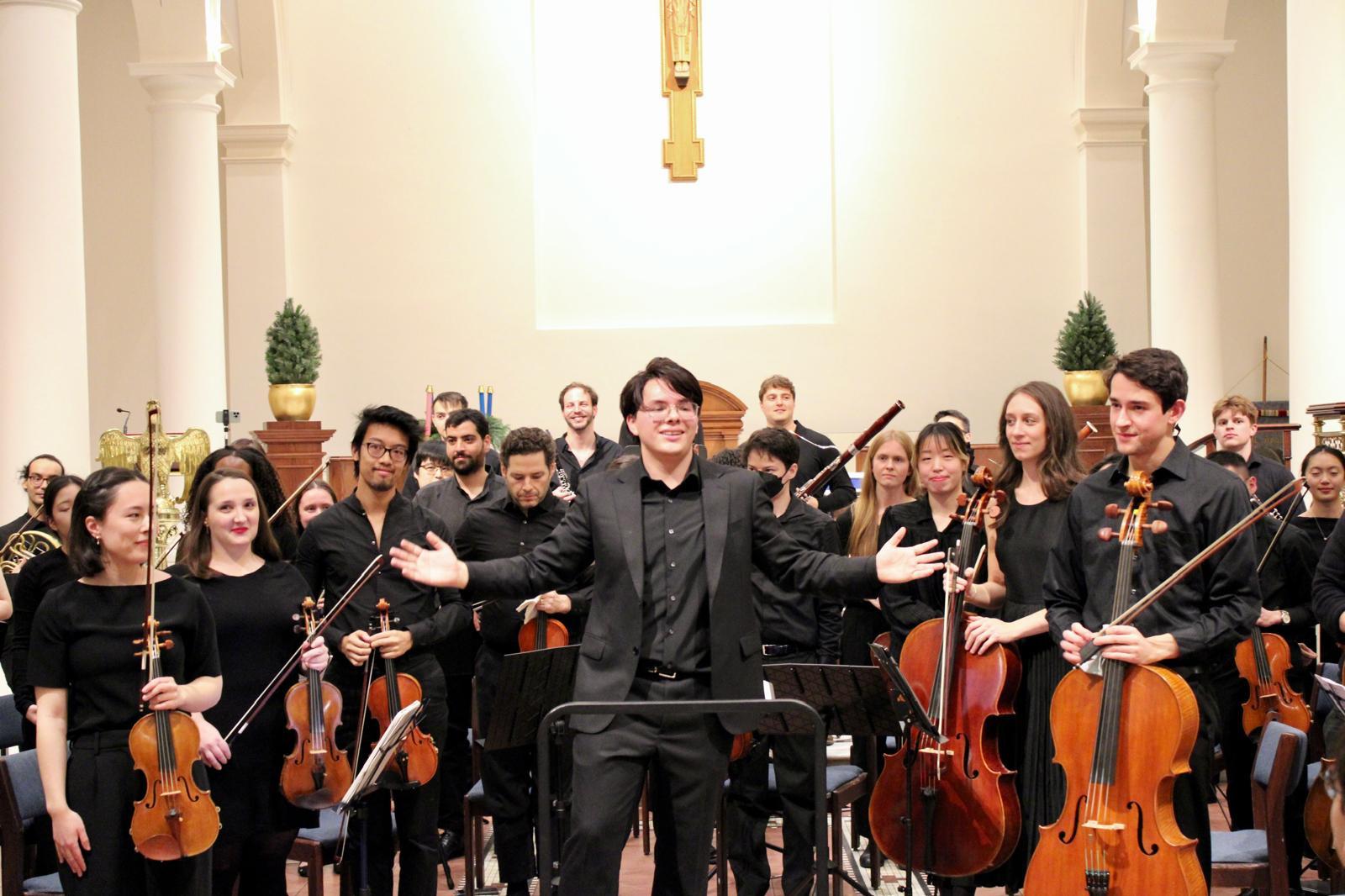
05.03.2025 7:30 PM ST. BARTHOLOMEW’S CHURCH 325 PARK AVE

TICKETS AVAILABLE AT DOOR
$20 SUGGESTED DONATION, $10 FOR STUDENTS Proceeds support the Music & Medicine Initiative
SPONSORED BY:
Come join us on Saturday, May 3 for the spring Tri-I Orchestra Concert at the beautiful St. Bart’s Church in the Upper East Side, featuring works by Haydn, Sibelius, and more! This concert will also feature Rockefeller PhD student Giacomo Glotzer as soloist, performing a cello concerto with the orchestra.
The Tri-I Orchestra was a staple of the Tri-I community for many years before going on pause during the pandemic. Last June, the orchestra was restarted from scratch by students at Rockefeller and Weill Cornell. In less than one year, the Music & Medicine Tri-I Orchestra has grown to be the largest medical community orchestra in NYC.
Weill Cornell Alumni Association, Rockefeller University ODEI, WCM Med-Ed
GIA
OTZER CELLO (2ND HD)
Interested in being part of our team? Email mharaguchi@rockefeller.edu to get involved!
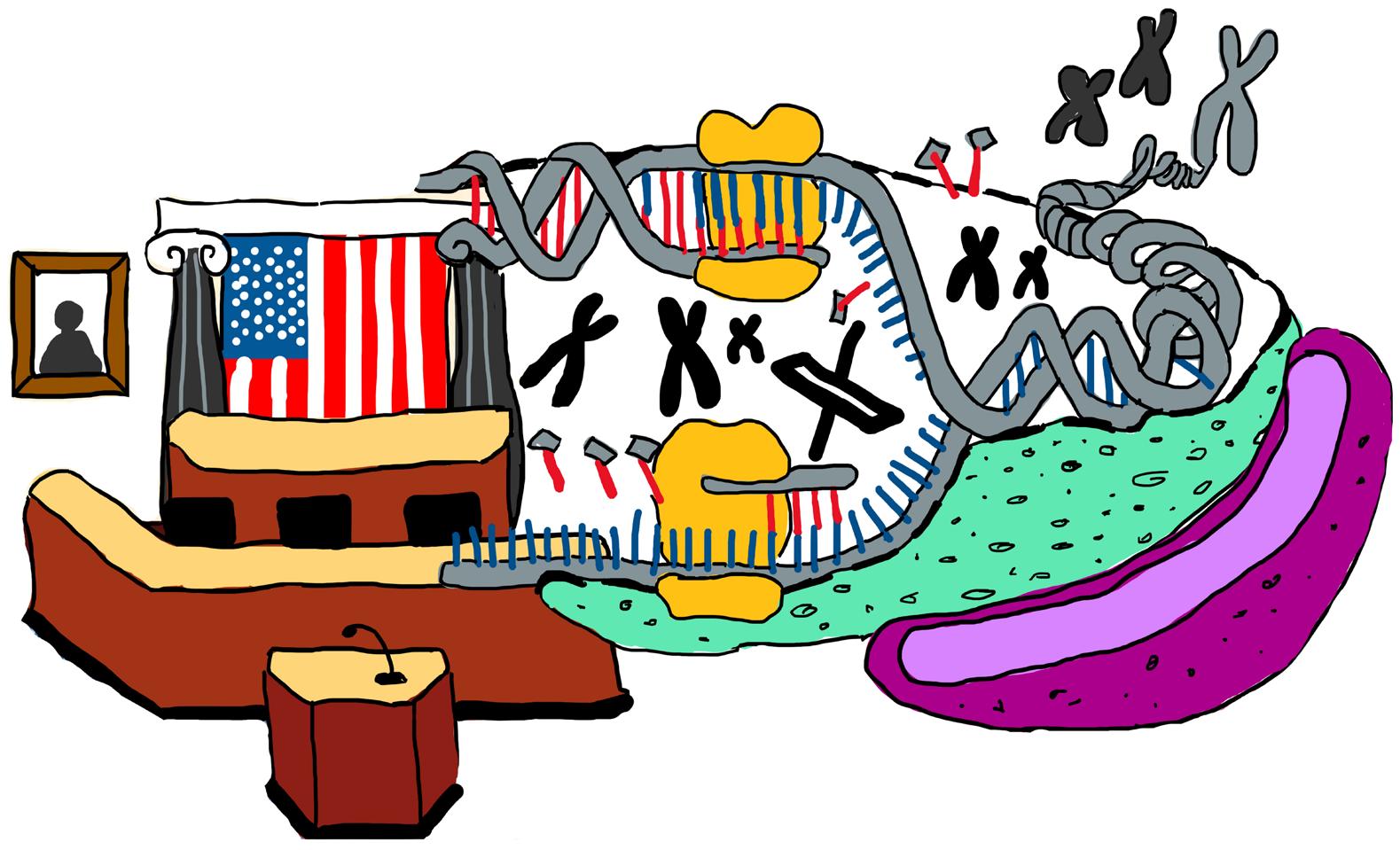
Natural Selections is not an official publication of The Rockefeller University. University administration does not produce this newsletter.
The views expressed by the contributors to this publication may not necessarily reflect the views or policies of the University.
Editor-in-Chief
Mia Haraguchi
Senior Editor
Merima Šabanović
Associate Editors
Sofia Avritzer
Colin Burdette
Cecilia Cuddy
Lola Neal
Eeshaan Rehani
Copy Editors
Juan Sebastián Andrade-Martínez
Nick Belenko
Charlotte Bell
Cecilia Cuddy
Valerie Gallegos
Shenni Liang
Marina Schernthanner
Libby Tseng
Original contents copyright © 2025 by Natural Selections. All rights reserved. Reproduction either in whole or in part without written permission of the editors is prohibited.
Comic by Alex Stuart
SCIENCE AND POLITICS
Inside:
› The Myth of Apolitical Science
› Trying to Survive as a Scientist Under Shifting Presidential Administrations
› Bridges Across Worlds: International Voices at the Tri-I
› NYC’s Most Unique Museums
Interested in being part of our team? Email mharaguchi@rockefeller.edu to get involved!
Scan to read our digital issue!