The Ultimate Guide to Hands-On Field Research Travel
FIELD RESEARCH TRAVEL
“The participatory scientist experience is a once-in-a-lifetime opportunity to live and breathe the life of a scientist. The field and lab work were equally interesting, but getting to know these young scientists and their passion, intelligence and commitment to wildlife and environmental conservation was the best part!”
How to Use This e-book:
• The Contents listed above are live links. Click to jump to the desired page.
• Click “CONTENTS” in the lower right corner to return to this Contents page.
• Other links throughout the e-book are shown in blue, underlined text.
“I would recommend this experience to anyone looking for an adventure who also wants to make a difference for the future of our planet.”
Explore With Purpose: Exploring the World Through Participatory Science
Some of the most important conservation research in the world depends on people willing to show up—consistently, carefully and with purpose. Tracking wildlife over time. Monitoring coral reefs season after season. Measuring subtle changes in forests, rivers and coastlines.
Participatory science turns that commitment into action while offering the opportunity to explore extraordinary places. Since 1971, Earthwatch has sent people into the field with scientists, contributing to research that protects vital habitats and wildlife. In 2026, Nat Hab and Earthwatch joined forces to create Earthwatch Expeditions by Nat Hab, relaunching small-group, hands-on expeditions
On Earthwatch Expeditions trips, travelers work alongside professional researchers in the field to contribute to structured, long-term studies that advance conservation knowledge. Participants are trained in proven field methods, collect meaningful data and assist with enduring research projects that continue for decades and whose results have real-world impacts.
No scientific background or field research experience is required. Curiosity and a willingness to engage deeply matter far more.
In a time when environmental challenges can feel overwhelming, participatory science turns exploration into discovery and travel into something that truly matters.
All Earthwatch Expeditions trips offer exciting opportunities to participate and contribute to scientific research, as well as immersion in the ecosystems where the studies take place. Call 800-543-8917 or visit our website to explore our current expeditions and discover how you can make a difference.
WHAT IS PARTICIPATORY SCIENCE?
Participatory Science at a Glance
Researcher-Led
Projects are designed and led by professional scientists. The lead scientist is typically called the Principal Investigator.
Method-Driven
Participants follow standardized protocols used in scientific studies, ensuring data is collected consistently and can be compared across seasons and locations.
Data-Verified
Scientists review and validate collected observations before they are incorporated into the project’s larger dataset.
Training Provided
Field teams receive instruction in research methods, equipment use and proper data collection before beginning fieldwork.
Real-World Impact
Data contributes to peer-reviewed studies, conservation planning and long-term ecological research.
Where Discovery Meets Impact
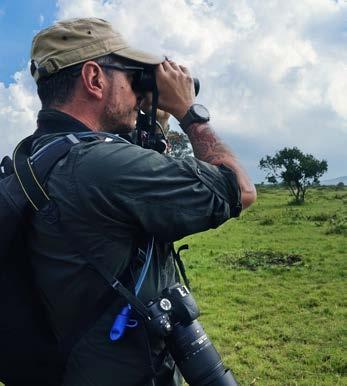
Participatory science begins with a simple shift: stepping out of the role of observer and into the process of discovery. At research sites around the globe, people work alongside scientists—tracking wildlife, surveying plants and documenting the subtle signals of environmental change.
The approach builds on a long tradition of observation. Long before formal research teams existed, naturalists and dedicated amateurs helped shape scientific understanding through patience and careful attention to the natural world. Today, those instincts are paired with structured research. Scientists design the studies, train participants in standardized methods and incorporate their observations into ongoing investigations.
Working this way allows research to extend well beyond what small teams of scientists could accomplish alone. With trained participants gathering observations, studies can span wider regions and continue across many seasons. This kind of sustained monitoring is essential in fields such as wildlife ecology, climate science and marine biology, where gradual changes only become visible through long-term data.
Participatory science is sometimes confused with volunteer tourism, but the aim is different. Service travel often focuses on community projects or infrastructure. Participatory science centers on research itself. Scientists design the studies, but participants are critical to carrying them out via hands-on field research across landscapes, species and seasons. Those field observations become part of the scientific record, helping researchers answer ecological questions and track environmental change.
Time in the field changes how people experience the natural world. Attention sharpens. You begin to notice what scientists look for: the timing of a bloom, a shift in bird calls, tracks pressed into mud after a storm. Participatory science offers a rare chance to see how knowledge about ecosystems is built, contribute to it firsthand and help protect the planet’s ecosystems and species.
WHY PARTICIPATORY SCIENCE MATTERS
Many environmental changes unfold slowly. Understanding how ecosystems evolve— whether tracking wildlife populations, monitoring coral reefs or studying forest recovery—requires the same methodologies taken in the same places over long stretches of time. Some research projects run for decades before clear patterns begin to emerge.
Maintaining that kind of continuity can be difficult. Fieldwork is time-intensive, funding cycles are short and many study sites lie far from laboratories and universities. Sustaining long-term monitoring across large landscapes often exceeds the capacity of traditional research teams.
Participatory science helps close that gap. With trained participants assisting in the field, researchers can gather far more observations, revisit study sites year after year and follow environmental change over time. Scientists establish the research questions and methods;
participants help carry them out—recording wildlife sightings, measuring vegetation, surveying reefs or documenting seasonal changes. Repeated carefully over time, those observations build datasets strong enough to reveal long-term trends.
The results extend far beyond the field site. Data gathered through participatory science contributes to peer-reviewed research, informs conservation planning and helps scientists, land managers and policymakers understand how ecosystems are changing. In many cases, these long-term records become some of the clearest evidence we have of environmental shifts.
Participatory science does more than support research—it makes long-term environmental studies possible. By extending the reach of scientific teams and sustaining consistent observation over time, participants help ensure that the slow story of environmental change can actually be measured and understood.
How Field Research Becomes Conservation Knowledge
Field Data Collection
Participants work alongside scientists to gather observations in the field using standardized research methods.
Scientific Analysis
The research team compiles and analyzes the data to identify patterns and trends.
Publication & Reporting
Researchers interpret the results and publish findings in peer-reviewed journals, scientific reports and conservation assessments.
Conservation Action Governments, NGOs and land managers use this information to guide policy, habitat protection and species management.
RESEARCH SPOTLIGHTS: PARTICIPATORY SCIENCE THAT MAKES A DIFFERENCE
Monitoring Wildlife Recovery in East Africa
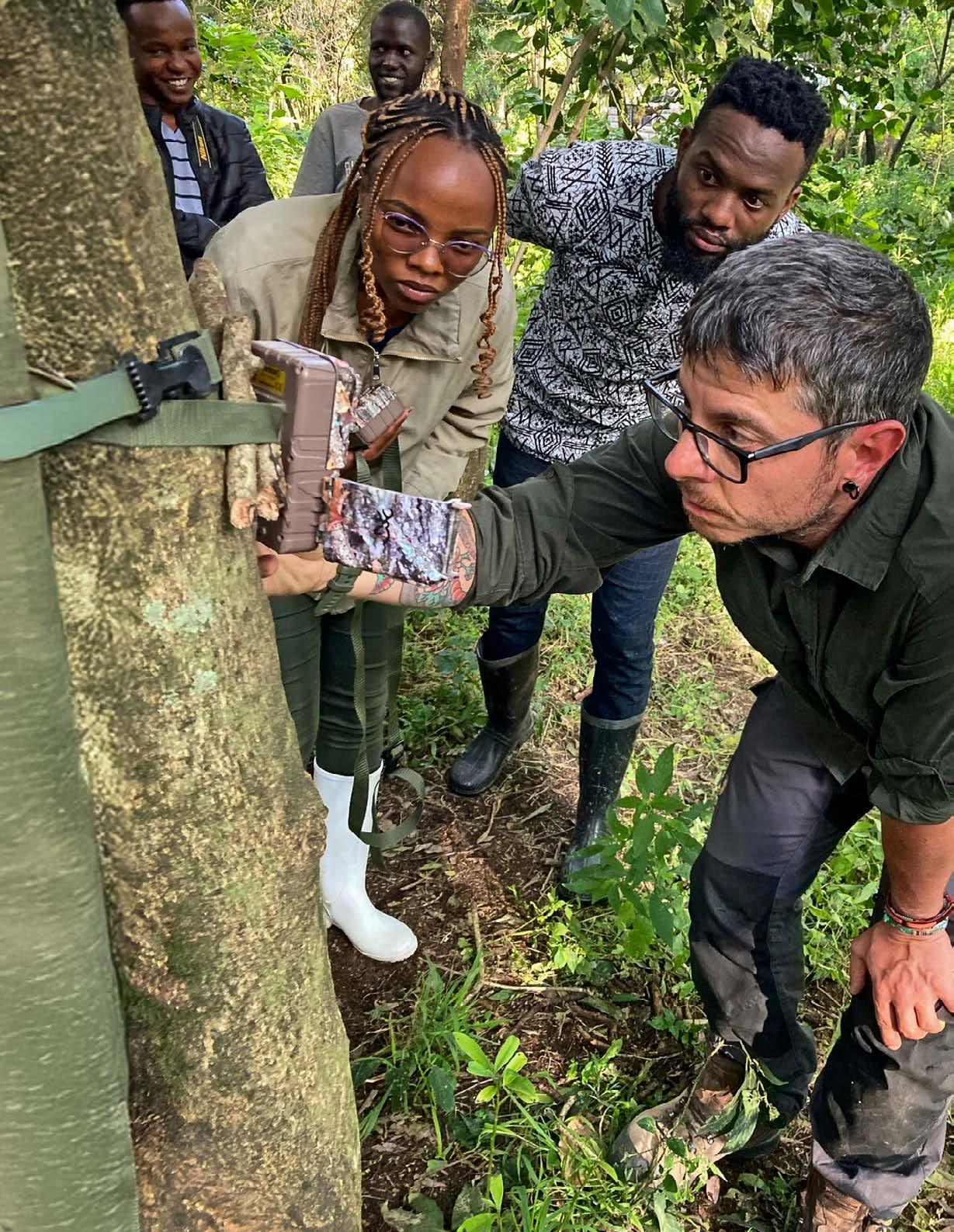
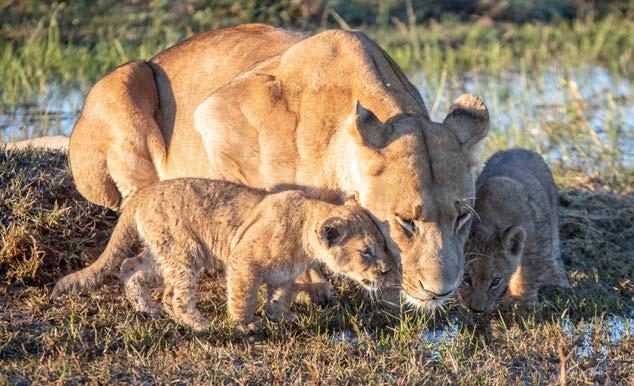
In Kenya’s Enarau Conservancy, a degraded landscape on the edge of the Maasai Mara, researchers study ecosystem recovery and wildlife return. Participants work with scientists and Maasai landowners to survey animal populations, track species including elephants, giraffes and predators, and collect field data that informs habitat restoration and corridor conservation efforts across East Africa.
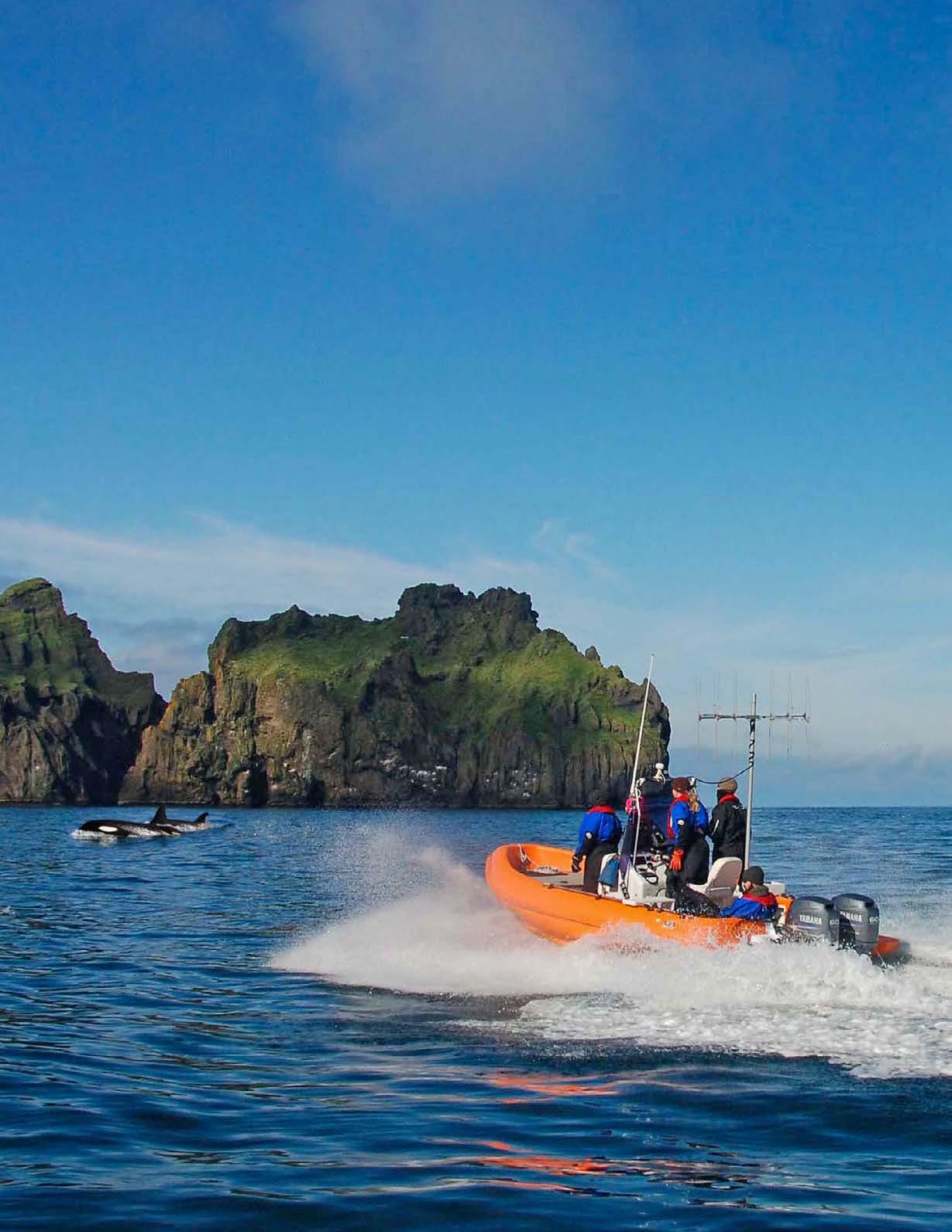
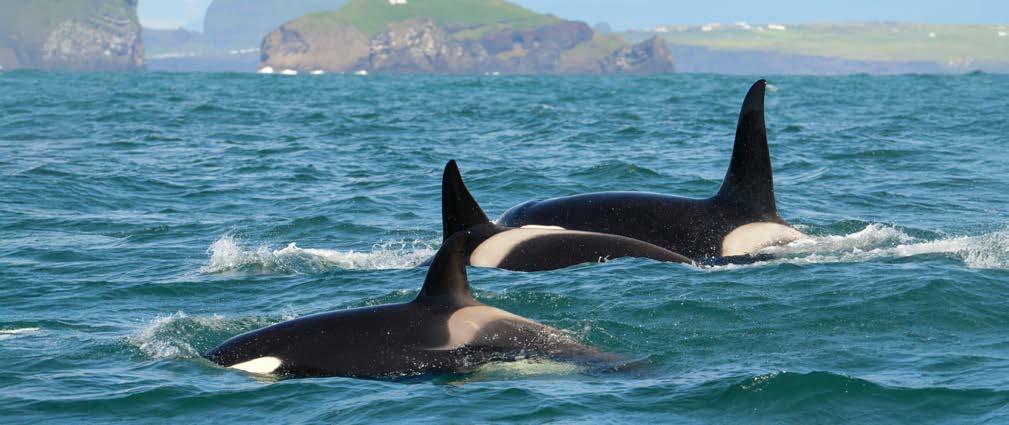
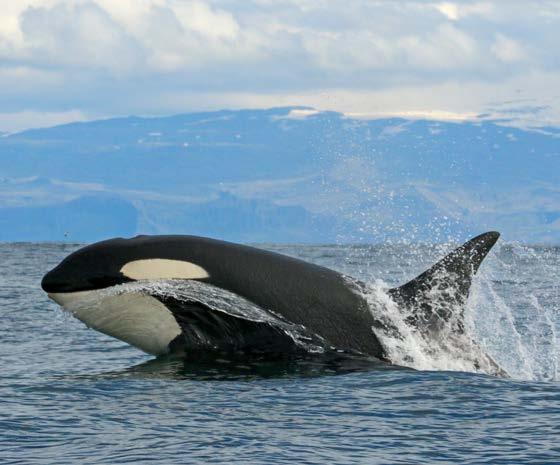
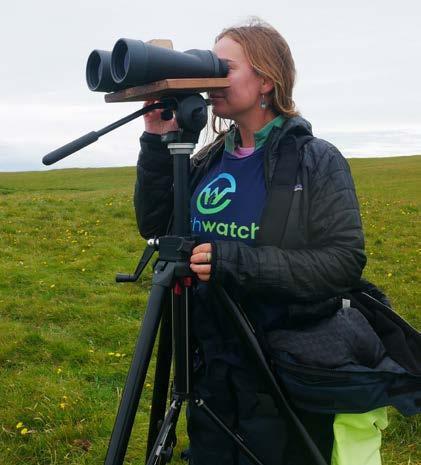
In the cold waters of the North Atlantic, researchers study killer whales and the fish populations on which they depend. Participants document whale sightings, photograph dorsal fins for identification and record behavior from research vessels. Over time, these records allow scientists to follow individual whales, examine feeding patterns and understand how marine predators respond to changing ocean conditions.
Earthwatch Expeditions trips place travelers inside real scientific research in some of the world’s most remarkable environments. Each expedition supports an active study led by professional scientists investigating ecosystems, wildlife populations or environmental change. Participants join small field teams, assisting researchers with defined tasks and gathering observations that contribute to ongoing studies.
No scientific background is required—only curiosity, attention to detail and a willingness to learn.
Every expedition supports a structured scientific study led by professional researchers, often affiliated with universities or research institutions. Projects focus on specific questions such as how wildlife populations are changing, how ecosystems respond to climate pressures or how species interact within their habitats.
Studies continue across multiple field seasons. Returning to the same landscapes year after year allows researchers to detect patterns short-term studies often miss.
Participant Training
Each expedition begins with orientation and training led by the research team. Scientists explain the project’s goals, introduce data-collection methods and demonstrate the tools used in the field.
Safety briefings, equipment demonstrations and practice sessions prepare participants to record observations carefully and follow established research protocols—ensuring the data can be trusted and compared over time.
Before research begins, participants spend time getting to know the landscape they will be studying. Guided by researchers and local experts, they explore the ecosystem, learning to recognize habitats, seasonal rhythms and the species that shape the environment. This immersion provides context for the research and sharpens the observations that follow in the field.
In the Field
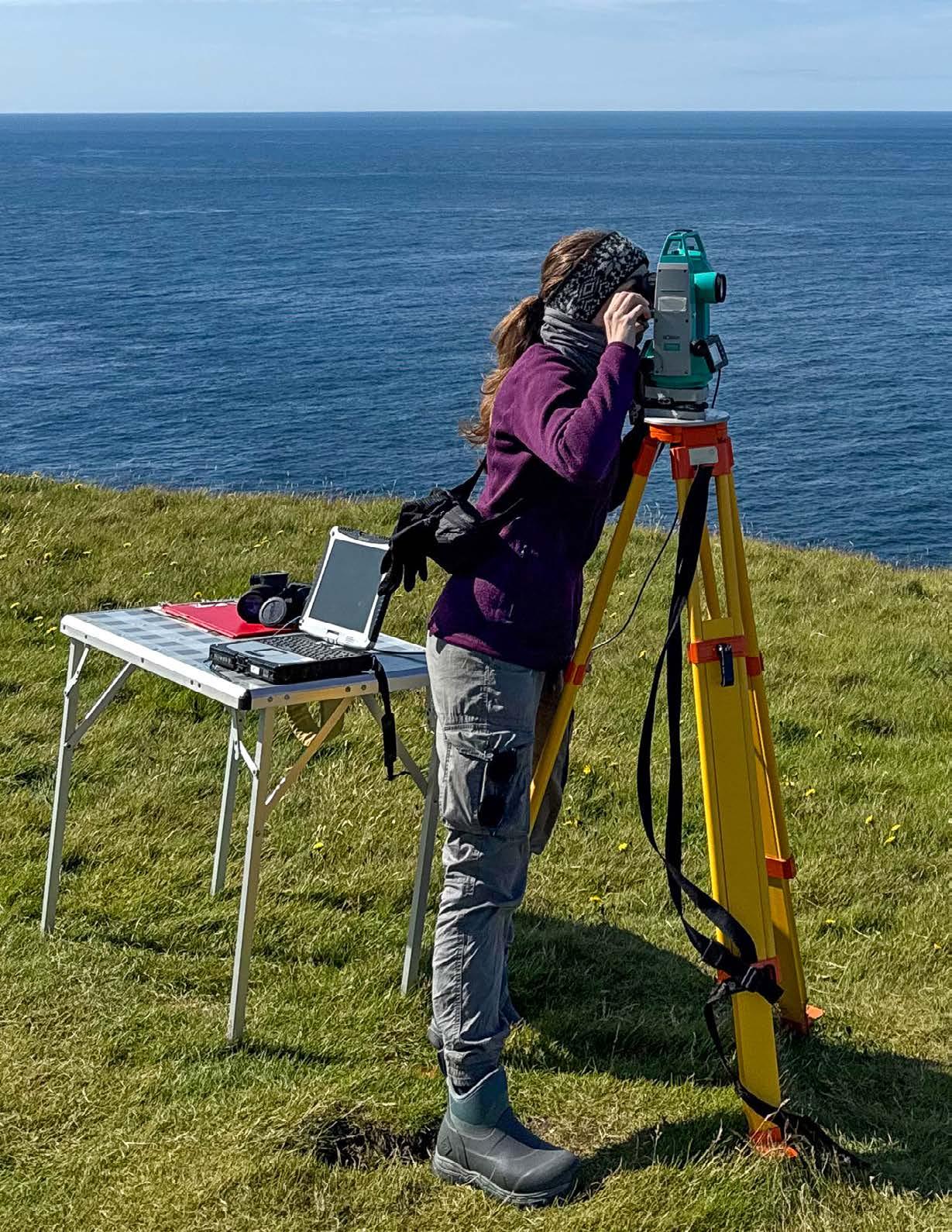
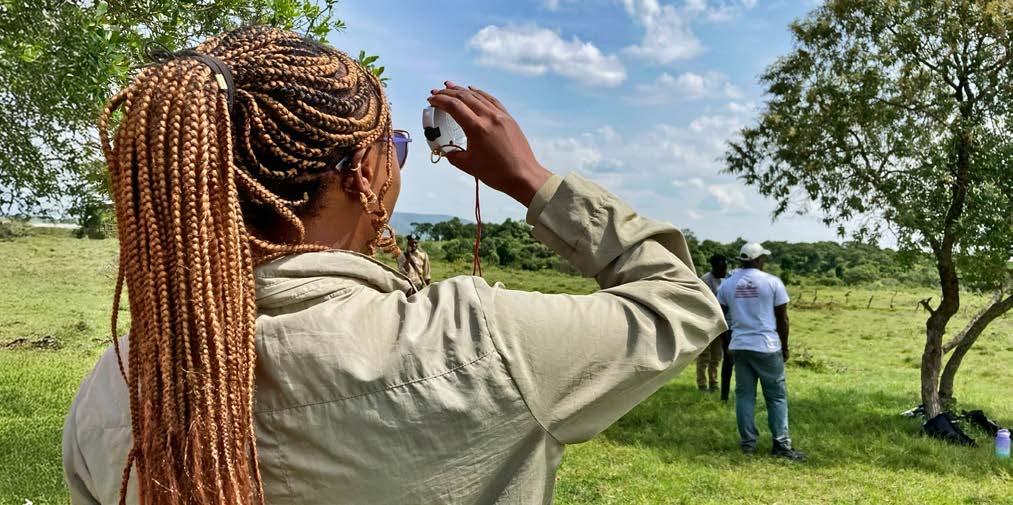
Field teams are intentionally small, allowing participants to work closely with researchers throughout the expedition. Each day focuses on specific tasks—surveying wildlife, documenting habitat conditions or collecting environmental measurements.
Working alongside scientists, participants contribute observations that support the broader study while seeing firsthand how ecological research unfolds.
Rougier
Oversight & Scientific Standard s
All data collected during an expedition is reviewed by the research team to ensure accuracy and consistency. Observations become part of larger datasets that may span multiple seasons or research sites.
Earthwatch Expeditions projects are conducted in partnership with universities, research institutions and conservation organizations, helping ensure each study meets rigorous scientific standards while contributing to meaningful environmental research.
EXPLORE CURRENT RESEARCH EXPEDITIONS
Explore Earthwatch Expeditions and take part in handson field research with scientists working to understand and protect the natural world.
RESEARCH SPOTLIGHTS: WHERE PARTICIPATORY SCIENCE CAN TAKE YOU
Into the Amazon: Documenting Life in Earth’s Richest Forest
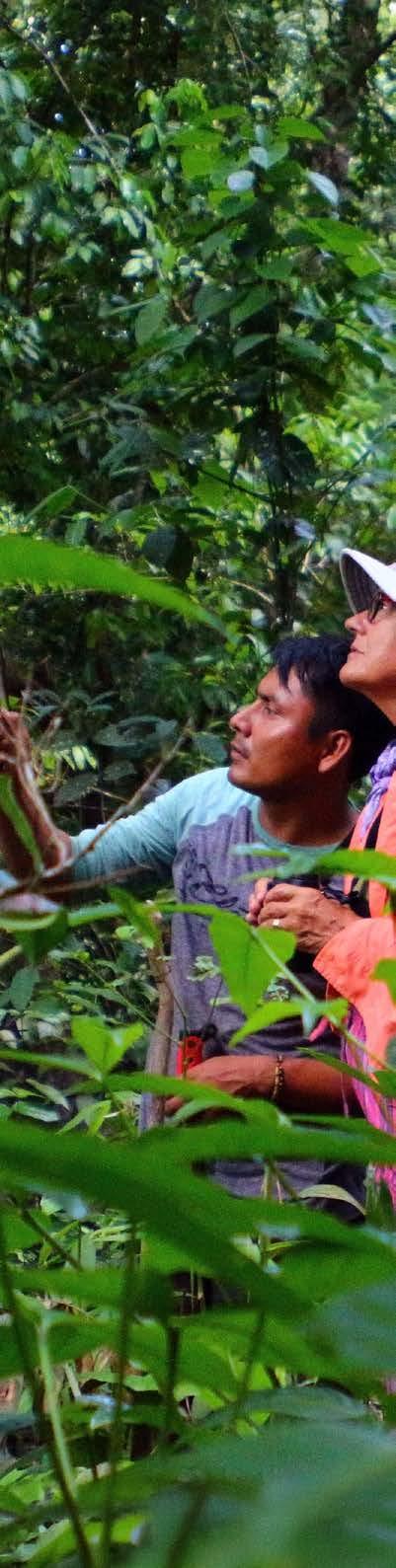
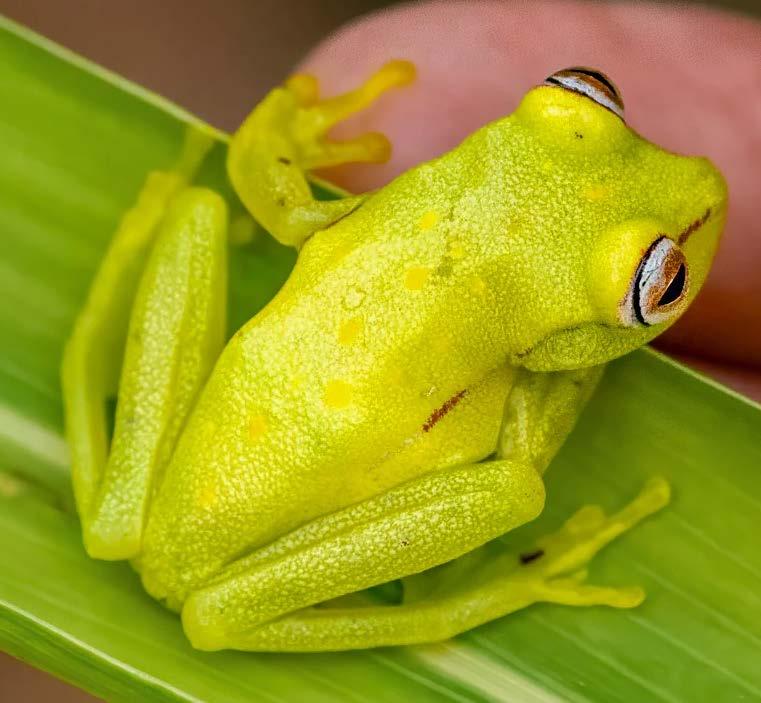
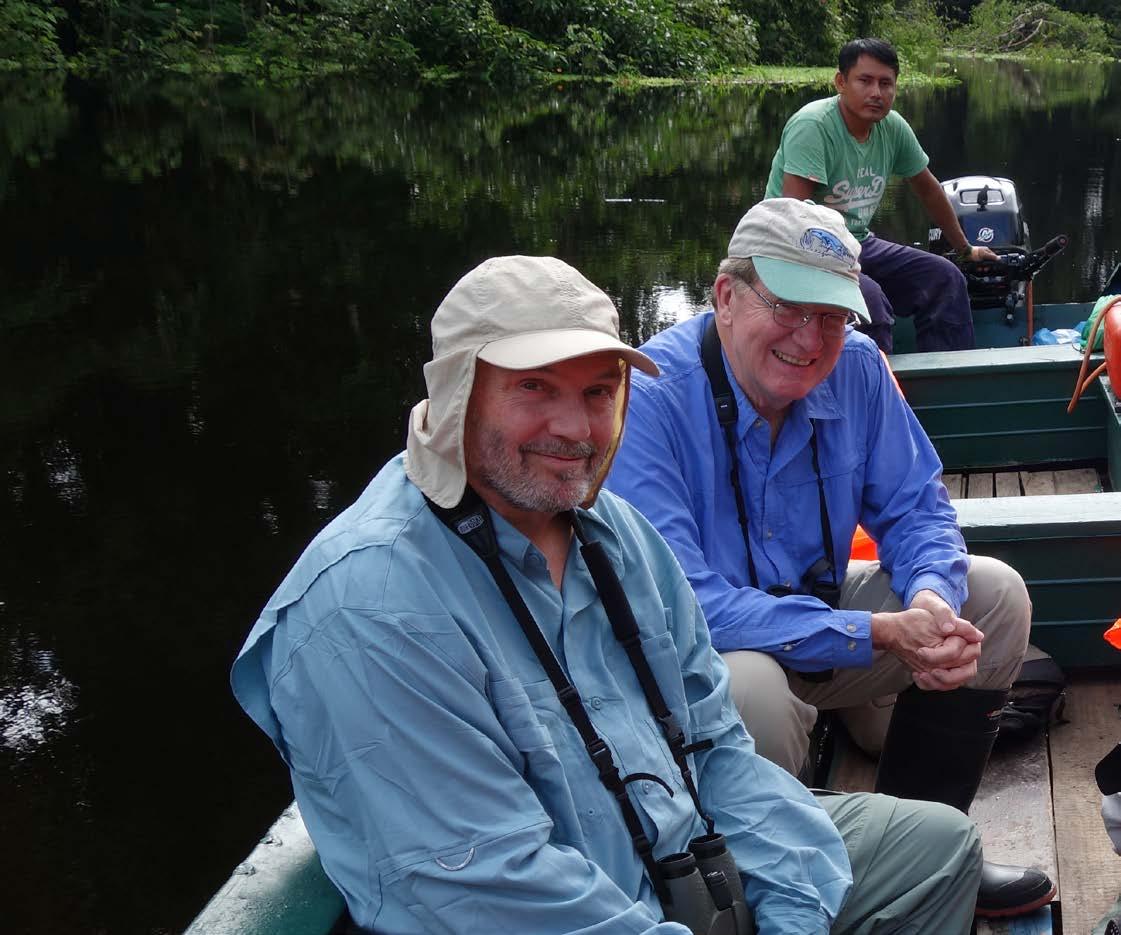
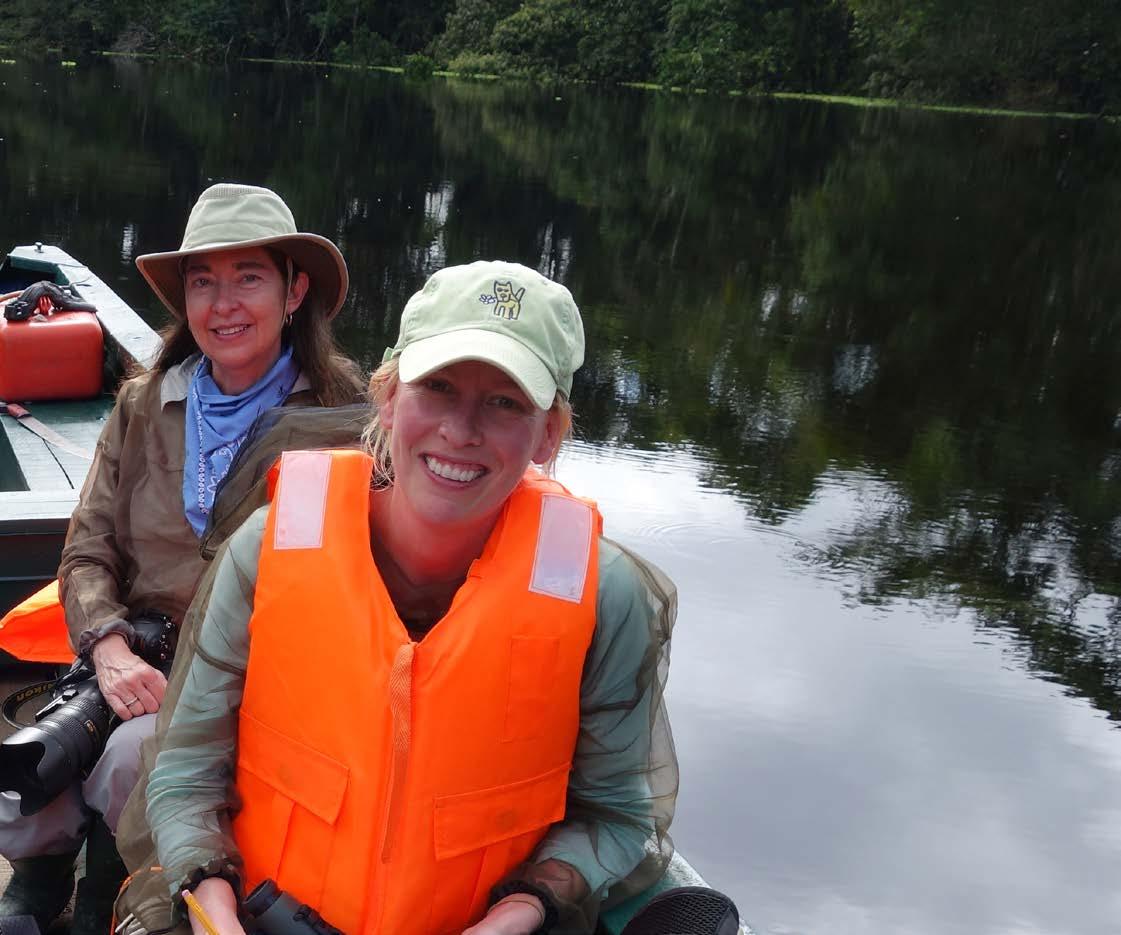
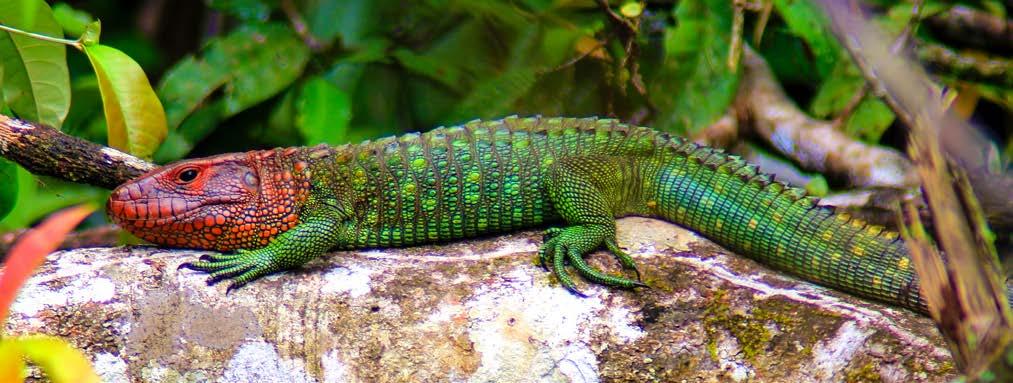
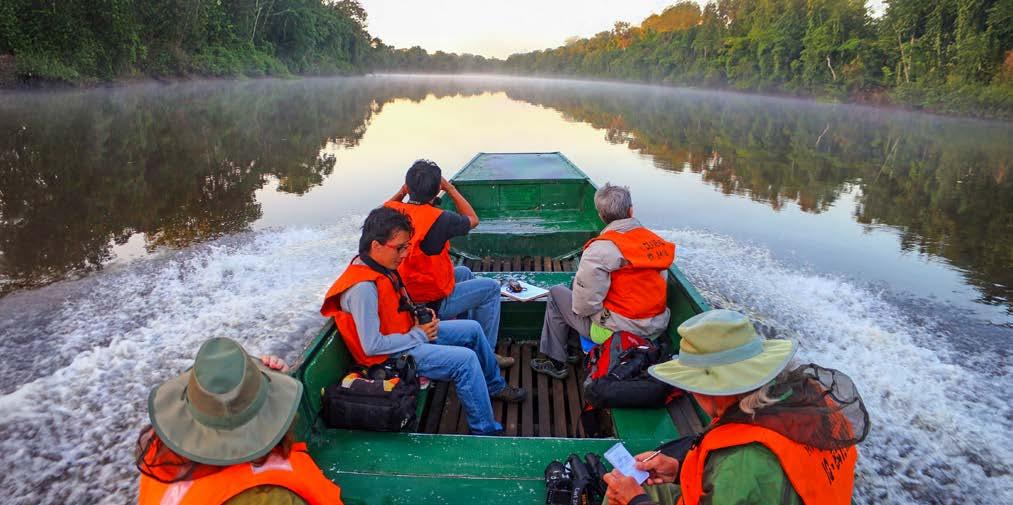
In the Amazon Basin, researchers study the extraordinary biodiversity of the world’s largest rainforest ecosystem. Participants assist with wildlife surveys, document bird and amphibian activity and help monitor environmental conditions across forest and river habitats. These observations contribute to long-term datasets that help scientists understand how rainforest ecosystems are changing—and how biodiversity responds to shifting climate, habitat pressures and conservation efforts.
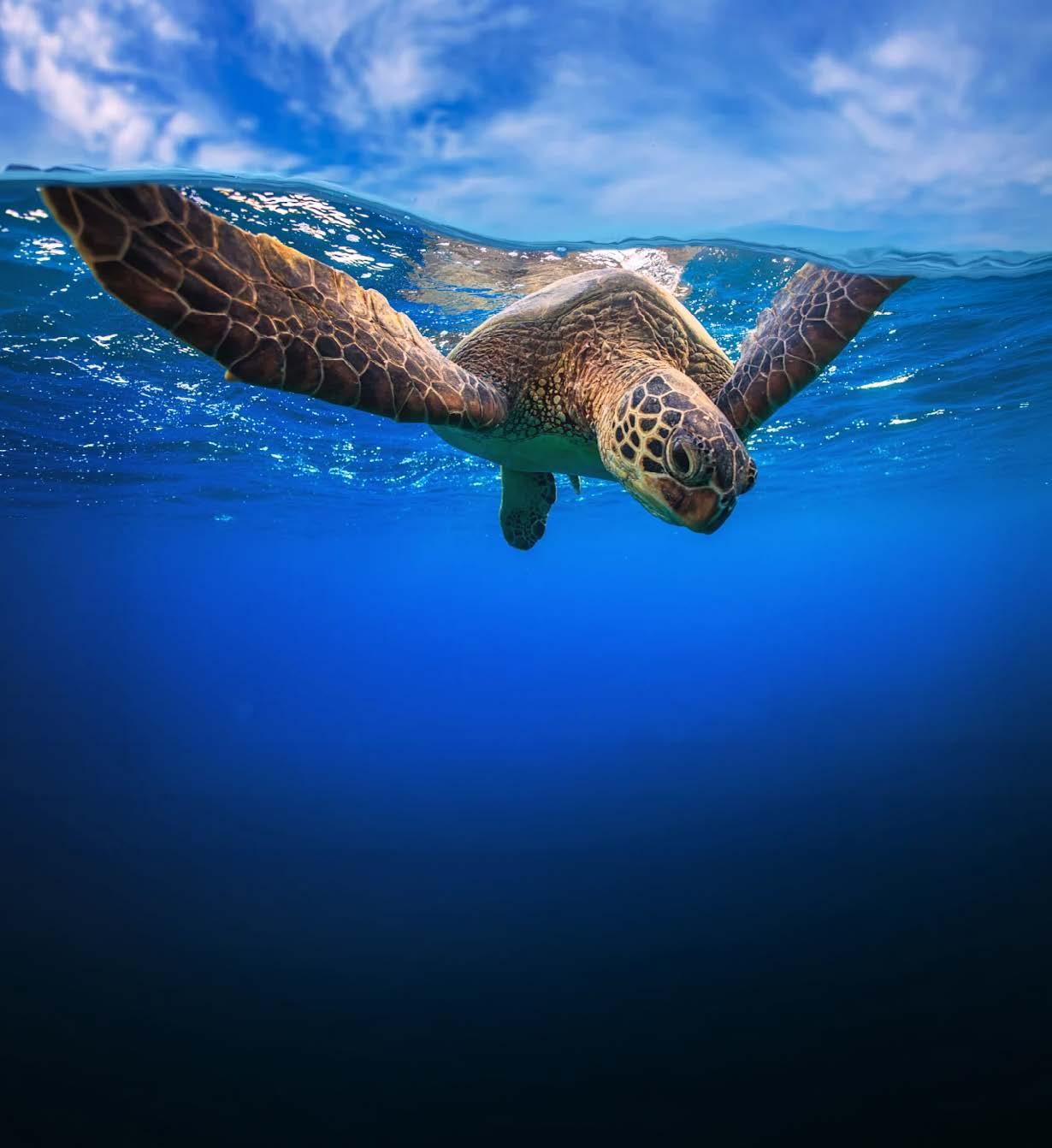
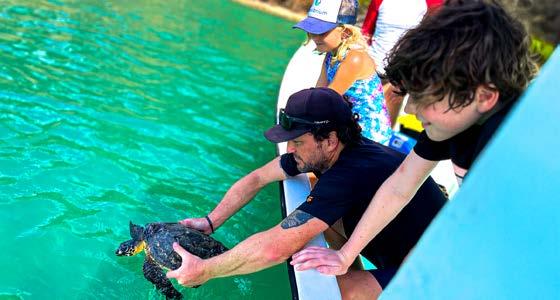
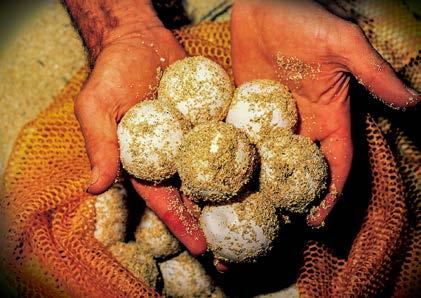
Safeguarding Sea Turtles on Costa Rica’s Pacific Beaches
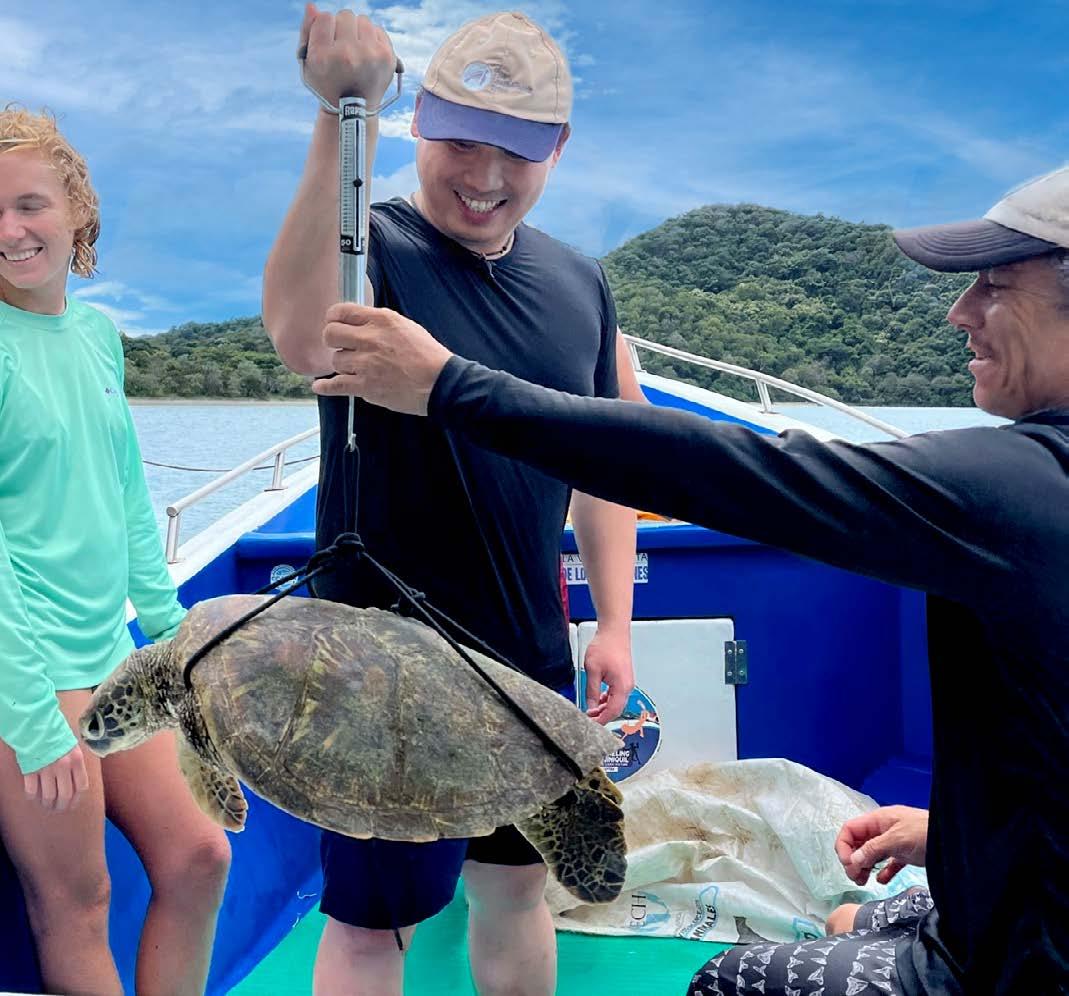
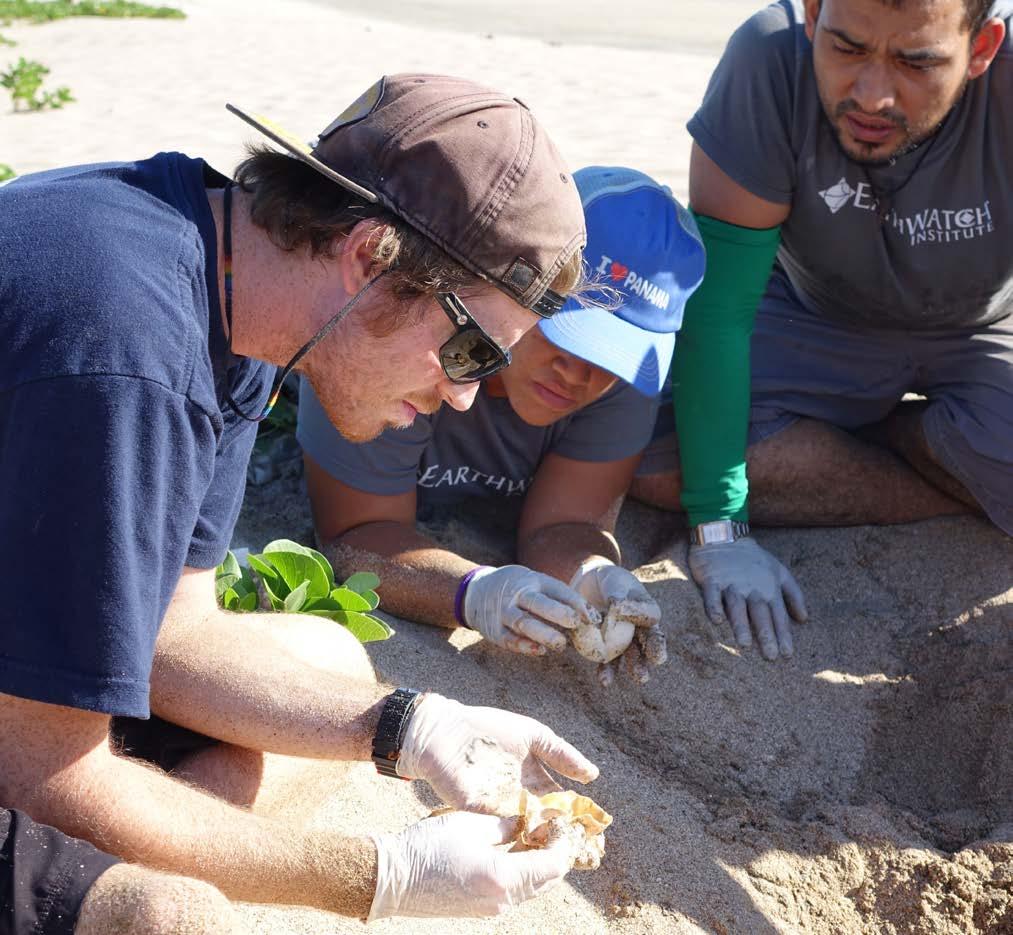
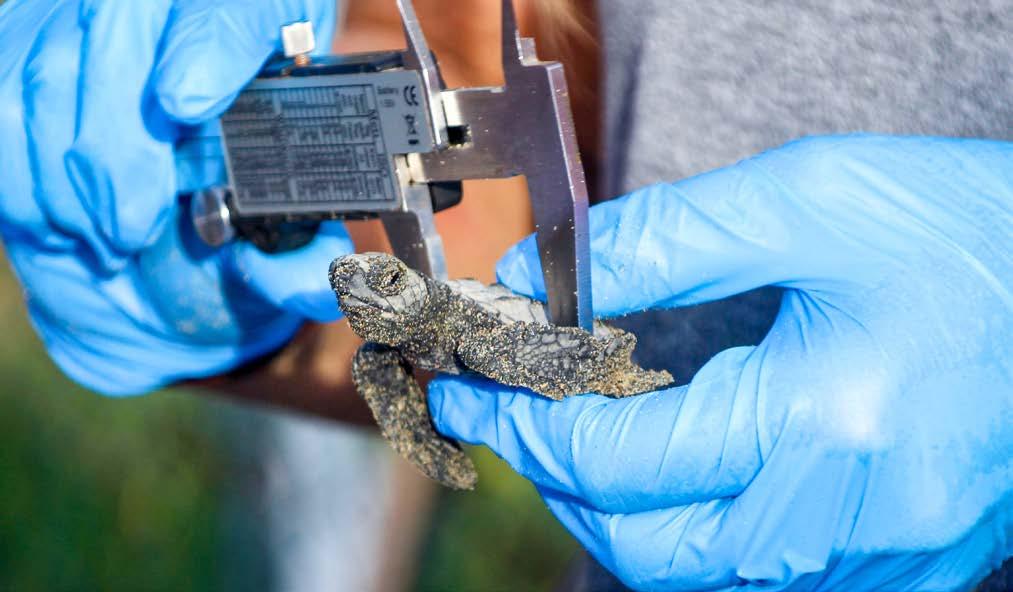
On Costa Rica’s Pacific beaches, researchers monitor nesting sea turtles to better understand the pressures facing these ancient marine reptiles. Participants assist with nighttime beach patrols, recording nesting activity, measuring turtles and helping protect vulnerable nests. These observations contribute to long-term datasets that help scientists track population trends and guide conservation efforts for threatened sea turtle species.
The environmental challenges facing our planet—from biodiversity loss to climate change—require long-term scientific research to understand and address. Many of the studies supported by Earthwatch Expeditions track ecosystems and wildlife populations over years or even decades, building the datasets scientists need to detect change and guide conservation action.
These are immersive, in-the-field experiences, working side by side with scientists who depend on your contributions. Consider the impact Earthwatch Expeditions participants have already made:
• Supported more than 1,400 research projects
• Completed projects in 131 countries
• Made major contributions to science and environmental policy
• Contributed nearly 15 million hours of field research
The data collected through these projects helps researchers answer critical questions: how species respond to shifting climates, how habitats recover or decline and which conservation strategies are most effective. Findings from Earthwatch Expeditions-supported research contribute to peer-reviewed publications and inform the work of governments, conservation organizations and land managers around the world.
In some cases, the results help shape real-world decisions—from protecting critical habitat to improving wildlife management and strengthening environmental policy. Long-term datasets built through Earthwatch Expeditions projects have become essential records for understanding how ecosystems are changing.
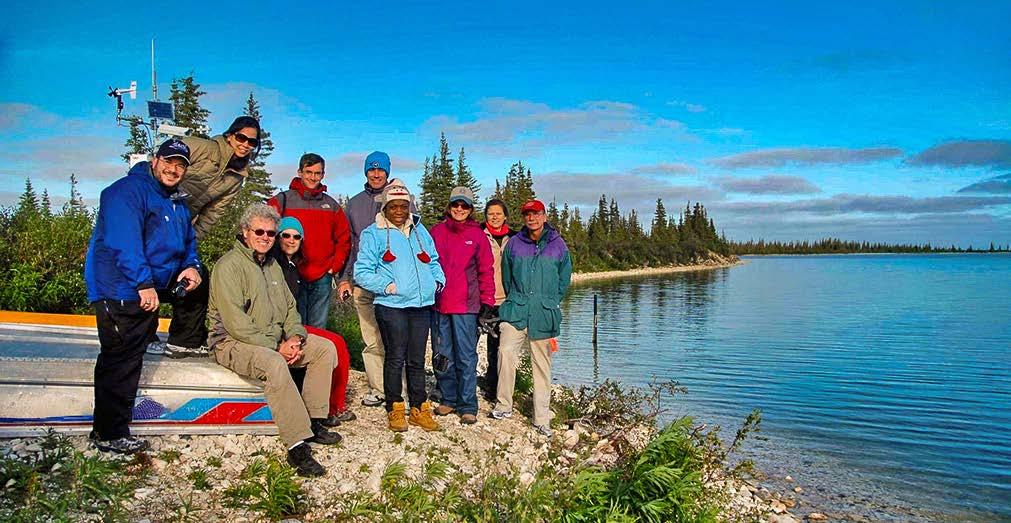
“I want to pass my inspiration, motivation and enthusiasm for the science that I’m doing on to the participants and empower them to be ambassadors for the environment.”
—Dr. LeeAnee Fishback, Lead Scientist, Churchill, Manitoba
Field days may start at dawn—setting out with researchers to survey wildlife, check monitoring equipment or document changes in the landscape. A day on an Earthwatch Expeditions adventure combines hands-on fieldwork, close collaboration with scientists and time to better understand the ecosystem under study.
Morning: Field Briefing & Data Collection
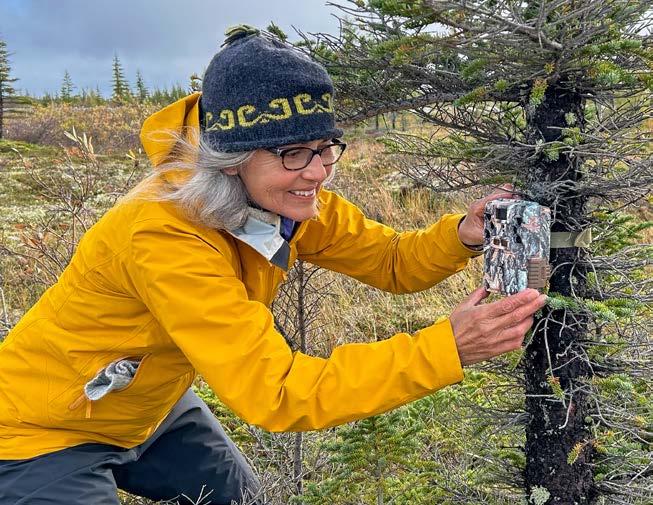
Fieldwork often begins early, when wildlife is most active and conditions are best for observation. After a short briefing from the research team, participants head into the field to assist with that day’s research tasks—surveying wildlife, checking camera traps, recording environmental measurements or documenting plant and animal behavior.
Midday: Continued Surveys & Ecosystem Exploration
Teams may move between research sites, monitor additional habitats or visit areas connected to the study. Participants often rotate among tasks, gaining exposure to different methods and a deeper understanding of how the data fits together.
Afternoon: Data Entry & Research Review
Back at base, teams log observations, organize field notes and review the data collected during the day. These sessions offer time to ask questions, discuss field techniques and talk with researchers about what the observations may reveal.
Evening: Science Talks & Project Insights
Evenings often include informal talks or discussions with the research team. Scientists share what they are learning from the project, explain how the data contributes to the larger study and preview the next day’s fieldwork.
* This is an example of a typical day on an Earthwatch Expeditions trip. Research responsibilities and participant activity will vary depending on the expedition.
RESEARCH SPOTLIGHTS: PARTICIPATORY SCIENCE IN ACTION
At the Front Lines of Arctic Change—Hudson Bay
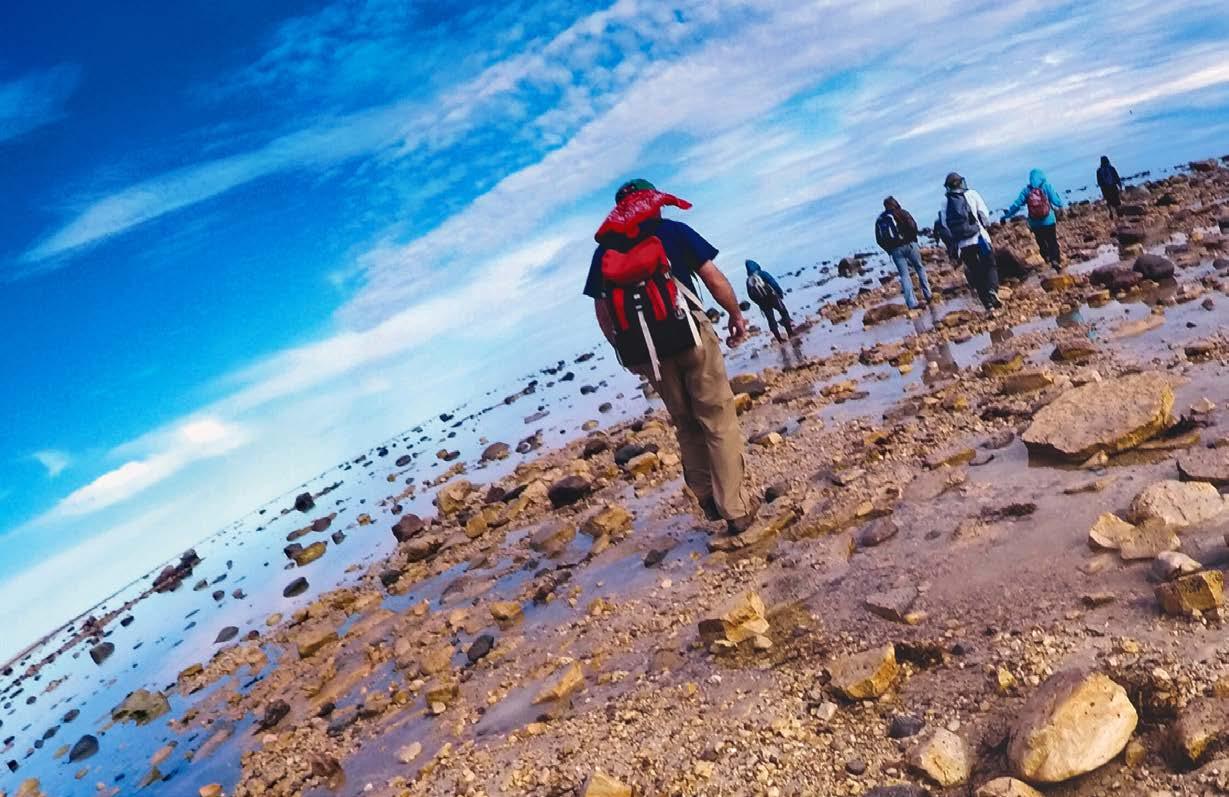
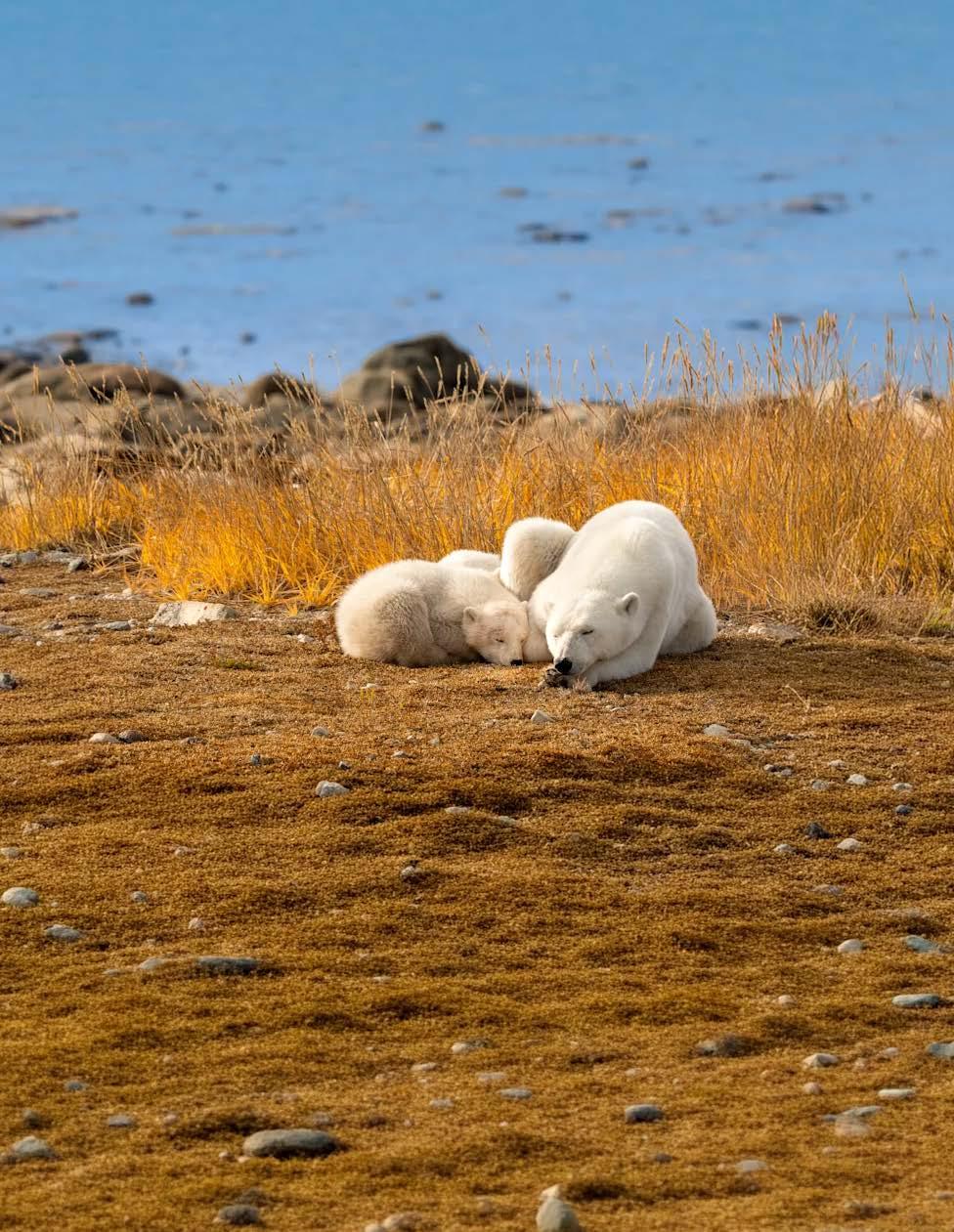
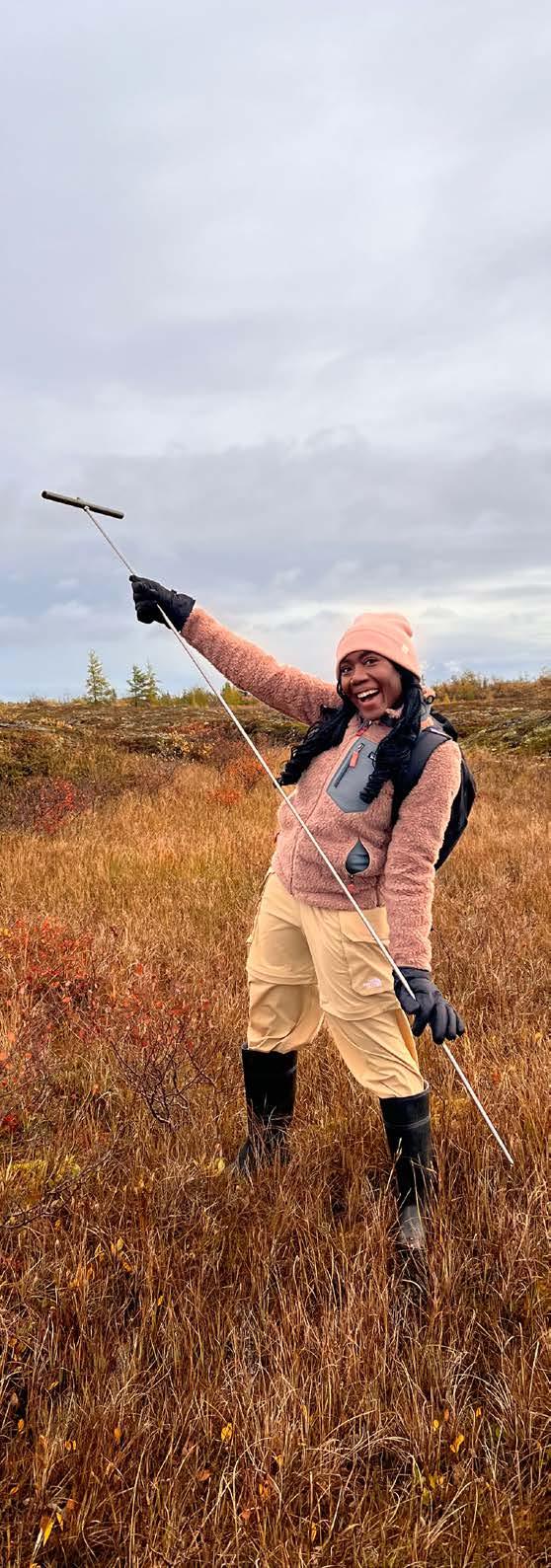
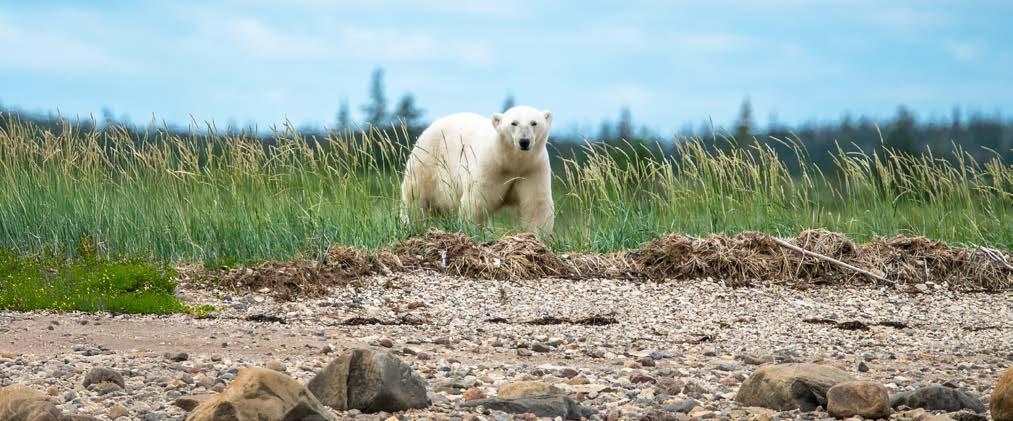
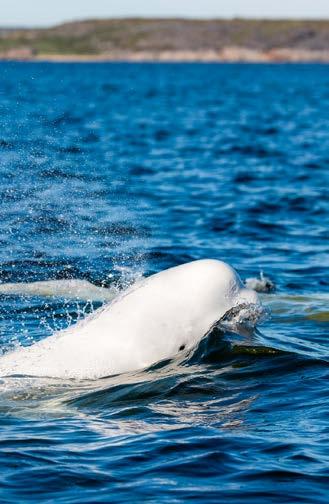
Rising air and sea temperatures are thawing permafrost in Churchill, Canada, shifting wetlands and pushing trees into once-open ground, changing how wild animals—including polar bears— move and feed across the region. Join scientists on land and water to track these transformations as we explore one of the most dynamic environments on Earth.
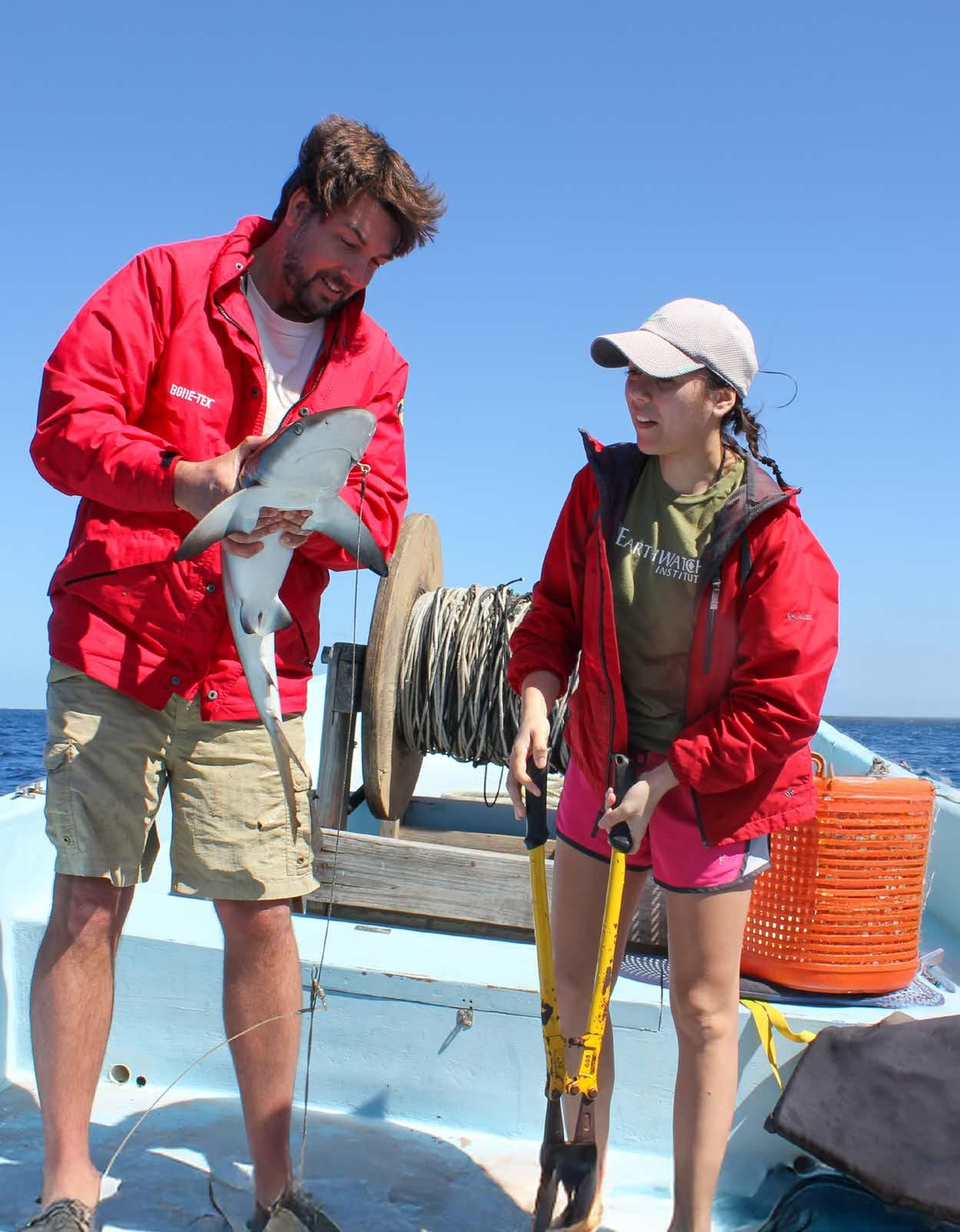
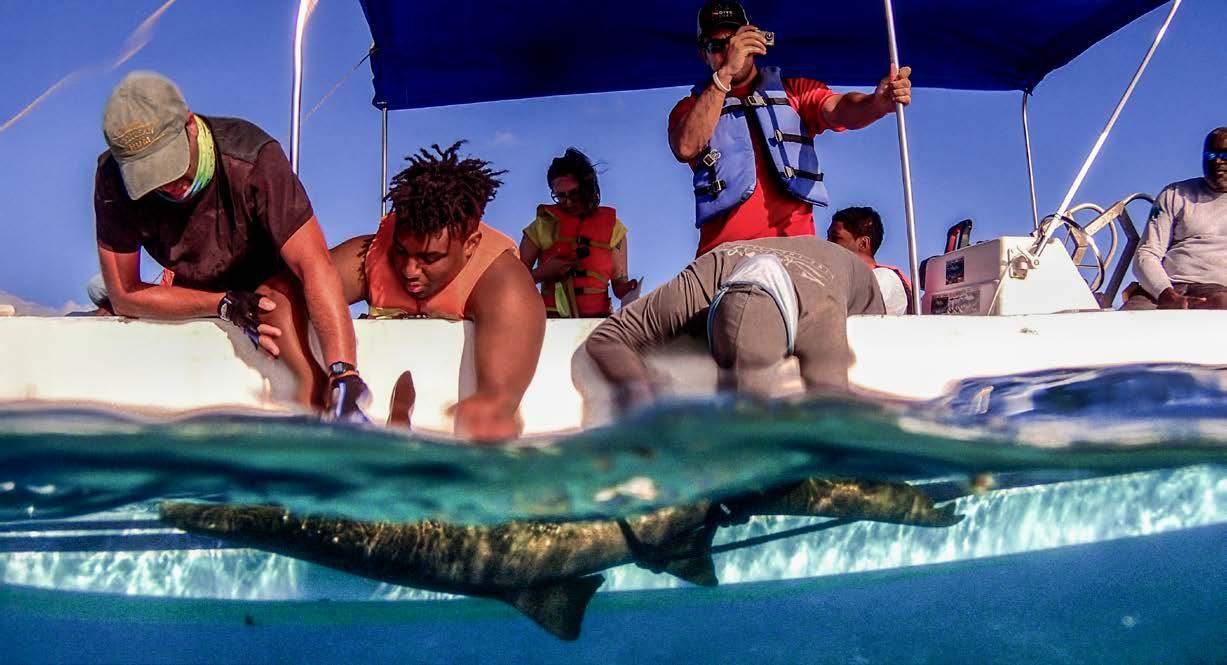
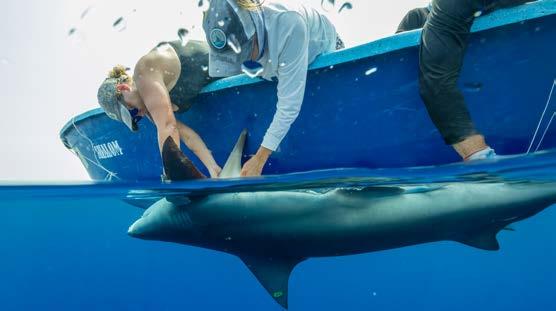
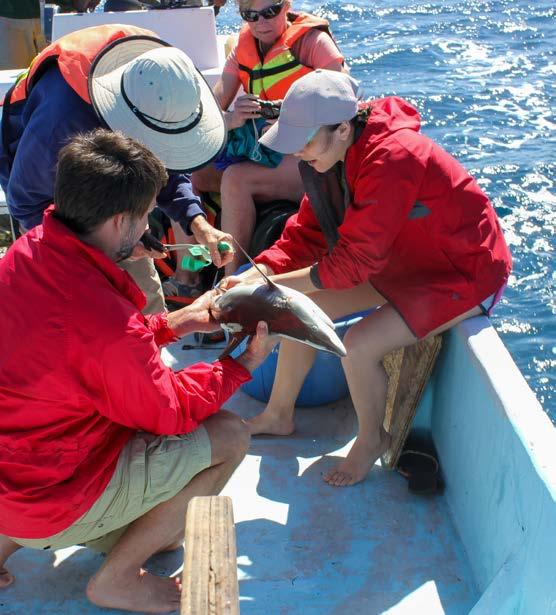
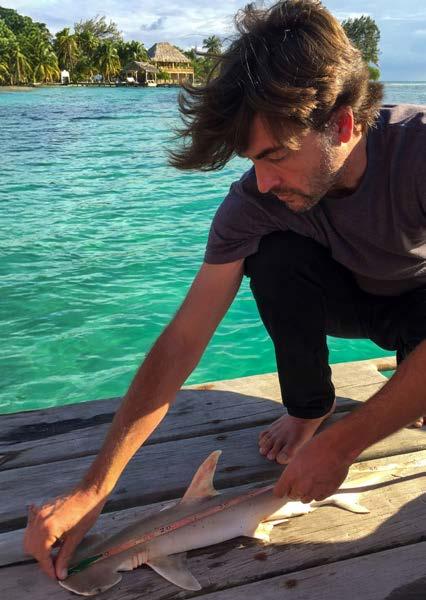
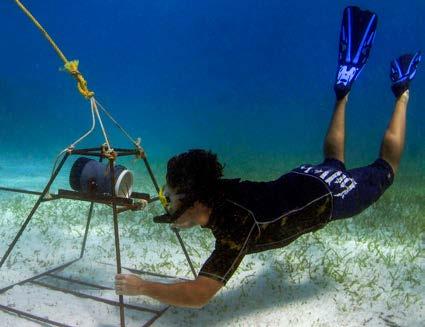
In the coastal waters of Belize, researchers monitor shark populations and the reef habitats they help sustain. Participants assist researchers and local fishers with shark surveys—deploying monitoring gear, recording observations and helping tag and track sharks in nearby waters. These observations contribute to long-term datasets guiding conservation strategies and strengthening protected areas across Belize’s coral reef ecosystems.
Join scientists in the field to collect data that drives active conservation research. Working alongside research teams, you’ll help monitor wildlife populations, document environmental conditions and contribute observations that reveal how ecosystems are changing over time. Fieldwork may include surveying animals, recording habitat features and assisting with standardized datacollection protocols used in long-term studies. Each task feeds into a larger scientific effort, helping researchers identify trends, evaluate restoration strategies and guide management decisions. Your role is integrated into the research itself, supporting projects that protect species, restore habitats and strengthen ecosystem resilience in measurable, lasting ways.
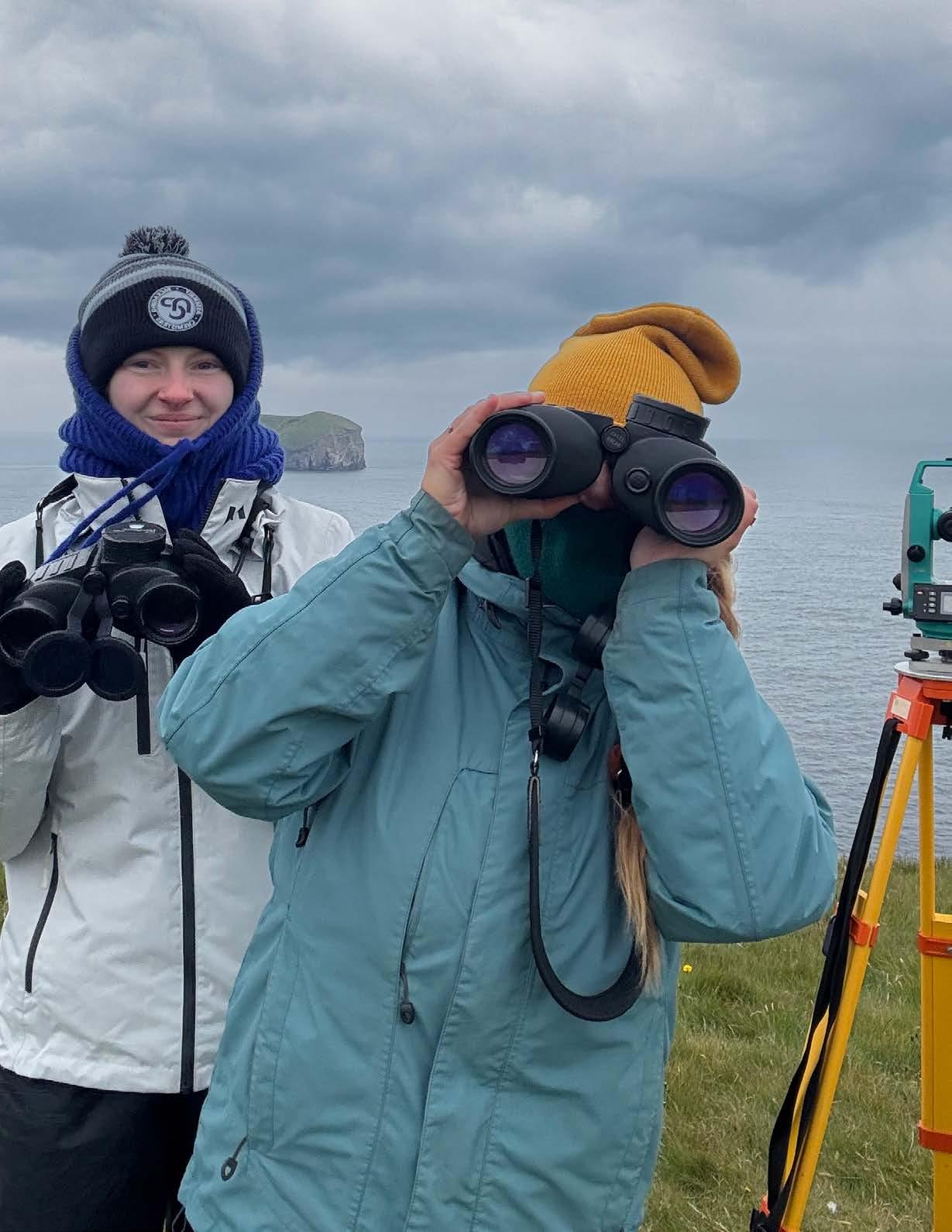
“Participatory science is crucial to our research. Without these contributions we would be limited in the places where we can work, and our knowledge would be severely impacted.”
—Dr. Fillipa Samarra, Lead Scientist, Iceland
Survey Wildlife Populations
Monitor wildlife across landscapes
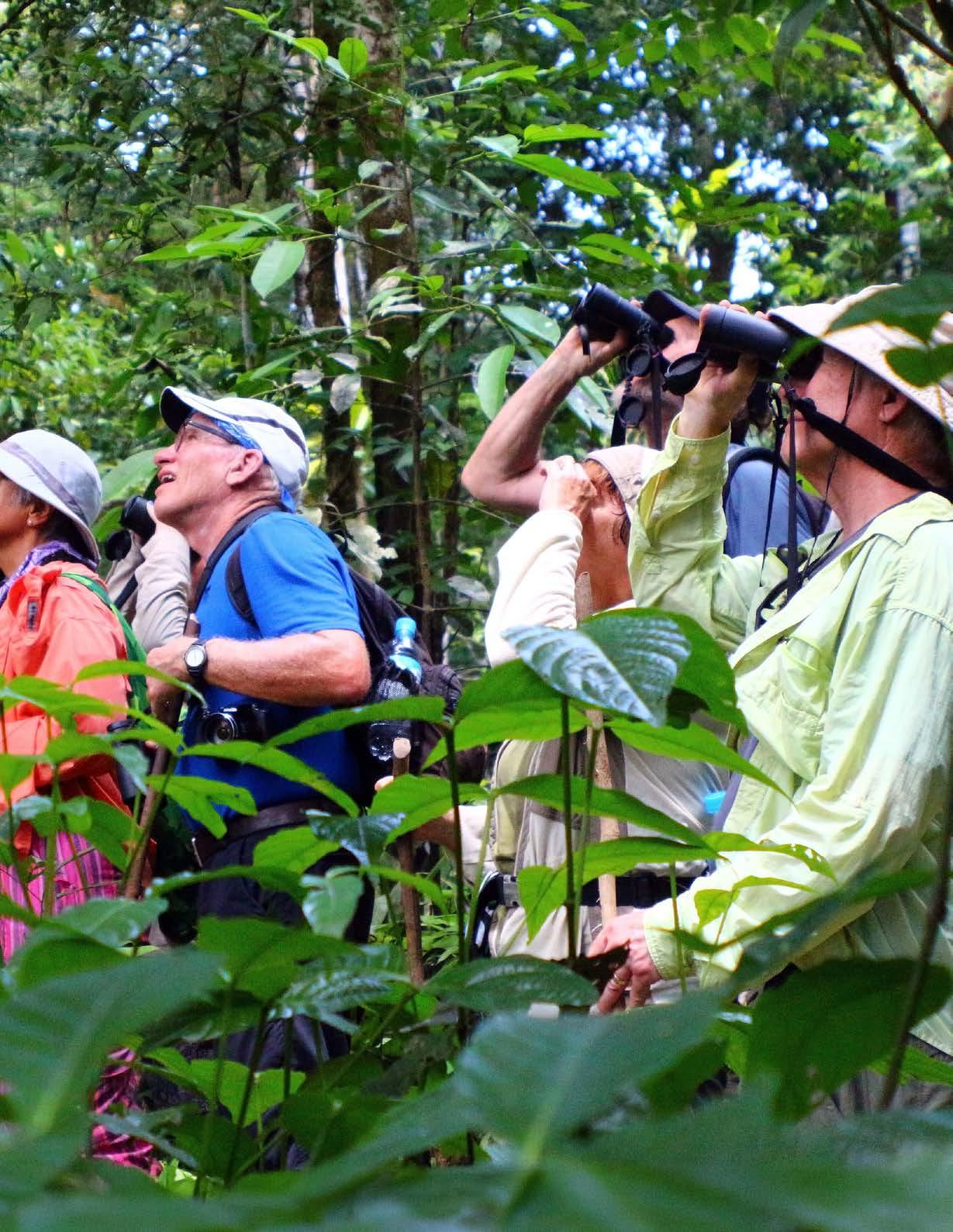
• Count animals from fixed locations (point counts) or along transect survey routes on land or water
• Record wildlife sightings, GPS locations and environmental conditions along survey routes
• Estimate presence/absence, population size, distribution and trends
• Examples: safari wildlife counts, marine mammal observations and population surveys
Observe Animal Behavior
Document how animals live and interact
• Record feeding activity, movement patterns, social behavior and predator-prey interactions
In addition to the above methodologies, participants may also support research teams with:
Data Recording & Entry
• Log observations
• Verify data accuracy
• Prepare data for analysis
Data Visualization & Interpretation
• Review charts or summaries explaining what the team’s findings show
• Compare expedition results with long-term research data
WHO BECOMES A PARTICIPATORY SCIENTIST?
Participant Profiles
Retirees Seeking Meaningful Engagement
Many participants reach a stage of life when they can devote time to deeper exploration. Participatory science offers a way to explore with purpose while contributing to conservation research.
Mid-Career Professionals
Professionals from a range of fields, including business, medicine, engineering and education, often join expeditions to reconnect with nature and experience science in action.
Students Exploring Science
Students interested in environmental science, biology or conservation gain firsthand exposure to real-world research and fieldwork.
Parents Traveling with Kids
Families sometimes participate together, giving young travelers the chance to engage with science and see how researchers study wildlife and ecosystems.
Grandparents With Grandchildren
Some participants bring younger family members along, sharing a meaningful learning experience that sparks curiosity about the natural world.
Participatory scientists are people who look at the natural world and want to understand it more deeply. They notice wildlife, landscapes and changing seasons and find themselves asking questions about how ecosystems work— and how they are changing.
Participants come from every background and profession. Some arrive with years of experience exploring nature; others simply feel drawn to places where discovery happens. What they share is curiosity, a desire to learn and the excitement of contributing to something larger than themselves.
What Participants Have in Common
• An interest in nature and how ecosystems function
• A willingness to learn new skills in the field
No scientific degree is required. Researchers provide the training needed for fieldwork, and participants quickly learn the techniques scientists use to collect reliable data. What matters most is curiosity, careful observation and a willingness to work as part of a team.
Across Earthwatch Expeditions, field teams often bring together people from different generations and walks of life. In the field, questions are welcomed, knowledge is shared and discoveries are made together.
• An appreciation for careful observation and scientific inquiry
• A collaborative spirit when working alongside researchers
Participatory science doesn’t require credentials—only curiosity, patience and a genuine desire to better understand the natural world.
IS PARTICIPATORY SCIENCE TRAVEL RIGHT FOR YOU?
Participatory science travel offers the chance to move beyond observing nature and take part in the work of understanding it.
Participants spend their days outdoors—learning field techniques, gathering observations and working alongside scientists and fellow participants to study wildlife and ecosystems. The experience combines exploration, discovery and meaningful contribution.
The level of activity varies by project. Some expeditions involve hiking across open landscapes, surveying wildlife from boats or working along remote coastlines. Others focus on observation, data recording or monitoring wildlife from established research sites.
Flexibility is part of the experience. Field research depends on weather, wildlife behavior and environmental conditions, so plans often adapt as scientists respond to what the ecosystem reveals.
For those who enjoy learning, discovery and exploring nature with purpose, participatory science offers a uniquely rewarding way to experience the natural world.
What You Gain—And What You Contribute
Participants often arrive with curiosity about the natural world and leave with new knowledge, practical skills and a deeper understanding of how scientific discovery happens in the field.
Practical Skills
Participants gain firsthand experience with research methods used by professional field teams. Along the way, they may learn how to:
• Identify wildlife and recognize species behavior
• Record accurate field observations
• Use GPS and other scientific tools
• Assist with monitoring wildlife populations and habitats
• Understand how ecological data is collected and analyzed
These experiences reveal how scientists study ecosystems and track environmental change.
A Deeper Understanding of Nature
Working alongside researchers changes how many participants see the natural world. Time in the field reveals the patience, careful observation and long-term commitment that scientific discovery requires. Participants begin to notice patterns in wildlife behavior, habitat conditions and ecosystem dynamics that might otherwise go unseen.
The result is a deeper understanding of how species interact with their environments and how research informs conservation decisions.
Connection to Science & Conservation
Participatory science creates a direct connection to the research itself. When participants document wildlife activity, record environmental conditions or assist with field surveys, their observations become part of the scientific record. Each contribution helps scientists build a clearer understanding of how ecosystems function and change over time. This data helps protect and conserve wildlife and ecosystems around the globe.
Shared Experiences Across Generations
Earthwatch Expeditions adventures often bring together people from different backgrounds and stages of life. Retirees, professionals, students and families may find themselves working side by side in the field. For grandparents traveling with grandchildren, parents exploring with teens, or individuals seeking meaningful solo travel, these experiences create shared discoveries that often become lasting memories.
FIND YOUR EXPEDITION
Participatory science rewards curiosity, engagement and a willingness to explore the natural world more deeply. It offers the chance to experience remarkable places while contributing to research that helps scientists better understand our planet.
Explore current Earthwatch Expeditions trips and discover how you can take part in scientific research while exploring ecosystems around the world.