THE ULTIMATE GUIDE TO EXPLORING MADAGASCAR
WHY CHOOSE NAT HAB FOR YOUR
MADAGASCAR GEOGRAPHY & HISTORY
WILDLIFE OF MADAGASCAR
ECOTOURISM IN MADAGASCAR
NAT HAB’S MADAGASCAR ADVENTURES
SUGGESTED READING
FREQUENTLY ASKED QUESTIONS
How to Use This e-book:
• The Contents listed above are live links. Click to jump to the desired page.
• Click “CONTENTS” in the lower right corner to return to this Contents page.
• Other links throughout the e-book are shown in blue, underlined text.
Madagascar: A Living Laboratory of Evolution
Few places on Earth rival Madagascar for biodiversity. Isolated for nearly 90 million years, this vast island—often called the “Eighth Continent”—has become a living laboratory, cultivating an astonishing array of plants and animals found nowhere else. Nearly 80% of its species are endemic— evidence of evolution unfolding in the middle of the Indian Ocean.
From the haunting calls of indri, a critically endangered lemur, echoing through misty rainforests to the wide-eyed gaze of nocturnal mouse lemurs, the world’s smallest primates, Madagascar is a naturalist’s dream. Its landscapes are equally diverse—lush rainforests, arid spiny deserts, towering baobabs and needle-like limestone pinnacles known as tsingy— and support species uniquely adapted to each habitat.
This is a land of evolutionary marvels: chameleons that change color with the light, leaf-tailed geckos that vanish into bark and lemurs that dance across sunlit clearings. Yet Madagascar’s wild beauty is fragile. Deforestation and development threaten many of its rare species, making conservation travel an important force for preservation.
For wildlife lovers and photographers, Madagascar offers an unparalleled encounter with nature’s creativity—a place where every corner reveals a new species, a new story and a living connection to the ancient past.
All of Nat Hab’s small-group Madagascar adventures and Photo Expeditions offer exciting wildlife viewing and cultural immersion. Call 800-543-8917 or visit our website to discover wild Madagascar like few others will.

WHY CHOOSE NAT HAB FOR YOUR MADAGASCAR ADVENTURE?
Madagascar is a destination defined by its singular natural history. Because the island has been isolated for millions of years, more than 80% of its plants and animals evolved here and nowhere else—an endemism rate unmatched by most places on the planet. For travelers, that means encounters with species and ecosystems that exist in no other landscape.
Experience Madagascar’s wildest reaches with our exclusive, small-group tours.
A journey to Madagascar is like stepping into a living time capsule—an island where evolution has run wild, and nearly every creature you meet exists nowhere else on Earth.
At Natural Habitat Adventures, we go beyond the typical safari. Our expert guides, in-depth local knowledge and unique itineraries maximize your chances of seeing intriguing and unusual species like lemurs, chameleons, fossas, civets, tenrecs and myriad species of birds and frogs—often up close and unhurried. We explore remote corners during scenic drives and by boat and on foot, with intimate access to the island’s varied ecosystems.
Best of all, our commitment to conservation travel and our partnership with World Wildlife Fund ensure your visit supports long-term protection of this vital biome.
8 Reasons to See Madagascar with Nat Hab:
We Take the Hassle Out of Trip Planning
When you travel on your own, you spend a lot of time competing for reservations and trying to figure out where to go and what to do. As a result, you lose precious time and miss the secret spots known only to locals. We’ve taken out the legwork and guesswork, allowing you to experience much more of Madagascar than most people can accomplish on their own.
Small Groups Make a BIG Difference
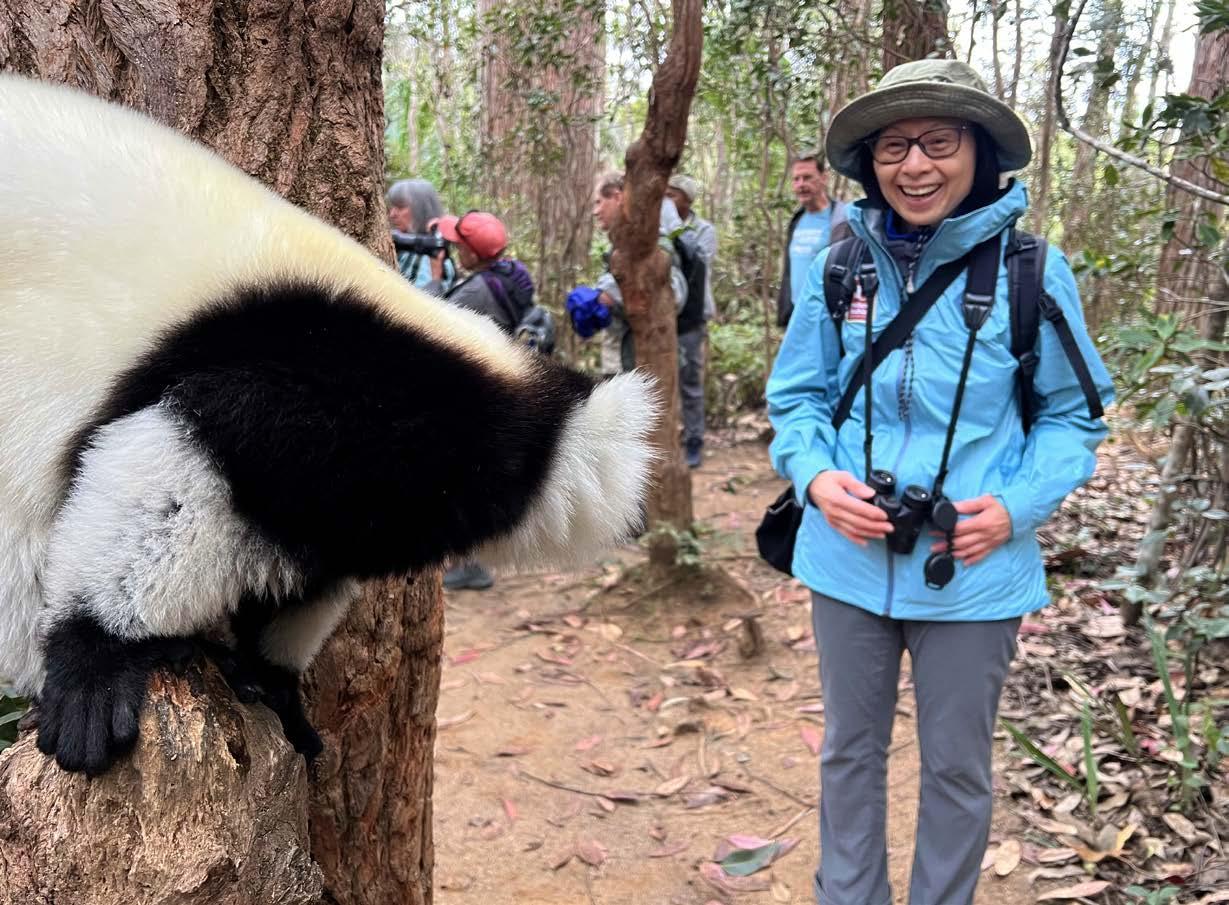
The best wildlife experiences usually occur in the presence of fewer people. To foster the most meaningful nature encounters, we limit the group size on our Madagascar adventures to no more than 10 travelers (and just 8 on our Photo Expedition). A small group also ensures that your needs and expectations are met with personalized care from our Expedition Leader.
©
R de Gouveia
Our Unique Itineraries Maximize Your Time in Nature
On typical tours, you may lose several days crossing the country on long drives, or your travels may be restricted to fewer regions. With us, you’ll spend more time exploring Madagascar’s wild places and less time traveling between them. By using private chartered flights, we avoid long, tiring days on rough roads, and we access a greater range of rarely visited areas.
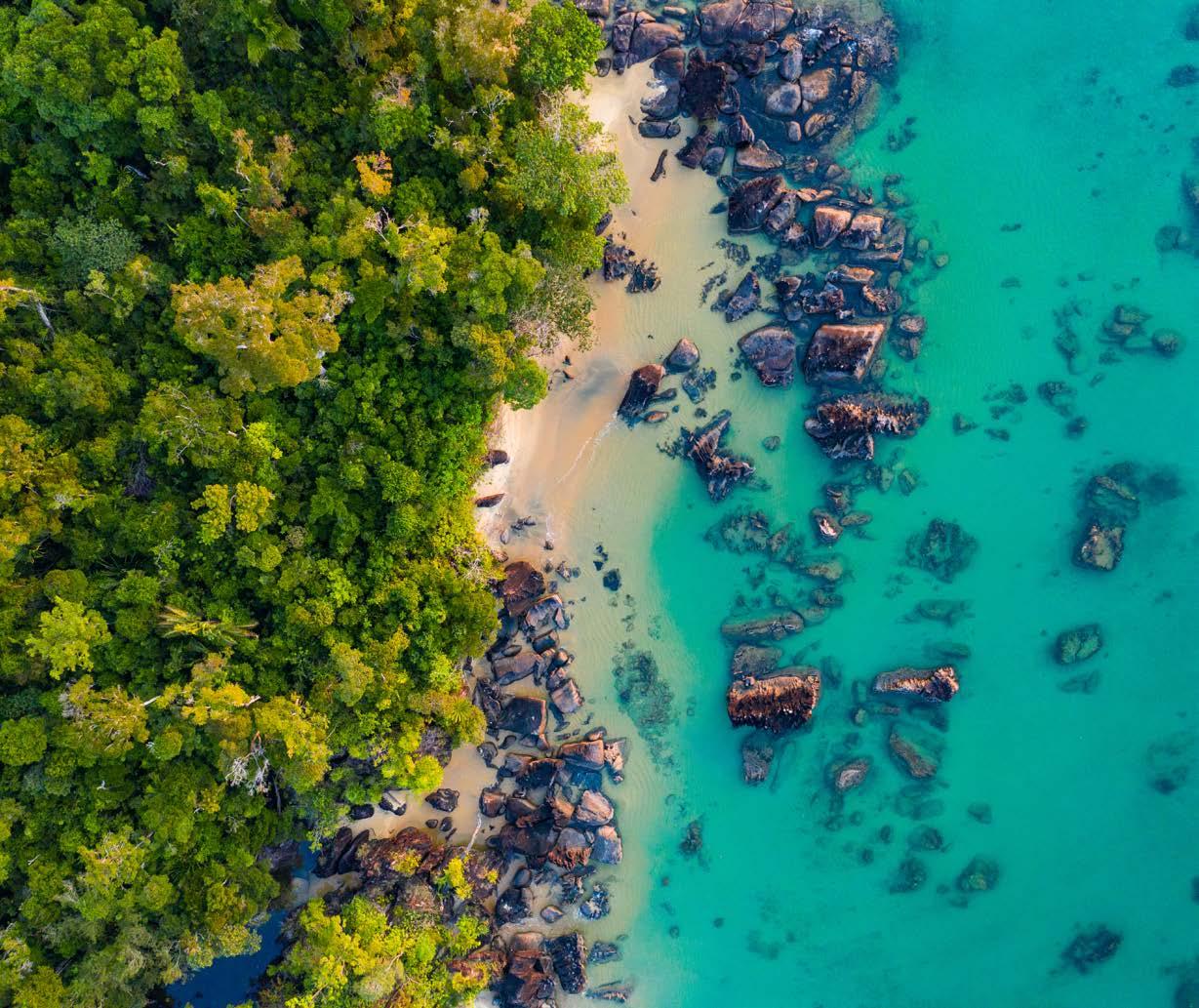
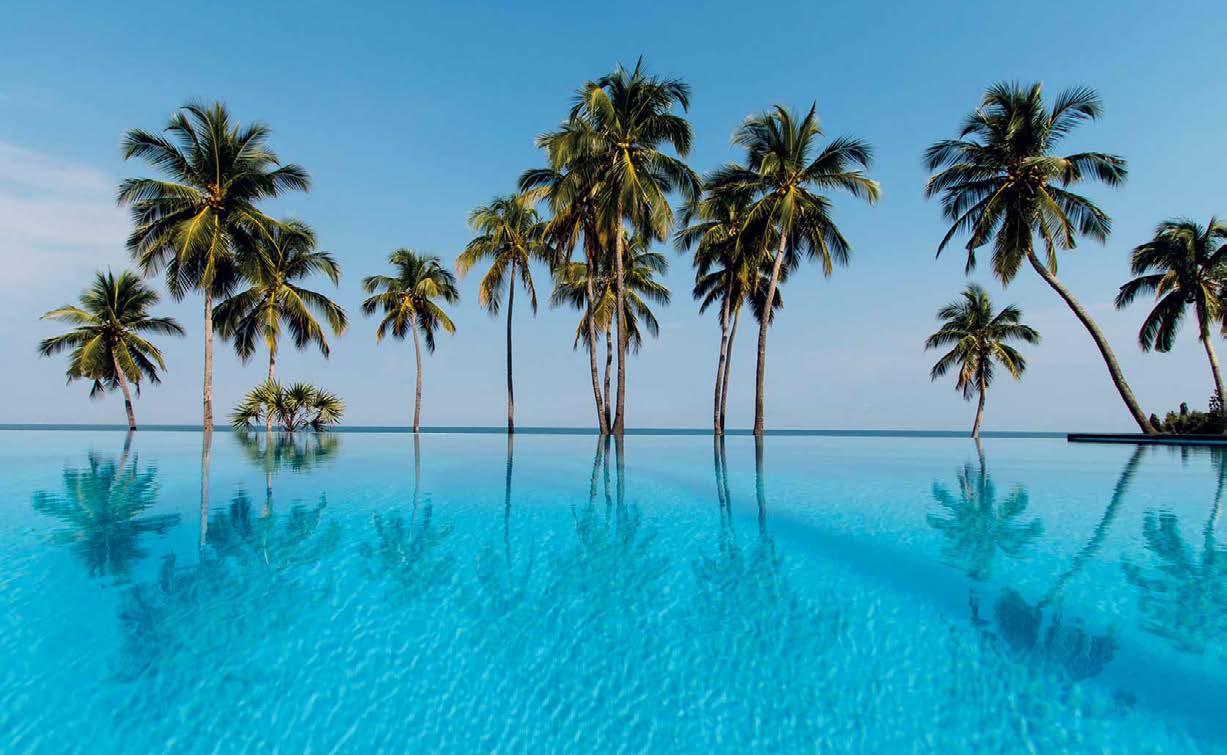
Our Lodgings Immerse You in Nature
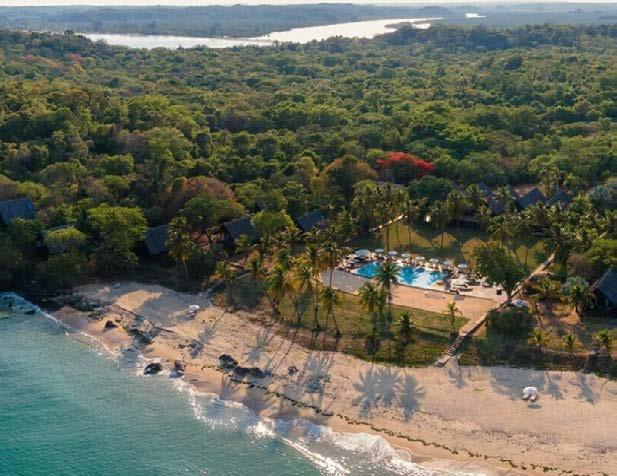
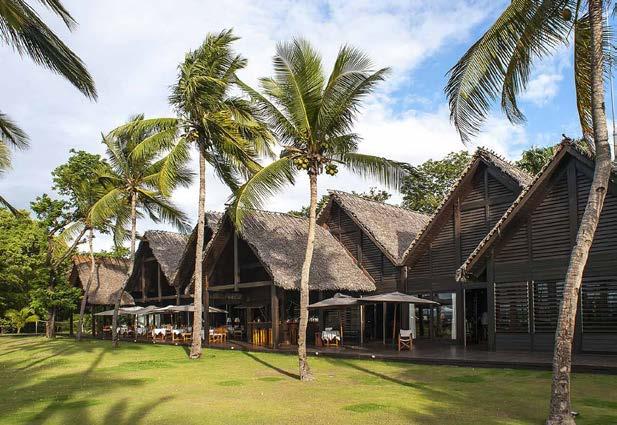
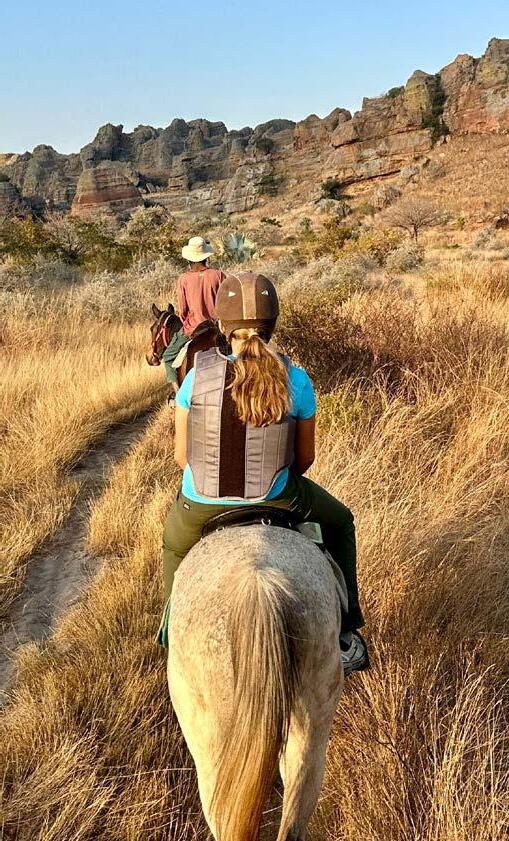
We stay in secluded ecolodges near national parks and private reserves, from rainforest bungalows to an eco-villa accessed only by private airstrip. A highlight is Anjajavy Lodge—Madagascar’s only Relais & Chateaux property—set on a 17,000-acre reserve. At Andasibe-Mantadia National Park, we stay on a private estate near a small lemur preserve for close wildlife encounters.
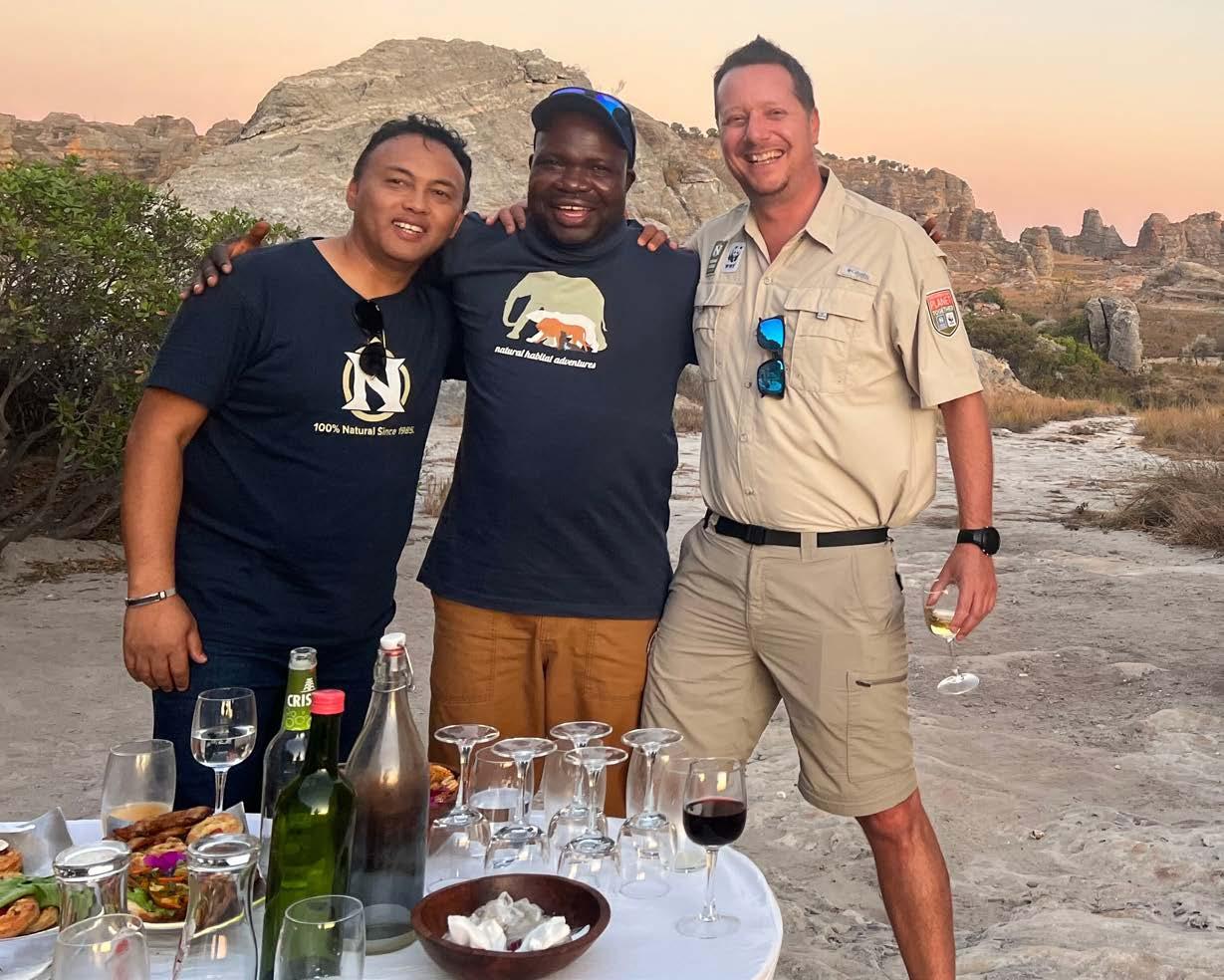
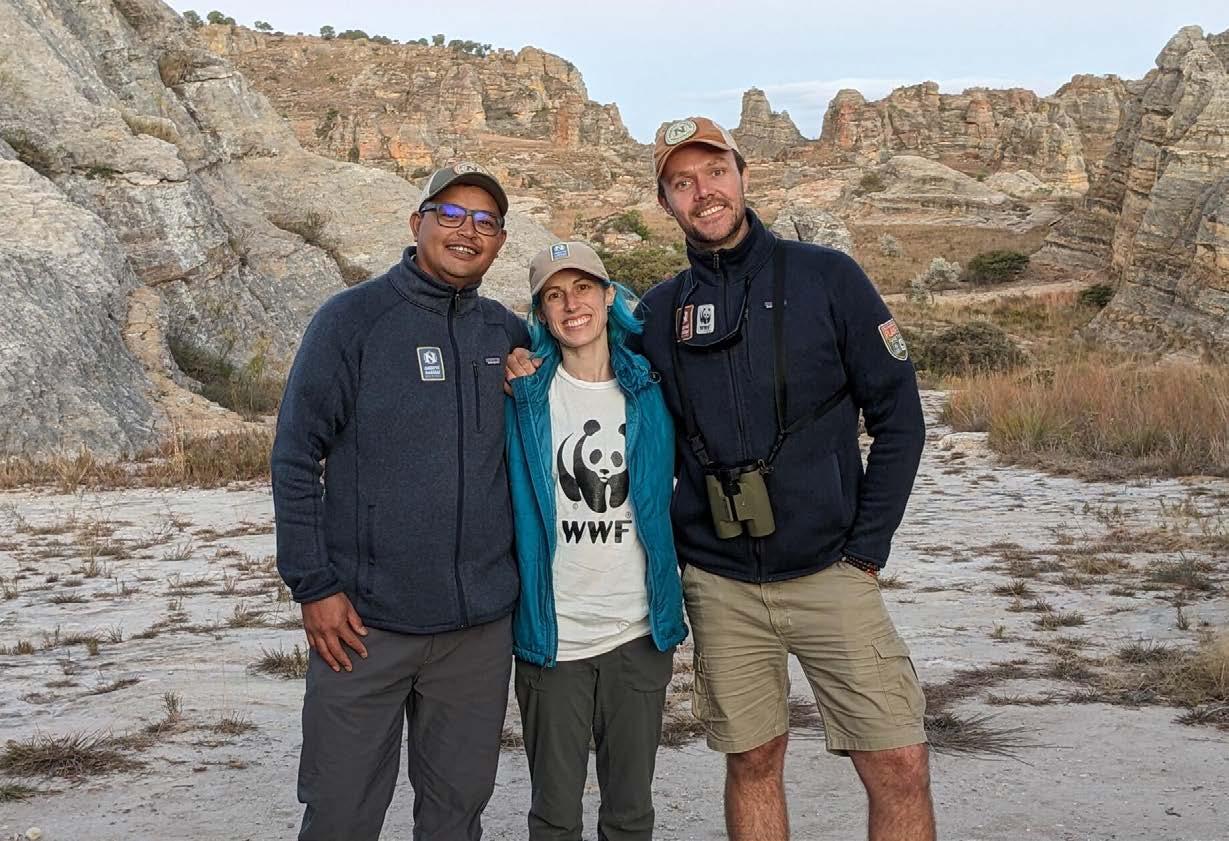
Your Expedition Leader Is a Top Professional Naturalist Nat Hab has a reputation for the highest-quality guides. You’ll travel with a top naturalist Expedition Leader plus a seasoned Malagasy guide who knows the country like none other. We’re also joined by regional park guides in several places, who add even more depth and expertise. Our Expedition Leaders also get exclusive training and resources from WWF scientists.
We Tailor Activities to Varied Physical Abilities
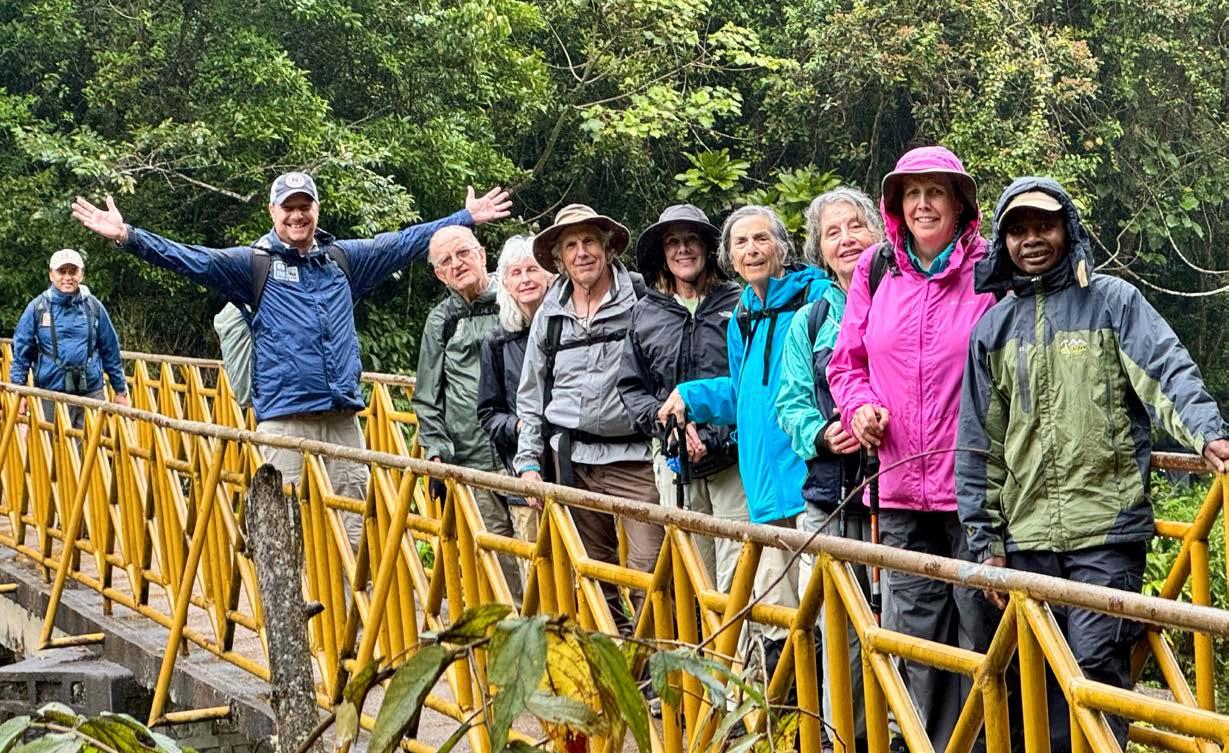
We often divide our groups on hikes to accommodate different physical capabilities. Since we explore with multiple guides, we’re able to split up based on physical challenge, ensuring you won’t feel let down or frustrated when other travelers’ abilities may not match yours (though all guests must be able to meet our minimum physical requirements for this trip).
© T Nelson
© J Goebel
Be Part of a Conservation Success Story
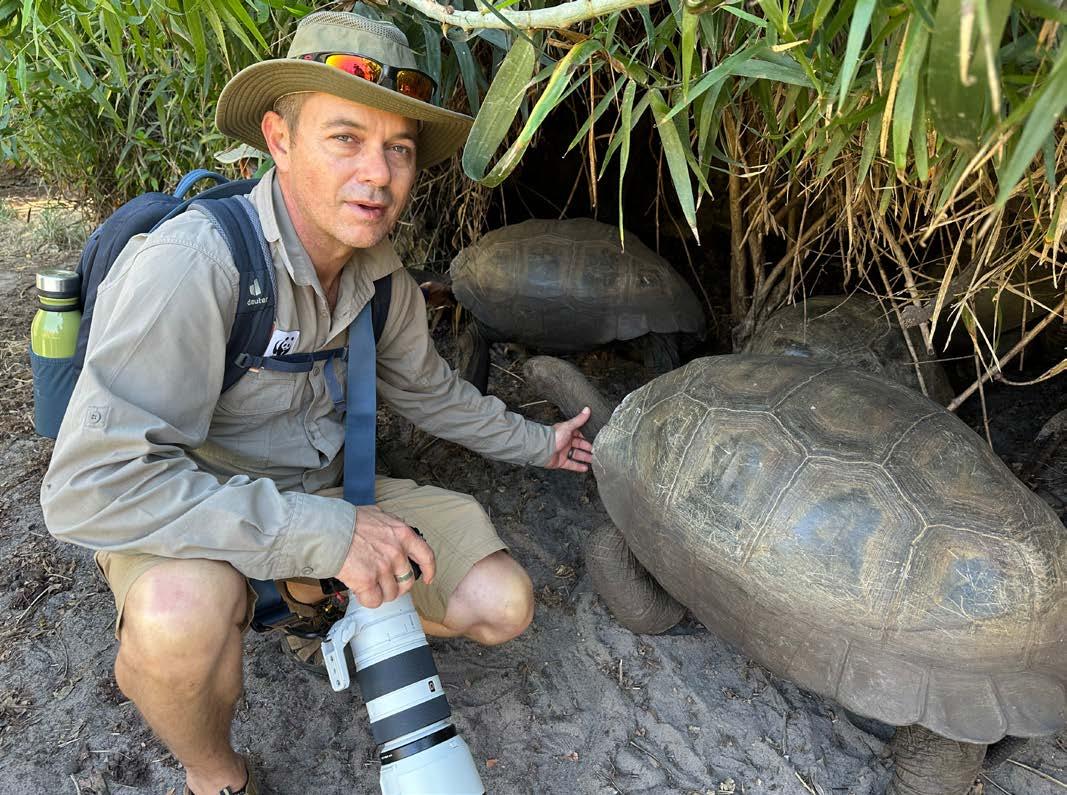
By demonstrating the economic value of nature tourism and bringing visitors to observe the unique species found in Madagascar’s remarkably biodiverse forests, we show local communities the value of protecting their wild surroundings. Conservation travel is imperative to the future of nature in Madagascar. And when you travel with us, you’re central to that mission.

© C Hollander
© J Sullivan
A Commitment to Sustainability
Since 2003, we have been the exclusive travel partner of World Wildlife Fund, the world’s leading environmental conservation organization. And as the world’s first carbonneutral travel company, Nat Hab offsets 100% of the emissions from your trip. This includes your round-trip flights, making your adventure as eco-conscious as it is extraordinary.
Find out more about WWF’s conservation work in Madagascar
© R Hopkins
MADAGASCAR GEOGRAPHY & HISTORY
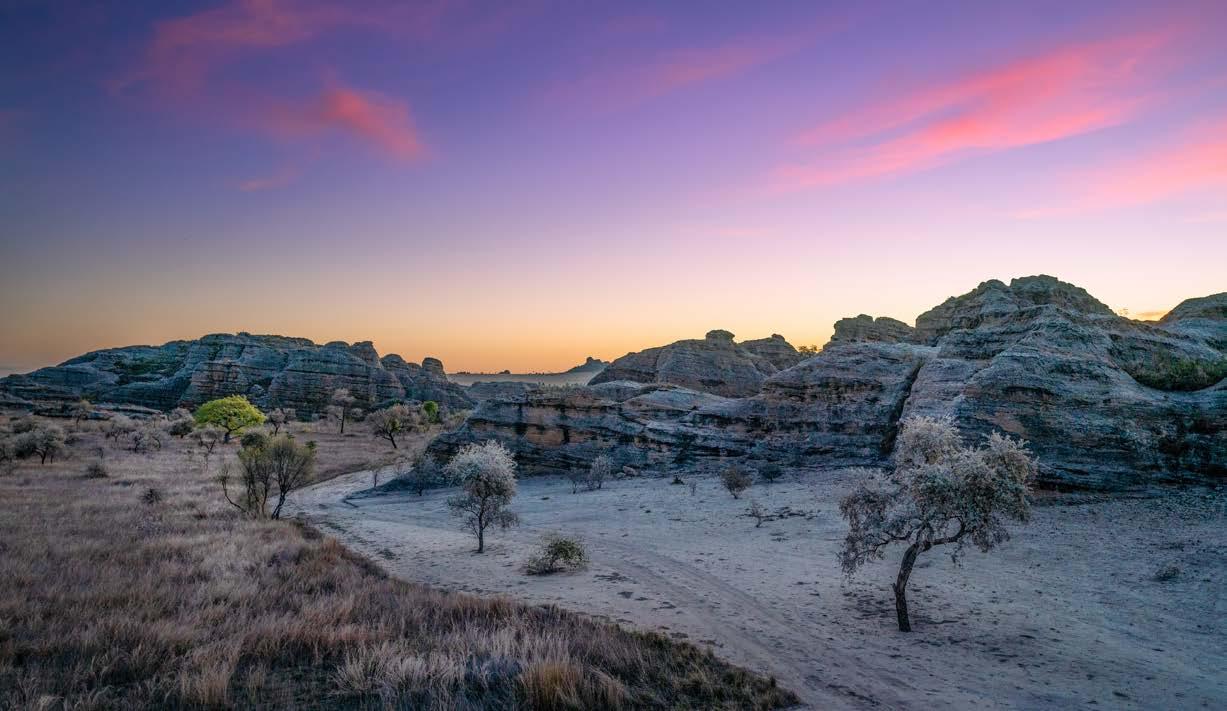
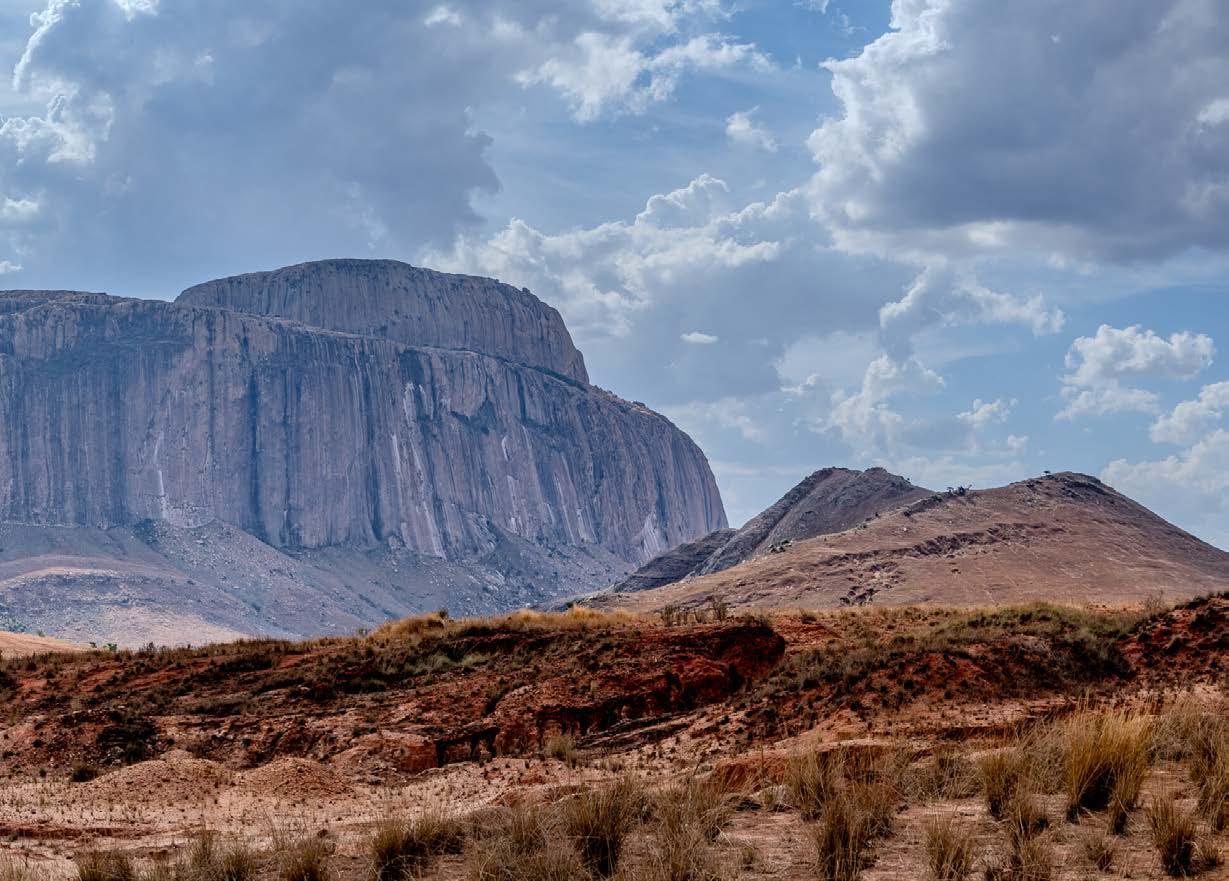
Isolated in the Indian Ocean off Africa’s southeast coast, Madagascar is the world’s fourth-largest island, known for its dramatic Central Highlands, humid eastern rainforests, dry western savannas and mangrove-lined shores, spiny southern deserts and 3,000 miles of coastline. As a result of its seclusion, more than 80% of Madagascar’s plants and animals are found nowhere else on Earth, making it one of the most unique and ecologically important places on the planet.
A World Apart
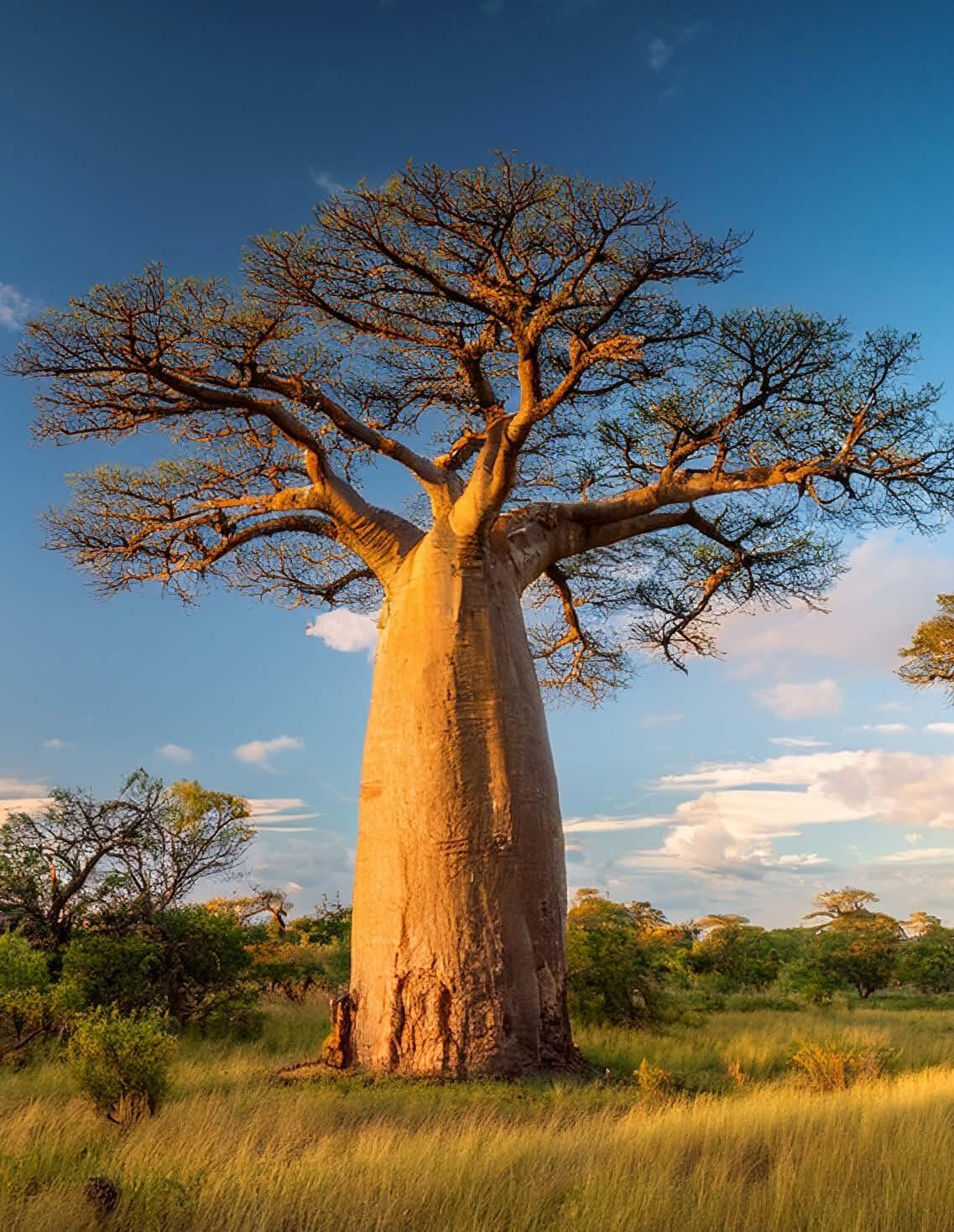
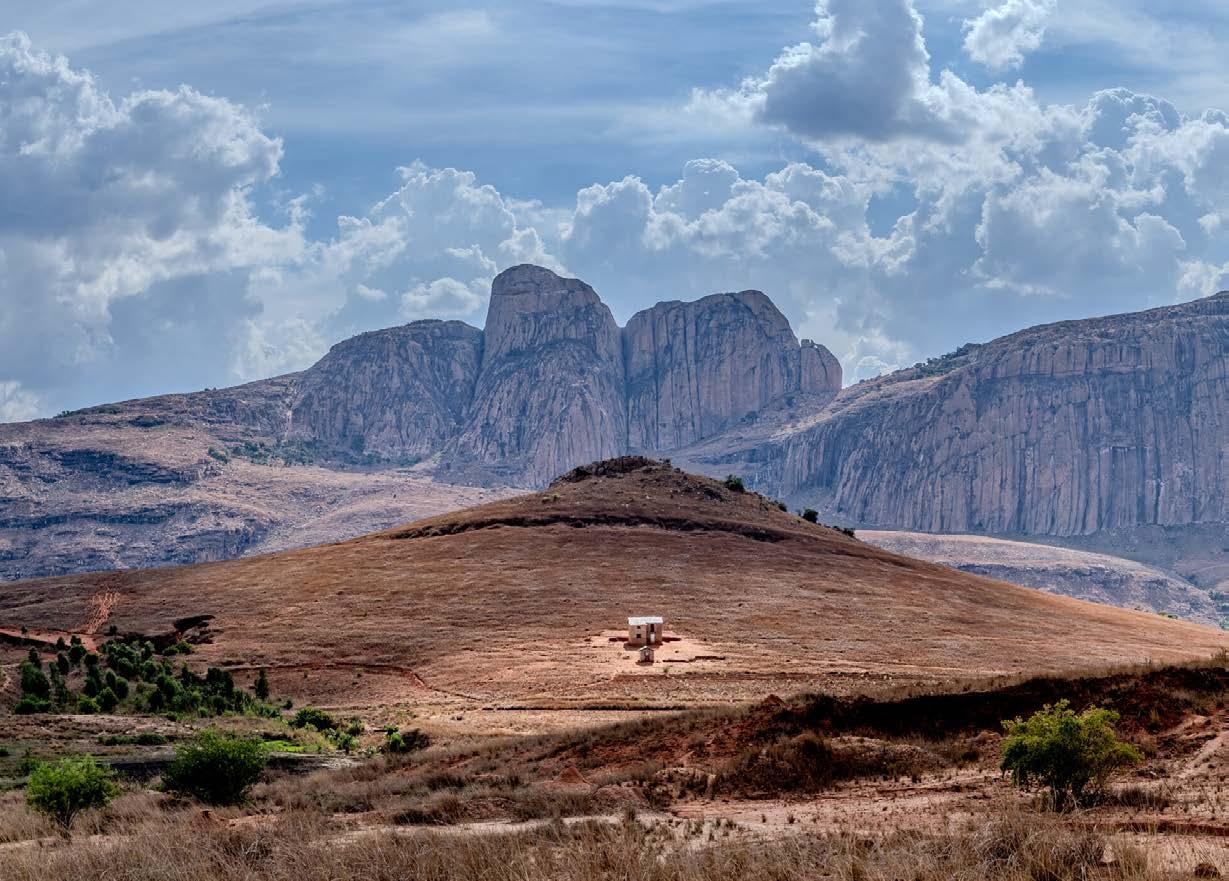
Madagascar’s dramatic topography is the foundation of its extraordinary biodiversity. Stretching more than 1,000 miles from north to south off Africa’s southeast coast, the island spans rainforests, highlands, savannas and spiny forests. A central mountain spine creates distinct climatic zones: Moist tropical forests flourish on the eastern slopes, while the western lowlands and arid south lie in a rain shadow, hosting octopus trees, baobabs, palms and spiny succulents.
Biologically, Madagascar is unlike anywhere else. Roughly 80% of its species are endemic, meaning they exist only here. This is largely due
to the island’s long geographic isolation since breaking off from the ancient supercontinent of Gondwanaland nearly 90 million years ago.
Madagascar’s most famous residents— lemurs—likely arrived from mainland Africa 50–60 million years ago, rafting across the Mozambique Channel on mats of vegetation. With few predators and little competition for food or habitat, these primitive primates diversified into more than 100 species through a process called adaptive radiation, much like Darwin’s finches in the Galapagos.
© R de Gouveia
© R de Gouveia
Western Deciduous Forests & Tsingy Formations
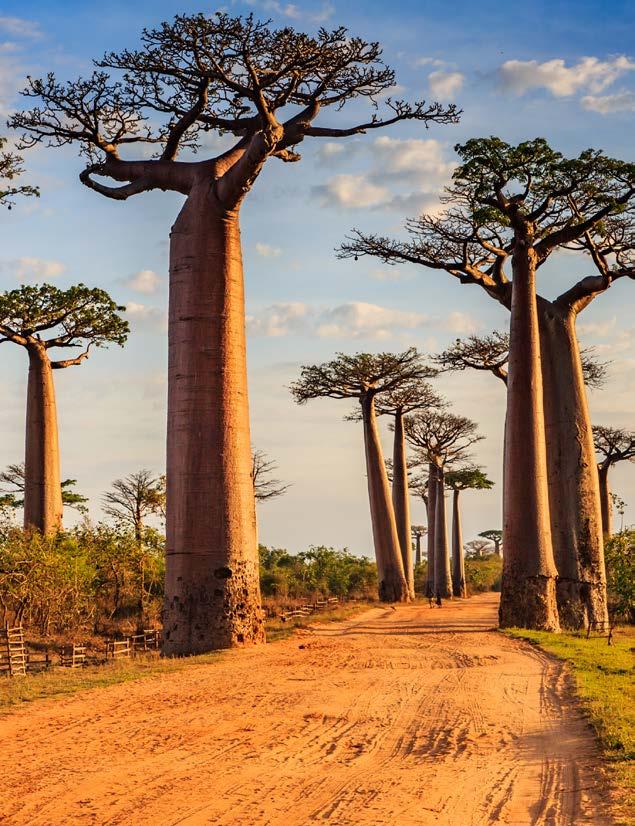
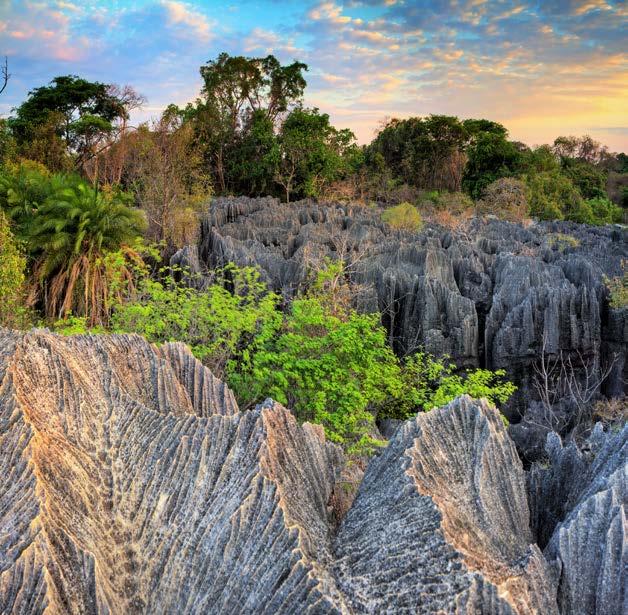
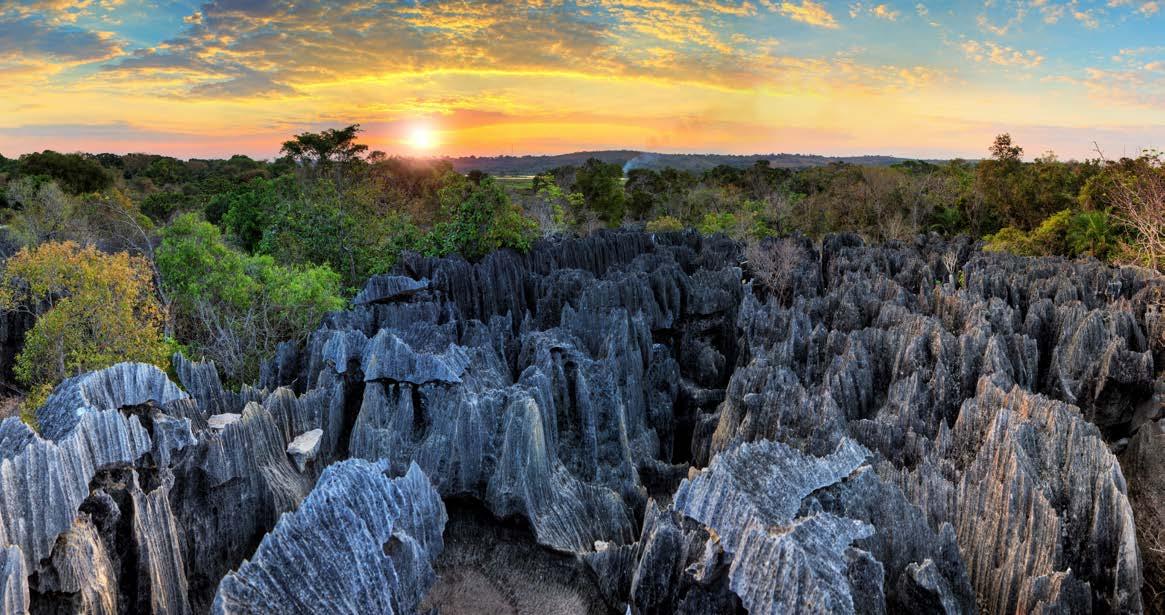
Madagascar’s western dry deciduous forests are famous for their towering baobabs. During the dry season, trees shed their leaves, revealing a stark, sun-drenched beauty. These forests also encompass the dramatic limestone tsingy—sharp “stone forests” carved by water over millennia. Despite their harsh appearance, tsingy harbor hidden canyons and caves that shelter lemurs, bats and rare plants, forming a unique microecosystem found nowhere else on Earth.
Eastern Tropical Rainforests
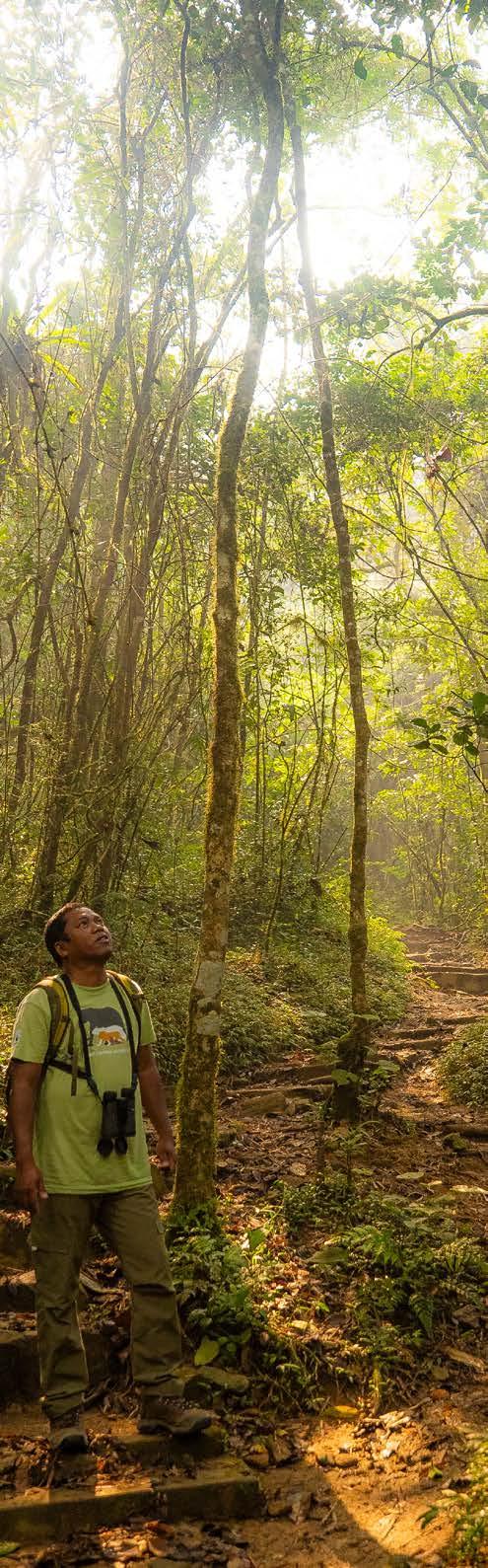
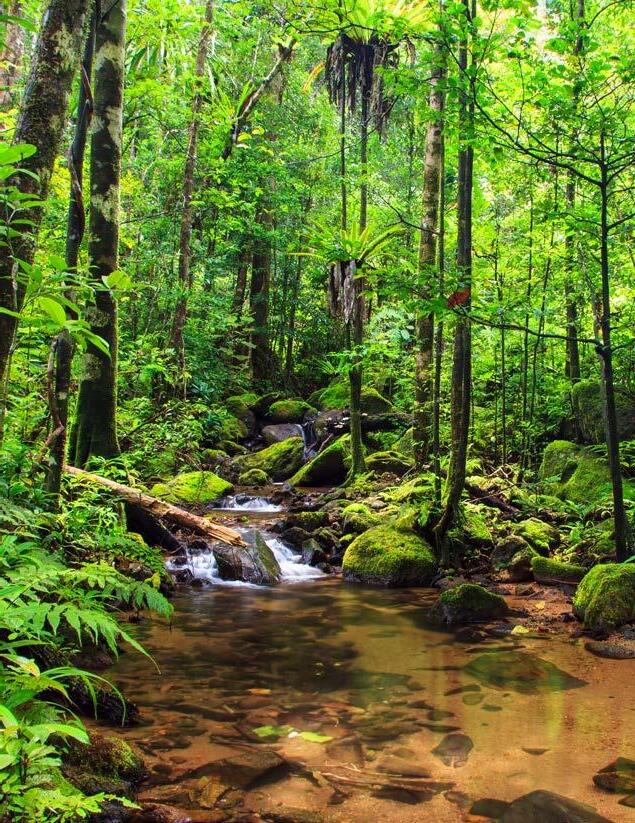
Lush, misty and humid, Madagascar’s eastern rainforests are biodiversity hotspots teeming with life. Towering canopies and dense understories harbor indris, chameleons and a host of endemic species. Constant rainfall (78–118 inches per year) fuels rich vegetation, making this one of the planet’s most biologically intense—and most threatened—tropical ecosystems, where the symphony of wildlife echoes through every layer of the forest.
Southwestern Spiny Forests
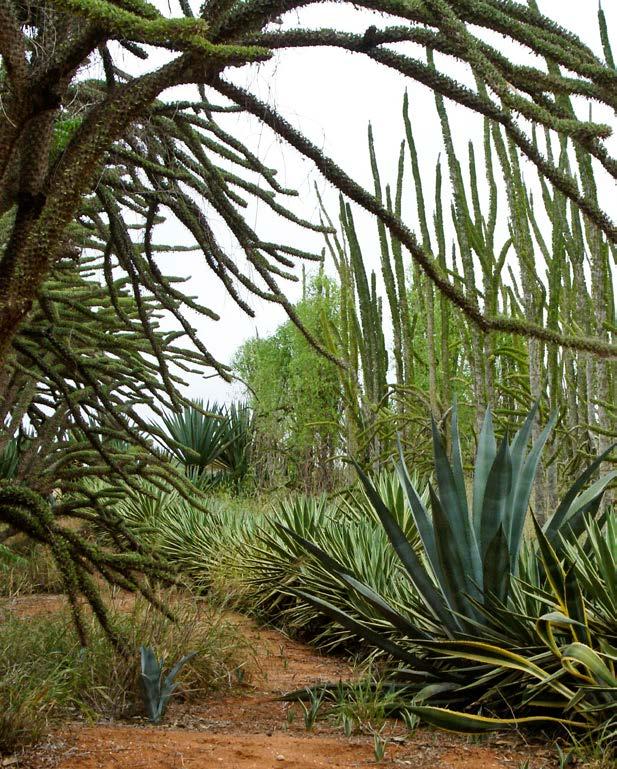
This bizarre, otherworldly landscape of arid thickets is dominated by droughtadapted plants like spiny octopus trees and barrel-shaped baobabs. Unique to Madagascar, the spiny forest is one of the world’s most distinctive dry ecosystems. Its highly specialized habitats support rare wildlife including ring-tailed lemurs and radiated tortoises—species increasingly at risk due to habitat loss and climate pressures in this fragile environment.
Coastal Mangrove Forests
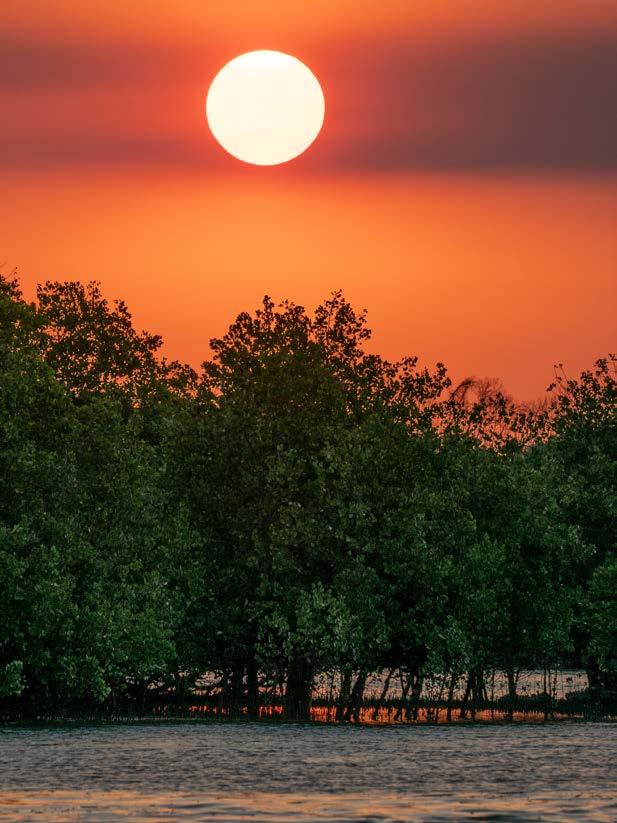
Fringing Madagascar’s coastline, mangrove forests thrive where saltwater meets land. These tangled root systems stabilize shores by preventing erosion, support fisheries and serve as nurseries for marine life. Rich in biodiversity, mangroves provide critical refuge for fish, crustaceans, birds and even lemurs. They also act as natural climate buffers, storing large amounts of carbon and helping protect vulnerable coastal communities.
Island of Many Origins
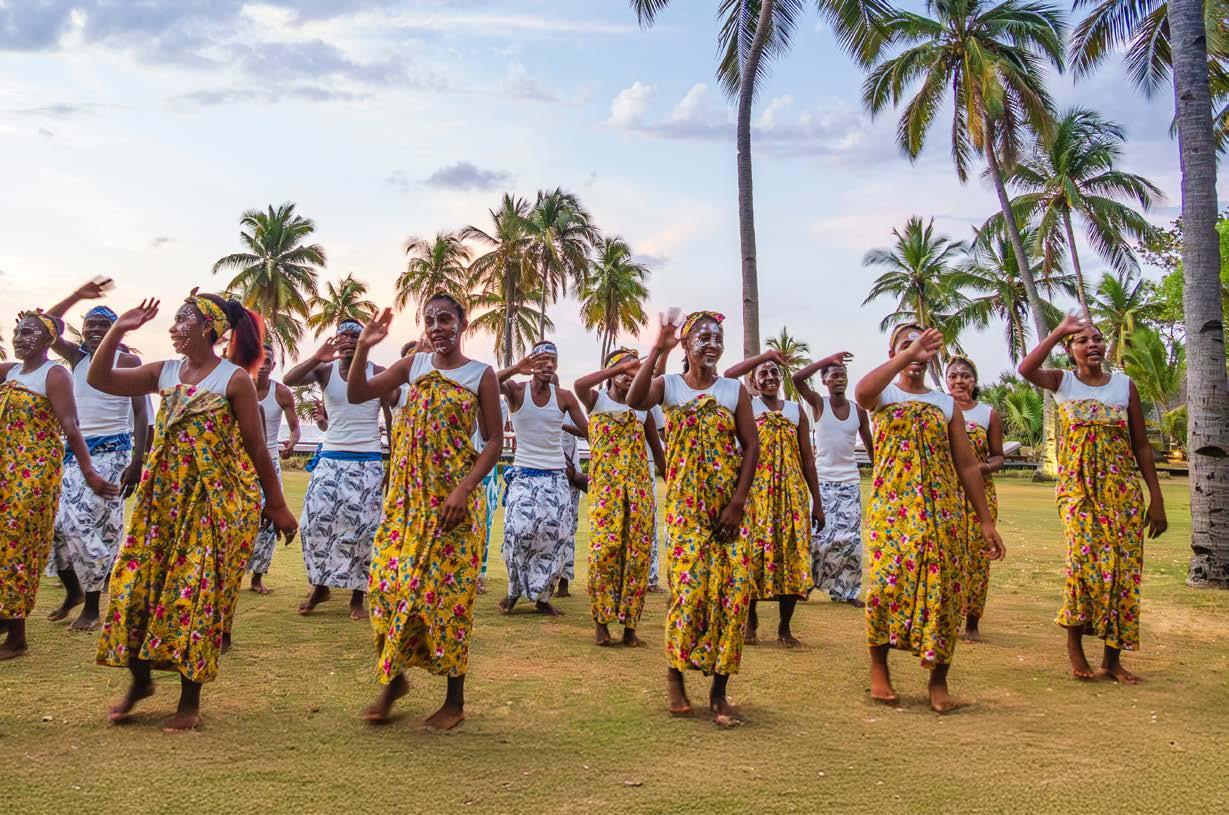
Although Madagascar teems with ancient plant and animal life, humans arrived relatively recently. Seafarers from Southeast Asia reached the island around 2,000 years ago—long before mainland Africans made the crossing. Today’s Malagasy people reflect a rich blend of Indonesian, African, Arab and European ancestry. Malagasy, the national language spoken in nearly 20 regional dialects, is most closely related to the Ma’anyan language of southern Borneo—an echo of the island’s earliest
settlers. French, the island’s other official language, is also widely used in government and education.
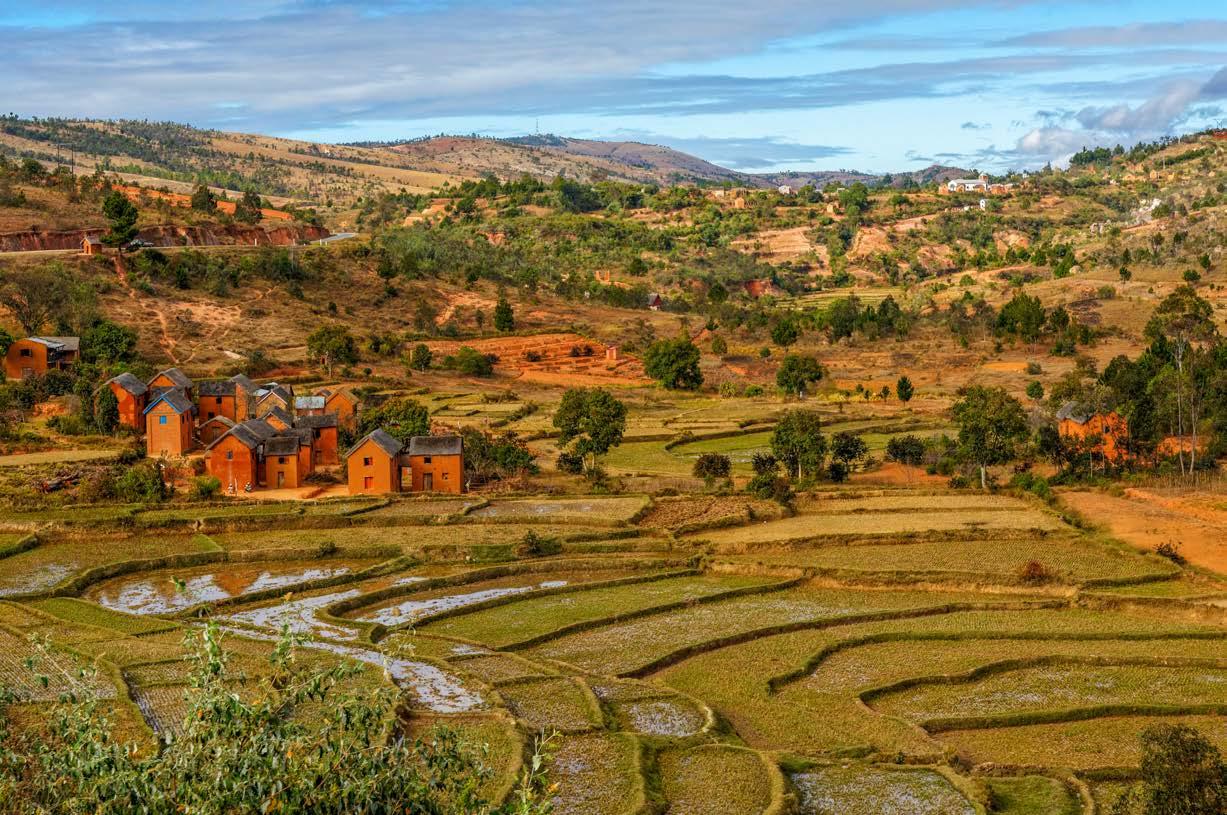
Madagascar is home to more than 28 million people, the majority of whom live in rural communities dispersed across the island’s highlands, coasts and forest edges. The capital, Antananarivo—locally known as “Tana”—is the country’s bustling urban center, home to roughly 1.3 million residents.
Arab merchants established trading posts by the 9th century, and by the 1500s, Europeans arrived, ushering in centuries of shifting colonial ambitions. French colonization in the late 1800s brought both disruption and modernization, from new infrastructure to administrative reforms. Madagascar gained independence in 1960 and continues to navigate its path forward.
In recent decades, political instability, contested elections and periodic unrest have posed challenges to development and conservation efforts. Despite these struggles, Madagascar retains a strong cultural identity—and a deep resilience grounded in its ancestral traditions, communal ties and extraordinary natural heritage.
Conservation on the “Eighth Continent”
Madagascar is both a biological marvel and one of the most imperiled places on the planet. In the mere 2,000 years since humans first arrived, the island has lost some of its most extraordinary species: elephant birds that stood 10 feet tall, pygmy hippos, and lemurs as large as gorillas. What remains is irreplaceable—and profoundly vulnerable.
More than 80% of Madagascar’s forests have been lost or degraded, primarily through clearing for firewood, charcoal and agriculture. As forests shrink, so do the habitats of the island’s iconic wildlife. Improved infrastructure,
such as roads and airstrips, along with GPS technology and mobile networks, has made it easier for people to reach previously isolated parts of Madagascar—areas that once served as natural refuges for rare species. This increased accessibility has unfortunately fueled the illegal trade in tortoises, rosewood, geckos and other highly prized wildlife and plants.
Modern conservation in Madagascar emerged in earnest in the late 20th century, as scientists began sounding alarms about rapid biodiversity loss. Today, the island is a major conservation priority for the global
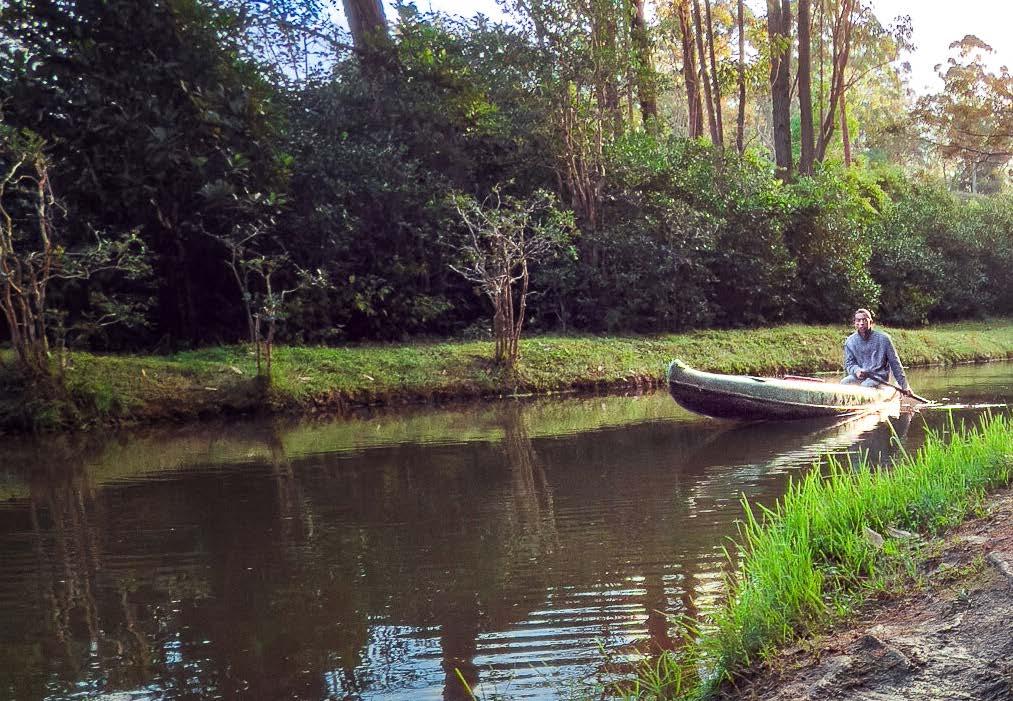
community, and numerous NGOs—including Nat Hab’s conservation partner, World Wildlife Fund—are working alongside local Malagasy partners to safeguard what remains.
WWF has launched initiatives on the island to conserve and manage both inland forests and coastal mangroves, support sustainable livelihoods within coastal fishing communities, restore degraded habitats and help local authorities build resilience in the face of climate change. In southwestern Madagascar’s Amoron’i Onilahy Protected Area—one of the last refuges for ring-tailed lemurs and
Verreaux’s sifakas—WWF supports community patrolling and education, resulting in growing lemur populations and reduced deforestation.
Progress isn’t always linear, and the challenges are immense, but there is genuine hope. Community-run reserves, reforestation programs, species-recovery initiatives and conservation-focused tourism are helping turn the tide. For travelers, witnessing Madagascar’s wildlife is not only unforgettable—it’s a reminder of what stands to be lost, and of the critical role responsible travel plays in protecting this singular island for generations to come.
© L Bergbreiter
WILDLIFE OF MADAGASCAR
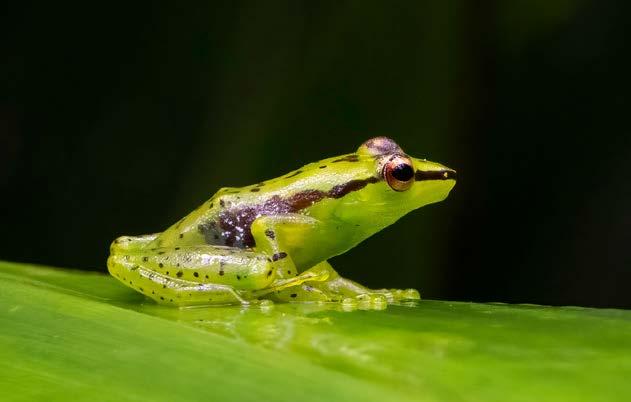
Madagascar is home to some of the richest biodiversity on the planet. Of the approximately 200,000 species known to exist on the island, about 150,000 of them are endemic. Madagascar is home to 100% of the world’s lemur species, 50% of its chameleon species and 6% of its frogs. However, the island lacks most of the mammal groups that are found in other parts of the world, making it particularly unique.
de Gouveia
Lemurs
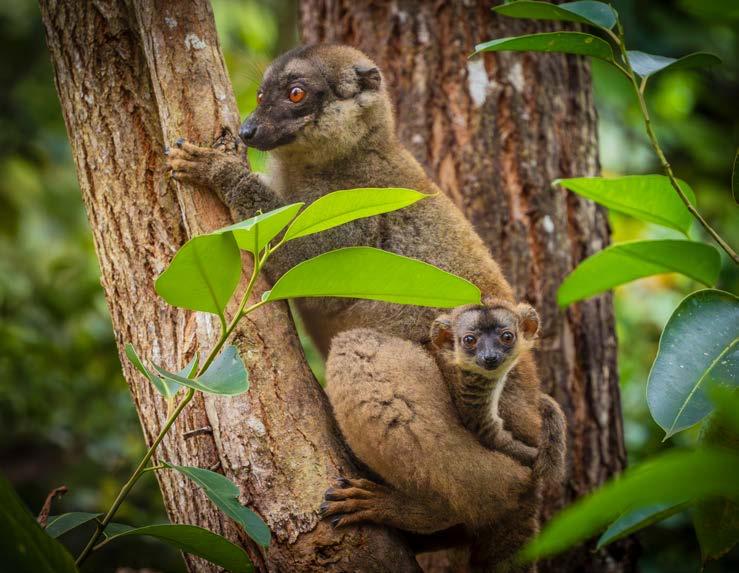
Few creatures embody Madagascar’s evolutionary story as powerfully as lemurs. Found only in Madagascar and nearby Comoro, these primates arrived millions of years ago from the African mainland—possibly via rafts of vegetation—and diversified into more than 100 species.
Unlike humans, monkeys and apes, lemurs retain characteristics similar to early ancestral primates. They are generally arboreal, living in close-knit family groups or troops that groom, play and sleep together. Their lower-jaw “tooth-comb” and grooming claw are unique among primates, and their exceptional sense of smell supports their social lives, as they communicate and mark territory with scent.
Today, lemurs face serious threats from deforestation, hunting and habitat loss—yet each encounter with them is a chance to witness evolution, isolation and survival in action.
“This was a trip of a lifetime! We saw 20 different species of lemurs, which was more than I anticipated. Watching their amusing antics and seeing some with very young ones was the best.”
-Nat Hab Traveler Cathy W., Ultimate Madagascar
Here are just a few of the lemurs we encounter on our Madagascar adventures:
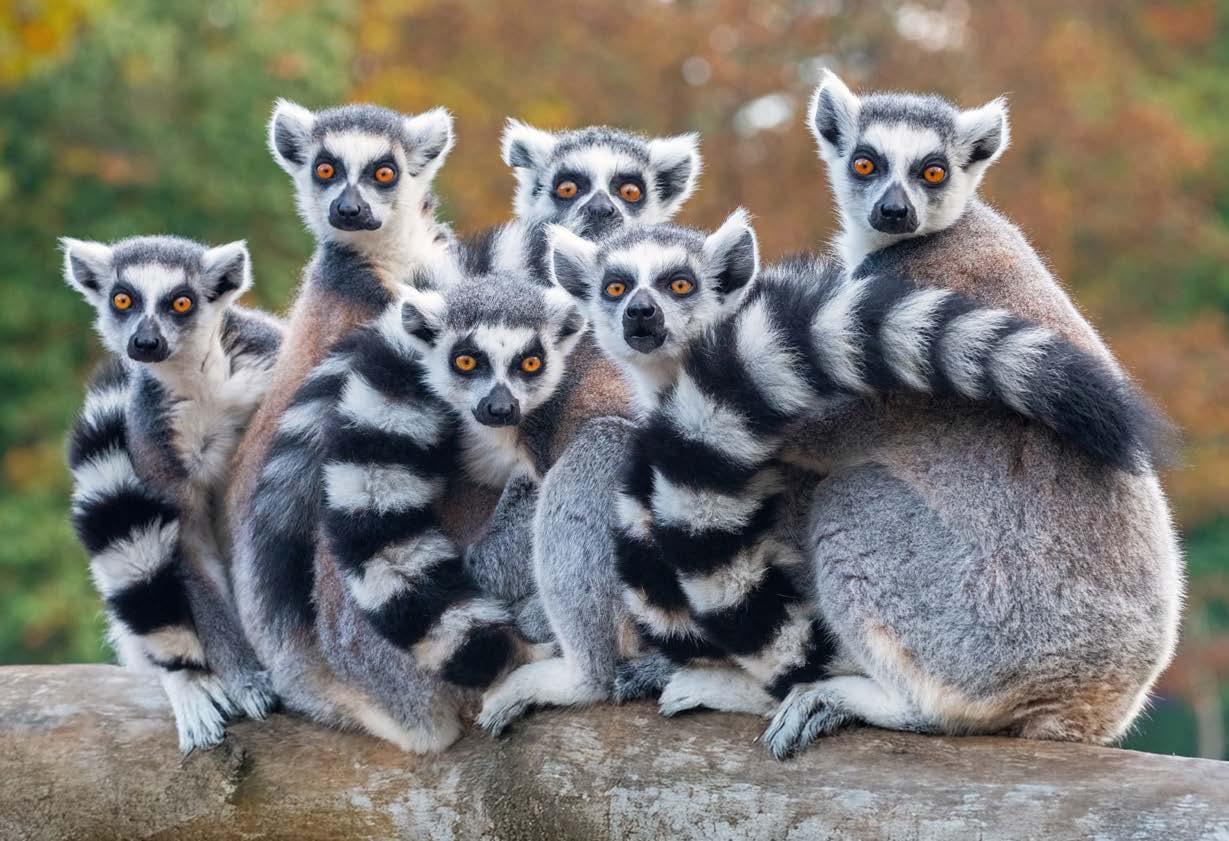
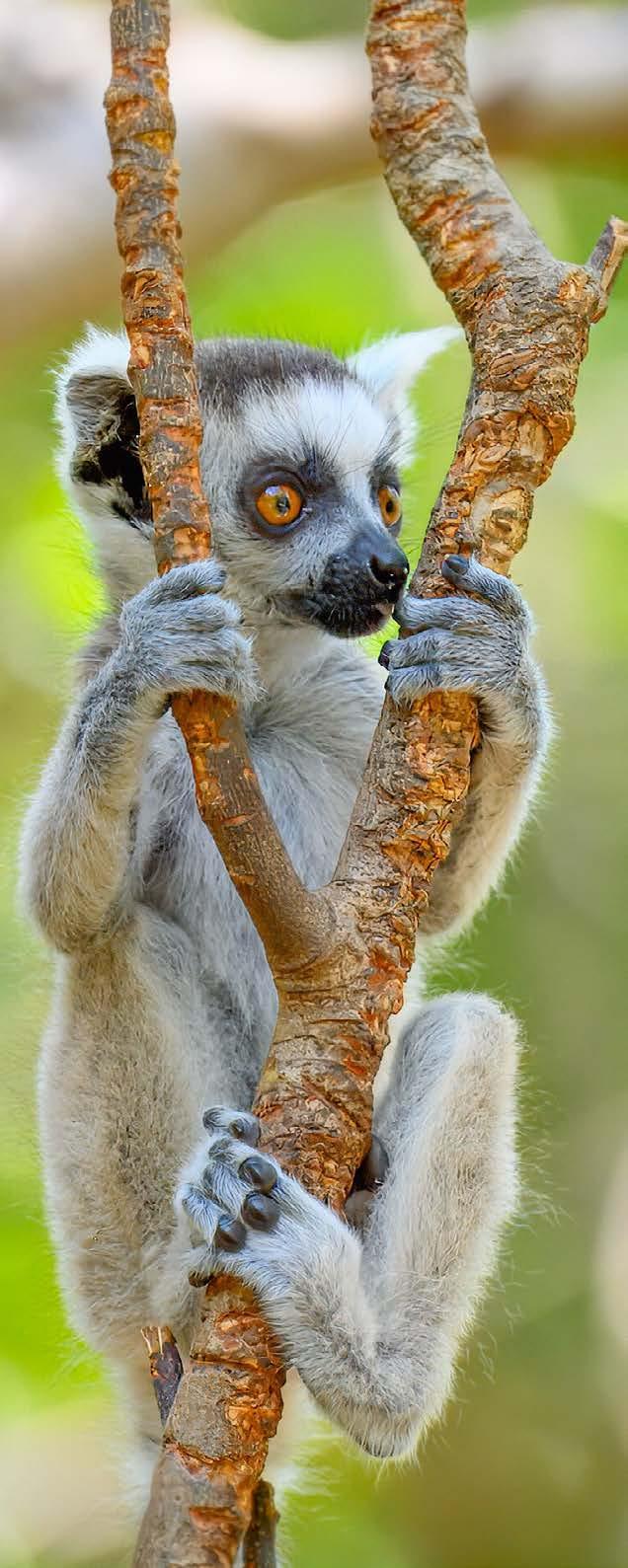
Ring-Tailed Lemurs
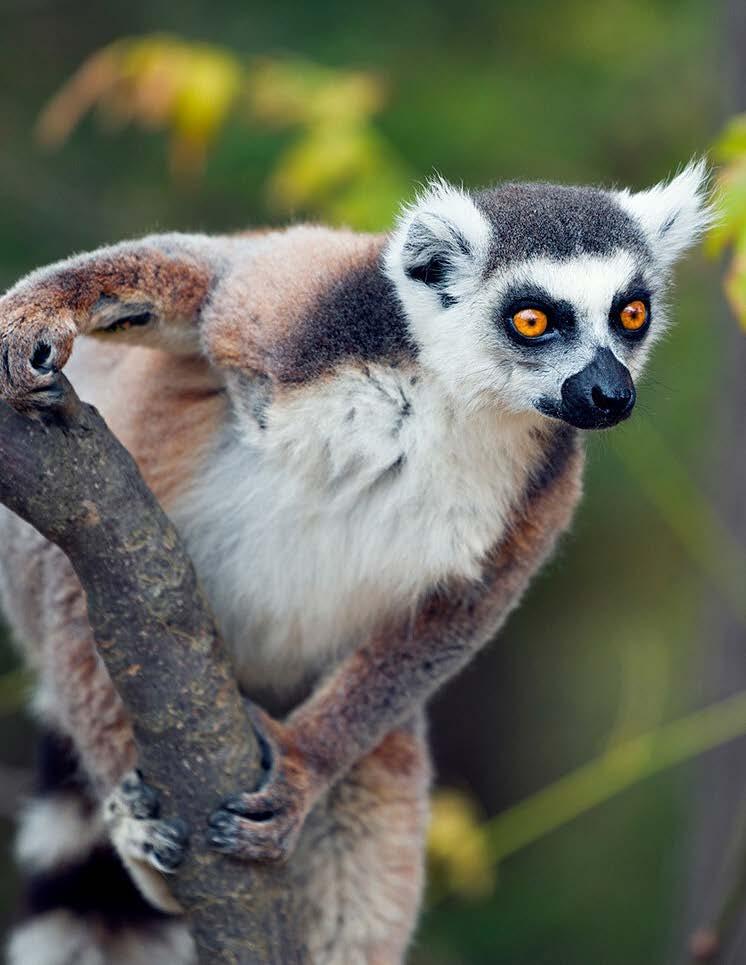
The ring-tailed lemur is instantly recognizable by its long, black-and-white ringed tail and bold facial markings. Native to the southern and southwestern forests of Madagascar, these highly social primates live in troops of up to 30 individuals and use scent-marking and vocalizations to communicate. They are among the most terrestrial of lemurs, spending substantial time on the ground, often sunbathing together to regulate their body temperature.
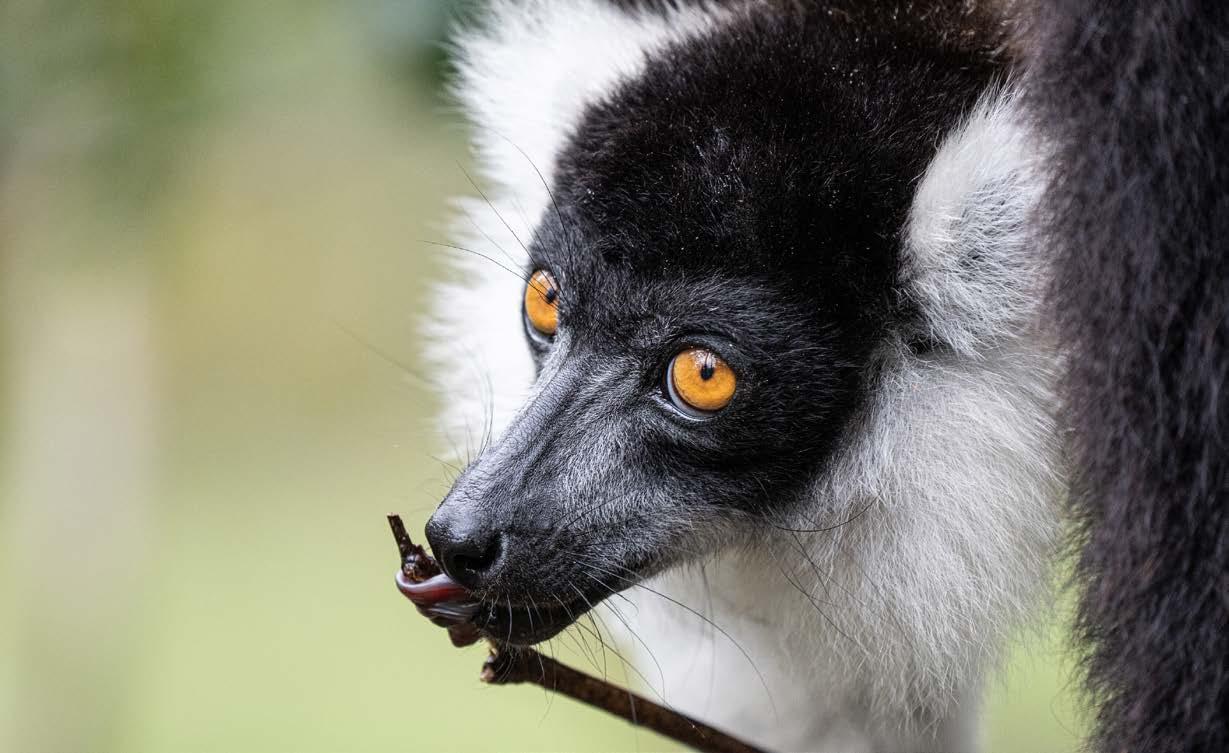
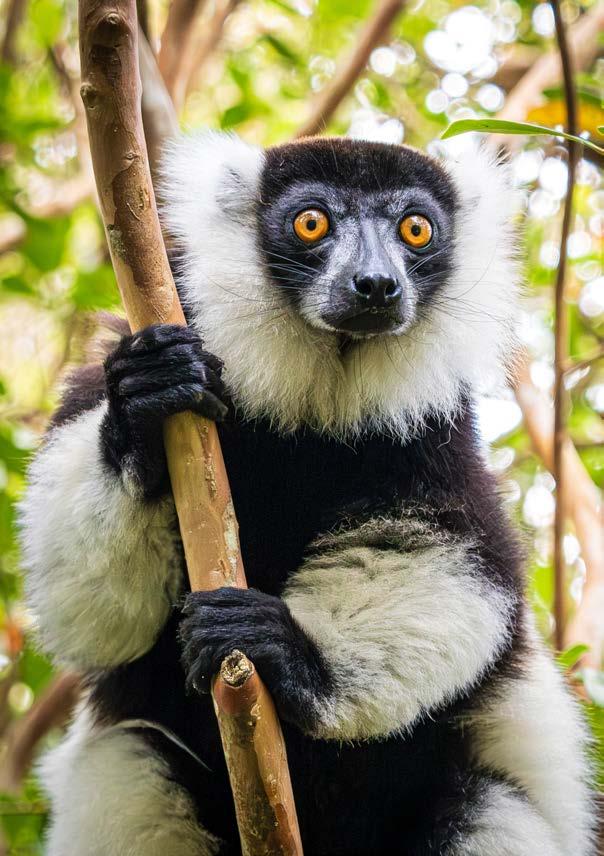
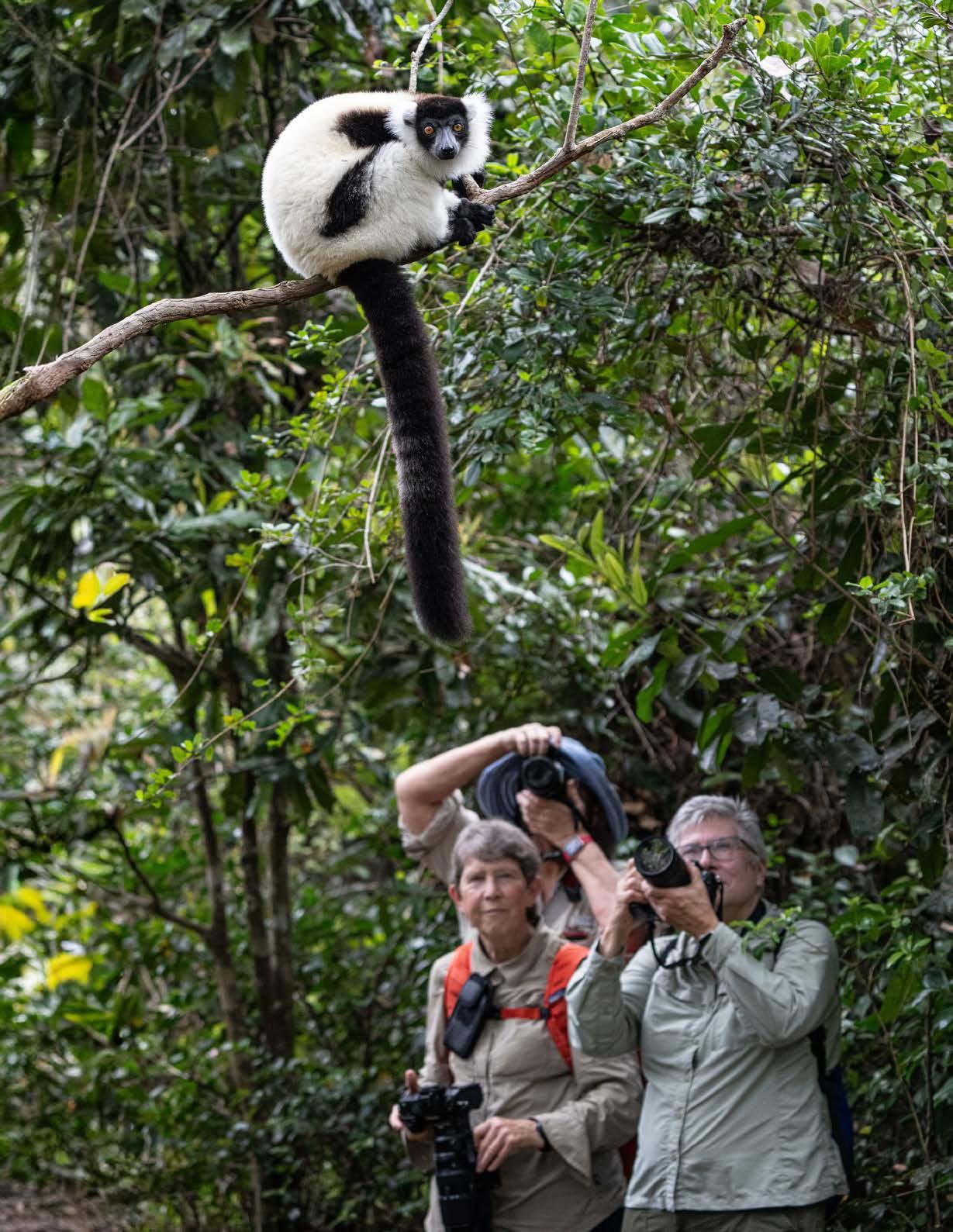
Black-and-White Ruffed Lemurs
The black-and-white ruffed lemur resides in Madagascar’s eastern rainforests and is one of the largest lemurs alive today, weighing up to 10 pounds. It is distinguished by its dramatic black-and-white coat and loud barking calls. This highly arboreal species thrives in the high canopy, feeds primarily on fruit and nectar and plays a vital role as a key pollinator of tropical trees.
© R de Gouveia
© R Hopkins
Indri
With its green eyes, black-and-white coat and upright posture, the indri is Madagascar’s largest lemur, weighing between 13 and 21 pounds. It is also the island’s most vocal lemur—its eerie, soaring calls can echo for more than a mile across the rainforest canopy. Indri live in small family groups in the island’s northeastern rainforests. Sadly, the indri is critically endangered, with estimates suggesting that fewer than 10,000 individuals remain in the wild due to habitat loss from slash-and-burn agriculture and illegal logging in Madagascar’s eastern rainforests.
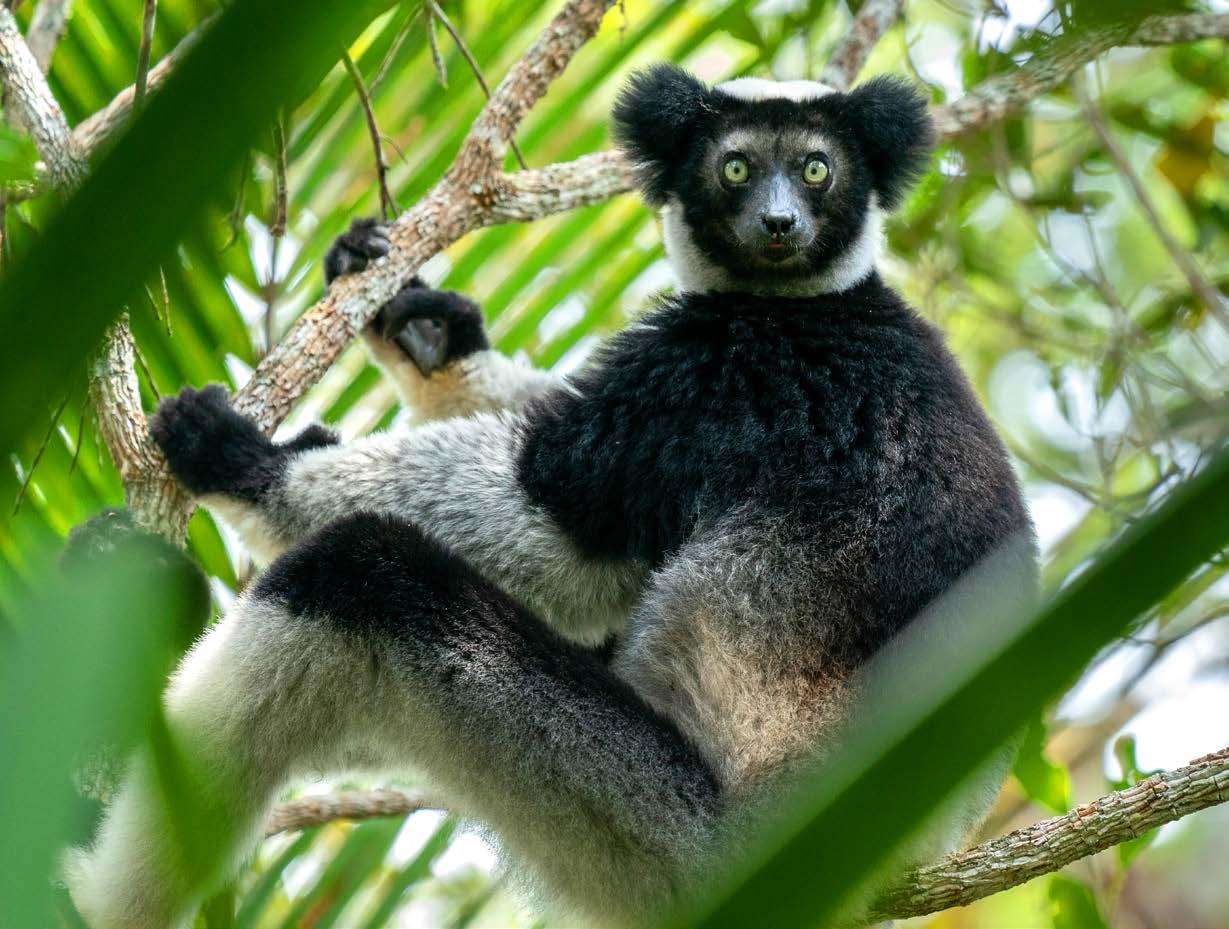
“I always make a list of “mental postcards” from each trip. One of my favorites from this trip was hearing the call of the indri lemurs echoing through the forest—it brought tears to my eyes!”
-Nat Hab Traveler Betty Jo T., Ultimate Madagascar
© R de Gouveia
Brown Mouse Lemurs
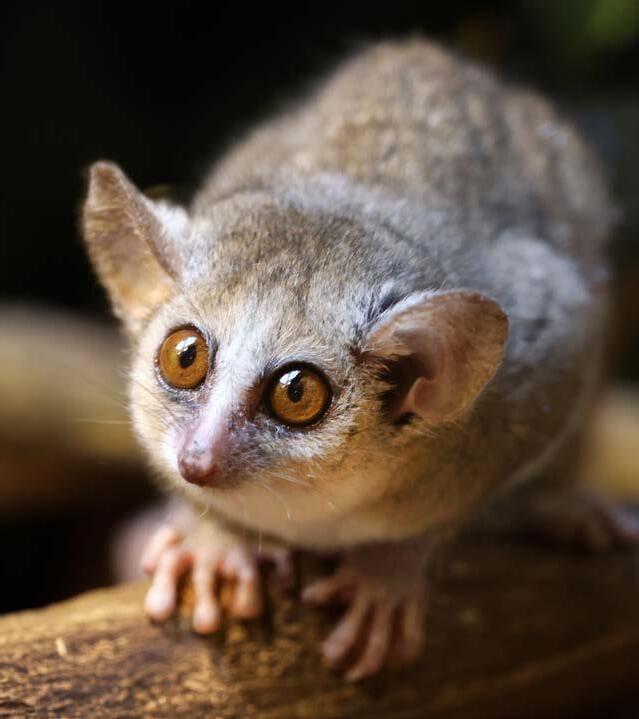
The brown mouse lemur is one of Madagascar’s smallest primates, weighing just a few ounces. With its reddish-brown fur and oversized eyes, this elusive lemur is active at night, feeding on fruit, nectar and insects. Despite its small size, it plays a big role in seed dispersal and pollination within its forest ecosystem.
Greater Bamboo Lemurs
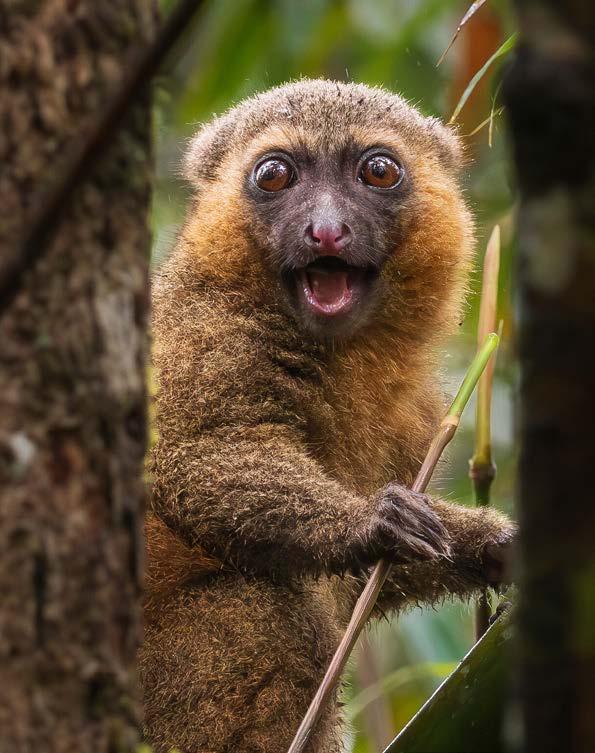
The greater bamboo lemur is found only in Madagascar’s southeastern rainforests. Although it is the largest of the bamboo lemurs, it is still relatively small, averaging just 5 to 6 pounds. Nearly 98% of its diet comes from a single giant bamboo species, making it uniquely vulnerable. Once thought extinct, fewer than 1,000 remain today, and its survival hinges on the protection of shrinking bamboo forests.
© J Whittingham
Diademed Sifakas
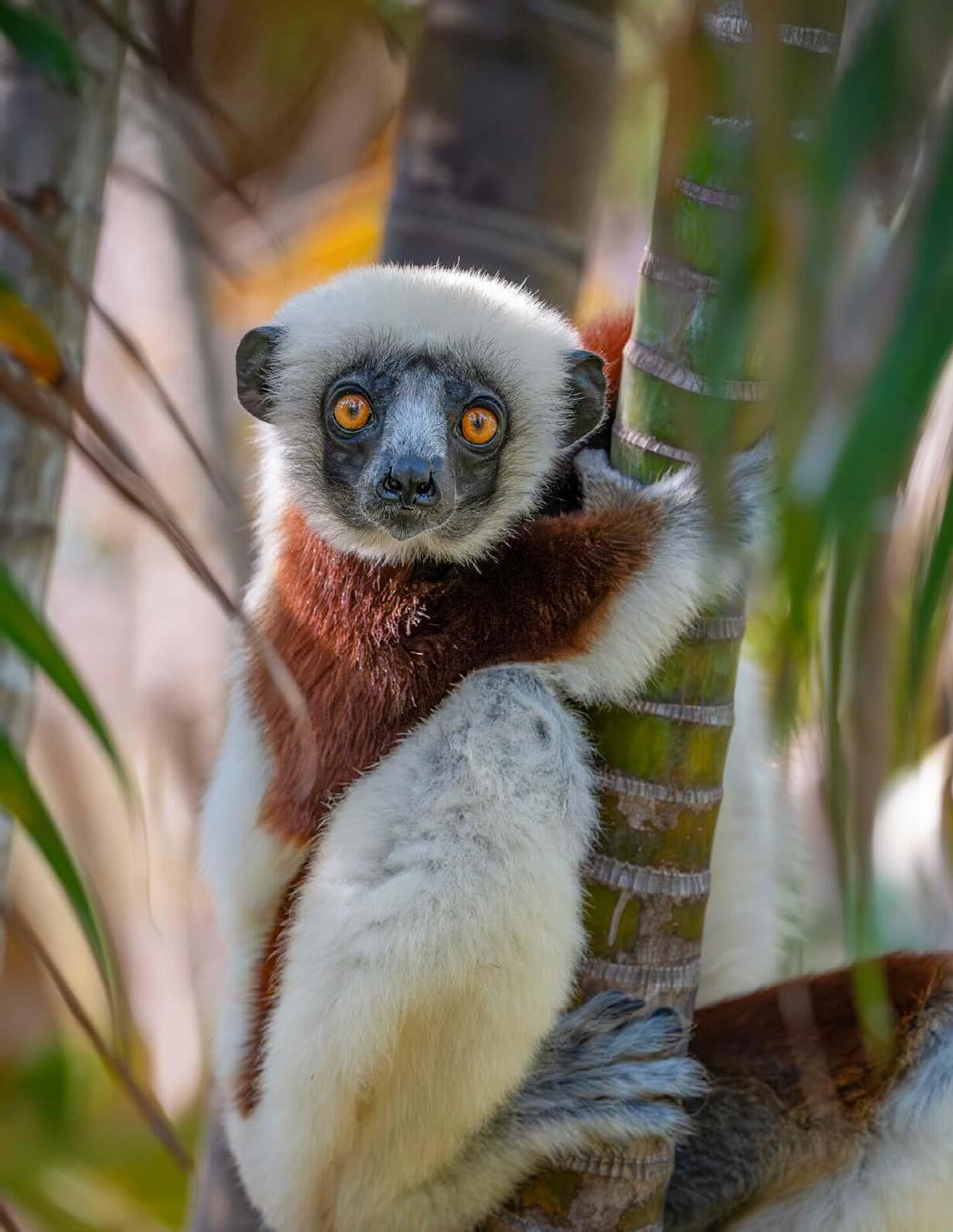
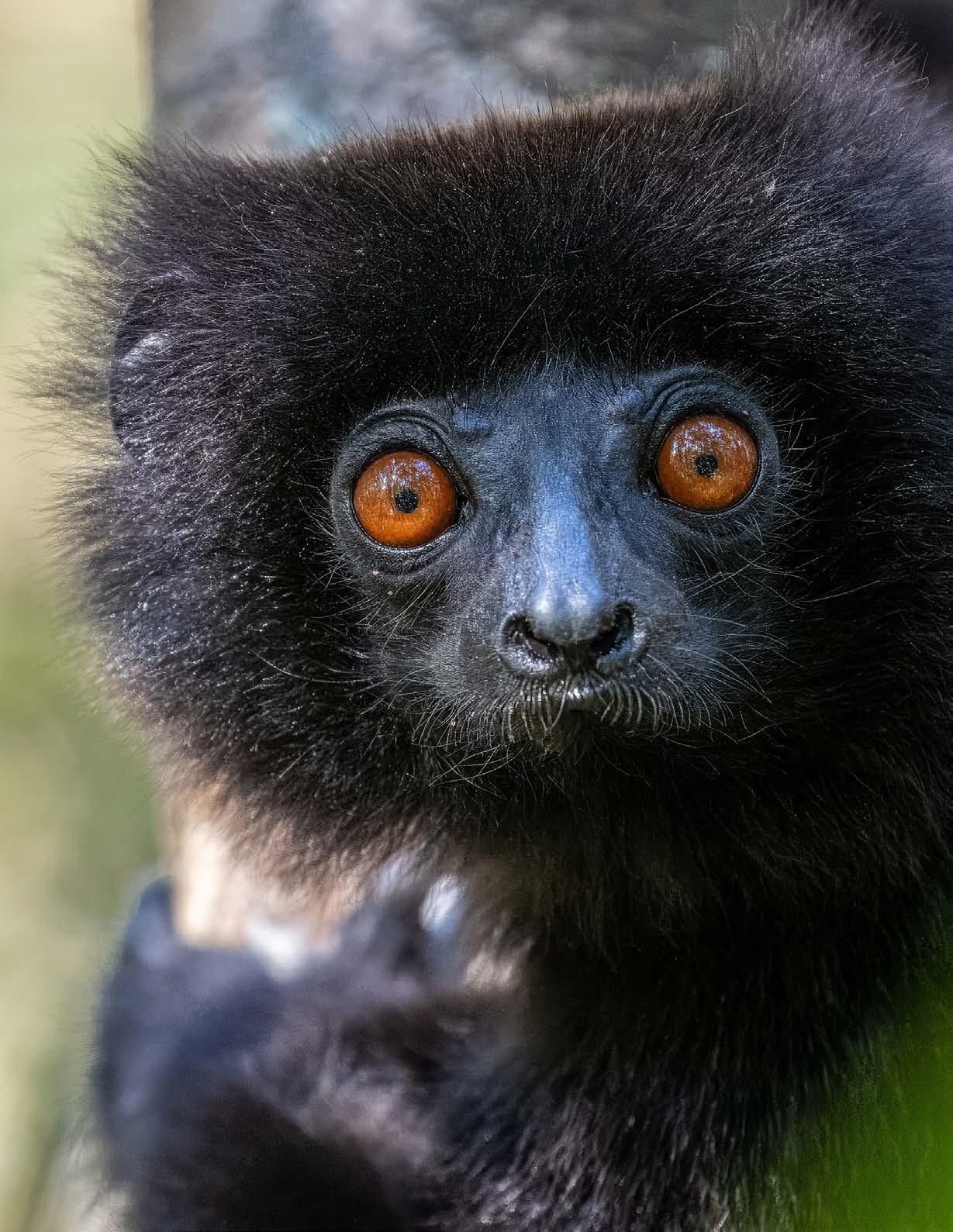
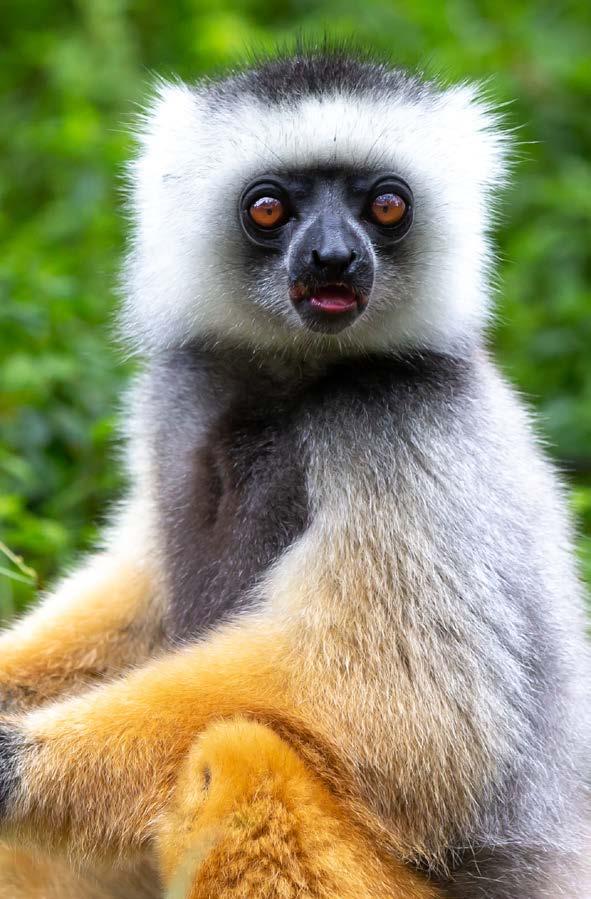
The diademed sifaka is one of Madagascar’s most spectacular lemurs, with its silky coat of silver, gold and black, its striking orange eyes, and a crown-like crest around its muzzle. Found only in the eastern rainforests, this large arboreal primate lives in small family groups and leaps gracefully through the canopy.
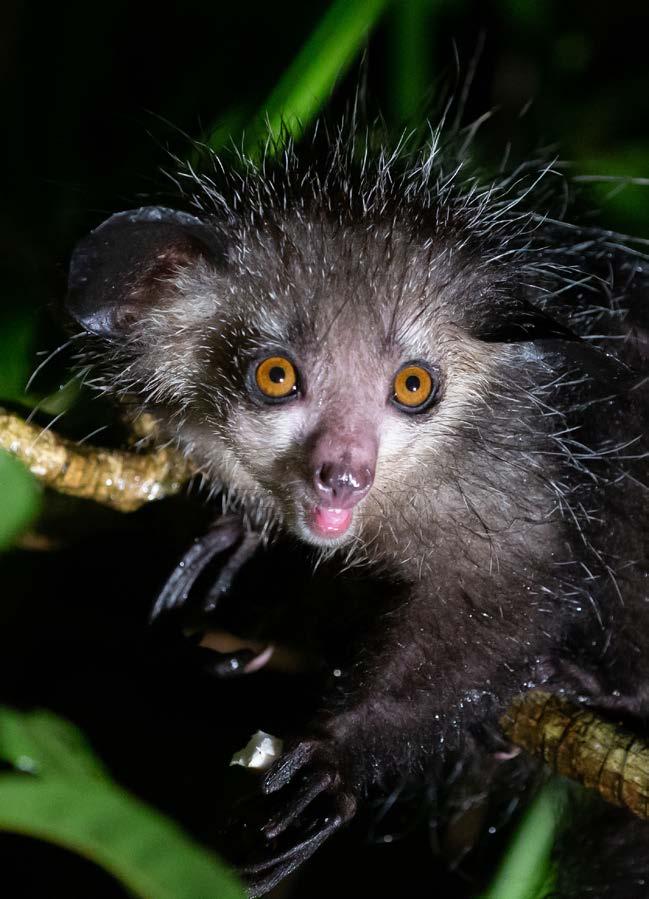
Aye-Ayes
With its wide yellow eyes, bat-like ears, rodent-like teeth and an elongated middle finger used to tap and extract insects from tree bark, the aye-aye is one of Madagascar’s most unusual lemurs. The world’s largest nocturnal primate, it weighs 5–6 pounds and is endangered due to habitat loss, hunting and cultural superstition. The aye-aye’s nocturnal foraging and solitary nature make every sighting truly extraordinary.
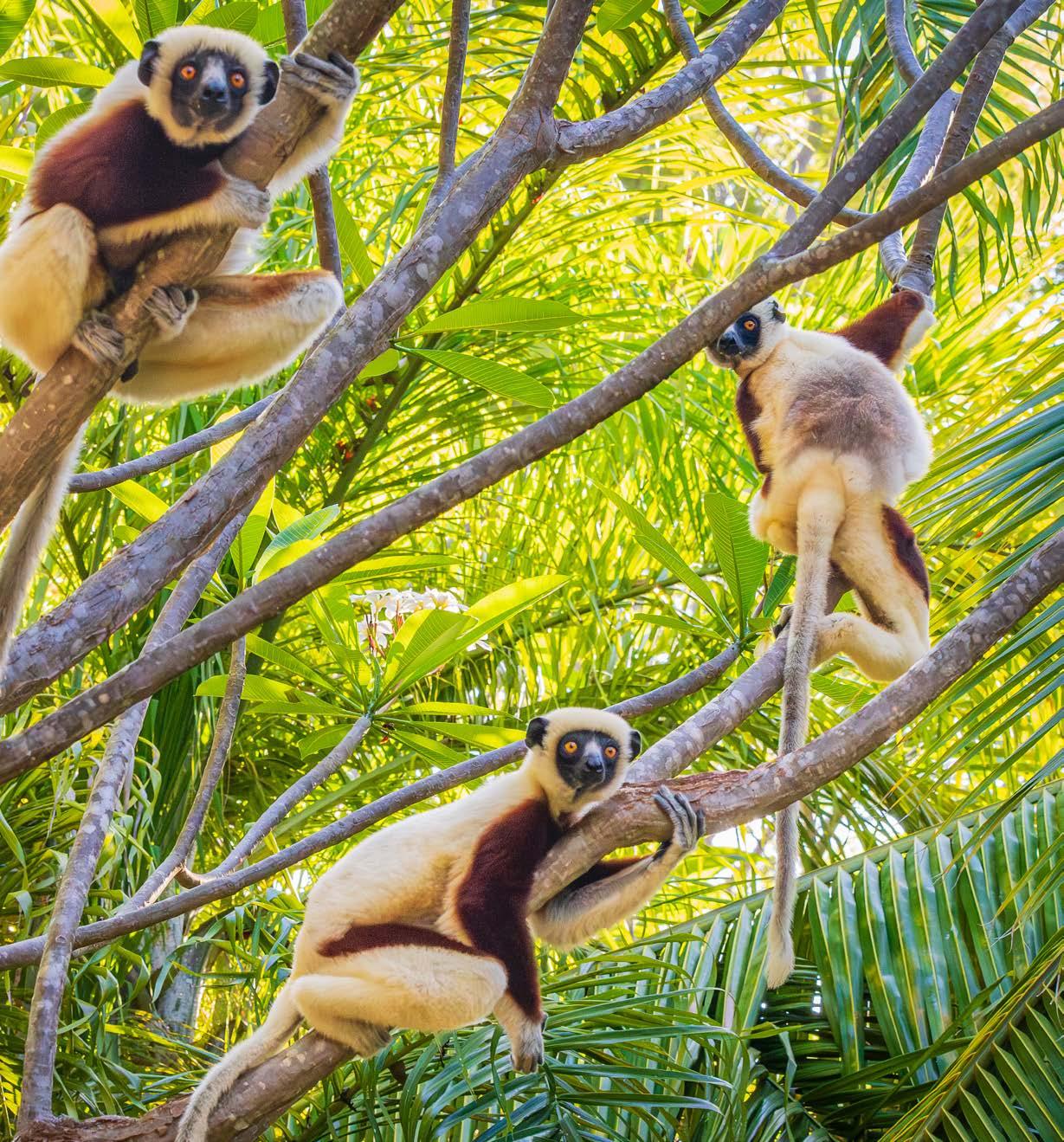
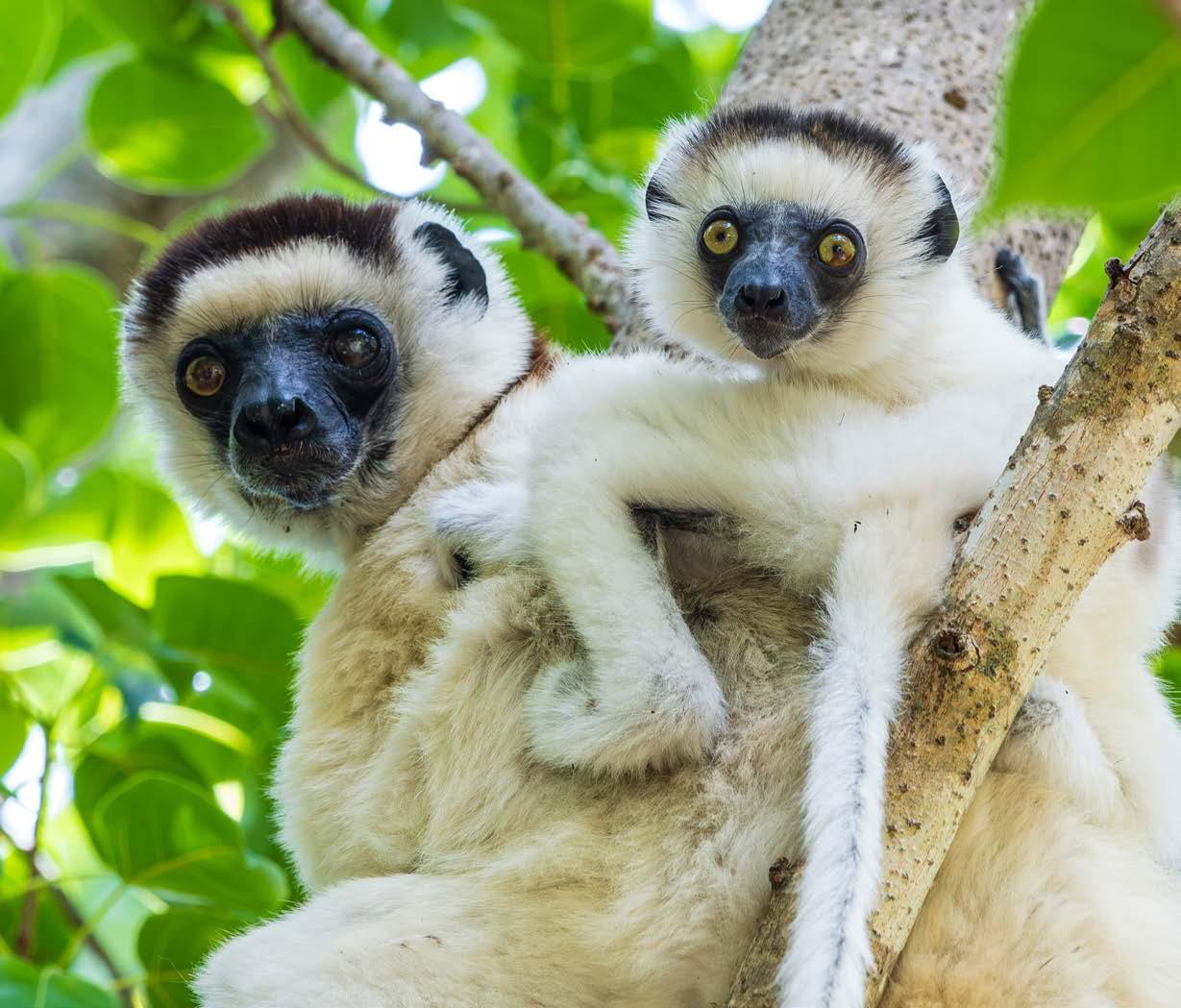
Verreaux’s Sifakas
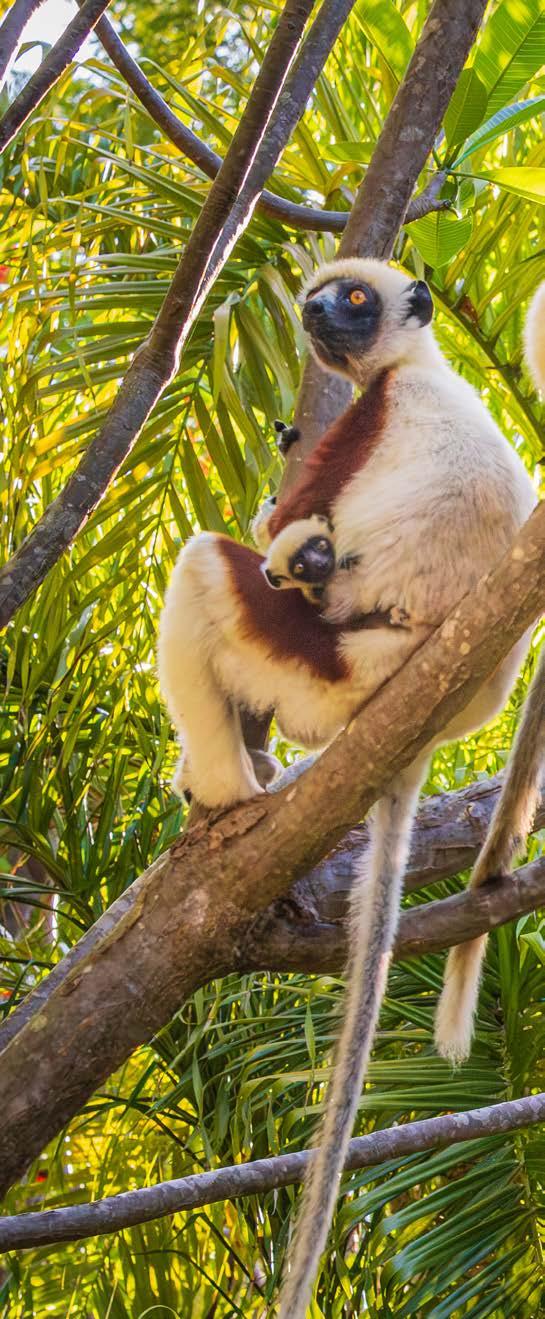
The Verreaux’s sifaka, also known as the white sifaka, stands out with its snowy fur, dark face mask and astonishing sideways bipedal leaps—earning it the nickname “dancing lemur.” Native to southwestern Madagascar’s dry forests and spiny scrub, this social species lives in small groups and dominates its territory under a matriarchal system.
More wildlife seen on our Madagascar adventures:
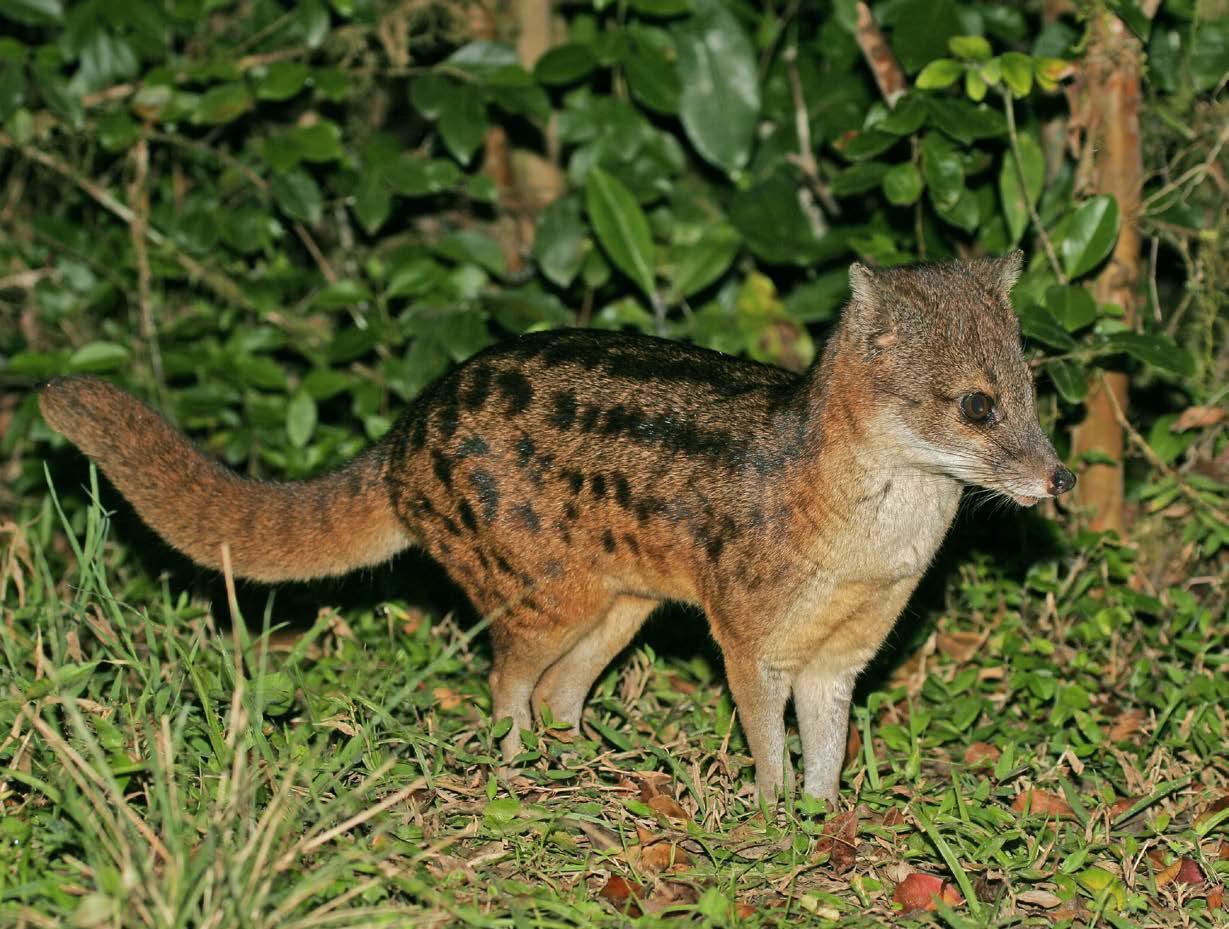
Striped Civet
The striped civet is Madagascar’s second-largest predator, boasting a fox-like muzzle, sleek gray-brown coat with black spots and stripes, and a thick tail. Nocturnal and elusive, this cat-sized mammal prowls forest ravines hunting small mammals, reptiles, insects and bird eggs. Endemic to Madagascar and listed as “Vulnerable” by the International Union for the Conservation of Nature, it faces threats from habitat loss, charcoal production and invasive competitors.
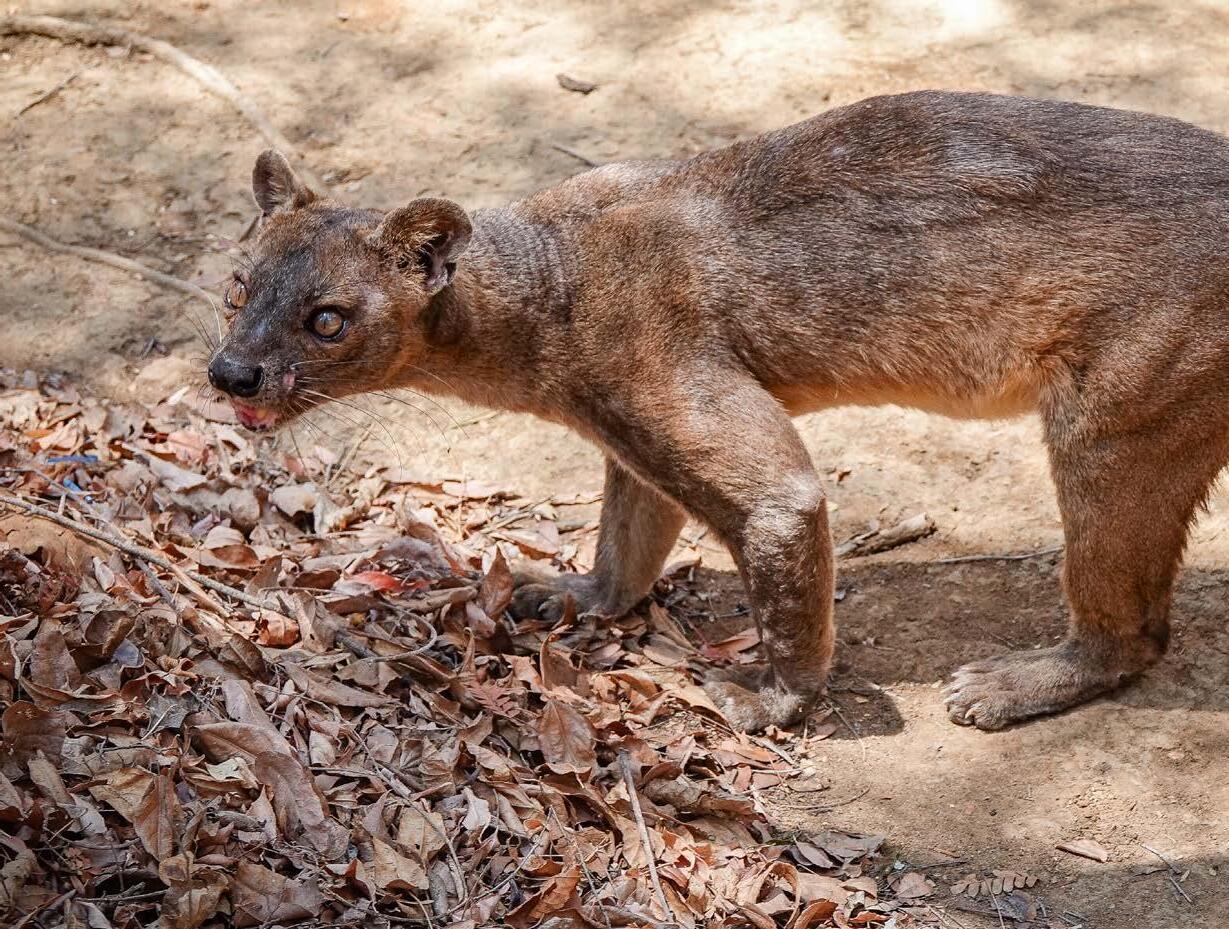
Fossa
The fossa is Madagascar’s largest native predator and a top carnivore in the island’s forests. It looks like a small cougar, has the agility of a primate and is uniquely adapted for hunting lemurs—its primary prey. The fossa’s long tail aids in balance as it moves swiftly through the trees, and its semi-retractable claws and flexible ankles help it climb and leap with ease. Solitary and elusive, the fossa is rarely seen but plays a vital role in maintaining ecological balance.
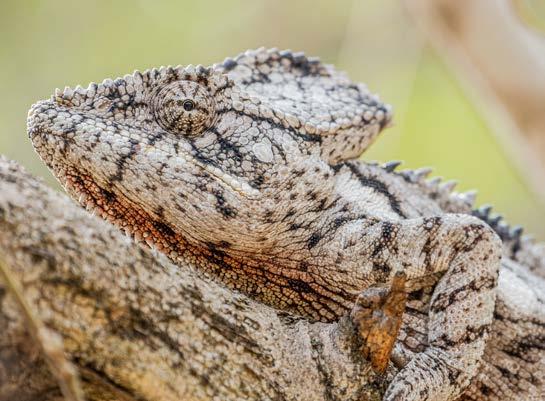
Chameleons
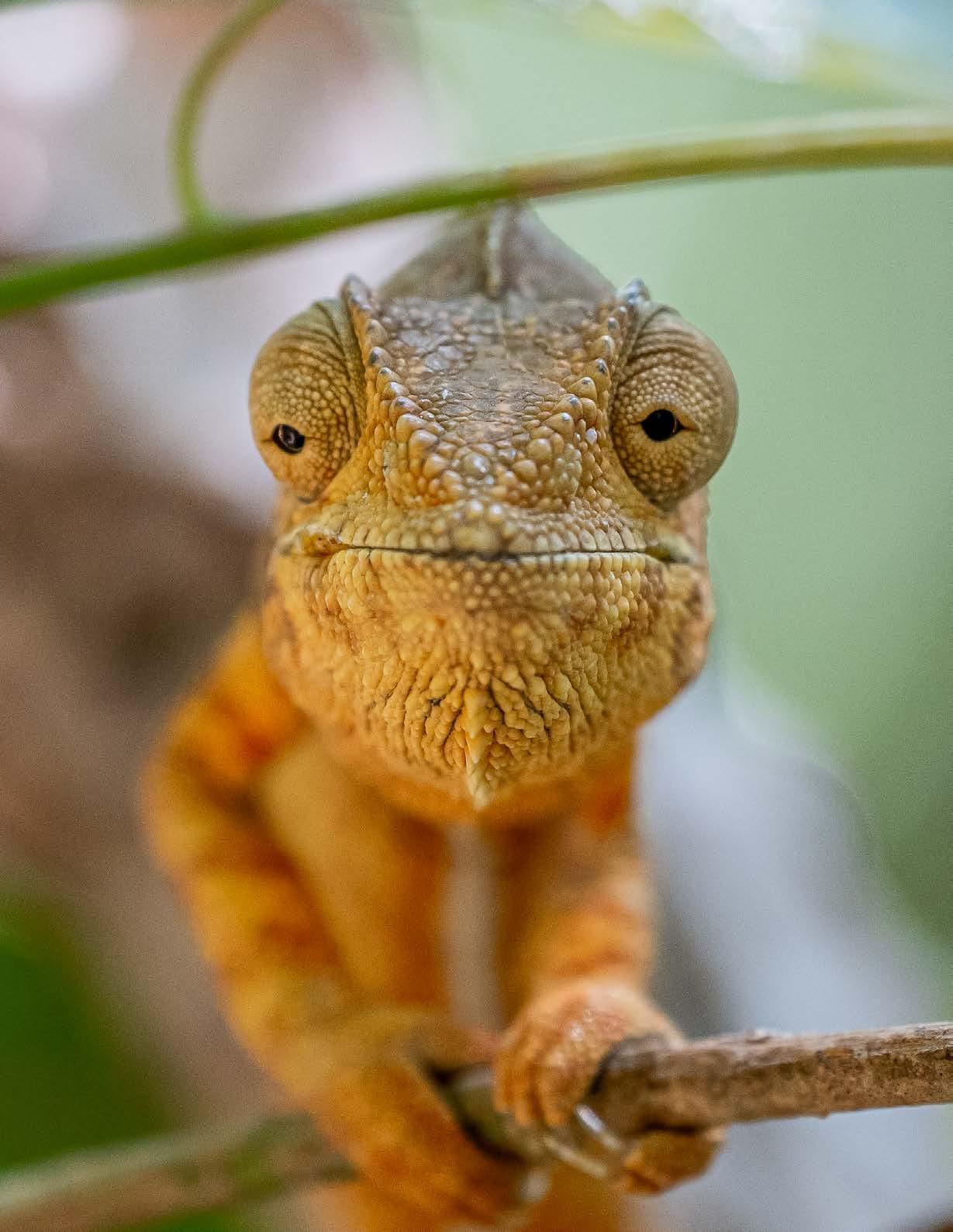
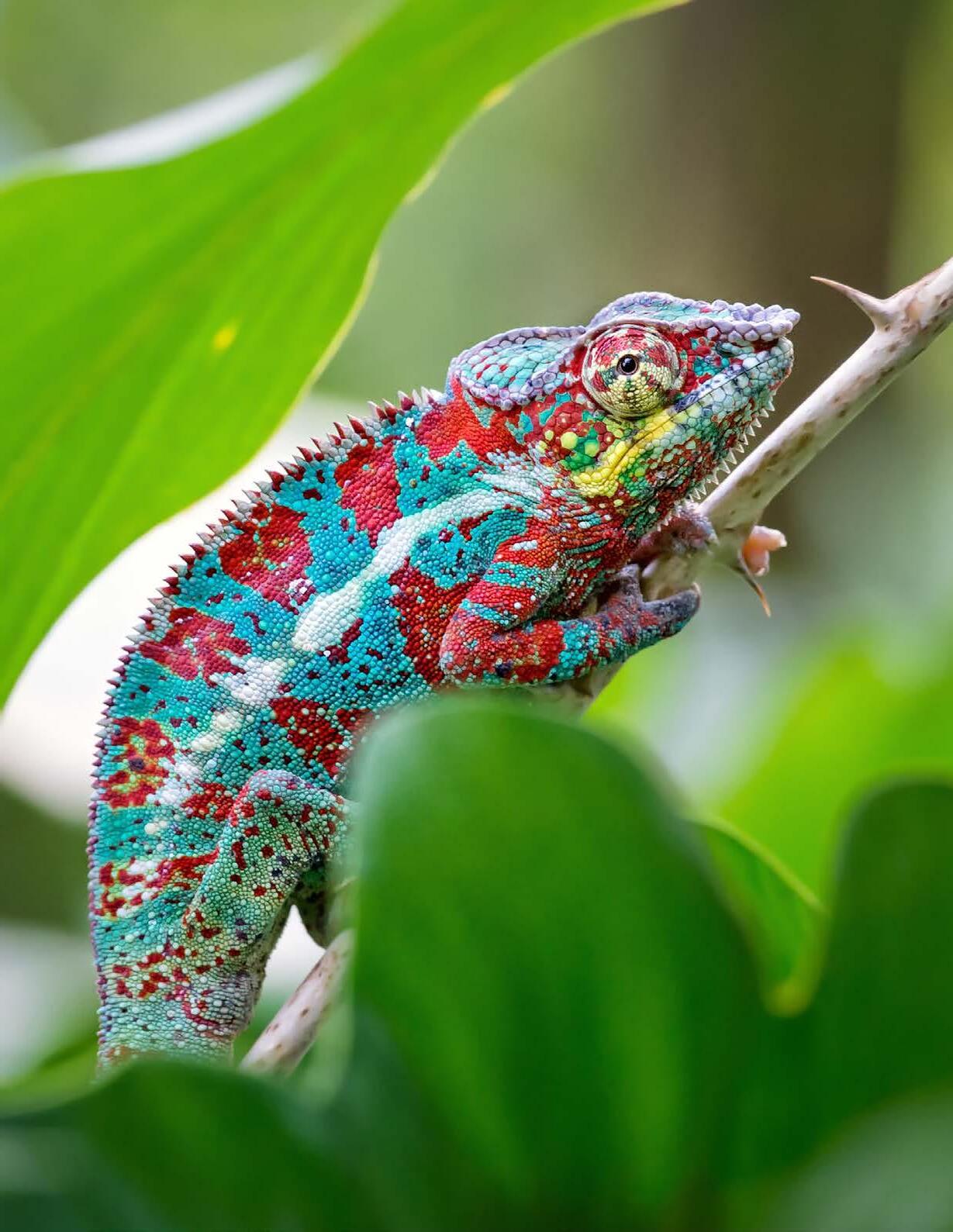
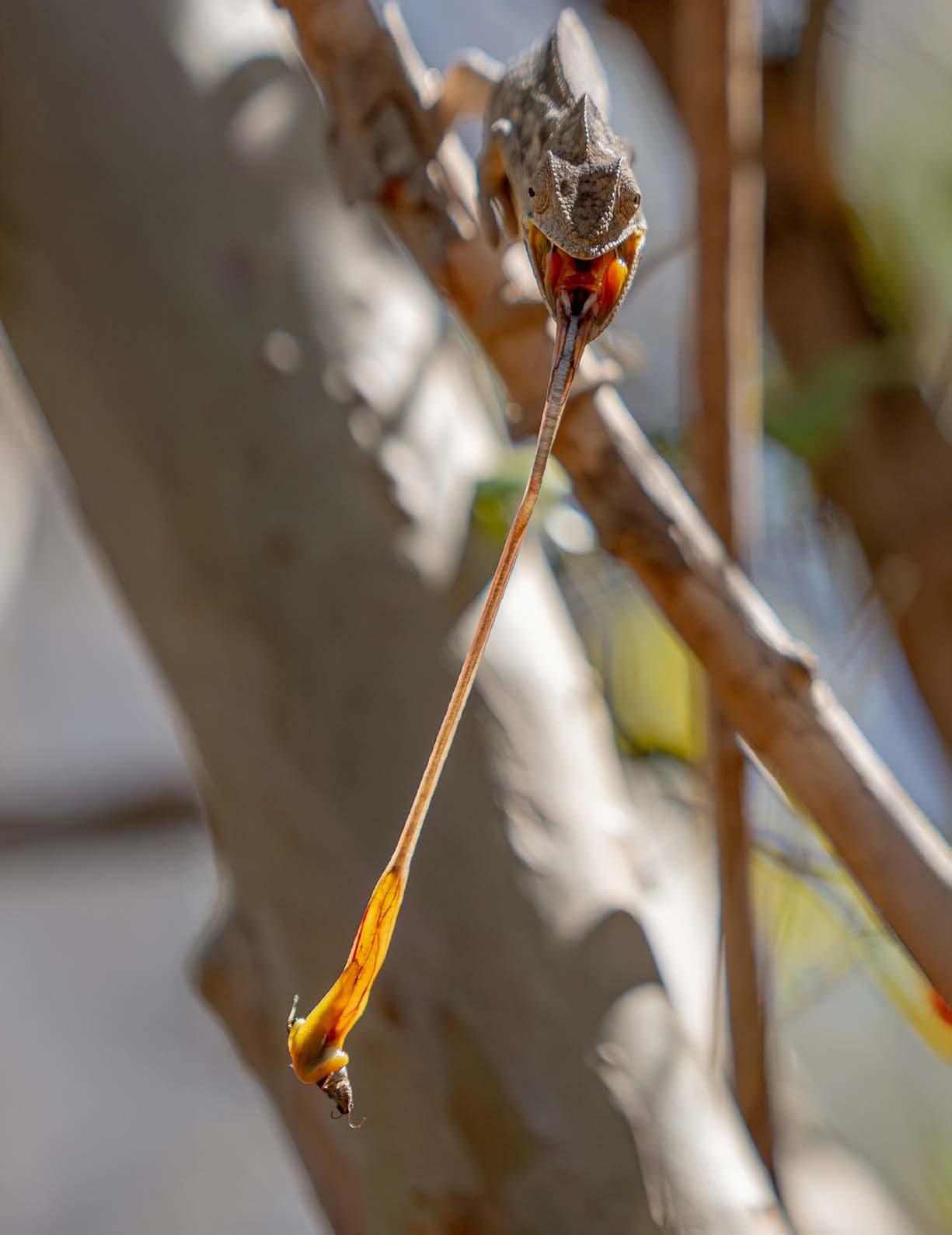
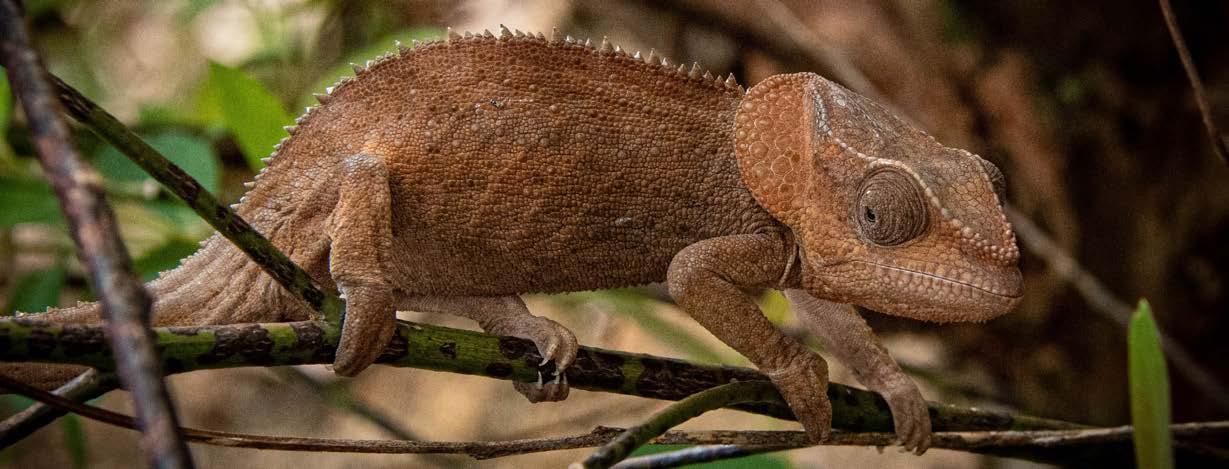
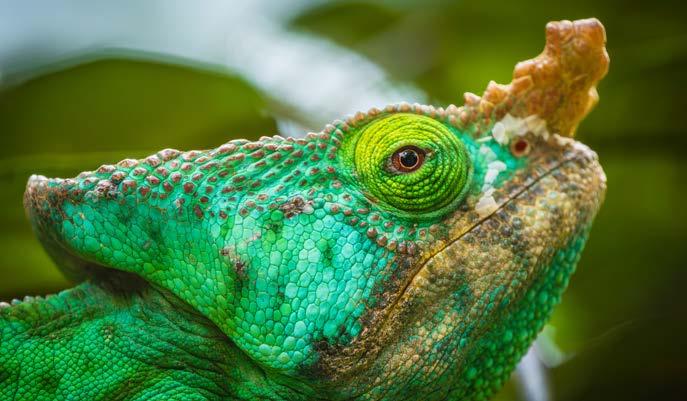
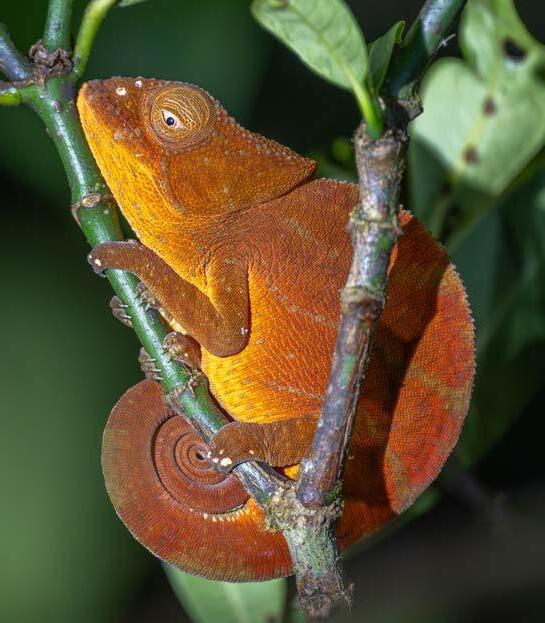
The chameleons of Madagascar embody the adaptation and diversity for which the island is renowned. With more than 60 species—almost half of the world’s total—this dazzling array of arboreal lizards displays remarkable variation in color, form and behavior. Chameleons can rapidly shift their skin color (which they do for purposes of communication and camouflage) using a combination of pigment-containing cells called chromatophores and a layer of cells called iridophores that produce structural color. They have independently swiveling eyes, prehensile tails and quick tongues to snatch unsuspecting insects.
© D Pascoe
© S Dao
© R Hopkins
© M Meyer
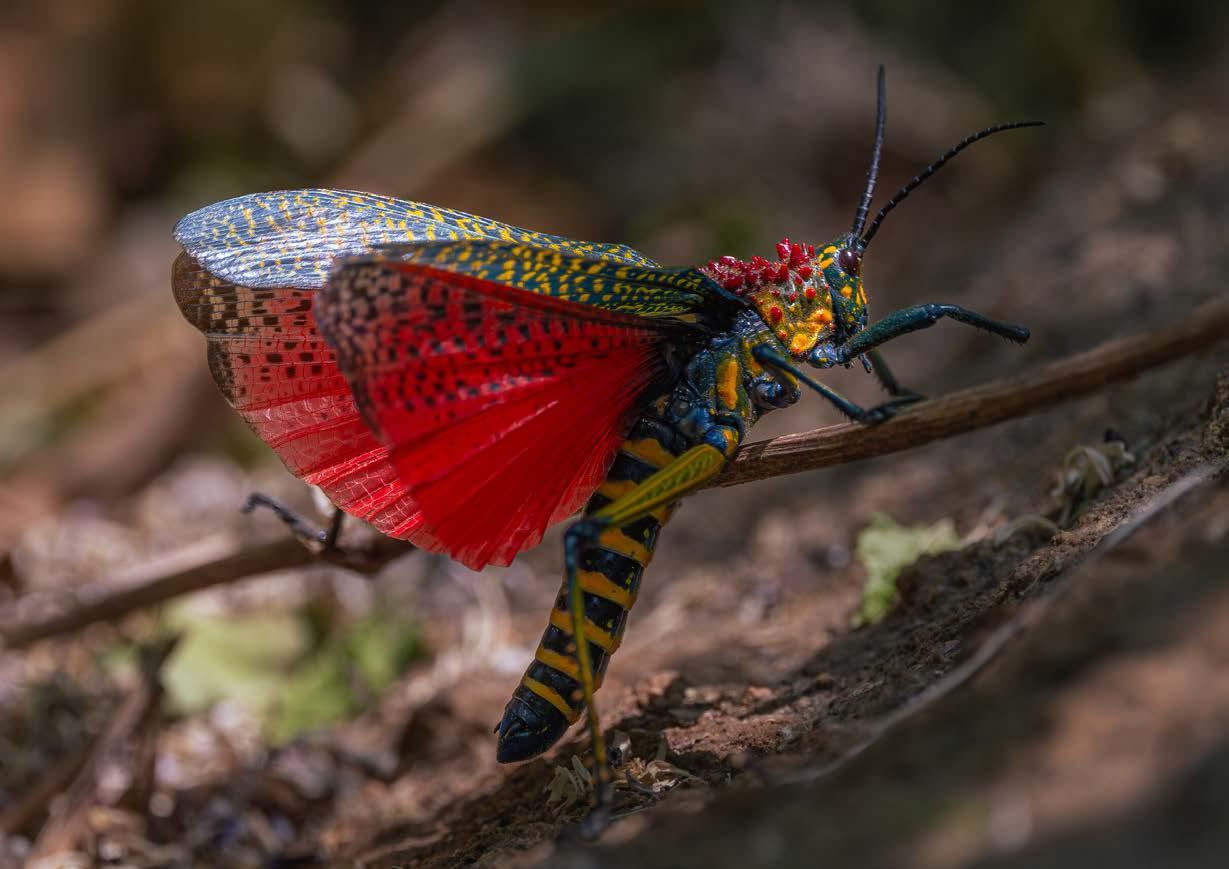
Rainbow Milkweed Locust
Bursting with bold hues of pink, yellow, green and blue, the rainbow milkweed locust is one of Madagascar’s most eye-catching insects. Though its vivid coloring may evoke the chameleon’s, the purpose is quite different. Rather than shifting shades for camouflage or communication, this locust’s pigmentation is derived from toxins ingested as a nymph and serves as a visual warning to predators: “Don’t eat me.”
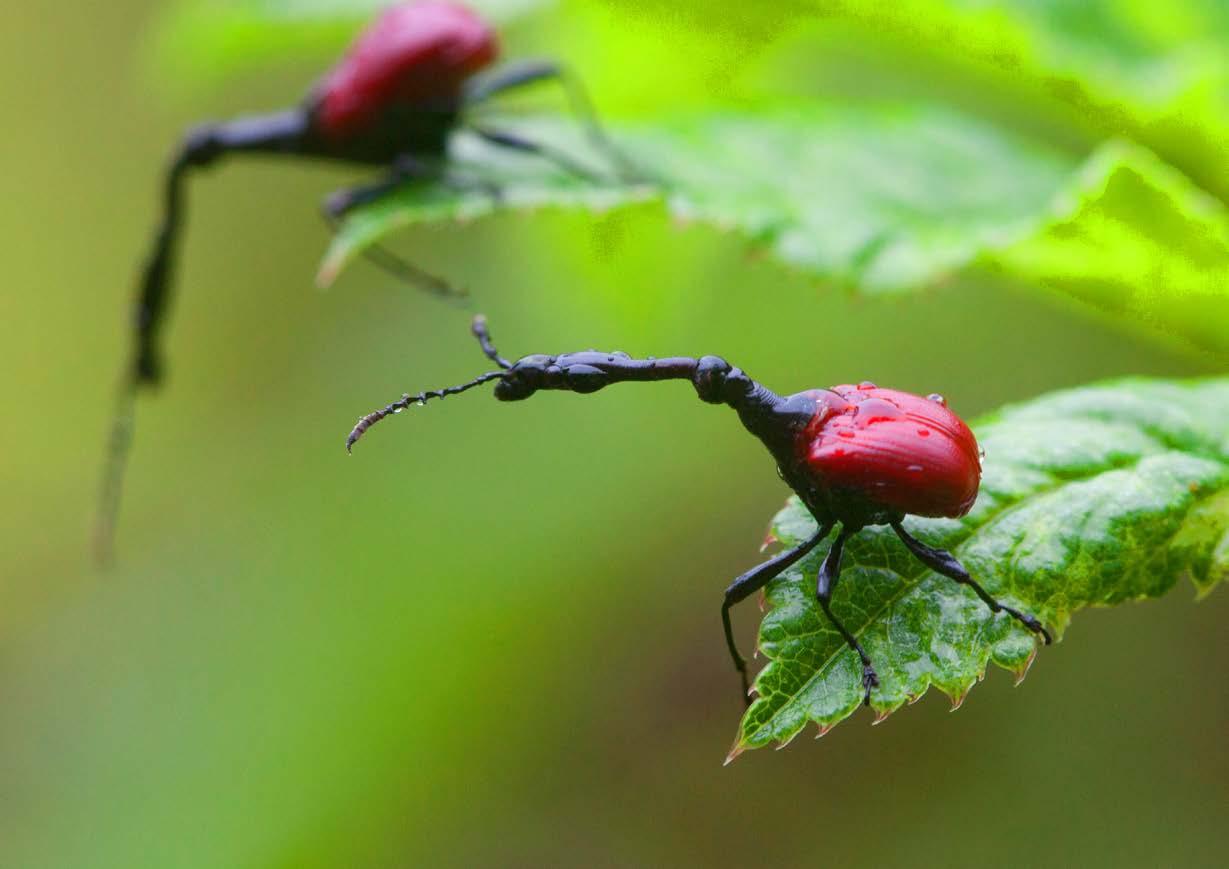
Giraffe-Necked Weevil
The giraffe-necked weevil is a true Madagascar oddity. Males possess an elongated neck up to three times longer than a female’s, used to duel rivals for mates. Their black bodies sport brilliant red wing covers, and both sexes spend their lives on just two species of melon-shrub trees—feeding, mating and building leaf-tube nests. These unique insects are endemic and exquisitely specialized.
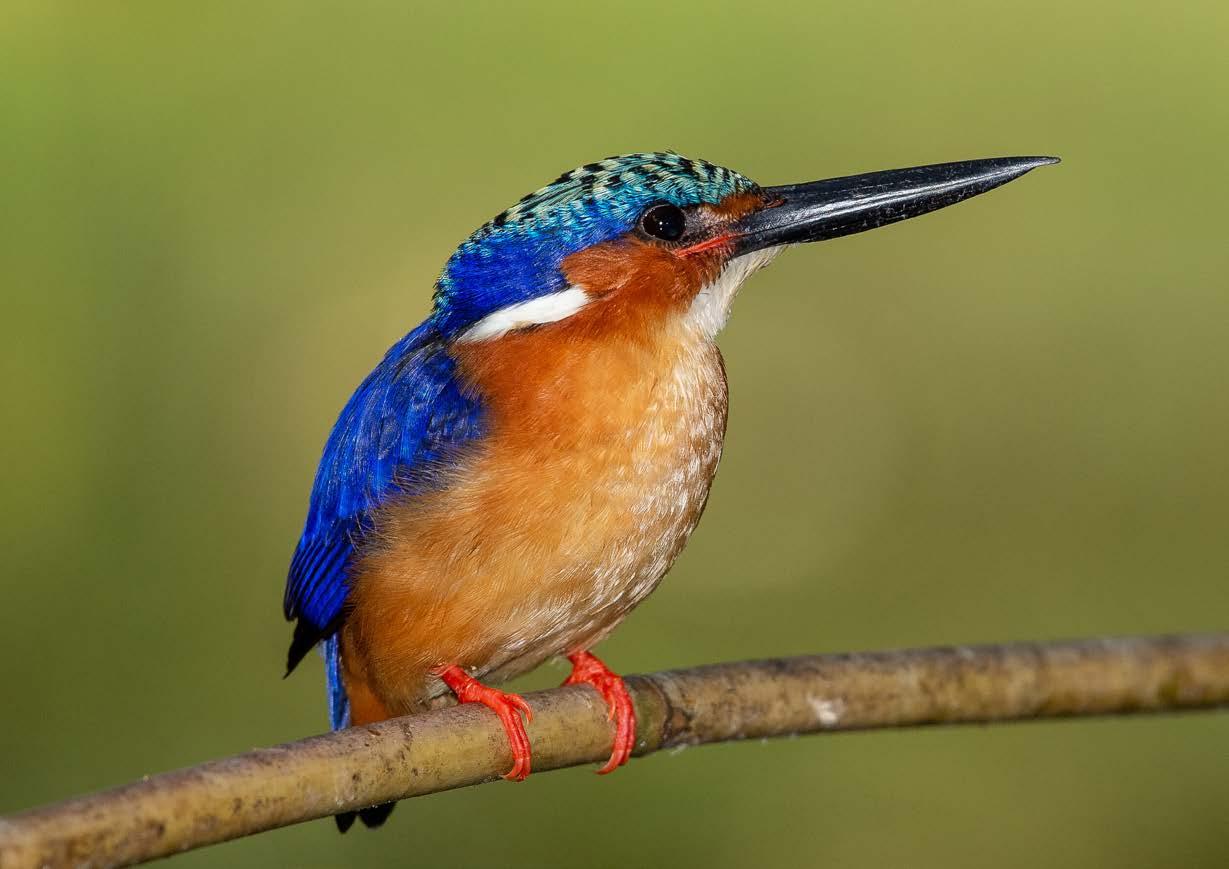
Malagasy Kingfisher
The Malagasy kingfisher is a jewel of Madagascar’s wetlands—no more than five inches long yet unmistakably vibrant, with ultramarine upperparts, a rufous chest and a green-and-black barred crown. Perching above slow-moving water, it plunges swiftly to snatch fish, insects, and small frogs. One of only two kingfisher species on the island, it highlights the unique biodiversity of Madagascar’s aquatic habitats.
© R de Gouveia
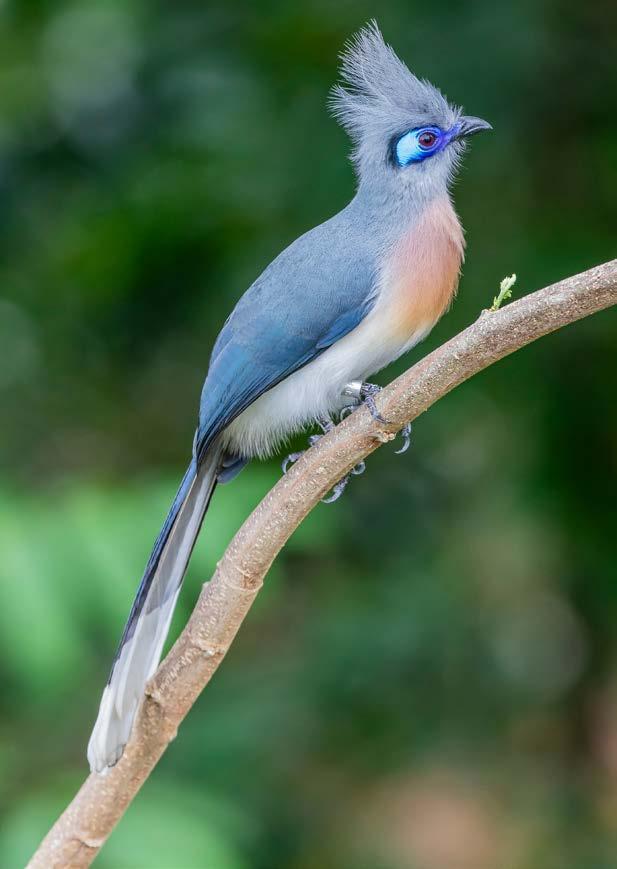
Couas
Couas—an evolutionary offshoot of the cuckoo family—are a distinctive group of birds found only in Madagascar. With around nine recognized species, they exhibit a wide range of adaptations to diverse habitats—from terrestrial specialists like the giant coua to arboreal foragers such as the blue and crested couas. Identified by their long tails and bare blue facial skin, these birds eat fruit and hunt insects and small reptiles in both rainforests and spiny dry forests, exemplifying Madagascar’s rich endemic avifauna.
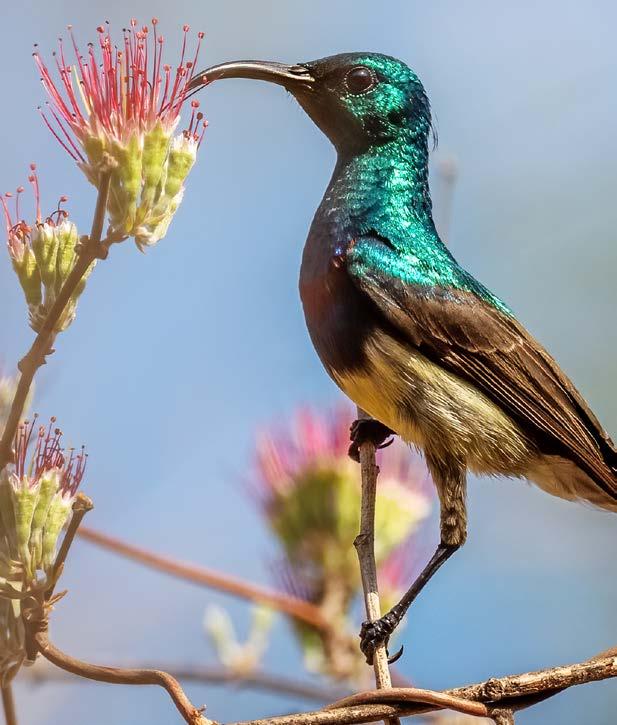
Sunbirds
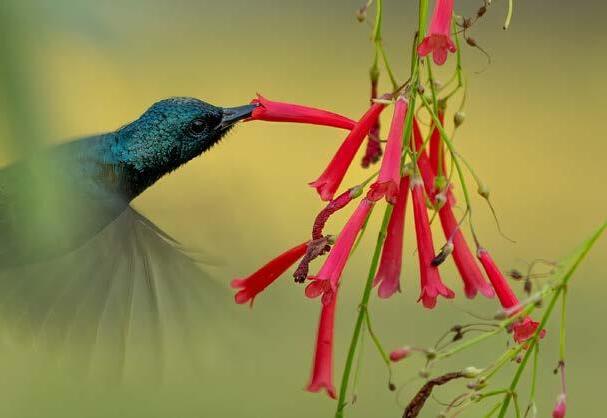
Madagascar’s sunbirds are tiny, iridescent nectar-lovers that brighten the island’s forests, gardens and wetlands. With shimmering plumage and curved beaks, they flit from flower to flower in constant motion. Among the island’s notable species are the souimanga sunbird with its emerald head and long tail streamers, the vibrant Malagasy sunbird and the rare sunbird-asity, which belongs to a unique Malagasy bird family and is especially prized by birdwatchers.
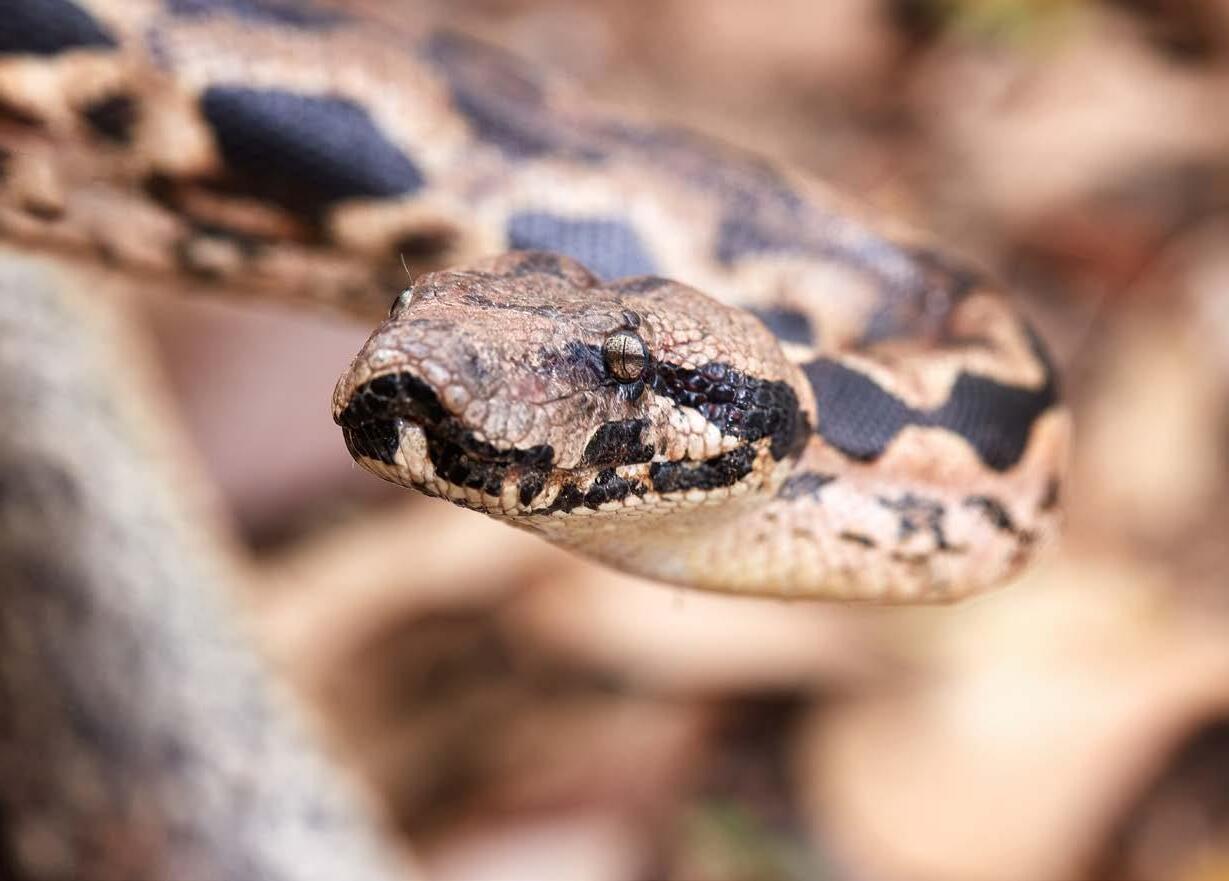
Ground Boa
The ground boa is Madagascar’s largest native snake, typically reaching 6.5 feet and occasionally stretching up to 10 feet. With its rich pattern of reddish-brown, gray and black, it blends seamlessly into forest leaf-litter. A nocturnal ambush predator, it feeds on mammals—including lemurs— by constriction, underlining the island’s wild and unique ecosystem.
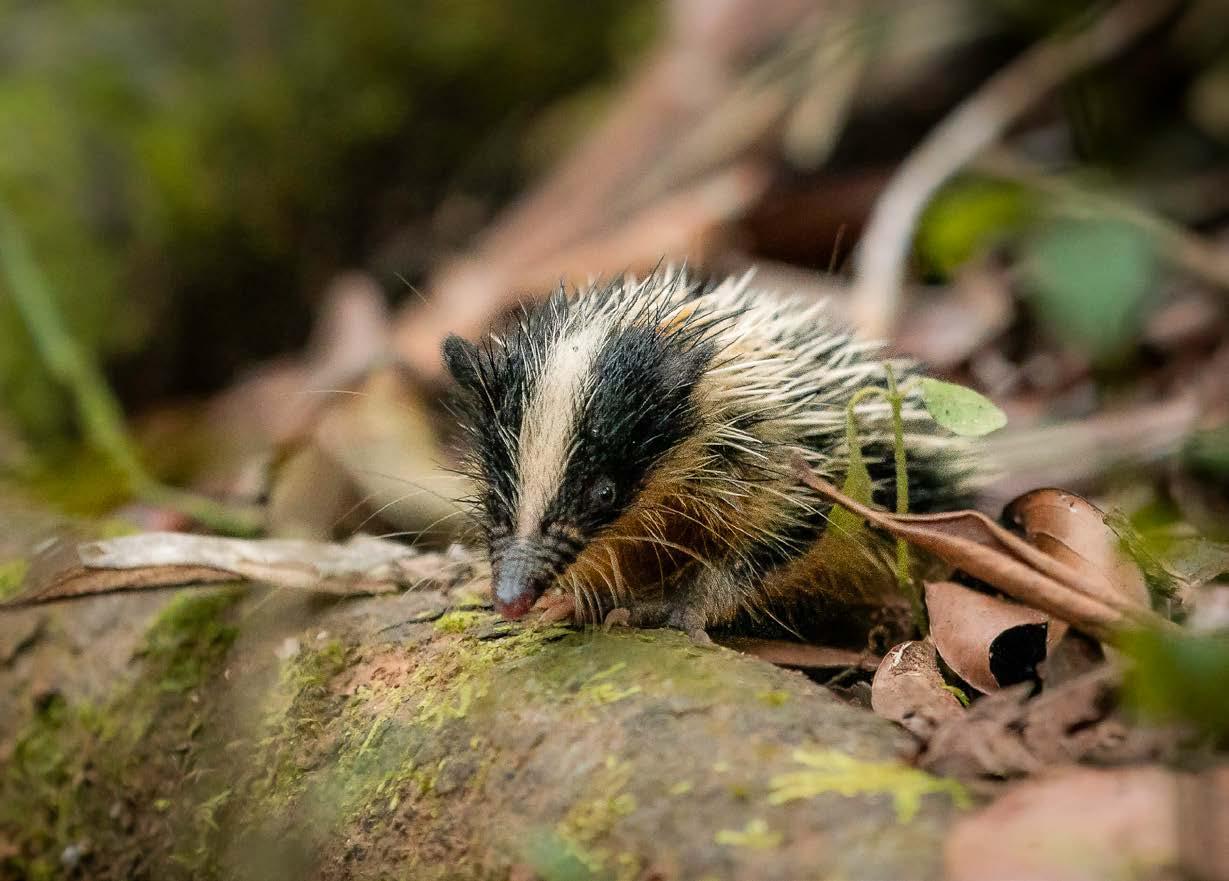
Tenrec
The tenrec is one of Madagascar’s most curious and diverse mammals. With over 30 species, tenrecs vary wildly in appearance—some look like hedgehogs, others resemble shrews, moles or even otters. Despite these differences, all tenrecs share a common evolutionary ancestor and are part of a unique lineage of African mammals. Endemic to Madagascar, they fill a wide range of ecological niches.
de Gouveia
ECOTOURISM IN MADAGASCAR
Madagascar is unlike anywhere else on Earth—a biologically rich island shaped by millennia of isolation. For nature lovers, it offers an unparalleled chance to witness rare, endemic species while supporting vital conservation efforts through immersive, responsible travel.
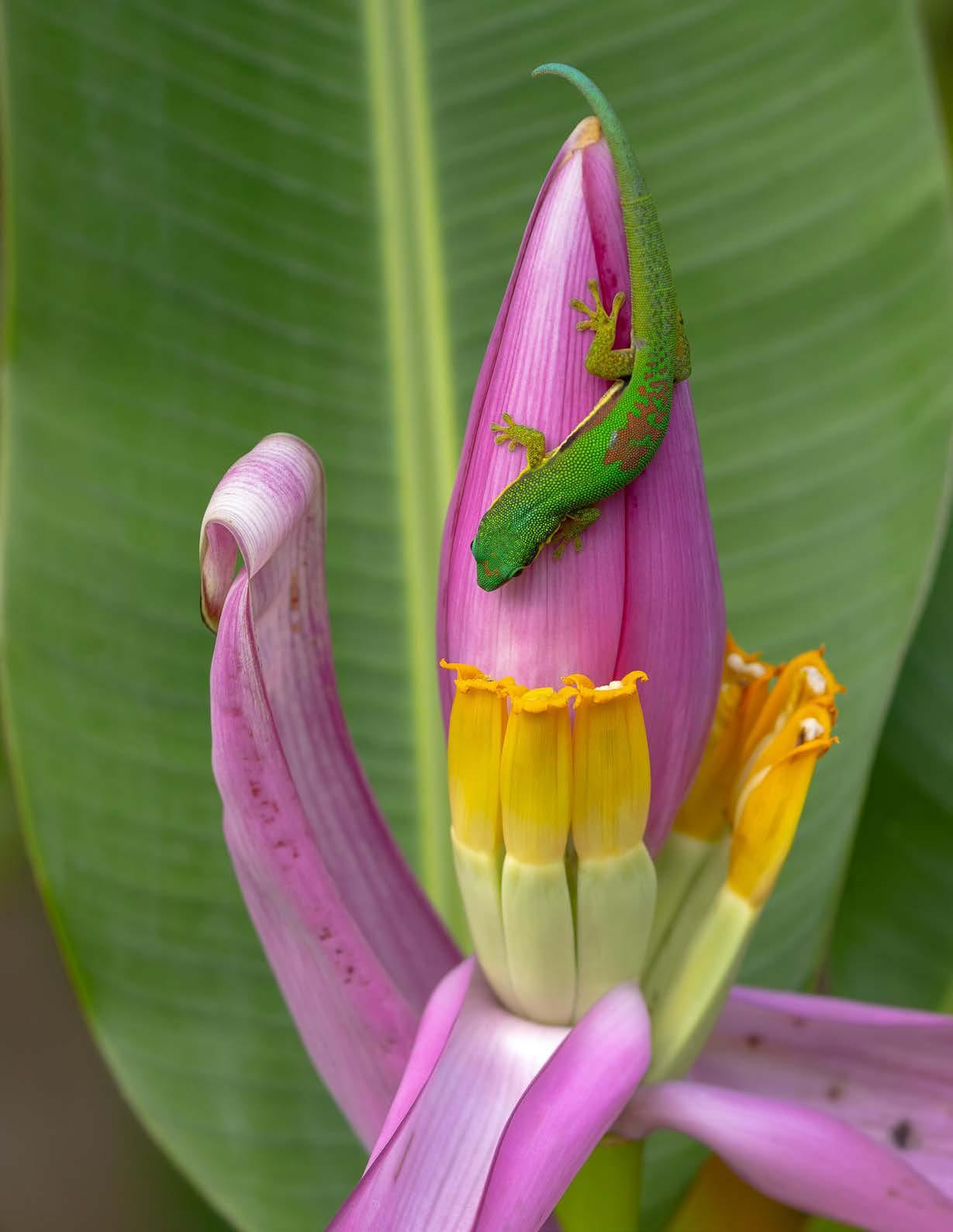
A Conservation Travel Destination Like
No Other
With more than 80% of its species found nowhere else, Madagascar is a biodiversity hotspot—and one of the world’s top conservation priorities. That’s why the World Wildlife Fund, Nat Hab’s conservation travel partner, designates it as a “Priority Place.” Ecotourism here does more than fuel local economies; it helps protect endangered habitats from logging, agriculture and wildlife trafficking. Visiting Madagascar as a conservation traveler means you are actively supporting efforts to preserve forests, empower communities and document new species in a rapidly changing landscape.
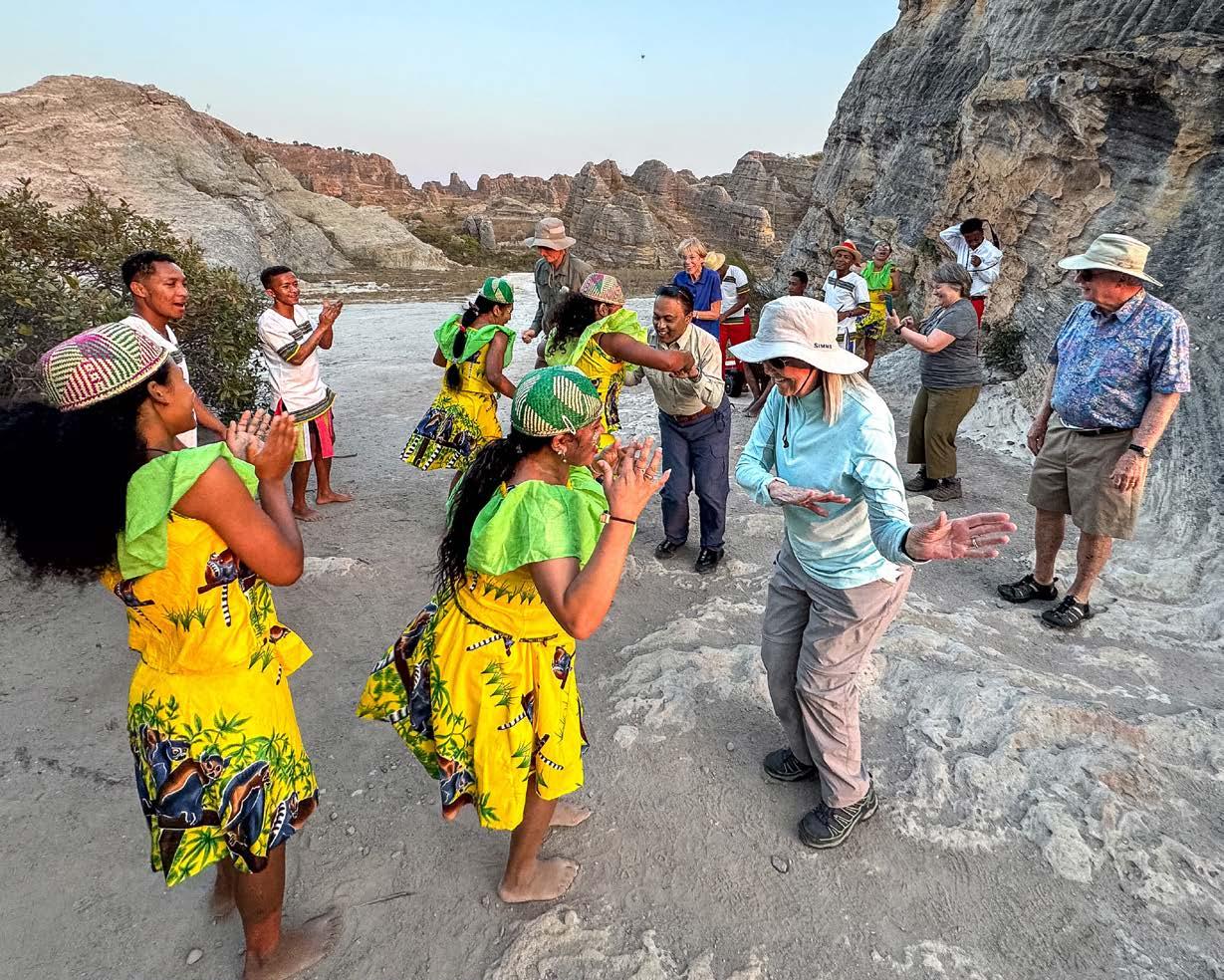
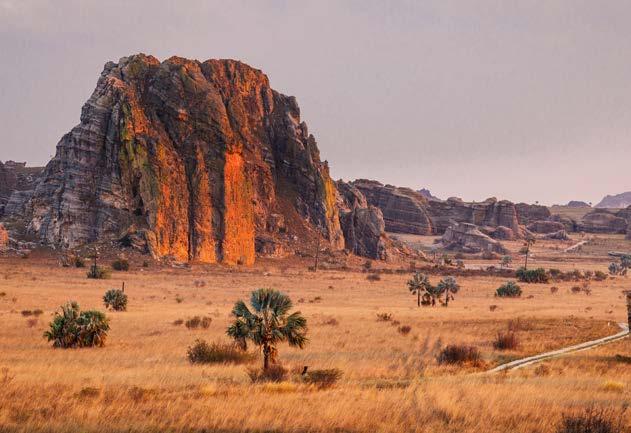
Madagascar’s ecotourism model is also deeply place-based. From baobabstudded deserts to rainforests echoing with lemur calls, small-scale, communitysupported travel provides intimate access to remote ecosystems that mass tourism cannot. Guided by local naturalists, travelers not only spot rare wildlife, but also learn how conservation is interwoven with Malagasy culture and livelihoods.
© G Boreham
© R de Gouveia
© R de Gouveia
© R de Gouveia
Lemur Conservation & Ecotourism
Lemurs are central to the island’s conservation story—with more than 100 known species, most of them threatened. Ecotourism directly supports protection of lemur habitats, especially in key biodiversity corridors such as the Amoron’i Onilahy Protected Area. Local ecologists and global institutions like the Duke Lemur Center conduct vital research into lemur behavior and genetics that shape conservation strategies worldwide.
WWF has been active in lemur protection for decades, helping to establish reserves, train community patrols (known as polisin’ala) and equip them with smartphonemonitoring systems to track lemur populations and forest health. In the Amoron’i Onilahy area, WWF reports a 60% reduction in deforestation since 2020 and rising lemur densities as adults move into the protected zone. They also manage school programs and public-awareness campaigns to curb the illegal pet and wildlife trade, delivering educational resources to dozens of schools.
When travelers visit Madagascar to see lemurs in the wild, they’re not only fulfilling a lifelong dream— they’re actively contributing to the conservation of these rare primates and the habitats they depend upon.
de Gouveia
NAT HAB’S MADAGASCAR ADVENTURES
Nat Hab’s exclusive access and years of expertise in Madagascar guarantee an experience you won’t find with any other tour operator or on a self-planned itinerary. Trust us to get you there, and Madagascar’s stunning landscapes and iconic wildlife will do the rest!
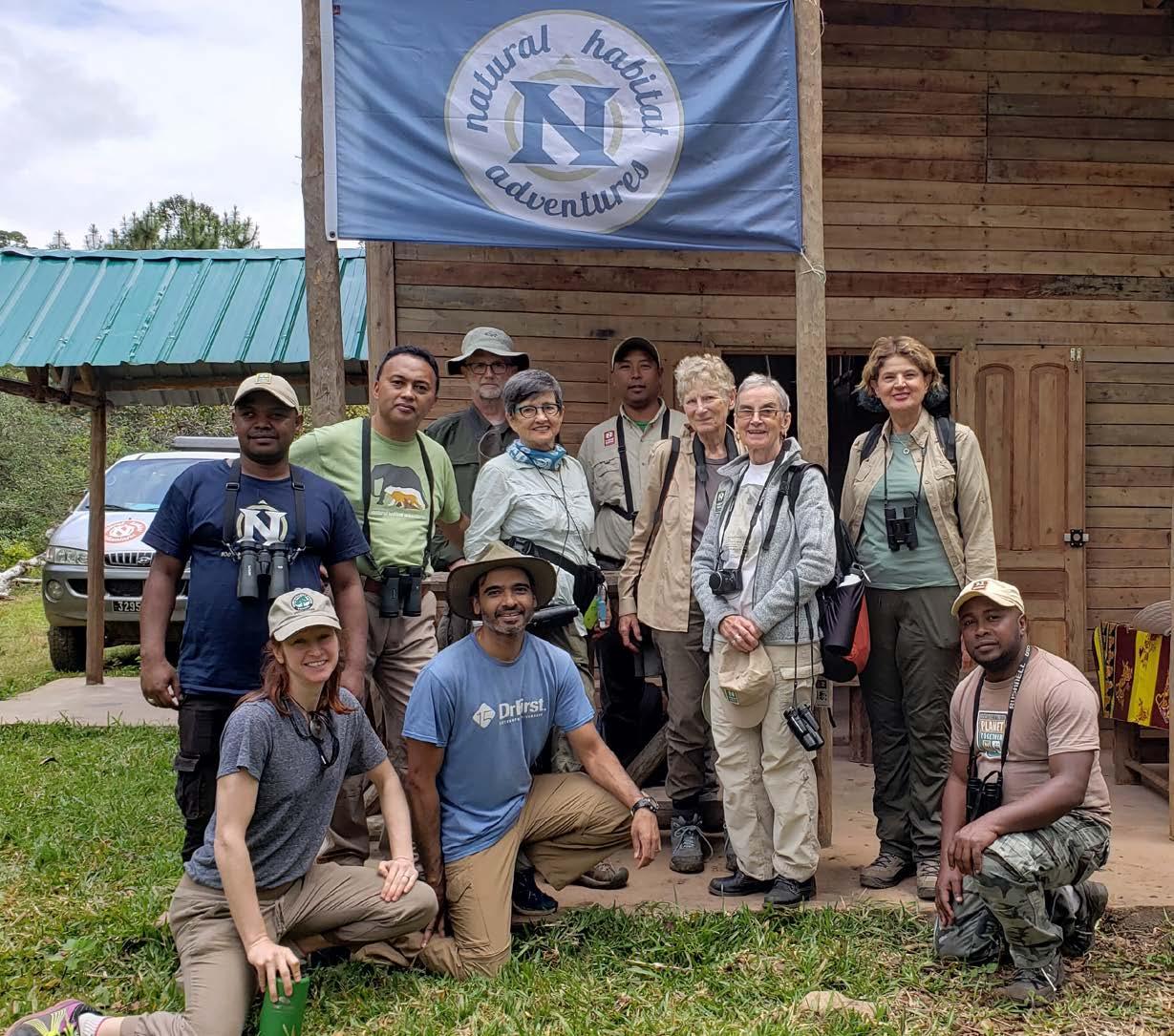
Our small-group Madagascar adventures take you farther into the wild—away from the typical tourist track. Led by highly trained Expedition Leaders with years of experience guiding on the island, you’ll enjoy intimate encounters with the flora and fauna of one of the planet’s biodiversity hotspots.
© L Ramaroson
HERE ARE JUST A FEW OF THE HIGHLIGHTS OF OUR MADAGASCAR TRIPS :
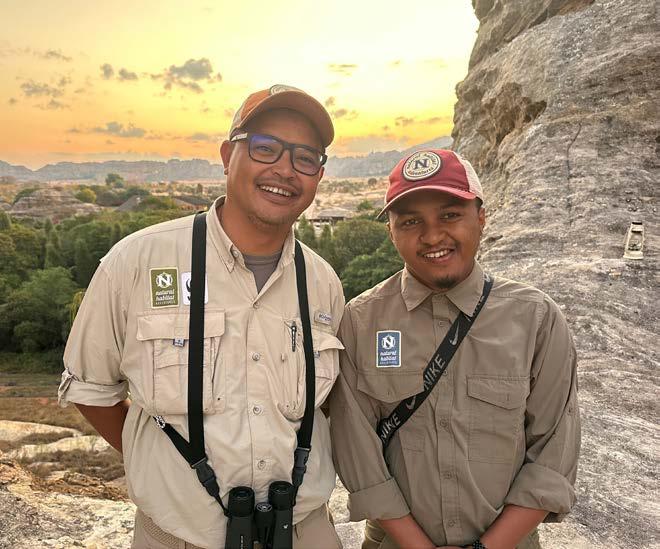
Discover wildlife spots most visitors miss, plus other surprises revealed only by our naturalist Expedition Leaders, who know Madagascar intimately.
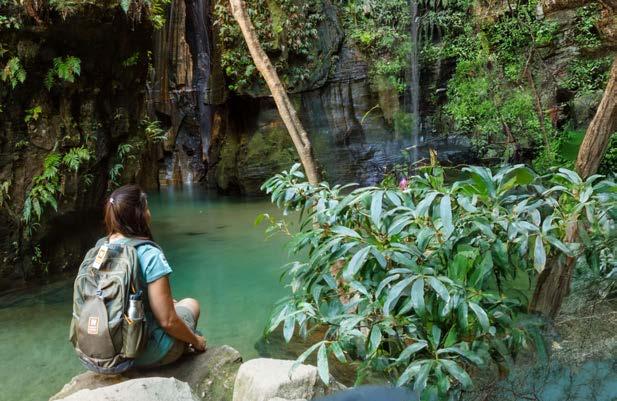
In Isalo National Park, take an optional stair climb to a natural pool fed by a thundering waterfall that has carved its course into the sandstone.
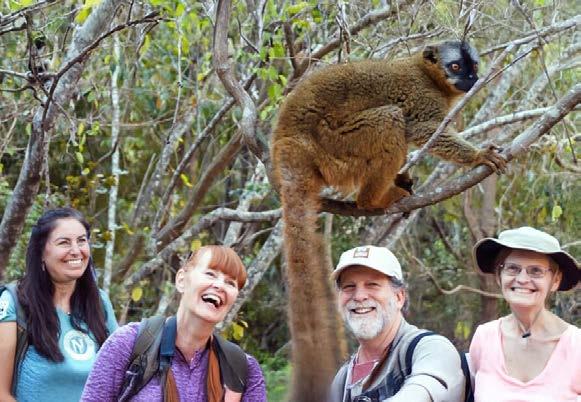
View a variety of fascinating lemurs on multiple encounters with these primitive primates found only on this biologically isolated island.
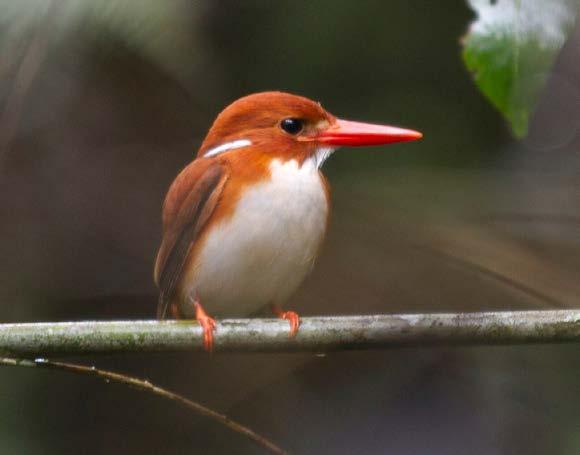
Enjoy some of Madagascar’s finest birdwatching in Zombitse-Vohibasia National Park, scanning the canopy for endemic species like Appert’s tetrakas, giant couas, iridescent souimanga sunbirds and greater and lesser vasa parrots.
© T Nelson
© A Komarnitsky
© A Komarnitsky
© C Whelan
Explore all of our Madagascar adventures
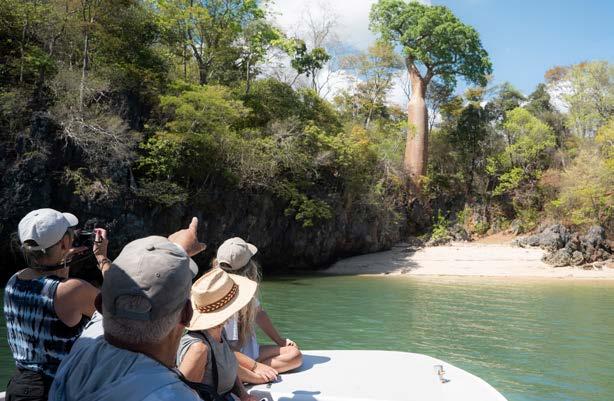
Travel by boat to Moramba Bay to view eroded limestone formations protruding from the sea and huge baobab trees that stand sentinel over densely vegetated environs.
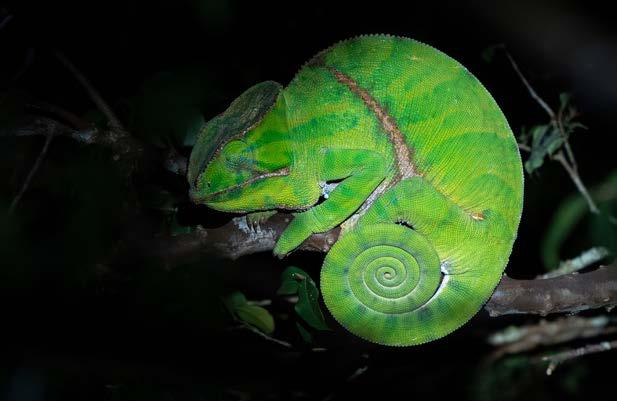
Discover rare habitats and endangered wildlife in four distinct national park settings, plus exclusive stays at remote ecolodges. Explore Madagascar’s varied ecosystems and search for lemurs, chameleons and other wildlife on both day hikes and night walks.
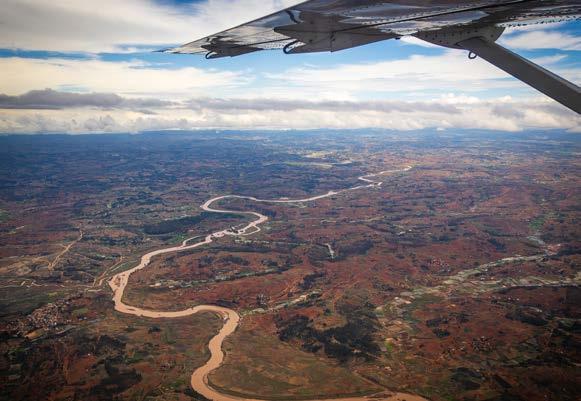
Maximize time in wild areas and minimize long, rugged drives via chartered flights that ensure comfortable, timely travel—only with Nat Hab!
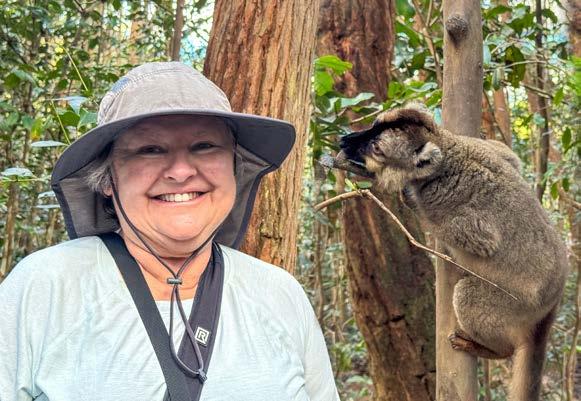
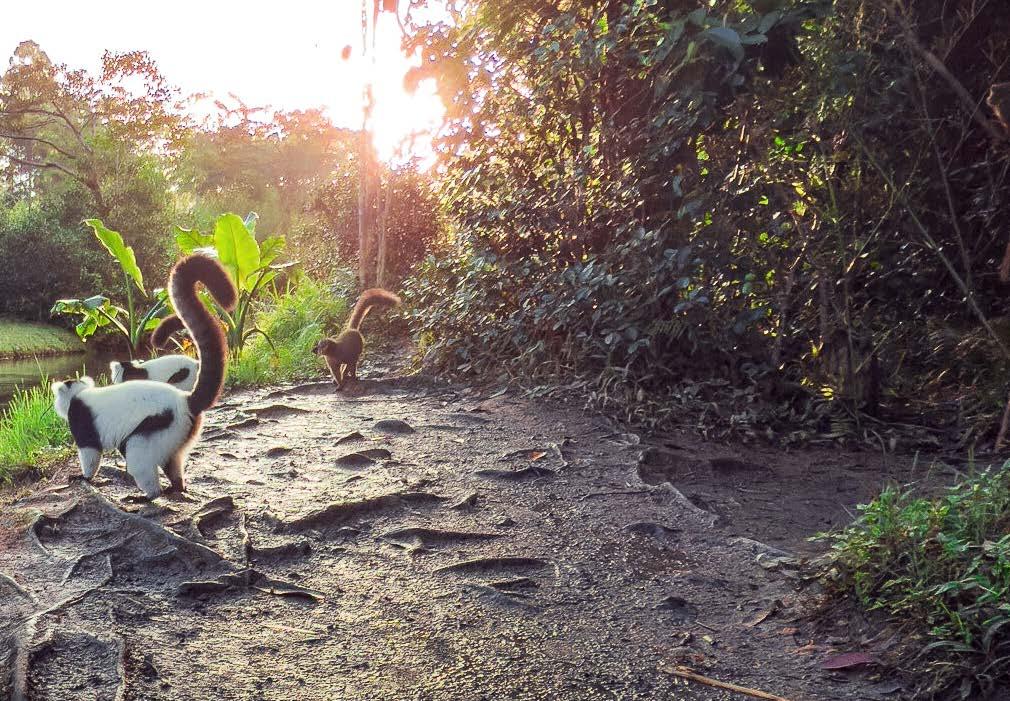
Visit Lemur Island, a small sanctuary where lemurs rescued from captivity are thriving. Many have become habituated to visitors, allowing for close encounters and delightful photo opportunities
© J Sullivan
© R Hopkins
© R de Gouveia
© R de Gouveia
“I enjoyed every activity on this trip, from trekking in the mountains to exploring the baobab forest. But my favorite part of the trip was just being in the field, photographing the extraordinary wildlife and ecosystems of Madagascar with an expert photographer and guide.”
-Nat Hab Traveler Darlene L., Madagascar Wildlife Photo Expedition
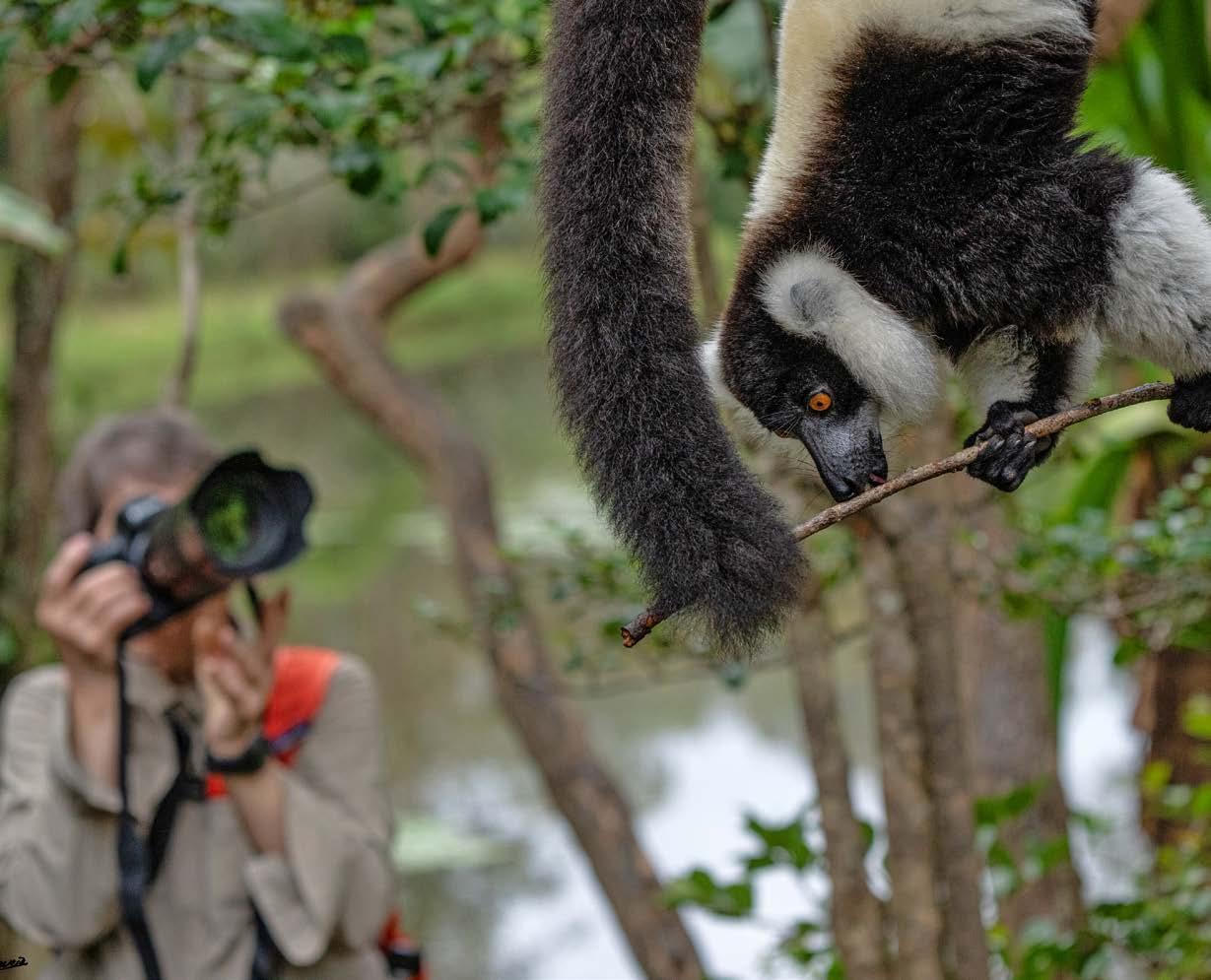
MADAGASCAR PHOTO EXPEDITIONS:
On our Madagascar Photo Expedition, your Expedition Leader is both a professional naturalist guide and an expert wildlife photographer, by your side to offer personalized coaching. With a maximum of just eight guests, everyone has plenty of room for gear and space to position for the best shots.
Explore
our Madagascar Photo Expedition
© R de Gouveia
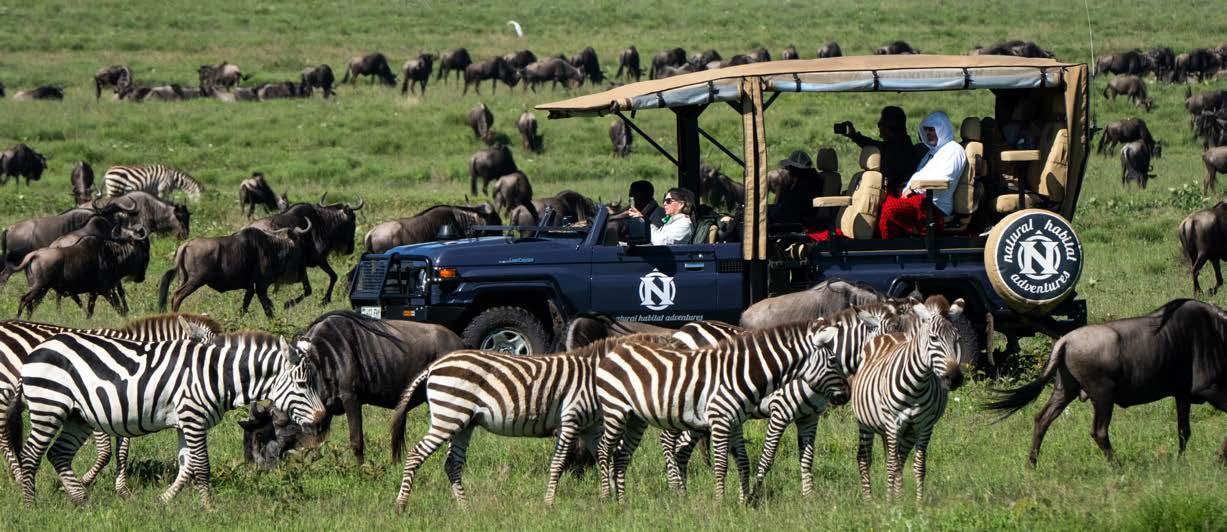
MADAGASCAR TRIP EXTENSIONS:
Madagascar’s location off Africa’s southeast coast makes it a natural springboard for deeper exploration of the continent. Whether you’re drawn to the Okavango Delta’s wildlife-rich waterways, South Africa’s vibrant Cape Town, Namibia’s surreal desert landscapes, or East Africa’s iconic safaris, unforgettable adventures await just a flight away.
Explore all of our Madagascar trip extensions
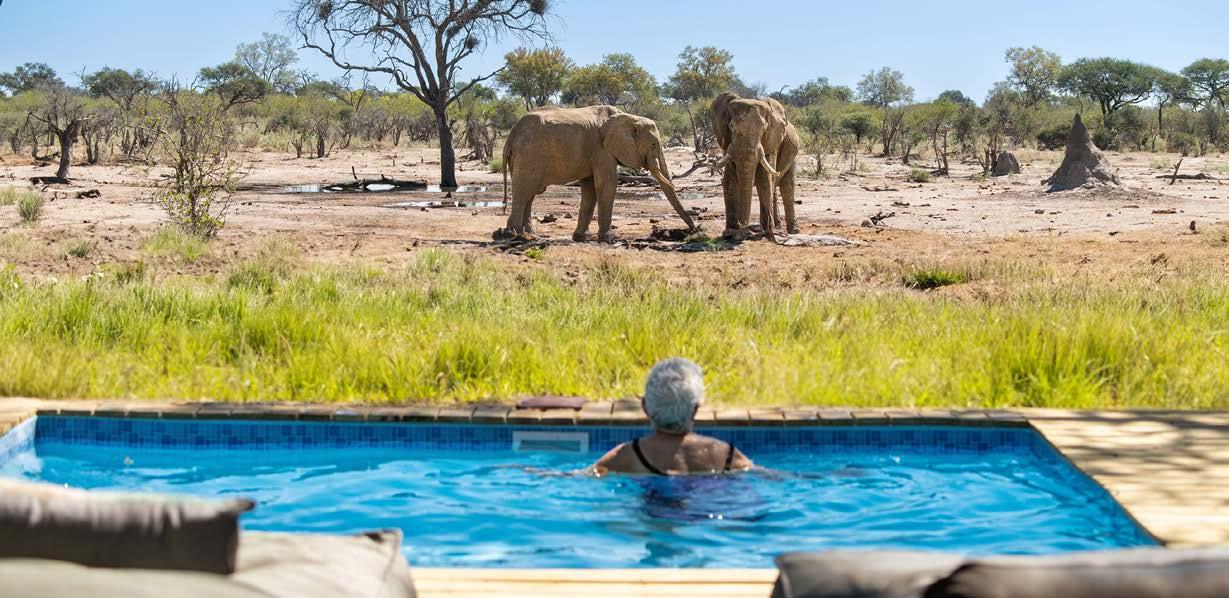
© F Bryla
Morgan
SUGGESTED READING
Deepen your understanding of Madagascar’s vibrant ecosystems and rich cultural heritage with these recommended reads. From compelling wildlife chronicles and ecological explorations to cultural insight and engaging memoirs, each title offers a deeper connection to the lands, people and biodiversity that make Madagascar so extraordinary.
Thank You, Madagascar | Alison Jolly
Best known for her lemur biology research, late primatologist Alison Jolly captures the successes and failures of conservation efforts on Madagascar as well as the lives of the island’s residents in this posthumous publication.
Madagascar Wildlife: A Visitors Guide | Hilary Bradt, Nick Garbutt & Derek Schuurman
This comprehensive guide showcases 250 species of Malagasy animals through vivid color photographs. It features lemurs, fossa, and other endemic mammals, as well as a diverse array of birds, reptiles and invertebrates. Additionally, it includes insightful chapters on habitats, ecology and conservation.
Mammals of Madagascar | Nick Garbutt
An invaluable compact guide to the mammals of Madagascar, featuring vibrant color photographs of each species.
Birds of the Indian Ocean Islands | Olivier Langrand & Ian Sinclair
This updated field guide features numerous new illustrations by Norman Arlott, Peter Hayman and others. It covers 500 bird species from Madagascar, Comoros, Mauritius, Réunion, Rodrigues and the Seychelles.
The Song of the Dodo: Island Biogeography in an Age of Extinction | David Quammen
In this engaging book, Quammen recounts his journey in pursuit of natural wonders across Madagascar, Mauritius, the Seychelles, the Galapagos Islands and Komodo. He skillfully explains complex evolutionary phenomena with humor, wit and insight.
The Eighth Continent: Life, Death and Discovery in the Lost World of Madagascar | Peter Tyson & Russell A. Mittermeier
Tyson seamlessly blends his field experiences with travel, history and ecology in this comprehensive account of life in Madagascar.
For the Love of Lemurs: My Life in the Wilds of Madagascar | Dr. Patricia Wright
This informative and engaging memoir by renowned primatologist and conservationist
Patricia Wright recounts her journey of studying Madagascar’s lemurs and the discovery of the golden bamboo lemurs. It highlights her efforts to protect the lemur habitat by helping to establish Ranomafana National Park.
FREQUENTLY ASKED QUESTIONS NAT HAB’S MADAGASCAR ADVENTURES
From the best places to spot lemurs to what gear to pack and how our trips are designed, find answers to the most common questions travelers have when planning a nature-focused adventure to Madagascar.
When is the best time to visit Madagascar?
Although Madagascar has distinct seasons and regions with different weather patterns, wildlife viewing is generally good all year. June through September is the end of the winter/ dry season, with cooler temperatures and little rain. October and November bring the beginning of the summer/green season, with warmer temperatures and a bit more rain, and offer the best chances of seeing baby lemurs.
What
is the weather like in Madagascar?
The dry season in Madagascar lasts from May to September, and the warmer, rainy season lasts from November to April. During the dry season, average temperatures range from 77°F to 87°F. In Antananarivo and the Central Highlands, temperatures drop, and nights are chilly and windy. The climate is generally cool during nights and mornings and warms throughout the day. July through October are the driest months. September through November is hot, with temperatures frequently reaching 100°F or above during the day.
What wildlife will I see in Madagascar?
Madagascar is most famous for being home to the entirety of the planet’s wild lemurs, with more than 100 endemic species. More than 80% of the country’s flora and fauna exist nowhere else in the world. In addition to lemurs, Madagascar is known for its civets, aye-ayes, fossas, chameleons, frogs, geckos and unique bird species, such as Malagasy sunbirds, couas and kingfishers Check out our Madagascar Wildlife Guide for more information.
What clothing should I pack for Madagascar?
During the dry season (May to September), we recommend you bring quick-dry clothing and layers for cooler temperatures. It can rain at any time in the Central Highlands, so bring a lightweight, waterproof rain jacket. Bring hiking boots for longer walks and sport sandals for any water activities. Layers are essential, and we recommend bringing a fleece and zip-off pants. Late September through November is much warmer, though the Central Highlands can still be quite chilly. For further details of what to bring, peruse this helpful packing list and check out Nat Hab’s online Gear Store for some of the key items recommended for your adventure.
What language is spoken in Madagascar?
Malagasy is the official language of Madagascar and is spoken by about 18 million people. French is the other official language of the former French colony, and English is slowly becoming more widespread.
What type of cuisine is Madagascar known for?
Malagasy cuisine encompasses the many diverse cultures that have settled on the island. Rice is a staple food in Madagascar and is eaten at most meals. Vegetable and chicken curries and zebu (local beef) stew are served across the country, excellent seafood dishes can be found near the coast and desserts are often flavored with local vanilla and spices such as clove, cinnamon and combava. Common spices and seasonings include ginger, garlic, turmeric and coconut milk. Hot pepper sauces like “Sakay” are used to add heat to dishes. On our Madagascar adventures, you’ll have a chance to try local Malagasy cuisine in addition to a variety of Western dishes. We provide plenty of options for all palates and dietary restrictions.
What currency is used in Madagascar?
The currency used in Madagascar is the Ariary (MGA). Click here to check the current exchange rate for USD to MGA. It is highly recommended that you exchange enough money in the airport to last you the duration of the trip. It’s unlikely ATMs or other opportunities to exchange money will be available, so you’ll need enough cash for incidentals not included with the trip.
Is there cell phone service or Internet connection on Nat Hab’s Madagascar trips?
Internet access is typically available at our accommodations, but it may be slow and unreliable in remote areas, and cell service can be spotty. We encourage guests to unplug during the adventure to enjoy an immersive experience in nature!
How is Nat Hab’s Madagascar Photo Expedition different from its other Madagascar trips?
Our Madagascar Wildlife Photo Expedition has an exclusive focus on wildlife and landscape photography. Your guide isn’t just an expert in wildlife and ecology—they’re skilled in photo instruction and know how to position you for the best shots, lingering longer at wildlife sightings to create more opportunities to frame and refine each shot.
You’ll travel with a small group (a maximum of 8 guests rather than 10) of like-minded photographers, from enthusiastic beginners to serious hobbyists.
Please check out our dedicated photography site, The Natural Photographer, for up-to-date articles on wildlife and nature photography—including advice for shooting in Madagascar—as well as general tips on all types of cameras.
Can I go on a Photo Expedition even if I’m not an advanced photographer?
Absolutely. In fact, it’s encouraged—Photo Expeditions are one of the best ways to learn! You’ll likely travel with other beginners and get guidance from experienced photographers and your professional Photo Expedition Leader. Whether you use a point-and-shoot on auto or a more advanced DSLR or mirrorless camera, you’ll return with a wealth of great images and new skills.
Are Nat Hab’s Madagascar trips appropriate for children?
We strongly encourage you to call our office at 800-543-8917 to speak with an Adventure Specialist about the specific requirements of our Madagascar adventures. If you’re looking for a trip designed specifically for younger children and families, consider our Family Adventures
Can Nat Hab take our family or a group on a private Madagascar adventure?
Yes! Families or friend groups can reserve entire departures on a private basis. Please call our office at 800-543-8917 for group size and pricing details.
Is it true that lemurs the size of gorillas once roamed the forests of Madagascar? Any idea which predator preys upon lemurs, or what rare flora is found here?
Take our Madagascar Nature Quiz to put your knowledge to the test!
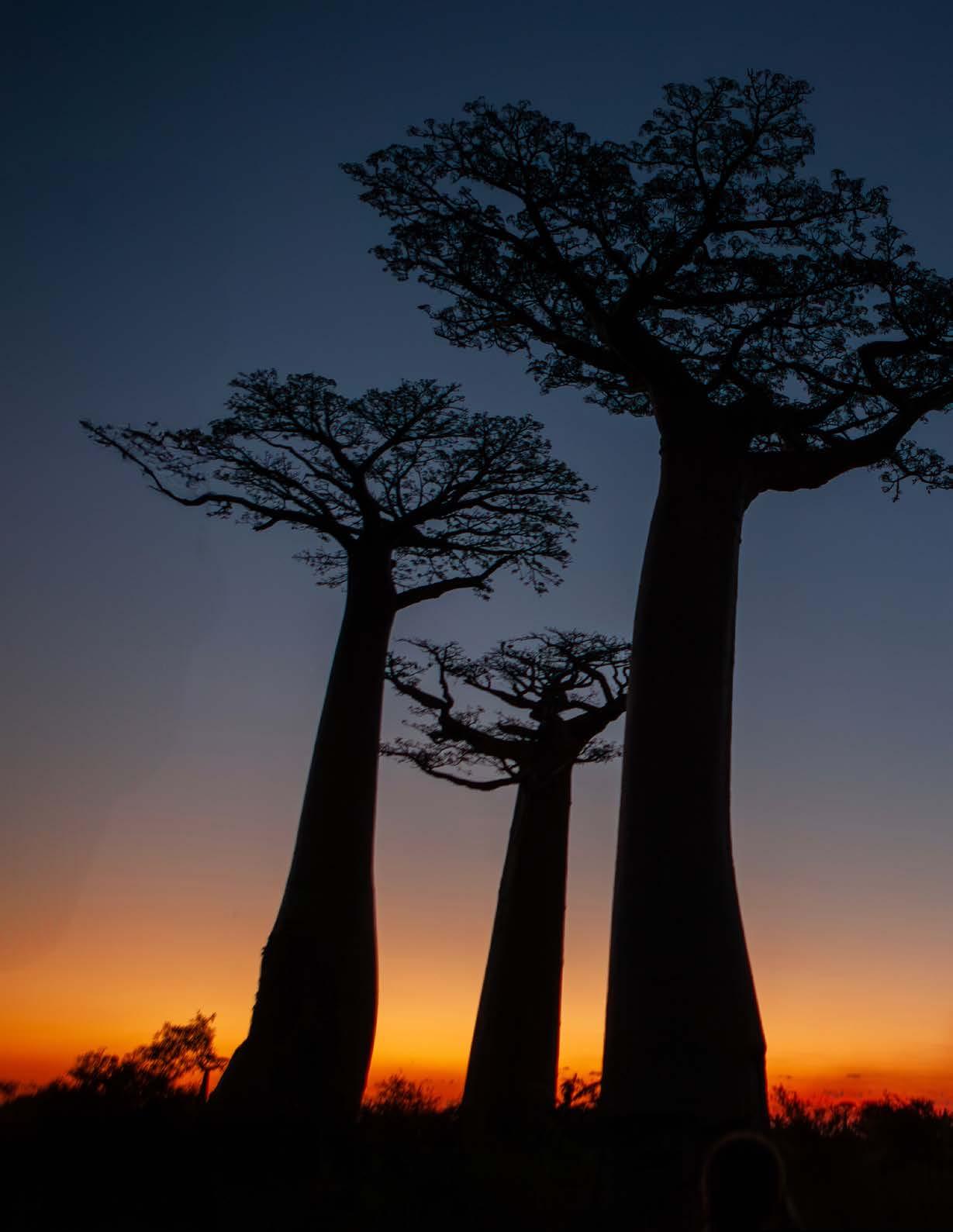
EXPERIENCE MADAGASCAR
With abundant wildlife and fascinating history, a trip Madagascar is an unforgettable adventure.
Call our office at 800-543-8917 or visit our wesite to learn more about our Madagascar offerings, as well as private and family options.
© C Whelan