
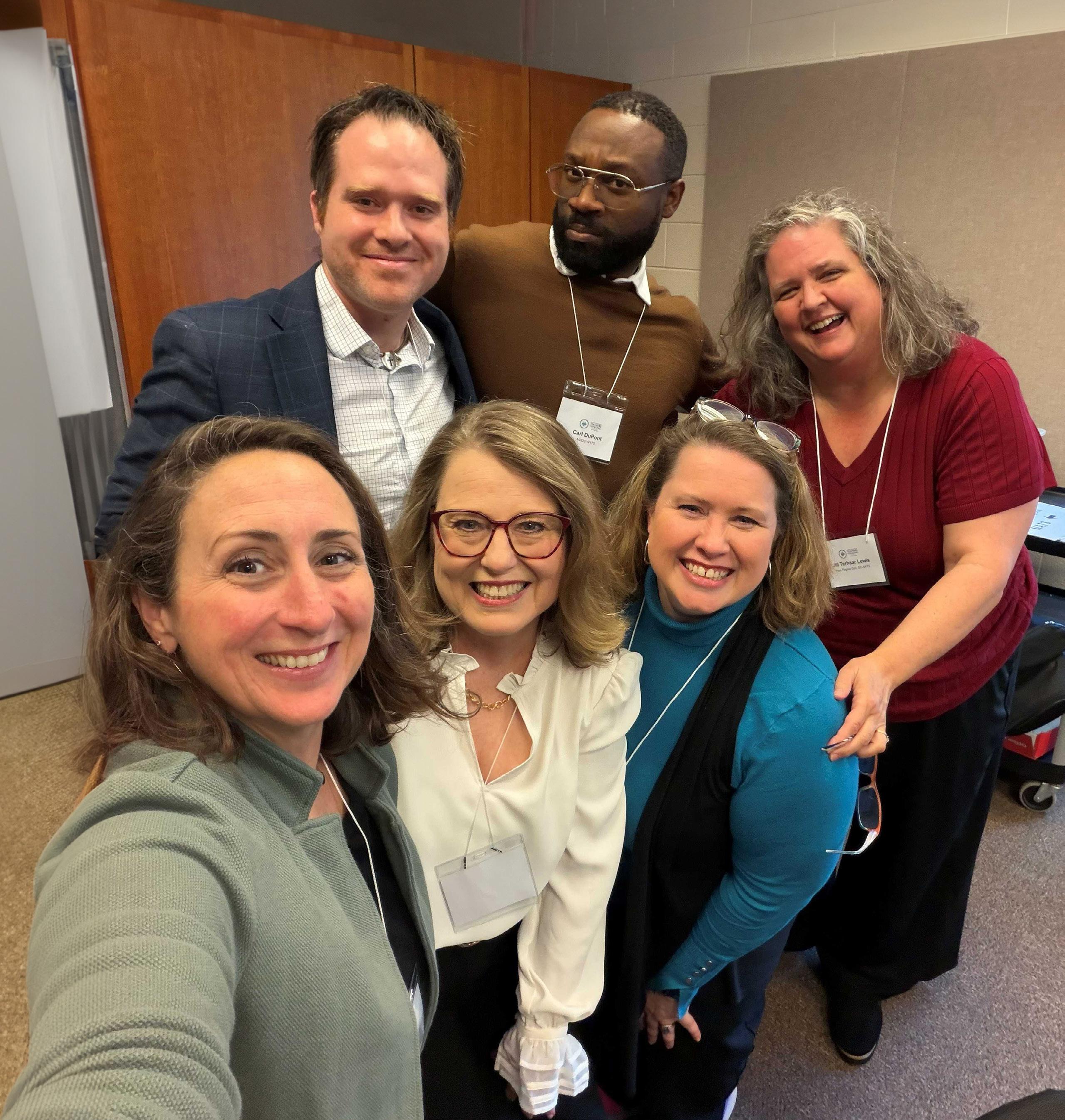




By Melissa Greenblatt, NATS Executive Director
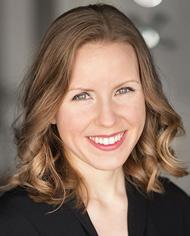
On January 26, 2026, I began my role as executive director of NATS, joining a community built over decades by teachers, singers, leaders, and volunteers, with care and commitment, all devoted to the teaching of singing. NATS is strong because of the people who have guided it forward in pursuit of transforming lives through the power of singing. PS: It was a delight and honor to celebrate the association’s 82nd birthday on March 23!
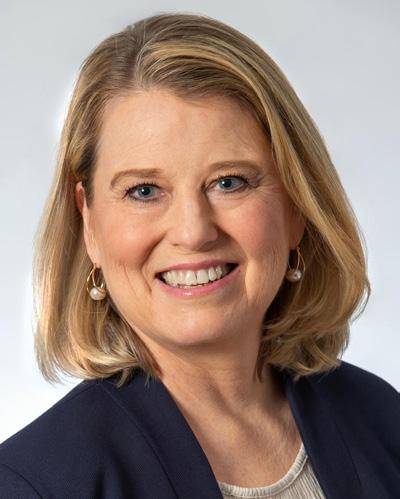
While many of you are meeting me for the first time through these pages, I would like to share a bit about my professional journey and what brings me to this work. I call Maryland home, nestled between Baltimore and Washington, D.C., while my family origins and artistic roots trace back to Texas. My career has been shaped by a deep belief in the power of the arts and the important role that teachers play in making it a vital part of our lives. Although my artistic background is in dance, my work is centered in supporting arts educators across multiple teaching environments, including independent studios, K-12 schools, colleges, universities, and more.
Prior to joining NATS, I spent 18 years with the National Dance Education Organization (NDEO), a nonprofit with thousands of members and a similar arts education focus and structure. I have deep experience in strengthening professional learning opportunities for teachers, curating knowledge, research, and best practices, and providing resources that support teachers in their work with students. My early career included 13 years at Procter & Gamble, where I learned the importance of listening first, creating value, and building brands with meaning and identity, while honing my sales and marketing skills.
I am committed to strengthening NATS as a professional home for voice teachers and for the entire profession of the “teaching of singing.”
“I support fostering a community where all members feel a genuine sense of belonging, while building a sustainable organization that can adapt, evolve, and grow over time, no matter what opportunities or challenges we encounter as a field and as an organization.”
I support expanding our advocacy efforts (because who doesn’t need a little singing in their lives ��), elevating lifelong learning opportunities, and deepening meaningful connections that support voice teachers at every stage of their careers.
My priority in these early months has been to listen, starting with staff and board members to better understand how NATS operates. In the months ahead, I look forward to expanding that listening to include members more directly. You will soon see opportunities to share your perspectives through short surveys and online focus groups, and I hope you will participate.
As I listen, I am also discovering the powerful synergy among the many environments where singing and voice are taught, such as independent studios, K-12 schools, universities, community programs, and performing organizations. They all contribute to a vibrant ecosystem that supports singers throughout their development. Each plays a role in nurturing voices and shaping students’ artistic journeys. We must embrace this for the good of our field and the future of our students.
PUBLISHER
Melissa Greenblatt, Executive Director, melissa@nats.org
EDITOR
Beth Buchanan, Marketing and Communications Manager beth@nats.org
INDEPENDENT VOICES
ASSOCIATE EDITOR
Deborah Conquest, internos@nats.org,
ADVERTISING TEAM
advertising@nats.org
DESIGN
Regina Troyer, Carter Publishing Studio
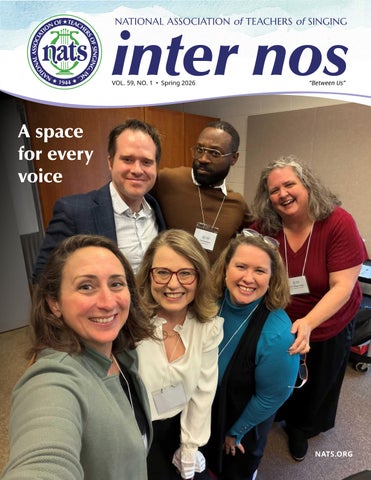
inter nos is the official newsletter of the National Association of Teachers of Singing. It is published two times per year (spring and fall) for all NATS members.
And there are the signature NATS programs I am experiencing firsthand as I continue learning about the organization and its work.
This summer, I look forward to meeting many of you as we gather in San Antonio for the NATS National Conference, our largest professional gathering and an opportunity to engage with the full breadth of our field. With dozens of sessions, performances, research presentations, an exhibit hall, and informal conversations among colleagues from all teaching environments, the conference creates space to exchange ideas and reconnect with a professional community that understands the daily work of voice educators. I hope to see you there!
And, of course, many teachers and students experience NATS through our audition and awards opportunities. While I am still learning the full scope of these remarkable programs, it is clear the audition experience is very meaningful for independent teachers and their students. From local auditions to the national level, the National Student Auditions (NSA) events provide students with feedback (and performance opportunities) while fostering connection among teachers and students across the NATS community.
Professional membership organizations like NATS exist because teachers understand that the strength of a field depends on more than individual studios or schools or people. It depends on a shared commitment to advancing knowledge, supporting one another, and creating opportunities for the next generation. Membership, in many
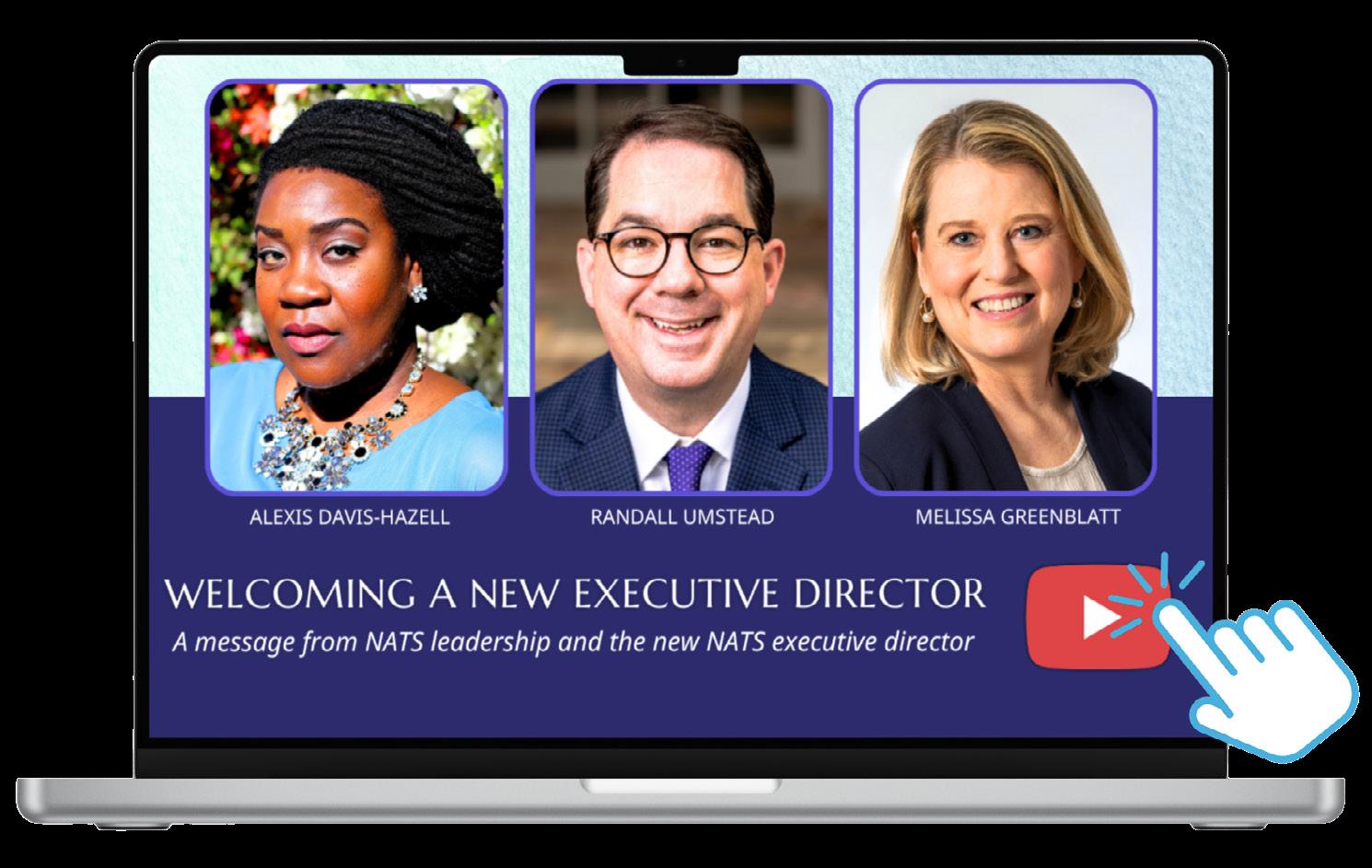
Meet Melissa Greenblatt
Hear from NATS leadership, PresidentElect Randall Umstead and President Alexis Davis-Hazell, as they introduce newly appointed Executive Director Melissa Greenblatt.
Watch video
ways, represents a collective investment in the health and future of the profession.
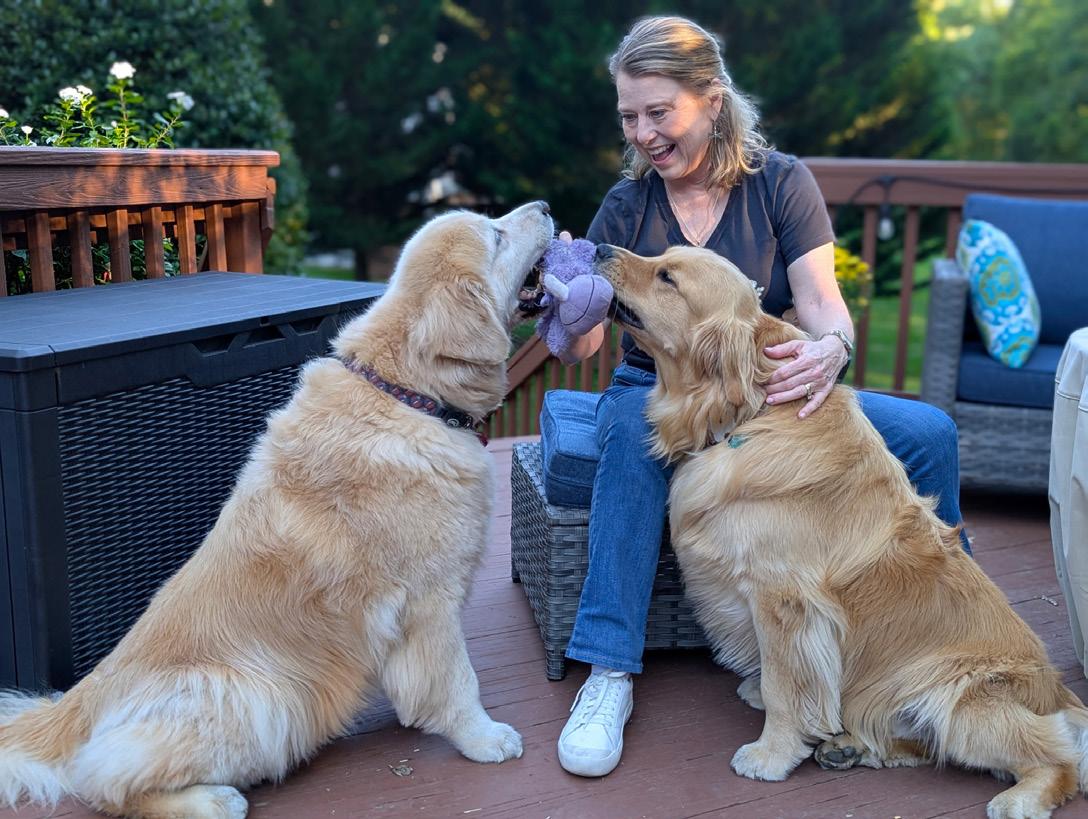
In the midst of all this, I’m reminded of the importance of balance and harmony, something my two golden retrievers, Bode and Nash, seem to understand instinctively. Greeting me with wagging tails and a tennis ball or two, they know exactly when to interrupt my work and make sure I take a beat to breathe.
Together, I look forward to building on this strong foundation and continuing to move NATS, and our profession, forward to the next chapter. If you would like to drop me a line, send a note to melissa@nats.org.
Warmly,
Melissa F. Greenblatt NATS Executive Director
By Deborah Conquest, Associate Editor for Independent Voices
As this issue of Inter Nos goes to press — and as I step into my first issue as Associate Editor for Independent Voices — I want to acknowledge a tension many of us are living with right now.
We are teaching, mentoring, and running studios in a moment that asks us to make constant judgment calls: what is the right thing to do, the right thing to say, or whether saying anything at all feels safest. For many of us — particularly those who teach independently or operate small businesses — these questions carry real risk. If we speak our minds, will we lose students? Will we jeopardize professional relationships? Will our values cost us stability or community?
These questions feel especially present as we witness shifts within major cultural institutions, including what many perceive as the decline of the John F. Kennedy Center for the Performing Arts. For those of us who care deeply about the arts ecosystem, such changes can feel destabilizing. They prompt us to consider how we honor artistic legacy, respond to evolving leadership and priorities, and support our students — while also navigating institutional expectations, public perception, and the realities of our professional lives. The desire to do the “right” thing often collides with uncertainty about impact, reception, and consequence.
We were told, or perhaps hoped, that the post-COVID world would be easier — clearer, more sustainable, more settled. Instead, many of us find ourselves still struggling, still tired, still unsure. It feels important to say this plainly: we do not

have all the answers. We are figuring this out alongside you, balancing integrity, care for our students, and the practical demands of keeping our work — and our businesses — alive.
What remains constant is the deeply human nature of what we do. Teaching voice means working with vulnerability, identity, and expression. Our students continue to need steadiness, compassion, and spaces where their voices — literal and figurative — are respected. How each of us chooses to hold that space may look different, and there is no single correct approach.
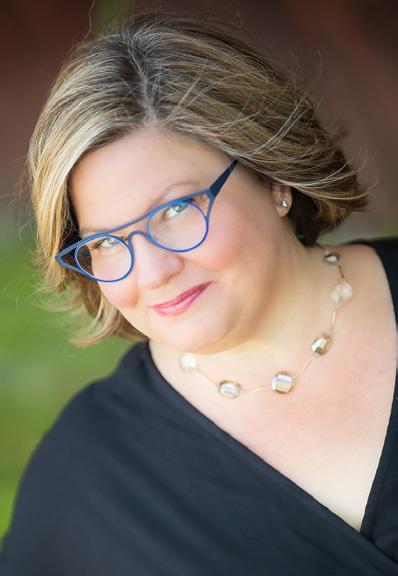
Deborah Conquest Associate Editor for Inter Nos internos@nats.org
This issue of Inter Nos reflects that complexity. Here, we feature an article on EFT for singers by Catherine Pavlik, the benefits of singing purely for enjoyment by Elizabeth Turner, a thoughtful exploration of imposter syndrome by Juline Gilmore, and an article on making the song your own by Priscilla Bagley. Together, these contributions engage with the evolving demands of our profession and invite reflection rather than easy answers. My hope is that this issue feels less like a directive and more like a shared conversation — one rooted in care, curiosity, and connection.
It is an honor to step into this role and to serve a community of independent educators who continue to show up thoughtfully, even when the path forward feels uncertain.
Deborah Conquest is an accomplished voice teacher, performer, and writer based in Rochester, New York. She runs an independent voice studio — Conquest Voice Studio — where she trains singing actors worldwide. She is a longtime NATS member, recipient of a Joan Boytim Independent Teacher Award, and proud alumnus of the Cincinnati College-Conservatory of Music and SUNY Fredonia. She loves hiking, rockabilly tunes, competitive powerlifting, house plants, and chocolate cake — not necessarily in that order. She also enjoys exploring the visual arts — mostly pretending she can paint — and aspires to write her memoirs entirely in haiku. Conquest shares insights and inspiration on her blog at conquestvoicestudio.com. Fun fact: she started her career as the “Ivory Snow Baby” and became a SAGAFTRA union member at the age of 6 months.
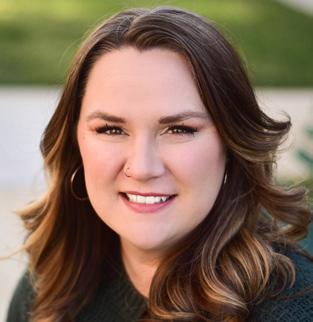
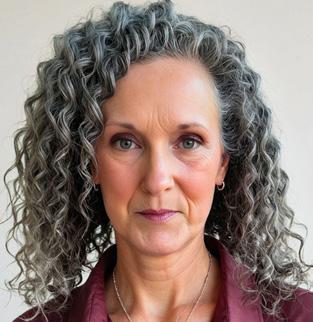
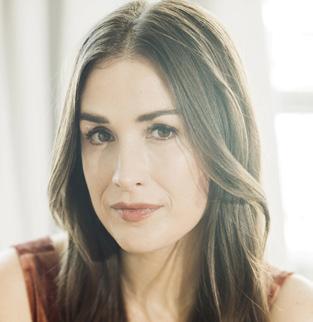
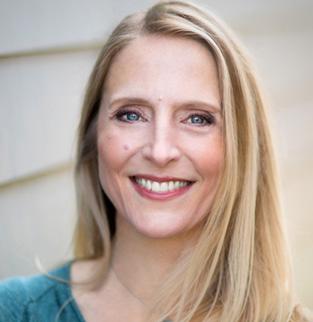
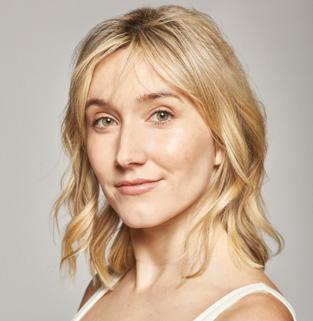
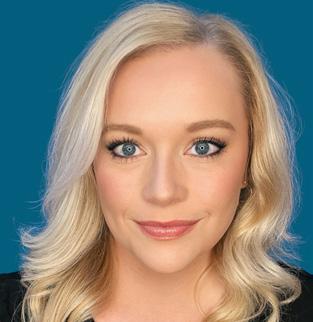
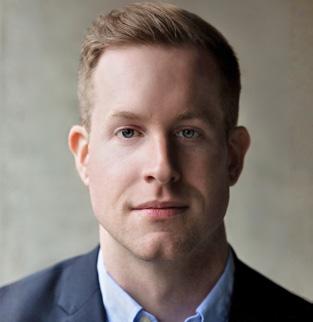
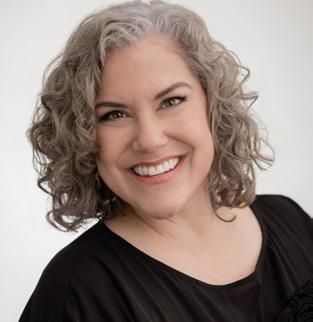
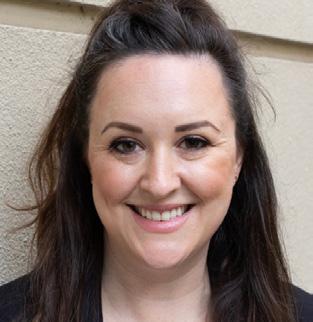
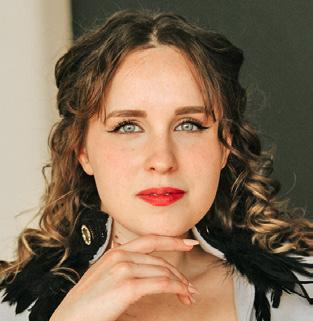
NATS has selected 11 recipients for the 2026 Joan Frey Boytim Awards for Independent Teachers.
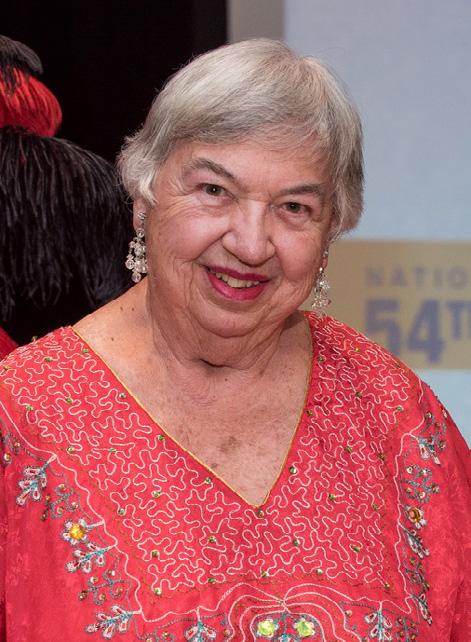
Made possible through the generosity of Joan Frey Boytim, the awards provide up to $1,000 per recipient to help offset eligible expenses related to attending the 59th NATS National Conference, July 3-7, in San Antonio. Recipients must be NATS members in good standing who teach independently and do not hold full or part-time appointments at a college or university. Applicants also must teach at least five students per week and be first-time national conference attendees.
“Selecting the recipients was particularly challenging this year as there were so many deserving applicants,” said NATS member and independent teacher Cynthia Vaughn, who served as a reviewer for the award selection. “In addition to the applicants’ commitment and focus on independent teaching and growth mindset, I gave great weight to their personal cover letters and the letters of recommendation. My final consideration was ‘What would Joan do?’ I am confident these finalists exhibit and honor the spirit and excellence of the esteemed benefactor Joan Frey Boytim — ‘Aspire to Inspire until I Expire.’”
Independent teachers represent a significant part of the NATS membership. These awards are intended to honor the legacy of the late Joan Frey Boytim, author of “The Private Voice Studio Handbook” and editor of “The First Book” series of anthologies, among many other works. Her resources and philanthropy have long established a lasting source of support for independent voice teachers.
Those interested in supporting the Joan Frey Boytim Awards for Independent Teachers or other NATS initiatives may make a gift through the online donation form or contact NATS Development Director Jen Jimenez at jen@nats.org or 904-992-9101.
Congratulations to the 2026 recipients!

View past recipients
Recipients receive up to $750 to support conference attendance
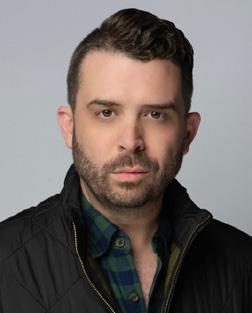
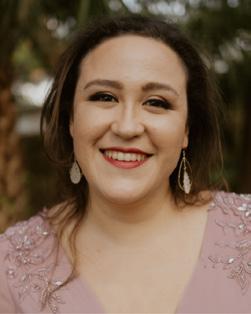
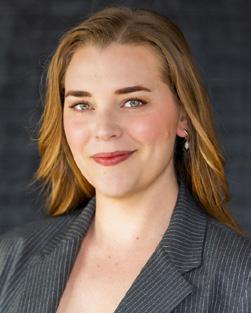
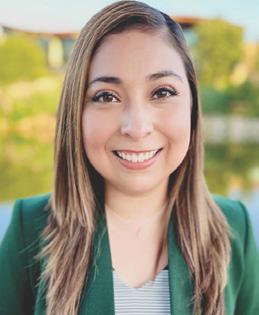
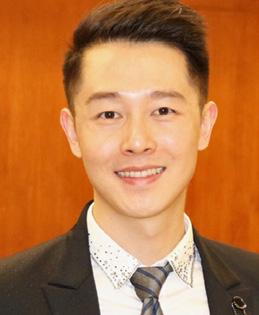
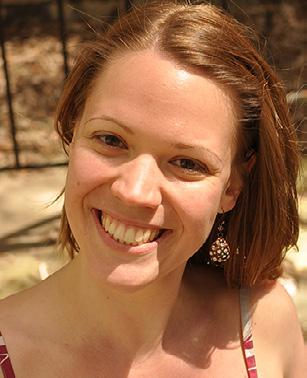
The National Association of Teachers of Singing has selected eight early-career voice teachers for the 2026 NATS Emerging Leaders Awards.
This biennial grant program recognizes teachers of singing with no more than 10 years of teaching experience who demonstrate active involvement at the NATS chapter and regional levels. Each recipient will receive up to $750 in reimbursement support to help offset travel and attendance costs for the 59th NATS National Conference, July 3-7, 2026, in San Antonio.
For the 2026 cycle, applicants were eligible from the CalWestern, International, Mid-Atlantic, Mid-South, New England, Southeastern, Southern and Texoma regions.

Applicants from other regions will be eligible for the 2028 awards. Learn more about the Emerging Leaders Awards.
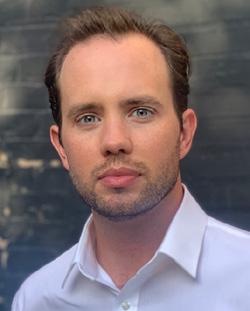
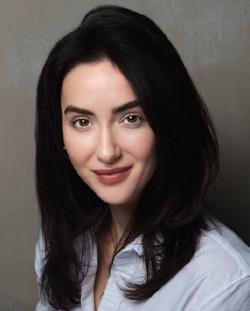
Congratulations to the 2026 NATS Emerging Leaders Award recipients:
• Josaphat Contreras (Mid-South Region)
• Brandon Marcus (Southeastern Region)
• Daniela Monzon Villegas (Southeastern Region)
• Sarah Neely (Texoma Region)
• Jessica Posada (Texoma Region)
• Liangjun Shi (International and Mid-Atlantic Regions)
• Sean Stanton (Cal-Western Region)
• Helena Widmann (New England Region)
HAVE YOU MOVED, CHANGED YOUR CONTACT INFORMATION, OR YOUR EMAIL?
Members: Keeping your contact information up-to-date ensures that you won’t miss any of our member benefits or upcoming events.
To make updates, log on to your Member Home Page (your email address for NATS correspondence is your Login). Then, click the “My Profile” link on the right.
You also can call the NATS National Office at 904-992-9101 for assistance.
The NATS 59th National Conference will take place July 3-7 in San Antonio, bringing together voice teachers, singers, collaborative pianists, students, and other professionals from across North America and beyond. This biennial gathering features plenary sessions, breakout presentations, performances, and professional networking over five days.

Conference Banquet
River Barge Tour
Friday, July 3 | 5:30-7:30 p.m.
Rivercenter Riverwalk Courtyard $50 per person
■ Enjoy a private boat tour complete with snacks and drinks! Join fellow attendees for a river barge tour along the San Antonio River Walk. This casual outing provides a chance to kick-off your conference experience in style.
Monday, July 6 | San Antonio Marriott Rivercenter
6:30 p.m. Cocktail Hour, 7:30 p.m. Dinner, Awards & Dancing
Tickets $100 with conference registration, Attire: Cocktail, semi-formal
■ Join colleagues and friends for an evening of celebration!
Featuring a beautiful 3-course plated dinner, live music, awards presentation, fellowship, and dancing. Sample Menu: (Vegetarian option available.) Hill Country Caesar, Texas Cheddar-Crusted Chicken Breast, Caramelized Milk Chocolate Mousse Cake.

San Antonio Marriott Rivercenter on the River Walk (location for all conference events)
101 Bowie St., San Antonio, TX 78205
Phone: 210.223.1000
Book your room through NATS before June 6 to take advantage of the discounted rate!
• Standard King Room:

$194.00 USD per night + taxes
• Standard Double (Queen/Queen) Room: $194.00 USD per night + taxes
The banquet includes the presentation of NATS Lifetime Achievement Awards to honor and celebrate two titans of our field, Barbara Hill Moore and Robert Sataloff. These awards recognize longtime contributions to voice community through pedagogy, research, and leadership. Register today at NATS.org!

(6-7 P.M. CT; 5-6 P.M. MT; 4-5 P.M. PT)
*Unless otherwise noted
NATS Chat invites guests to discuss various topics in an online webinar.
Sessions are often held the second Sunday of each month of the academic year. The host and coordinator for NATS Chat is Kari Ragan. The 2025/26 NATS Chat season is generously sponsored by Inside View Press
Beyond the Straw: Expanding the SOVT Toolkit
Featuring Nandhu Radhakrishnan & Lynn Maxfield
Co-Hosts: Marci Rosenberg and Kari Ragan
Semi-occluded vocal tract exercises (SOVTs) are widely embraced in voice training and therapy, yet their full potential often remains underexplored. This NATS Chat will go beyond the familiar straw, featuring Dr. Nandhu Radhakrishnan, creator of the Nasal Resistance Technique (NRT), and co-host Marci Rosenberg in conversation with SOVT researcher Dr. Lynn Maxfield. Together, they’ll highlight under-recognized tools, including NRT, the anesthesia mask, puffy cheeks, and the Acapella PEP device while discussing their applications in habilitation and rehabilitation. Whether you’re a teacher, clinician, or performer, this session will expand your toolkit and deepen your understanding of semi-occlusion strategies.
From Stage to Studio: Bridging the Gap in Voice Pedagogy
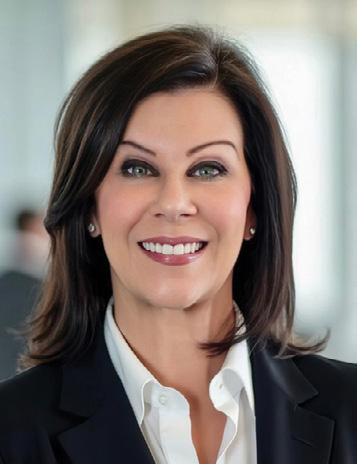
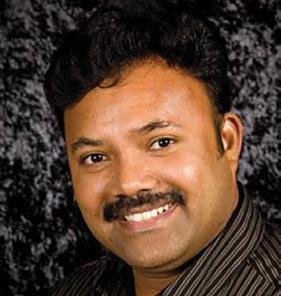
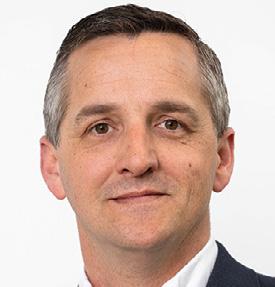
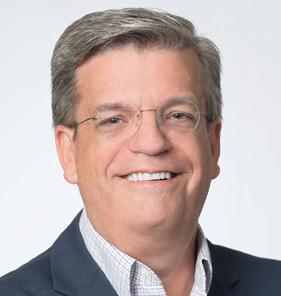
Featuring Allen Henderson, Michaela Martens, Cyndia Sieden, Peggy Baroody, Randall Scarlata
Host: Kari Ragan

Many celebrated performers after careers at the MET or on international stages transition into teaching. Yet, some resist adopting science-informed approaches that are becoming more central in modern pedagogy. This NATS Chat brings together a panel of distinguished voice teachers, many with major performance careers of their own, to discuss why this disconnect exists and how we can bridge it. How can we foster mutual respect between artist-teachers and pedagogyfocused educators? How do we create common ground between experiential and evidence-based teaching traditions — ultimately for the benefit of our students?
Register and view schedule at NATS.org. Watch past chats on the @ OfficialNATS YouTube channel.
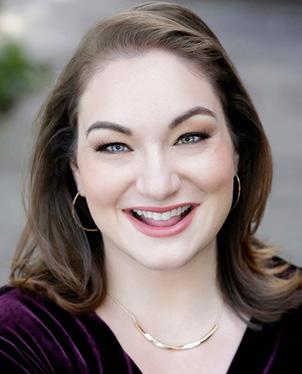
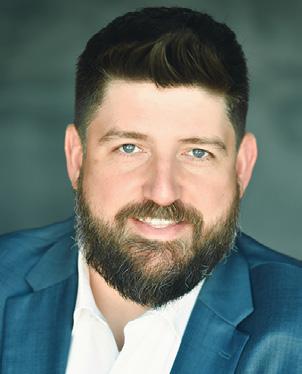
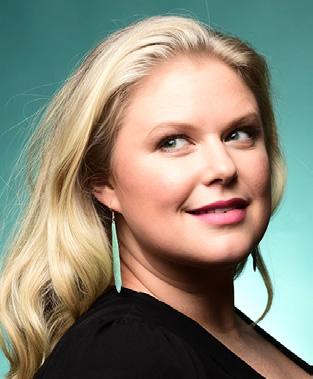
NATS has selected three national finalists for the inaugural Barbara Hill Moore Emerging Teaching Artist Award, to be presented during the 59th NATS National Conference, July 3-7, in San Antonio.
2026 Barbara Hill Moore Emerging Teaching Artist Award finalists:
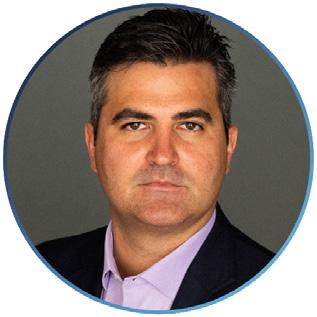
• Mark Covey, bass-baritone
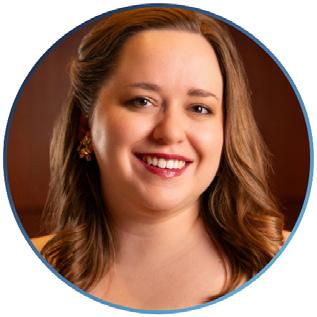
• Courtney Fletcher, mezzo-soprano
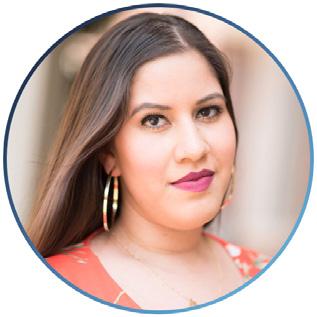
• Lily Guerrero, coloratura soprano
The Barbara Hill Moore Emerging Teaching Artist Award is a biennial program designed to encourage, support, and facilitate the professional development of a NATS member who is both a singing teacher and also pursuing an active singing performance career. The winner is determined through a competition recognizing teaching artists with a bright future on a dual-career track. The inaugural 2026 winner will receive a $3,000 cash prize.
The finals are scheduled for 3:30 p.m. on Saturday, July 4 at the San Antonio Marriott Rivercenter, and admission is included with conference registration. NATS received preliminary submissions for award in the summer and fall of 2025, and three NATS distinguished teacher artists adjudicated the entries. The adjudicators for this round were Carole FitzPatrick, John Holiday, and Jeanai La Vita.
Congratulations to the finalists

Searching for that perfect graduation gift?
Treat your favorite graduate with a membership to NATS — the premier organization for singing teachers and voice professionals! Your recipient will enjoy all the perks of NATS, including:
• New Job Center notifications,
• A digital subscription to the Journal of Singing,
• Networking opportunities,
• Special rates on conferences and workshops, and
• Exclusive access to a wealth of pedagogy resources.
NATS offers multiple gift memberships options — Professional, Affiliate, Emerging Professional or Pre-Professional. After receiving the gift, your recipient may select another membership type, if eligible, that best fits their needs.
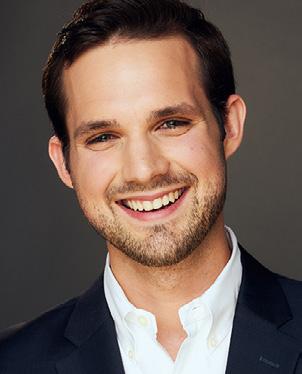
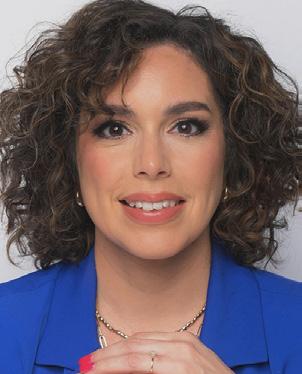
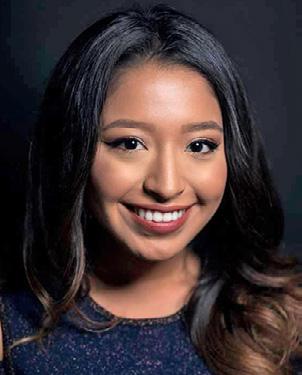
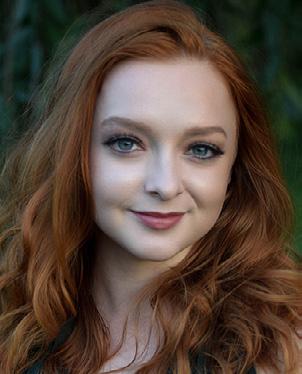
The National Association of Teachers of Singing is pleased to announce the 12 earlycareer voice teachers and four collaborative pianists selected for the 2026 NATS Intern Program, May 19-29, at Furman University in Greenville, South Carolina.
This immersive, 10-day professional development experience brings participants together in cohort groups and allows for a dynamic exchange of live feedback with veteran master teachers and fellow interns.
Representing 11 NATS regions — Central, Eastern, Great Lakes, International, Mid-South, New England, North Central, Southeastern, Southern, Texoma, and West Central — the 2026 class includes participants from both independent and academic teaching settings.
Collaborative Piano
Migeun Chung - Texoma Region
Katilyn Rittner - West Central Region
Mikayla Rogers - Eastern Region
Teresa Vaughan - North Central Region
Voice
Lindsay Kate Brown - Southern Region
David Clark - Central Region
Hailey Clark - Mid-South Region
Wesley Diener - Central Region
Alba Franco-Cancel - Southeastern Region
Desiree Howe - Mid-South Region
Erin Matthews - New England Region
Abigail McKay Cherry - Great Lakes Region
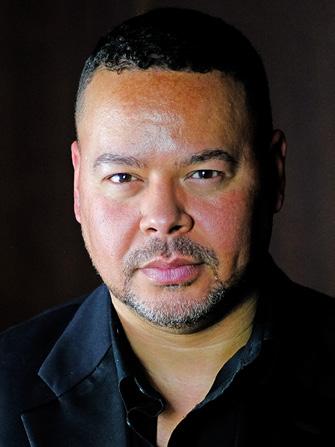
Michelle Pretorius - International Region
Benjamin South - West Central Region
Bradley Sowell - Southeastern Region
Carly Wingfield - Southeastern Region
Guiding the interns will be master teachers
Conroy Cupido (South Africa, International Region), Jerry Elsbernd (Minnesota, North Central), Amanda Flynn (New York, Eastern Region), Jan McDaniel (Oklahoma, Texoma Region), and Yvonne Redman (Illinois, Central Region).
Randall Umstead (Furman University & NATS PresidentElect) will serve as the local, on-site coordinator, and Tana Field (Murray State University) returns to serve as the vocal literature liaison.
Diana Allan, 2026 NATS Intern Program Director and Past President of NATS, praised this year’s class.
“The 2026 NATS Intern Selection Committee is pleased to announce that this year’s voice and collaborative interns represent an outstanding and diverse group drawn from 11 different NATS Regions, including our International Region,” Allan said. “They also come from a wide range of teaching environments, including both independent studios and university settings. Their varied professional backgrounds promise a rich exchange of ideas, perspectives, and pedagogical approaches.”
NATS interns frequently reunite at the biennial NATS conferences to maintain the close professional bonds formed during the program. At the 2024 NATS national conference in Knoxville, alumni gathered for an intern reunion event and the tradition continues at the upcoming 59th NATS national

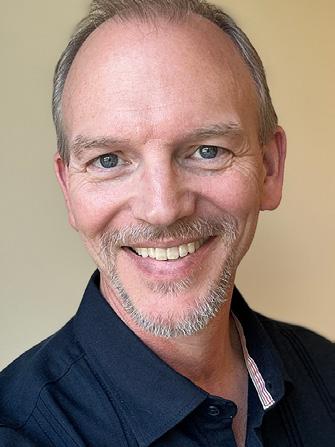
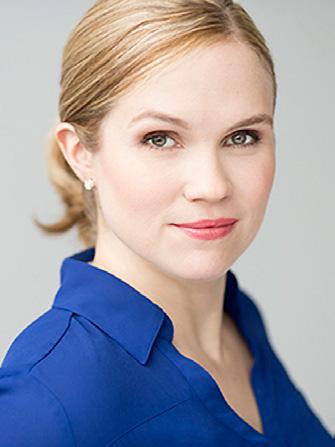
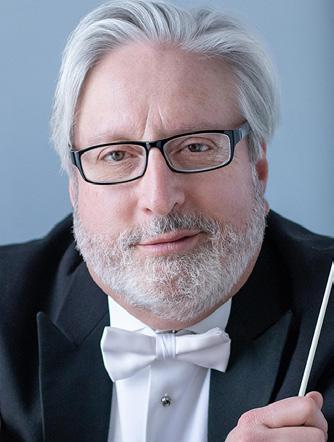


conference in San Antonio, July 3-7, 2026. Since its founding in 1991, the NATS Intern Program has built an alumni network of more than 300 voice-teaching professionals.
Thanks to generous gifts from our supporters, the NATS Intern Program is offered at no cost to interns. Contributions from several funds and grants, including the William “Bill” Vessels Endowment, James McKinney Fund, Barbara Doscher Endowment, Ellen Faull Master Teacher Endowment, NATS Intern Program Grants Established by the 2021 Master Teachers, and the NATS Foundation Heritage Fund help sustain this vital program.
To make a gift supporting the NATS Intern Program, please contact NATS Development Director Jen Jimenez.
Schools or facilities interested in coordinating/hosting a future NATS Intern Program can contact the NATS past president for details and facility requirements.
The NATS Intern Program provides exceptional training for early-career voice teachers and collaborative pianists. By pairing interns with experienced mentors, the program fosters a vibrant exchange of ideas and techniques, improving teaching and coaching skills. Learn more by watching the NATS Intern Program playlist on YouTube
The program is held annually, and application materials for the 2027 program will be available in late summer 2026.
‘Confession and Other Lyrics’ wins this year’s top prize.
The National Association of Teachers of Singing is pleased to announce James Hurley as the first prize winner of the 2026 NATS Art Song Composition Award for his work, “Confession and Other Lyrics.”
Hurley receives a $2,000 prize and his composition will be performed at the 59th NATS national conference in San Antonio, Texas, July 3-7.
“Confession and Other Lyrics” is a set of four songs for tenor and piano with texts by Michael Crummey:
• Confession
• Rust
• Devil’s Footprint
• Row
“Being named the first prize winner is certainly an honour,” Hurley said. “Michael Crummey is a poet and novelist from Newfoundland, Canada — the same place where I am from. Like most Newfoundlanders, I love this place, and as an isolated and historically difficult place to live, there’s a sense of togetherness that naturally occurs with the people there. I started composing art songs a few years ago by setting music to a poem of a friend from Newfoundland and then expanded the repertoire by focusing on poetry from Ireland. It was my intent to build an art song songbook with contemporary and classic poets from both these places as they are also culturally linked. A good friend guided me towards Crummey’s works, and as I started reading his novels, I was captivated by the vivid and gripping worlds he created. His works are rooted in Newfoundland and resonated deeply with me.”
In addition to thanking NATS and the committee, Hurley also wanted to acknowledge several people for this project.
“First, I must thank Dean Power,” Hurley said. “Dean is an Irish tenor and my partner in this project. His incredible heart and full dedication to how each detail delivers the text gives these pieces an exquisite finish. Tom Gordon, a dear friend, heard my first song a few years ago and implored me to do more. Without his encouragement and support, I can almost guarantee that I would not have developed these
songs. To Michael Crummey, for sharing his works with me, it was a thrill and honour to be able to bring music to them. And of course to Olivia, my wife, who allowed me to work on the songs in all the in-between times — lunches, dinners, bedtimes, while the kids are bouncing off the walls.”
Pouya Hamidi received second prize and $1,000 for “I Will Greet the Sun Again,” a set of four songs for soprano and piano featuring lyrics from the book, Sin: Selected Poems of Forugh Farrokhzad, translated by poet Sholeh Wolpé. David Jones received honorable mention for “Wild Birds Teach Us,” two songs for soprano and cello featuring text by Kim Stafford.
NATS is committed to keeping the composers and their submissions anonymous in the adjudication process as to evaluate only the music itself. Preliminary adjudicators Kurt Erickson (2020 winner) and Rene Orth (2023 winner) selected
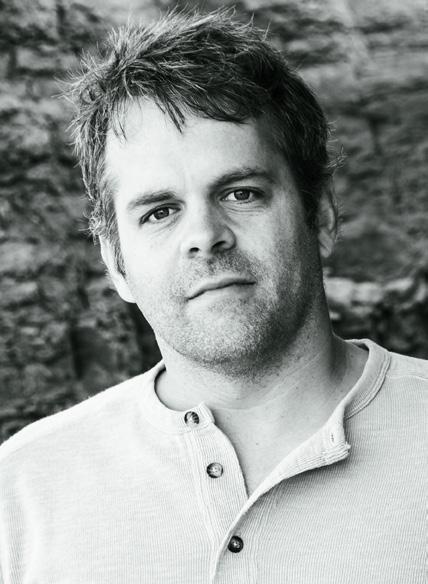
James Hurley is a classical pianist and composer with a passion for improvisation. Originally from Newfoundland, Canada, he’s been based in Germany since 2011. There he produces concerts and workshops featuring artists from around the world in a multitude of genres at his studio Più Piano. Since 2022 he has been active as a composer of English Art Song, and has completed over seventy works organized in several major song cycles based on the great poets of Ireland and Newfoundland. As a musician he is involved in several solo and group projects, and actively performs in Canada and the EU.
@jameshurleypiano
eight finalists from 54 submissions. Composers Tom Cipullo (2008 winner) and Jodi Goble (2024 winner) served as final adjudicators.
The NATS Art Song Composition Award, established in 1983, continues to inspire and encourage the creation of quality vocal literature. American composer Lori Laitman generously sponsors the first and second cash prizes, and she provides winners with a two-year paid NATS membership. The competition is open to any composer, professional or student, whose submitted work meets the prescribed requirements.
Recent past winners have included Raphael Fusco (2025), Jodi Goble (2024), Rene Orth (2023), Ericsson Hatfield (2022), Jeffrey Ryan (2021), Kurt Erickson (2020), Philip Lasser (2019), Benjamin C.S. Boyle (2018), Matt Boehler (2017), and David Conte (2016). All previous winners are listed on NATS.org.
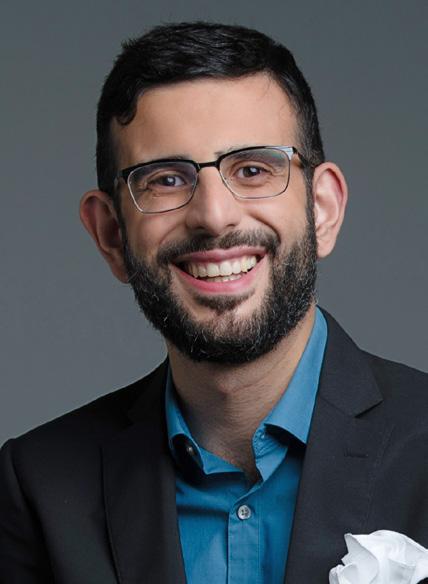
Pouya Hamidi thrives on sharing the miracle of creativity with other musicians and audiences alike. He was born in 1986 to the sounds of sirens over Tehran. At family gatherings his parents danced, guests played and sang. He started piano lessons at 8 and was soon improvising at the keyboard. When Hamidi was 12, his family left friends and family behind in Tehran, looking for a better life in Toronto. He studied piano and composition, attended the Taylor Academy at the Royal Conservatory and winning trophies from the Kiwanis Festival and the Canadian Music Competition. He also discovered the joy of collaborating as a performer and composer, pursuing a double major in composition and piano at the University of Toronto. He completed McGill’s Masters of Sound Recording Program in Montreal. He’s engineered and produced dozens of recordings, including Juno-nominated albums. Hamidi co-founded the Ladom Ensemble, a quartet formed in 2007 by U of T students. He is Ladom’s resident composer and pianist. Their playlist of original music fuses Persian and Western classical traditions, Argentinian tango,
(continues)
Applications for the 2027 Art Song Composition Award open June 1, 2026, with a submission deadline of December 1, 2026. The program is led by Carol Mikkelsen, coordinator, and Lori Laitman, advisor.
2026 Winners and Finalists:
• First Prize: “Confession and Other Lyrics” by James Hurley
• Second Prize: “I Will Greet the Sun Again” by Pouya Hamidi
• Honorable Mention: “Wild Birds Teach Us” by David Jones
Additional Finalists:
• “Nothing Can End” by Cecilia Livingston
• “The Year” by Liza Sobel
• “Waking from Daydreams” by Kolten Heeren
• “Mass for One” by Suzanne Polak
• “Burning Bright: Six Songs of William Blake” by Zoe Yost

David A. Jones (b. 1990) is a composer, hornist, and singer from the lush forests of the Pacific Northwest who listens closely to the forgotten corners of human experience and reveals them through music that is “dramatic, colorful,” “expressive, evocative, and deeply emotional” (Oregon Music Teachers Association). His quietly energetic music draws inspiration from literature, visual art, dance, and his lived experiences, especially from his experience living and serving as a volunteer in the Philippines and his research on Filipino language and culture.
Jones was recently named Oregon Music Teachers Association 2026 Composer of the Year and 2025 Artist in Residence at the Center for Latter-day Saint Arts in New York. He was a Music Now Composition Competition winner at the Indiana State University Contemporary Music Festival in 2023, a Susan and Ford Schumann Composition Fellow at the Aspen Music Festival and School in 2021, and a participant in the American Composers Orchestra’s Earshot program in 2016 with the Indianapolis Chamber Orchestra.
(continues)
Pouya Hamidi (continued)
Serbian folk dance and progressive rock. They’ve toured across Canada and have released two albums. He’s written scores for independent movies and co-founded the Iranian-Canadian composer group ICOT. They have created over 40 new works, ranging from operas and ballets to orchestral, chamber and choral pieces. “I’m in awe of the power and wonder of music,” he says. “Collaborating, composing, sharing the stage with fellow musicians, feeding off their energy — it’s heaven on earth.”
David Jones (continued)
His music has been commissioned and performed by the Georgia Southern University Wind Ensemble, the Braeburn Brass, the Statesboro Chamber Orchestra, the Barlow Endowment for Music Composition, the Aspen Contemporary Ensemble, the Bradley University Symphonic Winds, the Salem Symphonic Winds, the Prismatic Winds at BYU-Idaho, the Moody Center for the Arts, the Boniuk Institute for Religious Tolerance,
Ensemble Hexnut, the Xelana Duo, the BYU Chamber Orchestra, and numerous other ensembles.
As a hornist, Jones has performed with the Oregon Symphony, the Vancouver Symphony, the Idaho Falls Symphony, the Aquilon Music Festival, and the Oregon Festival Chorale. He won the BYU-Idaho Concerto Competition in 2015 and performed James Beckel’s The Glass Bead Game with the BYU-Idaho Symphony Orchestra. Jones is currently working on a new album of music for horn and piano titled “Golden Scenescapes,” to be released in the winter of 2026.
An alumnus of Rice University, Brigham Young University, and Brigham Young University-Idaho, Jones currently teaches music at Linn-Benton Community College and has taught at Linfield University and Pacific University. Jones serves as Vice-President of Cascadia Composers and as an Advisor to the Barlow Endowment.
Jones lives in Salem, Oregon, with his wife, Brooklynn, and two children. When he is not composing or performing, he enjoys reading, playing games, and spending time outdoors. To learn more, visit davidajonescomposer.com

Intermezzo is a weekly compilation of news clips about the singing profession, in addition to NATS news, that is delivered to each member’s inbox. Intermezzo tackles today’s most relevant issues, gathered from sources like the Associated Press, the New York Times, Playbill, and the leading industry publications. It is delivered to the inboxes of teachers of singing in the United States, Canada and more than 35 other countries.
REQUIREMENTS - The work must be:
(1) a song cycle, group of songs, or extended song between 13 and 25 minutes in length. Genres other than the classical “art song” are discouraged.
(2) composed for single voice and single acoustic instrument (solo instruments other than piano as the collaborative instrument will be accepted).
(3) English (or English translation), either in the public domain* or for which the composer has secured appropriate permission.
(4) composed within the past 2 years (after January 1, 2025).
ENTRY FEE - $30 for professionals; $15 for full-time students each entry (payable in U.S. funds to NATS).
ENTRY DATES - June 1, 2026 through December 1, 2026.
ELIGIBILITY - Open to anyone meeting prescribed requirements.
PROCEDURE - All applications must be submitted electronically via www.nats.org. Please read the complete details posted on the NATS website. The following are required materials for entry:
(1) A PDF copy of the song score(s). Copies must be legible and should include composition title; poet’s (or poets’) name(s); public domain status or information regarding permission; length and date of composition. THE COMPOSER’S NAME MUST NOT APPEAR ANYWHERE ON THE SCORE.
(2) Digital audio file(s) of the composition(s).
(3) Recordings must be of the highest quality possible (performance or working).
(4) The title of the composition should be the only labeling on the recording(s).
$2,000 PLUS the composer’s expenses to the NATS 60th National Conference in 2028, where the performance of the winning composition will be given.
$1,000
Cash prizes generously sponsored by composer Lori Laitman
NATS reserves a non-exclusive right to sponsor performances of the winning work for two years without additional remuneration to the composer.
(5) The song order on the recordings must match the song order of the scores. ENTRIES MUST BE RECEIVED BY DECEMBER 1, 2026
* For U.S. publications, a summary of works in the public domain is available on NATS.org







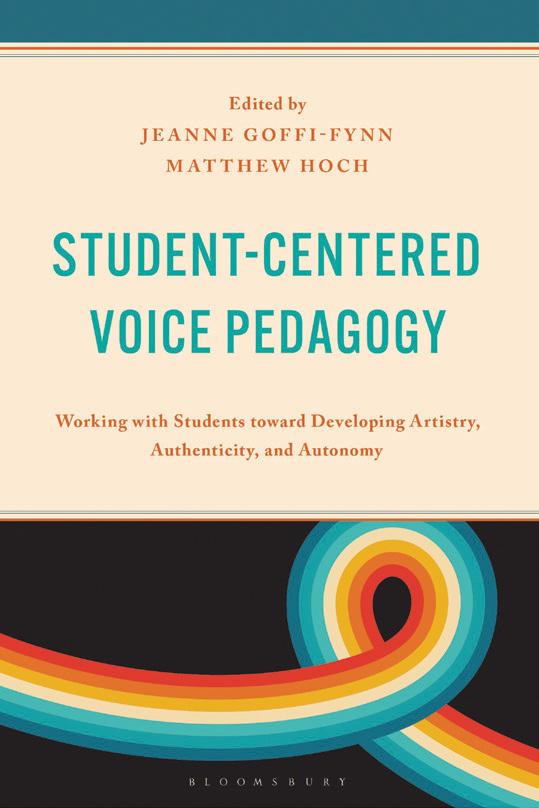
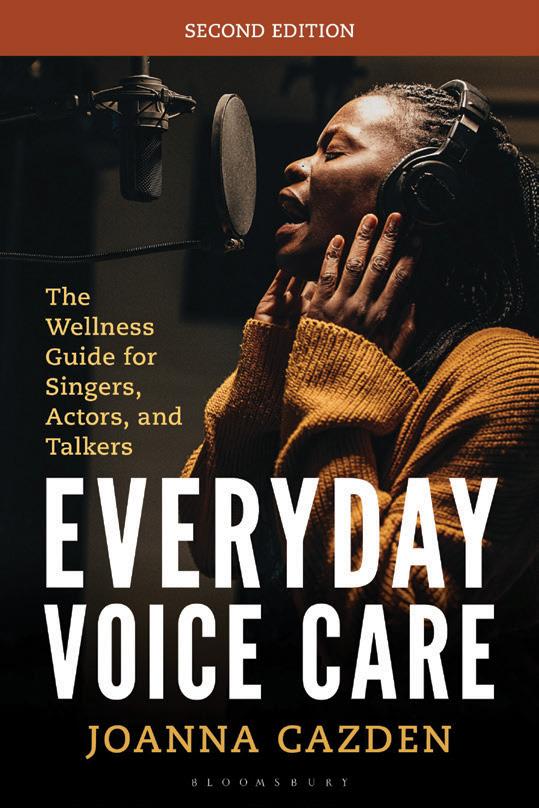
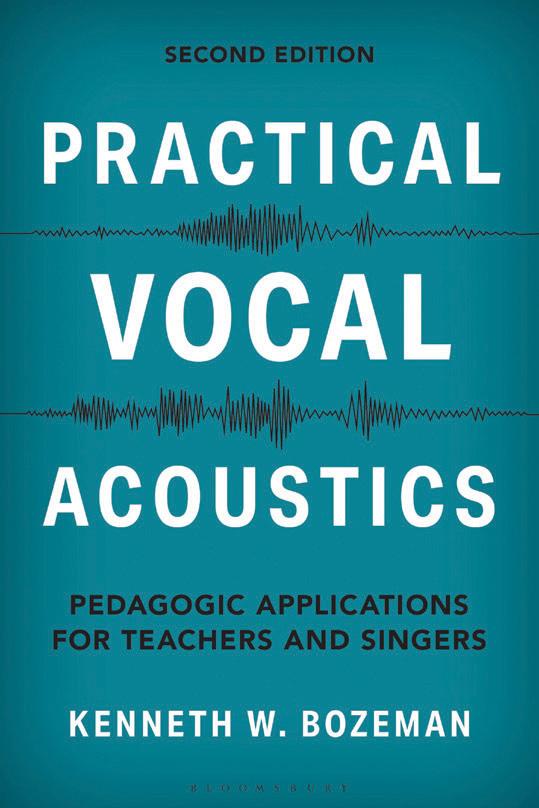
SoYouWanttoSing is a series of works devoted to providing a complete survey of what it means to sing within a particular genre. Each contribution functions as a touchstone work for not only professional singers, but students and teachers of singing. Titles in the series offer a common set of topics so readers can navigate easily the various genres addressed in each volume. This series is produced under the direction of the National Association of Teachers of Singing, the leading professional organization devoted to the science and art of singing.



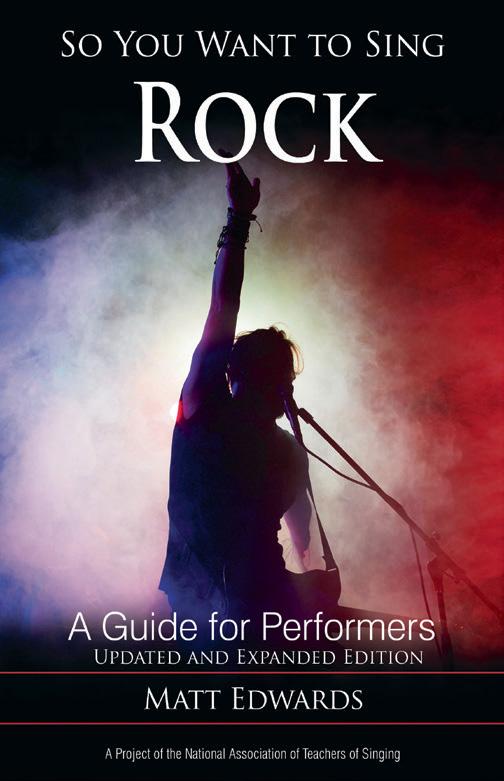


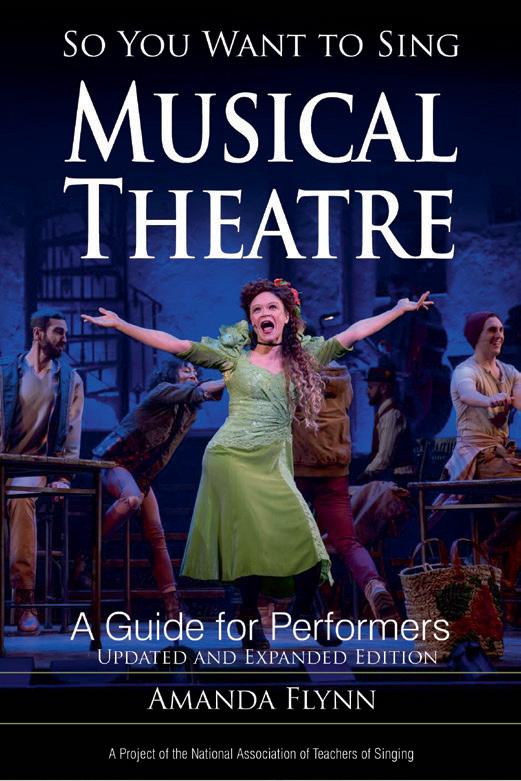



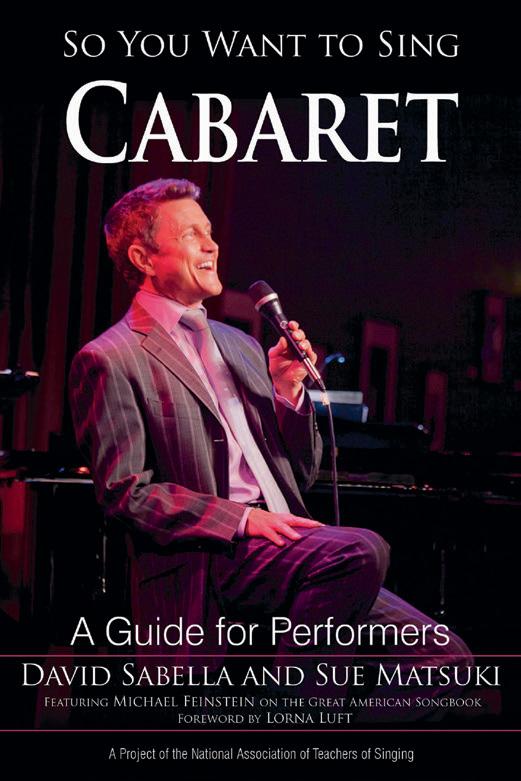

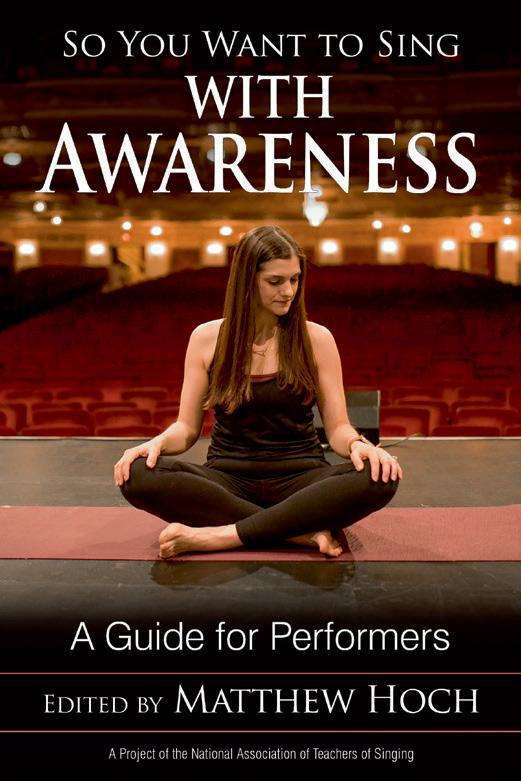
Use promo code NATSBOOKS30 on the Bloomsbury website until 12/31/26 to save 30% on books in this series.
By Cathy Pavlik
Iwas first introduced to EFT tapping almost 20 years ago when I sought counselling during a painful divorce. My therapist asked if I had ever heard of EFT tapping, and if I was willing to learn and use it during our sessions. I experienced such a profound shift in my ability to process difficult emotions, and such increased confidence in my ability to manage stress, that I have been tapping ever since. I find tapping to be a gentle, self-paced modality that has allowed me to explore the thoughts, beliefs, fears and worries that I thought were permanent players in my life story — turns out they’re changeable. I have integrated tapping into many aspects of my life including my work as a voice teacher. I’d like to share with you some details about how EFT tapping works and offer some examples of how this modality can be used with singers.
effects of worry; I have not always been fully present with the music or the audience because I was afraid about something; and I have not always felt empowered because I was trying to be perfect to evade the judgment of others. When I started tapping while “musicking,” things got better, and new things became possible for me and for my students.
EFT is an acronym that stands for Emotional Freedom Techniques. It involves tapping gently with two fingers on a series of known acupressure points, which is why it is often referred to as “tapping.” EFT is a stress reduction technique that uses elements of cognitive therapy, with the somatic aspect of physically stimulating a series of acupuncture points. EFT is a self-applied technique that helps people selfregulate through acceptance and nervous system regulation. The mechanisms behind EFT include deactivation of the amygdala, the brain’s stress center, and of the hippocampus, the brain’s memory center. Recent research indicates that EFT contributes to vagal nerve improvement and helps to regulate the autonomic nervous system. A large body of research, including randomized clinical trials and metaanalyses have shown EFT to be effective for phobias, PTSD, anxiety, depression, pain, insomnia, cravings and more.
So, when I read that paragraph and think about singers making music, a few things stand out for me: stress reduction; amygdala calmed; memories neutralized; nervous system regulated; anxiety and phobias reduced. All of this points towards a focused, empowered, fully present musician enjoying themselves and the process of sharing music, despite any past negative experiences with music making. That seems like a “Wow!” to me. Over the years of performing and preparing for benchmarks myself, I have struggled with focus because I was overwhelmed with the whole body
For clarity, I learned EFT tapping from a certified EFT practitioner who was also a psychotherapist. I became a certified Emotional Success Coach and certified EFT practitioner in 2017, and since that time I’ve been working with clients in this capacity. There are a few professional organizations that regulate the use of EFT with clients, and who offer training, certification and mentorship. It is a regulated profession that requires training, supervision and ongoing professional development. Having said that, there are also numerous entry points into tapping, and many ways that anyone can learn to use tapping as a self-care tool.
There is a wealth of online resources individuals can use to learn the technique, and to support various applications to particular life goals or situations. I’ll share a few here. The Tapping Solution is a great resource to learn more about tapping, find tapping scripts and videos to address specific life goals or issues, and explore self-application methods. They also have an app that is easy to use and a book (on Amazon) both by the same name. EFT International offers training, supervision, and a directory of qualified practitioners. There are workshops to learn more, and opportunities to explore resources and research. Dr. Peta Stapleton is a professor at Bond University in Australia. She curates a website, Evidence-Based EFT, that shares research, free infographics, and links folks to training and programs. Any of these resources provide excellent background and resources for anyone who wishes to learn about EFT.
In very general terms, I might say that there are two distinct approaches to integrating tapping into music making: tapping on a specific emotion, sensation or limiting belief; and global tapping for self-regulation or co-regulation. The idea of global tapping, or tapping without words, or tapping while doing something is very accessible and effective. I tend to use global tapping and not so much tapping on a specific
named issue within the context of lessons because my goal is to teach within a calm, encouraging space. I do work with singers who want to tackle issues like performance anxiety, manage pain or tension while singing, or release limiting beliefs related to their singing. This requires building trust within a client-practitioner relationship that is different from a teacher-student relationship. Modeling self-care and selfregulation during singing lessons is different from helping singers shift outdated beliefs during coaching sessions.
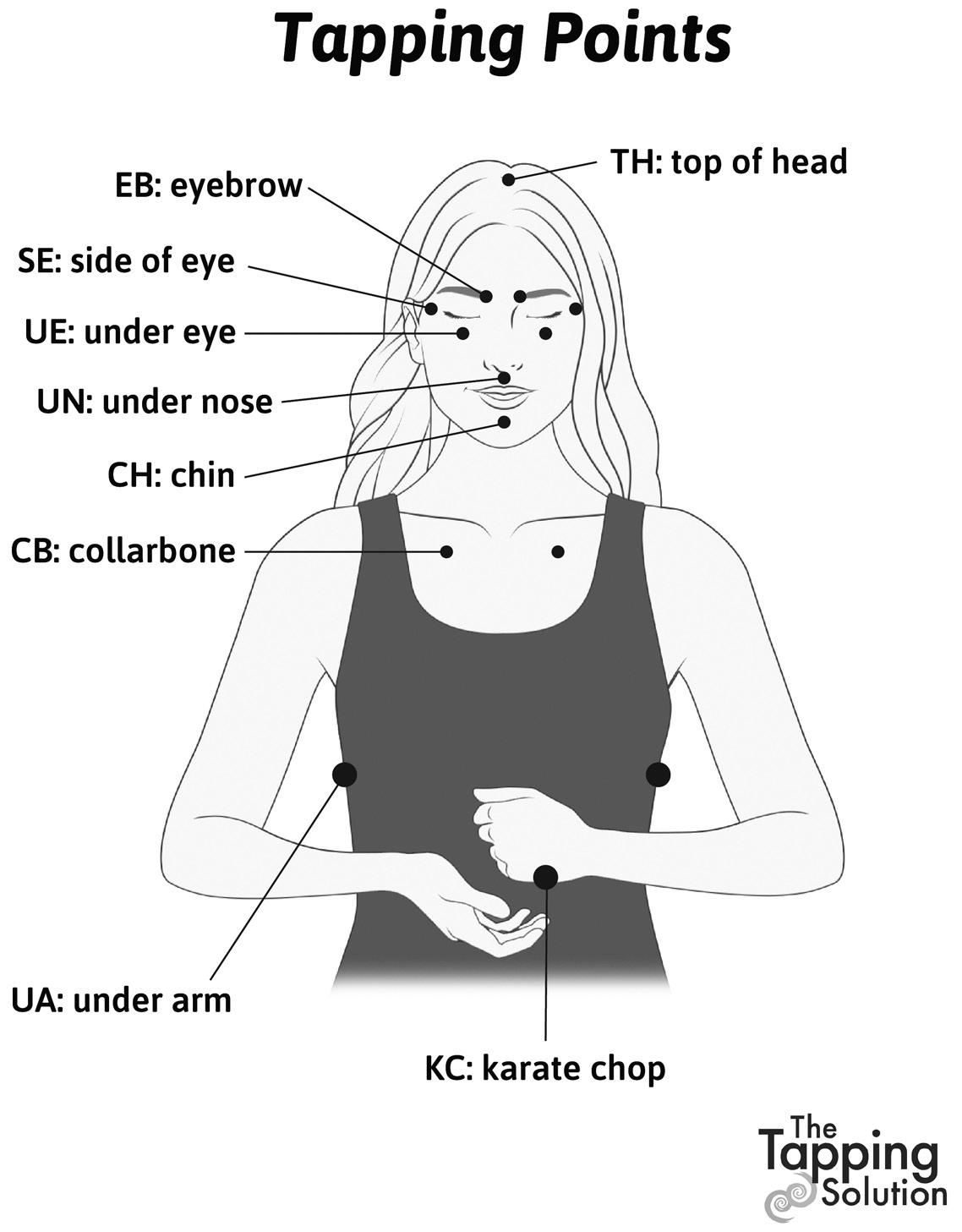
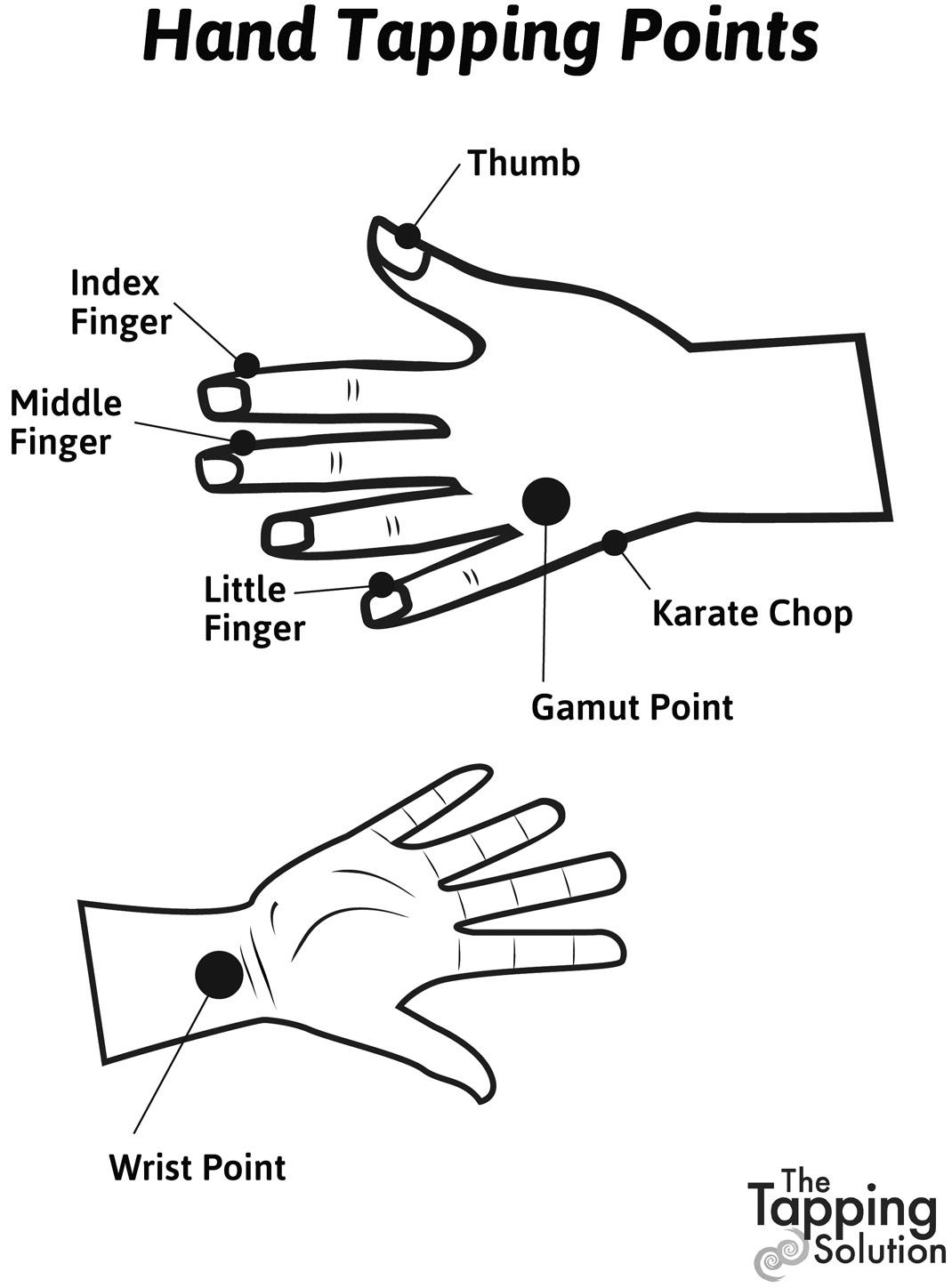
The first step is to learn where to find the tapping points and then practice tapping on them a few times. I often introduce this by inviting a student to watch and copy me during a mindfulness activity at the start of a lesson. First, we spend some time learning how to do 4-5-6 breaths (students breathe through the nose down into their belly button for 4 counts, hold for 5 counts and exhale through the mouth for 6 counts). When I am confident that the student can do three breaths using this method, I’ll invite them to “do what I’m doing” and copy me tapping on the points. It may take a few short instruction sessions over several weeks to introduce the side of the hand point, the various body points and the
finger points. The idea is to organically build a basic toolkit of tapping points and breath-work that the student can integrate and use independently.
Before I begin teaching for the day, I tap. I plan my schedule to allow for at least five minutes before I start to just tap and breathe. Sometimes I set an intention such as, “I will allow whatever needs to be, be” or “I am sending love and acceptance to my students,” or “I express my profound gratitude for the courage it takes to make music together.”
Something like that. If I notice a “big emotion” or “limiting belief” come up for me, I acknowledge it, maybe jot it down, so I can deal with it another time. This is my way of creating a safe space where students feel inspired, rather than required. This is my way of quieting my self-doubt so that the learning space is co-operative and accepting. Tapping before lessons start helps me release the stress of the day and offer my best self. I also tap during the lesson, really just out of instinct now, to help maintain an emotionally safe learning space through co-regulation. If I’m able to teach from a place of joy,
love and acceptance, then students will benefit from learning within that environment.
While we are engaged in various vocal warm-ups I invite students to tap. Most commonly, a student will choose one point, often the collar bone, and just tap lightly as they vocalize during vocal warm-ups. Depending on the learning goals, some students have technical requirements to practice for exams, so we just keep tapping during technique as well. We know from resources about learning readiness over the years, that including body movement in general, especially cross body, diagonal movements help to prepare the brain for learning. Adding tapping to this movement also prepares the nervous system for learning, so that the mind-body system is ready to receive and respond.
“Noticing
without correcting
is a form of self-acceptance.”
I’ve had good results adding tapping to problem-solving technical issues in the studio. Often when a student finds a passage difficult — uncomfortable range, rhythmically challenging, unfamiliar language, uncomfortably emotive — they develop a kind of block to navigating this passage successfully. A thought pattern may have developed, like “I can’t sing that high,” or a feeling of fear might be present in the body before singing that part, or maybe a shameful feeling comes up afterwards because it didn’t go the way they had hoped. Without offering suggestions to “fix the problem,” I as the teacher, just notice the upset or interruption and ask the student what they noticed while singing that part. We can then try it again while tapping and notice again how it felt. Noticing without correcting is a form of self-acceptance. After a few times of tapping while singing, the rigidity of the pattern usually loosens, as do many of the negative feelings the students have about that passage. We can then work together to fine tune technique as required to address the issue with less emotional interference in the process. Of course students come to lessons to improve their technique, but what if we teachers could frame our suggestions as upgrades to an already beautiful operating system more so than as corrections to a technical issue?
Many students feel nervous about performing in front of people. So do I. Sometimes singers are shy, sometimes inexperienced, sometimes afraid of what people will think or afraid to make a mistake. While I do work with clients to help them address the underlying causes of music performance anxiety, not all singers want or even need to excavate patterns and causes to that degree. For many, learning how to calm the body’s fight-flight-freeze response by creating a feeling of safety at the level of the nervous system, allows for a peaceful performance experience. I tap before I sing. I tap (using the finger points) during performance, and I tap afterwards. Singers can use just the collar bone point to gently tap and breathe before they perform. Singers can use finger squeeze tapping as they are sitting in the audience waiting for their turn. Singers can find a quiet spot, even go to a washroom, to do a full round of tapping before they go on. No words, just tapping and breathing to send a message of calm to the amygdala and bring that thinking brain back online to help with the performance. Tapping helps calm and regulate the body.
I still struggle with perfectionism, and I sometimes still find it hard to accept feedback because it feels like criticism. This enables me to be profoundly empathetic towards students who worry about what the examiner or the adjudicator might say to them. Such post-performance anxiety is a real struggle for many singers. I find that adding some tapping any time I receive feedback on my performing or teaching significantly reduces the level of threat I feel. I share this with my students; my anxiety around feeling judged, that this is very common, and that tapping can help. When we read exam comments together, I tap, or we tap. This helps me to not worry vicariously, to model calm and resilience, and to invite the student to self-regulate using tapping. Tapping invites the body to gently adjust to feeling safe about receiving feedback rather than feeling threatened.
Most of the self-directed resources about tapping use language to identify a feeling, an issue, or a feeling about an issue. Often there are tapping scripts provided to help folks with what words to use with tapping to help soften a belief or process an emotional upset. The use of a set-up statement that acknowledges the issue or emotion with, “Even though I feel … ” or “Even though I have/am … ” I accept this and myself is the foundation of this cognitive-somatic
partnership. This paring of acknowledging “the problem” with accepting the self while tapping is a powerful combination. I use this format with clients who wish to explore issues related to music making. We humans live by the stories we create in our minds. They give us rules that keep us safe. Tapping with words is a powerful tool to help loosen the rigidity of the stories we tell ourselves to stay safe so that we can create new empowered belief systems.
From time to time a student will come out with their own language when they are explaining something to me, how they feel frustrated about not yet mastering the difficult rhythm, for example. I may repeat their language back as a way to acknowledge, empathize and accept while simultaneously tapping. I don’t usually use tapping scripts or use language as a mechanism for integrating tapping within lessons because of the difference between clientpractitioner and teacher-student relationships, as mentioned earlier. There are situations where an overlap occurs because a student becomes a client, and then we renegotiate boundaries within our working relationship. Most often tapping without words tends to calm the student’s body-mind system, so they are able to more clearly articulate learning goals and collaborate with me on next steps.
For myself, as a singer who has a passion for performance, alongside a desire to please and a fear of failure, I’ve learned to notice the signs of dysregulation in my body, and to observe how this impacts my ability both to meet the demands of performance and to maintain a positive relationship with performance. Tapping helps me to manage stress, resolve inner conflicts, and just calm down enough to actually be fully present during performance. It’s a process and a spectrum. And so, even though I sometimes do this “stressed-about-singing-full-body-reaction-to-performancething,” I accept this about myself, and I choose to make music anyway.
Cathy Pavlik is a music educator from Ontario, who now resides in beautiful Prince Edward Island, Canada. She first joined NATS as a student member back in 2016 during her doctoral studies at York University. For over 20 years, she enjoyed teaching music and French in elementary schools. She now teaches voice lessons in her private studio to students of all ages and abilities; she serves clients as a certified EFT Practitioner; and she is a qualifying counseling psychologist. Pavlik regularly hosts workshops and groups that support music making and wellness.
You’ve got a friend in “we.” :)
Affinity groups are memberled communities that bring NATS members together around shared interests or experiences. Current groups are thriving, and more will be added as member interest grows. To get involved, connect directly with a group leader. Scan to learn more.
• Independent and Multi-Teacher Studio Owner Affinity Group
• Black Perspectives @ NATS Affinity Group
• Latinx/Hispanic Teachers Affinity Group
• Adjunct Voice Teachers Affinity Group
• Asian and Asian Pacific Affinity (AAPA) Group
• NATS Group-Voice Pedagogy Affinity Group
• Voice Teachers for Children and Youth Affinity Group
• Queer Affinity Group
• Mothers in Academia








As a young voice student preparing for conservatory, I primarily focused on perfecting my sight-reading, getting top all-state honors as an alto, and obtaining solos for my college portfolio. More than a decade later, as a voice instructor, I naturally assumed my voice students would be as well. Boy, was I wrong. While some students have displayed immense discipline and dedication, the majority of my private voice students just want to sing for joy!
By Elizabeth Turner

Questions I’ve asked students include: “Do you have any auditions coming up?” to which they answer “No.” “How about any performances in the future?” Again, “No.” “Would you like to work on any theory? Are you going to major in music?” “No, I just want to sing for fun.” I was so taken aback that some students had so little interest in improving their range, intonation, diction, breathing methods, microphone technique, or audition anxiety. They just wanted to sing new songs and discover new artists. At first, I would have thought any voice teacher was a failure for not motivating their students enough and encouraging healthy musicianship. However, over the past five years, and throughout the pandemic, I’ve come to realize that singing is, first and foremost, about joy.
In 2020, my private online teaching skyrocketed, with more than 100 voice and piano students a week. When COVID19 hit, I thought I would lose all my students. I thought the pandemic would bring down people’s morale, but students, young and old, were itching to be creative and find their voices! Thanks to the wonderful platform Outschool, my business grew tenfold, with students from across the globe eager to make music. Students ranged from the teenage girl trying to find her confidence with Adele to the young boy in South America wanting to learn to sing in English. I also gained adult students: from a mature woman recovering from knee surgery wanting to play piano again to politicians picking up a guitar and experimenting with songwriting for the first time.
But I was starting to feel burnt out and wasn’t sure I could give so many private students my time and energy. I was stressing myself out if a student didn’t get a full scholarship to Berklee. This is when a switch flipped in my brain, and I realized that competitions, performing at Carnegie Hall,
and auditioning for summer stock are not every aspiring musician’s goals. That some musicians may never want to be nominated for a Grammy, or perform for 1,000 people. They may just want to sing for themselves at home in their bedrooms, busk at their local coffee shops, or sing Christmas carols at a nursing home. How dare I be the one to take that joy away from them?
From these observations, I’ve derived what I consider to be the primary purposes of singing:
As voice teachers, we sometimes get to teaching voice last. A student may first need to build confidence, core identity, and emotional well-being. The singing just helps or adds to that. Singing is what they look forward to each week — it gives them hope and a positive outlook. They may not want to be critiqued at all.
I’ve worked with voice students from all walks of life, students whose parents have been incarcerated, or adult students going through divorces, or diagnosed with cancer — where singing has been their only source of joy. Henri Matisse said, “Creativity takes courage.” As voice teachers, we should first encourage students to sing fearlessly, loud and proudly, and to feel comfortable in their own skin. That is when the real music-making and artistry can begin. We can guide students through this process, but it does not happen overnight. While voice teachers may be renowned for their own technique, repertoire, or industry experience, our most powerful tools are support, nurturance, and trust. If we fail to build these, an engaging relationship with the student and the art form is nearly impossible to build later.
Some days in my studio, music is the last topic we discuss. In the last few years, I’ve had to be a therapist, a firefighter (literally, when my soprano’s car caught fire in the school parking lot during our dress rehearsal), a carpool driver to rehearsal, and a FAFSA advisor for first-generation college students. Across backgrounds, students need someone to talk to, vent with, or seek advice from. Maya Angelou’s quote rings true nowadays: “People will forget what you’ve said, people will forget what you did, but people will never
forget how you made them feel.” As a music educator, it’s easy to get wrapped up in teaching the right rhythms, pronunciation, crescendos, and harmonies. But if we can first show our students empathy, understanding, respect, and value, we are teaching what music is all about.
Some in the field may argue that this approach could lead to robbing students of their money or time, not really teaching the craft, or giving false ideals, but I see it differently. We must teach our students that music and the use of their voices will build bridges in our nation and across the globe. The arts nurture crosscultural communication and understanding. These days, it’s no longer about singing every staccato perfectly or harmony tightly; that time and perfection will come. For your next voice session with your student, I encourage you to start your lesson by allowing them to sing for pleasure. A song of their choice, even if it is for a role they could never play. I am confident that this approach will lead to more long-term commitment to the arts.

Elizabeth A. Turner, Ed.D., is director of performing arts at Georgetown Visitation Preparatory School in Washington, D.C. In this capacity, she spearheads faith-based performing arts offerings for young women at the pre-collegiate level. She holds a B.M. and M.M. from the Berklee College of Music in Vocal Performance, and an Ed.D. in leadership and innovation from St. Thomas University.
Spring deadline: July 15 Fall deadline: January 15
• Current independent member of NATS (not teaching primarily at a university): Professional/Emerging Professional/Pre-Professional, Emeritus
• 1,000 to 2,500 words
• Preferably written in “first person”
• Any topic that is relevant to independent voice studio teachers, collaborative pianists, choral directors…
• Attach as Word doc or Mac Pages, standard font (Times New Roman, Arial, Helvetica)
• Include 100-word or less author bio at the bottom of the document. (See bio examples in past articles.)
• Photos: required high resolution headshot (jpg) and optional additional photos (jpg) related to the article. Important: Do not imbed photos into the document. Send as separate attachments.
Email to Independent Voices Associate Editor Deborah Conquest at internos@nats.org
By Juline Gilmore
When a respected colleague I’ve admired for years asked me to write this article, I paused. Why me? I wondered, but this time the question came from a place of genuine curiosity. What do I have to contribute? What experiences might be useful to someone else?
Imposter syndrome has been a recurring part of my life, often convincing me that others were more capable or better qualified. Over time, though, I’ve learned to recognize those thoughts without letting them take over. Instead of stepping back, I’ve started saying yes to opportunities like this — opportunities to reflect on my work, to acknowledge what I’ve learned, and to share that knowledge with others.
I’ve come to believe that each of us carries our own story, a blend of triumphs, stumbles, detours, and chapters we never expected to write. Even when imposter syndrome tries to convince us otherwise, our stories carry weight. They matter, and they help others feel seen. And this is mine.
For several years in my 20s and early 30s, I lived the life I thought I always wanted. I traveled the country singing for B- and C-level opera companies, performing roles I had once only dreamed of inhabiting. I wasn’t singing on the biggest stages, but I was singing. I was working. I was doing the thing I trained for and loved.
And then, gradually, something changed. The travel became draining. The lifestyle no longer made sense for my family, especially once I became a new mom. As a result, I transitioned into university teaching, imagining it might be a calmer and more grounded chapter. Over seven years, I taught art song literature, diction, opera history, and private voice to undergraduate and graduate students. I was an adjunct at first and eventually a visiting professor, all while beginning my doctorate in voice, and continuing my career as a professional soloist for orchestra and choir organizations. Many of my colleagues had clear aspirations such as tenuretrack jobs, research careers, and prestigious appointments. Their paths seemed straight and certain.
Mine, however, felt blurrier.
Beneath the surface, fear and self-doubt were whispering that I didn’t belong, that I was pretending to be the polished academic everyone else seemed to be. While my colleagues moved forward with confidence, I felt like I was performing the role of “university voice professor,” terrified that someone would eventually realize I didn’t truly fit the mold.
I ignored those feelings, as we often do. I kept teaching, kept producing, kept following the trajectory I thought I was supposed to follow. But that feeling of self-doubt has a way of catching up with you, especially when your path starts to diverge from what others expect of you.
When my family moved to Colorado in 2012, just after I completed my doctorate, everything I thought I knew about my career dissolved. Suddenly I was in a new state where no one knew my name, my work, or my history. The academic job market was slim, and the few positions I applied for went to candidates with international résumés or extensive research portfolios. Performance opportunities were scarce and difficult to secure.
For the first time in my adult life, I had no clear next step. The silence that followed was disorienting. I slipped quietly into depression, pouring myself into motherhood while grieving a professional chapter that seemed to have ended without closure. My sons, who were 8 and 12 at the time, became my focus. I told myself that if my life in music was finished, I could accept that. Plenty of people reinvent themselves. It was fine. It was practical.
But it also felt like a surrender, a waving of the white flag to the comparison and perfectionism that had followed me for years.
Then one day, a former student reached out with a message that cracked open the door to possibility again. She told me in the time that we worked together, she didn’t just grow as a singer but she found herself. And she hoped that wherever I had landed, I was still out there changing lives. Her words

were a reminder I didn’t know I needed: my voice, specifically my teaching voice, still mattered.
And maybe it was time to stop mourning the chapter that ended and start writing the next one.
Reinventing myself was neither quick nor glamorous. It was uncomfortable, slow, and often humbling. Nothing about the process felt effortless or polished. But I knew that if I wanted to build a business and grow a voice studio in a new city, I couldn’t wait for opportunities to find me. I had to go out and create them. That meant making genuine connections, putting myself in unfamiliar situations, and being willing to try things I had never done before. It meant showing up even when I felt unsure and letting the process shape me into someone more capable and more confident than when I began.
I accepted a part-time position at a children’s music school (something my former academic self might have scoffed at) because I needed to learn how to work with young and amateur singers rather than exclusively college students. As I slowly worked my way through my insecurities, I realized that some of what I labeled as “imposter syndrome” was actually just a lack of knowledge in specific areas. So I started by filling those genuine gaps. I learned what I didn’t know, sought out training, asked questions, and let myself be a student again. I studied the methods of teachers who specialized in children and teens. I earned a certification in commercial music to broaden my skill set.
I reached outward instead of curling inward. I found likeminded colleagues who were willing to share their stories
and their vulnerabilities — communities like The Speakeasy Cooperative and NATS — that reminded me I wasn’t alone in this work. Hearing others speak openly about their own doubts made mine feel less isolating, and their encouragement helped me reframe my inner dialogue.
Most importantly, I kept showing up. I kept doing the work, even on the days when my fear was loud. I taught lessons, ran my studio, took opportunities, and let the repetition of “doing the thing” slowly build a stronger sense of self. Over time, those consistent actions became proof I could hold onto when my feelings tried to tell me otherwise.
Throughout this period of rebuilding, I discovered something essential: my greatest strength as a teacher had never been solely about technique. Of course I could teach breath management, vowel modification, resonance strategies, alignment, placement, and registration. But the thing that changed my students was never just technical.
It was the encouragement. The listening. The connection. The belief in them when they could not yet believe in themselves. Technique matters deeply; however, technique without emotional safety rarely sticks. When a singer doesn’t feel believed in, their voice stays small, both literally and figuratively.
As my private studio grew, I slowly began to trust that the skills I brought to the table were real, valuable, and uniquely mine. I eventually left the children’s studio, craving the creative freedom that comes with building something of your own.
I invested in myself and my studio. I hired a professional to develop my branding and scheduled new headshots so everything looked intentional. A generous studio parent even bartered with me and built my website. I also worked with a business coach and completed an intensive 10-month program for voice teachers, which helped me streamline my systems and learn how to run my studio more effectively. And I showed up everywhere I could: on social media, in local community groups, and in auditoriums at school concerts and theater productions.
Three years after moving to Colorado, I had a full studio with about 30 students a week and a waiting list.
For a moment, it felt like I had finally silenced that voice controlled by doubt. But imposter syndrome rarely disappears; it simply waits for the right moment to reappear.
A few years ago, at a NATS student audition event, I was paired with a university professor for adjudication. We talked easily about teaching philosophies, pedagogy, and our studios. At the end of the day, he mentioned something about future collaboration and said to let him know if I was interested in a masterclass.
My heart lifted. Finally, I thought. Someone sees me as a colleague. Someone sees value in what I have to offer.
I reached into my bag for my business card, ready to follow up. Before I could, he handed me his card and said, “I’d be happy to work with your students sometime and show them what it takes to be a professional singer.”
Then he walked away.
His assumption — that he was the expert and I was the one in need of guidance — hit me like a tidal wave. Not because I believe teachers can’t learn from one another (we absolutely should), but because I had misread the interaction entirely.
I thought he saw me.
He thought I needed him.
It took days to unravel why that moment stung so deeply. Ultimately, it reminded me of something important: imposter syndrome doesn’t vanish when you achieve something. It doesn’t disappear when your business is thriving. It doesn’t disappear when students succeed or when colleagues praise your work.
It reappears in moments that mirror old wounds.
And that is okay.
Over the years, I’ve learned that imposter syndrome is not a flaw; it is part of the process. It’s not a pleasant part but a deeply human one. It keeps me humble, introspective, and connected to the emotional lives of my students.
Most singers, especially teenagers and young adults, wrestle with their own versions of “not enough.” They fear being judged, being seen, being compared, and being disappointed. They fear the cracking voice, the missed entrance, the imperfect breath.
If I had never felt those things myself, how could I possibly help them navigate theirs?
My imposter syndrome gives me access to their world. It reminds me of the courage it takes to open your mouth and
let something vulnerable escape. It helps me create a space where they can grow without fear of failure.
In many ways, the self-doubt and insecurities that come with imposter syndrome make me a better teacher.
For a long time, I equated success with external validation: roles, titles, university positions, the companies I sang for, the degrees I collected. These things are meaningful, and I’m proud of them. But they’re not the full story.
Success, I’ve learned, is quieter. Softer. More personal.
It’s the teen who conquers tension they’ve carried for years.
It’s the young singer who stands onstage for the first time and glows afterward.
It’s the shy student who dares to choose harder repertoire.
It’s the moment a singer learns not just to breathe but to believe in themselves.
That is the work. That is the gift. That is the measure of a life in teaching.
I no longer try to fit into the box academia once laid out for me. My path is different now, shaped by the students who trust me, the community I’ve built, and the journey that led me here. I don’t want the life I thought I was supposed to want. I want the life I’ve created: messy, nonlinear, surprising, and deeply human.
Yes, imposter syndrome still rides along with me, but instead of trying to silence it, I treat it like a familiar companion. I hear it, acknowledge it, and move forward anyway.
Because here is what I know now — imposter syndrome doesn’t mean you don’t belong. It means you care deeply about the work you do. And if you care, your voice already carries something no one else can offer.
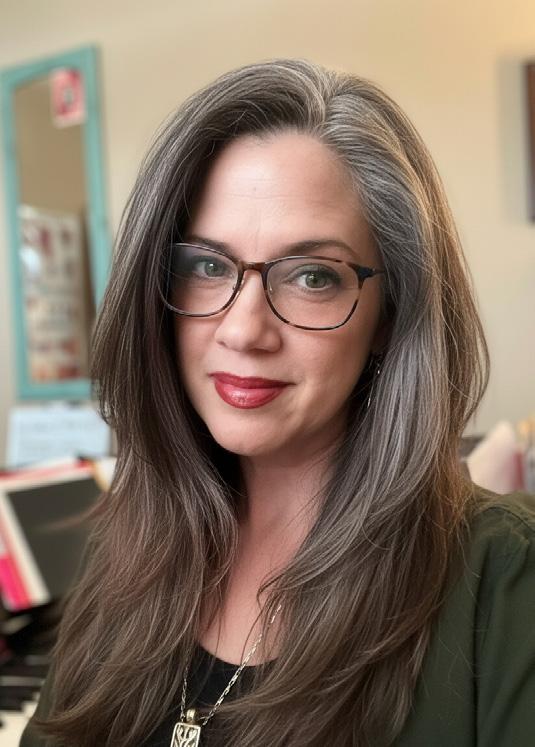
Dr. Juline Gilmore is the owner of Gilmore Voice Studio LLC and has taught hundreds of singers since 2002. She specializes in audition preparation and performance coaching, with students earning leading musical-theatre roles, placement in all-state ensembles, and admission to competitive college programs. A frequent clinician and adjudicator, she collaborates with regional arts organizations and high schools. A professional mezzo-soprano, she has performed more than 20 operatic and musical-theatre roles nationwide. Dr. Gilmore holds degrees from the University of Nevada Las Vegas, the University of MissouriKansas City Conservatory, and New Mexico State University, along with certification in commercial music from Shenandoah University. She resides in Erie, Colorado.
You’ve got to make the song your own!
By Priscilla Bagley
To a performing artist, the importance of making a song “your own” cannot be overstated… and it certainly isn’t! More than likely, we teaching artists have been on the receiving end of this advice from judges, directors, coaches and teachers. As industry professionals, we have probably doled it out pretty frequently, as well. Throughout my career, there certainly have been a number of singers who walked into the room already possessing a keen sense of themselves and their own voice. They had already developed a signature riff, vocal styling or some unique defining characteristics. Fantastic! But, that is not the majority. More often, the person in front of me is still “finding their voice” and developing a sense of who they are as an artist. So, when singers cover a song and are encouraged to make it their own, they may have little idea where to begin. I want to share some jumpingoff points that have proved helpful. The keys are to avoid imitation, observe punctuation and convert challenges into creative solutions.
mobile. Nevertheless, students will most often find one single recording and listen to it on repeat until they imitate every awkward breath, inaccurate rhythm, wrong note, hard r [ɚ] and diphthong … hook, riff and stinker! They won’t even realize it. So many singers take breaths in places that make ab. Solutely no sense, and for no reason ex. Cept that it was where they heard other. Singers breathe. Even some of our most universally beloved recordings are chock full of musical inaccuracies and/or vocal choices we would absolutely caution our students against.
“Variety’s the very spice of life.” — William Cowper
“Imitation cannot go above its model.” — Ralph
Waldo Emerson
Let’s first delve into what might be the biggest impediment to “making it your own.” Singers have a dependence upon listening to recordings to learn repertoire. This trend takes no prisoners and observes no boundaries across all ages and musical genres. Our pupils need to learn new vocal literature, but if they cannot read music, they depend entirely upon their ear to learn. This is not a recent development. Back in the “Olde Days,” I would go to the college campus music library, locate a vinyl record (if it existed, please merciful muses) and hope a listening room was available in order to hear the newly assigned song or aria. Then, I’d listen to that one diva about 20 times. Breaking the influence of that first recording is often harder and may take longer than learning a completely different song. My warning never changes: “Be very careful while you are learning. Practice does NOT make perfect; practice makes permanent!”
In this digital age, multiple recordings of vocal music are readily available online and listening is convenient and
Teaching artists are passionate about both being and building unique performing artists, not just vocal impressionists. The truth is that simply replicating that last iconic recording will not create the next iconic performance. A near exact imitation of another artist won’t help a singer “find their voice” or fully realize their own potential. To combat the issue of imitation versus creation at the collegiate level, my students were required to listen to six different artists’ recordings of the newly assigned repertoire and write a compare and contrast paper focused on the differences they heard. After listening to six different recordings in a row, students would write their observations in an informal stream of consciousness. By about song rendition number four, students had formed pretty strong opinions that were

occasionally insightful and often hilarious. Ultimately, this comparison exercise helped them develop a much more discerning ear.
Another resource to help avoid vocal impressions, if time or inclination allows, is if a teacher/coach records “plunk tracks” of the vocal line exactly as written by the composer. We can also create or help locate suitable accompaniment tracks for them to use while practicing. It sometimes feels like a priority or even a necessity to provide these services and resources in addition to vocal direction during their private lessons.
“Let’s eat, kids!” “Let’s eat kids!”
matters!
Observing punctuation may be the single greatest aid to “making a song your own.” In my experience, the quickest and easiest way to distinguish yourself from just about everyone else is to sing lyrics grammatically. Sounds overly simplistic? It’s much easier said than sung! Consider for a moment obstacles such as long sentences requiring tremendous breath control, written rests that awkwardly interrupt a phrase, intricate rhythms, plus hitting all those darn notes! Yet, how we shape a phrase is crucial to our personal expression and in conveying the intention of that particular text to our audience. When phrases are shaped observing punctuation and delivered in clear clauses and sentences, a better understanding is inevitable for artists and audiences, alike.
Try creating a monologue of the song. Extracting the lyrics from the music and analyzing their meaning allows vocalists to achieve a deeper understanding of the thoughts they are to convey. Turning the lyrics into a spoken monologue clarifies the shape of phrases as guided by punctuation, allows the natural lilt of the language to emerge and creates dramatic changes in character portrayal.1 Artists are able to more fully realize their subtext and personally connect to the material. This monologue exercise has elicited incredibly positive responses from clients. Performing artists feel more authentic and present in their performances. Monologuing the song text is also a fantastic tool to reinvigorate old
1 If the song selection is in a language foreign to the singer, a word-for-word translation is to be done. Do not depend on the English poetic translation typically found directly beneath the original language on sheet music for an accurate translation. Those English poetic translations are often rearranged to form a rhyme scheme, therefore the translated words do not align correctly. After translating word-for-word, artists can begin to analyze the text meaning, create subtext and then monologue.
repertoire. Look at tired text with new eyes, and it will brighten in the light of additional life experiences. Your color palette has expanded. What may have become dull can gleam when newly infused with current information. Music will grow and evolve with us.
“In
the middle of every difficulty lies
opportunity.” — Albert
Another fantastic opportunity to make a song “your own” can be located wherever the biggest challenges or obstacles within the piece exist. Most songs/arias have a few places that prove troublesome. But, those trouble zones themselves can become highlights. We are creatives, after all, so here is where we flex that muscle! I am a purist when it comes to classical repertoire, but I do not hesitate to rearrange or re-create a cadenza to best suit the artist in front of me. We will exchange standard optional high notes (“Opt Ups”) for alternative notes that are more successful for the vocalist, as long as they are tasteful, tonal and stylistically on point. Tempo and phrasing are usually the biggest playgrounds for classical singers. Andante ranges from 76-108 BPM, and allegro is 120-156, so obviously, we have flexibility. Even if a tempo is specifically notated, there is no point in being rigid to the detriment of the artist. The ideal tempo is the one that best suits whoever is currently performing the song. That being said, if too many accommodations have to be made, this particular piece may not be a good fit, and it may be time to replace it. The way we accelerate when we get excited or slow down to emphasize a point is unique to each of us. Finding that natural ebb and flow to each phrase and letting phrases breathe allows for authentic individual expression. In non-classical music genres, it is widely accepted that notes and rhythms are altered and adapted, though I suggest learning the song exactly as written first. Once the notes the composer actually wrote are learned, the text understood and vocal challenges discovered, laissez les bons temps rouler!! Is the song just a bit low on some notes? Rewrite that part of the melody line higher. Is the tessitura of the bridge a bit high? Add some downward riffs or “Opt Downs.”
While these adjustments are designed to troubleshoot and showcase strengths, they also highlight unique choices and create a customized version of the song.
Encourage artists to try anything and everything on this journey. Get ready for terrible sounds, sloppy riffs and atonal cadenzas. How many great voices crack and hit stinkers on their way to greatness? I daresay every single one. What a small price to pay for the exclusive seats we occupy as we witness their glorious discoveries.
Building and exercising that creative muscle is crucial. In the end, “making the song your own” is not just a critique, assignment, or advice — it is an artistic necessity.
Priscilla Bagley, founder of Motivate the Arts, has more than 30 years of voice teaching, coaching, and directing experience while performing internationally in opera, musical theatre, cabaret and concertizing with orchestras. Her private voice clients
NATIONAL
include Grammy Award, Tony Award, and Metropolitan Opera competition winners as well as Certified Platinum recording artists. She has worked in film, television and the recording industry since 1998, advocating for the inclusion of global music and diverse musical styles. She has been a proud NATS member since 1998 and an adjudicator for the National Musical Theatre Competition since 2020. She holds a master’s degree in music history and literature (G.A. conducting) and a bachelor’s degree in vocal performance.
June 7–14, 2026
Savannah, Georgia
Georgia Southern University Armstrong Campus
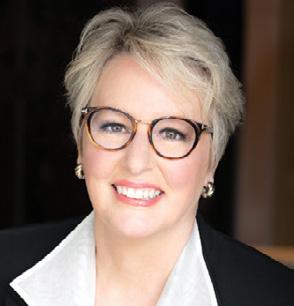
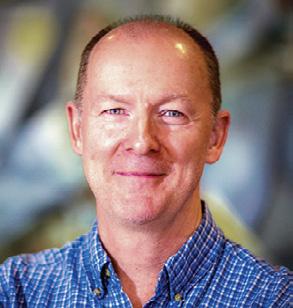
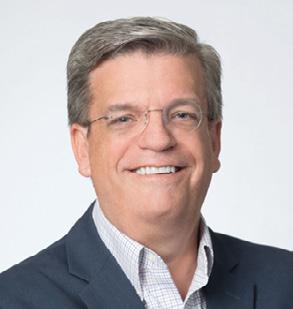
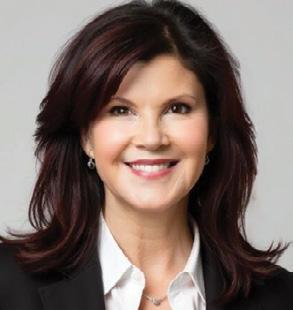

◾ UNDERSTAND the pillars of voice science: physiology, vocal tract acoustics, and cognition.
◾ LEARN how to apply science-informed voice pedagogy resources in your teaching.
◾ REFRESH your pedagogy course content.
◾ ALIGN your courses with the NATS science-informed pedagogy resources.
◾ RECEIVE mentoring in teaching.
◾ NETWORK with other teachers in the field.
Adynamic exchange of musical ideas has been underway since last fall when NATS paired 10 emerging composers with established art song composers for the 2025-26 NATS Mentoring Program for Composers
Now in its sixth season, the program continues to encourage early-career composers through mentorship, the creation of new works, and growing artistic community. Running from November to June, each mentormentee pair meets online regularly, often focusing on text setting while also exploring topics such as publishing, the industry, and avenues for career development. Overall, the program strengthens the voice teaching field by providing connection points with living composers and supporting the creation of new art song.
writing, including time management and overall well-being,” Sanz Escallón said.
He also reflected on the broader environment created by the program.
“The NATS Mentorship Program has allowed me to meet and learn from composers whose work I find inspiring and compelling,” he said. “Having finished my graduate studies, this program has helped me continue searching for the kind of music I find most worthwhile making and has given me a platform to share it with performers and listeners.”
Sanz Escallón emphasized the sense of openness within the cohort.
Composers Lori Laitman and Tom Cipullo serve as co-advisors and mentors again for the 2025-26 cycle. A central feature of the program is the NATS-commissioned song from each mentee premiered by the Cincinnati Song Initiative for the “Let It Be New ” concert series. This year’s streaming concert is scheduled for Sunday, June 28, at 3 p.m. ET. Past mentees also have had opportunities to share their work at various NATS events at the chapter, regional, and national levels.
“This program showed me there’s a diverse community of composers who are supportive and encouraging.”
— Steven Ward, composer mentee
As the program moves into the second half, participants reveal their experiences to date as rewarding both artistically and in fostering a sense of community.
Antonio Sanz Escallón, paired with mentor Scott Wheeler, has appreciated the encouragement and the support to try different options.
“I’ve enjoyed and learned very much from our conversations about compositional challenges and more practical aspects of
“There’s enough room for all kinds of composers to share the same space,” he said. “I’m most excited to hear the performances of my colleagues’ music.”
For mentee Steven Ward, paired with another Steven — composer Steven Mark Kohn, the mentorship has been both affirming and instructive.
“Steven [Mark Kohn] was not only a voice of reassurance to me in my process of composing the song, but he also was so generous with his advice on being a composer, the business of music sharing, and just making sure I was having fun in the process,” Ward said. “I, of course, love that he has a deep appreciation for American folk music, which is similar to me and my appreciation for African American spirituals. It was a rewarding experience.”
Ward said the program supported his development in unexpected ways.
“With virtually no formal music training, I had been reticent to take on the mantle of composer,” he added. “However, this program showed me there’s a diverse community of composers who are supportive and encouraging, and I was able to learn so much from the folks who I engaged with.”
Looking ahead, Ward is focused on the performance opportunity.
“I am looking forward to the process of taking what I’ve conceptualized in my music, seeing and hearing it brought to life by two top-notch performers, and sharing it with the
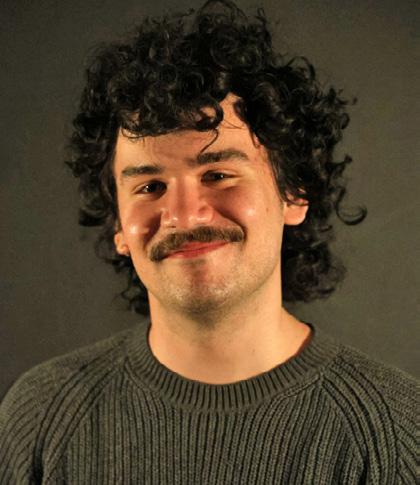

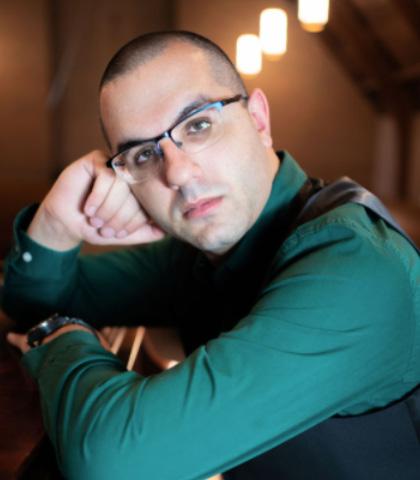
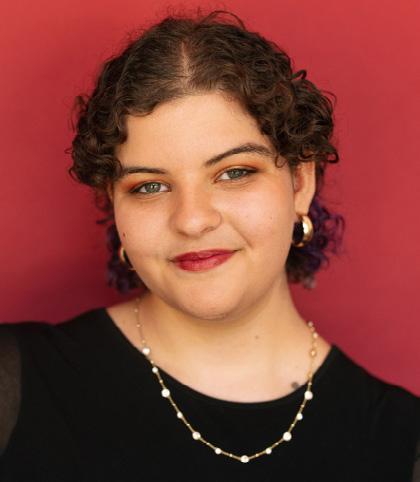
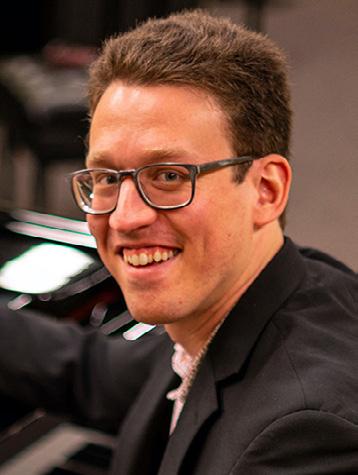

NATS community at the premiere,” he said. “It’s always so surreal for me to experience this, and I can’t wait to hear the other songs from the talented composers, too.”
Participant Clara Moniz, paired with mentor composer Juhi Bansal, is grateful to be part of the program and eager to make the most of the remainder.
“I have been working with Juhi Bansal, and what has stood out to me most is her ability to meet me where I am at across topics and provide me with a variety of resources to improve my work,” Moniz said. “I am always looking to get two things out of a mentorship: the knowledge and resources that the mentor has picked up in their own artistic journey, and their opinions that they developed as a result of that process.”
She added that this balance has been especially beneficial for her.
“I really appreciate how Juhi has been able to provide me with tools to draw my own conclusions, and suggest things based on her own artistry and opinions,” she explained. “With those two aspects of mentorship working together, I have noticed so much comfort in areas of my writing I was previously unsure about, and I have felt more freedom to experiment in the most comfortable aspects of my artistic practice.” Moniz also praised the extended professional development aspects of the program.
“It is rare to have a successful professional so consistently accessible to you as a young artist, free of charge,” she said. “The long-term format helps to develop a relationship and
understanding of career goals, musical tastes, and strengths and weaknesses over time, which only helps to make the mentor/mentee relationship more effective.”
Other mentees shared similar positive outcomes with their composition work.
“The meetings with my mentor went very well,” said mentee Lauren Biggs, paired with composer Jeffrey Mumford. “We were able to identify elements in my piece that were fleshed out in later drafts. We discussed the concepts in the poetry I chose and how my mentor would approach the text. Hearing a different perspective on the text and music was very helpful.”
Samuel Mason has embraced being more intentional with his approach after working with composer Tom Cipullo.
“Tom emphasizes keeping listeners on their toes and making sure every moment in a piece feels purposeful,” Mason said. “Before joining the mentorship program, I had reached the point where I could write fluently, but I wanted to take the next step in writing songs that remain engaging from beginning to end. Working with Tom has helped me become much more intentional about pacing, contrast, and dramatic momentum in my writing.”
For mentors, the experience continues to be equally engaging.
“This is my third round as a mentor,” said Scott Wheeler. “What I notice is that in all cases the mentee composers are
self-starters. This year my composer is also a talented poet, setting his own text.”
He added that it’s fulfilling to be part of the exchange.
“In all cases they like getting an outside eye and ear, but they have so much musical energy that they don’t need much from us,” Wheeler said. “It’s a pleasure to see this, and inspiring to be a part of it.”
Jeffrey Mumford also emphasized the broader significance of the program.
“I think this is a very important project, keeping alive one of the most intimate of musical genres,” Mumford said. “I am honored to be a part of it.”
Steven Mark Kohn particularly enjoys the creative aspects of the mentorship.
“As an artist it is a lot of fun to experience another artist’s original work,” Kohn said. “We have to approach things with a fresh eye and ear. As a mentor, my job is to respond to the composer’s work, offering honest reactions, while being respectful of their choices. It is a stimulating intellectual game, diving in, parsing through the material, discussing shaping, the type of language, dramatic concerns, talking about the creative process. It’s like a puzzle. I enjoy it.”
He also is looking forward to the culminating performances.
“The concert performance is, of course, the capstone moment,” he said. “Since they are all songs, there is a commonality, even a fellowship among the group. We are all telling stories, painting pictures, using the same sound palette of piano and voice. Even within that limitation, it is fascinating to see the wide range of style and contrast in the new works.”
As the cohort moves into the second half, all attention turns to collaboration with performers and the upcoming premiere
of each new commission. The culminating performances will showcase the results of months of creative work and offer a glimpse into the next generation of art song composers.
2025-26
Lauren Biggs
Yuko Kato
Charlie Kreidler
Samuel Mason
Michael McAndrew
Clara Moniz
Benjamin Morris
Antonio Sanz Escallón
Steven Ward
Mentor
Jeffrey Mumford
Jodi Goble
Stephen Eddins
Tom Cipullo
Lori Laitman
Juhi Bansal
Shawn Okpebholo
Scott Wheeler
Steven Mark Kohn
Adrian Wong Laura Schwendinger
NATS invites supporters to help fund the recording and production of these new works. A $600 contribution sponsors the commission of a song — allowing supporters to honor a loved one, friend, or mentee composer with a personal inscription. Sponsorships help defray recording and production costs for the “Let It Be New” concert where all mentee works will be premiered. Donors are recognized in the concert program and recording credits. This opportunity ensures that each new composition can be heard and enjoyed for years to come. To contribute, please visit our donation page
For Job Seekers: Discover opportunities specifically for voice professionals –completely free of charge.
For Employers: Reach more than 7,000 NATS members and other voice professionals through our targeted job postings. Listings are also featured in our weekly member email, Intermezzo. Posting Fee: $275 per listing.
Questions? Contact the NATS office at 904-992-9101 or info@nats.org.
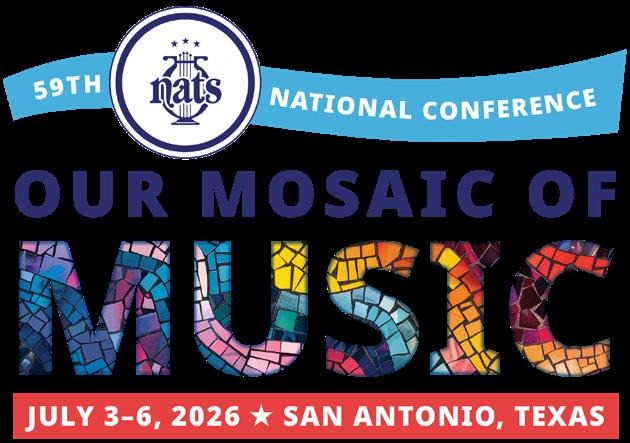
Join NATS members and voice pros from around the world for networking, learning sessions, recitals and much more!
The Conference Program book is distributed digitally to all attendees and features all-inclusive information of the day’s events. All ad placements are 4-color. Commemorative hard copies are available to registrants through advance order or on site.
Page size is 8.5” x 11.”
Back Cover
$2,000
Inside Front Cover $1,000
Inside Back Cover
Premium Full Page
Full Page
Half Page (horizontal)
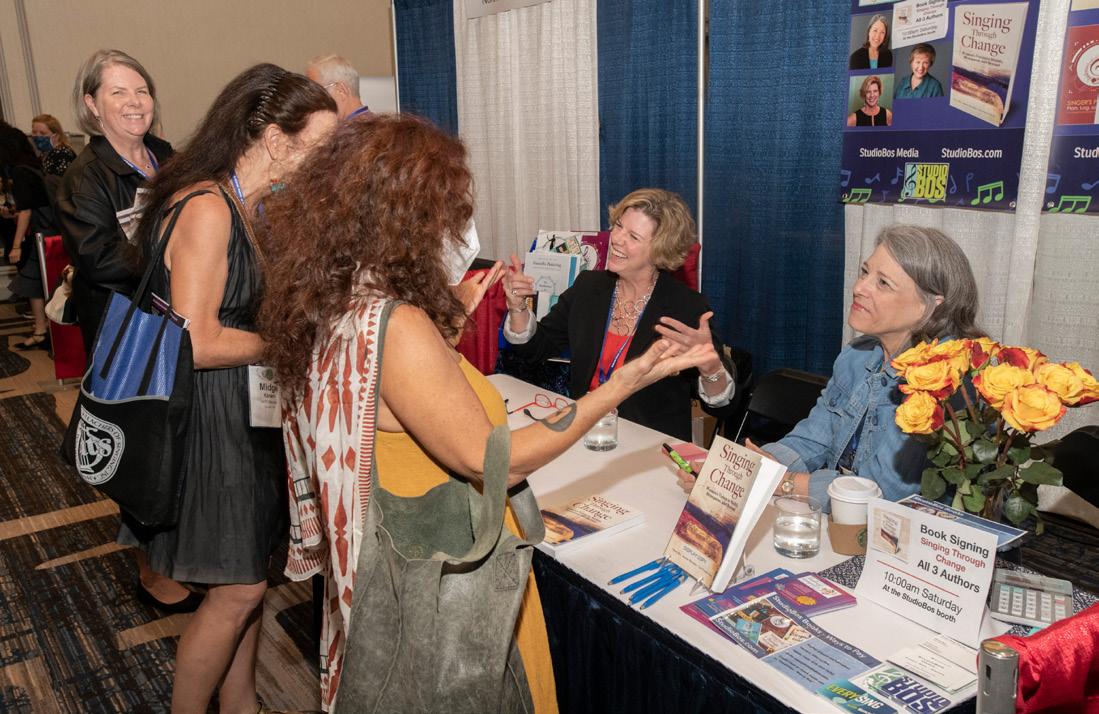
$1,000
. $700 (preferred placement)
$600
$500
Quarter Page (vertical) $400
Place your ad in one of the programs for the performances or NSA Finals. Ad placement is 4-color. Size is 7.5” x 2.5.”
Featured Artist Program
NSA Finals
NATSAA & NMTC Program
Art Song Composition Award Program
$850
$650
$450
$450
Each registrant will receive a bag with essential items to help them prepare for the week.
Flyer or materials: Standard rate $400 per insertion
Flyer or materials: Advertiser/ Exhibitor rate .
$250 per insertion
Reach attendees by e-mail in advance of their conference arrival and let them know about you. Your sponsored message will be delivered in June 2024.
Attendee E-Blast to conference registrants $325
Student E-Blast to NSA competition participants . . . . $250
Combined E-blast to registrants & NSA participants . . $550
More than 1,000 attendees come to learn, gather ideas, and shop. They cite the Exhibit Hall among the conference highlights. Space is 8’x10’ and includes one exhibitor badge. Each additional person in your booth must have a badge or be registered for the conference.
Exhibit Booth (One company per booth) $675 Additional Exhibitor Badge (Maximum two per booth.)
$350
Take this opportunity to showcase your brand with a guaranteed presentation session.
Premium Showcase Event—Featured event with 45-minute dedicated time slots .
Branded Resources
Attendee Bags Branded bags given to all attendees, student, exhibitors with conference materials.
$1,000
$2,500
Charging Station Power up attendees with signage featuring your brand. Limited availability. $1,500
Registration Badge Lanyards Add your brand to landyards given to all attendees.
$2,500
Water Station Signage with your brand. Only 5 available. $1,000
SPONSOR: $15,000 USD
Recognition:
The The biennial NATS conference offers exceptional exposure to the largest gathering of singing teachers in the world! Sponsorship opportunities center around our most popular events.
• Recognition as Grand Sponsor on all conference promotional materials and signage
• Secondary Performance Stage Naming Rights
• Public acknowledgment and recognition during Grand Opening Ceremony
• Pre-conference posts on NATS FB & IG
Includes:
• 2 complimentary conference registrations
• 2 complimentary tickets to Gala Reception
GOLD SPONSOR: $10,000 USD
Recognition:
• Recognition as Gold Sponsor on conference promotional materials and signage
• Public acknowledgment during Grand Opening Ceremony
• Pre-conference posts on NATS FB & IG
Includes:
• 2 complimentary conference registrations
• 2 complimentary tickets to Gala Reception
$5,000 USD Recognition:
• Recognition as Silver Sponsor on conference promotional materials and signage
• Public acknowledgment during Grand Opening Ceremony
• Pre-conference posts on NATS FB & IG Includes:
• 1 complimentary conference registration
• 1 complimentary ticket to Gala Reception
BRONZE SPONSOR: $2,500 USD
Recognition
• Recognition as Bronze Sponsor on conference promotional materials and signage
• Public acknowledgment during Grand Opening Ceremony
• Pre-conference posts on NATS FB & IG
Visibility
• Premium Exhibit Booth
• Advertisement banner on conference app
• Half-page ad in conference program (print and digital)
• E-blast to all conference attendees (approximately 500+)
To reserve your space, contact us at (904) 992–9101 or conference@nats.org • nats.org/sanantonio2026
Visibility:
• 60-second promo video during Grand Opening Ceremony
• Premium exhibit booth
• Banner ad on Guidebook, conference mobile app
• Premium full-page ad placement in conference program (print and digital)
• Flyer insert in attendee bags
• Pre-conference E-blast to entire NATS membership (approximately 7,000)
• E-blast to all conference and NSA attendees (approximately 1,000+)
Visibility:
• Premium exhibit booth
• Banner ad on conference app
• Full-page ad in conference program (print and digital)
• Flyer insert in attendee bags
• E-blast to all conference and NSA attendees (approximately 1,000+)
Visibility:
• Premium exhibit booth
• Banner ad on conference app
• Full-page ad in conference program (print and digital)
• Flyer insert in attendee bags
• E-blast to all conference registrants (approximately 500+)
PLENARY SPONSOR: $1,500
• Recognition as Plenary Sponsor on conference promotional materials and signage
• Public acknowledgment during Grand Opening Ceremony
• Pre-conference posts highlighting your business on NATS FB and IG channels.
• Exclusive opportunity to personally introduce one of our highprofile plenary sessions.
• Logo and recognition on session’s opening slide
COFFEE BREAK OR RECEPTION SPONSOR: $1,500 (Coffee break, Intern Reunion, Journal of Singing Luncheon, Student Reception)
• Recognition as Coffee Break or Reception Sponsor on conference promotional materials and signage
• Public acknowledgment during Grand Opening Ceremony
• Pre-conference posts highlighting your business on NATS FB and IG channels.
• Exclusive recognition and signage during sponsored event.
Leadership team will be installed at the 59th National Conference in San Antonio
The National Association of Teachers of Singing has elected officers for the 2026-2028 term and will install the leadership team during the organization’s biennial business meeting on July 7, 2026, at the 59th national conference in San Antonio, Texas.
Newly elected officers include:
• President-Elect Nicholas Perna
• Vice President for Auditions Casey Carter
• Vice President for Outreach André Chiang
Reelected for second terms:
• Secretary/Treasurer Holly Bewlay
• Vice President for Membership Lily Guerrero
• Vice President for Workshops Kevin Wilson
Randall Umstead was installed as president-elect in 2024 and will be installed as the organization’s president. Alexis DavisHazell will serve on the board as immediate past president. Thank you to all active NATS members who participated in voting, which closed November 1. NATS National Officers
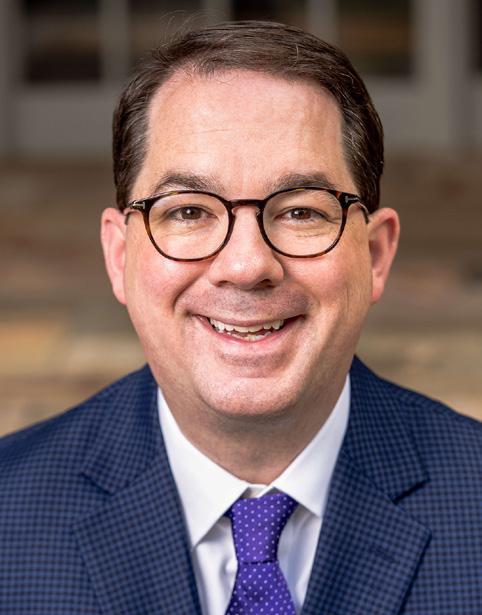
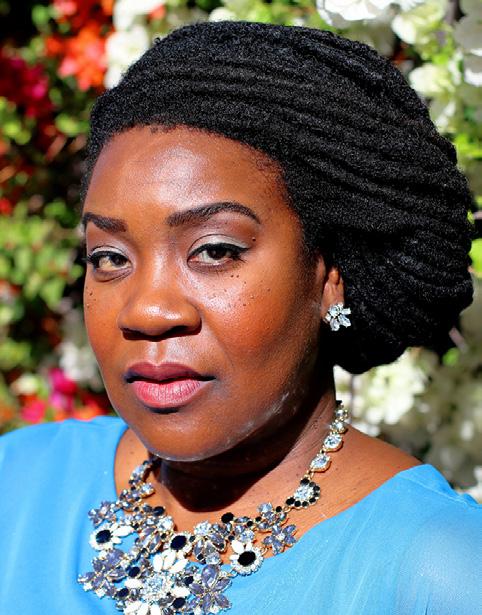
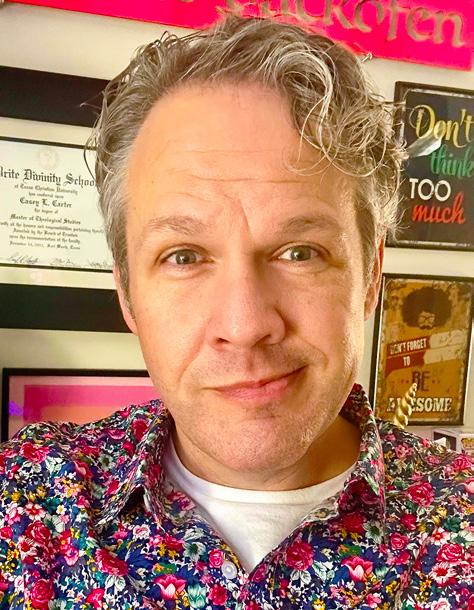
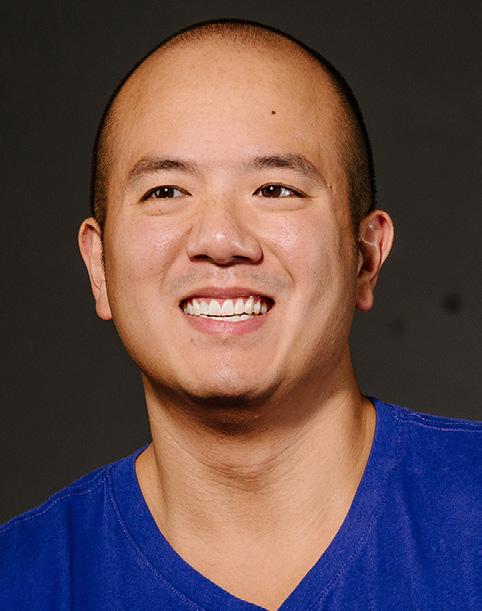
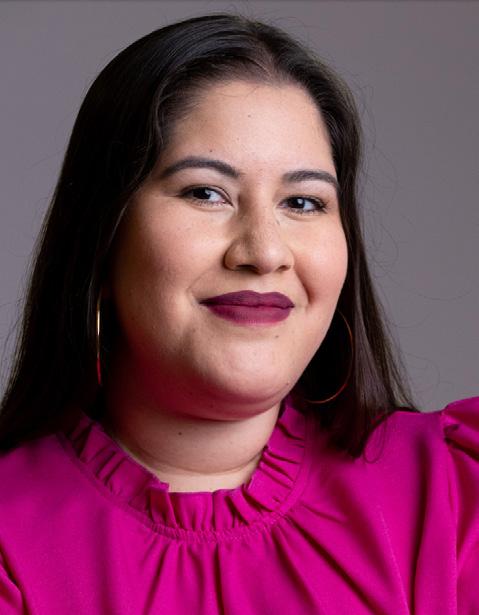
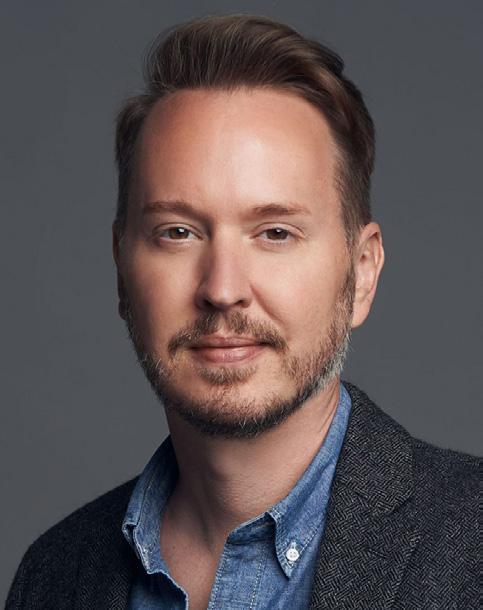
By Jen Jimenez, NATS Development Director
Thanks to the generosity of NATS members, colleagues, family, friends, and arts advocates, NATS successfully endowed five funds in 2025, ensuring enduring legacies for the members they honor, and students and teachers they recognize. In alignment with NATS investment policy, a fund must reach the threshold of $25,000 before reaching endowment status. This ensures significant continued support for annual and biennial awards in perpetuity.
With these new endowments come new opportunities for NATS members to be celebrated for their contributions to the teaching of singing, as well as students and early-career singers to be rewarded for their commitment to the discipline and art of performance.
NATS sincerely thanks all those who made these endowments possible.
The Ellen Faull Master Teacher Fund is in honor of the late Ellen Faull, an esteemed American soprano and distinguished voice teacher, who made significant contributions to the world of opera and vocal pedagogy throughout the 20th century.
This endowment ensures that Faull’s legacy will continue with the naming of a Master Teacher in the NATS Intern Program each year. Beginning in 2025, an Intern Program Master Teacher was honored with the title of the Ellen Faull Master Teacher. This title supports the ongoing cultivation of exceptional voice teaching talent within the NATS community.
The endowed funds will not only support a Master Teacher, but the Intern Program overall — one of the most consequential NATS programs open to all members.
The Gerald Ginsburg Repertoire Prize is in honor of the late composer Gerald Ginsburg, a prolific composer who set hundreds of poems to music in his 50 years of artistic output.
In 2025, NATS announced a new partnership with the Herman, Rebecca, and Gerald Ginsburg Foundation to establish a new prize at the 2026 National Student Auditions.
The Gerald Ginsburg Repertoire Prize will award $1,000 to a student in the Post-High School Classical categories who performs at least one of Ginsburg’s compositions in the YouTube, semifinal, or final rounds. The award is made possible through a $25,000 contribution from the Ginsburg Foundation to endow the prize, ensuring its continuation for years to come.
To ensure Ginsburg’s repertoire is readily available to all NATS teachers, the association is expanding its partnership with the foundation to make select Ginsburg songs available at nats.org. Thanks to the tremendous work of the Ginsburg Foundation’s trustees, Ruth Rosenberg and Paul Lincoln, NATS members will be able to access the select scores in both PDF and Sibelius formats free of charge.
Dr. Kari Ragan, NATS member and host of the popular NATS Chat webinars, launched a campaign in 2024 with a challenge grant of $10,000 in hopes of inspiring Faull’s colleagues and former students to join her in reaching the campaign goal of $25,000. The Ragan family, including Kari’s sister, Daryl, have been steadfast supporters of this effort, making additional gifts beyond the initial $10,000 challenge. With the support of the Ragan family and additional generous donors, the campaign goal was not only met but surpassed with a total of $26,689 raised.
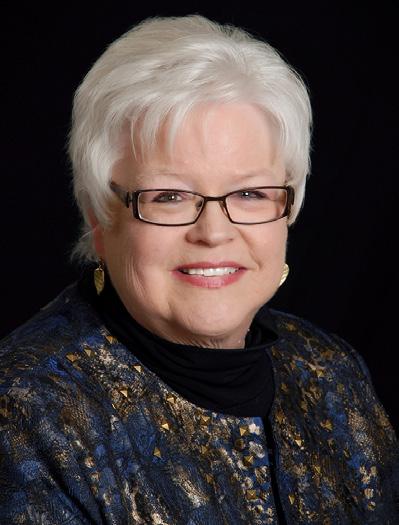
The Karen Brunssen Award is in honor of Karen Brunssen, a steadfast volunteer, loyal supporter, and 2024 NATS Impact Award winner. Brunssen has selflessly served NATS in several capacities over the past 35 years. She served as national board president (20182020), program chair for the 54th NATS National Conference (2016), NATS Intern Master Teacher (2013), governor of NATS Central Region, and vice president and president of the NATS Chicago
Chapter where she started the annual voice competition. She is the author of The Evolving Singing Voice: Changes Across the Lifespan and is a frequent clinician, performance class teacher, panelist, adjudicator, and presenter worldwide. Currently, Brunssen chairs the advancement committee and is co-director of NSA Generations, the new NSA alumni program.
This endowment will support an annual cash award of $1,600 to the first-place winner in Category 7 Upper Classical Treble at the NATS National Student Auditions. The award will be presented during the 2026 NSA Finals in July in San Antonio, Texas. This award supports the significant growth in participation and level of talent that NSA has seen since the national semifinals and finals began in 2014.
NATS sincerely thanks Brunssen and the many donors who made this endowment possible through their generous contributions. The endowment of the Karen Brunssen Award will ensure a legacy of singing classical repertoire for years to come as part of the National Student Auditions
The Bill Hayes Award is in honor of the late Bill Hayes, a classically trained tenor. Hayes starred in the weekly television series, “Your Show of Shows,” as a lead in the original Broadway cast of Me and Juliet, as well as numerous Broadway musicals, before accepting the role of Doug Williams on the long-time running daytime television drama, “Days of Our Lives.”
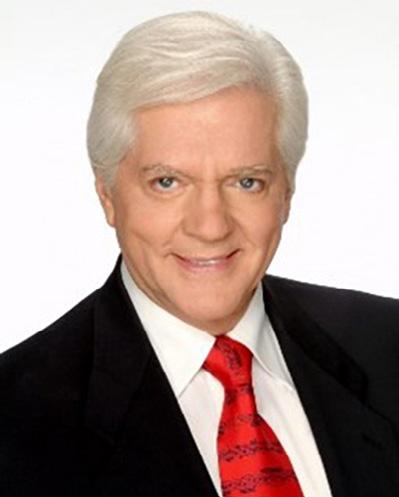
In 2016, Hayes was awarded the NATS Lifetime Achievement Award for his innumerable contributions to singing, the voice profession, and the performing arts industry. In that same year, at the NATS biennial National Musical Theatre Competition, the Bill Hayes Award endowment campaign was initiated to fund the fourth-place prize in the finals competition. In 2025, thanks to endowing donors and longtime NATS members, Joanne and Ken Bozemann, as well as many additional generous donors, the prize increased from $750 to $1,500. The successful endowment of the prize also ensures the fund’s longevity while celebrating Hayes’ legacy.
Moving forward, the Bill Hayes Award will support the fourth-place winner at the 2028 National Musical Theatre Competition with a prize of $1,500. Also, the endowment for
the Bill Hayes Award will support a new Rising Star Award, providing a $1,000 prize to one non-finalist to support continued professional training in musical theatre.
The Rick Walters Award is in honor of the late Rick Walters, a cherished friend of NATS, whose profound contributions to the world of vocal music publishing continue to resonate within our community. His illustrious career at Hal Leonard spanned four decades, leaving an enduring legacy within the realm of music publishing. Beginning as a transcriber of popular sheet music, Walters rose to become the vice president of classical and vocal publications.
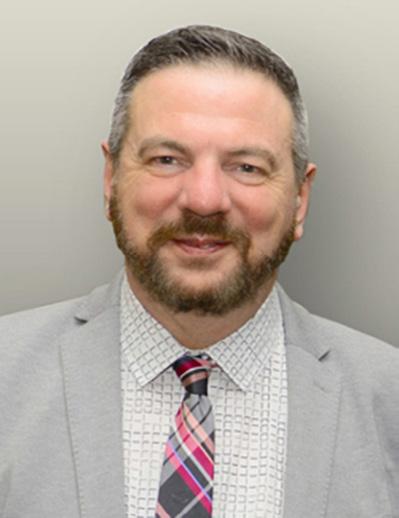
Among Walters’ achievements was the establishment of the Hal Leonard Vocal Competition in 2011, the industry’s first all-YouTube contest for vocal students. This initiative not only earned widespread respect but also propelled numerous students into successful singing careers. His projects included the Singer’s Musical Theatre Anthology series, the Hal Leonard Vocal Library series, Schirmer Performance Editions series, and collections of music by Benjamin Britten, Samuel Barber, Stephen Sondheim, and Mel Brooks.
In recognition of his extraordinary contributions to vocal music education, NATS is pleased to name the first-place prize in the Upper HS Musical Theatre TBB category in the final round of the National Student Auditions, the Rick Walters Award.
NATS would like to sincerely thank the many generous donors who made this endowment possible, particularly the many friends of Walters, for their enthusiasm and commitment to honoring his legacy. Because of their generous support, the Rick Walters Award will be awarded at the 2026 National Student Auditions finals in San Antonio.
In honor of his steadfast commitment to preserving and presenting essential vocal repertoire, one of the association’s generous donors has established musicforsingers.com, featuring quality repertoire for singers. A portion of proceeds from the site will go toward the Richard Walters Memorial Fund. Please visit musicforsingers.com for more information.
If you have questions or would like to discuss how you can help support a NATS endowment fund, please contact jen@nats.org or (904) 586-3395.
Thank you for transforming lives through the power of singing!
Dear colleagues,
2025 was a time of impactful philanthropic campaigns which supported transformative initiatives such as the NATS Intern Program, National Music Theatre Competition, and the NATS National Student Auditions. NATS 81st year also brought the launch of NSA Generations - NSA Alumni Program, as well as our annual Lift Your Voices Day of Giving, supporting NATS Circle of Friends Annual Fund. Thank YOU to our
■ Benefactor - $5,000+
Karen A. Brunssen
Janet Day
Herman, Rebecca & Gerald Ginsburg Foundation
Lori Laitman
Lorna MacDonald
Kari Ragan
Lisa Reagan Love
Linda Snyder
■ Investor - $2,500 - $4,999
Robert Bastian
Julie and Josh Krugman
Jolie Stratton
■ Patron - $1,500 - $2,499
Diana Allan
American Spiritual Ensemble
Casey L. Carter
C. Earl Coleman, Jr.
Daniel Johnson-Wilmot
Nicholas and Mandy Perna
Ruth Rosenberg
■ Leader - $1,000 - $1,499
Sondra Bennett
Jeffrey Carter
members, families, friends, and those in the music community at-large who donated their time, talents, and treasures to ensure NATS growth and success as we continue to transform lives through the power of singing. I welcome the opportunity to collaborate with our members on creative and engaging campaigns as we set fundraising goals in 2026.
Happy Singing, Jen Jimenez, Development Director
NATS North Carolina Chapter
Heidi Wylie
■ Advocate - $500 - $999
Carole Blankenship
The Estate of Joan Boytim
Joanne and Ken Bozeman
Martha Coffin Evans
Brian Dillard
Sarah Holman
Julie Jones
Grace Jones
Michelle Markwart Deveaux
NATS Ontario Chapter
Todd Queen
Frank Ragsdale
James Rodriguez
Timothy Schmidt
Richard Sjoerdsma
Stephen Sudik
Craig Tompkins
Randall Umstead
Clifton Ware
■ Partner - $250 - $499
Janice Betts
Theresa Brancaccio Hansen
Torin Chiles
Christin Cornell
Elizabeth Daniels
Debra Darnell
Alexis Davis-Hazell
Rachel Goldenberg
Sam Handley
Allen Henderson
Leslie Holmes
Ian Howell
Daniel Hunter-Holly
NATS Kentucky Chapter
Cynthia Lawrence-Calkins
Dana Lentini
J. Adam Shelton
Justin Swain
Patricia Weis
Robert Wells
■ Supporter - $100 - $249
J. Robert Adams
Diane Aguirre
Ivalah Allen
Eden Badgett
Kelly Balmaceda
Mary Saunders Barton
Alisa Belflower
Holly Boaz
Frances N. Brockington
Mark Calvert
Robert Chafin
Anh Chinn
Katherine Ciesinski
Rebecca Coberly
Mark Crayton
Judy Curtis
Margaret Cusack
Susan Dantoni
Wayne Davis
Robert Dent
Darla Diltz
Jan Douglas
Michael Edward Walsh
Kathleen Egan
Laura Enslin
Ellie Escher
Alison Feldt
Bronwen Forbay
Diane Foust
Geoffrey A. Friedley
Tom Hogan and Sharon Frost
Gregory Gardner
Nedra Gaskill
Brian Gill
Matthew Green
Lilliana Guerrero
Joan Gursky
Douglas Hatfield
Theresa Hanson
Evelyn Harris
Freda Herseth
Barbara Hill Moore
Rae-Myra Hilliard
Matthew Ryan Hoch
Bianca Jackson
Nancy Jantsch
Jen Jimenez
Glendower Jones
Susan Jones
Joan Jurenas
Claudia Kennedy
Ronald Land
Robert Lewis
Cynthia Linton
David D. Kolb and Louise C. Kolb
Richard Margison
Susan Matsuki
Lori McCann
Everett McCorvey
Rick McGuire
Michelle McIntire
Patrice Michaels
Patricia Miller
Erie Mills
Carol Modesitt
Sarah Monaco
Amanda Moody-Schumpert
Christine Moore Vassallo
Wendy Mullen
John Nix
Christina O’Meally
Susan O’Brien
Kay Smith Paulsen
Rebecca Pieper
Reginald Pittman
Roma Prindle
Jan Prokop
Martha Randall
Keely Rhodes
Brent Richardson
Shawn Roy
Loraine Sims
Catherine Smith
Gregory Smith
Jeffrey Snider
NATS Southern Region
Norman Spivey
Deborah Thurlow
Nina Tober
Louise Toppin
Emily Truckenbrod
Katie Tupper
Marina V. Gilman
Dana B. Vachharajani
Shelby VanNordstrand
Cynthia Vaughn
Susan Waddell
Richard Weidlich
Kelly Yeoman
■ Contributor - $5 - $99
Mimi Adams
Mara Adler-O’Kelly
Laurence Albert
Dana Anderson
Alfonse Anderson
Patricia Applegate
Laurissa Backlin
Linda Balzotti
Susan Bardsley
Rachel Barnard
Morgan Bartholick
Lorraine Beadell
Julianne Lungren Best
Felicia Betts
James Betts
Holly Bewlay
Kelly Bidle
Randall Black
Jeremy Blackwood
Gayla Blaisdell
Gregory Brookes
Melinda Brou
Lindsay Brown
Therese Bulat
Alfreda Burke
William Caldwell
Donnalee Carroll
Henrietta Carter
Troy B. Castle
Helen Ceci
Katherine Cheezem
Mary Crawford
Laura D’Avella
Sarah Daughtrey
C.M. Van Syckle-Fortsch
Osceola Davis-Smith
Tony Deaton
Jane DeHaan
Carol Depke
Norman DeVol
Bonnie Draina
Michael Emshwiller
Joan Epstein
Carol Joy Evans
Constance Fee
Melodee Fernandez
Leslie Flanagan
D’Anna Fortunato
Stephanie Fox
Eduard Franti
Margaret Garrett
Beatrice Bergér Gee
Amy Giles
Yanik Giroux
Kathy Gunn
Joe Gursky
Christina Haldane
Angela Hanford
Alyson Harvey
Jennifer Haworth
Melissa Heath
Joyce Henery
Charles L. Higgins
Marian Hoffman
Melissa Holm-Johansen
Jana Holzmeier
Randolph Houston
Becca Howe
Lucy Hoyt
Andrea Jarmon
Joseph Jimenez
Teri Johnson
Kerry Johnson
Sharon Johnson
Marla S. Jones
Meri Kettunen
Melisa Klausner
Marjory Klein
Susan Kosel
John Kramar
Marika Kyriakos
Serena Laroche
Samantha Laumann
Eleanor Leak
Brian Leeper
Agnieszka Lejman
Phyllis Lewis-Hale
Carol Loverde
Lisa Lowry
Pamela Lynde
Brandon Marcus
Kathleen Martin
Jeanne Masterman
Puja Mathur
Margery S. McCrum
Catherine McDaniel
Andrew McDonald
Michael McHugh
Deirdre Michael Mechelke
Beth Milstein
Sharon Mirchandani
James Moore
Les Moore
Eva Moos
Miyuki Mori
Mutsumi Moteki
Ingrid Mueller
Anouchka Mukherjee
Pam Murphy
Ayumi Nakamae
Lynda O’Gallagher
Sandra Oberoi
Antoinette Olivier
Jordyn Palmer
Rena Panush
Maneesha Patel
Paul Patinka
Cathy L. Pescevich Kreplin
Linda Peting
Anne Petrie
Linda Poetschke
Suzan Ben-Poorat
Kathy Price
Blythe Quinlan
Janet K. Rabe-Meyer
Lorraine Reinhardt
Jamie Reimer Seaman
Sylvia Rivers
Carol Roberts
Lorraine H. Robinson
Laura Rushing-Raynes
Christina Russo
Chad Ruyle
Rebecca Salter

Christine Sanders
Peter John Santogade
Karen Saxon
Sherry Scanza
Mary Ellen Schauber
Marti B. Schert
Kelly Scott
Christine Seitz
Sharon Selser
Phyllis Shulman
Kathleen Silverstein
Jenna Sims
Alison Slade
Tara Slade
Debbie Smith
Alethia Smith
Russell Smythe
Bettejean Spatafore
Mia Spencer
Sophia Stratton
Drew Stutz
Kristen Sullivan
Arisa Sullivan
Kirstin Synnestvedt
Joseph Talleda
Sean Taylor
Peter Thoresen
Dale Throness
Jacqueline Titus
Patricia Toledo-Seiser
Judith Tomsko
Michela Treharne
Danan Tsan
Shirley Umstead
Lynne Vadala-Doran
Claire Vangelisti
Rodney VanNordstrand
Bingchuan Wan
Nicholas Whitling
Deborah Williams
Kaylee Williams
Joy Willow
Jennifer Wilson
Douglas Wilson
Nathan Windt
Susan Witt-Butler
■ Sponsors
Art Song Transpositions
Appcompanist, LLC.
Full Voice Music
Ipsilon Music Press
Manhattan School of Music
My Music Staff
Plural Publishing, Inc.
Pop Nation Canada
Remenyi House of Music, Ltd.
Royal Conservatory of Music
The Full Voice
VocalMist
September 2025 – March 2026
Katherine Ardo
Gretchen d’Armand
Erik Johanson
Dorley Lerud
Karen Smith
Catherine Young
NATS is celebrating its 82nd birthday with a limited-time merchandise fundraiser!
Every purchase supports the Circle of Friends Annual Fund, ensuring NATS can continue its mission-driven work of serving the professional and personal development of members in the classroom, onstage, or at the voice lab.
Purchase your NATS swag today and show support at your next event!
Available now through April 8.
Shop the Collection