



9
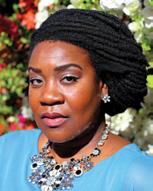
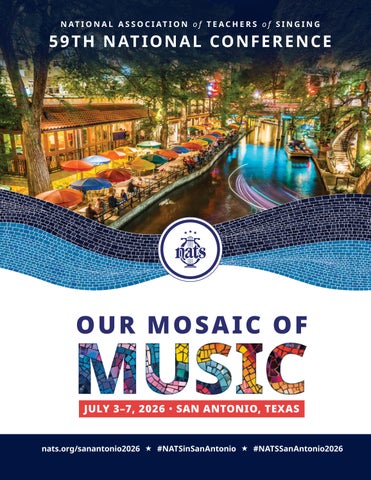
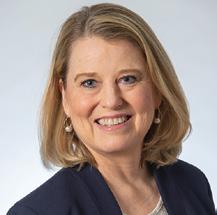
Welcome to the 59th NATS Biennial National Conference in San Antonio . It is a joy to gather at a moment that is both professionally and historically significant. As we convene this July, coinciding with the 250th anniversary of the United States, we are invited to reflect on our shared work within a global community of artists and educators, united by a commitment to excellence in singing .
Membership associations like the National Association of Teachers of Singing are more than professional service organizations; they are communities of practice that sustain credibility and continuity in our field. At our national conference, these values come to life through connection, scholarship, and artistry . Conferences are not only collaborative gatherings, but catalysts that inspire standards and shape new visions for the future.
This year’s theme, Our Mosaic of Music, reflects the richness of our shared endeavor. Each of us brings a distinct voice, experience, and perspective, forming a vibrant and evolving whole. In San Antonio, our mosaic is revealed through the exchange of ideas, the celebration of performance, and a communal pursuit of growth that transcends borders and traditions .
Here, pedagogy, performance, and innovation intersect through sessions on vocal health and voice science, repertoire exploration, and engagement with emerging technologies and methods. We gather not only to learn, but to contribute by listening deeply, sharing generously, and expanding what is possible in our teaching and artistry. I encourage you to fully immerse yourself in this experience: attend, connect, reflect, and create. Through our presence and participation, we “catch the vision” of NATS and carry it back to our respective communities.
Thank you for being an essential part of Our Mosaic of Music . Your presence strengthens our collective commitment to the protection and advancement of the profession .
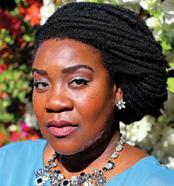
Alexis Davis-Hazell
NATS President (2024-2026)
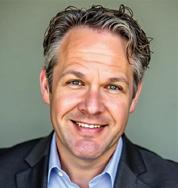
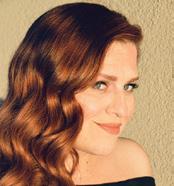
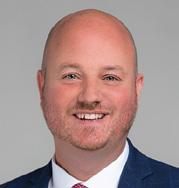
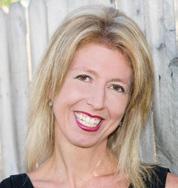

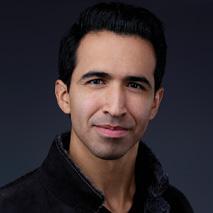
May I be among the first to welcome you to the Texoma Region and the Lone Star State! Whether this is your first national conference or your twenty-first, I’m confident you’ll find a memorable adventure at Our Mosaic of Music .
We invite you to DISCOVER music that tells the stories and spirit of the Texoma Region and the broader Americas through our opening and closing ceremonies; EXPLORE and fill your cup with one of the most diverse arrays of breakout sessions, mini-recitals, and poster presentations ever featured; CONNECT with colleagues through the Region Luncheon, deepen community through Affinity Group gatherings, and get your dancing shoes ready as we celebrate our Lifetime Achievement Recipients at the NATS banquet; and ENCOUNTER the extraordinary performances from NATS music-makers, including the NSA finalists, 2026 NATSAA winner Josefina Maldonado, NMTC winner Olivia Hellman, and Art Song Composition winners James Hurley and Raphael Fusco. While the Texas weather may be sizzling, we promise to keep things cool indoors — you may need a light layer. Enjoy the River Walk, indulge in Tex-Mex, and most importantly, dare to set your device aside to truly connect with some of the finest colleagues on the planet these next few days.
Thank you for making the stars shine brighter, deep in the heart of Texas.
Casey L. Carter
59th NATS National Conference Committee Chair

The 59th NATS National Conference would not be possible without the generous support of our sponsors, whose partnership helps us continue our mission of transforming lives through the power of singing. We invite attendees to visit the conference webpage to learn more about these valued organizations and join us in applauding their commitment to the vocal arts community .



https://builder.guidebook.com/g/nats59/



Furman University (Bronze Sponsor)
Baylor University
Belmont University
Boston Conservatory at Berklee
Boston University School of Music
Iowa State
Louisiana State University School of Music
Oklahoma Baptist University
Peabody Institute at the Johns Hopkins University
SMU Meadows Music
Texas A&M University - College of Performance, Visualization & Fine Arts
University of Alabama School of Music
University of the Incarnate Word Department of Music
University of Colorado Boulder College of Music
University of Texas at Austin
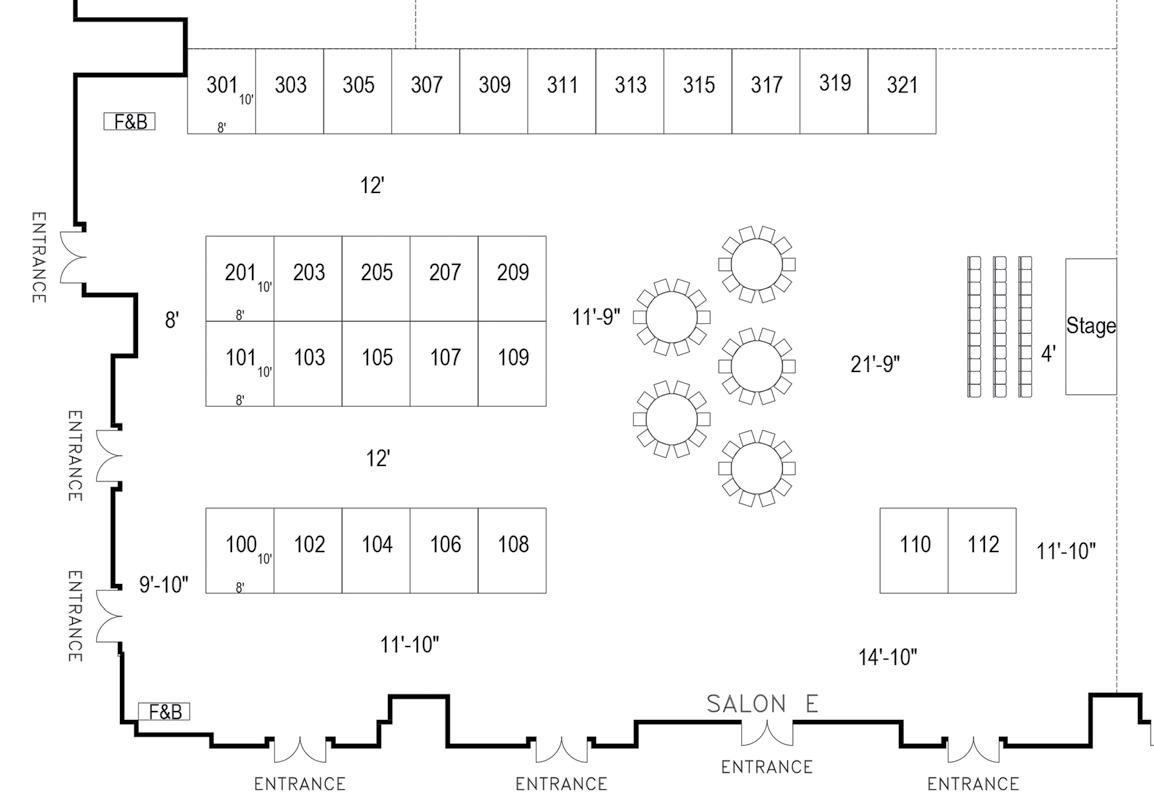
Explore the Exhibition Hall and connect with the organizations and businesses that are advancing the vocal arts. Discover innovative products, services, and resources while networking with colleagues and exploring new opportunities from across the industry!
Saturday, July 4, 2026 • 11:00am - 5:00pm
Sunday, July 5, 2026 • 10:00am - 5:00pm
Monday, July 6, 2026 • 9:00am - 4:00pm


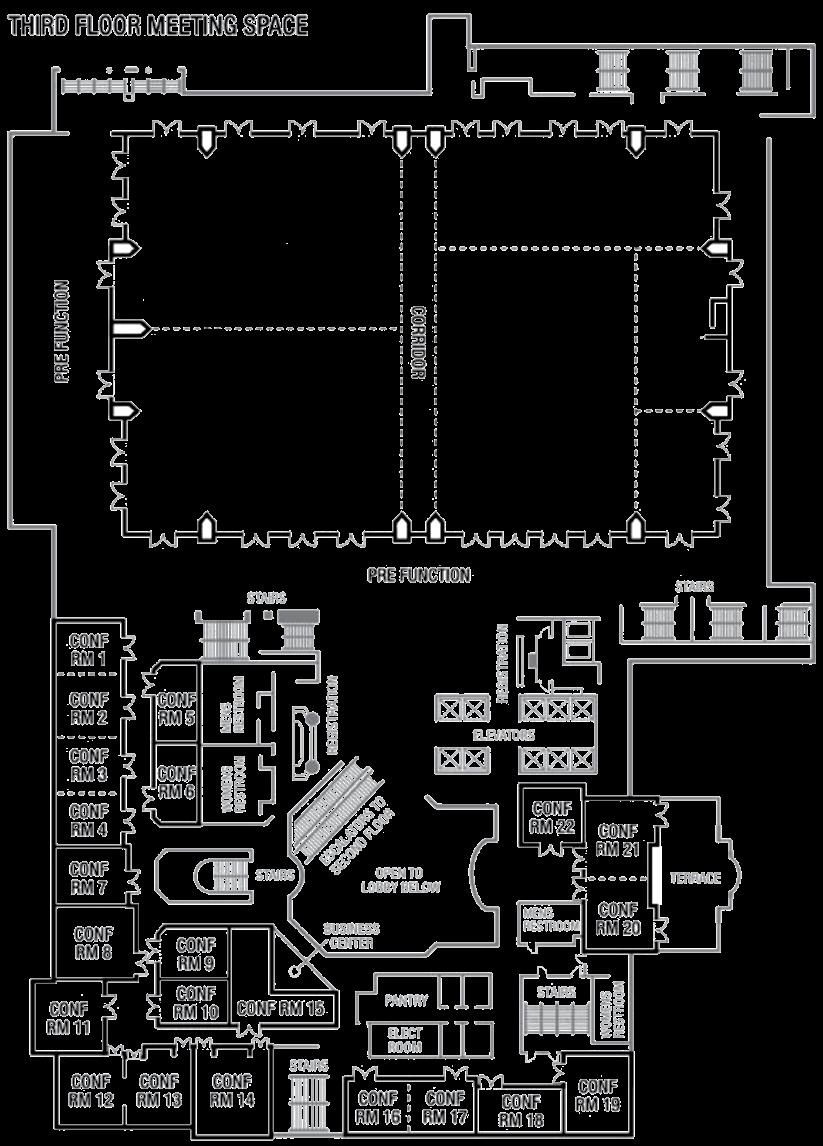
59th NATS National Conference
Salon I The Appcompanist Stage: Plenary, Breakout and Headlining Concert
Salon B The Reflux Gourmet Stage: Plenary and Breakout Sessions, Featured Finals and Concerts, Banquet
Salon E Exhibit Hall featuring The Alamo Music Center Stage: Mini Recitals and Hospitality
Salon J Breakout Sessions
Salon K Breakout Sessions
Salon M Breakout Sessions
CR 20/21 Breakout Sessions and Special Events

FRIDAY, JULY 3
Download the Guidebook app or visit nats.org to view presenter bios.
— Schedule Subject to Change —
FRIDAY, JULY 3
All events taking place at the Marriott Rivercenter
NSA
7 a.m. 2nd Floor Atrium
NSA Registration
8 a.m. 2nd Floor Atrium
*Mandatory* Meeting and Check-In for all NSA Competitors
9 a.m. - 9 p.m. 2nd and 3rd floor conference rooms
NSA Scheduled Rehearsal & Semifinals (CL, HJ, MT, and CM Categories)
AuditionCon
10 a.m. - 5 p.m. 2nd floor Atrium
AuditionCon Expo
The AuditionCon Expo offers NSA singers and conference attendees the opportunity to connect directly with colleges, universities, and institutional partners from across the country Explore academic programs and learn more about opportunities in vocal study and career development .
Pre-Conference Events
3 - 5:30 p.m. 3rd Floor
Early Conference Registration Open



SATURDAY, JULY 4
7:30 a.m. - 4 p.m. 3rd floor
Conference Registration Open
7:30 – 9 a.m. 3rd floor
Welcome Coffee & Hospitality
Special thanks to the Texoma Region for sponsoring the welcome coffee. We are grateful for the warm Texas hospitality and generous support as we gather together for the conference .
Plenary Session
9:00 – 11:00 a.m. Salon I
Opening Ceremony: Our Mosaic of Music
Presiding: Alexis Davis-Hazell, NATS President Keynote Speaker: Melissa Greenblatt, NATS Executive Director
SATURDAY, JULY 4
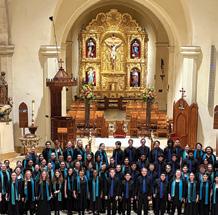
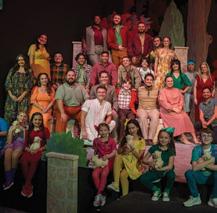
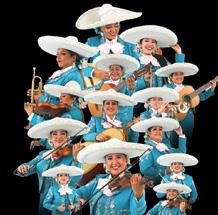
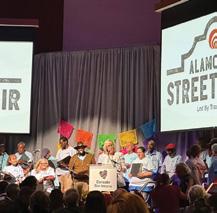
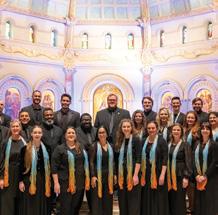
The 59th NATS National Conference opens with a vibrant celebration of singing, community, and cultural heritage in the heart of San Antonio In honor of the 250th anniversary of the United States, this inspiring program reflects the rich mosaic of traditions that shape both the nation and this historic city . The opening ceremony features a dynamic lineup of regional artists known for artistic excellence and community engagement, including acclaimed artist Rafael Moras; the Children’s Chorus of San Antonio; a specially curated theatrical vignette by Wonder Theatre; select singers from the San Antonio Chamber Choir in collaboration with the Alamo City Street Singers, plus a local mariachi ensemble and more! Together, these artists offer a moving and festive beginning to the conference as we celebrate our shared musical diversity, professional connection and collaboration, and the transformative power of singing .
The Alamo City Street Singers’ performance is made possible through the generous support of the Texoma Region BOC.
11:00 a.m. – 12:30 p.m. Salon E
Grand Opening of the Exhibit Hall & July 4th Indoor Picnic
Join us for the Grand Opening of the Exhibit Hall at the 59th National Conference, featuring more than 25 incredible vendors showcasing resources, products, and opportunities for our community . Registered attendees are invited to enjoy a light Fourth of July picnic lunch while connecting with colleagues and exploring everything the Exhibit Hall has to offer.
SATURDAY, JULY 4
Download the Guidebook app or visit nats.org to view presenter bios.
Plenary Session
12:30 – 2:00 p.m.
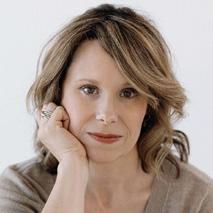
The Vulnerable Mosaic: Sustaining the Voices That Carry Our Musical Traditions
Featuring:
Salon I
Introduced by Dr. Victoria Holland, Royal Conservatory of Music
Singers hold a unique place in our musical ecosystem — their instruments are internal, expressive, and deeply tied to identity . This cross-disciplinary plenary session examines why supporting vocal health is both an artistic and cultural imperative . Singers face distinct challenges in academic and professional contexts. These challenges often intersect with issues of workload, training environments, access to care, and persistent misconceptions about voice function and fatigue .
Bridging research and clinical practice, panelists will offer holistic, actionable strategies for fostering voice wellness across academic, studio, and professional settings. They will outline emerging trends in performing arts health and address the systemic factors that shape how we understand and support the vocal demands of singers .
This session will introduce a landmark position paper on voice health, authored by a multidisciplinary convergence group and debuted at the 2025 Global Summit on Occupational Health in Music. Developed in partnership with the Oxford Handbook of Musician Health Advocacy, the paper outlines evidence-informed priorities for strengthening voice wellness across training and performance settings .
This initiative calls the NATS community to action: to protect, sustain, and uplift the voices at the heart of our musical heritage, ensuring healthy performance practices for generations to come . Special thanks to The Royal Conservatory of Music for generously underwriting this plenary session. Please visit their booth in the Exhibit Hall and help us show our appreciation for their continued support of our mission to transform lives through the power of singing.
2 – 4 p.m.
Poster Paper Session 1 (see page 63)
Salon E Foyer
Coordinated by Nicholas Perna, NATS Vice President of Outreach
NATS would like to thank Ian Howell and Embodied Music Lab for generously sponsoring the inaugural Best Student Poster and Best Overall Poster Prizes! Each prize winner will receive $300 in recognition of their outstanding research and presentations
2:30 p.m.
Salon B
Art Song Composition Award Winners in Concert
Presiding: Lori Laitman, Co-chair NATS Mentoring Program for Composers
Performance of 2025 Winning Composition – Love Songs from a Third Floor Walk-Up by Raphael Fusco is a set of five songs for medium high voice and piano with text by Caitlin Vincent. Performance of 2026 Winning Composition – “Confession and Other Lyrics” by James Hurley is a set of four songs for tenor and piano with texts by Michael Crummey.
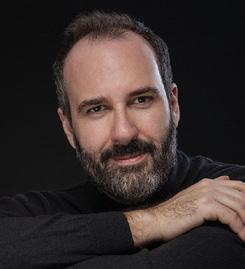
Raphael Fusco composer 2025 Winner
Saturday, July 4, 2026 | 2:30 p.m.
59th NATS National Conference
San Antonio Marriott Riverwalk, Salon B
2025 Winner
Love Songs from a Third Floor Walk-Up
Music by Raphael Fusco
Text by Caitlin Vincent
I . Moving in
II . Compromise
III . Just Another Day
IV . Ossobuco
V . Home
Ivy Walz, soprano
Raphael Fusco, piano
~ PAUSE ~ 2026 Winner
Confession and Other Lyrics
Music by James Hurly
Text by Michael Crummey
1 . Confession
2 . Rust
3 . Devil’s Footprint
4 . Row
Benjamin South, tenor James Hurley, piano
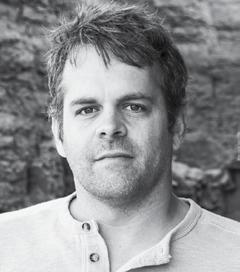
James Hurly composer 2026 Winner
SATURDAY, JULY 4
Download the Guidebook app or visit nats.org to view presenter bios.
Breakout Sessions
2:30-2:55 p.m.
Salon I
Love and storytelling: exploring the vocal legacy of Alan Louis Smith
Presented by Jessica Ferring Glenn and Elvia Puccinelli
Alan Louis Smith (1955-2023) — Texan pianist and coach, composer and poet, educator and administrator — was a key figure in the training of singers and collaborative pianists in North America for over 30 years . Smith’s scholarship, pedagogy and artistry have left a profound, multi-faceted impact on the performance of vocal repertoire and on those who perform it. Smith himself identified the elemental importance of storytelling in music-making, as well as the over-arching importance of love, curiosity and honesty. This session will celebrate and explore Smith’s legacy through the lens of his compositions for voice and piano, from his 1999 setting of oral histories Vignettes: Ellis Island and folk song settings written as birthday gifts for Stephanie Blythe to selections from multiple recent cycles for which Smith was also poet. Video footage of Smith’s own commentary will be interspersed between live performances by artists who worked directly with him.
2:30-3:20 p.m.
Salon J
Songs By Her: Revealing the Songs by Women of Tin Pan Alley
Presented by Tish Oney and Jennifer Piazza-Pick
Tin Pan Alley yielded a treasure trove of enduring repertoire that has continued to be performed, studied, recorded, and enjoyed through the present day. As most of the oft-performed songs were written by a handful of men, this study seeks to celebrate female composers and lyricists who contributed to both enduring standards and less-well-known songs from the Tin Pan Alley canon . Through providing background information about songwriters Bernice Petkere, Dorothy Fields, Fran Landesman, Ann Ronell, and others, and exploring and performing their songs, Dr. Tish Oney and Dr. Jennifer Piazza-Pick will share a sampling of women composers’ and lyricists’ contributions to the Great American Songbook, revealing the repertoire-broadening options of performing works by women of Tin Pan Alley.
2:30-2:55 p.m.
Salon K
Musical Stories Reimagined: Art Songs from India
Presented by Sandra Oberoi and Aditya Sharma
India’s rich musical heritage has long served as a site for cultural negotiation, embodying a dynamic interplay between tradition, modernity, and individual identity. Historically, musical practices in India were deeply rooted in regional, linguistic, and religious frameworks. However, the advent of digital technologies, increasing urbanisation, and globalisation have significantly reshaped how music is experienced, disseminated, and performed across the subcontinent . This presentation explores key historical and cultural moments that have influenced the contemporary musical landscape in India. It highlights how certain folk and popular musical forms have been reimagined through processes of artistic reinterpretation. Drawing on collaborative efforts, the presenters offer a program of arranged works presented as art songs thus inviting global audiences to engage with Indian musical narratives, celebrate India’s sonic diversity, and provide accessible and joyful pathways for performers to connect with these musical stories
2:30-2:55 p.m.
Salon M
More Than Performance: Crafting Purpose-Driven Musical Collaborations
Presented by Emily Martin
As the musical landscape evolves, artists must adapt to new realities by embracing multidisciplinary collaboration and a broader artistic purpose . This session, aligned with the 59th NATS National Conference theme Mosaic of Music, explores how performers and educators can engage with diverse cultural traditions and develop inclusive, collaborative projects. Drawing on experience as a consultant and Fulbright Scholar at the Royal Conservatoire of The Hague, the presenter will introduce the basics of creative entrepreneurship, including project management and artistic philosophy Participants will learn to articulate their artistic identity, identify collaborators and funding, and execute projects that resonate with today’s audiences. The session emphasizes practical tools and reflective practices that empower musicians to connect across cultures, amplify underrepresented voices, and contribute to a more sustainable and inclusive musical ecosystem . Attendees will leave equipped to create meaningful work rooted in their values and capable of shaping the future of the field.
2:30-3:20 p.m.
CR 20/21
A United Voice: Unifying SOVTEs Across Genres, Cultures, and Pedagogical Practice
Presented by Natalie Sheppard and Lori Sonnenberg
Semi-occluded vocal tract exercises (SOVTEs) are powerful tools for vocal efficiency, but their application is often limited by genre bias or disciplinespecific silos. This workshop challenges the myth that certain vocal styles or cultural expressions are inherently “unhealthy” and instead highlights the versatility of SOVTEs as a unifying gesture across singing traditions, teaching philosophies, and clinical voice work. Participants will explore the acoustic and physiological benefits of SOVTEs, with demonstrations showing how they support technical development, vocal wellness, and sustainable artistry across styles.
3-3:25 p.m.
Salon I
Inspiring a Spark of Imagination: An Examination of Poet and Composer Alan Louis Smith’s Vocal Chamber Song Cycle For Soprano, Cello, and Piano To The Muse
Presented by Jessica Ferring Glenn and Kate Stevens
To the Muse (2017) is a chamber song cycle by Alan Louis Smith (1955-2023) scored for soprano, cello, and piano A distinguished collaborative pianist, vocal coach, and pedagogue, Smith was also a prolific composer whose works were commissioned and performed by notable artists and institutions . While his early compositions have garnered scholarly attention, many of his later works, including To the Muse, remain underexplored. This cycle features Smith’s own poetry and explores the theme of creative inspiration . The cycle is notable for its use of “response texts,” or poems written in reaction to external stimuli. Drawing on a range of sources, including renowned poets, poetry, art song, popular music, and opera, Smith weaves textual and musical references throughout the work. This presentation will include a discussion of the source material for each of the cycle’s poems and an examination of Smith’s poetry and music .
3-3:25 p.m.
Korean Vocal Tapestry
Presented by Won Cho and Kyoung Cho
SATURDAY, JULY 4
century, Korean composers began blending Western forms with native elements, using vocal music as a powerful vehicle for cultural expression and the “Koreanness.”
3-3:25 p.m.
Salon K
Korea’s musical heritage is a dynamic fusion of traditional culture and Western influence, giving rise to a uniquely Korean musical identity . In the early 20th
Salon M
Innovation in Art Song: John Harbison’s Mirabai Songs dramatized using Indian Dance
Presented by Susan Gouthro and Kaustavi Sarkar
Soprano Susan Gouthro and Indian dancer Kaustavi Sarkar aim to revitalize the traditional art song recital experience by interweaving their individual artistic practices: art song performance and Odissi Indian classical dance. To bring affective power to the performance, both singer and dancer play the role of storytellers who explore human experiences such as devotion, bravery and abandonment in John Harbison’s song-cycle, Mirabai Songs The Indian term Abhinaya refers to dramatic persuasion using spoken text, gesture, costuming, and facial expression used in traditional Indian dance . Adding these techniques to the Mirabai Songs enhances its expressive potential Harbison uses English translations of poems composed by the sixteenth-century Indian poet Mirabai who declares her unflinching devotion and love for the Hindu deity Krishna . This lecture-recital provides historical narrative and cultural meaning through a choreographed performance, celebrating our cultures as we commemorate the connections made between people throughout the history of the United States.
3:30 – 4:20 p.m.
Barbara Hill Moore Emerging Teaching Artist Award
Salon I
Presiding: Casey Carter, NATS Vice President of Auditions
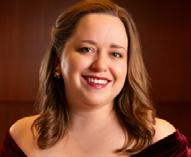
The Barbara Hill Moore Emerging Teaching Artist Award (METAA) is a biennial award designed to encourage, support, and facilitate the professional development of a NATS teacher of singing who is also pursuing an active vocal performance career . Determined in Virtual Preliminaries, the inaugural Finalists: Mark Covey, bass-baritone, Courtney Fletcher, mezzo-soprano, and Lily Guerrero, coloratura soprano will each present a fifteen-minute micro-recital in Concert Finals to determine the inaugural METAA winner receiving a cash award of $3,000.
THE NATIONAL ASSOCIATION OF TEACHERS OF SINGING presents THE INAUGURAL 2026



Chansons de Ronsard, Op. 223
I. À une Fontaine
III. Tais toi, babillarde
Noche azul
Darius Milhaud (1892-1974)
Ernesto Lecuona (1895-1963)
Algún día Jaime León (1921-2015)
Júrame María Grever (1885-1951)
Cecilia Valdés Gonzalo Roig (1890-1970)
“Salida de Cecilia”
Il barbiere di Siviglia
LILIANA GUERRERO, coloratura soprano James Maverick, piano
Gioachino Rossini (1792-1868)
“A un dottor della mia sorte”
Let us Garlands Bring, Op. 18 Gerald Finzi (1901-1956)
III. Fear no more the heat o’ the sun
Emigrantes
Tomás Barrera (1870-1938)
“Adios Granada” arranged for guitar by Patrick Russ (b. 1962)
MARK COVEY-BARRERA, bass-baritone
James Maverick, piano
Sechs Lieder, Op. 48 Edvard Grieg (1843-1907)
IV. Zur Rosenzeit
V. Ein Traum
Arianna a Naxos Joseph Haydn (1732-1809)
"Ah, che morir vorrei...Misera abbandonata"
The Giver of Stars: Six Poems of Amy Lowell Edie Hill (b. 1962)
IV. The Giver of Stars
V. Autumnal Equinox
Hyacinth Margaret Bonds (1913-1972)
COURTNEY FLETCHER, mezzo-soprano
Zachary Ridgway, piano
July 4, 2026 | Saturday at 3:30pm | Salon I | Marriott Rivercenter | San Antonio, Texas

3:30 - 4:20 p.m.
Salon B
New Works for Voice: A Composer Showcase New Works for Voice: A Composer Showcase highlights living composers who are actively shaping today’s vocal repertoire This interactive, exhibitstyle forum offers attendees the opportunity to meet composers, explore newly composed works for voice,
Download the Guidebook app or visit nats.org to view presenter bios.
and engage directly with the creative artists behind the music. Selected composers will share recordings, videos, and score samples while discussing their compositional process, collaborations, and available repertoire. As a new pilot initiative, the Composer Showcase reflects NATS’ continued commitment to innovation, collaboration, and the advancement of vocal music, serving and engaging all member types across the organization
SATURDAY, JULY 4
Download the Guidebook app or visit nats.org to view presenter bios.
3:30-4:20 p.m.
Salon J
From Shuffle Along to Hell’s Kitchen: The History and Vocal Styles of Black American Musical Theatre
Presented by Melissa Foster and Edrie Means Weekly
Black American Musical Theatre has a rich and influential history that spans over a century, shaping not only Broadway but American popular culture as a whole. This session explores the rich history and vocal traditions of Black American Musical Theatre from its origins in early 20th-century works like Shuffle Along to the rise of genre-defining works such as Purlie, The Wiz, Dreamgirls, Hamilton, the Pulitzer Prize-winning A Strange Loop and Hell’s Kitchen. Special attention will be given to the fusion of vocal styles of gospel, jazz, blues, R&B, and hip-hop that shaped both the sound and the storytelling of Black musical theatre. Black American musical theatre singing is deeply rooted in the rich traditions of African American musical expression, encompassing
spirituals, gospel, blues, jazz, R&B, soul, Motown and hip-hop and. Connecting the dots between the history and the application of the vocal stylisms and effects in each genre is crucial in the pursuit of both technical mastery and emotional authenticity
3:30-4:20 p.m. Salon K A Great Cloud of Witnesses: A Song Cycle Celebrating the Contributions of Black Americans to Music and the Resilience of the Black Family Unit Beyond Trauma
Presented by Lauren Wright-Harris and Jarrett Roseborough
The purpose of this project is to provide context and a further look into the process of creating a piece of work with a living composer. The topic of interest is specific in addressing the disparity of musical material centered on a non-traumatic-based view of the Black Family Unit. This presentation speaks historically on the commodity of Black Trauma in Film and Art Music,
and how this song cycle fills in the voided spaces within vocal Western art music that is not centered on historical trauma or the societal gaze of what the Black lived experience is, but from a viewpoint of an individual within the Black lived experience. The performance of the song cycle itself, draws on the ideas of community, home, joy, and family. Allowing the audience to be taken on a journey of nostalgia and memories of what family means to all.
3:30-4:20 p.m.
Salon M
From One-on-One to Everyone: Building a Sustainable Voice Studio Through Scalable Online Teaching
Presented by Nick Klein, Rebecca Pieper, and Kelly Scott As a voice teacher, it’s easy to feel pressure to fill every hour with one-on-one lessons, leading to burnout and limiting growth. This session offers practical, scalable strategies to help voice teachers expand their reach and income without overextending themselves. Participants will explore growth models like online courses, memberships, digital downloads, and self-paced programs, enabling them to teach more students on their own terms. Attendees will learn how to create flexible, income-generating offerings by repurposing existing teaching materials and leveraging technology . Through a step-by-step framework, teachers will discover how to combat burnout by scaling their business, validating their niche expertise, and structuring their time and systems for sustainable growth. Whether a private teacher or studio owner, this session will provide actionable steps to reduce reliance on one-on-one lessons, giving teachers more control over their schedule while maintaining high-quality instruction. Attendees will leave with a clear roadmap for a more flexible, fulfilling teaching career.
3:30-4:20 p.m.
SATURDAY, JULY 4
Download the Guidebook app or visit nats.org to view presenter bios.
tongue motion . The front (anterior) portion is the most obvious, the back (posterior) aspect is more controversial A case series demonstrates improved speech and feeding for children after posterior tongue tie release, but what about adults, especially classical singers? In this first empirical case study with a professional soprano (Ward, et al., 2025), she was told to quit her career, but an anterior release, followed by an 18-month hiatus, astounded her teacher with significant improvement. A posterior release gave her an octave total more range the same day . In consideration that singing quality is influenced by the diaphragm, pelvic floor, an incredible fascial dissection by Tom Myers shows how the tongue is tied to the toes. This workshop will walk through self-tongue functional assessments, exercises, respiratory function assessment and exercises, optimizing postural awareness and re-alignment.
NSA
5 p.m.
NSA Classical Voices Finals
Salon I
The top three singers in the National Student Auditions Classical Voice Categories and in the Hall Johnson Spirituals Competition will each perform one aria or art song in the Finals. The finalists feature children through adult student-singers who have advanced through as many as seven rounds of auditions to become a finalist in their category. NATS will award over $32,000 in cash prizes to these finalists at the conclusion of this final round of auditions.
5 p.m.
NSA Musical Theatre Finals
CR 20/21
The Tongue, Tongue-Tie, And The Body That Sings: Self-Assess And Optimize Tongue Function, Breath, And Posture
Presented by Alison Wu
Tongue tie (ankyloglossia), is a restrictive, myofascial connection underneath the tongue that restricts
Salon B
The top three singers in the National Student Auditions Musical Theatre Categories will each perform one solo musical theatre selection in the Finals. The NSA finalists feature children through undergraduate college-aged students who have advanced through as many as seven rounds of auditions to become a finalist in their category. NATS will award over $20,000 in cash prizes to these finalists at the conclusion of this final round of auditions.

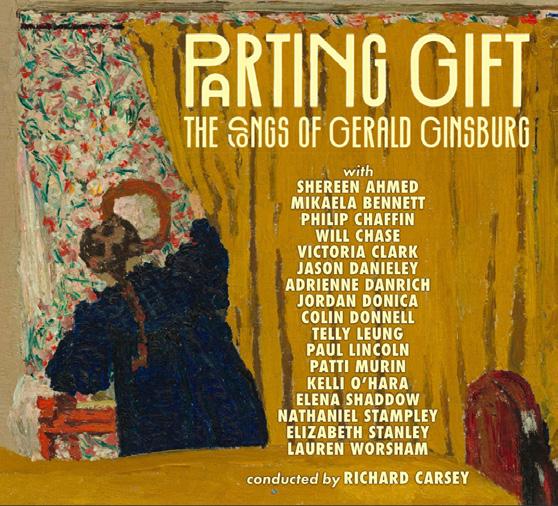
A constellation of stars from the worlds of Broadway and opera come together to record some of the most beautiful music never before collected on an album. Parting Gift: the Songs of Gerald Ginsburg –featuring Shereen Ahmed, Mikaela Bennett, Will Chase, Victoria Clark, Jason Danieley, Adrienne Danrich, Jordan Donica, Colin Donnell, Telly Leung, Patti Murin, Kelli O’Hara, Elena Shaddow, Nathaniel Stampley, Elizabeth Stanley and Lauren Worsham – highlights Ginsburg’s lifelong work at the intersection of musical theatre and art song.
Released by PS Classics 2024
Featuring stunning vocal performances by
Victoria Clark Kelli O'Hara Will Chase and many others
Available wherever you stream your music

In honor of composer Gerald Ginsburg, NATS will award $1,000 to a student in the Post High School Classical categories who performs at least one of Ginsburg’s compositions in the YouTube, semifinal or final rounds in the NATS National Student Auditions. Find competition details and scores at www.nats.org/ginsburg More information at www.ginsburgfoundation.org.
Students participating or majoring in music are required to audition for admission and scholarships Texas Lutheran University offers generous scholarship opportunities to both music majors and non-majors. There are a limited number of top awards available, so apply and audition now!
Up to $7,500/yr. for majors
Up to $3,000/yr. for non-majors
Up to $5,000/yr. additional for Karen M. Oliver RN Choral Scholarship
A music major with a top academic scholarship may be awarded up to $35,500/year
Minimum of $18,000/yr Up to $28,000/yr.
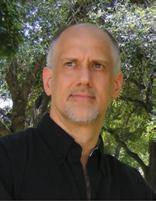
Dr. Douglas Boyer serves as Professor of Music, Director of the TLU School of Music, and Director of Choral Activities. He earned his music degrees from TLU, UTSA, and U.T. Austin. In 2012, the UTSA Department of Music named him Outstanding Alumnus and in 2014, he was named Piper Professor by the Minnie Stevens Piper Foundation. dboyer@tlu.edu
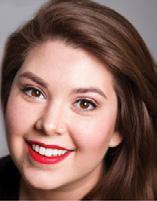
Dr. Melissa Lubecke Sarabia is Assistant Professor and Director of Vocal Studies. She completed her DMA at the University of Colorado Boulder and received her Master and Bachelor of Music at UTSA and Baylor. mlubecke@tlu.edu.

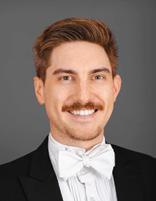
Ross Cawthon is the Visiting Assistant Professor of Choral Activities at Texas Lutheran University. He completed graduate work at Louisiana State University and the University of Florida. He studied with Alissa Rowe, Brandon Hendrickson, and Lindsay Kate Brown. rcawthon@tlu.edu
See why TLU's School of Music is the right fit for you!
Texas Lutheran University 1000 W. Court St. Seguin, TX 78155
Kantorei Chamber Choir
Texas Lutheran University Choir
Texas Lutheran Treble Choir
Music Theatre and Opera Workshop
Vocal Music Education Vocal Performance
Dr. SungEun Park is Assistant Professor and Director of Music Theory and Piano Studies. She earned music degrees from Texas State University and U.T. Austin. Dr. Park has performed extensively as a soloist and chamber musician throughout Korea, Italy, and the U.S. and is the winner of numerous international piano competitions. supark@tlu.edu
Dr. Heather Couture is Assistant Professor of Musicology Studies, teaching music and social justice courses and Western music history. She holds degrees in music and international studies from Texas State University and completed her PhD at U.T. Austin. hcouture@tlu.edu
SUNDAY, JULY 5
Download the Guidebook app or visit nats.org to view presenter bios.
SUNDAY, JULY 5
SUNRISE SESSION
7:00 –7:50 a.m. Salon E
Breath of Life: Pranayama - Its Uses and Benefits for Vocalists
Presented by Anne Ouverson Bice Pranayama in Sanskrit is a combination of two words: prana (life force/breath) and ayama (expansion) . We translate it as the “expansion of one’s life force.” Can this ancient yogic practice be implemented in today’s world? Yes. Pranayama strengthens the connection
(Humming Bee Breath), Nadi Shodhana (Alternate Nostril Breath), and Ujjayi (Ocean Breath). Specific techniques, benefits, suggested uses, and potential obstacles are discussed for each practice. As we continue to exist in a changing world, health and wellness have been pushed to the forefront. We have the tools to achieve a balanced mind-body experience for our art and health .
7:30 a.m. - 4 p.m. 3rd floor Conference Registration Open
7:45 a.m Salon E
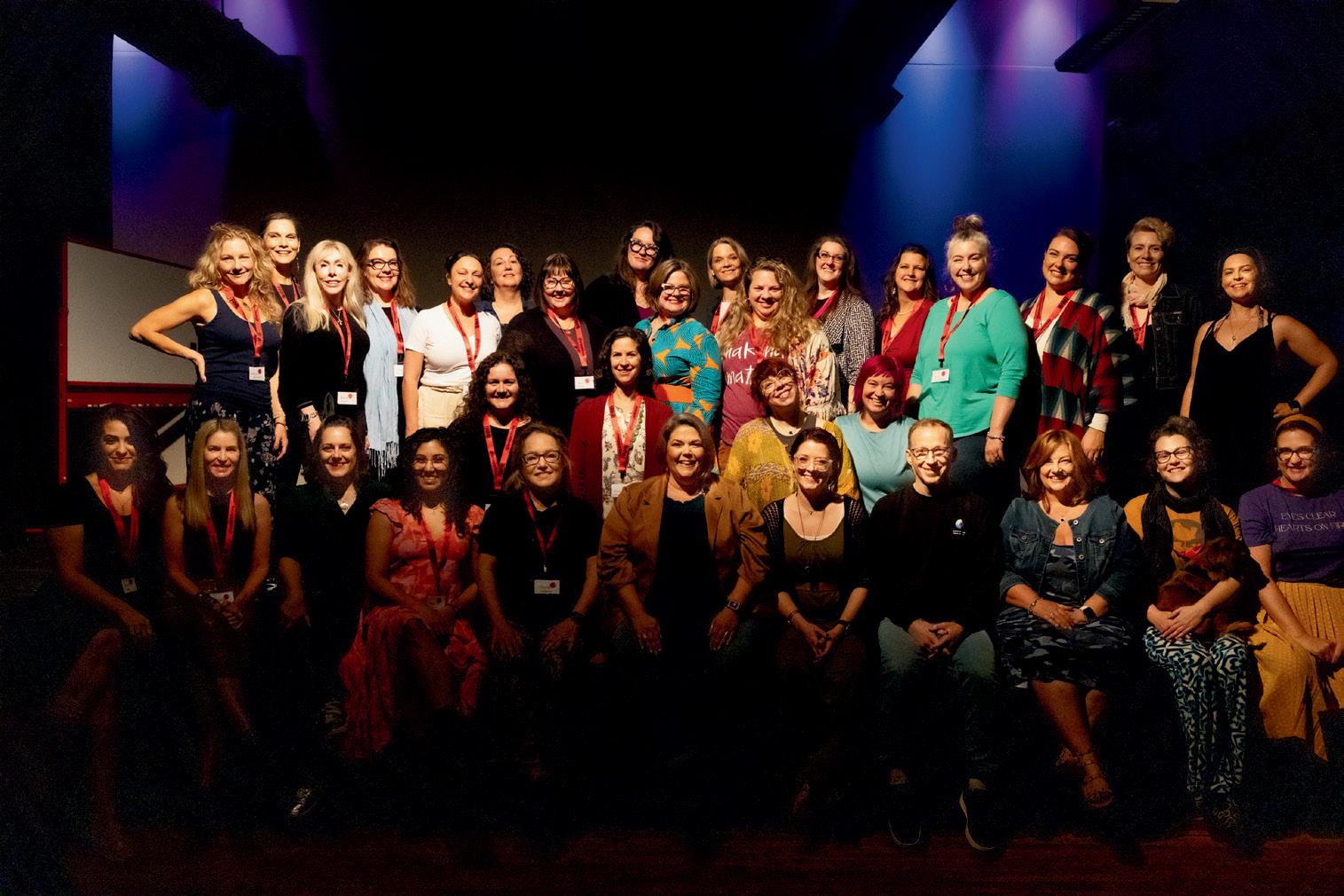
Coffee & Community... You’ve got a friend in “we” Join other members to meet together and build

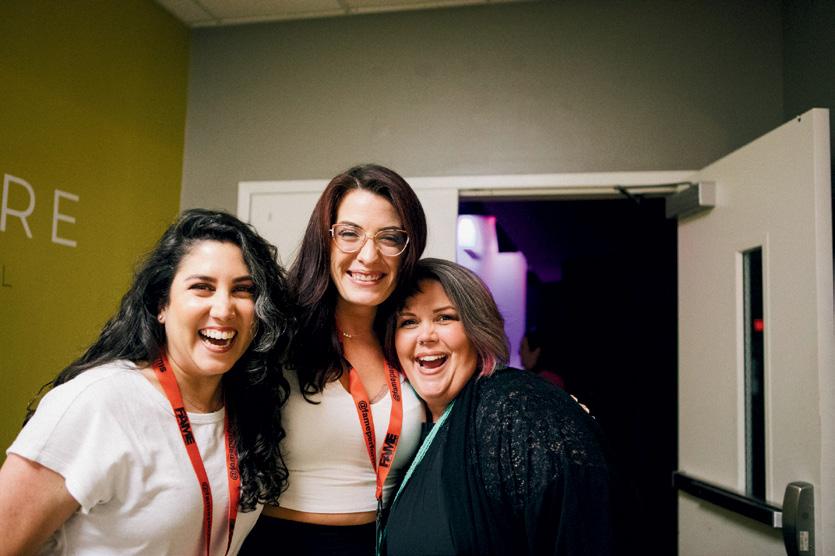
SUNDAY, JULY 5 AT 8:00AM
NATS
You’ve got a friend in “we.” :)
Owner Affinity Group Salon E
Leader: Rebecca Pieper
The Independent and Multi-Teacher Studio Owner Affinity Group welcomes all members of our NATS community who own or are interested in owning their own studio. This is a great space for teachers to connect with others in a similar business structure and network, brainstorm, collaborate, ask questions, learn from, and cheer each other on!
Black Perspectives @ NATS Affinity Group Salon B
Leaders: Marcía Porter and Darryl Taylor
Black Perspectives @ NATS is an affinity group for those who identify as members of the African diaspora . Recognizing the need for a space to share our unique experiences and encourage mentorship, the group welcomes Black singers and those in fields related to the vocal arts (voice teachers, coaches, collaborative musicians, and academicians) to engage in meaningful discussion and fellowship.
Leader: Lily Guerrero
Salon I
The Latinx/Hispanic Teachers Affinity Group is for those who identify as Latinx or Hispanic and are looking for a place to create community, network, and find potential performance or research partners. This space will be an area for those who want to discuss unique facets in the lived experiences of Latinx/Hispanic teachers as well as brainstorm new ideas to share with the NATS community that celebrate and uplift our culture .
Adjunct Voice Teachers Affinity Group Salon J
Leader: Melissa Chavez
The Adjunct Voice Teachers Affinity Group is for those teaching voice at the college level on a part-time basis It is a supportive community to discuss the issues unique to adjunct voice teaching, including mutual respect at the workplace, commitment to students beyond compensation, and broadening member networks.
SUNDAY, JULY 5 AT 8:00AM
Group Salon K
Leaders: Ayumi Nakamae and Katie Tupper
The Asian and Asian Pacific Affinity (AAPA) Group is for those who are from or affiliated with those regions of the globe. We represent a rich and diverse diasporic community where we can network, create fellowship, share research and pedagogical interests, and help provide a resource to those teachers who teach AAPA students .
NATS Group-Voice Pedagogy
Affinity Group CR 20/21
Leaders: Amelia Rollings Bigler and Clifton Ware
The NATS Group-Voice Pedagogy Affinity Group will be dedicated to studying, researching, teaching, and promoting all modes of group-voice instruction, with particular attention given to exploring a wide range of information and skills intended for class-voice instruction for educational institutions, private voice studios, and community education. Basic class-voice information — methods, techniques, and subject matter applicable to developing mind-body-voice integration and efficient, expressive, and effective voice performance — will be explored .
Mothers in Academia Salon M
Leader: Grace Edgar
Mothers in Academia welcomes all mothers working in the performing arts, whether directly or indirectly connected to higher education. Our mission is to support, encourage, and advocate for mothers in academia while fostering more inclusive and equitable spaces where women can thrive both professionally and personally
***Monday, July 6th at 3pm TBD
Leader: Dana Lentini
This affinity group is designed to create a safe discussion space and most importantly to provide NATS Leaders with valuable feedback on challenges and advances in pedagogy and opportunities for pubescent and pre-pubescent singers. Creating a voice teaching model that welcomes and includes children is a win-win-win for teachers, students, and NATS.
Interested in learning more or forming a new Affinity Group?
Visit https://www.nats.org/affinitygroups for more information
9:00 – 10:15
SUNDAY, JULY 5
Download the Guidebook app or visit nats.org to view presenter bios.
Salon I
Building Community Through Small Actions: How Voice Professionals Create Systemic Change
Featuring:
Voice professionals have more collective power than we realize! Understanding how that power works changes everything. This session celebrates what becomes possible when we move from working in isolation to coordinating our strengths across the entire voice industry. You’ll discover research-backed insights that explain why people naturally divide, how understanding different business models builds respect across contexts, and what small coordinated actions can accomplish when groups of any size make them together .
Drawing on systems theory, group psychology, and organizational behavior, you’ll gain practical frameworks you can use immediately in your studio, department, or professional relationships It’s incredible what becomes possible when we understand how communities create change together. You’ll leave feeling empowered by your role in your connected professional ecosystems, equipped with actionable strategies for building collaboration, and hopeful about what we can accomplish when we recognize our collective strength
This is an invitation to see ourselves as the connected community that makes beautiful musical moments possible. Together, we’re exactly the right size to create the future we want to see.
10 a.m. - 4 p.m.
Exhibit Hall Open
Salon E
10:30 a.m. - 4:00 p.m.
Mini - Recitals (see page 73)
Salon E
Enjoy live performances throughout the conference on the Alamo Music Center Stage in the Exhibit Hall Featuring NATS members, students, and guest artists, these mini recitals showcase a diverse range of classical, commercial, and musical theatre repertoire .
10:30-11:20 a.m.
Salon J
A Most Colorful Mosaic: Fusing Classical Pedagogy with Mariachi Tradition
Presented by Michael Acevedo, Osvaldo Chacon, Jourdan Howell, Crystal Jarrell Johnson, and Taytum Rangel
In this dynamic session, we explore the intersection of Western classical vocal pedagogy and the rich traditions of mariachi singing, revealing the potential of cross- genre training to elevate both technique and artistry . Led by Professors Crystal Jarrell Johnson, Michael Acevedo, and Jourdan Laine Howell, this panel brings together diverse perspectives to discuss challenges, breakthroughs, and culturally responsive approaches to vocal training Demonstrations by a tenor Osvaldo Chacon, professional mariachi and K12 educator, and soprano Taytum Rangel, professional mariachi and collegiate voice major, will showcase how classical techniques such as breath support, vowel and resonance tuning, and management of effort versus freedom in phonation and articulation can empower mariachi voices while honoring their stylistic integrity . This vibrant collaboration represents a compelling piece in ‘Our Mosaic of Music,’ reflecting how pedagogical fusion can sustain tradition and inspire innovation .
10:30-11:20 a.m.
The Art of the American Negro Spiritual: A Performance Workshop
Salon K
Presented by Marcía Porter, Alexis Davis-Hazell, Rosalyn Wright Floyd, and Barbara Hill-Moore
Since its inception in 2019, the American Negro Spirituals (ANS) Advisory Panel of the National Student Auditions Committee has served as a resource for NATS teachers, coaches, and students . The panel annually responds to inquiries regarding repertoire eligibility for NATS Spirituals categories and about performing these
SUNDAY, JULY 5
Download the Guidebook app or visit nats.org to view presenter bios.
great works. The Art of the American Negro Spiritual: A Performance Workshop is a continuation of the two-part panel discussion entitled: What Do You Really KNOW About the American Negro Spiritual (TANS)? presented by the ANS Advisory Panel at the 2022 NATS conference . Through examples found in the repertoire, this session aims to (re)address such topics as historical perspectives, resources for repertoire, and acceptable performance practice. The format will include short demonstrations of applicable repertoire by members of the panel, an interactive performance practice group work segment, and an opportunity for NATS colleagues (singers and pianists) to coach their performances .
10:30-11:20 a.m.
the coordination and balance of breath flow and resistance for singing, and registration perception and concepts. Participants will walk away with a toolbox filled with new ideas that will help your students to experience efficient breathing strategies and variations, deepen their understanding of resonance strategies, and conceptional variations of breath and resonance necessary for registration navigation for aesthetic nuance across genres .
Salon M
From Cover Letter to Classroom: Crafting Your Voice Job Search in 2026
Presented by Nicholas Perna, Yvonne Gonzalez Redman, and Randall Umstead Voice students often graduate unprepared for the unique challenges of the academic job market. Even courses like Teaching Music in Higher Education rarely address the distinct process of voice faculty searches. This interactive session demystifies the voice job hunt, offering clear strategies, tools, and insider insights from presenters who have recently served as applicants, mentors, search committee members, and administrators .
Participants will get hands-on experience evaluating real-world application materials — cover letters, CVs, and teaching philosophies — crafted for a sample job ad. From there, we’ll dive into actionable best practices: researching institutions, understanding faculty expectations, and building polished digital portfolios. We’ll show you how to write a cover letter that pops. You’ll leave equipped with practical tips for nailing video conference and on-campus interviews and negotiating offers with confidence. This is your roadmap to navigating — and excelling in — the evolving landscape of voice faculty positions .
10:30-11:20 a.m.
CR 20/21
The Flow to Resonance Continuum: Strategies for Coordinating Breath and Resonance Efficiency for All Genres
Presented by Kevin Wilson and Autumn West
This workshop will introduce essential strategies and tools to effectively teach your students about
11:30 – 12:50 p.m.
Inaugural Region Luncheon
Salon B
Pre-Registration Required. Additional fees apply
Presiding: Alexis Davis Hazell, President with presentations by Melinda Brou, Past TEXOMA Region Governor and Sandra Oberoi, International Region Governor
The Region Luncheon brings members together with colleagues from their NATS region and regional leaders. It’s a great opportunity to reconnect with familiar faces, meet new members from your area, and continue conversations sparked during the conference
1-1:25 p.m.
Salon B
Supporting Students Facing Voice Impairment in the Voice Studio
Presented by Emily Siar and Anne Slovin
As front-line voice professionals, voice teachers must be prepared to serve and support students experiencing voice impairment. This workshop defines and contextualizes voice impairment as an accessibility issue, describing the myriad physical, emotional, and social challenges that singers navigating voice health challenges face. Drawing upon both the current state of research and their lived experiences as voice teachers who have navigated vocal fold surgery and recovery, the presenters offer specific, actionable recommendations for voice teachers seeking to create safe and empowering studio environments for students facing impairment Topics for lecture and discussion include: the importance of a comprehensive voice care team, using affirming and de-stigmatizing language, educating students on voice hygiene, guiding students toward
SAN ANTONIO, TEXAS
resources, adapting technical exercises and repertoire to titrate vocal load, and bolstering institutional support within academia. The presentation concludes with a call to action, advocating for more research into the needs of students experiencing voice impairment.
1-1:50 p.m.
Salon J
Preparing for Pop/Rock Musical Theatre Auditions
Presented by Matt Edwards and Jackie Edwards This presentation addresses the growing demand for pop/rock repertoire in musical theatre auditions. Research has found that 44% of Broadway audition notices between 2014 and 2024 requested a pop/rock song. Many college musical theatre programs now ask for a pop/rock song as part of the audition package. Despite this shift, many voice teachers remain unsure how to prepare students for pop/rock auditions. Over the past fifteen years the presenters have investigated casting director and agent expectations for pop/rock audition songs. We have identified three audition scenarios: imitation, emulation, and original artistry, each requiring distinct pedagogical strategies. Our observations also reveal the hybrid vocal technique singers must master, combining commercial onsets, releases, groove awareness, and microphone skills with musical theatre text work. Finally, we emphasize acting approaches tailored to mood, groove, and story songs, alongside historical stylistic awareness as critical components of the preparation process By the end of the presentation, attendees will have a clear framework for coaching students for pop/rock musical theatre auditions effectively.
1-1:25 p.m.
Discover Korean Cuisine in Korean Art Song
Salon K
Presented by Josephine YoonGeong Lee and Laehyung Woo
This lecture-recital explores the vibrant world of Korean art songs by living composers, offering a unique lens into modern Korean culture through music . The program is organized into four themed sections — K-History, K-Culture, K-Nature, and K-Folksongs — highlighting the expanding scope of contemporary Korean song . No longer limited to love and nature, today’s composers explore diverse topics such as food (Kimchi), traditional attire (Hanbok), and the Korean alphabet (Hangul) — reflecting a broader
SUNDAY, JULY 5
Download the Guidebook app or visit nats.org to view presenter bios.
cultural identity shaped by the global rise of “Hallyu.” These songs often incorporate jangdan (traditional rhythmic patterns), folk melodies, and, in some cases, Korean traditional instruments alongside piano The result is a compelling fusion of old and new. This session will provide attendees with culturally resonant repertoire ideas, insight into the evolving voice of Korean art song, and an understanding of how living composers are redefining Korea’s musical narrative for today’s global audience .
1-1:50 p.m.
We Go On, Oswego
Salon M
Presented by Katie Hannigan, Jessica Ann Best, Ian Greenlaw, Valerie Trujillo, and Kimberly Upcraft
I am thrilled to invite you to a defining moment in our industry’s creative and scholarly journey — We Go On, Oswego: A Theatrical Song Cycle in dedication to women of Fort Ontario Refugee Shelter. This was the only shelter President Roosevelt sanctioned during WWII to assist those fleeing persecution in Nazi Europe. We will offer selections from this new multimedia vocal work to represent and exemplify women’s narratives that passed through the gates of Fort Ontario in Oswego, NY. This unique vocal work features powerful voices and seldom seen narratives that incite critical thinking, explores a vast array of interdisciplinary connections, and offers a broad musical landscape including the Great American Songbook, next to the compositional styles of today. This work is readily available as a tour, serves as a blueprint for a new opera, and will be readily available as a new vocal anthology for advanced and professional singers through Just a Theory Publishing early 2026 .
1-1:50 p.m.
CR 20/21
Keep it SHORT, Sweetie. The Power of Short Art Songs in the Studio and Audition Suite
Presented by Natalie Arduino and Casey Carter Jump into the world of two-to-three-page art songs as we shift the audition preparation focus from quantity and endurance to quality, performance opportunity, and discovery for your students and future auditors . KISS shifts the focus from quantity to quality, using short works to build technique, expression, and confidence for your singers-especially for students preparing for university auditions . We’ll
SUNDAY, JULY 5
Download the Guidebook app or visit nats.org to view presenter bios.
explore strategic repertoire choices for singers from middle school through college levels The session offers practical applications for applied teachers and students alike. Attendees will leave with actionable tools for maximizing lesson time, curated repertoire lists in classical and musical theatre, and audition prep tips for real-world teaching.
1:30-1:55 p.m.
Salon B
Tools for Working with Transgender and NonBinary Singers
Presented by Sasha Divain
The voice is a powerful tool for self-expression, especially for transgender and non-binary individuals aligning their vocal identity with their gender expression . This session is designed for voice professionals and offers practical tools and strategies for working with transgender and non-binary singers. Topics include vocal assessment methods, developing individualized training plans, understanding how physical and hormonal changes affect the voice, and maintaining vocal health throughout the process Special emphasis is placed on creating an inclusive, affirming environment where singers feel safe to explore and grow. Led by a transgender woman and voice professor with extensive experience in vocal pedagogy and gender-affirming voice work, this session provides a uniquely informed perspective . By integrating scientific knowledge with artistic sensitivity, it helps participants support transgender and non-binary singers on their journey toward authentic vocal expression
1:30-1:55 p.m.
into the cultural life, musical languages, and enduring traditions of the African diaspora Blending Caribbean rhythms, folk traditions, and Afro-American vivid expression with Euro-Classical dances, forms and harmonies, this recital illuminates the beauty of crosscultural connection . Featuring a dynamic song cycle by Jamaican composer, Peter Ashbourne (b 1950-), and African American Spirituals in the Classical Tradition, the recital invites listeners on a journey through music that has served as resistance, refuge, and a profound expression of freedom .
2 – 4 p.m.
Poster Paper Session 2 (see page 66)
Salon E Foyer
Coordinated by Nicholas Perna, NATS Vice President of Outreach
NATS would like to thank Ian Howell and Embodied Music Lab for generously sponsoring the inaugural Best Student Poster and Best Overall Poster Prizes! Each prize winner will receive $300 in recognition of their outstanding research and presentations .
2 p.m.
Intern Reunion (by invitation only)
Salon K
The Afro-Classical Voice: A Journey through the Art Music of the African Diaspora
Presented by Melissa Davis and Sun Hee Kim
The Classical music of Afro-Caribbean and AfroAmerican composers is a deeply rich resource that is uniting cultures and gaining international recognition While the African American Folk-Classical genre, the Spiritual, has become widely known, the Art music of the Caribbean remains comparatively underexplored This vocal lecture recital highlights the artistry and impact of underrepresented Black Classical composers, celebrating their innovation and essential contributions to the genre . Through performance and discussion, the program offers a vivid glimpse
CR 20/21
Presiding: Diana Allan, NATS Past President, Intern Program Coordinator 2025-2026
Our association will honor all past NATS Interns. All members who are alumni from the past 35 years (1991-2026) of the premiere NATS Intern Program are invited to join to reminisce and engage with one another. All past master teachers are also welcomed and encouraged to attend .
NSA
2:30 p.m.
NSA Commercial Music Finals
Salon I
The top three singers in the National Student Auditions Commercial Music Categories will each perform one solo in any commercial music style of their choosing in the Finals. The NSA finalists feature children through adult student-singers who have advanced through as many as seven rounds of auditions to become a finalist in their category. NATS will award nearly $30,000 in cash prizes to these finalists at the conclusion of this final round of auditions
3-3:25 p.m.
Salon B
Press Record: Using Self-Recording to Build Confidence, Reduce Anxiety, and Strengthen SelfAssessment
Presented by Melissa Treinkman
In this session, we will explore the intersection of singers’ experiences with music performance anxiety (MPA), auditioning, and the practice of self-recording The first segment will provide an overview of current research on MPA and self-recording, highlighting evidence-based strategies that can help students manage performance anxiety and enhance learning outcomes. The second portion will present findings from recent studies conducted by the presenters, which examined the use of self-recording during university-level auditions as a potential tool for improving self-assessment and supporting mental health following auditions. The presenters will argue that incorporating the practice of self-recording into university audition settings may be a simple, actionable way for institutions to better support student well-being while also enhancing educational outcomes. The final part of the session will offer practical, easy-to-implement strategies and foster an open dialogue with participants about their own approaches to supporting students through these challenges
3-3:25 p.m.
Salon J
Pictures at a Gender[*] Exhibition: A Mosaic of Musical Theater Vignettes about Gender [NonConformity]
Presented by Christopher Cayari
Transgender, non-binary, and gender nonconforming (trans) representation in vocal pedagogy has grown in recent years. Sharing stories from marginalized communities helps educators better understand diverse experiences . This performative autoethnography explores gender and vocal performance through the lived experiences of the researcher . Pictures at a Gender[*] Exhibition is a lecture recital in the form of a musical theater revue that blends performance, creative writing, costume, photography, and theater The presenter addresses how a gender non-conforming individual — whose
SUNDAY, JULY 5
Download the Guidebook app or visit nats.org to view presenter bios.
identity is fluid between masculine and non-binary — explores their gender through musical theater The recital presents vignettes centered on epiphanies and challenges related to gender roles in vocal education, societal expectations, and the pursuit of authentic identity . It invites voice educators and scholars to reflect on how gender identity and expectations shape students’ and performers’ experiences in the classroom or studio and on stage
3-3:25 p.m.
Salon K
Suffrage, Song, and Sass: Ethel Smyth - Three Songs (1913)
Presented by Lesley Friend and Mirim Kim
Suffrage, Song, and Sass explores Dame Ethel Smyth’s life and works including a closer look at her Three Songs (The Clown, Possession, and On the Road) a set published in 1913. The first female composer named a Dame of the British Empire, Ethel lived a dramatic and interesting life, crossing paths with the likes of Emma Pankhurst and Virginia Woolf, and leaving an indelible impact on her country, on music, and on queer representation in classical music . Smyth is important as a female voice, feminist voice, queer voice, and in the history of British vocal writing. And dogs. There will be pictures of dogs. Smyth’s Three Songs will be performed in their entirety by dramatic soprano Lesley Friend, and pianist Mirim Kim
3-3:50 p.m.
Salon M
Echoes from El Barrio: The Chicana Art Song Project and the Legacy of Cultural Memory
Presented by Noel Archambeault
The Chicana Art Song Project serves as a vessel of cultural memory, reclaiming erased narratives through music, text, and visual art. It explores how folk music traditions from Mexican American and Tejano communities can inspire contemporary art song compositions. This presentation will include digital performance excerpts and a discussion of compositional styles, poetry, and cultural preservation. This work is a point of cultural connection, emphasizing how diverse communities can find solidarity through shared stories and artistry. Cross-cultural connectivity and unity allow us to reimagine whose stories are centered in the nation’s musical heritage .
SUNDAY, JULY 5
Download the Guidebook app or visit nats.org to view presenter bios.
3-3:25 p.m.
CR 20/21
Special Acts of Breathing: Visualizing Interactive Aspects of Respiration for Singing with RespTrack
Presented by Kayla Gautereaux and Ian Howell
This session explores the gross dynamics of respiration with a special focus on the relationship between abdominal and thoracic circumference in artistic singing. The RespTrack respiratory inductance plethysmograph is introduced with real-time visual demonstrations of a variety of sung sounds . Research using similar technology (e g , Konno, Mead, Hixon, Sundberg, Salomoni) studying performing artists will be introduced, and participants will have the chance to explore their own breathing patterns.
3:30-3:55 p.m.
Salon B
Physical Touch in the Voice Studio; An IRBApproved Study of Experienced Touch in a Voice Lesson from the Perspective of the Singer
Presented by Maria Maxfield
Physical touch in the voice studio is currently underresearched, particularly when considering students’ perspectives. This talk synthesizes findings from an IRB approved study of an online survey of 148 singers The survey gathered information about experienced touch in a voice lesson, including consent, explanations, usefulness, and comfortability of touch, and the ability to refuse touch . 92% said they had ever been touched consensually, while 44% reported nonconsensual touch . Experiences of consensual touch were more frequently explained than non-consensual touch (53% vs 22%, respectively) and were considered more useful to demonstrate the concept being taught (54% vs 23%). Additionally, 72% of those who had been touched non-consensually reported feeling uncomfortable at least once, while half of those who had experienced any touch reported feeling at least once that they couldn’t refuse touch. These findings suggest that teachers carefully consider how, and whether, touch should be used in the voice studio.
3:30-3:55 p.m.
today’s composers are writing dynamic new works that offer fresh challenges. The key is to select these works intentionally, match songs to students’ technical, dramatic, and musical readiness, and ensure they challenge without overwhelming. By weaving contemporary works into your curriculum strategically, you cultivate adaptable, marketable performers — artists who can navigate a wide range of styles with equal skill, promoting joyful and sustainable growth. We will explore practical applications through pedagogical analysis of recordings and the music . This presentation addresses the dual responsibility of Music Theatre voice educators to equip students with repertoire that will be useful in their auditions, and the functional technique and confidence to offer compelling vocalism and storytelling .
3:30-3:55 p.m.
She Se Puede: Latina Composers in Recital
Salon K
Presented by Lily Guerrero and James Maverick Teachers today have a myriad of repertoire options . While the thought of a vast sea of art song is appealing to the seasoned educator, students who are looking for repertoire to sing often find themselves drawn to pieces that have already been recorded, both to be able to hear the piece without being able to play the piano, but also for the aural component of the learning process. This lecture recital seeks to engage both teachers and students in song literature published in Latin American & Iberian Art Songs by Women Composers volumes 1 and 2, edited by Patricia Caicedo . Soprano Lily Guerrero and pianist James Maverick published an album of these art songs, MILAGROS, in September of 2025. Participants will experience a performance of the repertoire, with pedagogical information for assigning the songs to collegiate-level classical singers in an effort to encourage the programming of this repertoire .
3:30-3:55 p.m.
Salon J
Beyond the Standards, Part 1 - Identifying Progressive Repertoire for Musical Theatre Singers
Presented by Craig Allen and Carrie Greer
Refresh your musical theatre rep list with cuttingedge, pedagogically sound material. While we do not want to throw out the ‘tried and true’ repertoire,
Why Bother with Acoustic Vocal Pedagogy
CR 20/21
Presented by Kenneth Bozeman
Ninety-nine percent of the acoustic energy activated by singing stays within the vocal tract, with only one percent radiated to the outside world (Brad Story) . This internal reverberating energy powerfully interacts with the vibrating vocal folds,
either helping or hindering their function, and requires skillful resonance tuning per situation (per pitch, vowel, laryngeal and acoustic register, and genre aesthetic) to maximize functional efficiency. Tuning vocal tract resonances well is therefore an exceptionally fruitful pedagogic strategy but depends upon an understanding of the intentional auditory and somatosensory output targets of singing and how they necessarily migrate across range and register transitions. This presentation will introduce the most pedagogically relevant aspects of psychoacoustics, the main components of acoustic vocal pedagogy, illustrate them with singer examples, and demonstrate habilitative applications, using the descriptive, sensorial language of procedural knowledge, that form of knowledge essential for skillful motor behavior.
4-4:50 p.m.
Salon B
The Singing Voice Rehabilitation Specialist (SVRS): Distinct Pathways, Complementary Expertise, and Collaborative Care
Presented by Kari Ragan and Marci Rosenberg Singers recovering from voice injury benefit from professionals with specialized training in the unique physiological, functional, and artistic demands of this population . The Singing Voice Rehabilitation Specialist (SVRS) has emerged to meet these needs, evolving from informal pathways into a more clearly defined role within the multidisciplinary voice care team. Now recognized as an essential contributor to this model, the gold standard in voice injury management, the SVRS may be either a voice teacher with specialized training in vocal health and rehabilitation (SVRS-VT) or a speech-language pathologist with advanced singing expertise (SVRS-SLP) . Both play critical roles across the continuum of care . This session examines the evolution of the SVRS role, core areas of training, and key responsibilities, including collaborative care, individualized recovery protocols Particular attention is given to scope of practice across both SVRS pathways. For the SVRS-SLP, limited formal training in professional voice rehabilitation may complicate decisions around integrating singing into therapy and distinguishing rehabilitation from habilitation Conversely, the SVRS-VT must navigate the boundaries of working with injured singers without crossing into clinical domains. This session offers a framework for navigating these gray areas within a multidisciplinary model. We conclude
SUNDAY, JULY 5
Download the Guidebook app or visit nats.org to view presenter bios.
by addressing the need for continued development of training pathways and greater clarity in scope and competencies across SVRS roles to support a more unified and effective model of care.
4-4:50 p.m.
Salon J
Finding Your Jazz Voice: Cross-Training Classical Singers with Estill Voice Training
Presented by Lara Brooks
When classical singers begin exploring jazz, they may struggle with vocal fatigue, limited range, and a loss of authentic identity This interactive session introduces Estill Voice Training (EVT) as a functional, sciencebased approach to building healthy, individualized jazz sounds. Through targeted figure isolations and voice qualities — such as Sob, Cry, Falsetto, and Speech — participants will learn to differentiate and control key vocal structures. By combining anatomical understanding with expressive freedom, singers can craft a unique and sustainable jazz sound Attendees will hear examples from professional jazz vocalists and analyze the Estill strategies underlying their technique . Practical exercises using hand signals and the “See, Feel, Hear” method will support kinesthetic awareness and vocal exploration. This session celebrates stylistic diversity and offers tools for safe cross-training, empowering singers and educators to honor their classical foundation while embracing new, culturally rich musical traditions
4-4:25 p.m.
I’m Gonna Let It Shine: A Performance Presentation of Art Songs for Tenor By Black Composers
Presented by Johnnie Felder
Salon K
This performance highlight songs of composers of African descent that have not been regularly performed or acknowledged, if at all, in the American academic and classical music canon Spanning the nineteenth through twenty-first centuries, the vocal literature of these significant composers, such as Harry T. Burleigh, Undine Smith-Moore, Marques Garrett, and Carlos Simon, embodies a variety of compositional styles and has adapted poetic texts from prominent literary giants such as Langston Hughes, Paul Laurence Dunbar, Emily Dickinson, and William Shakespeare. The subject matters of these songs often vary; from the strongest emotions
SUNDAY, JULY 5
Download the Guidebook app or visit nats.org to view presenter bios.
of love, death, longing, and loss to those of justice, peace, happiness, and freedom For decades, the art song contributions of Black composers have been excluded and overlooked in both performance and in printed art song anthologies . This performance presentation will further solidify the Black Art Song as a legitimate tool for not only performance but also as a pedagogical practice in academic institutions and musical entities around the world. It is this presenter’s hope that the performance and preservation of these art songs will assist in building upon the legacy of inclusion in the programming of music by Black and African American composers, and that these songs might be heard in academic and concert halls alike.
4-4:25 p.m.
Democracy in Voice Studies
Salon M
Presented by Sarah Neely, John Nix, and Paul Patinka
This presentation will explore the intersection of democratic values, student-centered pedagogy, and student empowerment within voice education. It begins with an introduction that includes key terminology grounded in interdisciplinary theory . Drawing from thinkers like Paolo Freire and John Dewey, the session highlights how education is inherently political and urges teachers to reflect on whether their methods align with democratic (bottom up) or authoritarian (top down) ideals. The presenters will emphasize how collaborative learning environments, where students participate in goalsetting, repertoire selection, and self-assessment, foster student success and champion democratic principles . They advocate for inclusive curricula that honor diversity in musical genres and voice types . Empowerment is further addressed through life coaching tools, including the “motivational triad,” “the model,” and “manuals,” which promote emotional awareness, responsibility, and open-mindedness. Attendees will receive a resource handout, and the session will conclude with a Q&A facilitated through QR code-submitted questions.
4-4:50 p.m.
objectively measured and is much less vague . The use of the phrase “classically trained” is assumed to mean something specific, but it does not. And those born deaf do not sing. Auditory feedback matters . Functional listening doesn’t have to rely upon “resonance” configurations, nor does it rest on sensation such as bone vibration, particularly in CCM singers . It’s possible to learn to hear individual auditory components of vocal registers and vowel sound qualities. This awareness allows myriad vocal choices, particularly in mid-range . In time the singer gains control over both sound and body by balancing what is heard with what is felt kinesthetically as movement rather than vibration his presentation identifies auditory and physiologic vocal function using live and recorded examples .
4:30-4:55 p.m.
CR 20/21
We Sing What We Hear: Uniting Audiology and Vocology
Presented by Jeannette LoVetri
“Good vocal technique” is a frequently-used phrase that means something different to every singing teacher . Conversely, functional training can be
Salon K
The Hungarian Voices of Dohnanyi and Bartok in America
Presented by Aubrey Chapin and Yu-Hsin Teng
Despite their Hungarian upbringing, Ernő Dohnányi and Béla Bartók contributed greatly to the musical life of America in the twentieth century. Both enjoyed fulfilling musical careers in Europe prior to World War II, but immigrated to the United States due to their stance against Nazi politics . When they did so, they brought with them a rich compositional history that reflected traditional Hungarian musical styles. Dohnányi’s “Magyar Népdalok” (Hungarian Folksongs) and Bartók’s “Öt Dal” (Five Songs) are excellent examples of this in their idiomatic use of tone color, text setting, and metric irregularity . While the language may seem daunting at first, Hungarian is actually surprisingly accessible and simple to pronounce for most singers . An introduction to Hungarian diction will be presented, along with some further suggestions for song study . The unique Hungarian voices of Dohnányi and Bartók added to the rich musical ensemble that comprised twentiethcentury American music .
4:30-4:55 p.m.
Salon M
Reimagining Classical Music: Interdisciplinary Programs that Engage Communities and Social Issues
Presented by Nicole Asel and John Lindsey
This session explores interdisciplinary and socially engaged approaches to classical music programming
through community-centered projects that extend beyond the concert hall. We present two model projects: Baby Book, an art song film and free community event focused on pregnancy and miscarriage, set to Lauren Spavelko’s emotionally charged cycle; and Soldier Songs, a performance of David T. Little’s work in partnership with a local veterans organization, including a guest speaker — both a veteran and PTSD therapist These projects exemplify how classical music can intersect with public health, trauma, and community storytelling . Presenters will outline planning strategies, discuss outcomes, and offer a replicable framework for creating meaningful, interdisciplinary events Attendees will gain insight into programming classical music in ways that are emotionally resonant, socially relevant, and artistically compelling, while fostering deeper connections with audiences. This session is ideal for teachers, performers, and program directors seeking to innovate and engage meaningfully with their communities
5-5:25 p.m.
Salon B
Enhancing Equity and Easing Anxiety: Considering the Performance Environment
Presented by Yvonne Gonzales Redman and Carly Wingfield
Singers are often challenged to quickly adapt to performance venues that differ significantly in visual and acoustic characteristics from the typical rehearsal space Voice pedagogues should consider the environment when training singers for performance. Our research indicates that virtual reality (VR) immersion can elicit similar vocal responses as in real performance venues . Moreover, repeated exposure to a VR-replica of the venue prior to a performance may reduce worry and physical symptoms of performance anxiety. These findings suggest that VR-based rehearsal may offer an effective means for singers to acclimate to unfamiliar performance spaces, thereby promoting more equitable access to venues that are otherwise limited or difficult to access. This discussion will explore the incorporation of environmental considerations into vocal pedagogy and performance preparation, both with and without the use of technology .
SUNDAY, JULY 5
Download the Guidebook app or visit nats.org to view presenter bios.
5-5:25 p.m.
Salon J
Listening Beyond the Binary: Gender Perception, Identity, and Affirmation in the Musical Theater Voice Studio
Presented by Jessye DeSilva, Kayla Gautereaux, and Rachel Klippel
What makes a singing voice sound “masculine” or “feminine” — and who decides? This session explores new research on how gender is perceived in musical theater singing and provides gender affirming approaches in the musical theater voice studio
Rachel Klippel and Kayla Gautereaux present findings from their 2025 perceptual study comparing singers’ self-perceived gender quality across key ranges with listener perceptions from expert voice teachers . Results reveal a disconnect between the singer’s and listener’s perception of gender attributes . These findings raise important questions about pedagogy, perception, and evaluation .
5-5:25 p.m.
Salon K
Teatro Latino: Musicals and Plays that Reflect Our Culture
Presented by Melodee Fernandez
Come on a journey to discover “Teatro Latino: Musicals and Plays that Reflect Our Culture.” Discover the wealth of Broadway musical theatre repertoire based on Latin and Spanish subjects and characters . In this informative lecture/recital there will be a historical overview of these musicals and plays from the 20th century to the present. Learn about the influences from Mexican, Spanish and indigenous cultures and early exposure to zarzuelas, opera and mariachi in the United States, the slow growth of Latino and Spanish themed works on Broadway and the incredible blooming that has occurred over the last 10 years Some of the musicals and plays we’ll discuss are: Kiss of the Spider Woman, In the Heights, Westside Story, Real Women Have Curves the Musical, Buena Vista Social Club, Miss You Like Hell, Cesar and Ruben, Zoot Suit and Quixote Nuevo and more.
5-5:50 p.m.
Salon M
Unifying Voices: Faculty Learning Communities in Vocal Music Education
Presented by Matthew Giallongo and William Sauerland In higher education, voice teachers and choral conductors often work in isolation, leading to
SUNDAY, JULY 5
Download the Guidebook app or visit nats.org to view presenter bios.
fragmented curricula and a lack of pedagogical cohesion. This session explores how two vocal music faculty, one primarily a voice teacher, the other a choral conductor, collaboratively established a Faculty Learning Community (FLC) to unify their approaches, strengthen student learning, and cultivate a more inclusive and connected teaching culture . Grounded in current research on professional development and learning communities, the presenters will share practical strategies for building an FLC: including syllabi alignment, reciprocal teaching observations, shared recruitment efforts, and revised assessment methods. The session highlights how crossdisciplinary collaboration not only benefits students, but also fosters a deeper understanding of varying musical traditions and teaching philosophies . Attendees will leave with tools to initiate their own FLCs, building faculty collaboration to strengthen vocal music education .
5-5:25 p.m.
CR 20/21
Presented by Chadley Ballantyne, Eloisy Goncalves, and Ian Howell
Vibrotactile awareness enriches a singer’s multisensory perception of their own sound. This presentation explores how tactile perception and vibration conduction shape a singer’s understanding, focusing on frequencies relevant to voice pedagogy . We investigate two areas: first, thresholds of vibrotactile awareness using a transducer speaker to introduce both synthesized frequencies and recordings of the singer’s voice — filtered to isolate relevant frequency bands — into the fingers and oral-facial region, determining which are felt or heard. Second, we measure transmission of acoustic energy through the upper torso and head using a contact microphone, capturing which frequencies the body conducts during singing tasks. Our research aims to clarify the interplay of hearing and touch, bridging scientific research in tactile perception with traditional voice pedagogy to empower teachers and singers with a nuanced understanding of their instrument .
5:30-5:55 p.m.
Salon B
The Singers Recovery Journey: A Collaborative Framework for Multidisciplinary Care
Presented by Lori Sonnenberg
Singers navigating a vocal injury often find themselves in unfamiliar and emotionally complex territory Recovery is most successful when guided by a collaborative, multidisciplinary voice care team that understands the unique needs of vocal performers . This session offers a clear, practical framework for voice teachers, speech-language pathologists, laryngologists, and adjacent professionals to work together in supporting injured singers As members of a diverse and culturally rich vocal community, we must ensure that singers from all backgrounds — across genres, traditions, and identities — receive voice care that is compassionate, collaborative, and culturally informed. Participants will examine the specific roles of each care team member and learn how to foster safe, affirming spaces in the voice studio. Strategies for effective communication across disciplines and cultures will be explored. By considering both the medical and personal aspects of recovery, attendees will gain tools to help singers rebuild function, confidence, and artistic identity through coordinated, compassionate care .
5:30-5:55 p.m.
Salon J
What Should I Sing?? Achieving Technical Goals Through Self-Selected Repertoire for Undergraduate Students Singing Music Theatre
Presented by Meredith Eib and Shane Tapley BFA and Performance Degree programs for Musical Theatre are growing rapidly in the US. The training period for these students is a dramatically shorter intensive academic training period than their classical vocal counterparts and many students find themselves performing professionally (summer stock, regional theater, etc.) while still working on their degree. Musical Theatre students will be more successful while in school and post graduation if they have the tools to identify where they need to grow technically with repertoire that serves those technical needs It is important that university musical theatre voice educators develop systems for scaffolding repertoire based on technical skills so students can gain self sufficiency competence based on the subjects covered in their applied
lessons . Furthermore, by being able to identify their own technical needs they may choose repertoire for themselves more appropriately . This presentation will present a system for talking to musical theatre students about how repertoire can serve technical needs, as well as a progressive repertoire curriculum for the contemporary music theatre aspiring professional .
5:30-5:55 p.m.
Salon K
Islas Resonantes: Interwoven Vocal Traditions of the Caribbean and Beyond
Presented by Megan Barrera and Zuly Inirio
Islas Resonantes: Interwoven Vocal Traditions of the Caribbean and Beyond is a lecture recital celebrating the rich vocal legacies of the Caribbean and its neighboring regions. Drawing from the Spanish-, French-, and Portuguese-speaking Americas, this presentation highlights the shared Afro-diasporic roots found in art song, zarzuela, bolero, son, vodou chant, modinha, samba, and folk-inspired vocal traditions Through performance and pedagogy, the session explores how music has served as resistance, remembrance, and collective joy across colonially divided but spiritually unified cultures. Emphasizing both historical depth and contemporary resonance, Islas Resonantes bridges linguistic boundaries and musical forms to illuminate an interwoven aesthetic of sound and identity .
5:30-5:55 p.m.
CR 20/21
Emma Seiler: An Old and New Look at Soprano Formant Tuning
Presented by David Meyer
Emma Seiler (1821-1886) was arguably the first female science-informed singing pedagogue,
SUNDAY, JULY 5
Download the Guidebook app or visit nats.org to view presenter bios.
and her framework for understanding vocal registration forms the basis for much of our singing instruction today. In this presentation, we analyze Seiler’s 164-year-old vowel recommendations for training the soprano voice, using modern voice acoustics (e.g., linear source-filter theory) and terms accessible to the layperson. As in the writings of her colleague Hermann Helmholtz, Emma Seiler’s work is remarkably prescient and relevant to our contemporary understanding of the voice . She is arguably the most important female singing voice pedagogue whose name is unfamiliar to most NATS members .
*Additional Ticket Required
7:30 p.m.
Salon I
The Great American Songbook Starring Caroline Bowman & Austin Colby
Benjamin Rauhala, Music Director
Broadway performers and real-life husband-and-wife duo Caroline Bowman and Austin Colby combine their talents for an unforgettable celebration of the Great American Songbook, featuring beloved Broadway and pop standards. Caroline Bowman is widely recognized for her acclaimed performances as Elphaba in Wicked and Eva Perón in Evita, with additional credits including national tours of Frozen, Kinky Boots, Spamalot, and Fame. Austin Colby made his Broadway debut in The Great Gatsby and has appeared on national tours of Frozen and The Sound of Music Their undeniable chemistry, star power, and artistry promise a memorable concert and must-see highlight of the 59th NATS National Conference .
SUNDAY, JULY 5
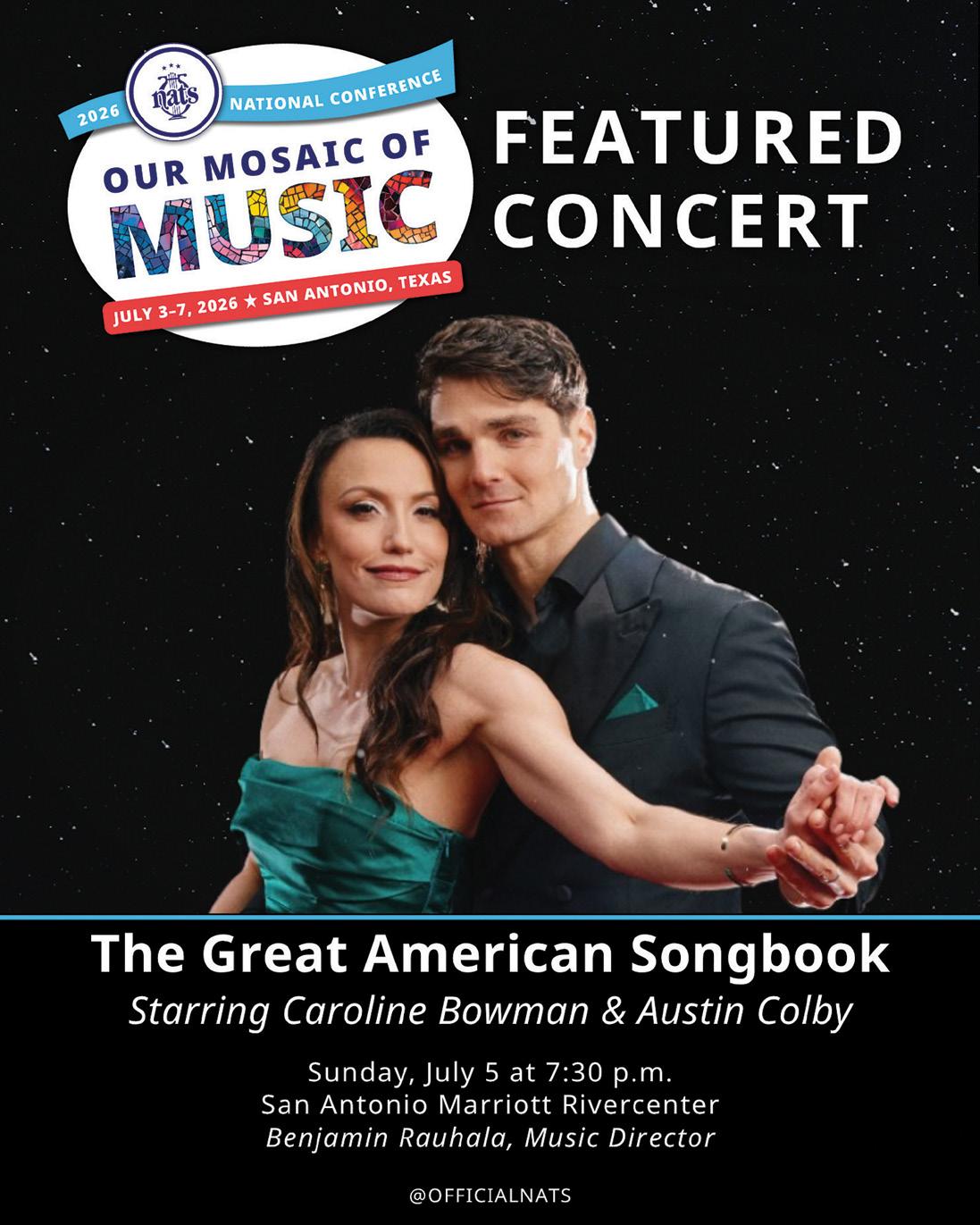









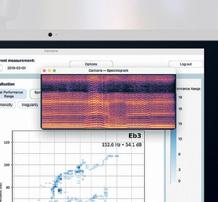










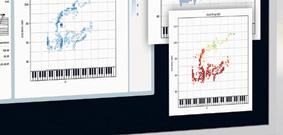







MONDAY, JULY 6
Download the Guidebook app or visit nats.org to view presenter bios.
MONDAY, JULY 6
9 a.m. – 4 p.m.
Exhibit Hall Open
Plenary Session
9:30 – 11:00 a.m.
Salon E
10:30 a.m. Coffee Break
Salon E
Special thanks to the Dallas - Fort Worth NATS Chapter for sponsoring this coffee break in honor of Barbara Hill Moore, 2026 Lifetime Achievement Recipient and longtime DFW NATS Member.
Salon I
Bridging Bel Canto and Billboard: Integrating Classical Craft and Popular Music Practice
Featuring:
In this academically grounded, industry infused Plenary Session, Lyndia Johnson, also known as “MzLyndia” — a conservatory trained opera singer turned global vocal coach and vocal producer — reveals the pedagogical divide between classical training and the contemporary music industry
Drawing on 25 years in major label studios, world tour rehearsals, and artist development rooms, she demonstrates how popular voice pedagogy requires distinct physiological, stylistic, cultural, and technological fluencies that extend beyond traditional Bel Canto frameworks. Through live coaching of classical and contemporary volunteers, participants will experience how studio ready vocals emerge from microphone artistry, session workflow, stylistic authenticity, and identity driven artistic choices Featuring music from emerging artists and insights from Grammy Award-winning collaborators, MzLyndia also explores the expanded role of the modern voice expert — part pedagogue, part producer, part creative strategist . This session invites educators to reconsider long held assumptions and embrace the evolving realities of the artists they serve, offering a rigorous and forward thinking model for contemporary voice training
11 a.m. - 4 p.m.
Mini Recital Series (see page 77)
Salon E
Enjoy live performances throughout the conference on the Alamo Music Center Stage in the Exhibit Hall . Featuring NATS members, students, and guest artists, these mini recitals showcase a diverse range of classical, commercial, and musical theatre repertoire
11:15 a.m.-12:05 p.m.
Salon I
The Feedback Loop: Tuning Vocal Pedagogy with Peer Review
Presented by Chadley Ballantyne, Allen Henderson, John Nix, Nicholas Perna, and Yvonne Gonzales Redman
Peer feedback and review in singing instruction fosters active learning by encouraging students to engage critically with vocal technique, musical interpretation, and performance presence . When students evaluate each other’s work, they develop a deeper understanding of vocal concepts and refine their own skills through observation and reflection. Structured peer feedback sessions promote analytical listening and constructive dialogue . In studio classes, rotating peer coaching pairs can provide targeted feedback on repertoire preparation, enhancing accountability and collaborative learning . Digital platforms like video sharing and comment threads also allow asynchronous peer critique, extending learning beyond the classroom These practices cultivate a supportive learning environment, empower students to take ownership of their progress, and mirror professional artistic collaboration . Integrating peer review not only enriches technical development but also nurtures critical thinking and empathetic communication—essential skills for emerging artists. Attendees will receive examples of teaching and evaluative rubrics and materials utilized by the panelists
11:15 a.m.-12:05 p.m.
Salon B
From Fight-or-Flight to Flow: A Polyvagal Lens on Singing and Teaching to Enhance Learning Through Nervous System Regulation
Presented by Cecilia Duarte, Kimberly Monzón, and Sooah Park
Voice students with trauma histories often exhibit symptoms such as social withdrawal, lack of focus, disrupted proprioception, and difficulty processing sound and rhythm — all of which compromise learning and performance (Helding; Rosenberg; van der Kolk). These challenges are rooted in the dysregulation of the autonomic nervous system, which affects brain regions critical for memory, attention, and creativity. Drawing on Polyvagal Theory (Porges), this presentation introduces somatic tools designed to help students regulate stress responses, enhance social engagement, and improve performance outcomes Techniques include rhythmic pulsation, guided breathwork, cranial-nerve selfmassage, humming, and mindfulness practices (Dana; Madaule) . These exercises can improve motivation, musicianship, mental flexibility, and emotional resilience in the voice studio. Participants will acquire practical, evidence-informed knowledge designed to support nervous system regulation in the voice studio By integrating these tools, voice teachers can help students transition from roadblocks to resilience in learning — empowering both their artistic development and overall well-being.
11:15 a.m.-12:05 p.m.
Salon J
You Can Improvise! A Practical Guide to MultiGenre Vocal Improvisation
Presented by Tish Oney and Patrice Pastore
When faced with the term “improvisation” most musicians immediately think of jazz. But there are several practical applications for learning improvisational skills that can be transferable to any genre of music. Patrice Pastore and Dr. Tish Oney present a workshop in multi-genre vocal improvisation that is applicable to jazz, opera, and classical singing in a variety of languages Through the exploration of basic improvisational skills culled from both jazz and contemporary multi-genre vocal improvisation, participants will sing, clap, stomp, and move toward greater understanding and skill in their own improvisational abilities. Applications and benefits of
MONDAY, JULY 6
these skills across genres include protection against memory loss, pivoting during a performance due to mistakes, easing performance anxiety, building musicianship and confidence, enhancing role preparation, creating greater expressive breadth, and improving mental health .
11:15 a.m.-11:40 a.m.
A Century of Lithuanian Art Songs
Presented by San-ky Kim
Salon K
Art Songs in Lithuania appeared only after the Lithuanian political independence in the early twentieth century. Before the Second World War, there already existed substantial body of art song repertoire that not only exhibited the mature classical musical language but also explored the cutting edge modern compositional techniques. However, the arc of musical development took a drastic turn during and after the Second World War, as Lithuanian musical and literary activities faced the harsh fate of either to conform and survive under the Soviet rules or to exile in diaspora, mainly in the USA. This lecture recital introduces Lithuanian art songs from the turbulent last 100 years, representing the variety of musical approaches taken by both male and female composers working under Soviet regime as well as the ones who made America their new homeland. We introduce contemporary musical gestures as well. Peculiarities in Lithuanian lyric diction will be addressed.
11:15 a.m.-12:05 p.m.
Salon M
Congratulations or Condolences? Pursuing a Career in Arts Administration.
Presented by Jason Lester
In a time when the arts are both thriving through innovation and challenged by economic pressures, arts administration (Dean, Associate Dean, Director, Chair, Coordinator, Executive Director) stands at the crossroads of creativity and leadership But should one pursue it as a career? This presentation explores the realities of working in arts administration, its rewards, demands, and evolving landscape, offering insight to those considering this path of navigating the passion, purpose, and practicality of an arts administration position. We will unpack the skills required, typical career trajectories, and the emotional labor often involved in managing creative institutions . Through a blend of personal experience,
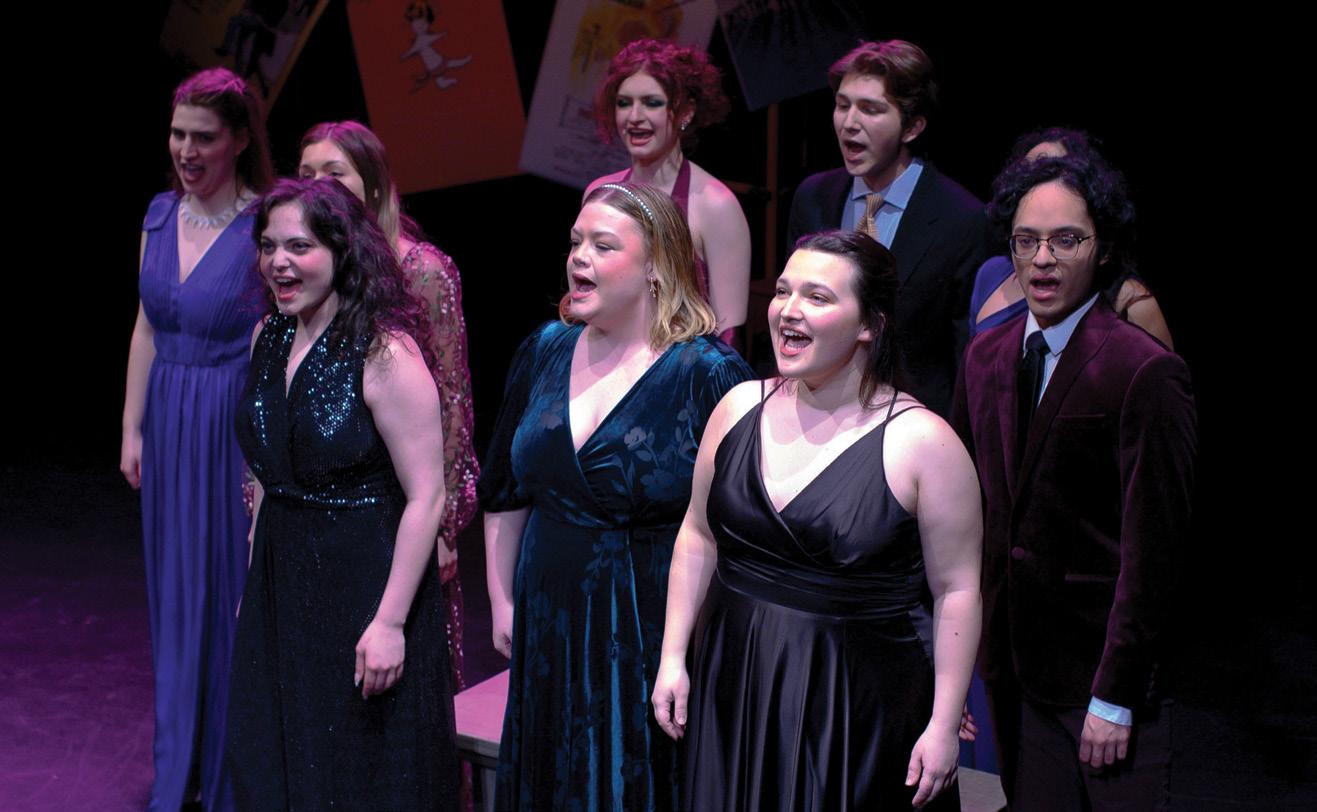
sector research, and interactive discussion, attendees will gain a clearer understanding of whether arts administration aligns with their strengths, values, and long-term goals . This session is especially useful for anyone considering a transition from creative practice to leadership roles in the arts ecosystem .
11:45 a.m.-12:05 p.m.
Salon K
Diversifying the Art Song Canon: Latin American Composers Everyone Should Know
Presented by Jessica Posada and Kayla Liechty
Diversifying the canon, although an important task, can be overwhelming. Lack of biographical resources, inaccessibility to scores, scarce representation in academia, and an overall absence of performances make this task even more daunting. This lecture recital aims to serve as a primary resource for those eager to learn about Latin American Art Song repertoire but do not know where to begin. Encompassing repertoire from Argentina, Brazil, Cuba, Colombia, Mexico, and Venezuela, this session will provide attendees with an introduction to Latin America’s most influential composers of Art Song. Through a compilation of biographical essays from various experts and researchers, live performances, a curated repertoire list of each composer, and information on how to access available sheet music, the presenter will provide a concise survey of this repertoire. Each attendee will leave with a clear plan to incorporate this repertoire into their studio, vocal literature course, or delve further themselves .
Educating Voice Professionals Worldwide Since 1906
NYSTA Suppor ts NATS on its 59th Biennial Conference
Available live in NYC and online worldwide, the New York Singing Teachers Association (NYSTA) offers its international membership events featuring leading figures in vocal performance, pedagogy, and health through the Great Coaches Series and Professional Development Program (PDP), as well as workshops, seminars, master classes and a peer-reviewed quarterly journal to inspire and educate those who work with the singing voice across all musical genres. Founded in 1906, NYSTA is the oldest singing teachers’ association in the world. Join history! For more information about membership, professional development resources, and our scholarship program, please visit our website at www.nyst.org.
MONDAY, JULY 6
12:15-1 p.m.
Salon E
Expanding the Canon: New Vocal Publications from Hal Leonard
Presenters:
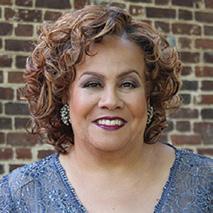
Hal Leonard, the world’s leading publisher of vocal music, has some exciting and wide-ranging new offerings this year! Dana Lentini, renowned for her work in child vocal pedagogy, will present a new volume of repertoire in Songs and Lessons for the Progressing Singer. Louise Toppin, award-winning teacher and scholar of African-American music, will share her compilation, Black Composers in Art Song, in high and low voice editions. And Brendan Fox, head of Hal Leonard’s classical-vocal department, will speak on Volume 8 of The Singer’s Musical Theatre Anthology . Join us in exploring these new publications for a wide spectrum of vocal performance and teaching .
• The next volume in the trusted series vocal instructors have relied on for decades
• Features a curated mix of contemporary Broadway hits and classic selections new to the series
• Authentic, singer-friendly arrangements with piano accompaniments that support the voice
• Available editions for Soprano, Mezzo-Soprano/ Belter, Tenor, and Baritone/Bass
• Audio downloads of piano accompaniments also available
Check out the latest volume in person at Hal Leonard’s booth!

1:15-2 p.m.
Salon E
A Conversation with the American Academy of Teachers of Singing (AATS)
Presented by Donald Simonson, Chair and gathered members of the Academy
Who and what is the American Academy of Teachers of Singing? The American Academy of Teachers of Singing is a select group of internationally recognized voice teachers and singing voice experts founded in 1922 with the express purpose of supporting and contributing to the singing profession in an advisory capacity. The Academy works as a single body to offer guidance through the publication of position papers on a wide range of subjects. We value and celebrate all styles of singing. We speak with “one voice.” In today’s session, the gathered members of the Academy will briefly chronicle current paper topics under development and open the discussion for suggestions of additional topics of interest to the greater membership of the National Association of Teachers of Singing (NATS)
2 – 4 p.m.
Poster Paper Session 3 (see page 69)
Salon E Foyer
Coordinated by Nicholas Perna, NATS Vice President of Outreach
NATS would like to thank Ian Howell and Embodied Music Lab for generously sponsoring the inaugural Best Student Poster and Best Overall Poster Prizes! Each prize winner will receive $300 in recognition of their outstanding research and presentations .
2-2:50 p.m.
MONDAY, JULY 6
Download the Guidebook app or visit nats.org to view presenter bios.
questions . Participation is open to professors, educators, directors, actors, students, and any other theatre artists interested in learning more about consent-based practices
2-2:50 p.m.
Salon B
Techniques and Tools for Promoting Consent-Based Culture in the Classroom and Performance
Presented by Grace Edgar
Consent-based techniques and tools will be taught to participants by Educator Advocate Dr . Grace Edgar . These techniques include a self-care cue, boundary practice, and vulnerability practice developed by the faculty of Theatrical Intimacy Education (TIE) Participants will be led through exercises to develop these applicable tools . The second portion of the workshop will move into practical applications in the audition, rehearsal, and production processes The session will close with time for reflection and
Salon J
Picking the Perfect Pop Song: Contemporary Repertoire for the Musical Theater Audition Room
Presented by Noel Smith
With the rise of pop/rock musicals on Broadway, casting directors increasingly ask for authentic pop songs in auditions . This session equips voice teachers with tools to help students select, prepare, and confidently deliver pop repertoire for musical theater auditions. Topics include how to find age-appropriate, vocally healthy, and theatrically resonant pop material; how to cut a song effectively; set a tempo for the pianist; and establish the groove so it feels natural and stylistically accurate . The presentation will also clarify the differences between contemporary and traditional musical theater styles — and why casting often prefers a true pop song over a popinflected show tune. Using examples from Beautiful, Jagged Little Pill, and & Juliet, attendees will learn how to guide students in storytelling, vocal styling, and authenticity. Takeaways include curated playlists, cutting strategies, and a framework for bridging pop technique with musical theater sensibility.
2-2:25 p.m.
Salon K
I Hunger Yet I Shall Be Fed: Autonomy and Awe in Selected Solo Vocal Literature of Florence Price
Presented by Lisa Williamson and Khyle B. Wooten
Although scholarship on the music of Black composers has grown in recent years, the work of Black women composers remains understudied. Many faced significant barriers to publication and performance, leaving much of their repertoire unpublished and overlooked. This Lecture Recital focuses on Florence Price (1887–1953), highlighting her commitment to artistic autonomy despite exclusion from the composition community in her lifetime Through musical and textual analyses of the songs: Love-in-a-mist, The Moon Bridge, Resignation, and Trouble Done Come My Way, this presentation explores Price’s expressive depth and thematic focus on fortitude, autonomy, and joy All selected pieces are original compositions for voice and piano, unified
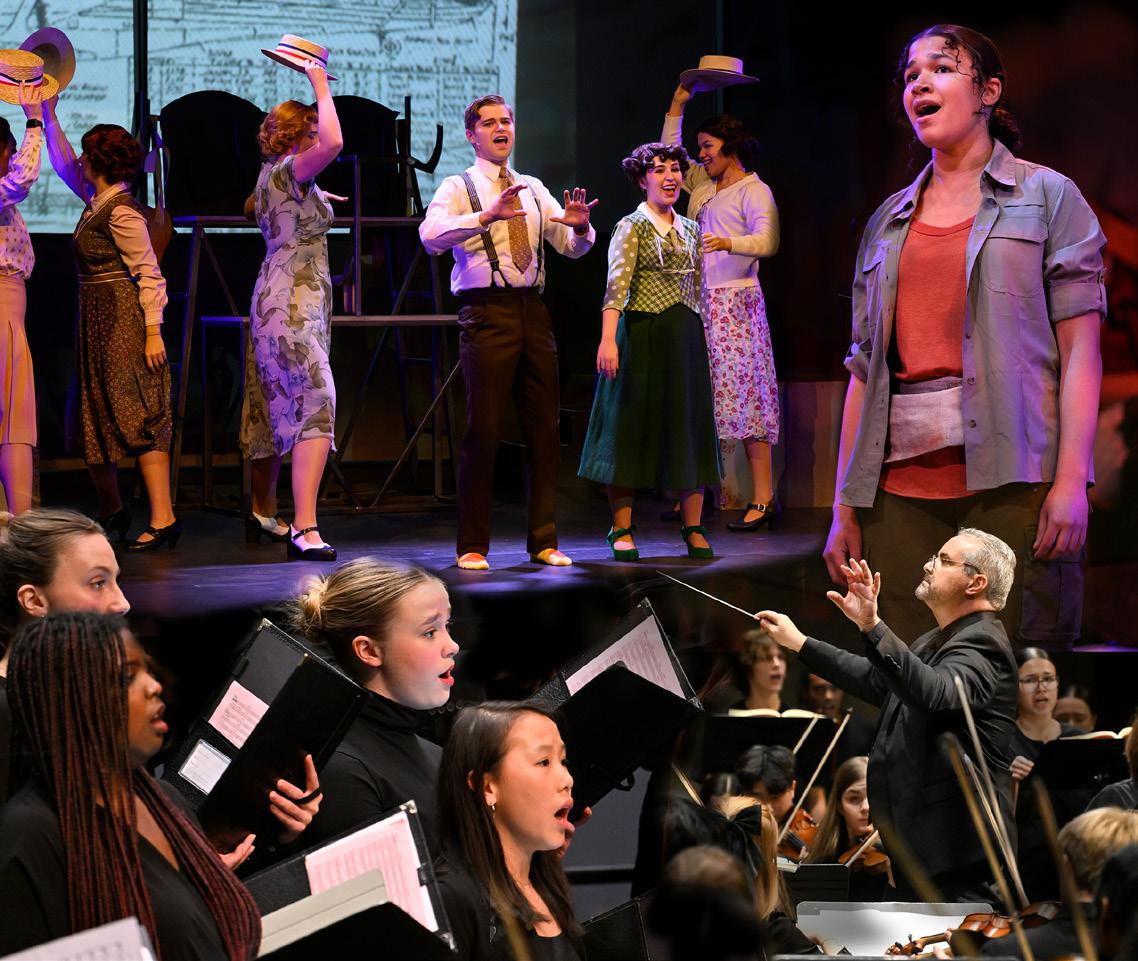

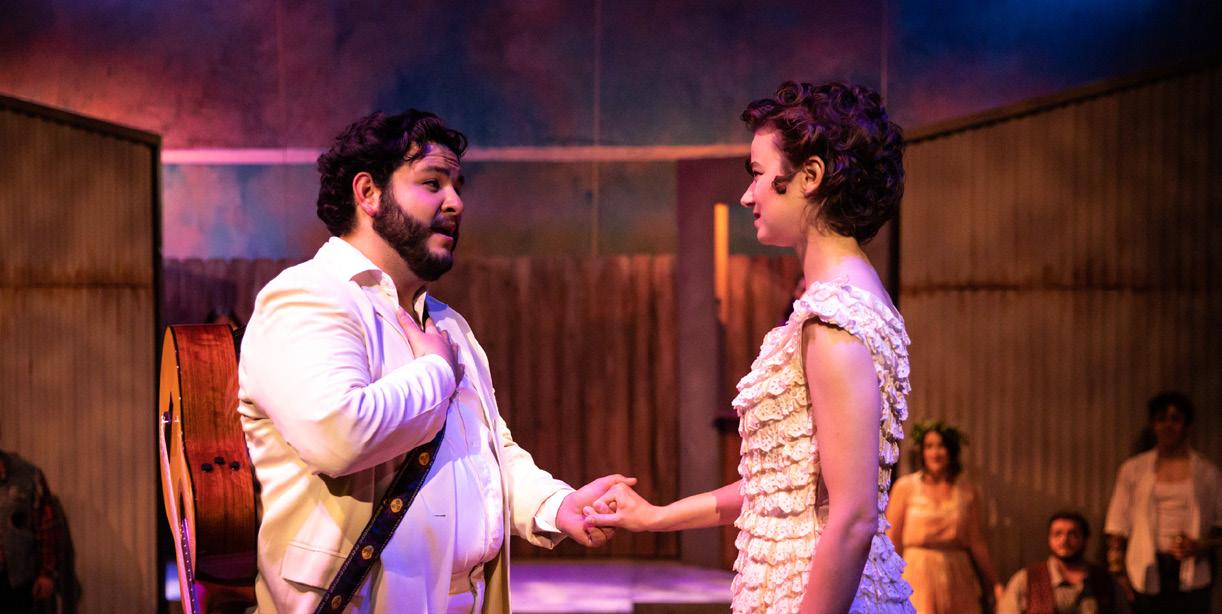
Offering undergraduate degrees in:
• Voice Performance
• Music Theatre Performance
• Music Learning and Teaching
• Music Therapy
• Popular Music
and graduate degrees in:
• MM Voice, Music Theatre and Opera Performance
• MM Performance Pedagogy
• DMA Music Performance
• DMA Choral Conducting
as well as Minors, Certificates and concentrations in Voice, Music Theatre, Education, Vocal Pedagogy and Music Entrepreneurship.
Voice Faculty
Amanda DeMaris
Carlos Feliciano
Carole FitzPatrick
Gordon Hawkins
Nathan De’Shon Myers
Stephanie Sadownik
Stephanie Weiss
Andrea Will
Music Theatre and Opera Faculty
David Radamés Toro, Co-Artistic Director
Toby Yatso, Co-Artistic Director
Chelsea Anderson
Michelle Chin
Youngjoo Jang
Robert Mills
Molly Lajoie Plutnicki
Frank Watkins, Director of Choral Activities
Katie Gerrich, Conductor of Canticum Bassum and Barrett Honors Choir
Nathan De’Shon Myers, Director of Gospel Choir

MONDAY, JULY 6
Download the Guidebook app or visit nats.org to view presenter bios.
by their textual themes. The recital will also offer insights into Price’s compositional influences, as well as the historical context and performance reception of each work. Ultimately, this program seeks to contribute enduring repertoire resources for singers, collaborators, and scholars committed to equity and representation in classical music .
2-2:50 p.m.
Recital Glow-Ups: Bridging Tradition and Transformation
Presented by Casey Joiner-Isaacs and Will Perkins
Salon M
The classical song recital has been a respected avenue for the performance of art song for centuries and can provide a meaningful introduction for those who may not be familiar with classical music. Standard recital format continues to prove valuable and holds an important place in our industry. However, standard recitals can seem intimidating and uninviting to those not acquainted with prescribed practices and procedures. Join us as we investigate the look and feel of recitals through the lens of modern technological and genre considerations, as well as the incorporation of multimedia and abstract performance techniques . These can provide broader artistic expression, a more inviting space for new audiences, and a more accurate representation of the resources available for those who may wish to further explore vocal music. Let our toolbox help you, your colleagues, friends, and students expand your minds to the ever-evolving world of recital performance.
2-2:50 p.m.
JOS Forum: A Guide to Academic Publishing
CR 20/21
Presented by Matthew Hoch, Brian Manternach, John Nix, and Elvia Puccinelli
Are you interested in publishing an article in the Journal of Singing? This panel presentation will provide a how-to guide for individuals interested in doing just that . Many voice professionals have important ideas to share with the pedagogical community but have never published a peer-reviewed article. Others may have submitted works that were rejected and did not receive adequate feedback to help them understand why. This session will discuss academic publishing, the distinction between peer-reviewed work and other kinds of writing (such as that found in magazines, blogs, or social media), and how to convert
pedagogical ideas into a format suitable for an academic journal . The panelists comprise experienced associate editors and editors in chief of the Journal of Singing, all of whom will share “from the trenches” advice for publishing in a peer-reviewed journal. The presentation will conclude with a period of time for questions and discussion .
3-3:50 p.m.
Salon B
Singing as Ourselves: Dialogue and Strategies for Reimagining Identity in Musical Selection
Presented by Paul Patinka and Zipporah Peddle
Many voice teachers seek ways to respect and highlight diverse singing traditions and identities in the music they collaborate on with students. Thoughtful interrogations of the values embedded into traditional teaching models have led to many challenging questions. Fundamentally, how does a singing teacher balance expectations of canonic knowledge with the desire to empower students through music they connect to? This presentation explores the results and implications of several studies that examined musical selection practices and identities in voice teaching. Using this research as a jumping-off point, the presentation will engage in guided, small-group discussions to facilitate dialogue about what the research means in practical terms and its potential studio applications . After engaging in communal dialogue, the presenters will share strategies and resources to support teachers in reimagining music selection through individual and collective values aligned with the contemporary educational philosophies of today’s teaching landscape
3-3:50 p.m.
Salon J
Testing… One, Two, Three: How Three Colleges are Rethinking Voice Training for the Contemporary Artist
Presented by Warren Freeman and Marita Stryker Collegiate vocal education is often structured around the expectations of classical performance . However, there is no standardized path for a career in contemporary vocal performance as exists in classical or even musical theatre . If contemporary singers can self-release recordings on streaming services, gain exposure on social media, and book live gigs with little to no overhead costs, then what purpose does
MONDAY, JULY 6
Download the Guidebook app or visit nats.org to view presenter bios.
an academic degree serve for the contemporary musician? This presentation examines the academic study of Voice, using a case study of three programs currently offering contemporary vocal performance, at different phases of implementation. We will include a list of suggested integrations and resources for other schools who want to reach this population of singers, setting them up for a successful and sustainable career as a 21st century artist
3-3:25 p.m.
Salon K
Resounding Voices: Women Composers featured in the November 1918 Women’s Edition of The Etude Presented by Sarah VandenBrink and Christina Giuca Krause
This lecture recital explores the lives and vocal works of early 20th-century women composers featured in the November 1918 Women’s Edition of The Etude Music Magazine. In a time when women’s contributions to composition were often marginalized, The Etude offered a rare spotlight to 250 women composers . Composers such as Teresa del Riego, Cora Briggs, and Emilie Mayer created lyrical, expressive music that deserves renewed attention in today’s voice studios and recital halls Through brief contextual lectures and live performance of 1–2 art songs by each featured composer, this presentation reintroduces their music and examines the cultural and historical forces that shaped their careers. Attendees will leave with pedagogical and programming ideas to diversify recital repertoire and better represent women’s voices from this pivotal era . Through this performance, we hope to broaden the pool of music available to performers and highlight their well-deserved roles within the history of Western music.
3-3:50 p.m.
Salon M
Who’s Qualified to Teach? A Historical Examination of Professional Efforts to Certify and License Singing Teachers
Presented by Amelia Rollings Bigler and Edward Reisert Efforts to credential singing voice teachers in the United States can be traced back to, at least, the late 1800s During this time, various professional groups emerged to foster a cohesive voice teaching community — one that could raise professional standards, enhance teacher education and competence, and ultimately implement certification. This presentation offers a historical exploration
spanning nearly 150 years and highlights key events and discussions from organizations such as the Music Teachers National Association, the New York Singing Teachers’ Association, the American Academy of Teachers of Singing, the National Association of Teachers of Singing, and the Pan American Vocology Association We investigate the ongoing historical dialogue surrounding these initiatives and invite current stakeholders to critically examine any future efforts toward or away from professional certification and licensure of singing voice teachers by considering the historical context, potential benefits and drawbacks, ethical concerns, and the broader impact on the profession
3-3:50 p.m.
Hormonal Seasons and the Singing Voice: Expanding the Conversation
CR 20/21
Presented by Joanne Bozeman, Nancy Bos, and David Sabella
Midlife hormonal shifts may affect the singing voice in profound ways, yet much of the current discourse remains siloed This session expands the conversation to explore the vocal experiences of singers across a wide range of hormonal transitions, including peri- and post-menopause, “andropause,” and transitions experienced by transgender and genderexpansive individuals Joanne Bozeman and Nancy Bos, co-authors of Singing Through Change: Women’s Voices in Midlife, Menopause, and Beyond, will offer research-based insights, practical observations, and personal stories regarding hormonal voice changes in cis women. Singer and author David Sabella will review lived experiences, therapeutic practices, and cultural considerations related to hormonal voice shifts among cis men, transgender individuals, and singers who are non-binary. The third portion of the presentation will consist of a panel discussion, Q and A, and moderated group dialogue centered on understanding, applied pedagogy and future research .
3:30-3:55 p.m. Salon K
Modern Mythologies: Contemporary Art Songs by Danaë Xanthe Vlasse and Sarah Hutchings
Presented by Mitchell Hutchings and Donna Loewy Experience the compelling vocal works of Danaë Xanthe Vlasse and Sarah Hutchings in this lecturerecital exploring myth, memory, and the modern
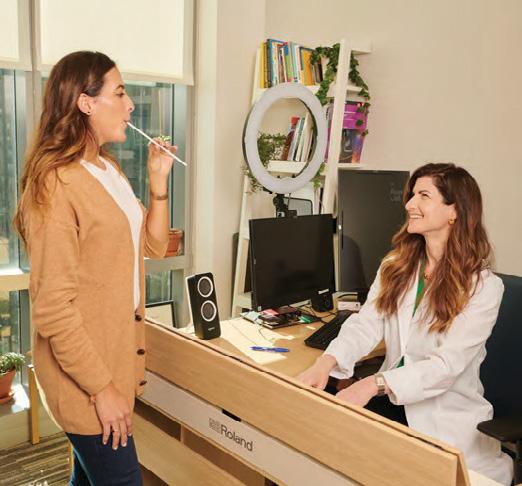
Our highly trained specialists evaluate, diagnose, and treat a wide range of conditions that can impact the sound and quality of the professional voice. In our state-of-the-art facility, we specialize in the care and management of singers and actors across genres, including elite performers, singers-in-training, amateurs, and other performers.
options, including surgical and behavioral approaches tailored to each patient’s unique condition, as well as singing voice therapy and rehabilitation of the speaking voice.
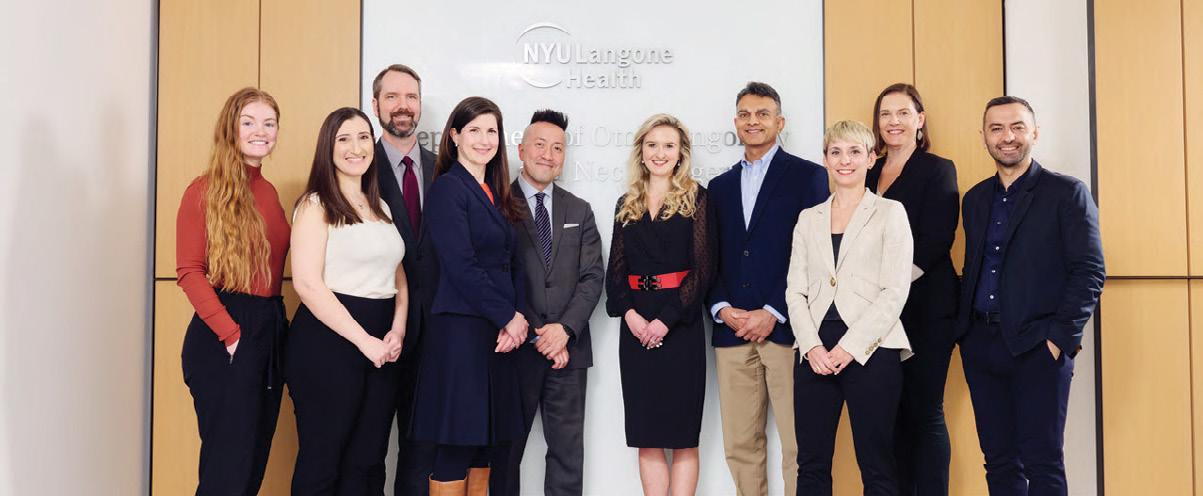
NYU Langone Voice & Swallowing Center
222 East 41st Street, 8th Floor
646-754-1207
nyulangone.org/voicecenter
The Voice Series, 2025 Edition is Nor th America’s leading resource for teaching and studying singing. supports healthy vocal development for all ages expansive reper toire across multiple styles and eras a wide range of songs for all levels, ages, and voice types a holistic approach that encourages best practices in singing access to recordings and additional resources online
Visit our booth for 25% off individual books and up to 30% off full set s
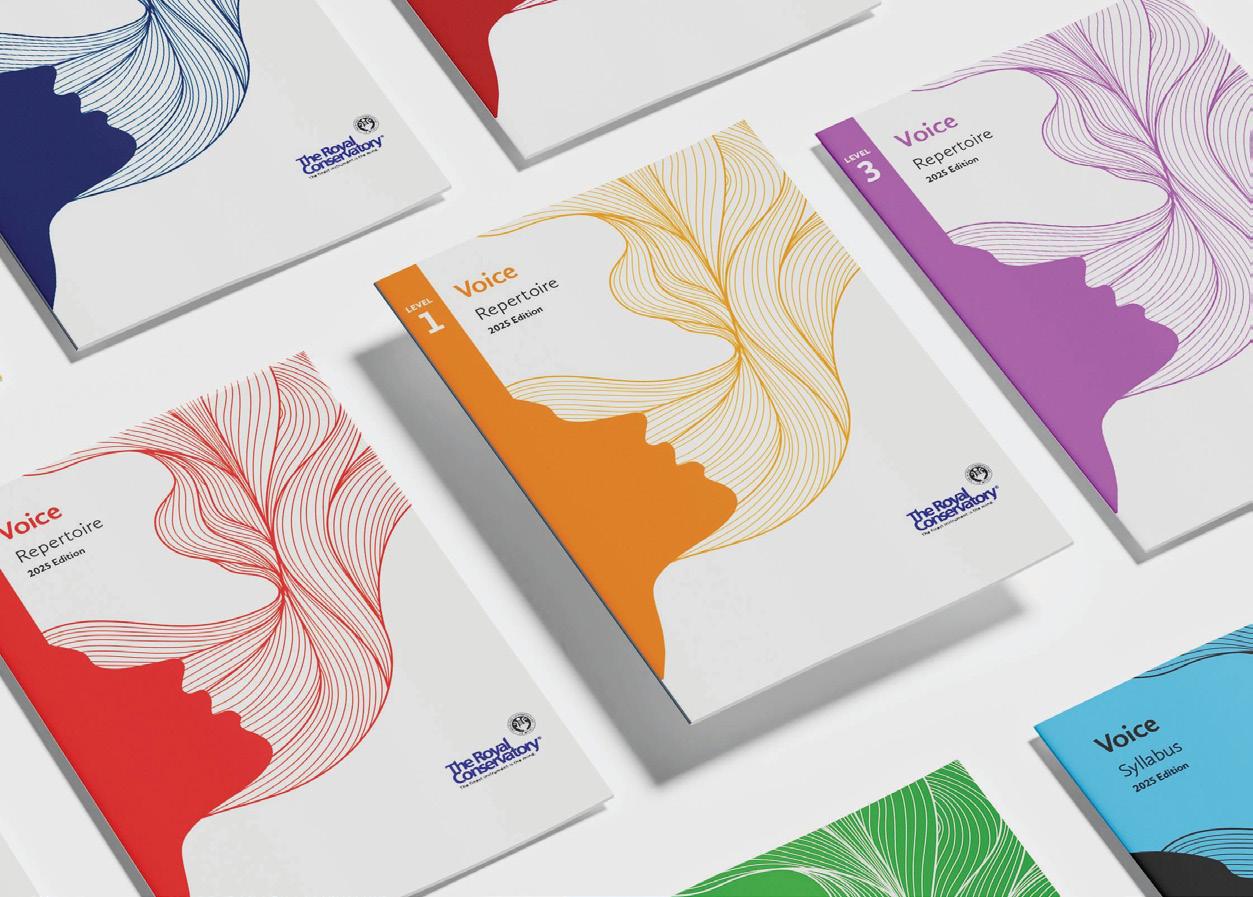
MONDAY, JULY 6
Download the Guidebook app or visit nats.org to view presenter bios.
art song. Vlasse’s music draws on her French and Greek heritage, blending classical lyricism with mythological themes and richly textured harmonies. Her songs evoke ancient landscapes, archetypal figures, and timeless emotional states. In contrast and complement, Hutchings’ work spans a range of poetic voices and languages, exploring memory, transformation, and vulnerability through contemporary texts and expressive vocal writing. Together, their works reflect a diverse and evolving mosaic of vocal expression. Attendees will hear selected live performances and gain interpretive and pedagogical insights into phrasing, text delivery, and stylistic accessibility This session is ideal for teachers and performers seeking repertoire that bridges tradition and innovation, offering students vocally rewarding and emotionally resonant material. Celebrate two powerful artistic voices shaping the future of song through their lens of myth, memory, and imagination .
4 – 6 p.m.
Closing Ceremony: A Musical Mosaic
Featuring 2026 NATS Artist Award Winner Josefina Maldonado, 2026 National Musical Theatre Competition Winner Olivia Hellman, and a collaborative performance of Bernstein’s Songfest
The conference concludes with an afternoon of music celebrating the transformative power of singing! Featured artists include 2026 NATS Artist Award winner Josefina Maldonado and 2026 National Musical Theatre Competition winner Olivia Hellmann, plus a collaborative performance from our very own NATS members. The program will culminate with selections from Bernstein’s Songfest, a 12-movement work commissioned for America’s Bicentennial a kaleidoscope of American poetry — from the early Puritan voice of Anne Bradstreet to contemporary writers like June Jordan and Lawrence Ferlinghetti — exploring themes of love, loss, identity, and artistic truth . Bernstein’s music mirrors these tensions: celebratory yet questioning, personal yet collective . Don’t miss this fitting and powerful ending as we reflect on our time together and look toward the future .
6:30 p.m.
59th NATS National Banquet
*Additional Ticket Required
Presiding: Alexis Davis Hazell
Salon B
Join colleagues and friends for an evening of celebration! Featuring a beautiful 3-course plated dinner, live music, Lifetime Achievement awards presentation honoring Barbara Hill Moore and Robert Sataloff, fellowship, and dancing.
TUESDAY, JULY 7
4 – 6 p.m.
Business Meeting
Presiding: Alexis Davis Hazell, President
CR 20/21
Join NATS Leadership and the Board of Directors as we conclude the conference, welcome newly elected board members, and share important updates about the Association. Complimentary coffee and fellowship will be provided.
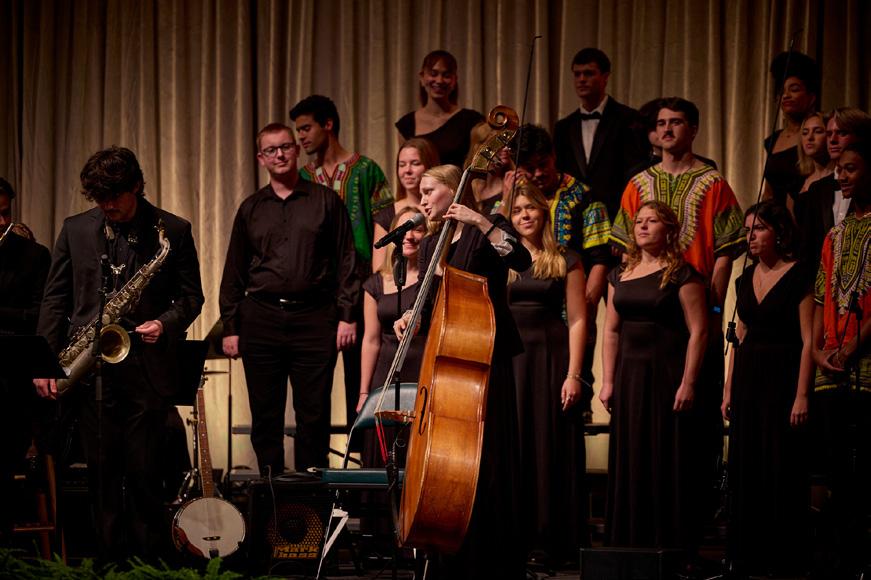
PLNU develops inspiring leaders in music education, composition, performance, and worship
MONDAY,
Download the Guidebook app or visit nats.org to view presenter
THE NATIONAL ASSOCIATION OF TEACHERS OF SINGING presents The 59th National Conference Closing Ceremony

The 2026 NATS Young Artist Competition Winners
with Brian D. Bentley, pianist

NEW YORK CITY
Another hundred people – Company
music & lyrics Stephen Sondheim Weekend in New England music & lyrics Randy Edelman
SEVILLE
Una voce poco fa – Il barbiere di Siviglia
BARCELONA
Gioachino Rossini (1792–1868)
Chiquitita la novia – Canciones Clásicas Españolas, Vol. 1, No.7 Fernando Obradors (1897–1945)
BANKOK
Someone else’s story – Chess
SEOUL
The way that it has to be – Maybe Happy Ending
NYC & HAVANA
Paciencia y fe – In the Heights
ATHENS
Paper wings – Paper Wings
LOS ANGELES
As if we never said goodbye – Sunset Boulevard
BALTIMORE
Don’t rain on my parade – Funny Girl
VIENNA
Sein wir wieder gut – Ariadne auf Naxos
text Francisco Fernández Bohigas
music Benny Andersson & Björn Ulvaeus
lyrics Tim Rice & Björn Ulvaeus
music Will Aronson
lyrics Will Aronson & Hue Park
music & lyrics Lin-Mañuel Miranda
Jake Heggie (b. 1961)
text Frederica von Stade
music Andrew Lloyd Webber
lyrics Don Black & Christopher Hampton
music Jule Styne
lyrics Bob Merrill
Richard Strauss (1864–1949)
Let’s be good friends, again. I see everything differently now! The depths of existence are immeasurable!
My dear friend! There is much in the world that goes unexpressed. Poets certainly write very good words; however, courage is within me Courage, friend! The world is lovely and not frightening to the courageous. What then is music? Music is a holy art. It brings together all kinds of courage, like cherubim around a radiant throne, and that’s why it is the most holy of the arts. Holy music!
MONDAY, JULY 6
Download the Guidebook app or visit nats.org to view presenter bios.
LEONARD BERNSTEIN (1918–1990)
with Elvia Puccinelli & Valerie Trujillo, pianists Introduction: Melinda Brou O P E N I N G H Y M N : S E X T E T
I. To the Poem (Frank O’Hara, 1926–1966)
Suzanne Ramo, Jaime Reimer, Caitlin Moore Nicholas Klein, Christopher McKim, Michael Hix
II. The Pennycandystore Beyond the El (Lawrence Ferlinghetti, 1919–2021) Kerry Wilkerson
III. A Julia de Burgos (Julia de Burgos, 1914–1953)
IV. To What You Said (Walt Whitman, 1819–1892)
Danielle Talamantes
Scott LaGraff & Ensemble
V. I, Too, Sing America (Langston Hughes, 1901–1967) / Okay, “Negroes” (June Jordan, 1936–2002) Alexis Davis Hazell & Earl Hazell
VI. To My Dear and Loving Husband (Anne Bradstreet, 1612–1672) Melinda Brou, Katherine Ragan, Deja Godwin
VII. Storyette H. M (Gertrude Stein, 1874–1946) André Chiang & Autumn West
S E X T E
VIII. if you can’t eat you got to (e.e. cummings, 1894–1962) Crystal Jarell Johnson, Jourdan Laine Howell, Lydia Beasley John Nix, Joseph Herron, Christopher Besch
IX. Music I Heard with You (Conrad Aiken, 1889–1973)
Lindsay Kate Brown
X. Zizi’s Lament (Gregory Corso, 1930–2001) Justin Kroll
XI. What Lips My Lips Have Kissed (Edna St. Vincent Millay, 1892–1950) Josefina Maldonado
XII. Israfel (Edgar Allen Poe, 1809–1849)
Afsoneh Esfandiari, Liliana Guerrero, Page Stephens Steven Brennfleck, Ashton McKenzie, Mikhail Smigelski
Candide: “Make Our Garden Grow” (Richard Wilbur, 1921–2017) Leonard Bernstein (1918–1990) Randall Umstead, conductor
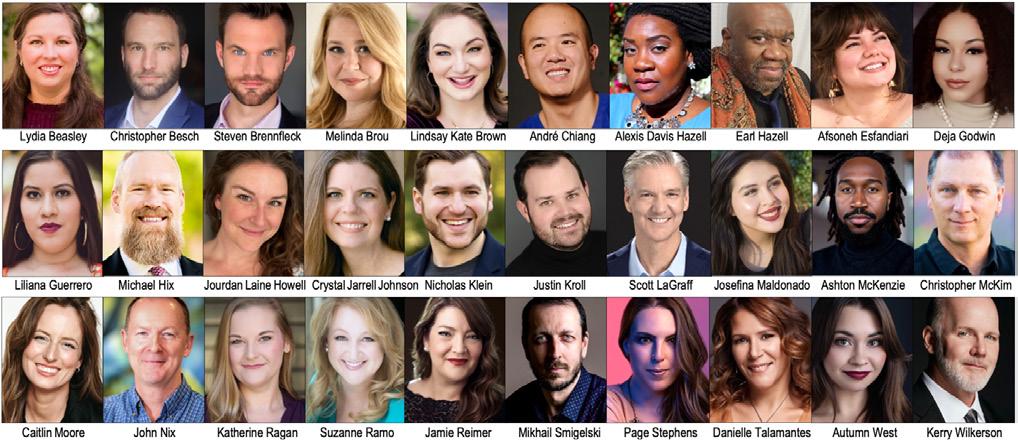
The NATS Lifetime Achievement Awards honor longtime contributions to the voice community through pedagogy, research, and the transformative power of singing. The 2026 awards recognize and celebrate two titans of our field.
Barbara Hill Moore, Senior Associate Dean for Faculty and Meadows Foundation Distinguished Professor of Voice at Southern Methodist University (SMU), has enjoyed an illustrious teaching career that began in St Louis in 1965 and has continued at SMU since 1974. Hill Moore sang in operas, recitals, and concerts in Europe and North America, including more than 50 performances of Kurt Weill’s Threepenny Opera in Berlin, singing the role of Jenny . Her recent focus has been serving as a master teacher, mentor, and advisor to aspiring young artists in classes, private lessons, and advisory sessions throughout North America, Europe, Asia and Africa . She received her bachelor’s degree from Lincoln University, a master’s degree as a graduate fellow from the University of Illinois, and an honorary D.F.A. from Lincoln University. The SMU Faculty Career Achievement Award, the National Opera Association Legacy Award, the NATS Barbara Hill Moore Emerging Teaching Artists Award, and the University of Illinois Distinguished Alumni Award are among many honors she has received throughout her celebrated 60-year teaching career
Robert T. Sataloff is professor and chair of the Department of Otolaryngology-Head and Neck Surgery and senior associate dean at Drexel University College of Medicine. He holds adjunct professorships at other medical schools and serves on the faculty of the Academy of Vocal Arts . He is conductor of the Thomas Jefferson University Choir and a professional singer and singing teacher with an undergraduate degree in music theory and composition and a doctorate in voice performance . Sataloff is editor in chief of the Journal of Voice ; editor emeritus of the Ear, Nose and Throat Journal; associate editor of the Journal of Singing; serves on the editorial board of Medical Problems of Performing Artists; and is an editorial reviewer for numerous otolaryngology journals. He has written more than 1,000 publications (including 76 books) and has been awarded more than $5 million in research funding. His h-index is 47 (as of March 2024) . Sataloff is recognized as one of the founders of the field of voice medicine, having written the first modern comprehensive article on care of singers, and the first chapter and book on care of the professional voice. Through his work and through the Voice Foundation, he has influenced the evolution of the field for more than four decades.
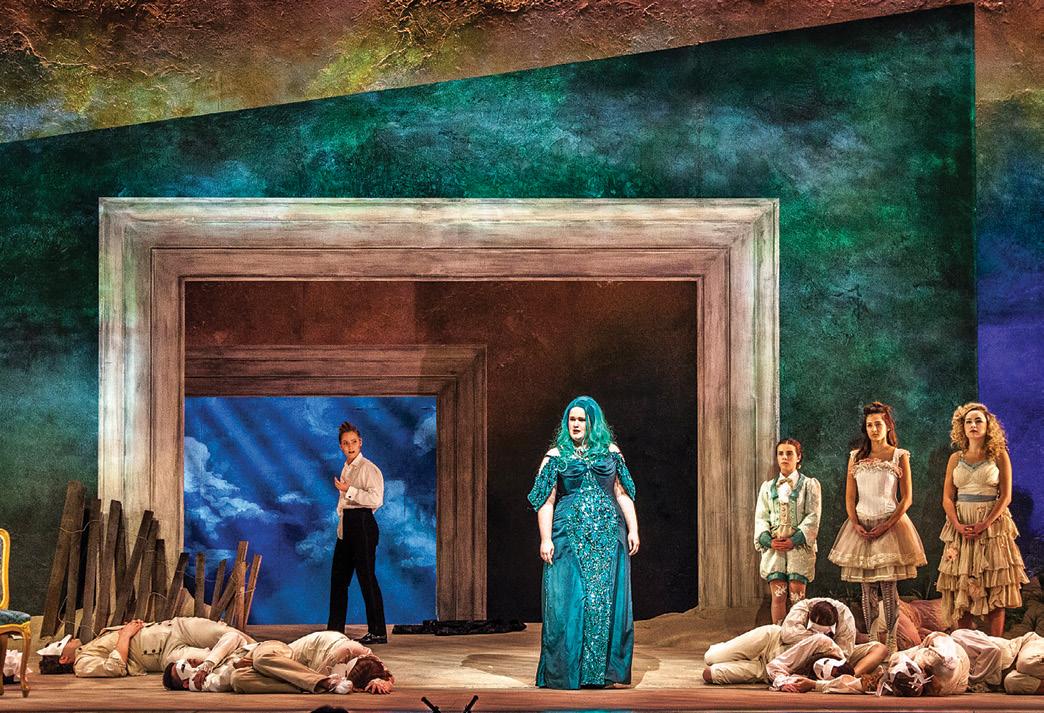
VOICE FACULTY
Virginia Dupuy
Clif Forbis
Camille King
Andreas Mitisek, opera director
Barbara Hill Moore
Leon Turner
Margaret Winchell, choirs
MUSIC DEGREES
B.M., M.M. and Performers Diploma
Music Education
Music Composition
Music Therapy
Sacred Music
In SMU Meadows’ Division of Music, our voice students take the stage in a wide range of performance opportunities, from fully staged opera productions to exceptional choral ensembles and masterwork collaborations. They develop their artistry through frequent performances and interdisciplinary projects under the mentorship of faculty who are internationally recognized performers, directors, composers and scholars. At SMU Meadows, many students double major, study abroad and use their voices to make a meaningful impact in the world. Learn more at smu.edu/music.
music.illinois.edu musicadmissions@illinois.edu
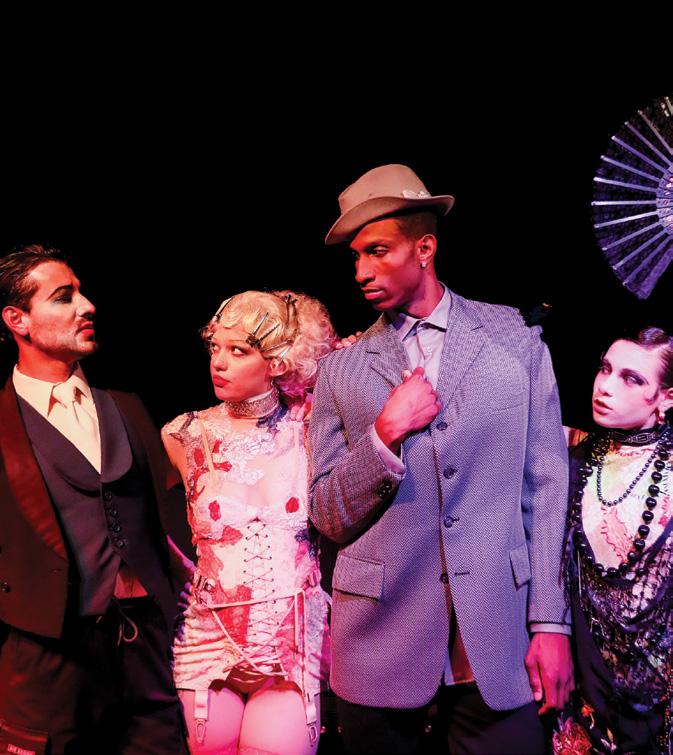
Lyric Theatre @ Illinois is Sung Theatre from Opera to Musical Theatre to New Works.
We create, teach, and produce it all, and value creativity, flexibility and wellness.
Students in our groundbreaking Bachelor of Musical Arts degree can choose to focus on creative pursuits: stage direction, songwriting, choreography, composition, music direction—or go deeper into a type of performance: musical theatre and opera repertoire, stagecraft, a variety of dance styles. Language study. Dramaturgy. We celebrate our students as individuals and work with them daily.
We perform. A lot. At Krannert Center for the Performing Arts, mostly, and in gardens, clubs, or other theatres.
Our School of Music also offers graduate degrees in vocal company and coaching, vocal performance and literature, instrumental, conducting and composition.
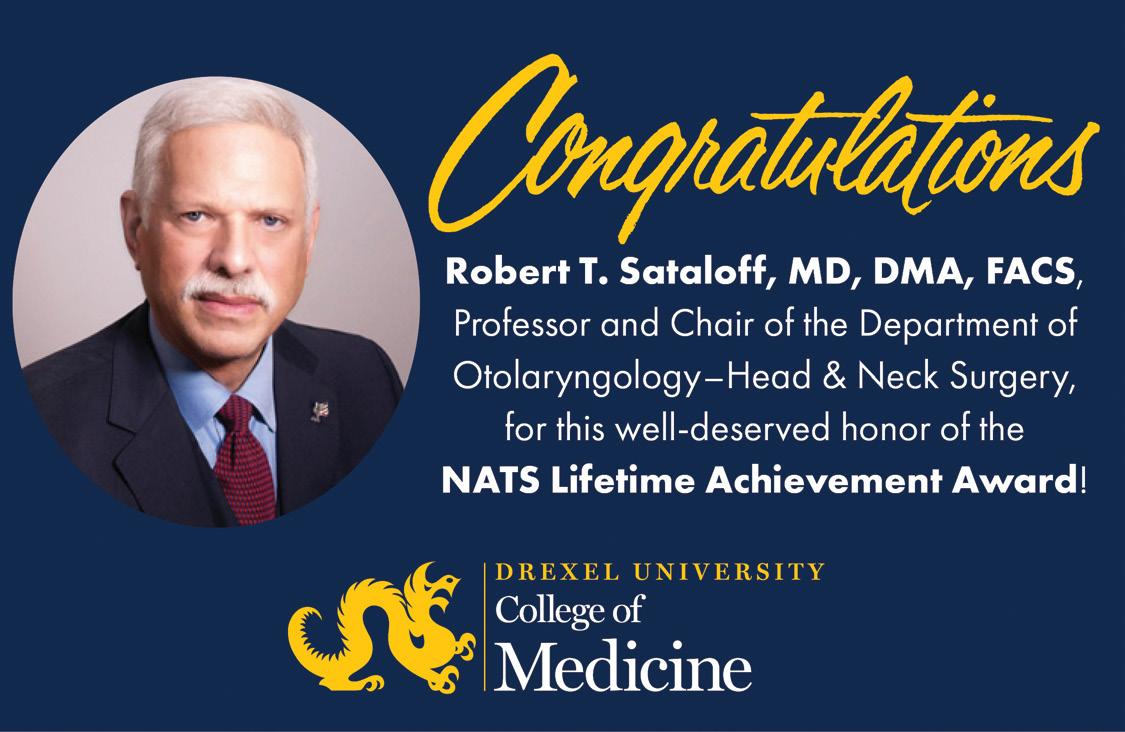
SATURDAY, JULY 4 • SALON E FOYER
Download the Guidebook app or visit nats.org to view presenter bios.
2-4 p.m.
Exhibit Hall Foyer
Historical Repertoire, Contemporary Pedagogy:
Reintroducing the Songs of Elizabeth Turner (d. 1756) in Voice Training Today
Presented by Victo Bento
This poster presents a pedagogically informed modern edition of six songs by the eighteenthcentury English composer Elizabeth Turner (d . 1756), integrating historical performance practice and voice pedagogy It features side-by-side excerpts from the original 1756 publication and the new edition, highlighting editorial choices, pronunciation guidance, and pedagogical applications . The display also outlines how Turner’s music can be incorporated into collegiate voice instruction to diversify repertoire and connect historical style with contemporary technique.
Autoimmune Disease and the Sustainability of the Singer
Presented by Sarah Friesen Clucas
This poster explores how autoimmune diseases affect singers’ vocal function and career longevity, offering adaptive, evidence-based teaching strategies that promote sustainable and inclusive vocal pedagogy .
Performance and Teaching Careers in the 21st century: The Balancing Act of the Artist Scholar
Presented by André Chiang and Victoria Vargas
This poster will examine the increased prominence and stress on the artist scholar, which is a dual career in academia/private studio and as a freelance performer. We use interviews from a variety of different nationally recognized practitioners to determine commonalities in the stresses and options to deal with them from a career and home life balance standpoint .
Practice Makes Mindful: Mindfulness-Based Interventions on Mental Wellness in Collegiate Vocal Music Students Ages 18–30
Presented by Logan Contreras and Mandy Spivak
This poster will focus on the need and evidence of mental health awareness amongst young singers, and introduce a handbook of mindfulness and meditation practices that voice instructors can implement in the studio to better aid students’
individual needs. In the poster, we will cover the necessity of mindfulness techniques and increased mental health awareness amongst young singers age 18-30, the results of a study on the use of mindfulness-based interventions, and ways to implement practices for mental wellness in the voice studio based on our created handbook, Meditation Practices for the Voice Studio .
Velopharyngeal Port Opening in Collegiate Western Classical Treble Singers in the Secondo Passaggio (E5 – G5)
Presented by Alice Del Simone
This study investigates whether collegiate Western Classical treble singers vary velopharyngeal port opening when singing through the secondo passaggio (E5-G5). Using a divided air-flow mask with EGG and acoustic measures, the study aims to determine whether there is a significant change in nasalance from C5 to G5 in this population and whether that change correlates to changes in acoustic strategy or laryngeal behavior. Results will help singers and teachers better understand how to navigate the often-challenging secondo passaggio transition .
Songs of Resistance: A Singer’s Approach to “The AIDS Quilt Songbook”
Presented by René Eaton and Dana Zenobi
This poster presents a performer’s guide to The AIDS Quilt Songbook, translating comprehensive musical analysis into clear accessibility ratings for undergraduate singers. Using a rubric adapted from Carol Kimball’s five key factors, the guide helps students navigate the challenges of contemporary American art song . The project promotes engagement with queer-centered repertoire and supports more inclusive and diverse voice studio programming .
Broadway Survival Guide for Classically Trained Singers: Crossing Over with Pedagogy, Purpose, and a Plan
Presented by Alisa Hauser and Evan T. Jones
The modern demands of a performing career for vocalists are more diverse and segmented than ever before . As traditional, classical collegiate training programs try to accommodate this shift, it is important to address the role of contemporary musical theatre as a viable job opportunity This poster, created by two leading musical theatre and
SATURDAY, JULY 4 • SALON E FOYER
Download the Guidebook app or visit nats.org to view presenter bios.
classical voice professors will highlight the current vocal and performance expectations, as well as provide concise tools to navigate the modern marketplace, to increase success for both classical and musical theatre job opportunities .
Pre-Performance Musical Improvisation and Reduced Performance-Related Anxiety and Cortisol Levels in Classically Trained Vocalists
Presented by Elizabeth Becker, Karen Leigh-Post, and Ryan Saladin
Spontaneous musical improvisation as preperformance exercise significantly attenuated music performance-related state anxiety in classical voice students, offering an accessible non-medical intervention method. To investigate whether an improvisation exercise using tonal solfège patterns could redirect attention to immediate task planning and reduce performance-induced stress, participants in the study completed mock auditions before and after learning the intervention, with measures including salivary cortisol, state anxiety questionnaires, and flow state assessments. Results showed that the pre-performance improvisation intervention significantly reduced both physiological stress (cortisol levels) and self-reported anxiety from “High” to “Moderate” clinical categories, suggesting that musical improvisation may be an accessible and effective tool for managing performance-related stress and anxiety in singers .
Optimizing Vocal Tone and Clarity: Applying the IPA to Challenges in Chinese Singing
Presented by Xiao Liu
By reframing IPA usage through the lens of vocal communication, this project proposes an adapted phonetic approach to Chinese in classical singing . IPAannotated examples reveal strategies for enhancing legato, tonal accuracy, and clarity in Chinese art song performance, offering a practical pedagogical model for voice teachers and performers .
Singing in (Ki)Swahili: An Introduction to Pronunciation & the First Swahili Song Cycle
Presented by Sylvester Makobi
This poster includes an introduction to Swahili diction for singers focusing on the first documented Swahili
Song Cycle, “Kumbukumbu za Utotoni” by Eddie Baraka Mony.
From The Baltic to The Black Sea
Presented by Lydia Nall
The Poster covers a basic history of several Eastern European countries. It will also describe the characteristics of those nations’ folk songs and how it developed into their art song
Teacher-to-Teacher Mentorship: Strategies for successful collaboration
Presented by Lisa Odom and Justin DeLong
This poster will present a case study of a successful voice-teacher-to-voice-teacher mentoring relationship initiated by the NATS Conference Connections program. The presenters will share how the initial set up led to a successful meeting and the steps they took to nurture and build their mentoring experience into a lasting, mutuallybeneficial relationship. They will then extrapolate principles that can be applied to help other teachers create meaningful and lasting mentoring relationships
Unearthing Poldowski: Technical and Pedagogical Considerations for Voice Teachers
Presented by Emily DeMerchant
This poster will show analysis of 3 pieces by composer Poldowski and show their effectiveness for teaching. It will include a background of the composer, and show 3 of her most prevalent pieces that are present in some anthologies
Analysis of Effects of Yogic Practices on Singing in Collegiate Singers: A Pilot Study
Presented by Whitney Robinson
The purpose of this study is to determine yogic practices effects on singing. Previous research focused primarily on the effects of long-term intervention and anecdotal evidence suggests that there are vocal benefits to incorporating yogic and mindfulness practices into warm-ups or daily routines. This study will focus on the short-term effects of yogic practices on singing and will help determine if adding yogic practices to a singer’s warm-up routine would benefit their singing.
The Liberty Song Project: a collection of personal interpretations, critiques, celebrations, and satirical commentary on the nation’s past and present through song
Presented by Carissa Scroggins
Collegiate-level students rewrote “The Liberty Song” as a reflection on their own perspectives on American identity, values, and history. Pieces were performed at the end of the spring 2026 semester This poster provides examples of submissions and a recording of the performance .
PERSPECTIVES: Stylistic Synthesis and Musical Identity in Chinese Art Songs
Presented by Hexin Qiao and Liangjun Shi
This poster presents a collaborative study by Hexin Qiao and Liangjun Shi on selected Chinese art songs, focusing on their musical structure, text interpretation, and stylistic features The project highlights key concepts from traditional Chinese vocal pedagogical treatises and examines how these
ideas inform contemporary analysis and performance understanding Visual diagrams and examples are included to illustrate the theoretical framework and analytical approach .
2-4 p.m.
Exhibit Hall Foyer Art Songs Unlocked: Simplified Accompaniments for the Studio
Presented by Stephanie Beinlich
When faced with the task of accompanying singers in a rehearsal setting, voice teachers that are not proficient pianists must still provide key melodic and rhythmic material to support the student. Often, this involves quickly and efficiently reducing the score to provide the necessary musical elements without disrupting the student’s musical autonomy with erroneous playing. With this repertoire collection, we have taken the necessary reduction skills and




The mission of the Rhodes College Music Department is to create a dynamic, welcoming, and collaborative community that helps students write their own unique music stories. Every semester, over one quarter of the Rhodes student body joins with us to perform, compose, take classes, and gain real-world experiences that connect them directly with professionals in the field.




rhodes.edu/music

SUNDAY, JULY 5
Download the Guidebook app or visit nats.org to view presenter bios.
guesswork out of the equation by providing reduced versions of a selection of standard vocal literature
Sequencing Vocal Music with Intention: A RubricBased Approach for Evaluating Repertoire
Presented by Melinda Brou, Deja Godwin, and Katherine Ragan
This poster presents a newly adapted rubric designed to assist voice professionals in evaluating and sequencing solo vocal repertoire . Adapted from the work of Dr. Nicole Sonbert, this rubric provides structured criteria tailored specifically for high school and early college-level singers, emphasizing vocal technique, musical complexity, and textual content
Redesigning Vocal Literature Instruction for a Changing Curriculum: A One-Semester Model
Presented by Melinda Brou, Deja Godwin, and Katherine Ragan
In response to student credit hour and faculty load limitations, the Vocal Literature course at Texas A&M University-Kingsville was redesigned as a onesemester, combined graduate and undergraduate experience This reimagined structure addresses the traditional two-semester model—commonly devoted to French mélodie and German lieder—which often excludes significant bodies of vocal repertoire and makes space for women and non-western composers
Software application for measuring the emotional impact of the singing voice
Presented by Andrei Costin Bratan, Catalin Silviu Niculae, and Eduard Franti
This poster presents a software application that measures (on a scale from 1 to 5) in real time the emotional impact of the singing voice (separately for male and female voices) . The application helps singers monitor the emotional impact of their voices and to prepare their voices for the concerts they perform .
“Performative Play: Wesley Balk’s Projective Modes for Today’s Singing Studio”
Presented by Madeline Harts
“Performative Play: Wesley Balk’s Projective Modes for Today’s Singing Studio” is a poster paper that examines the “projective modes” introduced by esteemed artistic director and professor Wesley Balk (1932-2003) and a reimagining of these modes
for pedagogical use in the private singing studio . “Performative Play” outlines how voice teachers can integrate these modes as a tool with their students, empowering them to develop an understanding of their own learning and performance strengths, while building facility and ease in less dominant modes . An overview of these modes—Hearing/Vocal, Kinesthetic, and Facial/Emotional—and their application to the singing student through technical exercise and repertoire performance will be discussed.
Presented by Michaela Kelly and Christine Li
Unlearning is an essential yet often overlooked and misunderstood counterpart to learning . Rather than approaching students as blank slates, acknowledgement and integration of pre-existing habits and motor patterns can facilitate a holistic view of the individual . By shedding light on unlearning as complementary to learning, voice teachers can draw on its tenets, such as attractor states and constructed memory, to develop new pedagogical approaches that foster more effective motor patterns and skill acquisition in singing .
Presented by Sarah Kim
The poster entails what TMJ and TMD are and what the current research shows. It includes numbers and statistics, what the research and facts show which includes the common age and gender of those that have TMD, common symptoms of TMD, vocal elements most affected by TMD, other vocal issues, medical treatment modalities, what research still needs to be done, how to navigate the symptoms, how to educate medical and dental providers that this is important for teachers and students, and finding safe support.
Presented by Danielle Buonaiuto and Maria Maxfield DEIA initiatives have outcomes that ensure the safety of one of the singing industry’s most vulnerable communities: emerging singers and young artists, especially those of marginalized identities . Young artists are systemically and economically precarious as they solidify their artistic voice, their
vocal technique and their place within the industry, and have particular needs and priorities which must be met with care by their teachers and employers, and which DEIA initiatives, if deployed conscientiously, can address. Understanding the impact that a systemic lack of care has on our students will aid us as teachers and administrators to cultivate better care initiatives and practices within our organizations and artistic spaces.
Celtic Echoes in the New World: Unveiling the Art Songs of Helen Hopekirk and Amy Beach
Presented by Laura Pritchard and Hannah Roberts
This presentation highlights the overlooked art songs of Amy Beach and Helen Hopekirk, two pioneering composers whose vocal works reveal a rich tapestry of Celtic influence. By examining their musical language, literary inspirations, and cultural context, we uncover how both women helped shape a uniquely American expression of Celtic identity .
Aesthetic Language in Contemporary Musical Theatre Casting Calls: Trends, Functional Labels, and Repertoire Pathways
Presented by Benjamin South
This poster project aims to identify aesthetic trends in the expectations of casting calls over the last five years, define & categorize these trends into labels based on voice function, and finally, offer scaffolded options in repertoire selection to train each of these functions
Tongue-tie and singing: Increased vocal tract volume and voice quality after frenectomy of a professional singer
Presented by Katherine Ahn, Jacqueline Ward, Alison Wu
Poster details both the singing symptoms associated with tongue-tie, and the results of treatment of our case study subject. Results affirmed our hypothesis regarding the mechanical interactions in the vocal tract . The vocal tract increased in volume, the larynx positioned lower, and stunning voice changes were observed and measured.
Confronting the Unknown: Incorporating Commercial Music into Your Voice Studio or Program
Presented by Emily Hatch, Christopher McKim, and Caitlin Moore
This poster offers a practical roadmap for voice teachers who want to incorporate commercial music
Download the Guidebook app or visit nats.org to view presenter bios.
into private studios and university programs but feel unsure where to begin. We address repertoire selection, assessment, technology, training resources, and accompaniment/track options, sharing concrete tools that have worked in our own studios. Student feedback has been overwhelmingly positive, with singers reporting greater freedom and authenticity across all genres as a result of this work.
Mindfulness and the Singer: Exploring Needs, Challenges, and Traits in Training and Professional Singers
Presented by Autumn West
The aim of this study is to understand the relationship between mindfulness and the different aspects of a singer’s experience in training, practice, performance, and career, and to cultivate resources to train the skill of mindfulness. Survey data widely disseminated to singers and teachers of singing is used to assess the most pressing needs for mindfulness trait strength, and to then develop practical resources tailored to supporting focus, emotional regulation, and well-being in practice, studios, classrooms, rehearsals, performance settings, and career navigation .
#VocalPedagogy: Investigating and Utilizing Social Media as a Pedagogical Tool in the Applied Voice Studio
Presented by Rachel Wood
This project explores the ways voice students increasingly rely on social media for vocal technique and performance, and investigates both its educational opportunities and challenges. Using student surveys and assignments, the project equips students to critically evaluate online content, and to consider how they might integrate these concepts and tools into their own future teaching. Additionally, the project provides strategies for how instructors can utilize social media in the studio and classroom .
Scoliosis, Pain, and Inflammation in Voice Students
Presented by Heather Nelson and Veronika Yerina
The poster will have some visual aids to show spinal alignment and points of pain that most directly affect the singing voice Additional information pertaining to common areas of spinal pain and related inflammation will be pictured as well. Each picture will
MONDAY, JULY 6 • SALON E FOYER
Download the Guidebook app or visit nats.org to view presenter bios.
have corresponding text explaining the contents of the image as it contributes to the research
Poster Paper Session #3
2-4 p.m.
Exhibit Hall Foyer
Rediscovering Melesio Morales: Expanding the 19thCentury Operatic Canon for Today’s Voice Studio
Presented by Nadia Aguilar-Steinberg
This poster presents new research on the restoration of Melesio Morales’s Romeo e Giulietta (1863), a largely forgotten opera from nineteenth-century Mexico . Drawing on archival sources and manuscript analysis, the project reconstructs key portions of the score and situates the work within Mexico’s evolving cultural and operatic landscape . The study contributes to ongoing efforts to reexamine overlooked Latin American operatic traditions within musicological scholarship.
Voce Moderna: A Contemporary Aria Project
Presented by Katrina Cole and Blair Salter
This poster aims to inform audiences about the database Voce Moderna Voce Moderna is an ongoing contemporary aria database with information on repertoire, composers, and librettists. We want people to know about this resource so they can take it back into the studio!
The Historical and Vocal Demands of the Modern Mariachi Singer
Presented by Josaphat Contreras
A Fulbright presentation on the Historical and vocal demands of the Modern Mariachi Singer . Historical performance practices combined with a 10-month study on stylistic and genre specific singing techniques will be presented and give a framework of how a singer can begin to explore Mariachi music that was named a 2011 UNESCO Intangible Cultural Heritage of Humanity
Toward an Auto-Classification Process for Singing Voice Respiration Strategies
Presented by Ian Howell
This project develops system-level, quantitative descriptors of singing respiration strategies, addressing the limitations of qualitative, anatomically localized terms such as “appoggio” or “belly out.” Dual inductance band signals from ribcage and abdomen are segmented into inhale/suspend/phonate phases,
converted to velocity trajectories in RC–AB space, binned into 20-element feature vectors per phase, and compared via multiple dissimilarity metrics to generate heatmaps and clustering solutions . Preliminary results show internally consistent, phase-specific “fingerprints” that map onto familiar pedagogical descriptions and could, with larger datasets, support a comprehensive, data-driven schema for comparing respiration strategies across singers, tasks, and longitudinal interventions.
Singing in the Dark: A pedagogical approach for teaching a blind singer an opera role
Presented by Karina Lago Disdier
This poster will serve as a resource for directors, vocal coaches, teachers and blind singers so that the blind singer can receive as fair a chance to be onstage as their sighted counterparts. I will discuss ideas for how to teach pitches, rhythms, and lyrics, as well as ways to have your blind singer move around the stage safely. I will also discuss music rehearsals, coachings, blocking, and private lessons and ways to make sure that accessibility and safety are maintained so that the singer can be successful .
The Montessori Model in Studio Voice: A Structure for Student-Centered Instruction
Presented by Tiffany Nishibun
This poster will have several info graphics and QR codes for teachers to use in studio or to prompt further discovery. It will also include brief biographical content about Maria Montessori for context
A Community-Engaged Model for the Vocal Pedagogy Practicum: Integrating Outreach, Scholarship, and Intergenerational Learning
Presented by Carol McAmis and Ivy Walz
This poster presentation details the pedagogical structure, learning objectives, outcomes, and impact of a community-engaged vocal pedagogy practicum This particular model serves older adults, and aligned with the theme of the 59th National Association of Teachers of Singing Conference, provides an example of how teaching practices in vocal pedagogy can create pathways for connecting “our artistry across cultures.” As a vehicle for communityengaged teaching and research, it provides a study of the longstanding model at Ithaca College, and how that model is expanding at Texas Tech, with recommendations for addressing community needs
from the outset of development, along with rubrics for data collection and assessment
Presented by Timothy Schmidt
The results of a study exploring the effect of one semester of using only non-major-based warmup/ technique patterns in undergraduate voice lessons on musicianship and technical growth. The patterns were reinforced during students’ practice sessions . Students were asked to evaluate their musicianship progress compared to previous semesters, and instructor observations regarding musicianship and technical progress were also included in this study.
Presented by Carissa Scroggins
This poster documents the experiences of non-native speakers with Icelandic diction through pictures, videos, audio clips, and reflections. This poster will include a QR code that takes viewers to a website with the mentioned resources and tools used by performers, and a handout will be available.

Art songs of Eduardo Fabini
Presented by Jennifer Smith
The poster highlights the art songs of Eduardo Fabini (1882-1950) a lesser-known composer from Uruguay. The poster will display highlights from the performance guide I am writing for nine of Eduardo Fabini’s beautiful art songs, along with brief biographical information about the composer . The poster’s goal would be to help singers become familiar with Fabini’s wonderful music.
Presented by Danielle Cozart Steele, Laura Storm, Danielle Wright, and Dana Zenobi
This poster shares the results of research and programming that explores best practices for affirming trans and gender expansive singers in university settings in the current historical moment
The poster includes the results of a 2025 survey research project and reflections following an in-person “Singing Beyond the Binary” event.
— Schedule Subject to Change —

Our renowned voice faculty grace the stages of the world's most prestigious opera houses and concert halls Study in undergraduate, graduate, and certificate performance programs with our exceptional faculty: Chuck Chandler, Amanda Majeski, Scott Ramsay, Jeff Ray, and Viktoria Vizin.
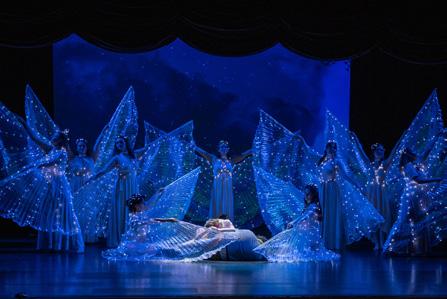
Human-verified. Professionally prepared. Hand-translated and transcribed IPA and literal translations trusted by
• Individual logins for each authorized member teachers, students, and institutions since 2007. use requires an SYA subscription.
For Individual Use:
Access the full IPA Source database for your own study and preparation.
• Full database access
• Single user For individual use only. Studio or classroom


For Studios & Programs (SYA):
Provide access for your entire studio or Young Artist Program with Studio & Young Artist (SYA) subscriptions designed for teaching and group use.
• Full database access
Consistent, professional language preparation you can rely on. Focus on what matters most.
IPA Source provides a comprehensive database of opera arias, art songs, and Latin texts, designed to support accurate, consistent preparation in the studio and beyond.
Download the Guidebook app or visit nats.org to view presenter bios.
SUNDAY, JULY 5
10:30 a.m.
Longhorn Music Theater Workshop Showcase
Presented by Mikhail Smigelski, Leah Crocetto, and James Maverick
In 2023, my colleagues at the University of Texas Butler School of Music — Leah Crocetto, James Maverick, and I — founded a Musical Theatre Workshop for undergraduate voice and choral studies students. What began as a few rehearsals and a small classroom showcase has grown into an annual two-month intensive, culminating in a two-hour Musical Revue with a live band and a cast of 25 singers In our predominantly classical vocal performance-oriented program, student interest has been remarkable. Even non-vocal and non-music majors audition enthusiastically, drawn by the creative challenge and collaborative spirit . Today’s singers and teachers must be versatile: even those focused on classical genres need familiarity with Musical Theatre styles and performance practices. In this recital, we present a snapshot of our work, highlighting how our students explore and integrate diverse styles within the Musical Theatre realm .
11 a.m.
Becoming: Fully Out, Fully Me
Presented by Nicholas Klein
This recital of contemporary musical theatre features Dr. Nick Klein and friends in a program that highlights the variety of sounds, stories, and styles represented in today’s repertoire The selections span introspective ballads and energetic ensemble moments, offering a snapshot of modern musical theatre composition while emphasizing narrative depth and emotional range . A central focus of the program is the amplification of stories from marginalized communities, including LGBTQIA+ individuals, women, and more. These works honor lived experiences that have historically been underrepresented on stage, inviting space for visibility, authenticity, and connection through music. Drawing from influences such as pop, rock, jazz, and traditional Broadway writing, the repertoire reflects both the evolution of the genre and its power as a platform for expression and advocacy . This recital centers on
artistry, inclusivity, and collaboration, underscoring contemporary musical theatre’s relevance in both performance and academic contexts
1 p.m.
Voices of Legacy: A Celebration of African American Art Song
Presented by Darryl Taylor and Casey Robards
This recital highlights the rich legacy of African American art song through the works of H. Leslie Adams, Robert Owens, and Dave Ragland — three of the genre’s most vital and compelling voices
Curated and performed by Dr . Darryl Taylor, a leading advocate for African American art song and founder of the African American Art Song Alliance (http:// artsongalliance org), the program draws from decades of scholarship, performance, and recordings, including extensive releases on Albany Records. Each song will be contextualized with brief commentary, offering insights into the composers’ lives, musical language, and cultural significance. Dr. Taylor has shared this repertoire widely through national and international lectures and performances over the past 30+ years. He is joined by collaborative pianist and conductor Casey Robards, whose artistry and sensitivity bring these powerful works to life. This program offers a moving exploration of artistry, identity, and the enduring voice of African American composers
1:30 p.m.
Living Voices: Stories of South Africa
Presented by Christiaan Bester, Kerry Deal, Bronwen Forbay, Sam Martin, and Ellen Rissinger
As the political and artistic landscape continues to evolve in post-Apartheid South Africa, new voices have emerged in the country’s art song repertoire This lecture recital presents a crosssection of South Africa’s contemporary art song, featuring living composers from the country’s diverse cultural backgrounds: Afrikaans and English speaking composers, women, and black South African composers With texts and poetry coming from several of South Africa’s eleven official languages, the songs address topics including the beauty of South Africa, the struggle for racial equality, loss and longing, exile, and gender-based violence This session features works for soprano and baritone by Hendrik Hofmeyr, Niel van der Watt, Juliet Wootton, Jeanne Zaidel-

SEE YOU AND YOUR TALENT.
Whether you’re writing plays, composing symphonies, performing the big solo, producing a record, teaching music or writing lyrics...you have stories to share with the world through the performing arts. Belmont offers one-of-a-kind performance and research opportunities, along with personal mentorship from expert faculty to help you master your craft.
In the vibrant, musical hub of Nashville, Tennessee, we offer unparalleled support for both undergraduates beginning their dream journey and graduate students taking their endeavors to the next level.
SCHOOL OF MUSIC
Church Music, BM, MA
Commercial Music, BM, MA
Instrumental Pedagogy, MA
Instrumental Performance, MA
Keyboard Pedagogy, MA
Keyboard Performance, MA
Multiple Woodwinds, MA
Music, BA
Music Composition, BM, MA
Music Education, BM, MA, MMMEd. (online)
Music Performance, BM
Music Teaching, MA
Musical Theatre, BFA
Music Theory, BM
Music Therapy, BM
Music Technology, BM
Piano Pedagogy, BM
Vocal Pedagogy, MA
Vocal Performance, MA
DEPARTMENT OF THEATRE & DANCE
Theatre Directing, BFA
Theatre Education, BFA
Theatre Performance, BFA
Theatre Production & Design, BFA
Theatre & Drama, BA
Audio Engineering Technology, BS, MS
Music Business, BS
Songwriting, BA
Media & Entertainment Industries, MA (online)
• Advance your career in music education without leaving the classroom
• Earn your master’s degree in just 13 months
• Flexible online learning with in-person summer session
Rudolph, Sibusiso Njeza, and Bongani Ndodana-Breen .
With the aim of illuminating these songs to expand global art song repertoire and provide voice teachers with accessible, meaningful repertoire that reflects underrepresented viewpoints, the recital also features discussion of the composers’ compositional influences and the meaning of poetry chosen to portray stories of the South African people
2 p.m.
Diving into Duets: MT Edition
Presented by André Chiang, Olivia Yokers, and Valerie Trujillo
This mini recital will take the audience on a journey through some of the most loved and underserved duets in American musical theatre . The performers have broad expertise in performing musical theatre regionally as well as teaching it at their institutions. The selected duets will move between the different ages of musical theatre and provide examples of what is possible in a programmatic theme. By “diving into duets” for baritenor and soprano, we hope to entertain the audience and inform them of the scope of musical theatre .
2:30 p.m.
December Songs: Songs of Love and Loss
Presented by Becky Walker and Geoffrey Waite
“December Songs” is a song cycle for singer and pianist by musical theatre composer-lyricist Maury Yeston. The work is a “retelling” of Franz Schubert’s “Winterreise” with a cabaret sensibility. The songs in both December Songs and Winterreise are linked as a sequence of reflections by a woman taking a lonely walk in winter, thinking back on her lost love. The cycle walks through many emotions that mirror the stages of grief: sadness, anger, hopelessness, joy, etc . but ultimately ends in acceptance . The cycle includes ten songs to be sung without interruption, but here, I have chosen 4. “December Snow” describes the initial walk in the snow realizing that she is alone now. “Please Let’s Not Even Say Hello” is a realization that to even speak to her love will evoke too many difficult emotions. “I Had a Dream About You” is a playful recollection of happy times, recalling their frequent car rides and observing nature together . “What a Relief” is the final acceptance stage, that now she needs to move on with her life and live to the
fullest without him. It contains musical reprisals from a few of the other songs, so it reflects closure both musically and emotionally
3 p.m.
Valencian Voices: Matilde Salvador’s Art Songs for Voice and Guitar
Presented by Elisa Ramon and Alessio Olivieri
Spanish composer and painter Matilde
Salvador i Segarra (1918–2007) was a prominent figure in Valencian culture, deeply committed to her heritage and language. Known for her contributions to 20thcentury Spanish music, Salvador combined traditional Valencian musical elements with a contemporary harmonic language reminiscent of the late Manuel de Falla . Her vocal compositions, often set to texts by Catalonian and Valencian poets, showcase her melodic inspiration and cultural depth. Salvador’s works for voice and guitar offer singers and guitarists the opportunity to explore the textures of Spanish poetry and music This lecture-recital introduces her art songs as repertoire suitable for various levels of vocal technique. Often within an accessible vocal range, these pieces support emerging singers in developing their skills while engaging with lesser-known Spanish art music . Through analysis and performance, this presentation aims to highlight Salvador’s compositional style and her contributions to Spanish art song, offering valuable repertoire additions to undergraduate and graduate voice programs
3:30 p.m.
Look Twice, a new song cycle by Juliana Hall and Antigoni Gaitana
Presented by Ivy Walz and Donna Loewy
Look Twice (2023), by composer Juliana Hall and poet Antigoni Gaitana powerfully bridges cultures and generations, revealing the deep human struggles behind oppression Through evocative songs spanning time and place, it ignites hope and compassion — using art song as a catalyst to open hearts and minds to stories that demand to be heard. Gumyōchō tells the tale of a creature in Buddhist mythology, a parable for the interdependence of all humans on one another. Zaitun describes the backdrop of natural beauty against burning orchards . Apartheid is a play on the word and its inherent division. It sounds a call to “see yourself in others.”
MONDAY, JULY 6 • SALON E, THE ALAMO MUSIC CENTER STAGE
Download the Guidebook app or visit nats.org to view presenter bios.
Grandma Aeonia’s Lullaby seeks to comfort through terror as it states: “Do not forget, do not hate, God decides our fate.” The final song, Look Twice delivers a powerful message from ancestors, both Native American and African American, “If there is no me there is no you.”
11 a.m.
”And” is Rather Beautiful: An Exploration of Cross Training through Modern American Composers
Presented by Michaela Kelly and Amelia Hammond
In this mini recital, classical voice repertoire and musical theater standards collide . The program reflects flexibility, and an array of vocal options that showcase the value of cross training. This recital is entirely in the English language, spanning from Stephen Schwartz, Stephen Sondheim, John Musto, to Eric Whitacre. This performance will highlight the importance of collaboration as the versatility of both singer and pianist is paramount . This recital aims to underline the importance of “and” rather than “or” when it comes to programming, voice training, and voice teaching .
11:30 a.m.
From Opera to the Opry
Presented by J. Adam Shelton
From Opera to the Opry is the country buffet of J. Adam Shelton’s career. Perhaps you’ve wondered why he is the way that he is, and this will explain it! By the time you leave, you’ll have sampled his operatic career, early country influences, and even a few Shelton originals that’ll tug on your heartstrings from his upcoming album Horse Thieves and Carny Folk.
2 p.m.
Freylekh: A “joyful” rediscovery of De Cormier’s Yiddish folksongs
Presented by Kimberly Lazzeri, William Herzog, and Christina Lalog Seal
This recital features songs for voice, violin, and piano from the newly-released album, Freylekh: A “joyful” rediscovery of De Cormier’s Yiddish folksongs. These songs are selections from the recently published The Yiddish Folksong Project Anthology: The arrangements of Robert De Cormier . The anthology brings to light this American composer’s folksong
arrangements, which had previously been kept in a storage closet for over 40 years . Not only is this anthology the first-ever publication of De Cormier’s arrangements of Yiddish folksongs, but it is also the first-ever large body of Yiddish folksong repertoire that is arranged in the classical style for performance on the concert or recital stage . It is the presenters’ hope to not only inspire performances of these Yiddish folksongs, but to also inspire singers to perform repertoire that speaks to their own cultural identities. To listen to the album and view videos, please visit www.kimberlylazzeri.com
2:30 p.m.
Reacting to the Landscape: Music by Women Composers for Soprano and Clarinet
Presented by Whistling Hens (Jennifer Piazza-Pick and Natalie Groom)
When considering vocal chamber music, many singers prefer combinations that include piano; however, performing as a duo with another solo instrument without piano provides a different and more intimate soundscape . In this recital, Whistling Hens will perform a program centered on the unique pairing of soprano and clarinet, focusing on works by living women composers. Showcasing a world premiere piece by Jenni Brandon and repertoire by Jennifer Stevenson, the recital explores the rich sonic and emotional possibilities of this duo Each work highlights the Hen’s dynamic interplay, from rhythmic vitality to moments of stillness and subtle color . Emphasizing clarity, nuance, and expressive innovation, this program offers a fresh perspective on vocal chamber music, presenting the soprano and clarinet as equal partners in musical storytelling . This repertoire invites audiences into a vibrant and evolving sound world where words, melody, and breath converge in powerful and unexpected ways.
3 p.m.
Sounding the Mosaic: Contemporary Chamber Music for Voice and Trumpet by Women Composers
Presented by Susan Hochmiller, Steven Marx, and Scott Crowne
This mini-recital will feature contemporary chamber music for trumpet and voice by women composers including Lori Laitman, Francine Trester, Barbara Harbach, Heather Gilligan, Amy Dunker, and
Lauren Bernofsky. Ranging in stylistic and technical demand, these works offer updated programming possibilities for this instrumentation, and enhanced pedagogical and professional benefits for performers. Attendees will leave this session with increased knowledge of vocal chamber repertoire for voice and trumpet by women composers, fostering inclusivity, equity, and diversity in programming, pedagogical application, and a resource guide with additional repertoire recommendations.
3:30 p.m.
My Spirituals: The Life, Legacy, and Music of Eva Jessye
Presented by Damon Dandridge and Ramelle Brooks
Join us for a powerful lecture recital exploring *My Spirituals*, the groundbreaking 1927 anthology by Eva Jessye — trailblazing conductor, educator,
Download the Guidebook app or visit nats.org to view presenter bios.
and the first Black woman to achieve international acclaim as a professional choral director This session offers a rare look into Jessye’s personal and musical world, where spirituals are more than repertoire — they are lived memory, cultural witness, and artistic testimony. Dr. Damon H. Dandridge will present historical and biographical insights into Jessye’s life and the significance of her work in shaping the concert tradition of African American spirituals Bass, Dr. Ramelle Brooks will bring selected pieces from “My Spirituals” to life, revealing the emotional and spiritual depth embedded in each song. Attendees will gain a richer understanding of Jessye’s role in preserving and elevating African-American sacred music, and how “My Spirituals” continues to resonate across generations . Don’t miss this celebration of voice, history, and heritage .
DR. KOURTNEY AUSTIN is a mezzo-soprano, educator, and performing arts health advocate. She currently serves as Assistant Professor of Voice and Choir at the University of Wisconsin–La Crosse, where she teaches applied voice and conducts the Treble Chorus. She holds a Ph.D. in Music from the University of North Texas with concentrations in Performing Arts Health and Voice Pedagogy, along with degrees from UMKC Conservatory, Northwest Missouri State University, and postgraduate work in Vocology and Speech-Language Pathology at the University of Iowa.
Dr. Austin previously held appointments at Midwestern State University, Grayson College, Webster University’s Community Music School, and UNT, where she served as a Teaching Fellow in Performing Arts Health. In 2003 she founded Heartland Healthy Voices, a St. Louis–based business offering voice habilitation, transgender voice training, and educational seminars
Her research focuses on phonatory onset, voice fatigue, and performing arts health curricula. She has presented her work at major national and international conferences and has delivered guest lectures and workshops across the U.S., Czech Republic, United Kingdom, Australia, and China . Her recent publication in The Journal of Voice further reflects her ongoing commitment to evidence-based pedagogy and long-term voice wellness. She is an active member of PAMA, PAVA, The Voice Foundation, and NATS .
MARGARET BAROODY is a highly respected singing teacher and Singing Voice Specialist with over 45 years experience. She is on the voice faculty of The Peabody Conservatory of the Johns Hopkins University where she has also taught the first-year graduate level Vocal Pedagogy class. Ms Baroody’s students have sung in the world’s major opera houses and many of the prestigious young artist programs. Ms. Baroody was a senior voice clinician in the voice medicine practice of Drs. Robert T. Sataloff and Karen Lyons in Philadelphia, PA for 29 years. Widely recognized for her work with injured voices, Ms. Baroody has lectured nationally as well as internationally on issues of vocal health. She is the author of over 25 published articles on voice and is a contributing author to numerous articles and books. Ms. Baroody has been the recipient of numerous honors including The Van Lawrence Fellowship from The Voice Foundation, the Citation for Distinguished Service from the Pennsylvania Academy of Otolaryngology-Head and Neck Surgery and The Lifetime Achievement Award from the CCM Vocal Pedagogy Institute of Shenandoah Conservatory She was the featured lecturer for the distinguished G. Paul Moore Lecture at the 2023 International Voice Symposium
DR. ELIZABETH ANN BENSON is recognized as a dynamic scholar, pedagogue, and performer. Her book, Training Contemporary Commercial Singers is hailed as “a remarkable and long-awaited contribution to the world of voice pedagogy” (Journal of Singing) . Her current research examines identity and belonging within the voice studio. She has coauthored groundbreaking articles on fat liberation in the voice studio with Kate Rosen and anti-racism in the voice studio with Trineice Robinson-Martin and Marisa Lee Naismith (Voice and Speech Review, Journal of Singing). Along with Dale Cox, Benson is co-editor of the forthcoming collection, Voices of Belonging: Inclusive Practices in the Voice Studio (Routledge) . She is a certified Voice Rehabilitation Specialist (Vocal Health Education) and holds the PAVA Recognized Vocologist designation . She is Professor of Musical Theatre Voice at Auburn University and the founder of Benson Music Studios. Singing career highlights include opera (Carnegie Hall), musical theatre (Symphony Center), and rock (The Hard Rock Café Atlanta) . www.elizabethannbenson .com
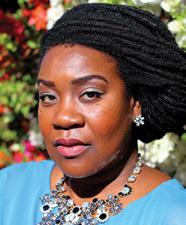
ALEXIS DAVIS-HAZELL’S soloist appearances since contributing to the GRAMMY award- winning album Gretchaninov: Passion Week with the Phoenix Chorale include: the International Alonzo Ortiz Tirado Opera Festival in Sonora, Mexico; operatic and symphonic repertoire with regional companies throughout the U.S.; and over 130 performances of Porgy and Bess at international venues including Dresden SemperOper, Hamburgische Staatsoper, Moscow Philharmonic, Polish National Opera, Kuressaare Operadays in Estonia, and Palacio de Bellas Artes. She is Assistant Director of Undergraduate Studies and Associate Professor of Voice and Lyric Diction at the University of Alabama School of Music, and a Collaborative Arts Research Initiative Faculty Fellow (2025-2027). National President of the National Association of Teachers of Singing (2024-2026), Davis-Hazell is a serial collaborator across research disciplines and these interests include: the impact of performing arts training on well-being, African American folk and art musics and Russian art song literature in lyric diction curricula
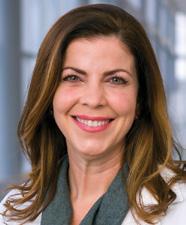
LESLEY FRENCH CHILDS, MD serves as Associate Professor of OtolaryngologyHead and Neck Surgery and is the Director of Laryngology in the Clinical Center for Voice Care at UT Southwestern. She grew up in Austin, Texas and received her undergraduate degree from Yale University. Dr. Childs completed medical school and her residency training at Vanderbilt University in Nashville. She finished a fellowship in Laryngology and Neurolaryngology at Columbia and Cornell Universities in New York City. A classically trained soprano, Dr . Childs has experience singing in various professional chamber ensembles as well as recording for Walt Disney Records.
Italian-American composer, keyboardist and conductor RAPHAEL FUSCO has been hailed by the international press as “one of the most outstanding composers of his generation (El Mundo),” and “accomplished and winning (The New York Times).” His genrecrossing compositions have been commissioned by Chamber Orchestra of Philadelphia, Cecilia Chorus of New York, I Cantori New York, Hartford Chorale, Opernfestival Oberpfalz, Forum Neue Kunst, Opera Lucca, Classic Lyric Arts Festival, The German Forum, New York Repertory Orchestra, Empire Chamber Orchestra, Bachanalia, I Porporini and members of the New York Philharmonic and Metropolitan Opera Orchestras. Raphael has received awards from the American Prize for Music, NATS Art Song Composition Competition, Aliénor International Harpsichord Competition, Padre Martini Fugue Award, Bohuslav Martinū Composition Award, as well as grants from the National Italian American Foundation, Exploring the Metropolis, Kunstuniversität Graz KWDS, and Land Steiermark. His works are published by Universal Edition Vienna, Prima la Musica London, Hinshaw Music and Verlag Ries & Erler Berlin Dr Fusco studied composition, piano, and conducting at the Mannes College of Music, Manhattan School of Music, Conservatorio G . Verdi di Torino, Vienna Konservatorium, and Paris Schola Cantorum He holds a doctorate in artistic research from the University for Performing Arts in Graz, Austria. He is currently on faculty at Opera Lucca and Classic Lyric Arts Festival in Italy and the International Choral Composers Institute
MELISSA GREENBLATT serves as Executive Director of the National Association of Teachers of Singing (NATS). She is a seasoned nonprofit arts executive with nearly two decades of leadership experience in national membership organizations, along with a strong foundation in the corporate sector. She brings a results-oriented, market-aware approach to nonprofit leadership, grounded in the belief that organizations will flourish when they clearly communicate their value and build a strong financial foundation. Prior to joining NATS, Greenblatt spent 18 years with the National Dance Education Organization (NDEO), advancing from Director of Marketing and Membership to Managing Director, and ultimately, to Interim Executive Director. During her tenure, she played a key role in strengthening operations, growing membership and revenue, and expanding programs and services that supported thousands of educators and their students nationwide. Greenblatt holds a Bachelor of Business Administration in Marketing from the University of Texas at Austin. She lives in Maryland with her husband and has two young adult children. Rooted in a lifelong practice of dance across many stages and settings, she believes deeply in the transformative power of arts education and is honored to serve the teachers whose work makes that impact possible. At home, she and her husband are enthusiastic “pawrents” to two golden retrievers, Nash and Bode.
OLIVIA HELLMAN is an Asian-American performer based in New York City. Originally from San Francisco, she earned her BFA in Musical Theater from NYU Tisch. National Tour: How the Grinch Stole Christmas. Off Broadway/Regional: Into the Woods (Little Red Riding Hood, San Francisco Playhouse), Footloose (Urleen, John W. Engeman Theater), Smile (J2 Spotlight/AMT), Open, Stay (Off the Lane), A Christmas Carol (American Conservatory Theater) Film: The Bigfoot Club. This past January, Olivia competed in and was won first place in the 2026 NATS National Musical Theater Competition, and was awarded that honor by a panel of Broadway and industry professionals including Adam Guettel, Leslie Rodriguez-Kritzer, Matt Redmond, and Marc Bruni. Aside from musical theater, Olivia is also a singer-songwriter, and her original music and music videos can be found on all streaming platforms. @oliviarhellman oliviahellman com
JAMES HURLEY is a classical pianist and composer with a passion for improvisation. Originally from Newfoundland, Canada he’s been based in Germany since 2011. There he produces concerts and workshops featuring artists from around the world in a multitude of genres at his studio Più Piano . Since 2022 he has been active as a composer of English Art Song, and has completed over seventy works organized in several major song cycles based on the great poets of Ireland and Newfoundland. As a musician he is involved in several solo and group projects, and actively performs in Canada and the EU. @jameshurleypiano
MZLYNDIA is a conservatory-trained opera singer turned global vocal coach and artist developer — a practitioner-scholar who has redefined what it means to train the contemporary voice. Educated at Temple University and the Chicago College of Performing Arts at Roosevelt University; her early operatic promise was nurtured by legendary pedagogues Klara Meyers and Margaret Harshaw, before making a bold pivot in 1998 — stepping away from opera to embrace the music that first shaped her voice: Gospel and R&B. Influenced by the rich musical soil of The Sound of Philadelphia, MzLyndia launched a 25-year career as a vocal coach and vocal producer. She became a trusted collaborator with Grammy-winning producers including Larry Sturm, Maurice Joshua, Steve “Silk” Hurley, and
more . This led to a seat on the Board of Governors for the Recording Academy, and in 2004, she developed the inaugural vocal curriculum for GRAMMY Camp
In 2017, MzLyndia joined the faculty of the USC Thornton School of Music’s Popular Music Program, blazing a historic trail as the first African American voice coach in the school’s history. Today, she serves as Chair, leading what is widely regarded as the most progressive and results- driven Popular Music curriculum in the world. At USC, MzLyndia often collaborates with friend and colleague, Lynn Helding, to explore the intersections of Classical and Commercial voice .
An upcoming contributor to the Oxford Dictionary of Contemporary Music, she pioneers Popular Voice Pedagogy through both scholarship and lived experience . Her Vocal Artist Development company, Sterling Voice Coaching, serves Pop, R&B, Rock, Country and Gospel recording artists around the world. MzLyndia stands as a bridge between disciplines and cultures. Although fluent in many pedagogical languages, she champions the legitimacy, complexity, and relevance of Popular Voice Pedagogy as a legitimate field of study — with its own methodologies, expressive vocabulary, and cultural relevance.
Mexican-American mezzo-soprano, JOSEFINA MALDONADO, is currently completing her MM in voice at the Meadows School of Music at SMU under the tutelage of Professor Barbara Hill-Moore. Ms. Maldonado made her professional debut with the Cincinnati Symphony Orchestra in 2022 at the Cincinnati May Festival in John Adams’ El Niño, conducted by the composer, who brought her later that year to the Cleveland Orchestra in the same role A highly successful debut, Cleveland reengaged Ms Maldonado to sing Julia Perry’s Stabat Mater in March 2024, conducted by Dalia Stasevska. May 2025 brought her debut with the San Antonio Philharmonic in Mahler’s Symphony No. 2. In September 2025, she made her Houston Symphony debut as featured soloist for Fiesta Sinfonica! in excerpts from West Side Story and Carmen. Ms. Maldonado will make her debut with the Dallas Symphony Orchestra as the featured soloist for the 2026 Holiday Pops concert series. She holds a BM in voice performance from the University of North Texas in Denton.
MICHELLE MARKWART DEVEAUX is a serial entrepreneur, author, ICF coach, certified consultant, and Gallup-Certified Clifton Strengths practitioner. As CEO of FaithCultureKiss Studios and Founder of The SpeakEasy Cooperative®, she brings a BA in Music (Patten), MA in Worship, Theology, and the Arts (Fuller Seminary), and formal training at University of Northern Colorado to dismantling toxic hierarchies in the arts for over three decades . Her signature BeastyBoss Framework combines rigorous business development with playful irreverence and fierce loyalty to the humans behind the businesses—because building a lucrative creative business shouldn’t require losing your soul Through The SpeakEasy Cooperative and Key of C(EO) Consulting, Michelle works with emerging teachers, established consultants, and CEOs of team-based businesses, converting chaotic gig work into structured, profitable enterprises. Her Four Streams of Life Wellness methodology (Mental, Financial, Temporal, Spatial) specifically serves neurodivergent entrepreneurs
Host of “How to Run Your Biz Without Hating Your Boss” and sought-after speaker, Michelle has been featured on podcasts including The Full Voice, What Works, and Rebel Therapist. She’s delivered keynotes across the world for NATS/ANATS, Vocology in Practice International, major conservatories, and business communities .
Based in Rancho Cordova, CA, she and her husband are raising two future disruptors through careful study of The Fugees, Star Trek, and the MCU.














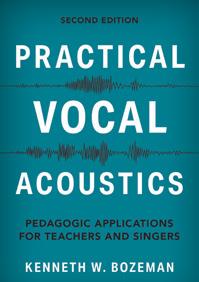


































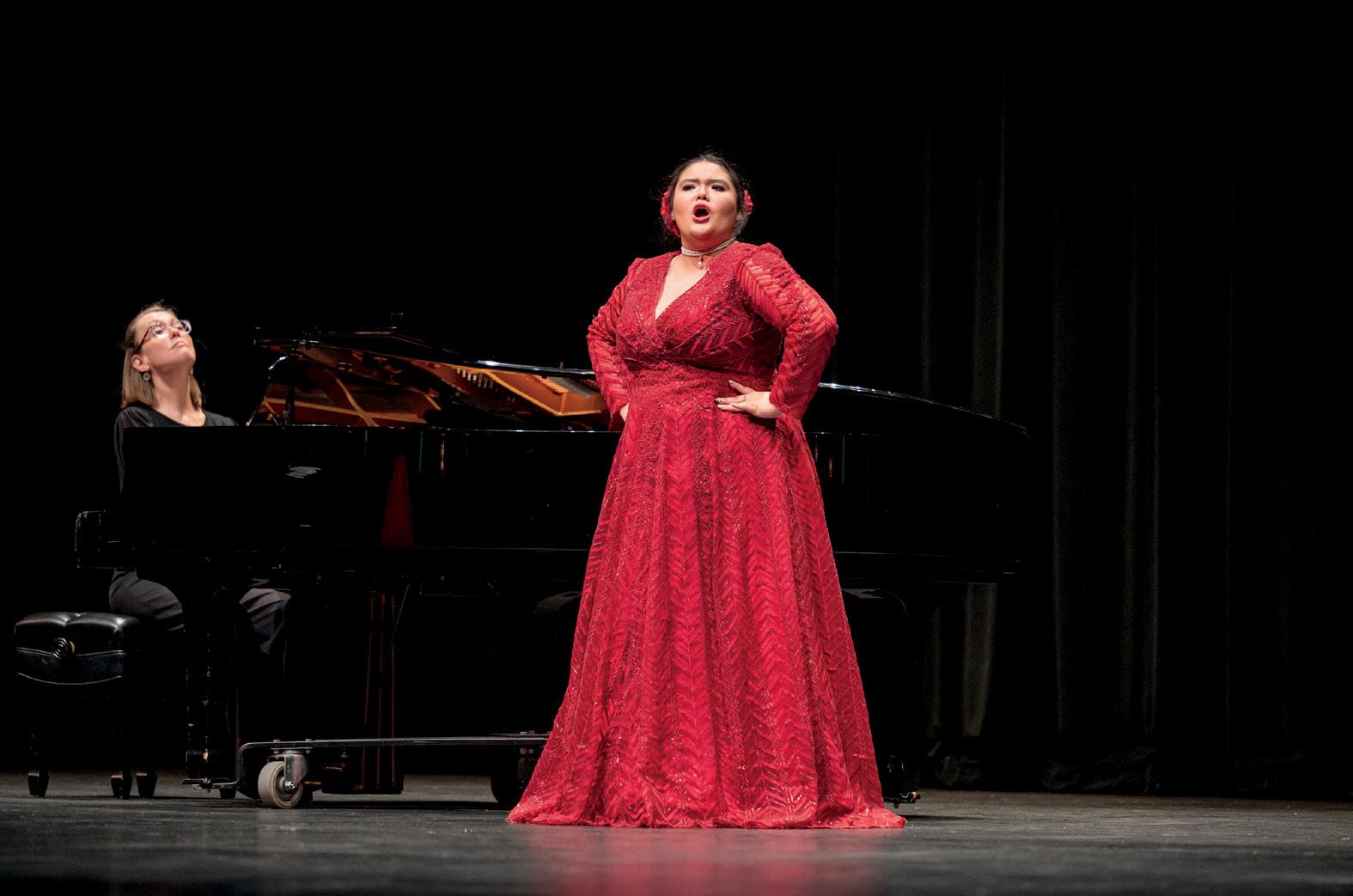
Schmidt
Schmidt Vocal Institute – a two-week intensive residential summer training program for high school singers with esteemed professionals and artists
Schmidt Vocal Education – online and regional programs for singers and teachers to build skills, expand their networks, and grow as artists
Schmidt Vocal Scholarships – need-based support for talented singers continuing their professional vocal education