How does your garden








alex@accessallbarbados.comjulie@accessallbarbados.com
www.accessallbarbados.com



How does your garden
alex@accessallbarbados.comjulie@accessallbarbados.com
www.accessallbarbados.com
GROUP CEO
Noel Wood
HEAD OF ADVERTISING - NATION GROUP
Paulette Jones
CIRCULATION MANAGER
Adrian Bowen – Tel.: (246) 430-5500 email: adrianbowen@nationnews.com
ASSOCIATE EDITOR (Business)
Julia S. Haynes - Tel.: (246) 467-2896 email: juliahaynes@nationnews.com
WRITERS
Sandy Deane, Dwayne Gibbs, Nakiah Thomas-Edwards
PHOTOGRAPHY
Cover – Leslie St John • Rachel Gray
• Kerwin Elias – Elias Media Limited • Gordon Ashby Architect Ltd.
DESIGN/LAYOUT: Brian O’Neale
ADVERTISING EXECUTIVES:
Debbie Brathwaite – Tel.: (246) 430-5518
Email: debbiebrathwaite@nationnews.com
Donna Francis – Tel.: 246 467-2868
Email: donnafrancis@nationnews.com
Alison Licorish – Tel.: (246) 430-5552
Email: alisonlicorish@nationnews.com
Kelly Henry – Tel 430-5554
Email: kellyhenry@nationnews.com
ADVERTISING COORDINATOR
Wendey Delaney – Tel.: (246) 430-5517
email: wendeydelaney@nationnews.com

Standing on a hilltop gazing at the distant shore, as cattle egrets create a fast-moving, ground-level cloud. A purposeless walk through Welchman Hall Gully. Standing in the middle of the expanse of foliage at the National Botanical Gardens (minus the picnic basket). This is the Bajan way of communing with nature.
But slowing down to build a deep, meaningful, and spiritual connection with the natural world may not involve putting on sneakers and starting the car. Through thoughtful design, your home can combine the comfort and safety of the indoors with the serenity and soulful experience of embracing Mother Nature. That’s architectural speak for indoor/outdoor flow.
Just close your eyes and imagine, and you’re almost there before a brick is laid or a tree planted. It’s easy to understand and appreciate how this building concept is perfect for tropical environments. This is not a novel approach to building, but the ideas offered can give new meaning to structural transformation.
Now that we have your mind open, we’ll take you a bit further through this edition by addressing the components of achieving natural bliss. Think overall concept – not a roomby-room approach. And, of course, be smart about it.
The capital C’s in this exercise are Cooling, Colour and Comfort. Take advantage of the detailed info on these components, as your personal touch creates a harmonious balance between homeowner and environs. With guidance and smarts, find out how sustainable materials can enhance indoor/outdoor parallels while providing protection when the weather is at its harshest.
Whether you’re a first-time home-builder (check out the First-time Homeowner’s Guide) or renovating an existing structure (Renovation Real Talk), we offer design tips that make small homes feel bigger.
We don’t underestimate the value of man-made knick-knacks, plant pots and the like. A “trick” to consider is allowing one item to define a room. The possibilities are endless; they go beyond mirrors.
The “flow” mentality does have its drawbacks, principally those little creatures who make a pest of themselves. You can’t rid yourself of them completely, but you can counter with control methods that are environment-friendly and don’t bust your budget.
A definite must-read is Clive and Julie Landis’ real-time transformation of rab land into an idyllic tropical garden. And it’s not just flowering plants and shrubs. Fruit trees, herbs and vegetables are well represented! Truly a beautiful and “nourishing” way for them to enjoy the outdoors. And surely those long-tailed fruit bandits agree!!
All this, and more, in this edition of Smart Homes, where imagery and imagination collide.
Smart Homes is produced by The Nation Publishing Co. Limited, a subsidiary of The Nation Corporation, which is a member of the One Caribbean Media Limited (OCM) group of companies. For general info email: smarthomes@nationnewscom. Every effort has been made to ensure that the information contained within this magazine is accurate; however, The Nation Publishing Co. Limited cannot be held responsible for any consequences that may arise from any errors or omissions. This publication cannot be copied in whole or in part without the explicit permission of the Publisher. ©2026 NATION PUBLISHING CO. LIMITED





16 06
10
22 CONTENTS
Small Spaces
Tropical Palettes – Balanced Interiors
Statement Pieces
Indoor-Outdoor Flow
Cooling Naturally
Landis Cliffside Garden
Firstime Homeowners’ Guide
Renovation Real Talk
Rental Living Hacks
Your Garage Transformed
14
30
48
36


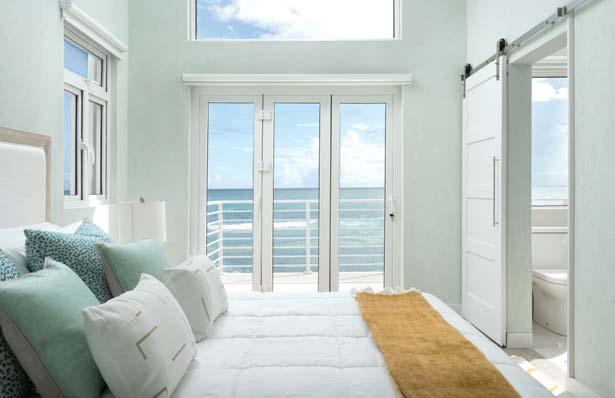
The idea that a small space has to be boring and limited is outdated. We often tell ourselves that without a sprawling floor plan, we have to settle for the basics. However, if you think outside the box, a small home or apartment can easily become the space of your dreams.
Interior designer Melissa Browne, the creative force behind MDesigns Interior Services, is known for creating spaces that are stylish, functional, and deeply personal. When it comes to designing small homes and apartments, she believes people often get the
wrong idea from the very start.
“The biggest myth is that you somehow have to sacrifice style, function, and aesthetic in a small home,” Melissa said. “I don’t think that’s true. With small spaces, you just have to be more intentional with what you do. Everything becomes really important.”
According to Melissa, one of the biggest mistakes homeowners make is buying pieces individually without considering how everything works together.
“A lot of people fall in love with a sofa, and

they don’t necessarily think of every single thing else around it. If you buy a red sofa, your accessories and accent pieces have to be cohesive with that. Designers don’t just buy piece by piece; they have a full plan.“It’s never that you say, ‘This is my small space, so I’m just going to buy everything small,’” she adds. “It is a plan. How is everything going to function and work together?”
In a small home, that plan is your roadmap to avoiding mistakes. Melissa notes that before you even step into a furniture store, you need to be clear about scale, layout, and how you will realistically live every day.
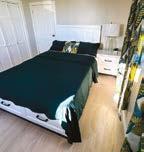
“Take a bedroom, for example. Can you walk around the bed? Can you fit two side tables, or even one? If it doesn’t fit the space or the budget, it’s a no-go—no matter how much you love it. You do not have room to make a bad decision in a small space.”
The Secret to the “Expensive” Feel
Practicality does not have to mean sacrificing beauty. Melissa believes smaller homes can still feel luxurious, layered, and sophisticated when the right design principles are applied. She points to three key elements: light, texture, and storage.
“Good light is essential,” she explains. “If you don’t have natural light, you create it with artificial light, like specific downlighters.”
Then there is texture, something she uses intentionally to add character. Rugs, fabrics, patterns, and layered materials create richness and depth, even within a neutral palette. “All of these are different textures
being added that make it feel very rich.”
Storage, however, is the “real hero” of small-space living. “Once the clutter is out of the way, you add that expensive feel. Everything has to have a home,” she insists.
The Barbadian Context
Designing for small homes in Barbados comes with its own unique considerations. Melissa believes good interior design should reflect how someone truly lives.
While some locals want a lush, islandinspired look and others prefer a sleek North American aesthetic, Melissa said the climate should always dictate the materials.
“You’ve got to think about our climate. A lot of people like faux leather, for example, but in our heat, some of it won’t last past a year because it peels. You have to think about what is durable for where we live.”
She also encourages making use of our “outdoor rooms”. For a small house, a patio or backyard isn’t just an extra; it’s a vital part of the living space that can be factored into
the design to provide additional seating or a quiet retreat.
If you’re looking to upgrade your space without breaking the bank, Melissa said, “A fresh coat of paint goes a long way.”
She recommends lighter shades—whites, off-whites, pale blues, and soft pinks—to create a bright, airy feeling. Combined with updated hardware, modern light fixtures, and refreshed finishes, even the smallest apartment can instantly feel newer.
“Old fixtures and hardware make a space look dated,” she explained. “Those little things matter.”
For homeowners working with limited square footage, she recommends multifunctional furniture wherever possible. “Beds with drawers underneath, ottomans that can lift to store blankets, or a dining table that doubles as a workspace. These are the best solutions for small-space living.”
She also encourages homeowners to think
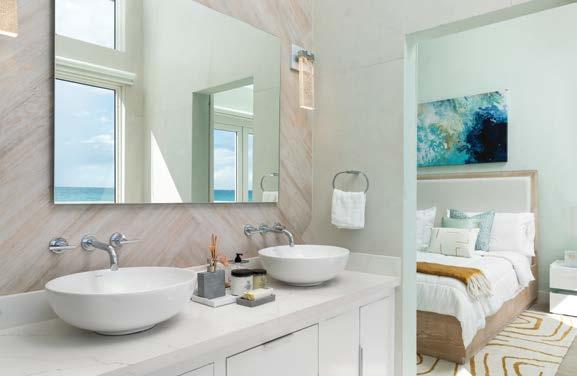
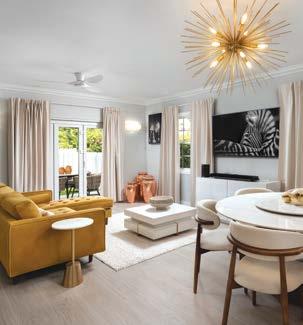
Smaller homes can still feel luxurious, layered and sophisticated when the right design principles are applied.
creatively about organisation, noting that decorative baskets can quickly hide cords and everyday clutter without compromising on style.
Non-Negotiables
When space is limited, Melissa said there are three things you simply cannot get wrong:
Layout: How the space flows is everything.
Smart Storage: If it doesn’t have its own place, it shouldn’t be there.
Scale: Ensure furniture is the right size. No oversized pie ces that block walkways, but nothing so small it looks out of place. On the flip side, what should you throw away? “Oversized furniture and anything that is decorative but neither functional nor attractive,” she said firmly. “If it’s just taking up space and you don’t love it, let it go.”
Looking ahead, Melissa expects homeowners will continue gravitating toward spaces that feel calm, elevated, and beautiful. She, however, stressed that they also need to work.
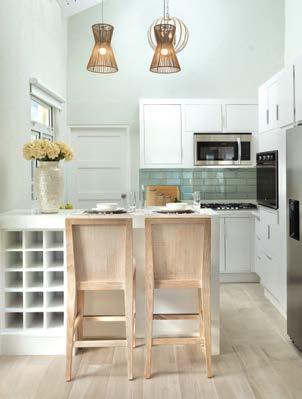
Good light is essential to a small home. You can create artificial light with down-lighters.
“People love beautiful things, but they have to be functional. We live every single day.” She uses the example of shallow vessel sinks—they look stunning in a magazine, but if the water splashes out every time you brush your teeth, they aren’t practical for a real home.
“It’s about marrying things that look clean and tasteful with durability. At the end of the day, interior design is about how you live, instead of just following trends. Don’t mind what other people are doing; be subjective to your own style and what is sentimental to you.”
That realistic approach to interiors may stem from the unusual path that led her into design. Melissa’s background is actually in sociology and psychology, but after building a house with her mother, she discovered her true passion.
After returning to Barbados, Melissa formally pursued Interior Design studies through the UK-based National Design Academy, where she earned her diploma in Interior Design.
She began helping friends with their homes, taking on low-budget projects and building a portfolio piece by piece. “The
more building I did, the more creative I got,” she said.
That journey eventually evolved into MDesigns, launched in 2014. More than a decade later, Melissa continues helping clients transform homes of every size. For her, thoughtful design matters far more than square footage. She maintains that with the right planning, intentional choices, and smart functionality, a small home can still make a very big statement.
Melissa’s “Spend vs Save” Guide for Homeowners
SPEND: On things you touch or use every day. A high-quality mattress, a sturdy sofa, a functional kitchen, and a bathroom that makes you feel clean and good.
SAVE: On the “knick-knacks”. Accessories, soft furnishings like rugs that can be swapped out, side tables, and decorative accents.



Tracey Johnson, Product and Trade Marketing Manager, Harris Paints.
Who doesn’t love a sunny yellow, a sunset orange, the turquoise blue of the sea, or a tropical green? Living in beautiful Barbados, you most likely do. Our colours are lively and vibrant to match our surroundings, and our homes often reflect that energy.
Tropical palettes never really go out of style, but the way we use them indoors is changing. Modern homeowners are experimenting with airier schemes with a tropical touch.
“People are becoming more aware that colour is energy, and sometimes too much energy can overwhelm,” says Tracey Johnson, Product and Trade Marketing Manager at Harris Paints.
The good news is that embracing tropical colour does not mean giving up boldness
or your creativity. The secret lies in balance, proportion, and understanding how to use it to create your desired effect.
Tropical palettes often bring to mind bright hibiscus reds, vivid teals, and sunny yellows, and home decorators are finding ways to elevate the look by using refined versions of these colours. Rather than using pure primary shades, homeowners are gravitating towards slightly softer, more complex hues, such as jewel-toned teal instead of electric turquoise, or a warm coral with earthy undertones instead of bright orange.
“Rich, brights bring a lot of excitement and drama,” Johnson said, “but clients can reduce the tempo, either by toning down the colour a little bit or being more judicious with how much colour they use.”
This change results in interiors that still feel Barbadian, but with a calmer and more polished look. Rich tropical shades can make a statement without overpowering the entire space.
Designers are adopting this approach through curated palettes like the Harris Paints Caribbean Design Collection. This collection blends tropical inspiration with balanced and livable colour combinations influenced by regional landscapes and architecture.
Start with a Neutral Foundation
A simple way to introduce tropical colour without overwhelming a room is to choose a soft neutral as the main colour. Johnson suggests using off-whites, sandy tones, soft creams, or gentle greys as grounding colours that let brighter accents shine without competing for attention. Softer neutrals







provide warmth, which is less assertive than bright white but still helps a space feel fresh and light.
“The beauty of neutrals is they create a cohesive background colour that generally goes well with all your other finishes.”
These lighter tones work well in living rooms and bedrooms where people spend considerable time and want a calmer atmosphere. A neutral wall can also help blend other elements in the room.
“Paint colour lives along with all the things that you have in your room,” she explained, “including the existing furniture, finishes and decor, which all contribute to the overall colour palette.
For homeowners unsure about how much colour is too much, Johnson recommends the classic design guideline: the 60-30-10 rule. This ratio suggests composing your room around three main colours (which don’t all have to be paint colours) and helps create a successful balance. About 60 per cent of the room should feature the dominant colour (usually the walls), 30 per cent should be a secondary shade (upholstery or an accent wall), and 10 per cent should be reserved for accents (cushions, artwork, or lamps).
The design hack helps create a simple scheme that is easy to “read” and looks well put together and coordinated. For example, two colour schemes that are 50:50 – can be confusing, she suggests, as the eye doesn’t know where to look. In addition to the 60:30:10 guideline, she suggests avoiding too many competing focal points. Choose a single element that should command attention.
“You can only have one star in the room. Choose the thing that’s going to be your focal point and allow the other elements to support it.”
For those who love bright tropical shades, there are lots of fun ways to use ‘pops’ of colour.
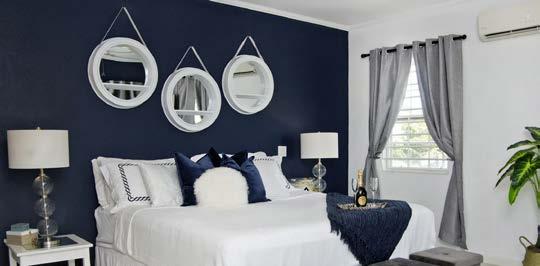
Accent walls remain one of the most effective ways to introduce more colour without overwhelming a space. Consider painting an accent wall behind the bed in a bedroom, which creates a dramatic entrance, but won’t
overstimulate when you snuggle in.
Spaces that are used only for relatively short periods, like powder rooms, are ideal areas to get creative and turn up the volume. Look for elements of surprise in untraditional places by adding bold colours inside drawers, cupboards, bookshelves and wardrobes to create memorable moments without taking over the room.
Soft furnishings like cushions, curtains, rugs and throws are a practical and flexible way to add ‘pops’ of colour and to change up your look, without the cost of repainting an entire room.
“Decorating is understandably a big decision, and there are a lot of factors to consider,” Johnson emphasised . She suggested, especially for persons who are going through it for the first time, talking with an expert can be helpful to clarify objectives and help narrow the choices. “We are always keen to know how people want to feel in the space when it’s complete. It’s important to know how the space will be used, who uses it and their preferences.”
Lighting can be a factor; rooms that are small or perhaps lack natural light may benefit from lighter shades that reflect brightness, while larger, well-lit spaces can support deeper tones.
Johnson encourages homeowners not to rush and to live with colour swatches or try out the colour at home for a few days before making a final decision. “Taking your time and thinking it through is really the key to getting something you’re happy with in
the end.”
Ultimately, whether you like a lot of colour or just a little, you can create a tropical interior that works for you. By blending softer foundations with strategic bursts of colour, homeowners can create livable spaces that feels vibrant, welcoming, and distinctly Barbadian.
If you’re worried about a bright colour overwhelming your room, interior designers suggest using the 60-30-10 Rule. This simple formula ensures your space feels balanced, professional, and peaceful.
60% – The Foundation (Dominant Colour): This is usually your walls or largest rugs. For a sophisticated tropical look, choose a soft neutral like sandy beige, crisp off-white, or a very pale misty grey. This provides the “breathing room” for the rest of the decor.
30% – The Flow (Secondary Colour): This colour supports the main tone but adds more personality. Think of your upholstery, curtains, or perhaps a single accent wall. This is a great place for those “muted” tropicals—like a dusty coral or a deep forest green.
10% – The Pop (Accent Colour): Use your brightest, boldest colours here—like sunset yellow or e turquoise. Since it’s only 10% of the room (think cushions, artwork, or a single vase), it adds energy without the “visual noise.”


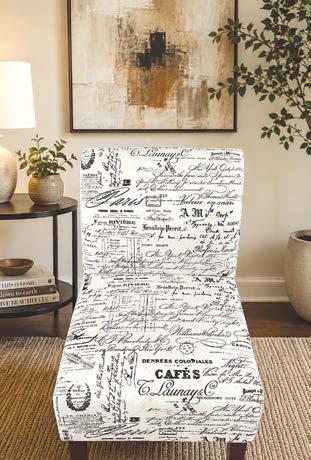
When you walk into a room that feels right, you usually notice it right away. Your eye lands on one thing first. It might be a large painting over the sofa, a lamp in the corner, or a solid wood table that grounds the space.
In interior design, that’s called a statement piece. It’s the anchor of the room.
According to designers, you don’t need to fill every surface with décor to make a space feel complete. One well-chosen item can do more for a room than a shelf full of small accessories. It sets the mood, gives the space focus, and stops it from feeling scattered.
This works for our homes in Barbados, where many spaces have high ceilings and open plans to catch the breeze. When there is no clear focus, those rooms can feel unfinished. In smaller rooms, a bold piece adds depth without creating clutter.
A statement piece is a deliberate choice. It is meant to define the character of the room and tell people the kind of space it is.
It acts as a visual anchor. If you want the room to feel calm and minimalist, your statement piece will set that tone. If you want something bold and different, the piece should do the job. Without that anchor, a room can feel aimless. You might have nice furniture and good paint, but nothing ties it together.
Statement pieces also create balance. In a large room, a big item stops the space from feeling empty. In a small room, a strong colour, texture, or shape breaks up a neutral palette and gives the eye somewhere to rest.
But the best part is that it makes the room feel like yours. Statement pieces reflect your style, your travels, your family, your story.
You don’t need a full renovation to change how a room feels. Designers suggest you can start with one of these:
One large piece of art over a sofa or bed creates instant focus and calm. It guides the room’s colour palette and gives you something to build around.
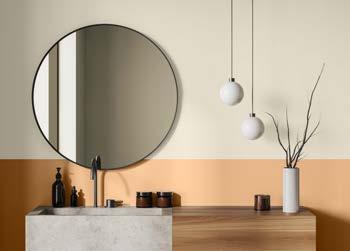
A large mirror works the same way. The key is what it reflects. Angle it so it catches your garden, the ocean view, or a well-lit corner of the room. Avoid reflecting a cluttered hallway or a pile of laundry. The reflection becomes part of the piece.
A large vase with a sculpture looks like art even when it’s empty. Put it on an entryway console or kitchen island and let the form speak for itself. Ceramic, stoneware, and hand-thrown pottery work well here.
On a dining table, a big bowl made of raw wood or stone grounds the surface. Let the bowl stand alone. Don’t crowd it with candles, fruit, and a runner. Give it space so the material and shape can shine.
Open shelves and mantels don’t need to be filled with ten small items. One fluid, organic object can draw the eye more effectively. Look for pieces with movement or texture — a curved piece of coral stone, a hand-carved wooden form, or an abstract ceramic.
Place it where it will catch natural light. Morning light on a textured surface creates shadows and depth that change through the day.
We often treat lamps as an afterthought. But lighting is one of the easiest ways to add character. A lamp with a bold base, an interesting shade, or an unusual shape becomes a focal point during the day and changes the mood at night.
Use it to turn a dark corner into a cosy reading nook, or to balance a bedside table that feels too plain. The right lamp adds visual weight without taking up much space.
Once you’ve found your piece, the next step is placement and balance. Follow these three rules:
A statement piece needs space to breathe. If you put two or three bold items in the same room, they start competing. The result feels chaotic, not planned.
Choose one item to lead. Everything else should support it. Your sofa, rug, and side tables can be quieter.
Your statement piece sets the tone for the rest of the room, so it needs to last. Avoid materials and shapes that are trending because you’ll grow tired of them in two years.
Look for solid wood, stone, ceramic, handwoven textiles, and quality metalwork. Simple, honest materials age well. They also hold their value. A good piece should feel as right in five years as it does today.
The best homes don’t look like showrooms. They look lived in. Your statement piece should feel personal. It could be a ceramic bowl from a potter, a painting from a local artist, or a carved wooden object you brought back from a trip. It could be something passed down

in your family. When a piece has history or connection, it brings warmth that no catalogue item can match.
Transforming a room comes down to keeping less, not adding more. Before you buy anything, be clear on what you want the room to feel like. Calm? Warm? Bold? Social?
Once you have that vision, look for one high-impact item that supports it. This approach saves you money, reduces clutter, and makes your home feel more intentional. It also makes decorating less stressful. You’re not chasing trends or filling space for the sake of it. You’re choosing one thing that matters.
Don’t be afraid to make a bold choice. The right statement piece can completely transform a room and tell your story without words.





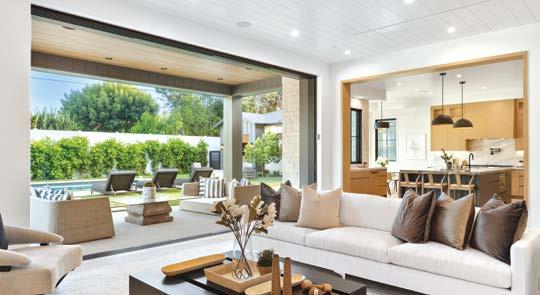
In Barbados, “indoor-outdoor flow” isn’t just a design trend — it’s how Caribbean homes were always meant to work. For Smart Homes, senior multimedia writer Sandy Deane spoke with architectural designer and tech portfolio manager Janelle Brathwaite. With over 20 years experience, Janelle shares her expertise on how to ensure that homes stay cool and strong in our climate.
Q: What does “indoor-outdoor flow” actually mean in a Barbados context, and how does that differ from how it’s understood in the US or UK?
In the US or UK, indoor-outdoor flow is largely a lifestyle aspiration, a bi-fold door that opens to a patio on a warm Sunday afternoon. It’s a feature. In Barbados, it’s the architecture
itself. The home is designed around the assumption that inside and outside are in constant conversation, every single day of the year.
Our climate demands it. We sit just 13 degrees north of the equator with a remarkably consistent northeast trade wind. A well-positioned Bajan home can cool itself almost entirely through passive ventilation, no mechanical assistance required. So when we talk about flow here, we mean a deliberate orchestration of air, shade, and light that makes a house liveable without heavy reliance on air conditioning. That’s not a trend; that’s survival intelligence built up over centuries.
“In Barbados, indoor-outdoor flow isn’t a feature you add. It’s the grammar the whole house is written in.”
The UK equivalent would be designing
every room around a fireplace. The climate shapes the architecture. What’s different now is that Bajan homeowners, with the means to do so, are increasingly adding glass, steel, and refined material palettes to that vernacular, bringing a certain international sophistication while preserving the functional logic underneath.
Q: Is this a luxury trend or a climate necessity, and where are we headed given rising energy costs?
It started as a necessity and is being reclaimed as intelligence. For decades, modernisation in the Caribbean was associated with the sealed, air-conditioned box, glass curtain walls imported from Houston or Miami without any adaptation for the tropics. That was status. That was
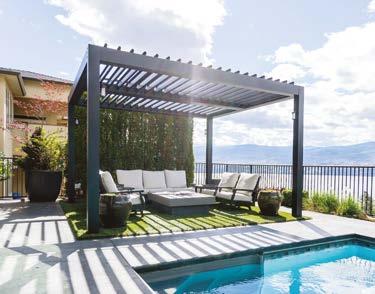




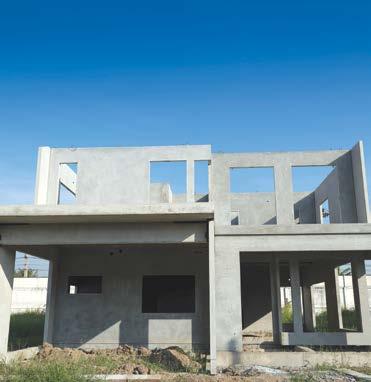
The difference is execution quality, not concept.
“developed.” And we’re now paying the price in electricity bills and carbon footprints.
The good news is that the economics have shifted the conversation decisively. With electricity tariffs in Barbados among the highest in the hemisphere, the passive house that breathes naturally is no longer just beautiful; it pencils out. A home properly designed for cross-ventilation can reduce its cooling load by 40 to 60 per cent compared to a sealed equivalent. That’s not a rounding error; that’s a fundamental difference in the cost of living in that house over its lifetime.
So the luxury framing is useful in the sense that high-end clients are currently the ones commissioning the most thoughtful work in this space. But the principles are entirely transferable to
modest construction. The difference is execution quality, not concept.
Q: How do you design for breeze and light from day one, and what are the first decisions that matter most?
The first decision is orientation, and it has to happen before a single wall is drawn. In Barbados, our prevailing breeze runs northeast to east. A house oriented so its longest elevation faces that direction immediately gives you the opportunity to catch and channel air through the interior. Once you’ve compromised that with a badly oriented floor plan or a neighbour’s wall, no number of louvres or ceiling fans fully compensates.
The second decision is the section, the vertical relationship between spaces. Heat rises. If you have a two-storey home with
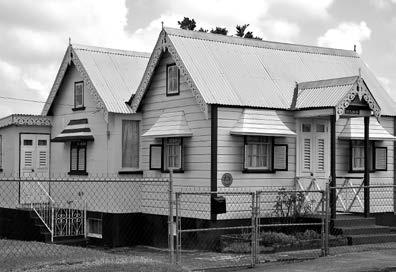
high ceilings, clerestory windows, or a ridged roof with ventilation, you’re creating a thermal stack that draws hot air up and out while cool air is pulled in at lower levels. This is centuries-old roof science that Bajan chattel houses understood intuitively and that we are now recreating in contemporary form.
Light is more nuanced. In the tropics, the threat isn’t too little light; it’s too much heat coming with the light. Deep overhangs, brise-soleils, and carefully positioned openings that admit diffuse north light while shading against direct western afternoon sun are the vocabulary every tropical architect needs fluently.
Q: What are the first steps for someone tackling a renovation rather than starting from scratch?
The audit comes first. Before touching anything, walk the house at different times of day, early morning, midday, and 4 p.m., and understand where the heat accumulates, where there’s natural cross-flow, and where you’re fighting the building. Most Bajan renovation clients are surprised to find one or two rooms that are already working beautifully and three or four that are essentially sealed traps.
From there, the highest-value interventions are usually: opening a second window on the downwind side of existing rooms to create crossventilation, replacing solid doors with louvred or jalousie equivalents to maintain airflow between closed spaces, and addressing roof insulation or ventilation if the top floor is unusably hot. These are often modest interventions with outsized impact. Where budget allows, removing the wall between an interior living space and a covered terrace, and replacing it with stacking panels or a deep-framed opening, can transform a home’s entire relationship with the outside. That transition zone, what we call the “verandah threshold”, is the most important spatial move in Caribbean domestic architecture.
Q: How do you position a home on a Bajan lot to optimise for wind while managing that punishing afternoon sun from the west?
The classic tension on a Bajan lot is between view, breeze, and sun. A lot of West Coast plots have ocean views to the west, which is also exactly where your worst afternoon sun comes from. You cannot resolve that tension without accepting a trade-off and being deliberate about which way it falls.
My general approach is to orient sleeping quarters to the northeast, catching the overnight breeze and avoiding morning glare, and to treat western-facing living spaces as spaces of controlled aperture. You don’t fully open the west; you filter it. Deep covered terraces, mature trees positioned 6 to 8 metres out, timber battens or perforated screens, these allow the view while attenuating the heat load significantly.
For siting on the lot, pushing the building towards the northeast boundary allows the prevailing wind to approach unobstructed, while locating parking,






























service areas, and garages on the western boundary acts as a thermal buffer between the afternoon sun and the living spaces. That’s simple massing logic, but it makes a measurable difference.
Q: What are the best materials for floors, walls, and roofing at the indoor-outdoor threshold?
For floors that transition between inside and outside, the non-negotiable is material continuity, using the same tile, stone, or poured concrete across the threshold so the eye reads the space as one. Locally, we work a great deal with coral stone, which has beautiful thermal mass properties and weathers to a warm patina over time. Imported porcelain tiles in large formats also work well because they read as continuous planes and are easy to maintain in the saline coastal environment.
For walls at the threshold, the enemy is moisture and the salt air. Timber needs to be either a naturally resistant species, such as teak, iroko, or greenheart, a hardwood long favoured across the Caribbean for its exceptional durability in wet and saline conditions, or very well finished with UVstable coatings that you’re committed to maintaining. Powder-coated aluminium has become the workhorse for operable screens and sliding systems because it handles the marine environment with virtually no maintenance.
Roofing at transition zones, covered terraces, carports, linking structures, benefits from insulated panel systems or a lightweight steel with a planted or reflective finish above. The key is breaking thermal bridging; a metal roof without insulation turns the space below into an oven, regardless of how well ventilated the walls are.
Q: What are the most common mistakes Bajan homeowners make when they try to open up their spaces?
Three come up repeatedly. The first is creating openings without creating crossflow. Homeowners will install a stunning set of bifold doors on one wall and then wonder why the space is still stuffy. A single opening just pressurises; you need an inlet and an outlet on opposite or adjacent sides for air to actually move through. I see this constantly.
The second mistake is treating the covered terrace as an afterthought rather than a
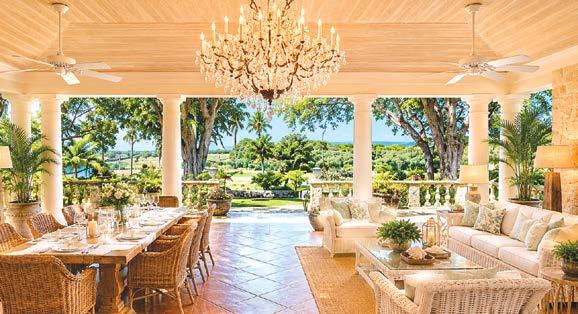
primary room. In Barbados, the outdoor covered living area is often used more hours per day than the interior living room. When it’s designed with leftover space and leftover budget, narrow, under-roofed, without ceiling fans or proper lighting, it never fulfils its potential as the heart of the home.
The third is underestimating the maintenance implications of opening up. Exposed timber, operable louvre systems, sliding tracks, outdoor fabrics, these all require a committed maintenance programme in a saline, high-UV environment. Clients who aren’t prepared for that find their beautiful open architecture looking tired within five years. The solution isn’t to close the house back up; it’s to specify materials honestly from the start.
Q: What are your three non-negotiables for any home that genuinely embraces breeze, light, and nature?
Without compromise, every single time:
1. Cross-ventilation by design. Every occupied room must have openings on two different faces. This is not optional in the tropics. It›s the difference between a home and a box.
2. The verandah threshold. A genuine covered transition zone between inside and outside, deep enough to be usable in rain and sun, connected meaningfully to the main living space.
3. Borrowed nature. A visual and sensory connection to planting, water, or the sky from every primary room. Not a token pot plant, but a considered landscape that the architecture frames and celebrates.
Q: For homeowners on a tighter budget, what are the highest-impact, lowest-cost
moves to create better flow?
Replace solid interior doors with louvred ones. It costs a fraction of the cost compared to structural work and immediately allows air to circulate between rooms, even when doors are closed for privacy. This single change transforms how air moves through a house. Add ceiling fans in every occupied room and set them to run counterclockwise in warm months to push air down. A good ceiling fan running constantly costs a fraction of a split-unit air conditioner and, in a wellventilated Bajan home, is often sufficient for eight or nine months of the year.
Plant trees strategically on the western and southern boundaries, not up against the house, but 6 to 10 metres out where they can shade the facade and the approach without blocking the breeze or the roots from reaching foundations. A mature tree is the cheapest air conditioner that exists, and in this climate, a Casuarina or a Caribbean pine can provide meaningful shade within three to five years.
Finally, paint the roof white or a very light colour if it’s currently dark. Roof colour is one of the most underappreciated thermal variables in residential construction. A dark roof absorbs heat that migrates into the top-floor rooms; a white or near-white finish reflects a significant proportion of that solar gain before it enters the building envelope.
Janelle Brathwaite is an architectural designer with over 20 years of experience across Barbados, the United States, and the United Kingdom, with a focus on tropical residential design and architectural intelligence for sustainable living. She now applies that analytical foundation to the technology sector, where she works as a Portfolio Manager leading Generative AI product development for Fortune 500 companies. Her work sits at the intersection of built environment thinking and emerging technology.


by Nakiah Thomas-Edwards

For decades, Caribbean people lived comfortably in homes designed to work with the climate rather than against it. Long before air conditioning became standard, architecture across Barbados and the wider region embraced breeze, shade and outdoor living as essential parts of daily life. According to Barbadian architect Gordon Ashby, many of those traditional principles are still the smartest solutions for modern tropical living.
“Barbados and the Caribbean have an ideal climate,” Ashby explained. “We are blessed
with an almost constant gentle easterly to easterly breeze. When you are in the shade of a tree or verandah, with the wind blowing, you have achieved a perfection of ambience.”
Ashby believes many people now experience the tropical climate differently because modern lifestyles have conditioned us to sealed, air-conditioned environments. Yet thoughtful architectural design can dramatically reduce the need for constant cooling while creating healthier and more comfortable homes.
One of the most important considerations
in Caribbean architecture is orientation. While homes in colder countries are often designed according to sunlight, Caribbean homes should respond to the direction of the wind. In Barbados, this means designing homes to capture the prevailing easterly breeze.
“Positioning bedrooms and living spaces to have access to this wind and allow for crossventilation is critical,” Ashby said. “Too often bedrooms receive the breeze, but the layout blocks airflow from reaching the living areas, making those spaces unnecessarily hot.”




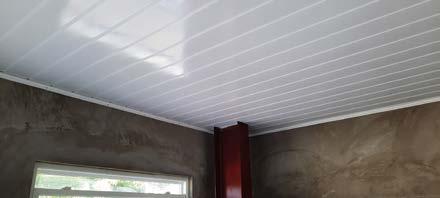
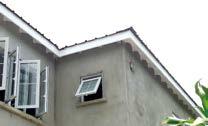
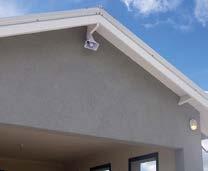

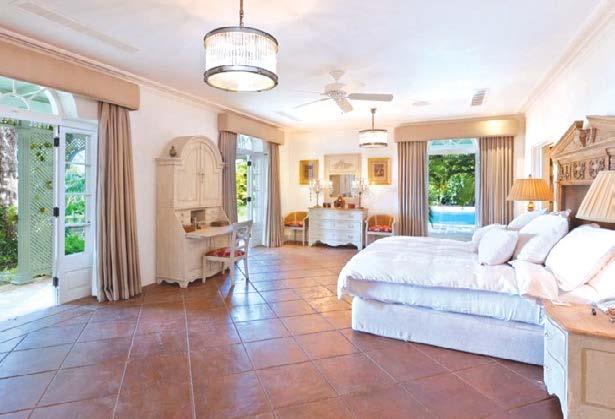
“Many traditional homes had walls that did not go all the way to the ceiling,” Ashby explained. “This allowed air to pass better throughout the house.”
Cross-ventilation, allowing air to enter and exit freely through aligned openings, remains one of the most effective cooling strategies in tropical design. Ashby notes that poorly planned walls, closed-off interiors, and badly positioned windows often interrupt natural airflow. Larger openings facing east, fewer internal walls and aligned windows and doors all help wind move more freely throughout a home.
Traditional Caribbean architecture mastered these principles naturally. Older Barbadian homes were often constructed from timber and coral stone, materials that stayed cooler than many modern concrete structures. High ceilings allowed heat to rise above occupied spaces, while raised floors improved airflow underneath homes. Large jalousie windows and double-hung sash windows with hoods created continuous ventilation, even during rainfall.
“Many traditional homes had walls that did not go all the way to the ceiling,” Ashby explained. “This allowed air to pass better throughout the house.”
Verandahs and outdoor living spaces also played a major role. Instead of separating indoor and outdoor life, traditional Caribbean homes embraced large patios, galleries and shaded terraces as central gathering areas.
Ashby points to historic homes such as Cockade House, designed by Oliver Messel, as excellent examples of tropical living. “The easy flow from inside to outside, with large openable spaces, makes the home feel larger, cooler, and more liveable,” he said. The idea is living on a patio which is large enough to accommodate a living room set and dining table.
For homeowners seeking affordable ways to cool their homes sustainably, Ashby recommends several practical measures. Roof insulation can significantly reduce indoor
heat gain, particularly when installed during construction. Painting exterior walls and roofs in lighter colours helps reflect heat rather than absorb it. Planting trees on the western side of a property creates natural shade against the harsh afternoon sun, which can heat walls and this radiates heat hours after sunset.
“The western sun between 2 p.m. and 4 p.m. is particularly harsh,” Ashby noted. “Trees, overhangs, or covered patios on that side of the house can provide an important buffer.”
He also advocates for secure but open tropical living spaces. Decorative wrought iron, retractable security systems and screened verandahs can allow homeowners to enjoy natural ventilation safely at night without relying entirely on air conditioning. The real question then becomes if a secure and large enough sun shaded, rain protected patio can be made, do we even need an internal living and dining room? Why not get rid of this? Why can’t we just live on a patio in this beautiful climate?
Ashby believes architects, planners, and developers must rethink how housing is designed across the region. Rather than maximising density without regard for climate, communities should be planned around airflow, green space, and energy efficiency.
“Houses should never be laid out without considering the wind,” he said. “This is often forgotten when developments focus only on maximising return on investment.”
Ashby also believes the Caribbean must reconsider low-density suburban sprawl in favour of thoughtfully designed tropical communities that preserve agricultural land and open space while still providing comfort and privacy.
Ultimately, the future of Caribbean housing may depend less on technology and more on rediscovering the wisdom of the past. By designing homes that work with the climate instead of fighting it, homeowners can create spaces that are cooler, healthier, more sustainable, and unmistakably Caribbean.
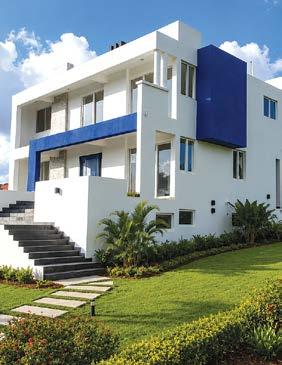

by Dwayne Gibbs
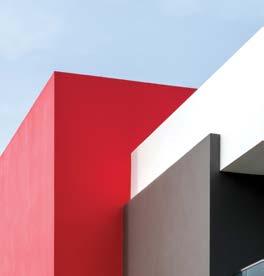
As climate change, rising energy costs, and environmental awareness continue to shape the way people live, sustainable construction has become far more than a passing trend. Across the Caribbean, homeowners, architects, and developers are increasingly embracing eco-friendly building practices designed not only to reduce environmental impact but also to create homes better suited to the region’s tropical climate.
In islands where high temperatures, humidity, hurricanes, salt air, and seasonal droughts all influence construction decisions, choosing the right building materials is critical. Sustainable materials offer an opportunity to build homes that are cooler, more energy efficient, longer lasting, and environmentally responsible, while maintaining the beauty and functionality.
Caribbean homeowners’ value
The Caribbean’s unique climate presents both challenges and opportunities for sustainable construction. Homes must be durable

enough to withstand intense sunlight, moisture, strong winds, and coastal conditions while also remaining comfortable in warm temperatures. This has led builders and designers to seek materials that naturally regulate heat, resist weather damage, and reduce reliance on air conditioning and energy consumption.
An increasingly popular option is reclaimed wood. Rather than harvesting new timber, reclaimed wood repurposes material salvaged from old buildings, shipping pallets, or retired structures. This reduces deforestation while giving homes character and warmth through weathered textures and unique finishes. In the Caribbean, reclaimed hardwoods are especially valued because many older regional woods
possess exceptional durability and resistance to insects and moisture. Used for cabinetry, furniture, ceilings, accent walls, or flooring, reclaimed wood offers both sustainability and timeless charm.
Concrete remains one of the Caribbean’s most widely used building materials due to its resilience during hurricanes and tropical storms. However, traditional concrete production contributes significantly to carbon emissions. As a result, many builders are now turning towards greener concrete alternatives. Sustainable concrete mixtures incorporate recycled materials such as fly ash, slag, or crushed recycled concrete, reducing the amount of cement required.
Some companies are also producing permeable concrete
solutions that improve drainage and reduce flooding during heavy rainfall, which is an increasingly valuable feature as extreme weather events become more common throughout the region. Locally sourced stone is another environmentally friendly material well adapted to Caribbean conditions.
Coral stone and limestone have long been used in regional architecture because of their durability and natural cooling properties. These materials absorb less heat than many synthetic alternatives, helping interiors remain cooler during the day.
Roofing choices also play a major role in sustainable Caribbean construction. Since roofs absorb significant amounts of heat from the tropical sun, selecting reflective and energy-efficient materials can dramatically improve indoor comfort.
Cool roofing systems, including reflective metal roofing, coated tiles, and insulated roofing panels, help reduce heat transfer into the home. Metal roofs in particular have gained popularity because they are durable, recyclable, resistant to hurricane-force winds, and effective at reflecting solar heat. Pairing these roofs with adequate attic ventilation further improves energy efficiency. In addition to the materials themselves, sustainable building in the Caribbean often incorporates passive design strategies that work hand in hand with eco-friendly construction. Features such as large windows
for natural ventilation, louvred shutters, shaded verandas, high ceilings, and strategic orientation to capture trade winds reduce dependence on mechanical cooling systems. Traditional Caribbean architecture has long embraced many of these concepts, demonstrating that sustainability is often rooted in practical regional wisdom.
Water conservation is another important consideration for environmentally conscious homeowners. Sustainable building materials now include permeable pavers that allow rainwater to seep into the ground rather than contributing to runoff and flooding. Rainwater harvesting systems paired with durable storage tanks are also becoming more common in Caribbean homes, particularly as some islands face periodic water shortages. Choosing drought-resistant landscaping materials and native plants further supports sustainable living while reducing maintenance demands.
One of the greatest advantages of sustainable materials is their long-term cost efficiency. Although some eco-friendly options may carry slightly higher upfront costs, they often deliver savings over time through lower energy bills, reduced maintenance, and increased durability. In climates where sunlight, moisture, and salt exposure can quickly deteriorate inferior materials, investing in quality sustainable products frequently proves more economical
in the long run.
There is also growing recognition that sustainable homes can increase property value. Buyers are becoming more conscious of energy efficiency, climate resilience, and environmental responsibility when evaluating real estate. Features such as solarready roofing, energy-efficient windows, sustainable finishes, and water-saving systems are increasingly viewed as desirable selling points rather than niche upgrades.
Despite the benefits, sustainable construction in the Caribbean still faces some challenges. Limited availability of certain eco-friendly materials, import costs, and lack of public awareness can sometimes discourage homeowners from fully embracing green building practices. However, as regional governments, architects, and developers continue promoting sustainable development, access to environmentally responsible options is steadily improving. As the Caribbean continues navigating the challenges of climate change and environmental sustainability, eco-friendly construction offers a practical path forward that combines innovation, cultural identity, and respect for the natural environment. Sustainable building materials are no longer just alternatives; they are rapidly becoming the foundation of smarter Caribbean living.



by Sandy Deane
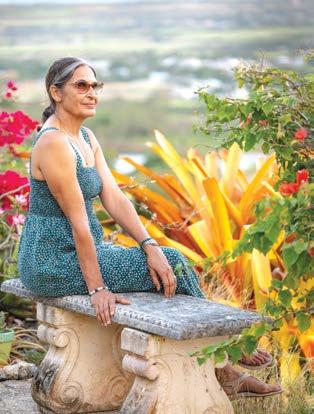
High on a cliff in Kendal, St John, Clive and Julie Landis’ home looks out over a view that most people would pay a fortune for—the rolling hills of St Philip stretching clear to the South Coast. But the moment you step onto the property, you see the garden, and your mouth opens before you can help it.
It isn’t the size or the design that hits you first; it’s the atmosphere. It’s not completely silent; trees are rustling in the wind and birds are chirping, but it’s the kind of quiet that draws you in. It makes you want to slow down, settle, and rest.
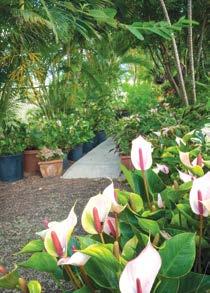
The grounds at the Landis Cliffside Gardens are a lush profusion of Barbadian flora—aloe, desert roses, bromeliads, cattails, heliconias, oleander, crotons, palms, orchids, and anthuriums layered across a 2.2-acre landscape. Everywhere you look, something is growing.
“I think I would die if my plants were taken away,” Julie Landis says as she welcomes Smart Homes to the garden, which is frequently featured in the Barbados Horticultural Society Annual Open Gardens and the Barbados National Trust’s Open Houses, Gardens & Experiences programme.
From a Dump to a Sanctuary
While it feels like paradise today, the entire property once looked completely different.
“We moved in 2004, so that’s 22 years ago,” Julie disclosed. “There was just one main hog plum tree, just a few casuarinas and bush. There was an old car and wild river tamarind—it was a dump. We cleared the land and planted everything you see now, one by one.”
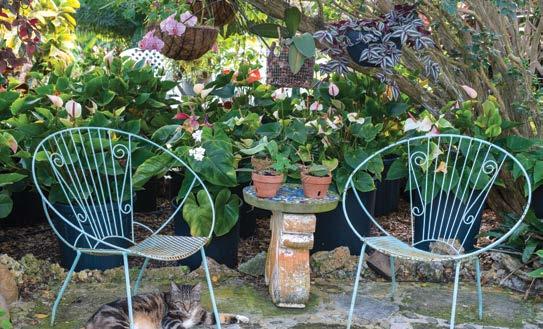
That decades-long labour of love has transformed the lot into a sanctuary complete with shaded seating areas, wandering cats, and even playful monkeys hiding in the taller trees. But Julie, who clearly loves nature, says there was never a grand plan.
“It just evolved,” she explained. “I would sit somewhere and think, ‘Oh, I’m going to do this here.’ Then one thing led to another.”
It’s a process that keeps her husband, Professor Clive Landis, on his toes. “He sees me sitting outside and says, ‘Oh no, she’s planning something.’ Or he comes home, and something has changed completely.
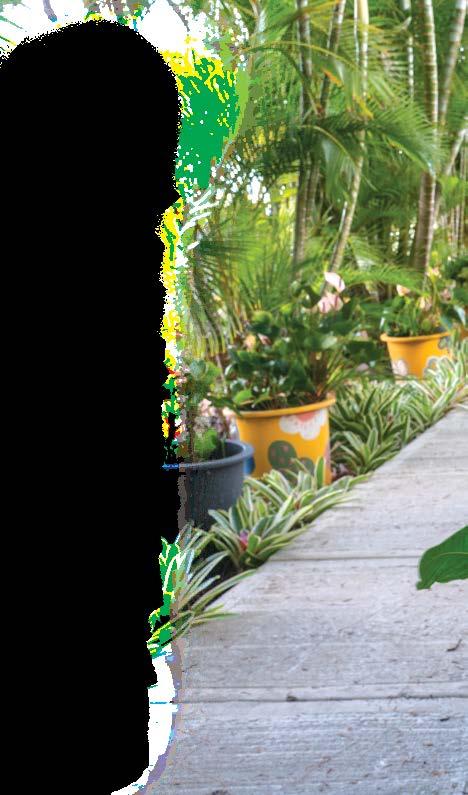
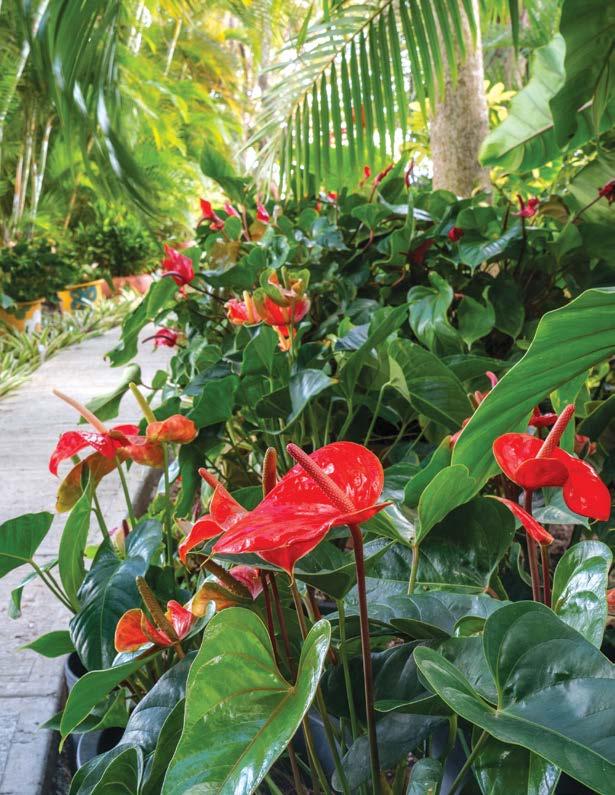
In the garden, flowering plants grow right next to fruit trees, and stone paths lead to quiet spots designed for relaxation. “I like variety,” Julie said. “I don’t just want crotons or palms. I want different things to look at.”
Some of her choices are practical, too. The bromeliads, for instance, help retain moisture and provide a vital water source for local frogs and birds. “The funny thing is, with all these bromeliads, people would expect mosquitoes,” she says. “But we really don’t have a mosquito problem.”
Many of the plants were selected specifically because they can survive the island’s dry spells once established.
“We used to have irrigation years ago, but that stopped working,” she explained. “Now I drag hoses around when I need to. But most of the older plants can manage.”
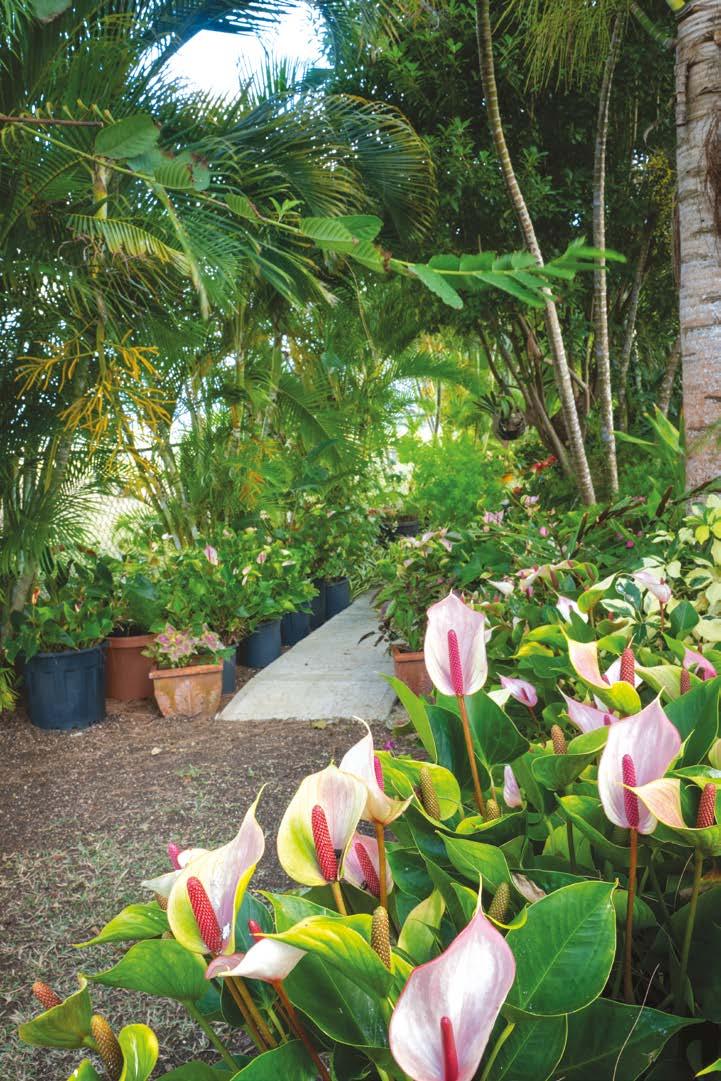
Julie also points out that some plants stay potted due to the rocky terrain and weather conditions. “The ground here is so rocky and dry. If I put the anthuriums in the ground, they would die. That’s why they’re in pots.”
While the garden is undeniably beautiful, Julie talks about it as a space that impacts how people feel.
“This garden just brings life and beauty to the property, to our home,” Julie said. “Anyone who comes to visit feels at peace. They feel so relaxed that they do not want to leave. It is refreshing. You are seeing God’s creation. You are seeing the birds, the wildlife. It is just beautiful. We need to spend more time outdoors.”
That sense of calm is why she believes that gardens are not simply decorative additions; they are essential spaces that contribute to emotional wellness and quality of life, regardless of the property’s size.
“Gardens are uplifting,” Julie said. “You come from a hard day of work. You can sit on your little patio with a few plant pots around you. It just changes the mood. You unwind. So I think it is important.”
When asked if she could imagine her home without the garden, she is emphatic. “Oh my goodness! No. No. No. I would be out there digging and planting. I have always loved gardening; I started with house plants, and then it grew from there.”
Julie suggests every homeowner should give gardening a try, even if they don’t have two acres of land.
“You really just have to put in the hard work that comes with gardening, a little creativity, and care for your plants even if they sit on the kitchen windowsill, or on the verandah,” she said. “You’ll see that it makes a difference, gives you a little inspiration.”
Beyond flowers, Julie believes growing food is a smart move for every household. Tall avocado trees, mangoes, bananas, plantains, and coconuts blend naturally into her garden.
“My husband loves avocados, so when we eat one, we save the seed and plant it. They grow quickly.”
Nearby, a garden cage houses kale, beets, peppers, okra, and

This garden just brings life and beauty to the property, to our home,
herbs, keeping them safe from the island’s monkeys. “The monkeys have the outside,” she joked. “We have to live with them.”
For those with smaller properties, Julie encourages repurposing everyday items. “Try reusing those gallon bottles that have the mauby syrup to plant your herbs. We also get old tyres from the tyre shop. You can paint them if you want, but I just leave them. You can grow anything in a pot.”
Never Finished
Gardening, she believes, should develop naturally alongside the homeowner’s life. “There’s no one way. For me, I’m always moving things. I redesign and shift things around. I’ll decide to move a sago palm from one side to another. I like to keep things fresh.”
Her garden continues to change as she travels. After visiting Japan in 2023, she returned inspired by Japanese gardens, creating her own version with stone features and carefully pruned trees. Nearby, she is experimenting with African-inspired
elements, including hanging masks and a baobab tree growing in a pot.
She is also currently working on a “Poet’s Corner”. “I want to make a little seating area there with poems,” she said.
When asked about her favourite spot to enjoy the fruits of her labour, Julie admitted she has a very specific evening ritual.
“I like sitting by the pool in the evenings. There are two chairs there. I sit with a glass of wine because there are no lizards around. I love gardening, but I don’t love lizards,” she said with a laugh.
Her fear of lizards won’t stop Julie from her daily routine of watering, pruning, and expanding. She relishes the hard work, knowing she will be rewarded with more than just blooms—she is cultivating the peace and wellness that only nature can offer.
Graphic for feature: Get your garden going Want to transform your own garden or add plants to your patio? Here are five takeaways from the Landis Cliffside garden to get you
started:
Observe: Before buying plants, sit in your space at different times of the day to see where the sun hits most, when it is cool and where the wind is strongest.
Getting started: If you’re a beginner, start with hardy Barbadian plants s like Crotons, Ixoras, and Agave. Once these are established, you can start adding “delicate” flowers of your choice, like orchids or anthuriums.
Repurpose/Recycle: Use old tyres and other recyclable containers as plant pots to get started. To add your own touch, paint or decorate.
Smart Planting: Start your food garden for free. Next time you enjoy a watermelon, avocado, or mango, save the seeds and plant them.
Keep going: If a plant dies. Learn from it. Read up about the plant, and try again.
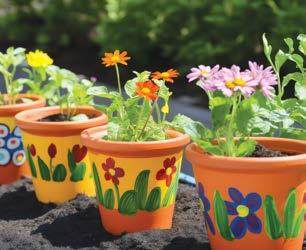
If the Landis Cliffside Garden cover story taught us anything, it’s that plants can completely change the feel of a home. A lush palm in the corner of a patio, green herbs on a kitchen window sill, or colourful flowers lining a garden path can make a home feel fresh and welcoming.
Gardeners and homeowners are paying just as much attention to the pots as the plants inside them.
On patios and even indoors, decorative containers have become part of the design itself.
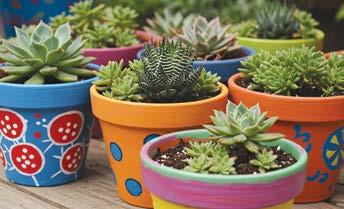
Instead of sticking with plain terracotta, more homeowners are turning pots into statement pieces, adding colour, texture and personality that bring the whole space together.
The good news is that you don’t need expensive designer planters to pull it off. With a few simple materials, ordinary flower pots can become beautiful handmade décor that changes how your plants are displayed.
DIY plant pot decorating has taken off because it is both creative and practical. It’s affordable, relaxing, and it lets you make your space feel uniquely yours.
There’s also something special about working with your hands. Painting, wrapping, or adding texture to a pot can feel almost therapeutic — especially when you’re doing it with children, family, or friends.
A finished pot can brighten a dull corner or bring warmth to a garden shelf. And when you group them, the effect multiplies. Matching painted pots give a patio a polished, cohesive look, while finishes like twine or pebbles add natural texture and character. Even indoors, custom pots soften modern spaces and help plants feel like part of the décor and not an afterthought.
The trick is choosing designs that work with your space and your plants. Tropical greenery pairs beautifully with natural textures like rope, twine, or stone. Colourful flowers pop against painted patterns and brighter tones.
If you’re ready to try it yourself, here are three easy DIY plant pot ideas anyone can tackle.
Painting pots is one of the easiest and most creative ways to upgrade plain planters. Acrylic paint works well because it dries quickly, comes in endless colours, and sticks nicely to terracotta or ceramic surfaces.
The beauty of painted pots is that there are no rules. Some people prefer minimalist designs with soft neutral tones or simple stripes, while others embrace bold tropical colours, abstract patterns, or hand-painted flowers.
A painted pot can completely change the personality of a plant. A simple cactus looks great in a brightly painted container, while elegant white or earthy tones can give larger plants a sophisticated, modern feel.
What You’ll Need:
•Terracotta or ceramic pot
•Acrylic paint
•Paint brushes or sponges
•Pencil for sketching designs
• Clear sealant spray (optional)
Simple Steps:
1. Clean the pot and allow it to dry completely.
2. Paint a base colour and let it dry fully.
3. Add patterns, shapes, or designs using smaller brushes.
4. Allow the paint to dry thoroughly.
5. Finish with a clear sealant if the pot will stay outdoors.
One of the best things about painting your pots is that no two turn out exactly alike. Small imperfections give them character.
For anyone who loves natural, earthy décor, twine-wrapped pots are a beautiful option. This texture instantly adds warmth and works well in coastal, rustic, or tropical-inspired spaces.
Wrapped pots look stunning with leafy plants, palms, and herbs because the organic texture complements the greenery naturally. They also bring softness to modern patios or indoor spaces that may otherwise feel too sleek or cold.
This project is incredibly simple.
What You’ll Need:
•Flower pot
•Natural jute twine or rope
•Craft glue or hot glue gun
•Scissors
Simple Steps:
1. Apply glue to a small section near the base of the pot.
2. Press the twine firmly onto the glue.
3. Continue wrapping the twine around the pot, adding glue in sections as you go.
4. Keep the rows tight and even for a neat finish.
5. Trim the end of the twine and secure it with glue.
To add a little extra, you can add wooden beads, shells, or small decorative accents.
The finished result feels stylish — perfect for patios, balconies, or indoor plant corners.
Seashell and Pebble Mosaic Pots
Nothing says Barbados more than seashells and pebbles. For homes inspired by the sea, mosaic-style pots bring texture, colour, and a handcrafted feel that instantly elevates outdoor spaces.
This style works well in our homes because it complements natural surroundings.
Seashells, sea glass, and stones reflect the relaxed beauty of island living and make even simple pots feel artistic.
These pots work particularly well outdoors, especially by pools, patios, or garden paths.
What You’ll Need:
•Flower pot
•Strong craft adhesive
•Flat pebbles, shells, or sea glass
•Cloth for cleaning
Simple Steps:
1. Wipe the pot clean and dry thoroughly.
2. Arrange your shells or pebbles first to plan the design.
3. Apply adhesive to small sections of the pot.
4. Press each shell or pebble firmly into place.
5. Allow the adhesive to dry completely before using.
The finished texture catches light beautifully and adds a natural coastal elegance to any garden space.
At the end of the day, DIY plant pots are about more than decoration. They showcase your creativity. and bring a little extra joy into everyday spaces. They’re also a reminder that beautiful homes and gardens don’t always come from expensive purchases. Why not
Do-It-Yourself?


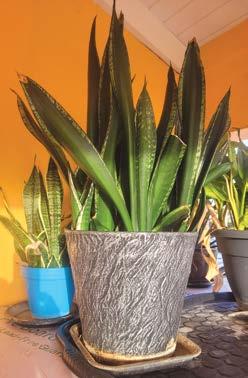
Plants do far more than simply beautify a space. Across Barbados and the wider Caribbean, houseplants have become an important part of creating cooler, calmer and healthier home environments. Beyond decoration, many houseplants help improve indoor air quality, reduce stress, create a sense of relaxation and even contribute to better mental well-being. In urban areas especially, indoor greenery can reconnect people with nature while softening the effects of heat, concrete and busy lifestyles. For Barbadians who enjoy open-plan living, verandahs
and naturally ventilated homes, tropical houseplants fit seamlessly into everyday décor while helping spaces feel fresher and more inviting.
Retired Chief Plant Quarantine Officer at the Ministry of Agriculture, Everton Hunte, listed the six most popular house plant options that thrive in tropical climates.
• Swiss Cheese Plant (Monstera deliciosa)
Known for its large glossy leaves with natural holes and splits, the Swiss Cheese Plant is one of the most striking indoor plants for modern homes. Its dramatic foliage instantly adds a tropical aesthetic that works particularly well in Barbados’ airy interiors and covered patios.
• Mother-in-Law’s Tongue (Sansevieria)
Sansevieria is one of the most resilient houseplants available and a favourite for Caribbean households. Easily recognised by its long upright leaves, the plant is highly valued for its air-purifying qualities and ability to survive even in challenging indoor conditions.
• Pothos (Epipremnum)
Often called Pothos, this fastgrowing trailing vine is beloved for its versatility and vibrant appearance. Available in deep green or green-andyellow variegated varieties, it works beautifully in hanging baskets, shelves or cascading from plant stands. Pothos thrives in tropical climates and adapts easily to indoor Caribbean environments. Its ability to grow quickly with minimal care makes it ideal for first-time plant owners.
The ZZ Plant has become increasingly popular because of its glossy, waxy, deep-green leaves and remarkable durability. It performs well in low-light conditions and can tolerate periods of neglect, making it an excellent choice for busy households or offices. Its ability to withstand warmer indoor temperatures also makes it well suited to Barbados’ tropical climate. The plant’s sculptural appearance pairs well with modern décor styles while still bringing a lush tropical feel indoors.
• (Calathea)
Calatheas are prized for their stunning leaf patterns, which often feature rich shades of green, purple, pink or silver. These plants can instantly brighten a room and add a more artistic, decorative touch to indoor spaces.
• Peace Lilly (Spathiphyllum)
The Peace Lily remains one of the most popular indoor plants because of its elegant appearance and aircleaning properties. Its dark green leaves and delicate white blooms create a calm and sophisticated atmosphere in any room. In Barbados’ warm climate, Peace Lilies thrive indoors with moderate sunlight and consistent watering.
Whether used to brighten a small apartment, enhance a family home or create a peaceful indoor retreat, houseplants offer Barbadians an easy way to blend beauty with well-being. In a tropical environment where greenery naturally flourishes, bringing plants indoors is more than a décor trend; it is a lifestyle choice that supports healthier, calmer and more inviting living spaces.
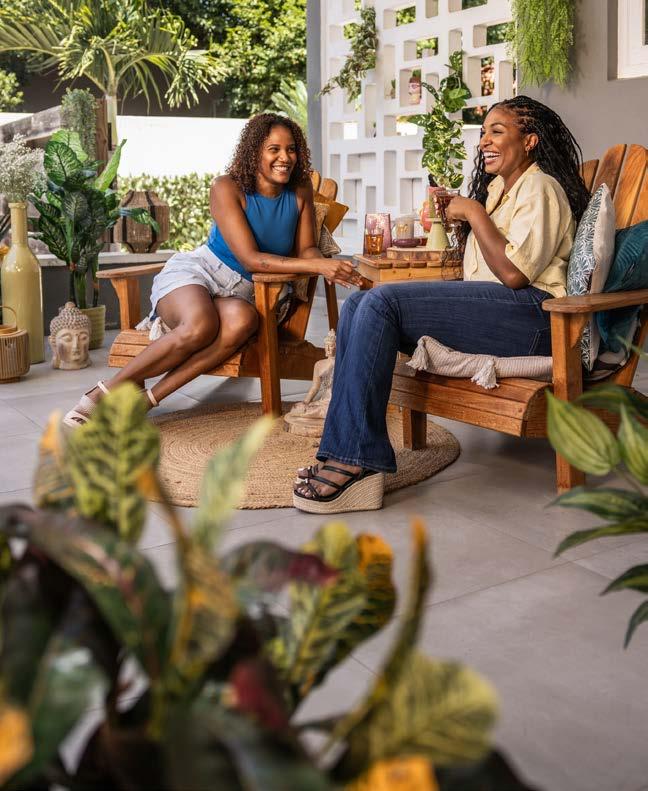
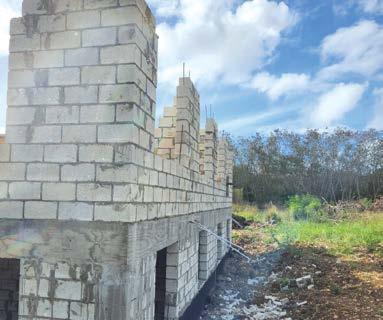
For many Caribbean people, owning a home is far more than a financial investment. It is a deeply personal milestone tied to independence, family, security and legacy. Across Barbados and the wider region, homeownership has long been seen as a symbol of stability. A place where generations gather for Sunday lunch, children grow up safely, and memories are built over decades.
Yet while the dream remains strong, the journey to becoming a homeowner can often feel intimidating, especially for first-time buyers navigating rising land prices, mortgage requirements and the realities of island living. The good news is that homeownership in Barbados and
the Caribbean is still achievable with careful planning, discipline and a clear understanding of the process.
For most people, the journey starts with saving. Before viewing properties or speaking to a realtor, future homeowners need to establish a realistic financial plan. In Barbados particularly, buyers quickly learn that purchasing a home involves more than simply paying a deposit. Legal fees, land taxes, valuation costs, insurance, stamp duty obligations and moving expenses can all add up quickly.
Financial advisors often recommend opening a dedicated savings account specifically for homeownership. Treating savings like a monthly bill, whether it is $200 or $1,000 each month, can help create
consistency. Many Caribbean families also rely on traditional methods like partner savings or credit unions to help build their deposit funds over time.
Reducing unnecessary spending can make a major difference as well. Skipping frequent takeout meals, cutting back on impulse shopping or postponing luxury purchases may seem small at the moment, but those sacrifices often become worthwhile when it is time to make a down payment.
At the same time, understanding your financial standing is critical. Commercial banks and lending institutions will typically assess income stability, existing debt, credit history and monthly expenses before approving a mortgage. Having too many outstanding loans or credit card balances can affect borrowing power, so many prospective homeowners spend months improving their financial profile before formally applying.
One mistake many first-time buyers make is focusing only on how much money the bank is willing to lend them. Just because you qualify for a large mortgage does not necessarily mean you should take the maximum amount. Caribbean homeowners know all too well that unexpected expenses can arise quickly, particularly during hurricane season or periods of rising utility costs. A practical budget should leave room not only for mortgage payments, but also for everyday living, emergency savings and home maintenance. Air conditioning repairs, roof leaks, plumbing issues, or even replacing appliances are all realities of homeownership in the tropics.
The house hunting stage often starts online, scrolling through local property listings and imagining future possibilities. Some buyers dream of a quiet countryside home in St Philip or St Lucy, while others prefer the convenience of living closer to Bridgetown, Warrens or the South Coast. Across the Caribbean, location remains one of the most important factors in property selection.
Buyers should think carefully about commute times, access to schools, supermarkets, public transportation and flood-prone areas. In Barbados especially, concerns about drainage
and hurricane resilience have become increasingly important considerations when selecting property. For many Caribbean families, buying land and building gradually is still a popular route to homeownership. It allows homeowners to construct at their own pace based on available finances. Others may choose move-in-ready homes or government-supported housing developments designed to assist middle and lower-income buyers.
No matter the route, it is important not to become emotionally attached too quickly. A beautiful kitchen or large patio can be appealing, but practical considerations matter more in the long run. Buyers should ask questions about the age of the roof, plumbing systems, electrical wiring and overall structural condition.
Once the right property is identified, negotiations begin. This is where experienced real estate agents and attorneys become especially valuable. In Barbados, attorneys play a major role in property transactions, conducting title searches, reviewing sale agreements and ensuring the property has no legal complications attached to it. The mortgage approval process itself can sometimes test a buyer’s
patience. Banks may request multiple documents, including job letters, salary slips, bank statements, identification and proof of savings. Property valuations and insurance approvals must also be completed before final approval is granted.
While the process may feel lengthy, each step serves an important purpose. Caribbean property laws and banking systems are designed to protect both the buyer and the lender, ensuring that transactions are legitimate and financially manageable. Eventually comes the milestone every buyer waits for, which is signing day.
For many first-time homeowners, sitting in an attorney’s office reviewing mortgage documents can feel surreal. Years of saving, budgeting and planning suddenly become real. Although the paperwork may seem overwhelming, it is important to read carefully, ask questions and fully understand the mortgage terms and repayment obligations.
Whether it is a modest starter home, a small apartment or a spacious family property, walking into your own home for the first time brings a sense of accomplishment that is

where homeownership is often tied to family pride and generational wealth, it represents much more than bricks and mortar.
Of course, the journey does not end there. Owning a home means ongoing responsibilities such as maintaining the property, preparing for hurricane season, paying insurance, and gradually making the space your own. But it also means creating a place where memories can grow for years to come.
For aspiring homeowners across Barbados and the wider Caribbean, the path may require patience and sacrifice, but it remains one of the most rewarding investments a person can make. And when the day finally




For many Barbadians, hurricane season was once viewed as a period of cautious observation rather than immediate alarm.
Barbados traditionally sat just outside the main Atlantic hurricane belt, often spared the direct devastation experienced by islands further north. However, the last five years have served as a sobering reminder that the climate is changing, storms are becoming less predictable, and no Caribbean island can afford complacency.
The passage of Hurricane Elsa in 2021, Tropical Storm Bret in 2023, and especially the powerful Hurricane Beryl in 2024 reinforced the importance of hurricane preparedness for Barbadian homeowners. Beryl, which passed approximately 150
kilometres south of Barbados as a major hurricane, generated dangerous swells, coastal damage, and disruptions across several sectors, including fisheries, tourism, and housing.
Although Barbados escaped catastrophic destruction compared to some neighbouring islands, the storm exposed vulnerabilities that many homeowners had overlooked. Roof damage, coastal flooding, broken windows, power outages, and water intrusion all highlighted the reality that readiness begins at home.
Today, creating a hurricane-ready home is no longer just about stocking canned goods and flashlights. It involves smarter construction, proactive maintenance, emergency planning, and climate-conscious
upgrades that can help protect families and properties when severe weather strikes. One of the most important areas of any hurricaneready home is the roof. In Caribbean storms, roofs are often the first point of failure.
Strong winds can lift poorly secured roofing materials, allowing rainwater to enter the structure and cause extensive interior damage. Barbadian homeowners are increasingly investing in hurricane straps, reinforced roof anchors, and upgraded roofing systems designed to withstand high winds. Regular roof inspections are equally important, especially before hurricane season begins in June. Loose galvanised sheets, cracked tiles, rusted screws, and weakened wooden supports can quickly become dangerous during a storm.


Power outages can last for hours or even days, depending on the severity of the system.
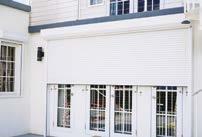
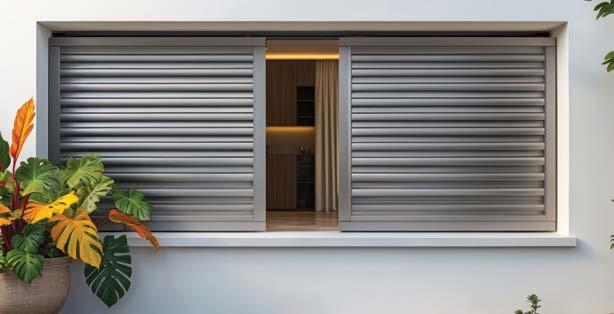
Windows and doors are another major vulnerability. Flying debris carried by hurricane-force winds can shatter glass in seconds, creating dangerous pressure changes inside a home that may worsen structural damage. Hurricane shutters remain one of the best protective investments for Barbadian homes, particularly in coastal communities exposed to storm surge and high winds. Impact-resistant windows are also becoming more popular among homeowners seeking long-term resilience without sacrificing aesthetics.
The experience of Hurricane Beryl highlighted how vulnerable coastal properties remain to storm surge and rough seas. Significant wave action affected Barbados’ South and West Coasts, damaging coastal infrastructure and properties. Homeowners living near the shoreline are now paying closer attention to drainage systems, sea defences, landscaping, and elevation improvements. Even homes not directly on the coast can experience flooding during heavy rainfall if drains are clogged or land grading is poor.
Proper drainage around the home is one of the most overlooked aspects of hurricane preparedness. Gutters filled with leaves and debris can overflow quickly during heavy rain, causing water damage to walls, foundations, and ceilings. Homeowners should ensure drains, gullies, and downpipes are cleared well before storms threaten the island. Yard maintenance also matters more than many realise. Overgrown trees, unsecured outdoor furniture, loose fencing, and decorative items can all become dangerous projectiles during high winds.
Access to electricity and water is also a major concern during storms. Power outages can last for hours or even days, depending on the severity of the system. As a result, many Barbadians are now investing in backup power options such as generators and solar battery systems. Solar energy has become particularly attractive because it provides both sustainability and emergency resilience. A properly installed solar backup system can keep essential appliances running during outages, including refrigerators, lights, Internet systems, and medical equipment.
Water security is another growing priority. Heavy storms can temporarily disrupt water supplies, making water storage tanks
increasingly important for homeowners. Ensuring tanks are securely fastened and protected from contamination during storms is equally essential.
Inside the home, preparedness should extend beyond physical upgrades. Every household should have an emergency plan that includes evacuation routes, emergency contacts, medical supplies, important documents, and communication procedures. Families should also discuss safe shelter areas within the home, particularly rooms away from windows and doors.
Emergency kits remain a necessity. A well-prepared hurricane kit should include bottled water, non-perishable food, flashlights, batteries, portable chargers, medication, first-aid supplies, radios, hygiene items, and cash. Many Barbadians learned during recent storms that waiting until the last minute often means facing empty supermarket shelves and long fuel lines.
Insurance coverage is another area many homeowners neglect until disaster strikes. Too often, people discover after a storm that their policies do not adequately cover wind damage, flooding, or property contents. Reviewing insurance policies annually and understanding exactly what is covered can prevent major financial hardship after a hurricane. As rebuilding costs continue to rise globally, ensuring homes are properly insured has become more important than ever.
Modern hurricane readiness also includes smarter construction practices. Architects and builders across Barbados are increasingly incorporating resilient design principles into new homes. Reinforced concrete structures, elevated foundations, storm-resistant materials, improved ventilation systems, and energy-efficient construction methods are all becoming more common. These measures not only improve hurricane resistance but can also reduce long-term maintenance costs and energy consumption.
Importantly, hurricane readiness should not create panic but rather confidence. Barbados’ response systems and early warning infrastructure have improved significantly in recent years. International organisations noted that Barbados’ multi-hazard early warning systems and coordinated emergency responses helped reduce the impact of Hurricane Beryl on the island. Timely warnings, public communication, and community preparedness all play a critical role in protecting lives and property.
Still, experts continue to warn that climate change is contributing to stronger and less predictable storms across the Caribbean. Hurricane Beryl itself became the earliest Category 5 hurricane ever recorded in the Atlantic. That reality means hurricane preparedness can no longer be treated as an occasional concern. It must become part of how Barbadians maintain, design, and think about their homes year-round.
Marketing Officer for Kooyman in Barbados, Arlene Floro, shared that there is a wide array of devices, tools and appliances that serve individuals who are either preparing for, or enduring hurricanes, tropical storms and weather systems. She added that items such as portable generators, extension cords for generators, surge protectors, flashlights, rechargeable lanterns, solar powered lights, heavy-duty plastic sheeting and roof straps are commonly purchased during hurricane season because they all play a critical role in helping people prepare for overwhelming circumstances. Arlene strongly suggested that rechargeable light bulbs, battery-powered lights and flashlights with built-in radios be added to everyone’s list of hurricane season essentials.
Ultimately, a hurricane-ready home is about resilience. It is about protecting families, preserving investments, and reducing recovery time after storms pass. Whether through reinforced roofs, improved drainage, backup power systems, emergency planning, or smarter construction choices, every improvement contributes to greater safety and peace of mind. As Barbados continues adapting to a changing climate, homeowners who prepare early and invest wisely will place themselves in the strongest possible position when the next storm approaches the island’s shores.

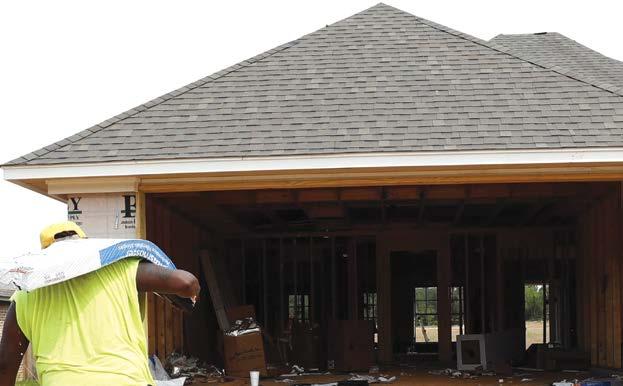
Home renovations can be one of the most exciting and stressful undertakings for homeowners.
Whether it is a kitchen refresh, bathroom remodel, or fullscale extension, the promise of transforming a living space often comes with visions of glossy magazine finishes and increased property value. Yet behind many renovation success stories are cautionary tales of blown budgets, delayed timelines, and disappointing results. The reality is that home renovations can go wrong quickly when planning is poor or expectations are unrealistic. Understanding the most common renovation pitfalls can help homeowners avoid costly mistakes and achieve the results they envision.
One of the most frequent mistakes people make is underestimating the true cost of a renovation. Many begin with a rough figure in mind based on Internet searches or hearsay, only to discover that materials, labour, permits, and unexpected complications drive costs far beyond the original estimate.
Hidden issues such as plumbing defects, electrical problems, termite damage, or structural weaknesses can emerge once walls are opened and demolition begins. To avoid financial strain, experts recommend building a contingency fund of at least 10 to 20 per cent above the projected budget. Obtaining multiple quotes from contractors and pricing materials in advance can also provide a more realistic understanding of the total cost.
Another major pitfall is failing to plan thoroughly before work begins. Some homeowners rush into renovations eager to see progress, making design decisions on the fly. However, changing plans mid-project often leads to delays, added labour costs, and mismatched finishes. A lack of planning can also result in practical oversights such as insufficient storage, poor lighting placement, or layouts that do not function well for daily living. Successful renovations start with a clear vision, detailed design plans, and careful consideration of how the space will be used. Taking time upfront to map out every detail,
from electrical outlet placement to cabinet hardware, can save significant frustration later.
Hiring the wrong contractor is another common source of renovation headaches. Choosing solely based on the lowest quote can be tempting, but unusually cheap estimates may indicate inexperience, subpar workmanship, or the use of low-quality materials. In some cases, homeowners also fail to properly vet contractors, neglecting to check references, verify licences, or review previous work. The result can be unfinished projects, poor craftsmanship, or disputes over scope and payment. To avoid this, homeowners should thoroughly research contractors, ask for written contracts, and ensure all project details—including payment schedules, timelines, and responsibilities— are clearly documented before work starts.
A related issue is unrealistic timeline expectations. Television renovation shows often compress months of work into a 30-minute episode, creating the illusion
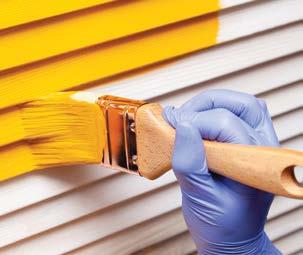
that renovations happen quickly and seamlessly. In reality, delays are common due to weather, shipping issues, permit approvals, labour shortages, or unforeseen construction problems. Homeowners who expect projects to finish exactly on schedule may become frustrated when setbacks occur. Building flexibility into the timeline and preparing mentally for delays can help manage expectations. It is wise to avoid scheduling major life events, move-ins, or gatherings immediately after an estimated completion date.
Many homeowners also fall into the trap of prioritising aesthetics over functionality. It is easy to be swayed by social media trends or designer inspiration photos, but what looks beautiful online may not suit a household’s practical needs. Open shelving in kitchens, for example, may appear stylish but can prove impractical for families who prefer concealed storage. Similarly, trendy fixtures or layouts may age quickly or reduce long-term usability. The best renovations strike a balance between style and practicality, ensuring that design choices support the way occupants actually live in the space.
Trying to cut corners on materials can create problems down the road. In an effort to stay within budget, some homeowners opt for the cheapest finishes, fixtures, or building supplies available. While this may reduce upfront costs, low-quality materials often wear out faster, require more maintenance, or fail prematurely, leading to replacement expenses that outweigh the initial savings. Investing in durable materials for high-use areas such as flooring, countertops, plumbing fixtures, and cabinetry can provide better long-term value and reduce future repair needs.
Another overlooked mistake is ignoring permits and building regulations. Some homeowners attempt to bypass official approvals to save time or money, especially for seemingly minor renovations. However, unpermitted work can create serious issues, including fines, forced removal of completed work, insurance complications, and legal problems during future property sales. Building codes exist to ensure renovations are safe and compliant, particularly when electrical, plumbing, or structural changes are involved. Consulting local authorities or experienced professionals about permit requirements is an essential part of responsible renovation planning.
Poor communication during the renovation process can also derail a project. Even when homeowners hire reputable professionals, misunderstandings can occur if expectations are not clearly communicated. Assumptions about finishes, dimensions, timelines, or included work can lead to disappointment and disputes. Regular check-ins with contractors, documented change orders, and open communication throughout the process help ensure everyone remains aligned. Homeowners should ask questions whenever uncertain and
avoid assuming details are understood without confirmation.
Many people also overlook the disruption renovations bring to everyday life. Dust, noise, restricted access to rooms, and temporary loss of utilities can make living in a renovation zone highly stressful. Families often underestimate how challenging it will be to function without a kitchen, bathroom, or quiet workspace for weeks at a time. Planning for temporary living arrangements, meal preparation alternatives, or designated clean areas within the home can make the process more manageable. For larger projects, moving out temporarily may even be the most practical option.
Finally, one of the biggest renovation mistakes is over-improving for the neighbourhood. While homeowners should renovate to suit their preferences, spending excessively on luxury finishes or highly customised features may not always yield a strong return on investment if the property far exceeds surrounding home values. Understanding neighbourhood market trends and balancing personal taste with resale considerations can help ensure renovation spending remains financially sensible.
At their best, home renovations can improve comfort, functionality, and property value. But without careful preparation, they can also become expensive, stressful, and disappointing. The most successful renovation projects are those approached with realistic budgets, detailed planning, trusted professionals, and flexibility when challenges arise. By understanding the common pitfalls before the first hammer swings, homeowners can navigate the renovation process more confidently and turn their dream upgrades into lasting successes rather than cautionary tales.

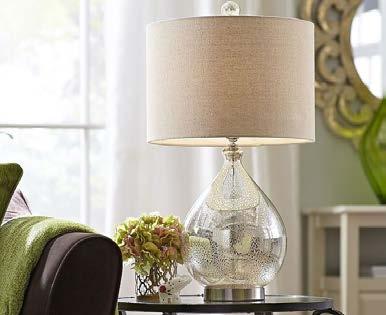
Creating a comfortable and stylish home while renting can often feel limiting, particularly in the Caribbean, where climate conditions add another layer of design challenges. High humidity, heat, salt air, and restrictions on structural modifications mean renters must become creative in how they personalise spaces. Fortunately, architects say thoughtful, temporary design solutions can dramatically improve comfort, functionality, and visual appeal without damaging the property.
According to Mark Gajadhar, a Registered Architect with more than 25 years of experience in Barbados and the United States, small changes can significantly
enhance the feeling of home. Meanwhile, Kerry Dragon, Architect, President of the Barbados Institute of Architects and Director of Shipshape Consultants Ltd, says successful Caribbean living is often less about expensive upgrades and more about understanding climate, airflow, light, and how people naturally use space.
One of the simplest but most overlooked tropical design strategies is improving airflow. Dragon notes that many traditional Caribbean homes were originally designed for cross-ventilation long before air conditioning became common.
Furniture placement can either support or block cooling breezes. Keeping pathways between windows open allows air to move naturally through rooms, reducing
heat buildup and improving comfort levels. Positioning beds, seating areas, and workspaces near prevailing breezes can make spaces feel noticeably cooler.
Ceiling fans and portable fans remain among the most energy-efficient cooling tools available, especially when combined with good ventilation. Heavy curtains and clutter near windows should be avoided, while breathable fabrics such as cotton and linen for curtains and bedding perform far better in tropical climates than dense synthetic materials.
Lighter colours for furnishings and décor can also help interiors feel brighter, cooler, and more spacious.
Gajadhar recommends using rugs and entrance mats to soften existing floor finishes and create a greater sense of warmth and personality. In rental spaces where flooring cannot be changed, layered textiles can completely alter the atmosphere of a room while adding comfort and visual interest.
Lighting also plays an important role. Many rental homes rely heavily on overhead lighting, which can feel harsh or insufficient. Introducing table lamps and floor lamps creates softer ambient lighting while improving functionality and mood.
Mirrors placed opposite windows can help reflect natural daylight deeper into interiors, making smaller apartments or chattel-style homes feel larger and brighter.
Renters often hesitate to personalise walls for fear of losing deposits or damaging finishes. However, removable solutions can add significant character without permanent alterations.
Framed artwork, fabrics, photographs, and Caribbean-inspired textiles can transform blank walls into expressive focal points. Peeland-stick finishes, removable wall panels, and freestanding shelving systems also provide flexible options for personalisation.
Dragon advises tenants to communicate with landlords before carrying out even small modifications, particularly in newer homes that may use gypsum board or stud-wall

Plants remain one of the easiest and most affordable ways to personalise rental spaces while improving comfort and air quality.
construction systems. Drilling blindly into walls or ceilings can accidentally damage plumbing, electrical systems, or unsupported surfaces.
Barbados’ coastal climate can be especially harsh on furnishings and finishes. Salt air, humidity, and moisture quickly wear down unsuitable materials.
Dragon recommends renter-friendly materials such as rattan, bamboo, treated timber, powder-coated aluminium, composite materials, uPVC furnishings, and certain stainless steel finishes, all of which generally perform well in tropical environments.
She cautions against untreated steel and low-quality exposed metal finishes that corrode easily. Even trendy matte black fixtures may deteriorate quickly due to mineral-rich water and salt exposure.
For soft furnishings, mould-resistant fabrics and removable, washable covers are practical choices. Luxury vinyl tile (LVT) and
luxury vinyl plank (LVP) flooring are also becoming increasingly popular in Barbados because they are moisture-resistant and easier to maintain in humid environments.
Wallpaper, however, may not always perform well unless specifically designed for tropical conditions.
Plants remain one of the easiest and most affordable ways to personalise rental spaces while improving comfort and air quality.
Gajadhar suggests potted plants for living rooms, balconies, and patios, while Dragon recommends low-maintenance varieties such as snake plants and pothos, which tolerate heat well and soften interiors naturally.
Outdoor areas can also benefit from strategically placed plants, temporary awnings, retractable shades, umbrellas, or movable planter systems that reduce heat gain on patios and verandas.
Certain plants can even assist with natural pest control. Gajadhar recommends lavender, marigolds, lemongrass, rosemary, basil, mint,
sage, and catmint for their natural repellent properties. He also suggests a natural pesticide mixture made from peppermint, rosemary, and thyme essential oils to minimise reliance on chemical pesticides.
Both architects agree that collaboration between landlords and tenants is important when it comes to temporary upgrades.
Dragon believes not every modification should be viewed as damage or risk.
Improvements such as better shading, removable shelving, ceiling fans, improved screening, and outdoor landscaping can enhance tenant comfort while preserving— and even increasing—the long-term value of the property.
Ultimately, great Caribbean living is about responding intelligently to climate, lifestyle, and everyday realities. With thoughtful design choices, renters can create homes that feel cool, functional, welcoming, and deeply personal—all without making permanent changes.


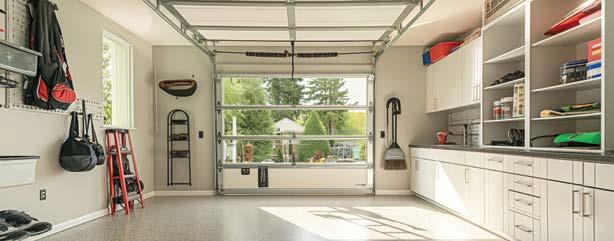
For decades, garages were viewed primarily as functional spaces, simply places to park vehicles, store tools, stack old boxes and keep household clutter out of sight. In many homes, the garage was often overlooked when it came to interior design and décor, treated as little more than a practical necessity. Today, however, that perception is rapidly changing. Across the world, homeowners are reimagining garages as stylish, organised, and multifunctional extensions of the home itself.
Modern garages are no longer just storage zones. They are becoming entertainment spaces, home gyms, workshops, lounges, offices and even showrooms that reflect the personality and lifestyle of the homeowner. With advances in design, lighting, flooring and smart technology, the garage has evolved into one of the most versatile and customisable areas of the modern home. One of the biggest drivers behind this transformation is the growing desire for
homes that maximise every available square foot. As property prices rise and families seek more functional living arrangements, homeowners are looking for ways to make garages more visually appealing and practical. Rather than allowing the space to become overcrowded with unused items, many are investing in renovations that create clean, polished environments that seamlessly connect with the rest of the home.
A major starting point for modern garage enhancement is flooring. Traditional unfinished concrete floors are increasingly being replaced with epoxy coatings, polished concrete finishes and interlocking garage floor tiles. Epoxy flooring, in particular, has become extremely popular because of its sleek appearance, durability and ease of maintenance. Available in a wide variety of colours and finishes, epoxy can instantly transform a dull garage into a modern, showroom-like space. Some homeowners even incorporate metallic or speckled finishes to create a luxury aesthetic similar to
high-end automotive garages.
Lighting plays a significant role in redefining garage spaces. Poorly lit garages can feel cold and uninviting, but modern lighting solutions can dramatically improve both appearance and functionality. LED strip lighting, recessed ceiling fixtures and undercabinet lighting create brighter, cleaner environments while also improving energy efficiency. Natural lighting is another growing trend, with homeowners installing glass garage doors or larger windows to create a more open and contemporary feel. Frosted glass garage doors are particularly popular because they allow light to enter while still maintaining privacy.
Colour coordination is another important aspect of garage styling. Instead of the traditionally dull grey or beige garage walls, homeowners are embracing modern paint palettes that mirror interior design trends throughout the house. Matte black accents, neutral earth tones, industrial greys and bold feature walls are being incorporated to create
more sophisticated environments. Some homeowners also add decorative wall art, framed automotive memorabilia or signage to personalise the space and make it feel less utilitarian.
Home gyms have become especially popular in garages because of the flexibility and ventilation these spaces offer. Rubber flooring, mounted mirrors, wall racks and climate-control systems can quickly transform a garage into a professional-quality fitness area. Others are turning garages into creative studios for woodworking, painting, music production or content creation. With the growth of remote work and entrepreneurship, garages are also increasingly being converted into home offices and small business workspaces.
Technology has further elevated the modern garage experience. Smart garage systems now allow homeowners to control doors, lighting and security cameras directly from their smartphones. Motion sensors, smart locks and climate-monitoring systems improve convenience and security while enhancing the overall sophistication of the space. Electric vehicle charging stations are also becoming common additions as more homeowners transition toward sustainable
transportation options.
For automotive enthusiasts, the garage itself has become a showcase. Luxury-style garages featuring polished floors, custom lighting, wall-mounted tyre displays and climate-controlled environments allow owners to display their vehicles almost like artwork. In some upscale homes, garages are intentionally designed with glass walls or interior viewing windows so vehicles become part of the home’s visual aesthetic.
Outdoor integration is another emerging concept in garage design. Some homeowners are creating seamless transitions between garages and outdoor patios through folding doors, sliding partitions and coordinated flooring materials. This approach is particularly useful for entertaining, allowing garages to function as extended social spaces during gatherings or events. In warmer climates, garage lounges equipped with televisions, mini bars and comfortable seating areas are becoming increasingly common.
Sustainability is also influencing garage renovations. Eco-friendly materials, energyefficient lighting and solar-powered systems are helping homeowners create greener spaces. Recycled cabinetry materials, low-VOC paints and improved insulation
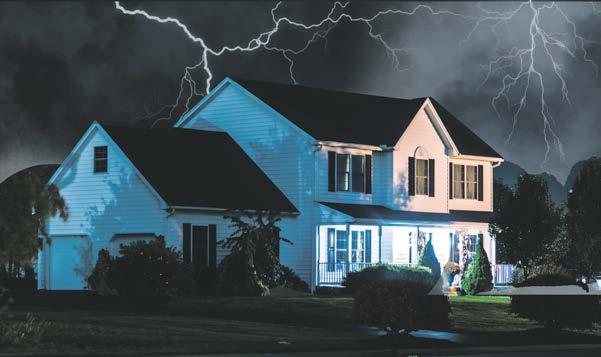
not only reduce environmental impact but can also lower long-term energy costs. Better ventilation systems and insulated garage doors further improve comfort while protecting stored items from excessive heat and humidity. Of course, aesthetics should always be balanced with functionality.
The most successful garage transformations remain practical while enhancing the overall appearance of the home. Careful planning is essential to ensure that storage needs, electrical requirements and vehicle access are all considered before major renovations begin. Homeowners should also consider future flexibility so the space can adapt as family needs change over time.
Ultimately, the modern garage represents a shift in how homeowners think about their living spaces. Garages are becoming carefully designed environments that contribute to comfort, organisation, and lifestyle. Whether transformed into a sleek automotive showcase, a functional workspace, a family entertainment area or simply a beautifully organised extension of the home, today’s garages prove that every square foot of a property has the potential to combine style with purpose.


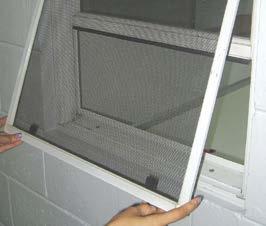
In the Caribbean, the warm tropical climate, seasonal rainfall, and lush vegetation create ideal conditions not only for comfortable living but also for pests. In Barbados and across the region, termites, mosquitoes, rodents, ants, cockroaches, and wood-boring insects are among the most common challenges homeowners face. Effective pest control begins long before an infestation appears. In fact, many of the most important decisions are made during the design and construction stage of a home.
One of the first considerations when building in the Caribbean is moisture control. Pests thrive in damp environments, particularly termites, mosquitoes, and cockroaches. Poor drainage around the home can create standing water and wet soil, attracting insects and increasing the risk of structural damage. Homes should therefore be built on properly graded land with adequate drainage systems to direct water away from the foundation. Gutters and downpipes should be maintained to prevent water buildup near walls and entrances.
Ventilation is another key factor. Caribbean homes benefit from cross-ventilation not only for cooling, but also because dry, well-aired spaces are less attractive to mould and pests. Crawl spaces, roof areas, and enclosed storage spaces should be ventilated properly to reduce humidity and discourage infestations.
Material selection also plays a major role in pest prevention. Timber remains popular in Caribbean architecture, but untreated wood can attract termites and wood-boring insects. Builders should use pressure-treated lumber or termite-resistant materials wherever possible, especially for structural framing, roofing supports, decking, and fencing. Regular termite treatment around foundations is also
highly recommended in Barbados, where subterranean termites are a common concern.
When designing a home, it is important to minimise entry points for pests. Small gaps around pipes, windows, doors, rooflines, and utility connections can allow rodents, lizards, ants, and insects inside. Installing mesh screens on windows and vents can help reduce mosquitoes while still allowing airflow. Door sweeps and sealed foundations also help keep pests out.
Landscaping choices around the home can either discourage or encourage infestations. Dense vegetation too close to walls creates shaded, moist conditions that attract insects and rodents. Tree branches hanging over roofs may also provide access for pests. Ultimately, pest control in the Caribbean is not simply about spraying chemicals after problems appear. It is about smart planning, proper maintenance, and climate-responsive design. A well-built home that manages moisture, ventilation, drainage, and landscaping effectively will be healthier, more comfortable, and far less vulnerable to costly infestations over time.
Call pest control experts for serious or recurring problems for lasting results.







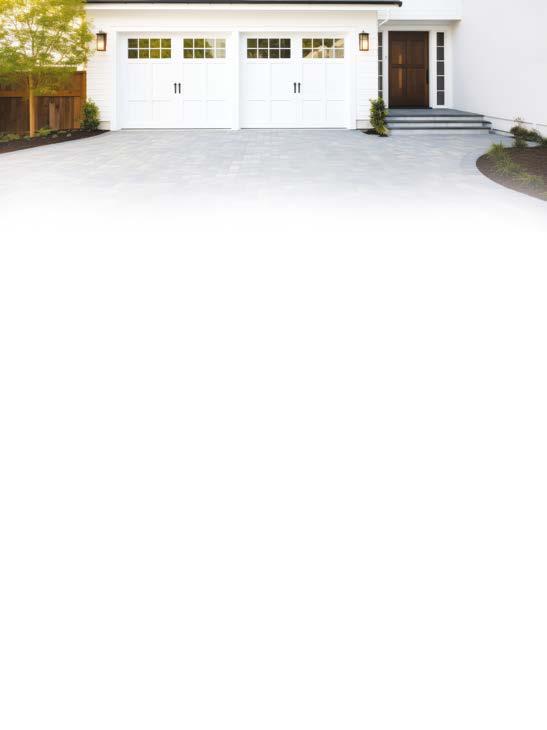










Lower Dayrells Road, St. Michael Email: admin@saniservicesltd.com Tel: 246-537-5989

Specialist in resurfacing concrete and construction for your private or commercial space
Decorative concrete and brick paving, exposed aggregate, stamp, broomed & edged concrete, color & stain, stencil patterns, Cover-Tex system sealing for driveways, walkways, pool decks, patios and more. Try today! Tel: 246- 242-9265 decorconcreteint@yahoo.com