



On this Summer Solstice, let us celebrate the strength of our communities, carried by our knowledge, our pride, and our collective will to shape our paths toward self-determination.
FNEE is made possible thanks to the generous support of our partners. fnee.ca


Shawinigan, home of former Prime Minister Jean Chrétien, hit the news when on May 30 a group of white supremacists held a rally there. It was sunny Saturday afternoon in the local Veterans’ Park. A banner read Je me souviens d’un Québec blanc (I remember a White Quebec). Only about 20 masked people took part, but it caused a reaction throughout the province.
Sûreté du Québec spokesperson Benoit Richard con rmed that the SQ is investigating the event to determine whether criminal charges should be laid.
Fortunately, politicians came out strongly against the rally’s message. Quebec Premier Christine Fréchette said she was “deeply shocked” by the rally. “This is not the Quebec we stand for,” she said. “This is not the Quebec we want.”
The city of Shawinigan condemned the rally and said organizers had not submitted a permit request or even informed municipal authorities in advance. Mayor Yves Lévesque questioned if the participants were even from the city. “Shawinigan is an open, inclusive and respectful place,” said Lévesque, condemning “in the strongest possible terms any message of exclusion or hatred.”
Parti Québécois leader Paul St-Pierre Plamondon linked the
gathering to so-called “active clubs” that use sports as a way “to recruit and normalize extremism.” Pointing to the white nationalist group Second Sons Canada, Plamondon said on social media, “Public Safety Canada has clearly identi ed them as hate groups. Let’s stand united and strongly condemn this racism.”
Quebec Public Security Minister Ian Lafrenière, who one might expect to know better, said, “I hope this is a small group.” The truth, however, is that Second Sons Canada is growing.
Despite some people saying it’s separatist thinking, Bloc Québécois leader Yves-François Blanchet wrote, “This lth is a disgrace of racism and cowardice. Quebec can and must be better.”
David Morin, co-director of the Observatory on Radicalization and Violent Extremism, believes that Second Sons Canada is behind the rally. “We have the rise of a far-right, ethnonationalist, white suprema cist movement that is trying to organize itself in Canada and make some big splashes. It’s still margin al, but it’s not wrong to believe that it’s not going to grow. It’s growing all over the Western world.”
On social media someone asked if any of the people at rally know that Quebec used to be red. It was so long ago that perhaps no one remembers that.



June marks Pride Month in Canada, a time to celebrate 2SLGBTQIA+ communities and continue advocating for equity, safety, and inclusion.
As we recognize both Pride Month and Indigenous History Month, it is important to uplift Two-Spirit and Indigi-queer voices and experiences.







No medical records needed. Answer questions in your own words. Claims Helpers are here to help.
Free, culturally safe support is available every step of the way.
If you were admitted to a Federal Indian Hospital while it was operated by the Government of Canada (between 1936 and 1981), and experienced psychological, verbal, physical and/or sexual abuse, you may be eligible for $10,000 to $200,000 in compensation under the Federal Indian Hospitals Settlement.
You do not need medical records to submit a Claim.
The Claim Form asks you to provide contact information, a copy of your government identification and respond to specific questions about your experience. You can take your time. And you do not have to go through this alone.
Free support is available.
Claims Helpers are available across the country for free. They can:
• Answer questions and help you understand the Claims Process
• Help you complete a Claim Form
• Support you at a pace that feels right for you
• Connect you with other free resources
Claims Helpers can meet by phone, by video, and in person (in some communities). Many are Indigenous and all Claims Helpers are trained to provide support in a culturally safe and trauma-informed way.







ATo learn more or connect with a Claims Helper: Call 1-888-592-9101 and press 2 (Monday to Friday, 8 a.m. – 8 p.m., except for holidays) Visit www.IHSettlement.ca
Mental health and wellness support is available 24 hours a day through the Hope for Wellness Helpline at 1-855-242-3310 or www.HopeForWellness.ca.
Ces renseignements sont disponibles en français à l’adresse suivante : www.IHSettlement.ca/fr





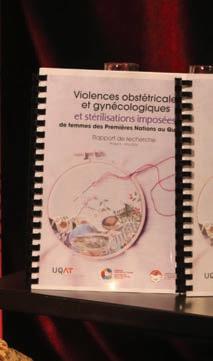
Université du Québec en Abitibi-Témiscamingue study released in May documents obstetric and gynecological violence experienced by Indigenous women in Quebec’s healthcare system.
Phase I of the study collected 35 testimonies from First Nations women, and was published in November 2022, revealing accounts of forced sterilization and mistreatment during pregnancy and childbirth.
Phase II analyzed testimony from 94 First Nations women, including three Cree participants, and identi ed 55 cases of imposed sterilization and 39 cases of other obstetric and gynecological violence (OGV).
The report looked at incidents that took place between 1956 and 2023 involving women aged 15 to 40, that resulted in lasting trauma.
UQAT professor Suzy Basile told the Nation the project emerged in 2020 from a conference in Ottawa, where Indigenous women shared testimonies of forced sterilization. “We realized that we knew these kinds of stories existed in Quebec as well, but nothing had been documented,” Basile recalled. “We felt we had to do something.”
Shortly afterwards, the death of Atikamekw woman Joyce Echaquan during a urry of racist abuse in Joliette Hospital reinforced the need for the research. “We all looked at each other saying that maybe we should look towards health systems in Quebec, because something doesn’t work,” Basile said.
The researchers organized a committee that included the Cree Women of Eeyou Istchee Association (CWEIA) and other Indigenous organizations.
“We know that there are many more women who have faced obstetrical and gynecological violence,” Basile said. “We heard just the tip of the iceberg.”
She believes many women may never know they were subjected to procedures without proper con-












sent, while others choose not to speak because the experience remains too painful. The emotional impact of sharing these stories was profound, as many participants were speaking publicly for the rst time about deeply personal experiences, she added.
In this research, Cree women reported having experienced verbal, emotional and psychological OGV. “They were strong to share these stories,” Basile said. “I can say it’s also part of their own healing process.”
The report includes several recommendations for improving maternal and reproductive healthcare for Indigenous women. One is the development of university-level midwifery education in English, which would support Indigenous-led birthing services in communities, Basile said.
Despite the challenges documented in the study, Basile remains hopeful.
“Young women are more aware of their rights,” she said. “And hopefully they will be able one day to choose the way and where they want to give birth.”
Basile encouraged Cree community members to use the report as a tool for discussion and awareness. She mentioned that the CWEIA already plays an important role in addressing issues a ecting Indigenous women and could help continue the conversation about OGV.

“Another recommendation will be o cial apologies to First Nation women for this kind of violence,” she said. While national physician organizations have acknowledged the issue, Basile noted that the Quebec government has yet to o er an o cial apology.
The report urges reforms to training regimes for physicians and healthcare professionals to ensure greater understanding of Indigenous realities and systemic racism within healthcare settings. Researchers are also calling for a moratorium on the destruction of medical records that could be relevant to future investigations.
“They are holding conferences and symposiums,” she said. “So, they could address this issue with their members and that would be a good start.”
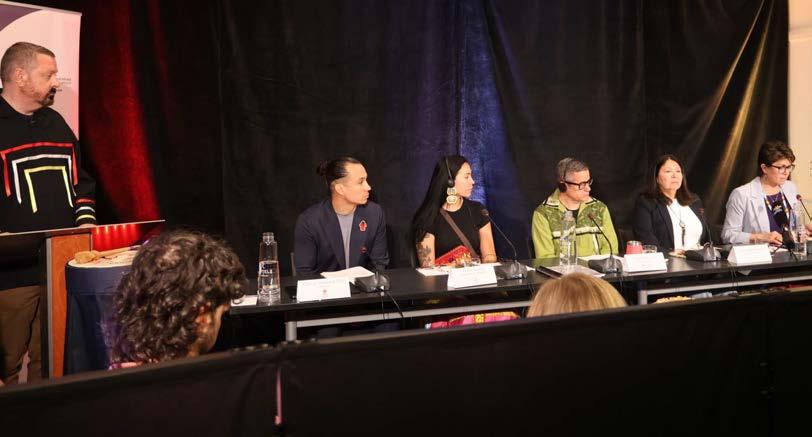
Derek Montour, president of the Board of Directors of the First Nations of Quebec and Labrador Health and Social Services Commission, emphasized the importance of continuing to uncover the violence experienced by First Nation women during a virtual press conference May 26.

“Violence has existed against Indigenous people since settlers came here, and a system has been built based on that violence,” he said. “The only way we’re going to change that is to speak out and to keep amplifying these things.”
Montour thanked the women who shared their experiences through the research.
“You spoke courageously about intimate and painful realities that you expe -
rienced, and that are too often silenced and minimized,” he said. “This truth must be heard, it must be acknowledged, and it must be visible so that it can never happen again.”
Montour stressed that “imposed sterilizations are part of a continuum of violence, they are a manifestation of colonialism, of systemic racism that’s in icted upon all of our peoples.”
For Montour, the path toward reconciliation begins with listening to survivors and acknowledging their experience. “When we talk about reconciliation, it’s about building bridges, but you have to know the truth of what you’re building it on.”
Marjolaine Étienne, president of Femmes Autochtones du Québec, praised women who shared their experiences and said the research revealed the need for culturally safe healthcare services that incorporate Indigenous knowledge.
She believes Phase II of the project con rms the scale of the situation and compels governments to end ongoing violations of the sexual and reproductive rights of Indigenous women and girls.
“Behind every statistic, every testimony, there are Indigenous women, families and communities marked by profound violations of their rights, their health, their sexual and reproductive rights, and their right to dignity,” Étienne said.


















Aucun dossier médical requis. Répondez aux questions avec vos propres mots. Des assistants aux réclamations sont là pour vous aider.
Un soutien gratuit, respectueux des cultures et tenant compte des traumatismes est o ert à chaque étape.
Si vous avez été admis dans un hôpital fédéral indien pendant la période où il était exploité par le gouvernement du Canada (entre 1936 et 1981), et que vous avez subi des mauvais traitements psychologiques, verbaux, physiques et/ou sexuels, vous pourriez être admissible à une indemnisation entre 10 000 $ et 200 000 $ dans le cadre du Règlement des hôpitaux fédéraux indiens.
Vous n’avez pas besoin de dossiers médicaux pour soumettre une demande d’indemnisation. Le formulaire de réclamation vous demande de fournir vos coordonnées, une copie d’une pièce d’identité émise par le gouvernement et de répondre à des questions sur votre expérience. Vous pouvez prendre le temps dont vous avez besoin. Vous n’êtes pas seul(e) dans cette démarche.
Des assistants aux réclamations sont disponibles partout au pays, sans frais. Ils peuvent :
• répondre à vos questions et vous aider à comprendre le processus de réclamation
• vous aider à remplir le formulaire de réclamation
• vous accompagner à un rythme qui vous convient
• vous orienter vers d’autres ressources gratuites
Les assistants aux réclamations peuvent vous rencontrer par téléphone, par vidéo, et en personne dans certaines communautés. Plusieurs sont Autochtones, et tous sont formés pour offrir un soutien respectueux des cultures et tenant compte des traumatismes.
Commencez votre demande d’indemnisation. Pour en savoir plus ou parler à un assistant aux réclamations: Appelez au 1 888 592-9101 et appuyez sur le 2 du lundi au vendredi, entre 8 h et 20 h, sauf les jours fériés Visitez https://www.IHSettlement.ca/fr
Un soutien en matière de santé mentale et de mieux-être est disponible 24 heures sur 24 par l’entremise de la Ligne d’écoute d’espoir pour le mieux-être au 1 855 242-3310 ou en ligne à http://www.EspoirPourLeMieuxEtre.ca/.



















May this Happy National Indigenous Peoples Day be a day of celebration for all.






418 748-6046 denis.lamothe.unga@assnat.qc.ca





Happy National Indigenous Peoples Day!
Pride in our culture, our diversity and our people
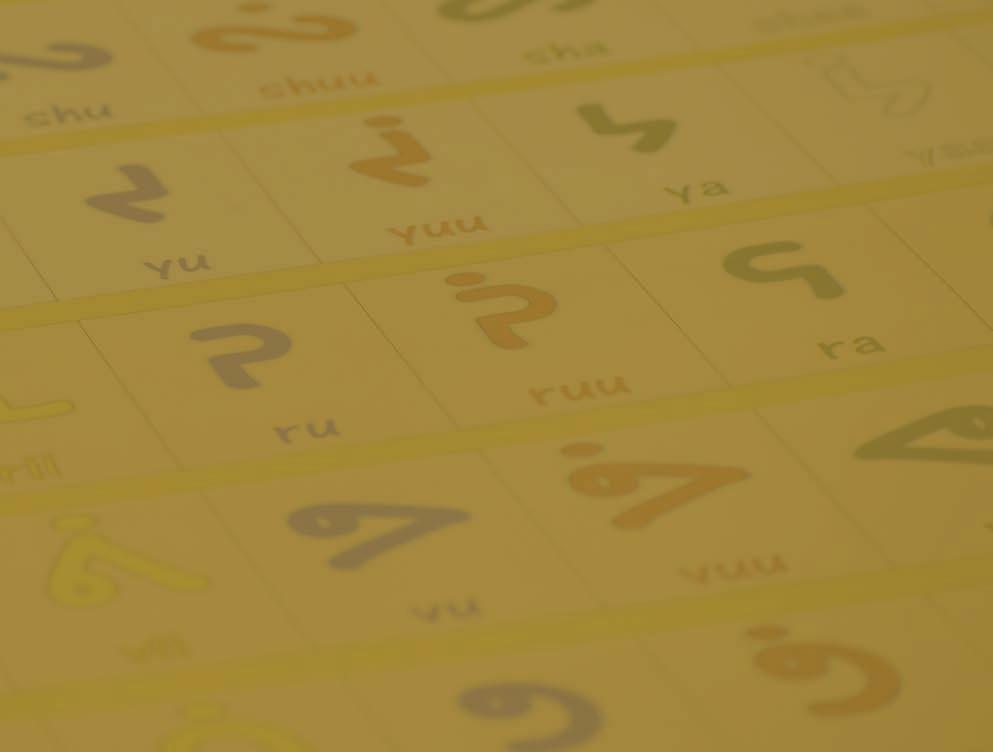
The Cree School Board celebrated the 29th annual Annie Whiskeychan Day May 27 with a regional gathering of cultural games and activities in Whapmagoostui. Every year the Cree School Board honours Whiskeychan’s lifelong commitment to preserving and promoting the Cree language.
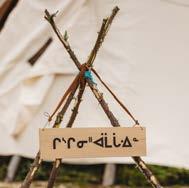
This year’s events were held at the community’s cultural camp through the e orts of host Badabin Eeyou School, the Whapmagoostui Cultural Department and its coordinator Amy Salt.
Elder Lucy Petagumskum and drummer Leonel Weapenicappo led about 100 guests and community members in an opening prayer before Elder Agnes Shem declared the games underway.
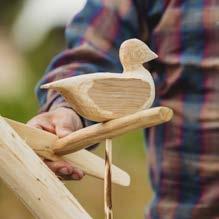
Students competed in baby wrapping, goose calling, bough and wood carrying, sakapwaan, target shooting, the matching game and a spelling bee. A banquet and awards ceremony at the arena led by Crystal Bobbish and featuring local student ddlers closed the day.
Whiskeychan developed several language programs for the CSB in the organization’s early days, writing many of the textbooks and worksheets in use today. Following her death in 1997, the CSB created the Annie Whiskeychan Foundation to honour and build upon her contributions.
“She fought to protect and strengthen Cree language at a time when it was being silenced, and her work helped create a future where Cree children could learn their own language in school, in their communities, and with con dence,” shared the Cree Nation Youth Council.
Federal Indigenous Services Minister Mandy Gull-Masty highlighted Whiskeychan’s work.
“Language is one of the most important ways we carry forward our identity, our knowledge and our connection to those who came before us,” Gull-Masty said.
“Annie’s work reminds us that language preservation is not the responsibility of a few – it is the responsibility of all of us. Every word spoken, every lesson taught, every conversation shared with our children and grandchildren helps keep our language alive.”
Many community members have been forced to rely on bottled water.
“My house is buying four cases a week of bottled water just to accommodate myself and my family,” former Deputy Chief Gerald R. Longchap told the CBC’s Vanna Blacksmith. “In the long run, it adds up. I have to boil my water to compensate for my immune compromised situation.”
Mistissini Elder John Matoush is being remembered as one of the community’s first carpenters following his passing June 3. Joshua Loon shared that “his legacy lives on through his family, the homes he helped build, and the countless lives he touched along the way.”
Mistissini issued an updated mandatory boil water advisory on May 28, highlighting a problem now entering its 11th month. After community members reported symptoms of gastrointestinal illness last July, testing found traces of coliform and enterococcus in the tap water systems.
“An external laboratory where we send local water samples has detected presence of enterococcus bacteria in the water system and further testing will be done and samples will be sent to the laboratory for further analysis,” read the latest community statement.
Residents are asked to boil tap water for at least two minutes before consuming. A temporary water re ll station has been established with clean water for people to re ll large ve-gallon jugs.
La Corporation de développement industriel de Val-d’Or plans to add UV and chlorination systems to the community’s reservoir systems as early as this fall, which destroys up to 99.99% of harmful microbes without impacting taste, smell or quality.
“It would be a permanent solution,” said municipal services director Jason Shecapio. “Most towns across the province have this chlorination system.”
Mistissini’s drinking water comes from a well 14 km away that travels to various pumping stations through a 40-km network of pipes. Shecapio said this water can stagnate in “dead zones” where a street ends and a pipe is capped, which creates a potential environment for bacteria to grow.
While local council is trying to speed up the treatment plant’s installation, Shecapio said engineers must conduct tests before it can be safely implemented. Shecapio said that even after this installation they will continue to seek the source of the system’s bacteria.
“Through his hard work, dedication and skill, he helped build many of the houses that families still call home today,” said Loon. “His work helped shape our community, and his legacy can be seen in the lives of the people he served.”
Loon recalled a memorable summer working alongside Matoush’s sons – Charlie, Richard, Philip, Albert and William – who he said became like brothers. Without crane trucks or lifts in those days, they spent long hours on construction sites pouring concrete and carrying 75-pound foundation braces by hand.
“The work was demanding, but it taught me the value of perseverance, teamwork and pride in helping build something that would last for generations,” said Loon. “We worked together, laughed together, and shared experiences that created lifelong memories and friendships. John’s life left a lasting impact on so many people.”
You care for your loved ones. When one of yours needs one of ours, social workers and social service workers are ready to provide trustworthy and quality care.
We are the Ontario College of Social Workers and Social Service Workers. As the provincial regulator, we ensure all our registrants follow the Code of Ethics and Standards of Practice to protect the public, and provide ethical, effective and community-centred care.
If you or someone you love needs help, you can trust one of ours with one of yours.
Learn more at OCSWSSW.org












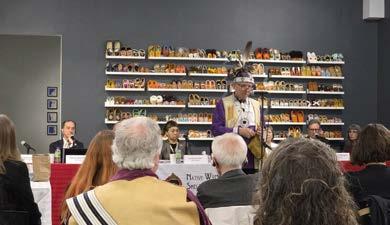
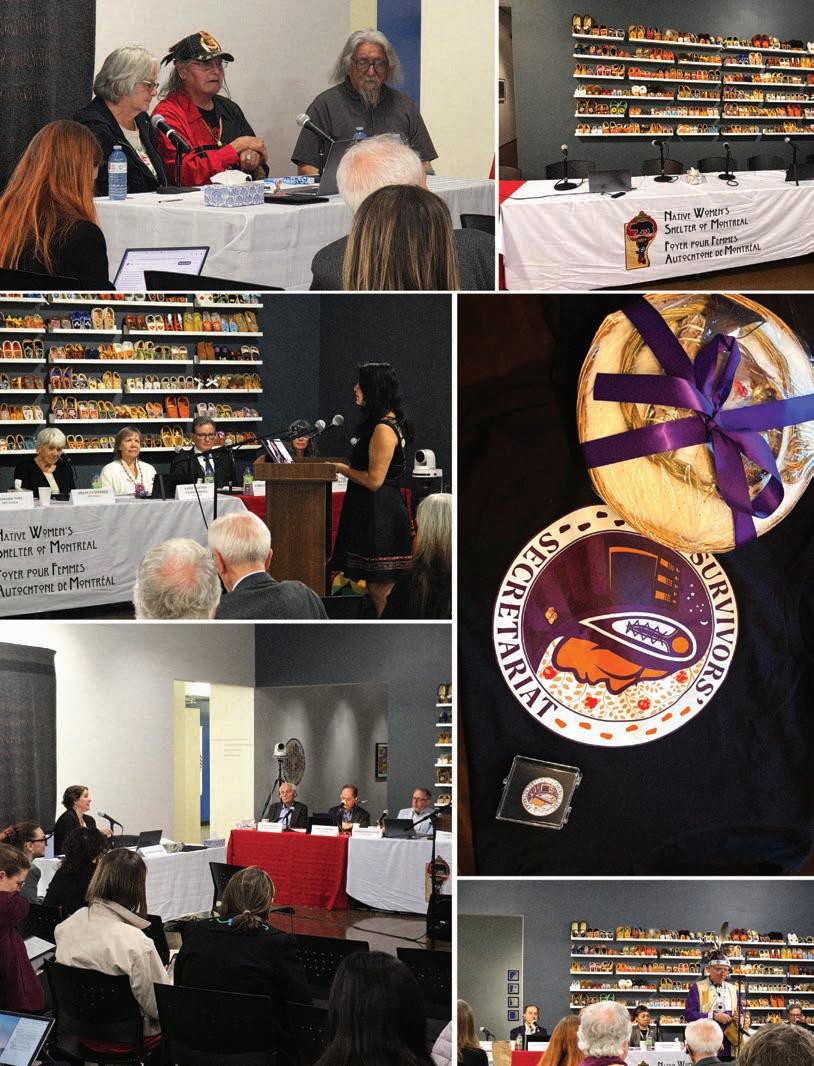
Following a week of testimony, Canada was judged guilty of genocide by the Rome-based Permanent Peoples’ Tribunal, an international court of opinion that convened in Montreal May 25-29 to investigate the country’s residential school impacts.

Canadian thing they’re funding. I felt we needed to do something stronger.”
“In international law, genocide need not involve mass killings,” said PPT co-chair Frances Webber. “It can be a slow and continual process taking place over centuries. The genocidal intent behind the forced removal of children was explicit.”
This is the preliminary verdict from seven judges of the 57th PPT, a legally non-binding forum that has examined human rights violations on a global stage since 1979. A nal decision and report will follow on September 30, the National Day for Truth and Reconciliation, after the judges have pored through nearly 900 pages of evidence.


The Native Women’s Shelter of Montreal (NWSM) requested the tribunal in 2024 to demand accountability for crimes against Indigenous children in Canada’s residential schools. Ten years after the federal Truth and Reconciliation Commission, NWSM executive director Na’kuset said its 94 calls to action have been largely ignored.
“Canada gets all these reports and they just sit on the shelf,” asserted Na’kuset. “When you bring in a European body, it has a di erent tone – it’s not a
Na’kuset highlighted that Mohawk activist Mary Two-Axe Earley fought against Indian Act gender discrimination for almost 10 years, but Canada didn’t change its law until she brought her case to the United Nations.
“What’s funny with the government is they cut the funding to do radar searches [on former school sites] and a week before the PPT they’re saying now we’re going to give you some money,” said Na’kuset. “It’s not an accident. You put the pressure on and they’re like, ‘Oh yeah, you caught us, we’ll do it.’”
Organizing for the hearings began with monthly meetings between survivors, Elders and sometimes the legal team, led by tribunal lead prosecutor Christa Big Canoe. Co-hosted by Amnesty International, local universities and organizations like Know History, Future Generations and the David Suzuki Foundation provided support.


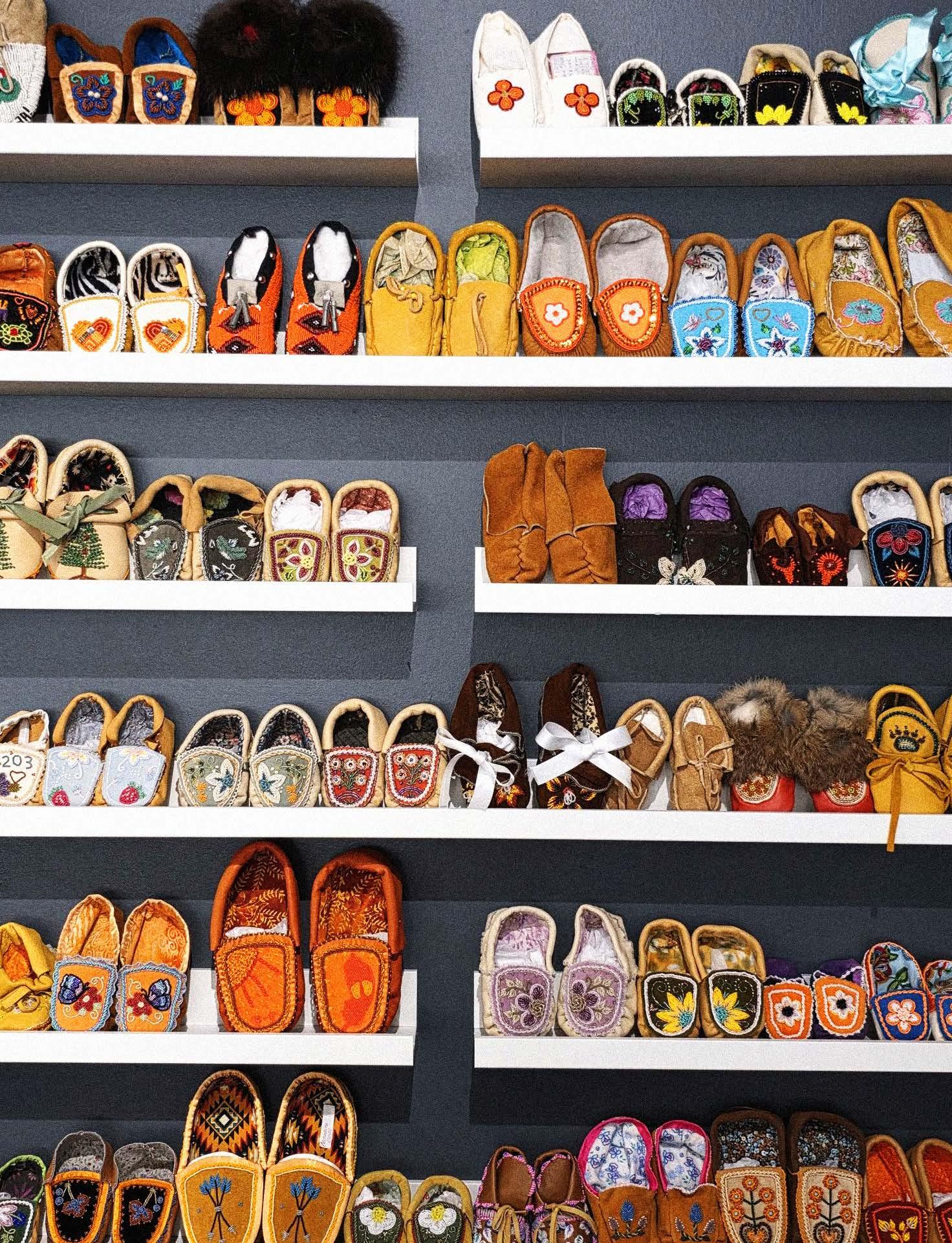
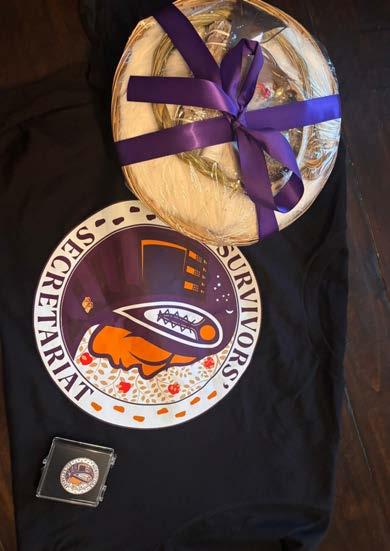
Public hearings were held at Montreal’s Indigenous-run Daphne Art Centre. A moccasin display borrowed from Jessica Hernandez’s Kahnawà:ke craft shop provided a focal point. The Survivors’ Secretariat, established in 2021 to support investigations at the Mohawk Institute, found speakers who wouldn’t be traumatized by the process.
“I didn’t necessarily want survivors because I was afraid for their well-being,” explained Na’kuset. “Everyone felt really


supported, between the judges and the community. We had rekeepers for the sacred re running for the whole ve days.”
Cree survivor George Diamond shared his story of being taken from Waskaganish to Moose Factory at age four, before being transferred in Grade 6 to the Mohawk Institute in Brantford, Ontario. Diamond recalled frequent strappings, shaming and other punishments, spending 85% of his time in the basement.

“Now I call it a prison,” Diamond told the Nation. “It was devastating to live in those conditions. They’d strap us seven times on each hand. We told each other not to cry, no matter how much it hurt.”

able in Swampy Cree) explore Talaga’s search for the truth about her greatgreat-grandmother Annie Carpenter from Fort Albany First Nation. An “army of researchers” helped nd Carpenter’s grave, learning she had six children who disappeared into the residential school system. The sixth child, Liz, raised Talaga’s mother.
“She never spoke about which residential school she attended, about her family,” said Talaga. “She wouldn’t speak her language. All the women in my family lived through the mouth of genocide. We need the Canadian government and churches to do more than apologize; to stand up to denialism and educate people that this is actually truth.”
When Diamond toured the former school in 1993, he was shocked to discover the room where they were punished. The oor, walls and ceiling were painted black in this “press room” that supervisors threw kids into and turned out the lights.
“It wasn’t time out – it was torture,” said Diamond. “We were just kids. That kind of punishment stays with you a long time. After residential school, many people couldn’t deal with it. I had a very good support system that made me stronger.”


When the plane left his community’s beach at the end of each summer, mothers would ensure their children’s footprints in the sand were left undisturbed so they could return and think of them. Diamond said his mother’s crying could be heard across the street after her ve children were taken.
Numerous witnesses described the system’s numbing physical, emotional and sexual abuse, as well as the multi-generational impacts of family separation and cultural destruction. Eleanor Hegland said she couldn’t be a good parent because she didn’t know how to trust or show love. Evelyn Wolfe said the loneliness “almost made you ill.”
“Every single First Nations person I know has people in their family missing, either in residential schools, child welfare or ‘Indian hospitals’,” said Anishinaabe author Tanya Talaga, who testi ed as an expert witness. “When I was in Kamloops as a reporter, survivors said, ‘We always knew there were people who didn’t come home from this school – we call this The Knowing.’'”

Talaga noted that none of the recommendations made by Kimberly Murray, the Independent Special Interlocutor for Missing Children and Unmarked Graves and Burial Sites associated with Indian Residential Schools, have been ful lled. She also highlighted Connie Walker’s plea to save TRC testimonies from being destroyed in September 2027, which she said is tantamount to “protecting pedophiles.”
An empty chair at the tribunal represented the Canadian government, which declined to participate. “The government thinks that just because they apologized, they can wash their hands of it and say all is good now,” said Diamond. “It isn’t. The residential school system is a big factor in the present state of many communities.”

Co-chair Valmaine Toki, a Māori barrister from New Zealand, expressed shock that the Canadian state appeared “indi erent to the exposure of its crimes.” She noted that “all the survivors, witnesses and experts stressed Canada’s lack of genuine engagement, sense of urgency or even interest in remedying the violation.”

After “as perfect a week as it could be,” Na’kuset hopes to keep the pressure on government by sharing PPT highlights on social media. At the request of Elders, a gathering at Six Nations reserve in October will support everyone involved with the tribunal.

A book and four-part CBC documentary series of the same name (avail-

“It’s not going to be a conference,” Na’kuset said. “We’re recovering from residential school and its e ects – where do we go now? It’s going to be outside on the land – healing, ceremony and direction about how to move forward.”


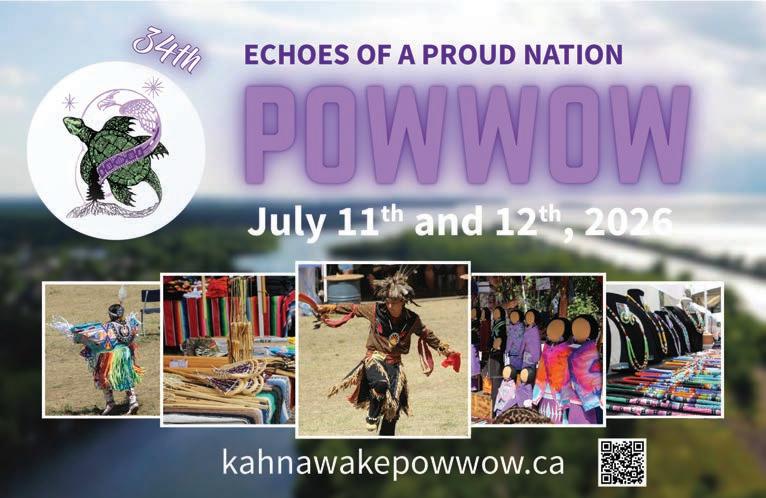








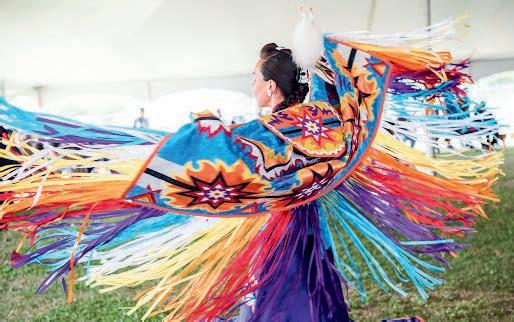
June 21, 2026 marks the 30th anniversary of National Indigenous Peoples’ Day, a time to honor and celebrate traditions, cultures and contributions of the First Nations people. National Indigenous Peoples’ Day takes place on the summer’s longest day of the year.
Every year, First Nations communities across the country host events on or around June 21 to share and celebrate their rich, diverse cultures and traditions. The summer solstice holds deep spiritual and cultural significance for many Indigenous Peoples, marking a time of renewal, connection and celebration.
The Department of Justice and Correctional Services is pleased to recognize National Indigenous Peoples Day and join in celebrating with you in a spirit of joy and friendship. We wish you peace and prosperity as you honor the richness and distinctiveness of your cultures and traditions.





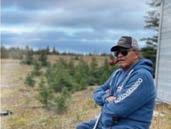








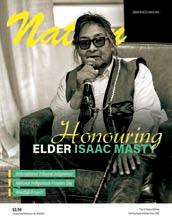
Respected Cree Elder
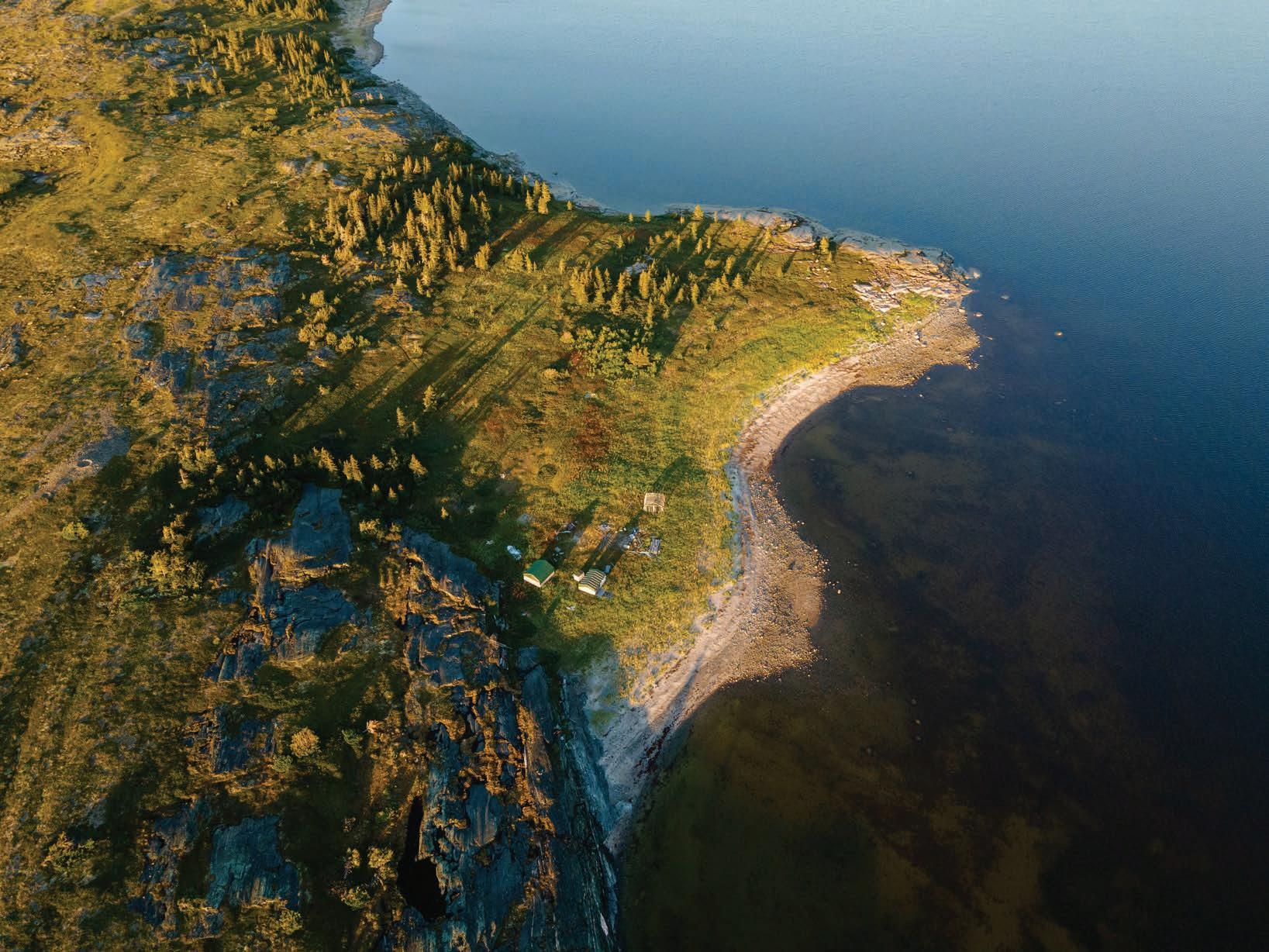
Beyadabnoskum Isaac Masty began his journey to the spirit world on May 28. He spent his nal days at the family’s spring camp in Whapmagoostui surrounded by love and laughter.
“He served his community during a foundational and demanding period in which Cree leaders worked to establish institutions and protections that continue to serve our Nation today,” stated the Grand Council of the Crees. “His leadership in those formative years helped lay the groundwork for the self-determination Eeyou Istchee enjoys now.”
Apart from his time as Chief of Whapmagoostui in the 1980s, Masty worked in many elds of community service and guided numerous Cree entities over the years. He was a former regional president of the Cree Trappers’ Association and was the chairperson of the Eeyou Marine Region Impact Review Board since its creation in 2012.
“Isaac was one of the greatest mentors I could have asked for,” commented EMRIRB director Païlin Chua-oon Rinfret. “I often joked with him that he had lived many lives in one lifetime. He had worked so many careers, carried so much knowledge, and could speak thoughtfully about almost anything. But more than anything, he understood people.”
Born in 1952 about 80 km east of Whapmagoostui during the days of nomadic life, Masty studied locally before obtaining a Bachelor of Education. He worked as a teacher and was responsible for budget development as an education administrator, supervising about 30 employees.
Masty is survived by his wife Stella George Masty, who he married September 11, 1972. The couple had ve children, 18 grandchildren and 19 great-grandchildren, while also fostering several young people and opening their hearts and home to many more.


“Our dad was a truly humble man and everything he did was done out of love,” said eldest daughter Stella Masty. “He held integrity of his work to the highest regard, always freely giving his knowledge to those who would listen and wanted to learn.”
She said his passion for the Cree language and way of life was always prominent, emphasizing that the Cree land, culture and values couldn’t be separated.

the lives of his sister Martha and sixyear-old daughter Melanie-Rose.
Whapmagoostui Chief and Council thanked Masty for his lasting impact on the community “that will be remembered for generations to come,” highlighting that “he continued to share his knowledge, wisdom and experience long after his time in leadership.”
“He was a traditional pipe carrier, sun dancer, and followed both paths, with no judgment,” Stella shared. “Never allowing us to quit but to keep going no matter how hard life was, that better days were ahead. His message of compassion, empathy, perseverance and love lives through all those he impacted.”
Quietly ghting myeloma and prostate cancer for six years, “he did not want to talk about his illness,” Stella noted, adding that her father fought the good ght and passed away peacefully.
“He will be missed but we accept God’s plans for him,” she shared. “We stayed till the end. We noticed that when the kids and grandkids left, his heartbeat was irregular, then when they returned, his heart and breathing regulated. He surely loved his children.”

The Cree Trappers’ Association honoured its former president (2005-2009) by closing its o ce on the day of Masty’s passing. The organization stated, “His leadership, dedication and commitment to the land and to Eeyou families helped strengthen the voice of tallymen and land users across the territory.”
In his nal years, Masty helped his daughter Stella develop the Men’s Eeyou-Eenou Istchee Regional Association. President Albert St-Pierre said Masty often shared how proud he was to see the group helping Cree men, families and communities.
“He served as an advisor, mentor and source of wisdom during the early stages of our organization,” said St-Pierre. “May we honour his memory by continuing the work of healing, supporting one another, and walking together in a good way.”
A trusted mentor to many, Masty played important roles at the Cree Nation Government, Cree Out tting and Tourism Association, the Cree Health Board’s Nishiiyuu department, and the Hunting, Fishing, Trapping Coordinating Committee.
Masty served on the federal day school board and income security board. His other roles included a stint as court translator in Amos and teaching Sunday school at his local Anglican church, where his father Joseph Masty Sr. served many years as church leader.

In February 1995, his father would die in a house re, which also claimed


















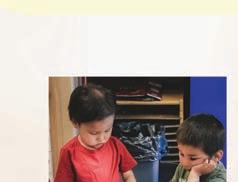


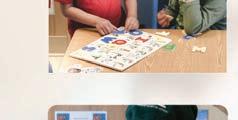





















The Cree IELCC Fund is designed to fund projects/activities that foster the education, Cree culture and language, as well as health and wellbeing of children 0 to 6 and their families.


The Cree IELCC Fund is designed to fund projects/activities that foster the education, Cree culture and language, as well as health and wellbeing of children 0 to 6 and their families.
The Cree IELCC Fund is designed to fund projects/activities that foster the education, Cree culture and language, as well as health and wellbeing of children 0 to 6 and their families.

The Cree IELCC Fund is designed to fund projects/activities that foster the education, Cree culture and language, as well as health and wellbeing of children 0 to 6 and their families.

The Cree IELCC Fund is designed to fund projects/activities that foster the education, Cree culture and language, as well as health and wellbeing of children 0 to 6 and their families.






All projects and activities must also ensure that no children are left behind: activities must be accessible to all children, no matter their level of ability or special



All projects and activities must also ensure that no children are left behind: activities must be accessible to all children, no matter their level of ability or special need.
All projects and activities must also ensure that no children are left behind: activities must be accessible to all children, no matter their level of ability or special Deadline


















All projects and activities must also ensure that no children are left behind: activities must be accessible to all children, no matter their level of ability or special need.
All projects and activities must also ensure that no children are left behind: activities must be accessible to all children, no matter their level of ability or special need.



















to














Wishing




A project for today and generations to come.
troilustogether.com
























Appelez un assistant aux réclamations au 1-833-852-0755. Lorsque vous êtes prêt, commencez en ligne ou demandez un formulaire papier. www.FNChildClaims.ca/fr
Ligne d’écoute d’espoir pour le mieux-être 1-855-242-3310

www.EspoirPourLeMieuxEtre.ca




































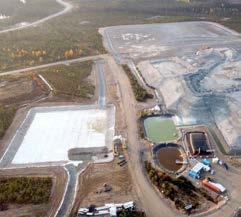
The future’s looking golden for Waswanipi after the signing of a “landmark” impact bene t agreement on June 2 between the community, Cree Nation Government and the Windfall Mining Group.
Windfall is a subsidiary of South African company Gold Fields, which became the project’s sole owner in 2024 after acquiring Osisko Mining for $2.16 billion. While public hearings had recently concluded in Waswanipi, the mine has long been a promising project for the community.
In January 2024, Waswanipi-owned Miyuukaa Corp. completed the province’s rst privately owned power line to the site, 200 km northeast of Vald’Or, signi cantly cutting energy costs and enabling partial electri cation of its underground operations, ore-processing plant and a camp for 600 to 700 full-time workers. Cree mining students have already gone underground at Windfall.
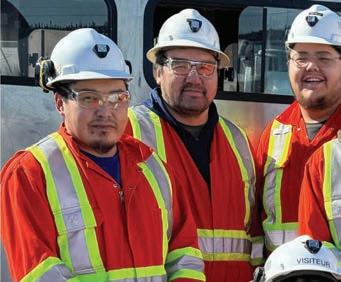
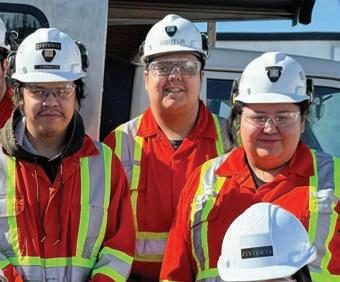
“Strong relationships are built when parties work together with honesty, respect and a shared sense of responsibility,” said Grand Chief Paul John Murdoch. “The Uukiimau Agreement establishes a foundation for responsible development that respects Cree values while creating long-term opportunities for our communities and future generation."
Translated as “the leader” or “the head”, the signatories said Uukiimau speaks to both origin and direction, like the headwaters of a river, and honours Father Lake, a place of deep cultural signi cance for the tallyman whose trapline holds the mine. The agreement establishes a comprehensive framework for ongoing collaboration, including investment in community initiatives.
“The Uukiimau Agreement will create lasting bene ts for Waswanipi through jobs, training and contracting
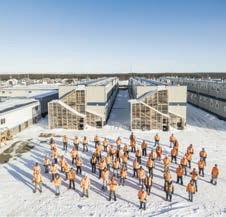
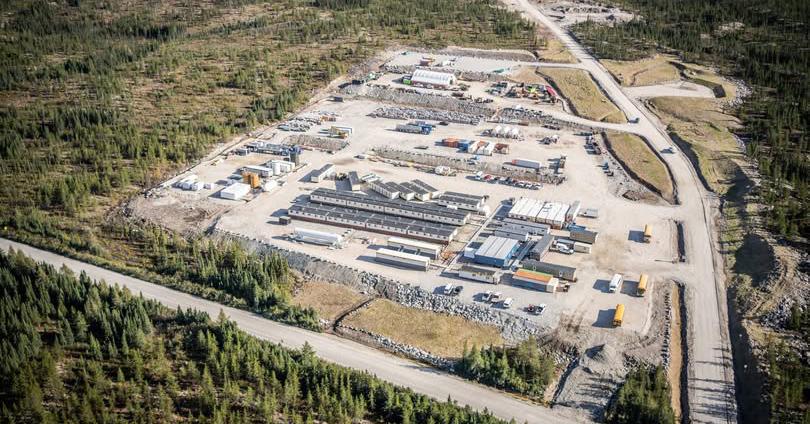
opportunities for my community, while ensuring that development respects our land, our values and our Cree way of life,” said Waswanipi Chief Irene Neeposh. “This agreement lays the foundation for a sustainable and prosperous future."
As one of Canada’s most closely watched undeveloped gold projects, Windfall has drawn attention for its grade, location and scale. Measured and indicated resources predict not only 3.2 million ounces of gold but also 1.6 million ounces of silver. Production could begin as early as the end of 2026, eventually reaching about 300,000 ounces annually.
“There’s going to be a lot of development in gold that we have to be ready for,” said Youcef Larbi, director general of the Cree Mineral Exploration Board (CMEB). “For example, on Trans-Taiga we already know there are a couple of medium-to-small deposits that people never worked on. But now that gold is worth more than $5,000 an ounce, things have changed.”
Gold prices are reaching record highs due to geopolitical tensions and in ation risk. Concerned over the U.S.
dollar’s declining value, central banks are aggressively buying the precious metal. Silver demand is also soaring in fast-growing sectors like electric vehicles, solar panels and AI hardware.
Relationships with mining companies in the region vastly improved after the CMEB was created from the Paix des Braves agreement in 2002. The organization highlights the region’s mineral potential while guiding exploration companies to respect for the people, culture and land.
“Quebec will tell them before you go anywhere you have to go through the CMEB,” said Larbi. “Everything is clear now; there are no secrets. Having a vision is important. We can make our decisions without a chaperone. I’m happy the Crees are more powerful in this domain.”
The Cree Nation’s evolution in mining development is starkly di erent to neighbouring First Nations. Not far from the Windfall Project, exploratory work in the Lac-Simon Anishinaabe Nation has met with intense resistance. A proposed multi-pit gold mine just east of Val-d’Or would require extensive infrastructure
in a forest already scarred by four former mines.
Chief Lucien Wabanonik joined community members at the proposed site to demand a stop to exploratory operations, vowing to take their case to court. Wabanonik said there was a lack of adequate consultation and the community has already decided not to accept any open-pit projects.
Mining Watch Canada lawyer Rodrigue Turgeon said that consultations with impacted communities are generally “only a rubber-stamping process.”
Although companies must alert the municipality or First Nation about the nature of their work, Turgeon said the Ministry of Natural Resources will grant authorization even if the community is opposed. A recent auditor general’s report found the ministry ignored concerns about deforestation and environmental protection in a third of cases examined.
In Eeyou Istchee, environmental regulations have signi cantly advanced in the last 20 years, with mining companies now required to deposit funds at the beginning of projects to mitigate potential problems. Larbi said initial resistance to placing additional conditions on companies was overcome by proven resources, new infrastructure and improving technology.
“They have new technologies in drilling you can control from a distance, which is completely changing things,” said Larbi. “Most rocks in Eeyou Istchee are between 2.7 and 2.9 billion years old. They’ve been recrystallized – it’s harder to get minerals here than any place in the world.”
While he said lithium can simply be shovelled into bags in South America, the element’s quality and quantity in Eeyou Istchee has made it a growing focus. The James Bay Lithium Mine’s huge project near the Km381 stop on the Billy Diamond Highway is hard to miss. PMET’s proposed Shaakichiuwaanaan
Project in Chisasibi territory is the continent’s largest hard-rock lithium deposit.
“We’re not used to mining in Chisasibi,” said natural resources liaison Christopher Herodier. “We’ve never had a mine within our traditional territory. The [feasibility] study is 17,000 pages long and I had to hire outside consultants to understand what it’s about.”
With the community’s consultation period overlapping with Goose Break, the process has been extended until the end of June. Located on trapline CH39, a ve-hour drive from Chisasibi, recent surface exploration has revealed a series of high-grade lithium, caesium and tantalum discoveries.
“Damage is going to be done in any kind of development, but people have to look at the big picture,” Herodier said. “These days there are strict environment rules – if they don’t abide, it’s not going to go. At a past conference, a Native person said if they approach you about a mine don’t just say no, say how.”




















Indigenous
Indigenous


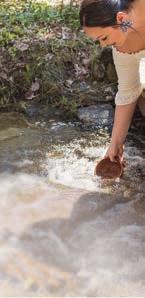
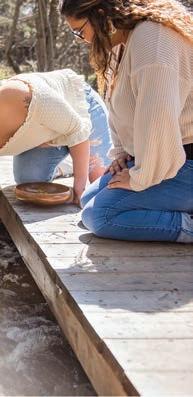






Iwas happy to see my nieces and nephews in Attawapiskat learning about Nah-mesh-tek (Cree for preserving and smoking geese). This is a food preparation method that our people in the North have used for thousands of years and it is an essential way to store large stocks of food.
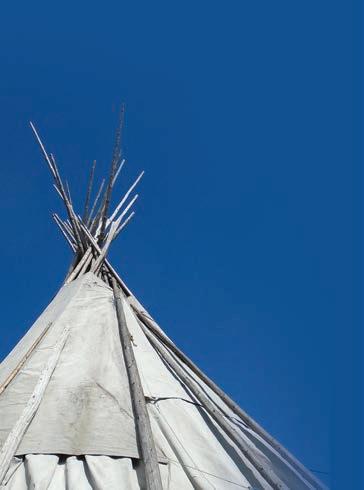
My nephew Orion Kataquapit spent the past week learning from his aunt, my older sister, Janie Wesley, in her permanent Meegwam (Cree for teepee). I was happy to hear from my sister that she also took time to teach our nieces, Kaitlyn and Julie Kataquapit, the practice of smoking geese. Janie said she was happy to show others how to do this. Our mom, Susan Kataquapit, taught how to do this work when we were children. Janie added that our grandmother Louise Paulmartin/Rose, our mom’s mother, had also taken extra time to give her these skills years ago.
Janie and her husband Brian Wesley are great knowledge keepers in our community. Brian was close to his mother Margaret Wesley and grandparents Anna and Willie Wesley and he learned a great deal of our community’s traditional knowledge and history from them. It’s great to see both of them sharing these traditional practices with others, as it not only shows a young generation the practical task of preparing and storing food but also exposes everyone to our Cree language, phrases and stories from the past.
Orion gathered his birds from a hunting ground called Kamotayak, on the south shore of Akamiski Island,
where his grandfather, my father, Marius Kataquapit, hunted years ago. Julie and Kaitlyn brought back geese further north on James Bay near the lands where their grandmother, my mother, Susan (Paulmartin/Rose), was born and raised.
Janie showed our nephew and nieces the hard work that goes into creating Nah-mesh-tek. Once geese are gathered, plucked, cleaned and gutted, they are ready to be made into Nahmesh-tek. These freshly made geese are butchered in such a way as to separate the majority of the esh from the bone in two large pieces. One piece is a large, single, continuous section of meaty esh, held together by sinew and skin and the other piece is the main section of backbone and rib cage.
The esh undergoes further processing with a special cutting technique to stretch it as thin as possible. At the end of it all, there is a large sheet of goose esh that is about two or three feet long. The goose esh is then draped on a wooden rack suspended over the re. At the same time, the coals are carefully managed to create a smouldering re that produces plenty of smoke, slowly cooking and drying the thin layers of esh.
When we were children, we would watch our mother ll several racks inside the Meegwam in this manner. She often reminded us that as carefully and expertly as she cut the geese, when she was a child, her Elders would cut the esh so thinly that it would produce great long sheets of goose esh to be smoked.

1-800-361-1402 admin@abenaki.com abenaki.com

Back then, they would set up two or three levels of racks to hang as much food as possible for smoking. There was no refrigeration and this was the best way to preserve food. The spring goose hunt and the smoked goose provided enough food to last everyone through the summer months until the fall.
My sister gave me a quick lesson on the types of smoked goose that our people on the James Bay coast traditionally made. Nah-mesh-tek was the main type. There was also Moo-koo-peh-see-gun, which is prepared in the same way but it is rst boiled in water, then smoked for a short time. This type produces tastier, juicier meat with a bit of smoky avour. Another type is See-koo-peh-see-gun, which is prepared in a similar way to Moo-koo-peh-see-gun but is quickly stored away in containers and then preserved in goose fat. Oos-kan-nee-gun is the second half of the Nah-mesh-tek, as this is just the carcass being smoked. As little food was wasted, smoking the bones with their remaining esh was a delicacy many people enjoyed.
In addition to learning the basics of Nah-mesh-tek, Orion, Kaitlyn and Julie learned the Cree words and phrases used during these traditional practices. When I spoke with Orion, he said it was important to learn about these practices. His parents and late grandparents would be happy to hear about everything he is learning about our heritage and language.


This year, on June 21st, we are celebrating the 30th anniversary of National Indigenous Peoples Day. This special day also marks the summer solstice, which is the longest day of the year and holds a significant spiritual meaning with many Indigenous Nations across Canada. Historically, for the Crees, it was a time when Cree families returned from their camps to gather for ceremonies, celebrations and trade.
As Iiyiyiuuch, we have come very far since this time. Since the signing of the James Bay Northern and Northern Quebec Agreement over 50 years ago, we have birthed organizations and written laws that serve our people. We have schools that teach our own curriculum. We have our own clinics that support our people. We have our own Justice & Police that keep the peace. We continue as a nation to find ways to better the lives of Iiyiyiuuch as modern First Nations communities.
Today, we are proud of how our people celebrate our traditions, culture, and language. Ensuring that our traditions get passed to the next generation is safeguarding our identity as Iiyiyiuuch. Iiyiyiuu Aschii’s strength and unity are a living testament of how we have asserted our rights to governance and sovereignty. As Dr. Robert Kanatewat once said, “We were never granted our rights; our rights were finally recognized.”
We wish all of Iiyiyiuu Aschii and everyone a happy National Indigenous Peoples Day.

Paul John Murdoch
Grand Chief/Chairperson
Linden Spencer
Deputy Grand Chief/Vice-Chairperson