
Safety Data Sheet
MAPELASTIC SMART comp. A
Safety Data Sheet dated: 02/08/2021 - version 3
Date of first edition: 03/05/2017
1. Identification
GHS Product identifier
Mixture identification:
Trade name: MAPELASTIC SMART comp. A
Trade code: 901677
Recommended use of the chemical and restrictions on use
Recommended use: Ready prepared cement mortar
Uses advised against: no data available
Supplier's details
Company: MAPEI AUSTRALIA Pty Ltd 180 Viking Drive Wacol QLD 4076 Australia
T. +61 7 32765000 (Mon-Fri 8am to 4.30pm)
F. +61 7 32765076
Responsible: sales@mapei.com.au
Emergency phone number
Australian Poisons Information Centre 24 Hour Service 13 11 26 Police or Fire Brigade 000
2. Hazard identification
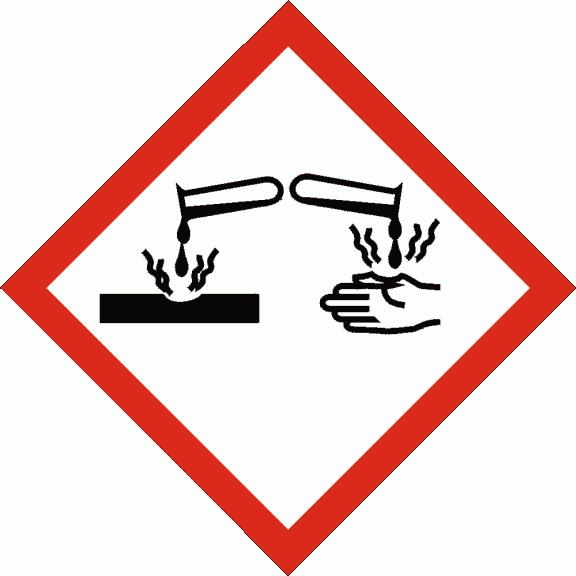
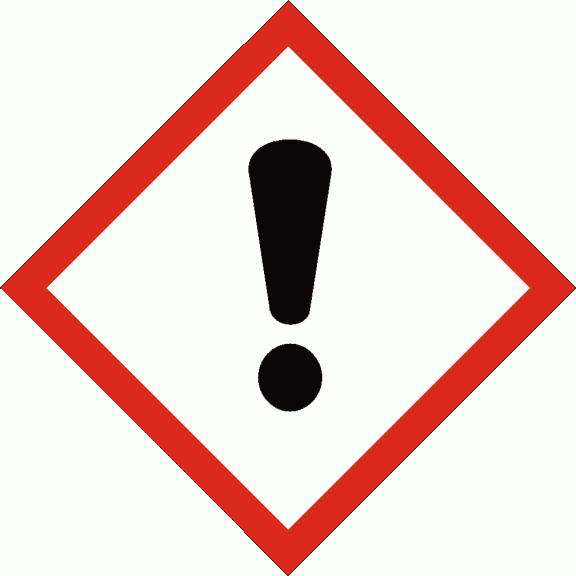
Classification of the Hazardous chemical
Skin Irrit. 2 Causes skin irritation.
Eye Dam. 1 Causes serious eye damage.
Skin Sens. 1B May cause an allergic skin reaction.
STOT SE 3 May cause respiratory irritation.
Adverse physicochemical, human health and environmental effects: No other hazards
GHS label elements, including precautionary statements
Pictograms and Signal Words
Danger
Hazard statements:
H315 Causes skin irritation.
H317 May cause an allergic skin reaction.
H318 Causes serious eye damage.
H335 May cause respiratory irritation.
Precautionary statements:
P261 Avoid breathing dust/fume/gas/mist/vapours/spray.
P264 Wash hands thoroughly after handling.
P271 Use only outdoors or in a well-ventilated area.
P280 Wear protective gloves/protective clothing/eye protection/face protection.
P302+P352 IF ON SKIN: Wash with plenty of soap and water.

P304+P340 IF INHALED: Remove victim to fresh air and keep at rest in a position comfortable for breathing.
P305+P351+P338 IF IN EYES: Rinse cautiously with water for several minutes. Remove contact lenses, if present and easy to do. Continue rinsing.
P312 Call a POISON CENTER or doctor/physician if you feel unwell.
P321 Specific treatment (see supplementary instructions on this label)
P333+P313 If skin irritation or rash occurs: Get medical advice/attention.
P362 Take off contaminated clothing and wash before reuse.
P403+P233 Store in a well-ventilated place. Keep container tightly closed.
P501 Dispose of contents/container in accordance with applicable regulations.
Other hazards which do not result in a classification
Other Hazards: No other hazards
Prolonged exposition and/or intensive inhalation of respirable free crystalline silica (average diameter less than 10 micron in accordance with ACGIH) can cause pulmonary fibrosis commonly referred to as silicosis. This preparation contains cement. Contact between cement and body fluids (e.g. sweat and eye fluids) may cause irritation or burns.
3. Composition/information on ingredients
Substances
no data available
Mixtures
Mixture identification: MAPELASTIC SMART comp. A
Hazardous components within the meaning of the "Australian Work Health and Safety (WHS)" regulation and related classification:
Concentration (% w/w) Name Ident.
≥50 - <75 % free crystalline silica (Ø >10 µ)
≥25 - <50 % portland cement, Cr(VI) < 2 ppm
CAS:14808-60-7
EC:238-878-4
CAS:65997-15-1
EC:266-043-4
4. First-aid measures
Description of necessary first-aid measures
In case of skin contact:
Immediately take off all contaminated clothing.
OBTAIN IMMEDIATE MEDICAL ATTENTION.
Remove contaminated clothing immediately and dispose of safely.
Skin Irrit. 2, H315; Skin Sens. 1B, H317; Eye Dam. 1, H318; STOT SE 3, H335
After contact with skin, wash immediately with soap and plenty of water.
In case of eyes contact:
After contact with the eyes, rinse with water with the eyelids open for a sufficient length of time, then consult an opthalmologist immediately.
Protect uninjured eye.
In case of Ingestion:
Do not induce vomiting, get medical attention showing the SDS and the hazard label. In case of Inhalation:
In case of inhalation, consult a doctor immediately and show him packing or label. Symptoms caused by exposure
Eye irritation
Eye damages
Skin Irritation
Erythema
Medical attention and special treatment
In case of accident or unwellness, seek medical advice immediately (show directions for use or safety data sheet if possible).
Treatment:
(see paragraph 4.1)
5. Fire-fighting measures
Suitable extinguishing media
None in particular.
Water.
Carbon dioxide (CO2).
Specific hazards arising from the chemical
Do not inhale explosion and combustion gases.
Burning produces heavy smoke.
Hazardous combustion products: no data available
Explosive properties: ==
Oxidizing properties: no data available
Special protective equipment and precautions for fire-fighters
Use suitable breathing apparatus.
Collect contaminated fire extinguishing water separately. This must not be discharged into drains.
Move undamaged containers from immediate hazard area if it can be done safely.
6. Accidental release measures
Personal precautions, protective equipment and emergency procedures
Wear personal protection equipment.
Wear breathing apparatus if exposed to vapours/dusts/aerosols.
Provide adequate ventilation.
Use appropriate respiratory protection.
Environmental precautions
Do not allow to enter into soil/subsoil. Do not allow to enter into surface water or drains.
Methods and material for containment and cleaning up
Take up mechanically and dispose of according to local/state/federal regulations
Scoop into containers and seal for disposal.
Retain contaminated washing water and dispose it.
7. Handling and storage
Precautions for safe handling
Avoid contact with skin and eyes, inhalation of vapours and mists.
Do not use on extensive surface areas in premises where there are occupants.
Use localized ventilation system.
Don't use empty container before they have been cleaned.
Before making transfer operations, assure that there aren't any incompatible material residuals in the containers.
Contaminated clothing should be changed before entering eating areas.
Do not eat or drink while working.
See also section 8 for recommended protective equipment.
Conditions for safe storage, including any incompatibilities
Always keep in a well ventilated place.
Keep away from food, drink and feed.
Incompatible materials:
None in particular.
Instructions as regards storage premises:
Cool and adequately ventilated.
8. Exposure controls/personal protection
Control parameters – exposure standards, biological monitoring
List of components with OEL value
Chemicals to be treated as carcinogenic.
- Suspected Human Carcinogen;lung cancer;pulmonary fibrosis
respirabel fraktion
5 mg/m3 TWA (containing <1% of free Silica, respirable dust);10 mg/m3 TWA (containing <1% of free Silica, total dust)
A4 - Not Classifiable as a Human Carcinogen;pulmonary function;respiratory symptoms;asthma
5 mg/m3 TWA (containing <1% of free Silica, respirable dust);10 mg/m3 TWA (containing <1% of free Silica, total dust)
A4 - Not Classifiable as a Human Carcinogen;pulmonary function;respiratory symptoms;asthma
Appropriate engineering controls no data available
Individual protection measures, such as personal protective equipment (PPE)
Eye protection:
Use close fitting safety goggles, don't use eye lens.
Protection for skin:
Use clothing that provides comprehensive protection to the skin, e.g. cotton, rubber, PVC or viton.
Protection for hands:
Suitable materials for safety gloves; AS/NZS 2161.10:
Polychloroprene - CR: thickness >=0,5mm; breakthrough time >=480min.
Nitrile rubber - NBR: thickness >=0,35mm; breakthrough time >=480min.
Butyl rubber - IIR: thickness >=0,5mm; breakthrough time >=480min.
Fluorinated rubber - FKM: thickness >=0,4mm; breakthrough time >=480min.
Nitrile gloves are suggested (1,3 mm; 480 min). Not recommended gloves: not waterproof gloves
Use protective gloves that provides comprehensive protection, e.g. P.V.C., neoprene or rubber.
Respiratory protection:
Respiratory protection must be used where exposure levels exceed workplace exposure limits. Refer to AS/NZS 1715-1716 for information on selection and use of appropriate respiratory protection equipment.
Use respiratory protection where ventilation is insufficient or exposure is prolonged.
9. Physical and chemical properties
Physical state Solid
Color Grey
Appearance: powder
Odour: Characteristic
Odour threshold: no data available
pH:
pH (water dispersion, 10%): 12.25
Melting point / freezing point: no data available
Initial boiling point and boiling range: no data available
Flash point: no data available
Evaporation rate: no data available
Flammability (Solid, Gas): no data available
Upper/lower flammability or explosive limits: no data available
Vapour pressure: no data available
Vapour density: no data available
Relative density: 1.40 g/cm3
Solubility in water: partly soluble
Solubility in oil: Soluble
Partition coefficient (n-octanol/water): no data available
Auto-ignition temperature: no data available
Decomposition temperature: no data available
Viscosity: no data available
Specific heat value: no data available
Saturated vapour concentration: no data available
Release of invisible flammable vapours and gases: no data available
Particle size: no data available
Particle size distribution: no data available
Shape and aspect ratio: no data available
Crystallinity: no data available
Dustiness: no data available
Specific surface area: no data available
Specific surface area: no data available
Degree of aggregation or agglomeration, and dispersibility: no data available
Biodurability or biopersistence: no data available
Surface coating or chemistry: no data available
VOC % (Volatile Organic Compound) : 0 (A+B) (Rule 1113) g/l
10. Stability and reactivity
Reactivity
Stable under normal conditions
Chemical stability
no data available
Possibility of hazardous reactions
None.
Conditions to avoid
Stable under normal conditions.
Incompatible materials
None in particular.
Hazardous decomposition products
SECTION 11: Toxicological information
Information on toxicological effects
Contains cement. Cement gives a strong alkaline reaction with water and body fluids (e.g. sweat and eye fluids), therefore the contact with skin and eyes should be carefully avoided.
Toxicological information on main components of the mixture: free crystalline silica (Ø >10 µ) a) acute toxicity
LD50 Oral > 2000 mg/kg
LD50 Skin > 2000 mg/kg
12. Ecological information
Ecotoxicity
Adopt good working practices, so that the product is not released into the environment.
Eco-Toxicological Information: Persistence and degradability
no data available
Bioaccumulative potential
no data available
Mobility in soil
no data available
Other adverse effects
no data available
13. Disposal considerations
Disposal methods
The generation of waste should be avoided or minimized wherever possible. Recover if possible.
Methods of disposal:
Disposal of this product, solutions, packaging and any by-products should at all times comply with the requirements of environmental protection and waste disposal legislation and any regional local authority requirements.
Dispose of surplus and nonrecyclable products via a licensed waste disposal contractor.
Do not dispose of waste into sewers.
Disposal considerations:
Do not allow to enter drains or watercourses.
Dispose of product according to all federal, state and local applicable regulations. If this product is mixed with other wastes, the original waste product code may no longer apply and the appropriate code should be assigned.
Dispose of containers contaminated by the product in accordance with local or national legal provisions. For further information, contact your local waste authority.
Special precautions:
This material and its container must be disposed of in a safe way. Care should be taken when
This material and its container must be disposed of in a safe way. Care should be taken when handling untreated empty containers. Avoid dispersal of spilled material and runoff and contact with soil, waterways, drains and sewers.
Empty containers or liners may retain some product residues. Do not re-use empty containers.
14. Transport information
Not classified as dangerous in the meaning of transport regulations. UN number no data available
UN proper shipping name no data available
Transport hazard class(es) no data available
Packing group, if applicable no data available
Environmental hazards no data available
Special precautions for user no data available
Additional Information no data available
HazChem Code/Emergency Action code no data available
15. Regulatory information
Safety, health and environmental regulations specific for the product in question
This Safety Data Sheet has been prepared according to the Australian Work Health and Safety (WHS) act and the Code of Practice on preparation of safety data sheets for Hazardous Chemicals.
AICS: all components are listed
16. Other information
Code Description
H315 Causes skin irritation.
H317 May cause an allergic skin reaction.
H318 Causes serious eye damage.
H335 May cause respiratory irritation.
This document was prepared by a competent person who has received appropriate training. Main bibliographic sources:
ECDIN - Environmental Chemicals Data and Information Network - Joint Research Centre, Commission of the European Communities
SAX's DANGEROUS PROPERTIES OF INDUSTRIAL MATERIALS - Eight Edition - Van Nostrand Reinold
The information contained herein is based on our state of knowledge at the above-specified date. It refers solely to the product indicated and constitutes no guarantee of particular quality.
It is the duty of the user to ensure that this information is appropriate and complete with respect to the specific use intended. This SDS cancels and replaces any preceding release.
Legend to abbreviations and acronyms used in the safety data sheet:
ACGIH: American Conference of Governmental Industrial Hygienists
ADR: European Agreement concerning the International Carriage of Dangerous Goods by Road.
AND: European Agreement concerning the International Carriage of Dangerous Goods by Inland Waterways
ATE: Acute Toxicity Estimate
ATEmix: Acute toxicity Estimate (Mixtures)
BCF: Biological Concentration Factor
BEI: Biological Exposure Index
BOD: Biochemical Oxygen Demand
CAS: Chemical Abstracts Service (division of the American Chemical Society).
CAV: Poison Center
CE: European Community
CLP: Classification, Labeling, Packaging.
CMR: Carcinogenic, Mutagenic and Reprotoxic
COD: Chemical Oxygen Demand
COV: Volatile Organic Compound
CSA: Chemical Safety Assessment
CSA: Chemical Safety Assessment
CSR: Chemical Safety Report
DMEL: Derived Minimal Effect Level
DNEL: Derived No Effect Level.
DPD: Dangerous Preparations Directive
DSD: Dangerous Substances Directive
EC50: Half Maximal Effective Concentration
ECHA: European Chemicals Agency
EINECS: European Inventory of Existing Commercial Chemical Substances.
ES: Exposure Scenario
GefStoffVO: Ordinance on Hazardous Substances, Germany.
GHS: Globally Harmonized System of Classification and Labeling of Chemicals.
IARC: International Agency for Research on Cancer
IATA: International Air Transport Association.
IATA-DGR: Dangerous Goods Regulation by the "International Air Transport Association" (IATA).
IC50: half maximal inhibitory concentration
ICAO: International Civil Aviation Organization.
ICAO-TI: Technical Instructions by the "International Civil Aviation Organization" (ICAO).
IMDG: International Maritime Code for Dangerous Goods.
INCI: International Nomenclature of Cosmetic Ingredients.
IRCCS: Scientific Institute for Research, Hospitalization and Health Care
KSt: Explosion coefficient.
LC50: Lethal concentration, for 50 percent of test population.
LD50: Lethal dose, for 50 percent of test population.
LDLo: Leathal Dose Low
N.A.: Not Applicable
N/A: Not Applicable
N/D: Not defined/ Not available
NA: Not available
NIOSH: National Institute for Occupational Safety and Health
NOAEL: No Observed Adverse Effect Level
OSHA: Occupational Safety and Health Administration.
PBT: Persistent, Bioaccumulative and Toxic
PGK: Packaging Instruction
PNEC: Predicted No Effect Concentration.
PSG: Passengers
RID: Regulation Concerning the International Transport of Dangerous Goods by Rail.
STEL: Short Term Exposure limit.
STOT: Specific Target Organ Toxicity.
TLV: Threshold Limiting Value.
TWATLV: Threshold Limit Value for the Time Weighted Average 8 hour day. (ACGIH Standard).
vPvB: Very Persistent, Very Bioaccumulative.
WGK: German Water Hazard Class.
Paragraphs modified from the previous revision:
- Safety Data Sheet
- 1. IDENTIFICATION OF THE SUBSTANCE/PREPARATION AND OF THE COMPANY/UNDERTAKING
- 2. HAZARDS IDENTIFICATION
- 3. COMPOSITION/INFORMATION ON INGREDIENTS
- 4. FIRST AID MEASURES
- 5. FIRE-FIGHTING MEASURES
- 6. ACCIDENTAL RELEASE MEASURES
- 7. HANDLING AND STORAGE
- 8. EXPOSURE CONTROLS/PERSONAL PROTECTION
- 9. PHYSICAL AND CHEMICAL PROPERTIES
- 11. TOXICOLOGICAL INFORMATION
- 12. ECOLOGICAL INFORMATION
- 14. TRANSPORT INFORMATION
- 16. OTHER INFORMATION