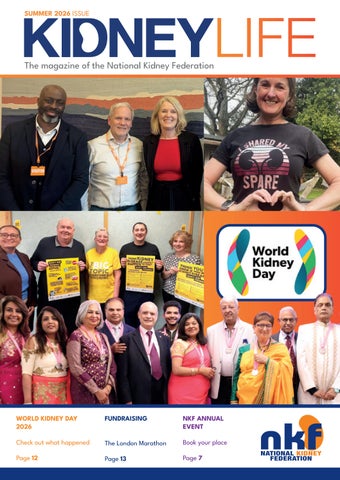
Welcome to this latest issue of Kidney Life. It finally feels as though Spring has arrived. Seeds are sprouting in my greenhouse and my chickens have started laying eggs again which is all good.
We have a great line-up of articles in this issue with patient stories and a comprehensive update on NKF work and activities. It sometimes seems that the focus of our content is on transplantation which we know is not an option for all people living with kidney disease. While this is not intentional it’s true of this issue and we will redress the balance in the next magazine.
World Kidney Day was something of a special day this year for Kate Adams, one of our personal stories and we have the story of a remarkable young man whose family told us about his legacy.
Spring brings change and we have lots to share in this issue. And you may have noticed we have a new look to the layout of Kidney Life. Let me know what you think or get in touch if you’d like to see your story in print or you have an idea for a topic you think we should cover. All feedback is helpful.
With best wishes,
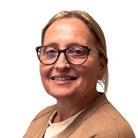
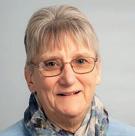
Annie Taylor
National Kidney Federation Officers
At the AGM and Council meeting of the Federation in March changes were made to officer posts. More information can be found on page 4 along with the new Executive Committee members.
Caryl Bryant NKF Chair
Geoff Downes Vice Chair
Mike Sinfield Treasurer Ros Aird Secretary
Registered Office: The Point, Coach Road, Shireoaks, Worksop, Nottinghamshire S81 8BW
T: 01909 544999 E: nkf@kidney.org.uk
NKF TEAM
Andrea BrownChief Executive
Pete Revell - Head of Marketing & Fundraising
Lisa Parkin - Office Manager
Sharney WarrenCommunications & Marketing Officer
Fiona Broomhead - Senior Office Administrator
Chloe AinsworthSocial Media & Website Coordinator
Donna Blizard - Senior Accounts Administrator
Lucy Vasiliou - Policy & Public Affairs Manager
Chris TalbotMembership Development Lead
Fiona CadleyHelpline Advisor
Stephen EmmersonHelpline Advisor & Peer Support Coordinator
NKF Team Changes
The NKF has recently welcomed two new members to the team. We ask them to tell us a little about what they bring to their new posts.
Lisa Parkin has joined as Office Manager
“I am thrilled to have joined an incredible team at the National Kidney Federation. It’s a sector facing some significant challenges – from the rising prevalence of chronic kidney disease to ongoing organ donation shortages to stark health inequalities. I’m bringing my experience in business support roles and NHS background to make a meaningful impact. I am looking forward to contributing to work that makes a real difference to patients and communities.”
Fiona Cadney has joined as the new Helpline Advisor
“Joining the NKF team as a Helpline Advisor is a dream role for me. As a kidney patient for over 30 years, with personal experience of peritoneal dialysis, haemodialysis, and transplantation, I have a deep understanding of the challenges faced by people living with kidney disease. Being able to give something back and support fellow kidney patients is incredibly meaningful. One of the challenges I anticipate in this role is managing emotionally difficult phone calls, but I am committed to approaching these conversations with empathy, patience, and professionalism.”
Celebrating Linda’s
Outstanding Contribution to the Renal Community
After more than 30 years of dedicated service, Linda Pickering is retiring from her role as Advisor on the NKF Helpline. While she may be stepping back, it’s clear she won’t be leaving the renal community any time soon.
Linda’s journey began when her husband, Les, was diagnosed with chronic kidney disease. Driven by a passion to support others facing similar challenges, she joined the Friends of Lincoln Kidney Patients in 1996, going on to serve as Chair and Secretary. She played a key role in securing charity status and establishing the Lincolnshire Kidney Patient Association in 2001.
Her commitment continued at a national level, starting with NKF and BKPA as an advocate in a joint venture, and she has served on the Executive Committee of the National Kidney Federation. After moving to East Yorkshire, Linda became an Advocacy and Patient Support Officer, working tirelessly across the North East, Yorkshire and Humber to improve the lives of kidney patients.
In 2020 her role evolved to focus on Yorkshire, before she returned to the NKF as a Helpline Advisor, coming full circle in her remarkable career. During her time with the NKF Helpline, Linda has had a lasting impact, transforming the support offered through her compassion, knowledge and dedication.
While she is now taking a well-earned break, we are certain this is not the last we will see of Linda, particularly in the Lincoln area in the future.
Thank you, Linda, for everything you have done for kidney patients, their families, and the NKF.
NKF Kidney Patient Association Day 2026
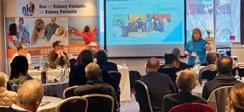
The Leonardo Royal Hotel in Birmingham was the venue for this year’s KPA Day on Saturday 14th March.
The day started with a warm welcome to delegates attending on the day by David Coyle, who after three years as Chair of the NKF was stepping down.
As a follow on from the previous year, the opening sessions focussed on the business of the day, with both the Annual General Meeting (AGM) and Council meeting of the Federation. This year’s AGM saw a change in the executive committee and a change of officers.
As mentioned previously, David Coyle was stepping back from his role of NKF Chair after three years in the role, Brian Child has also stepped away after over seven years of service, holding several positions in his time. A few other members of the executive committee also decided to step down this year, and we thank Sarita Kurana, Judith Newcombe and Asif Zahman for their time and commitment this past year.
With positions to be filled, we were pleased to announce that Caryl Bryant will be taking the position of NKF Chair, Geoff Downes is moving from position of Treasurer to Vice Chair, Mike Sinfield is taking over the role as Treasurer, with Ros Aird announced as the new Secretary. We are also pleased for Soumeya Bouacida, Patricia Gooden, Jose Rico Diaz, Charleen Sepede and Tarsem Paul to continue as members of the NKF executive committee and welcoming Zoe Buchanan, Edmund Clottery and John Roberts on to the committee. It was also announced that Kirit Modi MBE was stepping down as NKF President after many years of loyal
service, but is taking on a new role as a NKF Patron. Caryl informed all those present that David Coyle had been voted in by the executive committee as the new NKF President.
The Council Meeting followed, which included a comprehensive NKF update given by Andrea Brown, NKF Chief Executive, regarding the NKF’s activities in 2025. There were also updates given on the NKF plans for 2026 including the departments of Helpline presented by Andrea, Marketing and Fundraising presented by Pete Revell (Head of Marketing and Fundraising for the NKF) Policy updates presented by Lucy Vasilou (Policy and Public Affairs, NKF) and KPA updates presented by Chris Talbot (Membership Development Lead).
An open forum for those present at the event then closed the session, with lots of important questions being asked.
After the business had been concluded, we were delighted to introduce Professor Smeeta Sinha, Renal National Clinical Director (NHS England) who gave a fantastic presentation regarding what was happening within the renal landscape. This was a real highlight of the day and a great opportunity for KPAs to understand what the priorities of NHS England are and what they are currently working on.
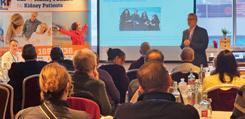
The session after lunch was another keynote speaker for the day, with Ron Cullen, Chief Executive of the UK Kidney Association speaking about their role in the renal world, giving a brilliant oversight of what they do and the impact they are having.
We were then treated to three KPAs sharing best practices with the group, with David Marshall from Sheffield Area Kidney Association (SAKA) giving an overview of their history and the benefits of having a good working relationship with Clinical Directors and senior staff at the hospital. Zoe Buchanan, Chair of the Gloucestershire KPA gave an inspiring talk on her journey as a kidney patient, how this has led her to get involved with her local KPA, the importance of engaging younger people and the plans they have for the future.
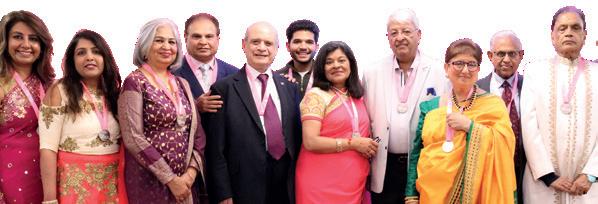
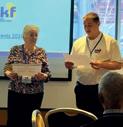
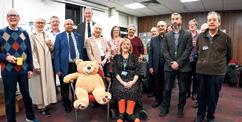
The new officers of the NKF Executive Committee with Professor Smeeta Sinha, Renal National Clinical Director for NHS England
Ron Cullen, CEO of UKKA
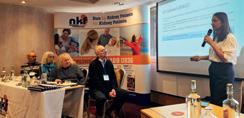
KPA guest speakers – David Marshall (SAKA), Philip Thomson (Wirral and West Cheshire KPA) and Zoe Buchanan (Gloucestershire KPA)
The Chair of the Wirral and West Cheshire KPA, Phil Thomson, the most recent KPA addition to the NKF, gave an overview of the creation of this brand new KPA, highlighting the importance of the fabulous nursing team and how they have been the driving force behind starting a KPA. The presenters then formed a panel for an interactive question and answer session, which sparked some great conversations.
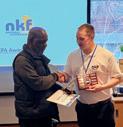
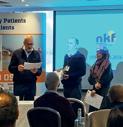
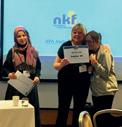
The day finished on a real high with the presentations of the new KPA Awards, celebrating the hard work of individuals and KPAs themselves. We are delighted to announce that awards were presented to:
• Louis Toussaint (Royal Free Hospital KPA) –KPA Member of the Year
• Chris Rolfe (Exeter and District KPA) –KPA Chair of the Year
• Judith Sidaway (Dudley KPA) – Lifetime Achievement Award
• Bradford KPA – KPA of the Year
There was one more award presented to the surprise of many, not to mention the recipient.
After receiving a nomination for this person in KPA Member of the Year, it was felt that this person’s contribution deserved something a little bit different, and after 50 years of loyal service a Lifetime Achievement award was presented to Judith Sidaway from the Dudley KPA.
Geoff Downes, the new Vice Chair of the NKF, closed the day with a thanks to everyone that had attended.
The National Kidney Federation Impact Report for 2025
In this issue of Kidney Life, we are delighted to share our latest Impact Report. Looking back over the past year, it is striking to see just how much has been accomplished – from the vital support provided to kidney patients to the incredible generosity shown by our supporters. It is something we are immensely proud of.
I would like to extend my sincere thanks to everyone who became an NKF member during 2025. If you have not yet joined, I warmly encourage you to consider joining our community. Your membership plays a crucial role in helping us build a better future for those affected by kidney disease and their loved ones.
Thank you, as always, for your continued support.
Pete Revell NKF Head of Marketing and Fundraising
Bradford KPA – Michaela and Sofia receiving the KPA of the Year award for Bradford KPA
Judith Sidaway (Dudley KPA) receiving a Lifetime Achievement Award
Louis Toussaint (Royal Free Hospital KPA) receiving the award for KP Member of the Year.
David Coyle accepting the award of KPA Chair of the Year on behalf of Chris Rolfe (Exeter and District KPA)
The National Kidney Federation Annual Event 2026
Get ready for an inspiring weekend all about with kidney health, connection and community at the National Kidney Federation Annual Event 2026!
Returning this Autumn to the iconic seafront setting of the Grand Hotel, Blackpool (North Promenade Sea Front, FY1 2JQ), this much-loved gathering will take place on Friday 2nd and Saturday 3rd October 2026, welcoming all from patients, to loved ones, carers and healthcare professionals.
After welcoming feedback from last year’s attendees, we’re once again bringing people together for a weekend in Blackpool! Save the date and prepare to be part of something special.
What’s in store…
Friday night welcome social
Kick off the weekend in relaxed style! From 7pm on Friday, there will be a private social space for delegates to meet, reconnect and start making new connections in the kidney community.
Saturday conference day
The main event begins, with a full programme of engaging sessions, networking and exhibition opportunities.
• Conference registration and exhibition hall open from 9am.
• Enjoy talks from leading experts, patient advocates and special guests.
• Explore the exhibition hall packed with organisations, support resources and renal innovations.
• Scheduled breaks and lunch will be provided with opportunities to connect and chat with others.
• The conference finishes at 4pm.
Saturday evening buffet and quiz
Wind down with great food and company, from 7pm on Saturday evening, delegates can book a place at the hot buffet followed by the ever popular quiz hosted by Pete Revell, a memorable way to round off the weekend.
Whether you’re newly diagnosed, supporting a loved one, working in healthcare or simply passionate about kidney health, this weekend offers something for everyone.
• Hear from leading voices in renal care and real life patient journeys.
• Discover new resources, services and support networks in the exhibition hall.
• Meet people from all walks of life, share stories and support one another in an atmosphere of lived experience and understanding.
We will be joined by inspirational speakers
Listen to leading renal experts and hear moving stories from people who have been affected by kidney disease. These sessions promise to be both informative and motivational.
Itinerary Overview
We are thrilled to announce our speaker line up for the upcoming event:
Harsh Sinha - Patient Speaker
The Day ‘Kidneys’ Became the Most Important Word in My Vocabulary
Kidney disease is often silent, progressive, and overwhelming. In this personal talk, Harsh Sinha reflects on his journey with chronic kidney disease and challenges the belief that “nothing can be done.”
Focusing on everyday choices — including the critical interplay between diet and medicines — he highlights how small, consistent actions can meaningfully influence the course of the progression.
A reframing of the journey from inevitability to influence.
“I have been living with kidney disease for approximately 25 years and have been on the transplant list for about four years. My current focus is on managing the condition so that I can avoid dialysis before transplantation if possible. I work full-time and live independently in London, and I often speak at both patient education events and professional gatherings on kidney disease strategy.”
Mr Dominic Summers - Consultant Transplant Surgeon ‘I am a consultant transplant surgeon with a specialist interest in kidney and pancreas transplantation, along with vascular access for dialysis patients. I was appointed as a consultant at Addenbrooke’s in Cambridge in 2020 following surgical training in Cambridge and Oxford. I am the transplant lead for the East of England Renal Network an Affiliated Assistant Professor at the University of Cambridge. I am the chief investigator of the UK Feasibility Study of Uncontrolled Donation after Circulatory Death.’
Andrew Barnett – Renal Social Worker
With a view of renal social work.
Stay tuned for more exciting speakers who will be announced soon!
Book or to find out more contact the NKF office on 01909 544999 or use the form on the back page of this issue of Kidney Life or book online on the NKF website: www.kidney.org.uk/Event/nkf-annual-event-2026
Don’t miss out, this is one of the UK’s most important kidney community events of the year!
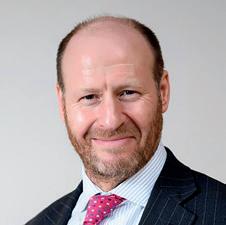
Mr Dominic Summers
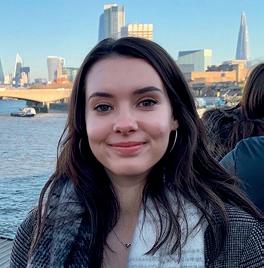
Harsh Sinha
Policy and Public Affairs: All-Party Parliamentary Kidney Group Update from Lucy Vasiliou, NKF’s Policy and Public Affairs Manager
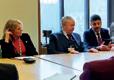
On 4th March 2026, the All-Party Parliamentary Kidney Group, chaired by Jo White MP, met to discuss organ donation and transplantation, as well as the wider, growing challenge of kidney disease across the UK. The meeting brought together parliamentarians, clinicians, charities and patient representatives to explore what practical steps can be taken to improve outcomes and quality of life for those living with kidney disease and highlight the important role that living organ donation has to play in this.
We heard from Mark Chambers (NHS Blood and Transplant), who spoke about the “A Bolder, Braver Approach for Organ Donation in the UK” report. He highlighted that donor numbers and consent rates have declined since before the COVID-19 pandemic, while the transplant waiting list continues to grow. The report identifies key priorities including improving family conversations around donation, strengthening clinical practice, and delivering more effective public awareness campaigns to rebuild trust and increase registrations.
The discussion also reinforced that, although the UK’s opt-out system and 2030 strategy remain important foundations, progress has slowed in critical areas. There is a clear need to refocus efforts on increasing consent rates, expanding the donor pool, and ensuring that the system better reflects donor wishes while supporting families through decision making.
There were powerful and personal testimonies from Bob Wiggins, a non-directed living donor (Give a Kidney), and Chris Talbot, a kidney transplant recipient (National Kidney Federation). Their stories were a reminder that behind every statistic is a person and a family whose lives are put on hold.
Bob spoke about the life changing impact of living donation, emphasising that while dialysis sustains life, transplantation restores it. He highlighted barriers potential donors face, including financial pressures, inconsistent experiences across hospitals, and lack of awareness, and called for measures to ensure donors are not disadvantaged and are better supported throughout the process.
Chris shared his journey from early diagnosis through to transplantation. His experience illustrated both what is possible when the system works well, and the serious consequences when it does not, highlighting inconsistencies in access to timely diagnosis and care. His story also underscored the profound impact a successful transplant can have, enabling people to return to work, family life and normal activities.
We also heard about the significant health inequalities associated with kidney disease, with higher prevalence in areas of deprivation and among certain ethnic minority communities. Access to early diagnosis, specialist care and transplantation remains uneven across the UK, reinforcing the need to place kidney health firmly within the wider prevention and health equity agenda.
Thank you to Dr Zubir Ahmed, Minister for Health Innovation and Safety, for actively engaging in the meeting. Drawing on both his ministerial role and clinical experience as a transplant surgeon, he discussed opportunities to improve organ utilisation, including investment in organ assessment technologies to increase the number of viable transplants. He also acknowledged that rising demand—driven by more patients becoming eligible for transplantation—has contributed to longer waiting lists.
The Minister emphasised the importance of increasing awareness, improving communication around organ donation, and ensuring equitable access to transplantation. He also highlighted ongoing work to prevent kidney disease progression, including the rollout of new treatments such as SGLT2 inhibitors.
There was strong consensus that more must be done to increase donor registrations and family consent, expand living donation, improve access to transplantation, reduce waiting times, and ensure a fair and efficient system for all.
Photo: L-R | Mark Chambers (NHSTBT), Bob Wiggins (Give a Kidney), Jo White MP (Chair), Chris Talbot (NKF)
Photo L-R | Jo White MP (Chair), Lord Watts (Vice Chair), Minister Zubir Ahmed.
Photo Centre: Chris Talbot (NKF)
7 Million Lives at Risk –What’s the Plan? Campaign Update
The campaign group continues to push for government action on kidney disease and build on the support for the call for a national strategy for kidney disease. We’d like to thank all our supporters that have taken the time to complete the e-action and write to their MP, sharing their experiences. We are pleased to see building momentum within Parliament for our charity and the joint campaign through this engagement with MPs. The e-action is still live and if you haven’t done so already but would like to write to your MP you can do so via the NKF website: www.kidney.org.uk/7-million-lives-at-risk-whats-the-plan
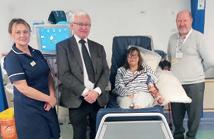
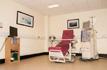
As part of our continued engagement with parliamentarians, we were able to organise a visit with Martin Vickers (MP for Brigg and Immingham) to the Grimsby dialysis unit where he spoke with Mike May, the Chair of the Humberside KPA, and patients. The visit provided an opportunity to raise awareness of the challenges faced by people living with kidney disease and to highlight the support available through the National Kidney Federation.
As part of our continued engagement with parliamentarians, we were able to organise a visit with Martin Vickers (MP for Brigg and Immingham) to the Grimsby dialysis unit where he spoke with Mike May, the Chair of the Humberside KPA, and patients. The visit provided an opportunity to raise awareness of the challenges faced by people living with kidney disease and to highlight the support available through the National Kidney Federation.
During the visit, Mr Vickers spoke with patients receiving dialysis, listening to their personal experiences and the day-to-day realities of living with kidney disease. Patients described the physical and emotional impact of treatment, the challenges of balancing dialysis with work and family life, significant transport issues, and the importance of services that recognise and respond to individual needs. Discussions also highlighted the importance of patient choice in dialysis treatment, including access to home-based therapies, which can help improve quality of life and provide greater independence for many patients.
As well as raising awareness to the importance of kidney disease and the need for a national strategy, the ‘Voices to Vision’ project to codevelop a community informed national strategy is underway.
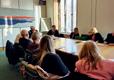
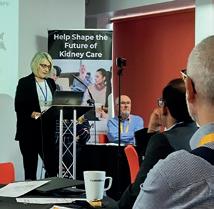
The Voices to Vision listening events have taken place in Birmingham, Leeds and Bristol with virtual events held for London and the East of England and Devolved Nations. These events have been well attended from across the sector with patients, carers, families, health care professionals, clinicians and commissioners all coming together to discuss the priorities for improving kidney care. A programme of work is now underway to collate information gathered at these events as well as considering further opportunities for input and more information will be available on our website.
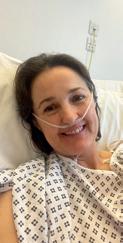
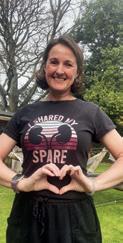
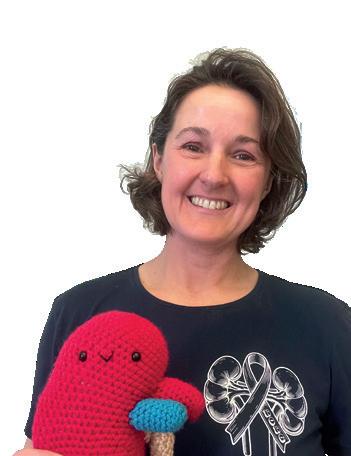
My Living Donor Story by Kate Adams
We know that people needing a kidney transplant often wait far too long. Altruistic donation is a remarkable gift and this is a remarkable story of making a difference through selflessness, courage and kindness. Kate is keen to raise awareness of altruistic kidney donation and this is her story in her words.
Single for the first time in 26 years, I had a goal: to feel good about myself. As a 48-year-old primary school teacher who enjoys long walks, the gym and swimming, I am very ordinary. Yet I had the opportunity to do something extraordinary.
What began as a chance encounter between a 24/7 single dad and a divorced mum of three became two people navigating the unlikely world of living organ donation - before it was too late.
I first learned about living kidney donation over a decade ago, when a friend’s mum received a transplant from a non-matched friend through the kidney sharing scheme. With young children and life as a military wife, it was not the right time for me to embark on adventures of my own. But the seed had been planted, and I knew I would return to it when the time was right.
In the past two years, kidney health impacted people close to me: my niece was born with one kidney, and my Godson was diagnosed with Dent Disease. I started researching more about living with one kidney, about donation, about the risks involved - and began to consider whether it might be the right time to donate.
Last year, with my children now young adults and the full support of my ex-husband, with whom I remain good friends, I needed to relaunch my self-esteem and decided to set myself a personal challenge: to pursue 50 fabulous things before turning 50. At the top was one simple but significant goal - do something genuinely kind. Something meaningful.
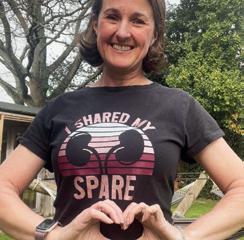
That long-held seed of an idea had grown into a lifechanging decision: to become an altruistic anonymous living donor. I was ready to ‘share my spare’.
Then I met someone who unexpectedly transformed my donation story.
After briefly venturing into online dating, I was ready to concede it wasn’t for me when I matched with someone who changed everything. I never expected to meet someone on dialysis. He never expected to me to have a goal of living donation. And not even our consultants expected us to match as well as we did - quite literally at a cellular level.
It is bizarre to have met my directed recipient on a dating site. It’s certainly not what I was looking for! But I truly believe it was meant to happen. Despite quickly agreeing we lived too far apart to date, we connected easily. Conversation flowed and revealed an extraordinary number of coincidences: growing up in the same area, shared life experiences and even mutual connections and crossed paths through our lives. We quickly developed a genuine friendship.
He talked openly about living with declining kidney health for over a decade and his four challenging years on dialysis. Already wanting to become a living donor, the decision to change from altruistic donation to entering the sharing scheme was simple and obvious to me. Which is how I found myself with a fish and chip supper last summer, sitting on a beach where we had both spent much of our childhood, explaining that - if given the choice between dating or donating - I knew I was meant to donate.
Understandably shocked, he quickly saw how determined I was. I accepted the risks … of surgery, of the emotional impact of making this choice. I’d had a goal to feel better about myself – but now I hoped above all for a good outcome for him: to receive a transplant before his health failed further and ultimately, to have the chance to see his son grow up.
The testing process that followed was thorough. I was delighted to learn that I had two very healthy kidneys with an eGFR of 123 ml/min and 47.5 / 52.5% split: they were - quite possibly - the diamond in what sometimes feels like an increasingly rough body! But beyond determining my viability as a donor, the process gave me something unexpected: a genuine sense of body confidence in the truest sense - not in looks, but in health. I realised how rare it is to truly know that your body is functioning well. That knowledge felt like a privilege. It gave me a wonderful perspective on how fortunate I have been – to be healthy raising my children, to support my ex-husband through illness, and to continue in a demanding but rewarding career. At that stage, especially given the chance nature of how we met, I fully expected to join the donor pool and be matched through the sharing scheme. I just knew he needed the best possible kidney in terms of both function and compatibility, within a limited timeframe. Knowing mine could help someone, I was more sure than ever that I wanted to proceed.
Then came the result no-one - not our co-ordinators, nor my recipient’s consultant, not even us - expected.
Our tissue typing revealed we were a 001 match - as close to perfect as he was ever likely to find. His consultant later remarked that not only was my kidney the best quality he might hope to receive, but that our compatibility made a direct transplant his best possible chance of a successful outcome.
Suddenly, I was in a position to offer not just a kidney, but the best opportunity for a healthy future.
I was already committed to donation and would have been honoured to donate altruistically, never knowing the outcome. Meeting him simply focused my efforts and brought the joy of another dimension - to see firsthand the impact my donation could make not only to his health, but to his son, his family, and his friends. It wasn’t why I chose to donate. But it has shaped my experience in ways I could never have imagined.
By this stage, coincidences should not have been a surprise. But it felt serendipitous when we finally heard our surgery would take place on March 12th this year – World Kidney Day.
The moment his new kidney was connected, it began working immediately. For the first time in four years, he produced urine. Since the transplant, his progress has been remarkable. Despite a few setbacks around his incision healing, his kidney function has improved dramatically, his blood results are strong, and he is recovering well. We both are.
Before the transplant, he was struggling: no urine output, less than 2% kidney function, and creatinine levels at 800+ for over four years. Now, his health has improved beyond our wildest dreams: his kidney function is over 80%, and his creatinine level is 96.
That ‘spare’ kidney was wasted on me! I had two healthy kidneys with great function … I am completely well with one. We both are. And sharing my spare has given my recipient the opportunity to go from surviving to thriving. Living organ donation has changed both our lives.
So was I right to donate, not date? It’s clear to me that we were meant to meetnot for a relationship, but for something greater. For life. He now has the best possible chance to watch his son grow up.
And me? I am a little older, hopefully a little wiser, and with a new scara beautiful addition to the rich tapestry of my life.
If I think right back to where this all started, I wanted to feel better about myselfand I truly do. There is no greater feeling than knowing that my decision has given someone else a new lease on life. I am still single - although I think it’s best I stay away from dating websites!
I feel incredibly fortunate to have become a Living Donor. But I am very aware that my swift decision to donate directly was only achieved because I already knew donating a kidney is possible. Which is why I am happy to share my story: it might raise an eyebrow, perhaps make someone smile - or even scoff, but it could spark a conversation, or even plant a new seed of an idea in someone else’s mind - that could one day grow into another living donation story, another life saved.
And that would be extraordinary.
World Kidney Day
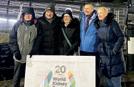
A huge thank you to everyone who was involved in World Kidney Day, which this year was on Thursday 12th March.
From the clinicians who were attending UK Kidney Week, to hospital staff across the country, to the amazing KPAs out in renal units and supermarkets, and to everyone at home who helped shine a light on kidney health, you’ve all made a real difference.
Together, you helped bust myths, start important conversations, and get kidney disease on people’s radar.
Remember, you can keep sharing the kidney facts all year round by visiting the World Kidney Day UK website. Every conversation helps raise awareness and support better kidney health awareness for everyone.
www.worldkidneyday.co.uk/get-involved/
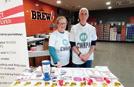
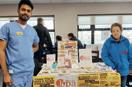
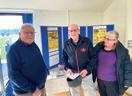
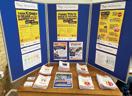
Exeter & District KPA stands providing information on chronic kidney disease at the Frank Bond Community Centre in Bishops Hull on 12th March and the Bishops Hull Hub Community Cafe on 14th March. We were able to explain the causes and symptoms of CKD and give information leaflets to people visiting the stands throughout both days.
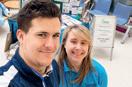
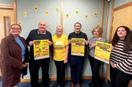
Chris Talbot and Andrea Brown Coventry and Warwichshire KPA Gloucestershire KPA
NKF Office Staff celebrating Royal London Hospital KPA
Tyneside KPA shining a light.
Exeter and District KPA
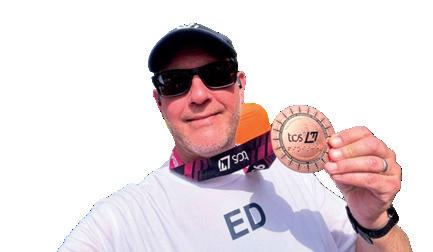
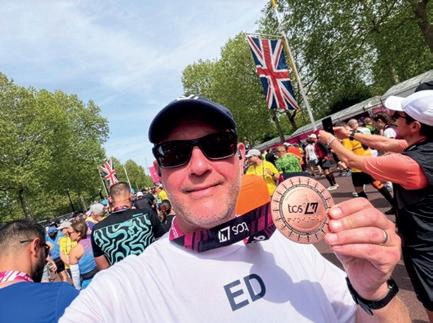
Runner Ed Gorman Takes on 2026 London Marathon for the National Kidney Federation
The National Kidney Federation (NKF) are delighted to share that our long-standing supporter and Ambassador Ed Gorman completed the 2026 London Marathon on 26 April on behalf of the charity.
After an incredible 12 consecutive years of being unsuccessful in the public ballot, Ed secured the NKF’s one and only charity place for the iconic event and finally ran in his hometown marathon for the very first time.
The 2026 race marks Ed’s 17th marathon in support of the NKF, adding London to an impressive list that includes Paris, Barcelona, Madrid, Rome, Milan, Copenhagen, New York, Southampton, Lisbon, Valencia, Brighton, Chicago, Geneva, Berlin, Manchester and Cologne. Over the years, many friends, family members and colleagues have supported his fundraising efforts — helping him make a meaningful difference for kidney patients across the UK.
Ed’s connection with the NKF dates back to 2010, when his father-in-law became one of the UK’s very first “pooled” kidney transplant patients. During that pioneering time, the NKF provided vital support and information to the family before and after the transplant. Inspired by that experience, Ed began running marathons to raise funds for the charity, raising more than £4,000 in his first fundraising marathon in Paris in 2011 alone.
Charity places in the London Marathon are highly sought after, and the NKF awards just one place each year. The charity is proud to have Ed represent the NKF in 2026 and is incredibly grateful for his continued dedication and commitment.
Of his experience Ed told us: “I’m so happy and proud to have completed the London Marathon in support of the National Kidney Federation. It was an incredible experience, and even more meaningful knowing I was running to support a charity that is so close to my heart. A huge thank you to everyone who has supported me so far. Your encouragement and donations have meant the world.
If you’d still like to contribute, there’s still time to donate here: www.edgorman.co.uk
Funds raised will help the NKF to continue providing its free national Helpline, patient information, peer support services and advocacy for the 7.25 million people affected by kidney disease in the UK.
Every donation, large or small, will directly support kidney patients and their families.
Well done Ed, what a superstar!
“ People who have participated in London before had told me that it was an experience like no other; the atmosphere, the runners, the crowds lining the streets, would all be like nothing you have ever seen before, and I can honestly say: they are not wrong! Regular readers will know that I completed the New York Marathon back in 2018, and when you drop off the Queensboro (Ed Koch) Bridge on to First Avenue the roar from the crowd just seems to drag you all the way up to Harlem.. Well, it was like that EVERY METRE of the London Marathon – so incredibly inspiring! There was certainly no need to wear the bone-conductor headphones that I had on!
Here are the important details:
Watch Time: 4h 42m 23s
Phone Time: 4h 42m 31s
Chip Time: 4h 42m 06s
I placed 34390th overall, and 22706th in my category.
I want to say a massive thank you to all the supporters along the way – if you are ever of a mind to do one of these marathon things, I would strongly suggest that you have your name emblazoned on the front of your running shirt, as, believe me, when the crown yell and chant your name it gives you such a boost! I’ll be honest, there were times when I assumed Ed Sheeran was running next to me as I couldn’t believe the roars of my name were actually for me!
Special thanks go out to Karen, Theo, Ellouise, Nico, Dewi, Tom, Olivia, and Jenni who all came out to support me, my big sis, Vicky, and my nephew, Ben, as we made our way round the course. And extra special thanks go out to my mum, Cathy, and my little sis, Lu, who flew in from Spain to see all three of us compete this “family event”! ”
Changing Roles and Working Hard for Kidney Patients
Kirit Modi MBE has recently been appointed patron of the NKF. He has been involved in supporting kidney patients since his first kidney transplant 25 years ago. As his role changes Kirit describes his work with the NKF and LAKPA as well as two organisations - National BAME Transplant Alliance (NBTA) and Jain and Hindu Organ Donation Alliance (JHOD) which he co-founded.
Living with kidney disease changes you. It certainly changed me. I received my first kidney transplant 25 years ago, and since then my life has taken directions I could never have imagined. What began as a personal journey of survival gradually became a commitment to stand alongside other kidney patients, to speak up when needed, and to help improve the system we all depend on.
In March this year I was deeply honoured to be appointed a patron of the National Kidney Federation (NKF). It felt like a moment to pause and reflect - not just on titles or roles, but on the people I have met over the years: fellow patients on dialysis, transplant recipients, families waiting for answers and communities who still face barriers to timely care. Everything I do comes back to them.
My journey with the National Kidney Federation
I joined the executive committee of the NKF 17 years ago. At the time, the charity was much smaller, operating from a house with limited staff and resources. Even so, it carried an enormous sense of purpose - a determination to speak up for kidney patients when few others were doing so.
Over the years, I have served as Chair and Honorary President, and witnessed the NKF grow into a strong, respected national organisation representing 54 Kidney Patient Associations. Today, it is supported by a dedicated team, purpose built accommodation, and committed Executive members who work tirelessly for patients.
One area of work that has always mattered to me is advocacy. The NKF acts as the Secretariat to the All Party Parliamentary Group on Kidney Disease (APPKG), supporting Members of Parliament to understand the realities of living with kidney disease so they can raise issues in Parliament and with ministers. This work can feel slow at times, but persistence matters.
For many years, the NKF consistently supported opt out organ donation (deemed consent). Seeing that legislation pass - first in Wales, then across the UK - was a significant moment. However, legislation alone is not enough. As patients, we know that real change only happens when people understand the system and feel confident in it. There is still work to do to ensure the law delivers the impact we all hoped for.
I am particularly proud to have been involved in three APPKG Manifestos supported by the NKF: one focused on improving kidney donation and transplantation for Black and Minority Ethnic communities, one on living kidney donation, and most recently on increasing home dialysis. These publications helped shape national thinking, although progress was badly disrupted by Covid. As patients, many of us felt the impact of that disruption very personally.
Supporting ethnic minority communities: NBTA
Living with kidney disease taught me very early that not everyone experiences the system in the same way. Together with Orin Lewis OBE from the African Caribbean Leukaemia Trust, I co founded the National BAME Transplant Alliance (NBTA) in 2011 to help address inequalities faced by ethnic minority communities in organ, blood and stem cell donation.
In the early days, NBTA was an informal group of individuals and organisations driven by shared commitment rather than funding or structures. It was not easy to be heard, but over time we built trust and credibility. Our guiding principle was simple: the right message needs to come from the right messenger.
NHS Blood and Transplant supported this approach by commissioning NBTA to pilot community led work. I led the Living Transplant Initiative, which funded ethnic minority community groups and carefully evaluated impact. That model now underpins the national Community Grants Programme, led by NHS Blood and Transplant (NHSBT) which supports projects with an annual budget of around £700K.
Today, NBTA works in formal partnership with NHSBT, focusing on research, communications, public engagement and recognising organ donors. It has been a privilege to continue as Honorary President, working with colleagues who are driven not by status, but by the desire to save and improve lives — lives like ours.
Staying grounded through LAKPA
No matter how national my work has become, my heart remains firmly with local kidney patients. I was diagnosed with kidney disease nearly 30 years ago and referred to the Lister Hospital in Stevenage, which remains my renal centre today.
The Lister Area Kidney Patients Association (LAKPA) supports around 2,000 patients across dialysis units and transplant services. I have had the honour of serving as Chair for many years, supported by a committed committee who understand kidney disease not just professionally, but personally.
One of our proudest achievements has been campaigning successfully for investment to transform renal services at the Lister Hospital. After many years of effort, funding has now been secured to improve home dialysis services - something that can make a life changing difference to patients and families.
What makes LAKPA special to me is its relationship with a wide range of staff within the Trust. We work closely, respectfully, and honestly, as critical friends. Our focus for the coming year is wellbeing: emotional support, counselling, social work, dietetics, peer support, and better services for young kidney patients. I never forget how overwhelming kidney disease can feel especially at the beginning and how important it is to feel seen and supported.
Faith, culture and JHOD
Faith and culture play a powerful role in how people think about organ donation, particularly within ethnic minority communities. This understanding led to the creation of the Jain and Hindu Organ Donation Alliance (JHOD).
In 2018, after a conversation in Parliament with Lord Jitesh Gadhia, we brought together members of the Hindu and Jain communities to talk openly about organ donation. There was an immediate sense of momentum. Thirty people volunteered to form a steering group, and together we built something meaningful.
We worked across England, developed culturally appropriate resources with NHSBT, and held regular events in Parliament. In 2022, JHOD became a registered charity with a clear strategy and growing partnerships, including work with hospitals and local councils.
I stepped down as Chair in 2024, confident that the organisation will be in safe hands, with Prafula Shah taking over as Chair. I continue to support it as a member of the Advisory Board and am now working with NHS Blood & Transplant to explore how this faith led model can help other communities too.
Looking forward
Living with kidney disease has taught me resilience, patience and the importance of solidarity. I have never forgotten what it feels like to sit in for an appointment to see a nephrologist, to wait for a transplant, or to navigate uncertainty. Every role I have taken on has come from that place of lived experience.
If there is one thing I hope readers take from my story, it is this: patients’ voices matter. When we speak, organise and support one another, change is possible - even if it takes time.
Orin Lewis, OBE, CEO & Cofounder of ACLT told us about working with Kirit
“For the best part of the past two decades I have worked closely with Kirit, firstly as a documenter via the ACLT of his kidney transplant journey and latterly mainly as a shoulder to shoulder colleague and equal leading the work of the NBTA (National BAME Transplant Alliance).
His devotion is second to none in ensuring that all kidney disorder patients, especially those from ethnic minorities get equal and timely access to life saving transplants. I love his passion and refusal to accept or endorse second hand logistics, processes that end up marginalising patients and communities based upon the colour of their skin or religious beliefs. He is the ultimate warrior, who through his life journey as a transplant recipient, not only ‘talks the talk but also walks the walk’.”
The COBALT Study Results:
Cardiorespiratory
Optimisation
By Arteriovenous
Fistula Ligation after Transplantation
Kidney transplantation is the best form of treatment for most patients with kidney failure. Although outcomes from transplants are very good, people with a working transplant do not generally live as long as the general population, with a fifth of transplant patients dying from heart disease.
Patients often require dialysis before they receive a transplant, and for this may need an operation to create an ‘arteriovenous fistula’, in which a vein in the arm is joined onto an artery. Once created, the fistula vein expands and the blood flow through it increases. While this is ideal for dialysis, the increased blood flow means the heart works harder. Although not proven, these changes to the heart may contribute to extra deaths from heart disease. It is estimated that about one quarter of kidney transplant recipients still have a working fistula and there is no clear guidance on how fistulas should be managed after transplantation.
The COBALT study team wanted to investigate whether patients with good kidney transplant function could benefit from having their arteriovenous fistula disconnected. It would take a large trial to get a clear answer to this question. So we first ran this feasibility study involving a small number of patients to see how patients found taking part in the trial.
The study took place in 6 of the UK kidney transplant centres between 2022 and 2023. 40 patients took part, and they were randomly assigned to have their fistula left alone or to have it disconnected.
At the start of the trial, all patients underwent an exercise test and wore an activity monitor, which provided a measure of how fit they were and how well their heart worked. Patients randomised to surgery had their fistula disconnected afterwards. The exercise and activity monitor tests were repeated six months later
to show whether there was any benefit to patients from having their fistula disconnected. Participants also completed ‘quality of life’ questionnaires, to investigate whether fistula disconnection made an improvement in participants’ well-being.
The trial proved more difficult to run than expected, for several reasons:
1 Although we believe there are a large number of transplant patients still with working fistulas, transplant centres did not hold records of these patients, making it difficult to identify who to invite to take part.
2 Patients had relatively fixed views about their fistula. Patients were either happy to leave their fistula in case they needed it again when their transplant failed, or had anxieties over their fistula, perhaps due to symptoms it caused or to the risk that it may rupture. This made it difficult to recruit open-minded patients who were comfortable to be randomised to either keep or disconnect their fistula. Several patients who were randomised to surgery changed their mind about having the operation as it approached.
3 More patients than anticipated could not reach their maximum effort level on the exercise test, which was crucial to give the most accurate measurement of how well their heart was working. Only about half managed to get to their maximum effort level.
Professor Gavin Pettigrew
For all these reasons, less than three-quarters of the trial participants completed the surgery and all trial follow-up investigations. This is below the target we had set ourselves to indicate that we could move to the bigger trial.
Although the number of participants was relatively small, the results we obtained do look promising that disconnecting fistulas has a beneficial impact on the heart function of recipients. One of the blood markers we measured that indicates how overstretched the heart is fell quite dramatically in most participants who underwent fistula disconnection. Most patients who had their fistula disconnected also reported better physical quality of life.
One of the COBALT participants had the following to say about their experience of the study:
“As a transplant patient, I had become interested in improving my physical health as a way of protecting myself against becoming seriously ill should I catch Covid-19. A chance conversation with a doctor while I was having my first vaccination, in which he explained that it’s estimated that my fistula could be making my heart work around 10% harder as a result of short-circuiting my cardiovascular system, made me curious about the possibility of having the fistula removed as a way of improving my physical health and athletic performance. Thus, when an opportunity to take part in the COBALT study arose, I was very keen to get involved. At around the same time I had joined the Addenbrooke’s Transplant Games Team and was training in advance of taking part in the 5k Road Race and 1500m run, so anything that might potentially help me run quicker was very welcome!
I was lucky enough to be selected for the ligation arm of the study and had the surgery in May 2022. The surgery itself was relatively straightforward, the biggest complication was being that I was unable to bend my arm for several days due to the compression bandaging and discovering that I’m not very good at cleaning my teeth with my ‘wrong’ hand! There was a bit of vascular pain for a few days after the bandages were removed but in the longer term I’ve been left with a beautifully restored arm with nothing more than a couple of small scars to show for the surgery, a great contrast to the sizeable fistula that was there before the ligation.
I have continued to compete at the British Transplant Games, becoming the British champion in my age category for the 5k road race in Oxford this year, and was selected to represent Great Britain at the World Transplant Games in Dresden in August, coming 6th in my age category. I will never know how much of this success is due to the ligation of my fistula and consequent changes to the strain on my heart, but I am still very grateful for the opportunity to take part and also to have my arm restored to how it was before I went onto dialysis.”
Completing the trial was not always straightforward for patients, and we would likely encounter the same issues in a larger trial. Based on the results of the COBALT study, we believe a larger trial may not provide strong evidence of any benefits or disadvantages of disconnecting fistulas in kidney transplant patients.
“These studies are funded by the NIHR Research for Patient Benefit programme (PB-PG-1215-20033 and NIHR202255). The views expressed are those of the author(s) and not necessarily those of the NIHR or the Department of Health and Social Care.”
Charlotte Hickman
Eashan’s Gift: A Life of Kindness That Gave Two Kidney Patients a Second Chance
For anyone living with kidney disease, the word transplant carries enormous weight. It represents freedom from dialysis, a chance to feel stronger, and hope for the future. That hope depends entirely on organ donors—people whose generosity continues even after their death. One of those donors was Eashan Madan, a 27 year old man from Hope valley whose donated kidneys gave two people with kidney failure an opportunity to live differently.
Eashan had Down’s syndrome and lived a full, creative and independent life. When he died following complications during surgery for a rare heart condition, his family honoured his wishes and supported organ donation. Through that decision, Eashan’s kidneys went on to transform the lives of people he never met - people likely living with advanced kidney failure, dialysis schedules, and uncertainty about tomorrow.
For the kidney community, his story is deeply familiar and meaningful.
Life with Purpose and Joy
Eashan’s family describe him as someone who lived simply and generously. He was known for his warmth, his humour and his ability to make others feel included. These were not abstract qualities; they were reflected in how he lived every day.
He attended Talbot Specialist School, where he was twice elected to the student council - an early sign of his confidence and the respect he earned from peers. He also took part in the National Shakespeare Festival, showing a love of performance and storytelling.
Eashan went on to gain qualifications in Maths, English and Catering at Sheffield City College. He completed his Silver Duke of Edinburgh Award and achieved a National Citizen Award, milestones that reflected both independence and determination.
Work mattered deeply to Eashan. Through Project Choice and with support from the Down’s Syndrome Association’s WorkFit programme, he completed an NHS internship and worked as a cleaning assistant at Sheffield Railway Station and as a customer service assistant at the Carriage House Café at Chatsworth. He was proud of his responsibilities and routines. He wanted to contributeand he did.
During the Covid pandemic, he volunteered at a local foodbank, helping those who were struggling. Helping others came naturally to him.
Creativity, Community and Friendship
Outside work, Eashan’s life was rich with creativity. He loved music and was a talented DJ, performing with his band, the Clubland Detectives, and DJing at venues including the Leadmill in Sheffield under the guidance of Under the Stars team. Music was not just a hobby - it was how he connected with people.
He was also an artist, working with Artworks and Flycheese Studio, where he helped create animated films. Friends remember his smile, his confidence, and his ability to put people at ease. He enjoyed socialising, dancing and being part of a lively, inclusive community.
For those who knew him, Eashan’s life was not defined by Down’s syndrome, but by joy, effort and generosity.
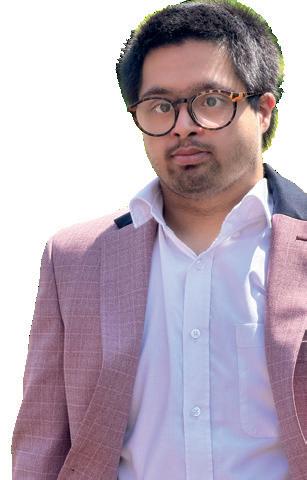
Eashan working at Chatsworth House
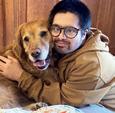
Eashan with his dog Phoebe
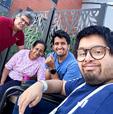
Eashan with his family
A Simple Decision with Life Changing Consequences
In 2018, Eashan made the decision to join the NHS Organ Donor Register. It was a quiet, practical step - one that did not draw attention at the time. Yet that decision later became one of the most powerful things he ever did.
When Eashan died last summer, his organs remained viable. Because he was registered as an organ donor, and because his family supported his wishes, both of his kidneys were donated for transplantation. His liver also saved a life, and his pancreas was donated for research.
For two people living with kidney failure, Eashan’s kidneys meant far more than surgery and represented an escape from the demands of dialysis, the possibility of increased energy, and the chance to regain independence. For their families, his donation likely meant relief, stability and time - something kidney disease so often takes away.
Thousands of people in the UK are waiting for a kidney transplant. Every additional donor reduces waiting times and gives people the chance to live more fully.
Eashan’s story matters because it shows that donors come from all walks of life—and that assumptions about who can donate are often wrong.
Challenging Assumptions
There is a common misconception that people with Down’s syndrome or learning disabilities cannot be organ donors. Donor suitability is determined by the health of the organs at the time of death, not by disability.
Eashan’s kidneys were healthy, and because of that, two people received the gift of a transplant. His story is a powerful reminder that eligibility should never be decided by assumption.
His family also want to highlight the urgent need for more organ donors from ethnic minority backgrounds. People from these communities are more likely to need a kidney transplant and often wait longer due to difficulties in matching. Eashan, who was British Indian, was one of a small number of donors from an ethnic minority background last year.
“Adults with Down’s syndrome can lead independent lives and contribute meaningfully to society. Eashan showed that,” said Dad Sanjeev who is an Orthopaedic Surgeon. “We also want people to understand that they can give life to others.”
More donors mean better outcomes for kidney patients across the UK.
Eashan’s family speak openly about their grief, but they also describe the comfort they find in knowing that parts of him continue to give life. As his brother Rishin said, supporting organ donation did not lessen their loss, but it gave meaning to an unbearably difficult moment.
“Eashan was one of the kindest human beings, who dedicated all his life to helping his special needs school friends and would proactively reach out to help anyone.” Mum Suvira, a Consultant Geriatrician explained. “His approach was to be happy, enjoy life, help others and see the beauty in everything. He was our teacher in all respects and has left a strong legacy of dedicating our lives whilst we are living to helping others. And even after death, to help mankind and save lives through organ donation. Eashan is our hero.”
For the Kidney Life community - patients, carers, families and clinicians - Eashan’s legacy is clear. He was someone who lived kindly and gave freely. In death, he gave two people the chance to live without dialysis, and a chance to hope again.
Because of his kidneys, Eashan’s life did not end. It continuesquietly, powerfully - in the futures of others.
Best Foot Forward –It’s Not Too Late to Join!
A huge thank you to everyone who has already taken part in Best Foot Forward—we’ve seen some truly amazing fundraising efforts so far!
The good news is… it’s not too late to get involved! Due to the fantastic response, we’ve extended registration into May and June.
With warmer weather and lighter evenings, now is the perfect time to get moving—whether that’s walking, running, or simply taking more steps each day. Every step you take helps support kidney patients and their families.
Sign up today: https://www.kidney.org.uk/bff2026
Let’s keep the momentum going and make this our biggest year yet!
Take on a Challenge with the NKF!
Looking for your next challenge? Whether it’s running a marathon, trekking mountains, cycling across countries or even doing a skydive, there’s something for everyone with NKF events!
From local runs to incredible overseas adventures, every event you take part in helps raise vital funds to support kidney patients and their families across the UK.
Find your challenge and sign up today: https://www.kidney.org.uk/Pages/Events/Category/event
However you choose to get involved, you’ll be making a real difference.
Become an NKF Member –Make a Difference Every Month
By becoming a member of the National Kidney Federation, you’ll be helping us continue to provide vital support to kidney patients and their families across the UK.
For just a small monthly donation of £3, you can help fund essential services like our Free Helpline, Peer Support Service, and patient information—support that so many people rely on every day.
Your membership also helps us campaign for better care, raise awareness, and ensure the patient voice is heard where it matters most.
Join today: https://www.kidney.org.uk/member
Together, we can make a real difference.
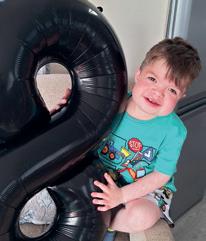
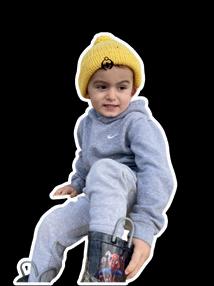
“By considering leaving a legacy gift to the NKF, you could be helping support families like ours and people like our little Jack, who has kidney issues.” - Maz
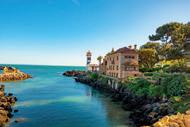
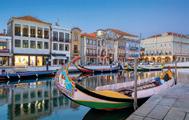
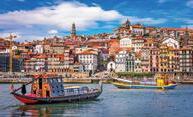
Hello, I'm Marta Olim, coordinator of d.Holiday in Portugal.
I suggest four destinations: Cascais, Aveiro, Porto and Amarante.
A mix of beach, mountains, and countryside, which illustrates Portugal's strongest point: diversity within a short distance.
We take care of everything: from hotel to transfers, restaurants and cultural tours. We can organize the entire trip for you, your family, or for a group.
Portugal is waiting for you!
Contact me by phone, whatsapp or email.
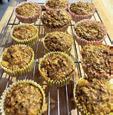
Carrot, Oat and Apple Muffins
This recipe is in the Taste! recipe book which is available from the NKF’s online shop.
My muffins didn’t rise quite as much as I’d hoped but they were super tasty and as I doubled up on the cinnamon and used fresh apples they smelled amazing as they were cooking. If you make them and they rise send me a picture and we’ll publish it – good luck!
Ingredients
• 175g self-raising flour
• 100g porridge oats
• 60g soft light brown sugar
• 1 tsp bicarbonate of soda
• 1 tbsp mixed spiced
• 1 tsb ground cinnamon
• 200g grated carrots
• 4 eggs
• 100ml semi-skimmed milk
• 125g apple sauce
Ready in about 40 minutes Makes 12
Wordseach - May 2026
Method
1 Preheat the oven to 190oC, fan 170oC, gas mark 5, and line a 12 hole muffin tin with muffin cases.
2 Tip the self-raising flour into a bowl, add the oats, sugar, bicarbonate of soda, mixed spice and cinnamon and mix really well.
3 Add the grated carrot and stir until coated in the flour mixture.
4 Crack the eggs into a second bowl and beat until smooth. Add the milk and apple sauce and stir really well.
5 Pour the egg mixture onto the dry mixture and mix until just combined - the trick to a muffin is to not over beat it.
6 Divide between the muffin cases and bake in the oven for 15-18 minutes until risen and golden brown. To test the muffins are cooked through, just press lightly on the top and they should spring back gently, if not, return to the oven for another 5 minutes and check again.
7 Remove and allow to cool in the tin for 15 minutes before turning out.
8 These freeze really well - simply transfer to a sealable container and place in the freezer for up to 3 months. Defrost at room temperature and enjoy!
EVENT 2nd & 3rd OCT 2026
My donation towards the work of NKF
Please tick if you are eligible to gift aid your donation