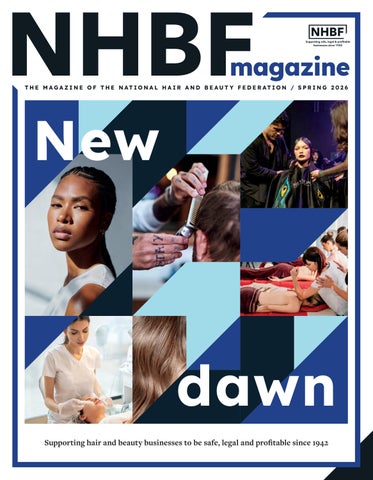
New








THE
One Abbey Court
Fraser Road
Priory Business Park
Bedford MK44 3WH 01234 831965 nhbf.co.uk
CHIEF EXECUTIVE
Caroline Larissey
HEAD OF SALES AND MARKETING OPERATIONS
Farooq Ali
Farooq.ali@nhbf.co.uk
EDITORIAL
Farooq Ali
Farooq.ali@nhbf.co.uk
ADVERTISING marketingteam@nhbf.co.uk 01234 831965
Designed, printed and distributed by
ART
Senior Designer Seija Tikkis Picture researcher Jessica Marsh
PRODUCTION
Production director
Jane Easterman
Account director
Joanna Marsh
joanna.marsh@redactive.co.uk
PRINTER
Manson Group, St Albans
COVER iStock/Shutterstock
© The NHBF 2026 ISSN 1756-6347
All views expressed in NHBF Magazine are not necessarily those of the NHBF. All efforts have been taken to ensure the accuracy of the information published in NHBF Magazine. However, the publisher accepts no responsibility for any inaccuracies or errors and omissions in the information produced in this publication. No information contained in this publication may be used or reproduced without the prior permission of the NHBF.
Recycle your magazine’s plastic wrap. Check your local LDPE facilities to find out how.
See what’s on show at this year’s event
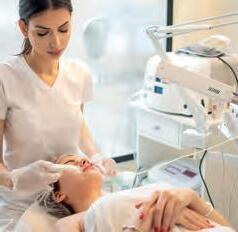

Is your barbershop ready for the rise in male grooming?
The latest news from the world of barbering
Ensuring your voice is heard as the government plans regulation
Champion is ready
tips and tricks from our influencers
Respect in action Caroline looks back at the last quarter
60 secs with... Richard Marshall MBE
There is something quietly powerful about spring. After winter, the world shifts – longer days, warmer nights, and a sense of new beginnings. It’s a season that invites fresh thinking and forward momentum.
That energy fits this edition.
We reflect on a significant quarter. Respect Live 2026 brought our community together and showed the strength of our
New ideas, new energy, and a renewed focus on what matters most
WELCOME

collective voice. My personal reflections on that moment –and what respect means across our sector – are inside.
We also share the NHBF Manifesto: five clear priorities for government on tax, employment costs, skills, regulation and local growth. Built from your feedback, it turns your voice into action.
For aesthetics, we cover key updates on England’s licensing framework, Scotland’s new legislation, and our work to support fair career pathways.
You’ll also find expert advice and industry insight throughout.
These are not easy times. Many of you are running businesses under real pressure. That makes our support more important than ever.
Spring is here. Let’s get on with it.
Caroline Larissey NHBF Chief Executive




OUT & ABOUT
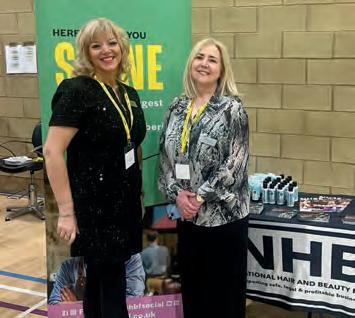
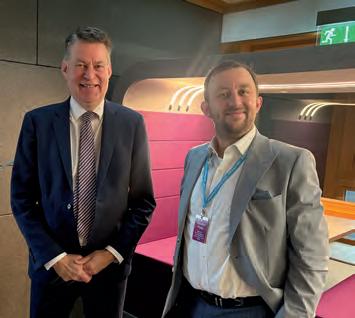



Top: NHBF at the Concept Hair Learner of the Year Awards, Telford. Bottom: Sam Silver, Head of Policy & Public Affairs at Scottish Parliament
The NHBF Manifesto sets out five practical asks to Government on tax, employment costs, skills, regulation and local growth. Built from Member feedback and the Respect Our Sector campaign, it makes the case for hair and beauty to be treated as a serious economic sector
The NHBF launched its new Manifesto with a clear message to Government: hair and beauty must be taken seriously as a jobs, skills and growth sector.
That is the purpose of Respect Our Sector. It is about making sure policy reflects the real shape of our industry: a sector made up largely of small and micro-businesses, rooted in local communities, creating employment, training new talent, supporting high streets and delivering services people value every day.
For too long, major
policy decisions have been made without a proper understanding of how our sector works in practice. The result is a growing gap between what Government expects from businesses like ours and what many businesses can realistically absorb.
The Manifesto is designed to close that gap. It sets out five practical priorities, each grounded in member feedback and survey evidence. Together, they form one consistent argument: if Government wants growth, jobs, skills and thriving local economies, hair and beauty must be part of the plan.
Respect Our Sector: why the NHBF Manifesto matters to you
A fairer tax system
VAT remains one of the biggest concerns raised by members and it has been a long-running NHBF campaign. Many businesses feel trapped by the burden of VAT and by a system that can make growth feel like a penalty rather than a reward.
When businesses are held back from expanding, taking on staff or reinvesting, the whole sector loses out. When the NHBF last asked the sector about its priorities the response showed the strength of feeling: with the majority respondents choosing ‘reducing VAT’ as the most helpful tax change Government could make.
That is why the NHBF is calling for a serious review of how VAT works for labourintensive service sectors like ours. We are not arguing for just one fix. We want Government to look properly at the full range of options, including an overall VAT rate reduction, a change of threshold and if possible wider reform to create a fairer system.
Support our sector
The second priority announced at Respect Live was relief for labour-intensive employers. Hair and beauty is a people business, and in much of the sector wages and wage-related costs make up the largest share of spending.
In our Spring State of the Sector Survey, 325 businesses said those costs account for between 50% and 75% of their total costs. That explains why increases in wage bills, National Insurance and other employment costs hit this sector so quickly and so hard. Businesses are not saying staff should not be paid fairly.
If Government
growth,
wants
jobs, skills
and thriving local
economies, hair and beauty must be part of the plan
They are saying the speed and weight of cost increases are becoming too much for small employers to carry. Survey evidence shows these pressures are already affecting decisions, with businesses increasing prices, delaying recruitment, cutting hours and, in some cases, moving away from employed models altogether.
The NHBF is therefore calling for targeted relief and a slower, more manageable approach to future cost increases, so businesses can continue to employ, train and grow.
Skills and apprenticeships
The NHBF has also recommitted to rebuilding the skills and apprenticeships pipeline.
Hair & beauty has long provided first jobs, practical learning and long-term careers, but that pipeline is now under strain. In the latest manifesto evidence, only nine businesses said they would definitely take on an apprentice.
The problem is not a lack of belief in training. It is that the current system has become harder for small employers to afford. Businesses that once trained the next generation now feel the costs and risks are too high, while repeated governments have too often failed to treat the sector as a proper skills priority.
The Manifesto argues for practical reform: targeted cash incentives for SMEs, better access to unused Apprenticeship Levy funds and rules that work better for small and micro-businesses. This is about protecting future talent and keeping genuine career pathways open.
Future of the high street
Hair and beauty businesses are not a side issue in local economies. They bring regular footfall, create jobs, support local suppliers and help keep town centres vibrant. Yet too often the sector is left out of wider conversations about regeneration and growth.
That is why the NHBF is calling for hair and beauty to be recognised as a serious part of local growth policy, with business rates reform, support on premises costs and proper inclusion in regeneration planning.
Scan to read the NHBF Manifesto

Hidden dangers being advertised in your clients’ feeds
Monitoring of adverts for non-surgical liquid Brazilian Butt Lifts (BBLs) and cosmetic surgery abroad revealed widespread irresponsible practices.
These include:
Claims that trivialise risk (e.g. “0% infection rate”)
Pressure-selling tactics using
time-limited offers
Messaging that exploits body image insecurities
Liquid BBL procedures remain unregulated in the UK and carry serious health risks, including infection, sepsis and embolism.
Your clients are seeing this content.
They may be drawn in by low prices and unrealistic claims – and often turn to trusted




The NHBF will continue pushing for regulation


The bigger picture
For the NHBF, this is an advertising, consumer protection and regulatory issue. Where high-risk procedures fall outside effective regulation, the following often increase:
Misleading advertising
Poor infection control
Lack of accountability
The NHBF continues to call for a stronger framework that protects consumers and supports trained, competent practitioners.
The UK Government is expected to introduce measures restricting high-risk procedures, including liquid BBLs, to suitably qualified, CQC-registered healthcare professionals.
Consumers are being bombarded with social media adverts promising dramatic results from non-surgical procedures. New findings from the Advertising Standards Authority (ASA) highlight a concerning level of non-compliance
salon or clinic professionals for advice. This places NHBF members in the position of addressing misinformation created by irresponsible advertising.
NHBF Chief Executive Caroline Larissey says: “This creates confusion about what safe, regulated procedure looks like. Your reputation, and your clients’ safety, depend on higher standards.”
The NHBF supports this direction, while emphasising that regulation must be:
Workable
Proportionate
Properly enforced
There must also be clear routes into practice for appropriately trained, nonmedically qualified practitioners.
If clients ask about procedures they’ve seen online: Encourage thorough research
Check practitioners’ qualifications and insurance
Discuss risks honestly Report misleading adverts to the ASA
The sector depends on trust – and the NHBF will continue pushing for regulation that protects consumers and supports professional standards.
Assured trusted suppliers
Being part of the NHBF doesn’t just keep you safe and supported – it also puts money back into your business. Our Assured Trade Members offer exclusive discounts, added value and access to trusted resources

Whether it’s saving on stock, scissors, software, insurance, training or utilities, these o ff ers are designed to help you:
● Cut costs on the things you’re already buying
● Free up time with smarter systems and expert support
● Grow your income through better tools, education and new services
● Every offer on this page is a real, practical membership benefit that supports cashfl ow, improves client experience, and strengthens long-term business health.
Remi Cachet
As an NHBF Member, you receive a £100 discount on any Remi Cachet Education Course and 50% off the Remi Cachet Colour Ring.


Setora Technology
As a valued NHBF Member, you receive 50% off a Setora subscription for the first three months.
Kleek Apprenticeships
As a valued NHBF Member, you could access up to £3,000* in Government apprenticeship incentive funding to support your business. *T&Cs apply.
The Manchester College Exclusive NHBF Member offer coming soon!
Here’s just a sample of what you can access today…
InSitu AI
Hyper-realistic colour and style previews for consultations.
15% off monthly / 30% off annual plans

Salon Supplies
Leading trade distributor offering everything from colour to furniture.
20% off first order + 20% off scissors
Denman Professional Iconic brush brand with precision tools trusted worldwide. 20% off with a professional account
Nuvo Accountancy
Hair and beauty-focused accountancy support. 10% off services

MTDUK
Free email service for education of MTD and what it means to your members personally. 15% off onboarding fee. 15% off final declaration

Alan Howard Family-run UK supplier supporting professionals since 1973.
VAT-free first purchase
ETS Corporate Specialists in salon exit planning, from valuation to completion. Free valuation + no upfront fees

The Payment People
Payment solutions, utilities and business funding under one roof. Free card machine + 12-month price freeze


Jensten Insurance Brokers NHBF’s trusted insurance partner with tailored sector cover. 10% off NHBF Member policies

Takara Belmont
Enjoy a complimentary Japanese Head Spa service demonstration. To redeem, email Katie@takara. co.uk quoting NHBF.


Aston & Fincher
Exclusive NHBF Member offer coming soon.
Timely Software
Time-saving booking software for seamless salon management.
50% off first three months

Clear Utility Solutions
As a valued NHBF Member, you get exclusive pricing rates.

Andrew Barton
Exclusive NHBF Member offer coming soon! Top professional brands with 50+ years of trusted service.
Exclusive NHBF Member offer coming soon!
WorkNest
WorkNest provides professional HR, employment law and health & safety support, helping salons and clinics stay compliant and confident. Get flexible Member rates tailored to your specific needs

Avlon Europe
Avlon Europe delivers highperformance professional haircare products, particularly known for textured hair solutions that support healthy hair and longterm results
Special Member discounts

Star IT Euro – digiBeauty
Tools to boost engagement and streamline operations.
10% off all packages
L’Oréal Professional Products Division
Education accessible any time, anywhere.
Free L’Oréal Access education

Professional Hair Labs
Hands-on hair system training with starter kit.
10% off training + Ghostbond starter bag


Henkel (Schwarzkopf Professional)
Schwarzkopf Professional, part of Henkel, is a global leader in professional hair products, education and colour technology.
Get 25% off Schwarzkopf Professional products
URocked
URocked has been created to simplify cashless tipping and bring fairness and transparency into the process.
Choose from two exclusive offers for NHBF Members
Easydry
Compostable towels, gowns and salon essentials that replace laundry with a cleaner, simpler way to work.
Enjoy a 10% discount on the Easydry product range
Salon Manager
Intuitive salon software with UK-based support.
10% off + unlimited training
City & Guilds
Training pathways and qualifications to grow your team. Free access to learning resources

Coolblades
From hair stylist to salon owner, we’ve got the salon supplies and equipment you need. Get a 10% discount across the board (excluding furniture and college kits), as well as a 2-for-1 offer on scissor servicing
Ask Renewables
Exclusive access to our special government-funded offer –providing a brand-new heat pump system to keep your business warm, comfortable and energy efficient.

Aesthetica
Aesthetica Professional Ltd specialises in the supply of great quality, affordable advanced aesthetics equipment to salons and colleges across the UK
Get 10% off all products
The Logical Utilities Company
Our award-winning approach saves our customers millions on energy and carbon emissions each year.
Access to the exclusive EnergyBio platform

Salon Supplies
As a valued NHBF Member, you get 20% off your first order and 20% off scissors of your choice.
thankU Cashless Tipping
No app, no hassle – tips paid directly to staff. Free QR badge media

Matakki
Matakki Scissors is a global, family-owned brand renowned for premium hairdressing and barbering scissors. Get a 15% discount on all Matakki scissors and accessories
Team Texture
Team Texture is a hair accessories brand created to support optimal hair health and hydration, particularly for textured, afro, and curly clients
Get 10% off all Heat Hats
DLT Media
DLT Media provides hair and beauty salons with marketleading print and digital magazine solutions.
Get 10% off and a FREE gift when you subscribe
Circle Health Group
The UK's largest provider of private healthcare, with over 50 hospitals nationwide. Receive 10% discount off hospital fees for treatments, diagnostics, physiotherapy and health assessments.

Want to grow your brand but don't know where to start? Here we share our tips for using graphic design tools
Give me five
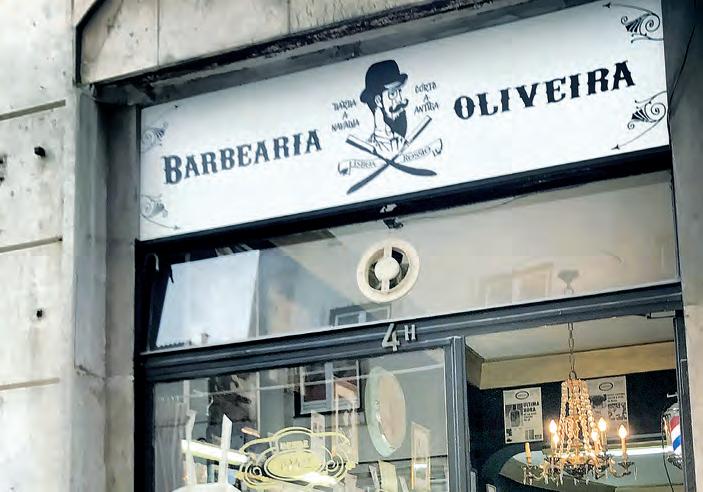
Good graphic design helps your salon, clinic or barbershop look professional, consistent and easy to trust. You don’t need a big budget or a design background. With the right tools and a clear approach, you can create strong visuals that support your business. Here are five practical tips to get started.
1 Keep your branding consistent
Consistency builds recognition. Clients should be able to spot your brand instantly. Focus on:
One or two fonts only
A fixed colour palette (3–5 colours)
A consistent logo placement
Use the same look across:
Social media posts
Price lists
Posters in your salon
Email newsletters
Save your colours and fonts inside your design tool so you don’t reset them each time.
2 Use simple, accessible design tools
You don’t need complex software. Start with tools that are easy to use and built for small businesses. Some popular options include:
Canva (templates, social posts, flyers)
Adobe Express (quick branded content)
VistaCreate (social media visuals)
These tools offer:
Ready-made templates
Drag-and-drop editing
Pre-sized formats for Instagram, Facebook and print
Start with templates, then tweak them to match your brand.
3 Design with your client in mind
Your design should speak clearly to your target client. Think about:
Age group (modern vs classic style)
Services (fade cuts vs beauty treatments)
Price point (premium vs value-led)
For example:
A high-end salon may use minimal layouts and neutral colours
A busy barbershop may use bold fonts and strong contrast
Keep text short and clear:
“Skin fade – £20”
“10% off for students – weekdays only” Avoid clutter. One message per design works best.
4 Prioritise readability over style
If clients can’t read it quickly, it won’t work. Follow these basics:
Use large font sizes for key info
Avoid light text on light backgrounds
Stick to high contrast (e.g. black on white)
Limit text blocks
Test your design:
View it on your phone
Step back 1–2 metres (for posters)
If it’s not clear in seconds, simplify it.
5 Plan and reuse your content
Design takes time. Get more value by reusing what you create. Build a small content bank:
Price list templates
Weekly offer graphics
Appointment reminders
Staff introduction posts
Then:
Update text instead of starting from scratch
Resize designs for different platforms
Schedule posts in advance
This saves time and keeps your marketing consistent.
Good design supports how clients see your business. It doesn’t need to be complex or expensive. Stay consistent, keep it clear, and use tools that make the process quick and repeatable.
If you get the basics right, your visuals will start working for you – attracting attention, building trust and helping drive bookings.
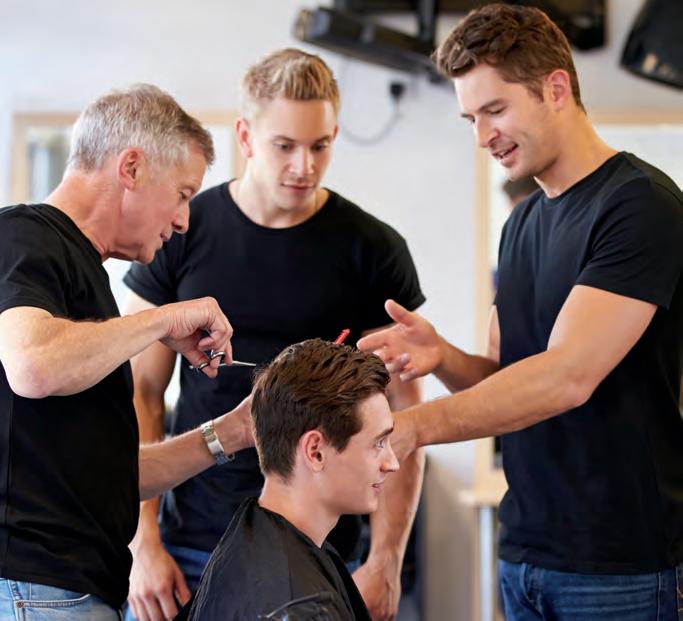
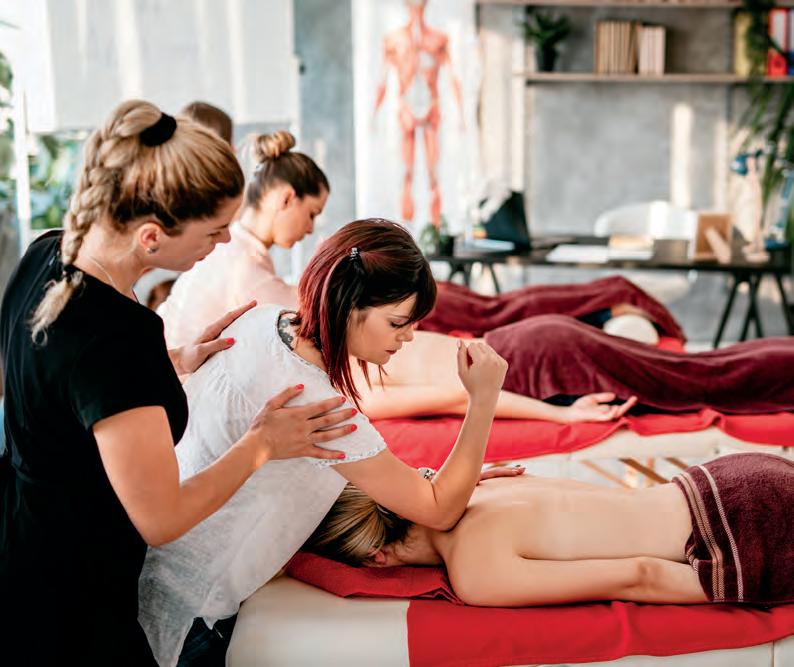
Following the UK Government’s announcement in March of a £900 million expansion of the Youth Guarantee, alongside major apprenticeship reforms, now is a strong time for hair and beauty businesses to invest in apprenticeships
Building talent
The National Hair & Beauty Federation (NHBF) has welcomed these changes as one of the most significant shifts in youth employment and skills policy in recent years.
For a sector built on entrylevel access, practical training and long-term progression, this creates real opportunity – particularly for small and micro-businesses.
The hair and beauty sector relies on skilled professionals who combine technical ability with strong client care.
As trends, services, treatments and technologies evolve, demand for adaptable talent continues to grow.
Apprenticeships remain one of the most effective ways to develop that talent. They allow you to:
Train staff to meet real business needs
Build long-term loyalty
Strengthen service quality
For many employers, this is not just recruitment – it a talent pipeline, which is future-proofing the business.
The expansion of the Youth Guarantee to include
22–24-year-olds is a key development.
This matters to a sector where the cost and risk of hiring young people can limit growth.
New incentives for employers recruiting young people on Universal Credit, or those at risk of long-term unemployment, could reduce that barrier.
Cathy Weston, Director of Quality and Standards, said: “Hair and beauty is one of the most effective routes into skilled work for young people. Policies that make it easier for businesses to invest in new talent are a step in the right direction.”
Apprenticeship reform
From April 2026, reforms to
the Growth and Skills Levy introduced further support for non-levy-paying employers –the majority of the sector.
Key updates:
Additional financial incentives for non-levy employers hiring 16–24-yearolds
Foundation Apprenticeships expanding into hospitality and retail
A new Level 2 Administrative Assistant Apprenticeship (from 1 August 2026)
Streamlined standards focusing on young people and priority skills
Introduction of Apprenticeship Units, allowing more flexible use of levy funds These changes widen access and support both creative
and operational roles within businesses.
Levy-paying employers should prepare for changes from August 2026:
Levy funds will expire after 12 months (previously 24)
The 10% government top-up will be removed for new funds
Employer co-investment will shift to 75% / 25% once funds are used
Existing apprentices remain on the 95% government contribution
Action: Review apprenticeship plans ahead of August 2026.
Getting the foundations right
Apprentices are employees and must have a formal contract outlining:
Job role and responsibilities
Working hours
Pay and holiday entitlement
Training commitments
Health and safety is critical in environments using chemicals, electrical equipment and specialist tools.
Safeguarding is also essential, particularly for younger apprentices entering the workplace for the first time.
Apprentices must be paid in line with National Minimum Wage rules.
Under 19s, or first-year apprentices, qualify for the apprentice rate
After this, pay increases to age-related minimum wage levels
Many employers go further by offering:
Commission
Performance bonuses
Staff discounts
These can improve motivation, attraction and retention.
A strong apprenticeship blends practical work with structured learning.
Typical working week: 30–40 hours (including training)
Minimum 20% off-the-job training required
Training is delivered by approved providers through:
Classroom sessions
Online learning
Workshops
Mentorship within the business plays a key role in building confidence and maintaining standards.
In this sector, attitude and potential often matter more than experience. To attract the right candidates:
Write clear job descriptions
Build a supportive workplace culture
Work with training providers and local schools
Providers can also help
Hair and beauty is an effective route into skilled work
match businesses with suitable candidates.
Investing in the future
Developing new talent helps businesses:
Maintain standards
Strengthen teams
Stay competitive
For apprentices, the benefits include:
Earning while learning
Gaining practical experience
Achieving recognised qualifications
Scan to access the NHBF Apprenticeship Guide




Apprenticeship assessments are changing – what you need to know







Ofqual’s new Apprenticeship Assessment Regulatory Framework changes how apprentices are tested. Here is a brief summary for employers –for funding reforms and the Youth Guarantee expansion, see pages 12-13.
What the framework does
Ofqual has published a new Apprenticeship Assessment Regulatory Framework setting out how reformed apprenticeship assessments must be designed and delivered. Working alongside Skills England’s updated assessment plans, the framework introduces greater flexibility while maintaining standards.
The key changes
Assessments may now take place during an apprenticeship, not only at the end Training providers may have a greater role in delivering and marking elements of assessment
Duplication in assessment design is being reduced
Awarding organisations must produce and maintain a formal assessment strategy for each apprenticeship they offer
What you need to do
No immediate action is required. Your core role remains unchanged: confirming your apprentice is ready for assessment and ensuring their training reflects the genuine needs of your business.
As updated assessment plans come into effect, the structure of assessments in your sector may change – your training provider will confirm any new arrangements and as always, the NHBF, will be here to provide you with the latest guidance and updates that affect businesses as they happen.
Find out more
For the full framework, visit ofqual.gov.uk/ apprenticeships.
For more on funding reforms and levy changes, see pages 12-13.
Scan for more and to see the full framework

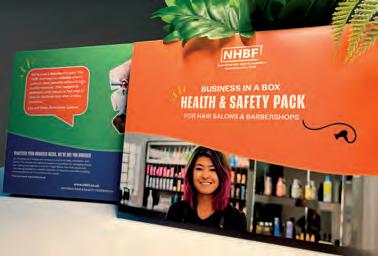
Our Business in a Box health and safety packs are the solution you need to make sure you’re prioritising a safe and efficient workplace. Created for both hair and beauty businesses, the full packs can be downloaded and are FREE to Members. Printed versions are also available to purchase.
Scan the QR code, visit nhbf.co.uk/bib or call our team on 01234 831 965 to find out more.

FINANCIAL PRESSURE
We’re struggling financially – what are our options with our employees?
If your business is under pressure, there are ways to reduce costs without immediately turning to redundancies.
Short-time working or layoffs can offer breathing space, but only if your employment contracts include the right clauses or your employees agree. Alternatively, you might consult with staff about temporary reductions to pay or changing terms. Transparency is key here, and any changes must be agreed.
Flexible working arrangements, like parttime hours, job sharing, or voluntary unpaid leave can also help reduce costs while retaining your team.
If redundancies do become unavoidable, ensure you follow a fair process, consult properly, and meet all legal obligations.
SSP RULE CHANGES
What steps do we need to take due to changes to SSP rules?
Recent change mean it’s time to review your processes. Start by checking with your payroll provider to ensure systems are up to date. Clear communication with employees is essential. Make sure everyone understands your absence
You asked, we answered
Running a business isn’t always smooth sailing, especially in today’s climate. From financial pressures to evolving employment rules, many employers are asking the same questions. Here, we tackle your most common concerns
reporting procedures and any trigger points.
You’ll also need to update your contracts and staff handbook. Contracts and handbooks are available free of charge to Members, now is the ideal opportunity to ensure everything is compliant and current.
SICK REPORTING ISSUES
Our policy is that employees must phone in sick – what if they text or don’t contact us?
Consistency really does matter when managing absence. Make sure your reporting procedure is clearly explained from day one and reinforced regularly. If someone doesn’t follow it, start with a conversation, there may be underlying reasons, such as a disability, that require adjustments. Remind employees of the correct process and explain why it’s
important. If issues persist, follow up in writing and make it clear that continued non-compliance could lead to further action.
Members have access to many useful resources related to sickness absence including a Guide to Managing the Sourcing Cost of Sick Pay and Managing Sickness absence with trigger points fact sheet
PROBATION
I don’t issue contracts until after probation – is that a problem? In short – yes.
Employees are legally entitled to a written statement of employment particulars from their first day. Delaying contracts can leave your business exposed. Without one, you may struggle to recover excess holiday pay, enforce restrictive covenants, or rely on key clauses like lay-offs in unexpected situations.
Best practice is simple: issue contracts at the very start of employment. With so much to stay on top of, where do you start?
Scan to access our resources on employment essentials
Download your free Employment Law Essentials Checklist that breaks down the essentials every employer must get right to stay compliant and avoid risk.
A sector that stands together
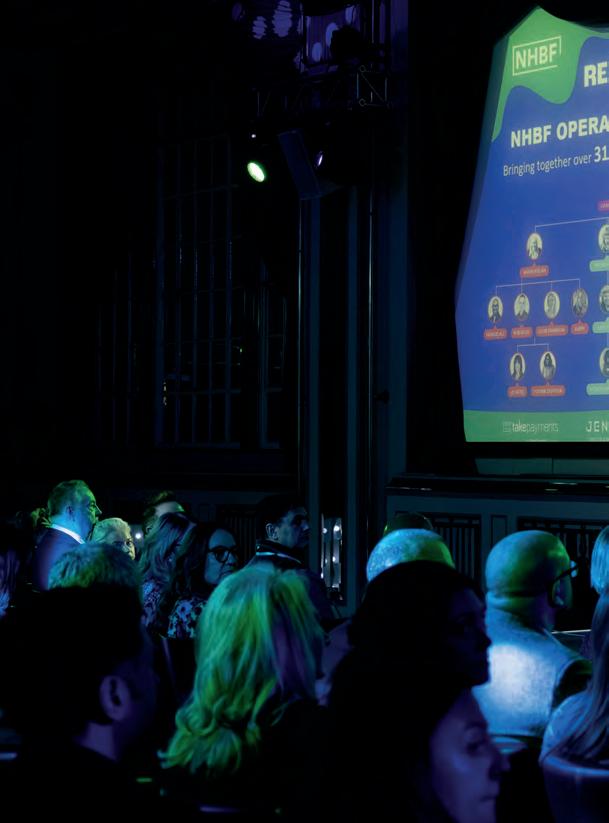
The NHBF’s Respect Live 2026 brought the hair, barbering, beauty and aesthetics industries into one room – and reminded them of their collective power
Walk into any high street in Britain and you’ll find them: lit-up salon windows, the hum of clippers, the intimacy of a chair and a mirror. These businesses are woven into daily life – yet the people running them often feel invisible to the policymakers shaping their future.
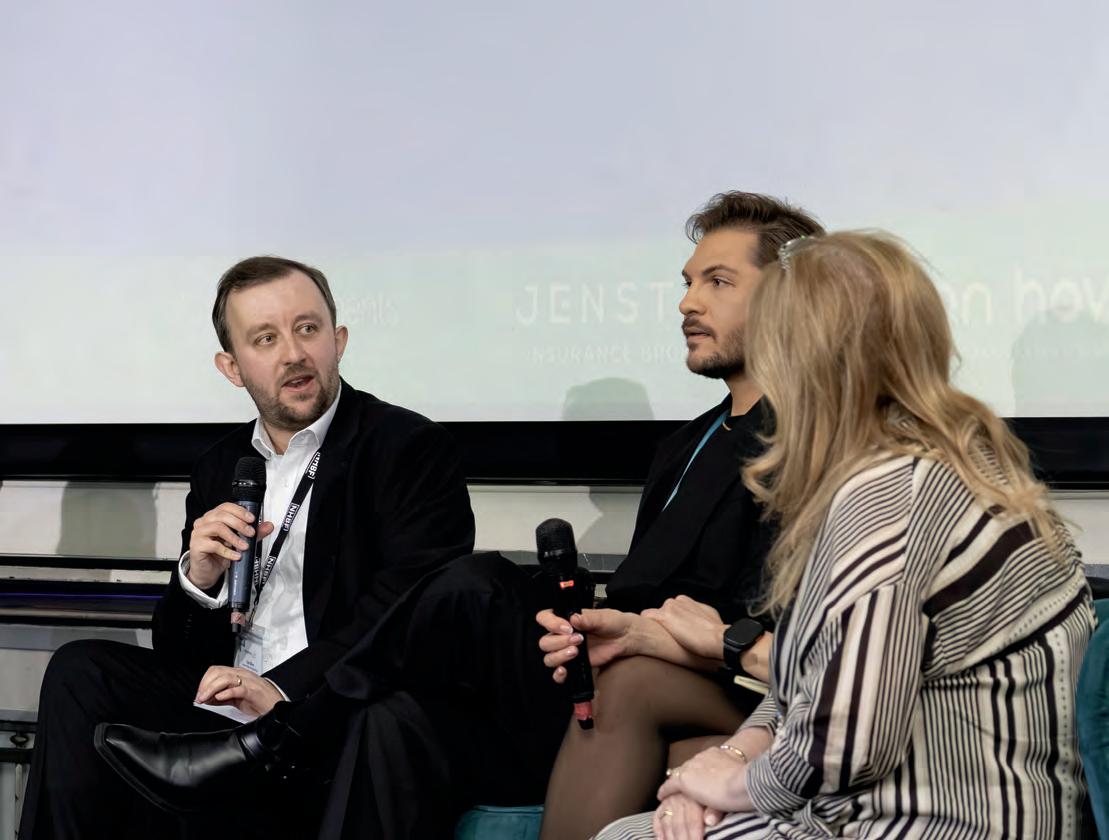
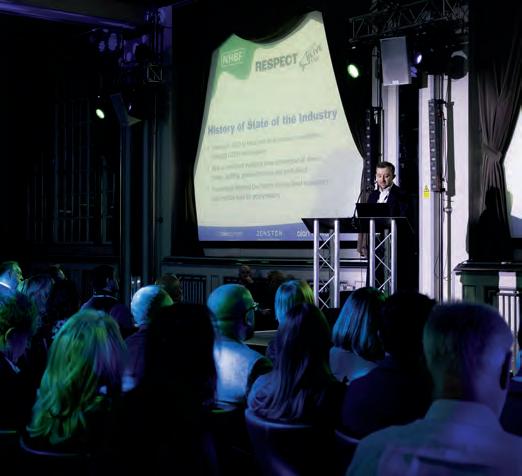
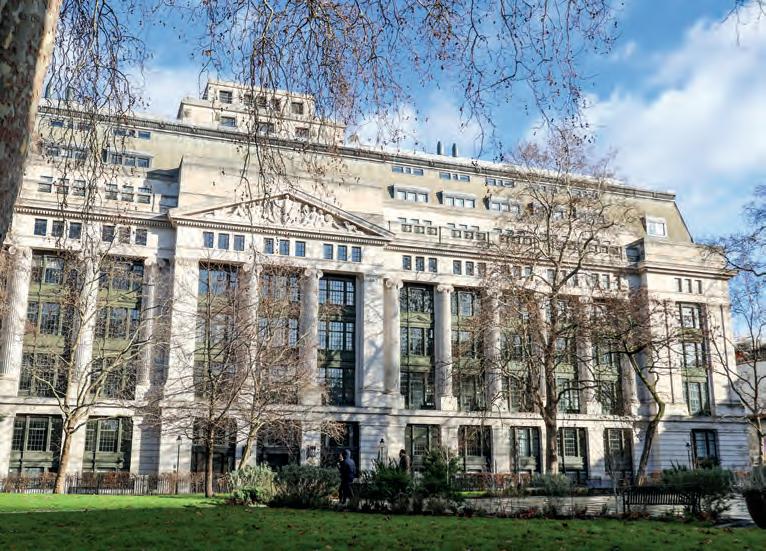
Respect Live 2026, hosted by the National Hair and Beauty Federation, set out to change that. Held in front of Members, partners and industry leaders at the Bloomsbury Ballroom in central London, it was less conference, more call to action.
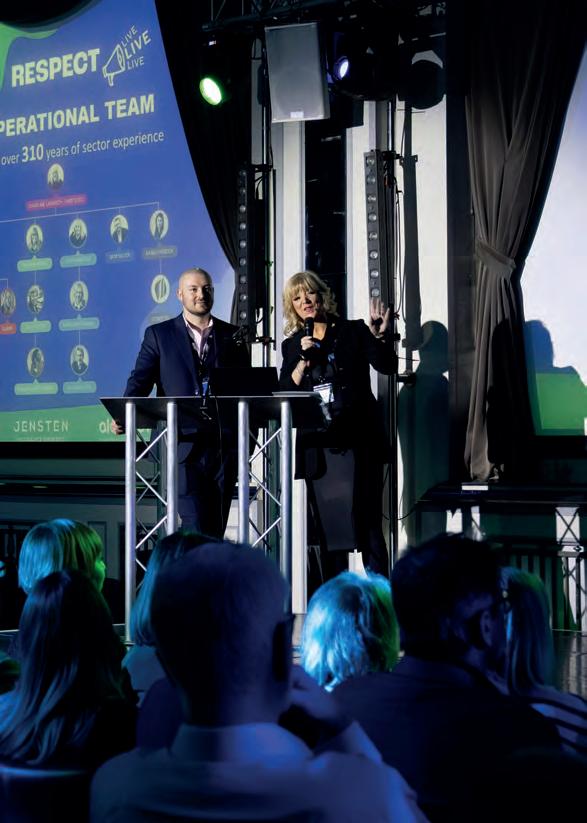
NHBF Chief Executive Caroline Larissey, alongside Jamie Mettyear, opened proceedings with directness that set the tone early. A former hairdresser and beauty therapist, Caroline built her career from the salon floor upwards. She has stood through doublebooked Saturdays. That grounding matters.
The NHBF has represented the sector since 1942. Longevity helps – but credibility carries weight. The organisation
brings over 1,250 years of combined experience across its board, operations team and advisory bodies.
These are not career lobbyists. They are people who have run payroll, trained apprentices, managed compliance and handled difficult clients.
That experience underpins everything. When the NHBF speaks to government, it does so with evidence from thousands of real businesses – quarterly surveys that show how the sector is performing in practice.
Busy, but barely breaking even
Head of Policy Sam Silver presented the data – and it reflected what many already knew.
Demand is steady. Appointment books are full. Yet for a growing number of businesses, profit is shrinking.
Costs have risen faster than prices. Minimum wage increases, employer National Insurance contributions, energy bills and supplies all add pressure. Individually manageable, together they create a ceiling that limits growth.
This is not a statement of ambition – it is a delivery framework
307 businesses plan to raise prices – not as strategy, but survival
149 businesses have reduced apprentice intake
Only 20 expect to take on more apprentices
For a sector built on handson learning, this signals more than an economic shift – it points to a long-term skills risk.
The afternoon panel brought the data to life.
One panellist shared that after not raising prices for three years, they increased fees by 15% – and became busier. The fear of losing clients outweighed the reality.
Others highlighted the rise of unregulated competitors – undercutting legitimate businesses and confusing public expectations.
Darren Gould, who has scaled a barbering brand to over 50 locations, put it
Hosts Caroline Larissey CEO and NHBF President Jamie Mettyear on stage at Respect Live
directly: “There’s no point bringing in regulation if there are no consequences for not following it.”
Lesley Wilks, with over 30 years’ experience, stressed the need for standards in aesthetics: “You wouldn’t let a surgeon operate without qualifications – it’s exactly the same.”
At the centre of the event was the NHBF’s Manifesto 2026 – built from member evidence and presented to Westminster.
Five core priorities: VAT reform Labour cost support Apprenticeship access Fairer regulation
High street investment
These arguments are not new. Archive footage from the 1970s shows the same concerns
raised decades ago. What has changed is the structure behind them: advisory boards, regular data, parliamentary engagement and a clear framework government can act on.
As Caroline stated, this is not a statement of ambition – it is a delivery framework.
People first
Between policy sessions, wellbeing coach Sarah Crossley asked a simple question: How are you feeling today?
In a sector that absorbs clients’ emotions daily – from grief to celebration – there is little pause for self-reflection. Her message was practical: Take short resets between appointments
Use breathwork to manage pressure
Build awareness without judgement
A sustainable business cannot run on an exhausted individual.
By the close of the event, one word carried weight: respect. Respect for the craft. Respect for each other. Respect for the sector’s role in communities across the UK.
This is a sector of microbusinesses, sole traders and self-employed professionals – people managing every role within their business.
They are not asking for special treatment. They are asking to be recognised accurately – by government, by clients, and by themselves.
Respect Live 2026 made that case clearly and collectively.
Scan to watch the full Respect Live 2026 event
The stunning Bloomsbury Ballroom in the heart of central London
We understand that changes to tax reporting can feel like an added pressure, especially when you are already busy running your business, looking after clients, and managing your day-today workload.
With Making Tax Digital for Income Tax introduced since April 2026 for some businesses, you may be wondering what it means for you and how you need to prepare.
Here for you
We want to reassure you; you are not expected to figure this out on your own.
As an NHBF Member, you have access to support, guidance, and resources designed specifically for the way you work. Whether you are self-employed, renting a chair or space, or running
your own salon, barbershop or clinic, we are here to help you understand the changes and take the right steps with confidence.
For many, this will simply mean adapting how you keep your records and how you submit information to HMRC. Taking a little time now to understand what’s coming can make things much easier as the changes are introduced.
To support you, we produced a guide that explains what Making Tax Digital is, who it applies to, and what to expect over the coming years.
You are part of a community that understands the realities of running a business in the hair and beauty sector and we are here to support you every
step of the way.
We’ll be sharing more support, guidance, and updates on Making Tax Digital with you over the coming months, so please keep an eye out for information from our team.
Tax changes are coming, and as an NHBF Member, we’re here to guide you through the challenges of getting your business ready
Making
tax digital

Scan to view our Making Tax Digital factsheet
Scan to view video with Nuvo Accountancy which breaks down the rules around Making Tax Digital (MTD)
22 PRICING
How to raise prices without losing clients
25 PODCAST Who’s been on the pink sofa?
29 HAIRCON
It’s back. See what’s on show at this year’s event
30 LASER
Are you getting ready for the summer?
THE BUSINESS
Pricing power
Price increases don’t have to mean losing business.
From phased changes to clear communication, here’s a straightforward approach to protecting your margins while keeping clients on board
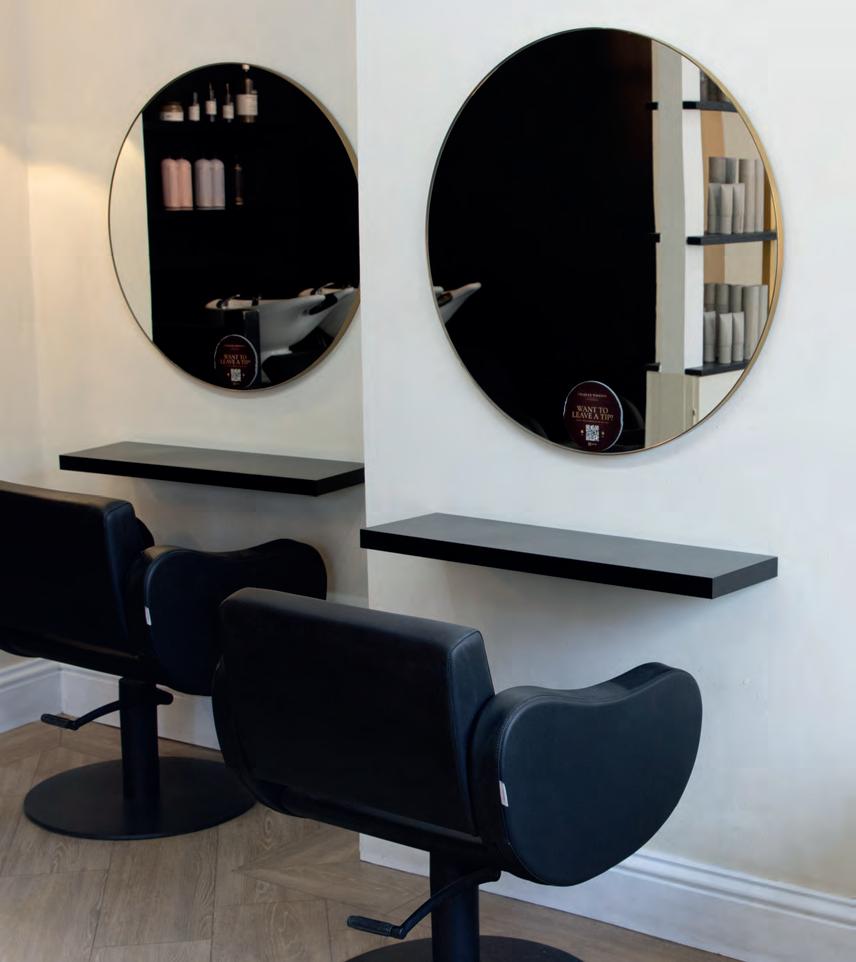
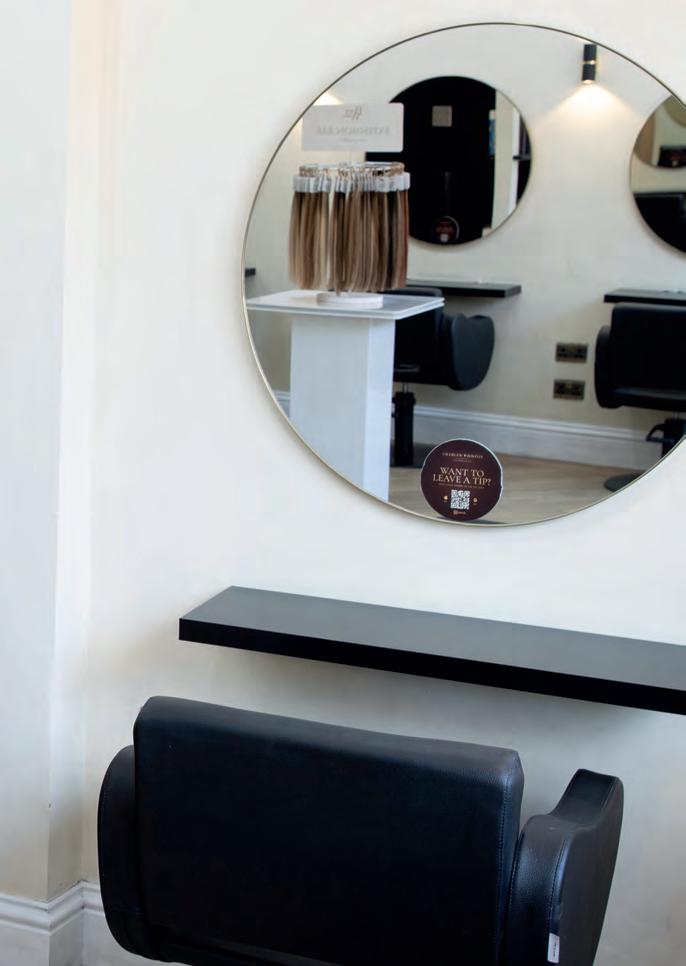
BY CHARLES WHISTON


CHARLES WHISTON
is the owner of Charles Whiston Hairdressing in Chipping Campden and an NHBF member
Business is a risk, any decision we make is a risk. Are they good decisions or bad decisions? We won’t know until we make those choices! If it turns out you’ve made a bad choice, then rectify it. As business owners we need to start looking after our businesses and start taking a step back from the emotional attachments we have with clients. This is where we start getting scared to do anything with our businesses. Especially price increases.
Knowing I needed to do a price increase, I sat down to look into my business model, deciding to look into how much profit was lost since taking over the
If we want to survive, we have to increase our prices
business in 2021, then looking into percentages of increases costing my salon. We’re talking everythingrent, utilities, stock, business rates, staff costs etc. this worked out at between 23-46% within those four years.
Within that period of operating, I had only done one price increase at 5%. Therefore, the lowest increase I could do was 15%, to get my figures closer to the 2346% margins.
Knowing that by a couple of quid that my salon was already the most expensive in my town, I was about to definitely be the most expensive. The decision to increase my prices by 15% was really hard and truthfully, I was in tears on FaceTime with my parents, not knowing what to do. They made me remember my worth, which got me back to business mode. If we want to survive, we HAVE to increase our prices. We have to stop being so scared about putting our prices up in today’s economy because following this price increase, we are busier than ever. My clients were completely understanding, we barely lost any clients and still we are constantly getting new clients through the door.
The bare minimum increase was 15%. Adding that to the 5% increase 3 years prior, that brings my prices up 20% in four years. At 20% I’m still below my lowest average cost increase at 23%. Therefore, from now on I will price increase each year at fixed figure until I’m well within my cost increase margins, after that, the fixed figure will be lower but still increased each year which I have explained to our clients and they all agreed they would prefer a small yearly increase compared to a big jump every other year.
If you need to make the jump I have, but you’re still worried. There’re options. If you need the same increase I have done at 15%, then why not try 7.5% now and 7.5% in six months’ time? Or half the services (cut and finish services) go up now, and colour services in six months’ time or vice versa. There’re always options, and yes. You may lose some clients however you will gain some.
Following the state of the sector statistics provided by the NHBF, only 33% of salons showed profits. It’s such a small percentage. I strongly urge salons that are losing profits to look into their business models, review prices, look into how much profit lost and why, etc. Spend the time looking into it, review what choices you need to make and take the leap!

Game
plan
Summer 2026 offers a strong opportunity to create energy in your business
Summer brings a packed calendar of global sporting events, with the FIFA World Cup 2026 taking centre stage across the USA, Canada and Mexico. Alongside this, you can expect the usual seasonal distractions, from tennis season to UK festivals.
For owners, this can mean shifts in client behaviour, increased staff absences, and more last-minute disruptions. Planning ahead will help you stay in control while still making the most of the summer buzz.
Unauthorised absences
Major sporting events often lead to a rise in last-minute sick days. Big matches, late kick-offs and travel plans can all play a part.
Previous tournaments have shown a noticeable spike in absences during key fixtures. What to do:
Monitor absences against your attendance policy
Treat unauthorised absences consistently Follow your usual disciplinary process where needed
Use the NHBF 24/7 HR helpline before taking action
Keep accurate records. Use selfcertification forms for the first seven
days of illness. NHBF Members can download these.
No-shows and cancellations
High-profile matches and summer plans can lead to more missed appointments. Reduce no-shows:
Build strong client relationships
Send appointment reminders using salon software
Introduce deposits or cancellation fees where appropriate
What the law says: You can charge for missed appointments, but only to recover genuine loss. Your policy must be clear, fair and communicated in advance.
Be flexible: Use judgement with loyal clients. A rigid approach can damage longterm relationships.
TV licensing rules
Showing live sport can improve the client experience. But you must have a TV licence if anyone watches or records:
Live TV on any channel
Content via BBC iPlayer
This applies to all devices, including TVs, laptops, tablets and phones.
Each business location needs its own licence (or a group licence).
NHBF REMINDER
Many businesses now use screens to enhance the client experience. Make sure your setup is compliant to avoid penalties.
Summer 2026 offers a strong opportunity to create energy in your business and connect with clients. But it also brings operational pressure.
Set clear expectations with your team. Review your policies. Communicate early with clients.
That way, you stay in control of your business while still making the most of a busy, eventfilled season.
NEED SUPPORT?
NHBF Members can access templates, guides and expert HR advice through the member portal.
ALCOHOL AND THE LAW
If you're serving alcohol, make sure you understand which laws apply to you and what your responsibilities are. Breaking licensing laws could lead to a fine or even prison. You must comply with licensing laws – even if your drinks are ‘on the house’.
When we started NHBF Presents: Sofa Talk, we wanted proper conversations with professionals that will help our listeners, regardless of industry. The kind of chat you’d have with someone you respect and look up to, with insights that can be applied across the entire sector.
That’s still exactly what it is.
We’re the National Hair & Beauty Federation, so naturally, we get to meet a lot of brilliant people across the hair and beauty sector. Sofa Talk is our way of bringing those voices a bit closer, whether you’re on the salon floor, between clients,

or grabbing five minutes with a coffee. Lately, we’ve had a great mix of guests, all coming at the industry from different angles.
Jamie Mettyear, NHBF Vice President and salon owner, joined us for a chat that quickly turned into a proper discussion about what happens after you’ve “made it” in business. With Jamie we spoke about the people coming through, apprentices, future stylists, the next generation watching and learning.
More recently we had Phil Jarman on the sofa, British Grand Master Barber and founder of the Phil Jarman Academy. 35+ years in barbering and still as passionate
Some episodes make you think, some give you ideas
as ever. Talking to Phil you can tell straight away he’s seen it all. What came through most in this episode was his take on standards, and a reminder that if you’ve got the basics nailed, you’re already ahead of the game.
Let's talk
Introducing NHBF Sofa Talk –our relaunched monthly podcast

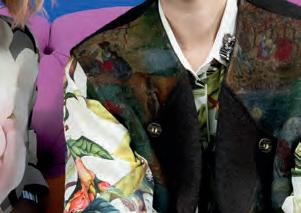
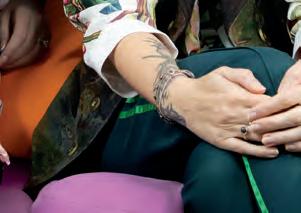

With Lesley Wilkes, aesthetician and business owner, the conversation was very honest. Running a business, growing it, figuring things out as you go, it’s all in there. In this episode you’ll catch yourself nodding along because you’ve been in similar situations.
And then there’s Ashleigh Hodges, President of the Fellowship for British Hairdressing, who kick-started our relaunch at the end of 2025. Ashleigh brought a slightly bigger-picture view. Where the hair industry’s heading, what needs to change, and how we all play a part in that.

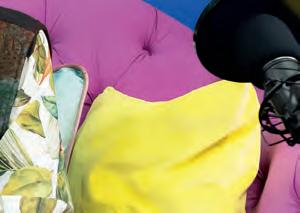
On Sofa Talk, some episodes make you think, some give you ideas, some just remind you why you got into this sector in the first place. If you have any suggestions for guests who could feature on the show, or ideas for topics you’d like us to explore, we’d love to hear from you. Get in touch at membership@nhbf.co.uk.
If you haven’t watched or listened yet, have a look at the latest episodes on the NHBF website, YouTube, Spotify, or Apple Podcasts! Stick one on while you’re tidying up the salon, barbershop or clinic or heading home, you might pick up something useful, or at the very least, feel like you’ve had a good conversation with people who get it.

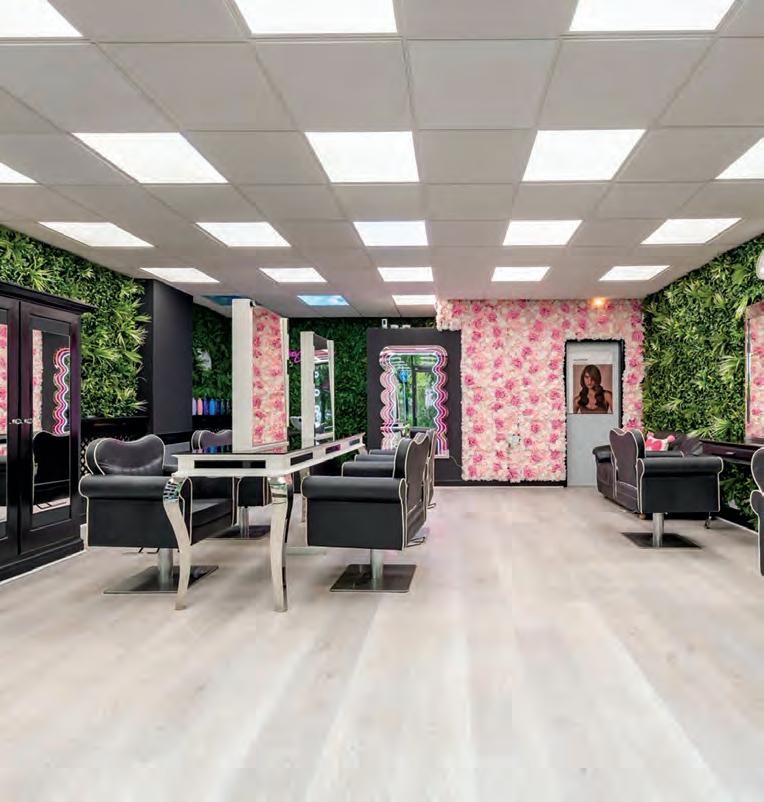
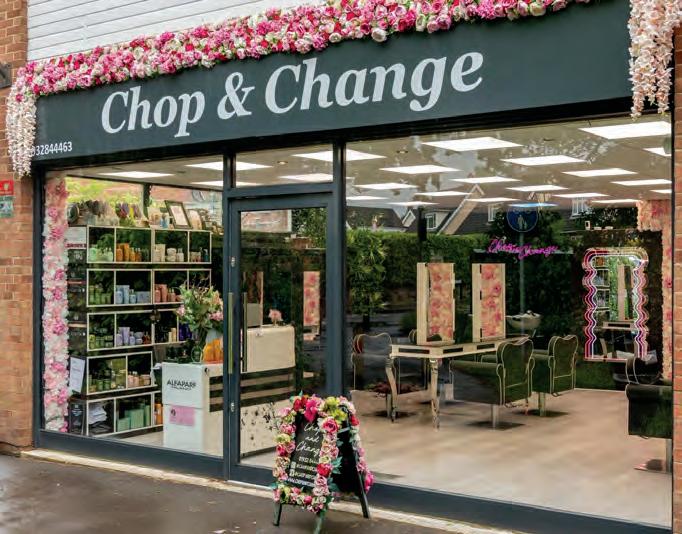
Julie Horne is the owner of Chop & Change in Addlestone, Surrey, which she launched in 2001. The salon has earned major recognition, including Silver for Local Salon at the #SB Awards, Best Salon in the South of England, and 3rd Best Salon in the UK at the HBA Hair & Beauty Awards
All
change
Navigating change in today’s salon landscape
The industry is moving fast. Rising costs, shifting client expectations, and the need to balance sustainability with profit all play a part. Julie’s approach is simple: stay proactive and informed.
Creatively, the focus is on continuous education, trend awareness, and team collaboration. Stylists are encouraged to share ideas and push boundaries, while maintaining strong standards in hair health and client care.
Commercially, the business has taken a more mindful approach. Sustainable systems, including tools
to reduce colour waste, microfilters, and renewable energy, are now part of daily operations. The salon is also working towards carbon zero.
Consultations have been strengthened to deliver tailored, premium services. This focus on quality, sustainability, and relationships has supported steady growth despite external pressures.
Adapting services to meet new expectations
New services have been introduced with both results and responsibility in mind. A key shift has been towards mindful colour, using precise measurement to
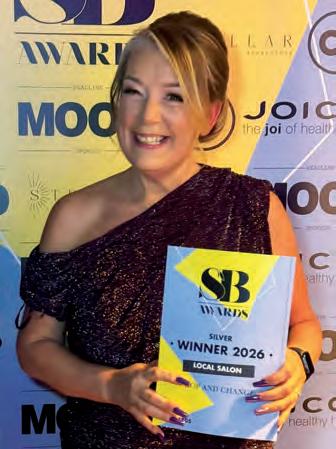
Julie receiving her award at the Salon Business Awards 2026
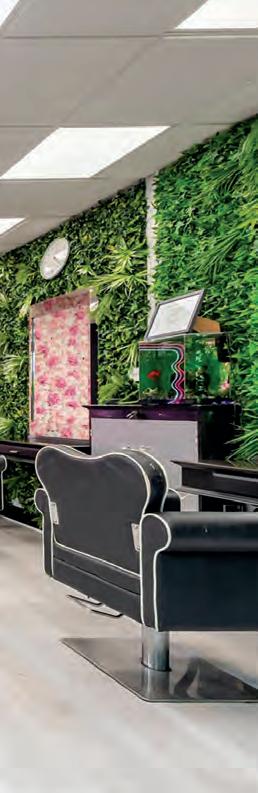
The salon mentors young talent, working with local schools to support the next generation
reduce waste and improve consistency.
There’s also a stronger emphasis on hair health. Bond-building treatments, bespoke colour plans, and long-term hair journeys have replaced one-off services. Clients respond well to this approach, valuing both results and transparency.
Sustainability now forms part of the client experience. Clear communication around eco-friendly practices has helped build trust and loyalty.
Ongoing education has also allowed the team to confidently introduce new techniques and maintain high standards across services.
Key challenges facing the business
Rising operational costs remain one of the biggest pressures, from energy to staffing. This has led to
necessary pricing reviews to reflect the true value of services.
Recruitment and retention are also ongoing challenges. Julie has tackled this by building a strong team culture, offering mentorship, and creating clear progression routes.
Client expectations have increased. Today’s clients expect personalisation, transparency, and ethical practices. This has pushed the salon to refine its consultation process and overall experience.
Practical steps
The team sits at the centre of the business. Investment in training, regular communication, and shared goals has created a motivated and supportive environment.
Pricing has been reviewed to reflect time, expertise, and product use. Clear consultations help clients understand both the service and its value.
Client retention is driven by experience. From the first interaction to aftercare, every step is designed to feel personal and consistent.
Innovation also plays a key role. Whether improving efficiency, introducing new techniques, or embedding sustainable practices, the focus is on constant improvement.
Team culture extends beyond the salon. Shared experiences, including trips and incentives, have strengthened relationships and built trust. These moments away from work help create a more connected and collaborative team.
Growth through challenge
This period has pushed the business to think long term. It has become more strategic, more focused, and more resilient.
There have been clear positives. Client loyalty has strengthened, team engagement has improved, and the business continues to grow.
New opportunities have also emerged. The salon now plays a bigger role in education, mentoring young talent, and working with local schools to support the next generation.
These challenges have helped define the brand as responsible, forward-thinking, and committed to high standards.
Advice for the industry
Julie’s message is direct: accept change and act on it. Invest in your team and their development
Be clear and confident with pricing
Focus on delivering a strong client experience
Make small, practical steps towards sustainability
Most importantly, stay focused on your craft. Challenges will come, but they can push your business forward if you respond with the right mindset.
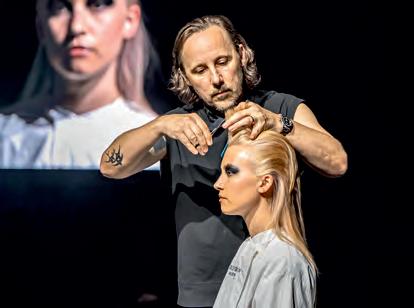


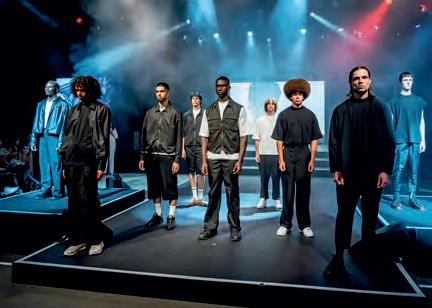
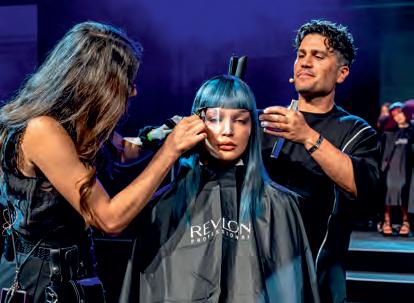
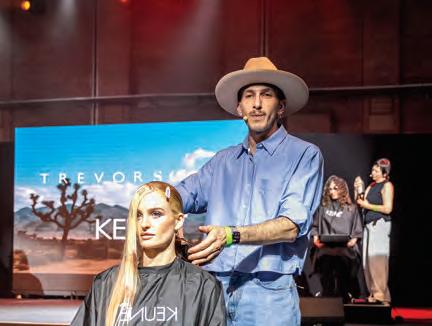
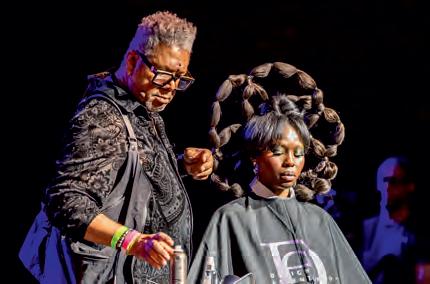
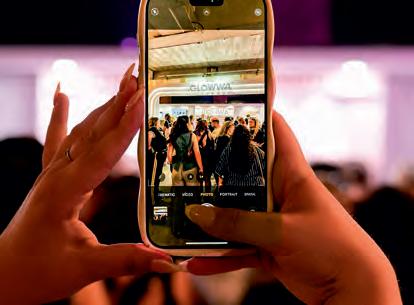

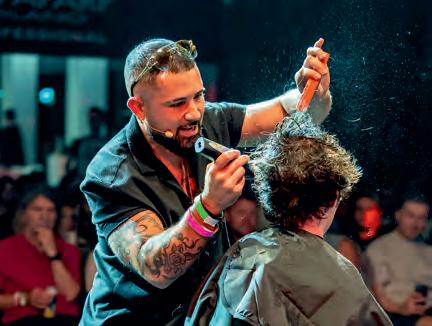
NHBFatHairCon
Celebrating talent, driving growth, leading the
conversation
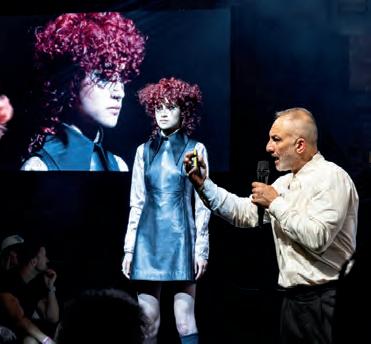
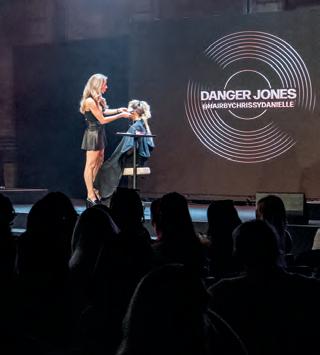
Step into the Social Studio with NHBF at HairCon x Fresha

We’re proud to be the official partner of the Social Studio at HairCon Manchester x Fresha – a high-energy, content-first space designed to help you grow your business through the power of social media.
This isn’t about chasing followers. It’s about building real visibility, meaningful engagement, and turning your content into clients.
Bringing together influencers, live education, and real-time interaction, the Social Studio is where hair and barbering professionals come to learn how to stay relevant, stand out, and win on social.
What you’ll experience
At the heart of the Social Studio, in collaboration with HairCon x Fresha, the NHBF will host a rotating line-up of
industry influencers and social media specialists – including past and present NHBF Top 50 Hair Influencers.
This is an open, interactive space. You can drop in at any time, get involved, and walk away with practical, usable advice you can take straight back into your business.
You’ll discover how to:
Create scroll-stopping content that attracts your ideal clients
Film, light and edit your work for maximum impact
Boost your algorithm and grow genuine engagement
Turn your content into real bookings and revenue
You’ll also have the chance to speak directly with influencers and industry experts, watch live content creation in action, and see NHBF-led social tips brought to life on screen.
Whether you’re just starting out or looking to take things to the next level, the Social Studio meets you where you are.
SEE THE TOP 50 HAIR INFLUENCERS LIVE AT HAIRCON
As part of our presence at HairCon, we’ll also be bringing the NHBF Top 50 Hair Influencers to the Social Stage.
Join us as we celebrate the professionals shaping the future of our sectors culminating in the live reveal and recognition of the Top 20 finalists.
It’s your opportunity to be in the room, feel the energy, and connect with the names driving innovation, education and influence across hairdressing and barbering today.
And of course, it’s a chance to meet the NHBF team, be part of the moment, and see exactly how we’re supporting the sector to grow, evolve and stay ahead.
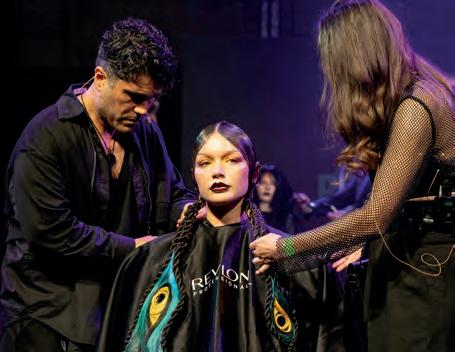
HAIRCON: BEHIND THE SCENES WITH JANE GALPIN
From how HairCon started to what’s coming in 2026 and beyond – Jane shares it all. Scan the QR code to watch the podcast.
Book your ticket –come and see us
NHBF Members receive a 10% discount. Scan the QR code and use code NHBF10.

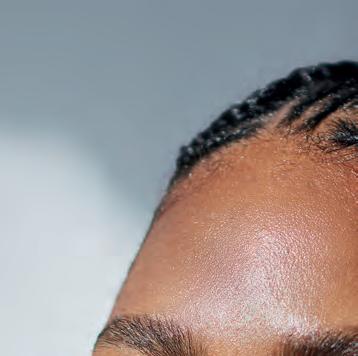
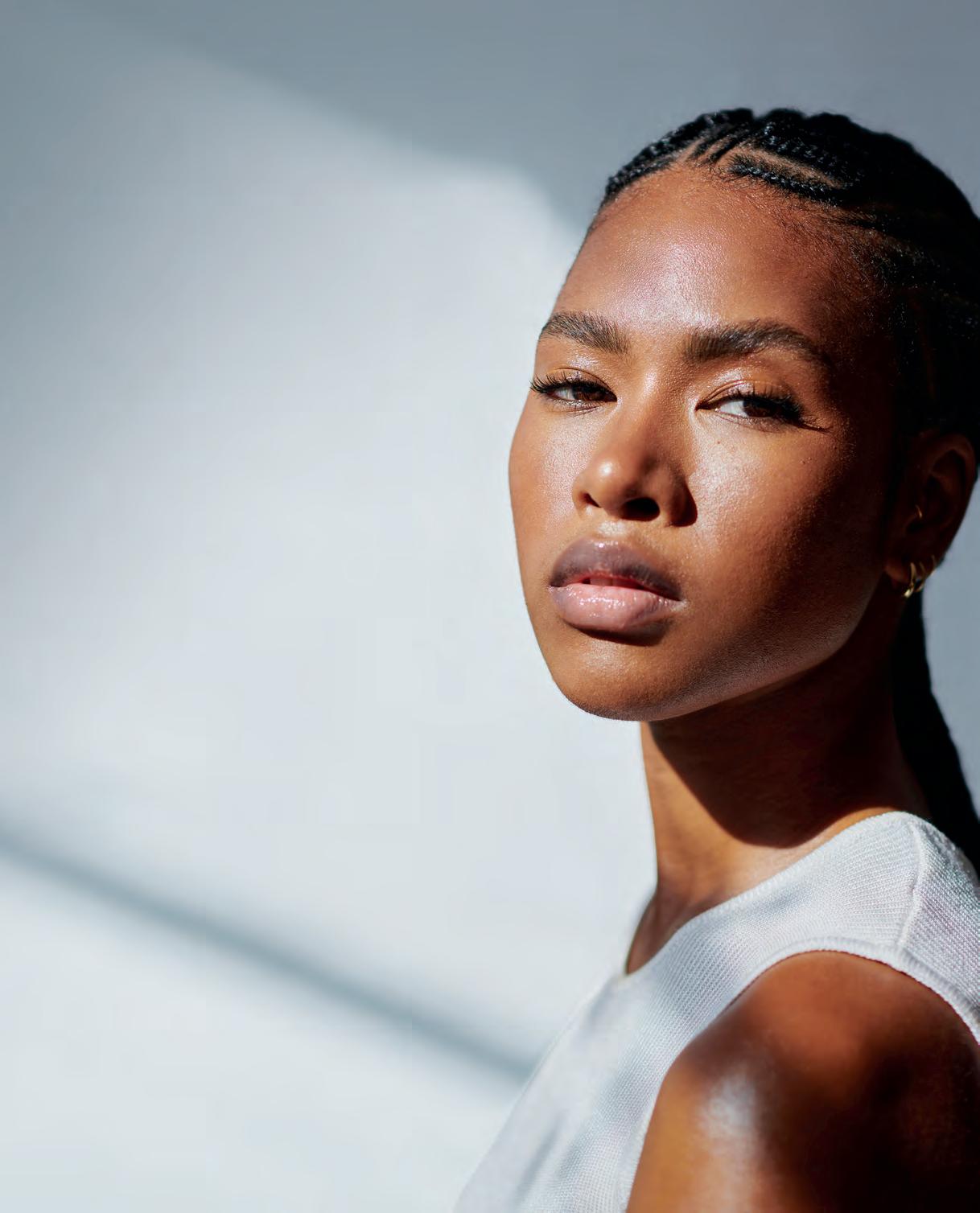
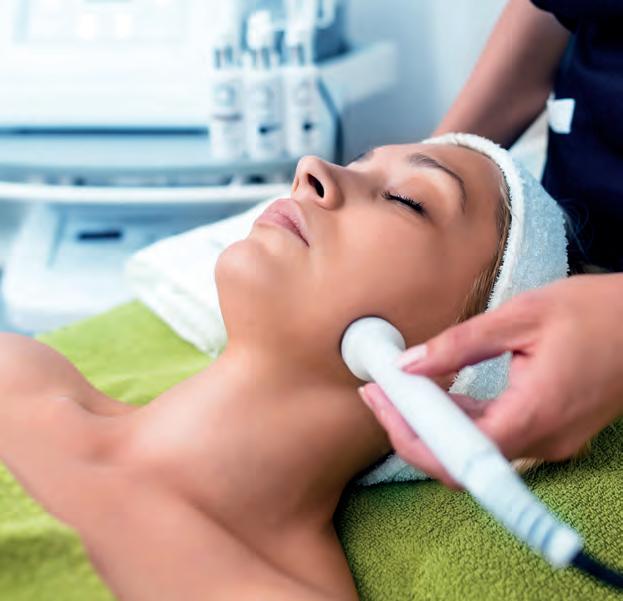
As summer approaches, your clients will be looking for that radiant, sun-kissed glow. But as you know, increased sun exposure can highlight concerns such as pigmentation, redness, and uneven skin tone. This is your opportunity.
Laser and IPL treatments allow you to position your business as the go-to for results-driven, pre-summer skin preparation. By offering solutions for sun damage, fine lines, vascular concerns, texture, and hair removal, you’re not only supporting your clients’ confidence but also creating valuable service opportunities at the right time of year.
Now is the time to promote these treatments. A course of 3–6 sessions, spaced around four weeks apart, gives your clients the best possible results ahead of the summer season.
Support your clients and grow your business with laser treatments
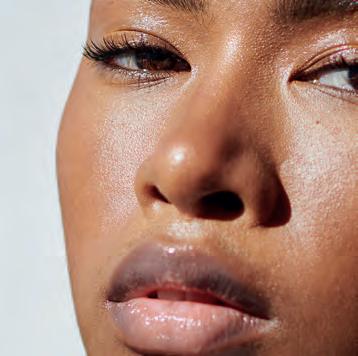
Summerskinready




Why starting now works
Encouraging clients to begin treatments in early spring gives their skin time to respond, repair, and improve before UV exposure increases.
Laser and IPL work by delivering targeted light energy into the skin, stimulating collagen production and encouraging skin renewal, all without damaging the surface. Over time, clients will see improvements in tone, clarity and firmness.
For hair removal, treatments target the melanin in the follicle, reducing hair growth progressively. Starting early means your clients can see a noticeable reduction in density and regrowth by the time holidays arrive.
Results build gradually over weeks and months, which is why early consultation and booking are key.
Your role in safe, professional practice
As always, your expertise and professionalism are what set you apart. Carrying out thorough consultations is essential. Consider medical history, medications, and skin type to ensure treatments are suitable and safe. Matching the correct settings to the client’s skin classification helps minimise risks such as pigmentation changes.
Using the NHBF Laser and IPL Consent Form not only supports compliance but also builds trust with your clients. It demonstrates that you are working to a recognised standard and prioritising their safety.
Aftercare supporting results and client trust
Clear aftercare advice is just as important as the treatment itself. Reinforce the following with your clients:
Daily SPF 30+ and strict sun avoidance during treatment courses
Gentle, fragrance-free skincare and avoiding active products for one week
Avoiding heat, exercise, and friction for 48 hours
Keeping skin clean and makeup-free for 24 hours
This not only protects results but strengthens your client relationship and reinforces your professional credibility.
Maximise your opportunity this season
Position your services as “Summer Skin Reset Packages” combining consultation, treatment courses, and aftercare. This approach helps you: Increase treatment bookings
Build client loyalty through planned programmes
Generate additional retail opportunities (such as SPF and aftercare products)
Most importantly, it allows you to guide your clients through a journey, rather than a one-off appointment. With the right approach, you’re not just offering a treatment you’re helping your clients feel confident and prepared for the season ahead, while strengthening your business at a key time of year.


BUSINESS COSTS H P
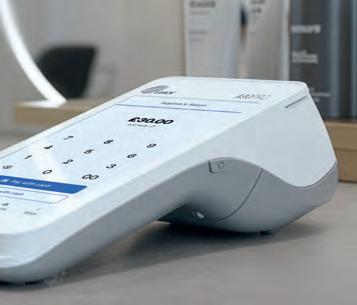
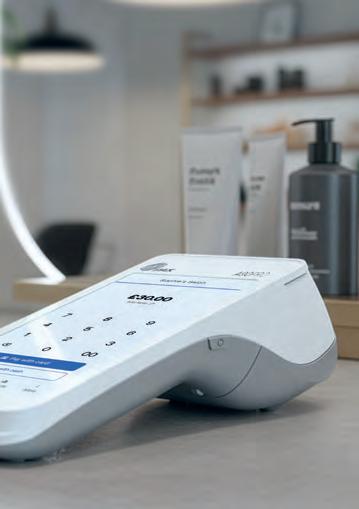
Get more for your money with a smart card machine that helps you manage your business. It does more than accept cards, you can also process cash payments, add and manage products and services and get detailed transaction reporting. Plus lots more, all in one handy device!


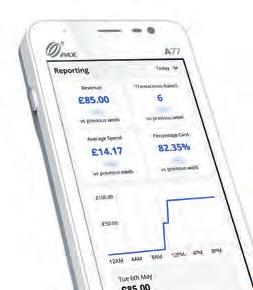










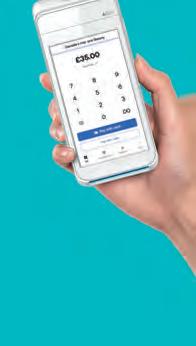







SPENDING SURGE
New UK research commissioned by Pukka Herbs suggests younger women are spending an average of £554 per month on beauty and wellness products – equating to £6,648 a year.
Key findings:
Under-40s say around 25% of their feeds focus on beauty and self-care
42% are regularly targeted with “miracle” product ads
48% see weight loss adverts
21% often believe product claims
48% follow regular self-care routines
Despite this, many report growing fatigue, with 94% calling for a return to simpler wellbeing.
BEAUTY WASTE SOLUTION
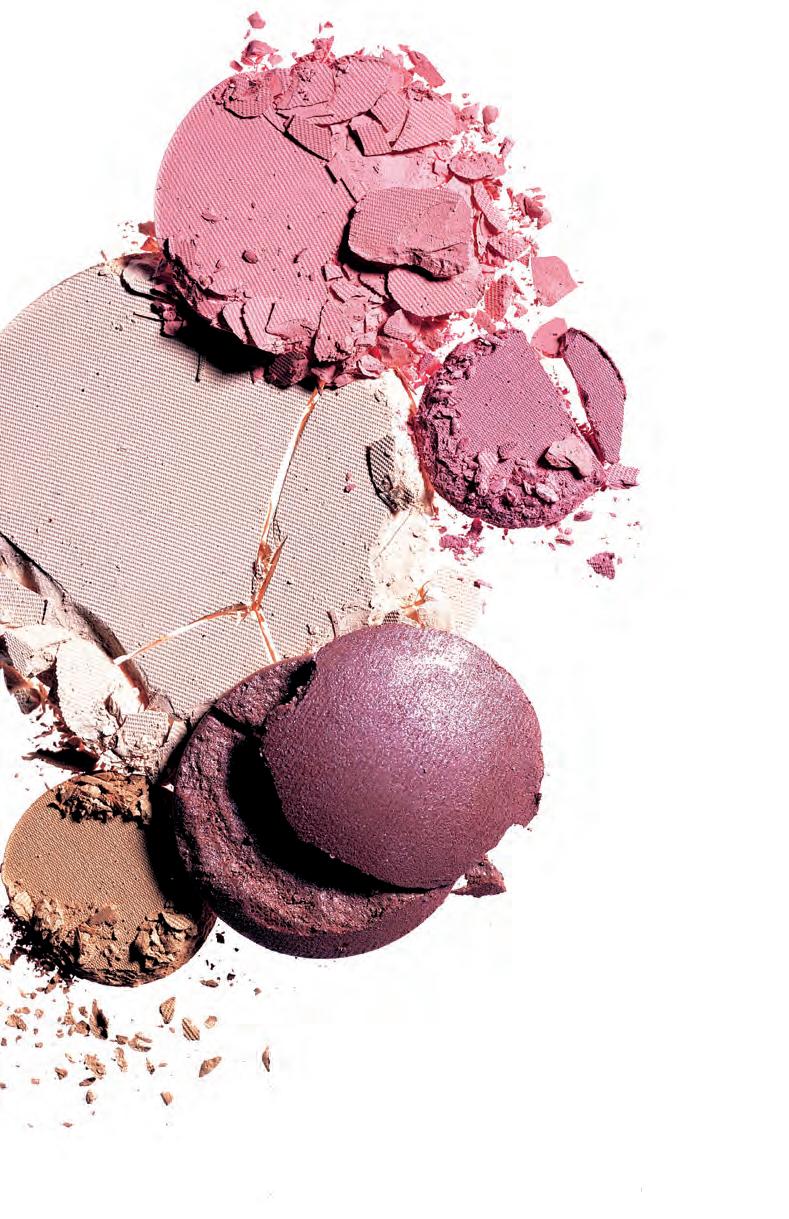
A new industry-wide recycling initiative has launched ahead of the 2026 Great British Beauty Clean Up.
MYGroup has partnered with the British Beauty Council and its Sustainable Beauty Coalition to introduce a take-back scheme for hard-to-recycle beauty waste. Running alongside the Clean Up campaign from 2 March 2026, the scheme links with Global Recycling Day
Beauty snippets
and the International Day of Zero Waste.
Participating businesses can install collection boxes where consumers can
deposit used cosmetics, personal care packaging, hazardous beauty items and blister packs – no preparation required.
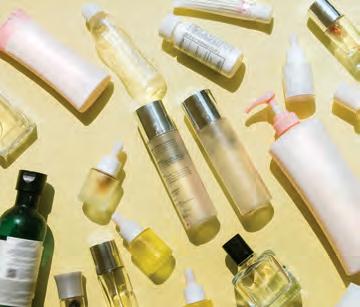
Supporters of the British Beauty Council and coalition receive discounted access. The initiative addresses ongoing waste concerns, with many beauty products still not reaching recycling facilities. It gives businesses a practical way to cut waste and improve disposal across the sector.
'LIP FLIP' BOOM
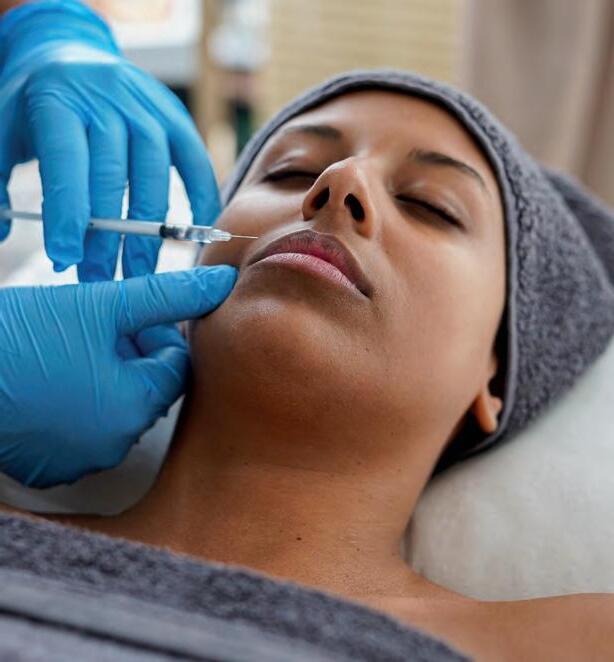
Online interest in the cosmetic lip flip is rising, with 361,000 UK searches in the past month, according to data from Fresha. Searches are up 6% month-onmonth, continuing a steady five-year rise and refl ecting demand for subtle aesthetic treatments. A lip flip uses botulinum toxin to relax the muscle above the upper lip, allowing it to roll outward for a fuller look. Unlike dermal filler, it does not add volume but changes how the lip sits and moves.
The trend aligns with a shift towards natural results, with demand moving away from more obvious enhancements. Regenerative treatments such as PRP are also gaining traction, reinforcing this preference.
The barbershop boom
that isn’t
Why a surge in new openings masks a sector in serious trouble – and what needs to change
alk down any high street in England and the picture appears to reflect growth. New barbershops continue to open at a pace that, on the surface, suggests a thriving industry. In towns such as King’s Lynn, the number of establishments has expanded significantly over recent years. Chairs are increasing, signage is modern and prominent, and the sector gives every impression of prosperity. Except it isn’t.
WBehind those headline numbers lies a sector under genuine threat: established chains contracting sharply, apprenticeship programmes being wound down, and compliant, employing businesses squeezed between rising costs and competitors who don’t play by the same rules. The barbershop boom, it turns out, tells a very different story depending on which side of it you’re standing on.
Darran Gould has been watching this transformation up close. As Managing Director of Gould Barbers Limited, he has
two mature barbershop locations in King’s Lynn – and a clear view of what the market has become.
Local picture
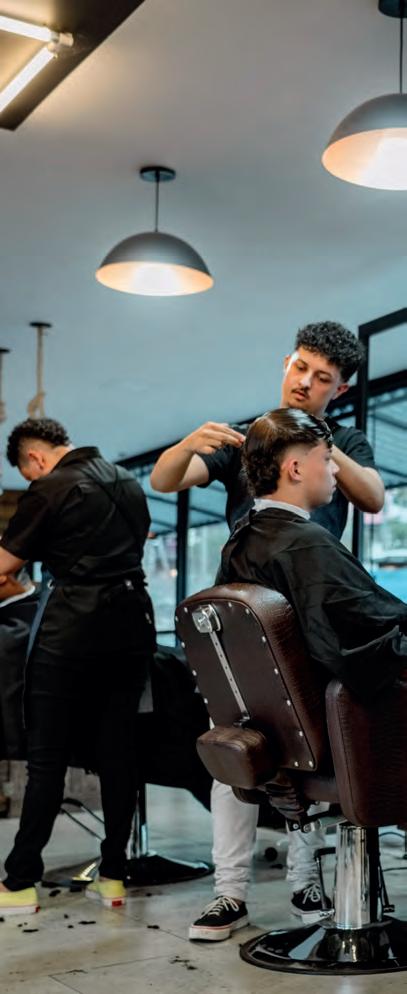
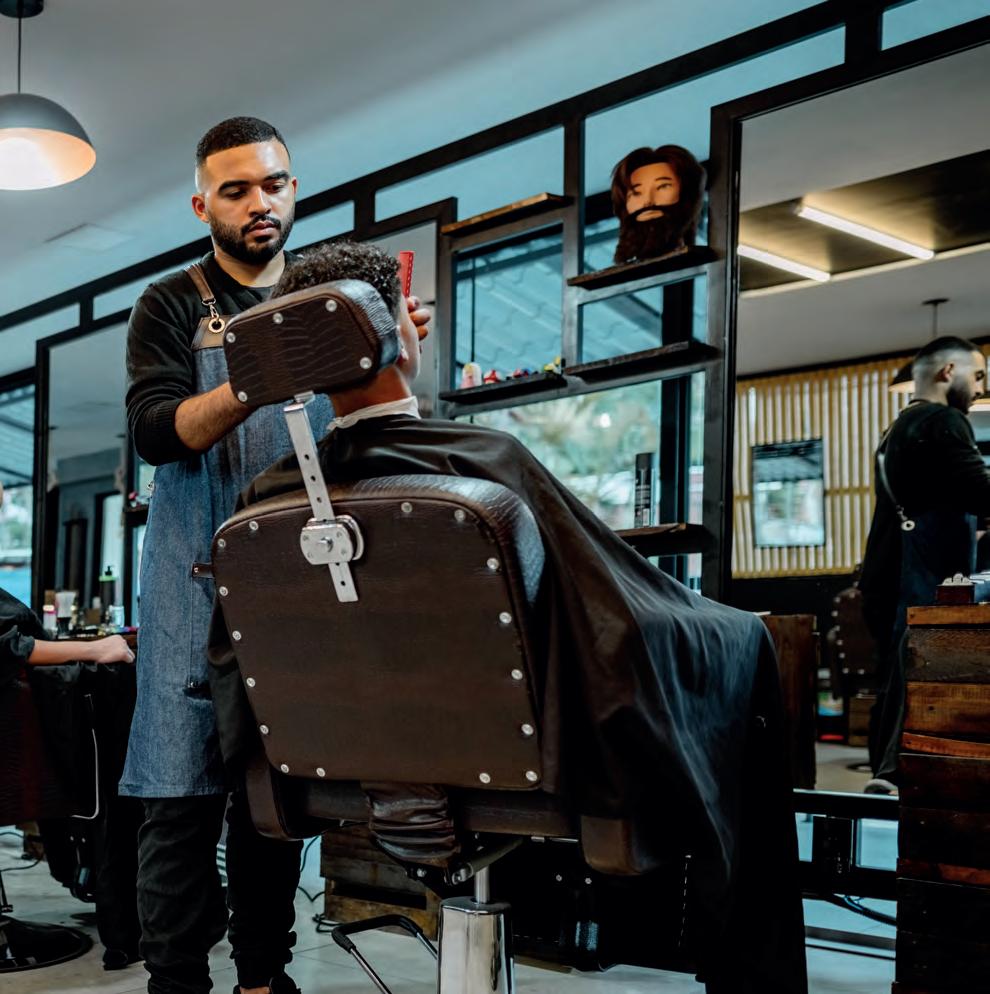
“The numbers of barbershops indicate a boom in the industry. I totally disagree,” he says. “I’m struggling to see many reputable businesses growing. What I’m seeing instead is a race to the bottom –new openings that don’t make commercial sense, and legitimate operators like us left competing on an uneven playing field.”
His own business tells a more encouraging individual story – around 1200 haircuts a week across both sites, yearon-year growth of 12%, serving over 20% of the King’s Lynn male population. But that success comes in spite of the market conditions, not because of them. Gould Barbers recently made the difficult decision to cease its apprenticeship programme – a scheme that had been running at around 60 apprentices per year.
“The economics simply don’t work any more,” Gould explains. “We want to train the next generation. That’s always been part of what we do. The primary reasons for discontinuing the
apprenticeship scheme were, firstly, the associated costs, including minimum wage requirements and National Insurance contributions. Secondly, there was a perceived lack of necessity for formal qualifications. As a result, many young apprentices, once they had developed sufficient practical skills to be shop-floor ready, chose not to remain with us to complete their coursework. Instead, they often moved on to nearby barbershops as soon as they became competent, effectively treating our programme as a training ground rather than a pathway to full qualification.
A national survey confirms the pattern
What Darran Gould is experiencing in King’s Lynn is not a local quirk. The
NHBF’s February 2026 State of the Sector survey – drawing on responses from 411 business owners and professionals across the country – paints a strikingly similar picture at national scale.
Only 32 of those 411 respondents say they are making a good profit. The majority are in small profit or breakingeven territory. Eighty-one businesses are actively loss-making. And when asked about apprenticeships, the results are stark: just 19 businesses say they are likely or definitely planning to take on apprentices in the next three months, against 378 who say they will not.
The biggest pressures are clear: National Minimum Wage increases, employer National Insurance changes, and energy costs are creating a cost stack that is pushing viable businesses to the edge.
One hundred and sixty respondents say the Autumn Budget measures together threaten the viability of their business.
Sam Silver, NHBF’s Head of Policy and Public Affairs and author of the State of the Sector report, says the survey captures something that goes beyond individual business anxiety.
“What strikes me most is that this isn’t a story about businesses struggling to adapt – it’s a story about a structural problem in the market. Our Members are working hard, raising prices where they can, absorbing costs where they can’t, and still finding that the numbers don’t add up. When you add in the competitive distortion created by non-compliant operators, you end up with a situation where, doing the right thing – employing people, training apprentices, paying your
taxes – actively puts you at a disadvantage. That is exactly what government needs to understand and act on.”
For NHBF Chief Executive Caroline Larissey, the survey confirms what the organisation has been hearing from Members – and what the King’s Lynn data makes visible at a local level.
“This is a sector that is working incredibly hard and still losing ground,” she says. “The ‘busy but not profitable’ reality that comes through so strongly in our survey is the lived experience of thousands of hair and beauty businesses right now. What the King’s Lynn analysis shows us is what happens when that pressure meets an unlevel playing field – compliant businesses, businesses that employ people and train apprentices and pay their taxes, find themselves unable to compete with operators who carry none of those costs. That is not a sustainable situation, and it is not one government can afford to ignore.”
The chains are contracting
One of the clearest indications that this is not a sustainable period of growth can be seen in the national performance of established barbershop chains. Several operators that previously maintained extensive networks have experienced notable contraction in recent years, with multiple businesses significantly reducing their number of trading locations.
These are not businesses that failed through poor management. They are legitimate, established operators – the kind of businesses that carry insurance, employ staff, train apprentices, and pay their taxes. Their contraction, happening alongside the rapid proliferation of new independent openings, tells the real story of the market.
What needs to change
“We need consumers to be part of the solution,” says Caroline Larissey. “A quality assurance scheme that people can actually see and trust – that tells them this business is insured, qualified, compliant, and treating its workers fairly – changes the dynamic. It rewards the businesses doing the right thing and gives customers a reason to choose them. That is the kind of level playing field our sector needs.”
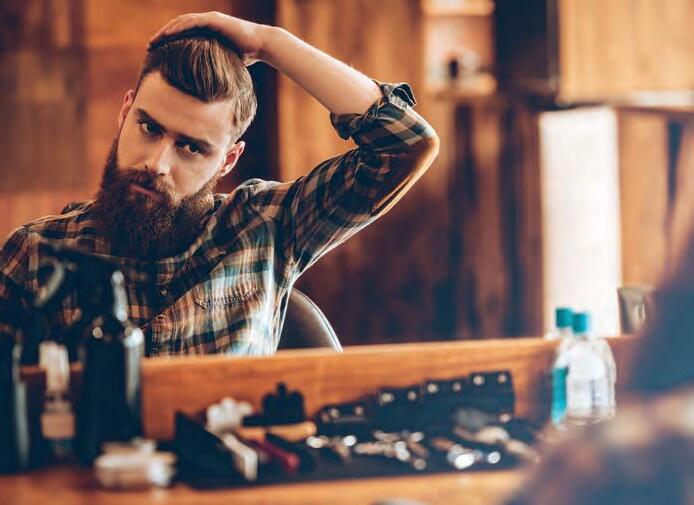
The male grooming market has shifted. What was once a quick cut and shave is now a broader service built around self-care, skincare and personal style. Your male clients are more informed, more experimental and more willing to spend.
Today’s bathroom shelf tells the story. Alongside shampoo and shaving cream, you’ll find cleansers, moisturisers, serums and beard oils. This change is not niche. It reflects a wider cultural shift, driven by social media, workplace expectations and a stronger focus on appearance.
The global male grooming market is now worth over $89 billion, with steady annual growth. In the UK, the sector has moved well beyond its pre-pandemic value, supported by higher client spend and increased demand for treatments.
Men are no longer passive buyers. They research products, follow trends and expect professional advice. Yet many salons and barbershops still offer limited services in this area. That gap creates a clear opportunity.
The
Is your barbershop ready for the rise in male grooming?
Beyond the cut
Expanding your offer
To meet demand, you need to go beyond the basics. Think about:
Facial treatments tailored to male skin
Beard sculpting and maintenance
Scalp treatments and relaxation add-ons
Hair enhancement or replacement
The aim is to create an experience, not just a service. Clients are more likely to return when they feel the difference.
Packages also work well. Combining services into one appointment increases spend and saves time for the client.
Upselling works best when it feels part of the service. Small additions can make a difference:
A hot towel finish after a shave
A short scalp massage during a cut
A quick beard tidy or eyebrow shape
A enhancement using fibres to thicken the hair
global male grooming market is now worth over $89 billion
Use products during the service, then explain what you’ve used and why. If the client sees the result, the sale becomes easier.
A short, focused consultation can increase both loyalty and retail sales.
Ask simple questions about routine and concerns
Recommend one or two relevant products
Explain how to use them clearly
Clients often compare prices with high street options. Your team should be ready to explain quality, longevity and results in simple terms.
Making the most of key moments
Certain times of year create natural demand. Summer events, weddings and holidays all drive bookings. Father’s Day and Christmas bring strong retail opportunities. Make it easy for clients to buy:
Display clearly priced products at reception
Offer ready-made gift sets
Promote vouchers for treatments
Visibility matters. If clients can see it, they are more likely to buy it.
CUTS FOR A CAUSE
National initiative using pop-up barbershops to raise awareness of prostate cancer and start conversations with men across the UK.
Founded by Mark Rayment and Anderson Boyce (Hairforce1 Training Academy) and supported by Macmillan Cancer Support, it involves offering a free haircut for anyone with a prostate aged 40 and over. See their instagram page for the locations of the pop-up barbershops and/or contact for more information.


CHAMPION FOR CHANGE
NEW GUIDANCE FOR TAX STATUS
HM Revenue & Customs has published new guidance to help barbers and hair and beauty professionals understand their employment status for tax.
The guidance focuses on common working setups, including the rent-a-chair model. It breaks down the key differences between employed and self-employed roles using clear explanations and practical examples.
Developed with input from industry stakeholders, the resource aims to address long-standing confusion across the sector.
Kelvin Shorte, Deputy Director of Taskforces & Specialist Compliance at HMRC, said the guidance responds directly to requests from the industry.


hops for on.
Barber snippets
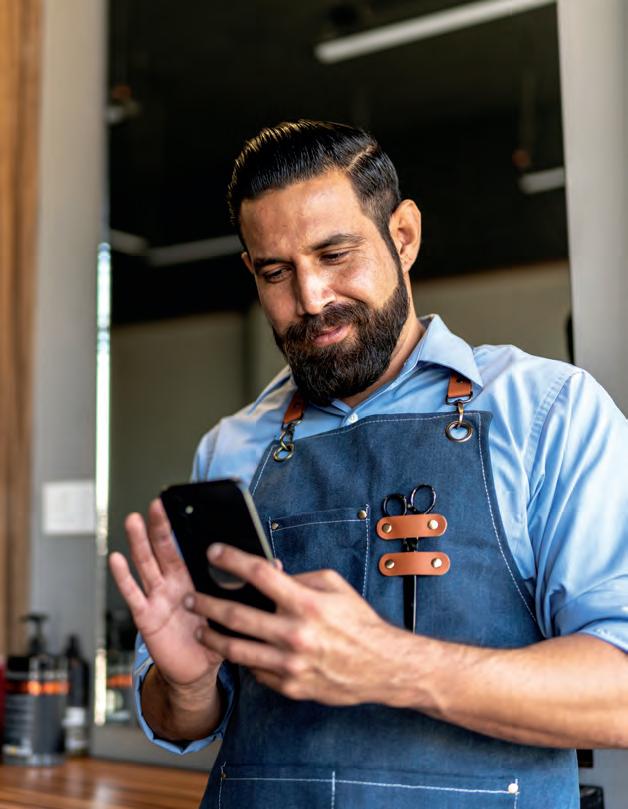
NEW INDUSTRY RECRUITMENT APP
The Noble Barber Podcast founder Anthony Laban has launched The Noble Barber App, a recruitment and training platform for the sector.
Tom Chapman Hon LLD, founder of HereToTalk and the Lions Barber Collective, has been recognised as one of the 100 Champions for Men and Boys in the UK by the Centre for Policy Research for Men and Boys.
The recognition highlights individuals making a significant contribution to improving outcomes for men and boys across the country –particularly in areas such as mental health, suicide prevention, and community support.
The app combines job listings, training and industry services in one place. Barbershop owners can advertise roles, while barbers can find work and access development opportunities.
Laban said the platform responds to ongoing recruitment challenges and is built on real industry insight.
This is a defining moment for the aesthetics sector. It will shape how you work, who can deliver treatments, and how your business operates day to day. Our role is to make sure the system reflects reality – not theory.
Working directly with government
Over the past year, we have worked closely with the Department of Health and Social Care (DHSC) and key stakeholders. We’ve taken part in expert groups and consultations, providing detailed input on:
Procedure risk categories
Age restrictions
Medical exemptions
Treatment definitions
We challenge proposals that feel impractical or disproportionate. We support changes that improve client safety. The aim is simple: a framework that works for real businesses.
Why this stage matters
No final decisions have been made. The framework is still being shaped.
This is the point where influence matters most – and we are in the room representing you.
A key concern is occupational bias. There is a real risk that the system could favour regulated healthcare professionals over skilled, experienced non-healthcare
practitioners. That would create an uneven playing field. We are pushing back on that. Your ability to operate should be based on:
Training
Competence
Experience
Client outcomes
Not job title alone.
Where things stand
In August 2025, the DHSC confirmed a three-tier risk framework:
Green (low risk)
Open to licensed practitioners who meet basic standards
Amber (medium risk)
Includes injectables, lasers and threads
Non-healthcare practitioners may need supervision from a
In your corner
Behind the scenes, we are making sure your voice is heard as the government develops plans to license and regulate non-surgical cosmetic procedures in England
qualified healthcare professional
Red (high risk)
Includes procedures such as dermal fillers to breasts, buttocks or genitals
Restricted to regulated healthcare professionals
Subject to Care Quality Commission (CQC) oversight
Other confirmed measures:
Minimum age of 18 for all procedures
Medical exemptions only where clinically justified
High-risk treatments (e.g. liquid BBL) to be tightly regulated and limited to CQC-registered settings
The government will prioritise high-risk procedures first, with further detail expected soon.
The push for fair progression
One of the biggest gaps is training.
There is still no unified, mandatory training route for


JO LANCASTER
is Quality and Standard Manager
non-healthcare practitioners. Without this, the risk is a two-tier system:
Healthcare professionals gain access by default
Experienced practitioners face barriers or restrictions
We are working to change that. Our focus: Clear, regulated vocational pathways
Recognition of existing
qualifications
Standards based on competence – not background
We are also challenging any system that places heavier requirements on established practitioners than on newcomers from clinical roles without aesthetics-specific experience.
That is not balanced regulation. It is unequal treatment – and we will continue to call it out.
What happens next
The government is expected to launch a consultation on high-risk procedure restrictions in spring 2026.
We will respond in full, focusing on:
Practical business impact
Fair access to the sector
Proportionate regulation
A wider rollout is expected across 2026–2027, including:
Licensing schemes
Inspections
Transitional periods for compliance
Local authorities and the CQC will begin preparing for implementation, including education and enforcement planning.
We will keep you updated at every stage.
Scotland: a different approach
On 17 March 2026, Scotland passed the Non-surgical Procedures and Functions of Medical Reviewers (Scotland) Bill. Key points:
Higher-risk procedures must involve healthcare professionals
Under-18s are banned from treatment
Premises can be inspected by Healthcare Improvement Scotland
We are
working alongside organisations to push for regulated vocational pathways
Transition period runs until at least September 2027
This makes Scotland the first UK nation with legislation in place.
We are monitoring this closely. Differences between nations could create challenges for businesses operating across borders.
Wider industry scrutiny
In December 2025, the Science, Innovation and Technology Committee launched an inquiry into the safety and regulation of hair and beauty products. The focus is on:
Product safety
Ingredient regulation
Risks linked to poor application
We are contributing to this inquiry to make sure responsible businesses are represented fairly.
We are representing you
We are bringing your experience into national discussions. We are:
Challenging occupational bias
Pushing for fair progression routes
Arguing for practical, workable regulation
This affects your business, your clients, and your future. We will continue to represent you until the final framework reflects how this sector actually operates.
Our sector –largely small and micro businesses, with an 87% female workforce and staff costs at around 60% – brings a clear perspective on employee health and wellbeing.
The programme has gained strong momentum. Sadie Brockbank, our Quality, Standards & Partnerships Manager, is now the NHBF’s Vanguard Champion, leading our role in this national initiative.
A programme gaining pace
The Vanguard Phase is well underway, with engagement exceeding expectations. Since November, participation in Keep Britain Working has more than doubled. Today, 150 organisations are involved, employing around 1.5 million people across 24 industries.
The Government has moved quickly, setting up a Leadership Board co-chaired by ministers and industry leaders, alongside a Workplace Health Intelligence Unit to build evidence and shape policy.
The challenge remains clear.
2.8 million people are economically inactive due to health conditions
Up 800,000 since 2019
Could rise by another 600,000 by 2030
Disability employment sits at 52.8%, nearly 30 points lower than non-disabled people
These figures highlight the need for more inclusive workplaces.
Focus areas for change
The first year centres on three workstreams:
1 Healthy Working Lifecycle
Employers are exploring better support at every stage of work. Organisations including Transport for London, Siemens and Google are leading work on prevention, in-work support, and return-to-work. This will inform a draft employer standard with the British Standards Institution.

Our champion is ready
When I first wrote about the NHBF joining the Government’s Keep Britain Working initiative as a Vanguard partner, I explained why a trade body representing salons, barbershops and clinics needed a seat at the table
BY CAROLINE LARISSEY

2 Workplace Health Provision
Over 40 providers are defining effective workplace support. A key focus is improving the Fit Note system, where 93% currently state employees are “not fit for work,” with a shift towards more practical, supportive approaches.
3 Data and evidence
A data initiative is establishing how outcomes are measured, building an evidence base to support incentives and wider adoption.
Ensuring small business voices are heard
The programme includes a strong SME focus. Ten Mayoral and Strategic Authorities are running workshops for smaller employers.
By the end of April, around 150 employers across regions including Greater Manchester, Liverpool City Region, and South Yorkshire will have taken part. Devolved governments are also contributing, creating a UK-wide approach. This matters.
95% of hair and beauty businesses employ fewer than 10 people Solutions must be practical and affordable
Introducing our Vanguard Champion
Sadie Brockbank brings over 30 years of experience in hairdressing and education. As a former National Training Manager, she oversaw safeguarding, quality assurance, and health and safety across apprenticeship programmes, contributing to strong Ofsted results.
She has worked across employers, apprentices and government bodies, and now operates across quality, partnerships and member support – placing her well to represent the sector.
Sadie says: “Wellbeing has always been a passion of mine… Taking part in the Vanguard phase is something I feel strongly about, particularly in how our Members can benefit.”
What this means for members
Sadie will act as our link to the programme – joining working groups, sharing insight, and making sure small business needs shape emerging standards.
She will also bring back practical guidance and highlight opportunities, including support programmes and partnerships.
The programme runs over three years: 2026: Develop standards and frameworks
2027: Refine and strengthen evidence 2028: Drive adoption across sectors By 2029, the goal is a voluntary certified standard for businesses of all sizes. With early involvement, we can help keep it realistic for high street salons.
Part of something bigger
Hair and beauty is built on confidence, wellbeing and human connection. Now there’s a chance to shape a national approach that supports our own workforce in the same way.
Being part of the solution puts our sector in a stronger position than having change imposed on it. With Sadie leading our involvement, our voice will be heard.
Meet our Vanguard Champion
Name: Sadie Brockbank
Role: Quality, Standards & Partnerships Manager
Experience: Over 40 years in hairdressing and education
Previous role: National Training Manager (20+ years), heading up safeguarding, quality assurance and health & safety
Track record: Contributed to high grades at numerous Ofsted inspections
Key strengths: Working with employers, apprentices and government agencies; quality assurance; stakeholder engagement Keep Britain Working: Progress Update
150 organisations now working together (doubled since November)
1.5 million employees represented across 24 industries
10 Mayoral/Strategic Authorities engaged with dedicated SME focus
40+ healthcare providers involved in developing workplace health provision
BSI partnership confirmed to develop robust, recognised standards
Family
first
Running a salon or college goes beyond creativity and client service. It involves constant decisions about cost, investment, and growth –often within tight budgets
or NHBF Member
FAesthetica Professional Ltd that challenge sits at the centre of its business model. This family-run company focuses on one clear aim: helping salons and colleges access reliable equipment and practical training at a fair price.
Aesthetica Professional is not built on large-scale marketing or big brand presence. Its approach is grounded in real industry experience and a direct understanding of what salons need to operate day to day.
The business has grown through recommendations and repeat customers. By keeping overheads low, it offers equipment at accessible price points without compromising on quality.
One clear focus
What sets Aesthetica Professional apart is how it operates across three connected areas.
Managing Director Janis Taylor runs APL Treatments, a Bedford-based clinic where

I never gave up on my dreams – it’s an adventure and I love it
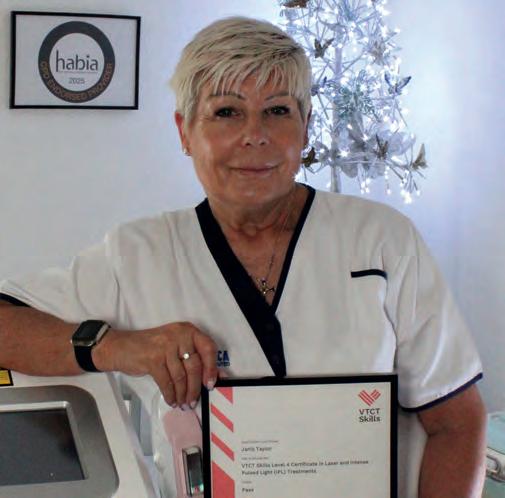
Janis Taylor of APL Treatments
she uses the same equipment supplied to clients. This gives her direct, working knowledge of how each machine performs in real settings.
The company provides salons and colleges with equipment selected for reliability and value. The focus is simple: equipment that works, at a price businesses can manage.
Training is delivered across the UK, covering more than just machine use. Sessions include:
Safe and compliant practice
Client consultation techniques
Business development
Marketing support
This gives salon and college teams the confidence to use new equipment effectively and build services around it.
A story of determination
The business reflects the journey of its Managing Director.
Janis Taylor first set out to run her own business at 18 while studying Business Studies. Life delayed that plan, but in 2019, at 62, she made a decisive change. She retrained, completing teaching qualifications alongside Level 3, 4 and 5 beauty certifications, enabling her to develop professional courses.
At the same time, she worked as a carer using her spare hours to build course materials and shape her business idea.
When the COVID-19 pandemic slowed the industry, Jan used the time to complete her courses and establish the foundations of Aesthetica Professional. What started as an idea became a practical solution for salons looking to grow without heavy financial pressure.
Now, at 68, she leads a company supplying equipment and training across the UK, including to colleges.
As she puts it: “I never gave up on my dreams – it’s an adventure, and I love it.”
Family values in practice
Despite its growth, the business remains firmly family-run. Jan’s son, Mathew Taylor-Harrison, serves as Finance Director, keeping operations close-knit and responsive.
This structure allows the company to work closely with its clients. Decisions are made quickly, support is direct, and relationships are built on trust rather than process.
With a background in healthcare, the leadership team brings a strong focus on safety, compliance, and client care – all essential in today’s salon environment.
Looking ahead
Aesthetica Professional continues to grow, but its focus remains unchanged: helping salons and colleges invest in equipment and training that supports long-term success.
At a time when many businesses face ongoing financial pressure, that practical, experience-led approach continues to resonate.
For Jan and her team, the goal is simple – support salons with ambition, whatever their size, and help them move forward with confidence.

Celebrity hairdresser Andrew Barton summits Kilimanjaro, raising over £100,000 for Kidscape
Scaling

HBF Member and renowned celebrity hairdresser and, charity ambassador Andrew Barton successfully reached the summit of Mount Kilimanjaro, Africa’s highest peak. Standing at 5,895 metres, the daunting climb was undertaken to raise vital funds and awareness for Kidscape, the anti-bullying charity, who he has been an ambassador for, for over 10 years.
NAndrew was joined by a team of 40 volunteers who braved extreme altitudes, sub-zero night temperatures, and intense physical exhaustion. Together, the group has raised more than £100,000 to support Kidscape’s mission to provide children with practical support and safety.
Kidscape is an award-winning bullying awareness charity with nearly 40 years of experience in providing practical support to children and families impacted by bullying. Bullying is a form of peer-on-peer abuse, and a wealth of research shows the significant impact of bullying on physical and mental health. Kidscape aims to see all children grow up in supportive communities, safe from bullying and harm.
Kidscape’s work includes online advice and resources, a parent advice line, and face-to-face workshops for children and families that build awareness and resilience delivered both in schools and the community. In the last year, they have supported over 8,400 children and young people throughout England and Wales. Kidscape has worked with over 1794 professionals in safeguarding, bullying awareness, peer mentoring, and digital safety to help keep children safe.
The cause is deeply personal for Andrew. Having been a victim of severe bullying throughout his childhood, to the point of several suicide attempts, he spent much of his youth in hiding. It was only upon starting a hairdressing apprenticeship that he found a ‘safe space’, discovering the passion and purpose that would eventually lead to his award-winning career.
Andrew Barton commented: “Bullying can

leave lasting scars. Climbing Kilimanjaro was one of the toughest things I’ve ever done, but it pales in comparison to what some children go through every single day. If this challenge helps even one child feel seen and supported, it was worth every step.”
The expedition featured several prominent figures from the hair industry, including Daniel Lustig-Webb (hairdresser and star of Channel 4’s Gogglebox), Tracey Harris (Racoon International educator), and independent salon owner Amber McKay. They were also joined by British TV presenter Anthea Turner.
The Expedition doesn’t end there though; the journey has been captured for two upcoming film projects: Feature Documentary: A 45-minute film detailing the climb and featuring raw reflections from the team on their personal histories with bullying and resilience. This is set to premiere at a VIP red-carpet event in London in September 2026.
Short Film: A focused edit by Many Makers (part of Alison) which will be entered into the 2027 Smiley Charity Film Awards.
heights
Scan for more information on the climb or to donate
On the summit of Kilimanjaro
47 TOP 100 Social tips and tricks from our influencers
49 RESPECT IN ACTION Caroline looks back at the last quarter
50
60 SECS WITH... What it takes to build a business with Richard Marshall MBE
THE SCENE

the signs and symptoms of skin cancer
TOP 100 INFLUENCERS
TOP TIPS FROM THE VERY BEST
Welcome to Social Success – celebrating the creativity and innovation of the NHBF Top 100 finalists. Our influencers share practical tips to boost engagement, build confidence online, and turn your digital presence into real business growth

Stay true to your style – your art is your signature. Share your process, not just perfection. Connect with your audience through honest stories, behind-the-scenes moments, and real growth. Follow trends only when they fit your vibe, and let your values shine through your work.


May is National Skin Cancer Awareness Month
The National Hair & Beauty Federation (NHBF) is proud to support SKCIN, the national skin cancer charity, with their annual Check & Protect Your Skin campaign. This simple yet powerful initiative is all about raising awareness – and we’re encouraging all our members to get involved to help protect not only their own skin, but also that of their families, friends, and clients.
SKCIN offers a fantastic range of free resources, including digital posters, social media assets, and materials from their online shop. Head over to SKCIN to explore their awareness resources and start making a difference today.
We also strongly encourage businesses working in hands-on, skin-related services to take part in SKCIN’s award-winning
Notice of AGM 2026
The NHBF’s 84th Annual General Meeting (AGM) will be held at 1pm on Monday 6 July 2026 in central London. Agenda items include: Installation of the President
online training, MASCED (Melanoma & Skin Cancer Early Detection). This impactful course equips professionals with the knowledge to recognise the signs and symptoms of skin cancer – and, crucially, how to apply these skills in real client interactions.
As a professional, you’re in a unique position to spot suspicious moles or lesions early, potentially helping to save lives through early detection and diagnosis.
Even better, SKCIN is offering an exclusive discount for members. Simply redeem the code NHBF2026 at www.
MASCED.uk – but be quick, the code is only valid until 31 May.
Don’t wait – sign up today and be part of something that truly matters.
Train your eyes. Help save lives. Follow @Skcincharity
To receive the NHBF’s annual report and accounts for year ending 31 Dec 2025
To appoint auditors Any other decision requiring Members’ approval.
Members are welcome to attend the meeting – please notify membership@nhbf. co.uk if you wish to attend.
Only Members will be admitted.
New resources
Managing the soaring cost of sick pay guide: Changes to the Employment Rights Act will bring three major changes to SSP. This guide will give you insight into how this will affect your business with case studies.
Employment law changes fact sheet: This fact sheet summarises the key reforms, when they take effect and what small and medium sized businesses can do now to reduce risk and maintain compliance.
Employment law essentials checklist: Employment law safeguards workers’ rights, prevents discrimination, and ensures a fair and equitable workplace.
Parental Bereavement Leave Policy for Employees: This template policy provides an overview of Parental Bereavement Leave and entitlement for employees.
Financial guidance for home-based businesses: This factsheet covers topics from business setup, managing finances, pricing through to maximising profits. To be used with the business, finances, prices, wages and profits guide.
Three months on from my endof-year reflections, one word keeps returning: respect. Not as a slogan or a campaign, but as something I watched come to life in a room full of people who genuinely care about this sector.
Respect Live 2026 was one of the most significant events the NHBF has delivered – and what made it significant was not just what happened on stage, but the people who made it possible.
Bringing it to life
Behind the day was a team who work tirelessly and often invisibly. Every colleague across our NHBF team played their part – and on that day, they exceeded even their already extraordinary standard.
Our Senior Management Team –Tina, Cathy, Jackie, Sarah, and Sam Silver, our Head of Policy and Public Affairs – are former business owners, training provider employers, and practitioners. People who have opened their doors on difficult Monday mornings, managed teams through recessions, and reinvented themselves to stay relevant. They bring deep, lived experience of this sector – not observing it, but living it. When a member calls us, they are reaching people who genuinely get it. Sam’s presentation of the State of the Sector data at Respect Live was a masterclass in exactly that: evidenceled, credible, and impossible to dismiss.
Our Board and Advisory Boards add further depth – member business owners and practitioners who sense-check our work, challenge our thinking, and ensure that what we take to government truly reflects what is happening on the ground.
Passion matters
There are organisations and individuals across our sector who care deeply –and that passion is genuinely valuable. Energy and advocacy matter. But passion without credibility, without evidence, without the respect of those you seek to influence, is noise. It does not change policy. It does not open doors in Westminster. It does
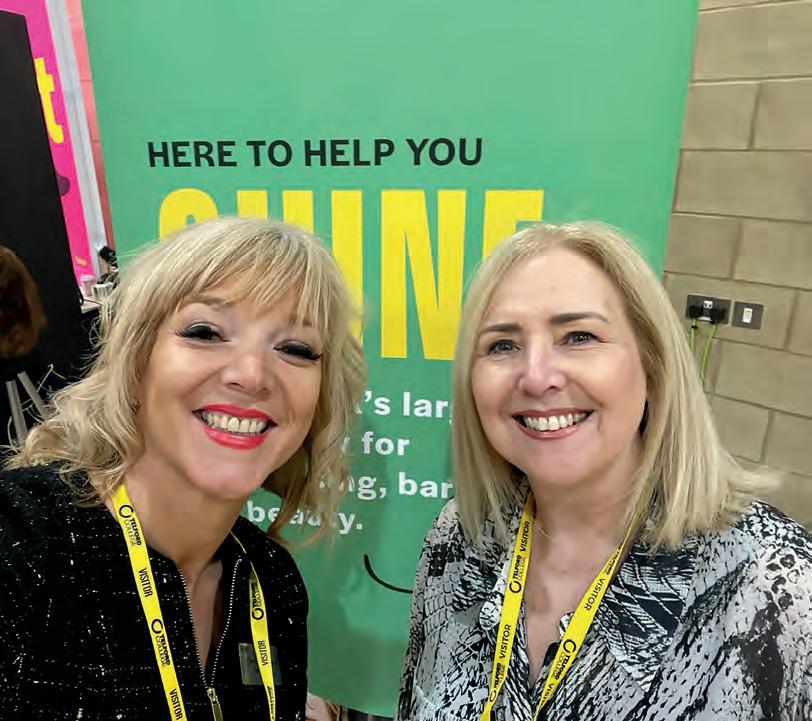
Respect in action
Caroline Larissey reflects on the first
quarter of 2026
not shape apprenticeship standards or shift a fiscal consultation. What actually opens those doors – and keeps them open – is the combination of genuine sector knowledge and rigorous, consistent evidence. It is turning what Members tell us through our State of the Sector surveys into hard data that cannot be dismissed. It is showing up professionally and constructively, year after year, in the same rooms, with the same credibility. That is how you build influence. And influence, not volume, is what ultimately drives change.
The first quarter of 2026 has given me genuine cause for pride. When I
look at the people who make up the NHBF, I see something that cannot be manufactured: deep, lived experience of this sector, carried into every meeting, every submission, every conversation with government.
If you haven’t already read the NHBF Manifesto, I’d encourage you to: read the NHBF Manifesto on page 6. It is your voice, made into policy.
For those working in aesthetics, you can read our full update on where the regulatory framework stands and what we are doing about it on page 38: Aesthetics regulation – we’re representing you where it matters most.
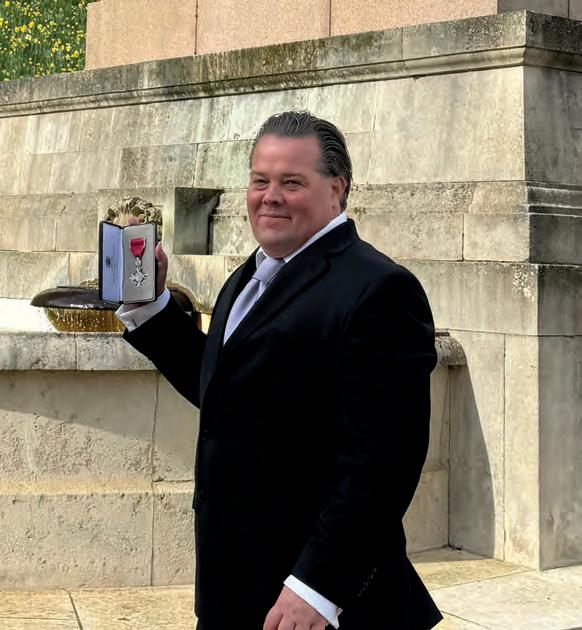
Q
What first inspired you to become a barber?
My journey started young. At 12, I was sweeping floors and making tea in a local barbershop. That environment sparked something. I loved the atmosphere, the conversations, and the transformation you could create for someone. It wasn’t just about hair, it was about confidence and connection. That’s when I knew I wanted a future in it.
Q
How did you get your start in the industry?
I started in the shop at 12. By 15, I’d left school with no qualifications and struggled with reading and writing until my forties.
A YTS scheme gave me a route forward. I trained in barbering, focused on improving, and started winning competitions. I reached national finals twice, which built early belief.
By 21, I was working in Mayfair. At 29, I took over a barbershop just off Pall Mall, now Pall Mall Barbers.
Q You’ve built Pall Mall Barbers into an international brand. What’s been key to that success? Mindset, self-belief and consistency. You
I went from sweeping floors at 12 to receiving an MBE
60 secs with...
We spoke to Richard Marshall to see what it takes to build a successful barbering business and sustain long-term growth
need to define success on your own terms. For me, it’s delivering a premium experience, building strong teams, and staying focused. We’ve expanded across London and into New York, but the priority hasn’t changed: quality, service and experience.
Q
You’ve worked with global brands and even hosted Prince William. What was that like?
Hosting him for a men’s mental health campaign was a proud moment.
Barbershops are safe spaces where conversations happen naturally. Being able to support that message on a global stage meant a lot to me and the team.
Q
How do you keep your drive at such a high level?
I’m always looking ahead – how we
improve and grow. I surround myself with strong people, invest in the team, and stay open to change. If you’re not moving forward, you’re falling behind.
Q
What sets successful barbers and business owners apart?
Mindset and standards. Skill is the starting point. The difference is understanding business, client experience and personal development. The best take ownership and think long term.
Q You were awarded an MBE by His Majesty The King – how did that feel?
It’s an incredible honour and a moment to reflect. From sweeping floors at 12 to receiving that recognition – it represents opportunity and resilience. I’m proud to represent the industry in that way.
ONE DAY IT COULD BE YOU
Injury. Sudden illness. Mental health struggles. Bereavement. Family breakdown.
These aren’t rare events - they happen every day to hairdressers, barbers, beauty therapists and freelancers across our industry.
Real people, quietly needing help.
That’s why the Hair & Beauty Charity exists.
For 190 years, we’ve been there when it matters most, and practical help during life’s toughest moments. The impact is lifechanging.
But we can’t do it alone.
One day, it could be your colleague. Your friend. Your apprentice. Or you.
SUPPORT THE HAIR & BEAUTY CHARITY, TOGETHER WE CAN MAKE A DIFFERENCE.
HAIRANDBEAUTYCHARITY.ORG @HBCHARITYUK SUPPORT FUNDRAISE ORDONATE TODAY
By fundraising through a salon event, sponsored challenge, education day, or by becoming a Charity Supporter for just £5 a month, you’re not just raising money - you’re restoring to families who need it.