










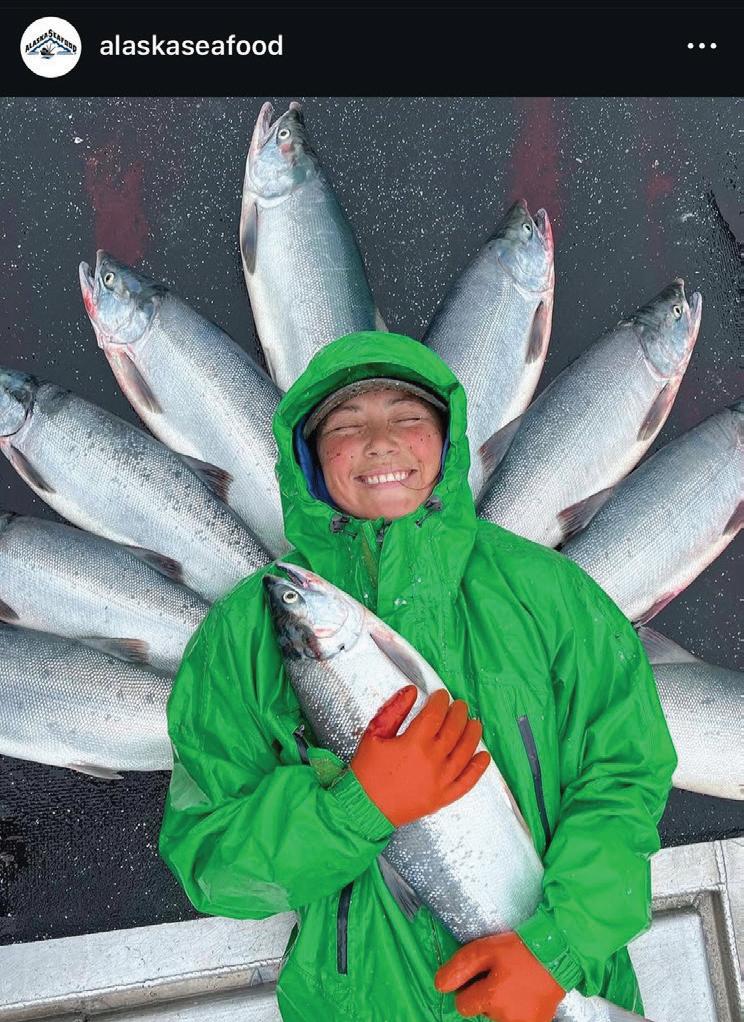


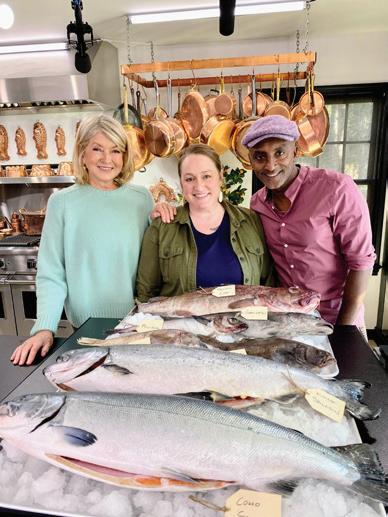

BEHIND EVERY FILLET of wild Alaska seafood is a story worth telling. It’s your story—of long days, hard work, and pride in feeding the world the best protein on the planet.
ASMI WANTS TO TELL YOUR STORY. Our annual fishing family photo contest is open for submissions, or, sign up to share your profile as a fisherman ambassador. Your images could be used on social, digital, print or videos all over the world. From digital campaigns to recipe videos to international promotions, YOUR stories will help the world understand the work, values and responsibility behind every bite.
→ Submit your photos now through December 1, 2025.


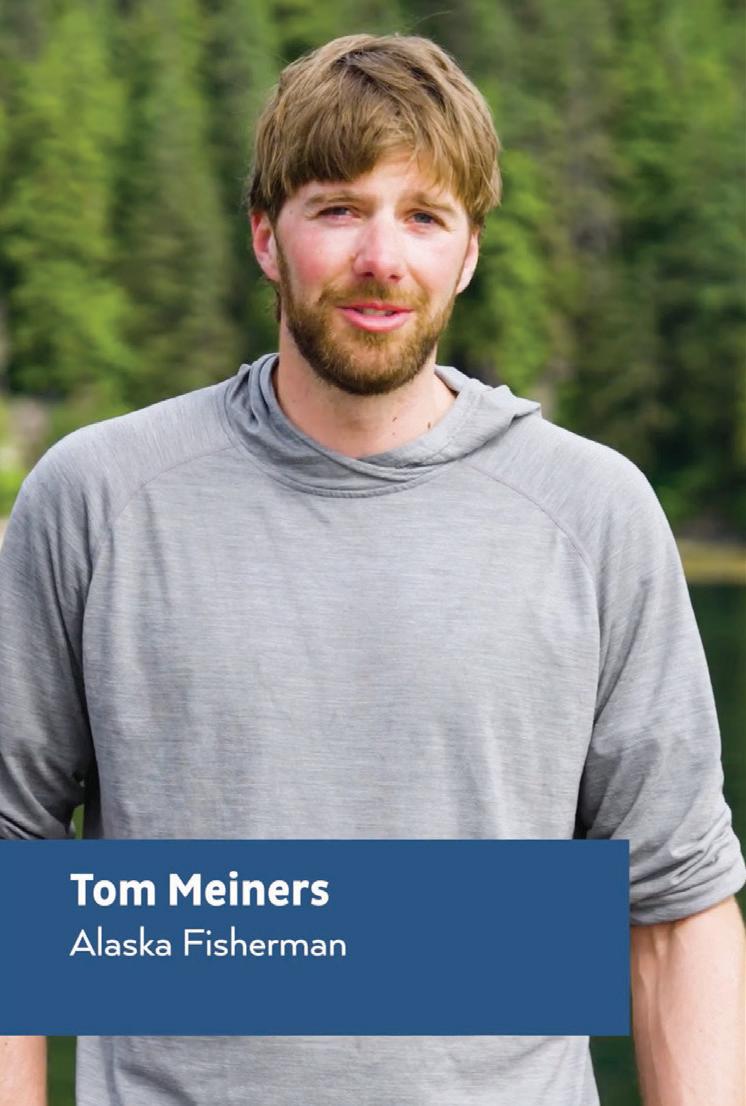



→ Tell us about yourself by entering your fisherman profile online.

→ Learn more at:








Lauren Streeter Event Director, Pacific Marine Expo
On behalf of the Pacific Marine Expo and National Fisherman teams, I am excited to welcome you to this year’s Expo. As always, our goal is to create an experience that celebrates the industry, inspires innovation, and provides opportunities for learning and connection. We are honored to host the largest and most anticipated gathering of commercial mariners on the West Coast and beyond, and we’re thrilled you’ve chosen to join us again for this year’s event.
On our show floor, you’ll find hundreds of service providers, suppliers, and manufacturers who lead the industry with solution-oriented products, trusted quality, and reliable customer service. This year we’ve added the Expo Market Center, where you’ll find artists, authors, and podcasters dedicated to creating products and media that celebrate the community and tell its story. Our three-track conference program offers expert-led education focused on commercial fishing, the workboat industry, and the blue economy, providing timely updates, valuable insights, and meaningful discussion. Our team spends all year curating the perfect mix of exhibitors and sessions designed to help you strengthen your business, and we hope you enjoy the results.
Community and celebration are woven into everything we do at Pacific Marine Expo, and our special events are how we bring people together to reinvest in the industry, honor traditions, and recognize those who dedicate themselves to making a positive impact. This year’s lineup includes our growing Future Leaders Voyage student program and the Coastal Challenge competition, both sponsored by the Port of Seattle. We’re also bringing back the Highliner Dinner and opening it up to all attendees and exhibitors. The event will take place on the second evening of the Expo, Friday, November 21, in the Olympic Lounge on the Club Level of the Lumen Event Center. You can purchase tickets in registration. We also invite you to join us for Happy Hour on Thursday and Saturday in the Beer Garden located in the Alaska Hall. It’s a free event open to all attendees and exhibitors, and the perfect time to catch up with old friends over a cold one.
The letter could go on, but the Expo awaits. Thank you for your continued support and partnership in making Pacific Marine Expo such a successful annual tradition. Our customers are truly the heart of what makes each year so special, and we’re grateful to be part of such a vibrant and important community.
To the work, the water, and the people who make it all possible,
- Lauren Streeter
Eric Haun Executive Editor ehaun@divcom.com
Carli Stewart Senior Associate Editor cstewart@divcom.com
Kirk Moore Senior Associate Editor kmoore@divcom.com
Ben Hayden Senior Associate Editor bhayden@divcom.com
Doug Stewart Digital & Print Project Manager dstewart@divcom.com
Advertising
Kristin Luke Sales Manager kluke@divcom.com
Danielle Walters Sales Manager dwalters@divcom.com
Krista Randall Account Executive krandall@divcom.com
Mike Cohen Account Executive mcohen@divcom.com
Wendy Jalbert Production & Advertising Project Manager wjalbert@divcom.com
Producer of : International WorkBoat Show Pacific Marine Expo Seafood Expo North America/ Seafood Processing North America
Publisher of : National Fisherman WorkBoat
Theodore Wirth President/CEO
Liz Plizga President, Diversified USA
Wes Doane Vice President
Lauren Streeter Event Director
Diversified Communications 121 Free Street, P.O. Box 7438 Portland, Maine 04112-7438 Ph: (207) 842-5500 www.divcom.com
Copyright© 2025 Diversified Communications PRINTED IN U.S.A.
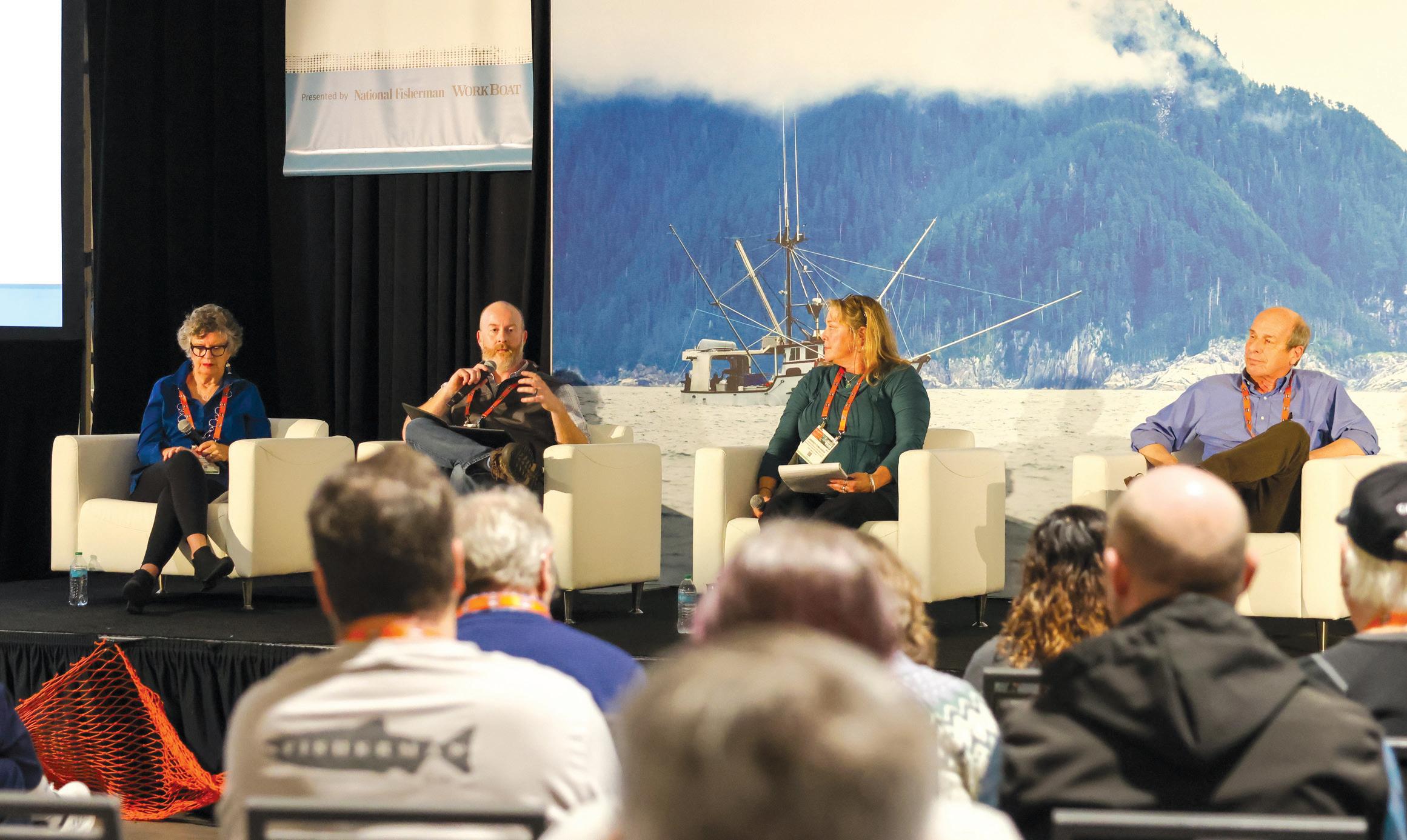













Each year, Pacific Marine Expo brings together the people and ideas shaping the future of the maritime industry. The show’s free education program, developed in collaboration with National Fisherman, WorkBoat, and Maritime Blue, delivers timely insights and practical knowledge for everyone who makes their living on the water.
Held across two stages on the show floor, the 2025 program is organized around three central content tracks — Commercial Fishing, Blue Economy, and WorkBoat. Together, these sessions offer a cross-section of perspectives from across the industry, exploring challenges and opportunities in fleet operations, vessel construction, workforce development, safety, and sustainability.
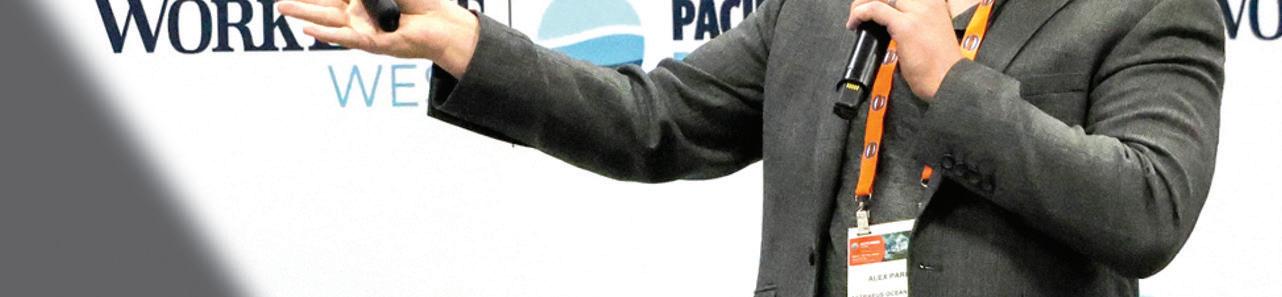
The Main Stage continues its focus on the commercial fishing sector, featuring discussions on policy, management, and innovation — from modern gear design to the next generation of fishermen and women. Just steps away, the West Hall Stage broadens the conversation with expanded programming dedicated to the blue economy and workboat markets. Topics range from vessel electrification and decarbonization to new technologies driving efficiency, resilience, and environmental progress.


Whether you’re a captain, boatbuilder, supplier, or student, the PME education sessions are a chance to exchange ideas, ask questions, and strengthen connections across the maritime community.
View the schedule for each day by scanning the QR code above or visiting PacificMarineExpo.com


The Main Stage hosts the commercial fishing track, with sessions covering topics including marine safety, business management, workforce and regulatory issues, technical advancements and more. Attendees will hear from leaders in the industry and gain valuable insights into the trends, technologies, and challenges shaping the future of commercial fishing.
Explore the Main Stage offerings at the QR code here.
The West Hall Stage offers programming on two tracks: Blue Economy and WorkBoat.
The WorkBoat content has been developed by our National Fisherman and WorkBoat editorial teams and includes sessions on maritime regulations, new technology, port safety and naval architecture. These WorkBoat sessions take place Thursday, November 20, from 10:45am – 3:45pm.
The Blue Economy track was developed by our partners at Maritime Blue and includes sessions on workforce development, moving new markets in maritime, a virtual tour and Q&A about their Maritime Innovation Center, as well as start-up pitches from their Blue Ventures program. These sessions are Friday, November 21, from 11:00am –4:00pm.
For the complete West Hall Stage schedule, scan above.
The largest commercial marine trade show on the West Coast has a lot to offer — check out the special events we have lined up for this year’s show!
AMSEA Stability Workshops Hosted by:
NEW! AMSEA is offering free stability training workshops throughout the show. Pre-registration is required.
NF Highliner Awards Dinner is back! Join us in celebrating the 2025 National Fisherman Highliners! Visit Registration to add this special event to your badge.
Coastal Challenge sponsored by:

Prepare to test your seaworthiness, skills, and knowledge as you embark on a journey through different skill-set trials. The winner of each trial takes home cash!
Scan the QR code above for a complete schedule of the special event offerings!

THURSDAY / NOV. 20
Registration Open 8:00am-4:30pm
Exhibit Floor Open 10:00am-5:00pm
Education Sessions 10:45am-3:45pm
Coastal Challenge 12:00pm-1:00pm
AMSEA Stability Workshops 2:00pm-3:15pm Happy Hour 3:30pm - 4:30pm
FRIDAY / NOV. 21

Registration Open 9:00am-4:30pm
Exhibit Floor Open 10:00am-5:00pm
Education Sessions 11:00am-4:30pm
Coastal Challenge 12:00pm-1:00pm
AMSEA Stability Workshops 2:00pm-3:15pm
National Fisherman Highliner Ceremony & Dinner *Paid Event 4:30pm-6:00pm
SATURDAY / NOV. 22
Registration Open 9:00am-1:00pm
Exhibit Floor Open 10:00am-2:00pm
AMSEA Stability Workshop 11:00am-11:30am

Education Sessions 11:30am-12:30pm
Coastal Challenge & Happy Hour 12:30pm - 1:30pm
BY MARGARET BAUMAN
Commercial fishing entities are collaborating with a rising star in plastics recycling, Net Your Problem, to keep thousands of pounds of worn-out fishing gear and washed-ashore plastic debris out of landfills and get it refurbished into useful products.
“Fishing gear doesn’t last forever, but it also doesn’t have to go to waste,” said Tim Fitzgerald, chief sustainability officer at American Seafoods. “As we continuously improve our nets and gear, it is encouraging to know that the gear that has served one useful purpose can now serve another one.”
American Seafoods collaborated May 28 with Arctic Storm Management Group, Coastal Villages Region Fund, Glacier Fish Company, and 150 volunteers for an inaugural net recycling day at the Port of Seattle’s Terminal 9. Each spent several hours cleaning one of their groundfish nets, which yield on average 20,000 lbs. of plastic.
“The nets are expensive enough that we take very good care of them,” said Fitzgerald. “We try to use them as long as possible.”
American Seafoods first partnered with Net Your Problem in 2019 to move old gear out of Dutch Harbor, Alaska, for recycling in Europe. In 2022 they held their first large recycling event in Seattle. The processors pay Net Your Problem to take the nets, which are then sold to companies that repurpose the plastic into products ranging from shopping bags and sneakers to knife handles.
Net Your Problem also collects codend, trawl net, footrope, cable, seine web, chafing gear, purse line, float line, pot gear, soft buoys, gillnet web, weed line, sink line, sorted marine debris, and lead and cork line.
Founder Nicole Baker, a former North Pacific groundfish observer, serves as Pacific Northwest coordinator and recycler liaison. Her interest was sparked by Parley for the Oceans’ collaboration with Adidas to make sneakers out of confiscated fishing nets. Since 2015 she has been connecting harvesters with recyclers.
Baker spent May 7–18 in Cordova, Alaska, working with Nelly and Michael Hand of Drifters Fish, who used a NOAA grant on the first of a two-year beach cleanup effort. “It was one of the most impressive beach cleanups I’ve ever participated in,” said Baker. The Hands and fishermen they hired gathered in two days some 5,500 pounds of debris from Egg Island, including trawl net, buoys, Styrofoam, bottles, jugs, line, plastic fragments, and tires.
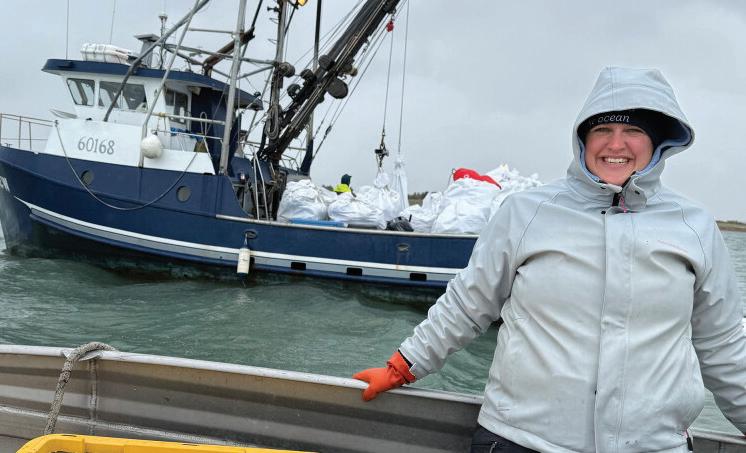
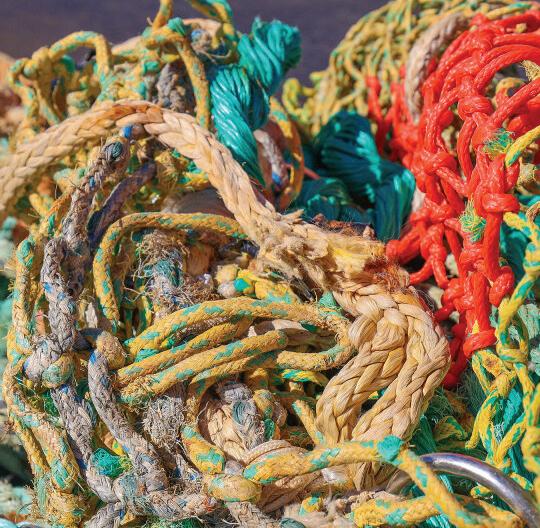
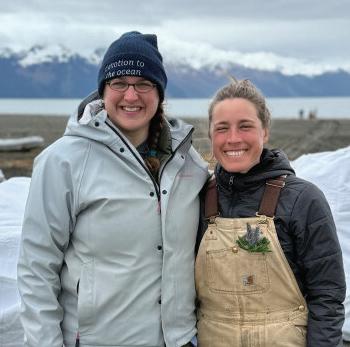
The group collected 24 huge bags of debris filling a 20-foot Alaska Marine Lines shipping container. “I did not expect to have it all sorted and weighed by the time we left the beach,” Baker said. The bags were transferred to the Hands’ boats and shipped south for recycling.
“Putting plastics in a landfill wastes petroleum resources,” Baker said. “Any time we can keep materials in circulation longer means you don’t have to extract natural resources to make them.”
The day after the Egg Island cleanup, Nelly Hand led a Cordova High School field trip where students estimated about 3,600 bottles collected in one cleanup. While in town, Baker also met with businesses, Cordova District Fishermen United, and residents about net and aluminum can recycling. Proceeds from aluminum sales support net recycling in Cordova. The goal is to collect one bale— about 800 cans—a month via a local drop-off.
From Cordova, Baker headed for Seattle to move inventory to her new headquarters in Newport, Oregon, and a marine industrial park whose current assets include a 2019-built ice plant. Developer Evan Hall, from a fishing family, has built infrastructure and graded land while awaiting tenant agreements.
“Eventually, we would love to see use of all 40 acres,” said Hall. He’s working with the Iceland Ocean Cluster to attract tenants and envisions space for aquaculture.
Hall noted that many fishing vessels used in Alaska are docked in Newport during offseasons and could transport debris south. “It could have a huge impact,” he said. “It’s very exciting.”



Up
Reduced weight and fuel consumption
Minimal impact on the seabed
Designed for superior hydrodynamics
Navigates obstacles with ease
Easier towing



BY BEN HAYDEN
HB 233 would extend those protections to mining, offering a new line of defense against projects such as Pebble Mine.
Representatives noted that Northern Dynasty Minerals, the company behind Pebble, continues to pursue permits, while more than 20 mining claims remain active across the region. Fishermen said this presents a clear threat to a fishery that has supported commercial harvests for more than 130 years. The bill was introduced at the close of the legislative session and will automatically be taken up again when lawmakers reconvene in 2026.
The event also provided space for other grassroots groups working on fisheries and watershed issues. The Susitna River Coalition highlighted its campaign against the West Susitna Access Road, which it says would cut across more than 180 rivers and streams. Coalition members warned the project could damage salmon populations and wetlands critical to the river system’s health.

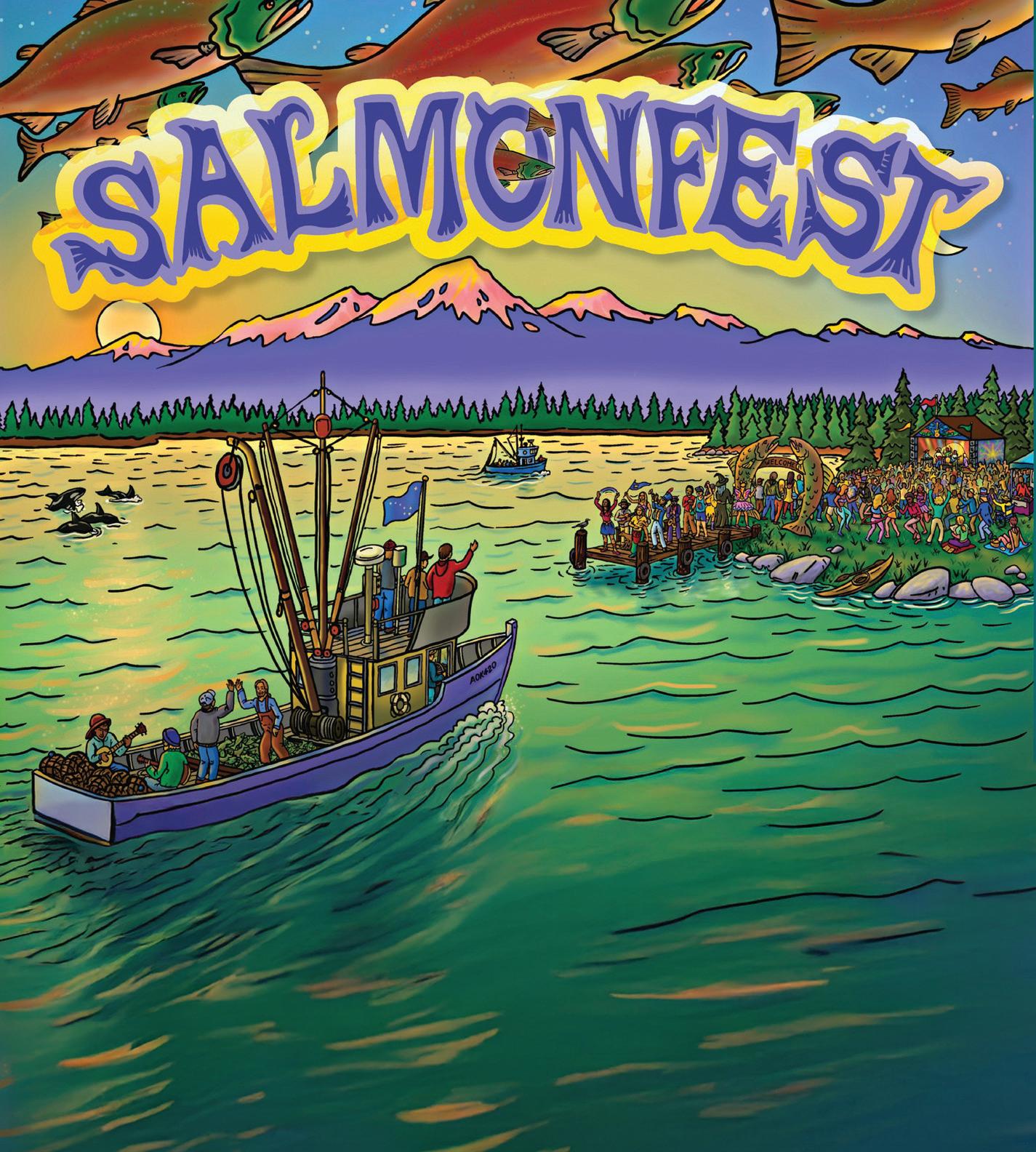
In August, Salmonfest once again drew thousands to Ninilchik, Alaska, for three days of music, advocacy, and a shared focus on protecting Alaska’s salmon populations. Launched in 2011 as Salmonstock, the celebration has become the event of the summer, pairing its festival atmosphere with education and outreach around Bristol Bay and other fisheries. This year, National Fisherman joined as a sponsor to connect with commercial fishermen and local organizations.
At the NF booth, conversations spanned generations of active and retired fishermen. It was refreshing to see so many young fishermen, from deckhands to boat owners. Topics ranged from regional productivity to how new setnet technology is reducing king salmon bycatch. More than 140 attendees signed up for free NF+ memberships, including 80 commercial fishermen.
While the festival’s stages and headliners bring in the crowds, Salmonfest’s Salmon Causeway gathers fishermen, families, and advocates to discuss the future of Alaska’s fisheries.
Among the advocacy groups was Commercial Fishermen for Bristol Bay (CFBB), a national coalition representing thousands who depend on the world’s largest sockeye salmon run. CFBB describes its mission as “ensuring the longterm sustainability of the world’s largest sockeye salmon fishery through habitat protection, education and advocacy.”
CFBB focused attention on House Bill 233, introduced this year in the Alaska Legislature to ban metallic sulfide mining in the Bristol Bay Fisheries Reserve. Created in 1972 under Gov. Jay Hammond, the reserve already restricts oil and gas development without legislative approval.
On the maritime side, National Fisherman spoke with the Alaska Safety Alliance (ASA) about maritime workforce initiatives. Through the Alaska Maritime Education Consortium—linking the University of Alaska and the Alaska Vocational Technical Center—ASA is preparing Alaskans for maritime careers. The program supports jobs identified in the Alaska Maritime Workforce Development Plan, including shipbuilding, vessel repair, port operations, and vessel operations. ASA’s Maritime Works program promotes career awareness, training opportunities, and sustained employer engagement in a sector that supports more than 70,000 jobs statewide
Organizers describe Salmonfest as a celebration with a purpose. “Salmon is one of the iconic species of Alaska,” the festival’s website notes. “Since 2015, Salmonfest has donated over $300,000 to salmon-related initiatives across Alaska.”
For CFBB and other groups, the festival keeps Bristol Bay in the spotlight as legislation moves forward and industry pressure continues. With more than a decade of history, Salmonfest has evolved into a blend of celebration and advocacy. For commercial fishermen, it remains a way to ensure the fight for Bristol Bay stays a national conversation—rooted in sustaining the salmon runs that support jobs, communities, and a way of life across Alaska.
Our engagement with your industry gives us the expertise needed to help you grow your business.
Whether you are in need of short-term strategies or a long-term vessel loan, we are here to deliver tailored solutions and customized financing with flexible terms — and all decisions are made locally.
Put our industry experts to work for you today.
Anchorage 562-0062
Fairbanks 455-1111
Homer 261-3312
Juneau 790-5168
Ketchikan 225-4545
Kodiak 481-2228
Nome 261-4612
Sitka 747-6252
Soldotna 260-7669
Wasilla 376-0396










































































BY CARLI STEWART
ince 1975, National Fisherman has celebrated the men and women whose work at sea and ashore keeps America’s fisheries strong. Now marking its 50th year, the Highliner Ceremony and Dinner remains one of the most enduring honors in the U.S. commercial fishing industry, recognizing not just skill on the water, but leadership, advocacy, and an unwavering commitment to the future of fishing. What began as a simple recognition of excellence has evolved into a gathering that reflects the heart of the industry itself—the people who dedicate their lives to the water and to the communities that depend on it.
Each year, the editors of National Fisherman select a small group of individuals whose influence extends beyond their own wheelhouse or dock. These are the people who show up at meetings, for their communities, and on the front lines of change to make sure fishermen’s voices are heard and their livelihoods protected. Through good years and bad, these Highliners represent the backbone of an industry built on persistence, innovation, and care for both ocean and shore.
The 2025 Highliners will be celebrated during the special dinner and ceremony at this year’s Pacific Marine Expo in Seattle, where generations of fishermen, families, and industry partners will gather to honor those who go above and beyond for their fleet. The event serves not only as a recognition of achievement but as a reunion—a moment to pause and appreciate the people who continue to push the industry forward despite constant challenges.
This year’s honorees embody what it means to be a Highliner—
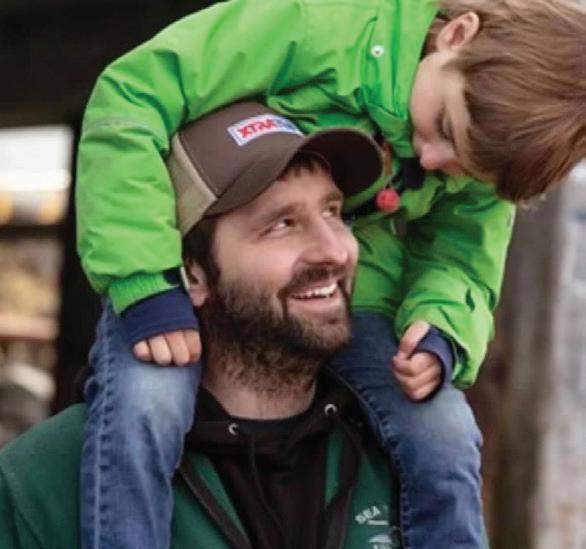
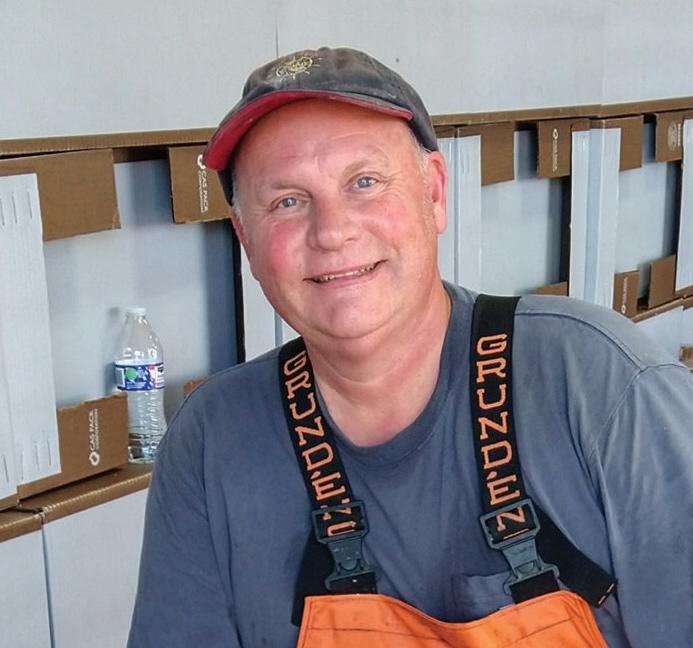
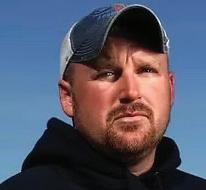
hardworking, forward-thinking, and deeply dedicated to the people and waters that define our coastal communities. Join Jerry Fraser, past Highliner, retired commercial fisherman, journalist, and former editor and publisher of National Fisherman, as he returns to emcee the ceremony on Friday, November 21, from 4:30 to 6:00 p.m., for an evening of storytelling, camaraderie, and celebration.
For more than five decades, Bob Alverson has been a cornerstone of the North Pacific fishing industry. As a leader of the Fishing Vessel Owner’s Association (FVOA), Alverson helped guide the industry through major regulatory and economic transformations, most notably the development and implementation of the halibut and sablefish (black cod) Individual Fishing Quota (IFQ) programs.
After sixteen years of advocacy collaboration, the IFQ system became the largest of its kind in the world, improving safety at sea and providing long-term economic stability for more than 3,500 initial permit holders. Beyond his policy work, Alverson has managed complex insurance and business affairs that have strengthened the resilience of the fleet he represents. His career embodies steadfast leadership, foresight, and a lifelong commitment to the fishermen of Alaska and the Pacific Northwest — a legacy that will continue to influence future generations of industry leaders.
A fourth-generation lobsterman from Maine’s Midcoast, Dustin Delano has dedicated his career to protecting the future of New England’s fisheries. After decades on the water, Delano made the
difficult decision to step away from fishing to become a fulltime advocate. Aa the chief strategist of policy and operations at the New England Fishermen’s Stewardship Association (NEFSA), he has become a strong voice for fishermen across Maine, New Hampshire, and Massachusetts.
Delano’s leadership has been pivotal in addressing regulatory challenges, including offshore wind development, vertical line rules, and the recent gauge increase retraction. His work connecting harvesters, dealers, and policymakers has strengthened the industry’s representation at every level, from the Atlantic States Marine Fisheries Commission meetings to the halls of Congress. Known for his integrity, empathy, and nonpartisan approach, Delano continues to fight for fishermen’s rights and the long-term sustainability of the industry he grew up in. His story represents a generational commitment—one that bridges traditional fishing heritage with a modern understanding of policy and advocacy.
Erik Velsko, founder of Kaia Seafoods, is redefining what it means to be an Alaskan commercial fisherman. Alongside his wife, Lacey, Velsko is pioneering a values-driven approach to small-vessel harvesting that prioritizes quality, sustainability, and transparency. Their innovative use of slurry-ice systems and premium handling practices has set a new standard for Pacific cod harvesting, proving that progress in Alaska’s fisheries doesn’t require large-scale operations to make a lasting impact.
A lifelong fisherman with deep roots in his community, Velsko has shown a willingness to take bold, principled risks to improve market conditions for independent harvesters. His leadership demonstrates how innovation, integrity, and dedication to craft can create a more viable and resilient future for Alaska’s small-vessel fleet. His story represents the entrepreneurial spirit of today’s fishing families who balance tradition with forward-thinking solutions that ensure longterm sustainability for their communities.
With decades of experience and leadership in the commercial fishing industry, Brick Wenzel has become one of New Jersey’s most steadfast advocates for fishermen and food security. A respected voice on national policy, Wenzel has testified in Washington, D.C., on the impacts of industrial wind development on the nation’s seafood supply and coastal resources.
In 2018, Wenzel founded American Gleaned Seafood, a nonprofit organization that delivers New Jersey’s top source of protein — seafood — directly to food banks, soup kitchens, churches, and food pantries. Since its founding, the program has distributed the equivalent of over a million servings of fresh seafood and continues to expand internationally. Through his dedication, Wenzel has demonstrated how commercial fishermen can lead with both innovation and compassion, ensuring access to nutritious seafood while safeguarding the working waterfronts that make it possible. His example underscores how one person’s vision can ripple far beyond their home port to feed families and inspire others across the industry.
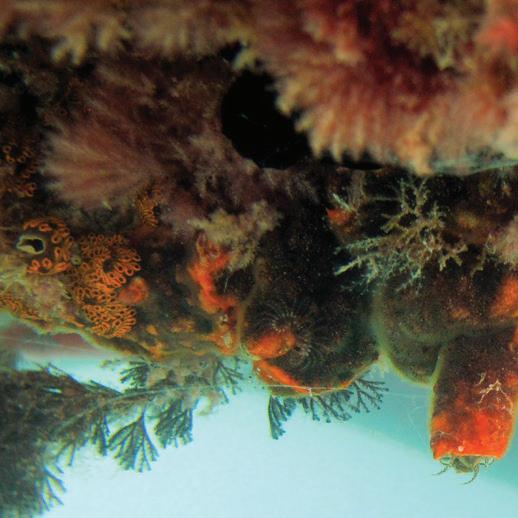
Managing biofouling saves you money by protecting your equipment and reducing fuel consumption. Managing biofouling further prevents the spread of aquatic invasive species (AIS) that could harm commercially important fisheries and local economies that depend on healthy fisheries.
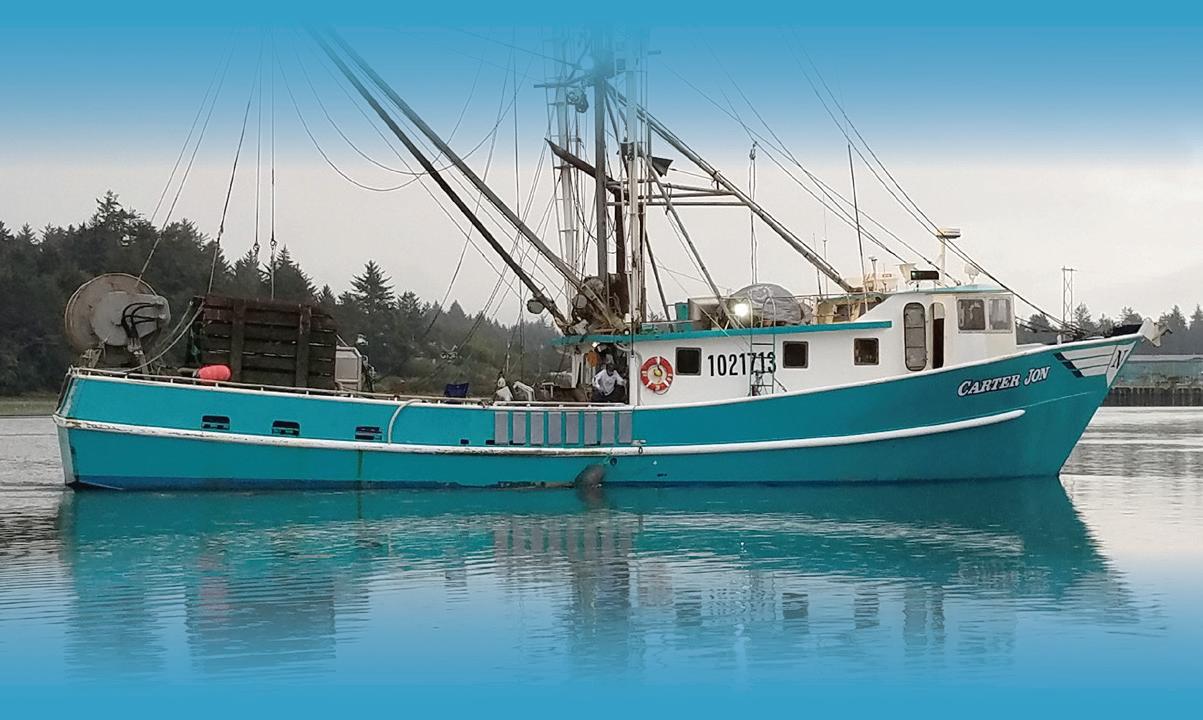

Biofouling refers to organisms attached to or associated with underwater or wetted surfaces of a vessel. Your fishing equipment, the hull of your boat, and other boat structures such as propellers, rudders, and intakes can accumulate biofouling.



BY BEN HAYDEN
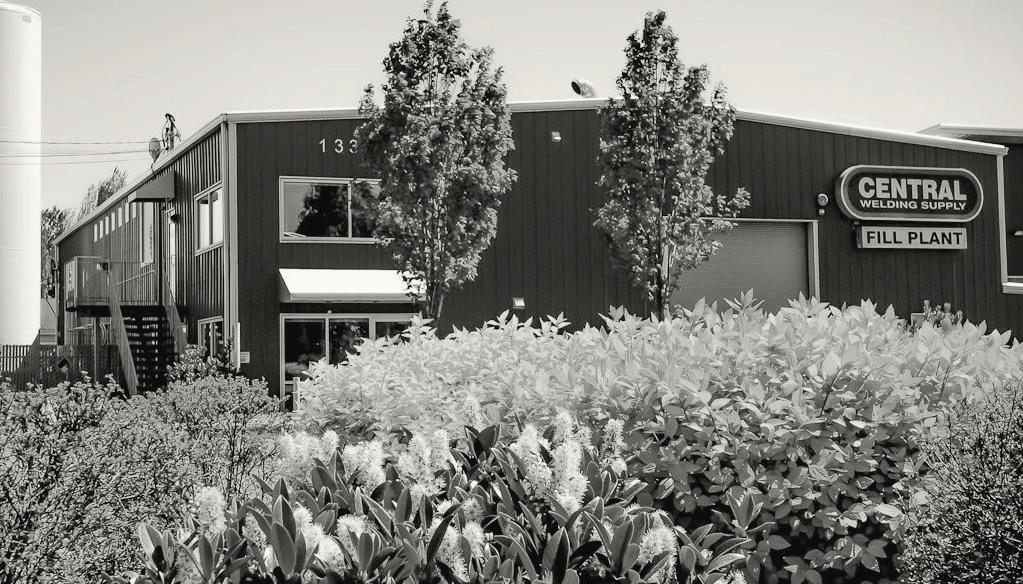
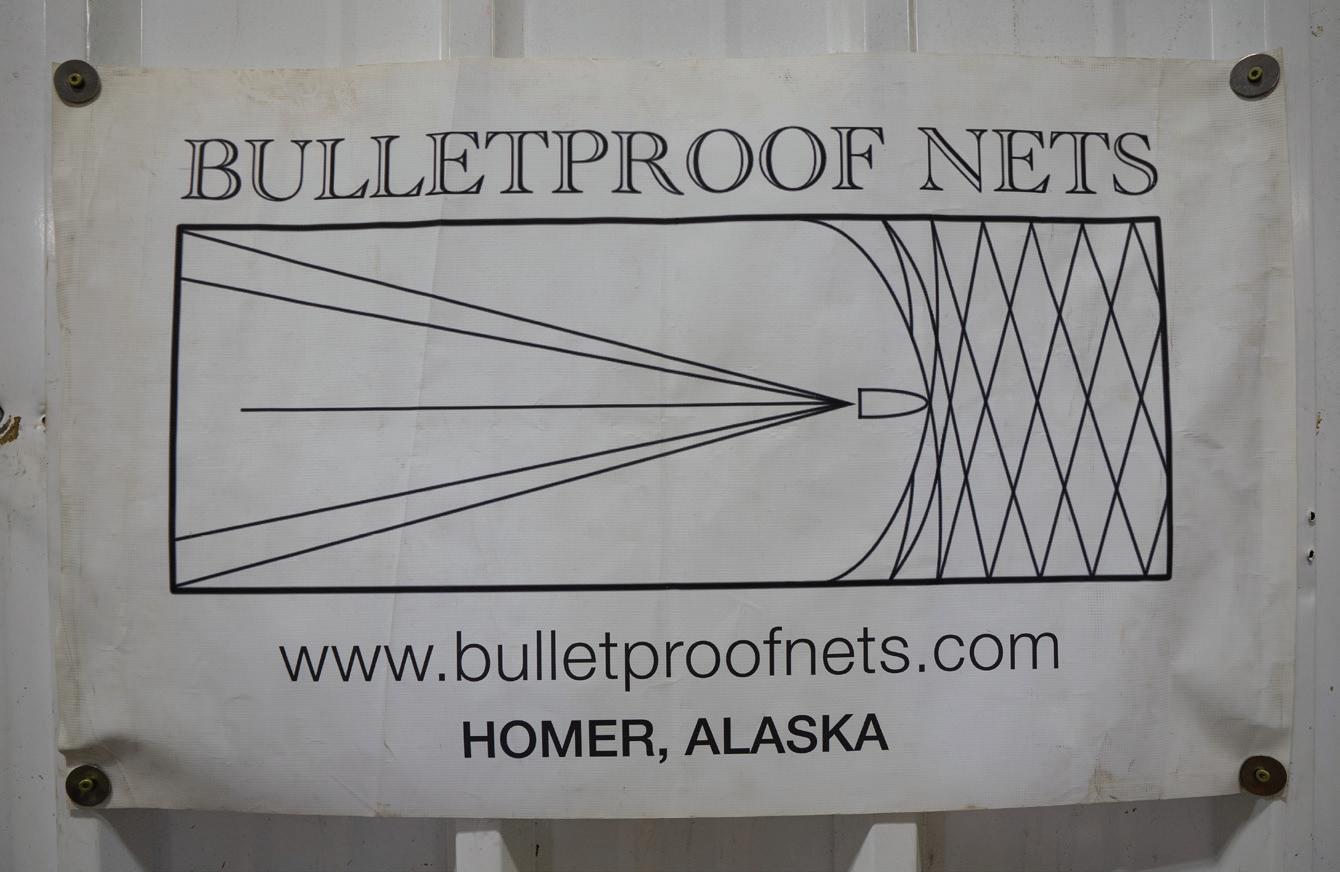
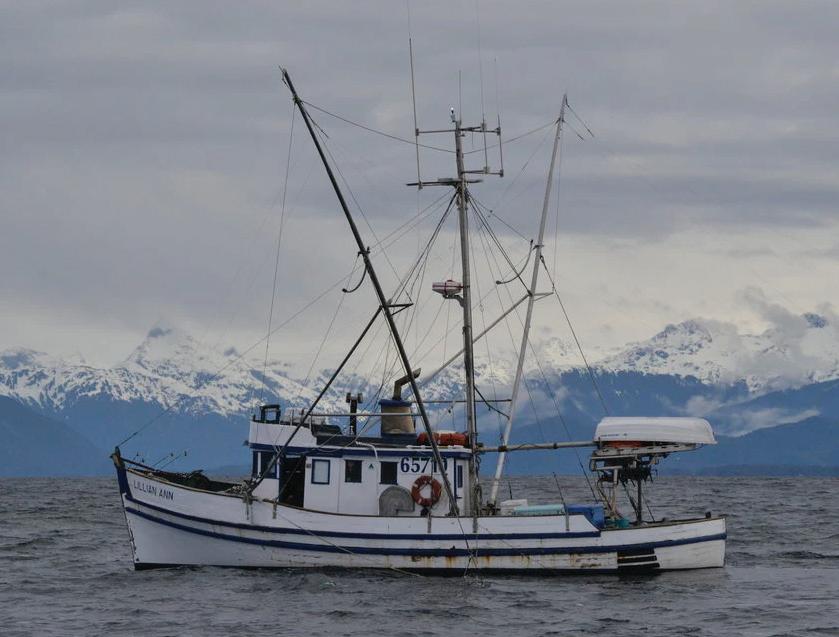
At Bulletproof Nets, keeping Alaska’s seine fleet on the water is equal parts tradition, craftsmanship, and innovation. The Homer-based shop, now owned by LFS Inc., Bellingham, Wash., is the largest of its kind in Alaska, servicing gear for fishermen across the West Coast and Alaska, with some odd jobs extending as far as St. John, U.S. Virgin Islands, for Atlantic skipjack tuna. National Fisherman visited the shop in August, and met with seine production manager, Sid Paulino, and operations lead, Cody Stadler.
The company builds custom seine nets designed to meet the specific needs of commercial fishermen, adapting each net to factors like deck space, horsepower, water depth, regulatory requirements, and budget, ensuring that every build is tailored to the operation.
While newbuilds are less common, repairs make up the bulk of the work. Crews bring in their nets before the season, decide which sections are a must to be fixed, and leave the rest for another year. “Every season some guys come in for what we call a tune-up,” said Paulino. “We’ll fix the first 30 fathoms, then they decide what they’re okay with leaving. It’s the least money you have to spend to keep fishing.”
The shop has formalized this process with a detailed checklist and repair log. Customers review each section of the net and mark whether they want repairs completed, deferred, or customized. A budget section helps align expectations. “If what they want doesn’t match the budget, we can have that conversation: ‘Do you want to push your budget, or do you want me to dial back?’” explained Stadler.
Bulletproof has also modernized its recordkeeping. What began on graph paper has moved into Excel spreadsheets. Each net has a corresponding file with color-coded updates by year and a notes section for completed work and items deferred for future seasons. This running history allows both the shop and the fishermen to track the changes to their nets over time.
“Every year that it gets worked on, we note things that were done and things that need to be done but we didn’t have time,” Stadler said. “It’s a way to slowly check things off year after year, ‘okay, we had budget for this, we didn’t for that.’”
Customization is central to the shop’s work. Some clients can add removable extensions to meet regional permit allowances, such as Prince William Sound’s 25-fathom add-on that brings a net up to Kodiak length. Others prioritize speed and low drag, using Spectra material. “Spectra is popular because it can provide similar strength as the poly chafe we typically use while being a much smaller diameter,” Paulino said. “It’s all priced differently, and it depends on how you want to fish...Some guys want durability, others want light,













fast nets that let them tow harder.”
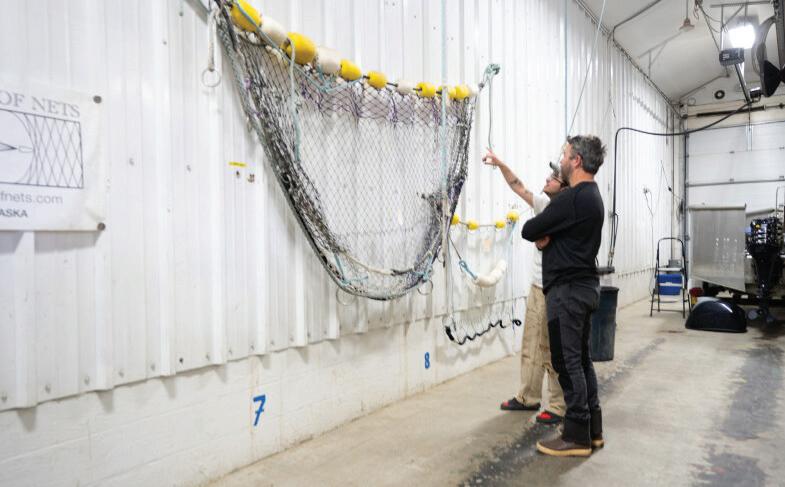
The intricacy of a seine net becomes clear in the shop’s material samples. Each component, from cork lines to rib lines, has options that affect how the gear performs.
“There are so many components and so many things you can do,” Paulino said filing through a net sample hanging on the wall, showing the differences between traditional knotted cork lines to modern stick-through connections that make reattaching broken lines more precise.
“With stick-through, you know exactly where to reconnect…That’s the rib line. Here’s a Spectra rib line. This is the lacing,”
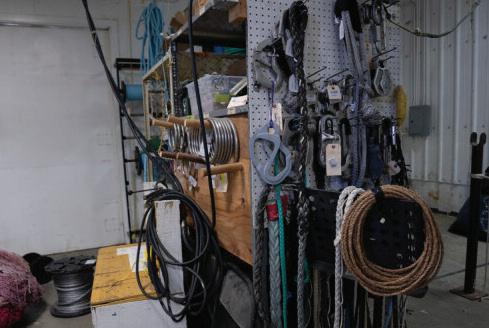

they said. “That’s how we put it all together. Here’s your chafe gear. We use a poly-blend for durability, or Spectra chafe gear if you want it super soft and light. Some guys go all out with Spectra for low drag.”
This level of customization means no two projects are the same. “One guy in Prince William Sound wants to tow really hard with his big boat, so his net is almost entirely Spectra,” Paulino said. Despite Spectra being deemed “stronger than steel”, he noted this particular fisherman shreds his every year due to his vessel size and how hard he tows.
Longtime net builder Matt Alward, who
owned the shop before its 2020 sale, still comes in for major builds. His speed and experience are considered unmatched. “He trained our boss, who trained us,” Stadler said. “Watching him mend is craftsmanship at its highest level.”
While the shop rarely builds fully-new nets, its diagnostic and section-replacement work keep fleets fishing. Most nets are purchased used and then adapted piece by piece. “Nets are built for someone else’s style,” Stadler noted. “We help the new owner learn how to fish it and adjust what’s needed.”
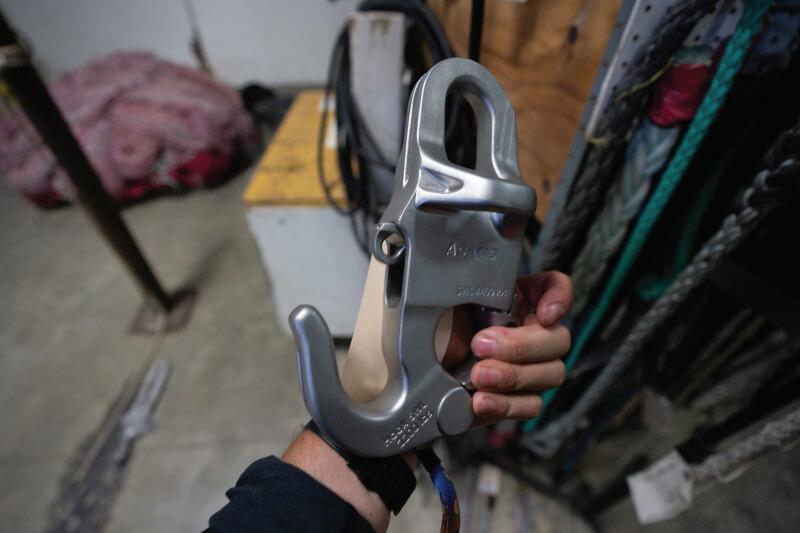
Beyond repairs, Bulletproof collaborates with Japanese hardware maker Asano to test new designs. “They’ll work with our boss, Josiah, on a new concept, something that maybe hasn’t been improved in a long time,” Paulino explained. “They’ll basically just talk with him, design something, work a bunch of it out, they’ll print it, and then they give us the 3D printed model. We take that to Pacific Marine Expo every year,” they said. One of the recent developments was a redesigned pelican hook, a device commonly used in gillnet fisheries to release brailer bags from cranes.
“A pelican hook typically is this huge contraption. They’re massively difficult to deal with. You need two hands to open and reset it,” Paulino said, grabbing a small piece of equipment from a nearby shelf. “This is their version of a pelican hook. It’s so much easier to use. This new one is lighter, way stronger, and you can open it with one hand. It’s insanely more efficient,” he said.
After showing early models at PME, Paulino said Asano adjusted the design so that lines wouldn’t catch on a knuckle near the hinge, moving the release point farther back and strengthening the hook. Paulino noted the new model is rated to Japanese standards.
“It says it’s rated for 2,200 pounds, that’s in Japan. Which means in the U.S., it’s rated for like 6,600 pounds,” they added.
Despite the shift to corporate ownership under LFS, the shop maintains its focus on the fleet. Employees share information freely with other net builders across Alaska. “If someone else wants to start a shop, please do,” Paulino said. “There’s plenty to go around. I’d rather talk through it with another net builder and have it done right than fix it later.”
Speaking to the work, Stadler said, “It’s that old tradition. Quality, worksmanship, cutting edge materials, that we’re still doing it.





























BY JORDAN RANDALL
NBY BEN HAYDEN
ew to Pacific Marine Expo, the Expo Market Center brings a fresh, authentic energy to the show floor, celebrating the people and passions that define the working waterfront. Inspired by Seattle’s iconic Pike Place Market, this dynamic new destination highlights the creativity that runs deep in maritime culture.

Located in the West Hall, the Market Center features a diverse lineup of vendors, artists, authors, and podcasters offering handcrafted goods, nautical artwork, books, apparel, and maritimeinspired gifts. With a cash bar nearby, it’s the perfect spot to sip, shop, and connect with others who share a love for the sea.
More than just a marketplace, the Expo Market Center captures the essence of the Pacific Northwest—where craftsmanship meets commerce, and tradition meets innovation. Whether


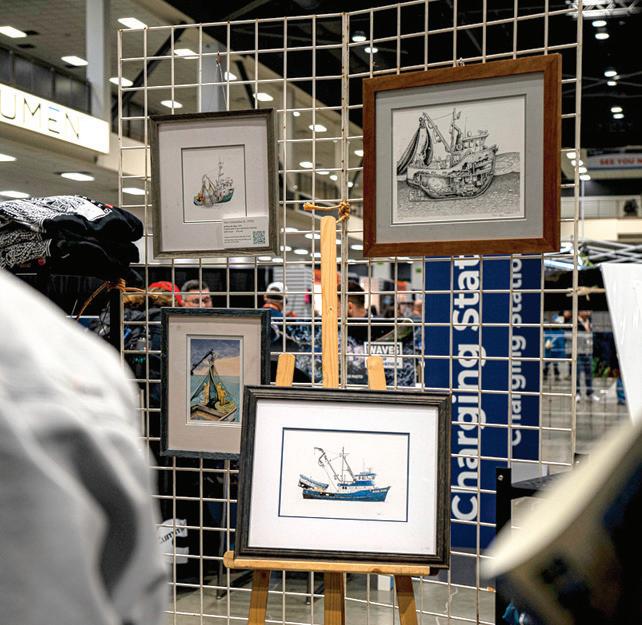

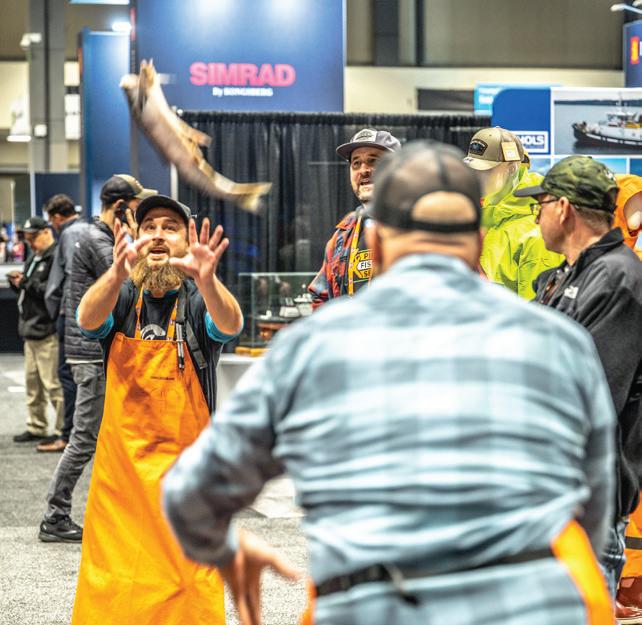
you’re looking for a one-of-a-kind keepsake or simply soaking in the camaraderie, this new space celebrates the spirit that keeps maritime communities thriving.


















Serving Alaskans for more than 50 Years

Commercial Fishing Loans for Alaskan Harvesters
Limited Entry Permits | Engine Fuel Efficiency Upgrade
Vessel or Gear Refinance | Vessel or Gear Upgrade
Product Quality Improvements | Quota Shares
Tender Vessel Product Quality Improvements
(907)465-2510 | 1-800-478-LOAN | investments@alaska.gov www.commerce.alaska.gov/web/inv/


Please note that the floor

If you have any questions or need assistance, please visit our Customer Service desk on the second floor. You can also check for updates on our website at pacificmarineexpo.com or scan the QR code above with your phone.
Challenge your maritime skills! Compete in knot tying, net mending, and rope splicing for cash prizes, swag, and the title of Coastal Challenge Champion. Join us—rise to the challenge! Competition Schedule:
Thursday, 11/20: 11:30 am - 12:30 pm
Friday, 11/21: 12:30 pm - 1:30 pm
Saturday, 11/22: 12:30 pm - 1:30 pm















Kolstrand, JKFAB, Nordic & Forfjord by Integrity
BY BEN HAYDEN
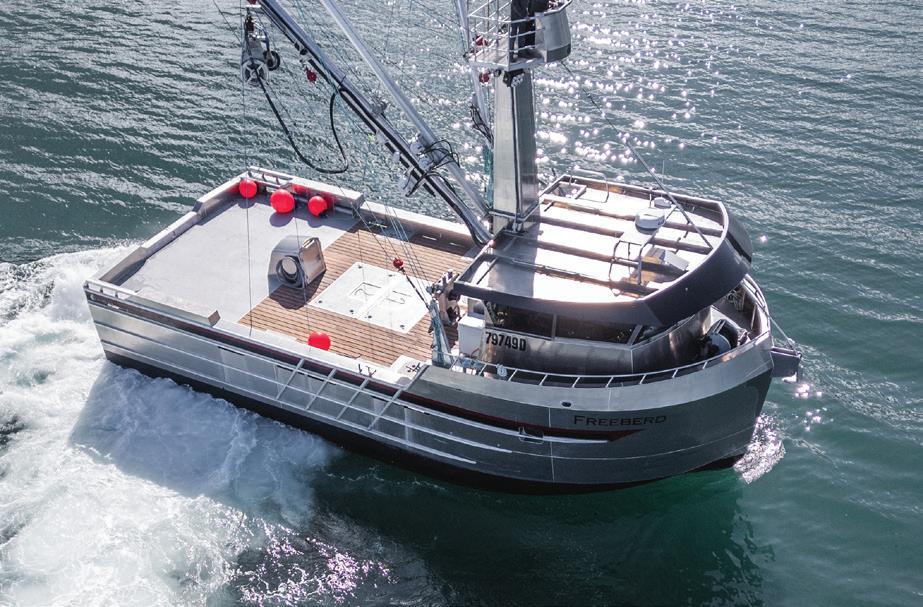
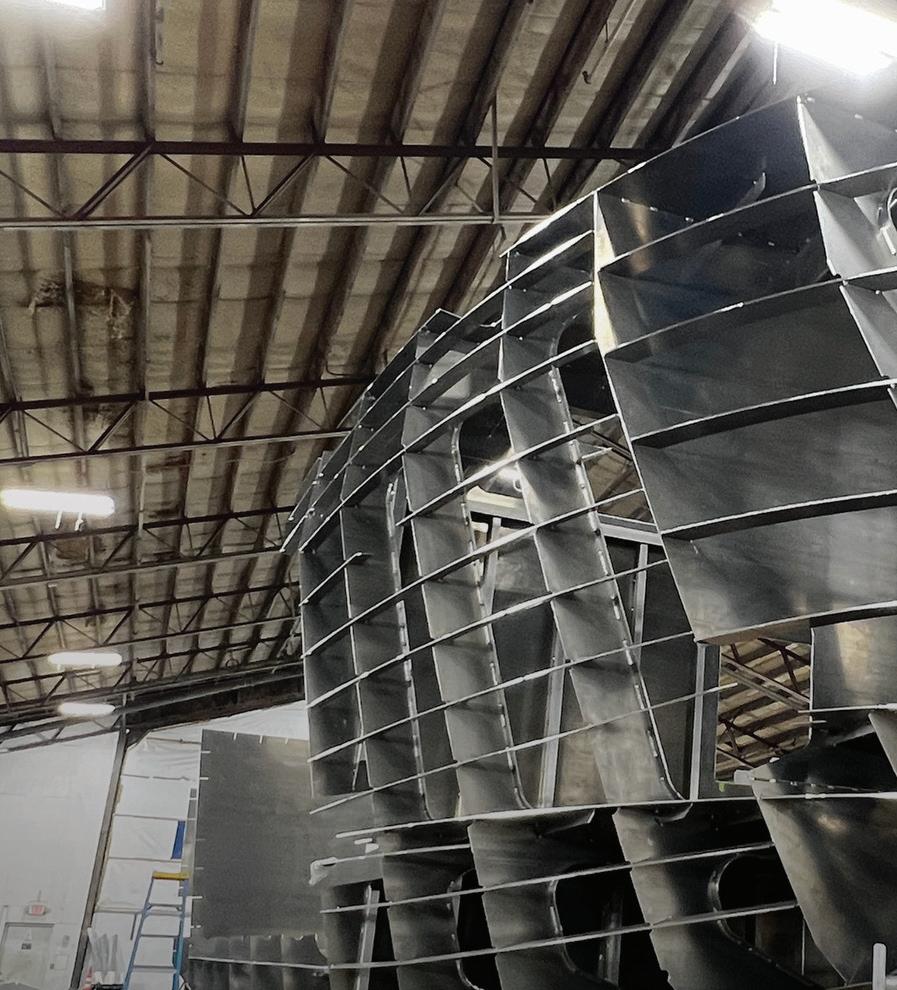
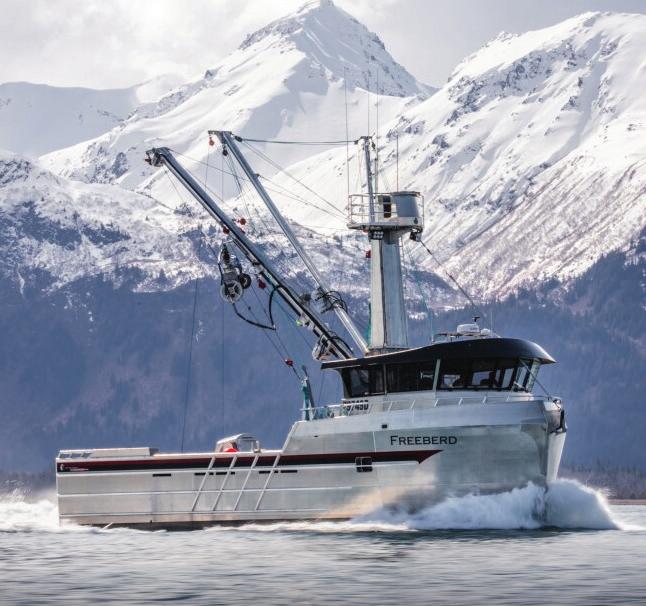
Bay Weld Boats, Homer, Alaska, has launched what it considers one of its most ambitious builds to date: a custom high-end aluminum seiner, Freeberd, now fully outfitted and in the water. A Bay Weld press release noted the vessel represents a major leap forward in design, capability, and craftsmanship for the shipyard, and stands as a milestone for Alaska’s fishing fleet.
The 58’x24’x10.5’ seiner draws only two feet. When fully loaded, she’s expected to draw four feet. The bottom plate is comprised of ⅜” 5086 aluminum which runs four inches out from keel, followed by 5/16” aluminum. The side plating, also 5086 aluminum, is ¼” thick.
The boat weighs 40 tons when light, and 118 tons full. The rear cargo deck
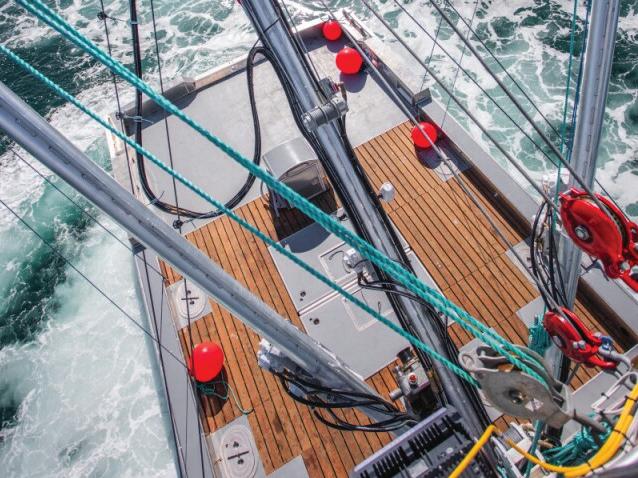

measures 22’-wide, and 35.5’ from the house. Ship’s service power comes from a MER 65 kW generator, set to power the 140,000-pound capacity fish hold refrigeration system, plus an additional MER 12kW house generator.
The seiner is powered by two 750-hp John Deere 6135SFM85 engines running to twin Hi Jet 600s with 24” pumps and left-hand rotation, coupled with ZF 400 Series gears at a 2.214:1 ratio. Totaling 1,500-hp, the vessel is expected to cruise at 10 knots.
The Freeberd also has Glendinning controls, and a hydraulic bow thruster.
Crew and passenger capacities include a captain’s stateroom and forward v-berth with four bunks. Fuel capacity is 1600 gals., while 500 gals. of freshwater is stored in twin 250 gals. tanks.
The vessel is outfitted with Garmin electronics, including a Panoptix thruhull liveview tranducer.
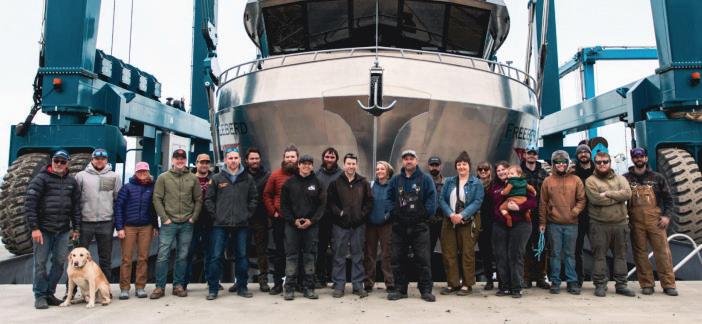
Bay Weld noted the boat blends modern fishing efficiency with precision engineering and fabrication, state-of-the-art systems, and the rugged durability Bay Weld is known for.
Bay Weld Boats, nearing almost 300 vessels delivered, brought their engineering in-house last year. The seiner’s design, layout, and systems were done by Bay Weld Boats, however, for this particular build, Elliott Bay Design Group provided engineering oversight. The vessel was also designed in close collaboration with the owners, Routli Meadow LLC., operated by the Durtschis, a Girdwood-based commercial fishing family.
“The vessel is headed into its first season, ready to fish, and built to last,” the Bay Weld statement said.

Builder: Bay Weld Boats, Homer, Alaska
Owner: Routli Meadow LLC (Durtschi family)
Design Oversight: Elliott Bay Design Group
Type: Aluminum Seiner
Dimensions: 58' × 24' × 10.5'
Draft: 2' light / 4' loaded
Cruising Speed: ~10 knots
Hull Material: 5086 Aluminum
Engines: Twin 750-hp John Deere 6135SFM85 (1,500 hp total)
Jets: Twin Hi Jet 600s, 24" pumps
Gears: ZF 400 Series, 2.214:1 ratio
Generators: MER 65 kW (main), MER 12 kW (house)
Fish Hold Capacity: 140,000 lbs.
Fuel Capacity: 1,600 gal.
Freshwater Capacity: 500 gal. (twin 250-gal. tanks)
Electronics: Garmin suite with Panoptix liveview transducer




BY PAUL MOLYNEAUX
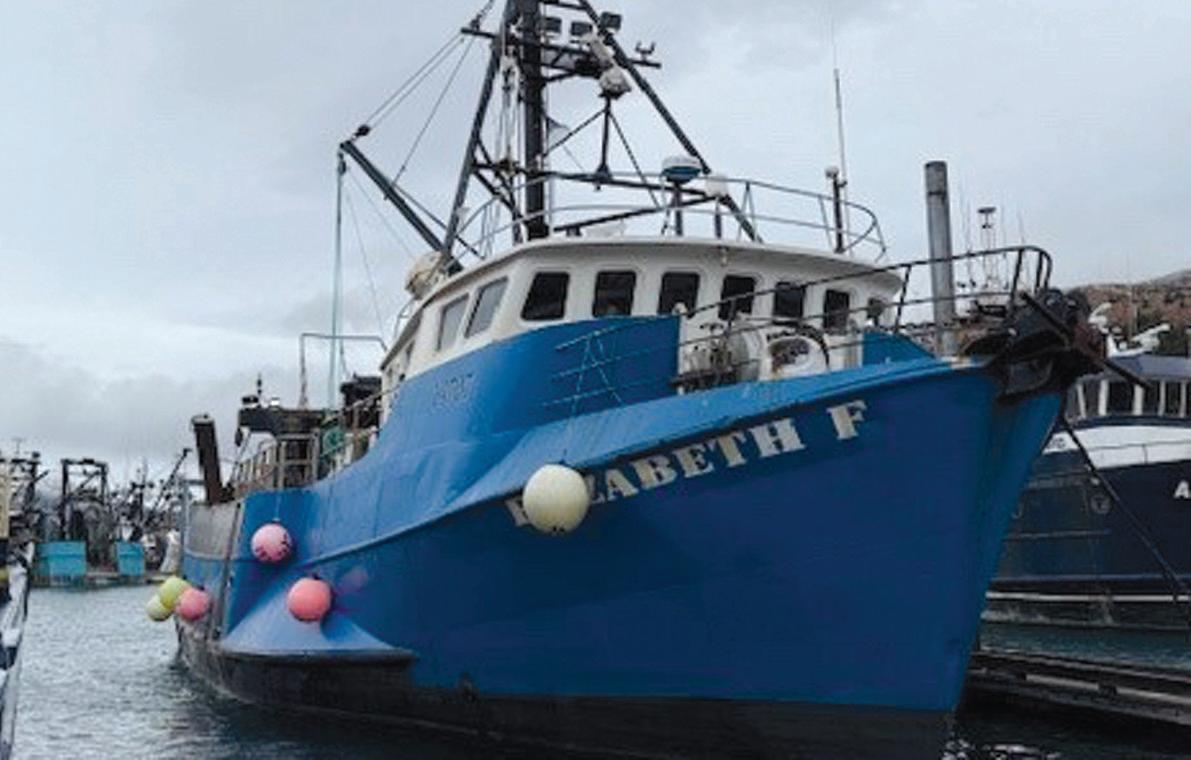
Scott Hansen, West Coast regional sales manager at Karl Senner LLC, recently oversaw the installation of a new gear system in the Kodiak, Alaska-based trawler Elizabeth F
“It’s a Reintjes gear,” says Hansen. “They experienced a failure in their CPP system — that’s controllable pitch propeller—which forced an early end to their fishing season. Given the vessel’s operational profile, the CPP system was deemed unnecessary, and a fixed-pitch configuration was adopted.”
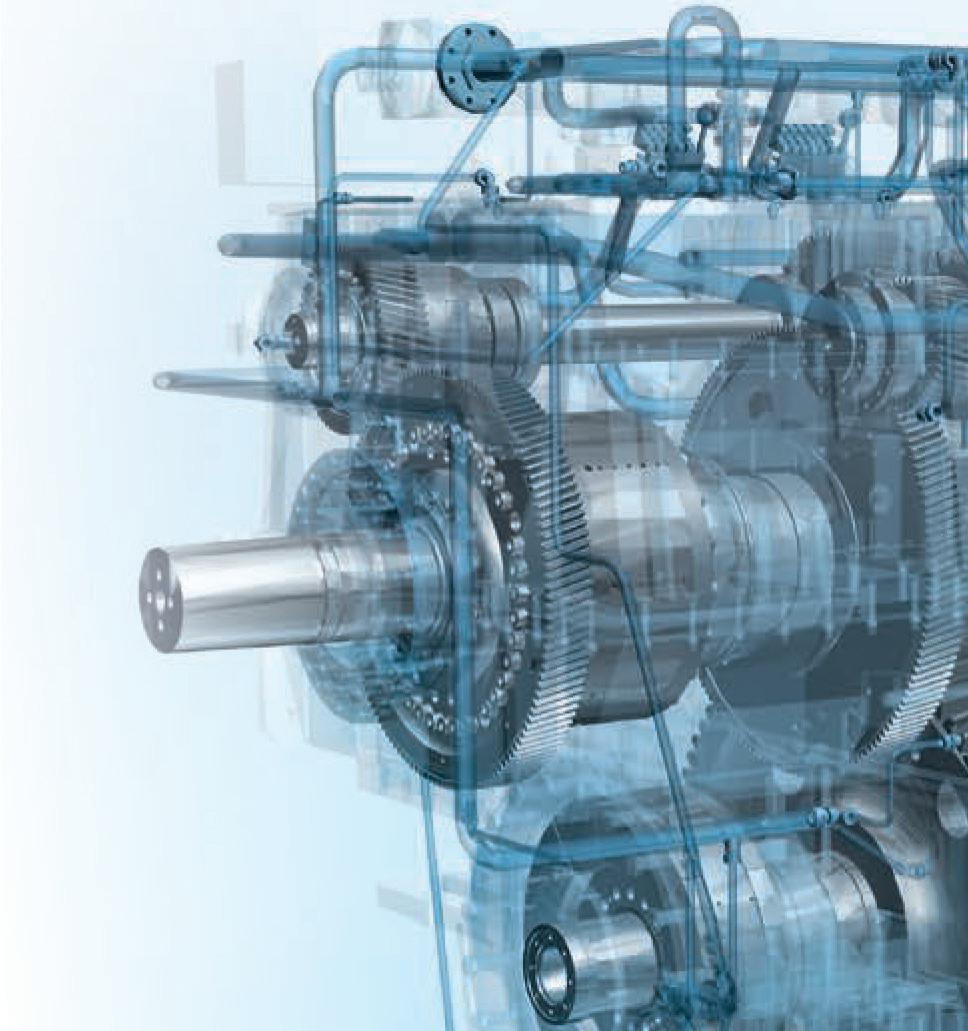
According to Hansen, the retrofit included the installation of a Reintjes WF 570 reverse reduction gearbox, a torsional coupling, a three-station control system, and an external shaft brake. “The project also included a new fixed-pitch propeller and tail shaft supplied by Sound Propeller Services of Seattle, Wash.,” he adds.
The Karl Senner team completed the work on site in Kodiak. “They airfreighted the gear from Hameln, Germany, to Seattle, then shipped it to Anchorage, and from there it went by barge down to Kodiak,” says Hansen. “Our guys flew up there and did the installation.”
The 81-foot vessel was built in 1970 and sponsoned at Seward Shipyard in 1990. Hansen notes that the vessel has a 500-hp engine, and while the owners were not having good luck with the controllable pitch setup, they were pleased with the Reintjes quality.
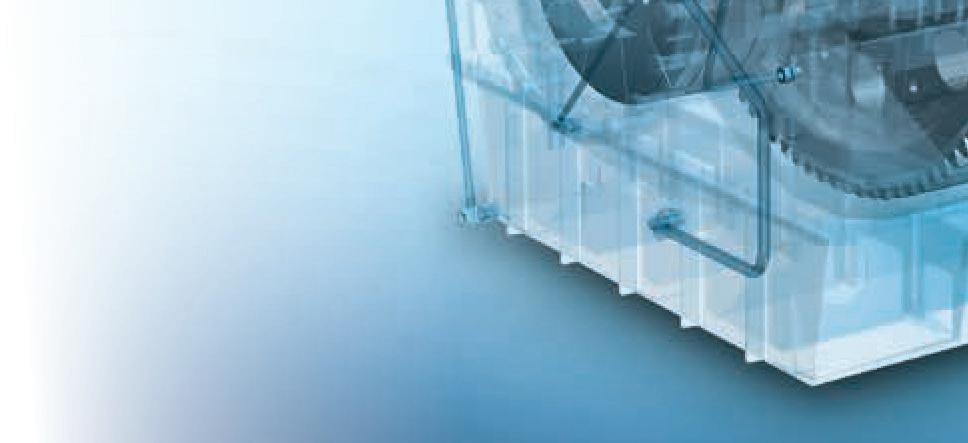
“These are very robust gears,” Hansen says. “It’s the way they’re engineered. They use bigger bearings, the way they cut the gear teeth is different, and the housing walls are thicker than the competition’s—all of which adds to longevity.” He adds that apart from the housings, which are cast at outside foundries, the Reintjes gears are entirely manufactured in-house. “The material goes in one door and the gears come out the other,” he says.
“Karl Senner has been the OEM distributor for Reintjes since 1972,” Hansen continues. “But the Reintjes company is a lot older than that.” Indeed, the German firm began making gears in 1879 and has been designated as “Future Proof” by the state of Lower Saxony.

One factor contributing to that designation, Hansen notes, is its ownership structure. “The owner gave the company to the town,” he says. Since 1961, Reintjes GmbH has been owned by the non-profit Eugen Reintjes Foundation, established to promote health and social care in Hameln. “The profits go to the town,” Hansen explains, describing the unusual model in which a charitable foundation owns the entire company rather than private shareholders or investors.
“Another thing they have is a hiring process based on an apprenticeship program,” Hansen adds. Known as “job shadowing” at Reintjes, the program ensures a steady pipeline of skilled workers. “They might have a guy making a certain part for years,” says Hansen, noting that this depth of experience contributes directly to the quality of Reintjes gears.


























BY CARLI STEWART
As the fishing industry embraces cleaner energy solutions, hybrid electric vessels are emerging as a potential gamechanger for some owners, particularly in Alaska’s challenging maritime environment. According to Linda Behnken, executive director of the Alaska Longline Fishermen’s Association (ALFA), the adoption of hybrid-electric technologies could provide significant benefits, but challenges remain, especially in remote ports and with the logistics of upgrading existing fleets.
Still, many fishermen see promise in the technology’s ability to reduce fuel consumption and maintenance costs over time. As infrastructure improves and pilot projects prove successful, hybrid systems could become a viable pathway toward a more sustainable and resilient fishing fleet in Alaska.
The potential of new tech for fishing fleets
One of the primary reasons for exploring hybrid-electric vessels is their promise of reducing fuel consumption and lowering emissions. Hybrid-electric vessels use a combination of traditional diesel engines and electric motors, which helps reduce reliance on fossil fuels. However, Behnken mentioned that Alaska’s commercial fishermen must first navigate several hurdles to make hybrid-electric systems a viable solution.
“It’s not just about installing new tech on a boat,” Behnken said. “It’s about understanding what’s going to work in the Alaskan environment and in the types of fishing operations we run. Alaska has some unique challenges, and the technology must match the operational needs.”
For Alaska’s longline fleet, these hybrid-electric vessels could lead to significant fuel savings, particularly in regions where long trips and heavy fuel use are a fact of life. Behnken pointed out that these vessels could benefit from better fuel efficiency, especially when the boats are transiting between fishing areas, as opposed to towing gear during active fishing operations.
Access to reliable information about which technologies best meet their specific needs is a key factor in fishermen’s adoption of hybrid-electric vessels, said Behnken. “Fishermen want practical information about how hybrid-electric systems will perform based on their specific setup- things like hull type, gear type, and trip length,” she explained.
‘Developing Infrastructure for next-generation fuels and hybrid-electric vessels will take time and investment’
For hybrid-electric technology to truly take hold, shoreside infrastructure will be key. Fishermen often work in remote, rural ports with limited access to charging or refueling stations. Behnken emphasized that while there is interest in adopting these technologies, the lack of infrastructure to support hybridelectric vessels is a significant roadblock.
“Developing Infrastructure for next-generation fuels and hybridelectric vessels will take time and investment,” she noted. “But it’s all doable.”
The findings in the Policy Pathways to a Low Carbon Fishing Fleet research also pointed out that many vessel owners are reluctant to invest in hybrid-electric technologies without the assurance that ports will have the necessary infrastructure. The
report also shared the need for investment in microgrids and clean-powered charging stations at key ports to support the transition.
ALFA is leading the way through a collaboration with the Department of Energy’s Vehicle Technology Office (VTO). The partners are exploring a range of alternative technologies designed to lower the carbon footprint of fishing vessels, including hybrid diesel-battery systems, full-electric inboard and outboard systems, and diesel-electric propulsion systems.
ALFA made significant strides in 2021 with the support of federal funding, including a $700,000 grant from the U.S. Department of Energy to enable the conversion of two commercial fishing boats to hybrid power and one mariculture vessel to full electric. A long-term vision of a zero-carbon boat drives the organization’s commitment to sustainability. However, they also recognize that the next feasible step could be a hybrid diesel battery, a full electric inboard or outboard, or a diesel-electric system.
The VTO project has also seen tangible results, including the installation of electric deck equipment on a troller/longliner and plans to convert a troller to hybrid propulsion using the Transfluid system. With generous support from Acme Seafood Company and AgWest Farm Credit Services, ALFA is on track to lead the industry in the adoption of hybrid vessels.


Behnken believes that government support will play a critical role in facilitating the transition to a hybrid-electric fleet. Financial incentives, along with clear information on the types of systems that will benefit specific fishing operations, will help address the barriers to adoption.
“There needs to be a strong push for financial incentives that can offset the upfront cost of upgrading fleets. That, combined with better infrastructure, could make hybrid-electric vessels a realistic option for more of our fleet,” she said.
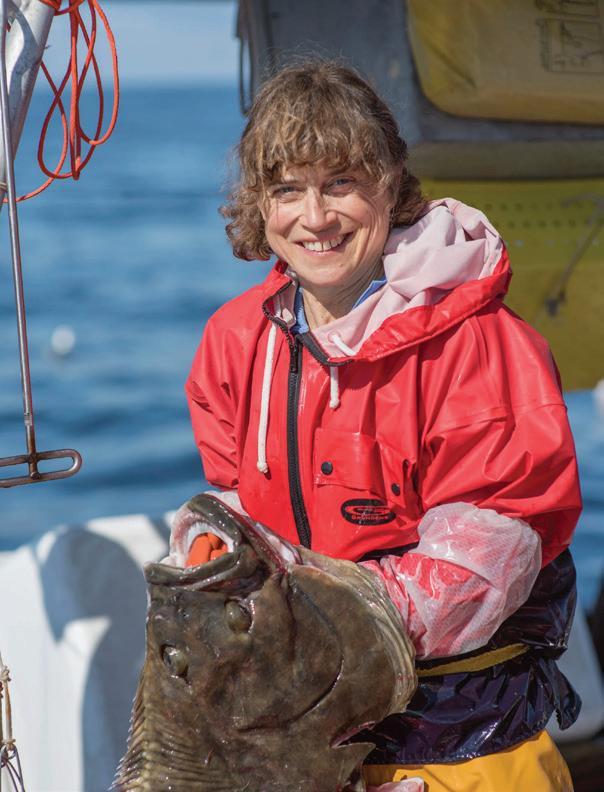
Linda Behnken Executive Director, Alaska Longline Fishermen’s
Association
While challenges do remain, the potential of the switch to hybrid-electric in Alaska’s fishing industry is undeniable. With the right infrastructure, technical support, and policy incentives, the transition to a greener, more fuel-efficient fleet could be within reach for Alaskan fishermen.


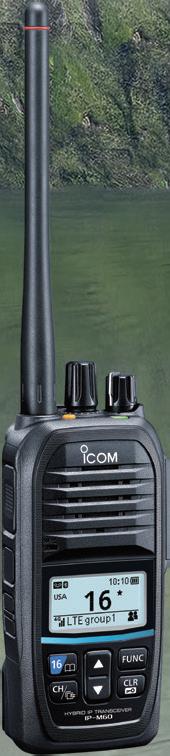
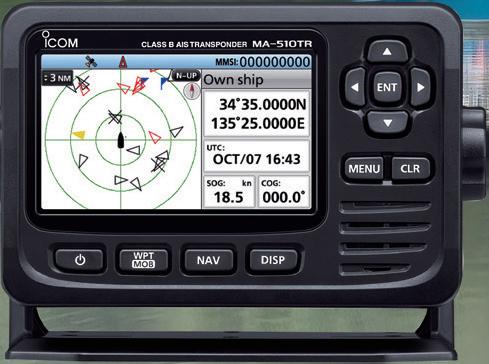
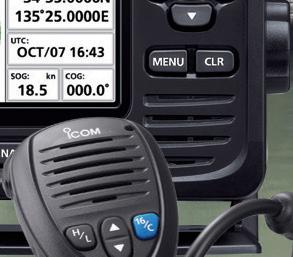



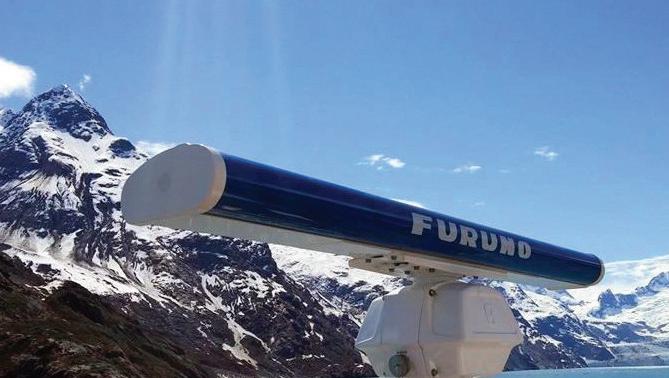
For commercial captains, success depends on equipment that performs flawlessly, day after day, no matter the conditions. That’s why so many professionals choose Furuno - a trusted name synonymous with reliability, precision, and innovation. From rugged Radars and Chart Plotters to advanced Sonar, GPS, and Communication systems, Furuno delivers the complete suite of marine electronics that workboat operators depend on to get the job done safely and efficiently.
Built to withstand the harshest environments, Furuno products are engineered for nonstop performance and backed by a worldwide network of service and support. Whether navigating busy harbors, conducting survey operations, maintaining offshore installations, or fishing in the harshest conditions, captains can trust Furuno technology to provide clear situational awareness and dependable operation. Furuno’s commitment to quality and innovation spans over 75 years, and that legacy continues today with systems that integrate seamlessly to simplify operations and enhance productivity. From the bridge of a tug to the wheelhouse of a pilot vessel, Furuno stands as the captain’s partner in precision and dependability— because when your livelihood is on the line, only the best will do. Furuno is the name to remember for performance, reliability, and confidence at sea. www.furuno.com

Alaska Seafood Marketing Institute is a marketing organization, formed as a partnership with the State of Alaska and the Alaska seafood industry, with the mission of increasing the economic value of the Alaska seafood resource. ASMI does this by increasing the positive awareness of the Alaska Seafood brand, developing collaborative marketing programs that align ASMI and industry marketing efforts for maximum impact within the food industry, and championing the sustainability of Alaska’s seafood harvests.
ASMI also serves as a resource for the fleet and industry by providing economic analysis, fisheries harvest outlooks, global market reports, Alaska fishing photos and video, direct marketing resources and more. You, the fishermen, are an essential part of the Alaska seafood story. Stop by our booth to see the latest resources ASMI has available and so ASMI can thank you for providing the best seafood on the planet.
www.alaskaseafood.org
BOOTH #331
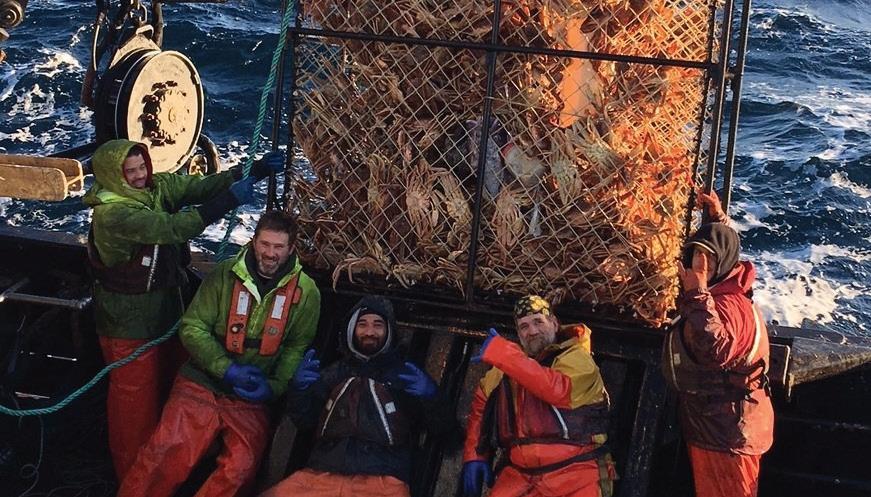
MørenotFishery is expanding its footprint in the U.S. commercial fishing industry, bringing decades of Norwegian innovation and craftsmanship to fleets across Alaska, the Pacific Northwest, New England, and the Gulf of Mexico. Known globally for its high-performance trawl, longline, purse seine, and pot systems, Mørenot designs gear built for strength, efficiency, and environmental responsibility. Each system is engineered with direct input from fishermen to perform reliably in demanding conditions, while improving catch quality, reducing drag, and lowering fuel consumption.
As sustainability becomes increasingly central to U.S. fisheries, Mørenot’s advanced designs and materials help operators reduce waste, extend gear life, and comply with evolving environmental standards. The company’s hands-on approach backed by R&D teams and experienced service technicians—ensures customized solutions that enhance both productivity and safety at sea. With growing partnerships throughout North America, Mørenot is helping the U.S. fleet adapt to new challenges while protecting marine resources for future generations.
From the deck to the dock, Mørenot Fishery combines proven heritage with forwardlooking design to keep the industry moving efficiently and responsibly.
www.morenot.com











The Pink Door
Style: Italian, Seafood
Address: 1919 Post Alley, Seattle, WA
Instagram: @thepinkdoor
The Walrus and The Carpenter
Style: Seafood, Oysters
Address: 4743 Ballard Ave NW, Seattle, WA
Instagram: @thewalrusbar
Lola
Style: Mediterranean, Greek
Address: 2000 4th Ave, Seattle, WA
Instagram: @tomdouglasco
Elliott’s Oyster House
Style: Seafood, Oysters
Address: 1201 Alaskan Way, Pier 56, Seattle, WA
Instagram: @elliottsoysterhouse
Lark
Style: New American
Address: 926 12th Ave, Seattle, WA
Instagram: @larkseattle
Purple Café and Wine Bar
Style: Wine Bar, New American
Address: 1225 4th Ave, Seattle, WA
Instagram: @purplecafe
Il Terrazzo Carmine
Style: Italian, Tuscan
Address: 351 7th Ave S, Seattle, WA
Instagram: @ilterrazzocarmine
Taylor Shellfish Oyster Bar
Style: American, Seafood, Oysters
Address: 410 Occidental Ave S, Seattle, WA
Instagram: @taylorshellfish
Salt Harvest
Style: Contemporary American
Address: 84 Yesler Way, Seattle, WA
Instagram: @saltharvestseattle
Westward Seattle
Style: Sustainable Seafood, Waterfront Dining
Address: 2501 N Northlake Way, Seattle, WA
Instagram: @westwardseattle
Canlis
Style: Fine Dining, Pacific Northwest
Address: 2576 Aurora Ave N, Seattle, WA
Instagram: @canlisrestaurant
Shaker + Spear
Style: Seafood, American
Address: 2000 2nd Ave, Seattle, WA
Instagram: @shakerandspearseattle
The Whale Wins
Style: Wood-Fired, European-Inspired
Address: 3506 Stone Way N, Seattle, WA
Instagram: @thewhalewins
Six Seven Restaurant
Style: Contemporary American, Waterfront
Address: 2411 Alaskan Way, Pier 67, Seattle, WA
Instagram: @sixsevenrestaurant
Palisade
Style: Seafood, Waterfront
Address: 2601 West Marina Pl, Seattle, WA
Instagram: @palisaderestaurant
Dough Zone Dumpling House
Style: Chinese, Dumplings & Noodles
Address: 504 5th Ave S, Suite 109, Seattle, WA
Instagram: @doughzoneseattle
Cloudburst Brewing
Address: 2116 Western Ave, Seattle, WA
Instagram: @cloudburstbrew
Holy Mountain Brewing Company
Address: 1421 Elliott Ave W, Seattle, WA
Instagram: @holymountainbrewing
Rooftop Brewing Company
Address: 1220 W Nickerson St, Seattle, WA
Instagram: @rooftopbrewing
Reuben’s Brews
Address: 5010 14th Ave NW, Seattle, WA
Instagram: @reubensbrews
Pike Brewing Company
Address: 1415 1st Ave, Seattle, WA
Instagram: @pikebrewing
Storyville Coffee Company
Address: 94 Pike St, Suite 34, Seattle, WA
Instagram: @storyvillecoffee
Victrola Coffee Roasters
Address: 310 E Pike St, Seattle, WA
Instagram: @victrolacoffee
Elm Coffee Roasters
Address: 240 2nd Ave S, Seattle, WA
Instagram: @elmcoffeeroasters
Zeitgeist Coffee
Address: 171 S Jackson St, Seattle, WA
Instagram: @zeitgeistcoffee

Alexander Gow Fire Equipment Company 625
Alfa Marine and Protein 829
ARG Industrial 1025
Ballard Industrial 228
Beckwith & Kuffel 4324
Bristol Bay Fishermen’s Association 4123
E&E Foods 4313
Carsoe US INC 1142
Cascade Machinery & Electric 838
Cheyenne Scale Company 4127
Coastal Marine Engine 944
Crowley 538
Crucible Engineering LLC 745
Cummins Inc. 1311
Dock Street Brokers 611
DSV Air & Sea Inc 606
Dykman Electrical Inc 811
ElectricalHub.com 1108
Elliott Bay Design Group 1010
Elmore Electric + Highliner Alarm & Lighting 528
Fisheries Supply Company 1521
Gannet Nets 611
Alaska Pollock Fishery Alliance 4004
Glosten 1226

Great Western Pump Co 808
GS Hydraulic Hose Corporation DBA Pirtek 727
GS Marine LLC 628
Hamilton Jet 1333
Harley Exteriors 1105
Hatton Power & Propulsion 1424
Highland Refrigeration 743


Hockema Group, Inc. 1029
Hydro Dynamics Solutions 533
Icom America Inc 1034
ISolv Technical Services 805
KAPP 639
Karobert Technology LLC 604
Kleen Pacific 1046
Lunde Marine Electronics Inc 1221
Mackay Marine U.S. West Coast &








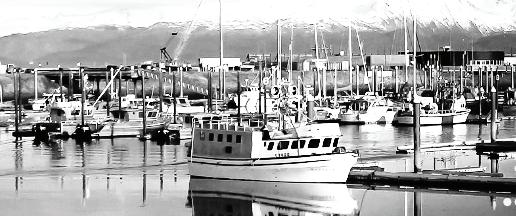













































You’re looking at it! Furuno’s award-winning Radar gives you clarity & target separation like no one else. Don’t take our word for it. See for yourself. Scan here, and we’ll show you!