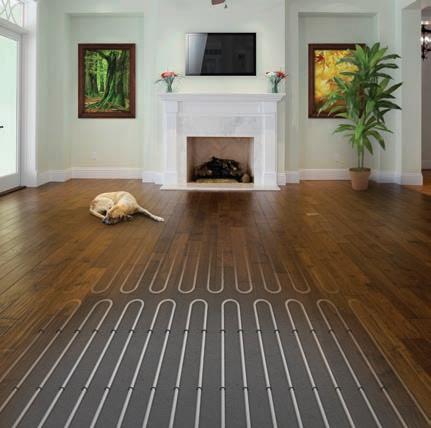
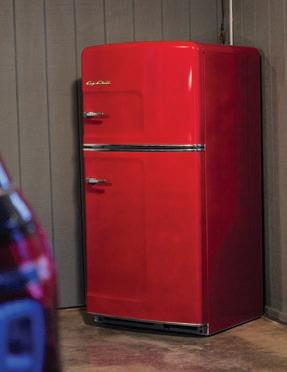
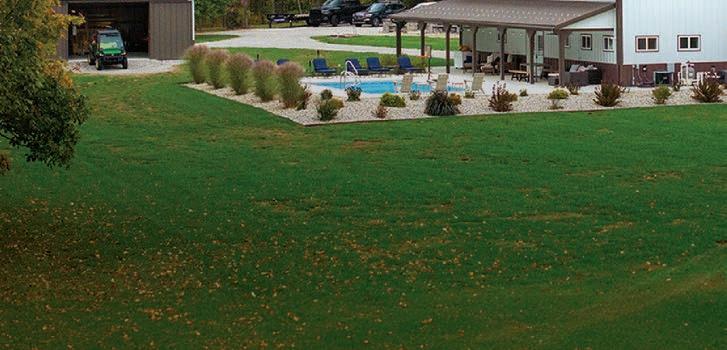
You may not realize it, but your home is sitting on a free and renewable supply of energy. A WaterFurnace geothermal comfort system taps into the stored solar energy in your own backyard to provide savings of up to 70% on heating, cooling and hot water. And with a 5 Series hydronic unit, you can get radiant floor heat that’s just as comfortable as the air for total home comfort. That’s money in the bank and a smart investment in your family’s comfort. Contact your local WaterFurnace dealer today to learn how to tap into your buried treasure.
Your Local WaterFurnace Dealer
Adams/Mauston Deans Refig. & Htg (608) 372-6928
Arcadia/Mondovi Water Source Htg & Clg (715) 833-9001
Ashland/Iron River Elza Htg Co. (715) 209-7628
Beaver Dam/Green Lake Air Care, Inc. (920) 356-8860
Black River Falls/ Stevens Point Northern Indoor Comfort (715) 937-2676
The Wisconsin Energy Cooperative News (Formerly Wisconsin R.E.C. News) has been published monthly and distributed since July 1940 to members of Wisconsin’s non-pro t, consumer-owned rural electric cooperatives. It is available to non-members for $13 per year or $35 for three years. Members pay $6.93 per year.
Published by the Wisconsin Electric Cooperative Association, 6405 Century Avenue, Suite 102 Middleton, WI 53562-2200. Rob Richard, president & CEO.
USPS number: 688-480.
Postmaster: please send address changes to Wisconsin Energy Cooperative News, 6405 Century Avenue, Suite 102 Middleton, WI 53562-2200
Periodicals postage paid at Sun Prairie, Wis.
Send correspondence to Wisconsin Energy Cooperative News, 6405 Century Avenue, Suite 102, Middleton, WI 53562-2200. Phone (608) 467-4650.
Website: www.wecnmagazine.com.
Co-op Members: Please send address changes to your local electric co-op. Contact information can be found on page 18.
Rob Richard WECA president & CEO
Dana Kelroy editor
Beth Alesch associate editor
Julie Lund contributing writer
Ann Bailey graphic designer
Geri Miller advertising consultant
Jennifer Taylor editorial assistant
For advertising opportunities please email geri@weca.coop. The appearance of advertising or events does not constitute an endorsement of the products or services advertised. We reserve the right to refuse advertisers.
Minnesota co-ops pay the nation’s highest rooftop solar rates; Wisconsin lawmakers want the same.
Consider how to choose an appliance that will save you money over time.
Immigration, insurance, and imagination meet in Sauk County hall.
Kids & Critters
Cute co-op kids get cozy with their critters.
Every April, we celebrate Wisconsin’s electric cooperative lineworkers. Chris Tuszke, Central Wisconsin Electric Cooperative, shows a youngster the ropes at the Meet The Fleet event.
Photo courtesy of Bert Lehman, CWEC
SYMBOL SEARCH
HIDDEN OBJECT GAME
Winning our March search was Gregory Jennik, a member of Oakdale Electric Cooperative, who said the peanut was on page 12, “On the edge of the table next to the microphone cable in front of Mr. Aaronson, in the picture on the upper left of the page. While discussing AI security measures this board did not notice a small peanut in ltrating their meeting. Go gure.”
This month, we challenge you to nd this carrot to inspire you to try our carrot recipes on page 20. Remember that the symbol can be anywhere and any size. One randomly selected winner will receive a Wisconsin Energy Cooperative News kitchen kit. One entry per household, please, and provide your permanent home or mailing address with your entry. Entries are due April 13.
Enter via the “Symbol Search” link on the homepage of wecnmagazine.com.
You can also enter by mail (don’t forget to include the name of your cooperative):
SYMBOL SEARCH WECA
6405 Century Avenue, Suite 102 Middleton, WI 53562-2200
ITHE GREAT RAISIN RIVALRY
n the 1980s, breakfast cereal giant Kellogg sued General Foods (Post) for $100 million over marketing claims made about each other’s raisins in their cereals. The lawsuit was resolved with a “legal handshake” and no money was awarded.
Fast forward 40 years, and we had the next biggest raisin rivalry on record. Witnessed by many of Wisconsin’s electric cooperative leaders, the heated exchange happened at the Wisconsin Electric Cooperative Association’s Education and Lobby Days in January.
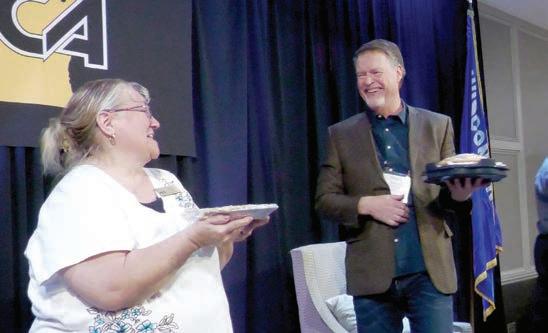
Price Electric Cooperative Board Member and celebrated piemaker (and subject of WECN cover story “The Power of Pie” from November 2023) Karen Newbury donates her famous pies to the annual auction to raise funds for the organization’s PAC.
Not to be outdone, Rock Energy Cooperative CEO Shane Larson said that he, too, was a pretty decent pie baker. Speci cally, a sour cream raisin pie that he regularly bakes for his board of directors.
A challenge was issued. Pies were baked. And both were auctioned o at this year’s event, raising hundreds of dollars for the cause. The winning bidders for both pies were brought on stage to taste both pies and declare a winner. But the great raisin rivalry was declared a draw, as both were deemed delicious.
On the facing page, you will nd both recipes. If, perchance, you bake both, send me an email at dana@weca.coop to declare your winner.
Please also consider supporting America’s Electric Cooperatives PAC by lling out the form at the bottom of the page. The PAC helps to elect candidates who, once elected, can work on policy solutions for safe, reliable, and a ordable power.
Dana Kelroy Editor
Sour Cream Raisin Pie
Karen Newbury, Price Electric Cooperative
2-1/2 cups milk
3 egg yolks
1/3 cup sugar
1/4 cup cornstarch
1 (2 oz) pkg instant vanilla pudding mix
1 Tbsp vanilla
Pinch of salt
2 Tbsp butter
1 (9-inch) pre-baked pie shell
1/2 cup raisins
1/2 cup sour cream
Whipped cream
Mix milk, egg yolks, sugar, cornstarch, pudding mix, vanilla, salt, and butter together; whisk well in a microwave-safe bowl. Microwave for 5–7 minutes depending on microwave. When thick, let stand for 30 minutes. Add raisins and sour cream; pour into pre-baked pie shell and chill for a few hours. Top with whipped cream.
Sour Cream Raisin Pie
Shane Larson, Rock Energy Cooperative
CRUST
1 deep dish pie crust
Heat oven to 450 degrees. Prepare the pie crust as directed. Bake 10–12 minutes or until light brown, then remove from oven. Reduce oven temperature to 350 degrees.
FILLING
1 cup sugar
3 Tbsp cornstarch
1/2 tsp salt
3 egg yolks
1 cup sour cream
1 cup raisins
In a 2-quart saucepan, mix 1 cup sugar, cornstarch, and salt. In a bowl, beat egg yolks and sour cream together, then add to sugar mixture. Cook over low heat, approx. 15 minutes, stirring until thick. Remove from heat; stir in raisins. Pour into baked pie shell.
MERINGUE
3 egg whites
1/2 tsp cream of tartar
1/3 cup sugar
1 tsp vanilla
In a large bowl, beat egg whites and cream of tartar until foamy. Gradually add sugar, beating until stiff peaks form; beat in vanilla. Spread meringue over hot filling, sealing to edge of crust. Bake at 350 degrees for approx. 12 minutes or until meringue is lightly browned. Cool completely (approx. 3 hours). Cover and refrigerate leftovers.
Co-op leaders from across the state headed to Nashville last month for NRECA’s PowerXchange and TechAdvantage, the national association’s annual meeting event. PowerXchange is the nation’s largest gathering of electric cooperative leaders and is designed to help co-ops face the challenges of the ever-changing industry through synergy, engagement, and collaboration.
This year’s featured speakers included Travis Mills, retired United States Army Staff Sergeant of the 82nd Airborne; Angela Duckworth, author of Grit: The Power of Passion and Perseverance, a New York Times #1 best seller; Barry “Butch” Wilmore, NASA astronaut & retired U.S. Navy Captain; Mike Partin, CEO of Sequachee Valley Electric Co-op & NRECA Board President; and Jim Matheson, NRECA CEO.
Miller Earns Lifetime Achievement Award
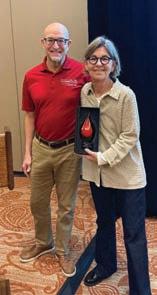
Wisconsin Energy Cooperative News (WECN) magazine consultant Geri Miller was presented with the National Electric Cooperatives Statewide Editors Association Lifetime Achievement Award. The award recognizes outstanding leaders who have made significant contributions to the advancement of electric cooperative communications and the Statewide Editors Association during the course of their careers.
For more than 15 years, Miller has used her career experience in the printing industry to assist more than a dozen electric cooperative publications across the country with magazine advertising, content, and other operational needs. She has worked with WECN since 2015.
ACEC Youth Represents Wisconsin in Nashville
Adams-Columbia Electric Cooperative’s Dillan Sztuczko served as Wisconsin’s Youth Leadership Council (YLC) delegate in Nashville this year. Sztuczko is a freshman at UW–Madison, majoring in electrical engineering. In Nashville, he was busy with valuable networking, career development opportunities, and sightseeing with other electric co-op youth from across the country.
DPC Announces Acquisition of Assets in Illinois
Dairyland Power Cooperative has purchased additional existing natural gas assets in Illinois. This month, Dairyland announced the acquisition of three combustion turbines (450 MW) at the Elwood Energy LLC in Elwood, Ill., from J-POWER USA.
President and CEO Brent Ridge says the investments will serve long-term reliability and resource needs. “As we advance a balanced, diversified energy portfolio to support rising demand across our service territory, these units will play a vital role in delivering the dependable energy our members count on every day,” he said.
Since 2014, Dairyland has retired nearly 600 MW of coal generation, and has been working to add 1,000 MW of wind and solar through power purchase agreements aided by a federal grant.
Last year, Dairyland announced the acquisition of Elgin Energy Center in Elgin, Ill., and Rocky Road Energy Center in East Dundee, Ill.
Tech Giants Sign Ratepayer Protection Pledge
Leaders from major tech companies, including Google, Microsoft, Meta, Oracle, xAI, OpenAI, and Amazon, joined President Donald Trump at the White House recently to sign the “Ratepayer Protection Pledge.” Under the pledge, the companies commit to developing their own power generation to ensure the costs of powering data centers are not shifted to consumers. In exchange, Trump promised expedited permitting for the centers.
NRC Approves Permit for First Advanced Nuclear Reactor
The Nuclear Regulatory Commission has issued a commercial nuclear reactor construction permit to a subsidiary of Bill Gates’ TerraPower for a 345MW plant in Wyoming. It’s the NRC’s first commercial reactor construction approval in nearly 10 years, and the plant, known as the Kemmerer Power Station, will be the first utility-scale advanced nuclear power plant in the nation.
EPA Revamps Clean School Bus Program
The U.S. Environmental Protection Agency (EPA) is seeking input as it revamps the Clean School Bus Program (CSB), which originally launched to help districts transition to electric school buses. Trump’s EPA is issuing a Request for Information (RFI) to seek feedback on a broad range of fuel options for the school bus sector, including biofuels, compressed natural gas, liquified natural gas, propane, and hydrogen. The EPA intends to use the information gathered from the RFI and lessons learned from previous funding rounds to revamp the CSB program for the 2026 grant funding round.
Superior Coal Terminal to Close after 50 years
The Midwest Energy Resources Co. terminal in Superior is set to close in June after 50 years in business. The company says coal transports are down 75% from 2008.
According to a letter sent to the Wisconsin Department of Workforce Development, Midwest Energy Resources Co. will be permanently closing its facility located at 2400 Winter Street and laying off 54 employees. Midwest Energy Resources Company is a subsidiary of DTE Electric Company, formerly Detroit Edison.
For Complete Building Packages, Metal Roofing & Siding, Professional Grade Building Materials, and Expertise... Quality Starts with HIXWOOD.
METAL ROOFING & SIDING
50+ Options! 40-Year Warranty
Ask Your Contractor for Hixwood.
Hixwood Steel Panels are manufactured in Stanley, WI
MESSAGE from the CEO
CELEBRATING
LINEWORKER APPRECIATION AND 90 YEARS OF WECA
In his 2021 book Unleashing Your Hero: Rise Above Any Challenge, Expand Your Impact, and Be the Hero the World Needs, motivational speaker Kevin Brown writes that he once believed heroes were ordinary people doing extraordinary things. After speaking with hundreds of people around the world, he revised that view. Heroes, he now says, are extraordinary people who choose not to be ordinary. Daily, they are the people who show up, use their talents, and make a positive impact at work, at home, and in their communities. When things go south, they’re the ones who step in to make them right.
As Lineworker Appreciation Day approaches in April, these are the heroes I think of first in the cooperative world. Lineworkers are the skilled, dedicated professionals who restore power when Mother Nature throws her worst at them. They work in the dark, in the cold, and in the aftermath of storms to keep our communities safe and connected.
What sets them apart is their instinct to serve. When storms hit, they’re the first out the door. When outages strike, they stay until the last home is restored. And for many, that commitment extends far beyond their own service territory. They respond to national disasters, helping rebuild devastated systems after hurricanes, tornadoes, and winter storms. Through NRECA International, they volunteer to electrify remote villages in Guatemala—places where a single light can transform daily life. Others join the “Light Up Navajo” project in Arizona, helping to bring power to indigenous families who have waited generations for it. They take on these challenges quietly, without fanfare, because service is simply part of who they are.
Lineworkers remind us that reliability is built by people—skilled, dedicated, and unafraid of hard work. This April, we honor not just what they do, but the spirit of service that defines them. Thank you for being heroes at your cooperative and in your communities. Thank you for choosing not to be ordinary!
April also marks the 90th anniversary of the Wisconsin Electric Cooperative Association. On April 30, 1936, fourteen electric cooperatives came together to form the nation’s first statewide rural electric cooperative association in the country organized by cooperatives. Their work followed President Franklin Roosevelt’s creation of the Rural Electrification Administration in 1935, which sparked the electrification of rural America and brought power to communities long left in the dark.
Over the decades, WECA’s name, mission, and priorities have evolved. In its early years, the association supported nearly every aspect of cooperative operations— administration, engineering, construction, materials supply, insurance, communications, and legislative advocacy. As challenges and opportunities changed, so did WECA. Today, our focus is education, advocacy, and communication, ensuring cooperatives have the tools, training, and representation they need to serve their members effectively.
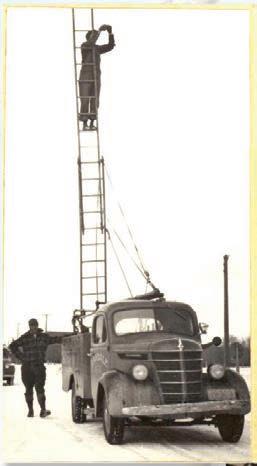
Oakdale lineworkers in the late 1930s
With a staff of ten, we serve our members with the same dedication and purpose as those who built this organization 90 years ago. Vice President of Operations Tim Clay (30 years), Director of Education and Events Wendy Fassbind (25 years) and Wisconsin Energy Cooperative News Editor Dana Kelroy (20 years) exemplify that commitment. Their decades of service reflect not only professional excellence but a deep belief in the cooperative mission. Beth Alesch, Ben Bella, Julie Lund, Joe Mesec, Jennifer Taylor and Tina Walden complete a team that understands that service to our members is the foundation of who we are. Their work honors the legacy of those who helped this organization thrive across nine decades.
As we celebrate WECA’s 90 years, we recognize the vision and determination of the cooperatives that came together in 1936—and the generations of employees, directors, and members who carried that mission forward. The cooperative model endures because it is rooted in service, community, and accountability. Those values continue to guide us today.
Congratulations to WECA on 90 years of service and success!
Rob Richard WECA President and CEO
In times of economic uncertainty—when inflation rises, markets fluctuate, and long-term financial stability feels less predictable—many investors turn to gold as a dependable store of value. By holding a portion of your wealth in gold, you can help safeguard your portfolio and preserve long-term financial security, even when broader economic conditions are unclear. Since 2015, gold has surged over 400% — outpacing both the S&P 500 and the Dow during the same period.
American Gold Reserve is releasing government-issued $5 Gold
American Eagles completely free of dealer markup for only $529 each. These beautiful $5 Gold American Eagles are a perfect way to enter the gold market. Set for immediate public release, availability is limited and supplies are expected to sell out quickly.
GOVERNMENT BACKED U.S. GOLD
• Free of dealer markup.
• Gold provides protection against inflation and deflation.
• Gold offers financial cover during geopolitical and macroeconomic uncertainty.
• A strong portfolio diversifier.
FROM MINNESOTA TO WISCONSIN: A SOLAR SUBSIDY DEBATE
MINNESOTA ELECTRIC COOPERATIVES ARE REQUIRED TO PAY THE HIGHEST RATES IN THE NATION FOR EXCESS GENERATION FROM RESIDENTIAL ROOFTOP SOLAR INSTALLATIONS. SOME WISCONSIN LAWMAKERS WANT CO-OPS HERE TO DO THE SAME.
Be like Minnesota. That’s the message from some Wisconsin lawmakers proposing a bill that would change how electric cooperatives do business, at a cost to members.
Our neighbors to the west have some of the most aggressive clean energy laws in the country. All electric utilities in the state must transition to 100% carbon-free electricity by 2040, automakers are required to deliver a designated number of zeroemission vehicles, and homeowners who install rooftop solar are entitled to receive retail rates for any excess generation that they send back to the grid.
The latter part is what some Wisconsin lawmakers are going for. Senate Bill 892, authored by Senator Eric Wimberger (R-Gillett), and Assembly Bill 901, authored by Representatives Scott Krug (R-Rome), and cosponsored by Elijah Behnke (R-Town of Chase), Joy Goeben (R-Hobart), Dean Kaufert (R-Neenah), Dan Knodl (R-Germantown), and Paul Melotik (R-Grafton), sets standards for rooftop solar, including the “net metering” requirement that utilities pay retail rates to homeowners and business owners who install solar panels that generate more electricity than they use.
It’s like if you picked apples off your tree and took them to the store and demanded they buy the apples from you at the same price they sell them for. You essentially get the profit without paying any of the expense of actually running the business. It’s a great deal for the seller. Not so much for the everyone else.
“As it stands now, a person on a fixed income is helping to pay for their neighbor’s $80,000 passiveincome generating solar system through their higher electric bills. Our current net metering laws are outdated, expensive, and inequitable,” Minnesota Rural Electric Association (MREA) CEO Darrick Moe argued last year, as Minnesota’s electric cooperatives fought to change the law there. They were hoping to reduce the net metering payment requirement to “avoided cost,” or basically, wholesale rates. The utilities would pay the home or business owner the same prices they would have paid if they had purchased the power from the market.
MREA argued the net metering law, intended to jump start more solar installations to reduce emissions and combat climate change, shifted costs to electricity customers and members and helped subsidize the solar industry. But efforts to revise the law in the 2025 Minnesota Energy Omnibus Budget Bill failed. The retail rate payback provision remains in place.
And now, the rule that many argued goes too far in the deep-blue state of Minnesota could become law here.
Wisconsin’s investor-owned and municipal utilities, which are regulated by the Public Service Commission (PSC) of Wisconsin, are already required to offer net metering, but only Xcel, which is based in Minnesota, offers retail rates instead of “avoided costs.” Wisconsin electric cooperatives are not-for-profit entities governed by a board of
directors and not regulated by the PSC, but all co-ops also offer net metering. While some rules vary among co-ops, most offer “avoided cost” rates or something similar, to credit home or business owners for the extra electricity they generate.
Because electric co-ops are accountable to members through the elected boards of directors and operate on slim margins serving largely rural areas, they are typically exempt from additional regulatory oversight. SB892/AB901 specifically includes electric cooperatives in the legislation.
“This bill upends the electric cooperative model that has been in place for 90 years,” said WECA President and CEO Rob Richard. “Co-op boards would lose flexibility to set rates and policies based on local system costs and member needs and instead be emboldened to the regulatory framework not intended for not-for-profit. We believe state policy should respect local governance by duly-elected cooperative board members rather than replace it.”
It’s like if you picked apples o your tree and took them to the store and demanded they buy the apples from you at the same price they sell them for. You essentially get the pro t without paying any of the expense of actually running the business. It’s a great deal for the seller. Not so much for the buyer.
The bill, as-written, does allow utilities to drop the payback rate to 90% of retail after rooftop solar systems reach 10% of the service territory, but that does little to relieve other ratepayers of the excess costs. Non-solar members still have to pay for distribution infrastructure including poles and lines, grid maintenance and reliability, and storm restoration and fixed system costs, in addition to grid upgrades to accommodate the added solar.
The bill requires all of Wisconsin’s electric utilities to connect rooftop solar installations of up to 500 kW
for commercial buildings and 30 kW for residential. It prohibits utilities from considering battery capacity, masking the true operational impact of solar-plus-storage installations.
“It really removes the flexibility that member-owned utilities rely on,” Richard said. “Electric cooperatives serve fewer members per mile, so costs are higher than with other utilities. The electric cooperative model works because board directors and managers are working on behalf of their friends and neighbors to keep costs down, largely without added government policy mandates. This legislation unjustly shifts costs and sets a dangerous precedent that would impact rural electric rates at a time when many members cannot afford it.”
Justin Jahnz, president and CEO of East Central Energy, which is based in Minnesota but serves members in Wisconsin, explained the challenges of Minnesota’s net metering law to members at its annual meeting last year.
“We live in America. If people want to produce their own electricity on their property to power their own house, I believe they have every right to do that,” he said, adding that, “The (Minnesota) law was passed with good intent. It wanted to motivate a new technology. It wanted to push people towards a new resource and spur a market on incentives from the government. That’s not new. My belief is we’ve lived past that.”
According to MREA, Minnesota is the only state in the nation that requires utilities pay full retail rates to solar owners for their excess generation.
Under new proposed legislation, Wisconsin could be the second.—Julie Lund
SHOULD I UPGRADE MY
APPLIANCE?
To improve the e ciency of your washer, set it to wash in cold water. Buying a new Energy Star-certi ed refrigerator and putting the old one out in the garage won’t save energy. However, sometimes the secondary fridge or freezer allows you to save through groceries by stocking up on sales, preserving your own food, and saving gas with fewer trips to the store. It’s all a balance. If you’re looking for a new TV, Energy Star-certi ed models are 34% more e cient than conventional models.
Buying a new appliance can feel daunting. Before you hand over your hard-earned money, here’s how to choose an appliance that will help you save money over time.
When shopping, keep in mind that not all new appliances are high efficiency and not all old appliances are inefficient. The less efficient your current appliance, the more you will save with an upgrade. The yellow EnergyGuide label on new appliances shows the yearly energy cost, kilowatt-hour electricity use, and Energy Star logo, if certified.
Let’s look at some appliance examples to see how the costs and savings stack up.
Refrigerators have seen major efficiency improvements over the years. New refrigerators use up to 73% less energy than 1970s models and about a third less than 20-yearold models.
On a visit to my mom’s house, she proudly showed off her 1980s refrigerator she bought when her
1970s harvest gold model died. If her 80s fridge uses 2,000 kWh per year, at 14 cents per kWh, it costs $280 per year to operate. New Energy Star-certified refrigerator prices start at $500 with yearly energy costs ranging from $38 to $122. If mom buys a new Energy Star-certified refrigerator for $1,000 with $100 yearly energy cost— saving her $180 per year—it will pay for itself in about 5 1/2 years.
If you intend to keep your old appliance, be sure to weigh the additional energy costs. Maximize efficiency and keep your food safe by setting your refrigerator to 37 degrees and your freezer at 0 degrees.
New Energy Star-certified clothes washers and dryers are also more efficient than older models. Use the Energy Star Product Finder at energystar.gov to compare products. Integrated Modified Energy Factor measures the washer’s energy efficiency. A higher number is better. Integrated
Water Factor measures water efficiency. A lower number is better.
I recently bought a new washing machine when my old front-load machine died. I was considering a top-load machine. When I compared Energy Star-certified top loaders to front loaders, I changed my mind. Energy Star-certified front loaders use about 50% less energy and water than top-load agitator washers and about 25% less energy and water than top-load impeller washers that don’t have an agitator.
My new washer cost $698. According to the appliance’s EnergyGuide, based on six loads of laundry a week and an electricity cost of 14 cents per kWh, the yearly energy cost is $15. Similar non-Energy Star-certified models were $48 per year. Mine didn’t cost much more than non-Energy Star models and will help me save over time.
Then I had to make the decision
about buying the matching dryer. My dryer was functional but had features I didn’t like. At 14 cents per kWh and running roughly six loads a week for an hour each, my old dryer used $131.04 per year.
The new matching Energy Starcertified dryer cost $698 and estimates annual energy use at 607 kWh, which is $84.98 per year at 14 cents per kWh. With an estimated savings of $46 per year, the dryer would take 15 years for the savings to cover the price.
That’s a long time and not worth the cost.
Miranda Boutelle writes on energy efficiency topics for the National Rural Electric Cooperative Association, the national trade association representing nearly 900 electric co-ops. Use the Energy Star Product Finder at energystar.gov to compare products.
To improve your washer and dryer efficiency, wash in cold water, don’t over dry clothes, and clean your lint trap between every load.
Just like the light bulbs in your home, LED televisions offer increased efficiency. Energy Star-certified televisions are 34% more efficient than conventional models. If you have a working LED television, swapping to an Energy Star model is more efficient but may not make up for the cost of a new TV. Instead, check the efficiency settings on your TV or buy a smart power strip that turns off other connected devices when not in use.
Whatever appliance you are upgrading or replacing, make an informed decision by comparing the cost of operation and shopping Energy Star models to help lower your electric bill.
KEEPING YOU CONNECTED
It’s good to know your Touchstone Energy® cooperative is always there so you can keep doing all the things that are important to you. Our commitment is to give you the energy you need to enjoy life’s moments.
CARROT CRAZE: BEYOND THE BUNNY
CARROT PICKLE
2 large carrots
1/2 cup water
3/4 cup white vinegar
1/4 cup sugar
1 tsp kosher salt
Peel and cut the carrots to the size of matchsticks and put into a medium bowl. In a medium saucepan, bring the water, vinegar, sugar, and salt to a boil. Stir to dissolve the solids and pour over the carrots. Leave to pickle for at least 30 minutes.
TOFU
Tofu Banh Mi with Carrot Pickle
14 oz extra- rm tofu, drained
2 tsp soy sauce
Zest of 1 lime
1/4 cup lime juice
1 Tbsp sugar
1/4 tsp black pepper
2 cloves garlic, grated
2 tsp grated fresh ginger
3 Tbsp soybean oil, divided
Cut the tofu into 1/2-inch thick slabs, similar to a deck of playing cards. In a 9-x13-inch baking pan, whisk together the soy sauce, lime zest, lime juice, sugar, pepper, garlic, ginger, and 2 tablespoons of the soybean oil. Nestle the tofu in a single layer in the pan and marinate for at least 30 minutes, turning the tofu once or twice. Heat the remaining 1 tablespoon of soybean oil in a large cast iron or non-stick skillet over medium-high heat. Sear the tofu until brown, approx. 3 minutes per side.
SANDWICH
4 (6-inch) baguette pieces
Mayonnaise
12 thin slices English cucumber
12 thin slices jalapeño pepper or jarred pickled jalapeños
8 cilantro sprigs
Sriracha sauce, to taste
Cut the baguette pieces lengthwise in half, leaving them attached along one side; lightly toast. Spread the mayonnaise generously on the inside of the baguette pieces. Lay tofu on the bottom of the bread and top with a generous amount of carrot pickle, cucumber slices, jalapeño pepper (leave out if sensitive to heat), and cilantro sprigs. Add Sriracha sauce, if desired. Makes 4 banh mi sandwiches.
Recipe and photo courtesy of The Soy Connection.
If you’re looking for something a little out of the ordinary on “sandwich night”, you can’t go wrong with banh mi. This Vietnamese specialty is made easy here, since the recipe requires no exotic ingredients. If you have the luxury of time, leave the carrot pickle and tofu to marinate overnight.
Honey Roasted Carrots and Quinoa Salad
VINAIGRETTE
Juice of 1 lemon
3 Tbsp honey
1/2 tsp Dijon mustard
Pinch Kosher salt
Pinch black cracked pepper
1/2 cup extra virgin olive oil
Whisk together lemon juice, honey, mustard, salt, and pepper until combined. Slowly drizzle oil while continuously whisking until emulsified.
SALAD
1/2 cup parsley, chopped
1/4 cup basil, chopped
1/4 cup oregano, chopped
1/4 cup thyme, picked of stems
Zest of 1 lemon
1-1/2 cups quinoa, cooked
Combine parsley, basil, oregano, thyme, lemon zest, and quinoa with dressing. Gently fold together until evenly coated.
CARROTS
1 Tbsp extra virgin olive oil
1-1/2 cups tri-color carrots, oblique cut
Pinch Kosher salt
Pinch black cracked pepper
1/2 cup vegetable stock
1/4 cup honey
In a small sauté pan over medium-high heat, add oil and carrots. Sear for 2 minutes or until lightly caramelized. Season with salt and pepper. Deglaze pan with vegetable stock; reduce by half and add honey. Allow carrots to cook until fork tender. Remove from the stove, strain using a slotted spoon, and set aside to cool. Add carrots to salad mixture and fold gently to combine all ingredients thoroughly. Makes 4 servings.
2 Tbsp olive oil
Onion, Carrot, and Ginger Soup
Recipe and photo courtesy of the
Sweet onion, earthy carrots, and aromatic ginger come together in this warming soup. It’s simple to make for a quick lunch or to take on the go.
1 medium yellow onion, chopped
1 lb carrots, peeled and chopped
2 Tbsp fresh ginger root, minced
1-1/2 tsp salt or to taste
1/2 tsp ground black pepper
1/2 tsp ground coriander
1/2 tsp garlic powder
1/2 tsp ground turmeric
1/4 tsp ground cumin
32 oz chicken or vegetable stock
Chopped chives and minced white onion, for garnish
Heat the olive oil in a soup pot over medium-high heat. Add the chopped onion and cook for 5 minutes, until it begins to soften. Stir in the carrots and cook 2–3 more minutes. Stir in the ginger, salt, pepper, coriander, garlic powder, turmeric, and cumin. Cook for 1 minute, stirring to coat the vegetables; pour in the stock. Bring to a boil, then reduce the heat to maintain a low boil. Cook partially covered with a lid for 15 minutes until the carrots are tender. Purée the soup with an immersion blender until smooth, or alternatively, let it cool slightly and transfer in batches to a blender to purée. Ladle into bowls and top with chopped chives and minced white onion or serve the garnishes on the side. Makes 4–6 servings.
1/4 cup cold water
1 Tbsp white distilled vinegar
1-1/2 cups all-purpose flour
Pineapple-Carrot Mu ns
Recipe and photo courtesy of the Home Baking Association, via Share Our Strength / No Kid Hungry.
These classic mu ns are avorful, super soft, and extremely easy to make.
1 medium carrot (3/4 cup shredded)
1 cup canned crushed pineapple with juice
5 Tbsp canola oil
3/4 cup packed light brown sugar
1 tsp baking soda
1 tsp ground cinnamon
1/4 tsp salt
Pinch ground nutmeg, pumpkin pie spice, or apple pie spice
Nonstick cooking spray
1/2 cup chopped walnuts or 1/2 cup raisins (optional)
Preheat oven to 350 degrees. Rinse and peel the carrot; shred with a grater and measure 3/4 cup into a medium bowl. Add pineapple with juice, oil, water, and vinegar; mix with a fork to combine. In a large bowl, mix flour, brown sugar, baking soda, cinnamon, salt, and nutmeg. Blend well with a fork to break up any lumps. Add wet ingredients to the dry ingredients and mix until just combined. If using walnuts or raisins, gently stir in. Coat a muffin pan with nonstick cooking spray. Fill each muffin cup with batter to approx. 3/4 full. Bake on the middle rack of the oven until muffin tops are golden brown and a toothpick inserted comes out clean, approx. 20–25 minutes. Makes 12 muffins.
National Onion Association.
Recipe and photo courtesy of the National Honey Board
READER RECIPES
CABBAGE SOUP
RECIPE COURTESY OF MARLENE YOUNG, COLFAX
1/2 head cabbage, chopped
2 carrots, sliced thin
1 small onion, chopped
3 stalks celery, diced
2 potatoes, peeled and diced
2 (14.5 oz) cans of beef or chicken broth
REQUESTS FROM OUR READERS A reader is looking for egg bake or breakfast casserole recipes.
SEND TO: WECN, Reader Recipes, 6405 Century Avenue, Suite 102 Middleton, WI 53562-2200 or jennifer@weca.coop
Salt and pepper, to taste
1/2 tsp basil or any other seasoning of choice
6 cups water
Combine all ingredients into a stock pot and simmer until vegetables are tender.
HEALTHY BLACKBERRY COBBLER
RECIPE COURTESY OF TERRY WENZEL, DELAVAN
This recipe is from my copy of the ‘Taste of Home’ cookbook. Recipe by Leslie Browning, Lebanon, Kentucky.
FILLING
1/2 cup sugar
4-1/2 tsp quick-cooking tapioca
1/4 tsp ground allspice
5 cups fresh or frozen blackberries, thawed 2 Tbsp orange juice
Preheat oven to 350 degrees. In a large bowl, combine sugar, tapioca, and allspice. Add blackberries and orange juice; toss to coat and let stand for 15 minutes. Spoon into a greased 2-quart baking dish.
DOUGH
1 cup all-purpose our 1/3 cup plus 1 Tbsp sugar, divided 1/4 tsp baking soda
1/4 tsp salt
1/3 cup vanilla yogurt
1/3 cup fat-free milk
3 Tbsp butter, melted
In a large bowl, combine our, 1/3 cup sugar, baking soda, and salt. In a separate bowl, combine yogurt, milk, and butter; stir into dry ingredients until smooth. Spread over the berry mixture. Bake for 20 minutes; sprinkle with remaining 1 tablespoon of sugar. Bake until golden brown, approx. 25–30 minutes. Serve warm.
Submit your favorite recipes to be featured on our reader recipe page. Email to jennifer@weca.coop or submit directly at http://wecnmagazine.com/submit-a-recipe/.
PLEASE NOTE: Recipes submitted must include quantities for all ingredients. If no measurements are used, your recipe will not be printed. Due to food safety issues, we cannot accept canning recipes.
QUICHE
RECIPE COURTESY OF KAREN VICK, ONALASKA
This recipe is so good and easy to make!
1 prepared pie crust (single crust)
4 eggs, beaten
1-1/2 cups light cream or whole milk
1/4 cup green onions, sliced 1/4 tsp salt
3/4 cup cooked ham or chicken, chopped or 1/2 cup or more cooked bacon, crumbled
Dash of freshly ground nutmeg
1-1/2 cups (6 oz) shredded Swiss, cheddar, and Monterrey Jack cheese
1 Tbsp our
Bake pie crust covered with foil* at 425 degrees in a 9-inch pie pan until light brown, approx. 6–8 minutes. In medium bowl, stir together eggs, milk, green onion, salt, and nutmeg. In a separate bowl, combine cheese and our; add to egg mixture and mix well. Pour into the baked pie shell. Bake at 325 degrees for approx. 40–45 minutes or until knife comes out clean.
*NOTES: The pie crust browns quickly, so covering with foil helps prevent burning. You may also use mozzarella cheese, shredded carrots, or 2-1/2 to 3 cups fresh spinach as lling ingredients.
EASY APPLE DUMPLINGS
RECIPE COURTESY OF ROMAYNE LINDSTROM, NEW LONDON
2 Granny Smith apples, sliced
1/2 tsp cinnamon
2 (8 oz) cans crescent rolls
Cooking spray
2 sticks butter
PAST RECIPES CAN BE FOUND ON OUR WEBSITE
1 cup white sugar
1/2 cup brown sugar
1 tsp vanilla extract
1 (7.5 oz) mini-can of Sprite or Mountain Dew soda
Peel and core apples. Cut into 8 slices each and sprinkle with cinnamon. Roll each apple slice into a piece of crescent roll dough. Place dumplings into a 9-x13-inch pan sprayed with cooking spray. Melt butter, add both sugars, stir, and add vanilla; continue to stir until well-blended. Pour butter mixture over dumplings or baste evenly with a basting brush, if preferred. Pour soda around the edges and middle of the pan. Sprinkle additional cinnamon over tops of dumplings. Bake at 350 degrees for approx. 30–40 minutes until golden brown. Serve warm with ice cream.
CELERY SALAD
RECIPE COURTESY OF KAREN VICK, ONALASKA
3/4 cup thinly sliced celery
1/3 cup dried, sweet cranberries
1 cup frozen peas, thawed and drained
4 Tbsp mayonnaise
Salt and pepper, to taste
1–2 green onions, minced
Mix all ingredients together, chill, and serve.
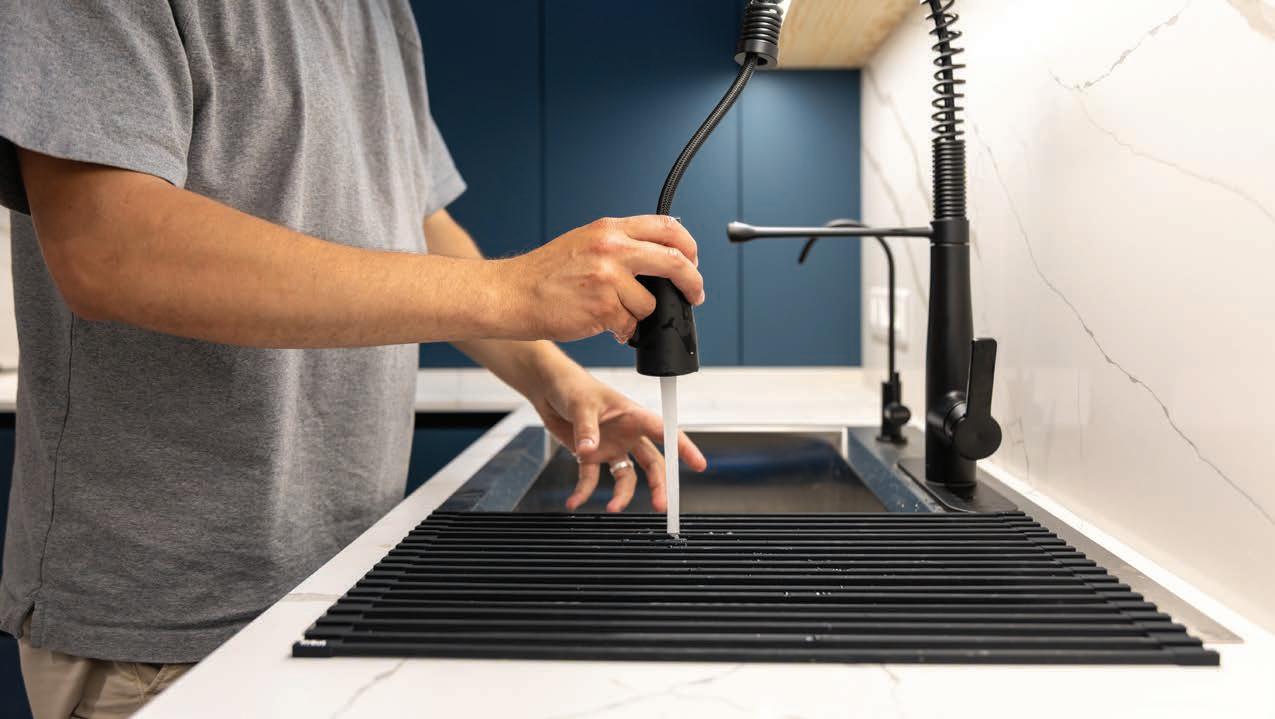
Faucets and appliances can use a lot of hot water, which costs you money. You can lower your energy costs by using and wasting less hot water. According to energy.gov, water heating is the second largest energy expense in your home, accounting for about 18% of your utility bill.
REDUCE HOT WATER USE FOR ENERGY SAVINGS
Tips to Conserve Hot Water
● Showerheads—Low- ow showerheads come in two types: aerating, which mix air with water for a misty spray, and laminar- ow, which create solid streams with less humidity. To reduce steam and moisture in your bathroom, choose a laminar- ow model.
● Fix leaks—Repairing leaks in faucets, pipes, and showerheads can signi cantly cut hot water waste; even one drip per second wastes over 1,600 gallons annually. Fixing leaks saves money and energy. A leaking water heater tank requires full replacement.
● Faucets—Faucet aerators determine water ow rates, with modern kitchen models typically limiting ow to 2.2 gpm and bathroom aerators ranging from 1.5 to 0.5 gpm. Replacing aerators is inexpensive and highly e ective for conservation, and choosing units with 1.0 gpm or lower maximizes savings. Bringing your old aerator to the store ensures the correct t.
Source: energy.gov
● Dishwashers—Hand-washing dishes multiple times a day often uses more hot water than an e cient dishwasher. ENERGY STAR models reduce energy use, but choosing the right capacity matters since compact units may require more frequent cycles. Features like booster heaters and shorter cycle options further reduce hot water and energy consumption.
● Clothes washers—Clothes washers don’t require very hot water, so using cold or warm cycles saves signi cant energy. E cient models cost far less to operate, o er adjustable settings, and spin clothes drier—reducing drying time. Front-loading and ENERGY STAR washers use less water overall, though smaller-capacity models may lead to increased loads if undersized.
ERNEST HÜPEDEN’S PAINTED FOREST
IMMIGRATION, INSURANCE, AND IMAGINATION MEET IN SAUK COUNTY HALL
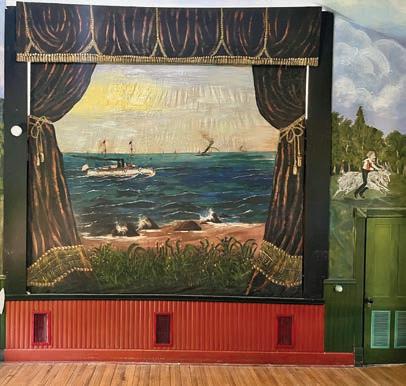
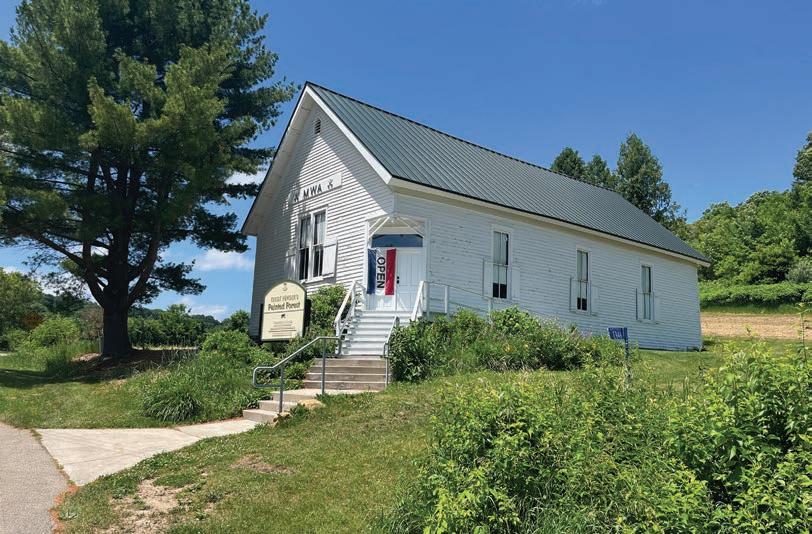
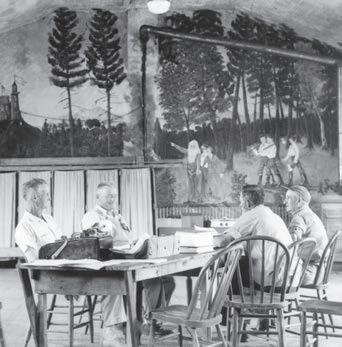
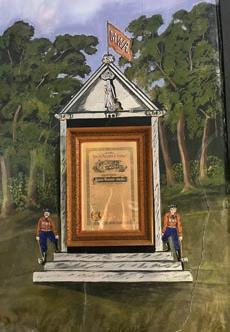
Imagine stepping into a quaint, whiteframe building set into the hillside of Valton, a small community in Sauk County. Once inside the building, located on Vernon Electric Cooperative lines, you are completely surrounded by a mural. And not just any mural, a mural that tells a wall-to-wall story. Painted pines reach toward the ceiling, costumed figures are ready for an initiation, and a castle sits on the horizon. There’s even a guy riding an angry goat to help you understand your own mortality.
This is Ernest Hüpeden’s Painted Forest (EHPF). Hüpeden completed the murals in 1901, after two years of work. Today, they are preserved by Edgewood University and the Kohler Foundation, Inc.
“This art tells us a great deal about American history,” said David Wells, director of Edgewood University Gallery and EHPF. “The art itself is a fairly naive folk art style... It’s a little clumsy and naive, but it’s also very charming.”
Understanding the Artist
Ernest Hüpeden was a German immigrant who arrived in the United States at age 20. He came to the U.S. to avoid mandatory service in the Prussian army.
“Not much was known about him at all, and he told various versions of his own history,” Wells said.
We do know that he was a self-trained artist and received no formal education as a painter. Wells describes Hüpeden as a local painter who traveled around the area, offering his services.
“Hüpeden painted for room and board—and sometimes whiskey,” said Wells. He usually stayed with local families while working and would paint their farmsteads onto household items.
“If you gave him a pie, he’d paint the pie tin and give it back.”
Woodmen of America Ernest Hüpeden’s Painted Forest centers on the fraternal order of the Modern Woodmen of America, which built the hall in the 1890s. “They began as a secret society, like the Masons or the Oddfellows,” Wells said. The order included passwords, costumes, initiations, and rituals.
“What set the Modern Woodmen apart was that once you learned the rituals and became a member, you were eligible to buy a life insurance policy—the first life insurance available to people in the rural upper Midwest,” Wells said. In that unpredictable and dangerous time and place, insurance was a radical form of care. Members were not defined by profession (despite the name “woodmen”), rather, the identity was symbolic. “The members weren’t foresters or working in the woods at all—that was the metaphor for the fraternity,” said Wells. “The woodmen have to watch out for each other because it’s dangerous work.”
Mural is a Map The mural acts as a map to fraternity membership. Walk the room clockwise, and the images tell the story. Start at the symbolic scene in the “death corner.”
“In one corner, to make you understand your own mortality, there is a guy who is riding a goat, and it’s called the death corner, because you also have the owl and a dead tree and skull and crossbones,” said Wells. This underscored the need for life insurance for initiates.
Another mural emphasizes helplessness without community. It depicts scenes of violence and a man being burned at the stake. Evil is depicted by soldiers in Prussian military uniforms.
“This is where we begin to see Hüpeden inserting himself as a painter,” said Wells. “This is basically a little melodrama he created…The most evil thing he knew in the world was the Prussian regime.”
The death corner and the violent scene set up the problem, but, as the mural continues, Hüpeden offers the solution. That solution is the brotherhood of community and the fraternal order, and that survival depends on cooperation.
“Unless you’re a member of the fraternal organization—because then you will have others looking out for you.”
Progressing along, the mural then depicts initiation into the order, depicted
by costumes and ceremony. The costumed Great Consol (also known as the Forest Patriarch) wears a long robe and beard and points to a castle on the horizon.
“They were basically the elected president,” said Wells, “He’s welcoming the new member. He’s pointing to the safety and security of the castle on the hill.”
Other scenes show woodmen helping others and sustaining the town. This represents insurance payments protecting families and the community, and the responsibility is being fulfilled.
Hüpeden’s Imagined Future Along
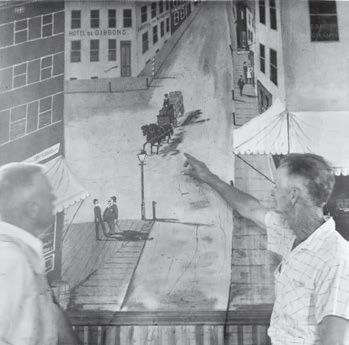
the east wall, Hüpeden depicts not a literal rendering of what the town looked like, but rather what he imagines the tiny hamlet of Valton will look like 100 years in the future. The townscape represents stability thanks to the fraternal order. The imagined businesses shown belonged to people living at the time he painted it.
Painted in 1901, his vision for 2001 included things that never came to be in real life. For example, Valton never had a bank, a clock tower, or a saloon. In fact, it’s a dry township to this day, and the
The Walls Have Eyes and Memories
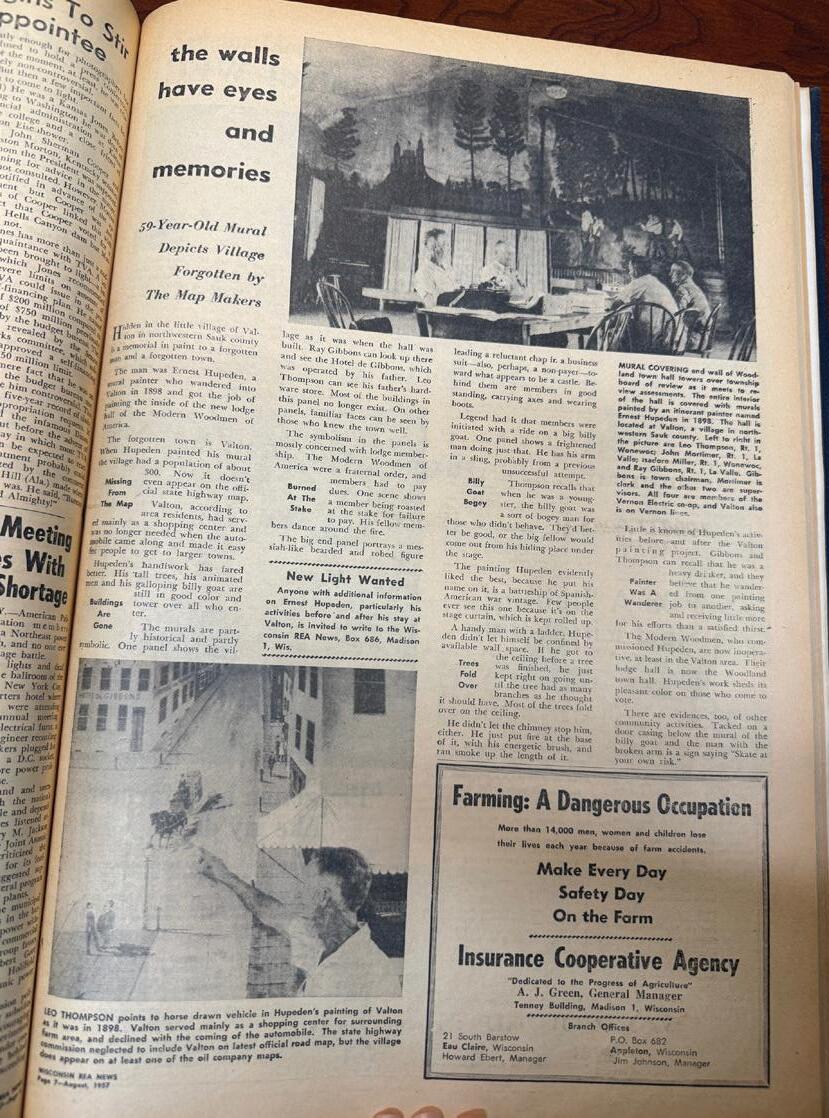
The story of Ernest Hüpeden’s Painted Forest rst appeared on the pages of this publication in August of 1957, with a story titled “The Walls Have Eyes and Memories.”
While some parts of the mural were correctly interpreted, most were not. Wells explains that since 1957, much has been uncovered about the historical understanding of Hüpeden and the paintings.
The article did correctly capture how local families in 1957 recognized their family names painted into the mural of the future of Valton, as Hüpeden used the names of locals in his depiction.
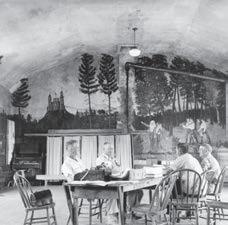
We rst covered Ernest Hüpden’s Painted Forest 68 years ago in the Wisconsin REA News Above center: Leo Thompson was identi ed as pointing to one of the murals. Above right (as it read in 1957): Mural covering end wall of Woodland town hall towers over township board of review as it meets to review assessments. The entire interior of the hall is covered with murals painted by an itinerant painter named Ernest Hüpeden in 1898. The hall is located in Valton, a village in northwestern Sauk County. Left to right in the picture are Leo Thompson, Rt. 1, Wonewoc; John Mortimer, Rt 1., La Valle; Isadore Miller, Rt. 1, Wonewoc; and Ray Gibbons, Rt. 1, La Valle. Gibbons is town chairman, Mortimer is clerk, and the other two are supervisors. All four are members of the Vernon Electric Co-op, and Valton also is on Vernon lines.
Modern Woodmen officially forbade alcohol.
Wells finds the addition of a saloon to the mural very interesting.
“Hüpeden was a known drinker,” said Wells. “He put a saloon in the mural, and the Woodmen didn’t make him paint it out. My theory is that it was the Woodmen themselves keeping Hüpeden in drink.”
Preserving EHPF Over the years, caretakers noticed the walls of the old hall slowly bowing out, threatening the murals inside. They found four layers of roofing had been added one on top of another, until the building was under more strain than it could handle.
They began by stabilizing the structure from the outside, removing the excess weight, and installing a new roof designed to protect the building for decades to come. “What we’re really doing is buying the building another fifty years,” Wells said.
Additional phases of restoration are planned and are largely funded through philanthropy.
Planning to visit EHPF will open Saturdays and Sundays, starting in June, and Wells said visitors will not be left to interpret the murals on their own.
“There’s always someone there who can tell you the story,” he said.
In the meantime, he suggests checking out the website at paintedforest.org, which includes a virtual tour.
More than a century later, Hüpeden’s
Painted Forest still tells a vivid story of belief, belonging, and survival in a rural community.—Dana Kelroy, photos courtesy of EHPF and Lisa Buttonow EHPF is located at E846 Painted Forest Drive, Wonewoc WI 53968. The main hall is open Saturdays and Sundays from June through midOctober from 11 a.m. to 4 p.m. For more information, call 608-692-2826. NOTE: If you have historical images of EHPF, known Hüpeden artwork, or information on Hüpeden himself, please email ehpaintedforest@gmail.com.
Real Estate Miscellaneous
WANTED: PAYING CASH FOR WWII FLAGS, DAGGERS, SWORDS, GUNS, ETC. Also buying guns and collections. 715-340-1974.
WANTED: DEER TAGS, BACK TAGS. Trapping, bear, hunting licenses. Otter, fisher, bobcat tags, party permits, old traps. 715-2559284 David Schober, W4234 Rock Creek Rd., Loyal, WI 54446.
GOT TRAPS - NEED TRAPS? Wanted: bear or large, odd traps, lever-action ri es. For sale: beaver, coyote, Newhouse traps. 715-563-6658.
GEOTHERMAL We service & install all models and brands. Niesen@charter.net. Contact us today.
CHAINSAWS WANTED DEAD OR ALIVE. Buying 1 or 100 McCulloch, Pioneer, Jonsereds, Echo, STIHL, Homelite, Remington, Mall. Buying all brands and sizes. Non-running, running, seized, parts. Let me know what you have - will travel. Call Chainsaw Mike at 715-828-9414.
THROW YOUR HOME MOVIES IN THE TRASH! Or pro transfer 8mm, VHS, slides, audio, and all formats to DVD or ash drive. Gene DVD Productions 715-827-2302.
E-BIKES FOR SALE Let me get you on the right E-bike/E-trike. E-Cycle Bike Shop Mobile, Boyceville, WI. Call or text Bicycle Larry 715-702-1452.
NEW PACKER CHEESEHEADS ITEMS! Check out www.cheeseknits.com for some great knit accessories. Perfect gifts for any Packer or Cheesehead fan!
WANTED TO BUY: Model 1895 Winchester ri e, 30-06 caliber. Please call 715-765-4670.
HOT WHEEL$ WANTED. 1968-1980. Private collector. 608-314-6890.
CHIPPEWA VALLEY BEE EXPO. Held at the Northern Wisconsin State Fairgrounds, April 11 and 12, 2026. Natural living pollinator information, food plots, bees, birds, butter ies. We cover all of nature, cooking with honey. Speakers’ presentations all days on various topics. See us at www.bee-expo.org or on Facebook Chippewa Valley Bee expo.
WANTED: COLLECTOR LOOKING FOR OLD WOOD AND METAL SIGNS. Any condition. Also, old motorcycle items and bell helmets. Call Jerry 920-373-3515.
WANTED: COLLECTOR LOOKING FOR VINTAGE SPORTS CARDS 1986 or older. Also, looking for comic books, 1970’s or older. 608-343-3503.
FOR SALE: POLKA BAND EQUIPMENT. Star Concertina and Iorio-Accorgan accordions. Both in good condition. Southern Wisconsin area. Call 608-558-2698. Leave message, I will return your call.
WANTED: BUYING OLD ESTATE CLOTHES. Will clean out or pick up. Price depends on age and items. Any condition. 715-312-0817.
AKC REGISTERED CHOCOLATE LAB. Trained to find deer sheds. Call Dean 606-269-8920.
WANTED: KIDS PEDAL CARS, pedal tractors, pedal airplanes, pedal boats, etc. The older the better, any condition. Leave message. 608-482-4783.
MAILBOX DOOR NOT STAYING CLOSED? Strong add-on magnet. No tools required. Rural style mailboxes. www.MAILNUT.com. 715-967-2448.
Plants & Shrubs
HARDWOOD AND CONIFER SEEDLINGS AND TRANSPLANTS. Thousands available, Oaks, Maples, Hybrid Poplar, Hickory, Black eyed Susan, Cone owers, Bee Balm, Dogwoods, Elderberry, Cranberry, Balsam, Fraser Fir, Spruce, Pine, Cedar, Techny Arborvitae, Potted cedars, grafted and wild apple trees, large bareroot shade trees including Autumn Blaze. Check us out on the web at www.paintcreeknursery.com, Facebook, Instagram, and YouTube also. Paint Creek Nursery, Cadott, WI. 715-723-2072.
MCKAY NURSERY COMPANY - WISCONSIN GROWN SINCE 1897. Provider of quality shade & ornamental trees, fruit & owering trees, evergreens, shrubs, perennials, ground cover, and vines. Design services & delivery available. Contact Eric at ezlandscapewi@ gmail.com or call 608-387-4287. “Your McKay Independent Sales & Service Provider.”
THUNDERBIRD VILLAGE. ONE, FIVE, AND TEN BEDROOM, FULLY FURNISHED LODGING. Located 10 miles NE of Black River Falls with direct access to snowmobile, UTV, and Lake Arbutus. Great shing and boating. Seasonal campsites available. www.thunderbirdvillage.net 608-989-2275.
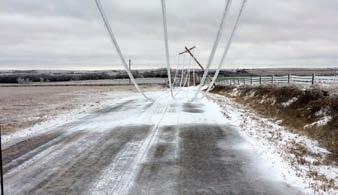
DOWNED POWER LINE SAFETY
If you are in an accident involving a downed power line, follow these steps to protect yourself and others.
✽ Stay in your vehicle. Your car is usually the safest place to be until utility crews arrive.
✽ Call 911.
✽ Do not touch the ground. Getting out could expose you to deadly electricity.
✽ If the vehicle is on re: Jump clear with both feet together and hop away—never step.
✽ Warn bystanders not to approach the area.
Source: SafeElectricity.org
Classi ed
(up to 20 words); additional words, $.70 each. Count name, address, and phone number as part of ad. Please include zip code. FOR PROOF OF MEMBERSHIP, please include your address label from your copy of the magazine. FREQUENCY DISCOUNTS:
JUST RELEASED!
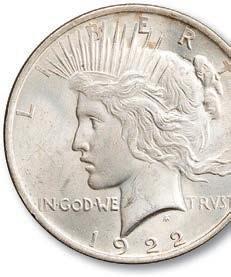
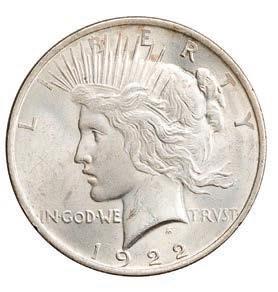
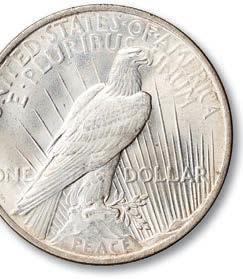
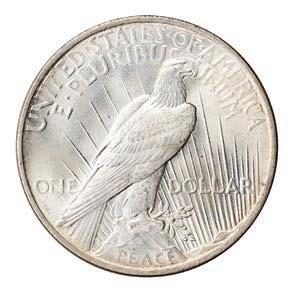
Rarcoa®, America’s Oldest Coin Company, is announcing the public release of 789 of the 1922 Peace Silver Dollar, struck in 90% pure silver at the iconic “Mother Mint” in Philadelphia, the birthplace of American coinage. Each coin comes in Brilliant Uncirculated condition, pristine as the day they were struck!
Hold 103 Years of American History
Struck in 1922, each coin carries 103 years of American history. Could Al Capone have paid for a load of illegal whiskey with your coin? Or maybe your great-grandfather carried it while storming the beaches of Normandy during World War II before ending up in a small coin shop in Little Rock, Arkansas. Each coin has its own unique history and you can hold American history in your hand when you buy yours today!
Sold Nationally for as much as $209
This same 1922 Peace Silver Dollar sells elsewhere for as much as $209. But thanks to Rarcoa’s buying power and numismatic expertise, you can own one for as little as $119, in quantity while supplies last. That’s $90 LESS!
Because the precious metals market is always active and dynamic, prices may adjust to re ect the latest market opportunities.
Buy More and Save!
1-4 $129 each
But don’t wait, our inventory won’t last long. 1922 Peace Silver Dollar - BU Condition
5-9 $124 each, save $5 each, save up to $45 10+ $119 each, save $10 each, save $100 or more. FREE SHIPPING on 2 or more
WISCONSIN EVENTS April 2026
1–30 Bloomin’ Greenhouse Tour—Clark County. Various locations, 8 a.m.–5 p.m. Begins in April and runs through the Fall and into the holiday season. Visit and shop Clark County’s many greenhouses and garden centers for annuals, perennials, vegetables, herbs, grasses, trees, fairy garden supplies, garden art, home décor, and much more. For more info, call 715-2559100.
9 Scout Spaghetti Dinner—Eau Claire. St. John’s Lutheran Church, 4:30–7:30 p.m. Spaghetti, salad, breadsticks, dessert, and beverage. May also take to-go! Cost is a free-will donation. Silent auction with many local baskets concludes at 6:45 p.m.
10 Blood Drive—Colby. St. Paul Lutheran Church, 11 a.m.–4 p.m. Blood drive by Versiti. For more info, call 715-659-0398.
10 Fish Fry Dinner—Jim Falls. Sacred Heart of Jesus Parish, 4:30–6:30 p.m. Potato soup, 3 pieces of deepfried fish, potatoes, beans, coleslaw, homemade roll, beverage, and dessert. Cost is $14 adults; $6 for kids 4–12; and free for kids 3 and under. Dine-in or carry-out.
12 Potato Pancake Breakfast—Tigerton/ Shawano. Tigerton Community Center, 9 a.m.–1 p.m. Pancakes, sausage, applesauce, cheese, coffee, milk, dessert, and more.
12 Chicken Que & Bake Sale—Chaseburg. Village Hall, 11 a.m.–2 p.m. or until all chicken is gone. Featuring “Best Ever Chicken.” Drive-through or eat-in event. Homemade pastries and baked goods. All are welcome.
18–24 Spring Used Book Sale—Oconto. Farnsworth Public Library, all day during normal library hours. Shop for some great deals during our annual sale. Items include books, DVDs, and puzzles. For more info, call 920-834-7730.
19 Spring Bu et Luncheon—Tigerton. Zion Lutheran Church, 11:30 a.m.–1:30 p.m. Cost for adults is $12; 8–12 years is $7; and 7 and under are free. For more info, call 715-535-2312.
22 Celebrate Earth Day—Cornell. Camp Nawakwa, 9 a.m.–3 p.m. Join us for a day of service, food, celebration, and fun! This is a day for business, service clubs, individuals, families, youth groups, and schools. Call or text 715-944-4562 for more info.
23–25 The Spring Thing—Warrens. St. Matthew Lutheran Church, Fri. 11 a.m.–6 p.m.; Sat. 8 a.m.–4 p.m.; Sun. 8 a.m.–1 p.m. Crafts, vendors, rummage/thrift, and bake sale. Lunch will be available. Call 608344-1094 for more info.
24 Brat, Burger, Bake, and Rummage Sale—Willard. Holy Family Catholic Church Shelter, 9 a.m.–5 p.m. For more info, call 715-267-7524.
24, 25 “Spring Into the Arts” Tour—Clark County area. 9 a.m.–5 p.m. Drive along scenic roads to browse, shop, and meet artists in their studios and gathering spots. Tour features painters, potters, woodworkers, metal workers, jewelers, weavers, glass workers, mixed media, and much more. Unique shopping and food throughout the tour. For a brochure or more info, email info@ clarkcountyedc.org or call 715-2559100.
24–26 Barn Sale—Ellsworth. The Real McCoy Antiques, 10 a.m.–5 p.m. We have antiques, uniques, and handmade décor—join us at our first barn sale of the season!
25 Polka Fest—Jump River. Community Center, 12–8 p.m. Featuring the Cynor Classics and Live it Up. Food, refreshments, and bar available.
25, 26 The Mane Quilt Show—Nekoosa. High School Field House, 9 a.m.–3 p.m. Judged quilt show, vendors, classes, demos, trunk show, and more. Admission is free will donation. For more info, email jcrossing2911@gmail.com or call 715-459-2551.
25 Smelt Fry—Herbster. Historic Log Gym, 2–6 p.m. This beloved event brings together the South Shore community for a delicious smelt and whitefish dinner and a huge raffle! The cost is $15 for adults and $6 for children.
25 The Four C Notes—Reedsburg. Area High School CAL Center, 7–9 p.m. The only Midwest tribute recreating the iconic sounds of Frankie Valli and The Four Seasons. Created by John Michael Coppola, enjoy authentic songs like “Oh What a Night,” “Big Girls Don’t Cry,” “Sherry,” and more. Reserved tickets going fast: $25–$30. Accessible, comfy seats, and free parking. For tickets or more info, call 608-7688928 ext. 1190.
30 Smelt Feed—Chippewa Falls. Columbus Hall, 4:30–8 p.m. Come and enjoy our all-you-can-eat smelt feed open to the public. $15 at the door. Carry-outs available.
Upload events directly to the wecnmagazine.com through the “Events” tab.
Wisconsin Events is a public service for our readers. Due to space limits, we may need to eliminate details, so be sure to include a phone number (with area code) where callers may obtain more info. If we receive more listings than space allows us to print, we reserve the right to select those we believe will be of interest to the greatest number of readers. Please no virtual events. Events can also be mailed to: WECN, Events, 6405 Century Avenue, Suite 102, Middleton, WI 53562-2200. DEADLINE: 1st of the month prior to the month in which the event is to appear.
Upload events to wecnmagazine.com
YOUNG
1. Harper smooches baby Warren. Photo submitted by Cindy George, a member of Riverland Energy.
2. Ellie shows a goat at the Rock County Fair. Photo submitted by Grandpa Ron Shilts, a member of Rock Energy.
3. Cotton Candy purrs loudly during snuggles with Tayvian. Photo submitted by Susan Kamrowski, a member of Riverland Energy.
Upload photos directly to wecnmagazine.com through the “Submit a photo” tab.
Send photos of kids with animals, along with a brief description, to WECN Magazine, 6405 Century Avenue, Suite 102, Middleton, WI 53562-2200. Please include the name of your electric co-op. Photos will be returned. If in good-resolution, electronic format, photos may also be uploaded via wecnmagazine.com through the “Submit a photo” tab. By submitting, sender implies that he/she has rights to and owns the image, and grants WECN permission to use the image. By submitting, the parent or legal guardian also authorizes us the right to publish the image.
SPRING SAVINGS WORD SEARCH
Are you ready to spring into energy savings? When we actively try to reduce our energy use at home, we save on bills and help our community. Read the e ciency tips below, then search for (and circle) the bolded words in the puzzle.
Spring Energy Tips:
Unplug chargers, gaming systems, and other devices. Electronics can consume energy when they’re plugged in, even if you’re not using them.
Open curtains and blinds during the day to use natural light instead of lamps and other home lighting.
Dress for the weather. When it’s chilly, grab a jacket instead of turning up the thermostat. When it’s warm, instead of turning on the A/C, open windows or turn on fans to circulate air.
Turn o lights when you’re leaving the room for more than five minutes.
Your Water Heater Uses More Energy Than You Think.
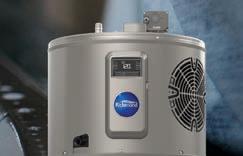
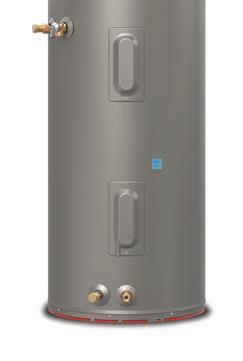
A Heat Pump Water Heater Helps You Use Less Energy.
Running showers, laundry, and dishes adds up — fast. Your water heater is your home’s second largest energy user. That’s a big impact on your electric bill. With a Heat Pump Water Heater, you get the same comfort as your existing water heater using only a fraction of the energy, helping you save month after month.