












































Although kids enjoy playing on the big green box, they shouldn’t! The big green boxes in your neighborhood are transformers that lower the voltage of electricity, so you can use it in your home to run appliances and electronics. Please ask your children not to play on the big green boxes.
The doors on them should always be locked, but if you see one that is unlocked or open, report it to us immediately.
The big green box isn’t a play toy; it is an integral part of providing electricity to your home through underground service. Stay safe around the big green box.


June is the month we celebrate fathers.
Families gather to celebrate dad with meals, gifts, and sometimes, the simple gift of letting him have his own day — watch the U.S. Open, go fishing, or maybe just take a nap. I’ve always thought being a father looked more fun than being a mother. I’ve seen the job of a mother. That’s a lot of work, and frankly, I don’t think I’m cut out for it.
But today I want to share something with my children — something I would never say to your face, though I probably should. Fathers don’t always say much. We keep a lot inside; that’s just what many men do. So, today I’m speaking for all the dads out there, telling our children what we often can’t say out loud.
You were my “why” — why I went to work, worked long days and early hours, coached youth teams, and prayed every night for your happiness. You were my motivation and my inspiration. I lived my life trying to give you a better one.
I never wanted a perfect child — just a happy one. I didn’t want you to get caught up in what the world wanted you to be. I wanted you to find your own way and forge your own path. I tried to guide you, though I know sometimes you thought I was controlling. I wasn’t trying to plan your life; I was trying to save you from my mistakes.
I was learning right along with you. I tried to be the best dad I could, but there wasn’t an instruction manual when you were born. I did my best. I made mistakes. There are things I wish I could do over, but the past is behind me now. Just know that everything I did, I did with the best of intentions — and with love in my heart.
I’ve always loved you. From the moment I held you in my arms, I knew I would love you forever. Yes, there were times when I was frustrated. I yelled. I disciplined you. But always know it was done with love. When you were sad, my heart broke. Any pain you endured, I would have gladly taken on myself to spare you. Your victories were mine, and your losses hurt me more than I ever let on.
Please understand: the love of a father knows no bounds.
So, if you’re wondering what to give your dad this Father’s Day, start simple: a call, a visit, a few minutes where you’re fully present. Ask him about the stories he doesn’t tell often, and listen a little longer than you normally would. Tell him you remember the rides, the talks, the lessons, the way he showed up — even when he was tired. Tell him you’re okay. And if the words feel hard, borrow mine: thank you. I love you. I’m grateful for you. Fathers may not always be good at saying what’s in our hearts, but we carry our children with us every day.
Happy Father’s Day.

by Michael Callahan
Executive Vice President/CEO Electric Cooperatives of Mississippi



“Evergreen”
Once I lay me down in pasture green, The nearby brook whose waters sing, Contained minnows, most unseen. Hid among the rocks they played, Iridescent with the day.
And on the banks, wild lilies grew, Mid trees. And leaves that fluttered and blew. The breeze was soft upon my face, I loved, I loved, this sacred place. At a distance cattle graze, And calves cavort In abandoned craze.
Blue skies, white clouds overhead I lay upon my fragment bed. Memories came of loved ones known, They’ve fled beyond this mortal zone. We sat at a table round and dined
The cards, the food, and oh, the wine Laughter, life — a time divine I feel their presence every day Within my heart, their memories stay — Now years have passed — and I am old, Careful now, no longer bold.
I see your faces when I dream — Always loved, And evergreen.
by Ana Arrington, a member
of Coast Electric
What’s Mississippi to you?
What do you treasure most about life in our state? Send your brief thoughts to Today in Mississippi, news@ecm.coop or mail to P.O. Box 3300, Ridgeland, MS 39158. Submit your beautiful digital photo of life in Mississippi to Today in Mississippi, news@ecm.coop



The Official Publication of the Electric Cooperatives of Mississippi
Vol. 79 No. 6
OFFICERS
Brian Long - President
Shawn Edmondson - First Vice President
Brian Clark - Second Vice President
Je Bowman - Secretary/Treasurer
Michael Callahan - Executive Vice President/CEO
EDITORIAL STAFF
Lydia Walters - VP, Communications
Steven Ward - Editor
Chad Calcote - Creative Director
Kevin Wood - Graphic Designer
Alan Burnitt - Graphic Designer
Jill Sowell - Graphic Designer
Whitley Daughtry - Graphic Designer
Chris Alexander - Member Services Coordinator
Andy Tuccio - Media Solutions Director
Steve Temple - Social Media Director
Julienne Sones - Communication Assistant
EDITORIAL OFFICE & ADVERTISING – 601-605-8600
For delivery questions or issues, call your local co-op.
Acceptance of advertising by Today in Mississippi does not imply endorsement of the advertised product or services by the publisher or Mississippi’s electric power associations. Product satisfaction and delivery responsibility lie solely with the advertiser.
• National advertising representative: American MainStreet Publications, 800-626-1181
Circulation of this issue: 479,770 Non-member subscription price: $9.50 per year.
Today in Mississippi (ISSN 1052-2433) is published 12 times a year by Electric Cooperatives of Mississippi Inc., P.O. Box 3300, Ridgeland, MS 39158-3300, or 665 Highland Colony Parkway, Ridgeland, MS 39157. Phone 601-605-8600. Periodical postage paid at Ridgeland, MS, and additional o ce. The publisher (and/or its agent) reserves the right to refuse or edit all advertising. The magazine is published for members of subscribing co-ops. The magazine is a bene t of membership.
POSTMASTER: Send all UAA to CFS. (See DMM 507.1.5.2) NON-POSTAL AND MILITARY FACILITIES: Electronic address returns requested. www.facebook.com/TodayinMississippi


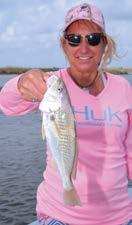
Taylor Grocery owner Sarah Margaret Hewlett standing in front of her restaurant with a plate of cat sh. Photo by

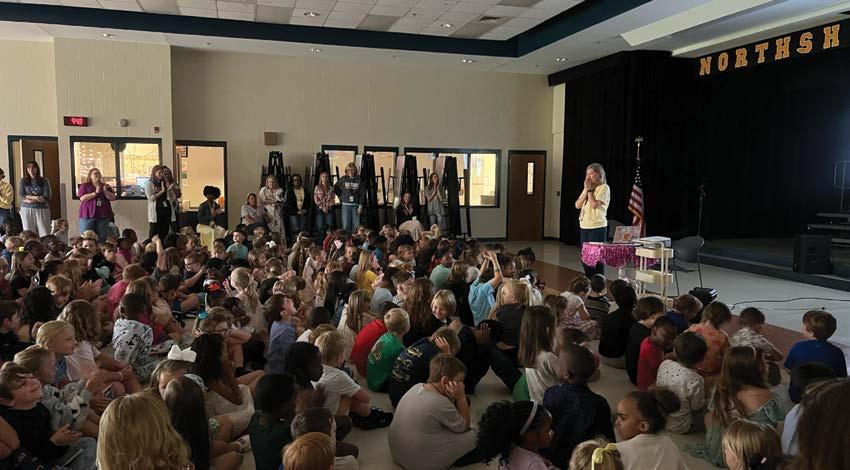
The Tennessee Valley Authority (TVA) recently announced that 121 schools across the Tennessee Valley region will reduce their power bills and have healthier air thanks to over $3.3 million in funding for energy and classroom upgrades.
Twelve of those 121 schools are served by Mississippi electric cooperatives.
This funding is part of TVA’s nationally recognized School Uplift program – which has invested about $13 million to help over 440 schools across seven states reduce their energy bills since 2021. The program has saved participating schools an average of 10% on their energy bills annually through behavioral changes alone, and this year’s participants will save an estimated 5.5 GWh of energy — enough electricity to power 18,000 homes for a month.
This year’s award winners from Mississippi are
• Co eeville High School • $210,000 Co eeville - Tallahatchie Valley Electric
• Northshore Elementary School • $25,000
Brandon - Central Electric
• North Delta School • $25,000
Batesville – Tallahatchie Valley Electric
• Corinth High School • $10,000
Corinth – Alcorn County Electric
“TVA and local power company partners are committed to making a positive impact on the communities we serve through School Uplift,” said Ray Knotts, TVA senior director of demand management. “By reducing energy costs, we’re making more funds available for education and creating a better learning environment for students and teachers that helps give every child the opportunity to succeed.” Funding ranged from $10,000 to $210,000 and was awarded based on the score each school achieved by cutting their energy waste and engaging their school community, and a needs-based assessment that determined which facilities could achieve the greatest energy savings. In 2021, TVA launched the School Uplift program to invest in students’ futures by o ering energy e ciency training and funding to reduce energy costs and improve a school’s learning environment.
• Highland Blu Elementary School • $10,000
Brandon – Central Electric
• Oakdale Elementary School • $10,000
Brandon – Central Electric
• Pisgah Elementary School • $10,000
Brandon – Central Electric
• Grace Christian School • $10,000
Louisville – East Mississippi Electric Power
• Kemper Academy • $10,000
DeKalb – East Mississippi Electric Power
• Co eeville Elementary School • $10,000
Co eeville – Tallahatchie Valley Electric
• Strayhorn High School • $10,000
Sarah - Tallahatchie Valley Electric
• Davidson Elementary School • $10,000
Water Valley - Tallahatchie Valley Electric
Learn more about TVA’s School Uplift program at energyright.com/business-industry/school-uplift/.
The Tennessee Valley Authority is the nation’s largest public power supplier, delivering energy to more than 10 million people across seven southeastern states.



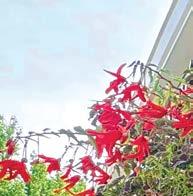


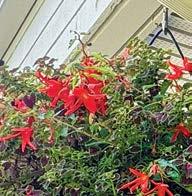
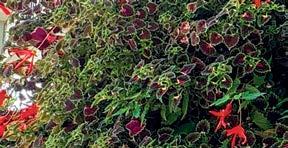


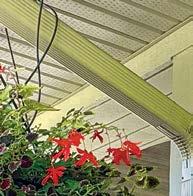


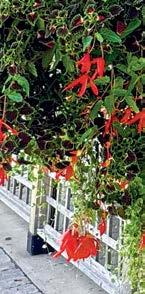
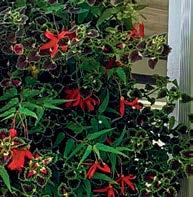
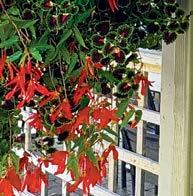









There’s something about a colorful hanging basket that makes a front porch feel welcoming.

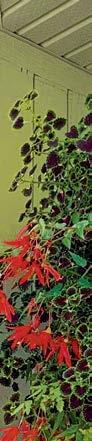



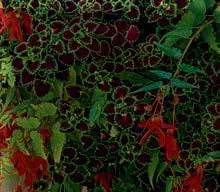




Whether it’s part of a quiet morning with a cup of co ee or an evening visit from friends, those baskets overflowing with blooms add life and charm to your outdoor space. A few well-chosen plant combinations can turn ordinary baskets into real showstoppers.
One of my go-to plants for hanging baskets is Supertunia petunias.
These vigorous plants have a naturally mounding and trailing growth habit, which means they work beautifully as both fillers and spillers in containers. Instead of needing constant grooming, they simply grow and spill over the sides of the basket, creating that full, lush look everyone loves.
Another thing gardeners appreciate about Supertunias is that they are low maintenance.
That means no deadheading is required, so you can spend more time enjoying your porch and less time fussing with the plants. They perform best when fertilized regularly, and because they grow in containers, it’s easier to keep their soil moisture just right.
Another excellent companion for hanging baskets is Superbells calibrachoa.
Much like Supertunias, these plants have a mounding, trailing habit that allows them to cascade beautifully from containers. They also share the same low maintenance nature with no deadheading needed. A steady diet of water and fertilizer keeps them blooming.







One important thing to remember about both Supertunias and Superbells is that they don’t like constantly wet soil. Growing them in containers works in their favor because it allows you to better control moisture levels.
One of my favorite hanging basket combinations features Superbells Grape Punch, Superbells Yellow, and Supertunia Persimmon. Grown together, these three colors create a warm, sunset-like display. As the plants begin trailing over the sides of the basket, the mix becomes even more dramatic.
Another beautiful combination includes Supertunia Vista Fuchsia, Snow Princess, and Laguna Compact Blue with Eye.
Supertunia Vista Fuchsia delivers bold pink blooms, and Laguna Compact Blue with Eye adds stunning blue flowers accented by crisp white centers. Snow Princess spills over the basket with cascading white blooms that soften the whole arrangement. Together, the basket feels bright and cheerful.
No matter which plants you choose, the secret to keeping hanging baskets looking full is consistent care. Regular watering and a steady fertilizer routine keeps the plants actively growing and blooming.
Your hanging baskets can overflow with color all summer long, turning your front porch into a welcoming garden space that everyone will notice.

Southern Gardening columnist Dr. Eddie Smith, a gardening specialist and Pearl River County coordinator with the Mississippi State University Extension Service, is an internationally certified arborist, Produce Safety Alliance certified trainer, and one of the developers of the Mississippi Smart Landscapes program that encourages the use of native plants in the landscape.





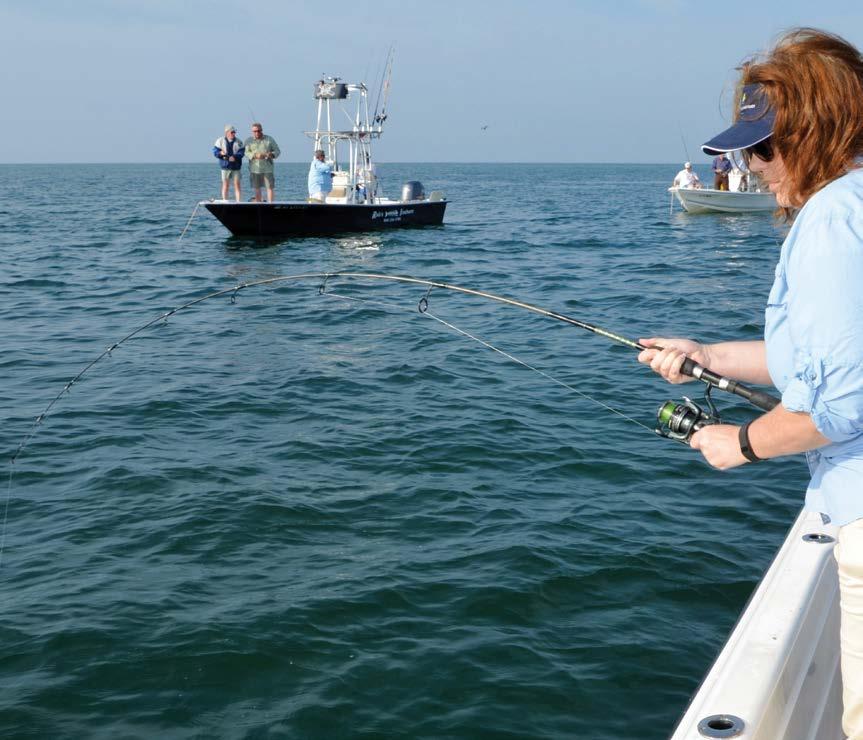
Some of my fondest memories from youth involve fishing with my dad and hitting the “old croaker holes” in the summer. After a hot day on the water, we usually anchored in the shade under a bridge near the launch for our last stop of the day.
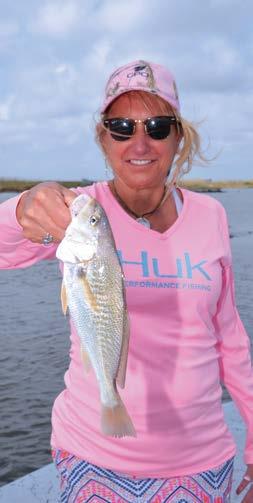
Croakers look like small redfish without spots on their tails. O cially dubbed an Atlantic croaker, this member of the drum family along with redfish, black drum, and even speckled trout, live up to their name by making considerable noise. When fighting one, we often heard them croaking well before they broke the surface.
Few croakers weigh more than a pound or two. The Mississippi state record weighed five pounds, one ounce, but these golden-hued fish can exceed eight pounds. Ounce for ounce, few saltwater fish hit or pull harder than a croaker. On whatever tackle, these fish can give any angler quite a fight well above their weight class.
Today, few people intentionally fish for croakers, unless they want to catch some small ones for redfish or trout bait. However, these scrappers can top o a long, slow day on the water with incredible action on light tackle. I always preferred light spinning tackle for more exhilarating fights. I used 12-pound test monofilament line.
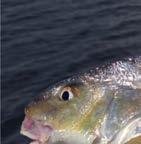
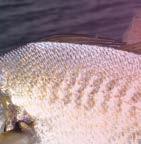



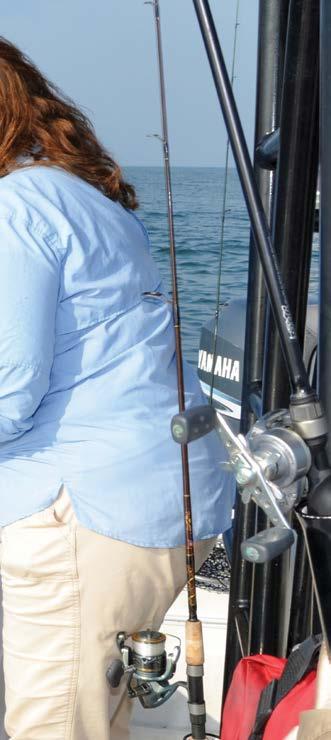










Croakers love deep water, but anglers without boats commonly catch them o seawalls and docks. We fished the deepest water under the bridge, usually 15 to 40 feet deep. I rigged a sinker on the bottom. About two feet above the sinker, I tied a hook small enough to fit into a croaker’s little mouth.
I sweetened the hook with a piece of fresh shrimp, but croakers eat practically any meat. I’ve caught croakers on chicken livers, crawfish, earthworms, and other baits while fishing for catfish or bream in brackish systems. Croakers might also hit minnows, cut fish, or crab pieces.
Infrequently, croakers do strike artificial temptations. Sometimes, they slurp soft-plastic shrimp imitations. Croakers might inhale plastic grubs — jigs tipped with minnow trailers or flies. In brackish marshes, I’ve caught croakers on plastic worms while bass fishing.
Tempting croakers doesn’t take much finesse. We simply dropped the rig right o the side of the boat and let the sinker hit bottom. Then, we tightened the line and jigged the bait up and down o the bottom a few times. When a big croaker hits, people know it!

Ounce for ounce, few saltwater fish hit or pull harder than a croaker.
On whatever tackle, these fish can give any angler quite a fight well above their weight class.


Since catching them doesn’t require complicated techniques and delivers fantastic sport, these golden fish provide outstanding opportunities for young children or novice anglers. Nothing compares to the excitement of young children experiencing their first jarring croaker strike.
Contrary to popular belief, croakers make excellent tablefare. They taste like redfish. Sitting over a good croaker hole makes a terrific way to spend a hot summer day for anglers of all ages. At least for me, they turned many humdrum days into great adventures.

by John N. Felsher
John N. Felsher is a professional freelance writer, broadcaster, photographer, and editor who lives in Alabama. An avid sportsman, he’s written more than 3,300 articles for more than 170 di erent magazines on a wide variety of outdoors topics. Contact him at j.felsher@hotmail.com.












by Lici Beveridge
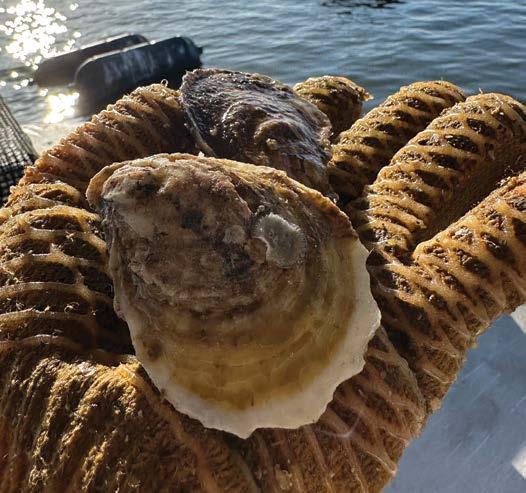
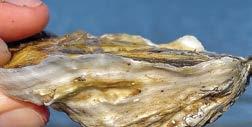
The oyster has been a staple in Mississippi kitchens for generations, with popular dishes like oyster stew and oyster dressing gracing tables throughout the state. They grow naturally along the Gulf Coast, where anyone with the right tools can harvest them.
With rising popularity and diminution of viable habitat, the oyster industry needed a boost, and that is where a cross-section of government agencies and private businesses joined together to create another avenue for increasing oyster production to meet demand.
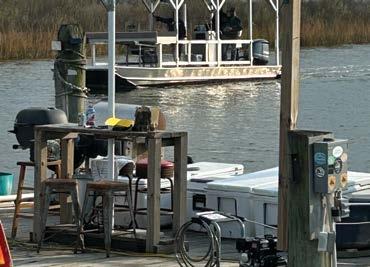
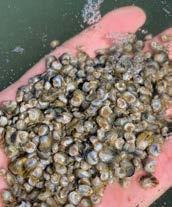
A training program began in 2018 at the Deer Island Commercial Aquaculture Park o the Biloxi mainland, teaching prospective oyster farmers how to plant, grow, and harvest the shellfish and providing the initial seed. Oyster farmers are then able to lease a section of the 466-acre park for their oyster crops.
There are several commercial oyster farming companies on the Coast, as well as individual farmers working within cooperatives taking advantage of the resources the aquaculture park has to o er.
Farming oysters costs more than harvesting naturally grown oysters, since the farmers start from seed and must tend their crops until they are harvested, but hopefully that will change, one farmer said.
Matthew Mayfield, co-owner of Eagle Point Oyster Co. in Ocean Springs, said oysters shouldn’t be costprohibitive, especially in their native Mississippi.
“I don’t think they should be in such a narrow lane or fancy food,” Mayfield said. “I really don’t think you should have to save up for your budget to accommodate a night of eating oysters.”
But o -bottom oyster farming is costly, making it more expensive for the consumer. Mayfield hopes the industry will keep growing, so oysters will be plentiful enough to meet the demand.
















“We’ve got to get out there and grow a bunch,” he said. “We’ve got to get the price down.”

Mississippi oysters enjoy a wealth of nutrients that flow into the Gulf from rivers and streams, including the Pascagoula and Tchoutacabou a Rivers. Mayfield, whose family has lived on the Coast for generations, said the location is just right for growing the perfect oyster.
“We’re in the center of the Gulf — it’s a sweet spot,” Mayfield said. “You’ve got this gumbo of phytoplankton and other nutrients that oysters just love. I don’t think you’ll find a better oyster anywhere.”
The introduction of the oyster farming program — a year before the 2019 Bonnet Carre spillway disaster nearly decimated the Mississippi oyster population — was serendipitous, according to Rick Burris, chief scientific o cer with the Mississippi Department of Marine Resources. Oysters in the wild are making a comeback now that their natural habitat is coming back to life, he said.
MDMR operates the farming program, but multiple agencies contribute to the program with their research, training and other o erings that enable Mississippi oyster farmers to get the most out their harvests.
“We train them with what they need, and work with USM and Auburn and other universities to provide them with seed oysters in the beginning,” Burris said.
Once the farmers have their crops up and running, they are able to operate on their own. The farmed oysters are triploid, and do not reproduce, which means they have to start with fresh seed from local hatcheries, Burris said.
Russell Grice, an aquaculture business specialist and administrator of instructional outreach programs with the Alabama Cooperative Extension System and Auburn University, also works with the oyster farming program. He works with Mississippi-Alabama Sea Grant, NOAA Fisheries, and other universities and government agencies to develop programming and business best practices for the program.
He said the Mississippi-raised oyster is special, with a unique flavor found only on the Gulf Coast.
“Mississippi is known for having a really mild oyster as far as the salinity, but the nutrients in the northern Gulf are so abundant, that they grow fast and they grow with that uniqueness that you can’t miss,” Grice said.












by Bonnie Coblentz, MSU Extension Service
Growing interest in sustainability and becoming self-su cient has many people learning old skills, including foraging in the wild for food to supplement their meals.
This modern homesteading trend and the back-to-the-land movement are a direct response to the challenges of modern life and a desire to reconnect with nature. It is a practical e ort to regain control over food quality, reduce waste, and build resilience against supply chain disruptions
“Knowing about wild edible plants provides an opportunity to broaden your knowledge on self-sustainability practices and improve food security,” Sherry Bell, an environmental educator with the Mississippi State University Extension Service, said.
Bell called many wild, edible foods “forgotten foods,” as they are plants, mushrooms, and animals that ancestors generations ago used for nourishment, healing, and survival.
“These are foods we lost touch with due to the availability of foods produced through modern agriculture and commercial practices,” she said.
Bell said dandelion, known scientifically as Taraxacum o cinale, which most homeowners know as a perennial weed in their lawn, is edible.
“The young leaves can be harvested in early to mid-spring. It is a green you can eat raw, boil, or batter and fry it, especially the flowers,” Bell said.
She said the dried roots were used in the Civil War as a substitute for co ee or tea, and the plant has been shown to be rich in vitamins and minerals, and have anti-inflammatory, antibacterial and antifungal properties.
Wood sorrel, or Oxalis, is another perennial lawn weed also found in woodland areas. It has flowers that are usually yellow, pink, or white, and the plant has a lightly sour, lemony taste.
“All parts of the plant can be eaten, and it is often used in salads and soups,” Bell said.
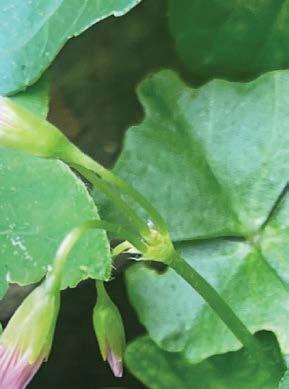



The availability of foods produced through modern agriculture and commercial practices lead to many edible plants being forgotten, such as this dandelion, which grows frequently in yards as a weed.









You must be sure of what you are eating. It is a good idea to use at least three di erent resource guides to properly identify plants.


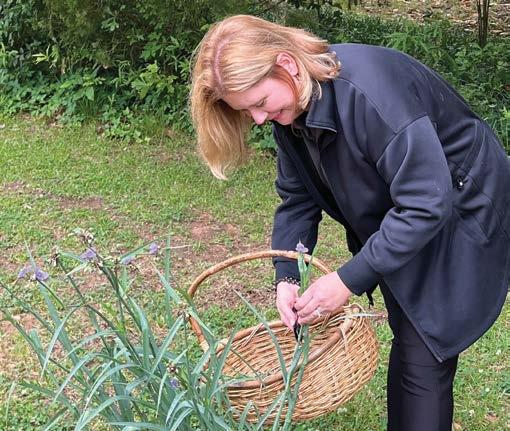
Sherry Bell, an environmental educator with the Mississippi State University Extension Service, prepares to pick spiderwort, an edible plant that grows wild in Mississippi.





Another yard weed is the plantain, scientifically known as the Plantago species. It is a non-native perennial brought over by early European settlers for use as food and medicine. It can be eaten raw or cooked, and young leaves are tender and have a mild flavor.
Common purslane, or Portulaca oleracea, grows in the wild and can sometimes be bought as seed.
“Common purslane is very high in omega-3 fatty acids and has seven times more beta-carotene than carrots,” Bell said. “It has a very mild, salty and tangy flavor, and all parts can be eaten raw, steamed, or pickled.”
Amaranth, or pigweed, is a native annual weed found throughout North America and known scientifically as the Amaranthus species.
“The young leaves and seeds are edible and were a common historic food for native American tribes,” Bell said. “You boil the leaves as greens, and the seeds are gluten free and can be crushed down into a flour.”
Even thistles, the scientific species Cirsium, are edible. Those tall, prickly plants with the purple bloom on top have stems that, once the woody exterior is carefully removed, can be eaten raw or cooked.
Jerusalem artichoke, or Helianthus tuberosus, is a perennial native sunflower that produces an edible tuber. It was commonly cultivated by Native Americans and tastes a lot like a potato. The tuber is low in starch and can be eaten raw, roasted, pickled or fried.
“When harvesting, use the one-third rule,” Bell said. “Harvest onethird of what is available, leaving the rest for wildlife and regeneration.”
Other plants are edible, but foragers must prepare them carefully to remove toxins. Among these are pokeweed, often called poke salad or poke sallet, and elderberry.

Shaun Broderick, MSU Extension horticulturist and researcher with the Mississippi Agricultural and Forestry Experiment Station, said foraging for edible foods requires skill.
“There are a lot of plant look-alikes out there, so it is important to know how to identify plants before you try them,” Broderick said.
An example of look-alikes is poison hemlock, known scientifically as Conium maculatum, which looks somewhat like Queen Anne’s lace or parsley. If misidentified and eaten, poison hemlock can lead to serious health complications and even death.
“You must be sure of what you are eating,” he said. “It is a good idea to use at least three di erent resource guides to properly identify plants.”
Avoid foraging along farm edges and roadways where chemicals may be used for weed and insect control. Also, people may have allergy concerns with unknown foods.
“You can do a touch test by crushing the leaves and rubbing their sap on your inner wrist,” Broderick said. “Wait about 15 minutes. If you feel any itching, burning or tingling, or if you see a rash develop, do not eat it.
Check with your doctor to make sure the foods don’t interact with your medications.
Get permission before entering or harvesting on private lands, and know that it requires a permit to harvest on most state or federal park land.


























In our community, we take pride in the natural beauty of the trees that surround us — the shade on a summer afternoon, the colors that mark the changing seasons, and the quiet strength of something that grows slowly but endures.
At the same time, we have a responsibility to keep the lights on and to power our homes and businesses, so that when you flip a switch, the energy you depend on is there.
That’s why Singing River Electric works every day to keep a careful balance between preserving the beauty we appreciate and delivering the reliable electricity you expect. One of the most important ways we do that is through regular tree trimming.
It may not always be obvious, but keeping lines clear of overgrown vegetation plays a major role in preventing power outages. We’ve all seen what can happen when severe weather rolls in — strong winds, heavy ice or sudden storms can bring down branches and, with them, power lines and poles. In fact, nearly half of all power outages can be traced back to trees and vegetation coming into contact with electrical infrastructure. As we enter hurricane season along the Gulf Coast, adequate tree trimming becomes more critical.
lines. Scheduled trimming helps remove dead or weakened limbs and keeps fast-growing trees from becoming hazards. It’s about staying one step ahead, especially as we prepare for the increasing frequency and intensity of severe weather events.
Beyond reliability and e ciency, there’s another reason this work matters: safety. Electricity is a powerful force, and when trees grow too close to power lines, that power can become dangerous. Branches that touch lines — or even come close — can carry electrical current. Children climbing trees in their own yards may not realize the risk. During storms, fallen trees can create hazardous conditions not only for families but also for our linemen working to restore service.
Preventative maintenance like tree trimming is far more cost-e ective than repairing widespread damage after an outage. Left unchecked, overgrown vegetation can lead to more frequent disruptions and higher costs for everyone. A thoughtful, strategic vegetation management program helps keep those costs down for our members.
At the end of the day, we all want the same thing: a community that’s safe, resilient and beautiful. At Singing River Electric, we’re proud to be part of that e ort. Our roots run deep here, just like the trees we work to care for.
You may notice our trusted contractors working throughout the year. Our crews are highly trained and certified, following the latest industry standards to ensure the job is done safely and e ectively. Their work might seem routine, but it’s anything but — it’s a proactive step that helps prevent problems before they start.




And it’s not just good practice — it’s required. Electric utilities across the country are obligated to manage vegetation near power



by Brian Hughey
General Manager and CEO

















Gabe Robbins

Energy Services Representative robbins@singingriver.com




June in south Mississippi means rising temperatures, higher humidity, and the start of heavy air conditioning use. As summer heat and humidity rise:
• Set your thermostat to 78° or as high as comfortably possible when you’re home and a few degrees higher when you’re away.
• Use ceiling fans to keep air moving. Fans can make the room you’re in up to 4° cooler without lowering the thermostat. Turn fans o when leaving the room.
• Keep blinds and curtains closed during peak sunlight hours to block heat and reduce the load on your air conditioner.
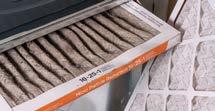
Don’t forget HVAC maintenance! A well-maintained air conditioning system uses less energy, cools more e ectively, and is less likely to break down during the hottest days.
• Clear leaves, grass, and debris from around your outdoor unit, so it can operate properly.
• Consider scheduling a professional tune-up to ensure everything is running e ciently.
• Change air filters monthly to improve e ciency and airflow.
singingriver.com/ways-to-save

Our 2026 Annual Membership Meeting will be held on Thursday, June 25, at Singing River Electric’s Lucedale o ce located at 11187 Old 63 South. Registration begins at 5 p.m., and the meeting starts at 6 p.m., covering Singing River Electric’s financial, management, and board reports, as well as the board of directors election.
Vote in the 2026 board of directors election to help meet the required 10% quorum needed to conduct business at the annual meeting and fulfill the 2nd Cooperative Principle – Democratic Member Control.
Vote online from Monday, May 11, through Tuesday, June 16. Access the online ballot by clicking the “Vote Here” icon on the SmartHub app or our website at singingriver.com. Members with a valid email address on file received an online voting email from noreply@directvote.net on May 11. Enter your membership ID and zip code and then cast your vote.
Vote by proxy by assigning your vote to either the board of directors or another Singing River Electric member. Mail the completed proxy in the postage-paid envelope and ensure it is received at our Lucedale o ce by Tuesday, June 16. You may still attend the meeting; your presence will rescind the proxy and allow you to vote in person.
Vote in person at the membership meeting on June 25, 2026.
Singing River Electric has a 10-person board of directors elected from the membership in three geographic districts. For 2026, three Post 2 directors will be elected and hold the o ce for a period of three years. This election will also select one Post 3, District 2 board member for a period of one year to fill an unexpired term.
The following Singing River Electric members were nominated by our membership for election and certified by the Credentials and Election Committee to run for the board position. For qualification requirements, visit singingriver.com/my-membership to view our bylaws. View candidate biographies on the online voting site starting May 11.
DISTRICT 1, POST 2: James Robert Steele
To represent Greene, Perry, and Wayne counties in Miss., and Washington County in Ala.
DISTRICT 2, POST 2: Roy C. Grafe Jr.
To represent George and Stone counties in Miss., and Mobile County in Ala.
DISTRICT 2, POST 3: Amy Delcambre, Phillip Eubanks, Stephen M. Tipton
To represent George and Stone counties in Miss., and Mobile County in Ala.
DISTRICT 3, POST 2: Kristal K. Sisson
To represent Jackson and Harrison counties in Miss.
1 2 3
We are the Cooperative Gang, and we’ve created the perfect place for you to explore electricity, science, safety, and the amazing world of electric cooperatives. Together with our friends at Singing River Electric, we’ll spark your curiosity and power up your knowledge.
• What Are Electric Cooperatives: See why being a "co-op" is cool and how we work together to keep the lights on for everyone!
• Electricity Basics: Learn how electricity moves and flows with Ty the Beaver.
• Always Play It Safe: Learn the "Always Play it Safe" rules from Rae the Armadillo to keep your home and family protected.
• The Power Process: Follow Ivy the Fox to see how a spark travels from far away all the way to your front door!
• Energy Efficiency: Learn from Cooper the Owl about why smart energy choices matter!
• Educational Resources: Grab awesome coloring sheets, activity books, and hidden word games.
Come visit us and become an official Power Pal today at myelectriccooperative.com/power-pals






Protect your accounts by enabling multi-factor authentication (MFA) wherever possible. MFA adds an extra layer of security by requiring a second step—like a code sent to your phone or an authentication app—beyond just your password. Even if a scammer steals your login information through phishing or data breaches, MFA can stop them from accessing your account.


You will need your account number the first time signing in.






















Fiber lines are now in place overhead and underground throughout the originally designed build-out for our service area.
Singing River Connect is one step closer to completing our build-out and providing fast, reliable fiber internet to more Singing River Electric members!







Singing River Electric members in Pascagoula now have access to high-speed fiber internet from Singing River Connect! Our Monaco Lake and Bayou Casotte substation areas are now active, and these areas include Old Mobile Highway, Martin Road, Lanier Street, Highway 90 East, Chicot Street, and surrounding areas.
Sign up today by calling 877-272-6611 or visiting singingriverconnect.com/signup.
Singing River Connect subscriber, George County MILESTONE MADE Fiber Construction is COMPLETE
“I’d like to thank everyone who served to help get our internet service back on. The tech support was amazing starting with the lady who talked with me about our problem all the way to Caleb, who was so helpful and explained what had happened to the line to our box. We have really been pleased with Singing River Connect and would highly recommend it to anyone needing fiber internet service.”
Peggy W.,
Step 4: Splicing Connecting fiber lines to the network
• Fountainbleau – Shell Landing
Step 5 – Service drops/drop splicing & Step 6 – Installation Connecting homes & businesses to fiber internet
• Fountainbleau - Highway 90, Old Spanish Trail/Greyhound Way, South Gautier
• Monaco Lake - Highway 90 East and Old Mobile Highway
• Bayou Casotte - Martin Road North/Lanier Street, Chicot Street North, Chicot Street South, Martin Road South

All other Singing River Electric areas are open for fi ber internet sign-ups!
• If your apartment complex is interested in service, call 877-272-6611.
• Fiber internet was not run in neighborhoods with two existing fi ber internet providers. Please call if your home association is interested in service.




If you're tired of having knee pain and want to talk to a doctor that can virtually give you your life back if knee pain is an issue, call Dr. Rob Acord... as he's the only doctor in the area... who has this newly discovered knee pain reduction technology.
If you have knee pain, can't walk because of an old injury, or you just think it's part of getting old, you might want to read this article.
Knee pain is something that disables a lot of people every single year, but most people don't know what to do about it.
Some people immediately opt in for surgery, then some people watch TV and end up buying something they wrap their knee with-hoping it will help, and others just follow orders and take medications which simply block the pain signals while the underlying condition often progresses.
All I'm saying is this. There are a lot of ways to TREAT your knee pain, but which one will really work?
If you've done your research, you know that there are not a lot of things that really work when it comes to actually helping align the knee, taking nerve pressure off the knee, and reducing the pain and swelling.
What if there was a "real solution" that worked from DAY ONE?
Hi, I'm Dr. Rob Acord and I'm here to tell you about a new device called the K.P.R.
I stumbled onto this one-of-a-kind machine at a recent medical conference and tried it myself. THE RESULTS: My knees have never felt so good, and that was after.... just one treatment.
It virtually reduced my knee stiffness by 95%, so I am positive it'll help your knee pain, help you walk better as soon as you get your first treatment, plus help you do some things you used to do without the help of a walker, cane, or someone else helping you.

Now, don't get me wrong. I'm not guaranteeing a miracle if you haven't walked in many years.... but this just may be the answer you've been looking for.
Better late than never for sure. You should entertain this option... no matter what's happened to you in the past!
Let me be very clear; I'm here to possibly help you:
Get out of pain
Walk better
Move better
Get up and down better
Get out of chairs easier
AND...
Finally you will be able to move without relying on someone or something else
"What if my knee(s) are BONE ON BONE?"
Here's all I can tell you. If you’re bone on bone, and surgery is not an option for you, or surgery didn’t work, this may be the exact treatment you’ve been needing.
You'll find out that K.P.R. is an amazing machine when teamed up with our Class IV laser therapy.
Great questions and here's the answer: We have a reputation for getting great results, but if you're like most of our patients you know that the knee problem isn't going to just go away on its own. We're also known for our personalized care. We don't promise the world, but we will do everything humanly possible to get the results you want.
"I've NEVER done this before!" I'm going to offer you a consultation, knee examination, X-Rays, and TRIAL VISIT for only
$47 $47
We'll know almost IMMEDIATELY if we can help and most importantly, YOU WILL TOO.
As you know, it's human nature to procrastinate; this is not the time to do that... WHY?
My Trial Offer goes away at the end of this month. It's available as a hard deadline because I have a limited number of trial spots and we are already an extremely busy office. Pick up the phone and call the office now. This one call could change the way you walk, feel, and move. CALL TODAY!
Dr. Rob Acord, D.C.









by







Mississippi’s dining scene was recently recognized for a handful of culinary treasures around the state.
Ten Mississippi restaurants were named to the prestigious Michelin Guide in November of last year. It’s the first time any Mississippi restaurants have been included in the guide.
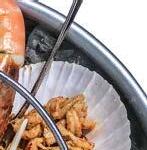
In Oxford, Ajax Diner, City Grocery, and Snackbar were placed on the guide’s Michelin Recommended list. Taylor Grocery, in nearby Taylor, also made the same list. Michelin Recommended restaurants are establishments that serve above average meals with a chef that uses quality ingredients that are well cooked, according to the Michelin Guide.
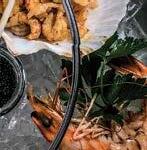
In Jackson, Pulito Osteria is now a Michelin Recommended restaurant. Two other Jackson restaurants — Elvie’s and Sacred Ground Barbecue — were recognized by the Michelin Guide with a Bib Gourmand rating. Although not awarded a star, Bib Gourmand restaurants are recognized for serving serve good food at moderate prices.
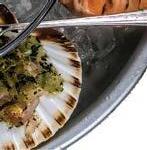
On the Gulf Coast, White Pillars in Biloxi, Siren Social Club in Gulfport, and Vestige in Ocean Springs made the Michelin Recommended list.
“The thing I really love about this recognition is that Mississippi is involved, and it shows something that we already know —

Mississippi has some of the best restaurants in the country,” said Austin Sumrall, co-owner of White Pillars and Siren Social Club.
Sumrall also said the Michelin Guide really “got Mississippi.”
“Because it’s not just fine dining. You have a catfish place, a barbecue place, and a meat and three place. They understand Mississippi,” Sumrall said.
Sumrall said the owners found out about their inclusion in the guide when they were invited to a Michelin weekend event in November celebrating restaurants of “The American South.” Restaurants from Mississippi, Louisiana, Alabama, Tennessee, the city of Atlanta, North Carolina, and South Carolina were named to the guide.
According to the Michelin Guide, anonymous inspectors assess restaurants around the world each year and use five criteria – quality of ingredients used, mastery of flavor and cooking techniques, the personality of the chef in his or her cuisine, value for money, and consistency between visits.
The Michelin Guide — started by the Michelin tire company — has been around for over a century to foster a culture of travel and eating out.
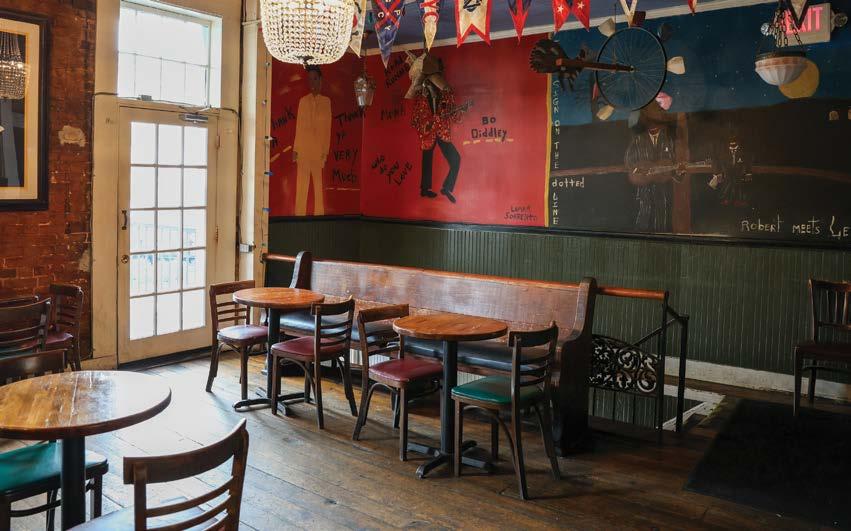
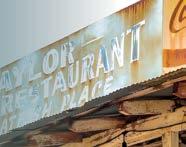
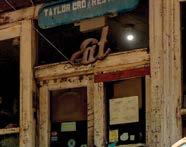
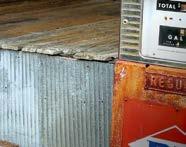
Taylor Grocery owner Sarah Margaret Hewlett has been working in her family’s restaurants since she was 8 years old.

“My parents started this business in 1999. It used to be a general store that sold groceries or whatever you could think of. You could even get a haircut years and years ago,” Hewlett said.
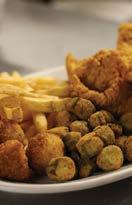
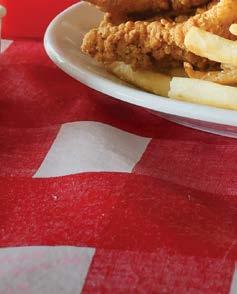
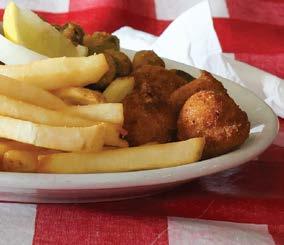
Taylor Grocery — a member of North East Mississippi Electric Power Association — is known around the south as THE place to eat catfish.
At the time Hewlett’s parents bought and opened Taylor Grocery, they were also running a barbecue restaurant in Oxford called Dixie Creek. The overlap was brief, and they closed their Oxford restaurant and concentrated on Taylor Grocery.
The restaurant first became known for catfish when the previous owner, Mary Katherine Hudson, sold catfish out of the store for about 17 years.


“But my dad is the one who really made it the place to get catfish."
How do you become the most famous place in Mississippi to sell fried catfish?
Word of mouth, Hewlett said.
“When we started, we fed about 60 people a night. And we thought that was pretty good. Today we serve about 500 meals a night,” she said.
People will wait in line to get a seat inside. Taylor Grocery is only open on Thursday, Friday, Saturday, and Sunday nights. If there is an Ole Miss home football game that weekend, you better get there early.
Taylor Grocery prepares about 200 pounds of catfish a weekend. That doesn’t include the restaurant’s popular steaks they prepare as well.

“People keep coming back because of consistency. That’s the key. Consistency for 30 years. People come back, and they bring their friends,” Hewlett said.
Instead of traditional corn meal, Taylor Grocery uses a specially milled corn flour that makes the fish crispy.
“And we cook it longer at a lower temperature,” she said.
Hewlett said she’s extremely happy about the Michelin Guide recommendation.
“I know I haven’t a led a normal life, but I’m extremely grateful. I live to give people an experience here.”







New Orleans native John Currence has been in Oxford for a long time.
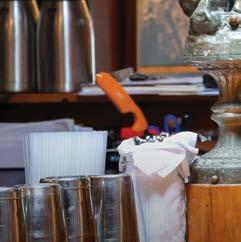
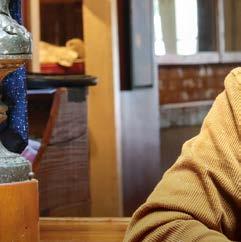
Following restaurant stops in Chapel Hill, North Carolina and his hometown, Currence opened City Grocery in 1992 in Oxford’s Courthouse Square.
Today, Currence owns four restaurants in Oxford, including Boure, Snackbar, and Big Bad Breakfast.
City Grocery, known for its casual but elegant fine dining, also has a reputation as a hangout for writers.
There’s a bar above the restaurant where Oxford’s creative set gather to imbibe.
“The bar’s clientele has been local authors, the college’s rugby team, and derelict law students,” Currence said with a smile.
Currence said the first friend he made at the bar was the late, great Grit Lit author Larry Brown.







Los
Currence, a James Beard Award-winning chef, said the restaurant’s reputation really took o when four stories about City Grocery all published around the same time in 1992. The publications were, The New York Times, the Angeles Times, Delta Airlines’ inflight magazine, and the London Times.
“It was like an explosion went o ,” Currence said.
Currence said his most popular dish at City Grocery is probably the shrimp and grits.
Some of that shrimp and grits recipe comes from Currence’s time working at Crook’s Corner in Chapel Hill for Chef Bill Neal. Currence said that was the first time he had ever seen shrimp and grits on a menu.

On the Michelin Guide recommendation, Currence said, “we could not be more flattered.”
“We were part of significant number of restaurants recognized around the state and that’s pretty great,” Currence said.















Exceptional cuisine, worth a special trip.
TWO STARS
Excellent cooking, worth a detour.






ONE STAR
High quality cooking, worth a stop.
BIB GOURMAND
Not a star but, an esteemed rating that recognizes friendly restaurants that serve good food at moderate prices.
MICHELIN RECOMMENDED
A restaurant that serves an above average meal with a chef using quality ingredients that are well cooked.




Anonymous inspectors assess restaurants around the world each year and use five criteria – quality of ingredients used, mastery of flavor and cooking techniques, the personality of the chef in his or her cuisine, value for money, and consistency between visits.
Source: The Michelin Guide
about the Michelin Guide, visit guide.michelin.com/th/en/restaurants.
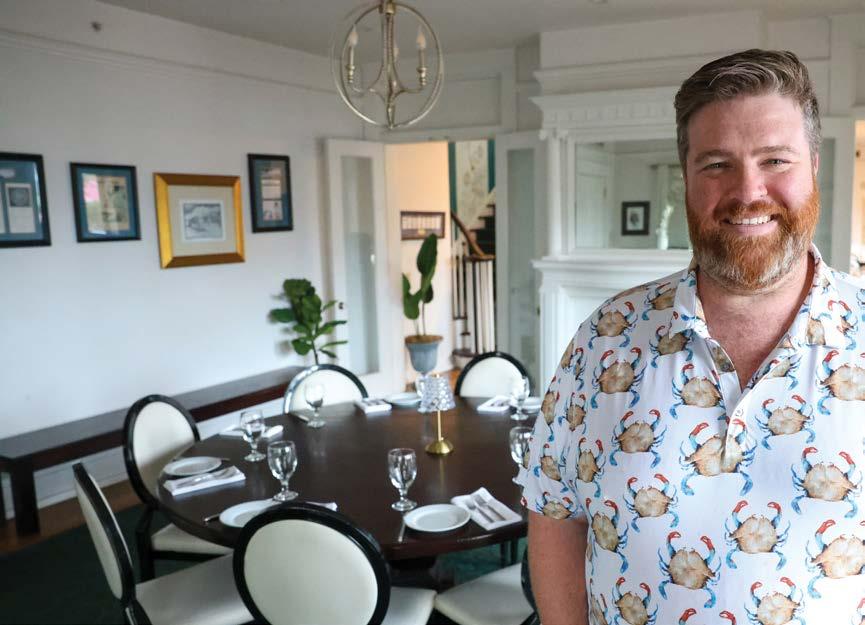



White Pillars co-owner and chef Austin Sumrall and his wife Tresse opened the beach front restaurant in 2017.
White Pillars, built in 1905, was also a restaurant from 1969 to 1989 under di erent owners.
Sumrall, a McComb native and Ole Miss graduate, was crowned “King of American Seafood” when he won the Great American Seafood Cook-o in New Orleans in 2021.
White Pillars, Sumrall said, specializes in local farm to table cuisine.
Many restaurant chefs might start with a protein and then choose vegetable side dishes as an afterthought. Sumrall said he starts o with the vegetables first.
“The menu changes daily. It's not just spring, summer, winter and fall. It's microseasons. Could be an ingredient that's only around for a week,” he said.
As an example, Sumrall was using Ponchatoula, Louisiana strawberries — considered by many the best in the south — for cobbler recently.
“There’s a small window for that,” Sumrall said.
Because of that approach, it's hard for Sumrall to pick a favorite dish.
“It's whatever is the newest thing. Depends on what we get in fresh.”
Sumrall called the Michelin Guide inclusion “a huge deal.”
“We’re so proud,” he said.

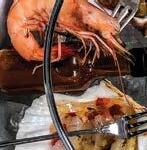
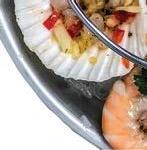
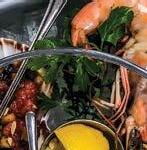
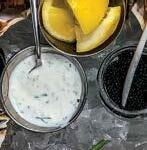
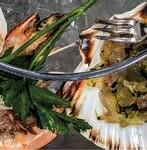
For the first time in history, restaurants in Mississippi made the prestigious Michelin Guide in 2025.
MICHELIN RECOMMENDED
118 Courthouse Square Oxford, MS 38655 662-232-8880 ajaxdiner.com
Owner • Randy Yates
CITY GROCERY
MICHELIN RECOMMENDED 152 Courthouse Square Oxford, MS 38655 662-232-8080
citygroceryonline.com
Owner • John Currence
MICHELIN RECOMMENDED 721 N. Lamar Blvd. Oxford, MS 38655 662-236-6363
citygroceryonline.com
Owner • John Currence
MICHELIN RECOMMENDED 4A Deport St. Taylor, MS 38673 662-236-1716
taylorgrocery.com
Owner • Sarah Margaret Hewlett
BIB GOURMAND 809 Manship St. Jackson, MS 39202 601-863-8828
elviesrestaurant.com
Owner • Hunter Evans
MICHELIN RECOMMENDED
800 Manship St. Suite 104 Jackson, MS 39202 601-914-9696
pulitojackson.com
Owner • Chaz Lindsey
SACRED GROUND BARBECUE
BIB GOURMAND 1052 Pocahontas Rd Jackson, MS 39206 601-900-9769
sacredgroundbbq.com
Owner • Derek Emerson
WHITE PILLARS
MICHELIN RECOMMENDED 1696 Beach Blvd. Biloxi, MS 39531 228-207-0855
biloxiwhitepillars.com
Owners • Austin Sumrall and Tresse Sumrall
MICHELIN RECOMMENDED Hotel Vela 1409 24th Ave. Gulfport, MS 39501 228-678-1000
sirensocial.com
Owners • Austin Sumrall and Tresse Sumrall
MICHELIN RECOMMENDED 715 Washington Ave. Ocean Springs, MS 39564 228-818-9699
@vestige.restaurant
Owners • Alex Perry and Kumi Omori
Scan the QR code to watch an interview with White Pillars owner Austin Sumrall talking about his local, farm-to-table cuisine philosophy.



























































Summer is the peak season for bees, a time of intense activity when they work to pollinate crops and prepare for winter. You may see a variety of species in your backyards, and they need our support. One of the best ways to help our super pollinators is to buy and use local honey. Cooking with honey adds natural sweetness, moisture, and caramelization to dishes, making it a versatile sugar substitute for baking, glazing, dressings, pairing with cheese, and boosting the flavor of beverages.

In the right recipe, baking with honey adds moisture, distinct flavor, and browning while acting as a natural humectant, keeping baked goods tender longer. When substituting for sugar, use ¾ cup of honey for every 1 cup of sugar, reduce other liquids by ¼ cup, add ¼ teaspoon of baking soda, and lower the oven temperature by 25 degrees to prevent burning. If the recipe has no other liquid to reduce, add 2 tablespoons of flour per 1 cup of honey to prevent



















runny batter. Honey works in cakes, mu ns, breads, and cookies that benefit from a chewy or soft texture.
Honey glazes add a versatile, sweet-and-savory finish to your summer cookout favorites. Honey caramelizes faster than white sugar, giving it that signature browning on meats, but needs to be added at the end to prevent burning. A classic honey glaze for meats and vegetables: ½ cup honey, ¾ cup light brown sugar, and 2 tablespoons butter. Add it all to a saucepan over low/medium heat, allow to simmer, and stir often until the sugar is fully dissolved. Remove from the heat immediately, or it will over-thicken. Apply to the cooked food and let it cool slightly before serving.
Local honey can be found at farmers’ markets, local grocery stores, and directly from apiaries, or “bee yards.” Remember, spray measuring spoons or cups with cooking oil before pouring in the honey to help it slide out with ease.








2 cups all-purpose flour
½ cup granulated sugar
1 tablespoon baking powder
½ teaspoon salt
1 cup milk
¼ cup unsalted butter melted
¼ cup honey
1 egg
2 pounds medium carrots (about 8), peeled and cut
3 cloves garlic, minced
3 tablespoons unsalted butter
1 ½ tablespoons honey
1 teaspoon salt
¼ teaspoon black pepper
Preheat oven to 425 degrees.
Place peeled and cut carrots on a baking sheet.
Preheat the oven to 400 degrees. Line a 12-cup muffin tin with paper liners or spray with a non-stick cooking spray.
In a large bowl, whisk together the flour, sugar, baking powder, and salt.
In a medium bowl, whisk together the milk, butter, honey and egg. Pour the wet ingredients into the dry ingredients and, using a rubber spatula, fold together until no dry ingredients remain.
Divide the batter evenly between the muffin cups. Bake for 12 to 15 minutes, or until a toothpick inserted in the center comes out clean. Cool in the pan for 5 minutes, then remove to a wire rack. Serve warm or at room temperature. Leftovers can be stored in an airtight container at room temperature for up to 3 days.


In a small saucepan, melt butter over medium heat. Add garlic and cook, stirring occasionally, until garlic is fragrant. Remove the pan from the heat. Add honey and whisk to combine.
Drizzle half the honey glaze over the carrots and toss. Season with salt and pepper and toss again. Spread the carrots into an even layer.


Chopped fresh parsley leaves, for garnish (optional)




Roast for 15 minutes. Toss the carrots, then roast until the carrots are tender and the bottoms are browned, 15 to 20 minutes more.
Drizzle the remaining honey glaze and toss to coat. Transfer to a serving bowl and garnish.
INGREDIENTS
¾ cup butter, room temperature
¼ cup honey
Beat butter and honey together in a bowl until smooth and creamy.
Cover and store in the refrigerator. Best at room temperature for spreading.





by Rebecca Turner
Rebecca Turner is an author, registered dietitian, radio host, television presenter, and board-certified in Lifestyle Medicine. She is a lifelong Mississippian and a member of the Central Electric Co-op in Brandon. Find her on social media @RebeccaTurnerTalks or online at RebeccaTurnerNutrition.com.
Events open to the public will be published free of charge as space allows. Submit details at least two months prior to the event date. Submissions must include a phone number with area code for publication. Email to news@ecm.coop. Events are subject to change.
FestivalSouth. June 4 – June 27. Hattiesburg. The largest project of the Hattiesburg Concert Association, FestivalSouth is an annual, multiweek festival presenting a variety of musical and other arts-related entertainment that aims to transcend social, cultural, and economic lines. FestivalSouth is a multi-disciplinary arts celebration that primarily features exceptional performing and visual artists during the month of June in Hattiesburg. Signature offerings include FestivalMusic concerts spanning classical, jazz, Broadway, blues, and more; FestivalArt exhibitions featuring regional and international artists; FestivalDance performances and classes; and FestivalSpeaks lectures with creative guest speakers. Family-focused art events and teencentered programs provide hands-on arts experiences for younger audiences, while the FestivalSouth Film Expo highlights juried films alongside workshops and panels. The events happen at various times and locations. Details: 801-909-0788 or visit festivalsouth.org.
Pickle Fest. June 13 and 14. Jackson. From 9 a.m. to 5 p.m. on June 13 and noon to 5 p.m. on June 14 at the Mississippi Agriculture and Forestry Museum, 1150 Lakeland Dr. Enjoy pickle eating contests, live music, and a kids play area. Details: 601-432-4500 or email picklefest@msagmuseumfoundation.org.
35th Annual Sawmill Festival. June 19 and 20. Bruce. The hours on June 19 are from 6 a.m. to 9 p.m. and on June 20 from 9 a.m. to 9:30 a.m. in the Town Square. Car show registration starts at 8 a.m. on June 20. Food vendors will start setting up on the evening of June 18 after 5 p.m. The arts and craft booths will set up on June 19. Admission and parking are free. Details: 662-983-2222.
Columbia Freedom Festival. June 27. Columbia. From 2 p.m. to 10 p.m. in downtown Columbia.
Hosted by the City of Columbia, this annual event transforms downtown into a vibrant destination filled with live music, local vendors, family-friendly activities, and a powerful celebration of American heritage. From the energy of the Liberty Stage to the charm of the Americana Market, every detail is designed to create an experience that is both memorable and meaningful. Enjoy a day of patriotism along with food, live music, and a fireworks show. Details: 601-736-8201 or visit columbiafreedomfest.com.
Freedom Fest. July 4. Columbus. Columbus Air Force Base. The festival will feature live music, aviation heritage events, a crafts market, food trucks and vendors, and a fireworks show to close out the day. Details: 662-434-2337 or email Emily.Krawiec@us.af.mil.


































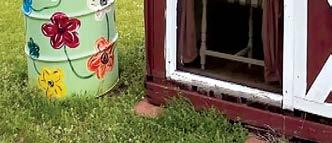


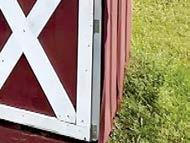
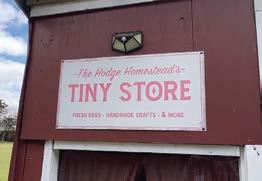
If you go back to the April edition of Today in Mississippi and look on the last page inside, you will find my April Fool’s Day story about Jack Elliott’s “Moon Man of Kilgore Hills.” Although we never found the Moon Man while we were driving around the backroads of Clay County that day, we did run across something else I found interesting — the Tiny Store at the Hodge Homestead.
We were wrapping up our tour of the hills near Enon Church (listed on Google as being in Cedarbluff, MS if that helps) when just around the next curve, Jack pulled over to a little building that looks like someone may have built for the kids to stay in while they waited for the school bus. But Jack told me, “No. This is the Tiny Store.”
The Tiny Store is an application of the old saying, “which came first, the chicken or egg.” Only in this case the timeline is clear. Treva Hodge got some chickens several years ago. Shortly thereafter came the eggs. Then by necessity came the Tiny Store, so Treva could have a place to sell her eggs. The only problem — it was impractical to sit out there all day waiting for the occasional customer to come along. So, Treva implemented the honor system. You get the number of eggs you want out of the egg basket, and then you put the amount listed on the price list in the honor box.

week he was at the mill. When he was there, he could take care of customers who came along to buy a bag of corn meal, grits, or flour. But now that his son Eddie Sciple is running the mill, it’s just flipflopped. Eddie likes to keep sporadic hours during the week but puts in a hard day grinding corn every Saturday morning. But in either case, there would be long stretches when no one would be at the mill to help people who dropped by to buy something. So, Edward instituted the honor system. He stocked a long wooden box just outside the door with all sorts of his grist mill products and then put a cigar box in it for customers to leave the amount owed.
I asked Edward one time if the honor system worked. He said, “Yeah. Because I never keep up with what I put out there to sell in the first place.”
And
Honesty is the best policy, I’ve been told. And in a few cases, it frees up your weekends and gives you more time during hunting season.
There are other items in the Tiny Store. Hand-crafted bread bowls and some yard sale type things. Same deal. On your honor, you pay the price marked and take it home with you.
Another business I ran across that uses the honor system is Sciples Mill in Kemper County. Back in his day, Edward Sciple took every Saturday and all of hunting season off. The rest of the work

by Walt Grayson
Walt Grayson is the host of “Mississippi Roads” on Mississippi Public Broadcasting television and the author of two “Looking Around Mississippi” books and “Oh! That Reminds Me: More Mississippi Homegrown Stories.” Walt is also a reporter and 4 p.m. news anchor at WJTV in Jackson. He lives in Brandon and is a Central Electric member. Contact him at walt@waltgrayson.com.