











































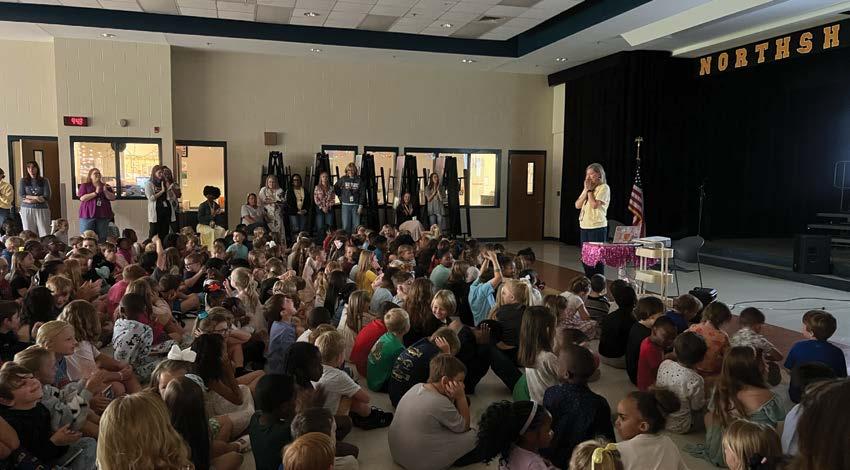

The Tennessee Valley Authority (TVA) recently announced that 121 schools across the Tennessee Valley region will reduce their power bills and have healthier air thanks to over $3.3 million in funding for energy and classroom upgrades.
Twelve of those 121 schools are served by Mississippi electric cooperatives.
This funding is part of TVA’s nationally recognized School Uplift program – which has invested about $13 million to help over 440 schools across seven states reduce their energy bills since 2021. The program has saved participating schools an average of 10% on their energy bills annually through behavioral changes alone, and this year’s participants will save an estimated 5.5 GWh of energy — enough electricity to power 18,000 homes for a month.
This year’s award winners from Mississippi are
• Co eeville High School • $210,000 Co eeville - Tallahatchie Valley Electric
• Northshore Elementary School • $25,000
Brandon - Central Electric
• North Delta School • $25,000
Batesville – Tallahatchie Valley Electric
• Corinth High School • $10,000
Corinth – Alcorn County Electric
“TVA and local power company partners are committed to making a positive impact on the communities we serve through School Uplift,” said Ray Knotts, TVA senior director of demand management. “By reducing energy costs, we’re making more funds available for education and creating a better learning environment for students and teachers that helps give every child the opportunity to succeed.” Funding ranged from $10,000 to $210,000 and was awarded based on the score each school achieved by cutting their energy waste and engaging their school community, and a needs-based assessment that determined which facilities could achieve the greatest energy savings. In 2021, TVA launched the School Uplift program to invest in students’ futures by o ering energy e ciency training and funding to reduce energy costs and improve a school’s learning environment.
• Highland Blu Elementary School • $10,000
Brandon – Central Electric
• Oakdale Elementary School • $10,000
Brandon – Central Electric
• Pisgah Elementary School • $10,000
Brandon – Central Electric
• Grace Christian School • $10,000
Louisville – East Mississippi Electric Power
• Kemper Academy • $10,000
DeKalb – East Mississippi Electric Power
• Co eeville Elementary School • $10,000
Co eeville – Tallahatchie Valley Electric
• Strayhorn High School • $10,000
Sarah - Tallahatchie Valley Electric
• Davidson Elementary School • $10,000
Water Valley - Tallahatchie Valley Electric
Learn more about TVA’s School Uplift program at energyright.com/business-industry/school-uplift/.
The Tennessee Valley Authority is the nation’s largest public power supplier, delivering energy to more than 10 million people across seven southeastern states.



“Improving the quality of life for all those we touch.”
You set up your electric service account with 4-County Electric Power Association and you think to yourself, “That’s done. Now I just have to pay my monthly bill.” But the truth is we’re more than just a utility provider that you pay each month for electricity. We have more to o er — and we want you, our members, to know about these benefits.
There are more than 900 electric cooperatives in the U.S. that serve 42 million members. 4-County, your local electric cooperative, serves over 50,000 meters with lines stretching across nearly 5,700 miles. So what makes being a member of an electric cooperative unique?
We’re all in this together. You are a member of 4-County — not a customer. And that means you have a voice when it comes to the way we do business. Each June, you have the option to vote for your board of directors. These directors play a key role in making important decisions for our co-op, which is why members’ voices must be heard.
This year’s meeting is Thursday, June 4, at East Mississippi Community College’s Mayhew campus. Registration begins at 9 a.m. Lunch begins at 10:15 a.m. The business portion of the meeting kicks o at noon.

by Brad Barr
We’re local. It’s likely that you know an employee of 4-County. Our employees — your friends, family and neighbors — share the same concerns for our community that you do. Each year, 4-County participates in any number of community service endeavors, such as our annual Youth Tour program and community service events. To learn more about our mission to strengthen our community, visit 4county.org.
We’re not-for-profit. 4-County doesn’t o er profits to investors. We reinvest money over and above operating costs back into the co-op in the form of equipment, infrastructure, and maintenance to strengthen our cooperative.
These are just a few facts about electric cooperatives that make us unique (see cooperative origins and principles below). For more information about 4-County, call 1-800-431-1544 or go to our website, 4county.org.

by Brian Clark
CEO/General Manager



4-County Electric Power Association is a not-for-profit electrical distribution cooperative owned by those we serve. 4-County has been providing a ordable and reliable electricity to our members since 1939 (addressing a need for electricity in rural areas), as well as striving to serve as a good neighbor and a positive force in the communities in which we work and live.
We currently serve more than 50,000 meters in parts of nine counties. The original four of Lowndes, Oktibbeha, Clay, and Noxubee have been joined by parts of Monroe, Choctaw, Webster, Chickasaw, and Winston.
4-County is one of more than 900 electric cooperatives in the U.S.
Co-ops are organized under seven cooperative principles (closely aligned with the Rochdale Principles in 1840s England):
• Voluntary and Open Membership: Co-ops are open to all people able to use its services.
• Democratic Member Control: Co-ops are controlled by their members, who help set policies and make decisions.
• Members’ Economic Participation: Members contribute equally to the capital and control of the cooperative.
• Autonomy and Independence: Co-ops are self-help organizations controlled by their members.




• Education, Training, and Information: Co-ops provide education and training for members, elected board members and employees.
• Cooperation among Co-ops: Co-ops serve their members most e ectively by working together.
• Concern for Community: Co-ops give back to their communities through service and skills.











by Brad Barr
Knowing where to go and when to get there are key parts of successful communication between emergency response professionals.
Having the right equipment to communicate that message e ectively could, literally, be the di erence between life and death.
O cials at Webster County E-911 are sending that message louder and clearer thanks to a grant from the 4-County Foundation. John Dendy, E-911 director for Webster County, said the $4,000 grant was used to purchase two handheld radios, a tone remote with installation, and one mobile radio. The equipment will help the communications unit be more mobile and stay connected when bad weather rolls through the area. “In inclement weather, it allows our dispatchers to reach a safe place while still maintaining communications. The mobile radios and other equipment will allow us to do that,” Dendy explained.
“Without the 4-County Foundation grant, we wouldn’t have been able to purchase this equipment. It’s been a big relief. This enables us to greatly enhance our communication abilities. The 4-County Foundation is wonderful to work with,” Dendy said.
Webster County E-911 Dispatcher Peggy Stuckey said, in simple terms, “This is what we needed.”
4-County believes in helping the communities it serves. That’s why the cooperative launched the 4-County Foundation, a community service program. Since February 2015, participating 4-County members’ utility bills have been rounded up to the nearest dollar; a $125.78 bill, for example, becomes $126. Now, that’s an average of only 49 cents per member, per month. That may not seem like much. But when you multiply those contributions by the thousands of member participants, that’s a lot of pennies!









Without the 4-County Foundation grant, we wouldn’t have been able to purchase this equipment. It’s been a big relief.
For more information on the 4-County Foundation, call 1-800-431-1544.
































by Brad Barr

Tyler Smith has always been a big guy with big dreams.
The 6 feet, 5 inch 4-County apprentice lineman 4 grew up in the expansive countryside around Nettleton, where he enjoyed hunting, fishing, and whatever nature had to o er. Through the years, his love for the great outdoors has never wavered. “I knew I didn’t want to work inside all the time,” Tyler stressed. “I wanted to be outside. Working for a rural electric cooperative was appealing. Electricity and line work were always interesting to me.”
His first love, however, was hunting. “Deer hunting was a big part of growing up. I harvested a deer, a nine-point, the first time I hunted by myself. It was kind of like a rite of passage,” Tyler said.
Growing up tall, Tyler said, had its advantages as he played basketball, football, and baseball. “It’s normal to me. But it has always enabled me to excel at certain things that, otherwise, I wouldn’t be able to do,” he explained.

Today, Tyler lives in the countryside of Ackerman. He remains a deer hunter. And Tyler can often be found playing a game of fetch with an energetic bulldog named Rue. “There’s always something to do around my house,” he said.
Tyler began his 4-County career in November 2020, left briefly, and came back to the co-op team. Prior to 4-County, he worked as a band saw operator for two years at a furniture company. Tyler is a graduate of East Mississippi Community College’s Lineman Training Program.

He also attended Itawamba Community College, where he studied liberal arts.
“I’ve always wanted to help people,” Tyler said. “Being a lineman is not just a job or career. It’s a calling to help people in their time of need. It’s something I can do to help, in my own special way.” His advice for someone considering line work? “You have to be self-driven with a strong mindset. You have to be available. And you have to be willing to do what it takes to get the job done,” he added.
Tyler enjoys large construction projects, in particular. “I like the projects that involve a lot of equipment and manpower. You get to see things from the beginning through completion. It takes all of us, working together as a team,” he said.
Recently, he spent the better part of a month assisting other cooperatives as they worked to restore power following devastating ice storms and tornadoes. 4-County and other cooperatives around the nation operate under a reciprocal agreement to provide help to each other in times of crisis. “It’s exciting to help people in need,” he said. “When you get their lights back on, after they’ve been without power for a while, that makes all the tired feelings go way. They’re always so appreciative, and that makes you feel really good.”

The 4-County team is, quite simply, a home away from home for Tyler. “We’re family. We take care of each other.”










































CARTHAGE: 601-267-5671 | PHILADELPHIA: 601-656-2601 | RANKIN: 601-829-1201 | SEBASTOPOL: 601-625-7422
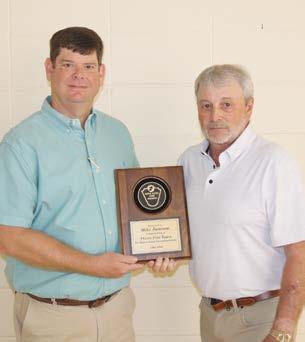



The Power Play Scholarship Association proudly recognizes outstanding student leaders who excel in both academic achievement and community engagement, reinforcing the belief that today’s students are tomorrow’s business leaders.
Established in 1995, the program is guided by 13 Local Power Company (LPC) managers representing 153 LPCs across the Valley region and is in partnership with the Tennessee Valley Authority (TVA). Since its inception, the association has awarded 828 scholarships totaling more than $3.25 million to LPC employees’ dependents.
Noah Clark has been selected as a recipient of a $5,000 scholarship through this distinguished program, made possible by Central Electric Power Association, TVA, and other local power companies across TVA’s seven-state service area.
Noah, the son of Scott and Kim Clark, is among 40 students selected to receive this year’s scholarship. He graduated from Kemper Academy High School and plans to attend Mississippi State University, where he will pursue a degree in electrical engineering.




CITY OF CARTHAGE
THURSDAY, JULY 2
SOUTH PEARL STREET, CITY OF CARTHAGE 5 PM- 9 PM • FREE TO THE PUBLIC
Children’s corner, food vendors, and local speakers with The Jax Moore Band and The Danny Smith Band, followed by a block party on the Court Square from 9 p.m. to 11 p.m.
For more information, please call 601-267-8322 at City Hall or see our website cityofcarthage.org.

July 4, 2026


10 a.m. — 9:30 p.m. • Lena


We would like to invite you to the renewal of the Town of Lena’s 4th of July event. Over the years, the Town of Lena has been known for the Lena 4th of July Celebration. This event began in 1979, when a local Methodist pastor made homemade ice cream to share with his community and shot fireworks in the church yard. For 39 years, volunteers from our small town hosted the Lena 4th of July. We have had many politicians from the state and local levels speak on our stage, and over 10,000 people from across the state have laid out a blanket in the field to watch the fireworks. The event ended in 2016 due to funding constraints. This year, with support from the America 250 grant and the Mississippi Humanities Council, we are proud to bring it back.
Begin the day with a car show and craft vendors.
The Jukebox Junction 50’s diner will be open for lunch and will feature music on its stage
The Fire Department will have goodies for the kids and o er photos with the trucks.

The program on the main stage will begin at 3:00 on July 4 and will include a veteran’s memorial honoring our local service men, music from local performers, monologues highlighting American servicemen and women, and a history of our town’s historic buildings and their restoration.
End the evening with a fireworks display we are known for. We are a small town with a big heart for our community, a love for our state and country, and a desire to celebrate history.







by Miranda Boutelle
Saving energy doesn’t have to be expensive or time consuming. You don’t need to spend thousands of dollars or get the newest technology to use less energy. There are several steps to lower energy use, even on a tight budget.
Here are some low and no-cost ways to save energy around your home. Adjusting the thermostat is an easy way to save. Nudge the thermostat a few degrees closer to the outside temperature, especially on extreme weather days. I often hear people say, “I didn’t change anything, and my bill is higher.” On the hottest and coldest days, your heating and cooling equipment must work much harder, and use more energy, to maintain the same temperature. Add an extra layer of clothes or some cozy slippers in the winter and lighter layers in summer.
Fix any hot water leaks or dripping faucets. Those tiny drips can add up to big energy waste, not to mention water waste. If you need to hire a pro to fix it, turn the shuto valve under the sink to stop the leak until you can get it fixed.

Do-it-yourself, beginner-friendly projects, such as weatherstripping around doors, help lower energy use at home.
Wash clothes in cold water to avoid using the energy required to heat it. Washing on hot or warm settings can really add up, especially if you have a top-load or older washing machine that uses more water. Adjusting the temperature on your water heater can save energy and money, too. Depending on the water heater, this is either an easy adjustment or something a little more complicated that requires removing access panels. If you don’t know how, consult a professional. Air sealing is a do-it-yourself, beginner-friendly project that improves comfort and reduces energy waste. For around $20 and couple of hours of time, you can fill gaps, cracks, and holes to prevent air from leaking in and out of the home. From the inside of the home, seal trim on windows and exterior doors with caulk for about $4 a tube. Buy paintable caulk, so you can touch it up when it dries, if needed.


A can of spray foam is about $5 and seals gaps around plumbing lines. It’s great for sealing gaps around pipes under sinks and in the crawlspace or basement. Cold air can travel up through those spaces, causing drafts and wasting energy. Air sealing these areas gets bonus points for stopping insects and rodents from using these gaps to enter your home.
Spray foam is messy and nearly impossible to get o whatever it touches, so wear disposable gloves and clothes you don’t mind dirtying, and use drop cloths to protect finished floors. Be careful if you’re working with spray foam overhead. If you get it in your hair, it’s not coming out with anything less than a haircut. Move any items and clean surfaces of dust and debris in areas you intend to seal before cracking open a can. Put the can in a cardboard box to carry throughout the house, so you don’t leave a trail of spray foam.


For $10 to $15, you can buy weatherstripping to improve the seal on exterior doors. If you can see light around doors or feel a draft between the door and the door jamb when the door is closed, weatherstripping will help.
Try these easy, low and no-cost improvements to reduce energy waste and improve comfort in your home.
Miranda Boutelle is the chief operating o cer at E ciency Services Group in Oregon, a cooperatively owned energy e ciency company.
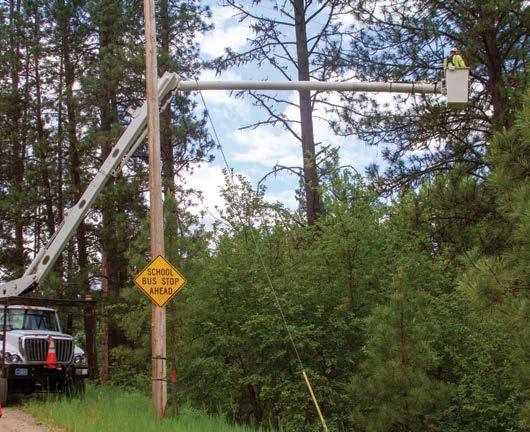
There’s something timeless about trees. They ground us. They remind us of where we’ve been, and they stretch toward what’s ahead. Here in our community, we take pride in the natural beauty that surrounds us.
At the same time, we share another responsibility — one that’s just as essential to our daily lives. The responsibility to keep the lights on, to power our homes and businesses, to make sure that when you flip a switch, the energy you depend on is there.
That’s why Central Electric Power Association works every day to strike a careful balance between preserving the beauty we cherish and delivering the reliable electricity you expect.
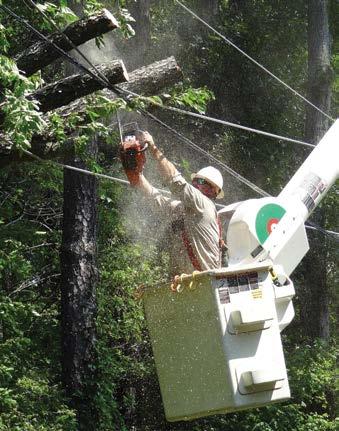
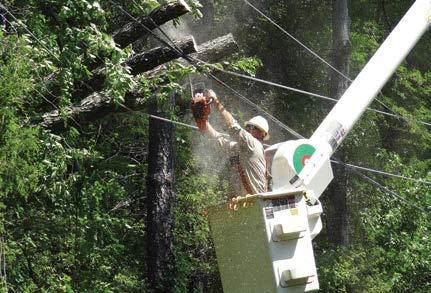
One of the most important ways we do that is through regular tree trimming.
Now, it may not always be obvious, but keeping lines clear of overgrown vegetation plays a major role in preventing power outages. We’ve all seen what can happen when severe weather rolls in — strong winds, heavy ice, or sudden storms can bring down branches and, with them, power lines and poles. In fact, nearly half of all power outages can be traced back to trees and vegetation coming into contact with electrical infrastructure.
Left unchecked, overgrown vegetation can lead to more frequent disruptions and higher costs for everyone.
That’s why you may notice crews working in neighborhoods throughout the year. Our crews are highly trained and certified, following the latest industry standards to ensure the job is done safely and effectively. Their work might seem routine, but it’s
anything but — it’s a proactive step that helps prevent problems before they start.
And it’s not just good practice — it’s required. Electric utilities across the country are obligated to manage vegetation near power lines. Scheduled trimming helps remove dead or weakened limbs and keeps fast-growing trees from becoming hazards.
But beyond reliability and efficiency, there’s another reason this work matters: safety.
Electricity is a powerful force, and when trees grow too close to power lines, that power can become dangerous. Branches that touch lines — or even come close — can carry electrical current. Children climbing trees in their own yards may not realize the risk. And during storms, fallen trees can create hazardous conditions not only for families but also for our lineworkers working to restore service.
There’s also a financial reality we can’t ignore. Preventative maintenance — like tree trimming — is far more cost-effective than repairing widespread damage after an outage. Left unchecked, overgrown vegetation can lead to more frequent disruptions and higher costs for everyone. A thoughtful, strategic vegetation management program helps keep those costs down for our members.
You can help, too. When planting new trees, consider their mature height and distance from nearby power lines. Trees that grow up to 40 feet should be planted at least 25 feet away from overhead lines. Larger trees — those that exceed 40 feet — should be planted at least 50 feet away. If you’re landscaping near pad-mounted transformers, keep shrubs at least 10 feet from the front and 4 feet from the sides to allow safe access.
At the end of the day, we all want the same thing: a community that’s safe, resilient, and beautiful. At Central Electric, we’re proud to be part of that effort. Our roots run deep here, just like the trees we work to care for.













by Qua'Shara Monix
At Coahoma Electric Power Association, keeping the lights on is just part of the story. Behind every early morning call, late-night outage, and long stretch of Mississippi heat or stormy weather, there’s a group of men who carry an even greater responsibility when they clock out —the role of being dad.
With 24 fathers and approximately 74 children among them, these men are not only powering homes across our communities, but they’re also nurturing, guiding, and shaping lives within their own. From first steps to first ballgames, from homework help to life lessons, their impact stretches far beyond the poles and power lines.
Our dads wear many hats, both literally and figuratively. On any given day, you might find one of them under the hood as a mechanic, leading operations as a supervisor, managing the o ce, or out in the field as a lineman or right-of-way crew member. Others are ensuring safety protocols are followed, mapping systems as GIS specialists, maintaining inventory in the warehouse, or keeping technology running smoothly behind the scenes. Some are seasoned crew leaders or chief o cers, while others are just starting out as apprentice linemen or building their expertise as staking technicians.
But no matter the title, they all share something in common: when the workday ends, their most important job begins.
Being a dad is no easy assignment. It requires patience, humor, and the ability to fix just about anything, except maybe the Wi-Fi when it













mysteriously “stops working” because someone forgot to pay attention in class. It’s knowing how to braid hair one minute and coach from the sidelines the next. It’s being the hero who grills the perfect burger and the “bad guy” who says no to dessert before dinner.
Some of our dads have even leveled up to granddad status where the rules are a little loose, the hugs last a little longer, and somehow, candy before dinner becomes perfectly acceptable.
What makes these men truly special is their ability to balance demanding careers with meaningful family time. They show up at work and at home. Whether it’s attending school events, tossing a ball in the yard, helping with math homework (and occasionally relearning it themselves), or simply “kicking it” with their kids after a long day; they make the moments count.
Their dedication doesn’t go unnoticed. The same commitment they bring to restoring power and serving our members is reflected in the love and e ort they pour into their families. They are role models, providers, protectors, and everyday heroes in more ways than one.
At Coahoma Electric, we’re proud to have these 24 fathers as part of our team. They remind us that, while electricity powers our communities, it’s family that powers our lives.
So, here’s to the dads — thank you for all that you do, both on the job and at home. And if no one has told you lately, you’re doing a great job — even if your kids still think mom is the boss.














Weatherstripping helps seal drafts around exterior doors, which saves energy and improves comfort in your home.


by Miranda Boutelle
Saving energy doesn’t have to be expensive or time consuming. You don’t need to spend thousands of dollars or get the newest technology to use less energy. There are several steps to lower energy use, even on a tight budget.
Here are some low and no-cost ways to save energy around your home.





beginner-friendly projects,


Adjusting the thermostat is an easy way to save. Nudge the thermostat a few degrees closer to the outside temperature, especially on extreme weather days. I often hear people say, “I didn’t change anything, and my bill is higher.” On the hottest and coldest days, your heating and cooling equipment must work much harder, and use more energy, to maintain the same temperature. Add an extra layer of clothes or some cozy slippers in the winter and lighter layers in summer.
Fix any hot water leaks or dripping faucets. Those tiny drips can add up to big energy waste, not to mention water waste. If you need to hire a pro to fix it, turn the shuto valve under the sink to stop the leak until you can get it fixed. Wash clothes in cold water to avoid using the energy required to heat it. Washing on hot or warm settings can really add up, especially if you have a top-load or older washing machine that uses more water.
Adjusting the temperature on your water heater can save energy and money, too. Depending on the water heater, this is either an easy adjustment or something a little more complicated that requires removing access panels. If you don’t know how, consult a professional.
Air sealing is a do-it-yourself, beginner-friendly project that improves comfort and reduces energy waste. For around $20 and couple of hours of time, you can fill gaps, cracks, and holes to prevent air from leaking in and out of the home. From the inside of the home, seal trim on windows and exterior doors with caulk for about $4 a tube. Buy paintable caulk, so you can touch it up when it dries, if needed.
A can of spray foam is about $5 and seals gaps around plumbing lines. It’s great for sealing gaps around pipes under sinks and in the crawlspace or basement. Cold air can travel up through those spaces, causing drafts and wasting energy. Air sealing these areas gets bonus points for stopping insects and rodents from using these gaps to enter your home.



Spray foam seals gaps around pipes to prevent cold air from traveling up through those spaces, causing drafts and wasting energy.




Spray foam is messy and nearly impossible to get o whatever it touches, so wear disposable gloves and clothes you don’t mind dirtying, and use drop cloths to protect finished floors. Be careful if you’re working with spray foam overhead. If you get it in your hair, it’s not coming out with anything less than a haircut. Move any items and clean surfaces of dust and debris in areas you intend to seal before cracking open a can. Put the can in a cardboard box to carry throughout the house, so you don’t leave a trail of spray foam.
For $10 to $15, you can buy weatherstripping to improve the seal on exterior doors. If you can see light around doors or feel a draft between the door and the door jamb when the door is closed, weatherstripping will help.
Try these easy, low and no-cost improvements to reduce energy waste and improve comfort in your home.
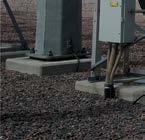

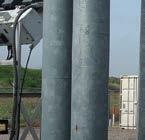

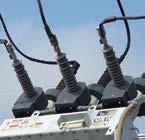
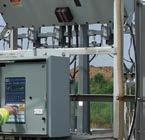
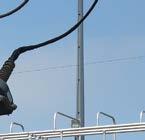
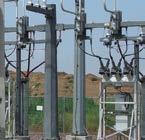
Electric cooperatives work 24/7 to maintain and improve substations.



by Je rey Groenewold
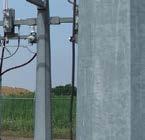
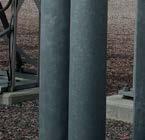
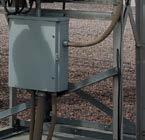
Electric substations sit at the center of power grids and are essential to keeping the lights on in our communities. You’ve seen them — those tall fenced-in areas filled with metal structures, wires, and heavy equipment. They may not look flashy, but they’re one of the most important behind-the-scenes components of the grid.
Substations take power from high-voltage transmission lines and convert it to the lower voltages that get distributed on the last-mile power lines you see every day. These lines provide power to your home, farm or business. Every light switch you flip, every well pump you operate, and every device you charge depend on a substation doing its job without interruption. These facilities work quietly in the background, yet they shape the comforts of daily life. Mississippi’s electric cooperatives work 24/7 to maintain and improve these substations.
Substations began as simple switching points that handled basic voltage changes. Early designs used bulky equipment and manual controls. As communities grew, electric demand on the grid grew with them.
Today’s substations utilize advanced sensors, automated controls, and digital communication systems, allowing cooperatives to better manage the grid. These tools help co-ops respond faster to outages, monitor equipment health, and manage energy with more precision.
A modern substation protects your community from disruption. It isolates problems, keeps dangerous faults from spreading, and supports important line equipment across long distances. When a substation faces a major issue, such as from a storm or wildlife contact, the impact is immediate. Communities lose power and Wi-Fi; businesses stall; farms lose time-sensitive operations, and emergency service communications can face added strain. These events remind us how central substations are to modern life.
Communities add new homes, businesses, irrigation systems, and commercial buildings every year. Each addition increases the load on the grid. That’s why co-ops build new substations and upgrade older ones to keep pace with growth, technology changes, and safety needs.
Modern substation designs use equipment that requires less strenuous maintenance while improving system protection. Smart-enabled protection devices reduce the time needed to identify and isolate faults. These advanced monitoring tools give co-ops better visibility into realtime grid conditions. For the surrounding community, these investments lead to stronger service and reliability. You experience fewer outages. Your farm or business gains resiliency. Your home appliances run on steadier voltage.
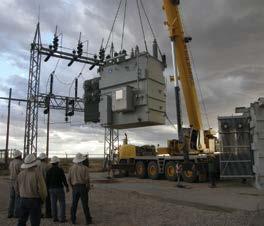
Modern substations also help cooperatives manage costs. Instead of building miles of new line, a well-placed substation can support growing neighborhoods or rural industries with less construction and lower long-term investment.
Substations serve as the quiet backbone of the electric system. When they operate well, communities thrive. When they falter, everything from daily chores to essential services feel the impact.
Electric cooperatives will continue to invest in these facilities to support safe, reliable, and a ordable service for every member in every community we serve.















Where our members have the power Communicators: April Lollar, Merilee Sands & Sarah Belk





Hurricane season is here, and now is the time to prepare. Taking a few simple steps today can help keep you and your family safe and make restoration faster if we experience severe weather.
How you can prepare now:
• Update your contact information. Log on to your account at coastelectric.coop or call us at 877-769-2372 to make updates so you can receive restoration updates.
• Build or refresh your emergency kit with water, nonperishable food, medications, flashlights, batteries and a first-aid kit.
• Charge devices and backup batteries and keep important numbers handy.
• Use generators safely: operate outside, away from doors and windows and never backfeed power into your home’s wiring.
• Know how to (and how not to) report an outage. To learn more, visit www.coastelectric.coop/contact.
• Stay clear of downed lines. Always assume they are energized and call 911.



What we’re doing: We plan for storm season year round, and have been conducting annual preparation activities. Our electric and fiber teams have been preparing by taking inventory, inspecting equipment and reviewing restoration plans, so we’re ready to respond as quickly and safely as possible. We conducted a storm response exercise in May to ensure employees are prepared to meet the needs of our members and subscribers before, during and after storms.
Stay informed: Please watch for updates through our website, social media and emails.
Thank you for being a part of Coast Electric and CoastConnect. Your preparation makes a real di erence, and we appreciate your patience and support during storm season.

President and CEO by Chris Rhodes
Coast Electric wants you to reduce your energy use and see savings on your energy costs. Each month, you will have an opportunity to register to win a prize that will help you reduce the energy consumption in your home. Visit www.coastelectric.coop or scan the QR code to enter. It only takes a few seconds, and you could win a prize that helps you save!
Congratulations to our April Reduce Your Use winner, Peggy Murphy! CONTEST









by Miranda Boutelle
Saving energy doesn’t have to be expensive or time-consuming. You don’t need to spend thousands of dollars or get the newest technology to use less energy. There are several steps to lower energy use, even on a tight budget.
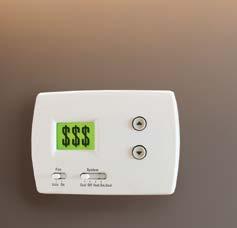
Here are some low and no-cost ways to save energy around your home. Adjusting the thermostat is an easy way to save. Nudge the thermostat a few degrees closer to the outside temperature, especially on extreme weather days. I often hear people say, “I didn’t change anything, and my bill is higher.” On the hottest and coldest days, your heating and cooling equipment must work much harder, and use more energy, to maintain the same temperature. Add an extra layer of clothes or some cozy slippers in the winter and lighter layers in summer.
Fix any hot water leaks or dripping faucets. Those tiny drips can add up to big energy waste, not to mention water waste. If you need to hire a pro to fix it, turn the shuto valve under the sink to stop the leak until you can get it fixed.

Do-it-yourself, beginner-friendly projects, such as weatherstripping around doors, help lower energy use at home.
Wash clothes in cold water to avoid using the energy required to heat it. Washing on hot or warm settings can really add up, especially if you have a top-load or older washing machine that uses more water. Adjusting the temperature on your water heater can save energy and money, too. Depending on the water heater, this is either an easy adjustment or something a little more complicated that requires removing access panels. If you don’t know how, consult a professional. Air sealing is a do-it-yourself, beginner-friendly project that improves comfort and reduces energy waste. For around $20 and a couple of hours of time, you can fill gaps, cracks, and holes to prevent air from leaking in and out of the home. From the inside of the home, seal trim on windows and exterior doors with caulk for about $4 a tube. Buy paintable caulk, so you can touch it up when it dries, if needed.


A can of spray foam is about $5 and seals gaps around plumbing lines. It’s great for sealing gaps around pipes under sinks and in the crawlspace or basement. Cold air can travel up through those spaces, causing drafts and wasting energy. Air sealing these areas gets bonus points for stopping insects and rodents from using these gaps to enter your home.
Spray foam is messy and nearly impossible to get o whatever it touches, so wear disposable gloves and clothes you don’t mind dirtying, and use drop cloths to protect finished floors. Be careful if you’re working with spray foam overhead. If you get it in your hair, it’s not coming out with anything less than a haircut. Move any items and clean surfaces of dust and debris in areas you intend to seal before cracking open a can. Put the can in a cardboard box to carry throughout the house, so you don’t leave a trail of spray foam.
For $10 to $15, you can buy weatherstripping to improve the seal on exterior doors. If you can see light around doors or feel a draft between the door and the door jamb when the door is closed, weatherstripping will help.
Try these easy, low and no-cost improvements to reduce energy waste and improve comfort in your home.
Miranda Boutelle is the chief operating o cer at E ciency Services Group in Oregon, a cooperatively owned energy e ciency company.




To meet co-op employees
To hear from your cooperative’s leadership
To network with fellow members
To learn about Coast Electric and CoastConnect’s community e orts
To sign up for CoastConnect service
To win prizes!

Save the date for Coast Electric’s Annual Meeting and Member Appreciation Night Thursday, Nov. 5, at the cooperative’s Kiln headquarters on Highway 603.
Committee on Nominations - It shall be the duty of the Board to appoint, no less than 120 days before the date of the meeting of the members at which directors are to be elected, a committee on nominations consisting of not less than 5 nor more than 11 members who shall be selected from di erent sections so as to ensure equitable geographic representation. No existing Association employees, agents, o cers, directors or known candidates for director, or close relatives (as hereinafter defined) or members of the same household of existing Association employees, agents, o cers, directors or known candidates for director may serve on such committees. The committee shall receive and consider any suggestion as to nominees submitted by members of the Association. The committee shall meet at a time and physical or virtual location set by the Board of Directors. The committee shall prepare and post at the principal o ce of the Association at least 90 calendar days before the meeting a list of nominations for board members. The Secretary must mail with the notice of the meeting or separately a statement of the number of board members to be elected and the names and addresses of the candidates nominated by the committee on nominations.





The annual meeting of the members of Coast Electric Power Association will be held on Nov. 5, 2026. The following information is provided in accordance with association bylaws.
Nominations by Petition - Any 25 members acting together may make other nominations by petition and the Secretary shall post such nominations at the same place where the list of nominations by the committee is posted provided same is filed with and approved by the Committee on Nominations at least 90 calendar days prior to the Annual Meeting. Any petition for nomination shall be submitted on a form designated and provided by the Association. The Association shall provide notice to the members of the application for candidacy to the Board of Directors by mail at least 150 days prior to the Annual Meeting. Each member signing such petition shall place thereon the date of signing, address, account number and service location of the member. Nominations made by petition, if any, received at least 120 days before the meeting shall be included on the o cial ballot, if filed and approved by the Committee on Nominations, although such nominations shall not be posted at the principal o ce of the Association. Nominations made by petition, if any, received by the Committee at least 7 calendar days prior to the meeting date and time, if filed and approved by the Committee, shall not be included on the o cial ballot but the candidate will qualify as a write-in candidate.






















Coast Electric and CoastConnect’s business o ces will be closed Friday, July 3, for Independence Day. Dispatchers will be on duty, and crews will be on call throughout the holiday weekend.
You can report outages by:
• Text us at 228-338-4644 if you have a mobile number associated with your account.
• Use the CE on the Go mobile app.
• Report online: https://outages. coastelectric.coop/
• We CANNOT take outage reports on our social media accounts or through email. Trying to report your outage in these ways does not put your outage into our system or report it to dispatchers or crews.
You can pay a bill by:
• Text us at 228-338-4644 if you have a mobile number associated with your account.
• Use the CE on the Go mobile app.
• Visit a kiosk located at each of our o ces.
• Call 877-769-2372 to use our automated payment system.
For all after-hours inquiries, CoastConnect subscribers can chat with tech support on CoastConnect.com or call 877-969-3884 and speak to our 24/7 tech support team.





CoastConnect wants you to be safe and prepared for storm season. We all know that storm season can a ect Coast Electric’s electric distribution system, but storms can also have an impact on CoastConnect subscribers. While you are updating your emergency storm kit and reviewing electrical safety practices, it’s also a good idea to do what you can to prepare for internet outages.
A few tips to protect your tech during storms:
• Back up any important data.








• Elevate hardware if your home is in an area prone to flooding. Unplug and store what you can in waterproof containers.
• Use surge protectors as an extra layer of protection for equipment if you lose power.

• If you own a business, be sure to take inventory of your equipment, noting serial numbers and warranty information.

• After the storm passes, inspect tech items for damage. Document damages for your insurance company.

































There’s something timeless about trees. They ground us. They remind us of where we’ve been, and they stretch toward what’s ahead. Here in our community, we take pride in the natural beauty that surrounds us.
At the same time, we share another responsibility — one that’s just as essential to our daily lives. The responsibility to keep the lights on, to power our homes and businesses, to make sure that when you flip a switch, the energy you depend on is there.
That’s why Delta Electric works every day to strike a careful balance between preserving the beauty we cherish and delivering the reliable electricity you expect.
One of the most important ways we do that is through regular tree trimming.
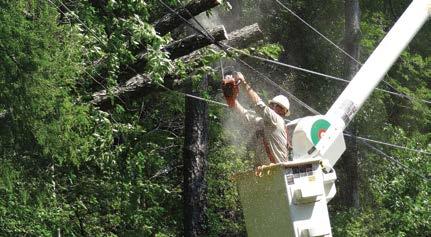
Now, it may not always be obvious, but keeping lines clear of overgrown vegetation plays a major role in preventing power outages. We’ve all seen what can happen when severe weather rolls in — strong winds, heavy ice, or sudden storms can bring down branches and, with them, power lines and poles. In fact, nearly half of all power outages can be traced back to trees and vegetation coming into contact with electrical infrastructure.
That’s why you may notice crews working in neighborhoods throughout the year. Our crews are highly trained and certified, following the latest industry standards to ensure the job is done safely and e ectively. Their work might seem routine, but it’s anything but — it’s a proactive step that helps prevent problems before they start.











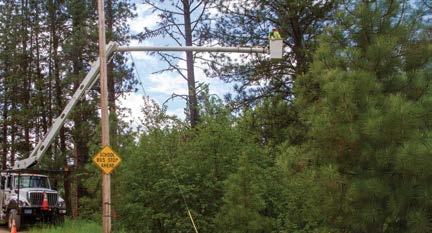
lines. Scheduled trimming helps remove dead or weakened limbs and keeps fast-growing trees from becoming hazards.
But beyond reliability and e ciency, there’s another reason this work matters: safety.
Electricity is a powerful force, and when trees grow too close to power lines, that power can become dangerous. Branches that touch lines — or even come close — can carry electrical current. Children climbing trees in their own yards may not realize the risk. And during storms, fallen trees can create hazardous conditions not only for families but also for our lineworkers working to restore service.
There’s also a financial reality we can’t ignore. Preventative maintenance — like tree trimming — is far more cost-e ective than repairing widespread damage after an outage. Left unchecked, overgrown vegetation can lead to more frequent disruptions and higher costs for everyone. A thoughtful, strategic vegetation management program helps keep those costs down for our members.
You can help, too. When planting new trees, consider their mature height and distance from nearby power lines. Trees that grow up to 40 feet should be planted at least 25 feet away from overhead lines. Larger trees — those that exceed 40 feet — should be planted at least 50 feet away. If you’re landscaping near pad-mounted transformers, keep shrubs at least 10 feet from the front and 4 feet from the sides to allow safe access.


And it’s not just good practice — it’s required. Electric utilities across the country are obligated to manage vegetation near power


At the end of the day, we all want the same thing: a community that’s safe, resilient, and beautiful. At Delta Electric, we’re proud to be part of that e ort. Our roots run deep here, just like the trees we work to care for.













Weatherstripping helps seal drafts around exterior doors, which saves energy and improves comfort in your home.
by Miranda Boutelle
Saving energy doesn’t have to be expensive or time consuming. You don’t need to spend thousands of dollars or get the newest technology to use less energy. There are several steps to lower energy use, even on a tight budget.
Here are some low and no-cost ways to save energy around your home.
beginner-friendly projects,
Adjusting the thermostat is an easy way to save. Nudge the thermostat a few degrees closer to the outside temperature, especially on extreme weather days. I often hear people say, “I didn’t change anything, and my bill is higher.” On the hottest and coldest days, your heating and cooling equipment must work much harder, and use more energy, to maintain the same temperature. Add an extra layer of clothes or some cozy slippers in the winter and lighter layers in summer.
Fix any hot water leaks or dripping faucets. Those tiny drips can add up to big energy waste, not to mention water waste. If you need to hire a pro to fix it, turn the shuto valve under the sink to stop the leak until you can get it fixed. Wash clothes in cold water to avoid using the energy required to heat it. Washing on hot or warm settings can really add up, especially if you have a top-load or older washing machine that uses more water.
Adjusting the temperature on your water heater can save energy and money, too. Depending on the water heater, this is either an easy adjustment or something a little more complicated that requires removing access panels. If you don’t know how, consult a professional.
Air sealing is a do-it-yourself, beginner-friendly project that improves comfort and reduces energy waste. For around $20 and couple of hours of time, you can fill gaps, cracks, and holes to prevent air from leaking in and out of the home. From the inside of the home, seal trim on windows and exterior doors with caulk for about $4 a tube. Buy paintable caulk, so you can touch it up when it dries, if needed.
A can of spray foam is about $5 and seals gaps around plumbing lines. It’s great for sealing gaps around pipes under sinks and in the crawlspace or basement. Cold air can travel up through those spaces, causing drafts and wasting energy. Air sealing these areas gets bonus points for stopping insects and rodents from using these gaps to enter your home.
Spray foam seals gaps around pipes to prevent cold air from traveling up through those spaces, causing drafts and wasting energy.
Spray foam is messy and nearly impossible to get o whatever it touches, so wear disposable gloves and clothes you don’t mind dirtying, and use drop cloths to protect finished floors. Be careful if you’re working with spray foam overhead. If you get it in your hair, it’s not coming out with anything less than a haircut. Move any items and clean surfaces of dust and debris in areas you intend to seal before cracking open a can. Put the can in a cardboard box to carry throughout the house, so you don’t leave a trail of spray foam.
For $10 to $15, you can buy weatherstripping to improve the seal on exterior doors. If you can see light around doors or feel a draft between the door and the door jamb when the door is closed, weatherstripping will help.
Try these easy, low and no-cost improvements to reduce energy waste and improve comfort in your home.
Electric cooperatives work 24/7 to maintain and improve substations.
by Je rey Groenewold
Electric substations sit at the center of power grids and are essential to keeping the lights on in our communities. You’ve seen them — those tall fenced-in areas filled with metal structures, wires, and heavy equipment. They may not look flashy, but they’re one of the most important behind-the-scenes components of the grid.
Substations take power from high-voltage transmission lines and convert it to the lower voltages that get distributed on the last-mile power lines you see every day. These lines provide power to your home, farm or business. Every light switch you flip, every well pump you operate, and every device you charge depend on a substation doing its job without interruption. These facilities work quietly in the background, yet they shape the comforts of daily life. Mississippi’s electric cooperatives work 24/7 to maintain and improve these substations.
Substations began as simple switching points that handled basic voltage changes. Early designs used bulky equipment and manual controls. As communities grew, electric demand on the grid grew with them.
Today’s substations utilize advanced sensors, automated controls, and digital communication systems, allowing cooperatives to better manage the grid. These tools help co-ops respond faster to outages, monitor equipment health, and manage energy with more precision.
A modern substation protects your community from disruption. It isolates problems, keeps dangerous faults from spreading, and supports important line equipment across long distances. When a substation faces a major issue, such as from a storm or wildlife contact, the impact is immediate. Communities lose power and Wi-Fi; businesses stall; farms lose time-sensitive operations, and emergency service communications can face added strain. These events remind us how central substations are to modern life.
Communities add new homes, businesses, irrigation systems, and commercial buildings every year. Each addition increases the load on the grid. That’s why co-ops build new substations and upgrade older ones to keep pace with growth, technology changes, and safety needs.
Modern substation designs use equipment that requires less strenuous maintenance while improving system protection. Smart-enabled protection devices reduce the time needed to identify and isolate faults. These advanced monitoring tools give co-ops better visibility into realtime grid conditions. For the surrounding community, these investments lead to stronger service and reliability. You experience fewer outages. Your farm or business gains resiliency. Your home appliances run on steadier voltage.
Modern substations also help cooperatives manage costs. Instead of building miles of new line, a well-placed substation can support growing neighborhoods or rural industries with less construction and lower long-term investment.
Substations serve as the quiet backbone of the electric system. When they operate well, communities thrive. When they falter, everything from daily chores to essential services feel the impact.
Electric cooperatives will continue to invest in these facilities to support safe, reliable, and a ordable service for every member in every community we serve.



























In Mississippi, temperatures do not wait for the calendar to hit the fi rst day of summer. By the time May rolls around, many of us have already felt those fi rst stretches of 90-degree days. Air conditioners are running longer, and energy use begins to climb across our system.
That is why this time of year is a good reminder to make sure your home is ready for the months ahead.
One of the simplest things you can do is have your air conditioning system checked by a qualified technician. A unit that is running e ciently will not only keep your home more comfortable, but it can also help manage energy use when temperatures rise. Changing air fi lters regularly and making sure vents are clear can also make a noticeable di erence.
As energy use increases, you may also notice changes on your electric bill. One item that often raises questions is the power cost adjustment.
The power cost adjustment reflects the fluctuations in the actual cost of electricity that we buy and deliver to your home. It can be a credit or a charge that is passed through on a monthly basis. While Dixie Electric does not generate power, we purchase it from Cooperative Energy, and those costs can fluctuate due to cost of fuel, periods of high demand, or other conditions that can a ect the electricity market.
Recently, many of our members have seen an increase in this portion of their bill. Part of that is tied to the cost of natural gas,
the primary fuel used in power generation. But the high demand on the system created by the extremely cold temperatures this past winter coupled with the timing of the temperatures also contributed significantly to the increase.
That same situation can occur during the summer. When temperatures stay high for extended periods, air conditioners across the system are working at the same time, increasing overall demand. The higher that peak demand becomes, the more it can impact the cost of power for everyone.
That is why small steps taken by many can make a di erence. Adjusting your thermostat a few degrees, limiting energy use during the hottest parts of the day, and making sure your home is as e cient as possible can all help reduce strain on the system.
At Dixie Electric, we work year-round to plan for these periods of high demand and to provide reliable service when you need it most. With a little preparation at home, we can all be better positioned for the summer months ahead.


by Randy Smith General Manager










by Amanda Mills




At Dixie Electric, serving our members goes beyond delivering reliable electricity and high-speed internet. It’s about showing up for the communities we call home.

In recent weeks, we’ve had the privilege of delivering $19,500 raised through our annual charity golf tournament to fi ve local organizations working to address food insecurity among elementary students across our seven-county service area. Each organization operates programs that help ensure children have access to meals when school is not in session, making a meaningful di erence for families in our communities.
In addition to these e orts, we were proud to deliver a $1,325 donation to Children’s of Mississippi Hospital, made possible through our Photos with the Easter Bunny fundraiser. Thank you to everyone who came out and participated, helping turn a fun community event into something meaningful.
We’ve also been honored to be recognized by both the United Way of the Pine Belt Region and the United Way of Southeast Mississippi as a Pacesetter company. This recognition reflects the generosity and commitment of our employees, who continue to step up in support of the communities we serve.
Whether it’s supporting local programs or partnering with organizations that share our mission, we remain committed to the cooperative principle of Concern for Community. It’s a responsibility we take seriously, and one we’re proud to carry out alongside the members we serve.








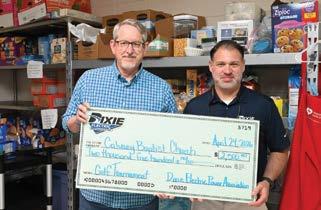











With a record-breaking 20 submissions this year, Dixie Electric’s Student Art Contest showcased an impressive range of creativity from local students. Standing out among them all was 16-year-old Monica Lopez, a student at West Jones High School, whose thoughtful and visually striking piece earned her this year’s top honor.
As the overall winner, Monica received a $350 prize, will be featured in this magazine, and will have her artwork displayed in Dixie Electric’s Laurel o ce lobby for the next year.
Monica’s winning piece, created using a mix of ink and gouache, took about a week to complete and reflects the contest theme, Life Powered by Electricity. Her approach was both creative and symbolic.
“The inspiration I chose for my art is life powered by electricity and those who help power it,” Monica explained. “In my artwork, I drew a house and everything around it that does not use or carry electricity in black and white using ink. The things that use or carry electricity, as well as the lineman, are in color using gouache to portray how electricity lights up the world and how they help ensure every house has power.”
Though she has only been drawing for three to four years, Monica’s talent is evident. A self-taught artist, she rediscovered her passion for art after enrolling in an art class during her freshman year of high school. Since then, she has continued to develop her skills and explore her creativity.
Monica draws inspiration from legendary artists like Michelangelo and enjoys sketching detailed subjects, such as eyes and flowers. While she is still considering her future career path, she is interested in fields such as interior design or architecture and plans to keep art a meaningful part of her life regardless of where her career leads.
Outside of art, Monica stays busy and involved. She is an A student and participates in several school organizations, including Beta Club, Science Club, Key Club, Spanish Club, Art Honor Society, and HOSA. In her spare time, she enjoys reading, watching shows, cleaning, and, of course, drawing.
Reflecting on her win, Monica shared a simple but powerful perspective:
“Every piece is a step forward.”
Her artwork not only highlights her talent but also serves as a reminder of the role electricity plays in our everyday lives — and the people who work behind the scenes to keep it flowing. Congratulations, Monica, on this achievement.






10 a.m. - 2 p.m.
June 23
M.S. Gatlin Building Supply, Waynesboro
June 25
Lowe's, Petal
June 26
Lowe's, Laurel
School is OUT. LEARNING IS IN.
School iS OUT. LEARNING IS IN.
Hey, Power Pals! The Cooperative Gang is here with powerful and fun resources just for you. You’ll find coloring sheets, puzzles, crossword games, exciting experiments, and more to make learning about electricity extra fun. Let’s explore all the cool activities waiting for you and keep the adventure going wherever you are!

Scan





















Over the past few months, we’ve had the privilege of celebrating the retirement of five long-time employees, Alan, Risher, Steve, Bryce and Barry, who have each played an important role in serving our members.
Together, they represent an incredible 178 years of service to our cooperative. That’s an average of more than 35 years each — something you don’t see every day, and something we’re especially proud of. In a time when careers often span many di erent places, their commitment to this cooperative and the communities we serve says a lot.
Those years weren’t just spent on the routine work that keeps the lights on. They include long hours during storms, early mornings, late nights and time away from their families when our members needed power restored as quickly and safely as possible. It’s work that requires not only skill, but dedication and a strong sense of responsibility.
If you’ve ever had your power restored after a storm and felt that sense of relief, there’s a good chance one of these men was part of the e ort behind the scenes. While much of what they’ve done over the years may go unnoticed, it has made a real di erence in the lives of the people we serve.
That’s one of the things that makes a cooperative special. Our employees aren’t just working on lines and equipment — they’re serving neighbors, friends and communities they know well. That connection shows up in the way they approach their work, whether it’s a normal day or a challenging one.




Over the course of their careers, Alan, Risher, Steve, Bryce and Barry have seen a lot of change. Technology has advanced, our system has grown and expectations for reliability have continued to increase. Through it all, they’ve remained focused on doing the job the right way and taking care of our members.
They’ve also helped shape the culture of our organization. Experience matters, especially in this line of work, and each of them has played a role in mentoring others and passing along knowledge that will continue to benefit our system for years to come.
While we will certainly miss seeing them each day, we are grateful for the example they’ve set and the foundation they’ve helped build. Their contributions will continue to be felt in the work we do and the service we provide.
Please join us in thanking Alan, Risher, Steve, Bryce and Barry for their many years of service. We wish each of them the very best in retirement and hope the years ahead are filled with time to enjoy family, friends and the things they love most.



by Randy Carroll
Our employees will observe Independence Day, and our o ces will be closed Friday, July 3, for the holiday.











by Miranda Boutelle
Saving energy doesn’t have to be expensive or time consuming. You don’t need to spend thousands of dollars or get the newest technology to use less energy. There are several steps to lower energy use, even on a tight budget.
Here are some low and no-cost ways to save energy around your home. Adjusting the thermostat is an easy way to save. Nudge the thermostat a few degrees closer to the outside temperature, especially on extreme weather days. I often hear people say, “I didn’t change anything, and my bill is higher.” On the hottest and coldest days, your heating and cooling equipment must work much harder, and use more energy, to maintain the same temperature. Add an extra layer of clothes or some cozy slippers in the winter and lighter layers in summer.
Fix any hot water leaks or dripping faucets. Those tiny drips can add up to big energy waste, not to mention water waste. If you need to hire a pro to fix it, turn the shuto valve under the sink to stop the leak until you can get it fixed.

Do-it-yourself, beginner-friendly projects, such as weatherstripping around doors, help lower energy use at home.
Wash clothes in cold water to avoid using the energy required to heat it. Washing on hot or warm settings can really add up, especially if you have a top-load or older washing machine that uses more water. Adjusting the temperature on your water heater can save energy and money, too. Depending on the water heater, this is either an easy adjustment or something a little more complicated that requires removing access panels. If you don’t know how, consult a professional. Air sealing is a do-it-yourself, beginner-friendly project that improves comfort and reduces energy waste. For around $20 and couple of hours of time, you can fill gaps, cracks, and holes to prevent air from leaking in and out of the home. From the inside of the home, seal trim on windows and exterior doors with caulk for about $4 a tube. Buy paintable caulk, so you can touch it up when it dries, if needed.


A can of spray foam is about $5 and seals gaps around plumbing lines. It’s great for sealing gaps around pipes under sinks and in the crawlspace or basement. Cold air can travel up through those spaces, causing drafts and wasting energy. Air sealing these areas gets bonus points for stopping insects and rodents from using these gaps to enter your home.
Spray foam is messy and nearly impossible to get o whatever it touches, so wear disposable gloves and clothes you don’t mind dirtying, and use drop cloths to protect finished floors. Be careful if you’re working with spray foam overhead. If you get it in your hair, it’s not coming out with anything less than a haircut. Move any items and clean surfaces of dust and debris in areas you intend to seal before cracking open a can. Put the can in a cardboard box to carry throughout the house, so you don’t leave a trail of spray foam.
For $10 to $15, you can buy weatherstripping to improve the seal on exterior doors. If you can see light around doors or feel a draft between the door and the door jamb when the door is closed, weatherstripping will help.
Try these easy, low and no-cost improvements to reduce energy waste and improve comfort in your home.
Miranda Boutelle is the chief operating o cer at E ciency Services Group in Oregon, a cooperatively owned energy e ciency company.
when using portable generators
Storm season is upon us, which means greater potential for power outages. If you’re planning to use a portable generator in the event of an outage, remember to play it safe.
With proper use and maintenance, portable generators can provide great convenience during an outage. However, when generators are used incorrectly, they can be extremely hazardous.


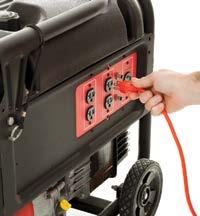
1. Install backup CO alarms.
2. Keep children and pets away from portable generators at all times.
3. Position generators at least 25 feet outside the home, away from doors, windows and vents that can allow CO to enter the home.
4. Ensure your generator is properly grounded. Use a portable ground fault circuit interrupter (GFCI) to prevent electric shock injuries.
5. Use three-pronged extension cords that are rated to handle the load of the generator. Inspect extension cords for cuts, frays or other damage before use.
6. Operate a generator inside your home or an enclosed (or partiallyenclosed) space. Generators produce high levels of CO, which can be deadly.
7. Open windows or doors while the generator is running.
8. Rely on generators as a full-time source of power. They should only be used temporarily or in emergency situations to power essential equipment or appliances.
9. Overload generators. They should only be used to power essential equipment. Make sure your generator can handle the load of the items you plan to power.
10. Connect generators directly into household wiring unless you have an appropriate transfer switch installed. If a generator is connected to a home’s wiring without a transfer switch, power can backfeed along power lines and electrocute utility workers making repairs.
While generators provide convenience during power outages, they can quickly become hazardous — even deadly — if improperly operated. Before you operate a portable generator, be sure to thoroughly read the owner’s manual for important safety information and tips.












East Mississippi Electric Power Association will host its 88th Annual Meeting of the Membership on Saturday, Oct. 3, 2026, at the EMEPA Meridian Auditorium.
O cial notices will be mailed to all members in July. The Annual Meeting is your opportunity to hear updates on the cooperative’s work over the past year, participate in the election of four directors and be part of the decisions that shape our cooperative’s future.
As required by EMEPA’s bylaws, a quorum of the membership — either in person or by proxy — is needed to conduct business and hold the director elections. Plus, all participating members are eligible to win electricity credits up to $500.
Members can request a full copy of EMEPA’s bylaws by contacting any of our district o ces in Louisville, DeKalb or Quitman or the main o ce in Meridian. Mark your calendar for Oct. 3 and make plans to join us. Your voice and your vote matter. Questions? Call us at 601-581-8600 or visit emepa.com to learn more.



From streaming and gaming to learning and working, East Mississippi Connect delivers the speed and reliability your home needs all season long.
Summer in East Mississippi brings a welcome change of pace. School is out, schedules are looser and homes are filled with more activity throughout the day. But while routines shift, one thing stays constant: reliable internet from East Mississippi Connect.
During the summer months, internet usage often reaches its peak. Multiple devices are running at the same time, from streaming movies and shows to online gaming and video calls. Without a strong connection, all that activity can quickly lead to bu ering, lag and frustration. Fiber broadband changes the experience entirely by delivering consistent speeds that keep everything running smoothly.


Summer is also a time for connection in a di erent sense. Friends and family may be traveling or living farther apart, but video calls and social platforms make it easy to stay in touch. A strong internet connection keeps those moments clear and uninterrupted, helping people stay close no matter the distance.

For those working remotely, summer brings its own challenges. With more activity happening at home, maintaining a reliable connection becomes even more important. Fiber internet supports video meetings, large file transfers and day-to-day communication without slowing down, even when others in the household are online.


Even when school is not in session, learning continues. Many students spend part of their summer exploring new subjects, reviewing skills or participating in online programs. Educational videos, digital libraries and interactive tools are all just a click away when the connection is dependable. Fiber internet helps ensure that access is always there, making it easier for students to stay engaged and prepared for the year ahead.



Entertainment also plays a big role in summer at home. Families gather for movie nights, stream their favorite series or keep up with live events. At the same time, gaming becomes a daily activity for many households. Online games require fast speeds and quick response times. Fiber delivers the low latency and reliability needed so gameplay stays smooth and uninterrupted.

East MS Connect is committed to delivering the kind of connectivity that keeps up with real life. Fiber infrastructure is built to handle high demand, giving families the speed and reliability they need throughout the busiest seasons of the year. It is not just about staying online. It is about making sure every connection counts.





This summer, don’t let slow internet hold you back. Power your home with fiber and enjoy streaming, gaming, learning and working without interruption. Get connected today with East MS Connect and experience the di erence fiber can make. Visit eastmsconnect.com to learn more and get started.































































































I am excited and honored to start my next journey at Magnolia Electric Power as the new General Manager and CEO. In 2005, when I first walked through the doors of Magnolia Electric Power, little did I know that I would be in the position that I am in now.
Since 2005, I have met many wonderful people in this area, including my wife, Casie. Casie and I have lived in this area for over 20 years, welcoming our two sons along the way.
The great thing about working at an electric power cooperative is the ability to meet many of you through church, coaching baseball, work, and being involved in the community. Through these last 20 years, I have spent many hours talking to our members on their front porch, the middle of a pasture, or on the phone. The MEP members and our employees are the two biggest reasons I chose to make this my home and raise my family here.
My journey at MEP began as a Mississippi State University (MSU) co-op student a few months after Hurricane Katrina devastated this region. I was able to be a part of this team as everyone had to rebuild from one of the worst storms we ever encountered. I was able to witness how much our employees cared for our members, neighbors, and communities. By observing this dedication, it made my decision easy to come work here full-time after I graduated.
In my time at MEP, I have had many di erent roles and responsibilities. I began my career in the engineering department. During the last few years, I have worked with the operational side of the company as Manager of Operations. Over the last six months I have spent time working alongside our retiring CEO as the Assistant General Manager.
I have had many people help me advance to where I am today. The knowledge they passed down, and the time they spent with me helping me understand cooperative values has prepared me to lead this company, and its wonderful team of employees.
While I was growing up, my grandpa always placed a heavy emphasis on taking the necessary steps to be prepared in life and to never stop learning. He did not have the opportunity to graduate high school because he had to stay at home and work on the farm. To be prepared, I took his advice and never missed an opportunity to further my education.
This lesson has always driven me to take advantage of every opportunity to learn, not just through schools and training but also from the experience of those that came before me.
In 2008, I received my electrical engineering degree from Mississippi State University. In 2012, I earned my Professional Engineer license. In 2021, I graduated with my Master of Business Administration (MBA) from Belhaven University. Through the National Rural Electric Cooperative Association (NRECA), I completed the Management Internship Program (2025) and earned my Cooperative Financial Professional Certificate (2024).
As I get started in my new role, I want to ensure our members that I will always work hard on your behalf. I will strive to make sure Magnolia Electric Power continues to be a leader in our communities. I will take the foundation that was laid by so many employees before me and work hard to make it even stronger.
My mission is simple. It is to provide our members with a ordable and reliable electricity and to keep our employees safe. We have a great team at Magnolia Electric Power, and we will continue to work hard for you.
We are excited about Daniel becoming our General Manager. He has displayed leadership qualities and knowledge of the electrical industry for 17 plus years while working at MEP. We look forward to many more successful years for Magnolia under his leadership.
Dennis Wilson MEP Board President


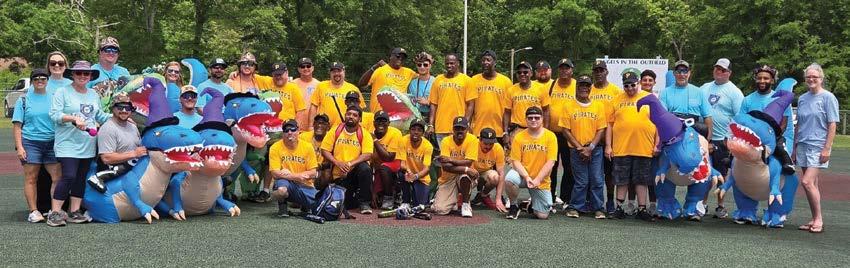




For the fourth year, Magnolia Electric linemen took on the McComb Miracle League’s Pirates, with the Pirates winning again.
The action-packed game was held recently at the McComb Sportsplex.
This year the linemen dressed as dinosaurs and the fun and laughs were aplenty.
Members of both teams gathered for a group photo at the end of the game.
The Magnolia Electric players were Scott Weeks, Jeremy Crowsey, Daniel Hollingsworth, Wes Burns, Matthew Hamilton, Logan Dye, and Jadarrius Grandberry.
The Miracle League is a nonprofit baseball league for individuals with special needs. If you would like to know more about them, please go to Facebook and search for McComb Miracle League.
Magnolia Electric would like to o er congratulations to the Pirates for winning the fourth year in a row!

























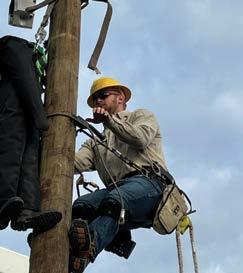
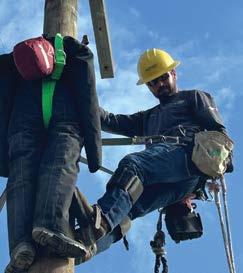
Electric power linemen are required to update many of their certifications annually. Pole top rescue certification is one of those requirements.
Each year, every lineman must perform the drill to keep their skill levels in compliance with Occupational Safety and Health Administration (OSHA) requirements. Each lineman must climb to a height of 30-to-40 feet and then successfully rescue a “dummy” lineman and take him down from the pole using a handline. In addition, the linemen also must perform bucket rescues as part of the certification requirements.
The linemen in the photos are Sam Mabile (left) and Wes Burns.














One of Walthall County’s historic traditions is back this June for its 49th year.
The Walthall County Dairy Festival returns on June 6 at Holmes Water Park in Tylertown.
The festival, which begins at 8 a.m., is free.





The festival started in 1977 by local dairy farmers and the cooperative extension service as a way of thanking the county for its support of what was then the leading agricultural enterprise in the county.
As dairying in the Southeastern U.S. began declining in later years, the festival was taken over by a volunteer group as a means of honoring the memory of the family farms that helped drive the economy of the county, and as a summer attraction that continues to this day as a free family festival. The event honors the farming tradition of the area, now diversified into forestry, livestock, poultry, and other agricultural pursuits.
The festival — put on by a group of volunteers — has continued to grow over the years. The event is channeled through the Walthall County Chamber of Commerce and is considered one of the oldest and best family-oriented festivals in the state.
During the festival, folks can check out cars, trucks, classics, street rods, antiques, and muscle cars during the Cow Bag Nationals Car Show.
The festival will also feature live entertainment throughout the day, a talent show, plus plenty of contests, including, a sack race, cow-calling, ice cream eating, and butter churning. Antique tractors and vintage engines, vintage bicycles, a flower show, bubble gum blowing, and turtle races will highlight the day.
Craft, food, and vendor booths will be stationed along the shady trail o ering a variety of items for purchase.
Some of the other highlighted events include
• A baby contest. Registration is $4 and applications are due by June 5 at noon. Call 601-876-4021 for more information. Ages for the babies is from just after birth to 48 months.
• The talent contest is sponsored by Trustmark National Bank. Applications can be picked up at either of the bank’s Tylertown locations. Ages 4 to 16 are welcome to compete.
• Walthall General Hospital’s Bake O o ers a grand prize of a Cruisinart stand mixer. Enter a plain pound cake with no icing, no drizzle, and no nuts.
• Pike National Bank’s Cream Pitcher Fun Farm o ers kids’ games and inflatables.
• Rushing Realty will have a mechanical bull set up for rodeo dreamers.
• The Southland Express Train will o er rides for kids.
The grand finale of the festival is a fireworks display sponsored by Citizens Bank at 9 p.m.
































There’s something timeless about trees. They ground us. They remind us of where we’ve been, and they stretch toward what’s ahead. Here in our community, we take pride in the natural beauty that surrounds us.
At the same time, we share another responsibility — one that’s just as essential to our daily lives. The responsibility to keep the lights on, to power our homes and businesses, to make sure that when you flip a switch, the energy you depend on is there.
That’s why Monroe County Electric works every day to strike a careful balance between preserving the beauty we cherish and delivering the reliable electricity you expect.
One of the most important ways we do that is through regular tree trimming.
Now, it may not always be obvious, but keeping lines clear of overgrown vegetation plays a major role in preventing power outages. We’ve all seen what can happen when severe weather rolls in — strong winds, heavy ice, or sudden storms can bring down branches and, with them, power lines and poles. In fact, nearly half of all power outages can be traced back to trees and vegetation coming into contact with electrical infrastructure.
That’s why you may notice crews working in neighborhoods throughout the year. Our crews are highly trained and certified, following the latest industry standards to ensure the job is done safely and e ectively. Their work might seem routine, but it’s anything but — it’s a proactive step that helps prevent problems before they start.
And it’s not just good practice — it’s required. Electric utilities across the country are obligated to manage vegetation near power









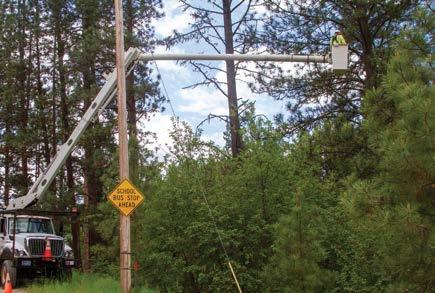
lines. Scheduled trimming helps remove dead or weakened limbs and keeps fast-growing trees from becoming hazards.
But beyond reliability and e ciency, there’s another reason this work matters: safety.
Electricity is a powerful force, and when trees grow too close to power lines, that power can become dangerous. Branches that touch lines — or even come close — can carry electrical current. Children climbing trees in their own yards may not realize the risk. And during storms, fallen trees can create hazardous conditions not only for families but also for our lineworkers working to restore service.
There’s also a financial reality we can’t ignore. Preventative maintenance — like tree trimming — is far more cost-e ective than repairing widespread damage after an outage. Left unchecked, overgrown vegetation can lead to more frequent disruptions and higher costs for everyone. A thoughtful, strategic vegetation management program helps keep those costs down for our members.
You can help, too. When planting new trees, consider their mature height and distance from nearby power lines. Trees that grow up to 40 feet should be planted at least 25 feet away from overhead lines. Larger trees — those that exceed 40 feet — should be planted at least 50 feet away. If you’re landscaping near pad-mounted transformers, keep shrubs at least 10 feet from the front and 4 feet from the sides to allow safe access.
At the end of the day, we all want the same thing: a community that’s safe, resilient, and beautiful. At Monroe County Electric, we’re proud to be part of that e ort. Our roots run deep here, just like the trees we work to care for.
Weatherstripping helps seal drafts around exterior doors, which saves energy and improves comfort in your home.
by Miranda Boutelle
Saving energy doesn’t have to be expensive or time consuming. You don’t need to spend thousands of dollars or get the newest technology to use less energy. There are several steps to lower energy use, even on a tight budget.
Here are some low and no-cost ways to save energy around your home.

beginner-friendly projects,
Adjusting the thermostat is an easy way to save. Nudge the thermostat a few degrees closer to the outside temperature, especially on extreme weather days. I often hear people say, “I didn’t change anything, and my bill is higher.” On the hottest and coldest days, your heating and cooling equipment must work much harder, and use more energy, to maintain the same temperature. Add an extra layer of clothes or some cozy slippers in the winter and lighter layers in summer.
Fix any hot water leaks or dripping faucets. Those tiny drips can add up to big energy waste, not to mention water waste. If you need to hire a pro to fix it, turn the shuto valve under the sink to stop the leak until you can get it fixed. Wash clothes in cold water to avoid using the energy required to heat it. Washing on hot or warm settings can really add up, especially if you have a top-load or older washing machine that uses more water.
Adjusting the temperature on your water heater can save energy and money, too. Depending on the water heater, this is either an easy adjustment or something a little more complicated that requires removing access panels. If you don’t know how, consult a professional.
Air sealing is a do-it-yourself, beginner-friendly project that improves comfort and reduces energy waste. For around $20 and couple of hours of time, you can fill gaps, cracks, and holes to prevent air from leaking in and out of the home. From the inside of the home, seal trim on windows and exterior doors with caulk for about $4 a tube. Buy paintable caulk, so you can touch it up when it dries, if needed.
A can of spray foam is about $5 and seals gaps around plumbing lines. It’s great for sealing gaps around pipes under sinks and in the crawlspace or basement. Cold air can travel up through those spaces, causing drafts and wasting energy. Air sealing these areas gets bonus points for stopping insects and rodents from using these gaps to enter your home.
Spray foam seals gaps around pipes to prevent cold air from traveling up through those spaces, causing drafts and wasting energy.
Spray foam is messy and nearly impossible to get o whatever it touches, so wear disposable gloves and clothes you don’t mind dirtying, and use drop cloths to protect finished floors. Be careful if you’re working with spray foam overhead. If you get it in your hair, it’s not coming out with anything less than a haircut. Move any items and clean surfaces of dust and debris in areas you intend to seal before cracking open a can. Put the can in a cardboard box to carry throughout the house, so you don’t leave a trail of spray foam.
For $10 to $15, you can buy weatherstripping to improve the seal on exterior doors. If you can see light around doors or feel a draft between the door and the door jamb when the door is closed, weatherstripping will help.
Try these easy, low and no-cost improvements to reduce energy waste and improve comfort in your home.
Electric cooperatives work 24/7 to maintain and improve substations.
by Je rey Groenewold
Electric substations sit at the center of power grids and are essential to keeping the lights on in our communities. You’ve seen them — those tall fenced-in areas filled with metal structures, wires, and heavy equipment. They may not look flashy, but they’re one of the most important behind-the-scenes components of the grid.
Substations take power from high-voltage transmission lines and convert it to the lower voltages that get distributed on the last-mile power lines you see every day. These lines provide power to your home, farm or business. Every light switch you flip, every well pump you operate, and every device you charge depend on a substation doing its job without interruption. These facilities work quietly in the background, yet they shape the comforts of daily life. Mississippi’s electric cooperatives work 24/7 to maintain and improve these substations.
Substations began as simple switching points that handled basic voltage changes. Early designs used bulky equipment and manual controls. As communities grew, electric demand on the grid grew with them.
Today’s substations utilize advanced sensors, automated controls, and digital communication systems, allowing cooperatives to better manage the grid. These tools help co-ops respond faster to outages, monitor equipment health, and manage energy with more precision.
A modern substation protects your community from disruption. It isolates problems, keeps dangerous faults from spreading, and supports important line equipment across long distances. When a substation faces a major issue, such as from a storm or wildlife contact, the impact is immediate. Communities lose power and Wi-Fi; businesses stall; farms lose time-sensitive operations, and emergency service communications can face added strain. These events remind us how central substations are to modern life.
Communities add new homes, businesses, irrigation systems, and commercial buildings every year. Each addition increases the load on the grid. That’s why co-ops build new substations and upgrade older ones to keep pace with growth, technology changes, and safety needs.
Modern substation designs use equipment that requires less strenuous maintenance while improving system protection. Smart-enabled protection devices reduce the time needed to identify and isolate faults. These advanced monitoring tools give co-ops better visibility into realtime grid conditions. For the surrounding community, these investments lead to stronger service and reliability. You experience fewer outages. Your farm or business gains resiliency. Your home appliances run on steadier voltage.
Modern substations also help cooperatives manage costs. Instead of building miles of new line, a well-placed substation can support growing neighborhoods or rural industries with less construction and lower long-term investment.
Substations serve as the quiet backbone of the electric system. When they operate well, communities thrive. When they falter, everything from daily chores to essential services feel the impact.
Electric cooperatives will continue to invest in these facilities to support safe, reliable, and a ordable service for every member in every community we serve.













This spring, electric cooperatives from across north Mississippi gathered at Tombigbee Electric Power Association in Tupelo to host a Lineman Expo for high school students. More than 200 students attended, exploring opportunities and learning about potential careers with electric cooperatives.
North East Mississippi Electric Power Association hosted an interactive station that gave students a firsthand look at the work linemen do each day. The hands-on experience provided a valuable opportunity for students to engage with our team, ask questions, and gain insight into the profession.
In addition to North East Power and Tombigbee, other participating cooperatives included Pontotoc Electric Power Association, Monroe County Electric Power Association, Prentiss County Electric Power Association, and Natchez Trace Electric Power Association. Each group hosted a station highlighting di erent aspects of the job.
Events like the Lineman Expo help inspire and prepare the next generation of workers who will power our communities for years to come.
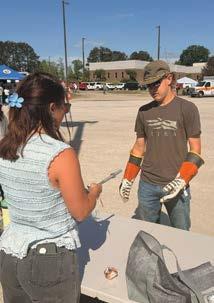






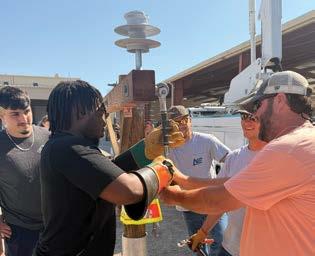
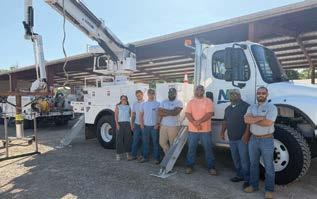
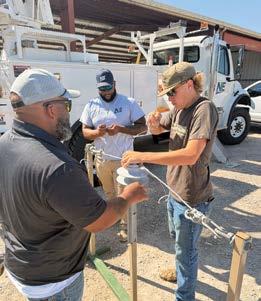
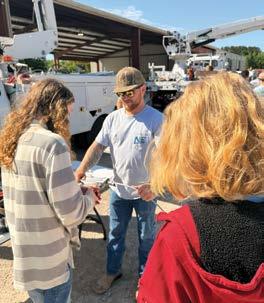
North East Mississippi Electric Power Association and NE SPARC have once again partnered for a grant program for local school teachers that facilitates innovative classroom-based education projects called Bright Ideas. Through Bright Ideas, teachers can illuminate students’ love of learning.
The Bright Ideas grant program aims to encourage, support, and celebrate creative educational experiences for the students and sta in our service area.
In 2025, teachers from the Oxford, Lafayette, Pontotoc, and West Union Schools were awarded Bright Ideas grants.
Local educators can apply for Bright Ideas grants of up to $500 for innovative, hands-on classroom projects. The grants are available to K-12 teachers in public schools that have at least one student who is a member of North East Power or a NE SPARC






subscriber. Projects can be in any subject, and educators can apply individually or as a team.
To apply, teachers must include a budget; explain the implementation, goals, creative elements and evaluation of the project; and have approval from their school’s principal. Applications will be blind judged through a competitive evaluation process, with judges looking for projects that feature inventive and creative approaches to learning.
Applications will be live on July 20 and available online at NEMEPA.org. The deadline to submit applications is Friday, Sept. 4, 2026.
Our prize team will visit local schools in October to announce the winning grant recipients.
North East Mississippi Electric Power Association, alongside the Tennessee Valley Authority, (TVA) was proud to present local educators with $5,000 STEM grants at the April Oxford School District Board meeting. This year’s recipients were Mimi Shaw, Insights teacher at Della Davidson Elementary School, and Charles Sabatier, engineering instructor at Oxford High School.
Local elected o cials, including State Sen. Nicole Akins Boyd, State Rep. Clay Deweese, and representatives from the o ces of U.S. Sen. Cindy Hyde-Smith, U.S. Congressman Trent Kelly, and U.S. Sen. Roger Wicker, were also in attendance to recognize these outstanding educators.
“We are proud to support these incredible teachers as they inspire the next generation of STEM innovators,” said Sarah Brooke Bishop, North East Power’s communication and marketing manager.
The grants, awarded through a competitive process, provide up to $5,000 for innovative STEM projects. Preference is given to applications that align with TVA’s focus areas: environment, energy, economic development, and community problem-solving. Schools served by a local power company in the TVA region are eligible to apply.
















When summer temperatures rise, so can your electric bill. As air conditioners work harder to keep homes comfortable, energy use naturally increases. That’s why North East Mississippi Electric Power Association is committed to helping members stay cool while keeping energy costs in check.
Fortunately, there are a few simple steps you can take to improve e ciency and reduce your monthly bill without sacrificing comfort.
By making a few simple adjustments, you can stay comfortable while keeping your energy use and your electric bill under control.
One of the easiest ways to save is by adjusting your thermostat. Raising the temperature just a few degrees to the highest setting that still feels comfortable can make a noticeable di erence in energy use. Pairing this with ceiling fans can help rooms feel cooler



without overworking your air conditioning system. Just remember to turn fans o when you leave the room.
Direct sunlight can also increase the temperature inside your home, especially during the hottest parts of the day. Keeping blinds or curtains closed can help block heat from entering and reduce the strain on your air conditioning system. This simple step can make rooms feel noticeably cooler and improve overall energy e ciency.
Routine maintenance also plays a key role in e ciency. Replacing air filters regularly allows your cooling system to run more smoothly and prevents it from working harder than necessary. This small task can have a big impact on both performance and energy costs.
Another helpful tip is to take the heat outside. Using a grill instead of your stove or oven on warm days can keep additional heat out of your home, reducing the need for extra cooling.
This summer, small changes can lead to big savings. By making a few simple adjustments, you can stay comfortable while keeping your energy use and your electric bill under control.
NE SPARC is proud to introduce Webby the internet safety cat, a new program designed to help young students navigate the digital world safely. This spring, Webby made a special visit to his very first classroom, marking the beginning of an exciting initiative to bring internet safety education to schools across our service territory.
Created for students up to the 4th grade, Webby teaches essential online safety skills in a fun, engaging, and ageappropriate way. Through interactive lessons, students learn the importance of creating strong passwords, protecting their personal information, and recognizing when to ask a trusted adult for help — especially if they encounter unkind behavior
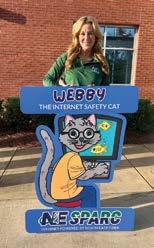
online. Webby also covers a variety of other topics to help children build confidence and responsibility while using the internet.
As technology continues to play a larger role in everyday life, NE SPARC remains committed to programs like Webby that help students develop safe online habits early on. NE SPARC also o ers parental control tools that empower families to monitor and guide their children’s online activity.
To book Webby to visit your classroom or organization or find out more about NE SPARC, please email marketing@nemepa.org.























As spring transitions into summer, our communities continue to experience tremendous growth. New homes, businesses, schools, and industries across our service area are creating opportunities throughout the region and increasing the need for dependable electric service.
Meeting that growth requires long-term planning and continued investment in our electric system. At Northcentral, our employees work year-round to maintain and strengthen the infrastructure that serves our members. From replacing aging equipment and upgrading lines to responding during severe weather, reliability remains at the center of everything we do.
This spring brought a few rounds of storms across our area, and I’m proud of the dedication our employees showed while restoring power safely and e ciently. Behind every restoration e ort are employees across multiple departments working together to support our members and communities during challenging conditions.



At the national level, electric cooperatives continue advocating for practical energy policies that prioritize reliability and a ordability. As electricity demand continues to grow throughout the Tennessee Valley, it is important that utilities have access to the generation and transmission resources necessary to support future growth while maintaining dependable service.
Despite the challenges facing our industry, the mission of electric cooperatives remains consistent: providing safe, reliable, and a ordable electricity to the people and communities we serve.
Stay safe.

by Kevin Doddridge General Manager/CEO



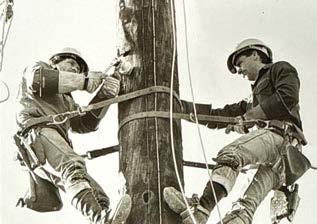

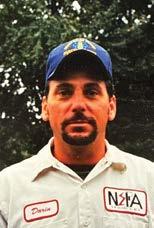

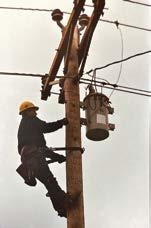


After 40 years of service at Northcentral Electric Cooperative, Director of Construction Darin Farley is retiring with a career full of memories, milestones, and meaningful relationships.
Looking back on his very first day at Northcentral, Farley can still remember exactly where he was — working on Hacks Cross Road in the Whispering Pines subdivision helping build a single-phase line.
“We were pulling out the wire at each pole and laying it up,” he recalled. “Next thing I know, the foreman was upset because the neutral wire came up about 30 feet too short and had to be sleeved.”
For someone just starting out, it was certainly an introduction to the job.
“At that time, I was thinking, ‘What have I gotten myself into?” Farley said.
Over the next four decades, Northcentral — and the electric industry — changed tremendously. When Farley first joined the cooperative in 1986, Northcentral served just over 8,000 members. Today, that number has grown to more than 36,000. He has also witnessed major advancements in safety practices, technology, and equipment throughout the years.
“There have been a lot of changes over the years,” Farley said. “Safety equipment improved significantly with flame resistant clothing and fall arrest systems, and technology advanced with automated meters and newer track equipment. The tools and equipment crews have access to today are very di erent from when I first started.”
As director of construction, one of the accomplishments Farley is most proud of is the people he helped bring into the cooperative and watching them grow throughout their careers.
“I’ve always been proud of the employees we hired and the way they developed within the company,” he said. “It was important to me to make sure our crews had the best tools and equipment available, so they could do their jobs safely and e ciently.”
For Farley, leadership was never just about overseeing projects or managing crews. It was about investing in employees and helping prepare the next generation of linemen.
Thank you, Darin, for 40 dedicated years of service!
“What I enjoyed most was teaching and passing down the knowledge that had been shared with me throughout my career,” he said. “There’s a lot of value in making sure the younger folks have someone willing to guide them and help them learn.”
That same mindset shaped his approach to mentoring those entering the trade.
“I always wanted to make sure younger linemen were involved in the apprenticeship program and understood the importance of safety,” Farley said. “Learning the job the right way and working safely were always priorities.”
If he could go back and o er advice to himself on that first day at Northcentral 40 years ago, Farley said it would be simple.
“I would tell myself to keep working hard, do what you’re supposed to do, and trust that everything will work out,” he said.
After spending decades helping and supporting Northcentral’s continued growth, Farley hopes to be remembered for the way he treated others.
“I hope people remember me as someone who was fair, honest, and easy to get along with,” he said.
As retirement begins, Farley is looking forward to slowing down and spending more time with family, traveling, and working on projects around the house — especially gardening.



We ’ re proud to recognize these 10 graduating seniors as this year ’ s scholarship winners.
Each student will receive a one-time, $2,500 scholarship. These are awarded annually to at least one student from each Northcentral-area school. Applications are posted on our website at the beginning of each school year, with the deadline to apply in early March.












































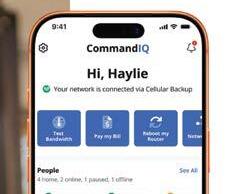










































Five years ago, we took a bold step toward the future of our cooperative and the communities we serve by forming an internet subsidiary, PearlComm Fiber. This month, PearlComm and Pearl River Valley Electric celebrate a special anniversary, the beginning of our fiber build. Five years ago, PRVEPA began construction on a fiber network which has opened doors to opportunity, connection, and growth across our service territory.
What started with the steady work of changing out poles and stringing fiber alongside our electric infrastructure has grown into one of the most transformative projects in our area’s history. At the time, we knew reliable broadband was no longer a luxury, it was essential. Our members needed it for education, healthcare, business, and staying connected to the world around them. And just like the generations before us who brought electricity to rural Mississippi, we knew it was our responsibility to step forward and meet that need by forming a fiber internet company.
Over the past five years, I’ve had the privilege of watching this vision come to life as contractors worked tirelessly, often in challenging conditions, to build a network from the ground up. Every mile of fiber placed, and every connection made represents a commitment to improving quality of life for our members.
Today, I’m proud to say that nearly 20,000 customers are now connected to PearlComm Fiber. That number represents more than homes and businesses, it symbolizes students with access to online









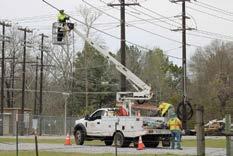

learning, families able to work from home, and small businesses reaching customers far beyond our local communities.
This milestone is a testament to what can be accomplished through the cooperative model. Because we are locally owned and member-focused, we can invest in projects that make a real di erence. PearlComm Fiber is a direct reflection of that commitment.
As we celebrate this five-year anniversary of the start of our fiber build, we also look ahead. There is still work to be done, and PearlComm remains focused on expanding access, enhancing reliability, and o ering additional products.
The same spirit that powered our cooperative’s beginnings continues to guide us today. Just as electricity transformed daily life decades ago, fiber broadband is shaping the future, and we’re proud to be leading that e ort for our members.
Thank you for trusting us to serve you, and for being part of this journey forward.

by Matthew Ware
CEO/General Manager






Pearl River Valley Electric’s distribution system has grown significantly over the past 88 years to meet the needs of our members. We now have more than 6,000 miles of power lines across our 12-county service area. Maintaining clear rights-of-way (ROW) along those lines is vital to the Association’s ability to provide reliable service. It is also necessary to maintain a proper distance between trees and power lines to ensure public safety.
We want members to understand that maintaining ROW is not an inconvenience, it’s a necessity. Controlling vegetation within the ROW floor assures safe access for employees when they are troubleshooting outages and repairing downed power lines. The overall result of ROW maintenance is quicker restoration of outages during storms.
Clearing brush and other low-growing vegetation is accomplished by a combination of bush hogging and herbicide application. We use o -the-shelf, non-restrictive herbicides because they are e ective, economical, and environmentally friendly. They are not harmful to humans, pets, or livestock. Managing vegetation in this way also allows native grasses and wildflowers to grow, thereby improving the aesthetics and wildlife habitat along the ROW.
For a more detailed map of this year’s ROW spraying, please visit the help center at PRVEPA.com and click the “Technical Services” box.
Also, if you have any questions about our ROW maintenance program, please feel free to call any of our o ces. Thank you for your understanding and cooperation.
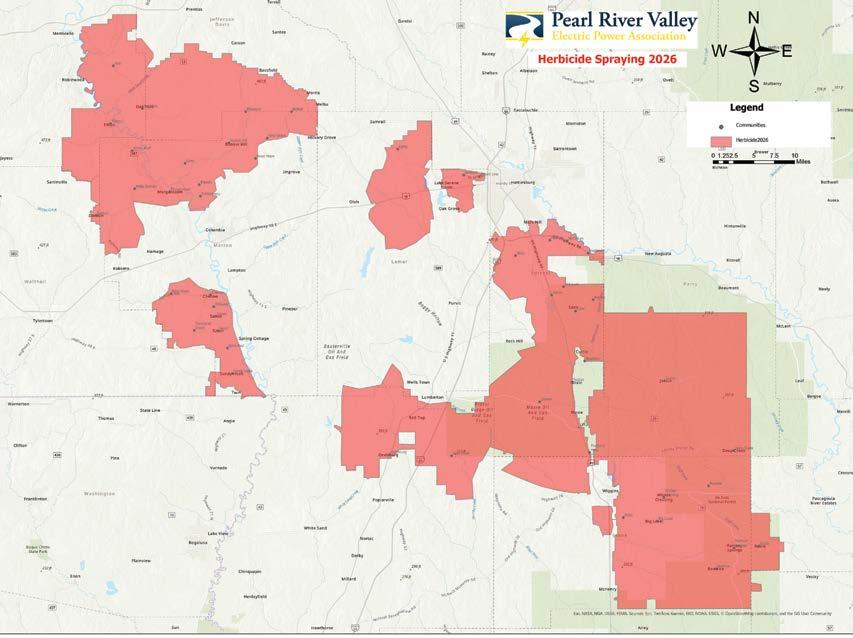


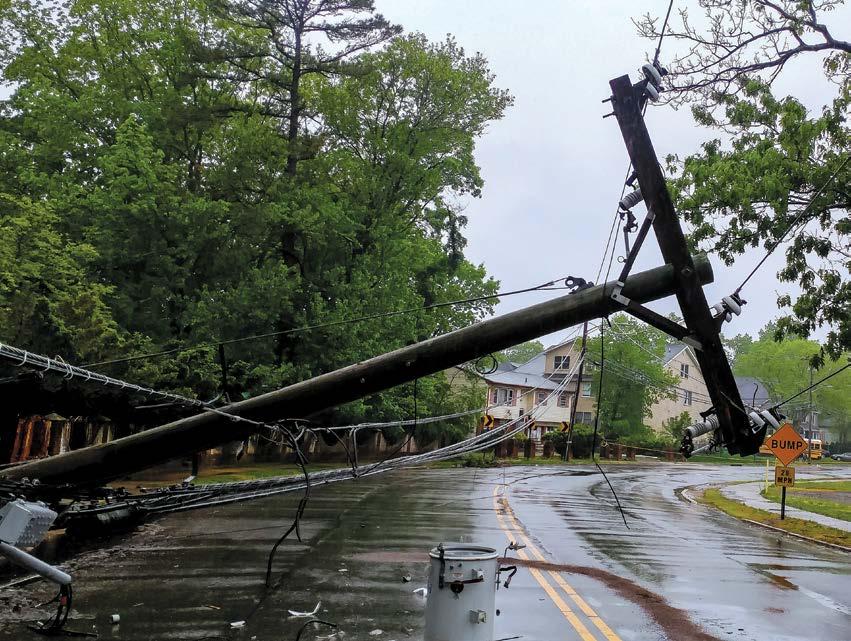
As we enter another hurricane season, it serves as an important reminder of the responsibility we all share in preparing for severe weather. Along the Gulf Coast and across our service area, we know these storms are not a matter of if, but when. And while no one can predict the path or severity of the next storm, we can take steps today to be ready for whatever comes our way.
At Pearl River Valley Electric, storm preparation is a yearround commitment. Our crews train extensively for major weather events, ensuring they are ready to respond safely and e ciently under the most challenging conditions. We inspect and maintain our system, trim vegetation along rights-of-way, and invest in infrastructure improvements that strengthen reliability before storms ever form in the Gulf.
When severe weather strikes, our priority is clear: restore power as quickly and safely as possible. We follow a proven restoration process, assessing damage, addressing critical infrastructure, and working systematically to bring the greatest number of members back online in the shortest amount of time. And when needed, we call on one of the greatest strengths of the cooperative model, mutual aid. Crews from across the region stand ready to assist, just as we have answered the call to help others in their time of need.
But even with preparation and experience, there are limits to what any utility can control during a major storm. That’s why personal preparedness is just as important as system preparedness.
We encourage every member to have a plan in place before a storm approaches. That includes assembling an emergency kit with essentials like water, non-perishable food, medications, flashlights, and batteries. Make sure your mobile devices are fully charged and consider backup power options if you rely on electricity for medical needs. If you have a generator, ensure it is properly installed and operated safely.
It’s also important to stay informed. Monitor local weather updates, follow o cial guidance, and keep your cooperative’s outage reporting tools and contact information easily accessible. During widespread outages, communication is key, and we are committed to keeping you updated every step of the way.
Hurricane season can be unpredictable, but preparation brings confidence. At your cooperative, we will be ready to handle the big challenges, responding to outages, coordinating resources, and restoring service. We ask that you do your part at home by making a plan and preparing your family.
Together, we can face whatever this hurricane season brings.
All members are invited to attend the annual meeting of members on Saturday, Sept. 26, 2026. Registration will begin at 9:30 a.m. at the Association’s meeting room facility (Lawrence Building) in Columbia at 1422 Highway 13 North. The meeting will begin at 10:30 a.m.
Member participation at its annual meeting is important to elect directors, hear reports covering the operation of the Association, and to transact other business that may come before the meeting.
Included on the agenda is the election of four directors to threeyear terms.



PRVEPA linemen helped Oak Grove Elementary students with a physics lesson. Students built vessels to protect eggs which were dropped from one of our bucket trucks. Some eggs survived while others were scrambled.
















Let’s celebrate the United States of America turning 250!
All Pearl River Valley Electric o ces will be closed Friday, July 3, in observance of Independence Day.




Dispatchers will be available. Report outages by calling 855-2PRVEPA.






APPLICATIONS DUE AUG. 14, 2026
• Applications are available at PRVEPA o ces and at prvepa.com.
• Completed applications must be postmarked or emailed by Aug. 14.
• Scholarship recipients must be a PRVEPA member, spouse, or child of a member participating in the Round Up program.
• Recipients must be full time (12 hours or more per semester) freshmen students enrolled in academic or career-technical programs.


• Scholarship funds will be credited to each student’s college account — no checks will be issued to individuals.

• Scholarships should be awarded by the end of September. Students must be enrolled in good standing at the time funds are released to the colleges.

More information is available at prvepa.com.



Funded by members who are rounding up their monthly bills, these scholarships are intended to assist students who will attend a Mississippi community college as a freshman this fall.

































In our community, we take pride in the natural beauty of the trees that surround us — the shade on a summer afternoon, the colors that mark the changing seasons, and the quiet strength of something that grows slowly but endures.
At the same time, we have a responsibility to keep the lights on and to power our homes and businesses, so that when you flip a switch, the energy you depend on is there.
That’s why Singing River Electric works every day to keep a careful balance between preserving the beauty we appreciate and delivering the reliable electricity you expect. One of the most important ways we do that is through regular tree trimming.
It may not always be obvious, but keeping lines clear of overgrown vegetation plays a major role in preventing power outages. We’ve all seen what can happen when severe weather rolls in — strong winds, heavy ice or sudden storms can bring down branches and, with them, power lines and poles. In fact, nearly half of all power outages can be traced back to trees and vegetation coming into contact with electrical infrastructure. As we enter hurricane season along the Gulf Coast, adequate tree trimming becomes more critical.
lines. Scheduled trimming helps remove dead or weakened limbs and keeps fast-growing trees from becoming hazards. It’s about staying one step ahead, especially as we prepare for the increasing frequency and intensity of severe weather events.
Beyond reliability and e ciency, there’s another reason this work matters: safety. Electricity is a powerful force, and when trees grow too close to power lines, that power can become dangerous. Branches that touch lines — or even come close — can carry electrical current. Children climbing trees in their own yards may not realize the risk. During storms, fallen trees can create hazardous conditions not only for families but also for our linemen working to restore service.
Preventative maintenance like tree trimming is far more cost-e ective than repairing widespread damage after an outage. Left unchecked, overgrown vegetation can lead to more frequent disruptions and higher costs for everyone. A thoughtful, strategic vegetation management program helps keep those costs down for our members.
At the end of the day, we all want the same thing: a community that’s safe, resilient and beautiful. At Singing River Electric, we’re proud to be part of that e ort. Our roots run deep here, just like the trees we work to care for.
You may notice our trusted contractors working throughout the year. Our crews are highly trained and certified, following the latest industry standards to ensure the job is done safely and e ectively. Their work might seem routine, but it’s anything but — it’s a proactive step that helps prevent problems before they start.




And it’s not just good practice — it’s required. Electric utilities across the country are obligated to manage vegetation near power



by Brian Hughey
General Manager and CEO

















Gabe Robbins

Energy Services Representative robbins@singingriver.com




June in south Mississippi means rising temperatures, higher humidity, and the start of heavy air conditioning use. As summer heat and humidity rise:
• Set your thermostat to 78° or as high as comfortably possible when you’re home and a few degrees higher when you’re away.
• Use ceiling fans to keep air moving. Fans can make the room you’re in up to 4° cooler without lowering the thermostat. Turn fans o when leaving the room.
• Keep blinds and curtains closed during peak sunlight hours to block heat and reduce the load on your air conditioner.

Don’t forget HVAC maintenance! A well-maintained air conditioning system uses less energy, cools more e ectively, and is less likely to break down during the hottest days.
• Clear leaves, grass, and debris from around your outdoor unit, so it can operate properly.
• Consider scheduling a professional tune-up to ensure everything is running e ciently.
• Change air filters monthly to improve e ciency and airflow.
singingriver.com/ways-to-save

Our 2026 Annual Membership Meeting will be held on Thursday, June 25, at Singing River Electric’s Lucedale o ce located at 11187 Old 63 South. Registration begins at 5 p.m., and the meeting starts at 6 p.m., covering Singing River Electric’s financial, management, and board reports, as well as the board of directors election.
Vote in the 2026 board of directors election to help meet the required 10% quorum needed to conduct business at the annual meeting and fulfill the 2nd Cooperative Principle – Democratic Member Control.
Vote online from Monday, May 11, through Tuesday, June 16. Access the online ballot by clicking the “Vote Here” icon on the SmartHub app or our website at singingriver.com. Members with a valid email address on file received an online voting email from noreply@directvote.net on May 11. Enter your membership ID and zip code and then cast your vote.
Vote by proxy by assigning your vote to either the board of directors or another Singing River Electric member. Mail the completed proxy in the postage-paid envelope and ensure it is received at our Lucedale o ce by Tuesday, June 16. You may still attend the meeting; your presence will rescind the proxy and allow you to vote in person.
Vote in person at the membership meeting on June 25, 2026.
Singing River Electric has a 10-person board of directors elected from the membership in three geographic districts. For 2026, three Post 2 directors will be elected and hold the o ce for a period of three years. This election will also select one Post 3, District 2 board member for a period of one year to fill an unexpired term.
The following Singing River Electric members were nominated by our membership for election and certified by the Credentials and Election Committee to run for the board position. For qualification requirements, visit singingriver.com/my-membership to view our bylaws. View candidate biographies on the online voting site starting May 11.
DISTRICT 1, POST 2: James Robert Steele
To represent Greene, Perry, and Wayne counties in Miss., and Washington County in Ala.
DISTRICT 2, POST 2: Roy C. Grafe Jr.
To represent George and Stone counties in Miss., and Mobile County in Ala.
DISTRICT 2, POST 3: Amy Delcambre, Phillip Eubanks, Stephen M. Tipton
To represent George and Stone counties in Miss., and Mobile County in Ala.
DISTRICT 3, POST 2: Kristal K. Sisson
To represent Jackson and Harrison counties in Miss.
1 2 3
We are the Cooperative Gang, and we’ve created the perfect place for you to explore electricity, science, safety, and the amazing world of electric cooperatives. Together with our friends at Singing River Electric, we’ll spark your curiosity and power up your knowledge.
• What Are Electric Cooperatives: See why being a "co-op" is cool and how we work together to keep the lights on for everyone!
• Electricity Basics: Learn how electricity moves and flows with Ty the Beaver.
• Always Play It Safe: Learn the "Always Play it Safe" rules from Rae the Armadillo to keep your home and family protected.
• The Power Process: Follow Ivy the Fox to see how a spark travels from far away all the way to your front door!
• Energy Efficiency: Learn from Cooper the Owl about why smart energy choices matter!
• Educational Resources: Grab awesome coloring sheets, activity books, and hidden word games.
Come visit us and become an official Power Pal today at myelectriccooperative.com/power-pals






Protect your accounts by enabling multi-factor authentication (MFA) wherever possible. MFA adds an extra layer of security by requiring a second step—like a code sent to your phone or an authentication app—beyond just your password. Even if a scammer steals your login information through phishing or data breaches, MFA can stop them from accessing your account.


You will need your account number the first time signing in.

















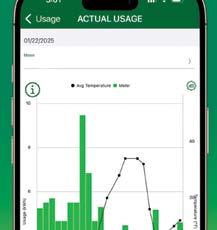




Fiber lines are now in place overhead and underground throughout the originally designed build-out for our service area.
Singing River Connect is one step closer to completing our build-out and providing fast, reliable fiber internet to more Singing River Electric members!






Singing River Electric members in Pascagoula now have access to high-speed fiber internet from Singing River Connect! Our Monaco Lake and Bayou Casotte substation areas are now active, and these areas include Old Mobile Highway, Martin Road, Lanier Street, Highway 90 East, Chicot Street, and surrounding areas.
Sign up today by calling 877-272-6611 or visiting singingriverconnect.com/signup.
Singing River Connect subscriber, George County MILESTONE MADE Fiber Construction is COMPLETE
“I’d like to thank everyone who served to help get our internet service back on. The tech support was amazing starting with the lady who talked with me about our problem all the way to Caleb, who was so helpful and explained what had happened to the line to our box. We have really been pleased with Singing River Connect and would highly recommend it to anyone needing fiber internet service.”
Peggy W.,
Step 4: Splicing Connecting fiber lines to the network
• Fountainbleau – Shell Landing
Step 5 – Service drops/drop splicing & Step 6 – Installation Connecting homes & businesses to fiber internet
• Fountainbleau - Highway 90, Old Spanish Trail/Greyhound Way, South Gautier
• Monaco Lake - Highway 90 East and Old Mobile Highway
• Bayou Casotte - Martin Road North/Lanier Street, Chicot Street North, Chicot Street South, Martin Road South

All other Singing River Electric areas are open for fi ber internet sign-ups!
• If your apartment complex is interested in service, call 877-272-6611.
• Fiber internet was not run in neighborhoods with two existing fi ber internet providers. Please call if your home association is interested in service.












In Mississippi, we know there are certain days you can count on. The kind where the heat shows up early and hangs around all afternoon. The kind where a storm can build up quick and roll through just as fast. Those are the days when electricity is not just a convenience. It is something you depend on.
At Southern Pine, we build our system with those days in mind.
The work that keeps your lights on during extreme heat and severe weather does not start when the temperature climbs or when the radar lights up. It starts months and years ahead of time, through steady planning and careful investment.
Across our system, right-of-way crews are out year-round clearing miles of line, keeping limbs and trees back where they belong. After the drought and pine beetle damage we have seen across south Mississippi, that work has taken on even more importance. Removing those dead and dangerous trees is one of the biggest ways we can prevent outages before a storm ever arrives.
At the same time, our team members are upgrading and strengthening the system. That means replacing aging equipment, reinforcing lines, and taking a close look at critical infrastructure like our substations. It is the kind of work most
folks never see, but it makes a real di erence on the hottest days of summer and in the middle of a storm.
And while equipment matters, it is our people who make the di erence. From linemen working long hours in the field to the folks answering phones and coordinating restoration e orts, our team is ready to step in and serve when it matters most.
We are also keeping an eye on what comes next. As energy needs continue to grow, we are focused on making smart investments that protect reliability while doing our best to keep costs manageable for our members.
There will always be days that test the system. That is just part of living here.
But you can count on your cooperative to be ready.
Our team is built for days like these.

by Drummonds McAlpin
President/CEO Southern Pine Electric



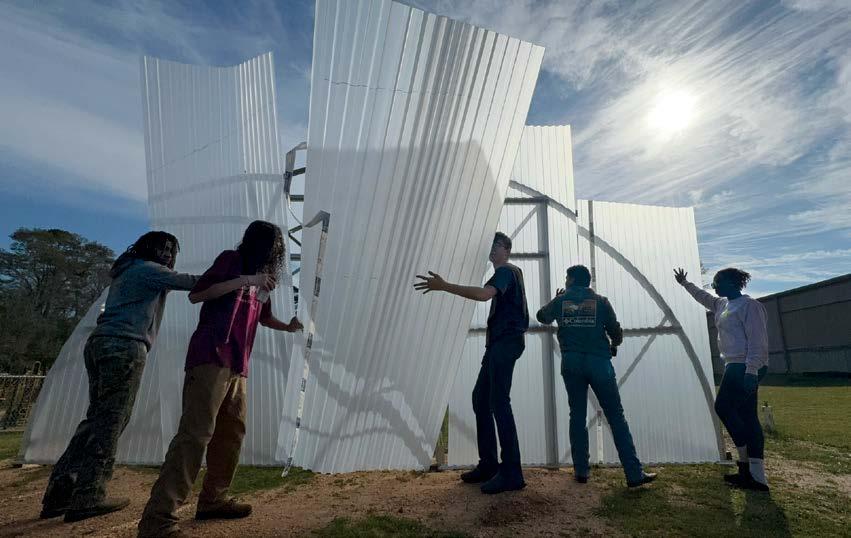

In Taylorsville, something special is taking root. It is not just inside a greenhouse, but in the hearts and minds of students who are learning what it means to grow something that matters.
Thanks to funding from Southern Pine Electric’s Members Helping Members program, Taylorsville Attendance Center has launched a greenhouse project that is already doing more than anyone could have imagined. What started as an idea is now becoming a hands-on classroom where students are gaining realworld experience from the ground up.
Under the guidance of agriculture teacher Wesley Hall, students have been involved in every step of the process. Before a single piece was assembled, they were learning about shipping, sourcing, and transportation. They studied how materials move from one place to another and what it takes to plan a project like this from the very beginning.
Then came the hard work.

Students rolled up their sleeves and got to work assembling the greenhouse, learning the importance of teamwork along the way. They worked through challenges together, figured things out in real time, and began to see how all the pieces fit.
“I learned how to build a greenhouse. It takes a lot of teamwork,” said Henry Hux, a 10th grader involved in the project.
But the learning does not stop with construction. In many ways, it is just getting started.
Once the greenhouse is fully operational, students will begin growing vegetables with a clear purpose in mind — serving their community. The plan is to create care packs that can be shared with local families, giving them fresh produce and even the tools and knowledge to grow their own gardens at home.
“I believe the community will benefit. We gain the knowledge here and can take it to our community and teach them how to start,” Henry said.
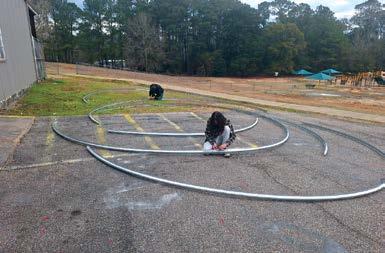

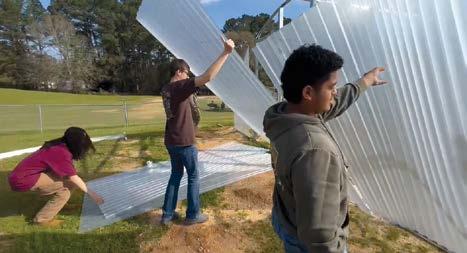
That kind of thinking is exactly what makes this project di erent.
Students are not just learning how to grow plants. They are learning logistics, construction, science, marketing, and community engagement. They are beginning to understand the bigger picture — how a single idea can turn into something that touches lives well beyond the classroom.
“This has been a great experience, especially for someone who has never been in agriculture,” Hall said. “For a school to reach out to the community through this is great.”
Looking ahead, the program is already exploring ways to grow even further. By partnering with Mississippi State University, students may soon learn how to incorporate animal-based by-products into sustainable food production, adding another layer of innovation and learning to the project.
The goal is simple but meaningful: produce at least 40 care packs to share with members of the community. But the impact will go far beyond that number.
This project is not about profit. It is about purpose.
It is about giving students an opportunity to see how their work can make a di erence. It is about equipping them with skills they can carry with them for the rest of their lives. And it is about building something that will continue to serve the community for years to come.
Drummonds McAlpin, president and CEO of Southern Pine Electric, sees the depth of the project clearly.
“This greenhouse is more than a project. It is a powerful learning experience that is shaping these students in ways that will last a lifetime,” McAlpin said. “They are learning how to work, how to solve problems, and how to serve others. That kind of impact does not stop when the school day ends. It carries forward into their families, their communities, and their future. That is exactly what Members Helping Members is all about.”
Back in Taylorsville, the structure standing on campus is more than metal and panels. It represents opportunity. It represents growth. And most of all, it represents a group of students who are learning that when you put in the work and keep others in mind, you can grow something that truly matters.
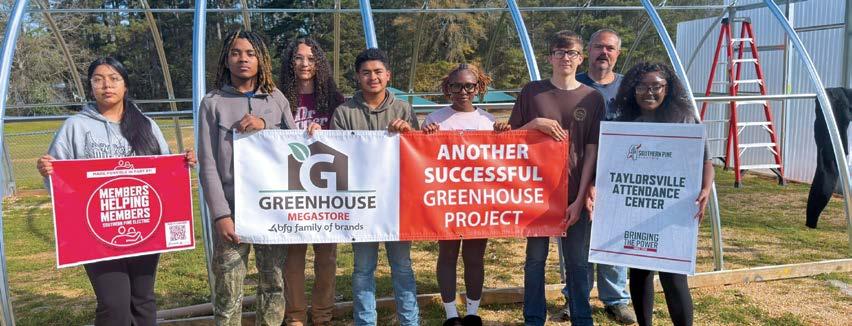


These days, everything seems to move faster than it used to, and sometimes the mail takes a little longer than expected. We’re grateful for the folks who work hard to deliver it, but delays can happen. When it comes to your electric bill, timing matters.

At Southern Pine, we want to make paying your bill simple and reliable, with options that fit your schedule.
Bank draft is one of the easiest and most dependable ways to pay. Your bill is automatically drafted each month on the due date, so you never have to worry about missing a payment.
With the MyPower app, you can pay your bill anytime from your phone. You can also track your usage, view past bills, and manage your account all in one place.
Visit southernpine.coop to log in to your account and make a quick, secure payment anytime.
Call 800-231-5240 to use our automated system and make a payment anytime, day or night.
Pay your bill with cash at participating retailers like Dollar General, Family Dollar, Walgreens, and CVS.
Just bring your bill and pay while you are out running errands. A $1.50 retailer service fee applies.
Payment kiosks are available at all Southern Pine o ce locations. They are available 24/7 and o er a quick, easy way to pay in person without waiting in line.
At the end of the day, our goal is to give you options that provide peace of mind. With these convenient choices, you can stay on track and avoid the uncertainty of mail delivery.

































WEDNESDAY,
Southwest Electric’s bylaws can be found at southwestelectric.coop/what-is-a-cooperative or by scanning the QR code.

The Nondiscrimination Statement can be found at southwestelectric.coop/nondiscrimination-statement or by scanning the QR code.








Join us for Southwest Electric’s
Thursday, June 18
10 a.m. - 2 p.m.
Lorman O ce

Employees Scott Campbell, Virgil Scott, Jason Delaney, and Konner Allen represented us at the Copiah-Lincoln Community College Alumni and Foundation’s annual golf tournament at Beau Pre’ Country Club in Natchez on Thursday, April 30. The golf tournament raises money for scholarships at the Co-Lin Natchez campus.
AJFC’s Community Awareness Event & Public Hearing was held at the Lincoln County Civic Center on Wednesday, April 29. Member Service Representative Audrey Goods did a great job representing our commitment to the community by sharing her knowledge with several Members.
Southwest Electric is celebrating our dads!








Sunday, June 21




We were proud to be one of the sponsors for the Nathan Steele Foundation’s annual skeet shoot. It was a great day filled with friendly competition, fellowship and a meaningful way to honor a special legacy. Funds raised from the event support endowed scholarships at Copiah-Lincoln Community College and Southwest Mississippi Community College for students pursuing careers as Emergency Medical Technicians.

We had a great time at Trucks on the Bluff on Saturday, April 18, in Natchez. A special thank you to our Apprentice Lineman Parker Marcengill for stepping up and helping bring smiles to the many children’s faces as they were able to blow the horn on the bucket truck and climb in and put on a hard hat for a photo opportunity.

Don’t forget any special family needs such as small children, medical equipment and pets. Know your evacuation route and shelter plan. Visit ready.gov/plan for printable plans.



As we approach another active hurricane season in 2026, now is the time to Make a Plan, Build a Kit, and Be Informed in the event of bad weather. We can’t control the weather, but we can prepare for its impact.
Make sure you have enough food, water, medical supplies, prescriptions, cash and special food, and supplies for children and pets. A comprehensive list is available at ready.gov/kit.
Consider purchasing a weather radio and extra batteries. Set your phone to receive emergency notifications. Download the apps from MEMA (Mississippi Emergency Management Agency) and FEMA (Federal Emergency Management Agency).

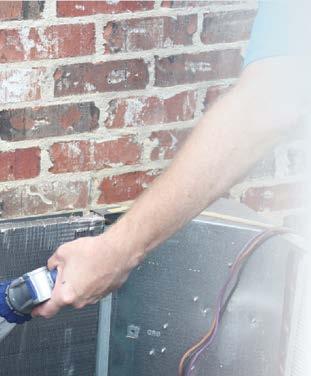
This helps your unit run more effi ciently and can extend its lifespan.
• Garden hose with spray nozzle
• Fin comb (optional, for bent fins)
• Screwdriver or 5/16 nut driver (if needed to remove fan top)
• Soft brush or vacuum with brush attachment
• Coil cleaner (non-acidic, available at hardware stores)
• Gloves and eye protection
• Turn OFF power.
• Switch o the AC unit at the breaker box and the outside disconnect box near the condenser.
• Clear debris.
• Remove leaves, twigs and other debris from around the unit. Trim back vegetation at least 2 feet away.
• Remove the top grille.
• Use a screwdriver or 5/16 nut driver to remove the top cover (usually where the fan is located). Carefully lift it - note the fan may be attached.
• Clean inside the unit.
• Vacuum or brush out any debris inside the unit carefully, especially near the bottom.
• Straighten bent fins and coils (optional).
• Use a fin comb or butter knife gently to straighten any bent fins.
• Spray the fins and coils.
• Spray coil cleaner on the fins and let it sit per instructions (usually 5-10 minutes).
• Clean the fan blades.
• Wipe down the fan blades with a damp cloth while the top is o .
• Reassemble and restore power.

• Reattach the fan/grille, ensure everything is secure and turn power back on.
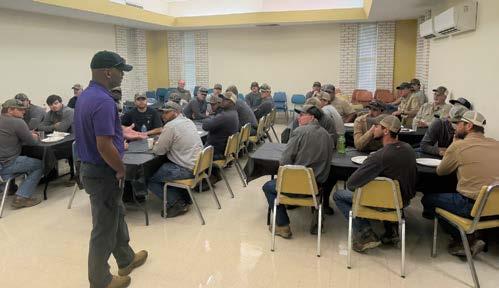














































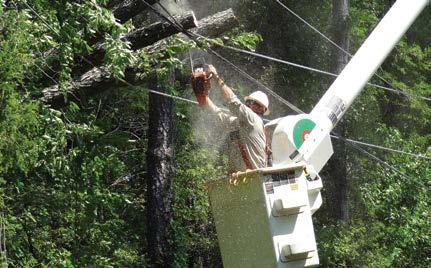
There’s something timeless about trees. They ground us. They remind us of where we’ve been, and they stretch toward what’s ahead. Here in our community, we take pride in the natural beauty that surrounds us.
At the same time, we share another responsibility — one that’s just as essential to our daily lives. The responsibility to keep the lights on, to power our homes and businesses, to make sure that when you flip a switch, the energy you depend on is there.
That’s why Tippah EPA works every day to strike a careful balance between preserving the beauty we cherish and delivering the reliable electricity you expect.
One of the most important ways we do that is through regular tree trimming.
Now, it may not always be obvious, but keeping lines clear of overgrown vegetation plays a major role in preventing power outages. We’ve all seen what can happen when severe weather rolls in — strong winds, heavy ice, or sudden storms can bring down branches and, with them, power lines and poles. In fact, nearly half of all power outages can be traced back to trees and vegetation coming into contact with electrical infrastructure.
That’s why you may notice crews working in neighborhoods throughout the year. Our crews are highly trained and certified, following the latest industry standards to ensure the job is done safely and e ectively. Their work might seem routine, but it’s anything but — it’s a proactive step that helps prevent problems before they start.
And it’s not just good practice — it’s required. Electric utilities across the country are obligated to manage vegetation near power lines. Scheduled trimming helps remove dead or weakened limbs and keeps fast-growing trees from becoming hazards.
But beyond reliability and e ciency, there’s another reason this work matters: safety.





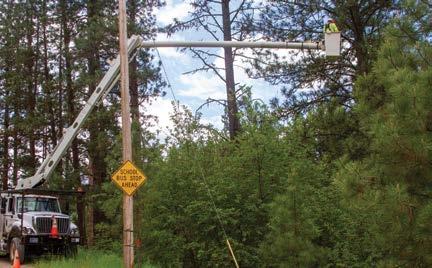
Electricity is a powerful force, and when trees grow too close to power lines, that power can become dangerous. Branches that touch lines — or even come close — can carry electrical current. Children climbing trees in their own yards may not realize the risk. And during storms, fallen trees can create hazardous conditions not only for families but also for our lineworkers working to restore service.
There’s also a financial reality we can’t ignore. Preventative maintenance — like tree trimming — is far more cost-e ective than repairing widespread damage after an outage. Left unchecked, overgrown vegetation can lead to more frequent disruptions and higher costs for everyone. A thoughtful, strategic vegetation management program helps keep those costs down for our members.
You can help, too. When planting new trees, consider their mature height and distance from nearby power lines. Trees that grow up to 40 feet should be planted at least 25 feet away from overhead lines. Larger trees — those that exceed 40 feet — should be planted at least 50 feet away. If you’re landscaping near pad-mounted transformers, keep shrubs at least 10 feet from the front and 4 feet from the sides to allow safe access.
At the end of the day, we all want the same thing: a community that’s safe, resilient and beautiful. At Tippah EPA, we’re proud to be part of that e ort. Our roots run deep here, just like the trees we work to care for.

by Tim Smith





This past January, Tippah EPA’s service area experienced one of the worst ice storms in its history. Our service area received catastrophic damage which caused a multiple-week outage for our cooperative members.
We are very thankful for the assistance of several co-ops that provided mutual aid which expedited power restoration. We had a total of 252 linemen from other electric co-ops who aided in restoring power to our members. The co-ops who assisted were

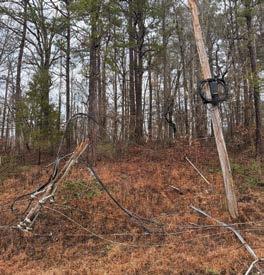


Alabama: Arab EC, Clark-Washington EMC, Coosa Valley EC, Cullman EC, and Tombigbee EC.


Arkansas: Arkansas Valley EPA, Clay County EC, Craighead EC, South Central Arkansas EC, and Woodru EC.
Kentucky: Jackson Energy Cooperative.
Mississippi: 4-County EPA, Natchez Trace EPA, and Northcentral EPA.
Missouri: Ozark Border Electric.
Tennessee: Bolivar Energy Authority.


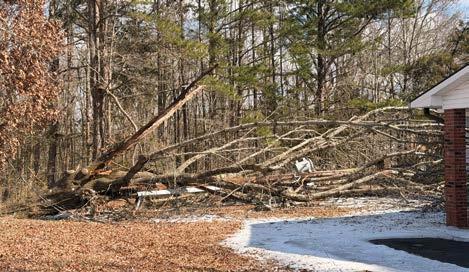


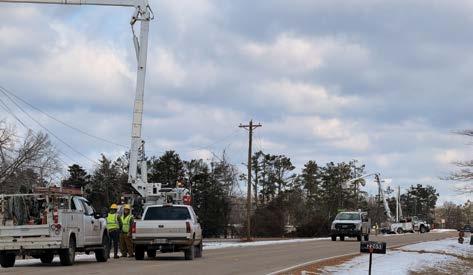

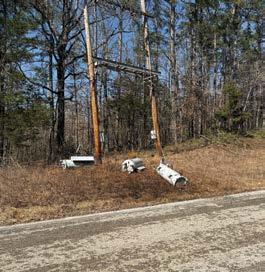




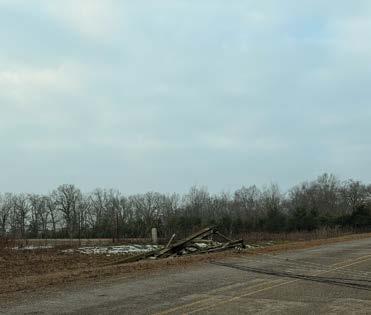
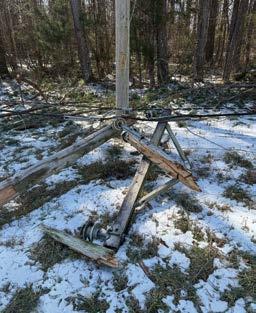

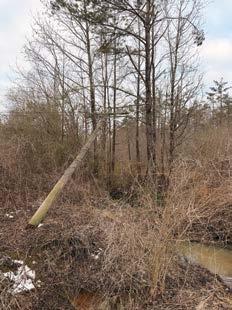



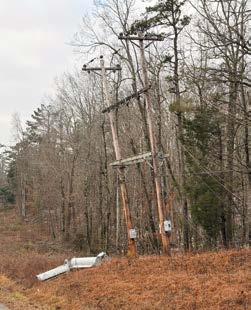


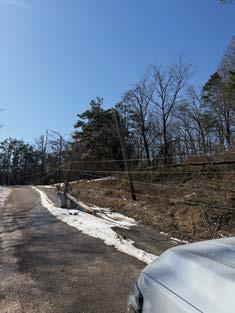


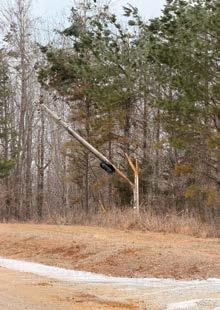


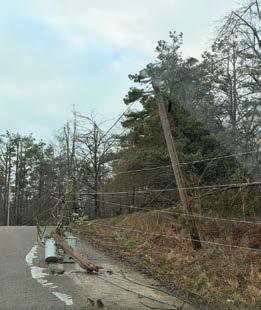
You may qualify for federal assistance, making your phone and internet more a ordable.
Lifeline is a federal program dedicated to making phone and internet service more a ordable for low-income households. This benefit provides eligible consumers with a monthly discount of up to $9.25. Check online at https://www.lifelinesupport.org/get-started to see if you qualify. If










































SERVING MORE THAN 12,600 ELECTRIC METERS IN SEVEN DELTA


Hollandale - 662-827-2262 | Belzoni - 662-247-1909 | Greenville - 662-334-9543 | Rolling Fork - 662-873-4233 | REPORT OUTAGES 866-897-7250 @twincoepa twincoepa.com

Twin County Electric Power Association kicked o Lineman Appreciation Week on April 13 with our annual appreciation luncheon. Sta welcomed our linemen and honored them in a special way through our Ring of Honor.





Life size portraits of each lineman were displayed around the room, creating a powerful and personal tribute. These portraits served as a small but meaningful token of appreciation for their unwavering commitment and dedication to safely serving our communities.









Following lunch, Twin County EPA General Manager Leslie Holloway shared an uplifting message focused on gratitude, recognition, and the vital role our linemen play in powering our members’ lives each day.










“We deeply value your hard work and the exceptional service you provide to our members. Your contributions make










a significant di erence, and we are grateful for everything you do,” Holloway said.
Throughout the week, linemen were greeted each morning with snacks and a personalized gift, o ering a small but heartfelt reminder of how much they are appreciated.









The week concluded on April 18 with a Lineman Family Crawfish Boil. Thankfully the weather cooperated, creating the perfect afternoon filled with food, fun, and fellowship.
Although April is the o cial month for celebrating linemen, Twin County EPA is proud to honor and appreciate our linemen every single day. Their work is demanding, essential, and performed in the toughest conditions to keep our members safely powered.




















|





Twin County EPA is proud to partner with and support the Utility Lineman Training Program at Mississippi Delta Community College. Recently, the soon-to-be graduate linemen put their skills to the test at the annual Lineman Rodeo. Students competed in events including cross arm change-out, switch change-out, bell change-out, and hurt man recovery. Each student was judged on technique, safety, and speed.
Twin County EPA is especially proud to have had our own Robert Williams serve as a judge along with Gene Newton and Alex Swanagan Sr. to support and encourage these future linemen.
In addition, Twin County EPA presented a $10,000 check to Mississippi Delta Community College in support of the lineman training program. This investment — made through Cooperative Energy’s Community Development initiative — helps strengthen workforce training and create opportunities for future linemen across the Delta.

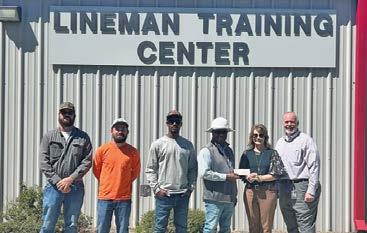
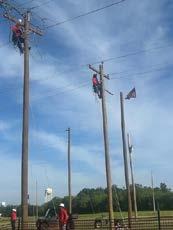
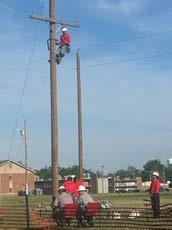







Twin County EPA is proud to support the Mississippi Catfish Scholarship Program and excited to celebrate these beautiful young women.
Pictured below are the daughters of our sta who received awards during the 49th Annual Catfish Festival in Belzoni.
Congratulations to all from Twin County!








by Miranda Boutelle
Saving energy doesn’t have to be expensive or time consuming. You don’t need to spend thousands of dollars or get the newest technology to use less energy. There are several steps to lower energy use, even on a tight budget.
Here are some low and no-cost ways to save energy around your home. Adjusting the thermostat is an easy way to save. Nudge the thermostat a few degrees closer to the outside temperature, especially on extreme weather days. I often hear people say, “I didn’t change anything, and my bill is higher.” On the hottest and coldest days, your heating and cooling equipment must work much harder, and use more energy, to maintain the same temperature. Add an extra layer of clothes or some cozy slippers in the winter and lighter layers in summer.
Fix any hot water leaks or dripping faucets. Those tiny drips can add up to big energy waste, not to mention water waste. If you need to hire a pro to fix it, turn the shuto valve under the sink to stop the leak until you can get it fixed.

Do-it-yourself, beginner-friendly projects, such as weatherstripping around doors, help lower energy use at home.
Wash clothes in cold water to avoid using the energy required to heat it. Washing on hot or warm settings can really add up, especially if you have a top-load or older washing machine that uses more water. Adjusting the temperature on your water heater can save energy and money, too. Depending on the water heater, this is either an easy adjustment or something a little more complicated that requires removing access panels. If you don’t know how, consult a professional. Air sealing is a do-it-yourself, beginner-friendly project that improves comfort and reduces energy waste. For around $20 and couple of hours of time, you can fill gaps, cracks, and holes to prevent air from leaking in and out of the home. From the inside of the home, seal trim on windows and exterior doors with caulk for about $4 a tube. Buy paintable caulk, so you can touch it up when it dries, if needed.
A can of spray foam is about $5 and seals gaps around plumbing lines. It’s great for sealing gaps around pipes under sinks and in the crawlspace or basement. Cold air can travel up through those spaces, causing drafts and wasting energy. Air sealing these areas gets bonus points for stopping insects and rodents from using these gaps to enter your home.
Spray foam is messy and nearly impossible to get o whatever it touches, so wear disposable gloves and clothes you don’t mind dirtying, and use drop cloths to protect finished floors. Be careful if you’re working with spray foam overhead. If you get it in your hair, it’s not coming out with anything less than a haircut. Move any items and clean surfaces of dust and debris in areas you intend to seal before cracking open a can. Put the can in a cardboard box to carry throughout the house, so you don’t leave a trail of spray foam.
For $10 to $15, you can buy weatherstripping to improve the seal on exterior doors. If you can see light around doors or feel a draft between the door and the door jamb when the door is closed, weatherstripping will help.
Try these easy, low and no-cost improvements to reduce energy waste and improve comfort in your home.
Miranda Boutelle is the chief operating o cer at E ciency Services Group in Oregon, a cooperatively owned energy e ciency company.
Electric cooperatives work 24/7 to maintain and improve substations.
by Je rey Groenewold
Electric substations sit at the center of power grids and are essential to keeping the lights on in our communities. You’ve seen them — those tall fenced-in areas filled with metal structures, wires, and heavy equipment. They may not look flashy, but they’re one of the most important behind-the-scenes components of the grid.
Substations take power from high-voltage transmission lines and convert it to the lower voltages that get distributed on the last-mile power lines you see every day. These lines provide power to your home, farm or business. Every light switch you flip, every well pump you operate, and every device you charge depend on a substation doing its job without interruption. These facilities work quietly in the background, yet they shape the comforts of daily life. Mississippi’s electric cooperatives work 24/7 to maintain and improve these substations.
Substations began as simple switching points that handled basic voltage changes. Early designs used bulky equipment and manual controls. As communities grew, electric demand on the grid grew with them.
Today’s substations utilize advanced sensors, automated controls, and digital communication systems, allowing cooperatives to better manage the grid. These tools help co-ops respond faster to outages, monitor equipment health, and manage energy with more precision.
A modern substation protects your community from disruption. It isolates problems, keeps dangerous faults from spreading, and supports important line equipment across long distances. When a substation faces a major issue, such as from a storm or wildlife contact, the impact is immediate. Communities lose power and Wi-Fi; businesses stall; farms lose time-sensitive operations, and emergency service communications can face added strain. These events remind us how central substations are to modern life.
Communities add new homes, businesses, irrigation systems, and commercial buildings every year. Each addition increases the load on the grid. That’s why co-ops build new substations and upgrade older ones to keep pace with growth, technology changes, and safety needs.
Modern substation designs use equipment that requires less strenuous maintenance while improving system protection. Smart-enabled protection devices reduce the time needed to identify and isolate faults. These advanced monitoring tools give co-ops better visibility into realtime grid conditions. For the surrounding community, these investments lead to stronger service and reliability. You experience fewer outages. Your farm or business gains resiliency. Your home appliances run on steadier voltage.
Modern substations also help cooperatives manage costs. Instead of building miles of new line, a well-placed substation can support growing neighborhoods or rural industries with less construction and lower long-term investment.
Substations serve as the quiet backbone of the electric system. When they operate well, communities thrive. When they falter, everything from daily chores to essential services feel the impact.
Electric cooperatives will continue to invest in these facilities to support safe, reliable, and a ordable service for every member in every community we serve.




















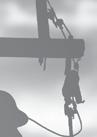


There’s something timeless about trees. They ground us. They remind us of where we’ve been, and they stretch toward what’s ahead. Here in our community, we take pride in the natural beauty that surrounds us.
At the same time, we share another responsibility — one that’s just as essential to our daily lives. The responsibility to keep the lights on, to power our homes and businesses, to make sure that when you flip a switch, the energy you depend on is there.
That’s why Yazoo Valley Electric Power Association works every day to strike a careful balance between preserving the beauty we cherish and delivering the reliable electricity you expect.
One of the most important ways we do that is through regular tree trimming.
Now, it may not always be obvious, but keeping lines clear of overgrown vegetation plays a major role in preventing power outages. We’ve all seen what can happen when severe weather rolls in — strong winds, heavy ice, or sudden storms can bring down branches and, with them, power lines and poles. In fact, nearly half of all power outages can be traced back to trees and vegetation coming into contact with electrical infrastructure.
That’s why you may notice crews working in neighborhoods throughout the year. Our crews are highly trained and certified, following the latest industry standards to ensure the job is done safely and e ectively. Their work might seem routine, but it’s anything but — it’s a proactive step that helps prevent problems before they start.
And it’s not just good practice — it’s required. Electric utilities across the country are obligated to manage vegetation near power lines. Scheduled trimming helps remove dead or weakened limbs and keeps fast-growing trees from becoming hazards.
But beyond reliability and e ciency, there’s another reason this work matters: safety.
Electricity is a powerful force, and when trees grow too close to power lines, that power can become dangerous. Branches that touch lines — or even come close — can carry electrical current. Children climbing trees in their own yards may not realize the risk. And during storms, fallen trees can create hazardous conditions not only for families but also for our lineworkers working to restore service.
There’s also a financial reality we can’t ignore. Preventative maintenance — like tree trimming — is far more cost-e ective than repairing widespread damage after an outage. Left unchecked, overgrown vegetation can lead to more frequent disruptions and higher costs for everyone. A thoughtful, strategic vegetation management program helps keep those costs down for our members.
You can help, too. When planting new trees, consider their mature height and distance from nearby power lines. Trees that grow up to 40 feet should be planted at least 25 feet away from overhead lines. Larger trees — those that exceed 40 feet — should be planted at least 50 feet away. If you’re landscaping near pad-mounted transformers, keep shrubs at least 10 feet from the front and 4 feet from the sides to allow safe access.
At the end of the day, we all want the same thing: a community that’s safe, resilient, and beautiful. At Yazoo Valley, we’re proud to be part of that e ort. Our roots run deep here, just like the trees we work to care for.

by Michael Neely CEO and General Manager






















by Michael Neely, CEO and General Manager
There are some days in the electric business you expect to be di cult. Storm days. Ice days. Days when a line of thunderstorms marches across the service territory and leaves broken poles, trees on wire, and all the phones ringing at once. Days when a substation transformer fails at the worst possible time, or a truck gets stuck to the axles on a muddy right-of-way road. Those are hard days, but they are part of the job. We understand them. We train for them. We plan for them. Then there are other days you never want to plan for but must.
Recently, Yazoo Valley Electric Power Association received a credible threat to bomb our headquarters in Yazoo City. Law enforcement was contacted; the threat was addressed, and the matter was handled without injury. For that, we are grateful. We are especially grateful to the o cers and agencies who responded, advised us, and helped bring the situation under control.
But I do not want to skip too quickly past what actually happened. For an entire day, our business was disrupted. Our employees were sequestered inside for their safety. Normal operations stopped. Planned work that should have been done was not done. Phones, service orders, planning, engineering work, maintenance, and the ordinary business of serving our members had to take a back seat to one thing: keeping people safe.
Our employees were still paid, as they should have been. They reported to work. They did not create the situation. They were the ones placed in it.
But Yazoo Valley is not a private company owned by distant shareholders. We are a member-owned electric cooperative. That means our resources belong to the people we serve. When one threat shuts down a day of work, that is not just an inconvenience. It is a cost. It is a waste of time, focus, and member resources that should have gone toward providing safe, reliable, a ordable electric service.
A threat does not have to be carried out to do damage. Sometimes the words alone are enough to stop trucks, lock doors, tie up law enforcement, and put employees and families on edge.
That is why the law takes these matters seriously. Mississippi Code Section 97-37-21 makes it unlawful to knowingly make a false report that a bomb, explosive, chemical, biological, or other weapon of mass destruction has been placed, or will be placed, in a public or private place. A violation can carry serious penalties, including fines and imprisonment.
Mississippi also has a Terroristic Threats Law. Under Mississippi Code Section 97-7-75, a person may commit a terroristic threat by making a threat to commit a crime of violence or cause bodily injury when that threat creates a reasonable fear of imminent harm and is intended to intimidate or coerce a civilian population, business,
institution, or government conduct. The law also makes clear that a person cannot simply excuse the threat afterward by saying he did not actually intend to carry it out. That is important. Once a credible threat is made, responsible people do not get to treat it like loose talk. They must act. They must protect employees. They must contact law enforcement. They must make decisions quickly, often without the luxury of perfect information.
The law exists for that reason. Not because every angry comment should become a criminal case. Not because people are forbidden from being frustrated. People get frustrated. We understand that. But there is a di erence between being upset and making a threat that forces others to respond as though lives may be in danger. That di erence matters. It matters at headquarters, and it matters even more in the field.
Our lineworkers already work in dangerous conditions. Electricity does not give second chances. A lineworker may be working near energized equipment, broken poles, downed conductors, tra c, dogs, trees under pressure, floodwater, ice, lightning, or darkness. During storm restoration, they may be tired, cold, wet, and far from home. They may be working while their own families are without power. They do not need threats added to that list.
When the lights are out, emotions can run high. That is true, and it is understandable. Power outages can disrupt everything in a home. It can a ect heat, water, food, medical equipment, phones, and security. In a major storm, frustration can build quickly.
But a crew in a bucket truck did not create the storm. A dispatcher answering the phone did not knock down the tree. A member service representative did not break the pole. The people on the other end of that frustration are usually the very people trying to fix the problem.
Mississippi law recognizes that threats and intimidation can place people in real danger. Mississippi Code Section 97-3-7 addresses assault, including situations where a person attempts by physical menace to place another person in fear of imminent serious bodily harm. In more serious situations, involving weapons or conduct likely to cause serious injury, the law provides for aggravated assault charges.
There are also laws protecting electric infrastructure itself. Mississippi Code Section 97-25-1 makes it a crime to intentionally obstruct, injure, break, tamper with, destroy, or interrupt an electric power line or the transmission of electric current, or to damage equipment used to provide electric service.
Those laws were not written by accident. They were written because electric service is essential. It supports homes, schools, wells, hospitals, nursing homes, stores, fuel stations, emergency responders, and communications. When someone threatens a utility worker, a utility o ce, or the electrical system, the impact reaches well beyond one building or one crew.
Federal law may also apply in certain cases, particularly when threats involve explosives, interstate communications, or other circumstances covered by federal statutes. For example, federal law addresses certain bomb-related threats and certain threatening communications transmitted across state lines or through interstate systems.
That is not meant to turn this article into a law book. The point is simpler than that: words can carry consequences because words can create danger.
Most of our members already know this. In fact, the overwhelming majority of Yazoo Valley members treat our employees with patience and respect, even during di cult times. We see that every day and during every storm. We see members wave at crews. We see people o er water, co ee, meals, and encouragement. We hear the thank yous. We notice the patience. During major outages, many of our members are dealing with hardship and uncertainty themselves, yet they still find a way to support the people doing the work. That is the spirit of a cooperative.
A cooperative is not just a power company. It is a community arrangement. It is neighbors serving neighbors. It is local people doing hard work for the benefit of local homes, farms, churches, schools, and businesses. It only works when there is trust on both sides of the meter.
That does not mean members cannot be upset. It does not mean every call has to be cheerful. We know that outages are frustrating. We know bills matter. We know service issues matter. We know members deserve answers, respect, and accountability, but accountability runs both ways. Our employees deserve to go home safely. Our lineworkers deserve to do dangerous work without being threatened. Our o ce employees deserve to answer the phone or report to work without wondering whether a threat is real. Our members deserve for cooperative resources to be used for service, not for preventable disruptions such as threats.

At Yazoo Valley, we will always put safety first. That includes the safety of our members, our employees, our line crews, our o ce sta , and the public. When a credible threat is made, we will take it seriously. We will work with law enforcement. We will protect our people. And when necessary, we will support the use of the laws that exist for that purpose. That is not about being harsh. It is about being responsible.
The electric business has enough hazards already. We cannot control the weather. We cannot stop every tree from falling. We cannot make every outage disappear as quickly as anyone would like, but we can control how we treat one another.
The lights matter. So do the people who answer the phones, dispatch the crews, drive the trucks, climb the poles, clear the rightof-way, repair the wire, and keep the cooperative moving. A little patience does not restore power by itself. But it sure helps protect the people who do.
Thank you to all the members supporting Yazoo Valley in a positive and productive way. We love what we do, and we love serving you.
Electric cooperatives work 24/7 to maintain and improve substations.
by Je rey Groenewold
Electric substations sit at the center of power grids and are essential to keeping the lights on in our communities. You’ve seen them — those tall fenced-in areas filled with metal structures, wires, and heavy equipment. They may not look flashy, but they’re one of the most important behind-the-scenes components of the grid.
Substations take power from high-voltage transmission lines and convert it to the lower voltages that get distributed on the last-mile power lines you see every day. These lines provide power to your home, farm or business. Every light switch you flip, every well pump you operate, and every device you charge depend on a substation doing its job without interruption. These facilities work quietly in the background, yet they shape the comforts of daily life. Mississippi’s electric cooperatives work 24/7 to maintain and improve these substations.
Substations began as simple switching points that handled basic voltage changes. Early designs used bulky equipment and manual controls. As communities grew, electric demand on the grid grew with them.
Today’s substations utilize advanced sensors, automated controls, and digital communication systems, allowing cooperatives to better manage the grid. These tools help co-ops respond faster to outages, monitor equipment health, and manage energy with more precision.
A modern substation protects your community from disruption. It isolates problems, keeps dangerous faults from spreading, and supports important line equipment across long distances. When a substation faces a major issue, such as from a storm or wildlife contact, the impact is immediate. Communities lose power and Wi-Fi; businesses stall; farms lose time-sensitive operations, and emergency service communications can face added strain. These events remind us how central substations are to modern life.
Communities add new homes, businesses, irrigation systems, and commercial buildings every year. Each addition increases the load on the grid. That’s why co-ops build new substations and upgrade older ones to keep pace with growth, technology changes, and safety needs.
Modern substation designs use equipment that requires less strenuous maintenance while improving system protection. Smart-enabled protection devices reduce the time needed to identify and isolate faults. These advanced monitoring tools give co-ops better visibility into realtime grid conditions. For the surrounding community, these investments lead to stronger service and reliability. You experience fewer outages. Your farm or business gains resiliency. Your home appliances run on steadier voltage.
Modern substations also help cooperatives manage costs. Instead of building miles of new line, a well-placed substation can support growing neighborhoods or rural industries with less construction and lower long-term investment.
Substations serve as the quiet backbone of the electric system. When they operate well, communities thrive. When they falter, everything from daily chores to essential services feel the impact.
Electric cooperatives will continue to invest in these facilities to support safe, reliable, and a ordable service for every member in every community we serve.
June is the month we celebrate fathers.
Families gather to celebrate dad with meals, gifts, and sometimes, the simple gift of letting him have his own day — watch the U.S. Open, go fishing, or maybe just take a nap. I’ve always thought being a father looked more fun than being a mother. I’ve seen the job of a mother. That’s a lot of work, and frankly, I don’t think I’m cut out for it.
But today I want to share something with my children — something I would never say to your face, though I probably should. Fathers don’t always say much. We keep a lot inside; that’s just what many men do. So, today I’m speaking for all the dads out there, telling our children what we often can’t say out loud.
You were my “why” — why I went to work, worked long days and early hours, coached youth teams, and prayed every night for your happiness. You were my motivation and my inspiration. I lived my life trying to give you a better one.
I never wanted a perfect child — just a happy one. I didn’t want you to get caught up in what the world wanted you to be. I wanted you to find your own way and forge your own path. I tried to guide you, though I know sometimes you thought I was controlling. I wasn’t trying to plan your life; I was trying to save you from my mistakes.
I was learning right along with you. I tried to be the best dad I could, but there wasn’t an instruction manual when you were born. I did my best. I made mistakes. There are things I wish I could do over, but the past is behind me now. Just know that everything I did, I did with the best of intentions — and with love in my heart.
I’ve always loved you. From the moment I held you in my arms, I knew I would love you forever. Yes, there were times when I was frustrated. I yelled. I disciplined you. But always know it was done with love. When you were sad, my heart broke. Any pain you endured, I would have gladly taken on myself to spare you. Your victories were mine, and your losses hurt me more than I ever let on.
Please understand: the love of a father knows no bounds.
So, if you’re wondering what to give your dad this Father’s Day, start simple: a call, a visit, a few minutes where you’re fully present. Ask him about the stories he doesn’t tell often, and listen a little longer than you normally would. Tell him you remember the rides, the talks, the lessons, the way he showed up — even when he was tired. Tell him you’re okay. And if the words feel hard, borrow mine: thank you. I love you. I’m grateful for you. Fathers may not always be good at saying what’s in our hearts, but we carry our children with us every day.
Happy Father’s Day.

by Michael Callahan
Executive Vice President/CEO Electric Cooperatives of Mississippi



“Evergreen”
Once I lay me down in pasture green, The nearby brook whose waters sing, Contained minnows, most unseen. Hid among the rocks they played, Iridescent with the day.
And on the banks, wild lilies grew, Mid trees. And leaves that fluttered and blew. The breeze was soft upon my face, I loved, I loved, this sacred place. At a distance cattle graze, And calves cavort In abandoned craze.
Blue skies, white clouds overhead I lay upon my fragment bed. Memories came of loved ones known, They’ve fled beyond this mortal zone. We sat at a table round and dined
The cards, the food, and oh, the wine Laughter, life — a time divine I feel their presence every day Within my heart, their memories stay — Now years have passed — and I am old, Careful now, no longer bold.
I see your faces when I dream — Always loved, And evergreen.
by Ana Arrington, a member
of Coast Electric
What’s Mississippi to you?
What do you treasure most about life in our state? Send your brief thoughts to Today in Mississippi, news@ecm.coop or mail to P.O. Box 3300, Ridgeland, MS 39158. Submit your beautiful digital photo of life in Mississippi to Today in Mississippi, news@ecm.coop