# ARKIVJINAZZJONALI 2035

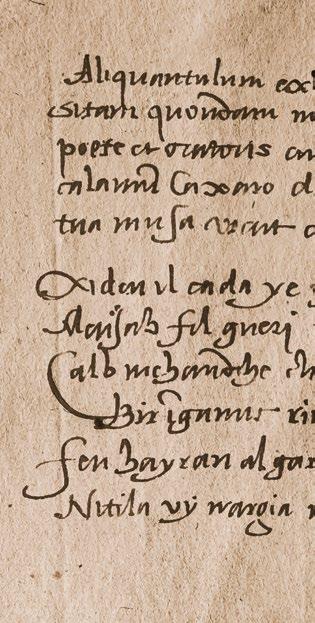
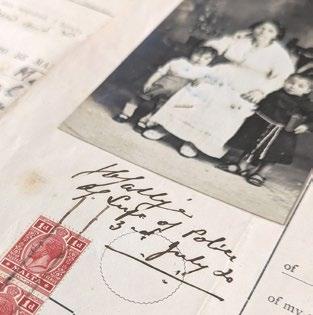

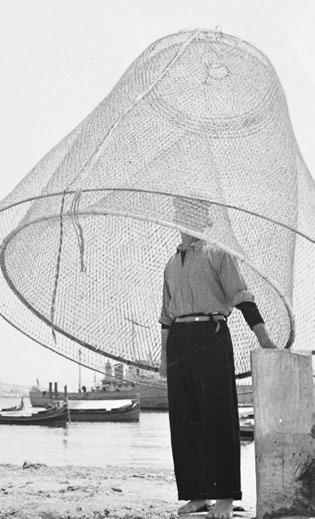
VISION for the National Archives of Malta

CONSULTATION DOCUMENT
The best way to predict the future is to create it.
Abraham Lincoln


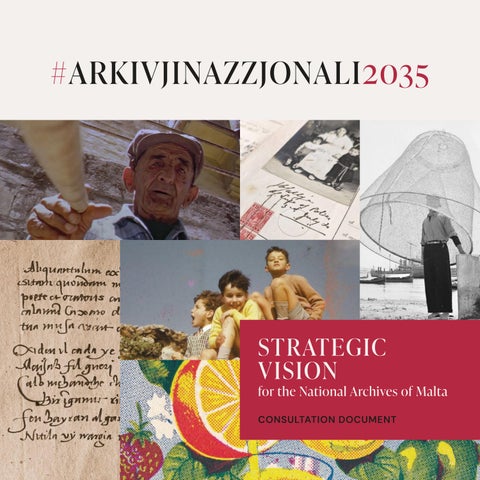
VISION for the National Archives of Malta
CONSULTATION DOCUMENT
The best way to predict the future is to create it.
Abraham Lincoln
Afew months ago we commemorated the 20th anniversary of the establishment of the National Archives of Malta.
Looking back, we find many reasons to be satisfied with the great development we have achieved together. My first message is one of thanks and gratitude.
However, our duty is to look ahead and to shape the future of the National Archives together.
That is why we have embarked on this exercise to envisage what kind of National Archives we want to see developing in Malta. If we do not know where we want to go, we will not get anywhere. Our actions and choices will only be a reaction without reflection rather than a step in the development and building of a proper National Archives.
We are not undertaking this exercise without a context.
We need to reflect within the broader context of the Vision 2050 that the Government is developing to serve as a strategic plan that sets out what kind of country Malta should be by 2050. This plan includes interim targets for 2035.
Vision 2050 for our country is:
“A safe and resilient nation, inspired by its heritage and driven by progress, promoting a healthy quality of life for all.”
We are asking you: “What kind of National Archives do you want us to be in this Malta that is being shaped?”
We started by listening to the staff of the National Archives and prepared this draft strategic vision; we are now sharing this draft with our partners and with society as a whole.
We invite you to share your views, wishes and aspirations with us. I encourage you to share your thoughts with us. We have prepared a questionnaire to do this; if you would like to use it, you can scan the QR code below.
Thank you for your contribution.
Prof. Charles J. Farrugia National Archivist and CEO
Online Questionnaire

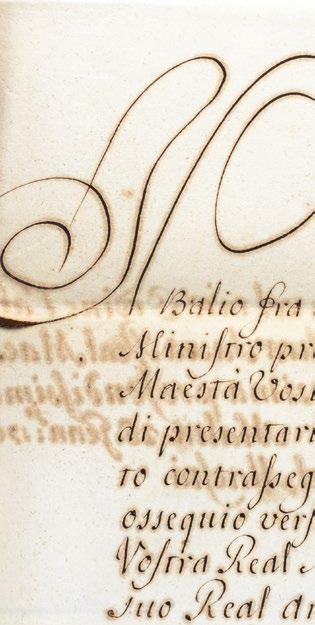
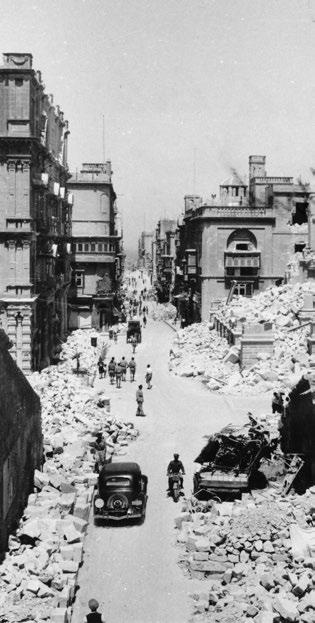
Twenty years ago the National Archives were set up by Act of Parliament as a public entity with the mission of “preserving the collective memory of the Maltese nation through the protection and accessibility of public archives” (National Archives Act 3(1)).
Looking back, during these twenty years we have grown, developed and provided a service.
Today, we are providing a service from four archives, a service that has never stopped... not even at the height of COVID-19.
We have collected 20 kilometres of records and worked on 1,500 accessions.
We are building a digital catalogue.
We concluded 132 retention policies with Ministries, Departments and Government Agencies.
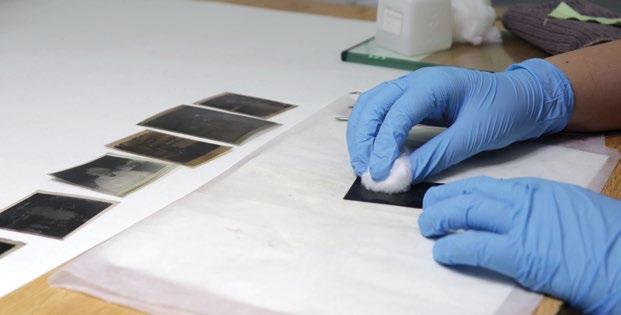
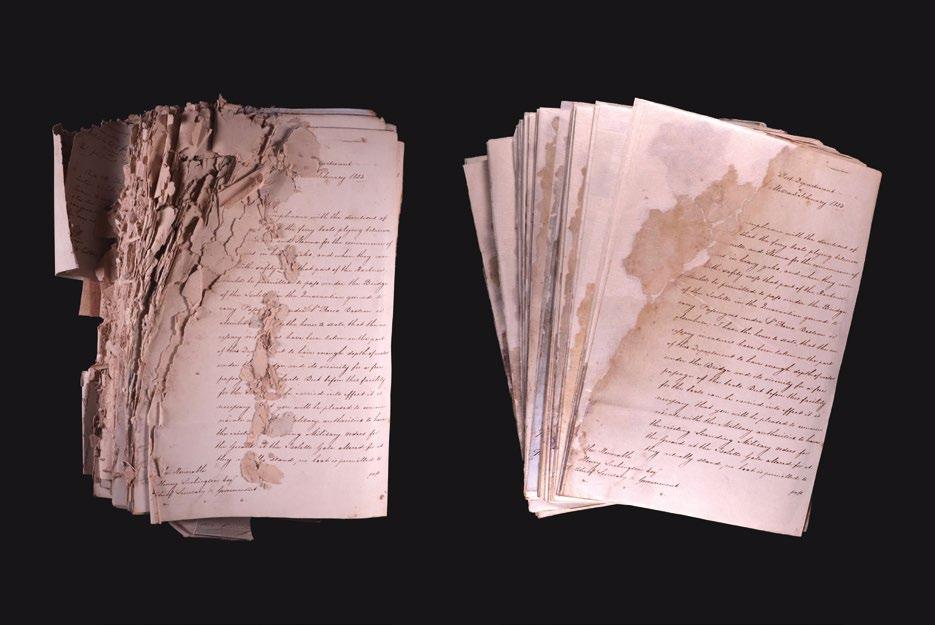
We set up a conservation laboratory.
We created the MEMORJA project to collect and make accessible the history that is not captured in administrative documents.
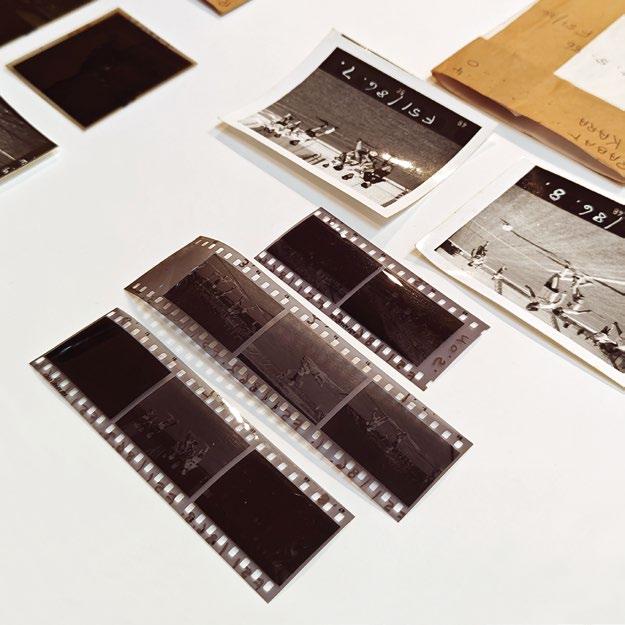
We started the NAVI (National Audiovisual Institute) to preserve and make accessible audiovisual records.
We collaborated with the University of Malta to develop training in archival sciences.
From a staff of five, we are now around 40 people.
We believe that the time has come to look ahead to consolidate what we have built together, to better carry out our mission in a context that is constantly changing. Therefore, we reflected together, listened to our clients, spoke to volunteers who support us, and discussed with experts.
Now we have shaped the vision of what we want to be in ten years, a vision that should guide our operations and the choices we make.
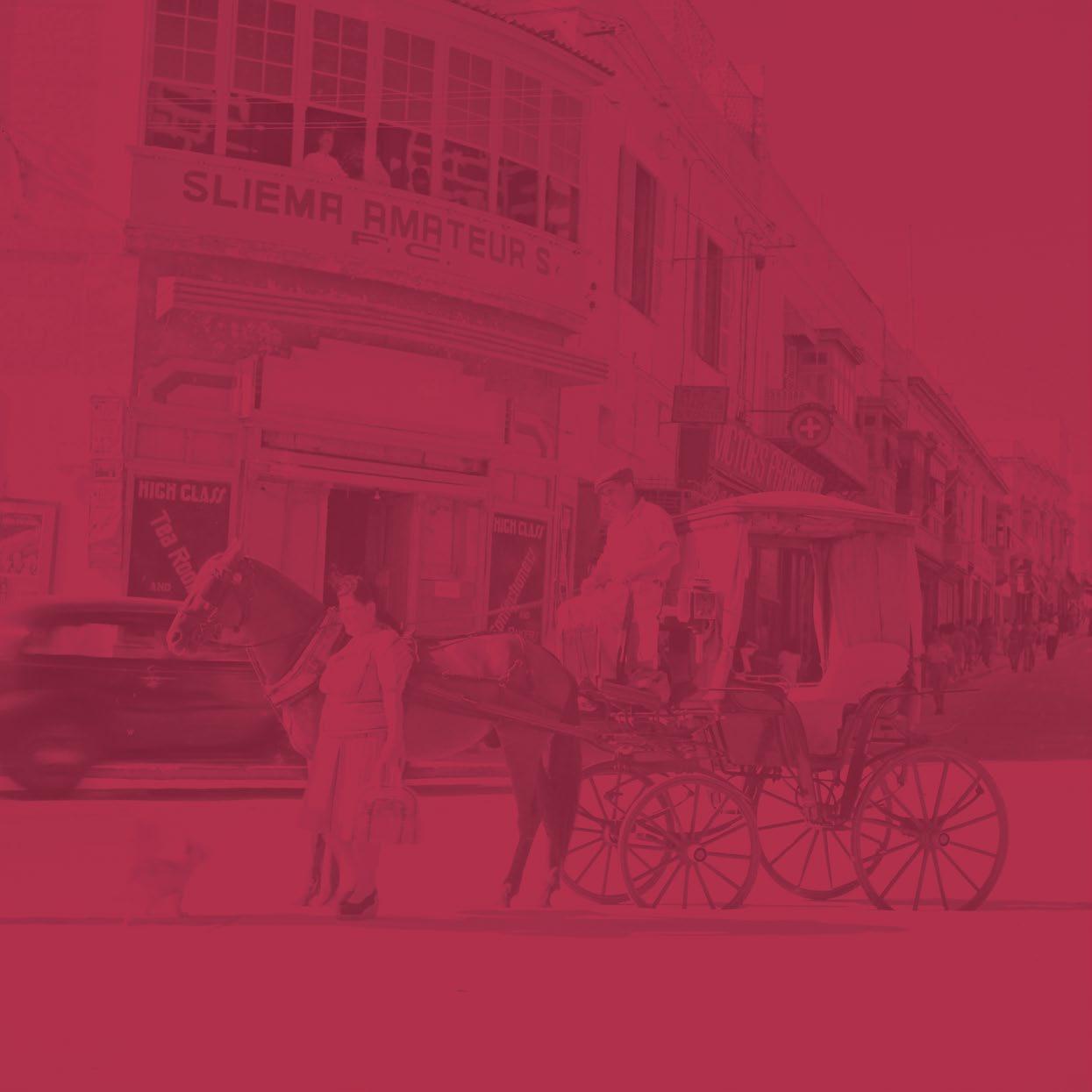
The vision of the National Archives for the next ten years is to be a key partner in the development of a more democratic and inclusive Maltese society by continuing to develop into an authentic, accessible and trusted repository of our country’s memory.
STRATEGIC VISION FOR THE NATIONAL ARCHIVES OF MALTA CONSULTATION DOCUMENT
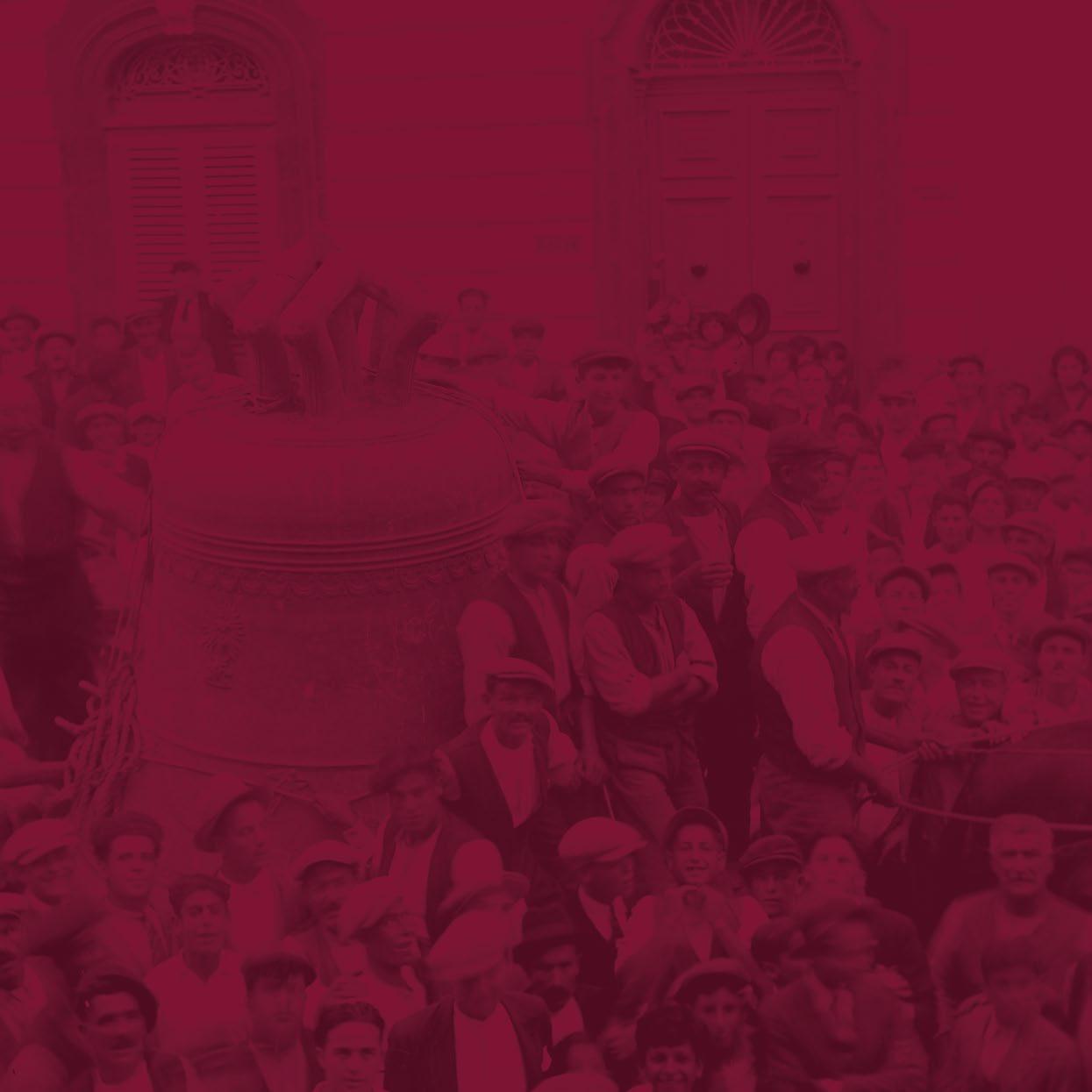
The mission of the National Archives is to preserve and make accessible the national memory for the fostering of educated, informed and active citizens while promoting transparency and accountability of public institutions.
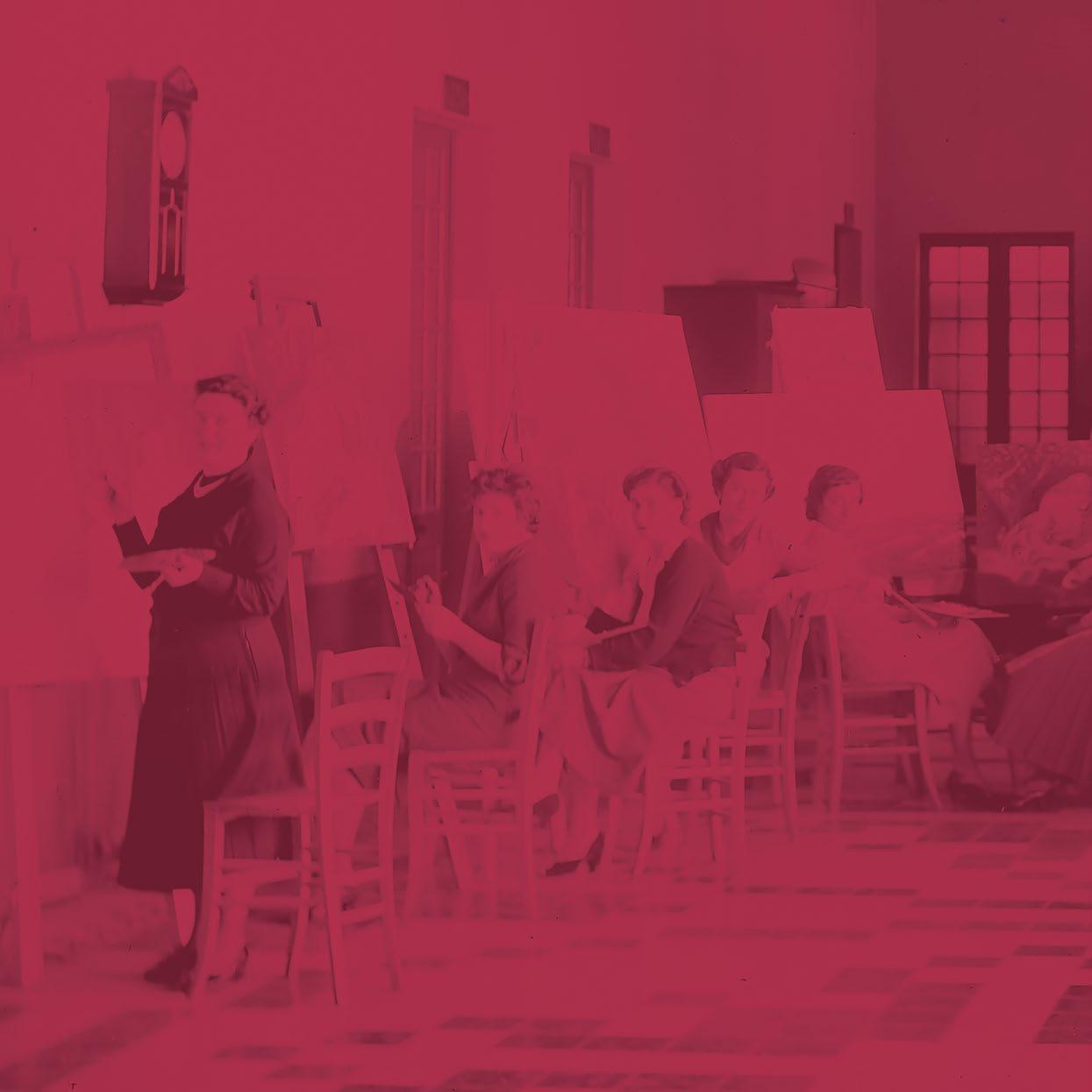
Our work over the next ten years will be inspired and guided by these values:
appropriate, professional and objective conduct
Partnership considering citizens as our partners and not just clients
every voice has a place in the archives
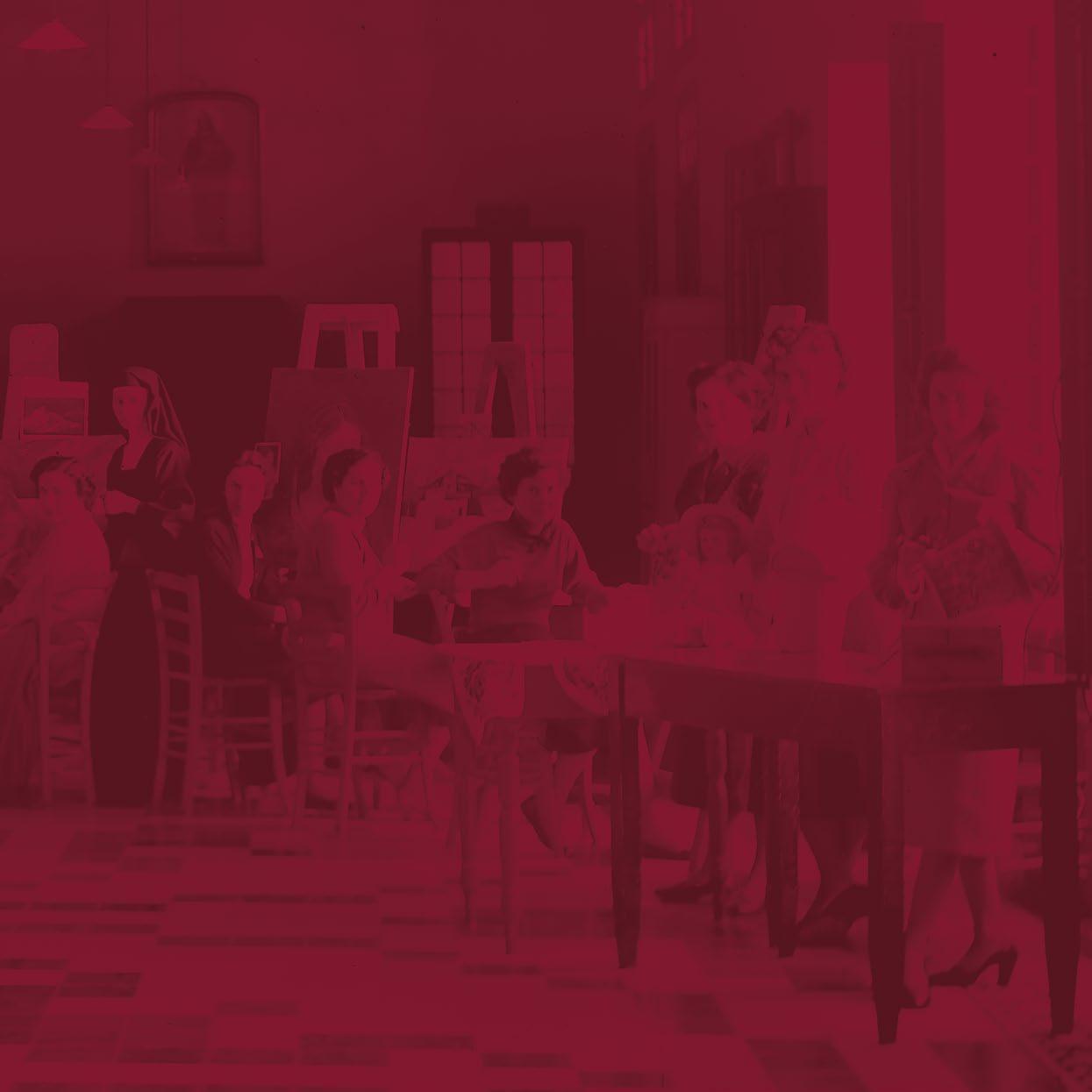
Transparency commitment to the most open access and accountability
Innovation using technology to improve access and research STRATEGIC VISION
Public contribution
our work should have a social and democratic impact
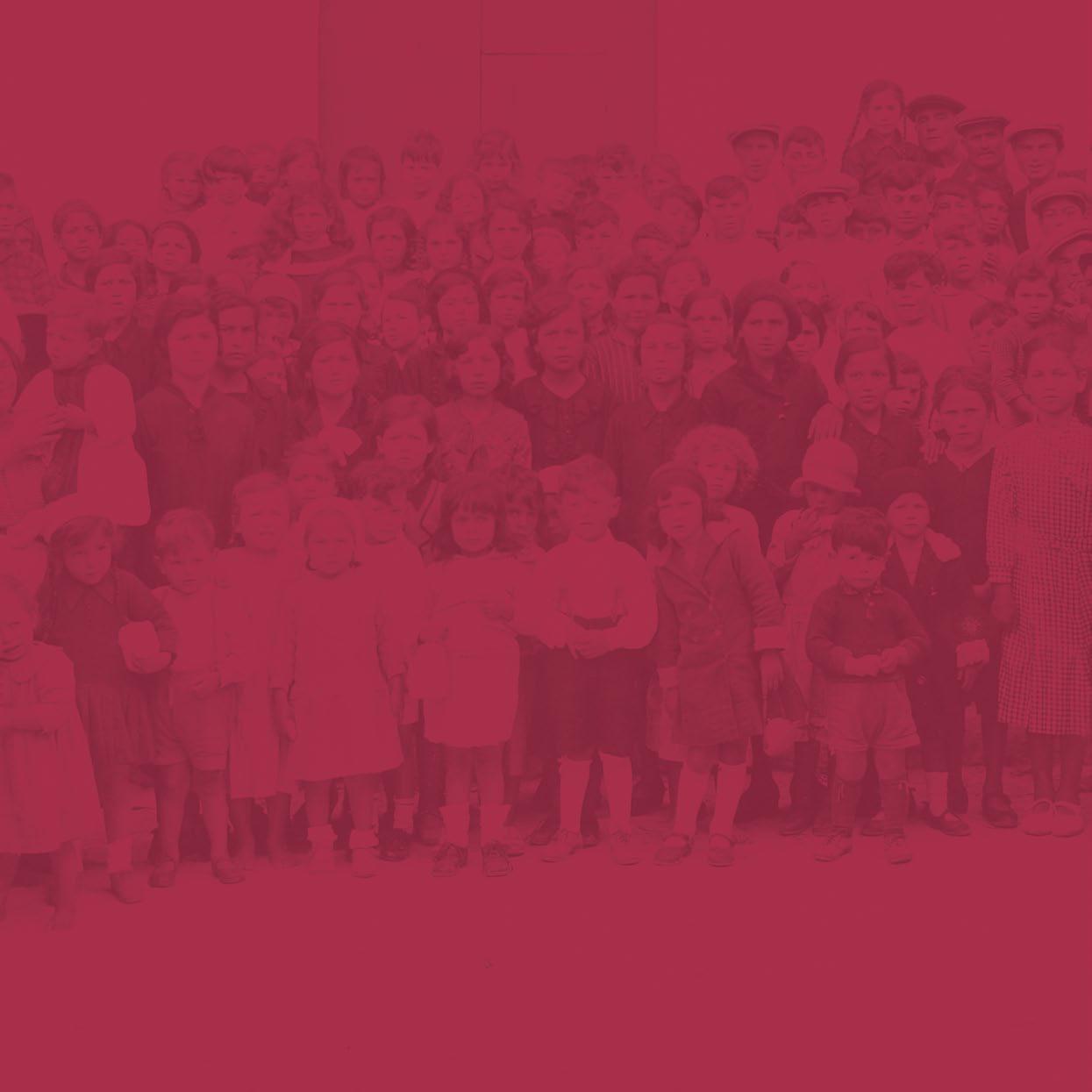
We have chosen these four priorities to move towards the vision we have identified:
1Building a new National Archives and the necessary and appropriate infrastructure for the Malta of today and tomorrow
The construction of a new National Archives is essential for us to continue providing service and develop. We are currently operating from a number of buildings which, apart from not having space to accommodate more records and more workers, are not adequate for storing documents. Fortunately, in our country there is a national consensus on the construction of a new National Archives, and both the Government and the Opposition have committed themselves to this national project. We are committed to ensure that the new National Archives, a beautiful icon of Maltese memory and identity, will be a major national centre for preservation and research built in a sustainable manner and in accordance with the latest international standards. Together with this project we want to work on the infrastructure and networks essential for a national archive to function well in today’s and tomorrow’s world, including: the network of records officers extends across the entire public service and sector; we conclude retention policies that cover all public documents and follow the principle of archiving by design;
we work with all public entities to carry out an appraisal of the documents still in their warehouses and those identified as having lasting historical value are transferred to the National Archives;
we ensure that at least 90% of the documents held in the National Archives are processed and that they can be accessed in accordance with the law, so that they are open to research;
we develop the National Archives Register; and we develop partnerships with archives, educational institutions.
Information technology is fundamentally changing the way we work. The profound changes in the way information is created, collected, stored and shared are transforming us from shelves loaded with paper into a digital source of memory, knowledge and identity.
These new technologies are opening up possibilities that we never dreamt of before: access for everyone is increasing; we are better able to preserve fragile material; we can improve the way we manage information; the possibilities of knowing our documents are increasing and improving greatly, and we can share our knowledge much better.
At the same time, these technologies are bringing us face-to-face with new challenges: the need to keep ourselves constantly updated, challenges in ensuring long-term preservation, new risks both in not losing what we have and in ensuring the authenticity of our documents, new ethical challenges including how to find a balance between the right to information and the protection of individual privacy, and finally the challenge of the ever-increasing associated costs.
We believe that despite the magnitude of the challenges, technologies are the key to a brighter future. Artificial intelligence, blockchain, cloud computing and other new technologies open up exciting possibilities for us to better preserve and make better accessible the Maltese memory in an increasingly efficient and secure manner.
we will radically develop the IT department so that it becomes the backbone of the National Archives;
we will establish a section for digital archiving. The development of digital documentation is a major challenge and an opportunity that requires training and development of new skills as well as significant investment in infrastructure to receive, and ensure the long-term preservation, integrity and authenticity of digital documents and their access. This also requires strengthening collaboration with public entities, primarily MITA, to ensure the transfer of their digital documentation that has been created for these past 30 years; and
develop the use of new tools in our work, particularly artificial intelligence and Handwritten Text Recognition (HTR).
3
Getting to know our clients better, their needs and desires, and developing services that serve them
The National Archives is much more than a repository of documents; we exist to serve both those who seek our services as well as society in general. Therefore, we are determined that over the next decade:
we develop an environment where those who seek our services are served efficiently, in the shortest time and in a pleasant environment;
the interest in family history research is strong. Therefore, we shall establish a genealogical research service;
we shall enter into partnerships with educational institutions to develop joint initiatives. These include the Education Division, Church and independent schools to reach students in the compulsory education period as well as post-secondary and tertiary institutions; and strengthen our volunteer network.
Our partners are much more than those who use our services. We believe that we have an obligation to the whole of Maltese society. Therefore, over the next ten years we commit ourselves to:
establish a dedicated section for working with the community; develop a website where we can meet and dialogue with everyone as well as provide wide access to documents in the National Archives;
develop a policy to strengthen the presence and dialogue on various existing and developing social media platforms; and develop projects with schools and local councils.