

















Paul’s Boutique was born in the year 2000 to coupled creative duo Paul Slade and Emma Minford. The brand grew into an international company within a few years, but this report will explore its downfall in the early 2010s and propose a plan for the brand’s possible regeneration.

The brand began as a market stall on Portobello Road in west London, consisting of designs constructed using scrap, thrifted army-surplus materials to create bold and unapologetic clothing. It was particularly loved by young native hipsters and was noticed early on by peers for their innovation, mixing personalisation and vintage items (Endource, 2013). Their handbags solidified their place in the mid-price market and made them strong competition, with the brand even getting their own concession in Topshop’s flagship store in busy Oxford Circus. This marked the first, of many, major successes leading to a soar in Paul’s Boutique’s popularity and stood as the beginning of the brand’s dominance over teenage girl’s accessories in the mid-late 2000s. Their key company milestones are detailed in a timeline, Figure 1, below.
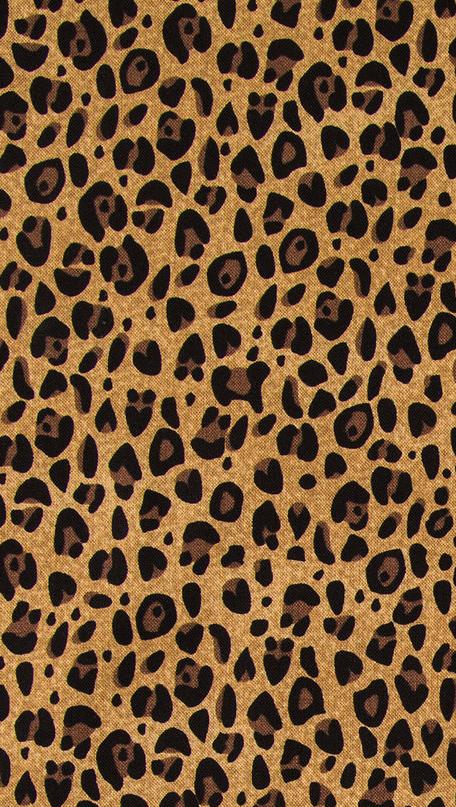
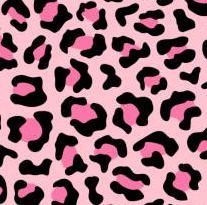
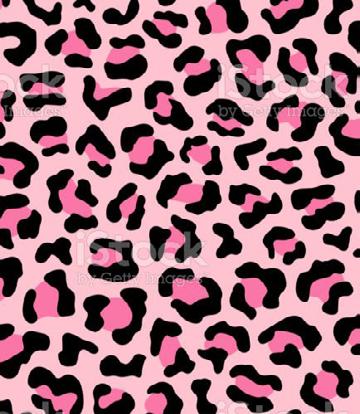
Paul’s Boutique became known for their unique bold, bright and polarising styles. Slade states the core identity for the company to be “pink and bling,” consisting of clashing patterns, heavy animal prints, mixing textures and heavy patchwork (Brown, 201)perfectly compatible with the vibe of the early 2000s, hence the success. Its “unmistakeable identity” led to it branching across Europe, Asia, the Middle East and South Africa (Endource, 2013) The post-2015 PB rebrand led to an aesthetic was undoubtedly more subdued and minimal, but still aligned with the company’s famous vibrancy.

2000 Paul’s Boutique founded. Portobello Market, London
2002 PB is picked up by high-end retailer Selfridges, the first luxury department store to stock the brand, and then Cult Clothing
2001 The brand is picked up by UK retailer Topshop, where they sell out on the first day
2010 Cher Lloyd at the height of her career seen sporting head-totoe Paul’s Boutique
2014 Paul’s Boutique pop-up opens at Westfield White City, signifying
2008 hotel heiress Paris Hilton spotted with the Paris Diamond Twister Bag
2012 reinvention and repositioning of the brand begins after steady decline of sales. The company is named Draper’s Independents Awards Accessories Brand of the Year
2020 Co-founders Slade and Minford leave the company, leaving the brand socially inactive despite appointing successors
2018 PB’s 160-piece Spring range proves that interest for the brand is still around, although sales are significantly lower than their peak

Tangible attributes describe the elements of a brand’s visual identity and presentation to its consumer. This includes, but is not limited to, logos, brand name, packaging, and aesthetics.
Logos
Pre-2015: many variants dependent on the product, but the main brand logo used block capitals in black. Other key logos included “I <3 PB” and the brand name written in italics or a varsity font.
Post-2015: more subtle and subdued, including information about their heritage and brand identity through a reference of their past bags through a lightning bolt.
Aesthetics
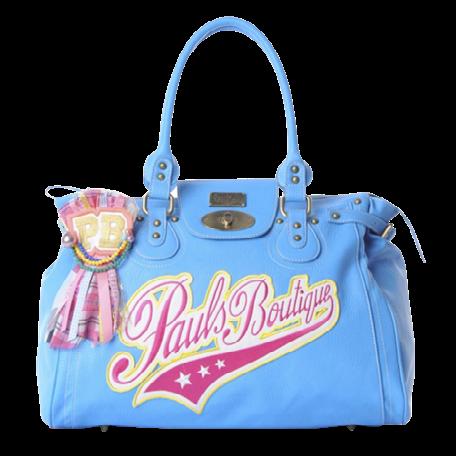
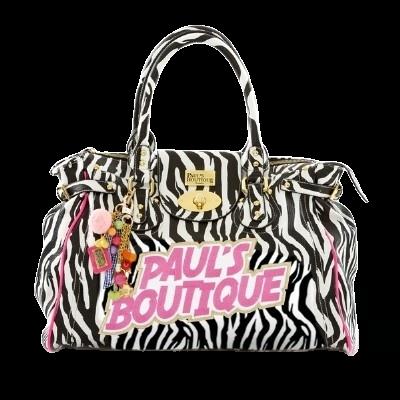
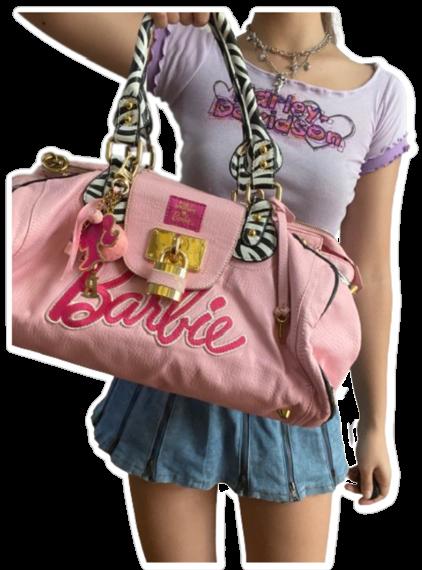
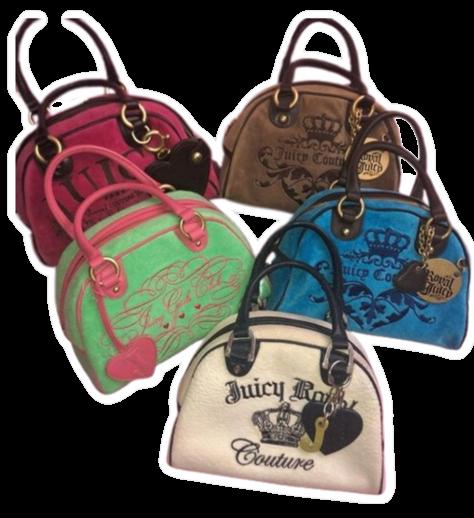
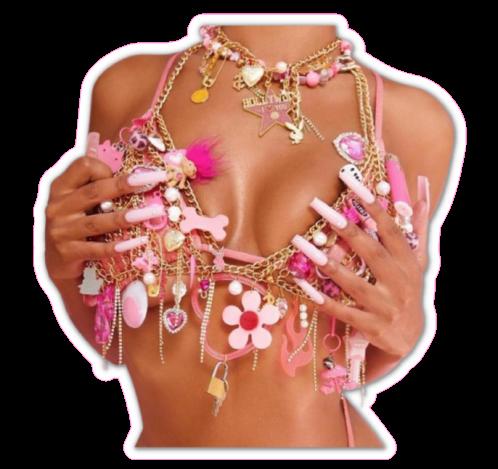
Pre-2015: ultra-femme. Loud and bright colours and clashing patterns were signature for PB. They were known for their animal print and bright colours, as well as their iconic use of trinket chains seen in the photo on the right. They frequently used pinks, yellows, golds and blues and patchwork.
Post-2015: more subtle colours and designs were used to appeal to an older target market.




Intangible attributes describe the non-physical charactertistics of a brand, including factors such as price, beauty, quality and reliability.
Price and Quality
Pricing statistics are limited, but using web archives a PB handbag would typically sell for £50-80, placing them in a mid-price market. The products were good quality and reflective of the price charged.
Beauty
This is arguably the biggest component that led to PB’s downfall. Its beauty was certainly reflective of the times, but, with the new Y2K trends being rife, with some reworking, it could be perfect timing for the brand’s comeback.
Reputation
Reputation is another big factor affecting its longevity. The company was branded “chavvy” and struggled to withstand the battle against counterfeits/fakes (Brown, 2017). The internalised misogyny caused by males of the time also led to women disliking the brand’s ultra-feminine aesthetic. This is further discussed in 1.4.
Why?
Offered fun designs perfect for the targeted age range, perfectly fitting in with the “over the top” almost intentionally tacky time period.
When?


Paul’s Boutique was worn when consumers wanted to feel cool, confident and trendy. The brand produced “it-bags” so it was worn to impress.

Who for?
PB was aimed at fashion-conscious teenagers, aged 14-22. The target audience is those who are highly influenced by their peers and trendy individ-

Against whom?
fellow 2000s brands such as Juicy Couture, Von Dutch, Ed Hardy, Jane Norman, Tommy Hilfiger, Morgan de Toi, Gilly Hicks, and Coach. uals.
Key competitors included
(Kapferer, 2008)
Physique

(Kapferer, 2012)
Personality
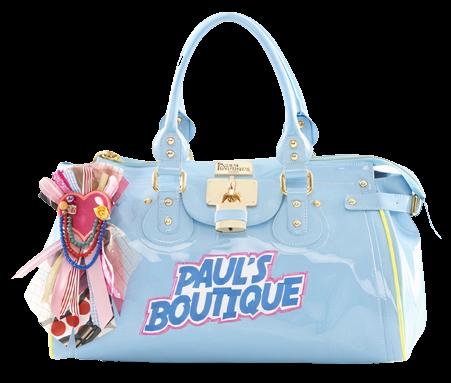
As mentioned, the brand used bright, eye-catching colours, suitable for their young target consumer. Their logos frequently varied depending on the bag. Fitting in with the late-2000s time period, the handbags were often bigger in size, resembling the trendy “hobo” style of the time. The brand often used embellishments such as ribbons and trinkets to personalise the bags. Their branding was known for being over the top, bold and ‘in-your-face’.
Relationship
The brand’s personality was young, playful and fun. There There was also a sense of honesty, locality and transparency to the brand, due to its humble beginnings.
The consumer can expect great quality for the price point, lasting many years (although they did not stick around for that long). From the information available online, the company had good means of customer service, having an email for direct queries and a telephone number.
Culture
Reflection
The brand’s ideal consumer were youths, who were typically British working/middle-class teenagers who followed trends and perhaps have a large amount of influence over their peer group. Their loyal customers will have also followed other late-2000s trends, most likely owning UGG boots and Tiffany love heart jewellery. The target consumer is aged 14-22.
Self-Image
As the target consumer is quite young, this bag would likely have been their first designer bag. Paul’s Boutique introduced youthful girls to the world of luxury goods for a semiaffordable price. This helped the consumer see themselves as trendy and hip.
The company was built on the foundations of individuality and locality. The brand had a sense of approachability to it, unlike their high-end competitors who felt disconnected and almost-superior in attitude, such as Louis Vuitton.
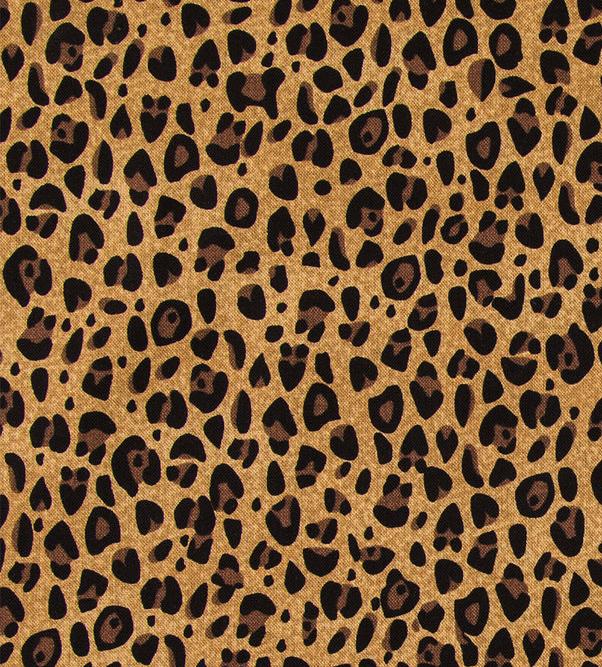

Resonance (WEAK): the company gained a large following quickly with many loyal followers and collectiors, but this quickly dwindled when the brand was deemed irrelevant - so arguably not a true loyal following.
Judgement (MODERATE): high perceived credibility and quality, but not compatible with current trends and consumer needs.
Performance (WEAK): old products no longer meet consumer needs due to changing trends.

Feelings (WEAK): at their peak, made the consumer feel fun and trendy, but now perhaps nostalgic and regretful.
Imagery (GOOD): used to meet consumer needs well, providing material comfort for young girls during challenging school years.
Salience (STRONG): company has high recognisability, especially in the UK. Seeing the bags produces widespread nostalgia and was a very prominent brand for millenials growing up in the late-2000s.
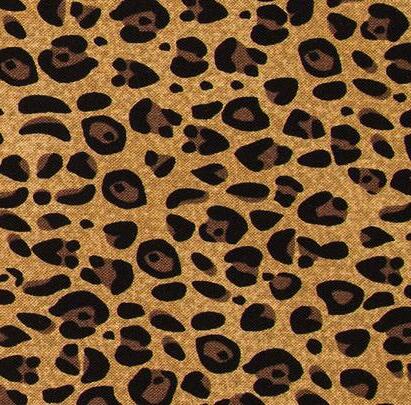


The main reason for Paul’s Boutique’s downfall is due to timings and misogyny. When the brand started to fizzle out by the late-2010s, internalised misogyny was at its peak (Yung, 2021) - where traditionally feminine traits were being viewed as unpleasant and masculine traits favoured. This, paired alongside years of scrutiny by the media, men and their own female peers, led to PB’s target consumer to turn their back on the brand and ultimately led to its downfall. Negative reception stemmed from outdated stereotypes about femininity - for example, the link between pink and the “bimbo”, dating all the way back to Marilyn in ‘Gentlemen Prefer Blondes’ (Fletcher, 2022), and animal print’s relationship with being seen as trashy or “skanky” (MaterialGirlz, 2018) - two major components of the brand’s identity. The backlash received during PB’s peak led to women retreating back to more subdued styles and colours, notably khaki, during the 2010s, as constant criticism led to hatred for things considered girly. Beddow states, pink “was hideous to [men, so] it became hideous to me”, and that her “internalised disgust at anything feminine was worsened by the desire to fit in with society and its dismissal of femininity” (2023), which represents the majority’s opinion at the time and ex plains the decrease in popularity.



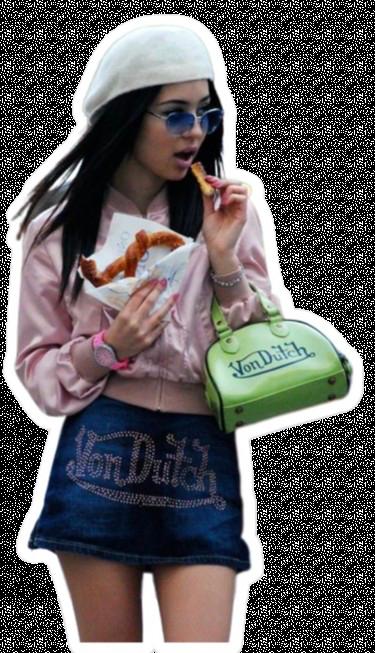

This brand’s resurgence aligns perfectly with the current trend cycle. The 2000s res urrection in recent years provides the perfect environment for a PB comeback. This revival capitalises on nostalgia from Gen-Z’s childhood with a modern twist. A re-peak in popularity for brands previously labelled as “tacky”, such as Juicy Couture and Von Dutch are now thriving, proving the general public’s desire for ultra-feminine goods. Past abandoned trends such as rhinestones, animal print, bright colours, and ruffles are all now present, demonstrating women’s desire to reclaim their femininity through clothing. This is also evident through the recent “Barbiecore” and “Bimbocore” trends on socials such as TikTok, which reclaim hyper-femme aesthetics to combat misogyny and reclaim what it means to be feminine. This is notably in favour of the colour pink, which has been aligned with feminism through political movements such as Planned Parenthood in 2017 (Kennedy, 2022). The strategy can be summarised by BruceSmith, who says “thanks... to the resurgence of ‘00s fashion, women are experimenting again with the hyper-feminine bimbo look. Only this time we’re the ones in control” (2023). This highlights how the link between feminism and PB could lead to its revival.


Prior to re-brand
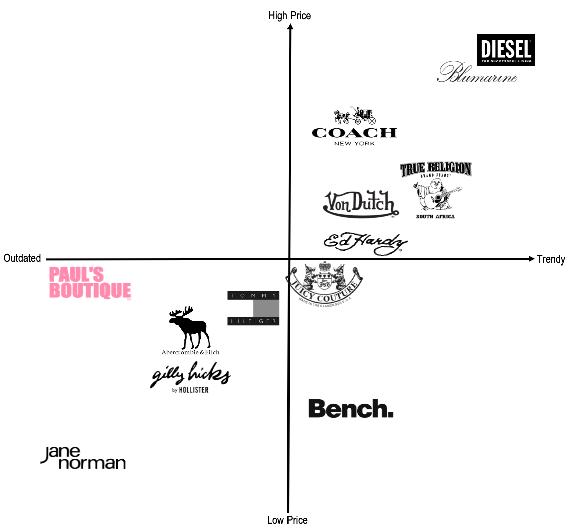
Prior to the the re-brand, PB’s brand position was perceived as outdated by the desired target consumer. A new Paul’s Boutique handbag typically costs around £70, positioning it in the middle market alongside brands like Tommy Hilfiger and Juicy Couture.
Prior to re-brand
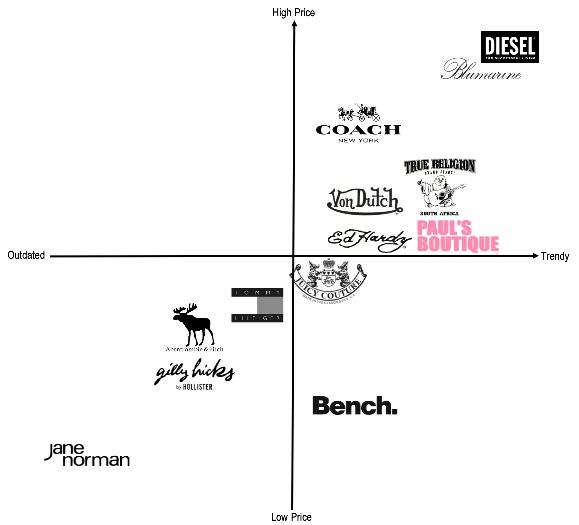

Raising the price slightly enhances the brand’s prestige and helps rebuild its current “chavvy” image. The goal is to leverage Y2K nostalgia, aligning with fellow resuscitated brands like Ed Hardy, True Religion, and Von Dutch, to create hype and boost trendiness.

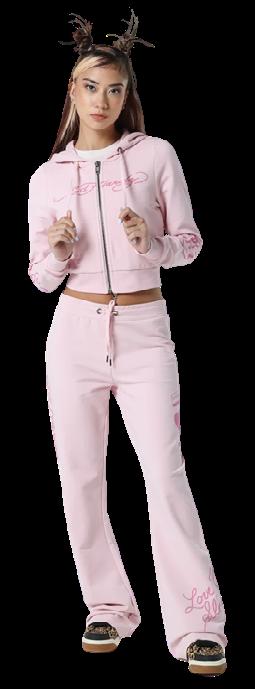
POD: Ed Hardy is less feminine.
POP: emphasis on graphics and very self-referential.



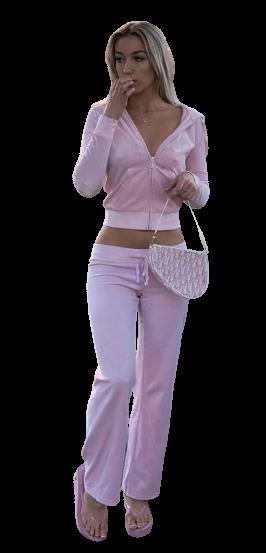
POD: Juicy is more minimalistic, sticking to solid colours. POP: relies on bimbo or chavvy aesthetic.

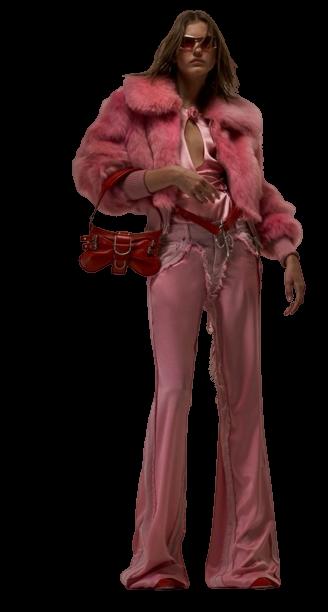
POD: price pointBlumarine luxury, PB bridge. POP: trend-led.







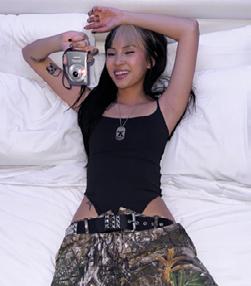
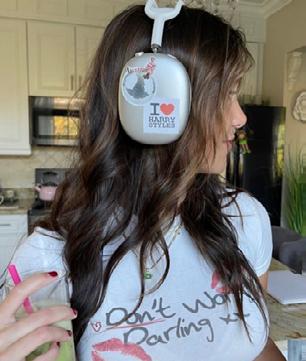
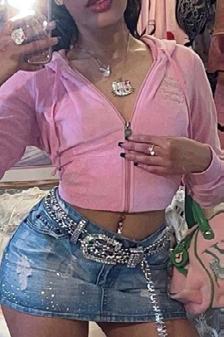
Paige is a 22-year-old girl living in a shared apartment in London, where she is currently interning for a magazine, having just graduated with a degree in fashion journalism from UAL. Part-time, on the side, she is a socially active influencer, with over twelve thousand followers on her Instagram. She receives money for sponsored posts, which funds her busy life and clothing addiction, and is admired for her innovative and trendy style. She is originally from Manchester, providing a slight edge to her style.
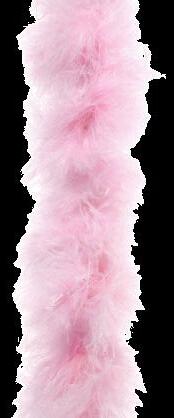
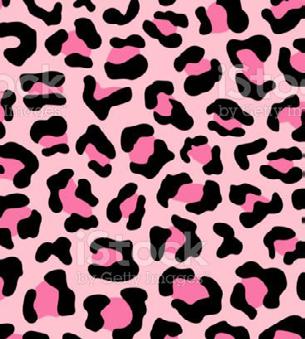


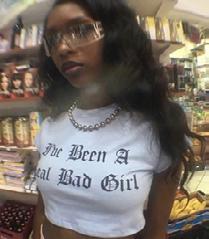
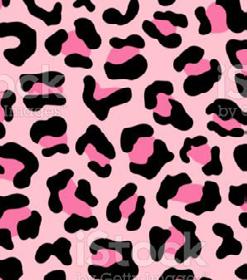
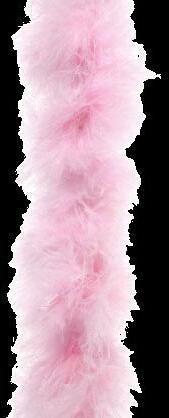

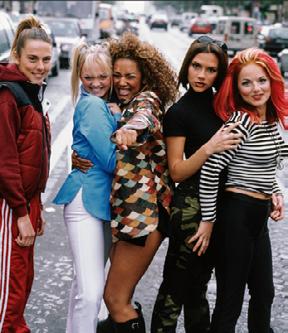
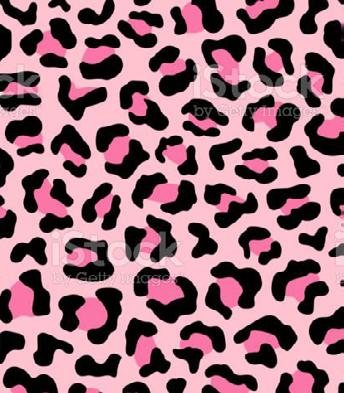

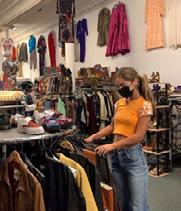
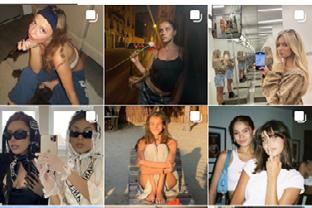
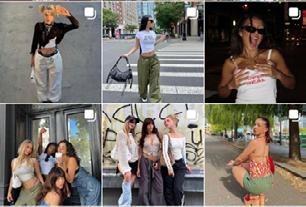
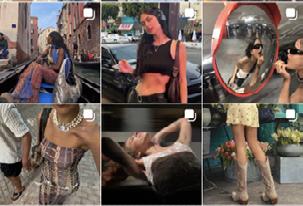

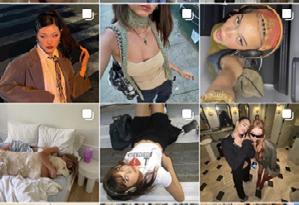
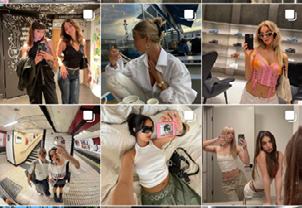
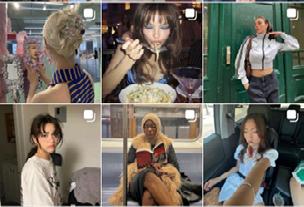
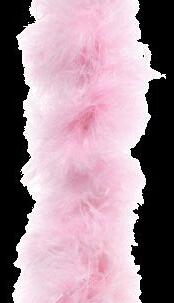
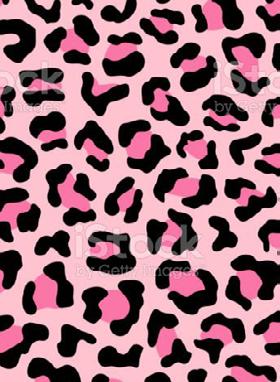
The pen portrait featured below demonstrates the new ideal Paul’s Boutique consumer - someone who takes pride in their femininity and girliness.



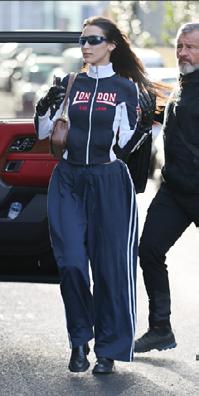



Paige likes to spend a lot of money on her appearance, constantly having new clothes and looking for the next best trend, placing her in the “early adopters” section of E.M. Rogers diffusion curve (1962). She is enamoured with the current Y2K trend cycle, and the trend brings her a lot of joy - this extends to every aspect of her life, from taking her digital camera everywhere to exclusively listening to nineties and noughties music. It makes her feel empowered and loves this trend for making her comfortable in her femininty. Her current favourite brands are Ed Hardy, Von Dutch and Diesel and she looks to celebrities such as Bella Hadid, Alexa Demie, Emily Ratajakowski and Paris Hilton for style inspiration.



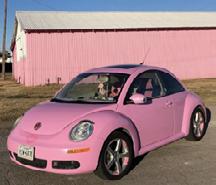


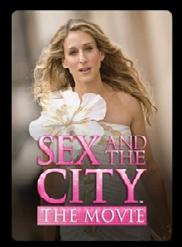

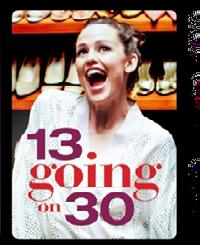
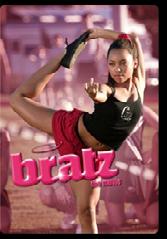
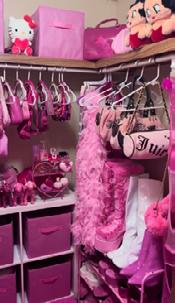


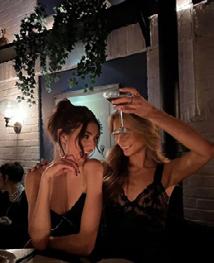


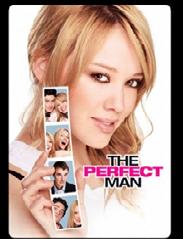
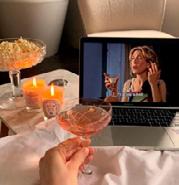


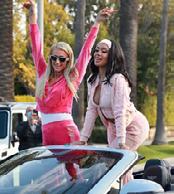



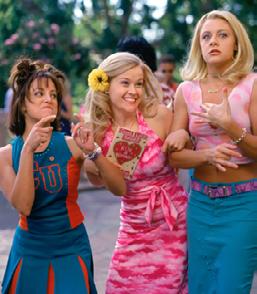
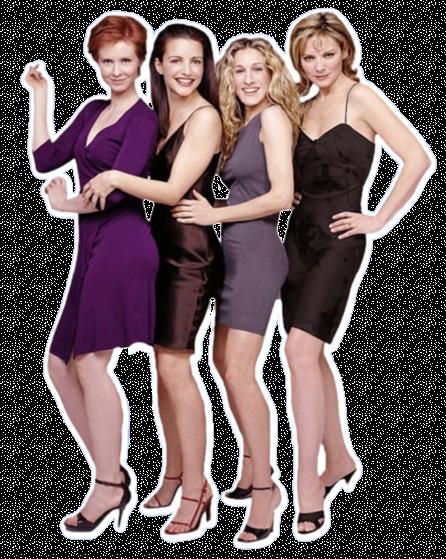
As well as fashion, Paige loves going out and spending time with her friends, who are as trendy as she is. They enjoy the busy cosmopolitan London life, frequently going to Soho Square for cocktails and enjoying the vintage stores around Brick Lane and Portobello Market, where they find lots of Y2K goods. Although, her and her housemate also enjoy nights in, too, remaining partial to a 2000s “chick flick”, and they enjoy bingeing television shows together. Her personal favourites are Legally Blonde, Sex and the City, and Gossip Girl. She currently dreams for a pink Volkswagen bug and has a small collection of Bratz dolls. She loves Y2K as it allows her to unapologetically explore her femininity.
 Top Picks for Paige



Sociocultural
A positive generational shift in attitudes towards the bimbo aesthetic has provided a great opportunity for PB’s comeback, especially within the target demographic who are following 2000s trends currently, and the rise of “bimbocore”. The term “bimbo” is now being reclaimed despite its roots in misogyny, with young women now taking delight in the “pink and the girly” (Fostekew, 2022). This shows a cultural shift in attitudes from 20 years ago.
Economic & Political
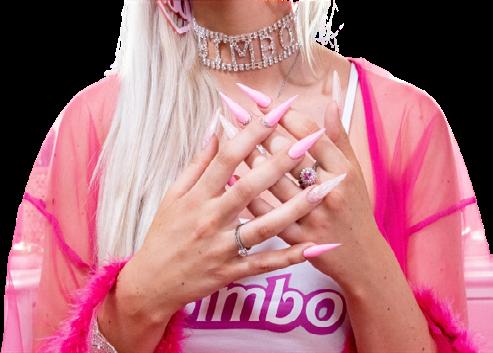
Recent economic and political uncertainty has led to a craving of nostalgia, providing a popularity spike in 2000s brands. The pandemic notably marked a shift from the minimalist and restrictive style of the 2010s to a trend cycle that favoured escapism and carefreeness, the Y2K. It is comforting to consumers, and reminds them of more untroubling times, perhaps allowing them to relive parts of their childhood (Stuart, 2021). Bimbo feminism is “viewed as a reaction to the pandemic, unending bad news cycle and uncertainty of the past [few] years.” (Brown, 2022)
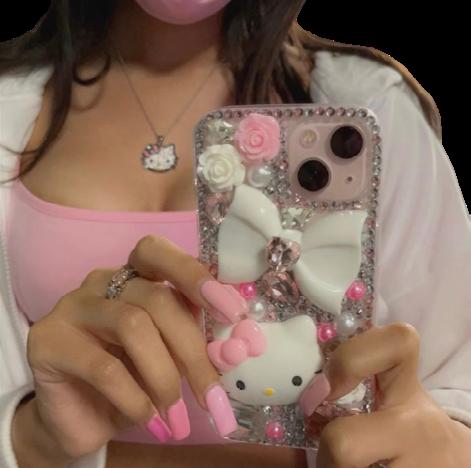

“The bimbococore trend rejects the impossible standards women are held to, demonstrating it’s okay to embrace things you truly enjoy, regardless of how society views you.” (Grimes, 2022)


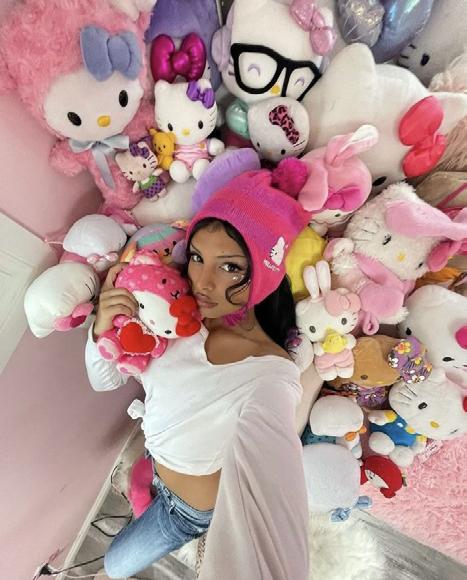
Technological
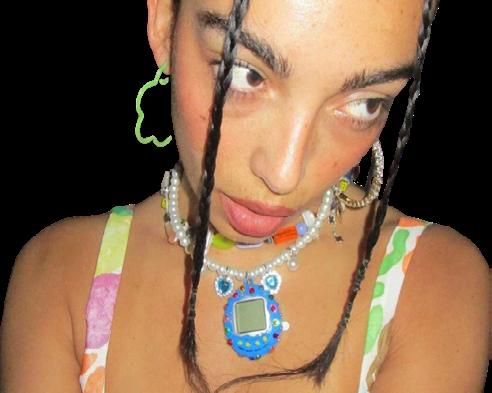
The technological advances in the past twenty years have been so great that Gen-Z are now reverting back to a, “golden age of simplicity and lowered complexity”. providing reason for the cultural shift from modern to nostalgic 90s/00s media, technology and fashion (Nepori, 2023). This explains the era’s obsession with dated technology such as digital cameras and Tamagotchis. The Bimbocore aesthetic, linked with female empowerment, has been popularised using video-sharing app TikTok. #Bimbocore has accumulated over 91.1M views, where young women explore “hyper-femininity as an act of resistance, against a culture that has deemed anything and everything remotely girly as weak.” (Grimes, 2022).










Logo






The re-brand stays true to PB’s original vision and reflects the identity. It is bold, reflecting the brand’s signature striking colours and patterns. It is attention-grabbing in all caps. It also appears retro, reminiscent of the era it was once popular in.








Colours
Slogan
Just be a lady inspired by the “Girls. Girls. Girls.” digital campaign, and poem by Camille Rainville (2017).


Linking to Barbiecore and the reclamation of ultra-femininity, hot pink will be at the centre of the brand, linking well to current trends, with it being the “colour of the year” (Kelleher, 2022).

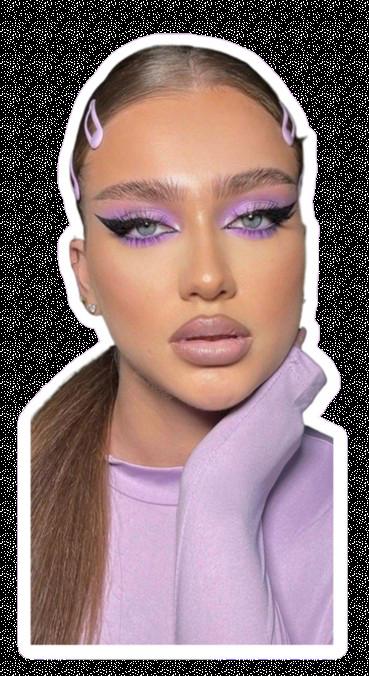
Visual Identity

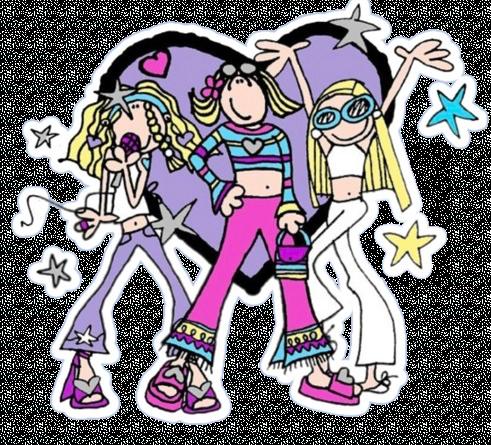
Commemorating the brand’s roots with a contemporary touch, leveraging the nostalgia sparked by the Y2K trend. PB is now reverted back to hyper-feminine but leaning more into pop culture than before. It now prides itself on looking “tacky” and extra, rather than trying to avoid it.
Tagline/Hashtag
Ideas for this stemmed from the trending topic on social media and the hashtag emphasises the brand’s newly-found pride in being ultra-femme. The word revolution also links to empowerment, and how wearing PB helps combat misogyny.
 Main colour inspiration
Typography
Main colour inspiration
Typography


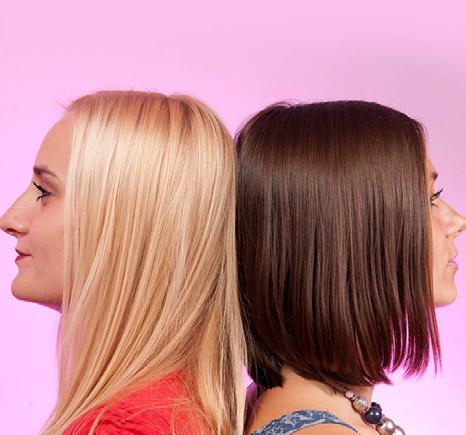
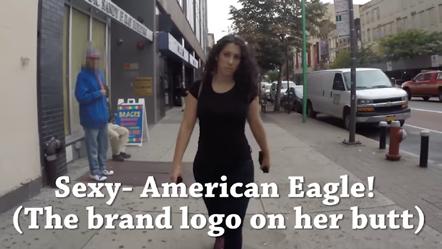


#BeatTheStigma
Almost social experiment-like, where a young woman has to walk a round in feminine clothing (hot pink, mini skirts, blonde hair) one day then brown hair and simple clothing the next. Record the public’s perceptions and reactions to you walking down the street and how they differ.
Strengths: an experience nearlyall girls can relate to, e.g., getting cat-called, men assuming they’re unintelligent, etc.
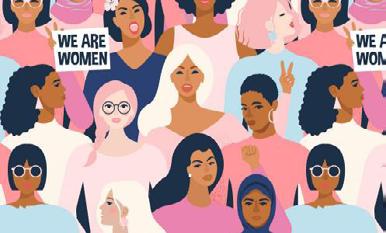

#BeatTheStigma
#InnerGirl
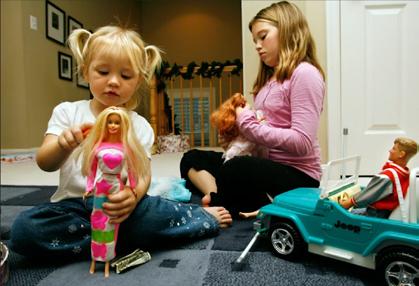
Based on Always’ “Like a Girl” campaign, a series of interviews with both older and younger generations, measuring their reactions to traditionally“feminine” items - i.e., Barbie’s, Bratz dolls, romantic comedies, animal print, bright pink, etc.
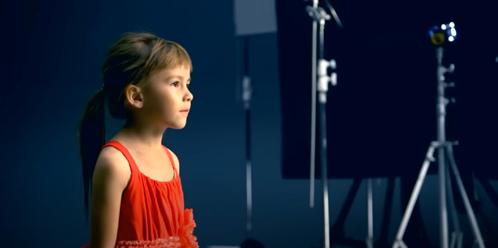
Strengths: demonstrates patriarchy’s
#MyOwnDefinition
influence on young girls, empowering the target consumer to start embracing their femininity, which is at new-PB’s core.
Interview with women explaining what it means to them to be a woman. Questions will explore negative connotations of femininity, including their definition of “bimbo”, feelings towards other “girly” things, and and asking what they think about this stigma. Strengths: exploring ultra-femininity (the USP of the re-brand), and could evoke emotions for viewer.

Inspired by: Rob Bliss (2014) - https://www.youtube.com/watch?v=b1XGPvbWn0A
- Hardships women face inspired the interest in the comparison between the way blondes are treated compared to brunettes.
#MyOwnDefinition
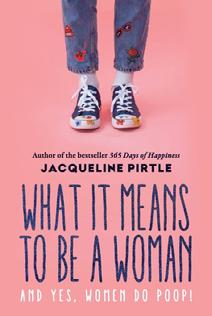
Inspired by: Teen Vogue - https://www.teenvogue.com/gallery/international-womens-day-2019-what-womanhood-means (McNamara, 2019)
- True real stories that could work well for an ad campaign, strong possibility to make it emotional.
#InnerGirl
Inspired by: Always (2014) - https://www.youtube.com/watch?v=qtDMyGjYlMg
- Demonstrates the impact of socialisation on young girls and how being feminine should be celebrated.

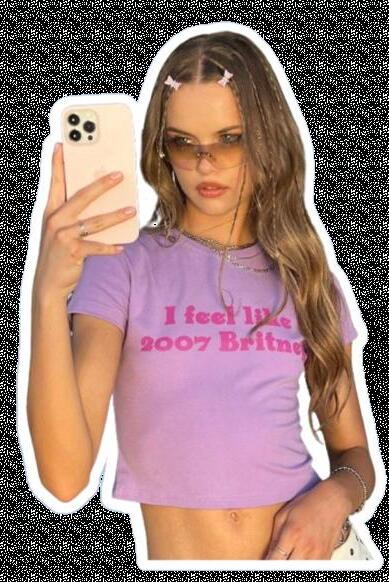


Source Material
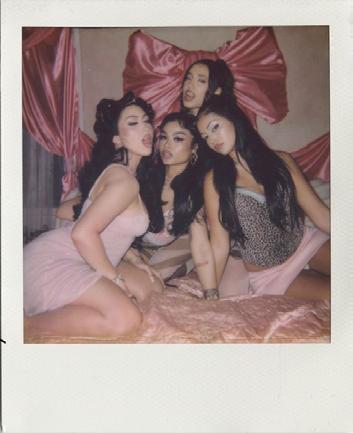
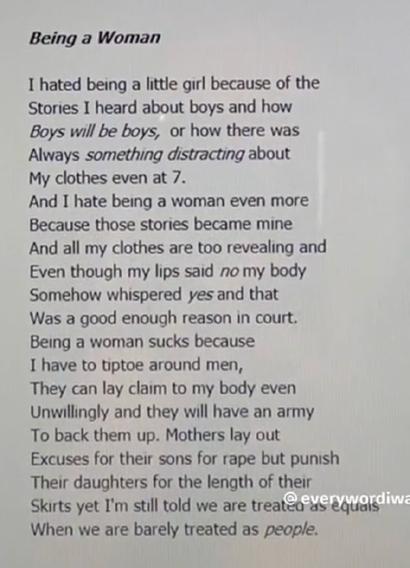
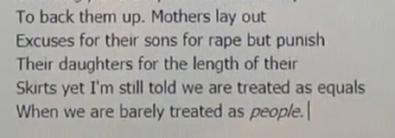
I established that I wanted a poem and explored various versions, including one captured in the photo. While researching #MyOwnDefinition, I discovered Camille Rainville’s (2017) personal blog and her original poem, which had already been turned into a campaign featuring Cynthia Nixon’s narration in ‘Girls. Girls. Girls.’

What I Already Knew...
I considered using the Nixon audio but opted against it. Instead, I edited the script, inserted specific lines to align with my brand, like ‘Not blonde, you bimbo.’ and recorded my own audio.

Nostalgia
- Spoken-word/some form of narration not only music, - A form of montage, - Make consumer feel nostalgic, - Focussed around female empowerment, male discrimination and misogyny.

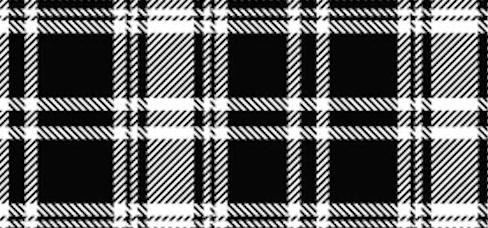
Opting for a media-focused approach, I chose to exclusively use pop culture references in my campaign, incorporating “girly” movie/TV scenes, music videos, runways, and celebrities. This strategy aimed to resonate with the target consumer as the videos are instantly recognisable.
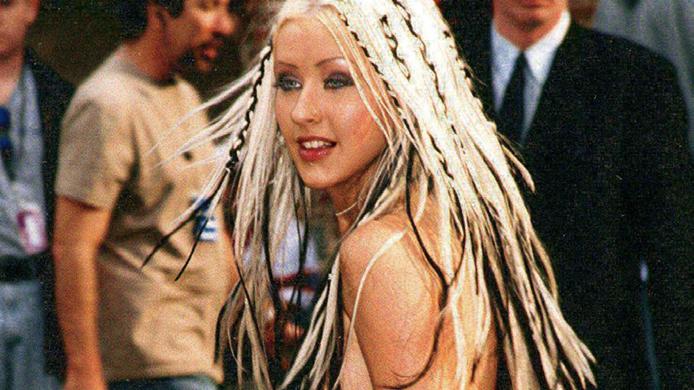
I also applied a retro 2000s filter, aligning with current target consumer trends, taking inspiration from Christina Aguilera’s 2002 performance of “Dirrty” (Xtinacandies, 2016).

Montage
Tried to use photographs as polaroids flashing up on the scree, but then decided on a video montage for my final product.
I attempted to use stock videos but did not like how they looked.








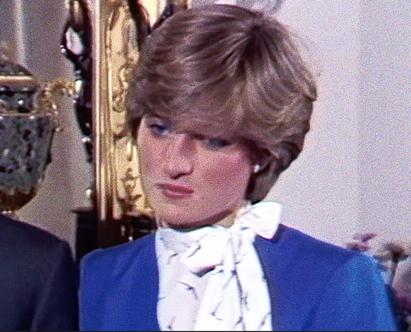
Goal: capture the consumer’s attention from the beginning and maintain it.
How it’s Achieved: ad campaign is initially visually striking, with a shot of beloved Lady Diana, which is uncommon, and begins suddenly. Without any context, the audience wonders why so carries on watching.



Goal: the generation of interest with the consumer being unable to look away and lasts with them for a long time.

How it’s Achieved: the campaign utilises pop culture references spanning the early-90s to today, invoking nostalgia and recognisability, enhancing recall (Muehling and Sprott, 2004). The advert strikes a balance between seriousness, intensity, and comedic elements, creating an engaging emotional rollercoaster for the consumer.

Goal: create a campaign that makes women want to dress however they like and not be afraid to embrace their feminity.
How it’s Achieved: repetition of “Be a Lady” and common phrases heard by women, paired with impactful visuals, highlights the daily criticism they face. This encourages women to challenge societal norms by embracing ultra-feminine styles, despite derogatory associations.



Goal: convince the female audience that they are participating in modern feminism by purchasing PB.

How it’s Achieved: lack of emphasis on the product and more on the social issue, repetition of “they” antagonises men so ‘Join the #BimboRevolution’ at the end even empowering, as if it is a real progressive movement.
Goal: the consumer explores the website and follows the hashtag
How it’s Achieved: interactive elements at the end encourage female viewers to explore PB’s contributions to the “#BimboRevolution” and to reclaim their femininity. Its relatability and controversy will captivate consumers and generate buzz. leading to a purchase.





Always (2014). Run Like a Girl - Commercial. [online] www.youtube.com. Available at: https://www.youtube.com/watch?v=qtDMyGjYlMg. Beddow, B. (2023). Why I Hated The Colour Pink. [online] www.hercampus.com. Available at: https://www.hercampus.com/school/nottingham/why-i-hated-the-colour-pink/.
Bliss, R. (2014). 10 Hours of Walking in NYC as a Woman. YouTube. Available at: https://www.youtube.com/watch?v=b1XGPvbWn0A. Brown, A. (2022). Surface level: there’s a lot going on in the bimbo aesthetic. [online] Vogue. Available at: https://www.vogue.com.au/fashion/trends/bimbo-aesthetic/news-story/20ef339f3f1b33aaee53c3d9d284b8aa.
Brown, H. (2017). The reincarnation of Paul’s Boutique. [online] Drapers. Available at: https://www.drapersonline.com/product-and-trends/ the-reincarnation-of-pauls-boutique
Bruce-Smith, A. (2023). Can Feminists Really Reclaim The Bimbo? One Writer Finds out. [online] Marie Claire. Available at: https://www. marieclaire.com.au/bimbocore-trend-what-is-it
Endource (2013). Paul’s Boutique | Endource. [online] www.endource.com. Available at: https://www.endource.com/brand/paul-s-boutique Fletcher, H. (2022). How pink became fashion’s colour of controversy: a brief history. [online] The Conversation. Available at: https://theconversation.com/how-pink-became-fashions-colour-of-controversy-a-brief-history-196535. Fostekew, J. (2022). The bimbo is back – and as a feminist I couldn’t be more delighted. [online] the Guardian. Available at: https://www. theguardian.com/commentisfree/2022/mar/23/the-bimbo-is-back-and-as-a-feminist-i-couldnt-be-more-delighted. Grimes, C. (2022). Why TikTok’s Bimbocore Trend Is an Act of Modern Feminism. [online] HYPEBAE. Available at: https://hypebae. com/2022/3/tiktok-bimbocore-trend-feminism-op-ed-elle-woods-kim-kardashian-paris-hilton. Kelleher, K. (2022). Hotter-Than-Hot Pink Is The Colour Of The Year: What’s The Allure? [online] www.refinery29.com. Available at: https:// www.refinery29.com/en-gb/2022/07/11051904/hot-pink-colour-trend-fashion-history.
Kennedy, J. (2022). Is Hot Pink Here to Stay? [online] The Business of Fashion. Available at: https://www.businessoffashion.com/articles/ marketing-pr/hot-pink-trend-valentino-trendy-millenial-pink-barbiecore-barbie-margot-robbie/. MaterialGirlz (2018). Animal Print: Cool Trend or Hoochie Mama? [online] Material Girlz. Available at: https://thematerialgirlz.wordpress. com/2018/12/24/animal-print-cool-trend-or-hoochie-mamma/ McNamara, B. (2019). What it Means to Be a Woman. [online] Teen Vogue. Available at: https://www.teenvogue.com/gallery/international-womens-day-2019-what-womanhood-means.
Muehling, D.D. and Sprott, D.E. (2004). The Power of Reflection: An Empirical Examination of Nostalgia Advertising Effects. Journal of Advertising, [online] 33(3), pp.25–35. Available at: https://www.jstor.org/stable/4189264. Nepori, A. (2023). Gen Z is bringing back outdated Y2K technologies, and it’s not ‘nowstalgia’. [online] www.domusweb.it. Available at: https://www.domusweb.it/en/news/gallery/2023/03/07/six-obsolete-y2k-technologies-that-gen-z-is-making-hip-again.html
Rainville, C. (2017). Be A Lady They Said. [online] Writings of a Furious Woman. Available at: https://writingsofafuriouswoman.wordpress. com/2017/12/09/be-a-lady-they-said/.
Stuart, E. (2021). Gen Z Has Brought Back Y2K in a Major Way—But Why? [online] Byrdie. Available at: https://www.byrdie.com/gen-zy2k-5203068.
Xtinacandies (2016). Christina Aguilera - Dirrty (Live MTV Stripped In NYC 2002). [online] www.youtube.com. Available at: https://www. youtube.com/watch?v=o6ueNdDF05M

Narration: Author’s own. (2023)

Video clips: all video clips available from YouTube (2023) at: https://www.youtube.com
Background audio edited from: DiRTY MiRRORS. (2020). Be a Lady. (Girls Girls Girls Soundtrack). Available at: https://soundcloud.com/ louis_souyave/be-a-lady-girls-girls-girls-soundtrack