
Fenty Rationale (1)

Page 1


STRATEGIC CONCEPT BOOK (1)

NATHAN FAULKNER

ID: 10860045
SECTION 1: ACADEMIC GROUNDING

SECTION 2:

3: MAGAZINE IMPLEMENTATION

List of Figures

SECTION 1: ACADEMIC GROUNDING

Figure 1. US Magazine Viewership 2012-2021 (Statista, 2022).

Figure 2. Previous Fenty Promotional Exploration (Author’s Own, 2024).

Figure 3. Process Model for Fenty (Author’s Own, 2024).

Figure 4. A Magazine’s Role in the AIDA Framework (Author’s Own, 2024).

SECTION 2: COMMERCIAL RESEARCH

Figure 5. Competitor Aesthetic Analysis Summary (Author’s Own, 2024).

Figure 6. Strategic Relevance of Magazine Content (Author’s Own, 2024).

SECTION 3: MAGAZINE IMPLEMENTATION

Figure 7. 4P Summary of Competitor Tactics (Author’s Own, 2024).

Figure 8. Flat Plan (Author’s Own, 2024).

Figure 9. Launch Strategy Timeline (Author’s Own, 2024).

Figure 10. Measuring Magazine Success (Author’s Own, 2024).
1.1 Strategic Analysis

Fenty’s strategic report analysed the brand’s relationship with both the internal and external environment, which in turn highlighted critical brand pain points and the reasons for its dissolution in 2021. The brand’s key issues are listed on the right, and aim to be tackled in the following report. This project proposes a magazine for Fenty, as part of its new diversification strategy coinciding with the brand’s relaunch. A brand magazine offers a good step forward for Fenty regarding the objectives identified in the strategic report, and will help to tackle the identified objectives in the following ways.

1.2 Promotional Objectives

Strengthen brand identity that aligns closer with Rihanna’s personal style to differentiate the brand and also entice fans and customers into buying Fenty clothing.

Prioritise authentic brand values and appeal to the new targeted age range of Gen-Z.

Boost brand awareness, including the increase of brand recognition and overall customer retention.

Optimise a multi-channel approach to create a holistic marketing communications plan and target the consumer at multiple touchpoints.

Brand Issues:

- Failure to align with Rihanna’s personal style, making the brand seem inauthentic,

- Not innovative or exciting to consumers,

- Lacking a clear brand identity to differentiate from competitors,

- Unfairly high price point which alienated the consumer

- Overcrowded luxury market sector

- Failure to focus on sustainability

1.3 Objective Fulfilment With A Magazine

A magazine is likely to increase trust and credibility in the eyes of the reader, helping the brand’s previous issues with authenticity. Her personal style will be reflected in the editorials with models wearing high-end Fenty streetwear. Exclusive interviews and insights will give fans a reason to purchase the magazine, thus, driving sales and enhancing the consumer’s relationship with the brand (Chen et al., 2022).

A magazine is an efficient way to promote Fenty’s new brand values, utilising interviews and social/ environmentally-designated sections to explain how Fenty is different to other luxury competitors.

The longevity and a lengthier “shelf-life” of a magazine (Medium, 2024) over other forms of promotional material, such as an advertising campaign or influencer post, means the brand can reach a wider audience and increase overall impact.

Accessing the magazine through both digital and physical touchpoints is perfect for an omnichannel Gen-Z consumer.

2. Build brand authenticity and trust

1. Promote new clothing range and increase sales

4. Create promotional material that aligns with Rihanna’s personal style

3. Promote sustainability

5. Create own unique brand identity

6. Create an omnichannel experience for the new consumer

1.5 The Promotional Mix

The magazine will exist in both physical and digital forms alongside other promotional tools used to rejuvinate the brand. These include a flagship store, an app, which provides a luxury take on a loyalty scheme, and various promotional campaigns. To create a holistic marketing approach, the magazine will advertise these campaigns and vice versa.

1.6 Magazine Justification

The rise of social media could be said to have eradicated the need for physical print such as magazines, with information widely available online for no additional cost (Lubaroff, 2024). But, when using it as a promotional tactic, it can be a great marketing tool. Defined as a blurring of boundaries between advertising and editorial content (Van Reijmersdal et al., 2010), it promotes brand awareness ~and increase credibility (Berkbuegler, 2020). 91% of magazine-readers stated that they help to build trust (Wigginton, 2023), and so would help to disprove the previous claims of theb brand being inauthentic, with the original range failing to align with Rihanna’s personal style and lacking a distinctive brand identity (Bain, 2021). Offering the magazines in-stores could increase footfall for fans looking to buy magazines in-store, which may, in turn, generate sales, and offering it digitally could boost app downloads

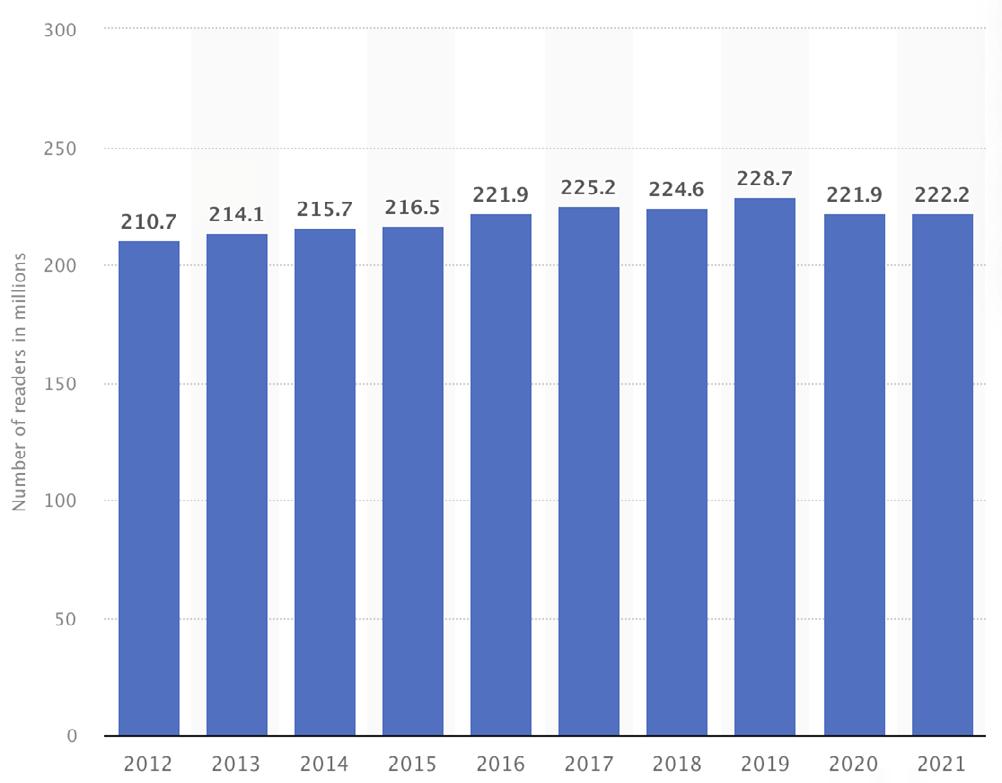
Despite fears of the death of print, magazine viewership over the last ten years is consistently high (Figure 1). This is also proven by several successful examples of own-brand magazines, with both premium and retailers such as Net-a-Porter, Uniqlo and Harley Davidson all utilising magazines for promotion.
Described as a “flourishing” promotional tool for brands (Santolin, 2023), a magazine will also help target Fenty’s new consumer (see Section 4.6) and build meaningful relationships with them, which is significant for the Gen-Z audience. Leveraging the celebrity status of Rihanna and additional influencers’ will drive sales of the magazine, with exclusive interviews about the range, endorsements and collaborations all enticing the consumer to purchase. This is further explored in Section 4.5.

Offline marketing still has a sense of premium and prestige to it...It has much more impact than a $9 million ad on your phone.

- Chris Toy, CEO of MarketerHire (Waldow, 2023)
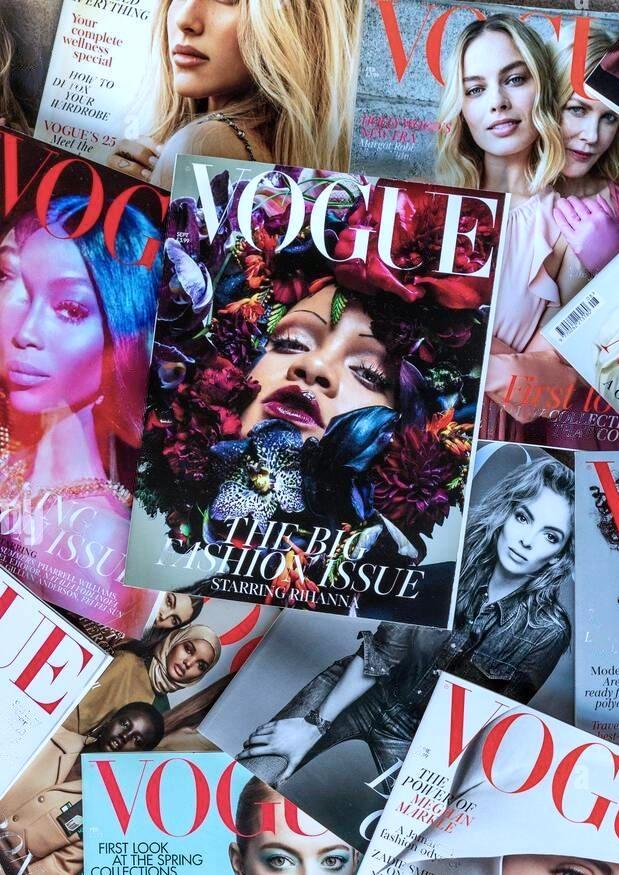
Figure 1. US Magazine Viewership 2012-21 (Statista, 2022)

1.7 Previous Promotional Failures

Fenty implemented a range of promotional tactics during their short lifetime. This section will explore said tactics, failures and how a magazine can offer a successful alternative.

Tactic Evidence

Pop-Up Stores
Description

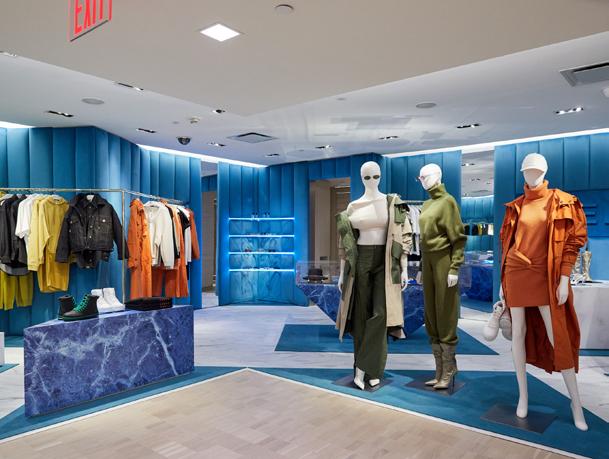
The brand operated pop-up stores in high-end locations of the fashion capitals of the world - New York, Paris and London, in three-month periods. This was Fenty’s way of “testing the waters” before setting up their own flagship store (Moin, 2020), which never materialised.

Successes

- Immersive store experience: NY’s store featured digital lations by Jed Skrzypczak, customers could see themselves projected on the famous Bergdorf LED windows (Leon, 2020),

- “Curvy” models in-store, pro moting diversity (Yates, 2019)

Digital Campaigns
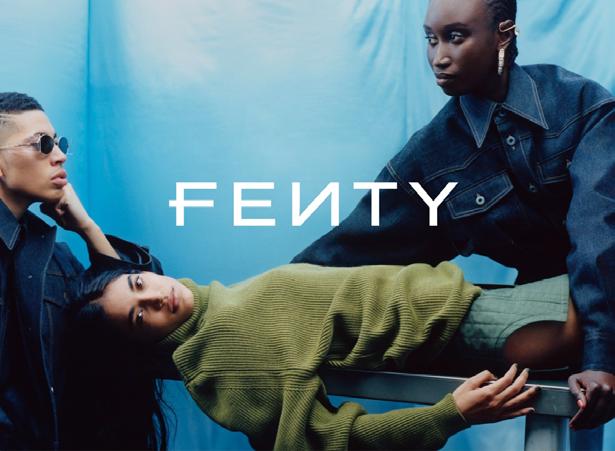
The digital campaigns featured a promotion of clothing in an editorial light, with inspiration from Barbadian photographer Kwame Braithwaite, who used underrepresented Grandassa Models (Mower, 2019).

- Links to Rihanna’s heritage high-fashion way, linking to beliefs of diversity and inclusivity,

- Featured on brand’s website, social media and in pop-up stores: consistency across touchpoints.

Website and social media
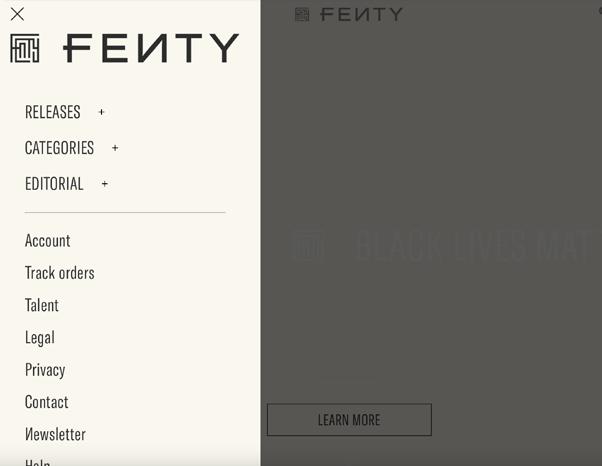
The website featured new campaigns, a lookbook, the product range itself, promotional videos and a blog. Additionally, there was an option to join the Fenty newsletter and mailing list. Socials such as Instagram and Twitter were also used to promote campaign imagery and the clothing.

- Mailing list helps to build personal relationships with consumer,

- Promoted brand loyalty

experience: instalwhere themselves Bergdorf 2020), pro2019)

heritage in a to core inclusivity, website, pop-up

How Did It Fail?

- Over-emphasis on digital channels

- Lack of innovation/uniqueness

- Their fleeting nature failed to deliver a luxury retail experience, failing to personalise to the consumer

- Misalignment with target audience

- Lack of clear target audience

- Did not align with Rihanna’s own identity/style

- Lacked clear storytelling, which is used in luxury campaigns to target a specific audience

- Lack of collaborations and endorsements

How Will A Magazine Differ?

- Offering the product physically (Section 7.3)

- Brand magazines are rare

- Key benefits such as access to launches and exclusive interviews with a subscription

- Define a clear target audience of Gen-Z and target them with campaign imagery

- Campaigns will be more streetwear-focussed

- Storytelling will be cohesive, throughout campaign imagery and the content alongside it

more the

- Lack of collaborations and endorsements

Direct-to-consumer model (Mower, 2019), reducing exclusivity of the line

- Over-emphasis on digital platforms - primarily online

- Did not optimise social media to its fullest potential, failed to build a community

- Collaborating with influencers and other celebrities for interviews and campaigns will help to reach a wider audience

- The magazine and overall brand model will be more exclusive and less accessible than before

- A magazine promotes via non-digital means

- Snippets of the magazine and hashtags will be promoted on socials - Instagram, X and TikTok

Figure 2 Previous Fenty Promotional Exploration (Author’s Own, 2024)

2.1 Marketing to Gen-Z

Research has shown different promotional tactics should be considered when targeting the new consumer, Gen-Z (Section 6.1). Described as “digital natives” (Dominguez et al., 2023), an omnichannel approach should be utilised to reach them. This involves the magazine being accessible both physically and digitally, which is supported by Ang’s (2018) findings. Ang highlighted the importance of targeting Gen-Z through multiple touchpoints and stated unique marketing tools should be used to grab Gen-Z’s attention. Despite a geographical limitation of the study, with only the Chinese population examined, further studies support the idea that this is universal; Wilson (2019) establishes that marketing is most effective for Gen-Z when it is high-quality and visual, often including a digital touchpoint. Chaney et al. (2017) found that Gen-Z prefer written communication, such as a magazine, due to its rarity and the oversaturation of information caused by the internet. Both Wilson and Chaney’s findings can be used to support Ang, demonstrating a need for unique marketing tactics that are available in both physical and digital form.

2.2 The Role of Promotion

The 4P’s, introduced by McCarthy (1960), helps brands to create a holistic approach to their marketing plan. While the 7C’s (Cutlip and Center, 1952) offers a more customer-based approach, promotion plays a significant role in both models, with the socio-cultural, AIDA, promotional approach being favoured by Nielsen (2012). AIDA, Attention-Interest-Desire-Action, examines the cognitive behaviours of the target audience, with the customer at the forefront when determining marketing tactics. As noted by Blythe (2006), it is difficult for a brand to cover all four points with one promotional tool. So, a combination of promotional tactics should be utilised to target the consumer and drive purchases.

2.3 The Subscription Model

In recent times, due to the rise of the internet and changing consumer demands, online subscription models have evolved. Now, it is common for subscriptions to include additional content or features online (Bradstreet, 2022), to provide consumers with an incentive to purchase. Studies by Ayman and Kaya (2020) support the concept of online subscriptions, specifically when targeting Gen-Z, with the benefits including heightened loyalty, greater brand awareness and increased sales. Although, they emphasise the demand of ease-of-access which is crucial for a Gen-Z target audience. This is further demonstrated by Bradstreet (2022), who discovered the main selling points of a digital subscription were accessibility and convenience. However, he also ensures not to overlook the importance of physical copies, with survey results displaying a slight positive skew toward printed magazines, due to nostalgia and a removal of distractions. Thus, the conclusion can be drawn that a mixture of tactics would be beneficial for a brand, which is supported by Cope and Maloney (2019), who argues a hybrid approach is the most effective approach, with broader appeal.

2.4 The Importance of Brand Values

When targeting Gen-Z, aligning the brand with their core values and beliefs is crucial, and believed to be effective when attempting to persuade the group’s purchase intentions (McKeever et al., 2021). A commitment to sustainability would be beneficial for Fenty according to Alders and Bottcher (2023), with 72% of consumers saying they look for brand transparency. With this in mind, a sustainability section of the magazine would be beneficial when targeting this audience. This is further supported by both Swinscoe et al. (2023), who emphasises the importance of sustainability in the consumer decision-making process, and Wilson (2019), who states Gen-Z’s core values must be recognised in order to successfully promote to them. An efficient way to do this would be through celebrity endorsement, with the advocation of core values that align with their personal beliefs. For Fenty, leveraging Rihanna as a figurehead to promote brand values would be beneficial, boosting Fenty’s authenticity and appeal (Cope and Maloney, 2019).

3.1 The Importance of a Process Model in a Marketing PlanCommunications Plan

To understand the relevance of a magazine when marketing Fenty, a process model (Figure 3) has been designed to display the processes involved and how best to integrate the magazine into the overall communications strategy. Defined by Schultz et al. (1994), integrated marketing communications describes a multi-channel approach, designed to reach the desired audience with a singular unified message. It details a holistic approach to marketing, with the customer at the centre, proven to boost consumer profitability, equity and loyalty (Hofmaier, 2015). This is especially significant in a modern and overcrowded marketplace, where businesses should aim to create long-term relationships with consumers (Kitchen and Burgmann, 2010), and a significant factor considering the weak competitive advantage Fenty previously had.

Process models are also significant as they signify a business shift from problem-solving to problem-processing, with the issues and continuous improvements (Negele et al., 1999), being reviewed through a feedback loop (Slack and Jones, 2019). This links to the afore-mentioned holistic approach, allowing the business to consider the business operations as a whole, including the consideration of inputs from other projects, as to enhance cohesiveness, linking to the IMC. This allows for the magazine to coincide with other brand events, such as the app launch and flagship store opening.

Another way in which a process model is beneficial is through the provision of measureable results Through the comparison of performance metrics, KPIs and other quantitative outputs, the process model allows businesses to measure the effectiveness of a marketing effort (PBPM, 2023). This is crucial for shareholders in Fenty, and helps to allocate resources to the magazine, including a financial budget. This is key. Additionally, said quantitative outputs, including consumer metrics, can be beneficial when drafting future editions, helping to tailor it further to the desired target audience, thus building stronger brand-consumer relationships and gaining competitive advantage

3.2

Process Model Development

The process model designed in Figure 2 follows the SOSTAC model closely, devised by Smith (2011). SOSTAC, an acronym for Situational analysis, Objectives, Strategy, Tactics, Action and Control, is effective when devising a promotional marketing plan attempting to achieve specific promotional objectives. It also helps with the concept of IMC, encouraging businesses to look at how different departments and activities interact with each other.

Effectiveness if improved further when combined with additional process models that are superior at measuring success, for example, the strategic implementation portion of the Traditional Strategic Management Process (Johnson and Scholes, 1993). Monitoring and evaluation is said to help businesses learn from mistakes, catch problems efficiently and early, and improves future decision-making based on successful marketing attempts (Soken-Huberty, 2023).

3.3 Fenty’s Process Model

A flow chart approach was used to represent how the key activities are linked together and how each step culminates to form the final successful product (Trott, 2017). It is detailed on the right, in Figure 2.

Key:

Strategic Analysis

Define Strategic Objectives

Do objectives align with strategic analysis findings?

Set Promotional Aims Does the strategy support promotional aims and objectives?

Will it help to create an integrated marketing approach?

Campaign Development: Concept development, consideration of promotional marketing mix

Creative Execution

Internal analysis: SWOT, value chain

External analysis: Five Forces, PESTLE

Confer with marketing department

Set magazine objectives, competitive analysis and comparison

Outsource to a design agency Create in-house

Does the magazine require specialist knowledge?

Research into the type of content attractive to new target consumer Magazine

Campaign Implementation: Budget and resource allocation, timeline and schedule

Campaign Monitoring: Track effectiveness of promotion

Was the campaign successful in achieving the promotional objectives? NO YES

Future Planning: Key findings for future editions

Coincide campaign with other departments launches, e.g., flagship store opening in New York

Using quantitative analysis of KPI’s, finances (profit/loss), key successes and failures

Figure 3: Process Model for Fenty (Author’s Own, 2024)

4.1 Magazine Aims

As part of Fenty’s diversification strategy, it is crucial to utilise promotional tools that are unique, appeal to the consumer, and differentiate the brand from competitors. A socio-cultural approach will be used (Nielsen, 2012), encapsulating a range of promotional tactics used to boost Awareness, Interest, Desire and Action (AIDA). The magazine’s relationship with each factor of AIDA is listed below.

Attention - consumer becomes aware of the product/brand. A magazine will generate a customer’s attention through its promotion on social media and the app. Other promotional tactics used to promote the magazine is listed in Section 7.4.

Interest - the generation of intrigue when the consumer learns more about the brand. A magazine is a great tool to generate interest, doing it in a non-formal, fun and visual way. This links to the target consumer (Wilson, 2019).


Desire - when the consumer wishes to purchase your product. Again, a magazine is a visual advertisement. High-fashion imagery appealing to consumer preferences will be leveraged, making editorials aspirational for the reader.

Action - the act of purchasing a product. Through digital subscriptions, the instantly shoppable feature allows consumers to buy products as they see them, making the reader transition into a buyer seamlessly.

4.2 New Target Consumer

Figure 4 A magazine’s role in the AIDA framework, derived from Lewis (1898)

It is important for promotional tactics to target the desired audience specifically. Generational differences are explored by Chaney et al. (2017), who argues the importance of generation-specific marketing, which is the most efficient way to boost brand awareness and sales. For the Fenty magazine, a consumer-based approach focussed on the trends they adopt and values they hold is crucial, in order to appeal to the new consumer. Authenticity is key to this age group, with access to more information than any other generation, due to the rise of the internet (Kardes et al., 2014), so a genuine approach linking to Rihanna’s core beliefs of diversity, sustainability and inclusivity would be beneficial. This was a major issue for the brand previously, with an unclear target audience and unauthentic clothing range, explored in Section 4.6. A high-fashion and editorial approach will be leveraged, in order to attract the desired type of consumer, explored in Section 4.7. Targeting the consumer directly will lead to greater repeat purchases, increased customer loyalty, and grow subscription rates (Sternadori and Holmes, 2020).

Surveys have found gen-z can spend an hour each week reading magazines. It is about unplugging from the digital noise and slowing down.

- Print Business, 2024

The previous Fenty line was used had an ambiguous target audience, seemingly aimed at those with a minimal aesthetic, nothing like Rihanna’s herself (Section 5.1). The issue with the clothing that it was nothing innovative, with brands like The Row monopolising the quiet luxury industry already and doing it much more successfully. The aesthetic was considered unremarkable, mundane and pedestrian

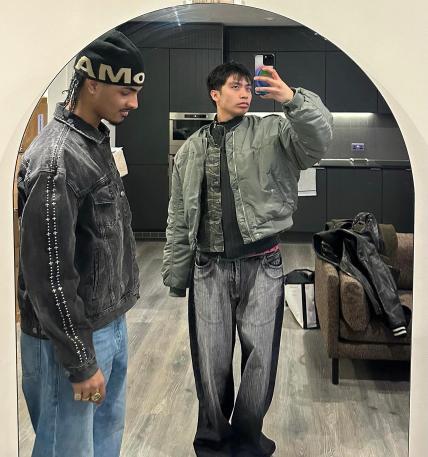
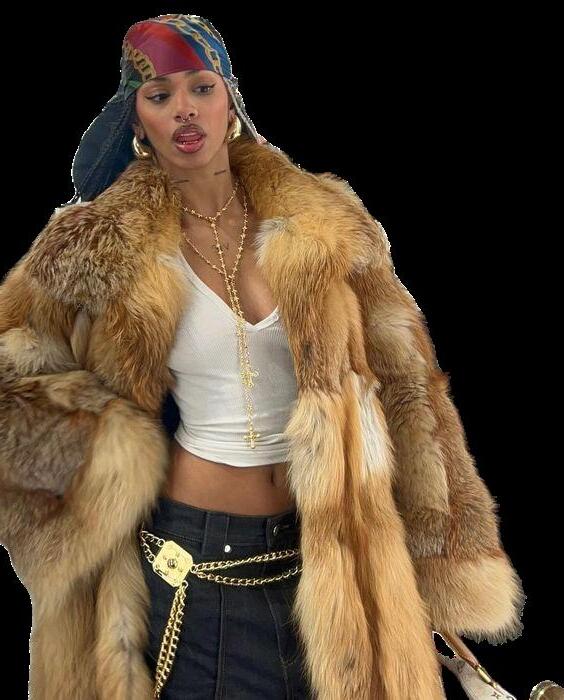
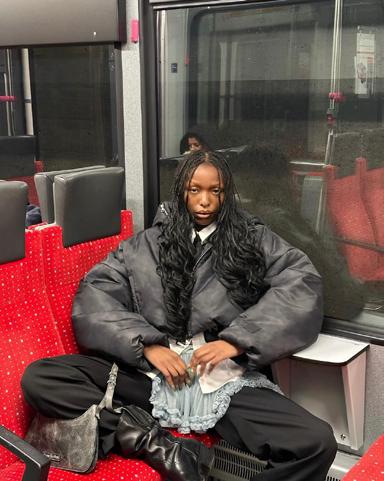
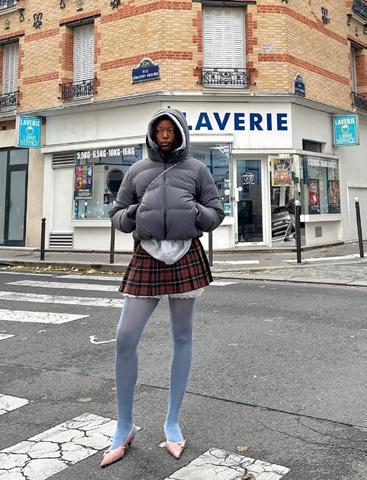
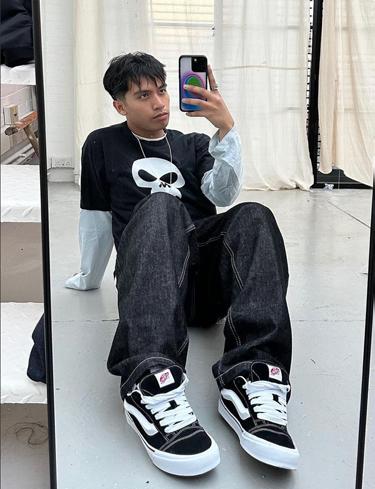
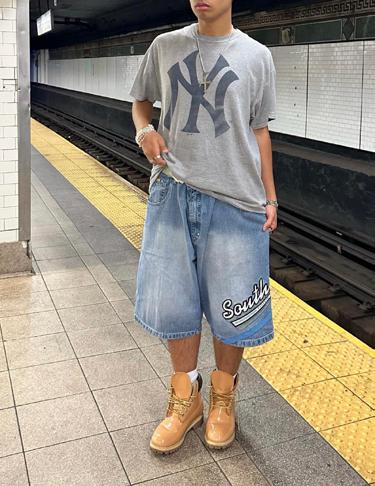
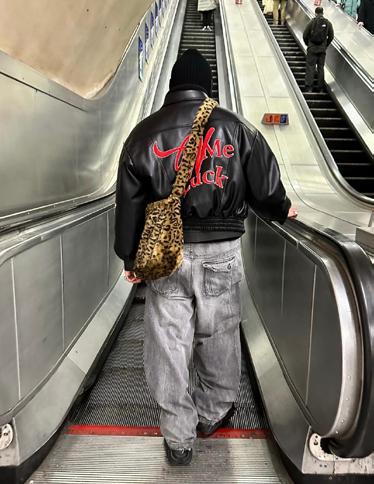
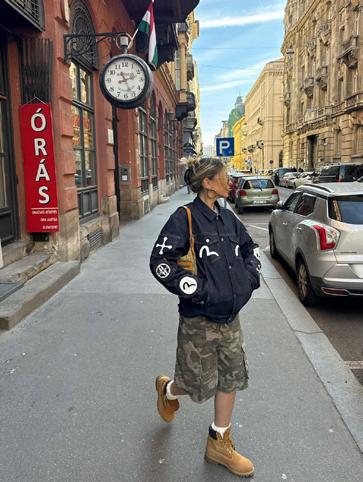
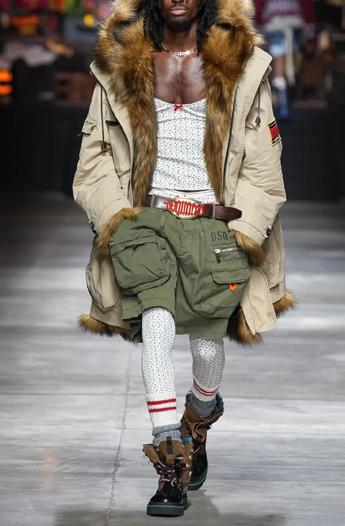
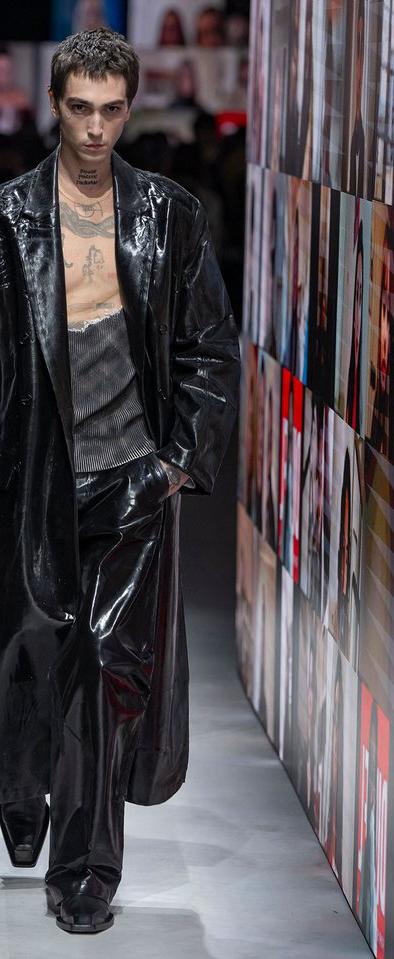
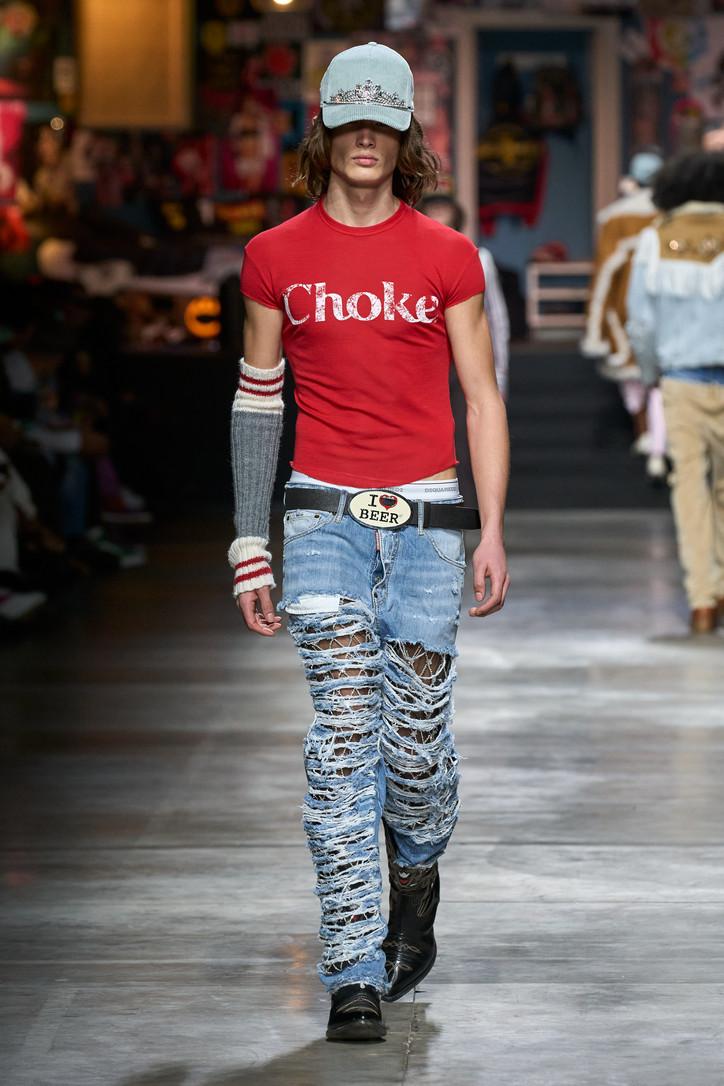
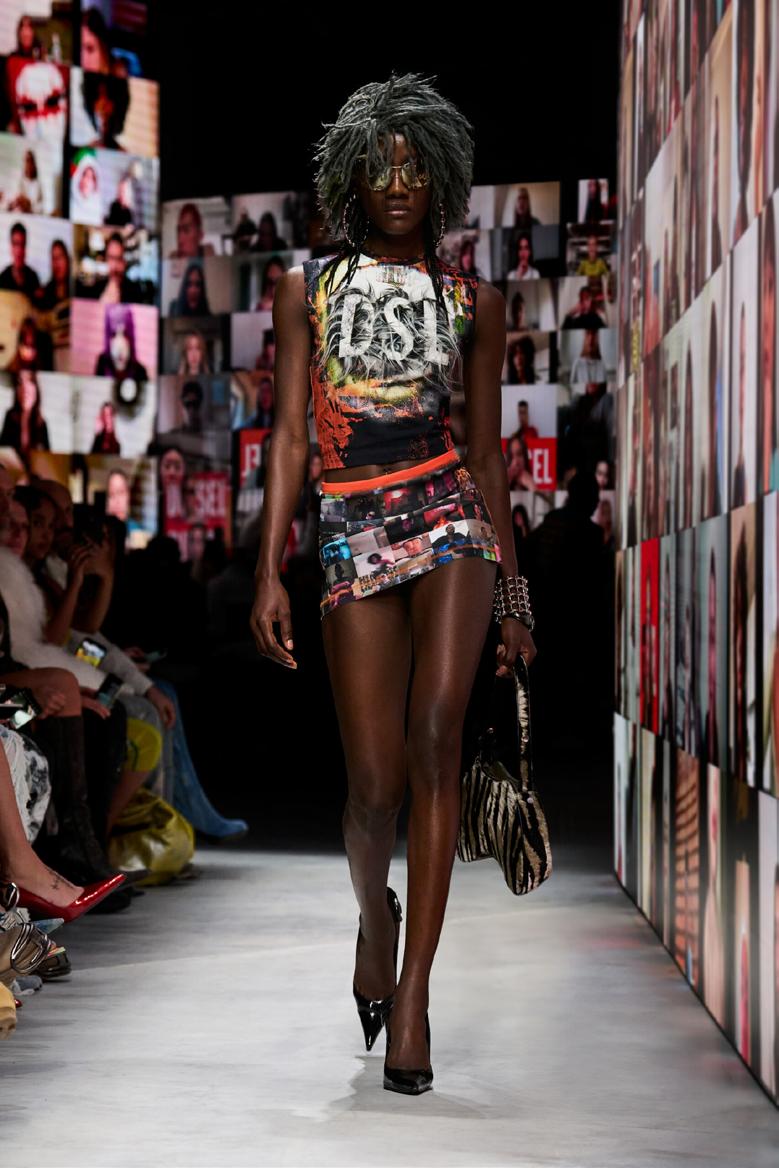
The new Fenty consumer is modern, experimental and androgynous. They feature in the early adopters category of Roger’s (1995) Diffusion Curve, making the target consumer very fashion-forward. Aligning with the new brand’s style, which takes inspiration from Rihanna herself, who adopts from contemporary streetwear culture of the 90s/00s, the consumer is a young, well-earning urbanite who takes influence from runway shows - with favourite brands such as Diesel, Jean Paul Gaultier, No Faith Studios, Balenciaga, DSquared2, and Vetements (impact explored further in Section 5.2). They enjoy thrifting and upcycling, which betters the environment. Creating clothing closely aligning with the aesthetic featured above will provide a more authentic brand identity

4.5 Consumer Type

Several points of reference for the new Fenty clothing were considered when deciding on overall clothing aesthetic and artistic direction. Largely, for womenswear this came from Rihanna and her own personal style, and menswear came from her partner, ASAP Rocky, who are both known for incorporating high fashion gender-bending streetwear into their everyday looks. This is explored further in a style dissection, seen in Section 5.1. The Instagram influencers featured below convey the ideal consumer type; they would be wearers of the new Fenty range and readers of the magazine. They offer their own take on current trends, leading to high-end and experimental results.


For consumer magazines, the editorial content should be matched to the lifestyle, interests and activities of the readers. - Juska, 2022
(Instagram, 2024)
(Instagram, 2024)
(Instagram, 2024)

5.1 Style Dissection

EDGY MAXIMALIST

Full Gucci ensemble, with a metal headpiece, lace and latex crop-top, faux fur and dragon-motif low-rise trousers. Jewellery stacking is present hanging Y2K necklaces. MILAN FW, 2022


RIHANNA AND ASAP ROCKY’S THEM ONE OF THE MOST STYLISH - Tom Baker for Highsnobiety,

THE MET GALA, 2023 NEW

Full Gucci ensemble, with a classic shirt, tie and blazer paired with tartan kilt and a trio of belts. Gold Bucheron jewellery and silver broach complete the look.

EXPERIMENTAL

ROCKY’S STREET-STYLE MAKE

STYLISH COUPLES IN HISTORY.

Highsnobiety, 2022

TREND-SETTER

5.2 Competitor Inspiration - Aesthetic

This section will examine the new Fenty’s competitors. An exploration of their aesthetic, and their approach to creating content and promoting products will highlight possible avenues for Fenty to explore in their brand resurgence.

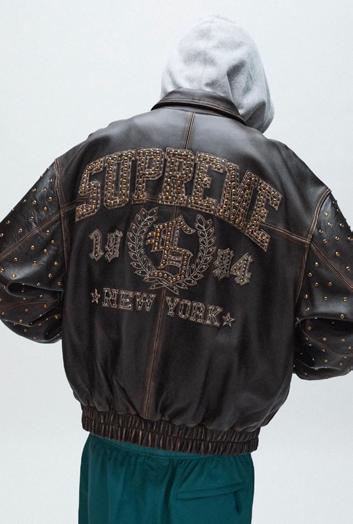
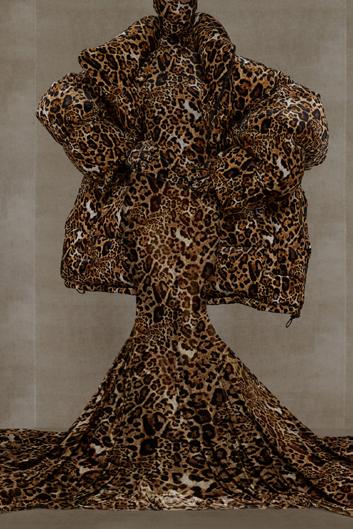
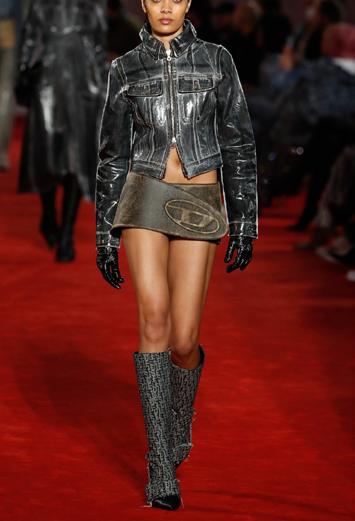
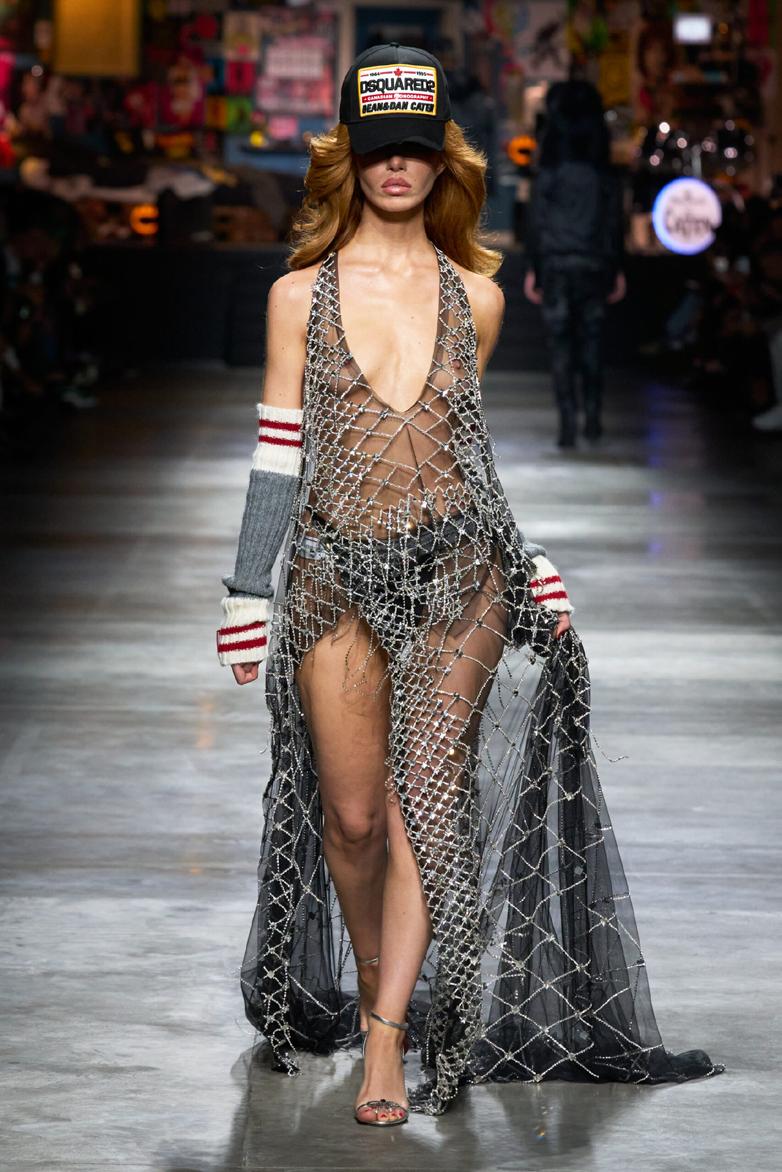
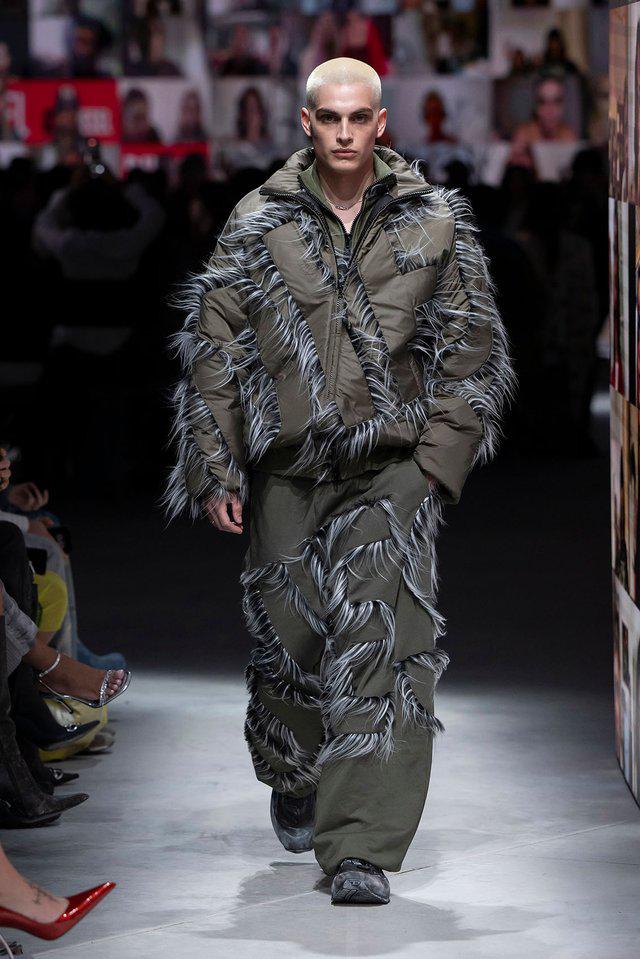
With Gen-Y and Z as the desired target audience for the new Fenty line, the brand will take inspiration from current consumer trends, including the rise of high-end streetwear. White (2023) details the “love-affair” between said consumer and streetwear, crediting this to the rise of popular street brands such as Supreme, and Palace, who both form points of aesthetic inspiration. However, a greater luxury feel will be adopted in line with the traditional LVMH pricing strategy, following in the footsteps of heritage brands such as Vetements, DSquared2 and Diesel, and independent brand No Faith Studios. Evidence for consumer demand for these brands can be seen notably with Diesel, with 70% of their SS23 runway audience consisting 18-25 year olds.

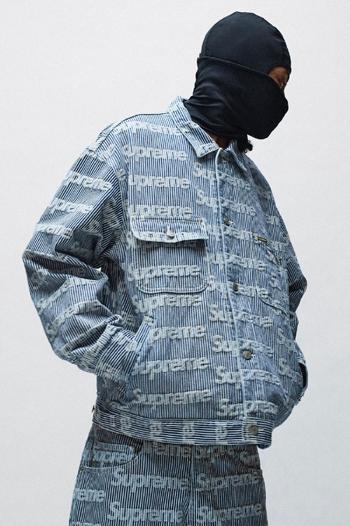
Supreme made their mark on the luxury fashion industry through their redefinition of partially-unisex streetwear (Yotka, 2020). Through high-profile collaborations with artists and other nonstreetwear brands such as Nike and Gucci, they quickly became one of the most successful brands in the 2010s amongst Gen-Z. They also However, their recent decline has been observed, with critics stating a loss in revenue due to a narrow creative aesthetic that do not align with current consumer trends, over-reliance on gimics and reduced exclusivity (Mistry, 2023). This is also shown through a reduction in resale value for the brand, seen on StockX (2024).

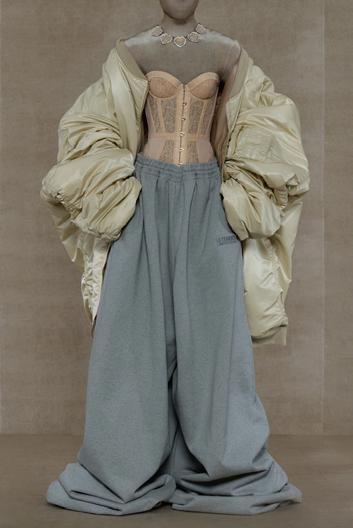
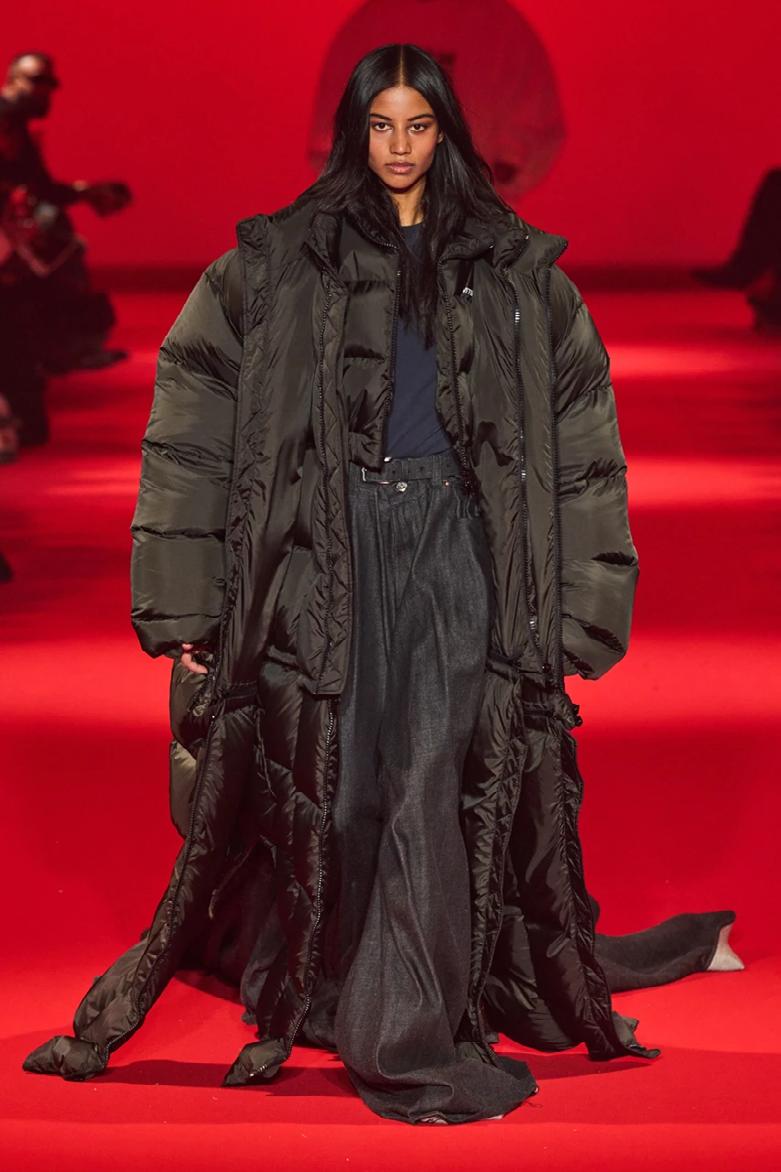
The subversive luxury brand has become one of the most significant players in contemporary street fashion, known for its unconventional approach to styling and androgyny (Highsnobiety, 2024). Originally only womenswear, the move to genderless clothing appealed to the “edgy” young consumer (Butler, 2016). Their clothing is consistently a political commentary, often anti-establishment, but previously faced scrutiny for “basic” pieces and unreasonably high prices (NSS, 2021). Though, Vetements has since since had a resurgence, with their SS24 show being one of PFW’s most-viewed; the brand was praised for their subversion of brand staples into “enormous drapery” (Silbert, 2023).


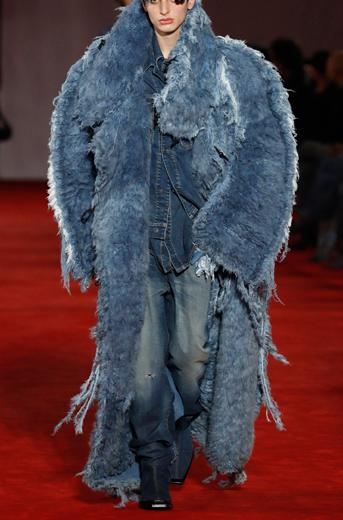
Cologne-based independent brand No/Faith Studios have gained rapid popularity due to their subversion of traditional silhouettes. Described as experimental by Kessler (2022), who also listed them on Vogue’s brands-to-watch list, she details their “inventive silhouettes and dramatic oversizing”. NFS hold a luxury price-point, well-praised for their handmade denim and leather distressing and unique pairing of wardrobe staples. Aligning with Fenty, they create provocative urban streetwear, heavily inspired by the trending Y2K era and 90s skater aesthetic - blending them together in gender-fluid and diverse high-fashion ensemble (Lorenzo, 2023).

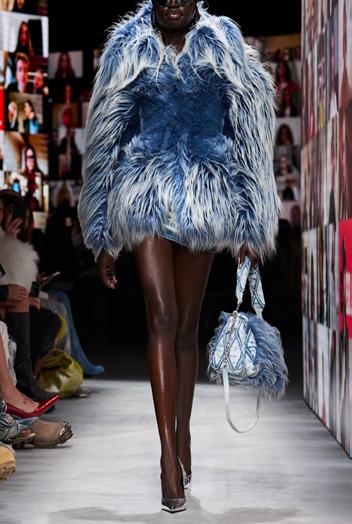
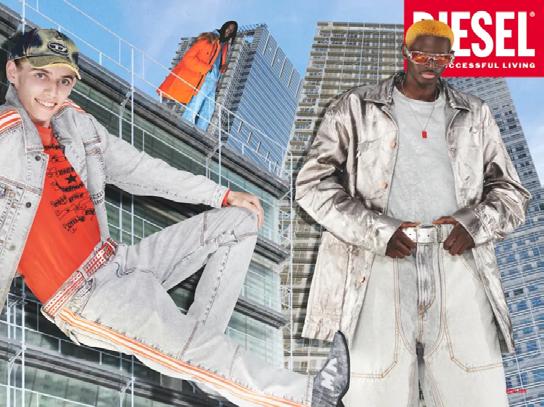
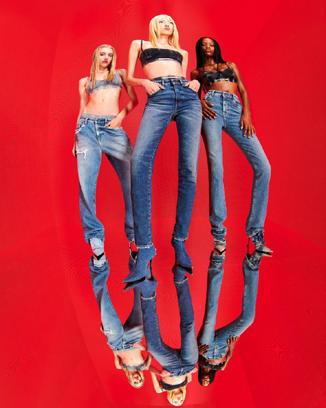
Diesel’s recent resurgence has been credited to new creative director Glenn Martens. Having previously described the brand as going through a “midlife crisis”, the brand became one of MFW’s most successful shows when Martens refuelled the brand, leveraging the brand’s past success in the 90s and 2000s (Kelly, 2023). The brand has been praised for their inclusivity, controversy and upcycling - with denim of the SS22 collection being fully sustainable, and making up 40% of the collection (Kelly, 2023).


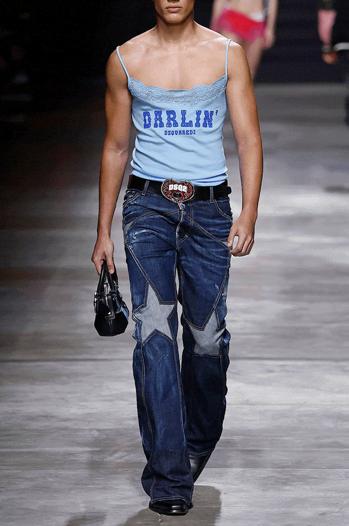
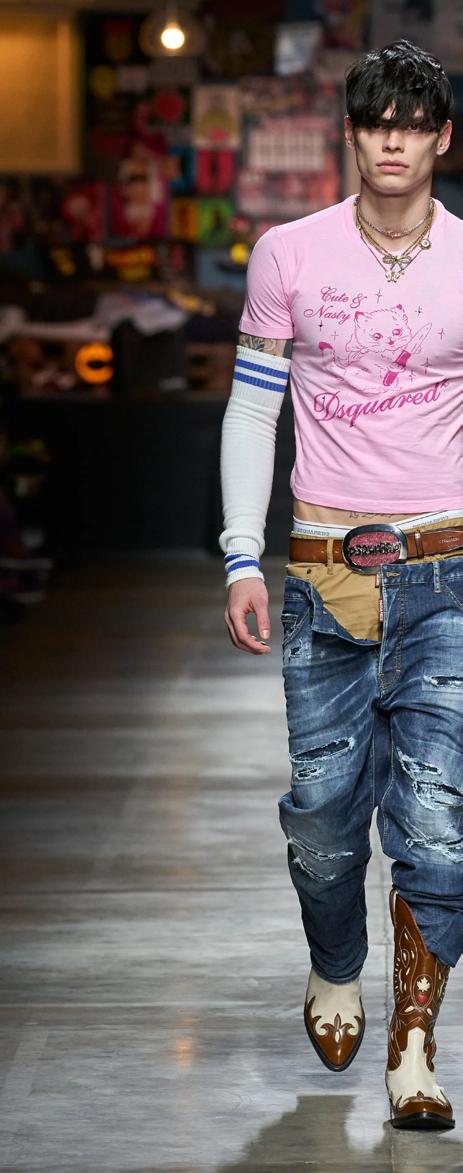
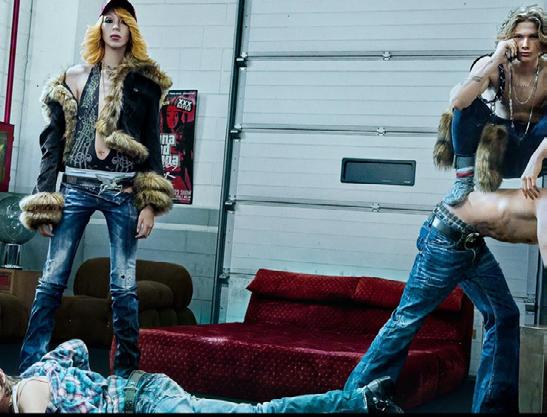
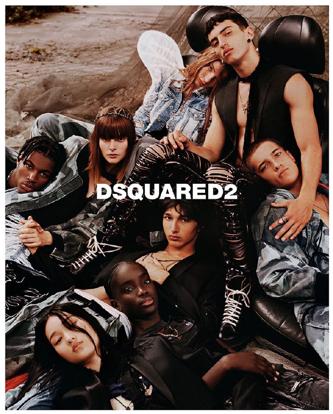
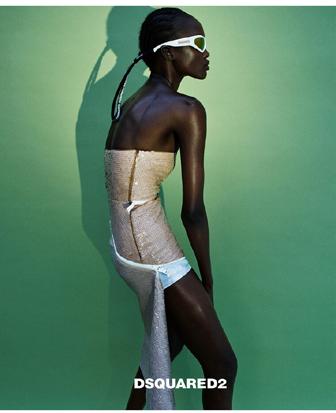
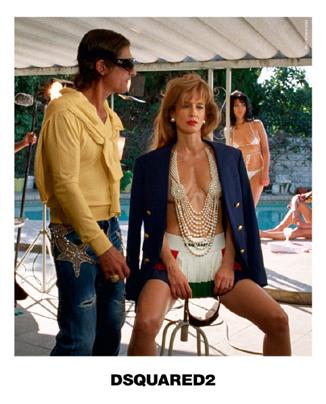
As one of the most notable names in the fashion industry, DSquared2 is known for its trend-setting and edgy designs, crediting their success to celebrity endorsements, controversy and 2000s pop culture (Abad, 2020). They have recently spiked in popularity due to their androgynous and high-fashion approach to streetwear, appealing to the Gen-Z consumer. Priding themselves on a camp and maximalist aesthetic, they have a unique approach to layering which helps to break stereotypes, notably with menswear collections that embrace the feminine - with men sporting low-waist jeans, cowboy boots and lace camisoles during FW23 (Hidayah, 2023).W

5.3 Competitor Summary

In terms of aesthetic and promotional tactics, the aforementioned brands (section 5.2) have been ranked from most to least relevant when tailoring Fenty’s business model to the new consumer.

Competitor

Aspirational competitor

Inspirational Points (To Adopt)

- Gender-bending and androgyny, especially with menswear,

- Bold design choices and celebrity endorsements,

- Unorthodox yet nostalgic approach to layering including blending of couture with casualwear,

- Collections have strong storytelling

Aspirational competitor - Campaigns call back to their heritage,

- Emphasis on sustainability in their collections,

- Consistency between promotional imagery, runway shows and RTW.

Lessons for Fenty (To Avoid)

- Lacking focus on sustainability,

- Less graphic tees; Fenty will be slightly more sophisticated,

- Clothing to align closer with Rihanna’s own personal style (Section 5.1).

Aspirational competitor

- Close to Rihanna’s own personal style,

- Y2K feel of bagginess and layering, with staples,

- Exciting and experimental silhouettes.

- Lacking androgyny,

- Slightly more minimalist with more wearable pieces,

- Less reliance on denim - own brand niche to be discovered.

- “A hoodie is not enough (anymore) to sell well, [it] at least needs to be minimal and sustainable” (NSS Magazine, 2021) - greater emphasis on current trends and well as sustainability,

- No gimics

Direct competitor

- Successful blending of avant-garde with streetwear, similar to Rick Owens,

- Marketing strategy built on exclusivity,

- Diverse representation,

- Focus on craftmanship, using high-quality materials.

- Less dark aesthetic, aligning with Rihanna’s own personal colourful style,

- Sustainability,

- More traditional marketing techniques - including physical media e.g., a brand magazine.

Direct competitor

- Brand collaborations (but at less frequent rate),

- Business model founded on exclusivity,

- Blend of luxury and streetwear,

- Targeting of urban youth

- Stay true to core brand identity,

- Do not rely on logomania - align clothing more with current trends, mixing minimalism/quiet luxury with streetwear,

- Greater emphasis on unisex

Figure 5 Competitor Aesthetic Analysis Summary (Author’s Own, 2024)

6.1 Curating Content for Gen-Z

Featuring articles specifically targeted to Gen-Z’s core interests will help Fenty to build a strong relationship with the consumer and help the magazine to reach a wider audience than only Rihanna’s fanbase. As digital natives (AECF, 2024), there should be a clear link between Fenty’s physical and digital, such as a physical QR code allowing the magazine to transport the consumer to the brand website. The content should also be authentic, with the generation valuing openness and dialogue (Francis and Hoefel, 2020), from a genuine social and political point of view, aligning with Rihanna’s own values. This can be tackled in numerous ways, such as through unfiltered interviews, with both celebrities and activists, sections designated to sustainability and transparency, and partnering with organisations that share Fenty’s brand values A behind-the-scenes feature would also improve the brand’s relatability, which is significant considering its price-point. An exclusive look at products, including future launches and brand events, would also make it more personal to the consumer, making them feel connected

Key findings:

- 62% of Gen-Z are willing to pay more for sustainably-made products (Petro, 2020),

- 88% of Gen-Z prefer brands to blend digital and physical channels (Accenture, 2021), - 91% expect to receive consistent information over multiple channels (Kirk, 2018), - 67% willing to pay for unique brand experiences (Fromm, 2021),

- 70% are likely to invest in “tangible” products (Fromm, 2021).

Gen-Z’s Core Characteristics:

E. Casey Foundation, 2024)

6.2 Corporate Print Content Analysis

An analysis of pre-existing successful own-brand magazines will help to decide the types of content that are effective. It will also prove useful when establishing Fenty’s own distribution strategies of their magazines.

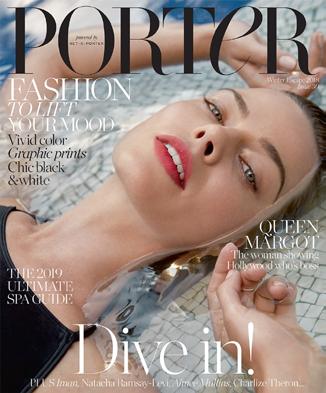
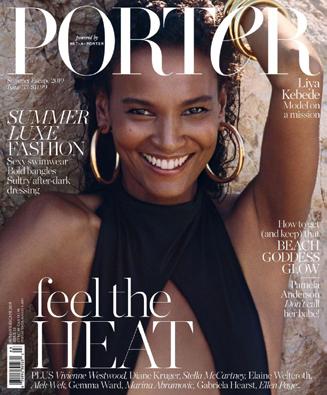
Launching in 2014, Porter magazine’s (by Neta-Porter) great commercial success has sparked several other fashion companies to follow the same promotional strategy (Fipp, 2016). The magazine previously produced six issues per year, but of May 2019 announced a reduction to bi-annual issues (Hopkins, 2021). They were previously available both digitally and physically through a subscription service, offering all six yearly issues for 14.99GBP, or a one-off purchase for 3.99. Spiking to a circulation of almost 160,000 in its peak in 2015 (Temprano, 2015), it provides evidence of a brand magazine’s potential success.

Key Features:

- Instantly shoppable products (via digital)

- Lifestyle suggestions

- Editorial content

- Influencer interviews

- Celebrity interviews

- Styling tips and hacks

- Makeup pairings and tips

- “If you only buy one thing...” section

- Buy of the week

(Gilliland, 2016)

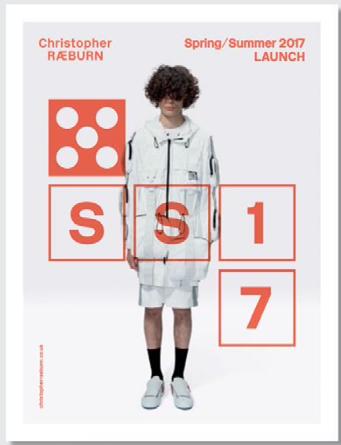
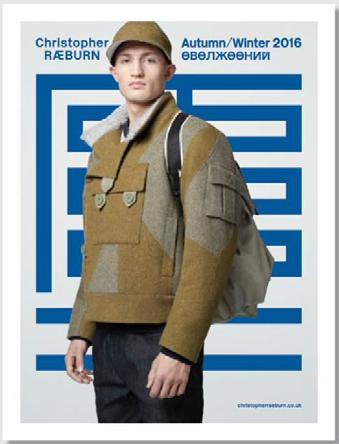
While Raeburn’s print is more of a lookbook than a magazine, its analysis is significant as it closely aligns with their values. Their emphasis on sustainability is reflected in their lo-fi lookbooks, which are made entirely of recycled 52gsm newsprint, which can once again be recycled at the end of their life (Newspaper Club, 2021). A similar approach can be adopted with Fenty’s magazine, considering the brand’s greater focus on environmentally-friendly luxury fashion.

Key Features:

- Focus on sustainability

- Core brand values at the centre of promotion

- Editorial looks presented

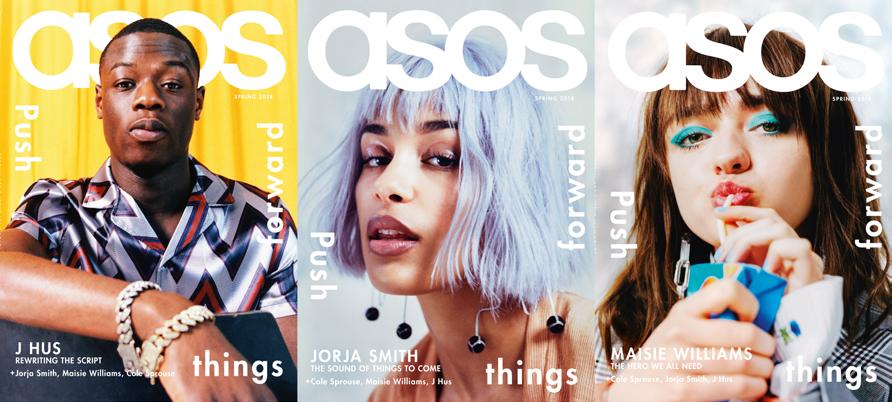
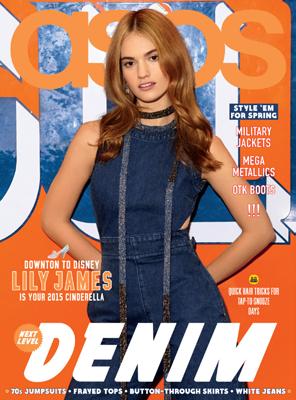
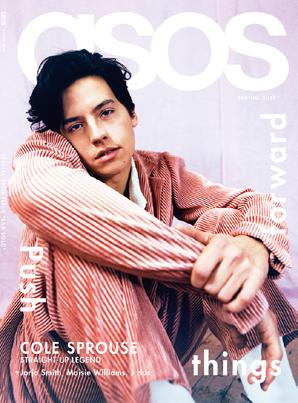
Despite its overall success, being the UK’s mostread printed fashion magazine and its peak circulation reaching 700,000 (Tobitt, 2019), the magazine closed after ten years in 2019. It consistently featured hot fashion picks and trends alongside a showcase of unspoken talent with stories featured around heavy topics surrounding activism, mental health and diversity. The brand often offered the magazine for free with purchase or online for 1.00GBP. Stating its decision to close to be to changing consumer demand, critics have claimed this to be a huge misstep for the brand, with the magazine helping to place itself in wider society and strengthen their now-struggling identity (Barker, 2019). Though Barker also states its closure means “longer-term damage,” he emphasies print’s usefulness in promotion, using ASOS Magazine’s popularity and long-run to support.

Key Features:

- Trending item pages

- Influencer interviews

- Celebrity interviews

- Styling tips and hacks

- Editorial and high-fashion shots

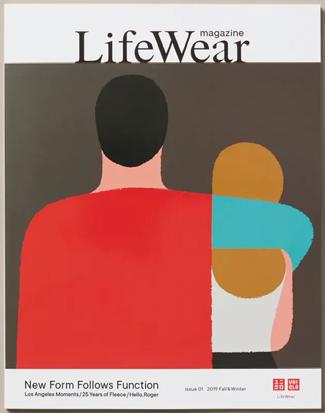
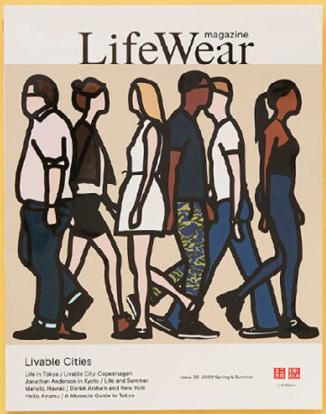
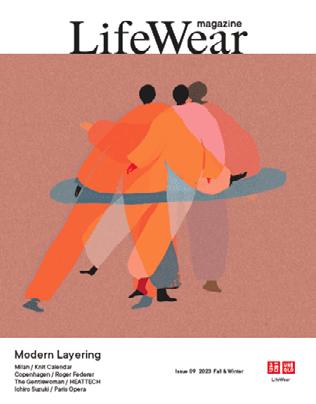
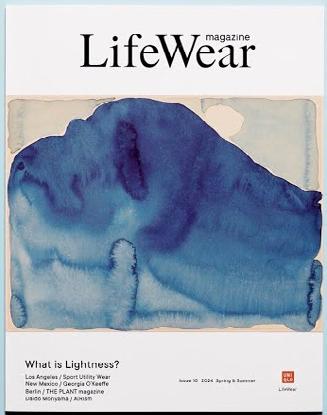
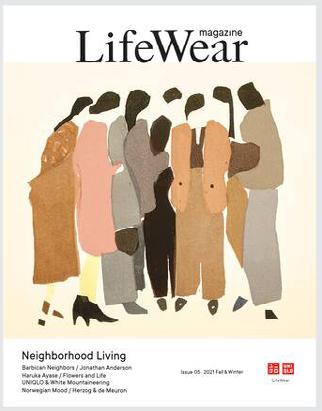
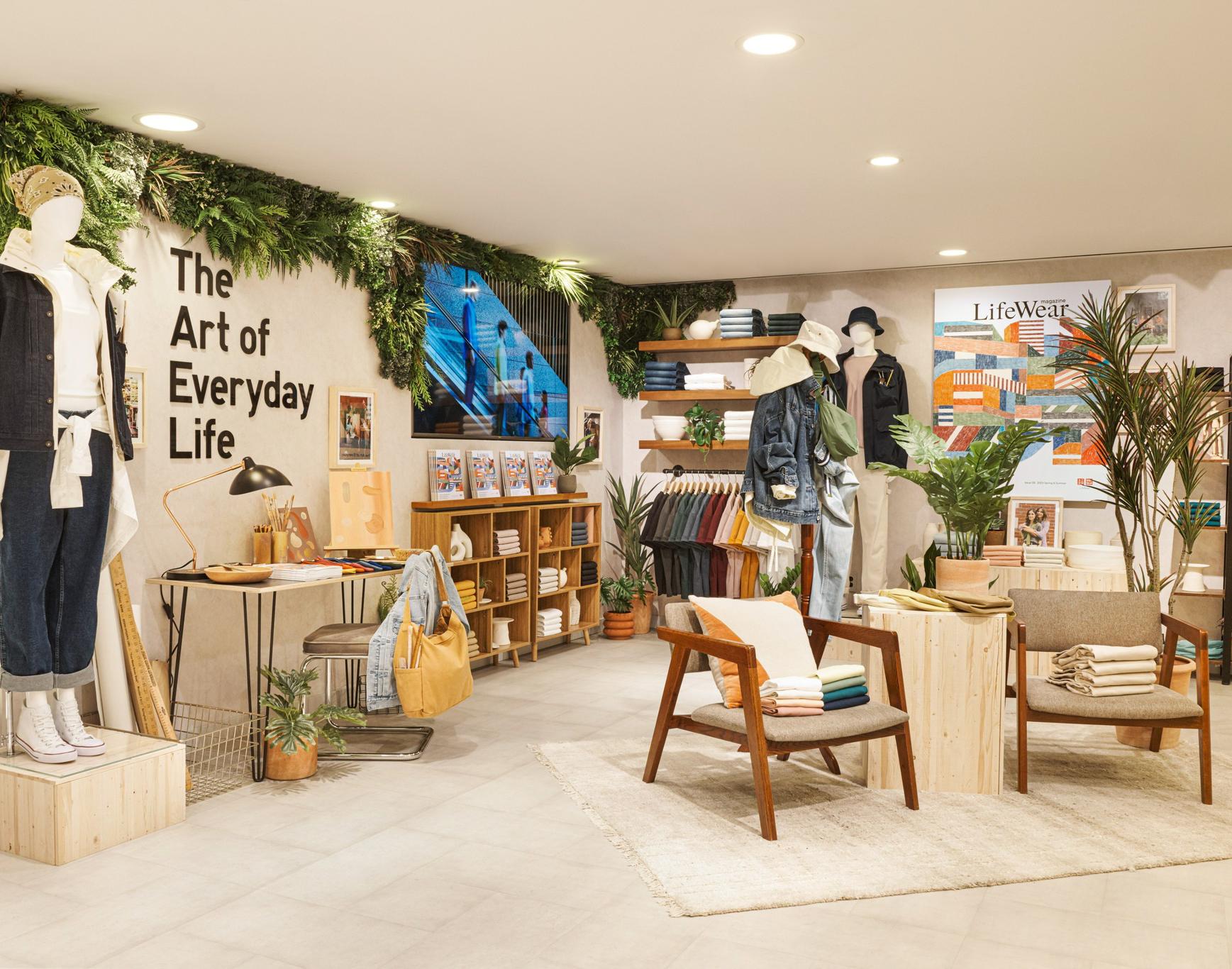
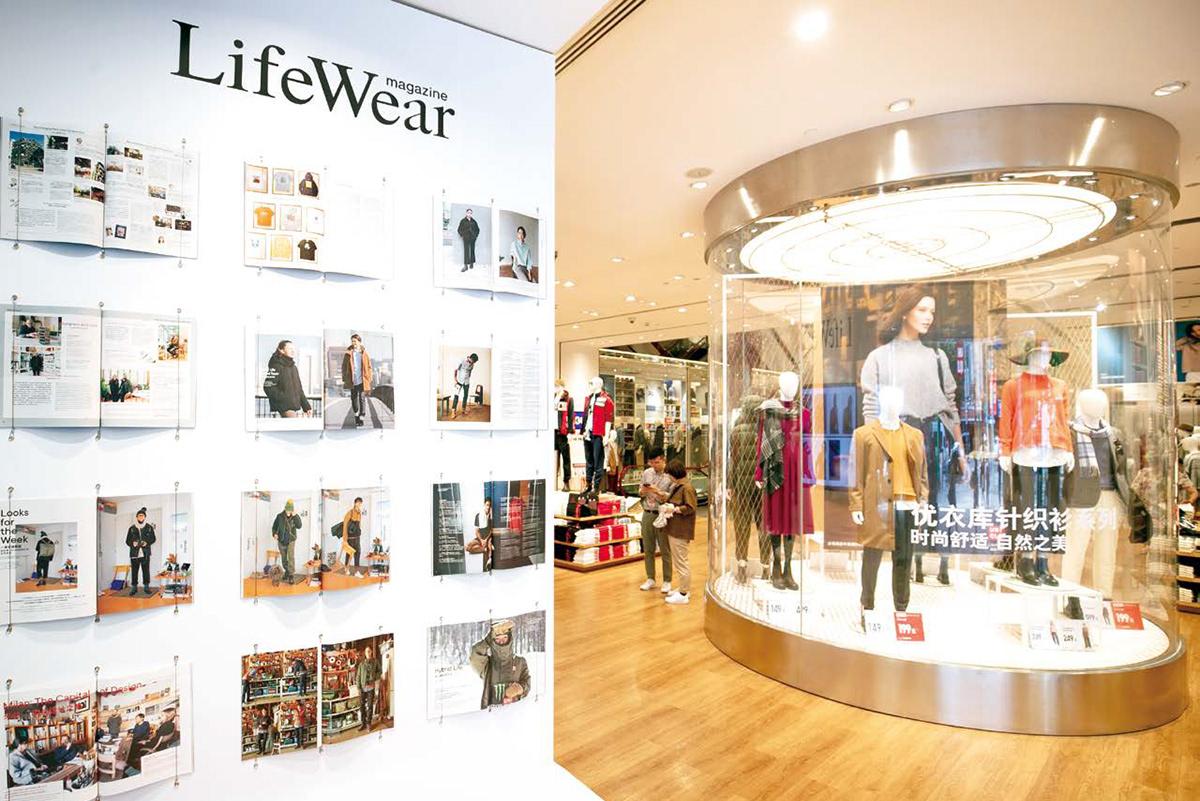
Uniqlo uses LifeWear, a bi-annual lifestyle magazine, to boost brand engagement). While not primarily using this magazine to promote clothing, unlike Fenty will be, it features real-life stories relating to the apparel and promotes the clothing through digital channels present in the magazine spreads (Waldow, 2023), alongside commentary on social/environmental issues, such as Issue 10 focussed around climate change (UNIQLO, 2024).

The CEO has noted positive feedback from consumers, stating a collectible aspect to avid Uniqlo fans. It is promoted both digitally and physically, with in-store displays reflecting the printed content (see right). They offer it for free in-store, stating it to help the brand stand out in an overcrowded industry (Waldow, 2023).

Key Features:

- Real-life stories/case studies

- Relatable content and people

- Imagery of brand ensembles

- Social/environmental commentary

6.3 Summary of Findings

Corporate Magazine Content Summary

In Figure 6, the strategic relevance of identified corporate magazine tactics are explored. They are examined in relation to the promotional aim and objective’s supported, identified in Sections 1.2 and 1.1 respectively.

Strategic Relevance:

- Influencer interviews

- Styling tips and hacks

- Celebrity interviews

- Real-life stories

- “If you only buy one thing” section

- Social/environmental commentary

- Focus on sustainability

Which of Gen-Z’s values does it align with?

Connected, community, open dialogue

Community, authenticity

Relatability, authenticity, connected

Authenticity, socially aware, community

Pragmatic, transparency

Socially aware, diverse, transparency, honesty, progressive

Socially aware, eco-conscious, community, connected

1. Promote new clothing range and increase sales

2. Build brand authenticity and trust

Boost the brand’s brand awareness, increasing recognition and customer retention.

- Editorial content

Progressive, fashion-forward

3. Promote core brand values

Prioritise eco-consciousness and sustainability

4. Create promotional material that aligns with Rihanna’s personal style

- Fenty pairings and tips

Community, authenticity, pragmatic, transparency, open dialogue

- Instantly shoppable products

Progressive, digitally native, pragmatic

5. Create own unique brand identity

6. Create an omnichannel experience for the consumer

Strengthen brand identity aligning closely with Rihanna’s style to give the brand a more unique point of view and entice fans and consumers into buying.

Optimise a multi-channel approach to create an integrated marketing scheme.

Figure 6 Strategic Relevance of Magazine Content (Author’s Own, 2024)

High product placement and promotion

High product placement and promotion

High product placement and promotion

Moderate product promotion, emphasis on lifestyle

Yearly 14.99GBP, one-off 3.99GBP

With delivery

Social media, email marketing, highprofile collaborations

10.00GBP

With delivery

Social media, press releases, emphasis on social responsibility

Free with purchase or 1.00GBP online Free in-store

With delivery, instores, physical distribution at events In-store

Social media, email marketing, usergenerated content, collaborations, physical distribution

In-store displays, online promotion, social media, email marketing, collaborations

Using Figure 7 and a comprehensive analysis of the magazine’s promotional aims, the following marketing strategy has been divised:

7.1 Product

The magazine will feature heavy product placement, with the most prominent aim of the magazine being to promote the new clothing line. This will be done largely through styling tips and high-fashion editorial shots in line with the brand’s new image (see Section 4.4). This will help to reinforce Fenty’s new brand identity Celebrity and influencer endorsements will also promote the products, relating directly to the Gen-Z consumer. Product promotion of other Fenty brands, such as the pairing of specific clothing with Fenty Beauty makeup and Savage X Fenty underwear to get a desired look. Interlinking the brands helps to solidify Fenty’s position in Rihanna’s corporate portfolio.

7.2 Price

While it could arguably be greater in terms of circulation numbers to offer the magazine free-with-purchase, a subscription magazine model would work better for the Fenty brand. Rihanna as the figurehead adds value, giving consumers a reason to purchase. Charging a price for the magazine will also make it more exclusive than offering it for free, increasing the likelihood of a collectible aspect to the magazine for fans and fashion-lovers specifically, like LifeWear. Due to the high level of production of the magazine, including high-fashion imagery which requires a large amount of resources, it would also be beneficial for the brand to charge consumers. So, the brand will be offered as singular purchases in-store for $6.00, with annual subscriptions costing $18.00; this is intentionally higher than competitors, with aims of promoting the exclusive aspect of the magazine.

Figure 7. 4P Summary of Competitor’s Tactics (Author’s Own, 2024)

7.3

Place

A snippet of the magazine should be offered in-store, as a physical paywall, so the magazine reaches a wide audience without losing reason to purchase the full edition. This is an example of a sample, This will include the less-exclusive information - such as real-life stories, product promotion and a portion of the editorial shots - to help to promote the publication and clothing without revealing the stories that people would pay for, such as interviews with Rihanna and other influencers. This will be featured on a decorative display, similar to Uniqlo, with the readable extract available to read through by customers, surrounded by editions of the sealed full edition which are able to be purchased at checkout.

It will also be available to subscribers digitally, where consumers have access to instantly shoppable products and also, as this brand moves towards being more exclusive like Supreme, could offer subscribers access to exclusive drops and early product launches, giving additional reasons to purchase.

7.4 Promotion

Promotion of the magazine itself is essential, for consumers to be constantly reminded of the brand and magazine’s presence. Through Figure X, it is demonstrated that successful approaches have previously used a varied yet consistent approach to promoting their editions via multiple touchpoints. This is the approach Fenty will adopt, aiming to target the omnichannel consumer.

Promoted Through:

- The app - instantly shoppable products and exclusive launches,

- In-store - interactive store displays reflecting editions’ content,

- Fenty events where the magazine will be sold,

- Press releases,

- Collaborations with influencers and other celebrities endorsing the brand,

- On social media.

8.1 Campaign Concept

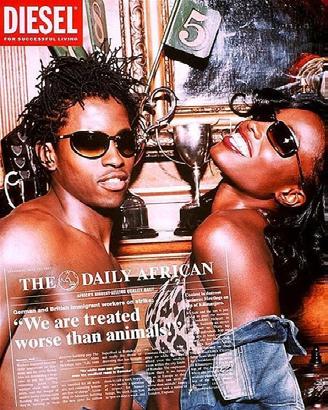
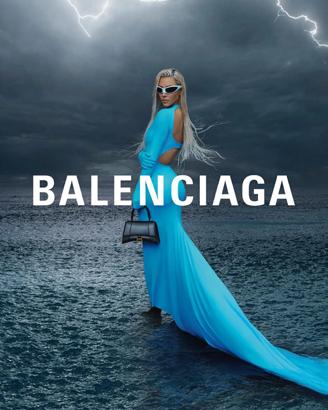
The concept behind the imagery will be high-fashion and editorial, mixing Rihanna herself with models such as Anok Yai and influencer Wisdom Kaye. This is key to reaching the target audience featured in 4.5. It will feature similar imagery to other high-fashion streetwear brands, such as Balenciaga, Acne Studios, Diesel and JPG. The campaign images will feature the new clothing range and men, particularly, will be utilised to promote the brand’s attitudes toward the evolving gender binary and androgyny. The campaigns will be leveraged to encourage further questioning of gender norms and will feature a diverse range of body types and skin tones to normalise inclusive branding, which separates Fenty from traditional high-fashion brands, notably DSquared2 who promotes a non-inclusive brand image.

8.2 Competitor Campaign Inspiration

8.3 Flat Plan

Using the features described in Section 6.4, the following flatplan has been designed to tailor content to the target consumer. Images

CONTENTS

FRONT COVER

EDITOR’S LETTER

INTERVIEW - RIHANNA TRENDING

APP STORE

SUSTAINABILITY FENTY PAIRINGS

INFLUENCER INTERVIEW

CENTERFOLD

STAR PRODUCT - RIHVIEW

BACK COVER

20 QUESTIONS

Figure 8. Flat Plan (Author’s Own, 2024)

9.1 Resource Allocation

Due to the placement of the magazine in the launch schedule, occurring after both the store and app launch, the promotional budgets for the magazine will be large to ensure a successful ROI - this covers: fashion shoot costs, such as fees for models endorsing the brand in imagery and interviews, and the printing and further distribution of the magazine. As written in the process model (Figure X), confering with different departments, notably marketing, buying and advertising is key to ensure a cohesive marketing approach, in launch dates, product information and public relations. Additional resources must be allocated for various roles, such as trend analysts, stylists, and graphic design costs, as well as the training of in-store staff to promote the magazine through word-of-mouth, linking to section 7.3. The in-store promotion needs to be effective, with high-end store displays reflecting the edition’s content. Lastly, the e-commerce department are responsible for both app support - including any issues with digital subscriptions and the instantly shoppable feature - and online promotion, regarding mailing lists, social media and the Fenty website. So, these departments must be designated both tangible (financial) and intangible resources, such as consumer insights, to ensure customer satisfaction and allowing Fenty to monitor the success of the magazine (Section 9.3).

9.2 Launch Schedule and Timeline

As stated, the magazine will launch after various other promotional and exposure tactics. The magazine comes after the flagship store opening and app launch due to its dependence on both factors, with the magazine being available by both digital subscription and one-off purchases in-store. This allows the magazine to also feature insight into the store and app, such as the location of the store with key selling points and QR codes for the app, which will promote them. As it also features products from the new line, it is crucial for the magazine to come after the brand’s re-launch when initial campaign imagery has been posted on social media. Prior promotional tactics will also boost brand awareness, helping the magazine’s overall sales and effectiveness.

Fenty

9.3 Monitoring Success

A useful way to measure the success of a promotional tool would be to measure ROI, due to its links with campaign effectiveness (Hall, 2022). By measuring KPIs such as spikes in sales around the magazine’s launch and the correlation between optimum circulation numbers and sales, the success can be examined. Hall (2022) also states the importance of non-numerical data, such as increase in customer loyalty. This could be approximately determined by using statistics based on the number of customers with subscriptions, the amount of repeat purchases and internet metrics, including app downloads, webpage traffic and social media visits. The following table presents a range of tools Fenty should use to ensure the magazine is meeting promotional and objective aims:

Objective

Boost brand awareness, increasing recognition and customer retention

Prioritise ecoconsciousness and sustainability

Strengthen brand identity with Rihanna’s style to entice fans and consumers into buying

Optimise a multichannel approach for an integrated marketing plan

Measuring Its Success

Brand awareness: web traffic, social media metrics including X’s trending page and hashtag usage, magazine mentions in blogs and fashion sites such as Vogue. Customer retention: subscriptions, repeat purchases, sign-ups to mailing lists.

If the brand prioritises sustainability successfully, audience surveys and social media discussions regarding the brand’s position can be examined to see whether messages are getting conveyed efficiently.

A strengthened brand identity can be measured post-magazine launch by: measuring brand mentions, interactions with content such as how many customers use the instantly shoppable feature, subscription and circulation growth.

Measuring the effectiveness of a multi-channel approach will largely be measured by how many magazine-readers visit Fenty’s other touchpoints, including visits to the flagship store, app downloads, social media tracking and website footfall.

Figure 10. Measuring Magazine Success (Author’s Own, 2024)

With these tools being based on consumer interaction with the brand through multiple touchpoints, if the magazine’s release fails to spike any of the listed KPIs, the promotion both in-store and online should be increased, such as Rihanna taking to her personal Instagram account to promote the magazine or buying ad space on social media such as TikTok and Instagram. If performance fails to improve, Fenty should decide whether producing future editions of the magazine justifies the investment.

10.0 CONCLUSION

In conclusion, a magazine is an effective promotional tool for a brand like Fenty looking to affirm a new brand aesthetic, highlight core brand values and target a new demographic. Communicating these factors through a unique, physical touchpoint is crucial to the omnichannel Gen-Z who longs for distinctive promotional tactics to differentiate from the oversaturated marketplace. To do this effectively, the magazine (Book 2), will use a mixture of tools such as interviews, influencer endorsement, sustainability-based pages and exclusive Rihanna content to drive brand buzz. The magazine will act as part of a holistic and integrated marketing approach, where it is leveraged to promote what is currently occurring, with the promotion of both the app and the store being featured. A range of aspirational and direct competitors’ successful approaches have been analysed, ensuring the new brand aesthetic reaches the desired target audience and results in greater sales for the brand.

For Rationale:

Abad, M. (2020). The Biggest Pop Culture Milestones in Dsquared2’s History. [online] PAPER Magazine. Available at: https://www.papermag.com/dsquared2-interview-25th-anniversary. Alders, K.-M. and Bottcher, T.A. (2023). Green Generation: Sustainable Purchase Intention and Marketing Impact on Gen Z. Ang, T. (2018). Single’s Day’s $30bn Data – Gen-Z and Attracting Consumers through Omnichannel Marketing. [online] China Economic Review . Available at: https://manchester.idm.oclc.org/login?url=https:// www.proquest.com/magazines/single-s-day-30bn-data-gen-z-attracting-consumers/docview/2158389176/ se-2?accountid=12253.

Annie E. Casey Foundation (2024). What Are the Core Characteristics of Generation Z? [online] The Annie E. Casey Foundation. Available at: https://www.aecf.org/blog/what-are-the-core-characteristics-of-generation-z.

Bain, M. (2021). Why Rihanna’s luxury collaboration with LVMH failed. [online] Quartz. Available at: https:// qz.com/1971287/why-rihannas-luxury-collaboration-with-lvmh-failed. Baker, T. (2022). Rihanna & A$AP Rocky’s Fits Are Couple Goals To The Extreme. [online] Highsnobiety. Available at: https://www.highsnobiety.com/p/rihanna-asap-rocky-new-york-summer-style/ [Accessed 28 Apr. 2024].

Barker, M. (2019). Asos was wrong to ditch print now its brand is in crisis. [online] Marketing Week. Available at: https://www.marketingweek.com/asos-wrong-to-ditch-print/.

Berkbuegler, C. (2020). How to Use Magazine Advertising to Brand Your Business. [online] info.zimmercommunications.com. Available at: https://info.zimmercommunications.com/blog/how-to-use-magazine-advertising-to-brand-your-business#:~:text=To%20tap%20into%20the%20conscience [Accessed 13 Apr. 2024].

Blythe, J. (2006). Essentials of Marketing Communications. New York: Ft/Prentice Hall. Butler, F. (2016). My Thoughts on Vetements. [online] Freddy Butler. Available at: https://www.freddybutler. com/fashion/2016/3/1/my-thoughts-on-vetements [Accessed 25 Apr. 2024].

Chaney, D., Touzani, M. and Ben Slimane, K. (2017). Marketing to the (new) generations: summary and perspectives. Journal of Strategic Marketing, 25(3), pp.179–189. doi:https://doi.org/10.1080/096525 4x.2017.1291173.
Chen, L., Chen, G., Ma, S. and Wang, S. (2022). Idol Worship: How Does It Influence Fan Consumers’ Brand Loyalty? Frontiers in Psychology, 13(850670). doi:https://doi.org/10.3389/fpsyg.2022.850670. Cope, J. and Maloney, D. (2019). Fashion Promotion in Practice. London: Bloomsbury Pub. Cutlip, S.M. and Center, A.H. (1952). Effective public relations. New Jersey Prentice-Hall.

Dominguez , I.P., Zambrano, R.E. and Rodriguez , V.A. (2023). Gen Z’s Motivations Towards Sustainable Fashion and Eco-Friendly Brand Attributes: the Case of Vinted. Sustainability , 15(11).

Fipp (2016). Porter: The perfect digital fashion magazine experience. [online] FIPP. Available at: https:// www.fipp.com/news/the-perfect-digital-fashion-magazine-experience/# [Accessed 29 Apr. 2024].

Francis, T. and Hoefel, F. (2020). ‘True Gen’: Generation Z and its implications for companies. [online] McKinsey&Company. Available at: https://www.mckinsey.com/~/media/McKinsey/Industries/Consumer%20 Packaged%20Goods/Our%20Insights/True%20Gen%20Generation%20Z%20and%20its%20implications%20for%20companies/Generation-Z-and-its-implication-for-companies.pdf.

Fromm, J. (2023). How Gen Z And Rich Consumers Are Re-Shaping The Experience Economy. [online] Forbes. Available at: https://www.forbes.com/sites/jefffromm/2023/11/09/gen-z-and-affluent-consumers-are-re-shaping-the-experience-economy/.

Gilliland, N. (2016). Four things brands can learn about content marketing from Net-A-Porter. [online] Econsultancy. Available at: https://econsultancy.com/four-things-brands-can-learn-about-content-marketing-from-net-a-porter/. Hall, J. (2022). How To Measure The Success Of Your Marketing Campaigns. Forbes. [online] 25 Dec. Available at: https://www.forbes.com/sites/johnhall/2022/12/25/how-to-measure-the-success-of-your-marketing-campaigns/.

Hidayah, S. (2023). The DSQUARED2 Fall 2023 CO-ED Collection Was Hot! [online] YUNG. Available at: https://thisisyung.com/the-dsquared2-fall-2023-co-ed-collection-was-hot/ [Accessed 27 Apr. 2024]. Highsnobiety (2024). Vetements. [online] Highsnobiety. Available at: https://www.highsnobiety.com/tag/ vetements/.

Hofmaier, R. (2015). Marketing, Sales and Customer Management (MSC). Walter de Gruyter GmbH & Co KG.

Hopkins, K. (2021). What Happened to the Brand Magazine? [online] WWD. Available at: https://wwd.com/ business-news/media/brand-print-magazines-1234775608/.

Johnson, G. and Scholes, K. (1993). Exploring Corporate Strategy: Text and Cases. New York: Prentice-Hall.

Juska, J.M. (2017). Integrated Marketing Communication. Routledge. Kardes, F., Cronley, M. and Cline, T. (2014). Consumer Behavior. Cengage Learning. Kelly, D. (2023). How Glenn Martens Saved Diesel From Its Midlife Crisis. [online] Hypebeast. Available at: https://hypebeast.com/2023/3/diesel-glenn-martens-interview-midlife-crisis-fall-winter-2023-runway-ellasnyder.

Kessler, A. (2022). 17 Fashion Names To Know Now According To Cult Instagram, Up Next Designer. [online] British Vogue. Available at: https://www.vogue.co.uk/fashion/article/up-next-designer-names-toknow-2022.

Kitchen , P.J. and Burgmann, I. (2010). Integrated Marketing Communication. [online] Available at: https:// onlinelibrary.wiley.com/doi/pdf/10.1002/9781444316568.wiem04001.

Leon, P. de (2020). Take a Look Inside Rihanna’s FENTY Bergdorf Goodman Pop-Up. [online] HYPEBAE. Available at: https://hypebae.com/2020/2/fenty-rihanna-bergdorf-goodman-pop-up-store-jed-skrzypczak-digital-art-installation.

Lorenzo, H. (2023). No/Faith Studios. [online] H. Lorenzo. Available at: https://www.hlorenzo.com/collections/no-faith-studios [Accessed 26 Apr. 2024].

Lubaroff, W. (2024). Are Magazines Still Profitable? [online] Walsworth. Available at: https://www.walsworth. com/blog/are-magazines-still-profitable.

McKeever, M., Diffley, S. and O’Rourke, V. (2021). Generation Z an Exploration of Their Unique Values Driving Brand Affinity. In: Atlantic Technological University . Medium (2023). Fan Economy: How Idols and Fans Drive Real Consumption. [online] Medium. Available at: https://medium.com/@fandom_creators/fan-economy-how-idols-and-fans-drive-real-consumption2032f8d8252.

Medium (2024). How Magazines Can Boost Your Local Business Branding. [online] Medium. Available at: https://medium.com/@westfieldlivingmag/how-magazines-can-boost-your-local-business-branding-c32221846241 [Accessed 10 Apr. 2024].

Mistry, T. (2023). Quiet Luxury Vs Streetwear: Does Supreme’s $38.4 Mil Decline Signal the End of an Era? [online] Darlingzine. Available at: http://www.darlingzine.com/2023/08/quiet-luxury-vs-streetwear-does.html [Accessed 25 Apr. 2024].

Moin, D. (2020). Fenty Gets Physical and Digital at Bergdorf’s. [online] WWD. Available at: https://wwd.com/ feature/rihanna-fenty-bergdorf-goodman-1203460241/ [Accessed 25 Apr. 2024].

Mower, S. (2019). Black Is Beautiful: How The 1960s Movement Inspired Rihanna’s Latest Fenty Collection. [online] British Vogue. Available at: https://www.vogue.co.uk/article/rihanna-fenty-inspiration. Mulligan, M. (2024). Fan economy: expanded rights are worth $3.5 billion, now what? [online] MIDiA Research. Available at: https://www.midiaresearch.com/blog/fan-economy-expanded-rights-are-worth-35-billion-now-what [Accessed 17 Apr. 2024].

Newspaper Club (2021). Why print’s en vogue with fashion brands - Newspaper Club. [online] www.newspaperclub.com. Available at: https://www.newspaperclub.com/blog/posts/21465-why-prints-en-vogue-withfashion-brands.

Nielsen, M. (2012). Advertising & Promotion. An Integrated Marketing Communications Approach. Corporate Communications: An International Journal, 17(3). doi:https://doi.org/10.1108/ccij.2012.16817caa.002.

NSS Magazine (2021). Is Vetements really dead? [online] nss magazine. Available at: https://www.nssmag.com/en/ fashion/24931/vetements-dead-demna-gvasalia.

PBPM, Prime Business Process Management (2023). Importance of Business Process Modelling in Modern Organisations. [online] Medium. Available at: https://medium.com/@BPMSoftwareAustralia/importance-of-business-process-modelling-in-modern-organisations-2566a8619100.

Petro, G. (2020). Sustainable Retail: How Gen Z Is Leading The Pack. [online] Forbes. Available at: https://www. forbes.com/sites/gregpetro/2020/01/31/sustainable-retail-how-gen-z-is-leading-the-pack/?sh=6d3dcdf32ca3.

Print Business (2024). Gen Z: it’s a whole new game – Print Business – for Forward Thinking Printing. [online] Print Business. Available at: https://printbusiness.co.uk/gen-z-its-a-whole-new-game/#:~:text=Print%20is%20popular%20because%20it [Accessed 29 Apr. 2024].

Schultz, D.E., Tannenbaum, S.I. and Lauterborn, R.F. (1994). The new marketing paradigm : integrated marketing communications. Lincolnwood, Ill.: Ntc Business Books. Silbert , J. (2023). Is Vetements the New Balenciaga? [online] Highsnobiety. Available at: https://www.highsnobiety. com/p/vetements-balenciaga-legacy-2023/ [Accessed 25 Apr. 2024].

Slack, N. and Jones, A.B. (2019). Operations Management. 9th ed. Harlow, England: Pearson. Smith, P.R. and Zook, Z. (2011). Marketing communications : integrating offline and online with social media. London: Kogan Page.

Soken-Huberty, E. (2023). 10 Reasons Why Monitoring and Evaluation is Important. [online] tools4dev. Available at: https://tools4dev.org/blog/why-monitoring-and-evaluation-is-important/. Statista (2022). Number of Magazine Readers in the United States from 2012 to 2021. [online] login.manchester. idm.oclc.org. Available at: https://www-statista-com.manchester.idm.oclc.org/statistics/207850/total-gross-magazine-audience-in-the-united-states/ [Accessed 8 May 2024].

Sternadori, M. and Holmes, T. (2020). The handbook of magazine studies. Hoboken, Nj Wiley Blackwell. Swinscoe, A. (2023). 15 Customer Experience Predictions For 2024. [online] Forbes. Available at: https://www. forbes.com/sites/adrianswinscoe/2023/12/18/15-customer-experience-predictions-for-2024/.

Tobitt, C. (2019). ASOS magazine closes after ten years as fashion firm plans ‘social-first’ focus. [online] Press Gazette. Available at: https://pressgazette.co.uk/news/asos-magazine-closes-after-ten-years-as-fashion-firm-planssocial-first-focus/ [Accessed 29 Apr. 2024].

Trott, P. (2017). Innovation Management and New Product Development. 6th ed. Harlow, England: Pearson. Umut Ayman and Anil Kemal Kaya (2020). Promotion and Marketing Communications. London, Uk: Intechopen. UNIQLO (2024). Introduction | LifeWear magazine | UNIQLO UK. [online] UNIQLO. Available at: https://www.uniqlo.com/uk/en/contents/lifewear-magazine/about/.

Van Reijmersdal, E.A., Neijens, P.C. and Smit, E.G. (2010). Customer Magazines: Effects of Commerciality on Readers’ Reactions. Journal of Current Issues & Research in Advertising, 32(1), pp.59–67. doi:https://doi.org/10.1 080/10641734.2010.10505275.

White, A. (2023). How gen Z is defining a new fashion zeitgeist with community at its heart. [online] The Drum. Available at: https://www.thedrum.com/opinion/2023/09/12/how-gen-z-defining-new-fashion-zeitgeist-with-community-its-heart.

Wiggington, A. (2023). Brand is back: why magazine media makes the perfect partner. [online] magnetic.media. Available at: https://magnetic.media/news-views/views/brand-is-back-why-magazine-media-makes-the-perfectpartner.

Wilson, B. (2019). Book Review: Marketing to Gen Z: The Rules for Reaching This Vast and Very Different Generation of Influencers. Journal of Macromarketing, 39(2), pp.228–230. doi:https://doi. org/10.1177/0276146719830156.

Yates, J. (2019). Rihanna introduces curvy mannequins at Fenty pop-up event, gets social media praise. [online] ABC News. Available at: https://abcnews.go.com/GMA/Style/rihanna-wears-perfect-pink-slip-dress-summer-fenty/ story?id=63811554 [Accessed 9 May 2024].

Yotka, S. (2020). What Supreme’s $1.6 Billion Sale Means For Fashion. [online] British Vogue. Available at: https:// www.vogue.co.uk/fashion/article/supreme-vf-corporation#:~:text=Supreme [Accessed 25 Apr. 2024].

For Magazine - Text:

Anello, C. (2021). What Model Paloma Elsesser Can’t Live Without. [online] The Strategist. Available at: https://nymag.com/strategist/article/paloma-elsesser-favorite-things.html [Accessed 9 May 2024].

AnOther (2022). Craig McDean Captures the Season’s Most Magnetic Looks. [online] AnOther. Available at: https://www.anothermag.com/fashion-beauty/13957/craig-mcdean-katie-shillingford-edit-of-the-season-ss22 [Accessed 8 May 2024].

Astoul, E. (2023). Silk: How Ethical And Sustainable Is It? (& Better Alternatives To Choose Instead). [online] Sustainably Chic. Available at: https://www.sustainably-chic.com/blog/what-is-silk.

Bradley, F. (2023). Not just Fenty: inside NFL Super Bowl singer Rihanna’s skincare regime. [online] South China Morning Post. Available at: https://www.scmp.com/magazines/style/celebrity/article/3209907/rihannas-skincaresecrets-revealed-nfl-super-bowl-star-and-fenty-billionaire-maintains-her-glowing [Accessed 7 May 2024].

Cadre (2024). Unveiling the Beauty of Non-Toxic Dyes: Safe, Sustainable, and Stunning. [online] Cadre Style. Available at: https://cadrestyle.com/blogs/cadre-journal/what-are-non-toxic-dyes [Accessed 7 May 2024].

Common Objective (2021). The Issues: Water. [online] Common Objective. Available at: https://www.commonobjective.co/article/the-issues-water.

Cranky, R. (2020). Organic cotton, a centrepiece of sustainable fashion, is in short supply. [online] Vogue Business. Available at: https://www.voguebusiness.com/sustainability/organic-cotton-a-centrepiece-of-sustainable-fashion-is-in-short-supply.

Ellington, R. (2023). How the fashion industry is tackling sustainable packaging. [online] Packaging Gateway. Available at: https://www.packaging-gateway.com/features/how-the-fashion-industry-is-tackling-sustainable-packaging/?cf-view&cf-closed.

Jackson, H. (2023). 18 Curve And Plus-Size Models You Need To Know. [online] British Vogue. Available at: https://www.vogue.co.uk/article/plus-size-models-to-know.

Mogavero, T. (2020). Clothed in Conservation: Fashion & Water | Sustainable Campus. [online] sustainablecampus. fsu.edu. Available at: https://sustainablecampus.fsu.edu/blog/clothed-conservation-fashion-water#:~:text=Not%20 only%20does%20the%20processing [Accessed 7 May 2024].

Rauturier, S. (2022). Fashion’s Water Impacts: The Largest Brands Are Doing the Least. [online] Good On You. Available at: https://goodonyou.eco/fashions-water-impacts/.

Stella McCartney (2024). Wool. [online] www.stellamccartney.com. Available at: https://www.stellamccartney.com/ gb/en/sustainability/wool.html.

Teme, E. (2023). Breaking the Mold: Men’s Fashion and the Battle Against Toxic Masculinity. [online] amaka.studio. Available at: https://amaka.studio/content/YFTBDJo8yH5xQbrs70GOk [Accessed 9 May 2024].

United Nations Climate Change (2020). UN Helps Fashion Industry Shift to Low Carbon. [online] Unfccc.int. Available at: https://unfccc.int/news/un-helps-fashion-industry-shift-to-low-carbon#:~:text=The%20fashion%20industry%2C%20including%20the.

WGSN (2024). WGSN. [online] Oclc.org. Available at: https://www-wgsn-com.manchester.idm.oclc.org/mywgsn. WWF (2023). Cotton | Industries | WWF. [online] World Wildlife Fund. Available at: https://www.worldwildlife.org/ industries/cotton.

For Magazine - Images:

AnOther (2022). Craig McDean Captures the Season’s Most Magnetic Looks. [online] AnOther. Available at: https://www.anothermag.com/fashion-beauty/13957/craig-mcdean-katie-shillingford-edit-of-the-season-ss22. Bu, R. (2023). A$AP Rocky Wore Gucci Skirt Trousers and Custom Braids to the Brand’s FW23 Show – Fashion Bomb Daily. [online] fashionbombdaily.com. Available at: https://fashionbombdaily.com/aap-rocky-wore-gucci-skirttrousers-and-custom-braids-to-the-brands-fw23-show/ [Accessed 9 May 2024].

Hattersley, G. (2023). Rihanna Reborn: How A Megastar Became A Mother. [online] British Vogue. Available at: https://www.vogue.co.uk/arts-and-lifestyle/article/rihanna-british-vogue-interview. Hypebeast (2023). Anok Yai Graces Acne Studios’ Latest FW23 Campaign. [online] Hypebeast. Available at: https://hypebeast.com/2023/10/anok-yai-acne-studios-fw23-campaign.

Instagram (2024). @wisdm. [online] www.instagram.com. Available at: https://www.instagram.com/wisdm/.

Jaded London (2023). 411. [online] Jaded London. Available at: https://jadedldn.com/pages/411.

Jeffers, J. (2024). Rihanna Is Ready to Confess. [online] Interview Magazine. Available at: https://www.interviewmagazine.com/music/rihanna-is-ready-to-confess.

Laney Gossip (2022). Rihanna expands to China. [online] Laney Gossip. Available at: https://www.laineygossip. com/rihanna-covers-vogue-china-to-promote-release-of-fenty-beauty-china-starting-in-april/77917.

Savage X Fenty (2024). Rihanna’s Favourites. [online] Savage X Fenty. Available at: https://www.savagex.com/featured/rihannasfavorites.

Turn static files into dynamic content formats.

Create a flipbook
Fenty Rationale (1) by nathanfaulkner - Issuu