Natural Awakenings is a free publication distributed locally and is supported by our advertisers. Please call to find a location near you or if you would like copies placed at your business.
We do not necessarily endorse the views expressed in the articles and advertisements, nor are we responsible for the products and services advertised. Check with a healthcare professional regarding the appropriate use of any treatment.
ink.
Publisher’s Letter
As August settles into Florida, it brings a renewed focus on preparation, resilience and well-being. While families keep a close eye on the tropics during the heart of hurricane season, it is also the perfect time to strengthen the foundations that support health every day.
This month’s issue explores wellness from every angle. Parents will appreciate Raising Healthy Humans, which highlights a holistic approach to pediatric care that nurtures children’s physical, emotional and developmental health. The Grateful Brain examines the remarkable science behind gratitude, revealing how a simple daily practice can reshape the mind, reduce stress and foster emotional resilience.
Readers looking for flavorful inspiration will enjoy Tapas With a Twist, proving that small plates can deliver big nutrition while encouraging mindful eating and shared experiences around the table. Pet lovers will also find valuable guidance in Foundational Health for Pets, offering practical steps to help furry family members thrive throughout every stage of life.
As Floridians prepare emergency plans, refresh hurricane supplies and embrace the final weeks of summer, this issue serves as a reminder that true preparedness extends beyond storm readiness. Investing in healthy habits, nourishing relationships and preventive care creates strength that lasts long after the season has passed.
As always, open your mind and read on!
ADVERTISING & SUBMISSIONS
Natural Awakenings is a network of natural lifestyle magazine publishers empowering local communities with knowledge, resources and connections to lead healthier lives on a healthy planet.
HOW TO ADVERTISE
To advertise with Natural Awakenings or request a media kit, please contact us at 727-865-9339 or email dwilson@natampa.com.
Deadline for ads: the 10th of the month.
EDITORIAL SUBMISSIONS
Advertisers email articles, news briefs to dwilson@natampa.com.
Deadline for editorial: the 10th of the month.
CALENDAR SUBMISSIONS
Email Calendar Events to: dwilson@natampa.com
Deadline for calendar: the 10th of the month.
NATIONAL MARKETS
Advertise your products or services in multiple markets! Natural Awakenings Publishing Corp. is a growing franchised family of locally owned magazines serving communities since 1994. To place your ad in other markets call 727-865-9339. For franchising opportunities call 239-206-2000 or email Natural Awakenings@ KnoWEwell.com.
∙ BHRT including pellets
∙ Wt-Loss Metabolic with GLP-1s
∙ Type II Diabetes
∙ Adrenal Fatigue
∙ Chronic Fatigue Syndrome
∙ Thyroid
∙ IV Therapy
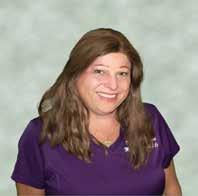
Tracie Leonhardt, DO Medical Director
PRP Injections
Prolozone Therapy
Chronic Infection Treatments
GI Repair
Chelation Therapy
Autoimmune Disorders
Adult Family Medicine
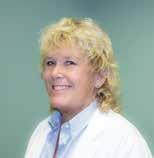
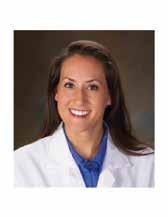
Stacy Chase, DO, FACOFP, FAOGME
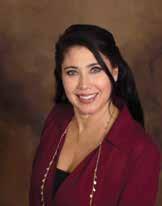
Jeanne Bangtson, DC
Meet Dr. Vinh Dang of Clearwater Family Dental
Dr. Vinh Dang is a dentist with more than five years of clinical experience and a commitment to providing comprehensive, patient-centered care. He earned his bachelor’s degree, graduating cum laude, from the University of Florida before completing a master’s degree in Biomedical Sciences at the University of South Florida. He went on to earn his Doctor of Dental Medicine degree from Nova Southeastern University College of Dental Medicine, graduating in the top 10% of his class. Dr. Dang further advanced his clinical training by completing an Advanced Education in General Dentistry residency at East Carolina University. Dedicated to lifelong learning and professional excellence, Dr. Dang enjoys helping patients achieve healthy, confident smiles. Outside the office, he is an avid sports fan, traveler, and food enthusiast who enjoys exploring new destinations, experiencing different cultures, and discovering local cuisine. He also enjoys football, basketball, and gaming, and values spending quality time with family and friends. His passion for learning, connection, and service is reflected in both his professional and personal life.
Location: Clearwater Family Dental, 215 S. Myrtle Ave., Clearwater, FL 33756. For more information and to schedule an appointment call 727-442-3363. See ad, pages 3 and 6.
Natural Wellness Expo Returns to St. Petersburg August 29–30
The Natural Wellness Expo returns to the St. Petersburg Coliseum on Saturday, August 29, and Sunday, August 30, from 10 a.m. to 5:30 p.m.
More than 70 exhibitors will showcase the latest in natural health, nutrition, holistic healing, fitness, anti-aging, and wellness products and services. The two-day event offers attendees the opportunity to discover new wellness solutions, explore emerging health trends, and connect with industry experts.
“Each year we discover exciting new health and healing offerings— from anti-aging solutions and illness recovery support to cuttingedge medical advances,” says producer Mary Ellen Popyk. “We look forward to introducing visitors to these innovative and time-tested products and modalities. Last year’s show was a tremendous success, and we’re excited to make this year’s event even better.”
Expert speakers will present sessions throughout both days, sharing practical health insights and covering a variety of wellness topics.
Admission is $10 each day or $15 for the weekend. Children 12 and under attend free. Discounted admission is available on the website in advance.
Visit NaturalWellnessExpo.com for more details. St. Petersburg Coliseum is located at 535 4th Avenue North in St. Petersburg. See ad, page 10.
Dedicated to Healthy Smiles: Meet Dr. Grace Garcia
Dr. Grace Garcia is a family dentist dedicated to providing compassionate, personalized care. She earned her dental degree from West Virginia University School of Dentistry after completing her undergraduate studies at the University of South Florida in Tampa, where she and her family proudly call home. Her commitment to excellence earned her membership in the Omicron Kappa Upsilon National Dental Honor Society.
Originally from Colombia, Dr. Garcia was inspired to pursue dentistry after witnessing how poor oral health and limited access to care affected the confidence and well-being of those around her. She believes no one should let dental anxiety stand in the way of a healthy smile and continues to expand her expertise through advanced education in biological and holistic dentistry.
Committed to serving others, Dr. Garcia participated in mission trips to Guatemala, Mission of Mercy events in Washington, D.C., and the Special Smiles program, providing dental care and education to underserved communities and children with special needs. Outside the office, she enjoys traveling, outdoor adventures, and spending quality time with her husband and two young sons.
Location: Clearwater Family Dental, 215 S. Myrtle Ave., Clearwater, FL 33756. For more information and to schedule an appointment call 727-442-3363. See ad, pages 3 and 6.
Seeking Peace, Clarity, and a Path Forward
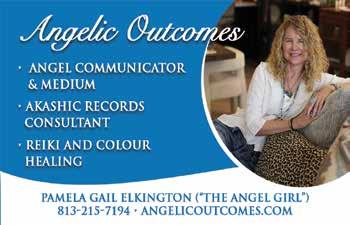
Forthose seeking peace, clarity, and a renewed sense of direction, Pamela Elkington of Angelic Outcomes offers a compassionate and insightful path forward.
At times, life calls for a pause—a moment to listen more deeply and reconnect with inner wisdom. As a gifted channeler, Certified Life Coach and Reiki Master, Elkington provides an integrative approach to healing and guidance.
Through Angel Readings, Mediumship and Akashic Record Readings, she bridges the spiritual and practical, helping clients release what no longer serves them and move forward with greater purpose and clarity.
Known as “The Angel Girl,” Elkington meets clients where they are, creating a supportive and welcoming space. Many leave sessions feeling calm, hopefu, and more confident about their path ahead.
Whether navigating life transitions, seeking connection with a loved one, or searching for deeper meaning, she offers guidance with compassion and care.
For those ready for meaningful transformation, Pamela Elkington is honored to support each client’s journey and help them connect with their angels.
For more information call/text: 813-215-7194. Email: AngelicOutcomes@gmail.com and visit AngelicOutcomes.com. See ad, page 31.
Smart Ways To Keep Produce Fresh
by Natural Awakenings staff
Fresh fruits and vegetables are essential for healthy living, but they are among the most wasted foods. By adopting a few simple strategies, it is possible to extend the freshness of produce, maintaining its flavor and nutritional value, while cutting down on waste and saving money. Here are eco-friendly, practical ways to clean and store fruits and veggies using reusable materials and thoughtful methods.
Ethylene-Producing Foods
Certain fruits and vegetables release ethylene, a natural gas that speeds up ripening. High ethylene producers like apples, avocados, bananas, kiwi, peppers and tomatoes should be kept away from ethylene-sensitive produce such as leafy greens, asparagus, herbs, cabbage, mushrooms, broccoli and cucumbers. To find a comprehensive list, visit fns.usda.gov/fs/produce-safety/storage
Room Temperature Versus Refrigeration
Produce not refrigerated at the grocery store can be stored on the kitchen counter
or in the pantry. Keep apples, bananas, citrus, avocado, kiwi, tomatoes, sweet potatoes, potatoes and dry onions at room temperature. Refrigerate berries, grapes, cauliflower, leafy vegetables, sprouts, green onions, mushrooms and peas.
Some fruits and vegetables are climacteric, meaning they continue to ripen after being removed from the plant. Examples include peaches, plums, cantaloupe, bananas, pears and tomatoes. Store these at room temperature until they reach optimal ripeness, then move them to the refrigerator. Non-climacteric fruits like cherries, grapes, oranges and raspberries are best eaten at peak flavor when ripened on the plant.
Eco-Friendly Storage Ideas
Moisture and poor airflow are the main culprits for produce spoilage. Many sustainable storage solutions manage condensation and air circulation, preventing fruits and vegetables from becoming limp or moldy. Generally, avoid washing produce until it is ready to be consumed.
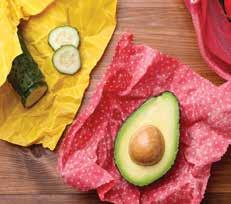
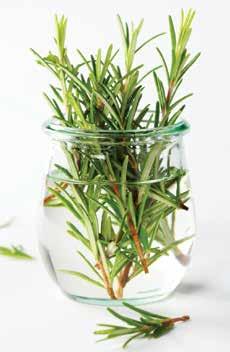
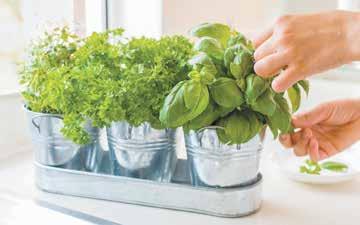
To reduce environmental impact, eliminate plastic entirely. In the refrigerator, replace plastic wrap with reusable beeswax wraps or silicone produce covers to retain moisture for halved avocados, melons or cut lemons. Keep asparagus stems in a little water in a glass jar. Rinse and cut carrots and celery for easy snacking, keeping them submerged in fresh water in a glass jar. To prolong the life of fresh herbs, place them in a glass jar with a bit of water, like a bouquet of flowers. Wrap leafy greens like
lettuce, kale and chard in a towel or cloth to manage moisture.
Mesh produce bags that allow airflow prevent moisture buildup. They are ideal for shopping and storing produce in the refrigerator or pantry. Their stretchable fabric makes it easy to see the contents and provides excellent air circulation. They can be washed by hand or machine in cold water, then flat- or line-dried. Hang onions, potatoes and garlic in a mesh bag in the pantry for full ventilation, but keep different items in separate bags to prevent accelerated rotting.
Muslin bags are breathable, allowing ethylene gas to escape. They are recommended for delicate greens like lettuce, spinach, chard, kale, basil or parsley. Use glass containers to store cut fruits and vegetables, keeping them fresh longer and making contents visible, thus reducing forgotten food.
Socioeconomic Impacts on Children’s Brains
A study published in the journal Science found that a child’s socioeconomic environment exerts the strongest influence on brain development, surpassing factors like IQ, parenting style or health history. The researchers analyzed brain scans from nearly 12,000 9- to 10-year-olds, mapping 649 variables across 12 categories. When compared, socioeconomic factors, including family income, home ownership, local poverty rates and access to transportation, accounted for approximately 16 percent of the variability in children’s brain function. Of the top 40 variables linked to brain function, 37 were socioeconomic in nature.
The brain regions most affected by socioeconomic disadvantage were the same areas most susceptible to sleep deprivation and stress, indicating that the brains of children from lower-income households do not reflect diminished cognitive capacity, but rather the consequences of chronic stress and inadequate sleep.
Possible Causes of Early-Onset Colon Cancer
According to the American Cancer Society, colon cancer emerged as the leading cause of cancer-related fatalities among adults under the age of 50 in 2026. Recent findings presented at the 2026 American Society of Clinical Oncology conference suggest that youngonset colorectal cancer may be a biologically unique disease, influenced by modern dietary and environmental factors.
Research conducted by Dr. Ning Jin at The Ohio State University identified 11 cancer-driving gene mutations that are more prevalent in early-onset cancer patients under 50. Her work indicates that ultra-processed diets rich in omega-6 pro-inflammatory fats fuel these genetic changes, making certain cancers much more aggressive. By contrast, omega-3 fatty acids, found in fatty fish, nuts and seeds, are believed to possess protective properties.
The study also challenges longstanding assumptions regarding IQ and brain structure. When researchers adjusted for socioeconomic status, approximately 70 percent of previously identified brain-IQ associations lost statistical significance, suggesting that earlier studies may have been measuring the impact of circumstance rather than innate intelligence.
Early Childhood Nutrition Shapes Intelligence
The human brain undergoes its most rapid cognitive development before kindergarten, forming connections between nerve cells and a layer of insulation around them so signals travel more efficiently. This development relies on certain nutrients from food sources, including iron, iodine, vitamin D, choline, healthy fats and whole grains. Adolescence presents a second period of accelerated brain change, prompting some scientists to speculate whether improved teenage diets could enhance cognitive abilities. However, studies on this topic have yielded mixed results, possibly caused by poorly designed studies.
A systemic review published by Advances in Nutrition suggests that the dietary habits of children during their earliest years may shape their intelligence well into adolescence. The researchers analyzed 48 controlled trials and 25 long-term studies that tracked the diet and educational performance of individuals over many years, starting
A second emerging factor is the diversity of the gut microbiome. Cancer geneticist Dr. Rachel Purcell, from the University of Otago, in New Zealand, identified a toxic strain of Escherichia coli (E. coli) that appears more frequently in young colon cancer tumors. She posits that declining microbial diversity, partially attributed to cleaner modern living and antibiotic overuse, may be weakening the immune system’s ability to combat cancer cells.
with infancy. The analysis revealed that children with poor diets in their first three years of life had lower scores on intelligence tests as teenagers, even after accounting for family income, parental education and other background factors. No single nutrient emerged as a significant influence on cognitive development because the brain’s use of nutrients varies across different developmental stages.
NadyaEugene/shutterstock
Yeexin
Understanding and Reversing Alcohol’s Damage
Recent research published in the journal Addiction revealed that 62 diseases are entirely attributable to alcohol consumption, including mental and behavioral disorders, liver and gastrointestinal diseases, neurological and cardiovascular ailments, maternal and fetal conditions, and intentional and unintentional injuries. The researchers also discovered that alcoholic drinks increase the risk of infectious diseases such as pneumonia and sexually transmitted diseases, injuries from traffic and other accidents, and non-infectious diseases like Type-2 diabetes, pancreatitis and certain cancers.
Although alcohol consumption is strongly associated with numerous health conditions, reducing or abstaining from drinking can successfully reverse many of its negative effects. As people decrease or eliminate alcoholic beverages, they can lower the risk of injuries and improve blood pressure, immune function and brain health within a short time. Early-stage liver changes can often be reversed. While chronic, alcohol-related conditions such as cirrhosis, heart disease and brain damage cannot be reversed, cutting back or cutting out drinking altogether can slow their progression and improve overall health.
The researchers analyzed 56 meta-analysis studies and 21 systemic reviews on alcohol consumption and ischemic heart disease to identify relationships between the volume of alcohol consumption and the risk of health outcomes.
Nordic Walking for Heart Health
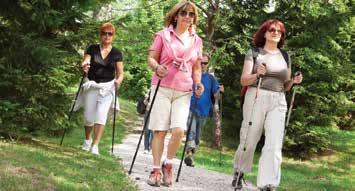
Nordic walking incorporates trekking poles, similar to ski poles, to simultaneously engage both the upper and lower body, providing a comprehensive approach to fitness. A 2013 study in the European Journal of Physical and Rehabilitation Medicine highlighted Nordic walking as an accessible method to support cardiovascular health.
In a 2022 study published by the Canadian Journal of Cardiology, 86 participants with coronary artery disease were randomly assigned to three groups: high-intensity interval training, moderate-to-vigorous-intensity continuous training and Nordic walking. Following a 12-week exercise program and a subsequent 14-week observational period, the Nordic walking group demonstrated the most significant statistical and clinical improvements compared to the other groups in functional capacity, as measured by the distance participants could walk in six minutes.
The six-minute walk test serves as a predictor of cardiovascular events in patients with heart disease. Functional benefits achieved during the exercise program were sustained by the Nordic walking group throughout the end of the observational period. All three exercise programs improved the participants’ quality of life and alleviated depression symptoms. Notably, a 2025 systematic review and meta-analysis of 22 studies involving nearly 1,300 participants concluded that Nordic walking reduces cardiovascular risk factors in individuals over the age of 65.
New Microbes Exhibit Biofuel Potential
During routine maintenance on the R/V Blue Heron, a large research vessel operating in the Great Lakes, a black goo was discovered hidden in the ship’s rudder shaft. Analysis conducted by researchers at the University of Minnesota Duluth revealed that the substance contained previously unidentified microbial species. The rudder shaft had provided a semi-warm, stable and oxygenfree environment for this rare form of single-celled anaerobic archaea to thrive. The researchers theorize that these oxygen-averse organisms may have remained dormant within the rudder’s lubricating oil, awaiting favorable conditions for reproduction.
From the goo, the research team successfully reconstructed 20 genomes. When compared against databases of known organisms, one species appeared to represent an entirely new order of archaea, while another may constitute a new bacterial phylum. Some of the organisms appear to produce methane—a potential resource for biofuel development.
Female Chickadees Seek Superior Memory in Mates
A recent study in eLife sheds light on the survival strategies employed by mountain chickadees during the harsh winter months of the Sierra Nevada. These diminutive birds rely heavily on their spatial memory to locate thousands of meticulously hidden seeds, enabling them to endure periods of food scarcity. The researchers found that this cognitive ability not only helps the birds live longer but also influences their mating preferences.
Using smart feeders, scientists observed that female chickadees frequently seek out additional mates with superior spatial memory. Genetic analysis shows that roughly 70 percent of nests contained at least one chick fathered by an outside male. Females demonstrating weaker memory skills were more likely to seek out more intelligent partners. By doing so, they compensated for their own cognitive shortcomings, ensuring that their offspring inherit
Moss Spores Survive in Outer Space
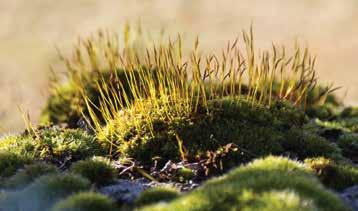
A 2025 study published in iScience revealed that moss spores can survive the harsh conditions of outer space. Researchers from Hokkaido University, in Japan, conducted lab testing on juvenile moss, moss stem cells and moss spores encased in sporophyte structures, exposing them to simulated space conditions. The sporophytes were 1,000 times more tolerant of ultraviolet radiation than the stem cells. They even managed to endure temperatures as cold as -320° F for more than a week and as hot as 130° F for an entire month.
To validate these lab findings, hundreds of sporophytes spent 283 days on a platform attached to the International Space Station before returning to Earth. More than 80 percent of the spores survived the journey, and of those, 89 percent were subsequently able to germinate.
Mathematical models indicate that spores could potentially survive up to 15 years in space. Researchers believe the sporophytes’ tough outer coating shields the spores from radiation and extreme temperatures. This research could help us understand life’s resilience on Earth and pave the way for building ecosystems in extra-terrestrial environments.
the robust spatial memory needed to thrive in a challenging environment. Males with the most advanced memories fathered the highest number of outside chicks, and their attentive care for their own nest remained unaffected.
The R/V Blue Heron seen docked near Superior, WI, in the Saint Louis River Estuary
NASA’s Bold Mission To Map the Milky Way
The National Aeronautics and Space Administration (NASA) is planning to launch the Nancy Grace Roman Space Telescope into space in August 2026. Named after NASA’s first chief of astronomy, the telescope is set to explore largely uncharted regions of the Milky Way. With a field of view 100 times larger than the Hubble telescope, this new optical instrument might identify about 100,000 previously unknown planets orbiting distant stars. To date, fewer than 6,300 exoplanets have been discovered.
The Roman telescope will use two complementary detection methods: planetary transits, which look for planets by measuring dips in starlight; and microlensing, which uses the pull of gravity to spot planets that are otherwise extremely difficult to find, including Earth-sized ones with inhabitable zones.
Research suggests that a star’s chemical composition influences the types of planets that form around it, and Roman’s sweeping survey of hundreds of millions of stars could determine how common our type of solar system is in the universe. The novel telescope will also gather atmospheric data on thousands of planets, which has never been done before. All of this information will be shared publicly, enabling researchers and citizen scientists worldwide to maximize the scientific discoveries.
With an annual loss of 264 gigatons, melting ice from the Greenland Ice Sheet has become the primary source of sea level rise, and the rate of melting has been increasing since the 1980s. A study published this year in Communications Earth & Environment reported that ice-marginal lakes (IMLs) are a critical factor accelerating the melting of Greenland’s glaciers.
IMLs are meltwater lakes that form in the hollows left by retreating glaciers. When a glacier flows into one of these lakes, the water lifts the ice’s edge, reducing friction and increasing the likelihood of large ice slabs to break away. Using satellite data, researchers have discovered that glaciers terminating in IMLs move three times faster than those ending on land. This rapid flow delivers more ice to lower, warmer elevations, accelerating the melting process. By incorporating the effects of IMLs into future climate models, scientists can enhance their ability to predict sea-level changes.
Raising Healthy Humans
A Holistic Approach to Pediatric Care
by Marlaina Donato
A2025 comprehensive analysis of U.S. pediatric data published in JAMA reveals that the health of U.S. children worsened over a 17-year period. From 2011 to 2023, the prevalence of chronic health conditions among U.S. children aged 3 to 17 rose from nearly 40 percent to almost 46 percent. Rates of obesity, sleeping difficulties, limitations in activity, physical complaints, depressive symptoms and loneliness all increased during this study period.
The rise of holistic pediatric health care reflects a shift from solely treating symptoms to
a more comprehensive approach that focuses on treating the “whole child” and building foundational wellness with evidence-based lifestyle choices. Approximately 122.3 million adults and 17.7 percent of children use some form of alternative medicine, including whole-foods nutritional counseling, mindfulness practices, therapeutic bodywork, chiropractic, yoga, acupuncture, homeopathy, supplements and energy modalities. Apps such as Holistic Parenting Hub and Healthy Kids Happy Kids offer clickable resources and community support, enabling parents and caregivers to actively participate in their children’s health journey.
Core Nutrition and Digestive Health
Madiha Saeed, a board-certified integrative family physician in Naperville, Illinois, understands that a child’s potential starts with what is on the plate. “Diet is always first and foremost. In our house, real food is fun food. You name it—everything from chips, cookies, ice cream, donuts, pizza or cereal—we have a healthier option for it,” says Saeed, the author of several books, including The Holistic Rx for Kids: Parenting Healthy Children to Save Our Future.
To prevent health issues like stunted growth, delayed puberty and menstrual irregularities, which can also impact mood, energy and performance, she stresses the importance of calories from nutrient-dense foods, plus extra fortification with supplements. Offering an attractive “rainbow platter” of fresh vegetables and fruits for kids to snack on after school is a great start. These fiber-rich treats promote healthy gut flora, optimizing childhood biological functions.
Saeed considers fiber one of the most important dietary allies for digestive balance,
recommending 25 to 30 grams per day for teen girls and 30 to 38 grams for teen boys. She also champions prebiotic fiber powders for smoothies, lentil pasta, creamy chia pudding with berries, fresh guacamole, nuts and seeds.
Saeed explains that bone broth—ideally one cup daily—provides bioavailable minerals and amino acids like L-glutamine, which supports the gut’s mucosal lining, a key factor in reducing systemic inflammation. Healthy fats such as avocados; lean proteins like lean beef, poultry, eggs, sardines in olive oil and canned tuna in water; and nuts like cashews and almonds are essential for growth. Like adults, children’s cellular health requires adequate hydration. Everything in the body—from blood to bones to the brain—is partially made from water, and Saeed notes that adequate hydration can reduce a child's risk of becoming overweight.
As a busy physician managing work and family, she finds balance by prepping for the week ahead. “On the weekend, plan your meals for the upcoming week so that you can go shopping and have
everything you need,” she explains. “I spend one day a week cooking all my veggies, proteins and healthy carbohydrates.”
Whole-Child Dentistry
Teaching young children about good oral hygiene at an early age is essential, but for Claire Stagg, a holistic dentist in Indian Harbour Beach, Florida, understanding the whole picture can affect a child’s foundational well-being. “A holistic pediatric dental physician can contribute a wider lens,” says the author of Smile, It’s All Connected! “We still care deeply about clean teeth, healthy gums, cavities, infections, trauma and all the basics, but the holistic approach asks more questions.”
Stagg believes in the value of early assessment to identify airway patterns that may cause future issues. She states, “Structurally, the mouth can give us important clues. A narrow jaw, crowded teeth, chronic mouth breathing, snoring, restless sleep, dark circles under the eyes, teeth grinding, bedwetting, poor focus or constant fatigue are not little, isolated quirks. They are signs that the child’s body may be working too hard to do something that should be beautifully automatic: breathe.”
She asserts that some seemingly hyperactive children may actually be exhausted due to structural issues, leading to behaviors like fidgeting, meltdowns, loss of focus or being “difficult”. Collaborative care from pediatricians; bodyworkers; ear, nose and throat specialists; and other professionals can sometimes address all factors.
Stagg stresses the importance of real food, hydration and being cautious about “healthy-looking” snacks that may be sticky, acidic or high in sugar. Ultimately, health transcends appearances. “Straight teeth are lovely, but the bigger question is whether the bite, jaws, airway, tongue position, joints, muscles and posture are working together,” she notes.
Neurologically Focused Chiropractic Care
Approximately 35 million Americans use chiropractic care each year, but the field has
evolved to encompass much more than typical adjustments for pain management. “Modern chiropractic care isn’t really about the spine in the way most people picture it. It’s about the nervous system,” states pediatric chiropractor Tony Ebel, in Crystal Lake, Illinois.
The lead writer and educational guide for PX Docs, Ebel specializes in pediatric care aimed at correcting imbalances in the autonomic nervous system, which affects sleep, digestion, immune response, mood, focus and the ability to calm down. He emphasizes, “In childhood, this matters enormously because these are the years when the nervous system is developing fastest. What matters most in a growing child isn’t whether their spine looks perfectly straight on an X-ray, but how well their spine and nervous system are communicating.”
Ebel notes that pediatricians, therapists and specialists are vital, and chiropractors do not replace them, but instead assist in identifying patterns early and gently guiding the nervous system back to calm, balance and healthy development without
drugs. He explains that chiropractic’s traditional concept of subluxation, now understood as neurospinal dysfunction, involves “a pattern of tension, restriction and altered neurosensory input into the brainstem, often concentrated in the upper neck and transitional support regions that keeps the body locked in that stressed state.” The goal at every stage is a nervous system that can adapt, regulate and grow, providing the child with the healthiest foundation for life’s demands.
Ebel assures that pediatric adjustments are gentle, specific and light. “With infants, we’re often using no more pressure than you’d use to test the ripeness of an avocado— a soft, sustained touch. There’s no twisting, no popping, no force. Babies frequently relax, settle or even fall asleep on the table. Toddlers come running in for their turn. Older kids look forward to it.”
Coping Skills for the Storms of Life
With 2.4 million American youth diagnosed with depression and 11 to 16 percent struggling with anxiety disorders, young people need reliable tools to thrive. Mindfulness, breathwork, yoga, expressive art therapies and other holistic tools offer valuable self-care strategies for kids to self-regulate emotions when they are feeling overwhelmed.
“Adverse childhood experiences and significant life stressors have many long-term effects on the body, especially for children, but creative expression and meaningful connection can have a lasting impact on a child’s developing nervous system,” says Claire Little, a master-level art therapist and licensed associate professional counselor at Northern Light Counseling, in Honesdale, Pennsylvania.
Dmitry Naumov/shutterstock
Sumeet/peopleimages.com/AdobeStock
Simple mindfulness practices can be introduced at different ages and incorporated into daily routines. Grounding activities like the “5, 4, 3, 2, 1 technique—naming five things you see, four things you feel, three things you hear, two things you smell and one thing you taste—can be great and practiced almost anywhere,” says Little. Families can also model mindfulness at the dinner table by encouraging kids to think about what their food tastes, smells or feels like, with everyone taking turns sharing their thoughts.
Engaging in creative activities and play helps to unlock the unconscious, and Little attests to the power of art to help kids process life and manage stress. Creating a mindfulness box is a fun way to engage a child’s senses and regulate neural pathways. “Have your child decorate a box large enough to fit several small items—interesting things found around the house or the yard such as flowers, leaves and rocks,” she counsels. “Encourage them to identify what their objects feel like such as weight and texture.”
It is vital to provide children with structure and boundaries without added pressure. “Meet them where they’re at,” Little says, “If a child is expressing an emotion, hear them out. Validate their feelings by listening and demonstrating how you cope with a similar struggle or feeling.”
Marlaina Donato is the author of several books, as well as a painter and composer. Connect at WildflowersAndWoodSmoke.com.
Empowering Children for Lifelong Health
A Conversation With Brian
Stenzler
by Sandra Yeyati
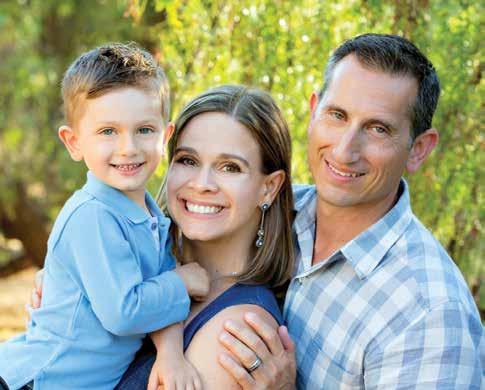
Dr. Brian Stenzler is the vice president of operations and chief health officer for the regenerative, whole-health hub KnoWEwell and the Natural Awakenings Publishing Corporation. He also serves as president of the Congress of Chiropractic State Associations.
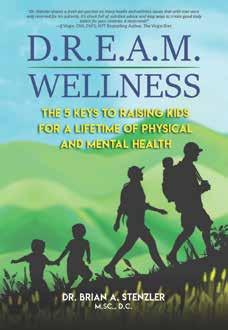
For more than 25 years, Stenzler was co-founder and CEO of DREAM Wellness, with practices in New York and California, where he served as a pediatric and family-wellness chiropractor, employing vitalistic, nervous system-based chiropractic and lifestyle-centered care. He earned his Doctor of Chiropractic and master’s degree in sports health science from Life University in 1998 and 1999, respectively. His passion for empowering parents to raise healthier, happier and more resilient children led to his bestselling book, D.R.E.A.M. Wellness: The 5 Keys to Raising Kids for a Lifetime of Physical and Mental Health.
What is childhood foundational health, and how can parents help children achieve it?
Strong foundational health in kids is evident when they sleep well, maintain steady energy levels, regulate their emotions and stay engaged. They make eye contact, communicate effectively and limit device use. It is the result of every decision and action, starting with the example that parents set through conscious living, because kids mirror their parents.
Each letter in D.R.E.A.M stands for one of the five keys of foundational health. What are your recommendations for “D” diet?
I define diet as everything that enters your body, including all food, drink, sights, sounds, touches and smells. I believe in the principle of “garbage in, garbage out.” Consuming harmful substances leads to harmful outcomes. One of the values we should aim to instill in our children is to be mindful about what they’re consuming.
When deciding whether to consume something, ask if it is constructive, destructive or neutral. For example, s’mores are a favorite for many kids, but they typically contain refined sugars, corn syrup and glyphosate. On camping trips with my son, we transform something destructive into something neutral by choosing an organic, gluten-free graham cracker; organic marshmallow made with honey or coconut sugar; and organic chocolate bar made with pure cocoa.
What are your recommendations for “R” relaxation?
Relaxation allows your body to reset, repair and rejuvenate, achieving a state of tranquility that helps you sharpen your axe. Introducing kids to meditation is essential, and everybody benefits from having time alone for self-reflection.
To ensure kids get quality sleep, dim the lights two hours before bedtime. Candlelight would be ideal a half hour before bed. Keep a “warm white”, amber-colored nightlight in the bathroom. Avoid all digital screens in the last hour before bed. Try to
Courtesy of Brian Stenzler
Courtesy
keep the same sleep and wake times, even on weekends, and aim for at least eight hours of sleep per night—more for children under age 6.
What are your recommendations for “E” exercise?
Exercise involves any activity that requires physical or mental effort. This may include weight training, cardiovascular activities or stretching. Moving the body is important for keeping joints loose, muscles active and the heart pumping. It benefits the brain, equilibrium and balance. Typical calisthenics are terrific for kids. Mental exercises, which are important to keep the mind sharp and focused, include activities like doing puzzles, reading books or playing cards.
What does “A” adjustment mean?
Being in adjustment means being in balance mentally, physically, spiritually and emotionally; and having optimal brain-body communication. A chiropractor ensures the spine is properly aligned and functioning, allowing the nervous system to communicate effectively. Spinal bones can become misaligned when the body is unable to adapt to physical, chemical or emotional stressors.
Most people understand how physical stressors such as falls, poor posture or repetitive movements can affect the spine. Emotional
and chemical stressors aren’t as obvious. In simple terms, emotional stressors can create muscle tension that pulls unevenly on the spine, while chemical stressors, such as inflammatory foods or beverages like alcohol that can cause dehydration, ultimately affect the muscles and tissues that support proper spinal alignment.
Do kids need to see a chiropractor regularly?
Every child should have a chiropractor on their healthcare team to check for and adjust subluxations. A subluxation is more than just a misalignment; it’s a dysfunction in the spine that impairs nervous system function. It typically involves a misalignment that may exert pressure on nerves, disrupting communication between the brain and body, which can be detrimental to health. I strongly feel that all children should be checked for subluxations immediately after birth. Even with a “perfect” birth, the newborn encounters numerous chemical, physical and emotional stressors.
The more you consciously live the D.R.E.A.M. lifestyle, the less often you need to get adjusted. For newborns without concerns or significant toxic burden, every few months is often sufficient, but once they start lifting their head, crawling and falling, then eventually walking, biking and playing sports, they experience more stressors and should be checked more frequently.
What are your recommendations for “M” mental wellness?
Mental wellness involves actively maintaining mental health by aligning your inner purpose and passion with your external goals and tasks throughout life. It means starting your day with excitement and intention, being inner-directed, setting goals and living by them. One of the greatest things parents can do for their children is say affirmations together. My wife and I began this practice with our son early on. We would tell our son he is smart, strong, intelligent and faithful, and remind him he is loved.
Sandra Yeyati is national editor of Natural Awakenings.
of Brian Stenzler
Tapas With a Twist
Small Plates With Big Health Benefits
by Maya Whitman
Tapas—small-portion, sharable dishes—are a staple of Spanish culture that can be served hot or cold, vary by region and are the perfect culinary backdrop to spending unhurried, quality time with family and friends. Beyond their culinary appeal, these bite-sized offerings can also support a strong foundation for health. By focusing on whole ingredients, balanced flavors and nutrient-dense combinations, small plates can shift from an occasional indulgence to a mindful, everyday approach to eating.
A collection of small dishes can become a meal itself, offering flavor explosions for memorable entertaining, encouraging guests to sample ethnic inspirations like crispy Indian tofu with tamarind chutney or sautéed Asian shrimp and snow peas. “The beauty of tapas is that you can take your guests on a trip around the world without ever leaving the table. Nobody feels like they’re eating health food; they just feel like they’re eating really well,” says Julia Chebotar, an award-winning private chef and certified health coach in New York City.
Ideally, small plates can showcase bounty from farmers markets and home gardens. Whether methodically assembled at the table from themed central platters, plated from backyard grills or served up impromptu with basics foraged from the fridge, tapas build healthy foundations, nourish social connection and inspire us to eat lighter while feeling satiated.
Passionate Simplicity
Small feasts are best comprised of three or four small dishes served in sequence. Rounds of inspired, mindful eating allow guests plenty of time to enjoy good company. “With so much variety, there’s genuinely something for everyone,” explains Chebotar. “Everything stays on the table; people graze at their own pace; the conversation flows; and nobody is stuck waiting for the next course.”
Her peak-season favorites are grilled corn cut off the cob with lime, cotija and chili; roasted eggplant finished with pomegranate molasses and fresh mint; and ribbons of raw zucchini tossed with lemon and parmesan. Her breakfast tapas come together in minutes and kick off the day
with quality protein such as soft-boiled eggs with olive oil and za’atar, a traditional Middle Eastern herb and spice blend; a small plate of whole-grain toast with almond butter and sliced strawberries; and little bowls of Greek yogurt topped with crunchy walnuts and a drizzle of honey.
Fresh Joy
Cathy Vogt, a board-certified health counselor and professional whole foods chef in the New York Hudson Valley is a proponent of robust flavors and seasonally available ingredients such as late summer corn incorporated into a tangy relish or juicy tomatoes in a luscious salad. The author of Cultivating Joy in the Kitchen: Plant Forward Recipes & Soulful Nourishment also delights in roasted garden eggplant with olive oil and fresh garden herbs; grilled summer peaches or sweet melon paired with thinly sliced cured ham; and a bowl of briny olives, marinated artichoke hearts, fresh figs stuffed with blue cheese and colorful roasted peppers.
Her most delicious, small plates include smoked salmon salad served over tart endive leaves and a tangy spread made with roasted beet, walnuts and balsamic vinegar that pairs beautifully with a seedy, crusty bread or sliced sweet peppers and cucumbers. Vogt recommends locally sourced eggs that can be hardboiled or
whisked into a simple Spanish tortilla paired with fresh herbs, diced tomato or garden greens. She also champions the endless variety of lentils and legumes, such as her savory spread made with cannellini beans, sundried tomato and an herb-based pesto.
Everyday Surprises
Chebotar points out that tapas can make meal prep for the week easy and enjoyable. She recommends roasting some vegetables, cooking a grain, making a dip and preparing a protein on Sunday, allowing members of the household to build their own small plates throughout the week. “Healthy eating starts to feel spontaneous and fun, even on a Wednesday night,” she explains, adding that small plate meals are also a great way to get kids excited about healthy eating. “Getting them involved in assembling their own tapas—picking the dip, choosing the veggie, adding the protein—builds curiosity and ownership over what they’re eating.”
Vogt suggests diving deeper for an inspired experience. “If you are interested in exploring traditional tapas, visit a restaurant or tavern that serves traditional tapas. Be curious about experimenting and trying new foods and flavors.”
Maya Whitman is a frequent writer for Natural Awakenings.
Gulcin
Ragiboglu/shutterstock
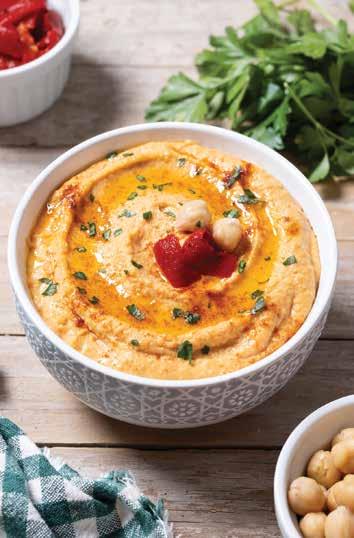
ROASTED RED PEPPER HUMMUS WITH CRACKERS
YIELD: 6 SERVINGS
3 red bell peppers, quartered
5 garlic cloves, skin left on Avocado oil spray
Sea salt and black pepper to taste
2 cups canned or home-cooked chickpeas
3 Tbsp lemon juice
1 tsp smoked paprika
Seeded crackers
Preheat the oven to 400° F.
Place the red bell peppers and garlic on a baking sheet and spray with the avocado oil. Season with salt and pepper to taste and bake for 30 minutes.
Remove the baking sheet from the oven and let it cool for a few minutes. Once it is cool enough to handle, remove the garlic cloves from their peel. Place them in a food processor, along with the roasted red peppers, cooked chickpeas, lemon juice and smoked paprika. Process until the mixture is smooth and creamy.
Transfer the hummus to a bowl and serve with crackers.
Recipe courtesy of Julia Chebotar.
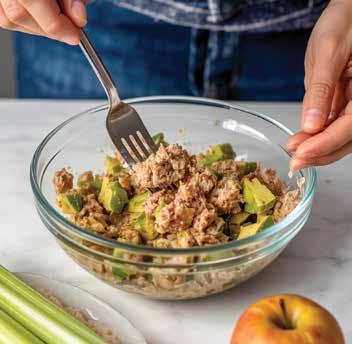
AVOCADO TUNA SALAD
YIELD: 2 SERVINGS
1 can of tuna, drained
1 medium-sized ripe avocado
1 celery stalk, chopped
1 small apple, chopped
1 Tbsp lemon juice
½ tsp sea salt
Optional: chopped raw red onion or shallot to top tuna salad
Place the tuna into a medium-sized bowl. Add the avocado and mash well with a fork to combine. Add the rest of the ingredients and stir. Top with onion or shallot, if desired.
Serve with crackers.
Recipe courtesy of Julia Chebotar.
estefaniavizcaino/CanvaPro
LENTIL AND FETA TABBOULEH
YIELD: 4 SERVINGS
2 cups cooked lentils*
2 medium-sized tomatoes, diced
⅔ cup crumbled feta cheese
4 cups chopped parsley
½ cup red onion, finely diced
¼ cup extra virgin olive oil
Juice of half a lemon
2 tsp ground cinnamon
Sea salt and black pepper to taste
BUBLÉ
"Like
Toss all ingredients in a large bowl until evenly combined. Add sea salt and black pepper to taste.
*To cook lentils use a ratio of 1 cup of dry lentils to 3 cups of water or broth. Bring to a boil in a medium-large pot then reduce heat, cover and simmer for 20 to 25 minutes or until tender. Canned lentils are also an option.
Recipe courtesy of Julia Chebotar.
- Michael Bublé
What Our Stress Is Saying
Homeopathy’s Individualized Approach to Burnout
by Laurell Matthews, ND
Burnout has become so common that it is often dismissed as a normal part of modern life, yet chronic stress can affect nearly every system in the body, contributing to fatigue, poor concentration, digestive complaints and emotional exhaustion. According to a 2021 article published in the Annual Review of Psychology, chronic stress has been associated with increased risks of anxiety, depression and cardiovascular disease. Sleep is often disrupted as well, further reducing the body’s ability to recover and restore balance.
Unlike conventional approaches that often focus on a diagnosis, homeopathy looks at how stress uniquely affects an individual. Rather than offering one remedy for burnout, homeopaths select remedies based on a distinctive pattern of physical, mental and emotional symptoms.
“I can’t shut my brain off.” For the person that pushes through long workdays fueled by coffee, becomes irritable and impatient, and lies
awake replaying tomorrow’s to-do list, Nux vomica is a frequently considered remedy.
“Even small tasks feel overwhelming.” When mental fatigue outweighs physical exhaustion and concentration becomes difficult, Kali phosphoricum is often used to support those experiencing nervous exhaustion after prolonged stress.
“I have nothing left to give.” When someone has spent months or years caring for others until emotional reserves are depleted, “Sepia is one of the best remedies for burnout, especially in women with a lot of caretaking responsibilities,” says naturopathic physician and homeopath Dr. Ian Spohn. “I recall treating a woman with five children who wanted to sleep most of the day. Within a month of adding Sepia to her regimen, she had signed up for a gym membership.”
A Targeted, Holistic Strategy
Because homeopathy is individualized, the best remedy depends on the whole person, not simply the label of “burnout”. A 2025 observational study in the Sao Paulo Medical Journal reports that patients receiving homeopathic care found improvements in sleep quality, along with reductions in stress, anxiety and depression over six months.
Burnout affects both mind and body, and recovery rarely happens overnight. By listening to what stress is saying and recognizing the unique response to it, homeopathy offers a personalized approach that can complement restorative sleep, nourishing food, movement and healthy boundaries, helping individuals move beyond simply getting through the day and toward feeling like themselves again.
Underwritten by Grato Health, in operation since 1987, dedicated to advancing health and wellness through natural, holistic solutions that support the body’s ability to heal.
End-of-Summer Abundance
by Marlaina Donato
After the wildflower-sweetness of June and the carefree, water-splashed days of July, August is a hot mess—summer’s last chapter that tends to slip between our fingers like saltwater. It is the time of year when the star Sirius ushers in sticky, humid days and Perseid meteor showers give us up to 100 chances an hour to make a good wish. Whether we indulge in a few more weekend getaways at the lake or simply enjoy sitting on a porch swing at sunset, August invites us to set aside home improvement tasks and back-to-school lists to notice the good things in life.
We do not need to have an epic love affair or experience the nightlife of exotic locations to say that we have had a great summer. Sweet cherries, luscious blackberries, jewel-toned plums and big-as-your-fist peaches fill farmers markets, begging us to get out that forgotten family recipe for deep dish cobbler or overfilled turnovers. Blueberry picking with someone we love, going for an ice cream cone after supper or getting to the flea market earlier than usual are all noble, joy-inspired excursions. As crickets sing in the fields and gardens give us more tomatoes and zucchinis than we had anticipated, August offers us a chance to be generous with our surplus, caramelize nectarines with brown sugar, look for constellations and inhale deeply the ozone of a sudden afternoon thunderstorm.
“August rain: the best of the summer gone, and the new fall not yet born. The odd uneven time,” wrote Sylvia Plath, a poet who distilled the truth of late summer and life. Pausing to acknowledge this month’s inevitable bittersweetness can also be an unexpected blessing. Dancing in the present moment while knowing that summer’s lovely song will end is part of living life to the fullest. Reminding ourselves that the season’s contentment is transient enables us to fully taste its final nectarous hours, inspiring the poet in each of us.
Marlaina Donato is the author of several books, as well as a painter, composer and recording artist. Connect at WildflowersAnd WoodSmoke.com.
SeventyFour/CanvaPro
Clean Water, Clear Decisions
Finding the Right Fit for Home Filtration
by Maya Whitman
Filling a glass for a cold drink of water or taking a refreshing shower at the end of the day is routine for most of us, but being savvy about what’s coming out of the faucet is vital for health. From private wells to municipal tap, water quality can vary widely and often contain heavy metals, chlorine byproducts, bacteria and PFAS—perand polyfluoroalkyl substances, commonly known as “forever chemicals”.
“Clean water is one of the most important foundations of health. The key is not simply purchasing a filter, but selecting a treatment system that is matched to the unique characteristics of your water supply,” says Level 5 Water Quality Specialist Roy M. Speiser, vice president of Clean Water Revival, Inc., in Stuart, Florida. With numerous options on the market, choosing a water filtration system can feel a little daunting, but the next step to cleaner water can be much easier with some understanding of what is in the well.
Key Considerations
Experts recommend beginning with a certified lab test or an annual Water Quality Report (also known as a Consumer Confidence Report or CCR) from the local water
supplier for details on levels of contaminants and treatments. Compromised water quality is not usually noticed until an unpleasant taste, odor or discoloration alerts us to problems, but many contaminants are invisible and cannot be detected by sight, smell or taste alone.
After reviewing hundreds of municipal Water Quality Reports, Speiser has identified more than 40 contaminants that are commonly detected in U.S. water supplies. Aside from PFAS, heavy metals and chlorine, he lists the disturbing presence of arsenic, uranium and radioactive elements, pharmaceuticals, microplastics, chemical fluoride and disinfection byproducts. He notes, “While many are present at levels that meet current regulatory standards, questions remain regarding long-term exposure from drinking, cooking, bathing and showering.”
One of the most common misconceptions is that a single filter can remove everything. Sometimes combining multiple filtration systems is recommended. According to Brian Campbell, founder of Water Filter Guru and certified water specialist in Denver, Colorado, “There is no such thing as a one-size-fits-all solution to water treatment. Different water issues require different treatment processes. Buying water treatment equipment without lab data is like shooting in the dark, and you may end up with equipment you don’t need or not get the right equipment for the job.”
Filtration Systems at a Glance
Gravity-fed systems include countertop and portable models with charcoal filters that work by positioning the source water higher than the destination, creating the necessary pressure to push the liquid through the filters. These systems do not require a plumbing connection. While effective at improving taste and removing dissolved, organic contaminants, they are less effective at removing inorganic contaminants like lead, fluoride, arsenic and nitrates. Many brands lack third-party certification and fail to meet National Sanitation Foundation/American National Standards Institute (NSF/ANSI) standards. Some people use this type of system as one stage in a multistage water treatment system.
Reverse-osmosis (RO) systems force pressurized tap water through a semi-permeable membrane that removes up to 99 percent of dissolved solids. They are recommended for the removal
of contaminants such as chromium-6, perchlorate, uranium and certain PFAS compounds. These systems are considered one of the most highly effective methods of water purification. Countertop models provide broad contaminant reduction without the need for permanent installation.
One disadvantage is that hard water needs to be pre-treated, especially with countertop units, as filtering hard water will cause scale to form on the internal components, pump and membrane, leading to premature failure. Look for systems that meet NSF/ ANSI standards for specific contaminants that need to be reduced. Not all RO systems perform equally; membrane quality and pre-filtration stages are critical. Systems designed to address chloramine, PFAS and heavy metals provide more comprehensive treatment than entry-level units.
Ultraviolet (UV) disinfection systems are commonly recommended for private well water or water from an untreated spring, which do not typically receive chemical disinfection. These systems provide an additional layer of protection against bacteria, viruses and certain microorganisms. While UV treatment is generally not necessary for most municipally treated water supplies, it may be beneficial for individuals with compromised immune systems or for homes drawing water from higher-risk surface water sources that may contain parasites. UV works only with water that is clear. Because UV light travels in a straight line, any suspended debris, cloudiness or discoloration can physically scatter the rays, allowing microorganisms to pass through unharmed. Using upstream filtration to address turbidity is vital to improve effectiveness.
Maya Whitman is a frequent writer for Natural Awakenings.
Strong From the Ground Up
Why Indoor Climbing Works for Every Body
by Zak Logan
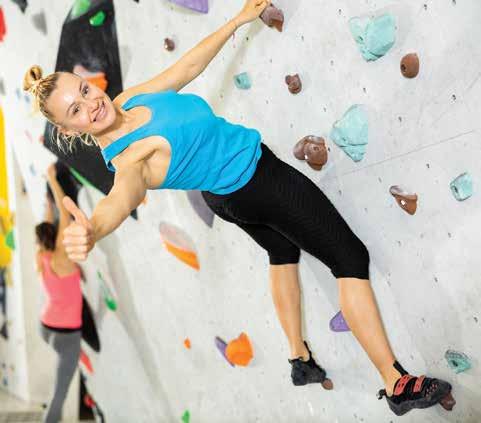
As more people look for engaging, sustainable ways to stay active, indoor climbing is emerging as a powerful tool for building whole-body fitness. Unlike traditional workouts that isolate muscle groups, climbing walls offer a dynamic, functional experience that engages all muscle groups and develops grip strength, balance, coordination and full-range joint mobility.
Each climb becomes a full-body workout that adapts to the individual, making it accessible for beginners, while still challenging experienced participants. Climbing also benefits cardiovascular health. A 2021 study in Applied Physiology, Nutrition, and Metabolism shows it improves stamina and oxygen utilization.
Beyond the physical benefits, climbing also strengthens mental and emotional resilience. Climbers are constantly solving problems, navigating routes and learning to move through uncertainty in a safe, supportive environment. This combination of movement and mindset helps build confidence, focus and persistence—qualities that extend well beyond the wall.
Indoor climbing involves artificial, manmade walls equipped with textured grips and modular holds. Padded mats, harnesses and ropes provide a secure environment. Initially developed for mountaineer
training, indoor climbing has become a passionate activity for many, leading to about 800 climbing gyms and 10 million enthusiasts in the United States alone.
Climbing gyms are popular fitness hubs for Gen Z, but people of all ages, including those well into their 70s, enjoy the mental health benefits and camaraderie. Many gyms offer social nights, youth programs and coaching opportunities.
A Fun and Engaging Challenge
Jared Vagy, a doctor of physical therapy, climbing-injury specialist and associate professor at the University of Southern California, says, “One of the biggest misconceptions is that climbing is only for extreme athletes hanging off cliffs without ropes. Commercial gyms have padded flooring, standardized safety systems, staff training and beginner instruction courses.”
The author of Climb Injury-Free, Vagy notes that most traditional workouts can feel repetitive and predictable, but climbing “changes every move, every angle and every challenge. Your brain is engaged just as much as your muscles. Climbing is essentially problem solving with your body.”
He explains that beginners only need climbing shoes, a harness for rope climbing and a chalk bag to help with grip. “Most climbing gyms rent equipment, so people can try the sport without making a major investment,” he points out.
Marcie Reeder, owner of North Summit Climbing Gym, in Wind Gap, Pennsylvania, says, “Each climb not only is designed to challenge the climber’s strength and techniques, but also provides a puzzle of differently shaped and textured climbing holds that moves from one to the other to get to the top.”
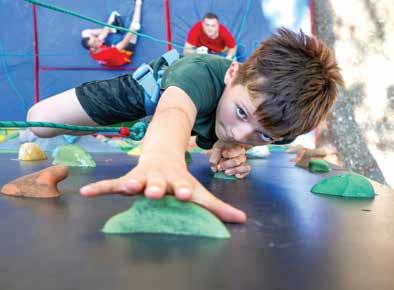
Reeder believes that climbing is popular across generations because it is a fun way to burn calories and build muscle. “In my experience, it doesn’t even feel like working out,” she says. “Many kids tend to love climbing, and I would recommend it to any family seeking ways to get some energy out and spend positive time as a family. We even offer classes for kids starting at age 6.”
Because many stabilizing and helper muscles are used during climbing, Reeder notes that even avid gym goers may feel a workout burn. “Strength in climbing is important, but learning proper climbing techniques over time can make climbing much easier,” she says.
Reaching for the Apex
Climbing may seem focused on upper body strength, but as Vagy explains, “Technique matters far more than people realize. A new climber should focus less on muscling through routes and more on movement efficiency, foot placement, pacing and learning how to position their body.” He emphasizes that the safest way to
progress is by gradually increasing frequency, intensity and complexity over time.
Good technique reduces unnecessary strain on the fingers, elbows and shoulders. “The biggest mistake I see is people progressing faster than their tissues can adapt,” he explains. “Muscles improve relatively quickly, but tendons and connective tissue adapt much more slowly.”
Reeder asserts that practice is the best way to improve, adding that push-ups and pull-ups at the gym can promote muscle coordination. While climbing promotes flexibility, she cautions, “Stretching before climbing may increase the chance of injury. Static stretching, or stretching where you are holding one position for an extended amount of time, can temporarily decrease the stability of your joints, so make sure to save this for the end of a session.”
Reeder also suggests waiting 24 to 48 hours between sessions to avoid strains or pulls, as well as prioritizing slow, controlled movements over speed. For anyone with diabetes, heart conditions or musculoskeletal issues, she recommends consulting a physician before beginning.
Zak Logan is a freelance writer dedicated to holistic health and getting back to basics.
YanLev Alexey Sizov/shutterstock
The Power of Gratitude
Changing Brain Chemistry and Opening the Heart
by Brendan Cournane
We often hear that maintaining an attitude of gratitude will lessen our stress and make us happier. For many people, this kind of advice lands differently in the middle of hardship. Divorce, career upheaval, grief and the fog of early recovery, for example, are moments when gratitude can feel not just difficult, but impossible. Yet it is precisely in those moments that the practice matters most.
Gratitude is not merely a pleasant sentiment. It is a physiological event. When a person moves beyond mouthing the
words and actually feels grateful, the brain responds in measurable ways. Research shows that genuine gratitude activates the brain region associated with dopamine, the neurotransmitter linked to reward and motivation. It also prompts the release of serotonin, which supports emotional stability, and oxytocin, often called the “love hormone”, which deepens social connection.
Perhaps more importantly, gratitude works against cortisol, which is the body’s primary stress hormone. Cortisol triggers the fight-or-flight response, elevating heart
rate and blood pressure and keeping the nervous system in a state of alertness. Consistent, intentional gratitude practice dials that response down, creating space for calm, clarity and resilience.
Psychologists Michael McCullough and Robert Emmons, whose research helped establish gratitude as a serious field of study, have found that grateful people show increased prosocial motivation, demonstrate a greater desire to connect and contribute, and experience lower rates of depression, anxiety and envy. Gratitude also engages the principle of reciprocal inhibition, meaning the brain cannot hold two opposing emotional states at once. When gratitude is genuinely present, resentment and fear are crowded out.
A Practice Rooted in Wisdom Traditions
Gratitude has been woven into the spiritual and philosophical frameworks of cultures across millennia, including Jewish, Christian, Muslim, Buddhist, Hindu, Greek and Roman traditions. That such diverse worldviews have independently arrived at the same practice speaks to something fundamental about human nature: the recognition that what we have, and what we have been given, deserves acknowledgment.
Simple to understand does not mean easy to practice. Like any meaningful discipline, gratitude deepens with intention and repetition. Approaching it as three distinct but connected principles can help.
Gratitude for What Is Present
The first and most intuitive dimension of gratitude is appreciation for what we currently have, such as our relationships, health, shelter and opportunity. Research by psychologists Giacomo Bono, Robert Emmons and Michael McCullough adds nuance to this: Gratitude runs deeper when a gift comes through a personal TeodorLazarev/shutterstock
relationship and when it involves genuine sacrifice on the part of the giver. A friend that shares a meal when they themselves have very little creates a different kind of gratitude than a routine workplace bonus.
Unexpected generosity also amplifies the effect. When a stranger anonymously pays for someone’s coffee and slips away before being identified, the dopamine response is heightened. It’s a small but real neurological reward for having been seen and cared for without expectation.
Gratitude for What Has Been and What Is Yet To Come
The second dimension asks people to hold gratitude for what they once had but no longer do, and for what they hope to receive but have not yet. This may feel counterintuitive, yet memory is a powerful resource. Revisiting positive experiences—whether people, places or seasons of life—activates the hippocampus and amygdala, brain regions that can reduce pain, improve sleep quality, and ease anxiety and depression. The good that was real does not cease to matter simply because it has passed.
Gratitude Through Grief
Perhaps the most overlooked element of a gratitude practice is the role of grief. Every meaningful achievement carries a cost: the
promotion that required time away from family, the award won at the expense of other pursuits, the relationship that ended to make room for something new. Acknowledging that cost, and allowing oneself to grieve it, is not the opposite of gratitude. It is part of it.
When something is lost, grief and gratitude can coexist. The sorrow of losing a person or a chapter of life is balanced by appreciation for the joy, effort and connection that were present. Grief, when honored rather than suppressed, creates the conditions for renewal. It clears space for what comes next.
A Practice Worth Beginning
Gratitude does not require ideal circumstances. It does not demand that life be easy, loss be absent or struggle be resolved. It asks only for a willingness to look at what is present, at what has been, at what the hardest moments have cost and taught. That looking, practiced consistently, changes the brain’s chemistry, softens the nervous system and opens the heart. The science and the wisdom traditions agree that genuine gratitude, felt rather than performed, is among the most powerful tools available for navigating a human life.
Brendan Cournane is a Chicago-based meditation coach and author of Seeking Serenity: Finding Happiness by Embracing Your Present Attitude. Learn more at CoachBrendan.com.
Black Belts and Life Skills
What Kids Gain From Martial Arts
by Christina Connors
Martial arts offer children much more than self-defense skills. Programs such as taekwondo combine physical activity, mental discipline and character development, helping young people build confidence, resilience and focus while improving strength, flexibility, balance and coordination. For many families, the benefits extend well beyond the training floor, offering a unique combination of movement, mindfulness and life skills.
Research suggests that martial arts can positively influence children’s social and emotional development. A 2025 systematic review and meta-analysis published in lescent Research Review martial arts participation improved prosocial behaviors while reduc ing aggressive behaviors. The researchers conclud ed that structured mar tial arts programs can support healthy emotional and social growth in children.
Building Confidence Through Challenge
Unlike many activities that provide immediate rewards, martial arts encourage children to work toward
long-term goals. Progression through the belt system requires patience, persistence and consistent effort. Along the way, students learn how to manage frustration, overcome setbacks and celebrate achievement.
According to Grandmaster Craig Balliette, founder and owner of Lakewood Ranch Taekwondo Academy, in Bradenton, Florida, martial arts help children
develop important decision-making skills. “Students must constantly make choices about the techniques they execute and how they perform them,” he explains. “That focus carries into other areas of life and helps them learn how to make better decisions as they grow.”
Balliette notes that martial arts training requires students to spend many hours stretching, practicing techniques and refining movement patterns. As physical skills improve, confidence often follows, and the confidence they develop through training spreads throughout other parts of their lives. Children frequently carry these lessons into school, sports and other activities. Increased focus, self-control and perseverance can help them navigate challenges both inside and outside the classroom.
The Family Factor
For Joe Gula, a medical device manufacturer and distributor in Southwest Florida, taekwondo has been a five-year, shared family experience with his children, Anthony Joseph (AJ), 10, and Alyssa, 14. Rather than watching from the sidelines, Joe chose to train alongside his kids as they worked toward their black belts. “By going through the ranks with them, it felt like an investment in our bond as a family rather than a financial drain,” he points out. “We kept each other motivated when we felt like giving up.”
Joe believes martial arts help children develop self-awareness, respect for others and personal responsibility. He credits the structured nature of training with teaching his kids the value of
Choosing the Right Program
Not all martial arts programs are created equal. Parents should look for schools that provide age-appropriate instruction, prioritize safety and maintain a positive, encouraging environment. Balliette recommends asking about instructor qualifications and observing classes before enrolling. Parents may also want to look for programs that emphasize character development alongside physical skills. Respect, discipline, self-control and perseverance should be woven into the culture of the school, not treated as an afterthought. According to Balliette, signs that a child is thriving in a program include increased confidence, better emotional regulation, improved focus, enthusiasm for practice and a willingness to work toward goals.
Supporting Growing Bodies
Like any physical activity, martial arts require proper recovery. Balliette emphasizes the importance of adequate rest and nutrition, especially during periods of rapid growth. “Rest allows the body to recover, while proper nutrition helps replenish what is needed for healthy development,” he explains, adding that families can also support active children through healthy sleep habits, adequate hydration and restorative practices such as massage therapy, mobility work and chiropractic care when appropriate.
Christina Connors is a burnout prevention specialist, keynote singer and author. Learn more at ChristinaConnors.com.
commitment. “The lesson was simple: Set a goal, and no matter what, complete it,” he remarks.
AJ admits there were times when he wanted to quit, but he now views those challenges differently. “Taekwondo helped me realize I can accomplish anything I set my mind to,” he says. “It helped me stay focused on school, be respectful to my teachers and have the confidence to ask for help when I needed it.” The benefits extended to athletics, as well. As a competitive soccer goalie, AJ says martial arts taught him how to stay calm under pressure and recover from mistakes during games.
For Alyssa, the experience provided confidence, determination and meaningful friendships. “It helped me make friends that are real without the middle school drama,” she recalls. “Had I quit, I wouldn’t have the best friends I developed as I progressed.” Alyssa also credits martial arts with helping her stay focused in honors classes and becoming a stronger volleyball player.
Mind and Body Working Together
One of the distinctive features of martial arts is the emphasis on connecting mental focus with physical movement. Forms training, which involves practicing structured sequences of blocks, strikes and kicks, requires concentration, balance and body awareness. “When children learn to use their minds to control their bodies, they develop a powerful mind-body connection,” Balliette explains.
Courtesy of Samantha Gula
Alyssa, AJ and Joe Gula (center) accompanied by their Lakewood Ranch Taekwondo instructors, Grandmaster Craig Balliette and Sixth-Degree Black Belt Cindy Rhategan
Foundational Health for Pets
Treating Puppies and Kittens Right From the Start
by Ruth Roberts, DVM, CVA, CVH, CVFT, NAN
The first year of a puppy or kitten’s life is usually a whirlwind of attention for good reasons. Vaccinations, socialization, training and finding the right food are all important, but what is often overlooked is how much groundwork is laid during this time. This is when the gut microbiome begins to form, the brain gets its first influx of dietary fats, and the bones and joints develop rapidly in response to the pet’s nutrition and movement. These early months could be the most influential for lifelong health.
Gut Flora Development
The gut bacteria in puppies and kittens start growing from the moment they are born. They receive their first boost from the mother’s vaginal and skin microbiome, and then they really take off with colostrum and milk, which provide antibodies and prebiotic sugars that help beneficial microbes get settled in. In the first couple
of months, the microbiome is super delicate and can be easily affected by a pet’s diet, stress, environment, medications and parasites, so it is really important to take care of them gently early on.
A 2022 study in Frontiers in Veterinary Science found that a dog’s gut microbiome is most sensitive to changes during its growing phase, and that any imbalances created during this time could have long-term consequences. A 2025 study in Animal Microbiome showed that kittens are equally vulnerable, with weaning triggering noticeable drops in immune markers and changes in gut microbes.
Whole-Food Nutrition
As a young pet starts eating solid food, nutrition becomes key to their well-being. A diet rich in whole foods—focusing on highquality animal protein, a bit of fiber from vegetables and ingredients that have not
been heavily processed—can help a pet’s tummy adjust more easily. Plus, these foods can help make short-chain fatty acids, which are great for keeping the gut barrier intact, helping the immune system work well and supporting good intestinal development.
According to Jamie Christman, a certified holistic pet health coach, professional dog trainer and veterinary technician, feeding a species-appropriate, minimally processed, whole-food diet can have a big effect on how a pet will grow, behave and bounce back. She recommends giving a puppy raw goat’s milk or kefir for microbial support, soft-boiled eggs for protein that is easy for them to use, gently cooked vegetables for fiber, low-sodium bone broth to keep them hydrated and support their gut, sardines in water for omega-3 fatty acids and small servings of fresh or frozen blueberries for antioxidants.
Nourishing the Developing Brain
Docosahexaenoic acid (DHA), a long-chain omega-3 fatty acid, is a key nutrient for early development. It settles into brain and retinal tissue during fetal growth and keeps accumulating through the first year of life. According to Today’s Veterinary Practice, DHA is essential for healthy neurological and visual development. A 2012 study in the Journal of the American Veterinary Medical Association found that puppies learned, remembered and coordinated better, plus their immune systems responded stronger to vaccines, when they
Nancy Tabet and Gary Mazziotti of Dunedin share this precious photo of Gracie and Truffles.
Gracie is a 7-year-old rescue cat adopted from PetSmart in Ventura, CA. She’s friendly, confident and loves greeting everyone she meets. She even made the cross-country move with ease!
Truffles is a 14-year-old Maltipoo who still loves to play, stay active and ride into town in her stroller to say hello.
Email your favorite pet picture to Debbey at dwilson@natampa.com for inclusion in the magazine.
We love them both, and they make our home a happier place.
got DHA along with vitamin E, choline, taurine and L-carnitine.
In cats, DHA is even more important because they cannot easily turn plant-based omega-3s into something their bodies can use, so eating marine sources is a must. Taurine is also very important because a deficiency has been shown to cause retinal and neurological damage in kittens. These nutrients occur naturally in whole foods like small oily fish, organ meats and eggs, which also have other antioxidants that help keep those omega-3 fats safe.
Muscle, Movement and Joint Health
Muscle, movement and joint health are as important as nutrition in early development. In puppies, especially large and giant breeds,
the cartilages near the ends of bones stay soft until about 12 to 18 months, making them more likely to get hurt if they jump around too much or gain too much weight, which can lead to hip and elbow problems called dysplasia. Even giving them too much calcium can disrupt how their bones develop.
Kittens need lots of playtime to build muscle tone, coordination and confidence. If they don’t get enough exercise, they might not be as resilient when they are older. For both puppies and kittens, healthy musculoskeletal development and long-term joint stability depend upon age-appropriate
activity, lean protein for muscle support, omega-3 fatty acids to keep inflammation at bay, and the right balance of calcium and phosphorus.
Christman warns against overstimulation and high-impact activities during puppyhood, including extended periods of running, repetitive jumping and weight-bearing activities on hard surfaces, noting that getting enough rest is as important to physical development as movement itself. She suggests adding omega-3 fatty acids with DHA and EPA from ethically sourced fish or algal oil. These fatty acids support immune response, joint integrity, skin and coat health, and cognitive development simultaneously.
A strong immune system is central to helping a young animal grow up healthy and strong, says Christman. This requires a thoughtful focus on the whole picture, which includes brain-supporting nutrition, gut care, stress reduction, age-appropriate movement and a reduction of chemical and environmental exposures. A simple, individualized approach that considers breed, size, temperament and early health signals is a puppy’s or kitten’s best chance for lifelong well-being.
Ruth Roberts, an integrative veterinarian and holistic health coach for pets, is the creator of The Original CrockPet Diet. Learn more at DrRuthRoberts.com.
Printed calendar is a gratis feature for advertisers. Non-advertisers: get your Mark Your Calendar event listed for $50/listing. Email dwilson@natampa.com for more information. On line version of Calendar of Events gratis at NATampa.com.
Calendar of Events
Thursday, August 6
Blood Work Series - Part 3: Balancing Blood Work with TCM- 6-8pm. Martina Pelevic presents an approach to Traditional Chinese Medicine (TCM) diet therapy and blood work analysis to support health and wellness. She explores how TCM can address imbalances identified through blood tests, offering a holistic perspective on interpreting health markers. Martina also introduces the Blood Type Diet and its potential to complement TCM by tailoring nutrition to the individual. By integrating these approaches, she demonstrates how modern diagnostics and ancient healing practices can address root causes and support long-term vitality. To register visit: TraditionsHerbSchool.com/2026-classes. 6340 Central Ave, St. Petersburg. 727-249-1174.
Friday, August 7
Healing Food Series - Letting Go of Sugar - Digestive Contemplation of the Spleen/ Pancreas - 6-8pm. Craving sugar is often a signal of deeper imbalances in the digestive system and emotional body. In this class, we’ll explore the spleen and pancreas from a food energetics perspective, learning how to nourish these organs with grounding, naturally sweet foods that reduce sugar dependence. You’ll leave the session with recipes, inspiration, and lots of yummy foods to try! To register for this class visit: TraditionsHerbSchool.com/2026-classes. 6340 Central Ave, St. Petersburg. 727-249-1174.
Thursday, August 13
Anatomy of the Herbalist - Reproductive System- 6-8pm. The reproductive system is responsible for producing gametes—sperm in males and eggs in females—and supporting reproduction through hormonal regulation. Key organs, including the ovaries, testes, uterus, and prostate, work together to maintain reproductive health and influence overall body function. The study of this system includes its structure, functions, and common disorders that can affect reproductive health. To register for this class visit: TraditionsHerbSchool.com/2026-classes. 6340 Central Ave, St. Petersburg. 727-249-1174
Wednesday, August 19
FREE Hypnosis-NLP Webinar “Why Regress?” – 7:30-8:30pm. Interactive webinar hosted by Board Certified Medical Hypnotherapist, Master Trainer & NLP Master Practitioner, Patricia V. Scott Ph.D. Patti shares 34 years of experience with practical, easy to use concepts & techniques with Q&A. All welcome 3rd Wednesday monthly w/various topics. 1 CEU (Hypnotist/Hypnotherapist).
Register for log-in details: UPHypnosis@yahoo.com, UPHypnosis.com.
Thursday, August 20
TCM: Understanding Tongue and Pulse Diagnostics - 6-8pm. In Traditional Chinese Medicine (TCM), pulse and tongue diagnostics are essential tools for assessing health. The pulse provides insight into organ function and energy flow, while tongue observation reveals imbalances such as heat, cold, and stagnation. Explore the teachings of different Chinese masters, learn proper pulse-taking technique, and interpret pulse depths and positions as they relate to bodily disorders. Examine tongue images, their meanings, and the significance of sublingual veins in diagnosis. To register visit: TraditionsHerbSchool.com/2026-classes. 6340 Central Ave, St. Petersburg. 727-249-1174.
Thursday, August 27
The Pillars of Health with Ayurveda Series - This class explores how Ayurveda supports long-term immunity through the concept of ojas, the essence of vitality and resilience. Participants will learn about immune-supportive herbs such as Amalaki, Guduchi, and Punarnava, along with traditional formulas like Chyawanprash. The class also examines the roles of digestion, stress, and sleep in maintaining immune health while introducing nourishing rituals and herbal practices for lasting wellness. Participants will prepare an herbal remedy in class and should bring a 4-ounce jar to take home.To register for this class visit: TraditionsHerbSchool.com/2026-classes. 6340 Central Ave, St. Petersburg. 727-249-1174
Saturday, August 29
Natural Wellness Expo-Aug. 29 & 30. Doors open 10am Sat & Sun. Enjoy 70 booths with health and wellness related vendors, practitioners, and authors. See website for more details. Entrance fee: $10/day. Children 12 & under free. Visit NaturalWellnessExpo.com. St. Petersburg Coliseum, 535 4th Avenue North in St. Petersburg.
Thursday, September 3
The 5 Seasons of TCM Series - This class explores Late Summer in Traditional Chinese Medicine (TCM), the season associated with the Earth element and a time of nourishment, balance, and transition. Participants will learn about herbs that support the Spleen and Stomach, along with seasonal foods, herbal remedies, and lifestyle practices that promote digestion, grounding, and overall wellness. The class provides practical ways to align with the nurturing energy of Late Summer and
support well-being through the principles of TCM.To register for this class visit: TraditionsHerbSchool.com/2026-classes. 6340 Central Ave, St. Petersburg. 727-249-1174
Thursday, September 10
Herbal Make and Take Series - This hands-on medicine-making class introduces 10 essential herbs commonly used for first aid, including support for cuts, bruises, scrapes, bleeding, and digestive upset. Participants will learn to make practical herbal remedies, such as wound washes, salves, and tinctures, to build a natural first aid kit. The class fee includes supplies for one take-home product. Participants should bring an 8-ounce jar; additional remedies may be made for $10 each. To register for this class visit: TraditionsHerbSchool. com/2026-classes. 6340 Central Ave, St. Petersburg. 727-249-1174.
Friday, September 11
The 5 Seasons of TCM Series - Metal Season - 6-8pm .This class explores Autumn in Traditional Chinese Medicine (TCM), the season associated with the Metal element and a time of reflection and release. Participants will learn about herbs that support the Lung and Large Intestine, along with seasonal foods, herbal preparations, and lifestyle practices that promote respiratory health, emotional balance, and overall wellness. The class offers practical ways to align with Autumn’s restorative energy and prepare for the winter season through the principles of TCM. To register for this class visit: TraditionsHerbSchool. com/2026-classes. 6340 Central Ave, St. Petersburg. 727-249-1174
Tuesday, September 15
Become a “Certified Parts Therapy Facilitator”-through the Tebbetts Parts Therapy Foundation & UP Hypnosis Institute. Early registration ends today for interactive, on-line training on Oct. 3-5, 1:00-6:30pm. Pre-requisite: 100 hrs. basic hypnosis training/knowledge. See listing for “October 3” for complete details. Register by Today: $425 or $395 (Member); After Today: $465 or $435 (Mbr). 727-943-5003, UPHypnosis@yahoo.com, UPHypnosis.com.
Thursday, September 17
Anatomy of the Herbalist - Respiratory System - 6-8pm. The respiratory system is a fascinating network that orchestrates the vital exchange of gasses, ensuring our bodies receive the oxygen they need while efficiently expelling carbon dioxide. This captivating journey will unravel the complexities of its structures—like the lungs, trachea, and bronchi—and illuminate how they work together to sustain life, alongside an exploration of intriguing disorders that can disrupt respiratory function. To register for this class visit: TraditionsHerbSchool.com/2026-classes. 6340 Central Ave, St. Petersburg. 727-249-1174.
Saturday, October 3
Parts Therapy Facilitator Certification
– Oct. 3, 4 & 5, 1:00-6:30pm, interactive on-line advanced training with Patricia V. Scott, PhD, Certified Parts Therapy Trainer for Tebbetts Parts Therapy Foundation. This client-centered approach is a MUST for anyone wanting to gain expertise in this powerful process for inner conflict resolution. Certification requires exam & practicums. Register by 9/15 for Early Discount. UPHypnosis.com.
Saturday, October 17
Medical Hypnotherapy Specialty Certification (on-line) – 1:00-6:00pm. Four interactive weekends (not consecutive) plus outside assignments. Prerequisite: 200 hours prior hypnosis training. Patricia V. Scott, PhD, Certified Master Trainer for the International Medical & Dental Hypnotherapy Association teaches medical applications to work with referrals. Early registration discount before 9/22. PayOver-Time option available. See website for dates & details: UPHypnosis.com.
Saturday, October 10
Medical Hypnotherapy Specialty Certification (on-line) – 1-6:00pm. Four interactive weekends (not consecutive) plus outside assignments. Prerequisite: 200 hours prior hypnosis training. Patricia V. Scott, PhD, Certified Master Trainer for the International Medical & Dental Hypnotherapy Association teaches medical applications to work with referrals. Early registration discount before 9/22. Pay-Over-Time option available. See website for dates & details: UPHypnosis.com.
Saturday, October 17
Medical Hypnotherapy Specialty Certification (on-line) – 1-6pm. Four interactive weekends (not consecutive) plus outside assignments. Prerequisite: 200 hours prior hypnosis training. Patricia V. Scott, PhD, Certified Master Trainer for the International Medical & Dental Hypnotherapy Association teaches medical applications to work with referrals. Early registration discount before 9/22. Pay-Over-Time option available. See website for dates & details: UPHypnosis.com.
Saturday, November 14
Topless Rides & “bare” Sides at bare RV Resort - A Veterans Day weekend clothingoptional car show benefiting Tunnel to Towers. The price of admission includes BBQ and poolside live music. 21 and over only. BYOB (no glass). Vehicle check-in begins at 10 am, show runs 12 - 3 pm. Stay all day! Karaoke runs from 6 pm - 10pm. Camping is available for an additional fee. Vehicle pre-registration $25 (includes entry for 2 people), and spectators $15 per person. 6901 Caliente Blvd, Land O Lakes, FL 34637 813996-6008 BareRvResort@gmail.com.
Ongoing Events
Sunday
Unity North Tampa – 11am. A spiritual home for all. This welcoming spiritual community celebrates the power of positive thinking and prayer as pathways to spiritual and physical well-being. Everyone is invited to join us on Sundays to enjoy inspiring guest speakers who share wisdom on expanding consciousness and living with intention. Unity North Tampa Spiritual Center, 19520 Holly Lane, Lutz. 813-948-4884. UnityNorthTampa.org.
ACIM Group Discussion Sessions – 1pm. A Course in Miracles (ACIM) is a unique spiritual self-study program designed to awaken us to our true nature as Love. Join us for discussion each week to be spiritually fed and inspired. $10 Love Offering. Unity North Tampa Spiritual Center, 19520 Holly Lane. 813-948-4884.
Monday
Meacham Urban Farm – 3-7pm Mon. & Fri. Homegrown and high quality, all-organic produce onsite. What they do not produce themselves, they source from other local farmers, ranchers, bakers and artisans, including a variety of vegetables, fruits, breads, meats, eggs, honey, ferments, raw dairy, soaps, flowers, plants and more. The Farm Store is open to the public every weekend, no membership needed! 1108 E Scott St. (downtown), Tampa. Learn more: MeachamFarm.com.
Qigong for the Heart – 6pm. Discover the body mechanics and alignment of each Qigong exercises plus the essential theory, behind each movement, Development healing energy to achieve inner power and balance. Receive the teaching of a qualified master like Shifu Orlando Schiaffino who has 40 years of experience in Taichi ,Qigong & internal Arts. Take advantage of our summer special, Your first month $59.99. One class $15. All levels are welcome. Fire Stone Shamanic Healing Center, 1217 Ewing St, Clearwater. FireStoneHealing.com. 727-225-3990.
Wednesday
Yoga Session: Hatha Yoga with a Therapist – 6:30-7:30ish pm. Join Elizabeth Rice, LCSW ACE CFI, for a yoga session that will not only strengthen your mind-body connection, but will help you to get in deeper touch with your inner calm. Space is limited, reserve now. $15/per session. 6251 Park Blvd, Ste 9, Pinellas Park. 727-346-5875.
Qigong for Bone Density & Taichi – 7:15pm. Discover the body mechanics and alignment of each Qigong exercises plus the essential theory, behind each movement, Development healing energy to achieve inner power and balance. Receive the teaching of a qualified master like Shifu Orlando Schiaffino who has 40 years of experience in taichi ,qigong & internal arts. Take advantage of our summer special, Your first month $59.99. One class $15. All levels are welcome. Fire Stone Shamanic Healing Center, 1217 Ewing St, Clearwater. FireStoneHealing. com. 727-225-3990.
Saturday
Meacham Urban Farm – 9am-1pm Sat. 10am-1pm Sun. Homegrown and high quality, all-organic produce onsite. What they do not produce themselves, they source from other local farmers, ranchers, bakers and artisans, including a variety of vegetables, fruits, breads, meats, eggs, honey, ferments, raw dairy, soaps, flowers, plants and more. The Farm Store is open to the public every weekend, no membership needed! 1108 E Scott St. (downtown), Tampa. Learn more: MeachamFarm.com.
Email your favorite pet picture to Debbey at dwilson@ natampa.com for inclusion in the magazine.
Connecting you to the leaders in natural healthcare and green living in our community.
Alternative Medicine
BEST MEDICINE, INC.
Dr. Carol Roberts 941-404-8030
BestMedicine.us
Best Medicine is a holistic practice where chronic medical issues are addressed at their root causes—where you are heard, seen, and supported.
LIFEWORKS WELLNESS CENTER
David Minkoff, M.D.
Griselle Figueredo, M.D.
Neena Iyer, M.D., David Bryan Johnson, M.D.
Sue Morgan, APRN, Karima Redouan, APRN
Rose Tyler, APRN 301 Turner St, Clearwater 727-466-6789
LifeWorksWellnessCenter.com
Specializing in Integrative Cancer Care, Lyme Disease, Mold Illness, Autoimmune Disorders, Chronic Fatigue, Neurological Disorders, Brain Fog, Fibromyalgia, Long Haul Covid, Digestive Disorders, and Cardiovascular Disease. inside front cover.
Clinical herbalist and massage therapist offering consultations, extensive line of Eastern/Western Herbs, Teas, Essential oils, CBD, Supplements, and learning workshops. Visit your neighborhood apothecary today! See ad, page 25.
Angel Reader
ANGELIC OUTCOMES
Pamela Elkington “The Angel Girl” 813-215-7194
ORTHOMOLECULAR NUTRITION & WELLNESS
9225 Ulmerton Rd, Ste 312, Largo 727-518-9808
OrthoLiving.com
We address the underlying root cause of disease by using a variety of modalities such as Nutrient IV’s, Chelation, Weight loss, HRT, PEMF, Ozone Therapy and more. To see if you qualify for Medical Marijuana go to OrthoMMJ.com.
Dr. Grossgold practices internal medicine and pediatrics with an integrative approach to detoxification, anti-aging medicine, functional medicine and nutrition. His clinic offers Integrative Cancer Treatment, Cryotherapy, Hyperbaric, EBOO, MHA, UVBI, Theta Chamber and more! See ad, page 23.
AngelicOutcomes.com
“Angel Readings, Mediumship, Akashic Records, Reiki & Colour Healing. Compassionate guidance to bring you peace, closure, and the clarity to move confidently forward in your life. See ad, page 31.
Second-generation astrologer and Soul Evolutionist practitioner. Over 25 years of experience. Insightful, unique perspective on goals and issues. “Together we will unveil your soul’s purpose.”
Colon Hydrotherapy
RENEW LIFE
Bonnie Barrett 28469 US Hwy 19 N, #402, Clearwater 727-461-7227
RenewLifeFla.com #MA14802, #MM35406
30 years experience. Expert in colon hydrotherapy using pressure points, abdominal massage, essential oils, and lymphatic drainage. All disposable tubing used. Very comfortable and relaxing room with private bathroom. See ad, page 21.
PROFESSIONAL LYMPHATIC THERAPY AND COLONICS, LLC
Laura M. Turley, LMT and Owner 9371 US 19N, Ste. B, Pinellas Park 727-492-0060
ProfessionalLymphaticTherapy.com MM39888, MA88928
Complementing detoxification via “Lymphatic Therapy” (see listing), now offering Gravity Method colonics (closed system method), known to be gentler and more effective than other methods. See ad, page 31.
GROSSGOLD
CLINIC
Lisa Harris-Dalton, Bonnie Barrett 609 Lakeview Rd, Clearwater 727-330-3844
TheGClinic.org #MA27502, #MA14802, #MM43949,
Compassionate therapist with 26+ years’ experience in massage therapy and open and closed colon hydrotherapy systems, including the Angel of Water system. Skilled in collaborating with clients/ physicians to optimize wellness goals. See ad, page 23.
Counseling
ELIZABETH RICE, LCSW 6251 Park Blvd, Ste 9C Pinellas Park 33781
727-300-9382
esLifeCoach.com, License SW15178
Heal the whole being including body, mind, spirit and emotions. Increase your quality of life; facilitate emotional healing. Specializing in Anxiety, Mood, Behavior, Trauma, Family. See ad, page 17.
Dentists
BEATA CARLSON, DDS 1825 Sunset Point Rd, Clearwater 727-888-6523
NaturalAndCosmeticDentistry.com
Natural, Holistic, Aesthetic Dentistry. Careful Silver filling removal. Nonmetal crowns and bridges. Be pampered in our Spa-like atmosphere. See ad back cover.
If there’s heaven for me, I’m sure it has a beach attached to it.
CARLO LITANO, DMD
Natural Smiles of Tampa Bay
132 Mirror Lake Dr, Ste 101, St. Petersburg 727-300-0044, Natural-Smiles.com
Offering Holistic/Biological dentistry. Swiss dental protocols, ceramic implants, safe mercury removal, ozone cleaning and on site sedation. See ad, page 4.
THERESA RODEGHERO, DMD
Clearwater Family Dental 215 S Myrtle Ave, Clearwater 727-442-3363
MyClearWaterFamilyDental.com
We are a full service family dental practice that stresses metal free restorations, safe mercury removal, ozone and laser dentistry. We welcome patients of all ages and can handle any concern that you may hAve, See ad, pages 3 and 6.
ROBERT J. YU, DMD
Tampa Bay Dental Implants & Periodontics
6700 Crosswinds Dr, Ste 200-B, St. Pete 727-384-9122
TBPerio.com
The only board certified periodontist and implant surgeon in Tampa Bay offering ceramic/zirconia non-metal implants. State-of-the-art treatments include CBT imaging, LANAP and digital intraoral scanner, eliminating messy impressions. See ad, page 9.
Harmonic Egg®
GROSSGOLD CLINIC
Andressa Junqueira
#FS944298
609 Lakeview Rd, Clearwater 727-330-3844
TheGClinic.org
Rebalance the body’s energy, activate natural healing, and enhance your wellness journey. Utilizing sacred geometry, the resonance chamber will envelop you with sound frequencies, light therapy, and vibration. See ad, page 23.
Holistic Nutrition
NATURE-BASED HEALTH & NUTRITION
Collin Gow, C.N.C.
813-377-7705
collingowcnc@gmail.com
Certified nutritional consultant of 17 years offering holistic, personalized supplement recommendations, meal plans, lab tests and analysis, facial blood flow scans, earthing sessions and plant and mushroom ID hikes.
Hypnosis
UNLIMITED POSSIBILITIES HYPNOSIS, INC.
Patricia V. Scott, President 727-943-5003
UPHypnosis@yahoo.com, UPHypnosis.com
Professional Hypnosis & NLP Certification Training, Weekly classes & Private sessions (Smoking, Weight, Stress, Sports, Habits), Clinical/ Medical Hypnotherapy available w/ referral. Speaking Services & Corporate Programs. See ad, page 33.
Integrative Medicine
INTEGRATIVE THERAPEUTICS
Dr. Prudhvi Karumanchi
8320 Stone Run Ct, Tampa 33615
813-322-6171
IntTherapeutics.com
Committed to finding the root cause, Holistic MD offers: IV Nutrition, Regenerative Treatments, Functional Medicine, Heavy Metal Detox, Energy Healing, Weight Loss, Anti-aging, Ozone Therapy, Acupuncture, PRP & Stem Cell Therapy. Out-of-Network Provider.
INTEGRAL URGENT CARE
130 Island Way, Clearwater 727-233-1933
IntegralUrgentCare.com
Integral Urgent Care & Wellness prioritizes patient centered care, providing wellness and walk-in Urgent Care services weekdays 9am-3pm.
PEAKS OF HEALTH METABOLIC MEDICAL CENTER
Tracie Leonhardt, DO 1120 Belcher Rd S, Ste 2, Largo 727-826-0838
PeaksOfHealth.com
Dr. Leonhardt is Board Certified & Fellow of the American Academy of Anti-Aging and Regenerative Medicine. Offers a personalized program for each individual patient. Hormone replacement therapy, weight loss, thyroid, GI issues, Diabetes, infrared sauna, IV nutrition, Anti-aging, Chronic fatigue, adrenal fatigue, and toxicities. See ad, page 11.
SUCCESS BY DESIGN
9095 Belcher Rd, N, Pinellas Park 727-548-0001
SBDWellness.com
A Wellness Center for Age-Management, Functional Medicine and Medical Weight Loss. Specializing in Bio-Identical Hormone Replacement including Pellet Therapy, Gut Health/Food Allergies, Detoxification, Nutritional Evaluations, Acupuncture, Massage therapy and more. See ad, page 10.
Lymphatic Therapy
PROFESSIONAL LYMPHATIC THERAPY AND COLONICS, LLC
Laura M. Turley, LMT, and Owner 9371 US 19N, Ste B, Pinellas Park 727-492-0060
ProfessionalLymphaticTherapy.com MM39888, MA88928
Specializing in manual lymphatic drainage (MLD) and lymphatic enhancement therapy (LET). Professional Lymphatic helps those with challenging conditions including inflammation, mold toxicity; auto-immune conditions, post chemo healing, etc. See ad, page 31.
CManual and Assisted Lymphatic Therapy & Colon Hydrotherapy with I-ACT Training. Longtime health and wellness advocate with 24+ years’ experience in massage and colonic therapies. See ad, page 23.
Reflexology
REED ‘NAHAM’ MYLES
Certified Reflexologist and LMT
727-543-3048 by appointment Clearwater, MA0028171
Whether you need deep therapy, a tuneup or just a relaxing treatment, I can help you. Just call me.
RV Resort
BARE RV RESORT
6901 Caliente Blvd Land O’Lakes 34637
813-996-6008
BareRVResort.com
A clothing optional oasis, resort and campground perfect for first-time nudists. Women owned/operated, offering a welcoming and relaxing environment to be at one with nature.
Schools
TRADITIONS SCHOOL OF HERBAL STUDIES
2 Year Clinical Certification
6340 Central Ave, St. Petersburg 727-249-1174
TraditionsHerbSchool.com
Experience natural healing with immersive herbalism classes covering medicine making, Traditional Chinese Medicine, Anatomy, Physiology, Ayurvedic practices, and more. Suitable for all levels, the program offers a twoyear Clinical Certification and weekly Community Classes. Grow and thrive with us. See ad, page 27.
Thermography
GREENPOINT THERMOGRAPHY
John D. Bartone MD 7901 4th St, N, Ste 316 St. Petersburg, FL 33702
727-576-0100
GreenPointThermography.com
The only physician owned and operated thermography practice in Tampa Bay – serving Pinellas, Hillsborough, and Pasco counties. Accredited by the American College of Clinical Thermology. See ad, page 19.
FLORIDA MEDICAL THERMOGRAPHY
June Drennon, CCT 2008
JuneDrennon@
FloridaMedicalThermography.com
727-729-2711
FloridaMedicalThermography.com
Certified Clinical Thermographer 2008. Mindful Wellness with Thermography! Knowledge is power: Know your risk factors to make corrections and avoid developing pathology. Call for location convenient for you. See ad, page 8.
Offering only holistic health options. Nutrition, herbal support, body balancing, canine fitness, reiki and more. See ad, page 41.
PAWSITIVE VETERINARY CARE
Shawna L. Green, DVM 11125 Park Blvd, Ste 108, Seminole 727-299-9029
Compassionate health care catered toward the needs of your pet, offering preventative medicine, surgery, dentistry, senior wellness, and more. See ad, page 41.
SMALL BUSINESSES ARE THE CORNERSTONE OF OUR COMMUNITY. LET US HELP YOUR BUSINESS CONTACT US TODAY TO ADVERTISE IN OUR NEXT ISSUE: 727.865.9339
Natural Awakenings is a monthly publication for our community to pick up free of charge, made possible by the ongoing support of the advertisers you see within the pages of this magazine. If you enjoy the content provided within this publication, please support the advertisers who make this free magazine possible.
Natural Awakenings Launches New Homeopathy Department With Support From Grato Health Welcome Grato Health
Natural Awakenings is expanding its commitment to natural wellness with the launch of a new Homeopathy department—a dedicated editorial section designed to educate readers about one of the world’s most established approaches to health and healing.
The new department will feature practical, evidence-informed articles explaining homeopathy, how it works, when it may be appropriate and the role it can play alongside a healthy lifestyle. Readers can expect insights from experienced practitioners and trusted resources to help them make informed decisions.
This new addition to the magazine’s editorial lineup is underwritten by Grato Health, an employee-owned company that has been manufacturing and advancing homeopathic and natural wellness products for nearly four decades.
“Homeopathy has helped millions of people around the world, yet many still don’t fully understand what it is or how it is used,” says Mike Evans, CEO of Grato Health. “We saw an opportunity to help change that by supporting education that is balanced, accessible and rooted in experience.”
According to Evans, the company’s efforts extend well beyond their own family of brands. “For years, we have believed that strengthening the homeopathic community benefits everyone,” he explains. “We have invested in education, practitioner resources, manufacturing excellence, advocacy and organizations that help preserve and advance
homeopathy. Our goal has never been simply to grow our brands. It has been to help grow confidence in homeopathy itself. Partnering with Natural Awakenings and its parent company, KnoWEwell, was a natural fit because both organizations share a commitment to empowering people with credible wellness information.”
Kimberly B. Whittle, CEO of KnoWEwell, P.B.C. and Natural Awakenings Publishing Corporation, states, “We are deeply grateful to the entire Grato Health team for their longstanding commitment to the advancement of homeopathy and for recognizing the vital role of trusted health journalism in educating and empowering individuals.”
In celebrating Grato Health’s commitment to KnoWEwell, Whittle notes, “We are honored that this industry leader has chosen to become a KnoWEwell Lifetime Founding Patron Partner and will be launching and cultivating their own communities in our Regenerative Whole Health Hub (the Hub), reflecting a shared commitment to advancing homeopathy and the collaborative movement for WELLthier Living. I am certain that our partnership with Grato Health will demonstrate what is possible when mission-driven organizations collaborate to strengthen an entire field.”
Be sure to visit the new Homeopathy department in this month’s Natural Awakenings on page . To learn more, scan the QR Code for an online introduction to homeopathy. Readers are invited to join the Hub for free, save articles for future reference, engage in communities and make meaningful connections with members of like interest and vetted practitioners, organizations and brands.
We extend our thanks to Grato Health and their family of products: