Natural Awakenings is printed on partially recycled and fully recyclable newsprint with black soy ink.
Friends,
A recent family cruise gave us the rare gift of simply being together. We spent our days enjoying the ocean, snorkeling, swimming and sharing meals without the usual rush of everyday life. It was a beautiful reminder that some of our most meaningful memories are created in the simplest moments.
Our teens would join us for meals and activities, then head off to explore on their own. They checked in regularly, let us know when their plans changed and returned when they said they would. Watching them move through a new environment with confidence, make responsible choices and look out for one another made me incredibly proud—and, if I am honest, left me feeling a little bittersweet.
They are growing up.
In that moment, I realized we were witnessing the result of a foundation built over many years. The rides to practices, family dinners, conversations about kindness and responsibility, lessons learned and countless ordinary days had all helped shape capable, funny and thoughtful young people.
That idea of strong foundations runs throughout this month’s issue.
In our feature, “Raising Healthy Humans: A Holistic Approach to Pediatric Care,” we explore how nutrition, digestive health, whole-child dentistry, chiropractic care and emotional well-being can support children from the very beginning.
Our conscious eating piece, “Tapas With a Twist,” celebrates small plates, fresh ingredients and the joy of sharing delicious food with the people around us.
Another inspiring article, “More than Riding,” looks at the benefits of horseback riding and the ways equine experiences may support children with ADHD, anxiety, autism and other challenges while encouraging confidence, connection and trust.
Our article, “A Sweet Taste of Home,” explores honey’s connection to local communities, its many uses and the sweetness it brings to both our kitchens and our lives.
You will find all of this and so much more within these pages.
Whether we are raising children, caring for animals, strengthening our health or nurturing the relationships that matter most, lasting well-being is built one intentional choice at a time.
With gratitude,
Publisher Shae Marcus with Sarah and Jack
Natural Awakenings Launches New Homeopathy Department With Support From Grato Health
Natural Awakenings is expanding its commitment to natural wellness with the launch of a new Homeopathy department—a dedicated editorial section designed to educate readers about one of the world’s most established approaches to health and healing.
The new department will feature practical, evidence-informed articles explaining homeopathy, how it works, when it may be appropriate and the role it can play alongside a healthy lifestyle. Readers can expect insights from experienced practitioners and trusted resources to help them make informed decisions.
This new addition to the magazine’s editorial lineup is underwritten by Grato Health, an employee-owned company that has been manufacturing and advancing homeopathic and natural wellness products for nearly four decades.
“Homeopathy has helped millions of people around the world, yet many still don’t fully understand what it is or how it is used,” says Mike Evans, CEO of Grato Health. “We saw an opportunity to help change that by supporting education that is balanced, accessible and rooted in experience.”
According to Evans, the company’s efforts extend well beyond their own family of brands. “For years, we have believed that strengthening the homeopathic community benefits everyone,” he explains. “We have invested in education, practitioner resources, manufacturing excellence, advocacy and organizations that help preserve and advance
homeopathy. Our goal has never been simply to grow our brands. It has been to help grow confidence in homeopathy itself. Partnering with Natural Awakenings and its parent company, KnoWEwell, was a natural fit because both organizations share a commitment to empowering people with credible wellness information.”
Kimberly B. Whittle, CEO of KnoWEwell, P.B.C. and Natural Awakenings Publishing Corporation, states, “We are deeply grateful to the entire Grato Health team for their longstanding commitment to the advancement of homeopathy and for recognizing the vital role of trusted health journalism in educating and empowering individuals.”
In celebrating Grato Health’s commitment to KnoWEwell, Whittle notes, “We are honored that this industry leader has chosen to become a KnoWEwell Lifetime Founding Patron Partner and will be launching and cultivating their own communities in our Regenerative Whole Health Hub (the Hub), reflecting a shared commitment to advancing homeopathy and the collaborative movement for WELLthier Living. I am certain that our partnership with Grato Health will demonstrate what is possible when mission-driven organizations collaborate to strengthen an entire field.”
Be sure to visit the new Homeopathy department in this month’s Natural Awakenings on page 24. To learn more, scan the QR Code for an online introduction to homeopathy. Readers are invited to join the Hub for free, save articles for future reference, engage in communities and make meaningful connections with members of like interest and vetted practitioners, organizations and brands.
We extend our thanks to Grato Health and their family of products:
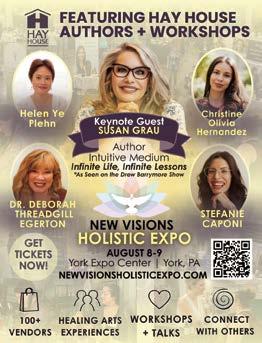
Meet Five Hay House Authors at New Visions Holistic Expo
The 24th annual New Visions Holistic Expo will take place on August 8 and 9 at the York Expo Center in historic York. Centered around the theme Connection Is Medicine, the expo is one of the Mid-Atlantic’s longest-running holistic wellness gatherings, bringing together nationally recognized authors, speakers, holistic practitioners, intuitive readers, wellness educators, artisans and nearly 100 exhibitors for a weekend focused on personal growth, healing, conscious living and community.
Featured Hay House authors include Susan Grau, internationally recognized evidential medium and author of Infinite Life, Infinite Lessons; Stefanie Caponi, bestselling author of Guided Tarot and Tarot for Manifestation; Dr. Deborah Threadgill Egerton, TEDx speaker, internationally respected psychotherapist and bestselling author of Enneagram Made Easy; Helen Ye Plehn, creator of The Aura Color Wheel and internationally recognized aura expert; and Christine Olivia Hernandez, Mayan spiritual guide and author of Remember Your Roots
Relax
Left Top: Christine Olivia Hernandez. Left Bottom: Dr. Deborah Threadgill Egerton. Center: Susan Grau. Right Top: Stefanie Caponi. Right Bottom: Helen Ye Plehn.
Admission is $10 for one day and $13 for two days; children 12 and under are free. An all-access pass is $125 and includes early admission, premium workshops, speaker recordings and exclusive experiences. Advance reservations for all-access passes are recommended. Location: 334 Carlisle Ave. For more information or to purchase tickets, visit www.NewVisionsHolisticExpo.com.
Nurture
Enjoy fresh & healthy foods & drinks and shop for healthy
We educate, encourage, support, and advise our clients to achieve health and wellness holistically!
& natural, sustainable products at our Blue Door
and cozy cafe!
Organic menu options include vegan foods, specialty teas/coffee & alternative beverages.
Come and find your ideal destination for thoughtful holiday gifts & community support.
Be sure
Services include: · Bioenergetic Scans · Emotional Release · EESystem · Far Infrared Sauna · Lymphatic Bodywork · Nutritional Counseling · Organic Skincare · Rife Therapy and more
484-262-9020 TwinValleyHealthAndWellness.com
let our advertisers know you found them in
2403 Main St, Lower Level, Narvon, PA
Find Your Path to Peace at Greenshire’s Peace Festival
Greenshire Institute for Holistic Studies will host its Peace Festival on September 13, from 1 to 6 p.m., at its grounds in Quakertown, Upper Bucks. The event focuses on promoting peace within oneself, families, communities and the world. Activities will include a Peace Pole ceremony, gong sound bath, labyrinth, artists, vendors, giveaways, raffle, potluck, chair massage and presentations.
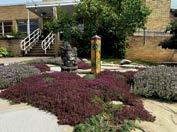
Central to the gathering will be the rededication of Greenshire’s Peace Pole, erected in 2006. The pole bears the message “May peace prevail on Earth” in seven languages.
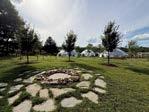
Greenshire is dedicated to helping people explore new horizons as they revitalize the quality of their lives—body, mind and spirit. The nonprofit offers such services as spiritual studies, support for life’s transitions, yoga, astrology, reiki, massage, Craniosacral Therapy and intuitive shamanic coaching. The Greenshire grounds feature meditation gardens, a sacred circle, peace pole garden, wooded trails, and vegetable and flower gardens.
Admission: $20 for individuals, $30 for families. Parking is available at Woodlands, located at 5724 Clymer Rd., with shuttle service to and from Greenshire, located at 3620 Sterner Mill Rd. For more information, to become a vendor or to register, email Info@GreenshireInstitute. org. Also visit www.GreenshireInstitute.org
Wellness Begins Locally.
Discover Your Inner Wisdom Through Soul Shamanism
Shaman Janet StraightArrow is offering Soul Shamanism—A Journey With Your Soul, a Zoom-based experience that introduces participants to Siberian shamanic practices intended to support spiritual growth, healing and self-discovery.
Designed to help individuals connect with their souls and access the love, wisdom and truth within themselves, the offering provides guided instruction in practices that encourage personal healing, spiritual understanding and authentic self-expression.
“Soul Shamanism offers immediate healing, wisdom and connection,” says StraightArrow. “You learn a centered spiritual growth practice that informs each step of your journey to know and live your authentic self.”
Held over a number of weeks to encourage deep connection and an established practice, the program explores spiritual connections, tools and energy that can be integrated into daily life. “Learn how to heal deeply and walk your journey with understanding and powerful spiritual connections,” StraightArrow adds.
Participants are encouraged to call to reserve a space and help determine upcoming program dates.
For more information or to reserve a place, call 973-647-2500. Also visit www.BeTheMedicine.com.
Recharge and Reconnect at Inner Peace Holistic Expo
The Inner Peace Holistic Expo returns to the Morgantown Event Center from 10 a.m. to 5 p.m. on August 22 and 10 a.m. to 4 p.m. on August 23, offering a weekend of wellness, personal growth and meaningful connection. Centered on the theme End of Summer Reset, the event encourages attendees to pause, recharge and prepare for the changing season through a variety of holistic experiences.
More than 80 exhibitors will showcase holistic health services, organic products, crystals, wellness resources and handcrafted goods. Attendees can explore intuitive readings, energy-based modalities and body-centered healing practices while meeting local practitioners and artisans from across the region. Free lectures and workshops throughout the weekend will cover natural wellness, spirituality and personal development. A paid psychic gallery with psychic medium Alicia Anne of Heaven Talks LLC will take place at 1 p.m. Saturday, followed by a paid Money, Love, Joy group hypnosis session with Brenda Rhodes, CHI, at 1 p.m. Sunday. Tickets for these special offerings can be pre-purchased online.
An indoor 32-foot labyrinth will provide a peaceful setting for walking meditation, while an aura camera experience, yoga classes, door prizes and Peace Packets for the first 150 guests each day add to the festivities.
Admission is $10 per day or $15 for a weekend pass. Veterans and children younger than 12 are admitted free. Location: 6180 Morgantown Rd., Morgantown. For more information or to purchase tickets, visit InnerPeaceHolisticExpo.com
Learn to relax. Your body is precious, as it houses your mind and spirit. Inner peace begins with a relaxed body.
—Norman Vincent Peale
Nordic Walking for Heart Health
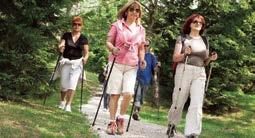
Nordic walking incorporates trekking poles, similar to ski poles, to simultaneously engage both the upper and lower body, providing a comprehensive approach to fitness. A 2013 study in the European Journal of Physical and Rehabilitation Medicine highlighted Nordic walking as an accessible method to support cardiovascular health.
In a 2022 study published by the Canadian Journal of Cardiology, 86 participants with coronary artery disease were randomly assigned to three groups: high-intensity interval training, moderate-to-vigorous-intensity continuous training and Nordic walking. Following a 12-week exercise program and a subsequent 14-week observational period, the Nordic walking group demonstrated the most significant statistical and clinical improvements compared to the other groups in functional capacity, as measured by the distance participants could walk in six minutes.
The six-minute walk test serves as a predictor of cardiovascular events in patients with heart disease. Functional benefits achieved during the exercise program were sustained by the Nordic walking group throughout the end of the observational period. All three exercise programs improved the participants’ quality of life and alleviated depression symptoms. Notably, a 2025 systematic review and meta-analysis of 22 studies involving nearly 1,300 participants concluded that Nordic walking reduces cardiovascular risk factors in individuals over the age of 65.
Foundational Health for Pets
Understanding and Reversing Alcohol’s Damage
Recent research published in the journal Addiction revealed that 62 diseases are entirely attributable to alcohol consumption, including mental and behavioral disorders, liver and gastrointestinal diseases, neurological and cardiovascular ailments, maternal and fetal conditions, and intentional and unintentional injuries. The researchers also discovered that alcoholic drinks increase the risk of infectious diseases such as pneumonia and sexually transmitted diseases, injuries from traffic and other accidents, and non-infectious diseases like Type-2 diabetes, pancreatitis and certain cancers.
Although alcohol consumption is strongly associated with numerous health conditions, reducing or abstaining from drinking can successfully reverse many of its negative effects. As people decrease or eliminate alcoholic beverages, they can lower the risk of injuries and improve blood pressure, immune function and brain health within a short time. Early-stage liver changes can often be reversed. While chronic, alcohol-related conditions such as cirrhosis, heart disease and brain damage cannot be reversed, cutting back or cutting out drinking altogether can slow their progression and improve overall health.
The researchers analyzed 56 meta-analysis studies and 21 systemic reviews on alcohol consumption and ischemic heart disease to identify relationships between the volume of alcohol consumption and the risk of health outcomes.
inkret from Getty Images Signature/CanvaPro
Socioeconomic Impacts on Children’s Brains
A study published in the journal Science found that a child’s socioeconomic environment exerts the strongest influence on brain development, surpassing factors like IQ, parenting style or health history. The researchers analyzed brain scans from nearly 12,000 9to 10-year-olds, mapping 649 variables across 12 categories. When compared, socioeconomic factors, including family income, home ownership, local poverty rates and access to transportation, accounted for approximately 16 percent of the variability in children’s brain function. Of the top 40 variables linked to brain function, 37 were socioeconomic in nature.
The brain regions most affected by socioeconomic disadvantage were the same areas most susceptible to sleep deprivation and stress, indicating that the brains of children from lower-income households do not reflect diminished cognitive capacity, but rather the consequences of chronic stress and inadequate sleep.
The study also challenges longstanding assumptions regarding IQ and brain structure. When researchers adjusted for socioeconomic status, approximately 70 percent of previously identified brain-IQ associations lost statistical significance, suggesting that earlier studies may have been measuring the impact of circumstance rather than innate intelligence.
Early Childhood Nutrition Shapes Intelligence
The human brain undergoes its most rapid cognitive development before kindergarten, forming connections between nerve cells and a layer of insulation around them so signals travel more efficiently. This development relies on certain nutrients from food sources, including iron, iodine, vitamin D, choline, healthy fats and whole grains. Adolescence presents a second period of accelerated brain change, prompting some scientists to speculate whether improved teenage diets could enhance cognitive abilities. However, studies on this topic have yielded mixed results, possibly caused by poorly designed studies.
A systemic review published by Advances in Nutrition suggests that the dietary habits of children during their earliest years may shape their intelligence well into adolescence. The researchers analyzed 48 controlled trials and 25 long-term studies that tracked the diet and educational performance of individuals over many years, starting
The secret of life is enjoying the passage of time. —James Taylor
with infancy. The analysis revealed that children with poor diets in their first three years of life had lower scores on intelligence tests as teenagers, even after accounting for family income, parental education and other background factors. No single nutrient emerged as a significant influence on cognitive development because the brain’s use of nutrients varies across different developmental stages.
NadyaEugene/shutterstock
Bus Stops Become Pollinator Pit Stops
In Ljubljana, Slovenia, waiting for the bus comes with an unexpected environmental benefit. Since 2020, the city has installed small gardens on the roofs of selected bus shelters, transforming ordinary transit stops into steppingstones for bees, butterflies and other pollinators.
Unlike decorative rooftops planted primarily for appearance, these gardens contain native species selected to bloom at different times throughout the growing season. Together, they are intended to form a connected green network through the city, providing food and habitat where natural spaces are limited.
A 2026 study published in Horticulturae examined Ljubljana’s planted bus shelters and found that even small green roofs can contribute to urban plant diversity and provide resources for pollinators. The researchers noted that native plants are particularly valuable because they are adapted to local conditions and support insects that evolved alongside them.
These miniature habitats also demonstrate that urban conservation doesn’t always require acres of open land. Sometimes, helping nature return to a city begins with reconsidering the overlooked spaces already there… including the roof above the morning commute.
Japan’s Town with Almost No Trash
In the mountainous Japanese town of Kamikatsu, taking out the trash is anything but routine. Residents bring household waste to a central facility, where items are cleaned and separated into 14 main categories and 44 subcategories. Food scraps are generally composted at home, while reusable clothing, dishes and household goods are offered through the town’s free Kuru Kuru reuse shop.
Kamikatsu became Japan’s first municipality to declare a zero-waste goal in 2003. Today, the town reports a recycling rate exceeding 80 percent—far above what most communities achieve.
A 2025 study published in Sustainability found that Kamikatsu’s progress was not primarily driven by sophisticated technology. Instead, researchers credited changes in community norms, daily routines, shared facilities, incentives and greater awareness of personal consumption. The study also acknowledged challenges, particularly for older residents and others that may find the detailed sorting system difficult.
Kamikatsu has not eliminated waste entirely, but it offers a compelling lesson: Recycling improves when people can clearly see where their discarded belongings go—and begin viewing “trash” as a resource rather than an inevitable endpoint.
Handwritten Letters Make a Comeback
In a world of disappearing messages and hurried texts, handwritten correspondence is quietly returning. Letter-writing clubs, pen-pal communities, stationery groups and typewriter gatherings are attracting people seeking creativity, deeper connection and a deliberate break from screens.
The renewed interest is not simply about nostalgia. Writing by hand requires time and attention, and receiving something created specifically for us can feel markedly different from opening another notification. Recent reports describe letter writers ranging from seasoned correspondents to young adults that are discovering paper, ink and postage for the first time.
Research suggests that the practice may offer measurable emotional benefits. In a study of 958 adults published in Affective Science, participants that wrote longer gratitude letters reported stronger positive emotions than those that made brief gratitude lists. Some benefits were temporary, and letter writers also experienced feelings of indebtedness, demonstrating that the emotional effects can be complex.
Another yearlong letter-exchange project found an average decrease in loneliness among participants. In an age built around instant communication, the humble letter offers something increasingly rare: tangible evidence that another person paused, thought of us and stayed at it long enough to fill the page.
Female Chickadees Seek Superior Memory in Mates
A recent study in eLife sheds light on the survival strategies employed by mountain chickadees during the harsh winter months of the Sierra Nevada. These diminutive birds rely heavily on their spatial memory to locate thousands of meticulously hidden seeds, enabling them to endure periods of food scarcity. The researchers found that this cognitive ability not only helps the birds live longer but also influences their mating preferences.
Using smart feeders, scientists observed that female chickadees frequently seek out additional mates with superior spatial memory. Genetic analysis shows that roughly 70 percent of nests contained at least one chick fathered by an outside male. Females demonstrating weaker memory skills were more likely to seek out more intelligent partners. By doing so, they compensated for their own cognitive shortcomings, ensuring that their offspring inherit the robust spatial memory needed to thrive in a challenging environment. Males with the most advanced memories fathered the highest number of outside chicks, and their attentive care for their own nest remained unaffected.
Charles
Bergman/shutterstock
Raising Healthy Humans
A Holistic Approach to Pediatric Care
by Marlaina Donato
A2025 comprehensive analysis of U.S. pediatric data published in JAMA reveals that the health of U.S. children worsened over a 17-year period. From 2011 to 2023, the prevalence of chronic health conditions among U.S. children aged 3 to 17 rose from nearly 40 percent to almost 46 percent. Rates of obesity, sleeping difficulties, limitations in activity, physical complaints, depressive symptoms and loneliness all increased during this study period.
The rise of holistic pediatric health care reflects a shift from solely treating symptoms to a more comprehensive approach
that focuses on treating the “whole child” and building foundational wellness with evidence-based lifestyle choices. Approximately 122.3 million adults and 17.7 percent of children use some form of alternative medicine, including whole-foods nutritional counseling, mindfulness practices, therapeutic bodywork, chiropractic, yoga, acupuncture, homeopathy, supplements and energy modalities. Apps such as Holistic Parenting Hub and Healthy Kids Happy Kids offer clickable resources and community support, enabling parents and caregivers to actively participate in their children’s health journey.
Core Nutrition and Digestive Health
Madiha Saeed, a board-certified integrative family physician in Naperville, Illinois, understands that a child’s potential starts with what is on the plate. “Diet is always first and foremost. In our house, real food is fun food. You name it—everything from chips, cookies, ice cream, donuts, pizza or cereal—we have a healthier option for it,” says Saeed, the author of several books, including The Holistic Rx for Kids: Parenting Healthy Children to Save Our Future.
To prevent health issues like stunted growth, delayed puberty and menstrual irregularities, which can also impact mood, energy and performance, she stresses the importance of calories from nutrient-dense foods, plus extra fortification with supplements. Offering an attractive “rainbow platter” of fresh vegetables and fruits for kids to snack on after school is a great start. These fiber-rich treats promote healthy gut flora, optimizing childhood biological functions.
Saeed considers fiber one of the most important dietary allies for digestive balance,
recommending 25 to 30 grams per day for teen girls and 30 to 38 grams for teen boys. She also champions prebiotic fiber powders for smoothies, lentil pasta, creamy chia pudding with berries, fresh guacamole, nuts and seeds.
Saeed explains that bone broth—ideally one cup daily—provides bioavailable minerals and amino acids like L-glutamine, which supports the gut’s mucosal lining, a key factor in reducing systemic inflammation. Healthy fats such as avocados; lean proteins like lean beef, poultry, eggs, sardines in olive oil and canned tuna in water; and nuts like cashews and almonds are essential for growth. Like adults, children’s cellular health requires adequate hydration. Everything in the body— from blood to bones to the brain—is partially made from water, and Saeed notes that adequate hydration can reduce a child's risk of becoming overweight.
As a busy physician managing work and family, she finds balance by prepping for the week ahead. “On the weekend, plan your meals for the upcoming week so that you can go shopping and have everything you need,” she explains. “I spend one day a
week cooking all my veggies, proteins and healthy carbohydrates.”
Whole-Child Dentistry
Teaching young children about good oral hygiene at an early age is essential, but for Claire Stagg, a holistic dentist in Indian Harbour Beach, Florida, understanding the whole picture can affect a child’s foundational well-being. “A holistic pediatric dental physician can contribute a wider lens,” says the author of Smile, It’s All Connected! “We still care deeply about clean teeth, healthy gums, cavities, infections, trauma and all the basics, but the holistic approach asks more questions.”
Stagg believes in the value of early assessment to identify airway patterns that may cause future issues. She states, “Structurally, the mouth can give us important clues. A narrow jaw, crowded teeth, chronic mouth breathing, snoring, restless sleep, dark circles under the eyes, teeth grinding, bedwetting, poor focus or constant fatigue are not little, isolated quirks. They are signs that the child’s body may be working too hard to do something that should be beautifully automatic: breathe.”
She asserts that some seemingly hyperactive children may actually be exhausted due to structural issues, leading to behaviors like fidgeting, meltdowns, loss of focus or being “difficult”. Collaborative care from pediatricians; bodyworkers; ear, nose and throat specialists; and other professionals can sometimes address all factors.
Stagg stresses the importance of real food, hydration and being cautious about “healthy-looking” snacks that may be sticky, acidic or high in sugar. Ultimately, health transcends appearances. “Straight teeth are lovely, but the bigger question is whether the bite, jaws, airway, tongue position, joints, muscles and posture are working together,” she notes.
Neurologically Focused Chiropractic Care
Approximately 35 million Americans use chiropractic care each year, but the field has evolved to encompass much more than typical adjustments for pain management. “Modern chiropractic care isn’t really about the spine in the way most people picture it. It’s about the nervous system,” states pediatric chiropractor Tony Ebel, in Crystal Lake, Illinois.
The lead writer and educational guide for PX Docs, Ebel specializes in pediatric care aimed at correcting imbalances in the autonomic nervous system, which affects sleep, digestion, immune response, mood, focus and the ability to calm down. He emphasizes, “In childhood, this matters enormously because these are the years when the nervous system is developing fastest. What matters most in a growing child isn’t whether their spine looks perfectly straight on an X-ray, but how well their spine and nervous system are communicating.”
Ebel notes that pediatricians, therapists and specialists are vital, and chiropractors do not replace them, but instead assist in identifying patterns early and gently guiding the nervous system back to calm, balance and healthy development without drugs.
liloon/shutterstock
He explains that chiropractic’s traditional concept of subluxation, now understood as neurospinal dysfunction, involves “a pattern of tension, restriction and altered neurosensory input into the brainstem, often concentrated in the upper neck and transitional support regions that keeps the body locked in that stressed state.” The goal at every stage is a nervous system that can adapt, regulate and grow, providing the child with the healthiest foundation for life’s demands.
Ebel assures that pediatric adjustments are gentle, specific and light. “With infants, we’re often using no more pressure than you’d use to test the ripeness of an avocado— a soft, sustained touch. There’s no twisting, no popping, no force. Babies frequently relax, settle or even fall asleep on the table. Toddlers come running in for their turn. Older kids look forward to it.”
Coping Skills for the Storms of Life
With 2.4 million American youth diagnosed with depression and 11 to 16 percent struggling with anxiety disorders, young people need reliable tools to thrive. Mindfulness, breathwork, yoga, expressive art therapies and other holistic tools offer valuable self-care
strategies for kids to self-regulate emotions when they are feeling overwhelmed.
“Adverse childhood experiences and significant life stressors have many long-term effects on the body, especially for children, but creative expression and meaningful connection can have a lasting impact on a child’s developing nervous system,” says Claire Little, a master-level art therapist and licensed associate professional counselor at Northern Light Counseling, in Honesdale, Pennsylvania.
Simple mindfulness practices can be introduced at different ages and incorporated into daily routines. Grounding activities like the “5, 4, 3, 2, 1 technique—naming five things you see, four things you feel, three things you hear, two things you smell and one thing you taste—can be great and practiced almost anywhere,” says Little. Families can also model mindfulness at the dinner table by encouraging kids to think about what their food tastes, smells or feels like, with everyone taking turns sharing their thoughts.
Engaging in creative activities and play helps to unlock the unconscious, and Little attests to the power of art to help kids process life and manage stress. Creating a mindfulness box is a fun way to engage a child’s senses and regulate neural pathways. “Have your child decorate a box large enough to fit several small items—interesting things found around the house or the yard such as flowers, leaves and rocks,” she counsels. “Encourage them to identify what their objects feel like such as weight and texture.”
It is vital to provide children with structure and boundaries without added pressure. “Meet them where they’re at,” Little says, “If a child is expressing an emotion, hear them out. Validate their feelings by listening and demonstrating how you cope with a similar struggle or feeling.”
Tapas With a Twist
Small Plates With Big Health Benefits
by Maya Whitman
Tapas—small-portion, sharable dishes—are a staple of Spanish culture that can be served hot or cold, vary by region and are the perfect culinary backdrop to spending unhurried, quality time with family and friends. Beyond their culinary appeal, these bite-sized offerings can also support a strong foundation for health. By focusing on whole ingredients, balanced flavors and nutrient-dense combinations, small plates can shift from an occasional indulgence to a mindful, everyday approach to eating.
A collection of small dishes can become a meal itself, offering flavor explosions for memorable entertaining, encouraging guests to sample ethnic inspirations like crispy Indian tofu with tamarind chutney or sautéed Asian shrimp and snow peas. “The beauty of tapas is that you can take your guests on a trip around the world without ever leaving the table. Nobody feels like
they’re eating health food; they just feel like they’re eating really well,” says Julia Chebotar, an award-winning private chef and certified health coach in New York City.
Ideally, small plates can showcase bounty from farmers markets and home gardens. Whether methodically assembled at the table from themed central platters, plated from backyard grills or served up impromptu with basics foraged from the fridge, tapas build healthy foundations, nourish social connection and inspire us to eat lighter while feeling satiated.
Passionate Simplicity
Small feasts are best comprised of three or four small dishes served in sequence. Rounds of inspired, mindful eating allow guests plenty of time to enjoy good company. “With so much variety, there’s genuinely something for everyone,” explains Chebotar. “Everything stays on the table; people
graze at their own pace; the conversation flows; and nobody is stuck waiting for the next course.”
Her peak-season favorites are grilled corn cut off the cob with lime, cotija and chili; roasted eggplant finished with pomegranate molasses and fresh mint; and ribbons of raw zucchini tossed with lemon and parmesan. Her breakfast tapas come together in minutes and kick off the day with quality protein such as soft-boiled eggs with olive oil and za’atar, a traditional Middle Eastern herb and spice blend; a small plate of whole-grain toast with almond butter and sliced strawberries; and little bowls of Greek yogurt topped with crunchy walnuts and a drizzle of honey.
Fresh Joy
Cathy Vogt, a board-certified health counselor and professional whole foods chef in the New York Hudson Valley is a proponent of robust flavors and seasonally available ingredients such as late summer corn incorporated into a tangy relish or juicy tomatoes in a luscious salad. The author of Cultivating Joy in the Kitchen: Plant Forward Recipes & Soulful Nourishment also delights in roasted garden eggplant with olive oil and fresh garden herbs; grilled summer peaches or sweet melon paired with thinly sliced cured ham; and a bowl of briny olives, marinated artichoke hearts, fresh figs stuffed with blue cheese and colorful roasted peppers.
Her most delicious, small plates include smoked salmon salad served over tart endive leaves and a tangy spread made with roasted beet, walnuts and balsamic vinegar that pairs beautifully with a seedy, crusty bread or sliced sweet peppers and cucumbers. Vogt recommends locally sourced eggs that can be hardboiled or whisked into a simple Spanish tortilla paired with fresh herbs, diced tomato or garden greens. She also champions the endless variety of lentils
and legumes, such as her savory spread made with cannellini beans, sundried tomato and an herb-based pesto.
Everyday Surprises
Chebotar points out that tapas can make meal prep for the week easy and enjoyable. She recommends roasting some vegetables, cooking a grain, making a dip and preparing a protein on Sunday, allowing members of the household to build their own small plates throughout the week. “Healthy eating starts to feel spontaneous and fun, even on a Wednesday night,” she explains, adding that small plate meals are also a great way to get kids excited about healthy eating. “Getting them involved in assembling their own tapas—picking the dip, choosing the veggie, adding the protein—builds curiosity and ownership over what they’re eating.”
Vogt suggests diving deeper for an inspired experience. “If you are interested in exploring traditional tapas, visit a restaurant or tavern that serves traditional tapas. Be curious about experimenting and trying new foods and flavors.”
Maya Whitman is a frequent writer for Natural Awakenings.
NATURAL HEALTH
CORN AND BASIL PANCAKES
YIELD: 16 TO 20 PANCAKES
½ cup fine-ground cornmeal
½ cup whole-wheat pastry flour or gluten-free flour mix
2 tsp baking powder
1 tsp sea salt
½ tsp ground pepper
1 tsp cumin powder
2 ears fresh corn on the cob, peeled and cut off the cob
2 eggs, scrambled
2 Tbsp chives, chopped
2 Tbsp fresh basil, chopped
½ cup water
Olive oil or avocado oil for cooking
Combine the cornmeal, flour, baking powder, salt, pepper and cumin in a mixing bowl and whisk to combine. Fold corn kernels, eggs, chives and basil into the flour mixture. Slowly pour water into mixture and stir to combine. Do not over-mix.
Heat a cast iron or heavy-bottomed sauté pan over medium heat. Add 1 tablespoon of oil to the pan. Add more oil as needed during cooking.
Drop 1 tablespoon of mixture into the pan to form a pancake. Space out pancakes in the pan, allowing each to cook for 3 to 4 minutes on each side until golden brown.
Serve the pancakes hot or at room temperature. These savory bites pair well with a spoonful of tomato salsa or another favorite condiment.
Recipe courtesy of chef Cathy Vogt.
OVEN-DRIED GARLIC TOMATOES
Any amount of Roma or plum tomatoes
A few cloves of garlic, minced
Olive oil for drizzling
Sea salt
Freshly ground pepper
A handful of fresh herbs of choice (basil, parsley, oregano or rosemary)
Wash the tomatoes, pat dry and slice in half lengthwise. Scoop out the seeds gently with fingertips.
Place each tomato cut side up on a sheet pan, sprinkle generously with olive oil, and add the minced garlic, salt and pepper. Top the tomatoes with chopped herbs of choice.
Bake the tomatoes in a 250° to 275° F oven for 3 to 4 hours until they are dried but still chewy.
These are great for tapas or as a topping for salads, vegetables, grains or baked fish. Store them in a covered container in the refrigerator.
Recipe courtesy of chef Cathy Vogt.
KWW-GenAI/CanvaPro
A Sweet Taste of Home
The Flavor, Tradition and Everyday Uses of Local Honey
by Anna Pitken
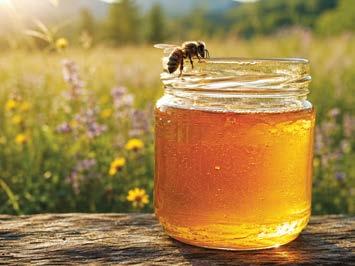
There is something deeply satisfying about buying honey from a local beekeeper. Each jar carries a little bit of the landscape around us—the clover, wildflowers, fruit blossoms and garden blooms visited by bees throughout the season.
This is why local honey can vary so much in color and flavor. A spring harvest may be light, delicate and floral, while honey collected later in the year can be darker, richer and more robust. Even jars from the same beekeeper may taste different depending on the weather, the season and what was blooming near the hives.
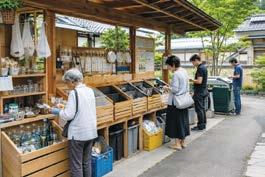
Buying honey at a farmers market also offers something a supermarket shelf cannot: a conversation. Shoppers can ask where the hives are located, when the honey was harvested and how it was strained or bottled. A knowledgeable beekeeper is usually happy to explain the process—and may even offer a taste.
Look for honey that clearly identifies the producer and its place of origin. Ask whether the seller manages the hives or works directly with the beekeeper who does. Words such as raw, strained and unfiltered describe how honey was handled, but they are not interchangeable. The producer should be able to explain exactly what those terms mean for the honey in the jar.
Cloudiness and crystallization are completely natural. Crystallized honey has not spoiled, and some varieties simply crystallize faster than others. Place the closed jar in warm water to gently soften it, avoiding high
heat that can sometimes alter its flavor and texture.
Honey also has a treasured place in traditional home wellness. Stirring it into warm tea or lemon water can coat and soothe an irritated throat, and research indicates that honey may help reduce short-term coughing in adults and children older than one. It can also be blended into oatmeal, yogurt or salad dressing, or drizzled over fruit when a touch of natural sweetness is needed.
Local honey is sometimes promoted as a remedy for seasonal allergies, but evidence doesn’t support using it as an allergy treatment. Its most dependable wellness role is
simpler: soothing the throat, easing a cough and offering a comforting alternative to heavily processed sweeteners.
Buying locally also supports small apiaries and the careful work required to maintain healthy colonies. Beekeepers monitor food sources, weather patterns, pests and hive health throughout the year.
Perhaps this is what makes local honey so special. It offers sweetness, comfort and a direct connection to the land—all contained in one simple jar.
Safety note: Honey should never be given to a child younger than 12 months because it can cause infant botulism.
The world is plentiful with honey, but only the humble bee can collect it.
—Ralph Waldo Emerson
The Road Trip to Nowhere
by Shae Marcus
There’s a certain kind of freedom in not having every detail planned.
Not the chaotic kind, in which everyone is hungry, the gas tank is low and someone forgot the charger. The better kind. The kind where we choose a direction, leave a little room for surprise and allow the day to unfold without needing to overmanage it.
By August, summer can start to feel like it’s slipping through our fingers. The beach days, late dinners and slower mornings are still here, but we can sense the season beginning to shift. That’s when a road trip to nowhere can feel like its own kind of retreat.
It doesn’t have to be far. In fact, maybe it’s better when it’s not. Pick the charming town we kept meaning to visit, the park with the trail by the river, the lake we’ve driven past but never stopped to see or the little café someone mentioned months ago. Let the journey be less about checking off a destination and more about remembering what it feels like to wander a little.
There’s something deeply restorative about giving ourselves permission to follow curiosity. Turn down the road with the old stone houses. Stop at the farm stand. Walk through the bookstore. Sit by the river. Order the homemade lemonade. Take the scenic route even if it adds 20 minutes, because maybe those 20 minutes are the whole point.
A mindful journey doesn’t always require a plane ticket, a packed suitcase or a carefully
curated itinerary. Sometimes it’s sneakers in the car, a refillable water bottle, a half-read book, a blanket for the grass and a willingness to be pleasantly surprised. If there is a park, walk it. If there is water, sit near it. If there is a bench in the shade, consider that an invitation.
These small pauses are not wasted time. Rest, wonder and connection are not extras we earn after everything else is done; they are part of the foundation that keeps us well. A walk through a quiet town becomes more than exercise. A riverbank becomes more than a pretty view. A simple afternoon becomes a reminder that life does not always have to be scheduled to be meaningful.
To make the day feel like a retreat, keep the
plan loose, but intentional. Choose one gentle anchor: a town, a trail, a café, a river, a garden, a farmers market. Then, leave space around it. Let the best part be the thing we did not know to look for.
Sometimes the most memorable journeys are not the ones with the biggest plans. They are the ones where we get in the car, take a breath, and let the road remind us that we are still allowed to wander.
Shae Marcus is the publisher of Natural Awakenings South Jersey and Philadelphia, and fully supports any journey that begins with “let’s just see where this road goes” and ends with good coffee, a pretty view or an unexpected farm stand. For more information on unique trips, visit The1111Experience.com.
What Our Stress Is Saying
Homeopathy’s Individualized Approach to Burnout
by Laurell Matthews, ND
Burnout has become so common that it is often dismissed as a normal part of modern life, yet chronic stress can affect nearly every system in the body, contributing to fatigue, poor concentration, digestive complaints and emotional exhaustion. According to a 2021 article published in the Annual Review of Psychology, chronic stress has been associated with increased risks of anxiety, depression and cardiovascular disease. Sleep is often disrupted as well, further reducing the body’s ability to recover and restore balance.
Unlike conventional approaches that often focus on a diagnosis, homeopathy looks at how stress uniquely affects an individual. Rather than offering one remedy for burnout, homeopaths select remedies based on a distinctive pattern of physical, mental and emotional symptoms.
“I can’t shut my brain off.” For the person that pushes through long workdays fueled by coffee, becomes irritable and impatient, and lies
awake replaying tomorrow’s to-do list, Nux vomica is a frequently considered remedy.
“Even small tasks feel overwhelming.” When mental fatigue outweighs physical exhaustion and concentration becomes difficult, Kali phosphoricum is often used to support those experiencing nervous exhaustion after prolonged stress.
“I have nothing left to give.” When someone has spent months or years caring for others until emotional reserves are depleted, “Sepia is one of the best remedies for burnout, especially in women with a lot of caretaking responsibilities,” says naturopathic physician and homeopath Dr. Ian Spohn. “I recall treating a woman with five children who wanted to sleep most of the day. Within a month of adding Sepia to her regimen, she had signed up for a gym membership.”
A Targeted, Holistic Strategy
Because homeopathy is individualized, the best remedy depends on the whole person, not simply the label of “burnout”. A 2025 observational study in the Sao Paulo Medical Journal reports that patients receiving homeopathic care found improvements in sleep quality, along with reductions in stress, anxiety and depression over six months.
Burnout affects both mind and body, and recovery rarely happens overnight. By listening to what stress is saying and recognizing the unique response to it, homeopathy offers a personalized approach that can complement restorative sleep, nourishing food, movement and healthy boundaries, helping individuals move beyond simply getting through the day and toward feeling like themselves again.
Underwritten by Grato Health, in operation since 1987, dedicated to advancing health and wellness through natural, holistic solutions that support the body’s ability to heal.
Retreats for the Soul
—Yehudi Menuhin
Clean Water, Clear Decisions
Finding the Right Fit for Home Filtration
by Maya Whitman
Filling a glass for a cold drink of water or taking a refreshing shower at the end of the day is routine for most of us, but being savvy about what’s coming out of the faucet is vital for health. From private wells to municipal tap, water quality can vary widely and often contain heavy metals, chlorine byproducts, bacteria and PFAS—per- and polyfluoroalkyl substances, commonly known as “forever chemicals”.
“Clean water is one of the most important foundations of health. The key is not simply purchasing a filter, but selecting a treatment system that is matched to the unique characteristics of your water supply,” says Level 5 Water Quality Specialist Roy M. Speiser, vice president of Clean Water Revival, Inc., in Stuart, Florida. With numerous options on the market, choosing a water filtration system can feel a little daunting, but the next step to cleaner water can be much easier with some understanding of what is in the well.
Key Considerations
Experts recommend beginning with a certified lab test or an annual Water Quality Report (also known as a Consumer Confidence Report or CCR) from the local water supplier for
details on levels of contaminants and treatments. Compromised water quality is not usually noticed until an unpleasant taste, odor or discoloration alerts us to problems, but many contaminants are invisible and cannot be detected by sight, smell or taste alone.
After reviewing hundreds of municipal Water Quality Reports, Speiser has identified more than 40 contaminants that are commonly detected in U.S. water supplies. Aside from PFAS, heavy metals and chlorine, he lists the disturbing presence of arsenic, uranium and radioactive elements, pharmaceuticals, microplastics, chemical fluoride and disinfection byproducts. He notes, “While many are present at levels that meet current regulatory standards, questions remain regarding long-term exposure from drinking, cooking, bathing and showering.”
One of the most common misconceptions is that a single filter can remove everything. Sometimes combining multiple filtration systems is recommended. According to Brian Campbell, founder of Water Filter Guru and certified water specialist in Denver, Colorado, “There is no such thing as a one-size-fits-all solution to water treatment. Different water issues require different treatment processes. Buying water treatment equipment without lab data is like shooting in the dark, and you may end up with equipment you don’t need or not get the right equipment for the job.”
Davizro Photography/shutterstock
Filtration Systems at a Glance
Gravity-fed systems include countertop and portable models with charcoal filters that work by positioning the source water higher than the destination, creating the necessary pressure to push the liquid through the filters. These systems do not require a plumbing connection. While effective at improving taste and removing dissolved, organic contaminants, they are less effective at removing inorganic contaminants like lead, fluoride, arsenic and nitrates. Many brands lack third-party certification and fail to meet National Sanitation Foundation/American National Standards Institute (NSF/ ANSI) standards. Some people use this type of system as one stage in a multistage water treatment system.
Reverse-osmosis (RO) systems force pressurized tap water through a semi-permeable membrane that removes up to 99 percent of dissolved solids. They are recommended for the removal
of contaminants such as chromium-6, perchlorate, uranium and certain PFAS compounds. These systems are considered one of the most highly effective methods of water purification. Countertop models provide broad contaminant reduction without the need for permanent installation.
One disadvantage is that hard water needs to be pre-treated, especially with countertop units, as filtering hard water will cause scale to form on the internal components, pump and membrane, leading to premature failure. Look for systems that meet NSF/ ANSI standards for specific contaminants that need to be reduced. Not all RO systems perform equally; membrane quality and pre-filtration stages are critical. Systems designed to address chloramine, PFAS and heavy metals provide more comprehensive treatment than entry-level units.
Ultraviolet (UV) disinfection systems are commonly recommended for private well water or water from an untreated spring, which do not typically receive chemical disinfection. These systems provide an additional layer of protection against bacteria, viruses and certain microorganisms. While UV treatment is generally not necessary for most municipally treated water supplies, it may be beneficial for individuals with compromised immune systems or for homes drawing water from higher-risk surface water sources that may contain parasites. UV works only with water that is clear. Because UV light travels in a straight line, any suspended debris, cloudiness or discoloration can physically scatter the rays, allowing microorganisms to pass through unharmed. Using upstream filtration to address turbidity is vital to improve effectiveness.
Maya Whitman is a frequent writer for Natural Awakenings.
More Than Riding
How Horses Help Kids Find Focus, Confidence and Connection
by Shae Marcus
Ahorse can’t be hurried or persuaded by empty words. Children must slow down, pay attention and communicate clearly. This may be exactly why time spent with horses can have such a powerful effect on youngsters.
Horseback riding engages the body, mind and emotions all at the same time. A rider must notice where they are looking, how they are sitting, what their hands are doing and how the horse is responding. The feedback is immediate. When a child becomes tense, distracted or unclear, the horse may slow down, change direction or simply stand still. The child learns to pause, adjust and try again.
This relationship can be especially valuable and helpful for children with ADHD, autism, anxiety, sensory differences and other
developmental or emotional needs. Riding provides movement and sensory input while also requiring sustained attention. Children practice listening, following sequential directions and reading nonverbal signals. They also begin to recognize how their energy, posture and body language can affect another living being.
The rhythmic movement of the horse—combined with the predictable routines of grooming, tacking and riding—may help some children feel calmer and more organized. The barn offers physical movement without constant noise or screen stimulation, while the horse gives the child a clear reason to remain present. It’s difficult to mentally race ahead when another living being needs one’s attention in the moment.
The Professional Association of Therapeutic Horsemanship International, known as PATH Intl., reports that horseback riding requires children with ADHD to focus on both the instructor and the horse while learning sequential steps that lead toward greater independence. PATH Intl. also highlights research showing that children with autism that participated in 12-week therapeutic horseback riding programs experienced improvements in sensory integration and directed attention compared with a control group.
For Sarah Drabin, who has ADHD and has ridden since she was 5, the barn offers a rare sense of quiet.
“My mind is active all the time,” she says. “There are always thoughts competing for my attention. But when I’m riding, everything around me becomes quiet. It’s just me and the horse, and for those moments, I feel completely at peace.”
Drabin now rides at Sunny Days Horse Training, in Waterford Works, New Jersey. Owner Alana Day grew up on the four-generation family farm and has spent much of her life riding, competing and caring for horses.
“Children learn so much more than how to ride,” says Day. “They learn patience, responsibility and how to build trust with another living being. Horses meet children where they are, but they also teach them to become more aware, confident and present.”
These lessons continue long after children leave the saddle. Grooming,
preparing equipment and completing barn chores create structure while teaching responsibility and follow-through. Progress rarely happens instantly. Children learn that
trust develops gradually, consistency matters and mistakes are part of learning.
PATH Intl. programs extend these opportunities to children and adults with disabilities through adaptive riding, driving, vaulting, equine-assisted learning and therapies incorporating horses. Adaptive riding is generally taught by specially trained riding instructors, while occupational, physical or speech therapy involving horses is provided by licensed healthcare professionals. Understanding the distinction can help families choose the right program for their child.
Some participants ride recreationally, while others progress into competitive equestrian programs. Competition can give children an additional sense of purpose, allowing them to set goals, develop skills and experience the pride of representing themselves and their barn.
Not every child needs a formal therapeutic program to benefit from time with horses. Parents should look for qualified instructors, properly fitted helmets, well-suited horses and a program experienced in meeting their child’s individual needs.
Horses don’t ask children to be less energetic, less sensitive or less themselves. They simply ask them to be present. Within that partnership, children can find confidence, responsibility, connection and a quiet place to breathe.
Shae Marcus, publisher of Natural Awakenings South Jersey and Philadelphia editions, has watched how the barn can become a place where children discover confidence, responsibility and a kind of connection that’s increasingly rare. Sometimes the best therapy has four legs, a soft nose and absolutely no interest in our excuses.
Calendar of Events
Email Publisher@NAPhiladelphia.com for guidelines. We advise confirming in advance directly with the business or organization.
Currently - Soul Shamanism-A Journey with Your Soul – Experience a Siberian Shamanic Practice to find immediate healing, wisdom and connection. Zoom - 7 Nights. Guided by Shaman, Janet StraightArrow. For help, dates and information: 973-647-2500 or www.BeTheMedicine.com
Saturday, August 1
Baby Goat Yoga & Bottle Feeding at the Farm – 10-11:30am. This stress-relieving event is sure to make you smile. Cost: $34. Horse and Goat Yoga, 1537 Dillon Rd., Maple Glen. www.HorseAndGoatYoga.com
Free Recovery Dharma Group – 6pm. Join this peer-led, mindfulness-based recovery community that uses Buddhist practice to support healing. Cost: free. The Phoenix, 3 Hidden Lane, Abington.
Sunday, August 2
Yoga with the Dinosaurs – 9-10am. Join in for this unique experience where the ancient worlds of fossils and yoga collide. Edelman Fossil Park of Rowan University, 66 Million Mosasaur Way, Mantua. www.EFM.org
Wednesday, August 5
Tai Chi for Arthritis Class for Adults 60 and Older – 10-11am. Enhance your well-being and embrace a more vibrant lifestyle. Cost: free. Lower Bucks Hospital, 501 Bath Rd., Bristol. www.LowerBucksHosp.com
Saturday, August 8 & Sunday, August 9
24th Annual New Vision Holistic Expo – Aug. 8, 10am-6pm. Aug. 9, 10am-5pm. Over 100 vendors, featuring nationally recognized Hay House authors, wellness workshops, speakers, community connections and healthy food. York Fairgrounds Memorial Hall East, 334 Carlise Ave., York. www.NewVisionsHolisticExpo.com
Friday, August 14
Sacred Rhythm: A Conscious Dance Journey – 6:30-8:30pm. Reconnect with the wisdom of your body and the rhythm of your soul. Cost: free. Moksha Yea, 366 Easton Rd., Unit J, Warrington. www.MokshaYEA.com
Tuesday, August 18
Introduction to Herbalism – 5:30-6:30pm. Explore herbalism and herbal teas for physical and emotional well-being. Cost: $10. Richmond Library, 2987 Almond St., Philadelphia. www.FreeLibrary.org
Saturday, August 22 & Sunday, August 23
Inner Peace Holistic Expo – Aug 22, 10am-5pm. Aug. 23, 10am-4pm. More than 80 vendors featuring holistic practitioners, intuitive readers, wellness products, crystals and handcrafted goods and much more. Cost: $10 per day; $15 weekend pass; veterans and children under 12 are free. Morgantown Event Center, 6180 Morgantown Rd., Morgantown. www.InnerPeaceHolisticExpo.com
Wednesday, August 26
Blend Your Own Adventure: A Tea Experience – 3-5pm. Step into the world of tea blending. The Random Tea Room, 713 N. 4th St., Philadelphia. www.TheRandomTeaRoom.com
Friday, August 28
Full Moon Hikes at Pine Road Parking Area – 8-9pm. Search sights and signs of wildlife under the light of the full moon. Cost: free. Pennypack eEnvironmental Center, 8639 Pine Rd., Philadelphia. www.PEC@phila.gov
SAVE-THE-DATE
Peace Festival 1-6pm
Pole ceremony, gong sound bath, labyrinth, vendors, massage, presentations, raffles and more. Cost: $20 per person, $30 per family. Greenshire Institute in Quakertown Info@GreenshireInstitute.org
Ongoing Events
Monday
Richmond Library Yoga – 5:30pm. Transition into your evening with an all-levels yoga flow. Dontation: $10. Richmond Library, 2987 Almond St., Philadelphia. www.MishanaYoga.com.
Wednesday
Sunrise Fitness Hike – 6-9am. Take a mid-week break to greet the sun, clear your mind and get your heart rate. Cost: free. Pennypack Environmental Center, 8600A Verree Rd., Philadelphia. https://linktr.ee/explore_pec
Wednesday Walking Club for Adults –10:15-11:15am. No need to be a speed walker, this group is a walk-at-your-own-pace, low -pressure group. Cost: free. Whitman Library, 200 Snyder Ave., Philadelphia. www.FreeLibrary.org/whitman
Yoga for Curious Kids with Maria Eble –10:30-11am. Children and their favorite adult get to experience 30 minutes of fun and inspiration. Cost: free. Free Library of Philadelphia – Chestnut Hill, 8711 Germantown Ave., Philadelphia. www.FreeLibrary.org
Friday
Weekly Garden Tours at Andalusia –1-2pm Enjoy a leisurely walk learning about what plants are in bloom. Cost: free. Andalusia Historic House, Gardens & Arboretum, 1237 State Rd., Bensalem. www.AndalusiaPA.org
Connecting you to the leaders in natural health care and green living in our community. To find out how you can be included in the Community Resource Guide, email Publisher@NAPhiladelphia.com to request our media kit.
Bodywork
NANCY WALTON
Awaken & Restore Massage and Wellness Center 716 N. Bethlehem Pike, Suite 204A Ambler, PA 19002 267-221-7160
At Awaken and Restore, Reiki Master Nancy Walton offers natural healing methods for body, mind and spirit. Reiki, individual Sound Baths, Chakra clearing and alignment with (optional Soul Star for personal direction) Tuning Fork sessions. As a Certified Reflexologist (since 1989), Foot Acupressure is also available. By appointment only.
Clients learn to observe and respond to deep-seated emotions of conflict, emptiness, and loneliness that often arise from family dysfunction. Guided in mourning the unchangeable aspects of their past, helped to own their truths and grieve their losses, clients are encouraged to show themselves the love, patience, and respect they truly deserve. A transformative process which creates a life that is truly worth living.
Complementary/ Functional and Regenerative Medicine
ALLAN MAGAZINER, DO Magaziner Center for Wellness 1907 Greentree Road Cherry Hill, New Jersey 08003 856-424-8222
With nearly 40 years of excellence in patient care, the Magaziner Center for Wellness is the area’s premier center for integrative and function medicine. We solve complex medical problems naturally.
Energy Healing Arts
MERYL HAYTON
Inner Peace Specialist, Advanced Certified EFT Practitioner, Energy Healer 973-879-9333
MerylHayton@gmail.com https://MerylHayton.com
Meryl Hayton is a trauma-informed Inner Peace Specialist focused on nervous system regulation and removing stress-response patterns. Through EFT, somatic approaches and energy healing, she supports women in reducing chronic stress and cultivating lasting calm, clarity and emotional resilience. Free consultations.
SAGE & SAND MYSTIC
Kristina@SageAndSandMystic.com
Sage & Sand Mystic offers one-to-one intuitive energy healing rooted in grounded mysticism. Sessions support clarity, alignment and deeper self-connection through personalized, responsive energetic work.
Health and Wellness Shop
NATURAL LIFE WELLNESS STORE
CHERRY HILL
Cher Dr. Abigail Arculeo, DCN, CNS Short Hills Town Center 480 E. Evesham Rd., Unit 103 Cherry Hill, NJ 08003
856-560-0119
Facebook & Instagram @NaturalLifeCherryHill
Family-owned natural health and wellness store with supplements, herbs and holistic products. Dr. Abigail Arculeo provides personalized functional nutrition care through her practice, Root & Restore.
Natural Mattress KELLY WERNERSBACH
Adjust Your Sleep Mattress Boutique LLC
888 NJ-73, Marlton, NJ Kelly@aysmattress.com
Offering a personalized, educational approach to mattress selection, we focus on your comfort and health needs to ensure a perfect sleep system—because quality rest is essential for overall well-being and daily vitality.
Psychoenergetic Therapy
HEALERS UNIVERSE
Andrea Regal
856-904-5566
www.HealersUniverse.com
Rediscover your True Nature through a unique psycho-energetic process that transmutes deeply rooted patterns, restoring your innate relationship with Soul, Earth, Nature, and Self while shaping the New Earth.
Registered Naturopathic Doctor
JULIE LACHMAN, ND
PA registration #10 1432 Easton Rd., Suite 3G Warrington, PA 18976
Phone: 267-406-0782
www.DrLachman.com
Naturopathic doctors are experts in chronic, complex cases and use advanced testing and safe and effective methods to help adults and children. Dr Lachman has consistently been voted Best in Family Medicine.
Be grateful for the home you have, knowing that at this moment, all you have is all you need.