Natural Awakenings is printed on partially recycled and fully recyclable newsprint with black soy ink.
Friends,
There comes a certain age when a “guys’ weekend” stops sounding relaxing and starts sounding like a recovery mission. Less rest and recharge … more ibuprofen, antacids and someone insisting they’re “totally fine” while making noises every time they stand up.
And honestly? I think a lot of men are tired. Not just physically tired. The deeper kind. Mentally overloaded. Constantly pushing through. Carrying responsibilities quietly while staying productive, dependable and composed for everyone around them.
That’s really the heartbeat behind this month’s Men’s Health issue.
One of the biggest shifts I’m seeing lately is men beginning to look at health through a much more holistic lens. Not just six-pack abs or powering through exhaustion, but asking bigger questions: Why am I exhausted all the time? Why can’t I sleep? Why do I feel stressed or disconnected even when life “looks fine” from the outside?
Our feature story on testosterone speaks directly to that shift. What I appreciated most was the reminder that low energy, brain fog and lack of motivation are not always solved with a quick fix. Sometimes the deeper issue is chronic stress, poor sleep, nervous system overload or years of operating in survival mode.
And speaking of sleep… our article on sleep health for men is a reminder that quality rest is not lazy—it’s foundational. You can have the supplements, the gym membership and the protein powder, but if you’re sleeping five hours a night and living in constant stress mode, eventually your body keeps score.
I also loved the article on rucking—something so beautifully simple about putting on a weighted backpack and just walking. No complicated wellness trends. Just movement, fresh air and consistency. Honestly, there’s something almost symbolic about it: Men carrying heavy things while finally learning not to carry everything alone.
This issue also explores the rise of wellness retreats for men, which I found fascinating. More men are looking for experiences centered around restoration, movement, connection and meaning instead of vacations they need another vacation to recover from afterward.
And because this is June, we also lighten things up with smarter grilling ideas that make summer barbecue season both healthier and still delicious. Because wellness should never feel like punishment.
What I love most about this issue is that it expands the definition of strength. Strength can look like taking care of your body, asking for help, getting more sleep or slowing down enough to actually enjoy your life.
Welcome to June! I hope this issue sparks meaningful conversations, a few laughs and maybe even a reminder that thriving and simply surviving are not the same thing.
With warmth, gratitude and definitely too much caffeine,
Shae Marcus, Publisher
Become a Host Family With Cultural Care Au Pair
As one of the world’s leading au pair programs, Cultural Care Au Pair connects families with young adults from around the globe. These au pairs provide in-home childcare while experiencing life in the United States.
Hosting an au pair can help children build global awareness, learn new languages, experience different cultures and form lasting international relationships. Au pairs become part of daily family life, supporting routines and activities on a schedule tailored to each family’s needs, while also bringing fresh perspectives and cultural traditions into the home.
For a limited time, first-time host families in Pennsylvania can save $1,000 when matching with an au pair before June 30 and hosting for at least 26 weeks. This offer cannot be combined with any other promotions except for a referral discount.
For more information, visit CulturalCare.com/lp/natural-awakenings.
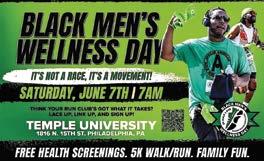
Black Men’s Wellness Day Returns to Philadelphia June 6
Philadelphia’s Black Men’s Wellness Day will return from 7 a.m. to noon on June 6 at Temple University, bringing together healthcare providers, community leaders and families for a free day dedicated to prevention, education and wellness. Organized by the African American Male Wellness Agency, the event continues its mission of improving health outcomes and encouraging Black men to take a proactive role in their health.
The 2025 Philadelphia event welcomed more than 3,000 attendees and offered hundreds of free screenings, including blood pressure, cholesterol, blood glucose, prostate and mental health checks. According to the organization’s impact report, more than 270 men were identified with elevated or high blood pressure, reinforcing the need for accessible community-based health care and early intervention.
The more you know yourself, the more patience you have for what you see in others.
—Erik Erikson
This year’s event will again feature free health screenings, fitness activities, wellness resources, family-friendly programming and opportunities to connect with local healthcare organizations and advocates. Beyond physical health, the event focuses on building community, reducing stigma around wellness conversations and creating greater awareness around preventable health disparities.
Location: 1816 N. 15th St., Philadelphia. For more information, visit www.AAWellness.org.
Photo Credit: The McEldrew family
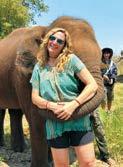
The McEldrew family with their au pair, Sofi, from Mexico.
ADHD and Learning Disabilities Share Genetic Origins
A 2025 study in Psychological Science looked at how shared genetic and environmental factors might affect the chance of having attention-deficit/hyperactivity disorder (ADHD), dyslexia (trouble with reading) and dyscalculia (trouble with math) at the same time. The scientists used data from the Netherlands Twin Register involving approximately 19,000 twins and 2,000 siblings, analyzing teacher-provided information and standardized test scores at ages 7 and 10.
The study showed that 77.3 percent of the children had only one of these specific conditions, but the risk for multiple conditions was two to three times more likely because the three conditions share similar genetic predispositions, not because one disorder causes another. The researchers noted that although these neurodevelopmental conditions are deeply connected, each condition should be assessed and treated separately because treating one condition is unlikely to automatically improve the others.
Curcumin’s Potential to Clear Cataracts
A 2025 systematic review in the European Journal for Integrative Medicine explored whether curcumin, a natural antioxidant and the main compound in turmeric, could help prevent or treat cataracts. A leading cause of blindness, cataracts occur when the eye’s lens becomes cloudy, often because of damage from oxidative stress.
The researchers evaluated the results of 17 studies conducted on animals (in vivo), lab-grown cells (in vitro), or both. All the studies showed that curcumin helped prevent cataracts from forming or slowed their progress by reducing damage to fats in cells and by boosting antioxidant enzymes that protect the eye.
Brain-Cleaning Mechanism Discovered
A recent study from the Medical University of South Carolina, published in iScience, reveals that the middle meningeal artery doesn’t just supply blood to the brain—it might also play a role in keeping it clean. By using enhanced magnetic resonance imaging and high-resolution spatial mapping on five heathy adults, the researchers discovered a previously unknown, slow and steady outflow of brain fluids into the lymphatic system, which is responsible for waste removal. The findings align with similar results from studies on rodents.
This study helps scientists gain a deeper understanding of how a healthy human brain functions normally. The next step is to compare these results to those of individuals with brain disorders to see if a malfunctioning drainage system and waste accumulation could be damaging to brain cells and contributing to memory loss, Alzheimer’s disease and brain injuries.
While curcumin seems promising, no human clinical trials have been conducted yet because it does not dissolve well in water, making it difficult for the body to absorb efficiently through the digestive system. The scientists believe that making curcumin easier to absorb will be the key to determining if it can be used to treat cataracts.
MGARCIA_CREATIVE/Shutterstock
Jasmina Buinac/Shutterstock
Relax · Nurture · Restore
Enjoy fresh & healthy foods & drinks and shop for healthy lifestyle & natural, sustainable products at our Blue Door mercantile and cozy cafe!
Organic menu options include vegan foods, specialty teas/coffee & alternative beverages.
Come and find your ideal destination for thoughtful holiday gifts & community support.
We educate, encourage, support, and advise our clients to achieve health and wellness holistically!
Services include: · Bioenergetic Scans · Emotional Release · EESystem · Far Infrared Sauna · Lymphatic Bodywork · Nutritional Counseling · Organic Skincare · Rife Therapy and more
484-262-9020 TwinValleyHealthAndWellness.com
The Facts About Low Testosterone
What Every Man Should Know
by Marlaina Donato
Testosterone replacement therapy (TRT), available as injections, patches, gels, pills and implant pellets, was a global market worth nearly $2 billion in 2022, and is projected to reach nearly $3 billion by 2032, according to Allied Market Research. Yet TRT is often misused for symptoms like fatigue or for athletic enhancement, when it is actually meant to treat clinically diagnosed low testosterone.
While this pivotal sex hormone is responsible for male puberty, sperm production and healthy libido, it also acts as a critical metabolic regulator and driving force behind physical energy, healthy muscle mass, bone density, red blood cell production and mood regulation. When men experience a decline in performance—whether at work, in the gym or in the bedroom—it may be easy to assume that low testosterone levels
are to blame, but the misuse or overuse of TRT places users at risk for undesirable side effects.
According to the Mayo Clinic, the potential risks of TRT include: worsening sleep apnea; skin reactions, including acne; noncancerous growth of the prostate and growth of an existing prostate cancer; enlargement of the breasts; a reduction of sperm production; and overproduction of red blood cells, which could lead to a life-threatening pulmonary embolism. In addition, according to a 2018 study in the World Journal of Men’s Health, TRT can cause infertility.
Reaching the Correct Diagnosis
The American Urological Association defines low testosterone as a total blood serum level below 300 nanograms per deciliter (ng/dL) on at least two separate early morning tests, accompanied by symptoms like low sex drive and performance, fatigue, loss of muscle mass, increased body fat and depression.
“Many men are seeking TRT to treat nonspecific symptoms like general fatigue, weight gain or a slight dip in motivation—issues that are often the result of lifestyle factors, rather than low testosterone,” says Dr. Joel Fuhrman, president of the Nutritional Research Foundation and the author of several books, including Eat for Life and Eat to Live Cookbook. In light of the trend of TRT over-prescription and the considerable risks, Fuhrman stresses the insta_photos/Shutterstock
importance of considering effective natural methods to restore hormonal balance.
Men can experience a decline in their testosterone levels for reasons beyond testosterone deficiency. “Thyroid problems, vitamin D deficiency, high prolactin [hormone], chronic stress, certain medications, opioids and antidepressants all suppress testosterone or mimic its symptoms. Run a full panel before assuming it’s your testosterone. You might be chasing the wrong problem,” advises Nelson Vergel, a hormone therapy researcher, men’s health educator and creator of ExcelMale.com, an online men’s health and TRT forum.
Vergel highlights the devastating effects of chronic unresolved stress, which “tells the brain to dial back testosterone production. It’s a survival mechanism; your body prioritizes threat-response over reproduction. It makes sense in the short term, but it’s devastating long-term.”
Raymond Wohl, the medical director of Chicago Male Clinic in Chicago, Illinois, says, “A decline in performance, libido or confidence is often an early warning sign of underlying issues such as elevated stress, reduced blood flow, hormonal imbalance or metabolic dysfunction.” Men are often
surprised to discover that improvements in energy, sleep, weight management and mood frequently accompany enhanced sexual performance. Wohl emphasizes, “Sexual health is not separate—it’s a powerful
indicator of total wellness. We recommend TRT only after a thorough evaluation, including lab work, symptom analysis and lifestyle review.”
Functional medicine specialist and men’s health coach Dr. Andreas Boettcher, in Lakewood Ranch, Florida, also recommends a comprehensive approach. “You need to look at the full hormonal picture, including cortisol patterns across the day; levels of DHEA-sulfate, pregnenolone, estradiol and prolactin; thyroid function, including free T3 conversion; and insulin markers,” he explains, naming multiple hormones besides testosterone.
Addressing the gut-hormone axis—the network involving the gastrointestinal tract, gut microbiome and endocrine system—is also high on Boettcher’s radar. “Hormone metabolism, balance and excretion are deeply dependent on your gut,” he points out. “The gut microbiome influences the signaling of virtually every hormone in the body, but the gut-hormone axis is a two-way
PeopleImages/Shutterstock
communication highway, and when it breaks down—through gut permeability, dysbiosis [imbalance of gut flora] or chronic inflammation, hormone balance becomes nearly impossible to achieve, regardless of what else you do.”
Boettcher attests that approximately 80 percent of men receiving hormonal support no longer need TRT once the underlying factors are adequately addressed. Given the right environment, he explains, the endocrine system begins production at levels that restore vitality, energy, lean muscle mass and libido. During his mid-to-late 40s, Boettcher quadrupled his testosterone levels without resorting to TRT or shortcuts. Now approaching 60, he maintains a single-digit body fat percentage, which he attributes to consistent daily choices. He asserts that men are biologically designed to be lean, strong and metabolically healthy well into the latter half of life.
Testosterone Disruptors and Supporters
Vergel reports that a significant portion of his patients that were convinced they had low testosterone turned out to have undiagnosed sleep apnea. “Just one week of sleeping only five hours a night drops testosterone by 10 to 15 percent in otherwise healthy men,” he says. “That’s not trivial.
Everything else you’re doing—diet, training or supplements—gets undermined if you’re chronically sleep-deprived. Fix the sleep, and testosterone often comes back on its own.”
Psychological factors should also be considered. “Men who have carried unaddressed trauma for years often look hormonally like someone 15 to 20 years older with lower testosterone, lower DHEA [a testosterone precursor], disrupted sleep and blunted growth
hormone,” says Vergel. “No dose of TRT fully compensates for an unresolved psychological load. You have to work both sides.”
Boettcher emphasizes the role of alcohol as an underestimated and significant contributor to hormonal anomalies. “Even moderate, consistent alcohol consumption impairs liver function, and your liver is the primary site of estrogen clearance,” he explains. “Disrupt that clearance and estrogen accumulates, testosterone declines and the hormonal balance tips in exactly the wrong direction.”
Boettcher also highlights the potential damage caused by Ibuprofen, a common over-the-counter medication. Over time, chronic use can damage the gut lining, impair nutrient absorption and disrupt the raw materials the body needs to produce hormones.
Before making a lifelong commitment to hormone therapy, Fuhrman believes that most men can significantly improve their bioavailable testosterone levels by reducing body fat. “Adipose tissue contains high levels of the enzyme aromatase, which converts your existing testosterone into estrogen. Losing weight keeps your natural testosterone in circulation.”
Kostiantyn Voitenko/Shutterstock
He recommends resistance training, specifically compound movements such as squats, deadlifts, bench presses and curls to trigger a metabolic and hormonal signaling environment. He also suggests a diet rich in green salads and vegetables, including broccoli, kale and arugula; polyphenol-rich foods such as beans to promote a healthy gut microbiome; and omega-3-rich nuts and seeds (walnuts, chia, flax and sesame seeds) to reduce the risk of cardiovascular disease and cognitive decline.
Vergel cautions against ultra-processed food and excessive sugar consumption, which contribute to abdominal fat accumulation. He emphasizes the importance of clean protein and healthy dietary fats. “Don’t fear fat,” he remarks. “Testosterone
ALPA PROD/Shutterstock
from
Vitality at Any Age
Ultimately, feeling well enough to live life to the fullest is not exclusive to a fortunate few. Vergel asserts, “The men I’ve seen most vital in their 60s and 70s are the ones who didn’t accept decline as inevitable. They asked questions, found good doctors and stayed in the game.”
Wohl offers hope and inspiration, saying, “Aging is inevitable, but decline is not. Sexual health does not have an expiration date. With the right interventions, men can maintain, and often regain, high levels of vitality well into later decades. Our oldest patient is 84 and still thriving.”
Marlaina Donato is an author, painter and composer. Connect at WildflowersAndWoodsmoke.com
Feeling
Janet’s
Smarter Summer Grilling
Making Barbecue More Flavorful and Healthy
by Maya Whitman
Summer would not be the same without dinner on the grill. For many Americans, backyard barbecuing is revered as an art form. In recent years, the classic menu of sizzling meats and charred corn on the cob has expanded to include healthier options such as plant-forward burgers, gut-friendly marinades and anti-inflammatory approaches that lower smoke points and use antioxidant-rich herbs and spices to reduce the formation of cancer-causing compounds.
Despite some evidence of an increased risk for colorectal, prostate and pancreatic cancer from high consumption of barbecued, well-done and fried foods, research published in the Journal of Agricultural and Food Chemistry in 2018 highlights an increase of good gut bacteria from grilling (and roasting) compared to less heat-intense forms of cooking. Swapping out bottled sauces with
questionable ingredients for healthy homemade marinades, avoiding blackened meats and embracing a broader food spectrum will lower health risks while satisfying every palate.
Mouthwatering Enhancements
“Rather than only sticking with the typical hot dogs or burgers at your next barbecue, try introducing some creativity into the mix,” recommends Anne Mauney, a registered dietitian in Washington, D.C., and founder of the FannetasticFood.com recipe blog. “One of my favorite grilled meals is shrimp skewers with chimichurri [made with finely chopped parsley, minced garlic, oregano, olive oil, red wine vinegar and a sprinkle of red pepper flakes]. The chimichurri does double duty as a marinade and sauce, and it’s incredibly fresh and delicious.”
One of her favorite things to do is to serve proteins on ample salads, such as her Summer Grilled Corn and Peach Salad With Chicken on a bed of spring mix lettuce. The corn, peaches and chicken are all grilled, and the lightly sweet dressing (and marinade) is made with honey, lime and fresh cilantro.
For traditionalists that love grilled burgers, Mauney suggests adding chopped red bell peppers or shallots to healthier, leaner meats like grass-fed ground beef, turkey or chicken. She also likes introducing finely diced mushrooms into a beef burger patty to increase nutrient density (fiber plus vitamins) while making it more tender and juicy.
Meatless Options
Plant-based chef Julia Dunaway, in Azle, Texas, is influenced by her mother’s Japanese heritage and cooking style, which included grilled ingredients and an unforgettable homemade teriyaki sauce. Dunaway’s black bean burger cooked on the grill, griddle or grill pan, is topped with cashew cheese sauce and the usual burger toppings on a whole-grain bun. “This burger, served with grilled vegetables and even grilled potato slices, is better than any meat-heavy cookout,” she asserts.
Other grilled favorites include Tex-Mex vegetable fajitas, large marinated mushrooms, zucchini and corn on the cob. Grilling eggplant sprinkled with cumin, asparagus with fresh garlic and stone fruits like peaches, plums and nectarines with cinnamon or ground cloves are delicious ways to pile anti-inflammatory goodness onto summer plates.
Healthy, Flavor-Boosting Hacks
According to Oncology Nursing News, grilling meat at high temperatures or over an open flame can produce cancer-causing substances called heterocyclic amines (HCAs) and polycyclic aromatic hydrocarbons (PAHs). To reduce the risk of carcinogen formation, cooking over indirect heat is recommended. Eating charred meat should be avoided. Marinating meat for 20 to 30 minutes before cooking can also keep the surface of the meat from getting too hot. Adding antioxidant- and polyphenol-rich herbs like
basil, rosemary and mint along with citrus juices or vinegar will provide great flavor, as well as disease-fighting nutrients.
When brushing ingredients with oil, avocado oil is recommended for its health benefits and high smoke point. Olive oil is also nutrient-dense, flavorful and anti-inflammatory. Dunaway’s favorite marinade replaces oil with tahini, a sesame-seed paste, and incorporates plenty of herbs and spices with vegetable broth to keeps vegetables moist throughout grilling.
“I use a gas grill with a large grilling surface, making sure it is very clean. Heating the grill on high for several minutes and cleaning the grates is essential. The marinated vegetables and tofu won’t stick on a clean grill,” Dunaway explains. “Once clean, reduce the heat to medium to avoid charring, while still getting a light grill mark. Just plan to cook the vegetables on a lower heat for a longer time so they are tender and cooked throughout.”
Jazzing things up with probiotic-rich sides, including colorful slaws and fermented kimchi or kraut adds another healthy, tasty dimension. Swap everyday potatoes for sweet potatoes and drizzle with a tangerine vinaigrette for a different twist on potato salad or toss chickpeas with kalamata olives and feta. Creative pairings are the heart of a good grill, and the sky’s the limit.
granolas in
or
Maya Whitman is a frequent writer for Natural Awakenings.
NATURAL HEALTH
Now Stocking a Full Variety of Sea Moss
Vegetarian, Keto and specialty
Largest selection of essential oils and aromatherapy in South Jersey.
including vitamins, supplements, herbs and sea moss
Organic produce delivered daily.
David Tuthill/Shutterstock
ALL-PURPOSE FRESH GINGER, CILANTRO AND CHILE PEPPER MARINADE
This marinade is ideal for use with vegetables and meats either on the grill or in the oven.
YIELD: ⅓ TO ½
CUP
¼ cup balsamic vinegar
2 limes, juiced
2 Tbsp liquid aminos or tamari
2 Tbsp maple syrup
¼ tsp smoked salt
1 dried whole chili pepper, halved
1 large raw garlic clove, crushed
2 raw shallots, quartered or chopped
1 Tbsp fresh cilantro, chopped
1 Tbsp extra virgin olive oil
Combine all ingredients in a glass measuring cup or small bowl and stir well. Marinate meats for up to 24 hours or vegetables for half an hour. Grill as usual.
Recipe courtesy of Marlaina Donato.
THE BEST BLACK BEAN BURGERS
YIELD: 8 BURGERS
1 cup oats
1 cup walnut pieces
1 cup red onion, finely chopped
⅔ cup cremini mushrooms, chopped
½ cup red bell pepper, chopped
½ cup carrots, diced
2 Tbsp jalapeño peppers, chopped
3 cups home-cooked black beans (or 2 cans, rinsed and drained)
2 Tbsp ground flaxseeds
2 Tbsp nutritional yeast
1 tsp onion powder
1 tsp garlic powder
1 tsp paprika
2 tsp seasoning blend (such as Kirkland Signature No Salt Seasoning)
2 tsp low sodium soy sauce
1 tsp kosher salt
1 cup cooked brown rice
Pulse the oats and walnuts in a food processor until finely ground. Set aside.
In a large skillet, over medium-high heat, sauté the onion, mushrooms, bell peppers, carrots and jalapeño peppers until lightly browned. Add a little water. Cover and cook for 5 minutes.
Add the beans to the walnut and oat mixture in the food processor along with the ground flaxseeds, nutritional yeast, onion powder, garlic powder, paprika, seasoning blend, soy sauce and salt. Pulse a few times. Use a silicone spatula to distribute the ingredients and pulse again once or twice. Keep some of the beans chunky.
Remove the mixture from the food processor, add the cooked brown rice and mix well with the spatula. Divide into 8 patties using a ½ cup measuring cup. Place the patties on a cleaned grill, on indirect heat (medium), and cook for 10 minutes on each side.
Serve on whole-grain buns with any desired toppings such as lettuce, sliced tomatoes, pickles, onions, avocado and condiments like ketchup or mustard.
Recipe courtesy of Chef Julia Dunaway.
Julia Dunaway
The Resurgence of Rucking
An Ancient Activity for Modern Fitness
by Zak Logan
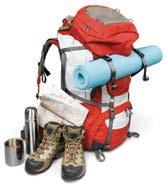
Rucking, or walking with a weighted backpack, has ancient military origins dating back to the Roman Empire, when soldiers carried survival and fighting equipment over long distances. But even before recorded history, humans have carried heavy loads to survive. More recently, rucking has become a popular workout, combining strength training with low-impact endurance, improving back strength and core stability without the need for heavy barbells or repetitive exercises.
Ruck walks, especially on varied terrain, promote heart health while being gentler
on joints than running. It can enhance bone density, preserve muscle mass and support metabolic health without causing burnout. The rise of group ruck events, community meetups and local outdoor ruck clubs adds a social element, helping participants stay consistent and avoid the isolation common in typical fitness routines.
Reaping the Benefits
“Rucking sits in that sweet spot between cardio and strength training. Most cardio options give you one or the other. Rucking gives you both in a single session,” says Simon Michel, founder of Ruckaway, a gear
company in Adelaide, South Australia. “Carrying a weighted pack activates muscles all over the body, which can preserve or even slightly increase muscle mass. Rucking burns meaningfully more calories than regular walking, and that gap grows significantly with more weight, a faster pace and hilly terrain.”
Rucking effectively challenges the lateral core-stabilizing muscles, including the quadratus lumborum, a key lumbar spine stabilizer. Stuart McGill, a leading expert in back pain and the chief scientific officer for BackFitPro, recommends rucking for chronic back pain due to its strengthening effect on the erector spinae muscles, which help maintain an upright posture. According to McGill, “Properly programmed rucking, which carefully manages distance, speed, load and rest intervals, can effectively address endurance deficit,” a common, but often overlooked factor in back pain not caused by muscle weakness. In other words, rucking builds endurance while strengthening the core, hips and back, creating resilience in the spine.
Gearing Up
For beginners wanting to try rucking before buying official gear, Michel recommends using a sturdy backpack with heavy items such as textbooks, dumbbells or even bricks wrapped in a towel. “The main advantage of a dedicated rucking backpack is the built-in weight compartment designed to hold plates flat against your upper back, high between the shoulder blades, which is exactly where
you want the load to sit,” he explains. “On a regular backpack the weight shifts around and hangs low, pulling you backward and straining your lower back.” Also, a proper rucking pack is made from materials that can withstand weights that would destroy a regular backpack over time.
For weight, Michel suggests iron rucking plates: “They’re flat, they don’t shift mid-ruck, and you add them incrementally as your fitness builds.” Good footwear is essential. He recommends trail runners or lightweight hiking boots for varied terrain, and high-cushioned trainers for pavement. Avoid flat gym shoes that offer no support under load.
Placing the pack load correctly is crucial. “If the terrain is uneven and undulating, then carry the load lower in the pack, tight to the lumbar spine,” says Michel. “For flat terrain, the load can be higher to balance the upper body center of mass over the hips.”
Building Endurance
The body needs time to adapt to carrying a load. Anyone with health concerns, including knee problems or osteoporosis, should consult a physician before rucking. Michel advises, “Start lighter [weight] and shorter [distance] than you think you need to, regardless of fitness level. Loading up too heavy too soon is how people get stress fractures.” For beginners, he suggests carrying about 10 percent of body weight. “If
you weigh 175 pounds, begin with around 18 pounds. Early on, the goal is to nail your form and let your body adapt to the carrying load, not to max out,” he says. “Once three to four miles feels comfortable, add weight in increments roughly every two weeks.”
Rucking two times per week is a solid starting point, gradually increasing to every other day as the body adapts. Modern rucking pioneer Michael Easter argued in the book The Comfort Crisis that the human body evolved to walk, run and carry. McGill points out that carrying is a fundamental life task, whether it’s firewood or groceries. “Rucking is not a trend invented by a marketing department,” says Michel. “It’s just humans doing what humans have always done, with a bit more intentionality.”
Zak Logan is a freelance writer dedicated to holistic health and getting back to basics.
Sleep Health for Men
Foundational Habits for a Better Life
by Hannah Tytus
"Wherever you want to make improvements in your life, whether it is with your health, your job performance or your relationships—sleep can be part of that,” says Catherine Darley, ND, an integrative sleep specialist and founder of SkilledSleeper.com
Better sleep enhances nearly every aspect of life, yet many men ignore the subject entirely. “There’s a lack of information about sleep health in men’s spaces,” Darley laments. “Subjectively, men have fewer complaints than women do about their sleep, but on some objective measures, men sleep worse.”
Most people need between seven and nine hours of shuteye nightly, but the U.S. Centers for Disease Control and Prevention reports that 37 percent of men fall short.
Effects of Poor Sleep
Precipitous Aging: “Midlife men have higher rates of obstructive sleep apnea, which negatively affects heart health and significantly increases the risk of stroke and heart attack,” says Darley. “Alzheimer’s risk, arthritis and many physical and digestive complaints are worse when sleep is disordered. During sleep, the brain undergoes vital nightly maintenance, clearing beta
amyloid plaques associated with Alzheimer’s. A way to hedge against dementia is to get good sleep now.”
Hormonal Issues: Hormones are linked to sleep quality. “During stage 3 sleep (also known as deep sleep) 75 to 80 percent of our growth hormone is secreted, which supports muscle repair and recovery. Exercise improves your deep sleep, helping keep your muscle mass,” Darley explains. “Disrupted sleep from apnea, insomnia or irregular schedules can lower testosterone, causing issues like erectile dysfunction.” A 2020 study in Translational Andrology and Urology reported that older men with sleep disorders exhibited a higher risk of erectile dysfunction.
Mental Health Strain: Poor sleep often leads to mental health issues. “Anxiety, loneliness, depression and suicidality are worse when a person isn’t sleeping well,” Darley asserts. Research supports this: a 2021 meta-analysis published in Sleep Medicine Reviews found that enhancing sleep quality significantly improved mental health indicators such as depression, anxiety and rumination.
Relationship Difficulties: “Emotional intelligence is partly based on how well you’re sleeping,” says Darley, noting that a person that hasn’t slept well will struggle to identify a partner’s subtle facial expressions, making it hard to determine if they are happy or angry. “Sleep-deprived people are also much more self-centered in their moral reasoning, causing them to become less flexible, more rule-based and pedantic,” she adds. When these patterns become habitual, they can harm important relationships.
Driving Accidents: “Sleep affects your balance, coordination and reaction time,” Darley says. A sleep deficit can be particularly unsafe if someone is behind the wheel. “If you are chronically sleep-restricted, you’re driving impaired. Compared to drunk driving, drowsy driving is much more likely to be fatal.” According to the National Highway
Traffic Safety Administration, crashes caused by drowsy driving often involve a single driver running off the road at a high rate of speed with no evidence of braking.
Diminished Mental Acuity: Cognitive performance suffers when sleep is compromised, affecting everything from basic memory recall to complex problem-solving. According to Darley, even verbal fluency is affected, making simple conversations difficult and important dates easy to forget. Making matters worse, “We become unaware of how impaired we actually are,” she points out. “After several nights of poor sleep, we say, ‘I think I’m getting used to this,’ even though we are still impaired.”
Resetting Our Internal Clock
Most people adapt to sleep deprivation and may not realize what their true sleep requirements are. Darley suggests the “10 by 10 test”, which involves spending 10 hours in bed for 10 consecutive nights in a dark, quiet room to determine how much sleep the body naturally needs. “After discovering how much sleep your body needs, the next step is scheduling it into your life,” she counsels. “Consistency is crucial. Increased sleep variability relates to mortality.” Aim for consistent sleep with no more than a 30-minute variation in bedtime and wake time, and no more than a one-hour difference in total sleep duration throughout the week.
Our circadian rhythm is the body’s internal 24-hour clock that regulates sleepiness and alertness. It is primarily influenced by light exposure. Morning sunlight suppresses melatonin—the hormone that induces
sleep—while darkness triggers its release. According to Darley, we suffer from what she calls a “darkness deficiency” that confuses the body’s sleep signals. “We’re suppressing our melatonin until bedtime with screens and LED light,” she explains.
To counteract this, she recommends creating a “sunset experience” at home by reducing light to the equivalent of 10 candles’ worth of yellow-hued light one to two hours before bed. The bedroom should be very dark, for which Darley offers a simple test. “If you can hold your hand out at arm’s length and see your fingers wiggling, that’s enough light to suppress your melatonin, keeping you awake,” she says.
Other habits support a healthy sleep rhythm. Exercise earlier in the day helps regulate the body clock. Sleep masks and blackout curtains can reduce light pollution in urban areas. Limiting alcohol and avoiding caffeine in the evening prevents disruptions. A cooler bedroom also promotes better sleep. There are about 60 sleep disorders, say Darley. If sleep does not improve after a month of these lifestyle adjustments, she recommends seeing a professional. Sleep is not a luxury—it’s essential.
Hannah Tytus is an integrative health coach, former writer at the National Institutes of Health and host of the Root Shock podcast, exploring the cultural underpinnings of health.
Witsawat.S/Shutterstock muse studio/Shutterstock
How Community Acupuncture Is Changing Access to Care
by Rachel Shusterman, LAc
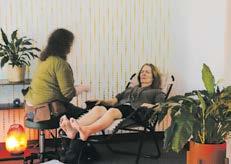
Community acupuncture is a growing model of care designed to make acupuncture more affordable and accessible. Treatments take place in a shared healing space, where several people receive acupuncture at the same time in comfortable reclining chairs rather than private treatment rooms. While the setting is communal, treatments remain individualized, with each patient receiving care tailored to their specific concerns.
The modern community acupuncture movement began in 2002 in Portland, Oregon. The founders of the model sought to remove financial barriers that often prevent people from receiving acupuncture consistently. They later trained acupuncturists across the country in how to work within this fast-paced, but patient-centered environment and eventually founded the Oregon College of Community Acupuncture, a three-year, master’s-level accredited program focused on training acupuncturists to practice in affordable, high-volume community settings.
What distinguishes community acupuncture from traditional one-onone clinics is its emphasis on affordability and frequency of care. Many clinics use sliding scale pricing, typically $30 to $60 per visit, allowing patients to choose what they can reasonably pay. This approach supports
one of the most important principles in acupuncture treatment: consistency. Acupuncture is often most effective when received regularly, particularly for chronic conditions, stress-related disorders or pain management. Patients may initially come once or twice a week before tapering to maintenance visits as symptoms improve.
In community acupuncture settings, patients remain fully clothed, and practitioners typically use points on the hands, arms, feet, legs, ears and scalp. These distal points can effectively address concerns throughout the body, including areas that are not directly accessed, such as the back or shoulders. Sessions are generally quiet and restorative, with patients often staying between 20 and 60 minutes depending on their needs.
Research and clinical experience suggest acupuncture may support a wide range of conditions beyond general wellness. It’s commonly used for pain management, including back pain, migraines, plantar fasciitis, joint pain and tinnitus. Acupuncture is also known for its effect on the nervous system, helping activate the parasympathetic “rest and digest” response. This shift may help reduce symptoms associated with anxiety, depression, PTSD and chronic stress.
Photo credit
The Wellnest Bucks County
Additionally, acupuncture is frequently incorporated into fertility support plans, addiction recovery programs and integrative cancer care settings to help manage side effects, improve relaxation, and support overall quality of life.
Beyond the physical effects, many patients report that healing in a shared environment creates a sense of connection and calm. Community acupuncture reflects a broader view of health care: one rooted in accessibility, consistency and collective support.
Rachel Shusterman, LAc, provides Community Acupuncture at The Wellnest Bucks County, in Newtown. For more information, visit www.TheWellnestBucks.com/.
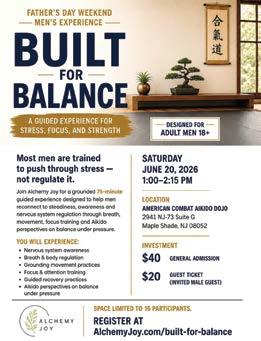
The Rise of the Men’s Wellness Retreat
Why More Men Are Choosing Restoration Over Recovery Days
by Shae Marcus
There comes a point when a “guys’ trip” stops feeling relaxing and starts feeling like survival with tequila.
For years, men’s vacations often followed the same formula: packed schedules, late nights, too much food and alcohol, very little sleep and returning home more exhausted than when they left. Somewhere along the line, “getting away” started to resemble a scene from The Hangover.
But something is shifting.
More men are now choosing travel experiences that make them feel more restored instead of depleted. Wellness-focused retreats built around movement, nature, recovery and meaningful connection are growing rapidly as men search for something deeper than
entertainment.
And, contrary to stereotype, these retreats are rarely about sitting silently on a yoga mat for seven days straight.
Today’s men’s wellness retreats are often active and grounded. Think hiking, surfing, strength training, cold plunges, breathwork, meditation, clean food and conversations that go beyond work stress or surface-level small talk. Some are rugged and outdoorsy. Others lean to luxury. But most share a common purpose: helping men slow down long enough to reconnect with themselves.
The main reason: Many men are tired in ways they rarely talk about; not just physically tired, but mentally overloaded, emotionally stretched thin and constantly performing.
According to a national survey conducted by the Cleveland Clinic, many men report feeling pressure to appear mentally strong even when struggling internally. Nearly half admitted they are more stressed than they let on about it to the people around them.
That pressure adds up.
For many men, wellness retreats work precisely because they do not force vulnerability. Instead, connection happens naturally through shared experiences. A conversation during a long hike feels easier than sitting face-to-face at a bar. Sitting around a fire after a day outdoors often opens the door to honesty in ways traditional vacations rarely do.
Movement lowers defenses.
Nature helps, too. Research continues to show that time outdoors can reduce stress, improve mood and support mental clarity. Removing constant notifications, deadlines and noise allow the nervous system to settle down in ways many people do not realize they need until they finally experience stillness.
Ironically, many men also relax better when there is structure in volved. Wellness retreats provide activity with intention—giving men something to do while quietly helping them unplug, breathe deeper and reset.
Some men do not realize how exhausted they are until they spend a full day somewhere during which no one expects anything from them.
Perhaps that is why wellness travel continues to grow. The nonprofit Global Wellness Institute reports that more travelers are prioritizing experiences that support mental, physical and emotional well-being rather than simply offering distraction.
For many men, the real luxury is no longer excess.
It is finally feeling calm.
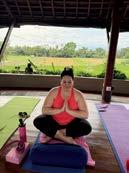
Bali Sacred Soul Bali Sacred Soul Women’s Retreat Women’s
SEPTEMBER 20 - 27, 2026
Shae Marcus is the founder of The 11:11 Experience, a transformational travel brand that focuses on mindful journeys, wellness, culture and meaningful connection through curated experiences around the world. For more information, visit www.The1111Experience.com
Step into a sacred space where your soul can breathe and reconnect. Nestled in the heart of Bali, this retreat offers a holistic journey—nurturing body, heart, and spirit through healing practices, mindful movement, and cultural connection. It’s more than just a getaway—it’s a return to wholeness, joy, and inner peace.
Developing Minds in a Digital World
Helping Boys Navigate What They Are Not Ready to See
by Christina Connors
The internet was not designed for children. And yet, for many boys today, it is where they are forming their earliest ideas about identity, relationships and what it means to be a man, often without a trusted adult anywhere nearby. According to the American College of Pediatricians, a 2022 survey of teens found that 54 percent had seen pornography by the time they were 13, and 15 percent had been exposed to it prior to age 11.
Unlike the previous generation, this is not simply curiosity at play. The content itself has changed dramatically, and boys are not just stumbling upon things. Young people
are being pulled in by algorithms designed to keep them watching.
Effects on the Brain
Dr. Yasmine Saad, a psychologist and founder of Madison Park Psychological Services, in New York City, wants parents to understand that the real issue is not just what a boy sees, but also what happens inside him in response. “His nervous system is activated,” she explains. “The emotional centers of the brain light up quickly. But the part of the brain responsible for making sense of what he’s seeing, regulating impulses and contextualizing the experience is still developing. So what happens is not just exposure.
It’s an unprocessed emotional imprint.” He may feel curiosity, excitement, confusion and shame simultaneously, without internal tools to decode any of it.
According to Tara Beall-Gomes, a psychotherapist, certified school counselor and founder of Grit and Grace Recovery, who specializes in treating sex addiction and betrayal trauma, “The adolescent brain is wired for reward, not regulation. What may begin as curiosity can evolve into compulsive patterns as the brain starts to associate arousal with artificial stimulation, rather than connection.” A 2025 study published in Frontiers in Child and Adolescent Psychiatry underscores this, finding that the consequences of underage pornography exposure may parallel post-traumatic symptoms, affecting the developing sense of self and how boys understand bonding and connection.
Why Boys Are Especially Vulnerable
Saad points to something deeper than brain chemistry: “Boys, especially during development, are navigating identity through action, performance and exploration. They are naturally drawn to novelty and experiences that help them answer, ‘Who am I?’ Digital environments capitalize on this. They amplify intensity, dominance and performance-based versions of masculinity, while stripping away emotional context entirely.”
Beall-Gomes adds a clinical dimension: “Pornography teaches connection—false,
of course—without connection. Youth are learning about intimacy from a screen that removes emotion, consent and mutual respect. Whether the behavior is occasional or more compulsive, the relational impact can be significant and long-lasting.”
Responding Without Shame
Boys often encounter this content not at home, but on a friend’s phone, in a gaming chat or through a social media link. While parents cannot control every environment, they can control what happens next. Saad cautions, “If the response a child receives is panic, punishment or shame, he learns ‘this part of my experience is not safe to share.’ Instead, guide him toward understanding what happened together.” She suggests starting the discussion with comments like, “Sometimes we come across things we’re not ready for. What did you notice or feel when you saw it?”
Beall-Gomes says, “You do not need the perfect script. You just need to stay calm and stay curious. Let him know he is not in trouble. When kids feel safe, they talk.” Her suggested openers include, “Have you ever come across anything online that felt confusing or uncomfortable? What do you think healthy relationships are supposed to look like? What questions do you have about what you’ve seen or heard?”
Building Discernment
“What we want to build is inner clarity,” Saad asserts. “Discernment is the ability to ask, ‘What am I seeing? What is this making me feel? Does this align with who I am?’ This is a skill that develops through relationships. When children feel safe to share, they learn to trust their internal signals instead of suppressing them.”
Schools can create language and awareness. Mentors and father figures can model emotionally grounded masculinity. But Saad suggests, “Boys are not just learning from what they are told. They are learning from what they see embodied. The experience is not the problem. What remains unprocessed becomes the problem.”
For those already concerned about a child’s exposure or patterns, Beall-Gomes offers, “You have not missed your opportunity to help. With the right guidance, youth can build healthy relationships, restore emotional connection and develop a more grounded sense of self.”
We can choose to be positive or negative. I choose positive.
—Joyce Meyer
Au pairs make summer a breeze
Flexibility
Up to 45 hours per week of childcare
Trust
Live-in care helps trust develop quickly
Culture
Open your family to new languages and cultures
Learn more at culturalcare.com/lp/natural-awakenings
Christina Connors is a burnout prevention specialist, keynote singer and author. Learn more at ChristinaConnors.com
Dmitrii
Pridannikov/Shutterstock
When Dogs Forget
A Holistic Guide to Canine Cognitive Health
by Ruth Roberts, DVM, CVA, CVH, CVFT, NAN
As dogs age, changes in their behavior can be confusing and unexpected. These early shifts are frequently ignored, even though they may signal the onset of canine cognitive dysfunction (CCD), a progressive condition similar to Alzheimer’s disease in humans. Recognizing the signs and supporting cognitive health holistically can significantly improve a dog’s quality of life.
Common Symptoms
CCD is a neurodegenerative disorder that causes the gradual deterioration of the brain’s structure and function. Abnormal protein deposits known as beta-amyloid plaques accumulate in the brain, disrupting neural communication and causing cognitive and behavioral changes. The condition typically occurs after age 11, but large breeds may exhibit symptoms sooner.
In a study published in the Journal of the American Veterinary Medical Association, researchers evaluated 180 senior dogs. Among the 15-to-16-year-olds, approximately 68 percent exhibited impairment in at least one behavioral category, and 35 percent demonstrated impairments in two or more categories.
Veterinarians use the acronym DISHAA to outline the most common signs. These include: disorientation (getting lost or stuck in corners, staring into space or wandering aimlessly); interaction changes (becoming more withdrawn, clingy or fearful of familiar people or pets); sleep-wake cycle changes (restlessness at night and increased daytime sleep); house soiling (forgetting previously learned habits); activity-level changes (reduced interest in play); and anxiety (increased fear or restlessness).
Disease Origins
CCD is linked to brain inflammation, oxidative stress, and age-related changes in circulation within the brain. Beta-amyloid plaques similar to those seen in Alzheimer’s disease can interfere with communication between nerve cells, while reduced blood flow in the brain may contribute to problems with memory, learning and spatial awareness.
Metabolic changes may contribute to cognitive decline in aging dogs. Clinicians at the Massachusetts Society for the Prevention of Cruelty to Animals–Angell Animal Medical Center note that impaired neuronal glucose metabolism is one of several processes associated with cognitive impairment in dogs with CCD. This means brain cells may become less efficient at using glucose for energy, which can affect memory and orientation. Researchers have long explored the relationship between brain function and metabolism. In 1855, Claude Bernard demonstrated the link between brain function and glucose regulation in dogs. In human medicine, Professor Suzanne de la Monte, M.D., of Brown University, coined the term “Type 3 diabetes” to describe how disrupted insulin signaling in the brain may contribute to neurodegeneration similar to Alzheimer’s.
Environmental toxins increase stress. Holistic pet health coach and biotechnologist Karin Druckenmiller notes that lawn chemicals, household cleaners and water pollutants accelerate oxidative damage (leading to inflammation), disrupt mitochondrial function (affecting nerve cell energy) and interfere with neurotransmitter signaling (impairing nerve cell communications). These toxins are absorbed through dogs’ paws, skin and respiratory systems, leading to a chronic increase in the brain’s inflammatory load.
Nutrition Therapy
Milton Buzon/Shutterstock
Diet is a powerful tool for supporting cognitive health, and many nutrients have been shown to slow the decline. For dogs with CCD, the goal is to reduce brain and gut inflammation, stabilize blood sugar and nourish the microbiome without excessive starch. High-carbohydrate, ultra-processed diets
pose a risk because chronic insulin spikes increase the metabolic burden on an already struggling brain.
A well-balanced, home-cooked diet is essential because it is complete, easily digested and allows pet owners to rotate proteins to minimize food sensitivities that can trigger neuroinflammation. Druckenmiller emphasizes that supporting a senior dog’s brain doesn’t need a dramatic overhaul; small, consistent improvements are most effective. To start, she recommends adding fresh, antioxidant-rich foods like blueberries, leafy greens or omega-3 sources. A 2025 systematic review published in Geroscience concluded that omega-3 fatty acids have shown significant cognitive benefits in aging dogs. Switching to filtered water is another small but impactful way to reduce unnecessary contaminants and enhance overall brain health.
Many dogs benefit from a small amount of medium-chain triglyceride oil (MCT oil), which can offer an alternative energy source
for the aging brain. A study in Epilepsy & Behavior found that this supplement, derived from coconut oil, supported brain function and improved cognitive abilities in dogs with epilepsy.
Lifestyle Improvements
Dynamic daily routines and mental engagement can also help support cognitive health. The Dog Aging Project, which tracked more than 10,000 dogs, found that regular exercise was associated with fewer age-related behavior changes and a lower likelihood of cognitive dysfunction.
Scent-based activities are especially effective due to the strong link between smell and brain processing. Foraging toys like the snuffle mat, as well as scent trails or “find the treat” games, provide meaningful stimulation without physical strain.
Druckenmiller notes that predictable routines, gentle enrichment, soft evening lighting and clear pathways through the home significantly benefit dogs experiencing
cognitive decline. Adding traction with rugs, yoga mats or non-slip runners enhances their stability and reduces anxiety from slipping.
Early Action
CCD is a progressive condition, but significant improvements are achievable, including fewer episodes of nighttime restlessness, calmer days and renewed interest in play. Monitoring changes with quality-of-life checklists and regular veterinary visits will guide care as a dog’s needs evolve. The strongest message from current research is to start early. Brain-supportive diets, consistent exercise, daily enrichment and routine wellness exams establish a strong foundation long before cognitive changes occur. With early, multi-modal support, dogs can remain engaged, comfortable and connected with their loving families as they age.
Ruth Roberts, an integrative veterinarian and a holistic health coach for pets, is the creator of The Original CrockPet Diet. Learn more at DrRuthRoberts.com
Calendar of Events
Email Publisher@NAPhiladelphia.com for guidelines. We advise confirming in advance directly with the business or organization.
Tuesday, June 2
Conshohocken Junior Pickleball Clinics
– 5:30pm. Universal Rackets is hosting this event which requires pre-registration at www.MainlinePickleBallClinics.com
Wednesday, June 3
Zen Buddhism Bok Club – 6:30-7:30pm. Join in to explore and discuss a range of books about Zen Buddhism, meditation, teachings and practices. Commonplace Reader Yardley, 49 S. Main St., Yardley. Email Info@ScudderfallsZen.org
Thursday, June 4
Outdoor Yoga Class at Michener Art Museum – 4-5pm. Connect with your community in the lovely Patricia D. Pfundt Sculpture Garden, Michener Art Museum, 138 Pine St., Doylestown. www.DragonFlyYogastudio.com
Friday, June 5 —
Sunday, June 7
Pride at Grace Weekend – 11am. Help celebrate love and inclusivity in a safe and welcoming environment. Grace Presbyterian Church, 444 York Rd., Jenkintown. www.GraceJenkintown.org
Sunday, June 7
Outdoor Day with Hiking Hound Adventures and Lower Makefield Township –3-7:30pm. Sign up for one of three fun hikes offered. Five Mile Woods Forest Preserve, 1305 Big Oak Rd., Yardley. www.LMT.org
Wednesday, June 10
Meditation: Relax, Release, Revitalize – 7-8pm. Step into a sacred space of stillness, reflection and healing. Awaken Center for Human Evolution, Blue Bell Village, 921 Penllyn Blue Bell Pke, Ste. 2E, Blue Bell. https://AwakenChe.org/ongoing-events/
Friday, June 12
Spiritual Tune Up: Men’s Group – 6:308pm. Helping men adance their authentic spiritual selves through collaborative learning and connection. Blue Bell Village, 921 Penllyn Blue Bell Pke, Ste. 2E, Blue Bell. https://AwakenChe.org/ongoing-events/
Tuesday, June 16
Introduction to Herbalism – 5:30-6:30pm. Explore herbalism and herbal teas for physical and emotional well-being. Cost: $10. Richmond Library, 2987 Almond St., Philadelphia. www.FreeLibrary.org
Saturday, June 20
Doylestown 7th Annual Pride Festival: Block Party – 11am-4pm. Vendors, musical performers, food and so much more! 6 N. Pine St., Doylestown. www.DTownPride.com
Wednesday, June 24
Doylestown Thermography Clinic – 1pm-4pm. Your body is a masterpiece—thermography is your guide to understanding it. Center for Natural Healing, 240 W. Swamp Rd., Doylestown. www.LisasThermographyAndWellness.com
Drawn From Nature Live Bird Illustration Class – 6-7pm. Participants will create their own nature-inspired drawings using some of the famed Audubon techniques. Conshohocken Free Library. 301 Fayette St., Conshohocken. https://MNL.libcal.com
Thursday, July 9—
Sunday, July 12
Catskill Summer Vision Quest & Mitote: A Rite Of Passage in a Time of Change Pause and get off the track of your busy everyday life to hear your true self speak. Experience Sacred Visioning. Lucid Dreaming. Grounded Connections. Transformation. Guided by Shaman, Janet StraightArrow. Art Farm, Lower Catskills, Accord, NY More details and to register 973-647-2500
www.BeTheMedicine.com
Friday, August 28—
Sunday, August 30
Soul Shamanism-Embody the Truth of Your Soul: A Sacred Invitation
Experience a Profound Shamanic Practice to assist and elevate us in these times of ascension. Meet your Soul Self. Discover more of who you are, body and soul. Guided by Shaman, Janet StraightArrow. Art Farm, Lower Catskills, Accord, NY More details and to register 973-647-2500
www.BeTheMedicine.com
Ongoing Events
Tuesday
Adult Yoga at Whitman Library – 6-7pm. Join in this class taught by Anne-Marie Mulgrew. All levels welcome. Whitman Library, 200 Snyder Ave., Philadelphia. www.FreeLibrary.org/whitman
Thursday
Yoga in the Park – 5:30-6:30pm. Join Hummingbird Cooperative Teachers for Gentle Yoga. Linwood Park, 199 East Athens Ave., Ardmore. www.HummingBirdHeals.com
Saturday
Northern Liberties Farmers Market –10am-2pm. This weekly, yearlong farmers market features over a dozen vendors including fruit and vegetable farmers, dairy purveyors, chocolate makers, hyper-locally brewed beer and more. The courtyard at The Piazza on the corner of 2nd Street and Germantown Ave., Philadelphia. www.facebook.com/profile.php/?id=61555043411599
Connecting you to the leaders in natural health care and green living in our community. To find out how you can be included in the Community Resource Guide, email Publisher@NAPhiladelphia.com to request our media kit.
Bodywork
NANCY WALTON
Awaken & Restore Massage and Wellness Center 716 N. Bethlehem Pike, Suite 204A Ambler, PA 19002 267-221-7160
At Awaken and Restore Reiki Master Nancy Walton offers natural healing methods for body, mind and spirit. Reiki, individual Sound Baths, Chakra clearing and alignment with (optional Soul Star for personal direction) Tuning Fork sessions. As a Certified Reflexologist (since 1989), Foot Acupressure is also available. By appointment only.
Clients learn to observe and respond to deep-seated emotions of conflict, emptiness, and loneliness that often arise from family dysfunction. Guided in mourning the unchangeable aspects of their past, helped to own their truths and grieve their losses, clients are encouraged to show themselves the love, patience, and respect they truly deserve. A transformative process which creates a life that is truly worth living.
Complementary/ Functional and Regenerative Medicine
ALLAN MAGAZINER, DO Magaziner Center for Wellness 1907 Greentree Road Cherry Hill, New Jersey 08003 856-424-8222
With nearly 40 years of excellence in patient care, the Magaziner Center for Wellness is the area’s premier center for integrative and function medicine. We solve complex medical problems naturally.
Energy Healing Arts
MERYL HAYTON
Inner Peace Specialist, Advanced Certified EFT Practitioner, Energy Healer 973-879-9333
MerylHayton@gmail.com https://MerylHayton.com
Meryl Hayton is a trauma-informed Inner Peace Specialist focused on nervous system regulation and removing stress-response patterns. Through EFT, somatic approaches and energy healing, she supports women in reducing chronic stress and cultivating lasting calm, clarity and emotional resilience. Free consultations.
SAGE
& SAND MYSTIC
Kristina@SageAndSandMystic.com
Sage & Sand Mystic offers one-to-one intuitive energy healing rooted in grounded mysticism. Sessions support clarity, alignment, and deeper self-connection through personalized, responsive energetic work.
Health and Wellness Shop
NATURAL LIFE WELLNESS STORE
CHERRY HILL
Cher Dr. Abigail Arculeo, DCN, CNS Short Hills Town Center 480 E. Evesham Rd., Unit 103 Cherry Hill, NJ 08003 856-560-0119
Facebook & Instagram @NaturalLifeCherryHill
Family-owned natural health and wellness store with supplements, herbs, and holistic products. Dr. Abigail Arculeo provides personalized functional nutrition care through her practice, Root & Restore.
Natural Mattress
KELLY WERNERSBACH
Adjust Your Sleep Mattress Boutique LLC 888 NJ-73, Marlton, NJ
Kelly@aysmattress.com
Offering a personalized, educational approach to mattress selection, we focus on your comfort and health needs to ensure a perfect sleep system—because quality rest is essential for overall well-being and daily vitality.
Registered Naturopathic Doctor
JULIE LACHMAN, ND
PA registration #10 1432 Easton Rd., Suite 3G Warrington, PA 18976
Phone: 267-406-0782
Website: www.DrLachman.com
Naturopathic doctors are experts in chronic, complex cases and use advanced testing and safe and effective methods to help adults and children. Dr Lachman has consistently been voted Best in Family Medicine.
Be sure to let our advertisers know you found them in