
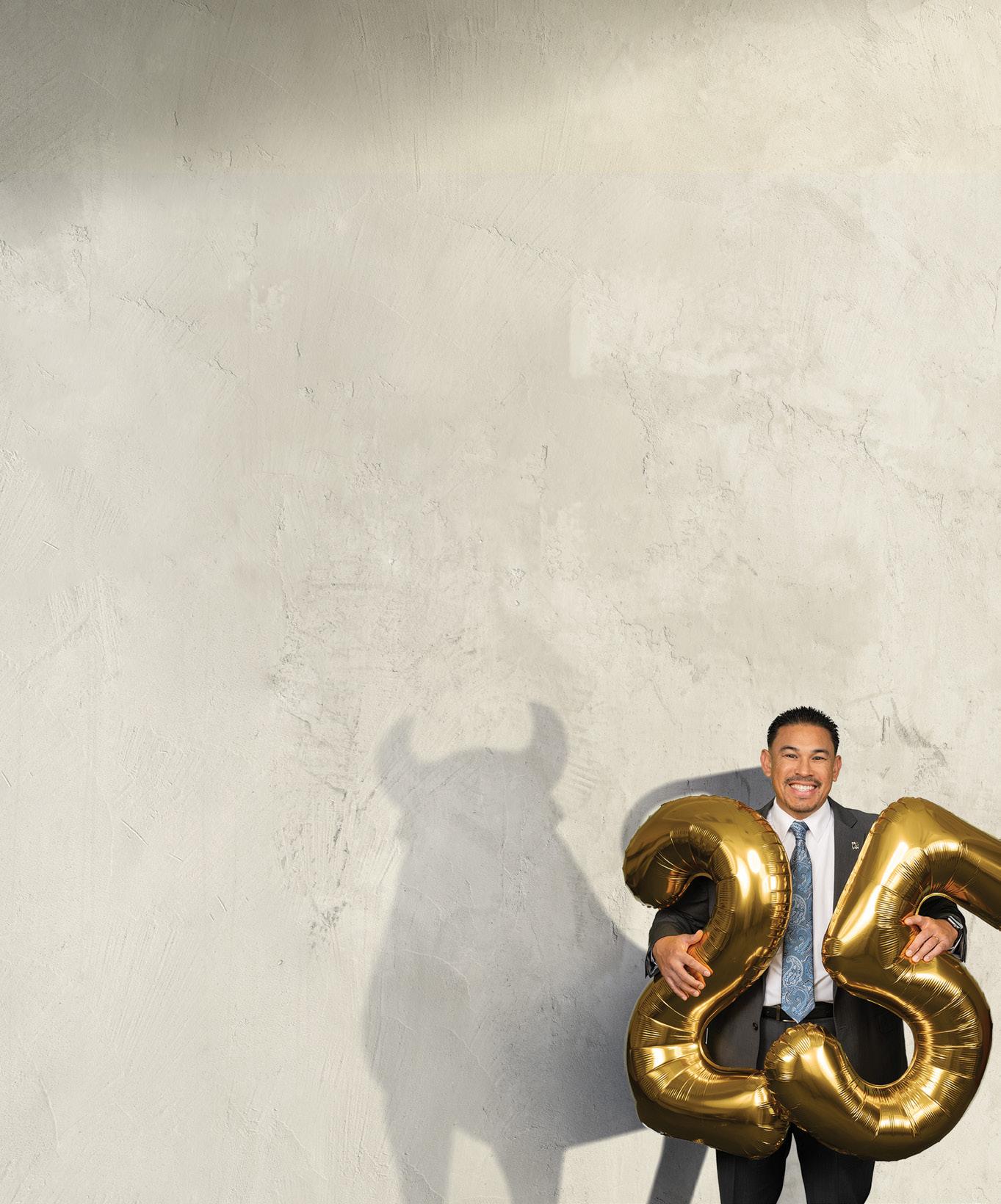
We’re bullish on your future. When we work together, you get personalized guidance, insights and financial planning — all designed to connect your life with your finances and to help make the path toward your goals even clearer. Let’s have a conversation.
The Gonzales Group
Eric F. Gonzales
Merrill Lynch Wealth Management
Senior Vice President
Senior Resident Director-Wealth Management Advisor
707.254.4606
eric_gonzales@ml.com fa.ml.com/gonzales_group


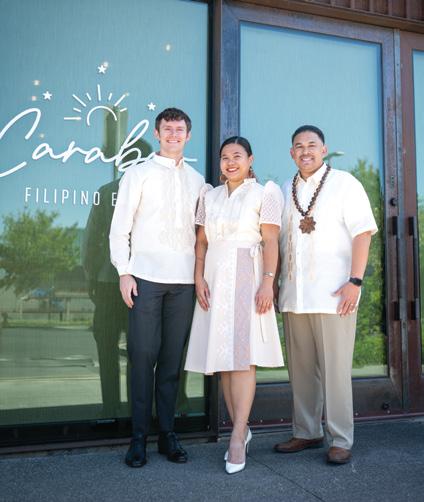
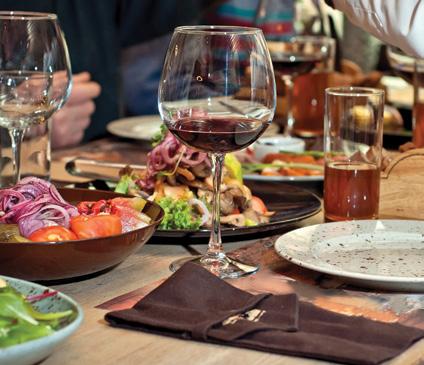
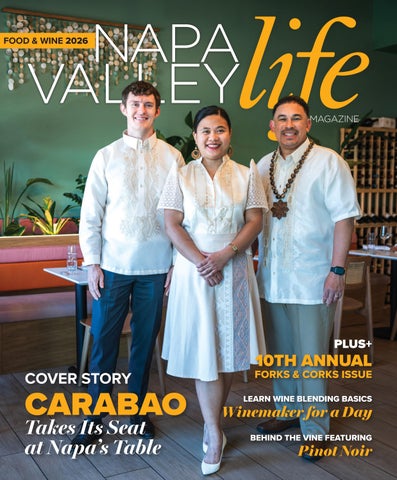
Cover Story Carabao: Takes its Seat at Napa's Table
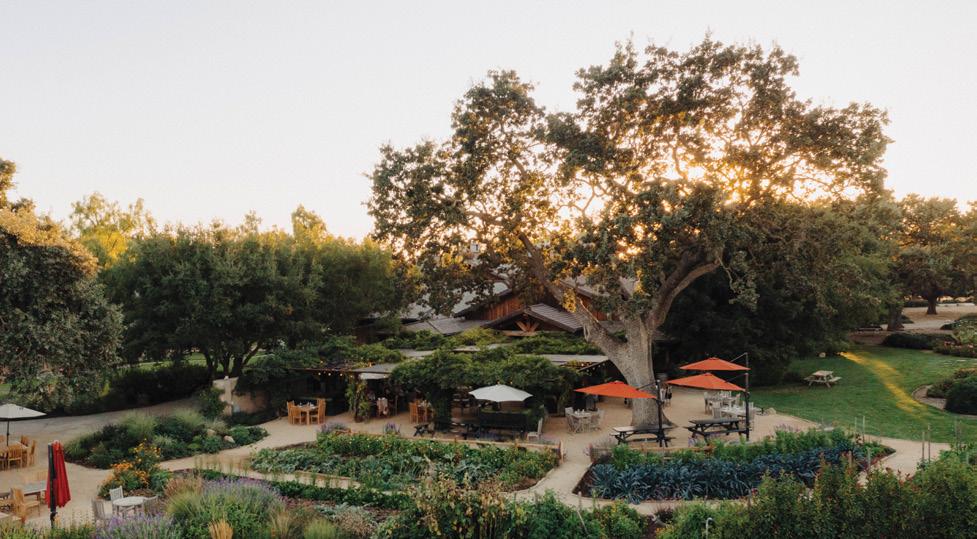
10th Annual Forks & Corks
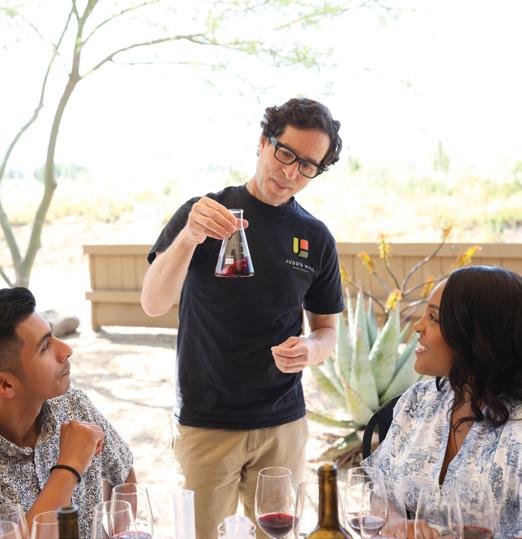
Winemaker for a Day Learn Wine Blending Basics
CHIEF EXECUTIVE OFFICER
Derek Wright
PRESIDENT
Kevin Evans
VICE PRESIDENT OF OPERATIONS
Nicole Branning
INTERIM EDITOR
Kevin Evans
CREATIVE DIRECTOR
Ronald Abella
PRODUCTION MANAGER
Argen Rodrigo
ADVERTISING SALES
Doris Hobbs doris.hobbs@napavalleylife.com
CONTRIBUTING WRITERS
Fran Miller
Layne Randolph
Jillian Dara
Melissa Vogt
Laurie Jo Miller Farr
Karen Crouse
Charleen Earley
Michael Kane
ABOUT THE COVER Carabao
Valley Life Magazine is published six times a year. Copyright 2026 by Napa Valley Life Magazine. All rights reserved. No part of this publication may be reproduced without the written permission of the publisher. Subscriptions are available for $12/year by visiting napavalleylife.com and clicking on subscriptions at the top.
Corporate Headquarters: 314 E. Highland Mall Blvd., Suite 125, Austin, TX 78752
/NVLife @napavalleylifemag
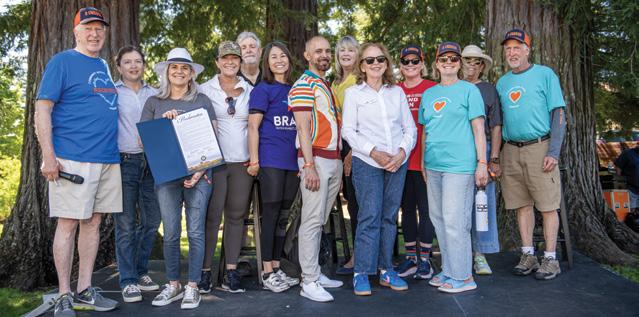
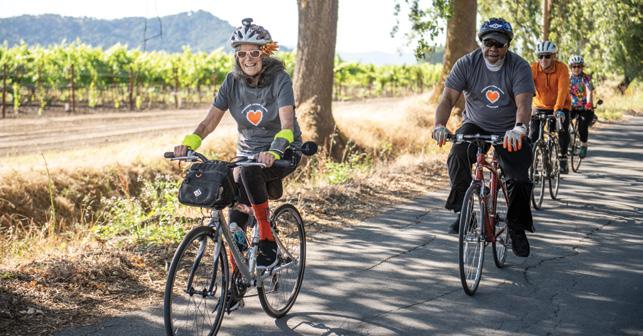
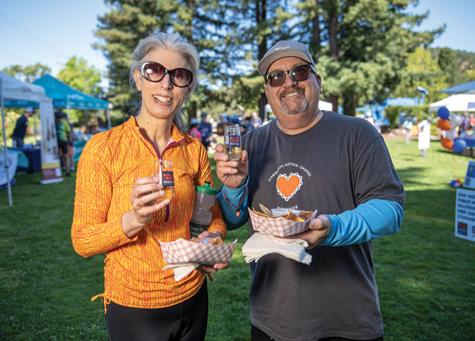
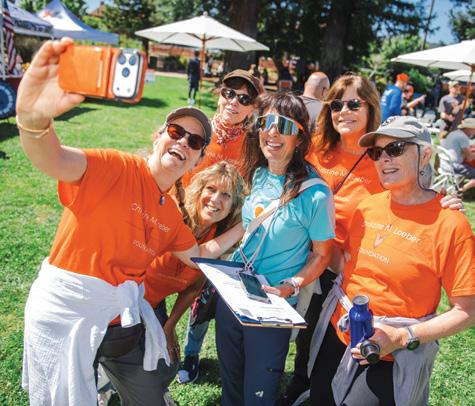
Rock the Ride marked its 9th year on June 20, 2026, in Yountville, CA. The annual benefit bike ride and walk for gun violence prevention drew over 600 participants and raised more than $220,000. Riders and walkers chose from 25, 15, 5.5, or 3-mile routes. The event closed with burritos and bubbles in the park, featuring remarks from special guest speakers, including Angela Ferrell-Zabala, Executive Director of Everytown/Moms Demand Action. Now approaching a decade of impact, Rock the Ride continues to unite the Napa Valley community around a shared commitment to ending gun violence.
INFORMATION www.rocktherideusa.com

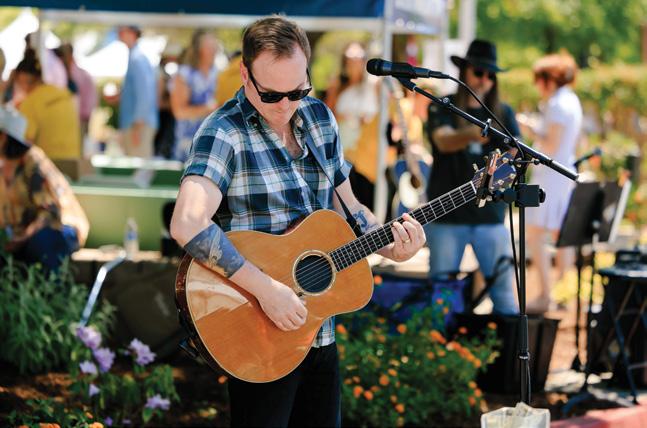
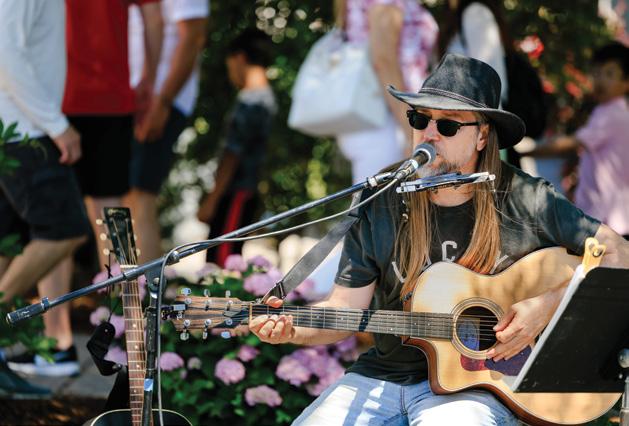
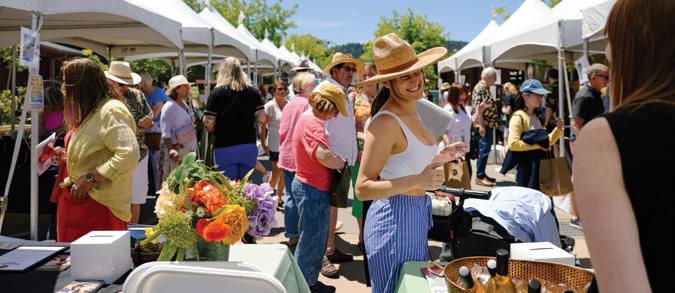
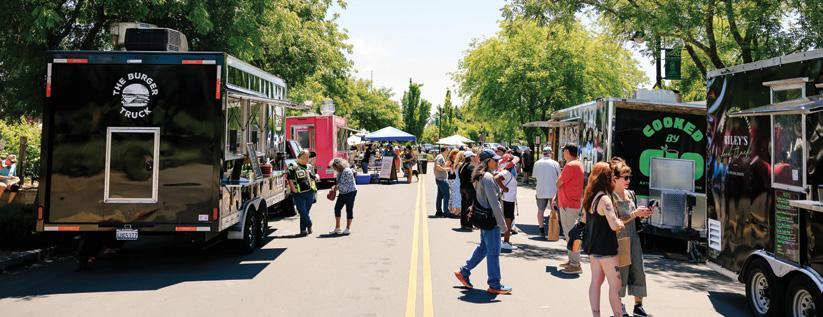
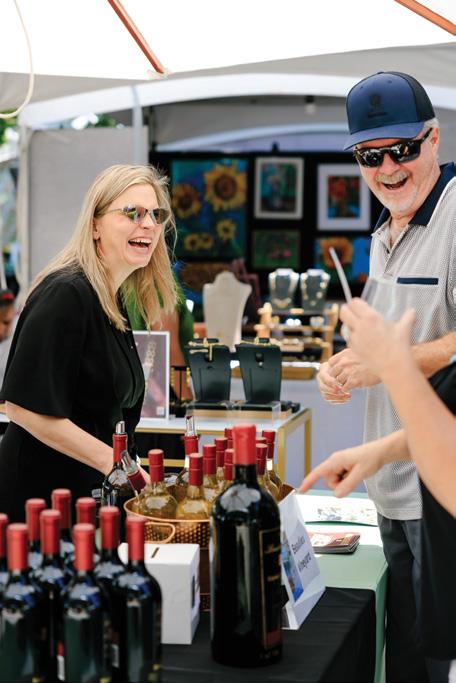
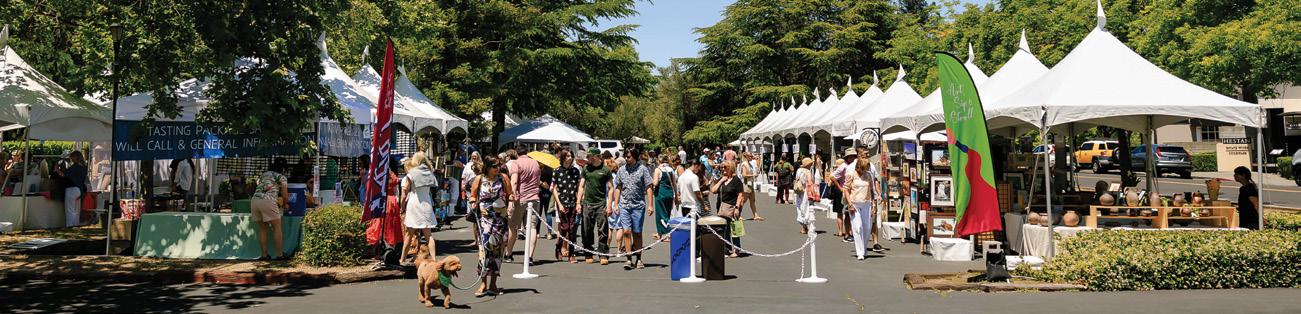
On Saturday, May 16, Yountville burst to life for the 14thAnnual ART, SIP & STROLL …a favorite celebration featuring 75+ artists and 20+ Napa Valley wineries, all coming together for a day of creativity, community and classic Wine Country charm. Presented by Yountville Arts and the Town of Yountville, ART, SIP & STROLL is a vibrant celebration of the many good things in life…art, wine, music and community. Join us next year!
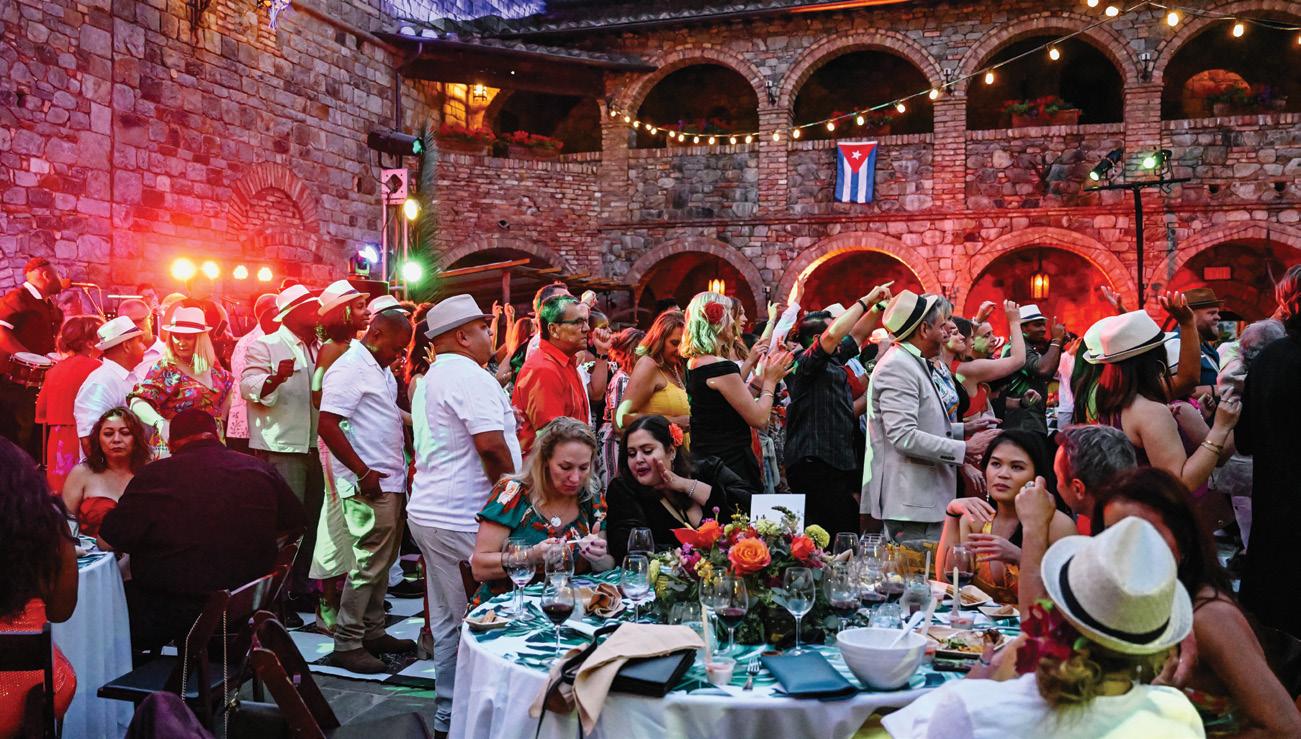
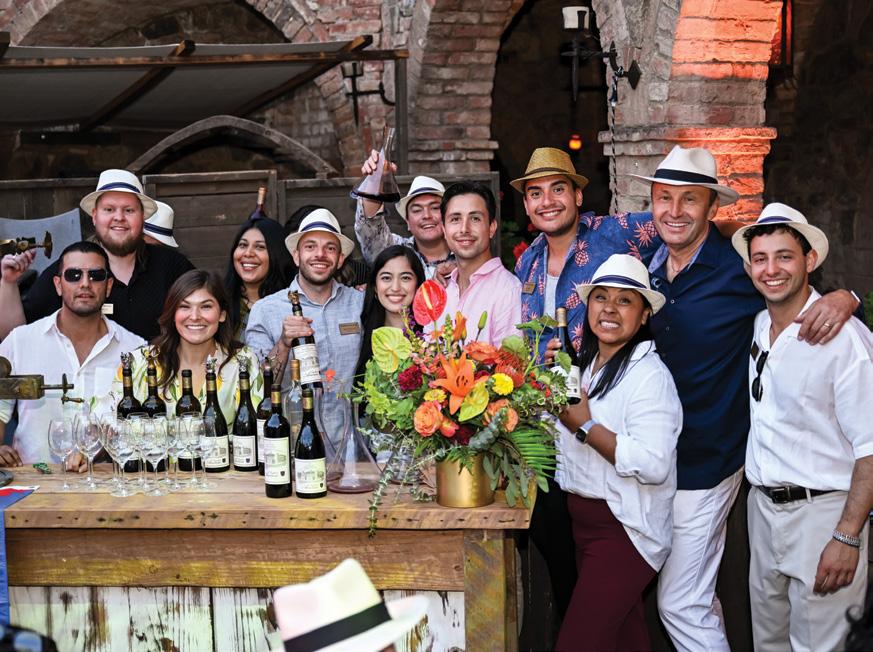
Castello di Amorosa's Hot Havana Nights returns as one of the winery's signature summer events, transforming the medieval castle into a lively Cuban-inspired celebration. The evening features Castello's awardwinning wines paired with authentic Cuban cuisine, live music, professional dancers, and festive entertainment throughout the property. Guests are invited to enjoy the castle after hours while experiencing the vibrant sights, sounds, and flavors of Havana. Blending exceptional wine with music, food, and culture, Hot Havana Nights offers a unique summer tradition that showcases the winery's flair for creating immersive, unforgettable events.
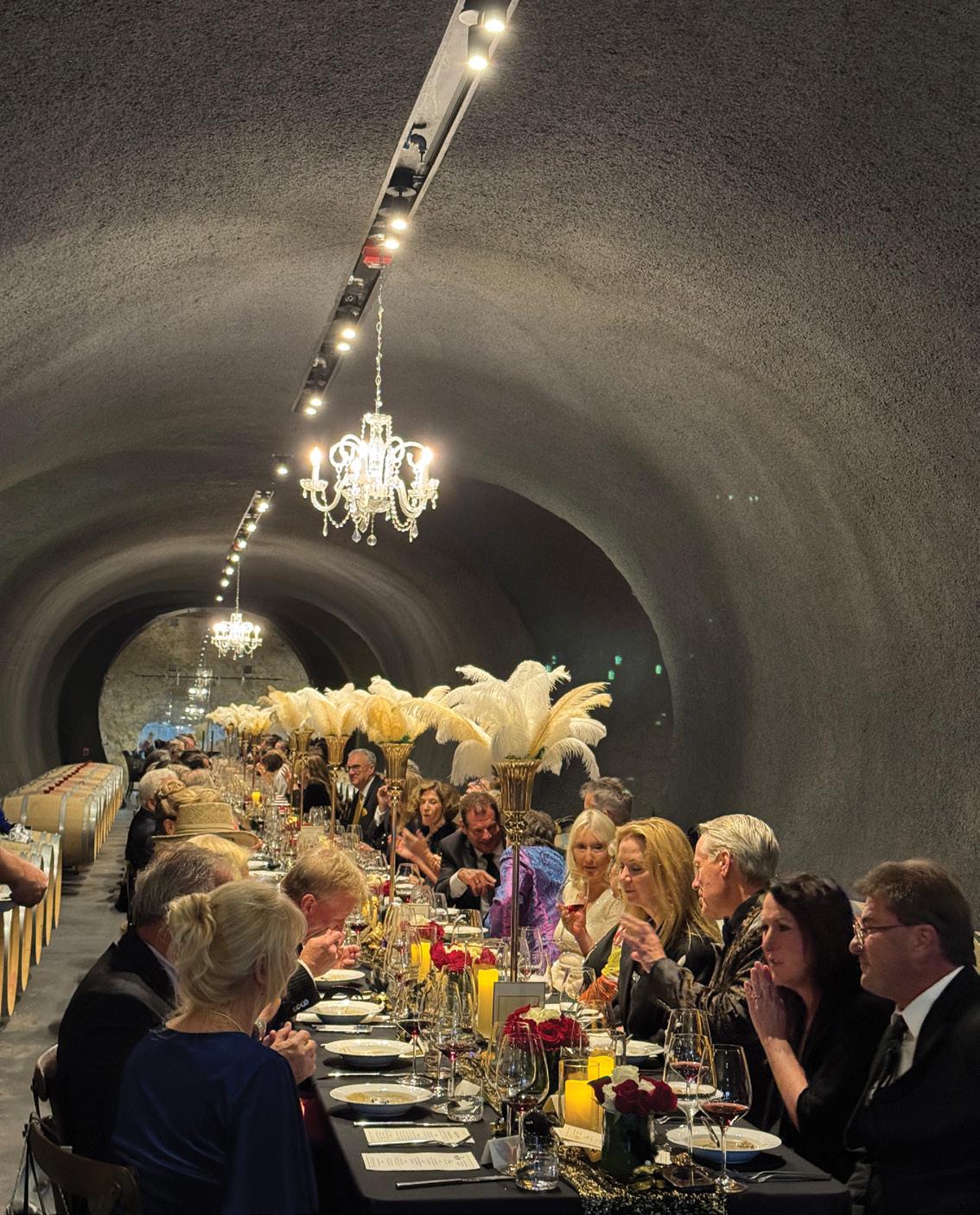
Shadybrook Estate Winery recently celebrated its 9th Anniversary in the heart of Napa Valley with an elegant evening honoring nine years of winemaking excellence and community. The event, themed “Dressed to the Nines: A Masquerade Experience,” invited guests to enjoy a sophisticated night of celebration and intrigue. Held at the stunning Shadybrook Estate Cave and Overlook, the evening featured a curated selection of estate wines paired with a beautifully prepared multi-course dinner. Guests then enjoyed live music and dancing under the stars, raising a glass to nine remarkable years and the vintages yet to come at Shadybrook Estate Winery.
August 8, 2026
The Napa Valley scene of upcomng Parties, Concerts, Celebrations and Events
For up-to-date calendar listings visit napavalleylife.com and click on EVENTS at the top of the page
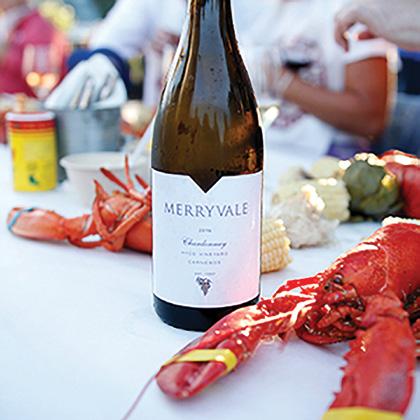
MERRYVALE VINEYARDS
ANNUAL LOBSTER FEED
Savor beautiful views, a delectable feast, and fun live entertainment at Merryvale Vineyard’s Lobster Feed. Get your tickets early — this event is sure to sell out. Info: www.merryvale.com
August 15, 2026, 5:00 – 8:00 p.m.
NAPA VALLEY LOBSTER CO. AT TRUCHARD
Napa Valley Lobster Co. returns to Truchard Vineyards serving up Maine lobster with New Orleans Cajun spices alongside Truchard’s estate wines and Napa hospitality. $150 per person / $125 for Wine Club Members.
Info: www.truchardvineyards.com
Thursdays through August 20, 2026, 6:30 – 8:30 p.m.
CALISTOGA CONCERTS IN THE PARK
Head to Pioneer Park in downtown Calistoga for this free weekly summer concert series, a community tradition paired with local food and wine vendors. Info: www.calistogachamber.com
September 6, 2026, 12:00 – 3:00 p.m. CARNIVUS MAXIMUS XXVI AT CROCKER & STARR
The ultimate gathering for Crocker & Starr’s 30th Harvest! Enjoy great friends, live music, and the best of Crocker & Starr in your glass. $250 per person. Info: www.crockerstarr.com
September 12, 2026, 6:00 – 9:00 p.m. RUBICON RELEASE HARVEST DINNER
During the peak of harvest, dine with the winemakers as they celebrate the release of the 2023 Rubicon with a thoughtfully paired multi-course dinner. $300 per guest / $275 per member.
Info: www.inglenook.com
September 19–20 & 26–27, 2026
NAPA VALLEY OPEN STUDIOS
Explore dozens of artist studios throughout the valley during this beloved fall tradition, visiting painters, jewelry makers, glass artists, potters, sculptors, and more — many paired with local wine pours. Info: www.napavalleyopenstudios.org
September 26, 2026, 6:00 – 9:00 p.m. PEAK SEASON SUPPERS
A once-a-season Saturday dinner experience featuring a four-course menu with wine pairings showcasing the best of the harvest. $125 per person / $100 for Members.
Info: Inquire with participating wineries
September 26, 2026, 11:00 a.m. – 3:00 p.m. GOLDENEYE BRUT ROSÉ DEBUT AT PARADUXX
Gather at The Duckhorn Collection at Paraduxx for the debut of the 2023 Goldeneye Anderson Valley Brut Rosé Sparkling Wine, paired with bites and livefire cooking.
Info: www.paraduxx.com
September 26, 2026, 11:00 a.m. – 3:00 p.m. HARVEST GATHERING: SOIRÉE OF CABERNET
Celebrate the beauty and excitement of harvest at The Duckhorn Collection’s daytime gathering featuring world-class wines, local culinary talent, and the energy of crush season.
Info: www.paraduxx.com
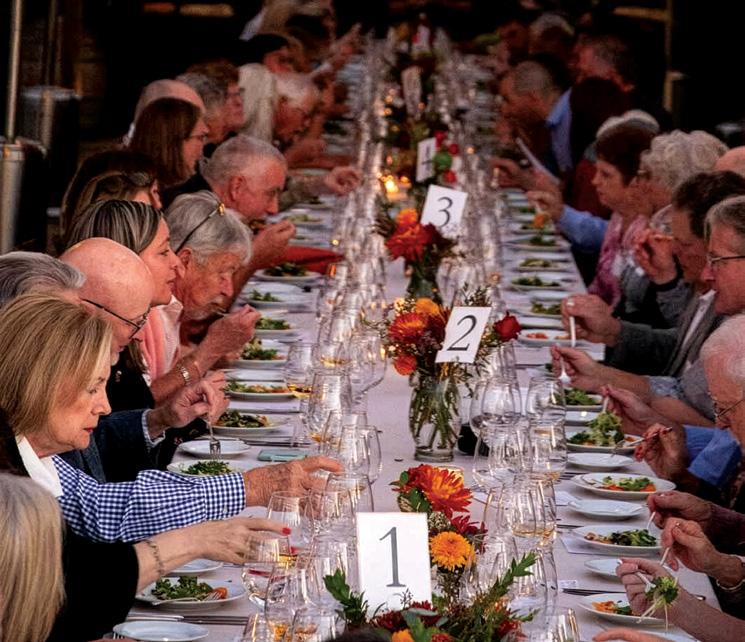
October 17, 2026, 5:30 – 8:00 p.m.
BIALE HARVEST DINNER
Celebrate the 2026 Napa Valley Harvest with a three-course dinner paired with single-vineyard Zinfandel and Petite Sirah. Join owner Bob Biale and winemaker David Natali as they share stories and insights from the vintage.
Info: www.robertbialevineyards.com
October 18, 2026, 11:00 a.m. – 4:00 p.m.
CLIF FAMILY NEW RELEASE AFTERNOON
Spend a relaxed Sunday afternoon at the Clif Family Tasting Room in downtown St. Helena, dedicated to the newest wine releases crafted by Winemaker Laura Barrett, with a chance to connect with the Clif Family community. $60 for non-members; Members receive 4 free admissions.
Info: www.cliffamily.com
Ongoing, March–December 2026, Fridays 7:00 – 9:00 p.m.
SIP, SWAY & SUPPORT LOCAL AT LEVENDI WINERY
Kick off the weekend at Levendi Winery’s downtown Napa tasting room with live sets from the finest local artists, glass or bottle service, and no cover charge.
Info: www.levendiwinery.com
Harvest season has arrived — and for those who live here, that means something different than a visit ever could.
BY JANETTE MAACK
There's a particular feeling that settles over Napa Valley in late summer.
The vines are heavy with fruit, the air carries the warmth of the season, and between the hum of the crush pad and the clink of a wine glass, the valley becomes even more itself.
Visitors arrive in droves during harvest, and it's easy to understand why. But locals know this season isn't just about grapes. It's also about peak produce, creative chefs and winery experiences that transform the way food and wine come together.
Napa's dining scene continues to evolve with an impressive lineup of new restaurants. The summer harvest doesn't only happen in the vineyards – it happens in the kitchen too. A wave of new restaurants has been earning serious attention lately, and each one is worth your time.
Normandie has revived classic Continental dining downtown with tableside soufflés, flambéed lobster and a martini bar.
George + Kins serves Japanese-American comfort food inspired by family recipes, from Japanese milk bread French toast to
curry udon and katsu chicken sandwiches.
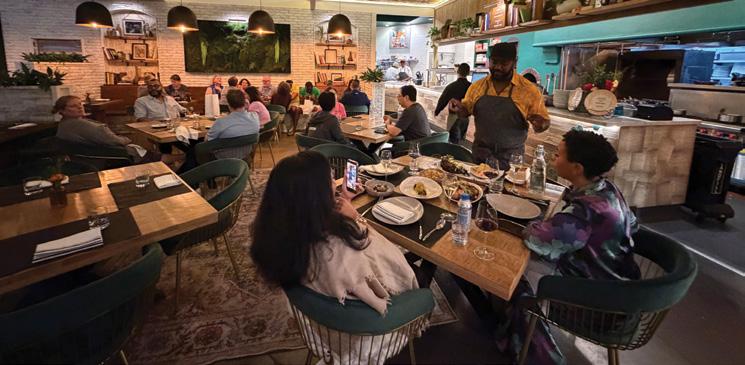
Carabao, Napa Valley's first Filipino restaurant, showcases Chef Jade Cunningham's refined takes on traditional dishes including kare-kare, sisig and palabok.
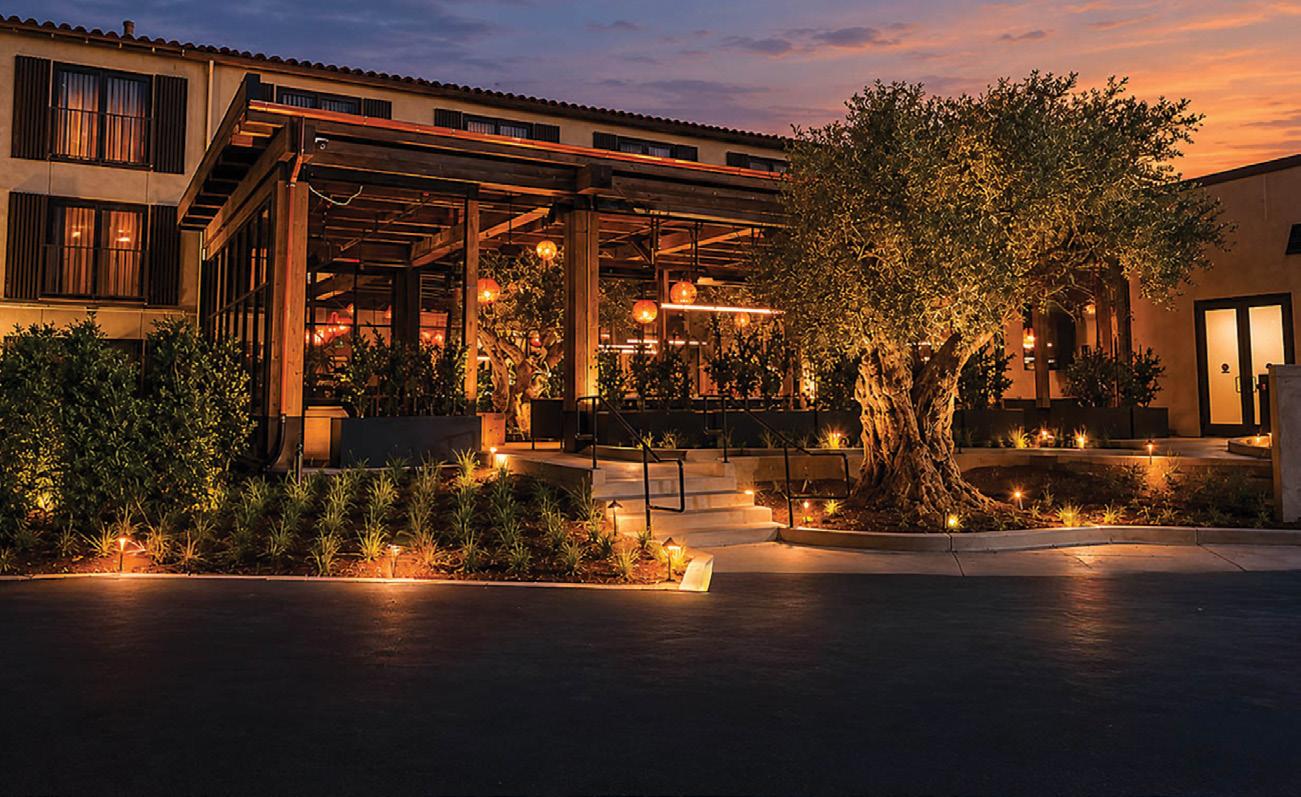
BOA Steakhouse has opened at Casa Mani Resort, bringing dry-aged steaks, Japanese Wagyu and an elegant indooroutdoor setting surrounded by olive trees.
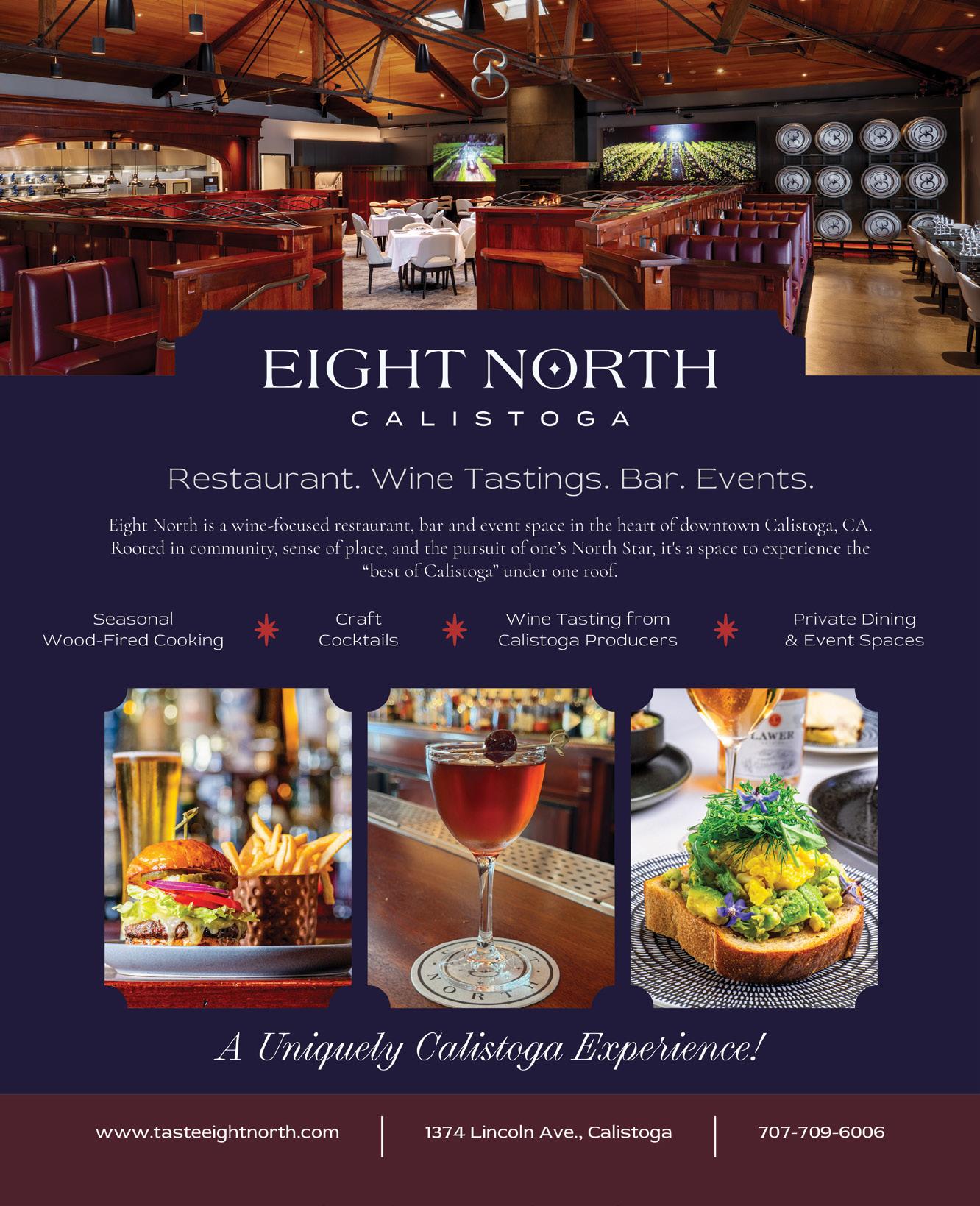
In Calistoga, Eight North celebrates Napa Valley ingredients with wood-fired steaks, seafood and wines from smaller local
producers. Nearby, Chef Erik Anderson will soon debut Ilora, a modern California restaurant featuring seasonal ingredients.
Whether you're a local or frequent visitor, harvest season is the perfect excuse to try somewhere new.
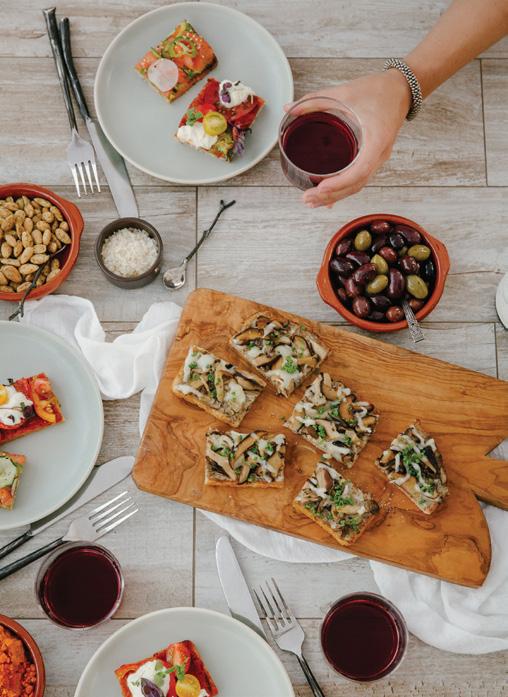
Winery food pairings have become increasingly inventive, with chefs and winemakers creating memorable culinary experiences.
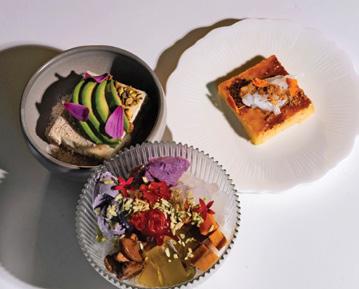
The Prisoner Wine Company in St. Helena pairs signature blends with dim sum-inspired bites, including gyoza, shrimp toast and sticky pork ribs. The unexpected combinations highlight the winery's distinctive wines in surprising ways.
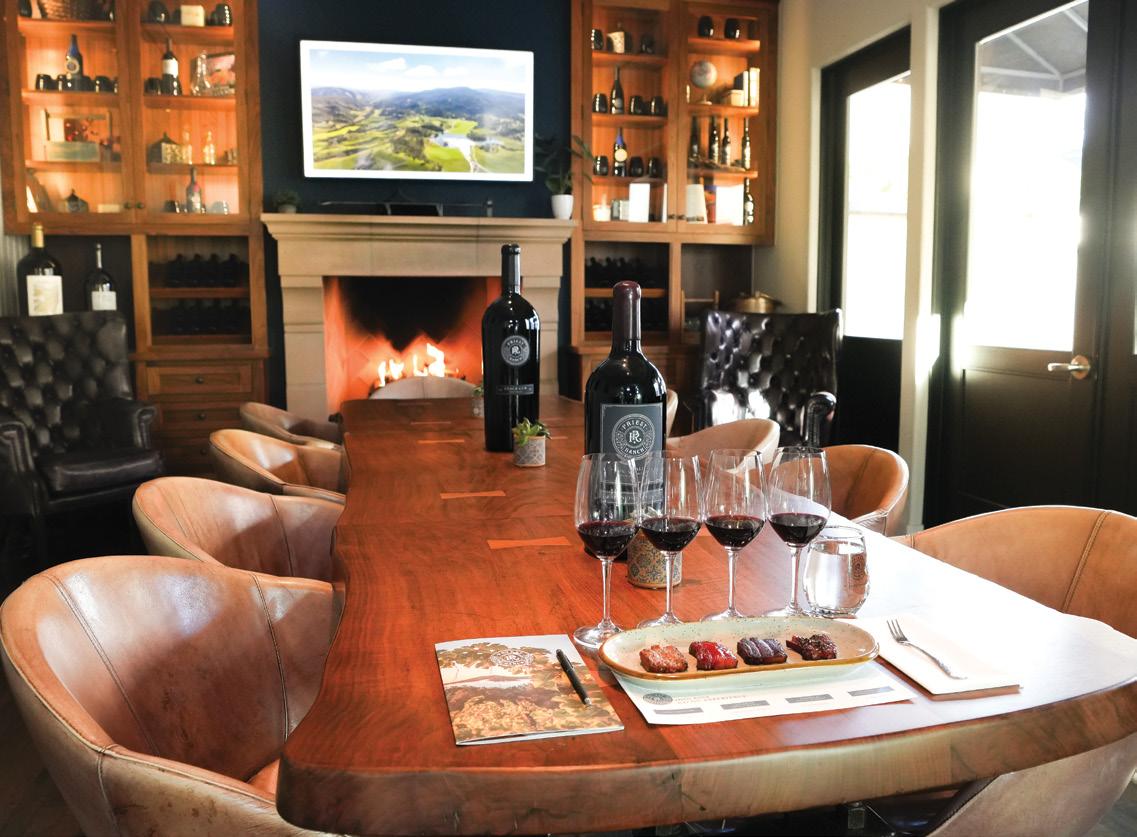
Priest Ranch in Yountville offers bacon and wine pairings that demonstrate how salt, fat and tannins complement one another. Four pork belly preparations are matched with four limited-production wines.
At Artesa in Carneros, guests enjoy Basque-inspired pintxos paired with estate wines while overlooking sweeping vineyard views. Each bite changes the character of the wine, creating an interactive tasting experience.
Every Wednesday, Clif Family Winery hosts Global Street Food Nights featuring rotating international menus, live music and organically farmed wines.
At Tamber Bey in Calistoga, savory cookies flavored with ingredients like wasabi, bacon and cherry pepper are thoughtfully paired with estate wines on a working horse ranch.
family recipes using ingredients from their garden and local farms.
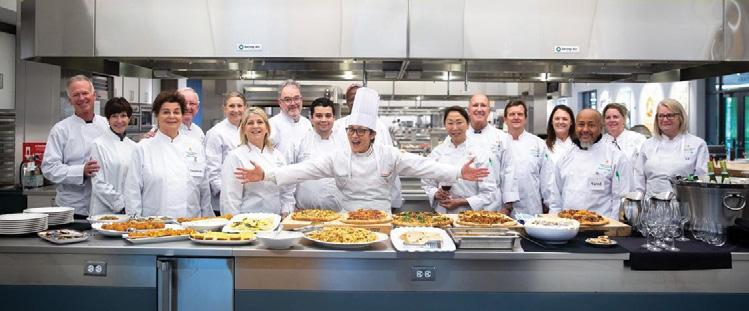
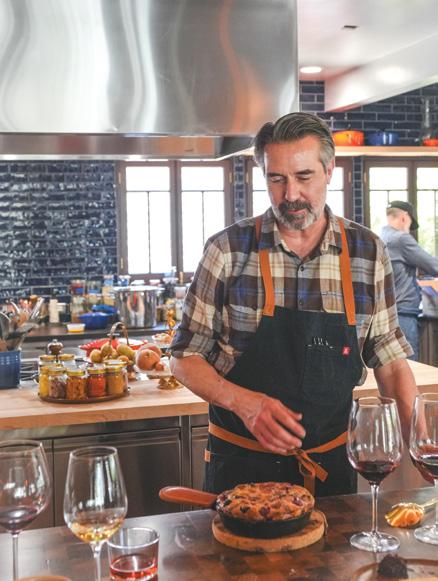
CIA at Copia, visitors can participate in hands-on cooking classes, wine education and culinary boot camps before exploring gardens, museums and the Wine Bar.
Crocker & Starr celebrates its 30th harvest Sept. 6 with library wines, large-format pours and live entertainment.
Sleeping Giant Winery's Harvest Party on Oct. 4 includes crush pad tours during active fermentation, paired lunch and special cellar selections.
Merryvale's Harvest Brunch at Profile Estate on Oct. 10 combines hillside dining, new wine releases and live music.
Also on Oct. 10, Tres Sabores celebrates the 25th vintage of its Rutherford Estate Zinfandel, while Round Pond Estate hosts harvest festivities featuring chef pairings and dancing.
Tamber Bey's Harvest Party on Oct. 11 offers live music, new releases and one of the valley's most welcoming celebrations.
Or at least close to it. For those seeking immersive food experiences, Napa offers exceptional opportunities.
Rotation by Feast it Forward at Oxbow Public Market welcomes acclaimed guest chefs for month-long residencies featuring unique menus, live entertainment and charitable partnerships. Every residency highlights Napa's agricultural abundance while introducing new culinary perspectives.
Pasta Lovers Club brings just 12 guests together twice monthly at Chef Sarah Heller and Master Sommelier Jason Heller's Yountville home for intimate five-course pasta dinners with exceptional wines.
The grape stomp is one of those Napa Valley traditions that never gets old. There's something irresistible about it – the laughter, the sticky feet, the sense that you're actually, physically part of the harvest. This fall, there are more ways than ever to participate.
PEJU Winery's Harvest Lunch & Grape Stomp returns Sept. 19-20 with grape stomping, lunch and wine pairings.
V. Sattui's Crush Party on Oct. 16 features traditional grape stomping, live music, barbecue and opportunities to meet growers and winemakers.
Round Pond concludes the season Nov. 14 with its Olive Harvest Celebration, showcasing fresh olive oil and estate-grown flavors.
Harvest is many things to many people. Visitors experience Napa Valley at its liveliest, while locals are reminded why they chose to call this remarkable place home.
Whether you're discovering a new restaurant, enjoying an inspired winery pairing, learning from a celebrated chef or stomping grapes with friends, harvest offers countless ways to experience the valley at its very best.
This is Napa Valley's signature season. Make the most of it.
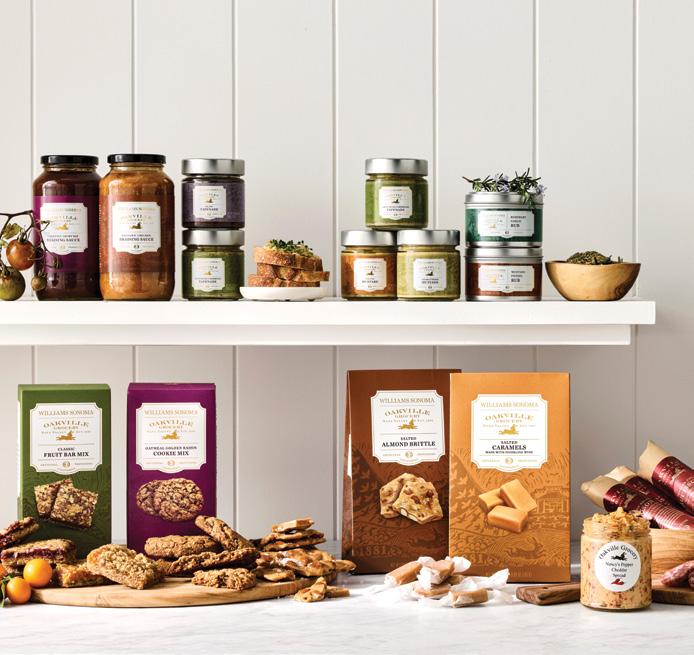
Williams Sonoma has announced a new collaboration with Oakville Grocery, the iconic 145-year-old Napa Valley grocery and wine merchant. The partnership unites two Northern California culinary institutions with shared roots in Wine Country and a commitment to quality, craftsmanship, and artisanal foods. The Oakville Grocery for Williams Sonoma collection features gourmet pantry staples inspired by Napa and Sonoma flavors, including olive oil, tapenades, sauces, and condiments. The collection is now available in Williams Sonoma stores, online, and at Oakville Grocery in Oakville, with in-store tastings celebrating the launch.
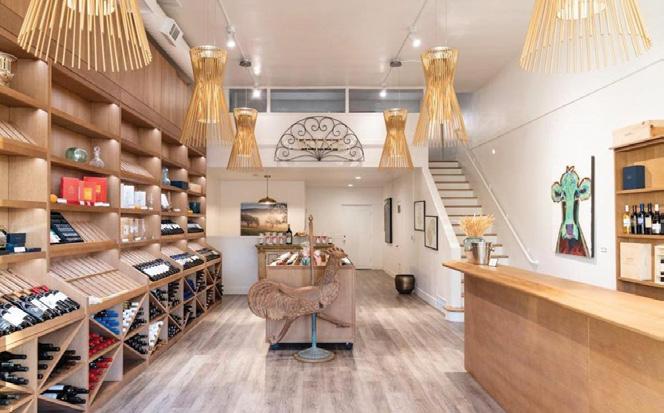
Maison Fayard has opened its new Napa location in the heart of downtown, bringing a refined French-inspired wine, retail, and tasting experience to Wine Country. The space offers curated wines, artisanal goods, and immersive tastings that reflect the brand’s philosophy of “art de vivre.” Guests can explore a thoughtfully designed environment that blends education, discovery, and hospitality, celebrating Napa’s culture of craft and community. The new location further expands Maison Fayard’s presence in the region.
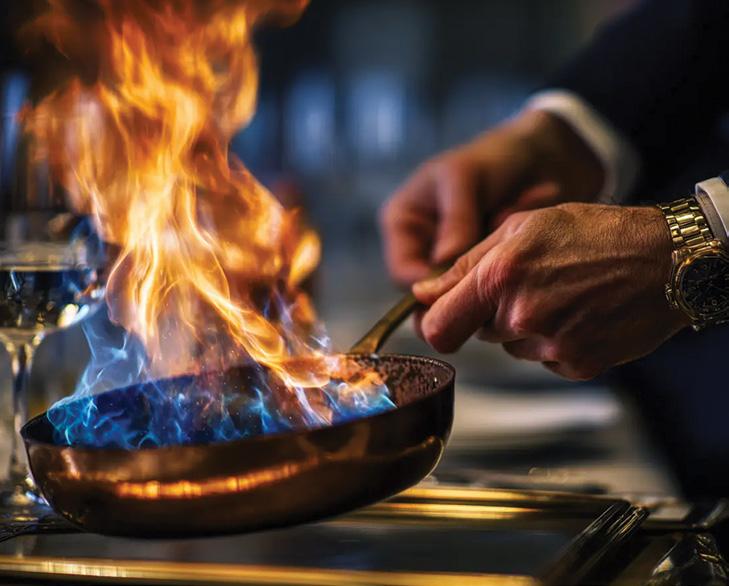
Set against the iconic scene of the Napa River, Normandie offers a sophisticated sanctuary for the valley’s most discerning palates. Our dinner menu invites guests on a breathtaking epicurean journey through timeless Continental classics, where every exquisite plate is meticulously crafted to elevate traditional gastronomy. Complementing this luxurious fare is our unparalleled Martini Bar, featuring an extensive collection of bespoke, spirit-forward creations. Discover an elegant destination where flawless technique and uncompromising hospitality seamlessly unite for a truly unforgettable evening
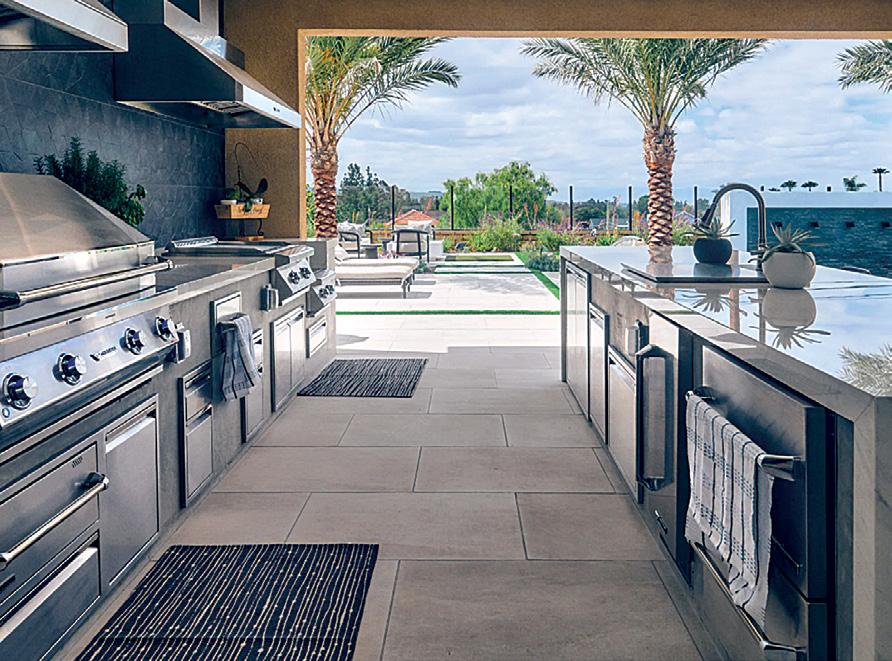
Napa Outdoor Living and Design is Napa Valley's premier outdoor kitchen design specialist, dedicated to creating beautiful, functional spaces that bring family and friends together. We design and supply custom outdoor kitchens featuring premium cabinetry, grills, pizza ovens, refrigeration, and outdoor living amenities tailored to each client's lifestyle. With a focus on quality, craftsmanship, and personalized service, we help homeowners transform their backyards into exceptional destinations for cooking, entertaining, and enjoying the outdoor lifestyle that makes Napa Valley so unique.
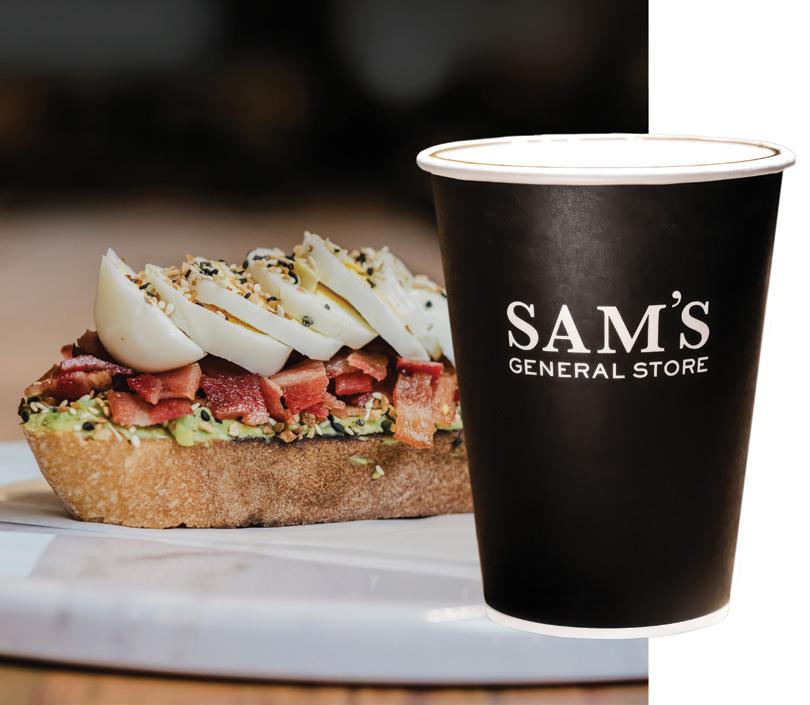
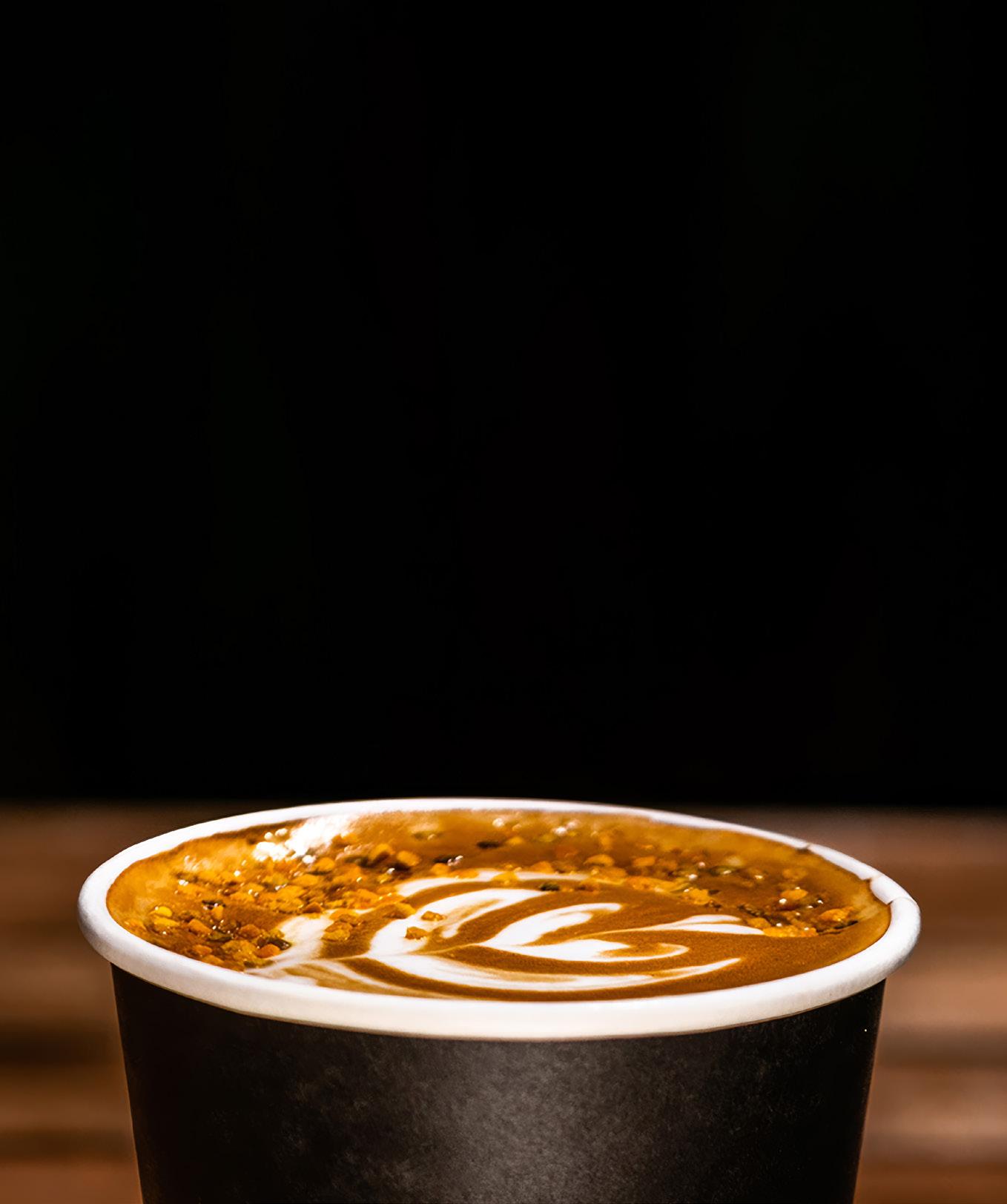
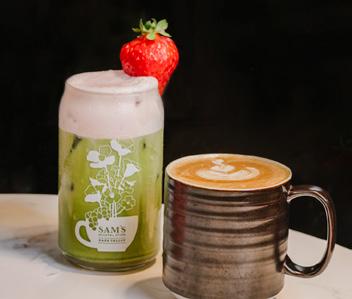
Inspired by the pioneering spirit of Samuel Brannan, Sam’s General Store brings together history, hospitality, and community across three Wine Country locations. From our original café at Brannan Cottage Inn in Calistoga to our St. Helena location in the Historic Shopping District and newest home at Sonoma Court Shops, Sam’s is a neighborhood gathering place where quality comes first. Enjoy exceptional coffee, fresh-made food, and thoughtfully crafted beverages in a welcoming atmosphere designed for friends, families, and visitors alike.
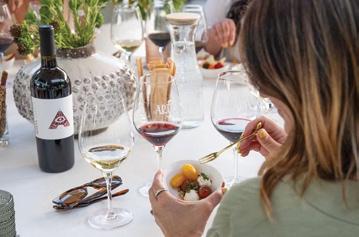
On a warm Napa evening, a bottle of wine is opened and passed around the table.
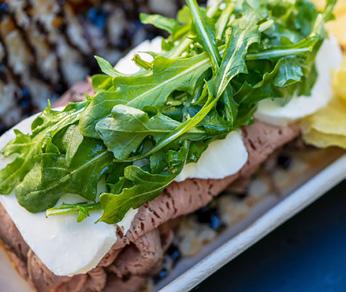
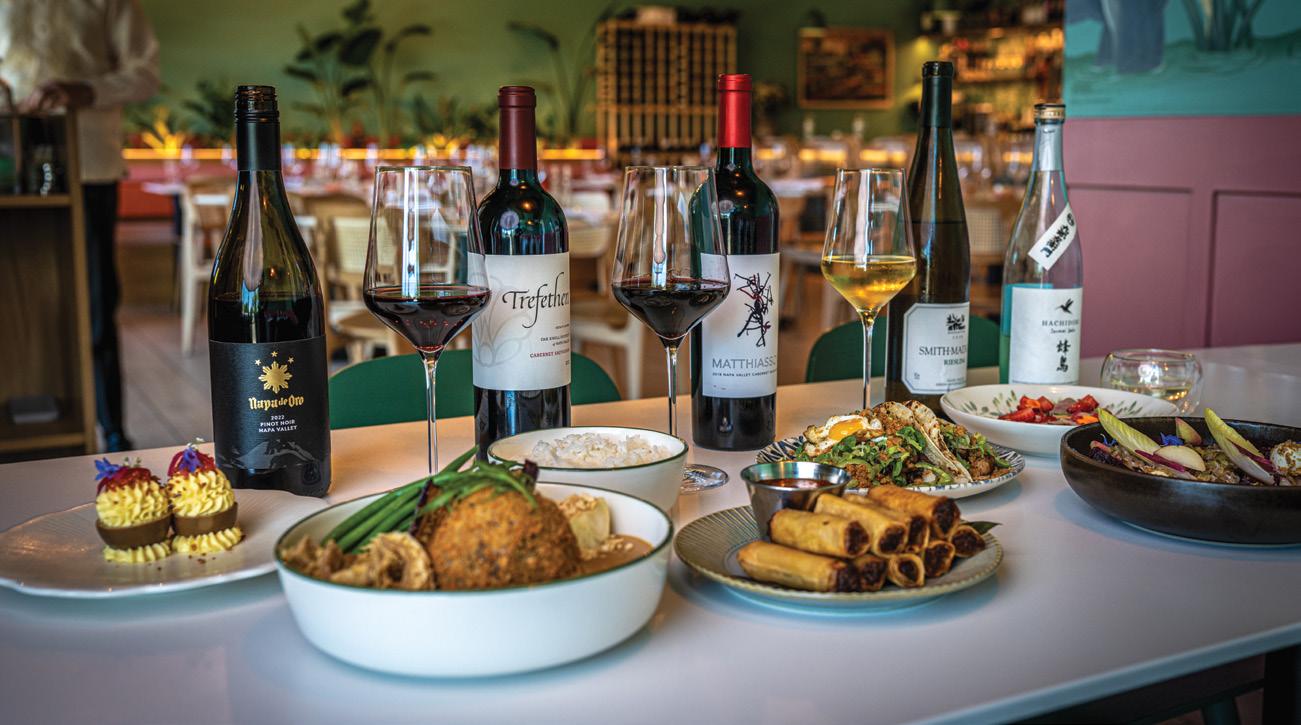
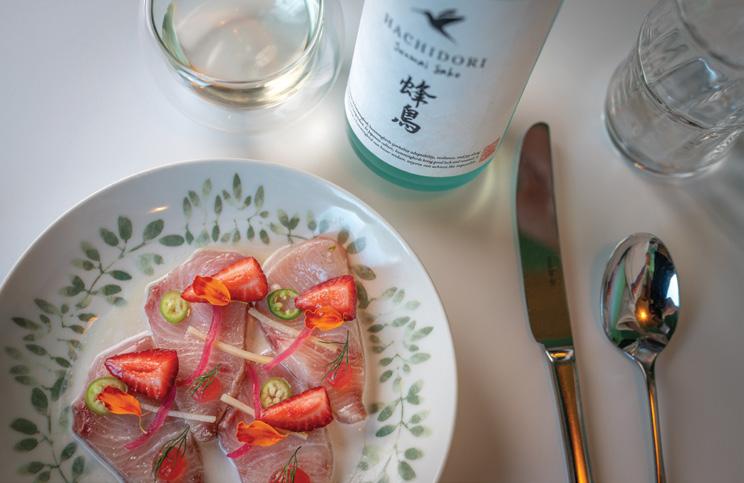
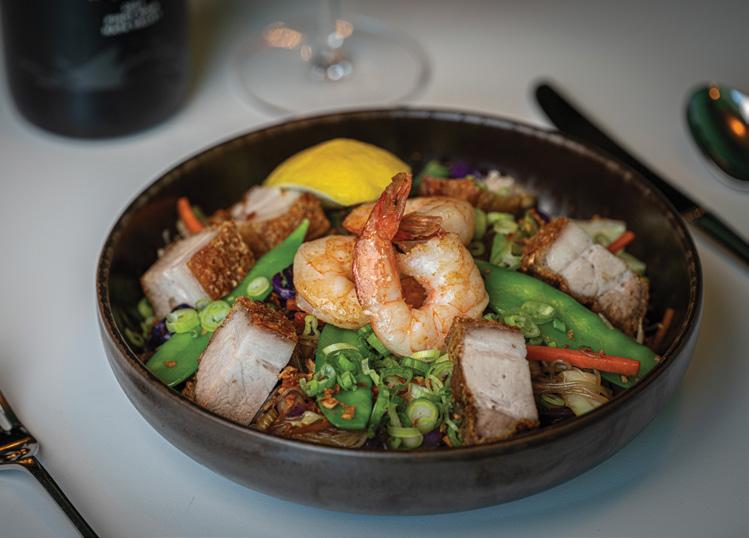
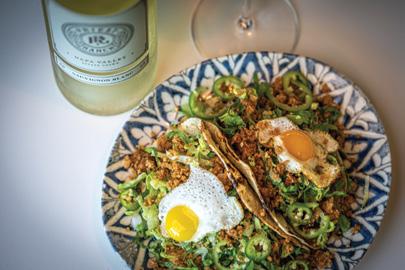
A plate of pork lumpia arrives first, crackling and golden. Then kinilaw—citrus cured Hamachi, with smoked coconut cream and calamansi vinaigrette. Sisig tacos follow, rich and savory, alongside a colorful salad bursting with local produce. Before long, the table fills with dishes meant for sharing: braised meats, balanced sauces layered with generations of tradition, and flavors that move effortlessly between sweet, savory, tangy, and deeply comforting.
This meal might sound unconventional for Napa Valley. But today, at Carabao, it feels like a homecoming in many ways. Something we never knew was missing, but that was sorely missed.
For decades, Napa Valley has defined American wine culture. Visitors travel from around the world to experience Cabernet Sauvignon, Michelin-starred dining, and a culinary scene built around the bounty of Northern California. Yet amid the region's celebrated restaurants, one major global cuisine remained largely absent from the conversation.
Until now.
Carabao, the first and only Filipino restaurant in Napa Valley, has accomplished something remarkable in just over a year. It has not only introduced Filipino cuisine to one of the world's most influential food-and-wine destinations— it has begun changing how Napa thinks about pairing, hospitality and the very idea of what belongs alongside a glass of wine.
In doing so, the restaurant has become more than a local success story. It has emerged as part of a national movement elevating Filipino cuisine to new heights while remaining deeply connected to culture, family, and community.
Napa Valley's culinary identity has long been shaped by European traditions and California farm-to-table cuisine. French technique, Italian influences and wine-centric dining experiences helped establish the region's global reputation.
But Napa itself has evolved. Its residents and visitors increasingly seek diverse cultural experiences that reflect the richness of California itself. As Napa Valley has grown,
so has an appetite for cuisines that tell new stories.
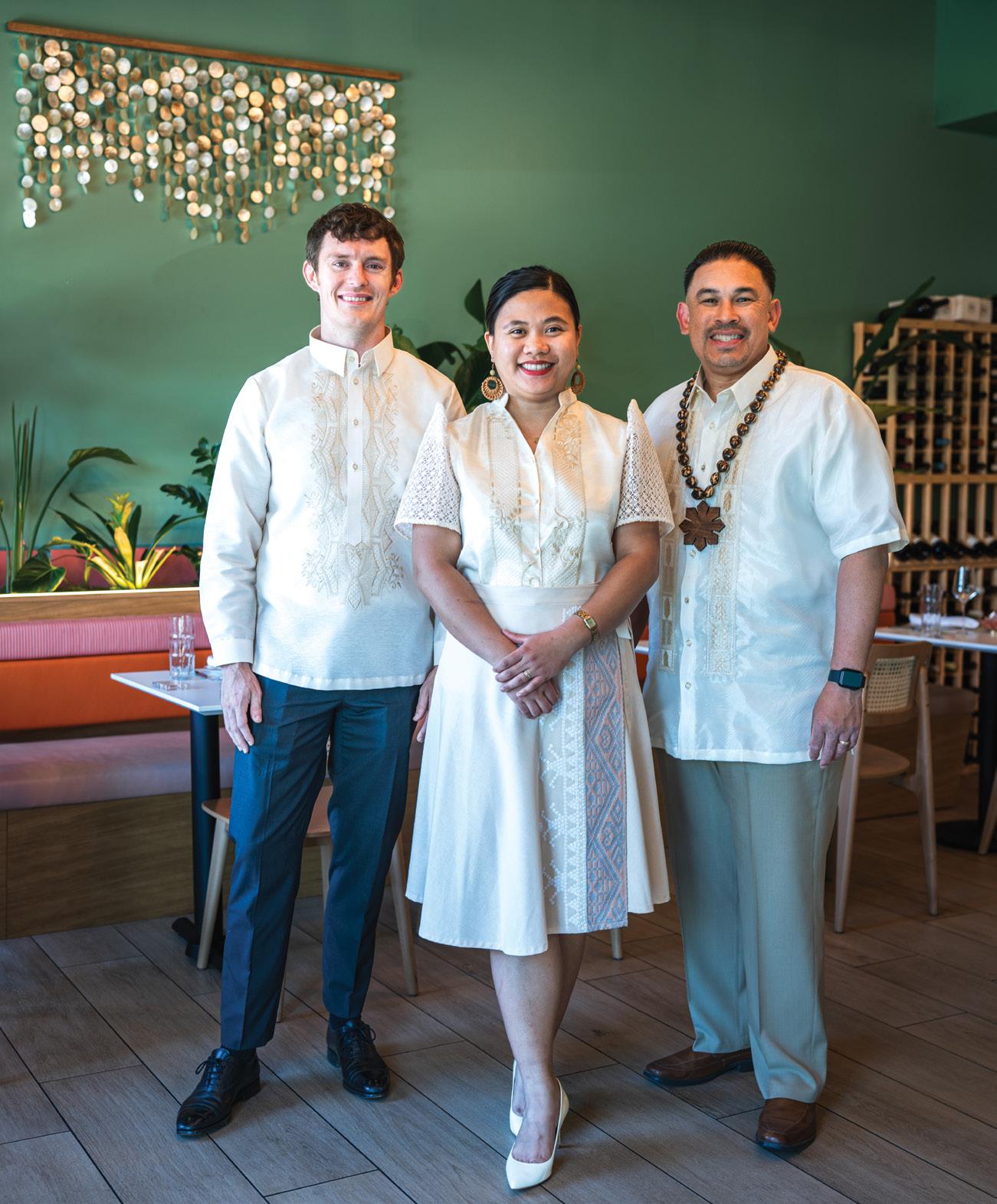
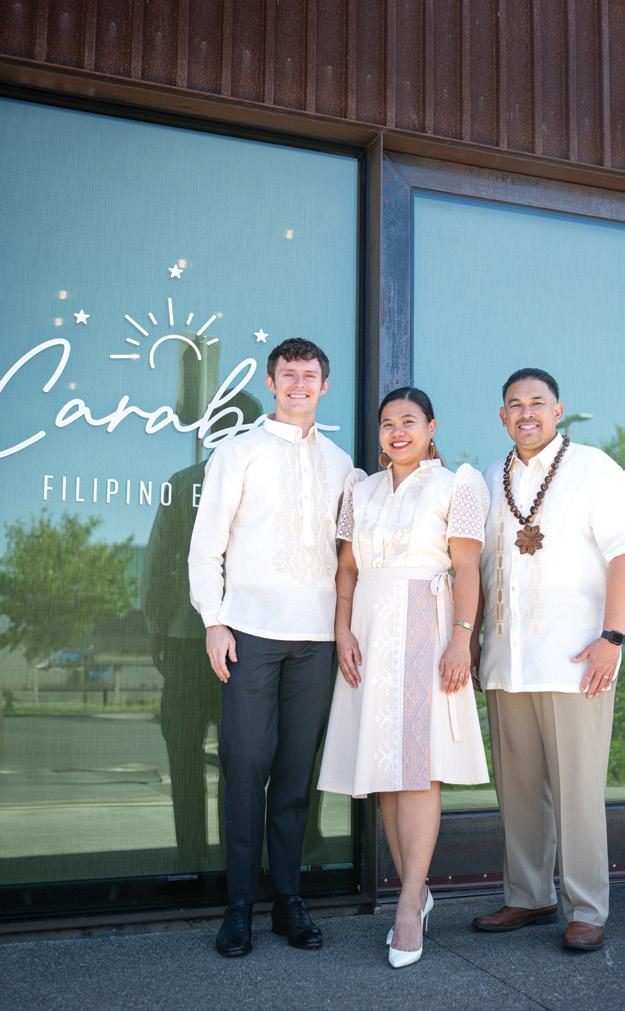
That opportunity is what attracted Carabao’s co-owners, Chef Jade Cunningham, Mathew Cunningham and Eric F. Gonzales.
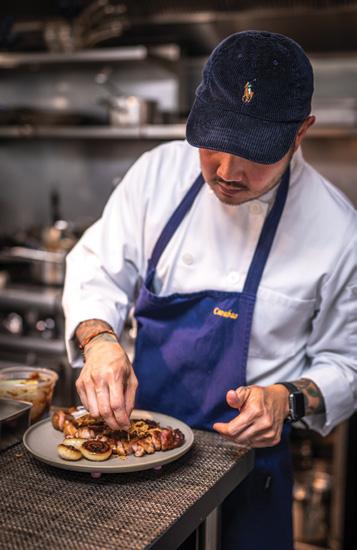
Chef Jade brings a deeply personal culinary perspective shaped by her upbringing in Bulacan, Philippines, and refined through years working in some of America's most respected kitchens, including The French Laundry. Her cooking combines the flavors of home with the precision and discipline.
Mathew Cunningham contributes extensive hospitality expertise cultivated through leadership roles at The French Laundry and PRESS Restaurant.
Eric F. Gonzales, a Napa Valley business leader and son of Filipino immigrants, brings a longstanding commitment to community engagement and cultural representation. Through both his philanthropic work and his investment in Carabao, Gonzales sees the restaurant as an opportunity to celebrate Filipino heritage while contributing to Napa's evolving identity.
Their shared vision was straightforward
yet ambitious: Create a restaurant where Filipino cuisine could be experienced with the same care, craftsmanship and respect afforded to any world-class culinary tradition.
"Filipino food deserves representation in Napa Valley," says Chef Jade. "There is so much more to our cuisine than the few dishes most Americans recognize. We wanted to create a place where people could discover those flavors while feeling welcomed into our culture."
For Gonzales, the significance of Carabao extends beyond food. He sees the restaurant as both a celebration and a statement.
"For generations, Filipinos have contributed to the fabric of California and Napa Valley, but our cuisine hasn't always had a seat at the table in places like this," Gonzales says. "Carabao is about visibility, pride, and creating a place where our culture can be experienced and celebrated by everyone."
Gonzales believes the restaurant fills an important cultural gap in Wine Country.
"People travel to Napa from all over the world looking for memorable experiences,"
he says. "We wanted Filipino cuisine to be part of that conversation. We wanted visitors and locals alike to discover the depth warmth and hospitality that are such an important part of our heritage."
The name itself is an introduction to the Philippine culture.
Named after the Philippines' national animal—a hardworking water buffalo known for strength, resilience, and perseverance— the restaurant reflects qualities deeply associated with the Filipino experience. For Chef Jade, who grew up seeing carabaos in rural Philippines, the symbolism is personal. The animal's enduring spirit mirrors the values that shaped her upbringing and ultimately her culinary career.
Those themes resonate throughout the restaurant.
The menu is rooted in authenticity but refuses to be confined by convention. Traditional recipes appear alongside creative interpretations that honor heritage while embracing Napa Valley's agricultural abundance.
The result is a dining experience that feels simultaneously familiar and new. For Filipino guests, the dishes evoke memory,
nostalgia, and home. For newcomers, they offer discovery. That duality has become central to Carabao's identity.
"One of our goals is for guests to leave saying, 'I never thought of Filipino food this way before,'" says Cunningham. "We're introducing people to a cuisine that's incredibly layered, nuanced and deserving of a place within Napa's dining landscape, and beyond."
Perhaps the restaurant's greatest surprise is how naturally Filipino food fits into Napa Valley's wine culture. For years, conventional wisdom suggested that Filipino cuisine was difficult to pair with wine. The assumption stemmed largely from misunderstanding the cuisine itself.
"People often think Filipino food is primarily comfort food," says Chef Jade. "In reality, its foundation is much more complex—balanced with sour notes from vinegar and calamansi, salt from soy and sweetness to enhance the flavors. There’s also funk to add some character and deep savory flavors from the spices. They all play important roles."
Those characteristics happen to align beautifully with many styles of wine. At Carabao, pairing isn't treated as a rigid exercise. Instead, it reflects a philosophy centered on sharing.
"We've never believed in strict pairing rules," Cunningham says. "Good wine goes with good food, especially when people are sharing multiple dishes around the table."
That communal approach may be what makes Filipino cuisine such a compelling partner for wine. Both experiences revolve around gathering. Neither is meant to be consumed in isolation.
A bottle is opened for everyone., plates are passed around, and conversations unfold between bites and pours. The connection feels less like a pairing strategy and more like a shared cultural language. That philosophy has resonated with some of Napa Valley's most respected wine leaders.
Among those who have experienced and supported Carabao are Hailey Trefethen of Trefethen Winery, Master Sommelier Carlton McCoy of Lawrence Wine Estates, Judd Wallenbrock, President & CEO of Priest Ranch Wines, Steve and Jill Mathiasson of Mathiasson Wines, and Abe Marapao of Napa de Oro.
Their involvement reflects a broader recognition that Filipino cuisine belongs in conversations about Wine Country dining.
“Our Priest Ranch Sauvignon Blanc and Chef Jade’s cuisine are a perfect match, said Wallenbrock. “Her food brings out the best in our wine, while our wine does the same for her cuisine. Simply put, we are better together. Sauvignon Blanc is perhaps the most versatile wine available and pairs beautifully with so many dishes. I believe that is because of its perfect balance of acidity, fruit, and texture. Now layer in the unique profile that comes from our Estate, located high in the eastern slopes of Napa Valley and featuring complexity from a diversity of soils, slopes, and high elevations, along with Chef Jade’s site-specific sourcing
of her ingredients, and you have magic. Musically, it’s like hearing the full orchestra rather than only the soloist. It is a very rewarding, complete sensory experience.”
Yet the bigger lesson may be that Filipino cuisine doesn't require special treatment to work with wine. It simply requires an open mind.
"What excites me about Carabao is that it challenges many of the same assumptions we've encountered with sake,” said Stuart Morris, Sake Master and Brewer of Hachidoro Sake. “People don't always think of Filipino cuisine when they think of Napa Valley, just as they don't always think of sake as a pairing beyond Japanese food. But when you focus on the fundamentals—acidity, umami, texture, and balance—the connection becomes obvious. Dishes like kinilaw alongside our Junmai or bistek paired with our Daiginjo showcase how naturally these flavors complement one another. Both Filipino cuisine and premium sake invite people to discover something new while remaining deeply connected to tradition. That's what makes Napa such an exciting place to dine today.”
Carabao's emergence comes at a pivotal moment for Filipino cuisine in America.
Across the country, chefs are bringing Filipino food into mainstream culinary conversations. Restaurants in cities such as
Chicago, Los Angeles, San Francisco, and New York have earned national acclaim, introducing broader audiences to a cuisine long celebrated within Filipino communities but often overlooked by the wider food world. Carabao is helping lead that movement in Wine Country—and its rise has been swift.
Within its first year, the restaurant earned recognition from the San Francisco Chronicle as one of the notable restaurants shaping Wine Country's dining landscape. It has been featured by regional, national, and international media outlets, including the Napa Valley Register, NBC California Live, Rappler, and the Philippine Inquirer and +Check Please! Bay Area.
This year, Carabao achieved another milestone by becoming the first Filipino cuisine represented within BottleRock
Valley's VIP culinary program—an achievement that signaled Filipino food's growing place within Napa's most visible food-and-wine celebrations.
For a restaurant barely a year old, the recognition is extraordinary. But perhaps more significant is what those honors represent. They reflect growing curiosity, appreciation and excitement about Filipino cuisine's future.
At its heart, Carabao remains deeply personal. For Chef Jade, every dish is connected to memories of family gatherings, childhood meals, and the flavors that shaped her understanding of how to nurture others. For Cunningham, the restaurant represents the appeal of entrepreneurship at its most tangible:
Carabao's kinilaw, pork lumpia, and adobo deviled eggs paired with locally produced Hachidori sake have become one of the restaurant's most celebrated experiences. The sake's freshness complements the citrus-cured fish while enhancing the savory depth of the dishes. Dry Rieslings pair beautifully with the restaurant's ensalada and sisig tacos, where bright acidity balances richness and amplifies fresh ingredients.
Kare-kare, one of the Philippines' most beloved dishes, reveals an entirely different side of Napa wine culture. The rich peanut-based sauce and slow-braised meats find harmony with fruit-forward reds, creating combinations that surprise even seasoned wine enthusiasts (think peanut butter and jelly with an upscale twist!).
And for dessert, late-harvest wines offer a pairing so intuitive that guests immediately understand the appeal.
leading a team, serving a community, and seeing the results of countless small decisions compound over time. And for Gonzales, it is a chance to create cultural visibility and pride for a community that has contributed enormously to California, while often remaining underrepresented in its culinary narrative.
Together, they have built something uniquely suited to Napa Valley. Not because it follows established traditions, but because it expands them.
Carabao demonstrates that Napa's future does not depend solely on preserving what has always existed. It depends on embracing new voices, new stories and new flavors that enrich Napa Valley's identity—something Morris knows firsthand.
"Hachidori was founded on the belief that some of the most meaningful experiences come from looking beyond expectations.,” he said. “As an American who devoted my career to learning the centuries-old craft of Japanese sake brewing, I've seen firsthand how rewarding it can be when people embrace something unfamiliar. Napa Valley has always been a place of innovation, and the growing appreciation for both premium sake and Filipino cuisine reflects a broader curiosity among today's diners. These traditions may seem unexpected in Napa, but they enrich the region's culinary landscape and expand our understanding of what belongs at the table.”
Carabao’s success suggests that Filipino cuisine was never an unlikely fit for Wine Country. It was simply missing from the table. Now, that seat has been filled.
"The Valley has always evolved," says Gonzales. "Wine remains at the center of who we are, but the story of Napa is also about agriculture, community, culture and hospitality. Filipino cuisine belongs in that story."
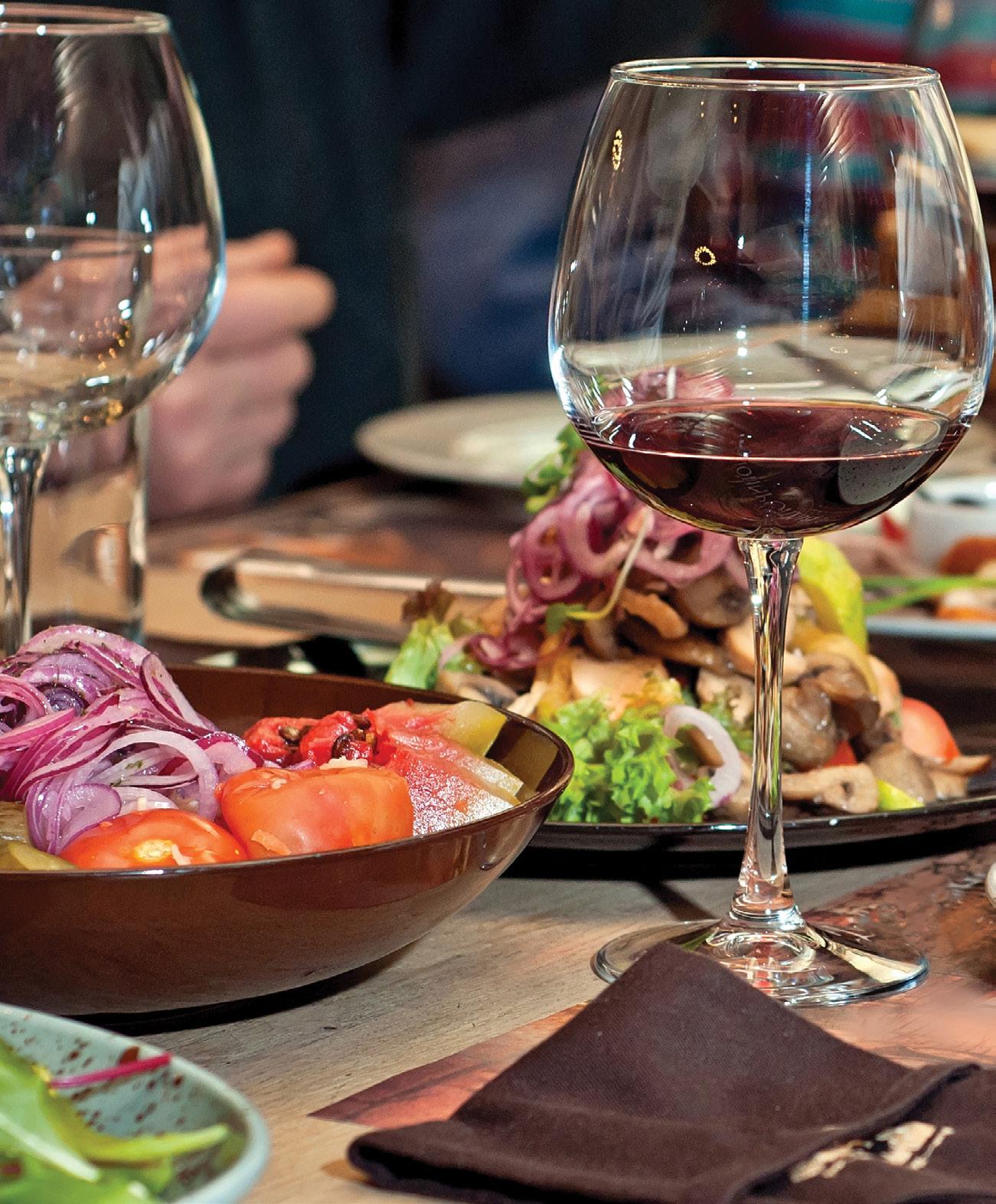
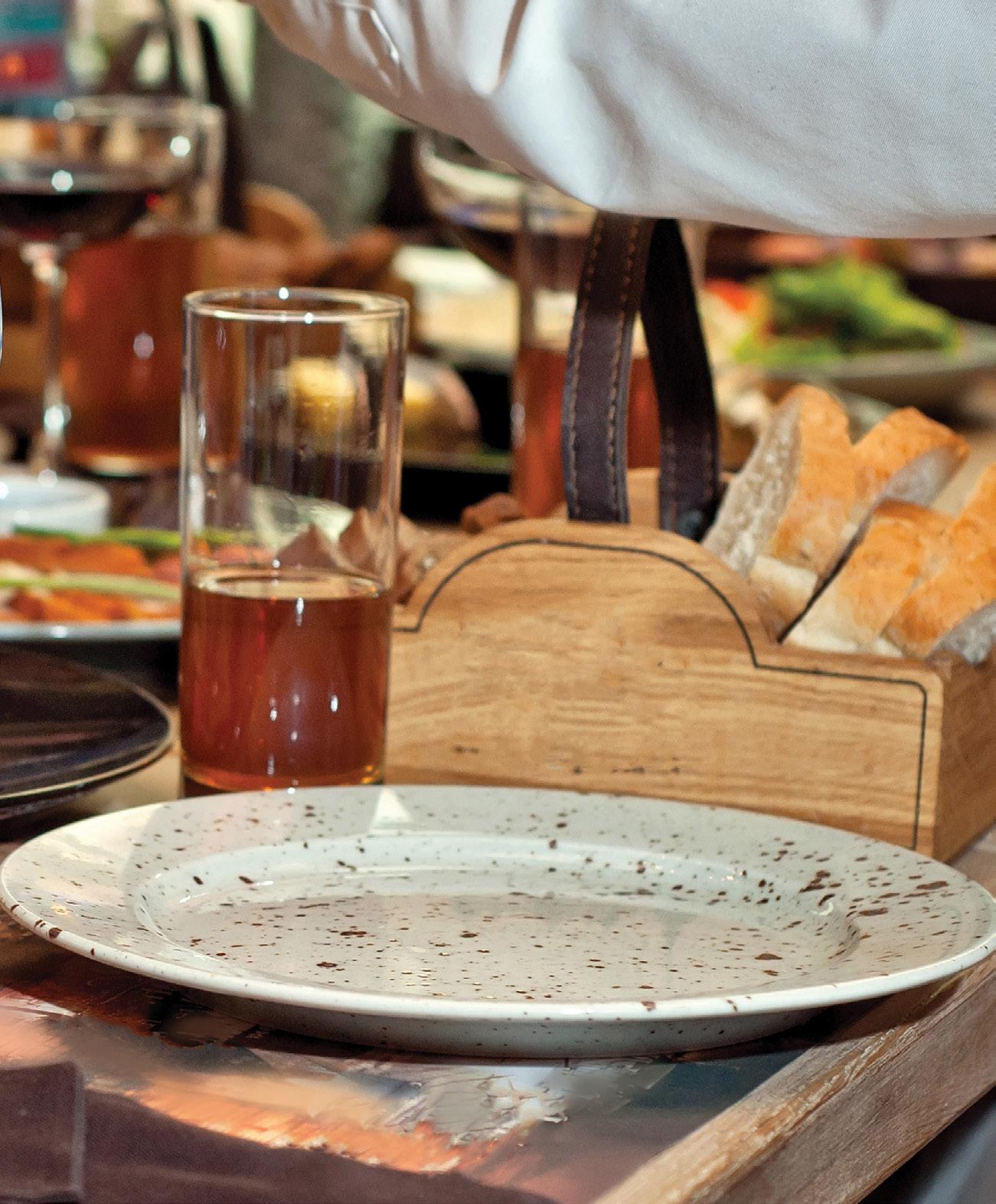
Picture this: rolling vineyards stretching across sun-drenched hillsides, historic wineries with stone facades that have weathered decades of harvests, and a dining scene that spans from Michelinstarred establishments to innovative food trucks serving diverse menus. This is Napa Valley—California’s crown jewel of wine country and the spotlight for this year’s celebration of all things delicious.
With more than 400 wineries calling this valley home, Napa’s wine scene runs deeper than most people realize. Visitors will find the household names with their grand estates and trophy rooms, but if they venture off the main thoroughfare of Rt. 29 and the Silverado Trail, they’ll discover family operations where the winemaker’s grandmother still tends the herb garden. From bold Cabernets that age gracefully for decades to luscious Chardonnays perfect for afternoon sipping, the diversity here mirrors the valley’s varied micro-climates and passionate personalities behind each bottle.
The food scene has evolved just as dramatically. Michelin stars still shine brightly at legendary establishments, but Napa’s culinary landscape now embraces everything from Vietnamese pho to elevated comfort food. While locals have said farewell to past favorites like Napa Noodles, C Casa, NapaSport, and Jax Diner—all of which closed their doors back in 2025—exciting new dynamic culinary additions are breathing fresh energy into the valley's dining scene. A16 brings authentic Italian flavors with their house-made pastas and woodfired pizzas, while Under-Study transforms seasonal ingredients into unexpected combinations that somehow make perfect sense. RO Restaurant and Lounge elevates the luxury dining experience with fusion Asian cuisine and caviar and champagne pairings, while Carabao delivers Filipino-inspired dishes that reflect the valley’s increasingly diverse cultural tapestry.
What makes Napa special isn’t just the abundance—it’s the interconnectedness. Restaurants source from neighboring farms, winemakers collaborate on innovative food and wine tasting experiences, and visitors find themselves part of a community that genuinely loves sharing what they’ve created. Whether planning an elaborate wine country weekend or simply curious about what’s happening in America’s most famous food and wine destination, these pages will guide readers to some of Napa’s most memorable epicurean experiences.
BY MELISSA VOGT
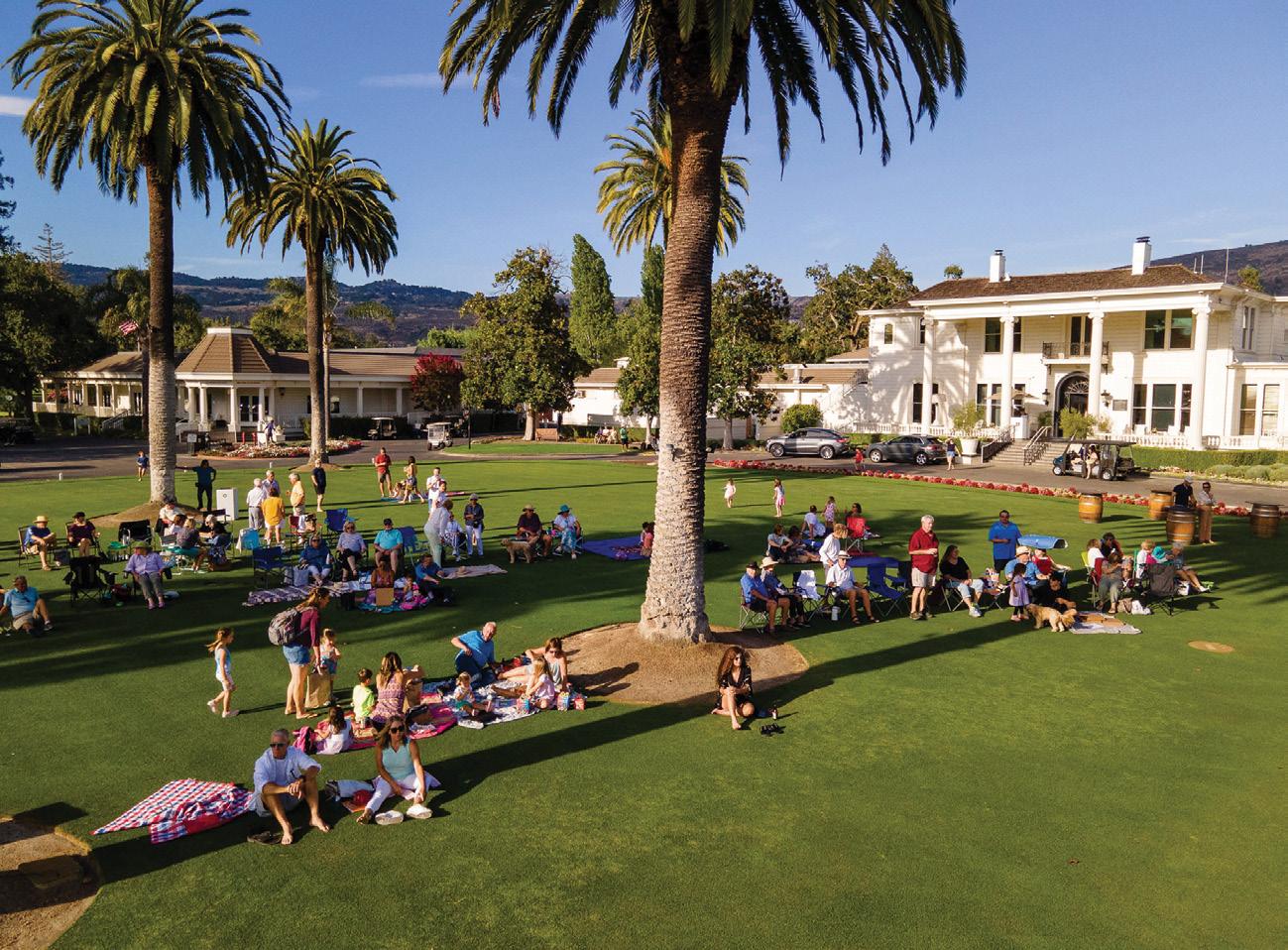
Summer in Napa Valley is about more than world-class wine—it’s about long evenings spent outdoors, exceptional meals shared with friends, and discovering places that invite you to slow down and savor the season. Few destinations embody that spirit quite like Silverado Resort.
Nestled among rolling vineyards and oakstudded hills just minutes from downtown Napa, Silverado Resort has long been one of the Valley's most beloved retreats. The expansive property seamlessly combines resort-style amenities with the relaxed charm that defines Napa Valley living. Guests can spend their days enjoying golf, tennis, pickleball, bocce, spa treatments, swimming pools, and beautifully appointed
accommodations before venturing out to nearby wineries—or simply stay put and take in everything the resort has to offer.
This summer, Silverado is adding even more reasons to linger. Beginning June 18 and continuing through August 13, the resort's popular Music on the Mansion Lawn series returns every Thursday evening from 6 to 8 p.m. Set against the backdrop of Silverado's historic mansion and manicured grounds, the weekly gatherings capture the easygoing magic of a Napa Valley summer night. Local musicians provide the soundtrack while guests enjoy wood-fired pizza from Forno, offerings from local food trucks, and a glass of wine from the Market under the open sky. Whether arriving with
family, friends, or a picnic blanket for two, it's the kind of experience that reminds visitors why summer is such a special season in wine country.
Equally exciting is the arrival of Matchplay Kitchen + Bar, Silverado's newly reimagined dining destination. Opened this spring, the restaurant brings fresh energy to the resort while honoring its long-standing connection to recreation, hospitality, and community. The stylish new space pairs vintage sporting influences with contemporary Napa Valley design, creating an inviting setting for everything from leisurely brunches to celebratory dinners.
At the helm are Executive Chef Patrick Prager and Executive Sous Chef Devon
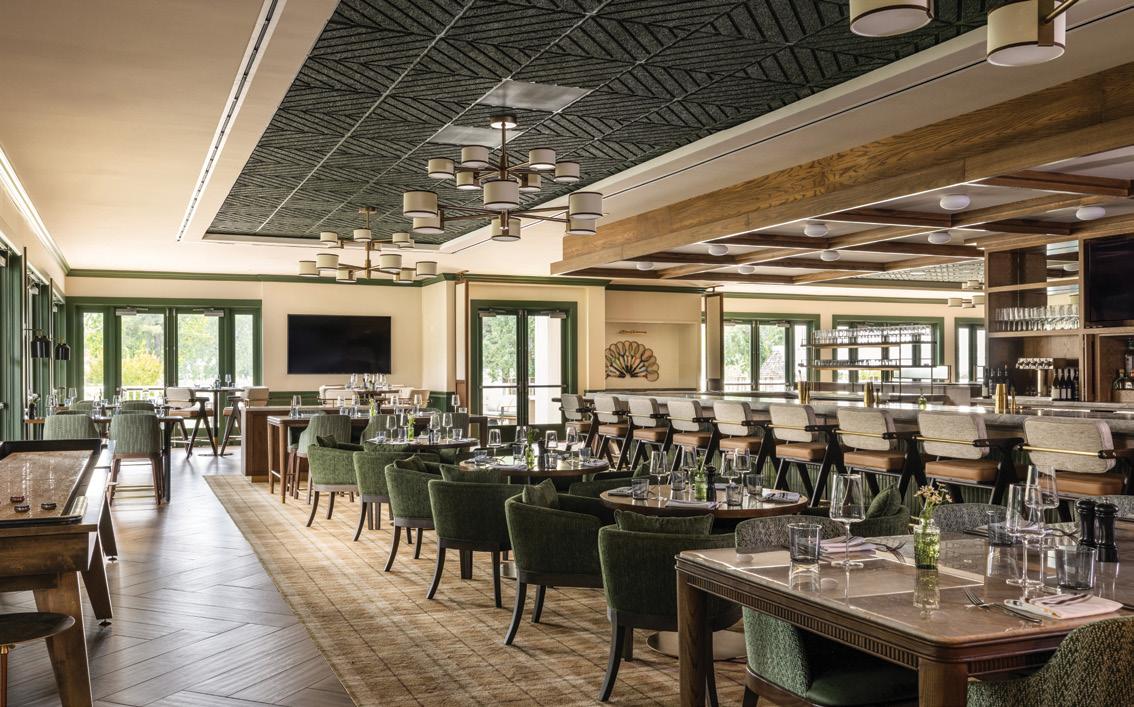
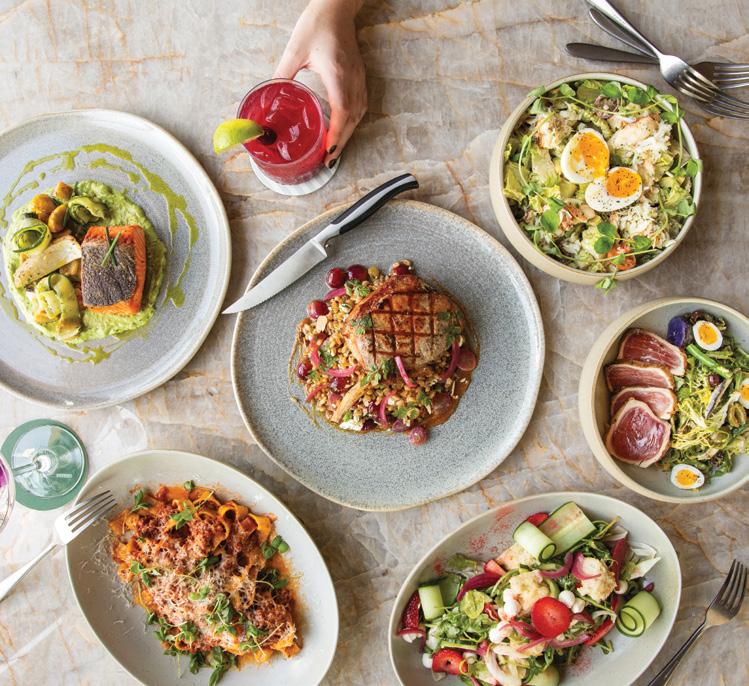
Pritchard, whose menus showcase the bounty of Northern California through seasonal ingredients sourced largely within a 100-mile radius of the resort, including produce from Silverado's own Chef's Garden. Guests will find thoughtfully prepared dishes ranging from vibrant salads and handmade pastas to elevated dinner offerings such as Whipped Farmers Cheese, Double Cut Pork Chop, and the indulgent Thousand Layer Potatoes topped with caviar. An equally creative beverage program highlights California wines, locally inspired cocktails, and garden-driven ingredients that reflect the flavors of the season.
For visitors planning a Napa Valley getaway, or locals looking for a memorable evening out, Silverado Resort offers a compelling reminder that some of the region's best experiences can be found in one place. With live music, exceptional dining, and the timeless beauty of its grounds, Silverado is poised to be one of Napa Valley's quintessential destinations this summer.
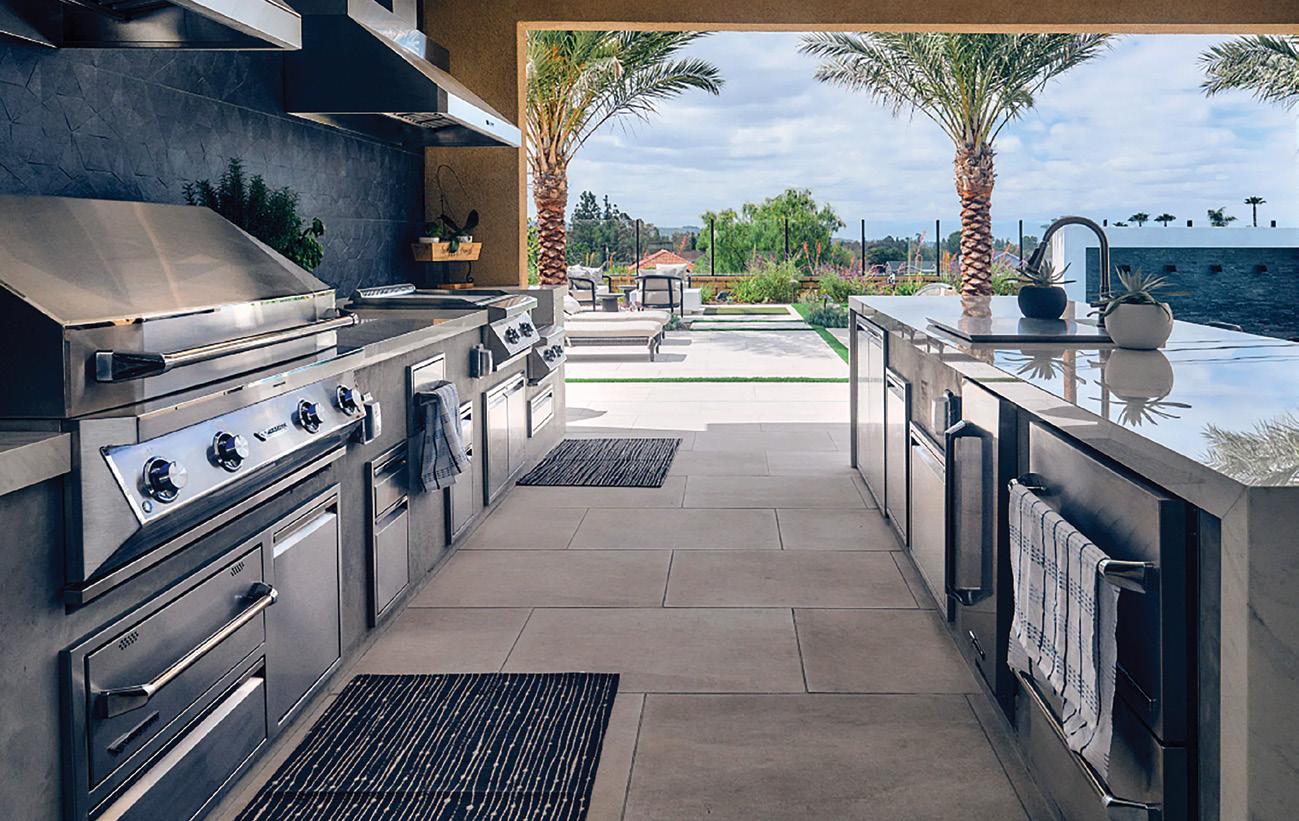
It’s that time of year when the outdoors beckon and life shifts al fresco. Meals stretch a little longer, the grill gets more use, and the patio starts to feel like the best room in the house. For many homeowners, though, the setup doesn’t quite match the vision. That’s where Napa Outdoor Living & Design comes in.
Maxx Jeffress, the company’s proprietor, approaches outdoor kitchens with a level of fluency that comes from years in the field. He started young, long before outdoor living became a category unto itself, and later spent time in construction. That background shows up immediately in how he works. He doesn’t treat a project as a collection of appliances. He looks at the structure, the flow, and the way people actually use their space.
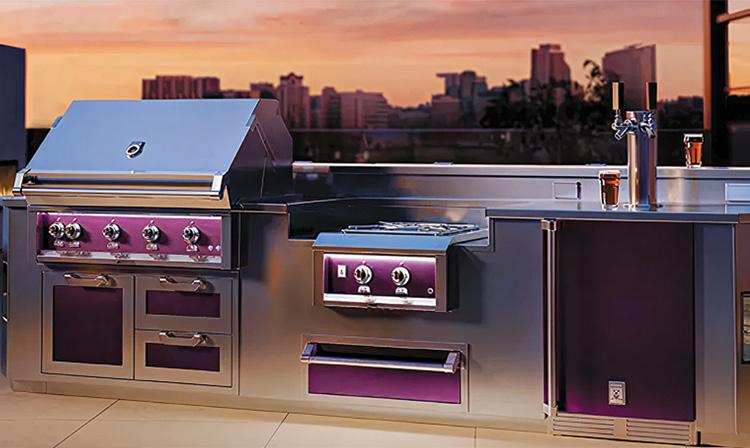
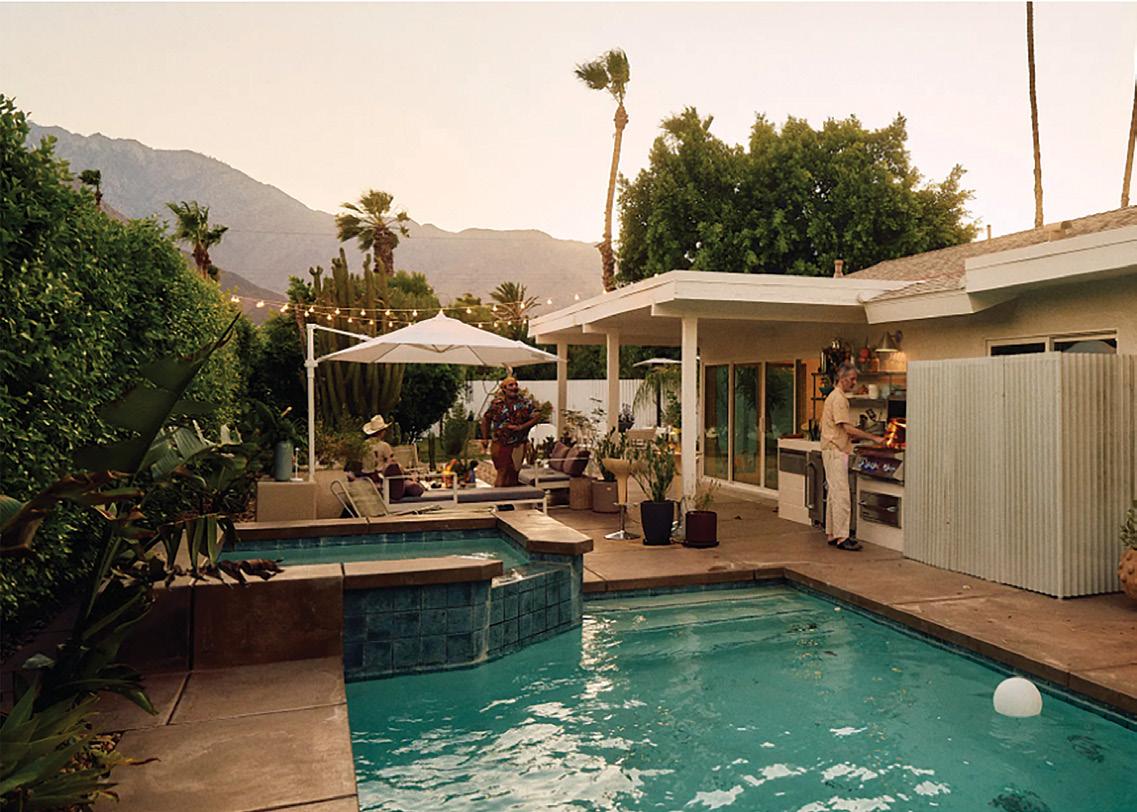
The process begins with a conversation. Maxx offers complimentary onsite consultations throughout the region, and his first priority is understanding the client. Not just what they want to install, but how they cook, how often they entertain, and what kind of meals define their routine. Someone who spends weekends tending a smoker has very different needs than someone hosting frequent, impromptu dinners. Maxx builds from those specifics, shaping each kitchen around real habits.
That level of customization carries through to the equipment he selects. His showroom features brands like Hestan and Twin Eagles, both known for performance and design. These are not mass-market fixtures; manufacturers at this level are selective about where their products are placed. Maxx’s access reflects both his experience and his reputation within the industry. (At the moment, Twin Eagles grills are drawing particular interest, with a $1200 discount promotion that
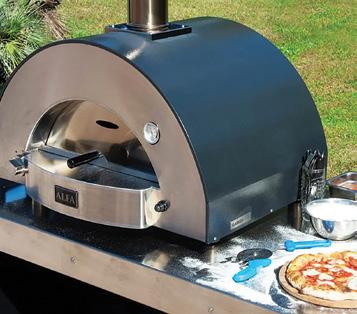
makes them more accessible than usual.)
Still, the appliances are only one part of the equation. Maxx operates with a broader view of what an outdoor space can become. As a wine country native, he maintains close relationships with local fabricators and artisans, and he’s quick to make introductions when a project calls for something custom. Whether it’s a handcrafted, live edge dining table by
Pinocchio Furniture or a sculptural fire feature by Double S Welding, he connects clients with specialists who can execute at a high level.
He describes his approach as “concierge service,” which captures the experience accurately. Clients aren’t handed a catalog and left to decide. They’re guided through a process that considers design, functionality, and long-term use. It’s as much about stewardship as it is about sales.
Outdoor living has become a defining feature of homes in this region, and a welldesigned kitchen anchors that experience. It extends the usable space of a home and changes how people gather. For those considering the investment, or even just exploring the possibilities, a conversation with Maxx Jeffress offers a clear starting point, and a sense of what’s achievable with the right expertise.
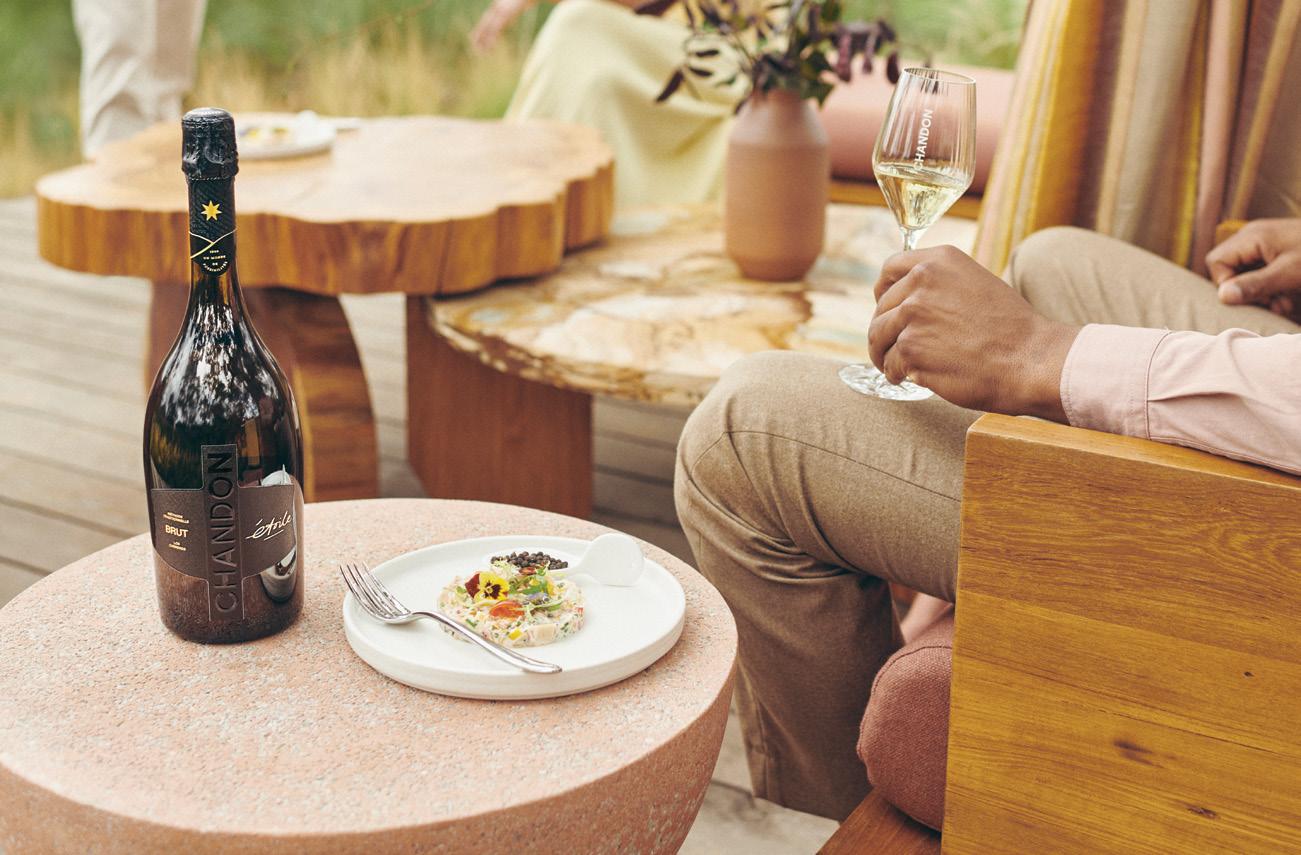
For more than 50 years, Chandon has helped shape Napa Valley’s reputation as a premier destination for sparkling wine, combining traditional winemaking techniques with a commitment to innovation and sustainability.
Founded in 1973, Chandon was among the first French sparkling wine houses to establish roots in Napa Valley. While the winery has evolved with new wine offerings and visitor experiences, its focus on the land remains unchanged.
“From day one, we have been one with nature,” said Vinegrowing and Winemaking Director Pauline Lhote, citing sustainable vineyard practices that include cover crops, composting, beneficial insects and habitats for birds.
The winery completed a major renovation in 2023, transforming its property into a collection of curated experiences that include tasting flights, garden cabanas, club lounges and culinary programs.
Unlike still wines, sparkling wines produced using the traditional Méthode Traditionnelle undergo a lengthy and complex process. Grapes are harvested earlier to preserve acidity, then fermented into a dry base wine. Winemakers blend dozens of base and reserve wines before bottling.
A second fermentation occurs inside the bottle, creating the bubbles that define sparkling wine. The wines then age on yeast lees for periods ranging from one year to seven years, depending on the style. Additional steps include riddling, disgorgement, dosage and corking before release.
“It is a very lengthy and complicated process,” Lhote said. “Our role as winemakers is to hide the complexity while providing delight to our consumers.”
As part of the global Chandon network, Napa Valley winemakers exchange knowledge with colleagues from vineyards around the world, in Argentina, Brazil, Australia and China. Insights gained help inform practices throughout the organization.
Sustainability remains a central focus. Chandon holds certifications including Certified Regenified, Napa Green Vineyard and Winery, Certified California Sustainable, Bee Friendly Farming and Fish Friendly Farming.
The winery also received the 2025 Sustainable Winegrowing Leadership Award Green Medal for Environment and a 2026 Great Wine Capitals award for sustainable wine tourism practices.
Consumer interest in sparkling wine has expanded beyond holidays and
celebrations, according to Chandon. The winery has responded with products designed for everyday enjoyment, including Garden Tea, a sparkling wine blended with Earl Grey tea, and a line of ready-to-drink Chandon Spritz beverages featuring fruit, herbs and spices.
Visitors are often surprised by the breadth of experiences available at the winery, from guided tastings and food pairings to outdoor gatherings beneath the oak trees.
Looking ahead, Chandon plans to continue welcoming visitors.
“We are very excited about the future as we continue to welcome guests to Napa Valley as the sparkling wine spot,” said Lhote. “Whether first time or returning visitors, we’re looking forward to sharing our home where guests discover our exceptional sparkling wines and enjoy the ultimate outdoor winery experience in Napa Valley. Visiting Chandon is how guests really get to discover our craft and commitment to sustainable land stewardship. There’s so much to explore here for couples, small, large groups or even private events – Chandon opens up a world of possibilities.”
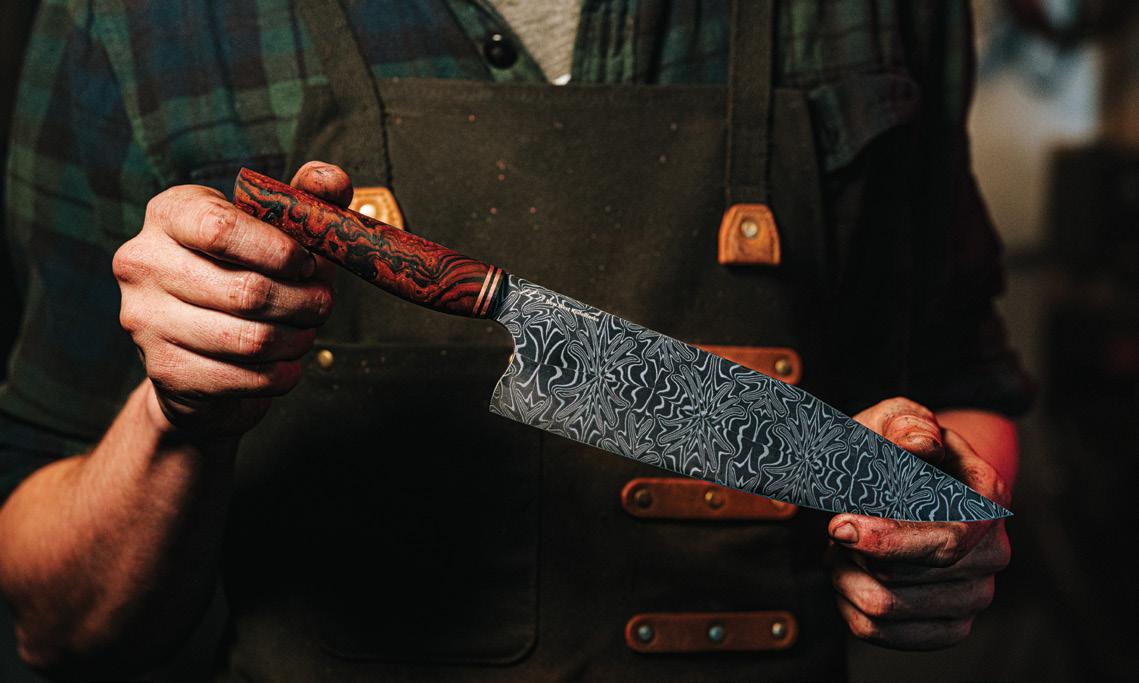
ew tools reveal their quality faster than a knife. One pass through an onion or a slab of salmon tells you almost everything. With New West KnifeWorks, the distinction becomes obvious immediately.
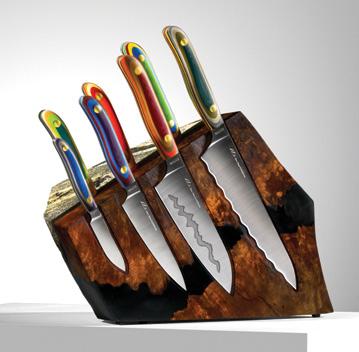
Founded by Corey Milligan in Jackson Hole, New West has spent years building a reputation among Michelin-starred chefs, collectors, and serious home cooks who care as much about craftsmanship as performance. Its gallery-style store in St. Helena feels entirely at home in Napa Valley, where conversations about food and wine tend to begin with the tools, ingredients, and the hands behind them.
Milligan arrived at knifemaking through the kitchen rather than the workshop, and that perspective still shapes the company’s philosophy. “Our mission is to make the finest knives in the world,” he says. “I started out as a line cook, and that informs how we make our knives, which means, like with cooking, we start with the finest ingredients.” The finished product performs with surgical precision while carrying the visual presence of sculpture, equally suited to a professional prep station or a collector’s display.
What distinguishes New West is its insistence on hand craftsmanship at every stage of production. Much of modern manufacturing revolves around efficiency
BY FRAN MILLER
and reducing human contact. New West operates by another standard. “Our goal is the opposite,” Milligan explains. Every knife moves through the hands of a single maker from beginning to end. “It’s not an assembly line — one maker takes a knife from start to finish.” For Milligan, the tactile element remains essential. “We haven’t found a machine that can replace touch.”
That philosophy extends well beyond the kitchen. New West’s outdoor and everyday carry collection applies the same level of precision to campfires, rivers, and backcountry trails. “We’ve taken everything we’ve learned making the finest kitchen knives and applied
it to outdoor and EDC knives,” says Milligan. Designing those tools required another layer of engineering and durability. The collection, inspired by the rugged terrain surrounding Jackson Hole, approaches outdoor life with the same seriousness New West brings to cooking: exceptional experiences deserve exceptional tools.
The brand’s Jackson Hole roots come into focus inside the MTN MAN Toy Shop, the immersive store-within-a-store concept anchoring the St. Helena location. One moment, visitors move through a gallery of polished culinary artistry; the next, they enter a world of axes, outdoor gear, and objects shaped by the mythology of the American West. “You pass through a gallery of culinary art into a Western outfitter’s dream,” Milligan says.
In the Napa Valley, New West KnifeWorks feels perfectly aligned with its surroundings. Whether the flame sits beneath a sauté pan or rises from a cedar campfire, the company builds tools for people who care deeply about process, ritual, and execution. “Whether you’re cooking in a kitchen or over a fire,” says Milligan, “we’re building tools that elevate the experience.”
BY CHARLEEN EARLEY
Adair Family Wines has grown from a family dream rooted in Suisun Valley into the steward of several respected California wine brands. While each property maintains its own history and identity, the company's approach centers on honoring heritage, protecting vineyards and creating memorable guest experiences that celebrate the unique character of every destination.
Jay and his family first arrived in Suisun Valley in 1993 after dreaming of vineyard life. Captivated by the valley's rolling hills, fertile soils and welcoming community, they purchased property in 1997 and planted Cabernet Sauvignon vines two years later after consulting UC Davis and longtime family friend Jim Regusci.
Building the vineyard became a true family effort. More than 27,000 vines were planted over three years while children Jacquilyne and Garrett spent their days riding bicycles through the vineyard alongside the family's faithful dog, Charlie. The vineyard shaped childhood memories while teaching lessons about dedication, patience and stewardship.
The family's first Cabernet Sauvignon harvest arrived during the vineyard's third year, and in 2004 they produced their first bottle of wine. That inaugural vintage became a treasured family tradition, opened only during meaningful celebrations and milestones. For more than two decades, the wines remained largely a private family passion.
Adair Winery represents the heart of where the family's wine story began. As the most intimate and boutique property in the Adair Family Wines collection, it will be reserved exclusively for wine club members. Designed to offer a relaxed, personalized experience, the winery invites members to slow down, connect with the vineyard and enjoy the genuine hospitality that has been part of the Adair family's journey for more than 30 years.
As the family's vision for Suisun Valley continued to grow, so did the idea of
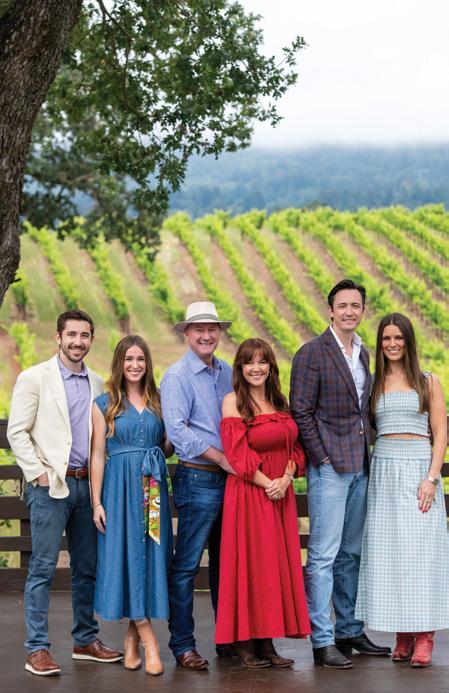
sharing those wines with others. In 2021, they purchased the neighboring property, creating the opportunity to bring Adair Winery to life. Today, under the leadership of Tammi Adair, CEO of Adair Family Wines, that family dream continues to grow into a private, members-only winery experience rooted in hospitality, connection and the beauty of Suisun Valley.
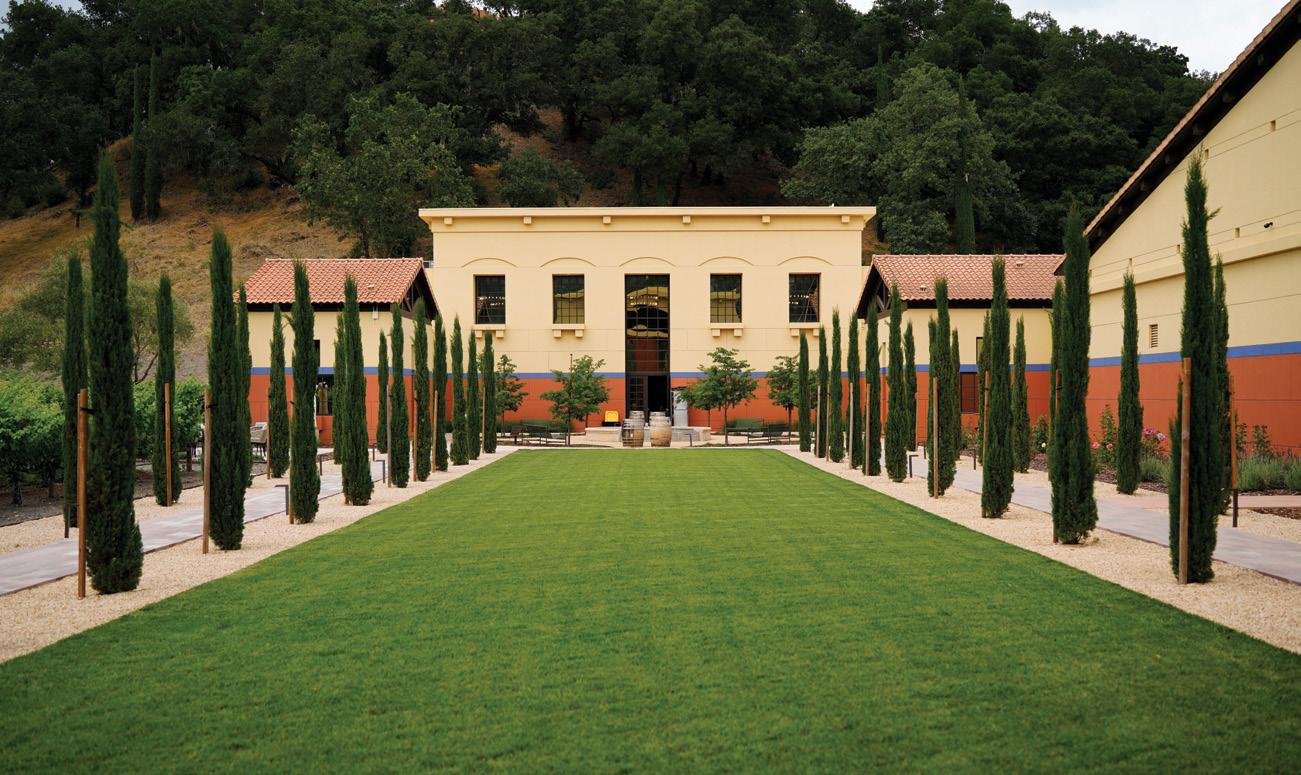
Clos Pegase combines architecture, art and winemaking into one of Napa Valley's most distinctive destinations. Founders Jan and Mitsuko Shrem envisioned a winery where exceptional wine would be celebrated alongside exceptional design.
Architect Michael Graves won an international design competition in 1984, creating a landmark winery featuring a grand entrance separating production from hospitality. Behind the structure, 20,000 square feet of caves provide ideal conditions for barrel aging while housing the dramatic Cave Theater for dinners, celebrations and live performances.
The striking architecture has earned national recognition while reinforcing Clos Pegase's philosophy that wine is both craftsmanship and artistic expression. Robin Akhurst, Director of Winemaking for Adair Family Wines, joined Clos Pegase in 2016 and has been thoughtfully elevating and crafting distinctive wines ever since. Not only does he lead the winemaking program at Clos Pegase, but he also oversees all winemaking operations across the AFW portfolio, ensuring quality and consistency across every label.
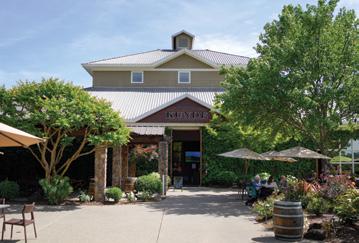
Few California wine families can match the Kunde family's remarkable longevity. For more than a century, five generations have farmed the 1,850-acre Sonoma Valley estate while embracing sustainable agriculture and responsible land stewardship.
Today, under the stewardship of Adair Family Wines, the Kunde legacy continues with Jordan Kunde remaining actively involved in the day-to-day care and management of the estate. His leadership, together with Adair Family Wines' commitment to preserving the property's rich history, ensures that the traditions, values and family spirit that have defined Kunde for more than a century continue to thrive for future generations.
Music and wine have always shared the spotlight at B.R. Cohn Winery in Glen Ellen. Founder Bruce Cohn managed the Doobie Brothers for 45 years while simultaneously building one of Sonoma Valley's best-known wineries.
After purchasing a former dairy property in 1974, Cohn cultivated vineyards with guidance from Charlie Wagner of Caymus before establishing the winery in 1984. The Olive Hill Estate Vineyard, planted primarily with Cabernet Sauvignon, benefits from a distinctive microclimate created by surrounding mountain ranges.
The property also features more than 450 historic Picholine olive trees dating to the mid-1800s, producing California's first single-estate olive oil in more than a century. Today, the winery continues welcoming guests with acclaimed wines, concerts and hospitality under Adair Family Wines.
For more than four decades, Girard Napa Valley has focused on balance, consistency
and vineyard relationships. Long-standing partnerships with growers throughout Napa Valley allow the winery to source fruit from celebrated mountain and valley-floor vineyards.
Winemaker Glenn Hugo works closely with multigenerational farming families whose vineyards reflect Napa's diverse terroir. Through careful smalllot fermentation and blending, Girard continues producing wines recognized for richness, complexity and authenticity.
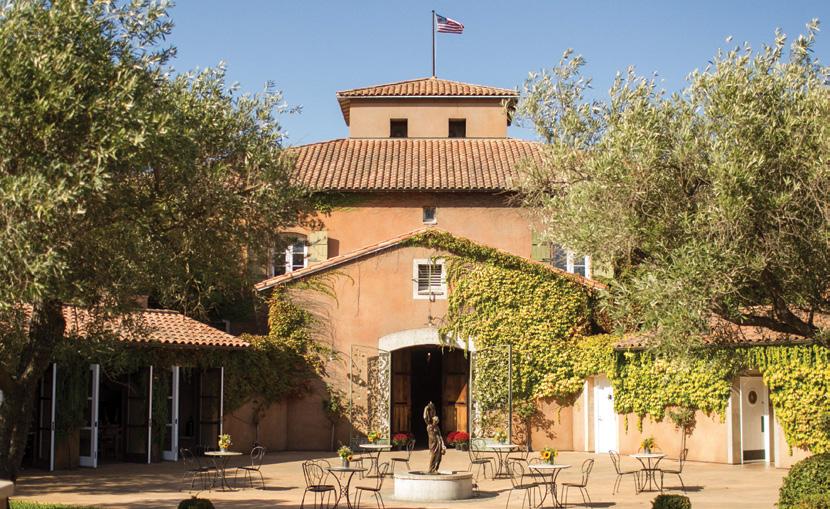
Perched above Sonoma Valley, Viansa Winery blends Italian heritage with California hospitality. Founded in 1990 by Sam and Vicki Sebastiani, the winery pioneered immersive tasting experiences that celebrated exceptional wines alongside food, culture and breathtaking scenery.
Now operating under Adair Family Wines with guidance from Chris Sebastiani, Viansa continues welcoming guests to its hilltop estate overlooking vineyards and protected wetlands. Winemaker Meredith Leahy brings extensive experience crafting premium California wines while honoring the property's Italian-inspired traditions.
Together, these distinctive wineries reflect Adair Family Wines' commitment to preserving history, respecting the land and ensuring every bottle tells a story spanning generations.
FOR MORE INFORMATION www.adairfamilywines.com.
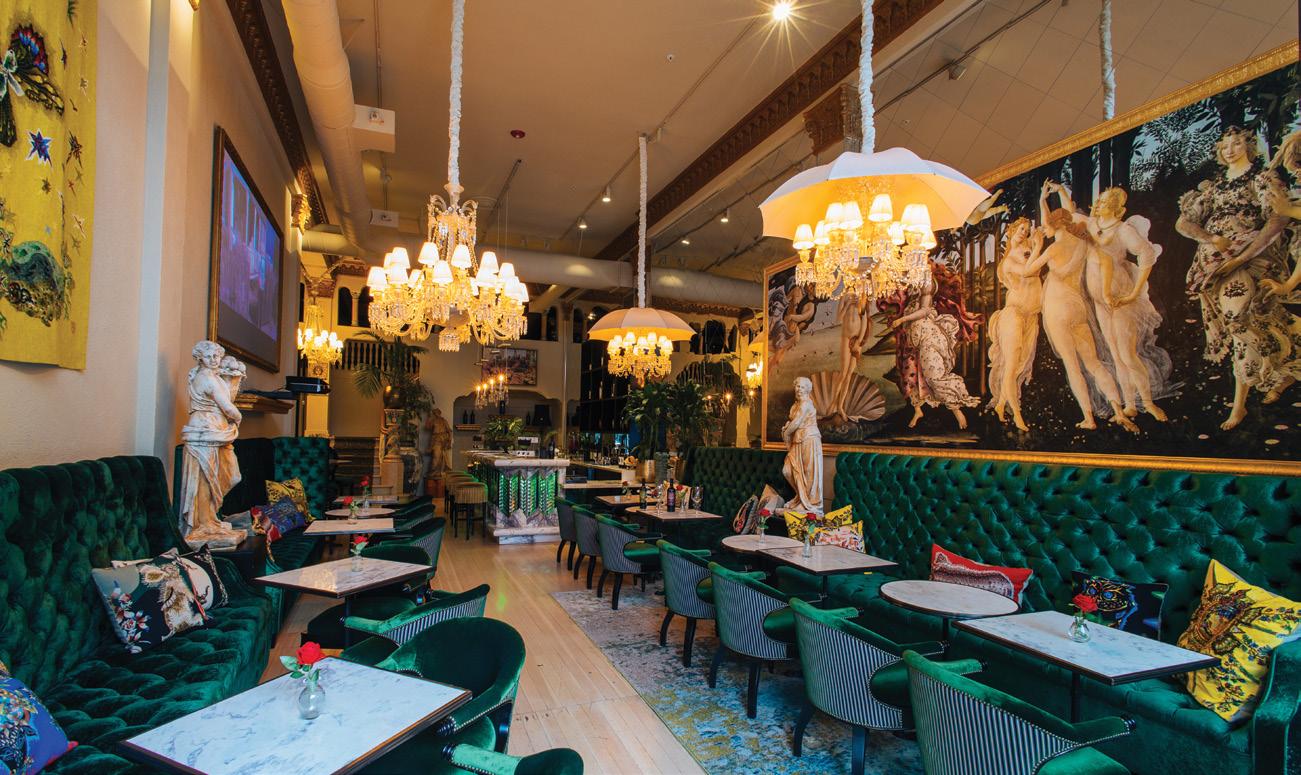
Flora Springs has long treated wine as more than liquid craft. It’s an extension of landscape, of hospitality, of the visual world that surrounds it. That philosophy now finds a striking new expression in downtown Napa, where the winery introduces a reimagined tasting experience inside the historic Gordon Building on First Street.
The Flora Springs Wine Lounge, envisioned by proprietors Gina GalloBoisset and Jean-Charles Boisset, is inspired, naturally, by Flora, the Roman goddess of flowers and renewal and winery namesake. The space projects a seasonal narrative: Awakening, Enlightening, Harvest, and Sky. Sculptural installations guide the eye, culminating in a luminous marble bar that anchors the main salon. Above it all, a concealed mezzanine reveals a more intimate tasting room, reserved for collectors and exclusive guided flights.
And while, yes, there are numerous beautifully designed tasting rooms throughout the valley, what pushes Napa hospitality into new territory is Flora Springs’ cocktail program. Built on Flora
Springs wines, layered with JCB bubbles, and finished with floral detail, each drink is utterly unique. The Napa 75 is a bright, celebratory nod to the valley itself. The Ruby Negroni Sbagliato weaves Flora Springs Pinot Noir with bitter botanicals and blood orange before a final lift of sparkling Brut. Lower in alcohol than classic cocktails, yet creative and structurally precise, the menu encourages conversation around how wine can be experienced beyond the glass.
Tastings are organized as a series of distinct journeys. Celestial Whites explores the winery’s white varietals with lifted aromatics and layered texture. Roots of the Goddess moves through the core portfolio with focus and clarity. Divine Journey begins with Trilogy, one of Napa Valley’s most recognized Bordeaux-style blends, before transitioning into singlevineyard Cabernets that reveal subtle shifts in soil and structure. At the top tier, Sovereign Goddess showcases the Origin Cabernet Sauvignons.
The culinary program is calibrated to match the ambition of the wines. Tsar Nicoulai JCB Caviar is served over ice with
blinis, Torres potato chips, and crème fraîche. Chocolate pairings are designed specifically for red and white pairings, while cheese and charcuterie boards of local product provide something a little more substantive.
“Flora Springs Wine Lounge celebrates the beauty of Napa Valley, from the vineyards that give us extraordinary wines to the culture of hospitality that brings people together around them,” says Gina. Adds Jean-Charles, “We envisioned a place where guests can experience our wines in an entirely new way, through art, nature, and a sense of wonder.”
Founded in 1978 by the Komes family, Flora Springs remains one of Napa Valley’s most established names. Today, under the charismatic stewardship of the Boisset family, the winery is guided into a new era. References to Botticelli’s Primavera and The Birth of Venus remain, as does the focus on grounded, balanced wines such as Trilogy and Soliloquy. “It is an incredible legacy to continue and to build for the future,” says Jean-Charles.
BY MICHAEL KANE
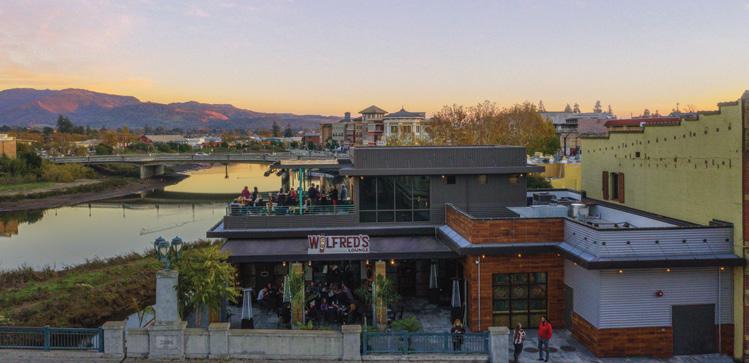
For decades, a visit to Napa Valley followed a familiar script. Reserve winery appointments months in advance, hire a driver, and carefully plan each stop before ever arriving. While that experience remains one of the region’s defining attractions, another Napa has quietly emerged just a few miles away. Downtown Napa has transformed into a destination where visitors can simply show up and discover a community built around diversity, accessibility, walkability, food, wine, and culture.
Today, downtown is no longer the starting point for a day in wine country. It’s become a destination uniquely its own.
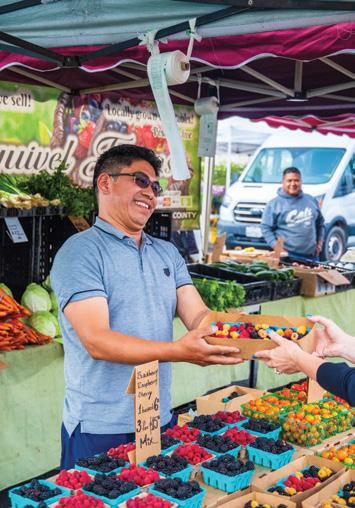
According to Campbell Levy of the City of Napa, the evolution accelerated following the pandemic. Travelers still come because of Napa’s world-renowned wine, but their expectations have changed. Visitors are looking for experiences that feel authentic, flexible, and connected to the community. Rather than filling every day of their visit with scheduled tastings, many now leave room for spontaneous discoveries—an afternoon wandering neighborhood streets, or dinner at a restaurant they found simply by walking past the front door.
That shift can be summed up in a remarkably simple comparison.
For years, the formula for visiting Napa Valley was car, appointment, and driver. Downtown Napa now offers something refreshingly different: no car, no appointment, no problem.
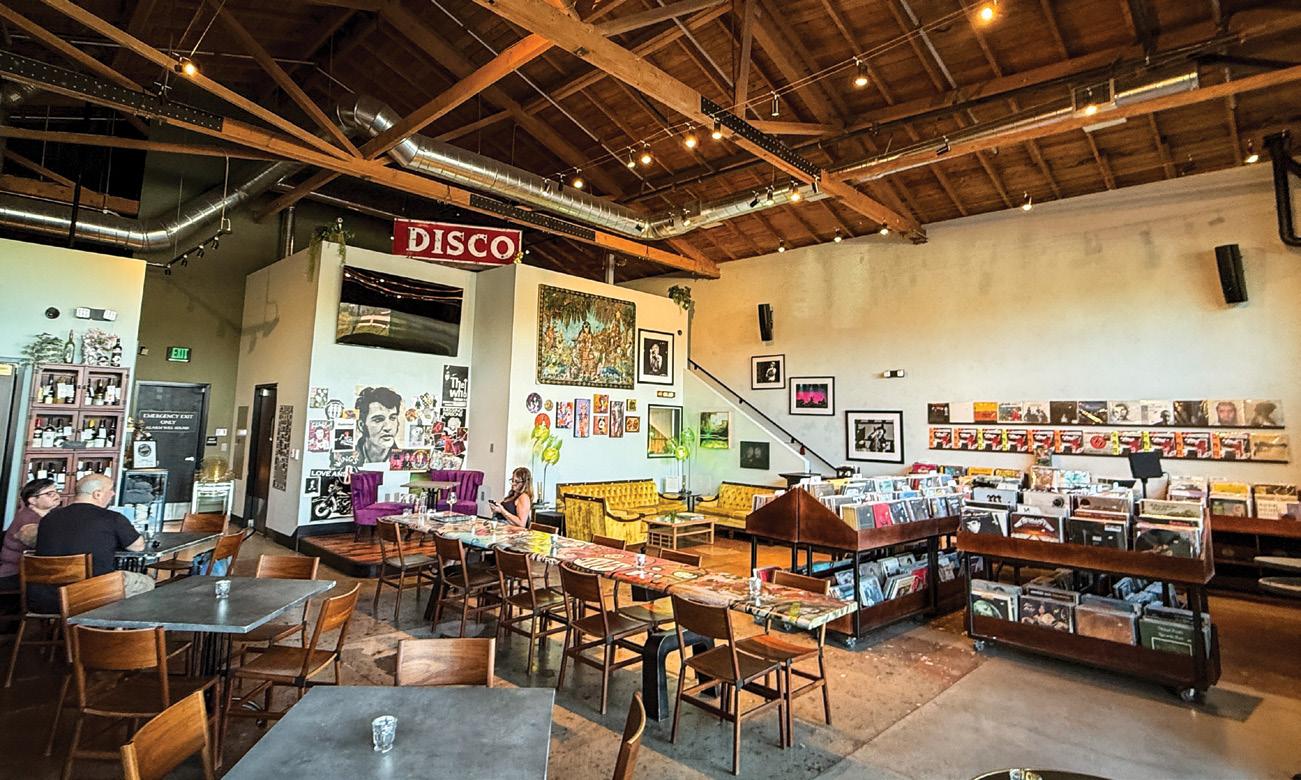
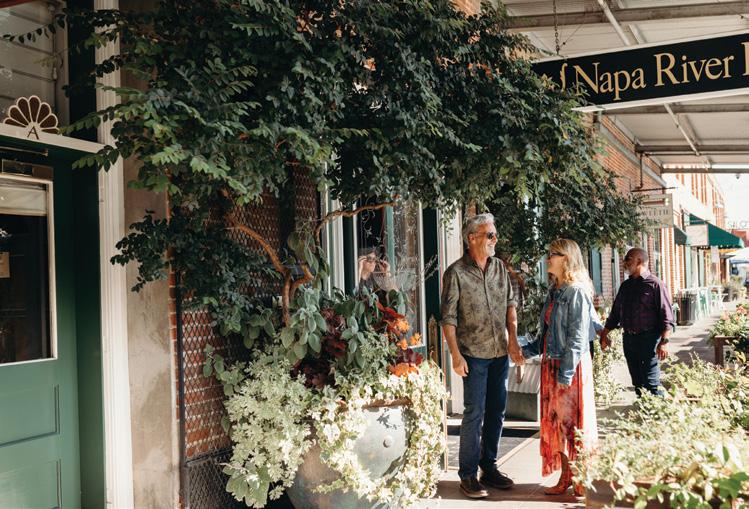
The change reflects how visitors experience the city. Downtown encourages exploration instead of efficiency. Rather than rushing between reservations, guests stroll along First, Second, and Third Streets, stopping wherever curiosity leads them. A tasting room becomes a record store. A coffee shop leads to a river walk. Dinner turns into live music. Every block offers another opportunity to linger.
Wine remains the foundation upon which downtown was built, but it is no longer the entire story.
Boutique tasting experiences continue to evolve, emphasizing hospitality as much as the wine itself. The Vintner’s Collective introduces visitors to small-production wineries that do not have their own tasting rooms, giving guests access to winemakers they might never discover otherwise. Other venues are reimagining the Downtown Napa experience through intimate settings,
hidden speakeasies, and live music that encourage conversation rather than moving to the next pour.
Perhaps nowhere is that evolution more visible than in the people shaping the community.
Restaurateur Cinthya Cisneros has become one of downtown Napa’s most inspiring stories. The success of La Cheve and Con Amor, while giving back through scholarship programs supporting undocumented students, Latino youth, and first-generation college students, epitomizes her journey from undocumented immigrant to successful entrepreneur.
Cisneros mirrors the changing face of downtown itself—one increasingly defined by opportunity, diversity, and community investment.
Her success also reflects a broader trend. Downtown Napa has become a place where independent entrepreneurs are helping define the city’s identity as much as its historic wineries.
Nearby, businesses such as Stateline Road Smokehouse demonstrate that new voices continue to reshape Napa’s culinary landscape. Chef Darryl Bell’s restaurant adds another layer to the city’s growing
diversity, while businesses throughout downtown continue introducing fresh ideas that complement Napa’s longstanding traditions rather than replacing them.
That diversity extends well beyond restaurants.
Visitors are discovering experiences that simply did not exist a decade ago.
BOATNAPA allows guests to experience the city from the Napa River, offering an entirely different perspective on downtown. Folklore combines vinyl records, craft cocktails, and community gathering spaces into an experience that’s equal parts neighborhood hangout and destination. Cadet and Fink have helped redefine downtown nightlife, while breweries, coffee shops, and thoughtfully crafted non-alcoholic programs acknowledge that today’s visitors don’t all experience Napa in the same way.
Downtown has embraced that reality.
The city’s neighborhoods each contribute their own personality. The Rail Arts District showcases Napa’s creative spirit through
murals, galleries, studios, and makerspaces while historic Victorian homes have found new life as boutique accommodations, preserving Napa’s architectural character while welcoming a new generation of travelers.
Behind many of these changes is a deliberate commitment to entrepreneurship.
Programs like the Napa Food Startup Studio provide aspiring restaurateurs with coaching, mentorship, commercial kitchen access, and resources that help transform dreams into successful local businesses. That investment creates more than new restaurants. It creates opportunities for local talent to remain in Napa while contributing to the city’s long-term vitality.
Established business owners share that same philosophy.
Many recognize that downtown succeeds only when it remains welcoming to both visitors and residents. Affordability and year-round programming have become important parts of the conversation, ensuring downtown continues to be a
neighborhood first and a tourist destination second.
Physical improvements continue as well.
A $300 million mixed-use redevelopment along First Street promises new public gathering spaces, retail, hospitality, housing, and a pedestrian paseo connecting key parts of downtown. Yet leaders believe transformation isn’t measured by square footage or construction cranes. New buildings matter, but only if they create places where people genuinely want to spend time.
Rather than asking visitors to simply check another winery off their list, it invites them to become part of the community, even if only for an afternoon.
Perhaps the most remarkable aspect of downtown Napa’s evolution is that none of these developments replace wine. Instead, they expand upon it. Wine built Napa’s international reputation, but today it serves as the starting point for a richer and more diverse visitor experience.
Guests may still arrive for Cabernet, Chardonnay, or Pinot Noir. Increasingly, however, they leave talking about a memorable meal, an inspiring entrepreneur, a sunset cruise along the river, a neighborhood they hadn’t planned to explore, or a conversation with someone who proudly calls downtown Napa home.
Downtown Napa reminds visitors that the best travel experiences are not always the ones planned months in advance. In a region celebrated around the world for its wine, downtown has quietly discovered something equally valuable: the confidence to become a destination that invites every visitor to experience Napa in their own way.

For more than three decades, Lowell Downey has photographed Napa Valley’s vineyards, winemakers, rivers, landscapes, and people. Photography, while at the center of his work, lends itself to the broader perspective, the art of seeing.
Before becoming one of the valley’s most recognizable photographers, Downey was a young artist growing up in the south who believed stories mattered. In Florida he discovered the theatre and began working in the technical stage arts, then as a writer and director. The commitment to the arts
eventually carried him to New York City, where he earned a Master’s Degree in Dramatic Writing from New York University before making a life-changing move west in 1984.
California culture took hold, transforming his perspective. “You never know from what bush a rabbit might jump,” Downey said, quoting one of his mentors.
After arriving in the Bay Area, Downey, who spent several years living on a sailboat and within the houseboat community in Sausalito, was immersed in the creative
energy surrounding him. He started a theatre company with friends, produced his own plays, became a features editor of an arts newspaper, and finally the Director of Programs for a nonprofit. He began developing not only an artistic eye, but a philosophy that would eventually define both his work and his life.
Downey and his partner in Art & Clarity, Janna Waldinger, moved to Napa in 1994. One of his earliest California exhibitions, “Voices of the River,” reflected the type of artist he was becoming: deeply aware of the connection between people, nature and place.
Photography, for Downey, was never simply about capturing an image.
It was about paying attention.
Over the years, Downey has remained deeply committed to documenting the people and stories that give the valley its identity.
Since beginning his work with Napa Valley Life magazine in 2001, he has photographed countless subjects while helping shape the publication’s visual voice. But even after decades behind the camera, he rarely speaks about photography in technical terms.
Instead, he gives voice to those whose voice has not been recognized.
“The photography shoot is about the subject,” he explained. “When completed, the discussion is about the subject, not about me.”
That perspective sits at the center of Downey’s work. He sees photography as collaboration — a process of helping others tell their stories authentically.
Some of his most meaningful projects have reflected that deeper sense of observation.
His exhibition “Voices of the River” explored the Napa River not simply as a landscape, but as a living presence connected to the valley’s history and identity. Another Napa Valley Museum commission, “Underground,” documented the development of Napa’s wine caves, capturing spaces hidden beneath the surface that few people ever truly see.
Perhaps the clearest expression of Downey’s philosophy has come through “The Art of Seeing,” an experience created roughly fifteen years ago to help people see differently and have a new perspective on being in nature.
At first glance, it sounds like a photography workshop. It functions more
like an invitation to slow down.
“Once you make a judgment, you stop seeing,” Downey said.
The statement feels less like photography advice and more like a life lesson.
Participants are encouraged not only to photograph nature, wine country, and landscapes, but to remain open to perspective itself — to notice beauty before rushing to define it.
For Downey, seeing is intentional. It requires patience, openness, and curiosity.
That mindset also shaped his role as a father. He describes raising his son, Forest, in Napa Valley, while parenting and staying connected to his daughter, Alice, in Rome, Italy, as the great undertakings of his life.
“Coming from this small town of Napa, we can see our children grow into wise adults with world visions and great ambitions,” Downey reflected.
The pride in his voice is unmistakable.
Beyond photography assignments and exhibitions, Downey has donated significant time to nonprofit organizations across Napa Valley, including the NEWS, Domestic Violence and Sexual Abuse Services, Alzheimer’s Foundation, and ICARE, among many others.
Advocacy, compassion, and service are not side projects for him. They are part of the foundation beneath his work.
That same perspective followed him into
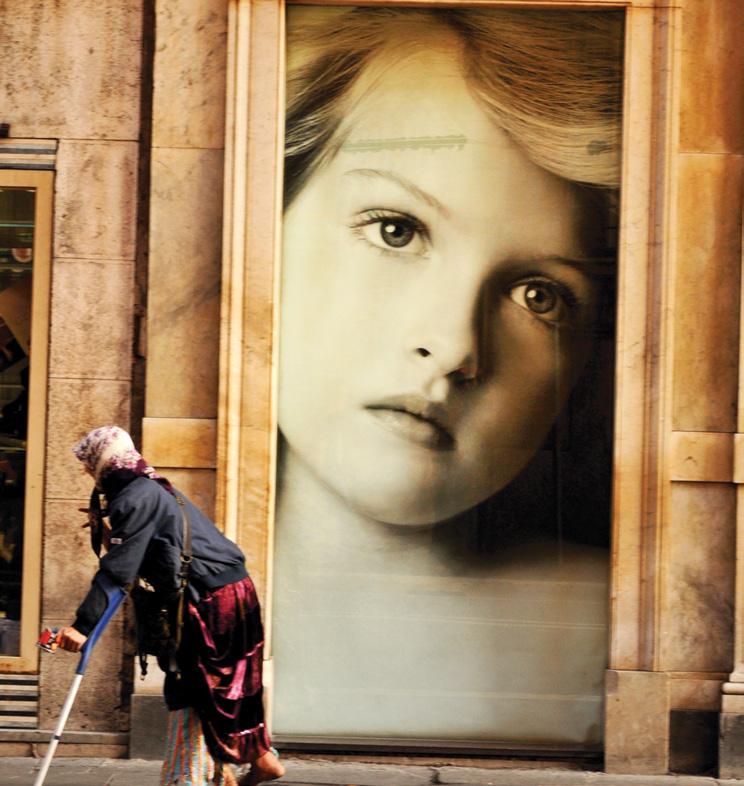
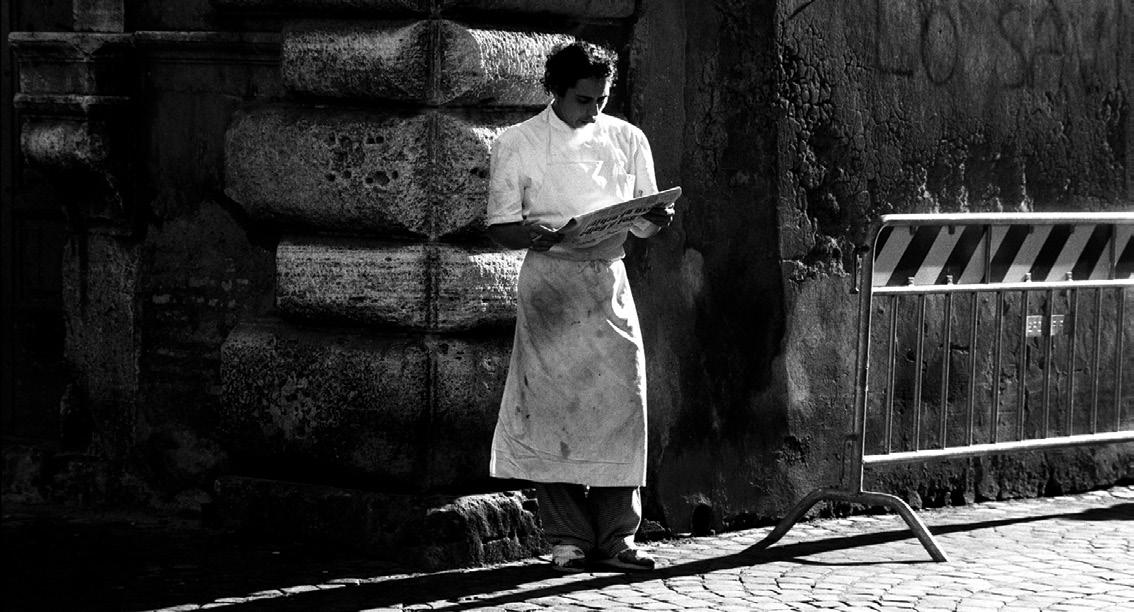
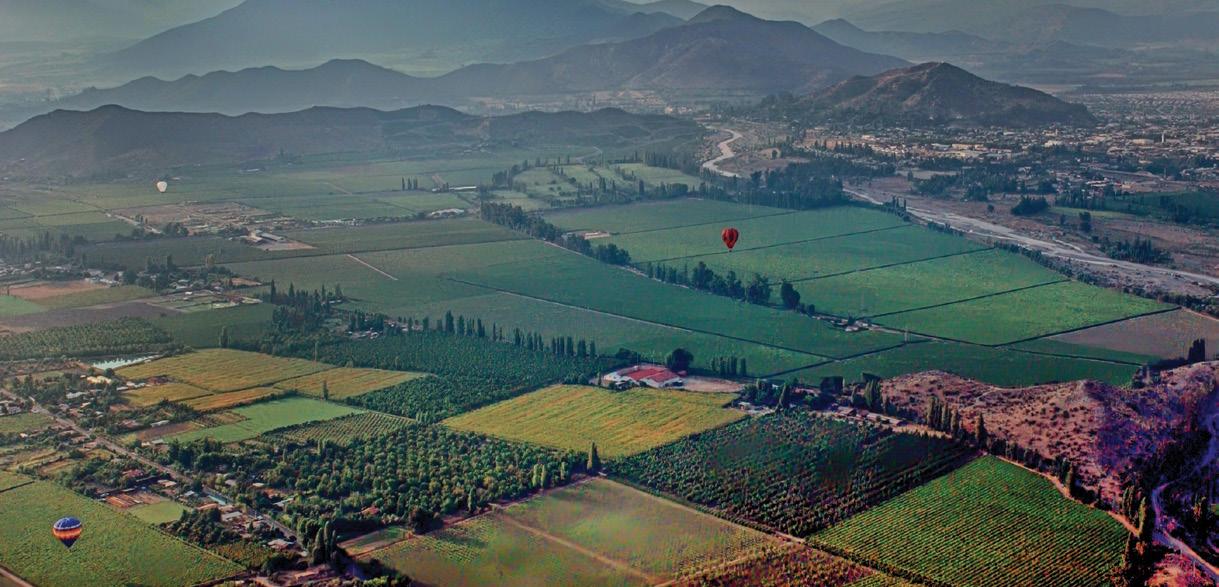
the sky through his collaboration with Joyce Bowen of Bonaventura Balloon Company, with whom he traveled to Bolivia, Chile, Dubai, India and Switzerland, as well as documenting the Napa landscape. Aerial photography allowed Downey to see landscapes and recognize cultures of the world from an entirely different vantage point.
In recent years, those flights also gave him the opportunity to take aerial photographs of Napa’s wildfire burn areas. Yet even then, his focus was not centered on destruction.
“The Earth’s rejuvenation,” he explained.
Through that devastation, he found himself drawn toward signs of healing rather than ruin.
Technology, meanwhile, transformed the profession around him. Downey began his career using heavy film cameras that demanded patience and intentionality from both photographer and subject. The transition into the digital age was expensive, difficult, and creatively disruptive. “The challenge was to take control of these new tools and use them to mine and my client’s benefit. Staying ahead of the curve was more like being in orbit around a greater power that was directing me.”
After decades of exhibitions, assignments, and artistic projects, Downey speaks most passionately about teaching others.
“One of my greatest joys is teaching the next generation,” he said. “You point at something, and you have no idea where someone is going to take it.”
That openness to interpretation still fascinates him. Different people can stand in front of the exact same subject and walk away seeing something entirely different.
For Downey, that’s the entire point.
Compassion and love remain at the center of how he approaches both art and life. In his office sits the “16 Practices of a Zen Peacemaker,” a quiet reflection of the mindfulness and humility that have guided him for years.
In a place often celebrated for luxury, prestige, and perfection, Lowell Downey’s work offers something more enduring.
The task was to not simply to create beautiful images of Napa Valley — but a reminder to slow down long enough to truly see, experience, explore and translate life into art.

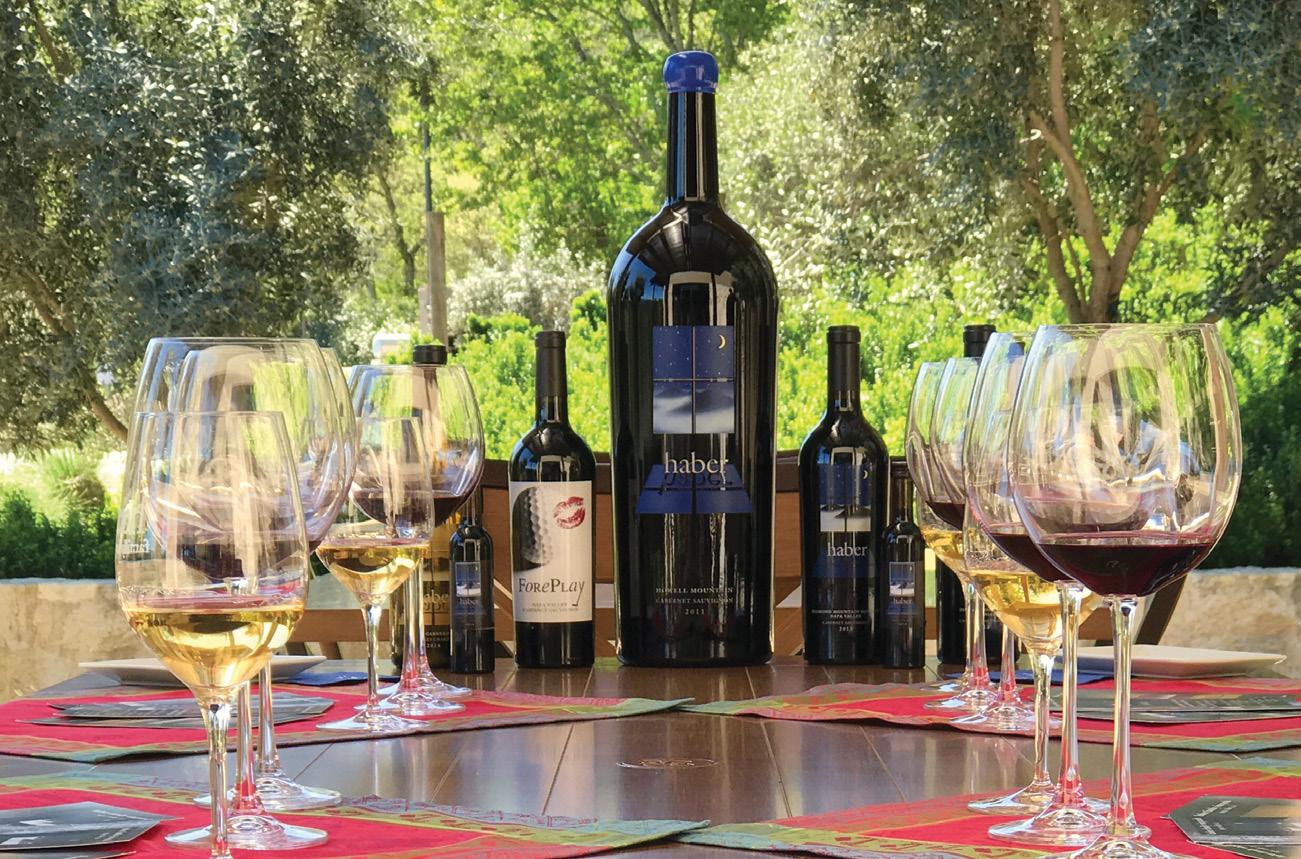
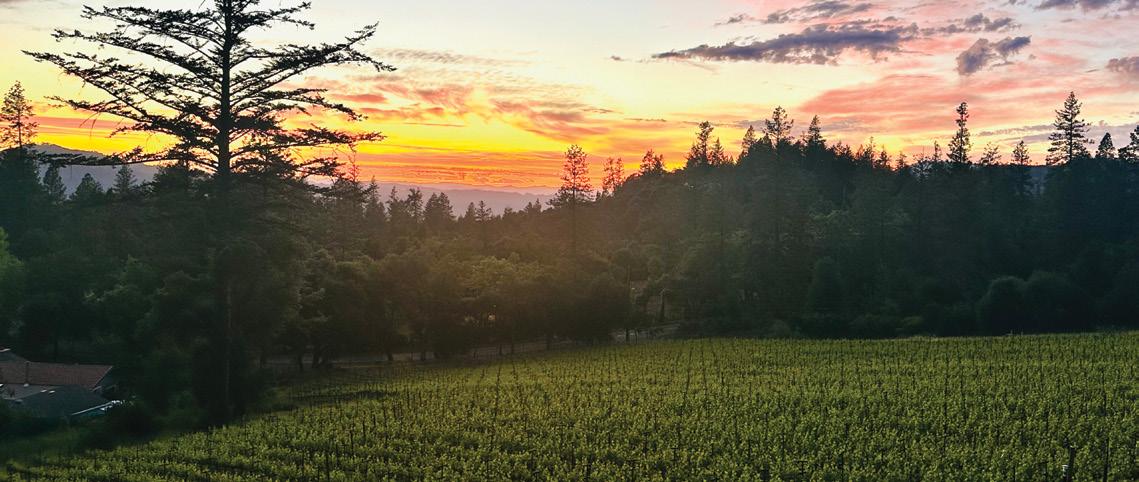
Standing on a five-acre property high on Howell Mountain today, it’s difficult to imagine that when Ron and Sue-Marie Haber purchased the land in 2005, sight unseen, there was no vineyard, no label, and no long-term business plan.
The Haber’s were searching for a new chapter.
Longtime visitors to Napa Valley since the 1990s, they had fallen in love with the region. Moving west from New York represented an opportunity to embrace a different lifestyle. Ironically, Ron often says, “New Yorkers do not move 3000 miles to the west to retire.”
The project that would eventually become Haber Family Vineyards originated with a phone call Ron received while traveling, from their broker who was tasked with finding a site on Howell Mountain. One of Ron’s first questions before finalizing the purchase was whether the acreage was plantable. Once he learned the answer was yes, the adventure began.
At first, the vision was simple: plant the vineyard. They had no idea that two decades later, they would be celebrating a successful family label.
With vines in the ground, the Haber’s still had decisions to make about their future. Then came a phone call.
While visiting the property with her daughter, Sue-Marie called Ron and said something that would change their lives: “Make the label. Let’s do it. We are in!”
With those words, the direction of the property that Ron had purchased blindly shifted from grape growing to creating small-lot, mountain wines.
That decision required far more patience than many consumers realize. For the Haber’s, it meant years of work. Making wine requires four years to see a grape after planting, two years in the barrel, and two in the bottle before ever taking a sip.
While waiting for their investment to mature, the first Haber Family Vineyard wine, a Diamond Mountain Cabernet
Sauvignon harvested in 2006, was eventually released in 2010. Their first Howell Mountain Cabernet followed shortly thereafter. Even then, the Habers were still splitting time between Napa and New York while renovating their home and slowly transitioning into full-time Napa Valley residents.
From the beginning, however, they made one decision that would define the winery's future: stay small.
Originally envisioning production no more than 500 cases annually, Ron and Sue-Marie eventually settled on a ceiling of roughly 1,000 cases. It was a size that allowed them to maintain personal relationships with customers while avoiding the pressures that often accompany rapid growth.
Today, Haber Family Vineyards has cultivated relationships with more than 600 families across 40 states. They are viewed less as customers and more as friends, many of which have been with the Haber’s for
more than a decade.
The inspiration for that approach came from a winery visit years before the Habers ever produced a bottle of wine. During a tasting at a small winery, they were invited into the owner's home. What was expected to be a brief tasting evolved into hours of conversation, hospitality, and connection. The experience left a lasting impression.
“The passion for wine and the love of people is what keeps us going,”
Throughout the years, mentors and fellow vintners generously shared advice and introductions. They credit individuals such as Jack Cakebread, Jan Shrem, and Mark Cohen with helping shape their understanding of the industry and connecting them with key people, including winemaker Timothy Milos. The Haber’s believe that having the same 100 point winemaker throughout their twenty year journey has been a true key to their success.
Twenty years in Napa Valley, however, has included its share of challenges.
One of the earliest challenges was simply learning the business itself. They like to quip that their previous life was based on multi-year, large projects and relationships. Learning the wine world was learning how and to whom you sell even one bottle of wine.
The challenges became even greater as outside events began affecting the industry. The 2008 financial crisis, devastating wildfires, inflationary pressures, and the COVID-19 pandemic all tested winery owners in different ways. COVID halted sales overnight. Fires brought a different
kind of anxiety, threatening not only vineyards but future vintages.
Yet through every challenge, one lesson remained constant: people helping people.
The Haber’s point to the way Napa Valley wine people support one another as one of the most remarkable aspects of the community. There remains an ongoing commitment to helping neighbors recover and succeed.
The vineyard itself has provided lessons as well. Among Sue-Marie’s favorite vintages is 2011, a year many critics initially dismissed because of difficult weather conditions. Their location on Howell Mountain allowed for patience through the late-season rains and they were fortunate to produce wine that remains among her personal favorites.
Experiences like that reinforced a simple truth that every farmer eventually learns: Mother Nature wins.
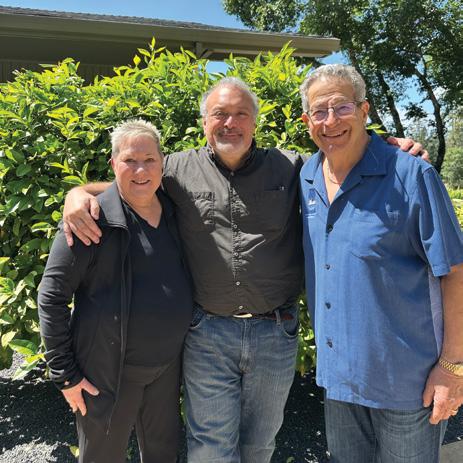
As Napa Valley approaches a new era, the industry faces fresh challenges. Younger consumers are drinking less wine, travel habits have changed, and wineries can no longer assume visitors will automatically arrive simply because they are in Napa Valley.
“There was a time when people believed, ‘It’s Napa, they’ll come.’ The current environment requires that you work harder and not rest on your laurels.”
Yet despite those realities, the outlook remains optimistic.
The Haber’s believe Napa Valley is once again reinventing itself. Smaller projects, deeper relationships, experiences with
customers across the country, and unforgettable hospitality will continue to create meaningful connections.
Customers regularly share family milestones and personal stories with their wines. In many cases, Haber Cabernet has become part of their life's most meaningful celebrations. Those moments continue to transform wine sales into lasting friendships.
After purchasing a bare hillside with no vines, Ron and Sue-Marie find themselves celebrating something far greater than a successful wine label.
For two people who never intended on becoming vintners, twenty years of farming, friendship, and Howell Mountain wine has become the most rewarding vintage of all.
BY JILLIAN DARA
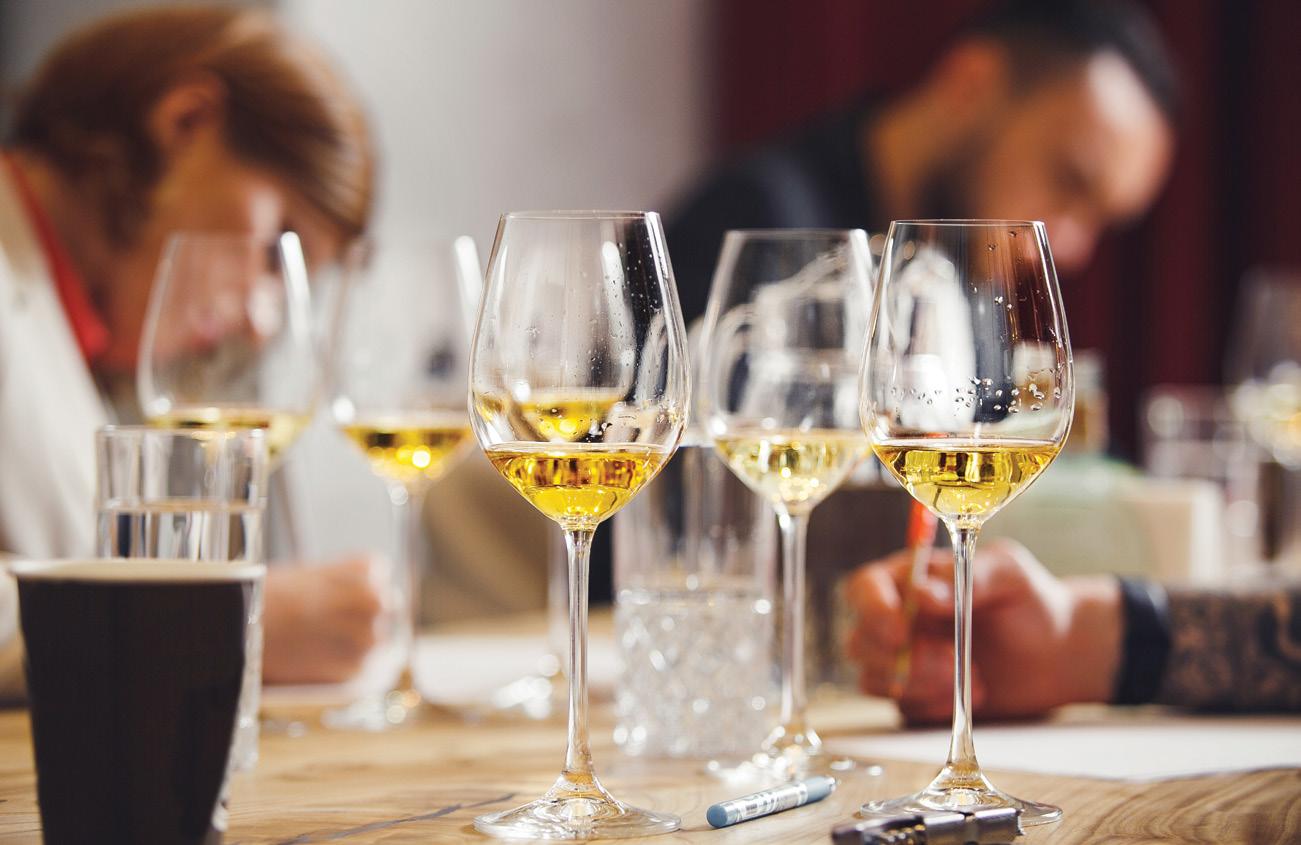
When a casual wine drinker sips their favorite variety, they may comment on its structure, its taste and how it makes them feel. Wine aficionados, however, know that what really creates a quality glass of wine are all the details that happen behind-the-scenes—the agricultural practices, harvesting, blending and winemaking processes that are often overlooked for the physical liquid that just appears in the glass.
Perhaps it’s a common sentiment because for many years, nobody was discussing the logistics at a wine tasting; customers wanted tasting notes and pairings. Today, though, as modern wine drinkers are increasingly curious, the veil has been lifted to offer a glimpse into the historically hidden internal workings of the wine world.
Across the Valley, there are a number of wineries that now offer blending and winemaking experiences to provide inquisitive imbibers a greater appreciation of all the work that goes into the end product.
“There’s no better way to understand a wine than to deconstruct it—tasting each component individually and then bringing it back together,” says Stefanie Longton, general manager at Bennett Lane Winery, which has offered a custom wine blending experience for the past 20 years. “They’re not just creating a wine in theory—they’re working with the same varieties and concepts that go into [our] wines.”
Whether hosting participants for an afternoon of blending or a multi-day camp style itinerary, these wineries from Calistoga to Napa offer guests the chance to try out their hand at winemaking.
For the past two decades, Bennett Lane Winery has invited wine enthusiasts to blend their own red wines in the style of their signature Maximus wine, a Cabernet Sauvignon, Merlot, and Syrah blend. “Using Maximus as the framework for the experience gives guests a real-world
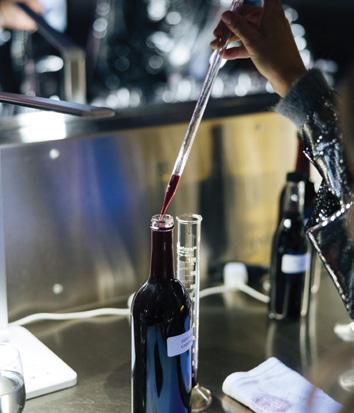
example of blending at work,” says Longton. The Custom Wine Blending Experience begins with a guided tour of the winery and, when possible, the surrounding vineyards set the stage with a sense of place and context. Following the tour, the blending session begins; a two-to-three hour handson experience where each participant is equipped with pipettes, graduated cylinders and the same blending components used by Bennett Lane’s winemaker. “Our host guides the group through the characteristics of each varietal, highlighting how different wines contribute structure, aromatics, and texture,” explains Longton. From there, guests are encouraged to experiment, refine, and ultimately craft a blend that reflects their own palate. Once their blend is complete, guests bottle, cork, capsule, and label their wine with a custom tag—creating a one-of-a-kind bottle to take home. All of this is enjoyed alongside a curated cheese selection. “It’s a program we’ve been refining for nearly two decades,” says Longton. “That
longevity shows in the way the experience flows, the depth of knowledge we share, and the confidence with which we guide guests through the process.” The experience is $225 per person and is all inclusive.
At this St. Helena-based winery, their Winemaker for a Day experience focuses on crafting a Napa Valley Bordeaux-style red blend from multiple wine components. Participants arrive at the property where they are greeted with disco-ball inspired robes, a Raymond Vineyards’ signature designed to amplify the immersive experience. Either working together or individually, guests spend time creating their ideal blend before they bottle, cork, capsule and even design a custom label for their wine to take home the same day. What makes this blending opportunity unique is that Raymond Vineyards’ can produce
additional cases of a guest’s personal blend to be reordered at a later date again and again. $175 per person ($140 per person for wine club members).
Another stalwart in the Valley, Judd’s Hill began their Bottle Blending Day Camp Experience back in 2006. It all started after the team would do blends with their MicroCrush clients who commented on how fun that part of the winemaking process was—not to mention educational. Twenty years later, Judd Finkelstein says the motivation behind the activity remains the same: “We try to focus on ensuring that each and every guest who comes for this experience leaves feeling like they have not only learned a lot, but also had a memorable time.” Roughly two hours in length, the Bottle Blending Day Camp begins with a glass of white wine or rosé while the winery host educates on some of the wines in the beakers in front of them. A brief tasting seminar follows, as the team introduces the signature characteristics of the four red wines that will be used for blending into a Bordeaux-style expression. Participants are then split into smaller groups to formulate their blend with as much or as little assistance as they want from the Judd’s Hill blending guides; a blind tasting is held to determine the winning blend which is then bottled and corked. The cost starts at $165 per person, with an additional service charge for groups larger than six. Judd’s Hill Winery can also host the day camp for up to 50 people onsite or 100 people offsite, making it an exceptional office team building outing.
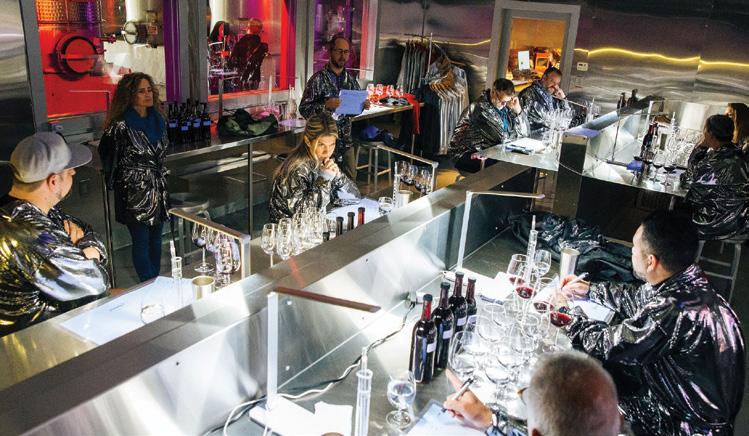
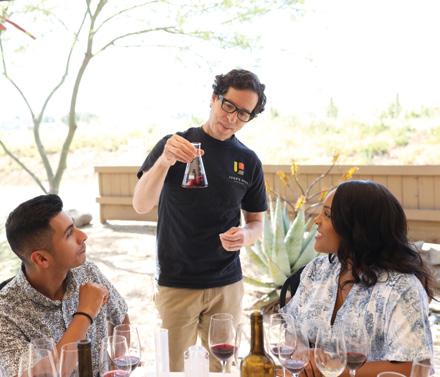
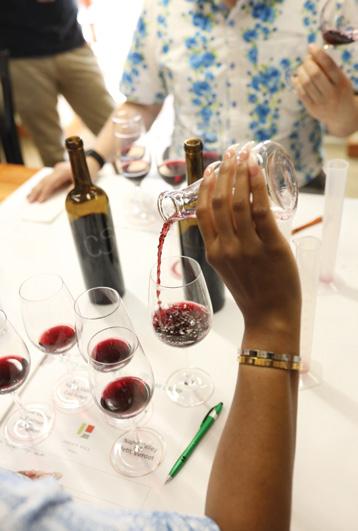
For a truly immersive experience, Schramsberg and Davies Vineyards designed a series of four three-day camp programs that run over a two-year span. This year, the Camp Schramsberg spring session focused on the Calistoga-based winery’s flagship sparkling wine, while the forthcoming Camp Davies fall program (October 4-6, 2026) hones in on the Davies Vineyards’ red wines produced at their St. Helena property. Both programs are a mix of indulgence and “hard work” as the itinerary begins with a welcome dinner and orientation in the caves or vineyards (depending on the seasonal session) before two days and a total of 10 hours of practical activity from the winery to the vineyards and six hours of education on the interaction of
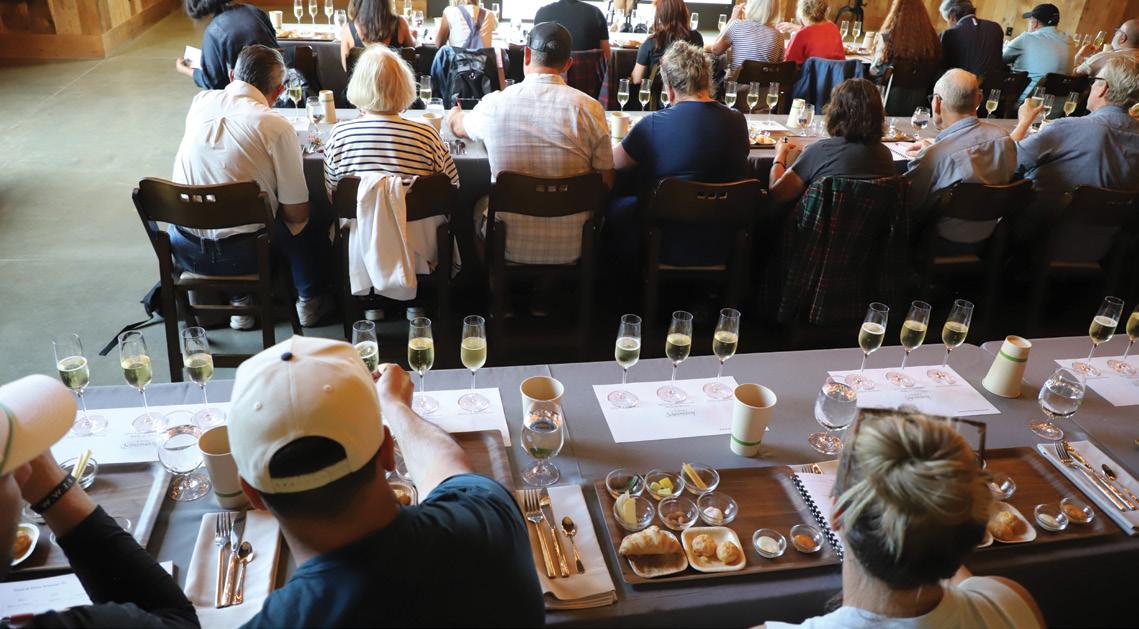
food to wine. In the former, campers taste through individual base wines to see how a winemaker approaches the art of blending, and while their input on determining the best blend is not the final decision for the winery team, it does provide the campers with a better understanding of the process. During the Fall Camp Schramsberg session (which will be held again in 2027), each camper has the opportunity to dose their own bottle of wine that they then get to hand label. The winery welcomes an average of 34 attendees per seasonal session, divided into consumers, as well as restaurant and retail wine trade. In 2026, The camp sessions run $1,750 per person (inclusive of the welcome dinner, breakfasts, lunches, and all handson educational sessions), with club members receiving a 15% discount.
At this Rutherford winery, enthusiasts can spend a “Day in the Life” of a Round Pond Estate winemaker. The day begins in the vineyard where participants examine the grapes, soils and natural components that contribute to the quality of a fine wine. Next, it’s time to create a custom red wine as guests taste through individual varieties and use winemaking lab equipment to measure, blend and craft their ultimate style. The communal experience is only bookable by appointment on Thursdays and Sundays with a maximum capacity of 12 persons. The rate is fixed at $125 per guest
($100-$119 per person for members) for the 90 to 120 minute program.
In their VIP Wine Blending Experience, Elkhorn Peak’s winemaking team leads a blending seminar for guests to learn how the winery uses Bordeaux varietals to build complexity in their Napa Valley Cabernet Sauvignon. The reservation is sectioned into four parts: a welcome glass of wine, blending 101, hands-on lab time with experimentation at the core of the process, and finally, bottling and labeling as guests get to take home their blend that same day. This is a private experience that is available onsite at the winery with a four guest minimum or off-site at a private residence where a 10-guest minimum is required. Either reservation is priced per person at $200 with discounts available to Bud Break and Bloom Club members.
At the end of last year, Calistogabased Elusa Winery launched a blending program as part of ten other experiences that prioritize wine education. The customizable Blending Experience starts at around two hours as guests are greeted with a glass of Elusa’s wine to warm up their creativity and prepare to explore the art and science of blending. The winemaking team debriefs guests about how different varietals express their unique character
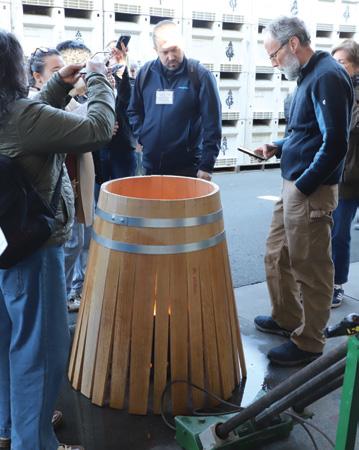
and how subtle adjustments, even one percent of a certain wine, can change the outcome of a wine’s balance and texture. Then, guests spend the rest of the time working with Bordeaux varietal blending wines to create their personal red wine. The experience culminates with a tasting of all the blends before an option to add on additional programs that undermine the multi-sensory process. For instance, Elusa offers an aroma-based program where guests can learn about the influence of olfactory nerves on tasting before they create their own scent that uses Napa Valley botanicals oils extracted from the vines and other local vegetation. Pricing starts from $250.
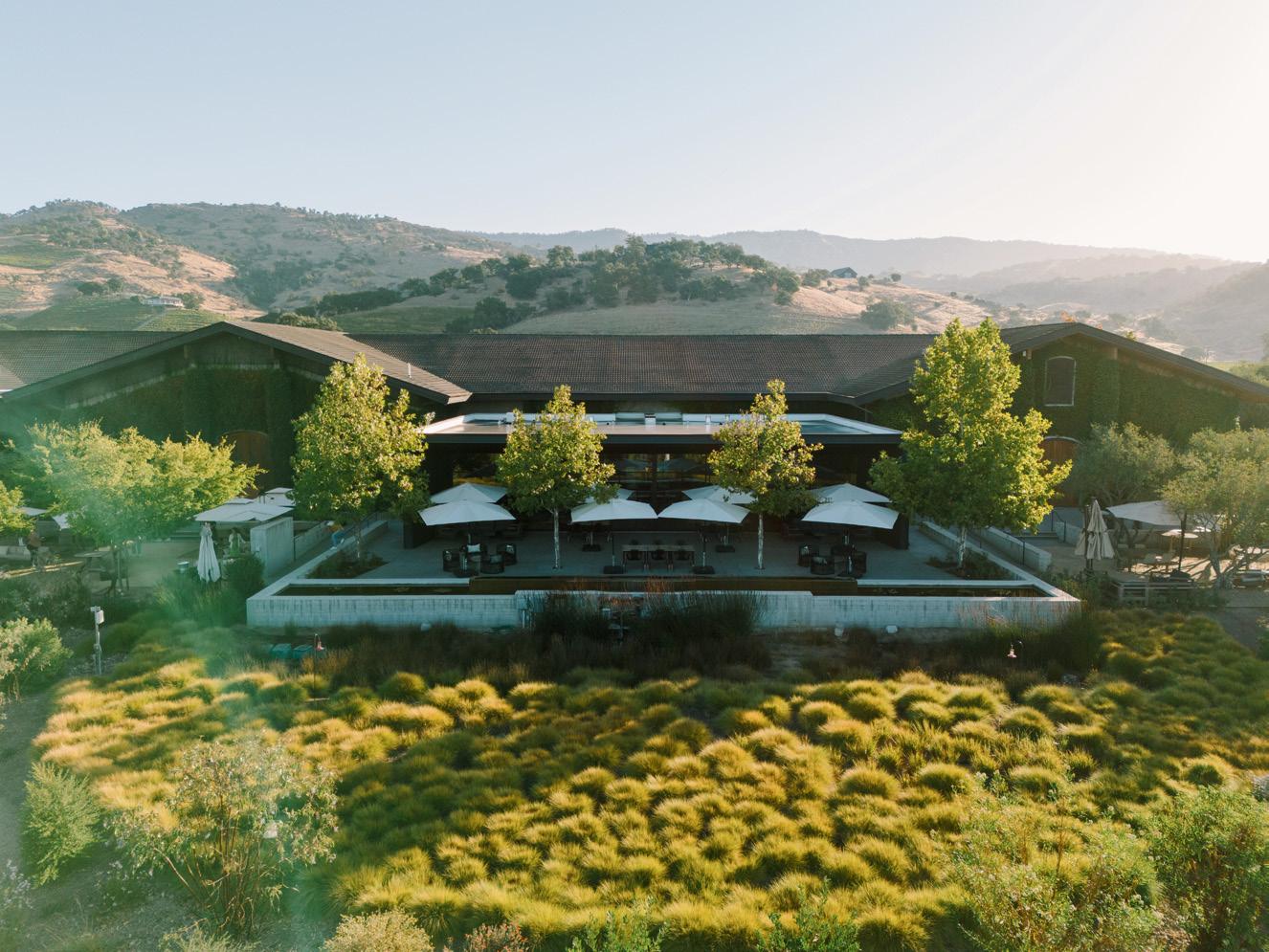
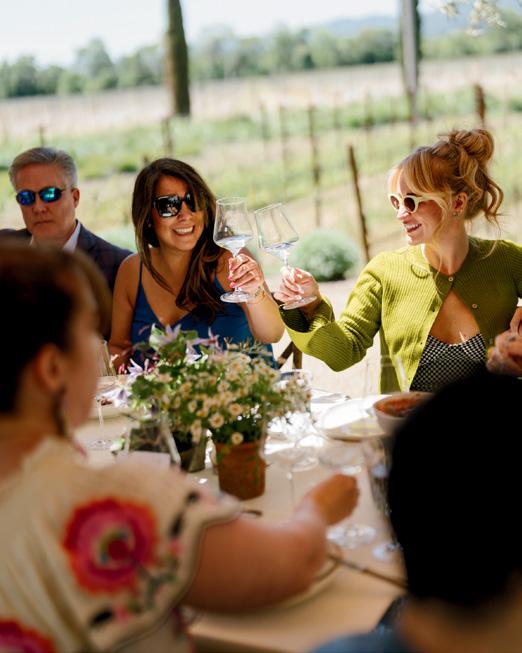
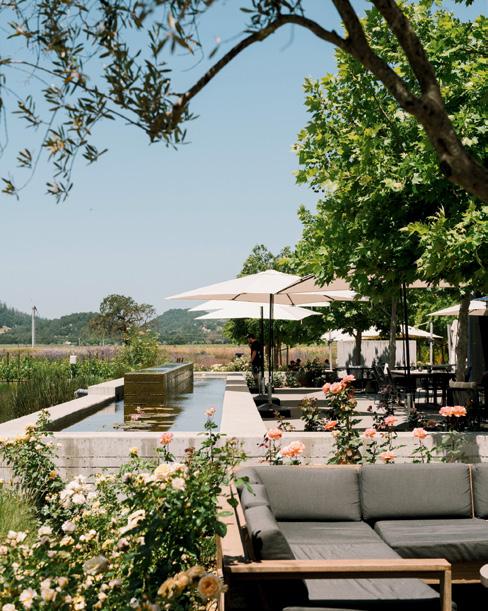
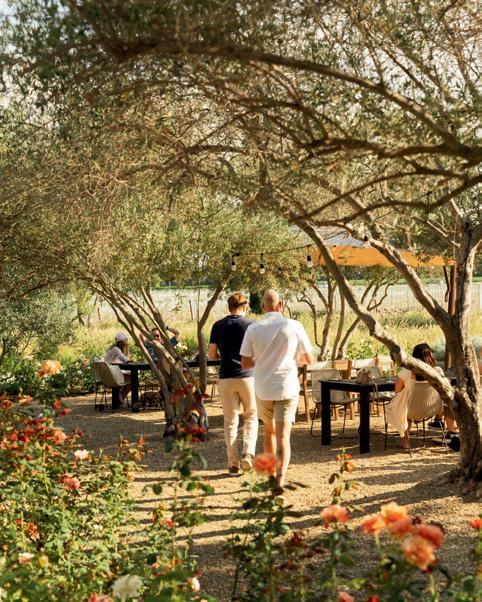
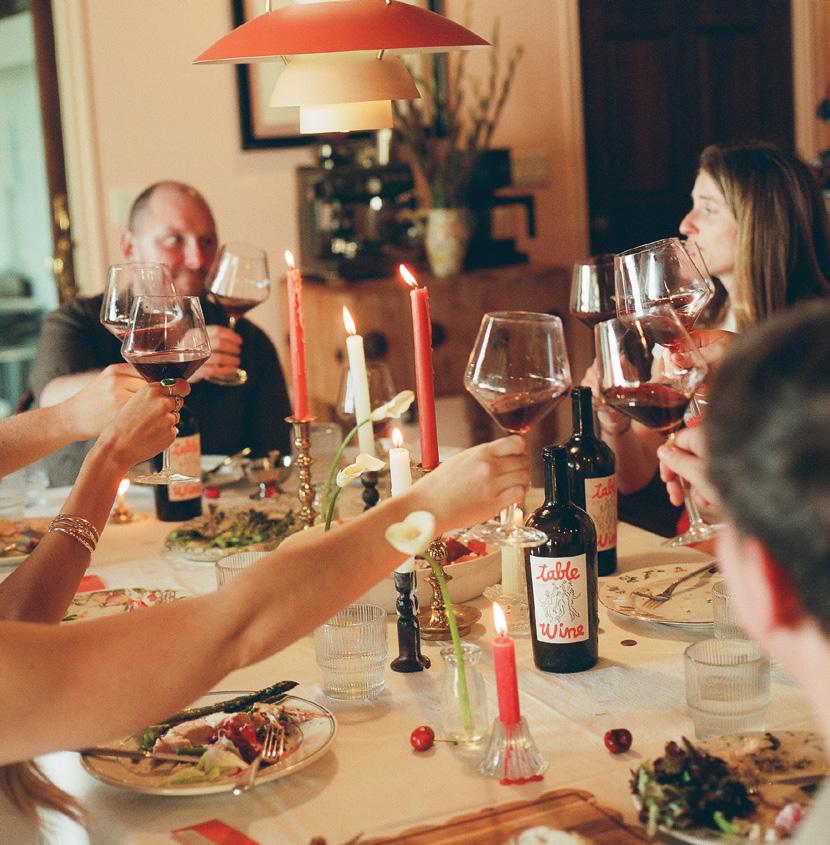
The winery’s newest release is meant to appeal to the everyday, unexpected sipping occasions.
In June, the iconic Napa-based Clos du Val winery launched a new wine crafted for “how people gather today,” according to third-generation owner Helen Goelet. A Claret-style blend of Bordeaux varietals, including Merlot, Malbec, and Cabernet Franc, the new label is called Table Wine—a lighter, lower-alcohol red wine from sustainably farmed, California vineyards. “It’s about approachability, joy, and connection,” shared Goelet. “Making space for the kind of moments that don’t always have a plan.”
At 12.5 percent ABV and a starting retail price of $30, Table Wine was created for the moments that don’t require too much thought, from last-minute dinners to week-night entertaining. In fact, it’s a wine that’s shaped by cooking and hosting, or in other words, the real moments many casual imbibers have with wine on a daily basis; something Goelet is an advocate for, personally, and why she poured herself into this project.
“I’ve spent a lot of time in kitchens,” said Goelet. “And what stays with you isn’t just the food, it’s the feeling; the people, the energy, the way a night comes together. I wanted us to make a wine that lives in that world.”
Goelet also wanted to pay homage to the winery’s origins, established in 1972 by her grandfather, John Goelet, who she says, “believed that wine should be expressive, joyful, and rooted in the place and people that bring it to life.” After 50 years, Goelet proudly carries the family legacy and their founding beliefs into modern day through her generation’s lens and lived experiences.
The past-meets-present vision is further emphasized by the Three Graces’ inspired label of Table Wine (the original Three Graces’ scene is featured on Clos du Val's historic labels). And Goelet describes the back label as one that explores that familial joy, bringing transparency and levity to how the wine would describe itself.
As part of the new wine release, Clos
du Val launched a series of gatherings built around food and shared experiences, including cookbook-inspired potlucks and intimate dinners where guests show up with their favorite cookbooks and share their favorite recipes as Table Wine flows. The winery is also debuting a summer concert series (Table Set), hosted once a month on Sundays, for a “no-fuss, just good wine, good music, and great company” type of gathering.
The next two concerts are on Sunday, July 19th and Sunday, August 23rd where, respectively, the bands Honey Disposition and The Northern Still will be serenading attendees for $10 per ticket. Customers can also experience Table Wine at Clos du Val in the garden through their By the Glass/ By the Bottle program. Looking further afield, Clos du Val will continue its Sunday celebrations into the autumn with its Harvest Farmers Market on Sunday, October 4th. The annual tradition will gather the usual creative crowd of artisans, chefs and local farmers at Hirondelle House to celebrate the community with new reasons to sip thanks to Table Wine.
As Goelet continues to celebrate the winery’s latest release, she will continue to contribute to behind-the-scenes, family conversations, party tips and beloved recipes to The Table Unwined, a newsletterstyle journal dedicated to the culture that surrounds the table.
“I’ve always wanted to make wines that people actually want to enjoy with a meal,” said Cuong Pham, owner of Đổi Dá Wine. Pham is also the owner of Red Boat Fish Sauce and as he shares, “fish sauce and wine have a lot in common.”
“Both are products that reflect place, patience, and craftsmanship,” says Pham. “You can’t rush either one.” Pham launched Đổi Đá in 2024 alongside his family, but traces his love affair with the Valley back to the 1990s when he lived in the region. When he made his way back to Napa Valley in early 2021, his wife, Ann, and he purchased a nine-acre parcel on Soda Canyon Road, prepared to start growing, and bottling, exceptional Bordeaux varieties.
Now, Pham has added to the portfolio with the release of his first white wine, Đổi Đá Napa Valley Sauvignon Blanc 2025 ($35 per bottle), which joins the winery’s inaugural Cabernet Sauvignon. Crafted from grapes grown in the High Fidelity vineyard of Carneros, the Sauvignon Blanc is barrel fermented and aged in neutral French oak for six months to result in a textured yet
refreshing white wine.
The cool-climate Sauvignon Blanc expresses bright citrus aromatics and a layered palate with a mid-weight that makes it naturally food friendly. “It’s fresh and easy to open any night of the week,” says Pham. This expansion is part of a greater plan as Đổi Đá patiently awaits its estate vineyard—planted in 2024 to Cabernet Sauvignon, Petit Verdot, and Cabernet Franc—to mature. The vineyard is expected to produce a small crop in 2026.
Đ ổi Đá has also just released a 2024 Yountville AVA Cabernet Sauvignon ($50 per bottle), produced with the majority of fruit sourced from Yountville-based Cabernet Sauvignon vineyards and 3 percent Petit Verdot. Aged for 18 months in French Oak—a third neutral and two thirds previously used—Pham describes the wine as one that’s worth drinking now, or "something you can bring to the table without waiting for a special occasion.”
Đ ổ i Đá’s wines are extremely versatile when it comes to food pairings but an ideal match for the new, bright Sauvignon Blanc is this tomato and corn salad recipe, tossed in a Red Boat fish sauce-based vinaigrette: Salad
• 2 pounds multicolored heirloom tomatoes, cut into wedges
• 1/2 cup sliced Persian cucumber
• 1/2 cup corn kernels
• 2 scallions, sliced
• 1/4 cup loosely packed fresh Thai basil leaves
• Flaky sea salt
Vinaigrette
• 3/4 cup extra-virgin olive oil
• 1/4 cup red wine vinegar
• 2 1/2 tablespoons Red Boat fish sauce
• 2 tablespoons finely chopped shallot
• 1 tablespoon finely chopped garlic
• 1 finely chopped serrano chile, ribs and seeds removed
• 1 tablespoon fresh lime juice
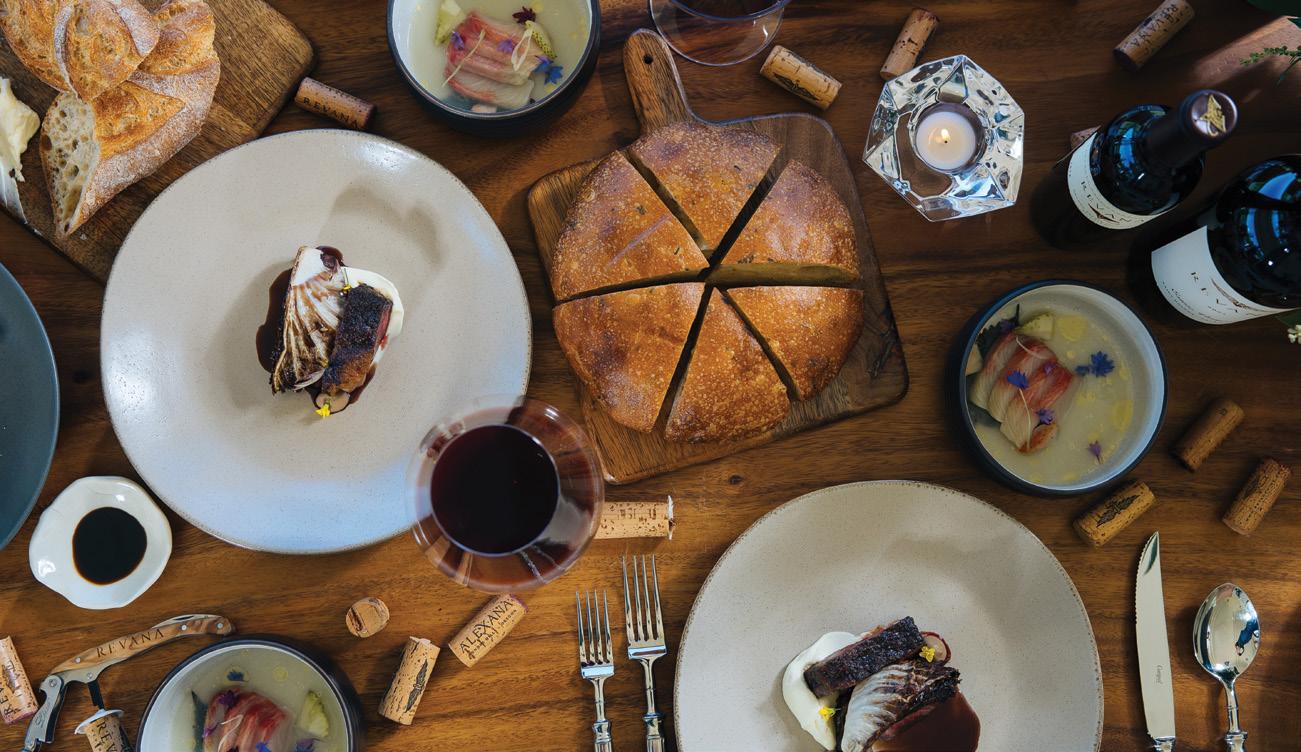
MILLER
Agreat Napa tasting can leave you impressed. An exceptional one leaves you feeling like you were invited into someone’s world. That distinction is what defines Revana Estate, where hospitality carries the same high quality objective as the wines themselves.
Undeniably, the estate’s Private Table experience expands the traditional tasting format into something more personal. Guests gather inside Revana’s warm and inviting farmhouse around an extraordinary table carved from a single fallen tree. Estate Chef David Gross builds a four-course menu specifically around the wines being poured. This is not merely a pairing menu assembled as an afterthought. Each course is designed to highlight texture, structure, and nuance within the glass, creating an ongoing interplay between plate and pour.
The wines themselves elevate the experience into territory few Napa hospitality experiences ever reach. Alongside highly limited estate bottlings, guests gain access to select library wines from Dr. Revana’s private cellar, including rare pours seldom offered outside the property. For collectors, it is a remarkable opportunity. For casual
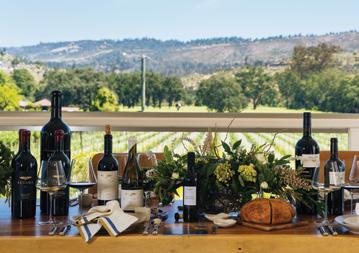
enthusiasts, it becomes an insider’s glimpse into the deeper layers of Napa winemaking culture.
The experience unfolds over two hours, though time has a way of loosening its grip once the courses arrive and conversations settle in. Most memorable is not only the caliber of the wines, but the attentiveness surrounding them.
Located on a gentle slope that leads to the Valley Floor in St. Helena, Revana Estate has spent nearly three decades building a reputation for highly allocated Cabernet Sauvignon rooted in precision farming and meticulous winemaking. Founded by cardiologist Dr. Madaiah Revana, the estate has always operated with a deeply focused
philosophy: small scale, careful stewardship, and an unwavering commitment to detail. That philosophy begins in the vineyard. The eight-acre estate is organically farmed with every block managed according to its own personality and needs. In the cellar, winemakers Thomas Rivers-Brown and Rose Ballentine work with micro-fermentations of three tons or fewer, crafting wines known for their structure, depth, and polish. Collectors have long taken notice. Revana wines have landed on Wine Spectator’s Top 100 list and earned devoted followings among serious Cabernet enthusiasts.
Dr. Revana and his team place genuine emphasis on understanding who guests are, what draws them to wine, and how to create an experience that feels tailored rather than transactional. Service here avoids rehearsed luxury language in favor of sincerity.
And that, the rare feeling of being fully welcomed, may be the true luxury at Revana Estate. At The Private Table, the wine may command your attention first. The hospitality is what stays with you.
FOR MORE INFORMATION: www.revanawine.com
BY FRAN MILLER
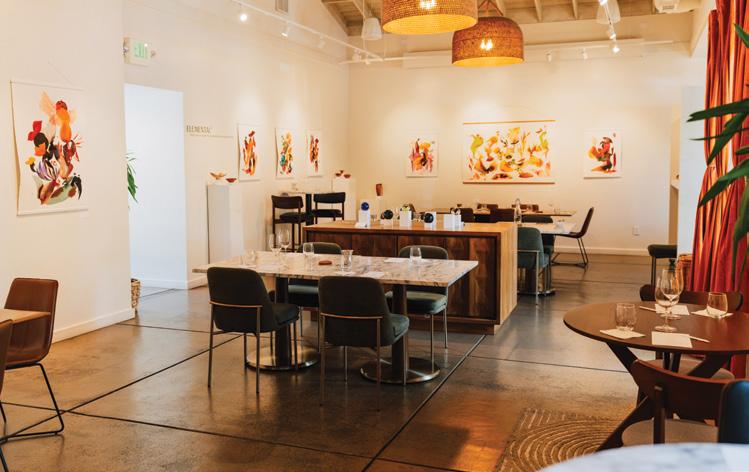
Jessup Cellars fits Yountville the way a great neighborhood restaurant fits its corner: naturally, effortlessly, and with warm hospitality that brings people together. Along Washington Street, amid tasting rooms and celebrated restaurants, Jessup has created something more than a standard wine stop. It is part gallery, part tasting experience, and it invites guests to slow down and stay awhile.
Inside, contemporary art lines the walls in rotating exhibitions that shift throughout the year. Paintings, sculpture, photography, and mixed media pieces share space with the wines themselves, and guests are encouraged to engage with both. Conversations drift easily between vintages and brushstrokes, vineyard sites and color palettes. One visitor may arrive for Cabernet and leave talking about an artist they had never before encountered. Another may discover a new favorite Sauvignon Blanc while standing in front of an abstract canvas that leaves an impression.
That interplay between wine, food,
friendship, and art has shaped Jessup Cellars from the beginning. The tasting room feels lived in rather than staged, animated by curiosity and genuine hospitality instead of scripted luxury. Staff members guide tastings with the ease of someone hosting friends for dinner, offering depth and knowledge in a personable and relatable manner.
The wines themselves are entering an especially compelling chapter under winemaker Andrew Wright, whose résumé includes respected Napa estates such as Harlan Estate, Bond, and Merryvale Vineyards. Wright’s approach favors precision and restraint, with increasing attention paid to farming guided by the biodynamic calendar. The goal is wines that are transparent reflections of site and season.
Jessup’s commitment to stewardship extends beyond the cellar. The winery is certified through Napa Green, a rigorous environmental certification focused on protecting the long-term health of
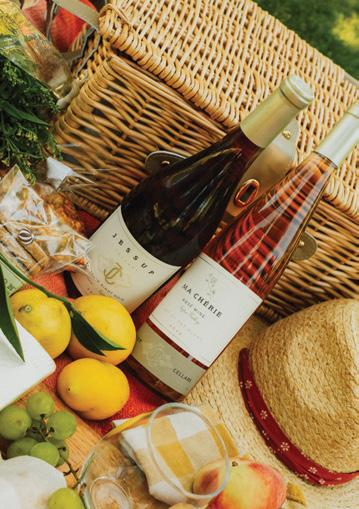
Napa Valley’s land and resources. It is a thoughtful extension of the winery’s broader philosophy: care for the vineyard, care for the guest experience, care for the community surrounding both.
A tasting at Jessup is never rushed. Glasses arrive alongside stories. Guests wander between rooms, explore new pieces of art, compare wines across varietals and vintages, and often discover that an afternoon reservation stretches comfortably into evening plans. The experience is convivial, with the energy of a gallery opening.
For visitors looking to deepen the connection, Jessup’s wine club extends the experience beyond the tasting room, offering access to library wines, early releases, and gatherings built around shared curiosity and good company.
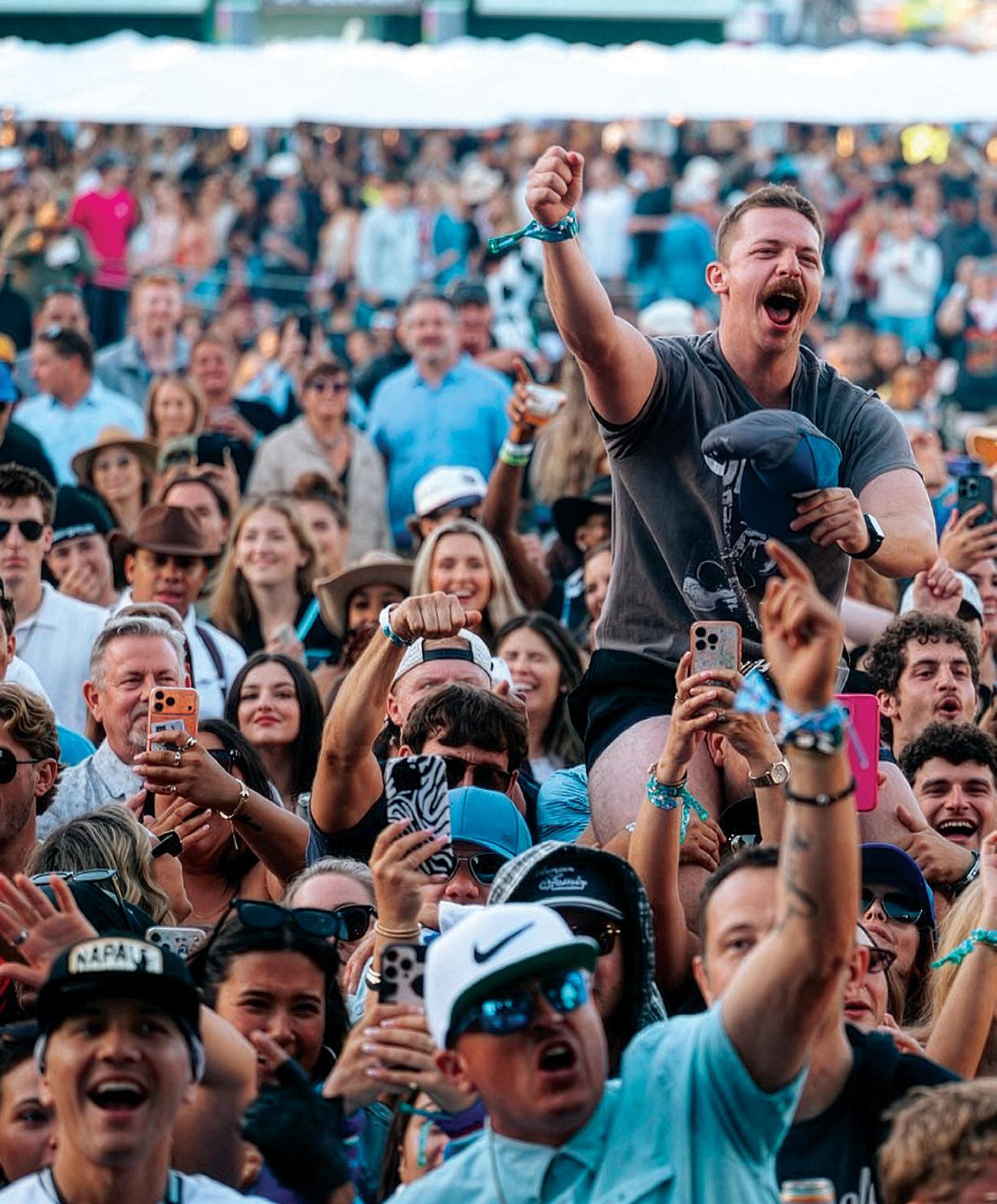
BY MICHAEL KANE
Only in Napa Valley can a festivalgoer spend the afternoon singing along with Kool & The Gang, watch John Stamos battle Green Day’s Tré Cool in a drum-off, and finish the evening with a glass of local Cabernet and a lobster corn dog topped with caviar.
That unique blend of music, food, wine, celebrity, and Napa Valley culture has become the signature of BottleRock Napa Valley, the annual festival that continues to distinguish itself from every other major music event in the country. While many festivals focus exclusively on the artists on stage, BottleRock has created something broader: a celebration of everything that makes Napa Valley special.
BottleRock Napa Valley once again delivered on that promise in 2026, drawing roughly 45,000 attendees per day and posting a slight increase over last year's attendance. The numbers reinforce the festival's status as one of the country's premier destination events, attracting visitors from across the United States who come not only for the music, but for the opportunity to experience Napa Valley in a uniquely immersive way.
Throughout the weekend, festivalgoers moved seamlessly between concert stages, culinary demonstrations, wine experiences, and lifestyle activations. Friends compared tasting notes between performances, visitors snapped photos of celebrity appearances, and music fans discovered new wines while wine lovers discovered new artists. The atmosphere reflected Napa Valley itself—welcoming, relaxed, and sophisticated without taking itself too seriously.

The music lineup once again provided the foundation for the festival's success. Every headliner drew enthusiastic crowds, creating an atmosphere that remained energetic throughout the event.
Among the standout performances was Kool & The Gang, whose Sunday afternoon set attracted a massive audience eager to celebrate decades of timeless hits. AJR delivered a crowd-pleasing performance that had fans singing along throughout their set. Another memorable moment occurred when Teddy Swims made a surprise appearance with Papa Roach, creating one of the weekend's biggest musical surprises.
Another crowd favorite was The Return of Jackie & Judy, the Ramones-inspired project featuring Sleater-Kinney members Carrie Brownstein and Corin Tucker alongside Fred Armisen on drums. The performance attracted a packed audience and even drew celebrity fans, including Chelsea Handler, who was spotted dancing near the stage.
The diversity of musical styles continues to be one of BottleRock's greatest strengths. Whether attendees preferred classic favorites, contemporary artists, rock, pop, or alternative acts, there was always something happening somewhere on the festival grounds.
While music may bring visitors through the gates, BottleRock's Williams Sonoma culinary stage continues to be one of the

festival's defining attractions. Nowhere else can fans watch world-class chefs, musicians, actors, and entertainers share the same stage in such an unpredictable and entertaining setting.
One of the most memorable culinary presentations featured Chef Masaharu Morimoto, Chef Philip Tessier, Chef Eddie Chavez, Phil Rosenthal, Fred Armisen, John Stamos, and Adam DeVine. The session delivered exactly the blend of culinary talent and spontaneous entertainment that BottleRock fans have come to expect.
Part of the culinary stage's appeal is that no two demonstrations are ever exactly alike. What begins as a cooking presentation can quickly evolve into comedy, music, friendly competition, or complete unpredictability.

That spontaneity keeps audiences engaged and continues to make the culinary stage one of the festival's most popular attractions.
Food trends often emerge at BottleRock, and this year one item generated more attention than almost any other: the Lobster Corn Dog topped with caviar by UnderStudy, the sister café to Michelin-starred Press Restaurant in St. Helena.
Festival organizers reported selling more than 4,000 of the specialty items over the course of the weekend before ultimately running out on the final day. The dish quickly became a social media sensation as attendees shared photos and videos throughout the festival.
The popularity of the offering perfectly reflected BottleRock's personality. Equal parts playful and upscale, it blended luxury and fun in a way that felt uniquely Napa Valley. What might sound unusual at first became one of the festival's most soughtafter culinary experiences.
Part of BottleRock's continued appeal is that the experience extends well beyond music and food. Visitors could relax at spa and beauty experiences and even enjoy a skating rink featuring live DJs.
One particularly memorable surprise came when Nancy Whang of LCD Soundsystem appeared for a DJ set, adding another unexpected highlight to a weekend already filled with them. The appearance quickly became one of the most talkedabout off-stage moments and demonstrated

how BottleRock consistently finds ways to surprise attendees.
What makes BottleRock successful year after year is its ability to bring together audiences with different interests and create a shared experience. Wine enthusiasts, food lovers, music fans, and Napa Valley visitors all find something that speaks to them.
Unlike many large festivals, BottleRock fully embraces the region in which it takes place. Wine remains part of the experience, local restaurants and culinary talent are showcased alongside national names, and visitors leave with a deeper appreciation for Napa Valley itself.
The festival has become a showcase not only for world-class entertainment but also for the culture, hospitality, and creativity that define Napa Valley. From packed concert fields and celebrity-filled culinary demonstrations to sold-out food offerings and surprise performances, BottleRock 2026 delivered the kind of memorable moments that keep visitors returning year after year.
As the final performances concluded and attendees made their way home, one thing was clear: BottleRock has once again proven that it is far more than a music festival. It is a celebration of Napa Valley, and in 2026, that celebration was as vibrant and successful as ever.
BottleRock Napa Valley 2027 will take place May 28 – 30.

BY MELISSA VOGT
Some wines impress with power, but Pinot Noir wins people over with personality.
Few grape varieties inspire the same level of devotion—or spirited debate—as Pinot Noir. Delicate yet complex, silky yet vibrant, it can be elegant one moment and exuberantly fruit-forward the next. Depending on where it's grown and how it's crafted, Pinot Noir can evoke everything from ripe cherries and wild strawberries to forest floor, rose petals, baking spice, mushrooms, and tea leaves. It is a wine that rewards curiosity, inviting drinkers to discover layer after layer with every glass.
Perhaps that's why Pinot Noir has earned one of the wine world's most passionate followings. It's approachable enough for newcomers yet endlessly fascinating for collectors and sommeliers who spend lifetimes exploring its nuances. Whether poured alongside an elegant dinner, enjoyed at a casual backyard gathering, or opened simply because the evening calls for something special, Pinot Noir possesses an uncanny ability to elevate the moment without demanding attention. It is, quite
simply, a grape that never stops giving wine lovers something new to discover.
To understand Pinot Noir is to begin in Burgundy, France, where the grape has flourished for centuries and remains one of the world's most revered expressions of terroir. Unlike varieties that readily adapt to almost any climate, Pinot Noir is famously demanding. It prefers cooler growing regions, ripens early, and is particularly sensitive to soil, weather, and farming practices.
That sensitivity is precisely what makes Pinot Noir so compelling. Two vineyards separated by only a few hundred feet can produce dramatically different wines, each faithfully reflecting its unique site. Burgundy built its reputation on this remarkable ability to express place, creating wines celebrated more for elegance and complexity than sheer power.
Today, Pinot Noir thrives well beyond France. Exceptional examples come from Oregon's Willamette Valley, California's Russian River Valley and Los Carneros,
Zealand's Central Otago, and beyond. Around the world, winemakers continue chasing the elusive balance of freshness, finesse, and depth that defines truly great Pinot Noir.
While Napa Valley may be synonymous with Cabernet Sauvignon, Pinot Noir has quietly carved out an important place within the region's diverse landscape.
The grape thrives in Napa's coolest appellations, particularly Los Carneros, where morning fog drifts inland from San Pablo Bay and afternoon breezes temper California sunshine. These maritime influences extend the growing season, allowing Pinot Noir to ripen slowly while preserving the bright acidity and aromatic freshness that define the variety.
The story of Pinot Noir in Napa began gaining momentum during the latter half of the twentieth century as vintners recognized that Los Carneros offered conditions unlike anywhere else in the Valley. Long before Los Carneros became one of California's premier Pinot Noir regions, pioneering growers saw
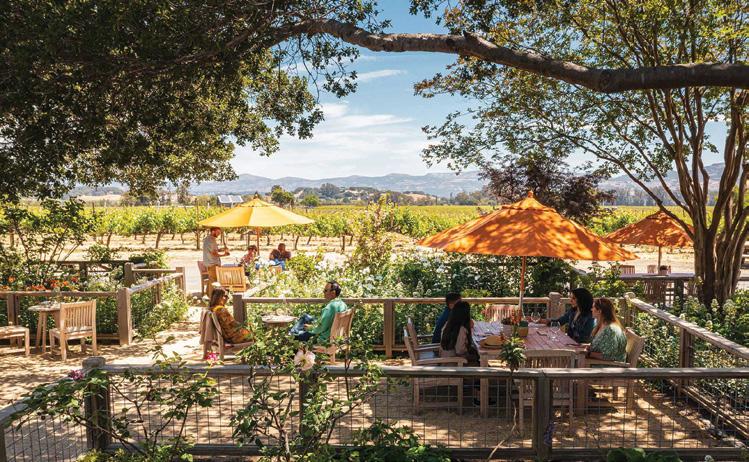
its potential to produce wines of remarkable balance. Today, the appellation remains one of Napa's defining homes for Pinot Noir, producing wines that beautifully bridge Old World restraint and New World generosity.
One of Pinot Noir's greatest strengths is its versatility. No single style defines the variety, allowing both vineyard and winemaker to shape its personality.
Some Napa Pinot Noirs lean toward bright, vibrant fruit, offering flavors of fresh raspberry, cranberry, red cherry, and pomegranate wrapped in lively acidity. These wines are often lighter in body and wonderfully refreshing, making them ideal companions for warm afternoons or leisurely lunches.
Others embrace greater richness, developing darker cherry, blackberry, plum, baking spice, vanilla, and hints of cocoa through careful oak aging. While fullerbodied than their lighter counterparts, they still retain the graceful texture and elegance that distinguish Pinot Noir from more muscular red varieties.
Winemaking decisions further influence style. Aging in French oak can contribute layers of vanilla, clove, cedar, and subtle toast while softening tannins and adding texture. Some producers favor a restrained use of new oak to let vineyard character remain front and center, while others incorporate larger neutral barrels or older oak that gently rounds the wine without imparting strong wood flavors.
Fermentation techniques also play an important role. Whole-cluster fermentation
can introduce floral aromas, savory spice, and additional structure. Extended maceration may deepen color and complexity, while gentler extraction preserves delicacy and finesse. Each choice allows winemakers to interpret Pinot Noir differently without losing sight of the grape's naturally expressive character.
If Cabernet Sauvignon often commands the center of the meal, Pinot Noir has a remarkable ability to accompany nearly everything surrounding it.
Its moderate tannins, refreshing acidity, and balanced body make it one of the world's most food-friendly wines. Rather than overpowering a dish, Pinot Noir tends to complement it, allowing flavors to shine together.
Classic pairings include roasted duck, grilled salmon, mushroom risotto, herbroasted chicken, pork tenderloin, and seared tuna. Earthy ingredients like truffles, wild mushrooms, and lentils naturally echo Pinot Noir's savory complexity, while berry-forward styles beautifully accompany dishes featuring cherries, cranberries, or pomegranate glazes.
Even seemingly unexpected pairings can surprise. A lightly chilled Pinot Noir can elevate charcuterie boards, cedar-plank salmon, gourmet burgers, pizza with roasted vegetables, or simply an evening spent sharing appetizers with friends.
Its versatility is one reason restaurants frequently feature Pinot Noir throughout an entire meal—from appetizers to main courses—without ever feeling repetitive.
One of Pinot Noir's greatest gifts is its ability to evolve. In youth, vibrant fruit often takes center stage, bursting with fresh cherry, strawberry, raspberry, and floral aromatics. With time in bottle, those bright flavors gradually intertwine with more savory notes of dried rose petals, tea leaves, forest floor, cedar, baking spices, leather, and earthy mushrooms.
Unlike wines that rely primarily on intensity, Pinot Noir invites contemplation through subtlety. It asks the drinker to slow down, swirl the glass, revisit the aromas, and discover something new with each sip.
This evolving nature is what keeps collectors returning vintage after vintage. The same vineyard may tell an entirely different story depending on the growing season, while a single bottle can reveal new dimensions over the course of an evening.
Pinot Noir may never rival Cabernet Sauvignon in acreage or global recognition within Napa Valley, but that has never been its purpose.
Instead, Pinot Noir demonstrates something equally important: Napa's extraordinary diversity. The Valley is capable of producing far more than powerful Cabernet, and Pinot Noir serves as a beautiful reminder that cooler pockets, varied soils, and thoughtful farming allow an impressive range of wines to flourish.
For vintners, Pinot Noir represents both challenge and opportunity. Its delicate nature leaves little room for shortcuts, demanding precision from vineyard to cellar. Yet when everything aligns—a cool growing season, balanced fruit, and restrained winemaking— the result is a wine of extraordinary grace.
For wine lovers, Pinot Noir offers something increasingly valuable: authenticity. Every bottle reflects its place, vintage, and maker in profoundly personal ways. It encourages exploration, rewards attention, and proves that elegance can be every bit as memorable as power.
Perhaps that's why Pinot Noir continues to capture hearts around the world. It doesn't ask to be the loudest wine on the table. It simply invites you to slow down, take another sip, and discover something new. In Napa Valley, where innovation and tradition so often meet, Pinot Noir reminds us that sometimes the quietest voices leave the most lasting impression.
Elegant & Floral
The 2024 vintage was a textbook year for winemaking. Seven separate clonal selections of Pinot Noir are planted in areas to take full advantage of the thin soils, rolling hills, and cooler temperatures which define Carneros. Rich aromas of black plum, ripe cherries, and rhubarb, with hints of pomegranate, tea, and earth. The mouth is silky, with flavors of red currants, cranberry, and sweet vanilla. Firm acidity and delicate tannins focus the palate and provide a lingering finish of spice.
$38 www.truchardvineyards.com
Rich & Full-Bodied
Those who prefer a fuller-bodied style of Pinot Noir will find much to love in Donum Estate's Home Ranch bottling. Aromas of dark berry, cedar spice, and ripe plum lead into layers of raspberry, blackberry, cocoa, and rich black fruit supported by firm, polished tannins. Aged for 16 months in 87% new French oak, the wine gains luxurious texture and beautifully integrated notes of warm spice and toast while preserving its freshness. Powerful yet impeccably balanced, it is a compelling example of Napa Valley Pinot Noir's ability to marry richness with elegance.
$95 www.thedonumestate.com
Savory & Terroir-Driven
In upper Carneros, rolling hills meet the southern shoulder of Mt. Veeder, where Robert Sinskey established this organic vineyard in 1986. Removed from San Pablo Bay, these vines benefit from better sun and wind protection than much of the appellation, and well-draining red volcanic soils mixed with characteristic clay loam. This cheery, light-bodied wine represents Saintsbury's continued fascination with Carneros Pinot Noir and exploration of a region we've called home for nearly half a century. This is the vineyard’s final vintage before purchase and redevelopment by the famed Chateau Montalena.
$80 www.saintsbury.com

BY MICHAEL KANE
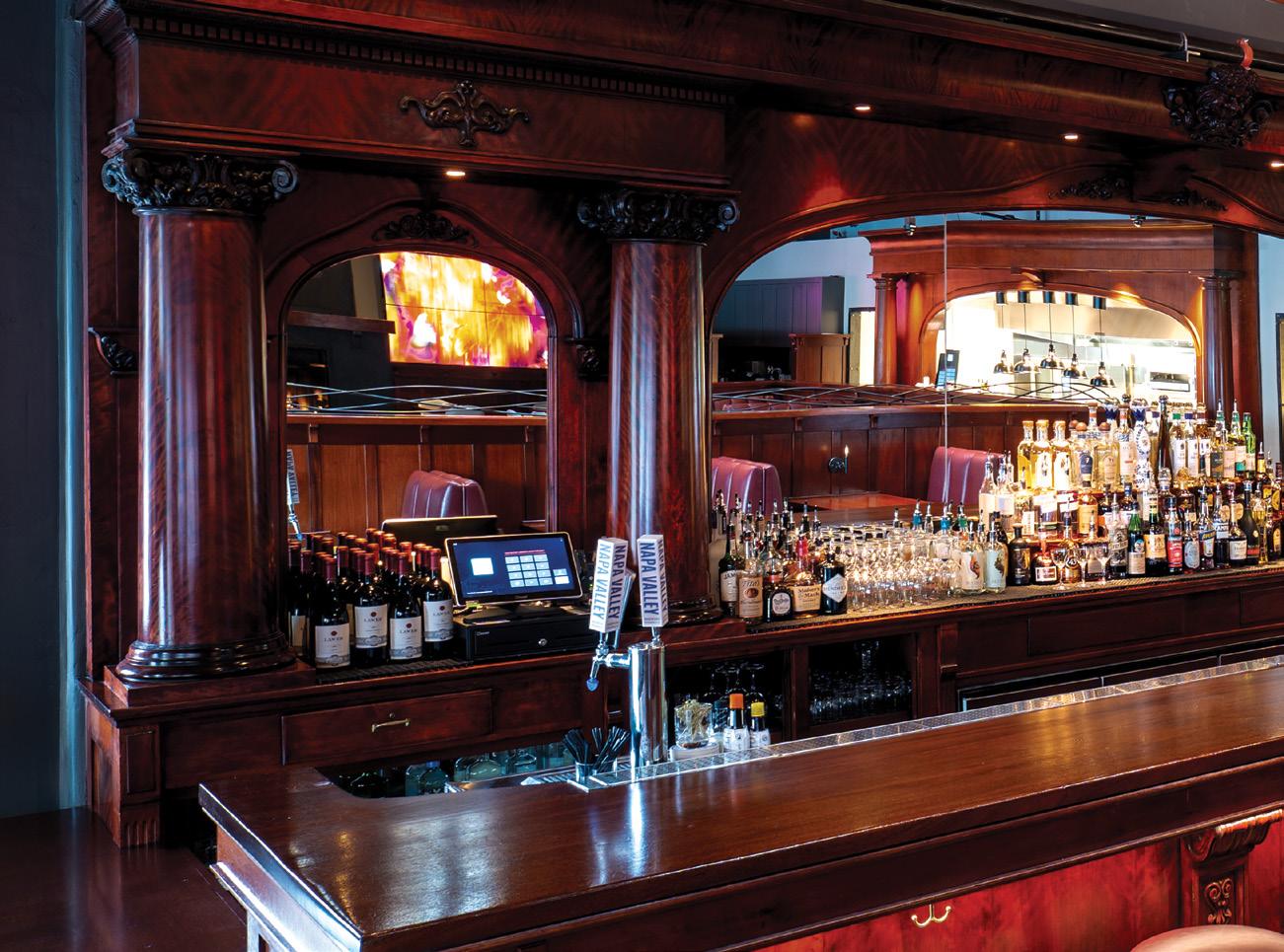
In a region often defined by luxury, exclusivity, and world-famous wines, Eight North is pursuing something more intimate. Since opening in November 2025, the Calistoga restaurant, tasting experience, and gathering place has focused on a simple goal: becoming part of the community it calls home.
Housed in a historic 1880s building that served as a local favorite for decades, Eight North could have chosen to reinvent itself with a sleek, modern redesign. Instead, ownership deliberately preserved the warmth and character that longtime residents remembered. The goal was not to create another polished Napa Valley showpiece. It was to create a place where visitors and locals alike would feel comfortable returning again and again.
Eight North is a family-owned venture led by mother-and-daughter team Betsy and Sarah Lawer. Betsy is a third-generation community banker who spent her
career supporting small towns and local entrepreneurs throughout Alaska. Having worked closely with communities where local businesses serve as gathering places and cultural anchors, she developed a deep appreciation for what makes small towns thrive.
Those experiences helped shape the family's approach to Calistoga. Rather than viewing the town simply as a destination within Napa Valley, Betsy and Sarah recognized many of the same qualities that define successful small communities everywhere: strong local businesses, meaningful relationships, and a sense of
place worth preserving. Sarah, an attorney based in Seattle, remains actively involved in the business, while Betsy travels regularly from Alaska to stay connected to operations and long-term planning.
Those values are reflected throughout Eight North and help explain the restaurant's commitment to becoming part of the fabric of Calistoga rather than simply operating within it.
For General Manager Neil Robinson and his team, the mission is straightforward: create a place where everyone feels welcome. That includes tourists exploring Napa Valley for the first time, longtime
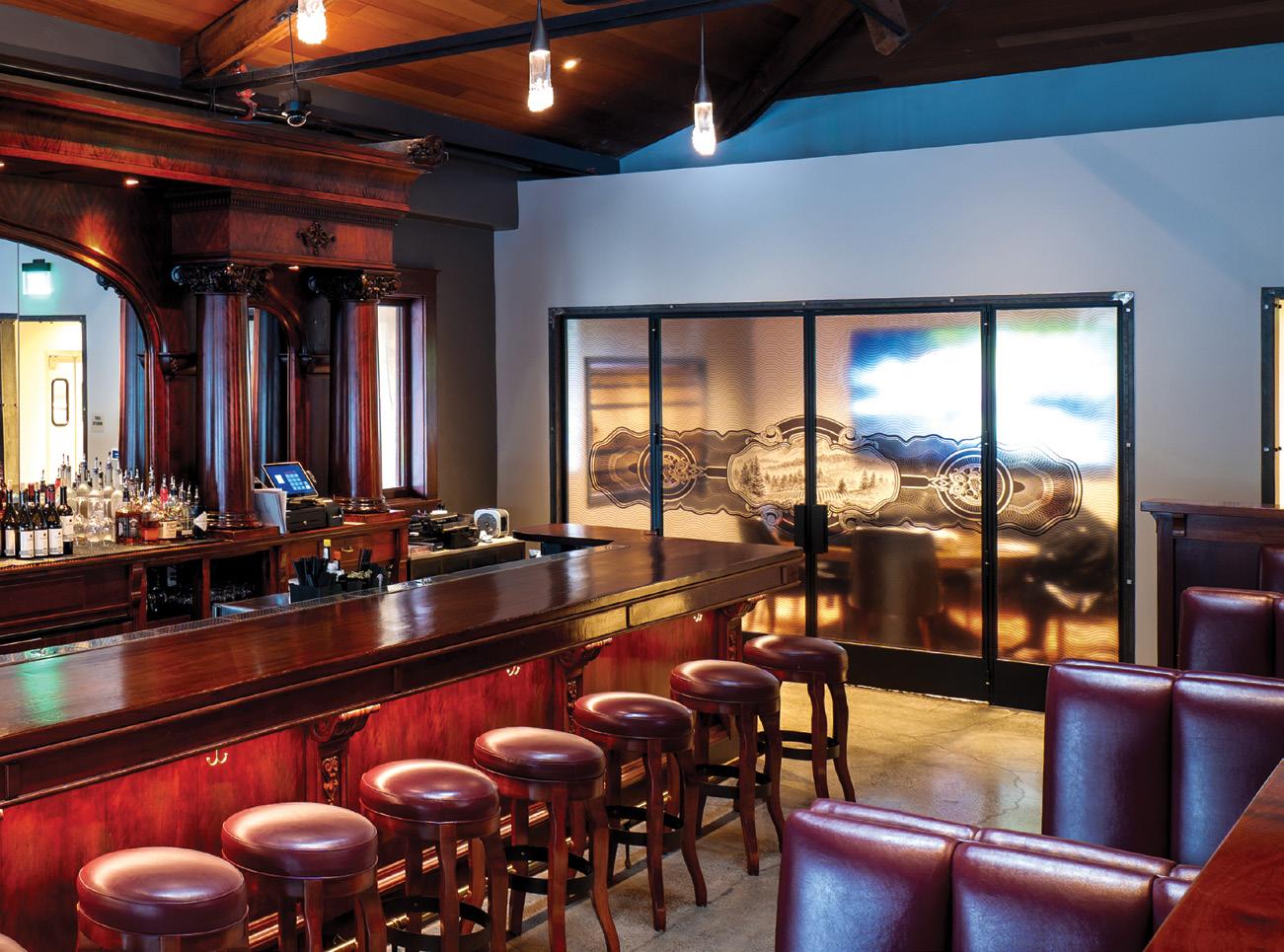
residents, hospitality workers finishing a shift, and families gathering for a meal.
The atmosphere they seek to create is often compared to the television show Cheers—a place where people know your name, conversations happen naturally, and guests feel less like customers and more like neighbors.
The restaurant's layout supports that vision. Beyond the dining room, the property includes a tasting experience, private dining areas, and event space that allow guests to explore wines while enjoying a meal or gathering with friends.
The restaurant also hosts Sunday Supper gatherings, creating another opportunity for locals and visitors to come together around shared meals, conversation, and community.
One of the most distinctive elements of Eight North is its tasting experience.
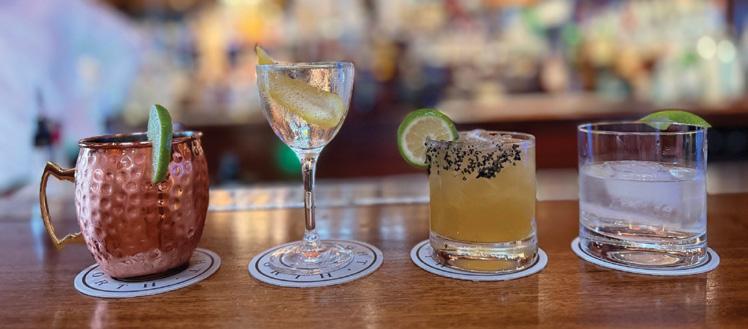
Tastings are led by two experienced sommeliers, giving guests an opportunity that is surprisingly uncommon even in Napa Valley: the chance to taste and learn directly alongside wine professionals. The experiences are conducted on vintage riddling-rack tables, blending education,
hospitality, and a sense of wine-country history into a single memorable experience.
Food plays a central role in that experience, and Executive Chef Abby Burk has become a key part of the restaurant's identity.
Chef Abby's path to the kitchen was not
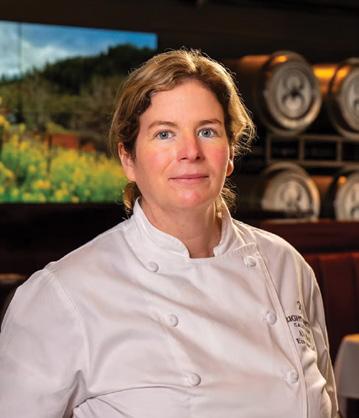
a direct one. Before pursuing her culinary career, she worked in accounting, eventually leaving the profession to follow a lifelong passion for cooking. Inspired early by watching Julia Child on PBS, she developed an appreciation not only for food itself but for the joy and connection that thoughtfully prepared meals create.
That passion has taken her through some of Northern California's most respected kitchens, including Lucia at Bernardus Lodge & Spa in Carmel Valley and Indian Springs Resort in Calistoga. Today, she brings that experience to Eight North while embracing a philosophy centered on local ingredients, seasonality, and community partnerships.
Rather than building menus around trends, Chef Abby focuses on sourcing ingredients locally whenever possible. Seasonal produce and carefully selected ingredients help shape offerings that reflect the agricultural richness of the surrounding region.
Wine is equally important to the Eight North story.
The Lawer family also owns Lawer Estate Vineyards, with vineyards in both Calistoga and nearby Knights Valley. Yet rather than limiting the wine program exclusively to estate offerings, the restaurant has embraced a broader philosophy. Alongside Lawer Estate wines, guests will find selections from fellow local producers and neighboring wineries.
The beverage program also includes verjus-based offerings crafted from estategrown grapes harvested before ripening and pressed without fermentation, creating naturally alcohol-free options. The program even includes a verjus flight designed for
younger guests, ensuring everyone can participate in the experience.
That decision reflects the restaurant's larger commitment to community. By showcasing wines from friends, neighbors, and fellow vintners, Eight North hopes to introduce visitors to the depth and diversity of Calistoga wine while strengthening relationships throughout the region.
The team sees the restaurant not simply as a place to eat and drink but as a gateway to discovering what makes Calistoga unique. Visitors often arrive familiar with Napa Valley as a whole. Eight North hopes they leave with a deeper appreciation for Calistoga specifically—its people, businesses, wineries, and small-town character.
Sustainability also plays an important role in the restaurant's operations. Both estate vineyards are certified sustainable, and the team incorporates environmentally
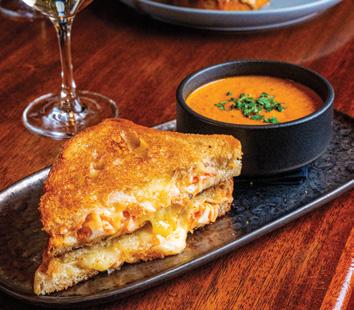
conscious practices throughout the business.
Ultimately, Eight North measures success differently than many restaurants. While awards and accolades are welcome, the team's greatest ambition is to become a trusted gathering place within the community.
In many ways, that goal mirrors the spirit of Calistoga itself. Beneath Napa Valley's international reputation lies a collection of small towns built on relationships, hard work, and a deep sense of place.
The hope is that guests discover something more meaningful when they visit: come for the glitz, but stay for the glory of a small-town feel.
That sentiment captures what Eight North is striving to build—not simply a restaurant or tasting experience, but a place where community, hospitality, wine, and food come together in a way that feels genuine.
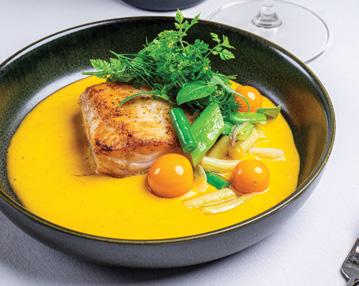
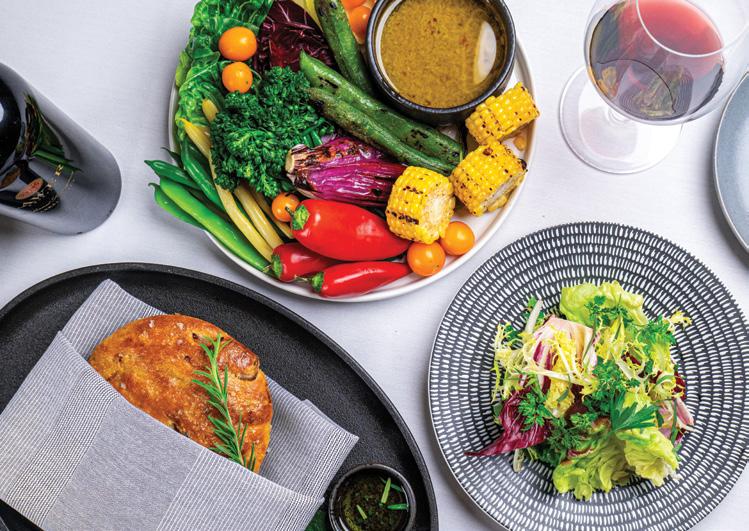
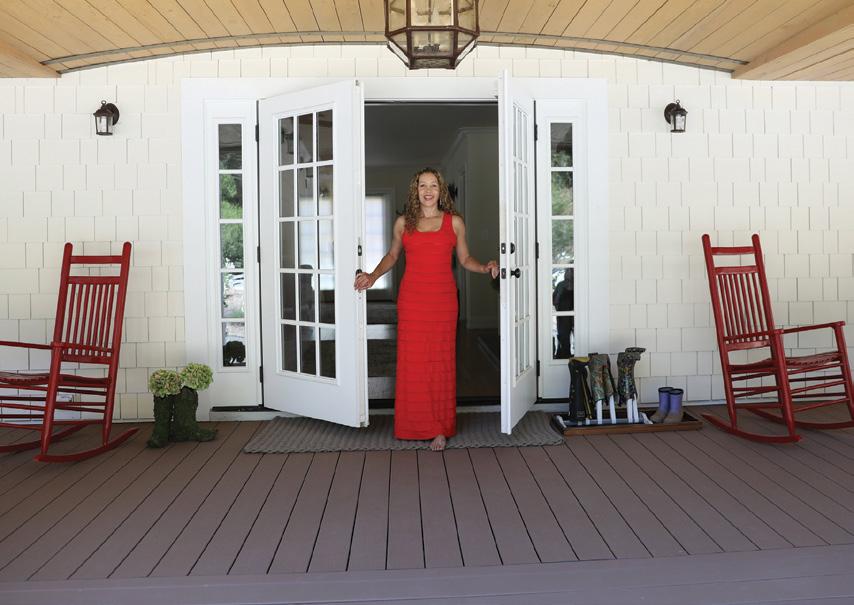
“My mission is to inspire, entertain, and have fun with you—while always setting you up for success.”
“My mission is to inspire, entertain, and have fun with you—while always setting you up for success.”
Karen Crouse
Karen Crouse
FFor a recent dinner where I was pouring my Mount Veeder Magic Vineyards Cabernet Sauvignon, I added vineyard photos onto each napkin ring—all different. I intended to give guests a sense of where the wine came from. With each pour, the photos invited conversation and connection.
or a recent dinner where I was pouring my Mount Veeder Magic Vineyards Cabernet Sauvignon, I added vineyard photos onto each napkin ring—all different. I intended to give guests a sense of where the wine came from. With each pour, the photos invited conversation and connection.
Of all the little touches I add to a table, this one leaves the most lasting impression. It's easy, inexpensive, and works beautifully for any celebration. I've used everything from photos of the guest of honor through the years, travel moments, meaningful places shared, and even a few that made us laugh out loud. Every table tells its own story. You don't need a big budget to make guests feel at home—just a photo and a bit of heart.
FOR MORE INFORMATION www.karencrousenapavalley.com
Makes 10 Rings
Makes 10 Rings
SUPPLIES NEEDED:
SUPPLIES NEEDED:
• 10 printed photos (2” x 2”)
• 10 printed photos (2” x 2”)
• Sharp scissors or a paper trimmer
• Sharp scissors or a paper trimmer
• Glue dots or double-sided tape (I like UGlu brand)
• Glue dots or double-sided tape (I like UGlu brand)
• Napkin rings (plain, smooth wood, metal, or stone, 2”–2.5” diameter)
• Napkin rings (plain, smooth wood, metal, or stone, 2”–2.5” diameter)
TIP: Use matte or semi-gloss paper to reduce glare
TIP: Use matte or semi-gloss paper to reduce glare
INSTRUCTIONS:
INSTRUCTIONS:
Choose Your Photos
Choose Your Photos
Select meaningful images—travel memories, images of the guest of honor, or milestone moments. Consider a visual theme —black and white, sepia tones, or garden-inspired— all create a beautiful effect.
Select meaningful images—travel memories, images of the guest of honor, or milestone moments. Consider a visual theme —black and white, sepia tones, or garden-inspired— all create a beautiful effect.
Trim to Size
Trim to Size
Cut photos down to 2x2 inches wide. Print at home or order from a photo service. Clean edges keep the look polished.
Cut photos down to 2x2 inches wide. Print at home or order from a photo service. Clean edges keep the look polished.
Attach to Napkin Rings
Attach to Napkin Rings
Test one photo first to be sure you're happy with the placement. Then, use glue dots or tape to affix the photo to the ring, centered or slightly off-center. Press firmly for a few seconds, and voila!
Test one photo first to be sure you're happy with the placement. Then, use glue dots or tape to affix the photo to the ring, centered or slightly off-center. Press firmly for a few seconds, and voila!
Set the Table
Set the Table
Slide the napkins through and place them at each seat. Let the photos do the rest. I like to invite guests to take their photo home as a keepsake.
Slide the napkins through and place them at each seat. Let the photos do the rest. I like to invite guests to take their photo home as a keepsake.
Of all the little touches I add to a table, this one leaves the most lasting impression. It's easy, inexpensive, and works beautifully for any celebration. I've used everything from photos of the guest of honor through the years, travel moments, meaningful places shared, and even a few that made us laugh out loud. Every table tells its own story. You don't need a big budget to make guests feel at home—just a photo and a bit of heart. FOR MORE INFORMATION www.karencrousenapavalley.com
Few towns make wine tasting so utterly effortless. In Los Olivos, more than 30 tasting rooms sit within a few walkable blocks — yet what makes this Santa Ynez Valley town one of California's most appealing destinations for wine lovers isn't just the density of pours. It's the absence of anything overbuilt or overly programmed. Victorian-era storefronts house tasting rooms and boutiques. Vineyards, horse ranches, and rolling hills begin just beyond the town's edge. The whole region stays compact, relaxed, and deeply connected to the agricultural landscape surrounding it.
Within minutes, visitors can move from crisp Sta. Rita Hills Chardonnay to powerful
Rhône blends, from a luxury resort to a working farm winery, from boutique tasting salons to acclaimed restaurants sourcing ingredients directly from nearby ranches and gardens. Wine anchors the experience, certainly, but food, art, olive oil tastings, shaded patios beneath sprawling oaks, and warm hospitality all intersect here in a way that feels distinctly Santa Barbara County. Part of the appeal lies in the town’s dual personality. Los Olivos still feels rooted in old-school Western ranch culture — cowboy boots and Stetsons are de rigueur — while swaying palm trees illustrate the proximity to Santa Barbara and the Pacific. They lend an unmistakable coastal ease to the wine, food, and the relaxed pace.
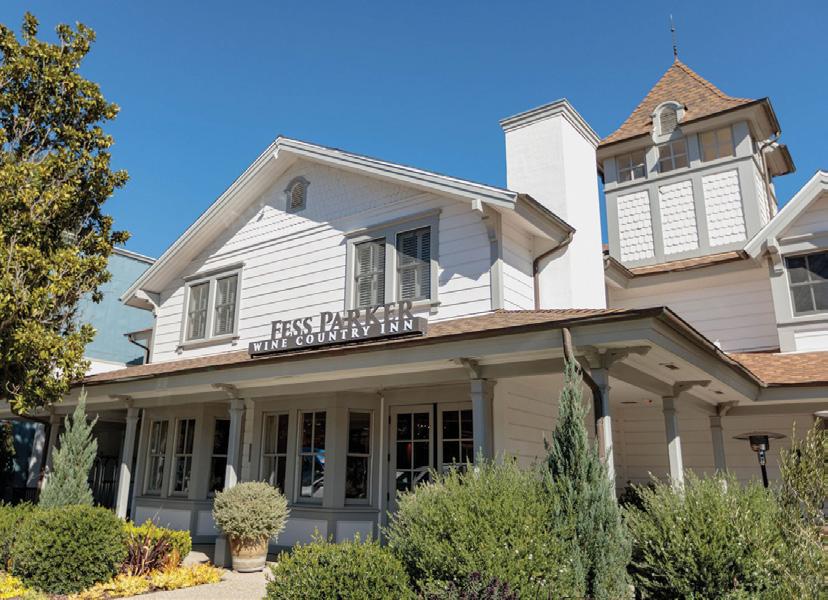
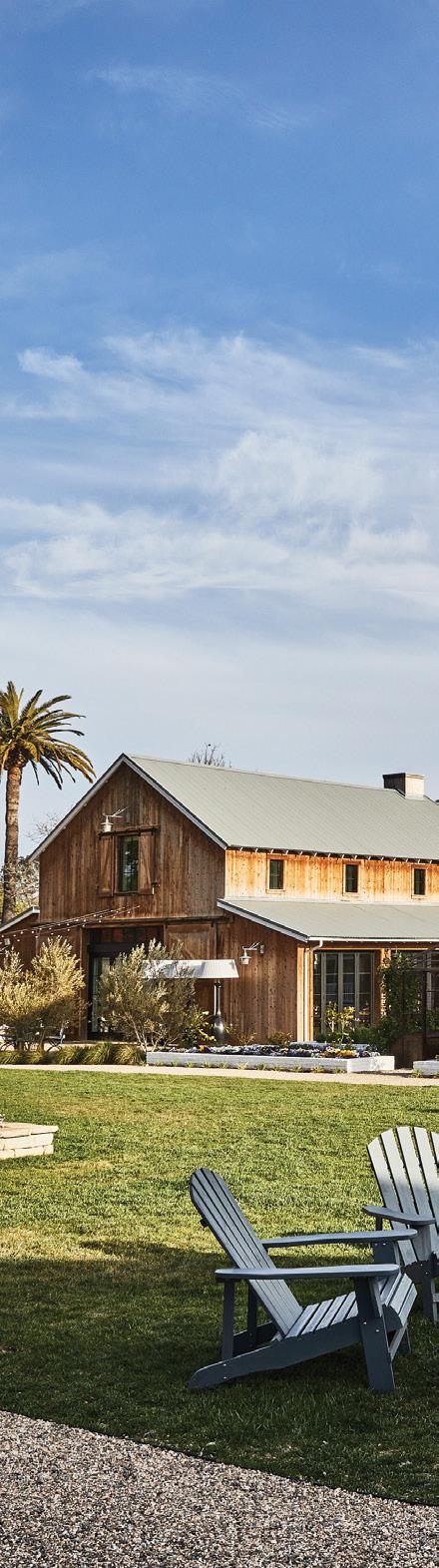
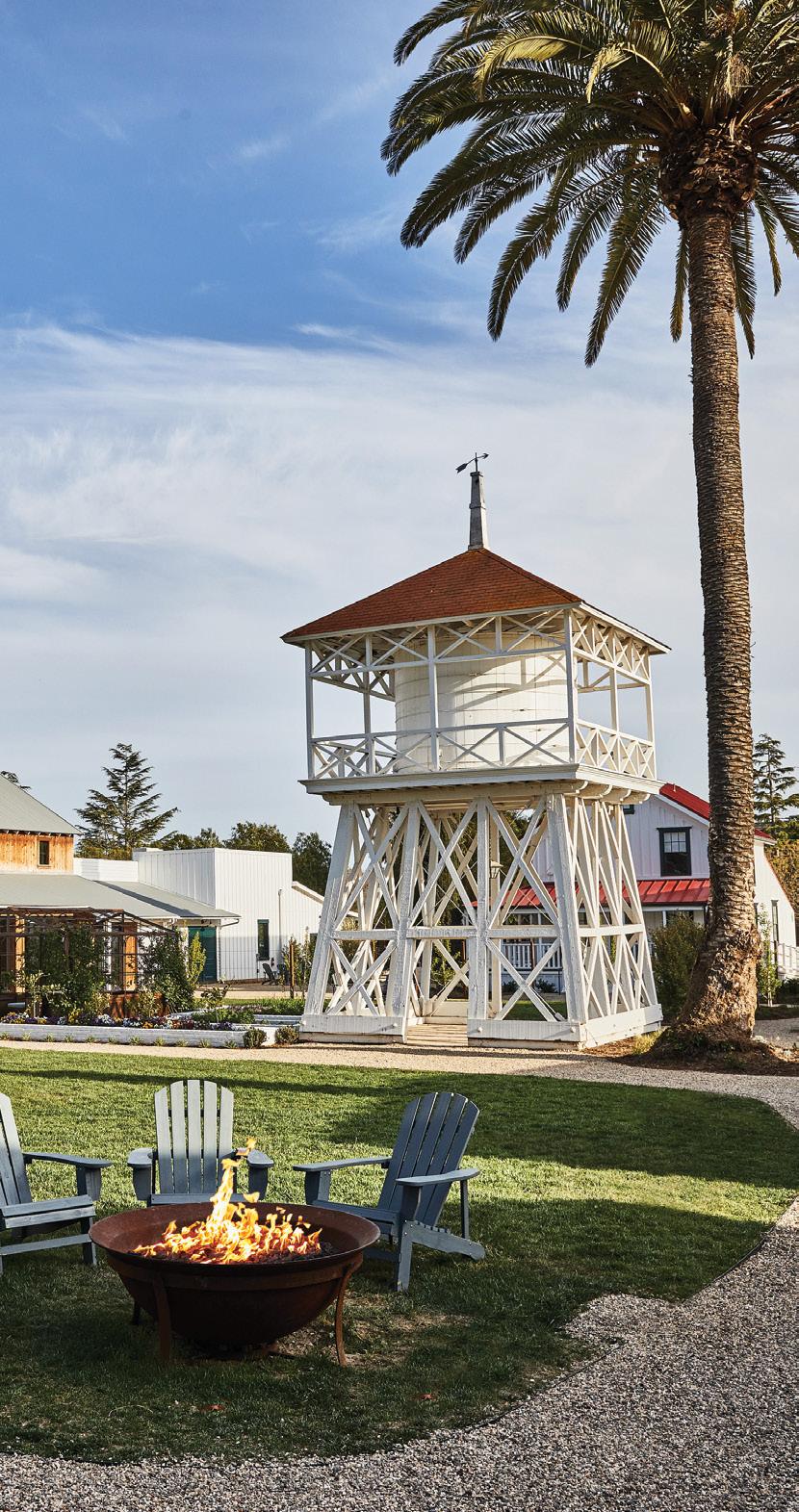
For visitors wanting a complete estate experience, Roblar Winery & Vineyards stands apart. Set among vineyards, farmland, and sprawling valley oaks, Roblar has become far more than a place for seated tastings. Guests settle in for long lunches overlooking the vines, explore the onsite Chef’s Garden and farm, browse the Indah Gallery, and enjoy Bordeaux-style reds and Sta. Rita Hills Chardonnay.
The culinary program has become one of the region’s major draws. Seasonal menus built around produce harvested from the estate elevate the experience well beyond standard winery fare, while Sunday brunch and farm dinners have developed loyal followings. For travelers wanting to extend their stay, the sprawling Roblar Farmhouse offers a private wine-country retreat complete with an infinity pool, firepit, and expansive ranch-style grounds.
Back in downtown Los Olivos, Liquid Farm Tasting Room & Mercantile has earned a devoted following for its Chardonnayfocused program and restrained coastal style. It’s among the most recognized small producers in Santa Barbara County. Winemaker James Sparks crafts wines with old-world character — lower alcohol, coolclimate restraint, and minimal intervention. The tasting room is sunny, and inviting and offers flights, wines by the glass, bottle service, and a fabulous boutique mercantile.
Another essential stop is Refugio Ranch Vineyards Tasting Room, where the Gleason family’s connection to Santa Barbara County winegrowing first began. Refugio Ranch focuses on Rhône and Bordeaux varieties sourced from estate vineyards stretching from the Santa Ynez Valley to the Santa Rita Hills. The tasting room, located right at the entrance to town, reflects the approachable hospitality that has become part of the family’s signature throughout the region.
Another name increasingly circulating through the valley is Kiani Preserve. Though its Los Olivos tasting room is not expected to open until early 2027, the ambitious ranch and agricultural preserve is already generating considerable anticipation among local chefs, vintners, and food artisans.
Led by winemaker Adam Henkel, Kiani’s inaugural wine releases are expected this fall and are already drawing attention within
the valley. Beyond wine, the preserve is building a broader agricultural identity centered around premium provisions sourced directly from the ranch itself.
Visitors can already encounter elements of Kiani throughout the Santa Ynez Valley. Their Wagyu beef appears at Ramen Kotori and at New Frontiers Natural Marketplace, while bespoke olive oil and honey releases are expected to follow. The project reflects the increasingly interconnected nature of Santa Barbara County wine country, where wine, farming, food, and hospitality continue to merge into a more holistic destination experience.
Luxury travelers gravitate toward The Inn at Mattei's Tavern, Auberge Resorts Collection’s beautifully restored property that traces its origins back to an 1886 stagecoach stop. The hotel balances ranchstyle ease with elevated design, pairing cottage accommodations, landscaped courtyards, fireplaces, and one of the valley’s most coveted dining reservations.
For a more classic wine-country stay right in the center of town, Fess Parker Wine Country Inn remains one of Los Olivos’ enduring favorites. The boutique inn combines oversized guest rooms, walkable access to tasting rooms and restaurants, and deep ties to Santa Barbara wine country history through the Parker family legacy.
Part of Los Olivos’ appeal lies in how seamlessly everything connects. A morning tasting can turn into lunch beneath vineyard oaks. An afternoon stroll through town leads to another tasting room, a gallery, or a bottle shop. Dinner stretches late into the evening before a short walk back to your inn.
Unlike larger wine destinations where reservations and logistics dominate the experience, Los Olivos still feels pleasantly navigable and personal. You come for the wine, certainly. But increasingly, people return for everything surrounding it.
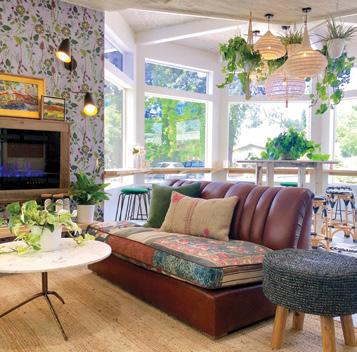
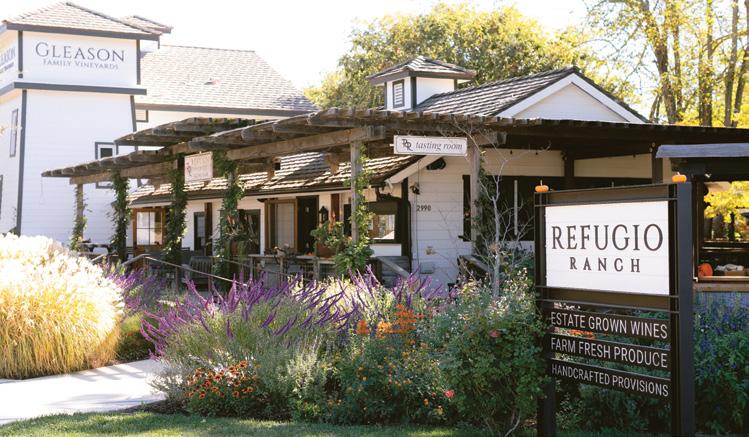
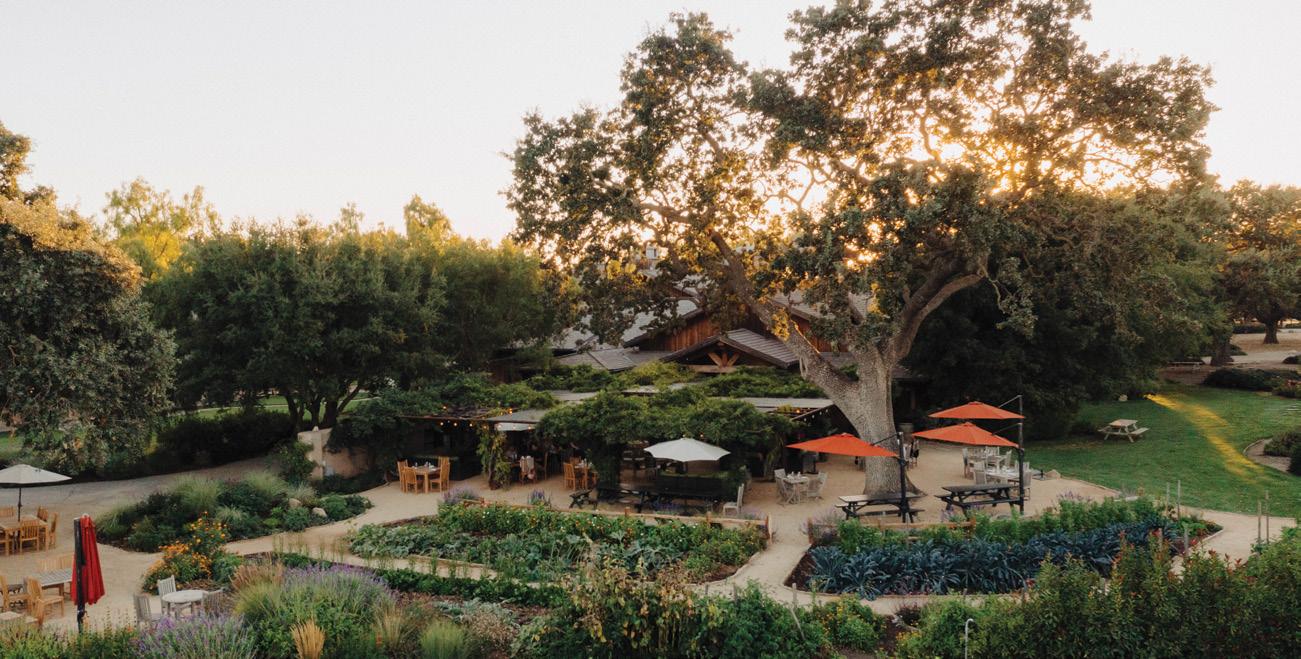
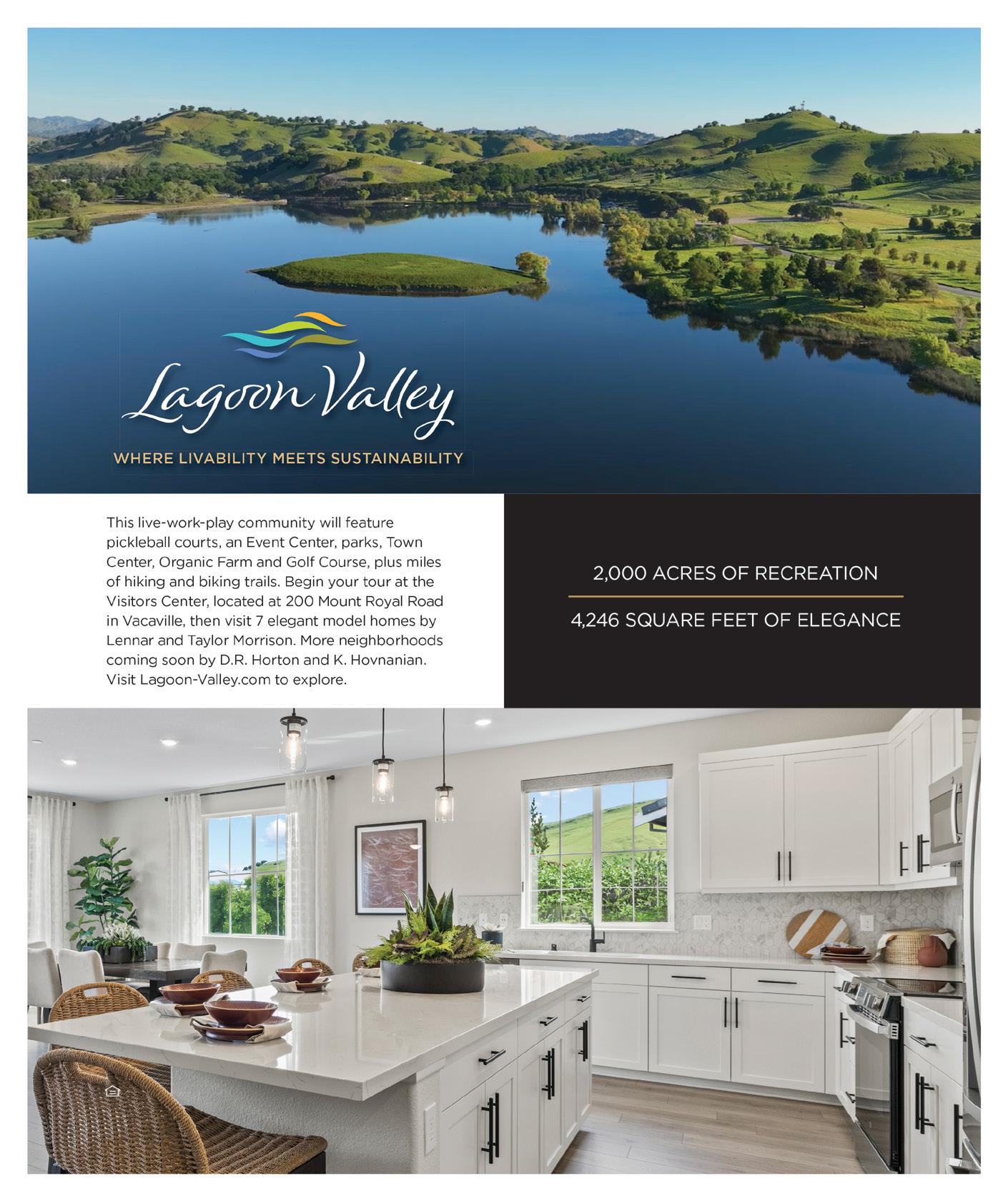
BY FRAN MILLER
he Napa Valley real estate market has shifted. Homes that once flew off the market in less than a month are now averaging closer to 60 days. Prices have adjusted. Buyers are more selective. And in this new landscape, the difference between a good outcome and a great one comes down to strategy, and the person guiding it.
That's where Deborah Hanson stands apart.
Deborah has built her reputation on something more than just listings. She brings a deep understanding of what today's Napa Valley buyer actually wants, and she uses that knowledge to position her sellers for success, even when the market gets complicated. "Buyers are still active," Deborah explains, "but they're more analytical now. They're focused on value, livability, and long-term potential. A home has to tell the right story."
That insight drives everything she does, from how she advises on updates and staging to how she times a listing and crafts its presentation. Her approach is never reactive; it's deliberate.
A recent sale within American Canyon is a perfect example. On paper, it was a well-updated home on a generous lot in a price range that attracts strong buyer interest. But Deborah saw more than the specs. She recognized the home's lifestyle appeal — the layout, the outdoor space, the ease of living — and built a strategy around it. She timed the listing carefully, guided the staging process, and wrote a property description that connected with the right buyers on an emotional level. Then she let the momentum build.
Three open houses in a single weekend drew numerous groups through the door. The energy was real. By the end, Deborah had two written offers and an additional verbal,
ultimately closing $30,000 over the asking price. In a more selective market, that kind of result doesn't happen by accident.
For buyers, Deborah's process starts with clarity. She helps clients sort through what they think they want versus what will actually serve their lifestyle and goals. In Napa, she says, due diligence isn't optional; buyers need to understand condition, land use, neighborhood dynamics, and long-term potential. Her job is to walk them through all of it with transparency and confidence.
For sellers, she brings the same discipline. Pricing, presentation, and timing all have to align. "There's no perfect time to buy or sell," she says. "There's only the
right alignment of price, presentation, and opportunity." It's a philosophy her clients feel, not just in the outcomes, but in the experience.
The seller at the American Canyon home put it plainly: "From beginning to end, Deborah Hanson was exceptional. She truly stands above the rest."
The current real estate market rewards preparation and penalizes guesswork, and this type of reputation means everything. For Deborah Hanson, it's simply how she works.
BY MICHEAL KANE
In Napa Valley, reputation matters.
Whether it is a winery built over generations or a local business serving the community for decades, trust is often the foundation beneath long-term success. For Jacobson Wealth Management, that same philosophy has shaped the company’s approach to financial planning for nearly two decades.
Founded in 2007 by Rich Jacobson, the Napa-based company has steadily evolved from a traditional investment-focused practice into a more comprehensive financial planning business centered around relationships, trust, and helping clients navigate life’s most important transitions.
For Rich, the journey to Napa Valley was anything but ordinary.
Born and raised in Canada, he earned his degree from McGill University before completing graduate work in economics and policy at the University of Washington. Early in his career, he had the chance to work for both the Canadian and U.S. governments before eventually leaving public service to start his own business just days before the market crash of Black Monday in October 1987.
Years later, another major leap of faith brought him to Northern California.
“We wanted to raise our family in Napa,” Rich said, describing the valley’s natural beauty and close-knit community as reminders of Provence, France.
That sense of family remains central to the practice today.
In addition to Rich Jacobson being recognized as one of the 80 best Financial Planners in the U.S. by Money.com, Jacobson Wealth has been honored to receive the Outstanding Office Award from United Planners for the past 8 consecutive years. Just as importantly, the company has become known for serving multiple generations of the same families — helping clients navigate everything from retirement planning and estate transitions to unexpected life events that often carry emotional weight alongside
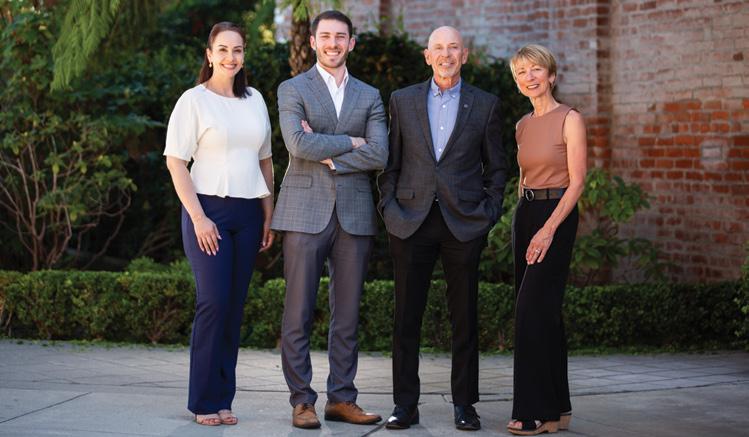
financial complexity.
“A lot of times, we’re the first people clients call when something major happens in their lives,” Rich explained.
Whether it is the loss of a spouse, caring for an aging parent, or navigating a significant life transition, Rich believes the advisor’s role extends far beyond numbers and investment performance.
“At the end of the day, if we’ve had a positive impact on our clients’ lives, that’s success.”
That philosophy has also influenced the next generation of the business.
Rich’s son, Remy, joined the company in 2020 while still in college, eventually earning his finance degree from UC Berkeley and becoming a Certified Financial Planner®️ professional like his father.
Today, both father and son serve clients together, combining decades of experience with a younger generation’s perspective and energy.
“There’s a lot of synergy,” Rich said. “Experience matters, but so does fresh perspective.”
For Remy, working alongside family has reinforced one of the most important lessons in financial planning: trust.
“Disagreements happen,” he said. “But
if you trust the other person has your best interest in mind, you can work through them.”
That mindset reflects the broader philosophy behind Jacobson Wealth Management itself.
The company believes financial planning should feel personal, understandable, and relationship driven — not transactional.
Looking ahead, their practice sees technology and artificial intelligence continuing to reshape the financial profession. Yet despite those advancements, both Rich and Remy believe the human element of financial planning will only become more valuable over time.
“People still want to work with someone they trust,” Rich explained.
In many ways, that perspective mirrors Napa Valley itself: a place where quality, reputation, and long-term relationships still matter.
And for Jacobson Wealth Management, that is exactly the kind of foundation worth building on.
Registered Representatives Offering Securities and Advisory Services through United Planners Financial Services, Member: FINRA, SIPC. JWM and United Planners are independent companies
BY FRAN MILLER
Every fall, the Napa Valley art scene becomes wholly accessible to all.
Studio doors swing open, artists step away from their easels and kilns, and the public is invited in. Not simply to browse, but to experience the living, breathing reality of how art gets made.
Napa Valley Open Studios, organized by the Art Association Napa Valley, is a selfguided public tour of individual and group artist workspaces spanning the Valley from Napa to Calistoga. Held later in September, this free event is built around one simple
idea: bringing artists and the community together in the spaces where creativity actually happens.
The experience is unlike anything you'll find in a traditional gallery or museum. There are no recorded audio guides, no velvet ropes, no hushed reverential distance between viewer and work. Instead, visitors move through real working studios, watching demonstrations, asking questions, and absorbing the energy of a space shaped entirely by one person's artistic vision. The annual Open Studios Directory serves as
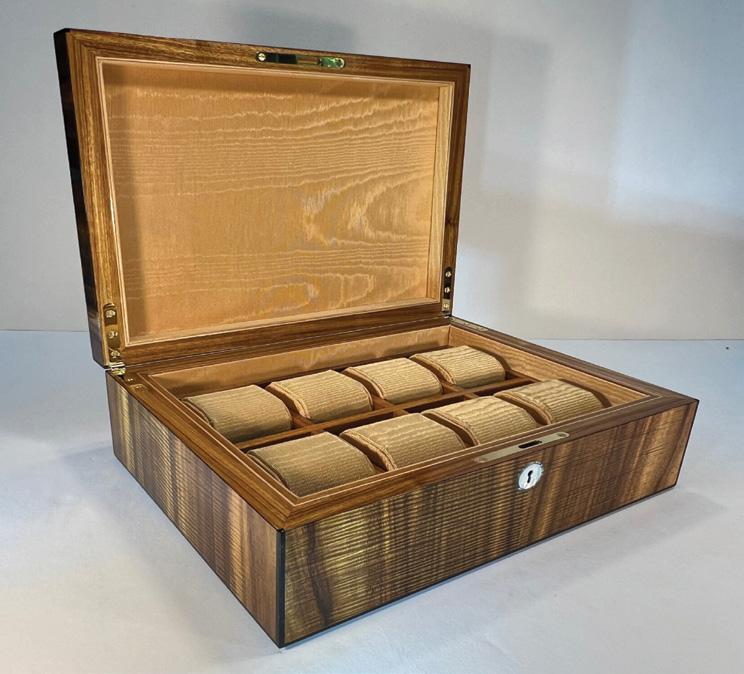

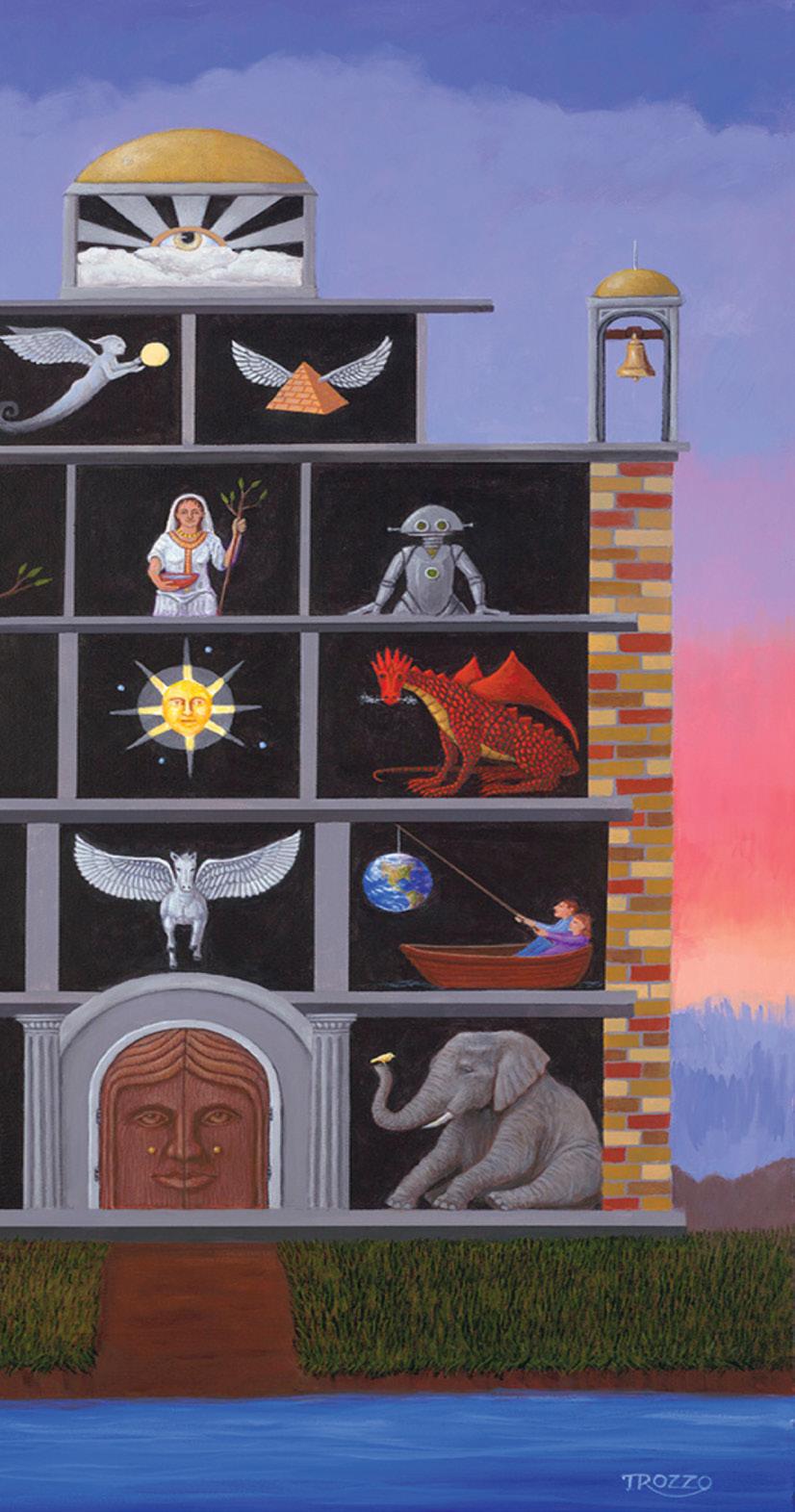
both map and guide, helping visitors plot their route through dozens of locations.
The artists represented span a wide range of disciplines: painting, ceramics, photography, glasswork, woodworking, jewelry design, and more. Works are available for purchase directly from the artist, making it one of the more intimate and accessible ways to collect art in the region.
Behind the scenes, the event is a considerable undertaking managed entirely by volunteers. Budgeting, artist outreach, tour map design, advertising sales, sponsor coordination, print deadlines, and community engagement all fall on this group of people who show up out of love for art and the Valley.
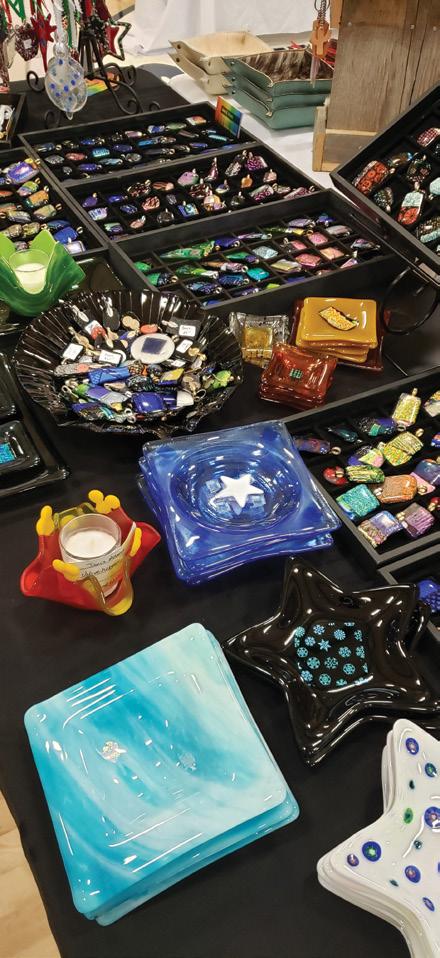
Member Gary Lavender, has seen that dedication up close. "What makes this organization and its achievements year after year so special is the successful performance of so many tasks by a dedicated group of volunteers,” he says. “People make this event happen for the love of art and community. I volunteered initially for fundraising, but understood more after a meeting with Ronda Schaer, Chair of the Yountville Arts Commission. Great insights and an outstanding organization, along with Yountville Parks and Recreation, truly helped us achieve more for our efforts.”
For participating artists, Open Studios offers something that's difficult to replicate independently — broad visibility, a direct
connection with the public, and a platform that advocates for the larger Napa Valley arts community. Lavender puts it plainly: "By opening their studios and inviting the public, it provides a humanizing factor to the art and the artist and their approach.”
That humanizing quality may be the event's most lasting contribution to the region's cultural life. Napa Valley is known mostly for wine and landscape; Open Studios
insists on another truth — that creativity lives here too, in the hands of neighbors. Napa Valley Open Studios takes place the last two full weekends of September. The tour directory and map are distributed about six weeks before the event and are available at locations throughout the Valley.
FOR MORE INFORMATION: www.openstudiosnapavalley.org
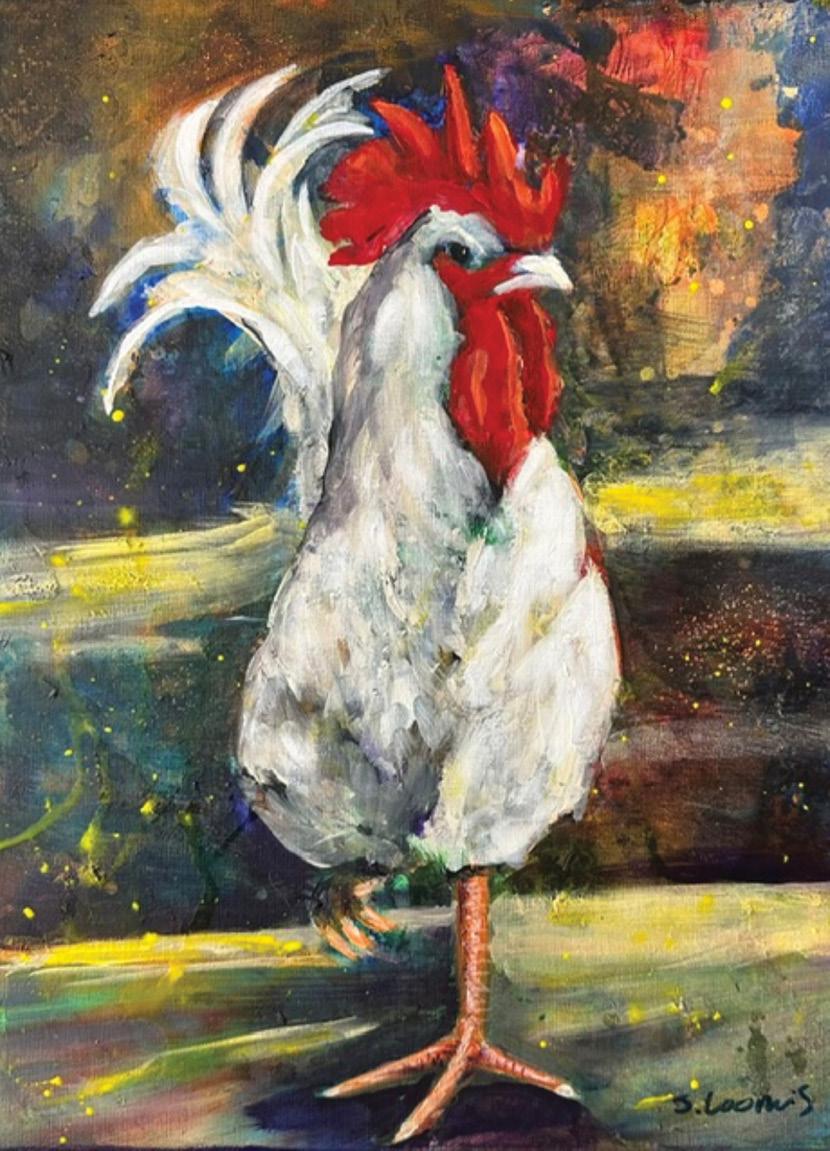
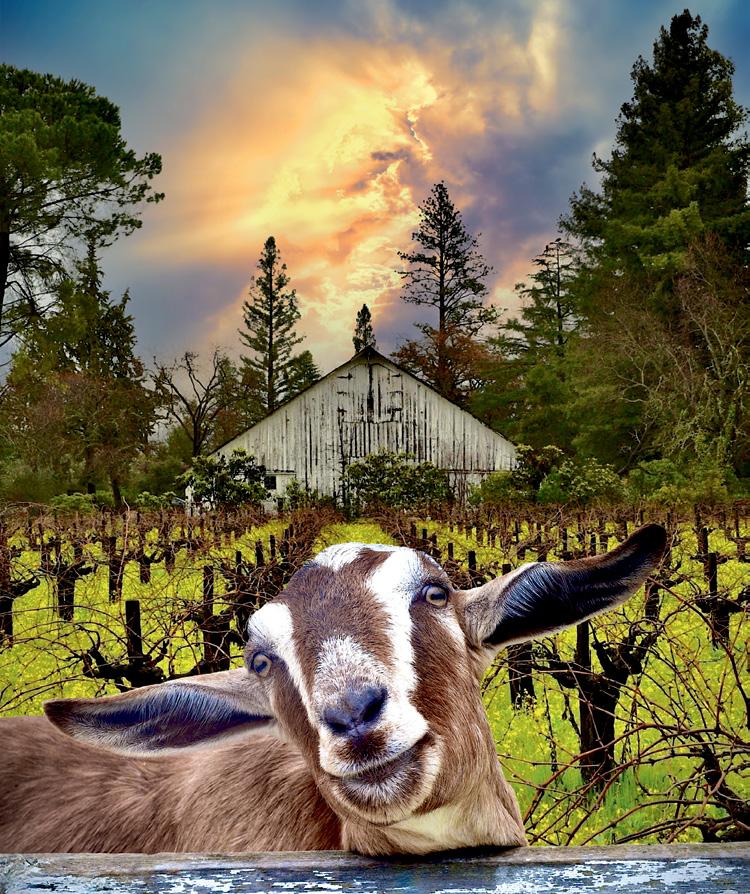

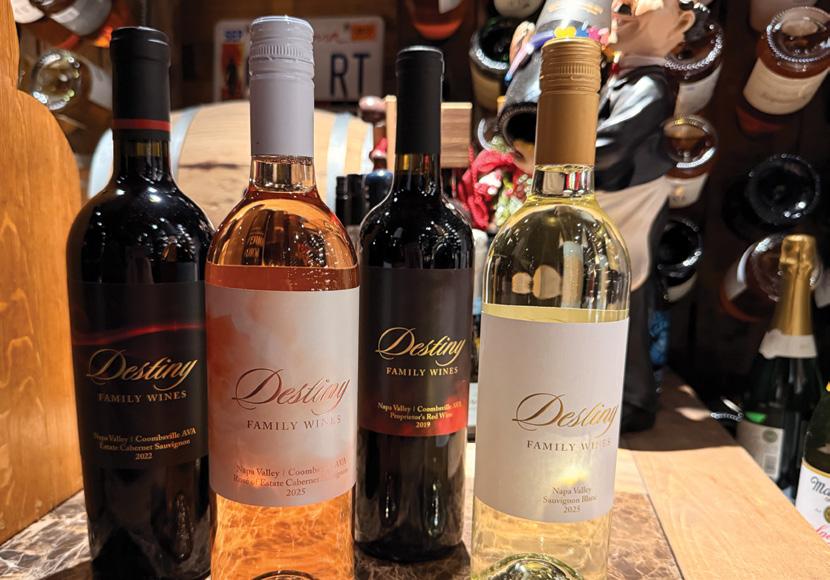
BY CHARLEEN EARLEY | PHOTOS COURTESY OF CHARLEEN EARLEY
Sometimes the best business ideas arrive in unexpected places.
For Ray Hanson Jr., founder of Destiny Wine Tours, a luxury transportation service, the spark came after a Christmas Day conversation with his wife Debbye and was refined around a firehouse lunch table.
In 2005, Hanson was nearing retirement from a career as a firefighter when he began wondering what life would look like next. Debbye encouraged him to find a new pursuit rather than settle into retirement too early.
“She basically looked at me and told me I need to find something to do,” Hanson said, recalling that she thought age 50 was “way too young” to retire from a profession he loved.
The idea that eventually became Destiny Wine Tours emerged several months later during a conversation at the fire station. Hanson, who enjoyed organizing events and entertaining friends, realized he could turn his passion for wine and hospitality into a business.
“I enjoy putting things together,” said Hanson, also co-owner of Destiny Family Wines, producing his own wine and label with Debbye.
By April 2006, Destiny Wine Tours was officially on the road, offering visitors a local’s perspective on Napa Valley. What began as a retirement venture quickly evolved into a career centered on helping travelers discover the region’s wineries, restaurants and history.
Unlike larger tour operators that often rely on a rotating roster of drivers, Hanson built his company around personal service.
Having spent more than two decades driving throughout Napa Valley, he works directly with clients to understand what kind of experience they want before recommending wineries and destinations.
His approach is guided by a simple philosophy that has become the company’s unofficial motto: “We meet as clients and we depart as friends.”
That emphasis on relationships has helped build a loyal customer base. Hanson said many bookings come through referrals
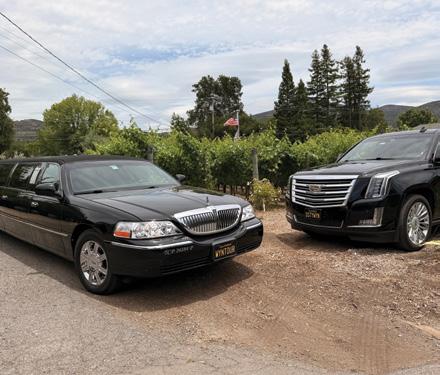
from hotel concierges and previous guests who return to Napa Valley or recommend the service to family and friends.
Before every tour, Hanson likes to learn as much as possible about the people stepping into his stunning five-door limousine.
“What kind of wines do they like?” he said. “What kind of foods do they like?”
The answers help shape an itinerary tailored to each group rather than a onesize-fits-all schedule.
Some visitors are interested in iconic wineries, while others are searching for boutique tasting rooms, scenic views or memorable meals. Hanson enjoys matching guests with experiences that fit their interests.
His enthusiasm also extends beyond wine.
Hanson enjoys sharing stories about Napa Valley’s past and introducing visitors to the people and places that have helped shape the region into one of the world’s premier wine destinations.
Over the years, Destiny Wine Tours expanded to include additional vehicles and drivers. In 2018, however, Hanson decided to scale back and return to a smaller operation, allowing him to spend more time with guests and focus on the personal connections that inspired the business in the first place.
Today, Hanson continues to do what he loves most: welcoming visitors, sharing Napa Valley’s treasures and turning a simple wine tour into an experience that feels like spending the day with an old friend. For many guests, that personal touch becomes the most memorable stop of all.
FOR MORE INFORMATION
www.destinywinetours.com
www.destinyfamilywines.com
BY MICHAEL KANE

Sometimes the most valuable part of a salon visit is not the hairstyle. It’s the feeling that comes afterward.
For some clients, it’s confidence. For others, it’s relaxation. For many, it’s simply an opportunity to slow down, be cared for, and leave feeling refreshed. At Whirlwind Blow Dry Lounge in Napa Valley, that feeling has been at the heart of the business since owner Stacie Harrold opened the doors in October 2015.
Harrold recognized an opportunity in Napa Valley. The region welcomed visitors from around the world, yet there was no dedicated dry bar focused exclusively on blowouts and makeup services. At the same time, local residents were looking for beauty services that fit into busy schedules and active lifestyles.
Rather than creating a traditional salon, Stacie envisioned something with a distinct personality. Inspired by the charm and glamour of the 1950s, Whirlwind was designed as a vintage-inspired beauty lounge that pays tribute to a time when women regularly visited salons as part of their
weekly routine. The goal was not simply to style hair. It was to create an experience.
Over the years, Whirlwind has evolved into much more than a place to get a blowout.
The business has become a recognized part of Napa Valley's wedding community, with a team capable of providing hair and makeup services for large bridal parties and special events. In a destination known for celebrations, wineries, and unforgettable gatherings, that has become an important part of the salon's identity.
Yet despite its growth, Whirlwind remains deeply connected to the local community.
Harrold is quick to credit the salon's loyal local clientele for much of its success. While tourists help introduce new faces to the business, it is the relationships built over years with residents that have helped Whirlwind thrive. Those relationships have created a welcoming atmosphere that clients describe as feeling less like a salon and more like a gathering place.
One of Harrold's strongest beliefs is that successful businesses are built on strong
teams. In an industry often characterized by turnover, Whirlwind has retained multiple employees since its earliest days. Three team members have been with the salon for more than a decade, something Harrold views as one of her proudest accomplishments.
She believes business owners should spend as much time understanding and supporting their employees as they do understanding their customers.
That commitment to both customers and employees has not gone unnoticed. In 2025, Whirlwind earned Silver Salon honors in the Best of Napa awards, recognition the team attributes to creativity, collaboration, signature blowouts, and vintage-inspired styling.
The true measure of success, however, begins with a relaxing shampoo and scalp massage and ends with something much more meaningful than a new hairstyle. It ends with a renewed sense of confidence and a smile to conquer their day.