ONEEARTH
CONNECTION WITHOUT WORDS
ABOUTUS OURPROJECTS COLLECTIONS NEWTRENDS BRANDSTRATEGY
Sharedworld Acrossspecies. Withrespect Shiftingviews guidedbyempathy

ABOUTUS OURPROJECTS COLLECTIONS NEWTRENDS BRANDSTRATEGY
Sharedworld Acrossspecies. Withrespect Shiftingviews guidedbyempathy

Humans read animal emotions without language by becoming sharp observers of movement, expression, and context skills that long predate speech itself. A dog’s loose wagging tail, a cat’s slow blink, or a horse’s pinned ears all act as emotional shorthand, shaped by evolution and refined through daily interaction.
We instinctively track posture, vocal tone, speed, and rhythm. It’s the same way we read a friend’s mood from a sigh or a slumped shoulder Experience deepens this fluency Pet owners, farmers, and wildlife researchers learn subtle cues These signals reveal fear, curiosity, stress, or contentment At the core of it all is empathy
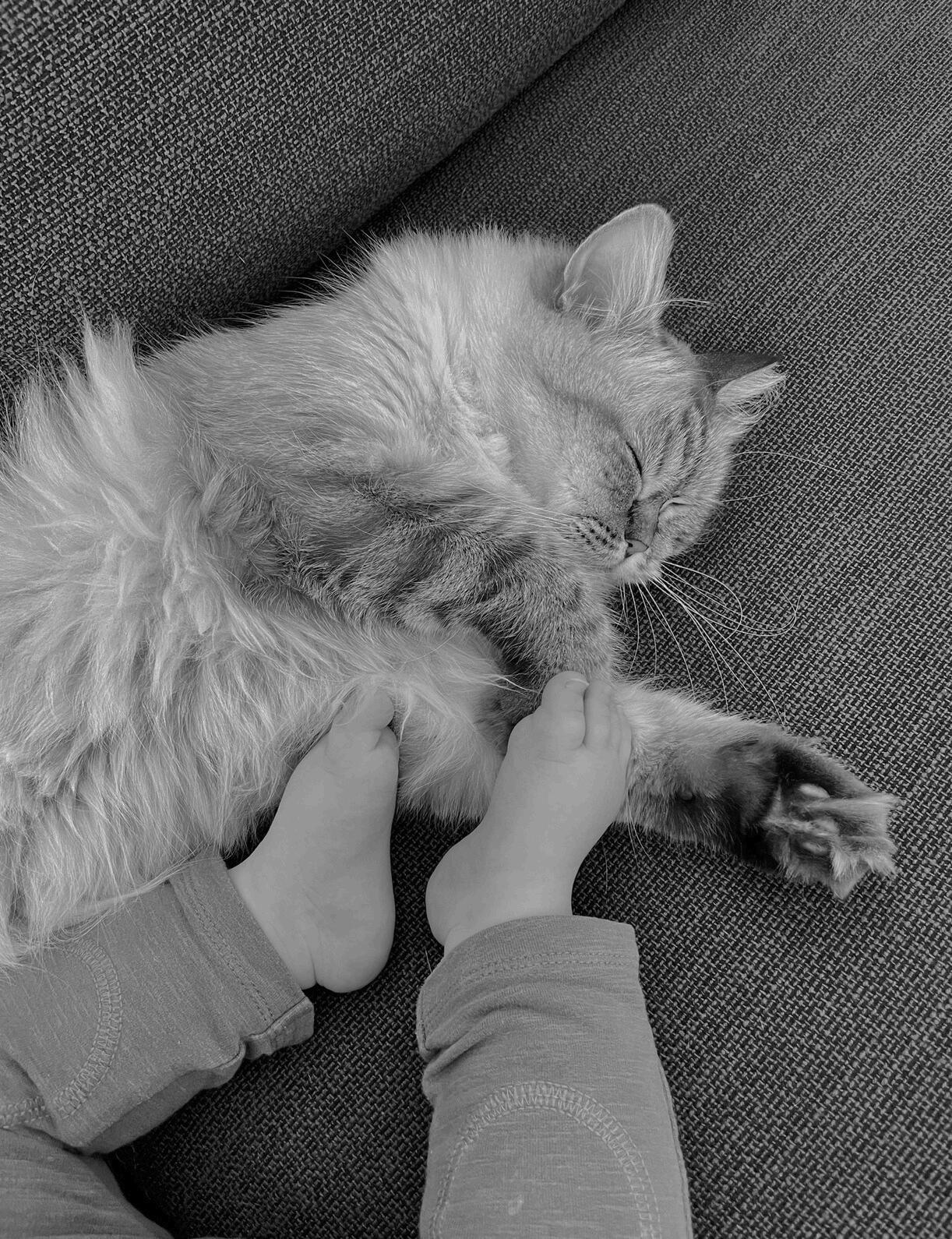
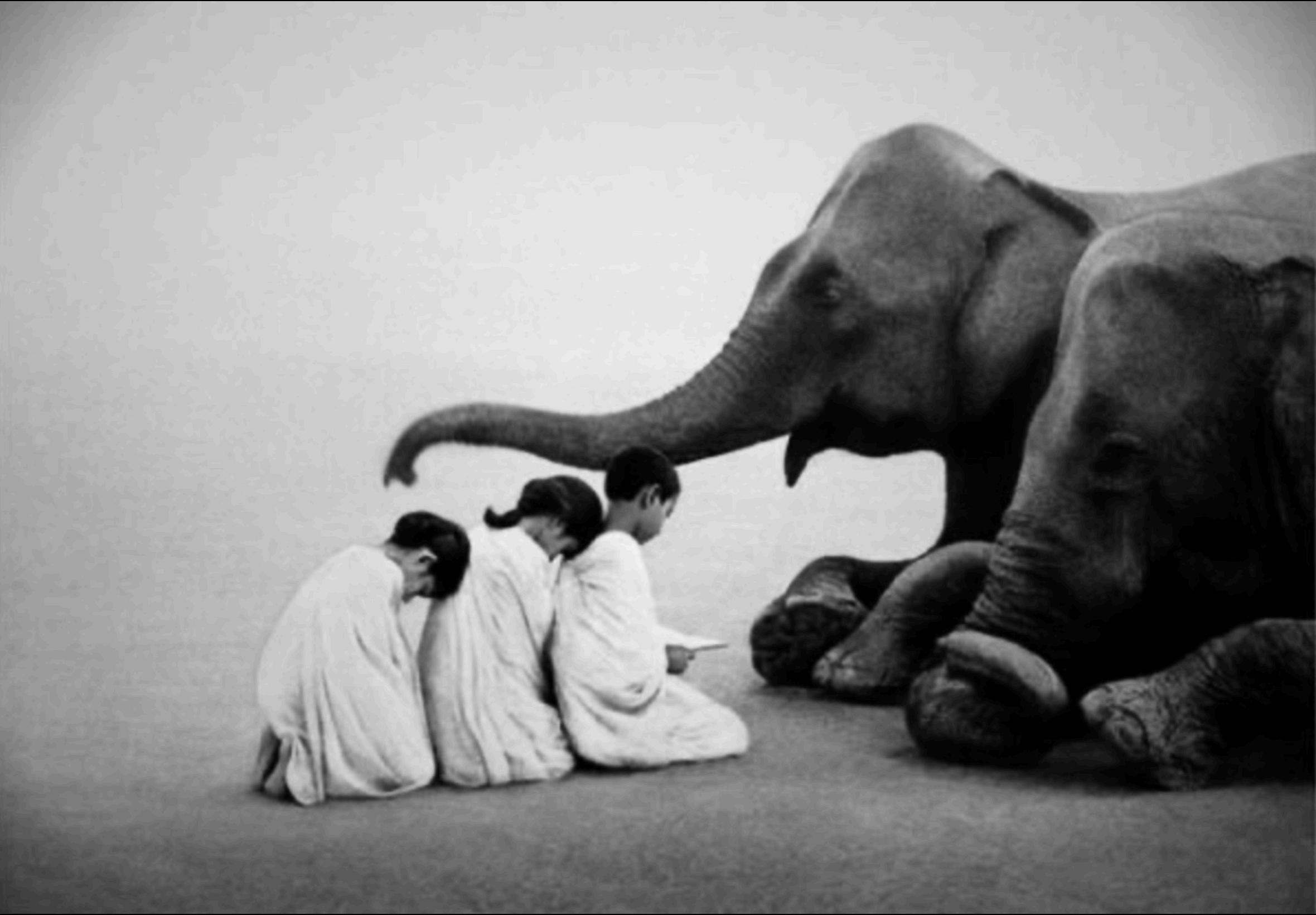
Our brains are wired to mirror and interpret the emotions of other living beings, even across species, and without a shared language we rely on careful attention, pattern recognition, and intuition to feel our way forward into another creature’s inner world.
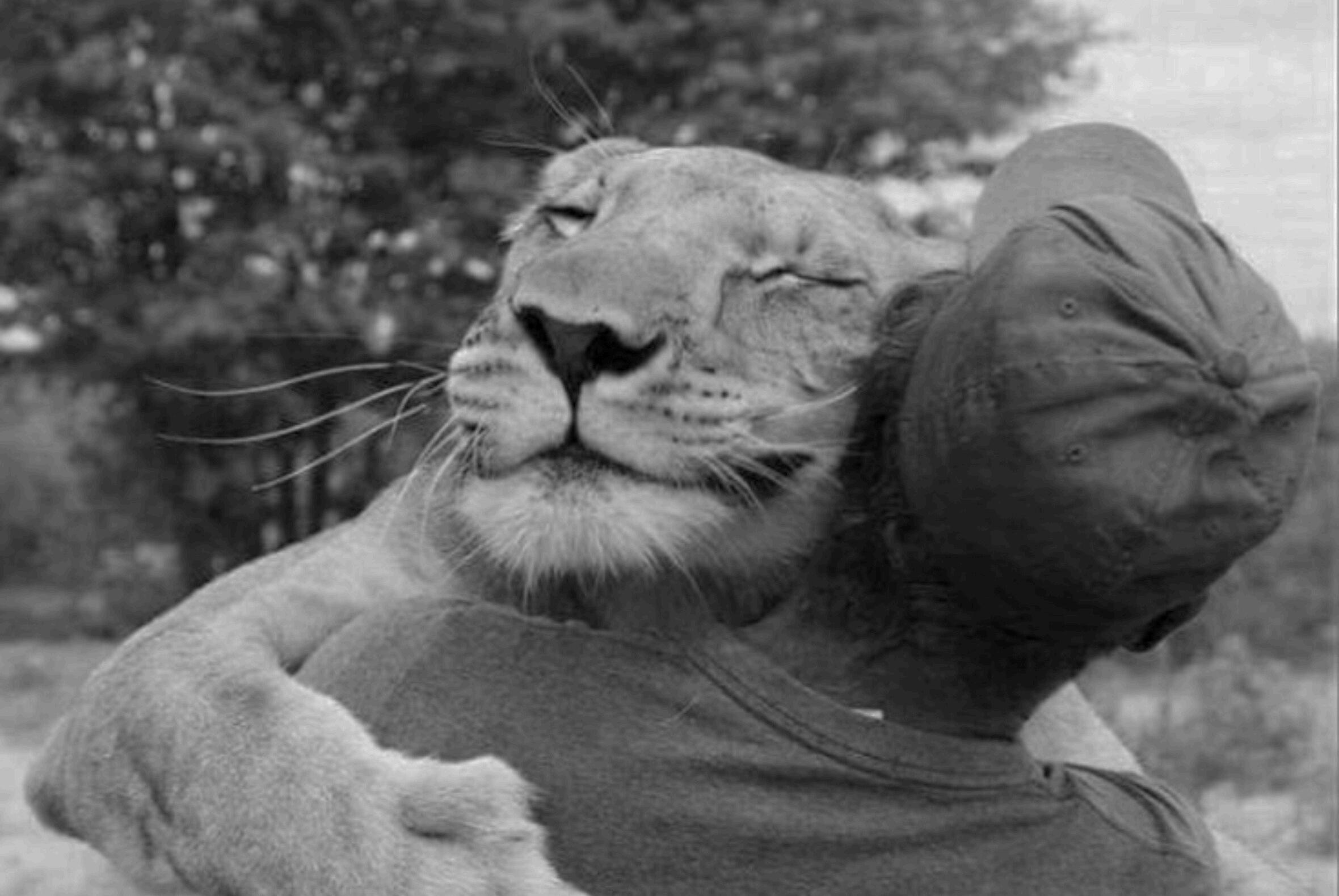
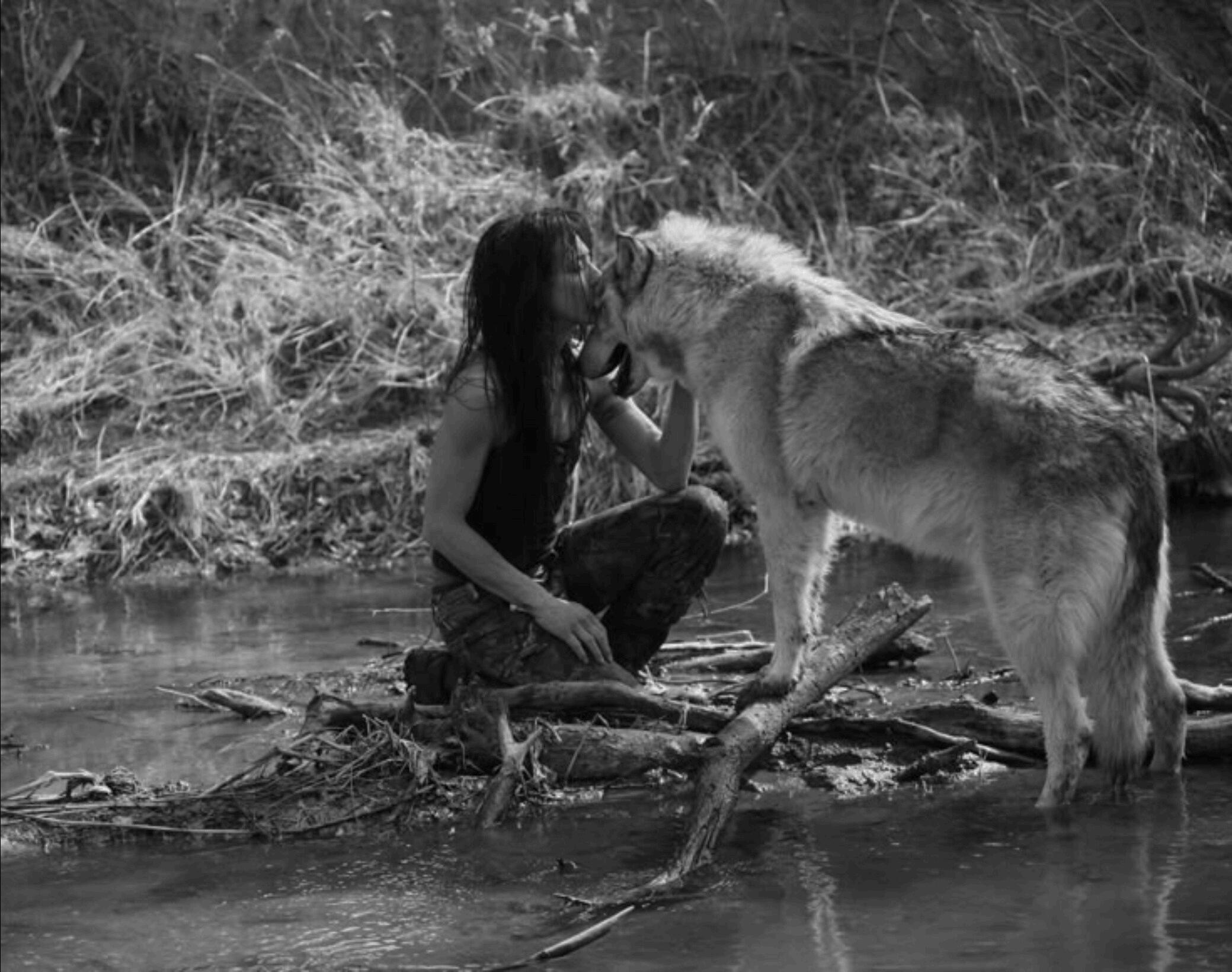

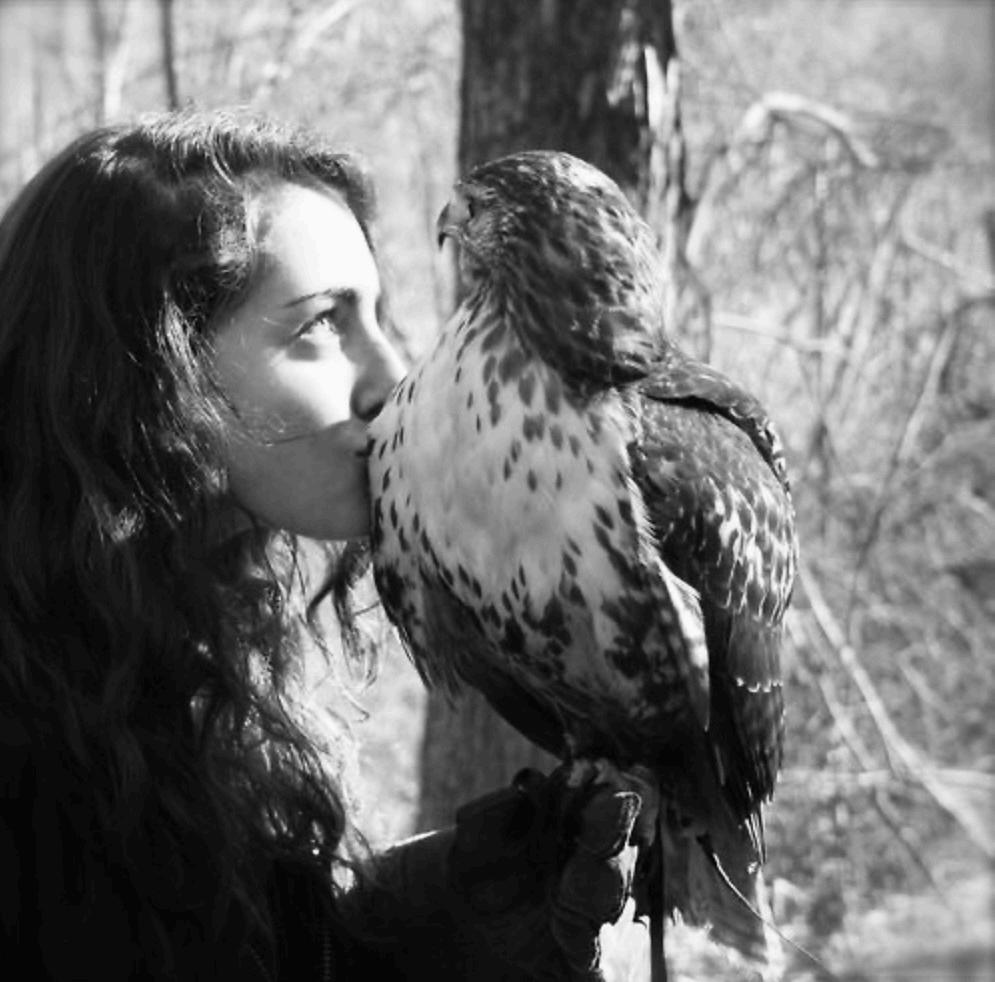
Touch is the first language we learn, long before speech or memory. From the beginning of life, physical contact teaches us safety, comfort, and connection Touch grounds us in the present moment and reminds us that we exist in relation to others This need does not fade with age, nor does it belong only to humans Across species, touch serves as reassurance and recognition A gentle hand, shared warmth, or quiet closeness communicates belonging in a way words often cannot
For both humans and animals, touch is a powerful form of communication. It helps regulate emotion, lowers stress, and builds trust Physical contact releases oxytocin in both species, strengthening bonds and creating a sense of calm Yet touch is more than a biological response Animals do not rely on explanations or intentions; they respond to what is offered in the moment The way a human approaches slowly, attentively, without force determines whether touch becomes comforting or threatening

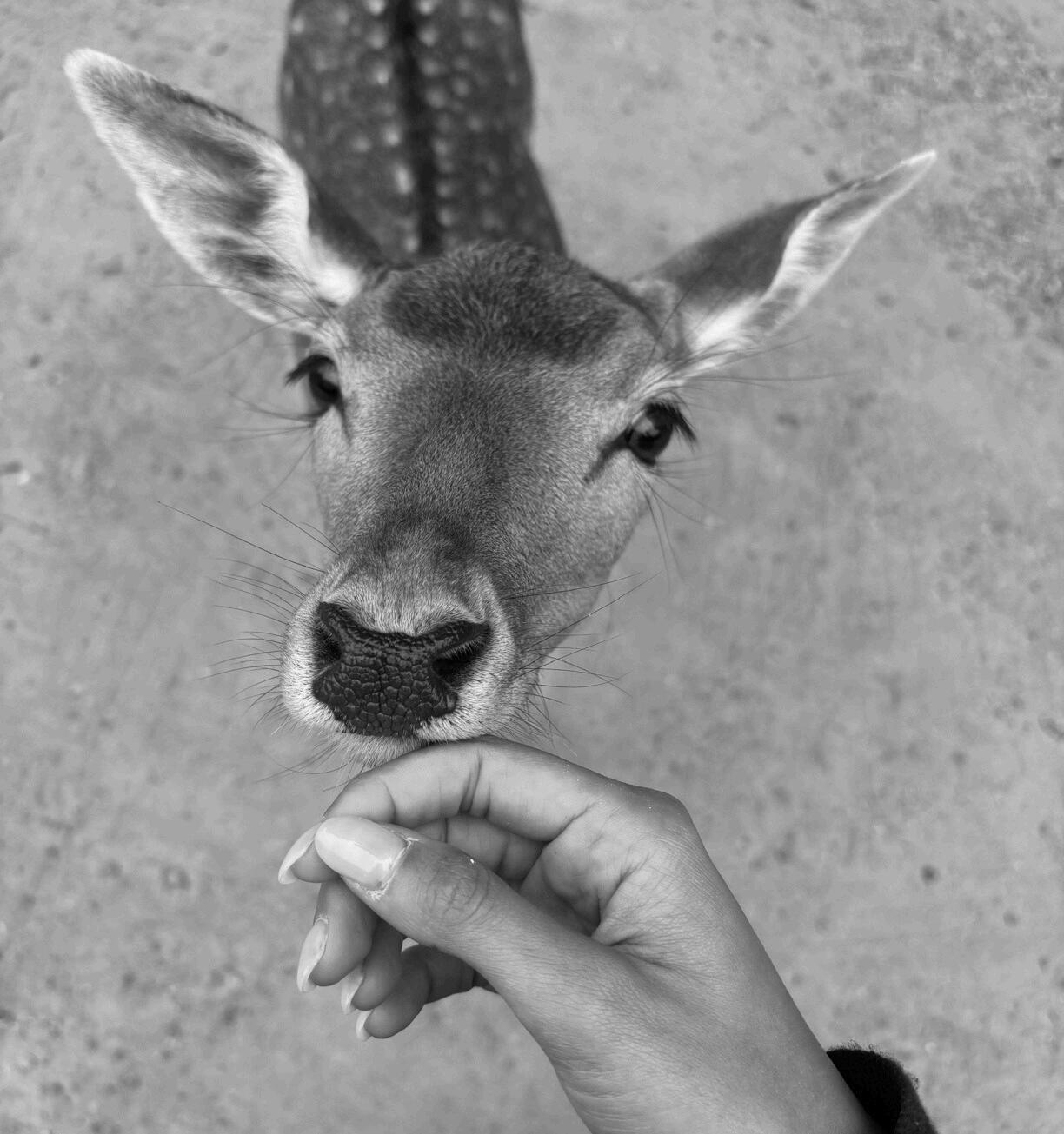
Animals are especially sensitive to the meaning behind physical contact. They read posture, movement, and tension rather than language. When touch is invited instead of imposed, the interaction becomes mutual rather than controlling. A dog leaning into a leg, a horse resting its head against a shoulder, or a cat choosing to stay close are subtle expressions of trust In these moments, touch becomes a bridge, replacing hierarchy with understanding
In a world shaped by distance and constant distraction, touch remains one of the most direct expressions of connection Human–animal relationships offer companionship without judgment or expectation Animals do not ask us to explain ourselves; they respond only to presence and care. Through touch, both human and animal meet in shared vulnerability. It matters because it reminds us that meaningful connection does not require shared language only attention, patience, and the willingness to reach out and be met in return.

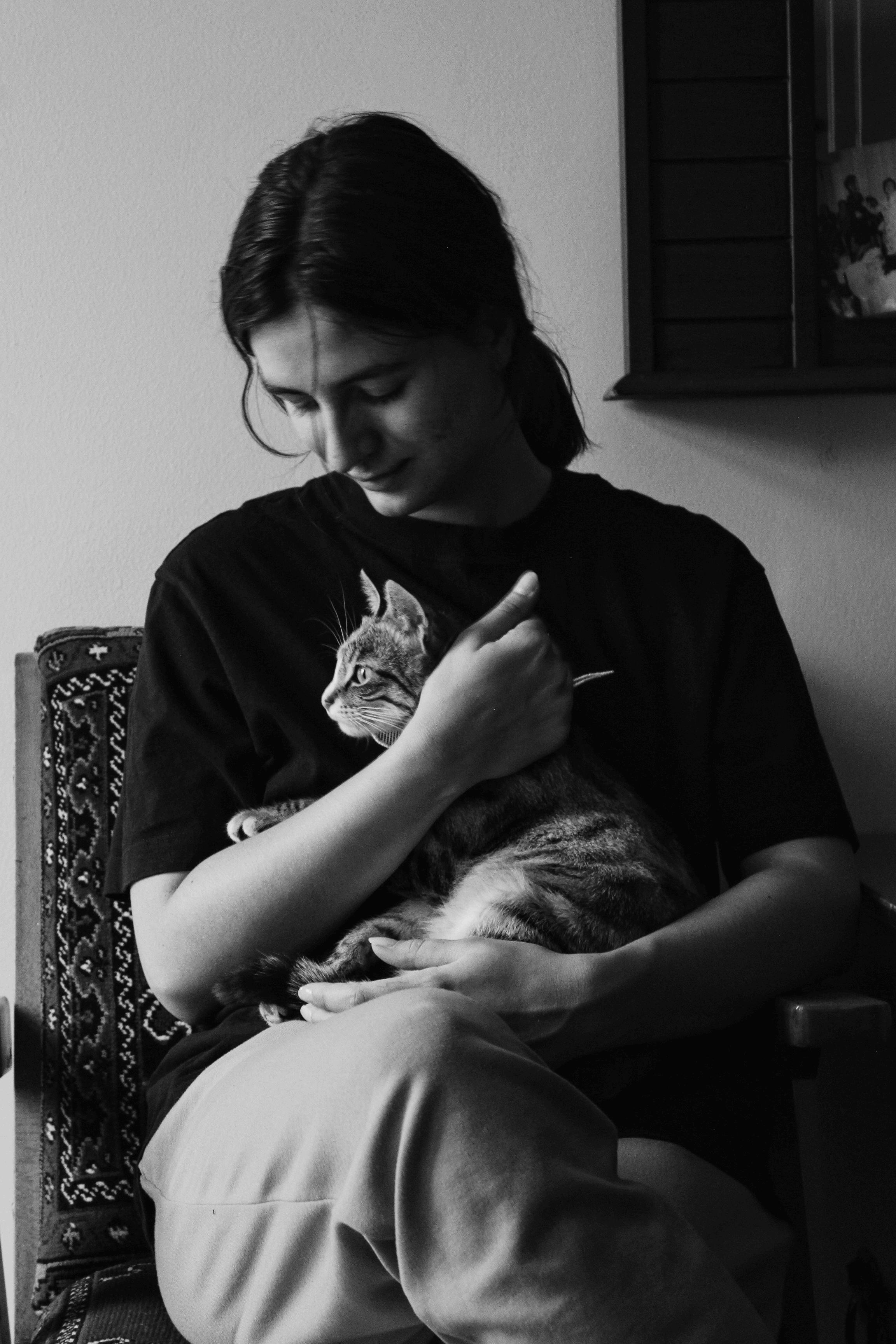
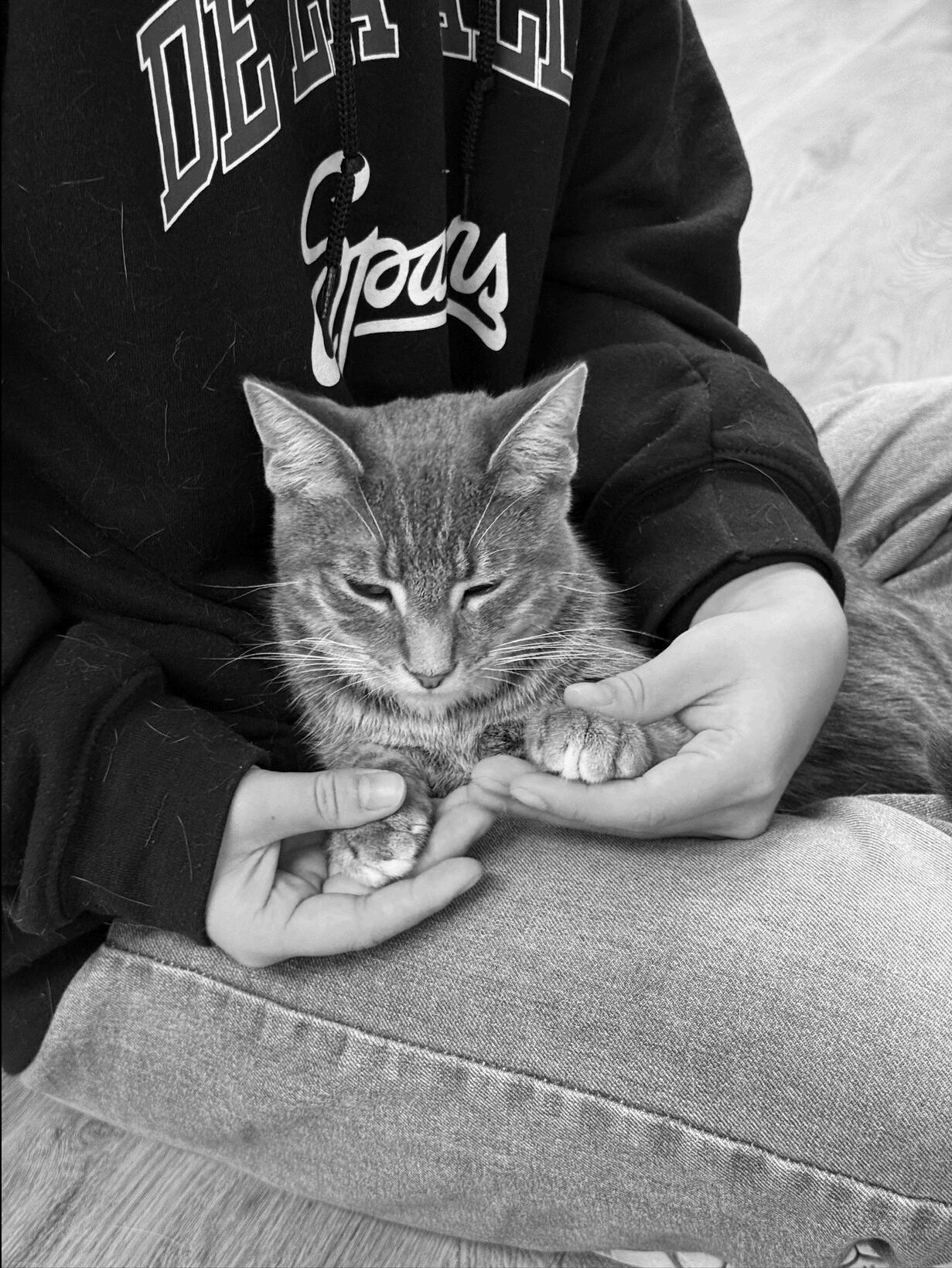
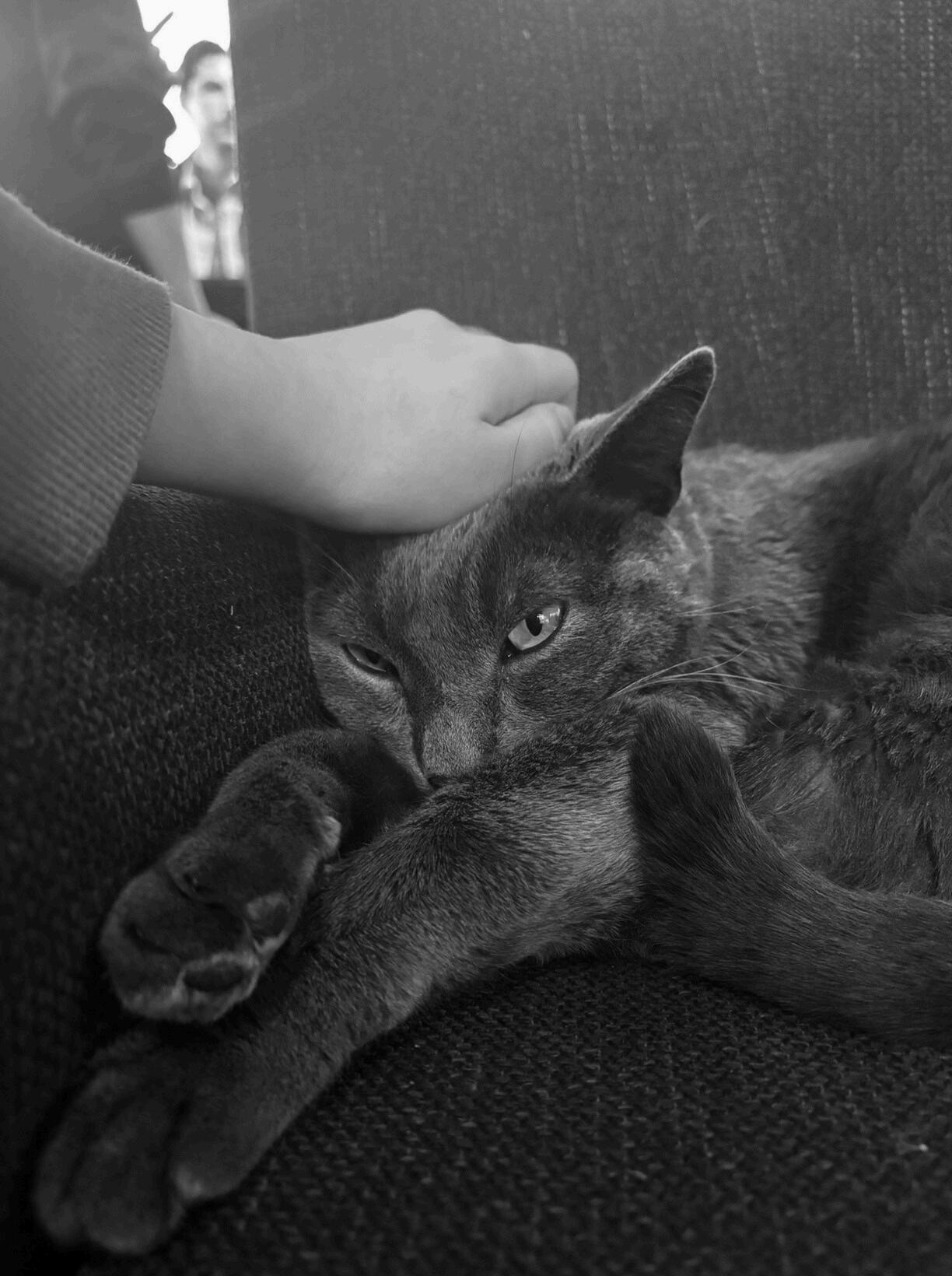


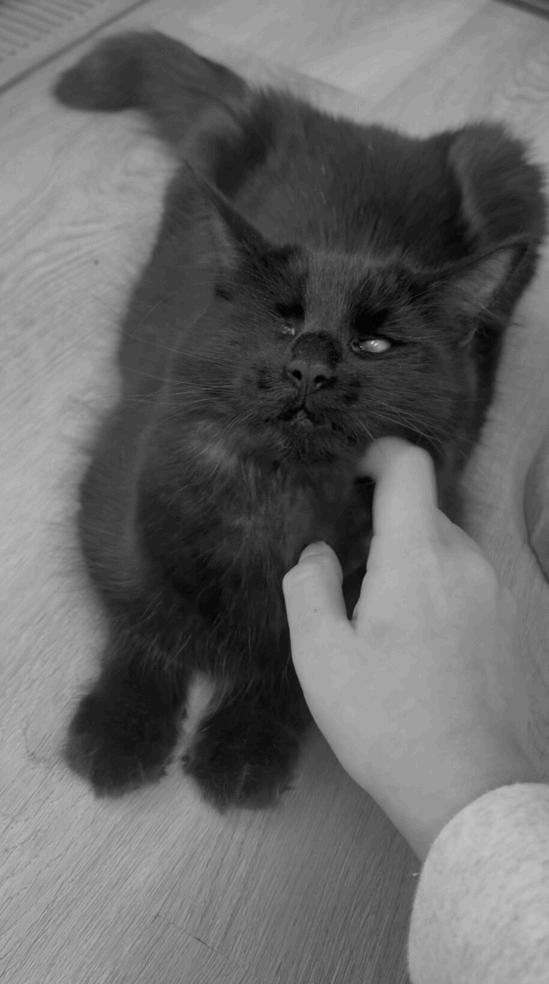

Cats have always struck me as quietly self-possessed, like they’re moving through the world at their own thoughtful pace Being around them feels grounding there’s something calming about the way they choose stillness, how they observe before they act Even in silence, they offer presence, curling up nearby or blinking slowly as if to say, I see you That calm isn’t passive; it feels intentional, almost protective
e r s
What people often mistake for distance, I’ve come to see as depth Cats are sweet in a subtle, earned way you feel it when they nudge your hand, sit beside you without asking for attention, or trust you enough to fall asleep close by That quiet bond feels especially human: built on respect, patience, and mutual understanding rather than constant affection In their own understated way, cats remind me that connection doesn’t have to be loud to be real.
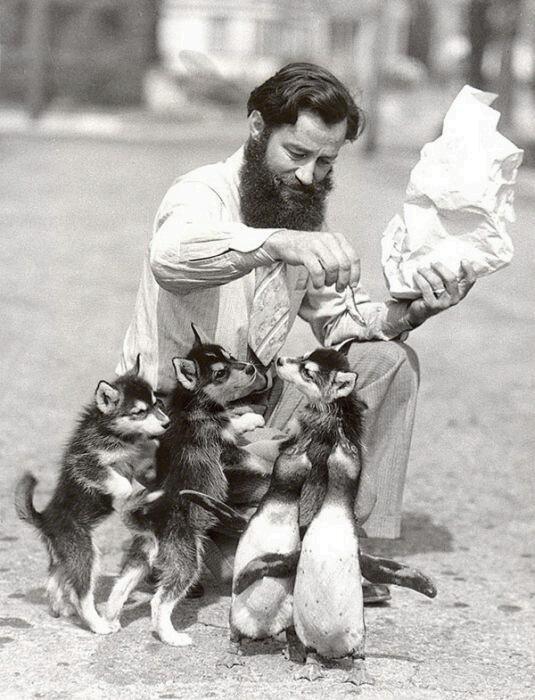
"Untilonehaslovedananimal,apartofone's soulremainsunawakened,"
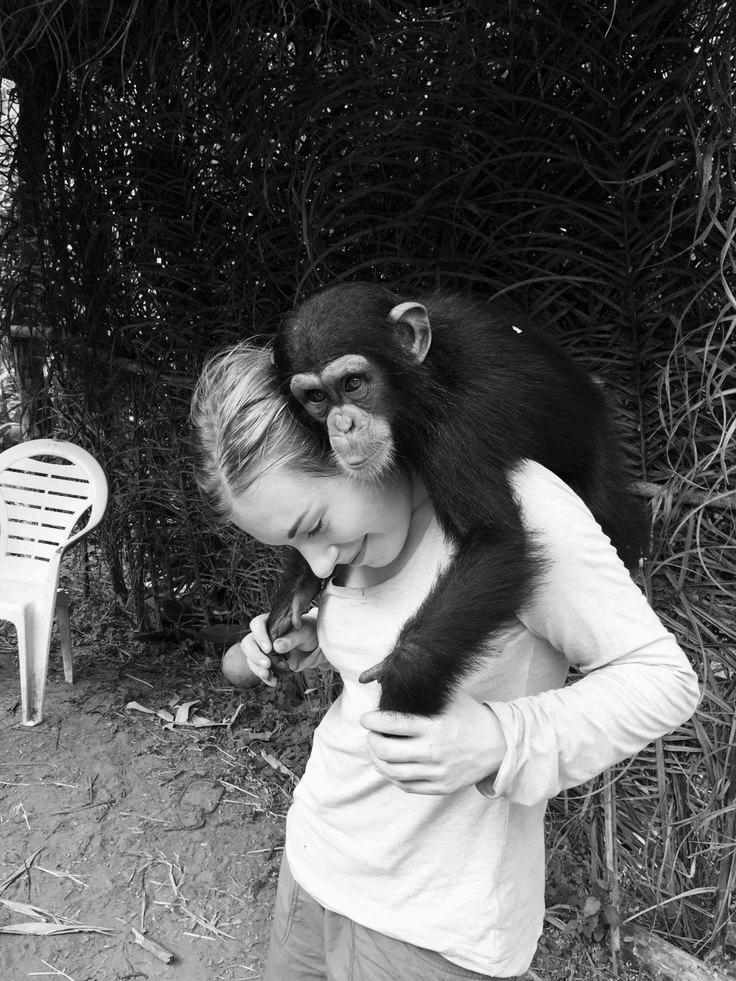
Humans can begin forming emotional bonds with animals remarkably quickly, often within the first few interactions Simple moments like sustained eye contact gentle touch or an animal choosing to stay close can spark feelings of comfort and familiarity These early connections are supported by biological responses, including the release of oxytocin, which plays a key role in trust and attachment Because animals communicate largely through behavior rather than words, humans tend to respond instinctively, allowing emotional bonds to form without overthinking or self-consciousness
What makes these bonds develop so fast is the emotional safety animals provide Their presence is nonjudgmental and consistent, which can be deeply reassuring, especially during periods of stress or vulnerability Unlike many human relationships that build through conversation and shared history, connections with animals often grow through routine, mutual awareness, and quiet companionship Over time these small, repeated interactions deepen into meaningful emotional ties that feel natural and enduring even if they began quickly
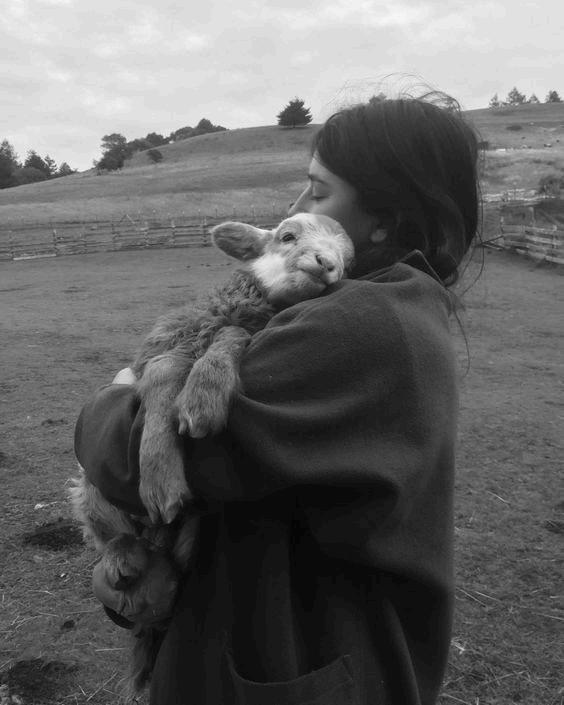
The connection between humans and animals appears genuine, yet it is also shaped by human construction Biologically, humans are predisposed to form emotional bonds through touch, eye contact, and caregiving behaviors, which explains why attachment to animals can develop quickly and feel instinctive Animals often respond to this care with behaviors that humans interpret as affection, reinforcing the sense of mutual connection However, this bond is also influenced by cultural narratives that portray animals as companions, family members, or symbols of comfort.
Media, social expectations, and selective interpretation of animal behavior can amplify the idea of emotional reciprocity, even when animals may simply be responding to conditioning or survival instincts Therefore, the human–animal connection exists in a space between authenticity and construction: rooted in real emotional experience, yet shaped by human perception and meaningmaking
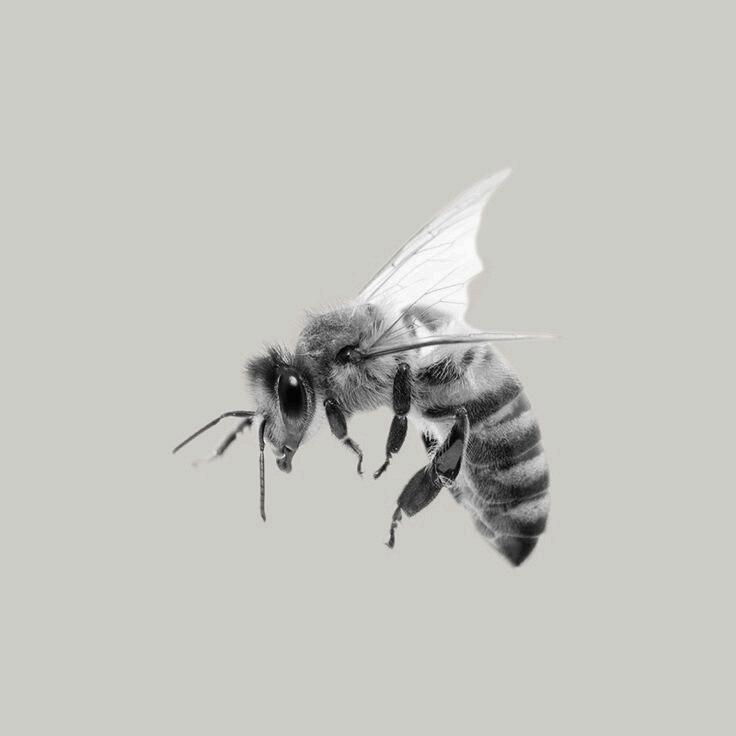

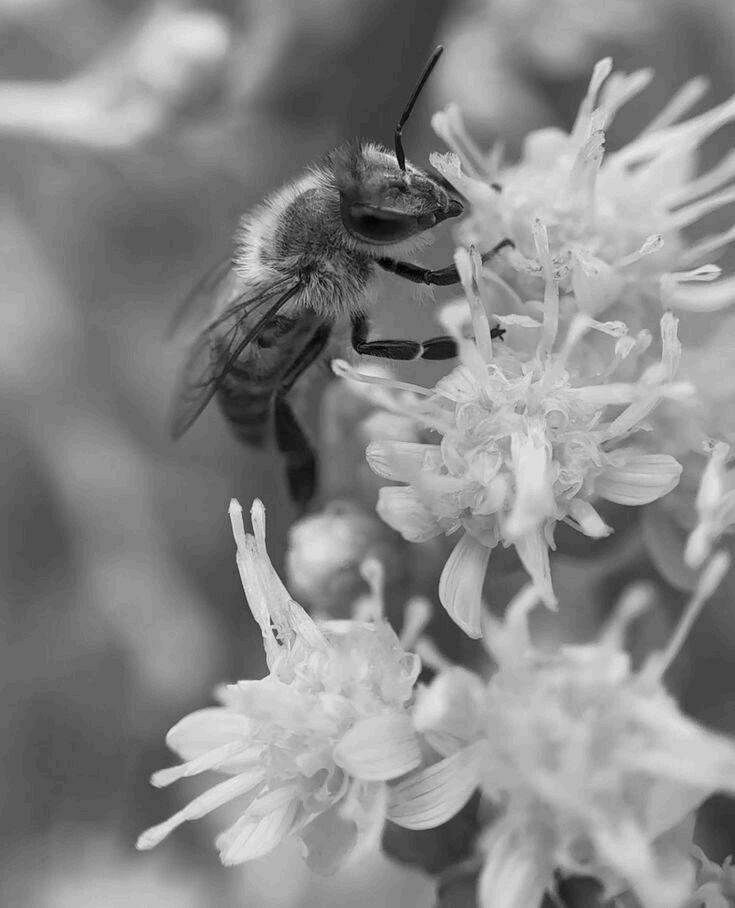
Bees communicate mainly through movement and scent The most wellknown method is the waggle dance, whichbeesusetosharethedirection and distance of food sources with others in the hive They also release pheromones to signal danger, mark flowers, or coordinate group behavior Through these dances and chemical signals, bees are able to work together efficiently without usingsoundorlanguage