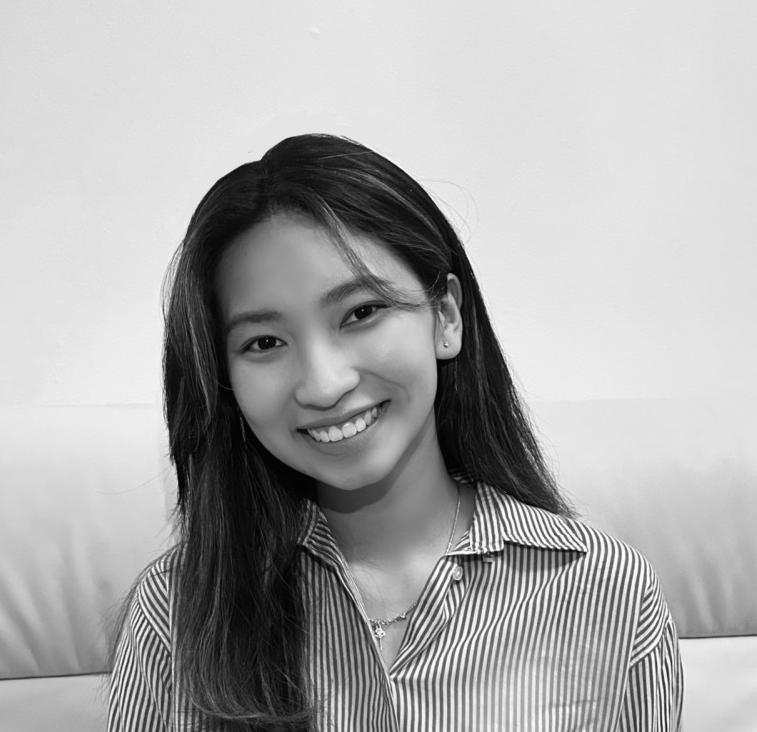
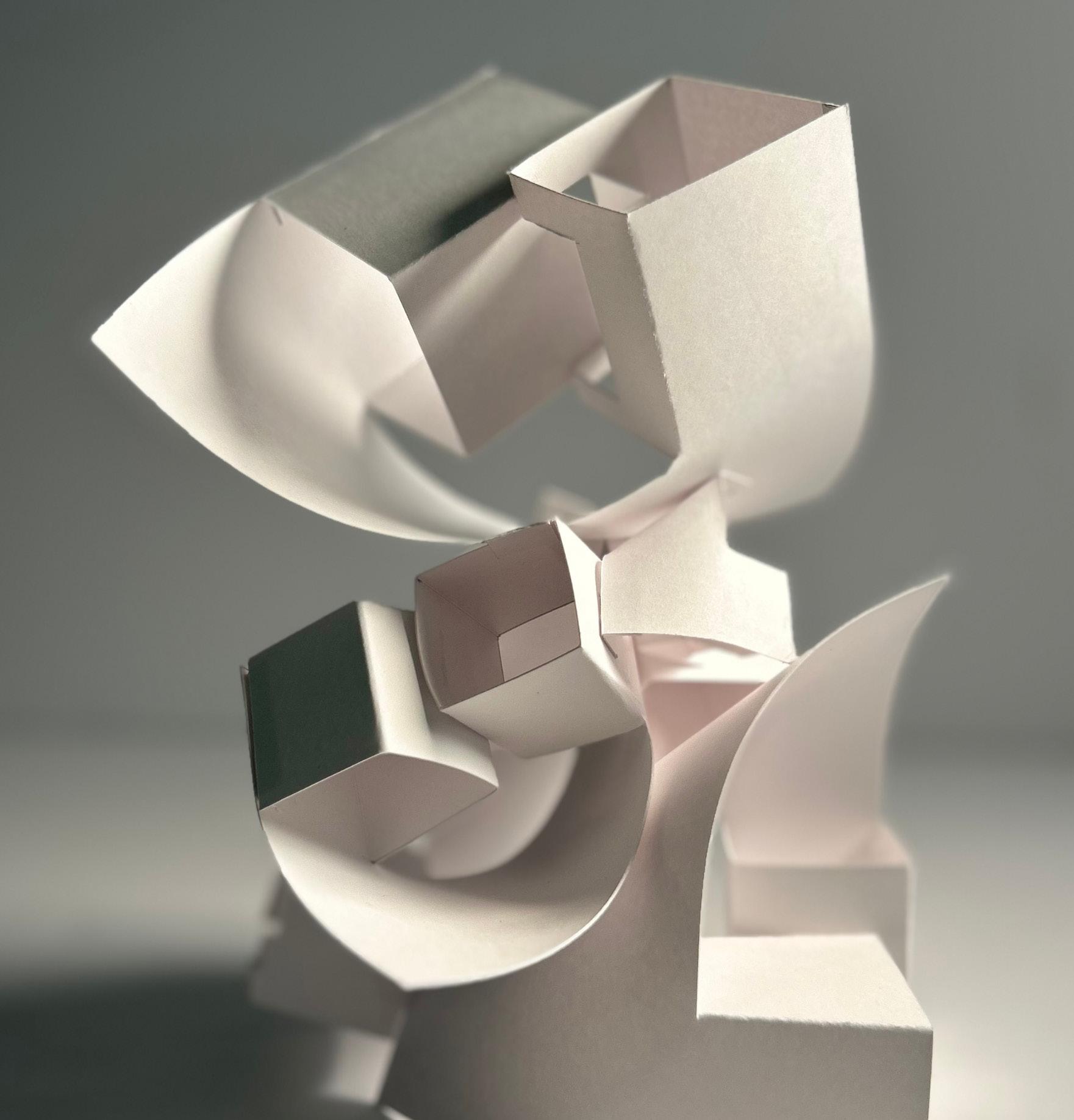
I approach architecture as a discipline of responsibility, responding and respecting what came before while treating the built environment as a framework that enhances human interaction and occupation. I am drawn to spaces where history and the present coexist, and I deeply value the transmission of culture and identity through architecture.
My academic work has been a series of hypotheses testing how memory, continuity, and responsibility can shape design decision. After my study abroad in Rome, adaptive reuse has been my methodology to, examining how architecture remediate spaces with culture and environmental conditions. This portfolio presents selected works that best reflect my design values, which I hope to continue developing through graduate study.
ABOUT ME
PIER POINT THE PLAZA BALLARD, SEATTLE MAGNOLIA, SEATTLE
SYNDROME K
SEATTLE ROMA, ITALY
03 05 04
CHINA TOWN, SEATTLE EXPLORATORY
DANNY WOO PAVILION
01 PIER POINT
HOUSING/EDUCATION EQUITY FOR INDUSTRIAL WORKERS
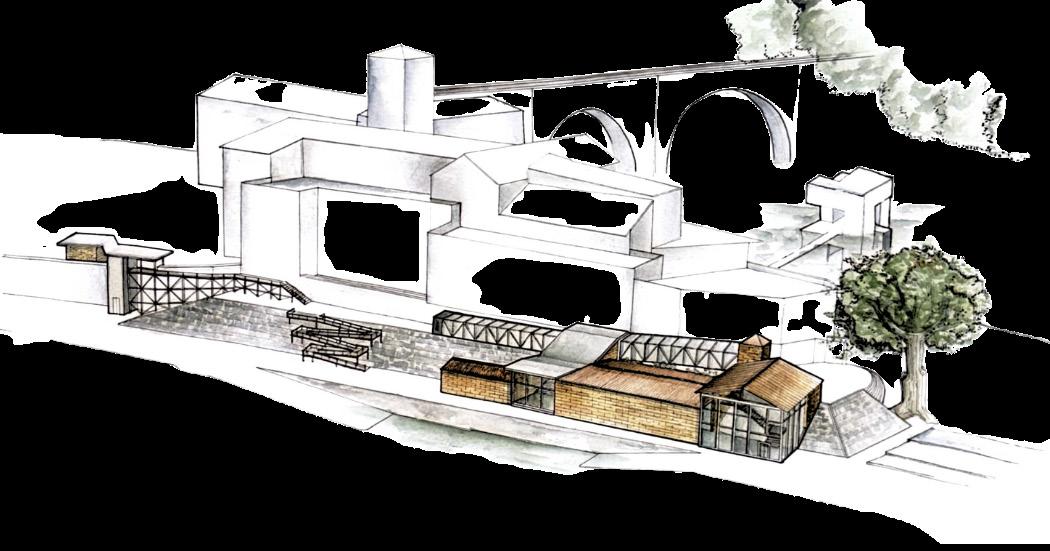
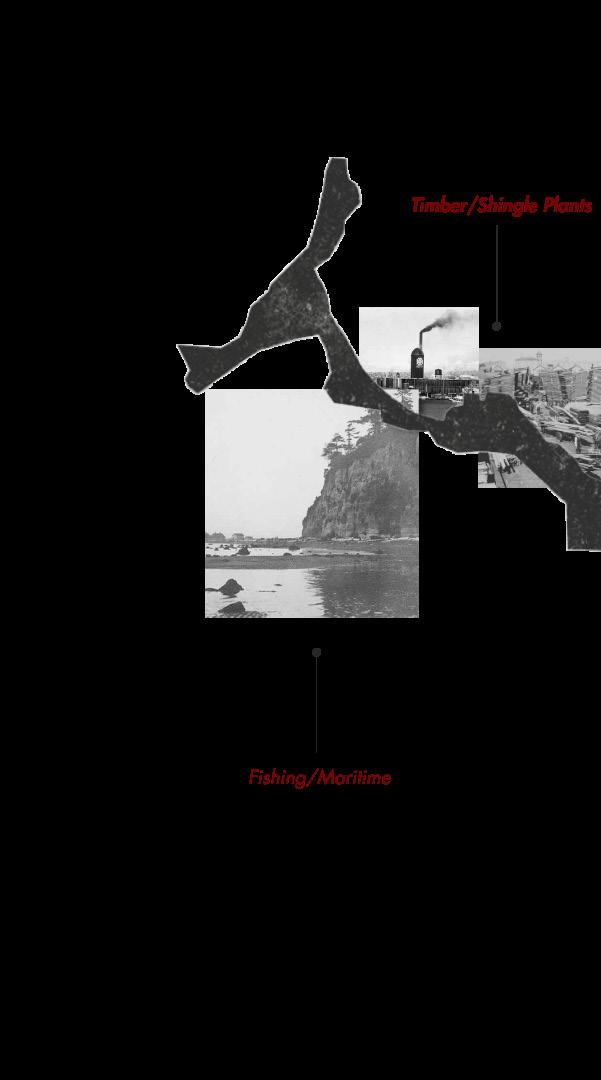
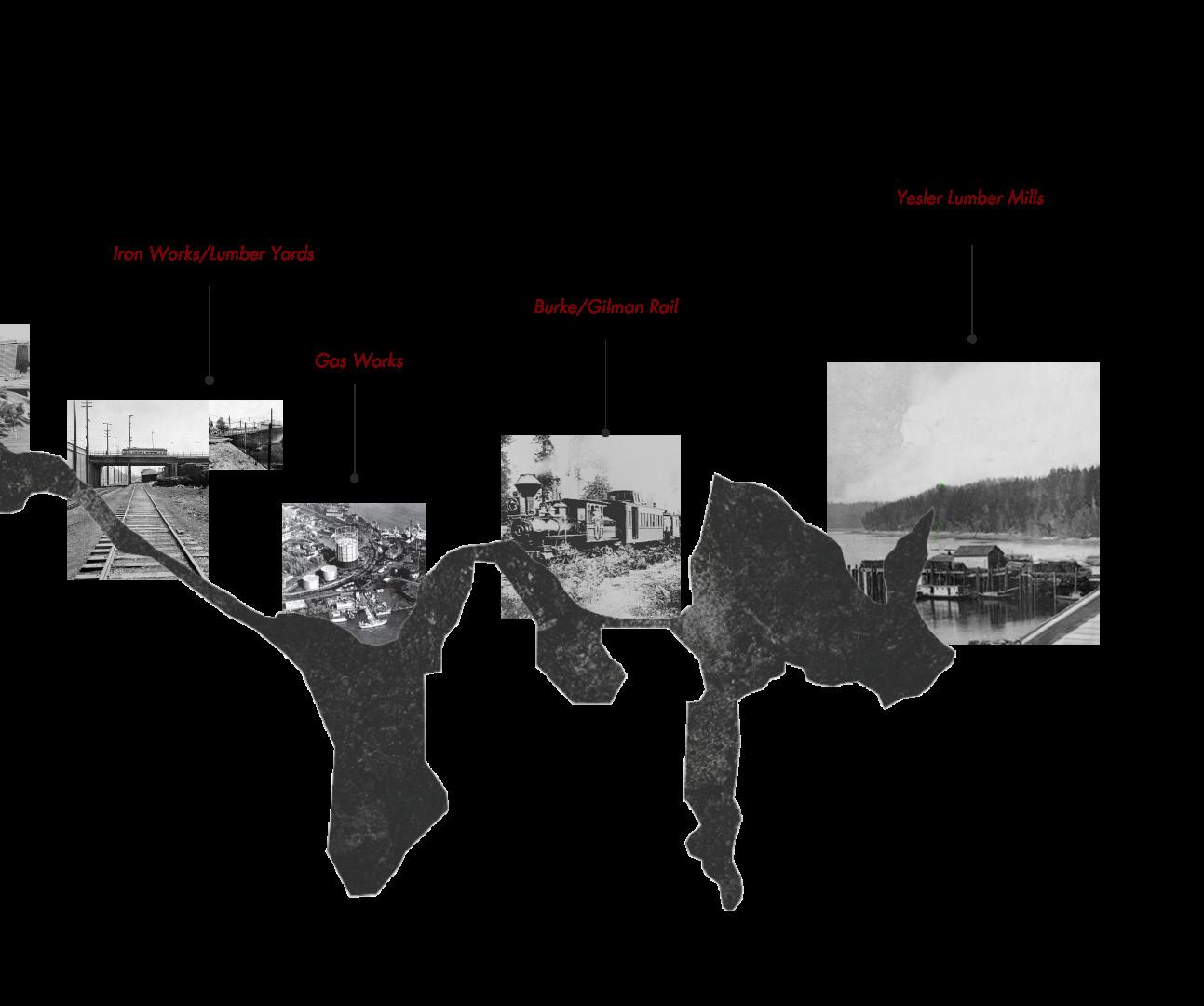
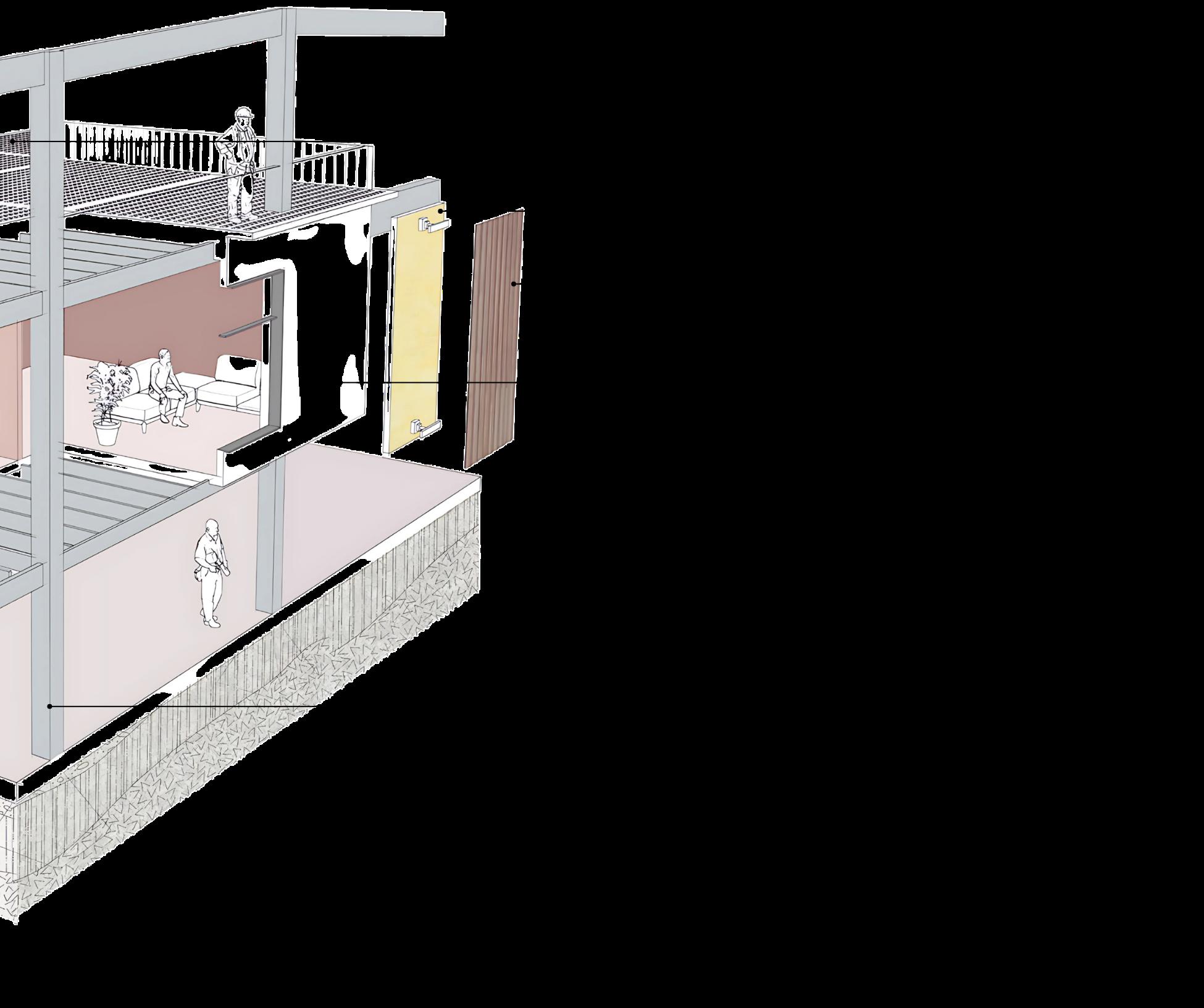
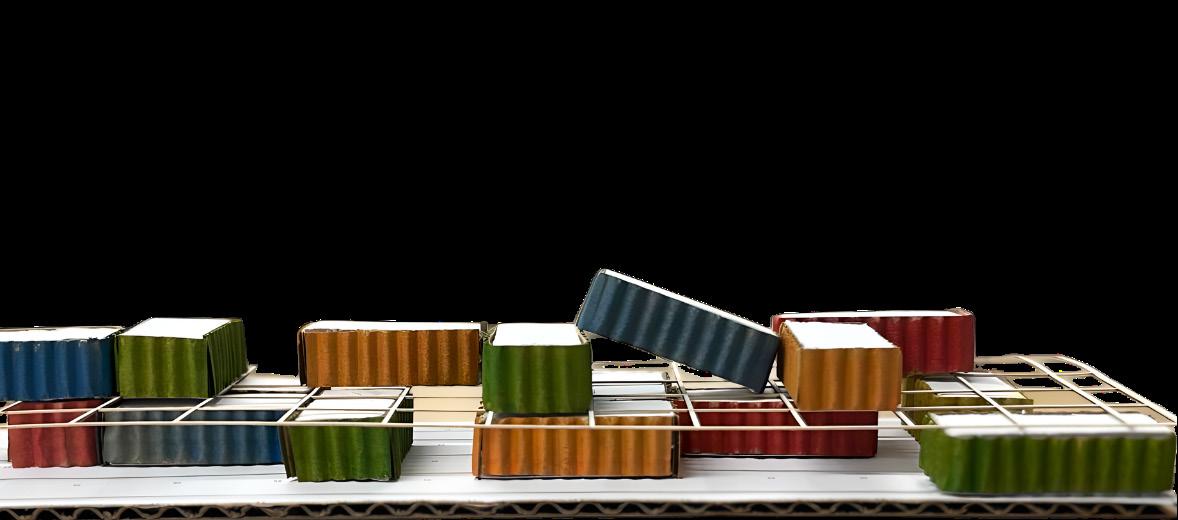
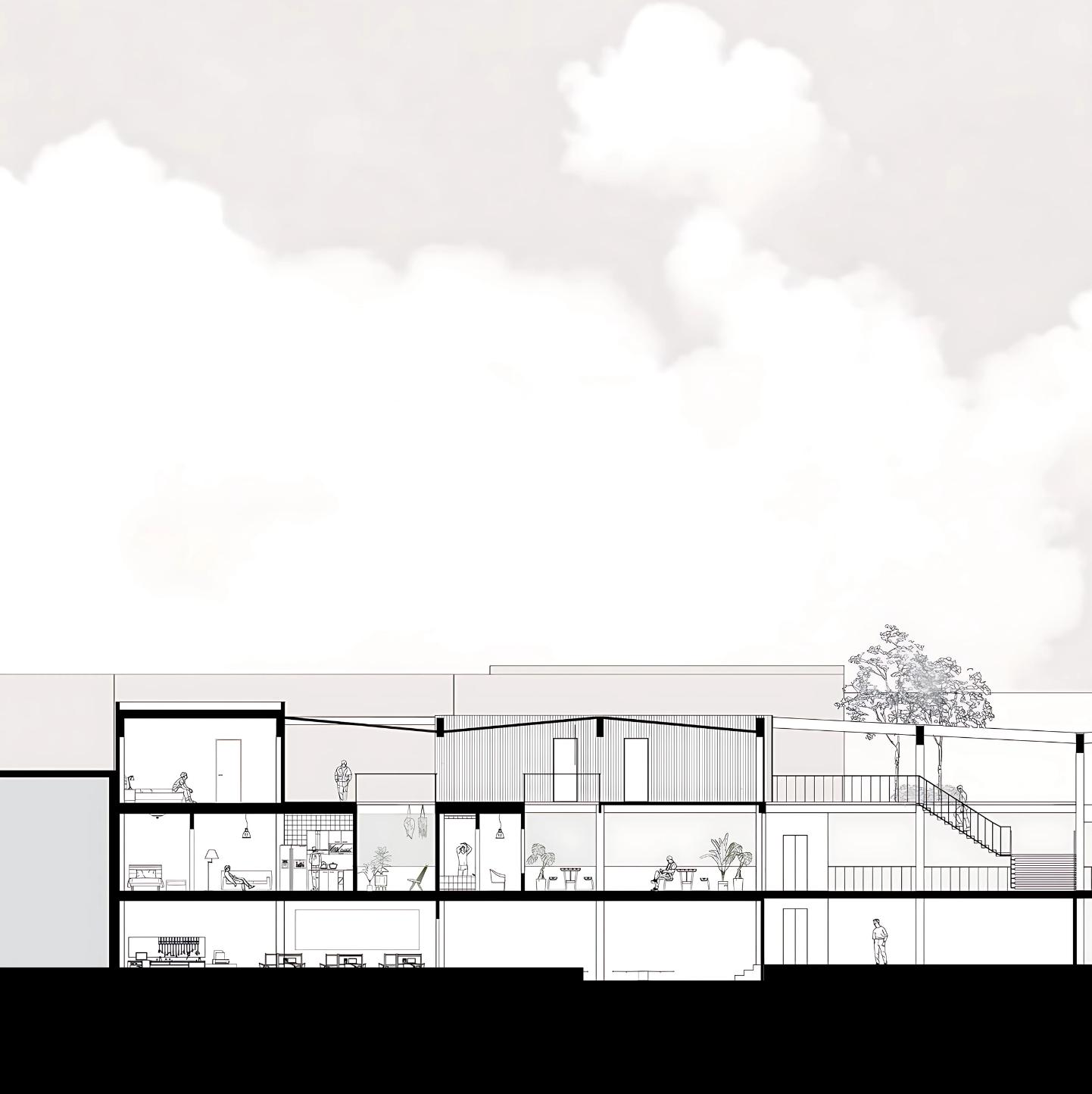
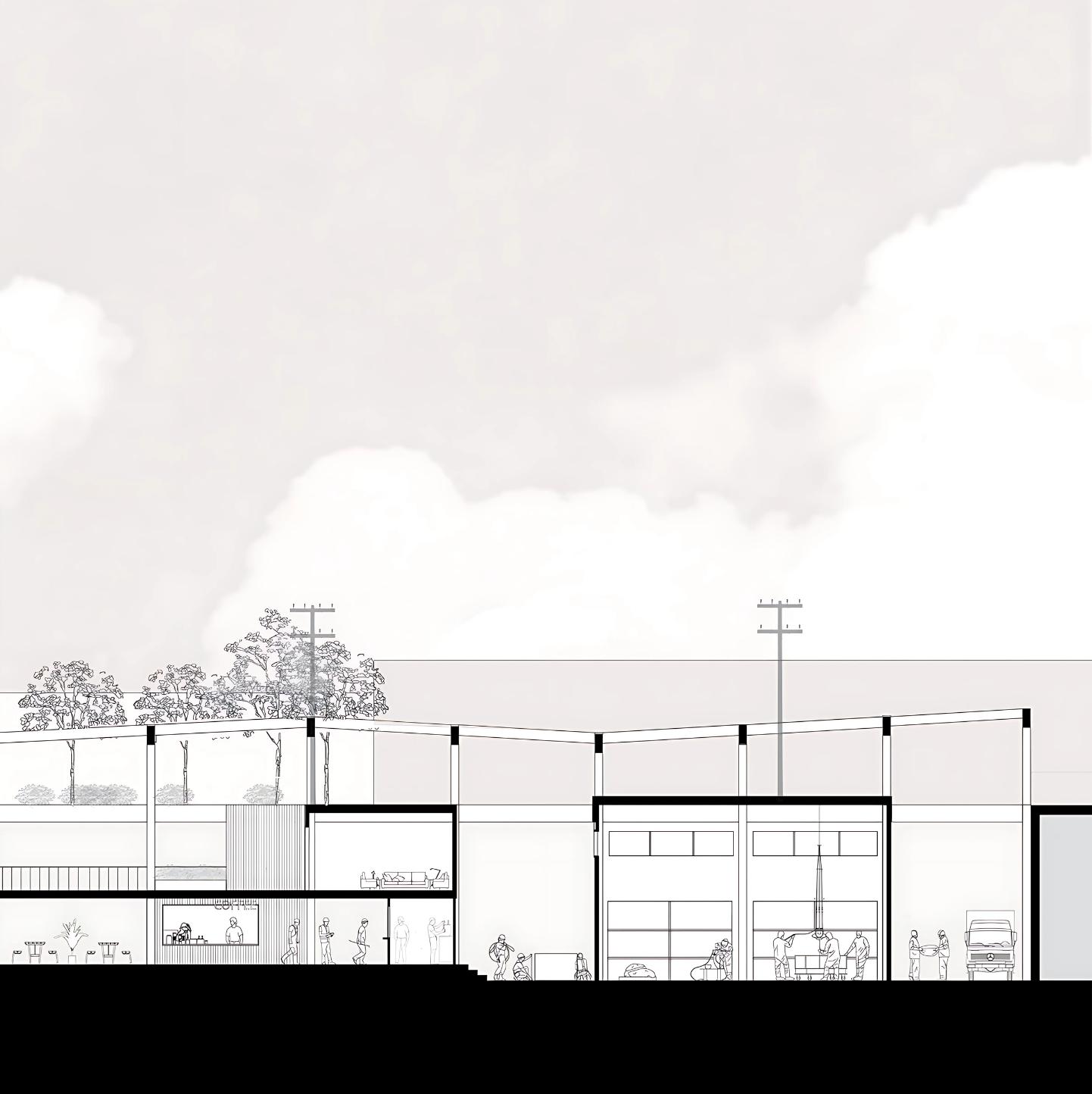
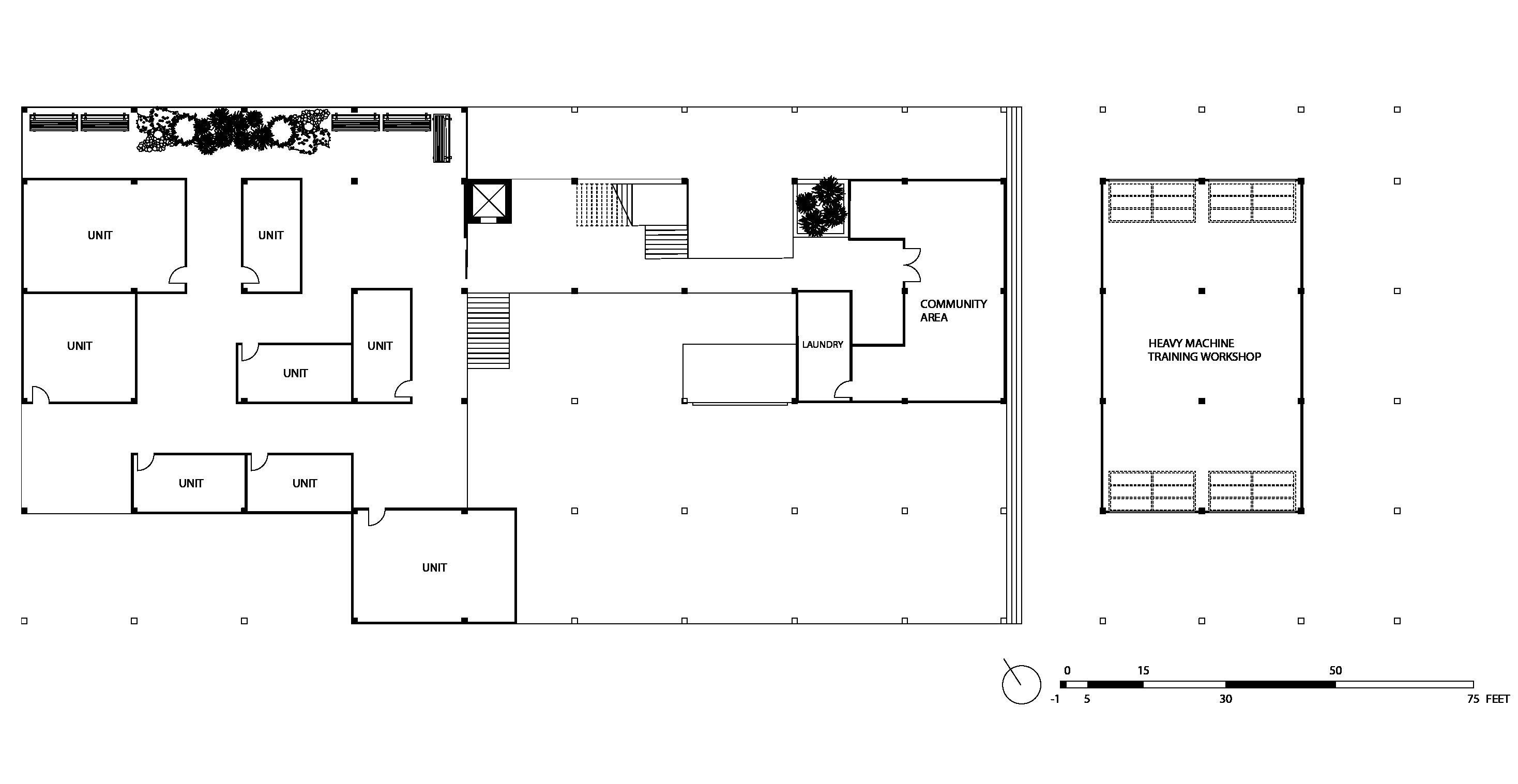
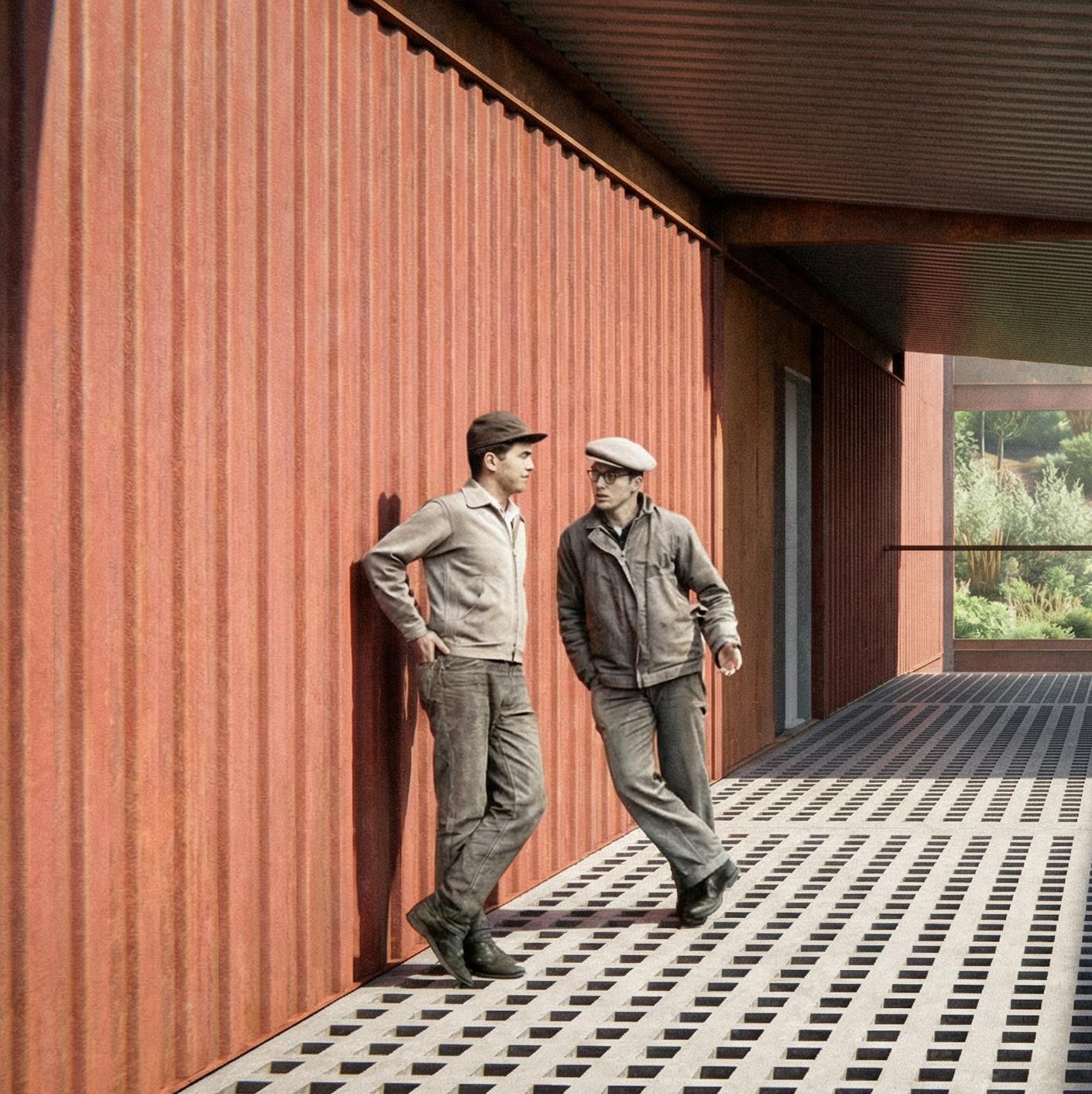
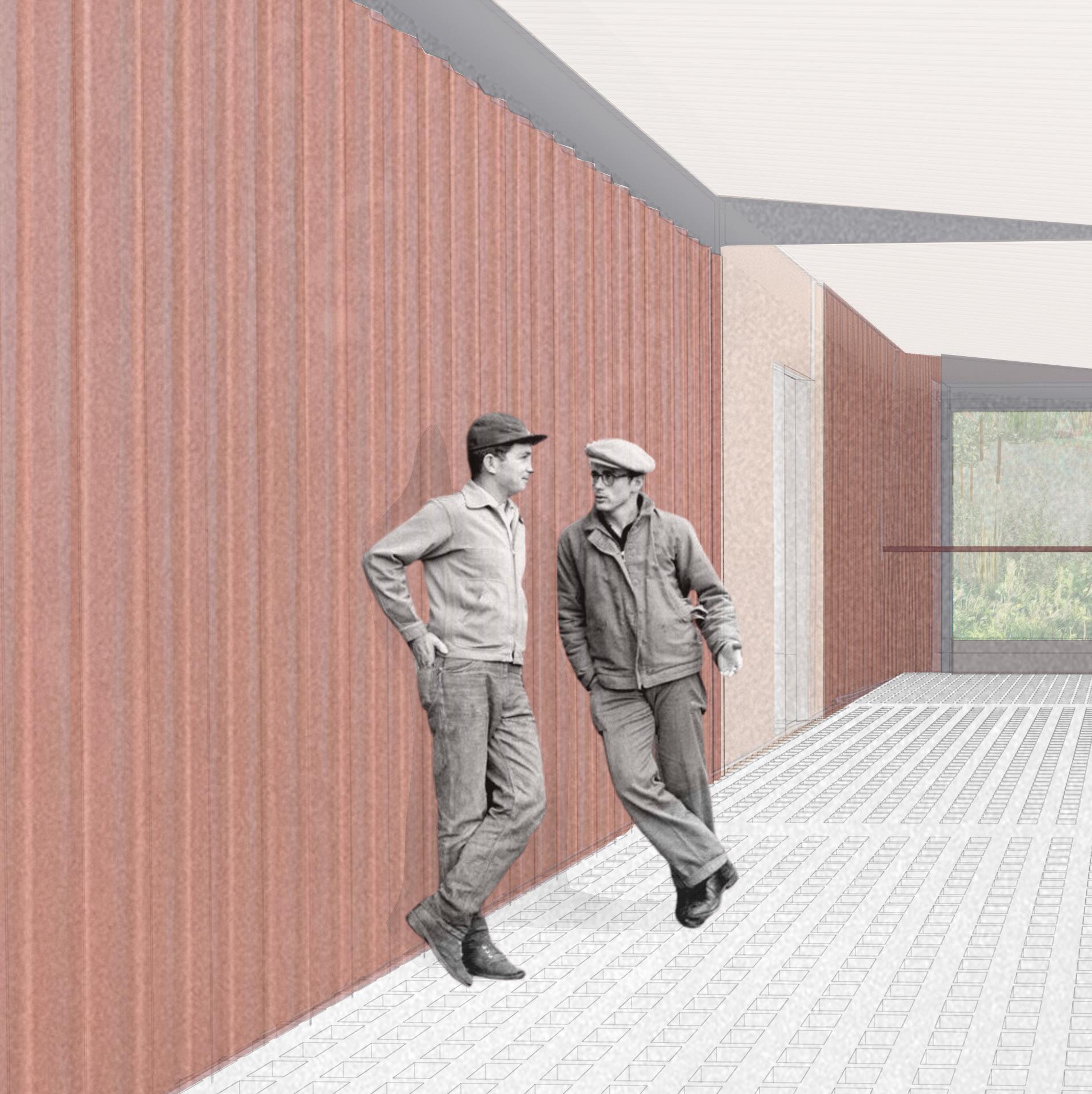
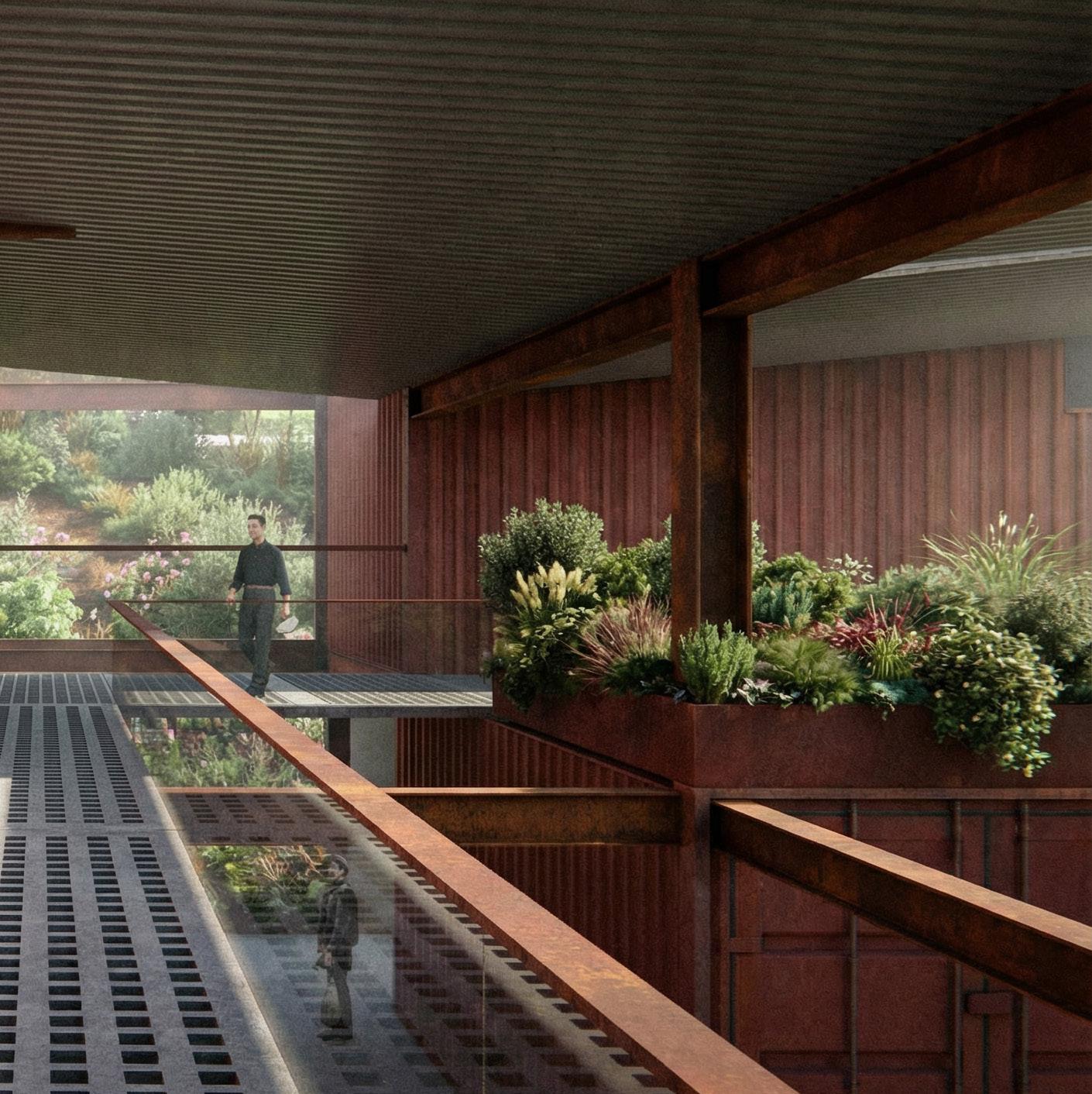
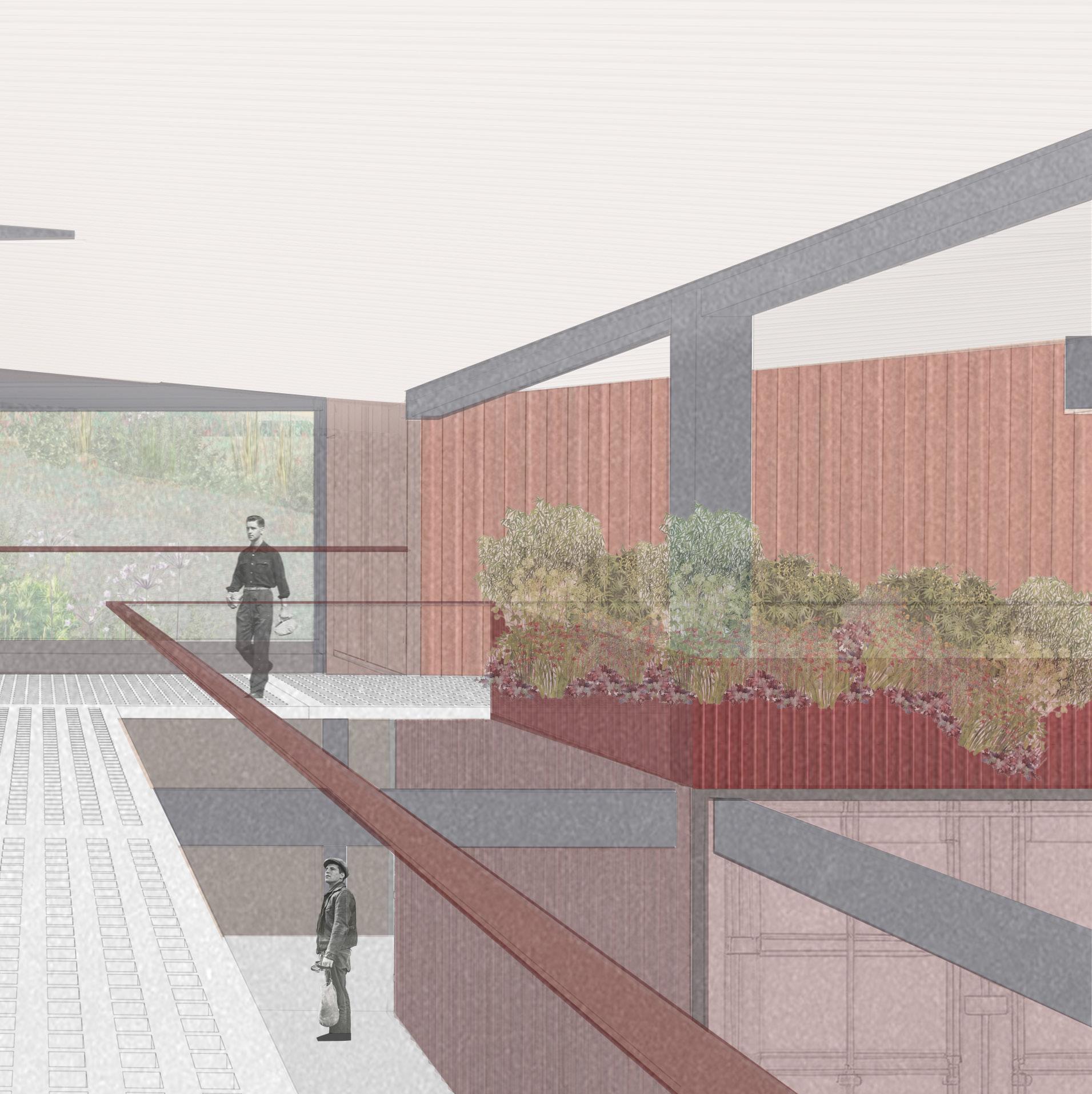
This studio design–research project explore adaptive reuse as a means of preserving labor identity within a gentrifying industrial waterfront. Located in Ballard, Seattle , Pier Point reoccupies an existing warehouse framework to support live-work housing for maritime workers. The design treats the existing structure as a carrier of memory, allowing its material logic and spatial rhythm to guide new unit types. The project positions housing as an architectural responsibility that sustains identity rather than erasing it.
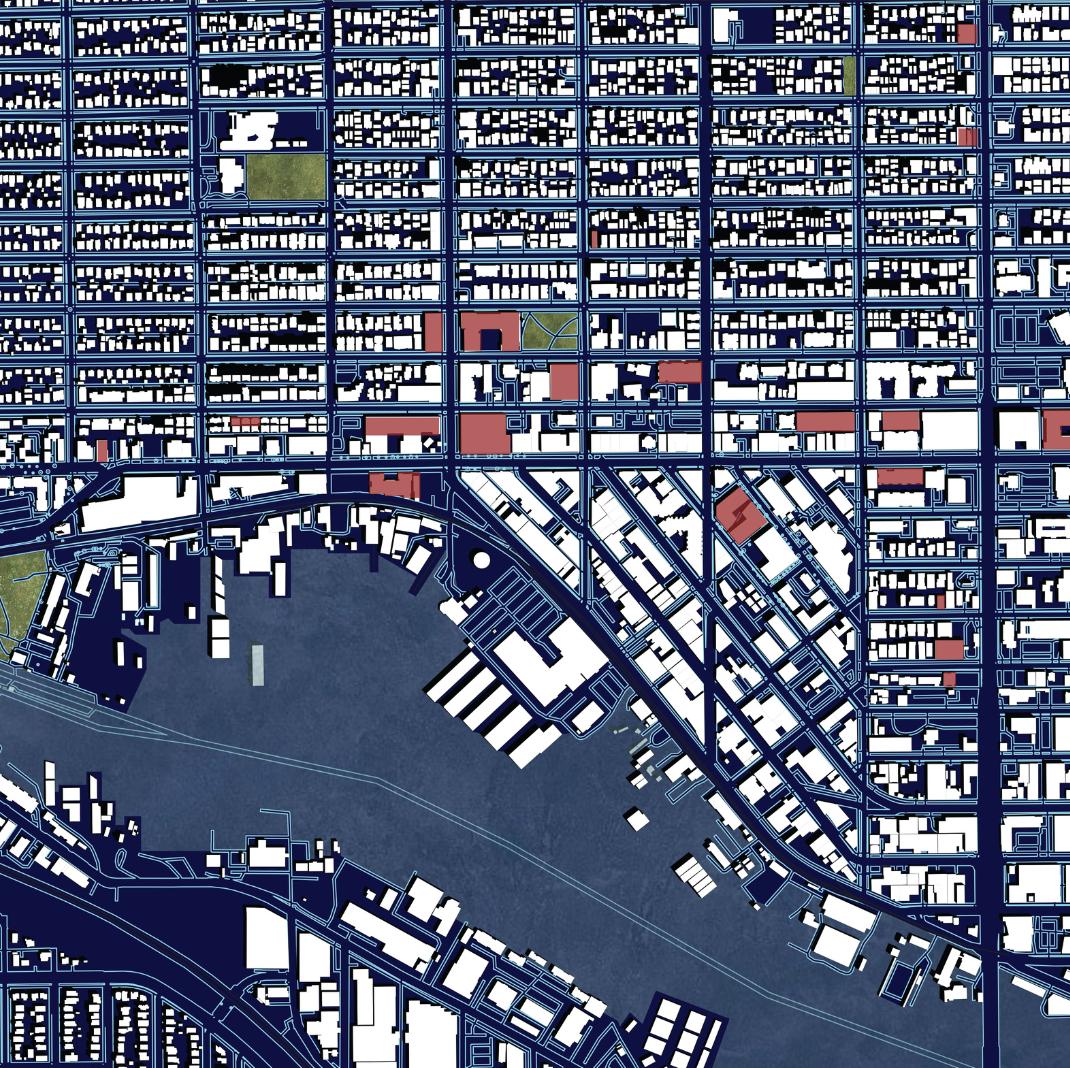
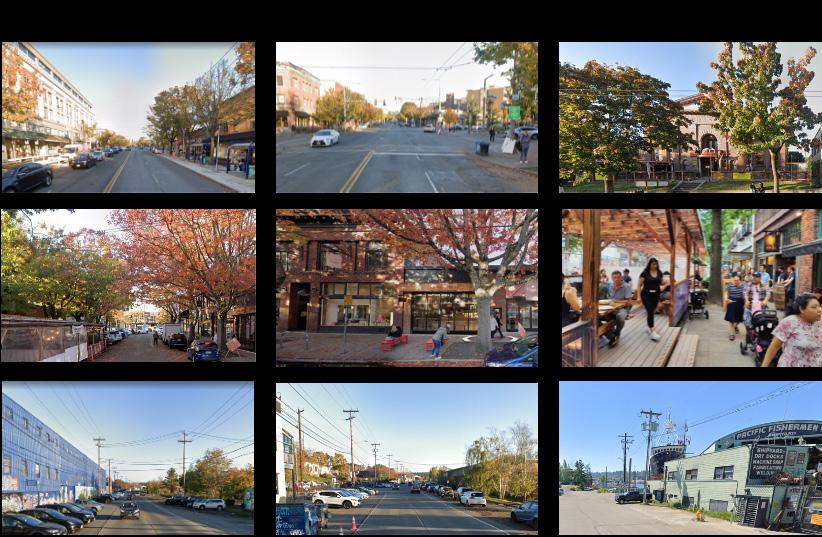
The analysis show the impact of gentrification on Ballard housing complexes. Highlighted in red are the apartments with rent > $2000, concentrated mostly on NW Market Ave and Ballard Ave. Shishole Ave remains a heavily industrial side of Ballard.
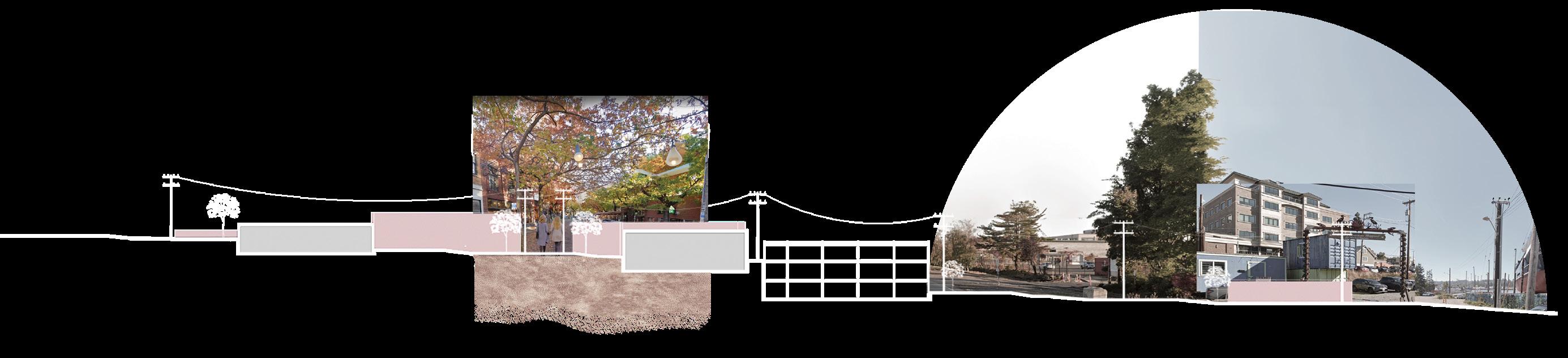
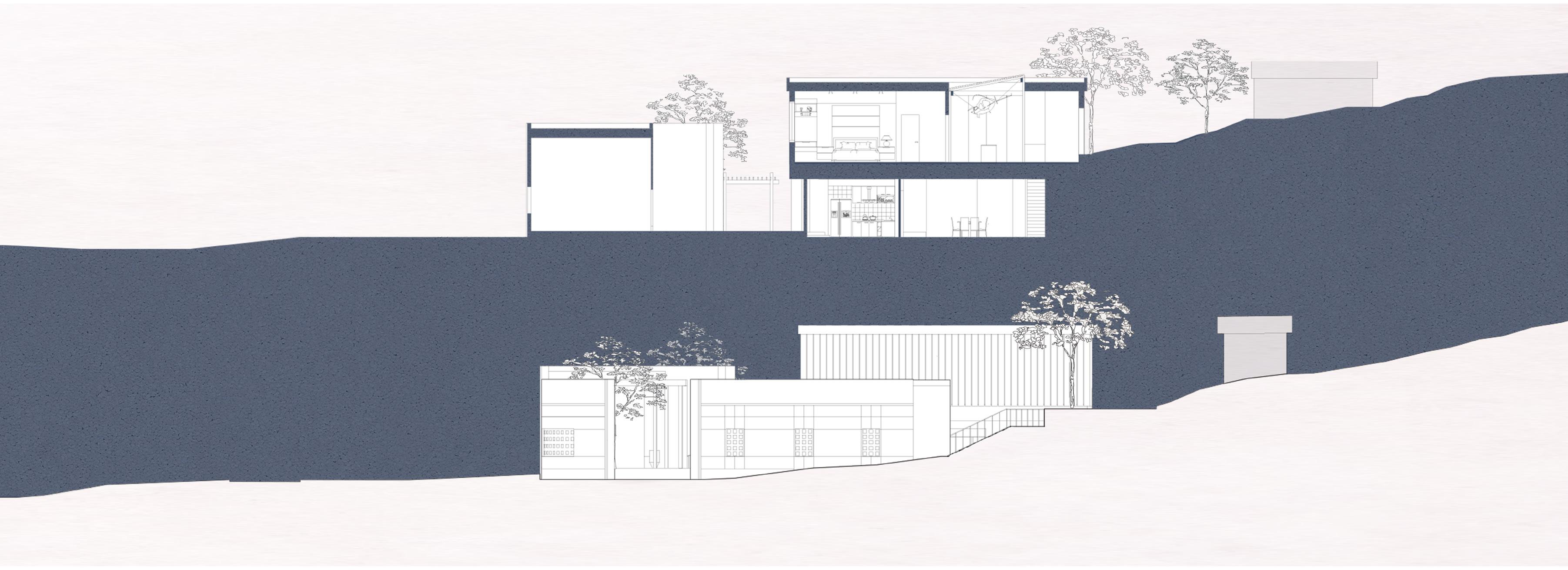
SITE SECTION | ANALYSIS
AVE
FIG 12 SITE DOCUMENTATION | CONTRAST IN INDUSTRIAL AND GENTRIFIED STREETS
MARKET AVE
BALLARD AVE
SHISHOLE AVE
MARKET
BALLARD AVE
SHISHOLE AVE
SITE
“A statement of identity continuity, where the intervention is respected as an industrial heritage while supporting the workers who are often displaced by redevelopment.”
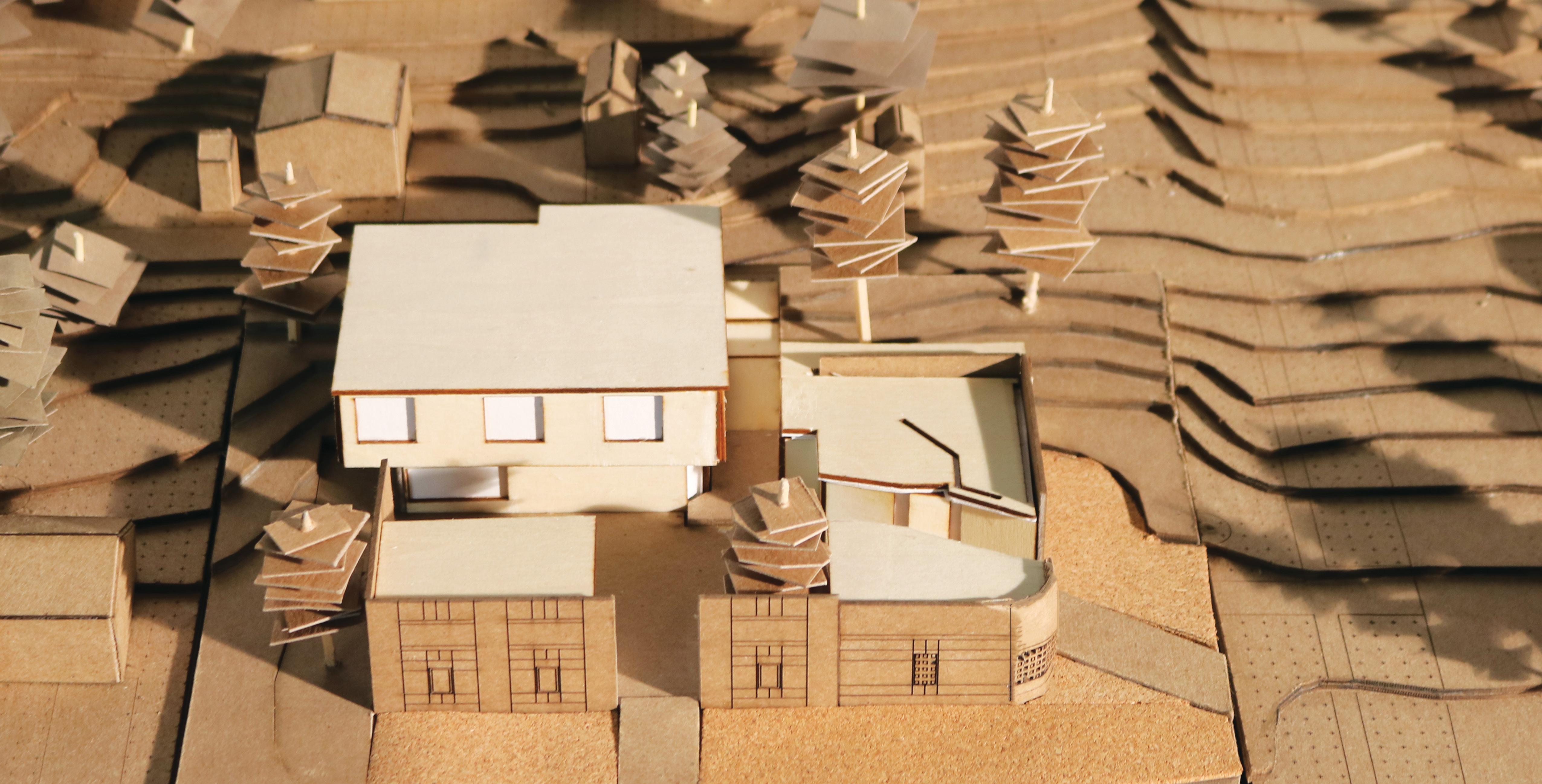
FIG 1.3 CONCEPT MODEL
Work | ARCH 301: Adaptive Reuse Instructor: Angela Yang & Claudia Rosa-Lopez Date: June 9th, 2025
02 THE PLAZA
REOCCUPYING LIGHT STATION FOR COMMUNITY
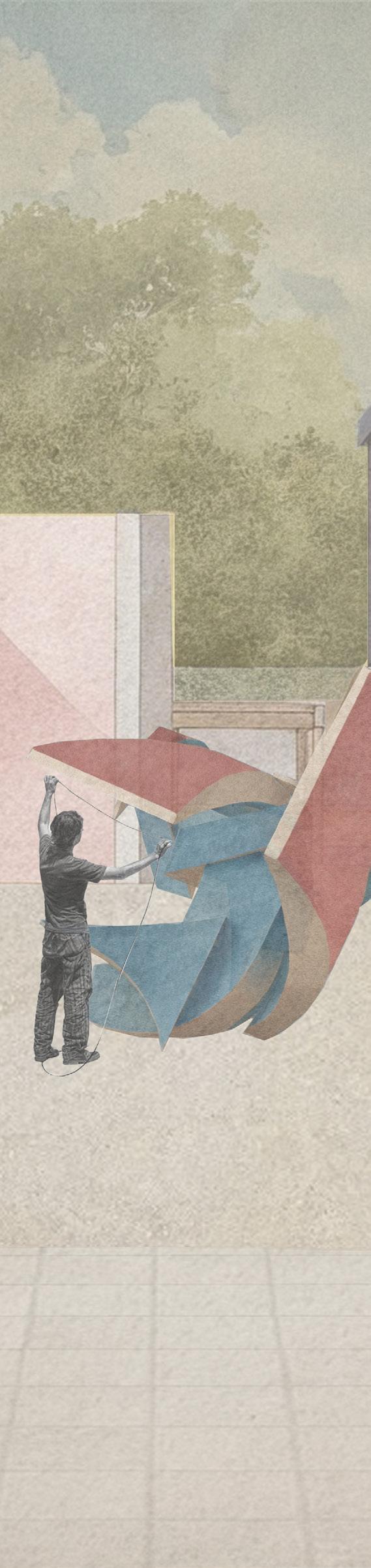
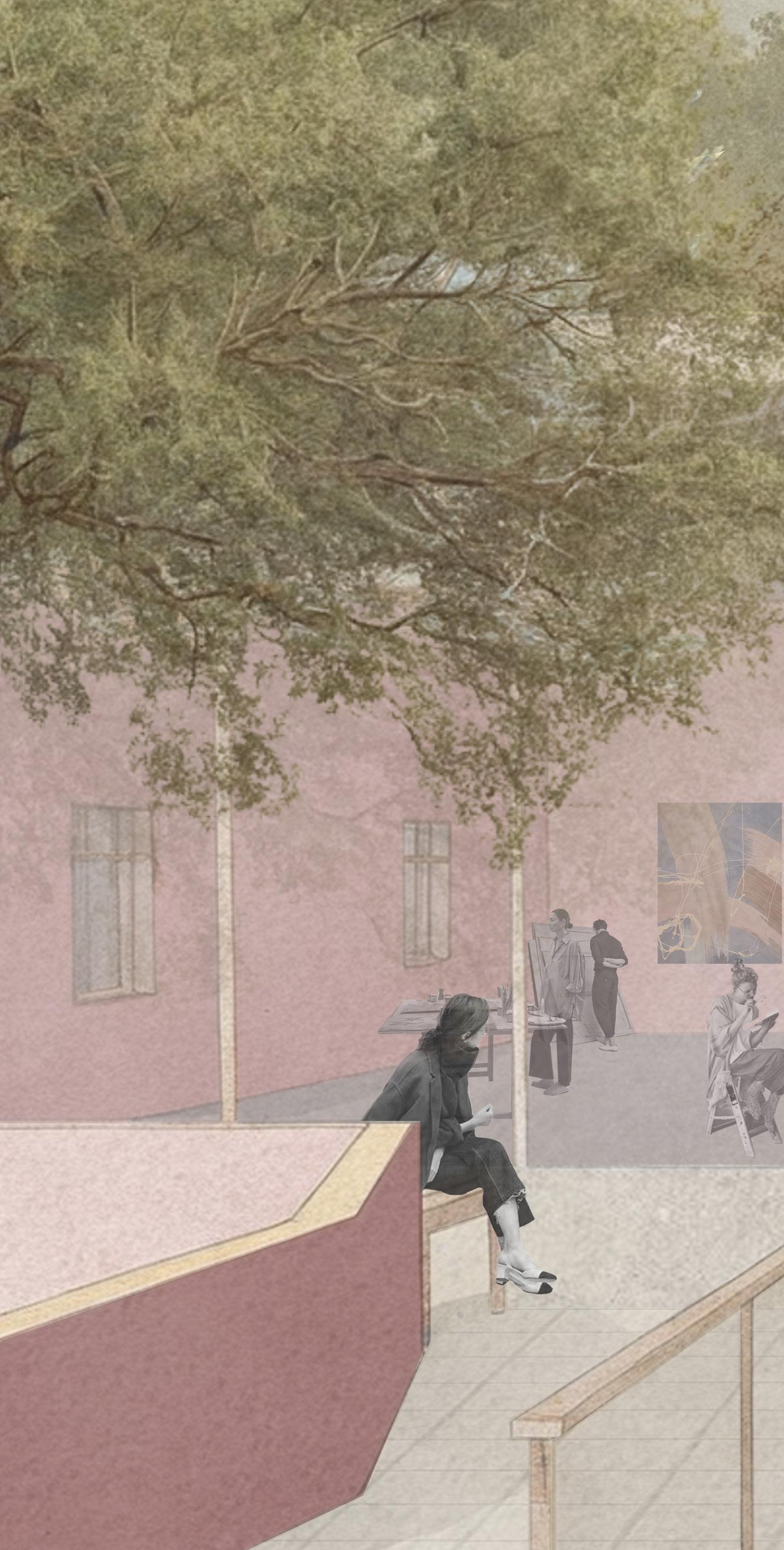
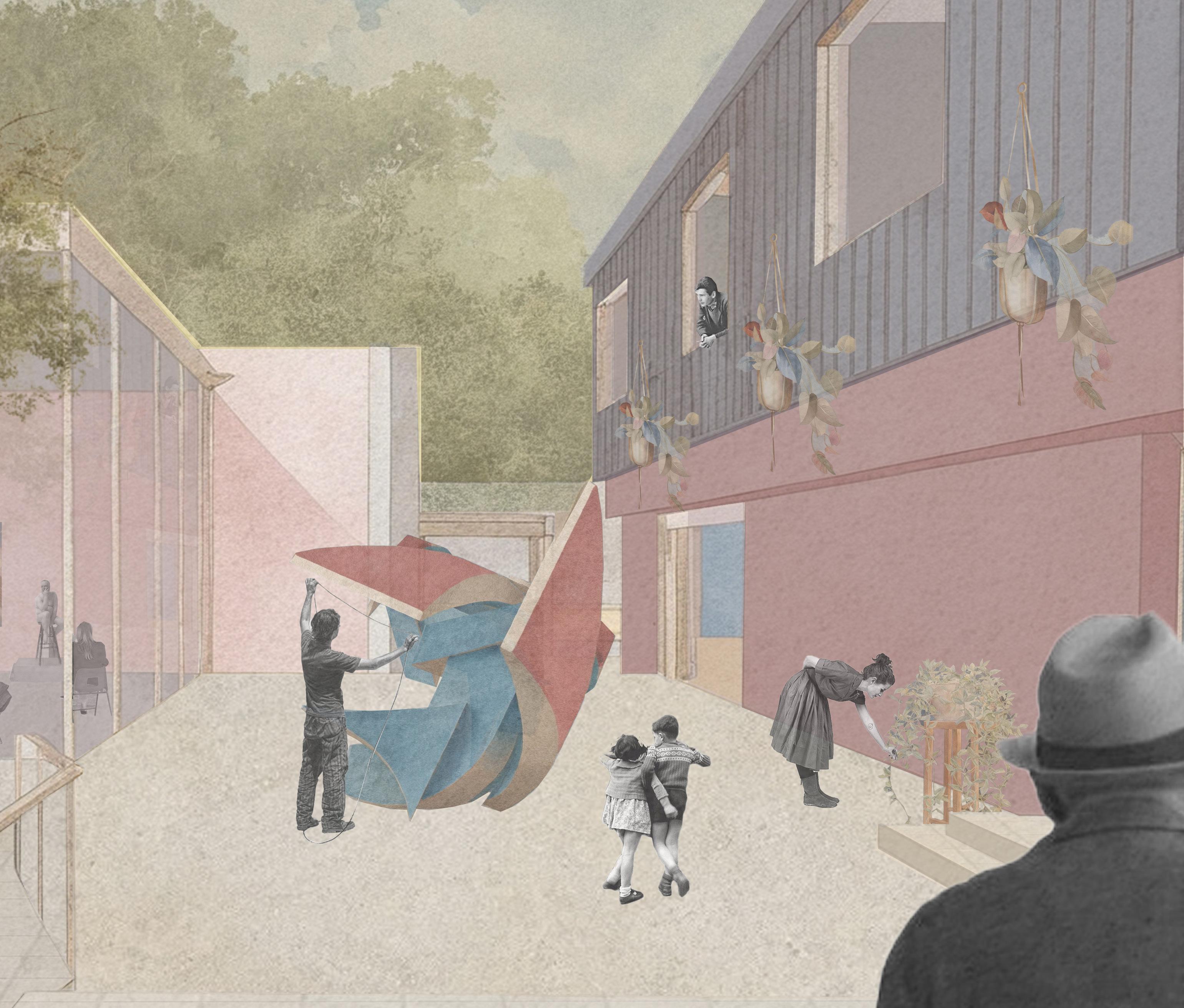
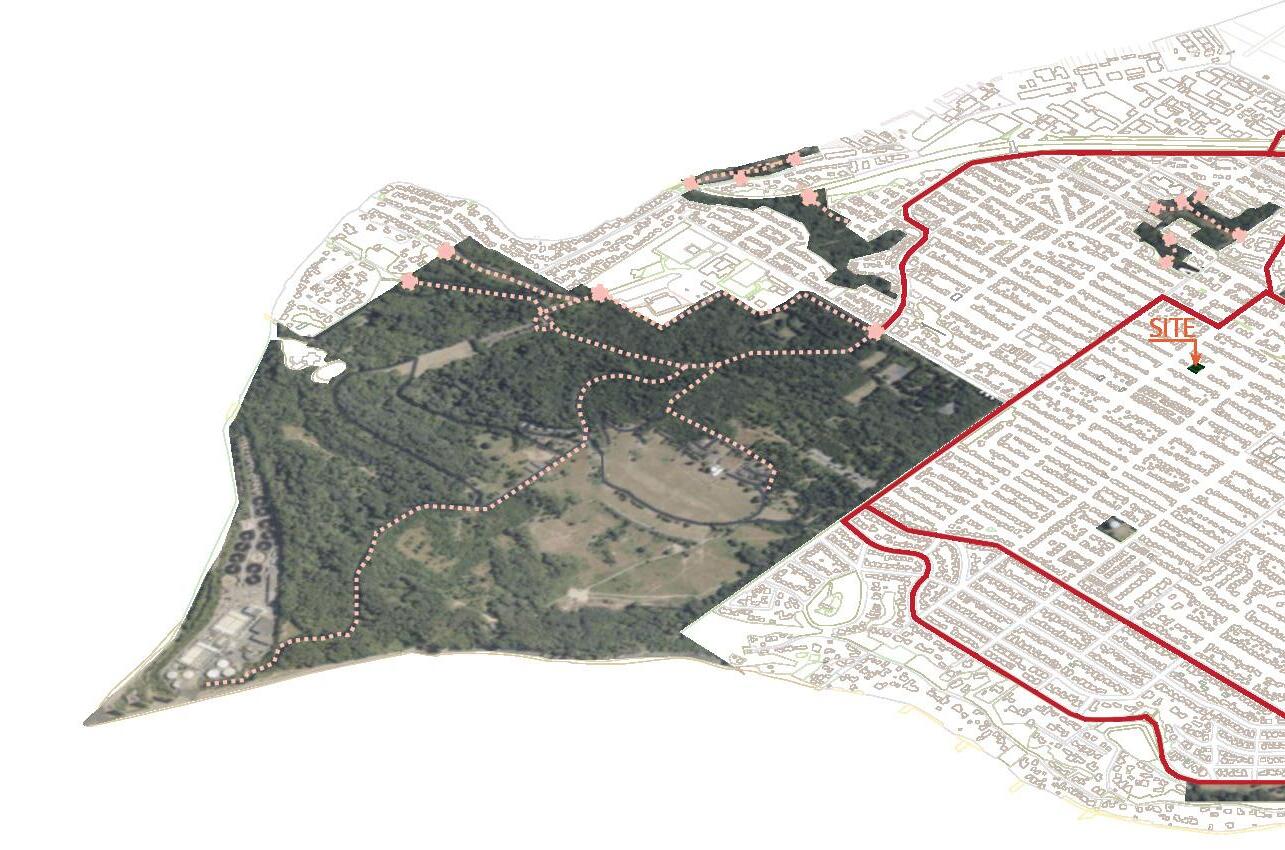
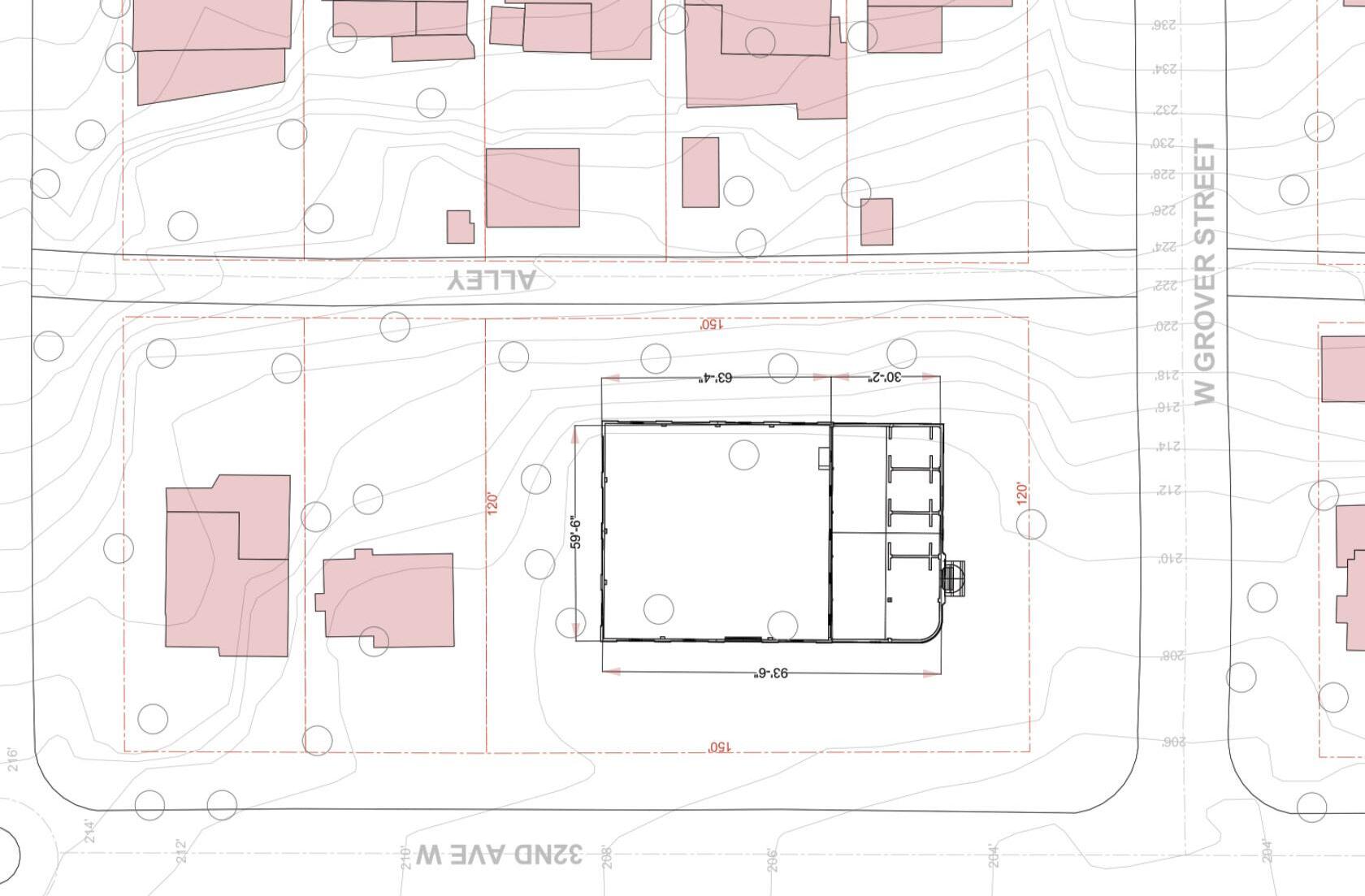
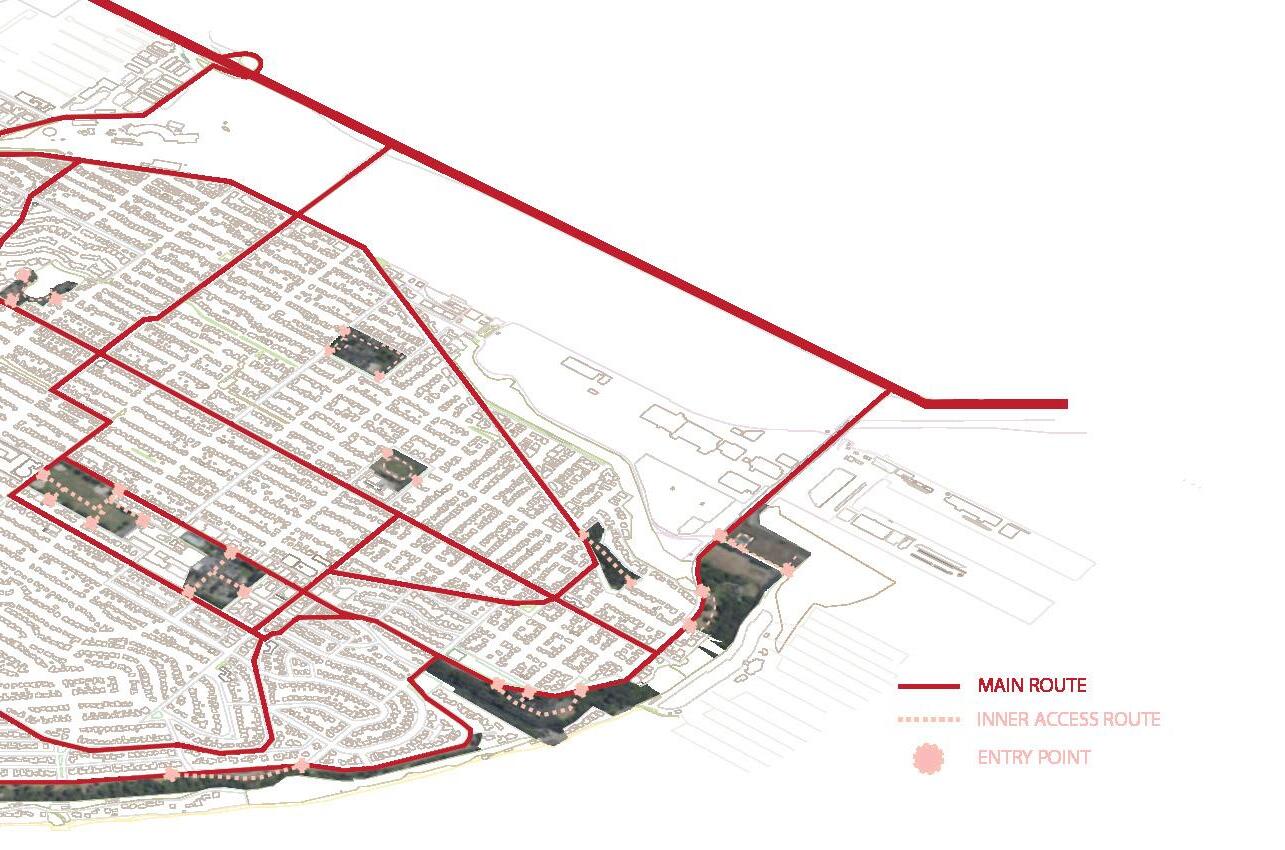
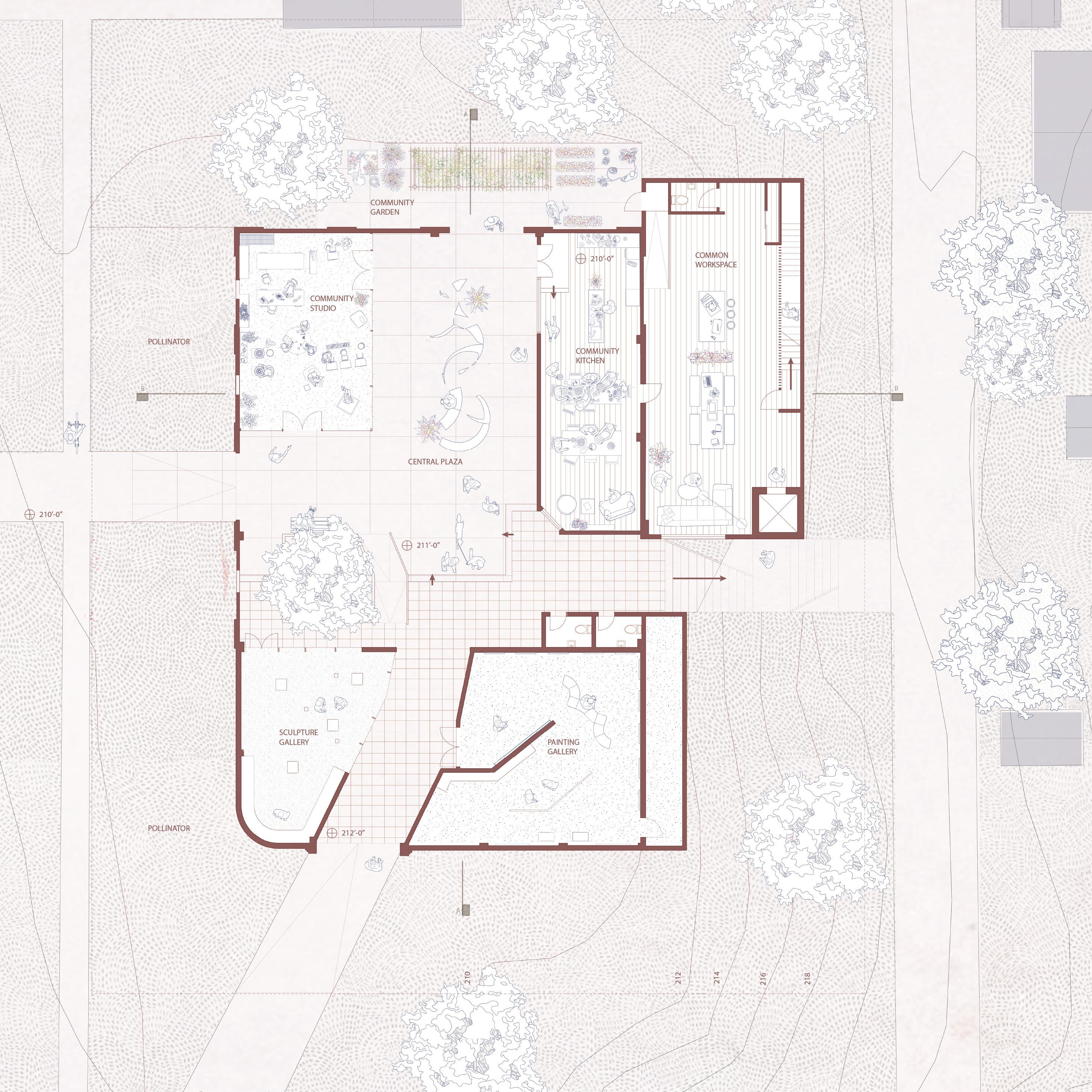
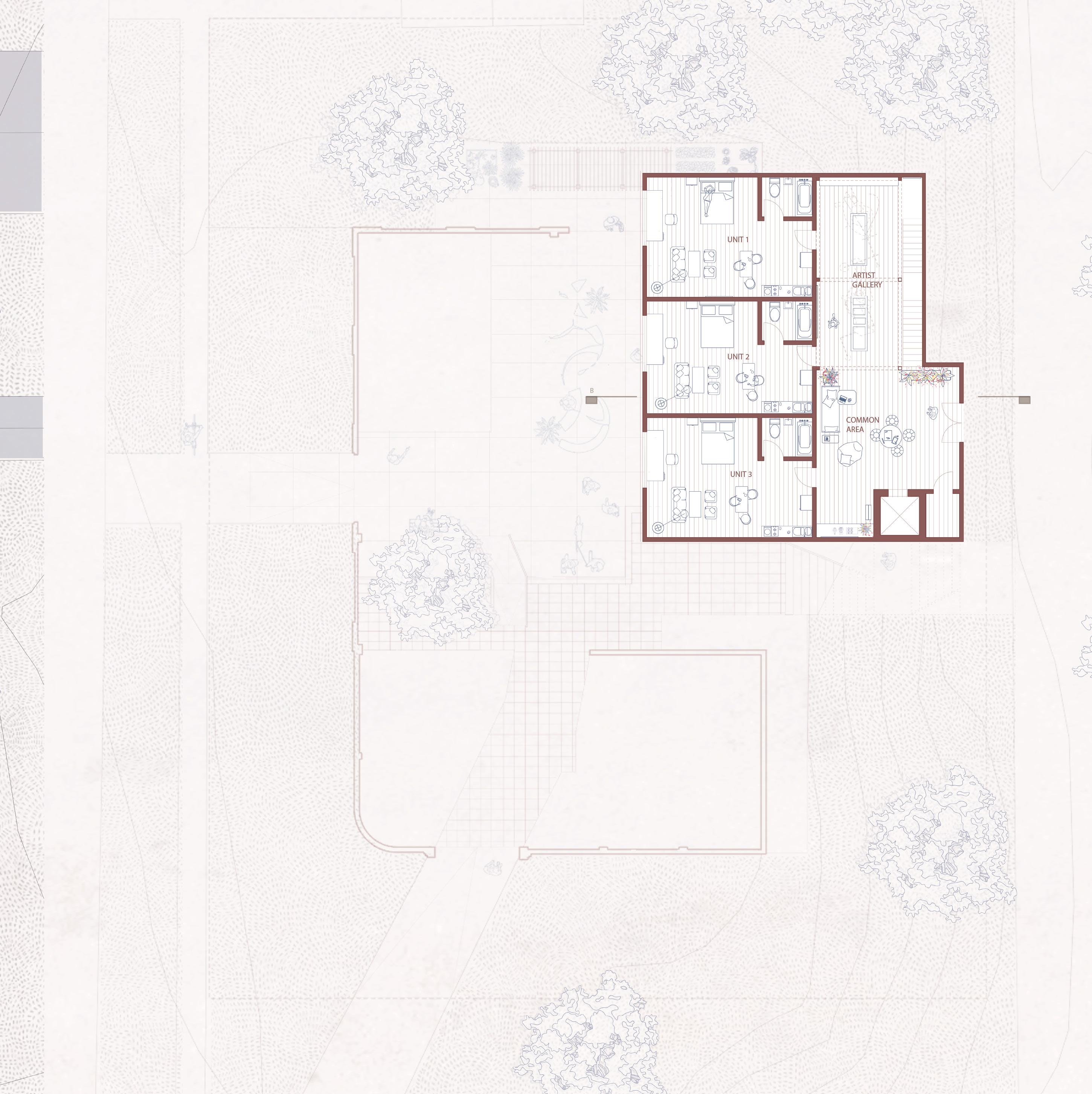
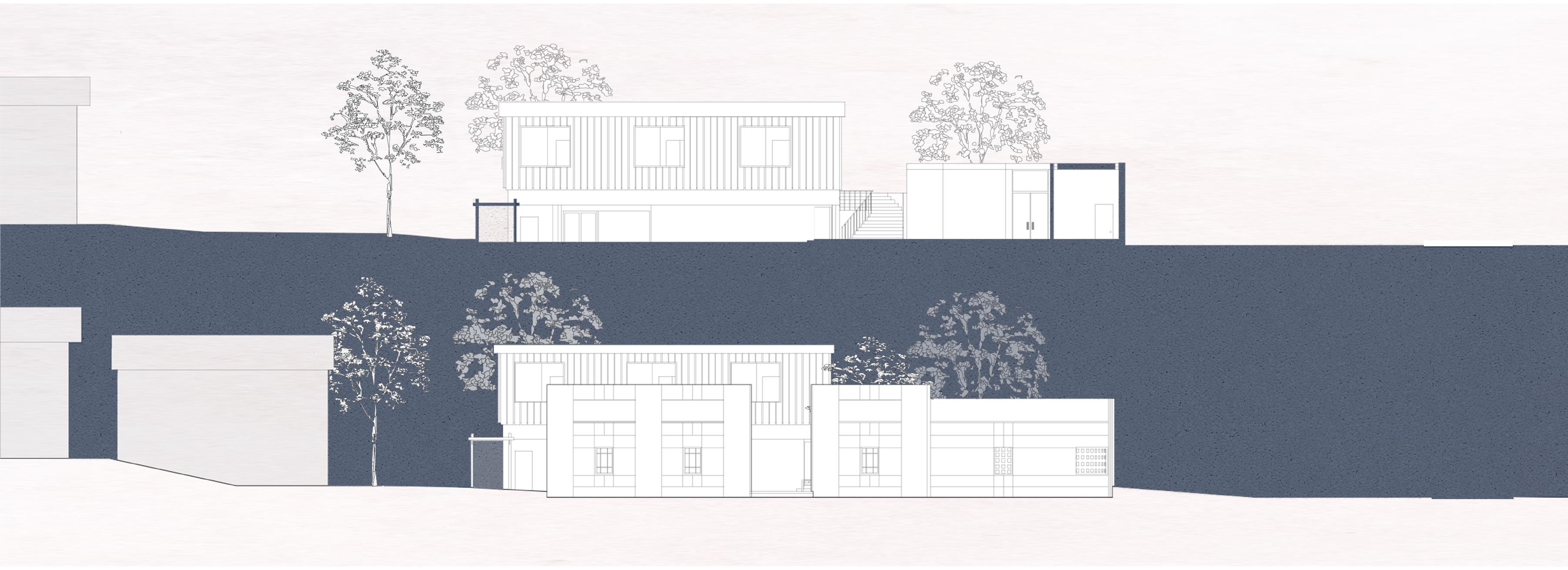
The Plaza reactivates a former City Light Substation into a community-oriented arts, gathering, and live/work space. Organized around a central plaza, the project uses spatial hierarchy to mediate between public and private programs. Rather than imposing a new identity, the intervention amplifies the site’s infrastructural legacy and its significance in Magnolia, framing adaptive reuse as a social practice that not only conmemorate but also transformative for collective life.
SITE
“A housing project that served privately but also publicly.”
A
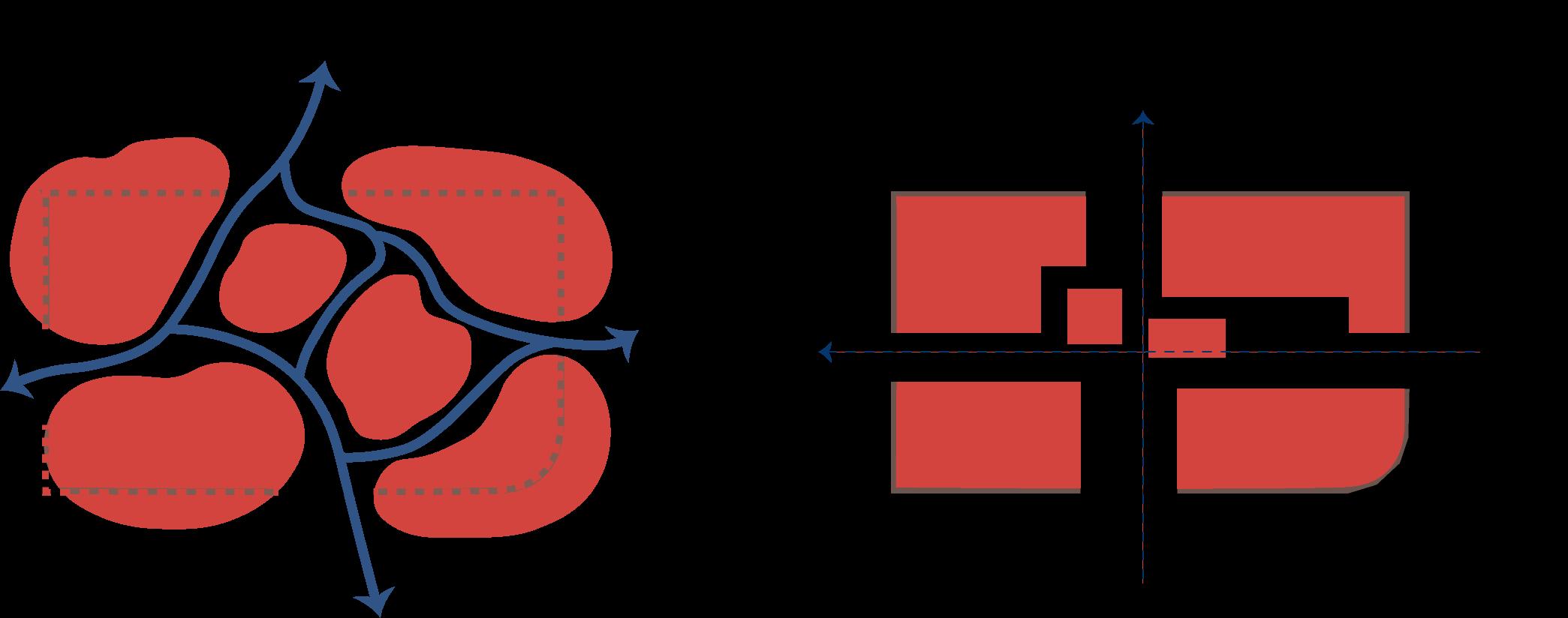
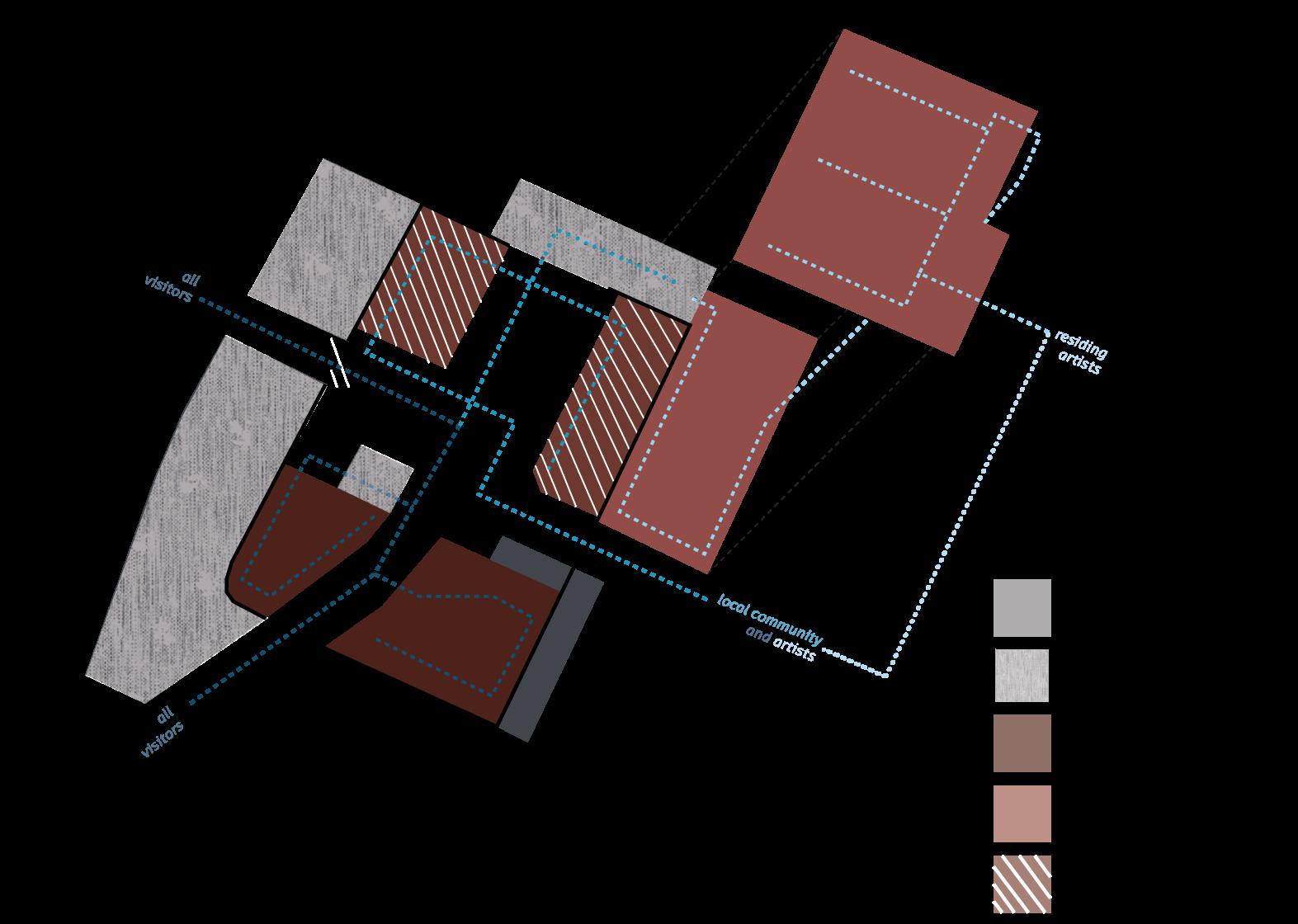
FIG 2.2 CIRULATION DIGRAM
Hierarchy establishes different services to different part of the neighborhood community.
Section
B
Section
03 SYNDROME K
COMMEMORATING JEWISH SURVIVORS DURING WWII
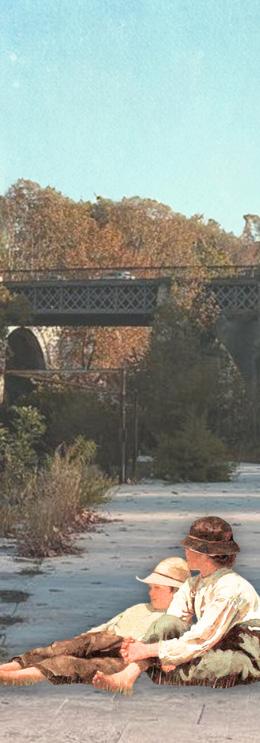
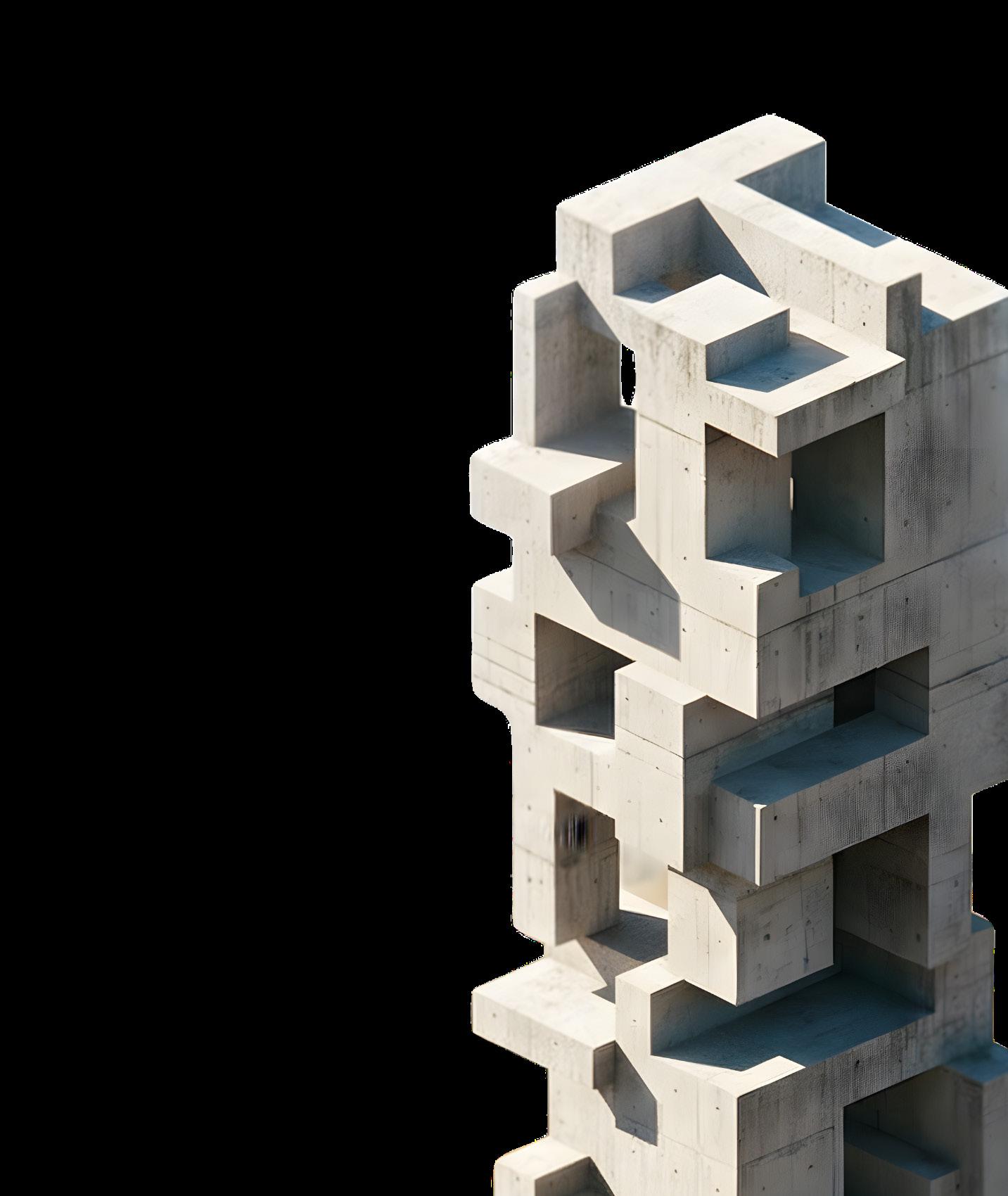
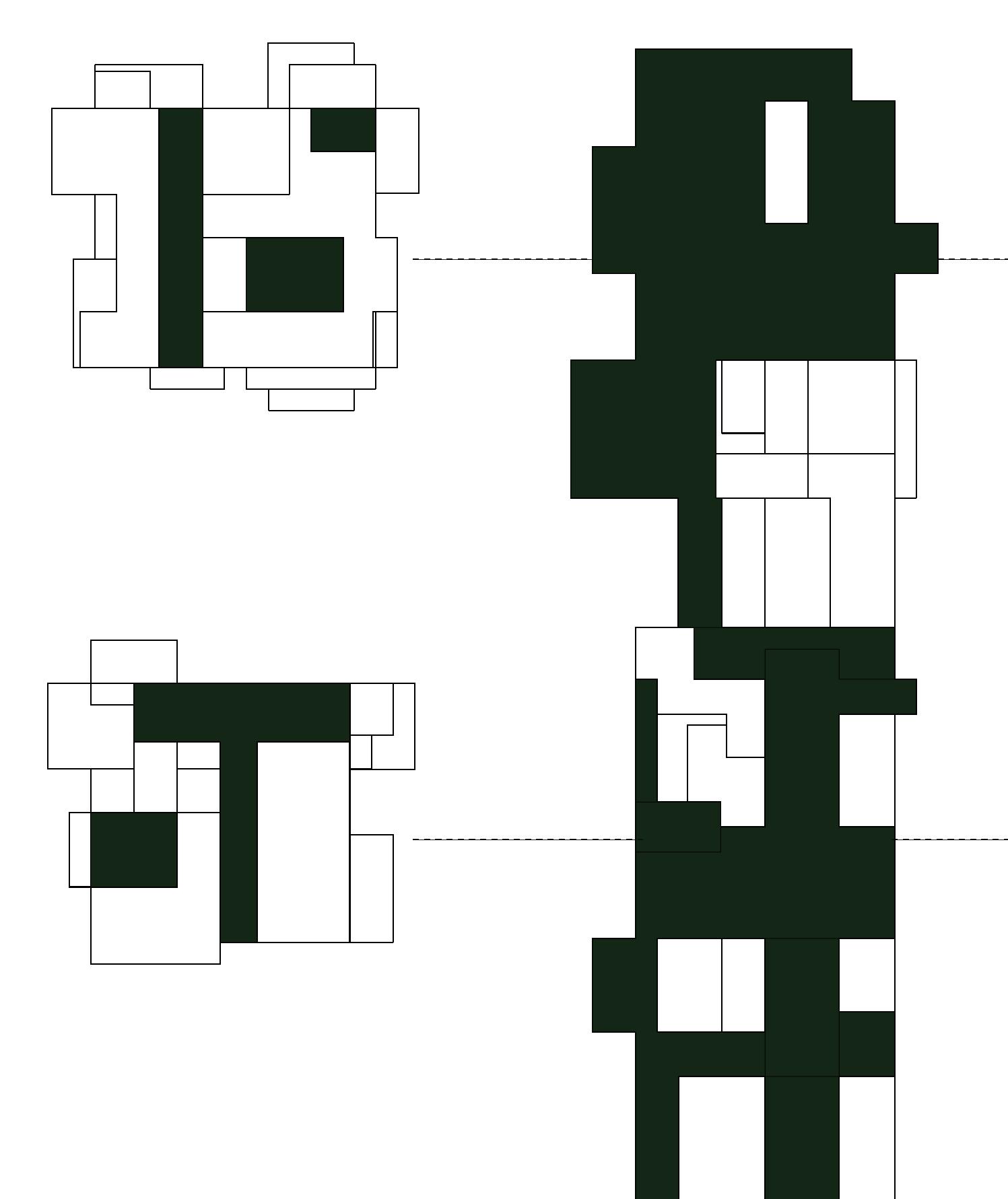
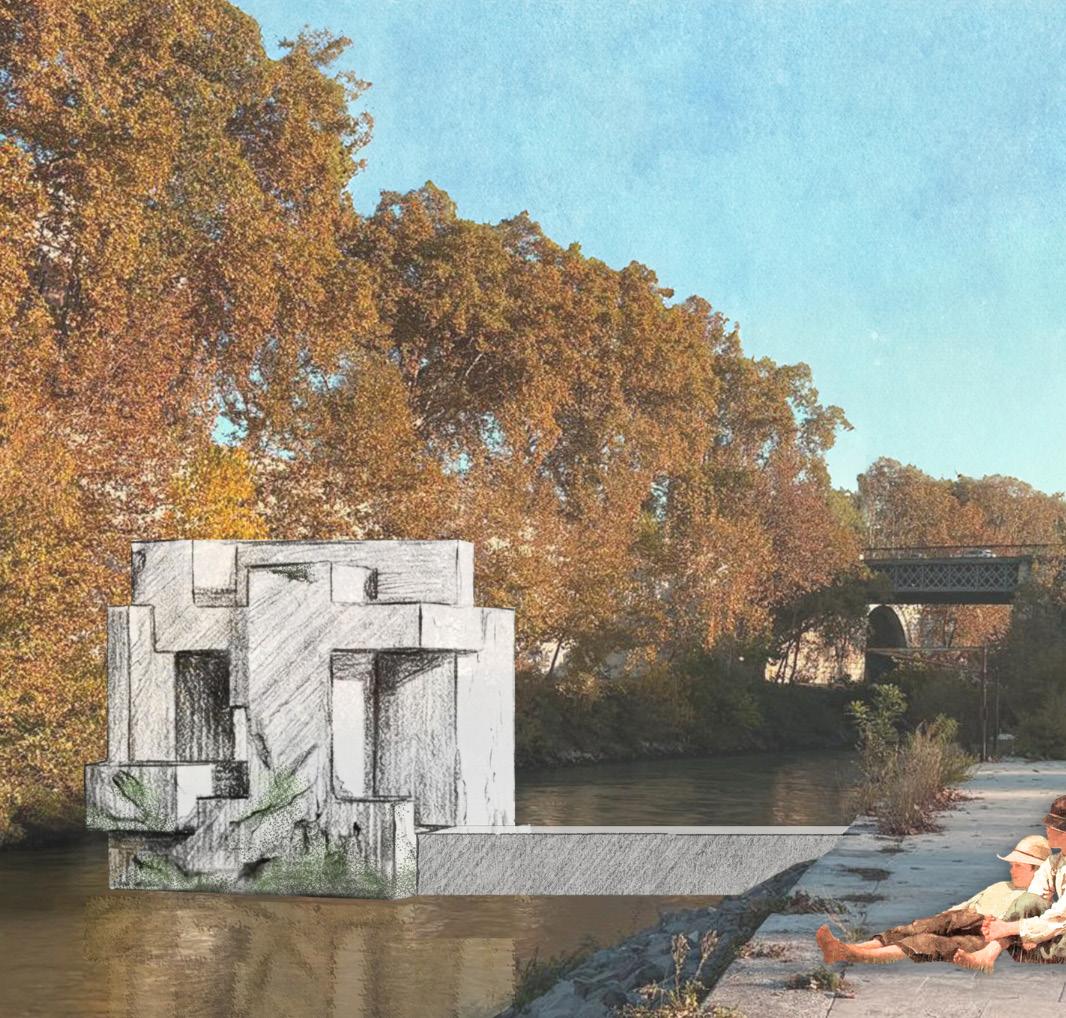
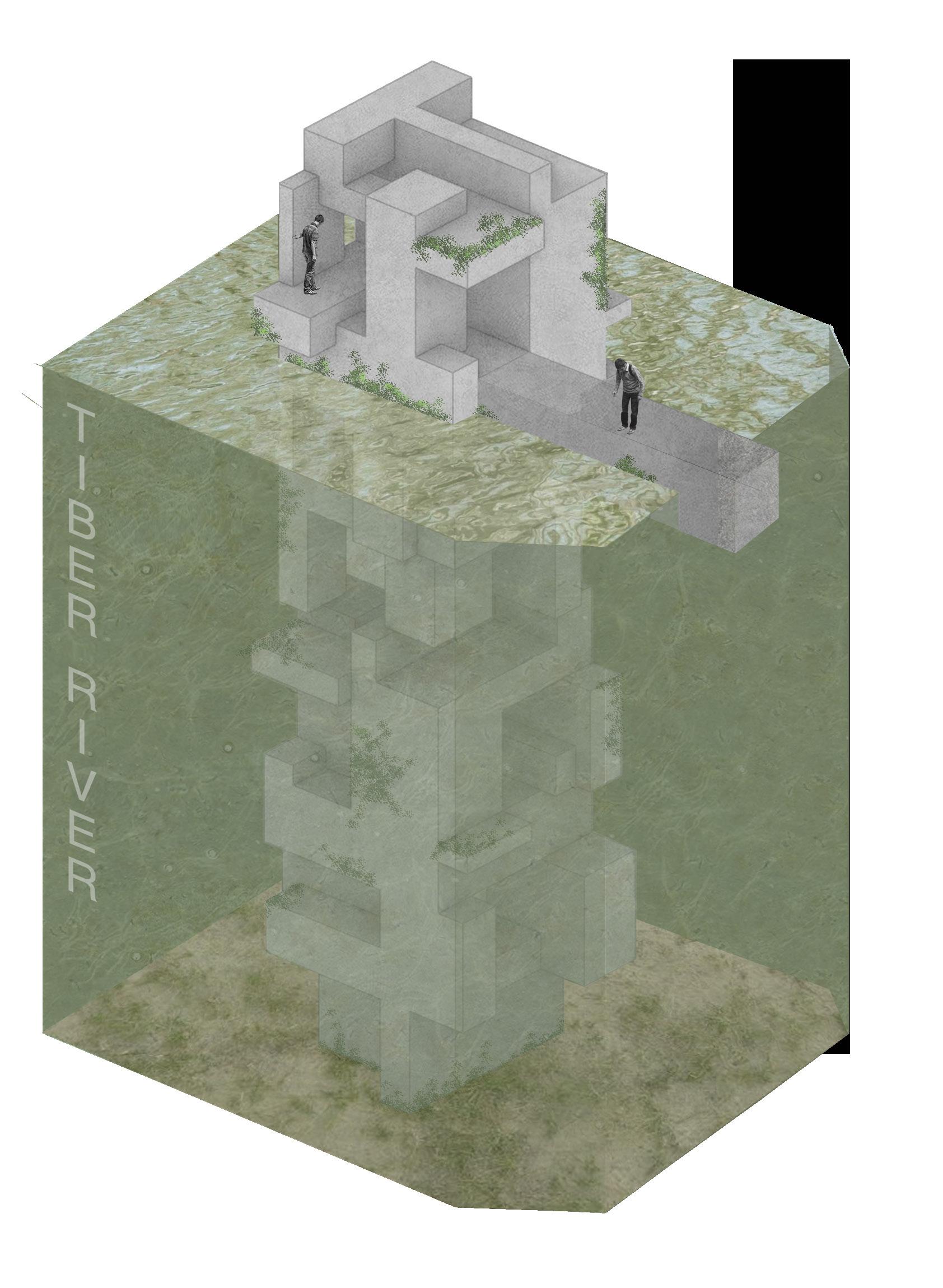
Syndrome K proposes a commemorative intervention on Tiber Island that frames architecture as an act of ethical responsibility and refuge. Responding to the Fatebenefratelli Hospital’s role in protective Jewish lives during WWII, the project encodes memory through massing, threshold, and material erosion. Engaging in the flunctuating flow of the Tiber, the design explores how memory can be held through material and relationship with the site surrounding context.
DISCONFIGURING
CODE CONCEAL
Fatebenefratelli Hospital RIVERTIBER
Temple of Aesculapius
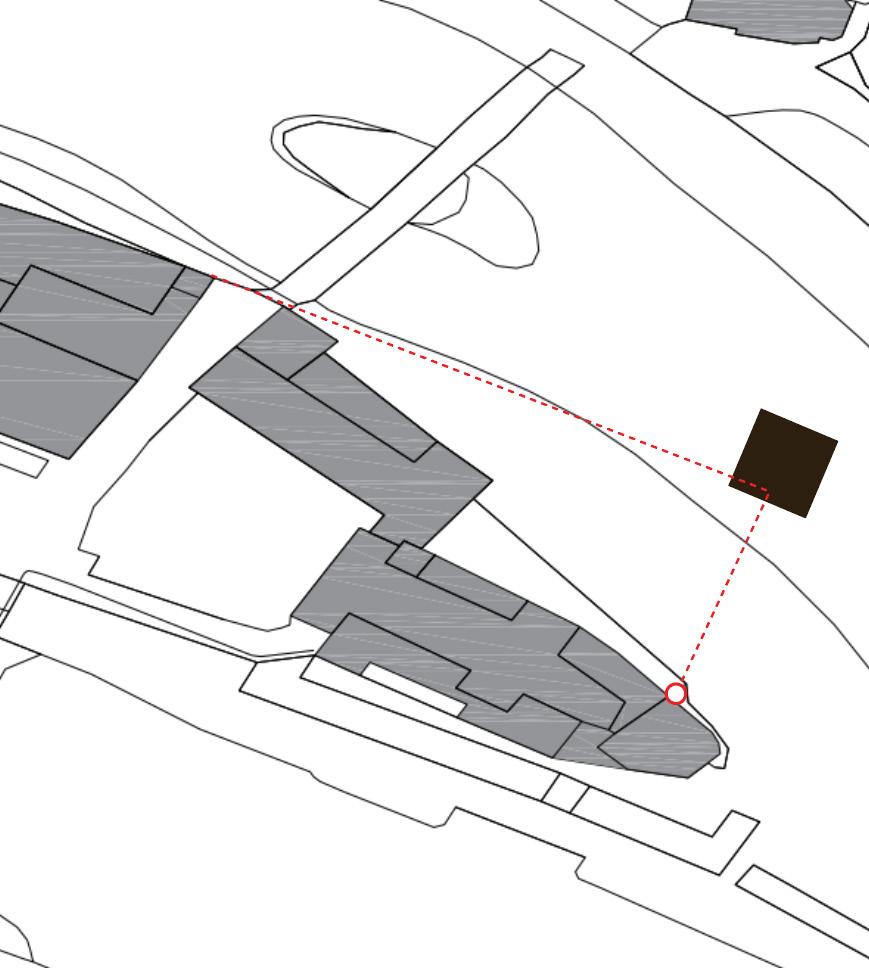
FIG 3.1 INTERVENTION AND SITE RELATIONSHIP
The intervention located on axis with the Fatebenefratelli Hospital and the Temple of Aesculapius, celebrating the site history in healing.
PLAN CUT 1
PLAN CUT 2
SECTION
Tiber River Current Level
The plan and section are abstracted into a coded system of mass and void, where thickness and materiality translate concealment and resistance into spatial form.
Attuned to the Tiber’s persistent current, the concrete resist the river’s flow and adapt to its unpredictable rise and fall -- representing persistance.
04 DANNY WOO PAVILION
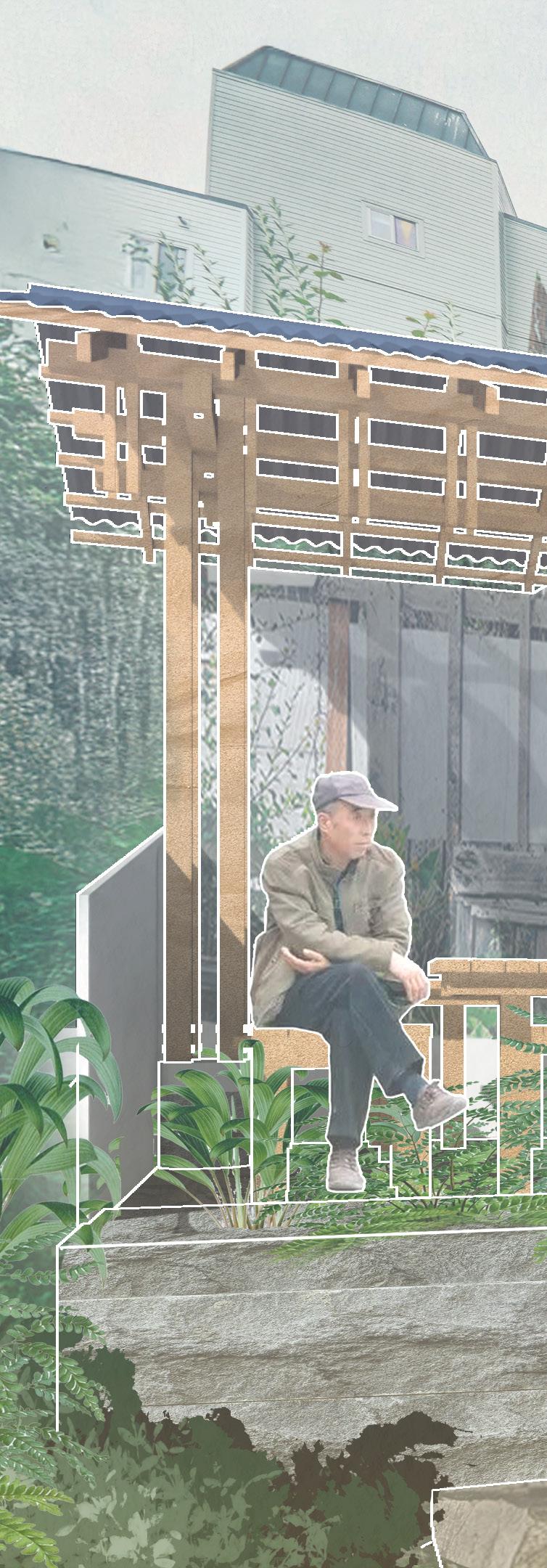
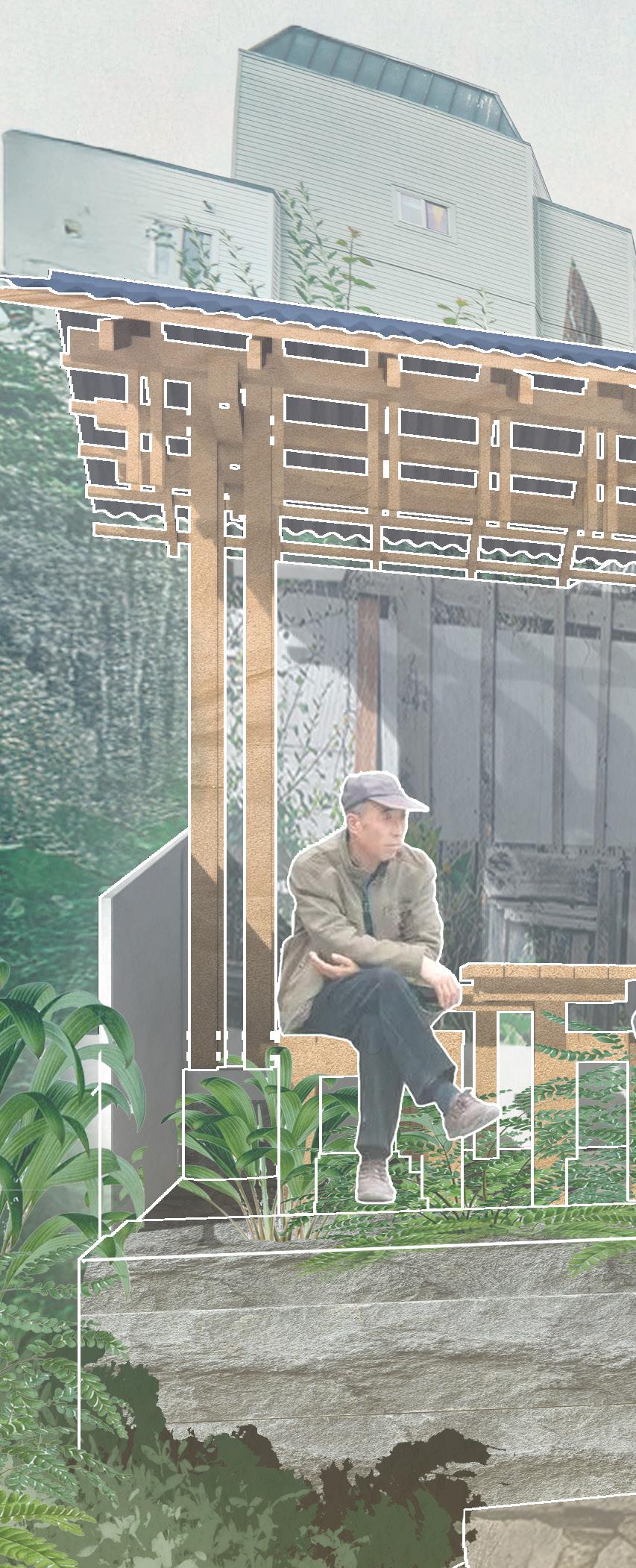
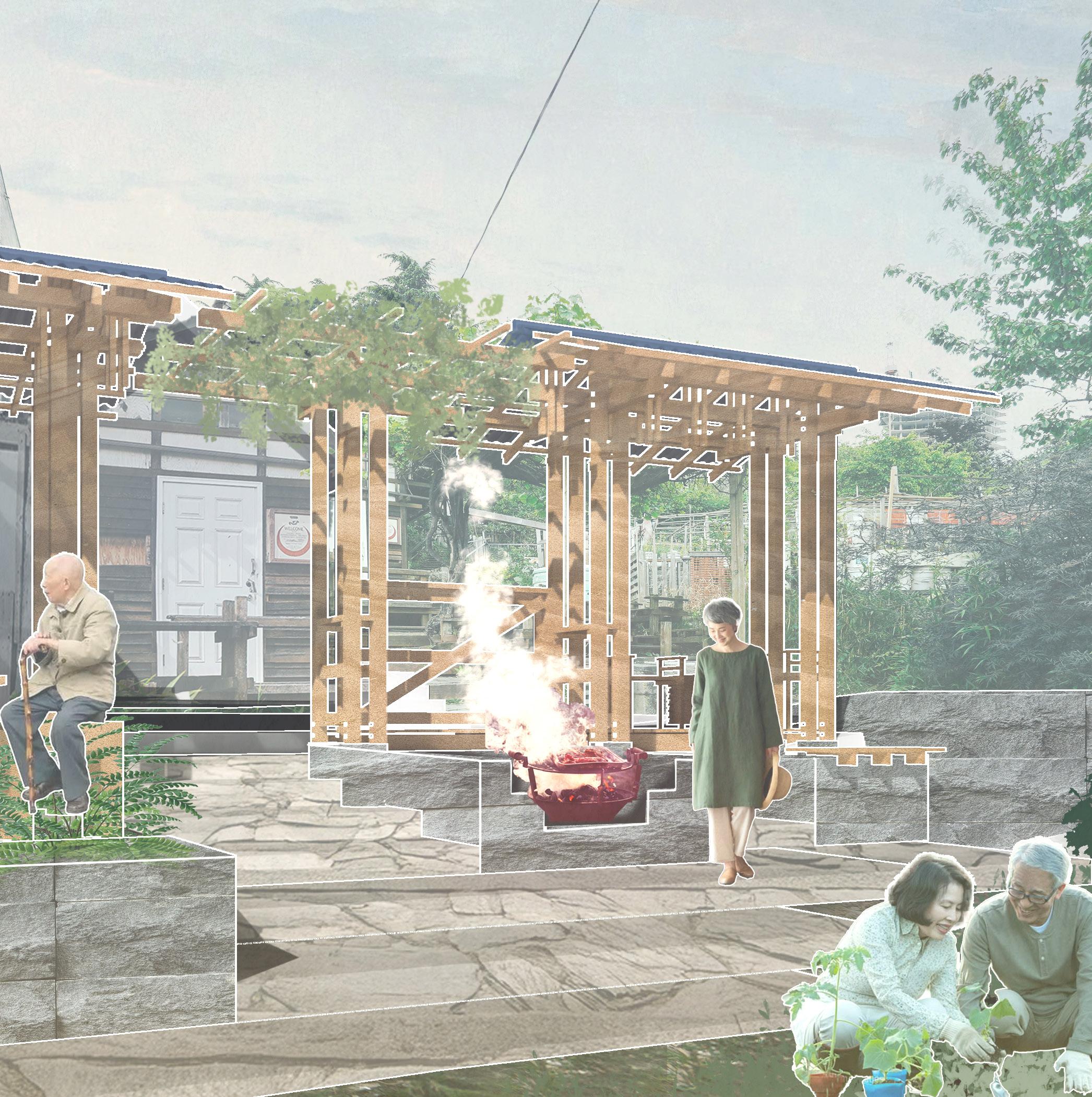
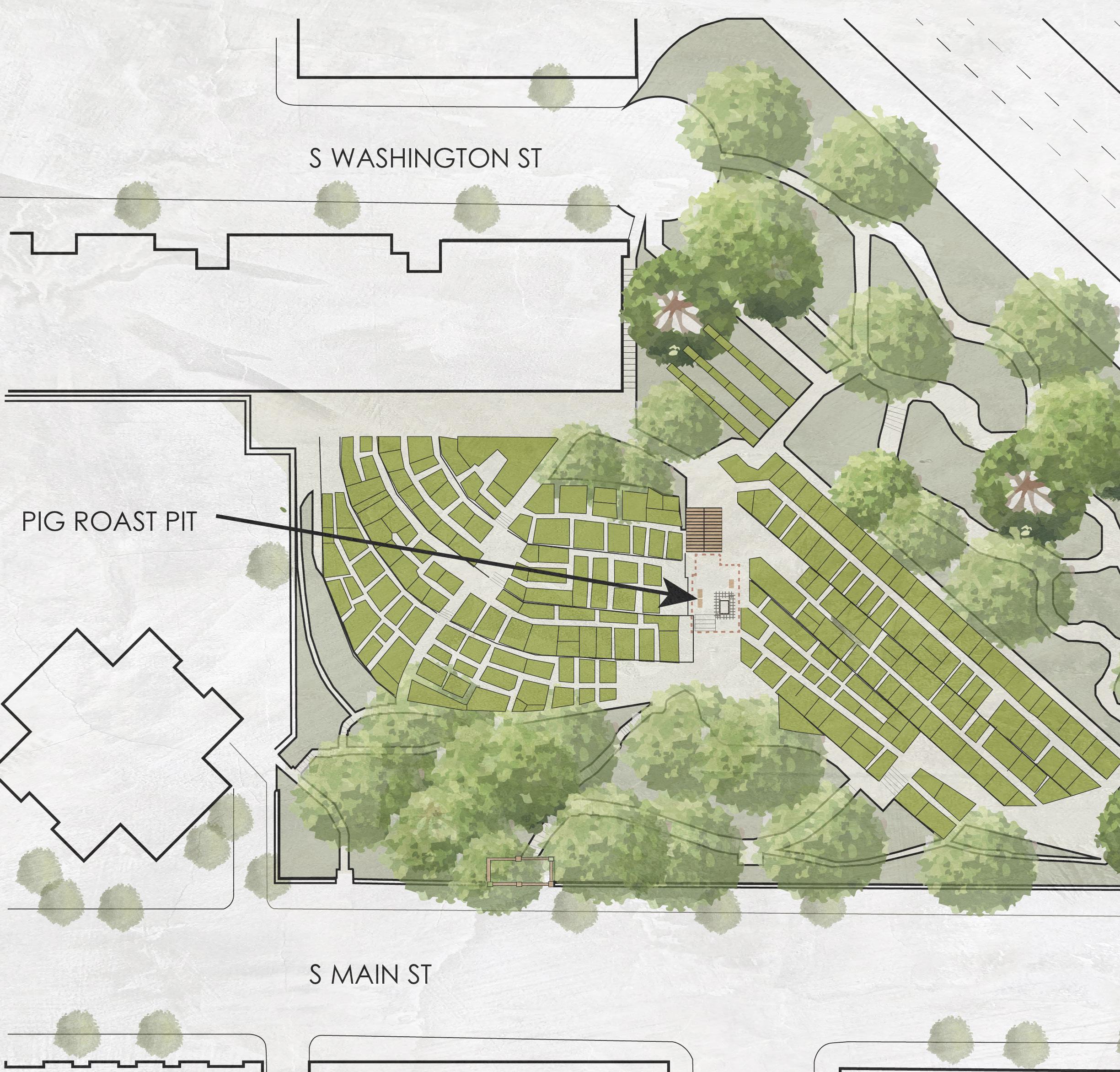
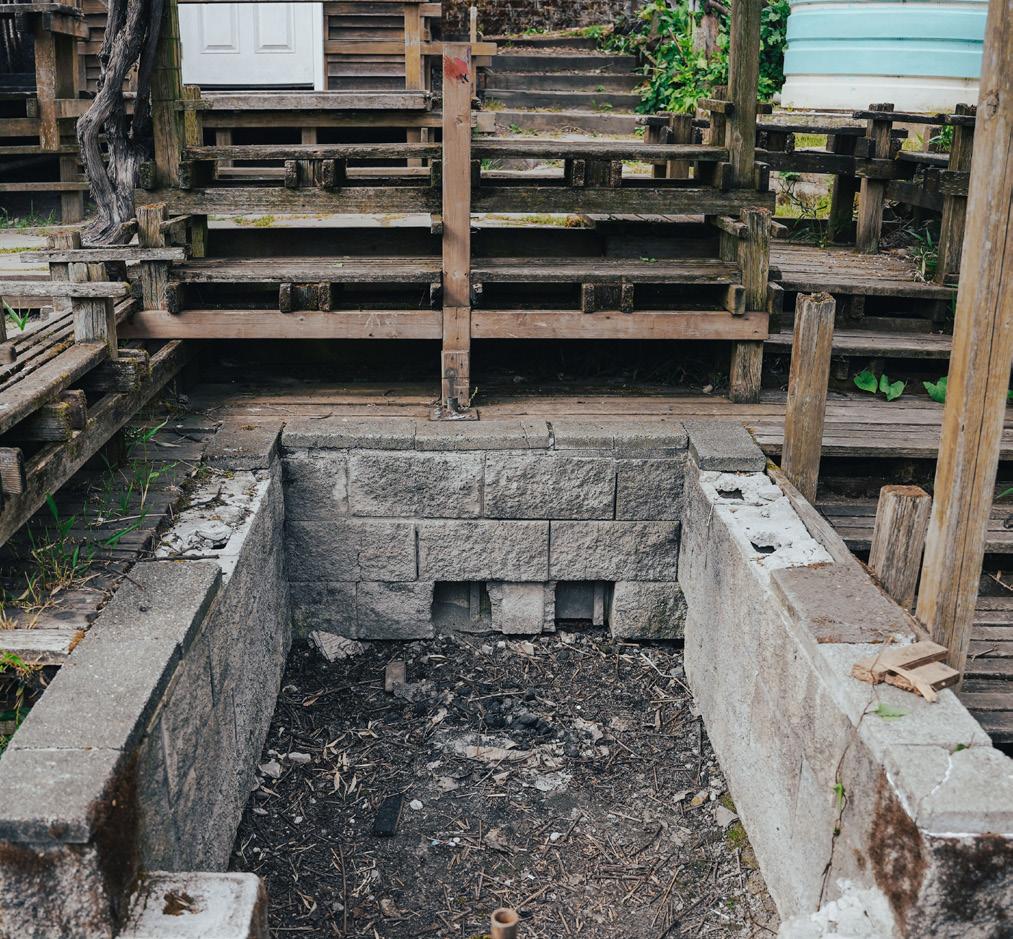
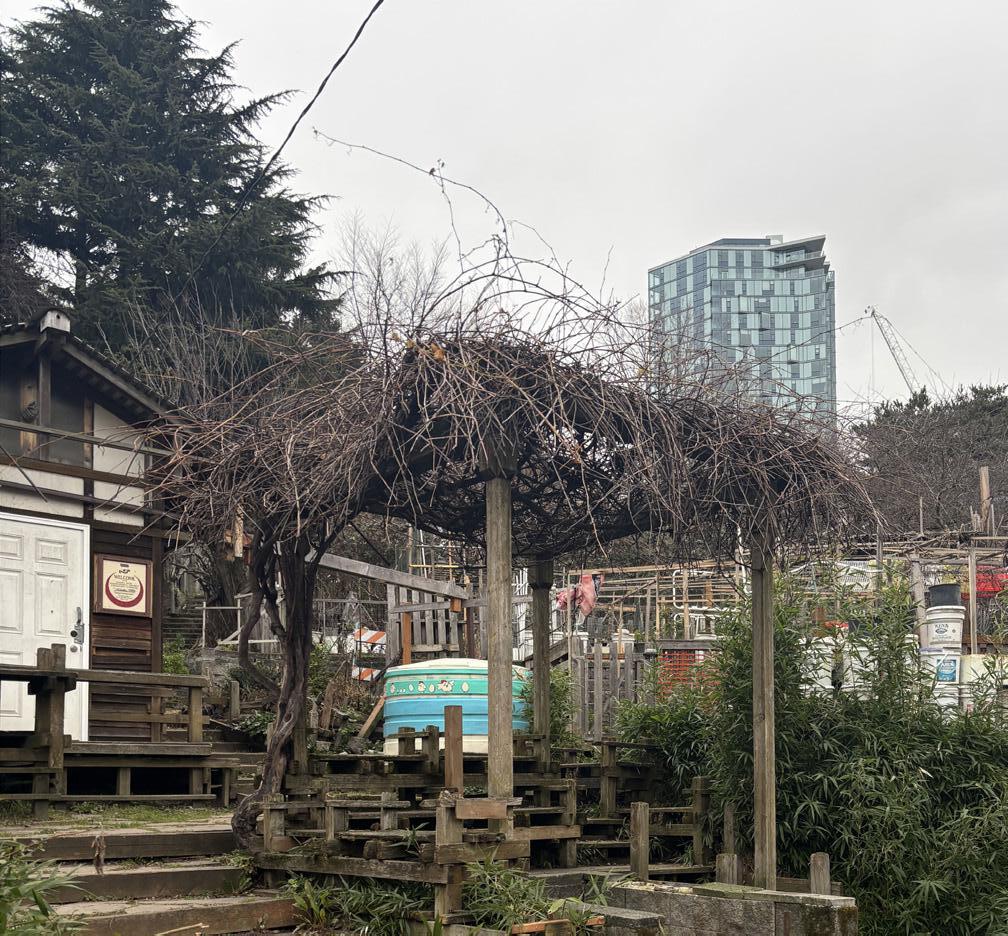
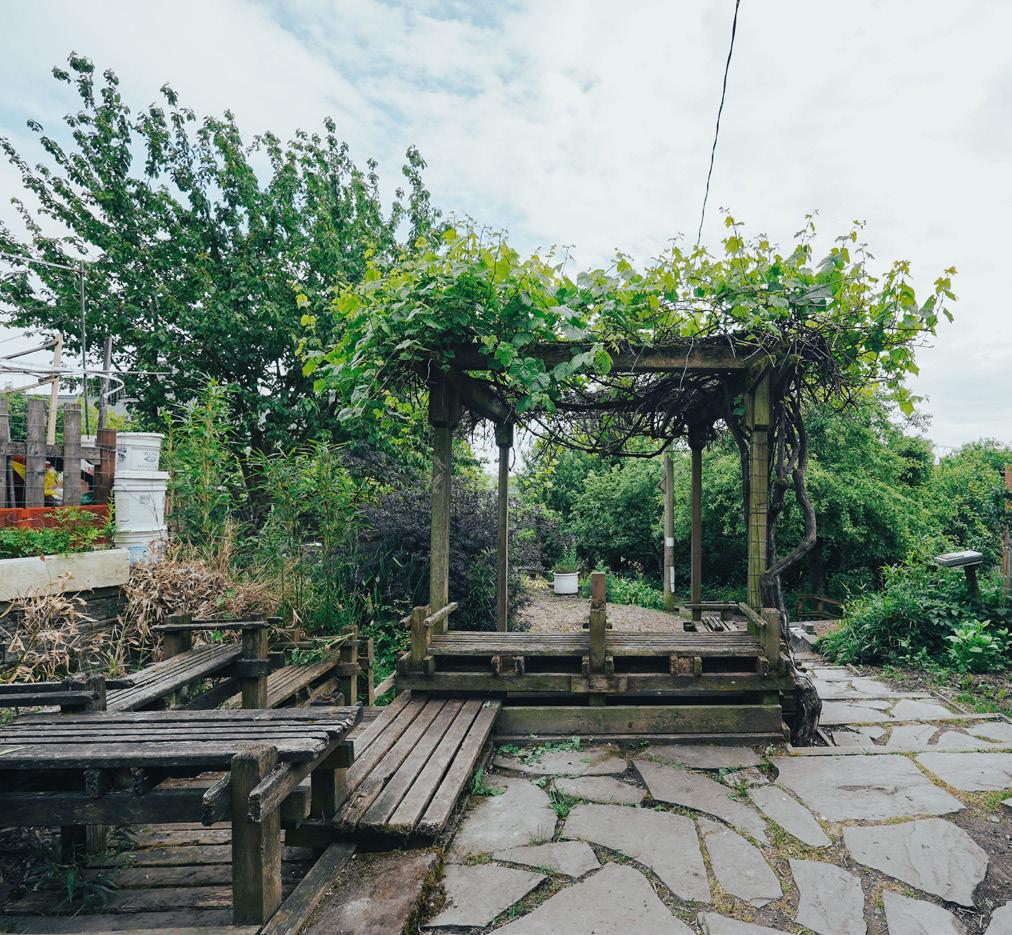
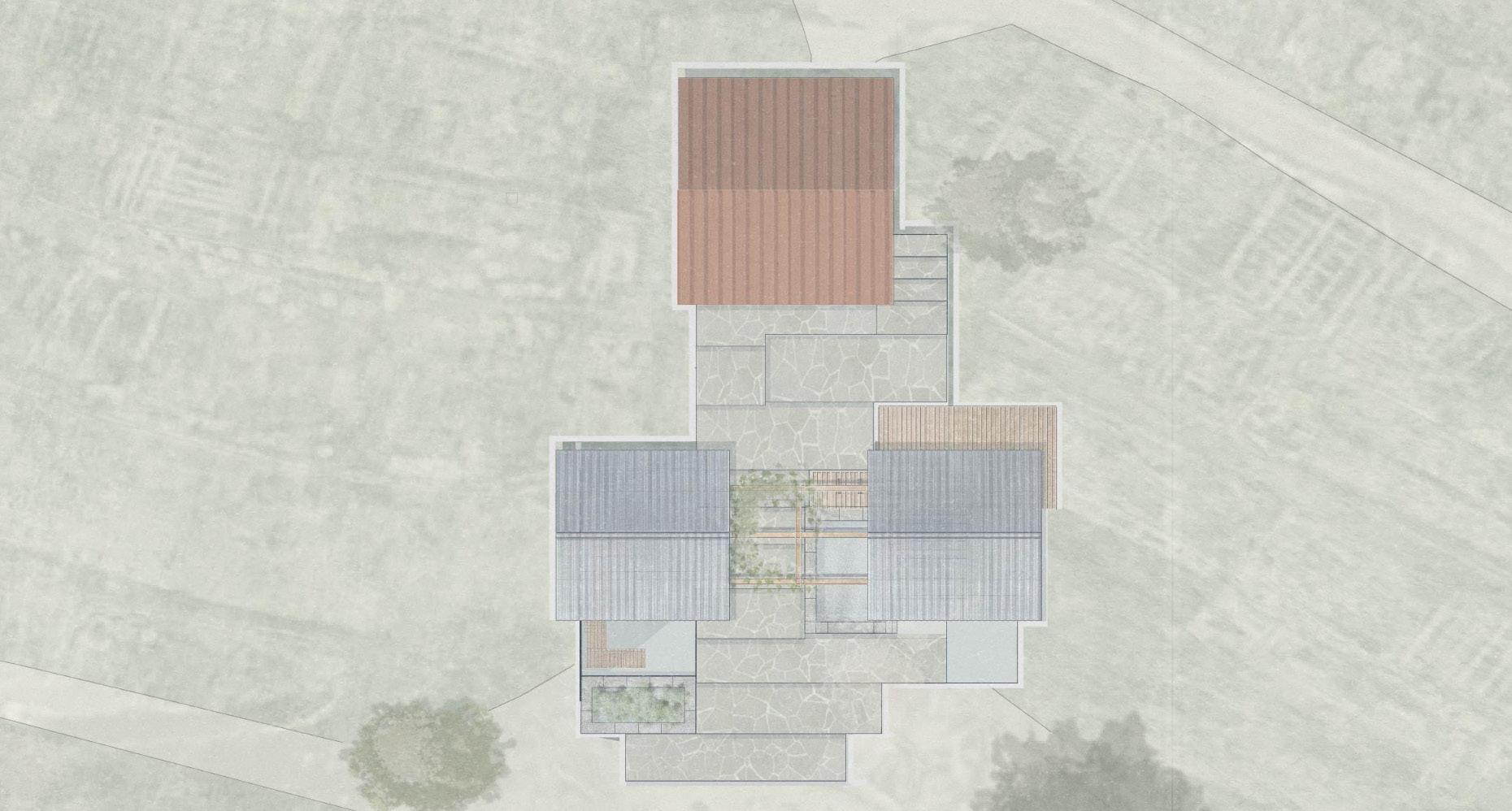
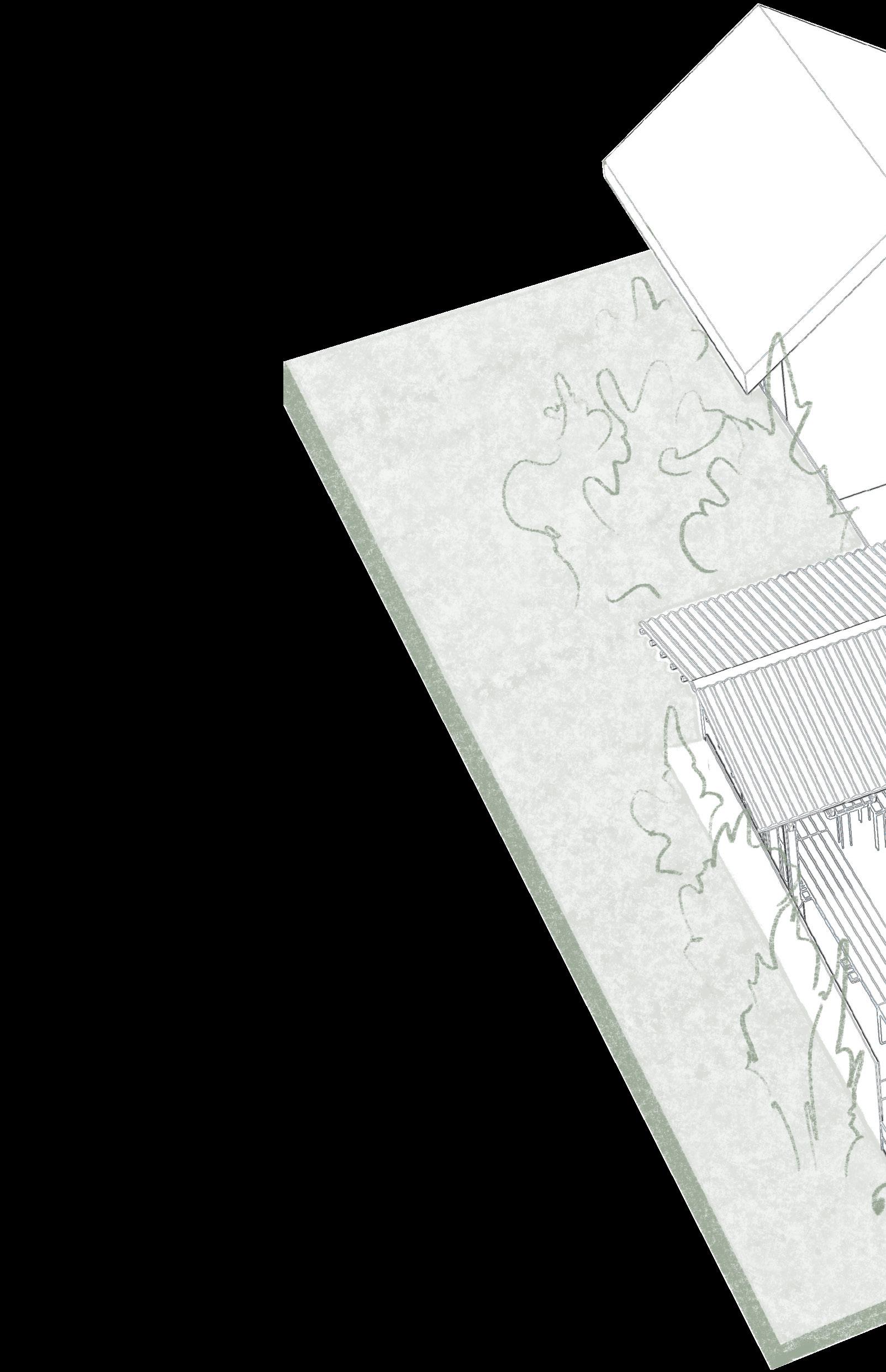
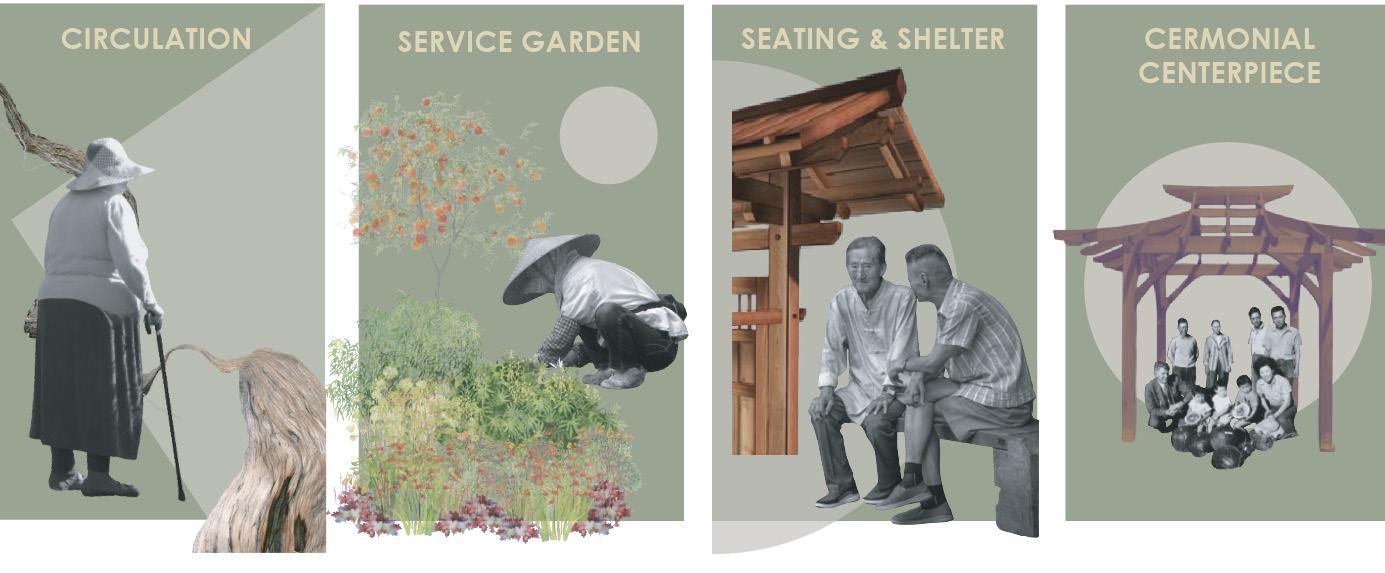
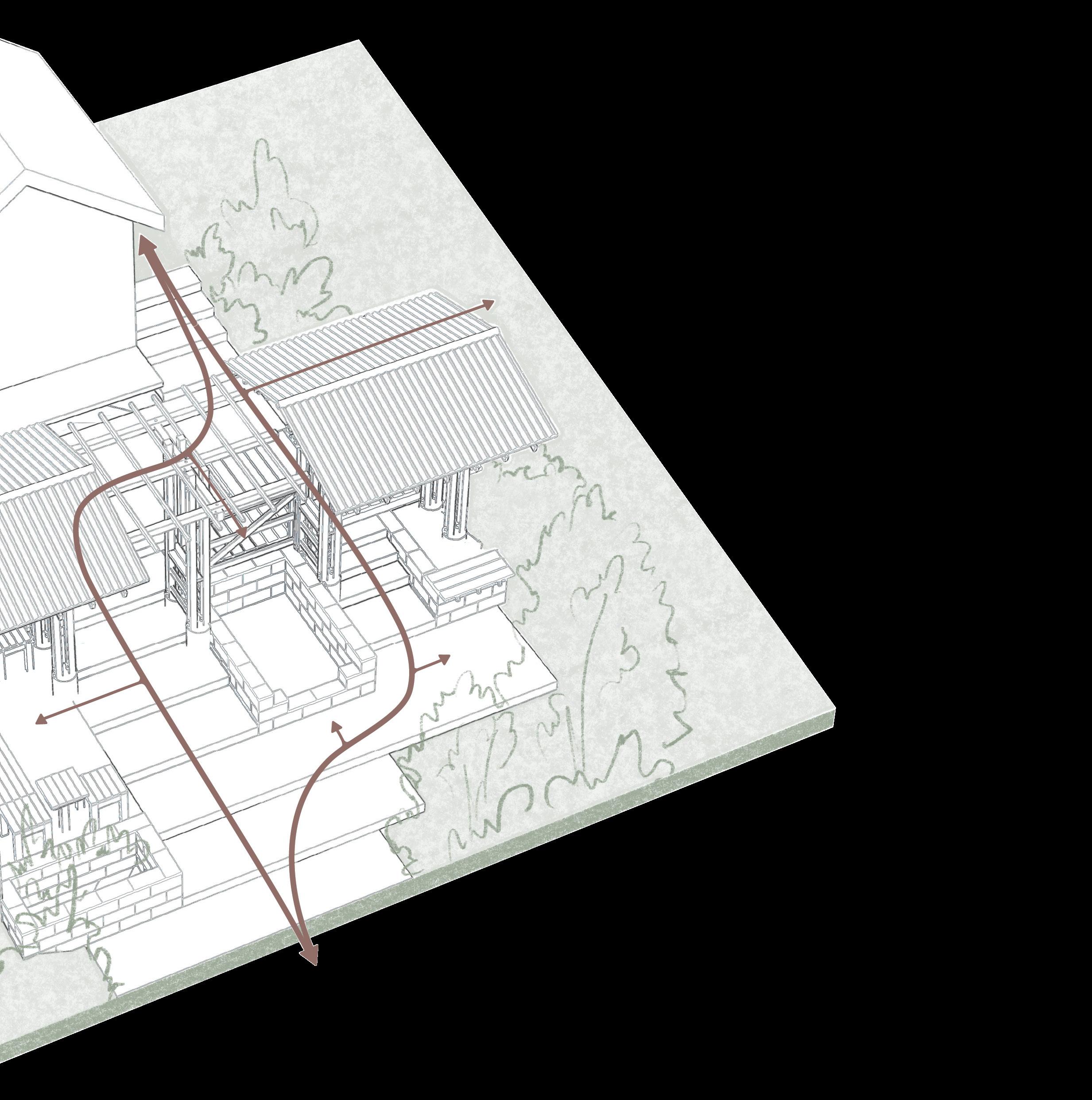
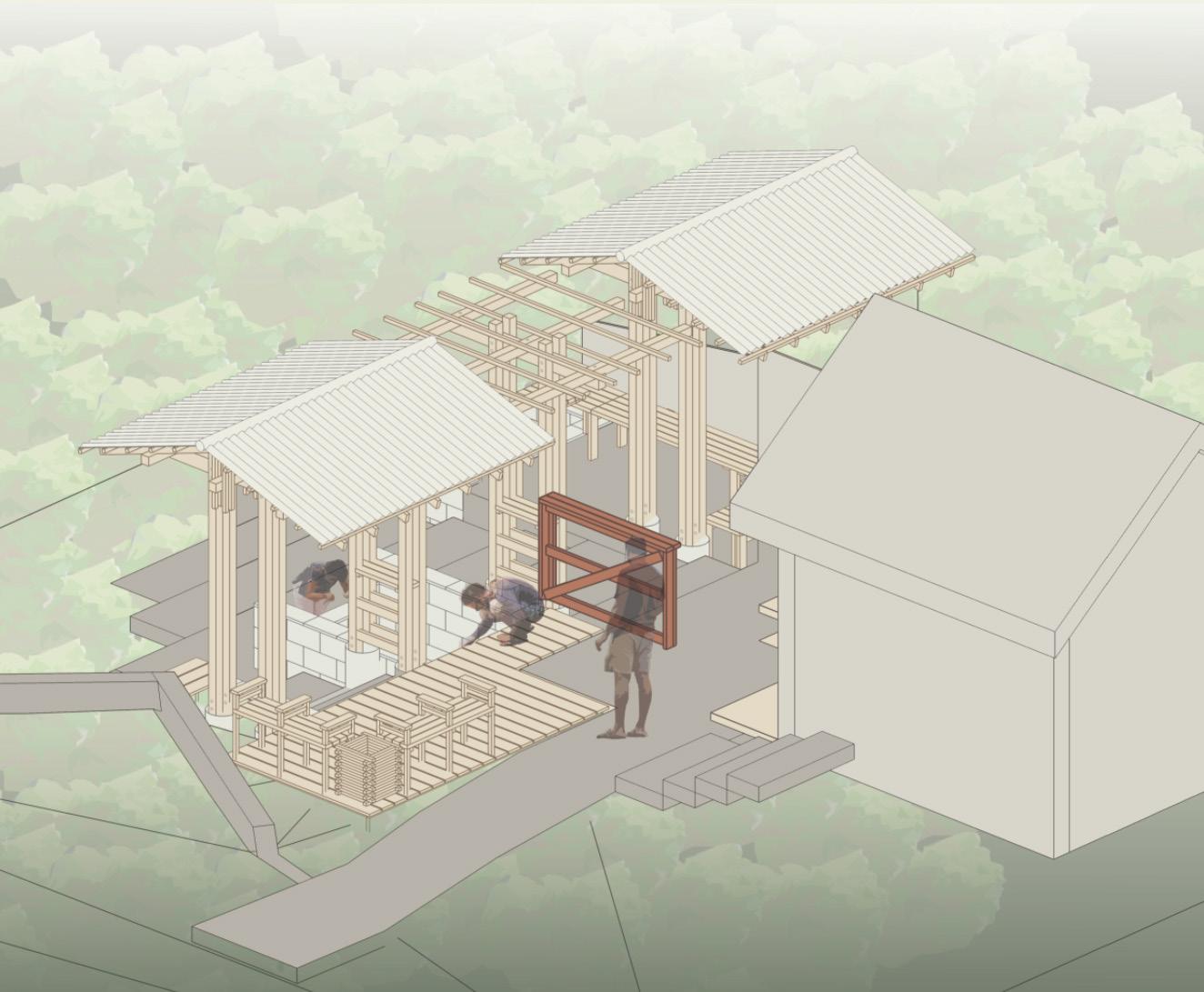
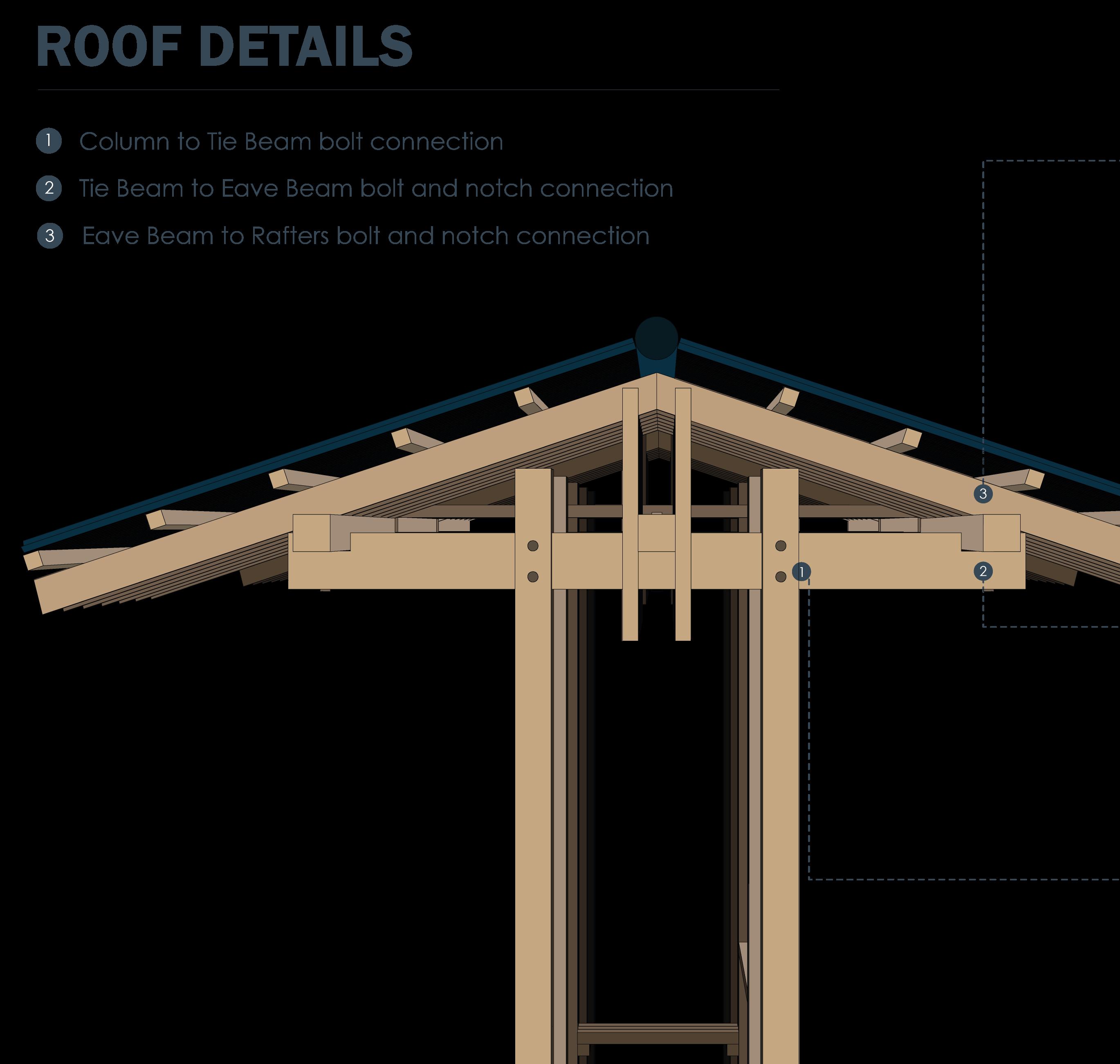
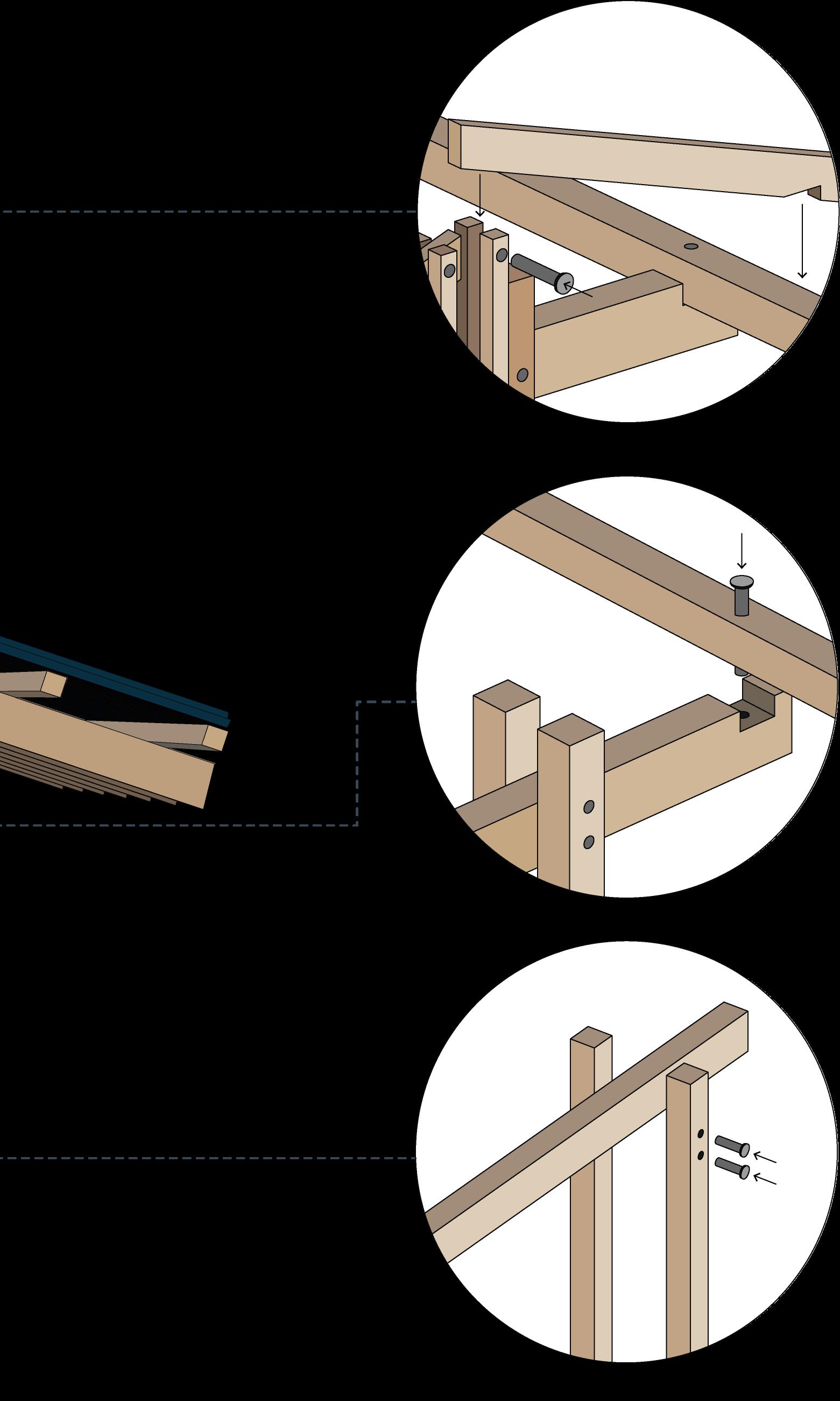
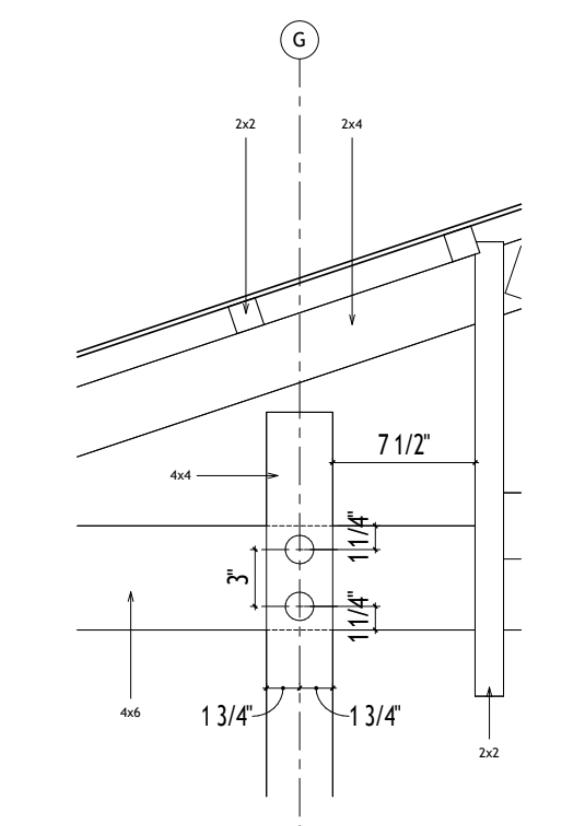
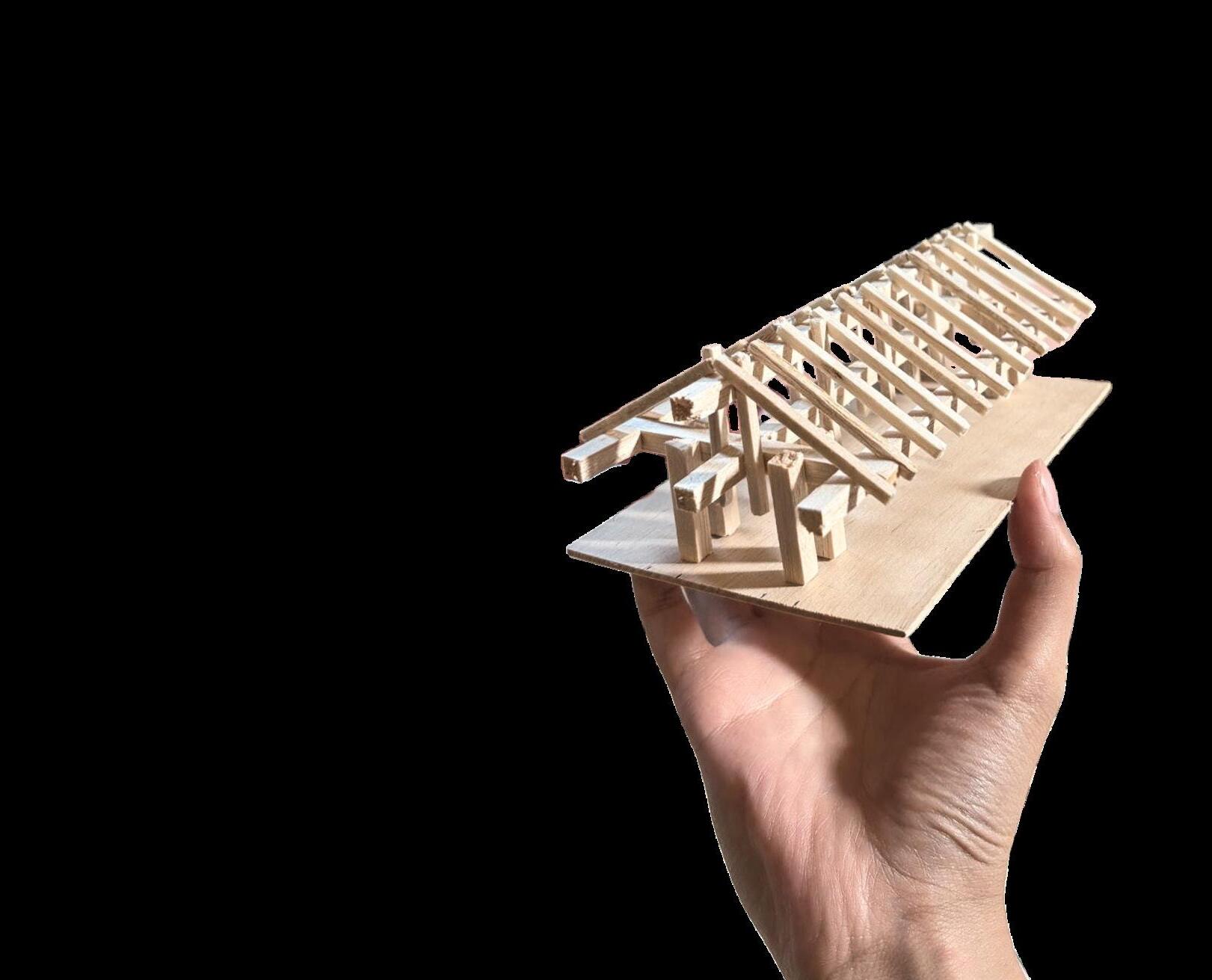
An ongoing, student-led design-build project located at Danny Woo Garden, International District, Seattle . Located at the center of Danny Woo Garden, the pavilion supports accessibility and cultural gathering, centering the community’s annual Pig Roast tradition as a design driver. Through community engagement, mock-ups, and construction detailing, the project treats architecture as a discipline honoring making and celebrating cultural identity.
The intervention, located at the hearth of the garden, addressed current site challenges, while dealing with preserving and celebrating the client’s tradition.
DESIGN GOALS
By Annabelle Davidson | Freedom By Design
By Zarrina Nurullina | Freedom By Design
05 EXPLORATORY
HOW SOUNDS TURN INTO SPACES?
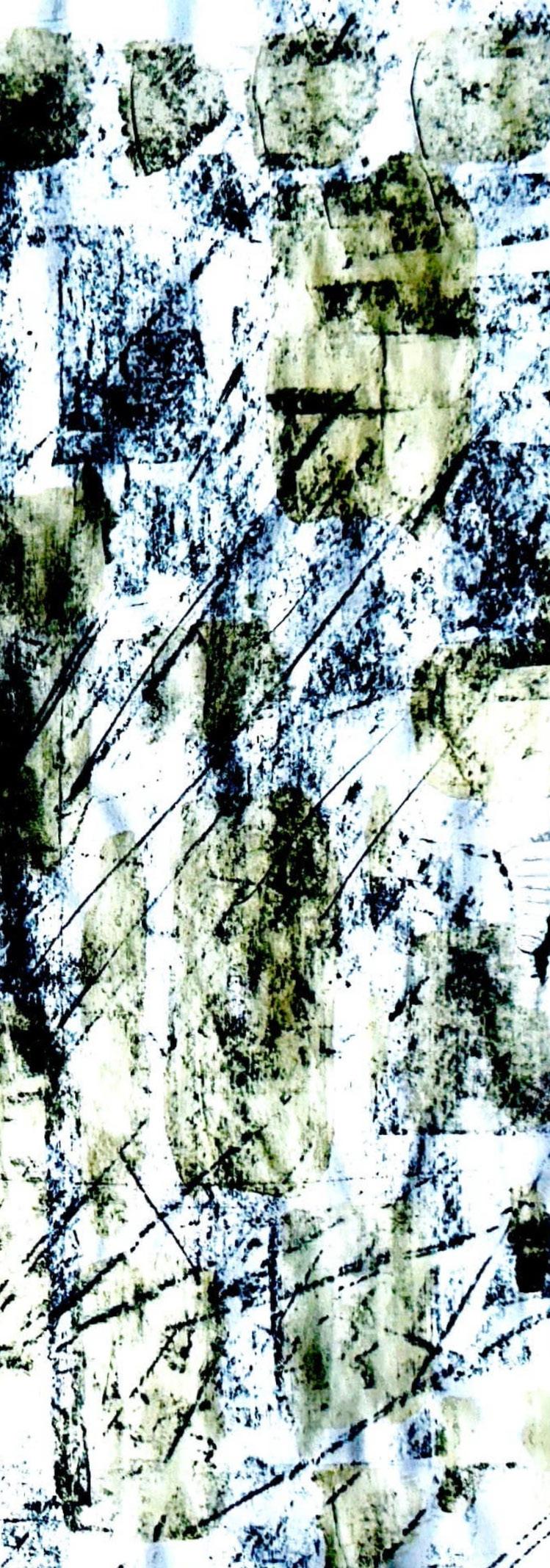
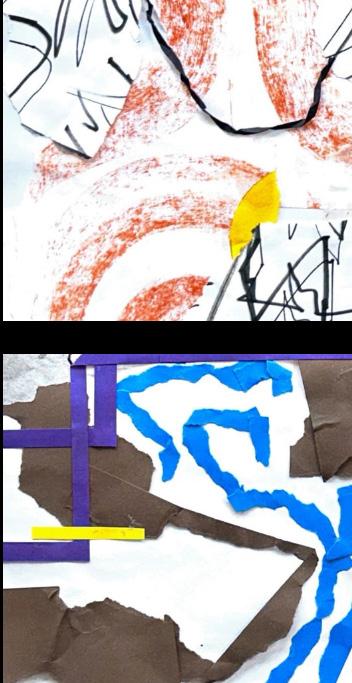
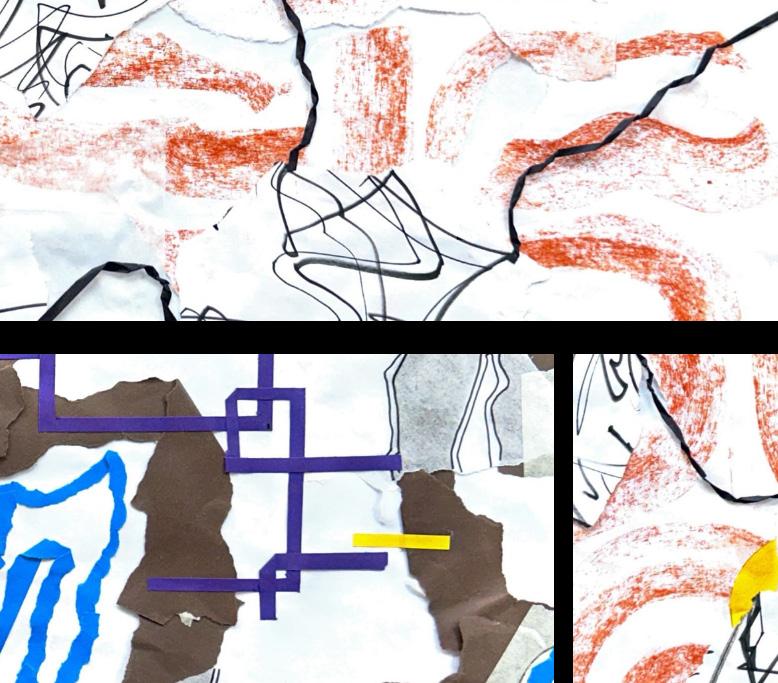
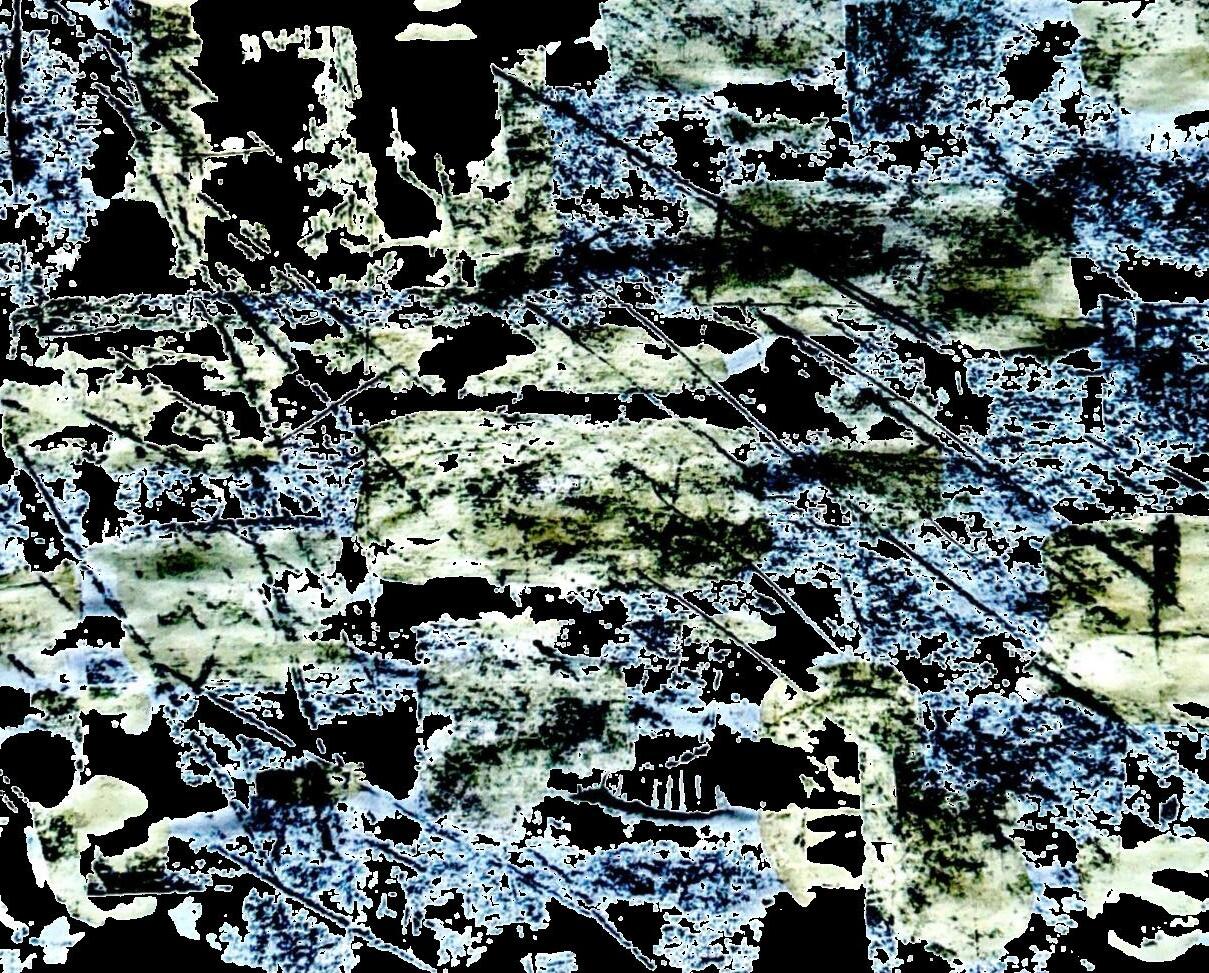
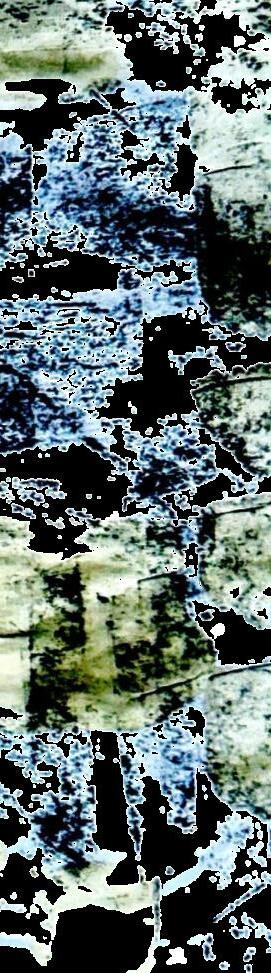
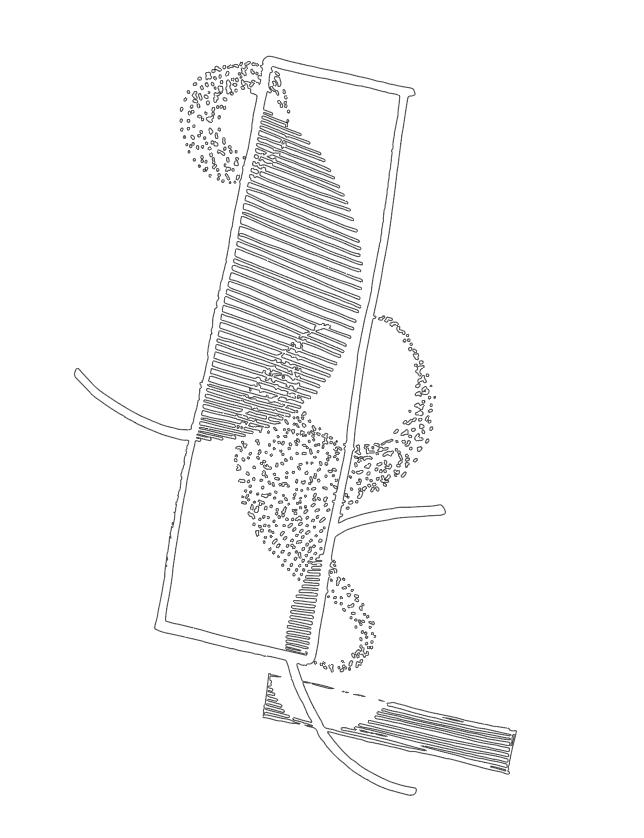
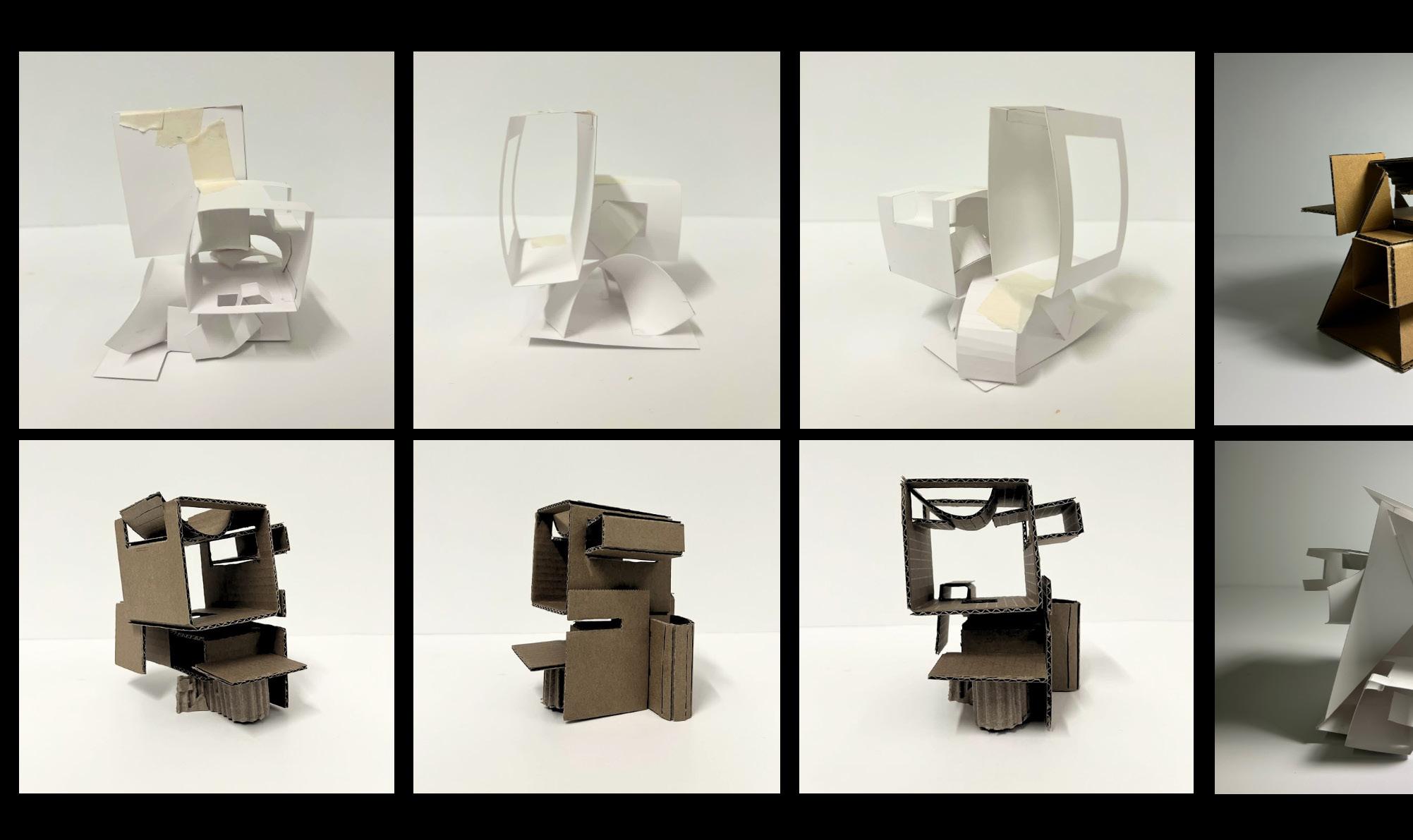
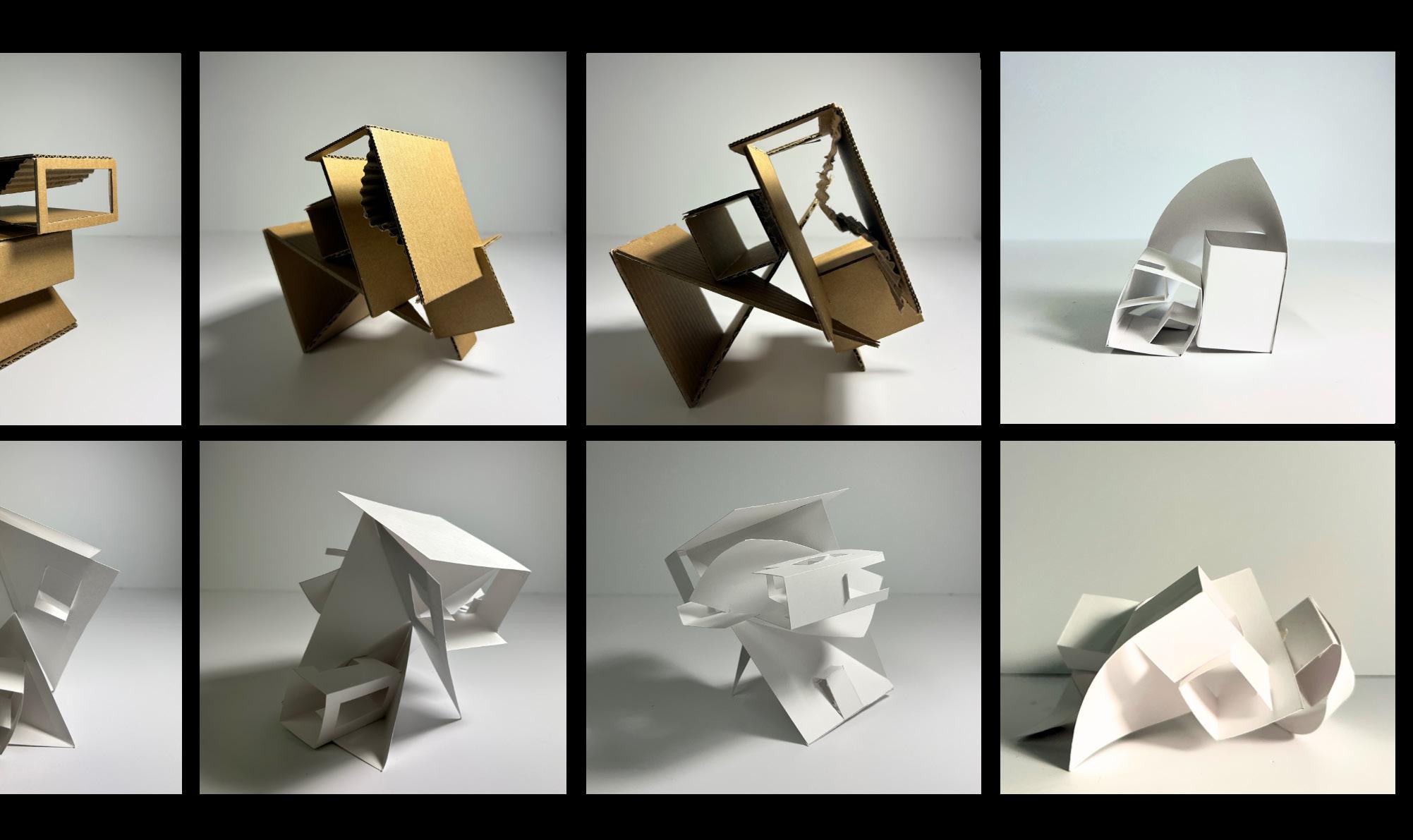
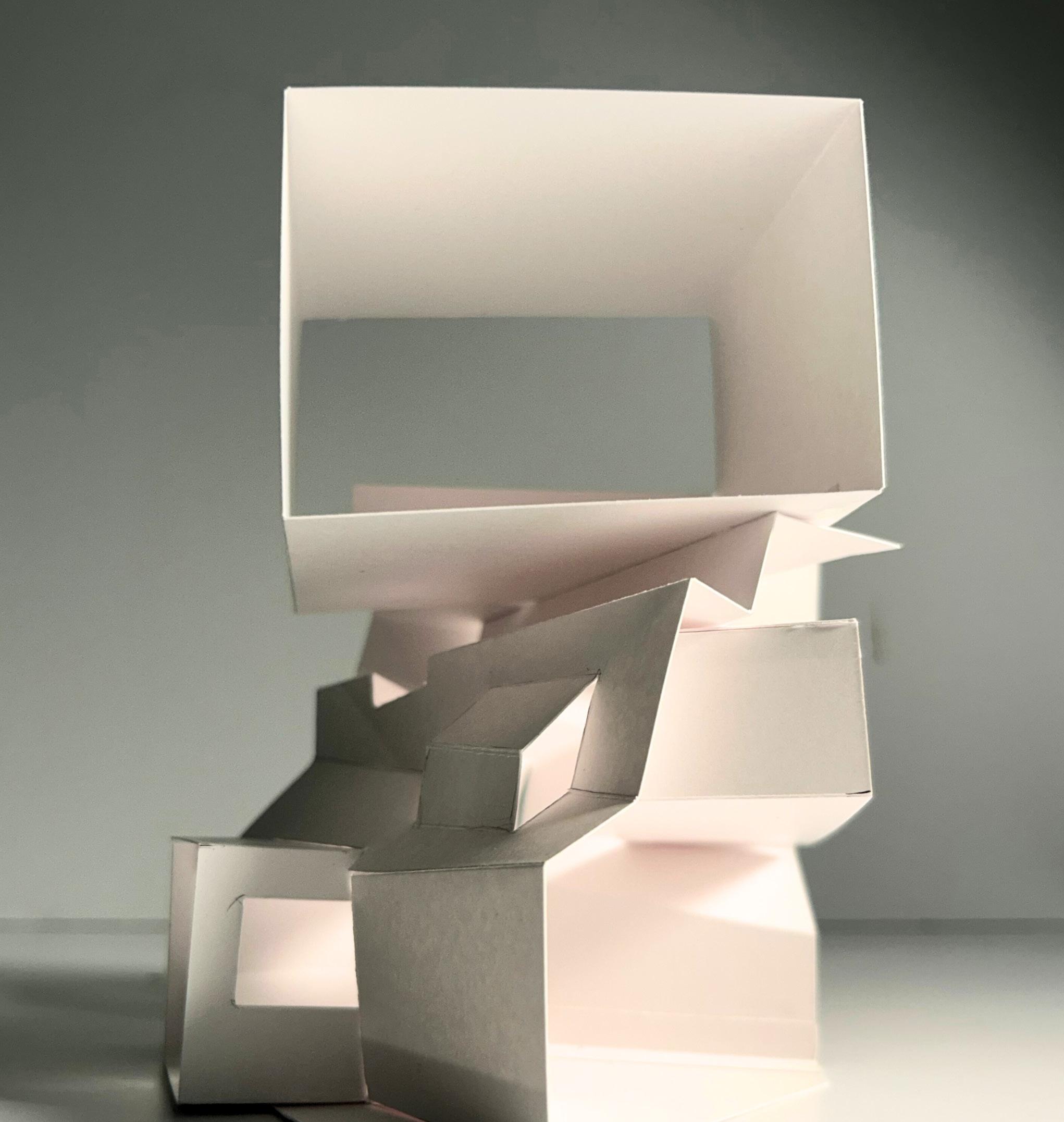
This exploratory study investigates how sound can be perceived spatially and translated into physical form. Through handson making and material experimentation, I examined how rhythm, tone, and intensity might register as gesture, mass, and spatial organization. The study became a foundation for how I understand spatial sequencing and experiential continuity in my architectural work.
Collage
5.1
created with charcoal and coffee in response to sound, using movement and layering to replicate intensity and rhythm.
FIG
Gestural drawing
FIG 5.2 Diagram representing tonal harmony with line and splatter texture representing rhythm and “sonic” flow.