Enfant
A Letter from the Editor
As you walk through downtown, go into Target, or get a cup of coffee in a cafe, you will often see a mom with her daughter with matching shoes or matching bags. More and more children are looking like mini-adults and adopting trends often seen worn by adults on social media. But where did this start?
Before the 18th-century, children were initially dressed as miniature adults, with a lack of gender differentiating them. As life expectincy was so low, it was only natural for parents to want their children to mature faster, hence the mature clothes. Slowly, this began to change in the 18th and 19th century. Children began to be allowed a childhood. This led to more clothing meant to move in and styles that were reserved for children themselves.
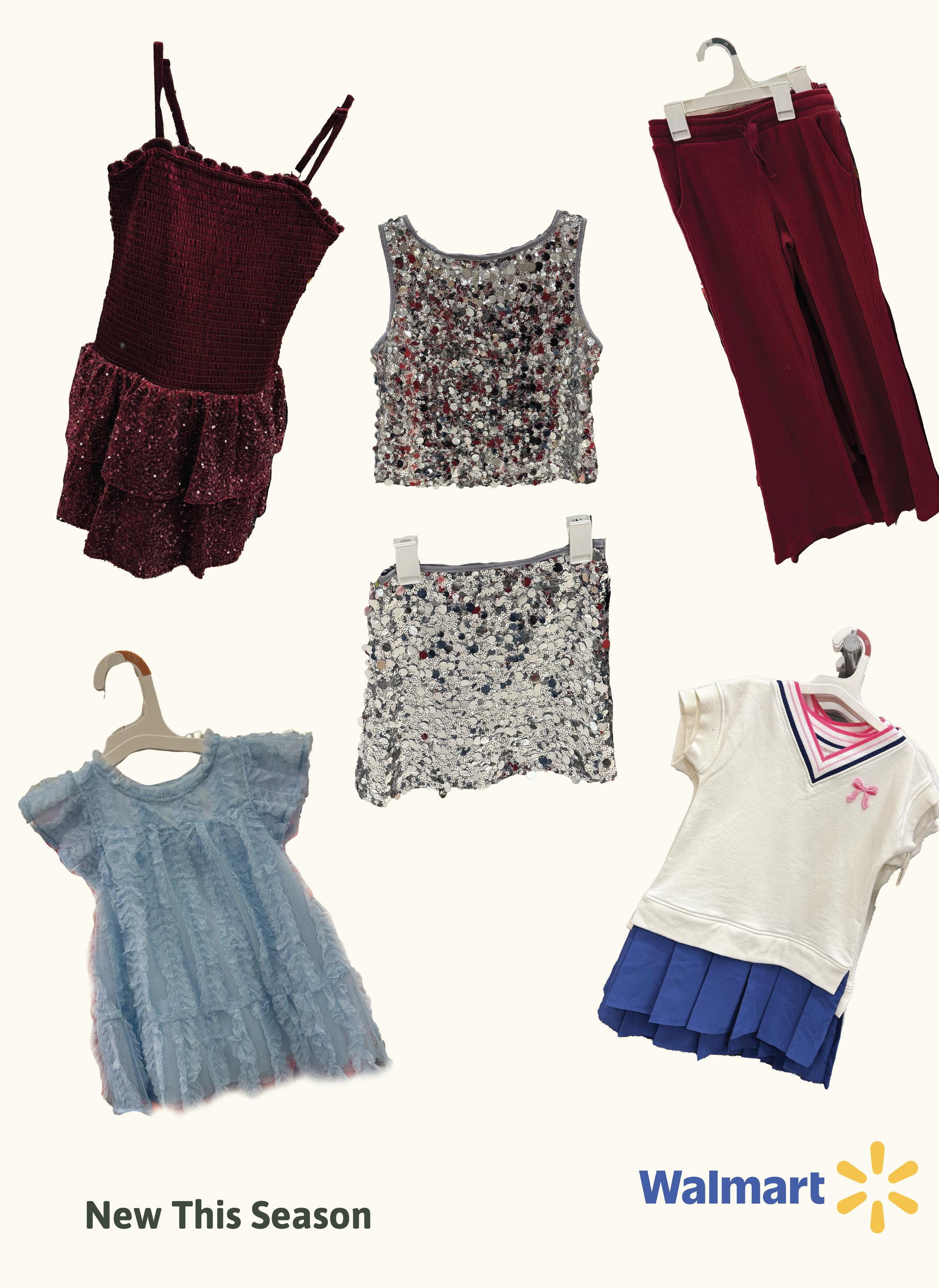
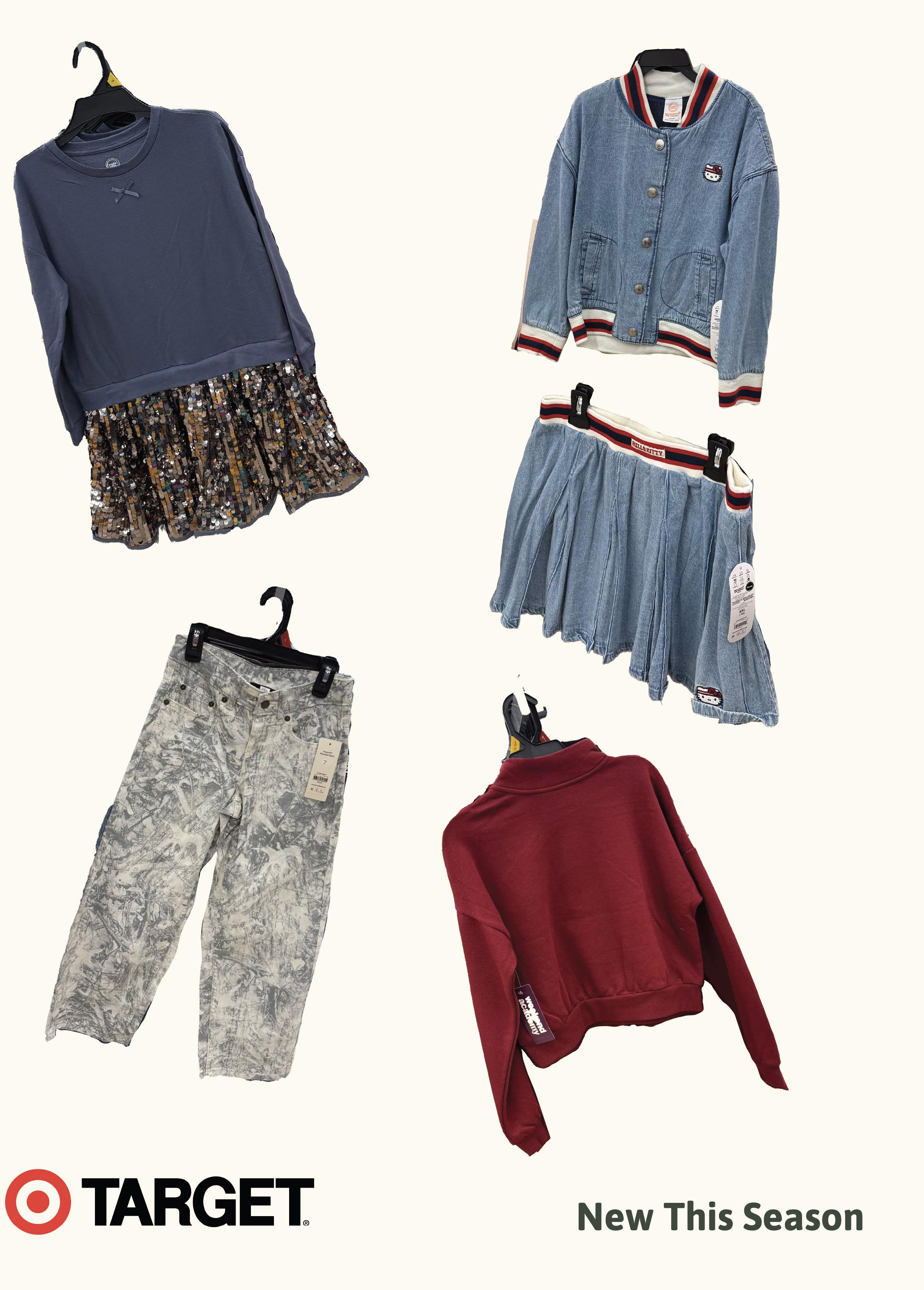
So how did we get back to miniature adults? Why are clothing stores mimicing adult trends and why are children loving it? I went on a journey to look into what is happening in stores now and how trends are being stretched to fit adults and children. I explored stores in person and explored advertisments online to see what the options are for shopping for kids. I also looked into recent articles that tocuhed on the subject to see what is determined as the current trends amogst society.
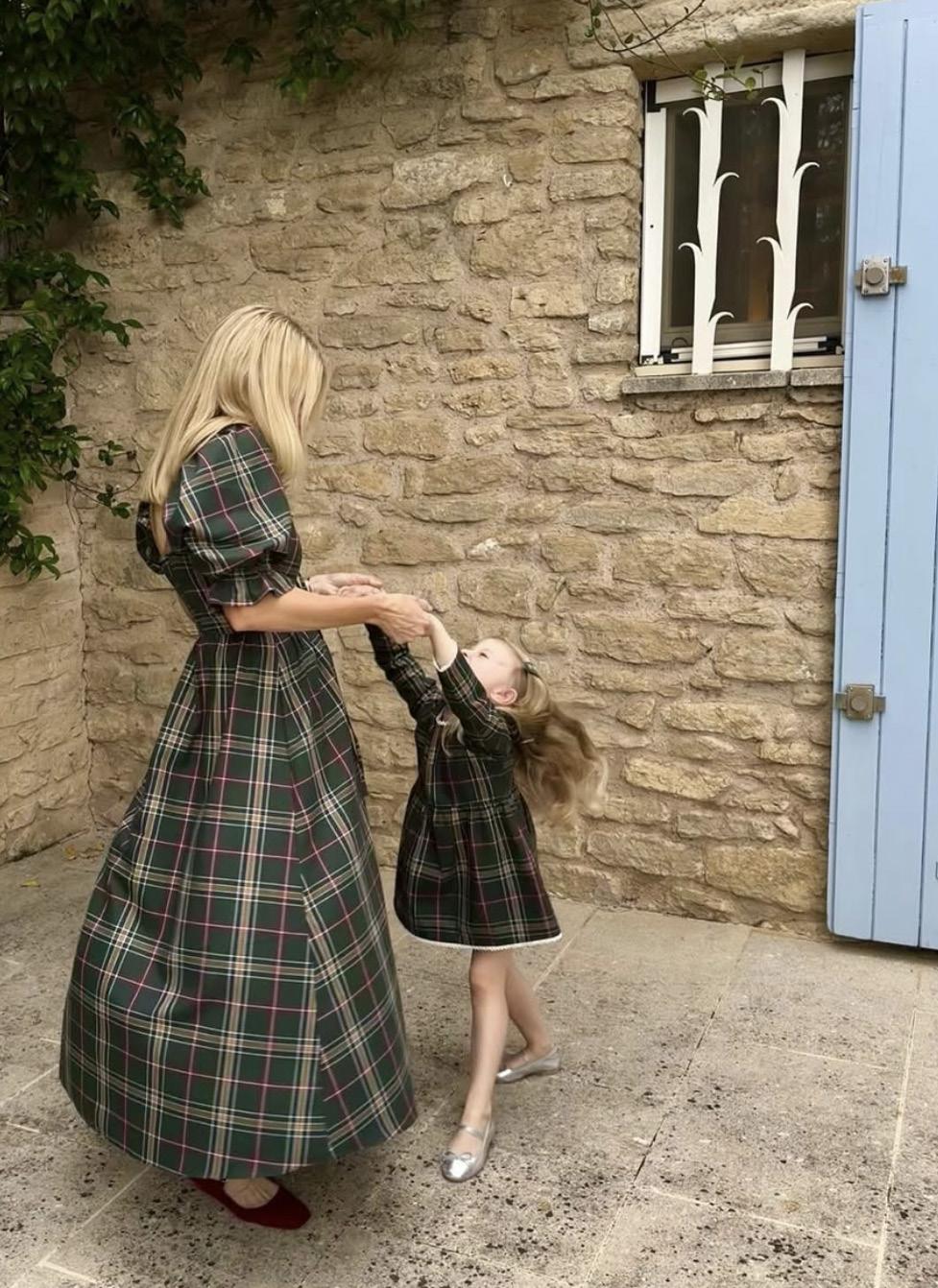
And my findings? I find that the clothing offered is much more mature and exudes styles that are less modest and more restricting in movement. The idea of matching with the parents is what the clothing industry is pushing and children are wearing outfits that their mom’s will wear with them. In this magazine, the current styles and societal trends are examined and how the mini-me theory lives on.
Sincerely,
Ugne Nalivaikaite
Does Social Media Affect Children’s Fashion?
Children’s fashion has always mimicked society and how it is structured. Fashion choices followed class, as the elite had the money to let children have their own fashions while the lower classes dressed kids in a way that allowed them to work to help provide for the family. So how does this apply now? It is not as obvious as it was in the past, but the class divides do still exist. Celebrities and influencers are a major way in how the class divide is shown and social media is how it spreads. It is here that the mini-me trends began and trickled down into society.
As technology grows at an unimaginable speed, so does society. Tablet toddlers and kids being social media stars is a new normal in our society. This has caused children to be exposed to adult trends and naturally want to
follow them. But that is not all. It is not just the kids seeing the trends that has caused this shift, but also the adults themselves. The desire to dress kids like miniature versions of themselves is not new, but the age of having children is. More women and men are choosing to get married later in life, around their 30s. The average age of marriage being higher has made parents be able to afford a more expensive lifestyle for their kids. Most women by their 30s are well established and formed more expensive routines that embrace their children as they come. Despite the budget for more expensive experiences, social media is also a huge inspiration for a surge in mini-me fashion trends. Influencers and celebrities have been showcasing their matching styles.
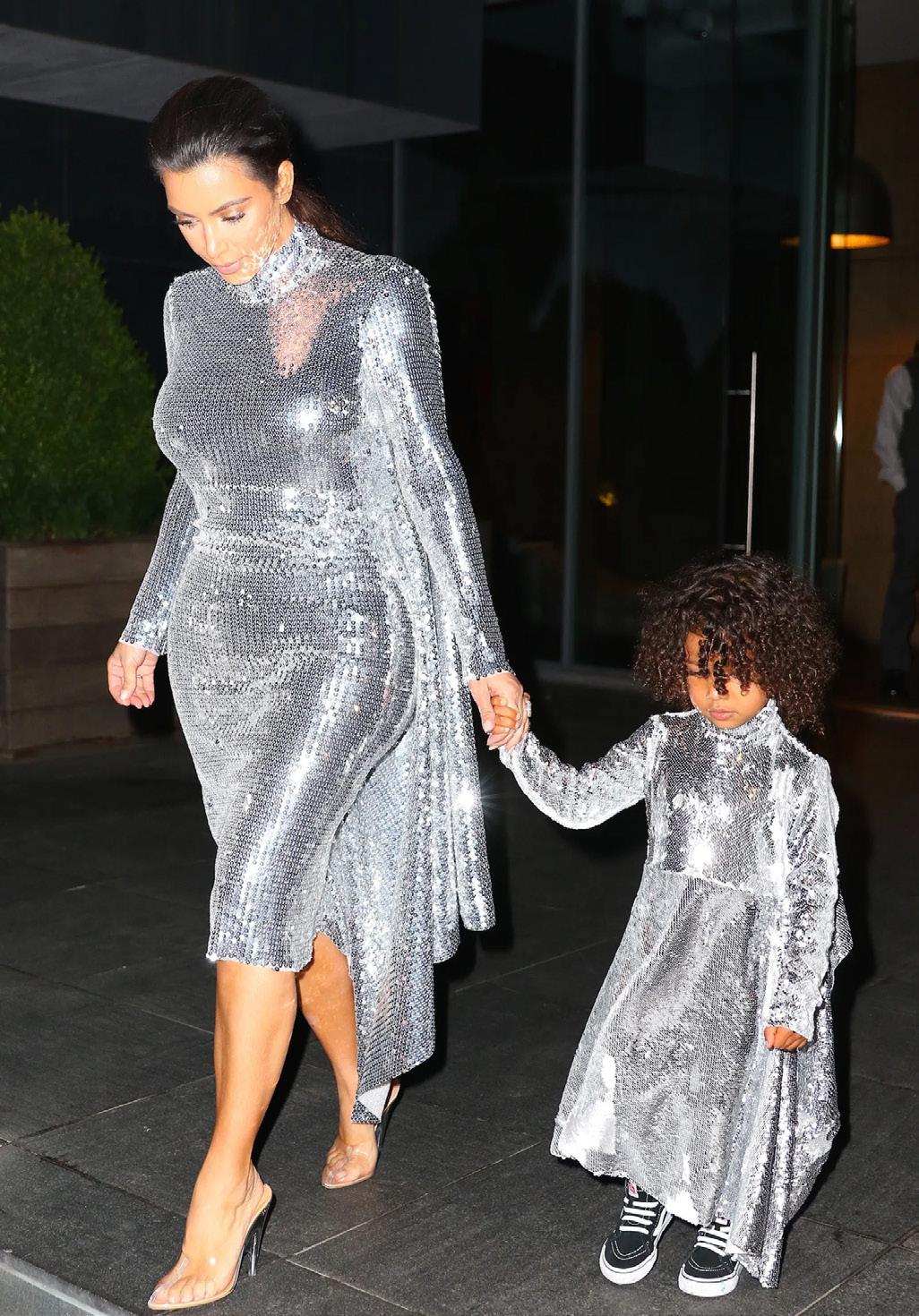
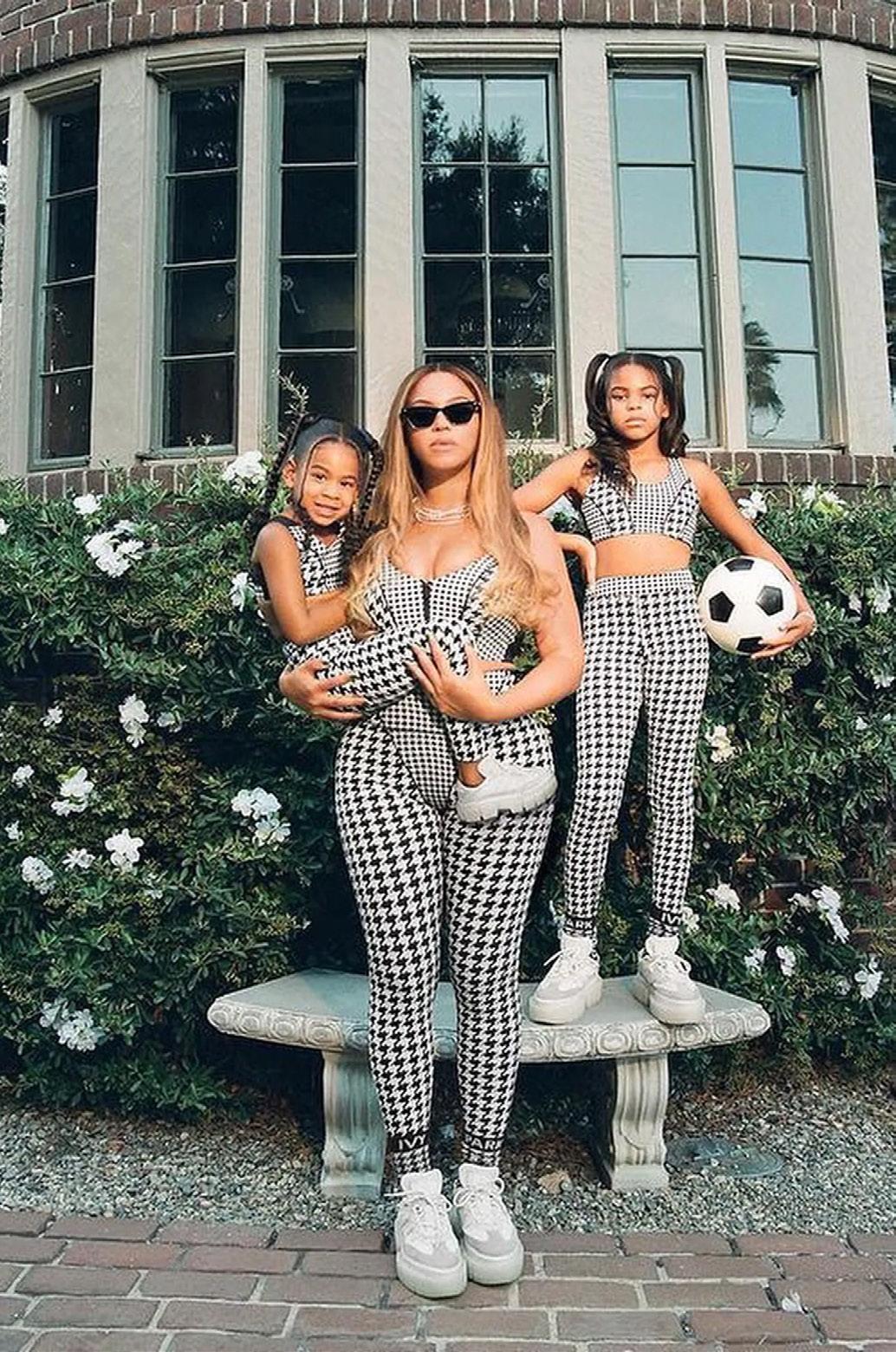
Beyonce and Kim Kardashian are two huge names when it comes to celebrities that have been showcasing matching outfits with their daughters. Sporting adult styles, with more emphasis on the style of the clothes rather than functionality. But celebrities are not alone. Hundreds of family influencers have been profiting off family content. A big part of the content tends to be maintaining the “perfect” family look, matching outfits for the whole family.
While these actions have inspired many fashion brands to expand into creating matching clothing for kids and adults, this trend has brought a lot of backlash. Concerned parents are worrying that the loss of childhood has begun
with such access to social media. The concern of lack of color, comfortability, and modesty have been brought up. With a higher focus on the body shape with the clothing silhouettes, parents also bring concerns of what that is promoting to the public and a concern for children’s safety is acknowledged.
Despite parent concern, bikini swimsuits, crop tops, and tight fitting clothing is still populating in stores. And the children are wanting it. As new laws banning social media for young kids are beginning to emerge, the clothing styles are sure to follow. Will the lack of social media encourage a more secure childhood? Or is the mini-me fashion trend here to stay despite social media? Only time will tell.
Kim Kardashian with North West
Beyonce with Blue Ivy and Rumi
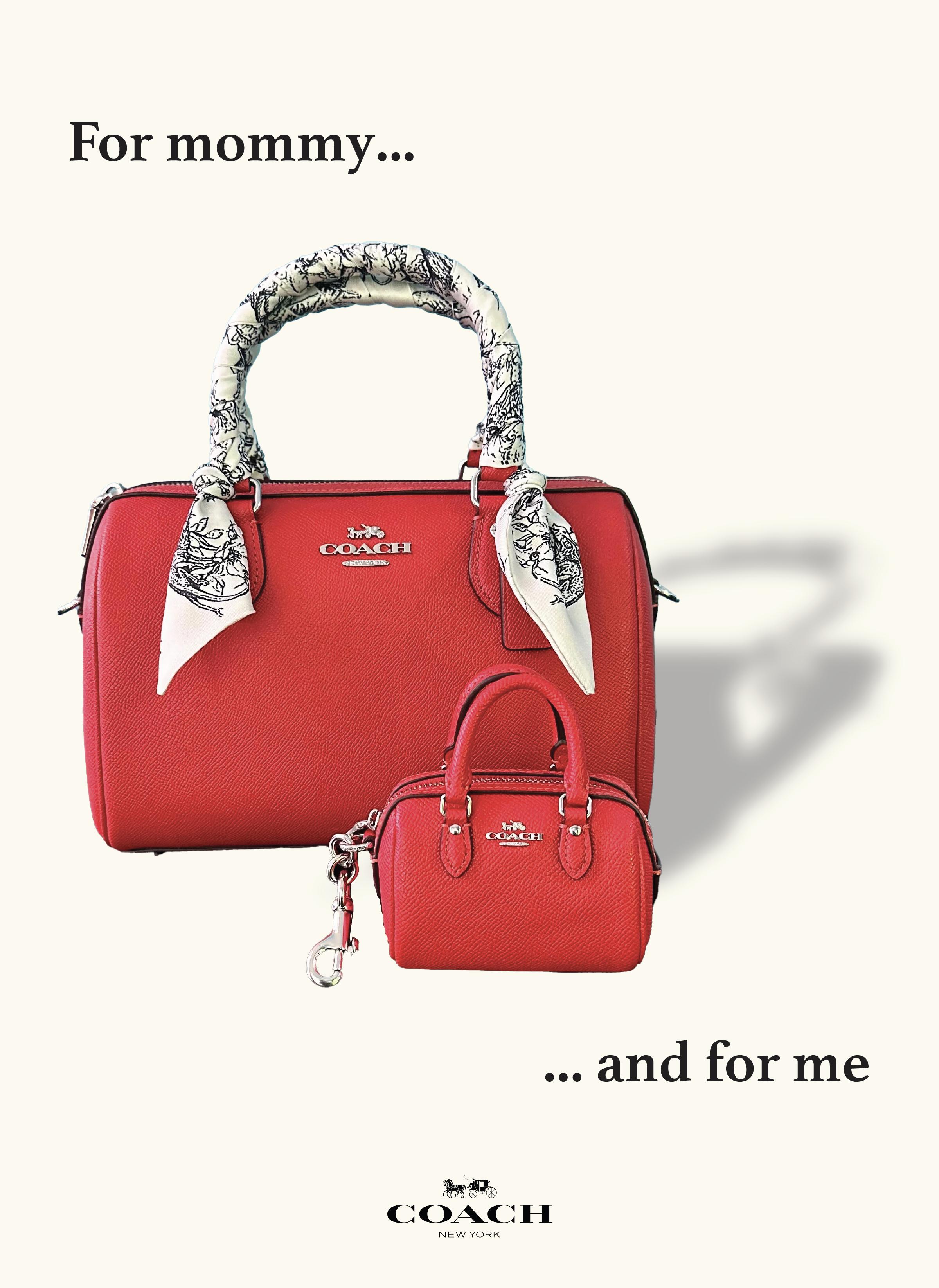
Are mommy and me brands in or out?
Mommy and me brands are very much the trend as of now. Gap Factory is one of the many brands offering clothes for matching. Places like Hill House and Pink Chicken are also popular as of now.
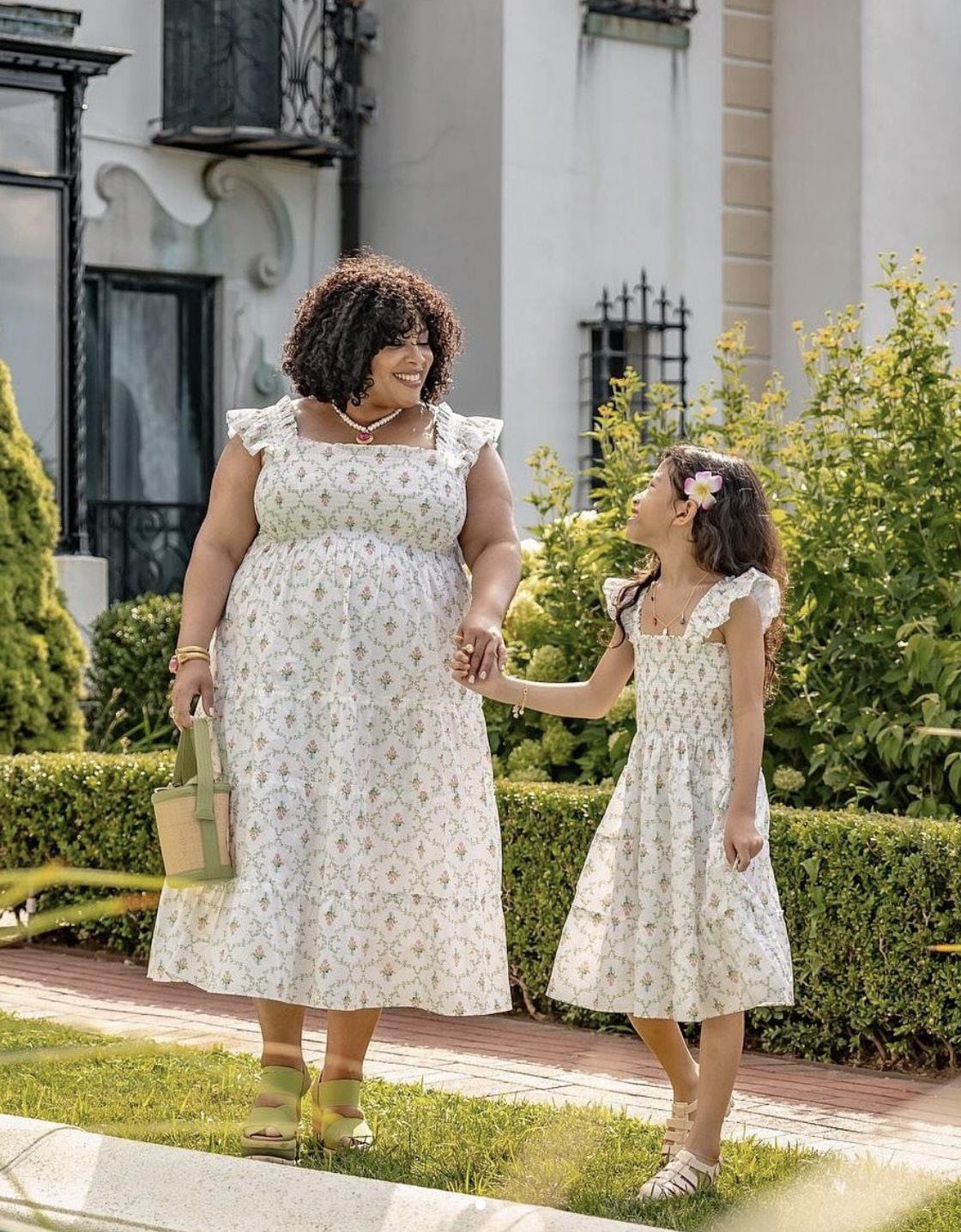
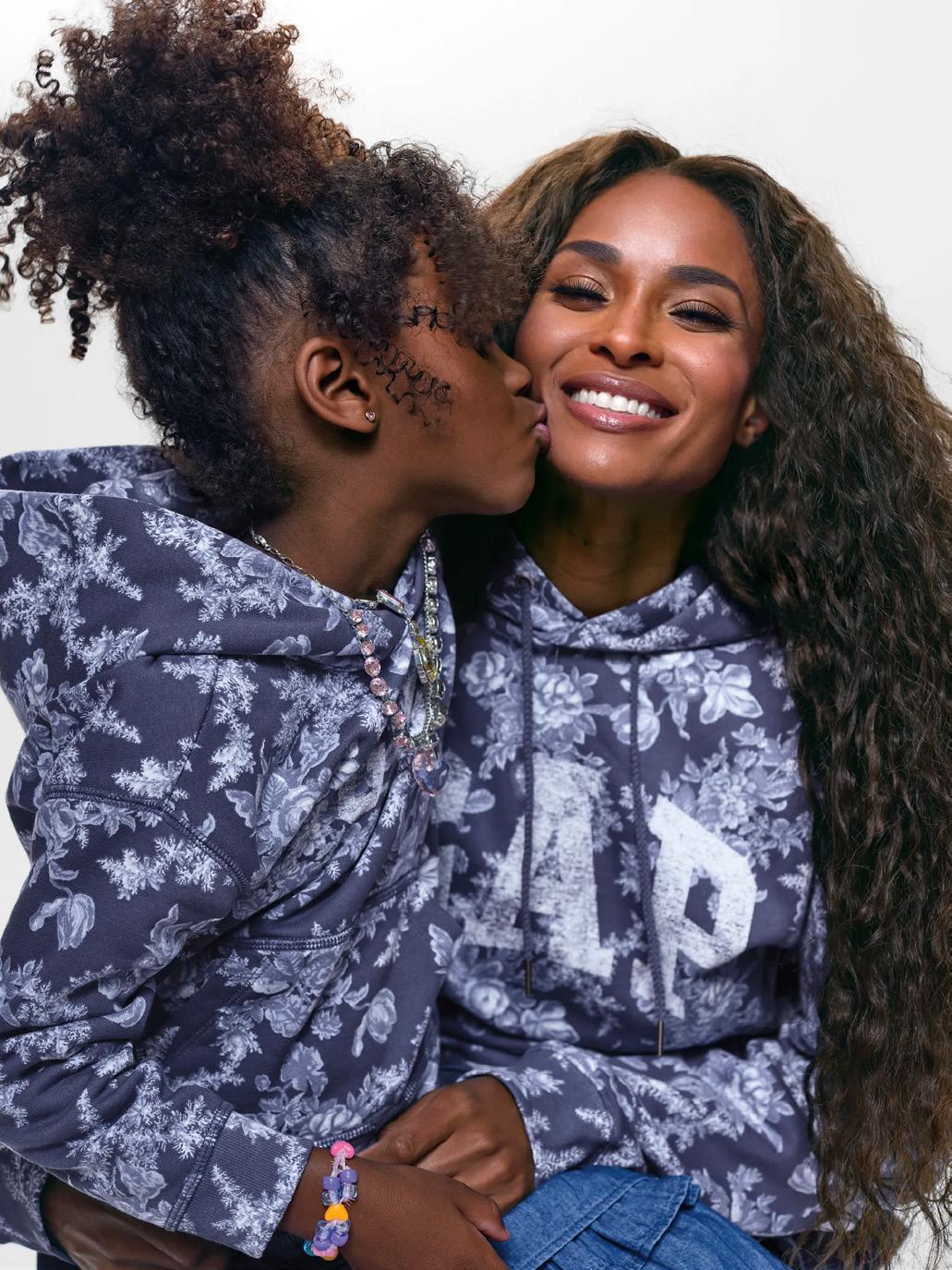
While these brands offer exact matches for a variety of ages, Gap Factory goes with a more discrete look. Offering same color palletes and textures, the matching outfits are more catered to each age range, allowing each one to shine on its own.
But one cannot praise current brands without mention one of the originals. Maisonette is one of the first boutiques that had a brand circuling around providing mommy and me options. Still up and running, their classic outfit options are available on their website from kid sizes to adult.
Gap Family Matching Sets
Maisonette Mommy and Me Matching Dresses