Your guide to starting your I/GCSE journey with confidence.

Your guide to starting your I/GCSE journey with confidence.
Dear Students,
As you stand at this important junction in your learning journey, remember that the choices you make now will shape your future in ways you might not yet fully see Year 9 is a time to explore, reflect, and think independently about what truly interests and motivates you
Take pride in making decisions that are right for you not because someone else says they should be, but because you have considered what aligns with your strengths, passions, and goals. Trust your judgment, seek advice when needed, but ultimately own your path.

Your options are more than just subjects; they are the building blocks of your future. Choose thoughtfully, stay curious, and embrace the responsibility of shaping your own education. This is your journey make it meaningful by thinking for yourself and believing in your potential.
Remember, every decision you make is a step toward creating your own legacy. As our school motto inspires us, leave a legacy. What you do now, the choices you make, and the effort you put in will be the legacy you leave behind Aim to make yours one of pride, integrity, and purpose
The future is yours to create I wish you every success as you embark on this exciting step of your journey at NAIS HK #Leavealegacy #Choosecourage #Beambitous
Fiona Thorndike Head of Secondary
personal responsibility. Students are guided in making subject selections th strengths, interests, and long-term goals, with support from teachers, tutors, school community
We hope this handbook serves as a valuable resource for understanding t making informed decisions, and supporting students throughout their I/ Should you have any questions or require further guidance, our academic available to assist
To shape a generation of creative and resilient global citizens who will change our world for the better.
To be the most forward thinking, technology-enabled educators in the world, using our global reach and world class teachers to create a learning experience like no other.
At our school, the question What’s your legacy? shapes our culture, our teaching, and the way we treat one another It’s a mindset we nurture in every classroom, on the pitch, backstage, or just walking down the corridor. We encourage students to take responsibility for their learning, their actions, and their impact, knowing that legacy is built through daily choices, not distant ambitions Whether supporting a friend, leading a team, contributing to a cause, or simply showing kindness, we want every young person to leave our school confident, determined and proud of the difference they’ve made We want them to be ready to continue that journey beyond our school gates.






Welcome to the I/GCSE programme at Nord Anglia International School Hong Kong The International General Certificate of Secondary Education (I/GCSE) is a world-class, two-year academic programme for students aged 14 to 16. It is based on the highly respected British GCSE curriculum but is specifically designed for international students I/GCSE qualifications are recognised by leading universities and employers worldwide as a mark of academic excellence and thorough preparation for further study
Students are assessed through final examinations, and the grades they receive range from A* (the highest) to G. A grade of A* to C represents a strong pass, demonstrating a high level of understanding These qualifications are administered by well-established UK examination boards, such as Cambridge, Edexcel, and AQA, ensuring a consistent and rigorous global standard
How the new grades compare with the old ones
The A - U system is gradually being replaced by a numerical scale of 9 to 1 Grade 9 is equivalent to an A*, grades 5 or 4 are equivalent to a C, grade 5 will be classed as a ‘strong pass’ and 4 will be classed as a ‘standard pass’ Grade 0 is equivalent to the old U grade.
At NAIS HK, our students typically study between 7 and 10 I/GCSE subjects. A common benchmark for strong academic achievement is 5 I/GCSEs at grades A* to C, which often includes both English and Mathematics We work closely with every student to set personalised aspirational targets, and as a result, the vast majority of our learners consistently achieve significantly above this benchmark.
All final I/GCSE examinations take place at the end of Year 11. The dates for these crucial assessments are set by our UK-based examination boards (such as Cambridge and Edexcel) and are fixed; the school is unable to make any changes The main examination period is typically during Term 3 (May to July), though some subjects may have schedules outside of this window. We strongly advise that families avoid making any travel plans during this entire period to ensure students are fully prepared and present for their exams.
On the day of any exam, all students are required to be in full school uniform
We warmly invite all our parents to carefully review this options handbook as you begin this important planning stage with your child for their I/GCSE studies In line with the esteemed practices of UK education, our objective at NAIS HK is to provide a comprehensive and balanced curriculum that caters to the developmental needs of every student.
Our commitment extends far beyond academic excellence We are deeply dedicated to equipping each student with the essential skills, knowledge, and qualifications that pave the way to success in higher education and their future careers Furthermore, we are focused on creating a supportive and individualised educational journey for each student, prioritising their happiness, personal success, and the development of a genuine sense of self.
We strongly encourage you to engage thoroughly with this handbook and to reach out to our dedicated academic staff for any support or guidance you may need. Attending our upcoming discovery events is also a wonderful opportunity to learn more and have your questions answered
Your active involvement and partnership are absolutely crucial in shaping a rewarding and successful educational journey for your child. Together, we look forward to fostering a nurturing environment where our students can truly thrive, rooted in the strong values we share
COMPULSORY SUBJECTS - ALL STUDENTS MUST STUDY THE FOLLOWING:
IGCSE in English Language and English Literature
IGCSE in Mathematics
IGCSE in Science
Core Physical Education
IN ADDITION, STUDENTS WILL CHOOSE FOUR OPTION SUBJECTS FROM THOSE LISTED BELOW:
Business Studies
Chinese
Computer Science
Drama
Economics
Fine Art
French
Geography
Global Perspectives
History
Music
Physical Education
Spanish
Maths Pathways
We are committed to ensuring our students are entered into the correct pathway for Mathematics The Maths department will assign class groupings based on proficiency in Maths and discussions with parents and students at the end of Year 9
EDEXCEL EXAMINATION BOARD
https://qualifications.pearson.com/en/home.html
CAMBRIDGE EXAMINATION BOARD
https://wwwcambridgeinternationalorg/programmes-and-qualifications/cambridgeupper-secondary/cambridge-igcse
UK UNIVERSITY APPLICATIONS AND COURSES GUIDE
https://wwwucascom
THE IMPORTANCE OF SKILLS
https://www.myworldofwork.co.uk/all-about-your-skills
CHOOSING SUBJECTS
https://wwwcareerpilotorguk/parent-zone/choices-at-14

HIGHER EDUCATION OPTIONS IN EUROPE
https://www.study-in-europe.org
STUDYING IN THE USA
https://wwwinternationalstudentcom/study usa/application-process
IN SCHOOL SUPPORT https://wwwunifrogorg
Selecting the right I/GCSE subjects is an important step in your child's educational journey. Here are some key points to guide thoughtful and successful decision-making:
We encourage students to consider:
Interest and Enjoyment: Which subjects do they genuinely enjoy and look forward to?
Strengths and Abilities: What are they naturally good at? Choosing subjects that align with their strengths increases the likelihood of success and builds confidence
Future Pathways: How do their choices support their potential future studies in the IB Diploma Programme or A- Level and beyond, including university and career aspirations?
A Balanced Portfolio: Does their selection show a well-rounded skill set (eg, combining creative, scientific, mathematical, and linguistic subjects)?
Course Content: Does the syllabus for each subject look engaging and motivating to them?
Seek Advice: We strongly recommend discussing options with both parents and teachers. Each offers a unique and valuable perspective to help inform this important decision.
We advise students to avoid:
Following Friends: A subject is a significant commitment; it should be chosen for personal interest, not because friends are taking it.
Choosing for a Teacher: While a positive relationship with a teacher is valuable, the subject itself should be the primary motivator, as teaching assignments may change
By carefully considering these points, students can make informed choices that set them up for a rewarding and successful IGCSE experience.
Core subjects
6 subjecrs
Core (TOK, CAS, EE)
Core Subjects
Bespoke route with an agreed number of diploma subjects including CAS 3 -4 A Level Subjects
Course Element
3 Higher Level subjects (HL)
Course element
Agreed level of courses at Standard and Higher Level
Additional course element
*EPQ
*Subject to change
3 Standard Level subjects (SL)

Discovery and Exploration


Review


Confirmation


Launch

November to January I/GCSE Disovery Evenings and Webinars
February
Individual option meetings to support students decisions May Options reviewed in light of year 9 achievement and further interviews if needed
June
Students receive confirmation of their I/GCSE subjects
August
All students start their chosen subjects
Studying First Language English aims to develop advanced communication skills, enabling students to communicate clearly, accurately, and effectively in both speech and writing The syllabus encourages learners to read a wide range of texts critically, to enjoy and appreciate a variety of language, and to use this knowledge to inform and improve their own writing. It fosters an understanding of how writers achieve effects and influence readers, while helping students develop a personal style and a strong awareness of audience This subject is essential for pathways into virtually every field, including law, journalism, media, marketing, teaching, and academia, as it builds the foundational skills of analysis, persuasion, and articulate expression
The IGCSE First Language English 0500 syllabus is structured around developing core skills in reading, writing, and speaking & listening. For reading, students engage with a wide range of text types from the 20th and 21st centuries, including fiction, non-fiction, articles, and reports, focusing on comprehension, summary, and analysis of writers' use of language and implicit meaning For writing, students learn to write for different purposes and audiences, practising a variety of forms such as descriptive, narrative, discursive, argumentative, and persuasive writing, including letters, reports, articles, and speeches The speaking and listening component focuses on developing the ability to deliver an individual presentation and engage in a formal conversation, emphasising clarity, organisation, and effective communication.
How will you be assessed?
All candidates take two components.
Paper 1: Reading is a 2-hour written paper worth 50% of the final grade. It includes structured and extended writing questions based on three reading texts.
Candidates then take either Paper 2 or Component 3 for the remaining 50%:
Paper 2: Directed Writing and Composition is a 2-hour written paper
Component 3: Coursework Portfolio is an internal assessment consisting of three extended writing assignments
Additionally, Component 4: Speaking and Listening Test is an optional, separately endorsed component It is internally assessed and involves an individual talk and a conversation, but the marks do not contribute to the overall IGCSE grade
What can this subject lead to, in terms of careers/degrees?
IGCSE First Language English is a foundational qualification for a vast array of university degrees and careers that require advanced communication and critical thinking skills. It is essential for further study in English Literature, Law, History, Philosophy, and Media Studies. The skills developed are highly valued in professions such as journalism, publishing, marketing, public relations, teaching, law, and content creation Mastery of one's first language is a key asset in any field that involves research, analysis, persuasion, or clear communication
Link to access the syllabus online:
Cambridge IGCSE First Language English (0500): https://wwwcambridgeinternationalorg/programmes-and-qualifications/cambridge-igcsefirst-language-english-0500/
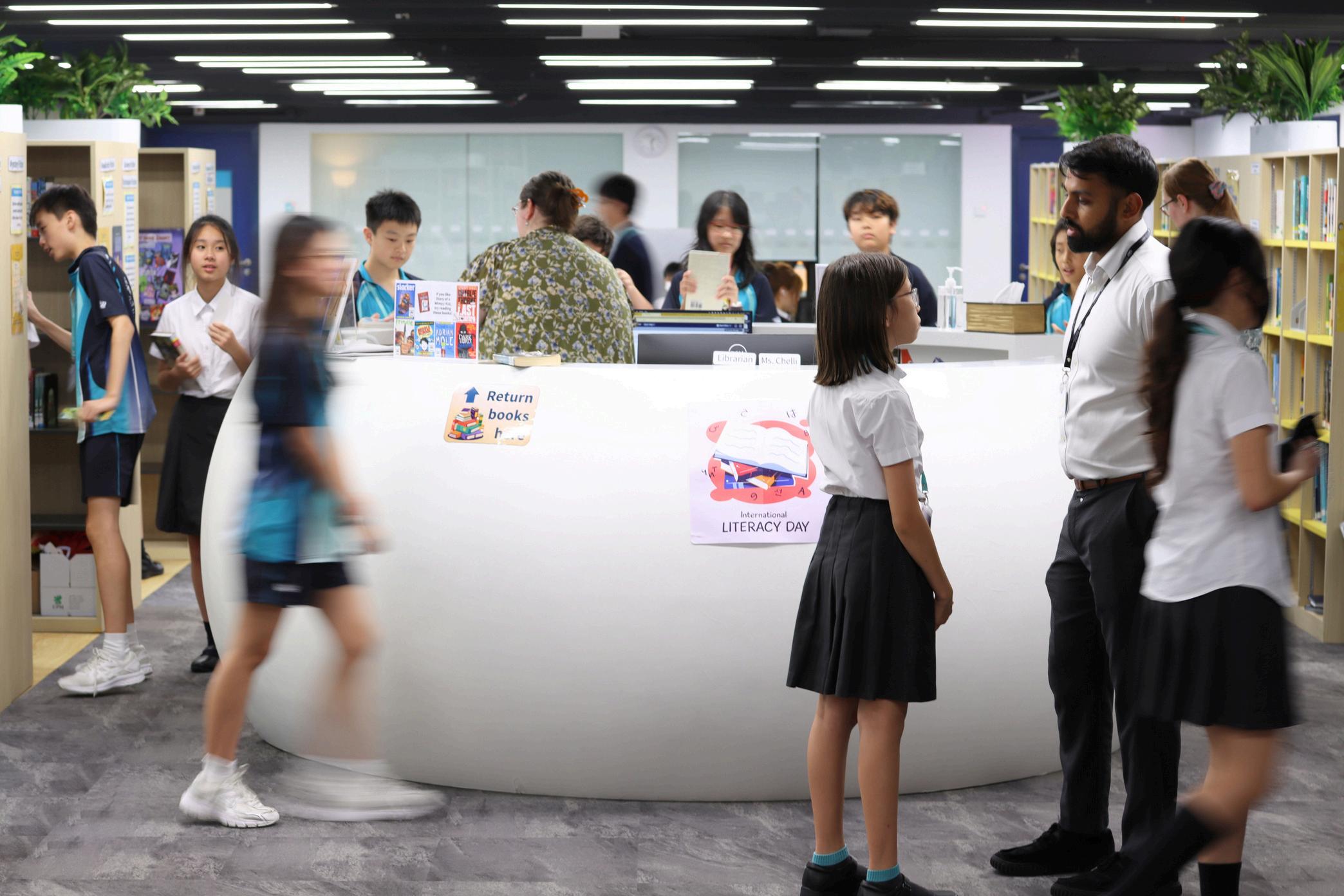
Studying Literature in English aims to develop a deep and lifelong enjoyment of reading, while fostering critical, analytical, and empathetic skills. The syllabus encourages learners to read, interpret, and evaluate a diverse range of literature, including drama, prose, and poetry from Shakespeare to contemporary works. Through this study, students learn to understand not just the literal meaning of texts, but also their deeper themes, contexts, and the ways in which writers use language to achieve specific effects This subject promotes a better understanding of universal issues, different cultures, and oneself, equipping students with the ability to communicate informed and sensitive personal responses
What are the topics/themes of study in the syllabus?
The IGCSE Literature in English 0475 syllabus is structured around the study of set texts from three main forms: poetry, prose, and drama. For the 2026 examination, students will study a selection of poems from the Songs of Ourselves anthology and prose such as Harper Lee's To Kill a Mockingbird In drama, students explore plays including Shakespeare's A Midsummer Night's Dream. The course focuses on developing skills in critical analysis, understanding writers' methods (language, structure, form), and exploring the contexts and deeper ideas within the literature The study of Unseen texts further hones the ability to analyse and respond to unfamiliar poetry and prose.
will
All candidates take Paper 1: Poetry and Prose (1 hour 30 minutes, 50% of the grade) Based on the study of the Songs of Ourselves anthology and To Kill a Mockingbird
Candidates then take a combination of components to make up the remaining 50% For this course, the assessment route is:
Paper 3: Drama (Open Text) (45 minutes, 25% of the grade) - based on the study of A Midsummer Night's Dream.
Component 5: Coursework (25% of the grade) - a portfolio of two assignments (600-1200 words each) on different texts.
What can this subject lead to, in terms of careers/degrees?
IGCSE Literature in English is a highly respected qualification that provides an excellent foundation for any field requiring advanced critical thinking, analytical, and communication skills It is a direct pathway to A-Levels and degrees in English Literature, Law, History, Philosophy, Media Studies, and Journalism. The skills developed are also invaluable for careers in publishing, marketing, teaching, public relations, politics, and the creative arts, where the ability to deconstruct complex information, understand nuance, and articulate a persuasive argument is essential.
Link to access the syllabus online:
Cambridge IGCSE Literature in English (0475): https://wwwcambridgeinternationalorg/programmes-and-qualifications/cambridge-igcseliterature-in-english-0475/
Set Texts for this Course (2026):
Paper 1: Poems from Songs of Ourselves Vol. 1 & 2. Prose including To Kill a Mockingbird. Paper 3: A Midsummer Night's Dream
Component 5: Two further texts, different from those used in the examined components

Why study IGCSE English as a Second Language/Subject Aim?
Cambridge IGCSE English as a Second Language 0511 is designed for students who already have a working knowledge of the language and want to consolidate their understanding to progress in their education The syllabus aims to develop learners' ability to use English effectively for practical communication, to understand a wide range of texts, and to write clear and well-structured pieces for different audiences and purposes. It encourages learners to be confident in everyday use of English and provides a solid foundation for further academic or professional study
What are the topics/themes of study?
IGCSE ESL is a course that prepares students for the four key language skills: Reading, Writing, Listening, and Speaking. The syllabus content is organised around engaging and contemporary themes that are relevant to young people, such as:
Science and nature
People and society
History and historiography
Art, sport, and leisure
Travel and adventure
The modern world and current issues
Students develop their skills by engaging with a variety of materials on these themes, including articles, reports, letters, interviews, and talks
How will you be assessed?
Paper 1: Reading and Writing Paper 2: Listening
2 hours (50%) This written paper has six exercises that test a range of reading and writing skills.
Approx 50 minutes (25%)
Candidates listen to several recordings and answer multiple-choice and hi i
Paper 3: Speaking
10-15 minutes (25%)
Internally assessed, externally moderated Candidates complete three speaking tasks, which are
Achieving a good grade in IGCSE ESL is highly valued by universities and employers worldwide It provides proof of a student's ability to operate effectively in English, which is essential for:
Further Education:Many universities and colleges, especially in English-speaking countries, accept a good grade in IGCSE ESL as proof of language proficiency for entry.
Career Opportunities:Strong English skills open doors to international business, finance, technology, hospitality, and any field with a global focus.
More information on careers: https://eureseuropaeu/five-reasons-why-learning-language-can-boost-your-employability2021-06-22 en
Link to access the syllabus online: https://www.cambridgeinternational.org/Images/637163-2024-2026-syllabus.pdf
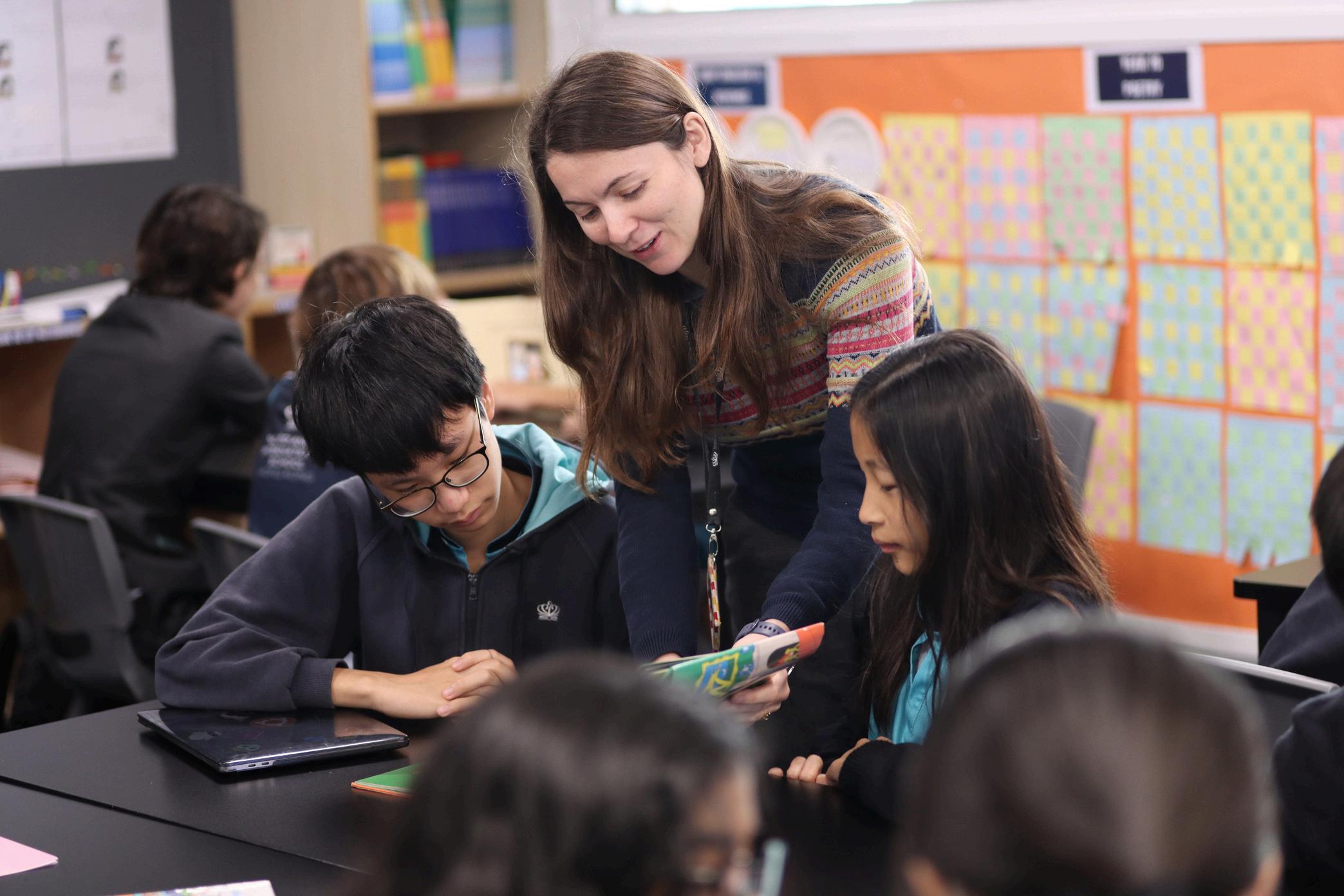
Studying Mathematics aims to develop problem-solving, analytical, and logical thinking skills essential for various fields and everyday life. The syllabus covers topics such as algebra, geometry, trigonometry, calculus, and statistics, providing a comprehensive mathematical foundation. Assessment typically involves written exams, usually two or three papers, with a mix of multiple-choice, short-answer, and extended questions; coursework is generally not included. This subject opens pathways to careers and degrees in engineering, science, economics, computer science, and other disciplines requiring strong quantitative skills.
What are the topics/themes of study in the syllabus?
The IGCSE Mathematics 0580 syllabus covers a broad range of topics including number operations, algebra, geometry, mensuration, trigonometry, coordinate geometry, vectors, and statistics, emphasizing both theoretical understanding and problem-solving skills The Additional Mathematics 0606 syllabus extends these topics with more advanced concepts such as calculus, advanced algebra, sequences and series, and complex geometry, preparing students for higher-level mathematics Both syllabi aim to develop logical reasoning, analytical thinking, and mathematical communication skills through various problem-solving exercises The focus is on fostering a strong mathematical foundation applicable in real-world contexts and further education
How will you be assessed?
For IGCSE Mathematics 0580, assessment is through two written papers: Paper 1 (NonCalculator) and Paper 2 (Calculator), each lasting 2 hours and contributing equally to the final grade For IGCSE Additional Mathematics 0606, assessment involves two papers as well: Paper 1 (Non-Calculator) and Paper 2 (Calculator), both 2 hours long, with equal weighting. The breakdown typically includes a mix of question types such as multiple-choice, shortanswer, and longer structured problems, designed to test a range of mathematical skills and understanding.
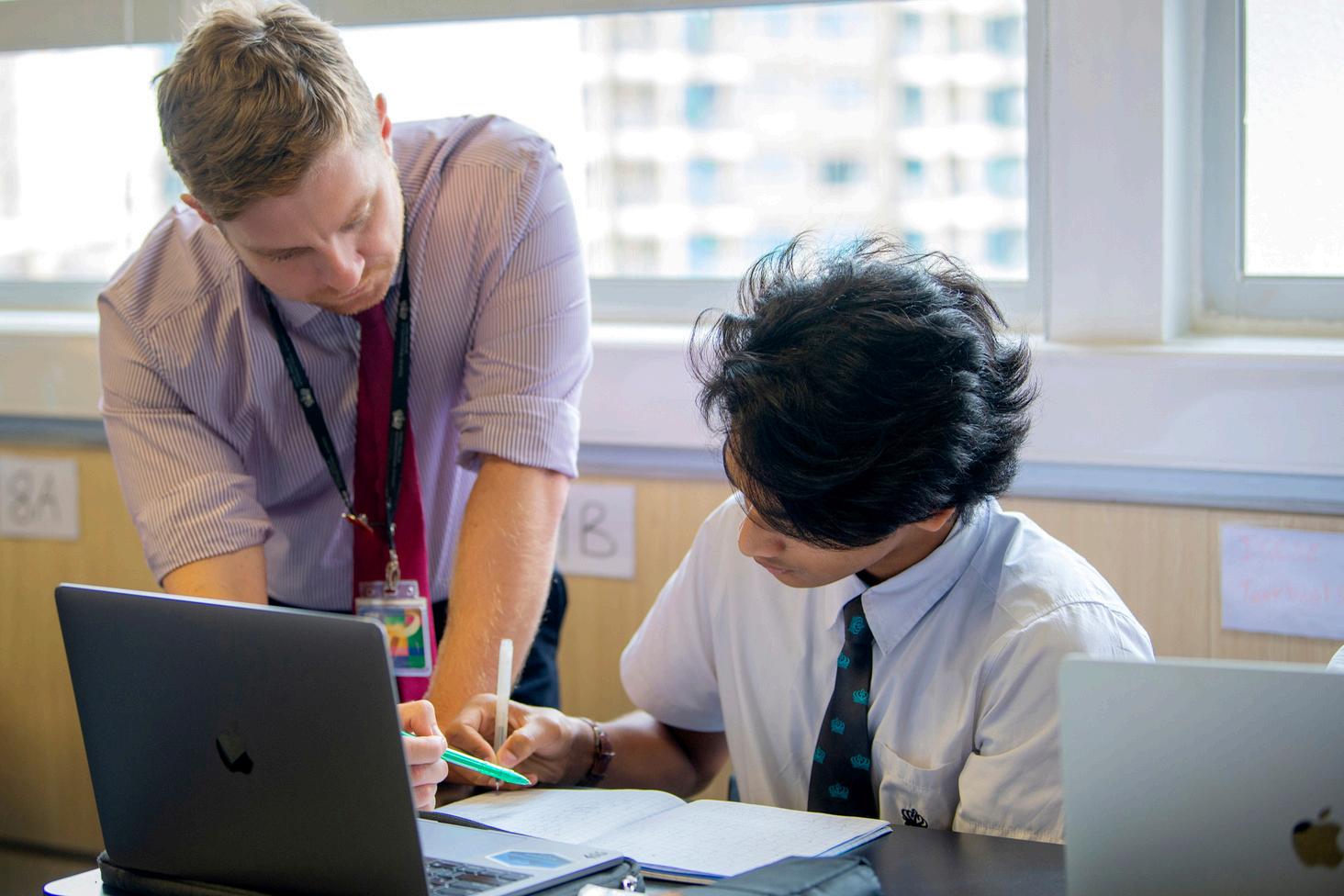
What can this subject lead to, in terms of careers/degrees?
IGCSE Maths provides a solid foundation in essential mathematical skills such as problemsolving, logical reasoning, and analytical thinking, which are highly valued in a wide range of careers and degree programs. These skills are fundamental for fields like engineering, economics, computer science, architecture, and natural sciences, where quantitative analysis and precise calculations are crucial. Additionally, achieving a good grade in IGCSE Maths can enhance university applications and open doors to further education opportunities in STEM (Science, Technology, Engineering, and Mathematics) disciplines, ultimately supporting students' aspirations for careers that require strong mathematical competence
Link to access the syllabus online:
0580 Maths Syllabus:
https://wwwcambridgeinternationalorg/programmes-and-qualifications/cambridge-igcsemathematics-0580/
0606 Additional Maths Syllabus: https://wwwcambridgeinternationalorg/programmes-and-qualifications/cambridge-igcsemathematics-additional-0606/
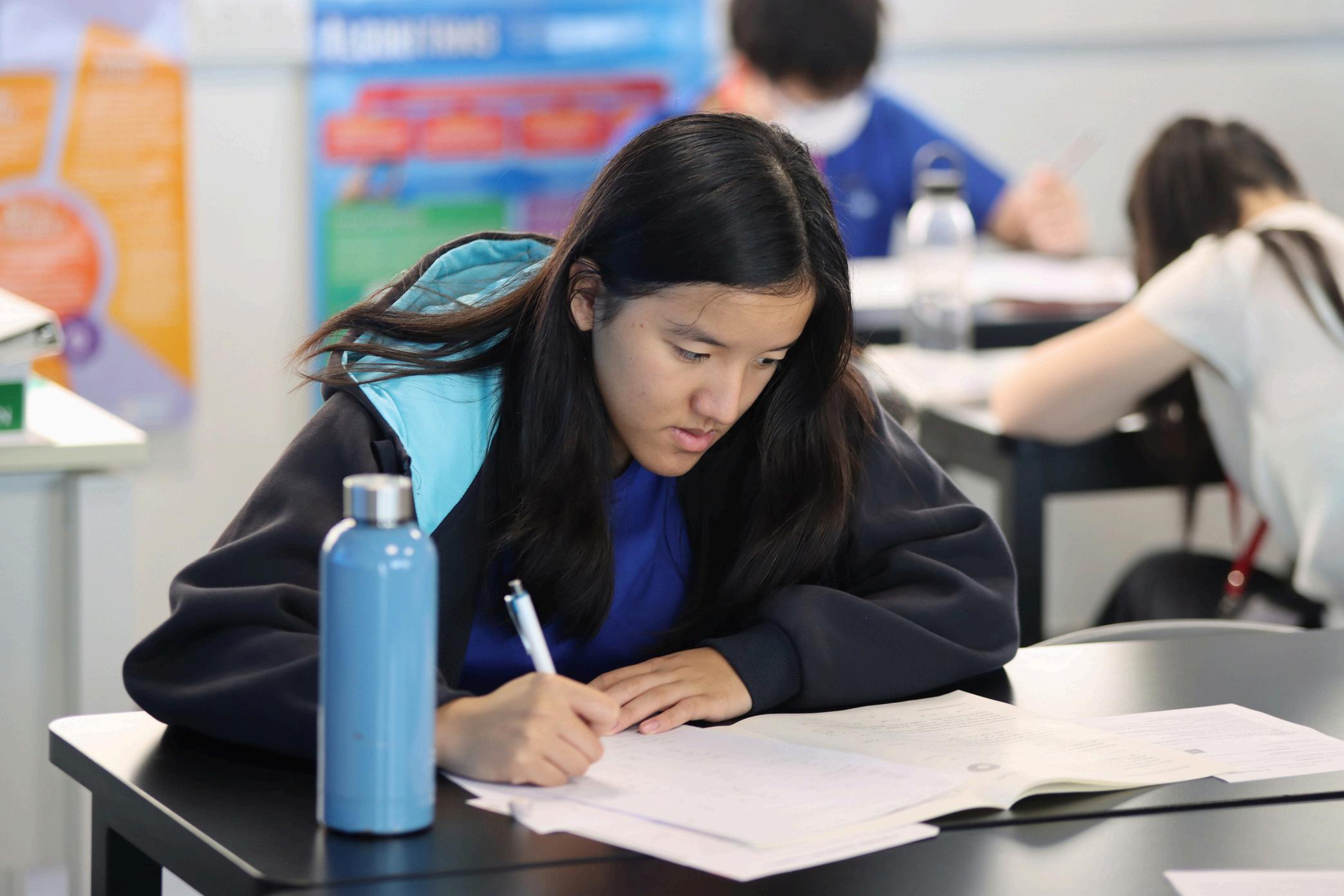
At NAIS HK, our Year 10 and 11 cohorts study the 0654 Coordinated Sciences Course This follows an exciting and challenging syllabus which leads to a double award upon completion of their assessments The maximum grade available for this course is a double A*, which reflects the large volume of content studied.
How is the course taught?
The students attend lessons in all three natural Science subjects (Biology, Chemistry and Physics) and complete assessments on all three subjects In doing so, learners develop a set of transferable skills including handling data, problem-solving and applying the scientific method.
How is the course assessed?
Students attend three examinations upon completion of the course All papers focus on all three Sciences, meaning there are Biology, Chemistry and Physics questions in each paper Details of each paper are below:
Paper 2: Multiple Choice - 40 problems with four possible answers or options
Paper 4: Structured Questions – written questions which assess students ability to express their understanding
Paper 6: Alternative to practical – written questions about the experimental process, including data analysis

What topics are taught?
The course covers a full range of topics for each subject, beginning from the fundamentals and working towards more applied areas Please see the table below for a breakdown of what is studied and when
Year 10
Year 11
Cells
Animals and Plants
Disease and Drugs
Ecosystems
Reproduction
Inheritance
Variety and Selection
What can this subject lead to?
Atoms, Elements and Compounds
Acids, Bases and Salts
Organic Chemistry
Energetics
Metals
Chemistry of the Environment
Forces and Motion
Energy and Matter
Waves
Electricity
Magnetism
Space and Atoms
The 0654 course provides an excellent platform for our students to specialise, both in secondary school and at university After completion of the course, they will have the chance to study one or more of the Sciences at Key Stage 5 level, and then use these to form their choices for higher education. Recent graduates of the school have gone on to major in a wide range of subjects Medicine and Engineering.

Why study IGCSE Geography/Subject Aim?
IGCSE Business Studies encourages students to understand and appreciate the nature and scope of business, and the role it plays in society The syllabus develops critical understanding of business organisations, the environments in which they operate, and how they are managed. Students will gain lifelong skills, including the ability to calculate and interpret business data, communicate arguments effectively, and analyse business situations to make informed decisions It provides a solid foundation for further study and a wide range of careers
What are the topics/themes of study?
IGCSE Business Studies is a 2-year course that explores how business activity impacts the world. Students study a range of interconnected themes: Understanding Business Activity; People in Business; Marketing; Operations Management; Financial Information and Decisions; and External Influences on Business Activity
How will you be assessed?
1 hour and 30 minutes (50%)
Candidates answer 4 questions in total
What can this subject lead to?
1 hour 30 minutes (50%)
Candidates answer 4 questions based on a pre-released case study
A wide variety of potential careers including (but not limited to): Entrepreneur, Business Manager, Accountant, Investment Banker, Marketing Executive, Human Resources Manager, Management Consultant, Business Analyst, Retail Manager, and roles in Finance and Sales A deeper understanding of how the commercial world works The skills to think analytically, make reasoned decisions, and understand the financial and economic forces that shape our lives
Link to access the syllabus online: https://www.cambridgeinternational.org/Images/5969302023-2025-syllabus.pdf
speaking and writing, and these are built on as learners progress through
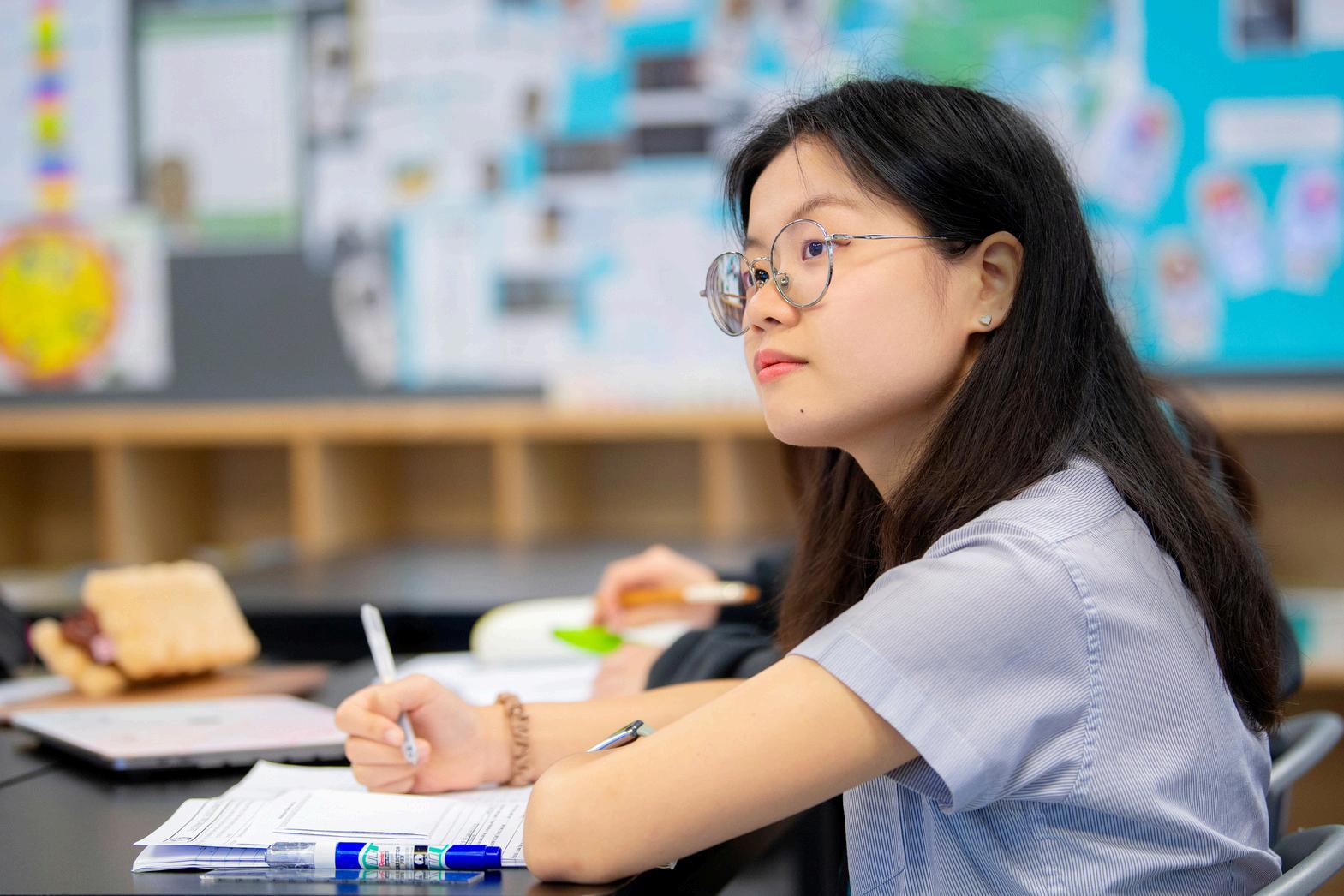
The syllabus also aims to offer insights into the culture of countries where Manda spoken, encouraging positive attitudes towards language learning and toward other languages.
What are the topics/themes of study in the syllabus?
IGCSE 0509 Chinese as First Language: Theme 1: Cultural Identity; Theme 2: Values; Theme 3: Fairness and Justice; Theme 4: Environment and Humanity; Theme 5: Technological Imagination
IGCSE 0523 Chinese as Second Language: Area A: Young People and Education; Area B: Society; Area C: The World; Area D: Cultural Diversity
IGCSE 0547 Chinese as Foreign Language: Five broad areas:Everyday Activities, Personal and Social Life, The World Around Us, The World of Work, and The International World
How will you be assessed?
IGCSE 0509 Chinese as First Language:
All candidates take: and:
Reading, Directed Writing and Classical Chinese
60 marks
Structured and extended writing questions
Questions are based on four reading
IGCSE 0523 Chinese as Second Language:
All candidates take: and:
Reading and Writing
60 marks
Written examination consisting of five exercises that test a range of reading and writing skills
Types of task include: information transfer, shortanswer questions, multiplematching, functional writing and extended writing
Externally assessed
Listening 30 marks
Written examination consisting of four exercises that test listening skills. Candidates listen to recordings of short and longer spoken texts.
Types of task include: short-answer questions, gap-fill sentences, information correction and multiplechoice questions.
All listening material is recorded in Mandarin Chinese
Component 3
Speaking
60 marks
The Speaking test is conducted in Mandarin Chinese
The Speaking test consists of three parts: candidates give a two- to threeminute presentation, followed by a short discussion with the examiner about the presentation, followed by a short conversation with the examiner about general topics
Internally assessed and externally moderated
IGCSE 0547 Chinese as Foreign Language:
All candidates take: and:
Listening 30 marks
Candidates listen to a number of recordings and answer multiplechoice and matching questions Externally assessed
Reading 40 marks
Candidates read a number of texts and answer multiple-choice and matching questions as well as questions requiring short answers
3
Speaking 40 marks
Candidates complete one role play and conversations on two topics.
Internally assessed and externally moderated
Writing 45 marks
Candidates complete one formfilling task, one directed writing task and one task in the format of an email/letter or article/blog.
What can this subject lead to, in terms of careers/degrees?
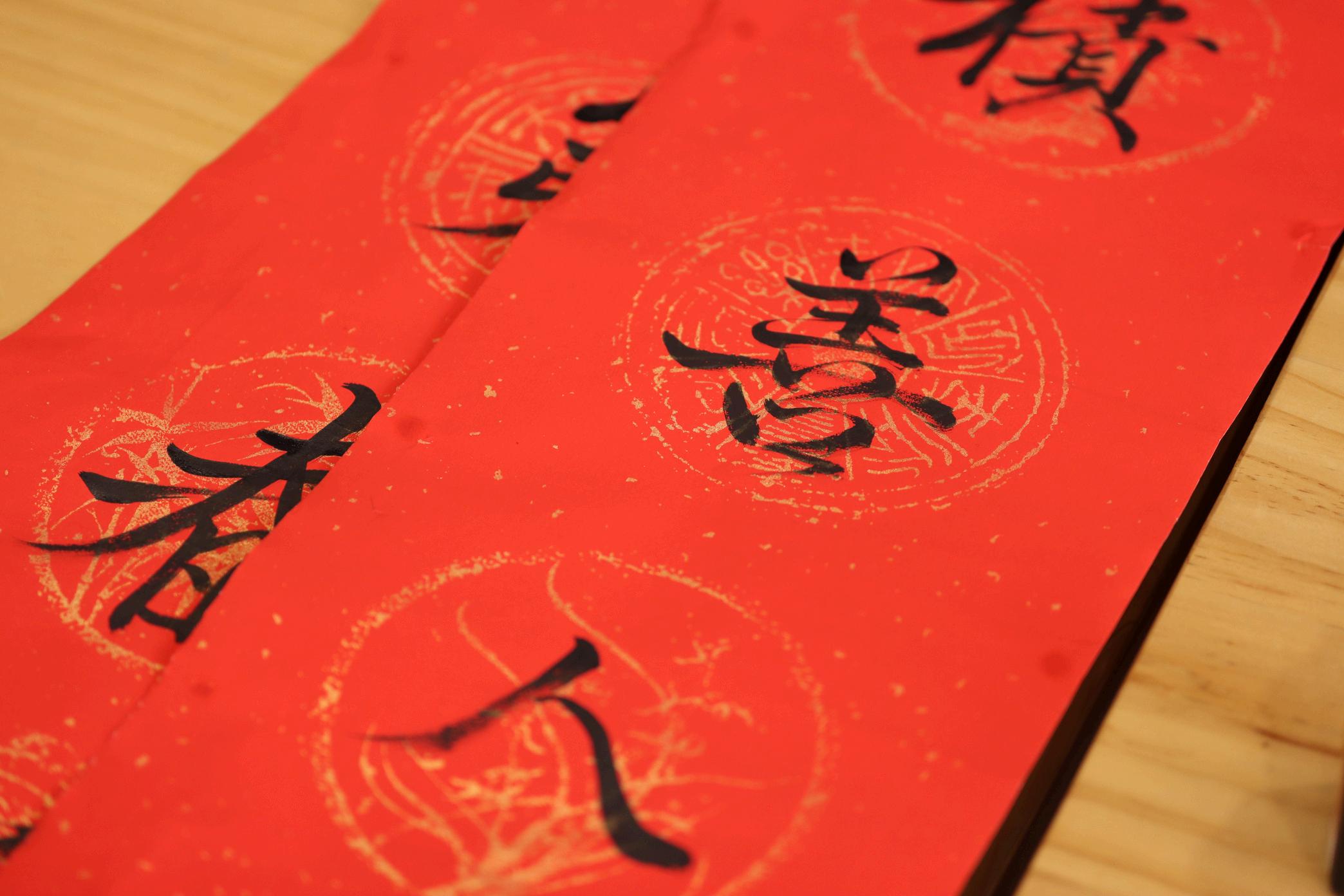
Studying IGCSE Chinese develops practical communication skills in listening, speaking, reading, and writing, enhances cultural literacy and global opportunities, and prepares learners for future academic and career success in a world where knowledge of Chinese language and culture is increasingly valuable
Link to access the syllabus online: https://wwwcambridgeinternationalorg/programmes-and-qualifications/cambridge-igcsechinese-first-language-0509/
https://wwwcambridgeinternationalorg/programmes-and-qualifications/cambridge-igcsechinese-second-language-0523/
https://www.cambridgeinternational.org/programmes-and-qualifications/cambridge-igcsechinese-mandarin-foreign-language-0547/
In today’s digital world, Computer Science is far more than just learning how to code it’s about understanding how technology shapes our lives and how we can shape technology for good This subject empowers students to be ambitious, choose courage, and leave a lasting legacy by developing the skills to solve problems, create innovative solutions, and make a positive impact in the world.
Through hands-on projects, students learn to think logically, design creatively, and live with integrity in a world where technology raises critical ethical questions Collaboration and teamwork are encouraged, fostering a classroom culture where we respect one another and lift each other as we learn
The course aims to develop essential skills for solving problems using computers. Students will: Develop computational thinking skills.
Understand the main principles of solving problems using algorithms
Acquire the skills necessary to solve computer-based problems using a high-level programming language
Gain an understanding of the parts of computer systems and how they interrelate Appreciate automated and emerging technologies.
The subject content is divided into two main components, covering ten topics:
Computer systems (Topics 1–6)
This component focuses on the essential underlying knowledge of computer hardware and software.
1. Data representation: Includes number systems (binary, denary/decimal, hexadecimal), text, sound, images, and data storage/compression (lossy and lossless methods)
2 Data transmission: Covers types and methods of data transmission (eg, serial, parallel, simplex, duplex), packet switching, the USB interface, error detection (eg, parity checks, checksum, ARQ), and encryption (symmetric and asymmetric).
3. Hardware: Includes computer architecture (CPU components, the fetch–decode–execute cycle, embedded systems), input/output devices (including various sensors), data storage (primary, secondary, virtual, and cloud), and network hardware (NIC, MAC addresses, IP addresses, routers)
4. Software: Covers the difference between system software and application software, the role of an operating system, hardware/firmware/OS requirements for running applications, interrupts, types of programming language (high-level/low-level), translators (compilers/interpreters), and Integrated Development Environments (IDEs)
5 The internet and its uses: Explores the difference between the internet and the World Wide Web, URLs, protocols (HTTP/HTTPS), web browsers, cookies, digital currency, blockchain, and cybersecurity threats (e.g., hacking, malware, phishing) and solutions (e.g., firewalls, encryption, authentication).
6 Automated and emerging technologies: Discusses automated systems (using sensors, microprocessors, actuators), robotics, and Artificial Intelligence (AI), including expert systems and machine learning
These topics encourage students to grow an open mind, understanding not only how technology works but also its influences on society, privacy, and global communication.
Algorithms, programming and logic (Topics 7–10)
This component focuses on problem-solving skills, logic, and developing algorithms.
7. Algorithm design and problem-solving: Covers the program development life cycle (analysis, design, coding, testing), decomposition, validation, verification, suitable test data, dry-running algorithms using trace tables, and writing/amending algorithms using Pseudocode and flowcharts
8 Programming: Includes declaring variables and constants, using basic data types (integer, real, string, Boolean), sequence, selection (IF/CASE), iteration (count-controlled, pre-condition, post-condition), string handling, arithmetic/logical/Boolean operators, nested statements, procedures, functions, local/global variables, library routines, and creating maintainable programs
9 Databases: Focuses on defining a single-table database, suggesting suitable basic data types, understanding the purpose of a primary key, and using Structured Query Language (SQL) scripts to query data
10 Boolean logic: Involves identifying and using standard symbols for logic gates (NOT, AND, OR, NAND, NOR, XOR), defining their functions, and creating logic circuits, truth tables, and logic expressions from problem statements
The study of these topics is where students truly choose courage embracing challenges, thinking creatively, and learning from their mistakes to build resilience and confidence.
Will
The assessment for this course consists entirely of two externally assessed written papers There is no coursework component. Candidates are eligible for grades A* to G.
Paper 1 –Computer Systems
Paper 2 –Algorithms, Programming and Logic
(75 marks)
Topics 1–6 (Knowledge and Understanding).
Topics 7–10 (Application and Problem Solving).
Short-answer and structured questions No calculators permitted
Includes a 15-mark scenario question. Requires practical programming experience. No calculators permitted.
Programming Requirements (Paper 2): For the 15-mark scenario question, candidates must write an algorithm using Pseudocode or the Python programming language For all other coding solutions in Paper 2, candidates must use Pseudocode
Where Can Computer Science Take You?
Studying Computer Science helps students to be ambitious opening doors to exciting fields such as:
Software Engineering & App Development
Artificial Intelligence & Data Science
Cybersecurity & Ethical Hacking
Game Design & Animation
Robotics & Automation
Engineering, Business, and Research
It also lays a strong foundation for further study of the IB Diploma Programme (or at A Level) and beyond at universities, where critical thinking, computational thinking, logic, problemsolving and ethical decision-making are highly valued.
More importantly, Computer Science nurtures the mindset to live with integrity, to respect everyone in digital spaces, and to use technology responsibly ensuring our students truly Leave a Legacy as thoughtful, innovative global citizens.
Why study IGCSE Drama?
Through practical and theoretical study, learners develop an understanding and enjoyment of drama, developing group and individual skills and studying ways to communicate ideas and feelings to an audience They learn how to discover the performance possibilities of a text and other stimuli, and devise dramatic material of their own. Learners also develop their performance skills, the demonstration of which will form part of the final assessment.
What are the topics/themes of study in the syllabus?
The IGCSE Cambridge Drama syllabus covers a variety of topics and themes designed to develop students' understanding of drama and performance. Key areas of study include:
1.Theatrical Skills: Exploration of acting techniques, voice, movement, and characterisation.
2.Drama Appreciation: Analysis of plays, performances, and the role of various theatre practitioners.
3.Text Interpretation: Study of scripted texts, including character analysis, themes, and context
4 Devised Drama: Creation of original performances based on themes, ideas, or stimuli, emphasising collaboration and creativity
5 Stagecraft: Understanding of technical elements such as lighting, sound, set design, and costume, and how they enhance a performance
6 Theatre Critique: Development of critical thinking through reviewing and reflecting on live performances
These topics aim to foster a comprehensive understanding of both the practical and theoretical aspects of drama, preparing students for further studies or careers in the performing arts.
How will you be assessed?
Performance coursework (60% - 120 marks)
Written exam (40% - 80 marks)
Candidates submit three pieces of practical work:
• individual performance based on an extract from a play
• group performance based on an extract from a play
• group performance based on an original devised piece. Internally assessed and externally moderated
Students study two plays and respond in a 2hr45 written exam:
• all questions in Section A
• two questions in Section B (one compulsory question and one question from a choice of two)
• both questions in Section C.
What can this subject lead to, in terms of careers/degrees?
Studying IGCSE Drama can lead to a variety of exciting career paths and further educational opportunities, such as:
Career Opportunities
1 Performing Arts: Actor/Actress Director
Playwright Stage Manager
4 Education: Drama Teacher Educational Drama Facilitator Theatre Workshop Leader
2. Theatre Production: Set Designer Costume Designer Lighting Technician Sound Technician
5 Arts Administration: Arts Manager Marketing Roles in Theatres or Arts Organizations
3. Media and Entertainment: Film and Television Producer Screenwriter Broadcast Journalist
6 Therapeutic Roles: Drama Therapist Arts-Based Community Worker
Studying drama helps develop critical skills such as teamwork, creativity, communication, and problem-solving, which are valuable in many professions beyond the performing arts. This versatility makes drama graduates attractive to a wide range of employers.
Link to access the syllabus online: https://wwwcambridgeinternationalorg/programmes-and-qualifications/cambridge-igcsedrama-0411/
IGCSE Economics encourages students to understand and appreciate the nature and scope of economics, and the role it plays in shaping our world. The syllabus develops critical understanding of how individuals, governments, and societies make choices about using limited resources to meet unlimited wants. Students will gain lifelong skills, including the ability to calculate and interpret economic data, communicate arguments effectively, and analyse economic situations to make informed judgements It provides a solid foundation for further study and a wide range of careers in an increasingly globalised and complex economic environment
IGCSE Economics is a 2-year course that explores how economic decisions impact individuals and societies Students study a range of interconnected themes: The Basic Economic Problem: Understanding the fundamental issues of scarcity, choice, and opportunity cost The Allocation of Resources: How markets work, including demand, supply, and price determination; market failure; and the role of government intervention. Microeconomic Decision Makers: The role and objectives of private firms, individuals as consumers, workers, and trade unions Government and the Macroeconomy: The macroeconomic aims of governments (eg, economic growth, low unemployment, stable prices) and the policies (fiscal, monetary, supply-side) used to achieve them. Economic Development: Distinguishing between economic growth and development, and exploring the factors that influence the development process International Trade and Globalisation: The importance of international trade, exchange rates, and the role of multinational companies in the global economy.
How will you be assessed?
45 minutes (30% of total marks) Candidates answer 30 MCQs
What can this subject lead to?
2 hours 15 minutes (70% of total marks) Candidates answer one compulsory case study and three structured questions
A wide variety of potential careers including (but not limited to): Economist, Investment Analyst, Policy Advisor, Accountant, Banker, Data Analyst, Journalist, Management Consultant, and roles in government international development and finance The course also provides a
Why study Fine Art? / Subject Aim
Fine Art GCSE develops creative and critical thinking alongside essential transferable skills. Students learn to research, investigate, and solve creative problems, skills that are valuable across all educational and career pathways. The course fosters independent thought, resilience through risk-taking, and communication of ideas visually and verbally. These skills support lifelong learning and adaptability in diverse professions.
Students explore Fine Art through varied media and techniques including drawing, painting, printing, sculpture, lens-/light-based media, installation, mixed media, and land art The flexible syllabus encourages personal responses informed by research into contemporary and historical sources, developing visual literacy and cultural awareness
Component 1: Personal Portfolio (60%)
Students engage in sustained investigation, researching sources and experimenting creatively
Portfolio work shows development of ideas, problem-solving, and reflection over 120 guided hours
Moderated externally with equal weighting to research, experimentation, recording, and presentation of work
Component 2: Externally Set Assignment (40%)
A thematic task set by Edexcel, including preparation and a 10-hour exam for final response
Assesses students’ ability to apply investigative and creative skills under time constraints
Internally marked, externally moderated
No written exams; practical coursework is the primary form of assessment.

Creative problem solving with originality and innovation
Researching and critically analysing diverse sources
Experimenting with materials and techniques, taking artistic risks
Reflective thinking and self-evaluation to improve work
Visual and verbal communication skills, articulating ideas effectively
Time management and independent learning
These skills prepare students for success in any further education, career, or creative endeavour.
The Fine Art GCSE provides a strong foundation for further study through the IB, A Level, or university programs in art, design, media, and other creative fields. It opens pathways to careers such as artist, graphic designer, animator, curator, photographer, art therapist, and various roles in advertising, marketing, media, and education Additionally, the broad transferable skills developed, like innovation and critical thinking, are invaluable to further education and any conceivable future professions
Syllabus Access
Official syllabus and resources: https://qualificationspearsoncom/en/qualifications/edexcel-gcses/art-and-design-2016html

Studying IGCSE French provides learners with essential language skills that enable effective communication in everyday situations Through engaging with the language, students develop a deeper understanding of the cultures and communities where French is spoken This course enhances not only linguistic proficiency but also cultural awareness, fostering a global perspective that is increasingly valuable in today's interconnected world.
What are the topics/themes of study in the syllabus?
The Cambridge IGCSE French syllabus encompasses a variety of topics designed to enrich students' understanding of the language and its cultural context Key areas of study include:
Everyday Activities: Focus on daily routines, including time expressions, food and drink, and travel
Personal and Social Life: Exploration of self, family, and friends, as well as home life and leisure activities
The World Around Us: Understanding of environmental issues, geography, and technological advancements.
The World of Work: Insights into education, careers, and the workplace, preparing students for future employment
The International World: Study of global cultures, customs, and languages, promoting intercultural communication
These topics encourage learners to apply their language skills in practical contexts, facilitating both personal and academic growth
How will you be assessed?
Assessment in IGCSE French consists of four components, weighted as follows:
Paper 1 – Listening (25% - 40 marks): Candidates listen to recordings and answer multiple-choice and matching questions This paper tests comprehension of familiar topics
Paper 2 – Reading (25% - 40 marks): Candidates read various texts and respond to multiple-choice and matching questions, assessing their reading skills and understanding of written French
Paper 3 – Speaking (25% - 40 marks): Candidates participate in a speaking test that includes a role play and conversations on familiar topics This component is internally assessed and externally moderated.
Paper 4 – Writing (25% - 40 marks): Candidates complete tasks including form-filling, directed writing, and an extended writing task This paper assesses their ability to communicate effectively in writing
Overall, the assessment structure is designed to evaluate all four language skills: listening, reading, speaking, and writing, ensuring a comprehensive understanding of the language.
What can this subject lead to, in terms of careers/degrees?
Studying IGCSE French opens up a multitude of career pathways and further educational opportunities, including:
Career Opportunities
Linguistics and Communication:
Translator
Interpreter
Language Teacher
International Relations: Diplomat
Foreign Service Officer
International Business Consultant
Travel and Tourism: Travel Agent
Tour Guide
Hospitality Manager
Media and Arts:
Journalist
Content Creator
Cultural Arts Manager
Education:
Language Educator
Educational Program Developer
Proficiency in French not only enhances career prospects in these fields but also equips students with critical skills such as communication, cultural sensitivity, and adaptability, which are highly sought after by employers across various industries
Link to access the syllabus online:
Cambridge IGCSE French 0520 Syllabus https://wwwcambridgeinternationalorg/Images/743340-2028-2030-syllabuspdf
Cambridge IGCSE Geography encourages learners to think like a geographer and apply their knowledge and understanding to local, regional, national and global contexts The syllabus provides opportunities to explore key geographical ideas through the study of a range of topics and develop transferable skills, including the ability to use geographical data and information to make informed decisions.
IGCSE Geography is a two-year course that offers students the opportunity to study a range of geographical themes encompassing our human and physical environments Topics studied include:
Physical Geography: Changing river environments; Changing coastal environments; Changing ecosystems; Tectonic hazards; and Climate change
Human Geography: Changing populations; Changing towns and cities; Development; Changing economies; Resource provision
How will you be assessed?
Paper 1: Physical Geography Paper 2: Human Geography Coursework
1 hour and 45 minutes (36%)
Candidates answer 1
compulsory topic in Section A, followed by 2 topics out of
1 hour and 45 minutes (36%)
Candidates answer 1
compulsory topic in Section A followed by 2 topics out of
Candidates will explore a human/natural environment to conduct a Geographical investigation St d t ill th it
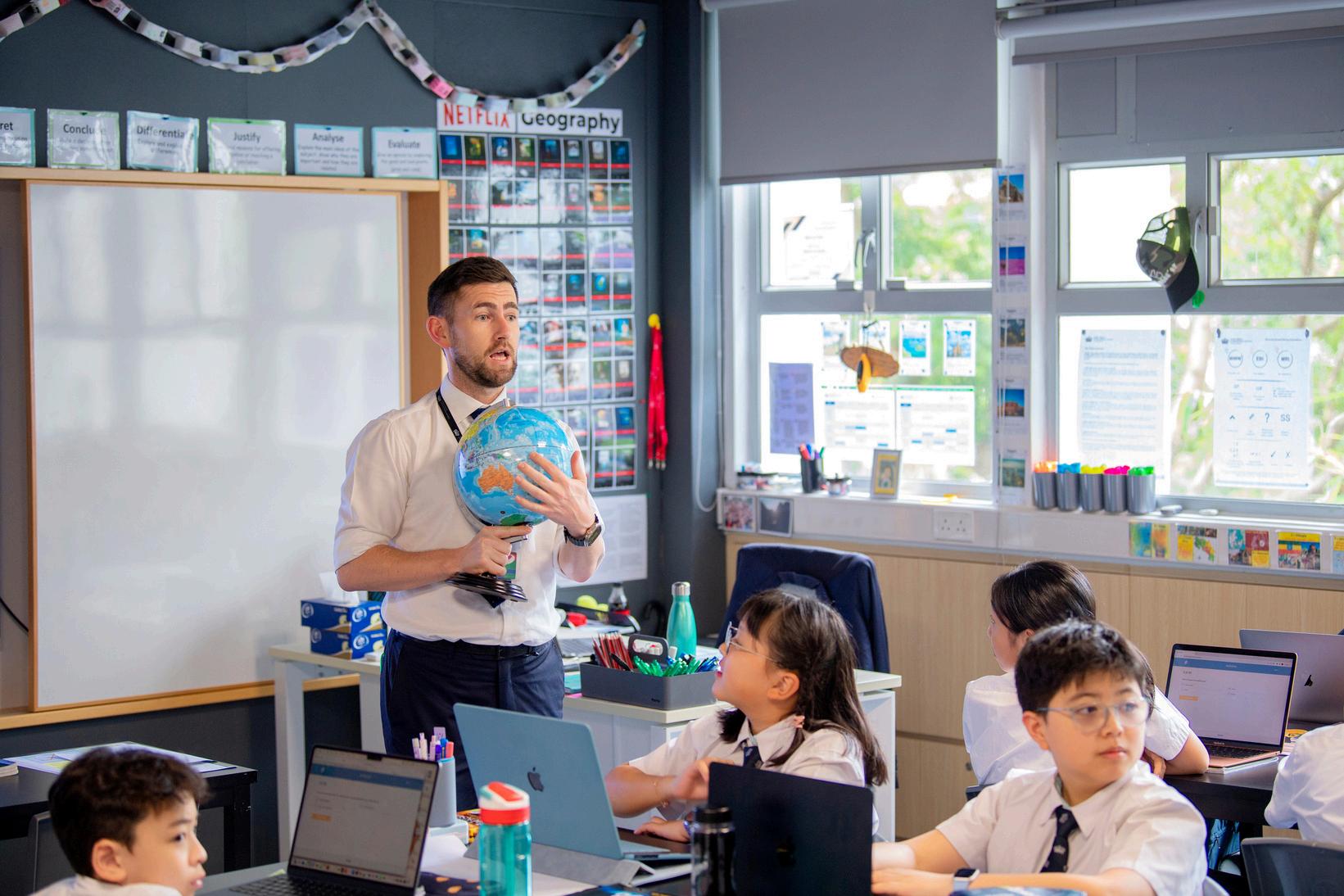
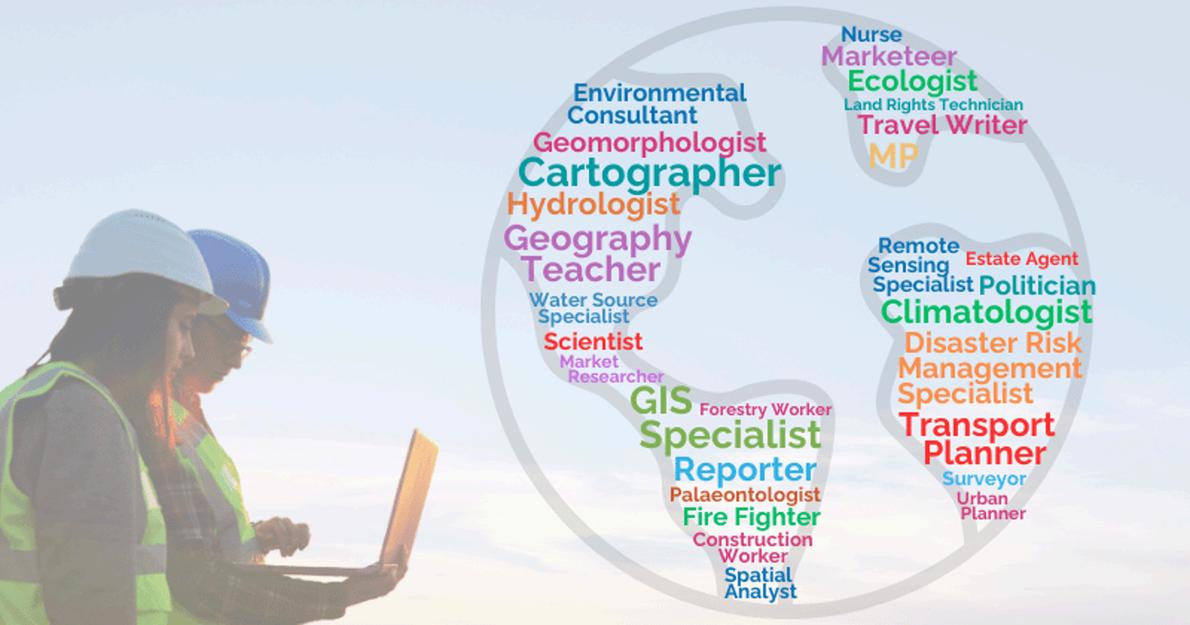
Studying geography opens up a wide range of careers Geography is highly respected by employers Geography graduates have one of the highest rates of graduate employment, pursuing a wide range of career paths It’s often said that there is no such thing as a geography job; rather there are multiple jobs that geographers do
Why study IGCSE Global Perspectives /Subject Aim?
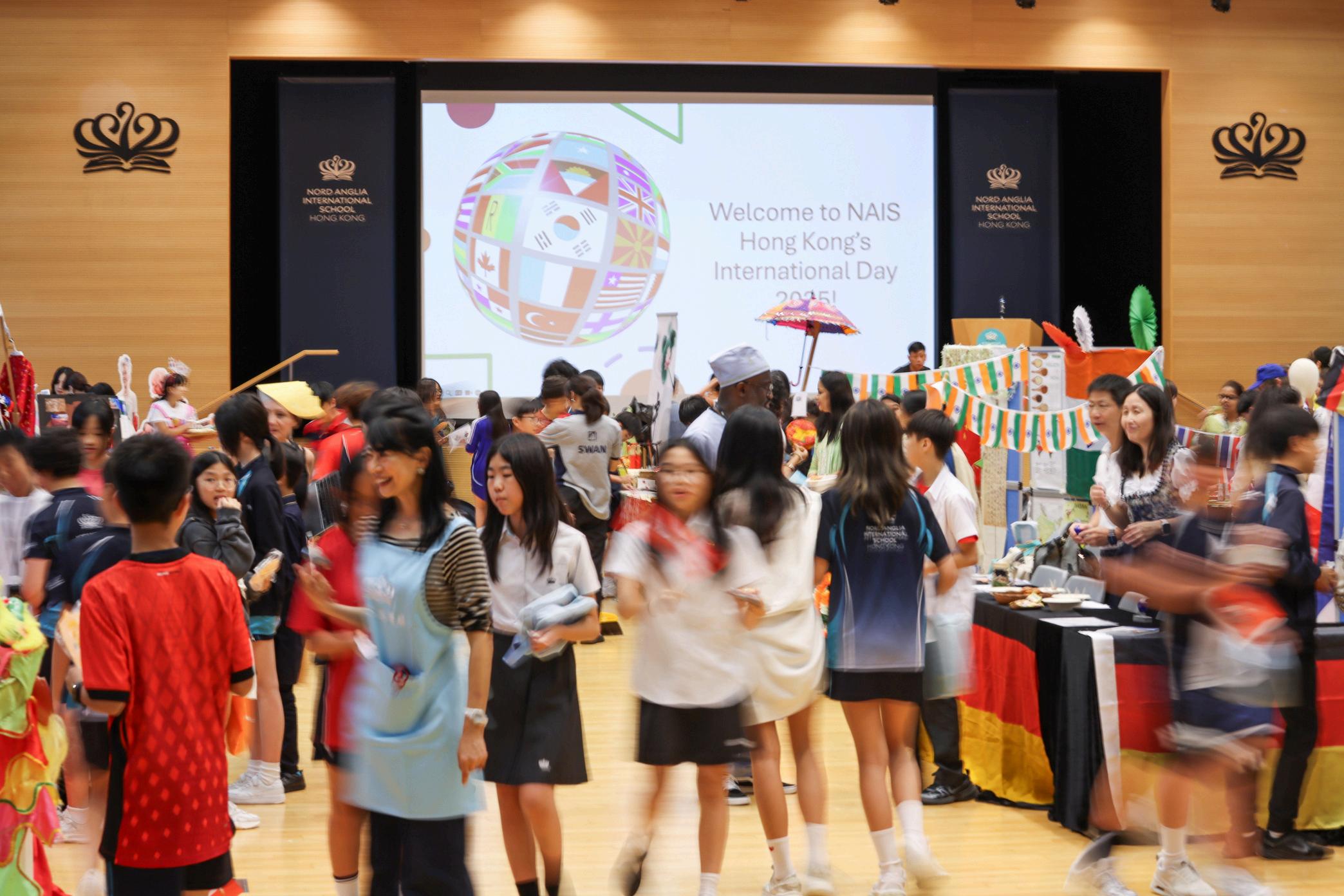
Global Perspectives is different from other IGCSE subjects in that it does not have a traditional body of knowledge that you, as students, must learn before your final exam. The content of the Global Perspectives curriculum is the world we live in. The course aims to help you to make this vast mass of subject matter manageable by teaching you to: find information about our world and about key issues in our world think and reflect critically and carefully about our world and about key issues in our world negotiate and understand your own place in our world act thoughtfully, realistically and purposefully to improve our world communicate information, ideas and reasoning to others
What are the topics/themes of study?
The topics enable students to develop skills, explore global issues and consider different perspectives on these issues The topics are intentionally broad, and students are not expected to have experience of each topic
Political power
Arts in society
Change in culture
Climate change
Conflict and peace
Trade and aid
Digital world
Education for all
Employment
Environment and pollution
Globalisation
Health and wellbeing
Law and criminality
Media and communication
Migration
Poverty and Inequality
Social identity and inclusion
Sport and recreation
Technology and innovation
Transport, travel and tourism
Values and Beliefs
How will you be assessed?
The Global Perspectives course contains 3 components:
Students will answer 4 questions based on the source material. This will present a global issue from a range of perspectives, and will be drawn from the list of topics above.
Students will selectONEof the topic areas and devise a global research question
Coursework assessment: 2000 word research paper
Students will devise and develop a collaborative project into an aspect of one of the global topics
Coursework assessment: 1000 word reflection paper
IGCSE Global Perspectives helps students develop critical thinking, research skills, and a global outlook on crucial issues like sustainability and social justice The course fosters open-mindedness and effective communication through collaborative projects, preparing students for teamwork in today’s job market It can lead to careers in international relations, environmental science, journalism, and education, while also laying the groundwork for further studies in law, politics, and business Overall, this course enriches students' academic experience and empowers them to become informed, active global citizens
“History is a conversation between the past and the present” EH Carr
Studying IGCSE History encourages students to not only become globally minded, but also offers an extensive evidential base for the understanding and analysis in connecting the past to the present. Without understanding the past, you cannot understand the world that we live in today and plan for the future. History equips learners with a range of transferable skills and knowledge by providing opportunities to develop critical thinking, research and argumentation, problem-solving, interpretation, independent learning, leadership and collaboration skills, which will prepare students to progress to further education and employment. Apart from the skills developed, studying History also helps students to become a more rounded person who understand and appreciate our differences, value their own identity, and motivate and inspire them to do better and make their mark on the world through learning about inspiring people and events
What are the topics/themes of study in the syllabus?
Pearson Edexcel IGCSE History students engage in four units across the two-year course:
Depth Studies - Dictatorship and conflict in the USSR, 1924-53; A world divided: superpower relations, 1943-72
Historical Investigation - The USA, 1918-41
Breadth Study - Changes in medicine, c1848-1948
How will you be assessed?
1 –
Paper 2 –Investigatio n and Breadth studies 1
Comprised of two sections, with a mixture of extended writing and essaybased questions. Section A is based on a selected historical investigation and Section B on a breadth study in change
Employers often deliberately seek out students with the kinds of capacities historical study promotes. History lends itself to many careers due to the skills learnt and developed. History can lead to careers in fields such as, but not exhaustive to: education and archives (archivist, librarian, university lecturer, academic researcher), museums and heritage (museum curator, heritage manager, archeologist), law (solicitor, paralegal, barrister, judge), government and policy (politician, conservation officer, historic buildings inspector, Civil Service administrator, political aid, policy analyst), business and finance (business consultant, marketing executive, investment banker), and communications and media (journalist, editor, publisher)
Link to access the syllabus online: https://qualificationspearsoncom/content/dam/pdf/International%20GCSE/History/2017/spec ification-and-sample-assessments/int-gcse-history-specificationpdf
Course Code: 9257
Exam Board: OxfordAQA
choose
The media plays an integral role in modern society, providing us with information and entertainment, and communicating social values. In this era of ‘fake news’ and the rising impact of social media, media literacy is increasingly important, so that young people can learn, understand and interpret the messages they see
The key framework on the course explores media language, audiences, industry and the representation of people and places. You will learn to interpret and analyse, connect to contexts, and to create your own media products You will also learn a number of key media theories that will change the way you see media texts and the world around you
Your coursework topic (NEA) is a practical task where you will work to make your own media product to fulfil key requirements. The choice of tasks changes every three years but could be a TV episode video, advertisement or radio show.
What will I learn on this course?
The six key topics are:
Advertising: You will learn about key persuasive techniques used in both print and television advertising.
Print: You will examine the magazine industry and undertake a close analysis of one magazine and its social media
Audio: You will study radio and podcasts, including how technology has changed these industries
E-Media: You will look at the rise of online influencers and how they appeal to specific target audiences, as well as examining the video game industry. You will consider the positive and negative effects of these forms of media
Video: This topic explores both television and film. You will examine the TV series Doctor Who and also look at the film industry with study of a pre-2000s movie
News: This topic tracks one news story across three different media forms, including television and newspapers. You will explore how the same story may be presented differently depending on the ownership of the publisher, and look at how technology is affecting the news industry.
This course requires interpretating imagery and language in a range of media texts. Students need to be able to explain how media texts connect to their historical and cultural contexts, and apply media theories to identify messages and target audiences Practical work will require project management and creativity Students will need an up-to-date computer in order to undertake the practical tasks
Assessment Information
Non-Exam Assessment (NEA)
Select one practical task Create a media product and write a supporting statement explaining your choices.

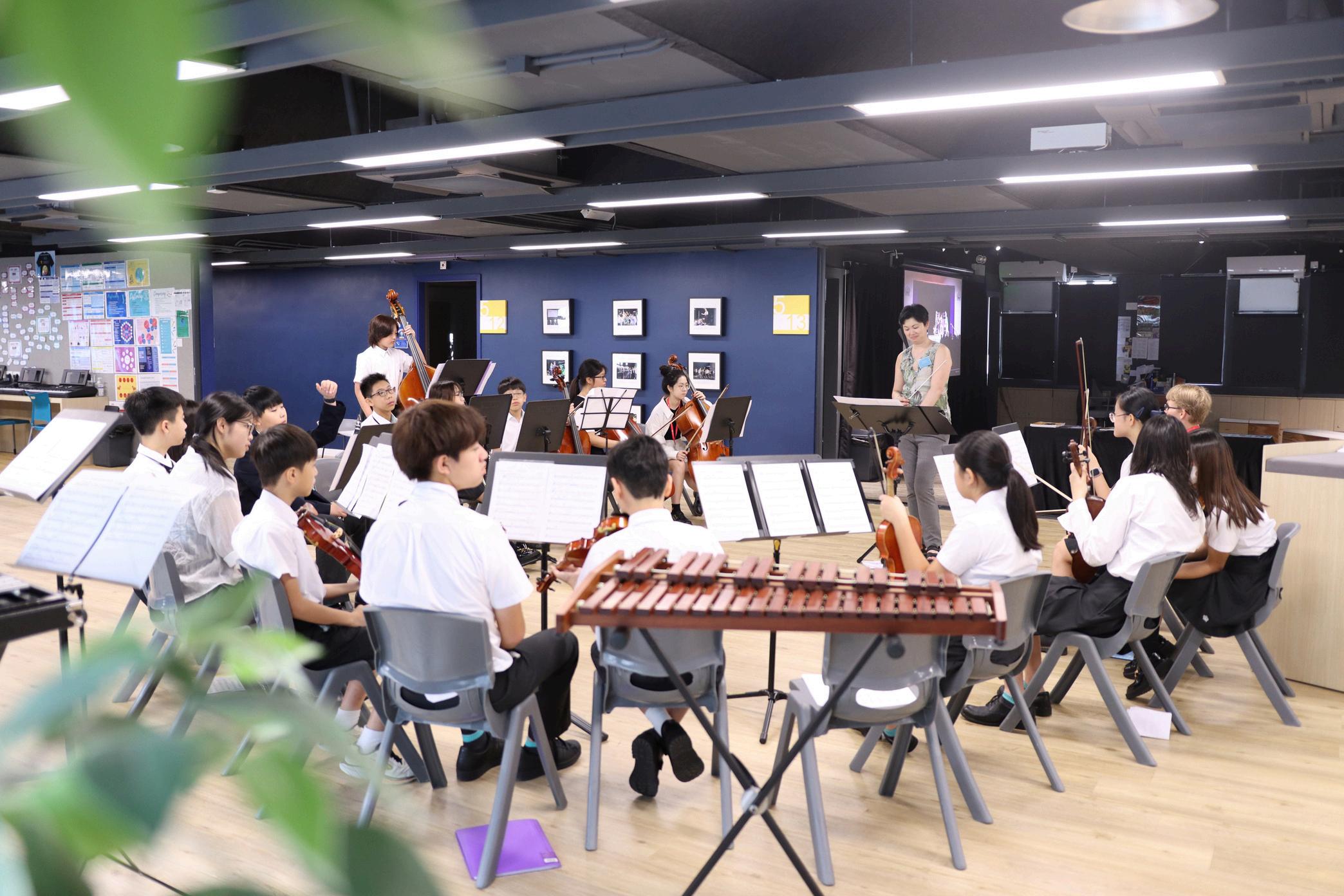
The Cambridge IGCSE Music (0410) course is designed to provide students with a broad understanding of music and the skills to perform, compose, and analyse music from various cultures and genres
The main Areas of Study are as below with a broad variety of music being listened to and identified Students learn the stylistic qualities from across the history of music using focus works of music to explore new devices that can be used in coursework.
Area of Study 1: Baroque music
Area of Study 2: Classical music
Area of Study 3: Romantic music
Area of Study 4: Music and words
Area of Study 5: Music for dance
Area of Study 6: Music for small ensemble
Area of Study 7: Music for stage and screen
The assessment for the Cambridge IGCSE Music course consists of three components:
How it is assessed 1hr 15min. exam 1 solo performance 1 Free Composition
1 ensemble/group performance 1 Composition to a brief
Brief
Questions will be set on eight short, recorded extracts of music, which will include at least one extract from each area of study. The question paper will state which area of study the extract is taken from and, where appropriate, the tradition or genre from which it is drawn. For seven of the extracts there will be a variety of multiple choice and short answer questions; for the other extract, a short descriptive question will be set.
This exam is primarily listening based but also requires students to understand and write using music notation
Students use an instrument of their choice to perform as a soloist and as a member of an ensemble. It is recommended that students perform at around an ABRSM Grade 3 or above in their instrument
Students are required to submit two original compositions for assessment There must be some difference between the two compositions in the selection of instrument(s), voice(s) or electronic sounds
The Cambridge IGCSE Music (0410) course emphasises a well-rounded approach to music education, integrating performance, composition, and theory. It encourages creativity, critical thinking, and an appreciation for diverse musical traditions, preparing students for further studies or careers in music and related fields.
study
Studying GCSE Physical Education will open your eyes to the amazing world of sports performance Not only will you have the chance to perform in three different sports and design, implement and evaluate your own personal exercise programme through the nonexam assessment component, but you will also develop wide ranging knowledge into the how and why of physical activity and sport.
The Edexcel GCSE PE aims to develop students' practical sporting skills and their academic understanding of sport, including applied anatomy and physiology, sport psychology, and socio-cultural influences. The course provides a holistic understanding of PE and sport, fostering a connection to a healthy lifestyle, promoting transferable skills like numeracy and communication, and preparing students for further study in other sports-related qualifications
What are the topics/themes of study in the syllabus?
Candidates will study all the following topics:
Component 1 – Fitness and Body Systems
Students will learn about the physiological and biomechanical workings of the body and explore how to apply this to your physical training
2
Students will develop knowledge about the link between health and performance and explore the contribution that physical activity and sport make to health, fitness and wellbeing

Component 3 – Practical Performance
Students will develop their practical performance skills in three different physical activities
One team, one individual, and one choice from the specified list of activities Students should be already competing competitively in at least 2 out of 3 sports prior to beginning the GCSE
Component 4 – Personal Exercise Programme (PEP)
Students will complete a Personal Exercise Programme (PEP) in one of your chosen sports
You will develop your ability to analyse and evaluate your personal fitness to improve/optimise performance in physical activity and sport
How will you be assessed?
Exam
Coursework
Paper 1: Theory from component 1 (1 hour 30 minutes) (80 marks) Paper 2: Theory from component 2 (1 hour 15 minutes) (60 marks)
Component 3: Coursework
Students will be assessed in all practical activities with their strongest three marks counting towards their overall grade This will be internally assessed/externally moderated. (105 marks – 35 marks per activity)
Component 4: Coursework
Students will be assessed in the ability to design, carry out and evaluate a Personal Exercise Programme This will be internally assessed/externally moderated (20 marks)
What can this subject lead to, in terms of careers/degrees?
An Edexcel GCSE Physical Education (PE) can lead to university degrees in sport-related fields like sports science, sports management, and sports psychology, and can also support degrees in healthcare, biology, and teaching It provides a strong foundation for careers as a sports coach, physiotherapist, personal trainer, or teacher, and develops valuable transferable skills such as teamwork, leadership, and communication that are beneficial for nearly any career path.
Link to access the syllabus online: https://qualifications.pearson.com/en/qualifications/edexcel-gcses/physical-education-2016.html
Studying IGCSE Spanish equips learners with essential language skills that facilitate effective communication in diverse contexts. By engaging with the language, students gain a deeper understanding of the cultures and societies where Spanish is spoken, fostering cultural awareness and appreciation This course not only enhances linguistic proficiency but also empowers students to thrive in a globalised world.
What are the topics/themes of study in the syllabus?
The Cambridge IGCSE Spanish syllabus covers a variety of topics that develop students' understanding of the language and its cultural context Key areas of study include:
Everyday Activities: Focus on daily routines, including time expressions, food and drink, and travel.
Personal and Social Life: Exploration of self, family, friends, and home life
The World Around Us: Understanding of environmental issues, geography, and technology.
The World of Work: Insights into education, careers, and the workplace.
The International World: Study of global cultures, customs, and languages
These topics provide a rich context for learning vocabulary and grammar, encouraging practical application of language skills
How will you be assessed?
Assessment for IGCSE Spanish consists of four components, weighted as follows:
Paper 1 – Listening (25% - 40 marks): Candidates listen to recordings and answer multiple-choice and matching questions, testing their comprehension of familiar topics.
Paper 2 – Reading (25% - 40 marks): Candidates read various texts and respond to multiple-choice and matching questions, assessing their reading skills in Spanish
Paper 3 – Speaking (25% - 40 marks): Candidates engage in a speaking test that includes a role play and conversations on familiar topics This component is internally assessed and externally moderated
Paper 4 – Writing (25% - 40 marks): Candidates complete tasks including form-filling, directed writing, and an extended writing task, evaluating their written communication skills
This assessment structure ensures a comprehensive evaluation of all four language skills: listening, reading, speaking, and writing
What can this subject lead to, in terms of careers/degrees?
Studying IGCSE Spanish opens up numerous career pathways and further educational opportunities, including:
Career Opportunities
Linguistics and Communication:
Translator
Interpreter
Language Teacher
International Relations: Diplomat
Foreign Service Officer
International Business Consultant
Travel and Tourism: Travel Agent
Tour Guide
Hospitality Manager
Media and Arts:
Journalist
Content Creator
Cultural Arts Manager
Education:
Language Educator
Educational Program Developer
Proficiency in Spanish not only enhances career prospects in these fields but also equips students with critical skills such as communication, cultural sensitivity, and adaptability, which are highly sought after by employers across various industries.
Link to access the syllabus online:
Cambridge IGCSE Spanish 0530 Syllabus // / /