
Artesanía marroquí: Entre el misticismo y la razón
Una visión renovada de Mahdi Naim
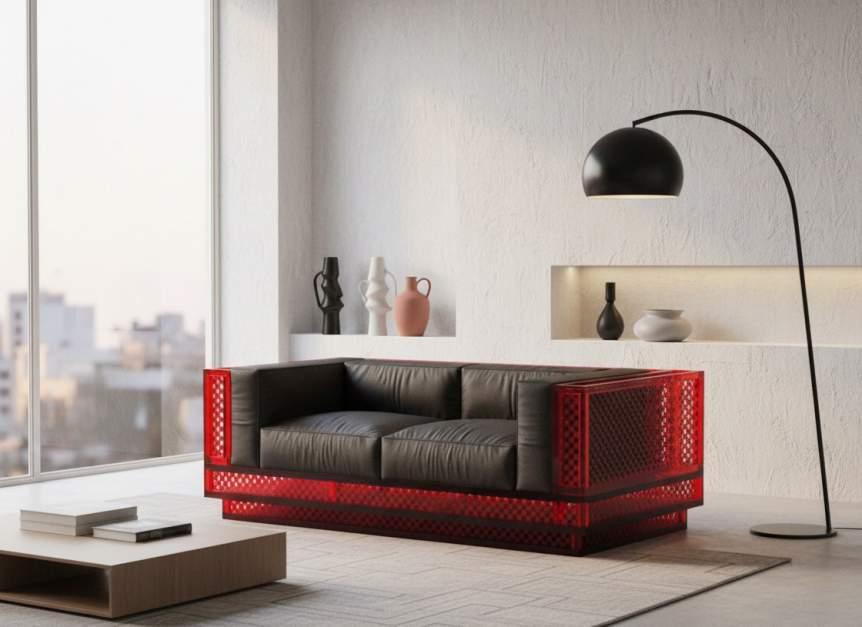
Mahdi Naim ofrece una perspectiva fresca sobre la artesanía marroquí. Lejos de centrarse únicamente en la estética o los aspectos técnicos de los objetos, revela su dimensión arquetípica, mística y atemporal. Su enfoque decididamente contemporáneo forja un vínculo fructífero entre la herencia espiritual y la innovación racional, entre la intuición y el método, entre el alma y el cuerpo.
De la tradición a lo clásico: Recuperando la esencia
En lugar de hablar de artesanía tradicional, Mahdi Naim prefiere el término “clásico”. Porque lo que a menudo se llama “tradición” corre el riesgo de congelar las habilidades de la vida en una imagen folclórica o anticuada. Lo clásico, en cambio, evoca atemporalidad, excelencia y la capacidad de una forma de trascender épocas sin perder su esencia.
“El objeto artesanal marroquí no se crea ex nihilo, sino que surge de arquetipos culturales preexistentes.” — Mahdi Naim
Moroccan Craftsmanship: Between Mysticism and Reason
A Renewed Vision by Mahdi Naim
Mahdi Naim offers a fresh perspective on Moroccan craftsmanship. Far from focusing solely on the aesthetics or technical aspects of the objects, he reveals their archetypal, mystical, and timeless dimension. His resolutely contemporary approach forges a fruitful link between spiritual heritage and rational innovation, between intuition and method, between soul and body.
From Tradition to Classic: Reclaiming the Essence
Rather than speaking of traditional craftsmanship, Mahdi Naim prefers the term “classic.” Because what is often called “tradition” risks freezing living skills into a folkloric or outdated image. Classic, on the other hand, evokes timelessness, excellence, and the ability of a form to transcend eras without losing its essence.
“The Moroccan handcrafted object is not created ex nihilo but revealed from pre-existing cultural archetypes.” — Mahdi Naim
Arquetipos en la artesanía marroquí: Formas ya presentes
En la artesanía marroquí, algunos objetos no se conciben desde cero, sino que se revelan al artesano. Ya existen en un espacio simbólico y atemporal, y solo en el momento de su creación cobran forma en el mundo material. Estos objetos encarnan arquetipos: formas fundamentales y universales que, lejos de ser inventadas, ya existen en el inconsciente colectivo. El artesano simplemente las manifiesta, las evoca en la materia. Por ejemplo, la forma de un tagine, un caftán o una babucha no surge únicamente de la creatividad individual, sino de una presencia arquetípica que espera ser expresada a través de gestos y técnicas transmitidas de generación en generación. Estos objetos, lejos de ser meramente funcionales, son receptáculos de símbolos y significados profundos, que permiten que lo invisible se materialice en la vida cotidiana. Así, el objeto no es creado por el hombre; se le revela, como un fragmento del universo a la espera de manifestarse en la realidad tangible.
La artesanía como revelación, no como fabricación
En la artesanía tradicional marroquí, el objeto no nace de la voluntad de crear, sino de un diálogo íntimo con la materia. El artesano no proyecta una forma desde su mente al mundo; al contrario, se eclipsa para permitir que la forma emerja de la propia materia. Es la materia la que habla —a través de sus venas, su densidad, su resistencia— y el artesano, mediante la escucha y la presencia, capta su murmullo silencioso.
Este proceso no es mecánico ni industrial. Es casi ritualístico. La intuición precede al gesto. El conocimiento, transmitido oralmente, se ancla en el cuerpo y las manos, como una memoria viva. No es simplemente una técnica: es una forma de entrar en relación con aquello que anhela nacer. Así, cada objeto no se “hace”, sino que se revela, extraído del silencio mediante un acto de presencia y atención. Se vuelve único no por su originalidad, sino porque lleva la huella de un momento de perfecta armonía entre el hombre, la materia y lo invisible.
Archetypes in Moroccan Craftsmanship: Forms Already Present
In Moroccan craftsmanship, some objects are not conceived from scratch, but rather reveal themselves to the artisan. They already exist in a symbolic, timeless space, and it is only at the moment of their creation that they take shape in the material world. These objects embody archetypes—fundamental and universal forms that, far from being invented, already exist in the collective unconscious. The artisan simply manifests them, brings them forth in the material. For example, the shape of a tagine, a caftan, or a babouche slipper does not stem solely from individual creativity, but from an archetypal presence waiting to be expressed through gestures and techniques passed down from generation to generation. These objects, far from being merely functional, are receptacles of symbols and profound meanings, allowing the invisible to materialize in everyday life. Thus, the object is not created by humankind; it reveals itself to us, like a fragment of the universe waiting to manifest itself in tangible reality.
Craftsmanship as Revelation, Not Fabrication
In traditional Moroccan craftsmanship, the object is not born from a will to create, but from an intimate dialogue with the material. The artisan does not project a form from their mind onto the world; on the contrary, they efface themselves to allow the form to emerge from the material itself. It is the material that speaks—through its veins, its density, its resistance—and the artisan, through listening and presence, captures its silent whisper.
This process is neither mechanical nor industrial. It is almost ritualistic. Intuition precedes the action. Knowledge, transmitted orally, takes root in the body and hands, like a living memory. It is not simply a technique: it is a way of connecting with that which yearns to be born. Thus, each object is not “made”—it is revealed, drawn from silence by an act of presence and attention. It becomes unique not through originality, but because it bears the trace of a moment of perfect harmony between humankind, matter, and the unseen.
Geometría Sagrada: El Lenguaje del Cosmos
En la artesanía marroquí, la geometría no es mera ornamentación: es una estructura ontológica, un lenguaje universal, una manifestación visible de lo invisible. Transmite una comprensión intuitiva de las leyes cósmicas, una forma de habitar el mundo en armonía con el ritmo de la vida.
Los motivos presentes en azulejos zellige, madera tallada, alfombras y estucos —la flor de la vida, la estrella de ocho puntas y arabescos infinitos— no son figuras decorativas: son mandalas meditativos, espejos del alma y portales vibracionales. El mandala, en su forma universal, es una estructura centrada, una representación del orden cósmico.
En la cultura marroquí, se manifiesta en rosetones, cúpulas y mihrabs. Es a la vez una imagen del mundo y un camino hacia uno mismo, una herramienta para el reencuentro y la contemplación.
Pero esta geometría no solo se dirige a la vista: también se dirige al agua, a la materia, al sonido.
La geometría cimática —revelada por la obra de Hans Jenny y perseguida por investigadores contemporáneos— demuestra que las estructuras sonoras importan. Frecuencias específicas producen formas geométricas perfectas en una placa vibratoria cubierta de arena o agua: rosetas, mandalas, estrellas. Estas son las huellas visibles del sonido.
Y estas formas... guardan un asombroso parecido con las del arte islámico tradicional. La conexión es inquietante, vertiginosa.
Esto significa que los artesanos, sin microscopios ni osciladores, captaron mediante la intuición, la herencia sutil y la resonancia espiritual lo que la ciencia apenas ahora descubre:
Sacred geometry: the language of the cosmos
In Moroccan craftsmanship, geometry is not merely ornamentation: it is an ontological structure, a universal language, a visible manifestation of the invisible. It conveys an intuitive understanding of cosmic laws, a way of inhabiting the world in harmony with the rhythm of life.
The motifs found in zellige tiles, carved wood, carpets, and stucco work—the flower of life, the eight-pointed star, and infinite arabesques—are not merely decorative figures: they are meditative mandalas, mirrors of the soul, and vibrational portals.
The mandala, in its universal form, is a centered structure, a representation of cosmic order. In Moroccan culture, it manifests in rose windows, domes, and mihrabs. It is both an image of the world and a path to the self, a tool for recentering and contemplation.
But this geometry speaks not only to the eye: it also speaks to water, to matter, and to sound.
Cymatic geometry—revealed by the work of Hans Jenny and continued by contemporary researchers—shows that sound structures matter. Specific frequencies produce perfect geometric forms on a vibrating plate covered with sand or water: rosettes, mandalas, stars. These are the visible imprints of sound.
And these forms... bear a striking resemblance to those of traditional Islamic art. The connection is unsettling, dizzying.
This means that artisans, without microscopes or oscillators, grasped through intuition, subtle heritage, and spiritual resonance what science is only now discovering:
El mundo está hecho de vibración, y la geometría es su alfabeto.
Cada objeto artesanal se convierte así en una forma condensada de armonía cósmica, una cristalización del sonido, una traducción de lo divino en materia. Hecho con la intención correcta, no es simplemente bello o útil: emite una frecuencia, armoniza espacios, conecta a la humanidad con el universo.
The world is made of vibration, and geometry is its alphabet.
Each handcrafted object thus becomes a condensed form of cosmic harmony, a crystallization of sound, a translation of the divine into matter. Made with the right intention, it is not merely beautiful or useful: it emits a frequency, it harmonizes spaces, it connects humanity to the universe.

Entre lo Místico y lo Racional: Una Síntesis Contemporánea
Mahdi Naim distingue dos lógicas principales de creación:
Diseño Místico - Diseño Racional
Mundo Interior, Alma - Mundo Exterior, Cuerpo
Transmisión Intuitiva - Metodología, Estandarización
Diálogo con la Materia - Dominio Técnico
Dimensión Simbólica - uncionalidad y Ergonomía
Patrimonio Colectivo - Creatividad Individual
Pero no se opone a ellas. Al contrario, aboga por una convergencia. La artesanía marroquí, según él, es este espacio liminal donde la ergonomía del cuerpo se encuentra con la del alma, donde la revelación de formas arquetípicas coexiste con una adaptación inteligente a las necesidades contemporáneas.

Between the mystical and the rational: a contemporary synthesis
Mahdi Naim distinguishes two main logics of creation:
Mystical design - Rational design
Inner world, soul - Outer world, body
Intuitive transmission - Methodology, standardization
Dialogue with matter - Technical mastery
Symbolic dimension - Functionality and ergonomics
Collective heritage - Individual creativity
But he does not oppose them. On the contrary, he advocates for a meeting. Moroccan craftsmanship, according to him, is this liminal space where the ergonomics of the body meet that of the soul, where the revelation of archetypal forms coexists with an intelligent adaptation to contemporary needs.
Una filosofía nutrida por grandes mentes.
El enfoque de Mahdi Naim resuena con varios pensadores importantes:
Mircea Eliade: Lo sagrado en la vida cotidiana y la hierofanía.
Mircea Eliade concibió lo sagrado como una realidad que se manifiesta en el mundo profano a través de objetos, gestos o lugares: este es el concepto de hierofanía, la «manifestación de lo sagrado». Para Eliade, el objeto artesanal, al estar imbuido de significado simbólico o ritual, se convierte en mucho más que una simple herramienta: es la encarnación de una realidad absoluta, una «ruptura en la homogeneidad del espacio» que revela un centro, un punto fijo, una orientación existencial. El objeto deja de ser meramente funcional; se convierte en un vehículo de trascendencia, abriendo a la humanidad a lo infinito, a la experiencia de lo «numinoso». Esta visión ilumina el enfoque de Mahdi Naim: en la artesanía marroquí, cada creación puede estar dotada de lo sagrado, revelando el alma de una cultura y la presencia de un orden cósmico en la vida cotidiana.
A philosophy nourished by great minds
Mahdi Naim’s approach resonates with several major thinkers:
Mircea Eliade: The Sacred in Everyday Life and Hierophany
Mircea Eliade conceived of the sacred as a reality that manifests itself in the profane world through objects, gestures, or places: this is the concept of hierophany, the “manifestation of the sacred.” For Eliade, the handcrafted object, when imbued with symbolic or ritual significance, becomes much more than a simple tool: it is the embodiment of an absolute reality, a “break in the homogeneity of space” that reveals a center, a fixed point, an existential orientation. The object is no longer merely functional; it becomes a vehicle for transcendence, opening humanity to the infinite, to the experience of the “numinous.” This vision illuminates Mahdi Naim’s approach: in Moroccan craftsmanship, each creation can be invested with the sacred, revealing the soul of a culture and the presence of a cosmic order in everyday life.
Carl Gustav Jung: Arquetipos y el Inconsciente Colectivo
Para Jung, el inconsciente colectivo es una dimensión psíquica compartida por toda la humanidad, compuesta de arquetipos: formas, símbolos y motivos universales que trascienden culturas y épocas. Estos arquetipos se manifiestan en mitos, cuentos populares, religiones… y en la artesanía. Al reproducir motivos o formas ancestrales, el artesano reactiva estas estructuras profundas del alma humana. Para Mahdi Naim, el objeto artesanal no se crea ex nihilo: es la revelación de arquetipos culturales preexistentes, transmitidos colectiva e intuitivamente. Así, cada pieza artesanal se convierte en una expresión viva del inconsciente colectivo, conectando al individuo con toda la humanidad a través de símbolos universales.
Martin Heidegger: Diálogo con la materia y la revelación del ser
En “La cuestión de la técnica”, Heidegger no reduce la tecnología a un mero conjunto de medios, sino que la considera un modo de revelar el ser, una relación con el mundo en la que la humanidad saca a la luz lo oculto. Technē, en el sentido griego, es una poiesis: consiste en “dar existencia”, en conducir algo a manifestarse en una forma específica. En la artesanía marroquí, tal como la concibió Mahdi Naim, el artesano no impone una forma a la materia: “lee” sus potencialidades, dialoga con ella y busca revelar su esencia. Este proceso, a la vez intuitivo y técnico, confiere a cada objeto una autenticidad y una vitalidad que trascienden la mera funcionalidad.
Gilbert Simondon: Individuación, intuición e indeterminación
Simondon propone pensar el objeto técnico no como algo fijo, sino como el resultado de un proceso de individuación, es decir, una génesis en la que la intuición y la indeterminación desempeñan un papel esencial. El objeto nace de un potencial preindividual, se transforma y se adapta según los usos, los materiales y los gestos del artesano.
Esta concepción dinámica se alinea con la de Mahdi Naim: la artesanía marroquí no se limita a la reproducción de formas; es un proceso vivo donde cada creación es única, fruto del encuentro entre el saber hacer, la intuición y la contingencia.
El objeto nunca está completamente predeterminado: cobra forma en el acto creativo, revelando así la vitalidad de la tradición y su capacidad de innovación.
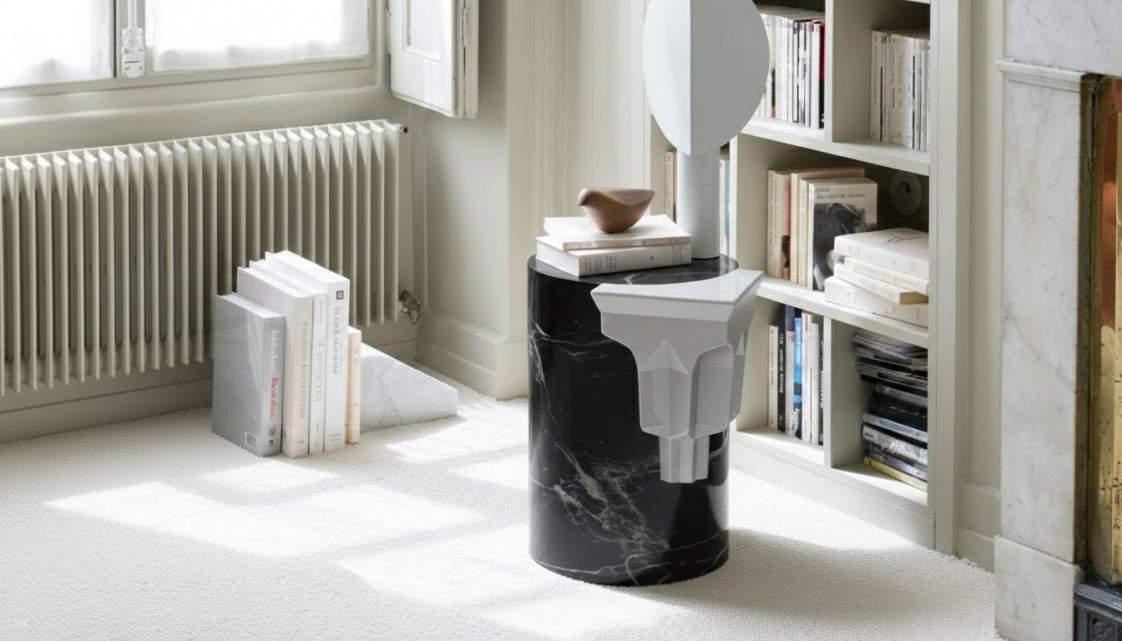
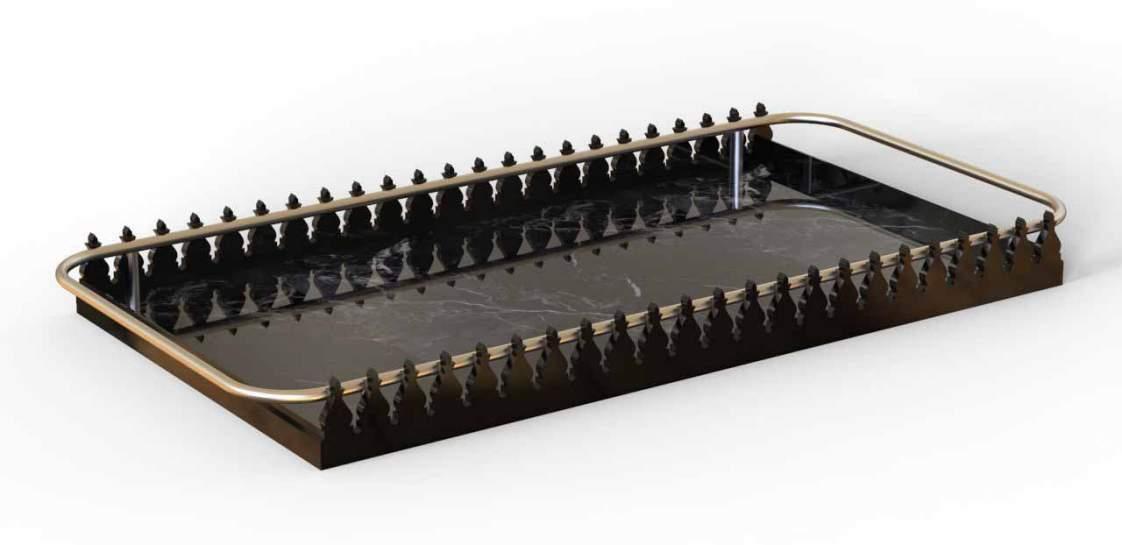
El enfoque de Mahdi Naim, inspirado en estos pensadores, demuestra que la artesanía marroquí es mucho más que una simple técnica o tradición: es un espacio donde lo sagrado se encarna (Eliade), donde se expresan los arquetipos colectivos (Jung), donde la materia dialoga con el espíritu (Heidegger) y donde cada objeto cobra forma en un proceso vivo y abierto (Simondon). Es esta riqueza, a la vez mística y racional, la que constituye la fuerza y la relevancia de la artesanía marroquí contemporánea.
Carl Gustav Jung: Archetypes and the Collective Unconscious
For Jung, the collective unconscious is a psychic dimension shared by all of humanity, composed of archetypes: universal forms, symbols, and motifs that transcend cultures and eras. These archetypes manifest themselves in myths, folktales, religions… and in craftsmanship. By reproducing ancestral motifs or forms, the artisan reactivates these deep structures of the human soul. For Mahdi Naim, the handcrafted object is not created ex nihilo: it is the revelation of preexisting cultural archetypes, transmitted collectively and intuitively. Thus, each handcrafted piece becomes a living expression of the collective unconscious, connecting the individual to all of humanity through universal symbols.
Martin Heidegger: Dialogue with Matter and the Unveiling of Being
In “The Question Concerning Technology,” Heidegger does not reduce technology to a mere assemblage of means, but rather considers it as a mode of unveiling being, a relationship to the world in which humankind brings forth what is hidden. Technē, in the Greek sense, is a poiesis: it consists of “bringing into being,” of leading something to manifest itself in a specific form. In Moroccan craftsmanship as conceived by Mahdi Naim, the artisan does not impose a form on matter: he “reads” its potentialities, enters into dialogue with it, and seeks to reveal its essence. This process, both intuitive and technical, confers upon each object an authenticity and vitality that transcend mere functionality.
Gilbert Simondon: Individuation, Intuition, and Indeterminacy
Simondon proposes thinking of the technical object not as a fixed thing, but as the result of a process of individuation, that is, a genesis in which intuition and indeterminacy play an essential role. The object is born from a pre-individual potential, transforms, and adapts according to uses, materials, and the artisan’s gestures. This dynamic conception aligns with that of Mahdi Naim: Moroccan craftsmanship is not limited to the reproduction of forms; it is a living process where each creation is unique, the fruit of an encounter between know-how, intuition, and contingency. The object is never entirely predetermined: it takes shape in the creative act, thus revealing the vitality of the tradition and its capacity for innovation. Mahdi Naim’s approach, informed by these thinkers, shows that Moroccan craftsmanship is much more than a simple technique or tradition: it is a space where the sacred is embodied (Eliade), where collective archetypes are expressed (Jung), where matter engages in dialogue with spirit (Heidegger), and where each object takes shape in a living and open process (Simondon). It is this richness, both mystical and rational, that constitutes the strength and relevance of contemporary Moroccan craftsmanship.
Hacia una artesanía viva y habitada
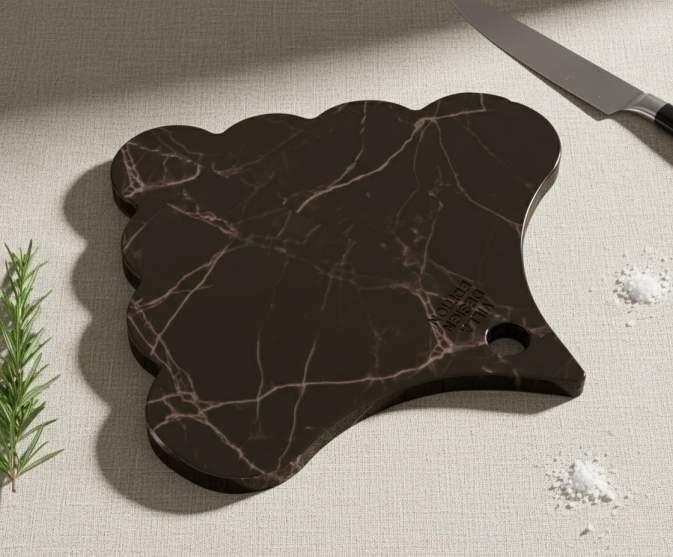
En la encrucijada de estas influencias, Mahdi Naim ofrece una visión integral, espiritual y radicalmente contemporánea de la artesanía marroquí. Una artesanía:
● liberada del folclore pero arraigada en la memoria,
● capaz de adaptarse sin perder su esencia,
● portadora de sabiduría, una poética del gesto, un orden mundial.
Así surge una filosofía de la creación, en la que cada objeto artesanal se convierte en un fragmento de infinito, una huella del alma, una forma de presencia.
Towards a Living and Inhabited Craft
At the crossroads of these influences, Mahdi Naim offers an integrated, spiritual, and radically contemporary vision of Moroccan craftsmanship. A craftsmanship:
● freed from folklore but rooted in memory,
● capable of adapting without losing its essence,
● a bearer of wisdom, a poetics of gesture, a world order.
Thus emerges a philosophy of creation, in which each handcrafted object becomes a fragment of infinity, a trace of the soul, a form of presence.