KEYASSETS




Takapuna
I’m pleased to share this NAI Harcourts Key Assets
Portfolio with you. It reflects a point in the market that may feel quiet, but actually presents real opportunity.
It’s an election year, and while market activity may feel subdued there are real signs of positive activity and this is less a slowdown and more of a reset. The quieter conditions are creating space for buyers and sellers to make considered, confident decisions across all sectors.
As you move through this portfolio, you’ll notice a broad range of opportunities across a wide sector. We are seeing improving enquiry from owneroccupiers with interest rates having stabilised increasing demand for investment stock particularly with solid leases and strong growth potential. These are the assets that continue to attract attention, and they feature strongly in what we have brought together here.
Leasing activity continues to pick up and remains a key driver. It supports the market and provides a good measure of business confidence. That momentum is reflected in many of the opportunities included in this collection.

We are seeing increased enquiry for business opportunities with sales across New Zealand picking up, and sense that business owners now looking at their options are seeing increasing demand within sectors of the market.
This portfolio provides a broad selection of quality assets offering a wide range of opportunities . We hope you find it useful and that it helps guide your next move.
Warm regards,
General Manager NAI Harcourts New Zealand




Senior Associate Heaney & Partners
From 1 May 2026, a new Information Privacy Principle (IPP3A) came into force under the Privacy Act 2020. While the change may appear technical at first glance, it has practical implications for commercial property managers and agents who regularly obtain information from third-party sources.
Many activities within the commercial property sector involve collecting information indirectly. Property managers obtain tenancy and credit information during tenant/lessee assessments. Commercial property agents and business brokers often receive personal information from third parties during due diligence processes and commercial transactions.
Historically, privacy obligations largely focused on situations where information was collected directly from the individual concerned. IPP3A expands those obligations by introducing new notification requirements where personal information is collected ‘indirectly’ from another source rather than the individual concerned.
In practical terms, where an agency obtains personal information indirectly, it may be required to take reasonable steps, as soon as reasonably practicable, to notify the individual that the information has been collected, explain why it was collected, identify who may receive the information, and advise the individual of their rights to access and correct that information.
For commercial property professionals and business brokers, this is particularly relevant.
A commercial property manager assessing a prospective tenant/lessee may obtain information from previous landlords/lessors, credit reporting agencies, public records, or other third-party sources. Similarly, during business or commercial property sale transactions and due diligence investigations, agents and brokers may obtain personal information relating to directors, shareholders, guarantors, employees, and business operators from vendors or other third parties. Depending on the circumstances, these activities may also trigger IPP3A notification requirements.
The introduction of IPP3A does not prevent agencies from collecting information indirectly. Nor does it replace the long-standing principle that information should generally be collected directly from the individual wherever practicable. Rather, the amendment is intended to improve transparency and ensure individuals are aware when personal information about them is being obtained from other sources.
IPP3A contains several exceptions. Notification may not be required where the information is publicly available, where notification is impracticable, where the individual is already aware of the collection, or where notification would undermine the purpose of collecting the information. However, agencies should be cautious when relying on exceptions and ensure any decision-making process is properly documented.
For commercial property professionals and business brokers, now is a good time to review your existing privacy practices. Key areas to consider include:
•Commercial tenant/lessee application and screening procedures;
•Credit and financial verification processes;
•Reference-checking practices;
•Business sale and acquisition due diligence procedures;
•Privacy policies and collection statements; and
•Agreements with any third-party information providers.
Privacy compliance is increasingly becoming a governance issue rather than simply an administrative requirement. Clients, tenants/lessees, purchasers, vendors, and business owners expect greater transparency around how their information is collected and used. Agencies that proactively review their processes are likely to be better positioned to manage risk, maintain trust, and avoid unnecessary complaints to the Privacy Commissioner.
The key takeaway is simple: if your business regularly obtains personal information from third parties, now is an appropriate time to review your privacy policies, collection statements, and internal procedures to ensure they adequately address indirect collection under IPP3A. Small adjustments to your processes today may help avoid larger compliance issues tomorrow.
www.heaneypartners.com

Branch Manager/Business Owner
NAI Harcourts Cooper & Co Real Estate Ltd
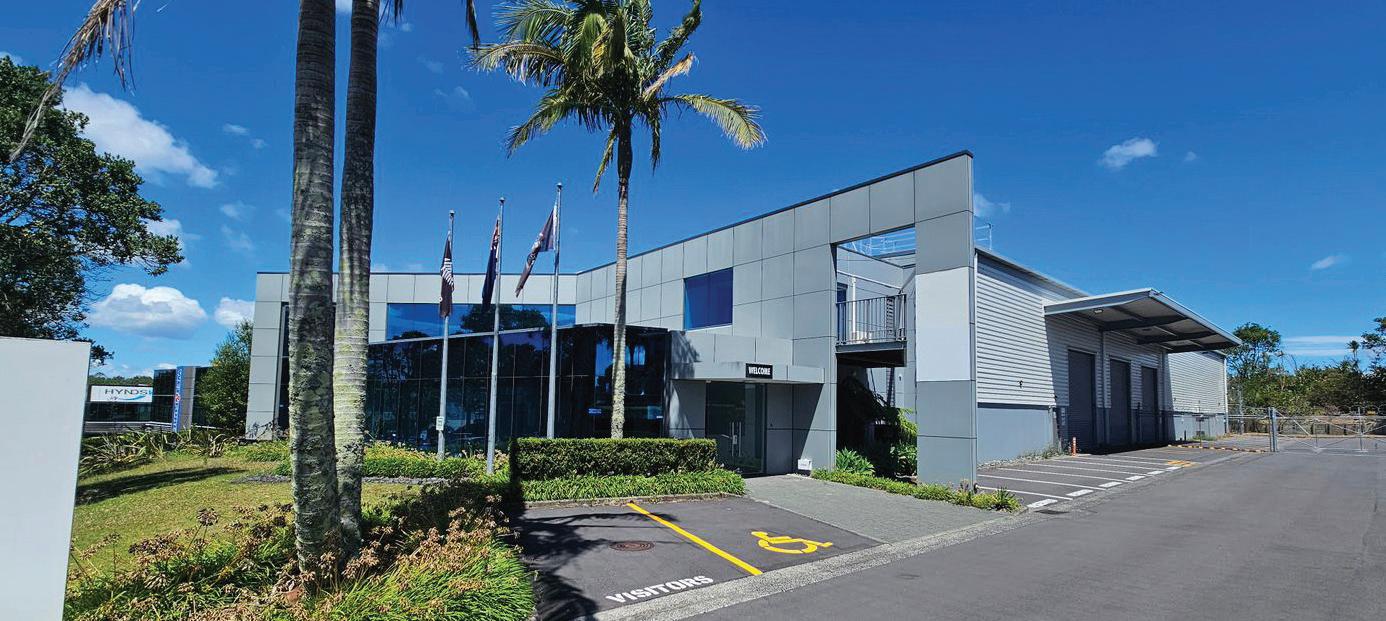
Look for a car park in the North Harbour Industrial Estate on a weekday morning and you’ll struggle to find an empty spot That’s the North Shore commercial story right now: a market working through the back end of a tough cycle, sector by sector, at different speeds. Industrial is tight enough to hurt tenants. Office is resetting toward genuine value. Retail is holding its nerve in the centres that matter. Development land is waiting on funding to loosen. Here’s how each is actually performing.
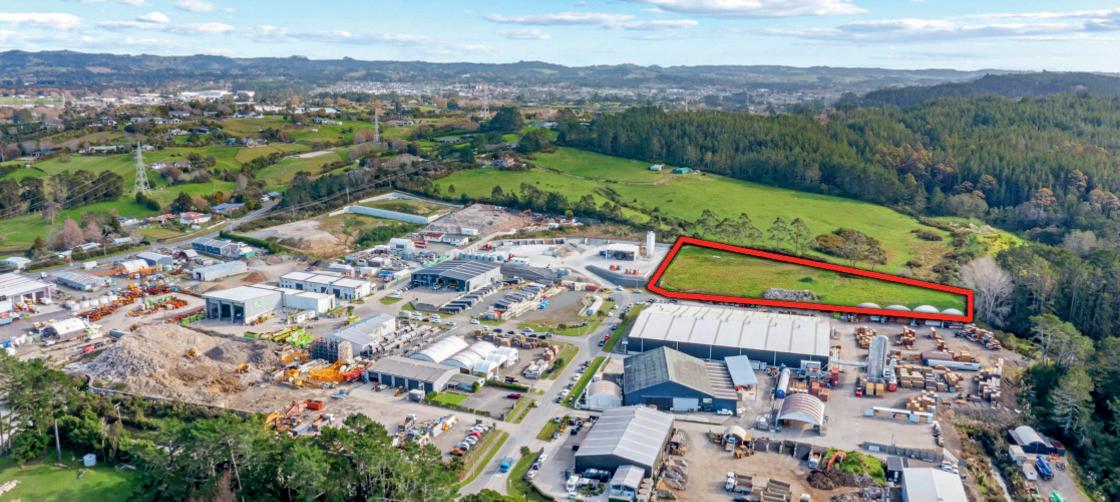
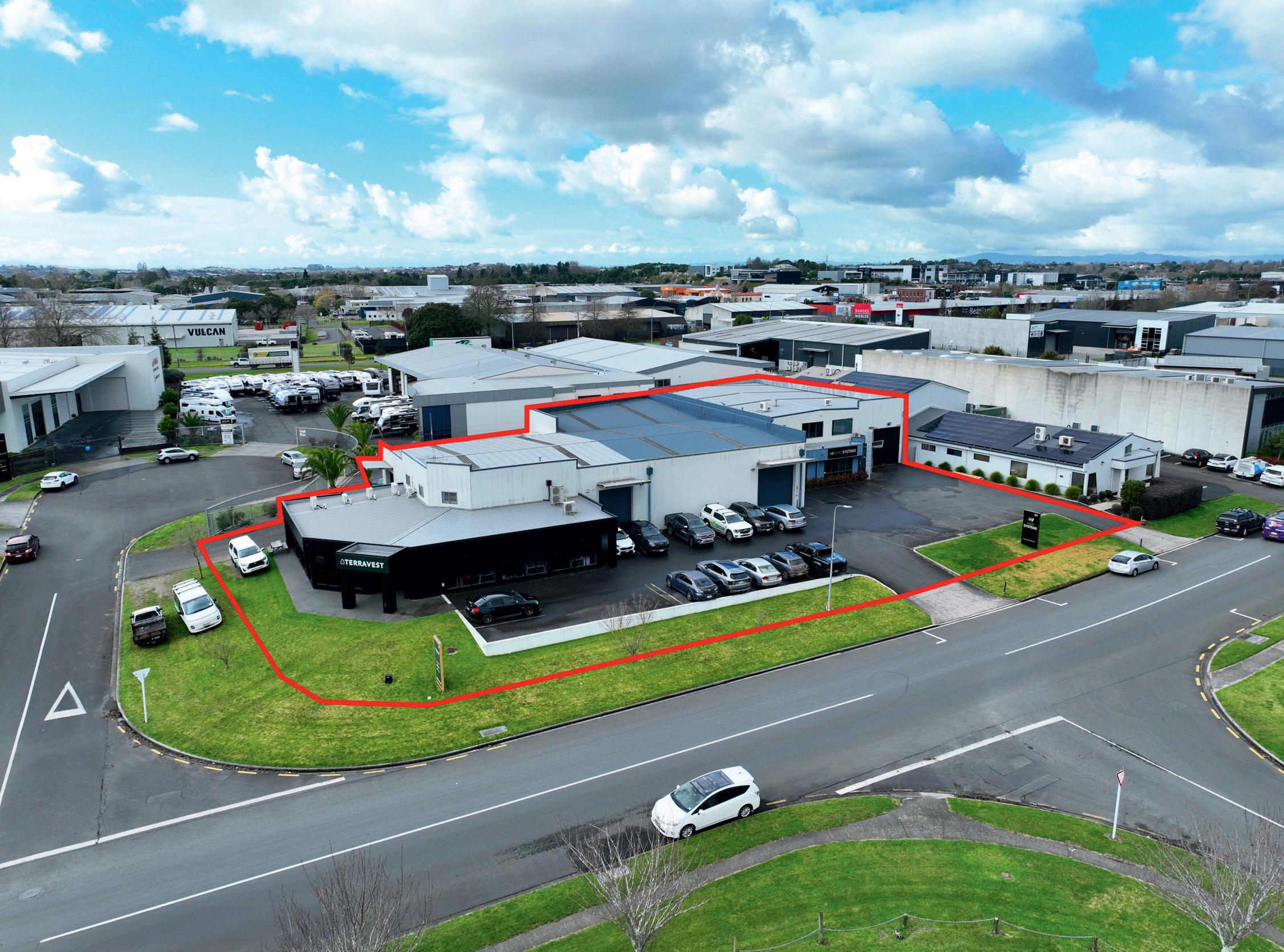
Industrial continues to be the North Shore’s standout commercial property sector. Prime vacancy in North Harbour remains exceptionally tight at around 0.5%, well below Auckland’s average of approximately 4%, and quality space is often snapped up before it ever reaches the open market.
nai.harcourts.net/nz/key-assets
A shortage of industrial land, combined with higher construction costs and tighter development funding, has limited new supply and helped underpin both rents and property values across the northern corridor.
Established industrial hubs including Wairau Valley, Rosedale, Albany and Silverdale remain highly sought-after thanks to their strategic locations, strong transport links and limited land availability. At the same time, growth areas such as Hobsonville, Whenuapai and Westgate are expanding the region’s industrial offering, bringing modern facilities to market and supporting future business growth.
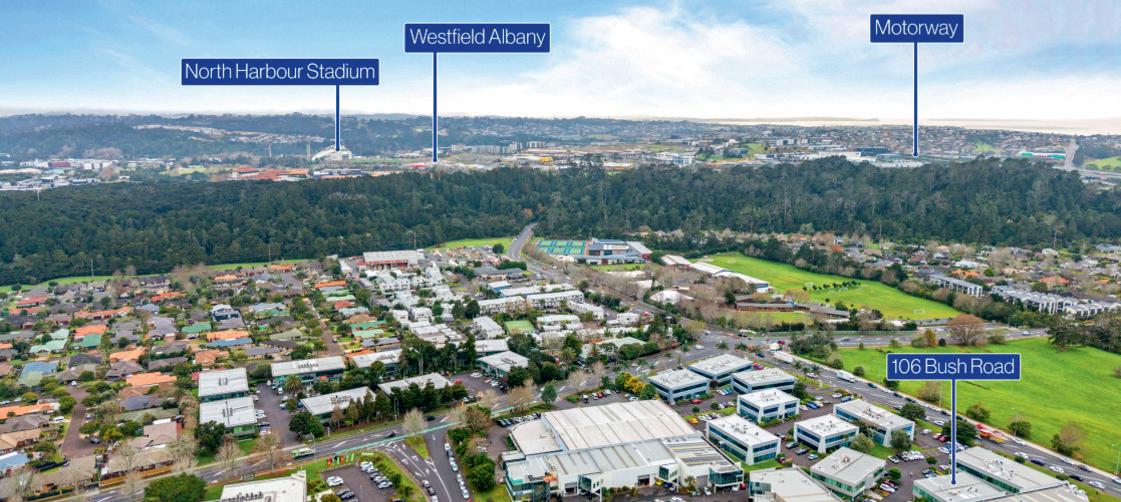
Prime warehouse rents in Wairau Valley, Rosedale and Albany are now achieving more than $200 per square metre net, with most leasing activity occurring between $165 and $200 per square metre. Recent transactions on Bush Road, Arrenway Drive and Parkway Drive reinforce these levels.
In Silverdale, modern warehouse space is consistently securing rents of $175 to $185 per square metre, while newer developments in Hobsonville and Westgate continue to attract strong demand from occupiers.
Investor appetite remains strong. Prime industrial yields sit between 4.75% and 5.5%, while secondary assets typically trade between 6.0% and 7.0%. Wellpresented properties with modern specifications, quality tenants and practical office-to-warehouse ratios continue to attract significant interest, often generating multiple offers. Owner-occupiers also remain active, particularly in the smaller-unit market.
Retail across Milford, Takapuna, Browns Bay and Albany has continued to perform steadily, even as consumer spending remains under pressure.
Vacancy levels have edged up slightly from the historic lows seen in recent years and now sit around 4% to 5%. While higher than before, these figures remain healthy by long-term standards.
The strength of the North Shore catchment continues to attract a broad mix of local operators, established national brands and international retailers.
Prime retail yields generally range between 5.5% and 6.0%, with the wider market sitting between 5.5% and 7.25%. Secondary assets often need to offer higher returns, particularly where building quality or seismic performance is a consideration.
Sales activity shows that well-positioned retail assets continue to find buyers when pricing aligns with market expectations. Demand is also evident through our business broking division, which continues to see steady enquiry from operators looking for opportunities in established retail locations.
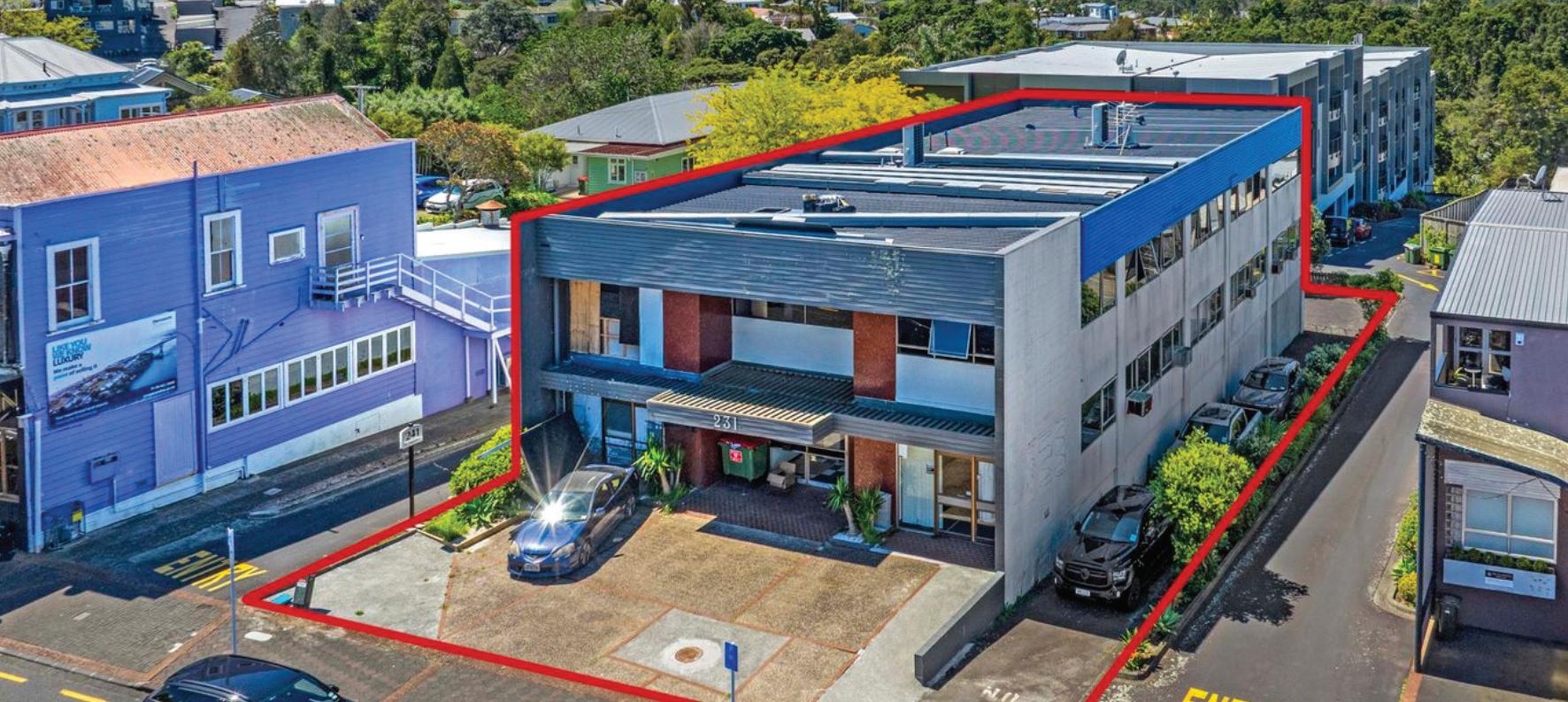
The office market continues to adapt as hybrid working reshapes how businesses use space. Vacancy remains elevated as organisations reassess their requirements and increasingly prioritise higherquality premises that support collaboration and encourage staff back into the workplace.
Recent moves by major occupiers, including One NZ and Inland Revenue, highlight the ongoing reshuffling taking place across Auckland’s office market.
Prime office yields currently sit between 6.5% and 7.0%, while secondary assets are generally trading between 7.0% and 8.0%. Tenants remain in a strong negotiating position, with incentives such as rentfree periods, fit-out contributions and more flexible lease terms commonly used to secure commitments.
The best-performing properties continue to be those that are professionally managed and well maintained. Older or less attractive buildings face greater leasing challenges. For owner-occupiers, however, the current market is creating opportunities to acquire quality office assets at price points that would have seemed unlikely only a few years ago.

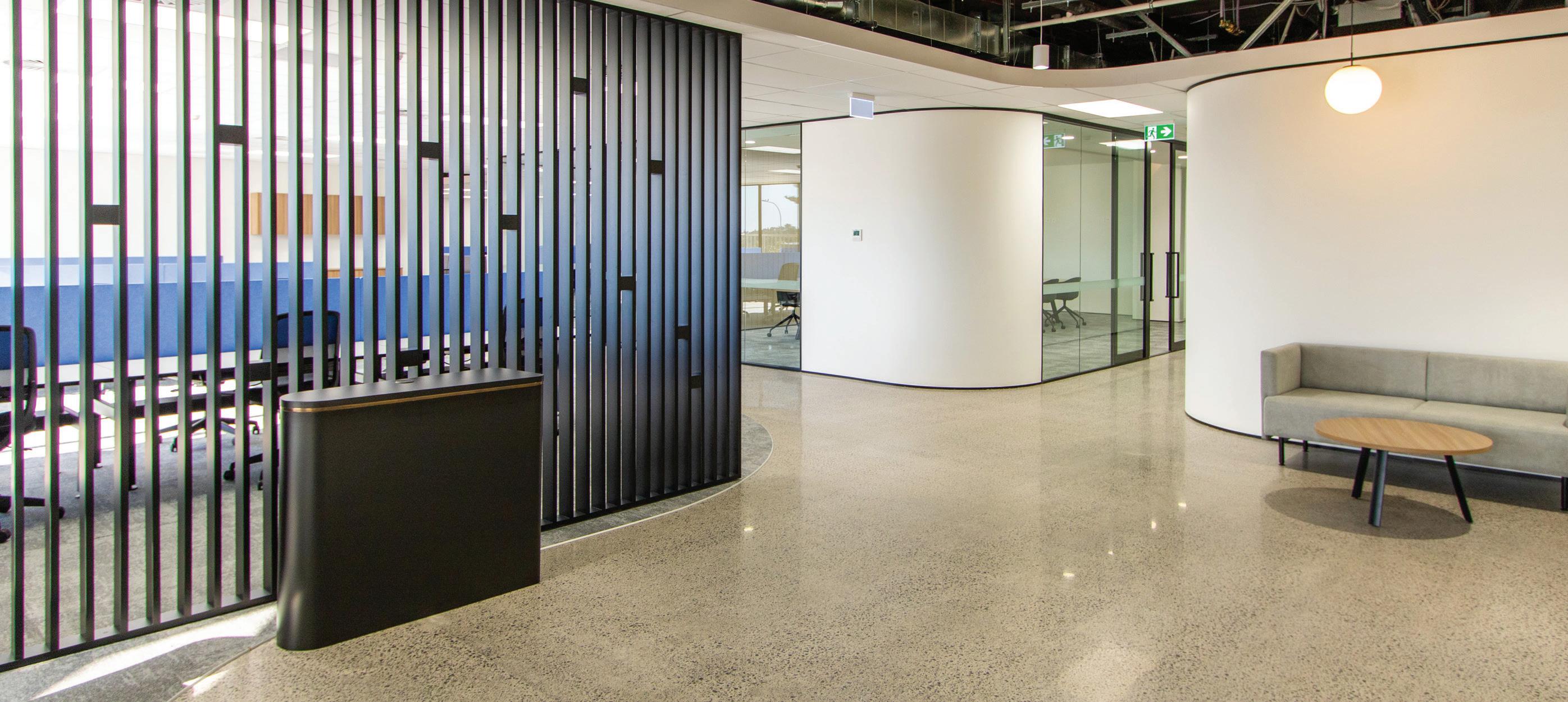
Development land remains the quietest part of the market. Elevated construction costs, lengthy consenting processes and tighter lending criteria continue to weigh on activity.
Even so, areas such as Albany, Dairy Flat and Upper Harbour continue to attract long-term interest, supported by population growth and their ongoing strategic importance to Auckland’s future expansion. As traditional bank funding becomes harder to access, private and institutional capital is increasingly helping bridge funding gaps.
For developers with strong balance sheets and a long-term outlook, opportunities are beginning to emerge at pricing levels not seen since before the peak of the last market cycle.
Despite ongoing economic uncertainty and a steady stream of global headlines, demand for quality businesses remains stronger than many would expect.
The businesses attracting the most interest tend to have three things in common: strong fundamentals, proven resilience and clear, reliable financial performance.
Recent activity within our business broking division highlights this demand, with more than 40 confidentiality agreements signed for a single business generating $1.2 million EBITDA and marketed with an asking price of $4.5 million.
As more Baby Boomer business owners begin to think seriously about succession and exit planning, preparation is becoming increasingly important. Businesses that are organised, well documented and professionally presented continue to achieve stronger outcomes when they come to market.
The North Shore market continues to evolve rather than stand still. Industrial remains the clear standout, retail is showing resilience, office is gradually finding its new balance, development land is positioning for the next phase of the cycle, and quality businesses continue to attract motivated buyers.
Across every sector, the strongest results are still being driven by sound fundamentals and informed decision-making. With expertise spanning sales, leasing, business broking and property management, our team remains closely connected to market activity and well placed to help clients make confident decisions in a changing environment.
www.naiharcourtsauckland.co.nz
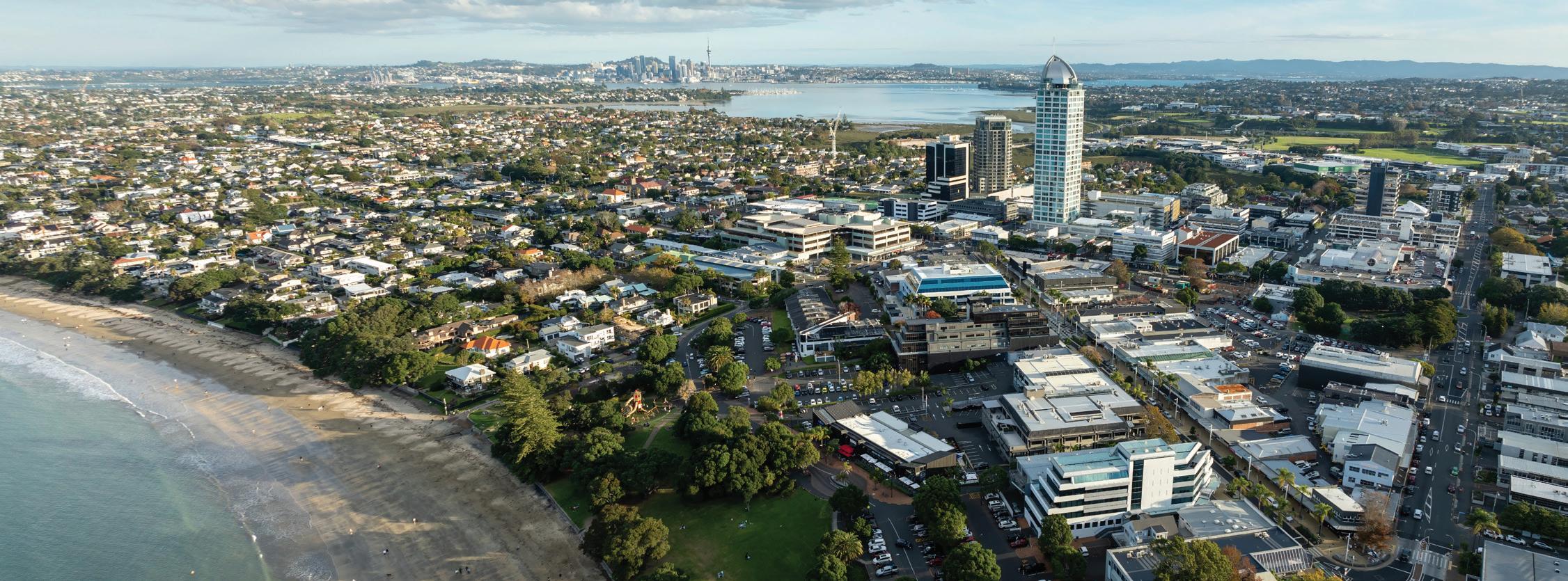

It’s not only our world-class wines: 2026 has been a very good year for the commercial real estate market in New Zealand.
In fact, the sector has been experiencing significant growth and development for several years as customer preferences, special circumstances in the local market and underlying economic factors have shaped trends.
We know why things didn’t look so bright as the 2020s opened but we can put that in the past. Our commercial property market is seeing a steady recovery, fuelled by Government actions to ease monetary policy and the return in business confidence.
As capital markets are thawing, tenants have signalled a change in their priorities – showing a taste for high-quality industrial spaces, medical and education hubs and energy-efficient city-fringe and suburban offices over traditional CBD towers. nai.harcourts.net/nz/key-assets

Industrial remains the standout asset class nationwide. Small-to-midsize warehouses and logistics hubs, particularly in Auckland and Christchurch growth corridors, command strong tenant demand with vacancy rates hovering below 3%.
Auckland industrial vacancy has lifted 30 basis points to 4 per cent, now around 260 basis points above its mid-2023 trough, as the market absorbs a solid pipeline of new warehouses. Industrial assets accounted for more than half of all commercial transaction sales value in both 2024 and 2025.
For office properties, a clear ‘flight to quality’ is underway. This has seen prime, modern and greenrated buildings have stable occupancy while there are higher vacancies in older secondary stock, especially larger CBD offices.
Prime, well-located convenience retail is highly sought-after, while high-street retail performance heavily depends on local footfall and tourism recovery. Urban infrastructure projects, such as Auckland’s City Rail Link, are predicted to be major drivers here.
Transaction volumes reached close to NZ$1.5 billion in 2025, with offshore interest – particularly from Australia - a feature here too.
The past few years have seen a marked shift in customer preferences, towards modern and sustainable properties. Businesses are increasingly looking for office spaces that are energy-efficient, environmentally friendly and equipped with the latest technology.
This is driven by the growing awareness of the importance of sustainability, the desire to create a positive work environment for employees, and a demand for flexible workspaces that accommodate trends such as co-working spaces and shared offices.
Particularly in the major centres and their growing suburbs, the market has witnessed a rise in demand for mixed-use developments combining commercial, residential and retail spaces. These developments offer businesses close proximity to their target customers, which can lead to increased foot traffic and higher sales.
Global trends and Government policies have increased confidence and investment. The country’s stable political environment and lower interest rates have attracted both domestic and international investors while the Government focus on infrastructure development and urban regeneration has created opportunities for new projects and increased demand for existing properties.
Over the last two years, offshore investors have accounted for close to NZ$1 billion in straight commercial and industrial deals across Auckland, Wellington and Christchurch, regularly representing between 10 and 20 per cent of annual sales activity.
For real estate professionals, OneRoof is the ultimate vehicle. The digital platform is designed to help with all things property in a portal that has dozens of handy features and is easy to use, supported by the unrivalled power of the NZ Herald and associated print publications.
OneRoof provides a comprehensive set of tools and resources for buyers, sellers, and renters in the commercial sphere, covering properties and businesses for sale and lease nationwide.
In our dedicated sections for Commercial For Sale and For Lease, we offer marketing packages to cater for different vendor budgets.
On top of this, we have a readership of 113,000 for True Commercial - our branded section in the Weekend Herald, which features editorial content for brokers and firms to advertise listings.
As part of the NZME network, we can offer a range of audience-targeted digital marketing solutions that get your commercial clients in front of highly targeted audiences, through our media brands such as Newstalk ZB, Business Desk and the NZ Herald Business section.
www.oneroof.co.nz
956,000 (87%) Business
Source: Nielsen CMI
(GfK RAM S1/26).
Q1
Fused
For more information please contact your Account Manager or email help@oneroof.co.nz All advertising is subject to NZME and OneRoof’s advertising terms and conditions.