KEYASSETS



Welcome to the Summer 2026 edition of the NAI Harcourts Key Assets eBook.
As we step into a new year, I feel encouraged by how our commercial property sector is performing. The past few years have tested us, but signs of stability are emerging. Interest rates are easing, confidence is lifting, and investors are beginning to re-engage.
Industrial property remains our strongest performer. Demand is steady, and good stock is limited. Even older industrial buildings continue to attract interest because businesses need functional and reliable space. Vacancy levels remain low in many regions, and I expect industrial to remain resilient through 2026.
The office market is changing in noticeable ways. New developments are attracting attention and encouraging businesses to upgrade their space. This movement is creating challenges for older buildings as vacancy rises. Many companies are reassessing their space needs. This shift is placing pressure on secondary stock, and we will see this continue over the next year. Well-designed office space in strong locations still performs well.
Retail is slowly regaining momentum. Tourism is improving, and local spending is strengthening. Neighbourhood centres and essential-service retailers remain consistent performers. The recovery is steady rather than rapid, but the direction feels positive.
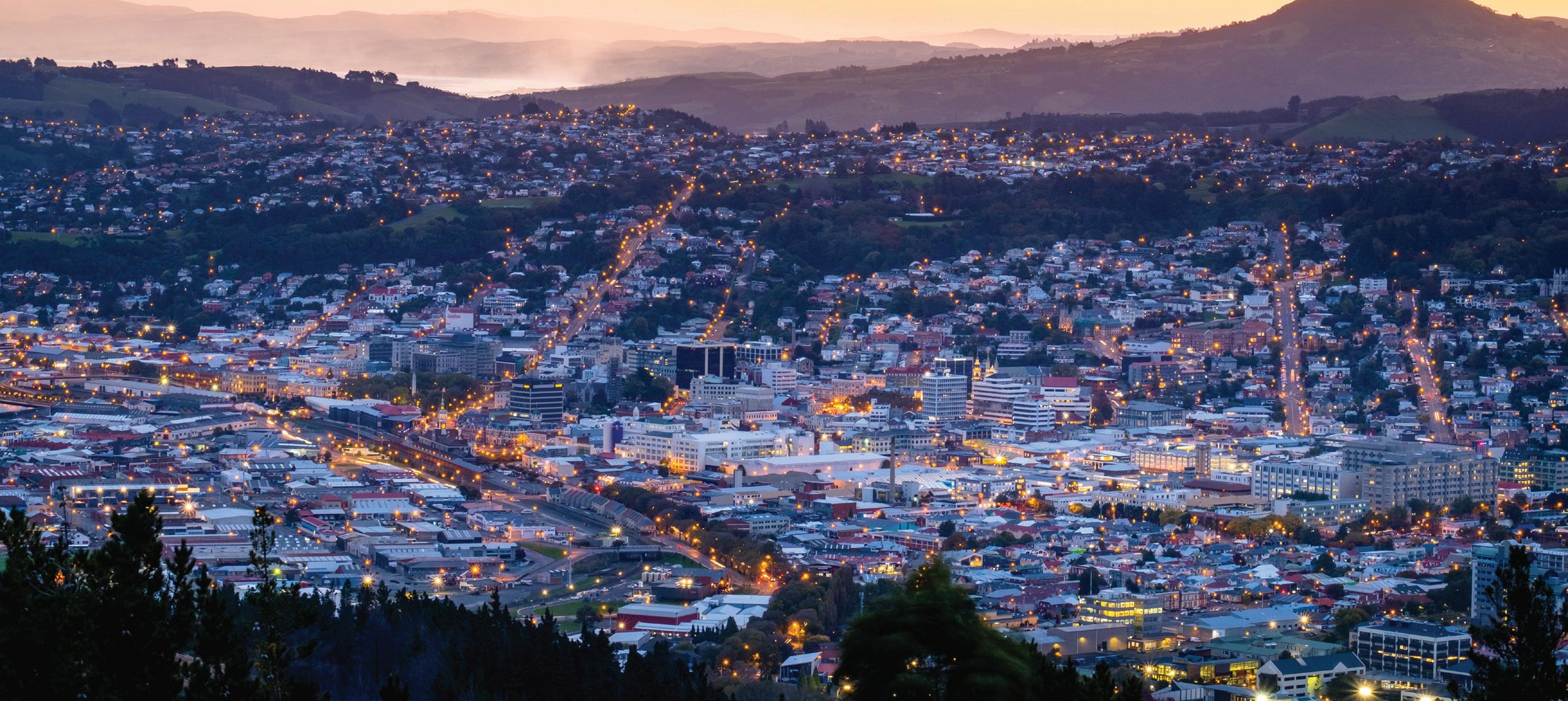
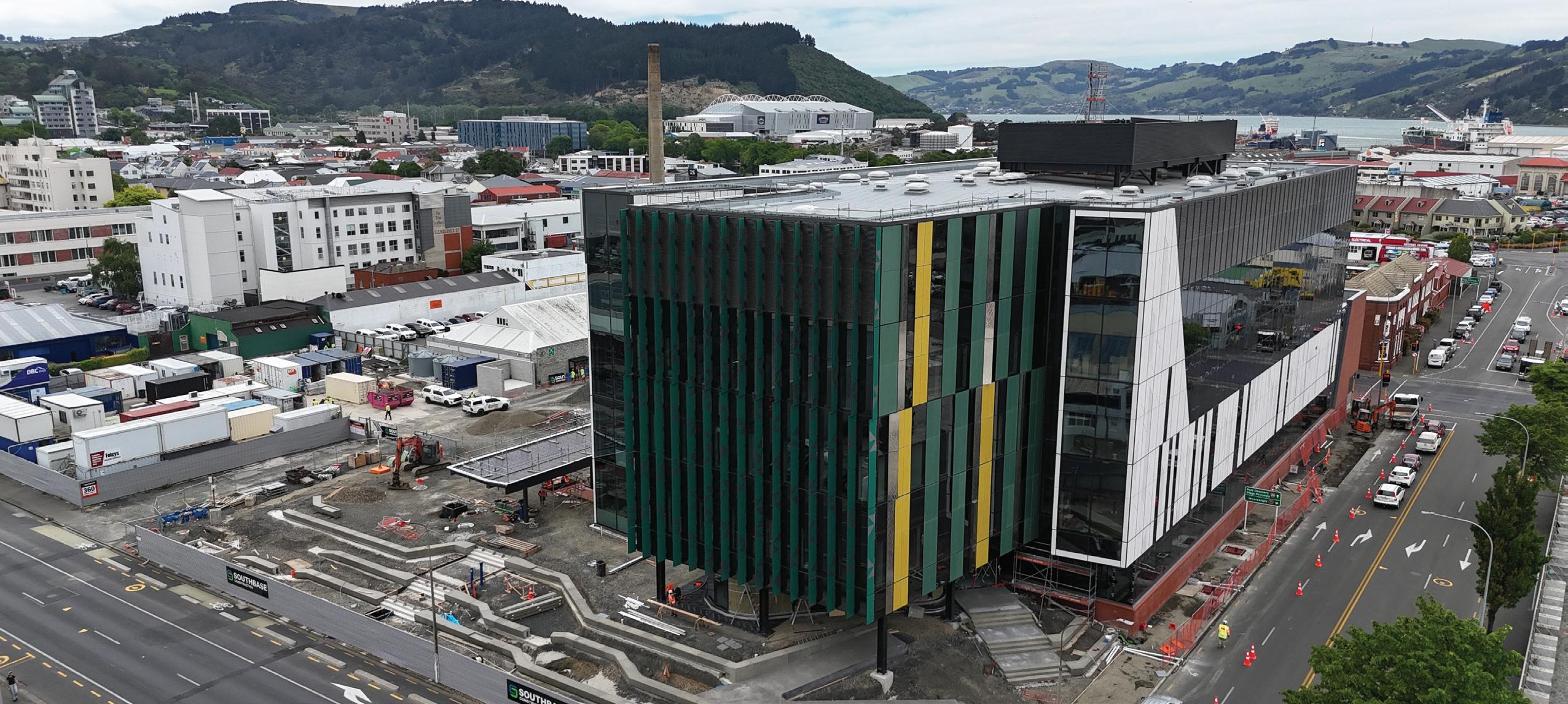
Dunedin is also moving through a period of real change. New office projects are influencing activity across the CBD, and industrial property remains the city’s strongest sector. Investor interest is returning as wider conditions improve. Although some areas face challenges, the overall outlook is becoming more balanced.
Looking ahead to 2026, I expect measured and steady progress. Market conditions remain supportive. Developers are re-engaging as construction costs ease, and investors are focusing on long-term fundamentals.
If you want a deeper understanding, I encourage you to read the e-book. It provides a detailed look at the Central Otago property sector and the trends shaping its future.
Warm regards,
Bryan Thomson Managing Director, Harcourts New Zealand


Commercial Sales & Leasing Harcourts Dunedin
Otago: Still
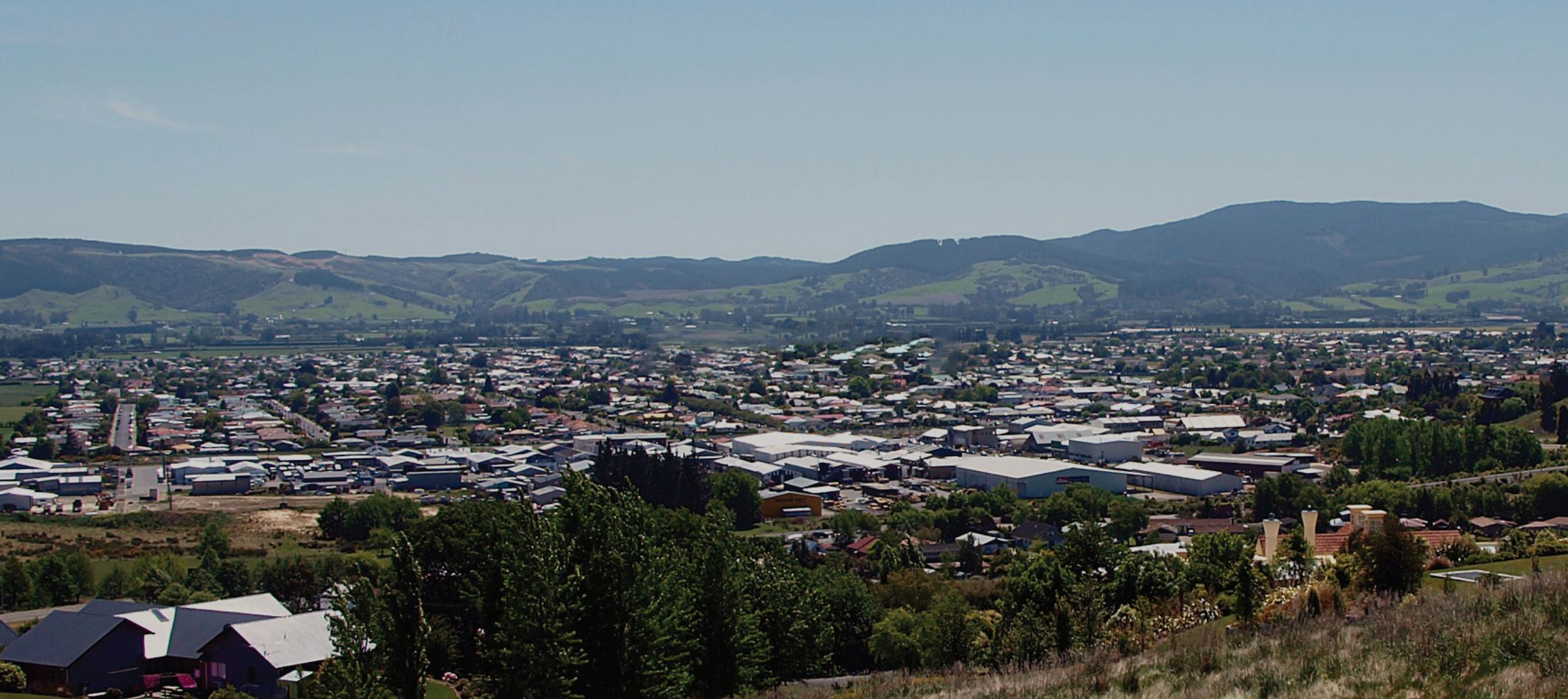
Few regions in New Zealand have demonstrated the resilience and long-term opportunity currently evident across Ōtepoti-Dunedin and the wider Otago economy. While retail and hospitality sectors continue to navigate post-pandemic pressures, the broader commercial and industrial markets remain well above expectations, supported by strong regional fundamentals, infrastructure investment, and renewed business confidence.
Otago’s diversified economy spans agriculture, tourism, education, technology and exports and continues to support strong regional stability. Recent economic analysis shows the region is outperforming many parts of the country. Demand for industrial land and quality commercial space remains steady and investor interest has held firm, reflecting confidence in Dunedin’s position as one
nai.harcourts.net/nz/key-assets
of New Zealand’s most recession-resilient regional centres.
A major contributor to this optimism is the transformational investment underway in Dunedin’s health precinct. The $1.88 billion New Dunedin Hospital, set to become the country’s largest health facility, represents a generational boost for employment, construction activity and long-term service demand. Health NZ confirms the outpatient building is scheduled to open in October 2026, with inpatient foundations now being laid and completion projected for 2031.
Importantly, the hospital is also acting as a catalyst for private investment, including a new private hospital currently being developed in Anzac Avenue. This is clear evidence of growing confidence in Dunedin’s long-term role as a health, research, education and commercial hub.
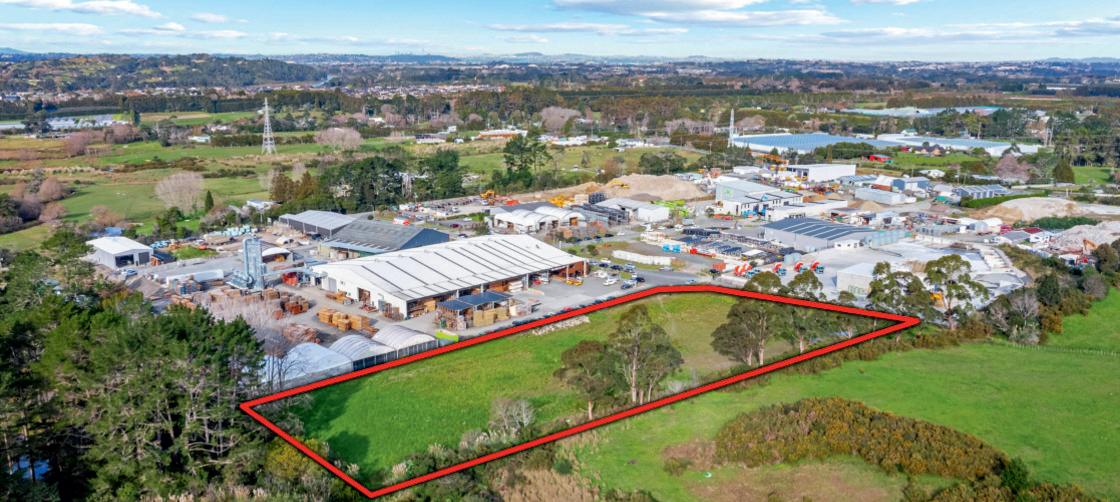
Dunedin’s commercial strength is mirrored across the wider Otago region, where industrial development is accelerating. A standout example is the large industrial subdivision underway in Cromwell, on land owned by the Central Otago District Council. This type of investment highlights the region’s expanding demand for logistics, warehousing, trade services and business land, reinforcing Cromwell’s emergence as one of the South Island’s fastest-growing commercial nodes.
This broader industrial momentum is strethening Dunedin’s economy as regional businesses expand, professional services, distribution networks and investment capital continue to flow back into the city. The strong rural economy remains a key driver and continues to feed into Dunedin’s role as the commercial and service centre for the lower South.
Tourism is also bouncing back, with domestic travel and international visitor growth boosting confidence across hospitality and visitor-related commercial property once again.
With a business-focused council and strong regional planning objectives, Dunedin is entering a period of opportunity. Investment in strategic infrastructure, growth across Central Otago, and a diversified economic base are combining to create sustained demand for industrial and commercial property.
While challenges remain in some sectors, the overall outlook for Dunedin and wider Otago is one of optimism. From major civic projects to expanding industrial hubs like Cromwell, the region continues to prove that it is resilient and firmly positioned for long-term growth. Dunedin remains, in every sense, the place to be.
Jim Packer
Commercial Sales & Leasing Harcourts Dunedin
027 450 0498
jim.packer@naiharcourts.co.nz

January is typically a quieter month for new listings in the commercial sales market, but this year was particularly subdued. Just 140 new commercial listings came to market, down nearly a third compared with the same time last year, and the lowest level since realestate.co.nz tracking began in 2015.
Total stock was 3,247 in January, the lowest level recorded since tracking began in March 2024. This suggests commercial sales activity is beginning to keep pace with new listing volumes.
The national average asking price across all commercial property types was $2.77 million, down 13.3% year-on-year.
By category, average asking prices were as follows:
• Land: $5.04m, up 72.9% year-on-year
• Industrial buildings: $2.24m, down 1.6% year-onyear
• Investment opportunities: $5.46m, down 8.3% yearon-year nai.harcourts.net/nz/key-assets
• Office buildings: $2.16m, down 69.9% year-on-year
• Retail property: $1.19m, down 55.7% year-on-year
Land was the standout category in January. While new land listings rose by just 3.7%, it was the only listing category to record a year-on-year increase. It was also the only category to record a year-on-year rise in average asking price, up a substantial 72.9%.
Nationally, new listing volumes are expected to rebound in February as the market returns to full pace. The extent of this increase, and its impact on the market, will be clearer by the end of the month.
In Otago, new commercial listings remained limited in January, with just three properties coming to market. While this is a low base, it’s typical for the region and time of year, and represents a 200% increase compared with January last year.
With a total of 65 commercial properties available for sale in January, regional stock levels are trending downwards in line with the national market. This points to early signs of improving sales momentum in the region.
Looking at the longer term, commercial property values in Otago have seen strong growth. The average asking price in 2025 was $1.26m, up 35.5% from $928,579 in 2024. Over the past decade, prices have increased 86.9% from an average of $673,155 in 2015.
The Otago commercial market continues to attract a growing local audience, with the number of Otago-based property seekers up 11.9% year-onyear in January, according to realestate.co.nz data.