Natural Awakenings Dallas/Fort Worth Metroplex March 26 Issue
HOW FOOD CAN HELP US HEAL
Using Food to Treat and Prevent Disease
DIY NATURAL CLEANERS THAT REALLY WORK
SHANNON LITWIN'S NATURE'S PLATE
Healthy Eating Made Easy
STRESS-FREE FITNESS
FIBER'S FUN SIDE
Delicious Ways To Boost Daily Intake
DATA-DRIVEN WELLNESS
Using Lab Tests to Optimize Health
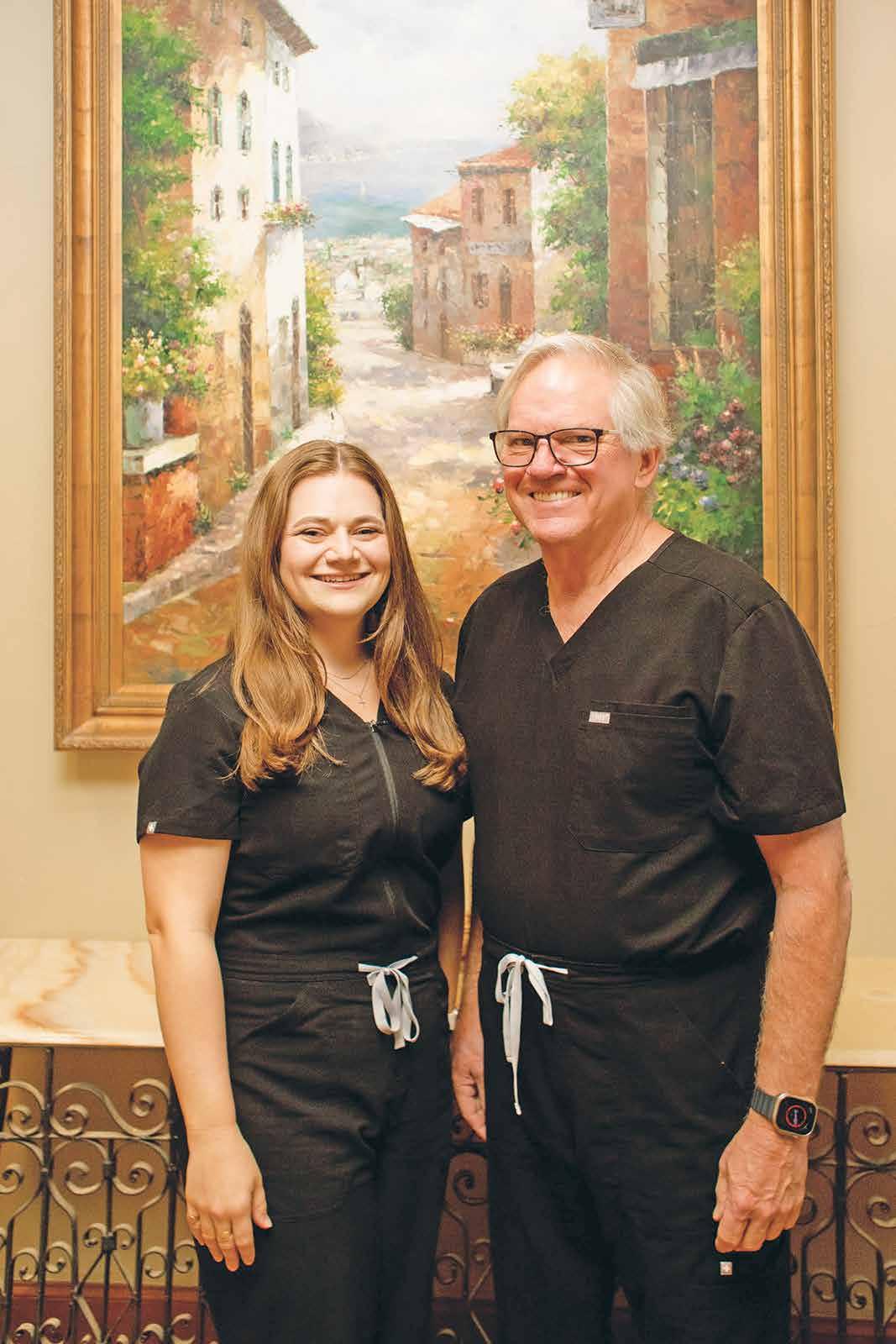
Health Through a Holistic Approach to Dentistry
n Safe Mercury Removal (S.M.A.R.T. Certified by I.O.A.M.T.)
n Ozonated water in unit waterlines eliminates biofilm and neutralizes bacteria. Ozone also reduces sensitivity, treats deep cavities and more
n PRF -Your own growth factors accelerate healing
n LANAP® - non-invasive laser gum surgery means less discomfort
n Metal Free Crowns
n Zirconia (non-metal) dental implants
n Sleep Apnea Screening and Treatment
n CT Scanner on site for your convenience
n Digital Impressions eliminate gagging
n Biologic Root canals
ozone
THE FOURTEENTH ANNUAL MEETING OF THE AMERICAN ACADEMY OF OZONOTHERAPY
U s e c o d e N A 2 6 f o r 5 % o f f
T O P I C S I N C L U D E
U p d a t e s o f O z o n a t e d G l y c e r i n :
I n f e c t i o u s D i s e a s e s , W o u n d H e a l i n g
a n d C a n c e r
T h e P l a s t i c P a t i e n t : A N e w
D e t e r m i n a n t t o H u m a n P h y s i o l o g y
a n d L o n g e v i t y
U s i n g O x i d a t i v e M e d i c i n e i n
M a x i l l o f a c i a l S u r g e r y
O z o n e T h e r a p i e s i n T o n g u e T i e
S u r g e r i e s
T h e T e r r a i n A d v a n t a g e : H o w O z o n e ,
O z o n a t e d G l y c e r i n & M i s t l e t o e S h i f t
C a n c e r B i o l o g y
D M S O , P u t t i n g i t i n t o P r a c t i c e
A s c o r b a t e i n C l i n i c a l R e c o v e r y a n d
R e d o x M e d i c i n e
T h e G l y c o c a l y x i n H u m a n H e a l t h
F l o w M e d i a t e d E n d o t h e l i u m
A n a l y s i s
P r o l o z o n e a n d T r i g g e r P o i n t I n j e c t i o n s
f o r t h e M a n a g e m e n t o f T M D
O p t i m i z i n g D e t o x i f i c a t i o n w i t h
C h e l a t i o n T h e r a p y a n d t h e R o l e o f
V i t a m i n C
U s i n g M a s s S p e c t o m e t r y T e c h n o l o g y t o
D e t e c t S p i k e P r o t e i n i n t h e B l o o d
P e p t i d e T h e r a p y f o r C o m p l e x C h r o n i c I l l n e s s
A R e v i e w o f O x i d a t i v e T h e r a p i e s i n
V e t e r i n a r y m e d i c i n e
G u i d e l i n e s f o r P r a c t i t i o n e r s N e w t o
O x y g e n T h e r a p i e s t o A v o i d C o m m o n M i s t a k e s a n d B e S u c c e s s f u l .
R e s e t a n d D e t o x i f i c a t i o n i n C o m p l e x M u l t i - S y s t e m I l l n e s s
r t e s s a N a g h a v i , M D
E r i c G o r d o n , M D
R a c h a e l e C a r v e r M o r i n , D M D , N M D
J e f f r e y A M o r r i s o n , M D
R o b i n R o s e , M D
J y l R u b i n , D V M
F r a n k S h a l l e n b e r g e r , M D , H M D
D a n C u l l u m , D C
C a s s i e C a r l o n e , M D
ACUPUNCTURE
REHABILITATION
We’re excited to now offer veterinary rehabilitation services for pain management, recovery, and mobility support. Combining traditional veterinary medicine with proven therapies to keep your pet moving comfortably as long as possible.
As a valued member of your family, we believe your pet deserves compassionate and comprehensive medical care. We are the only clinic in Denton County focused on Integrative Veterinary Medicine.
Our expert veterinarians have over 30 years of combined experience in Integrative Veterinary Medicine, proudly serving Lewisville, Flower Mound, Highland Village, as well as Dallas and Collin Counties and the surrounding areas.
PSoul Supplements
reparing for our March issue, I realized I had been rushing through my days, eating well but sleeping poorly, skipping quiet time and letting my spirit run on empty. One evening I finally stopped, opened my Bible and sat in silence for ten minutes. The change was immediate. My thoughts slowed, my heart softened and my energy returned. It reminded me that flourishing requires more than good food, it requires nourishing our souls as intentionally as we nourish our bodies.
March always feels like a quiet awakening here in North Texas. The first hints of green return to the trees, sunlight lingers longer each evening and we sense the promise of growth just beneath the surface. It is a fitting backdrop for this month’s theme, Nourish to Flourish.
When we talk about nourishment, we usually begin with food, and rightly so. What we eat fuels our bodies, shapes our health and even affects the health of our planet. But as we prepared this issue, I began to sense there are other, less obvious ways we must nourish ourselves if we truly want to flourish.
And this is where our 2026 theme, Wellness Made Easy, comes into focus.
Many of the most powerful forms of nourishment do not require expensive programs or complicated routines. They are simple, accessible habits, what I have started thinking of as “soul supplements.” These quiet practices strengthen our spirits just as vitamins strengthen our bodies.
We need nourishment through rest in a culture that glorifies exhaustion, through connection in a time when loneliness quietly rises, through purpose when life’s busyness makes us feel scattered and through beauty, nature, music, prayer, creativity and laughter. These things feed the soul just as surely as wholesome food feeds the body.
Our instruction manual, the Bible, reminds us of this broader understanding. Jesus tells us, “Man shall not live by bread alone” (Matthew 4:4). We are meant to be nourished spiritually, emotionally and relationally as well as physically.
This month’s issue highlights inspiring local examples of this whole-person approach. Diana Figueroa of Doherty Nutrition reminds us that effective wellness is personal. Her work in personalized nutrition counseling shows how understanding our unique bodies and histories can make healthy living simpler, more sustainable and more joyful. Dr. Shelley Cole of Healthy Success Integrative Medicine explains how ozone therapy is advancing integrative care, offering new ways to support the body’s natural healing processes, another example of thoughtful innovation making wellness easier to achieve.
These insights remind me that flourishing is not accidental, it grows from intentional habits. At home, it may mean sharing meals without screens or speaking gratitude aloud. At work, it might be encouraging a colleague or honoring integrity in our decisions. At play, it is making space for joy and creativity. In our communities, it is showing up for one another, volunteering, listening and caring for those who need us.
These are simple practices. Accessible practices. Wellness made easy.
And yet their impact is profound. When we nourish ourselves well, we become more patient, more compassionate and better stewards of our environment. Healthy people build healthy communities. Healthy communities protect a healthy planet.
So this month, I invite you to ask yourself, What truly feeds me? What restores my joy? What helps me become a blessing to others? When we nourish ourselves wisely, we do not just survive, we flourish and help others do the same.
As always, we hope you will find much in this issue to help you along your journey to living a healthy life on a healthy planet.
Natural Awakenings is printed on partially recycled and fully recyclable newsprint with black soy ink.
& Submissions Contents
HOW TO ADVERTISE
To advertise with Natural Awakenings or request a media kit, please contact us at 972-992-8815 or email Publisher@NADallas.com. Deadline for ads: the 10th of the month.
EDITORIAL SUBMISSIONS
Email articles, news items and ideas to: Publisher@NADallas.com. Deadline for editorial: the 10th of the month.
CALENDAR SUBMISSIONS
Submit Calendar Events online to: Submit.NADallas.com/DAL/Calendar or fax to 972-478-0339. Deadline for calendar: the 15th of the month.
REGIONAL MARKETS
Advertise your products or services in multiple
markets. Natural Awakenings Publishing Corp is a growing franchised family of locally owned magazines serving communities since 1994. To place your ad in other markets call 972-992-8815.
Natural Awakenings is a free publication distributed locally and is supported by our advertisers. Please call to find a location near you or if you would like copies placed at your business.
We do not necessarily endorse the views expressed in the articles and advertisements, nor are we responsible for the products and services advertised. Check with a
professional regarding the appropriate use of any
Corrections & Clarifications
Natural Awakenings Dallas is committed to accuracy. To reach us, contact the Publisher, Bernice Butler at 972-992-8815 or email editor@NADallas. com. Please indicate whether you’re responding to content online or in the magazine.
Marty Miron was erroneously listed as editor of Natural Awakenings Dallas-Fort Worth Magazine in the past four issues. We regret the error.
Meet Trusted Health and Wellness Experts at Unity of Dallas Healthy Living Fair
North Texas residents are invited to discover trusted local resources for whole-person health and wellness at the Healthy Living Fair at Unity of Dallas, presented by Unity of Dallas and Natural Awakenings Dallas–Fort Worth Metroplex magazine, on Saturday, March 21, 10 a.m.–4 p.m., at 6525 Forest Lane, Dallas.
Held indoors on Unity’s peaceful, tree-lined campus between Hillcrest and Preston, the Fair offers an easy, convenient setting to explore integrative care close to home. Curated exhibitors include Texas Health Breeze Clinics, OsteoStrong, Altered States Wellness and Float Spa, Doherty Nutrition, Rockwall-Heath Counseling, East-West Acupuncture, Texas Health Fitness, Purposeful Healing and many more.
Attendees can enjoy mini-talks, health and wellness screenings, demonstrations and relaxed one-on-one conversations with local practitioners in integrative medicine, fitness, nutrition, mental wellness and sustainable living. Designed for families and individuals alike, the Fair creates meaningful opportunities to learn practical tools, ask questions and connect with providers serving North Texans.
Admission is free. For more information, visit Tinyurl.com/yks35ee2, email Publisher@NADallas.com or call 972-992-8815.
March Hearing Prepares For North Texas Light Rail Future
The Dallas Area Rapid Transit (DART) Board has scheduled a public hearing for March 24, 2026, to prepare for potential service changes tied to May 2 withdrawal elections in several member cities.
Voters in Farmers Branch, Highland Park, Irving, Plano and University Park will decide whether to continue contributing 1 percent of local sales tax revenues to DART. If a city withdraws, rail stations in that area could close, bus routes could be modified or eliminated, and paratransit service would end within those cities. Changes could take effect shortly after vote certification.
Although only five cities are voting, any withdrawal could affect riders across the 13-city North Texas DART system, including rail, bus and GoLink services. DART is holding community meetings in February and March and invites residents, riders and stakeholders to provide input before the hearing.
Dallas Area Rapid Transit operates light rail, regional rail, bus and on-demand transit services across North Texas.
For meeting dates and details, visit DART.org or call 214-979-1111.
Kaleidoscope Park to Host Inaugural Black Heritage Celebration in Frisco
Kaleidoscope Park in Frisco will host its inaugural Black Heritage Celebration on March 7 from 10 a.m. to 4:30 p.m., honoring the history, creativity and contributions of Black communities.
Presented with the Plano African American Museum and Alpha Kappa Alpha Sorority, Incorporated Greater Frisco chapter, the free event will feature live music and dance performances, spoken word, hands-on craft stations for families and a curated marketplace of Black-owned businesses and community organizations.
Programming will take place throughout the park’s Performance Lawn and Community Stage, with entertainment beginning at 11 a.m. Food trucks and interactive art activities will be available throughout the day.
Organizers say the celebration is part of Kaleidoscope Park’s growing calendar of inclusive, community-focused events for North Texas residents. Admission is free.
Kaleidoscope Park is a nonprofit arts and culture destination offering free public programming year-round in Frisco.
For more information, visit KaleidoscopePark.org.
Clark Gardens Opens for Spring With Month-Long “GROW” Festival
Clark Gardens Botanical Park will open for its 2026 spring season on March 6, launching the third annual “GROW at Clark Gardens” festival, a month-long celebration of art, nature and wellness running through April 5.
Located between Weatherford and Mineral Wells, the 35-acre botanical park features waterfalls, lakes and winding footpaths designed to immerse visitors in North Texas horticulture. Festival highlights include a Sculpture Trail, the Karen Walkup Iris Art Exhibit, handson workshops, Explorer Quests for families, the Bee Train and a nature-based play area.
A seasonal favorite, the Cutting Garden will showcase thousands of blooming tulips and irises, with stems available for purchase. A special fundraiser, “The Garden Party: Moonlight in the Garden,” will take place March 20 with food, music and an auction benefiting the park’s 501(c)(3) mission.
March hours are Monday through Saturday from 8 a.m. to 5 p.m. and Sunday from 10 a.m. to 5 p.m. Admission is $10 for adults and children age 4 and older; children 3 and under are free.
For more information, visit ClarkGardens.org or call 940-682-4856.
Dallas Mavericks to Host Whataburger Fan Fest in Rowlett
The Dallas Mavericks will host a high-energy Whataburger Fan Fest in Rowlett on Saturday, March 22, from 1 to 3 p.m. at Whataburger, 8700 Lakeview Pkwy.
The community event invites MFFLs (Mavs Fans For Life) of all ages to celebrate as the Mavericks bring the excitement of game day directly to North Texas fans. Highlights include a scheduled appearance by Mavs legend Derek Harper (appearance subject to change),
performances by the Dallas Mavericks ManiAACs and team mascots, interactive games and challenges with opportunities to win Mavericks gear and prizes, plus live music and family-friendly activities throughout the afternoon.
The event reflects the organization’s ongoing commitment to engaging fans beyond the American Airlines Center and connecting with communities across the Metroplex.
Fans are encouraged to arrive early, as appearances and giveaway items are available on a first-come, first-served basis.
For more information visit NBA.com/Mavs/FanFest.
Dash Down Greenville Kicks Off St. Patrick’s Festivities March 14
Run Project invites Dallas runners and revelers to lace up for the 2026 St. Paddy’s Day Dash Down Greenville 5K, set for Saturday, March 14. The spirited race launches the city’s 45th Annual Dallas St. Patrick’s Parade & Festival, drawing thousands in emerald attire to the Lower Greenville corridor.
The fast, flat 5K begins at 8 a.m., with registration and packet pickup opening at 6:30 a.m. at Energy Square, 4925 Greenville Ave. Participants may choose timed or untimed options and will run the official parade route before floats roll, cheered on by early spectators.
Festivities include bagpipes at the start line, a 21+ beer garden and music from DJ Dame. Post-race fun features the annual Spirit Tutu Contest and Donut Hole Eating Contest. Proceeds benefit North Texas nonprofits, including Animal Rescue Crusaders
For more information and to register visit https://bit.ly/4rZ4Iyj.
of North Texas and Girls on the Run DFW.
Each runner receives a commemorative race shirt and 2026 finisher medal. With large crowds expected, attendees are en-
couraged to ride Dallas Area Rapid Transit to Lovers Lane or Park Lane stations.
Cupping Therapy for Muscle Fatigue
High-intensity exercise causes inflammation and muscle fatigue, which can limit athletic performance, increase the risk of injury and slow the speed of recovery. In recent years, elite athletes have sought relief with cupping therapy, which uses bamboo, glass or acrylic cups to create negative pressure on the skin over an acupoint or painful region. The suction purportedly alleviates muscle pain, enhances blood flow and reduces muscle stiffness.
A 2025 study published in the Journal of Physiological Intervention investigated whether dry cupping does indeed reduce muscle fatigue and inflammation. Ten table tennis athletes completed two identical high-intensity training sessions followed by either dry cupping or no cupping, with a two-week interval between sessions. Fatigue was assessed based on the participants’ perceived exertion levels before and after each session, as well as 30 minutes after cupping. Blood samples were also collected to measure immune cells, inflammatory indicators and markers of muscle damage and metabolic stress.
Participants reported lower perceived exertion after cupping as compared to no cupping. Blood tests revealed that the therapy reduced inflammatory markers and blood urea nitrogen, a muscle damage marker. However, no significant changes were observed in two other muscle damage markers compared to no cupping. The findings suggest that dry cupping may support post-exercise recovery by reducing inflammation and perceived fatigue, rather than directly limiting muscle damage.
Alarming Airline Water Safety Scores
The 2026 Airline Water Study by the Center for Food as Medicine and Longevity provided insights into the quality of onboard water served to passengers. The study encompassed 10 major and 11 regional airlines, spanning a three-year period ending in September 2025.
Water samples taken from aircraft water tanks were tested for E. coli and other bacterial species. Additionally, compliance with water safety regulations was assessed. About 2.7 percent of the more than 35,000 samples tested positive for coliform bacteria. Notably, one-third of CommuteAir’s samples exhibited positive results for coliform bacteria.
During the three-year study period, there were 32 violations for E. coli across the 21 carriers. The study authors noted that onboard water quality is influenced by the domestic or international source of the water and the equipment used to transfer it to the aircraft.
Each airline received a numerical score ranging from zero to five, accompanied by a corresponding letter grade. Four major airlines, namely Delta, Frontier, Alaska and Allegiant, received a grade of A or B. Spirit, JetBlue and American Airlines received the lowest scores, each earning a D grade. Nearly all regional airlines had poor water quality, with only GoJet earning a B grade. The remaining nine regional carriers earned C or D grades, while Mesa Airlines received an F.
The study’s authors advised passengers to never drink onboard water that is not from a sealed bottle. Additionally, they recommended avoiding onboard tea or coffee and using an alcohol-based hand sanitizer rather than washing their hands in an aircraft bathroom.
Michelle Aleksa/Shutterstock
Ashley Grise/Shutterstock
Jury Is Still Out on Hot Yoga
A 2025 systemic review in Sports Medicine – Open examined the effects of hot yoga on the body and mind. Hot yoga is practiced in warm to hot conditions, typically at temperatures at or above 77° F. The review of 43 studies involving 942 predominantly female participants assessed the immediate and long-term effects of the practice. Many of the studies had small sample sizes or inadequate experimental designs.
The researchers found that body temperature and heart rate rose after a single session of hot yoga, but it did not require greater energy compared to yoga performed at normal temperatures. Longer sessions of hot yoga led to some improvements in flexibility, balance, bone mineral density, body composition and cardiovascular indicators such as blood lipid profiles.
The researchers found encouraging but not definitive evidence that hot yoga may alleviate psychological and affective disorders, as well as improve cognitive function. Noting that there were reports of ill-health following hot yoga practice, the researchers concluded that while hot yoga appears to offer some health and functional benefits, claims that it is superior to other forms of exercise or yoga are not yet backed by strong evidence.
Getting Enough Sleep Is Key to a Longer Life
A new study published in the journal SLEEP Advances used national data from the U.S. Centers for Disease Control and Prevention, covering all counties in the country between 2019 and 2025, to analyze how sleep insufficiency relates to life expectancy. Sleep insufficiency is defined as fewer than seven hours of sleep per night. Using mixed-effects modeling that controlled for other mortality predictors such as smoking, diet, physical inactivity and social isolation, the researchers found a significant association between insufficient sleep and a shorter life expectancy. Only smoking had a stronger relationship with mortality. The study indicated that getting adequate sleep was more important to life expectancy than diet and exercise. The results were consistent across income levels, healthcare access and geographic locations.
Bison Outshines Beef for Cardiovascular Health
Bison poses a lower risk of fatty plaque formation in the arteries than beef, according to a 2013 double-blind clinical trial published in Nutrition Research. The study was small, involving 14 healthy males that consumed equal amounts of both meats. Cardiovascular biomarkers were evaluated before and after a single 12-ounce serving, as well as before and after seven weeks of chronic consumption, defined as 12 ounces per day, six days a week.
A single bison meal caused less elevation in triglycerides, oxidative stress and oxidized low-density lipoprotein (LDL or “bad cholesterol”), as well as better artery dilation, compared to the single beef meal. After the seven-week consumption period, neither meat caused weight gain or changes in cholesterol levels. However, beef led to increases in inflammatory and oxidative stress markers, as well as a decline in blood vessel responsiveness, while the bison did not.
Although all meat cuts used in the study were considered lean, bison has a healthier fatty acid profile with more omega-3s and less saturated fat than beef. While both are red meats, bison appears to place less strain on the cardiovascular system, making it a potentially healthier redmeat option.
Gamjai/Shutterstock
Kristy Georges, Berto Ordieres/Shutterstock
Climate Tipping Points and the Urgency for Action
The 2025 Global Tipping Points Report, published by the University of Exeter and Stockholm Resilience Centre, indicates that the world has already crossed the first climate tipping point involving the widespread mortality of warm-water coral reefs on which nearly one billion people and a quarter of all marine life depend. Caused by rising ocean temperatures, acidification, overfishing and pollution, this massive damage to coral reefs is expected to continue unless global warming is reversed.
The 2025 World Meteorological Organization Global Annual to Decadal Climate Update also predicts that a 2.7° F warming threshold will be reached within the next five years, which will result in more frequent and extreme weather events, disruptions in food production, limited water access and a rise in sea levels. Compiled by 160 scientists from 23 countries, the report calls for urgent action to prevent further tipping points.
Submerged Stone Circles of America
Stonehenge, near Amesbury, England, boasts one of the globe’s most famous ancient standing stones, dating back to 2,500 B.C. Even older stone circles can be found in Japan and Australia. In the United States, two ancient stone arrangements lie at the bottom of the Great Lakes. One is a 9,000-year-old caribou hunting structure on an ancient land bridge that once connected northeast Michigan to southern Ontario, now submerged under Lake Huron. The other is a yet-to-be-studied arrangement of stones at the bottom of Lake Michigan, discovered in 2007. Despite its potential significance, a lack of funding has prevented archaeologists from fully excavating the site. Notably, Lake Michigan was dry until 15,000 years ago.
Piyaset/Shutterstock
Instructors - Jyl Rubin, DVM & Margo Roman, DVM
China Struggles With Declining Birthrate
Despite government efforts, China’s birthrate has plummeted for the fourth year in a row. The Chinese government announced that 7.92 million babies were born in 2025, a nearly 17 percent decline from 9.54 million in 2024. This marks the lowest birth rate per 1,000 people since records began in 1949, contributing to a shrinking population following more than 11 million deaths in 2025.
While this trend is global, China faces a more severe challenge due to a dwindling workforce to support its aging population. Despite implementing measures such as media campaigns, financial incentives, subsidized housing, menstrual cycle tracking, abortion reduction and taxes on contraceptives, the government’s efforts have yielded minimal results.
Polynesian Island Nation
Fights Against Rising Seas
Tuvalu, a country in Oceania comprising nine coral islands and atolls, is home to about 11,000 people. With an average elevation of just six-and-a-half feet above sea level, it faces a dire threat from climate change and rising sea levels. A 2023 NASA study predicts that most of the country will be submerged below high-tide levels by 2050.
In response to this existential threat, Tuvalu and Australia signed an agreement in 2023 allowing Tuvaluans to resettle in Australia as permanent residents. Should circumstances improve, these residents will have the option to return to their homeland. The first 280 people to relocate were selected in mid-2025, with an anticipated 40 percent of the population moving within the next decade.
A new study led by the University of Colorado Boulder and published in Nature Geoscience details the unprecedented 2023 retreat of Antarctica’s Hektoria Glacier, comparable in size to the city of Philadelphia. Using seismic data, satellites and remote sensors, the research team surveyed the glacier, capturing its topography and retreat at different time intervals. They noted that the glacier retreated five miles in just two months, 10 times faster than any previous record. The scientists believe the glacier floated above the ice plain, exposing it to warm ocean water and tidal forces, which caused large chunks of ice to break off.
This accelerated retreat is reshaping sea-level rise predictions. The study highlights the swift destabilization of grounded glaciers, indicating that current models likely underestimate the pace of Antarctic ice loss and the resulting coastal flooding from sea level rise. This is especially concerning for larger ice sheets like Thwaites, which rivals the size of Great Britain.
Romaine W/Shutterstock
andriano.cz/Shutterstock
Nancy Pauwels/Shutterstock
Using Food To Heal
A Look at Anti-Inflammatory and Elimination Diets
by Hannah Tytus
There is a growing movement to use food as a primary means for preventing and managing disease. Before reaching for pharmaceuticals or even supplements, people are seeking healing on the plate. According to a 2024 academic article in the Nature Partner Journal Science of Food, scientific advances in our understanding of nutrition at the cellular level are driving a food-first strategy. Key micronutrients have been identified to reduce inflammation and promote cellular regeneration and repair, prompting practitioners to champion dietary modifications
that soothe chronic symptoms, repair gut integrity, rewire immune signaling and reach metabolic balance.
“Healing the gut is the backbone of my practice,” says Lorraine Maita, M.D., a triple board-certified internal, integrative and functional medicine specialist who helps patients harmonize their hormones and detoxify their bodies through her Restore & Rejuvenate program at The Feel Good Institute. Whether a patient needs to lose weight, have more energy, regain their focus or sleep better, Maita’s approach centers
on eliminating foods that trigger inflammation and replacing them with deeply nourishing ingredients.
Dianne Moore, a functional nutrition coach, restorative health practitioner and founder of MooreBetterFood, asks her clients to keep a food and symptom journal to diagnose the underlying causes of their health challenges. Writing down a detailed description of each meal, as well as the time and how the body responds 30 minutes after eating—including energy levels and any digestion issues or discomfort—helps make patterns more visible without requiring testing.
Anti-Inflammatory Food Protocols
Inflammation is the body’s first line of defense against dangerous pathogens, damaged cells and irritants, as well as a crucial biological process for healing and recovery from injuries and infections. However, problems arise when the immune system remains activated all the time. Chronic inflammation is linked to many health issues, including cancer, cardiovascular disorders and autoimmune conditions, according to a 2024 article in Cells.
A 2023 article published by the medical education platform StatPearls notes that an anti-inflammatory diet is one of many interventions that help calm an overactive immune response. Two of the most popular such diets are the Mediterranean Diet and the Dietary Approaches to Stop Hypertension (DASH) Diet, which prioritize fruits and vegetables, whole grains, unsaturated
fats and proteins sourced from legumes and lean meats. Inflammatory foods including highly processed products, high-fat dairy, refined grains and sugars, artificial sweeteners and industrial seed oils are significantly reduced or eliminated.
Staying well-hydrated and pairing carbohydrates with protein, fiber or fat help keep blood sugar steady—further reducing inflammatory stress, according to the Joslin Diabetes Center. An anti-inflammatory food protocol is best viewed as a long-term foundation, rather than a strict diet.
Elimination Diets
According to Maita, “People that have experienced trauma, infections or general inflammation may become more sensitive to food. Some individuals may even be sensitive to healthy whole foods.
Denise Kappa/Shutterstock
Identifying which foods are contributing to common symptoms can be challenging. This is where elimination diets can be helpful.”
An elimination diet is a short-term process that removes specific foods from the diet and then slowly adds them back in while observing changes in symptoms, according to a 2024 educational article published by StatPearls. These diets are commonly used to identify food intolerances or sensitivities and to manage conditions such as irritable bowel syndrome, migraines, allergic skin reactions and other inflammatory or digestive issues.
Most elimination diets focus on common food allergens including wheat, tree nuts, peanuts, animal milk, eggs, soy, fish and shellfish. “A functional medicine elimination diet may also include eliminating corn, all dairy and any artificial ingredients,” says Maita. The process typically begins with an elimination phase, during which these foods are fully removed. This can range from a few days to several weeks in more structured protocols. Even short eliminations can help people notice connections between what they eat and how they feel.
After the elimination period, foods are reintroduced one at a time. If symptoms return after adding a specific food back in, it may be contributing to the problem. Maita notes that the goal is not long-term restriction, but awareness—identifying which foods support health and which may need to be limited or avoided.
Elimination diets work best when they are time-limited and intentional. Staying on restrictive diets too long can lead to nutrient gaps or stress around food, which is why reintroduction and practitioner guidance are important. If symptoms do not improve, the information gained can help determine whether further testing is needed. Used thoughtfully, elimination diets are a practical and accessible tool within a food-first framework.
When To Seek Practitioner Support
According to Maita, an elimination diet can be both therapeutic
and diagnostic. The response—or lack thereof—to dietary changes can help clarify whether food is playing a meaningful role in a person’s symptoms, while also informing next steps in care. Additional testing may be necessary to provide more individualized guidance. Maita points out that the interpretation of results is most effective when ordered and reviewed by a trained practitioner that can analyze the data within the context of the patient’s symptom history, diet, lifestyle and stress patterns.
Some of her patients experience a Herxheimer reaction involving a flu-like worsening of symptoms, constipation or extreme cravings. These changes are most often temporary and do not pose a serious risk to health, and she has strategies to prevent or eliminate these reactions. It is helpful to have a roadmap, along with tips for getting through the discomfort. When detox reactions hit, Maita recommends that patients slow down, rest, hydrate with lemon water and spend some time at the sauna or in an Epsom salt bath.
Healing Our Relationship to Food
A key goal of food-first approaches is maintaining a healthy relationship with food. Practitioners encourage their patients to celebrate the foods they can add to their diet, rather than mourn what has been taken away. This includes the rainbow of delicious produce options they can have on every plate, a rotating selection of proteins and even new ingredients such as venison or bison.
For some patients, elimination diets can open doors to unexpected favorite foods. Moore shares how one patient that discovered she had a sensitivity to salmon, which she loved, found cod—a new fish to enjoy. These experiences help broaden perspectives and reduce feelings of deprivation. Keeping food enjoyable means finding creative alternatives. For example, someone that cannot tolerate garlic bulbs may be able to infuse garlic into oil to capture flavor and nutrients without any associated symptoms.
Food is at the center of all sorts of celebrations and rituals, whether shared with friends and family, or enjoyed alone as an act of self-care. Moore coaches clients that are following an elimination diet to plan ahead for social settings. This may include reviewing a menu online for an upcoming restaurant outing; bringing a diet-compliant dish to a potluck dinner to be enjoyed and shared with others; or politely letting a party host know of any dietary restrictions well in advance of the event. “Most people want to cheer you on if you’re doing something for your health,” she says.
Maita also cautions against setting unrealistic goals. “We are looking for progress, not perfection. You will never reach perfection—relax. Experiment with it,” she says, adding that she has seen patients succumb to orthorexia, a disordered obsession with healthy eating. She also notes that eating the same foods every day can induce or worsen sensitivities. Joyful variety, supportive relationships and flexibility are essential parts of healing.
Food-first approaches are ultimately about discovering what helps the body thrive. Elimination diets and anti-inflammatory protocols offer powerful tools for uncovering sensitivities, reducing inflammation and restoring balance. By focusing on small, sustainable changes, individuals can build a foundation for long-term wellness, vitality and resilience.
Hannah Tytus is an integrative health coach, former writer at the National Institutes of Health and host of the Root Shock podcast, exploring our understanding of health.
Pixel-Shot/Shutterstock
New Africa/Shutterstock
Beyond “Eating Healthy” :
Why Personalization May Be the Missing Link in Lasting Wellness
by Nancy Seigle
Many people committed to healthier living shop for whole foods, read ingredient labels and follow popular nutrition advice—yet still struggle with fatigue, bloating, inflammation or inconsistent results. According to the team at Doherty Nutrition, the missing link is often personalization.
Too often, “healthy” is defined by trends rather than individual needs. The latest diet may work for some but leave others under-fueled. Skipping meals, undereating calories or lacking sufficient protein and carbohydrates can quietly contribute to fatigue, hormone disruption and poor recovery.
Blood sugar balance is another overlooked factor. Even whole-food meals can lead to energy crashes if carbohydrates are not paired with protein, fiber and healthy fats. When meals are balanced and eaten consistently, clients often notice steadier energy, fewer cravings and improved mood.
Doherty Nutrition dietitians emphasize that nutrition does not operate in isolation. Chronic stress and inadequate sleep affect digestion, blood sugar regulation and inflammation. In these cases, increasing restriction can worsen symptoms.
“We often see clients doing everything ‘right,’ yet still feeling unwell because their nutrition plan isn’t aligned with their individual needs or lifestyle,” says Diana Figueroa, dietitian at Doherty Nutrition. “When we personalize meals, support sleep and stress management, and focus on adequacy instead of restriction, people begin to feel better in sustainable ways.”
Digestive health also plays a role. Ongoing bloating or gut inflammation may limit nutrient absorption, contributing to deficiencies in iron, vitamin D, B12 or magnesium—common causes of fatigue, especially among menstruating women or those following restrictive diets.
At the core of Doherty Nutrition’s approach is meeting each client where they are. Life-
style demands, medical history, life stage and stress levels all influence nutritional needs. A shift worker, busy parent, athlete or someone navigating perimenopause requires a plan that fits real life to be sustainable.
Rather than rigid meal plans, the practice focuses on adequacy, balance and flexibility—regular meals, balanced macronutrients, hydration and sleep support. These fundamentals often deliver more lasting results than trend-driven extremes.
Clients frequently report benefits beyond physical improvements, including greater confidence, less guilt and relief from conflicting nutrition advice.
Ultimately, lasting wellness grows from consistency. When individuals nourish their bodies in ways that align with their physiology and daily routines, health becomes sustainable—not just achievable.
Doherty Nutrition serves clients across North Texas and virtually. For more information, visit DohertyNutrition.com or follow @ DohertyNutrition on Instagram.
Diana Figueroa
Prepared With Purpose –
Shannon Litwin’s Nature’s Plate Helps North Texans Nourish and Flourish
Nature’s Plate has served North Texas for more than a decade as a trusted source for ready-to-enjoy, plant-based meals. Shannon Litwins knows that mission from experience. She began working with the company in 2019 at its Lake Highlands location, learning operations, menu planning and customer service alongside founders Annette Baker and Marianne Lacko, who launched Nature’s Plate there in 2015. “When I was in college, I ate in the moment. But when I started to work for Nature’s Plate and was introduced to the importance/taste of healthy food, I did an about face. When the founders chose to step back, Litwins purchased the business in 2023, continuing its commitment to healthy, convenient food while guiding its next chapter.
Litwins recently completed and opened Nature’s Plate’s Denton location at 2430 South Interstate 35-E, Suite 106, Denton. The new flagship location is both the headquarters and food prep site as well as the Company’s’ store front. Natures Plate also maintains a Dallas pick-up partnership site in Old East Dallas. The company’s reach extends across the Dallas–Fort Worth Metroplex, with delivery routes serving communities from Frisco, Plano, Prosper and McKinney to Irving, Southlake, Flower Mound, Murphy, Rockwall , and beyond.
Nature’s Plate meals are fully plant-based— free of meat, dairy, eggs and honey—and designed to appeal to vegetarians, vegans and anyone seeking to eat more whole foods. The Core Menu focuses on minimally processed, whole-food meals with limited oil and salt, while a Homestyle Menu offers familiar flavors with slightly richer seasoning. Recipes rotate on four- and eight-week
cycles to provide variety while keeping customer favorites in the mix.
Nature’s Plate offers a practical way to turn good intentions into daily habits. Balanced meals support steady energy, clearer thinking and healthier routines—the foundation for flourishing in work, relationships and community life. By simplifying meal planning, Litwins helps clients create time for movement, rest and connection.
“People want to eat well, but life is busy,” Litwins says. “If we can remove the stress of planning, shopping and cooking, they can focus on living well.”
Customers range from busy professionals and families to individuals following nutrition guidance from integrative or lifestyle-focused practitioners. Meals are prepared in a commercial kitchen, packaged for freshness and delivered in insulated containers or picked up at scheduled times. Weekly subscriptions, a la carte orders and
flexible pause or cancellation options help clients build sustainable routines rather than short-term fixes.
Litwins credits the Nature’s Plate team for ongoing recipe development. Staff members train extensively before cooking independently, and many dishes begin as brainstorming sessions about favorite comfort foods re-imagined with healthier ingredients. The goal, she says, is food that tastes good and helps people feel good.
As Nature’s Plate continues serving North Texas, Litwins sees her role as both caretaker and connector—honoring the company’s roots while supporting a growing community interested in plant-forward nutrition and realistic wellness habits. From Lake Highlands beginnings to Denton expansion, Nature’s Plate remains a local partner helping North Texans nourish and flourish, one thoughtfully prepared meal at a time.
For more information, visit NaturesPlate. com or contact 469-469-307-4217. See ad, page 7.
Homemade Natural Cleaners That Work
by Natural Awakenings staff
Spring is a time for sprucing up around the house, and toxic-free cleaners are our best allies. It’s high time to forever banish commercial products laden with bleach, ammonia and other harsh chemicals. Creating our own formulas couldn’t be easier, and best of all, they really work. Save money, reduce plastic waste and get creative with common household ingredients like baking soda, white vinegar and a few sweet-smelling essential oils.
Here are the easiest recipes. Store in clearly labeled glass jars for powders and reusable spray bottles for liquids, away from children and pets. Mix or shake well before using with soft rags or microfiber cloths.
All-purpose spray cleaner combines one part vinegar, one part warm water and 10 drops essential oil of choice. Lavender and peppermint are antimicrobial and deodorizing, while lemon and orange essential oils cut grease and air freshen.
Glass cleaner combines one cup distilled water with one cup rubbing alcohol. For
extra grease cutting, one-half teaspoon liquid castile soap may be added.
Bathroom cleaning paste combines three-quarters cup baking soda, two to three tablespoons hydrogen peroxide and two to three tablespoons liquid castile soap. Apply with a rag using circular motions, wait 10 minutes before wiping, then rinse. This works on bathtubs, showers and sinks.
Mold and mildew spray is a one-ingredient solution: distilled white vinegar. Spray onto moldy areas and let it sit for an hour before scrubbing with the bathroom cleaning paste. White vinegar effectively treats more than 80 percent of mold species, including black mold.
Grout cleaner combines baking soda and a small amount of warm water to form a thick paste. Slather onto the grout line, then spray white vinegar on top, allowing the mixture to bubble and sit for about 15 minutes. Scrub with a stiff grout brush or toothbrush and rinse with warm water. Dry the area with a clean cloth.
Oven and glass stovetop cleaner combines three-quarters cup baking soda with a few drops of water or liquid castile soap to form a paste. Initially wipe surfaces with a damp rag or sponge, then spread the paste in an even layer and allow it to sit for about 15 minutes. Gently scrub baked-on areas with a sponge or soft-bristled brush, then wipe with a clean, damp rag.
Stainless steel cleaner combines white vinegar with a few drops of olive oil. Shake well before lightly misting the appliance. Using a microfiber cloth, wipe with the grain of the steel.
Wood furniture polish combines one-half cup olive oil, one-quarter cup white vinegar, 10 drops lemon essential oil and one cup water. Lightly spray onto a soft cloth and wipe down wood surfaces.
Spot cleaner for carpets combines two cups white vinegar with two cups water, plus two tablespoons baking soda gradually stirred in to dissolve. Spray without over-saturating the carpet and use a soft brush or microfiber cloth to gently scrub the carpet fibers clean. Blot the treated area dry.
Stress-Free Fitness
The Role of the Nervous System in Exercise Recovery
by Marlaina Donato
High-intensity interval training (HIIT) can lower the risk of cardiovascular disease and cancer, stabilize blood sugar levels, improve body composition and combat depression, but, during times of stress, it can become counterproductive. Chronic stress triggers a steady release of hormones such as cortisol and epinephrine, keeping the sympathetic nervous system in overdrive.
Hitting the gym too hard or too often when we have too much on our plate disrupts the vagus nerve’s ability to shift gears and bring the body back into balance. This is when we might notice fat storage (particularly around the belly), an increased appetite, fatigue, systemic inflammation and lack of muscle gain.
“If you are working out hard and constantly stressed, you are basically fighting against yourself,” says Stephanie Mansour, a Today Show fitness contributor who also provides daily motivation on her fitness app, Step It Up With Steph. “During this time, your cortisol levels spike and make it harder for your body to use insulin properly, which slows down fat burning and even breaks down the muscle that you have been working so hard to gain.”
Feeling wired but tired, experiencing mood swings and getting sick more often are signs that it might be time to dial things back and focus more on recovery. To initiate a parasympathetic response—the other branch of the autonomic nervous system that helps
the body reset—it might be a good time to consider alternative forms of exercise and a diet rich in nourishing foods. Stanford Lifestyle Medicine recommends moderate cardio exercises such as walking, swimming, cycling or light jogging, along with restorative practices like yoga, breathwork, tai chi and Pilates.
Move To Reset and Rest To Recharge
Cindy Brauer, the founder of Mojo Fitness, in Berwyn, Pennsylvania, advocates for a combination of rhythmic flow exercises, followed by intentional cooldowns to activate
the parasympathetic system and strengthen vagal integrity.
“Different movement styles speak different languages to the nervous system,” she explains. “Our HIIT-based dance fitness techniques provide a powerful sympathetic challenge. We use creative, ever-changing movement patterns that intentionally elevate heart rate, engage the lungs and stimulate the brain, helping trigger the release of brain-derived neurotrophic factor (BDNF), a crucial protein that supports brain health, learning and adaptability.”
At the end of each class, Brauer leads participants through a series of extensive stretches, balance exercises and breathing techniques. She emphasizes the importance of consistent routines that strike a balance between predictability and flexibility, enabling the nervous system to feel secure while preserving its capacity for movement.
For nervous system regulation, Mansour recommends a combination of HIIT and yoga or stretching, acknowledging that individual needs may vary at different times.
“When balanced, both types of modalities can sustain energy levels throughout the day and facilitate relaxation and unwinding at night, creating a workout system that works best for you.”
In addition to switching up routines, complementary strategies include saunas, cold plunges for vagal tone enhancement and somatic therapies such as myofascial release. Resting without external stimuli like smartphone scrolling can have far-reaching benefits, too. “I encourage my clients to prioritize sleep,” says Mansour. She recommends aiming for seven to nine hours of slumber per night. To enhance sleep quality and counteract stress, she suggests incorporating a few minutes of meditation, outdoor walks or five minutes of stretching every day.
Food Factors
A 2024 study published in the journal Nutrients underscores the pivotal role of nutrition in post-exercise recovery. It emphasizes the significance of consuming adequate nutrients to replenish glycogen stores, repair muscle tissue, lower inflammation and bolster the immune system. Supporting a healthy microbiome by eating prebiotic-rich foods like oats, apples and flaxseeds can enhance nutrient absorption and aid recovery, especially after exercise. Anti-inflammatory foods rich in healthy fats, including walnuts, eggs, omega-3-rich fish and avocados, will help balance the nervous system.
Brauer highlights the importance of consuming healthy carbs, which support the production of serotonin, a neurotransmitter and hormone that regulates happiness and calmness. Her other recommendations include staying hydrated, getting enough minerals (particularly magnesium and potassium) and practicing mindfulness. “Slowing down at mealtime, chewing fully and eating without constant distractions sends a powerful signal to the vagus nerve that it’s safe to rest and digest,” she adds.
Mansour’s go-to recovery foods include salmon and colorful fruits and veggies that are naturally packed with vitamins and
antioxidants. She also reminds us to maintain stable blood sugar levels by eating protein every few hours to prevent sugar cravings or other uncomfortable symptoms of low or high sugar such as fatigue, dizziness, irritability, headaches and weakness.
Marlaina Donato is an author, artist and musician. Connect at WildflowersAndWoodSmoke.com.
Svitlana Hulko/Shutterstock
Data-Driven Wellness
Functional Lab Testing To Personalize a Healthy Lifestyle
by Hannah Tytus
Functional lab testing extends beyond conventional tests to assess body systems such as gut function, hormone balance, nutrient absorption and detoxification. By analyzing a broader range of biomarkers and using wider reference ranges, practitioners can design personalized nutrition, lifestyle and supplement strategies that address the underlying drivers of health.
When applied judiciously, functional testing empowers patients with actionable insights, guiding them toward improved digestion, nutrient utilization, hormonal balance and overall well-being. Dr. Aumatma Simmons, a double board-certified naturopathic
doctor and endocrinologist, underscores the importance of collaborating with a professional before undertaking functional lab testing to save time, money and confusion. Not all tests are equally reliable, and an experienced practitioner can help separate the fluff from the facts.
“I do not like to over-test because of the expense. If an elimination diet brings symptom relief, for example, then less testing and fewer supplements are needed,” states Lorraine Maita, M.D., an internal, integrative and functional medicine specialist at The Feel Good Institute.
Limits of Conventional Lab Work
“Conventional lab testing is designed based on averages, and those averages are not always what’s optimal,” explains Simmons, noting that many conventional reference ranges are broad, encompassing a diverse population without specifying what truly constitutes ideal health. From a functional perspective, she says, lab tests are interpreted with a focus on optimizing health, rather than merely adhering to the normal range.
According to Maita, another limitation of conventional lab tests is that they solely indicate the presence of nutrients in the bloodstream without providing insight into the body’s actual absorption or utilization of those nutrients. “Just because you’re eating healthy does not mean that food is being digested, absorbed and assimilated. A lot of blocks can happen along the way,” she explains, adding that functional lab testing adds more detail to help clarify what is really going on in the body.
Common Functional Testing
Stool Test for Gut and Immune Function: A stool test examines the presence and absence of microorganisms to gain a better understanding of the gut microbiome within the body. In addition to taking a census of the various beneficial bacteria, this test also assesses the presence or absence of specific digestive enzymes, parasites, worms, yeast or inflammation markers. In Maita’s practice, this test allows her team to provide personalized, precision medical care to address microbiome imbalances and immunological stressors.
Food Sensitivity Testing: These tests are designed to assess the immune system’s reaction to specific foods or food additives. The Mediator Release Test (MRT), used by Simmons, “looks at all of the specific white blood cells in the body and how they respond to a specific food,” she explains. Unlike allergy tests that detect immediate reactions, the MRT identifies delayed immune responses that may cause bloating, fatigue, headaches, joint pain, skin issues or other chronic symptoms. According to Simmons, the results guide personalized dietary modifications to reduce inflammation and enhance overall wellness.
Maita notes, “Food sensitivity testing is sometimes helpful for people who can’t tell what their trigger foods are by just doing an elimination diet. I like to use the Vibrant Wellness test. It will show them if they’ve made antibodies to food, which suggests how well they might do when they remove those foods.”
Functional Nutrient Test: While conventional testing measures the presence of nutrients in the bloodstream, an intracellular blood test—also known as micronutrient testing or functional nutrient testing—measures nutrient levels within red and white blood cells, thus determining whether nutrients are being properly absorbed and utilized by the body.
“A lot of people are taking supplements, but their GI [gastrointestinal system] isn’t absorbing any of it,” Simmons points out, highlighting how functional testing can uncover hidden inefficiencies that standard blood tests and supplementation alone might miss. Citing the trending supplement CoQ10 as an example, she notes that a functional nutrient test may suggest that a patient should take a different form of the supplement for better absorption.
Dried Urine Test for Comprehensive Hormones (DUTCH): This test provides a comprehensive analysis of adrenal and sex hormone
function. Unlike conventional cortisol tests, the DUTCH measures levels four times throughout the day and evaluates cortisol metabolites to explain how the body produces, converts and eliminates cortisol each day.
The DUTCH is also invaluable as a way of mapping the body’s ability to process estrogen. “This is critical because symptoms often attributed to estrogen dominance—such as breast tenderness, irritability, premenstrual syndrome and sub-fertility—are frequently caused, not by excess estrogen itself, but by metabolite buildup or impaired clearance pathways, in which case specialized diindolylmethane (DIM) supplements would be prescribed to support estrogen metabolism,” Simmons explains. “This illustrates why the professional interpretation of DUTCH testing is essential: because it shows whether a hormone imbalance is truly about excess, impaired metabolism or faulty elimination, allowing interventions to be tailored accurately, rather than relying on generalized supplement advice.”
Hannah Tytus is an integrative health coach, former writer at the National Institutes of Health and host of the Root Shock podcast, exploring our understanding of health.
Garden Center & Landscaping
Serving Lake Highlands, Highland Park and North Dallas for over 35 Years
Installation warranties
In-store pickup
Master-certified professionals
High craftsmanship standards
Various discounts available
Open seven days a week
MMerellinn/AdobeStock
Ozone Therapy in Integrative Medicine:
Supporting Energy, Immunity and Healing
Ozone therapy is gaining attention in integrative medicine as a therapy that may support circulation, immune balance and cellular energy production. Used by some functional and integrative physicians—including practitioners serving North Texas patients—it is part of a growing focus on therapies that work with the body’s regulatory systems rather than targeting isolated symptoms.
Medical ozone therapy uses controlled ozone gas as a mild oxidative stimulus. The body responds by strengthening antioxidant defenses, improving oxygen utilization and supporting mitochondrial activity, which plays a central role in energy production.
“Ozone therapy is a useful tool in functional medicine because it works at the level of cellular energy,” says Shelley Cole, M.D., an integrative physician and educator. “When the body can produce energy efficiently, many systems function better.”
Practitioners may incorporate ozone therapy into broader care plans that also include nutrition therapy, gut health support,
Dr. Shelley Cole
detoxification strategies and lifestyle interventions. In clinical settings, it has been explored for wound care, chronic infections, circulatory support and inflammatory conditions when used appropriately and under trained supervision.
Digestive health is often addressed first. Poor nutrient absorption can contribute to fatigue, immune imbalance and inflammation. Some integrative practitioners use ozone therapy alongside dietary and microbiome strategies to help restore balance.
Oral health is another area of collaboration. Biological dentists may use ozone in dental procedures to reduce infection risk and support healing, particularly when addressing hidden infections or preparing for dental surgery.
Because ozone therapy involves medical procedures, appropriate training and screening are essential. Individuals considering ozone therapy should consult qualified healthcare professionals to determine whether it is appropriate for their condition and to understand potential risks and benefits.
The American Academy of Ozone Therapy Annual Meeting will be held May 7–9 at the Omni Las Colinas Hotel in Dallas. The conference brings together physicians, dentists and researchers to discuss training standards, safety protocols and emerging clinical applications.
Integrative therapies such as ozone therapy are not stand-alone cures but can be part of comprehensive care that includes nutrition, movement, sleep support and medical guidance. With individualized treatment plans, many patients find improvements in resilience, energy and recovery.
Dr. Shelley Cole is an integrative physician with more than 30 years in practice and Mayo Clinic training in Obstetrics & Gynecology. For information about ozone therapy services, call 254-343-7837 or visit AAOT.US for conference details.
Regenerative Technology without injections
Featuring NuvoCell Biologics
NuvoCell is revolutionizing regenerative medicine by taking the same ingredients currently used in stem cell injections, stabilizing them with lipid nanoparticles, and formulating them into a topical cream with natural transdermal ingredients that act as carriers to deliver powerful regenerative relief to discs, cartilage, muscles, tendons, ligaments, and nerves. All without injections or downtime, and easily applied at home.
51% decrease in pain in just 1 month
In an 80-person pilot study utilizing a transdermal regenerative cream, the average Visual Analog Scale (VAS) pain score among patients diagnosed with chronic low back pain and osteoarthritis decreased by 51%.
TARGET AREAS
Neck
Back
Shoulders
Elbows
Wrists and Hands Hips
Knees
Ankles
Feet
JoAn was recommended for knee replacement surgery after suffering from debilitating knee pain for years but was determined to find alternative ways to regain her mobility and live pain-free. After just one month of using NuvoCell, she is amazed by the results she has seen in her knee and in her quality of life.
Brian, a 3x world champion rodeo rider, struggled with back pain for years from competing. After trying various treatments, he found real relief with NuvoCell. Hear his story and why he is continuing to use NuvoCell on his back and other areas.
Brad, a retired contractor, lived with severe shoulder pain for over 50 years after a car accident left him with a separated shoulder, broken collarbone, and torn rotator cuff. A recent fall made things worse, forcing him to give up golf and basketball. Recently, his wife introduced him to NuvoCell. After applying it twice daily for two months, his pain dropped by over 90%. Today, Brad is back to playing golf, shooting hoops, and enjoying life again - pain-free.
Ask your local healthcare provider about NuvoCell or scan the QR code to find a provider in your area.
Fiber’s Fun Side
Delicious Ways To Boost Daily Intake
by Maya Whitman
Studies consistently show that the vast majority of Americans fail to consume enough fiber in their diet, even though it has been shown to significantly reduce the risk of heart disease, diabetes, obesity and colorectal cancer. The Academy of Nutrition and Dietetics recommends that adults aim for 14 grams of fiber per 1,000 calories consumed, which is about 25 grams for women and 38 grams for men daily. Adequate fiber is indispensable for lowering inflammation and maintaining digestive, cardiovascular and metabolic health.
Many of us believe that fiber-rich foods are unappetizing and difficult to digest, when in fact, they can be versatile and enjoyable components of a well-rounded diet. “Across cultures, some of the most comforting and
flavorful dishes are naturally high in fiber. These meals rely on legumes, vegetables and whole foods as their foundation, and have done so long before fiber became a nutrition buzzword,” says Registered Dietitian Nutritionist Nichole Dandrea-Russert, author of The Fiber Effect and co-author of Powered by Plants: Nutrient-Loaded 30-Minute Meals to Help You Thrive.
Soluble and Insoluble Fibers
According to the Mayo Clinic, soluble fiber—which dissolves in water and forms a gel-like material in the stomach—slows digestion and increases feelings of fullness, helping us to control our weight and lower cholesterol and blood sugar levels. It is found in beans, oats, apples, bananas, avocados, citrus fruits and carrots. Insoluble fiber,
which does not dissolve in water, helps to move material through the digestive system and adds bulk to stool, helping to prevent constipation and promote regularity. It is found in nuts, beans and vegetables such as cauliflower and potatoes. Most plants have a combination of soluble and insoluble fiber.
Boosting Our Daily Intake
Given all the wonderful fruits, vegetables, grains, seeds, nuts, beans and legumes available, adding fiber is easy, as well as an opportunity to play with flavors, colors and textures. For crunch, color and a refreshing taste, nothing beats a good slaw with shredded purple cabbage, carrots, green apples, turnip greens and spicy radishes. Sushi roll-ups served with wild rice, avocado and baked sweet potato is a filling, complete meal. To satisfy our sweet tooth, fiber-rich Medjool dates filled with raw pistachios, creamy nut and seed butters or tangy goat cheese hit the spot.
“Fiber comes in a few different forms, and most plant foods contain a mix of them, so you don’t need to overthink it,” explains Sandra Turnbull, a registered dietician and owner of Midlife Nutrition and Coaching, in British Columbia, Canada. “You don’t need to track fiber types. Eating a variety of plant foods naturally gives you the mix your body needs.”
Turnbull points out the variety of textures associated with fiber, including the crunch of vegetables, the creaminess of beans and the chewiness of whole grains. For fiber-rich snacking, her favorite options include popcorn, edamame pods and yogurt with berries. She also highlights the significance of
Prapol Srinakara/Shutterstock
prebiotic fiber, a dietary ally that nourishes beneficial gut bacteria and is found in onions, garlic, leeks, asparagus, bananas, oats and beans.
Dandrea-Russert recommends adding at least three plant-based colors into each meal, such as blueberries, banana and chia seeds into oatmeal; arugula, tomato and red onion in a sandwich; or sprouts, greens and shredded carrots into a wrap. To start the day, her “avocado toast salad” consists of mashed avocado on whole-grain sourdough, topped with arugula, matchstick radish, red onion, shaved ginger, fresh herbs, sprouts and microgreens, all drizzled with a squeeze of lemon. She favors a handful of nuts or toasted chickpeas as a healthier alternative to chips.
With fruits, Dandrea-Russert stresses the importance of consuming the skins, particularly those of organic apples, kiwis and grapes, as they offer the benefits of insoluble fiber. In general, she prioritizes whole-food, minimally processed sources of fiber-rich foods, noting, “We’re not just consuming fiber in isolation; we’re benefiting from the full spectrum of compounds that work synergistically in the body.”
General Tips
According to Dandrea-Russert, mild bloating or gas is a normal initial response to consuming fiber and often indicates that beneficial gut bacteria are waking up and
thriving. With consistency and patience, digestion typically becomes more comfortable and resilient.
Turnbull advocates for a gradual approach to increasing fiber intake, emphasizing the importance of chewing foods thoroughly and introducing one higher-fiber food at a time to allow the gut to adjust. “Fiber and fluids work best as a team,” she adds. “When people increase fiber without drinking enough, they’re more likely to run into trouble with bloating or constipation. Sip water regularly throughout the day, rather than chugging it all at once.” Incorporating foods with natural fluid content like soups, stews, smoothies or juicy fruits can also help.
Soaking dried beans for 12 to 24 hours and discarding the soaking water before cooking in fresh water can enhance digestibility. Adding a piece of kombu seaweed or spices like ginger, cumin, fennel, coriander seeds or bay leaf to the beans’ cooking water can help reduce gas-producing compounds while subtly enhancing the flavor. Drinking peppermint tea or chewing fresh rosemary leaves after meals can relax digestive muscles and alleviate discomfort.
Adding fiber to our diet is an opportunity to discover new culinary experiences and marvel at the amazing variety of nourishing options. Dandrea-Russert says, “Pausing to feel gratitude for the thousands of edible plants available to us with fiber as their foundation can shift how we relate to food.”
Maya Whitman is a frequent writer for Natural Awakenings.
Dean Drobot/Shutterstock
Veliavik/Shutterstock
CREAMY AND COZY VEGGIE RAMEN
This creamy, comforting, savory and satisfying coconut-based broth is a feast for the eyes. It also feeds the mind, body and soul.
3 stalks green onion, thinly sliced ¼ cup chopped cilantro
Sriracha or hot sauce of choice to taste (optional)
To a large stockpot over medium-high heat, add the mushrooms, onion and red bell pepper. Stir occasionally until the onions are translucent, about 2 to 3 minutes.
Stir in the garlic, ginger and lemongrass. Cook for another minute.
Add the vegetable broth and 2 cups of water. Bring the mixture to a boil and then add the noodles. Cook for 10 minutes or until the noodles are tender.
In a medium bowl, whisk together the miso, coconut milk, coconut aminos and gochujang until the miso is completely dissolved.
Once the noodles are tender, turn off the heat and stir in the coconut milk mixture.
Add the bok choy and edamame, stirring until the bok choy is slightly wilted. Add the lime juice.
Divide the ramen among four bowls and garnish with a generous amount of green onion, cilantro and sriracha.
Store leftovers in an airtight container in the refrigerator for up to 5 days. The noodles will continue to absorb the broth and may get a bit soggy.
Note: The coconut miso mixture can be prepared ahead of time and stored in an airtight container in the refrigerator for up to 48 hours.
Substitutions: Button mushrooms can be replaced with shiitake, cremini or any other mushroom. Substitute red onion or shallots for the white or yellow onion. Green, yellow or orange bell pepper can replace the red bell pepper. Instead of bok choy, use spinach or kale. Add chickpeas in place of edamame.
Recipe from the cookbook Powered by Plants: Nutrient-Loaded 30-Minute Meals to Help You Thrive by Food Revolution Network CEO Ocean Robbins and Nichole Dandrea-Russert, MS, RD, published by Hay House.
Angela
MacNeil Photography
CREAMY SWEET POTATO AND BEAN SOUP WITH KALE
YIELD: 4 SERVINGS
FOR THE SOUP:
1 Tbsp olive oil
1 medium sweet potato, diced
1 medium yellow onion, diced
1 medium bell pepper, diced
2 celery stalks, diced
3 cloves garlic, minced
1 small hot pepper, seeded and diced (optional)
2 bay leaves
2 tsp dried oregano
2 Tbsp red wine vinegar
3 15.5 oz cans of beans, drained (adzuki, black beans or cannellini)
1 14.5 oz can of diced tomatoes
4 cups vegetable broth
½ tsp salt
3 cups chopped kale leaves
FOR THE CASHEW CREAM:
1 cup raw cashews, soaked in hot water for 15 minutes and drained
½ cup water
1 Tbsp lemon juice
1 tsp apple cider vinegar
¼ tsp salt
Heat the olive oil in a large soup pot over medium heat. Add the sweet potato, onion, bell pepper and celery. Sauté for about 5 minutes, stirring often, until the vegetables begin to soften.
Stir in the garlic, hot pepper (if using), bay leaves and oregano. Cook for 1 minute, until fragrant.
Add the red wine vinegar and stir to deglaze the pot. Add the beans, tomatoes, vegetable broth and salt. Bring to a simmer, reduce heat to low and cook uncovered for 20 minutes or until the sweet potatoes are tender.
While the soup simmers, make the cashew cream by blending the soaked cashews, water, lemon juice, apple cider vinegar and salt in a high-speed blender until silky and smooth.
Remove the bay leaves from the soup. Stir in the chopped kale and the cashew cream. Simmer for 1 to 2 minutes, until the kale softens and the soup becomes creamy.
Taste and adjust seasoning with salt, pepper or a splash of vinegar. Serve warm.
Recipe and photo courtesy of Nichole Dandrea-Russert of PurelyPlanted.com.
Courtesy of Nichole Dandrea-Russert
Insights From The Gut Biome Lab
A Conversation With Ravinder Nagpal
by Sandra Yeyati
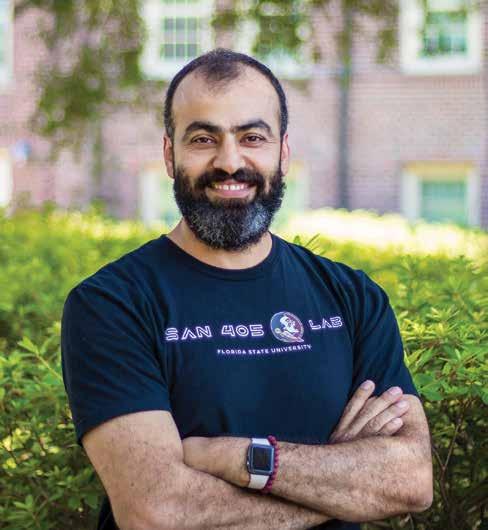
Ravinder Nagpal, MSc, Ph.D., an associate professor specializing in nutrition and the microbiome at Florida State University (FSU), helms The Gut Biome Lab, a research team that studies the role of nutrition in maintaining gut health and preventing or treating chronic disease. He serves on the editorial teams of several peer-reviewed medical journals, most notably as editor-in-chief of Gut Microbiome and Health and associate editor of Frontiers in Microbiomes and Frontiers in Nutrition.
Nagpal’s research is supported by numerous governmental agencies, commodity boards and industry associations, including the U.S. Department of Agriculture, Florida Department of Health, Infectious Diseases Society of America, U.S. Environmental Protection Agency, National Institutes of Health, The Institute for Successful Longevity at FSU, Academy of Nutrition and Dietetics, The Almond Board of California and The Peanut Institute.
How do you define the gut microbiome, and why is it important?
The gut microbiome is a very dense, complex community of various bacteria, fungi and protozoa that live in our gut during our entire life span. We are born with a very simple microbiome. As we age, environmental exposures come into play. By the time we are 2 or 3 years of age, our microbiome starts becoming very rich, with over 1,000 species of bacteria and fungi that impact our overall health by helping us to digest food, maintain good metabolism and regulate our intercellular immune system.
How can we determine if we have a healthy microbiome?
The microbiome is very personalized. It varies from person to person, and within a person, the microbiome varies during the life span, depending on the diet, lifestyle habits, travel, medications, etc. There is no gold standard, universal definition of a healthy microbiome. It is the one you carry when you are feeling healthy and fine. However,
Courtesy of Ravinder Nagpal
there are a few specific bacterial species that are known to be beneficial for everyone and some species that are known to be pathogenic for most or all.
When we do our research studies, we collect fecal samples from each subject and scan their entire microbial community. We identify the ratio of beneficial bacteria over opportunistic or pathogenic bacteria, noting any toxigenic or potentially pathogenic bacteria that are out of proportion, which would indicate a bad or unhealthy, misbalanced microbiome known as dysbiosis.
How can we maintain a healthy gut microbiome?
Many factors contribute to a good microbiome, including exercise, good sleep habits and a stress-free routine, but the most important factor is the food that we eat. We have thousands of species of bacteria, and each of those species has their own food preferences. The majority of the diet should be plant-based, including a diversity of fruits, vegetables, salads, minimally pro cessed grains, legumes, nuts and seeds.
Avoid overeating and stay away from ultra-processed foods. Prioritize a nutrient-rich rather than calorie-rich diet. Make sure to consume an organic diet that is free from chemicals, additives, emulsi fiers, pesticides and antibiotics. Variety is super important. Eat different foods from all the food groups daily. Different types of fiber support different types of beneficial bacteria, so we need to make sure that our diet is diverse.
Do you recommend taking probiotic or prebiotic supplements?
As long as someone is healthy, they don’t really need probiotic supplements. You al ready carry your own beneficial probiotics; just nurture them by eating a healthy diet. Probiotics in the U.S. are sold as food sup plements, which means that they are not required to be clinically tested and validat ed, so we may not know if they are actually
going to be really effective. Prebiotics, defined as food components like fiber and resistant starches, as well as fermented foods and vegetables, are more effective than commercial probiotic supplements because they feed the indigenous population of beneficial and commensal [neither harmful nor beneficial] bacteria.
What discoveries
have you recently made in
The Gut Biome Lab?
For decades, Alzheimer’s disease and related dementias were believed to originate exclusively within the brain, driven by the impaired functioning of neurons and proteins, as well as plaque buildup. However, our recent research has revealed that older adults with mild cognitive impairment who are at risk for Alzheimer’s harbor a distinct gut microbiome compared to healthy individuals, indicating that gut health could be both a marker and a modifiable risk factor
in disease progression. This discovery may facilitate novel avenues for prevention and management, including dietary and lifestyle changes to restore microbiome homeostasis to support neurocognitive health.
Our research has also discovered that obesity can heighten a predisposition to cognitive decline via alterations in gut-microbiome-brain signaling, a mechanism that has been largely under-explored in aging populations. This highlights the gut-muscle-brain axis as a modifiable target to enhance cognitive health in aging populations.
Sandra Yeyati is national editor of Natural Awakenings.
To read a longer version of this conversation, visit TinyURL. com/NagpalWW or scan the QR code.
C o Q 1 0
M a g n e s i u m
L - C a r n i t i n e
T a u r i n e
B - C o m p l e x
D e x p a n t h e n o l
CR WL o v e S p r i n g s f r o m t h e H e a r t !
G i v e a l i t t l e l o v e w i t h o u r H e a r t
H e a l t h I V
C a l l t o d a y f o r a n a p p o i n t m e n t
( 9 7 2 ) 7 7 1 - 8 9 0 0
i g h c h o l e s t e r o l l e v e l s , h i g h b l o o d
p r e s s u r e , m i t i g a t i n g r i s k s o f c a r d i a c a r r e s t , h e a r t a t t a c k ,
a n d s t r o k e . I f a t a l l p o s s i b l e , t h e o b j e c t i v e o f o u r h e a l t h y
2455 Ridge Rd, Ste 151, Rockwall
h e a r t i n f u s i o n i s t o m i t i g a t e c a r d i o i s s u e s o v e r a l l , a n d
i d e a l l y , e l i m i n a t e t h e n e c e s s i t y f o r c a r d i a c m e d i c a t i o n s
How Bone Health Nourishes Whole-Body Wellness
By Nancy Seigle
No matter how thoughtfully someone approaches wellness—moving with intention, eating nourishing foods or managing stress—it is difficult to flourish in a fragile body. The skeletal system is a living, adaptive framework that influences strength, balance, posture and confidence in movement.
As Deb McFarland, a guide within the OsteoStrong community, explains, “Many people are doing wonderful things for their health. Our passion is helping them strengthen the foundation that allows all that care to truly land. When the foundation is strong, everything else can flourish.”
According to OsteoStrong Midtown Dallas center manager Delsey Mattey, the central nervous system plays a role in how much strength the body expresses. Its job is protection—it will not allow muscles to generate more force than bones and connective tissues can safely support. When bones have
not received adequate targeted stimulation, the nervous system naturally becomes more cautious.
“This isn’t a flaw in the body—it’s its bril-
liance,” Mattey says. “When we respectfully support the foundation, the body feels safer to move more freely and express strength.”
As people age, bone density can change even when they remain active. Rather than seeing this as decline, McFarland describes it as an invitation to deepen one’s wellness practice by nourishing both nutrition and mechanical stimulation.
In a Nourish-and-Flourish model, providing vitamins and minerals alone does not determine how effectively nutrients are incorporated into bone. Bones also respond to safe, targeted weight-bearing signals that encourage adaptation.
OsteoStrong’s patented Spectrum circuit machines are non-invasive and designed to provide crucial weight-bearing osteogenic loading that stimulates bone-building cells
and supports improvements in bone density and skeletal strength over time.
Through robotic technology, optimized biomechanics and real-time biofeedback, the system applies targeted mechanical loading efficiently—without high-impact movement or joint strain.
“What I love is that it honors where people are,” Mattey says. “It’s not about pushing harder; it’s about supporting the foundation more intelligently.”
Because bone loss is often asymptomatic, many people are unaware of changes until a fracture occurs. Screening tools such as DXA scans or REMS Echolight ultrasound can help assess bone health and guide next steps for prevention and support.
Strengthening bone health is not about quick fixes but about consistency—combining movement, nourishment and informed care to support lifelong vitality.
For more information, contact: OsteoStrong Galleria Dallas – 14114 Dallas Pkwy., Ste. 175 (effective Mar. 10). OsteostrongDallasTx. com. 214-550-2111.
Dallas Blooms: Enchantment of Orchids – 9am–5pm. Annual spring floral festival featuring hundreds of thousands of blooms and orchid exhibits. Included with admission. Dallas Arboretum & Botanical Garden, Dallas. DallasArboretum. org. 214-515-6615.
Weekend Chef Demos – 11am, 12pm & 1pm. Live culinary demonstrations using seasonal ingredients. Free with admission. Dallas Arboretum & Botanical Garden, Dallas. DallasArboretum.org. 214515-6615.
Monday, March 2
Mindful Movement for Seniors – 10–11am. Gentle stretching and balance exercises supporting mobility and fall prevention. Free. Rockwall Senior Center, Rockwall. Rockwall.com.
Wednesday, March 4
Midweek Meditation Circle – 6–7pm. Guided meditation and reflection for stress reduction. Donation. CSLDallas, Dallas. CSLDallas.org.
Thursday, March 5
Sierra Club Fort Worth Meeting – 7pm. Guest speaker on conservation and local environmental issues. Free. Fort Worth Botanic Garden Center, Fort Worth. SierraClub.org/Texas.
Saturday, March 7
Trail Run at River Legacy Park – 8am. Guided trail run promoting outdoor fitness and nature appreciation. Free. River Legacy Park, Arlington. RiverLegacy.org. 817-459-5474.
Mindful Morning Yoga – 9–10am. Gentle outdoor yoga and breathwork class for all levels. Free. Klyde Warren Park, Dallas. KlydeWarrenPark.org.
Wonderful World of Herbs Workshop – 10am–12pm. Learn to grow and use herbs sustainably at home. Dallas Arboretum & Botanical Garden, Dallas. DallasArboretum.org. 214-515-6615.
FIT – Families Improving Together for Health – 1–2pm. Family wellness program teaching nutrition and healthy habits. Free. YMCA locations across Dallas and Tarrant counties. YMCADallas. org. 214-880-9622.
Sunday, March 8
Community Meditation and Sound Bath – 4–5:30pm. Guided meditation
with crystal bowls and relaxation techniques. $25. Dallas Meditation Center, Richardson. DallasMeditationCenter. com. 972-432-7871.
Tuesday, March 10
Plan Your Own Cut Flower Garden –6–8pm. Learn techniques for planning a productive flower garden. Dallas Arboretum & Botanical Garden, Dallas. DallasArboretum.org. 214-515-6615.
Wednesday, March 11
Nutrition for Heart Health Workshop –6:30–8pm. Practical nutrition strategies for cardiovascular wellness. Free. Forest Green Library, Dallas. DallasLibrary.org. 214-670-1335.
Saturday, March 14
St. Paddy’s Day Dash Down Greenville 5K – 8am. Community fun run for walkers and runners. Lower Greenville Avenue area, Dallas. RunProject.org.
Nature Walk and Bird Identification – 9–10:30am. Ranger-led walk introducing native birds and habitats. Cedar Hill State Park, Cedar Hill. TPWD.Texas.gov/ Parks/CedarHill. 972-291-3900.
Sierra Club Guided Nature Hike – 9am. Volunteer-led hike exploring local conservation practices. Trinity Trails area, Fort Worth. SierraClub.org/Texas.
Sunday, March 15
Community Tai Chi in the Park – 10–11am. Gentle movement class improving balance and relaxation. Free. White Rock Lake Park, Dallas. DallasParks.org.
Tuesday, March 17
Healthy Cooking Demonstration –6–7:30pm. Plant-forward recipes and meal-planning tips. Free. Central Market Cooking School, Fort Worth. CentralMarket.com.
Saturday, March 21
Healthy Living Fair at Unity of Dallas – 10am–4pm. Whole-person wellness fair with screenings, speakers and integrative health providers. Free admission. Unity of Dallas, Dallas. UnityOfDallas.org. Garden Pizza Party – 11am–1pm. Family cooking class using fresh garden ingredients. Dallas Arboretum & Botanical Garden, Dallas. DallasArboretum.org. 214-515-6615.
Spring Equinox Yoga and Meditation – 5–6:30pm. Outdoor yoga celebrating
seasonal renewal. $20. Rockwall Harbor Park, Rockwall. Rockwall.com.
Sunday, March 22
Family FIT Wellness Orientation –2–3pm. Introduction to family nutrition and fitness program. Free. YMCA Lake Highlands, Dallas. YMCADallas.org. 214880-9622.
Wednesday, March 25
Stress Management Through Mindfulness – 6–7:30pm. Learn breathing and relaxation techniques. Free. Fort Worth Public Library, Fort Worth. FortWorthLibrary.org. 817-392-7740.
Thursday, March 26
Food and Wine Festival – 7–9pm. Seasonal garden tasting event featuring local chefs. Dallas Arboretum & Botanical Garden, Dallas. DallasArboretum. org. 214-515-6615.
Saturday, March 28
Community Garden Workday –9–11am. Volunteer gardening and compost education session. Free. Dallas Urban Farm, Dallas. DallasUrbanFarm. org.
Yoga on the Lawn – 10–11am. Outdoor yoga promoting flexibility and relaxation. Free. Sundance Square Plaza, Fort Worth. SundanceSquare.com.
Healthy Pet Care Seminar – 1–2:30pm. Learn integrative care options for dogs and cats. Free. East-West Animal Wellness Center, Rockwall. EastWestAnimalWellness.com.
Sunday, March 29
Guided Nature Hike – 9–11am. Explore local ecosystems with a naturalist. Cedar Ridge Preserve, Dallas. AudubonDallas.org. 972-709-7784.
Community Acupuncture Clinic – 2–5pm. Affordable acupuncture sessions promoting relaxation and wellness. Sliding scale. Community Acupuncture of Dallas, Dallas. CommunityAcupunctureDallas.com.
Tuesday, March 31
Poppies and Butterflies Watercolor Class – 6–8pm. Botanical painting class inspired by spring flowers. Dallas Arboretum & Botanical Garden, Dallas. DallasArboretum.org. 214-515-6615.
Denton-Collin-Grayson-Cooke counties
Sunday, March 1
3-Hour Wetland Canoe Trails – 1–4pm. Guided canoe experience exploring wetland ecosystems and wildlife habitats. Included with admission. Heard Natural Science Museum & Wildlife Sanctuary, McKinney. HeardMuseum.org. 972-5625566.
Monday, March 2
Mindful Movement for Seniors – 10–11am. Gentle stretching and balance exercises supporting mobility. Free. Denton Senior Center, 509 N Bell Ave., Denton. CityOfDenton.com.
Wednesday, March 4
Midweek Meditation Circle – 6–7pm. Guided meditation and reflection for stress reduction. Donation. CSL Dallas North Study Group, Plano. CSLDallas. org.
Friday, March 6
Nature Story Time – 10am. Nature-themed stories and activities for young children. Included with admission. Heard Natural Science Museum & Wildlife Sanctuary, McKinney. HeardMuseum.org. 972-562-5566.
Saturday, March 7
Nature Walk at Arbor Hills Preserve –8–9:30am. Guided hike exploring native plants and wildlife habitats. Free. Arbor Hills Nature Preserve, 6701 W Parker Rd.,
Plano. PlanoParks.org. 972-941-7250.
Community Yoga in the Park – 9–10am. Gentle outdoor yoga class for all levels. Free. Bonnie Wenk Park, 2996 Virginia Pkwy., McKinney. McKinneyTexas.org.
Guided Trails at the Heard – 9:30–10:30am. Volunteer-led walk exploring native habitats and wildlife. Included with admission. Heard Natural Science Museum & Wildlife Sanctuary, McKinney. HeardMuseum.org. 972-562-5566.
FIT – Families Improving Together for Health – 1–2pm. Family wellness program teaching nutrition and exercise habits. Free. YMCA Collin County locations. YMCADallas.org. 214-880-9622.
Frog Night Hike – 6:30pm. Evening hike exploring amphibians and nocturnal wildlife. Included with admission. Heard Natural Science Museum & Wildlife Sanctuary, McKinney. HeardMuseum. org. 972-562-5566.
Sunday, March 8
Sound Healing Meditation – 4–5:30pm. Sound bath with crystal bowls and guided meditation. $25. Lotus Yoga Dallas North Studio, Frisco. LotusYogaDallas. com.
Wednesday, March 11
Healthy Cooking Workshop –6–7:30pm. Plant-forward recipes and meal-planning tips. Free. Frisco Public Library, 8000 Dallas Pkwy., Frisco. FriscoLibrary.com. 972-292-5660.
Saturday, March 14
Trail Run at Oak Point Park – 8am. Group run along lake and woodland trails; walkers welcome. Free. Oak Point Park & Nature Preserve, 5901 Los Rios Blvd., Plano. PlanoParks.org. 972-9417250.
Guided Bird Walk – 8:30–10am. Bird identification and conservation techniques. Included with admission. Heard Natural Science Museum & Wildlife
Dragon Trails Grand Opening Celebration – 9am–5pm. Opening of seasonal outdoor exhibit exploring dragon myths and wildlife connections. Special ticket required. Heard Natural Science Museum & Wildlife Sanctuary, McKinney. HeardMuseum.org. 972-562-5566.
Sunday, March 15
Community Tai Chi – 10–11am. Gentle movement improving balance and flexibility. Free. Old Settlers Recreation Center, 1201 E Louisiana St., McKinney. McKinneyTexas.org.
Tuesday, March 17
Heart Health Nutrition Talk – 6–7pm. Dietitian-led class on lowering cholesterol through diet. Free. Texas Health Presbyterian Hospital, Plano. TexasHealth.org.
Saturday, March 21
Spring Equinox Forest Bathing Walk – 9–10:30am. Mindful nature walk emphasizing stress relief. $15. Clear Creek Natural Heritage Center, 3310 Collins Rd., Denton. CityOfDenton.com. 940-3497486.
Community Garden Workday – 9–11am. Volunteer planting and compost education session. Free. Frisco Heritage Center Garden, 6455 Page St., Frisco. FriscoTexas.gov. 972-292-5000.
Guided Trails at the Heard – 9:30–10:30am. Nature walk highlighting seasonal wildflowers and wildlife. Included
with admission. Heard Natural Science Museum & Wildlife Sanctuary, McKinney. HeardMuseum.org. 972-562-5566.
Sunday, March 22
Family Wellness Day – 1–3pm. Kids activities, fitness demos and nutrition education. Free. Apex Centre, 3003 Alma Rd., McKinney. McKinneyTexas.org. 972547-2739.
Wednesday, March 25
Stress Reduction Through Mindfulness – 6–7:30pm. Breathing techniques
and relaxation practices. Free. Denton Public Library South Branch, 3228 Teasley Ln., Denton. DentonLibrary.com. 940-349-8752.
Thursday, March 26
Sustainable Living Workshop – 6:30–8pm. Tips for reducing waste and conserving energy. Free. Allen Public Library, 300 N Allen Dr., Allen. AllenLibrary. org. 214-509-4900.
Saturday, March 28
Yoga at Kaleidoscope Park – 9–10am. Outdoor yoga promoting flexibility and mindfulness. Free. Kaleidoscope Park, 6635 Warren Pkwy., Frisco. KaleidoscopePark.org.
Nature Photography Walk – 9–11am. Outdoor photography techniques along prairie trails. $10. Ray Roberts Lake State Park – Isle du Bois Unit, Pilot Point. TPWD.Texas.gov/Parks/RayRoberts. 940-686-2148.
Guided Trails at the Heard – 9:30–10:30am. Guided walk introducing native plants and wildlife. Included with admission. Heard Natural Science Museum & Wildlife Sanctuary, McKinney. HeardMuseum.org. 972-562-5566.
Healthy Pet Care Seminar – 1–2:30pm. Holistic nutrition and wellness tips for dogs and cats. Free. The Green Pet Supply, 1400 S Custer Rd., McKinney. GreenPetSupply.com. 469-343-7260.
Sunday, March 29
Guided Wildflower Walk – 9–10:30am. Explore spring blooms and native plant ecology. Free. Hagerman National Wildlife Refuge, Sherman. FWS.gov/Refuge/ Hagerman. 903-786-2826.
Community Acupuncture Clinic –2–5pm. Sliding-scale acupuncture sessions promoting relaxation. Community Acupuncture of Frisco, Frisco. CommunityAcupunctureFrisco.com.
Spring is nature’s way of saying, “Let’s party!” —Robin Williams
community resource guide
Connecting you to the leaders in natural healthcare and green living in our community. To find out how you can be included in the Community Resource Guide email NAadvertising@NaturalAwakenings.com to request our media kit.
nights, and special events that make every visit unique. Exerience a different kind of Happy Hour.
BRAIN HEALTH
CERESET PLANO
1033 E 15th St, Plano, 75074 214-892-2273 Plano.Cereset.com
abling it to manage stress more effectively. Cereset sessions jump start the process of re-balancing your brain, and can help issues leading to trouble sleeping, restlessness and anxiety, inability to fo cus or lack of joy. Periodic “tune-ups” provide ongoing support, ensuring long-term brain bal ance.
ECO TOURISM
2299 County Road 2008, Glen Rose 254-897-2960
CHIROPRACTIC
NEW STAR CHIROPRACTIC & ACUPUNCTURE
Dr. Zhangping Lu, DC, LAc, MD (China) 425 Maplelawn Dr, Ste 101, Plano 75075 972-519-8488 DFWAcupunctureChiropractic.com
Whole-body wellness center providing chiropractic care, spinal decompression, allergy testing, NAET, IMAET, detoxification, weight loss, hormone balancing, wellness programs and more. All-natural healing, no medication, no surgery.
Fossil Rim Wildlife Center, near Glen Rose, an hour and a half from DFW, is a non-profit conservation center. It’s a haven for endangered species, housing over 1,000 animals from 50 species. Visitors embark on guided or self-guided tours across its 1,800 acres, encountering wildlife up close. Lodging, dining, and educational facilities enhance the experience.
the soul is feeding others.
—Ali ibn Abi Talib
EDUCATION
DALLAS COLLEGE
1601 South Lamar, Dallas 214-378-1824
DCCCD.edu
Dallas College has seven campuses, including El Centro, Brookhaven, Mountain View, Eastfield, Richland, Cedar Valley and Northlake. Dallas College serves the region with accredited one and two year certificates, degrees and core credit courses guaranteed to transfer to Texas colleges and universities.
THE HOCKADAY SCHOOL
11600 Welch Road, Dallas 214- 363-6311
Hockaday.org
Established almost 100 years ago, The Hockaday School provides a college preparatory educa-tion for girls; from pre-kindergarten to 12th grade, including Boarding school for grades 8-12. With an approximate enrollment of 1,000 students and a 10:1 student teacher ratio, Hockaday students enjoy a 100% acceptance rate to college.
JESUIT COLLEGE PREPARATORY
SCHOOL OF DALLAS
12345 Inwood Rd, Dallas 972-387-8700
JesuitCP.org
Jesuit College Preparatory School of Dallas is a private Catholic institution for young men under the direction of the Society of Jesus. Located in North Dallas, it provides a student-centered education to approximately 1,000 students, grades 9-12. Our students’ average SAT scores exceed the national average by over 200 points.
PARKER UNIVERSITY
2540 Walnut Hill Ln, Dallas 75229 800-637-8337/214-902-2429
AskAdmissions@parker.edu Parker.edu
More patients want alternative methods of treatment that are healthy, holistic and non-invasive. Earning your degree from Parker University in Functional Nutrition, Strength and Human Performance, Integrative Health can put you in position to help them. Offering top level experience and accredited by the Southern Association of Colleges and Schools, the Council on Chiropractic Education, and the Commission of Massage Therapy Accreditation.
ENERGY MEDICINE
POLARAID HEALTH
PolaraidHealth.com
450-486-7888
Polaraid Health offers the revolutionary PolarAid® body tool, inspired by Nikola Tesla and Dr. Georges Lakhovsky. This device supports overall wellness, including sexual health, weight management, joint flexibility, digestive health, and mental calm. Enhance your well-being with PolarAid®. Visit us to discover more about this innovative health solution.
Whether you’re looking for a meaningful gift, a one-of-a-kind keepsake, or something special just for you, our handcrafted collections are designed to make moments more memorable. Thank you for supporting small business and the art of handmade.
HEALTH CARE
BAYLOR SCOTT & WHITE HEALTH CARE SYSTEM
1-800-4BAYLOR
BaylorHealth.com/CancerCare
We have a network of comprehensive cancer treatment centers throughout Dallas-Fort Worth, offering full range cancer-related and integrative medical services. Whether you want to learn about types of cancer, screenings, prevention, healthy living or support, Baylor is here for you. We offer the experience, expertise and technology you can trust.
PRIMACARE
13 Locations in Dallas-Fort Worth Metroplex 888-286-4603
PrimaCare.com
With 13 Urgent Care Centers, PrimaCare serves the medical needs of area families with courtesy, convenience and compassion. Open 7 days a week with extended hours. No appointment necessary. Most insurance accepted. Use our Call Ahead Service and wait where your want. Open: Monday–Friday 8am-8pm, Saturday–Sunday 8am–5pm.
HERBAL MEDICINE
ACN HERBS AND GREEN TEA
LESLIE DUONG
9788 Walnut Street, Suite 108 214-887-8325
LeslieDuong.com
Trained Herbalist, Leslie Duong specializes in traditional herbal remedies and green tea. With over 25 years of experience, she offers personalized herbal consultations, organic herbal medicines, and a wide selection of premium green teas. Committed to natural healing and wellness through high-quality, safe, and effective herbal products. See ad, page 6.
HOLISTIC DENTISTRY
FLOURISH DENTAL BOUTIQUE
Dr. Toni Engram 415 State St #800, Richardson 75082 469-676-2777
Flourish.dental
At Flourish Dental Boutique, we believe the best dentistry is often the least dentistry. We help your body thrive on its own with therapies that enrich and empower its natural healing processes. As a holistic and biological dental practice, we choose safe materials and treatment protocols with special attention to your nutrition and overall wellness.
—Gertrude S. Wister
—Lewis Grizzard
KOZLOW & ROWELL
Dr. Philip Kozlow
Dr. Josh Rowell
5050 Quorum Dr, Suite 300, Dallas 972-458-2464
DallasDentist.net
We strive to provide healthy, green alternatives for our dental patients by providing digital X-rays, mercury safe restorative options and chemical free dental hygiene products. Committed to total body wellness while avoiding the use of toxic materials, and continuing education to ensure treatments are up to date and effective in a kind and caring environment. See ad, page 35.
LYNN DENTAL CARE
Dr. D. Brock Lynn 6190 LBJ Freeway #900, Dallas 972-934-1400
LynnDentalCare.com
Practicing dentistry for over 38 years, specializing in periodontics, Dr. Lynn is board-certified and a diplomate of the American Board of Periodontics and Dental implants. He practices dentistry with a holistic approach and is a member of the International Academy of Oral Medicine &Toxicology as well as the American Academy for Oral Systemic Health. See ad, page 2.
HOMEOPATHY
HEALTHY HEALING ARTS/HPWWC
Cathy May Lemmon, Ph.D. Hom, LCPH, BA 469-383-8442
Cathy@HPWWC.org HealthyHealingArts.com
Homeoprophylaxis (HP), a part of Homeopathy, is a major part of Cathy Lemmon’s practice at Healthy Healing Arts. HP has been used worldwide for hundreds of years with a success rate of over 90% to help fight off disease. Lemmon uses an energetic, nontoxic means of promoting immunity in a safe and natural way.
INTEGRATIVE FITNESS
AIKIDO FOR LIFE
Lynn Fabia, Founder Society of Aikido Centers 2080 N. Collins Blvd. Richardson, TX 75080 lynnfabia@gmail.com 469 767-5864
Discover Aikido for Life - peaceful, powerful, and holistic. Increase confidence, awareness, energy, and self-mastery through fluid movement and non-violent self-defense. Learn how to process fear with timeless life concepts for mind, body, and spirit.
INTEGRATIVE MEDICINE
DR. CARLOS CHAPA, ND, OMD, L.AC, PH.D
1320 W. Walnut Hill Ln, Irving 18601 LBJ #501, Mesquite 972-444-0660
DrChapa.com
Trained in Asia, graduated from a Korean University, Dr. Chapa holds a Naturopathic Doctorate Degree and a PhD in Eastern Medicine specializing in Neurological issues. A former medic/nurse since 1995, this unique training has given confidence from many Physicians to refer their patients. Dr. Chapa is founder and medical director of AIMC established in 2009.
ENVIRONMENTAL HEALTH CENTER DALLAS
399 Melrose Dr., Suite A, Richardson 214-368-4132
EHCD.COM
A nationally recognized medical facility specializing in the relationship of health and disease to environmental factors. Thorough investigation is made to determine the cause and correlation of the patent’s disease process to environmental factors. A leader in the field treating mold exposure/sensitivity; oil spill, pesticides and chemical exposure; chemical sensitivities, immune dysregulation and much more.
JOHNSON MEDICAL ASSOCIATES
Dr. Alfred R. Johnson, D.O. 997 Hampshire Lane, Richardson 972-479-0400
JohnsonMedicalAssociates.com
Johnson Medical Associates is a state-of-the-art medical clinic offering comprehensive medical services aimed at finding the cause not just treating the symptoms. Dr. Johnson is a doctor of internal medicine with 35+ years of experience in areas of chronic illness, toxic exposures, allergies and the use of hyperbaric oxygen therapy to address a multitude of conditions. See ad, page 11.
TENNANT INSTITUTE FOR INTEGRATIVE MEDICINE
Dr. Jerry Tennant MD, Medical Director 35 Veranda Lane, Ste 100, Colleyville 972-580-1156
TennantInstitute.us
Providing traditional “standard-ofcare” medicine using prescription as well as complementary medicine. Recognizing that the human body is not simply a collection of independent parts but rather an integrative whole -we treat it that way. Conditions treated include chronic fatigue syndrome, fibromyalgia, macular degeneration and glaucoma, as well as thyroid support, adrenal support, hormone replacement. essential oil therapy and hyperbaric oxygen therapy.
TRULY HEALTHY MD
Dr. Monica Jauregui, M.D. IFMCP 945-286-5711
TrulyHealthyMD.com
Info@trulyhealthymd.com
Known as “America's Medical Detective,” our functional medicine practice specializes in uncovering root causes of health issues. With advanced diagnostics, personalized plans, and a Health Restoration Membership, we treat conditions like hormone imbalances, Lyme, long COVID, leaky gut, irritable bowel syndrome, Lyme and co-infections, long COVID, mold and other environmental illnesses, autoimmunity. Financing options available.
WILLOWBEND HEALTH & WELLNESS
Dr. Phyllis Gee, MD 4601 Old Shepard Pl, Bldg. 2, Ste. 201, Plano 469-361-4000
WillowbendHealthAndWellness.com
With 30 years of practice, empowerment and whole health are centerpieces of our care. Our goal is finding and treating the root cause of your symptoms to restore your health utilizing regenerative medical practices. We address functional wellness, sexual wellness, weight management. We do functional health testing. Call for appointment.
LONGEVITY MEDICINE
DR. JEFFREY GLADDEN, MD 16633 Dallas Pkwy #100, Addison 972-310-8916
GladdenLongevity.com
Board certified in Interventional Cardiology. Dr. Gladden specializes in age management, regenerative medicine, and personalized health optimization. With over 30 years of experience, he offers advanced therapies including stem cell treatments, hormone optimization, and functional medicine. Dedicated to maximizing longevity and healthspan for his patients. Author of 100 is the New 30
PAIN MANAGEMENT
SENERGY MEDICAL GROUP
9901 Valley Ranch Pkwy East, Ste 1009 Irving 972-580-0545
Biomodulator@senergy.us
Senergy.us
We are the exclusive distributor of the patented Tennant Biomodulator® PLUS & PRO. These FDA accepted non-invasive devices are designed to offer an affordable, drug free, user-friendly option for the indicated use of symptomatic relief for chronic, severe or intractable pain; and adjunctive treatment in managing post-surgical and post-traumatic pain.
PASTURED MEATS
BOIS D'ARC MEAT COMPANY
13849 E. FM 1396, Windom, TX BoisDdarcMeatCo.com 617-314-1349
Bois D'arc Meat Company provides high-quality, locally-sourced meats. All our cattle, pigs, chickens and turkeys are raised entirely on pasture, are 100% non-GMO and no herbicides, pesticides or chemicals are applied to the land. We offer a variety of cuts and custom butchering services to meet all your needs. Visit us for the finest meats.
PHARMACY
ABRAMS ROYAL COMPOUNDING PHARMACY
8220 Abrams Rd, Dallas 214-349-8000 4904 W. Park Blvd, Plano 972-599-7700 ARP-RX.com
Family owned and operated since 1980, with more than 135 years of combined experience. Our pharmacists work to provide proactive solutions to restore health and wellness. We work as trusted partners with physicians and patients to develop targeted treatment plans and customized wellness programs for your unique needs. Pharmacy Compounding. Accreditation Board (PACB) certified. PSY
RESTAURANTS
CELEBRATION RESTAURANT 4503 West Lovers Lane, Dallas 214-351-5681 CelebrationRestaurant.com
SPIRITUAL
CONCORD DALLAS
CHURCH
6808 Pastor Bailey Dr, Dallas 214-331-8522
ConcordDallas.tv
Concord Dallas is the church that grows people. Their core values are passion for Christ, passion for people and catalyst for change. Services are Sundays at 8:00am, 10:00am, 12:00pm and online at Streamingfaith.com. Mid-week service is Wednesdays at 7:00pm. Reverend Bryan L. Carter, Senior Pastor.
UNITY CHURCH OF SACHSE
5502 Ben Davis, Sachse 972-984-8946
UnityOfSachse@gmail.com
UnityOfSachse.com
We teach positive psychology based on Spiritual teachings of Jesus. Services are held Sundays at 11:30am. Join us as we share truths and principles to help along your spiritual journey. Each week’s message and all events are posted on our website for your convenience. Spiritual counseling and positive prayer available.
THERMOGRAPHY THERMOGRAPHY
DALLAS WELLNESS AND THERMOGRAPHY CENTER
5220 Spring Valley Rd #LL-40, Dallas ThermographyCenter.com 214-352-8758
All symptoms have an origin story and we get to the root of yours. Using radiation-free technology we can identify your symptom’s origin story and exactly what needs to change internally and how it will remedy your symptoms. We then recommend medical grade natural products to help you heal the root cause easily and organically.
WELLNESS CENTERS
ROCKWALL COMPLETE HEALING & WELLNESS
2455 Ridge Road, Suite 151, Rockwall 972-771-8900
RockwallColonics.com
“Our goal is to offer our community high-quality wellness services in an exceptionally comfortable and healing environment. We know that time-honored healing traditions-Massage, Young Living Raindrop Therapy, Chiropractic, iV therapy, Juicing and Colonics work. RCW offers all of these things, come visit us and begin your journey to optimum wellness. See ad, page 33.
YOGA
CRESCENT YOGA STUDIO & ECO-BOUTIQUE
Dawn Harris, RYT500 306 W Ave F, Midlothian 214-817-8597
CrescentYogaStudio.com
Ellis county’s premier yoga studio and eco-boutique offers a variety of weekly classes, specialty workshops, private yoga and reiki sessions as well as natural health and wellness events. Come feel your stress and tensions away. New student intro offer: 2 weeks unlimited Yoga for $20. Empowering a healthy lifestyle.
ROXANE & CO
Yoga Instructor
Roxane Beneduce, RYT200
RoxaneAndCo.com
469- 216-0389
With years of experience in Yoga & Pilates and passion to keep educating others, I offer a personalized approach to help you grow stronger, more confident, and creatively inspired. I believe in making wellness accessible to all with my unique style. Classes as low as $10 with a year membership plan or reg $25/class at Heritage Senior Center in Irving Mon- Fri.
Public transportation powers an economic engine that produces returns and creates jobs.
From 2022 to 2024, the 37 development projects near DART light rail stations created a total of 9,422 new jobs and $724.2 million in wages for workers in the region.*
HEALTHY LIVING FAIR UNITY DALLAS
Saturday, March 21, 2026 | 10am-4pm
Community Experience for Whole-Person Wellbeing
Join neighbors from across North Dallas for an uplifting, indoor Heath and Wellness gathering featuring curated exhibitors, interactive experiences, seminars and trusted local resources focused on healthy living, prevention and vitality.
• Health & wellness screenings and demonstrations
• Integrative, functional and holistic care resources