Natural Awakenings Dallas/Fort Worth Metroplex FEB 26
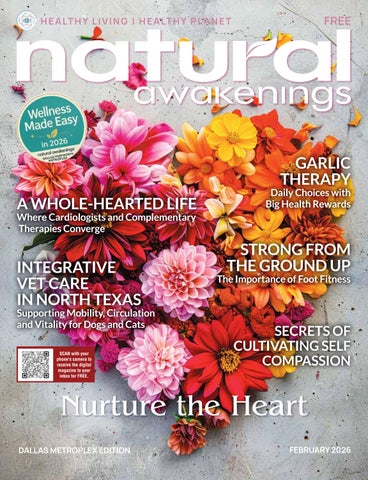
A WHOLE-HEARTED LIFE
Where Cardiologists and Complementary Therapies Converge INTEGRATIVE VET CARE
IN NORTH TEXAS
Supporting Mobility, Circulation and Vitality for Dogs and Cats
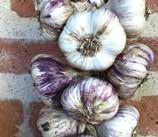
GARLIC THERAPY
Daily Choices with Big Health Rewards STRONG FROM THE GROUND UP
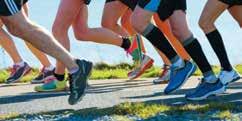
The Importance of Foot Fitness
SECRETS OF CULTIVATING SELF COMPASSION
Nurture the Heart
Health Through a Holistic Approach to Dentistry
n Safe Mercury Removal (S.M.A.R.T. Certified by I.O.A.M.T.)
n Ozonated water in unit waterlines eliminates biofilm and neutralizes bacteria. Ozone also reduces sensitivity, treats deep cavities and more
n PRF -Your own growth factors accelerate healing
n LANAP® - non-invasive laser gum surgery means less discomfort
n Metal Free Crowns
n Zirconia (non-metal) dental implants
n Sleep Apnea Screening and Treatment
n CT Scanner on site for your convenience
n Digital Impressions eliminate gagging
n Biologic Root canals
ozone
ACUPUNCTURE
REHABILITATION
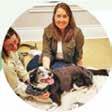
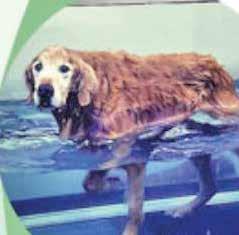
We’re excited to now offer veterinary rehabilitiation services for pain management, recovery, and mobility support. Combining traditional veterinary medicine with proven therapies to keep your pet moving comfortably as long as possible.
As a valued member of your family, we believe your pet deserves compassionate and comprehensive medical care. We are the only clinic in Denton County focused on Integrative Veterinary Medicine.
Our expert veterinarians have over 30 years of combined experience in Integrative Veterinary Medicine, proudly serving Lewisville, Flower Mound, Highland Village, as well as Dallas and Collin Counties and the surrounding areas.
FWhen the Heart Leads
or as long as humans have tried to understand themselves, we have returned again and again to the heart, not merely as an organ, but as the governing center of who we are. Across cultures, traditions and time, the heart has been understood as the controller of the mind, the body and the whole being, the place where intention, conscience, compassion and courage converge.
Yet today, it often feels as though we are trying to outrun that truth.
We live in a world that elevates speed over reflection, efficiency over empathy and intellect over wisdom. We reward output more than outcome and knowledge more than discernment. In doing so, we risk sidelining the very system we were designed to run on: the heart.
Our instruction manual tells a different story. In Scripture, the heart is consistently described as the ruling center of the person, the source from which actions, decisions and direction flow. “Above all else, guard your heart, for everything you do flows from it.” Not some things. Not emotional things. Everything. The heart was never meant to be a supporting player. It was designed to lead.
That design shows up everywhere.
It is embedded in our social structures, where trust and cooperation are essential for communities to function. It is reflected in our civil laws, which, at their best, are grounded not only in logic, but in fairness, dignity and care for human life. Even our economic systems depend on heart-centered principles such as confidence, integrity and shared responsibility. When those erode, systems falter.
The same is true environmentally. When decisions are driven solely by short-term gain rather than longterm stewardship, imbalance surfaces in depleted resources, polluted air and water, and compromised public health. A heart-informed approach naturally considers consequence, connection and care for what sustains life.
So what happens when the heart is no longer allowed to guide our choices?
We see it in rising stress, anxiety and disconnection. We see it in health systems strained by preventable chronic disease. We see it in social fragmentation, economic inequity and environmental neglect. When the heart is ignored, the cost shows up everywhere.
Nurturing the heart, then, is not a sentimental exercise. It is an essential act of stewardship. What we allow into our hearts through our thoughts, habits, relationships and daily choices shapes how we respond to the world around us. When the heart is well nurtured, it informs the mind with clarity rather than fear and directs the body toward balance rather than depletion.
This nurturing begins at the personal level. Caring for the physical heart through movement, nourishment and preventive care is foundational, but it is incomplete without attention to emotional and spiritual well-being. Stress left unmanaged, unresolved grief, chronic anger or disconnection quietly tax the heart over time. Conversely, practices that cultivate calm, gratitude, connection and meaning strengthen emotional resilience and physiological health as well. Science continues to affirm what ancient wisdom has long known: the condition of the heart influences the condition of the whole person.
The effects of a nurtured or neglected heart do not stop with the individual. Hearts that are cared for are more capable of empathy, patience and thoughtful decision-making. They contribute to healthier families, workplaces and communities. At a broader level, a society that prioritizes care over urgency and stewardship over exploitation is more likely to make choices that support long-term economic stability, social cohesion and environmental sustainability.
In this February issue of Natural Awakenings Dallas-Fort Worth Metroplex, we explore many facets of heart health, practical, preventative and integrative, alongside reflections on the deeper influences that shape our well-being. Our hope is that these pages encourage you to tend carefully to your own heart, recognizing it not only as a vital organ, but as the center from which health, wisdom and connection flow. As always, we are honored to be part of your journey toward living a healthier life on a healthier planet.
Blessings until next month,
DALLAS METROPLEX EDITION
Publisher Bernice Butler
Editor Jane Aylward
Design & Production Kim Cerne
Web Master Shertech
Features Writer Nancy Seigle
Distribution Valerie Swearingen Rick Clark Zoe Ronchese
Natural Awakenings is printed on partially recycled and fully recyclable newsprint with black soy ink.
Advertising & Submissions Contents
HOW TO ADVERTISE
To advertise with Natural Awakenings or request a media kit, please contact us at 972-992-8815 or email Publisher@NADallas.com. Deadline for ads: the 10th of the month.
EDITORIAL SUBMISSIONS
Email articles, news items and ideas to: Publisher@NADallas.com. Deadline for editorial: the 10th of the month.
CALENDAR SUBMISSIONS
Submit Calendar Events online to: Submit.NADallas.com/DAL/Calendar or fax to 972-478-0339. Deadline for calendar: the 15th of the month.
REGIONAL MARKETS
Advertise your products or services in multiple
markets. Natural Awakenings Publishing Corp is a growing franchised family of locally owned magazines serving communities since 1994. To place your ad in other markets call 972-992-8815.
Natural Awakenings is a free publication distributed locally and is supported by our advertisers. Please call to find a location near you or if you would like copies placed at your business.
We do not necessarily endorse the views expressed in the articles and advertisements, nor are we responsible for the products and services advertised. Check with a
professional regarding the appropriate
any
Natural Awakenings Dallas is committed to accuracy. To reach us, contact the Publisher, Bernice Butler at 972-992-8815 or email editor@NADallas. com. Please indicate whether you’re responding to content online or in the magazine.
Marty Miron was erroneously listed as editor of Natural Awakenings Dallas-Fort Worth Magazine in the past four issues. We regret the
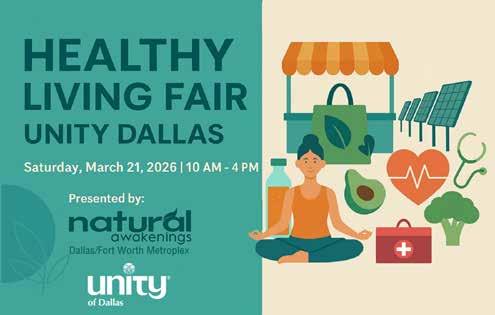
Healthy Living Fair Comes to Unity of Dallas
Unity of Dallas is partnering with Natural Awakenings Dallas–Fort Worth Metroplex Magazine, to host a Healthy Living Fair on Saturday, March 21, from 10 a.m. to 4 p.m. The free, indoor community event will take place at Unity of Dallas, 6525 Forest Lane, and will focus on whole-person health, education and connection.
The Fair will feature 30 to 40 carefully curated exhibitors representing health and wellness services, medical and healthcare professionals, integrative and functional care providers, fitness and movement specialists, nutrition and healthy food resources, and green and sustainable living solutions.
Attendees can explore educational seminars led by participating exhibitors, wellness screenings, demonstrations and opportunities for direct conversation with trusted local providers. Designed as a relaxed, family-friendly experience, the Fair offers practical tools and local resources that support healthier living.
For exhibitors, the event provides an opportunity to engage health-conscious North Dallas households through education, relationship-building and meaningful face-to-face interaction. Unity of Dallas’ centrally located campus serves surrounding neighborhoods with strong interest in preventive and lifestyle-based care.
Admission is free and open to the public. For exhibitor information, email Publisher@NADallas.com or call 972-992-8815.
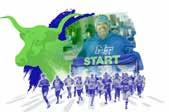
Cowtown Marathon Returns to Fort Worth
One of North Texas’ most enduring fitness traditions returns as the Cowtown Marathon takes place February 28–March 1, 2026, at Will Rogers Memorial Center in Fort Worth. Now in its 48th year, the Cowtown continues to attract runners of all ages and abilities while emphasizing community health, inclusivity and youth wellness.
The race weekend offers a range of distances, including a Kids 5K, Adults 5K, 10K, half marathon, full marathon and ultra marathon. Courses wind through some of Fort Worth’s most recognizable neighborhoods, blending urban scenery, historic districts and green spaces into a distinctly local running experience.
Beyond race day, the Cowtown Marathon is known for its community impact. Proceeds support the Cowtown C.A.L.F. (Children’s Activities for Life & Fitness) Program, which encourages lifelong fitness by providing running education and opportunities to youth across North Texas schools and communities.
Organizers have also introduced a new three-year collectible medal series celebrating Fort Worth heritage. The 2026 medal launches the series with a design inspired by Western culture, with additional themed medals planned through the event’s 50th anniversary in 2028.
Whether participants are pursuing a personal running goal, supporting youth fitness programs or engaging in an active community weekend, the Cowtown Marathon continues to reflect Fort Worth’s long-standing commitment to health, movement and civic connection.
For more information, visit CowtownMarathon.org.
Go Red for Women
Day Raises Heart Health Awareness Across North Texas
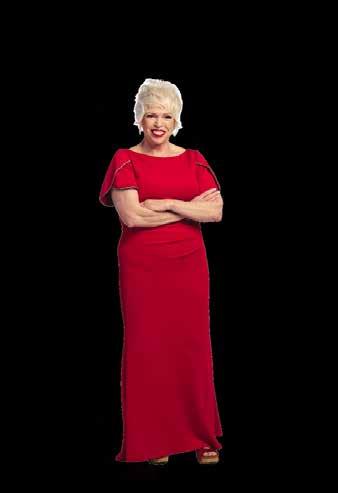
On Friday, February 6, 2026, residents across the Dallas–Fort Worth Metroplex will join communities nationwide in wearing red for National Wear Red Day, the signature awareness event of the American Heart Association’s Go Red for Women movement. The annual observance draws attention to cardiovascular disease, the leading cause of death for women.
Heart disease claims more lives among women than all forms of cancer combined, yet it is often misunderstood as primarily a men’s health issue. National Wear Red Day highlights this reality while emphasizing prevention. According to the American Heart Association, up to 80 percent of cardiac events may be prevented through education, early detection and healthy lifestyle choices.
North Texans are encouraged to participate by wearing red, sharing awareness messages and learning key health indicators such as blood pressure, cholesterol and blood sugar levels. The day serves as both a visible show of solidarity and a reminder for women to prioritize heart health through informed, proactive care.
For more information about Go Red for Women and how to get involved, visit GoRedForWomen.org. See ad, page 11.
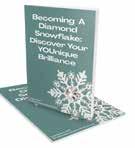
Becoming a Diamond Snowflake: Discover Your YOUnique Brilliance
Becoming A Diamond Snowflake: Discover Your YOUnique Brilliance is a guide for anyone ready to embrace who they are and how they shine. With warmth, playfulness, and practical reflection, Lametra Off invites readers to see themselves as brilliantly YOUnique—like a diamond snowflake—already worthy of joy, confidence, and possibility. This book supports readers as they rediscover their YOUnique brilliance and step forward with more authenticity in relationships, leadership and life.
SCAN TO ORDER
BrainHealth Week Encourages North Texans to Think About How You Think
BrainHealth Week, February 23–28, invites North Texans to take a proactive, lifelong approach to brain health through science-based learning, interactive experiences and practical strategies. Hosted in partnership with leading academic, corporate and community organizations, the week emphasizes that caring for the brain is essential at every stage of life—not only when challenges arise.
The week begins February 23 with NextGen Day at UT Dallas’ Davidson-Gundy Alumni Center, highlighting student-driven ideas to promote brain health on college campuses and announcing the inaugural Brain Health Prize. On February 24, Designing for the Future: Brain Health Organizations brings together corporate leaders and experts to explore the role of brain health in human performance and business outcomes.
February 25 features the Level Up Conference: Enriching Longevity Through Brain Health, showcasing internationally recognized experts alongside a Tech Expo highlighting emerging biosensor technologies. The Science Summit: Breakthroughs in Precision Brain Health follows on February 26 in partnership with UT Dallas’ School of Behavioral and Brain Sciences, with presenting sponsor GoMo Health.
The week concludes February 28 with the free BrainHealth Family Fair, presented by H-E-B.
For more information and to register, visit ThinkAboutHowYouThink.org.
McKinney Holistic Network Launches with First Networking Meeting
The McKinney Holistic Network will host its inaugural meeting on Thursday, February 26, at 6:00 p.m., marking the launch of a new collaborative effort to strengthen holistic, integrative and functional wellness in North Texas. The gathering will take place at DrO Chiropractic & Wellness Lifestyle, 6251 West University Drive, Suite 101, in McKinney.
Formed to connect holistic practitioners across the region, the network aims to promote natural, integrative and functional wellness services, educate the community about holistic health options and foster collaboration among practitioners.
The introductory meeting will present the group’s shared vision and offer an opportunity for professionals from diverse disciplines—including holistic, integrative and functional healthcare—to connect, exchange ideas and explore collaborative opportunities. By encouraging cross-disciplinary relationships, the network seeks to support whole-person health and strengthen local wellness communities.
Holistic healthcare practitioners interested in building meaningful professional connections and contributing to a growing regional wellness network are encouraged to attend.
For more information, email Info@DROsifo.com or call 214-813-3516.
DFW Communities Invited to Join 2026 Great Backyard Bird Count
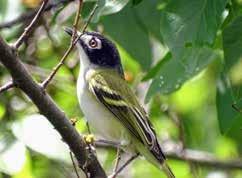
North Texas residents are invited to take part in the 2026 Great Backyard Bird Count, a global citizen-science initiative taking place February 13–16. Led by the Cornell Lab of Ornithology in partnership with the National Audubon Society, the annual event encourages people of all experience levels to observe and count birds for at least 15 minutes, contributing valuable data that helps scientists track bird populations worldwide.
Several guided events across the Dallas–Fort Worth Metroplex will support community participation. On February 14, River Legacy Nature Center in Arlington will host guided family bird walks, live bird presentations and observation stations, with volunteers available to assist participants in identifying local species. Trinity River Audubon Center in Dallas will offer special birding activities on February 15, including programs focused on climate and habitat awareness, as well as an evening woodcock observation event on February 13.
Participants may also take part independently by counting birds from backyards, balconies or local parks and submitting observations through established bird-tracking platforms. In 2025, more than 800,000 participants worldwide contributed sightings of over 8,000 bird species, helping researchers better understand the impacts of climate change and habitat loss on bird populations.
North Texans of all ages are encouraged to participate and help advance local and global conservation efforts.
NATIONAL WEAR
What to Look For:
Common North Texas Birds
Northern Cardinal
Blue Jay
Carolina Chickadee
American Robin
Mourning Dove
White-winged Dove
Red-bellied Woodpecker
Downy Woodpecker
Cedar Waxwing
Carolina Wren
Tip: Early morning and late afternoon offer the best viewing opportunities.
For more information on how to participate, visit BirdCount.org.
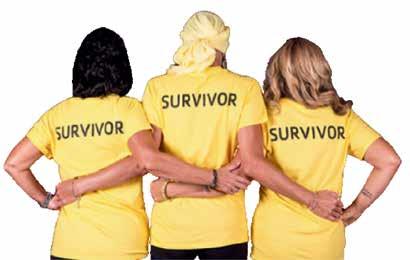
IT’S NOT JUST WHAT WE WEAR — IT’S WHAT WE STAND FOR.
We wear RED for every woman’s story of strength, survival, and sisterhood.
Because no woman should face cardiovascular disease alone.
Together, we create a community where every heart is seen, every voice is heard, and every life is celebrated.
Cultivating a Positive Body Image
Fitness inspiration, or “fitspiration”, is a social media-related term that describes the prevalence of photos depicting people with slender, idealized figures. Although these beautiful images may be intended to inspire fitness, past research has demonstrated that viewing such photographs can lead to body dissatisfaction and negative mood among women.
A 2023 study published in Body Image involving 238 college females investigated whether a values affirmation intervention could reduce the detrimental effects of viewing fitspiration. The participants— divided into three groups—were asked to view idealized pictures of women on Instagram after either completing a simple writing task, looking at travel images or reflecting on their most important personal values.
The study demonstrated that contemplating personal values helped protect college women from the negative body image effects of fitspiration. The affirmation group experienced a stable mood and body image compared to the control group, where negativity rose significantly. This suggests that affirming personal values outside of appearance can act as a buffer against social media comparison, potentially offering a simple self-help strategy.
Eye Yoga for Glaucoma
A 2024 randomized, controlled study published in EPMA Journal explored whether a structured “eye yoga” routine could help people with primary, open-angle glaucoma— the most common form of glaucoma that often damages the optic nerve due to increased eye pressure and reduced blood flow. Researchers measured the effects of eye-focused relaxation on eye pressure, vessel function and vision.
Twenty-seven adults were randomly assigned to either a one-hour daily reading of a relaxing book or an eye yoga program that included guided eye movements, gentle massage around the eyeball, hand-covering for relaxation and slow-breathing meditation. After one month, the eye yoga group experienced a 6 percent reduction in intraocular pressure. They also improved visual-field measurements and displayed less retinal vessel constriction. Retinal arteries showed mild widening, suggesting improved blood flow, with no adverse events reported. These effects were not observed in the control group. Researchers concluded that this type of eye yoga could be a safe, homebased complement to standard care.
Aja Koska from Getty Images Signature/CanvaPro
Mind-Body Practices for Cancer Survivors
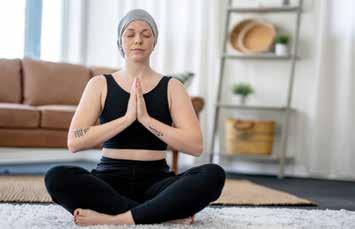
A multisite study published in the Journal of Clinical Oncology involving 587 cancer survivors compared two mind-body programs: Mindfulness-Based Cancer Recovery (MBCR), which incorporates meditation and awareness practices, and Tai Chi/Qigong (TCQ), which uses gentle, slow movements to promote relaxation and balance. The participants—mostly women around age 61—selected their preferred program or were randomly assigned if they had no preference. The most prevalent cancer types among them were breast, prostate and gastrointestinal.
Both MBCR and TCQ demonstrated a positive impact on mood scores, surpassing those observed in the control group. Notably, TCQ produced the most relief from anger and depression, as well as an increase in energy levels. MBCR proved particularly effective in reducing tension and anxiety, although it did not significantly affect depression. Neither program exhibited any effect on confusion or fatigue, and the selection of a preferred program did not influence the outcomes.
Body-Centered Therapy for Trauma
A 2021 review of 16 studies published in the European Journal of Psychotraumatology found that somatic experiencing, a body-centered therapy for trauma, helped reduce symptoms of post-traumatic stress disorder and also improved emotional and physical well-being. The studies demonstrated notable improvements in anxiety, mood and physical symptoms such as muscle tightness and pain. Benefits were observed in individuals with traumatic histories, as well as those without trauma, suggesting that somatic experiencing may support overall nervous system regulation.
Conceived by Dr. Peter A. Levine, the therapy seeks to address the accumulation of stress, shock and trauma in the body and nervous system. It empowers people to cultivate increasing tolerance for
Microbiome Therapies for Depression
A 2025 systemic review published in BMC Psychiatry involving 34 clinical trials and more than 3,300 people found that depression symptoms could be effectively treated by targeting gut bacteria with the use of probiotics (beneficial bacteria), prebiotics (nutrients that feed good bacteria) and synbiotics (a combination of both). The therapies were shown to reduce depression scores, increase levels of BDNF (an important protein for brain health) and mitigate systemic inflammation.
Notably, synbiotics exhibited the most pronounced effectiveness, followed by prebiotics and probiotics. Treatment for longer than 12 weeks was not considered helpful. Those without other medical conditions fared better, while individuals with digestive disorders and pregnant women did not experience the benefits. These findings suggest that enhancing gut health may be a useful complementary tool for depression management.
difficult bodily sensations and suppressed emotions by paying close attention to internal sensations, including body tension, breathing patterns and even their heartbeat.
FatCamera from Getty Images Signature/CanvaPro
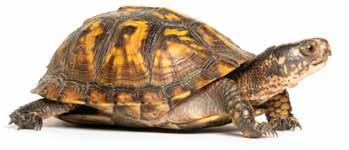
A Turtle’s Resilience and the Power of Proper Care
Rockalina, an eastern box turtle, was rescued in early 2025 by Garden State Tortoise (GST), a New Jersey reptile rehabilitation center, after spending nearly 50 years living in captivity on a kitchen floor, eating only cat food, which left her with discolored skin, deformed claws and blindness. Showing remarkable resilience, she has recovered and thrived after a treatment of warm baths, proper food and days spent in a forest-like setting with natural light and plenty of space for burrowing, hiding, exploring and even hunting and eating live earthworms.
Rockalina’s inspiring journey gained global fame through GST videos and photos, showing her enjoying a strawberry, displaying curiosity and natural instincts, walking tall and recently meeting a baby turtle companion. Rockalina’s recovery demonstrates the ability of animals to bounce back from severe neglect and underscores the importance of proper care for reptiles and all creatures.
According to the National Wildlife Federation, eastern box turtles are five to six inches long, and they inhabit ponds, fields, meadows and woodlands throughout the eastern United States. Their diet includes berries, insects, roots, flowers, eggs and amphibians. When threatened, they retract their limbs and close their shells. While they are very popular pets, many people release them into the wild when they no longer wish to care for them. This practice can be detrimental to domesticated turtles that struggle to adapt to a vastly different environment. It is best to drop them off at a local animal shelter or veterinarian.
Bacteria Engineered To Tackle Microplastics
Researchers at Duke University are investigating whether certain bacteria can degrade microplastics, the tiny plastic particles polluting oceans, soil and the food chain. The team is assessing the ability of Pseudomonas stutzeri to digest polyethylene terephthalate (PET), a strong, transparent and lightweight plastic used in beverage containers and food packaging. Thermus thermophilus is being evaluated for its potential to degrade plastic more efficiently in warm environments.
A component of their research involves bioengineering techniques designed to help the bacteria work faster. Additionally, the group is developing a solar-powered device to house the bacteria as they process plastic in polluted areas. The long-term goal is to transform degraded plastic into new, reusable materials, thus promoting recycling over accumulation in nature.
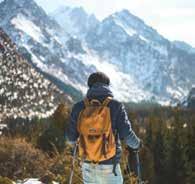
Conquering Continents on Foot
Karl Bushby, 56, is about to complete his “Goliath Expedition”, a monumental journey to walk or swim around the entire Earth without using motorized transport. The epic trek began in Chile in 1998 and is set to conclude in his hometown of Hull, England, by September 2026. As a former British Army paratrooper, Bushby is driven by a thirst for travel and adventure, leading him to make a bet with friends to achieve this seemingly impossible feat.
Bushby has conquered 25 countries, navigating deserts, mountains, jungles and war zones, often camping outdoors or occasionally staying in people’s homes. He has faced the perilous Darien Gap between Panama and Colombia, crossed the icy Bering Strait between Russia and Alaska, and more. Despite extreme weather, visa issues, the COVID-19 pandemic and periods of loneliness, he has remained steadfast in his quest of 27 years.
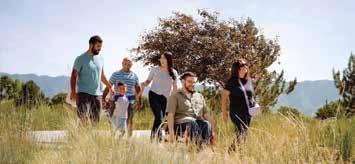
Innovative Utah Freeway for Cyclists and Pedestrians
Imagine being able to bike or walk on a paved path that connects to towns, state parks and mountain trails without ever having to fight cars or worry about road crossings. This ambitious project is underway in Utah, setting a precedent for other states to emulate.
Construction has begun on the Utah Trail Network, a 3,100-mile system of paved, unmotorized trails that will connect people of all ages and abilities to their destinations and communities. This interstate network will be entirely separate from vehicle traffic, ensuring comfort and accessibility for walking, biking or “rolling”. Approximately 500 miles are already in place.
The mission is to enhance recreation, boost tourism and provide safer commuting by linking cities, schools, workplaces and trailheads. Upon completion, 95 percent of Utah residents will live within a mile of the network. The state legislature has committed $45 million in ongoing funding and an additional $45 million one-time funding to the Utah Department of Transportation to plan, build and operate this regional trail network.
Support has come from family, individual donors and corporate sponsors. His memoir, Giant Steps, was published in 2008, and there is even talk of a potential feature film deal. Overwhelming kindness from strangers has followed the mission, affirming his belief that the world is kinder than it often appears. What began as a friendly wager has transformed into a life-changing experience, inspiring others to keep moving forward and embrace adventure.
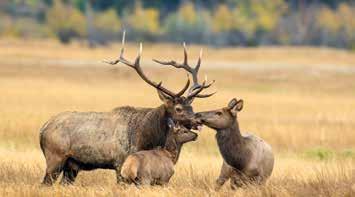
North America’s Largest
Wildlife
Overpass Opens
Colorado’s new wildlife overpass crossing I-25 is among the world’s largest animal-crossing structures over a major roadway. Spanning six lanes of interstate traffic, it seamlessly connects 39,000 acres of habitat on either side. This gradually sloped, 200-by-209-foot bridge is expertly designed to encourage the larger wildlife to use it.
Unlike tunnels, which big game animals avoid due to restricted mobility and antler clearance, this open structure offers clear sight lines. The project aims to link wildlife corridors and to preserve open spaces near water in an area known for high movement of large game such as elk, mule deer and pronghorn antelope. Studies predict a 90 percent reduction in wildlife-vehicle crashes, where there was once an average of one collision per day. The $15 million
multi-agency project marks a bold step in wildlife conservation, balancing transportation needs with ecosystem health and ensuring the safety of both motorists and wildlife.
David McGowen from Getty Images/CanvaPro Utah Trail Network/UDOT
Oziel Gómez from Pexels/CanvaPro
A Whole-Hearted Life
The Daily Choices That Help Our Hearts Thrive
by Hannah Tytus
Ahealthy heart is built from the inside out. Each day presents opportunities to nurture vitality through dietary choices, physical activity, restful periods, social connections and personal fulfillment. These ordinary decisions profoundly impact the long-term trajectory of cardiovascular well-being.
According to the World Health Organization, cardiovascular disease is the leading cause of death worldwide, accounting for 32 percent of global fatalities and affecting families across diverse communities. The U.S. Centers for Disease Control estimates that one in three deaths in the United States can be attributed to this devastating disease. Behind these sobering statistics lies the reassuring fact that small, daily choices can help protect the heart.
Heart-Healthy Foods
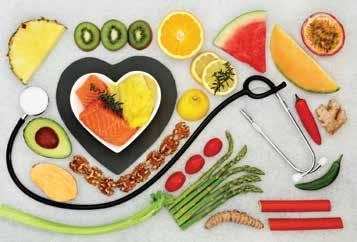
Among the most studied heart-supportive eating strategies are the Mediterranean Diet and the Dietary Approaches to Stop Hypertension (DASH) Diet, which help regulate cholesterol levels and reduce inflammation. Both emphasize the consumption of vegetables, fruits, whole grains and nuts, while limiting saturated fat and processed meats. Additionally, eating fatty fish provides whole-food omega-3 fatty acids, which have been shown to be more effective than comparable supplements in supporting heart health, according to a 2018 study published in JAMA Cardiology.
Dr. Regina Druz, based on Long Island, New York, is the founder of Holistic Heart Centers of America and a board-certified specialist in cardiology and functional medicine. Her
expertise lies in heart disease prevention through holistic, lifestyle-driven care. She is the author of a forthcoming book, Longevity Code: How to Age-Proof Yourself for Optimal Health
A proponent of the Mediterranean Diet, Druz encourages patients to build a way of eating that feels natural, flavorful and balanced. She emphasizes the significance of meal timing and its alignment with a person’s circadian rhythm. She also often recommends moderate intermittent fasting, as long as it is done safely, sustainably and personalized to the individual.
According to Druz, dietary changes are most powerful when they are part of a larger, three-pillared foundation that includes exercise, nutrition and sleep. She discourages people from searching for a single magic bullet and instead invites them to build a way of eating that feels natural, flavorful and balanced.
Mindfulness and Mood
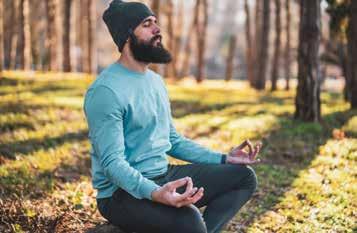
The intricate connection between the mind and heart is often underestimated. Chronic stress can elevate blood pressure and induce inflammation, placing a burden on the cardiovascular system. Stress reduction does not have to be complicated. Even a few minutes of mindful breathing or meditation can shift the body into a more relaxed state, offering the heart a small but meaningful reprieve.
Mindful awareness practices appear to have favorable effects on blood pressure, cortisol levels and inflammatory markers, suggesting that everyday mind-body tools can provide meaningful support. A 2007 report published by the Agency for Healthcare Research and Quality found that Transcendental
Kiattisak Lamchan from
Meditation (TM), qigong and Zen Buddhist meditation yielded modest reductions in high blood pressure. A 2019 meta-analysis of TM for heart disease demonstrated improvements in blood pressure levels.
Biofeedback involves measuring bodily functions, particularly heart rate variability, to enable individuals to consciously alter these functions. It can track how slow breathing techniques help the heart relax. Notably, biofeedback has been shown to be effective in lowering blood pressure levels, according to a 2024 meta-analysis study published in Nature.
Healing Power of Slumber
Sleep is integral to heart health. A 2017 study published in Chest reports an association between insomnia and cardiovascular disease, including high blood pressure and heart failure. Furthermore, a 2011 study in Circulation demonstrates a link between insomnia and a moderately increased risk for a heart attack.
Druz collaborates with sleep specialists that use wearable technology, such as the SleepImage device, to assess sleep quality in real time. She has observed that even modest adjustments to sleep habits can yield significant improvements—from changing sleep positions and recalibrating room humidity to optimizing sleep times and reorienting bed pillows. By tracking sleep patterns over time, individuals can identify subtle shifts that contribute to a quantifiably better night’s rest.
Benefits of Consistent Exercise
Regular physical activity remains a cornerstone in reducing cardiovascular risk. The 2004 INTERHEART study, involving nearly 30,000 participants from 52 countries, revealed that moderately intense exercise for four or more hours per week reduced the risk of a heart attack by 12.2 percent.
A 2011 cohort study published in Lancet involving more than 400,000 participants showed that engaging in as little as 15 minutes of daily physical activity can reduce the risk of mortality by 14 percent and
extend life expectancy by an average of three years. Each additional 15-minute interval can further decrease mortality across all age groups, including individuals with preexisting cardiovascular disease.
High-intensity interval training (HIIT) has emerged as an effective regimen for promoting cardiovascular fitness. According to Druz, HIIT maximizes VO2 max (the maximum volume of oxygen a body can use during intense exercise), a key indicator of cardiovascular health and strong predictor of longevity. However, she acknowledges that HIIT may not be accessible to everyone because it alternates short periods of intense, explosive exercise with brief recovery periods to the point of exhaustion.
In such cases, she recommends incorporating “exercise snacks” into daily routines, which involve brief bursts of movement throughout the day. Walking the dog, carrying groceries, completing household chores or simply standing more frequently can contribute to a less sedentary lifestyle. These accessible steps make it easier to integrate movement into daily living.
Nature’s Rewards
Spending time outdoors provides more than aesthetic appeal and access to fresh air. Living closer to nature has been linked to lower incidences of cardiovascular disease, stress, diabetes and stroke. Exposure to green space is associated with lower blood pressure, improved heart rate variability and reduced cardiovascular mortality. A 2016 study in Nutrition, Metabolism and Cardiovascular Diseases involving nearly 12,000 participants observed that the more recreation time someone spends outdoors, the less likely they are to die of cardiovascular disease.
The Transformative Energy of Optimism
Outlook influences physiology. Positive emotions, optimism and life satisfaction are associated with lower rates of cardiovascular disease and reduced mortality. The American Heart Association (AHA) notes that compared to pessimistic individuals, optimistic people have better vascular health, fewer heart attacks and lower cardiovascular
marilyna from Getty Images/CanvaPro
mortality. Among individuals with established disease, those that are optimistic about their treatment and recovery often experience better rates of long-term survival and enhanced function.
Optimism is a skill, not a fixed trait. The AHA identifies Type D (or “distressed”) personality traits, characterized by negative emotions and increased self-criticism, as being linked to poorer cardiovascular outcomes. Encouragingly, Type D individuals often respond favorably to cardiac rehabilitation programs that combine physical activity with counseling and psychological support.
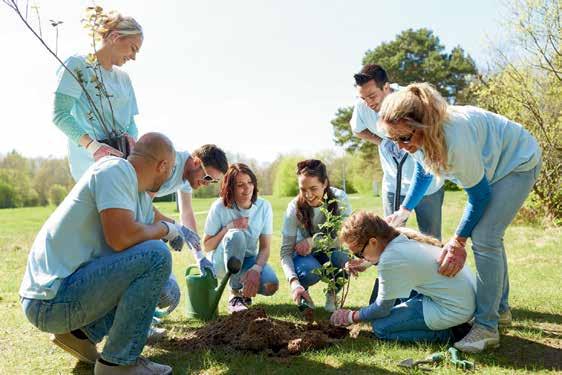
Volunteer work also contributes to well-being. A 2017 study in BMC Public Health determined that regular volunteering is associated with enhanced self-rated health and reduced mortality. Older adults that engaged in volunteer work at least 200 hours per year experienced a 40 percent reduction in hypertension over a four-year period.
These findings underscore the significance of joy and purpose in human life. They are integral to the biology of the heart. When individuals cultivate a more compassionate perspective toward themselves and others, their hearts experience a measurable positive impact.
The Strength of Connection
Relationships exert a powerful influence on health. In a 2016
meta-analysis study published in Heart, researchers determined that poor social relationships were associated with a 29 percent increased risk of cardiovascular disease and a 32 percent increased risk of stroke. Humans are inherently wired for connection, and extended loneliness can have measurable physiological consequences.
“We need each other,” Druz emphasizes. “We are living in a sea of loneliness, and loneliness can be a hugely impactful factor on health.” Making time for family, friendships, community groups or new social circles fosters both emotional well-being and heart resilience.
Loving Our Heart Back
Cardiovascular health encompasses not only disease prevention, but also the cultivation of a lifestyle that enhances vitality, connection, rest and overall well-being. These choices do not need to be drastic. Incorporating more green vegetables, spending more time in the sun, taking a moment to breathe mindfully, taking a short walk outside, getting a good night’s sleep and reaching out to loved ones can collectively contribute to a foundation that can extend life expectancy and enhance the quality of life.
Hannah Tytus is an integrative health coach, researcher and content creator at KnoWEwell, P.B.C., and former writer at the National Institutes of Health.
Nurturing the Heart Through Acupuncture
Integrative Support for Stress, Circulation and Restorative Balance
by Nena Watkins
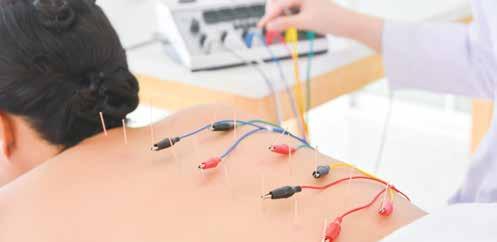
Awhole-hearted approach to cardiovascular wellness recognizes that heart health is shaped not only by diet and physical activity, but also by stress physiology, circulation and restorative rest. Acupuncture, a time-honored integrative therapy, is increasingly used as a complementary approach to support these interconnected systems.
Ways acupuncture may support heart health include:
Calming the nervous system. Acupuncture encourages a shift from chronic “fight-orflight” stress into a more restorative state, supporting relaxation and nervous system balance that can influence heart function.
Reducing stress-related tension. Ongoing stress can contribute to elevated blood pressure and cardiovascular strain. Acupuncture sessions are commonly associated with deep relaxation and improved stress resilience.
Supporting healthy circulation and blood flow. From both Traditional Chinese Medicine and modern integrative perspectives,
acupuncture is used to promote circulation, supporting efficient oxygen and nutrient delivery throughout the body.
Promoting vascular function. Healthy blood vessels play a critical role in cardiovascular wellness. Acupuncture is often used as part of an integrative strategy to support vascular tone and overall circulatory health.
Improving sleep and recovery. Restorative sleep is essential for metabolic and heart health. Acupuncture is frequently used to support sleep quality, allowing the cardiovas-
cular system time to recover and rebalance.
As interest grows in preventive and integrative approaches to heart wellness, acupuncture offers a personalized modality that supports both the physiological and lifestyle dimensions of living a whole-hearted life.
Nena Watkins, Licensed Acupuncturist, is founder of Oak Cliff Acupuncture. For more information, visit OakCliffAcu.com. See ad, page 22.
How Float Therapy Can Help Nurture Heart Health
by Myra Hedgefield
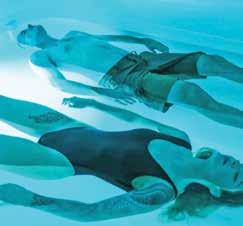
Float therapy—sometimes called flotation therapy—immerses the body in a warm, magnesium-rich Epsom salt solution that creates a sensation of weightlessness. By reducing external stimulation and muscular effort, floating encourages deep relaxation and nervous system balance. Offered in many holistic and integrative wellness settings, float therapy may support heart health through several interconnected pathways.
1. Shifts the Body Out of Chronic Stress Mode. Ongoing stress keeps the nervous system in a heightened state that can elevate heart rate and blood pressure. Float therapy promotes a parasympathetic “rest-and-restore” response, giving the heart an opportu-
nity to slow down and recover.
2. Supports Vascular Relaxation and Circulation. The release of muscular tension during floating may help blood vessels relax
and support healthy circulation. Reduced physical strain can encourage more efficient blood flow and oxygen delivery throughout the body.
3. Encourages Healthier Heart Rate Variability. Heart rate variability reflects how well the heart adapts to physical and emotional stress. Deep relaxation and slowed breathing during float sessions may help support improved HRV, a marker associated with cardiovascular resilience.
4. Helps Reduce Stress-Related Hormonal Load. Elevated stress hormones, such as cortisol, are linked to inflammation and cardiovascular strain. Many people experience reduced anxiety and mental tension following float sessions, which may ease the heart’s physiological workload.
5. Supports Restorative Sleep. Quality sleep plays a critical role in cardiovascular repair and regulation. Float therapy is often associated with deeper, more consistent sleep, allowing the heart essential time to rest overnight.
Who Might Benefit Most
Float therapy may be especially supportive for adults experiencing chronic stress, emotional overload or poor sleep; those seeking preventive, lifestyle-based heart support; physically active individuals managing muscular tension; and anyone interested in nervous system regulation as part of a whole-person approach to heart health.
As with any wellness modality, individuals with medical conditions should consult a qualified healthcare provider before beginning float therapy.
For more information, call 214-238-0955 or visit
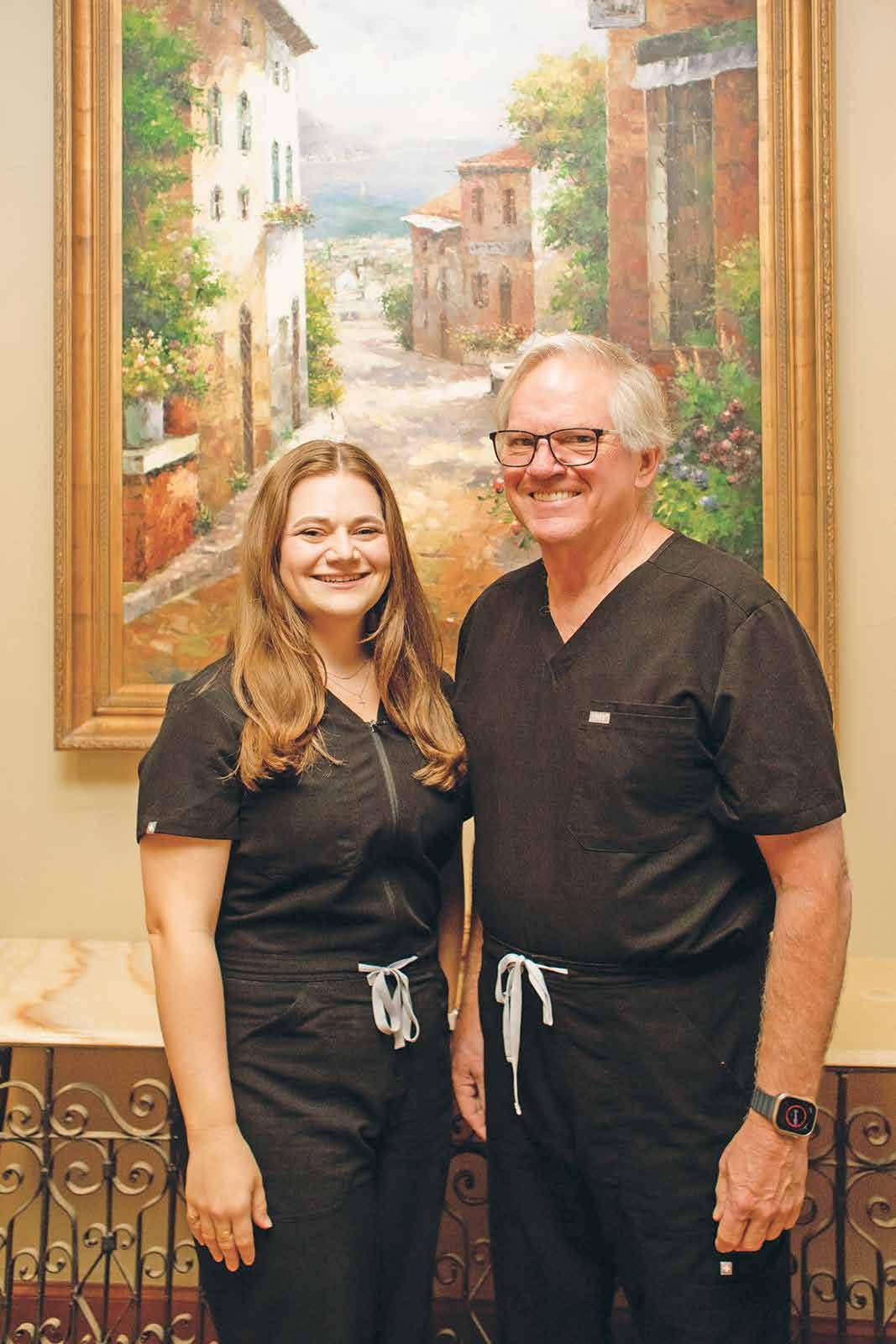
Doctors Rowell and Kozlow
Foot Fitness for Longevity
The Path to Better Balance and Blood Flow
by Maya Whitman
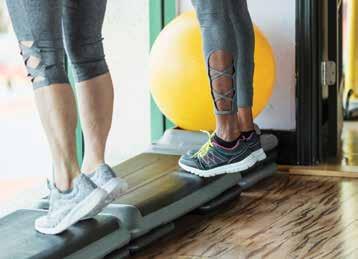
Often overlooked in fitness routines, the feet and ankles are essential to whole-body function, especially as we age. They support balance, proper posture, mobility and even circulatory and lymphatic flow. “The venous system does not have any capability to pump blood from the lower extremities to the heart and relies on our movements to assist the return of blood,” explains Kim Henderson, a chiropractic physician and the founder of Health Clarified, in Northbrook, Illinois. When we walk or exercise, our leg muscles—especially in the calves—contract and compress the deep veins, acting like a pump to force blood upward.
For older adults, runners or anyone focused on holistic health, strengthening and mobilizing the toes, feet and ankles can enhance cardiovascular support, reduce fall risk and restore lower body mechanics. Every year, more than 2 million people suffer from plantar fasciitis-related heel pain, one in four adults over 65 experience falls, and more than 2 million visit emergency rooms for sprained ankles. Simple, consistent exercises can enhance quality of life and prevent injuries at any age. Strong calves, flexible ankles and healthy fascia (connective tissue) make every step more stable.
Causes of Foot Instability
Overpronation is when the foot rolls excessively inward while walking or running, causing the arch to flatten and the ankle to angle inward, leading to potential pain
in the feet, ankles, knees, hips, back and beyond. “We have seen chronic neck and shoulder pain be reduced, even eliminated, by supporting the arch,” notes Henderson, whose patients complete a series of exercises to strengthen the affected muscles.
According to Chicago-based fitness expert Stephanie Mansour, host of the PBS show Step It Up With Steph and a fitness contributor to The Today Show, foot instability and discomfort can have multiple causes, such as wearing ill-fitting shoes, overdoing activities without proper warm-up, ignoring pain, excessive barefoot walking, being overweight and medical conditions like diabetes. Listening to the body, rather than pushing through
pain, and promptly addressing minor discomfort are paramount.
“Independence depends on functioning feet. That limp will lead to imbalances up into the knees, hips, spine and even shoulders,” underscores orthopedic and corrective exercise specialist Matt Hsu, founder of Upright Health, in California. The most common issue, he says, is a lack of dorsiflexion—the ability to pull the toes and forefoot toward the knee. “This throws off our gait and sets us up for Achilles tendon injuries, especially.” Hsu adds that bunions can also affect our ease of movement and suggests wearing shoes with wider toe boxes to prevent the condition.
Essential Exercises
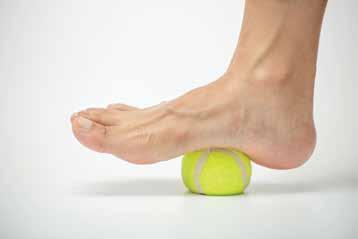
To cultivate good balance, the National Institute on Aging recommends engaging in three sessions of balance exercises per week, including tai chi, yoga or standing on one foot for five to 10 repetitions per leg, holding each for 10 to 30 seconds. To loosen the arch and increase range of motion, the American Association of Retired Persons suggests rolling a small ball for one minute under each foot daily.
“Regular exercise can improve circulation, reduce stiffness and enhance proprioception, which is your body’s awareness of its position in space. This contributes to better overall mobility,” says Mansour, who recommends that the following four exercises be done three or four times a week. Aim for two to three sets of 10 to 15 repetitions for each foot.
Calf Raises: Using a wall or chair for support, slowly rise onto the balls of the feet, lifting the heels off the ground. Hold for a moment,
then slowly lower back down. This strengthens calf muscles and the Achilles tendon.
Toe Curls With a Towel: Sit in a chair and place a flat towel under the feet. Keeping heels on the floor, curl the toes to grab the towel and raise it toward the body. Relax and repeat. This strengthens feet muscles and helps with arch support.
Ankle Circles: In a seated position, move each foot in circles, first clockwise and then counterclockwise. This improves flexibility, balance and range of motion, while also preventing stiffness and injury.
Toe Spread: While sitting or standing, try to spread all the toes apart as wide as possible. Hold for a few seconds, then relax and repeat. This creates a wider base for better balance during movement, strengthens foot muscles and combats bunions, hammertoes and plantar fasciitis.
Henderson recommends Heel Raises on Stairs: Stand on a step with both heels hanging over the edge. Slowly lift the heels, keeping the legs straight, while standing on the balls of the feet. Now lower the heels down past the level of the step as far as comfortable before repeating the upward movement again. Aim for two sets of 15 to 20 repetitions, four to five times per week.
Hsu suggests incorporating Tibial Raises: Lean back against a wall with feet 12 to 20 inches apart. Keeping heels down, gently lift the toes toward the shins, then lower them slowly. Repeat until reaching medium fatigue in the shin muscles. Do two sets. This strengthens shins and improves balance, knee support and ankle stability.
Before starting any routine, consult a health professional. Strive for consistency over intensity. Exercise should be a challenge, not cause pain.
Maya Whitman is a frequent writer for Natural Awakenings.
The Foundation of Movement:
Why Foot Health Shapes How We Age
by Michael L. Ashley
Feet are often overlooked until discomfort appears, yet they quietly influence nearly every aspect of movement. Acting as the body’s foundation, the feet absorb impact, support balance and help guide posture with each step. When that foundation weakens, the effects can ripple upward—altering gait, reducing mobility and undermining confidence in everyday activities.
As we age, natural changes occur in the feet. Fat pads thin, joints lose flexibility and intrinsic foot muscles weaken. These shifts may be subtle, but even small changes can affect stability and balance. Many people unknowingly adapt their movement to avoid discomfort, often cutting back on activity long before realizing foot health is the underlying factor.
Small Foot Problems, Whole-Body Effects
Common issues such as collapsed arches,
forefoot pain, bunions or hammertoes rarely stay isolated. When foot alignment changes, the body compensates. Knees rotate differently, hips absorb uneven forces and the lower back works harder to stabilize movement. Over time, these adaptations can contribute to joint strain, muscle fatigue and chronic discomfort far from the feet themselves.
Reduced sensation—such as mild peripheral neuropathy—can further compromise balance. Without clear sensory feedback from the feet, stability becomes less reliable, increasing fall risk and diminishing confidence during routine activities like walking or standing.
Footwear’s Role in Alignment and Comfort
Shoes play a critical role in how the body moves. Supportive footwear helps guide natural motion, while worn-out or poorly structured shoes can magnify imbalance.
When footwear lacks proper support or stability, compensations often show up as knee pain, hip fatigue or lower-back tightness.
Thoughtfully selected shoes support alignment from the ground up, helping joints move more efficiently and reducing unnecessary strain throughout the body.
Early Signals Worth Noticing
The body often provides early clues when foot support needs attention. Persistent foot fatigue, recurring heel or arch soreness, uneven shoe wear or a growing sense of instability are common signs. New aches in the knees, hips or lower back—especially after prolonged standing or walking—may also trace back to the feet.
Addressing these signals early helps prevent minor concerns from becoming long-term limitations.
A Practical Step Forward
Evaluating everyday footwear is a simple but powerful starting point. Replacing worn shoes, adding appropriate orthotic support and seeking professional assessment when discomfort persists can improve posture, energy and confidence in movement.
Supporting foot health is a small investment with lasting benefits—helping preserve independence, mobility and an active lifestyle at every stage of life.
Michael L. Ashley, C.Ped., is a Certified Pedorthist and owner of Foot Fit Expert. For more information, visit Foot-FitExpert. com.
Nature’s Cardiologist
Herbs and Nutrients That Heal the Heart
by Hannah Tytus
Because heart disease is the leading cause of death in the United States, management of its risk factors, including high blood pressure and high cholesterol, is paramount.
“It is easier and more meaningful to prevent disease than to try to reverse the damages,” says holistic cardiologist Joel Kahn, M.D., founder of the Kahn Center for Cardiac Longevity, in Michigan and Florida, as well as a clinical professor of medicine at the Wayne State University School of Medicine, in Detroit, and author of several books, including The Whole Heart Solution and The Plant-Based Solution.
An integrative approach that combines nutrition, exercise, stress reduction and proper sleep is advised. Additionally, certain herbs and nutritional supplements may serve to prevent disease, as well as enhance medical care. From ancient botanicals to targeted nutrients, these natural allies offer powerful benefits by lowering blood pressure and cholesterol, improving circulation and reducing inflammation.
Plant-Centric Nourishment
The Mediterranean Diet and the Dietary Approaches to Stop Hypertension (DASH) Diet are the most researched for cardiovascular health. The Mediterranean Diet emphasizes locally sourced vegetables, fruits, whole grains, legumes, olive oil, nuts and seafood, with moderate consumption of meat and dairy. The DASH Diet, designed by researchers at the National Institutes of Health, prioritizes fruits, vegetables, whole grains, lean proteins and low-fat dairy, while limiting sodium, sugar and saturated fat intake. Both diets are well-supported by scientific evidence to improve heart health and reduce cardiovascular disease risk.
Key Supplements
When supplements are warranted, Kahn starts with the basics. “CoQ10 and omega-3s are two very important supplements that work well together,” he asserts. “Most patients on statins [to lower cholesterol] become severely CoQ10 deficient.” CoQ10, a naturally occurring coenzyme, aids in cellular energy production. A 2017 study showed that combining CoQ10 and omega-3s with statins reduced the drug’s negative effects while still lowering blood pressure and cholesterol.
Claudia Joy Wingo, a registered nurse, clinical herbalist and public health educator with more than 45 years of experience, stresses the importance of a nutrient-rich diet over supplements. She prefers whole foods to fish oil supplements. While supplementation can be beneficial, it should ideally accompany whole foods. CoQ10 and omega-3 fatty acids can be found in fatty fish, olive oil and a variety of nuts and seeds. viperagp from Getty Images/CanvaPro
Herbs for Cardiovascular Health
Emphasizing the importance of addressing underlying vascular issues, Wingo explains, “High blood pressure damages epithelial tissue in your arteries, and your body patches things up by laying down cholesterol and plaques.” Ruptured plaques can block blood flow, causing heart attacks. According to Wingo, the best strategies integrate biomedicine with nutritional and herbal support. Medications control blood pressure, while herbs nourish the surrounding tissue. Many herbs contain antioxidants that fight oxidative stress and anti-inflammatory compounds that may prevent artery damage and atherosclerosis.
Aged Garlic: Although garlic has been used for centuries, modern research has focused on aged extracts specifically for cardiovascular support, which “lower cholesterol, blood pressure, homocysteine and plaque in heart arteries,” according to Kahn.
Pycnogenol (French maritime pine bark extract) and Gotu Kola (Centella asiatica): Kahn recommends combining these two botanical supplements, noting that clinical studies show this pairing can reduce vascular calcifications by approximately 10 percent. Wingo uses gotu kola daily as a tonic herb, adding it to teas for its nervous system-supportive properties that promote mental calmness, improve blood circulation and strengthen blood vessel walls.
Hawthorn: A member of the rose family, hawthorn is Wingo’s most trusted plant for cardiovascular health. Historically used as a heart tonic, it benefits the heart and blood vessels by reducing inflammation and oxidative stress, supporting healthy cholesterol levels and protecting the lining of blood vessels. A 2023 review published in Food & Function suggests it may improve circulation, relax blood vessels and prevent the clumping of blood platelets that can lead to clots. Consult with a healthcare provider before starting hawthorn supplements, as it can interact with certain heart medications.
L-Carnitine: To treat people recovering from a cardiac event or those with an arrhythmia or irregular heartbeat, Wingo often turns to L-carnitine, which, she asserts, supports the heart’s mitochondria, thus improving their ability to produce energy.
Ginkgo Biloba: To promote circulation and reduce the risk of plaque-related complications, Wingo occasionally turns to ginkgo biloba to enhance blood flow and help stabilize arterial plaque, lowering the likelihood of rupture.
Polyphenol-Rich Plants: Wingo recommends plants rich in polyphenols for their ability to reduce oxidative stress, including blueberries, cranberries and green tea. For “nervous heart” symptoms, she suggests linden tea, which is used in Europe as a calming agent.
Personalized Treatment and Safety
Both experts stress the importance of personalized, guided care. Instead of following online supplement trends, work with a trained professional to create a targeted plan. Kahn points out that many popular supplements lack significant research and advises choosing reputable, third-party-tested brands. Wingo shares similar concerns about self-medicating with multiple herbs that do not suit the patient’s condition. She emphasizes that herbs should complement, not replace, conventional medicine, and they are most effective when used with prescribed treatments.
Their advice is clear: Research thoroughly and seek the advice of an experienced clinician, such as a naturopath or an herbalist registered with the American Herbalists Guild. It is also important to consult the patient’s treating cardiologist when considering an herb or supplement, as they may interfere with heart medications or cause unintended side effects that are counterproductive.
Hannah Tytus is an integrative health coach, researcher and content creator at KnoWEwell, P.B.C., and former writer at the National Institutes of Health.
Serving Lake Highlands, Highland Park and North Dallas for over 35 Years Installation warranties
seven days a week
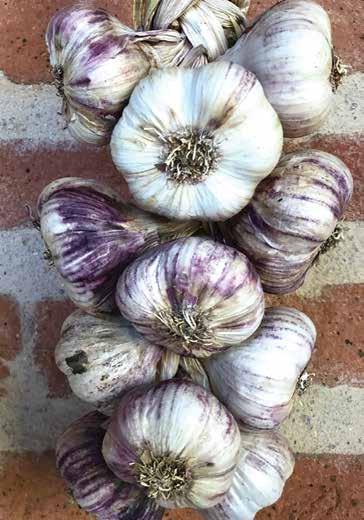
Garlic Therapy
Eating Our Way to a Healthier Heart
by Marlaina Donato
Fresh garlic is a pungent delight that can jazz up any meal, from hearty winter stews to sautéed vegetables on a bed of healthy grains. Allicin, the compound that gives crushed garlic its distinctive smell, protects the plant from pests and offers humans many health benefits, acting as an antioxidant, antimicrobial and anti-inflammatory agent; improving gut balance; and supporting cardiovascular and immune health.
Research published last year in Nutrition Reviews indicates that consumption of garlic significantly improves key cardiovascular risk markers, including cholesterol and blood sugar levels, blood pressure, oxidative stress and inflammatory biomarkers. In a 2022 article, the Cleveland Clinic suggests that red blood cells respond to the sulfur in garlic by creating nitric oxide and hydrogen sulfide gases, which relax and expand blood vessels. A 2019 meta-analysis of clinical trials published in Experimental and Therapeutic Medicine concludes that supplementation with an aged garlic extract offers similar results to blood pressure-lowering medications. While more research is needed to understand the full-spectrum potential of this kitchen staple, regularly spicing up meals with a clove or two can foster better health.
Maximizing Benefits and Flavor
Mincing, grating or pressing garlic intensifies its pungency, waking up ordinary steamed vegetables when tossed with olive oil or spicing up homemade hummus. Whether regular grocery store-bought, traditional heirloom or locally grown, garlic offers benefits, but following a few easy tips ensures that its nutritious perks remain intact.
According to Natalie Ledesma, a board-certified oncology dietitian and the founder of Natalie Ledesma Integrative & Functional Nutrition Consulting, in San Francisco, it is best to allow chopped or crushed garlic to sit for about 10 minutes before consuming it, cooking with it or adding it to vinaigrettes or other salad dressings. This waiting period maximizes the formation of allicin. Notably, the acidic nature of vinegar or lemon juice compromises allicin’s stability.
“If you compare raw garlic to garlic that has been cooked by various methods, you can see dramatic drops in allicin, one of the purported active ingredients,” advises Dr. Michael Greger, founding member of the American College of Lifestyle Medicine and author of several
national bestsellers, including How Not to Die, The How Not to Die Cookbook and How Not to Age
If garlic must be cooked, he suggests roasting to retain vital qualities that are quickly lost through simmering, high-heat stir-frying and boiling. “It is simple to prepare and can be used to add flavor to almost any dish,” he explains. “After roasting the garlic, you can also puree it in a blender or food processor until smooth, then portion and freeze it for future use.” A head of roasted garlic yields about one-anda-half to two tablespoons of a delicious paste, which can be slathered on warm bread or sandwiches, whipped into zesty dips, and stirred into creamy mashed potatoes or a bowl of pasta.
“There are other beneficial compounds in garlic that are not deactivated by heat. They include ajoene, diallyl disulfide, diallyl trisulfide and S-allyl cysteine, which have anti-inflammatory and anti-clotting benefits,” advises Dr. Joel Fuhrman, a board-certified family physician, president of the Nutritional Research Foundation and author of several bestsellers, including his Eat to Live Cookbook
Hacks for Sensitive Bellies and General Tips
Garlic should be avoided by anyone on pharmaceutical or herbal blood thinners. For those that experience stomach or intes tinal upset, Ledesma suggests removing the green sprout inside the garlic clove, a prime culprit for indigestion, or eating only the gar lic scapes (the curly green flower stalks that grow on the garlic plant), which are generally well-tolerated.
For less discomfort and added convenience, Fuhrman endorses dehydrated raw garlic granules, noting that they will soften, expand and partially cook when sprinkled over veg gies as they are steamed in a pot, enhancing its digestibility.
When purchasing garlic, choose intact heads that are firm to the touch, have plump cloves and do not have a strong odor of garlic—an indication of damage and loss of vital bene fits. After chopping or peeling, rubbing cut ting boards and hands with fresh lemon juice will remove the pungent garlic aroma.
Marlaina Donato is an author, painter and composer. Connect at WildflowersAndWood Smoke.com.
•Local, free-range, 100% grass-fed beef from Springerhill Ranch
•No antibiotics ever, vegetarian fed, cage-free chicken from Perdue Farms
•Verlasso salmon raised in the clean waters of Patagonia
C o Q 1 0
M a g n e s i u m
L - C a r n i t i n e
T a u r i n e
B - C o m p l e x
D e x p a n t h e n o l
L o v e S p r i n g s f r o m t h e H e a r t !
G i v e a l i t t l e l o v e w i t h o u r H e a r t
H e a l t h I V .
C a l l t o d a y f o r a n a p p o i n t m e n t
( 9 7 2 ) 7 7 1 - 8 9 0 0
t
r
l l e v e l s , h i g h b l o o
p r e s s u r e , m i t i g a t i n g r i s k s o f c a r d i a c a r r e s t , h e a r t a t t a c k ,
a n d s t r o k e . I f a t a l l p o s s i b l e , t h e o b j e c t i v e o f o u r h e a l t h y
2455 Ridge Rd, Ste 151, Rockwall
h e a r t i n f u s i o n i s t o m i t i g a t e c a r d i o i s s u e s o v e r a l l , a n d
i d e a l l y , e l i m i n a t e t h e n e c e s s i t y f o r c a r d i a c m e d i c a t i o n s
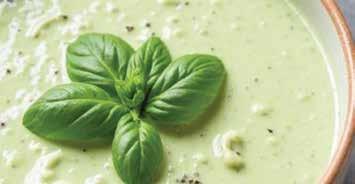
CREAMY TOFU BASIL SAUCE
YIELD: 6 SERVINGS, ½ CUP EACH
1 12.3-oz package of silken
tofu
½ cup water
¾ cup fresh basil, chopped
4 Tbsp nutritional yeast
3 Tbsp gluten-free tamari
1 Tbsp lemon juice
2 cloves garlic, minced
¾ tsp black pepper
Blend all ingredients together in a blender or food processor.
Serve over pasta, vegetables or a baked potato.
Recipe courtesy of Natalie Ledesma.
ZINGY BALSAMIC-LIME VINAIGRETTE
YIELD: 1¼ CUPS FOR APPROXIMATELY 8 SERVINGS
½ cup balsamic vinegar
Juice of 1 freshly squeezed lime
½ cup extra virgin olive oil
1 Tbsp maple syrup or honey
1 fresh garlic clove, minced or grated
½ tsp sea salt or smoked salt
¼ tsp freshly ground black or white peppercorns
Combine all ingredients and hand-whisk until well blended. Drizzle vinaigrette over green salads, potato salad, cold green beans, or grilled tofu or shrimp. Store remainder in the refrigerator for up to 1 week.
Recipe courtesy of Marlaina Donato.
ROASTED GARLIC
YIELD: 1½ TO 2 TBSP OF GARLIC PASTE
1 whole head of garlic or more
Preheat the oven to 400° F.
Use a sharp knife to cut about ⅓ inch off the top of the whole head of garlic to expose the tops of the garlic cloves. Place the bulb inside a terracotta garlic baker or wrap it securely in parchment paper.
Bake in the oven, cut side up, for 30 to 40 minutes or until the garlic cloves are soft. Remove from the oven and open the garlic baker or parchment paper to let the garlic cool.
Remove one garlic clove and squeeze it over a small bowl, allowing the soft, roasted garlic to slip out of the papery skin. If it is not soft and golden brown, return the rest of the bulb to the garlic baker or rewrap it in parchment paper and bake for a few more minutes.
When the garlic is soft inside and cool enough to handle, squeeze out each roasted garlic clove into the bowl. It is now ready to enjoy. To give it a uniform texture, mash it with a fork or puree it in a food processor.
Tip: Roasted garlic can be stored in the refrigerator in a jar or other container with a tight-fitting lid for up to 5 days or portioned and frozen for up to a month.
Recipe courtesy of Dr. Michael Greger.
4kodiak from Getty Images Signature/CanvaPro
BLACK BEAN STEW WITH PURPLE SWEET POTATOES
YIELD:
4 SERVINGS
Mango adds color and a touch of sweetness to this luscious stew. Make it as spicy as desired, adding more or less jalapeño to taste. If purple sweet potatoes are unavailable, any sweet potato varietal will do. Substitute thawed, frozen mango for fresh if the fruit is not in season.
1 large red onion, chopped
2 fresh garlic cloves, minced
2 large purple sweet potatoes, peeled and diced into ½-inch cubes
1 medium red bell pepper, cored, seeded and diced
1 small jalapeño, seeded and minced (optional)
2 cups vegetable broth or water
2 tsp white miso paste
¼ cup hot water
3 cups salt-free black beans, home-cooked or from BPA-free cans, drained and rinsed
1 14.5-oz BPA-free can of salt-free, diced tomatoes, undrained
1 ripe mango, peeled, pitted and diced
½ cup fresh cilantro, chopped
In a large pot, heat a few tablespoons of water over medium heat. Add the red onion, then cover and cook until softened, stirring occasionally, about 7 minutes. Stir in the garlic and cook another 2 minutes. Add a little more water, if needed, to prevent the onion and garlic from sticking to the bottom of the pot.
Add the sweet potato, bell pepper, jalapeño (if using) and vegetable broth. Bring to a boil. Lower the heat to medium-low, cover and simmer until the sweet potatoes are tender but still firm, about 25 minutes.
Blend together the white miso paste and ¼ cup of hot water.
Stir in the beans, tomatoes in their juice and miso mixture, then simmer gently, uncovered, until heated through, about 5 minutes. Add the mango and cook for 1 more minute, then stir in the cilantro and serve hot.
Recipe courtesy of Dr. Michael Greger.
Specialty Garlic for Planting & Cooking
North Haven Gardens
A well-known Dallas nursery and one of the best local resources for seed garlic suited to North Texas conditions. They also provide classes, growing guides, and seasonal planting advice for home gardeners.
7700 Northaven Rd
Dallas, TX 75230
Phone: 214-363-5316
NHG.com
Gourmet Garlic Gardens
A Texas-based specialty garlic grower offering rare and flavorful varieties, including the popular Texas Rose. Known for high-quality bulbs and grower expertise, primarily serving customers online and by direct order.
Phone: 352-817-0111
GourmetGarlicGardens.com
Email: ben@allicinsranch.com
Redenta’s Garden
A DFW garden center with locations in Dallas and Colleyville, carrying a wide selection of plants, bulbs, and garden supplies. They often stock garlic bulbs and garlic-related garden products seasonally.
2001 Skillman St Dallas, TX 75206
Phone: 214- 823-9421 Redentas.com
The Air We Share:
How Regional Action Supports Healthier Living in North Texas
by Karoline Matthews
For households across North Texas, clean air is a shared quality-of-life issue. From daily commutes and outdoor exercise to time spent at home, the air we breathe influences respiratory health, energy levels and overall well-being for people of all ages.
Air North Texas is a regional public awareness initiative serving Collin, Dallas, Denton, Ellis, Johnson, Kaufman, Parker, Rockwall and Tarrant counties, helping residents understand how everyday choices affect air quality and what practical steps can reduce pollution. Clean air requires a regional effort because air—and air pollution—does not stop at city limits or county lines. What happens in one community can affect air quality across the entire region. Coordinated by the North Central Texas Council of Governments, the program works with local governments, transportation agencies, employers and community partners to im-
prove air quality throughout North Texas.
Ground-level ozone remains a challenge in the region, particularly during warmer months. Poor air quality can aggravate asthma, strain the cardiovascular system and reduce comfort during outdoor activity. Air North Texas helps residents stay informed by providing air quality forecasts and ozone alerts, allowing individuals and families to plan outdoor time, commuting and energy use more thoughtfully.
The initiative also emphasizes how common routines—frequent driving, vehicle idling, and use of gas-powered equipment—contribute to pollution that can travel well beyond a single neighborhood. By making small, consistent adjustments at home, at work and on the road, households can help reduce emissions while supporting cleaner air for the broader community.
Clean-Air Tips for North Texas Households
Limit vehicle idling. Turning off engines while waiting helps reduce ozone-forming emissions.
Choose alternatives to solo driving. Carpooling, public transit, walking or biking reduce traffic-related pollution.
Plan activities around air quality conditions. Checking daily forecasts can help limit exposure on high-ozone days.
Conserve energy at home. Using electricity efficiently helps reduce emissions from power generation.
Delay mowing or refueling on poor air days. Gas-powered lawn equipment releases pollutants that can worsen regional air quality.
Air North Texas reinforces that improving air quality doesn’t require dramatic lifestyle changes—just awareness and shared responsibility. When households across North Texas take small steps together, the collective impact helps protect health, comfort and the environment we all depend on.
Air North Texas is a regional public awareness initiative coordinated by the North Central Texas Council of Governments that works to improve air quality through education, partnerships and community action across the Dallas–Fort Worth region. For more information, visit AnTX.org.
Karoline Matthews is an eco-living advocate and frequent contributor to Natural Awakenings Dallas.
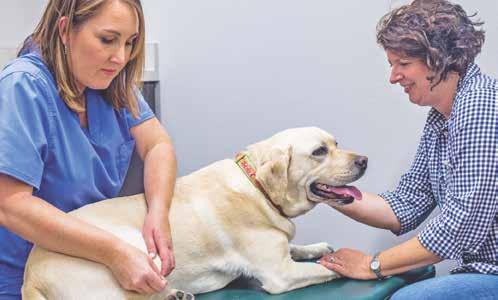
Caring for Dogs from the Inside Out:
How Integrative Veterinary Wellness Supports Mobility and Heart Health
by Myra Hedgefield
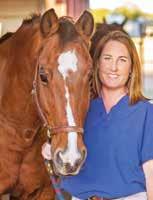
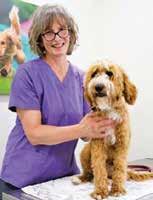
As dogs age, changes in mobility, circulation and heart function often appear together—not by coincidence, but because these systems are deeply interconnected. At Integrative Veterinary Wellness, Dr. Jennifer Smallwood approaches canine care through a truly whole-body lens, recognizing that long-term vitality depends on supporting joints, circulation and heart health together rather than in isolation.
A Dallas native and Texas A&M graduate, Smallwood is among the first veterinarians in the United States to earn a Master’s degree in Traditional Chinese Veterinary Medicine (TCVM). She is also a Certified Veterinary Acupuncturist and Certified Canine Rehabilitation Practitioner, credentials that allow her to bridge physical joint care with cardiovascular function and energetic balance—an approach especially beneficial for aging dogs.
Traditional Chinese Veterinary Medicine
views the body as an integrated system, where movement, circulation and internal vitality influence one another continuously. What truly sets TCVM apart is its ability to look beyond isolated symptoms, evaluating how the body functions as an integrated system.
“As a holistic practitioner, I don’t look at joints, circulation or heart health as separate issues,” says Smallwood. “When we support the body as a whole—through nutrition, movement and integrative therapies—we’re helping dogs maintain comfort, balance and vitality as they age.”
Nutrition forms the foundation of care at In tegrative Veterinary Wellness. Using TCVM food therapy principles and Chinese veterinary herbal medicine, Smallwood and her team tailor nutritional strategies to each dog’s unique needs and constitution. This person alized approach helps reduce inflammation,
support circulation and promote both joint comfort and heart health.
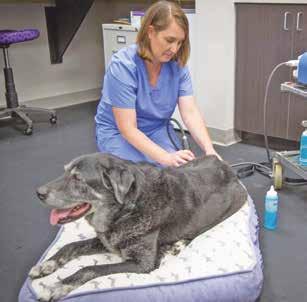
Movement also remains essential, even for dogs experiencing stiffness, arthritis or early heart concerns. Gentle, low-impact activity plays a key role in maintaining mobility without overtaxing the cardiovascular system. Hydrotherapy is often used to reduce joint stress while supporting strength and coordination, though it may not be appropriate for every patient. Many dogs benefit from an individualized combination of rehabilitation exercises, acupuncture and laser therapy—modalities that encourage safe movement while improving circulation and overall vitality.
Hands-on integrative therapies further support healing and balance. By blending TCVM with rehabilitation and regenerative therapies, Smallwood’s approach improves circulation, eases discomfort and supports systemic vitality—benefits that naturally extend to heart health and long-term resilience.
Living in North Texas presents its own challenges for pets. Seasonal temperature swings, environmental allergens and lifestyle factors can contribute to joint inflammation, stiffness and added cardiovascular strain. Smallwood encourages local pet parents to focus on proactive care by maintaining consistent activity, monitoring for early signs of discomfort and seeking individualized guidance before issues become advanced.
Integrative Veterinary Wellness serves North Texas pet families through two locations: a Richardson clinic specializing in integrative veterinary medicine, TCVM and rehabilitation, and a Lewisville location offering general veterinary medicine alongside integrative services. For more information visit IntegrativeVeterinaryWellness.com. See ad, page 5.
Holistic Habits That Support Joints and Heart Health in Dogs
• Feed with intention. Wholefood, individualized nutrition can reduce inflammation and support circulation.
• Choose gentle movement. Low-impact activities such as controlled walks or hydrotherapy help maintain mobility without stressing the heart.
• Support circulation naturally. Acupuncture and laser therapy can improve blood flow and overall vitality.
• Watch seasonal shifts. Temperature changes and allergens may increase stiffness or strain— adjust care proactively.
• Act early. Addressing subtle changes in movement or energy can help protect long-term joint and heart health.
From Negativity to Self-Compassion
A Conversation With Shauna Shapiro
by Sandra Yeyati
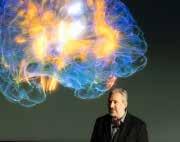
Shauna Shapiro, Ph.D., is a clinical psychologist and professor at the Santa Clara University School of Education and Counseling Psychology, in California. An internationally recognized expert in mindfulness and compassion, she has authored more than 150 peer-reviewed papers and three critically acclaimed books that have been translated into 19 languages. Her TEDx talk, The Power of Mindfulness, has garnered more than 3.5 million views.
A sought-after keynote speaker, Shapiro has presented her research at esteemed academic institutions such as the Stanford School of Medicine, Harvard Law School and Oxford University, as
Courtesy Shauna Shapir
well as global forums, including the World Council for Psychotherapy and the World Happiness Summit. She has delivered evidence-based mindfulness training to Fortune 500 companies like Google, Cisco Systems and LinkedIn, and her work has been featured in media outlets, such as The Wall Street Journal, Harvard Business Review and Forbes. Shapiro has even been invited to share her expertise with His Holiness the Dalai Lama, the King of Thailand and the Danish government.
This conversation features topics explored in her national bestseller Good Morning, I Love You: Mindfulness and Self-Compassion Practices to Rewire the Brain for Calm, Clarity and Joy.
How do you define self-compassion?
Self-compassion involves treating ourselves with the same kindness, understanding and support we would offer a dear friend, even when we’ve made a mistake. Most of us are overly critical and judgmental of ourselves. The idea is that we are worthy and deserving of love and acceptance, no matter what. We don’t have to prove ourselves or achieve certain goals to earn love.
Scientific research has demonstrated that when we shame and judge ourselves, it shuts down the learning centers of the brain. Self-compassion leads to the release of oxytocin, the hormone of safety and soothing, as well as dopamine, which turns on the learning centers of the brain. This neurochemical soup of safety and kindness ultimately enhances our ability to learn and improve.
How can we cultivate self-compassion?
Neuroplasticity is the most hopeful message we’ve had in brain science in the last 400 years because it shows that the brain is always changing and that it’s never too late to change. Self-compassion isn’t something that just happens overnight. It’s something that we have to practice.
I have a three-step mindfulness approach. The first step is acknowledging and identifying the source of pain, such as fear, frustration or sadness. The second step is to bring kindness to yourself like you would offer a distressed friend.
The third step, called common humanity, is a little complex. Typically, when we experience pain, we tend to isolate, thinking, “I’m the only one going through a divorce” or “I’m the only one who’s lonely.” But that’s not true. The third step of self-compassion practice is to recognize that you are not the only one having this experience. By extending compassion to those suffering in similar ways, you can then internalize and assimilate that compassion for yourself.
Can you explain your “Good Morning, I Love You” practice?
During my divorce with a 3-year-old son, I grappled with significant shame and negativity. My teacher said, “What you focus on grows stronger. You’re practicing a lot of anger, self-judgment and doubt. It would be helpful to practice some compassion.” She suggested I start saying, “I love you, Shauna” every day. But I felt it was contrived and inauthentic, so she proposed simply saying “Good morning” upon waking.
The following day, I took a deep breath,
put my hand on my heart, and said, “Good morning.” It was kind of nice. Instead of the shame, fear and judgment, I felt this flash of kindness, so I continued to practice it.
That year, I found myself alone on my birthday for the first time in my life. My son was with his father, and I was at the Esalen Institute in Big Sur, California. As I awoke, I remembered my recently deceased grandmother, who had always been an embodiment of unconditional love. Before I knew it, I said, “Good morning, I love you. Happy birthday!” I felt my grandmother’s love, followed by this flood of self-love and compassion for the first time in my adult life.
I’ve been practicing this ever since. Every morning when I wake up, I say, “Good morning, I love you.” Sometimes I feel it. Sometimes I don’t. The point is just to keep planting the seeds—to practice—and what you practice grows stronger. Self-compassion is like a muscle that you’re strengthening. It’s not something that comes easy. You’ll still feel self-judgment and self-doubt at times, but you’re making a commitment to continue to grow toward self-compassion. Practice is what transforms us.
Sandra Yeyati is national editor of Natural Awakenings.
Unmasking Brilliance:
When Authenticity Becomes a Wellness Practice
by Lametra Off
Whole-hearted health is often discussed in terms of nutrition, exercise, and annual medical exams. Yet there is an often-overlooked threat to whole-hearted healththe emotional and energetic strain that builds when we live out of alignment with who we truly are. Many professionals spend years masking parts of themselves to meet expectations, manage opinions, feel pressure to “be on all the time,” or “fit” within workplace cultures. Over time, this consistent self-editing creates emotional fatigue. Stress increases, not from workload alone, but from the internal, often invisible labor of silencing instincts, intuition, creativity, personality, strengths and truth. Physically, the heart can register this strain long before the mind fully recognizes it.
Authenticity isn’t a personality preference; it is essential to whole-hearted health. When we ignore our inner signals - that sense that something feels tiring, tedious, draining or simply wrong - we disconnect from a vital source of energy and self-regulation. When we lead, live and work in ways that honor who we are, stress decreases. The body softens. Breathing deepens. Energy flows more freely. The heart beats with greater ease and rhythm.
Often, the body is the first messenger. A tight chest, shallow breath or persistent fatigue may be quiet signals asking for attention. When we pause long enough to listen, without judgment, we allow the heart to guide us back toward balance and alignment.
In my work as a leadership coach and as the author of Becoming a Diamond Snowflake: Discover Your YOUnique Brilliance, I often remind people that brilliance doesn’t come from becoming someone else - it emerges when we stop hiding. Like a diamond, we reveal our strength and truth through intentional cuts, not forceful reshaping. Each individual is uniquely formed, with distinct experiences, gifts, strengths and ways of contributing. When we deny that uniqueness, our energy dulls and our vitality diminishes.
Burnout is traditionally explained as doing too much. More often, it stems from being too far removed from ourselves. When leaders override their values, silence their intuition or lead from obligation rather than alignment, stress compounds quietly and exponentially. The heart bears the weight of that misalignment.
Whole-hearted health invites a different kind of leadership pauseone that asks not What more do I need to do? but What is true for me right now? That moment of honesty may mark the beginning of a perspective shift and a meaningful leadership mindset change.
Heart-centered, or energy-based, leadership begins within. It shows in how we listen to ourselves, how we set boundaries, and how we choose authenticity over approval. When we lead from alignment rather than force, we cultivate healthier workplaces and more sustainable lives.As you move through your days, consider where you may be expending energy to gain acceptance or approval. What might shift - in your body, breath and mind - if you allowed yourself to lead, work and relate from a place of greater alignment? Whole-hearted health often begins with one intentional choice: to stop performing and start listening.
Your heart doesn’t need you to be perfect. It needs you to be present, honest and whole YOUniquely you.
Lametra Off is a leadership coach, speaker and author. For more information, visit LBOCareerCoaching.com. See ad, page 10.
The Collaborative Magic of Repair Fairs
by Natural Awakenings staff
Repair fairs are free community events where volunteers with various skills guide people in fixing their broken household items like electronics, bikes and toys. Often accompanied by a clothing and housewares swap, these fun community events promote skill-sharing, waste reduction and sustainability; boost DIY self-confidence; and encourage friendly conversation over a cup of coffee.
Originating in the Netherlands in 2009 to combat the throwaway culture, repair fairs have become a global movement supported by the nonprofit Repair Café Foundation, which organizes pop-up events worldwide. By mending, recycling and reusing items, participants safeguard the planet and save money, too.
Finding or Starting a Repair Fair
• RepairCafe.org and TheRestartProject.org list thousands of repair events worldwide and also help individuals start their own local groups.
• Search “repair fair near me” or “repair café near me” on the internet to find nearby events.
• Facebook search for “repair fair”.
• Local newspapers list these events in their calendars and can also help promote a new repair fair.
Common Fair Items
• Clothing that needs to be mended, patched, hemmed or altered, as well as garments with missing buttons, broken fasteners or stuck zippers
• Bicycles that need to be tuned up or that require repairs to brakes, gears, chains and tires
• Small appliances, including toasters, blenders, coffee makers, mixers and food processors
• Wooden furniture with loose joints or wobbly legs, or that need surfaces restored
• Lamps that need to be rewired
• Toys with broken pieces or mechanisms
• Antiques, books, documents and old photographs that need to be preserved or restored
• Jewelry with broken clasps or that need to be resized or polished
• Miscellaneous items like umbrellas or tools in need of repair
Typical Skills Needed
• Electricians to repair small appliances, lamps and other powered items
• General maintenance and repair workers that can fix a variety of mechanical equipment and everyday items
• Carpenters that can fix furniture or other structural items
• Textile and sewing specialists to mend clothing, upholstery or other fabric goods
• Bicycle mechanics for basic tune-ups and repairs
• Jewelry repairers for treasured items
• Electronics technicians for diagnosing and repairing household electronics such as radios or computers
Helpful Tips
• Bring items in a clean and ready state.
• Prepare a clear explanation of the problem that needs fixing.
• Arrive early, or be prepared to wait.
• Ask questions and bring a notebook and pen to take notes.
Full Moon Sound Bath – 5–6pm. Guided sound bath for relaxation and nervous system support. $45. Breathe Meditation & Wellness, 4131 Lomo Alto Dr., Dallas. 972-850-9894. BreatheMeditationAndWellness.com.
February Full Moon Hike – 7–8:30pm. Join a ranger-led full moon hike under the February Snow Moon to explore trails by moonlight and learn about nocturnal ecology. Free with park entry fee; $7 per person (ages 13+), children 12 and under free. Cedar Hill State Park, 1570 FM 1382, Cedar Hill. 972-291-3900. TPWD.texas.gov/Parks/CedarHill.
Friday, February 6
National Wear Red Day Community Walk – 10–11am. Community walk raising awareness for women’s heart health and cardiovascular disease prevention. Free. City Hall Plaza, Dallas. Heart.org
200-Hour Breathwork Facilitator Training – Times vary. Multi-month breathwork facilitator training program including guided instruction and practice hours. Breathe Meditation & Wellness, 4131 Lomo Alto Dr., Dallas. 972-8509894. BreatheMeditationAndWellness. com.
Saturday, February 7
Oak Cliff Nature Preserve Monthly Workday – 9am–12pm. Volunteer habitat stewardship and trail care to protect urban greenspace; bring water and gloves. Free. Oak Cliff Nature Preserve, 2875 S. Pierce St., Dallas. 214-465-9775. TexasLandConservancy.org/events.
4th Annual Kid Fish: Catch A Rainbow Trout – 10am–1pm. Beginner-friendly youth fishing event; learn basics of fishing and get hands-on experience catching rainbow trout in stocked waters. Free with park entry fee; $7 per person (ages 13+), children 12 and under free. Cedar Hill State Park, 1570 FM 1382, Cedar Hill. 972-291-3900. TPWD.texas.gov/Parks/ CedarHill.
Plant Propagation Workshop – 10:30–11:30am. Hands-on gardening workshop where participants learn propagation methods and take home propagated cuttings. $40 members; $45 non-members; registration required. Texas Discovery Gardens, 3601 Martin Luther King Jr. Blvd., Dallas. 214-428-7476 x1006. TXDG. org
Sunday, February 8
Science Sunday – Environmental Discovery – 10–11am. Monthly eco-education series featuring hands-on STEM/ STEAM activities tied to environmental conservation and awareness. Free; registration may be required. Trinity River Audubon Center, 6500 Great Trinity Forest Way, Dallas. AudubonTexas.org.
Tuesday, February 10
Park After Dark: Glow Fish – 6:30–8pm. Night fishing event introducing glow-inthe-dark lures and techniques; registration required. Park entry fee applies; $7 per person, children 12 and under free. Cedar Hill State Park, 1570 FM 1382, Cedar Hill. 972-291-3900. TPWD.texas.gov/ Parks/CedarHill.
Thursday, February 12
Feather Trails – A Journey of Discovery Among Endangered Birds – 7–8:30pm. Presentation by author Sophie A. H. Osborn about reintroducing endangered Peregrine Falcons, Hawaiian Crows and California Condors; Hybrid meeting. Free. Everett Hall, Room 100, RES Building, University of North Texas Health Science Center, 3500 Camp Bowie Blvd., Fort Worth. FortWorthAudubon.org. 817-332-8558.
Sustainable C-Suite: Spotlighting Local Leadership – 5:30–7pm. Thoughtful conversation with sustainability leaders on environmental action and community impact. Free; invitation required. EarthX Headquarters, 4311 Oak Lawn Ave., Dallas. 214-310-1200. EarthX.org.
Saturday, February 14
Valentines (Love)Bird Walk –9–10:30am. Birdwatching walk celebrating avian courtship and behavior; ideal for nature lovers and families. Free with park entry fee; $7 per person, children 12 and under free. Cedar Hill State Park, 1570 FM 1382, Cedar Hill. 972-291-3900. TPWD.texas.gov/Parks/CedarHill.
Valentine’s Self-Care Yoga and Meditation – 10–11:30am. Gentle yoga and guided meditation focused on self-compassion, balance and stress reduction. $30. Indigo Yoga, Fort Worth. 817-735-
9642. IndigoYoga.net.
Art In The Park: Clay Station – 11am–1pm. Creative outdoor art station using nature-inspired materials to make prints, models and jewelry; all ages welcome. Free with park entry fee; $7 per person, children 12 and under free. Cedar Hill State Park, 1570 FM 1382, Cedar Hill. 972-291-3900. TPWD.texas.gov/Parks/ CedarHill.
Saturday, February 21
Morning Bird Walk– 7:30–9am. Monthly bird walk exploring native birdlife and habitats of the Great Trinity Forest; bring binoculars and comfortable shoes; entry included with center admission or membership. Trinity River Audubon Center, 6500 Great Trinity Forest Way, Dallas. 214-428-2473. TrinityRiver.Audubon.org.
Reiki Level Two Certification – 9am–4pm. Two-day Reiki Level Two certification for practitioners seeking advanced training. Breathe Meditation & Wellness, 4131 Lomo Alto Dr., Dallas. 972-850-9894. BreatheMeditationAndWellness.com.
Freeze Out Cancer Plunge – 9:30–11:30am. Inaugural cold-water plunge benefiting local cancer research, raising funds for early detection and innovative clinical trials. Marine Creek, 5201 Ten Mile Bridge Rd., Fort Worth. SwimAcrossAmerica.org/Dallas.
Fishing 101 – 10am–1pm. Learn fishing basics including rigging, casting and fish habitat; rods and tackle provided for participants. Free with park entry fee; $7 per person, children 12 and under free. Cedar Hill State Park, 1570 FM 1382, Cedar Hill. 972-291-3900. TPWD.texas.gov/ Parks/CedarHill
Candlelight Soundbath + Slow Flow –6–7:30pm. Slow-flow yoga followed by a candlelit sound bath supporting deep relaxation and restoration. $50. Indigo Yoga, 5111 Pershing Ave., Fort Worth. 817735-9642. IndigoYoga.net.
Sunday, February 22
Reiki Level Two Certification – 9am–4pm. Second day of Reiki Level Two certification program. $555. Breathe Meditation & Wellness, 4131 Lomo Alto Dr., Dallas. 972-850-9894. BreatheMeditationAndWellness.com.
Monday, February 23
Animal Crossing: Engineering for Wildlife – 11am–2pm. Interactive garden/ animal engineering exhibit and educa-
tional activities exploring wildlife habitat design and sustainability. Included with garden admission. Dallas Arboretum & Botanical Garden, 8525 Garland Rd., Dallas. DallasArboretum.org.
Homeschool Learning Day: Animal Crossing – Engineering for Wildlife –11am–2pm. Interactive STEM workshop focused on wildlife habitat design and urban coexistence solutions. Student nonmember $21.95; student member $17.95; adult nonmember $25.95; adult member free. Dallas Arboretum & Botanical Garden, 8525 Garland Rd., Dallas. DallasArboretum.org. 214-515-6615
Friday, February 27
Cowtown Health and Fitness Expo – 10am–6pm. Health and fitness expo and packet pickup for Cowtown Race Weekend. Free. Will Rogers Memorial Center (Amon G. Carter Exhibits Hall), Fort Worth. CowtownMarathon.org.
Sunset Hike With a Ranger –6–7:30pm. Winter sunset trail hike with a ranger to discuss seasonal ecology, wildlife and natural history. Free with park entry fee; $7 per person, children 12 and under free. Cedar Hill State Park, 1570 FM 1382, Cedar Hill. 972-291-3900. TPWD.texas.gov/Parks/CedarHill
Saturday, February 28
Cowtown Health and Fitness Expo –6am–5pm. Continuation of Cowtown Race Weekend expo and packet pickup. Free. Will Rogers Memorial Center (Amon G. Carter Exhibits Hall), Fort Worth. CowtownMarathon.org.
Rooted in Inquiry: Hands-On Science with Hydroponics – 8:30am–5pm. Full-day experiential workshop exploring hydroponic systems and plant science; includes admission to Dallas Arboretum. Fees vary; tickets required. Dallas Arboretum & Botanical Garden, 8525 Garland Rd., Dallas. DallasArboretum.org. 214-515-6615.
Winter Bark At The Park – 11am–1pm. Dog-friendly winter nature walk and social event for park visitors and pets; leash required. Free with park entry fee; $7 per person, children 12 and under free. Cedar Hill State Park, 1570 FM 1382, Cedar Hill. 972-291-3900. TPWD. texas.gov/Parks/CedarHill.
The Resilient Leader – 1–3pm. Workshop focused on resilience-building skills and personal leadership tools. $110. Breathe Meditation & Wellness, 4131 Lomo Alto Dr., Dallas. 972-8509894. BreatheMeditationAndWellness.com.
Sunday, February 1
Snow Moon Night Hike – 6–8pm. Full moon night hike with guided trail exploration and seasonal nature interpretation. $15 per person; vehicle entry fee may apply. Lewisville Lake Environmental Learning Area, 201 E. Jones St., Lewisville. LLELA.org. 972-219-3401.
Monday, February 2
Recycling Workshop for Plano Residents – 10–11:30am. Learn what items can and cannot go in your residential recycling cart, plus participate in a handson sorting activity. Free; registration required. Sam Johnson Recreation Center for Adults 50+, 401 W. 16th St., Lone Star B Room, Plano. 972-941-7217. Plano.gov.
Wednesday, February 4
Birdwatching Basics – 6–7pm. Introductory program teaching tools and techniques for birdwatching and species identification. Free. North Branch Library, 3020 N. Locust St., Denton. 940349-8088. CityofDenton.com/Calendar. aspx?EID=1651.
Friday, February 6
Nature Story Time – 10–10:45am. Weekly nature-themed story time for young children featuring books, live animals and enrichment items. Included with general admission; free for Heard Museum members. Heard Natural Science Museum & Wildlife Sanctuary, 1 Nature Pl., McKinney. 972-562-5566. HeardMuseum.org.
Saturday, February 7
Guided Trails at the Heard – 9:30–10:30am. Seasonal guided nature walk led by trained guides exploring native habitats, wildlife and geology. Included with general admission; free for Heard Museum members. Heard Natural Science Museum & Wildlife Sanctuary, 1 Nature Pl., McKinney. 972-562-5566. HeardMuseum.org.
1st Saturday Nature Walk – 10am–12pm. Monthly guided nature walk exploring habitat features and wildlife along the trails. Free; $5 per vehicle entry at the preserve. Lewisville Lake Environmental Learning Area, 201 E. Jones St., Lewisville. LLELA.org. 972-219-3401.
Sunday, February 8
February Mushroom Foray – 12–2pm. Guided mushroom foray exploring fungi species, ecology and identification. Children under 10 free with adult. Adults
$20; youth $10; children under 10 free with adult. Connemara Meadow Nature Preserve. Allen. NorthTexasMycology. org. contact@northtexasmycology.org. 214-239-8112.
Animal Habitats Badge Workshop –2–4pm. Educational program to help participants earn nature-related badges through hands-on learning about animal habitats and local wildlife. Included with general admission; free for Heard Museum members. Heard Natural Science Museum & Wildlife Sanctuary, 1 Nature Pl., McKinney. 972-562-5566. HeardMuseum.org.
Saturday, February 14
2nd Saturday Bird Walk – 7:30–11:30am. Guided birding walk through native habitats with expert interpretation; ages 10 and up. $5 per person plus $5 per vehicle entry. Lewisville Lake Environmental Learning Area, 201 E. Jones St., Lewisville. LLELA.org. 972-219-3401.
2nd Saturday Bird Walk — Heard Natural Science Museum – 8–9:30am. Guided birding walk through prairie, woodland and wetland habitats; ideal for beginners and intermediates; included with general admission, free for museum members. Heard Natural Science Museum & Wildlife Sanctuary, 1 Nature Pl., McKinney. 972-562-5566. HeardMuseum.org.
ACS Heart & Sole 5K – 8–10am. Community 5K run/walk promoting heart health; open to all ages. Registration fees $30–$45. Plano, TX. FindARace.com.
Community Litter Cleanup at The Grove – 8:30–9:30am. Volunteer neighborhood cleanup to protect green spaces and waterways and encourage environmental stewardship. Free. The Grove at Frisco Commons, Frisco. OneEarthOneChance.org.
Green Ambassador Certificate Session – 10:30–11:30am. Community education session introducing sustainability concepts and pathways to certification in environmental leadership. Free. The Grove at Frisco Commons, Frisco. OneEarthOneChance.org.
Sunday, February 15
Yoga Workshop — Soundbath + Cacao –1:15–2:30pm. Guided yoga session paired with a sound bath and cacao experience for deep relaxation and holistic wellbeing. Held in Studio 1 at Life Time Frisco. 4900 Throne Hall Way, Frisco. 469-4763900. Lifetime.life/locations/tx/frisco.
Thursday, February 19
Sustainable Denton: Recycling 101 –
6–7pm. Workshop covering recycling best practices, waste diversion strategies and community sustainability resources. Free. Denton Public Library, 215 E. Hickory St., Denton. 940-349-7311. CityofDenton.com/ Calendar.aspx.
Saturday, February 21
LLELA Service Saturday: Litter Cleanup –8–10am. Volunteer opportunity to remove trash and protect natural areas with family-friendly stewardship tasks. Free. Lewisville Lake Environmental Learning Area, 201 E. Jones St., Lewisville. 972-219-3401. LLELA. org.
2nd Annual Rock Hill Band 5K & 1K Fun Run – 8:30–9:30 am. timed 5K and 1K fun run supporting local high school band; awards and community finish line festivities. Registration $25+. RockHillBandBoosters.org.
Tuesday, February 24
City of Denton Sustainability Initiatives –6–7pm. Public talk on local environmental planning, sustainability programs and community engagement opportunities. Free. Denton City Hall or Library. 940-349-7311. CityofDenton.com/Calendar.aspx.
Saturday, February 28
Plano Pacers Bead Bash 15K / 5K – 8am. Road race featuring a 15K and 5K with finisher medals and race results; open to all levels. Registration $30–$55. PlanoPacers. org.
TPWD CAREER DAY – 10am–Noon. Meet Texas Parks & Wildlife professionals and learn about career opportunities in conservation, wildlife management and outdoor recreation. Free. Ray Roberts Lake State Park – Johnson Branch Unit, 5301 Recreation Rd., Pilot Point. 940-686-2211. TPWD. texas.gov/Parks/RayRobertsLake.
Big Easy in Little Elm – 5–9pm. Annual Mardi Gras–themed run and community celebration featuring a 1K Fun Run, 5K race, Cajun food, live music, costume awards and family-friendly festivities. Fees vary. Little Elm Park, 701 W. Eldorado Pkwy., Little Elm. 972-731-3296. LakefrontLittleElm.com.
community resource guide
Connecting you to the leaders in natural healthcare and green living in our community. To find out how you can be included in the Community Resource Guide email NAadvertising@NaturalAwakenings.com to request our media kit.
ALTERNATIVE WELLNESS VENUES
THE KAVA BARS
14856 Preston Rd #212, Dallas 469-608-5050
109 Industrial St, Denton 940-320-6015
LoveTheKavaBar.com
nights, and special events that make every visit unique. Exerience a different kind of Happy Hour.
BRAIN HEALTH
CERESET PLANO
1033 E 15th St, Plano, 75074 214-892-2273 Plano.Cereset.com
abling it to manage stress more effectively. Cereset sessions jump start the process of re-balancing your brain, and can help issues leading to trouble sleeping, restlessness and anxiety, inability to fo cus or lack of joy. Periodic “tune-ups” provide ongoing support, ensuring long-term brain bal ance.
ECO TOURISM
FOSSIL RIM WILDLIFE CENTER
2299 County Road 2008, Glen Rose 254-897-2960
CHIROPRACTIC
NEW STAR CHIROPRACTIC & ACUPUNCTURE
Dr. Zhangping Lu, DC, LAc, MD (China) 425 Maplelawn Dr, Ste 101, Plano 75075 972-519-8488 DFWAcupunctureChiropractic.com
Whole-body wellness center providing chiropractic care, spinal decompression, allergy testing, NAET, IMAET, detoxification, weight loss, hormone balancing, wellness programs and more. All-natural healing, no medication, no surgery.
Fossil Rim Wildlife Center, near Glen Rose, an hour and a half from DFW, is a non-profit conservation center. It’s a haven for endangered species, housing over 1,000 animals from 50 species. Visitors embark on guided or self-guided tours across its 1,800 acres, encountering wildlife up close. Lodging, dining, and educational facilities enhance the experience.
The soul always knows what to do to heal itself. The challenge is to silence the mind.
—Caroline Myss
EDUCATION
DALLAS COLLEGE
1601 South Lamar, Dallas 214-378-1824
DCCCD.edu
Dallas College has seven campuses, including El Centro, Brookhaven, Mountain View, Eastfield, Richland, Cedar Valley and Northlake. Dallas College serves the region with accredited one and two year certificates, degrees and core credit courses guaranteed to transfer to Texas colleges and universities.
I EST. 1984
THE HOCKADAY SCHOOL
11600 Welch Road, Dallas 214- 363-6311
Hockaday.org
Established almost 100 years ago, The Hockaday School provides a college preparatory educa-tion for girls; from pre-kindergarten to 12th grade, including Boarding school for grades 8-12. With an approximate enrollment of 1,000 students and a 10:1 student teacher ratio, Hockaday students enjoy a 100% acceptance rate to college.
ROSE, TEXAS
JESUIT COLLEGE PREPARATORY
SCHOOL OF DALLAS
12345 Inwood Rd, Dallas 972-387-8700
JesuitCP.org
Jesuit College Preparatory School of Dallas is a private Catholic institution for young men under the direction of the Society of Jesus. Located in North Dallas, it provides a student-centered education to approximately 1,000 students, grades 9-12. Our students’ average SAT scores exceed the national average by over 200 points.
PARKER UNIVERSITY
2540 Walnut Hill Ln, Dallas 75229 800-637-8337/214-902-2429
AskAdmissions@parker.edu Parker.edu
More patients want alternative methods of treatment that are healthy, holistic and non-invasive. Earning your degree from Parker University in Functional Nutrition, Strength and Human Performance, Integrative Health can put you in position to help them. Offering top level experience and accredited by the Southern Association of Colleges and Schools, the Council on Chiropractic Education, and the Commission of Massage Therapy Accreditation.
ENERGY MEDICINE
POLARAID HEALTH
PolaraidHealth.com
450-486-7888
Polaraid Health offers the revolutionary PolarAid® body tool, inspired by Nikola Tesla and Dr. Georges Lakhovsky. This device supports overall wellness, including sexual health, weight management, joint flexibility, digestive health, and mental calm. Enhance your well-being with PolarAid®. Visit us to discover more about this innovative health solution.
ND CRAFTED GOODS
If a window of opportunity appears, don’t pull down the shade.
Whether you’re looking for a meaningful gift, a one-of-a-kind keepsake, or something special just for you, our handcrafted collections are designed to make moments more memorable. Thank you for supporting small business and the art of handmade.
HEALTH CARE
BAYLOR SCOTT & WHITE HEALTH CARE SYSTEM
1-800-4BAYLOR
BaylorHealth.com/CancerCare
We have a network of comprehensive cancer treatment centers throughout Dallas-Fort Worth, offering full range cancer-related and integrative medical services. Whether you want to learn about types of cancer, screenings, prevention, healthy living or support, Baylor is here for you. We offer the experience, expertise and technology you can trust.
PRIMACARE
13 Locations in Dallas-Fort Worth Metroplex 888-286-4603
PrimaCare.com
With 13 Urgent Care Centers, PrimaCare serves the medical needs of area families with courtesy, convenience and compassion. Open 7 days a week with extended hours. No appointment necessary. Most insurance accepted. Use our Call Ahead Service and wait where your want. Open: Monday–Friday 8am-8pm, Saturday–Sunday 8am–5pm.
HERBAL MEDICINE
ACN HERBS AND GREEN TEA
LESLIE DUONG
9788 Walnut Street, Suite 108 214-887-8325
LeslieDuong.com
Trained Herbalist, Leslie Duong specializes in traditional herbal remedies and green tea. With over 25 years of experience, she offers personalized herbal consultations, organic herbal medicines, and a wide selection of premium green teas. Committed to natural healing and wellness through high-quality, safe, and effective herbal products. See ad, page 6.
HOLISTIC DENTISTRY
FLOURISH DENTAL BOUTIQUE
Dr. Toni Engram 415 State St #800, Richardson 75082 469-676-2777
Flourish.dental
At Flourish Dental Boutique, we believe the best dentistry is often the least dentistry. We help your body thrive on its own with therapies that enrich and empower its natural healing processes. As a holistic and biological dental practice, we choose safe materials and treatment protocols with special attention to your nutrition and overall wellness.
Sometimes I succeed, sometimes I fail, but every day is a clean slate and a fresh opportunity.
—Gretchen Rubin
KOZLOW & ROWELL
Dr. Philip Kozlow
Dr. Josh Rowell
5050 Quorum Dr, Suite 300, Dallas 972-458-2464
DallasDentist.net
We strive to provide healthy, green alternatives for our dental patients by providing digital X-rays, mercury safe restorative options and chemical free dental hygiene products. Committed to total body wellness while avoiding the use of toxic materials, and continuing education to ensure treatments are up to date and effective in a kind and caring environment. See ad, page 20.
LYNN DENTAL CARE
Dr. D. Brock Lynn 6190 LBJ Freeway #900, Dallas 972-934-1400
LynnDentalCare.com
Practicing dentistry for over 38 years, specializing in periodontics, Dr. Lynn is board-certified and a diplomate of the American Board of Periodontics and Dental implants. He practices dentistry with a holistic approach and is a member of the International Academy of Oral Medicine &Toxicology as well as the American Academy for Oral Systemic Health. See ad, page 2.
HOMEOPATHY
HEALTHY HEALING ARTS/HPWWC
Cathy May Lemmon, Ph.D. Hom, LCPH, BA 469-383-8442
Cathy@HPWWC.org HealthyHealingArts.com
Homeoprophylaxis (HP), a part of Homeopathy, is a major part of Cathy Lemmon’s practice at Healthy Healing Arts. HP has been used worldwide for hundreds of years with a success rate of over 90% to help fight off disease. Lemmon uses an energetic, nontoxic means of promoting immunity in a safe and natural way.
INTEGRATIVE FITNESS
AIKIDO FOR LIFE
Lynn Fabia, Founder Society of Aikido Centers 2080 N. Collins Blvd. Richardson, TX 75080 lynnfabia@gmail.com 469 767-5864
Discover Aikido for Life - peaceful, powerful, and holistic. Increase confidence, awareness, energy, and self-mastery through fluid movement and non-violent self-defense. Learn how to process fear with timeless life concepts for mind, body, and spirit.
INTEGRATIVE MEDICINE
DR. CARLOS CHAPA, ND, OMD, L.AC, PH.D
1320 W. Walnut Hill Ln, Irving 18601 LBJ #501, Mesquite 972-444-0660
DrChapa.com
Trained in Asia, graduated from a Korean University, Dr. Chapa holds a Naturopathic Doctorate Degree and a PhD in Eastern Medicine specializing in Neurological issues. A former medic/nurse since 1995, this unique training has given confidence from many Physicians to refer their patients. Dr. Chapa is founder and medical director of AIMC established in 2009.
ENVIRONMENTAL HEALTH CENTER DALLAS
399 Melrose Dr., Suite A, Richardson 214-368-4132
EHCD.COM
A nationally recognized medical facility specializing in the relationship of health and disease to environmental factors. Thorough investigation is made to determine the cause and correlation of the patent’s disease process to environmental factors. A leader in the field treating mold exposure/sensitivity; oil spill, pesticides and chemical exposure; chemical sensitivities, immune dysregulation and much more.
JOHNSON MEDICAL ASSOCIATES
Dr. Alfred R. Johnson, D.O. 997 Hampshire Lane, Richardson 972-479-0400
JohnsonMedicalAssociates.com
Johnson Medical Associates is a state-of-the-art medical clinic offering comprehensive medical services aimed at finding the cause not just treating the symptoms. Dr. Johnson is a doctor of internal medicine with 35+ years of experience in areas of chronic illness, toxic exposures, allergies and the use of hyperbaric oxygen therapy to address a multitude of conditions. See ad, page 18.
TENNANT INSTITUTE FOR INTEGRATIVE MEDICINE
Dr. Jerry Tennant MD, Medical Director 35 Veranda Lane, Ste 100, Colleyville 972-580-1156
TennantInstitute.us
Providing traditional “standard-ofcare” medicine using prescription as well as complementary medicine. Recognizing that the human body is not simply a collection of independent parts but rather an integrative whole -we treat it that way. Conditions treated include chronic fatigue syndrome, fibromyalgia, macular degeneration and glaucoma, as well as thyroid support, adrenal support, hormone replacement. essential oil therapy and hyperbaric oxygen therapy.
TRULY HEALTHY MD
Dr. Monica Jauregui, M.D. IFMCP 945-286-5711
TrulyHealthyMD.com
Info@trulyhealthymd.com
Known as “America's Medical Detective,” our functional medicine practice specializes in uncovering root causes of health issues. With advanced diagnostics, personalized plans, and a Health Restoration Membership, we treat conditions like hormone imbalances, Lyme, long COVID, leaky gut, irritable bowel syndrome, Lyme and co-infections, long COVID, mold and other environmental illnesses, autoimmunity. Financing options available.
WILLOWBEND HEALTH & WELLNESS
Dr. Phyllis Gee, MD 4601 Old Shepard Pl, Bldg. 2, Ste. 201, Plano 469-361-4000
WillowbendHealthAndWellness.com
With 30 years of practice, empowerment and whole health are centerpieces of our care. Our goal is finding and treating the root cause of your symptoms to restore your health utilizing regenerative medical practices. We address functional wellness, sexual wellness, weight management. We do functional health testing. Call for appointment.
LONGEVITY MEDICINE
DR. JEFFREY GLADDEN, MD 16633 Dallas Pkwy #100, Addison 972-310-8916
GladdenLongevity.com
Board certified in Interventional Cardiology. Dr. Gladden specializes in age management, regenerative medicine, and personalized health optimization. With over 30 years of experience, he offers advanced therapies including stem cell treatments, hormone optimization, and functional medicine. Dedicated to maximizing longevity and healthspan for his patients. Author of 100 is the New 30
PAIN MANAGEMENT
SENERGY MEDICAL GROUP
9901 Valley Ranch Pkwy East, Ste 1009 Irving 972-580-0545
Biomodulator@senergy.us
Senergy.us
We are the exclusive distributor of the patented Tennant Biomodulator® PLUS & PRO. These FDA accepted non-invasive devices are designed to offer an affordable, drug free, user-friendly option for the indicated use of symptomatic relief for chronic, severe or intractable pain; and adjunctive treatment in managing post-surgical and post-traumatic pain.
PASTURED MEATS
BOIS D'ARC MEAT COMPANY
13849 E. FM 1396, Windom, TX BoisDdarcMeatCo.com 617-314-1349
Bois D'arc Meat Company provides high-quality, locally-sourced meats. All our cattle, pigs, chickens and turkeys are raised entirely on pasture, are 100% non-GMO and no herbicides, pesticides or chemicals are applied to the land. We offer a variety of cuts and custom butchering services to meet all your needs. Visit us for the finest meats.
PHARMACY
ABRAMS ROYAL COMPOUNDING PHARMACY
8220 Abrams Rd, Dallas 214-349-8000 4904 W. Park Blvd, Plano 972-599-7700 ARP-RX.com
Family owned and operated since 1980, with more than 135 years of combined experience. Our pharmacists work to provide proactive solutions to restore health and wellness. We work as trusted partners with physicians and patients to develop targeted treatment plans and customized wellness programs for your unique needs. Pharmacy Compounding. Accreditation Board (PACB) certified. PSY
RESTAURANTS
CELEBRATION RESTAURANT 4503 West Lovers Lane, Dallas 214-351-5681 CelebrationRestaurant.com
SPIRITUAL
CONCORD DALLAS
CHURCH
6808 Pastor Bailey Dr, Dallas 214-331-8522
ConcordDallas.tv
Concord Dallas is the church that grows people. Their core values are passion for Christ, passion for people and catalyst for change. Services are Sundays at 8:00am, 10:00am, 12:00pm and online at Streamingfaith.com. Mid-week service is Wednesdays at 7:00pm. Reverend Bryan L. Carter, Senior Pastor.
UNITY CHURCH OF SACHSE
5502 Ben Davis, Sachse 972-984-8946
UnityOfSachse@gmail.com
UnityOfSachse.com
We teach positive psychology based on Spiritual teachings of Jesus. Services are held Sundays at 11:30am. Join us as we share truths and principles to help along your spiritual journey. Each week’s message and all events are posted on our website for your convenience. Spiritual counseling and positive prayer available.
THERMOGRAPHY THERMOGRAPHY
DALLAS WELLNESS AND THERMOGRAPHY CENTER
5220 Spring Valley Rd #LL-40, Dallas ThermographyCenter.com 214-352-8758
All symptoms have an origin story and we get to the root of yours. Using radiation-free technology we can identify your symptom’s origin story and exactly what needs to change internally and how it will remedy your symptoms. We then recommend medical grade natural products to help you heal the root cause easily and organically.
WELLNESS CENTERS
ROCKWALL COMPLETE HEALING & WELLNESS
2455 Ridge Road, Suite 151, Rockwall 972-771-8900
RockwallColonics.com
“Our goal is to offer our community high-quality wellness services in an exceptionally comfortable and healing environment. We know that time-honored healing traditions-Massage, Young Living Raindrop Therapy, Chiropractic, iV therapy, Juicing and Colonics work. RCW offers all of these things, come visit us and begin your journey to optimum wellness. See ad, page 27.
YOGA
CRESCENT YOGA STUDIO & ECO-BOUTIQUE
Dawn Harris, RYT500 306 W Ave F, Midlothian 214-817-8597
CrescentYogaStudio.com
Ellis county’s premier yoga studio and eco-boutique offers a variety of weekly classes, specialty workshops, private yoga and reiki sessions as well as natural health and wellness events. Come feel your stress and tensions away. New student intro offer: 2 weeks unlimited Yoga for $20. Empowering a healthy lifestyle.
ROXANE & CO
Yoga Instructor
Roxane Beneduce, RYT200
RoxaneAndCo.com
469- 216-0389
With years of experience in Yoga & Pilates and passion to keep educating others, I offer a personalized approach to help you grow stronger, more confident, and creatively inspired. I believe in making wellness accessible to all with my unique style. Classes as low as $10 with a year membership plan or reg $25/class at Heritage Senior Center in Irving Mon- Fri. See ad, page 10.
HEALTHY LIVING FAIR UNITY DALLAS
Saturday, March 21, 2026 | 10am-4pm
Dallas/Fort Worth Metroplex
A One-Day Community Experience for Whole-Person Wellbeing
Join neighbors from across North Dallas for an uplifting, indoor Heath and Wellness gathering featuring 30-40 curated exhibitors, interactive experiences, seminars and trusted local resources focused on healthy living, prevention and vitality.
• Health & wellness screenings and demonstrations
• Integrative, functional and holistic care resources
• Fitness, movement and bodywork experiences
• Nutrition, healthy food and lifestyle education
• Sustainable and eco-friendly living solutions
Why Unity of Dallas?
Located in the heart of North Dallas and Preston Hollow, Unity of Dallas has served as a welcoming community hub for over 50 years, surrounded by health-conscious neighborhoods and leading natural and organic retailers. The Fair reflects Unity’s commitment to Whole-person health and wellness, and Natural Awakenings mission to educate, empower and connect in the North Texas region.