June 15-18, 2026 June 15-18, 2026 Sacramento, CA Sacramento, CA
June 15-18, 2026 June 15-18, 2026 Sacramento, CA Sacramento, CA
NACAT is the North American Council of Automotive Teachers and is a professional organization dedicated to supporting and advancing high school and college automotive educators across North America
You’re Not Alone
Whether you’re just starting your teaching journey or have decades of experience, NACAT connects you with a network of educators who understand your challenges, share your passion, and help you succeed
Connect with fellow automotive instructors from across North America Share ideas, challenges, and solutions
The Automotive Educators Conference
Our annual event offers hands-on, industryrelevant training and professional development.
Industry Connections
Partnerships with manufacturers, publishers, and training providers.
Mentorship Programs
Get guidance from experienced teachers and give back by mentoring new educators
Resources That Save Time
Lesson plans, classroom tools, and training library
Scholarships for Teachers & Students
Supporting professional growth and student success
NACAT News
Stay updated with the latest articles, trends, and opportunities.
NACAT Update Ed Martin, NACAT President
New Allied Member: ANSED Diagnostic Solutions
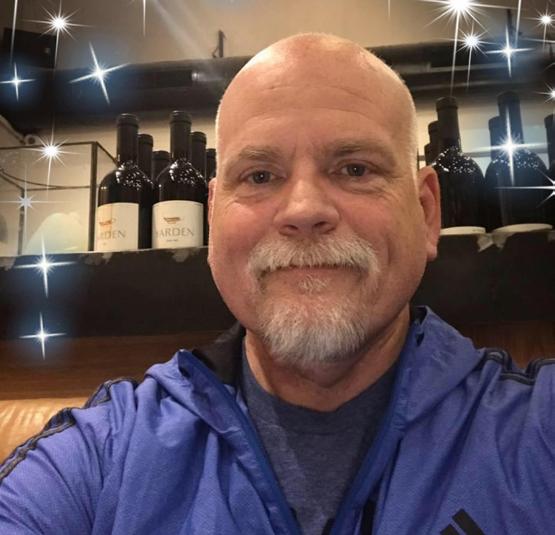
Getting to Know...David Carter, Great Lakes Adventist Academy
The Automotive Educators Conference: Welcome Reception
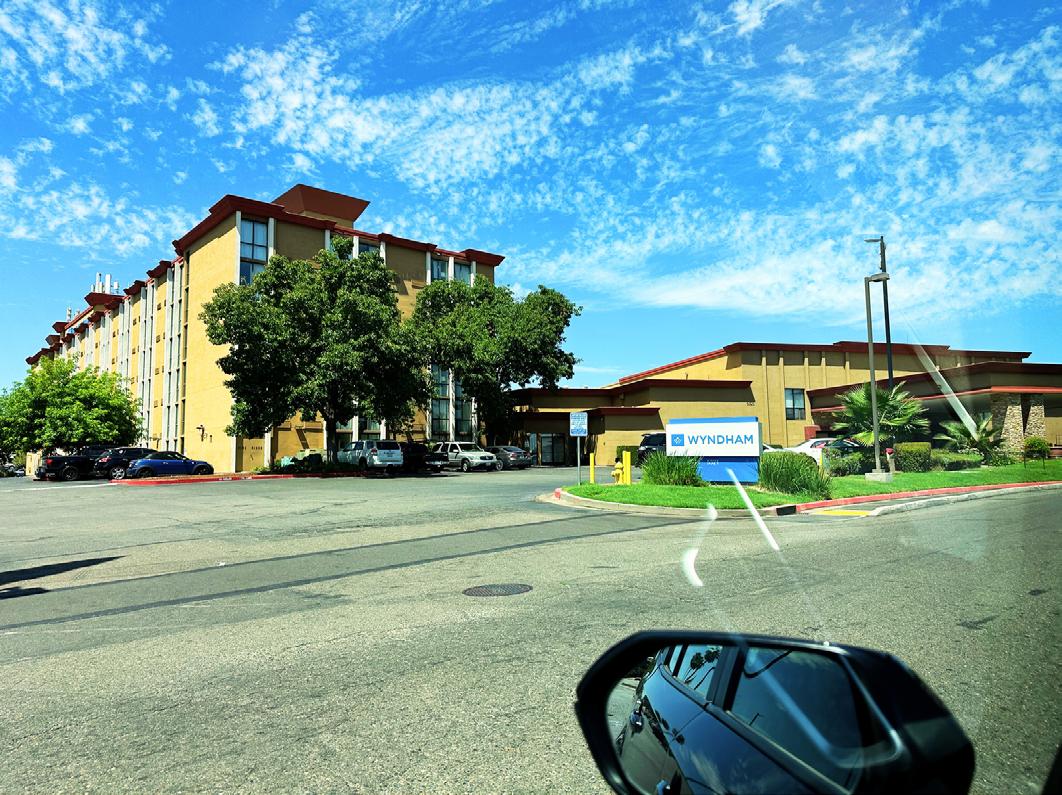
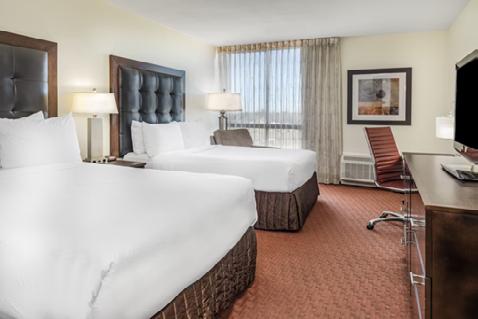
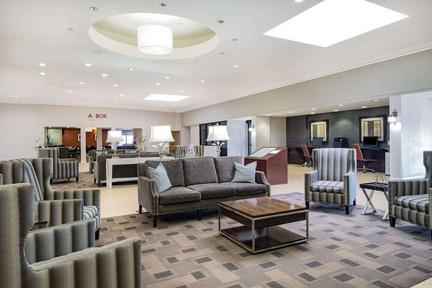
The Automotive Educators Conference: Hotel Information
The Automotive Educators Conference: Exhibitor and Sponsor Information
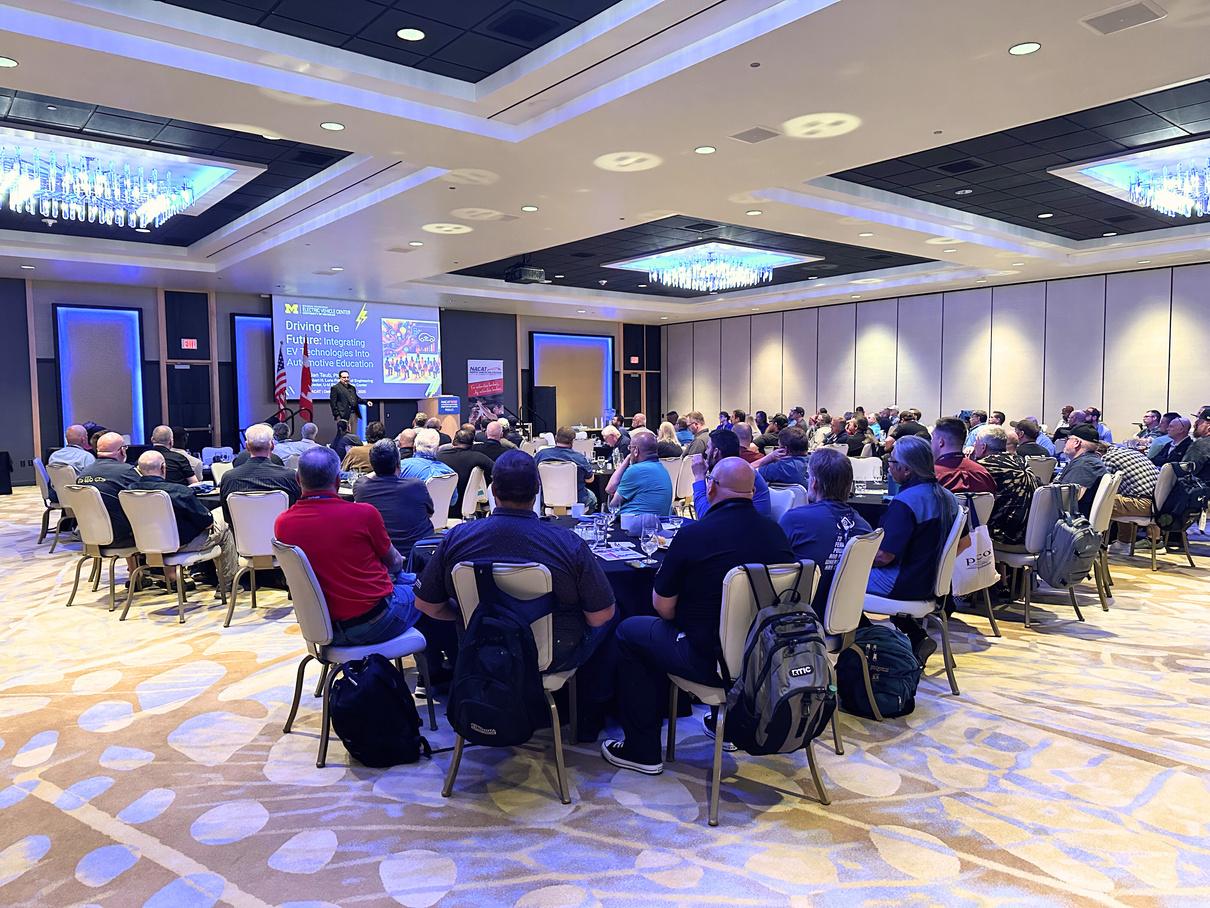
The Automotive Educators Conference: Opening Panel Discussion
New Allied Member: Sonic Tools USA
The Automotive Educators Conference: Registration Open!
The Automotive Educators Conference: Agenda & Courses
NACAT Mentor Program: Current Challenges You Are Facing
The Automotive Educators Conference: USU Continuing Education Credits
New Allied Member: ATech Training
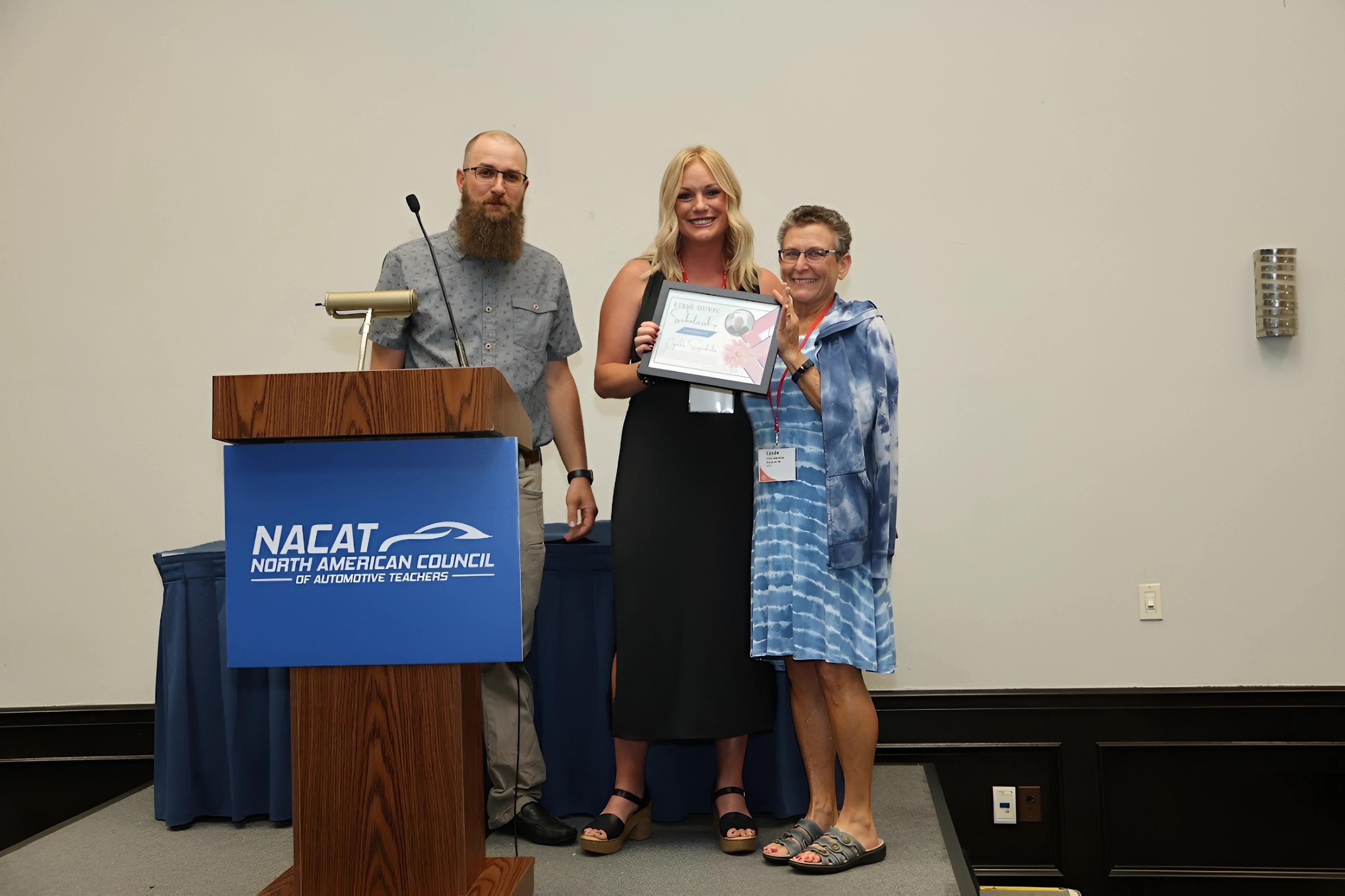
The Automotive Educators Conference: Lisse Duvic Memorial Scholarship
New Allied Member: SBC Training
Hybrid & Electric Vehicle Corner: My Electric Vehicle Will Not Charge Curt Ward, Professor at Joliet Junior College
The Automotive Educators Conference: Guest Program Package
VISION Hi-Tech Training & Expo Educator Reception
New Allied Member: Pro-Cut
New and Renewing NACAT Members since December 1, 2025
April 2026 issue - March 10, 2026
June 2026 issue - May 10, 2026
August 2026 issue - July 10, 2026
October 2026 issue - September 10, 2026
December 2026 issue - November 10, 2026
NACAT Election Information February 2027 issue - January 10, 2027
The latest advertising size and rate information can be found at www.nacat.org.









Dear NACAT Members,
Happy New Year! It is so hard to believe that half of the school year is behind us already. Do you know what that means? That “the Automotive Educator Conference” hosted by NACAT is just around the corner in beautiful Sacramento, California! While I’m on that subject, I want to let you know that the course offerings and schedule are now available for your viewing! Please look at the schedule and reserve your spot now to ensure you get the classes you desire.
Mark your calendars for the upcoming course on Thursday, February 5th, titled “Creating Meaningful Change One Shop and Student at a Time.” Then, on March 12th, NACAT is hosting a Mentor Roundtable discussion on the current challenges you are facing in your program. These Roundtable discussions, a free and exclusive NACAT member benefit, are a great way to connect with your peers across North America and beyond!
I thought I would take an opportunity to bring up SkillsUSA since for most of us our competitions will be starting very soon. We, the staff at Pickens Technical College, did something a little different this year. It took some extra planning on our part, but we think it was time well invested. We held an in-house competition for our students to prepare them for the regional we have coming up in February. We contacted some of our industry partners and advisory board members to judge our stations, score their worksheets, and keep time. Our students liked the experience, which also took away some of the apprehension they had around competing. Now, I recognize that this isn’t a new idea, but, it was new to us, so I thought I’d share it with all of you just in case you might put the idea into practice. Your NACAT leadership team is excited to invite you to our NACAT RoundTable discussion during the SkillsUSA National Competition in Atlanta, Georgia on Tuesday, June 2nd
On behalf of NACAT I’d like to wish you all a Happy New Year again and I hope we can all finish this school year on a high note. I am proud to be serving as your NACAT President and I am so fortunate for the opportunity to network with some of the best instructors and industry partners that I have had the pleasure to meet. We are all better instructors when we work together towards our common goals, and NACAT provides those opportunities to work together throughout the year.
Warmest Regards,
Ed Martin
Chairman of the Board 2025 - 2026
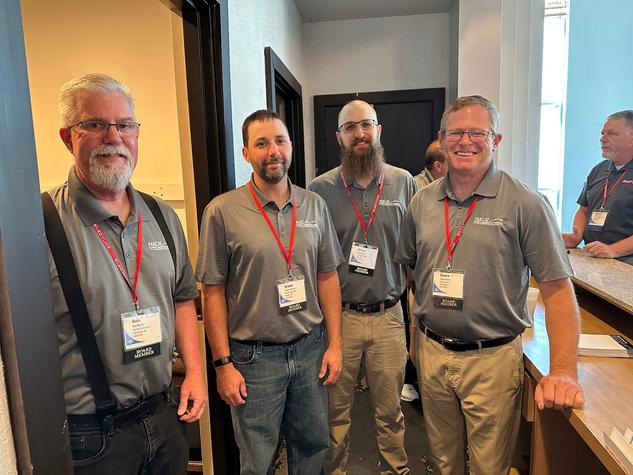
Steve Gibson Kingsport, TN
Board Member 2024 - 2027
Rafael De Leon Trujillo Alto, Puerto Rico
David Carter Cedar Lake, Michigan Board Member 2025 - 2028
Steve Boyd Oklahoma City, Oklahoma Charles Klasman Lithia Springs, Georgia
Kimberly Night Santa Clarita, California
Krystle Roherty Beaver Dam, New Brunswick

Please consider thanking them for their support by giving them the opportunity to earn your business.



The Hourglass Foundation is sponsoring the $5000 Women in Auto Tech Scholarship Applications are open through Friday, April 10
Eligibility
Applicant must be between 16 and 28 years of age as of January 2026. Applicant must also be a current U.S. female high school senior or high school graduate; or a female with a GED certificate who is continuing their education at either a trade school or community college program and area of study should be in an Automotive Maintenance or Auto Technology program. Consideration will be based on financial need, academic achievement, and community service record/extracurricular activities.
Requirements
• High school GPA of 2.0 or greater or a GED certificate
• Enrollment in one of the following areas of study Auto Technology, Auto Mechanic or Engineering Tech
• Completed essay question based on scholarship you are applying for
• 2 letters of recommendation
• Official high school or GED transcript
• Completed essay
• Listing of extracurricular/volunteer activities (if applicable).
• Completed description/essay of financial need
• 1-2 minute video submission
• Signed likeness and release form (part of the online application form)

The Sensors and Actuators Trainer (model 1830) provides a hands-on study of sensors and actuators with real-world troubleshooting, competency testing, and computer-based instruction (CBI). Its internal fault board introduces computer-controlled hard faults, including 17 di erent faults and 3 disrupted signal patterns, and it connects with the Interactive Keypad (model 1802C), or the optional ATech Lab System (ALS16)


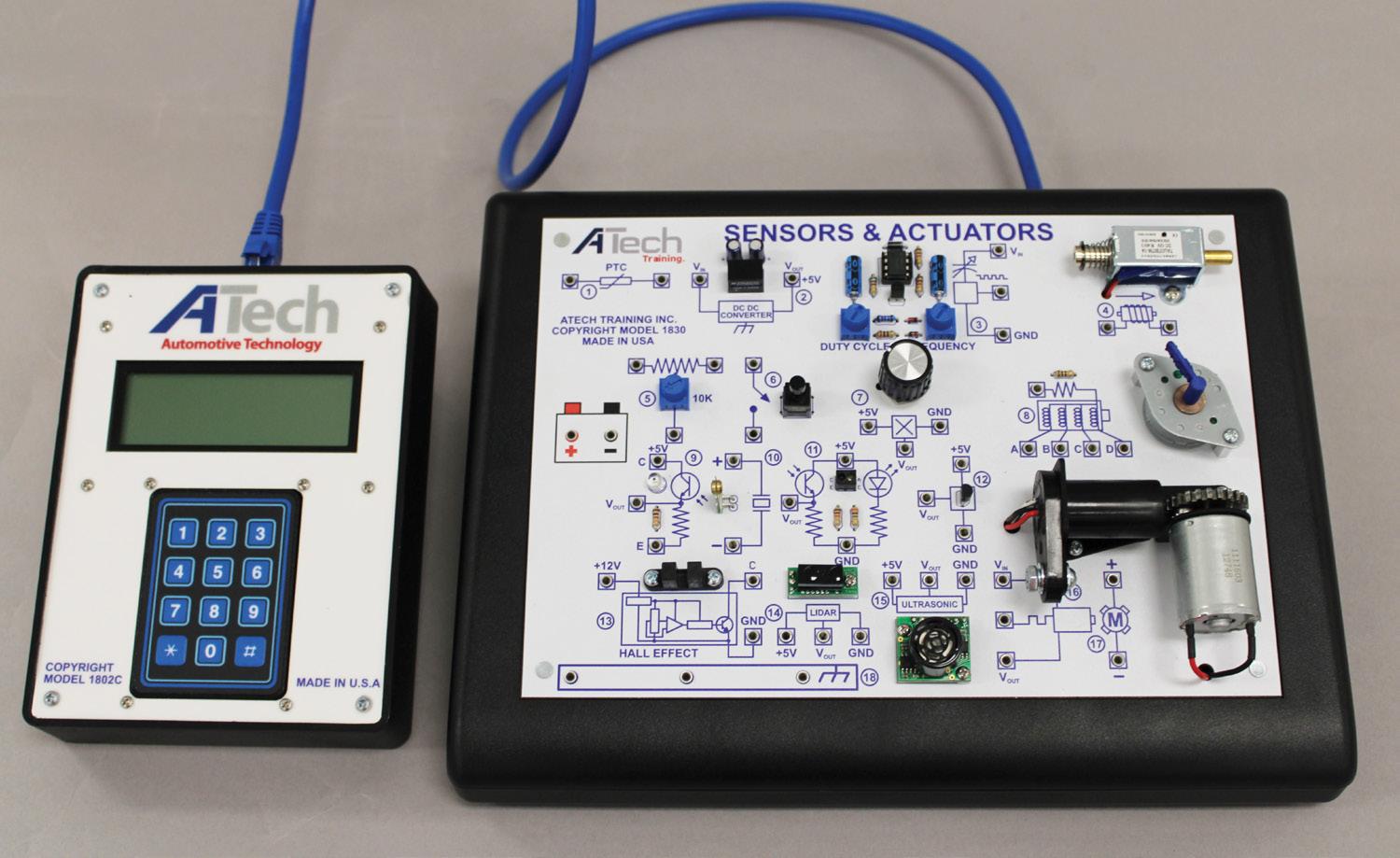
- The Classroom Management Program (CMP) is required for the 1830SC software to operate and is sold separately with Classroom Management Program (CMP). A USB drive with the Student Manual, Instructor Guide, and a reproduction license is included for classroom use.
Components
- DC Motor
- Stepper Motor
- Phototransistor
- Vibration Sensor
- 10K Potentiometer
- Temperature Sensor
- PTC Circuit Protection
- Hall E ect Speed Sensor

- On/O Hall E ect Sensor
- Toggle Push Button Switch
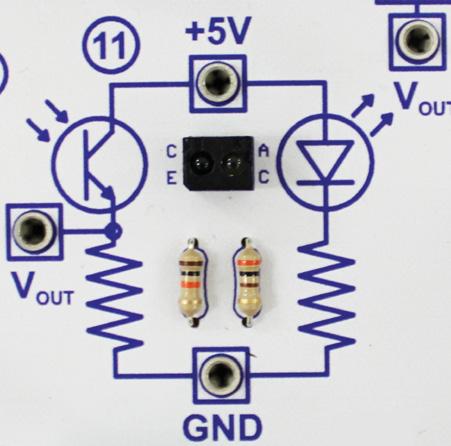
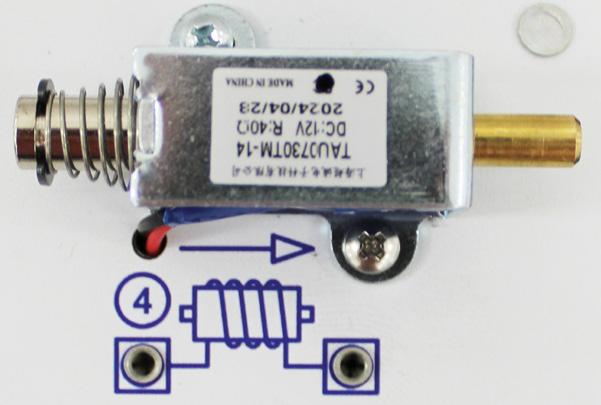
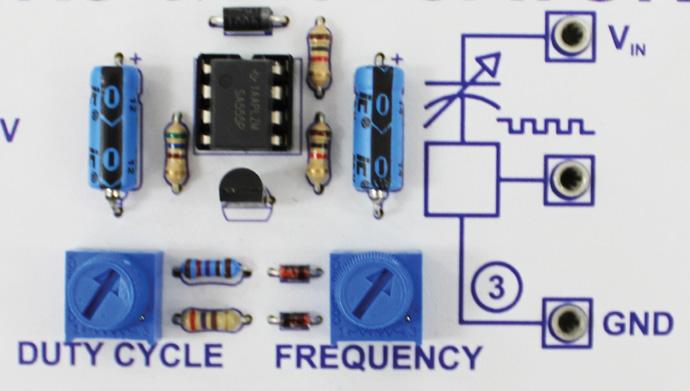
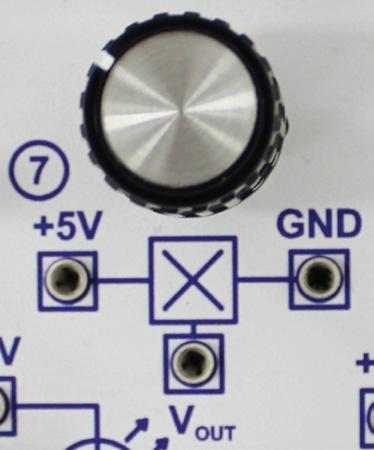
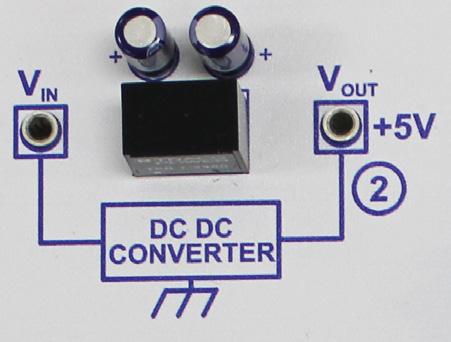
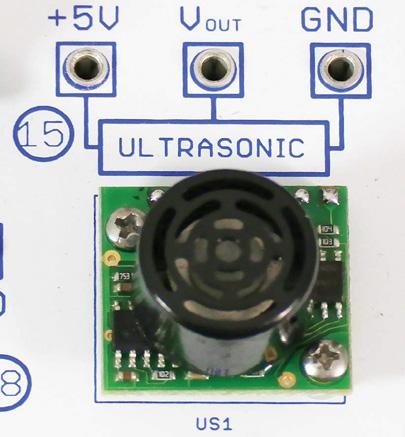
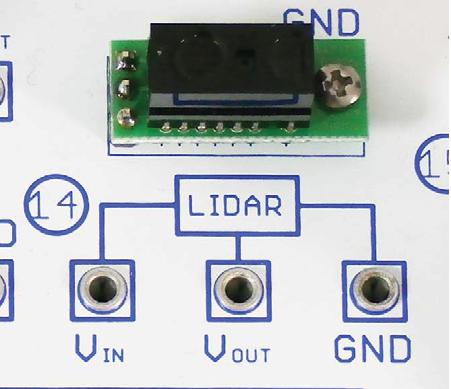
- The Sensors & Actuators CBI software (Model 1830SC) includes an Operations Manual containing instructions for the CBI software and a detailed description of the fault capabilities
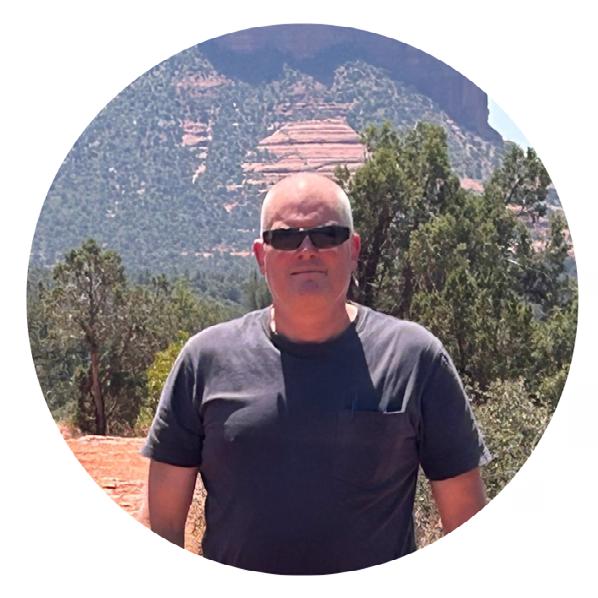
Hello, NACAT friends. Let me introduce myself. I am David Carter, an instructor at Great Lakes Adventist Academy in Cedar Lake, Michigan. I teach Chemistry, Environmental Science, Physics, CAD, Automotive Technology 1 and 2, and Welding 1 and 2. Great Lakes Adventist Academy is a boarding high school that serves students in the Great Lakes region, as well as across the nation and some international students. I have been teaching at the school since 1991, and have taught a large variety of both science and industrial arts classes, while also serving as a part-time dean for four of those years, and as part-time plant services worker for most of the years since I arrived. The focus in my industrial arts classes is knowledge through demonstration and then practice. In the automotive technology classes, students are given opportunity to repair cars for many local people, most of whom are low-income or other high-need situations. We do lots of brake and suspension jobs, but also head gaskets, engine rebuilds, and electrical faults.
Prior to taking up a career in teaching, I worked for Parlee Lumber in Littleton, Massachusetts, as a repair and service person, truck driver, and yard worker in the production of lumber. I got to work on heavy equipment, to which I had not previously been exposed.
To arrive at this point in my teaching career, I have to credit much to a deep curiosity for how things work, encouragement from many mentors to tackle tough projects, and wonderful technical resources such as Dorman seminars, ATTS videos, and NACAT seminars. I attempt to share my enthusiasm with all the students both in and out of the classroom, and several have “caught the bug” and taken up a career in automotive technology or welding. I also consider it to be a win when I hear that students are using their knowledge to fix mechanical problems for themselves or their parents.
With all the changes I see in the new cars, I see I have a great deal of learning ahead of me in the areas of EV and ADAS technologies. I look forward to tackling this challenge and looking for ways to integrate this into the student experience.
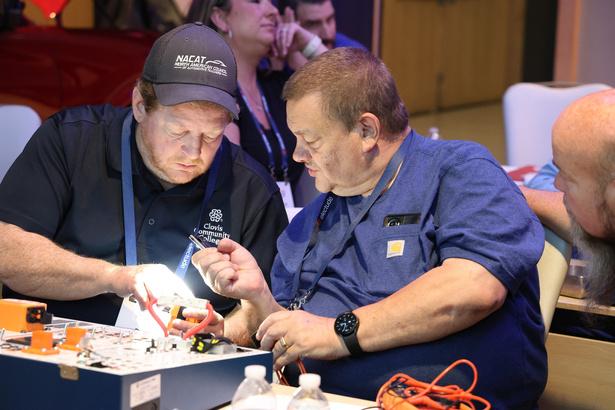
Talking all week with like minded people, networking, and meeting future partners, that's what it's all about. Top it off with eye opening classes, getting work on new electrical boards...Had a great time. Well worth the trip. Other members as well as the trainers.
William Pattison Southern States ToyotaLift
The trainers were knowledgeable, engaging, and personable. They provided relevence and value to help me be a better instructor in the classroom! It was really a great, drama-free week, chocked full of wonderful information!
Ryan Washington Community College of Baltimore County
June 15-18, 2026 June 15-18, 2026


Monday, June 15, 2026 10:30 - 11:30am








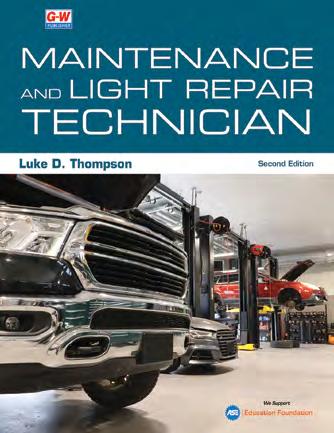
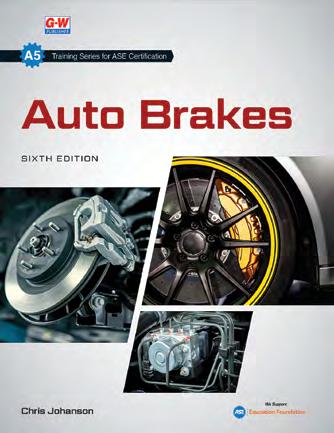
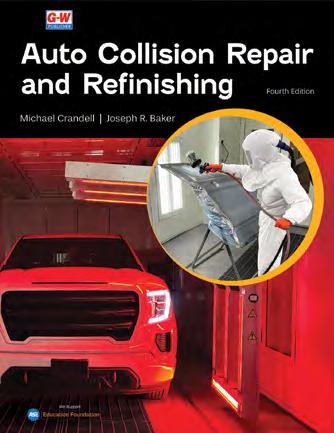
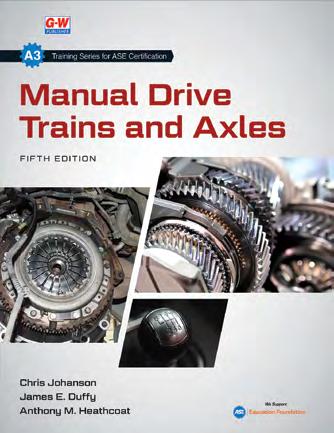

Sacramento, CA Sacramento, CA


Become an Exhibitor or Sponsor today!

Logo on NACAT Website
Spotlight in NACAT News
½ page article in the NACAT News
One sponsored email per year
only $350peryear BECOME AN ALLIED MEMBER Your Allied membership includes June 15-18, 2026 June 15-18, 2026
Welcome Allied Member graphic on social media platforms
NACAT Allied Member logo to use on your website
Priority sign-up for Automotive Educator Conference
Discount exhibitor space for Automotive Educator Conference
Bold listing in the directory for Automotive Educator Conference
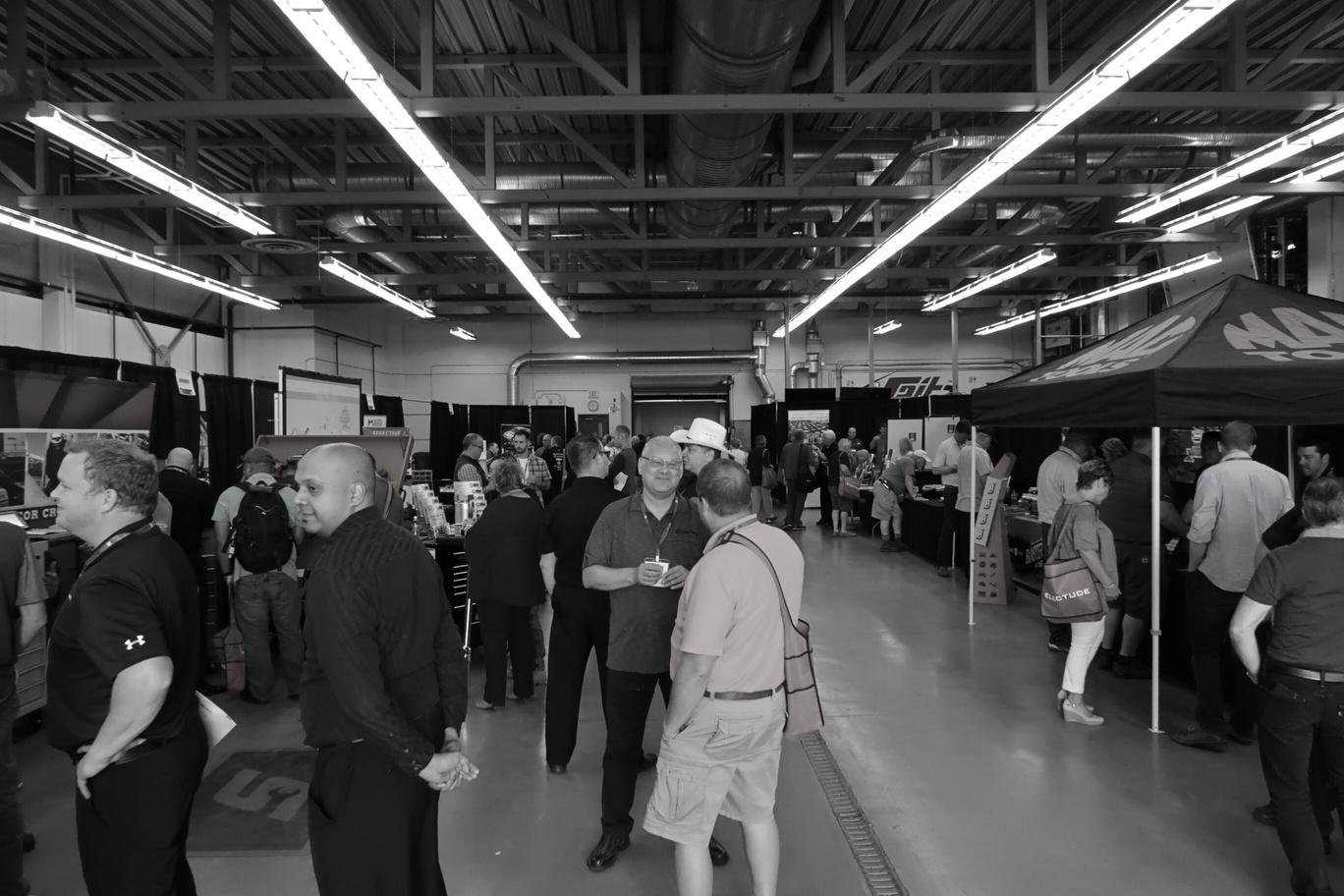
Opportunity for exhibitors to participate in an attendee engagement activity, where attendees collect exhibitor signatures on postcards for a prize drawing. Exhibitors are encouraged to bring a prize for the giveaway.

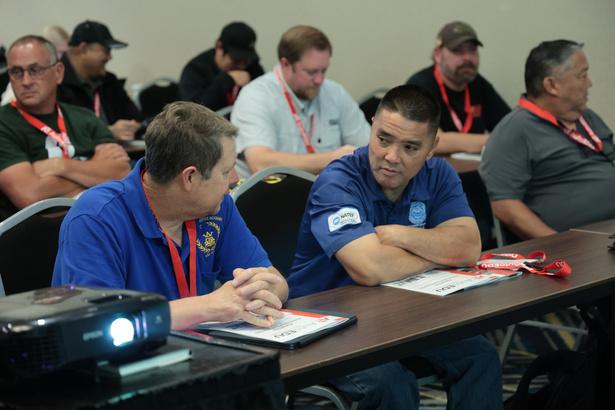
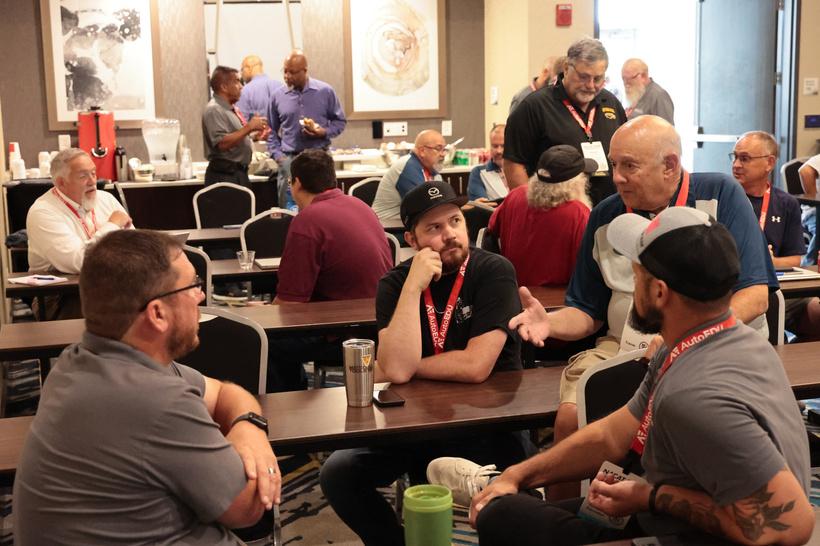
A solution-focused conversation for automotive educators that tackles the challenges you face every day from getting students excited about automotive careers to preparing them for real-world success and building stronger connections with industry
THIS INTERACTIVE SESSION WILL EXPLORE:
How to attract the right students into your program
Ways to confidently communicate the value of automotive careers to parents and counselors
What “student success ” really looks like in today’s industry
The traits and habits of effective automotive instructors
How educators and industry can work together to better support students
Monday, June 15, 2026 | 12:00 PM - 2:00 PM





HOSTED BY NACAT IN PARTNERSHIP WITH CAT

Where automotive educators connect, learn, and lead
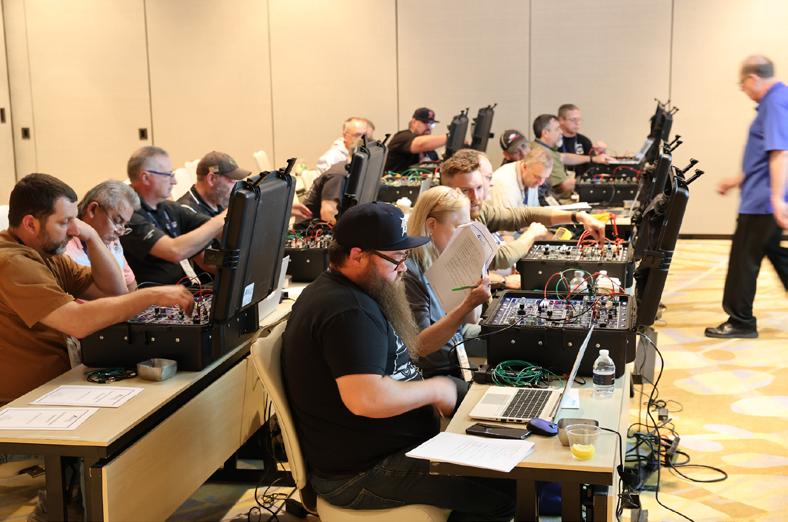
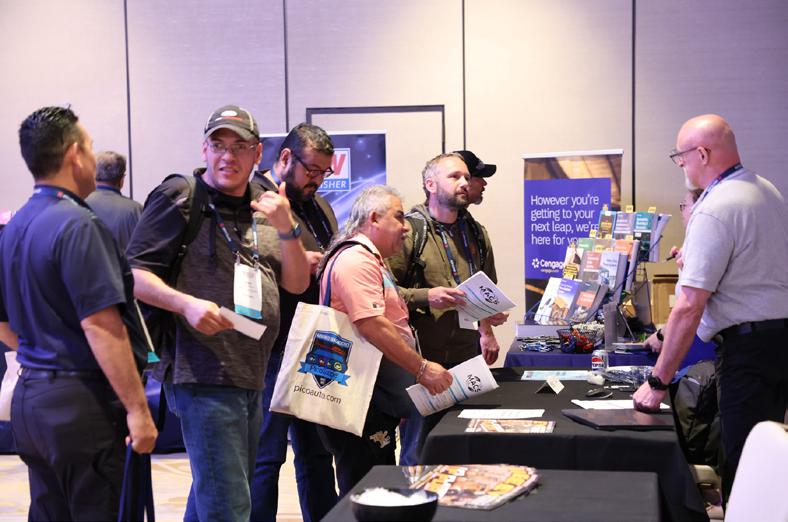
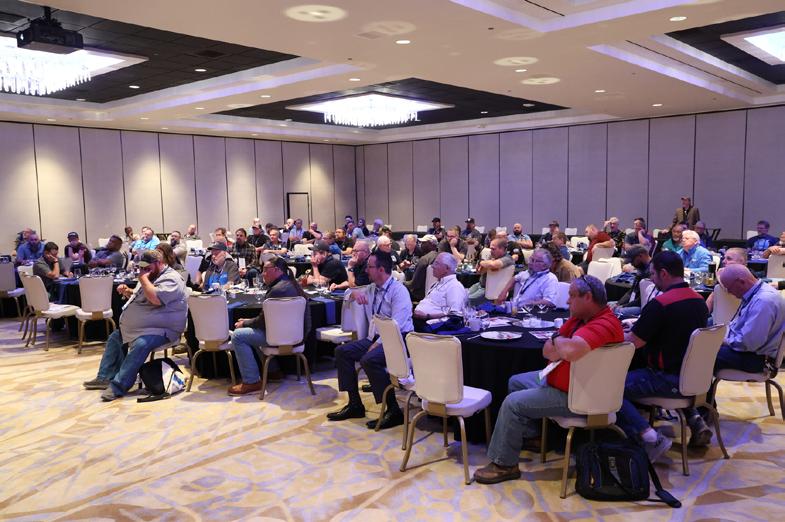
The Automotive Educator Conference is an annual event uniting automotive educators and professionals from North America. It offers networking, workshops, seminars, and hands-on training, promoting excellence and collaboration in automotive education.
Why Join the Conference?
Professional Development: Access workshops and training sessions to enhance teaching skills and stay updated on industry trends
Networking: Connect with peers, industry professionals, and experts for collaboration and resource sharing
Access to Resources: Gain access to educational materials, curriculum development tools, and industry partnerships
Inspiration: Get inspired by fresh ideas, innovative teaching strategies, and success stories from fellow educators
Recognition: Showcase achievements, share best practices, and gain recognition for contributions to automotive education.

Monday, June 15, 2026
9:00 am - 12:00 pm: Registration
10:30 am - 11:30 am: First-Time Attendee Meeting
11:30am - 12:00 pm: CAT Membership Meeting
12:00 pm - 2:00 pm: Opening General Session, Panel Discussion, & Lunch
2:00 pm - 5:00 pm: Exhibitor Setup
2:00 pm - 2:15 pm: Break
2:15 pm - 5:15 pm Training
4:00 pm - 4:30 pm: Break
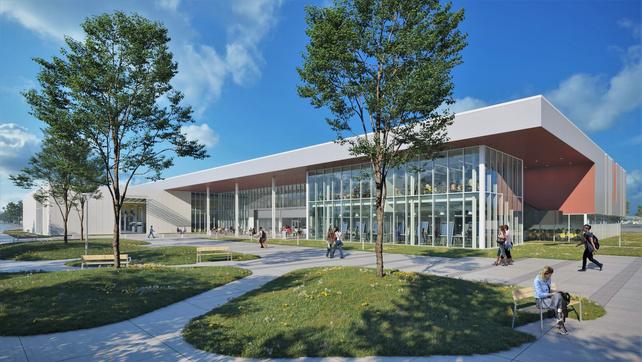
5:15 pm - 6:45 pm: Welcome Reception at American River College Evening: Informal Gathering at Hotel
Tuesday, June 16, 2026
Morning: Breakfast at Hotel
8:30 am - 11:30 am: Training
10:00 am - 10:30 am: Break
11:30 am - 2:30 pm: Lunch and Exhibits
2:30 pm - 5:00 pm: Training
5:00pm - 5:30pm: Break & Exhibitor Prizes
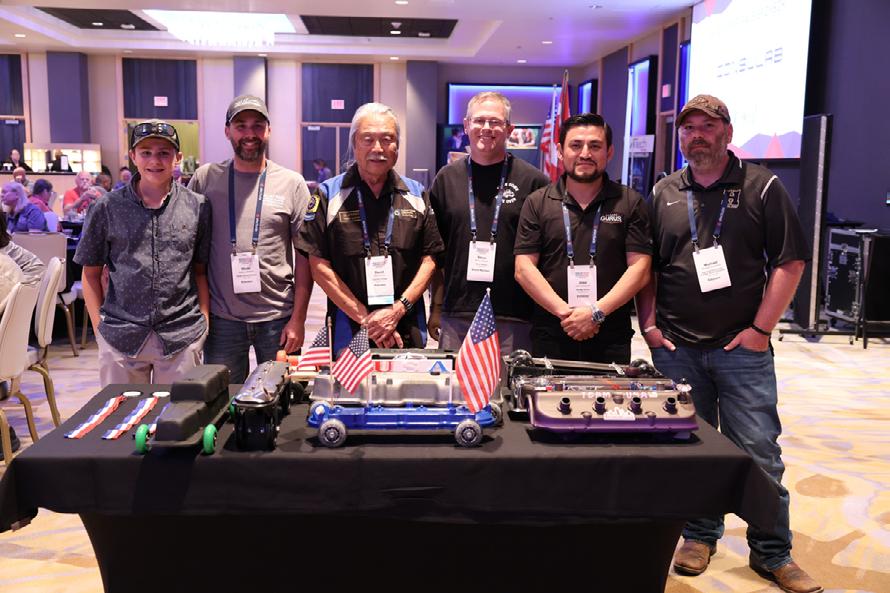
5:30pm - 7:30pm: BBQ & Valve Cover Races
Evening: Informal Gathering at Hotel
What does it really take to build a great automotive program today?
Join fellow automotive educators for a dynamic, solution-focused panel discussion that tackles the challenges you face every day from getting students excited about automotive careers to preparing them for real-world success and building stronger connections with industry
Don’t miss this must-attend opening session your next great idea might come from the teacher sitting next to you
Wednesday, June 17, 2026
Morning: Breakfast at Hotel
8:30 am - 11:30 am: Training
10:00 am - 10:30 am: Break
11:30 am - 1:00 pm: Lunch and Awards
1:00 pm - 1:15 pm: Break
1:15 pm - 4:15 pm: Training
2:45 pm - 3:15 pm: Break
5:00 pm - 7:00 pm: California Auto Museum (additional cost)
Evening: Informal Gathering at Hotel
Thursday, June 18, 2026
Morning: Breakfast at Hotel
8:30 am - 11:30 am: Training
10:00 am - 10:30 am: Break
11:30 am - 12:30 pm: Lunch
12:30 pm - 3:30 pm: Training
2:00 pm - 2:30 pm: Break
Evening: Informal Gathering at Hotel
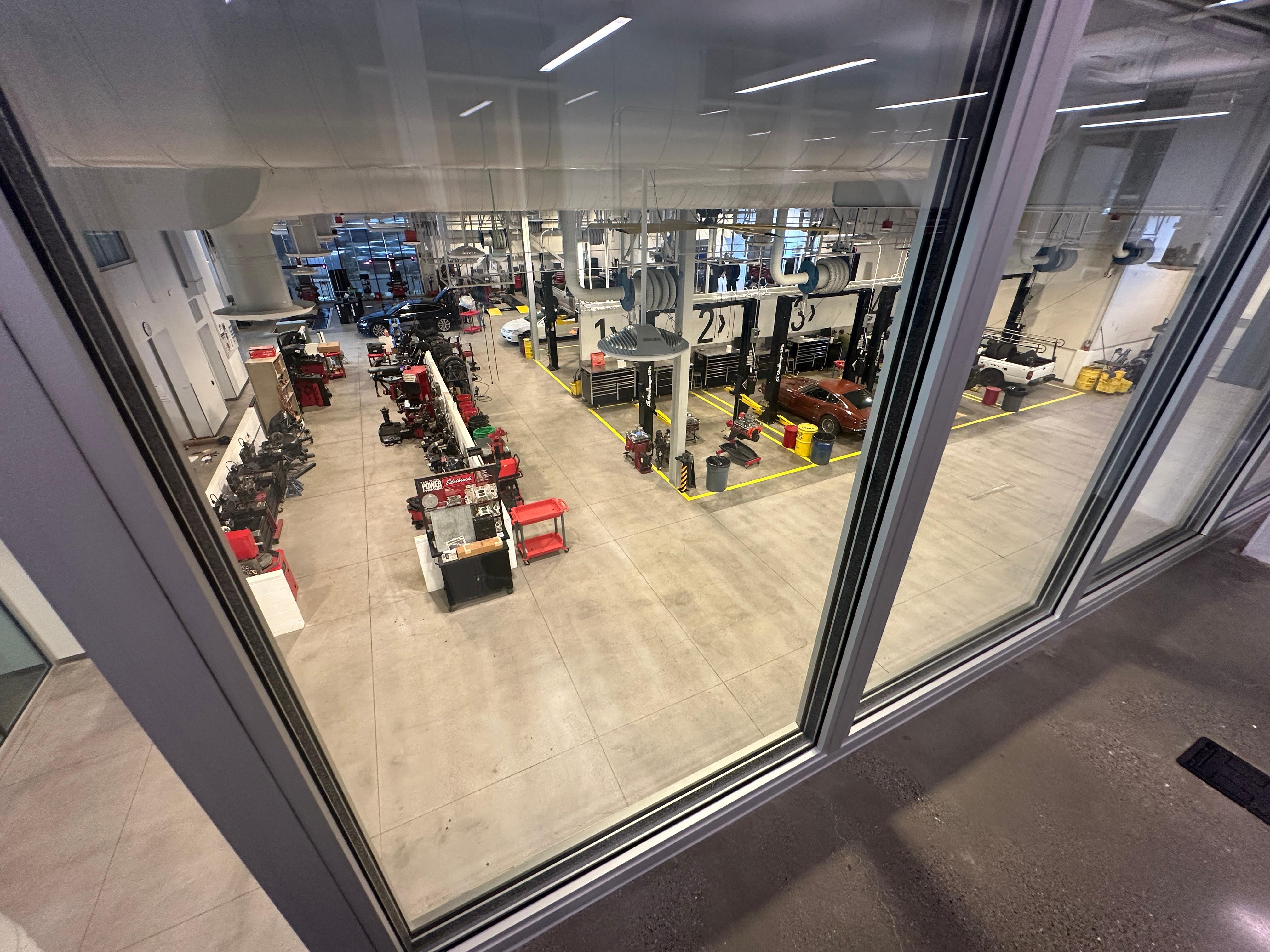
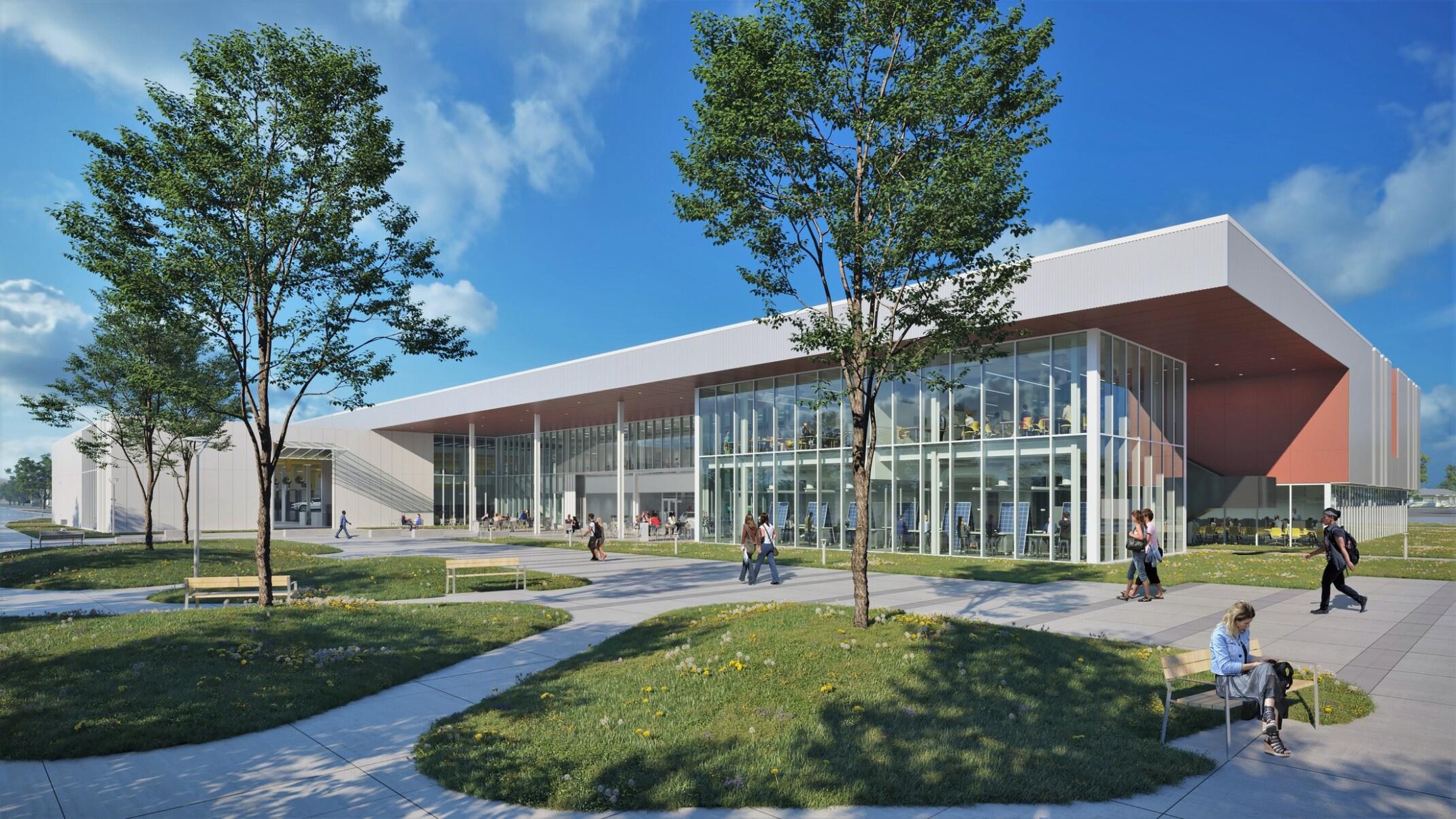
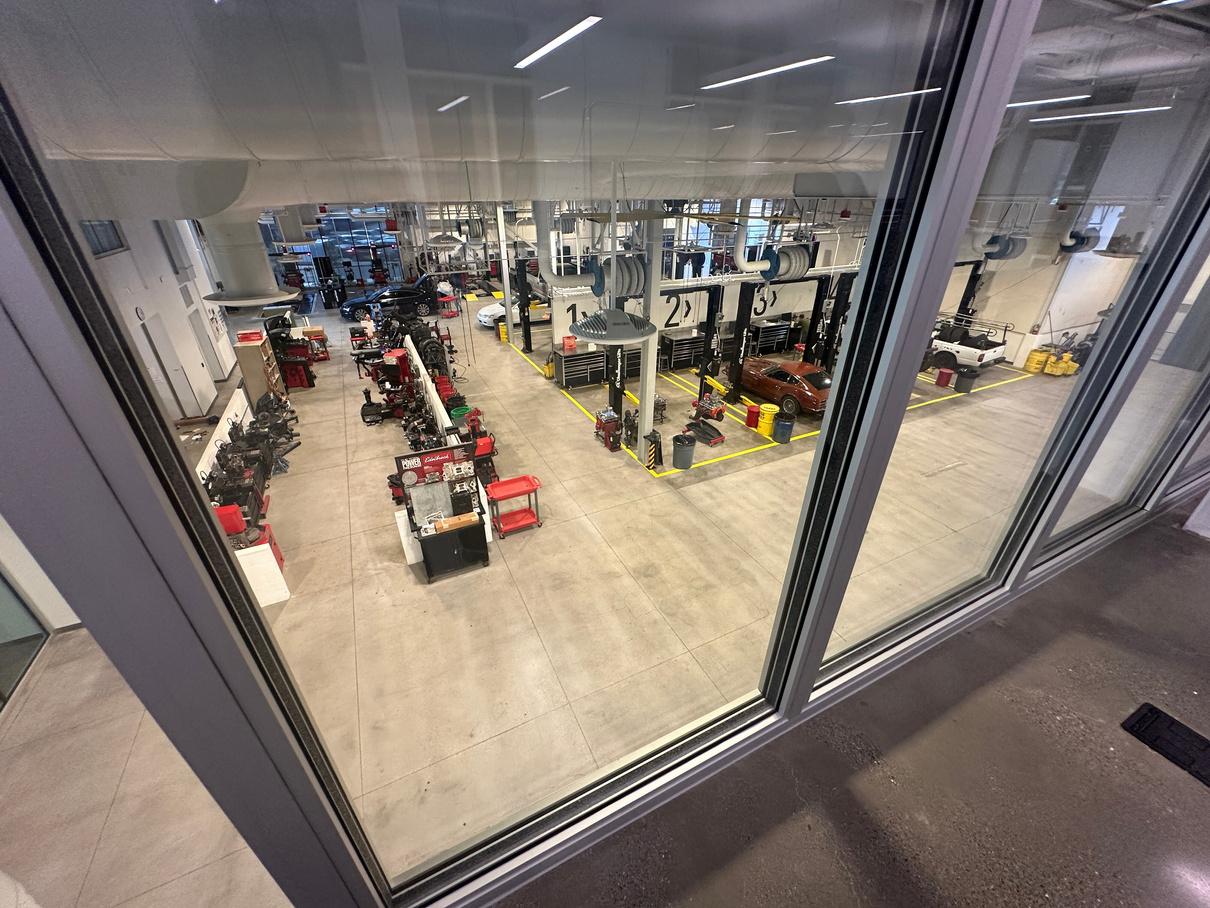
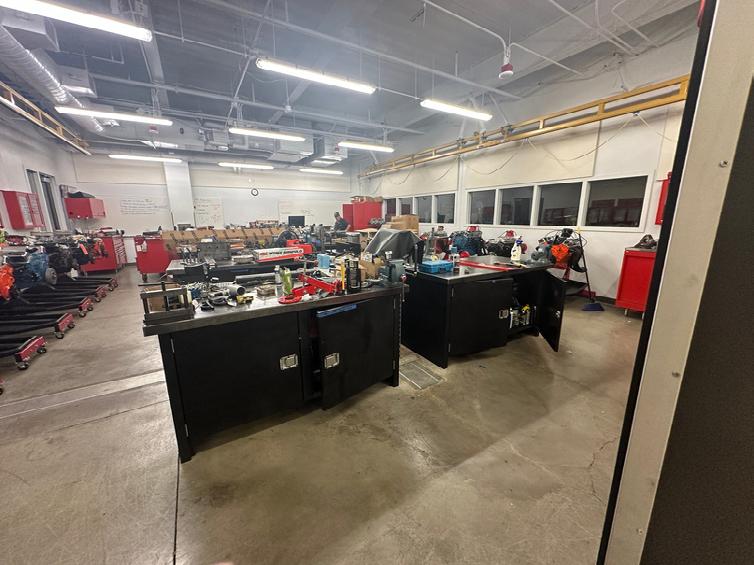
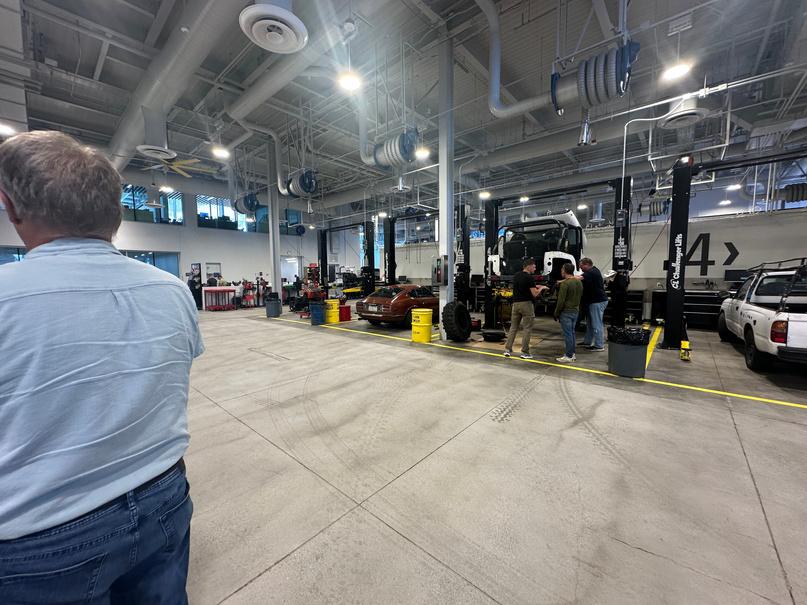
Kick off the Automotive Educator Conference with an exclusive guided tour of American River College’s brand-new MCT (Manufacturing, Construction & Transportation) Building a cutting-edge learning environment designed with today’s students and educators in mind!
During the behind-the-scenes experience, you’ll explore state-of-the-art labs and instructional spaces for Automotive Technology, Design Tech & Engineering, Electronics, Electrician Trainee, Energy, Welding, and Funeral Services, all intentionally designed to mirror real-world industry settings This tour isn’t just about impressive facilities it’s about ideas you can take home See how interdisciplinary programs, modern spaces, and built-in student support can elevate automotive education and strengthen your program ’ s impact
T R A I N I N G
Monday, June 15, 2026
S1-1 Driving Success: Assessment Strategies for Transportation Sponsored by Goodheart-Willcox 2:15pm 5:15pm Mandy Green & Brian LaCroix
S1-2 From Classroom to Career: Equipping the Next Generation of Technicians Sponsored by Sonic Tools USA 2:15pm 5:15pm Bailey Pearson
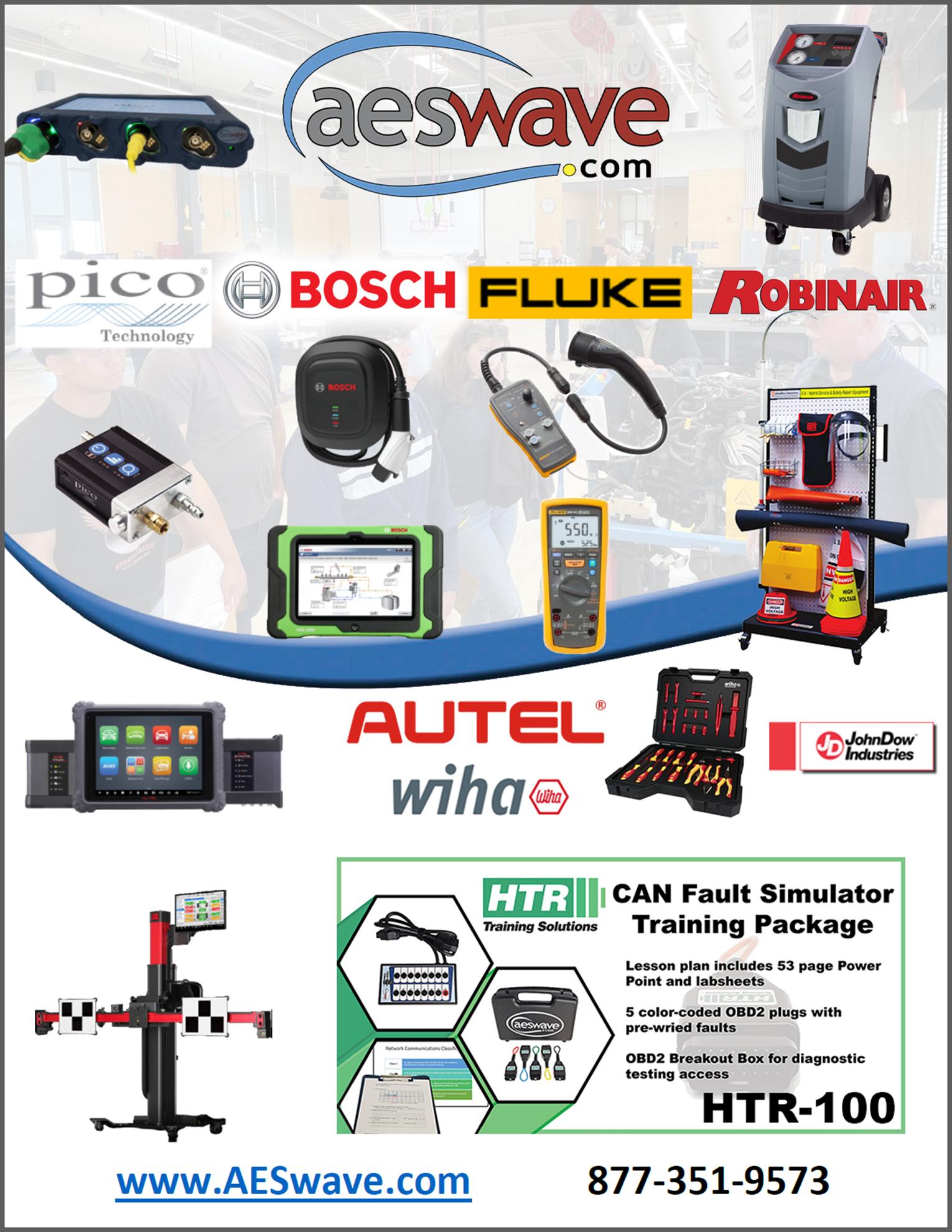
S1-3 Powerful and Simple Framework for Wiring Diagram Circuit and Waveform Analysis (hands-on) Sponsored by AESWave 2:15pm 5:15pm Jorge Menchu
S1-4 Why the Brake Rotors are Ground Zero for Today’s Brake Service Sponsored by Pro-Cut 2:15pm 5:15pm Steve Smith
S1-5 Workshop-Oriented Practical Fault Diagnosis on Modern Electric Vehicles (hands-on) Sponsored by Lucas-Nuelle 2:15pm 5:15pm Dirk Niemeyer
Tuesday, June 16, 2026
S2-1 AI in the Garage: How AI is Reshaping Technical Education and the Skilled Trades Instructor Sponsored by Minnesota State Transportation Center of Excellence 8:30am 11:30am TBD
S2-2 Teaching as Performance Art Sponsored by Electude 8:30am 11:30am Dr Alex Richards
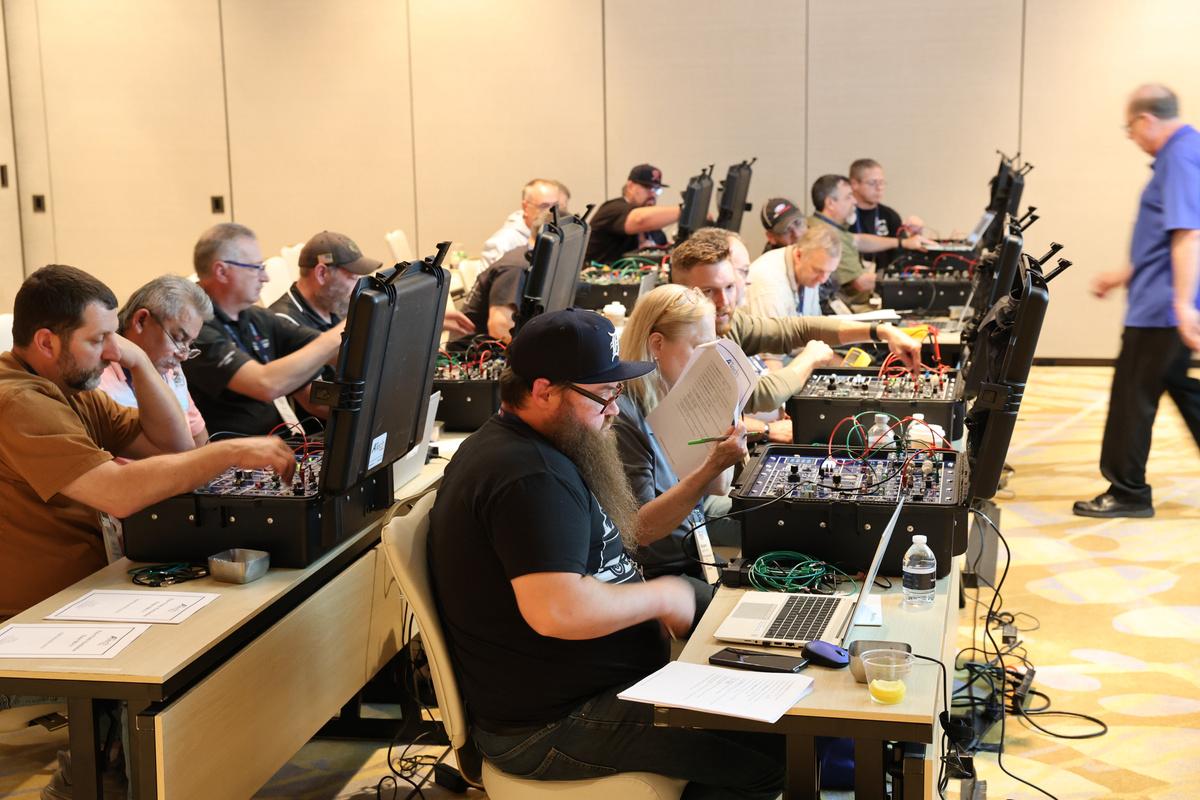
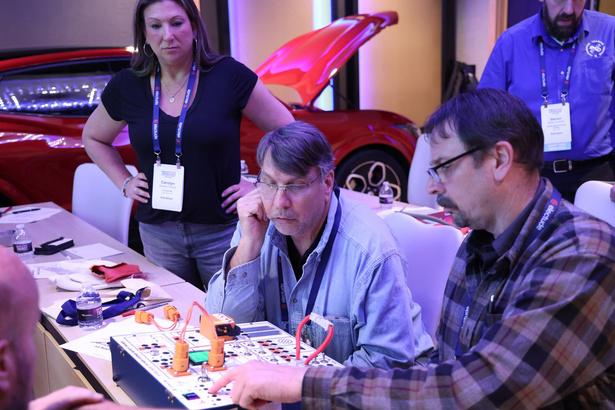
S2-3 Testing Electronics with You as the Student (hands-on) Sponsored by ATech Training 8:30am 11:30am James Wilson
S2-4 Vehicle Communication Diagnostics Sponsored by NAPA Autotech 8:30am 11:30am Jason Gloria
S2-5 Where Should Voltage Be (And Not Be?) Hands-On Diagnostics and Safety in EV Systems Sponsored by Consulab 8:30am
S3-1 Educator Roundtable: Challenges & Successes in Automotive Education Sponsored by Northern Michigan University
S3-2 Essential Scope Tests Sponsored by NAPA Autotech 2:30
S3-3 HV Battery Stress Testing - Preparing Students for Real-World Service Sponsored by EVPro+
S3-4 Testing Electronics with You as the Student (hands-on) Sponsored by ATech Training 2:30 PM 5:00 PM James Wilson
S3-5 Where Should Voltage Be (And Not Be?) Hands-On Diagnostics and Safety in EV Systems Sponsored by Consulab 2:30
S3-6
S4-1 Essentials of Onboard Diagnostics (hands-on) Sponsored by Delphi 8:30am 4:15 pm Rick Escalambre
S4-2 EV Technology and Repair (hands-on) Sponsored by AVI 8:30am 4:15 pm Tom Rayk
S4-3 Automotive Classroom Tips and Tricks Sponsored by Northern Michigan University 8:30am 11:30am Randy Klitzke
S4-4 Automotive RF Systems: Effective Pedagogy for the Wireless Era Sponsored by Worldpac 8:30am 11:30am Cameron Conover
S4-5 Battery Management Hands-On Activity Sponsored by EV West 8:30am 11:30am Mark Weller
S4-6 Crawl, Walk, Run Instruction and Tactics Sponsored by Andy Tirado LLC 8:30am 11:30am Andy Tirado
S4-7 Teach TPMS with Confidence: A Complete Instructor Training Experience (hands-on) Sponsored by Dill Air Controls Products 8:30am 11:30am Sean Lannoo
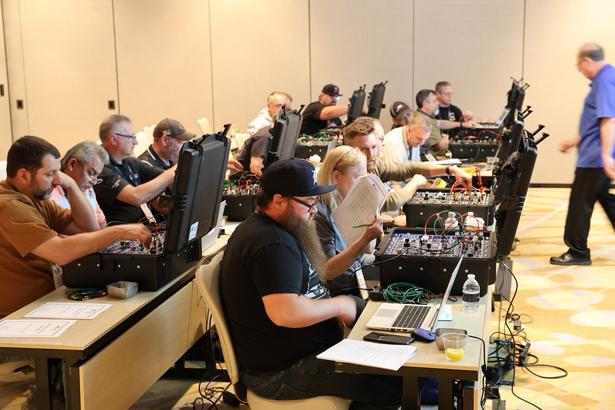
S5-1 Building Diagnostic Skills with Electrical Fundamentals and Computer-Controlled Circuits (hands-on) Sponsored by SBC Training 1:15pm 4:15pm Scott Hadzik
S5-2 Identifying Mechanical Failures Using Electronic Methods Sponsored by AERA and Pico 1:15pm 4:15pm Chris Hamann
S5-3 Parasitic Battery Drains and Modern Charging Systems for Conventional I C E and Electrified Vehicles (hands-on) Sponsored by Delphi 1:15pm 4:15pm Dave Hobbs
S5-4 Solving the ADAS Information Gap Sponsored by Andy Tirado LLC 1:15pm 4:15pm Andy Tirado
S5-5 Utilizing AI Resources for Automotive Instructors and Students Sponsored by Calhoun Community College 1:15pm 4:15pm Steve Berger
Code
S6-1 Building an Electric Drivetrain in the Classroom (hands-on) Sponsored by Switch Vehicles 8:30am 3:30pm Jozef Antolin
S6-2 Unveiling Future Technology: Tesla Cybertruck - Technology Overview - Diagnostics and More! (hands-on) Sponsored by AESWave 8:30am 3:30pm Scott Brown
S6-3 Vehicle Communications for Subaru Vehicles (hands-on) Sponsored by Subaru 8:30am 3:30pm Luis Perez and Laura Hardy-Wilcox
S6-4 An In-Depth Look at the Ford 10R80 Transmission Sponsored by ATRA 8:30am 11:30am Keith Clark
S6-5 Building a Successful Automotive Program Outside the Classroom Sponsored by Skagit Valley College 8:30am 11:30am Aaron Klesick
S6-6 Hands-On CAN: Live Scope Traces, Faults, and DIY Classroom Tools Sponsored by Worldpac 8:30am 11:30am Cameron Conover
S6-7 Systematic Approach to Teaching Ignition Systems Essentials Sponsored by Delphi 8:30am 11:30am Rick Escalambre
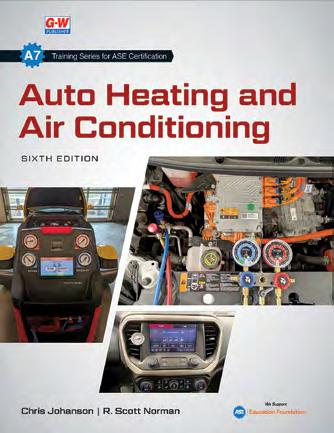
S7-1 Current Trends in Mobile Climate Systems Sponsored by Goodheart-Willcox 12:30pm 3:30pm Scott Norman
S7-2 Engine Sealing Sponsored by AERA 12:30pm 3:30pm Chuck Lynch
S7-3 Incorporating High-Voltage Electrical into an Existing Curriculum Sponsored by Joliet Junior College / Pearson Education 12:30pm 3:30pm Curt Ward
S7-4 Mastering the uScope: Hands-On Diagnstics for Real-World Results Sponsored by AESWave 12:30pm 3:30pm Tom Broxholm
TRAINING COURSE SELECTION: Selections must be made in advance and are available on a first-come, first-served basis
MEALS: Breakfast is served with your hotel stay at the host hotel Lunch is served Monday, Tuesday, Wednesday, and Thursday Refreshment breaks are each day Monday evening will be appetizers and Tuesday evening will be dinner Dinner on Wednesday and Thursday are on your own
NACAT Member Discounts: NACAT Members receive a $100 discount on registration packages Visit nacat org to become a member or click the add-on option during your registration
REGISTRATION & PAYMENT: To register, please complete the online registration form at www nacat org Registrations must be received no later than June 10, 2026 Registrations accepted ON-SITE ONLY after June 10, 2026 We cannot guarantee availability for late or on-site registrants
CANCELLATION AND REFUND POLICY: Full refunds will be granted, less a $30 processing fee, if cancellation is received in writing by May 1, 2026 No refunds will be granted after May 1, 2026 Name substitutions will be accepted





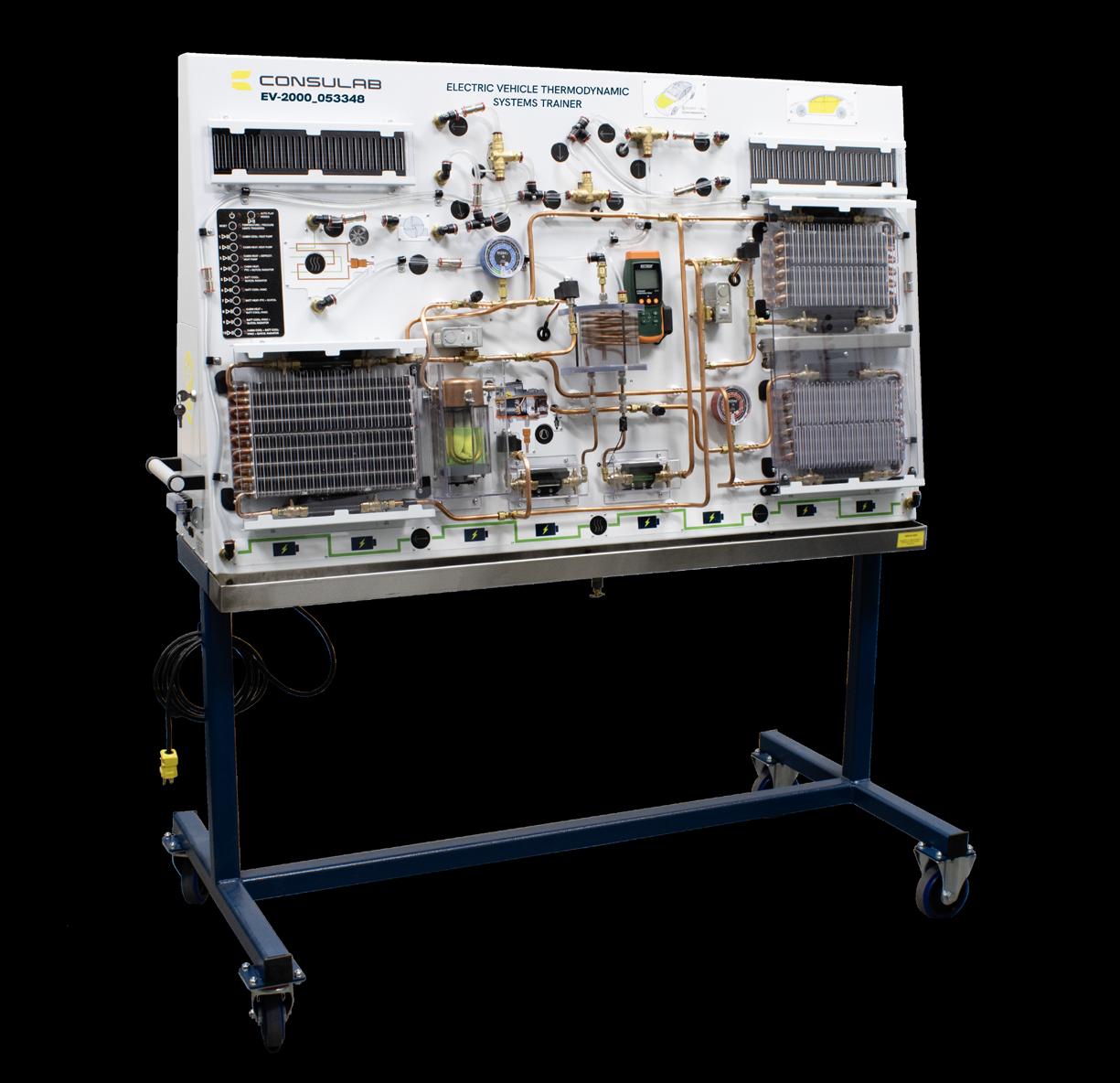
Driving innovation into the classroom with the EV-2000 - a fully functional, safe and hands-on training system designed to demystify electric vehicle (EV) heat pump technology. See how modern EVs master heating, cooling, and battery thermal regulation in a way that’s visual, practical, and easy to grasp : making advanced thermal systems accessible to your students.
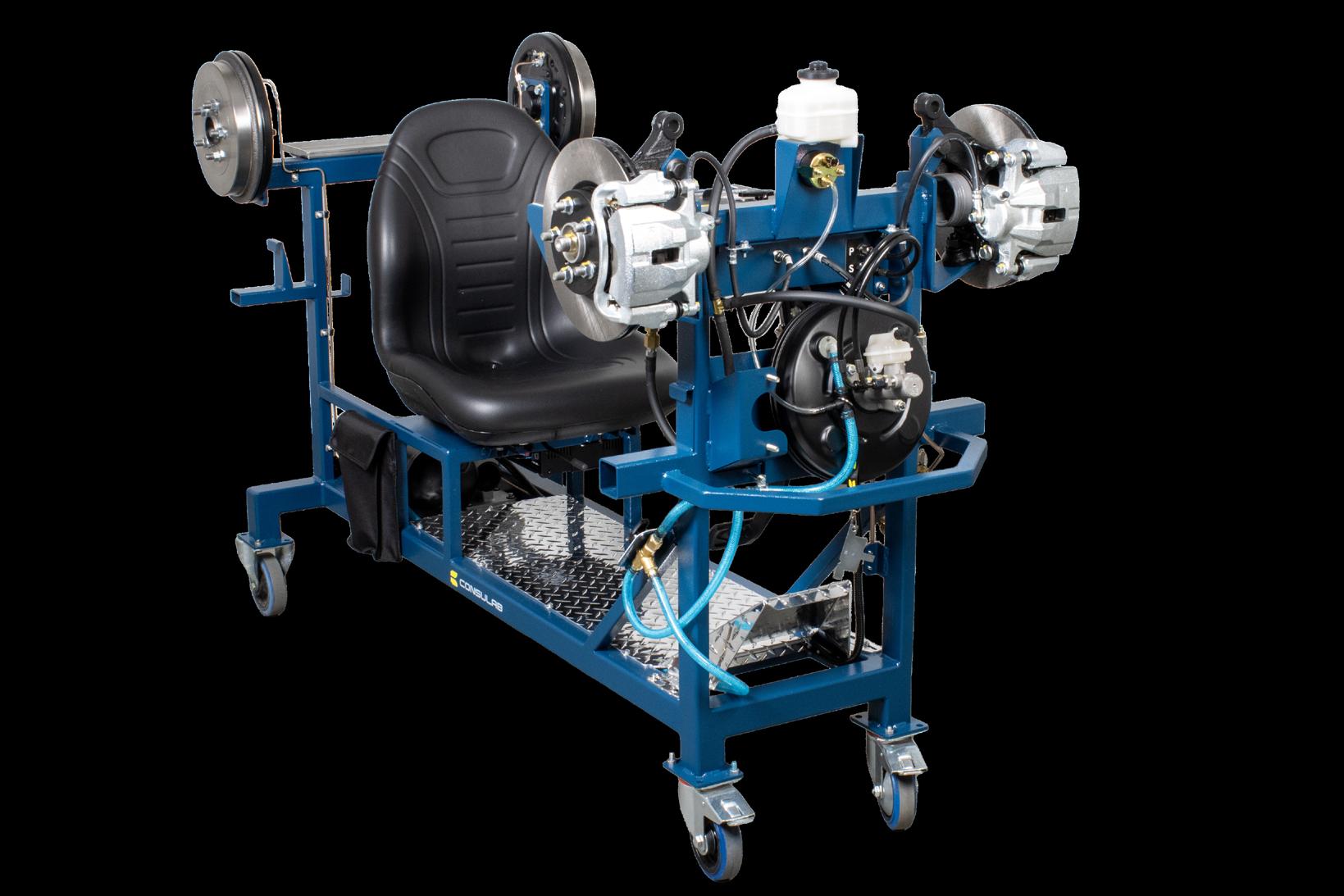
Modern brake systems can feel intimidatingbut your learners don’t have to struggle. The EM-123-TY05 Brake trainer for hydraulic diagnosis is their guide to understanding real-world brake service. Built on a Toyota platform with genuine OEM components, it delivers a true-to-life experience of a vacuum brake system with discs and drums.




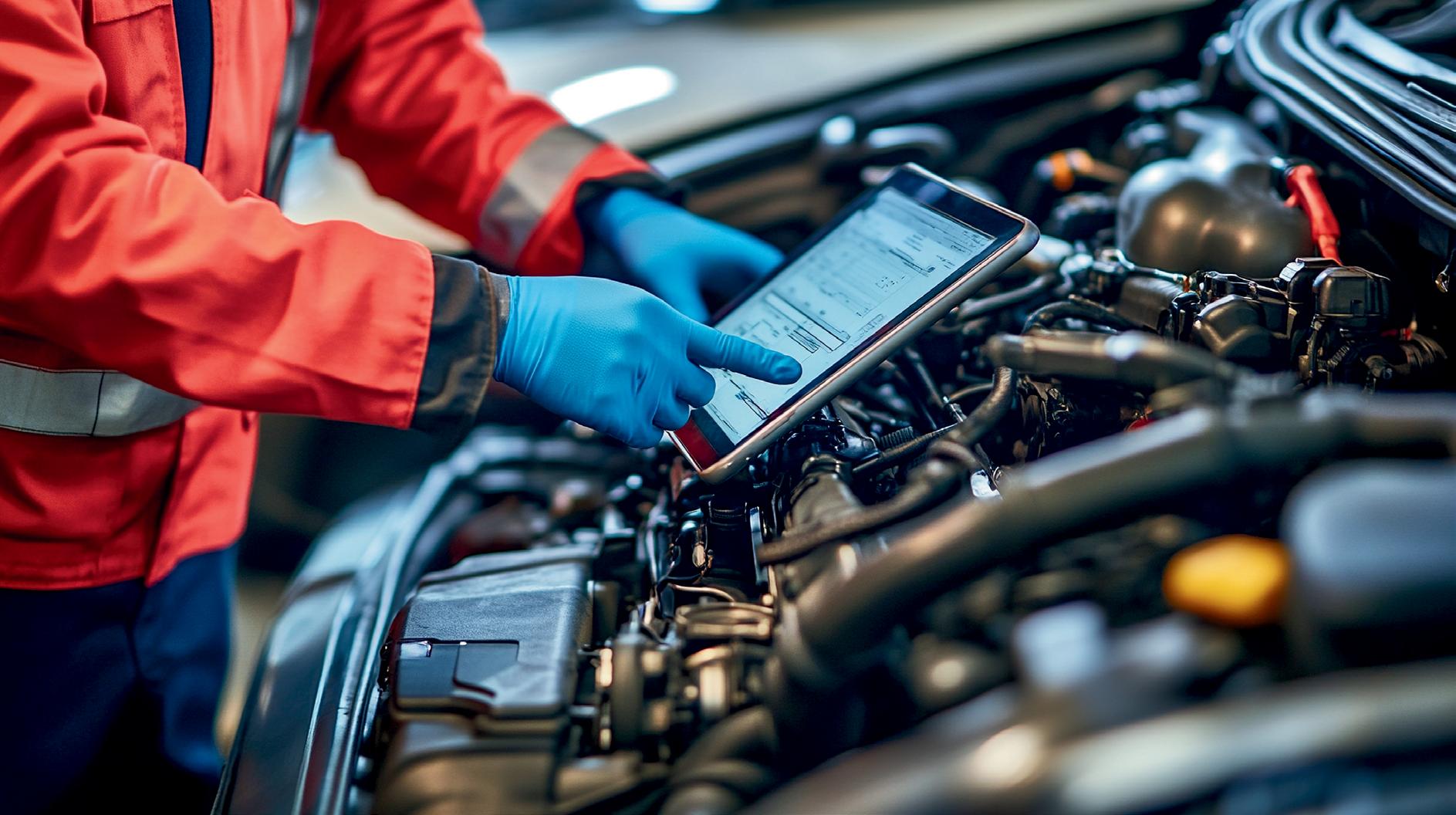
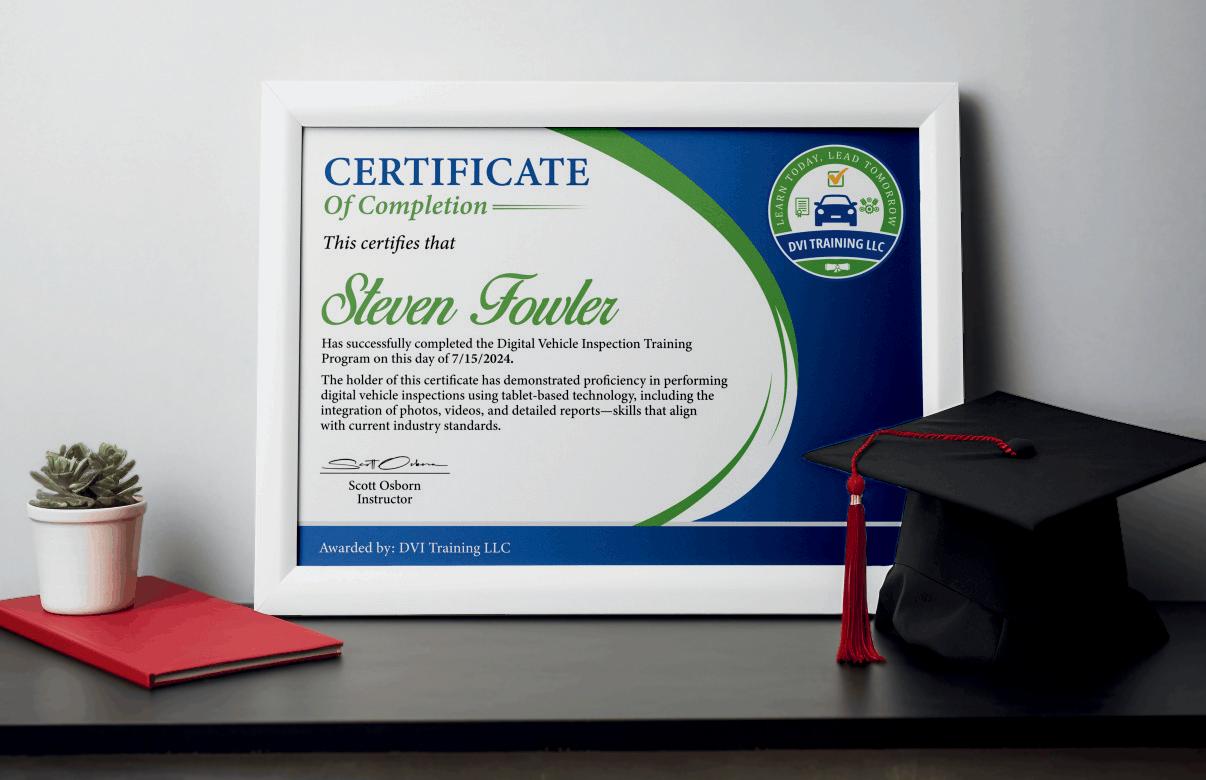
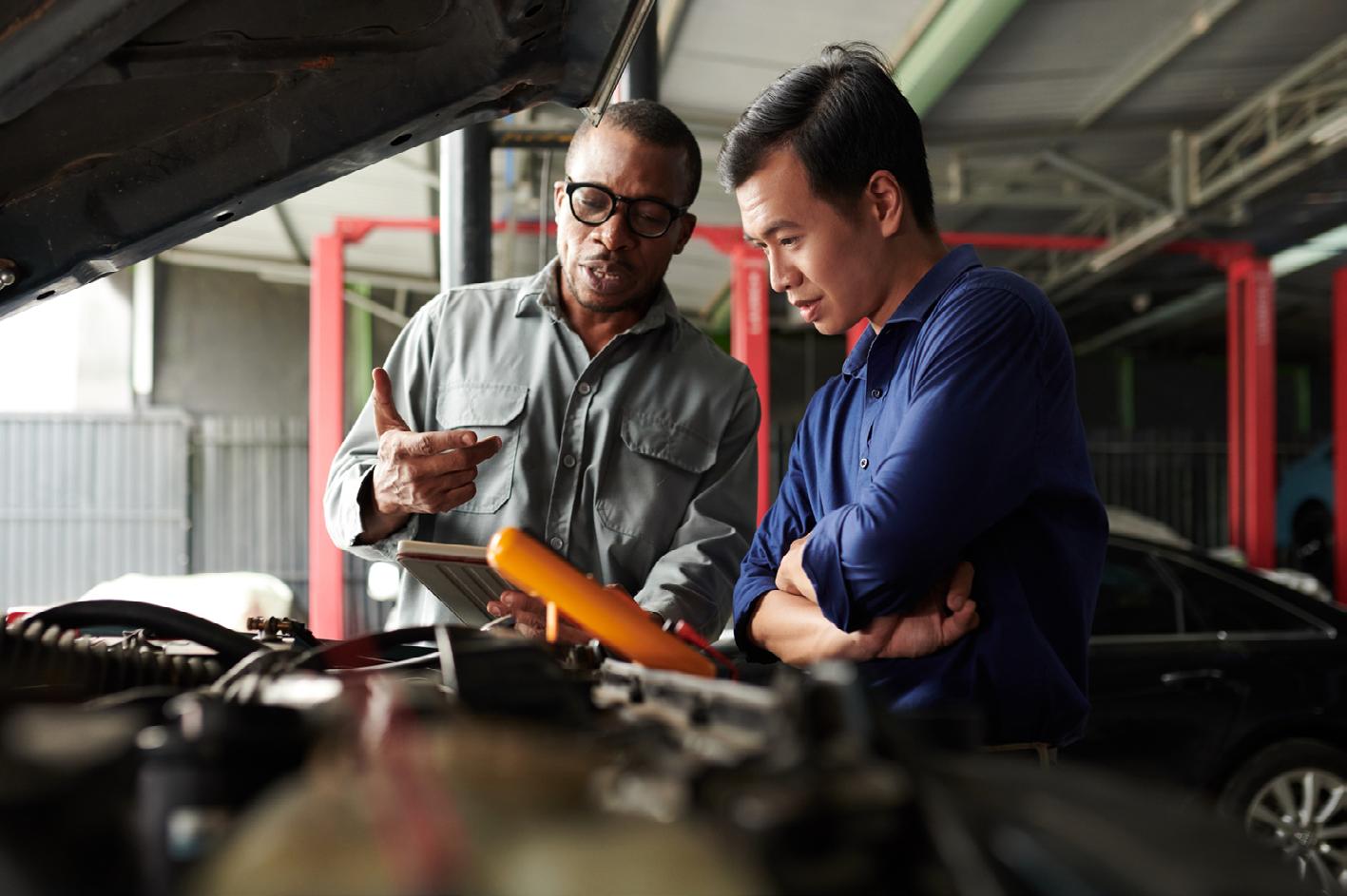
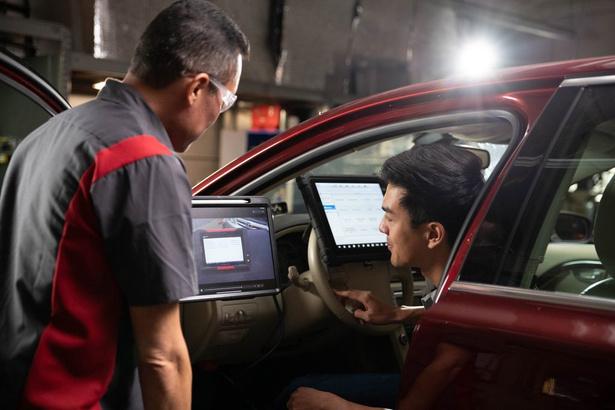
Our program provides a hands-on learning experience, using the same digital tools and tablets that are now essential in automotive service centers across North America. Students will learn to conduct thorough vehicle inspections, incorporating photos, videos, and detailed reporting—all while using the latest technology. Upon course completion, students will earn a Digital Vehicle Inspection Certification, giving them a competitive edge as they enter the workforce.
ready for the demands of a tech-driven automotive
your existing automotive program of classroom instruction, based on


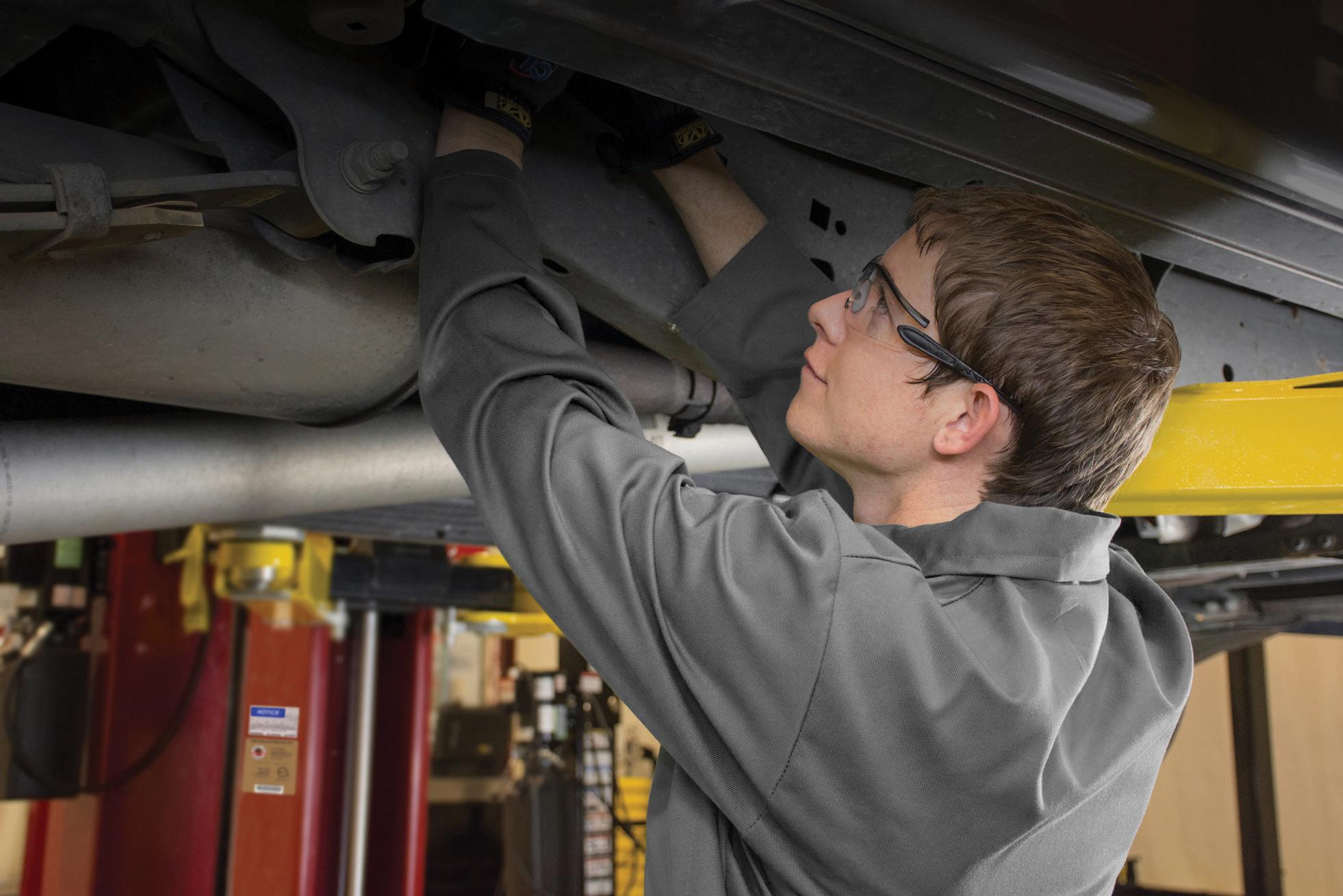
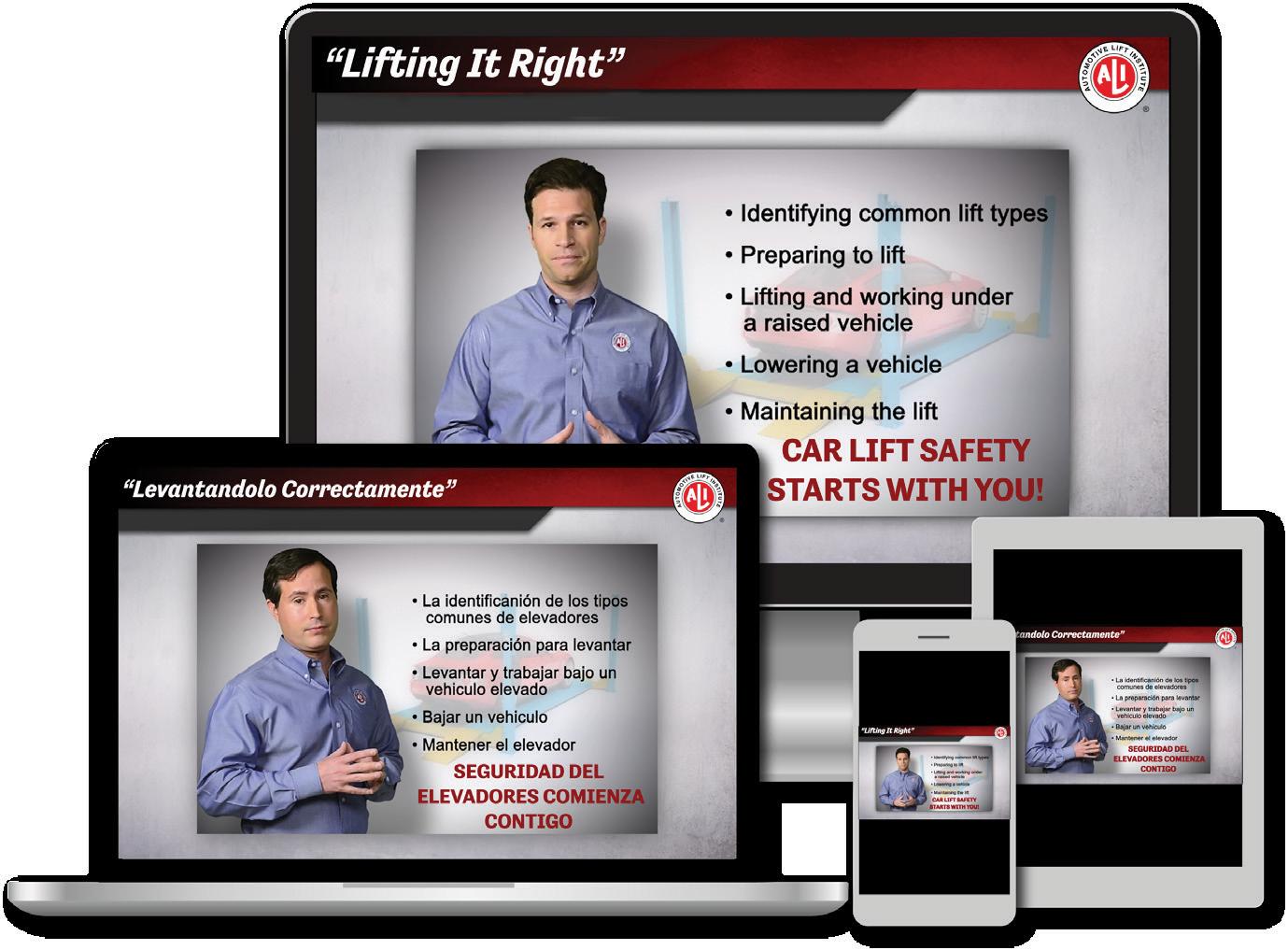
Lifting It RightTM is the world’s best-selling lift safety training program. It’s the industry standard on how to properly operate any vehicle lift and is the only program developed and backed by the technical experts at the lift safety watchdog Automotive Lift Institute (ALI) and leading lift manufacturers.
Millions of students, professional technicians, and at-home mechanics have learned from Lifting It Right how to lift a car, truck, or SUV without causing injury or property damage. The interactive course teaches how to spot, lift and lower a vehicle, maintain load stability, and more.
With an annual subscription, you can offer the interactive course to all your students. Most students complete it in about an hour and will receive a certificate of completion after passing the final exam.

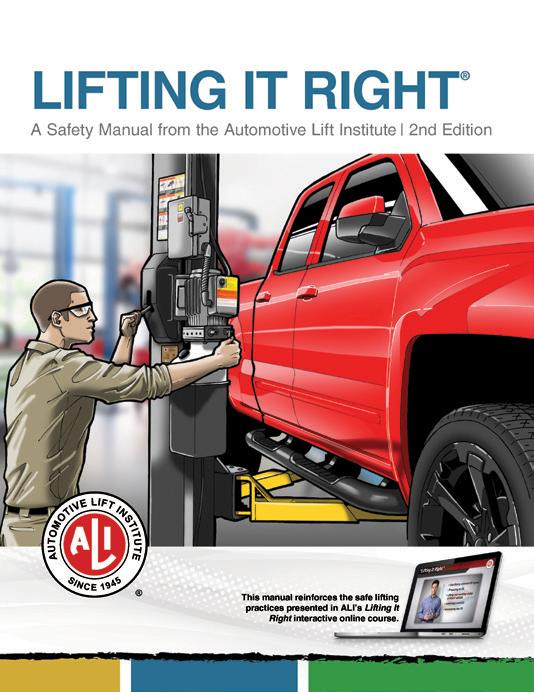

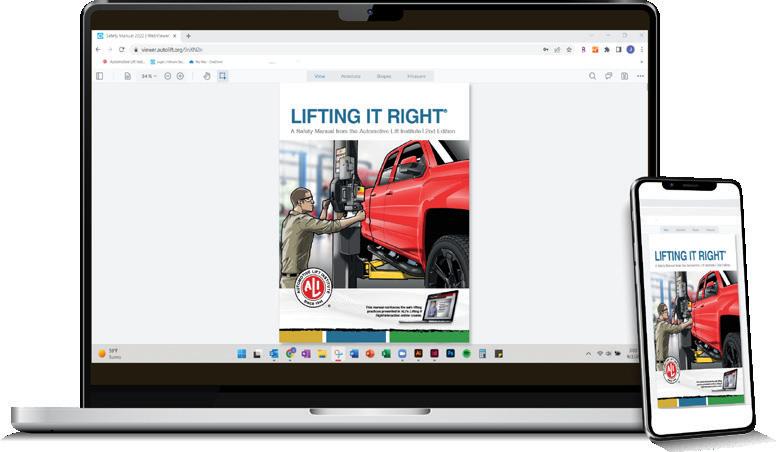
Lifting It RightTM safety manual second edition completely updated and expanded. Order today at autolift.org/store.
My
As I write this article, the winter break is over, and the spring term is under way. The newest class that I have created for our green energy curriculum and now teach is Charging Station Maintenance and Repair Technician. With almost 20% of the charging stations offline for repair in the greater Chicagoland area each day, this has become a very popular class. Although most of the lessons are specific to the charging station, some of the information spills over to non-charging events that we include in our hybrid and electric vehicle class. In this article I will highlight the charging station operation and some of the diagnostics with the concept that it might add some additional information or lab activities to the EV/PHEV charging lesson in your hybrid and electric vehicles course.
After the lesson on safety and job site etiquette, one of the first lessons we cover in the charging station class is basic electrical. Many students struggle with the differences between DC and AC voltage and current. This applies directly to the output differences between level 1 and 2 charging equipment as compared to DC fast charging. Most automotive students have a good grasp of the concepts related to DC current and voltage, as this is the way most 12-volt circuits on the vehicle operate. However, they struggle with AC voltage and current. Everything from polarity changes to current that cycles at 60 times per second are completely different than what is on the vehicle. Information from texts on household and industrial electrical circuits has been most helpful in providing additional classroom content. Lab activities with simple DC voltage measurements using a multimeter on the 12-volt battery circuits help to reinforce the understanding of DC voltage. The AC voltage measurement labs included an exercise with a scope on a magnetism trainer and a multimeter on a 110-volt outlet. If a scope activity is used on a high-voltage circuit, make sure the appropriate protective devices are installed and the scope is properly connected. Failure to do so may result in damaged test equipment.
In addition to AC and DC voltage and current we also spend a significant amount of time on circuit resistance and voltage drop. The proximity pilot and control pilot at the connection between the charge cable and the vehicle charge port are great examples of circuits that will not function properly if the resistances are not in the correct range. A failure in either circuit will result in non-charging events.
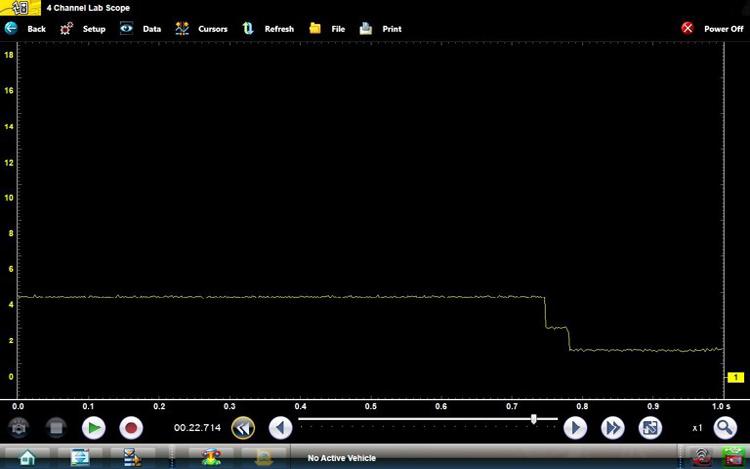
The proximity pilot is the “handshake” between the vehicle and charging equipment. When the connection is made the onboard charge module will detect the proper voltage change on the circuit and allow charging to begin. When the charge cable is not connected the on-board charge module will see about 4.5 volts. When the charge cable is connected the on-board charge module will see the voltage drop to about 1.5 volts. When the disconnect switch on the charge cable handle is depressed, the on-board charge module will see about 2.7 volts. The changes in the voltage can be measured with an oscilloscope (See Figure 1 – Proximity Pilot).
Continued on Page 27
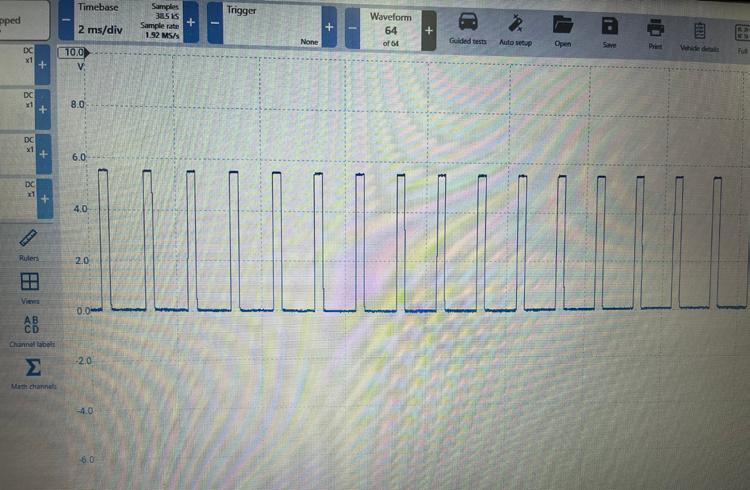
The control pilot is the communication between the charge equipment and the on-board charge module that determines the charging rate of the battery. The control pilot voltage will be at 12 -volts until the charge cable is connected to the vehicle. The voltage will drop to approximately 9 volts when the charge cable is plugged in. The voltage will drop to about 6 volts when the charging event begins and the duty cycle of the voltage will determine the actual rate of charge. If the voltage on the control pilot drops to zero volts, there is a problem with the charge event, and no charging of the battery will occur. The status of the control pilot can be monitored with an oscilloscope (See Figure 2 – Control pilot).
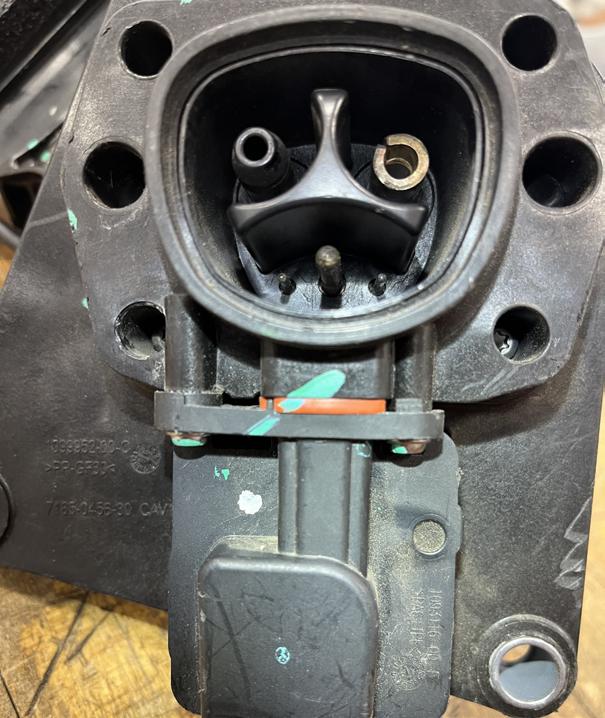
Both the control pilot and proximity pilot measurements can be more easily made if a breakout box is installed in the charge port. During this testing, no measurements are made on the high-voltage circuits so there is little risk of electrical shock or damage to the oscilloscope. The strategies that are used in these lab activities also work well on live vehicles with non-charging events. Recently a pin in the charge port was found to have high resistance and was the root cause of the problem (See Figure 3 – Damaged Charge Port). The charge port and cables were replaced to correct the concern. A second vehicle would not charge because there was high resistance in the high-voltage bonding circuits. The cleaning and replacement of the bonding straps corrected the problem.
Many of the concerns related to non-charging events require understanding of charging station operation as well as the operation of the on-board charging module in the vehicle. Even if the local market demand will not support a separate charging station repair class, the addition of the charging station material in a plug-in-hybrid and electric vehicle class will make the students more successful as they address these types of concerns.
I will finish this article with the same offer I make after each of my presentations. If you are interested in getting started in the process of adding hybrid and electric vehicles to your curriculum or want more information, please feel free to reach out. I am more than willing to sit down in-person or online and share my experiences. Are you looking for a classroom textbook? Reach out to Pearson and ask for a review copy of the Electric and Hybrid Electric Vehicle text that Jim Halderman and I co-authored. It is a comprehensive text covering all the latest information on the subject.
The Specialty Equipment Market Association (SEMA) is now accepting applications for the 2026 SEMA Memorial Scholarship Fund. Interested applicants can submit their application now through Tuesday, March 3, at www.sema. org/scholarships.
Through the scholarship program, eligible students may receive awards of up to $5,000 to support their education at accredited universities, colleges, and vocational or technical schools in the United States and Canada. Scholarship applications are open to high school seniors and college students in the United States and Canada who demonstrate a passion for working in the automotive industry. All disciplines are welcome.


Job Interview Resources Mentor Program Recordings Past Training Recordings And More Resources!
Sign in to your NACAT Account using your username and password to access this exclusive resources!

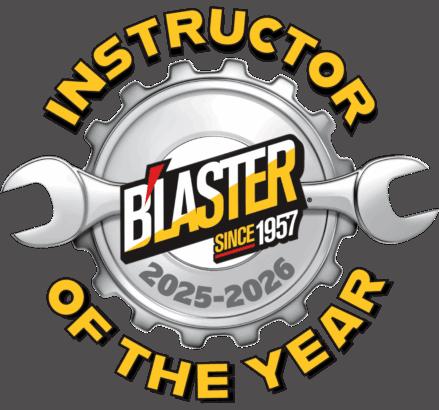
B'laster Instructor of the Year Program
B'laster and Tomorrow’s Technician, in association with the North American Council of Automotive Teachers, are pleased to announce the 2025 - 2026 B'laster Instructor of the Year Program.
The 2025–2026 B’laster Instructor of the Year program is recognizes instructors who inspire curiosity, ignite learning, and keep classrooms running smoother than a freshly tuned engine. Know an instructor who’s setting the pace for the year ahead? Nominate them before nominations close!
The winning instructor receives:
• $500 cash — a well-earned boost to start the year strong
• $1,000 for their school’s auto program — fueling the next generation of tech talent
• A special visit from B’laster & Tomorrow’s Tech
• Feature video & article (May 2026)
• B’laster products & a custom trophy
Plus:
Monthly finalists earn a 1-year NACAT membership, and the grand prize winner receives admission to the 2026 Automotive Educator Conference in Sacramento, CA!
Nominations are open November 2025 - April 2026, and the grand prize winner will be announced in May 2026.









June 15-18, 2026 June 15-18, 2026 Sacramento, CA Sacramento, CA
Family BBQ + Valve Cover Races
Tuesday, June 16, 2026 5:00 - 7:00pm Welcome Reception
Monday, June 15, 2026 5:15 - 6:45pm
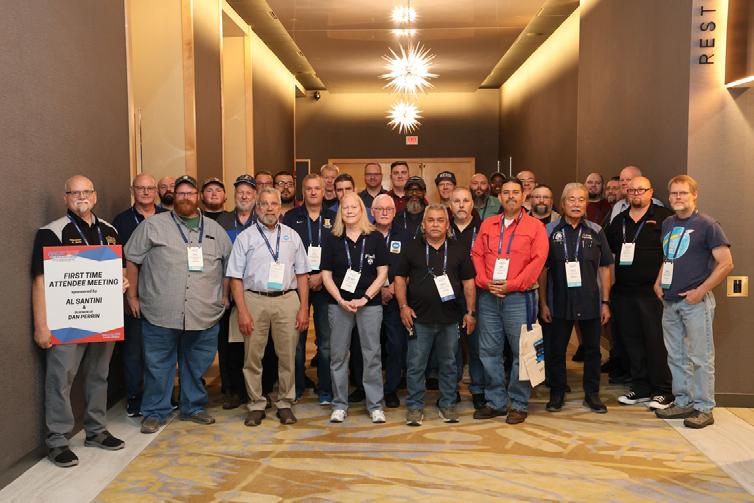
First Time Attendees
Monday, June 15, 2026 10:30 - 11:30am
WHERE AUTOMOTIVE EDUCATORS CONNECT, LEARN, AND LEAD. REGISTER NOW!
Come and join us!
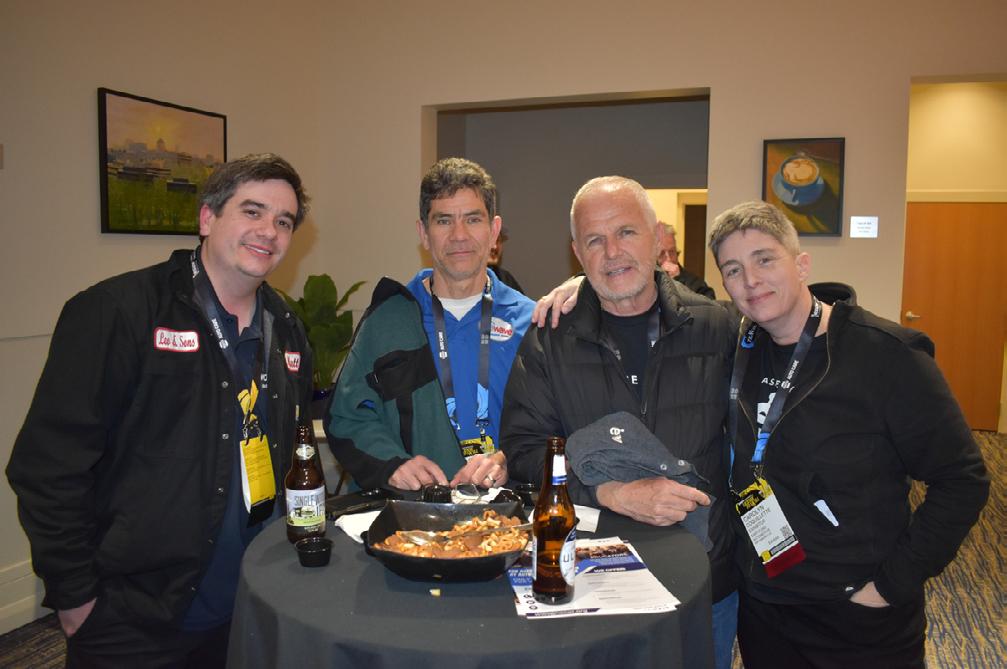
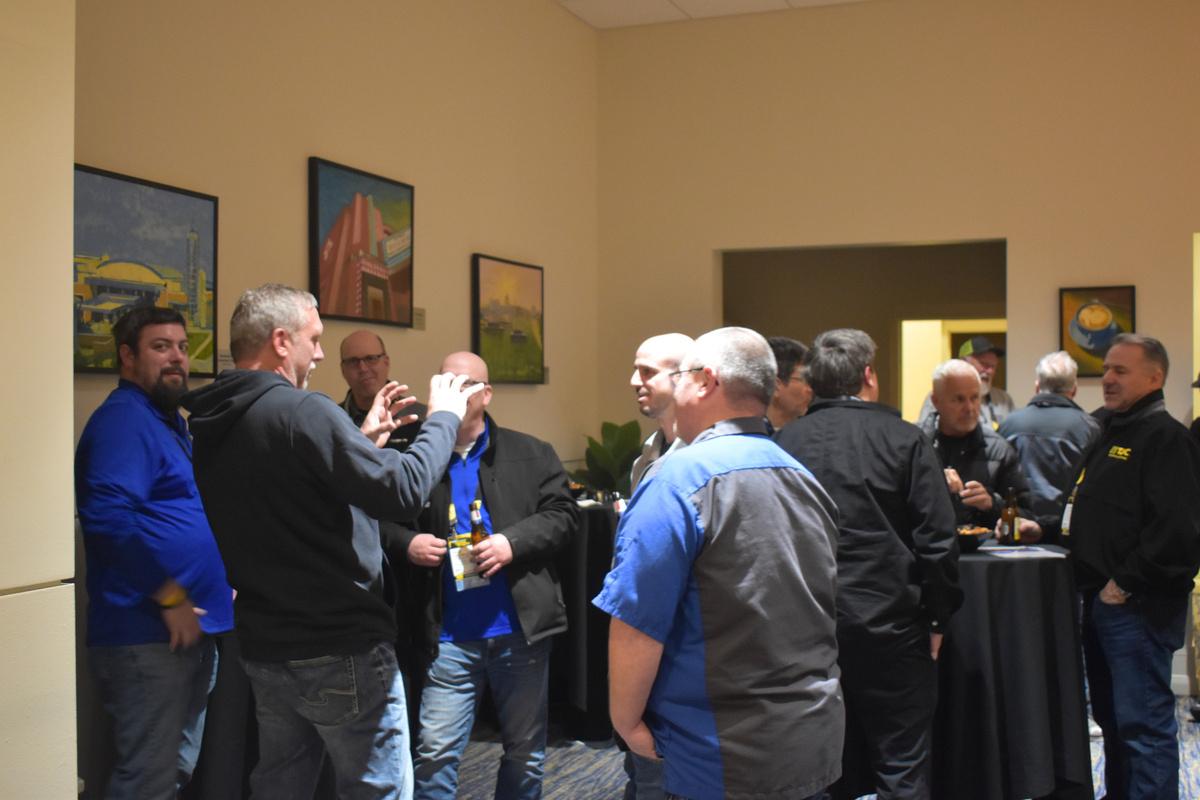
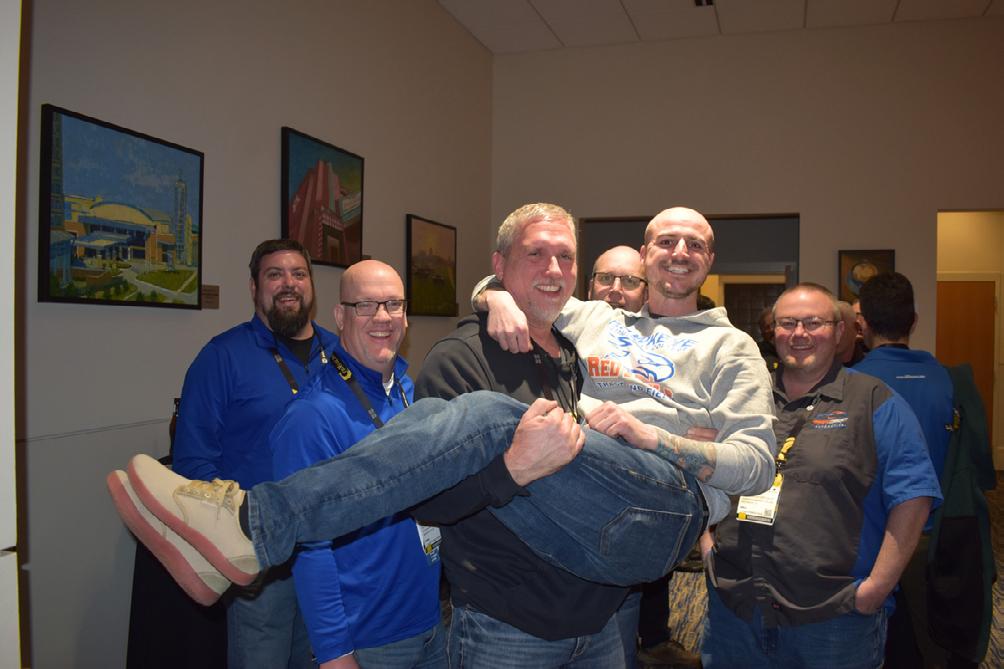
Unite with fellow automotive educators at the Educator Reception during VISION 2026, where meaningful conversations, shared experiences, and valuable connections come together March 6, 2025 7:00 PM - 8:00 PM REGISTER NOW!


Neal Bixby Owosso, MI
Steve Boyd Oklahoma City, OK
Jennifer Briggs Owosso, MI
Thomas Broxholm San Bruno, CA
Wayne Carpenter Owosso, MI
Christopher Carroll Casper, WY
Jason Catledge Sanford, FL
Bruce Cochrane Owosso, MI
Richard Cox Hays, KS
Mark Drelicharz Bensenville, IL
Azan Edoo Sanford, FL
Russell Granger Santa Barbara, CA
Jay Hales Riverton, UT
Tom Haskins Bennington, VT
Bryan Herrick North Platte, NE
Donal Howell Tulare, CA
Kirk Jamison Ankeny, IA
Jeffrey Janes Sanford, FL
Issac Juma Tacoma, WA
Charles Klasman Lithia Springs, GA
Eric Langner Ankeny, IA
Tony Lewis Conroe, TX
Cuong Ngeyen San Bernardino, CA
Michael Nield Logan, UT
Jeff Reeves Owosso, MI
Pat Robson Calgary, AB
Krystle Roherty Beaver Dam, NB
Michael Smith Mansfield, MA
Theodore Terry Forest Hills, NY
Howard Wagner Vista, CA
Johnny Zogg North Platte, NE

C l i c k h e r e t o
s i g n u p f o r t h e N A C A T e N e w s l e t t e r