Why Modern Oilfields Rely on Fully Rotational Torque and Hydraulic Bucking Technology
In today’s energy industry, efficiency and precision are no longer optional they are essential. As oil and gas operations move toward deeper wells, harsher environments, and faster production timelines, the demand for reliable pipe-handling and torque equipment has grown significantly. One technology that has transformed pipe make-up and break-out operations is the fully rotational torque machine, supported by the power and reliability of the hydraulic bucking machine.
This article explores how these technologies are reshaping oilfield operations, improving safety, and helping drilling companies stay competitive in an increasingly demanding market.
Understanding the Role of a Fully Rotational Torque Machine
A fully rotational torque machine is designed to provide consistent and precise torque control when assembling and disassembling tubular connections. Unlike traditional systems that rely on partial rotation or manual assistance, modern torque machines offer complete rotational control, ensuring uniform torque distribution throughout the entire connection.
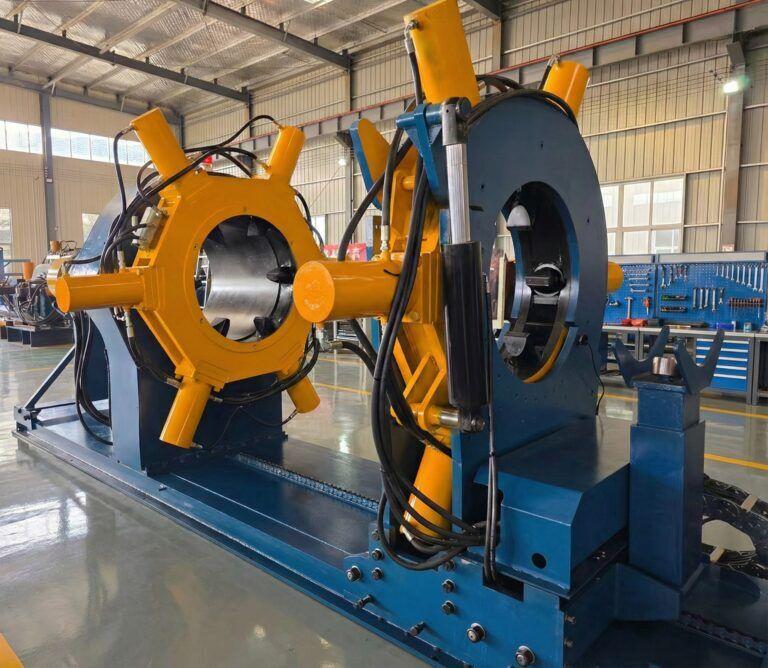
In oilfield operations, even a small torque error can result in damaged threads, connection failure, or costly downtime. That’s why a fully rotational torque machine has become a critical tool in drilling and production facilities worldwide. With advanced torque monitoring systems and automation capabilities, operators can achieve repeatable results with minimal manual intervention.
This technology ensures that every pipe joint is tightened according to exact specifications, improving well integrity and reducing the risk of leaks or mechanical failure.
How a Hydraulic Bucking Machine Improves Pipe Handling Efficiency
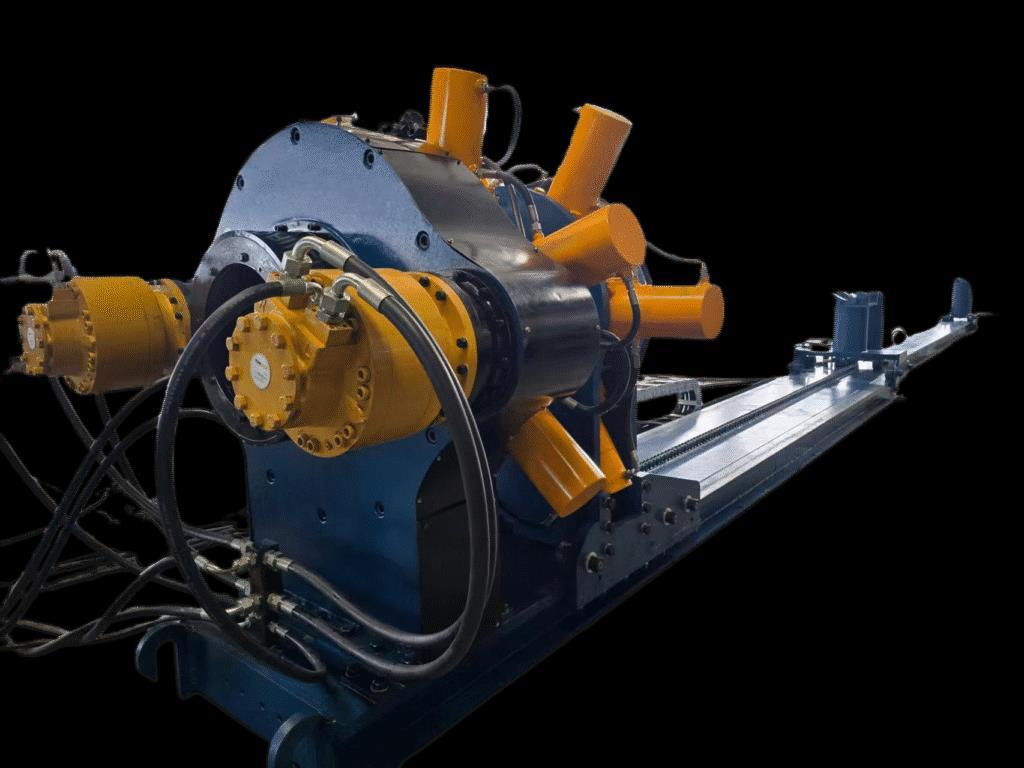
A hydraulic bucking machine is engineered specifically for the make-up and break-out of threaded connections in pipes, casings, and tubing. These machines rely on hydraulic power to deliver consistent torque output while maintaining smooth and controlled operations.
The key advantage of a hydraulic bucking machine lies in its ability to handle heavy-duty connections safely and efficiently. By replacing manual torque methods, hydraulic bucking systems significantly reduce the physical strain on workers and minimize the risk of workplace injuries.
In modern oilfields, a hydraulic bucking machine is often paired with automation and digital torque control systems, allowing operators to monitor torque levels in real time and maintain strict quality control.
Why Torque Accuracy Matters in Oil and Gas Operations
Torque accuracy plays a critical role in the lifespan and performance of drilling equipment. Improper torque can lead to connection failures, costly repairs, and unexpected downtime.
By using a fully rotational torque machine, operators can apply torque evenly and consistently across every connection. This helps prevent thread galling, over-tightening, and under-tightening three common issues that can compromise well performance.
When combined with a hydraulic bucking machine, the process becomes faster, safer, and more reliable. The result is improved operational efficiency and reduced maintenance costs across the entire drilling operation.
Advantages of Fully Rotational Torque Machine and Hydraulic Bucking Machine Technology
1. Improved Operational Safety
Safety is one of the most significant advantages of using advanced torque equipment. Traditional pipe handling often involves manual torque application, which increases the risk of accidents and injuries.
A fully rotational torque machine eliminates much of the manual labor involved in pipe make-up and break-out. Meanwhile, the hydraulic bucking machine ensures controlled movement and stable torque delivery, reducing the likelihood of sudden mechanical failures.
2. Higher Precision and Consistency
Consistency is essential in drilling operations. A fully rotational torque machine provides repeatable torque application, ensuring that every connection meets the same quality standards.
The precision of a hydraulic bucking machine also ensures that torque is applied evenly, preventing uneven wear and extending the lifespan of equipment.
3. Faster Workflow and Increased Productivity
Time is money in the oil and gas industry. By automating torque operations, companies can significantly reduce the time required for pipe assembly and disassembly.
Using a fully rotational torque machine allows teams to complete tasks faster without sacrificing quality. When paired with a hydraulic bucking machine, the workflow becomes streamlined and efficient, enabling faster project completion.
4. Reduced Maintenance and Equipment Wear
Equipment wear is a major concern in drilling operations. Improper torque can lead to damaged threads and frequent replacements.
A fully rotational torque machine ensures optimal torque levels, while a hydraulic bucking machine prevents sudden torque spikes that could damage connections. Together, they help extend equipment life and reduce long-term costs.
The Future of Oilfield Torque Technology
As drilling projects become more complex, the need for smarter and more advanced equipment continues to grow. Automation, digital monitoring, and data analytics are becoming standard features in modern torque systems.
The next generation of fully rotational torque machine technology is expected to include advanced sensors, remote monitoring capabilities, and integration with digital oilfield platforms. Similarly, the evolution of the hydraulic bucking machine will focus on improving efficiency, reducing energy consumption, and enhancing operator safety.
Companies that invest in modern torque equipment today are positioning themselves for long-term success in an increasingly competitive industry.
Choosing the Right Equipment for Long-Term Success
Selecting reliable torque equipment is one of the most important decisions for any drilling operation. Investing in a fully rotational torque machine and a high-quality hydraulic bucking machine ensures consistent performance, improved safety, and long-term cost savings.
With the right equipment in place, oilfield operators can reduce downtime, improve productivity, and maintain the integrity of every connection. In an industry where precision and reliability are critical, modern torque technology is no longer a luxury it is a necessity.