Now is the time to streamline your life as a parent. There are apps that can help you. In this issue, we’re taking a deep dive into the apps that are a MUST if you want to feel cool, calm and collected.
14
Touch in Healthy Relationships
Does your preschooler know the ins and outs of healthy touch, especially when it comes to their body? There’s no need for fear. Learn how to properly train and empower your preschooler.
16
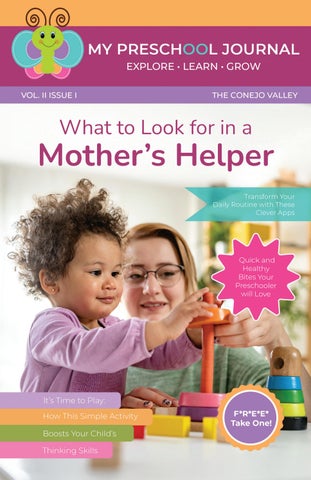
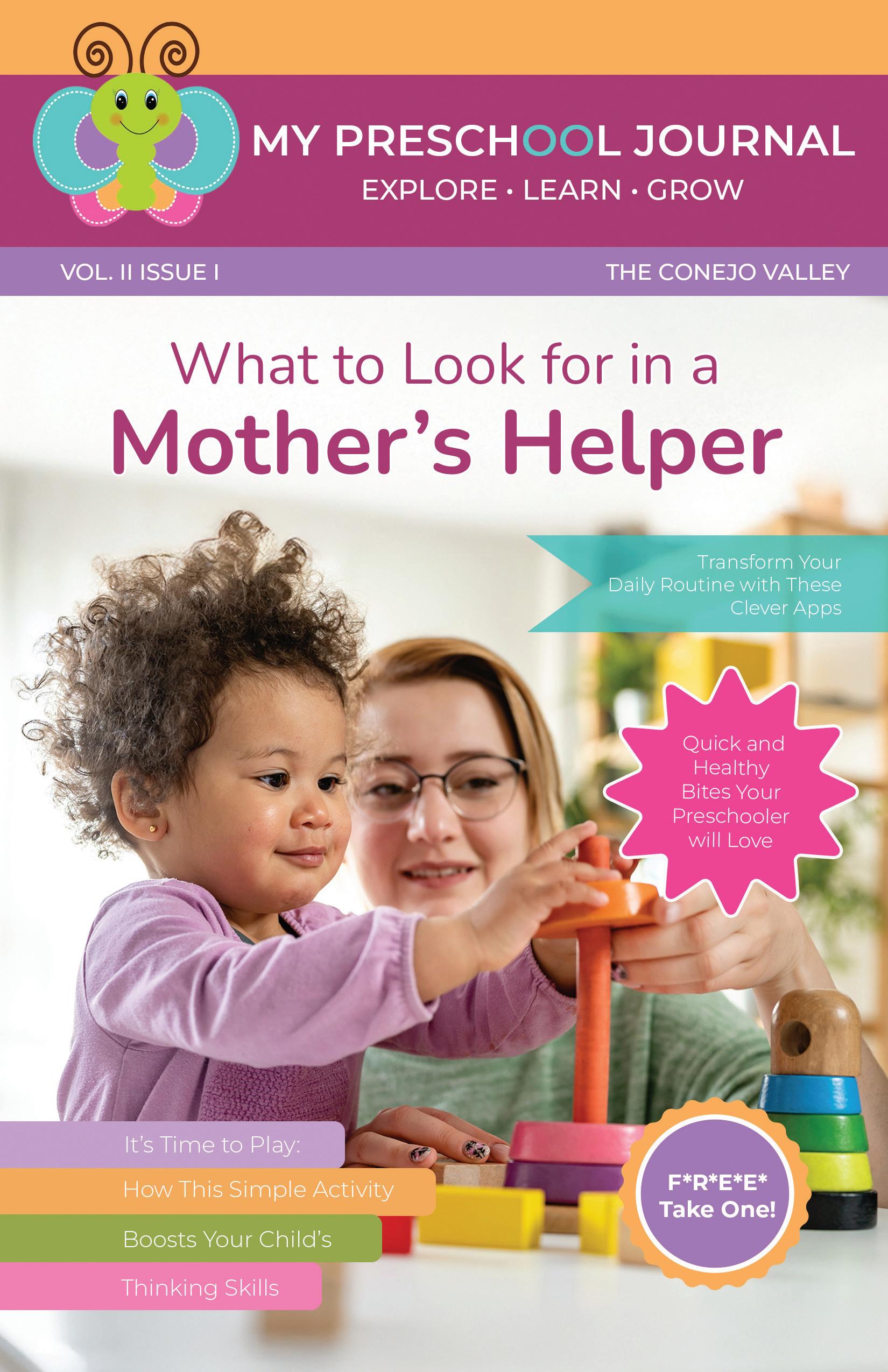
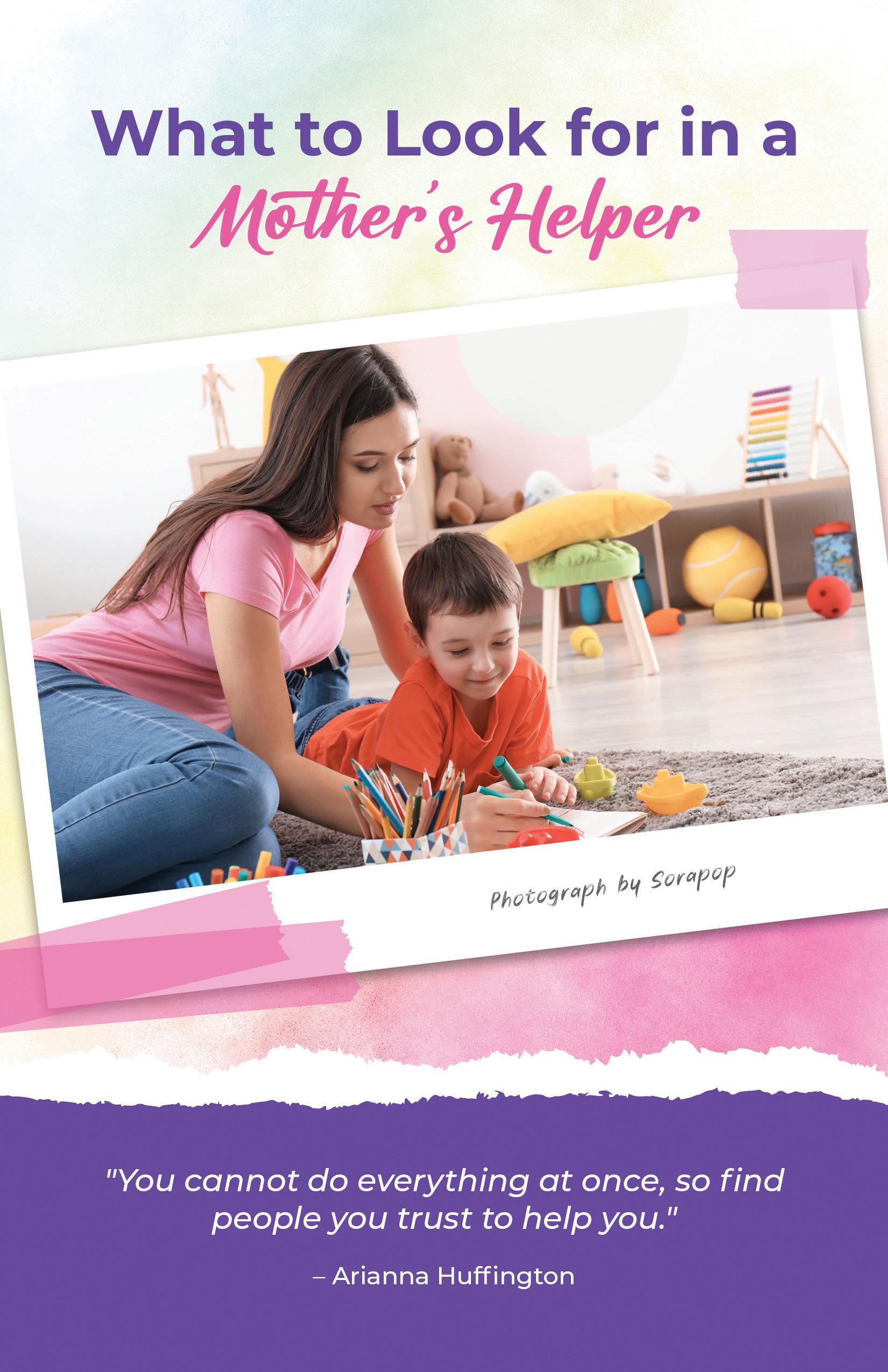
What to Look for in a Mother’s Helper
Simple yet effective ways to get the help that you need as a preschool parent. A Mother’s Helper is the simple solution when you need part time support. Finding the right person is easier when you know exactly what you are looking for.
20
The Hidden Thinking Skills in Play
There is more to playing “make believe” than you know. In this issue, we explore the importance of allowing your preschooler to freely play and use their imagination. They’re not just playing around, they’re actually learning how to think and act.
24
Healthy Preschool Snack Ideas
Most preschoolers are picky eaters but that’s not a problem. We’ve got some creative and tasty snack ideas that pack a nutritional punch, and are fun to eat!
26
It’s Learning Time: Preschool Activity Page
This is the part where you hand over the journal and let your preschooler or kindergartner write in the journal to hone their skills.
What to look for in a Mother’s Helper is easier than you think.
It’s about knowing what you are looking for and where to look.
In this issue, we will narrow down your needs and expand your options. Every parent could use some support. That’s why we want to pull back the curtain to help you find the help that you desire.
Cover Photograph by Lordn Phillips
On the Cover:
Letter from the Editor
It feels so good to be back in Conejo Valley!
We are thrilled to offer insightful information about how to get the help you need by finding a Mother’s Helper. This is a big topic among preschool families. Many moms and dads go back and forth about whether or not they should take the time to find and hire part time help. If you’ve been contemplating whether this is the right move for your family, I say, go for it! There is nothing to lose and so much to gain. Be sure to read this month’s feature article to get the insight that you need when it comes to finding the right fit for your family.
In this issue, we cover how to educate your preschooler about healthy touch and protecting their bodies plus what you must stop saying to your child to ensure great self esteem. Be sure to try the fun and easy preschool snack ideas, and at the end of this journal, let your preschooler complete the activity pages to sharpen their skills.
The Conejo Valley Preschool Journal is designed to empower you on your parenting journey. Let us know what topics you want to see next!
With love,
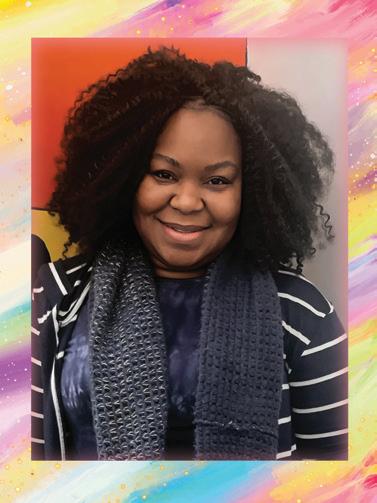
Malena Jackson Editor-in-Chief
mypreschoolfair
mypreschoolfair
mypreschoolfair
PUBLISHER
My Preschool Journal
FOUNDER & EDITOR-IN-CHIEF
Malena Jackson
EDITORIAL
Gemma Lewis
Noah Ortega
DESIGN
Sunshine Ordinario
ADMINISTRATIVE SUPPORT
Eva Sterling
ADVERTISING SALES
Chris Lewis
Stan Reed
My Preschool Journal PO Box 800176 Santa Clarita, CA 91380 661.270.7693
Visit us online www.mypreschoolfair.com
The Conejo Valley Preschool Journal is published for the Conejo Valley region. The Conejo Valley Preschool Journal is an independently owned and operated publication.
If you have any questions or concerns regarding this publication, please contact us directly by sending an email to mypreschooljournal@gmail.com
The advertisements in this magazine are paid for by the advertisers. Visit the website for newsstand locations.
A digital copy of the journal can be found by visiting www.issuu.com/ mypreschooljournal Reproduction in whole or part without permission is prohibited.
The Conejo Valley Preschool Journal. Copyright 2026.
Picks
an App for That Editor’s
Streamline Your Life: There’s
My Preschool Journal is your go‑to resource for practical tips, smart shortcuts, and insights that help your days run smoother. When you’re a busy parent of preschoolers, every second matters—and I’m here to help you make the most of them.
In this edition of Editor’s Picks, I’m taking you inside the apps I personally recommend to help you stay ahead of the game. These suggestions are geared toward iPhone users, but most of them have versions available on other platforms too.
Clear your mental clutter by using your phone’s Notes app as a centralized hub for reminders and inspiration. Whether you’re brainstorming event themes or storing essential family measurements, it’s the ultimate tool for capturing thoughts before they disappear. To maximize efficiency, use clear titles; this turns your scattered ideas into a searchable database you can access instantly.
I cannot emphasize this enough: download the Sam’s Club app immediately. It transforms the shopping experience by eliminating long wait times. Use “Scan & Go” to pay for items right from your phone and skip the checkout line entirely. You can even order cafe snacks ahead of time. Essentially, it’s your VIP pass for a faster, stress-free shopping experience.
End the “what time works for you?” email chain. For a small fee, Calendly gives you back your time by letting others schedule directly with you. It’s not just for executives; it’s for anyone who despises wasted time. Next time a meetup comes up, send your link. Pro-tip: Simply set your available “phone/coffee” hours in the app, and you’re set.
MASTER THE NOTES APP FOR ON-THE-GO ORGANIZATION
GO MOBILE: THE SAM’S CLUB APP IS ESSENTIAL
USE THE TIMER APP
Ever procrastinate about a task because you think it will take forever, only to realize that it took all of eight minutes? I’ve been there. To fix this, I now break my day into 30-minute, focused intervals. Use the Timer app on your phone to complete that dreaded task, and just get it done. You’ll be amazed at how quickly you can finish the thing that you’ve been putting off.
SPOTIFY & BINAURAL BEATS
When you can’t seem to find the time to meditate, let technology do the work. I recommend using Spotify Premium for uninterrupted, deep-focus Binaural Beats. It’s my go-to for instant relaxation, on the move. The soothing sounds help me shift into a relaxed state instantly. It’s perfect for calming a hectic household and creating a soothing atmosphere for you and your preschooler.
NICE: THE ULTIMATE SEX TRACKER
I bet that got your attention ☺ The Nice app is just that, NICE. I have used this free app for about four years and it really makes a difference. As a busy mom or dad, this app helps you prioritize connection and track your intimacy. Too often, days, weeks, and even months can go by without being intimate with your significant other. Now, it’s a breeze to keep track of your happiness. Start tracking today!
VOICE MEMOS
I get it—sometimes you just don’t want to take the time to write or type it all down. Let your voice do the work! Use the Voice Memo app to record encouraging reminders, dictate your grocery list, or brain dump your thoughts to avoid feeling overwhelmed. This app is here to make your daily life easier. Don’t be afraid to use it.
LIFE360 TRACKING
If you have small children now, keep Life360 on your radar for when they get their first phones. It’s perfect for tracking their whereabouts, and honestly, the free version is all you need. Life360 offers peace of mind by letting you know when your loved ones have arrived safely or where they are while out and about.
Touch in Healthy Relationships: What to Teach Your Preschooler
Words by Irene van der Zande, Kidpower Founder and Executive Director
most problems with touch and consent can be prevented when adults and kids have clear and appropriate personal boundaries. Kidpower often receives questions from concerned parents, teachers, and health professionals about how to teach kids, teens and adults about consent in relationships.
To have healthy relationships, you need to have good boundaries. To have clear boundaries, you need to have an understanding about what behavior is safe and what is not safe, appropriate, and respectful – both emotionally and physically, to ensure positive consent.
“What’s
Positive Consent?”
The phrase “positive consent” in relationships means making sure that each person has the choice to participate, and how they participate. Positive consent skills are about being able to communicate clearly with others about your boundaries on touch, teasing, and play – and staying aware and respectful of the
Too often, problems in relationships about consent are caused because of confusion about what is and is not experienced as safe, respectful, and appropriate for each person.
Kidpower teaches “boundaries for people we know” – starting with four key principles:
We each belong to ourselves. Some things are not a choice.
Being safe with what you say and do is not a choice. Doing your work or chores is probably not a choice. Going to the doctor or the dentist when you need to is not a choice.
Problems should not be secrets.
It is also important not to keep secrets about presents someone gives you, friendships, favors, or any kind of touch.
Keep telling until you get the help you need.
If one person doesn’t listen, then tell someone else. if one person doesn’t listen, then tell someone else.
Kidpower’s Consent Checklist
For all ages, the Kidpower Safety Rules are that touch, teasing, or play for fun or affection should be:
Safe so that no one gets hurt.
Must be OK with Each Person so that each person says “yes”. We need to notice when people change their minds or start to say “No” with their bodies or words. We need to remember that people who are scared, sick, over-tired, drunk, or otherwise impaired cannot say, “Yes.”
Allowed by the Adults in Charge – talking about or staring at people’s bodies or making gestures or noises about how they look is not allowed because it usually makes the other person uncomfortable.
Not a Secret so Others Can Know, because abusive behavior thrives in secrecy.
For more information about how to teach children to persist in setting boundaries and getting help check out our resources at www.kidpower.org
Words by Malena Jackson
Promo Ad What to Look for in a Mother’s Helper
8 Full Page Ad: My Preschool Journal
Child Engagement: Playing with children, supervising outdoor play, or helping with schoolwork.
Mealtime Assistance: Preparing simple snacks or meals and cleaning up afterward.
Common duties include:
Light Housekeeping: Sorting/folding laundry, tidying play areas, or washing dishes.
Support During Routines: Helping with bedtime or bath time, allowing you to focus
Ideal Experience Level
11 14 years old: Good for supervised, simple play while you are in the next room.
15+ years old: Often capable of light cleaning, meal prep, and taking care of children for short periods alone in the house.
The Interview Process and “Mom Intuition”
Mother’s helpers are often teenagers or college students looking to gain child care experience. Also don’t overlook a Senior Helper, someone who is a seasoned mom and offers a lot of experience without being pushy about it.
Optional Certifications: While not necessary, a candidate with CPR training or a babysitting safety course is a massive plus.
Don’t rush to pick the first person you meet.
Interactive Interview: Have potential candidates meet your children. Observe if they are kind and interactive. If your kids instantly dislike them, trust your intuition.
Ask Behavioral Questions: Ask how they would handle a toddler who refuses to eat.
Setting Boundaries
Check References: Even if they are a neighbor’s kid, ask for references to confirm they are reliable.
To ensure a successful experience, set clear expectations early.
Define “Off Limits”: Make it clear which rooms are private and which, if any, electronics are allowed.
Define “Help”: If you want the toys cleaned up before they leave, state that clearly in the interview.
Communicate Supervision: Clarify if they will be entertaining the kids while you are working from home, or if you will be present in the same room.
Where to Find a Mother’s Helper
Local Referrals: Ask friends, neighbors, or fellow parents in your community. Social Media: Local parenting Facebook groups are excellent resources. Schools: Contact local high schools or colleges for students looking for part-time work.
Remember, a good mother’s helper can transform your daily life from chaotic to manageable. By focusing on personality, reliability, and clear communication, you can find someone who will be a trusted, valued, and fun addition to your family. Here’s to finding the helper that fits your family perfectly!
The More You Know
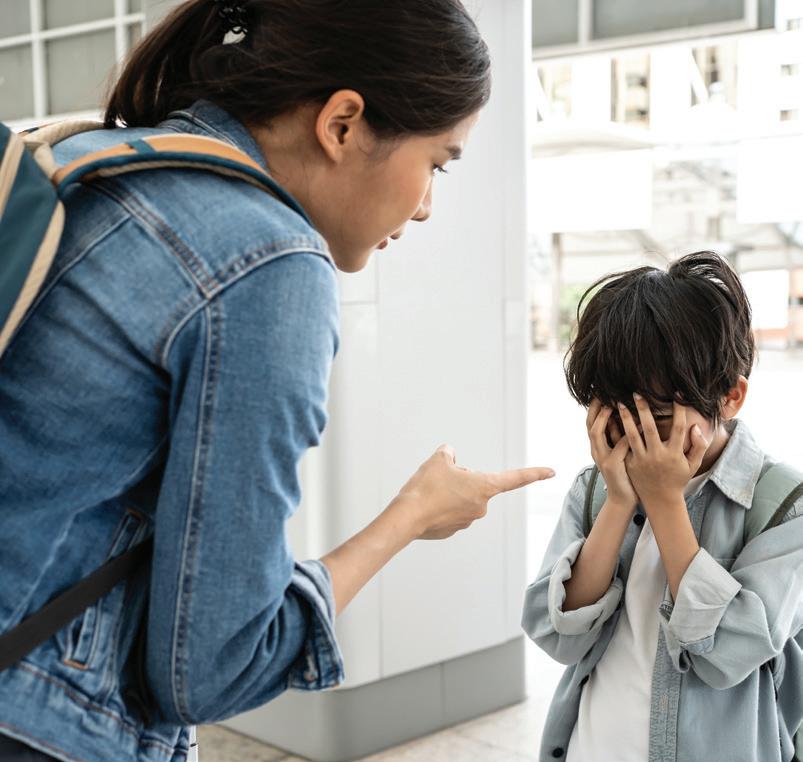
4 Things to Stop Saying to Your Child
Words by Rachel Keener
Words by Rachel Keener
Don’t throw like a girl.”
T“Take it like a man!”
“Stop whining; you sound like a little girl!”
“Big boys don’t cry.”
hese are examples of things I recall being said throughout my childhood, and no one thought anything of it. However, recently, I’ve been hearing these things again, and it’s really disturbing. It is a reminder that there is still a lot of work to be done inhow we express what we value, especially to our children.
I live in Asheville, NC. I don’t know how much you know about Asheville, but it’s a hippie, liberal kind of place filled with folks who are consciously trying to evolve. I say this only because it is such a stark contrast to what I am about to tell you.
Let me share the two incidents that are the reasons I am now writing this article. The first happened in my own home a few weeks ago and the second occurred just a couple of days later.
Incident #1: “Stop screaming like little girls!”
My husband, Jeff, and I were standing in the kitchen talking with our daughters,Ella (6) and Cassie (5). I don’t remember what about, but I do remember that they were being obnoxiously loud, laughing and screeching in pure delight. Right as I was about to say, “Let’s take it down a notch,” Jeff beat me to it. He blurted out, “Stop screaming like little girls!”
Now, I wish we had this on video because his words did in fact stop the screaming. All three of us turned, looked at him like he’d lost his mind and then Ella said, “Dad, We AAARRRE LITTLE GIRLS! Ha, ha, ha!” And, the craziness resumed because her dad’s remark sounded so absurd, she didn’t think he could possibly be serious. Score 1 for “little girls” everywhere.
Incident #2: “Don’t hit like a girl.”
It’s a random afternoon. We’re hanging out with some of our very favorite friends
Approximately eight kids (all girls and one boy ages seven and younger) are running around like maniacs and the adults are talking in between trying to tame the madness. After a while, the kids decide to grab some bats and hit some balls. Think age-appropriate, brightly colored toys. Noise-level increases, the crazyfactor goes up, and the fun continues until, for me, it stops. As I am getting ready to toss a ball to someone, I hear one of the fathers say to the only boy in the group, “Come on buddy, don’t hit like a girl.”
I think it’s important that you know the tone was not shaming or condescending. It actually had a singsong rhythm. The words could have been replaced with, “You’re so silly. I know you’ve got more in you than that. Show me what you’ve got!”
The little boy smiled at his daddy, looking a little shy and a little devilish all at once as if to say, “Gee, dad you caught me. Ok, I’ll give it a real try next time.” During this brief exchange it felt like everything around me was moving in slow motion as two worlds collided – the old and the new. As the words, “Don’t hit like a GIRL,” registered with me I literally felt myself flinch and my mouth fall open in shock.
Who knows what kind of expression I had on my face. I looked around for reactions from all of the “little girls,” and seeing no one stopped in their tracks, I diverted my eyes from the adults knowing they’d give me away. Sorry to disappoint, but there’s no epic line or drama about how I spoke out on behalf of girls and women everywhere right then and there. Instead, I vowed to write about the experience in hopes that it would be a much more productive way for a greater number of people to become more aware of actions that seem harmless, but in fact are not.
So, what is the big deal if comments like this slip every now and then? The big deal is the message we are sending to our children about what we and the world values in them and from them. The message is that the masculine is superior to the feminine. That being strong, fast, tough, while always calm and cool is better than… well, anything else. I don’t know about you, but that’s not what I believe. And, it’s not the message I want my daughters or their future partners to receive.
You see, the men who made these statements are loving dads with great big hearts who want the best for their children, like we all do. I know: I am married to one of them. But, we all have blind spots that require awareness before we can change. There is a song by Dar Williams, “When I Was a Boy,” that illustrates how much little girls and little boys have in common, not because they are children, but because they are human beings. As we grow into adults, we seem to lose a bit of that shared humanity as we learn what society expects from a man and what it expects from a woman. But, let’s stop for a moment and imagine. Imagine a world where these restrictions and limitations are lifted. Rather than attributing feelings and behaviors to one gender or the other, image a world where men and women alike are able to integrate both their feminine and masculine energy. Imagine a world where we all express ourselves in ways that reflect our most authentic nature. That’s the kind of world I want for all of our children.
And, so, THAT’s the big deal.
The Thinking Skills Hidden in Play
Words by Rachel Keener
Words by Dana Harris, Parent Educator at Horizon Hills
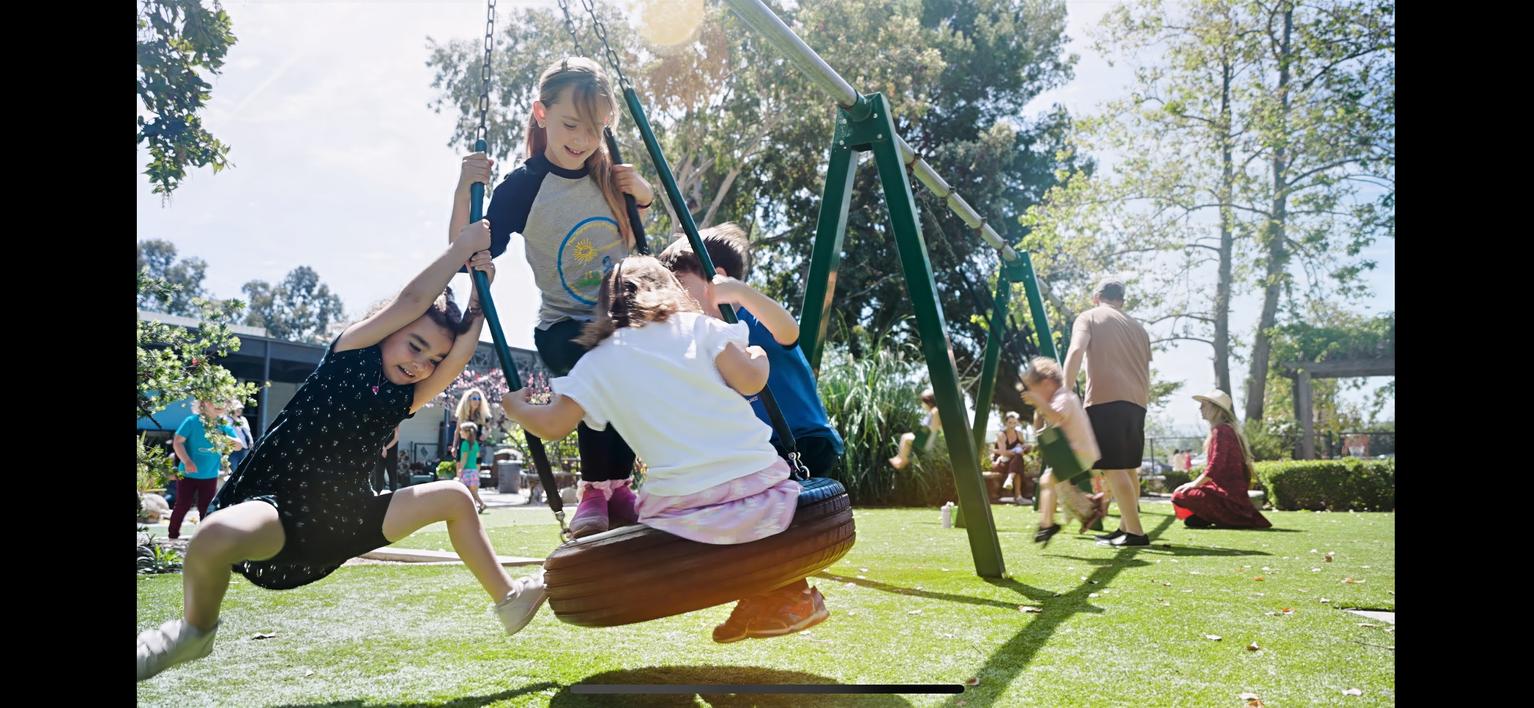
When children play, it can look simple, chaotic or even aimless. Blocks tumble. Pretend food gets served in odd combinations. Songs start and stop. Underneath all of that activity, something important is happening.
Play is where children learn several important life functions. In this article, we will explore what those functions are and what purpose they serve for preschoolers, later in life.
Executive Function
Play is where children learn executive function. These are brain-based skills that help children manage their behavior, emotions, and thinking in everyday situations. Executive function is not something children are born with. These skills develop slowly through experience, relationships, and repetition. Young children need many chances to practice these functions long before formal schooling begins.
Play offers a safe place to try, fail, adjust, and try again. There is no test and no pressure, only feedback from the child’s environment and support from caring parents and adults.
Impulse Control
The ability to pause or wait before acting is a skill known as impulse control. During play, children practice this skill when they wait for a turn, freeze their bodies during a game such as “Freeze Dance,” or refrain from grabbing a toy immediately. These small moments of waiting lay the foundation for classroom expectations such as sitting, listening, and raising their hand.
Emotional Control
When a tower falls or a toy is unavailable, children experience disappointment in manageable ways. The ability to manage strong feelings and recover from frustration is emotional control. With adult support, play teaches them that feelings can be named, felt, and moved through.
Flexible Thinking
A child who rebuilds after a collapse or uses a toy in a new way is practicing their flexible thinking skill. This skill helps children adjust to new routines, different teachers, and unexpected challenges at school. Flexible thinking is the ability to adapt when things change or don’t go as planned.
Working Memory
Holding information in the mind while using the information involves working memory. Children use working memory when they follow one or two-step directions during play, remember the movements of songs or retell familiar stories. Working memory supports listening, learning and following classroom routines.
Self-Monitoring
Self-correction and independence is the ability to notice one’s own actions and their effects. When children talk to themselves during play or hear an adult narrate their actions, they begin to connect behavior with outcomes.
Planning and Prioritizing
Task completion support and problem solving in school settings relies on the ability to plan and prioritize. When a child has to decide what to do first and how to reach a goal, planning and prioritizing is an essential skill that is learned through play. Setting up pretend play, choosing materials before building, or navigating a simple obstacle course all require children to think ahead.
Task Initiation
Predictable play routines and inviting environments help children move from watching and doing. This skill supports starting work, joining group activities, and engaging independently. Task initiation is the ability to begin an activity without excessive prompting.
Organization
Sorting toys, matching items to labeled bins, and gathering materials before play all support this skill. Organization helps children keep track of their things and follow classroom systems. Organization is the ability to manage materials and belongings.
These skills make a difference in a child’s formal school education. Sitting in a group, following routines, listening to instructions, and managing emotions all rely on executive function. Play allows children to practice these skills repeatedly without fear of failure. Each attempt strengthens neural connections that support subsequent learning,
Adults play an important role in this process by allowing the child time, space and support to play deeply. Executive function is not something that is forced, it is cultivated naturally when your child plays. When play is protected and valued as time well spent, children often arrive at school with more academic readiness.
A child that regularly plays, is more skilled with the ability to manage themselves, engage with others, and approach challenges with confidence. In early childhood, play is not a break from learning, it is actually a part of the learning process.
HORIZON HILLS
Creative Ways to Use Coffee Filters in Your Everyday Life
Words by Rachel Keener
Words by My Preschool
Journal
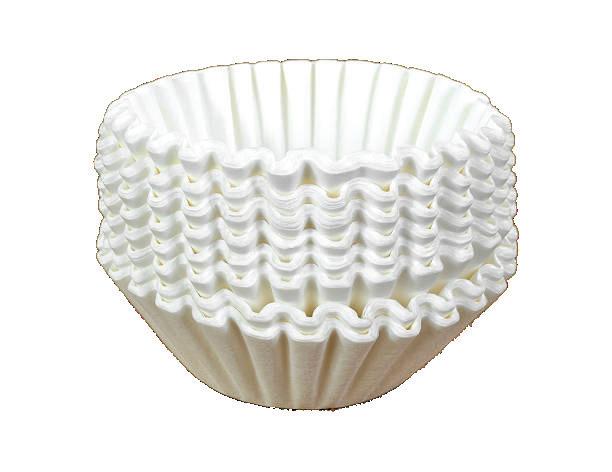
Coffee filters just might be the most underrated paper product on the market. We did a little digging to find that there are over 20 remarkable ways to use coffee filters for your everyday life.
Let’s just say that coffee filters are for more than just coffee. Here are 22 ways that coffee filters can positively impact your life by making things easier.
Use them to strain soup stock and to tie fresh herbs in to put in soups and stews.
Put baking soda into a coffee filter and insert into shoes or a closet to absorb or
Use them to wrap Christmas ornaments for storage.
Use them as a sewing backing. Use a filter as an easy-to-tear backing for embroidering or appliques and soft fabrics.
Perfect for holding dry ingredients when baking or when cutting a piece of fruit or veggies and saves on having extra bowls to wash.
Use a coffee filter to remove fingernail polish when you run out of cotton balls.
Use a coffee filter to prevent spilling when you add fluids to your car.
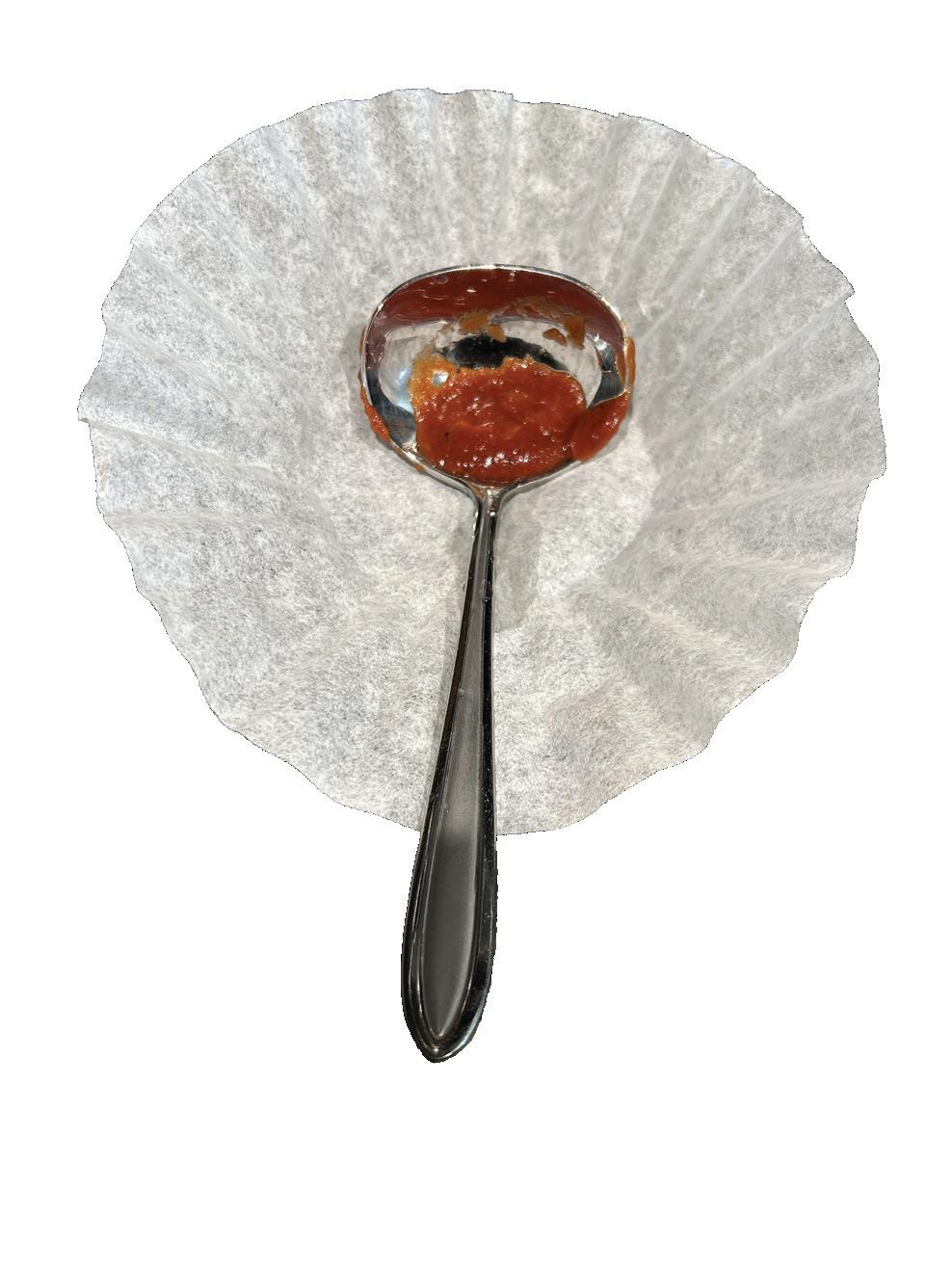
A coffee filter makes a perfect spoon rest while cooking and can also be used to clean up small counter spills
Put a few in a plate and put your fried bacon, french fries, chicken tenders or any fried foods on them, It soaks out all of that extra
Cover bowls or dishes when cooling in the microwave. They make excellent covers.
a cast-iron skillet. Place a coffee filter in the skillet to absorb moisture and prevent rust
chopped foods. Place chopped ingredients in a coffee filter on a kitchen scale.
Stop the soil from leaking out of a plant pot. Line a plant pot with a coffee filter to prevent the soil from going through the drainage holes.
tacos. Coffee filters make convenient wrappers for messy foods.
Recycle frying oil. After frying, strain oil through a coffee filter.
Filter broken cork wine. If you break the cork when opening a wine bottle, filter the wine through a coffee filter.
Clean windows, mirrors, and chrome. Coffee filters are lint-free so they will leave your windows sparkling.
Prevent a popsicle from dripping. Poke one or two holes as needed in a coffee filter.
Protect China by separating your good dishes with a coffee filter between each dish.
a ball with the coffee filter and
In
Preschool Snack Ideas That Are Easy to Make and Easy to Love
Recipes by My Preschool Journal Team
8 Full Page Ad: My Preschool Journal
Promo Ad
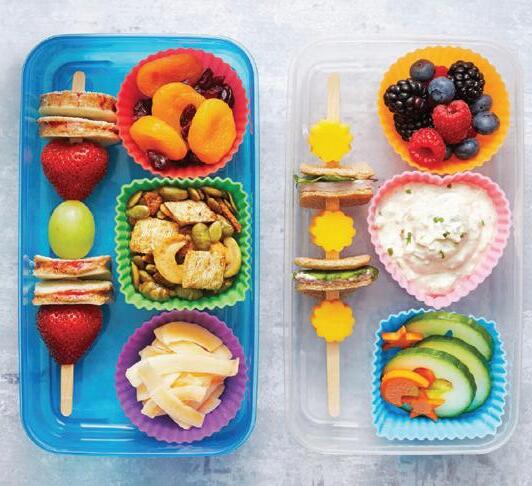
Mini Bento Box
Options, sometimes it’s a good idea to give your preschooler options. It’s fun to get creative with the presentation, if you’d like. Just curate a few of your child’s favorite snacks and place them in a compartmentalized plate or tray and let them graze at their leisure.
Here’s What You’ll Need: (Choose what you think your child will enjoy)
• 1 cutie, peeled and pulled apart
• 3 strawberries cut in half
• Half of a banana
• Peeled hard boiled egg, cut in half
Dips and Dipper Cup
Here’s What You’ll Need (cont.)
• 2 mini carrot sticks
• Jelly sandwich cut with a cookie cutter
• 1 string cheese
• 2 to 3 rolled slices of deli turkey meat
• 4 crackers
• 1 teaspoon chocolate chips
Here’s What to Do:
• Prepare each item, use up to six options.
• Place each time in its section of the bento box or tray.
This simple snack is a game-changer. Hummus or ranch with veggie sticks makes trying new foods less intimidating.
Here’s What You’ll Need:
• 1/3 cup of hummus or ranch dressing
• 3 slices of red bell pepper
• 3 slices of yellow bell pepper
• 3 thinly sliced carrot sticks
• 1 celery stick, cut in half
Here’s What to Do:
• Put the hummus or ranch in a kid sized cup.
• Place the dippers in the cup.
Preschool Activity Page
Hey There Preschoolers, these pages are Just For You
Parents: Have your preschooler practice their skills by completing these two activity pages.Let them have fun writing in this journal. That’s what being a preschooler is all about!
Explore. Learn. Grow. Preschool Pages Provided by
Directions: Draw a line to match the pictures with the same beginning sound.
Preschool Activity Page
Hey There Preschoolers, these pages are Just For You Parents: Have your preschooler practice their skills by completing these two activity pages.Let them have fun writing in this journal. That’s what being a preschooler is all about!
Explore. Learn. Grow. Preschool Pages Provided by
Directions: Draw a line to match the pictures with the same ending sound.