
Top Rope Picks for Climbers, Arborists, and Survivalists
Whether you're scaling rocky cliffs, trimming towering trees, or braving the wilderness, your safety and success often come down to a single critical tool the rope. Selecting the best ropes for your specific needs means understanding the differences between them and knowing which features matter most. A high-quality rope isn’t just about strength it’s about durability, flexibility, and reliability in all kinds of environments. Let’s unravel what makes a rope truly exceptional for climbers, arborists, and survivalists.
Understanding Rope Types and Materials
Climbing Ropes vs. Arborist Ropes vs. Survival Ropes
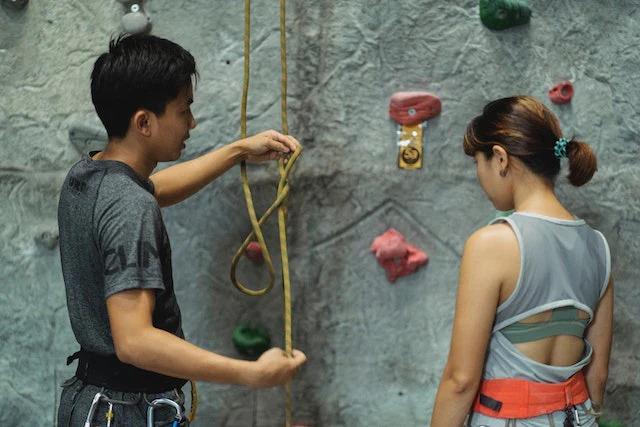
Climbing ropes are dynamic, designed to stretch and absorb the shock of falls.
Arborist ropes are typically static, offering firm support for ascending, positioning, and tree work.
Survival ropes or utility ropes prioritize versatility useful for shelters, hauling, and emergency situations.
Choosing the right type depends entirely on your activity. Using a climbing rope for arborist work (or vice versa) could lead to performance issues or safety risks.
Common Materials and Their Strengths
Nylon offers flexibility and dynamic stretch, ideal for climbers.
Polyester is abrasion-resistant and less stretchy, perfect for arborist work.
Polypropylene floats in water, useful for certain survival or marine applications.
Each material offers unique benefits. For the most demanding tasks, opt for a durable rope made from premium-grade synthetics with proven performance in tough conditions.
Key Qualities to Look for in the Best Ropes
Strength and Load Capacity
A rope’s tensile strength defines how much weight it can safely bear. For climbers, it can mean the difference between life and death. Arborists rely on consistent load-bearing strength for long, vertical ascents. This makes strength ratings a vital consideration when purchasing rope for climbing adventures or tree care. Always check the manufacturer's specifications to ensure the rope exceeds the expected working load.
Flexibility and Handling
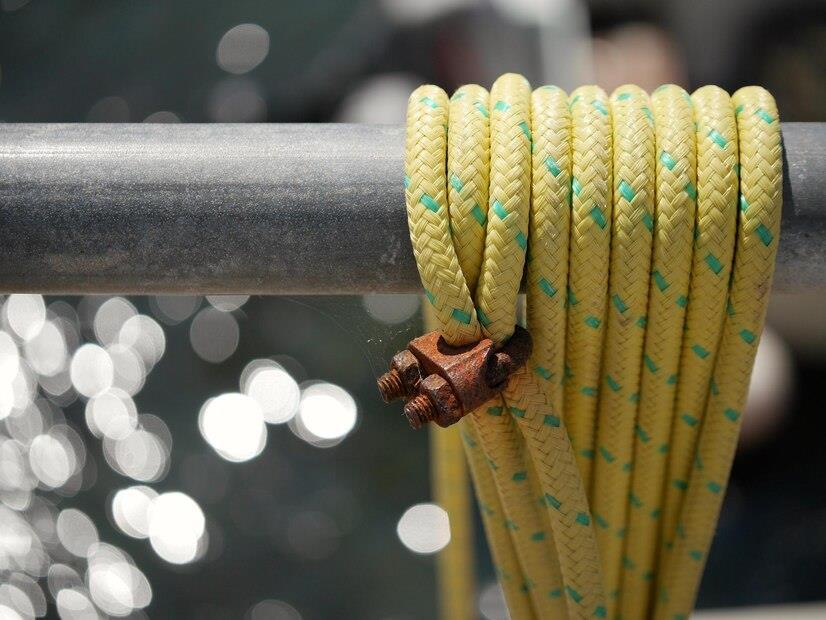
An ideal rope should be easy to knot, coil, and manage. Ropes that are too stiff can be frustrating, while those that are too soft may tangle or snag. Good handling improves not only efficiency but also safety during critical maneuvers. A rope with excellent flexibility maintains performance over time, even after multiple uses and exposure to outdoor conditions.
Ropes for Climbers: Optimal Performance on Vertical Terrain
Climbers should prioritize ropes that stretch to absorb falls yet remain manageable for belaying and rappelling. Choose a durable rope with dry-treated fibers to prevent waterlogging on alpine routes. Drytreated ropes repel moisture, which helps maintain strength and reduce freezing in cold environments. A well-balanced rope should offer both dynamic stretch and reliable handling for smooth performance on various climbs.
Ropes for Arborists: Safety at Great Heights
For tree workers, durability and resistance to abrasion are non-negotiable. Arborist ropes must withstand bark friction and support heavy gear loads. They also need a firm yet flexible construction to run smoothly through pulleys and climbing systems. Brightly colored sheaths are often preferred for visibility among branches and foliage, enhancing safety during complex rigging.
Rope Options for Survivalists and Outdoor
Enthusiasts
Survivalists need ropes that do it all hoisting food, building shelters, or even emergency rescue. Consider multipurpose ropes like paracord or static lines that pack light but perform under pressure. A high-quality survival rope should offer reliability in both wet and dry conditions. Look for compact, easyto-carry coils that don’t compromise on strength or longevity.
Maintenance and Safety Tips for Your Ropes
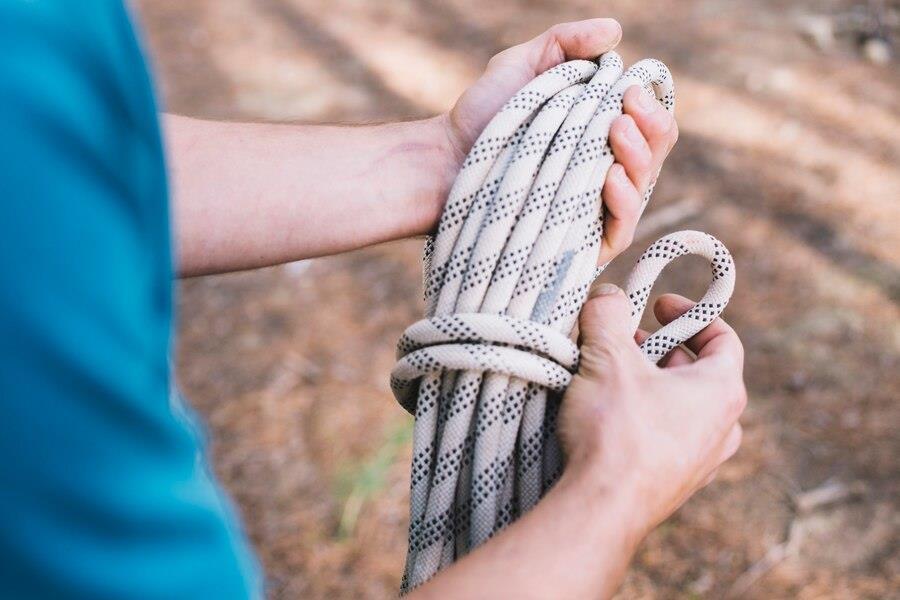
How to Inspect and Store Your Rope
Look for flat spots, frays, and cuts after every use.
Store in a cool, dry place away from direct sunlight and chemicals.
Use a rope bag to avoid dirt and moisture exposure.
When to Retire a Rope
Even the best ropes have a lifespan. Dynamic ropes used for lead climbing should be retired every 1-3 years based on frequency of use. Arborist and survival ropes may last longer but should still be replaced at signs of damage.
Tips for Prolonging the Life of Your Durable Rope
Keep ropes off sharp edges and use edge protectors.
Clean with mild soap and water — never harsh chemicals.
Avoid stepping on ropes to prevent internal fiber damage.
ALL GEAR Polyester Arborist Climbing Rope –
Forestry Pro
Built for professionals who prioritize safety and endurance, the ALL GEAR polyester arborist climbing rope – Forestry Pro is engineered for serious tree work. Its rugged 100% polyester construction offers exceptional tensile strength and resistance to abrasion, moisture, and UV rays. The low-flex design ensures optimal performance during ascent and positioning, while the vivid color patterns allow for quick visual identification in the field.

Key Features:
Material: 100% polyester with minimal stretch and high durability
Tensile Strength: Up to 7,300 lbs (Forestry Pro, white with red tracers)
Weather Resistant: UV, water, and abrasion-resistant for all outdoor conditions
Diameter Options: Available in 7/16" or 1/2" thickness
Length Availability: Pre-cut options of 120ft, 150ft, 200ft, and 600ft
Color Options: Forestry Pro (White/Red), SafetyLite (Neon Orange/Yellow), Cherry Bomb (Neon Red/Orange)