

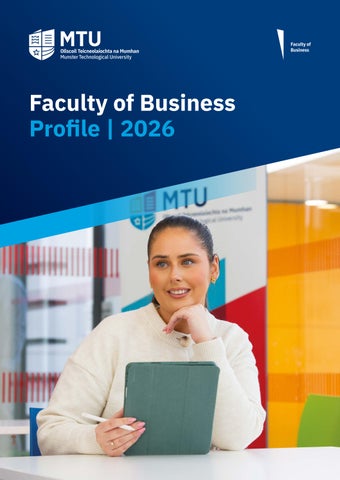
The Faculty of Business at Munster Technological University (MTU) plays a pivotal role in driving transformation through education, research, and engagement across the South-West region of Ireland, and beyond. Situated across MTU’s Bishopstown and Tralee North campuses, the Faculty serves a diverse student body and contributes to the region’s socio-economic development through an extensive portfolio of undergraduate, postgraduate, and professional programmes aligned with regional, national, and global needs.
The Faculty of Business is embedded within a dynamic multi-campus university and is deeply committed to student-centred, applied learning. It supports academic progression from NFQ Level 6 to Level 10, including professional diplomas, master’s degrees, and doctoral research opportunities, with a cornerstone focus on Level
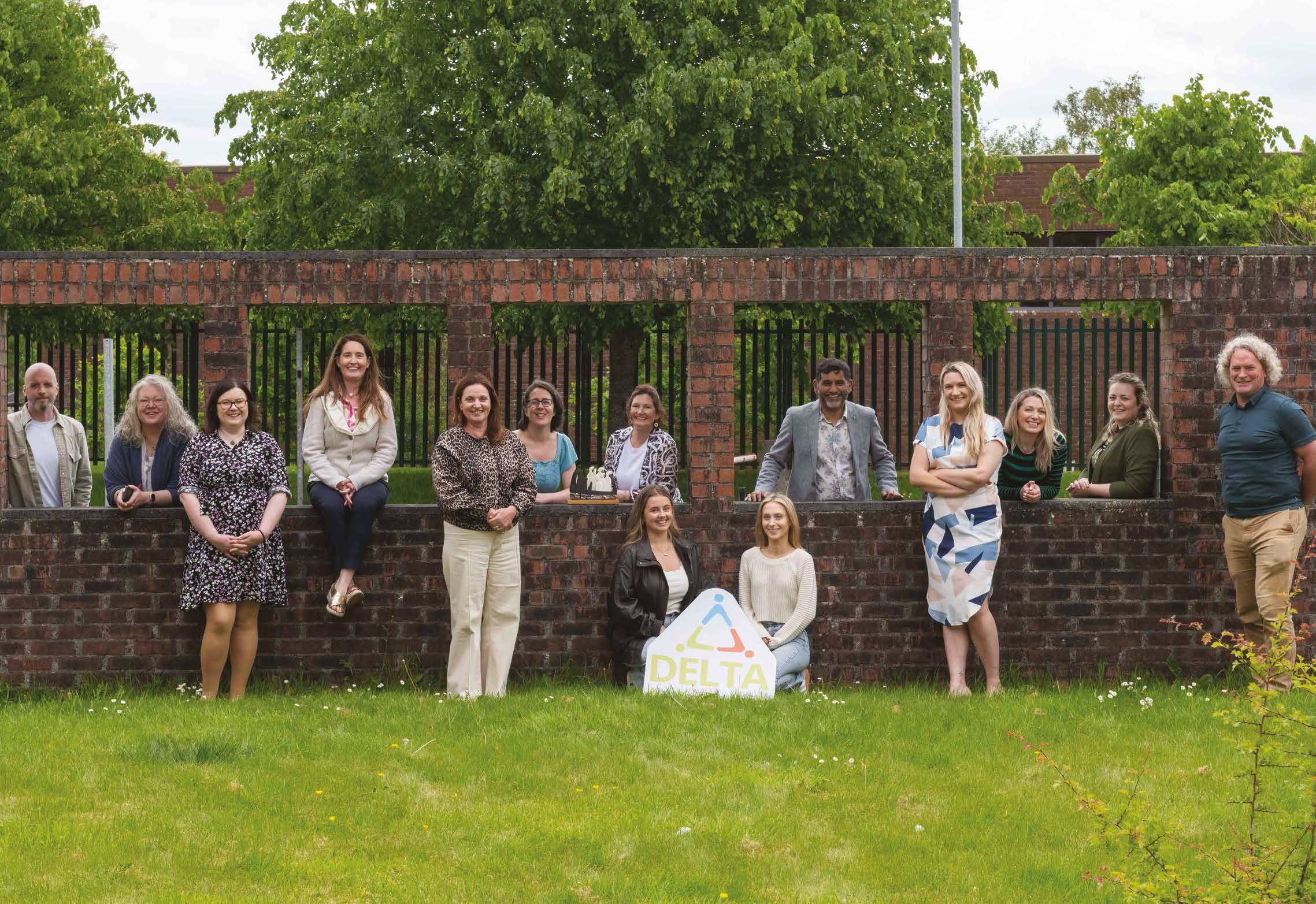
3 DELTA Awards Discipline Excellence in Marketing, Entrepreneurship, and Home Economics & Business
4 Research Groups focusing on entrepreneurship, industry cluster analysis, and regenerative tourism
7 and Level 8 bachelor programmes that form the foundation of the Faculty’s educational offering. It also fosters lifelong learning, offering flexible delivery modes to meet the needs of learners at different life and career stages.
Complementing the region’s traditional university offerings, the Faculty of Business distinguishes itself through its strong emphasis on applied learning and research, enterprise engagement, and community partnerships. It champions real-world learning experiences, such as work placements and co-designed curricula with industry, ensuring graduates are future-ready and equipped with the skills needed in a globalised, digital, and sustainable world.
Rooted in MTU’s commitment to inclusivity, sustainability, and innovation, the Faculty of Business supports a diverse learning environment, enabling access and progression for students from all backgrounds. It aligns closely with MTU’s
200+ Faculty Staff developing and supporting learners
14 active Learning Communities
60+ Courses and programmes
3,400+ Learners across 2 campuses
81.6% of MTU graduates in paid employment 9 months after graduation
strategic values of responsibility, teamwork, creativity, and digital transformation, and plays a key role in delivering the University’s mission to lead change and empower individuals for success. In doing so, the Faculty continues to evolve as a strategic partner for regional development, linking education, research, and enterprise to shape resilient, connected communities across urban and rural settings in the South-West.
With the Faculty of Business leadership team in place since November 2025, the Faculty builds upon the legacy of excellence established through the formation of Munster Technological University (MTU) on 1 January 2021, through the merger of Cork Institute of Technology (CIT) and Institute of Technology, Tralee (ITT). The Faculty comprises the Departments of Accounting and Information Systems, Management and Enterprise, Marketing and International Business, Organisation and Professional Development, Tourism and Hospitality, Business, and Hotel, Culinary Arts and Tourism, collectively forming a strong, forward-looking Faculty. Through the MTU merger, these seven departments collectively bring deep disciplinary expertise and rich regional knowledge. This consolidation has created a diverse, interdisciplinary Faculty with a strong regional identity and a shared commitment to excellence in business education, innovation, and community engagement.
The provision of a strong, forward-looking Faculty of Business within MTU is of vital strategic importance to the South-West Region. Anchored in Cork and Kerry, the Faculty is uniquely positioned to serve the region’s dual character—combining the economic dynamism of urban areas, with its concentration of foreign direct investment and indigenous enterprise, and the deep-rooted entrepreneurial spirit of rural and coastal communities. The region’s diverse economic base—spanning pharma, med-tech, ICT, agri-food, tourism, financial services, and creative industries—demands a steady pipeline of adaptable, ethically grounded, and innovation-ready business graduates. A robust Faculty of Business not only supports the development of future enterprise leaders, but also strengthens the regional knowledge economy through applied research, lifelong learning, and agile collaboration with SMEs, multinationals, and community organisations.
As the population and enterprise activity in the South-West are forecast to expand under Project Ireland 2040, the Faculty will be instrumental in meeting rising demand for accessible, high-quality business education that drives inclusive, sustainable regional development.
Our Values: Inclusive, collaborative, innovative, responsible and future-focused
The Faculty of Business values are grounded in MTU’s institutional values of being “inclusive, engaging, dynamic and bold”. They reflect the Faculty’s commitment to ethical practice, partnership, creativity, and sustainability, and support a culture of responsibility, cooperation, continuous improvement, and innovation across teaching, research, and engagement.
Our Vision: To shape the future of business through transformative education, applied research and collaborative innovation
This vision aligns directly with MTU’s shared vision “to lead transformation through education”. The Faculty of Business seeks to realise this ambition by developing graduates and knowledge that respond to real-world challenges, advance ethical and sustainable business practice, and contribute positively to society at regional, national and global levels.
Our Mission: To lead change in business and society by empowering ethically responsible, globally minded and innovation-driven learners through inclusive education, impactful research and meaningful engagement with industry and communities
This mission supports MTU’s overarching mission “to lead change and, through education, empower people for a successful future in a globalised world”. It reflects the Faculty’s role in delivering applied, industry-informed education; advancing research with societal impact; and fostering lifelong learning and professional development.
The Faculty of Business is an important component of MTU’s evolving academic portfolio and continues to respond to a changing higher education landscape. Enrolment patterns across programme levels have varied in recent years, with some recovery evident in Level 8 programmes while Levels 6 and 7 continue to experience a more gradual decline. This recovery reflects renewed demand for level 8 business education nationally. However, part-time enrolments remain a particular area of concern. While most MTU Faculties have experienced modest increases in part-time numbers in recent years, the Faculty of Business has seen a decline. This trend may be attributed to multiple structural factors, including the prioritisation of STEM disciplines in Irish Government funding initiatives such as Springboard+, as well as the ongoing difficulty many organisations face in releasing staff for continued professional development (CPD) in a full-employment economy, marked by acute staffing pressures.
Nonetheless, the Faculty of Business continues to deliver a strong undergraduate offering, with NFQ Level 7 and Level 8 programmes forming the cornerstone of its provision. Postgraduate taught and research enrolments have shown resilience and incremental growth, supporting the Faculty’s mission to focus on innovation, leadership, and applied business expertise. With a predominantly regional intake reflecting the broader national pattern in higher education, the Faculty of Business remains a vital driver of inclusive access, skills development, and









MTU is committed to a culture of continuous quality assurance (QA) across all academic and research activities.
Its university-wide regulations, policies and procedures cover programme quality assurance, research integrity, student and staff welfare, access and progression, and knowledge transfer. Academic governance is exercised at multiple levels, with academic staff from Faculty, Department, and Programme Boards responsible for implementing and monitoring quality assurance processes. The Academic Council plays a central coordinating role, including oversight of the integration of quality frameworks from MTU’s legacy institutions as well as newly developed policies and procedures. Universitywide developments include the adoption of common marks and standards, and new policies and procedures for programme design and approval.
Learner and external stakeholder involvement are key features of MTU’s QA model. Student representatives participate across all levels of governance, including Programme Boards, Faculty Board of Studies and Academic Council. External perspectives are incorporated through mechanisms such as external examiners, professional accreditation, and representation in programme approval and review processes. Collaborative and joint provision are governed by formal agreements that ensure robust QA practices. MTU continues to advance an integrated QA framework aligned with its strategic goals and transformation as a multi-campus technological university.
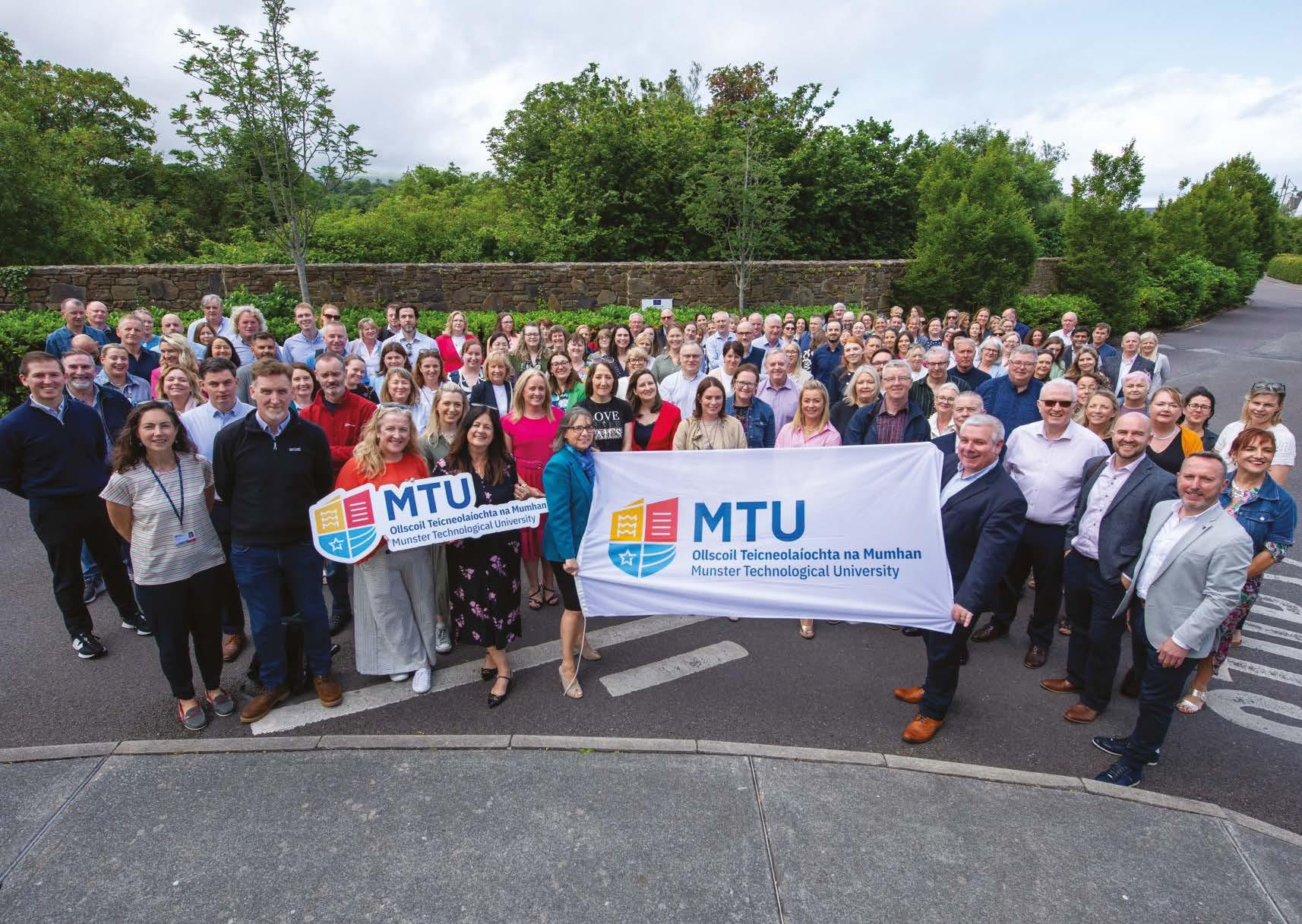
The Faculty of Business operates across a substantial and varied physical infrastructure, including classrooms, labs, and specialist facilities.
A 2024–2025 utilisation survey confirms there are no capacity constraints for room bookings with the physical condition of these facilities being strong overall.
Staff workspaces are located across numerous sites, accommodating all Faculty of Business staff. Investment continues in developing hybridenabled teaching environments, including new lecture theatres and co-located learning spaces through extension projects. The Le Chéile Building on MTU Bishopstown campus, a major capital development of 6,660m² opened for use in September 2025, accommodates up to 1,000 students and 70 staff. The development of a stronger and more cohesive identity for the Faculty of Business would be supported by bringing Departments closer together in terms of physical space. This would enhance opportunities for staff collaboration, interdisciplinary engagement, and increased interaction among students.
The Faculty benefits from access to a number of specialist and digital learning facilities. The Departments of Tourism and Hospitality and Hotel, Culinary Arts and Tourism house culinary kitchens, a training restaurant, bar, textile rooms and dedicated kitchen facilities on the MTU Bishopstown and Tralee North campuses. Further planned investments include the development of a dedicated Sensory Analysis Suite, and a flagship Sustainability Hub, leveraging facilities such as a greenhouse and anaerobic digester.
Located on the MTU Bishopstown campus, HIVE demonstrates the significant role that informal and collaborative environments play in supporting meaningful learning. It is a flexible, discipline-specific learning space, co-created by staff, students and industry partners, which reflects a people-centred, evidence-based design approach and exemplifies the Faculty of Business’s commitment to innovative, research-informed learning environments.
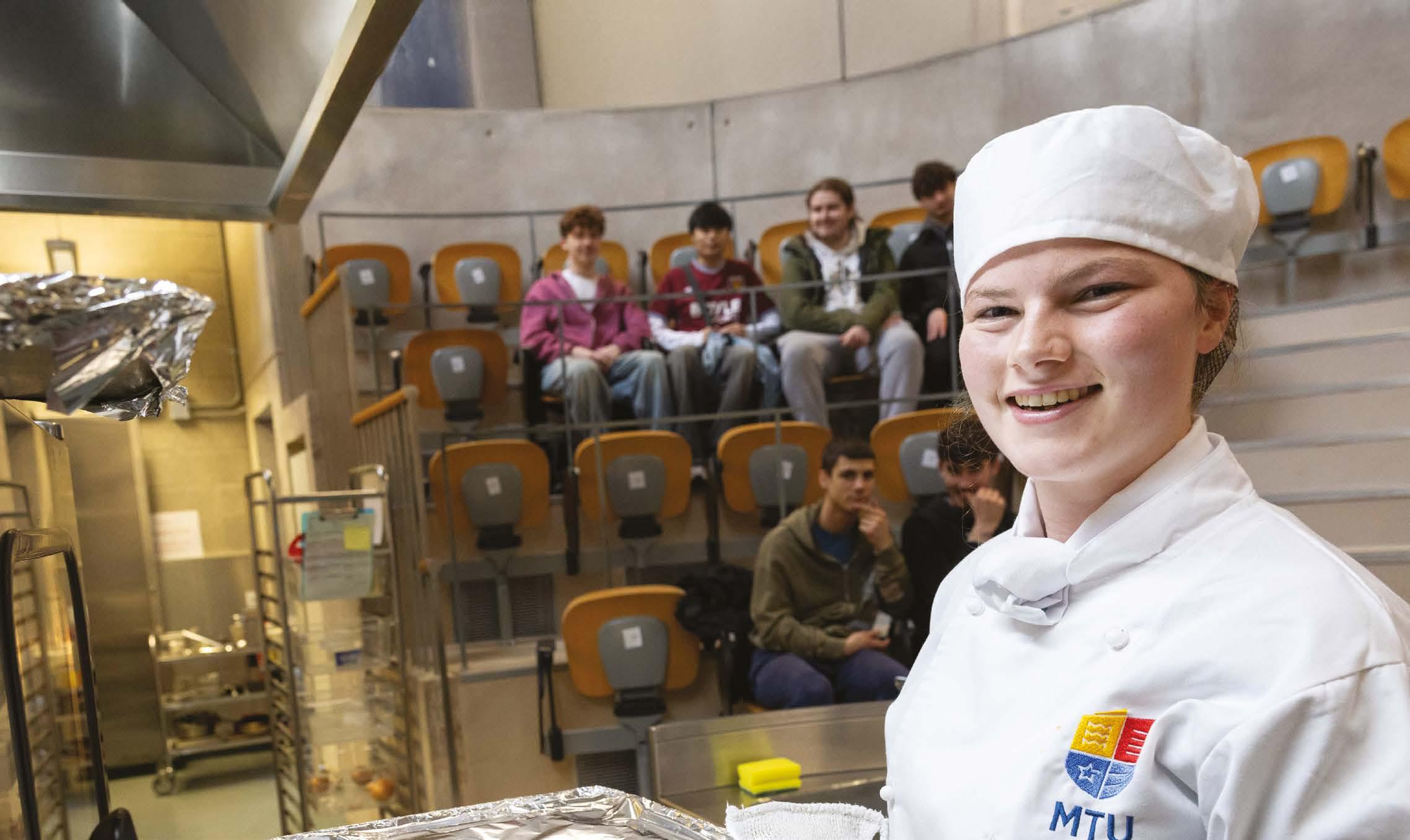
Digital delivery is well-supported with Technology Enhanced Learning (TEL) platforms, 24/7 Canvas support, and extensive specialist software access for business programmes. However, challenges remain in post-COVID recovery of part-time and online provision. Investment is needed in advanced digital tools, AI integration within Canvas, and dedicated blended learning spaces for flexible programmes. The Faculty manages a large number of business and productivity applications with many of these also available to students in labs and additional support provided through a TEL Helpdesk.
The library continues to enhance its business-focused resources, including upgrades to the SAGE Business Cases collection and development of new academic support tools of relevance to the Faculty.
In addition, the Rubicon and Tom Creane Centres enhance entrepreneurship education by providing Faculty of Business students and staff with direct access to incubation space, mentoring, industry networks and enterprise development supports, enabling the integration of live venture creation, innovation projects and applied learning into programmes across the Faculty.
The Nimbus Centre, which resides in the Faculty of Science and Informatics, strengthens overarching digital capability and immersive learning through its expertise in virtual, augmented and mixed reality technologies. Collaboration with Nimbus enables the Faculty to embed emerging technologies into teaching, applied research and industry engagement, supporting experiential learning, digital transformation and future-focused curriculum development. Together, these facilities extend the Faculty’s ecosystem beyond the classroom, reinforcing enterprise, innovation and applied research in partnership with industry.

The Faculty of Business places the learner at the centre of its educational mission, encouraging a dynamic and inclusive environment that demonstrates academic excellence through holistic skills and disciplinespecific competencies, developing future ready graduates. This approach is underpinned by MTU’s many key services and supports, such as student engagement, student support, academic learning support and access services, which collectively ensure that the learners are continually prioritised. This prioritisation is reflected in the Faculty’s record of proactively engaging with learners to gather feedback on their learning experiences. Combining these insights with creative and innovative leadership, ideally positions the Faculty to continuously improve on the learner education and experience.
Learners in the Faculty of Business have consistently endorsed the inclusive and supportive teaching environment that underpins their academic experience.
“From the start, the lecturers created a really supportive and welcoming learning environment. The classes felt practical, and it was easy to see how, what we were learning, connected to real business situations. Opportunities like projects and work placement helped build my confidence and showed me how to apply my knowledge in the workplace”.
Teaching, learning and assessment in the Faculty are characterised by a student-centred, applied approach, firmly rooted in real-world contexts. Practical and experiential learning opportunities are embedded throughout the curriculum, with industry placements and professionally-
oriented modules ensuring that graduates are well-equipped for the workplace of the future. Feedback from institutional surveys reflects strong appreciation for these opportunities, with learners reporting increased confidence in their ability to apply knowledge in professional settings.
MTU’s Strategic Plan 2022–2027 positions the learner at the heart of a forward-looking, inclusive, and transformative educational model. Central to this vision is the Inclusive Curriculum Framework for a Sustainable Future, now fully developed and being adopted university wide as a key focus of the Faculty Enhancement Review. This framework offers a robust structure to support the design of programmes that prioritise integrity, inclusivity, sustainability, employability, and global relevance.
Simultaneously, MTU has advanced the development of a university-wide Sustainability Strategy, reaffirming its role as a leader in Education for Sustainable Development. The integration of the UN Sustainable Development Goals into both curriculum and campus culture ensures that all graduates are equipped with the competencies and values needed to address global challenges and lead positive societal change.
The Faculty of Business’s programmes are particularly well-positioned to implement MTU’s Inclusive Curriculum Framework and Sustainability Strategy due to their inherent focus on real-world application, enterprise collaboration, and responsiveness to global trends. The Principles for Responsible Management Education (PRME) is a United Nations–supported initiative focused on increasing sustainability in business and management education through a framework of Seven Principles drawing from the Sustainable Development Goals (SDGs) or Global Goals. The Faculty of Business joined
over 800 institutions worldwide as a signatory in 2022. Funded by the Higher Education Authority (HEA) through the Technological Sector Advancement Fund (TSAF), PRME holds a key role in promoting institutional sustainability through curriculum integration, student engagement, and interdisciplinary collaboration. This work strives to enhance integration of the SDGs and PRME principles into teaching, research, and practice, so that graduates are enabled to think critically, act responsibly, and balance environmental, social, and economic priorities. With existing strengths in stakeholder engagement, applied learning, and innovative teaching and learning strategies, the Faculty can seamlessly embed sustainability, inclusive practices, and ethical decision-making into curricula. This alignment enhances programme relevance, graduate employability, and strategic impact across regional and global contexts.
The Faculty has made significant strides in advancing innovative assessment practices. There is a notable emphasis on authentic, continuous assessment, with a focus on project-based tasks and modules that simulate real-world challenges. These strategies promote deeper learning, academic integrity, and critical thinking, aligning closely with both student expectations and employer needs.
MTU has demonstrated leadership in digital learning, expanding flexible and inclusive access to learning through a robust virtual learning environment (VLE) that supports digital teaching, assessment, and student engagement. Many programmes in the Faculty of Business, place a strong emphasis on online delivery, enabling greater accessibility for diverse learner cohorts, including those balancing work, family, and study commitments. Academic staff report positive experiences with the digital platforms and appreciate the flexibility that online and blended learning offers their students, particularly for those balancing study with personal or professional commitments. Digital literacy is enhanced across the student body, preparing learners for the demands of a technologically advanced workplace.
Curriculum development in the Faculty is increasingly co-created with various stakeholders, ensuring relevance and agility with the particular focus of enhancing the learner education and experience. Regular review cycles and stakeholder engagement processes contribute to a responsive curricula, particularly in emerging priority areas such as sustainability, digital transformation, and enterprise development.
The Faculty of Business already demonstrates excellence through its commitment to innovative, learner-centred, and authentic teaching, learning and assessment. Its strong track record in co-creating programmes with industry, fostering graduate employability, and leading in applied research creates a solid foundation for future growth. The Faculty of Business supports lifelong learning through flexible and inclusive provision, including parttime, blended and online delivery, stackable and laddered pathways, and micro-credentials aligned to evolving industry and regional skills needs. Work-based and experiential learning further integrate professional practice into the curriculum, while strong engagement with employers and alumni sustains opportunities for continuing professional development. Recognition of Prior Learning (RPL) is an embedded element of this approach, enabling entry, advanced entry or credit on the basis of prior formal, non-formal and informal learning, thereby facilitating accessible progression routes and supporting ongoing upskilling and reskilling across diverse learner cohorts.
The Faculty proudly holds a number of DELTA Awards in the disciplines of marketing, entrepreneurship, and interdisciplinary excellence in home economics and business, clear recognition of its sectoral leadership in teaching and learning enhancement. By embracing the inclusive curriculum framework and sustainability strategy, the Faculty is well-placed to deepen its impact, scaling interdisciplinary teaching, expanding ethical and sustainable business education, and further enhancing access, diversity, and global relevance. Building on these achievements, the Faculty can position itself as a national leader in transformative business education.
The Discipline Excellence in Learning, Teaching & Assessment (DELTA) Award is the only team award at discipline level in the Irish higher education system for teaching and learning enhancement. It is aimed at discipline groups within HEIs that can demonstrate a record of excellence in teaching, learning and assessment and a commitment to ongoing, shared, strategic enhancement. The DELTA Award, received from the National Forum for the Enhancement of Teaching and Learning in Higher Education, recognises sustained excellence and leadership in teaching and learning practice.
Since 2022, a total of twelve DELTA Awards have been granted across Ireland, each valid for a three-year period. Of these national award holders, five are based at Munster Technological University, with three located within the Faculty of Business. This strong representation reflects the Faculty’s ongoing dedication to advancing high-quality, evidence-informed teaching and learning and contributing to enhancement initiatives at both institutional and national levels.
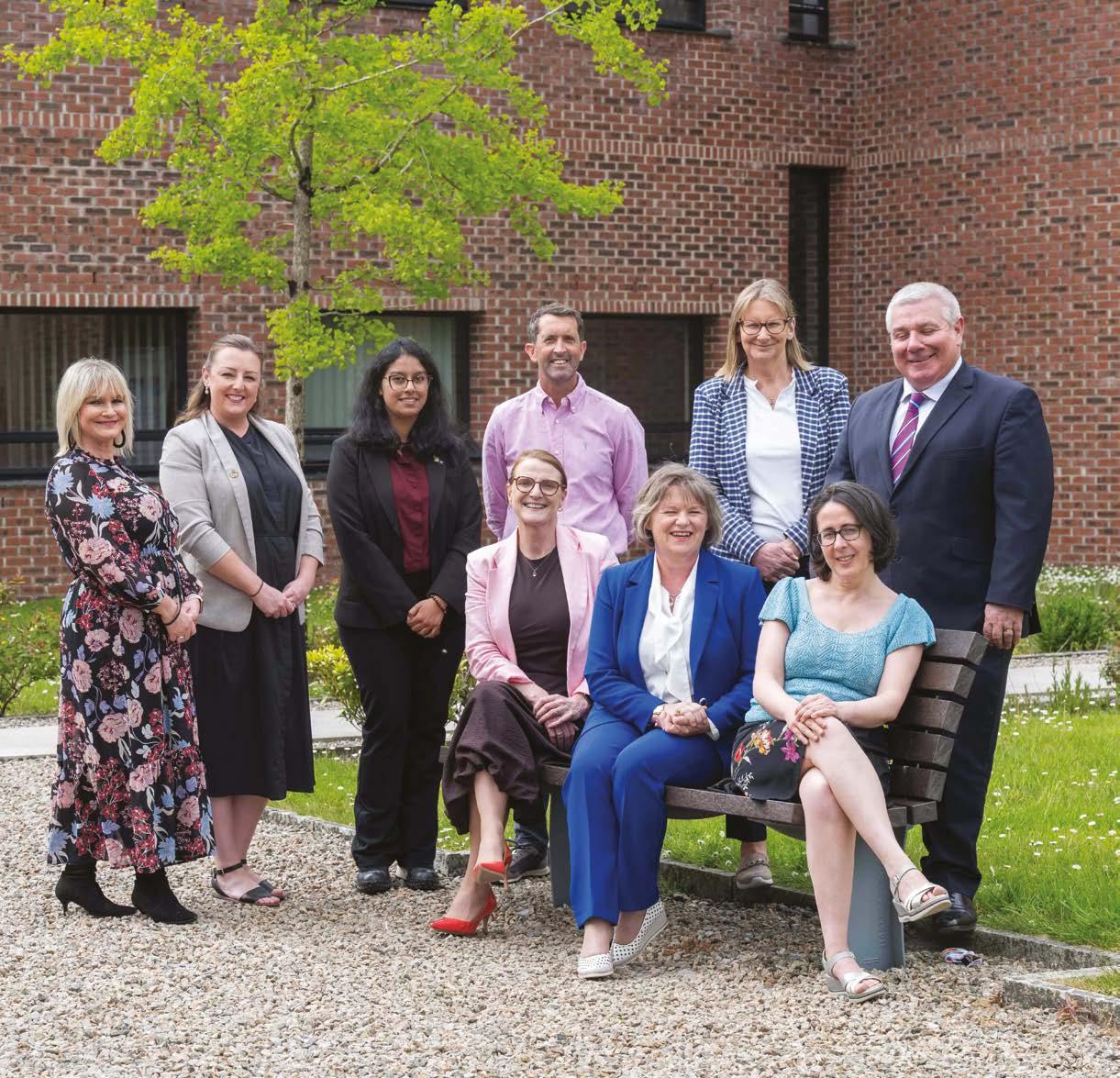
Within the Faculty of Business, several discipline teams have successfully attained the DELTA Award. The Marketing discipline in the Department of Marketing and International Business was recognised for excellence in authentic assessment practices, in 2021. This Award was renewed in 2025 following a successful revalidation application. The Hincks Centre for Entrepreneurship Excellence attained three DELTA Awards in 2018, 2021 and 2025 for excellence in entrepreneurship education. The Bachelor of Arts (Hons) in Home Economics & Business programme is the most recent recipient of a DELTA Award in the Faculty. This award recognises the programme’s interdisciplinary excellence in teaching, learning, and assessment, and highlights the commitment of the programme team to continuous innovation and student-centred education.
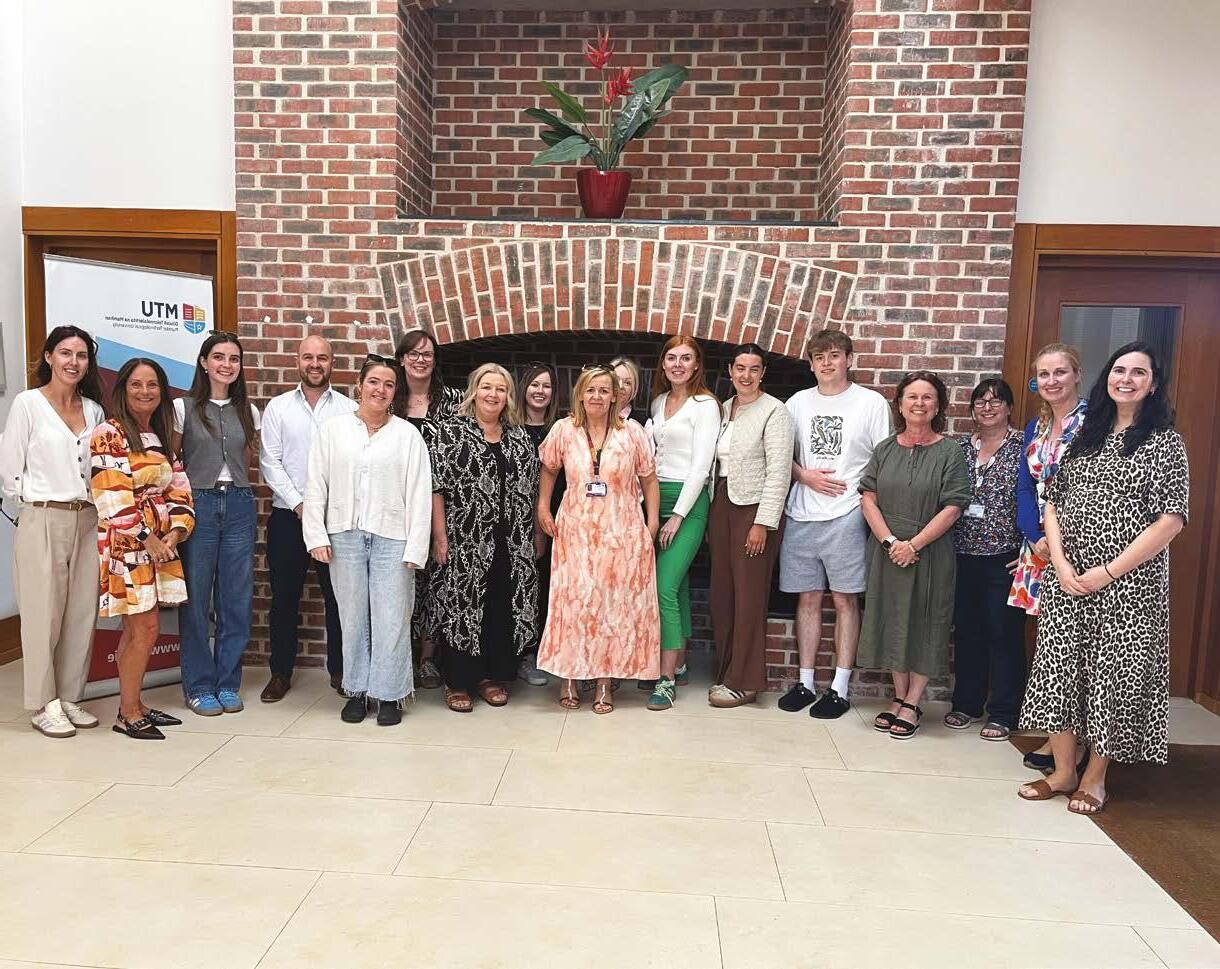
Through participation and achievement of these DELTA Awards, the Faculty of Business has realised multiple benefits:
• Improvements in collaborative working across academics, support staff, students, and external stakeholders.
• Active reflection, planning, and strategic enactment of enhancement priorities.
• Internal and external visibility of the Faculty’s commitment to teaching and learning excellence.
• Positive impact on learner experience and focus on continuous pedagogical improvements.
The Faculty of Business is now well positioned to:
• Scale the discipline-group approach across more programmes and modules.
• Deepen integration of authentic assessment, inclusive pedagogy, and sustainability literacies.
• Embed continuous enhancement mechanisms.
• Communicate and celebrate achievements to strengthen community
As such, the Faculty of Business at MTU is leveraging the DELTA Award as a strategic catalyst for advancing excellence in teaching, learning, and assessment, resulting in a more positive learner experience. Recognition, through DELTA reflects both ambition and capability, positioning the Faculty to lead nationally in innovative, transformative business education. This work is further strengthened by alignment with MTU’s inclusive curriculum and sustainability frameworks. Notably, other departments and discipline teams within the Faculty and across the university are currently undertaking their own DELTA review processes, fostering a University-wide culture of pedagogical enhancement.
The Faculty of Business at MTU is well positioned to advance its contribution to the University’s Learner Education and Experience strategic theme by capitalising on a range of forwardlooking opportunities. Central to this is the evolution of the programme portfolio to meet emerging societal, economic, and learner needs. By expanding flexible, inclusive offerings, such as micro-credentials, part-time routes, and blended delivery, the Faculty can better support school leavers, mature students, and underrepresented groups, ensuring broader access to high-quality business education. These developments align with MTU’s ambition to provide relevant, inclusive, and challenging curricula that empower learners to succeed in the world of work and as active global citizens. Further opportunities lie in embedding sustainability, enterprise, and interdisciplinary learning across programmes to build future-facing graduate attributes, while ensuring alignment with regional development and national skills agendas.
Supporting this ambition, the Faculty can enhance the learner journey through consistent, digitally enabled quality assurance practices that promote transparency, responsiveness, and engagement. Strengthening student involvement in governance and assessment reform, in particular, through authentic, inclusive, and programme-aligned approaches will encourage greater academic belonging and improve progression and retention. The Faculty of Business can also champion pedagogical innovation by investing in professional development and focused learning communities, thereby enhancing the quality of teaching, learning and assessment and supporting inclusive curriculum design. By prioritising digital infrastructure, learner well-being, and workload equity, the Faculty contributes meaningfully to MTU’s commitment to a learnercentred environment that is accessible, flexible, and transformative across all stages of the student journey.
These developments align with MTU’s ambition to provide relevant, inclusive, and challenging curricula that empower learners to succeed in the world of work and as active global citizens.

MTU demonstrates a strong institutional commitment to staff development as well as engagement with the wider community of students and other stakeholder groups. MTU has an ambition to be an employer of choice through structured career progression and continuous professional development (CPD), while cultivating an inclusive and engaged university community. Within this context, the Faculty of Business recognises staff development as a foundation for academic excellence, innovation, and professional fulfilment thereby enabling the achievement of its strategic vision.
Staff development within the Faculty is approached holistically, encompassing teaching, research, leadership, digital capability, engagement, and well-being. The Faculty benefits from University-wide supports including the Teaching and Learning Unit (TLU), which provides workshops, certification programmes, coaching, and mentoring aligned with national and international frameworks. In parallel, the Technology Enhanced Learning Unit and the E-Learning Development and Support Unit contribute to the upskilling of staff in digital tools, curriculum innovation, and blended learning practices.
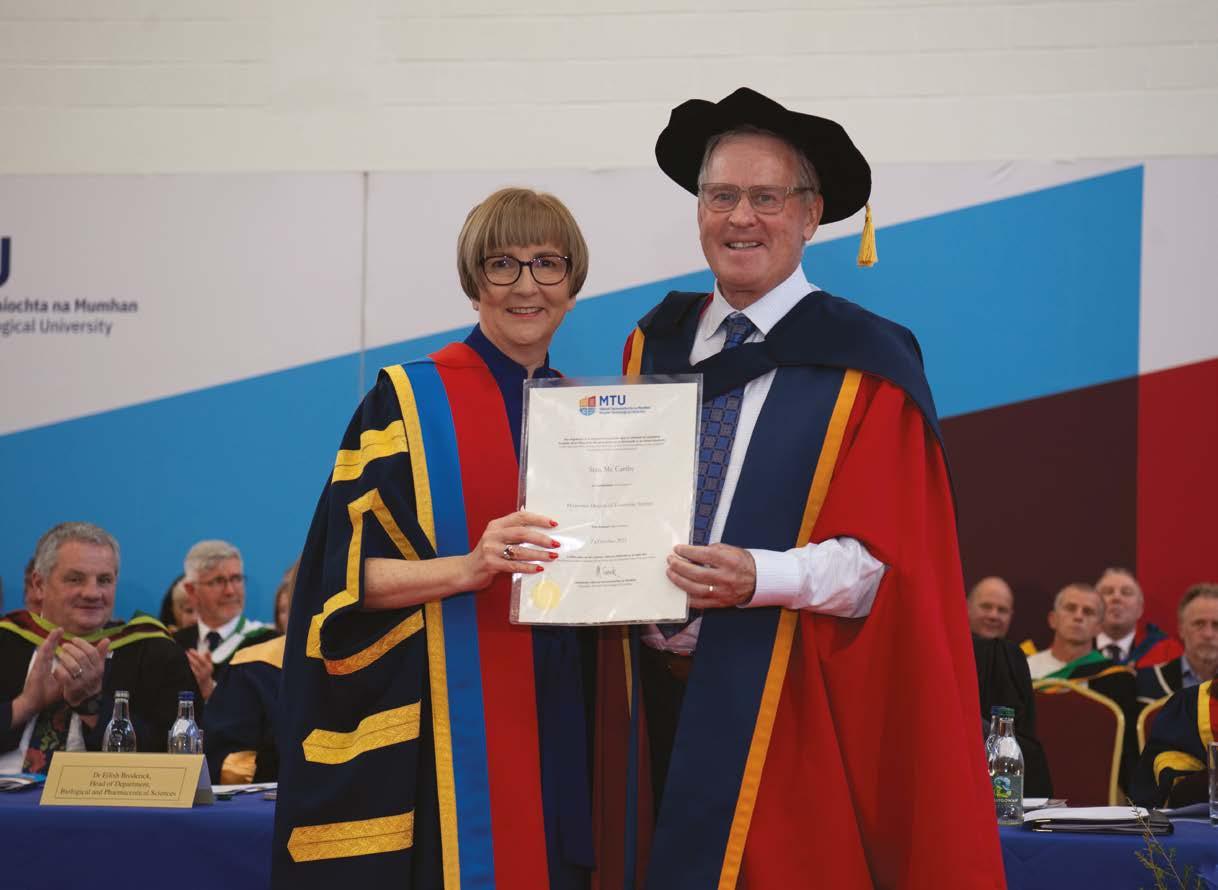
Participation in professional development is high, with 85% of Faculty staff engaging in CPD since 2021. These activities are central to the “rootedness” and “connectedness” with the wider community that MTU is recognised for. Engaging in CPD brings staff into continuous contact with external stakeholders, a key feature of MTU’s distinctive competencies. Staff in the Faculty have completed qualifications in Teaching and Learning and have taken part in the Early Academic Transition Professional Development (EAT-PD) programme. Others have pursued professional recognition through MTU’s Fellowship pathway.
Leadership capacity has also been strengthened through staff participation in development programmes such as LEAD, ELEVATE, and Aurora. Digital upskilling is evident in the uptake of digital badges and engagement with international initiatives like UNI Collab’s Basics of Virtual Exchange programme. Faculty staff have also undertaken a wide range of external, disciplinespecific CPD courses and research ethics training, reflecting sustained commitment to scholarly and professional growth.
A strong culture of teaching excellence and innovation is evident within the Faculty of Business with many staff leading or contributing to Learning Enhancement Projects (LEPs), learning communities, and curriculum redesign initiatives funded through the TLU Development Fund. These initiatives have supported pedagogical innovation in areas such as assessment and feedback, while the TLU Works event has provided a platform to showcase the HEA’s Strategic Alignment of Teaching and Learning Enhancement (SATLE)-funded projects and to celebrate staff achievements, including DELTA and SATLE Impact Award recipients within the Faculty.
Professional affiliation remains a defining feature of the Faculty’s academic identity. Staff maintain active memberships and qualifications across a range of professional bodies including accountancy (CAI, ACCA, CIMA), marketing (MII), law (Law Society), human resources (CIPD), tourism and hospitality (IHI, IHF, AEHT, IFHE), entrepreneurship (ECSB, ISBE, EMES, SERNI), and psychology (PSI, BPS, EAWOP). Faculty members also contribute at leadership level within National and European professional communities, reflecting the Faculty’s deep integration with industry and policy sectors. In addition, connections with MTU alumni and active alumni relations ensure continuous engagement between Faculty staff and wider stakeholder groups.
Support for early-career and newly appointed staff is a particular strength. Structured inductions and further development are provided through institutional programmes such as Tús Maith and the EAT-PD programme for early career academic staff, alongside access to coaching and mentoring. Staff-led peer engagement is supported through the MTU Staff Development Portal, with five Faculty members currently acting as ambassadors to promote awareness of development opportunities and foster cross-disciplinary exchange.
Staff well-being is integral to the Faculty’s approach to people and community. Coaching and mentoring programmes offered by the TLU contribute to a supportive working environment. MTU’s Healthy Campus initiatives provide staff with access to well-being resources, events, and health supports, while staff are further supported by strong Equality, Diversity and Inclusion (EDI) services.
Looking ahead, there are several opportunities to enhance the Faculty’s approach to staff development.
The development of a coherent, Faculty-specific staff development plan would support consistency and clarity in the application and approval of CPD. In addition, the Faculty will support the integration of MTU’s Staff Development Portal to
record engagement and CPD activities. This will improve visibility, support strategic planning, and enable more robust alignment with institutional KPIs. It would also provide a stronger evidence base for resource planning and external reporting. While engagement in CPD activities is very high among Faculty staff, feedback indicates that improvements in some key resource areas such as time allocations, funding and access to information and guidance, would be instrumental in facilitating further participation in development activities.
There is significant demand for CPD in emerging areas such as AI literacy, sustainability, teaching and learning innovation, digital skills, industryfocused upskilling, leadership, and research support. Leaning into the wider stakeholder community will be of immense importance here, as the Faculty explores mechanisms to strengthen capacity in these areas and align with sectoral expectations.
Finally, the Faculty can build on existing strengths by promoting a culture of peer learning and recognition. Local showcase events, internal awards, and cross-disciplinary learning communities would create opportunities to share good practice, celebrate success, and deepen engagement. These developments will support the Faculty’s continued growth as an inclusive, high-performing academic community that values its people and enables them to thrive.
A strong culture of teaching excellence and innovation is evident within the Faculty of Business with many staff leading or contributing to Learning Enhancement Projects (LEPs), learning communities, and curriculum redesign initiatives funded through the TLU Development Fund.

The Faculty of Business plays a central role in advancing MTU’s strategic commitment to impactful, inclusive, and applied research and knowledge exchange which align to institutional goals of research leadership, talent retention and both regional and global impact. The Faculty is home to nationally and internationally funded projects, key research groups, and a community of research-active staff across diverse disciplines.
Since MTU’s designation in January 2021, the Faculty of Business has demonstrated a commendable expansion in research activity, scholarly visibility, and academic reputation. There are over 40 research-active staff in the Faculty. Overall, 23% of staff hold doctoral qualifications and 7% are currently pursuing doctoral study. Staff have produced approximately 200 scholarly outputs (2021–2025), including 39 peer-reviewed journal articles—many in leading ABS 3* journals such as the International Journal of Entrepreneurial Behavior & Research, Studies in Higher Education, and Journal of Rural Studies—as well as 3 books, 35 chapters in edited volumes, and 123 academic conference papers across major forums. Successful funding applications for interdisciplinary and cross border research projects from National and European sources, as well as for individual PhD research have contributed to the growth in the research community across the Faculty. Research from the Faculty is shaping public discourse and policy, with citations in governmental strategies, OECD reports, and EU entrepreneurship policy, and through public scholarship disseminated
via RTÉ Brainstorm, the Irish Times, and stakeholder-engaged podcast platforms.
The Faculty hosts four dedicated research groups: the Hincks Centre for Entrepreneurship Excellence, V-LINC, the Circular Economy for Regenerative Tourism (CERT), and the Cantillon Academy. These groups serve as strategic hubs for applied, interdisciplinary research aligned to MTU’s mission and regional impact goals. The Faculty has taken a leading role in hosting major academic events, including the Irish Accounting and Finance Association (IAFA) Conference (2021), the Association for Tourism and Leisure Education and Research Conference (ATLAS) (2022), the Irish Academy of Management Conference (IAM) (2024), and the Tourism and Hospitality Research in Ireland Conference (THRIC, 2024)—the latter chaired by CERT, which also led the International Regenerative Tourism Conference (2024). Faculty members actively shape MTU’s research culture through initiatives like the Annual Postgraduate Research Forum and demonstrate cross-disciplinary strength through collaborative programmes such as the Postgraduate Diploma in Cyber Innovation (with Computer Science), the BSc in Global Business and Pilot Studies (with Atlantic Flight Training Academy), and a shared Innovation and Entrepreneurship module with Biomechanical Engineering. Many staff serve as national delegates, members of editorial boards, and contributors to policy working groups, further extending the Faculty’s academic influence.
The Faculty’s growing national and international reputation is reflected in the significant research funding secured across its groups and projects. These achievements are a strong endorsement of the Faculty’s research excellence, policy relevance, capacity to lead and impactful scholarship.
In the period 2021 – 2025, the Faculty of Business recorded a total of 21 research graduates, 10 Master’s by Research and 11 PhD awards, demonstrating a strong and balanced postgraduate pipeline. These figures reflect a culture of structured supervision, mentorship, and growing engagement with early-career researcher development. Looking forward, the Faculty is strategically positioned to expand its research, innovation, and entrepreneurial capacity in alignment with MTU’s broader ambitions for international competitiveness and impact.
Research, Innovation and Entrepreneurship Ecosystem Opportunities
The Faculty of Business at MTU is advancing a targeted research agenda designed to build capacity, enhance visibility, and strengthen alignment with the University’s strategic goals across learner experience, research and innovation, regional development, and global engagement. Foundational measures include introducing a short-term research output tracking system using departmental logs to support transparent reporting ahead of the full rollout of the PURE system. This initiative will give the Faculty greater oversight of its research activity and enable more responsive planning. Concurrently, staff will be supported in developing online research profiles via PURE and linked Faculty webpages to improve their external visibility, attract supervision opportunities, and support collaborative links across disciplines and institutions. These developments will be further underpinned by a faculty-wide Research Day and digital showcase platform that will profile achievements, share outputs, and highlight ongoing work across the Faculty.
To strengthen active participation in research, a series of internal supports will be developed. A conference presentation and travel fund will be further supported to disseminate and increase external academic engagement. A new mentorship programme will match early-career
and re-engaging researchers with experienced colleagues to strengthen research culture and capability. The Faculty will also examine practical supports for doctoral progression to help increase the percentage of PhD-qualified staff, with benefits for future postgraduate supervision capacity. Complementing this, the Faculty will aim to secure one externally funded research scholarship annually, supporting growth in postgraduate research enrolment and project-based supervision. In parallel, a review of research infrastructure will be conducted to identify key gaps in tools and subscriptions, allowing for a proposal to be developed to improve access to essential research resources and increase the Faculty’s competitiveness for national and international funding.
Looking outward, the Faculty is preparing to broaden its research reach through new cross-border collaborations, aiming to engage in new international partnerships. These partnerships are expected to enhance publication opportunities and open access to strategic funding schemes such as Horizon Europe and Interreg. The Faculty will also explore the feasibility of offering a professional or practice-based doctoral route, such as a DBA, to expand its doctoral pipeline and respond to growing interest from industry-based professionals. Governance structures will be reinforced through the revitalisation of Research Studies Committees, ensuring effective oversight and quality assurance across research activities. Finally, initial steps will be undertaken to pursue international accreditations, such as the Business Graduates Association and the Small Business Charter in the short term, while working toward achieving triple accreditation from AACSB, EQUIS, and AMBA in the long term. This will position the Faculty among globally benchmarked business schools, enhancing its credibility, quality, and global competitiveness.
Developing and sustaining research groups within a university setting is critical to building a culture of inquiry, innovation, and impact. These groups serve as catalysts for interdisciplinary collaboration, attracting competitive funding, informing policy and practice, and enhancing the learning environment through research-led teaching. Within Munster Technological
University, the Faculty of Business is leading this agenda. It has established a suite of research groups that not only contribute significantly to the University’s strategic
priorities, but also drive regional, national, and international initiatives addressing urgent societal and economic challenges.

CERT (Circular Economy for Regenerative Tourism), established in 2022, builds research capacity in circular economy and regenerative tourism. It advances resilient, sustainable tourism through education, applied research, publications and industry collaboration across regional, national and international contexts. CERT has secured over €1.3m in EU funding to support tourism SMEs, micro-enterprises and destination organisations in adopting regenerative practices, repositioning tourism as a force for positive environmental, social and economic impact. Regenerative tourism promotes climate action, responsible visitors, thriving host communities, strong local identity, and long-term business sustainability and profitability.

V-LINC is a nationally and internationally recognised MTU research group specialising in industry cluster analysis and inter-firm linkages, using data-driven methodologies to inform regional innovation, public policy and competitive strategy. Its work has shaped Irish and EU cluster policy, including contributions to Ireland’s emerging International Impact Clustering Programme. Through the Interreg Europe-funded Accelerate GOT project, V-LINC leads stakeholder engagement and policy co-creation in collaboration with InterTradelreland, DETE and European cluster agencies, reinforcing MTU’s role as a research-informed University influencing regional and national economic policy.

The Cantillon Academy is MTU’s flagship platform for private-public-academic engagement in regional development and sustainability, building on a 16-year legacy of knowledge exchange, interdisciplinary research and systems thinking. Through initiatives such as the Cantillon Discovery Lab and Networking Fora, it fosters collaboration and dialogue across academic, governmental and enterprise communities. Since its inception, the academy has co-secured over €10 million in EU and national funding, supporting participation in Horizon Europe, Interreg and Erasmus+ projects, strengthening cross-sector partnerships, advancing early-career researchers and contributing to MTU’s strategic priorities.
Founded in 2013, the Hincks Centre for Entrepreneurship Excellence is embedded within the Faculty of Business and recognised for its leadership in inclusive, sustainable and student-centred entrepreneurship research. It connects theory and practice through curriculum integration, postgraduate supervision, community engagement and policy development, positioning entrepreneurship as a driver of social and economic resilience. Operating on a self-funded model, the Centre has secured over €3.8 million in national and EU competitive funding, including flagship projects such as WeRin and RuralFemmes, and continues to strengthen entrepreneurial capacity in alignment with MTU’s strategic ambitions for innovation and graduate readiness.
The Faculty of Business plays an integral role in advancing MTU’s strategic commitment to Leading Regional Development, a theme centred on developing mutually beneficial partnerships, empowering sustainable economic growth, and positioning the University as a driver of social and cultural enrichment across the South-West. In alignment with this strategy, the Faculty contributes significantly to MTU’s identity as a connected, inclusive, and responsive institution through a diverse portfolio of activities that link education, enterprise, and community development. MTU’s strong regional footprint, highlighted in the Economic and Social Impact Study and recognised in the CINNTE review, provides a powerful platform for the Faculty to deepen engagement and lead in delivering educational value and innovation that reflects regional priorities and challenges. The Faculty’s activities span co-designed programmes, live case studies, structured placements, and professional networks and are best placed to reinforce its contribution to the University’s goal of empowering the region socially, economically, and culturally.
Among its key strengths, the Faculty of Business has consistently demonstrated commitment to external engagement. Survey data confirms that a high proportion of academic staff actively participate in regional engagement initiatives including guest lectures, live cases, and industry site visits. Further to this, examples of collaboration between the Faculty and Cork and Kerry Chambers, industry-specific representation groups in the region, Cork Prison, Regional Manufacturing Industry and the Atlantic Flight Training Academy, are evidence of the Faculty’s commitment to the region across numerous sectors. Programmes across the Faculty embed industry-informed learning and align closely with the region’s workforce development needs, supported by initiatives such as the MTU Business Academy, MTU’s Extended Campus, Student Inc., and professional mentorship schemes. The Faculty’s collaboration with leading regional employers and bodies, including through structured industry visits and co-created curricula, exemplifies an applied, future-focussed approach. The Faculty’s role in supporting high graduate employment within the South-West region further illustrates its economic impact and strategic value. Additionally, sustained interaction with professional bodies and sectoral organisations strengthens the academic-professional interface and ensures relevance in content, delivery, and graduate readiness.
Looking ahead, the Faculty of Business will continue to work with MTU’s Extended Campus to implement a range of targeted actions to strengthen its leadership in regional development. Building on strong foundations, the Faculty will adopt a more strategic and
systematised approach to industry engagement through integration with MTU’s central CRM and contribute to a university-wide engagement policy. These mechanisms will improve tracking, deepen partnership quality, and inform curriculum evolution. Staff involvement in professional bodies will be expanded, with strategic attention given to enhancing MTU’s external profile and influence. The Faculty will also respond to evolving skills needs by codesigning micro-credentials with a focus on digital transformation, AI, and sustainability, strengthening future-facing learning pathways.
Additional opportunities lie in growing early-stage school engagement through
enhanced outreach, teacher partnerships, and evidence-led targeting of prospective learners. Alumni networks will be expanded via dedicated events and integrated communications to build professional communities that sustain regional ties. Finally, a cohesive marketing approach will ensure that the Faculty’s research, enterprise engagement, and civic contributions are more visible and celebrated, supporting MTU’s ambition to be the leading educational partner in the South-West. Through these coordinated actions, the Faculty of Business will reinforce its central role in MTU’s strategy to empower regional resilience and prosperity.
Cyber Ireland is the national cybersecurity cluster organisation, established in 2019 by Munster Technological University (MTU) and backed by government through Enterprise Ireland, IDA Ireland and the National Cyber Security Centre. The cluster brings together over 220 organisations and companies nationwide, including Irish start-ups and SMEs, MNCs, Universities and training providers, as well as government agencies and non-for-profits across the cyber security ecosystem. The purpose of Cyber Ireland is to connect the cybersecurity sector in Ireland to drive business growth, through collaboration, talent development and innovation. The core aim is to position Ireland to become the leading location for cyber security in Europe.
In January 2024, Cyber Ireland launched its new cluster strategy 2024 – 2027 outlining how the cluster will drive the growth of the cyber security sector through it’s four Focus Areas of:
1) Community Building;
2) Business Growth;
3) Workforce Development; and
4) Advocacy and Promotion.
Cyber Ireland originated from research conducted within V-LINC evolving into an independent entity. It is a collaborative cluster at MTU, involving the V-LINC Research Group in the Faculty of Business, where the cluster is hosted, and the Faculty of Science & Informatics, which provides cybersecurity expertise and represents MTU on the cluster advisory board. The Cyber Ireland Cluster Advisory Board is made up of leading senior experts from across industry, academia and government, who drive the strategic direction of the cluster.
Cyber Ireland has secured over €2m in funding since 2020, including €1m in industry revenue and €1m in competitively won national and EU projects. Cyber Ireland is recognised by government as one of the leading cluster organisations in Ireland across all industry sectors1. It has demonstrated MTU’s national leadership in cybersecurity education, research and industry engagement.
1 DETE (2025), ‘Action Plan on Competitiveness and Productivity’, Page 90: https://enterprise.gov.ie/en/ publications/action-plan-on-competitiveness-and-productivity.html
Global Outlook is positioned as a defining strategic theme across the University that shapes its ambition to be a responsible, outward-facing university with strong international linkages, inclusive engagement practices, and a globally competitive academic profile. The Faculty of Business plays a central role in realising this ambition, offering a suite of programmes across NFQ Levels 6 to 10 that reflects global trends, integrates international business perspectives, and supports mobility and collaboration. MTU’s vision to produce graduates who are not only work-ready but also globally competent, requires curricula that are informed by international practice, responsive to diverse learner needs, and capable of encouraging transnational engagement. The Faculty’s alignment with this vision is evident through its focus on global curriculum integration, industry-led internationalisation, and active participation in EU-funded collaborative networks.
Strengths, Innovations and Achievements
MTU’s strategic priorities in global engagement centre on enhancing staff and student mobility, expanding international partnerships, and embedding global competencies across all programmes. The Faculty of Business plays a vital role in achieving these goals by integrating cross-cultural learning outcomes, globally oriented assessments, and realworld international business scenarios into its curriculum. This strategic alignment ensures that students develop the skills, awareness, and adaptability needed to succeed in an increasingly interconnected global economy. By embracing flexible delivery models, the Faculty supports a diverse cohort of learners, including international and part-time students, and those balancing study with work or geographic constraints. These efforts reflect MTU’s commitment to inclusion and access, while also broadening the university’s international reach and reputation.
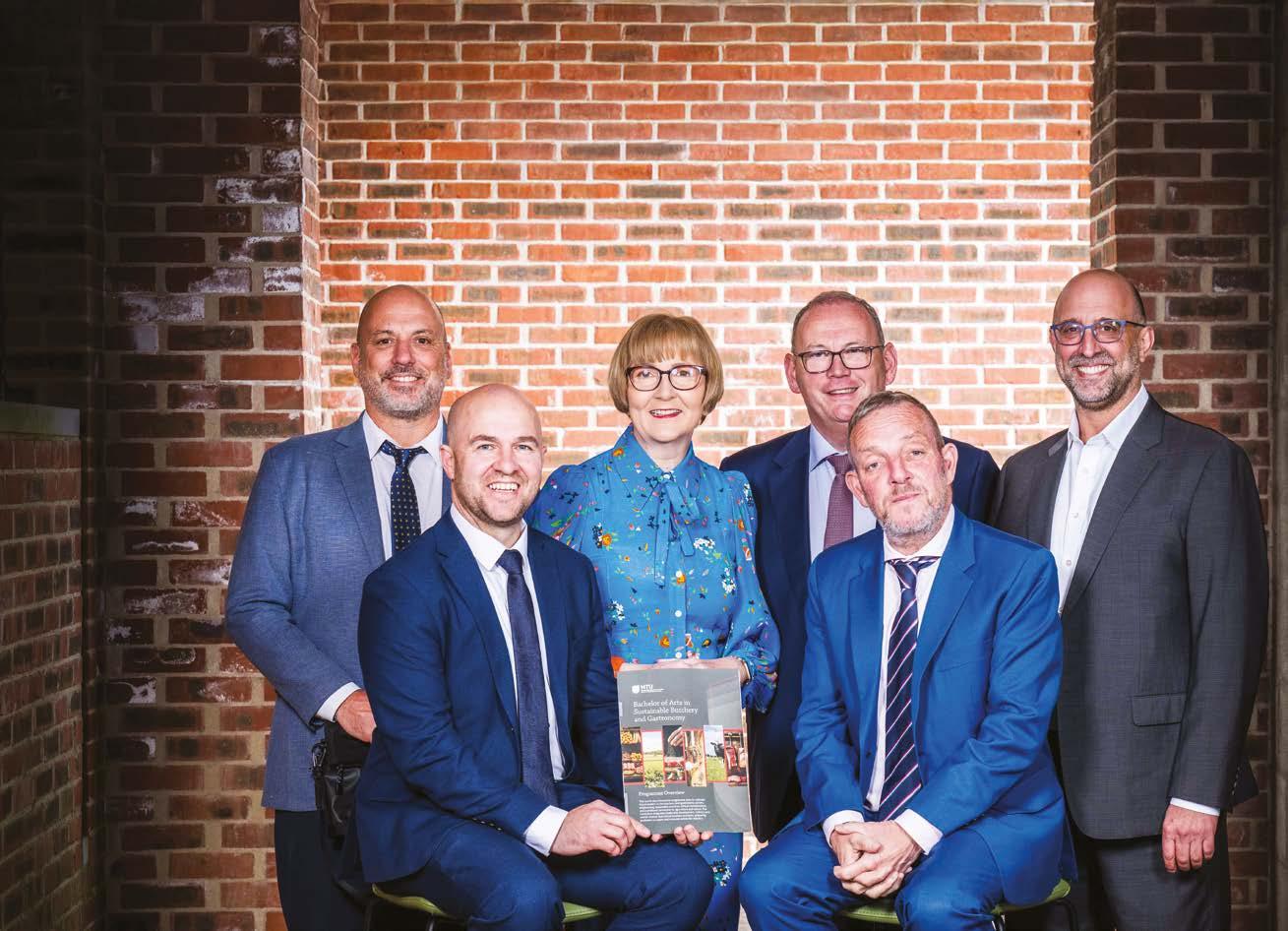
The Faculty has embedded global perspectives across multiple programmes, most notably in International Business with Language, Marketing, Hospitality Management, Event Management, and the Common Entry Business pathway. These programmes include features such as international placements, a strong foreign language focus, global case studies, and culturally responsive teaching approaches that resonate with the evolving demands of the global marketplace. The Faculty’s use of blended and online delivery further enhances accessibility for international learners, with programmes such as Sustainable Butchery & Gastronomy, Sales, Circular Economy, Employment Law, Leadership and Transformational Change, and Fundamentals of AI for SMEs tailored to a wide audience. Supported by MTU’s robust digital infrastructure, these programmes not only improve learner flexibility but also align with MTU’s strategic vision of delivering future-ready, inclusive business education.
Key international initiatives such as Erasmus+, Study Abroad, and the Ingenium University Alliance reinforce the Faculty’s commitment to collaborative global education. Participation in these programmes has enabled deeper institutional links, knowledge exchange, and increased opportunities for staff and student mobility. With MTU as a founding partner of the Ingenium Alliance, the Faculty of Business contributes to the creation of a pan-European education space that is inclusive, innovative, and learner-focused. These partnerships
The Faculty’s use of blended and online delivery further enhances accessibility for international learners

directly support MTU’s goals related to mobility, employability, and global visibility. Moreover, the Faculty’s emphasis on practical, industry-engaged learning through international placements, consultancy projects, blended intensive programmes (BIPs), and field trips ensures that learners are exposed to authentic global business challenges. Partnerships with Universities in countries such as USA, Canada, Germany and Vietnam ensure that the Faculty thrives on a global approach to education. Building on its growing reputation in the Aviation Sector, a recent partnership with a pilot training company in Spain further exemplifies the global approach central to the Faculty. This applied approach to internationalisation strengthens both regional and global readiness and reinforces MTU’s strategic objective to equip graduates with the skills, perspectives, and experiences required to lead and contribute meaningfully in international contexts.
To strengthen its global position and align with MTU’s strategic vision for internationalisation, the Faculty of Business will implement a focused set of enhancement actions aimed at increasing its global visibility, learner diversity, and cross-border impact. A key priority will be the development of targeted international student recruitment and engagement strategies to position MTU as a destination of choice for globally mobile learners. This work will build on national trends by aligning programme offerings, marketing, and support services to better attract and retain international students. Alongside recruitment, the Faculty
will strengthen its University collaborations, particularly through the Ingenium University Alliance and Erasmus+ partners, by cultivating reciprocal, high-impact academic and research exchanges that benefit both staff and students.
Curriculum internationalisation will also be a central focus, with efforts to embed scaffolded global content across all levels of study. This includes the use of international case studies, business simulations, and cross-cultural projects, while encouraging decolonised perspectives that enhance cultural awareness and inclusivity. To expand mobility opportunities, the Faculty will work to increase both virtual and in-person exchanges, ensuring broader access for underrepresented learner groups. Building on existing successes, the Faculty will collaborate with MTU’s International Office to extend BIPs across the Faculty. Simultaneously, online programme development will be explored to cater to international markets and increase accessibility through flexible formats. These actions will be supported by a systematic review of available funding opportunities for internationalisation and aligned with ongoing efforts to benchmark programme quality against international standards. Looking ahead, the Faculty will also explore accreditation pathways through bodies such as the Business Graduates Association, identifying long-term requirements around sustainability, programme validation, and graduate outcomes as part of its strategy for global recognition and competitiveness.
In recent years, academic staff from the Faculty of Business took part in several high-impact Blended Intensive Programmes
In France, international business students and academic staff participated in a BIP located in Paris, focused on European Business Culture and Innovation. The programme blended virtual collaboration with an in-person week of cross-institutional teamwork, cultural immersion, and enterprise visits.
In Belgium, accounting lecturers co-delivered a BIP on Green Finance and Sustainable Economic Models at University College Leuven - Limburg, where students tackled real-world enterprise cases and explored EU green policy frameworks.
In Germany, academic staff from the marketing discipline contributed to an International Marketing Week, co-teaching modules on digital branding and participating in live consultancy-style challenges with European students.
All programmes adopted a hybrid format, combining virtual learning with intensive in-person elements, broadening access and enhancing staff and student mobility.

Modules across the Faculty were enriched with case studies, internationally-focused assessments, and inputs from partner institutions. Staff established new collaborative research links, including co-authored papers and Erasmus+ applications. Students developed enhanced cultural awareness, presentation skills, and real-world problem-solving capacity in international teams.
These initiatives directly support MTU’s strategic pillars of Global Outlook and Learner Education and Experience, while fostering professional development and long-term institutional partnerships.
Building on these successes, the Faculty is scaling its BIP engagement through coordinated outbound and inbound student mobility across multiple programmes, deepening global collaboration and embedding international learning as a cornerstone of its educational approach.