MTU FER Report - Faculty of Business Self-Evaluation Report
1 Faculty Enhancement Review Methodology
Strategic Review of Faculty of Business
Teaching, Learning and Assessment Strategies
Research Strategies
Internationalisation Strategies
Engagement Strategies
Current Suite of Programmes
2 Overview of the Faculty
Mission, Vision and Values
Faculty of Business Structure and Management
Faculty Staffing Profile
Significant External Relationships
List of Programmes and Awards
Programmes Validated since MTU Designation
Summary of Application and Graduation Statistics
3 Environment Analysis
Current Situational Analysis
Strategic Plan, including themes and proposed actions over the next 5 years Society, Industry, and the Graduate Delivery and Assessment Methodologies as impacted by the External Environment
Prospective Student Perceptions
4 Facilities
Adequacy and Campus Footprint
Digital Infrastructure and Technology-Enhanced Learning
Library and Learning Resources
Inclusive and Co-Created Learning Environments
Tourism & Hospitality Infrastructure
Strategic Development
Overall Evaluation
5 Staff Development
Faculty staff development policy and mechanisms
Table showing upgrading of staff qualifications during period reviewed
Table showing staff supported during period reviewed
6 Stakeholder Links
7 Research
Development of Research Activity
Table showing number of research-active staff
Table showing numbers of research Masters & Doctorate Graduates in Faculty Research Accreditation or Delegation of Authority Plans
Access, Transfer and Progression Engagement Internationalisation
9 Current Learners
Learner Feedback Mechanisms
Learner Participation in Programme Management and Quality Assurance
Supports and Services for Students
Table of Key Learner Statistics
1 Faculty Enhancement Review Methodology
Strategic Review of Faculty of Business
The Faculty Enhancement Review (FER) encompasses a thorough evaluation of Munster Technological University’s Faculty of Business, grounded in Institutional policy and strategic documentation. The following is a summary of the areas reviewed and organised according to the principal FER thematic pillars.
Alignment with MTU Strategic Plan 2022–2027
The report is framed around MTU’s five strategic themes, with the strategic enablers woven throughout:
Learner Education & Experience: Emphasis on high-quality, inclusive, flexible programmes that foster work-readiness and global citizenship.
People & Community: Development of a supportive culture, career progression, and well-being, aiming to be an employer of choice.
Research, Innovation & Entrepreneurship Ecosystem: Commitment to growing impactful, interdisciplinary research aligned with societal and regional needs.
Leading Regional Development: Strong industry and community engagement, promoting economic and social development in the region.
Global Outlook: Internationalisation of staff and students, increased mobility, global partnerships, and enhanced reputation.
Faculty Enhancement Review Policy and Procedures
The FER is guided by structured policy and procedures which include:
• A phased enhancement cycle, with this stage focusing on the strategic positioning and development of the Faculty.
• Emphasis on self-evaluation, stakeholder consultation, and forward-planning.
• Encouragement of evidence-based decisionmaking, aligned with University-wide goals, including KPIs and performance metrics. Inclusive Curriculum Framework for a Sustainable Future
A central component of the Faculty Enhancement Review involves evaluating the Faculty’s programmes and practices against the eight education pillars that underpin an inclusive and future-ready curriculum. These pillars provide a holistic framework for transforming the learner experience and ensuring alignment with MTU’s mission and strategic direction.
The comprehensive adoption of the eight education pillars of the Inclusive Curriculum Framework ensures that the Faculty is delivering a curriculum that is ethical, inclusive, digitally enabled, globally relevant, and responsive to societal and employer needs. The framework encompasses eight educational pillars, namely academic integrity, digital transformation, entrepreneurship, employability, equality, diversity and inclusion, universal design for learning, research and innovation and education for sustainability. It reinforces MTU’s commitment to preparing graduates who are capable, adaptable, and empowered to lead in a complex, sustainable future.
Quality Assurance and Institutional Review Inputs
The Faculty’s performance and planning are reviewed in the context of:
• The MTU Institutional Review and the CINNTE Quality Review Report (2024), which praised MTU’s transformation journey, digital capacity, and community engagement.
Graduate Employability and Skills
A future-ready approach provides guidance on improving employability:
• Prioritising transversal skills, digital literacy, and real-world learning experiences.
• Strengthening industry partnerships and co-curricular initiatives.
This stage confirms that the Faculty is well-positioned within the University’s framework, responding to national and international trends in higher education, while actively contributing to MTU’s strategic priorities.
Benchmarking
As part of the Faculty Enhancement Review, the Faculty of Business undertook a structured benchmarking process at both national and international levels to assess the relevance, quality, and distinctiveness of its academic offerings. Comparisons were drawn with peer Technological Universities in Ireland and leading European technical universities, focusing on areas such as programme design, industry collaboration, flexible delivery, accreditation, and graduate outcomes.
This benchmarking activity provided essential context for evaluating the Faculty’s current position and identifying opportunities for enhancement. It has informed the review of programme portfolios, strategic alignment, and future development priorities.
Teaching, Learning and Assessment Strategies
As part of the strategic review conducted under the FER process, teaching, learning and assessment strategies were evaluated through both qualitative and quantitative methods. Data was gathered periodically through a structured academic staff survey and Faculty Away Day participation and feedback. These activities were designed to capture insights into pedagogical approaches, assessment practices, digital engagement, continued professional development, external engagement and research activities in relation to teaching, learning and assessment strategies. The results were systematically analysed to identify strengths, achievements and innovations, areas for development, and emerging opportunities.
Vision and Strategic Context
The Faculty of Business delivers a model of business education that is practice-led, research-informed, regionally embedded and globally connected. In alignment with MTU’s strategic ambition to lead transformation through education, the Faculty seeks to develop graduates who are adaptable, ethically grounded and capable of contributing to enterprise, society and sustainable development.
Teaching and learning within the Faculty are designed to combine academic rigour with applied learning, ensuring that graduates are prepared not only for employment but for lifelong learning and leadership in complex and rapidly evolving business environments.
Educational Approach
The Faculty’s teaching philosophy is guided by three principles: active engagement, applied relevance and inclusive excellence. Programmes are designed to support studentcentred learning environments in which learners critically engage with ideas, apply theoretical knowledge to real-world business challenges and develop analytical, digital and collaborative capabilities.
Teaching is research-informed and practice-oriented, ensuring that curricula reflect contemporary scholarship, emerging industry trends and evidence-based practice. Applied learning and authentic assessment approaches increasingly complement traditional methods, supporting deeper learning and critical thinking.
The Faculty also recognises the importance of an inclusive and accessible curriculum. Programme design is informed by MTU’s Inclusive Curriculum for a Sustainable Future framework, embedding Universal Design for Learning (UDL) principles to support diverse learners and flexible pathways into and through higher education.
Experiential and Work-Integrated Learning
Experiential learning is central to the Faculty’s pedagogical model. Across programmes, students engage with live industry projects, consultancy assignments, case-based learning, simulations and structured work placements that enable them to apply theoretical knowledge to authentic business challenges.
Partnerships with regional SMEs, multinational organisations and public sector bodies ensure that programmes remain aligned with evolving skills needs while strengthening the Faculty’s contribution to regional, economic and social development. Action projects and industry live cases increasingly involve collaboration with industry, not-for-profits, charities and public sector partners, allowing students to demonstrate cumulative learning and professional competence in realworld contexts.
Digital Transformation and Pedagogical Innovation
The Faculty recognises that digital transformation is reshaping both business practice and higher education. Digital capability and literacy are therefore embedded across programmes, ensuring that graduates are equipped to operate effectively in data-rich, technologically mediated environments. Teaching practices increasingly incorporate blended and hybrid learning models, digital simulations and collaborative platforms that enhance flexibility and student engagement while maintaining strong academic communities, working to navigate Artificial Intelligence (AI) and protect award standards.
Sustainability, Ethics and Responsible Leadership
Contemporary business education must address global societal challenges, therefore, the Faculty integrates sustainability, ethical reasoning and responsible leadership across programmes, ensuring that students understand the wider societal and environmental implications of business decisions.
Environmental, social and governance (ESG) perspectives are embedded across disciplines including finance, marketing, entrepreneurship and supply chain management. This approach aligns teaching with international responsible management education frameworks and the United Nations Sustainable Development Goals, encouraging students to consider how business can contribute positively to sustainable economic and social development.
Academic Excellence and Staff Development
The Faculty’s teaching philosophy is guided by three principles: active engagement, applied relevance and inclusive excellence.
High-quality teaching depends on the expertise and engagement of academic staff. The Faculty fosters a culture in which teaching excellence is valued alongside research and enterprise engagement. Staff development is supported through professional learning opportunities in digital pedagogy, inclusive teaching practice and assessment design, alongside leadership and mentoring initiatives. Research-informed teaching ensures that students benefit from current scholarship while enabling academic staff to integrate emerging knowledge and industry insights into classroom practice.
Assessment and Continuous Enhancement
Assessment practices increasingly reflect authentic business practice and professional competencies. Exams continue to be an important assessment instrument with programmes also placing greater emphasis on applied and continuous assessment approaches including, consultancy reports, data analysis projects, presentations, reflective portfolios and collaborative assignments. These approaches enable students to demonstrate analytical capability, professional judgement and applied problem-solving in contexts that mirror contemporary workplace practice.
Transparent assessment criteria, timely feedback and guidance on academic integrity support meaningful student learning and development. In line with MTU’s consideration of the HEA’s Generative AI in Higher Education Teaching & Learning: Policy Framework, the Faculty is working with all relevant stakeholders on embedding guidance on the responsible and ethical use of generative AI within teaching, learning and assessment practices, ensuring that students develop critical AI literacy while maintaining academic integrity. Continuous programme review, external examiner feedback and engagement with stakeholders ensure that teaching and learning practices remain aligned with University-wide quality frameworks, emerging technologies and evolving industry expectations.
Strategic Direction
Through a teaching and learning strategy, the Faculty of Business positions itself as a practiceled, digitally informed and inclusive centre of excellence in business education. By embedding experiential learning, inclusive curricula, digital capability and strong enterprise engagement, the Faculty contributes directly to MTU’s strategic ambition to empower learners, support regional development and prepare globally aware and work-ready graduates.
The Faculty’s achievement of multiple Discipline Excellence in Learning, Teaching and Assessment (DELTA) Awards reflects the strength of its teaching culture and demonstrates a commitment to innovative, student-centred and evidence-based pedagogical practice. This recognition highlights the Faculty’s capacity to lead in the development of inclusive, digitally
enhanced and practice-oriented learning environments. The insights and practices emerging from this work continue to shape the Faculty’s approach ensuring that innovation, continuous enhancement and excellence remain central to the future development of business education at MTU.
Research Strategies
The Faculty of Business is an integral part of the University’s strategic ambition to deliver impactful, inclusive, and applied research that addresses regional and global challenges. Anchored in MTU’s broader research, innovation, and enterprise strategy, the Faculty fosters a dynamic ecosystem of interdisciplinary collaboration, talent development, and knowledge exchange. Its research priorities reflect University goals in areas such as entrepreneurship, sustainability, digital innovation, and policy engagement, contributing directly to MTU’s mission to be a research-led and community-embedded Technological University.
In recent years, the Faculty has made significant strides in expanding its research capacity, scholarly visibility, and postgraduate output. Through its dedicated research groups and growing partnerships across various disciplines and sectors, it has built a foundation for excellence in applied research and public scholarship. With a strategic focus on talent retention, research funding acquisition, and alignment with regional development and global policy agendas, the Faculty is well-positioned to scale its research influence and contribute meaningfully to MTU’s long-term vision for international research leadership and societal impact.
Internationalisation Strategies
The Faculty of Business plays a central role in advancing MTU’s Global Outlook ambition through a diverse and globally responsive suite of programmes spanning NFQ Levels 6 to 10. Aligned with MTU’s vision to produce globally competent, work-ready graduates, the Faculty integrates international content, cross-cultural perspectives, and mobility opportunities into its curricula. These efforts are supported by inclusive, flexible delivery models that promote access for a diverse learner base, including international, part-time, and geographically dispersed students.
The Faculty’s commitment to global engagement is evident through its participation in Erasmus+, Study Abroad, and the Ingenium University Alliance, which enhance staff and student mobility and strengthen transnational academic partnerships. International placements, Blended Intensive Programmes (BIPs) and culturally responsive teaching approaches are embedded across key programme offerings. These initiatives ensure that graduates are equipped with the global skills, industry experience, and adaptability needed to thrive in a competitive and interconnected world, while also contributing to MTU’s broader international reputation and strategic positioning.
Engagement Strategies
Industry partnerships are embedded throughout academic programmes via structured student placements, live case studies, guest lectures, and collaborative curriculum development. These partnerships span span a broad spectrum of sectors, ensuring that programmes remain responsive to current and emerging workforce needs. Accreditation pathways and Continuous Professional Development (CPD) activities with professional bodies also strengthen graduate employability and institutional reputation.
Alumni and school engagement are integral to the Faculty’s outreach activity. Graduates contribute through mentoring, guest speaking, and curriculum consultation, fostering a strong sense of professional continuity and connection. The Faculty maintains active links with secondlevel schools across the region, engaging through Open Days, taster sessions, and targeted subject outreach. Staff also participate in national curriculum reform initiatives, bridging the gap between secondary and higher education while promoting inclusive access to business education pathways.
The Faculty has strengthened its engagement capacity through the appointment of a dedicated full-time staff member working in close partnership with MTU’s Extended Campus. This role ensures alignment with University priorities and supports a coordinated, strategic approach to external engagement.
It also enhances the Faculty’s capacity to identify, develop, and realise meaningful student opportunities, particularly in areas such as placement, industry collaboration, and lifelong education, in line with MTU’s commitment to regional engagement and learner-centred provision.
The Faculty’s civic and community engagement is reflected in its partnerships with a range of public, voluntary, and social enterprise organisations. These collaborations support applied research, student learning, and public scholarship across domains such as tourism, sustainability, social inclusion, and entrepreneurship. Staff contribute to regional development bodies and national fora, ensuring that academic expertise informs policy and practice.
International engagement is outlined in the preceding section where the Faculty’s strategies in the areas of curriculum internationalisation, intercultural competencies, and collaborative learning across borders are outlined. These global dimensions complement the Faculty’s broader engagement with regional and national stakeholders, ensuring that its programmes are both locally relevant and globally informed.
Current Suite of Programmes
As a core component of the FER process, the Faculty of Business has undertaken a robust and structured evaluation of its full programme portfolio. This process was driven by the need to ensure continued academic excellence, responsiveness to evolving industry needs, and alignment with the strategic goals of the University.
Each Department within the Faculty carried out an in-depth review of its programmes, informed by current and emerging industry trends, graduate employability data, student demand patterns, and the University’s strategic priorities. In addition, feedback from professional bodies, external examiners, and programme review panels was incorporated to ensure a holistic and forward-looking appraisal.
Programmes were categorised under the following designations:
• Programmes to be Retained/Reviewed: All programmes proposed for retention have either undergone recent review or are currently under review as part of the FER process. These programmes remain strategically aligned and continue to demonstrate strong demand, academic quality, and relevance to regional, national, and international needs. However, recognising the evolving expectations of learners, industry, and wider society, all retained programmes will also be subject to ongoing redevelopment or enhancement. This includes alignment with the Inclusive Curriculum Framework, integration of emerging industry trends, application of flexible and digital learning modes, and incorporation of transversal and future-ready skills. The objective is to ensure that all retained programmes remain innovative, inclusive, and fit for purpose within a transforming higher education landscape.
• Programmes to be Retired: A number of programmes, having reached the end of their strategic and academic lifecycle, will be formally phased out.
These decisions were based on declining demand, duplication, or misalignment with future-focused skills and sectoral needs.
• Programmes Held on Order of Council: These programmes have ceased intake but remain active to allow current (legacy) students to complete their studies.
This Faculty-wide review ensures that the academic offering remains dynamic, marketinformed, and internationally competitive. It also supports the Faculty’s commitment to continuous quality enhancement, innovation in teaching and learning, and responsiveness to the economic and social needs of the SouthWest region and beyond.
This section provides an overview of the Faculty’s programme portfolio, outlining the breadth and diversity of offerings across disciplines and levels. A comprehensive listing of all programmes showing retained, retired and held on Order of Council is provided in Appendix 1 for reference.
Programmes outside Scope of FER
The following three programmes are undergoing a separate differential validation process, with an expected completion date of June 2026:
(i) Bachelor of Business (Hons) in Information Systems
(ii) Bachelor of Arts in Human Resources Management
(iii) Certificate in Leadership Development
Also outside of the scope of the FER is:
(i) Bachelor of Science (Hons) in Agriculture
This Programme will be reviewed within the context of the broader suite of agriculturerelated offerings across the University. This process will consider the full portfolio of programmes within the discipline to ensure alignment, coherence, and to identify opportunities for future development across agriculture-related provision, with plans to complete this process in AY2026/27.
Further Programme Enhancement Plans
Bachelor of Business | MTU Bishopstown & Tralee North Offerings
The Faculty is progressing a separate programme alignment which extends beyond current FER provision to harmonise the Bachelor of Business offerings across MTU Bishopstown and MTU Tralee North campuses.
This includes general business,marketing, and accountancy programmes,with a focus on ensuring consistency incurriculum design, delivery, and assessment.Such alignment will enhance the learne experience while also providing greater clarity and assurance to employers regarding programme outcomes and graduate attributes. This initiative reflects a coordinated, University-wide approach to programme development, with significant preparatory work already underway and revalidation scheduled for the 2026/27 academic year.
Alternative to Placement Suite of Modules
The Faculty offers a suite of ‘Alternative to Placement’ modules, which although updated through this process, require further enhancement to adapt to the changing workplace needs and to meet the learner needs across a range of programmes.
2 Overview of the Faculty
Mission, vision and values
Our Values: Inclusive, collaborative, innovative, responsible and future-focused
The Faculty of Business values are grounded in MTU’s ethos of being inclusive, engaging, dynamic and bold. They reflect the Faculty’s commitment to ethical practice, partnership, creativity, and sustainability, and support a culture of responsibility, cooperation, continuous improvement, and innovation across teaching, research, and engagement.
Our Shared Vision: To shape the future of business through transformative education, applied research and collaborative innovation
This vision aligns directly with MTU’s shared vision “to lead transformation through education”. The Faculty of Business seeks to realise this ambition by developing graduates and knowledge that respond to real-world challenges, advance ethical and sustainable business practice, and contribute positively to society at regional, national and global levels.
Our Mission: To lead change in business and society by empowering ethically responsible, globally minded and innovation-driven learners through inclusive education, impactful research and meaningful engagement with industry and communities
This supports MTU’s overarching mission “to lead change and, through education, empower people for a successful future in a globalised world”. It reflects the Faculty’s role in delivering applied, industry-informed education; advancing research with societal impact; and fostering lifelong learning and professional development.
Faculty of Business Structure & Management
The Faculty of Business operates within a clearly defined governance and management framework that supports academic leadership, strategic delivery, and effective decision-making. Academic activity within the Faculty is organised through its seven departments, each of which is led by a Head of Department. The departments are tasked with the design, delivery, review, and ongoing enhancement of programmes within their respective disciplines, ensuring academic coherence and integrity, and alignment with professional, industry, accreditation and regulatory expectations, where relevant.
Each Head of Department has responsibility for academic quality, curriculum development, staff management, student experience, and engagement with professional and industry stakeholders. This structure supports disciplinary depth while enabling departments to respond effectively to learner needs, labour market trends, and regional priorities.
Strategic leadership of the Faculty is provided by the Dean of Business, supported by three Vice Deans with portfolio responsibility for Research and Innovation, Academic Affairs, and the Business Academy and MTU Foundation. This leadership structure provides clear oversight of the Faculty’s core missions in teaching and learning, research and innovation, and external engagement.
In the context of MTU’s continued institutional development, the new MTU Executive was established in August 2025, followed by the implementation of a new Faculty of Business leadership and governance structure in November 2025. This refreshed governance model ensures strong alignment between University and Faculty-level leadership, supporting effective planning, accountability, and the delivery of MTU’s strategic ambitions within the Faculty of Business.
Faculty Staffing Profile
The Faculty of Business is supported by a diverse and integrated staffing structure that enables the delivery of high-quality teaching and learning, impactful research, and meaningful engagement with industry and society. In total, there are 235 staff in the Faculty (Feb 2026), reflecting the scale and breadth of its academic provision.
Table: Faculty Staff by Function
Academic staff form the core of the Faculty, with 197 academic colleagues responsible for programme delivery across undergraduate and postgraduate levels, curriculum development, assessment, student support, and scholarly activity. The Faculty is further supported by Professional, Managerial and Support Staff (PMSS), with 16 staff members providing essential administrative, operational, and student-facing services. Their contribution is critical to the effective functioning of programmes, quality assurance processes, learner support, and stakeholder engagement. Technical Staff provide specialist expertise in teaching and learning environments, laboratories, and digital infrastructure, ensuring that academic delivery and applied learning activities are supported to a high standard.
Table: Faculty Academic Staff by Department
In addition, the Faculty includes three Project Managers, who support strategic initiatives, externally funded projects, and cross-university developments, particularly in areas such as enterprise engagement, innovation, and transformation. A dedicated cohort of 12 researchers strengthens the Faculty’s research capacity, contributing to funded projects, postgraduate supervision, knowledge transfer, and interdisciplinary collaboration.
Significant External Relationships
The Faculty of Business maintains a wide-ranging and strategically aligned network of external relationships that support its core missions in teaching and learning, research and innovation, enterprise engagement, and regional development. These relationships encompass public, private, professional, educational, and community sectors and are embedded across programme delivery, applied research, lifelong learning, and civic engagement.
Industry and Enterprise Sectors
The Faculty has sustained and structured engagement with a broad range of industry sectors, including finance and accounting, manufacturing, technology and digital services, life sciences, agri-food, tourism and hospitality, retail, logistics, and professional services. These relationships underpin extensive work placement activity, live case projects, guest lectures, consultancy-informed teaching, and co-designed programmes. Engagement also supports workforce development through executive and professional education, leadership development, and micro-credential provision aligned with regional and national skills priorities.
Professional and Regulatory Bodies
Strong relationships exist with professional and regulatory bodies across disciplines such as accounting, human resources, law, psychology, marketing, management, and hospitality. These links support programme accreditation, professional exemptions, curriculum relevance, CPD delivery, and staff engagement in advisory, governance, and policy-development roles. Through these relationships, the Faculty contributes to national standards-setting, professional education, and sectoral development.
Public Sector, Policy and Regional Development
The Faculty engages actively with local and regional authorities, public agencies, enterprise support bodies, and regional development initiatives. These relationships support applied research, policy engagement, regional innovation programmes, and initiatives focused on sustainability, digitalisation, entrepreneurship, and inclusive economic growth. Academic staff contribute expertise through advisory boards, working groups, and regional fora, reinforcing MTU’s role as a partner of choice for regional development.
Education, Schools and Pathways
Sustained engagement with the education sector includes relationships with second-level schools, further education providers, and higher education institutions. These links support student recruitment, access and progression pathways, curriculum alignment, mentoring initiatives, and teacher engagement activities. Faculty staff also contribute to national curriculum development and subject associations, strengthening alignment between post-primary and higher education.
Community, Social and Cultural Organisations
The Faculty maintains relationships with community, voluntary, social enterprise, and cultural organisations, supporting civic engagement, applied student learning, inclusive education initiatives, and knowledge exchange. These partnerships enhance student learning through authentic assessment and contribute to social, cultural, and economic well-being across the region.
List of Programmes and Awards
Major Awards
Currently the Faculty provides a total of 41 major award programmes spanning qualification levels 6 to 9 as set out in the tables here. The Faculty also hosts a number of Level 10 PhD by research students, which do not follow a regular intake cycle. Refer to Appendix 1 for a full listing of all Faculty of Business Awards.
Major Awards by Department/NFQ Level
Accounting & Information Systems
Business
Hotel, Culinary Arts & Tourism
Management & Enterprise
Marketing & International Business
Organisation & Professional Development
Tourism & Hospitality
Non-Major Awards
The Faculty provides a range of non-major award programmes totalling 23, designed to enhance flexibility and support lifelong learning. These shorter, focused qualifications allow learners to upskill or specialise in targeted areas without committing to a full degree. Non-major awards play a key role in meeting industry needs and promoting continuous professional development.
Non-Major Awards by Department/NFQ Level
Accounting & Information Systems
Business
Hotel, Culinary Arts & Tourism
Management & Enterprise
Marketing & International
Business
Organisation & Professional Development
Tourism & Hospitality
The distribution of non-major awards across departments and NFQ levels reflects the Faculty’s role in delivering customised programmes developed in collaboration with organisations to support workforce upskilling and professional development. Many of these offerings are designed in response to specific organisational needs, enabling targeted learning pathways for employees while strengthening engagement with regional enterprise and professional sectors. This demand-led approach is reflected in the concentration of awards in areas aligned with professional practice and continuing professional development.
Programmes Validated since MTU Designation
The programmes presented as part of this Faculty Enhancement Review comprise 64 programmes across the seven Departments within the Faculty. These include programmes that have undergone validation since MTU designation, encompassing both newly validated programmes and existing programmes that have completed a differential validation process during this period. Of these, 32 programmes fall within the categories outlined below.
Programmes Validated since MTU Designation 1 January 2021
Accounting & Information Systems
Business
Hotel, Culinary Arts & Tourism
Management & Enterprise
Marketing & International Business
Organisation & Professional Development
Tourism & Hospitality
Summary of Application and Graduation Statistics
Application Statistics
The following graphs illustrate application and graduation trends within the Faculty of Business, with further discussion included in the ‘Environment Analysis’ and ‘Current Learners’ section.
Graduation Statistics by Department
2024/25
2023/24
2022/23
Chart: Faculty Graduation Statistics by Department since MTU Designation 1 January 2021 4,000 3,500 3,000 2,500 2,000 1,500 1,000 500 0
Chart: First, Second and Third CAO Preferences Combined for Faculty of Business
The current system does not comprehensively track part-time programme data. Consequently, robust data for reporting is unavailable. This represents a clear area for enhancement, and improving data capture and reporting mechanisms for part-time provision should be prioritised going forward.
2021/22
Accounting & Information Systems
Business
Hotel, Culinary Arts & Tourism
Management & International Business
Marketing & International Business
Organisation & Professional Development
Tourism & Hospitality
3 Environment Analysis
Current Situational Analysis
The Faculty of Business operates within a dynamic and evolving Technological University context, aligned closely with MTU’s Strategic Plan 2022–2027. The Faculty (3,456 students; 233 staff across MTU Bishopstown and MTU Tralee North campuses), plays a pivotal role in delivering on the University’s mission to lead transformation through education, research, and regional engagement.
The Faculty is positioned within a highemployment, economically diverse South-West region characterised by strong FDI presence, SME activity, tourism, agri-food and financial services growth. This environment creates sustained demand for applied, industry-aligned business education, while simultaneously limiting part-time and CPD enrolments due to workforce pressures. National funding prioritisation of STEM disciplines further shapes the competitive landscape for business education provision.
Operating within a rapidly transforming digital economy, the Faculty must acknowledge that businesses across the region are navigating technological disruption. This includes AIenabled decision-making, evolving regulatory frameworks, and intensified global competition. Addressing these challenges through curriculum design, applied research, and industry engagement is central to maintaining relevance and impact.
The Faculty demonstrates significant strengths in learner-centred, applied teaching and authentic assessment, evidenced by multiple DELTA Awards and strong engagement in professional development. Its programme portfolio spans NFQ Levels 6–10, with recent programme development activity reinforcing flexible pathways and postgraduate growth. Research activity is expanding, with four active research groups and increasing publication and funding success, though doctoral-qualified staff numbers
and research scale remain developmental relative to long-established business schools.
The Faculty continues to consolidate systems, processes and culture within the post-merger multi-campus TU environment. Opportunities exist to further systematise research tracking, industry engagement, and staff development policy while leveraging new physical and digital infrastructure investments.
Overall, the Faculty operates from a position of strategic alignment and pedagogical strength, embedded deeply within regional development and sustainability agendas. However, it is at a critical inflection point, requiring focused scaling of research capacity, expansion of flexible and postgraduate provision, enhancement of international visibility, and continued investment in staff capability, to fully realise its ambition of becoming a nationally distinctive, globally connected, research-informed Faculty of Business within MTU’s evolving Technological University model.
A SWOT analysis is presented below, structured in alignment with MTU’s five Strategic Themes.
Learner Education & Experience
- Flexible Curriculum
- High Quality Programmes
- Excellence in teaching, learning, assessment and engagement
- Digital learning for enriched experience and inclusive access
- Work ready graduates
Faculty of Business SWOT Strengths
• Industry-ready graduates with strong work placements
• Applied T&L methodologies
• Student-centred ethos
• Strong CAO demand, clear learner pathways
• DELTA Awards
• Generational loyalty to MTU
• Upskilling and reskilling across all sectors and industry sizes
People & Community
- Employer of choice
- Progression of our people
- Investing in Continued Professional Development
- Attract diverse talent
- Pride & belonging
- Contribution to community
- Health & well-being
• Staff expertise and collaboration across campuses
• Strong pastoral care culture and EDI commitment
• CPD ethos
• Commitment to Wellbeing and Healthy Campus
• Inconsistent delivery in blended/part-time modules
• Canvas/ digital tools inconsistently used
• Lacking protocols for online teaching
Opportunities Threats
• Expansion into micro-credentials and lifelong learning
• Integration of AI in T&L and assessment
• Broader online and flexible learning delivery
• Leverage Inclusive Curriculum for a Sustainable Future to embed inclusive, sustainable pedagogies across programmes
• Develop student co-creation and partnership
• Admin overload
• Lack of performance reviews
• CPD and staff training inconsistent
• Fragmented internal communication and system use
• Alumni mentoring and CPD development
• Amplify staff-led digital promotion
• Expand access and inclusion pathways
• Build on CINNTE Institutional Review recommendations around staff induction and leadership training
• Declining student engagement and retention
• Increased competition from local and global providers
• Economic downturns reducing enrolments
• Risk of curriculum misalignment with evolving UNSDGs or national skills needs if not proactively updated
• Risk of staff burnout or attrition
• Union/HR tensions impeding change
• Legacy institutional cultures might impede Faculty pathway to cohesion and identity
Faculty of Business SWOT
Research, Innovation & Entrepreneurship Ecosystem
- Embed, grow and lead research and innovation
- Attract and retain talent
- Celebrate and publish outcomes
- Impactful and multi-disciplinary research for regional and global benefit
- Nurtured entrepreneurial mindset
Leading Regional Development
- Partner of choice
- Community engaged
- Mutually beneficial initiatives and goals
- Leveraged digital connectedness
- Thought leadership
• Entrepreneurial mindset embedded in programmes
• Diverse research portfolio with applied focus
• Research areas of expertise with dedicated staff
• Limited research visibility and dissemination
• Lack of support structures for research-led teaching
• Exploit interdisciplinary funding opportunities with STEM & Creative Industries
• Other HEIs advancing faster in research output and branding
• Teachingdominated contracts limit research engagement
• External digital providers gaining market share
• Embedded community engagement ethos
• Strategic geographic location and responsiveness
• Industry relationships well-established
• Disjointed operations between Cork & Kerry
• Lifelong learning fragmentation
Global Outlook
- Global graduate and citizen
- Global mobility
- Attractive and welcoming
- Global network and collaborative partnership
- Enhanced global visibility and reputation
• Flexible offerings and CPD support international engagement
• Faculty programmes ready for global audience
• No coherent international plan at faculty level
• Insufficient online presence and global promotion
• Lack of international accreditation
• Capitalise on MTU’s regional position
• Develop new part-time, hybrid, regional-focused programmes
• Expand employer engagement and regional branding
• The Tertiary Education Pathways (National Tertiary Office) create new entry points for L4/ L5 students and mature learners, expanding the Faculty’s regional footprint
• Global online education platforms outpacing traditional universities
• Lack of international visibility could deter global partnerships
Strategic Plan, including themes and proposed actions over the next 5 years
The Faculty of Business trajectory over the next five years reflects a stable, regionally embedded and learner-centric Faculty, positioned at an inflection point that calls for consolidation and selective scaling, particularly in research capacity, flexible provision and global visibility.
The plan is structured around the five MTU strategic themes, each with focused actions designed to be realistic, measurable and resource-aware.
1. Learner Education &
Experience
Strategic Aim
To advance inclusive, flexible and applied business education while strengthening learner progression, sustainability integration and curriculum relevance.
Strategic Priorities & Actions
Portfolio Development & Flexibility
• Expand flexible and inclusive offerings, including micro-credentials, part-time routes and blended delivery.
• Strengthen postgraduate and research-aligned provision in areas of regional and strategic priority.
• Ensure clear and accessible progression pathways across NFQ Levels 6–10.
Curriculum Enhancement
• Embed the Inclusive Curriculum Framework for a Sustainable Future across programmes.
• Further integrate sustainability, enterprise and interdisciplinary learning into curricula.
• Continue embedding Principles for Responsible Management Education (PRME), a United Nations initiative promoting responsible management, sustainability and ethical leadership, alongside the UN SDGs within teaching, learning and assessment.
Assessment & Student Partnership
• Strengthen authentic, inclusive and programme-aligned assessment practices.
• Enhance student involvement in governance and curriculum development.
• Promote digitally enabled quality assurance practices that support transparency and responsiveness.
Learner Success
• Enhance progression and retention monitoring.
• Support academic belonging through structured engagement and mentoring mechanisms.
2.
People & Community
Strategic Aim
To strengthen staff development structures, professional engagement and collaborative culture in alignment with University objectives.
Strategic Priorities & Actions
Staff Development Policy & Tracking
• Develop a coherent, Faculty-specific staff development plan.
• Support the integration of MTU’s Staff Development Portal to record engagement and CPD activities to improve visibility, support strategic planning, and enable more robust alignment with University KPIs.
Targeted CPD Enhancement
• Strengthen CPD provision in priority areas identified in the Profile Document, including AI literacy, sustainability, teaching and learning innovation, digital skills, leadership and research support.
• Improve clarity around time allocations, funding supports and guidance for CPD participation.
Peer Learning & Recognition
• Promote a culture of peer learning through local showcase events and cross-disciplinary engagement.
• Strengthen mechanisms to celebrate and recognise teaching, research and engagement achievements.
Wellbeing & Inclusive Culture
• Continue embedding Healthy Campus and EDI principles within Faculty planning and operations.
• Support cross-campus collaboration to strengthen Faculty identity and belonging.
3. Research, Innovation & Entrepreneurship
Ecosystem
Strategic Aim
To enhance research visibility, capacity and collaboration in alignment with Faculty and University ambitions.
Strategic Priorities & Actions
Research Tracking & Visibility
• Implement short-term research output tracking mechanisms pending full rollout of PURE (Publications and Research), the University’s Current Research Information System (CRIS) for recording publications, projects and research outputs.
• Support staff in developing online research profiles.
• Establish a Faculty Research Day and digital showcase platform.
Capacity Building
• Introduce a structured mentorship programme for early-career and re-engaging researchers.
• Support doctoral progression to increase the proportion of PhD-qualified staff.
• Aim to secure one externally funded research scholarship annually.
• Capitalise on expertise in entrepreneurship and innovation through inter-Faculty collaboration, new programme development and research activities.
Research Infrastructure & Governance
• Conduct a review of research infrastructure and subscription needs.
• Revitalise Research Studies Committees to strengthen governance and quality oversight.
External Collaboration & Accreditation
• Develop new cross-border and international research partnerships.
• Explore international accreditation affiliations (e.g., PRME enhancement, Business Graduates Association, Small Business Charter) as longer-term positioning objectives.
• Explore the feasibility of offering a professional or practice-based doctoral route.
4. Leading Regional Development
Strategic Aim
To systematise and strengthen regional engagement, workforce development and industry collaboration.
Strategic Priorities & Actions
Industry Engagement Systems
• Integrate Faculty engagement activities with MTU’s central CRM system.
• Contribute to the development of a University-wide engagement policy.
• Expand staff participation in professional bodies to enhance visibility.
Workforce & Skills Development
• Co-design micro-credentials aligned to digital transformation, AI and sustainability.
• Strengthen employer input into programme evolution.
• Expand executive and SME-focused CPD provision where feasible.
Outreach & Alumni Engagement
• Enhance early-stage school engagement and teacher partnerships.
• Expand alumni engagement initiatives and professional networking opportunities.
• Develop a cohesive marketing approach to showcase research, enterprise and civic contributions.
5. Global Outlook
Strategic Aim
To enhance internationalisation across curriculum, partnerships and learner mobility in alignment with University objectives.
Strategic Priorities & Actions
Curriculum Internationalisation
• Embed scaffolded global content across programmes.
• Expand use of international case studies, cross-cultural projects and blended intensive formats.
• Progressively expand participation in Blended Intensive Programmes (BIPs).
Mobility & Partnerships
• Strengthen Erasmus+, Ingenium Alliance and International institutional collaborations.
• Increase visibility and access to student and staff mobility opportunities.
• Review funding opportunities to support internationalisation.
International Recruitment & Online Provision
• Develop targeted international student recruitment strategies.
• Explore further development of online programmes for international markets.
• Consider long-term accreditation pathways to strengthen global positioning.
Society, industry, and the graduate
The Faculty of Business operates within a dynamic regional and global economic environment characterised by digital transformation, sustainability transition, geopolitical uncertainty and sustained labour market demand. The South-West region combines a strong foreign direct investment base (pharma, med-tech, ICT, financial services) with a vibrant SME, tourism and agri-food ecosystem. This dual economic structure requires graduates who are adaptable, digitally competent and sustainability-aware, and capable of contributing effectively within both multinational and SME contexts. In the current climate, three structural forces in particular, are shaping graduate preparedness:
Digital and AI Transformation
Rapid technological change, particularly the adoption of generative AI, is redefining business operations, analytics and decisionmaking. Employers highlighted the increasing importance of AI literacy, systems thinking and adaptability, particularly in areas such as accounting and business analytics. The OECD Skills Review (2023) further notes that AI and digital technologies are reshaping work, requiring new skill sets.
Sustainability and ESG Imperatives
National and EU policy frameworks are embedding sustainability, circular economy models and ESG reporting into mainstream business practice. Industry feedback indicates that organisations rate their sustainability capability as beginner level, with strong demand for micro-credentials in biodiversity integration, sustainability reporting and ESG analysis. Graduates must therefore understand environmental accountability alongside commercial performance.
Labour Market Tightness with Volatility Risk
Ireland remains close to full employment, supporting strong graduate outcomes. The HEA Graduate Outcomes Survey (Class of 2024) reports that 81.6% of MTU graduates were in paid employment nine months after graduation, with 66% stating that their course was relevant or very relevant to their current role. National data indicates similarly strong employment
trends. However, economic outlook reports point to uncertainty arising from global fiscal shifts and geopolitical factors. Graduates must therefore be resilient and adaptable in the face of potential economic fluctuation.
Faculty of Business Graduate Profile
The Faculty of Business is committed to developing graduates who are ethical, adaptive and globally competent leaders capable of navigating complex economic and societal challenges. Leadership development is embedded across curricula rather than confined to standalone modules, ensuring that all graduates demonstrate responsible decisionmaking, digital fluency and strategic awareness. Experiential learning, including consulting projects, simulations, global immersion opportunities and applied industry engagement, strengthens real-world capability. In response to digital transformation and the growth of AI-enabled business systems, programmes integrate data literacy, technological awareness and critical evaluation skills. Sustainability is positioned as a core graduate attribute, aligned with the United Nations Sustainable Development Goals (SDGs) and supported through ESG integration, climate finance awareness, sustainable operations principles and industry collaboration in green innovation. Through alignment with PRME principles and the expansion of lifelong learning pathways, including executive education and microcredentials, the Faculty ensures graduates are prepared, not only for immediate employment but for sustained professional development and leadership across their careers.
The Faculty also prioritises research-informed education, and entrepreneurial capability as defining features of its graduate profile. Interdisciplinary, industry-engaged research strengthens the relevance of teaching and ensures graduates are exposed to current policy, practice and innovation developments. A growing doctoral and research ecosystem contributes to thought leadership, applied research and knowledge transfer that directly informs curriculum design. Equality, Diversity and Inclusion (EDI) principles are embedded through inclusive curriculum design, diverse case materials, representation in guest and adjunct faculty engagement, and access pathways that broaden participation.
Faculty of Business
Entrepreneurship and innovation remain central to the Faculty’s identity, supported through expanded curricular offerings and crossdisciplinary collaboration. These priorities ensure that graduates emerge as digitally capable, sustainability-literate, ethically grounded and innovation-ready professionals, equipped to contribute meaningfully to society and industry in a rapidly evolving economic climate.
Implications for the Graduate
In this context, graduates require:
• Digital and AI literacy, including critical evaluation of AI outputs
• Sustainability literacy and ESG awareness
• Entrepreneurial capability suited to SME environments
• Strong communication and presentation skills (identified by employers as a gap)
• Applied, work-integrated competence
• Capacity to adapt across sectors and economic cycles
The Faculty recognises that employability extends beyond initial employment to long-term professional mobility and adaptability.
Implications for the Graduate of the Future: Faculty of Business Approach
The Faculty’s approach is structured around curriculum relevance, industry engagement and sustainability integration.
1. Embedding Sustainability and Responsible Practice
Through the Inclusive Curriculum Framework and PRME alignment, sustainability, ethical governance and UN SDG awareness are embedded across programmes. Targeted development of micro-credentials and short courses in sustainable finance and ESG reporting are proposed to address identified skills gaps.
2. Strengthening Digital and AI Readiness
Blended delivery, digital infrastructure and increasing AI integration across modules support the development of practical digital capability. Employer feedback emphasises the need for critical AI literacy rather than passive tool usage.
3. Applied and Work-Integrated Learning
A core Faculty strength is its applied and industry-engaged model. Work placements (approx. 1,600 students annually across programmes), live case studies, guest lecturers and professional body collaboration enhance workplace readiness. This applied approach contributes directly to positive graduate employment outcomes.
4. Supporting SME and Regional Enterprise
Engagement mechanisms such as the Business Academy, Extended Campus initiatives, TU RISE funding and collaboration with professional bodies, support regional enterprise and innovation. Entrepreneurship education, including activity through the Hincks Centre, strengthens graduates’ ability to contribute within SMEs and start-ups, complemented by engagement with the Cantillon Academy.
5. Enhancing Alumni and Labour Market Intelligence
The TSAF-funded alumni data integration project will establish a structured alumni database by the end of 2026, enabling comprehensive graduate tracking and skillsgap analysis. This will strengthen data-informed curriculum enhancement.
By combining strong employment outcomes with curriculum integration of sustainability, digital transformation and applied learning, the Faculty ensures that its graduates are not only work-ready in a full employment economy but future-ready, equipped to respond to technological disruption, sustainability imperatives and economic volatility.
Delivery and assessment methodologies as impacted by the external environment
Strategic Context
The external environment in which the Faculty of Business operates has significantly influenced the evolution of delivery and assessment methodologies. Rapid digital transformation, increased AI adoption, sustainability imperatives, changing learner expectations, and employer demand for work-ready graduates have required a responsive and future-focused pedagogical approach.
Aligned with MTU’s strategic commitment to learner-centred, flexible and digitally enriched education, the Faculty has adapted its delivery models to ensure accessibility, inclusivity and relevance within a complex and fast-changing socio-economic landscape. The shift, in some instances, towards hybrid and blended provision, alongside enhanced digital infrastructure, reflects both postpandemic recalibration and longer-term strategic ambition to support diverse learner cohorts, including part-time, professional and international students.
Simultaneously, increased regulatory oversight, quality assurance expectations, and professional accreditation requirements continue to shape programme design and assessment strategy. The Faculty must balance innovation with robustness, ensuring academic integrity, standards alignment and transparent governance across multiple campuses.
Strengths, Innovations and Achievements
The Faculty has demonstrated agility in adapting delivery methodologies to meet evolving external demands. Blended and hybrid learning models are now embedded across many programmes, supported by MTU’s digital capability and robust VLE infrastructure. This enables flexible participation while maintaining high academic standards and student engagement.
While the Faculty highlights innovative and continuous assessment approaches, it should also be noted that traditional written examinations continue to play an important and complementary role within the overall assessment strategy where assessment methodologies have evolved in parallel.
There is a strong emphasis on authentic, continuous and project-based assessment, reflecting employer expectations for applied competence and problem-solving capability. Many modules incorporate live industry briefs, simulations, case-based learning, consultancy projects and work-integrated learning, aligning assessment directly with real-world challenges. This approach enhances graduate employability and supports MTU’s objective of producing work-ready, globally competent graduates.
The Faculty’s success in achieving and renewing multiple DELTA Awards evidence sectoral leadership in teaching, learning and assessment innovation. These awards recognise strategic, discipline-level enhancement of assessment design, inclusive pedagogy, and continuous improvement practices.
Digital capability has been strengthened across both staff and student cohorts. Online collaboration tools, multimedia submissions, interactive learning technologies, and digitally supported feedback mechanisms are increasingly embedded in module delivery. This not only supports flexible access but also prepares learners for digitally mediated workplaces.
Furthermore, curriculum co-creation with industry and stakeholders ensures that assessment remains aligned with emerging priorities such as sustainability, digital transformation, AI literacy, and enterprise development. Recognition of Prior Learning
(RPL), stackable learning pathways and microcredentials further reflect responsiveness to workforce reskilling and lifelong learning agendas.
Enhancement Opportunities
While significant progress has been made, the external environment continues to generate new pressures and opportunities.
The rapid emergence of generative AI requires systematic review of assessment strategies to safeguard academic integrity while leveraging AI as a pedagogical tool. Clear guidance, staff development and assessment redesign will be required to ensure responsible integration of AI-enabled learning.
Consistency of learner experience across campuses and delivery modes remains a priority. Continued investment in digital infrastructure, shared assessment rubrics, and faculty-wide assessment initiatives will support coherence and quality enhancement.
There is also opportunity to further embed interdisciplinary and sustainability-focused assessment, in alignment with MTU’s Inclusive Curriculum Framework and SDG commitments.
professional learners, including block delivery, portfolio assessment and competencybased evaluation, will be essential in responding to evolving workforce needs and demographic shifts.
Overall Position
Delivery and assessment methodologies within the Faculty of Business have evolved significantly in response to digital disruption, employer expectations, sustainability imperatives and changing learner profiles. The Faculty demonstrates strong alignment with institutional strategy, recognised pedagogical excellence, and a culture of applied, authentic learning.
However, sustained strategic attention will be required to consolidate gains, address AI-driven disruption, enhance cross-campus consistency, and further integrate flexible, industry-responsive assessment models. In doing so, the Faculty will continue to position itself as a leader in innovative, inclusive and future-focused business education within the Technological University landscape.
Prospective student perceptions
Understanding prospective student perceptions is critical in a competitive and demographically shifting higher education landscape. To gain deeper insight, meetings were held with the School Liaison Manager, Lifelong Learning Manager and guidance counsellors from two primary feeder schools in Cork and Kerry. These consultations, alongside CAO data, the Real Insights Report (2022/2023), stakeholder engagement and internal Faculty discussions, provide a realistic picture of brand perception, recruitment patterns, and market positioning.
The Faculty operates within a region where student mobility aspirations, accommodation constraints, employment conditions and institutional reputation significantly influence CAO preferences. While MTU is widely recognised for quality provision, perception challenges remain, particularly at campus level.
Strengths, Innovations and Achievements
Strong Institutional Reputation and Open Day Success
Feedback from schools was highly positive regarding MTU’s Open Days on both Cork and Kerry campuses. MTU’s Open Days were described as a “must-do” event for secondlevel students, with quality and engagement perceived to surpass comparator institutions.
Key strengths identified included:
• Accessibility and enthusiasm of academic staff
• Strong student engagement during events
• High-quality campus experience and organisation
The Real Insights Report 2022/2023 further reinforced positive brand perception:
• Students respond positively to the MTU logo and the tagline “Succeeding Together”
• 30% of guidance counsellors are referring students to MTU more frequently since TU designation
• 55% of guidance counsellors saw no difference in supports between traditional universities and MTU.
• Of the 45% who noted differences, MTU was perceived as more supportive and easier to reach than traditional universities
These findings indicate a solid reputational foundation and increasing institutional credibility following TU designation.
CAO Preference Trends (2021–2025)
Analysis of CAO first, second and third preferences indicates a positive trend in demand for the Faculty of Business programmes, particularly at NFQ Level 8. Preferences for Level 8 programmes increased by approximately 23% between 2021 and 2025, demonstrating growing interest in honours degree pathways aligned with graduate employability and international business opportunities.
During the same period, Level 6 and 7 preferences declined by approximately 13–14%, reflecting a broader national shift in applicant behaviour towards direct entry into Level 8 programmes. Overall, the data highlights strengthening demand for the Faculty’s honours degree portfolio, while Level 6 and 7 programmes continue to support important progression and access pathways within the programme ladder.
Further analysis of these trends, including their impact on programme enrolments and learner profiles, is expanded upon in the section Current Learners later in this report.
Schools Engagement and Outreach
Schools across Munster are visited annually. In the year 2024/25:
• 100 schools were visited by the School Liaison Officer
• Department representatives in the Faculty conducted additional school visits
At a national level, the Taste of Home – Young Cook Challenge engages second-level students and attracts them to MTU, supported by Blas na hÉireann and the Association of Teachers of Home Economics. An “Adopt-a-School” initiative was proposed in 2019, whereby each department would nominate representatives to maintain structured engagement with specific schools. Although not implemented, due to the COVID-19 pandemic, this remains a strong potential enhancement strategy going forward.
Transition Year (TY) engagement presents a notable opportunity:
• Engineering, Science and Nursing Taster Days have proven highly successful
• Nursing Taster Days now operate with a waiting list
• No formal Faculty-wide TY Business Programme currently exists
• Tourism & Hospitality offer informal TY placements on an ad hoc basis
• The pre-pandemic “Exploring CIT” week-long TY programme was popular and demand-driven but discontinued post-Covid
Guidance counsellors strongly recommended the development of Business Taster Days for TY students, modelled on best practice in other disciplines.
Recommendations from Schools and Guidance Counsellors
Several valuable enhancement suggestions emerged:
– Industry Participation at Open Days
Stronger collaboration with local employers to demonstrate graduate success was recommended.
– Strengthening Promotion of MTU Kerry Campus
MTU Kerry Campus was perceived as overly modest in self-promotion. Comparisons were made with UL’s more consistent and far-reaching marketing strategy. It was recommended that MTU expand social media campaigns and increase brand visibility to a comparable standard.
– Enhanced Digital and Social Media Strategy
In general, marketing activity across the Faculty is currently perceived as ad hoc. Specifically the following are noted:
• No dedicated digital marketing officer on MTU Cork campus
• No formal Faculty-level marketing plan identified
• Activities largely dependent on central marketing uploads
• External benchmarking indicates MTU is under-resourced relative to some Irish universities
• Improvements required to the Faculty’s webpage to enhance clarity, navigation and programme visibility.
Challenges and Perception Issues
A significant perception challenge exists in Kerry:
• 75% of Kerry students currently list a university outside County Kerry as their first CAO preference, highlighting the challenge of a city versus a town location
• MTU Kerry Campus is perceived in some schools as a “Plan B” option
The aspiration to move away for college remains influential. As one guidance counsellor noted:
“We know MTU’s Business degrees are excellent, but it’s difficult to convince an 18-year-old to stay at home for their college experience.”
However, the national housing crisis is beginning to influence decision-making, with guidance counsellors observing an increase in students opting to study locally due to accommodation shortages elsewhere. This suggests a strategic opportunity to reposition MTU Kerry Campus not as a fallback option, but as a high-quality, career-focused first-choice destination with financial and lifestyle advantages.
Enhancement Opportunities
1. Develop structured TY Business Taster Days modelled on high-demand Nursing and Engineering programmes
2. Reintroduce and modernise a week-long TY initiative
3. Implement the “Adopt-a-School” engagement model for sustained relationship-building
4. Introduce structured industry participation in Open Days
5. Develop a Faculty-level marketing plan aligned with institutional branding
6. Invest in digital marketing capacity and social media reach
7. Redesign and modernise the Faculty website for improved user experience
8. Develop targeted messaging to reposition MTU Kerry Campus as a first-choice destination
9. Leverage housing crisis realities in value-based messaging (cost, accessibility, community support)
Prospective student perception of the Faculty of Business is broadly positive, with strong recognition of MTU’s supportive culture, high-quality Open Days, and growing institutional reputation following TU designation. CAO data indicates upward momentum in applications and acceptances.
The MTU Bisphopstown campus does not have a dedicated, centralised location for the Faculty of Business, with Departments currently dispersed across multiple buildings. This should be prioritised within the University’s future Master Plan to ensure the Faculty has a clear and cohesive identity, in line with other Faculties within MTU.
However, perception challenges remain at campus level, particularly in Kerry, alongside structural marketing resource limitations and inconsistent promotional strategy. Enhanced strategic marketing, sustained school engagement, structured TY initiatives and stronger industry visibility, represent clear opportunities to consolidate and expand recruitment success.
The Faculty is well-positioned to strengthen its competitive standing, but this will require coordinated, data-informed and strategically resourced action.
4 Facilities
Adequacy and Campus Footprint
The Faculty of Business operates across two principal locations: the MTU Bishopstown Campus (Cork) and the MTU Tralee North Campus, Tralee (Kerry). Facilities are modern, purpose-built and aligned with MTU’s Strategic Enabler: Physical & Digital Infrastructure and Campus Development.
A major enhancement to capacity was delivered with the opening of the Le Chéile Building in August 2025, which accommodates approximately 1,000 students and 100 staff. The building is designed to support collaborative learning, consultations, enterprise engagement and student-led activity, directly reinforcing MTU’s learner-centred and partnership-based ethos.
Since January 2021, 15 laboratories have been upgraded, significantly enhancing digital and applied learning capacity. However, increased enrolments, particularly at Level 8, have created pressure on existing lab infrastructure. There is a clear need for larger-capacity IT lab spaces to support high-enrolment modules and facilitate lab-based formal assessments.
While a boardroom facility is available, the Faculty currently lacks sufficient smallscale, dedicated meeting rooms for student consultations, hybrid meetings and confidential discussions. The proposed repurposing of existing spaces into pod-style rooms would enhance operational effectiveness.
Digital Infrastructure and Technology-Enhanced Learning
MTU has made significant advances in digital infrastructure since its establishment in 2021.
Key facilities include:
• Six high-spec e-learning studios, equipped with professional audio systems, advanced lighting, acoustic treatment and ergonomic furniture.
• Upgraded audio-visual systems across lecture theatres, classrooms and meeting rooms to support hybrid learning delivery.
• Strengthened cybersecurity infrastructure following the 2021 cyber-attack, with ongoing investment in secure platforms and staff training.
The Faculty also benefits from the presence of Cyber Ireland, hosted within the Faculty of Business. This industry-led cluster comprises over 220 member organisations nationwide and was selected in 2025 as one of three national clusters supported under the International Impact Cluster Programme. This represents a significant strategic digital asset linking infrastructure, research and enterprise engagement.
Library and Learning Resources
The MTU Library provides substantial shared infrastructure across six campuses and is a key enabler of teaching and research excellence.
Key statistics include:
• Over 190,000 print items
• More than 250,000 e-books
• Access to extensive academic databases (including Sage case studies)
• Participation in the Irish Research eLibrary (IReL)
• Over 1,300 study spaces, including group study hubs, height-adjustable desks and dedicated assistive technology rooms
Technology supports include RFID-enabled borrowing, self-service kiosks, high-speed Wi-Fi and a 24/7 AI-powered virtual assistant. The SATLE-funded Assignment Toolkit, available via Canvas and awarding digital badges, supports academic writing and integrity development.
Library staff have actively embedded Universal Design for Learning (UDL), with multiple staff completing the UDL digital badge. An enhancement opportunity identified is earlier consultation with the Library at the programme planning stage to maximise resource alignment and improve awareness of available supports.
Inclusive and Co-Created Learning Environments
MTU has embedded Universal Design principles across campuses through:
• Quiet rooms and sensory spaces
• Adaptable group pods
• Outdoor classrooms (MTU Kerry Campus)
• Assistive technology rooms
The Faculty demonstrates leadership in learning space innovation. The SATLE-funded “Co-Creating Spaces with a Learner-Centred Focus” project (Phase 2) has produced a stakeholder engagement framework that is expected to inform a future university-wide Learning Spaces Policy. Some specific examples
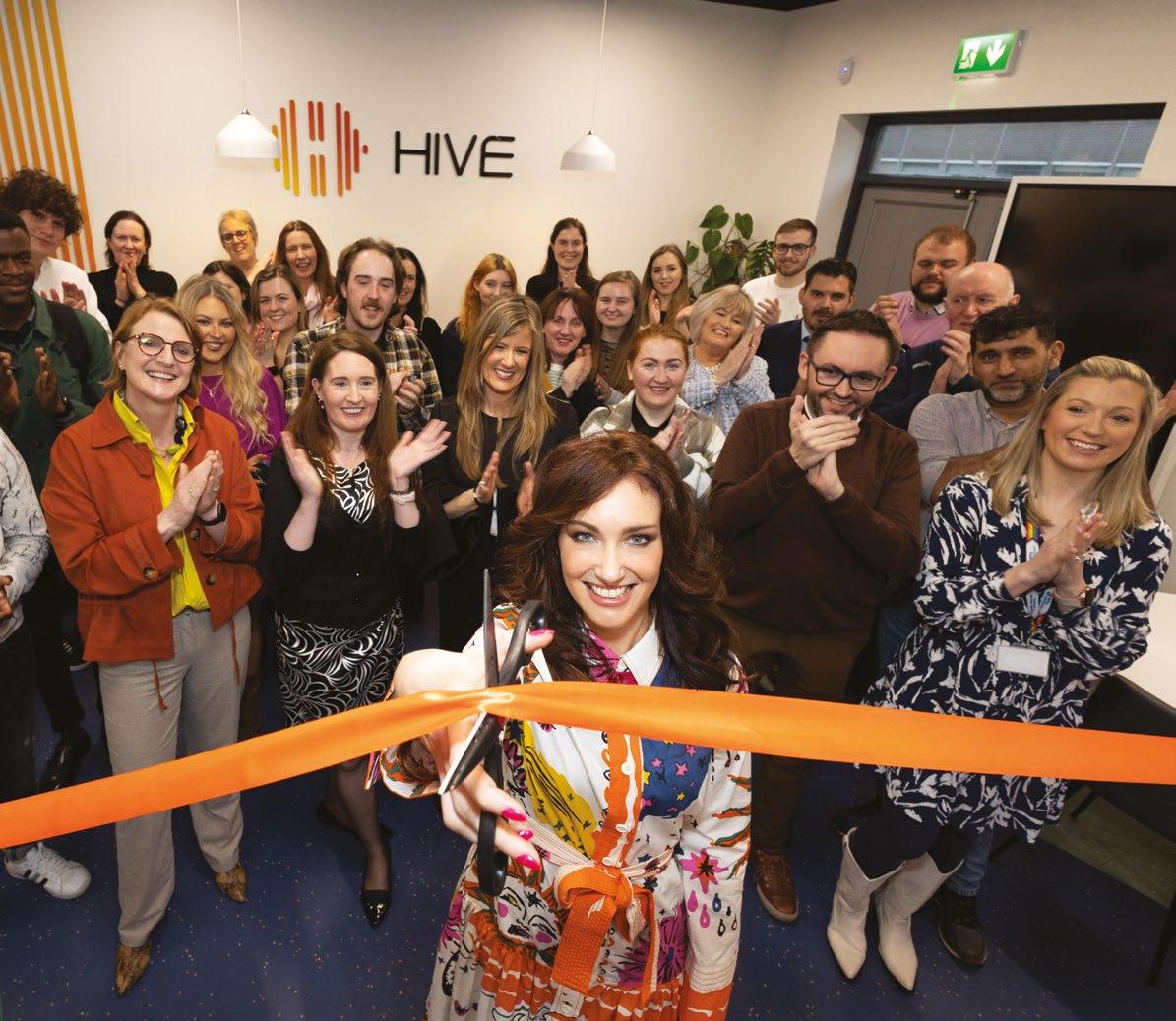
of learning space innovation in the Faculty include, the HIVE (Hub for Immersion, Vision and Exploration) and Outdoor Learning. HIVE represents a discipline-specific, co-created, research-informed learning environment developed by staff, students and industry partners. It has attracted sector-wide attention and is positioned as a model for expanding informal, collaborative learning environments across the Faculty. Two outdoor classrooms on the MTU Tralee North campus provide flexible, nature-integrated settings supporting active, reflective and interdisciplinary learning.
Tourism & Hospitality Infrastructure
Tourism, Culinary & Hospitality facilities remain central to programme quality but are at a transition point.
Key priorities include:
• Establishment of an Asset Replacement Scheme for culinary equipment.
• Development of a Sensory Analysis Suite (target operational September 2028) to support Food Business and Home Economics & Business programmes.
• Expansion of the greenhouse and anaerobic digester into a sustainability learning hub (target September 2029), integrating food production, waste management and energy efficiency practices.
These developments respond directly to evolving industry standards in food innovation, sustainability and consumer behaviour.
Strategic Development
Identified strategic targets include:
• Completion of a Faculty space audit and contribution to a university-wide Learning Spaces Policy.
• Conversion of existing rooms into higher-capacity laboratories.
• Redesign of spaces in accordance with sustainability guidelines.
Overall Evaluation
The Faculty of Business benefits from:
• Major capital enhancement (Le Chéile building – capacity 1,000 students / 100 staff)
• 15 laboratory upgrades since 2021
• 6 dedicated TEL studios
• Access to 1,300+ library study spaces
• 190,000+ print resources and 250,000+ e-books
• A nationally recognised cybersecurity cluster (220+ organisations)
Facilities are broadly adequate and strategically aligned with MTU’s Physical and Digital Infrastructure enablers. However, targeted development is required in:
• Higher-capacity IT laboratory provision
• Staff consultation and meeting space
• Culinary asset renewal
• Dedicated faculty-identity learning spaces
• Formalisation of a Learning Spaces Policy
Addressing these priorities will ensure that infrastructure continues to support student growth.
5 Staff Development
Faculty staff development policy and mechanisms
Institutional Policy Context
Staff development within the Faculty of Business is grounded in MTU’s Strategic Plan, Our Shared Vision 2022–2027. Under Strategic Theme 2: People & Community, MTU commits to becoming an employer of choice and to investing in ongoing professional development and talent progression. The Strategic Plan emphasises structured induction, professional development frameworks, recognition of continued professional development (CPD) participation, and support for staff career planning. These commitments provide the overarching policy context for staff development across the University.
Notwithstanding this strategic commitment, MTU does not currently have a standalone, consolidated Staff Development Policy. Similarly, the Faculty of Business does not yet operate under a Faculty-specific staff development plan tailored to its disciplinary context. Instead, staff development is enabled through a range of institutional mechanisms and distributed supports. While these mechanisms are extensive and well utilised, they have evolved incrementally rather than through a single integrated framework.
Teaching and Learning Development Mechanisms
The Teaching and Learning Unit (TLU) forms the cornerstone of staff development within the Faculty. Through accredited qualifications in Teaching and Learning, the Early Academic Transition Professional Development (EATPD) programme, and pathways to Advance HE Fellowship, staff are supported in developing pedagogical expertise across career stages. In addition, staff actively participate in enhancement initiatives such as Learning Enhancement Projects (LEPs), Discipline Excellence in Learning, Teaching and Assessment (DELTA) Awards and Reimagining
Assessment Feedback (RAFT) projects, alongside coaching, mentoring and the Tús Maith induction series for new colleagues. Engagement levels are notably strong. Faculty data indicate that 85% of staff have participated in professional development activities since January 2021. This reflects a positive professional culture and a shared recognition of teaching excellence as central to the Faculty’s mission.
Digital Capability and Technology-Enhanced Learning
Digital development has become an increasingly significant element of staff professional advancement. Through the Technology Enhanced Learning (TEL) unit and related University initiatives, staff engage in training in cybersecurity, generative AI in education, digital pedagogy and the building of reusable learning resources. The awarding of digital badges in areas such as Universal Design for Learning and Sustainability demonstrates alignment with MTU’s strategic enablers in Digital Infrastructure and Sustainability. These initiatives have strengthened digital confidence and pedagogical innovation across the Faculty, supporting both curriculum enhancement and responsiveness to the rapidly evolving technological landscape.
Research and Scholarly Development
Staff development within the Faculty extends beyond teaching to include research capacitybuilding and scholarly development. Support mechanisms include research integrity training, participation in research-focused learning communities, and engagement in institutional research initiatives. These align closely with Theme 3 of the Strategic Plan, which seeks to embed and grow research and innovation across all activities. Within the Faculty of Business, this has resulted in increased doctoral engagement, enhanced awareness of research integrity standards, and a strengthening of scholarly identity across disciplines.
Leadership
Leadership development is supported through structured programmes such as LEAD, ELEVATE and Aurora. Participation in these programmes contributes to distributed leadership capacity and gender equity objectives, reinforcing MTU’s wider commitment to equality, diversity and inclusion. In addition, the Faculty maintains strong alignment with professional bodies across accountancy, marketing, law, human resources, tourism, enterprise and psychology. Staff hold professional qualifications and memberships, ensuring that disciplinary knowledge remains current and externally benchmarked. This professional engagement represents an important dimension of career-long development within a practiceoriented Faculty.
MTU is the first University in Europe to achieve the prestigious European Mentoring & Coaching Council (EMCC) Global International Standards for Mentoring and Coaching Programmes Bronze Award, recognising its commitment to a high-quality, structured coaching and mentoring culture.
Governance and Recording Mechanisms
While participation and breadth of engagement are clear strengths, governance and recording systems remain fragmented. Staff development applications are processed through a variety of local and institutional routes, often without a standardised Facultylevel framework. Conference attendance, external CPD and other development activities are typically managed through informal or department-based processes.
The recently launched Staff Development Portal allows voluntary recording of CPD activity; however, engagement has been limited and the faculty leadership team does not have comprehensive oversight of the data. Core HR records of accredited qualifications are also incomplete.
Consequently, although engagement levels are high, strategic visibility and data-driven planning are constrained. This fragmentation limits the Faculty’s ability to systematically monitor progress against institutional KPIs, including those relating to Professional Development and Staff Satisfaction.
Evaluation of Current Position
The Faculty of Business demonstrates a strong culture of engagement in staff development and benefits from a rich ecosystem of University supports. There is clear alignment with There is clear alignment with the strategic themes of the University, particularly in relation to People & Community, Digital Infrastructure, and Research & Innovation. Recognition through DELTA awards and national impact initiatives provides further evidence of innovation and excellence.
However, the principal challenge lies not in the availability of opportunities, but in coherence and integration. Staff feedback identifies time constraints, funding limitations and lack of structured guidance as barriers to participation. Without transparent funding processes and clearer professional development pathways, CPD activity risks remaining discretionary rather than strategically embedded.
Forward-Looking Development
The Faculty recognises the need to move from an activity-rich but structurally fragmented system to a coherent, policy-led and datainformed staff development framework that integrates governance, culture, and capacitybuilding. While engagement in CPD is high, the next stage of development requires greater structural clarity, improved resource alignment, and stronger evaluation of impact.
Over the coming years, the Faculty intends to establish a staff development plan aligned with the National Forum’s Professional Development Framework and emerging Advance HE standards, while remaining closely integrated with MTU’s Strategic Plan and associated KPIs. This plan will move beyond the provision of opportunities to establish clearer developmental pathways.
In parallel, the Faculty will actively contribute to the development of a University-wide Staff Development Policy. This will support consistency in application processes, funding criteria and approval mechanisms across campuses, replacing existing ad hoc arrangements with transparent and equitable procedures. The continuation of an annual Faculty staff development survey will further support evidence-based planning and allow for longitudinal monitoring of participation, needs, and impact.
Addressing structural barriers will be central to this reform. Feedback clearly indicates that time allocation, funding access and clearer guidance are critical enablers of meaningful engagement. Clearer communication of available supports, funding streams and development pathways will also be prioritised.
Future planning will also respond proactively to identified areas of high demand. These include AI literacy, sustainability integration, digital capability, teaching and learning innovation, discipline-specific industry upskilling, leadership development and enhanced research support. Strengthening engagement with external stakeholders, including industry partners, professional bodies and regional networks, will be critical in building capacity in these priority areas ensuring alignment with sectoral and regional expectations.
In addition to structural reform, the Faculty will seek to deepen a culture of peer learning, recognition, and scholarly exchange. The development of local showcase events, internal recognition mechanisms, and cross-disciplinary learning communities will provide platforms to share effective practice, celebrate achievement and encourage collaborative innovation. These initiatives will reinforce a sense of pride, belonging and collective ownership of professional growth.
Importantly, future developments will place greater emphasis not only on participation metrics but on evaluating impact. Enhanced monitoring will seek to assess how staff development contributes to teaching quality, student experience, research productivity, leadership capacity and regional engagement. In doing so, staff development will be positioned not merely as an activity set, but as a strategic driver of institutional enhancement.
Through these combined structural, cultural and evaluative reforms, the Faculty aims to establish a sustainable, inclusive and forward-looking staff development plan that values its people, supports their progression, and enables them to thrive within a high-performing academic community.
Table showing upgrading of staff qualifications during period reviewed
Qualifications, Courses, Fellowships, Badges
Qualifications in Teaching & Learning (T&L):
• 29 staff x 10 credit module in Teaching & Learning
• 1 staff x Post Graduate Certificate in Teaching & Learning in Higher Education
• 1 staff x Post Graduate Diploma in Teaching & Learning in Higher Education
• 6 staff x Master of Arts in Teaching & Learning in Higher Education
Early Academic Transition Professional Development (EAT-PD):
14 staff are currently undertaking a PhD & 5 staff have completed a PhD since January 2021.
Leadership Courses:
• 7 staff completed the LEAD leadership course
• 19 staff completed the ELEVATE leadership course
• 7 staff completed the Aurora leadership programme
N-TUTORR, Digital Badges & Advance HE Initiatives:
• 73 staff engaged in professional development initiatives spanning Digital Badges, NTUTORR programmes and Advance HE activities, based on staff survey.
• This includes 29 staff completing the Universal Design for Learning (UDL) digital badge and 30 completing the Sustainability 101 badge, reflecting engagement with the inclusive curriculum framework.
• Additional engagement includes badges and initiatives such as Identifying Students in Distress, ENTICE, RPL, Design Thinking facilitation, virtual exchange collaboration, and National Forum professional development activities, demonstrating a broad commitment to teaching enhancement and innovation.
Table 1: Upgrading of Staff Qualifications from January 1st 2021
This includes staff from MTU Bishopstown Campus and MTU Tralee North Campus. (Source: TLU records & Data Gathering Exercise 2025)
Basics of virtual exchange (UNI collab) programme:
• 4 staff completed this programme
8 staff completed other courses relevant to their discipline:
• Higher Diploma in Cloud Computing
• Applied Data Analytics
• Certificate in Counselling
• Bachelor of Business
• Diploma in Taxation
• Organisational Change and Transformation
• Supporting Students with Disabilities in Further & Higher Education
• Graduate Certificate in People and Culture
Epigeum Research Integrity Training with staff across the Faculty gaining certificates in:
• Research Integrity
• Communication, Social Responsibility and Impact
• Conflicts of Interest
• Data Selection, Analysis and Presentation
• Irresponsible Research Practices
• Managing and Recording your Research
• Planning your Research
• Professional Responsibilities
• Responsible Research Practice
• Scholarly Publication
• Research Impact – creating meaning and value
Projects
Disciplinary Excellence in Learning, Teaching, and Assessment (DELTA) Awards:
• DELTA Award for Renewals for 2025 – 2028
(i) Marketing Discipline Industry Engagement & Authentic Assessment; (ii) Cross-Disciplinary Entrepreneurship Teaching
• DELTA Award 2025 – 2028
(i) Home Economics & Business Programme Collaboration
Learning Enhancement Projects (LEPS) in the Faculty:
• Designing a framework for nurturing a sense of professional identity with BIS students
• Development of a framework for stakeholder engagement in the design of Learning Spaces at MTU
• Co-Creating Spaces, with Learner-Centred Focus, to Enhance Learning and Teaching at MTU
• Department of Marketing & International Business DELTA Award Renewal
• Development of Home Economics Educational Digital Video Series Demonstrating Various Textile and Craft Processes
• Embedding Interventions of Professional Identity Framework into the MTU BIS Curriculum
• 67 staff engaged with the CoTaL seminar series. Examples of topics include professional development, staff development portal, artificial intelligence, mentoring, academic integrity, funding and info sessions
TLU SATLE Funded seminars, 8 staff members involved in 5 seminars:
• Assessment & Feedback in Placement Settings: Challenges & Solutions
• Re-Connect - An Intervention with Students on their Digital Habits
• Developing an Ethos of Authentic Assessment
• Plotting your UDL Journey: getting started and moving forward.
• Service Design in Ireland.
Tús Maith series is available annually to all new staff members:
• 14 staff engaged with this series.
Coaching & Mentoring series:
• 48 staff engaged with this series.
N-TUTORR workshops, masterclasses & training events:
• Available to all staff.
TEL cyber security & AI training available to all staff. According to data gathering exercise:
• 98 staff engaged in cybersecurity training
• 58 staff engaged in Gen AI & Education training
• 67 staff engaged in Learning technology related workshops
Reusable Learning Resources (RLRs):
• 4 staff involved in 5 workshops
Learning Communities
14 Learning communities set up across various departments in the Faculty:
1. School of Business Placement Group
2. REACH Mentors (Inactive now)
3. Accounting & Information Systems Best Practice
4. Economics Learning Community
5. Management & Enterprise Best Practice Community
6. Marketing Learning Community (Inactive – replaced by Learning Enhancement Projects (LEPs))
7. Foreign Language Lecturers
8. Entrepreneurship
9. Staff Doctoral Support
10. Post Graduate Research Supervisors
11. Learning Spaces
12. User Centred Design
13. Supporting Digital Transformation in the School of Business
14. AI-Assisted Teaching Learning Community
Table showing staff supported during period reviewed
PhDs: 14 staff doing a PhD & 5 staff have competed a PhD
Series & Workshops
Conversations on Teaching & Learning (CoTaL)
TLU SATLE Funded seminars
Tús Maith series available annually to all new staff
Coaching & Mentoring series
N-TUTORR workshops, masterclasses, training events
TEL cyber security & AI training
Reusable Learning Resources (RLRs)
14 Learning Communities
01. School of Business Placement Group
Entrepreneurship 02. REACH Mentors (Inactive now)
03. Accounting & Information Systems Best Practice
04. Economics Learning Community
05. Management & Enterprise Best Practice Community
06. Marketing Learning Community (replaced by LEPS)
07. Foreign Language Lecturers
Table: Staff development activity since January 1st, 2021. Source:
Post Grad Researchers
User centred design
Digital transformation
Staff doctoral support
AI assisted teaching
6 Stakeholder Links
Stakeholder feedback mechanisms and outward professional activity by staff
Overview
The Faculty of Business maintains extensive and multi-layered stakeholder engagement across industry, charities, community groups, professional bodies and associations, schools, alumni networks and international partners. These relationships function not only as engagement activities but also as structured feedback mechanisms that inform programme design, curriculum enhancement, professional alignment and graduate employability.
At the same time, Faculty staff demonstrate significant outward professional engagement through participation in professional bodies and associations, advisory boards, enterprise networks, curriculum development groups and external academic service. These activities enhance academic credibility, professional currency and University visibility while providing continuous feedback channels between the Faculty and the wider professional and enterprise environment.
Professional Body Engagement, Leadership and Feedback
Professional bodies represent one of the Faculty’s most structured and continuous sources of external feedback. The Faculty includes 27 professionally qualified accountants across CAI, ACCA, CIMA and CPA, with programme exemptions embedded across Accounting offerings in MTU’s Bishopstown and Tralee North campuses. Ongoing engagement through CPD participation, accreditation reviews, professional events and student-facing sessions, ensures continuous dialogue regarding regulatory developments, skills expectations and competency standards.
CIPD-accredited HRM programmes involve ongoing engagement with the Chartered Institute of Personnel and Development (CIPD) at programme and committee level, including
dialogue on curriculum standards, competency frameworks and evolving professional practice. Annual CIPD events hosted at MTU further strengthen links between students, practitioners and academic staff and provide opportunities for structured feedback on graduate readiness and sectoral developments.
Within the marketing discipline, the Faculty maintains active engagement with the Marketing Institute of Ireland (MII), including leadership representation. This relationship provides insight into contemporary marketing practice, digital transformation trends and employer expectations while strengthening professional alignment within marketing programmes.
Home Economics staff maintain professional membership with the Teaching Council of Ireland and the Association of Teachers of Home Economics, with further engagement at international level through the International Federation of Home Economics.
The Faculty has a close working relationship with both Cork Chamber and Tralee Chamber with staff representation on various committees and ongoing contributions to expert panels, policy and events.
Within tourism and hospitality, Faculty colleagues maintain active engagement with Fáilte Ireland, supporting alignment between programme provision and national tourism development priorities.
This engagement includes sectoral collaboration and strategic insight into tourism policy and industry skills needs, with one Faculty member currently serving on the Board of Fáilte Ireland, providing direct insight into national tourism strategy and sectoral development.
The Law discipline maintains links with the Law Society of Ireland, with several staff holding professional legal qualifications. Practitioner guest lecturers contribute to modules, ensuring students engage with current regulatory, compliance and governance issues while also providing real-time feedback on professional standards and legal practice developments.
In psychology, staff are active members of the Psychological Society of Ireland (PSI) and the British Psychological Society (BPS), with representation at divisional and European levels. Participation in these networks ensures alignment with ethical guidelines, professional competencies and evidence-based practice standards in work, organisational psychology, and coaching psychology.
Collectively, these professional networks provide discipline-specific feedback on accreditation standards, regulatory developments and emerging industry trends while positioning staff as active contributors to professional communities. While these feedback loops are strong and sustained, systematic Faculty-level documentation of this feedback remains an area for further development.
Industry Engagement, Placement and Community Collaboration
Work placement represents a significant formal stakeholder feedback mechanism within the Faculty. Eighteen programmes incorporate placement, with more than 320 organisations providing placement opportunities between 2021 and 2025 across sectors including financial services, accounting practices, marketing agencies, hospitality and tourism enterprises, SMEs, technology companies, public sector organisations, charities,
community groups, post-primary schools, and entrepreneurial ventures.
Employer feedback is captured through graded placement evaluations and structured performance reports, providing assessment of students’ technical capability, digital literacy, communication skills and professional behaviours. Academic staff conduct placement visits (in-person and virtual), facilitating dialogue with employers regarding curriculum relevance and graduate preparedness. Student voice is captured through reflective reports and debrief mechanisms, enabling triangulation between employer assessment, academic oversight and learner experience.
Engagement with industry and community stakeholders is further strengthened through the Faculty’s active participation in the MTU Extended Campus initiative. A dedicated Faculty representative works with the Extended Campus Office to coordinate collaboration with enterprise, public sector and community partners. This role supports partnership development, facilitates industry participation in curriculum design, and enables the integration of live industry projects, case studies and authentic assessment approaches within programmes.
Staff also contribute to outreach initiatives such as The B!G Idea, Funds Academy, Transition Year roadshows, Guidance Counsellor events and school engagement activities. These activities support regional engagement while strengthening pathways between post-primary education, enterprise and higher education.
Advisory Boards, Governance and Research–Practice
Integration
Faculty members hold advisory roles across a range of research-informed and enterprisefacing boards. Representation within organisations such as the European Council for Small Business & Entrepreneurship (ECSB) and the Institute for Small Business and Entrepreneurship (ISBE) places staff within international research and policy networks focused on entrepreneurship, SME development and innovation ecosystems.
Engagement with the Rubicon Centre at MTU provides insight into start-up incubation, innovation funding and commercialisation pathways, ensuring that research-informed teaching reflects current entrepreneurial challenges and regional development priorities.
Faculty representation on National Council for Curriculum and Assessment (NCCA) development groups, including the Leaving Certificate Accounting Development Group and the French Language Development Group, enables the Faculty to contribute expertise to national curriculum reform while strengthening alignment between post-primary and third level education.
Staff also participate in sectoral governance and advisory roles, as previously mentioned, including representation on the Board of Fáilte Ireland and advisory involvement with the Marketing Institute of Ireland. These roles provide insight into sectoral developments such as digital transformation, consumer analytics and ESG reporting expectations, informing research-led curriculum innovation.
Academic Service, External Examining and International Engagement
Faculty staff contribute to the wider higher education sector through external examining, programme validation panels, viva voce examinations and participation in national Heads of Department and Dean networks. These activities support sectoral benchmarking, quality assurance and academic standards development.
International outward engagement is reflected in 81 Erasmus agreements across 17 countries and 78 non-EU partnerships, alongside collaboration within the Ingenium alliance. These partnerships support student mobility, staff exchange, research collaboration and international curriculum benchmarking.
Alumni and Graduate Feedback
Graduate feedback is captured through institutional graduate outcome surveys and ongoing alumni engagement at Faculty Awards and annual stakeholder dinners. While alumni engagement is active, there is scope to further formalise graduate feedback mechanisms to support systematic curriculum review and programme enhancement.
Professional accreditation represents a cornerstone of programme credibility and stakeholder alignment within the Faculty of Business. Accreditation ensures that curricula meet external regulatory and competency standards and enhances graduate employability.
Accounting and Finance
Accounting programmes hold exemptions across ACCA, ACA, CIMA and CPA pathways. A total of 27 professionally qualified accountants are based within the Faculty, ensuring strong disciplinary expertise and regulatory alignment. Ongoing engagement with professional bodies supports curriculum currency and exemption maintenance.
Human Resource Management
The Bachelor of Business in Human Resources Management, the Bachelor of Business (Hons) in Human Resources Management and the Master of Arts in Human Resources Management programmes hold CIPD accreditation. This accreditation ensures alignment with professional HR standards and enhances graduate progression pathways within the sector.
Accreditation Impact
Professional accreditation ensures:
• Curriculum alignment with industry competency frameworks
• Graduate exemptions and progression pathways
• External benchmarking and regulatory oversight
• Enhanced employability and employer confidence
Evaluation and Forward Development
Professional accreditation within the Faculty is strong and discipline-aligned. Future development includes ensuring consistency of exemptions across MTU Tralee North and Bishopstown programmes, systematic documentation of accreditation feedback, and continued support for staff professional membership where appropriate. Accreditation will continue to function not only as a compliance requirement but as a strategic mechanism supporting programme quality, industry relevance and regional impact.
7 Research
Development of research activity
Overview
Research activity within the Faculty of Business plays a pivotal role in supporting the University’s strategic objectives, particularly in fostering regional development, promoting global engagement, and enhancing the quality of education. The Faculty’s research is guided by principles of excellence, relevance, interdisciplinarity, and regional embeddedness, with strong alignment to Sustainable Development Goals (SDGs) and national innovation policy. Its growing portfolio of research groups, teams, projects, partnerships, and outputs, alongside strong engagement with the Vice President Research & Innovation, the Research Office, and the Graduate Research School, collectively reflects a mature, responsive, and forward-looking research culture. This robust research environment is further evidenced by the Faculty’s engagement with national and EU funding streams, generating over €6 million in research income during the review period. Importantly, research is not confined to academic pursuits but extends into pedagogical innovation and community impact, reinforcing MTU’s mission to be a driver of societal transformation.
Data on research activities and output was collated through the review of the Faculty Board of Studies (FBOS) research reports, research group and team specific reports, together with the surveying of Faculty staff conducted in May 2025.
Research Funding
The significant funding secured across the Faculty’s research groups and teams is a strong endorsement of their research excellence and strategic relevance. This achievement reflects the growing recognition and impact of their work at national and international levels.
Research Funding Breakdown (January 2021 - June 2025)
557,075
217,500
2,494,713
1,137,185
1,315,233
6,021,706
Research Groups
Research in the Faculty is supported by a network of interdisciplinary and applied research groups comprising The Circular Economy for Regenerative Tourism (CERT), the Cantillon Academy, V-LINC and the Hincks Centre. All are aligned with MTU’s strategic ambitions to position itself as a globally competitive Technological University.
Circular Economy for Regenerative Tourism (CERT)
Overview:
CERT was established in 2022 to build research capacity in the circular economy and regenerative tourism domain. CERT research aims to drive a resilient and sustainable tourism ecosystem with enhanced capacity to meet evolving consumer needs, address environmental, social and economic issues and impacts, and to deliver practical solutions to industry. CERT will advance a regenerative tourism approach through education, applied research projects, publications and industry collaboration. Regenerative Tourism tackles climate action, empowers more responsible visitors, benefits host communities, champions local places and delivers long term sustainability and profitability for business.
Funding:
CERT has collaborated with EU partners to secure funding of over €1.3m to assist tourism SMEs, micro-enterprises, destination management organisations and agencies, to implement regenerative practices, moving beyond sustainable tourism to reimagine tourism in a destination as a force for good. CERT was funded by the European Innovation Council and SMEs Executive Agency (EISMEA) under the Horizon Europe programme. The funding enabled the engagement of 80 SMEs through mentoring, funding support, and peer-learning opportunities. As a result, 79% of participants developed sustainability action plans, 29% achieved certification, and many became ambassadors for regenerative tourism. The project also produced a digital training toolkit and a measurement framework, and catalysed further EU-funded initiatives (e.g. DIBEST, RETURN, SMARTCoast), amplifying its long-term impact.
The Cantillon Academy
Overview:
The Cantillon Academy serves as a dynamic platform fostering collaboration between private, policy, and academic (PPA) partners to advance regional development and sustainability. Originating as the Centre for Economic and Entrepreneurial Development (CEED), it brings over 16 years of experience in knowledge exchange inspired by Richard Cantillon’s entrepreneurial legacy. Based within the Faculty of Business, the Academy supports co-creation and implementation of innovative, knowledge-led solutions through engagement with academics, postgraduates, policymakers, and industry professionals. Its core initiatives include the Cantillon Discovery Lab, which applies systems thinking to real-world challenges, and the Cantillon Networking Fora, which enable critical dialogue across regional and global spheres. The Academy actively collaborates across disciplines on projects such as Horizon, EIP, Erasmus, Interreg, and Postdoctoral initiatives, including CircBio, Cyber Ireland, the UNESCO Chair, and Multilingual innovation and regional engagement initiatives.
Funding:
Since its establishment, the Cantillon Academy has co-secured national and EU research and teaching funding, including €300,000 since 2021. This funding has supported a broad range of interdisciplinary projects, strategic partnerships, and professional networking events. It has also contributed to capacity building for early-career researchers, aligning with MTU’s strategic priorities on innovation, regional engagement, and transdisciplinary collaboration.
V-LINC Research Group
Overview:
The V-LINC Research Group is internationally recognised for its research on business linkages and clustering strategies. The group applies innovative mapping and analysis methodologies to improve regional competitiveness and inform public policy at national and EU levels. It plays a key role in shaping Ireland’s cluster development strategy and international positioning.
Funding:
V-LINC plays a leadership role in the Accelerate GDT project, funded through the Interreg Europe programme. This funding has enabled the group to spearhead activities in stakeholder engagement, cluster animation, and policy cocreation, contributing to the design of Ireland’s International Impact Clustering Programme. Collaborations with InterTradeIreland, DETE, and European cluster agencies have also been supported, helping align Ireland’s innovation ecosystem with EU standards while reflecting national priorities.
Hincks Centre for Entrepreneurship Excellence
Overview:
Established in 2013 the Hincks Centre for Entrepreneurship Excellence is a leading research hub focused on inclusive, sustainable, and student-centred entrepreneurship. Its mission is to undertake high-impact research that bridges policy, education, and enterprise practice, supporting a wide range of stakeholders across the entrepreneurial ecosystem.
Funding:
The Centre operates a self-funded model and has secured over €2.49 million in competitive national and EU funding since MTU designation in January 2021. Notable projects include WeRin and RuralFemmes, which address gender inclusion and rural enterprise development. The Centre’s funding underpins its research, policy engagement, and education activities, including entrepreneurship modules across MTU programmes, supervision of postgraduates, and regional development initiatives. Its 10-Year Impact Report (2013–2023) documents the Centre’s sustained contribution to innovation and enterprise capacity-building.
Table showing number of research-active staff
Between January 2021 and June 2025, the Faculty has produced over 200 scholarly outputs. This includes 39 peer-reviewed journal articles and 123 conference papers, reflecting the vitality and breadth of the research culture. A small number of staff have experience of editorial engagement as well as national and international recognition for their research as evidenced by Best Paper Awards amongst other awards.
Table: High Level Summary of Research Activity during the review period
Scholarly outputs
• 200 scholarly outputs from Jan 2021 – May 2025
• 39 peer-reviewed journal articles and 123 conference papers
• 3 books
• 35 book chapters
• 25+ poster presentations/PDWs/Lightening talks
High impact recognition
• 6 Best Paper awards
• 2 Conference Ambassador awards
Editorial engagement Editorial includes Faculty members serving as editors for journals and reviewers for peer-reviewed academic publications.
• 7 Faculty members serve as journal editors and 17 as peer reviewers
• Irish Business Journal hosted in Faculty (13 volumes published)
Research Infrastructure
• The Faculty hosts four active research groups, namely the Hincks Centre, V-LINC, the Cantillon Academy and CERT, with 40 staff actively engaged in these research communities.
• Annual Postgraduate Research Forum
• 6 discipline-specific conferences hosted. These are:
1. Irish Accounting and Finance Association (IAFA) conference, chaired by Dr Ruth Vance Lee (online in May 2021 due to travel restrictions).
2. Association for Tourism and Leisure Education and Research (ATLAS) conference co-chaired by Dr Angela Wright, Don Crowley and Dr Breda Kenny (September 2022)
3. Irish Academy of Management (IAM) conference co-chaired by Dr Rose Leahy and Dr Pio Fenton (August 2024)
4. The International Language Association conference co-chaired by Dr. Sheila Walsh, Dr. Marian Hurley and Dr. Kristin Brogen (Summer 2024)
5. The International Regenerative Tourism Conference and Tourism and Hospitality Research in Ireland Conference (THRIC), chaired by Mary Rose Stafford and Dr Aisling Ward (November 2024)
Table showing numbers of research Masters & Doctorate students graduating from the Faculty in period reviewed
The Faculty’s graduation figures reflect a consistent postgraduate research pipeline, with increasing engagement in structured supervision and early-career development. The Faculty anticipates further growth through enhanced internal support and interdisciplinary pathways.
Plans for research accreditation / delegation of authority
Munster Technological University is currently continuing the development of its research governance, capacity, and quality assurance structures, with the objective of strengthening its ability to deliver high-quality research programmes and supervision at postgraduate level.
As a Technological University, MTU is progressing the consolidation of research activity across its faculties and campuses, with a particular focus on expanding postgraduate research provision and doctoral education. MTU’s Strategic Plan highlights the University’s ambition to increase the scale and impact of research activity and to grow the number of research students in line with the expectations of the Technological University Act (2018).
Within this context, the Faculty of Business contributes to the development of MTU’s research ecosystem through:
• Participation in University-wide research governance and doctoral programme structures
• Development of research-active staff and supervision capacity
• Expansion of collaborative research projects and postgraduate supervision opportunities
• Engagement with interdisciplinary research initiatives across MTU.
MTU continues to strengthen its research infrastructure and support systems, including research development offices, doctoral training supports, and quality assurance procedures for postgraduate research programmes. These developments support the University’s longer-term objective of enhancing institutional research capability and sustaining delegated authority for research degree provision within the Technological University framework.
MTU has a robust framework of quality assurance and enhancement aligned with National and European standards, underpinned by the principles set out in the Standards and Guidelines for Quality Assurance in the European Higher Education Area (ESG). The University adopts a systematic, transparent, and inclusive approach to quality, involving students and staff at all levels. It employs a cyclical model of internal and external review, regular programme reviews, underpinned currently with the Faculty Enhancement Review, and continuous improvement informed by stakeholder feedback. MTU’s quality culture is driven by policy coherence, evidence-based decision-making, and a strong governance structure that ensures academic integrity, standards, and accountability across its multicampus environment. This approach ensures the consistent evaluation, enhancement, and accountability of academic programmes in the Faculty of Business across NFQ Levels 6 to 10. Central to this system are structured mechanisms such as the Annual Programme Status Review (APSR), Programme Boards, National Student Survey, and the work of External Examiners. These are complemented by the strategic use of performance metrics and stakeholder feedback to guide academic decision-making and programme development.
The Faculty has demonstrated a strong commitment to reflective practice and continuous improvement, as acknowledged in the 2024 CINNTE Quality Review. While APSRs were temporarily paused following a significant cyber-attack in Spring 2023, the Faculty has maintained its focus on quality through other channels, including programme boards and external examiner feedback. Notably, the integration of employer and industry perspectives into programme design
has positioned the Faculty as an exemplar of relevance and responsiveness to labour market needs.
Programme Boards function as important forums for the review of programme delivery and student feedback. Although structures and practices vary across departments, many have adopted effective alternatives such as the Joint Academic Workshops (JAWS) to facilitate student input. This adaptability has been seen as a strength, allowing for ongoing responsiveness even during institutional challenges.
The use of external examiners continues to uphold national and international academic standards. Examiners play a crucial role in moderating assessment, validating student achievement, and contributing to quality assurance through their annual reports. Additionally, the Faculty benefits from decentralised yet coherent quality assurance processes that enable both academic autonomy and institutional alignment.
Challenges
Despite its strengths, the Faculty faces challenges in ensuring uniform implementation of quality assurance practices. The CINNTE review identified inconsistencies in how Programme Boards operate, particularly in relation to student participation, documentation, and frequency of meetings. Furthermore, the temporary cessation of APSRs has created a gap in systematic programme monitoring, limiting the Faculty’s ability to make data-informed adjustments. Another area requiring attention is the integration of external examiner feedback into a coherent, Faculty-wide process that informs strategic enhancements.
Recommendations
To reinforce quality assurance processes, the Faculty will prioritise the reinstatement of the APSR process, ideally supported by digital tools that ensure resilience against future disruptions. Faculty-wide review and standardisation of Programme Board operations would also enhance consistency and transparency, ensuring that all stakeholder voices are effectively incorporated across departments. Furthermore, there is a need to develop mechanisms for synthesising and acting upon external examiner feedback, turning valuable insights into tangible programme improvements.
Delivery and assessment methodologies
Overview
The Teaching, Learning and Assessment (TLA) data analysis conducted across the Faculty of Business provides a comprehensive snapshot of current pedagogical practices, achievements, innovations, and challenges experienced by academic and professional services staff. The survey responses, spanning teaching methodologies, assessment strategies, inclusive practices, and use of digital technologies, offer valuable insights for the Faculty Enhancement Review (FER). This analysis identifies critical areas for development aligned with MTU’s strategic vision, particularly the recommendations outlined under the Learner Education & Experience theme. Emphasising inclusive, authentic, and digitally enabled learning, this analysis serves to guide actionable improvements that reinforce learner engagement, graduate readiness, and teaching excellence.
Faculty staff employ a diverse range of teaching methods, with the focus on student-centred lectures, tutorials, project-based learning, and blended formats. Work-based and project-based learning approaches are notable strengths, with many disciplines incorporating industry projects, simulations, and reflective practices that enhance employability and critical thinking. The integration of Universal Design for Learning (UDL) principles are evident in various degrees, particularly through flexible assessment formats, scaffolded tasks, and inclusive teaching resources. Active learning strategies, interdisciplinary projects, and Education for Sustainable Development (ESD)
are also evident, contributing to MTU’s vision of developing future-ready graduates.
There is a clear shift toward authentic and applied assessment, with staff favouring continuous, real-world tasks and reflective assignments over traditional exams. Workintegrated learning, digital assessment tools, and varied media submissions are increasingly used to cater to diverse learner needs and improve engagement. Technological integration is steadily rising, with platforms such as VLEs, e-portfolios, polling tools, and AI-supported learning features being implemented across modules. While uptake of AI tools is still emerging, interest and pilot initiatives suggest strong future potential.
Importantly, the Faculty shows a growing culture of innovation, with staff expressing interest in developing micro-credentials across digital, green, and professional domains. This aligns with MTU’s goals for responsive, skills-focused education and indicates an engaged academic community eager to explore flexible and future-oriented learning pathways.
Challenges
Despite strong engagement with innovative teaching practices, several recurring challenges hinder their scalability and the effectiveness of these strategies. Chief among these is student engagement, with staff citing a lack of motivation, inconsistent attendance, and low participation rates. Digital fatigue, hybrid delivery limitations, and wide variability in learner ability also contribute to disengagement, across all cohorts.
Assessment design and workload emerged as significant concerns. While staff support continuous and authentic assessment, they report high marking loads, limited coordination across modules, and concerns about overassessment and clustering of deadlines. These issues not only affect staff wellbeing but also lead to student burnout and superficial learning. Concerns around academic integrity, particularly related to AI and plagiarism, underscore the need for robust institutional policies and ongoing staff training.
Infrastructure and support gaps persist, especially in digital learning environments. Staff highlighted inconsistent access to technology across campuses, poor Wi-Fi, and limited platform integration. There is also a call for more targeted and ongoing CPD opportunities, particularly around UDL, assessment innovation, and digital pedagogy. Although awareness of UDL is high, structured application and institutional embedding remain inconsistent, revealing a gap between aspiration and execution.
From a learner perspective, academic preparedness, mental health, and time management issues frequently obstruct learning outcomes. Students from underrepresented or non-traditional backgrounds may experience additional challenges related to language, access, and self-directed learning. Staff called for stronger academic support structures and more effective communication and signposting of student services.
Recommendations
To enhance the learner experience, the Faculty of Business will prioritise authentic and inclusive assessment by embedding the pillars from the Inclusive Curriculum Framework across all programmes and coordinating assessments to reduce deadline clustering. Reinstating and digitising Annual Programme Status Reviews (APSR) will strengthen programme quality assurance by embedding structured student input, evidence-based reflection, and academic governance into annual monitoring processes, while enabling programmes with embedded awards to be reviewed through a single integrated APSR rather than separate reports for Level 7 and Level 8 awards.
Staff development should be strengthened via targeted CPD in inclusive pedagogy and digital innovation, supported by a community of practice to share teaching strategies. Investment in digital infrastructure and training is essential to promote equitable access and engagement. Finally, curriculum co-creation with students and external stakeholders should be institutionalised to ensure relevance, inclusivity, and alignment with MTU’s Sustainability Strategy and graduate attributes.
Conclusion
The Teaching, Learning and Assessment survey data presents a rich picture of a Faculty that is creative, committed, and responsive to the evolving needs of learners. The integration of authentic assessment, active learning, and inclusive practices demonstrates alignment with MTU’s strategic goals. However, realising the full potential of these practices requires strategic investment in infrastructure, staff development, and quality assurance processes. Addressing systemic challenges such as over-assessment, digital inequity, and inconsistent support will be critical to enhancing the learner experience. By embedding the recommendations outlined, the Faculty of Business can advance as a leader in inclusive, engaging, and future-oriented education.
Continuing education and lifelong learning
MTU’s strategic commitment to continuing education and lifelong learning is deeply embedded across its strategic documents, particularly the Strategic Plan 2022–2027, the CINNTE Quality Review Report (2024), and the Inclusive Curriculum for a Sustainable Future framework. MTU aims “to lead transformation through education” and
in a globalised world,” which inherently supports lifelong learning. There is a strong emphasis placed on ensuring that flexible curriculum design together with digital learning experiences respects and embraces students’ different needs and learning styles especially for adult, part-time and professional learners. MTU and the Faculty of Business work closely with employers to jointly develop learning experiences that address current workforce demands, with a strong focus on
The Faculty of Business has a strong track record in the provision of continuing and lifelong education across Levels 6 to 10. This includes the co-creation of numerous special purpose awards that are designed, developed, and delivered in partnership with industry and other key stakeholders. These collaborative models exemplify best practice in responsive programme design and should be further embedded as a strategic approach to curriculum co-creation. There is a growing demand for short, stackable micro-credentials and flexible upskilling opportunities. The Faculty has responded to this demand through the development of micro-credential and Springboard+ programmes, supported by the establishment of the MTU Business Academy in 2021, which serves as an accessible hub for promoting and supporting professional and executive part-time programmes across the Faculty. The Business Academy collaborates internally and externally to showcase best practice, identify priorities in customised learning, CPD, research and consultancy, and drives commercial engagement. It also provides a broad portfolio of professional development programmes specifically designed to support employees in the workplace, enabling full-time professionals to upskill and reskill through flexible, industry-aligned learning opportunities. Examples include MBA in Strategy and BA and MA in HRM, the level 8 Certificate in Digital Marketing and a new part-time BA programme in Sustainable Butchery & Gastronomy, designed in consultation with industry experts. In total the Faculty delivers 43 part-time, Springboard+ and Human Capital Initiative funded programmes, with a clear emphasis on digitalisation, internationalisation, AI, sustainable business, and the circular economy.
Access, transfer & progression
This section outlines the comprehensive structure governing access, progression and transfer within MTU. In alignment with national policy and Quality and Qualifications Ireland (QQI) standards, MTU facilitates a diverse range of entry pathways to higher education ensuring inclusivity and flexibility for students. These pathways incorporate traditional academic qualifications, vocational awards, mature and international applicants, and recognition of prior learning (RPL). It also outlines the core principles and procedures that enable student mobility and academic progression across programmes, demonstrating MTU and the Faculty’s commitment to inclusive access and lifelong learning.
Access
MTU maintains a strong commitment to widening participation and ensuring that higher education is accessible to learners from diverse educational, social and professional backgrounds. Applicants may therefore be considered for entry through a wide range of pathways, including holders of secondlevel qualifications or equivalent, applicants presenting QQI-FET awards, mature applicants, advanced entry applicants, those transferring from other higher education institutions, international applicants, and individuals engaging through lifelong learning or part-time study routes.
In addition to these established entry routes, MTU actively participates in national access and skills initiatives designed to broaden participation and support learners from underrepresented or non-traditional backgrounds. These include the Disability Access Route to Education (DARE) and the Higher Education Access Route (HEAR) schemes. The University also works through its Access Service to support participation by a range of minority and underrepresented groups. The next table provides a brief overview of these key initiatives and their role in supporting access and participation within the Faculty.
Initiative / Group Purpose
DARE – Disability Access Route to Education
HEAR – Higher Education Access Route
Provides reduced CAO points and additional supports for students with disabilities or significant health conditions.
Widening participation scheme offering reduced CAO points and support for students from socio-economically disadvantaged backgrounds.
Springboard+ Government initiative providing free or heavily subsidised higher education programmes aligned with labour market skills needs.
Human Capital Initiative (HCI)
Minority Group Supports (Access Service)
National initiative supporting skills development and career conversion in priority sectors (e.g., data analytics, funds, ICT, sustainability).
Additional supports to improve participation and retention for underrepresented groups experiencing disadvantage.
Target Participants Faculty of Business Participation
School leavers under 23 with a verified disability, learning difference, or health condition.
School leavers under 23 resident in Ireland whose socioeconomic background has impacted educational opportunity.
Primarily unemployed or employed individuals seeking upskilling or reskilling.
400+ students accessed programmes through DARE (2021–2025).
200+ students entered through HEAR (2021–2025).
Graduates and professionals seeking new or advanced skills; free for unemployed and subsidised for employed learners.
Includes careexperienced students, Traveller community members, asylum seekers and refugees.
1,200+ students registered on Springboard programmes in the Faculty (2021–2025).
100+ students enrolled under HCI programmes (2021 - 2025).
Supported through MTU’s Access Service supports rather than a specific quota pathway.
Chart: Access, Transfer & Progression Overview in the Faculty of Business
Progression & Transfers
The Faculty of Business supports flexible learner progression and mobility across programmes, recognising that students may follow different academic pathways during their studies. For a number of programmes learners who successfully complete the first two years but choose not to progress to the final stages may exit with a Higher Certificate award. This structure provides an important interim qualification and supports learners who may wish to enter employment or pursue alternative educational opportunities at that point.
The Faculty also facilitates learner mobility and programme flexibility through transfer opportunities. Transfers allow learners to move from one programme of education and training to another while receiving appropriate recognition for the knowledge, skills and competencies they have already acquired.
Internal programme transfers between courses within the Faculty may be permitted where applicants meet the relevant CAO points criteria for the destination programme. In addition, Recognition of Prior Learning (RPL) may be considered in assessing exemptions or credit for previously completed learning, supporting both traditional and non-traditional learners in progressing through their studies.
These arrangements contribute to the Faculty’s commitment to flexible learning pathways, student retention and progression, while ensuring that academic standards and programme learning outcomes are maintained.
Engagement
Engagement is a central component of teaching and learning within the Faculty of Business and is embedded across programme design, delivery and assessment. The Faculty maintains strong and structured relationships with industry, professional bodies, schools and alumni, ensuring that programmes remain aligned with evolving professional practice and workforce needs. These relationships are reflected in activities such as work placements, guest lectures, live industry projects, consultancy assignments and collaborative curriculum input. Engagement with employers provides direct feedback on graduate capabilities and emerging sectoral requirements, enabling programmes to integrate applied learning, professional competencies and authentic assessment approaches that prepare students for contemporary business environments.
Student engagement is also strengthened through partnerships with external stakeholders and community organisations, enabling learners to apply theoretical knowledge in real-world contexts. Industry placements, live case studies and collaborative projects provide opportunities for students to develop professional skills, digital literacy and problem-solving capabilities while contributing to regional organisations and enterprises. In addition, ongoing engagement with alumni networks, schools and professional associations supports recruitment pathways, mentoring opportunities and continuous feedback on programme relevance. Through these mechanisms, engagement functions not only act as an outreach activity but also as an integral element of the Faculty’s teaching and learning model, enhancing the student experience and reinforcing the Faculty’s role in supporting regional development and graduate employability.
Internationalisation
Ireland’s reputation as a stable, attractive study destination, particularly for students from the USA, China, and India, offers further opportunity. The Faculty is well-positioned to leverage this growth through multilingual campaigns, flexible programme offerings, and a continued focus on industry-aligned, internationalised educational offering..
Internationalisation Highlights – Faculty of Business
The Faculty of Business at MTU is proud to report continued growth and strength in international engagement, affirming its central role in advancing the University’s global outlook strategy. The data tells a compelling story of increased international student activity and vibrant European partnerships.
Faculty Contribution to MTU’s International Student Body
The Faculty of Business accounts for 12.8% of MTU’s total Non-EU Whole Time Equivalent (WTE) student headcount, a significant contribution that underscores the Faculty’s global appeal. This figure reflects the success of targeted postgraduate programmes and the Faculty’s sustained commitment to international recruitment. The most popular programmes among Non-EU students are:
• Master of Arts in Global Business Practice
• Master of Science in Digital Marketing
• Master of Arts in International Business
• Master of Arts in Human Resource Management
These programmes are attracting a diverse international cohort, preparing graduates for the global workforce and reinforcing MTU’s reputation for practical, future-ready business education.
Dominant Player in Erasmus Mobility
The Faculty is a leader in Erasmus engagement, accounting for a remarkable 55.2% of MTU’s Erasmus WTE headcount. This demonstrates not only strong European partnerships but also the Faculty’s role in enriching the cultural and academic experience on campus. Erasmus students most frequently come from France, Germany, Spain and Finland. Top programme choices for Erasmus students include Marketing, International Business, and Business Studies, reflecting both academic relevance and the Faculty’s international teaching strengths.
Bar chart of Erasmus student headcount by country of origin since MTU designation 2021 – 2025.
Erasmus Students by Country
Case Study: A Growing Transatlantic Partnership with Endicott College
The Faculty of Business at MTU has developed a strong and expanding partnership with Endicott College (USA), demonstrating the Faculty’s commitment to internationalisation and global mobility. Since 2021/22, the collaboration has grown significantly, with inbound student numbers increasing each year. In Semester 1 of 2024/25, approximately 40 Endicott students studied at MTU, with the vast majority enrolling in Faculty of Business modules, reflecting strong demand for programmes in areas such as marketing, business, and international business.
Positive Trends and High Demand
The data highlights sustained demand from Erasmus partners in France and Germany, indicating well-established, trusted partnerships that continue to deliver mutual value. On the non-EU side, a growing trend of postgraduate enrolment supports MTU’s objective of expanding its global footprint through advanced, skills-focused programmes.
The partnership also supports outbound mobility from MTU, with a growing number of students choosing to study at Endicott. Participation has increased steadily, demonstrating the popularity of Semester 1 mobility as it aligns well with programme structures, allowing students to return to MTU for Semester 2 internships or work placements, ensuring international study complements employability-focused learning pathways.
This reciprocal partnership enriches the global learning experience for students, strengthens Faculty collaboration, and enhances the Faculty’s ability to deliver internationally relevant business education. The Faculty aims to further deepen the collaboration through expanded module offerings, co-curricular engagement, and potential joint research initiatives.
Faculty of Business Collaboration within the INGENIUM Alliance
The Faculty of Business at MTU actively contributes to the INGENIUM European University Alliance, a network of ten higher education institutions across ten European countries. Through this alliance, the Faculty engages with partner universities to develop and deliver innovative teaching and assessment approaches that promote co-creation, crosscultural collaboration and inclusive learning environments. The Faculty’s involvement in the December 2025 INGENIUM Education Lab webinars exemplifies how staff and students from the Faculty are shaping the future of international higher education delivery.
Collaborative Online International Learning (COIL) – Tackling Real Work-Life Challenges
On 4 December 2025, Faculty members from the Departments of Organisation & Professional Development and Marketing & International Business presented their COIL module “Tackle Real Work Life Challenges”, which was co-developed with international partners to provide MTU and INGENIUM students with opportunities to address real-world business scenarios in virtual teams. This initiative showcases the Faculty’s commitment to global learning and digital pedagogy, enabling students to develop intercultural competence and practical skills while collaborating across borders. It also reflects an ethos of embedding authentic learning and assessment into the student experience, grounded in partnership with learners.
Shaping Sustainable Teaching and Learning Environments
The Head of Department of Marketing and International Business shared insights on 8th December 2025 into the development of the INGENIUM Learning Spaces Learning Community. The contribution explored how teaching environments, both physical and virtual, can be co-designed with students to support sustainable, inclusive, and engaging learning experiences. This initiative supports MTU’s strategic objectiveof embedding the UN Sustainable Development Goals across teaching and learning practices, reinforcing the Faculty’s leadership in sustainability in higher education.
Inclusive Assessment Innovation
The Faculty’s leadership in ‘assessment reform’ was further demonstrated on 9th December 2025. Colleagues from the Faculty and the TLU presented the RAFIL-CIHE project (Rethinking Assessment and Feedback for Inclusive Learning amid Contemporary Issues in Higher Education), advocating for diverse, inclusive assessment strategies that support learner agency and meaningful engagement. Their work directly responds to the challenges of contemporary higher education by prioritising flexibility, relevance, and inclusion in assessment design.
In a complementary session, a representative from the Department of Organisation & Professional Development showcased the use of assessment OF/FOR/AS learning in the context of a joint Intercultural Communication module delivered with Hochschule Karlsruhe (HKA). This represents a model of experiential, studentcentred learning where assessment becomes a tool for deeper reflection, intercultural understanding, and personal growth.
Leadership of Entrepreneurial Ingenium
The Faculty Vice Dean for Academic Affairs leads the INGENIUM Work Package 8 (Entrepreneurial INGENIUM), which aims to strengthen entrepreneurial awareness, skills, and opportunities for both students and staff across the ten universities of the INGENIUM European University Alliance. This positions the Faculty to engage fully with joint programme development and delivery, and to maximise the impact and benefits of the implementation phase of the deliverables of the alliance.
Together, these projects highlight the Faculty of Business’s integral role in advancing MTU’s strategic goals through the INGENIUM Alliance. By embracing collaborative delivery models, inclusive assessment practices, and sustainability-driven pedagogy, the Faculty is not only enriching the learner experience but
9 Current Learners
Learner feedback mechanisms
The Faculty of Business employs a multilayered approach to learner feedback, combining informal classroom practices, formal programme-level engagement structures, and institutional and national survey mechanisms. These mechanisms support the development of a student-centred learning environment aligned with the MTU Strategic Plan objective of placing the learner at the centre of the educational experience.
Informal feedback practices
At module level, academic staff incorporate a range of formative feedback practices embedded within teaching and assessment activities. These include:
• One-to-one discussions with students following assessments
• The use of rubrics, structured templates and feedforward sheets
• In-class question and answer sessions
• Assignment walkthroughs and live marking reviews
Periodic discussions between Class Representatives and Programme Coordinators/ Heads of Department are held on an ad hoc basis, providing an informal forum for students to share cohort-level feedback on their overall learning experience. Taken together, these practices allow students to receive timely, contextualised feedback on their learning, supporting progression and encouraging reflective learning behaviours while also allowing academic staff to action feedback from students on topics such as module content, delivery and assessment.
However, while these approaches are widely valued by students, their outcomes are often captured informally and may not always feed into programme-level enhancement discussions.
National and institutional survey tools
MTU participates in the national StudentSurvey. ie, with detailed analysis supported through the Standardising the Use, Communication and Capability of StudentSurvey.ie Data (SUCCEED) project dashboards. These dashboards provide structured analytics at Faculty and Department level across ten student engagement indicators, enabling benchmarking against institutional and national trends. The SUCCEED framework supports interpretation of survey results through indicator-level analysis, trend monitoring over multiple years, and comparative benchmarking, rather than relying solely on absolute response figures. This approach allows the data to inform curriculum design discussions, CPD initiatives, and programme review processes across departments.
Key findings for the Faculty of Business include:
• Strong performance in Quality of Interactions indicators, suggesting that students reported positive and supportive interactions with teaching staff, administrative staff, and fellow students. This reflects an environment where students feel respected, supported, and able to engage openly with staff and peers. The high scores in this area indicate that the Faculty is fostering a welcoming and inclusive learning environment, where students feel comfortable seeking guidance and participating in academic discussions.
• Consistently lower scores in Student–Faculty Interaction which relate to the frequency and depth of academic engagement between students and lecturers outside of formal teaching sessions. This includes activities such as discussing career plans, working with staff on research projects, receiving detailed feedback, or engaging in informal academic conversations. These lower scores do not necessarily reflect poor relationships with staff, but may indicate limited structured opportunities for interaction beyond scheduled classes, which is common in larger programmes or in disciplines with high student numbers.
• Moderate scores in Quantitative Reasoning across departments suggest that students experience some exposure to activities that require analysing numerical information, interpreting data, or applying quantitative methods, but that this may vary across programmes. In business education this typically relates to modules such as accounting, finance, statistics, analytics, and decision-making, where students are asked to interpret data or use numerical evidence to support conclusions. Moderate scores reflect variation in the level of quantitative content across different programmes and modules within the Faculty.
It is important to note that survey response rates across Departments are approx. 30%, which may influence the statistical reliability of individual datasets.
However, the use of multi-year trend analysis and cross-indicator comparison through the SUCCEED dashboards allows the Faculty to identify consistent patterns and areas for enhancement, supporting evidence-informed programme development and teaching enhancement activities.
Enhancement initiatives
Institutional initiatives such as Sparq@MTU, developed in conjunction with the National Student Engagement Programme (NStEP), support student–staff partnership approaches to educational design and quality enhancement. These initiatives encourage reflective dialogue and co-creation between learners and academic staff. Despite the breadth of feedback mechanisms available, internal review within the Faculty has identified inconsistencies in communicating outcomes of feedback to students. Closing the feedback loop and ensuring greater visibility of actions taken in response to learner input has therefore been identified as a key area for enhancement.
Learner participation in programme management & quality assurance
Learner participation in programme management and quality enhancement is supported through representative structures, institutional engagement initiatives, and national student partnership frameworks.
Student representation structures
Students participate in programme governance primarily through the class representative system, which enables structured dialogue between students and programme teams. Formal feedback channels are embedded within programme governance structures and support regular dialogue between staff and students. These include:
• Course Boards, which provide programme-level oversight and incorporate student representation. This information is captured on the Programme Status Review Reports. This mechanism, while previously conducted on the MTU Bishopstown campus, is now being rolled out across the entire University.
• Joint Academic Workshops (JAWS) Joint Academic Workshops (JAWS) are structured student–staff dialogue forums used particularly on the MTU Tralee North campus to facilitate open discussion on teaching, learning, and programme delivery. These workshops bring together students, class representatives, lecturers, and programme coordinators in an informal but structured setting to discuss the overall student learning experience.
JAWS sessions typically focus on themes such as:
• Module delivery and assessment workload
• Timetabling and programme organisation
• Teaching and learning approaches
• Student engagement and support needs
• Opportunities for programme improvement
The format encourages collaborative discussion rather than formal reporting, allowing students to raise concerns, share experiences, and suggest enhancements directly with academic staff. Outcomes from these workshops may inform programme-level discussions, curriculum adjustments, and quality enhancement initiatives.
These mechanisms enable student representatives to communicate cohort-level feedback directly to programme teams and contribute to ongoing programme monitoring and enhancement.
Data-informed student participation
Student engagement data collected through StudentSurvey.ie and analysed through SUCCEED dashboards is used to support Departmental discussions on teaching practices, student engagement and curriculum design. A number of Departments have utilised longitudinal survey data since 2016 to track improvements and identify areas for development within programmes. However, while data-informed discussion is shown, evidence of direct student involvement in interpreting this data alongside staff is less clearly documented.
Alignment with national quality frameworks
The Faculty’s approach to learner participation aligns with the European Standards and Guidelines for Quality Assurance (ESG 2015) and recommendations from the CINNTE institutional review (2024), which emphasise the integration of the student voice into quality enhancement processes. The CINNTE review commended MTU on its transparent quality assurance processes but also highlighted the need for clearer evidence of the impact of student participation on institutional decisionmaking.
Within the Faculty of Business, learner participation is embedded across programme governance, feedback mechanisms and curriculum enhancement processes. Student engagement is facilitated through formal structures, including the Faculty Board of Studies, Programme Boards and class representative systems, through which learners influence programme delivery, assessment practices and the overall student experience. These mechanisms ensure that student perspectives are considered within programme monitoring and review processes and that feedback is communicated through structured quality assurance channels.
In addition, learner feedback is gathered through module evaluations, placement reflections, graduate outcome surveys and informal dialogue with academic staff. Insights from these mechanisms inform programme development, teaching practice and student support initiatives. Through these structured and continuous engagement processes, the Faculty aims to ensure that learner participation contributes meaningfully to quality enhancement, aligning Faculty practice with national and European quality assurance expectations, while supporting MTU’s commitment to evidence-informed improvement of the learner experience.
Supports and services for students
MTU provides a comprehensive range of student supports and services designed to promote access, progression, wellbeing, and graduate employability. These services are delivered through collaboration between central University services and Faculty-level initiatives.
Access and inclusion supports
The University maintains a strong commitment to equity of access and participation, in line with national policy frameworks such as the National Access Plan.
Key supports include:
• Recognition of Prior Learning (RPL)
• Workplace Learning (WPL)
• Disability Support Service
• DARE and HEAR access routes
• Mature student supports
• Student Assistance Fund
• Sanctuary Scholarships
• Traveller and Roma education initiatives
• Linked schools outreach programmes
• The MTU Cork Prison education programme
These initiatives support participation among students from socio-economically disadvantaged backgrounds and underrepresented groups, reflecting the University’s commitment to inclusive education.
Student wellbeing and mental health services
MTU provides a range of health and wellbeing supports to assist students in managing academic and personal challenges. These include:
• Medical Centre services
• Counselling services
• One-to-one counselling appointments
• Silvercloud online self-help programmes
• Togetherall online mental health community
• Mindfulness programmes and wellbeing resources
These supports are complemented by pastoral care services and initiatives promoting mental health awareness across the University.
Academic and career development supports
Students are also supported through a range of academic development and career preparation services, including:
• Academic Learning Centre support
• Academic Success Coaching
• Careers Service and CAREERSconnect platform
• Joint mentorship programmes
• Careers fairs and employability initiatives
• Internship opportunities embedded in programmes
These services contribute to MTU’s strategic objective of developing work-ready graduates with strong professional and personal skills.
Co-curricular and entrepreneurship opportunities
Students are encouraged to engage in cocurricular and entrepreneurial activities that complement their academic learning.
These include:
• Student Inc entrepreneurship programme
• Innovation Challenge competitions
• Student Entrepreneur Awards
• Enterprise internships
Participation in such initiatives supports the development of entrepreneurial mindsets and innovation skills among students.
Student
engagement,
societies and sport
Students can also participate in a wide range of extra-curricular activities, including:
• Student Union representation
• Student societies and clubs
• Sports participation and scholarships
• Leadership programmes and student ambassador roles
These activities support the development of a holistic student experience and strengthen students’ sense of belonging within the University community.
CAO Preferences Analysis: NFQ Level 6/7 and Level 8 Programmes
Analysis of CAO first, second and third preference data between 2021 and 2025 highlights a shift in applicant interest across the Faculty of Business programme portfolio.
At NFQ Level 8, demand has grown steadily over the five-year period. Total combined preferences increased from approximately 1,550 in 2021 to nearly 1,900 in 2025, representing an increase of approximately 23%. This growth reflects sustained interest in honours degree programmes and suggests strong alignment between the Faculty’s Level 8 offerings and student expectations regarding graduate employability, international opportunities and professional career pathways.
In contrast, combined NFQ Level 6 and Level 7 preferences declined during the same period, falling from approximately 3,700 in 2021 to just over 3,200 in 2025, representing a decrease of approximately 13–14%. This trend indicates a gradual shift in applicant behaviour towards direct entry into Level 8 programmes, a pattern consistent with broader national trends within Irish higher education.
At a departmental level, several patterns emerge. Marketing & International Business programmes account for the largest share of Level 8 demand and have contributed significantly to the overall growth in Level 8 preferences. Accounting & Information Systems programmes also continue to demonstrate steady levels of interest, reflecting the enduring attractiveness of programmes aligned with professional business and management careers.
Within the Level 6/7 portfolio, Management & Enterprise represents the largest share of preferences across the period. While demand remains strong, it has declined in line with the overall reduction in Level 6/7 preferences, suggesting that some applicants who may previously have entered through these pathways are increasingly choosing direct entry to Level 8 programmes.
Programmes aligned with the tourism and hospitality sector, including those in the Departments of Hotel, Culinary Arts & Tourism and Tourism & Hospitality, have experienced a decline in enrolments over the period, mirroring broader contraction and changing dynamics within the industry. This trend highlights the need for the Faculty to strategically diversify its programme portfolio in order to sustain student demand, strengthen resilience, and stabilise overall provision. Continued curriculum development and expansion into adjacent and emerging areas will be critical to ensure relevance and responsiveness to evolving regional, national, and global service economy needs.
Overall, the data indicates that while Level 6 and Level 7 programmes remain an important component of the Faculty’s programme ladder and progression pathways, there is a clear shift in applicant demand towards Level 8 honours degree programmes. This trend reinforces the importance of maintaining strong progression routes while continuing to enhance the attractiveness and visibility of the Faculty’s honours degree offerings.
Key learner statistics for period reviewed
Chart: First, Second and Third CAO Preferences Combined for Faculty of Business
NFQ Level 6 & 7
First, Second and Third CAO Preferences Combined
Organisation & Professional Development 4,000 3,500 3,000 2,500 2,000
Accounting & Information Systems
Hotel, Culinary Arts & Tourism
Marketing & International Business
Tourism & Hospitality
Business
Management & Enterprise
Chart: NFQ Level 6 & 7 First, Second and Third CAO Preferences Combined by Department
NFQ Level 8
First, Second and Third CAO Preferences Combined
2025/26
2024/25
2023/24
2022/23
2021/22
Accounting & Information Systems
Hotel, Culinary Arts & Tourism
Marketing & International Business
Tourism & Hospitality Business
Management & Enterprise
Organisation & Professional Development
Chart: NFQ Level 8 First, Second and Third CAO Preferences Combined by Department
10 Actions Taken Arising from Recommendations of Previous Reviews
The previous Programmatic Reviews of the former Schools of Business across the MTU Bishopstown (2016) and MTU Tralee North campuses (2017) identified several key priorities aimed at strengthening graduate employability, enhancing experiential learning, and embedding entrepreneurial capability within the curriculum. The Faculty has made substantial progress in addressing these recommendations and embedding them within programme design and delivery.
One of the primary recommendations of the 2016 review of MTU Bishopstown campus programmes was the introduction of a 30-credit work placement module within undergraduate programmes. This recommendation has been fully implemented and has become a central component of the Faculty’s approach to workintegrated learning. The placement initiative has been highly successful, with strong engagement from regional and national industry partners. Employer feedback consistently highlights the preparedness and professionalism of MTU students, noting their ability to integrate quickly into organisational environments and contribute effectively from an early stage. The work placement model has therefore become a key differentiator for the Faculty, supporting both graduate employability and the University’s wider regional engagement mission.
Experiential learning has become a defining feature of the Faculty of Business’s approach to teaching and learning and represents a significant response to recommendations arising from previous Programmatic Reviews. Across programmes, experiential learning is embedded through structured work placements, live industry projects, consultancy assignments, simulations and case-based learning activities that allow students to apply theoretical knowledge in authentic business contexts. These learning activities provide valuable exposure to professional practice and enable students to develop the analytical, communication and problem-solving skills required by employers.
Experiential learning is further supported through strong partnerships with regional SMEs, multinational organisations, professional bodies and public sector organisations. These collaborations facilitate guest lectures, real-world case studies, industryinformed assessments and project-based learning opportunities. Initiatives such as entrepreneurship activities supported through the Hincks Centre, consultancy-style student projects, and participation in industry competitions and applied research initiatives further strengthen the experiential dimension of the curriculum. Through these approaches, the Faculty ensures that programmes remain practice-led and closely aligned with evolving industry needs, thereby strengthening graduate employability and supporting MTU’s wider strategic objective of delivering applied, workready graduates.
The review also recommended a greater integration of entrepreneurship across programmes. Since 2016, the Faculty has introduced entrepreneurship modules within several programmes and has incorporated entrepreneurial thinking and innovation themes into the curriculum. While progress has been made, the Faculty recognises that entrepreneurship could be further embedded across programmes in a more systematic and interdisciplinary manner. Future curriculum enhancement will therefore focus on strengthening the integration of entrepreneurial skills, enterprise engagement and innovationoriented learning opportunities across disciplines, in line with one of the pillars on the Inclusive Curriculum Framework.
The main recommendation from the programmatic review panel conducted in 2017 for the School of Business, Computing & Humanities in MTU Tralee North campus was to develop a School Strategy in the context of the Institute’s Strategic Plan (2017-2021).
This was submitted to the ITT Executive for consideration. The school strategy included detailed departmental plans and was informed by a review of activities across key areas, including academic programme development (encompassing part-time, flexible and blended delivery), industry and community engagement, research activity, further collaborations, internationalisation, staff development, student recruitment, programme promotion and marketing, and potential implications of a merger.
Since the last review, the institutional context has changed significantly. The establishment of Munster Technological University in 2021, through the merger of Cork Institute of Technology and the Institute of Technology Tralee, resulted in substantial organisational transformation. During this period the Faculty has navigated structural changes and evolving regulatory requirements within the Technological University sector. These developments occurred alongside wider shifts in the higher education landscape, including changes in labour market demands, digital learning environments, and national policy frameworks. The period was also marked by significant operational disruptions, including the impact of the COVID-19 pandemic and a cyber security incident affecting the MTU Bishopstown campus, which resulted in the temporary shutdown of institutional systems, which required the rebuilding of key digital infrastructure and business applications. This interruption impacted normal operational activity across the campus for a period of time. Despite these challenges, the Faculty continued to maintain programme delivery, support student engagement, and progress initiatives during a period of considerable change.
Despite this period of significant transition, the Faculty has continued to enhance its programmes, maintain strong industry engagement, and support student success. The progress made since the previous review demonstrates the Faculty’s capacity to respond effectively to both internal transformation and external change while maintaining a strong focus on delivering applied, industry-relevant business education.
11 Overview of Faculty Plans for the Coming 5-Year Period
Strategic planning
The Faculty of Business planning for the coming five-year period is aligned with the priorities set out in the Munster Technological University Strategic Plan 2022–2027, which emphasises learner education and experience, research and innovation, regional engagement, global outlook, and the development of people and community. These themes provide the overarching institutional framework within which the Faculty shapes its strategic priorities, ensuring alignment with MTU’s mission to lead transformation through education and to empower learners for a successful future in a globalised world.
As the current strategy approaches its final
Plan, covering the period beyond 2027. The extensive work undertaken as part of the Faculty Enhancement Review provides a strong foundation for this next phase of strategic development. Through reflection on the Faculty’s teaching and learning, research, engagement, internationalisation, and organisational development, the review process positions the Faculty of Business to respond proactively to emerging institutional priorities and to contribute meaningfully to the shaping and implementation of MTU’s next strategic plan.
In developing its forward-looking priorities, the Faculty of Business has adopted the Key Performance Indicators (KPIs) set out in the University’s Strategic Plan 2022–2027 as an institutional framework for planning and performance monitoring. The Faculty has mapped its objectives and actions against the five MTU strategic themes and has identified the relevant University-level KPIs that will guide and measure progress in each area. This alignment ensures that Faculty-level initiatives contribute
directly to University priorities while providing a clear structure for monitoring outcomes such as graduate employability, student success and engagement, staff development, research impact, regional collaboration, and internationalisation. Through this structured approach, the Faculty has established an implementation plan that not only reflects MTU’s overarching ambitions but also enables the Faculty to track progress, evaluate impact, and support evidence-informed enhancement across all of its activities.
MTU Strategic Plan KPIs according to Strategic Themes
1) Learner Education & Experience 2) People & Community 3) Research, Innovation & Entrepreneurship Ecosystem
1. Work-ready: Percentage of graduates entering the workplace or remaining in Higher Education within 9 months of graduation.
2. Success Rates: Rates of completion & progression.
3. Quality Assurance: Programmatic Reviews, External examiner feedback, Professional Body Accreditation.
7. Professional Development: Percentage of CPD units completed, skills attained, or qualifications achieved per headcount.
4. Student Satisfaction: National student engagement survey.
9. Research Income: >€35m p.a.
10. Knowledge Transfer: Research Assignments with industry >550 and Licences, Options and Agreements (LOAs) >75.
11. Knowledge: High quality publications >350 of which >75% in Open Access journals.
12. Entrepreneurship: Number of viable commercial ventures created.
13. Impact: Research and scholarly activities across a broad range of disciplines for economic, societal, and cultural impact.
Leading Regional Development 5) Global Outlook
15. Regional Presence: Positive, mutually beneficial impact on the region.
16. Partnership: Collaborating partner satisfaction surveys. Ensuring SME engagement across the region.
17. Employment: Number/ percentage of graduates entering workplace in NUTS2 region.
18. International: % of students & staff, and income generated.
19. Mobility: % of student & staff obtaining an international experience (physical & virtual).
20. Global Reach: Span/footprint number of networks, MOUs, partner HEIs.
21. Quality: International student experience survey & University Rankings.
14. Regional & International Benefit: Impactful, domain-wide knowledge transfer enabling attainment of partner goals and KPIs (e.g. UN SDGs, UNESCO projects, EDI goals, CPD, commercial and non-commercial outcomes).
5. Equality, Diversity & Inclusion: The leading TU on EDI initiatives which will break down barriers and promote gender balance and inclusivity.
6. Sustainability: Leading regional sustainability initiatives towards achieving and embedding UN SDGs across all our activities.
The next five tables outline enhancement opportunities for the Faculty of Business, framed by the five strategic themes and aligned with University’s KPIs.
Strategic Theme – Learner Education & Experience Faculty of Business Enhancement Opportunities
Formalise Student Voice in Programme Development
• Build on existing student engagement practices through the establishment of a Faculty student forum, providing a structured mechanism for student input into programme development and overall student experience.
• Ensure regular meetings, documented feedback, and clear tracking of actions arising from student input.
• Utilise insights from the Forum, alongside student survey data, to inform programme enhancement and Faculty decision-making.
Standardise and Digitally Reinforce Quality Assurance Processes
• All programmes will report annually through APSR on feedback to be implemented or planned in response to evidence from quality assurance processes (e.g. student/ industry feedback, external examiner reports, or progression data).
• Ensure all Programme Boards operate with standardised governance, documentation, and student participation, supporting improvements in learner engagement and programme quality metrics.
Advance Authentic, Inclusive, and Programme-Coordinated Assessment
• Establish target to ensure the majority of modules incorporate authentic or continuous assessment, enhancing learner engagement and reducing assessment clustering in line with MTU graduate attributes.
• Establish cross-modular assessment coordination to reduce over-assessment and clustering of deadlines, and embed inclusive assessment formats guided by UDL principles.
Empower Academic Innovation Through Professional Development and Pedagogical Supports
• Achieve 20% increase in academic staff participation in CPD on inclusive pedagogy, digital innovation, or assessment enhancement by AY 2027/28 with a progress review at end of AY2026/27 supporting staff development and quality teaching.
• Support cross-campus sharing of innovative teaching, learning and assessment practices through Faculty CPD events aligned with Teaching and Learning Unit (TLU) initiatives.
Enhance
Blended and Digital Learning Infrastructure and Skills
• Expand access to robust digital platforms and training for both staff and students to improve engagement, inclusivity, and digital literacy, monitored by the increase in learner satisfaction scores related to digital learning environments that are captured through student surveys and feedback.
• Address infrastructural barriers such as unreliable tech and platform inconsistencies while promoting pedagogically sound hybrid learning models.
Develop Responsiveness to Diverse Learner Needs
• Implement targeted supports for underrepresented learner groups to improve retention, progression, and completion rates by 10% by AY 2027/28 with a progress review at end of AY2026/27, including workload flexibility, wellbeing initiatives, and the application of UDL principles in teaching and assessment. Reinforce EDI by ensuring inclusive access to learning experiences.
• Utilise feedback mechanisms and reflective practice to better understand and address barriers such as workload, digital fatigue, and wellbeing issues. Support staff in updating curriculum content and learning resources to reflect diverse perspectives and promote belonging, aligned with EDI and UDL approaches.
Institutionalise Curriculum Co-Creation and Strategic Alignment
• Establish advisory panels in AY2026/27, ensuring stakeholder-informed curriculum development that directly supports employability, sustainability, and inclusivity, contributing to improved graduate employability.
• Align all enhancements with MTU’s Inclusive Curriculum Framework and Sustainability Strategy to ensure future-readiness, interdisciplinary value, and societal relevance.
• Build on existing strong relationships with industry stakeholders by expanding cocreated programme initiatives, including current exemplars such as special purpose awards developed collaboratively with and for industry partners.
Monitoring Part-Time Programme Application Trends
• The development of a structured tracking system for part-time programme applications is required to generate deeper insights into programme attractiveness, demand patterns and applicant profiles. Such an approach would enhance evidencebased planning across programme design, promotion and delivery
Strategic Theme 2 – People & Community
Strategic Theme – People & Community Faculty of Business Enhancement Opportunities
Strengthen Strategic Alignment and Governance of Staff Development
• The Faculty will contribute to the development of an MTU Staff Development Plan aligned with the National Forum for the Enhancement of Teaching and Learning Professional Development Framework and emerging Advance HE standards, ensuring alignment with national and international best practice.
• The Faculty will actively contribute to a University-wide Staff Development Policy to ensure coherence, transparency, and alignment across all professional development activities, including clearly defined application and approval mechanisms.
Enhance Visibility and Tracking of Continuing Professional Development
• Introduce a Faculty-level process to encourage and support staff in self-reporting CPD engagement through the MTU Staff Development Portal, improving visibility, data-informed planning, and alignment with University priorities.
• Support the development of a coherent Faculty approach to CPD governance, ensuring clarity and consistency in application and approval processes.
• In the absence of a fully integrated staff development tracking system, implement an annual Faculty staff development survey to monitor participation rates, identify emerging needs, and evaluate perceptions of CPD relevance and impact.
• Use survey insights and portal data to inform Faculty CPD planning, resource allocation, and evidence-based decision-making, including supporting external reporting requirements.
• Address identified barriers to CPD engagement, including time allocation, funding, and access to guidance, to enable increased and more equitable participation across the Faculty.
Ensure Sustainable Resourcing and Strategic Investment in Staff Development
• Collaborate with the Vice President for People & Culture to advocate for and secure dedicated funding streams for staff development, aligned with Faculty and University priorities.
• Ensure that investment in CPD supports academic excellence, innovation in teaching and learning, and the development of leadership capacity across the Faculty.
• Monitor the impact of funding on participation, skills development, and staff satisfaction to ensure value and sustainability. 7, 8
Strategic Theme – Research, Innovation & Entrepreneurship Ecosystem Faculty of Business Enhancement Opportunities
Strengthen Research Data Capture and Reporting Systems
• Introduce an interim, Faculty-level research output tracking system using standardised templates (e.g. Excel-based logs) at Departmental level, with annual Faculty-wide collation, pending full implementation of the PURE system.
• Ensure alignment of data collection with University reporting in relation to publications, funding, knowledge transfer and supervision, in order to support consistency and future system integration.
• Utilise collected data to support internal planning, workload allocation, and strategic decision-making at Faculty level.
Enhance Research Visibility and Staff Profiles
• Work with the Vice President of Research & Innovation to support and encourage all academic staff to develop and maintain PURE research profiles, ensuring accurate and up-to-date representation of research outputs and expertise.
• Explore the development of a Faculty of Business research webpage to showcase staff expertise, research themes, and outputs, aligned with MTU’s external engagement and branding objectives.
10, 11, 13
• Leverage online profiles to increase opportunities for postgraduate supervision, industry collaboration, and interdisciplinary research activity. 11, 13, 20
Support Research Dissemination and Engagement
• Pilot a Faculty-level research dissemination and presentation fund, providing annual support for conference attendance, publication costs, and research engagement activities.
• Prioritise early-career researchers and emerging research areas to build capacity and encourage broader participation in scholarly activity.
• Monitor outputs arising from funded activities (e.g. conference papers, journal submissions and collaborations) to assess impact and inform future investment.
Develop Postgraduate Research Capacity
• Explore and pursue external funding opportunities to support the establishment of a Faculty postgraduate research scholarship scheme.
• Work in collaboration with the Vice Dean for Research & Innovation to identify priority research areas aligned with Faculty and University strategy.
• Support growth in postgraduate enrolments and supervision capacity, contributing to MTU’s research intensity and impact.
Support Staff Doctoral Progression and Research Capacity Building
• Explore the feasibility of structured supports for staff undertaking doctoral studies subject to resource availability and University strategic prioritisation.
• Identify internal and external funding mechanisms to support doctoral progression and research capacity development.
• Increase the proportion of staff with doctoral qualifications, enhancing research capability, supervision capacity, and alignment with Technological University expectations.
Strategic Theme 4: Leading Regional Development
Strategic Theme – Leading Regional Development
Faculty of Business Enhancement Opportunities
Strengthen Industry Engagement Systems and Partnership Management
• Contribute to the development of a University-wide Industry Engagement Policy, ensuring consistency in approach across Faculties.
• Support the adoption and utilisation of a University CRM system to systematically track Faculty engagement with industry, including collaborations, placements, guest lectures, and applied projects.
• Expand the Faculty’s industry base by engaging new firms and strengthening existing partnerships, with a focus on co-developed and industry-informed programme offerings.
• Implement structured partner satisfaction surveys and employer engagement mechanisms to inform continuous improvement.
Enhance Professional Body Engagement and Regional Leadership
• Evaluate and strengthen staff representation on professional and industry bodies, building on existing disciplinary strengths across the Faculty.
• Conduct an annual Faculty audit of staff engagement in professional organisations, including leadership and committee roles.
• Leverage staff expertise and external engagement to contribute to regional development, policy influence, and thought leadership, while identifying gaps in representation requiring targeted support. 15, 16, 17
• Design and deliver new micro-credential pathways co-created with industry, aligned with evolving regional and national skills needs.
• Embed key thematic priorities including digital transformation, sustainability, and artificial intelligence across micro-credential offerings.
• Monitor uptake and impact of micro-credentials in supporting workforce development and lifelong learning within the region.
Strengthen Regional Outreach and Schools Engagement
• Enhance early-stage outreach through structured engagement with primary and post-primary schools, with a particular focus on business related pathways.
• Develop data-informed outreach strategies, utilising CRM analytics to track school engagement, application trends, and conversion rates.
• Establish and deliver an annual regional engagement event for Business Studies teachers in post-primary education to strengthen relationships and promote Faculty programmes.
Enhance Alumni Engagement and Regional Networks
• Strengthen connections with Faculty alumni through collaboration with University alumni surveys and engagement initiatives.
• Explore opportunities for Faculty alumni to contribute to student recruitment, mentoring, guest lecturing, and promotional activities.
• Establish an annual Faculty alumni networking event to enhance regional engagement and maintain long-term relationships with graduates.
15, 16, 17
16
15, 16, 17
Strategic Theme 5 – Global Outlook
Strategic Theme – Global Outlook
Faculty of Business Enhancement Opportunities
International Student Recruitment, Attraction & Engagement
• To capitalise on the 15%* national growth in non-EU student enrolments, the Faculty will develop plans to attract a more diverse international student body positioning MTU as a destination of choice for globally mobile learners.
• Cultivate high-impact, reciprocal partnerships with Ingenium and Erasmus+ partner universities.
*Source: ICEF Monitor Market intelligence for international student recruitment
Curriculum Internationalisation
• Encourage decolonisation of the curriculum by embedding scaffolded international content using global case studies, business simulations, and cross-cultural projects.
• Expand student and staff virtual and in-person mobility to widen participation, especially for underrepresented learner groups.
Blended Intensive Programmes (BIPs)
• Plan with the MTU International Office to extend and build on successful BIP delivery to other disciplines in the Faculty.
Online Programme Development
• Explore the expansion of online offerings, focusing on international markets and flexible delivery formats.
Funding Opportunities
• Examine and create a list of funding opportunities for internationalisation.
Quality & Accreditation Alignment
• Benchmark programmes against international standards.
• Explore future international accreditation requirements where bodies such as the Business Graduates Association require demonstrable financial sustainability, degree-awarding powers or recognised accreditation, and evidence of graduate output from validated programmes.
18, 19
14, 18, 19
14, 18, 19, 20
14, 18, 19
14, 18, 19
14, 20, 21
12 Benchmarking
Benchmarking the MTU Faculty of Business against peer institutions in Ireland and Europe highlights the Faculty’s strength in applied, industry-engaged education, while also identifying opportunities to enhance international research visibility, accreditation and global partnerships. Benchmarking is aligned with national quality frameworks and European higher education benchmarking tools supporting institutional performance comparison. These institutions share similar applied education missions, industry engagement and regional development roles, forming MTU’s primary national benchmarking group.
Irish Technological University Comparator Institutions
Institution / Business/ Faculty of Business Programme Focus
Munster Technological University – Faculty of Business Business, accounting, marketing, international business, business information systems, tourism, hospitality and related disciplines
Technological University Dublin – Faculty of Business
Broad business portfolio including logistics, finance, management and executive education
Strong regional partnerships, work placements, applied learning and enterprise collaboration
Comparison with MTU
Growing research activity including entrepreneurship and innovation centres NA
Extensive industry links with multinational firms in Dublin
An AMBAaccredited MBA programme, supported by expanding doctoral provision, growing research activity, and increasing international research and engagement.
A larger and more internationally recognised Faculty of Business, characterised by enhanced accreditation, expanded postgraduate executive education, increased research intensity, and a strengthened global reputation.
South East Technological University – School of Business
Atlantic Technological University – ATU Business School
Technological University of the Shannon – Faculty of Business & Hospitality
Business, finance, management and entrepreneurship programmes
Finance, marketing, management, law and entrepreneurship
Accounting, finance, marketing and hospitality management
Strong engagement with regional industry and enterprise
Strong regional employer engagement
Embedded work placement across programmes
Established postgraduate research ecosystem including DBA and PhD supervision
Flexible postgraduate and blended programmes
Developing postgraduate portfolio
European Technical University Comparator Institutions
Institution / Business/ Faculty of Business
Technical University of Munich – TUM School of Management (Germany)
KTH Royal Institute of Technology – School of Industrial Engineering & Management (Sweden)
ETH Zurich –Department of Management, Technology & Economics (Switzerland)
Programme Focus Industry Engagement
Deep integration of management with engineering and digital technologies
Combines industrial economics, innovation and sustainability
Highly ranked globally for management research
Research & Postgraduate Activity
Strong start-up ecosystem and corporate partnerships
Strong interdisciplinary research environment
Extensive collaboration with international industry
Stronger research supervision model; comparable applied mission to MTU
Similar regional mission; strong flexibility in programme delivery
Similar laddered education model and work-integrated learning approach
Integration of economics, technology policy and innovation management
World-leading research outputs and funding
High-level global industry and policy partnerships
Comparison with MTU
Represents global benchmark for integrating technology and management education
Stronger research intensity and international reputation
Benchmark for researchintensive management education within Technical Universities
Aalto University – School of Business (Finland)
Multidisciplinary integration of business, technology and design
Internationally recognised research and rankings
Key Benchmarking Insights for MTU
• Applied education strength: MTU performs strongly in work-integrated learning and regional industry collaboration, consistent with the Technological University mission.
• Research scale: Although research activity within the Faculty is expanding, peer institutions within the Technological University sector, such as TU Dublin and SETU, currently demonstrate greater scale in doctoral education and research output. Also, leading European technical university business schools operate at a significantly higher level of research intensity and international visibility, providing an important benchmark for future development.
• Accreditation opportunities: Competitor institutions are pursuing or achieving international business school accreditations (AACSB, AMBA, EQUIS), offering a potential strategic pathway.
• Entrepreneurship ecosystems: European comparator institutions integrate entrepreneurship, innovation hubs and start-up support within their business schools.
Overall, MTU’s Faculty of Business is positioned as a regionally impactful and industry-engaged Business Faculty, with opportunities to strengthen international research collaboration, accreditation pathways and interdisciplinary innovation with other disciplines.
Strong entrepreneurship ecosystem including start-up incubators
Leading model for interdisciplinary innovation and entrepreneurship education
13 Glossary
Acronym Meaning
AACSB Association to Advance Collegiate Schools of Business
ACCA Association of Chartered Certified Accountants
AI Artificial Intelligence
AMBA Association of MBAs
APSR Annual Programme Status Review
ATLAS Association for Tourism and Leisure Education and Research
ATU Atlantic Technological University
BIPs Blended Intensive Programmes
BPS British Psychological Society
CAI Chartered Accountants Ireland
CAO Central Applications Office
CEED Centre for Economic and Entrepreneurial Development
CERT Circular Economy for Regenerative Tourism - Research Group
CINNTE Name/branding for QQI’s first external HEI review cycle
CIMA Chartered Institute of Management Accountants
CIPD Chartered Institute of Personnel and Development
CIT Cork Institute of Technology
COIL Collaborative Online International Learning
CoTaL Conversations on Teaching & Learning
CPD Continuous Professional Development
CPEER Centre for Pedagogical Enhancement and Research
CRIS Current Research Information System
CRM Customer Relationship Management
CROP Create it, own it, be proud of it campaign
DARE Disability Access Route to Education
DELTA Discipline Excellence in Learning, Teaching and Assessment
EAT-PD Early Academic Transition Professional Development
ECSB European Council for Small Business and Entrepreneurship
EDI Equity, Diversity and Inclusion
EISMEA European Innovation Council and SMEs Executive Agency
EMCC European Mentorship & Coaching Council
EQUIS EFMD Quality Improvement System
ESG Environmental, Social & Governance
ETH Swiss Federal Institute of Technology Zurich
EU European Union
FER Faculty Enhancement Review
FDI Foreign Direct Investment
FBOS Faculty Board of Studies
HE Higher Education
HEA Higher Education Authority
HEAR Higher Education Access Route
HCI Human Capital Initiative
HEI Higher Education Institution
HIVE Hub for Immersion, Vision and Exploration
HKA Hochschule Karlsruhe
HR Human Resources
HRM Human Resource Management
IAM Irish Academy of Management
IAFA Irish Accounting and Finance Association
ICT Information and Communications Technology
IReL Irish Research eLibrary
ISBE Institute for Small Business and Entrepreneurship
IT Information Technology
ITT Institute of Technology Tralee
JAWS Joint Academic Workshops
KPI Key Performance Indicator
KTH Royal Institute of Technology –School of Industrial Engineering & Management (Sweden)
LEAD Leadership Development Programme
LEPs Learning Enhancement Projects
MII Marketing Institute of Ireland
MIS Management Information System
MTU Munster Technological University
NCCA National Council for Curriculum and Assessment
NFQ National Framework of Qualifications
NStEP National Student Engagement Programme
NTUTORR National Technological University Transformation for Recovery and Resilience
OECD Organisation for Economic Cooperation and Development
PMSS Professional , Managerial and Support Staff
PRME Principles for Responsible Management Education
PSI Psychological Society of Ireland
PT Part Time
PURE Publications and Research
QA Quality Assurance
QQI Quality and Qualifications Ireland
RAFILCIHE Rethinking Assessment and Feedback for Inclusive Learning amid Contemporary Issues in Higher Education
RAFT Reimagining Assessment Feedback Together
RDIF Radio Frequency Identification
RLRs Reusable Learning Resources
RPL Recognition of Prior Learning
SATLE Strategic Alignment of Teaching and Learning Enhancement
SDGs Sustainable Development Goals
SETU South East Technological University
SME Small and Medium-Sized Enterprise
STEM Science, Technology, Engineering and Mathematics
SUCCEED Standardising the Use, Communication and Capability of StudentSurvey.ie Data
T&L Teaching & Learning
TEL Technology Enhanced Learning
THRIC Tourism and Hospitality Research in Ireland Conference
TLA Teaching, Learning and Assessment
TLU Teaching and Learning Unit
TSAF Technological Sector Advancement Fund
TU Technological University
TU Dublin Technological Univeristy Dublin
TUFT Technological University Transformation Fund
TUM Technical University of Munich
TU RISE TU Research and Innovation Supporting Enterprise
TÚS Technological University of the Shannon
TY Transition Year
UDL Universal Design for Learning
UNSDGs United Nations Sustainable Development Goals
VLE Virtual Learning Environment
WPL Workplace Learning
WTE Whole-Time Equivalent
14 Appendix
Diploma in Science in Digital Marketing Strategy
7
7 Bachelor of Business Culinary Arts
7 Bachelor of Arts [Springboard]** Culinary Arts
8 Bachelor of Arts (Honours) Culinary Leadership & Management
8 Bachelor of Business (Honours) Hospitality Management
8 Bachelor of Science (Honours) Food Business
8 Bachelor of Business (Honours) Tourism Management
8 Bachelor of Arts (Honours)** Culinary Arts
8 Bachelor of Arts (Honours) Home Economics and Business
8 Bachelor of Business (Honours) Culinary Entrepreneurship
Higher Certificate in Arts in Culinary Arts, Certificate in Culinary Skills
Bachelor of Arts in Culinary Leadership & Management, Higher Certificate in Arts in Culinary Management
Bachelor of Business in Hospitality Management, Higher Certificate in Business in Hospitality Management
Bachelor of Science in Food Business
Higher Certificate in Business in Tourism Management,Bachelor of Business in Tourism Management
Bachelor of Arts in Culinary Arts, Higher Certificate Culinary Arts
9 Master of Business Sustainability for the Service Industry
Post-Graduate Diploma in Business in Sustainability for the Service Industry
* Programmes undergoing separate differential validation process ** Also delivered in the Department of Hotel, Culinary Arts & Tourism