
MANAGING EDITOR
Erin Wegner
STAFF WRITERS
Madison Loethen
Hannah Wichern
CONTRIBUTING
Monica Collins
Polly Conner
Rachel Tiemeyer
Jenny L. Workman
CONTRIBUTING
Polly Conner
Lana Eklund
David Owens
Whitney Reist




Please submit comments or feedback to erin.wegner@boone.health or call 573.815.3217
1600 East Broadway Columbia, MO 65201 573.815.8000

code, visit boone.pub/subscribe, or call 573.815.3217.



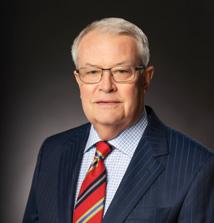
Jerry Kennett, MD
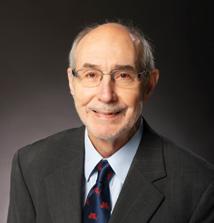
Randy Morrow

Mary Beck, DNP, RN
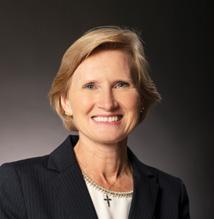
Judy Starr
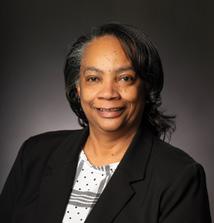
Stacye Smith
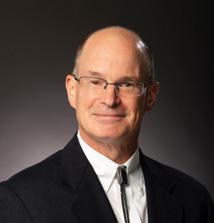
Charles P. Bondurant, MD, FABNS, FACS
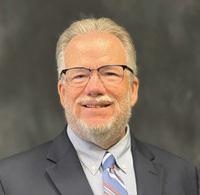
Jeffrey Lashley, Ph.D.

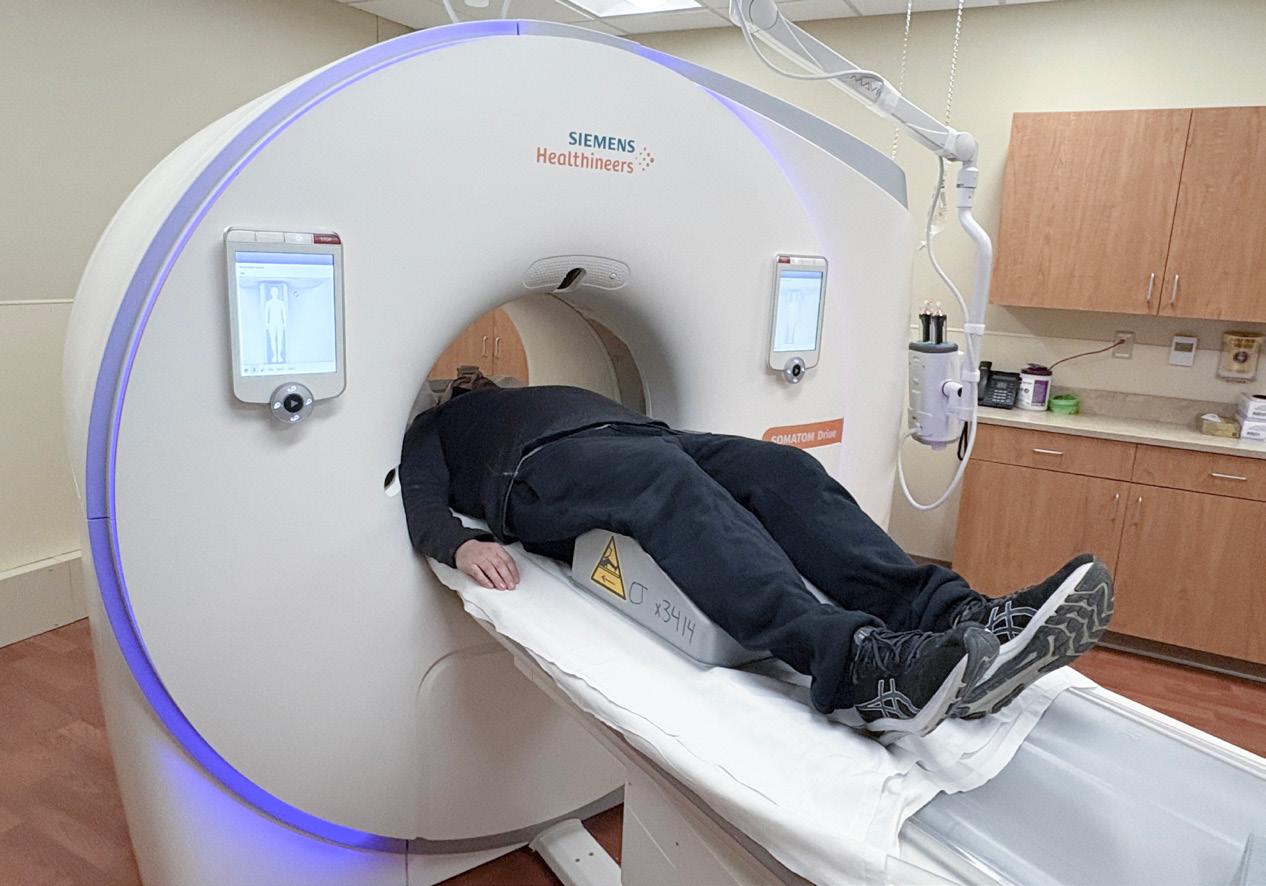
A cardiac calcium score screening checks for calcium deposits in the walls of the coronary arteries.
People with a higher calcium score are at greater risk for heart disease, heart attack and stroke.
The result will include your coronary calcium score, which is a number that can range from o to more than 400. A score over 100 means you are more likely to have heart disease, and a higher score means a higher risk of having a heart attack.
To make an appointment for your calcium screening at Boone Hospital or at Nifong Radiology, visit your patient portal or call Boone Health at 573.815.8150. There is a $100 out-of-pocket cost for this screening.
Gentlemen, let’s talk honestly. One of the greatest barriers to men’s health isn’t access to care—it’s our pride. Too often, we tell ourselves, “I can handle anything” or avoid screenings out of embarrassment. None of us want to get our prostate checked, but we also know that prostate cancer is the most common cancer among men in the United States, and cancer is the second leading cause of death. That “I can handle anything” mindset doesn’t serve you, your family, or your future. Leadership starts by taking care of yourself.
The most basic step anyone can take for their health is seeing their primary care provider at least once a year. Your annual physical isn’t just a formality—it’s a chance to have open, honest discussions with your provider. As we age, our bodies change, and those conversations become more important. After 50, these annual visits are critical. Even small symptoms matter. What seems minor could be the first sign of something serious.
Family history is a powerful predictor of health. I began colonoscopies at 25 because my mother had aggressive colon cancer at 38. Today, at 53, I continue to complete screenings every five years. Both of my parents were diabetic, so I monitor my A1C and glucose regularly. Routine labs over time can reveal trends and catch issues early. That’s proactive leadership. In this issue, we’ve got a
great article on diabetes and weight gain that I think you’ll really find useful if you have diabetes or have a family history of the disease.
When it comes to physical health, as we age and especially for men over 50, we start noticing that we aren’t recovering as easily as we use to and that soreness seems to stick around longer after physical activity. Accepting these changes to our body can be tough, but adapting is key. In this issue of our magazine, you’ll read how to maintain muscle over 50 as well as remaining active with more joint-friendly options like swimming or pickleball. Incorporate routine walking, exercise, and a balanced diet to stay strong.
But our physical health is only one critical piece to the puzzle. Another area that men tend to put aside is our mental health. After returning from Basra, Iraq at the end of my third deployment, I faced challenges adjusting back to civilian life. So many things felt “off.” So with encouragement, I sought care and worked with a psychologist for years to process and work through my experiences. That decision was one of the best things I ever did; it allowed me to develop coping skills to be a better husband, father, and leader.
Let’s be clear: seeking help for mental health challenges is not a weakness—it’s courage. In this issue, you can read a
fantastic article discussing mental health and the importance of addressing these concerns with your primary care physician as well as a mental health professional. Whether it’s trauma, stress, or persistent, dark thoughts, addressing mental health is as vital as treating high blood pressure. There is no shame in seeking support. Those who care about you will respect you more for it.
Gentlemen, this is your moment. Kick the stigma to the curb. Lose the pride. Face your health head-on. Schedule that physical. Ask the hard questions. Get the screenings. Address your mental health. Leadership isn’t just about guiding others—it’s about taking responsibility for yourself. The strongest thing you can do today is take the first step toward a healthier tomorrow.
Sincerely,

Brady Dubois CEO, Boone Health
The key statistic measures the percentage of people readmitted to a hospital within 30 days; Boone Health tied with Mosaic Medical Center in Maryville for the lowest rate in the state.
Returning to a hospital after either an in-patient or out-patient procedure increases the risk of infection, in addition to the financial strain on families and the health care system. The Centers for Medicare and Medicaid regularly measure the number of readmissions to determine the clinical quality of a hospital. In the most recently released data, Boone Health tied with one other hospital in the state of Missouri for the lowest readmission rate.
“This is an absolutely amazing recognition based on hard data figures for Boone Health,” said Brady Dubois, CEO of Boone Health. “Readmission rates are a key statistic for hospitals across the nation. To be recognized as having the best readmission rate in the state indicates yet again that patients can have confidence knowing they are getting the best possible clinical care right here in their own community.”
The national average readmission rate was 15%. Boone Health tied with Mosaic Medical Center in Maryville with a three-year average readmission rate of 13.3%, meaning that only 13.3% of patients were readmitted to a hospital within 30 days.
“A low hospital readmission rate confirms that an organization has several key procedures and processes in place,” said Lana Zerrer, chief medical officer for Boone Health. “This includes good care transition, the proper education for both the patient and the family, that the discharge is happening at the right time, and the location for the discharge – home, rehabilitation unit, or skilled nursing home – is the best place for the patient.”
Patients and their families should always feel confident they know what to do before they leave the hospital. Key factors include having a plan in place for follow-up care and ensuring the physician caring for the patient after the hospital stay has all the information necessary. Education for the family and patient should include what to do if things are not going well at home after discharge.
“This ranking of our readmission rates is proof of the wonderful care we provide. I greatly appreciate the opportunity to work with such great physicians, providers, nurses, and staff.” Zerrer said.
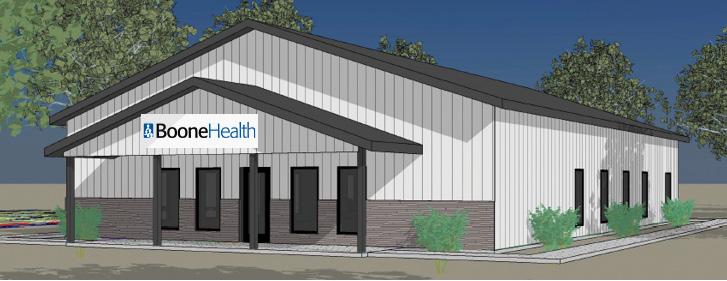
In October 2025, the Boone Hospital Foundation provided funding for the land and infrastructure to build a new outpatient clinic in Glasgow, MO. Opening in summer 2026, this clinic is 3,552 square feet, with 6 exam rooms, 1 procedure room, and 1 diagnostic X-ray machine. The clinic will perform procedures, including hydration therapy and skin wound repairs (stitches and/or staples), and phlebotomy services. The addition of the diagnostic X-ray machine addresses a critical need for the community and helps to ensure residents have access to essential and timely diagnostic care close to home. “We’re beyond excited to have these important resources for our communities in the northwest part of central Missouri. We regularly see patients from 20 surrounding towns in five counties,” said Melinda Hart, nurse practitioner. “Currently, if patients in our community require an X-ray, they have to drive up to an hour depending on the time of day. Having the technology here will help us provide appropriate care much quicker and potentially stave off more serious complications.” To make an appointment at Boone Health Primary Care – Glasgow, call 660-338-5909.
The Radiology department at Boone Health added a new accreditation to its current list. Becoming accredited for CT scanning continues to show Boone Health’s commitment to the highest standards of medical imaging for our patients. Current accredited services include CT, Nuclear Medicine, PET, Ultrasound, Breast Ultrasound, Breast MRI, Stereotactic Breast Biopsy, Mammography and MRI.
The ACR Gold Seal of Accreditation signifies that Boone Health’s personnel qualifications, equipment standards and image quality have gone through a rigorous review process and have met or exceeded quality assurance and safety guidelines.
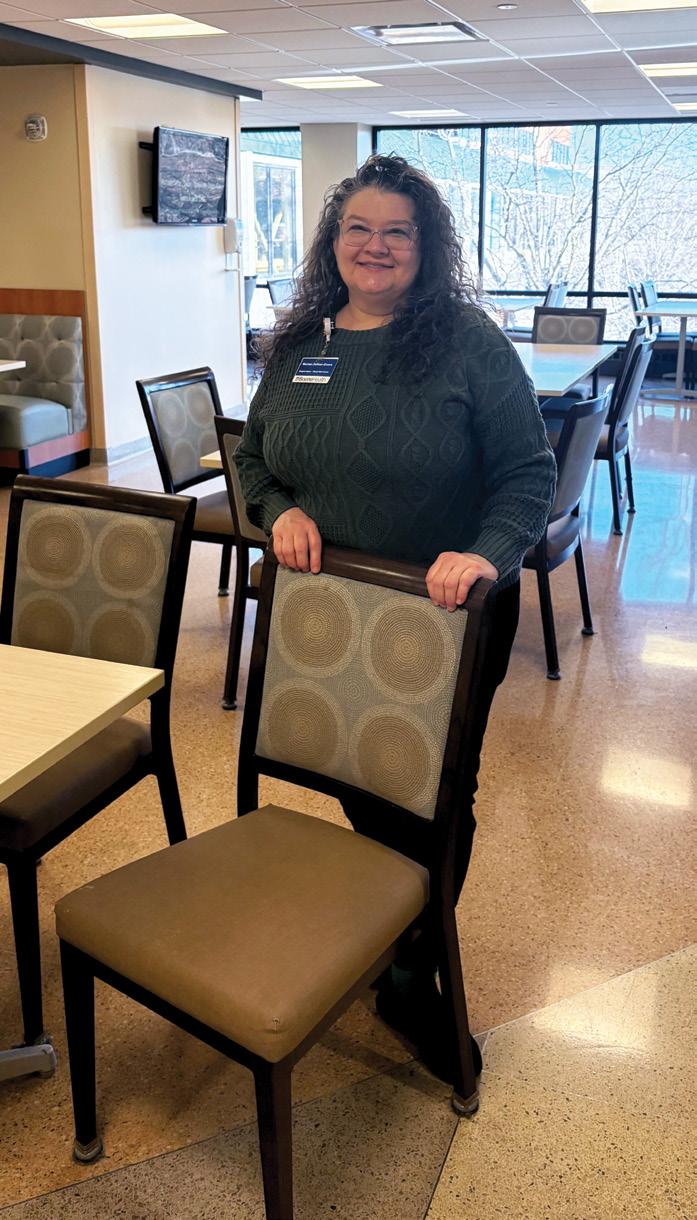
During a busy lunch hour, Food & Nutrition Supervisor Marian ZellnerEvers was helping staff the cash register. In between assisting customers, Marian glanced toward the dining room to ensure everything was running smoothly. She noticed a gentleman waving and it was clear he was in distress. Marian immediately approached him and asked, “Are you okay?” He shook his head, indicating he was choking. Staying calm, she asked if he could stand. Once he was on his feet, Marian positioned herself behind him and performed abdominal thrusts (formally known as the Heimlich maneuver). After a few upward thrusts, he began coughing and was finally able to take a full breath again. He thanked her, and she simply replied, “You’re welcome— this is why we’re here.”
To get CPR certified and learn other life-saving skills, visit boone.health/ community-wellness/
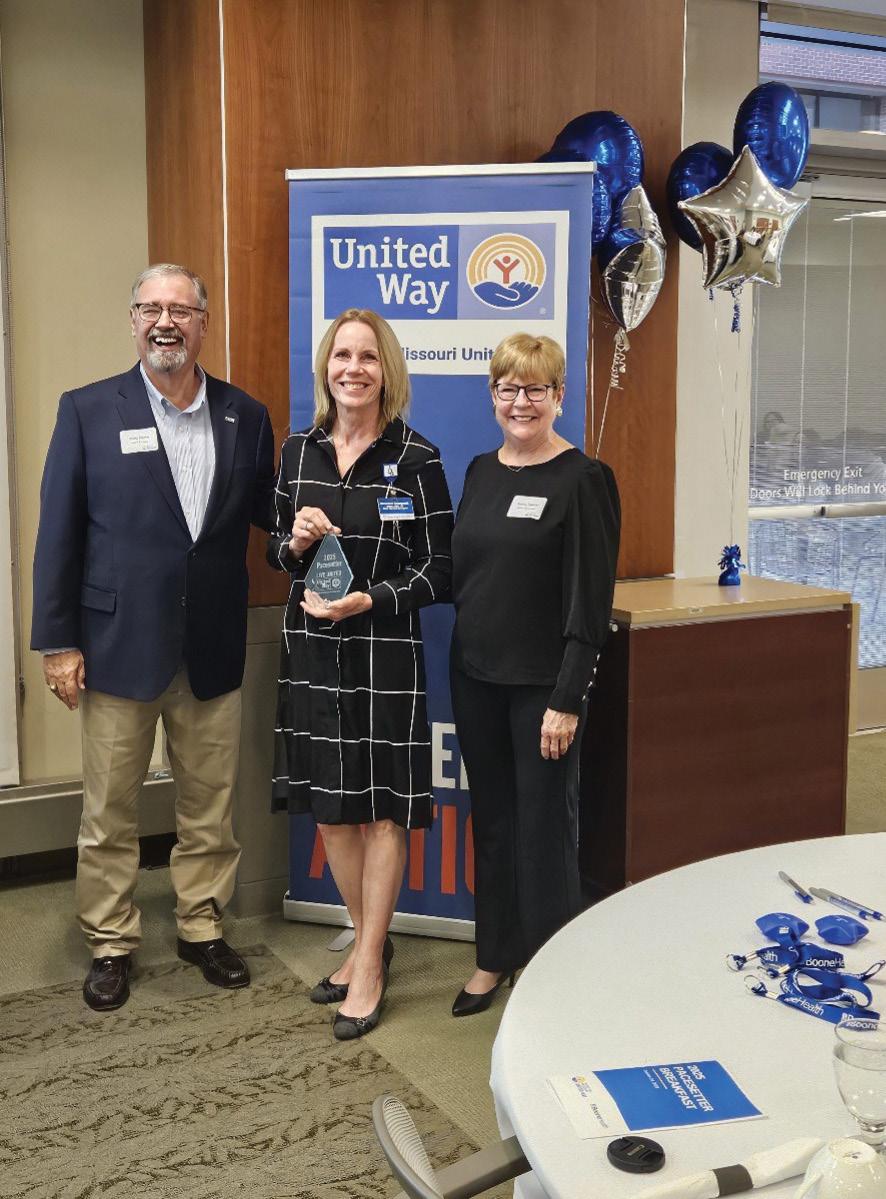
Boone Health employees once again demonstrated their commitment to community health and well-being through the annual United Way of Central Missouri campaign. From September through October 2025, team members came together to raise an impressive $38,881 in support of local programs and services. The campaign was driven by a dedicated planning committee of Boone Health employees who volunteered their time to organize events and activities that made donating fun and engaging. Here’s a look at what made this year’s campaign a success:
• Employee Pledges: Pledge cards and online pledges resulting in $28,284 in direct pledges.
• Community Partnerships: Boone Health collaborated with Tropical Liquors to create the Boone-a-Colada cocktail, with a portion of sales benefiting the campaign. D. Rowe’s also partnered with us to host a Boone x D. Rowe’s tailgate, raising $1,379.
• Special Events: The Boone BBQ brought in $1,400, and employees enjoyed creative options like “Pay the Date” and a 50/50 raffle, where proceeds were split among the winner, United Way, and Boone Hospital Foundation.
• Raffle Fundraiser: Twenty departments donated gift baskets for a raffle, adding excitement and additional funds to the campaign.
• Annual Tradition: Boone Health proudly hosted the Pacesetter Breakfast for the 28th consecutive year, donating the meal as part of our ongoing support.
• Strategic Communications: A comprehensive plan ensured strong internal promotion of fundraising opportunities, which included an internal webpage to keep employees informed about all campaign events and activities.
These efforts reflect Boone Health’s mission to improve the health and well-being of our community—not just through exceptional care, but by actively supporting causes that make a difference. The generosity and creativity of our employees ensure that Boone Health remains a strong partner in building a healthier, stronger Central Missouri.

with Taylor Wesley, PA at Boone Health Primary Care – Moberly
After practicing primary care off and on for 10 years, Taylor Wesley, a physician’s assistant at Boone Health Primary Care - Moberly, has noticed a pattern that repeats itself so consistently it’s become impossible to ignore: many men don’t come to see a provider until something is already wrong. They wait
until symptoms are obvious, disruptive, or frightening. By the time they walk through the door, often in their 50s or 60s, Wesley says they are no longer preventing disease; they’re reacting to it.
If men started coming in earlier, even in their late 30s or early 40s, problems could be caught long before they become chronic, irreversible, or life altering.
“When men finally do come in, it’s usually because something has forced their hand: fatigue they can’t shake, blood pressure that’s suddenly high,
chest tightness they can’t ignore, or lab results from a workplace screening that raised alarms,” Wesley said. But the truth is, many of these issues didn’t appear overnight. They developed slowly, quietly, and often without noticeable symptoms.
“That’s the part that frustrates me,” Wesley shares. “Not because of the patients, but because I know how much easier things could have been if we’d caught them earlier. Instead of working ahead of the disease, I’m often working behind it.”
Prediabetes is one of the most common conditions Wesley diagnoses in men who haven’t been seen in years. It’s incredibly treatable when caught early. But most men don’t feel high blood sugar. They don’t feel insulin resistance. They don’t feel the slow, steady changes happening inside their bodies.
The kidneys can lose a significant amount of function before symptoms appear. By the time swelling, fatigue, or changes in urination show up, the decline has often been happening for years.
These are the kinds of problems that routine labs can catch long before the patient ever feels a thing.
Heart disease is still the biggest concern Wesley sees in men, and it’s one of the conditions where early detection makes the biggest difference. But many men have a very narrow idea of what heart problems look like. They’re waiting for sharp chest pain, but early heart disease rarely feels like that. What Wesley sees instead are subtle changes — has the patient had a drop in energy levels, are they fatigued during tasks that used to feel easy, or are they slower to recover after exercise?
“These are the signs I look for,” Wesley explains, “especially when a patient has a family history of heart disease. Genetics can accelerate risk dramatically, and many men don’t realize how much their family history shapes their own heart risk and future.”
Wesley is also seeing testosterone deficiencies showing up earlier. Men often think low energy, low libido, or decreased motivation are signs they are getting older. In many cases, if caught early, these symptoms are signals of hormonal changes that can be addressed, often without medication.
Smoking is less common among younger men, but Wesley still sees plenty of
men in their 50s and 60s who smoke. A common belief is, “I’ve smoked this long—what’s the point of quitting now?” But quitting at any age improves lung function and reduces cardiovascular risk. Men also tend to underreport their alcohol use. Wesley has seen drinking increase in the late 30s and 40s, often tied to stress, sleep issues, or coping. Many men use alcohol as a form of selfmedication, something to help them sleep, calm their nerves, or unwind. But alcohol often worsens the very problems they’re trying to manage.
“These are conversations we can have openly and without judgment, but only if men come in and see a primary care provider,” Wesley said.
Colon cancer is the one that surprises people the most. Wesley’s own father was diagnosed at 44, before the screening guidelines dropped to age 45. “I’ve had patients diagnosed in their 20s,” Wesley said. “That’s why I encourage men to pay attention to stool changes long before they think they’re ‘old enough’ for colon cancer.”
According to the American Cancer Society, colorectal cancer is now the leading cause of cancer-related death in both men and women under 50 in the United States.
Prostate cancer is another area where early detection matters. Wesley usually starts screening patients in their 40s, but he also asks men to pay attention to urinary changes: are they getting up more often at night, is their stream weaker or do they feel like their bladder isn’t emptying completely?
“I practice a little differently than many in family medicine,” Wesley shares. "I don’t want to push medications unless they’re absolutely necessary. I think a lot of men avoid the doctor because they assume we’re going to prescribe
something. But my goal is the opposite; I want to help you stay off medication by maximizing your lifestyle.”
Exercise is one of the most powerful tools we have, not just for physical health, but also for mental health. Many men won’t come in to talk about stress, anxiety, or mood changes. Exercise becomes a doorway to treating both body and mind with a combination of cardiovascular activity and resistance training. Cardio supports heart health. Resistance training supports testosterone, metabolism, and long-term strength.
Stress is one of the most overlooked contributors to chronic disease. Wesley is a big believer in getting outdoors. Fresh air, sunlight, and movement do more for mental health than most people realize.
And Wesley’s dietary advice is straightforward: single-ingredient foods are best. Reduce processed foods, prioritize protein and build meals around whole, unprocessed ingredients.
Screening is a powerful tool in primary care. Wesley encourages men to start screening earlier, especially if they have a family history of chronic disease or cancer. The earlier something can be detected, the more options are available for treatment.
At the end of the day, Wesley’s goal isn’t to prescribe more medication but to help men live healthier, longer, more fulfilling lives. If more men understood that primary care is about prevention, not pills, they may come in sooner. And if they did, so many of the chronic conditions that only show up once the damage is already done could be prevented.
“My hope is that more men start to see primary care not as a place you go when you’re sick, but as a partner in staying healthy,” Wesley said. By Erin Wegner
Taylor Wesley, PA, is a board-certified Physician Assistant specializing in Family Medicine at Boone Health Primary CareMoberly. To find a provider, visit boone.health/primary-care To make an appointment at Boone Health Primary Care –Moberly, call 660-236-1225

with Sonya Addison, MD with Boone Health Diabetes & Endocrinology
Obesity and diabetes have become the two most pressing health crises in the United States. While genetics plays a role, obesity remains one of the strongest drivers of type 2 diabetes. Over the past four decades, unhealthy eating habits high in saturated fats and refined carbohydrates, sedentary lifestyles, and the lack of physical activity have fueled the weight gain that leads to diabetes and potentially, heart disease.
As men age, sedentary behavior increases. Joint pain and arthritis can make it difficult to be active, and once children are raised and retirement approaches, it can be a lot easier to adopt a sedentary lifestyle.
Additionally, while testosterone naturally declines with age, obesity and chronic disease can drive testosterone levels even lower. Low testosterone makes weight loss harder, worsens blood sugar control, and increases the risk of sleep apnea, heart disease, and type 2 diabetes.
Type 2 diabetes doesn’t manifest out of nowhere. It begins as prediabetes. Prediabetes happens when blood sugar levels are higher than normal. Normal fasting blood sugar levels for adults are between 70 – 99 mg/dL (milligrams of blood sugar, or glucose, per deciliter of blood). Prediabetes occurs when blood sugar levels are between 100-125 mg/dL, while diabetes is diagnosed when blood sugar levels are 126mg/dL or higher. Prediabetes often has no clear symptoms, which is why regular screenings can be so important.
“Regular screenings are one of the most powerful tools we have,” said Sonya Addison, MD with Boone Health Diabetes and Endocrinology. Age and weight appropriate A1C testing, fasting glucose panels, and routine screenings allow clinicians to identify prediabetes before it progresses.
“If we can identify prediabetes, we can start with education, lifestyle changes, and simple medications before it develops into diabetes,” Dr. Addison shares.
“The longer someone lives with obesity, metabolic syndrome, or prediabetes, the higher their risk of developing diabetes and cardiovascular disease as they get older.”
“Screening guidelines once focused on adults in their 40s and 50s, but today many patients in their 20s and 30s have been obese since childhood, and their lifetime risk of getting diabetes is significantly higher.”

Once diabetes is diagnosed, Dr. Addison uses aggressive diabetes management to get blood glucose levels and A1C closer to normal ranges. Effective care goes far beyond prescribing medication. It requires education; supportive lifestyle planning; identifying realistic, enjoyable physical activities; and addressing mobility limitations and chronic pain.
“We have to treat people, not the disease,” she said. Diabetes and heart disease are also known as an inseparable link. Diabetes is considered a cardiac risk equivalent, meaning anyone with diabetes is automatically at a higher risk for heart disease and stroke.
“Once someone has diabetes,” Dr. Addison explains, “we are automatically trying to prevent cardiac disease. We do that with statin medications, stricter control of cholesterol and lipid numbers, weight loss, and cardiac screenings.”
Nutrition plays a central role in this battle. Our culture has become quick to grab highly processed foods for snacks and meals. These types of foods lead to rapid hunger cycles and blood sugar crashes. They also tend to lack fiber and protein. Instead, patients are taught that whole, nutrient-dense foods help people feel full longer. When patients understand how food affects blood sugar and feeling full, they’re better equipped to make sustainable changes in their everyday lives.
Dr. Addison also discusses physical activity options with patients. Many patients with obesity struggle with back pain,
knee and hip arthritis, or limited mobility. They aren’t able to simply start running or lifting weights. Instead, Dr. Addison works with patients to find accessible options that work with their abilities, including water aerobics or chair yoga. Community resources like SilverSneakers programs and YMCA group classes have been known to help patients stay accountable and engaged.
In addition to lifestyle changes, the emergence of GLP1 medications has reshaped obesity and diabetes treatment. Patients are now able to take medication that treats both diabetes and obesity. Drugs like Ozempic and its weight loss counterpart Wegovy, as well as Mounjaro and Zepbound, have helped patients lose significant weight, improve blood sugar control, and reduce long-term complications.
SGLT2 inhibitors like Jardiance and Farxiga help manage diabetes, protect the kidneys, and reduce heart failure risk. Ozempic has been shown to reduce the risk of recurrent heart attack or stroke, and Mounjaro is showing similar promise as ongoing studies continue.
“These medication classes have truly changed how I practice medicine,” Dr. Addison said. “I have patients who have lost 50, 100, 150 pounds, and many who have been able to discontinue insulin entirely.”
Despite their effectiveness, insurance coverage remains inconsistent. Many insurers refuse to cover weight loss medications, leaving patients to pay high prices that can still reach around $400 per month. For most families, that cost is too steep.
While compounding pharmacies have stepped in to meet demand, often marketed through online platforms, patients should be cautious when using them. These products are not FDA approved, and some can be purchased online without a doctor. Dr. Addison said that some of the medications from compounded pharmacies are not purified correctly, might not be sterile, and don’t have a point of contact to report to if there are any problems.
Because of those concerns, getting these medications from a provider is the safest route.
“Prediabetes often has no clear symptoms,” Dr. Addison said. “Knowing the risk factors, getting regular screens, and making important lifestyle changes can help prevent prediabetes from creeping up on you.” By Erin Wegner
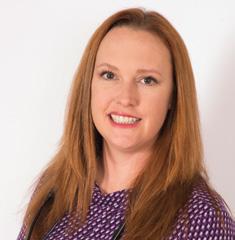
Sonya Addison, MD with Boone Health Diabetes & Endocrinology values the team approach it takes to treat diabetes and other endocrine disorders. She currently sees patients in Columbia and Mexico, Mo.
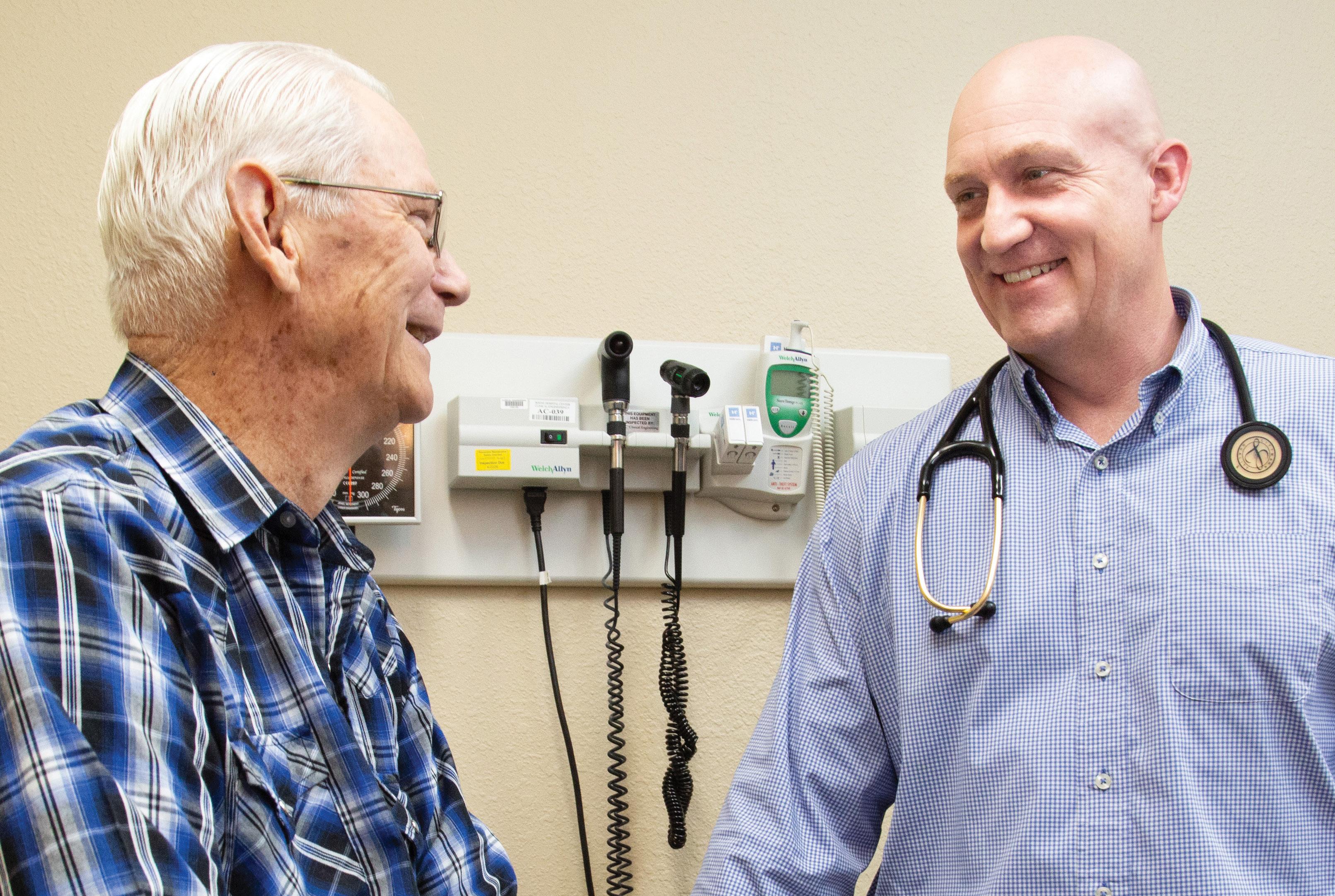
With Michael Roach, DO at Boone Medical Group – Ashland.
Just as women experience natural shifts in estrogen and progesterone with age, men go through their own hormonal transition. Testosterone typically peaks in early adulthood and gradually declines through the late 30s and 40s.
Testosterone’s primary biological role is reproduction. It drives sperm production and supports the body during the years
when men are most fertile. As men move beyond those peak reproductive years, the body naturally slows testosterone production. This decline can contribute to increased fatigue and lower energy levels, especially later in the day. Many men notice they come home feeling too drained to tackle household tasks, play with their kids, or stay active.
Libido is another common concern. Testosterone influences sexual desire, not necessarily erectile function. Erectile dysfunction often has other causes, but a noticeable drop in libido can be a sign that testosterone levels have decreased.
“Testosterone therapy can be very effective for the right patient, but it is not a one-size-fits-all solution,” Dr. Roach explains. “With hormone replacement therapy becoming more visible through ads, influencers, and men’s health clinics, some places promote testosterone as something every man should take— regardless of age, symptoms or chronic conditions. That approach can be risky. Understanding both the benefits and the potential downsides is essential before starting therapy.”
Many men can improve their testosterone levels through lifestyle
changes. Diet and exercise play a major role. Foods such as lean proteins, seafood, bananas, peppers, and onions can naturally support testosterone production. On the other hand, alcohol, high sugar foods, high fructose corn syrup, tobacco, mint, and soy can increase estrogen levels, which suppress testosterone.
Obesity is another major factor. Excess fat tissue converts testosterone into estrogen, lowering levels even further. As men lose weight through healthier eating and increased cardio activity, testosterone levels often rise naturally because the body becomes more efficient and less burdened by excess fat.
Hormone replacement therapy comes with important health considerations, which is why discussing it with a physician is crucial.
Sleep apnea is a major concern. Men who start testosterone therapy often gain weight in the first few months— sometimes 15–20 pounds. If sleep apnea is already present, this weight gain can worsen it, making HRT unsafe until the apnea is properly managed.
Psychological factors also matter. Testosterone can intensify existing anger, anxiety, or stress. Patients with significant mood or behavioral concerns may not be good candidates.
Cardiovascular and neurologic risks must be monitored closely. Testosterone thickens the blood, increasing the risk of heart attack and stroke. Regular bloodwork every 3–4 months is essential to ensure hemoglobin levels remain safe.
Prostate Specific Antigen (PSA) levels should be checked twice a year. Testosterone can stimulate PSA production, which may elevate PSA levels in the blood.
Blood pressure and circulation also require monitoring. Increased swelling in the legs can signal a higher risk of deep vein thrombosis (DVT), especially if the blood becomes too thick.
Cholesterol often rises as well, since testosterone binds to cholesterol in the bloodstream. Because of these risks, hormone therapy must be carefully supervised. While it can help men feel more motivated, build muscle, and improve energy, safety has to come first.
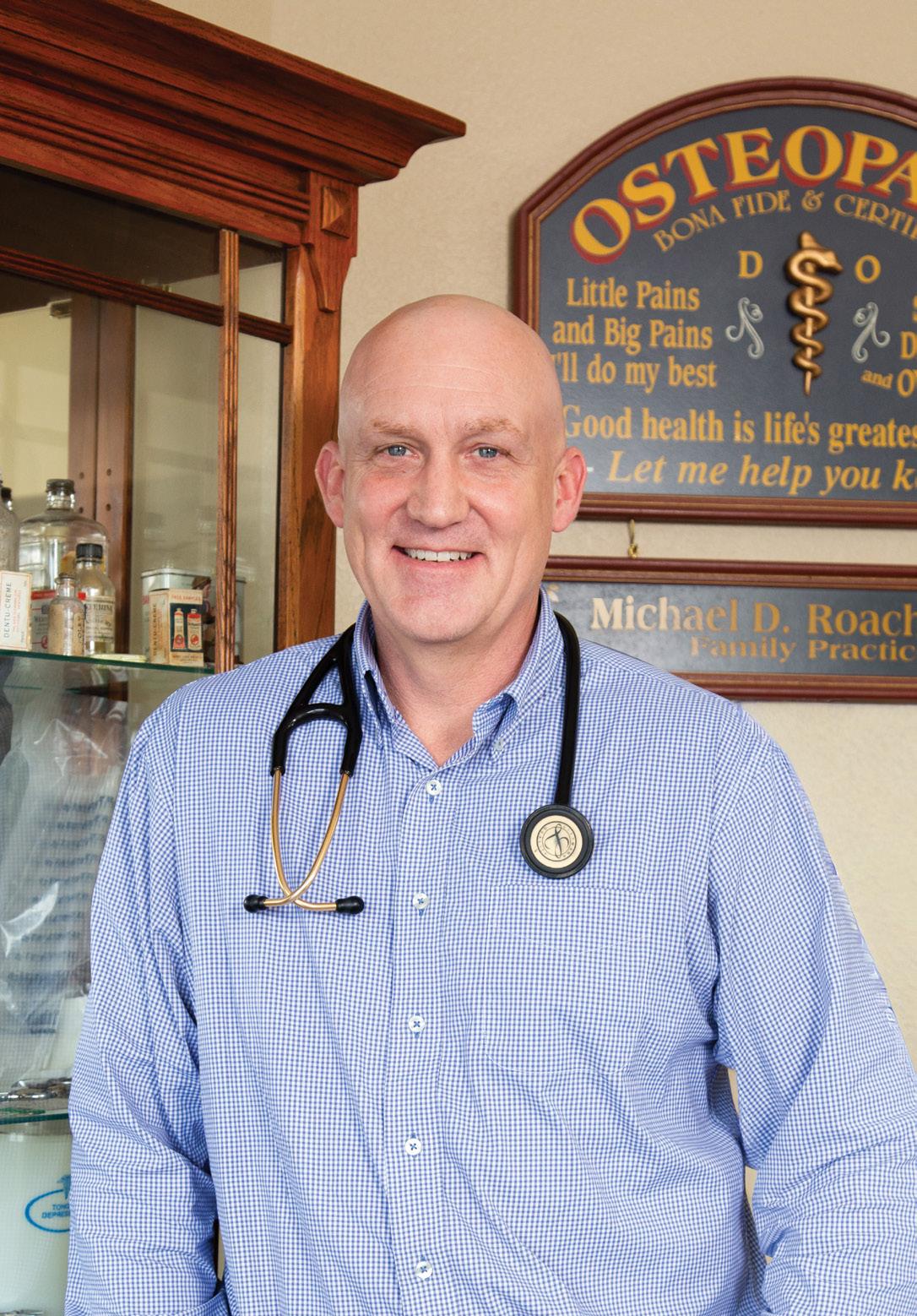
“A normal testosterone range for men is roughly 250–1,100 ng/dL. Many men’s clinics aim to push levels above 1,000 ng/dL, but a safer and more sustainable target is typically between 500–800 ng/ dL. This is another reason physician oversight is so important,” Dr. Roach said.
If a patient’s estradiol (estrogen) level rises during therapy, it often means the testosterone isn’t being used effectively— usually because the patient isn’t exercising or burning it off. In those cases, testosterone doses need to be adjusted until estradiol returns to a healthy range.
For some men, lifestyle changes are enough to improve testosterone levels. Others may stop producing testosterone altogether and require supplementation.
In clinical settings, testosterone is preferred to be given as an injection or in topical form. Some clinics use pellets inserted under the skin, but are very costly, and have to be done every 3-6 months depending on levels.
Before starting therapy, a full evaluation is essential. Even if a patient comes in for fatigue, underlying
conditions such as thyroid disease, diabetes, sleep apnea, or depression must be ruled out first.
“There’s no right or wrong time to ask about testosterone,” Dr. Roach said. “Low testosterone isn’t life threatening; it’s more about quality of life. But men should be evaluated by a physician to ensure symptoms aren’t caused by a metabolic issue.”
It’s always better to get checked than to rely on internet advice or self diagnosis.
A conversation with a doctor can provide clarity, reassurance, and a safe path forward. By Erin Wegner
Michael Roach, DO practices family medicine at Boone Health Primary Care – Ashland. He is passionate about his patients and keeping them healthy and mobile. If you need a primary care physician, visit boone.health/primarycare. To schedule an appointment at Boone Health Primary Care – Ashland, call 573-657-9354

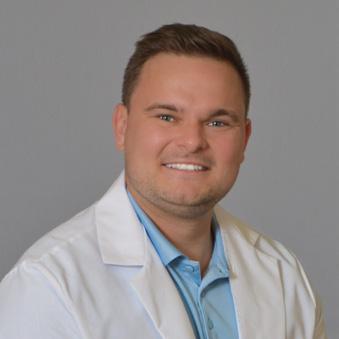
Men’s mental health is starting to receive some overdue attention, yet stigma and misunderstanding continue to keep many men from seeking the support they need. Boone Health Primary Care Physician Assistant Joe Galaske said the first step in improving your mental health is awareness—both for men and for the people who love them.
Galaske shares the warning signs families should watch for, the role primary
care plays in mental health, and what every man should know, whether they’ve experienced mental health issues on and off for years, or if they are experiencing them for the first time.
According to Galaske, the symptoms men experience often mirror those of anyone facing mental health challenges—but they’re frequently easier to dismiss or overlook.
“Early signs often involve a loss of interest in doing things like participating in a friend group or a hobby they enjoy,” he explains. “You might notice they’re more withdrawn or not doing things they typically like to do for fun. For example, if someone is an avid fisherman and no longer has a desire to go fishing anymore –that may be a sign something is off.”
Changes in mood and daily habits are the earliest indicators. Feeling down, sad, or less motivated can gradually progress if unaddressed. Sometimes these changes follow obvious stressors—a death in the family, work challenges, relationship problems—but not always. It’s important that, even with the obvious stressors, men have an outlet to talk through how those events might be impacting their mental health.
At Boone Health, Galaske is helping men recognize the signs and feel comfortable discussing them. “It makes me happy when someone takes a proactive approach and reaches out to me to discuss what they’re feeling.”
The Front Line of Primary Care Galaske emphasizes that primary care is often the front line for anyone who is struggling.
“We’re the first call for someone who thinks they need to discuss their mental health or need help,” he said. “When someone comes into my office and shares their mental health concerns, I will discuss options with them including potential medications, but also lifestyle changes like exercise, diet, and sleep schedule, as well as resources for therapy or counseling.”
One misconception he addresses often is the notion that seeking help means taking medication long-term.
“There’s no such thing as a one-size-fits-all approach,” Galaske said. “The art of medicine includes building
"Whether you’ve been treated for mental health concerns before or you haven’t, we can get you on a path to feeling better."
they believed asking for help was a sign of weakness.
“It's unfortunate to hear when someone has been hesitant to reach out sooner because they thought they needed to ‘suck it up,’” he said. “Acknowledging when you are struggling with your mental health is not a weakness. Mental health care is health care—no different than any other health issue you would seek treatment for. If your arm is really bothering you, and you can’t really function as well anymore, and you avoid doing certain tasks because it hurts to do them with that arm – you would go to the doctor to find out what’s going on and how to get better! Mental health is no different – it's just not as visible.”
rapport and trust with your primary care provider and discussing different options. Some people may decide against medication options, while medication can be a lifesaving measure for someone else. Working closely with a primary care provider allows for a team-based, individualized approach.”
The mental health issues men most frequently bring to primary care include:
• Anxiety
• Depression
• Insomnia
• Attention Deficit/Hyperactivity Disorder (ADHD)
• Post-traumatic stress disorder (PTSD)
• Obsessive Compulsive Disorder (OCD)
• Panic attacks and panic disorder
What troubles Galaske most is when men wait until they’re in crisis because
Helping men move past that mindset, he said, is one of the most rewarding parts of his work.
“It’s so rewarding when someone finally talks about what they’re going through, and we can build trust, develop a management plan, and get them back to who they want to be.”
While treatment plans vary from person to person, Galaske said certain lifestyle adjustments can significantly improve mental health:
• A well-balanced diet (fruits, veggies, whole grains, and protein)
• A regular sleep schedule (target 7–9 hours a night)
• Regular exercise and physical activity
• Daily sunlight exposure and spending time outside when feasible
“Tackling these lifestyle changes can help someone’s mental health substantially,” he explains. “Most of us have areas we can improve, and our mental health is often linked to our physical wellbeing.” By Hannah Wichern
Joe Galaske is a primary care physician assistant with the Boone Health Medical Group – Nifong. He has experience in numerous clinical environments including family medicine, psychiatry, and emergency medicine. To schedule an appointment with the Boone Health Primary Care – Nifong, call 573-815-6640. If you need a primary care physician, visit boone.health/provider-directory.
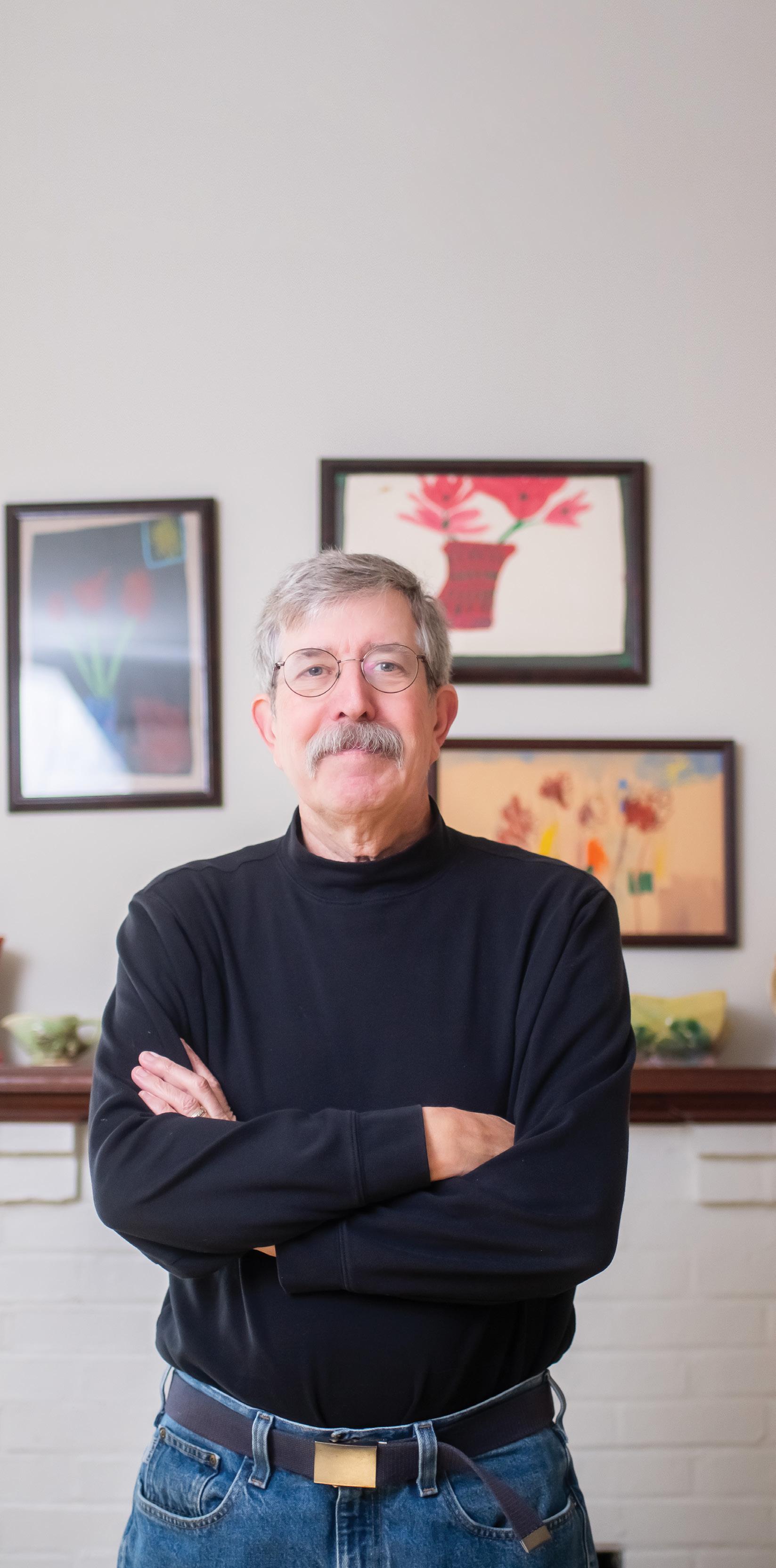
At 67 years old, Ron Hein felt he was in good shape. He was active; he walked two miles to and from work every day. He also ate a healthy diet, never smoked and didn’t drink alcohol.
While his blood pressure and lab results looked good, his A1C had periodically been in the prediabetes range, but it wasn’t something that Ron was overly concerned about. He hadn’t experienced any chest pain or shortness of breath, and termed himself “symptom free” from any heart concerns.
Ron and his wife Lugine have both been nurses at Boone Health since the late 70’s, both working in the cardiology field. Ron spent 20 years on cardiology working with bypass patients, and Lugine has spent most of her career at Cardiac Rehab.
They’ve also both worked with the Community Wellness department at screenings, educating the public on the importance of “Knowing Your Numbers” and getting screened.
In May 2025, Ron and Lugine got a CT cardiac calcium score screening.
“Not because of any reason that we felt we needed it,” Ron said, “but because we are in our mid-60s and it’s an available screening.”
The calcium score is the total amount of calcium buildup detected in the coronary arteries. The higher the score, the more plaque buildup is present.
Lugine got her results, and her number was in the normal range of less than 100, meaning she had a very low likelihood of coronary artery disease. Ron’s results were 1,600. A score this high indicates significant plaque buildup and a high risk of heart disease or a cardiac event.
“I was shocked with this high number because I didn’t have any symptoms,” Ron said. “I wasn’t experiencing any shortness of breath or chest pain, and I was honestly surprised I had that much calcium buildup.”
Ron made an appointment with a cardiologist to talk about next steps, and a cardiac catheterization was scheduled in June.
A cardiac catheterization is used for diagnostics or treatment. For this procedure, a catheter was put in Ron’s wrist, and dye was used to look at his coronary arteries.
The catheterization showed that Ron had an 80-90% blockage in the left anterior descending (LAD) artery and he also had a 70% blockage off the first diagonal branch off the LAD. A stent wasn’t placed because if one artery was stented, it would have blocked the other, so bypass surgery was scheduled in July 2025. Ron had a double vessel bypass, and the surgery was not easy.
“It was a lot harder than what I anticipated it would be,” Ron said. “It just wiped me out. After taking care of patients on the cardiology floor throughout my nursing career, it was a lot harder than I ever gave anybody credit for.”
But Ron made it through with the help of his wife.
“When I got home, Lugine helped me a lot,” he said. “She allowed me to rest when I needed to rest and even though it was the middle of July when we got home, she still helped me get out and walk. With her support, I was able to take slow, steady steps: first to the sidewalk, then to the first block, until I was able to make it around the neighborhood.”
In August 2025, Ron started intensive cardiac rehab at Boone Health where he wore a wireless heart monitor while he exercised. This helped build his confidence knowing he could push himself when exercising.
Six months later, Ron was back to long walks and playing pickleball. “I like to think I’m back to 100%,” Ron said. “I didn’t have limitations before surgery, and I don’t now.”
“This story shows the importance of not waiting,” Lugine said. “It’s an available screening, and as Community Wellness nurses, we encourage preventative care. We inform people about their numbers to help them live a healthy lifestyle.”
One trip they had to postpone weighs heavy on Ron’s heart. They were supposed to go to Alaska in July 2025 on a mission trip. They would have been in a small village, far away from any kind of medical care.
The trip wasn’t the reason they chose to get screened when they did, but the results are the reason the screening is so important.
“If I would have had some type of event while we were there,” Ron said, “what kind of effect would that have had on the people we were traveling with, or the village where we were going to go serve?”

Since his diagnosis, Ron and Lugine have been sharing his story with others, which has encouraged them to get screened. Their results have all come back better than Ron’s, but as Ron says, “It’s good that they know.”
Ron feels positive about how things worked out. Knowing that diabetes plays a role in cardiovascular disease, Ron was exercising and eating a healthy diet.
“I ended up with heart disease and needed to have bypass surgery in order to protect me from having a heart attack. It’s worked out, and that’s pretty amazing,” Ron said. “I hadn’t had an event, and I still haven’t had any kind of heart attack. We’ve been able to preserve heart muscle and I haven’t had any heart damage which
is what we really wanted to prevent.”
Ron is grateful for the speed and skill of the Boone Health team.
“From the middle of May to the middle of July, I went from a calcium screening to the catheterization lab, to surgery, and then home. It all happened so quickly,” Ron said. “The calcium scan was quick; the catheterization team was awesome and the surgical team was amazing.”
Ron’s surgeon told him the bypass would give him another 20 years.
Ron and Lugine’s message to others is simple: Don’t wait. Screening matters. His own story has already inspired others to take that step, and maybe their story will encourage you to do the same. By Erin Wegner

After struggling with an enlarged prostate and medication side effects, Chuck Crowder found relief through Aquablation— helping him return to travel, family, and the activities he loves.
Retired physicist Chuck Crowder is once again enjoying the kind of active, full life he and his wife, Susan, have shared.
Chuck graduated from the University of Missouri in 1971 and began his career as a fighter pilot in the United States Air Force, flying F-4 Phantoms and OV-10 Broncos. He married his college sweetheart, Susan Daugherty, in 1974, and one of his proudest moments was being selected for elite training with Navy Top Gun instructors.
After leaving the Air Force in 1979, he returned to Mizzou to earn his M.S. and Ph.D. in physics, welcoming his first two children during that time. Chuck went on to work in advanced defense and laser technologies, including President Reagan’s Strategic Defense Initiative, before spending a decade helping build Amoco Laser Company and later leading major growth at Scientific-Atlanta as Vice President and General Manager of its Optical Products Division.
After retiring from the industry, he began a second career as an associate professor at Lewis University, where he taught for 14 years, was named Professor Emeritus, and mentored more than 10 students who went on to earn graduate physics degrees at Mizzou. With all four children grown, Chuck and Susan eventually returned to Columbia, drawn back by fond memories and the joy of living close to family.
Together, they’ve traveled the world—from Africa to New Zealand—and this year they’re preparing for another adventure in Eastern Europe. At home, their days are just as meaningful, spent with their children and 11 grandchildren. For Chuck, being able to keep up with the people and passions he loves most is something he no longer takes for granted.

Years ago, Chuck was diagnosed with an enlarged prostate after experiencing worsening urinary symptoms that slowly began to interfere with his daily routine. Like many men, he first turned to medication to manage the condition. While it offered temporary relief, the side effects created new—and more serious—problems.
“The medicine made my blood pressure drop,” Chuck says. “I would get lightheaded, especially at night.” What started as an inconvenience eventually became dangerous. “Getting up to use the bathroom was frightening. I fell and hit my head twice.”
The fear of falling became persistent. “I was afraid for my safety at night,” he says. “I knew I couldn’t keep living like that, and I needed another option.”
Chuck shared his concerns with Philip Fish, MD, of Urology Associates, who

discussed Aquablation as an alternative to long-term medication.
“Aquablation is a minimally invasive, robotic procedure for enlarged prostate that uses a heat-free, high-pressure waterjet to precisely remove excess prostate tissue,” explains Dr. Fish.
For Chuck, the idea of a procedure that could address the root of the problem— rather than managing symptoms—was appealing. Dr. Fish also emphasized the importance of preserving quality of life.
“One of the things we focus on with Aquablation is helping patients get lasting relief while minimizing side effects,” Dr. Fish said. “The goal is not just improvement in urinary symptoms but allowing patients to return to the activities that matter most to them.”
Chuck decided to move forward with the procedure and was pleasantly surprised
by how manageable the recovery felt. “I expected it to be a lot harder than it was,” he says. After a few days of mild discomfort, he began to feel like himself again. Within a week, he noticed a clear improvement— and an unexpected sense of relief.
“I was very happy with the results,” Chuck says. “And I was even happier to not have to take the medicine anymore.”
Today, Chuck’s life is once again filled with movement and momentum. He and Susan travel often, take long walks together, and work out regularly at their local gym. He’s back to trout fishing, golfing, and spending hours tinkering with his toy train collection. Most importantly, he no longer plans his days—or his nights—around fear.
“For me, Aquablation gave me my life back,” Chuck said. “I can focus on living again, instead of worrying about what might happen.” By Madison Loethen
IT’S NEVER TOO LATE:

Aging is a natural part of life, but the physical changes that come with it, especially after age 50, can impact strength, health, and independence. One of the most powerful tools men in midlife and beyond can use to counteract these changes is strength training. Backed by research and guidance from major health authorities such as the American Heart Association, Mayo Clinic, American College of Sports Medicine (ACSM), and the Centers for Disease Control and Prevention (CDC), strength training isn’t just for young athletes, it’s essential for healthy aging.
Starting around age 30, adults begin to lose muscle mass and strength, a process called sarcopenia. This decline accelerates with each passing decade, meaning by age 50 and beyond, men often experience noticeable decreases in muscle mass, metabolic rate, balance and bone density. Without intervention, this can lead to increased risk of falls, frailty, chronic disease, and loss of independence.
But here’s the good news - strength training directly combats these age-related changes, even when started later in life.
The American Heart Association and CDC recommend that adults include strength training at least two or more days per week in addition to aerobic activity. These sessions should target all major muscle groups: legs, hips, back, chest, arms and shoulders.
1. Builds and Preserves
Muscle Mass
Strength training stimulates muscle growth and can slow, or even reverse, sarcopenia. Research shows that regular resistance exercise, even just 2–3 days a week, helps older men maintain or increase lean muscle mass and strength. This is crucial not just for the gym. It makes everyday activities easier, from lifting groceries to climbing stairs.
2. Improves Bone Strength
As men age, bone density naturally declines, increasing the risk of osteoporosis and fractures. Strength training applies healthy stress to bones, encouraging them to maintain or build density. This effect is especially important for men over 50, for whom falls and fractures can be life-altering.
3. Boosts Metabolism and Heart Health
Muscle tissue burns more calories at rest than fat, helping maintain weight and metabolic health. In addition, research shows strength training can improve blood sugar regulation and reduce cardiovascular risk factors, protecting the heart and supporting long-term health.
4. Enhances Balance and Reduces Fall Risk
Falls are one of the leading causes of injury in older adults. Strength training improves balance and functional mobility by strengthening the muscles that stabilize joints and support posture.
5. Supports Chronic Disease Prevention
Physical activity, including resistance training, reduces the risk of type 2 diabetes, heart disease, and some cancers. It also helps manage existing conditions by improving insulin sensitivity and lowering blood pressure.
Getting started doesn’t require heavy barbells or gym memberships:
• Bodyweight exercises (like squats, push-ups and lunges)
• Resistance bands
• Light free weights or machines
Safety is key. Focus on proper form and controlled movement, especially when beginning a new routine. As strength improves, gradually increasing resistance and complexity helps continue progress.
One of the most encouraging findings from exercise research is that muscles remain trainable at virtually any age. Even men in their 60s, 70s or older can gain strength, improve balance, and reduce health risks through consistent strength training.
That means if you’re 50, 60 or beyond and haven’t lifted weights since college, or never have, you can still experience meaningful improvements in health, independence and quality of life by starting now.
• Start with two strength sessions per week, progressing as your comfort and fitness improve.
• Combine strength training with aerobic activity (walking, cycling, swimming) for overall cardiovascular health.
• Prioritize proper technique and recovery. Older muscles and joints benefit from adequate rest and good form.
• Consider a fitness professional or physical therapist if you’re unsure how to begin safely.
Strength training is one of the most effective ways men over 50 can improve their health, maintain independence, and fully enjoy life. From building muscle and protecting bone health to boosting metabolism and lowering disease risk, the benefits are significant and well supported by research and expert guidelines. The key is finding what works for you. Over the past 5–10 years, I’ve noticed more men joining group fitness classes because traditional weightlifting in a gym just isn’t their thing. I’ve also seen more men embracing yoga, which I absolutely love to see. It’s a powerful way to build strength, mobility,
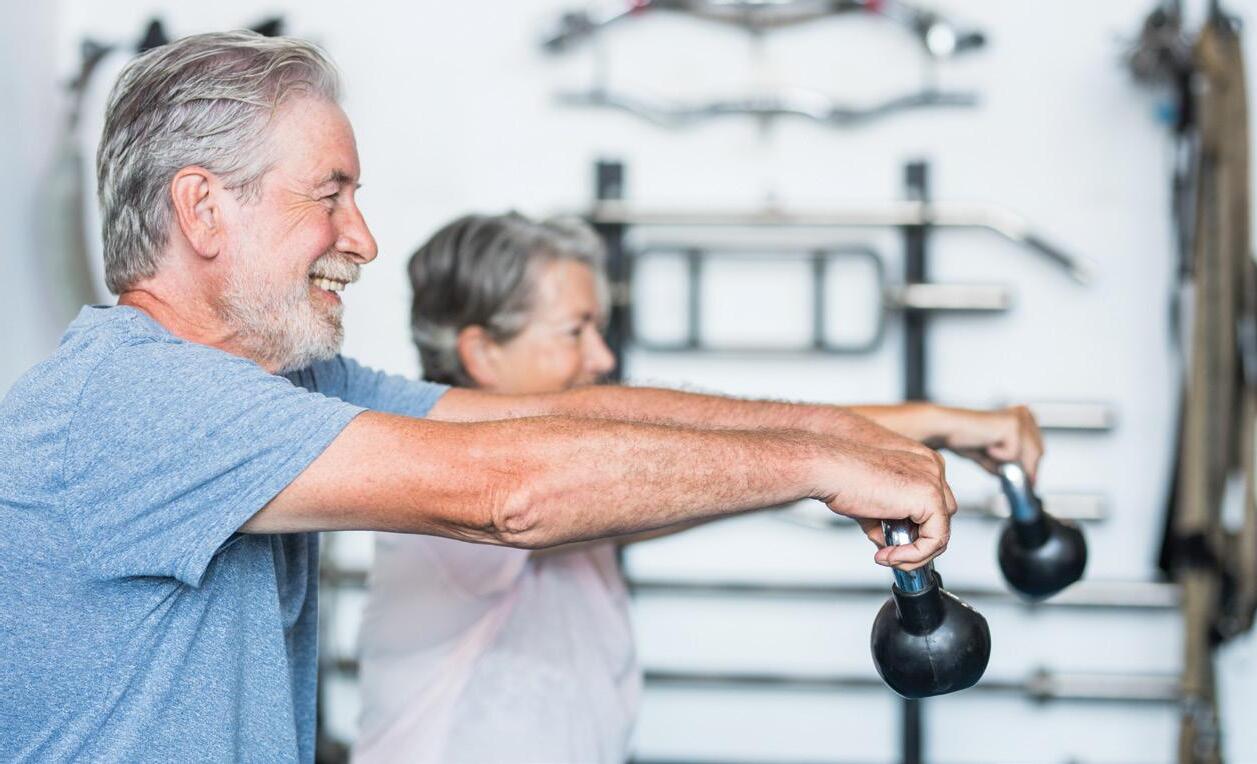


and balance. I’ve worked in the wellness industry for many years and have seen firsthand the powerful improvements men experience when they begin strength training later in life. Your body is still capable of responding, adapting, and thriving when given the right challenge, and most importantly, it’s never too late to start. By Jenny L. Workman, Community Wellness
Manager

As men age, no single superfood or supplement exists that will optimize your health. Real results come from consistently fueling your body with a variety of foods throughout the day. Protein intake, omega 3 fatty acids, vitamin D, magnesium and zinc contribute to your strength, mental sharpness, hormones and immune system. These five nutrients can help men have a stronger body and mind as they progress through the decades.
What is it? Protein is a foundational macronutrient that builds and repairs muscle, supports metabolism and fuels daily physical performance.
Why men need it: Beginning as early as their mid-30s, men naturally begin to lose muscle tissue. With each decade, the process continues to increase, unless it’s countered with resistance training and adequate protein intake. Protein also supports hormone production, immune function and day to day recovery. Men who are physically active, lift weights or are trying to lose fat will benefit from higher protein intake. Instead of lumping protein intake into one meal, it’s best to spread it out over several meals throughout the day. This is better for muscle protein synthesis, which helps repair damage to muscle tissue caused by exercise.
Protein Sources: Lean meats, poultry, eggs, fish, dairy, beans, legumes, tofu and protein powder.
Daily Intake: The minimum recommendation for protein intake is 0.8 grams per kg of body weight, while active men can go up to 1.2 to 2 grams per kg of body weight. To calculate your body’s daily requirement, divide your weight by 2.2 to get your weight in kilograms, then multiply it by 0.8. This will be the amount of protein in grams that is recommended for you.
What is it? Omega-3 fatty acids are essential fats that reduce inflammation and support heart, brain and joint health.
Why men need it: These essential fats lower the chronic inflammation linked to heart disease. For men, heart health is especially important as cardiovascular disease remains the leading cause of death worldwide. Omega-3 fatty acids are good for joint pain and cognitive decline while also supporting brain function, reaction time and mood. Many people associate omega-3 fatty acids with fish oils, and despite their importance, omega-3 intake is still often low throughout the community based on our limited consumption of fatty fish.
Omega-3 Sources: Salmon, sardines, mackerel, walnuts, flaxseed, chia seeds and fish oil supplements
Daily Intake: 250-500 milligrams
What is it? A hormone-like vitamin produced from sunlight exposure.
Why men need it: For men, vitamin D plays a noticeable role in testosterone production, bone strength, immune defense and mood regulation. Men with low vitamin D levels may experience fatigue, a weakened immunity and reduced physical performance in daily tasks. Vitamin D deficiency is more widespread today than ever before. People are spending more time indoors and using sunscreen to protect from skin cancer. So, for some, it’s not realistic to expect your body to absorb the daily amount of vitamin D needed from the sun. Making sure you get adequate intake every day is important for shortterm muscle performance as well as long term muscle health.
Vitamin D Sources: Fatty fish, egg yolks, fortified foods that have vitamin D, such as milk, and vitamin D supplements.
Daily Intake: For men, 600 IU/day is recommended. As men age, your recommended daily amount increases, which is especially good for bone health. For men 70 or older, your recommended daily amount is 800 IU/day.

What is it? A mineral involved in hundreds of biochemical reactions throughout the body: muscle contractions, nerve signaling and general energy production for the body.
Why men need it: Low levels of magnesium can contribute to muscle cramping, poor sleep, being more irritable and having reduced exercise performance. Benefits of taking magnesium or of having adequate magnesium are: better sleep, better stress management and better recovery from activities. Magnesium demands are even higher for men who train hard, work for long hours, or have chronic stress.
Magnesium Sources: Leafy greens are one of the best sources of magnesium as well as nuts, seeds, whole grains and dark chocolate.
Daily Intake: 400 – 420 micrograms.
What is it? An essential mineral that must be consumed daily because the body cannot store it.
Why men need it: It’s essential for testosterone production, sperm health, immune defense and tissue repair. Even having a mild zinc deficiency has been associated with reduced testosterone levels, slower recovery and being more susceptible to general illnesses. Zinc, like a lot of electrolytes, is lost with sweat and is not stored very efficiently in the body. Having a good intake consistently is important, especially if you’re very active and do things outdoors.
Zinc Sources: Zinc is a little hard to get in the diet. It’s particularly found in red meat, oysters, pumpkin seeds, chickpeas and fortified grains.
Daily Intake: 11 milligrams.

Imoved around a lot when I was younger but spent most of my time growing up on Long Island, NY. I went to undergraduate school at New York Institute of Technology before going to medical school in Grenada. Moving around while growing up lent itself to great experiences, but I found myself wanting to call someplace home. Completing residency in Indiana introduced me to midwestern hospitality, where I was in awe. I looked for towns in the Midwest and learned about Columbia. I knew this was a place we could call home.
Why did you get into the health care field?
Almost everyone in my family is a doctor, so being exposed to medicine early on piqued my interest. Learning about all the different things they were learning and doing had me engaged until I decided to pursue medicine myself.
What interested you in your particular specialty? Although most of my family are physicians, many are specialists, and we don’t have a lot of primary care. I loved the variety that comes with primary care; everything from the broad patient population to the wide scope of the practice had me very interested from the beginning.
What is the most rewarding part of your job?
The opportunity to improve people’s lives, by far, is the most rewarding part of my job. The medical field is vast, and knowledge is evolving, so this becomes challenging. But when we make that successful diagnosis, or find that strategy or medication that works, and you see how relieved and happy your patients are, that is rewarding.
What is the most challenging aspect of your job?
As doctors, I do believe we wear several hats in medicine. We are advocates, we are diagnosticians, we are communicators, collaborators, and we are often many of these things at the exact same time. Weaving all those elements together through a variety of patient encounters can be challenging.
What do you see changing in health care in the next 5 to 10 years? I think many of us are aware of the rise of AI recently, both in health care and virtually every other field. I do believe this will indoctrinate itself in healthcare, although I think it is difficult to say what the exact changes will be in the coming years. I believe technology will always advance, and we learn from our data, and that will drive changes in medicine.
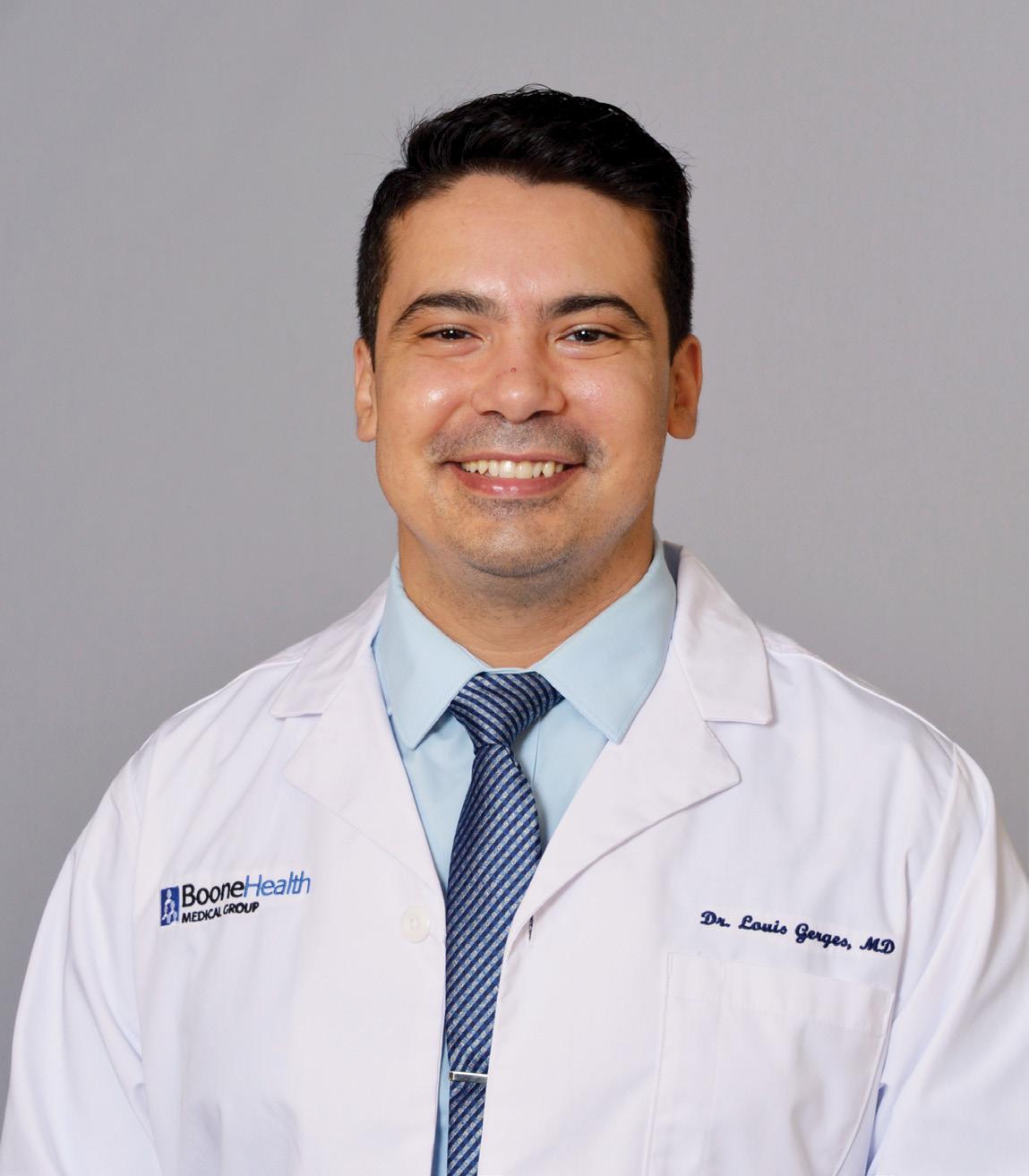
What advice would you give someone looking to become a doctor? Study hard! Medicine is challenging but incredibly rewarding. Foster your interest early and dig your heels in; the road is long but worth it.
What do you enjoy doing outside of work? Cooking and music are likely my two biggest hobbies. I do play piano by ear and have written and recorded songs in the past. I am getting a little more into that again and spending more time on the piano. I also enjoy trying new dishes at home and new cuisine in town!
What advice would you give to someone who is going to be a patient in a hospital for a period of time? Time can be challenging, but time can be a healer. I think our experiences shape who we are and who we become and can foster resilience. We don’t want things to break or people to get sick, but if that happens, I would want them to come out stronger.
Ilived in Kansas City, Mo for a short time before moving to Columbia. I went to Rock Bridge High school before attending the University of Missouri where I met my wife, Amber. We had our son and then moved to St. Louis where I attended Forest Park Community College for Radiological Sciences. I worked for SSM Health at Saint Mary’s hospital as an X-ray technologist before moving back to Columbia so we could be closer to our families. I have a large extended family in South America and all over the U.S.
Why did you get into the health care field? I’ve always had an interest in science because my father was a research scientist. My grandmother and three of my aunts were nurses. My grandmother provided in-home hospice care for her mother and her aunt at their end of life and the dignity and care she provided for them really left an impression on me. I would hear stories of how they had cared for people in their time of need which I believe helps me in my job today.
What interested you in your particular specialty?
I remember the quality of the imaging in MRI was beyond X-ray. I liked the challenge of imaging a more specialized modality and became part of a great team. MRI offers physicians and other medical professions the necessary answers needed prior to organizing the plan of care for a wide range of patients.
What is the most rewarding part of your job?
Interacting with the patients, gaining their trust, letting them know they are valued here at Boone Health and that we are here to try and get answers for them to help aid them in their recovery.
What is the most challenging aspect of your job?
Adapting to the personal requirements of each patient can be challenging. If a patient has claustrophobia, needle anxiety, a recent stroke, or a new negative diagnosis, it can be hard to provide the best experience for them while attaining the highest quality imaging.
What has changed in your field since you started practicing? To me, the technology has had the biggest change in my field. When I started in radiology, we processed film in a dark room. Now, everything is digital imaging in X-ray. When I started imaging in CT, it was on a 16-slice scanner and now, we image on a 128 slice Siemen’s scanner which provides a vast array of complex cardiac, vascular, and trauma imaging. In MRI, we
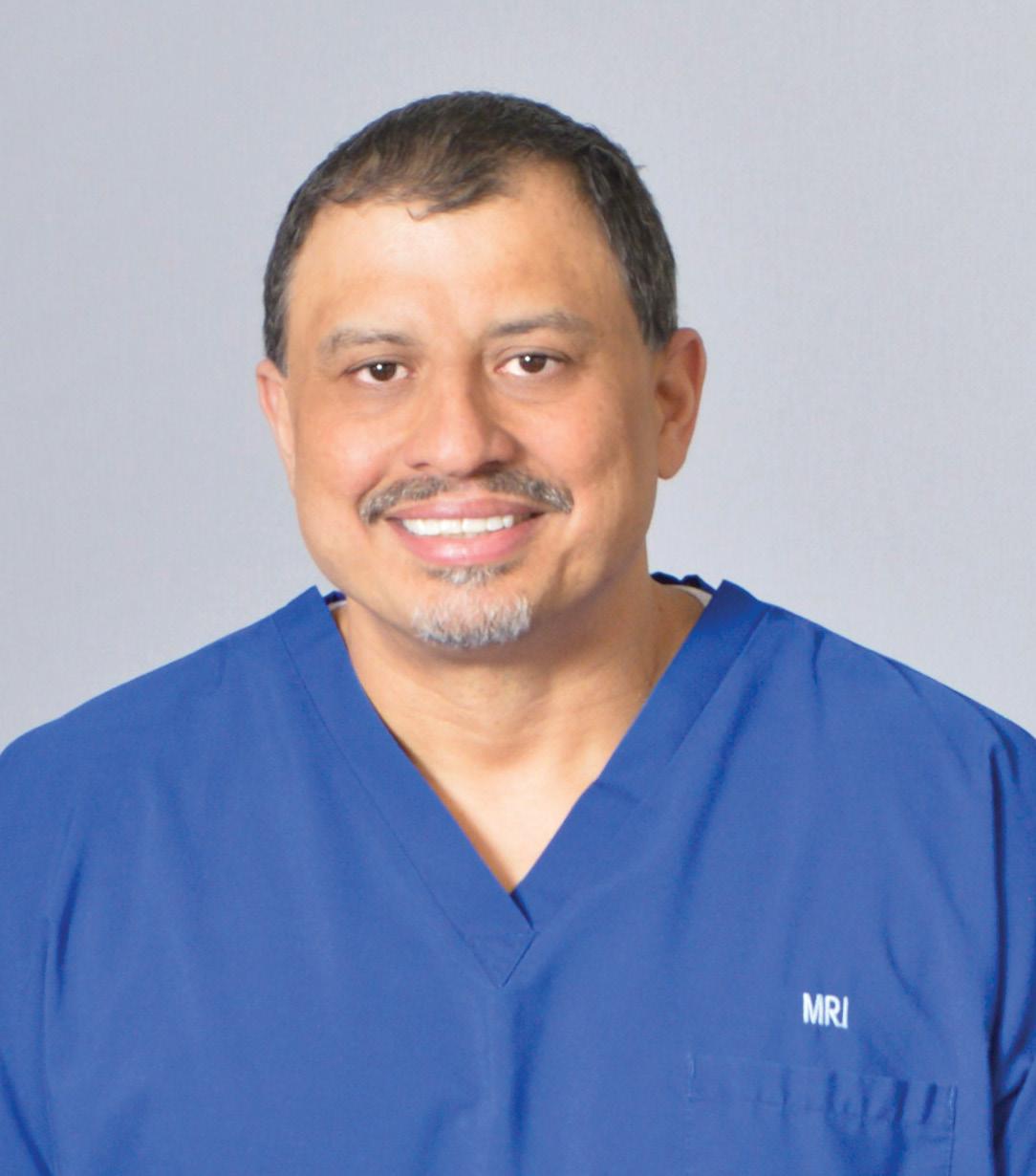
now have the ability to scan more patients with implanted devices which in the past we could not do.
What do you see changing in the next 5 to 10 years? I believe there will be new technology that could combine modalities into a single scan — to increase the diagnostic accuracy for patients while lessening the anxiety that can come with multiple procedures.
What do you enjoy doing outside of work? I enjoy going to the gym to keep myself fit. I also enjoy gardening, reading, watching movies, and am an avid gamer.
What advice would you give someone looking to become a radiologic technologist? This is a great field to get into with a lot of flexibility to move into multiple areas of practice. Be open to advice from those who are already in the field because nothing beats experience. Be willing to think outside the box as our field is always changing; what works for one patient today may not work for the next. Always be willing to be a team player and show patients compassion and treat them with dignity.
By Rachel Tiemeyer and Polly Conner of Thriving Home

When it comes to building strength, protecting heart health, and fueling busy days, few foods work harder than lean protein. And when that protein is simple to prep and full of flavor? Even better.
As cookbook authors, long-time food bloggers, and parents of three kids each, we’re all about practical, family-friendly meals that nourish your body while taking stress off the dinner hour. That’s why our collection of seven easy, prepahead chicken marinades has become a staple in our homes and many others’ right here in Missouri.
According to fellow blogger and registered dietitian Hannah Holzum of Wholesome Nutrition Co, lean protein plays an important role in long-term health:
“I love chicken for a lean protein option. It provides high-quality protein with less saturated fat than most red meats, making it a heart-healthy choice when prepared in a healthy way. Lean protein helps support muscle mass and metabolism as we age. Starting in your 30s, muscle loss naturally begins, so eating adequate protein becomes even more important.”
Consistently eating enough protein, cooking more meals at home, and planning ahead are small habits that add up over time. Prepping a few of these chicken marinade recipes is a simple step in the right direction.
Each marinade below serves 4–6 and uses 2 pounds boneless, skinless chicken breasts.

1. Savory
Bold and built from simple pantry staples.

• 6 tablespoons avocado or olive oil
• 1/4 cup red wine vinegar
• 2 teaspoons Dijon Mustard
• 2 teaspoons Worcestershire sauce
• 2 cloves garlic, minced
• 1 teaspoon salt
• 1/2 teaspoon of ground black pepper

2. Asian-Inspired
Savory, slightly sweet, and packed with umami flavor.
• 1/3 cup avocado or olive oil
• 1/3 cup rice vinegar
• 1/4 cup soy sauce
• 3 tablespoons honey
• 1 teaspoon sesame oil
• 1/4 teaspoon ground black pepper
3. Honey Dijon
Sweet meets tangy in this bold, sandwich-worthy favorite.
• 1/3 cup avocado or olive oil
• 1/4 cup apple cider vinegar
• 1/4 cup honey
• 2 tablespoons Dijon mustard

Citrusy, bright, and great for grilling season.
• 1/2 cup avocado or olive oil
• 2 lemons, juiced and zested (about 1/4 cup juice)
• 4 cloves garlic, minced
• 2 teaspoons fresh thyme leaves, chopped
• 1 teaspoon salt

Vibrant, tangy, and made to brighten tacos, bowls, or salads.
• 1/2 cup avocado or olive oil
• 2 limes, juiced and zested (about 1/4 cup juice)
• 1/3 cup chopped fresh cilantro
• 2 cloves garlic, minced
• 1 teaspoon ground cumin
• 1 teaspoon salt
• 1/4 teaspoon red pepper flakes


6. Balsamic Herb
Deep, slightly sweet, and herb-forward.
• 1/3 cup avocado or olive oil
• 1/3 cup balsamic vinegar
• 2 teaspoons honey
• 1 teaspoon Dijon mustard
• 2 cloves garlic, minced

2 tablespoons minced fresh parsley
1 teaspoon dried basil
1 teaspoon dried oregano
1 teaspoon salt
1/4 teaspoon ground black pepper
7. Southwest
Bold spices with just enough kick for your favorite Mexican-inspired meals.
• 1/3 cup avocado or olive oil
• 1/3 cup apple cider vinegar
• 1 tablespoon minced fresh cilantro (sub: fresh parsley)
• 2 teaspoons chili powder

• 2 teaspoons garlic powder
1 teaspoon dried oregano
1 teaspoon ground cumin
1 teaspoon salt
1/2 teaspoon ground black pepper
Optional: pinch of red pepper flakes
Place chicken and marinade ingredients in a gallon-size freezer bag. Seal and coat evenly. Refrigerate 2–24 hours or freeze immediately for later. Cook until internal temperature reaches 165°F:
• Grill: Pound out chicken to ¾ inches, 400–450°F, 4–6 minutes per side
• Air Fryer: Pound out chicken to ¾ inches, 375°F, 10–12 minutes
• Bake: 400°F, 20–25 minutes
• Slow Cooker: LOW 2½–3½ hours
• Instant Pot: High pressure 7 minutes (with ½ - 1 cup chicken broth)
One of the best parts of these marinades? They’re freezer friendly. That means no last-minute drive-thru decisions after a long day.
Prep several bags at once, label, and freeze flat. Thaw overnight in the refrigerator or in a cold-water bath. Home-cooked dinner is ready when you are.
As moms of our own “Boone Babies”, it’s especially meaningful to contribute these popular healthy recipes (that our husbands love!) to this issue. Here’s to simple meals that keep your family fed, your body strong, and your evenings a little easier.


If you’re waking up on the wrong side of the bed often, or don’t feel like you’ve slept at all during the night, it could be an indicator of something serious.
Don’t wait to run out of sheep before asking for help. Talk to your provider about a sleep study at Boone Health.
Our team uses a specialized facility dedicated to evaluating and treating a wide range of sleep disorders. Talk with your doctor and we’ll have you sleeping as snug as a bug in a rug.
SIGNS YOU MAY BENEFIT FROM A SLEEP STUDY:
• Loud or frequent snoring
• Morning headaches
• Excessive daytime sleepiness
• Witnessed pauses in breathing during sleep
• Difficulty staying asleep
• Restless legs or unusual movements during sleep
• Difficulty concentrating or unexplained fatigue
Sleep studies require a referral from your primary care provider.
For more information on sleep studies, visit boone.health/sleep-medicine or call 573.815.6980.
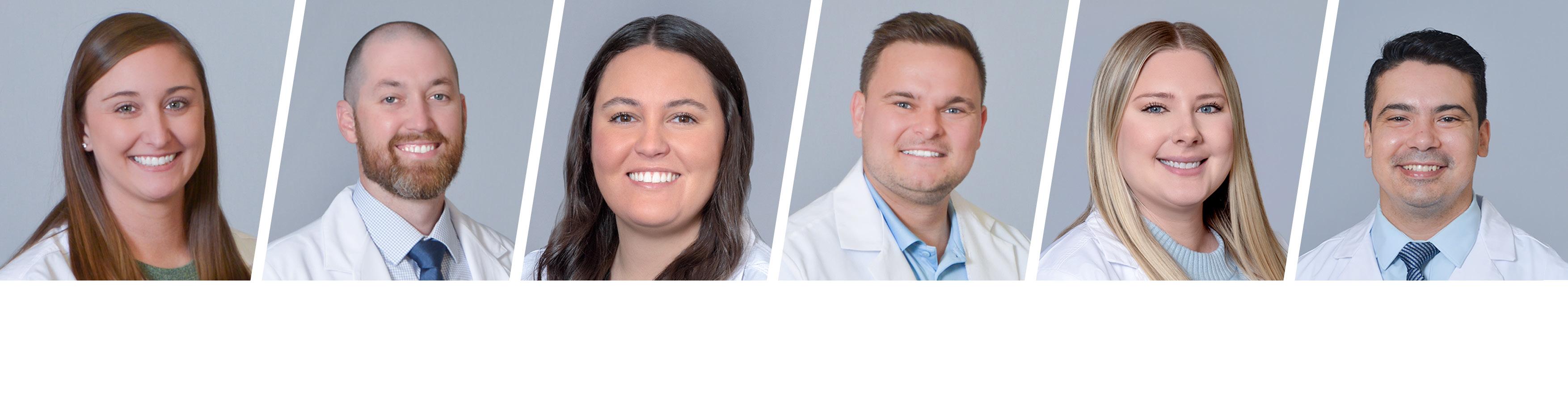
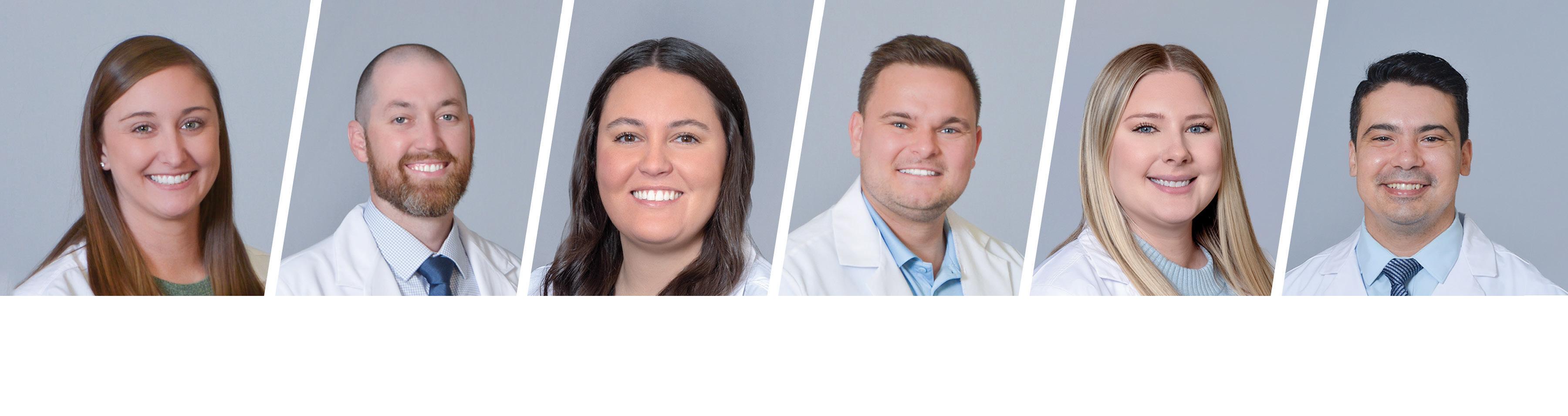
At Boone Medical Group, we believe everyone should have easy access to world-class care. We have over 30 providers who are located close to home, wherever you happen to live. All clinics are accepting new patients. It’s important to have a relationship with a provider before you need one.
COLUMBIA
1605 E Broadway, Ste 110 - 65201
573.815.8130
Providers:
• Brittany Kammerich, MD
• Michael Kindkade, MD
• Sarah McBee, FNP
• Bethany Mullinix, DO
• George Prica, MD
• Siamac Vahabzadeh, MD
• Megan Koenig, PA
COLUMBIA
900 W Nifong Blvd, Ste 101 - 65203
573.815.6640
Providers:
• Holly Boyer, MD
• Lauren Breshears, ANP
• Charlotte Chang, MD
• Mindy Doscher, FNP
• Carolle Silney, MD
• Timothy Soncasie, MD
• Matthew Cormier, DO
• Joseph Galaske, PA
• Louis Gerges, MD
• Lydia Sexton, PA
LENOIR
3710 Lenoir St - 65201
573.815.6359
Provider:
• Jane Forman, FNP
ASHLAND
605 Douglas Dr - 65010
573.657.9354
Providers:
• Michael Roach, DO
• Nikki Clatt, NP
BOONVILLE
606 E Spring St - 65233
660.882.3955
Providers:
• Aaron Whiting, MD
• Brandi Zey-Thacker, FNP
• Paige Lang, PA
CENTRALIA
1021 E Hwy 22 - 65240
573.682.5588
Providers:
• Rebecca Kelley, MD
• Andrea Willer, FNP
HALLSVILLE
501 N Route B - 65255
573.696.0500
Providers:
• Liza Williams, FNP-C
• Sarah Smith, FNP-C
GLASGOW
108 Market St - 65254
660.338.5909
Providers:
• Melinda Hart, FNP
• Ali See, FNP-C
MEXICO
1051 Old Farm Rd E - 65265
573.581.2455
Provider:
• Elizabeth Crews, FNP-BC
MEXICO MEDICAL PARK
600 Medical Park Dr - 65265
573.581.8500
Providers:
• Michael Quinlan, MD
• Peggy Barjenbruch, MD
• Joseph Cherri, DO
• Ashlee Dougherty, PA-C
• Andrea Feger, FNP-BC
MOBERLY
300 N Morley St, Ste A - 65270
660.263.1225
Providers:
• Denise Freidel, DO
• Taylor Wesley, PA
• Lindi Binder, PA-C
• Stephanie Richards, PA
Men’s health is framed by a reality many families know well: men often wait too long to seek care. Boone Health clinicians see the consequences of delayed screenings, untreated conditions, and skipped follow up care every day. That is why the Boone Hospital Foundation has made men’s health a priority—funding programs that bring preventive care into the community, support rehabilitation and therapy, and ensure no patient goes without essential medications after discharge. Together, these efforts are helping men across mid Missouri take control of their health and build stronger, healthier futures.
Meeting Men Where They Are: Community Screenings That Save Lives
Early detection is still one of the most powerful tools in medicine, yet many men do not access preventive care until symptoms appear. The Boone Hospital Foundation is working to change that by supporting community based screenings that bring vital health checks directly to workplaces, churches, civic groups, and local events. This is through a partnership with the Boone Health Community Wellness Team and the Mobile Health Unit.
These screenings offer quick, accessible evaluations of blood pressure, cholesterol, A1C, skin cancer, and more. For many men, they serve as a first step toward understanding their health—and sometimes, they reveal life saving information.
One grateful participant shared just how impactful these screenings can be:
“I only went to the screening because it was at my workplace and took 10 minutes. I never expected it to change my life. The nurse spotted dangerously high blood pressure, and I got into care before anything
serious happened. I’m convinced the Foundation’s screening program saved me from a heart attack.”
Stories like Mark’s underscore the reasons the Foundation continues to invest in preventive outreach: because early detection opens the door to early intervention.
Recovery does not end when a patient leaves the hospital. For men healing from surgery, injury, stroke, or chronic conditions, rehabilitation is where the journey back to strength truly begins. The Boone Hospital Foundation supports a wide range of therapy programs—physical, occupational, cardiac, and pulmonary—ensuring patients have access to the tools, equipment, and encouragement they need, funding their rehabilitation when they do not have the means to pay for it. This support can be transformative. As an example, cardiac rehabilitation has become a lifeline for men recovering from heart events—helping them rebuild strength, confidence, and long term heart health.
“Cardiac rehab gave me my life back. When I first walked in, I was scared to push myself. The team encouraged me every step of the way, and the Foundation’s support meant I could complete the full program without worrying about the cost. Today I am stronger, more confident, and back to hiking with my wife. I am grateful every day for the second chance they helped me find.”
These programs do not just restore physical ability—they restore hope.
For some patients, the biggest barrier to recovery is not the procedure itself— it is the cost of the medications they need afterward. The Boone Hospital Foundation’s discharge medication program ensures that no patient leaves the hospital without the prescriptions needed for safe healing.
This support prevents complications, reduces readmissions, and provides peace of mind during a vulnerable time.
“When I was discharged after my emergency room visit, I did not know how I was going to afford the medications I needed. The Foundation stepped in and covered them without hesitation. That support gave me peace of mind at a time when everything felt overwhelming.”
— JAMES T., ASHLAND
It is a simple intervention with profound impact, reflecting the Foundation’s belief that financial hardship should never stand between a patient and their health.
The Boone Hospital Foundation’s commitment to men’s health is rooted in a broader mission: strengthening the well-being of the entire community. By funding preventive screenings, supporting rehabilitation and therapy programs, and ensuring access to essential medications, the Foundation is helping men live longer, healthier, more active lives.
These programs are powered by donors who believe in the value of community health. Every contribution— large or small—helps expand services, reach more men, and build a future where preventive care and recovery support are accessible to all.
For the men of central Missouri, and for the families who depend on them, the Foundation’s work is more than philanthropy. It is a lifeline, a promise, and a powerful investment in the health of generations to come.

Many people are surprised to learn that once they reach age 70½, they gain access to a special giving option that can help both their financial plans and the causes they care about. It’s called a Qualified Charitable Distribution (QCD), and it allows you to make a tax free gift directly from your IRA to a qualified nonprofit — including the Boone Hospital Foundation.
If you’re already taking required minimum distributions (RMDs) from your IRA, a QCD can satisfy all or part of that requirement. Instead of receiving the distribution as taxable income, you can direct it straight to charity. For many donors, this approach reduces taxable income while supporting a mission they believe in.
Beginning in 2026, individuals can give up to $111,000 through a QCD. For those who don’t need their full RMD for personal expenses, this can be a smart and meaningful way to make a difference.
The Boone Hospital Foundation gratefully accepts QCD gifts through our Designated Fund at the Community Foundation of Central Missouri Giving directly to this fund ensures your contribution is processed correctly and may help you take advantage of the tax benefits available through a QCD. Many donors tell us they appreciate how straightforward the process is — and how rewarding it feels to know their gift supports exceptional care close to home. Whether your passion is
patient support, medical equipment, or community health programs, your QCD can help strengthen the services Boone Hospital provides every day.
Everyone’s financial situation is different, so it’s important to talk with your financial or legal advisors to determine whether a QCD fits into your plans. They can help you understand how this type of gift may affect your taxes and retirement strategy.
If you’d like to learn more about how your gift can support the Boone Hospital Foundation’s mission, we’re here to help.
Call us at 573-815-2801 — we’d be glad to talk with you.