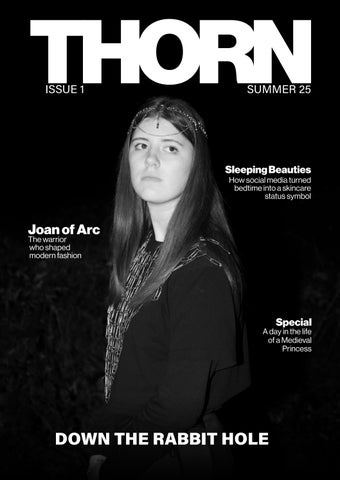
Sleeping Beauties
How social media turned bedtime into a skincare status symbol
Joan of Arc
The warrior who shaped modern fashion
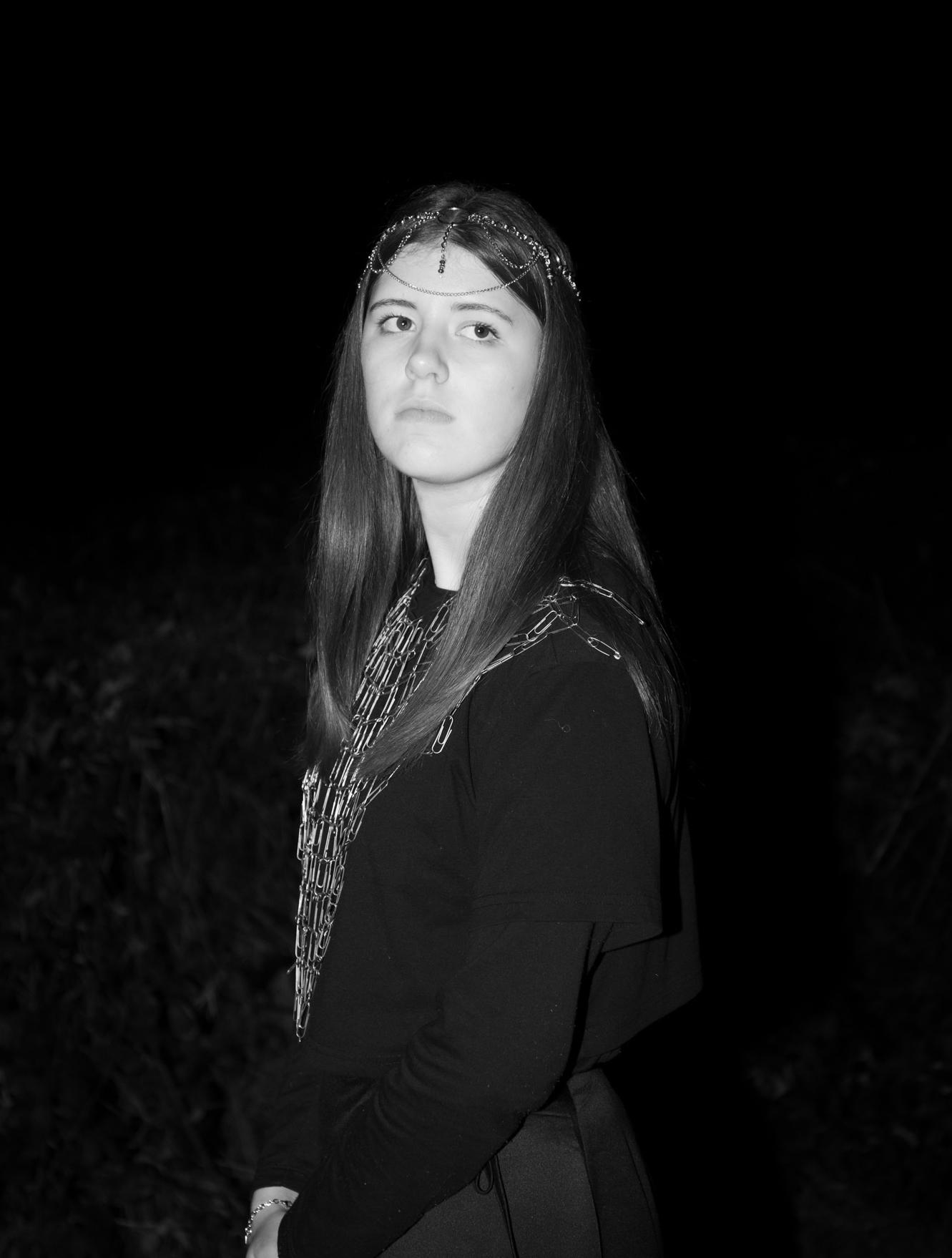
Special
A day in the life of a Medieval Princess
DOWN THE RABBIT HOLE
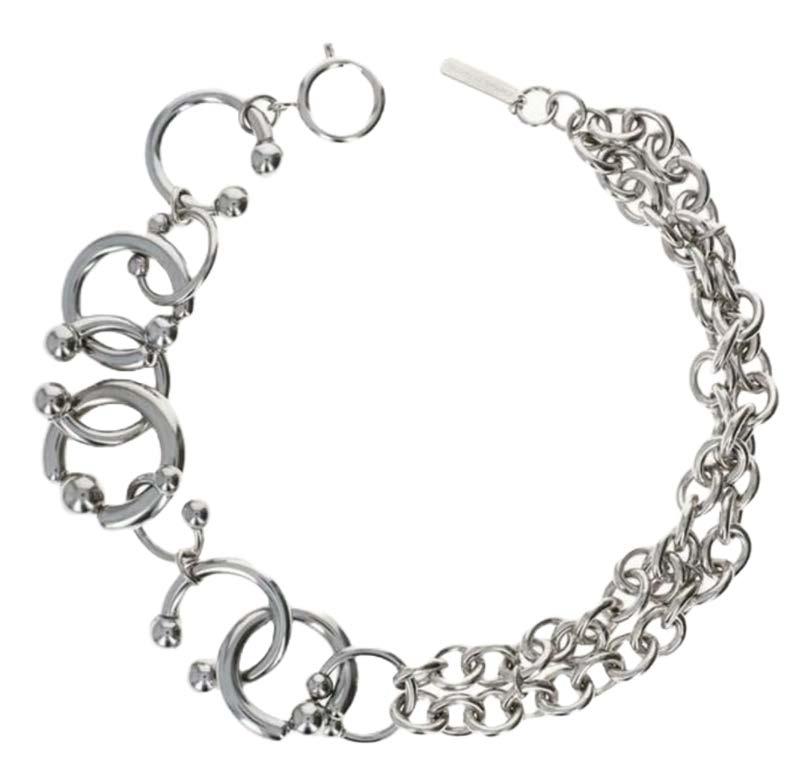
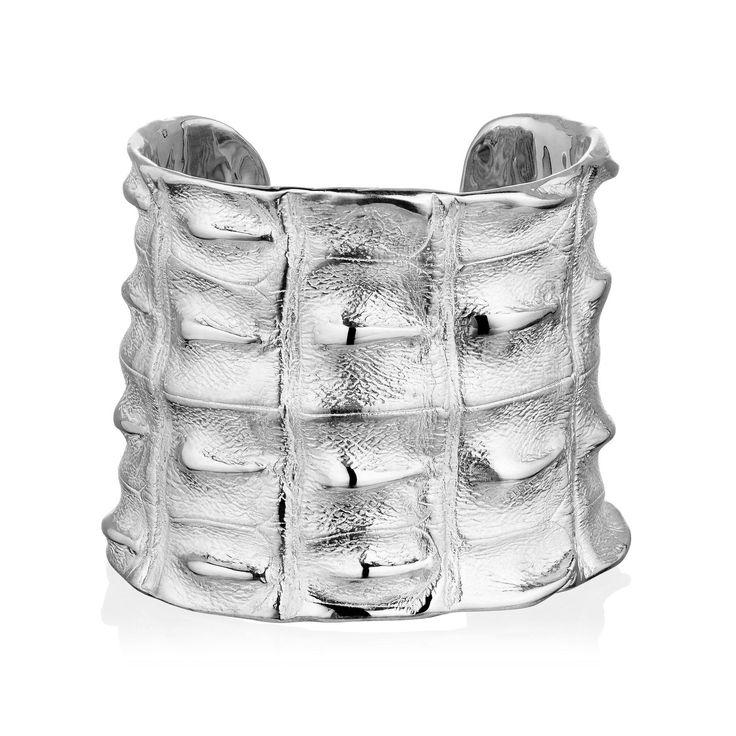
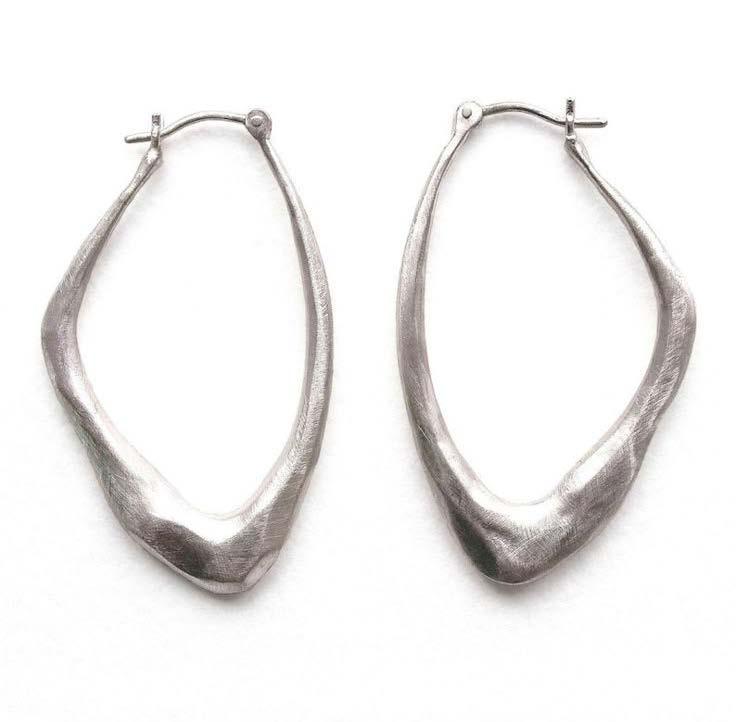
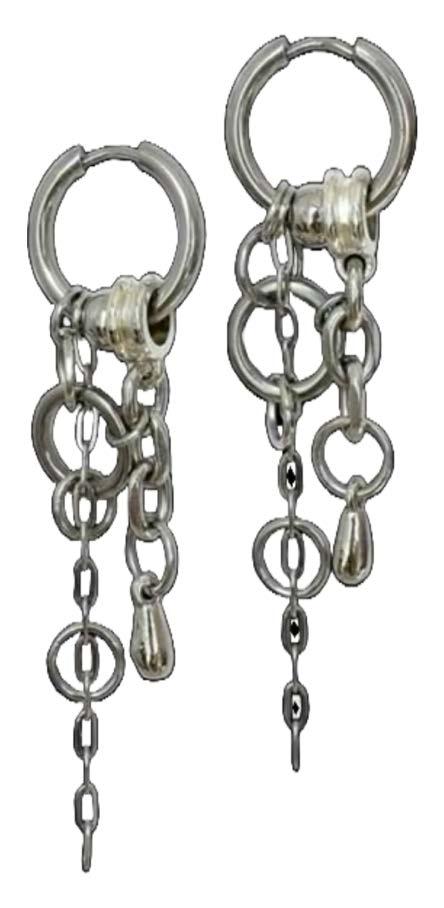
RLRuby Lancaster Designs


How social media turned bedtime into a skincare status symbol
The warrior who shaped modern fashion
Special
A day in the life of a Medieval Princess
During my first year at boomsatsuma, my practice focused on documentary photography and storytelling. My final project of the first year gave me an opportunity to work with moving image outcomes and expand my practice.
Since the start of my second year, I have gained more experience in fashion photography. I have collaborated with professional models and made an entirely fashion-focused project with a digital and print outcome. These experiences developed my love for fashion communication and storytelling, in addition to teaching me skills in magazine design.
For this magazine, my final outcome for this two year course, my intention was to focus on relevant fashion trend cycles to grow my understanding of the fashion industry. I wanted this project to expand my experience in styling, costume design, location scouting and fashion sustainability.
Recently, I have noticed a rise in medieval revival, with trends like castle core, silver metallic accessories and braided hairstyles being featured on runways, red carpets and Pinterest trend reports. I have started experimenting with chainmail as a result of these trends, and this process inspired me to begin by exploring the medieval revival trend. Through my research into trend, I have become aware of the environmental ethics of fashion trend cycles. Overconsumption and planned obsolescence are all issues I have highlighted in my magazine.
I’ll be starting a BA in Fashion Photography at Famouth University in September, and Issue 2 should be published soon afterwards!
Alex , Nina, Hazel
DESIGNER
PHOTOGRAPHER
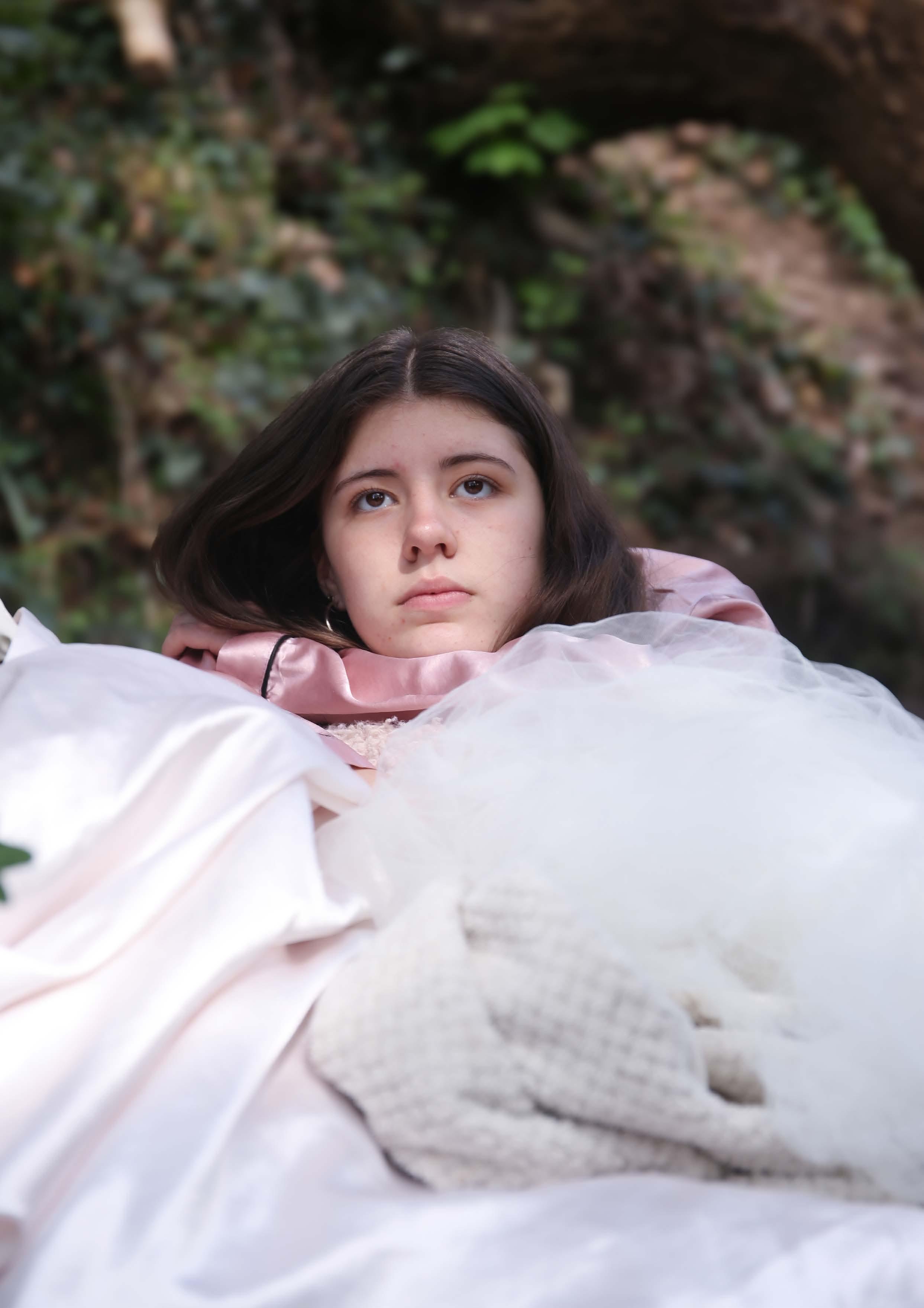
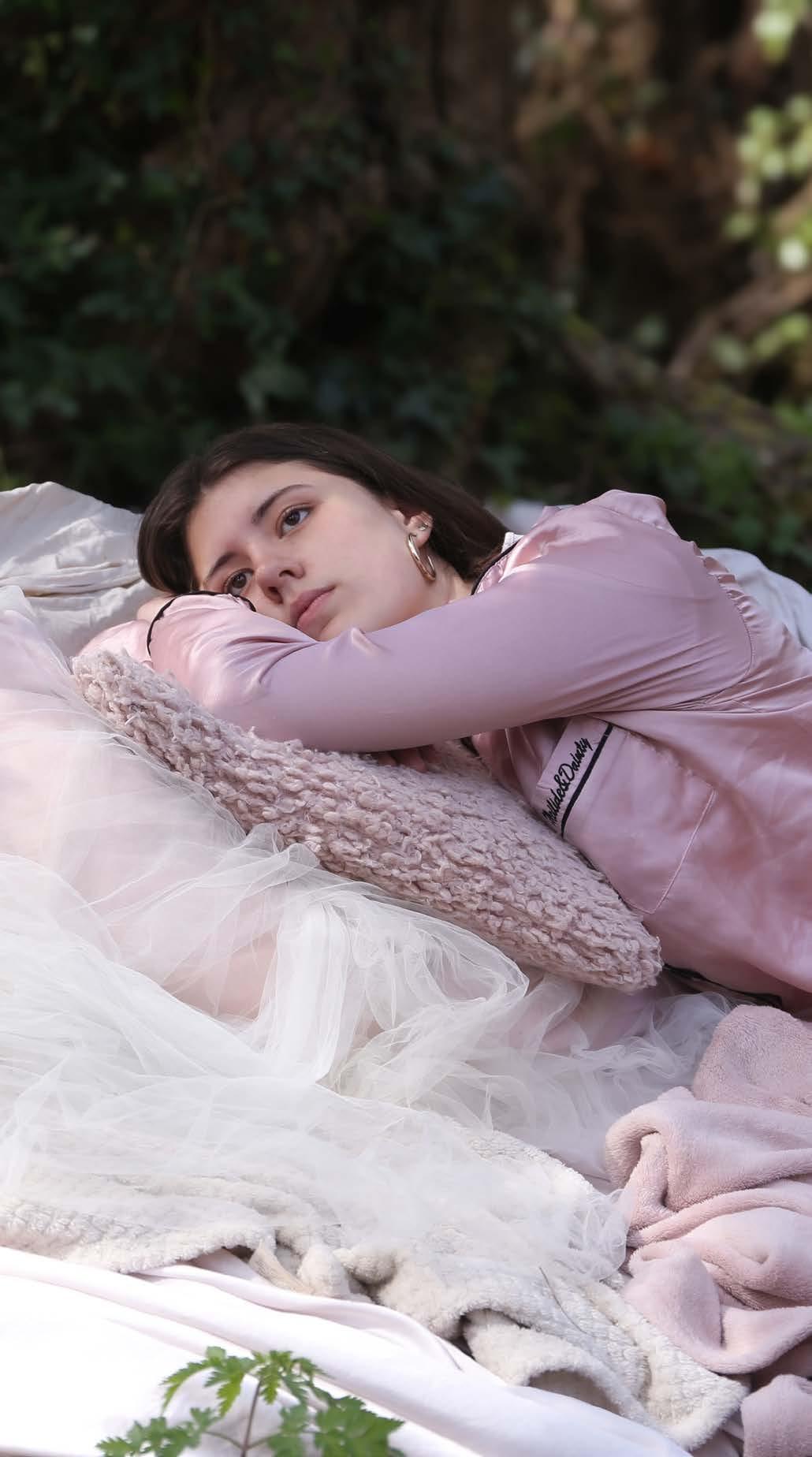
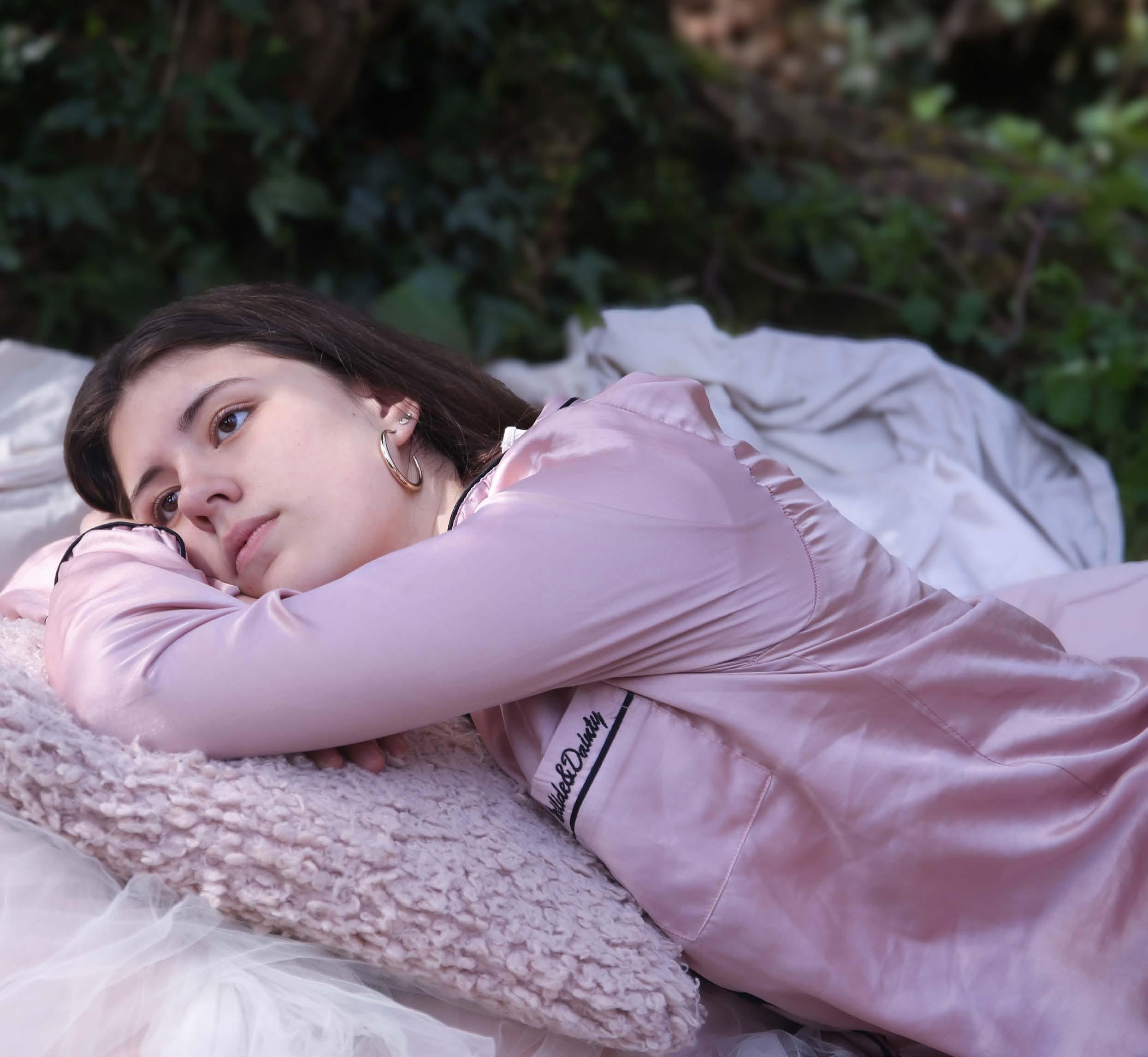
There was a time when “getting your beauty sleep” meant nothing more than turning in early. But scroll through TikTok or Instagram today, and sleep isn’t just a necessity—it’s a full-fledged ritual, aesthetic, and arguably the newest form of self-optimisation. Welcome to the era of beauty sleep 2.0, where your bedtime routine might just be more curated than your morning coffee.
From “sleepy girl mocktails” to silk pillowcases, sleep masks chilled in skincare fridges, and blue-light-blocking face patches, social media has transformed the humble act of going to bed into a viral performance. Hashtags like #SleepTok, #BeautySleep, and #SleepRoutine collectively rack up billions of views, offering endless content of serene lighting, skin-cycling schedules, and nighttime elixirs promising everything from clear skin to REM-level radiance.
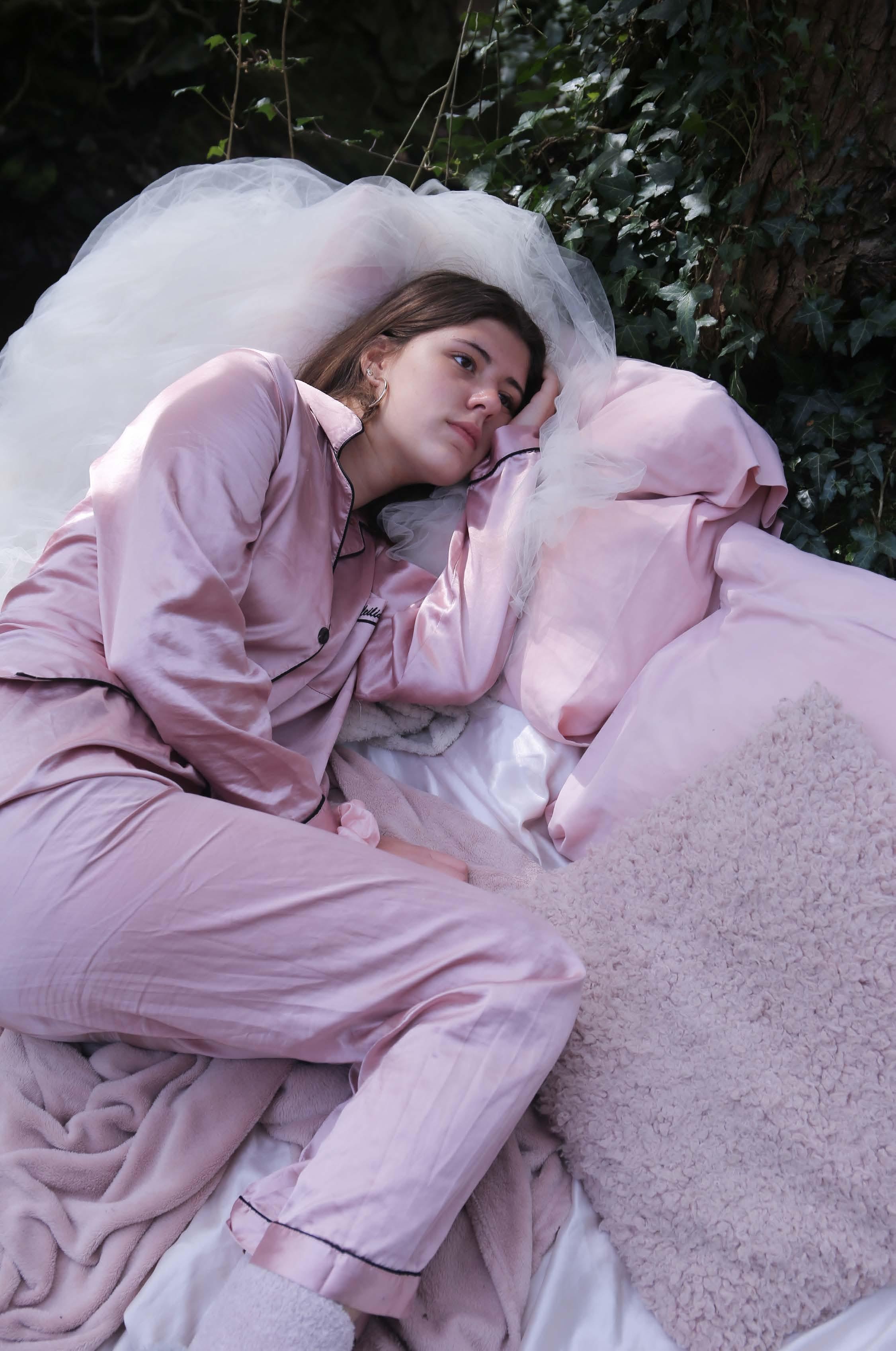

Leading the charge are beauty and wellness influencers who share multi-step night routines that begin hours before bed. Think magnesium supplements, adaptogenic teas, gentle stretches, dimmed Himalayan salt lamps, journaling, and of course—a full suite of luxury skincare.
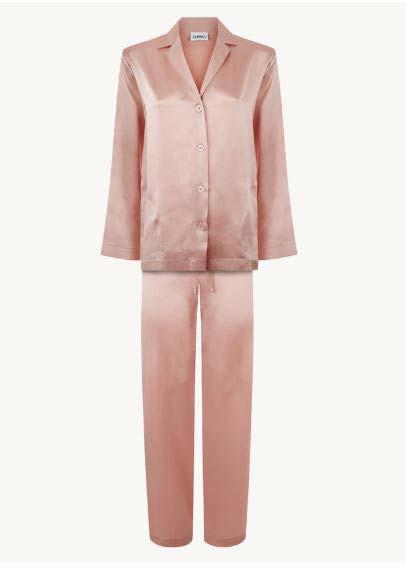
The aesthetic? Soft lighting, matching pajama sets, and a whispery ASMR tone. The underlying message? If you’re not turning your bedtime into an act of wellness and self-care, you’re missing out.
But is all this actually about sleep—or is it about how we perform sleep?
As with any trend, brands have jumped on board. The market for sleep-related beauty products—night creams, pillow sprays, melatonin-infused gummies—has boomed. According to a 2024 report from Allied Market Research, the global sleep aid market is projected to reach over £84 billion by 2030, with beauty-specific products claiming a sizable slice.
Apps like Calm and Hatch tout sleep as the foundation of beauty and mental clarity, while luxury brands like Slip and Lunya have turned sleepwear into status symbols. Even tech has entered the mix, with sleep-tracking rings and LED light therapy masks promising to optimise your night like a fitness routine.
Ironically, the pressure to perfect your sleep routine may be undermining the very rest it’s supposed to promote. With so much focus on doing sleep right, some users report increased anxiety around bedtime. “It’s what we call ‘orthosomnia’—the stress of trying to sleep perfectly,” says Dr. Nguyen. “People are tracking their sleep stages so obsessively that they’re actually losing sleep over it.”
And then there’s the accessibility issue. Many of the products and practices featured in these trends come with a hefty price tag, reinforcing a divide between aspirational wellness and realistic, affordable self-care.
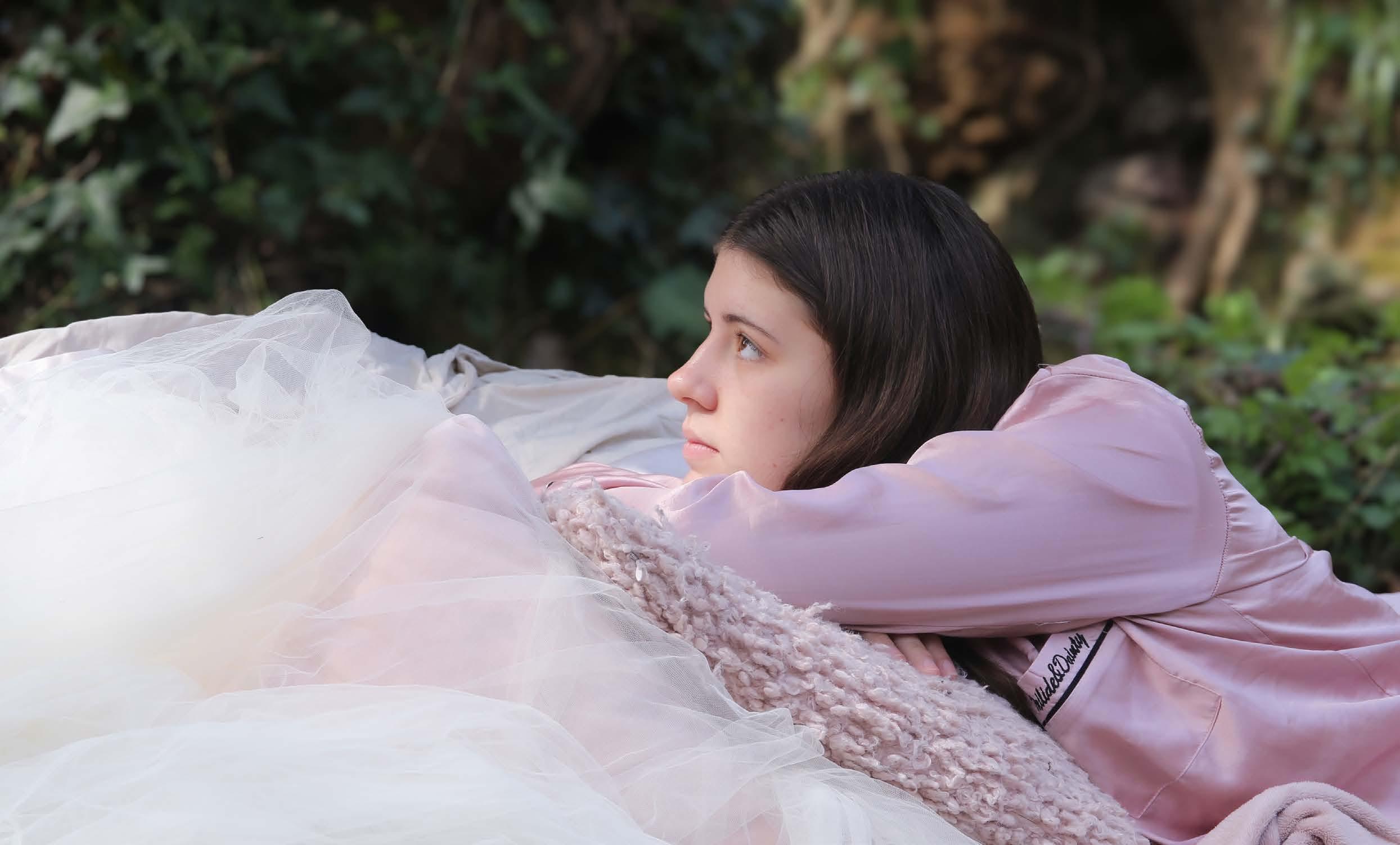
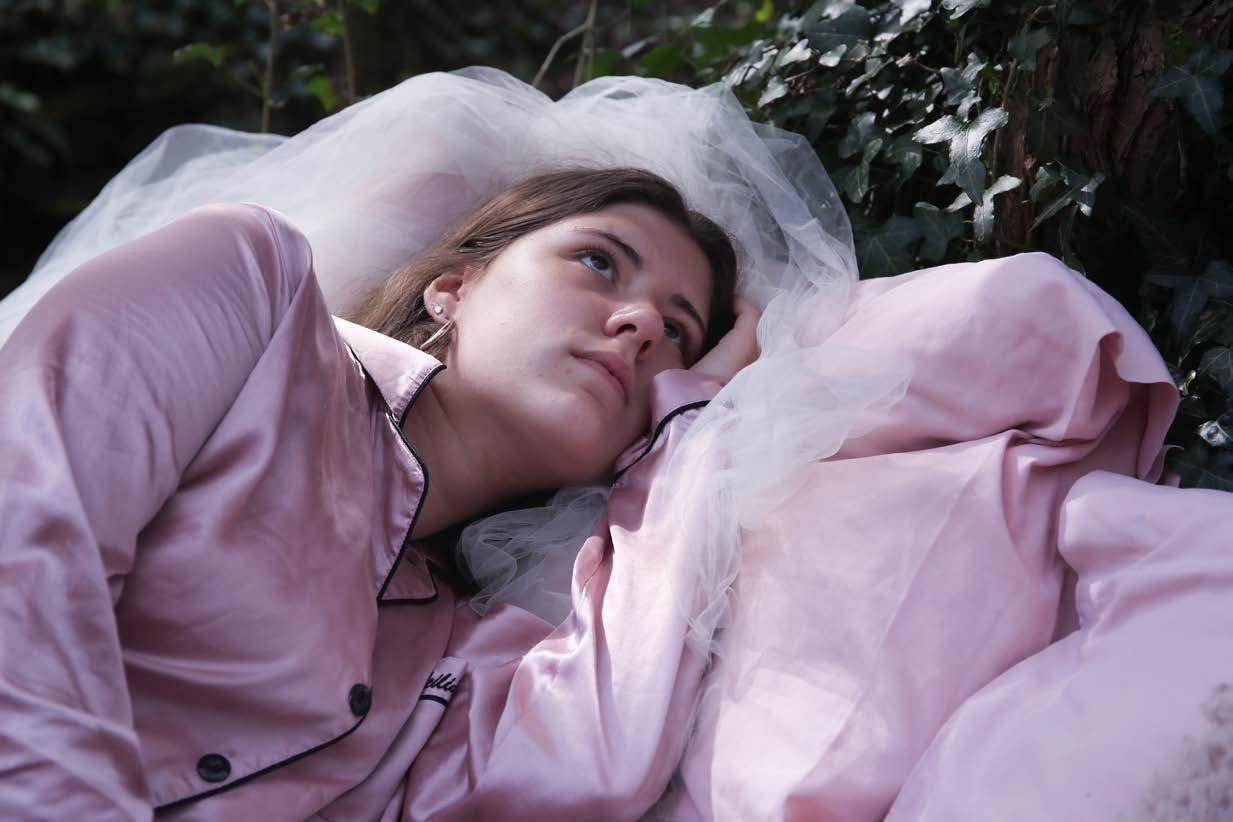
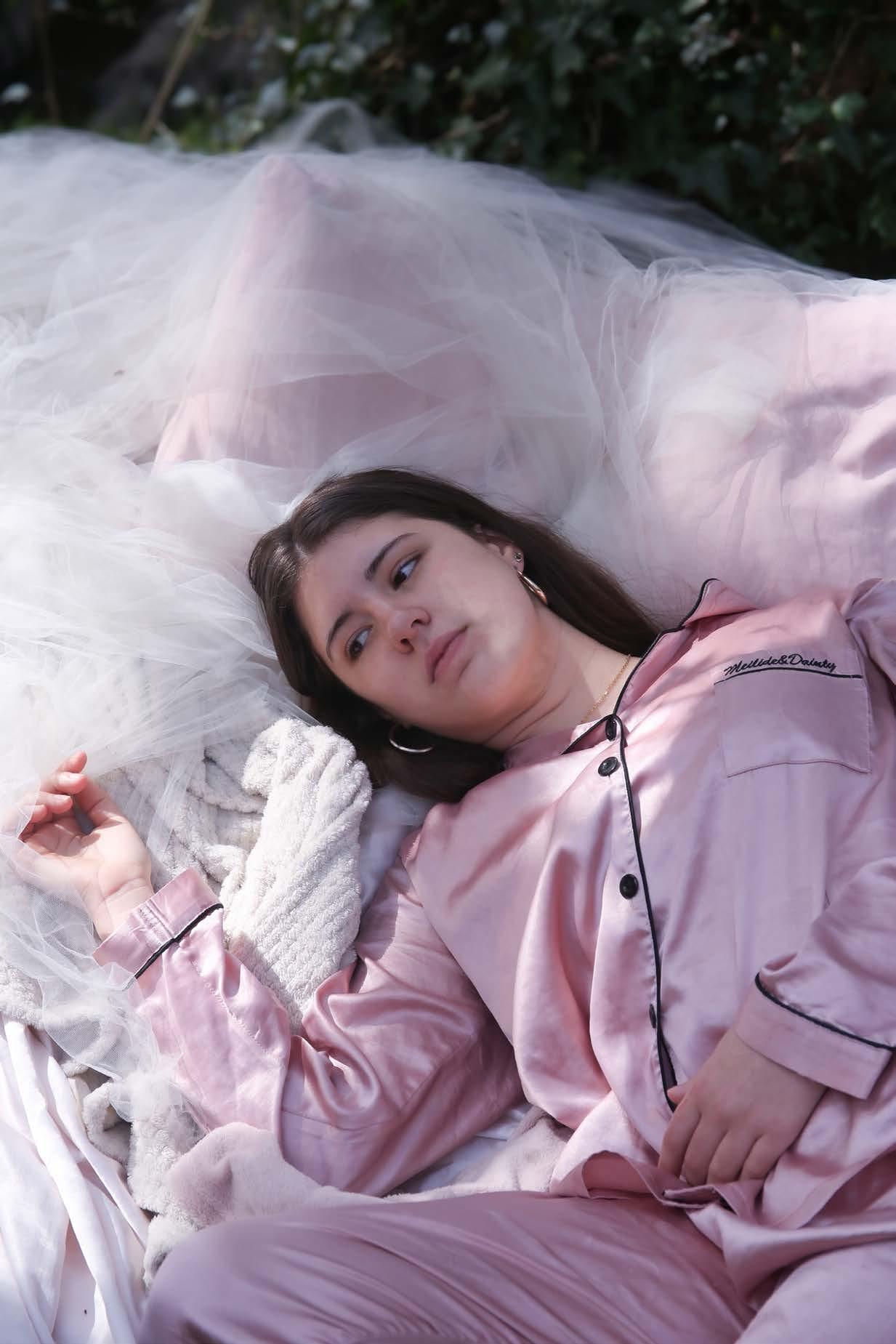
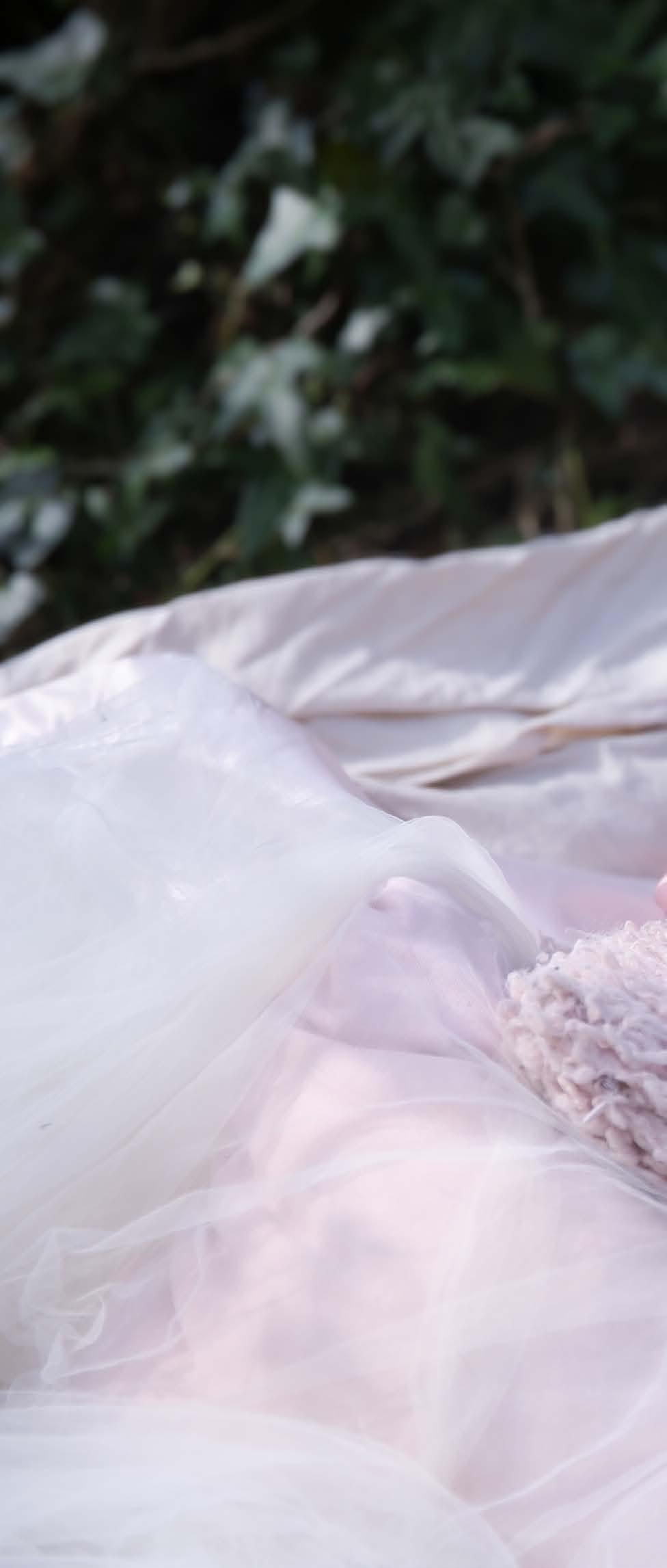
Despite the aesthetic overload, the core message behind the trend has merit: prioritising quality sleep is one of the best things you can do for your skin, mental health, and overall well-being. But it doesn’t require a 12step ritual or £225 in silk accessories. Experts recommend a few science-backed basics: keep a consistent bedtime, reduce screen time an hour before sleep, avoid caffeine in the evening, and make your sleeping space cool, dark, and quiet.
Viral Beauty Sleep Trends, Explained
Sleepy Girl Mocktails – Nighttime beverages made with magnesium, tart cherry juice, and calming herbs to promote sleep.
Silk Pillowcases – Touted for reducing friction and minimising skin creases or hair breakage overnight.
Skin Cycling – Alternating active skincare ingredients (like retinol and exfoliants) nightly to optimise skin repair during sleep.
Overnight Lip Masks – Thick balms that hydrate lips while you rest—now a staple in many routines.
Blue Light Patches – Stickers placed under the eyes to reflect screens’ blue light (though science remains mixed on their effectiveness).
A collection of sustainably made sleep accessories
Floks Sleep socks
The finest luxury 100% cashmere bed socks
£42.00

Ethical Bedding
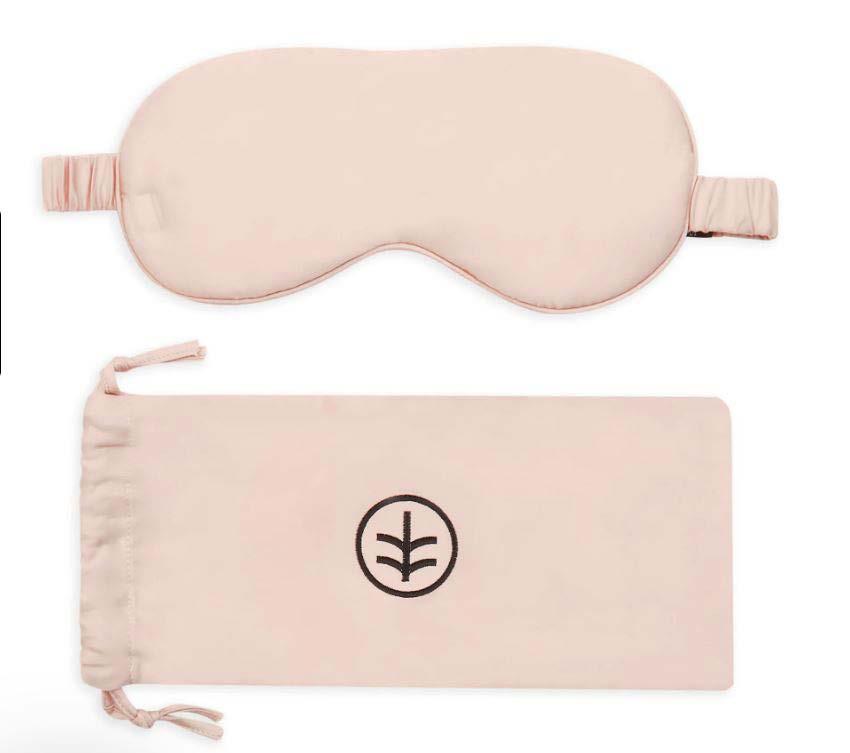
Silk Eye Mask Sleep in Rose (Eucalyptus Silk)


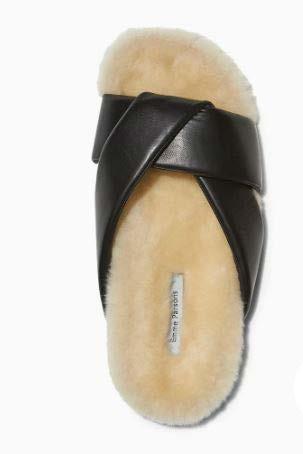
Emme Parsons
Fur-Lined Folded Slides
£357.00
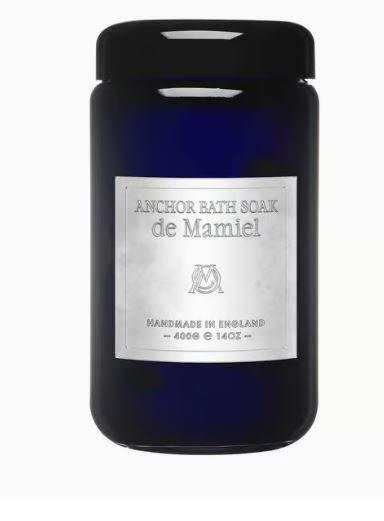
De Mamiel
Anchor Bath Soak
£96.00
OZLO SLEEP
Ozlo sleepbuds
£349.00

Goop Beauty
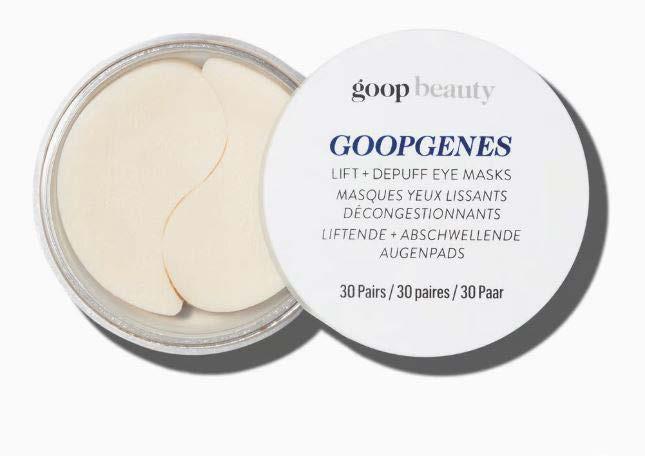
Lift + Depuff Eye Masks
£125.00 (with subscription)
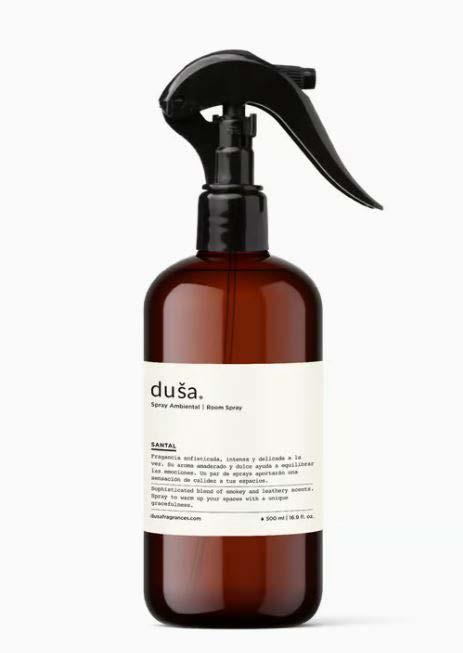
Dusa
Room & Linen Spray
£65.00
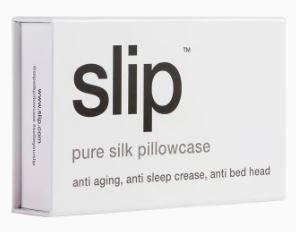
White Queen Pillow Case
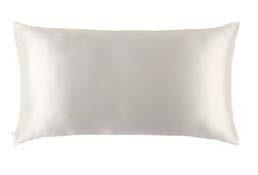
£105.00
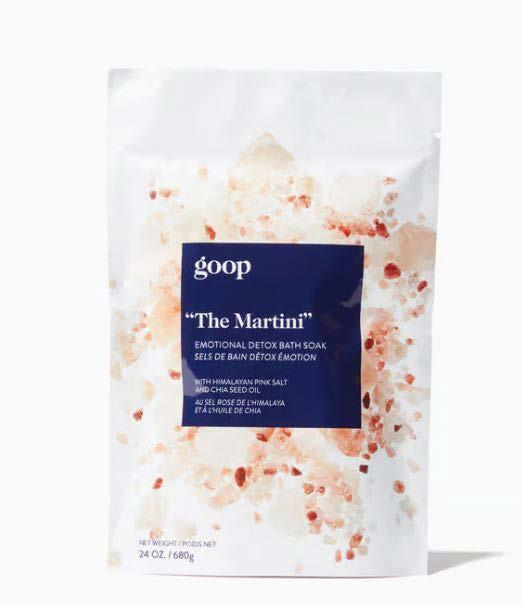
Goop Beauty
“The Martini” Emotional Detox Bath Soak
£40.00

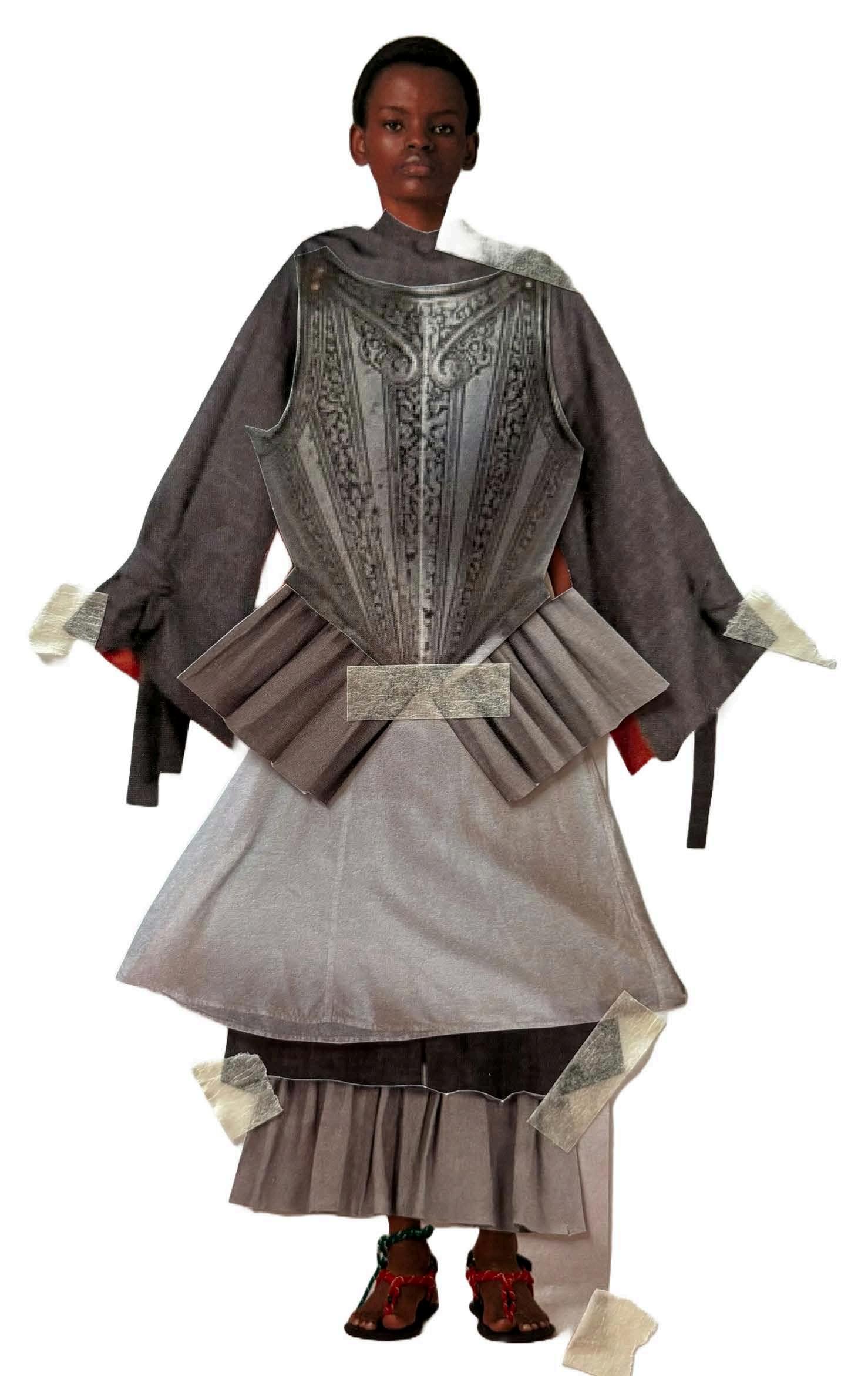
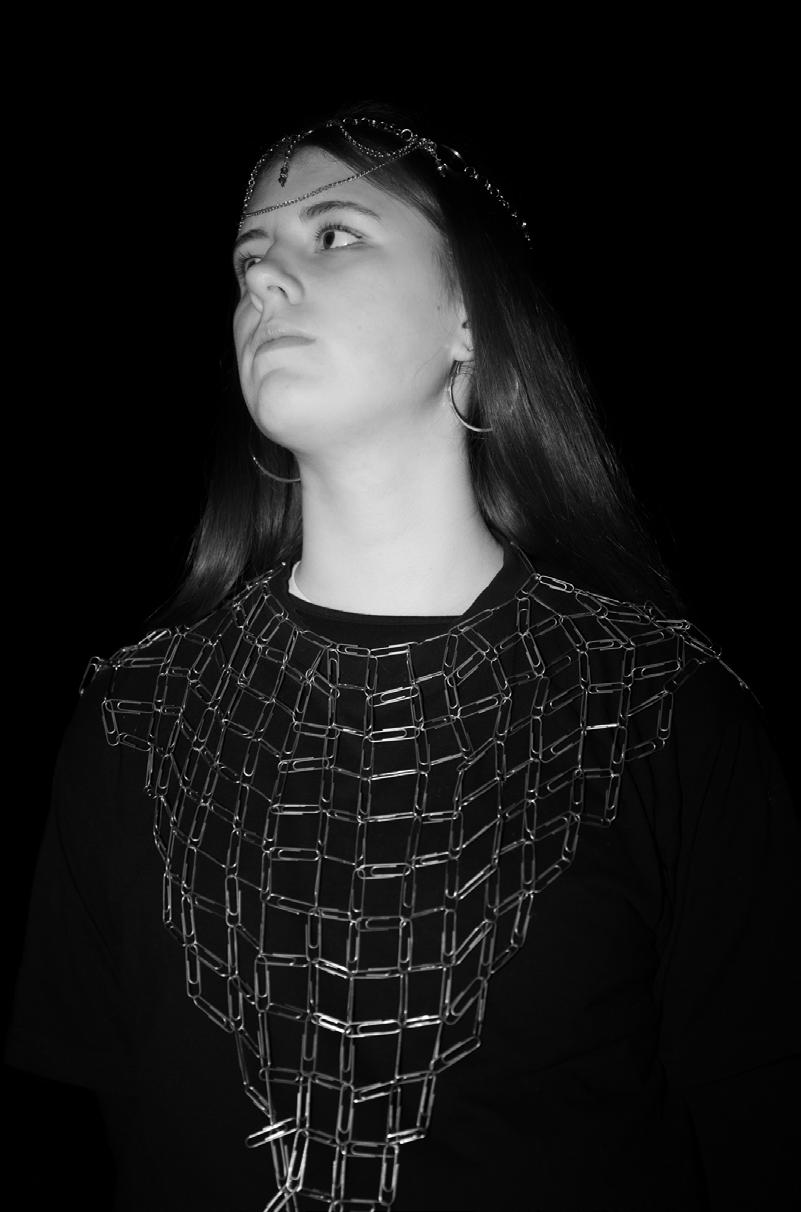
Joan of Arc, the courageous young peasant who led France to victory in the Hundred Years’ War, has long been celebrated for her bravery, conviction, and visionary leadership. While history remembers her for her military prowess and tragic fate, Joan’s legacy continues to live on in unexpected ways—most notably in the world of fashion. In the centuries since her death, Joan of Arc has transcended the traditional role of a historical figure to become a symbol of empowerment, strength, and bold individuality resonates today.
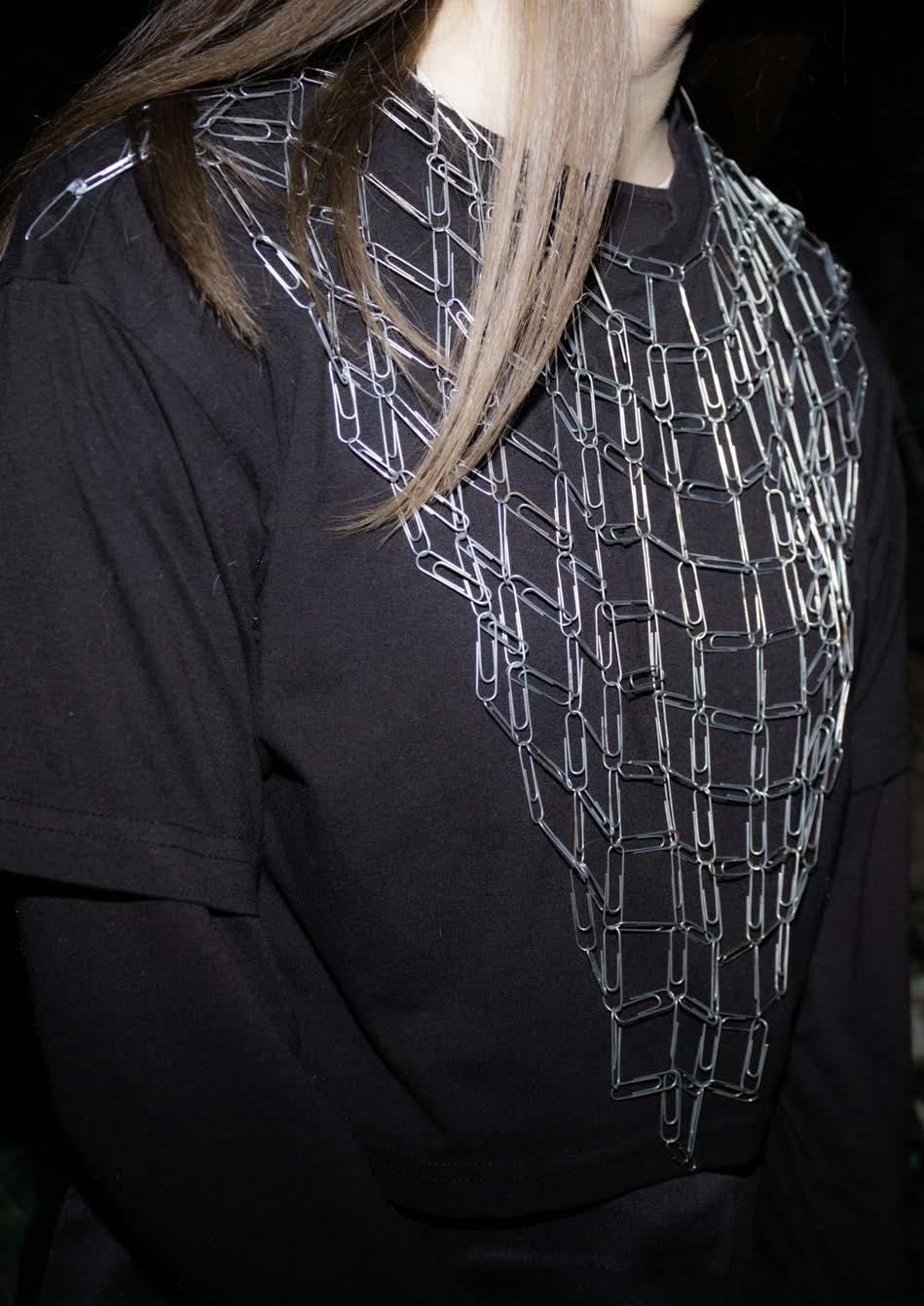

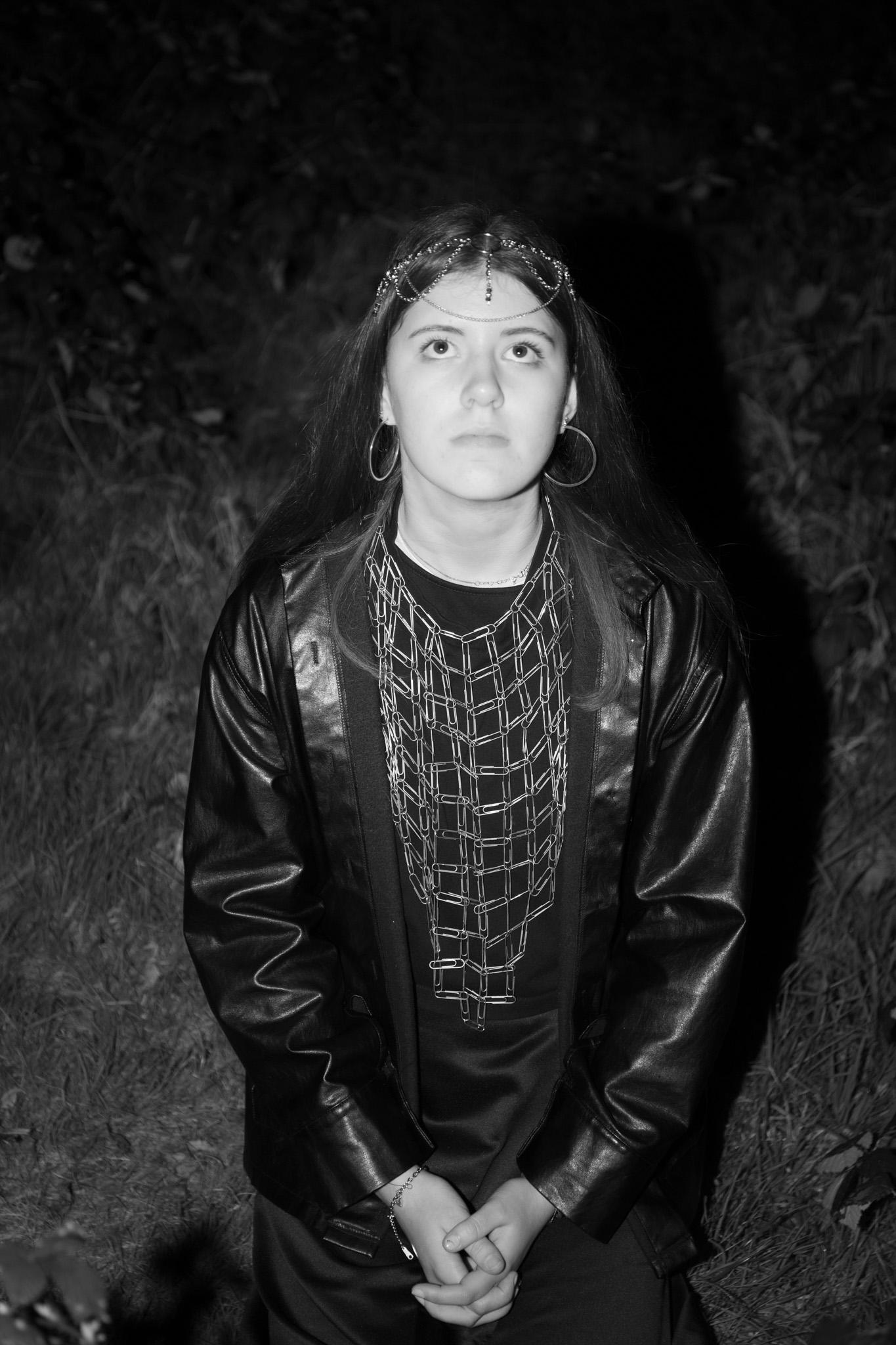
One of Joan of Arc’s most iconic fashion statements was her armour. While traditionally, women in the 15th century were expected to dress in flowing gowns and delicate fabrics, Joan defied convention by donning male soldiers’ armour. This fearless choice was not only a matter of practicality, as it helped her in battle, but also a bold act of defiance against the patriarchal norms of her time. In the fashion world, this image of Joan as a warrior has been interpreted in numerous ways, with designers using elements of armour and militaristic styles to evoke her strength. In recent years, high fashion runways have seen a resurgence of sharp, structured silhouettes and metallic accents reminiscent of Joan’s battle attire. Designers like Alexander McQueen and Balmain have incorporated elements of armour-like detailing into their collections, often blending historical inspiration with futuristic aesthetics. The idea of armour, once solely associated with warfare, has now become a symbol of empowerment. Joan of Arc’s armour, a protective and commanding statement, has inspired countless collections that convey both elegance and strength. Think of structured, metallic blazers, embellished with intricate detailing and sharp lines, which have become staples in the wardrobes of fashion-forward individuals looking to channel the iconic warrior spirit.
Joan’s ability to transcend gender norms has been another key influence on modern fashion. Her decision to wear male clothing was not only practical but also a statement against the restrictive expectations placed on women at the time. Joan’s androgynous look - combining elements of masculinity and femininity—has resonated deeply with today’s growing movement toward gender-fluid fashion.
Fashion houses like Chanel and Louis Vuitton have embraced this evolution, with collections that blur the lines between menswear and womenswear. Tailored suits, oversized blazers, and utilitarian pieces have been reimagined to fit all genders, creating a more inclusive approach to style. Joan of Arc’s legacy can be seen in the way designers now encourage individuals to express themselves beyond the constraints of gendered fashion.
The warrior ethos Joan of Arc embodied has influenced a generation of designers and fashion icons who are unafraid to mix masculine and feminine elements in their clothing. In the age of fluidity, Joan’s embrace of both strength and sensitivity is echoed in collections that emphasise empowerment, independence, and freedom of expression.
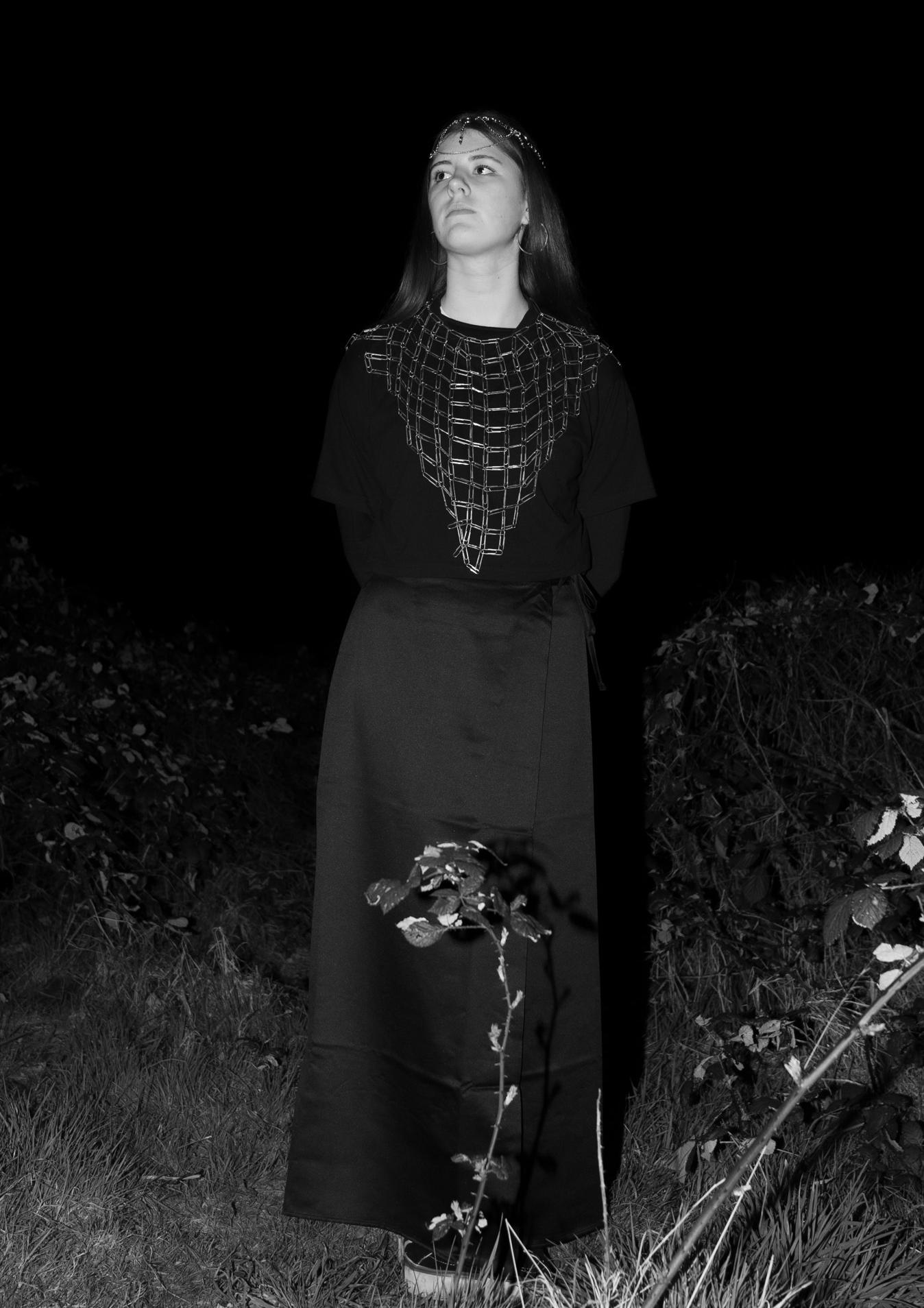
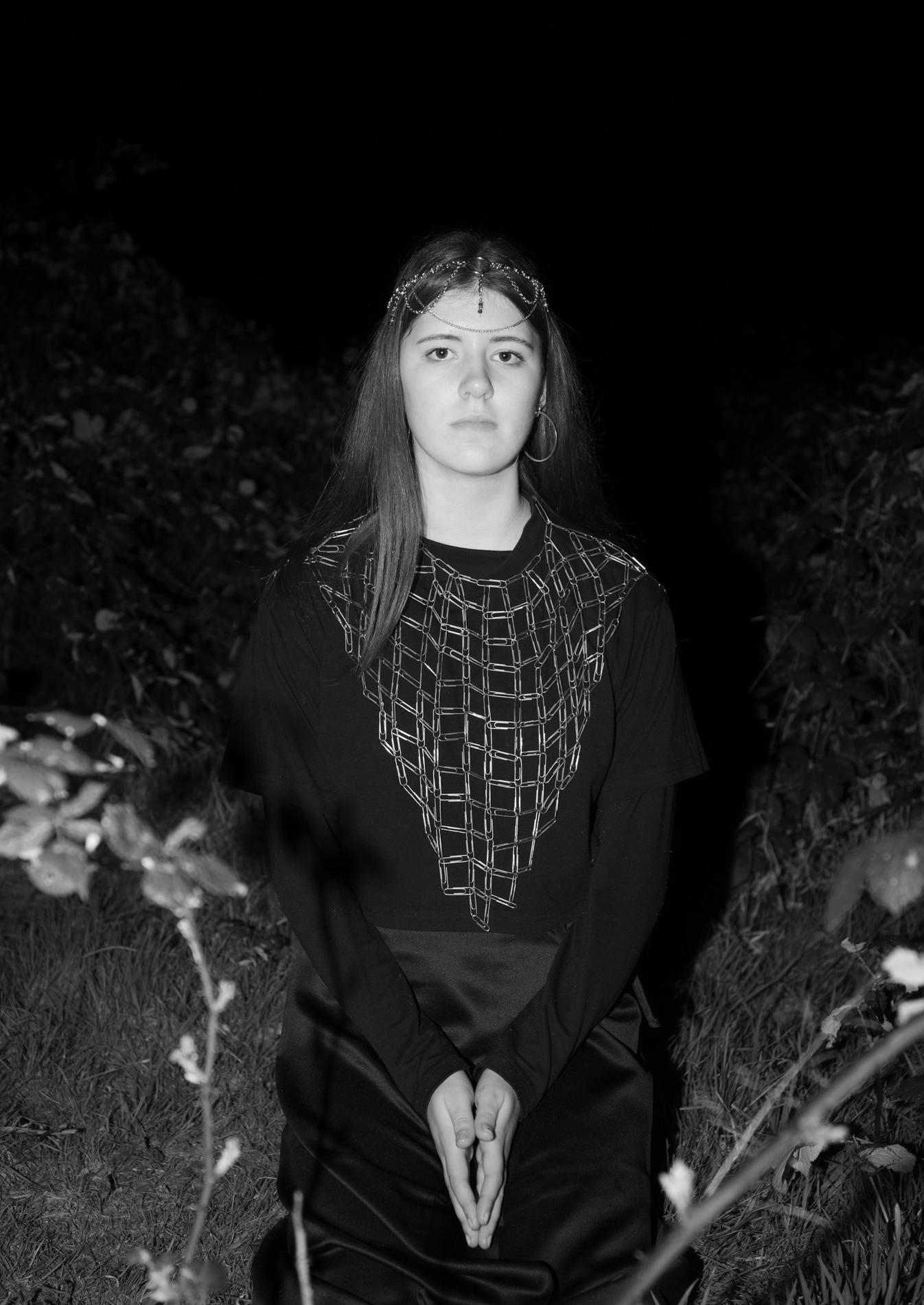
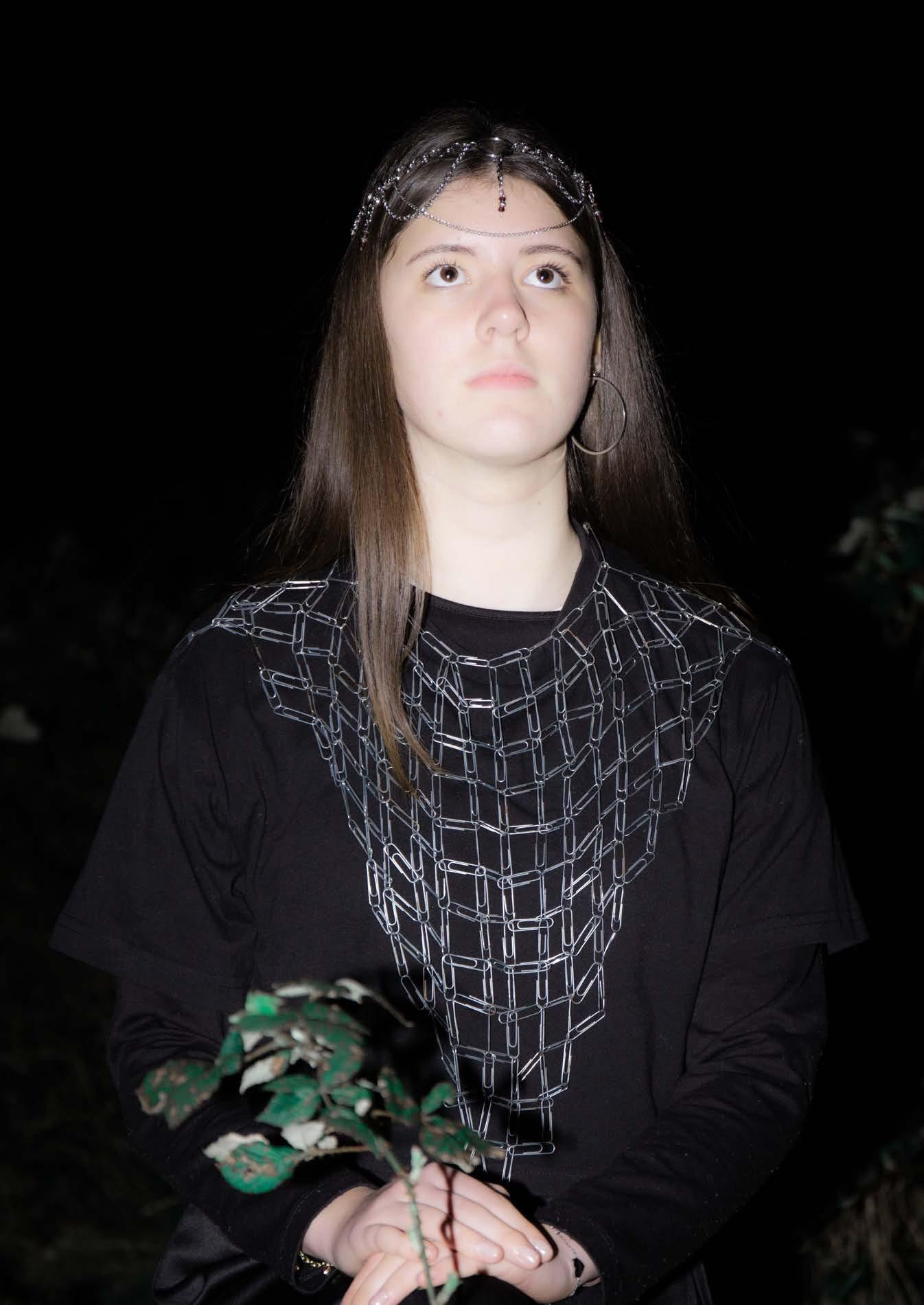


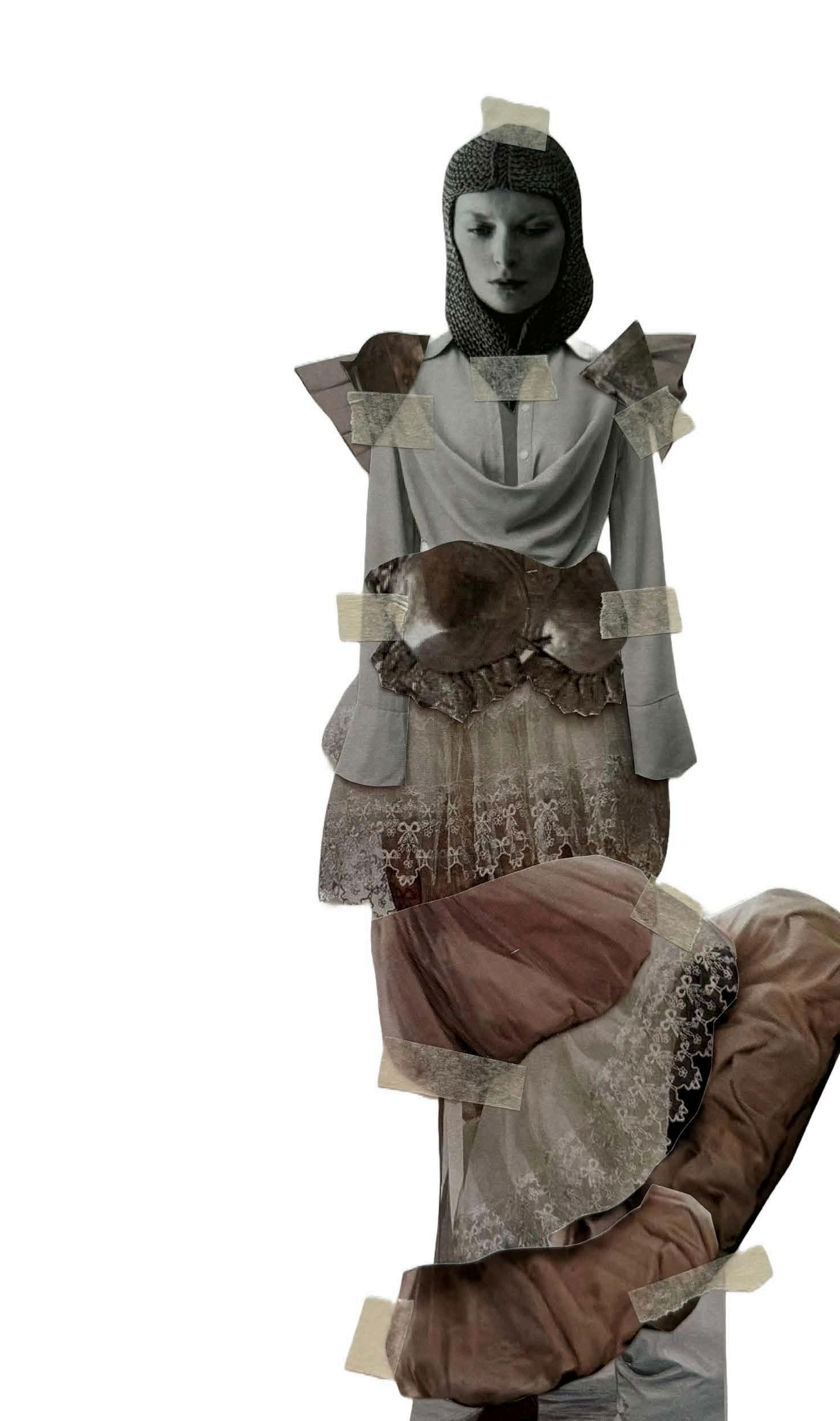
Life as a medieval princess was far more complex than fairy tales suggest. While castles, fine gowns, and royal banquets did exist, daily life was shaped by duty, tradition, and often rigid social expectations. A medieval princess, typically between the 11th and 15th centuries, was raised not only to embody grace and piety but also to serve as a political asset to her kingdom.
A princess’s day began at sunrise. Her ladies-in-waiting would assist in dressing her, layering her in finely embroidered gowns, often made of wool, silk, or linen. Clothing reflected status, and a princess’ s wardrobe was not just luxurious—it was symbolic. Hair was braided or coiled under a veil or elaborate headdress, and religious devotion usually started the day. She might attend mass in the castle chapel, reciting prayers and hymns, emphasising her role as a moral example to her subjects.
Breakfast, usually a simple meal of bread, cheese, and watered wine or ale, followed shortly after. Meals were more modest than the grand feasts often imagined, especially in the early part of the day.
A princess’s education was crucial. Unlike peasant girls, noble daughters were taught to read and write—often in Latin and French—and were schooled in scripture, court etiquette, and the arts. Music and embroidery were common skills, as were dancing and the playing of instruments like the lute or harp.
Much of her day might also involve overseeing aspects of castle management. Though she was not responsible for the entire estate, a princess was expected to supervise servants, manage household accounts, and ensure the well-being of guests and residents. If her father or husband were away at war or on royal business, she might even act as regent, making decisions in their absence.
Court life revolved around diplomacy. A princess might receive envoys, learn about the politics of neighboring realms, or write letters to foreign courts. If she were betrothed or married, her marriage would likely be a political alliance, and maintaining those ties could involve delicate correspondence or hosting dignitaries.
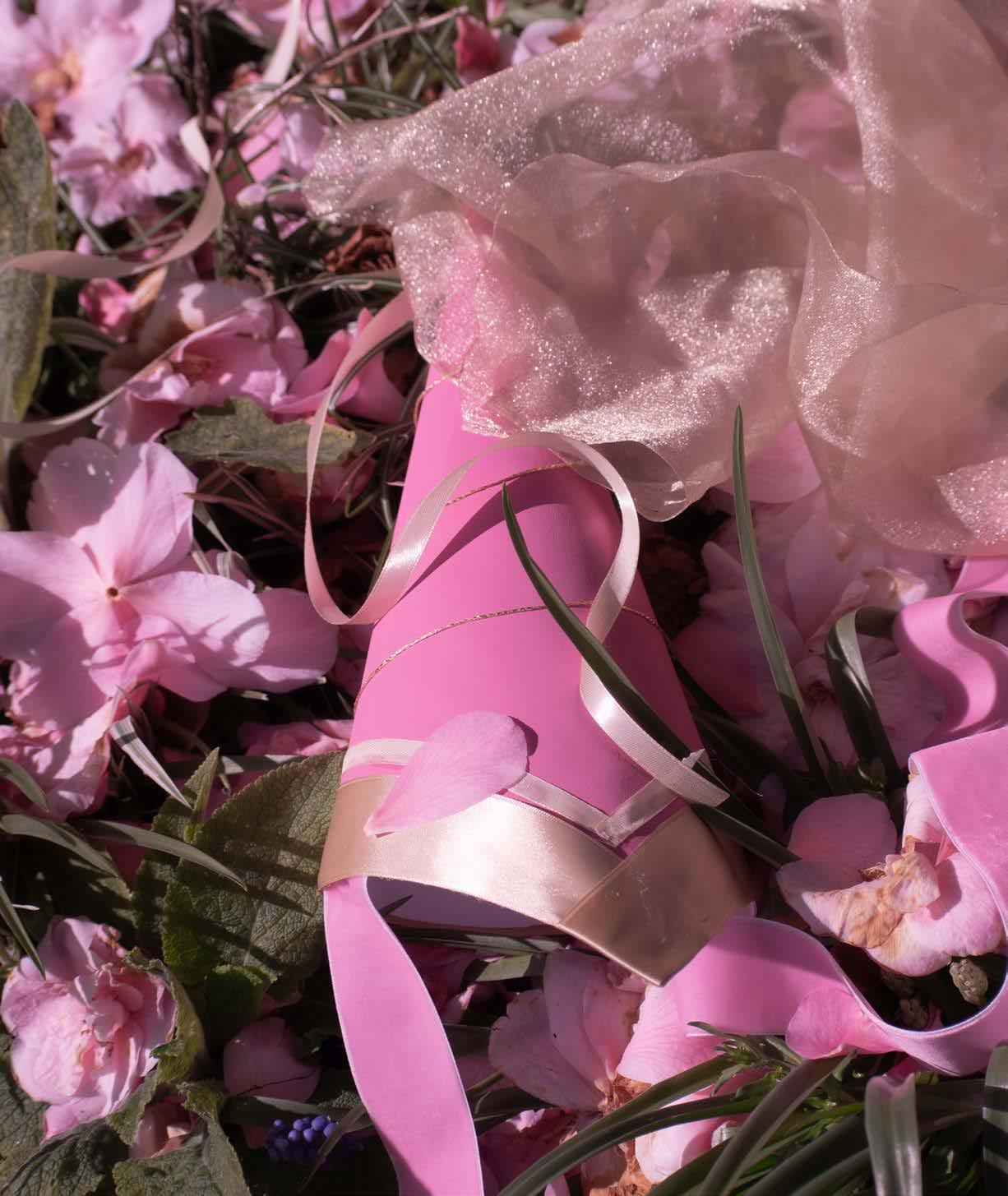
In the afternoon, a princess might walk the castle grounds, visit gardens, or ride horseback—an activity reserved for the nobility. Falconry and hunting were common pastimes among royals, and young noblewomen were sometimes trained in them, especially if they were expected to host or entertain visiting nobles. Artistic activities filled much of her leisure time. Illuminated manuscripts, needlework, or composing poetry were not just hobbies but social currency, showing refinement and intelligence.
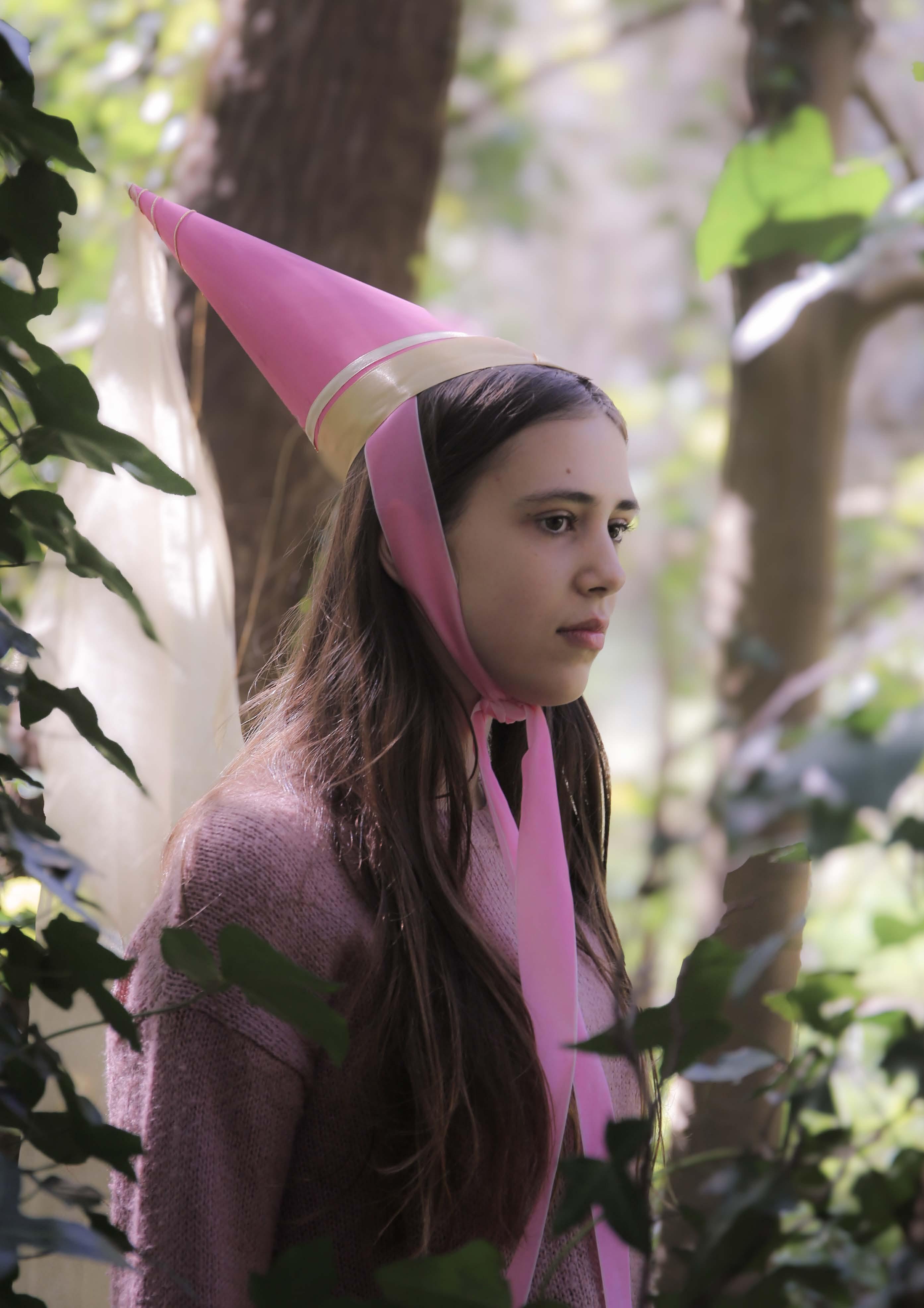
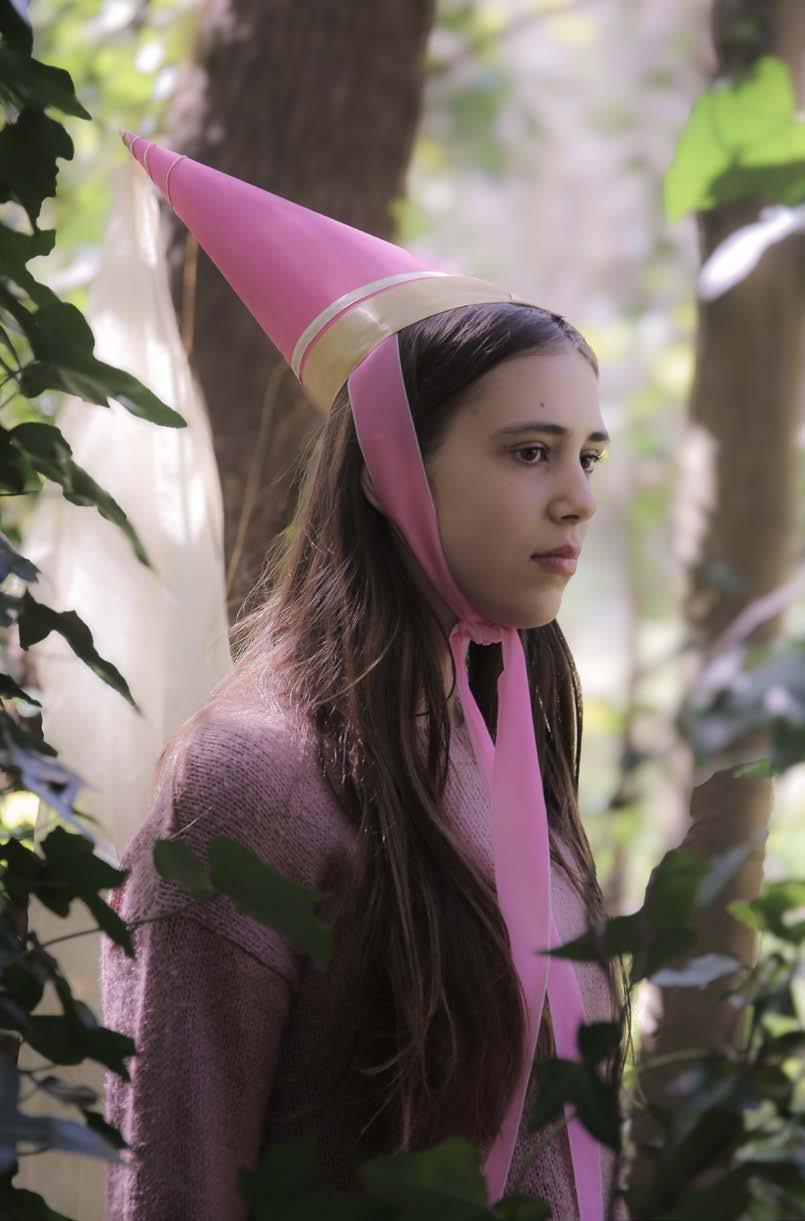
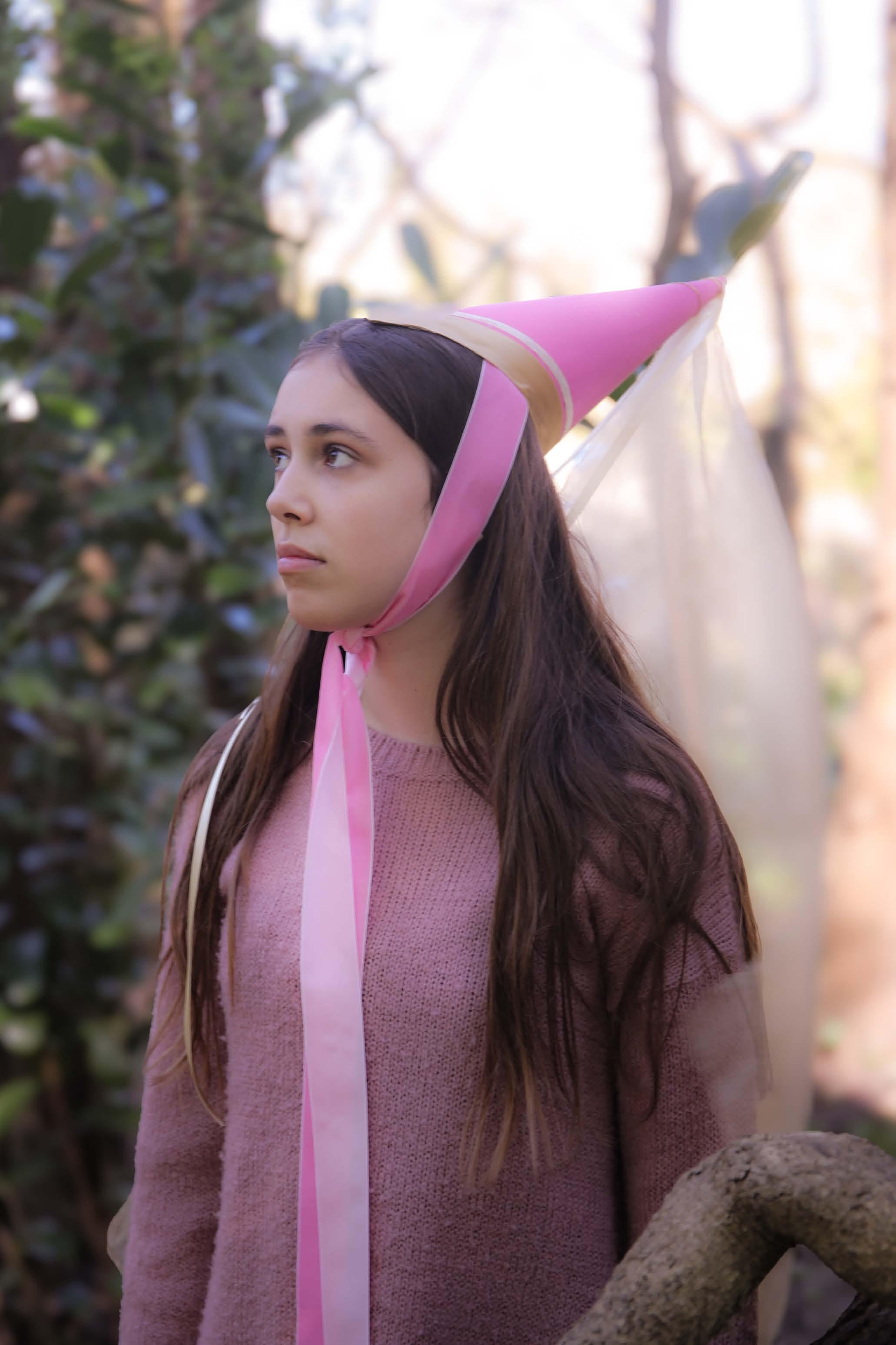
A HENNIN stlye hat, typically worn from the 15th century
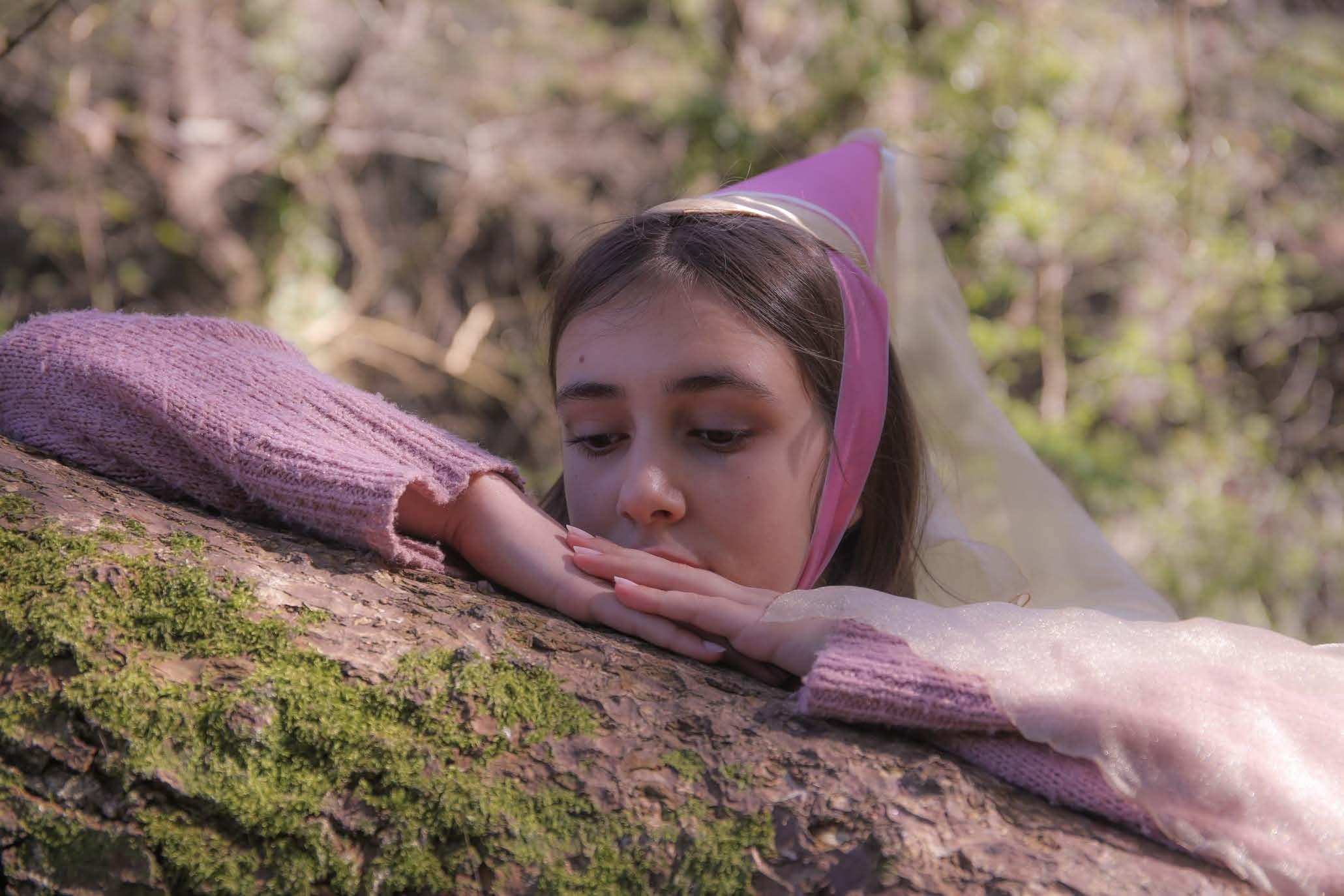
Dinner was the main meal of the day and often a more extravagant affair. Long tables would be filled with stewed meats, fish, fresh bread, and seasonal fruits. Though most castle meals were simpler than popular myths suggest, special occasions saw elaborate feasts with entertainment—musicians, jugglers, or storytellers. Evenings were often social. Family matters, arranged marriages, and court gossip filled the halls. A princess might spend time with younger siblings, mentoring them in behaviour and manners. She was expected to be a moral and cultural beacon within the royal household.
Sleep came early by modern standards. As dusk fell, the castle grew quiet. A final prayer would be said, and the princess would retire to her private chambers. Servants might help her undress and prepare for bed, lighting candles or warming stones for the cold. Despite her luxury, castles were drafty and dark; comfort was relative, even for royalty.
The life of a medieval princess was one of both privilege and pressure. She lived surrounded by splendour but bound by expectations. Though not always the romantic ideal portrayed in stories, her life shaped the politics, culture, and legacies of entire kingdoms.

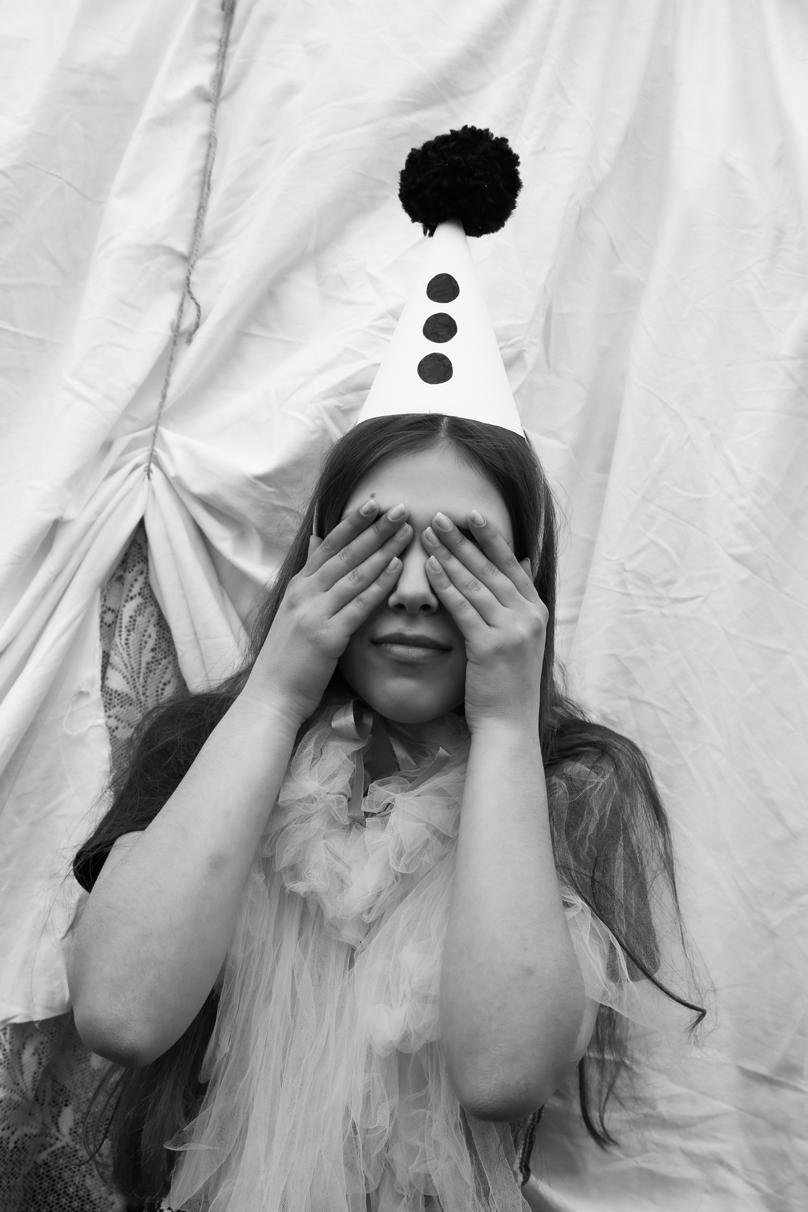
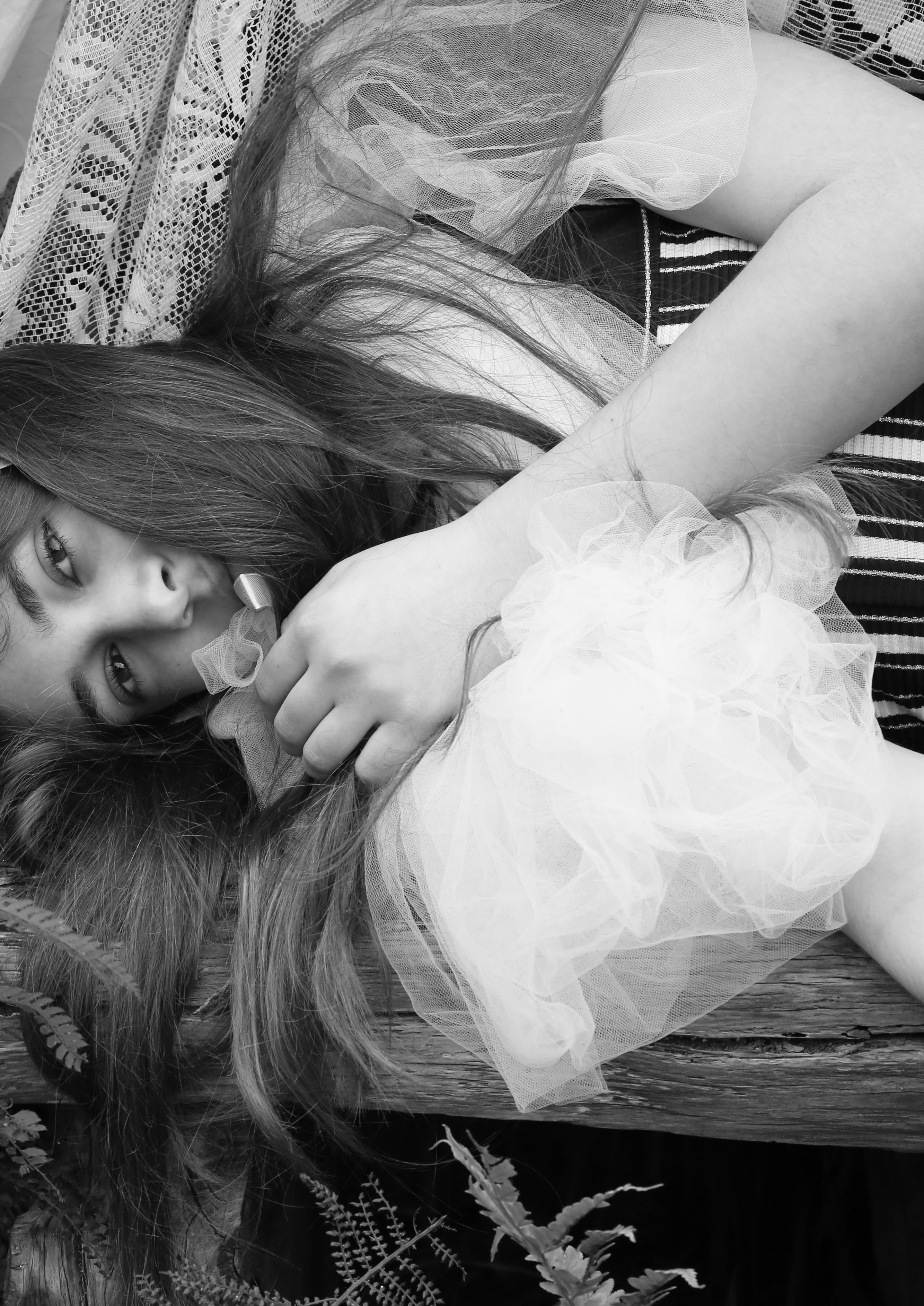
Step into a world of moonlight and music, where laughter dances hand in hand with longing. In the heart of this enchanted stage stands Pierrot—the white-faced clown with wide, wondering eyes and a soul that seems made of stardust. Though often remembered for his wistful sighs and romantic misadventures, Pierrot is far more than a sad figure in oversized sleeves. He is the poet of the circus, the dreamer of the pantomime, and perhaps the most quietly joyful symbol of resilience in all of theatre. Born from the Italian commedia dell’arte and refined on the stages of Parisian street theatre, Pierrot began as a silent observer—awkward, earnest, and full of feeling. While his louder companions, like Harlequin, leapt and schemed, Pierrot stood quietly in the wings, always dreaming. His heart, always on display, was his greatest act of courage.
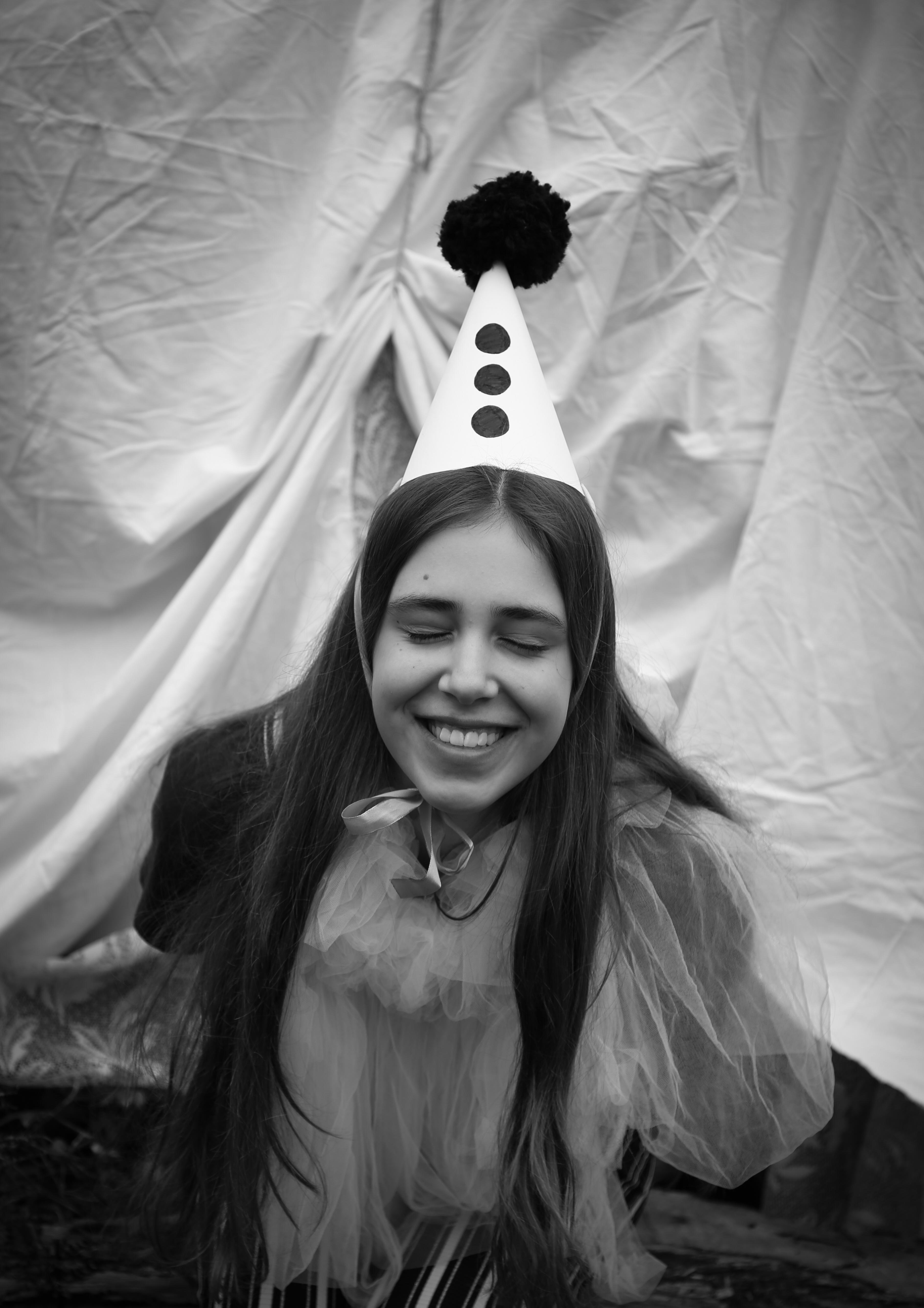
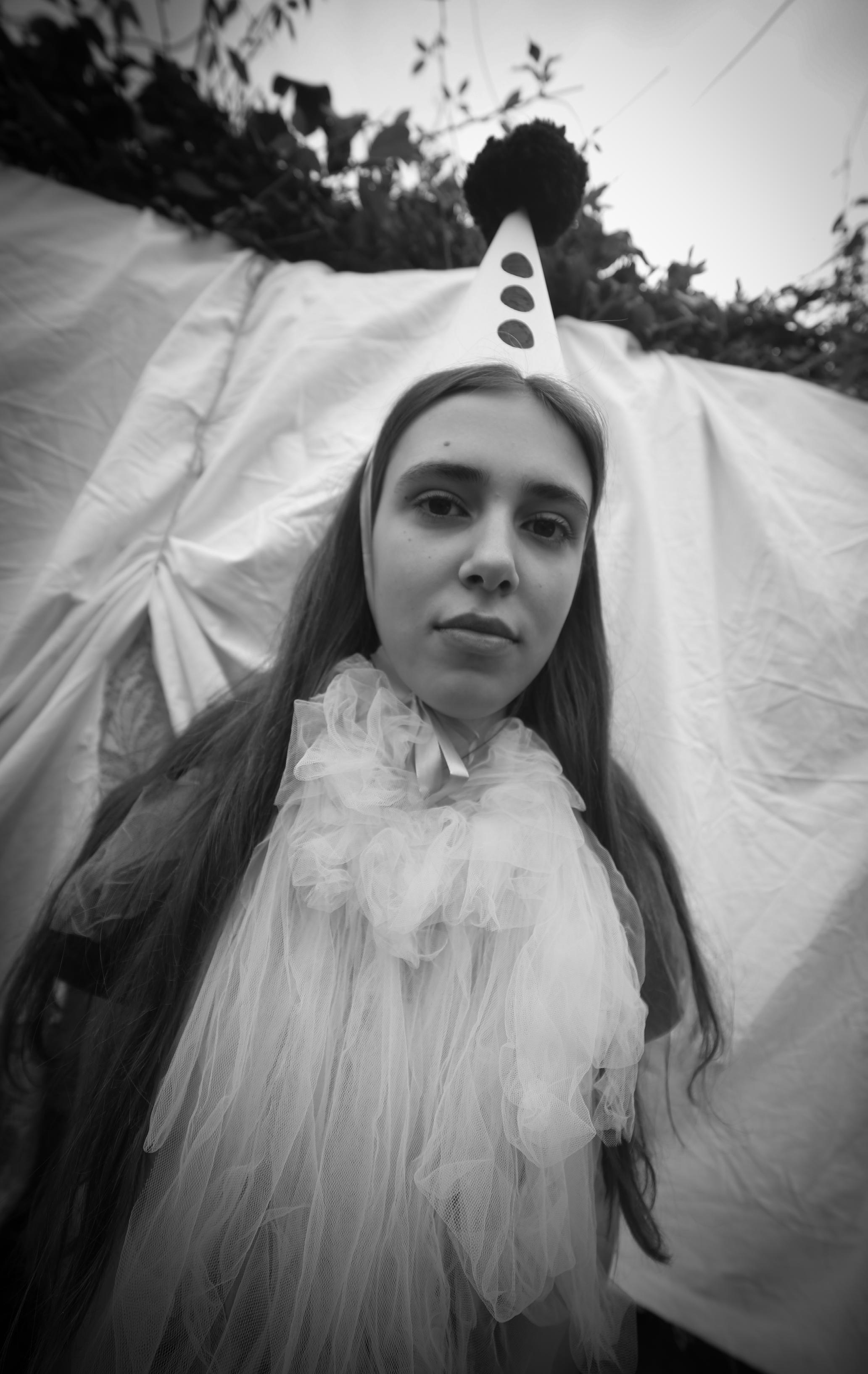
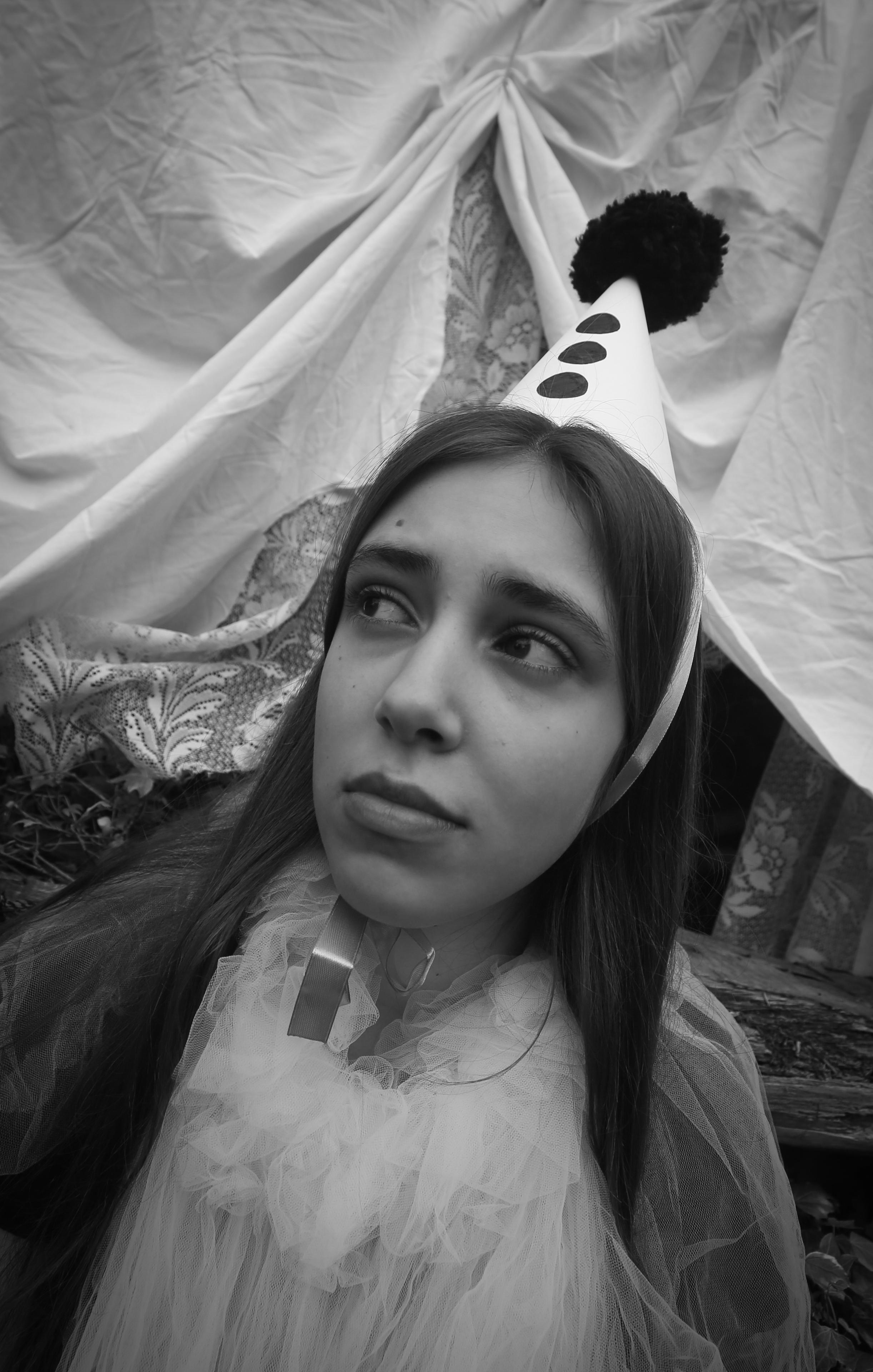
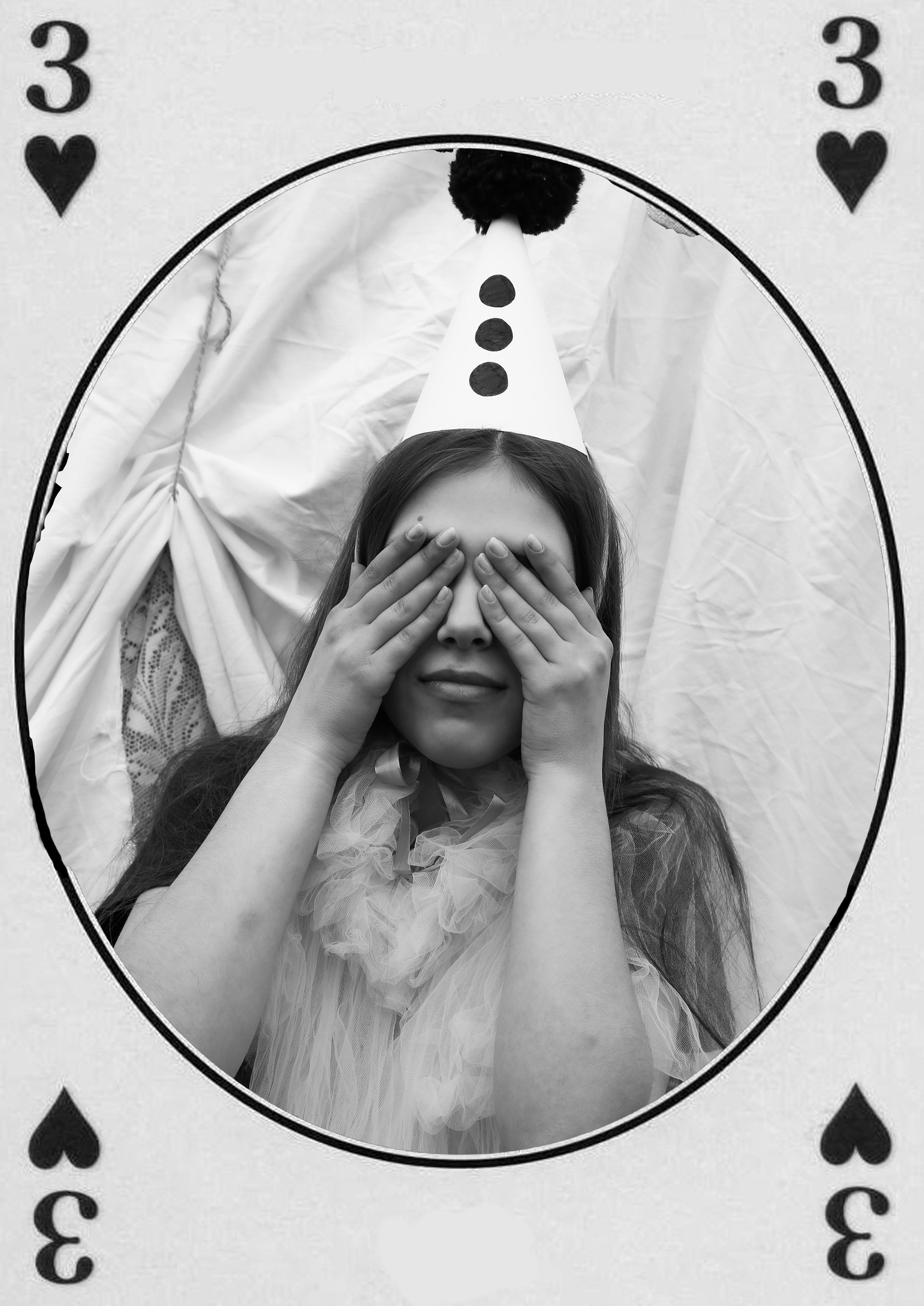
The idea of the Sad Clown Paradox—that those who entertain often carry deep emotional weight—has long been associated with Pierrot. But to define him by his melancholy alone misses something magical. Yes, Pierrot pines. Yes, he stumbles. And yes, he often loses the girl. But in every fall, there is grace. In every tear, a little sparkle. Pierrot doesn’t hide his emotions—he celebrates them. He wears his heart not just on his sleeve, but on his whole costume. And through that openness, he gives the audience permission to feel their own emotions more fully, too. There’s something brave about being soft in a world that prizes spectacle, something powerful about quiet joy.
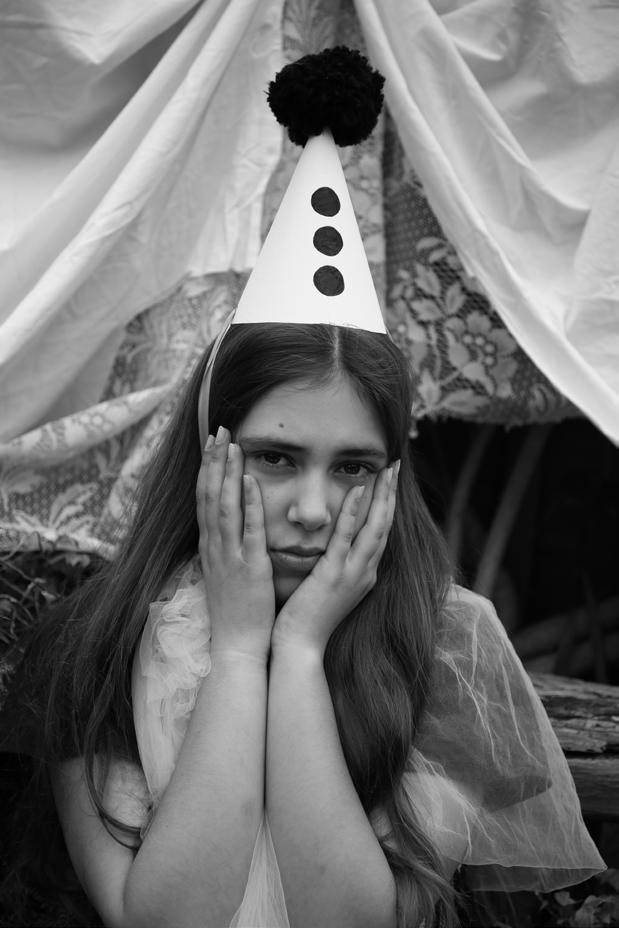
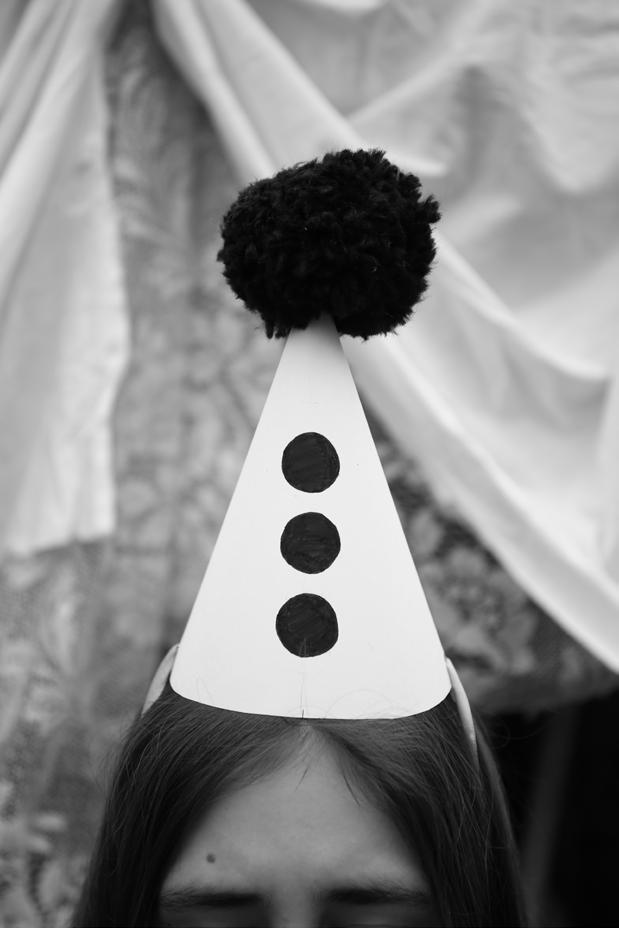

What makes Pierrot timeless is his subtle, sincere comedy. He doesn’t chase laughs with gags or pratfalls (though he takes a tumble or two). His humor comes from the tender truths of life: misunderstandings in love, missed chances, and the small, sweet absurdities of being human. He is the clown who teaches us that it’s okay to long for something more, to be silly, to wear our hearts like badges of honor. Pierrot’s charm lies in his authenticity. In a time when performance often means pretending, Pierrot offers an alternative: perform with feeling.
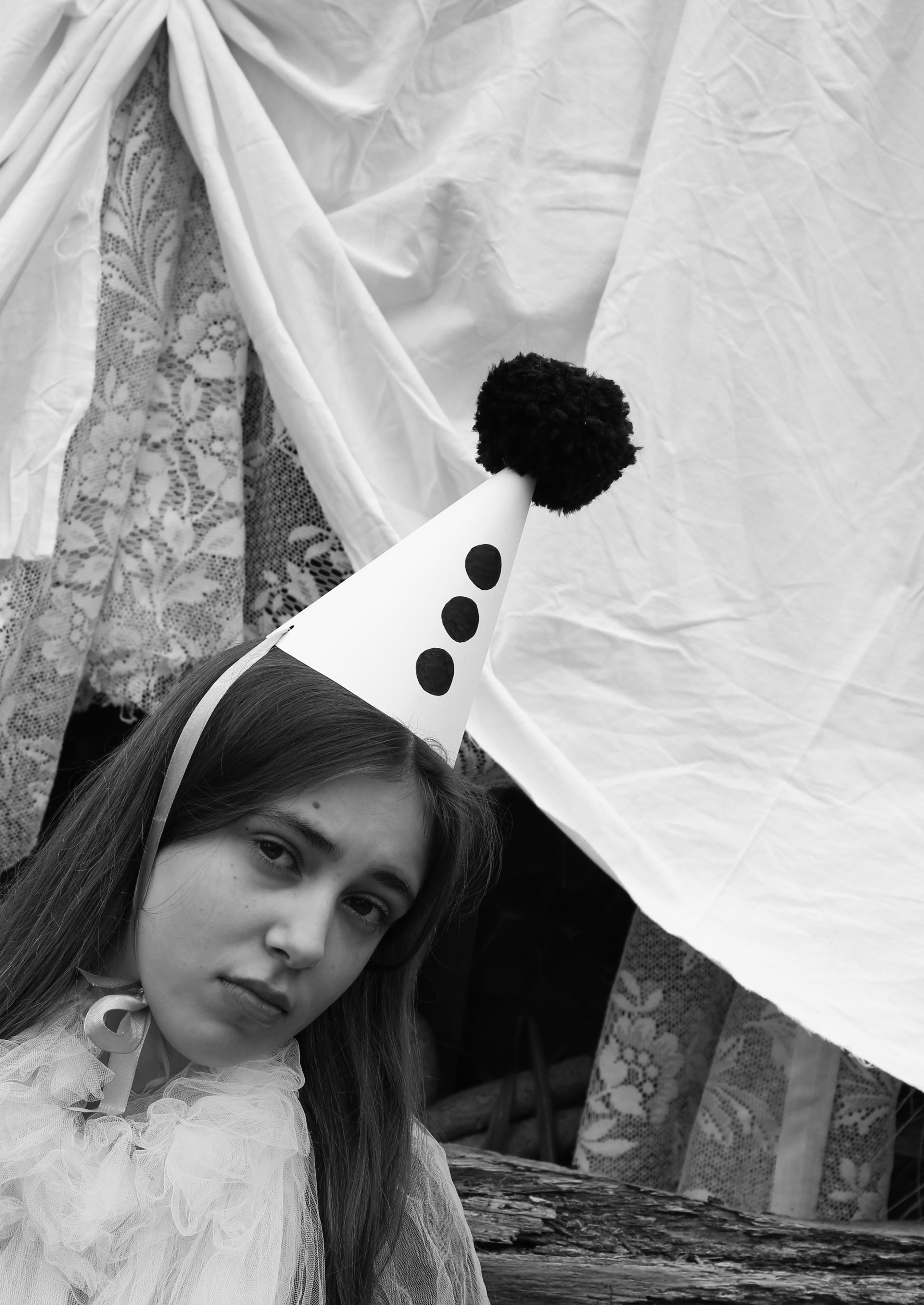
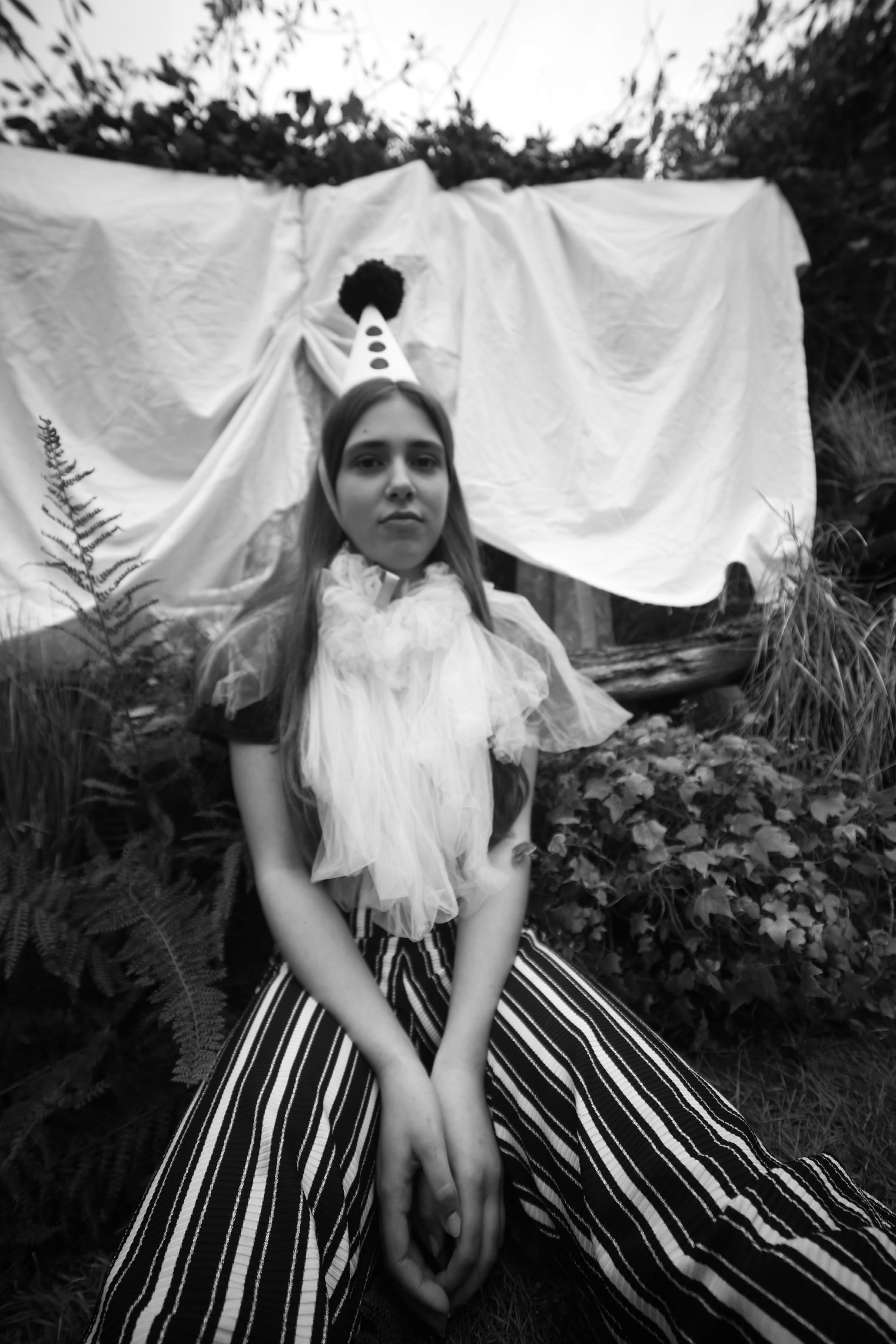
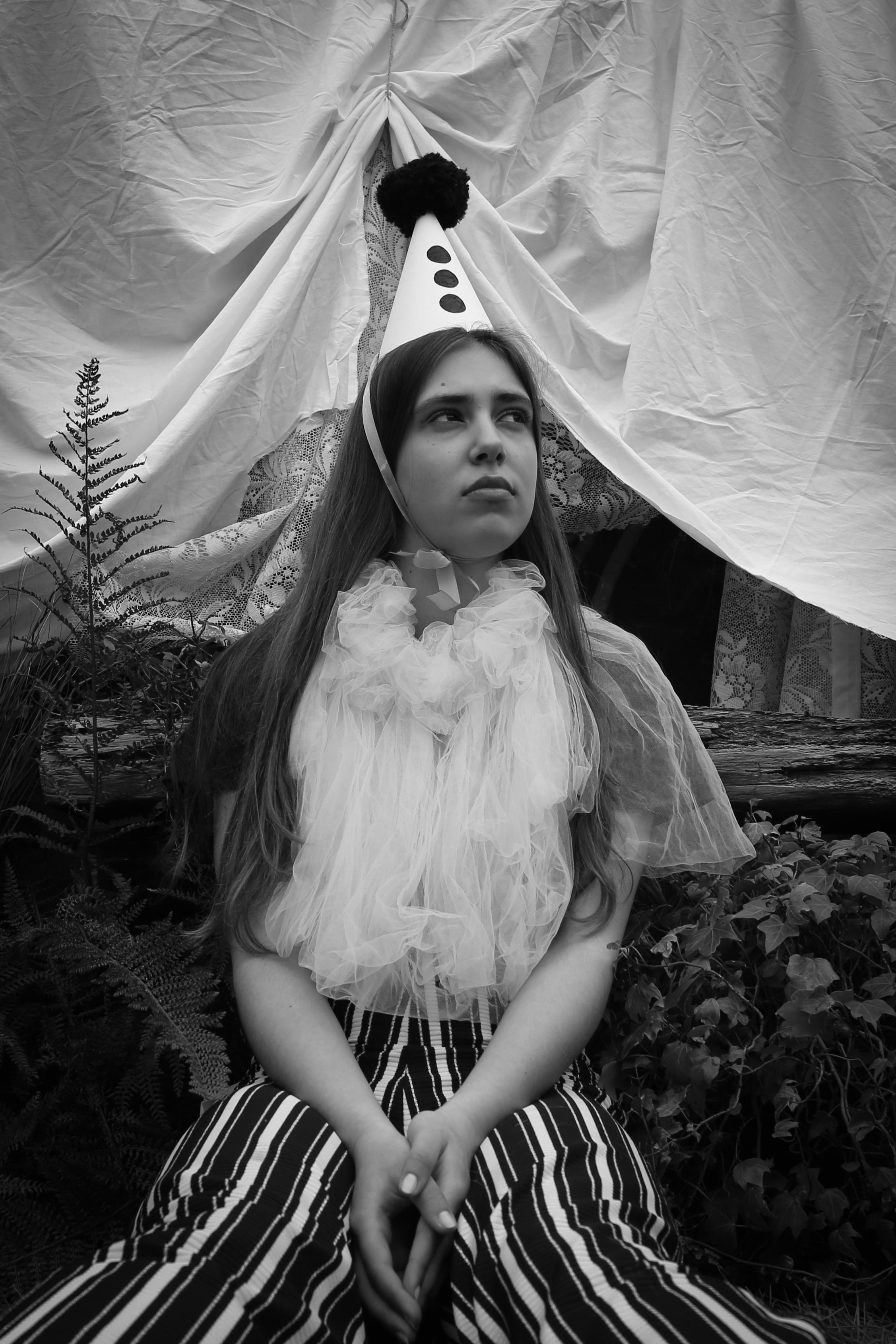


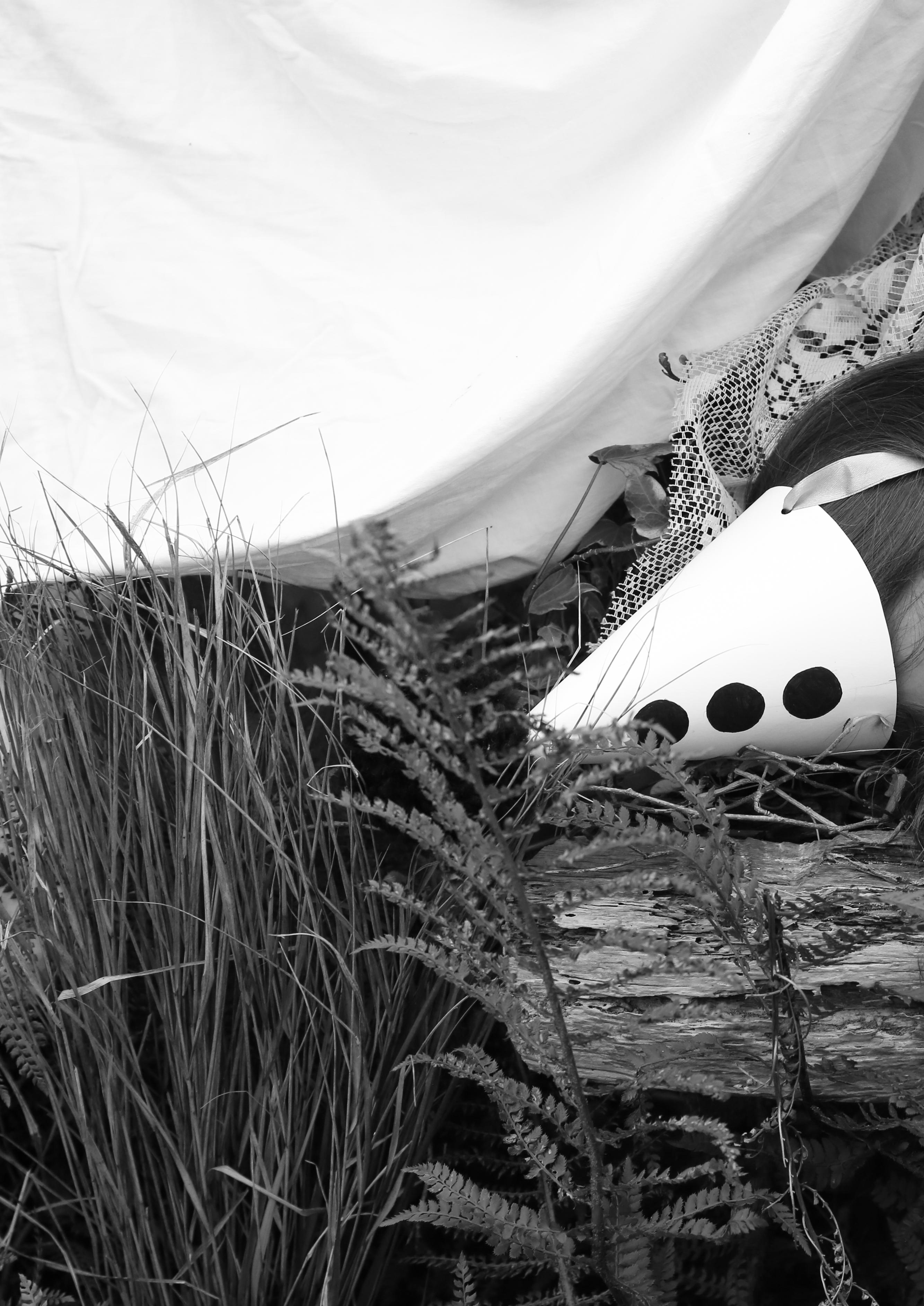
In today’s fast-moving world, Pierrot’s gentle presence feels like a breath of fresh air. He reminds us to pause, to look up at the moon, to daydream, to be curious. He may not always win, but he never gives up. His story is one of quiet hope—a reminder that even if things don’t turn out perfectly, there’s beauty in the effort, in the emotion, in the trying. Modern artists, designers, and musicians continue to draw inspiration from Pierrot’s image—not just because of his aesthetic, but because of his message. He speaks to anyone who’s ever felt a bit different, a bit too soft for a hard world—and tells them, you belong on the stage too.
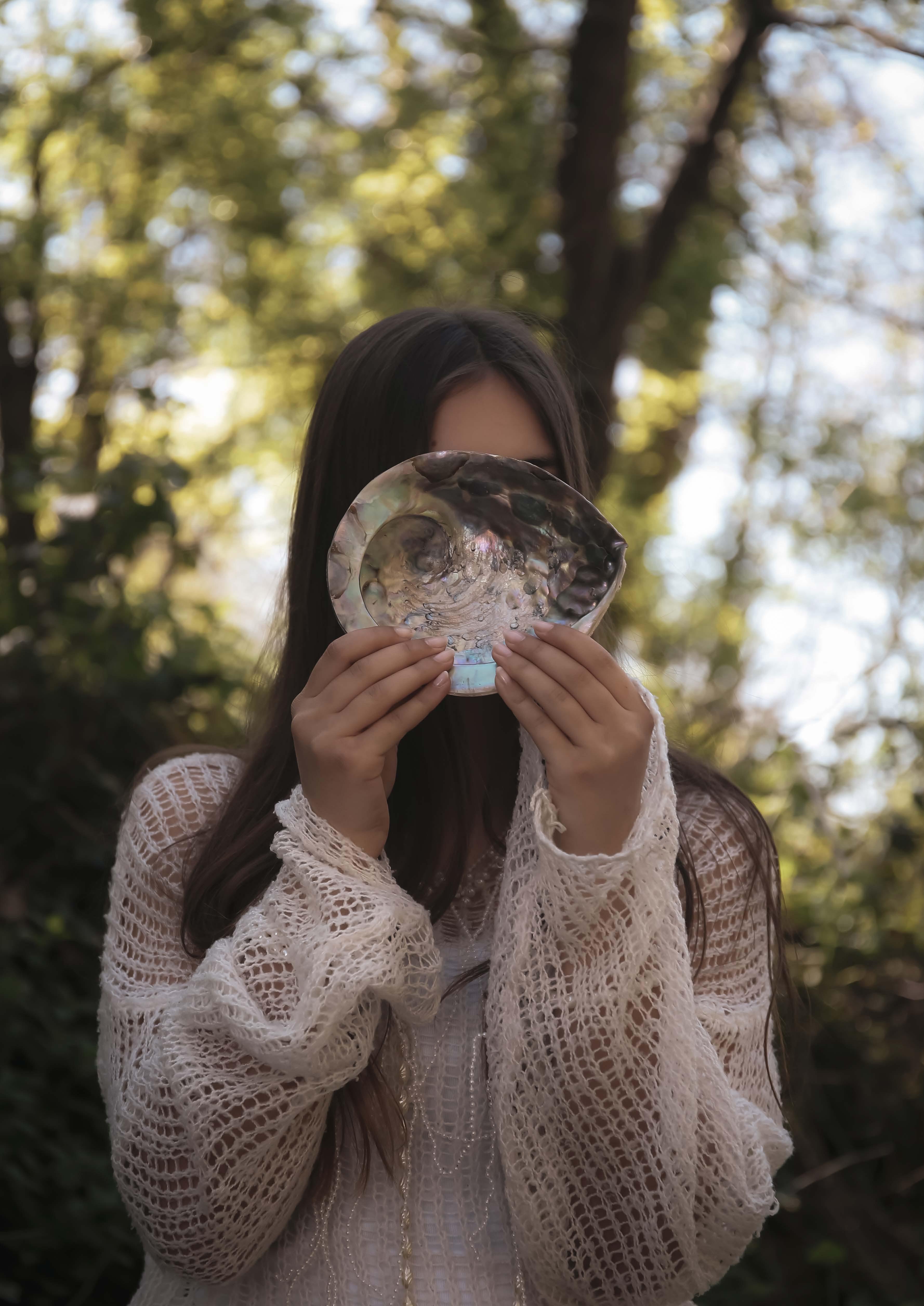
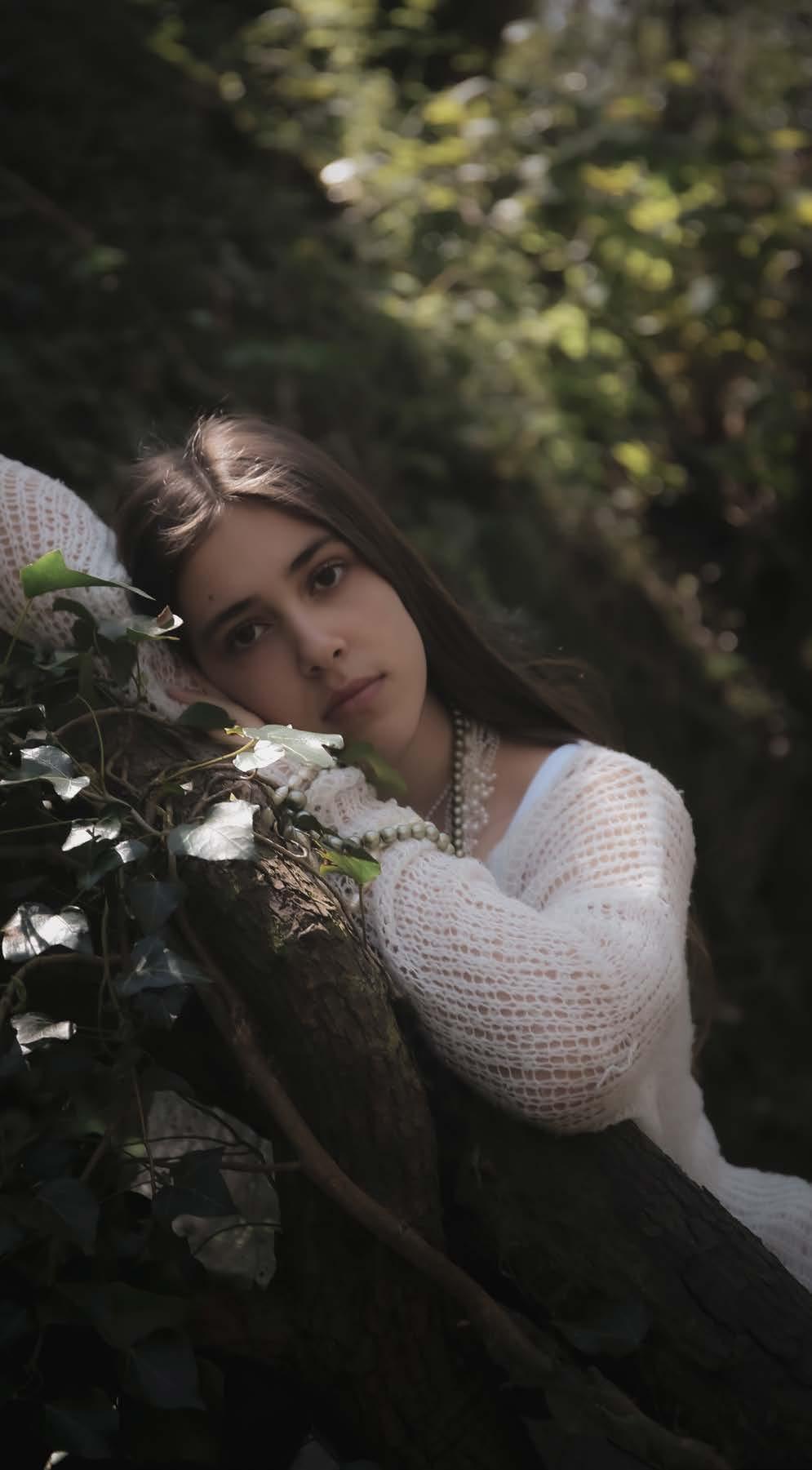
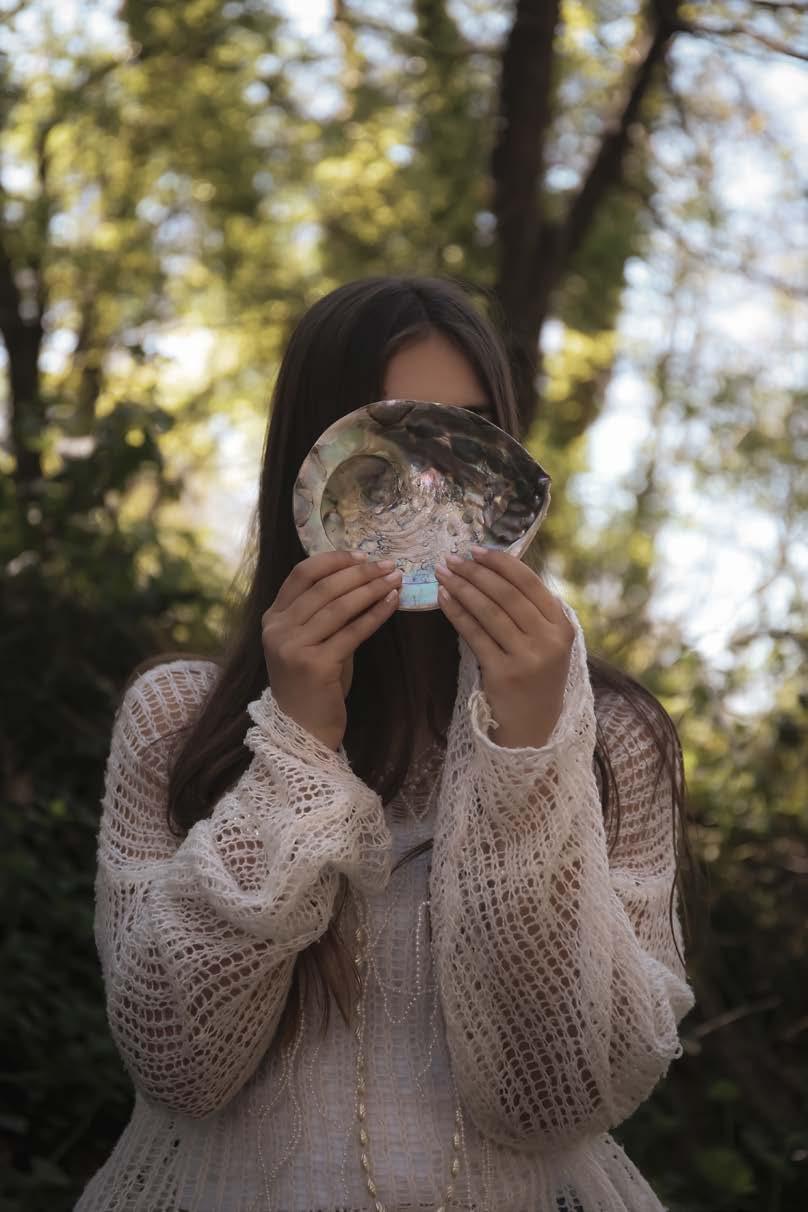
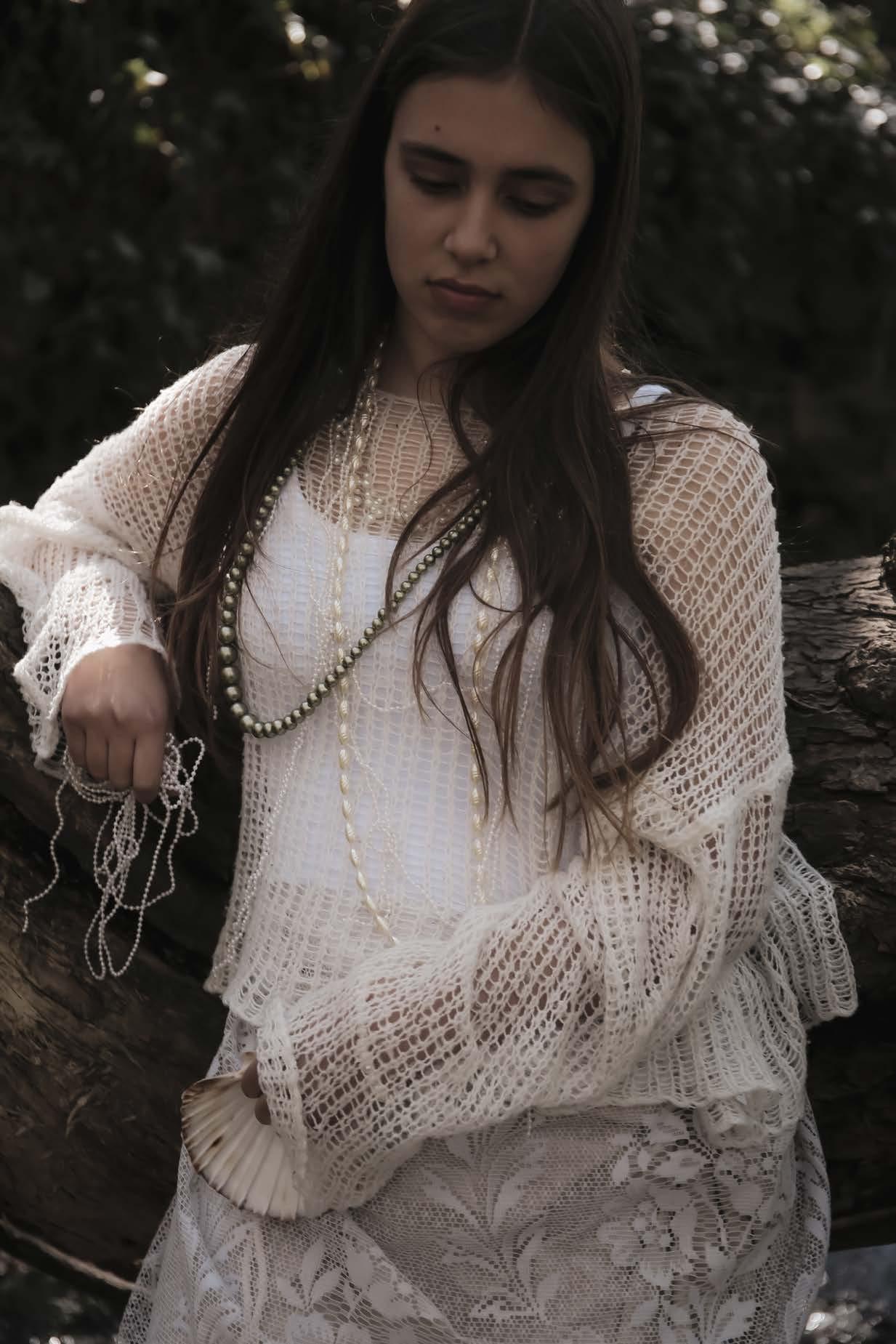
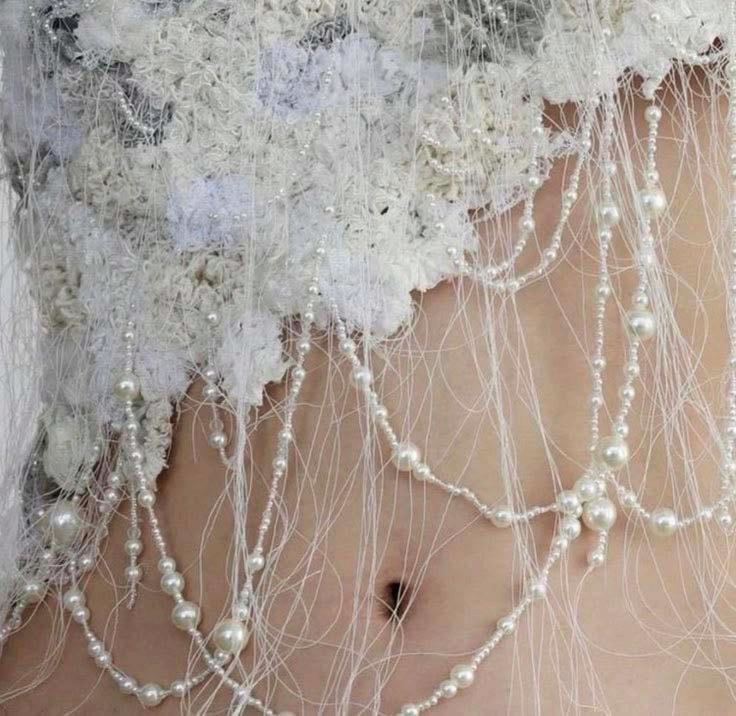
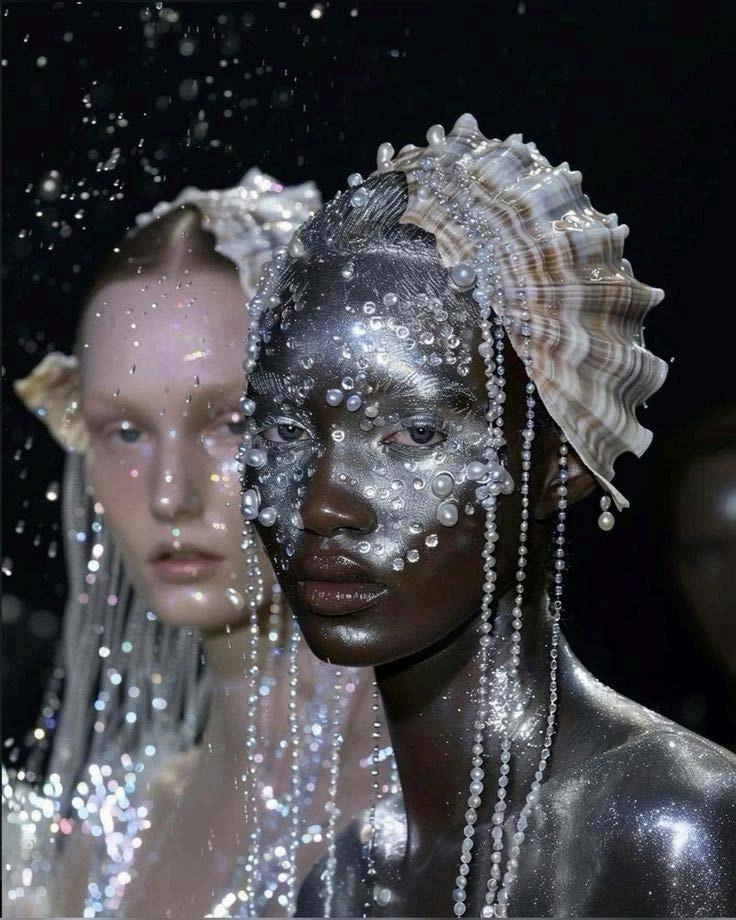
Pearls have long been prized as symbols of elegance and status—gracing royal necklines, bridal ensembles, and couture catwalks alike. But as sustainability and animal welfare become central conversations in fashion, one shimmering question remains: how ethical is pearl farming?
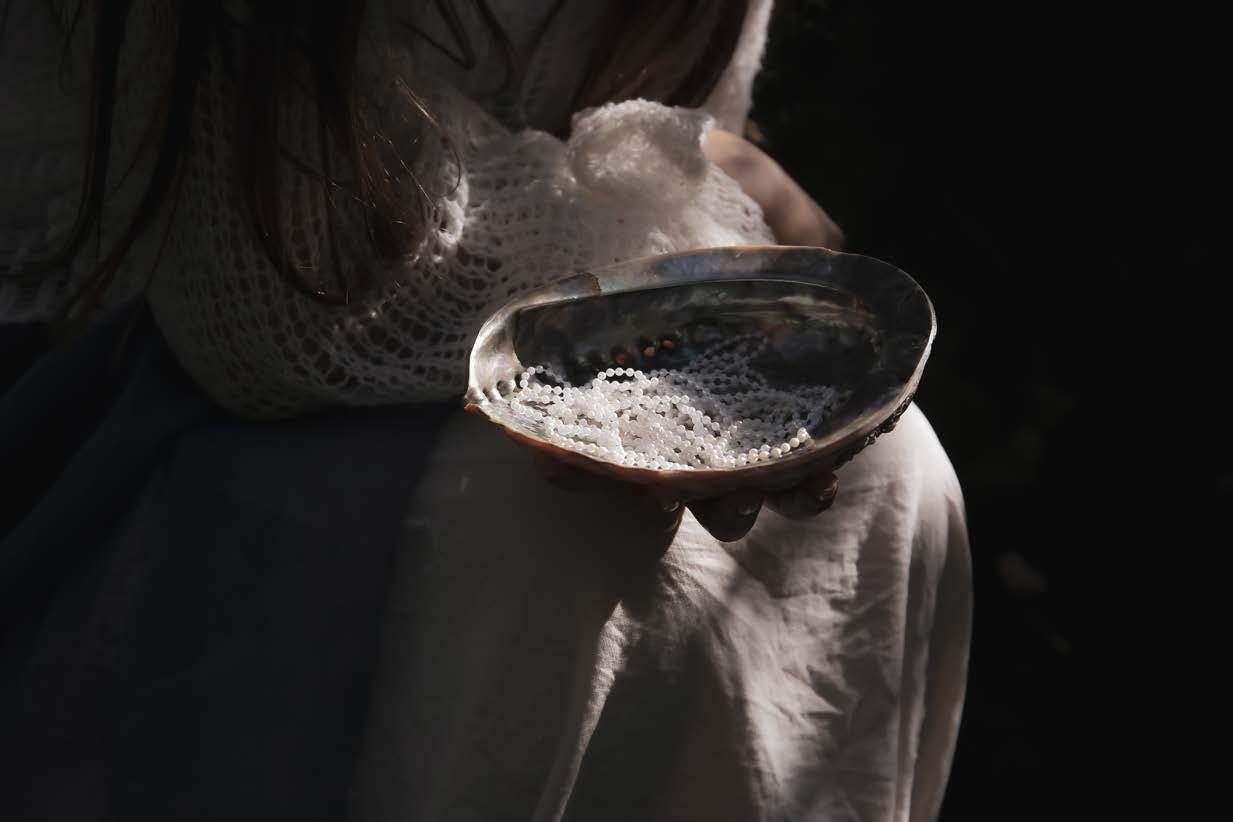
Unlike diamonds or synthetic jewels, pearls are organic gems created by mollusks—primarily oysters and mussels—in response to an irritant inside their shell. In natural settings, this is a rare occurrence. But the vast majority of pearls in the market today come from pearl farms, where the process is intentionally induced and closely controlled. Pearl farming, at face value, appears more eco-friendly than mining or plastic-based costume jewellery. Farmed oysters filter water, potentially improving water quality and biodiversity. Additionally, pearls require relatively few chemical inputs, making them a seemingly sustainable option. Yet, the ethical waters of pearl production run deeper.
The central ethical concern in pearl farming revolves around the treatment of mollusks. Pearls are cultivated by surgically implanting a nucleus into the oyster, which can be invasive and stressful. While mollusks lack central nervous systems similar to vertebrates, research is ongoing about their ability to feel pain or suffer.
What’s clearer is that many oysters are killed during the pearl extraction process. In commercial farms, only those with the potential to produce multiple pearls are kept alive. Others are discarded after a single harvest. For vegans and animal welfare advocates, this raises red flags.
“There’s this misconception that because they’re small or silent, oysters don’t suffer,” says Dr. Marla Turner, a marine biologist and ethicist. “We still don’t fully understand their capacities, and that uncertainty should encourage caution.”
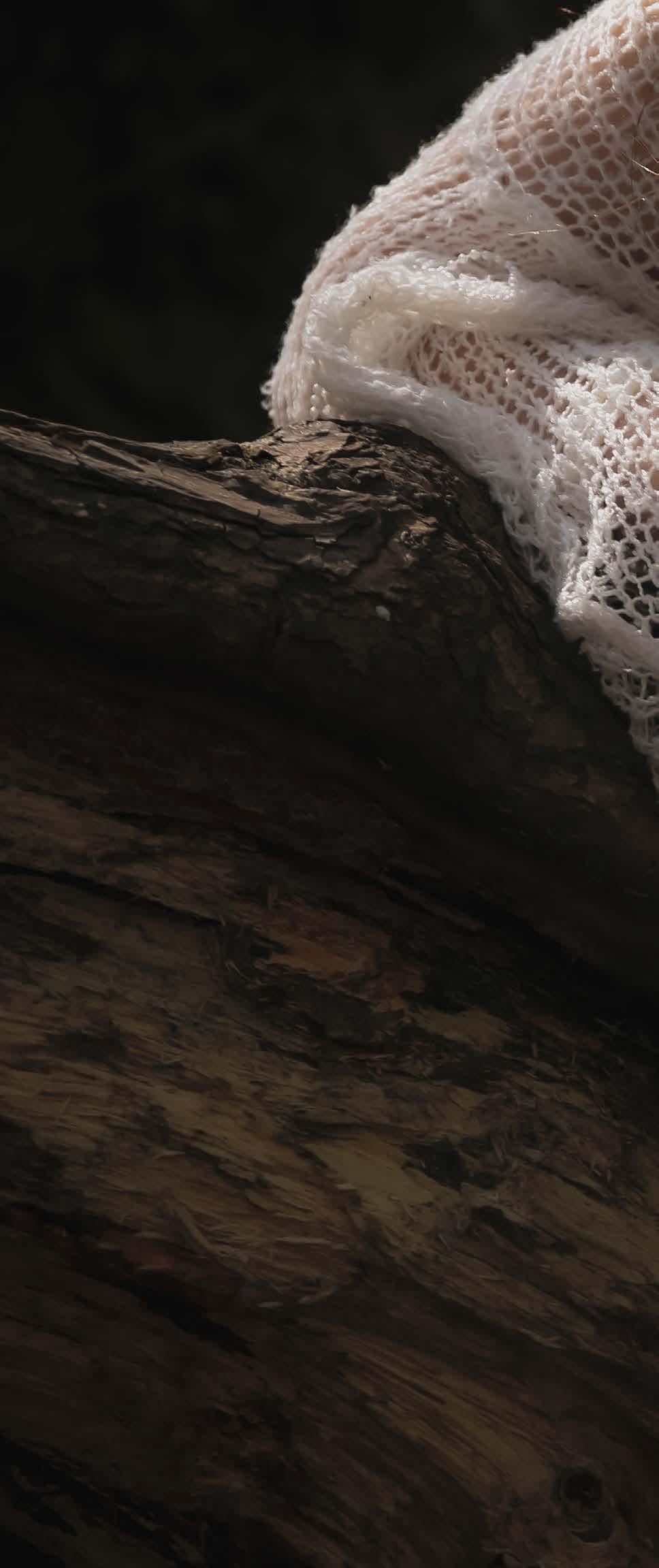
Labour, Transparency, and Environmental Impact
Beyond the mollusks themselves, pearl farming intersects with broader ethical concerns. In regions like Southeast Asia, where much of the world’s cultured pearls originate, labour conditions vary significantly. In some operations, workers are paid fairly and contribute to community development. In others, lack of regulation can lead to exploitation.
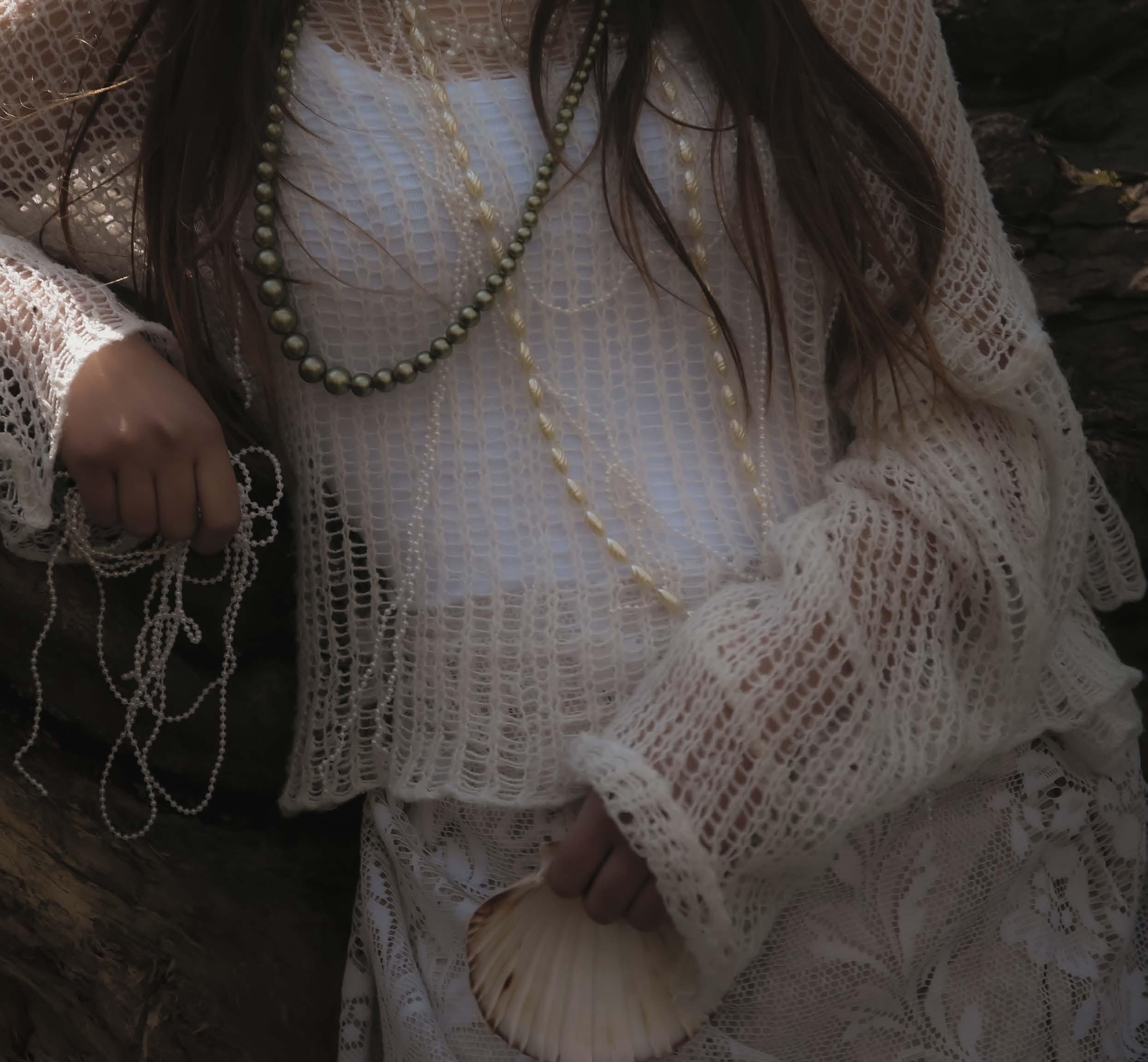
Environmentally, while pearl farming can be beneficial, poor practices—like overcrowding, antibiotic use, or pollution from nearby industries—can harm marine ecosystems. As demand for pearls surges, especially from fast-fashion brands, the pressure to prioritise quantity over quality grows.
Not all pearls are created equal. Brands committed to sustainability are beginning to seek more transparent sourcing, often working with certified farms or directly with local communities. Some even highlight keshi pearls—naturally occurring byproducts of pearl farming that don’t require a nucleus implant—as a more ethical option.
There’s also a rise in bioengineered and lab-grown pearls, developed without involving live animals. While not yet mainstream, these innovations could offer cruelty-free alternatives that align with ethical consumer values.

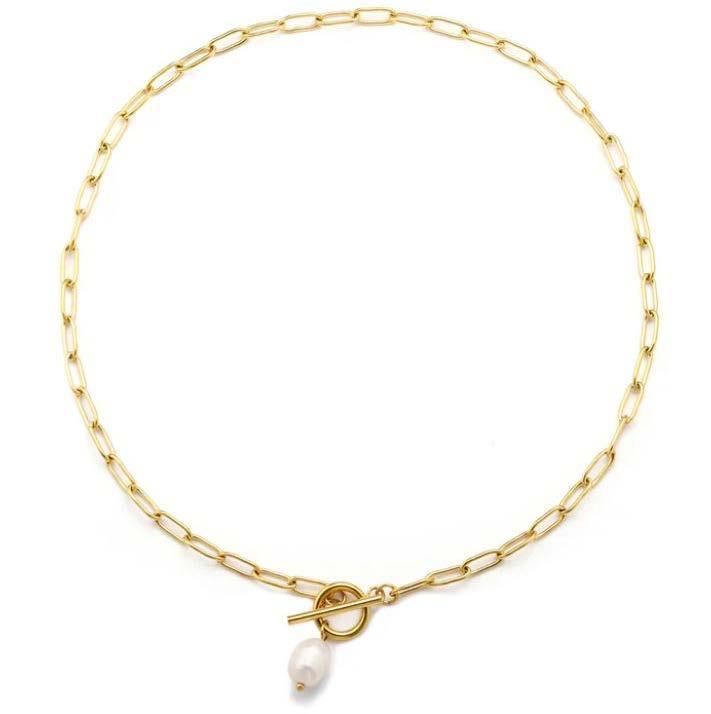
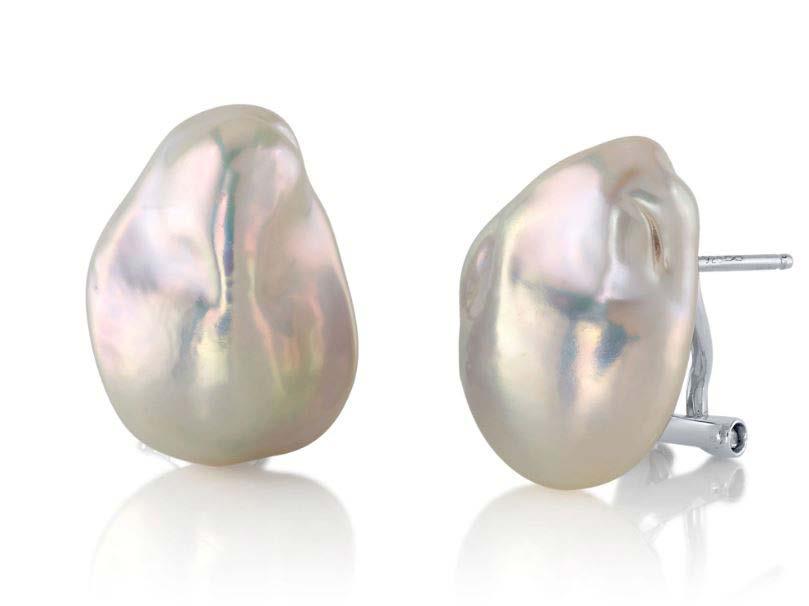
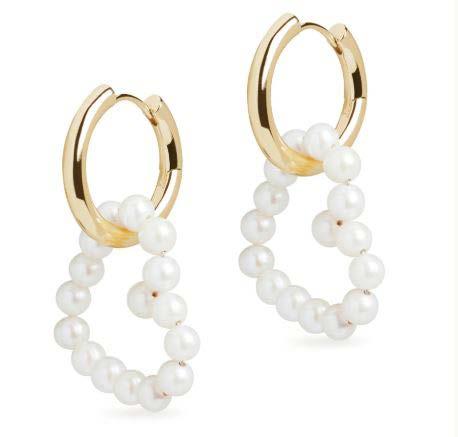
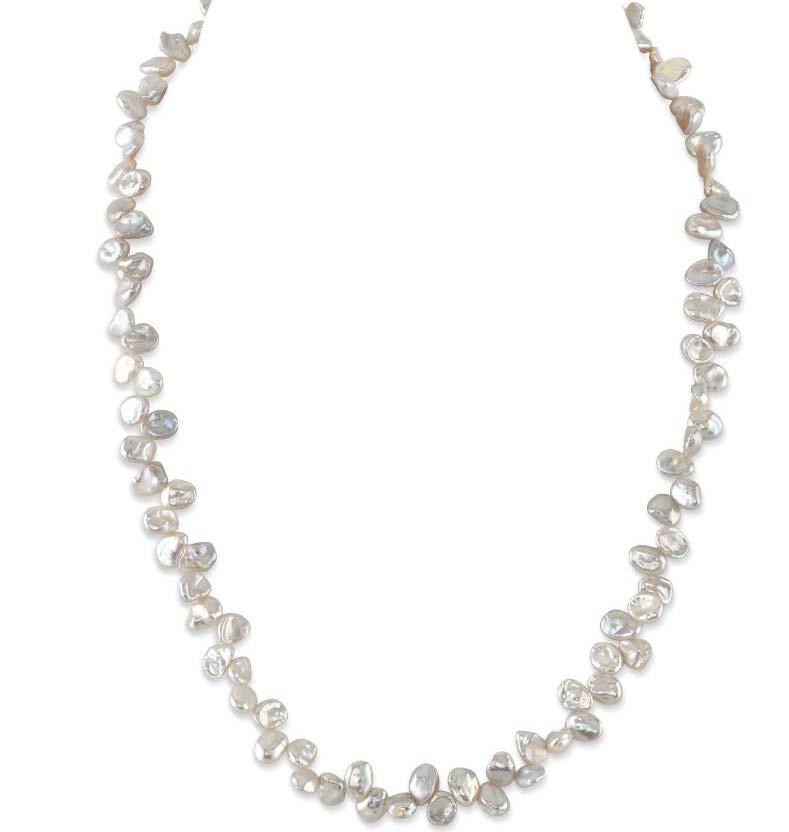
The Pearl Source 5-6mm white frechwater cluster keshi
Pearl Source
and Pearl
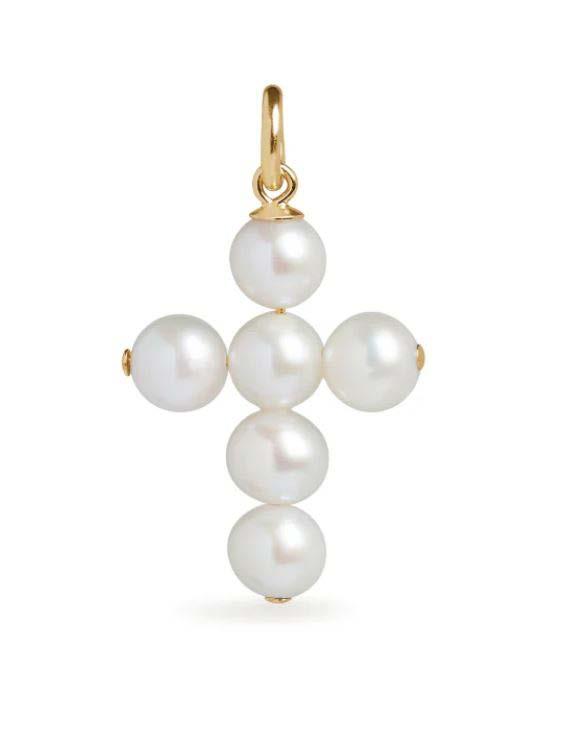
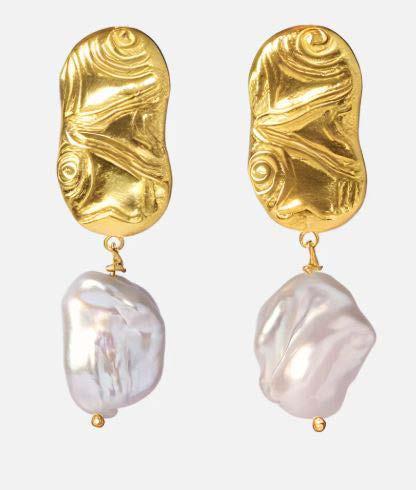
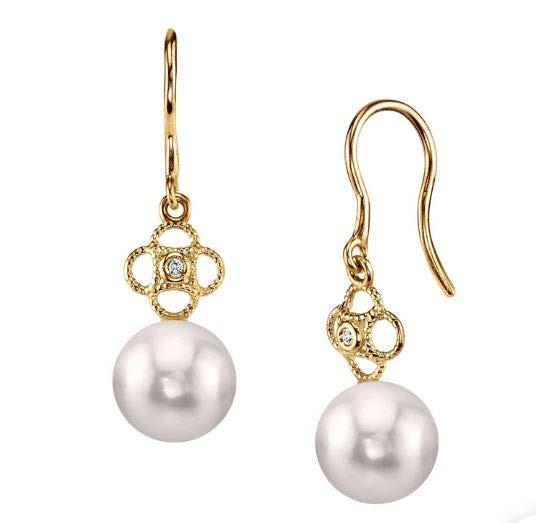
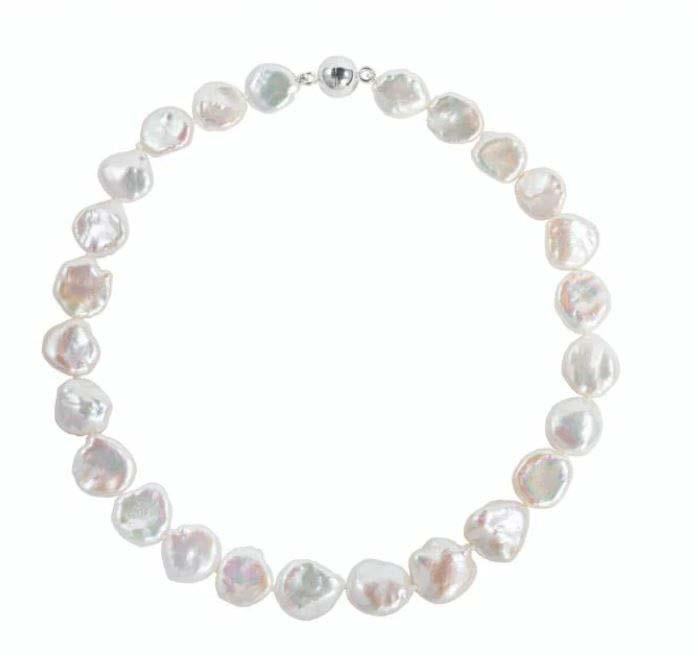
Olivia and Pearl Keshi choker necklace pearlesent
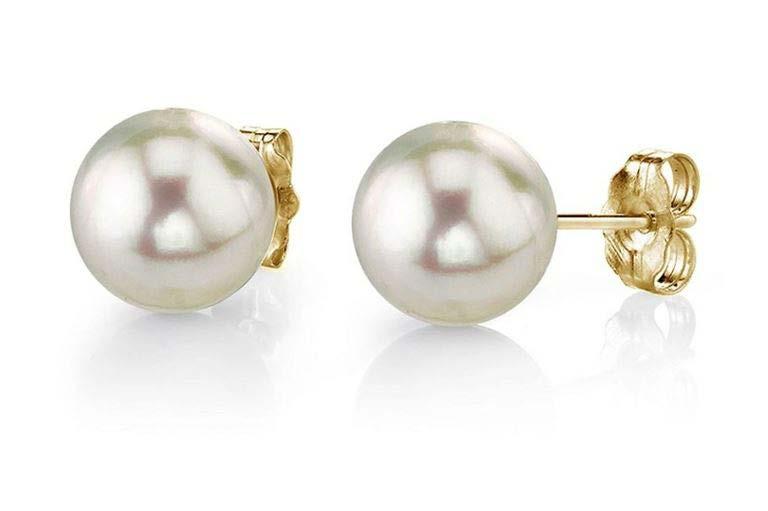
The Pearl Source 7.5-8.0mm white Akoya round
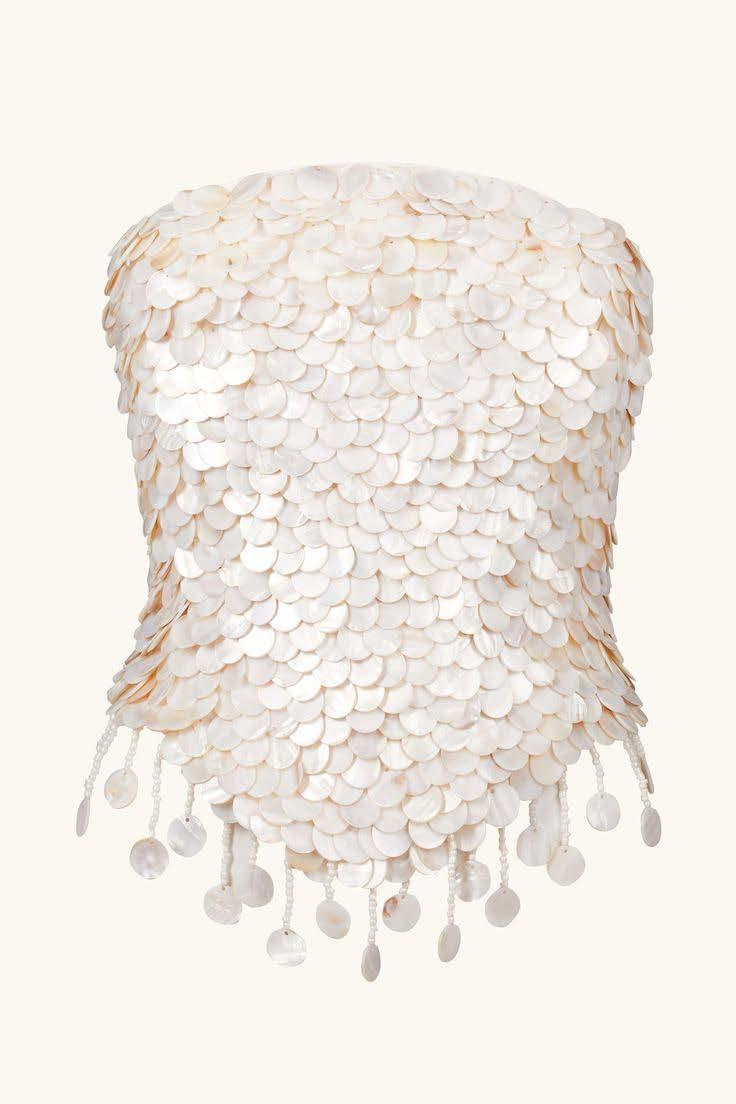
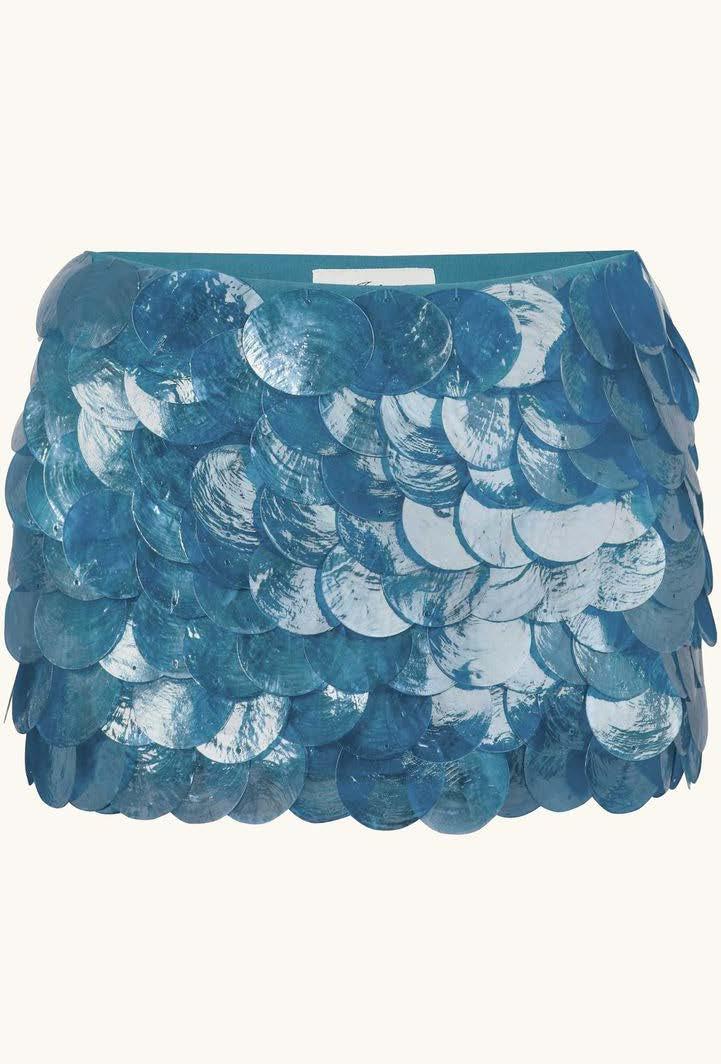
Inspiration for your Inner Siren
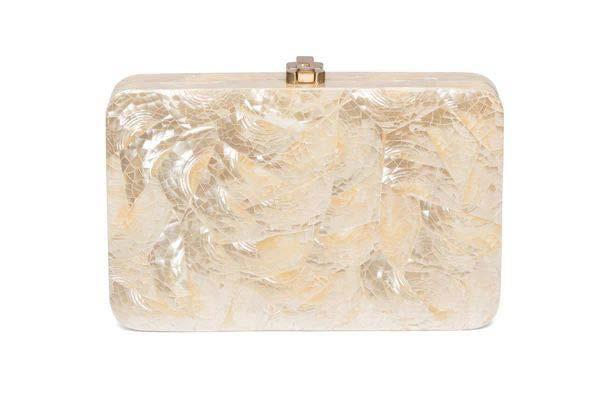
£1,795.00



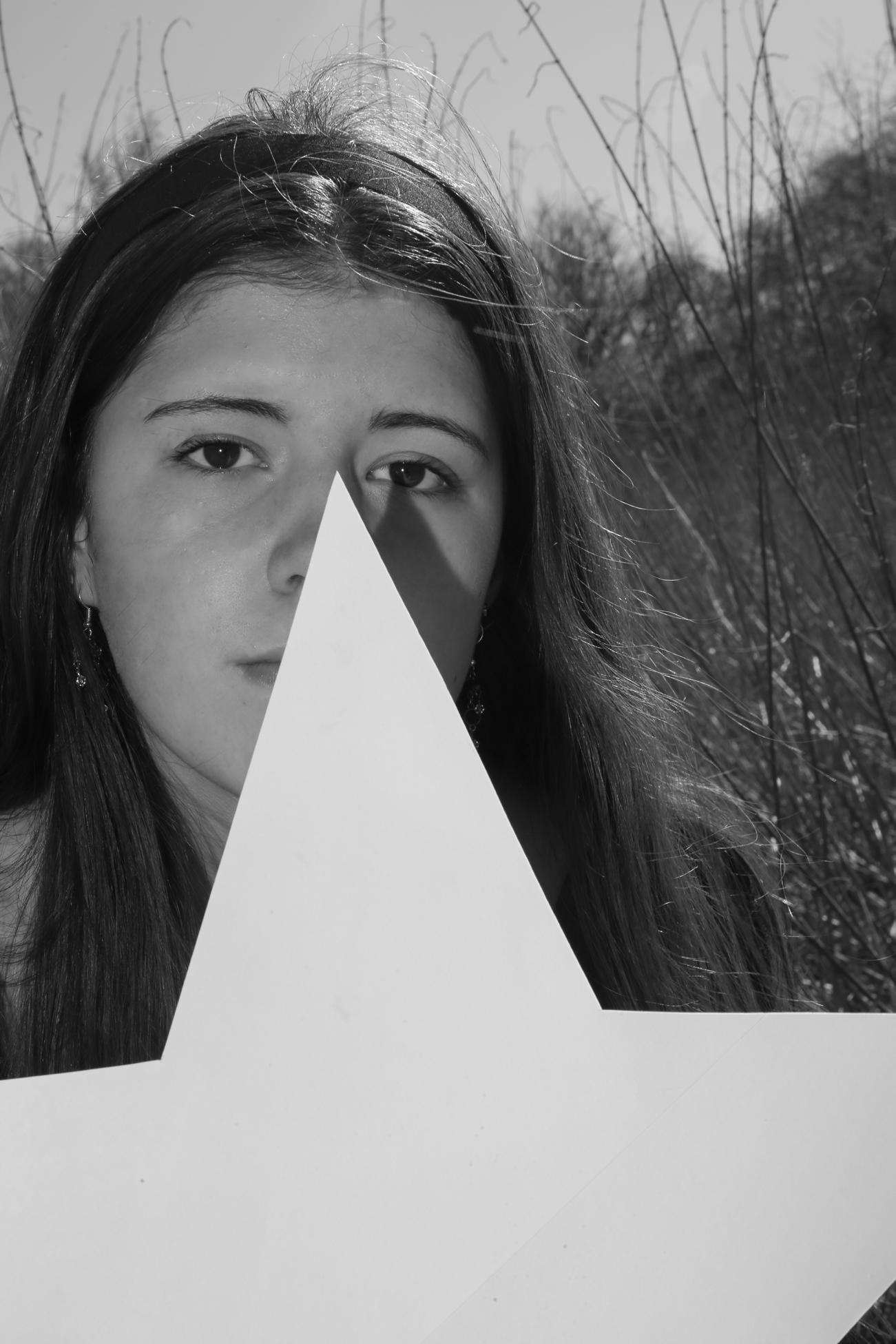

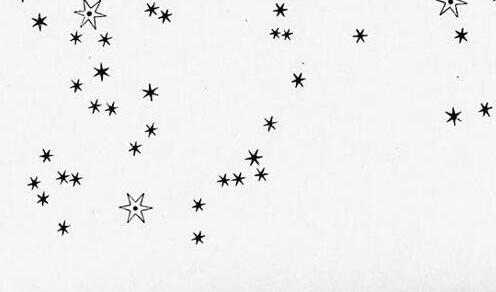

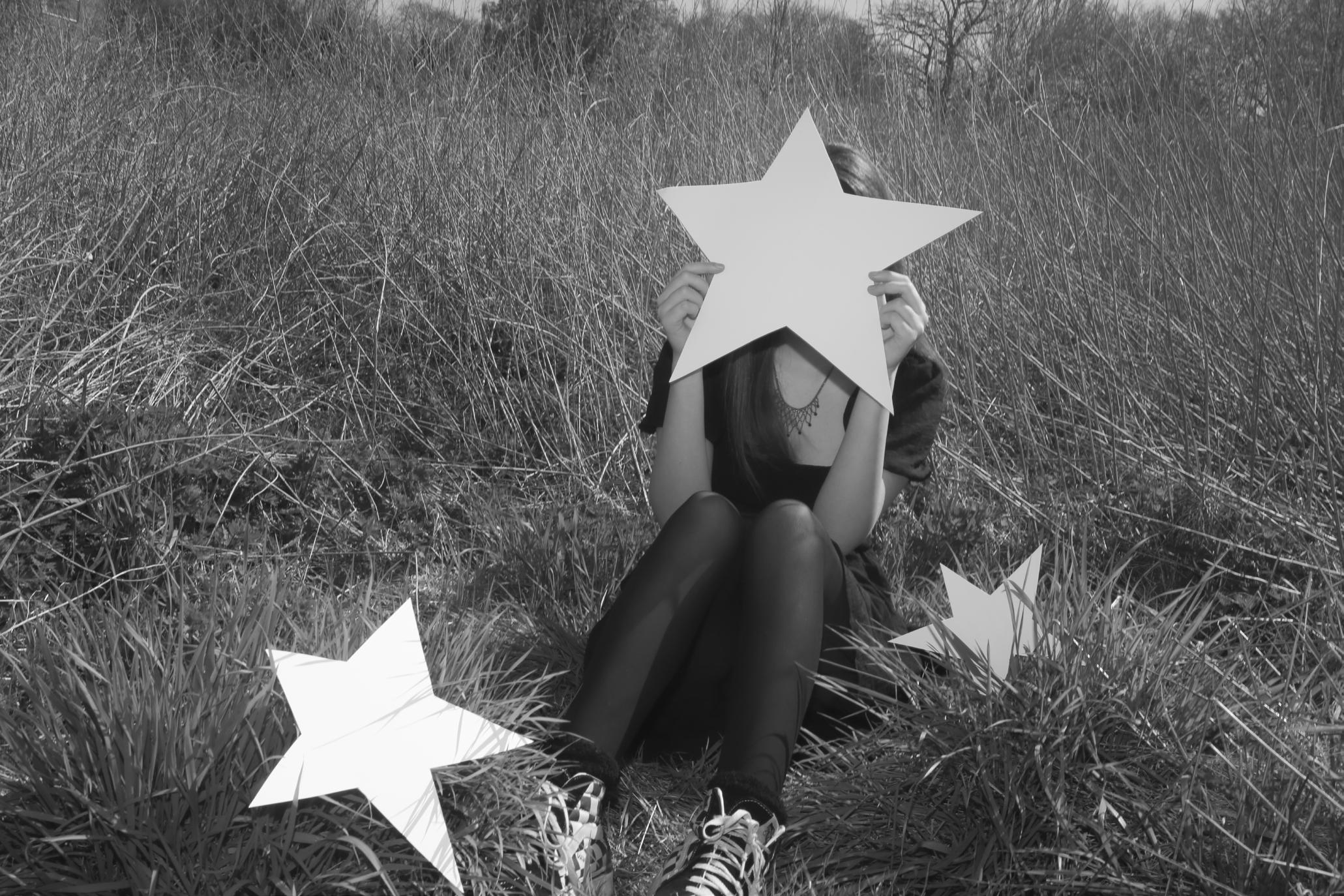
The Year of the GREEN WOODEN SNAKE represents a period of profound transformation, where planetary shifts set the stage for new beginnings. From the intellectual dynamism of Gemini to the emotional richness of Cancer, 2025 challenges us to embrace adaptability, resilience, and connection.

Astrology has seen a significant surge in popularity in recent years, especially among younger generations seeking meaning and self-understanding in an uncertain world. Fueled by social media platforms like TikTok and Instagram, where horoscopes and zodiac memes are widely shared, astrology has evolved into both a cultural trend and a personal tool for reflection. Many people now turn to birth charts and planetary alignments not only for entertainment but also as a way to navigate relationships, career choices, and emotional growth. This modern revival blends ancient traditions with contemporary digital culture, making astrology more accessible and engaging than ever before.



21/3 20/4
21/4
22/5
22/6 21/5 21/6 22/7
23/7 21/8
22/8 23/9
24/9 23/10
24/10 22/11
23/11 22/12
23/12 20/1
21/1 19/2
20/2 20/3
Aries Taurus Gemini Canser Leo Virgo Libra Scorpio
Sagittarius

Capricorn Aquarius Pisces Ram Bull Twins Crab Lion Virgin Scales Scorpion Archer Goat Water Bearer Fishes

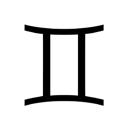

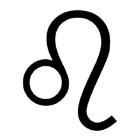
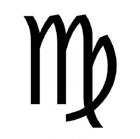
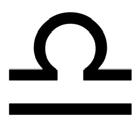
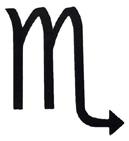
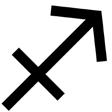
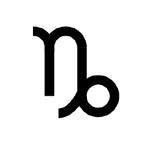

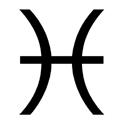

Your star sign, or sun sign, is a concept in astrology that suggests your core personality traits and tendencies can be influenced by the position of the sun in the zodiac at the time of your birth. Astrology uses the zodiac as a framework to interpret these influences, suggesting that different signs are associated with specific personality characteristics.

FRI 2ND MAY 2025

More people are turning to the moon’s natural cycle as a guide for daily living, using its phases to create a more intentional and balanced life. The lunar calendar, with its eight distinct phases—from the new moon to the full moon and back—offers a reflective framework for goal-setting, self-care, and spiritual alignment. The new moon symbolies beginnings, a time to set intentions and plant metaphorical seeds. As the moon waxes, energy builds, supporting action and growth. The full moon brings culmination and clarity, ideal for celebrating progress or releasing what no longer serves. Finally, the waning phases invite rest, reflection, and letting go. By aligning habits, rituals, and decisions with the moon’s rhythm, many find greater mindfulness and a deeper connection to natural cycles.

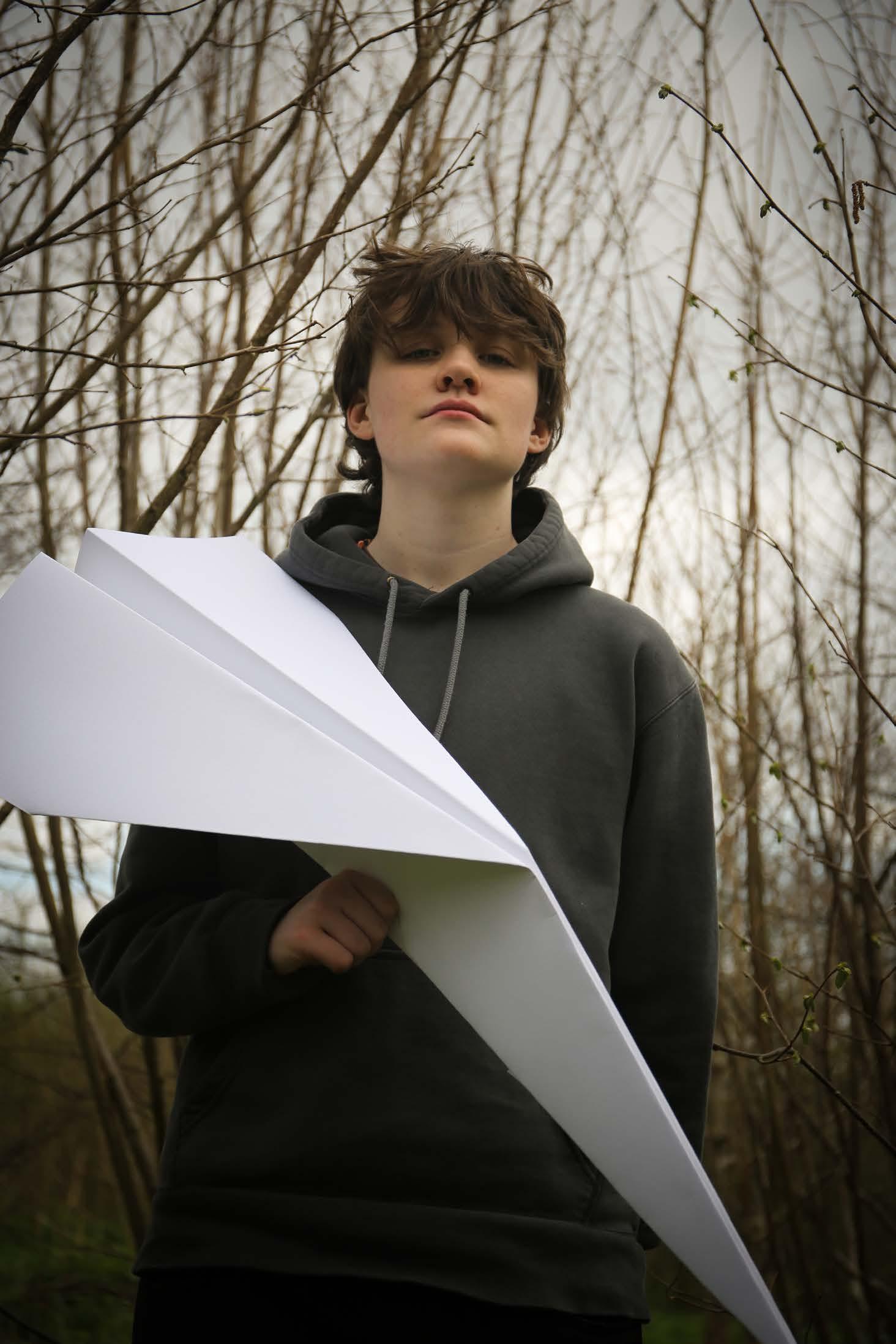
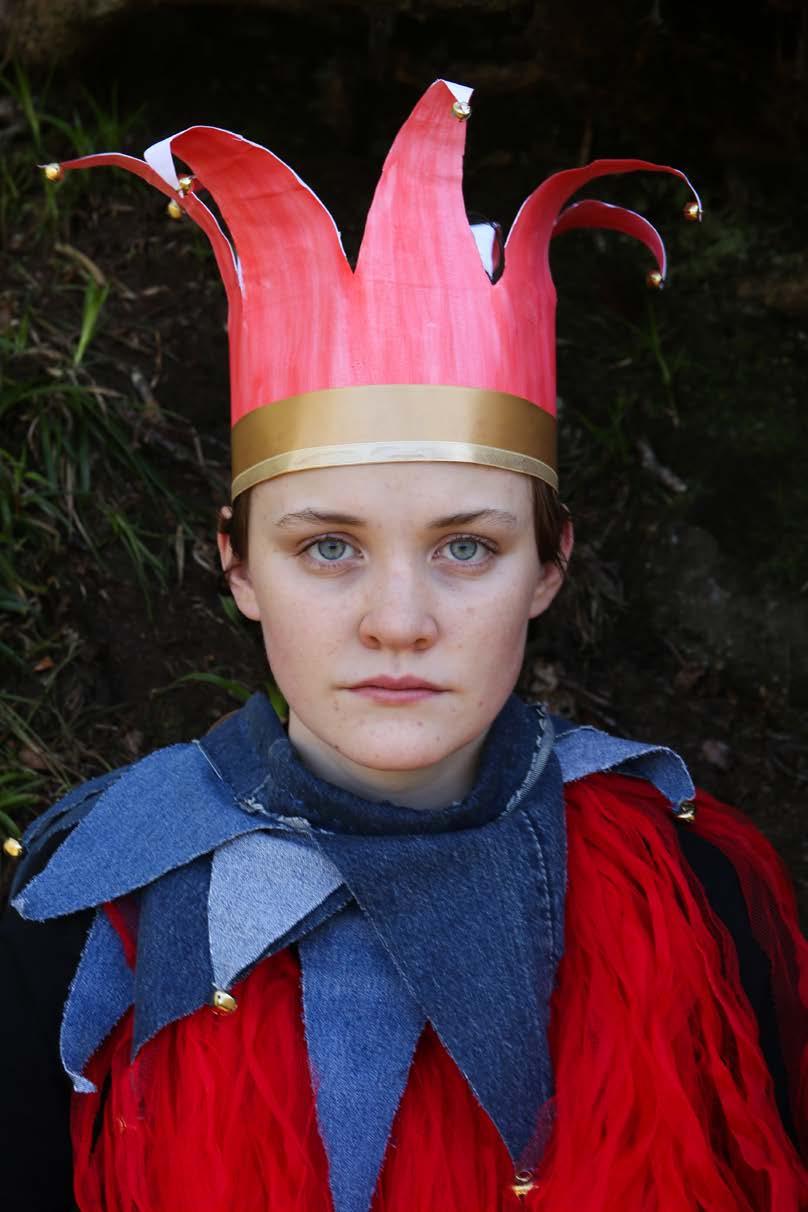
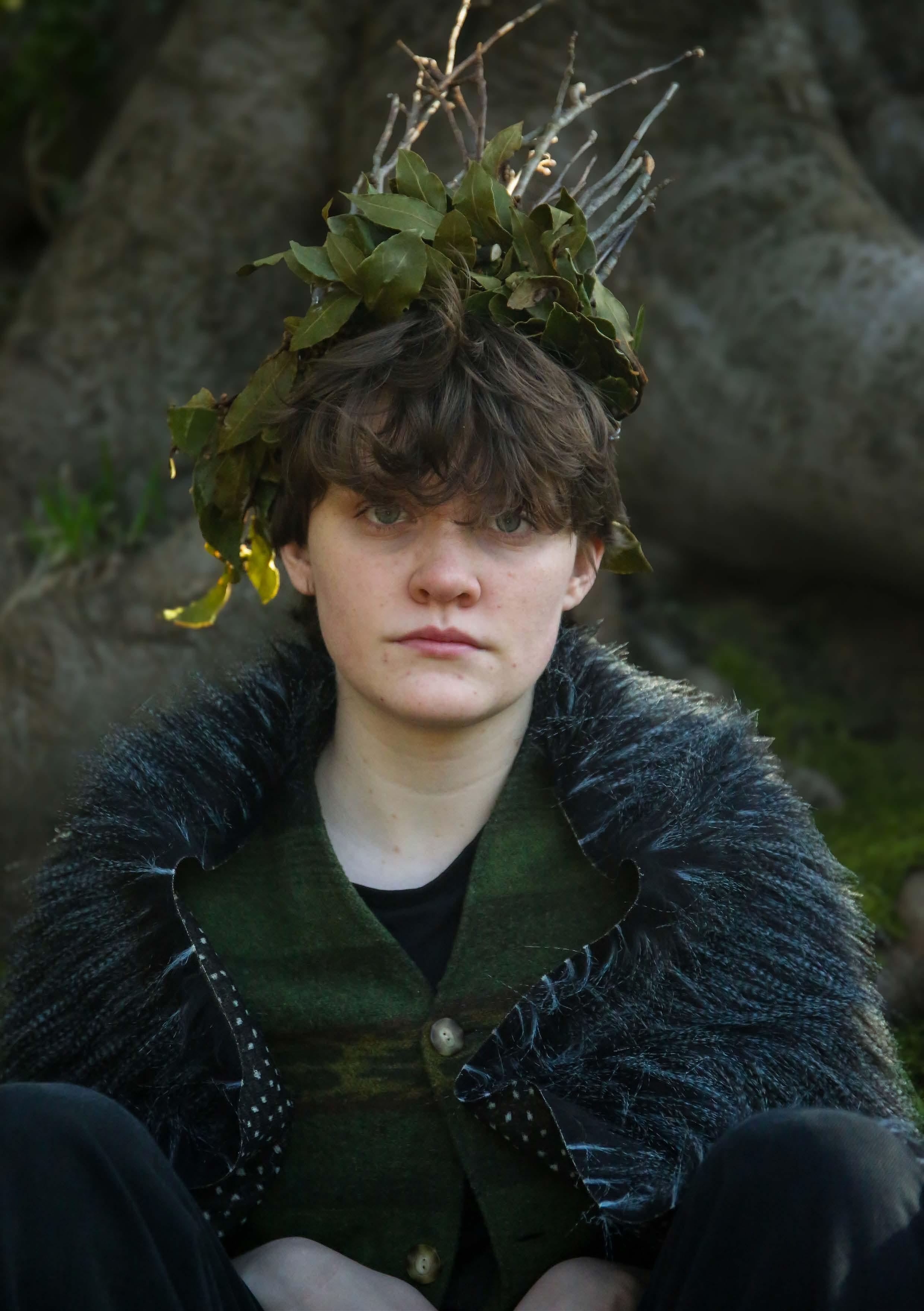
In a dazzling twist of historical revivalism, medieval jesters—the flamboyant fools of the royal court— are stepping out of the history books and onto modern runways, bringing with them a riot of color, theatrical flair, and unapologetic individuality. Far from mere entertainers, jesters held a unique social role in medieval society: part comedian, part critic, and part chaos agent, their outlandish costumes and quick wit allowed them to challenge authority through humor and satire. Their look was unmistakable—mismatched patterns, vibrant hues, exaggerated silhouettes, and of course, the iconic “fool’s cap” adorned with bells. Today, this aesthetic is experiencing a bold renaissance in fashion circles, where designers are embracing the jester’s spirit of joyful rebellion and using it to inspire collections that blur the line between art, costume, and couture. It’s a style revival that’s both nostalgic and subversively current, celebrating eccentricity in an age of uniformity.
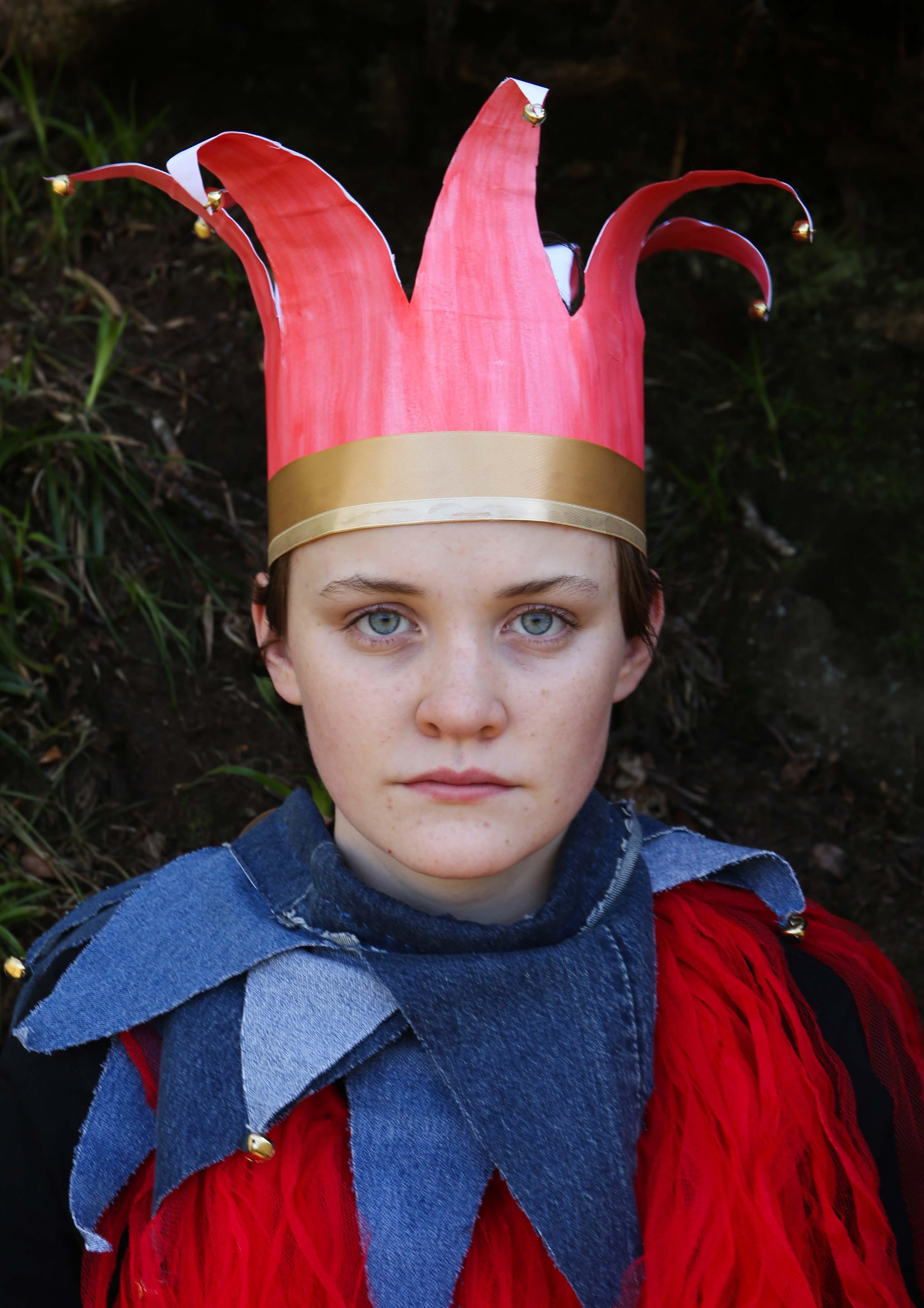
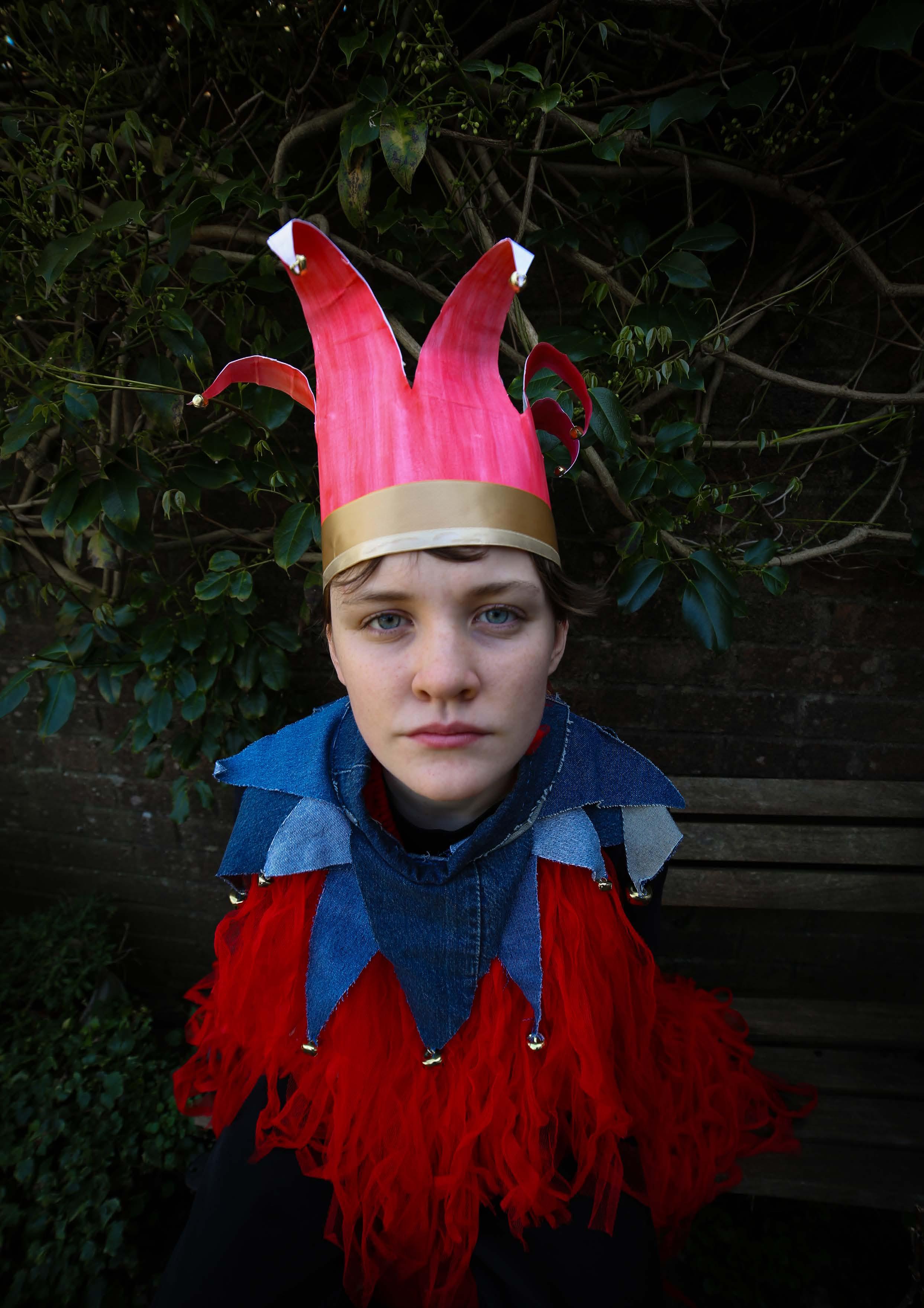
But this isn’t costume play—it’s couture with a message. In a fashion era increasingly unafraid of whimsy, satire, and self-expression, the jester becomes more than a historical figure; they evolve into a symbol of bold individuality and resistance to conformity. Designers like Vivienne Westwood, Thom Browne, and Iris van Herpen have all flirted with elements of jester-inspired fashion, from checkerboard patterns and puffed sleeves to sculptural headwear that echoes the jingle of the fool’s cap. Contemporary fashion houses are incorporating rich velvets, metallic embellishments, and asymmetrical tailoring to channel the jester’s flair, blending medieval theatrics with futuristic polish. Even streetwear is catching the wave, with jester motifs appearing in sneaker designs, statement knits, and accessories. In a world oversaturated with minimalism and neutral palettes, the jester reintroduces maximalism with a wink—reminding us that fashion doesn’t always have to be serious to be significant. In fact, the jester teaches us that sometimes, the loudest truths are told in laughter and color.